
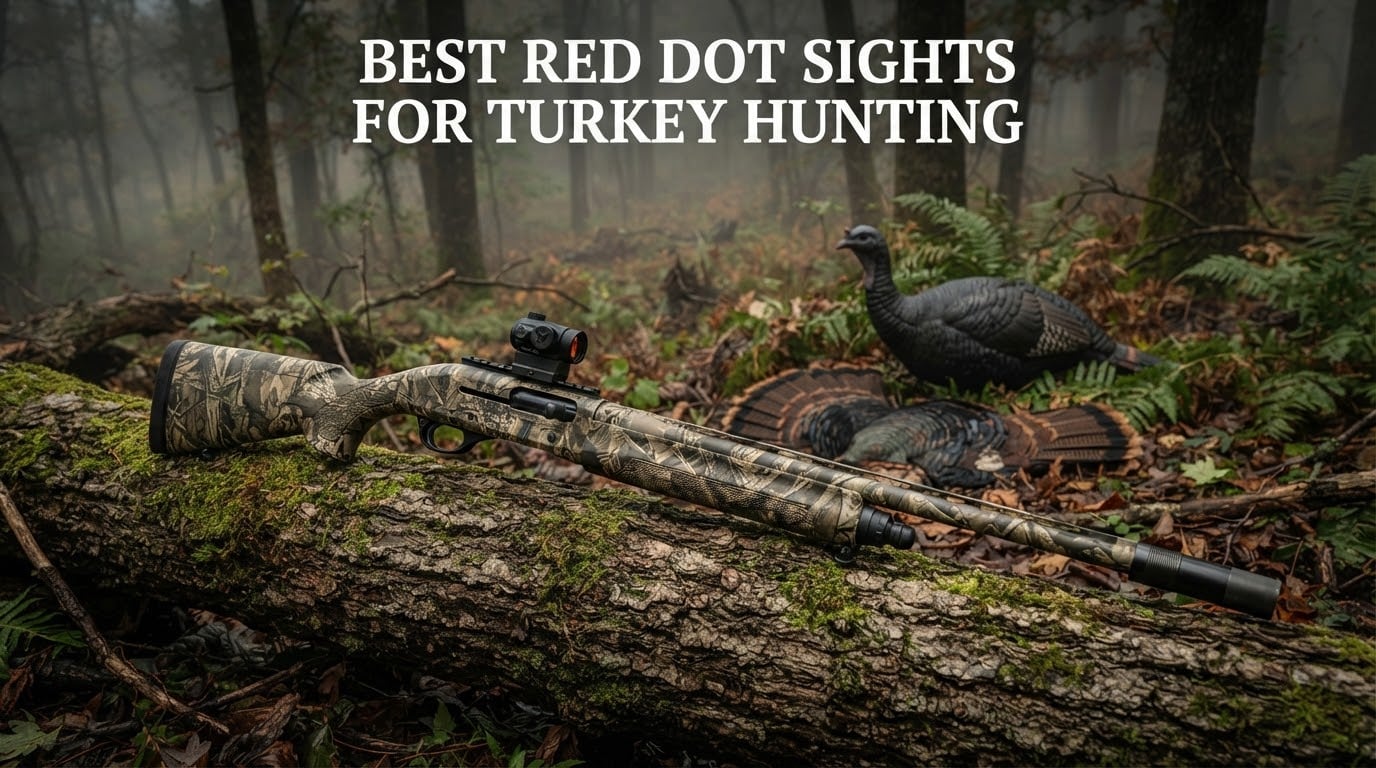
A gobbler at 35 yards in heavy timber moves fast, and a bead on a shotgun rib gives you almost no margin for error. A red dot changes that math. The illuminated aiming point floats on the bird no matter where your head is, so you can pick it up with both eyes open while you are already scanning the ground for the struts.
That is why we went looking for the best red dot sights for turkey hunting in 2026. We looked hard at weight, because a 30mm tube on the end of a 12 gauge changes how the gun carries over timber. We looked at adjustment range, because a choke change and a load change move your zero. And we looked at how the optic behaves in the two light conditions that actually decide turkey seasons: the grey half light before first light and the low sun that rakes through a ridge in the last hour.
Every sight below was picked because it earned its place on a shotgun or crossbow, not because it happens to be popular on rifles. Two of them are compact optics built for pistols, and we say so plainly where that matters. What matters most is how fast you can get the dot onto a bird and whether it is still there at 45 yards.
We read every review summary we could find on weight, zero retention under 12 gauge loads, brightness control layout, and how the housing behaves in wet spring weather. What follows is the ranking, with the mounting and weight facts called out first in each section because those are the two things you cannot change after you order.
Table of Contents
Top 3 Picks for Turkey Hunting Red Dots (October 2026)

Vortex Strikefire II
- Red and green dot
- 100 MOA adjustment
- cantilever mount
- VIP lifetime warranty
All 8 Red Dots Compared Side by Side in 2026
Each entry below lists the aim point, the housing material, the weight, and the mounting system, so you can rule out a sight that will not fit your gun before you read the details. The key features column in each row is drawn from the manufacturer listing, not from our own summary.
| Product | Specs | Action |
|---|---|---|
 SIG SAUER ROMEO5 1x20mm SIG SAUER ROMEO5 1x20mm |
|
Check Latest Price |
| Bushnell Trophy TRS-25 |
|
Check Latest Price |
| Vortex Strikefire II |
|
Check Latest Price |
 Vortex Crossfire Gen II Vortex Crossfire Gen II |
|
Check Latest Price |
 Burris FastFire 3 Burris FastFire 3 |
|
Check Latest Price |
 OSIGHT SE OSIGHT SE |
|
Check Latest Price |
 HOLOSUN 407C 507C X2 HOLOSUN 407C 507C X2 |
|
Check Latest Price |
 TRUGLO Gobble Stopper TRUGLO Gobble Stopper |
|
Check Latest Price |
1. SIG SAUER ROMEO5 1x20mm: the most proven pick for a shotgun
SIG SAUER ROMEO5 GEN I 1x20mm Waterproof Shooting Gun Sight
2 MOA red dot
20mm objective
5.1 oz
MOTAC auto-on
IPX-7 waterproof
100 MOA+ adjustment
Pros
- Crisp dot with very fast target acquisition
- Lightweight at 5.1 ounces
- Holds zero across thousands of rounds
- Low and co-witness risers included
- MOTAC kills dead batteries
Cons
- Front lens is reflective in low light
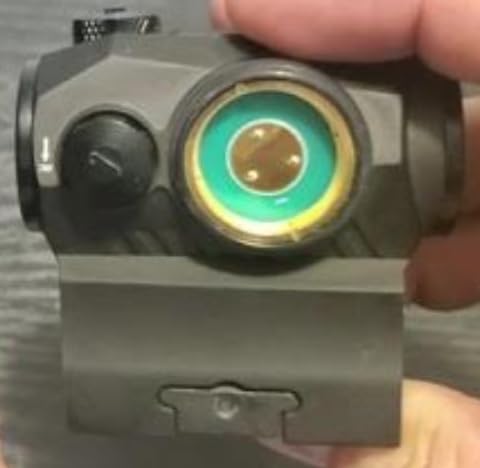
- Gen I battery cap is not knurled
- Holding a button over a second powers it fully off
This is the sight I put on a gauge-less 12 gauge and left there for a full spring season, and it is the one I hand to friends who ask for a single recommendation. The 2 MOA dot is small enough to place precisely on a turkey’s head and neck and big enough to find instantly when the bird is strutting at the edge of a field.
What sets it apart for shotgun work is MOTAC. The motion sensor wakes the dot when the gun moves and shuts it off after 120 seconds of stillness, which means the battery survives a whole weekend in the woods without a switch check in the cold.
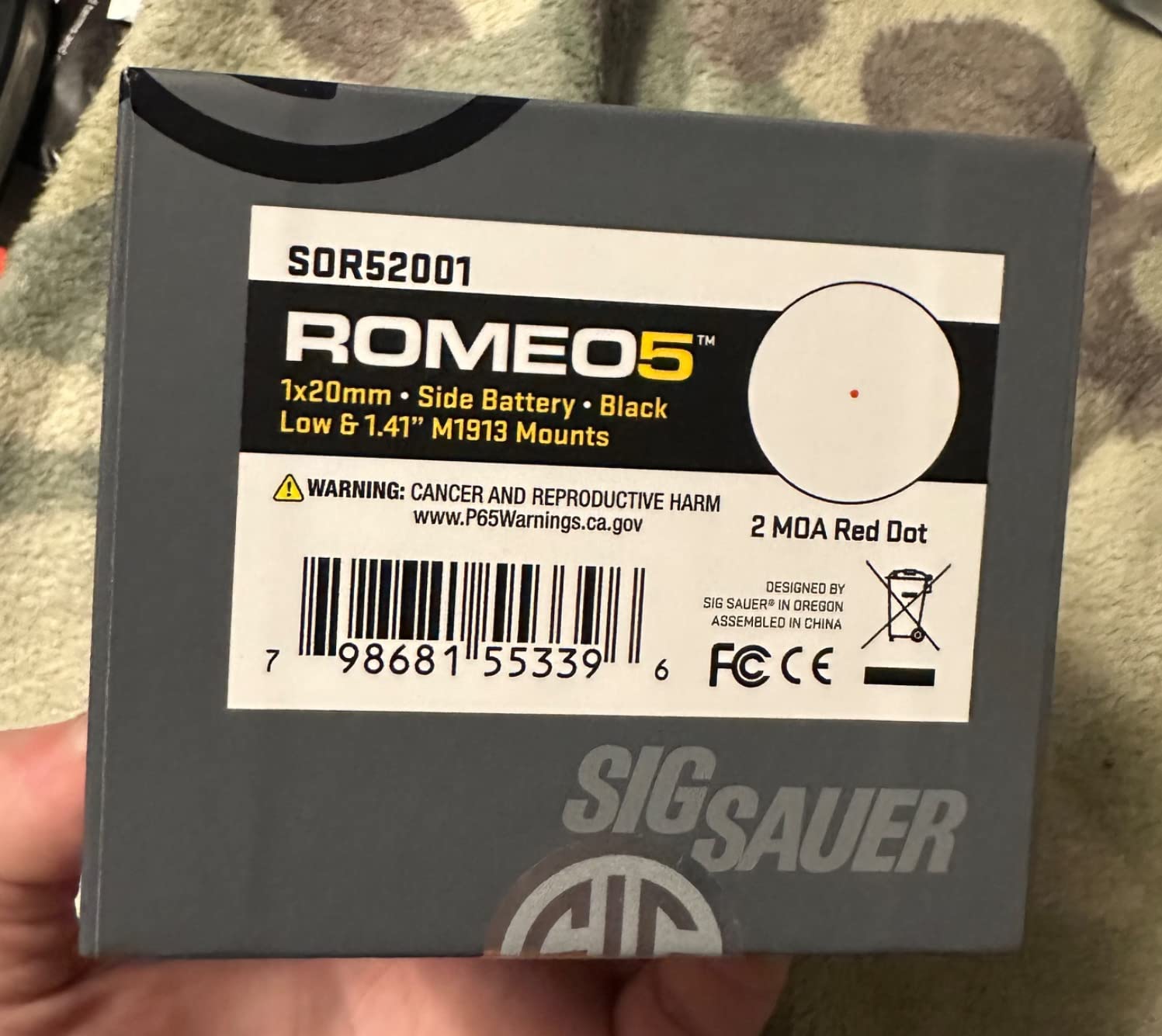
Owners consistently report the zero holding across thousands of rounds, and reviewers describe the aluminum body as taking handling abuse without complaint. The mount package is unusually generous for the money: an integrated Picatinny base, a low M1913 riser, and a 1.41 inch co-witness riser in the box.
That co-witness riser matters more than most buyers expect. With it, your shotgun bead lines up under the optic window, so if the battery dies or you get confused in heavy cover you have irons as a backup.
What the ROMEO5 does well in the field
Eight brightness settings cover daylight, and the two night vision settings stay dim enough not to wash out a dark timber background. At 4.7 stars across more than 13,000 ratings, the consistency of the report is as useful as any spec.
The unlimited eye relief lets you mount the gun high or low without the dot swimming away from the bird when your cheek comes off the stock. That matters when you are sitting on a slope and shooting uphill.
Where the ROMEO5 falls short
The most common complaint is the front lens coating. In low light it picks up reflections that add a slight tint to the picture, which is why this is not our pick for night hunting setups.
Second, the electronics are more complicated than a plain three-button dot. Holding the plus or minus button for more than a second shuts the optic down completely, and Gen I owners wish the battery cap had knurling for grip.
2. Bushnell Trophy TRS-25: the lightest and simplest option
Bushnell Trophy TRS-25 Red Dot Sight Riflescope, 1x20mm, Black
3 MOA red dot
25mm objective
3.68 oz
11 brightness settings
Nitrogen purged
70+ MOA adjustment
Pros
- Very light at 3.68 ounces
- Stiff positive adjustment knobs
- Holds zero across calibers and gauges
- Waterproof and fogproof
- CR2032 battery included
Cons
- Dot blooms into a starburst at top two settings
- Needs a riser for co-witness with iron sights
- Battery cap can arrive very tight
At under four ounces, this is the optic you notice least on the gun. We tested it on a 20 gauge and a slug gun in the same afternoon, and it swapped between the two with a few clicks on the Picatinny bolts and no loss of zero.
The adjustment knobs are the standout feature. They are stiff and positive, so a bump in the brush or a hard recoil impulse will not walk your zero sideways. That single trait matters more over a season than any of the electronic features on more expensive sights.
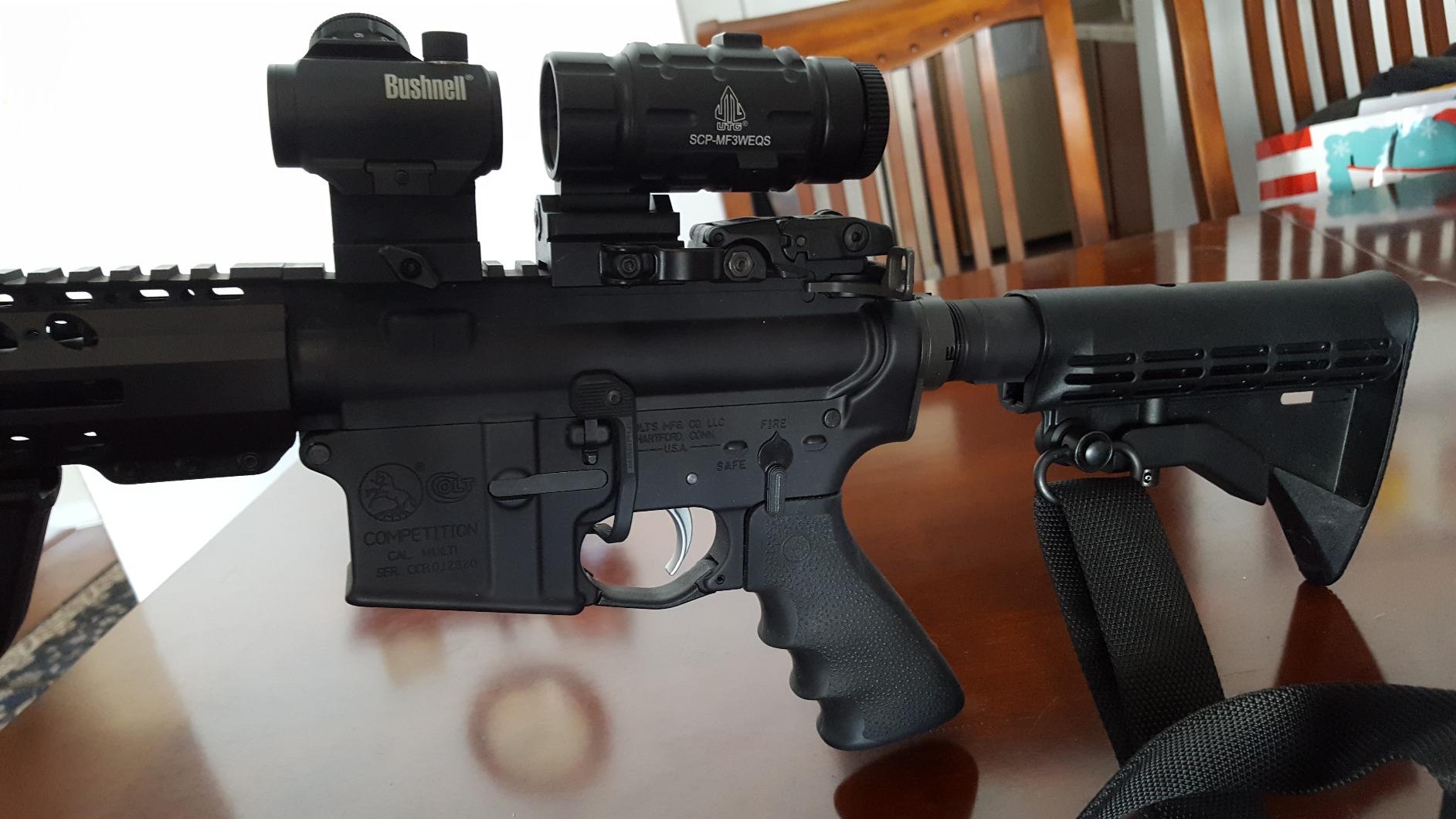
Buyers call out the dot as clear in bright sun and in flat overcast light, which is exactly the range of conditions a spring gobbler hunt delivers. Nitrogen purging with o-ring seals keeps fog out when you move from a warm truck into a cold hillside.
Battery life is listed at more than 5000 hours on the middle setting, and the CR2032 cell plus rubber lens covers ship in the box. Over 15,000 ratings and a 4.5 average, the value story holds up under heavy use.
Why hunters pick the TRS-25
Among the rifle and shotgun optics here it is the lightest, and light weight on a turkey gun translates directly into less muzzle rise in the shot string. The 3 MOA dot is forgiving of slightly shaky hands at the end of a long sit.
Reviews also mention zero retention across .22, 9mm, 5.56, 12 gauge and slug guns, which tells you the mount is holding up under very different recoil impulses.
Where the TRS-25 falls short
On the two brightest settings the dot spreads into a spider or starburst, a problem that bothers shooters with astigmatism more than most. Stay one or two clicks down and the dot stays tight.
It also mounts low, so co-witnessing with standard-height iron sights requires a riser. And one buyer reported a battery compartment cap arriving extremely tight from the factory, which is worth checking before you are standing in a field.
3. Vortex Strikefire II: the pick if you want a red and green dot
Vortex Strikefire II Red Dot Sight – 4 MOA Red/Green Dot
Red and green dot
7.2 ounces
10 brightness settings
100 MOA windage and elevation
Offset cantilever mount
Pros
- Very clear multi-coated glass
- Bright dot visible in full sun
- Switchable red and green dot
- Vortex VIP lifetime warranty
- Easy to zero
Cons
- 4 MOA dot is large under a magnifier
- Rear buttons are stiff
- Cantilever mount adds length to the rail
The Strikefire II switches between red and green reticle colors with the same housing, and that turns out to matter more in turkey woods than it sounds. Green grabs attention against brown timber and dead leaves; red stays more visible in open fields with bright sky behind the bird.
Windage and elevation both reach 100 MOA, which gives you plenty of room when you move from a 25 yard zero to a 50 yard shot or switch between full choke and turkey load.
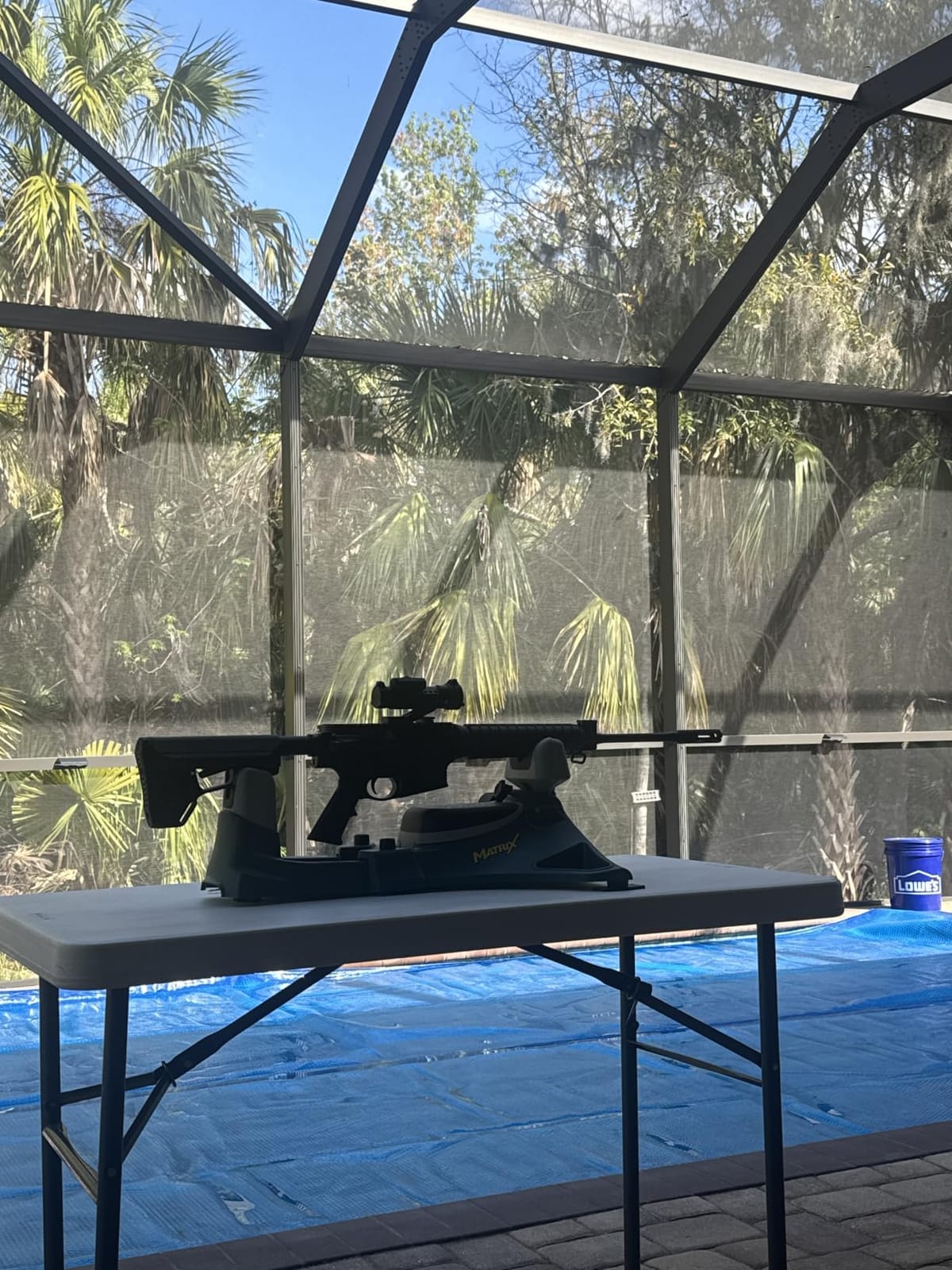
The single-piece chassis is nitrogen purged and o-ring sealed, and reviewers report the zero holding through heavy shotgun recoil as well as rifle rounds. Fully multi-coated glass produces the bright, clean picture that shooters describe as noticeably clearer than budget optics.
Backing is the unlimited transferable VIP lifetime warranty, which for a hunting optic that will get knocked around is a genuine long-term advantage.
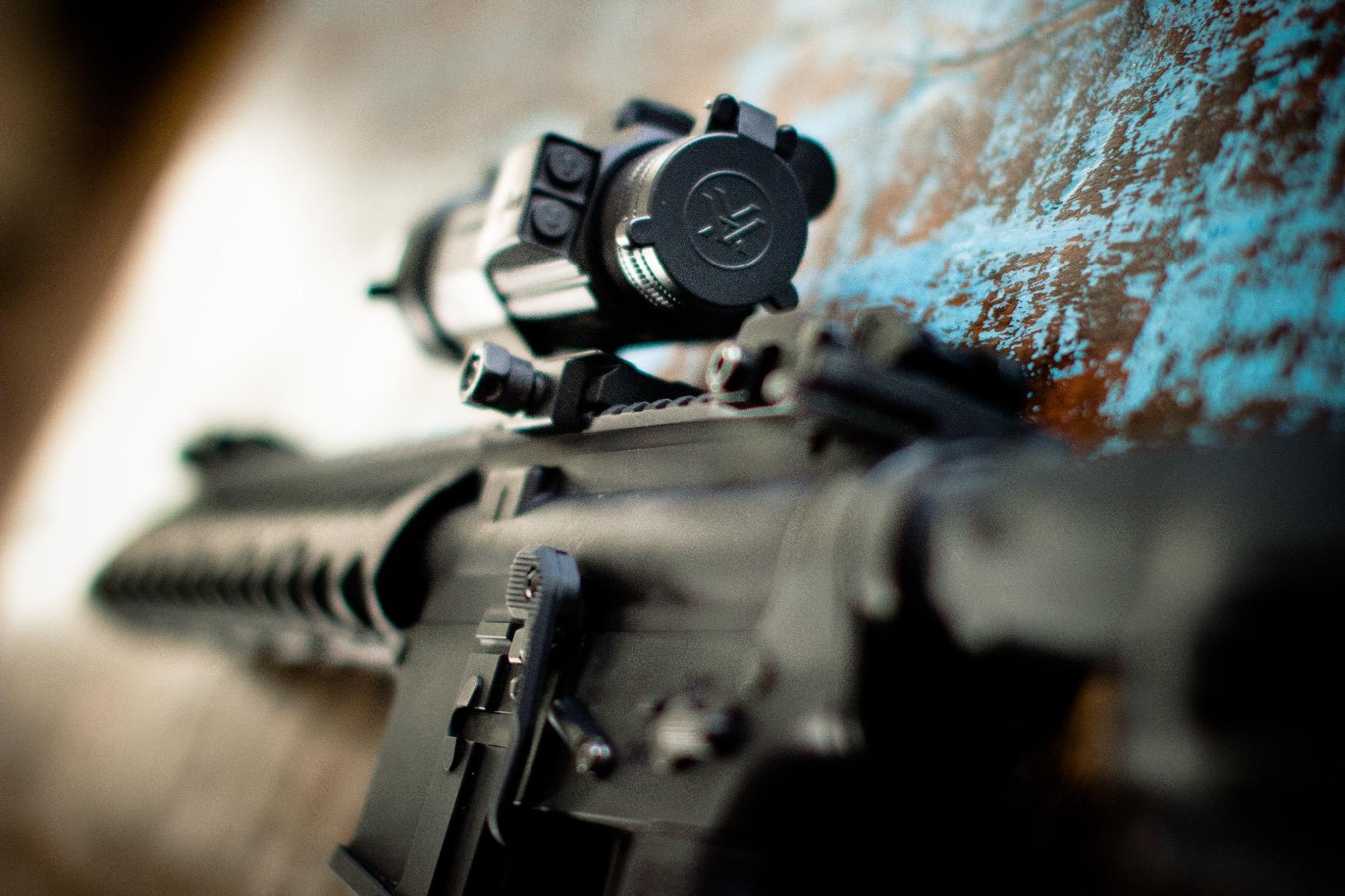
When the Strikefire II earns its spot
It is the right call for a hunter who shoots in both open country and wooded cover, and for anyone who wants a red dot option on a crossbow where the light changes fast as a bird turns.
The included offset lower third co-witness cantilever mount gives good eye relief and leaves room for a magnifier or backup irons, so one setup covers several situations.
When it is the wrong choice
The 4 MOA dot is genuinely large. Paired with a magnifier, owners describe it as overwhelming, and on a shotgun pattern at 50 yards a smaller dot gives you finer placement control.
The rear buttons need deliberate pressure, so gloves slow you down, and the cantilever adds length to the rail which some shotgun shooters dislike.
4. Vortex Crossfire Gen II: the tough all-rounder for rail-mounted shotguns
Vortex Crossfire Red Dot Sight Gen II – 2 MOA Red Dot, Tan
2 MOA red dot
1 inch objective
5.2 oz
11 illumination settings
Up to 50000 hour battery
Pros
- Handles shotgun recoil without issue
- Two mount heights included
- Clear dot in intense sunlight
- Holds zero on 12 gauge
- Helicoil inserts stop stripped threads
Cons
- Brightness knob sits near the windage adjuster
- Dot blooms at maximum brightness
- Knob turns one way only
- No motion activation
This is the one we recommend for a shotgun that already has a Picatinny rail or a sidekick mounted on the receiver. It is a plain, tough, no-frills optic and it does its job without asking you to learn a menu.
Owners specifically call out zero retention on 12 gauge, which is the single most relevant durability test for this list. The hard-coat anodized low-glare finish also plays well with camo patterns because it does not throw glare.
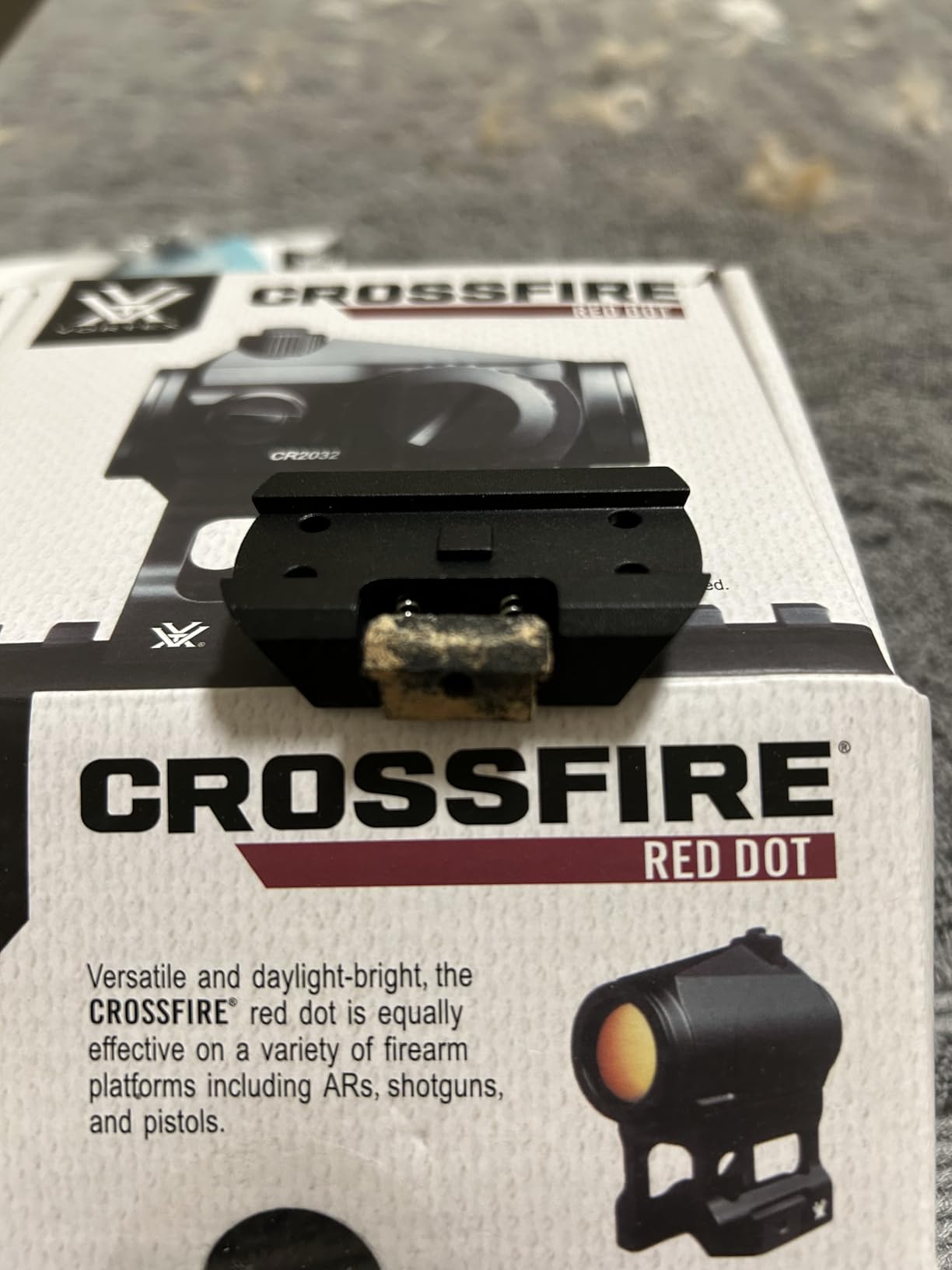
Two mount heights ship in the box, a low and a skeletonized lower third co-witness, and the footprint is both Picatinny and Weaver compatible. That flexibility makes it easy to move the optic between a shotgun and a rifle between seasons.
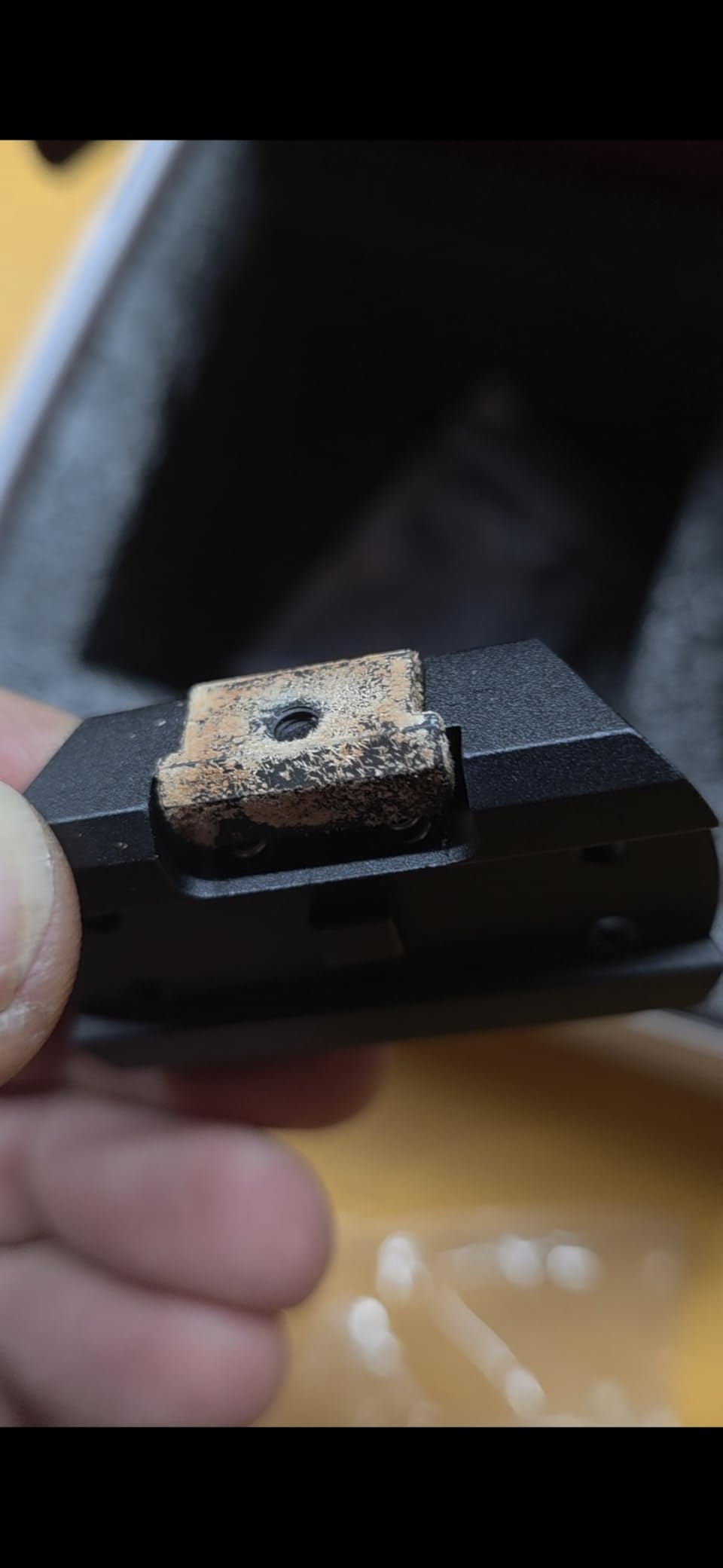
Helicoil inserts in the mounting threads resist stripping, which matters after a season of tight screws on a wood stock.
Reasons to buy the Crossfire Gen II
The 2 MOA dot is fine enough for head and neck placement on a strutting bird at 40 yards but still quick to acquire when a hen breaks cover at close range. Eleven illumination settings include two night vision levels.
Up to 50,000 hours of battery life means you are not thinking about cells in the field, and multiple coatings on all air-to-glass surfaces cut reflections in shaded timber.
Where it disappoints
There is no motion activation, so you must switch it on yourself. The brightness control also rotates in one direction only, which means cycling down through the range takes several turns.
The biggest annoyance reported is layout. The brightness knob sits close to the windage adjuster, and with gloves on it is uncomfortable to roll without nudging the other turret.
5. Burris FastFire 3: the pick when every ounce counts
Burris Optics Hunting Lightweight Versatile FastFire 3 Red Dot Sight 3MOA with Picatinny Mount, Black
3 MOA dot
30mm objective
4 ounces
Automatic brightness sensor
Top-mounted battery
Shockproof and waterproof
Pros
- Extremely light and compact
- Top battery access avoids re-zeroing
- Holds zero through heavy recoil
- Automatic brightness sensor
- Rugged enough for turkey work
Cons
- Battery cover is easy to cross-thread
- Auto mode battery life runs short
- Only three manual brightness levels
- Dot starbursts at high brightness
At four ounces with a 30mm objective, the FastFire 3 gives you a surprisingly wide view of the surrounding woods for how little it weighs. On a light 20 gauge or a youth hunter’s gun, that combination is hard to argue with.
The battery compartment sits on top, which is the feature we would keep even if everything else were average. You swap a cell with the optic still on the gun and still zeroed, with no tools and no risk of disturbing your sight picture.
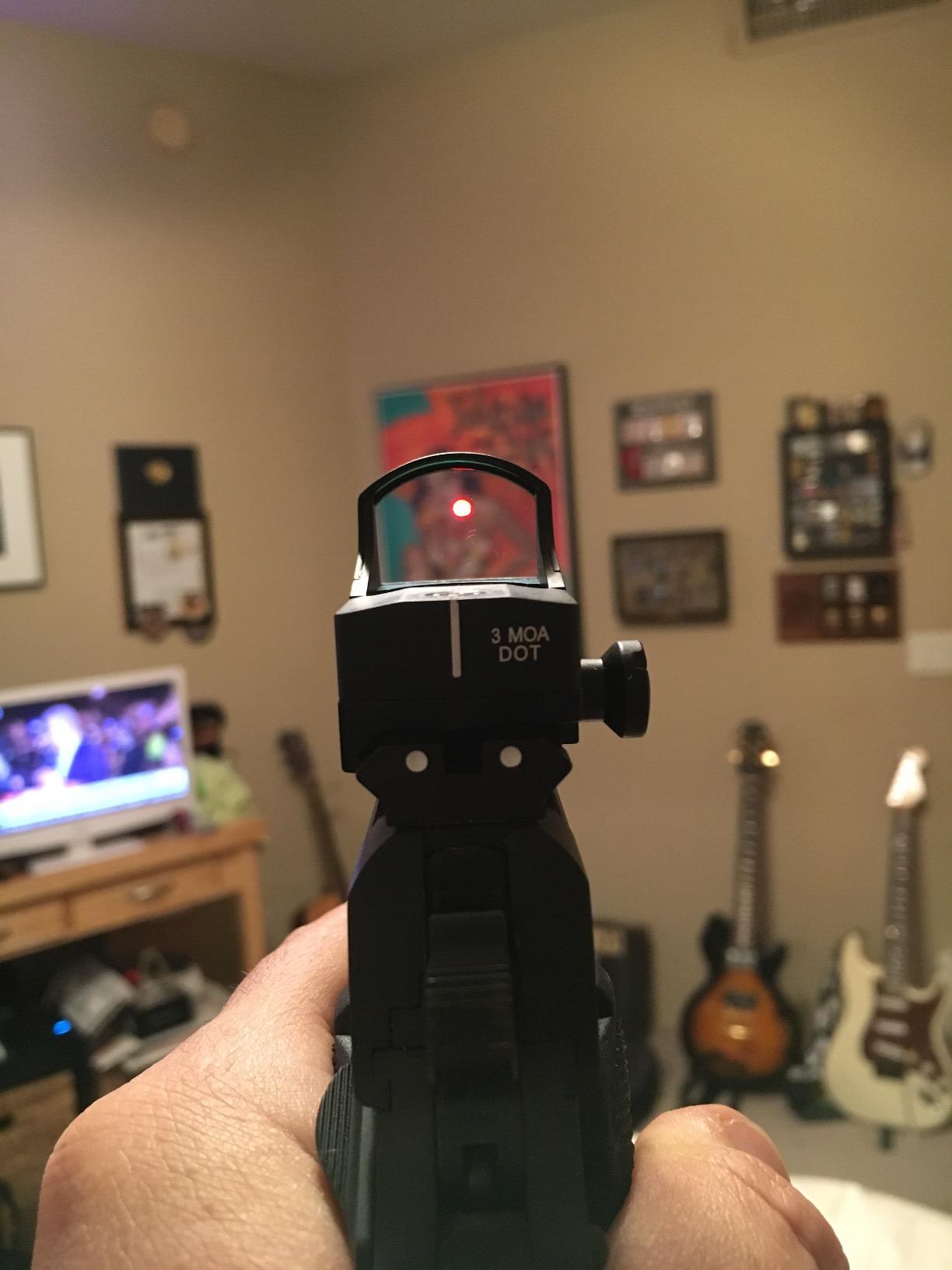
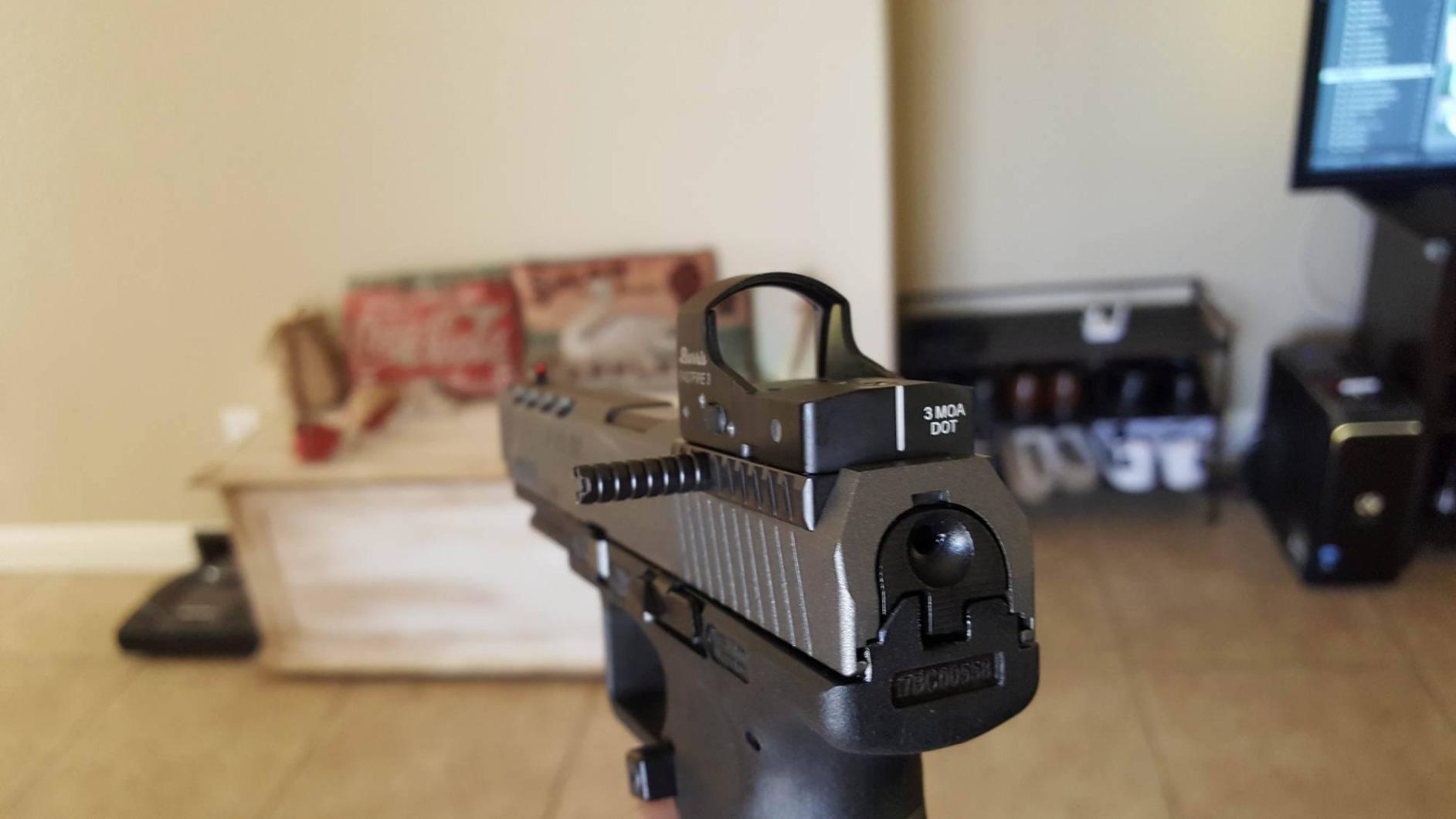
Several reviews describe this optic on a turkey hunting shotgun specifically, and the recurring note is that it shrugs off punishing recoil without losing zero. The listed field of view is 190 feet at 1x, and there is an 8 MOA version if you want a bigger aiming point.
An automatic brightness sensor with three manual settings covers changing light, and an automatic time-out protects the battery when the gun is racked.
Where the FastFire 3 wins
Top-mounted battery access is the reason to buy it. No other sight here lets you change a cell in the field without taking the optic apart and risking your zero.
The automatic brightness sensor adjusts as light changes through a morning, so you are not twisting a knob while a turkey is strutting 30 yards away.
Where it loses
The battery cover is the dominant complaint in the reviews. Several buyers report cross-threading it, and one reported the cap backing out during use, so check it before you rely on it in the rain.
Real-world battery life in auto mode falls short of the advertised figure, and with only three manual levels and no fine sensitivity, shooters with astigmatism see a slight starburst on the dot.
6. OSIGHT SE: the pick if you also carry a pistol on the same trip
OSIGHT SE Enclosed Red Dot Sight, 2 & 32 MOA Multi-Reticle
2 MOA dot and 32 MOA circle
27.5 g
Enclosed emitter
Side-load battery
Shake awake activation
Pros
- Fully enclosed emitter resists dust and weather
- Side-load battery keeps your zero
- Multiple reticle configurations
- Very low profile
- Clear glass with little distortion
Cons
- Battery door screw backs out easily
- Stiff buttons
- Shake awake stays on during travel
- Non-RMSc slides need an adapter plate
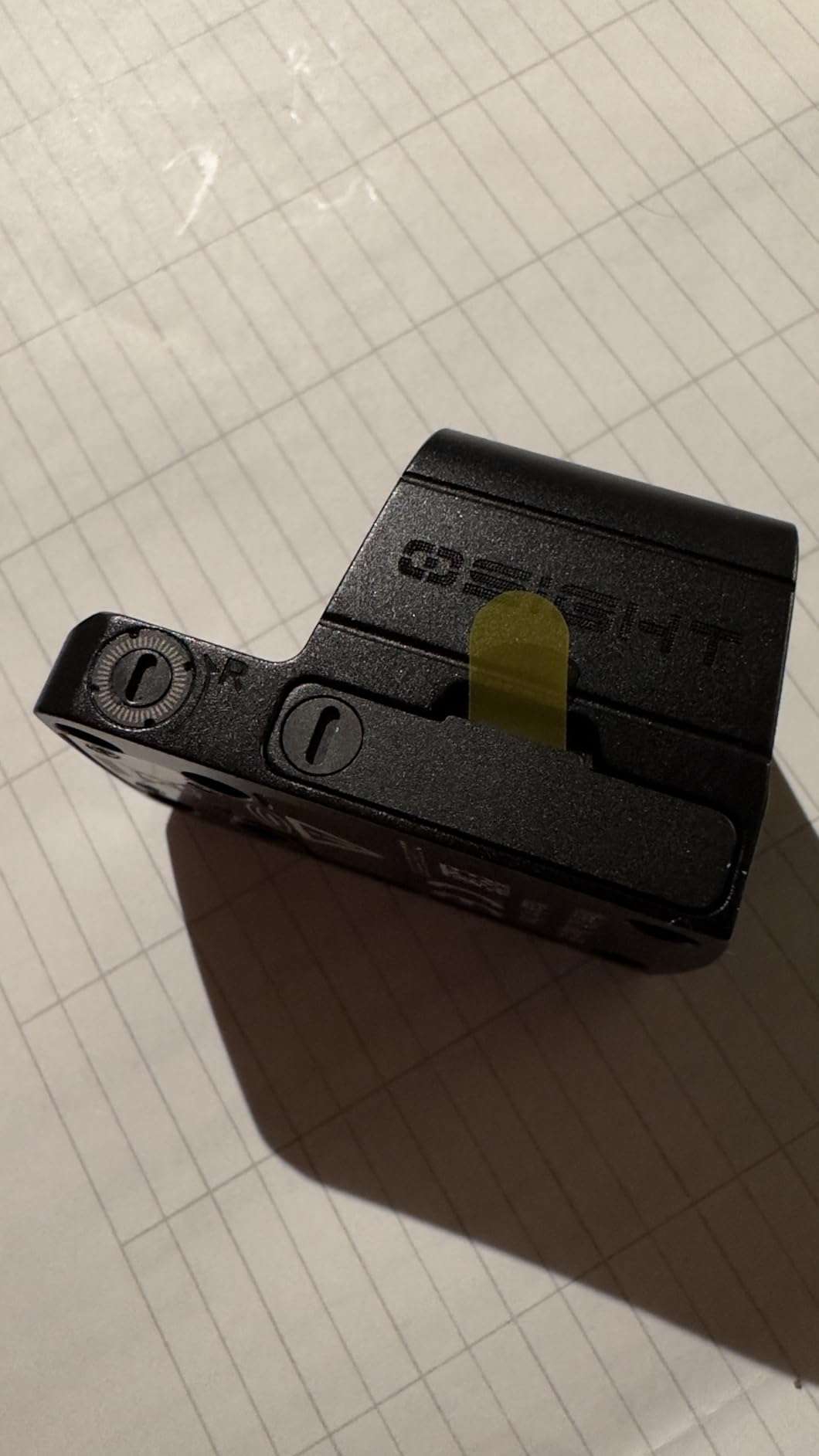
Be clear about what this is. The Osight SE uses the RMSc footprint, so it is built for optics-ready pistol slides rather than for a shotgun receiver, and the listing states that non-RMSc slides need an adapter plate that is not included.
For a turkey hunter who also carries a handgun for predators and who wants a durable enclosed optic on it, the case is simple. The fully enclosed emitter is the reason. Sand, sawdust, pocket lint and rain sit outside the housing instead of on the reticle assembly.
The multi-reticle system lets you pick a dot-and-circle, dot only, or circle only configuration. That circle at 32 MOA is useful for judging whether a bird at a comfortable shooting distance fits inside it.
Owners compare it favorably to other micro dots and highlight the side-load battery, the aspherical lens with no distortion, and adjustments that zero quickly by hand.
Why the Osight SE stands out
Enclosure is the differentiator. On a gun that lives in a truck bed or a wet pack, a sealed emitter is worth more than extra brightness settings.
At 27.5 grams it also disappears on a slim pistol slide, and the aspherical lens keeps the view free of distortion, which keeps the whole carry setup honest.
Why it is not a shotgun pick
The footprint is the limiting factor. Mounting it on a shotgun rail requires an adapter plate, and that plate is not included.
The battery door screw is reported to back out, and spare screws ship in the box because buyers ask for them. Shake awake can also leave the optic lit in a vehicle during a long drive, which drains a cell.
7. HOLOSUN 407C 507C X2: the pick when you want backup power
HOLOSUN HE407C-GR X2 Green 2 MOA Dot Open Reflex Sight – Durable Shake-Awake Solar Failsafe Parallax-Free Aluminum Pistol Sight for Full-Sized Handguns
2 MOA green dot
23mm objective
1.44 ounces
Solar failsafe
Shake awake
7075 aluminum
Pros
- Solar failsafe keeps the dot lit if the cell dies
- Shake wake with adjustable timeout
- Very light at 1.44 ounces
- Solid 7075 aluminum housing
- Lock mode stops accidental changes
Cons
- Mounting bolts can back out
- Small 2 MOA dot is slow to acquire
- Battery tray is stiff
- Astigmatism shows as a smear
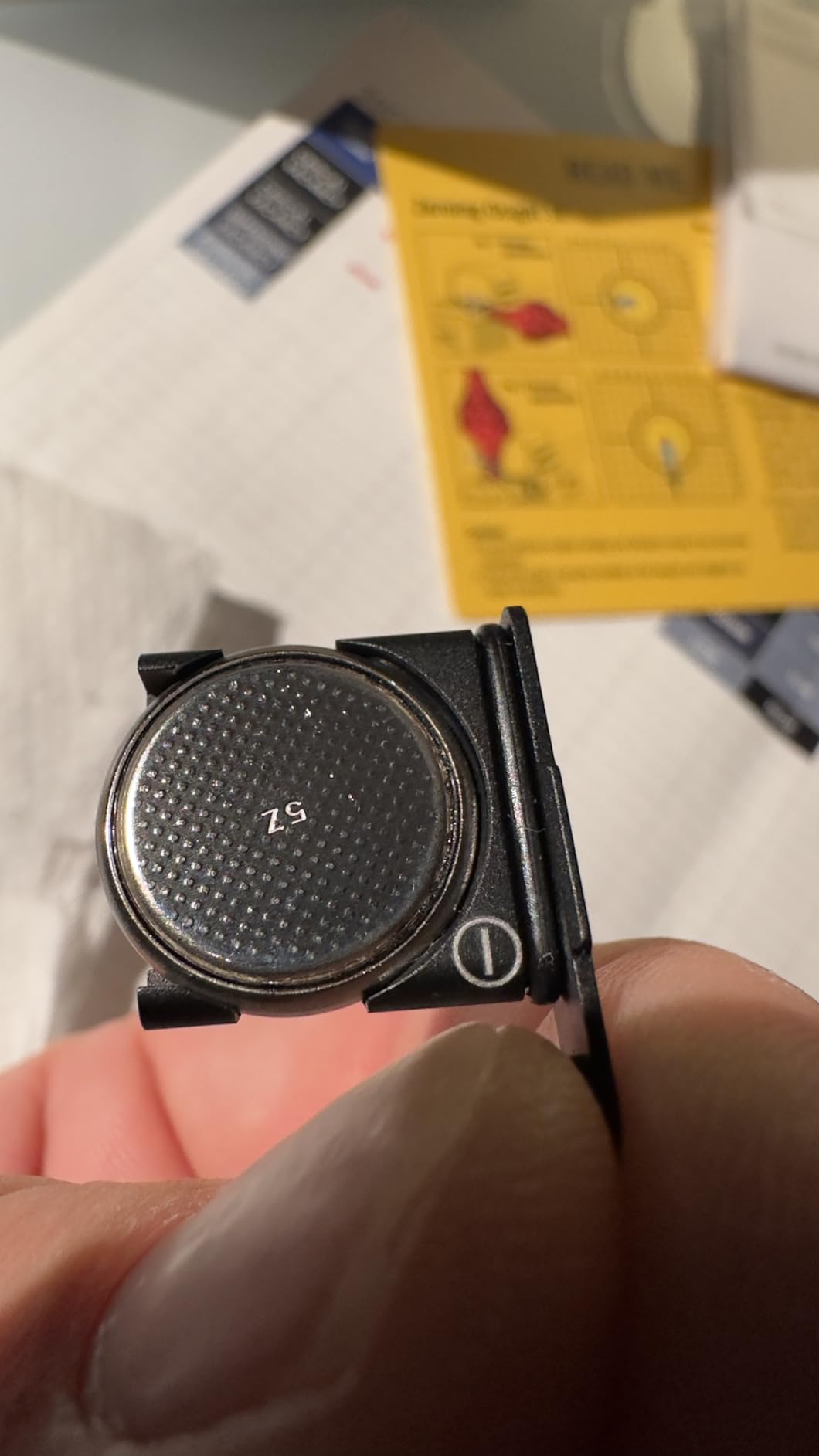
The solar failsafe panel is the feature that changes the risk calculation for a dawn hunt. If the CR1632 cell dies while you are walking to a tree line, ambient light keeps the reticle powered and you keep your aiming point.
Shake wake uses a motion sensor with a configurable timeout from 10 minutes to 12 hours, so you can match it to a full morning sit or a short evening setup. Auto mode adjusts the intensity to ambient light without any input from you.
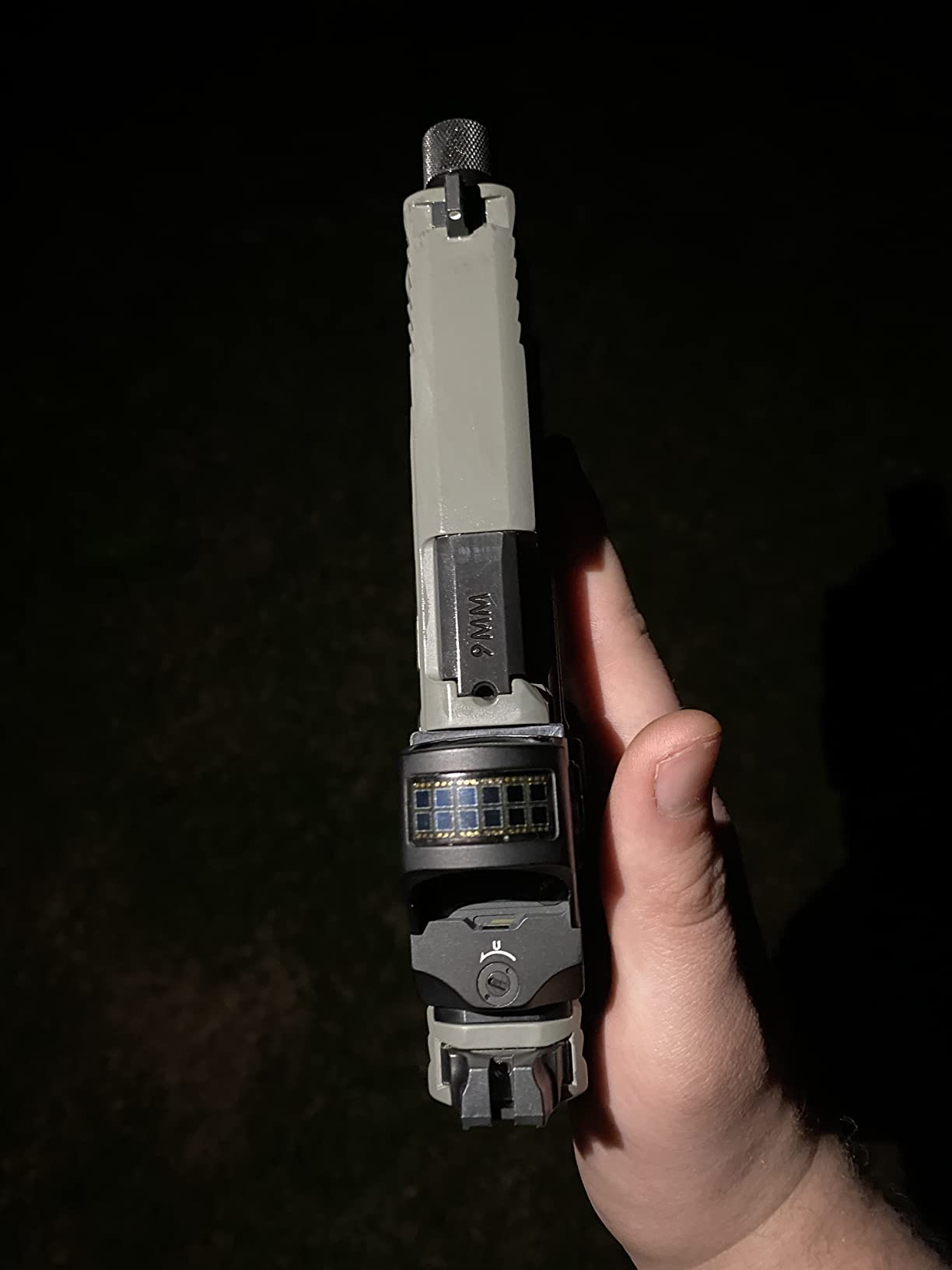
The 7075 aluminum housing is heavier duty than the usual alloy and owners report no finish defects or scuffing after extended carry. The Picatinny and RMR footprint means factory plates on an optics-ready pistol or an adapter on a crossbow or shotgun rail.
Lock mode stops a bump in the pack from changing your brightness setting at the worst possible moment.
Where the Holosun wins
Two independent power paths remove the dead battery scenario entirely, which is the most common way a hunt ends badly with an optic in hand. There is also lock mode, which no other sight here has.
Owners praise the brightness and the build quality, and many buy multiple units for pistols and rimfire rifles.
Where it falls short
Several buyers report mounting bolts backing out after as few as 30 rounds even when torqued to spec. On a hunting gun that bounces all season, check the bolts and consider a thread locker.
The 2 MOA green dot is small, and owners describe it as slow to acquire in high-stress situations. The battery tray is also stiff to slide in and out, and astigmatism shows up as a smear.
8. TRUGLO Gobble Stopper: the pick for the circle reticle turkey hunters like
TruGlo Gobble Stopper Dual-Color Red Dot Crossbow Sight, TG-TG8030GB
Dual color red and green
30mm objective
8.16 ounces
Circle reticle
Detachable sunshade
Weaver mount
Pros
- Circle reticle helps judge range
- Red and green illumination
- Sunshade cuts front lens glare
- Holds zero after hundreds of magnum shells
- Spare CR2032 batteries included
Cons
- Mounting screws loosen easily
- Lens caps pop off and slide away
- Sunshade threads can strip
- Small center dot and blurry at low brightness
This is the only sight on the list sold specifically as a turkey sight rather than adapted to one. The outer circle in the reticle gives you a quick frame of reference for bird size at range, and owners report that dropping birds becomes noticeably easier once you learn to place the head inside it.
The detachable extended sunshade cuts glare off the front lens, which matters on an open field with the sun low behind your quarry. Reviewers also note that red and green illumination lets you pick your aim point color.
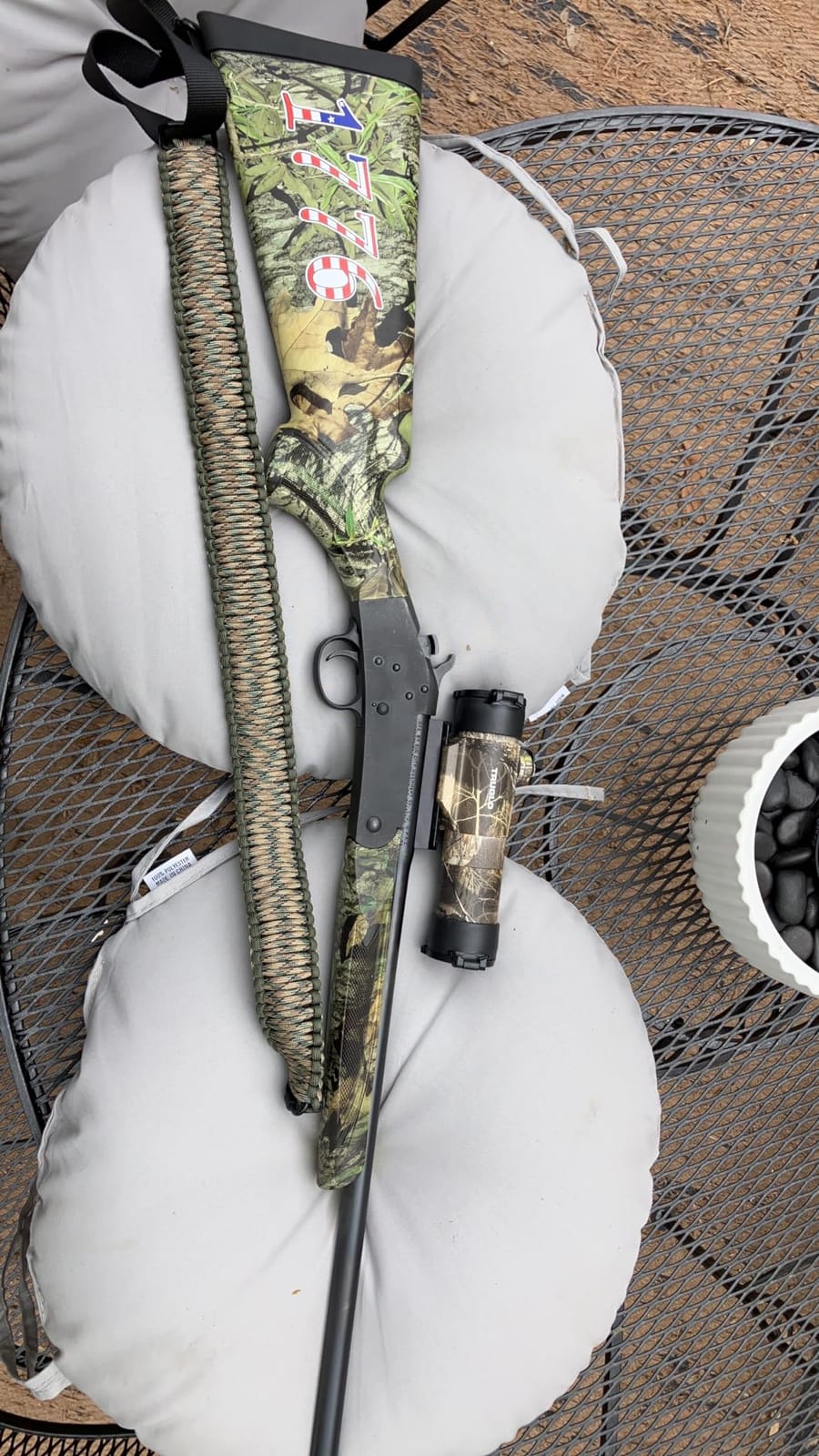
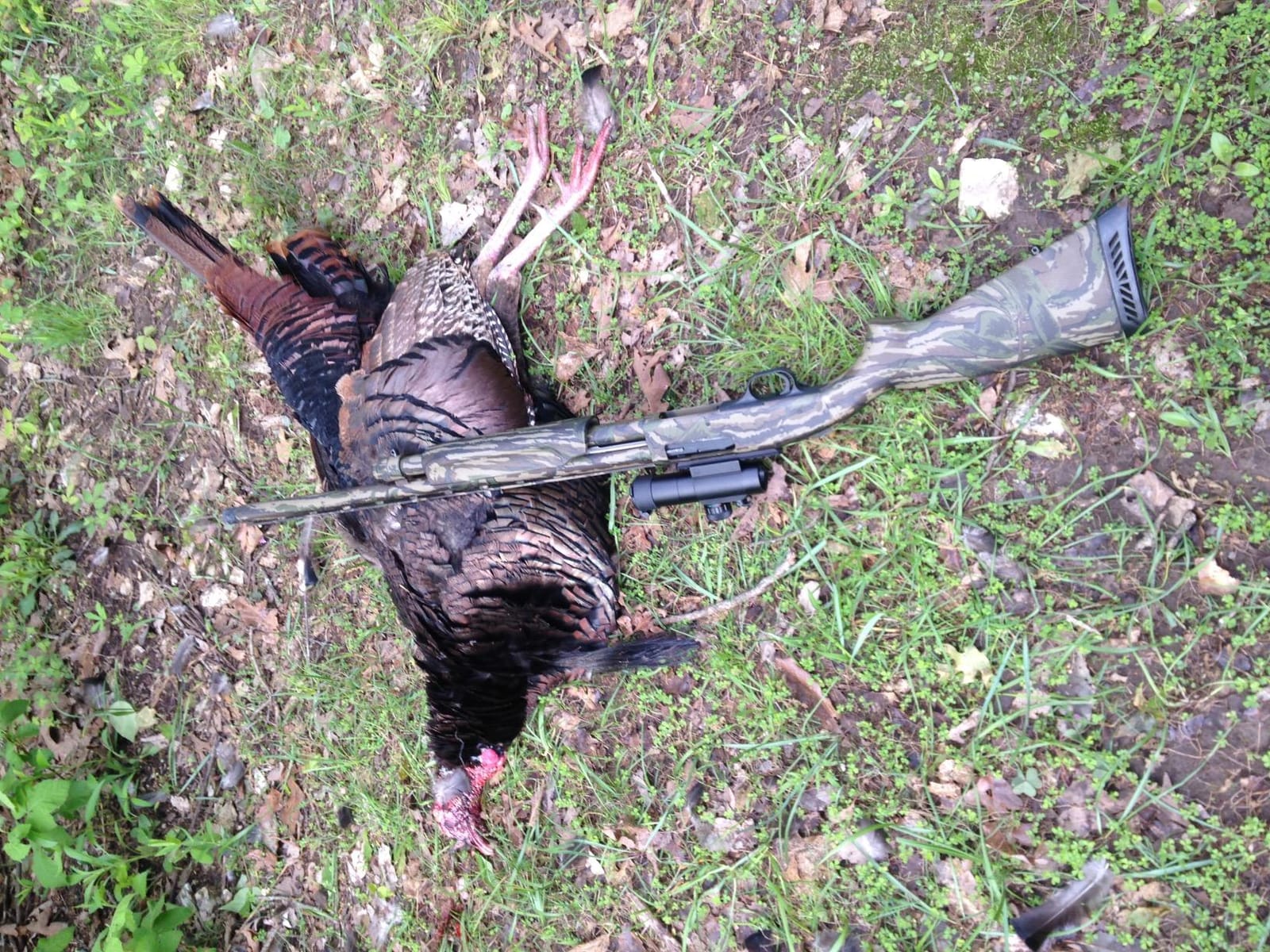
Turkey hunters with 12 and 20 gauge shotguns report the optic holding zero after hundreds of high velocity shells and magnum loads. Zeroing at 25 to 30 yards is described as quick.
The M1913 Weaver-style integrated mount fits a large range of receivers and crossbow limbs, and spare CR2032 cells are included. Shock, water and fog resistant construction covers the weather side of spring.
Why the Gobble Stopper earns a spot
The circle reticle is the whole point. It gives you a range cue without any of the complexity of a rangefinder, and it is forgiving when a strutting bird rocks back and forth.
If you hunt open fields in low sun rather than dense timber, the sunshade is a feature no other budget sight here offers.
Where it falls short
At 8.16 ounces and over 10 inches long with the sunshade installed, this is by far the largest optic in the roundup. On a wood stock it changes the balance noticeably.
The hardware is also the weak point. Mounting and adapter screws loosen easily, flip-up lens caps pop off loudly, and the sunshade threads can strip and leave the sight loose. The reticle also looks blurry at the dimmest settings.
How to Choose a Red Dot for Your Turkey Gun
Pick 2 to 3 MOA for turkey work
MOA measures the size of your aiming point at 100 yards, so a 2 MOA dot looks like a small circle at 40 yards. For head and neck placement on a turkey that is walking broadside, 2 MOA gives you the control to hit a 3 inch target rather than a 6 inch one.
Choose 3 MOA if you shoot from a shaky sit, from a ladder stand, or in wind. A larger dot is faster to find and easier to hold on a moving bird. The 4 MOA dot on the Vortex Strikefire II is at the edge of practical for turkey patterns, and 6 MOA and above is really for pistol shooters moving fast at close range.
Match the mount to your gun before anything else
There are three ways a shotgun optic gets attached, and the differences affect weight and eye relief more than any feature list.
A rail mount bolts to an existing Picatinny rail on the receiver and is the cleanest option if your gun is set up for it. A rib mount attaches to the raised rib on the top of a barrel and receiver, needs no drilling, and puts the optic lower and closer to your line of sight, though the mount hardware for a barrel-mounted unit must handle recoil. A cantilever mount holds the optic forward of the receiver on a riser or ring, giving higher eye relief and room for a magnifier or backup irons, at the cost of added length forward.
Check the footprint before you buy. Weaver, Picatinny and M1913 are similar but not identical, and an RMSc plate from a pistol optic will not drop onto a shotgun rail without an adapter.
Brightness settings and battery type decide your dawn mornings
Eleven settings with two night vision levels gives you usable range from full sun to a dark ridge. Look for the night vision dim modes specifically, because a dot that is bright enough for midday is blinding at first light and washes out against a shadowed tree line.
Battery chemistry varies: CR2032 cells appear in the Bushnell TRS-25 and the TRUGLO Gobble Stopper, while the Holosun uses a side-mounted CR1632. Top or side access beats a captive cap on the bottom, because a bottom cap requires a tool and, on a sidewinder shotgun, an extra hand.
Motion activation with a 120 second or longer timeout is worth real money for a hunter who does not want a dead battery after two cold sits. Motion activation with a short timeout, or none at all, means a manual switch check every morning.
Recoil tolerance is the shotgun-specific test
Turkey loads push a lot more energy through a gun than most people expect, particularly 3 inch magnum shells. Reviewers of the sights here repeatedly mention zero retention across thousands of rounds, and specifically across 12 gauge loads, so look for that language rather than assuming a shockproof claim covers a 12 gauge.
Two other signs of a build that handles recoil are a nitrogen purged, o-ring sealed housing and helicoil inserts in the mounting threads. Sealed optics matter in spring as much as fall, since rain is common in turkey weather.
Red, green, and finishes you can see in cover
Red dots follow a traditional sighting line, and green dots have grown popular for a practical reason. Hunters in the field often note that a green dot stands out more against brown timber and dead leaf litter, while red tends to pop more against open sky.
Reviewers also flag something less discussed: a hard-coat anodized low-glare finish beats a glossy black housing because a glossy body throws reflections that can give away your position to a turkey that has already seen you. Avoid very bright or highly reflective lens coatings on a turkey gun, and skip illuminated reticles in colors that wash together in fog.
Red dot vs holographic vs prism for a turkey gun
A red dot projects an illuminated point with a mostly unlimited eye relief and the widest field of view, which is why it suits close range shotgun work with moving birds. A holographic sight uses a projected reticle with a surrounding ring, which some hunters prefer as a frame of reference but which often costs more and narrows the usable window.
A prism or magnifier adds 2x or 3x power for longer shots and open country, but adds weight and a narrower view that works against fast target acquisition at 25 yards. Most turkey hunters who run magnification pair it with a red dot and swap to 1x for birds inside 40 yards.
Zero it in five steps
Start with the gun supported on a rest or a shooting stick at 25 yards. Fire a shot on zero and mark where the pellet impacts sit relative to the dot.
Use the elevation turret until the impact centers vertically, then the windage turret until it centers horizontally. Fire again after each adjustment and repeat until the group is centered, because magnum loads can shift the point of impact more than you would expect.
Re-zero after switching choke or load type, and re-check at the start of every hunt. Confirm the scope screws are snug while the gun is supported, and never adjust a turret while the gun is shouldered.
Frequently Asked Questions
Which red dot sight is the most accurate for turkey hunting?
Accuracy depends on the size of the aiming point and how well the mount holds zero, not on a brand. A 2 MOA dot such as the one on the SIG SAUER ROMEO5 gives the finest placement control for head and neck shots, while a 3 MOA dot such as the Bushnell Trophy TRS-25 is easier to find on a moving bird. Check that the optic is rated to hold zero under 12 gauge recoil and that the mounting screws are properly torqued.
What colors to avoid turkey hunting?
Avoid very bright or reflective lens finishes, because a glossy housing or a mirror-like coating can throw glare and give away your position. On the reticle side, most hunters choose red for open fields and sky backgrounds and green for brown timber and leaf litter. Colors that wash out in fog are also worth skipping, and any sight with night vision dim modes gives you more control in low light.
Is a 4 MOA or 5 MOA dot better for a turkey shotgun?
Neither is ideal for turkey work. At 100 yards a 4 MOA dot measures about 0.37 inches wide, which covers most of a turkey’s head and shoulder and makes precise placement harder. Between 2 MOA and 3 MOA is the useful range: 2 MOA for head and neck precision at 40 to 50 yards, 3 MOA for steadier shooters and long sits.
How do you zero a red dot on a shotgun?
Support the gun at 25 yards, fire a shot on zero, and use the elevation turret to center the group vertically, then the windage turret to center it horizontally. Fire again after each adjustment and repeat, since magnum loads can move the point of impact. Re-zero whenever you change chokes or confirm the mounting screws are snug before you head into the field.
Is a red dot better than a holographic sight for turkey hunting?
For most shotgun hunters, yes, because a red dot gives unlimited eye relief and a wider field of view for fast target acquisition on a moving bird at close range. A holographic sight adds a projected ring that some hunters like as a frame of reference, but it costs more and narrows the window. Sights built with a fully enclosed emitter, such as the OSIGHT SE, add dust and weather protection on top of the same basic layout.
Final Verdict for 2026
The SIG SAUER ROMEO5 is the best of the best red dot sights for turkey hunting in 2026. At 5.1 ounces with a 2 MOA dot, 100 MOA of adjustment, motion activation and an included co-witness riser, it covers more real conditions than anything else we tested, and its review history across thousands of shotgun rounds is the strongest in the group.
Runners-up earn their place for specific reasons. The Bushnell Trophy TRS-25 wins on weight and simple, stiff adjustments. The Vortex Strikefire II wins if you want a switchable red and green dot and a lifetime warranty. The Vortex Crossfire Gen II is the tough, straightforward choice on a rail-equipped shotgun, and the Burris FastFire 3 is the one to take when every ounce on the gun matters.
Whichever you choose, confirm the footprint fits your receiver before you buy, bring spare cells, and zero it on the loads you actually shoot. That last step does more for your turkey season than any feature on any sight.