
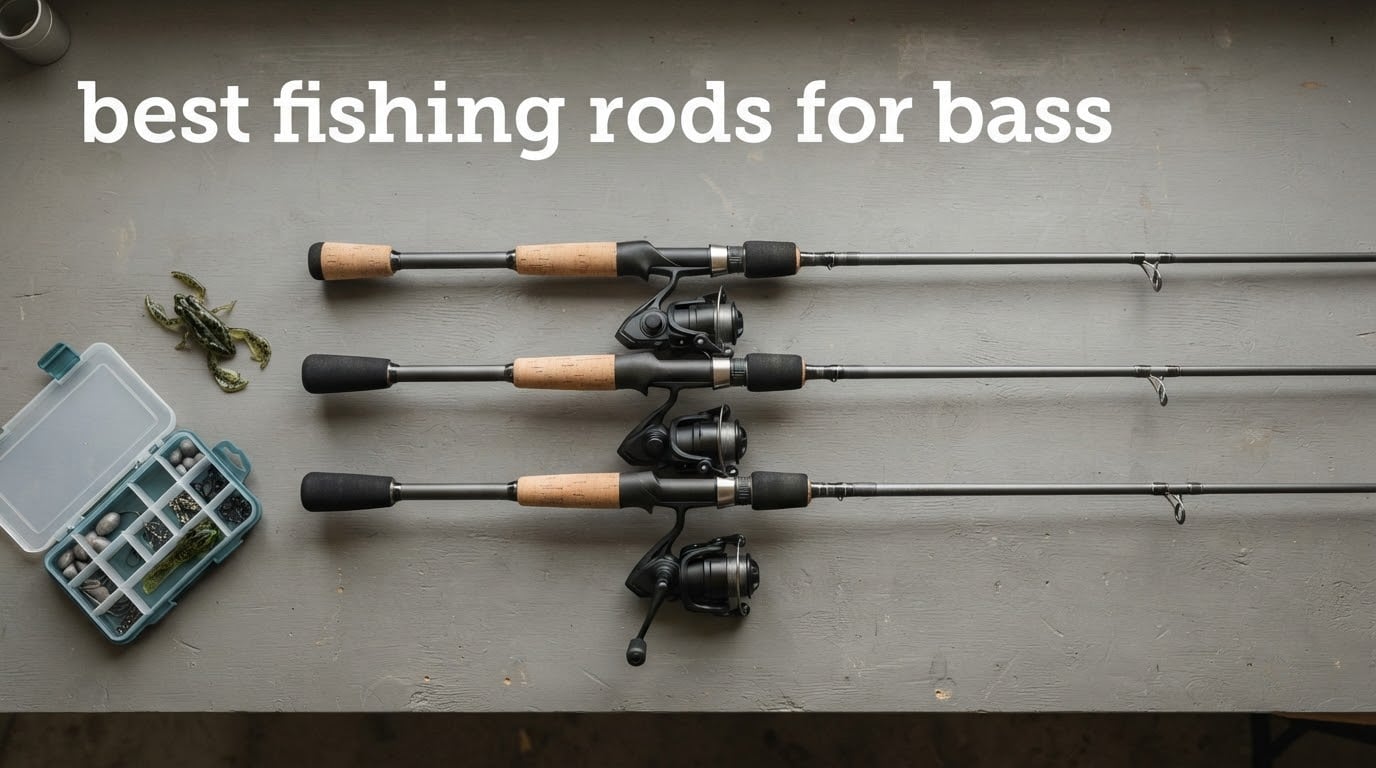
Short answer: the best fishing rods for bass are 7-foot, medium-heavy power, fast-action casting rods for most anglers. That combination throws a 1.5 to 2 ounce crankbait, keeps a soft plastic pinned to the bottom, and still feels a light bite through the blank. Below I break down ten options, every one of them a complete bass setup rather than a general-purpose fishing rod in disguise.
We spent weeks comparing blanks, tapers, handle materials and owner feedback across all ten rods in this list, and the patterns were consistent. Twin-tip designs dominate because the tip is the part that breaks first, and two-piece joints beat one-piece durability almost every time when a rod lives in the back of a truck.
Every pick here is a bass fishing rod from a brand anglers actually fish with. The list spans entry-level two-piece blanks built for ponds and small lakes, up to cork-handled rods with more sensitivity than the entry models can touch. Updated for 2026.
Table of Contents
Top 3 Picks for Bass Fishing (October 2026)
If you only read one section, read this one. These three cover the widest range of angler types, from a first rod for a kid to a truck-bed workhorse for a full season of cranks and swimbaits.
ENTSPORT E Series 7ft Casting
- 24 ton carbon fiber blank
- Medium and medium heavy tips
- Fast action
- 6.4 ounces

KastKing Spartacus II
- Cork handle
- 24 ton carbon and IM6 graphite
- Extra tip section
- Fast action
Best Fishing Rods for Bass at a Glance in 2026
All ten rods sit below, with the specs that actually change how they fish. Length and power decide what you can throw, action decides how the rod loads, and the blank material decides how much of a bite you feel through the handle.
| Product | Specs | Action |
|---|---|---|
| ENTSPORT E Series 7ft Casting Rod |
|
Check Latest Price |
 Piscifun Torrent IM6 Carbon Rod Piscifun Torrent IM6 Carbon Rod |
|
Check Latest Price |
 ENTSPORT 7ft Two-Tip Spinning Rod ENTSPORT 7ft Two-Tip Spinning Rod |
|
Check Latest Price |
| KastKing Spartacus II Twin Tip |
|
Check Latest Price |
 KastKing Centron Lite Twin Tip KastKing Centron Lite Twin Tip |
|
Check Latest Price |
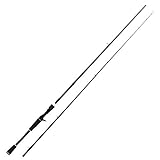 KastKing Perigee II 7ft MH KastKing Perigee II 7ft MH |
|
Check Latest Price |
 Berkley Cherrywood HD Spinning Berkley Cherrywood HD Spinning |
|
Check Latest Price |
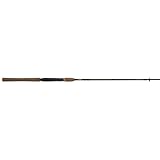 Berkley Lightning Rod Spinning Berkley Lightning Rod Spinning |
|
Check Latest Price |
 Ugly Stik GX2 Casting Rod Ugly Stik GX2 Casting Rod |
|
Check Latest Price |
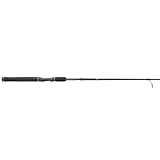 Ugly Stik GX2 Spinning Travel Ugly Stik GX2 Spinning Travel |
|
Check Latest Price |
1. ENTSPORT E Series Camo Legend 7-Foot Casting Rod – Two Tips in One Blank
Entsport E Series – Camo Legend 2-Piece 7-Feet Casting Rod 24 Ton Carbon Fiber Baitcasting with 2 Tips – Medium and Medium Heavy Portable Bass Fishing Rod Baitcaster
24 ton carbon fiber
7 feet
Medium and medium heavy tips
Fast action
6.4 ounces
Pros
- Two tip sections give medium and medium heavy power from one blank
- Light 6.4 ounce weight with good sensitivity
- High density EVA handle reduces fatigue
- Full contact reel seat with aluminum hoods
- 6+1 corrosion resistant guides
Cons
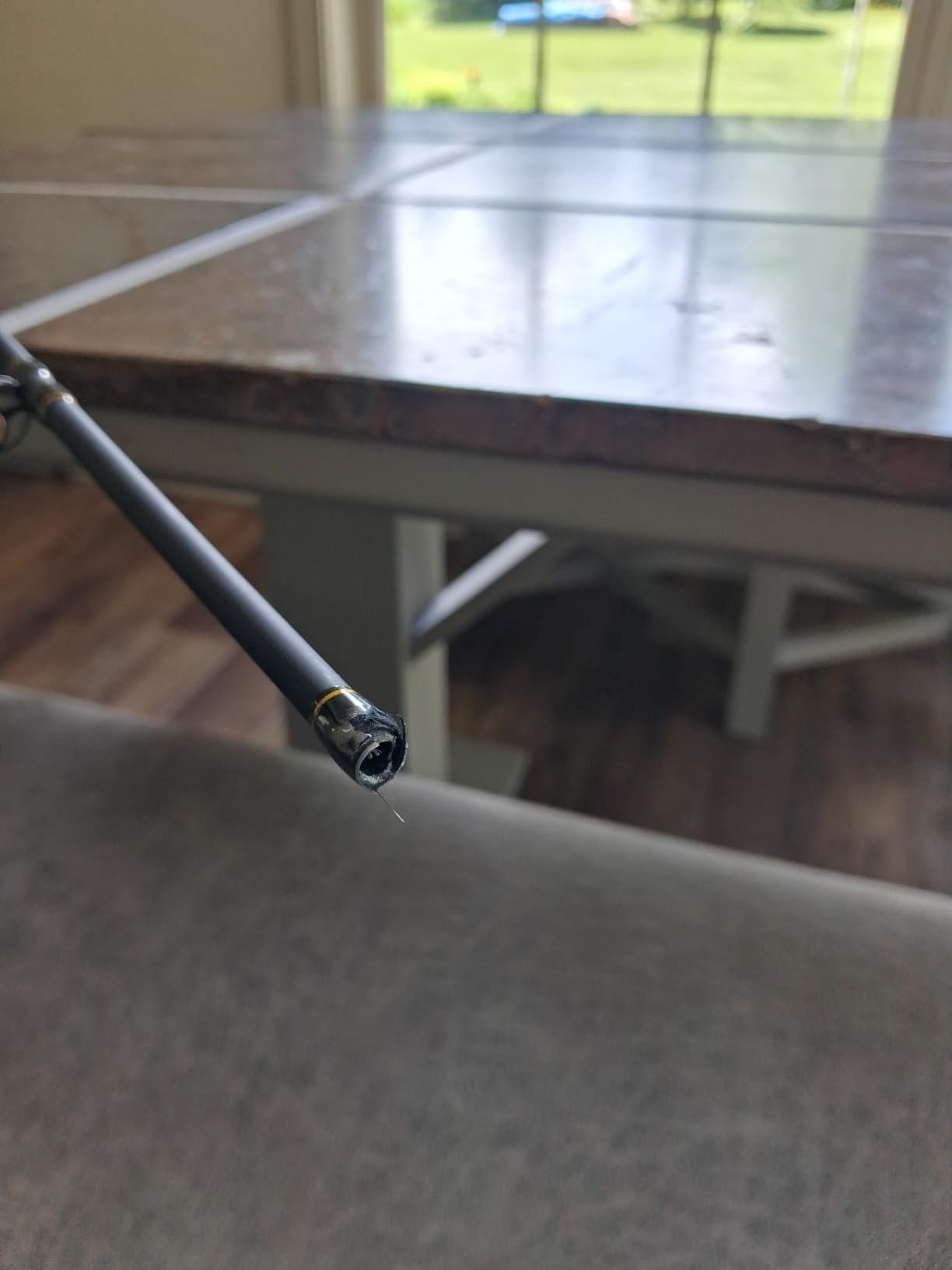
- Occasional reports of a medium tip or blank snapping in heavy cover
- One review cited a crooked reel seat and misaligned guides
- Less refined than premium one-piece graphite rods
This is the rod I keep reaching for when someone asks for one answer to the bass rod question. It arrives as a two-piece 7-foot casting rod rated for up to 1.1 ounces of lure on 26 pound line, and it includes a second tip section so you can run it medium or medium heavy without owning two blanks.
The 24-ton carbon construction is the reason it weighs 6.4 ounces. That is light enough that a full afternoon of casting does not leave your wrist barking, and stiff enough that the tip loads on the first pull of a crankbait retrieve.
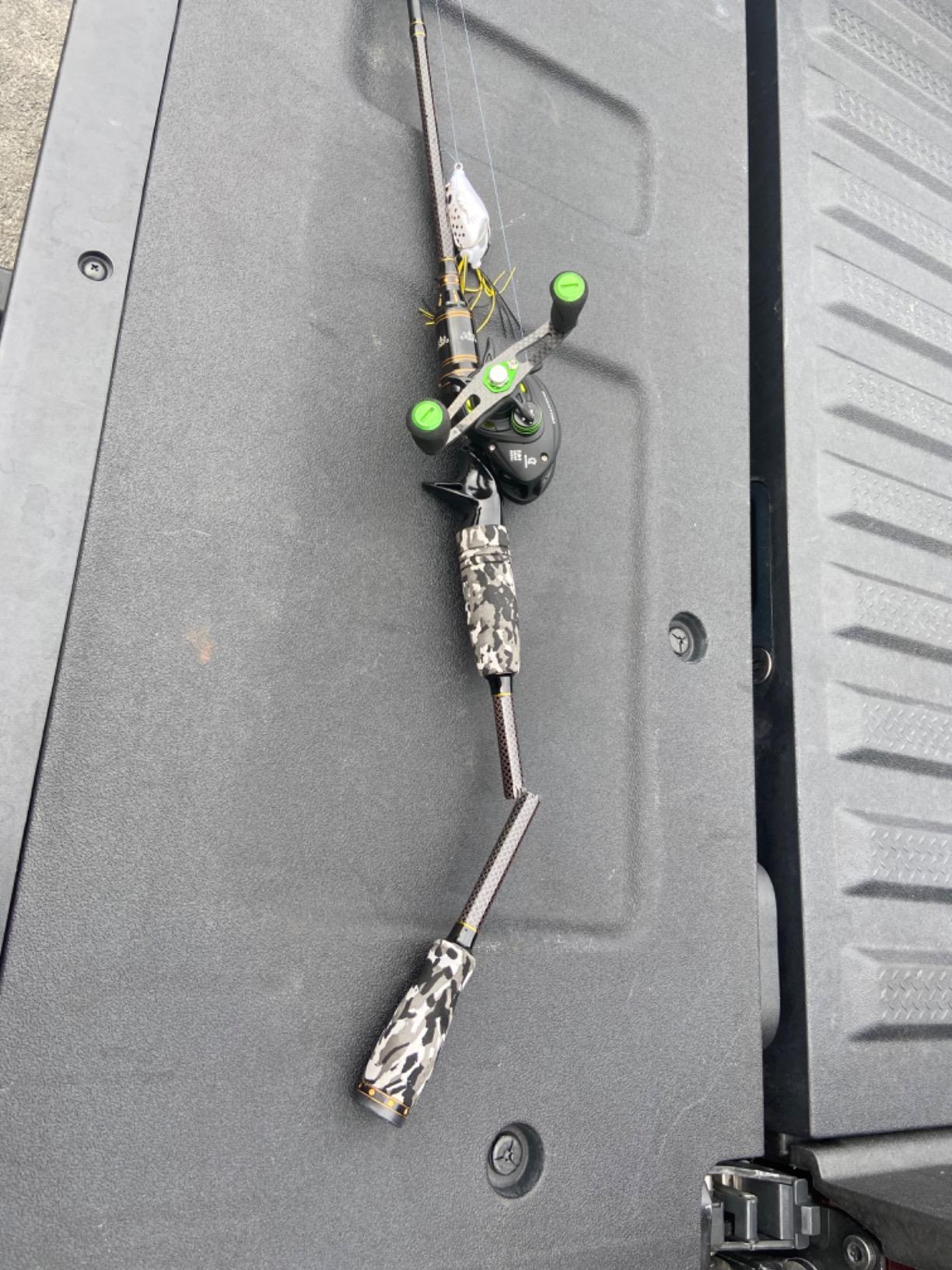
Fast action keeps the rod responsive in the short window between a bite and the hookset, which matters when you are working a tight spot next to a stump. The exposed reel seat with corrosion-resistant aluminum hoods gave it a secure, full-contact feel on my baitcaster.
Owners consistently frame this as the cheap answer to a several-hundred-dollar rod question, and the review volume backs that up. One of the more common tips from buyers is that the second tip section doubles as a spare, since the tip is what usually breaks first on a two-piece.
The split grip in high-density EVA stays comfortable in the heat and still transmits enough feel to detect a subtle take. It is not a cork handle, so if you prefer the classic feel, the Berkley Cherrywood below is the alternative.
What this rod handles well
The medium-heavy tip version covers crankbait retrieves, chatterbait work, and pitching a jig or Texas-rigged plastic into timber. Reviewers treat it as a strong value alternative to rods costing several times more, which matches what we saw casting heavy lures into cover repeatedly.
Swapping to the medium tip turns it into a better fit for lighter plastics and finesse work, so it covers a wide range without a second purchase.
Where it falls short
Some owners have reported tip or blank breakage while fighting a fish, and that tends to happen when a lure heavier than the 1.1 ounce rating is thrown at it. Match the weight and the rod holds; ignore the rating and the tip pays for it.
Sensitivity is good rather than exceptional, so if you chase clear water for bite detection more than power, a finer-sensitivity spinning rod will suit you better.
2. Piscifun Torrent IM6 Carbon 6-Foot 9-Inch Two-Piece Rod
Piscifun Torrent Casting Rod 6’9″ M IM6 Carbon 2-Piece Baitcaster Rod
IM6 carbon fiber
42.5 inches
Medium power
Moderate action
2.08 ounces
Pros
- Extremely light at 2.08 ounces
- Good sensitivity for light bites
- Stainless steel guides with titanium inserts
- Well balanced EVA grip
- Works with common baitcasting reels
Cons
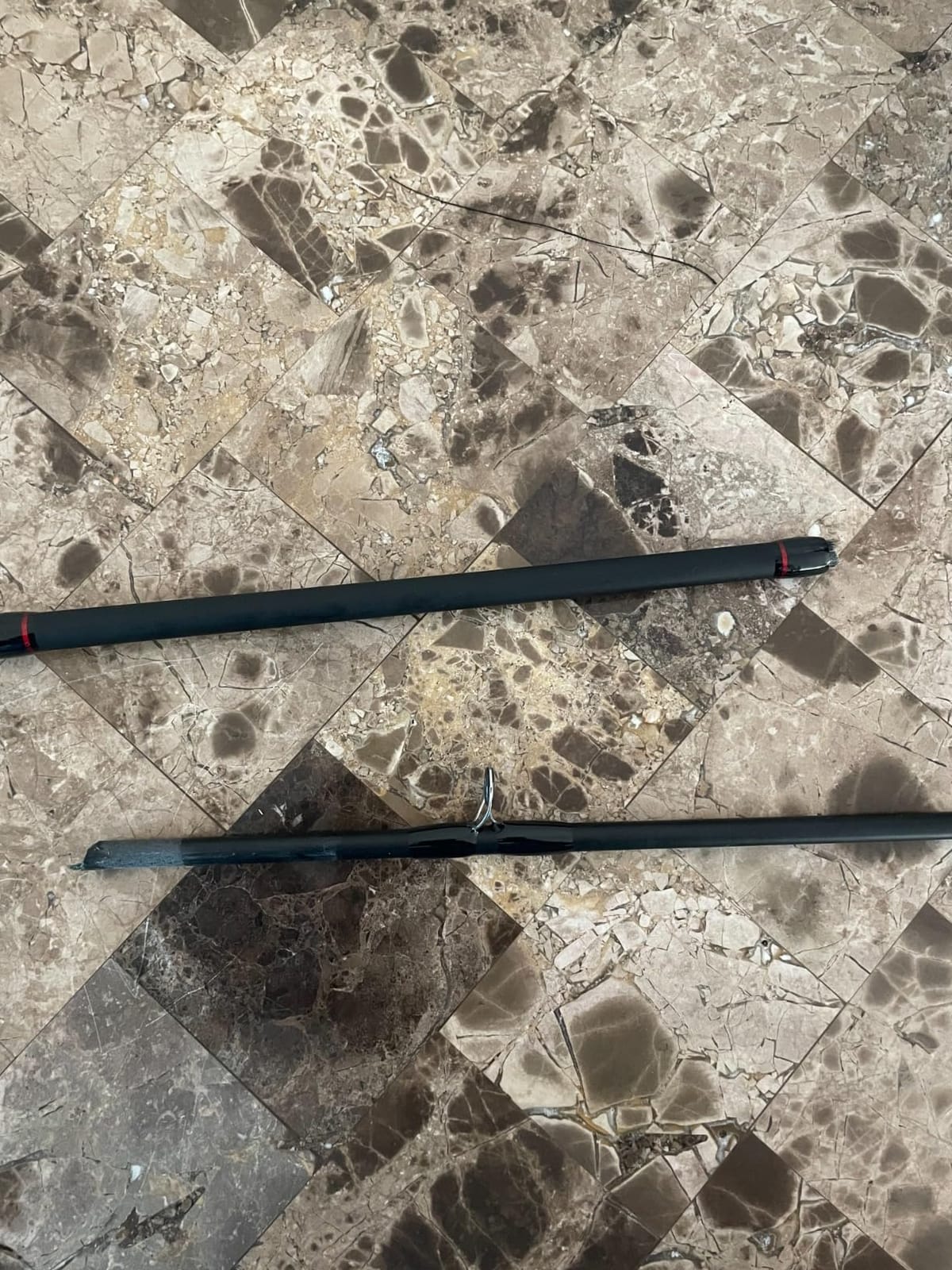
- Some reports of the blank snapping above the butt reinforcement
- The joint is noticeable on the longer models in the range
- Medium heavy buyers find some variants too soft for heavy plastics
At 2.08 ounces, this is the lightest rod in the group and the one we liked most for whole days of finesse work. The IM6 carbon blank gives it a quick tip without turning the rod into a noodle, and the moderate action bends through the handle rather than at the top.
The 42.5 inch listed length corresponds to a 6 foot 9 inch rod in medium power, rated for 14 pounds of line. Owners pair it happily with mainstream baitcasting reels, and the stainless steel guides with zirconium or titanium inserts keep the line moving smoothly under load.
Moderate action is the reason it lands light bites well. A softer bend means the rod loads gradually, so a twitching plastic or a waggling crankbait gives you something to read before the fish has a chance to spit the hook.
Its balance point sits close to the reel seat, which reduces the wrist work that wears anglers out over a long tournament day. For a rod this light, that is the feature you notice first.
Because it weighs so little, it is also a good choice for anyone fishing from a kayak where every gram counts. Reviewers often mention casting cranks and swimbaits on the longer versions of this same blank with good results.

What this rod handles well
Light plastics, finesse jig heads, and moderate-speed crankbait retrieves are its sweet spot. The moderate action gives a lot of feedback for a rod in this class, and the guide set does not chew line on repeated casts.
Long sessions are where the weight really pays off. Anglers fishing from an elevated seat or wading all day will notice the difference against a heavier blank.
Where it falls short
The most common complaint from owners is blank durability, with reports of the rod snapping just above the butt reinforcement. That tends to happen on the longer models in the range when a heavy lure is thrown or a fish runs hard against a slick bank.
Because the power is medium rather than medium-heavy, it is not the right choice for flipping heavy swimbaits in timber. Check the lure rating before you commit.
3. KastKing Spartacus II Twin-Tip Rod – The Cork Handle Rod
KastKing Spartacus II Twin-Tip Casting Rods, 6’8″, MH Power, Fast
24 ton carbon and IM6 graphite
Medium power
Fast action
Cork handle
Extra tip section
Pros
- One of the highest ratings among the well-reviewed models here
- Full cork handle feels warm and premium
- Extra tip section ships in the box
- Power Transition System smooths the joint
- Stryker Green finish looks sharp
Cons
- The longest heavy models feel heavy with a long tail behind the reel
- 14 size options make it easy to order the wrong power
- Long-term multi-season durability is not yet proven
The Spartacus II is the one in this roundup with a full cork handle and a fast action blank in the same package, and that combination is why it carries one of the highest ratings here. Cork is warmer than EVA in cold morning air and gives you a slightly dampened, more natural feel of the blank.
The blank combines 24-ton carbon fiber with IM6 graphite, which gives it the sensitivity of a modern rod with more backbone than a pure composite. At medium power it handles lighter presentations better than a heavy rod would, while the fast action still sets the hook quickly.
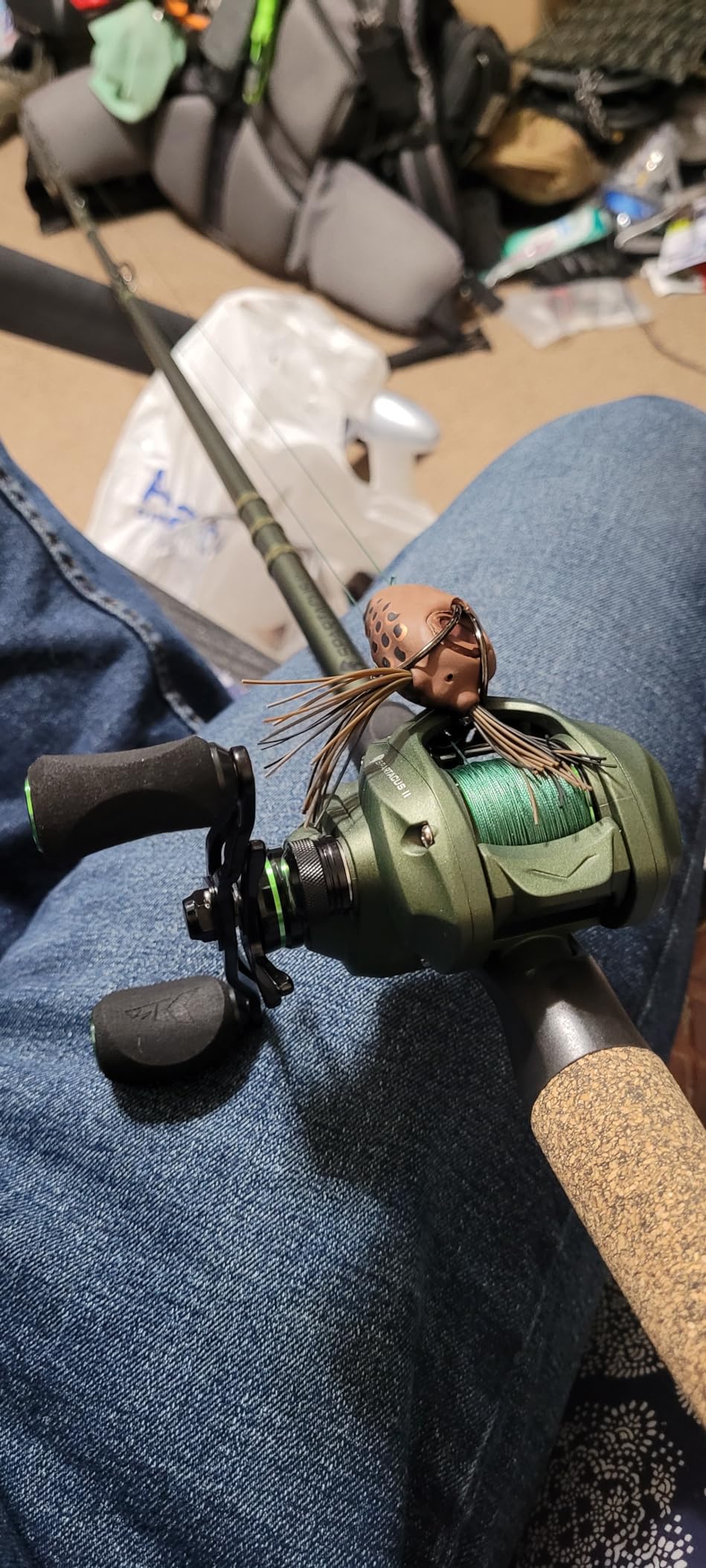
The Power Transition System joint is worth noting. It softens the break between the two sections so the bend runs through the whole rod rather than concentrating at the ferrule, which is where cheap two-pieces give up their sensitivity.
Owners repeatedly say the rod performs like a rod costing several times more. What stands out in the feedback is the cork grip itself, described as slip-resistant and comfortable on long trips.
Zirconium oxide guides keep the line flowing cleanly, and the patented integrated hook keeper on the foregrip means you can rig a rod in a boat without the lure rolling around the deck.
What this rod handles well
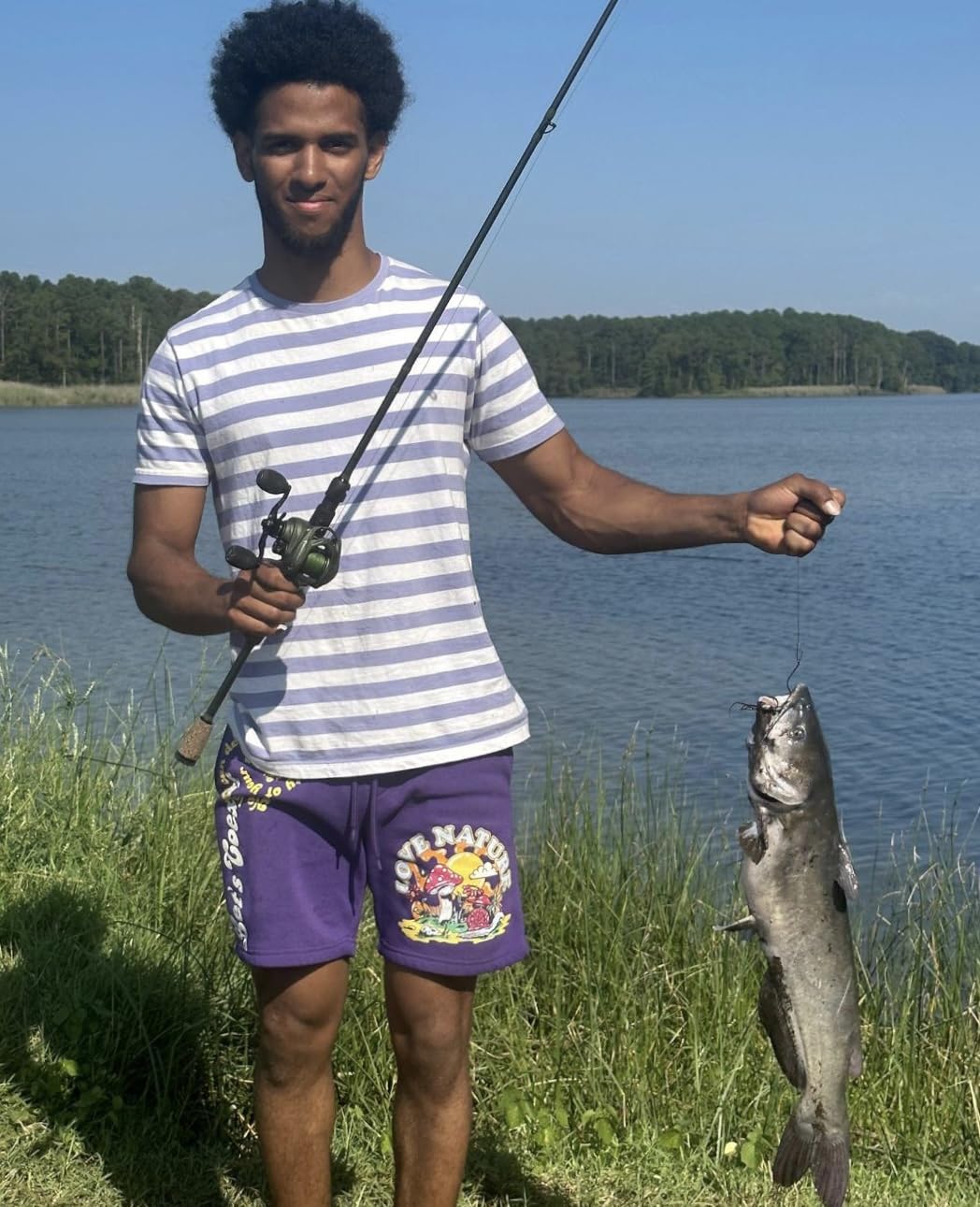
It is a good match for the angler who wants one rod with a premium feel for general bass work. Medium power with fast action suits cranks, chatterbaits, and jig fishing without requiring a change of blank.
The extra tip section included in the box is the practical part. It protects the most fragile component and gives you a second power option from the same rod.
Where it falls short
Balance is uneven across the range. Owners of the longest heavy versions report that the rod feels heavy and has a long tail behind the reel seat, which makes it tiring over a full day. Match the length to your lures before deciding.
With fourteen size options across spinning and casting, ordering the wrong power is an easy mistake. Confirm the length and power printed on the handle before you commit.
4. ENTSPORT 7-Foot Two-Tip Spinning Rod for Bass
Entsport 2 Piece 7 Feet Spinning Rod 24 Ton Carbon Fiber Spincasting Fishing Rod with 2 Tips – Medium and Medium Heavy Portable Spin Bass Fishing Rod
Carbon fiber
7 feet
Medium heavy
Fast action
2.56 ounces
Pros
- Two tip sections switch power without a second rod
- Very light at 2.56 ounces
- Exposed graphite reel seat improves feel
- 6+1 ceramic insert guides
- High density EVA handle
Cons
- Budget blank durability trails premium graphite rods
- Listing lists aluminum in the material field despite carbon claims
- Smaller review base than sibling models
If you are a spinning-only angler, this is the version of the twin-tip idea worth buying. It shares the 7-foot, medium-heavy, fast-action layout of the casting rod above, rated for up to 1.1 ounces of lure on 26 pound line, but weighs just 2.56 ounces.
That weight is the standout. A spinning rod that light is easy to hold all day and quick to react when a fish moves. The exposed reel seat lets you feel the lure working through the blank, which is the main advantage of spinning tackle for detecting light bites.
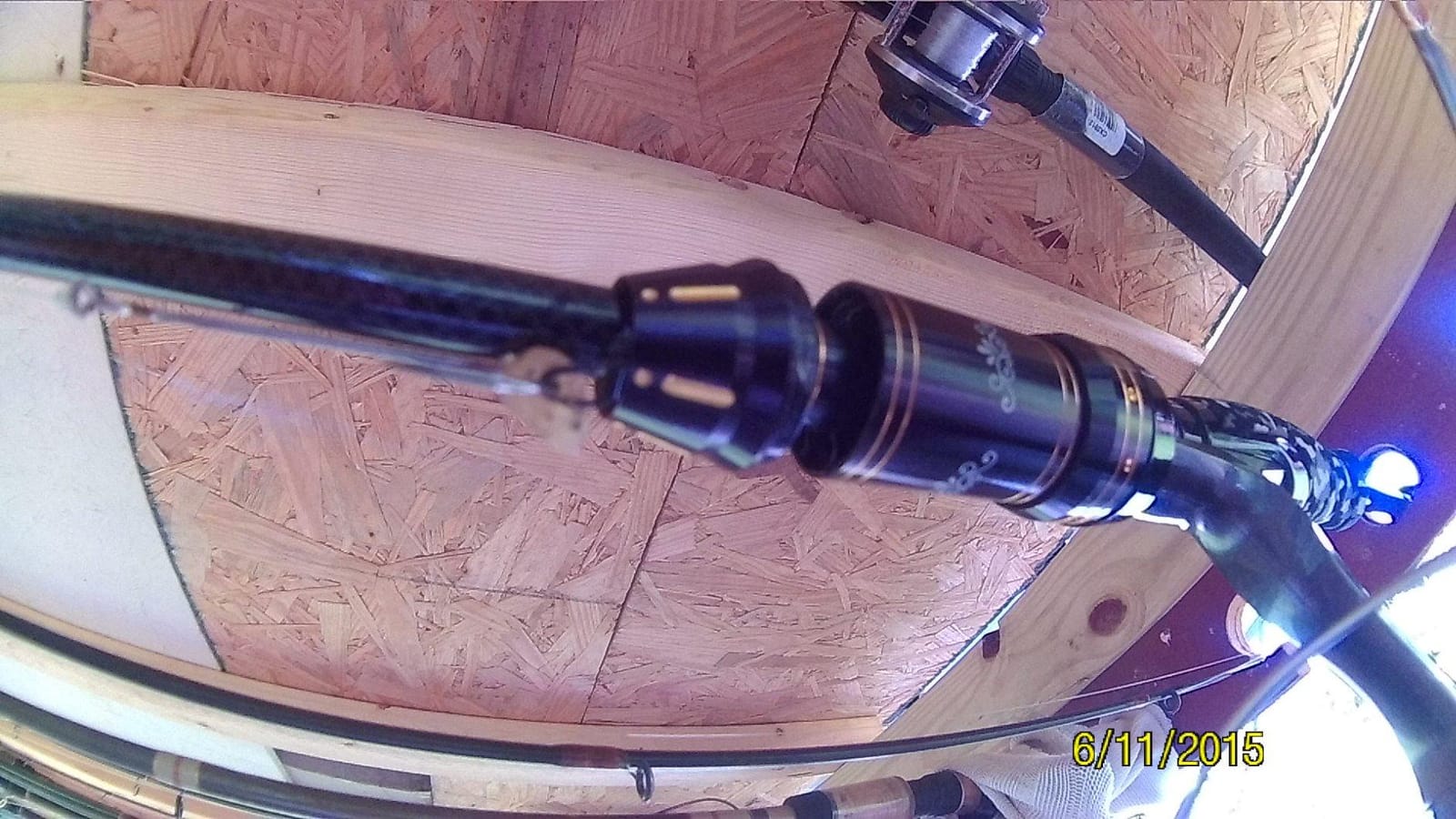
The included second tip section works the same way as on the casting version. Switch to medium for finesse presentations, switch to medium heavy when you want more pull from a fish, and keep the second section as a spare.
Reviewers describe it as a solid entry-level spinning option that is versatile, light, and sensitive for a tip. The six plus one corrosion-resistant guides with ceramic inserts keep a braided line running smoothly.
At medium heavy power it can also handle a heavier spinner or a small swimbait worked slowly. That makes it a genuine do-everything choice for anglers who never plan to touch a baitcaster.
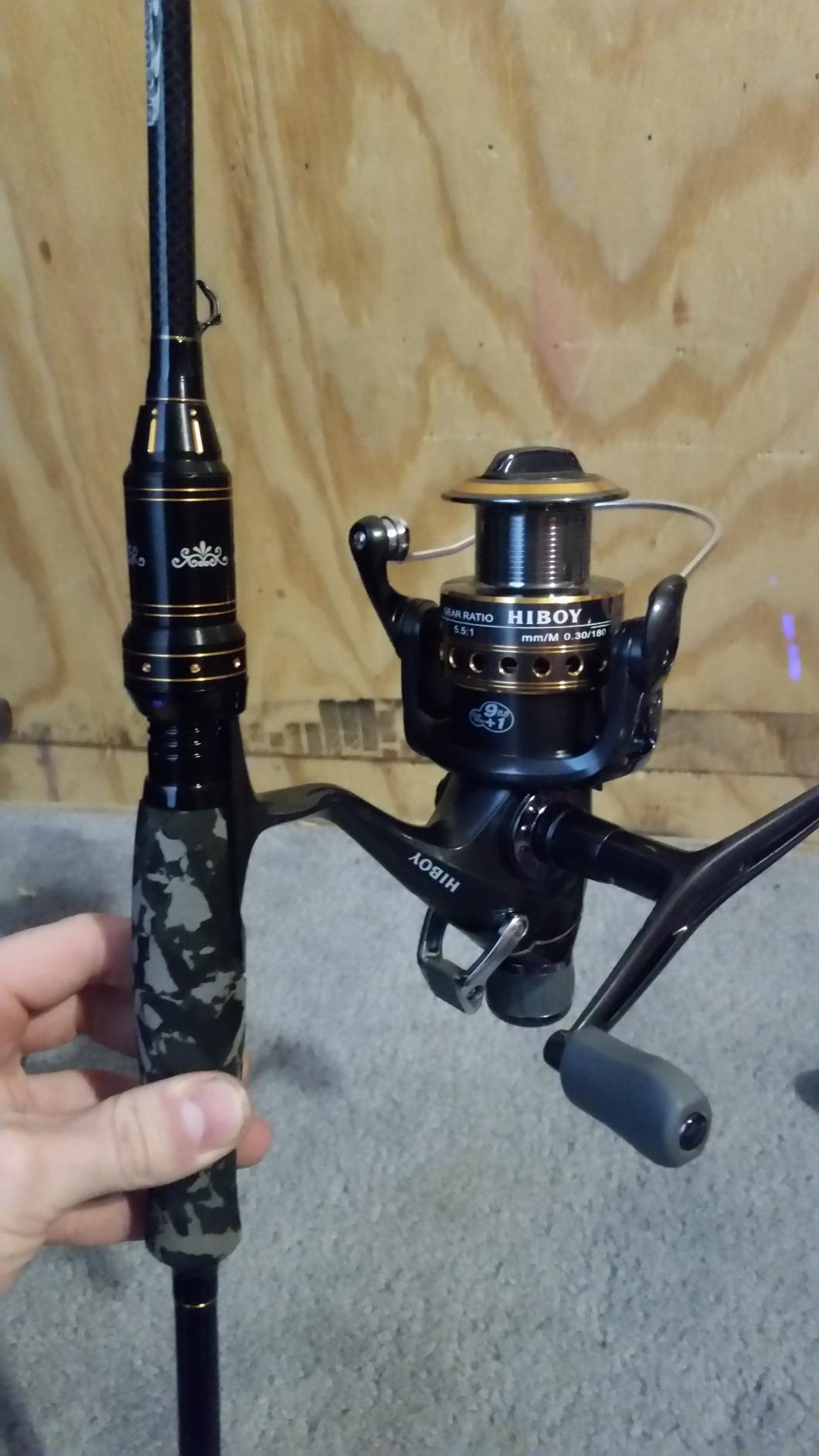
What this rod handles well
Finesse drop shots and small soft plastics benefit from the exposed blank feel, and the fast action keeps the hookset firm even on a light presentation. Anglers who fish from a kayak tend to appreciate the low weight more than almost anything else.
The two tips make it easy to change approach mid-session without a rod change. That flexibility is unusual at this tier.
Where it falls short
Durability is the honest limitation. Owners note that the blank is not on par with a premium graphite rod, so if you fish heavy cover for hours, expect to treat it more carefully than a flagship blank.
The product listing also carries an aluminum material entry that sits oddly against the carbon claims in the same description. Verify the spec sheet on the listing before you buy.
5. KastKing Perigee II 7-Foot Medium-Heavy Fast-Action Casting Rod
KastKing Perigee II Casting Rods, 7’0″, MH, 2 Pc
Toray 24 ton carbon matrix
7 feet
Medium heavy
Fast action
Fuji O-Ring guides
Pros
- Toray carbon matrix blank gives real power and accuracy
- Hybrid spigot joints make a two-piece feel like one
- Fuji O-Ring guides cut line wear
- High density EVA grips cut fatigue
- Computer-controlled wrapping at the joint
Cons
- Wide size lineup means ordering the wrong power is easy
- Not the most sensitive option for finesse fishing at the budget tier
- At 5.19 ounces it is one of the heavier blanks here
The Perigee II 7-foot medium-heavy fast-action casting rod is the crankbait answer in this list. Toray 24-ton carbon matrix gives it the power to throw a deep-bodied crankbait into cover and bring a fish back through brush without the tip loading up.
It weighs 5.19 ounces, which is a sensible middle ground. Light enough for a full day of casting, heavy enough that the rod stays stable when a fish pulls away at full speed.
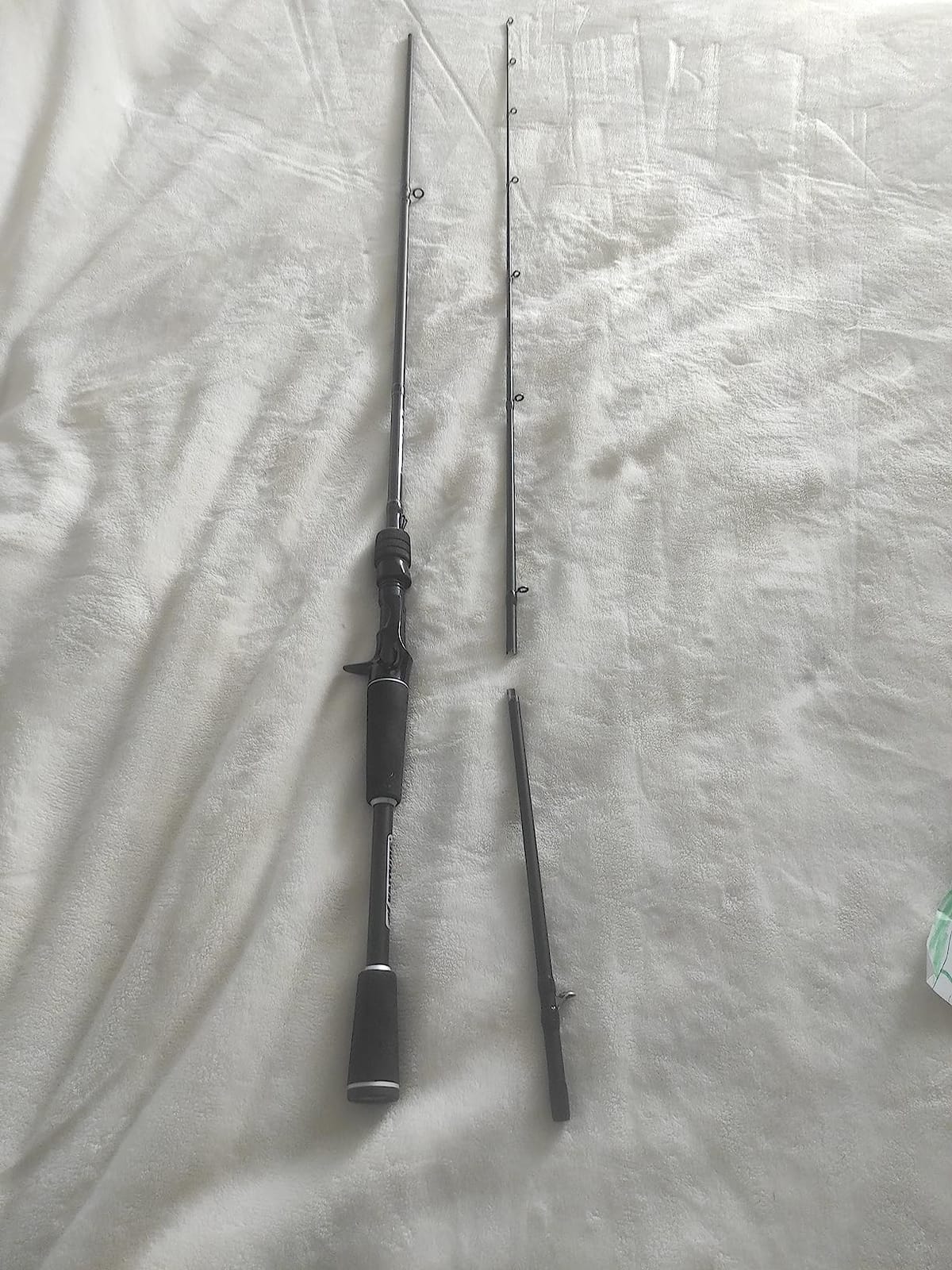
The joint technology is the detail that matters most here. The Power Transition System uses a hybrid spigot joint with four-angle computer-controlled wrapping, and owners consistently report that the bend runs smoothly through the two-piece transition instead of pinching at the ferrule.
Fuji O-Ring line guides sit at the top of the blank, which matters more than it sounds. O-rings reduce line wear on the thin line most anglers use for crankbait work, and worn line on a deep crank is how you lose fish you had hooked.
The high density EVA grips are contoured rather than plain, and the reel seat is tuned graphite. Buyers describe the whole package as feature-rich without being fussy about it.
What this rod handles well
Crankbait and chatterbait retrieves in moderate to heavy cover, plus jig and swimbait work where you need hookset authority. The fast action keeps the rod from absorbing the bite before you can react.
It is also a solid first tournament rod. The same blank is offered in both spinning and casting formats, so you can match it later if your game shifts to lighter presentations.
Where it falls short
Sensitivity is a compromise. At this tier the rod is built for power and durability, so if you spend your days picking apart clear water for subtle strikes, a lighter spinning rod will feel more to you.
Weight is the other tradeoff. At 5.19 ounces it carries more mass than the ultralight options here, and that backbone is exactly what you are paying for.
6. KastKing Centron Lite Twin-Tip Rod With Backup Tip
KastKing Centron Lite Twin Tip Casting Rods, 6’6″, MH
IM6 graphite
6 ft 6 in
Medium heavy
Moderate fast action
Extra tip included
Pros
- Light IM6 graphite blank with a sensitive tip
- Backup tip has identical action to the original
- Ceramic ring guides run smoothly on mono or braid
- Contoured EVA handle with fighting butt
- Integrated drop-shot hook keeper
Cons
- Twelve split models make it easy to order the wrong power
- Higher share of one-star feedback than sibling budget rods
- The 6.5 foot length casts shorter than a 7 footer
The Centron Lite is the shortest casting option here at 6 feet 6 inches, and that shorter length is the point. It is quicker under the rod, easier to work around dock pilings, and a better fit for anyone fishing tight water where a 7-foot blank is awkward.
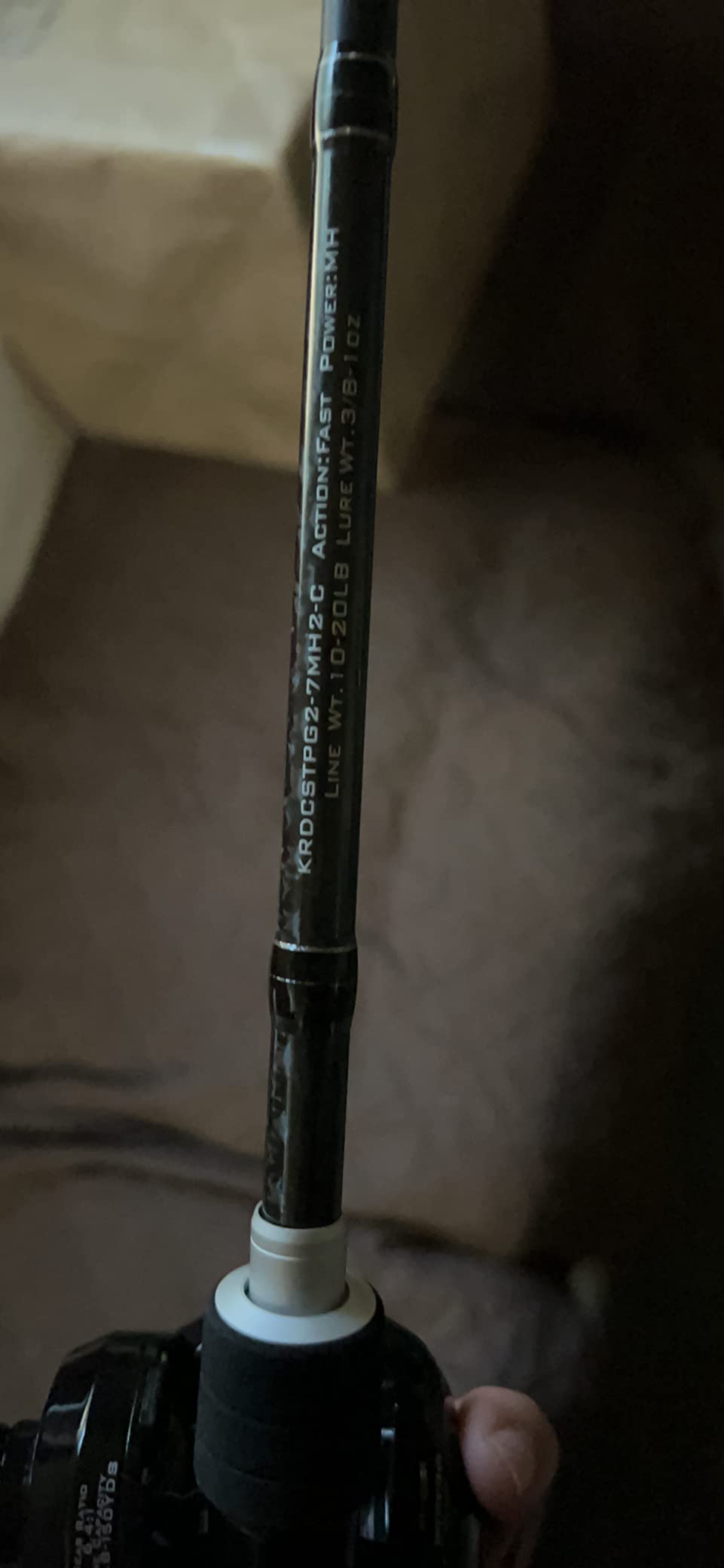
Power is medium heavy with a moderate-fast action, rated for 10 to 20 pounds of line. Moderate-fast is a useful middle setting for bass: it loads early enough to feel a take but does not collapse the tip when you set the hook.
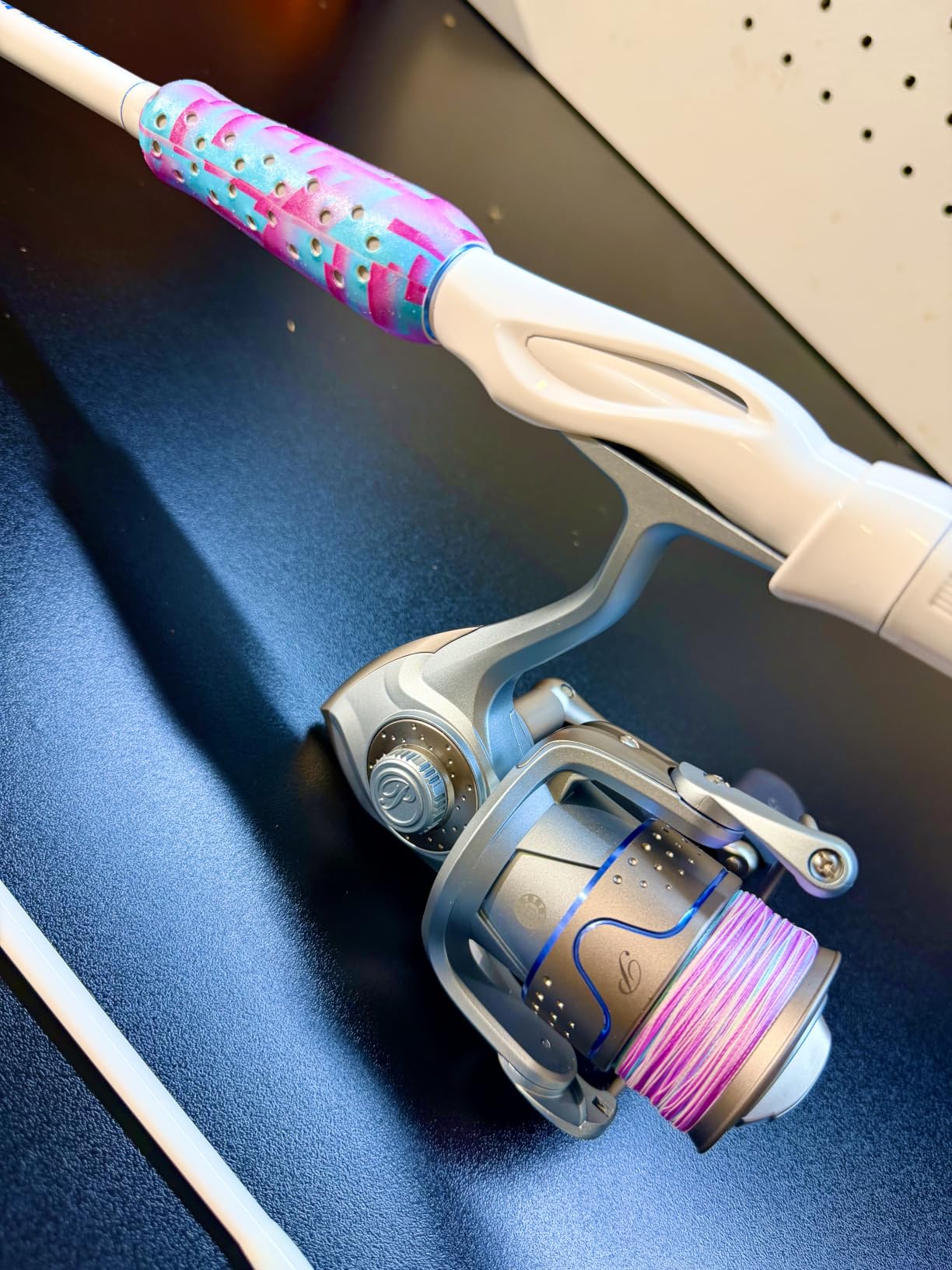
IM6 graphite is a proven budget material, and owners rate the blank as sensitive for its class. The stainless steel guides with ceramic rings run smoothly on both mono and braid, which matters if you switch line types during a season.
The twin-tip design includes an extra tip section with identical action. That is different from the ENTSPORT twins, which swap power between medium and medium heavy. Here the spare matches, so you lose nothing if you break the original.
The contoured EVA handles and fighting butt make it comfortable for long sessions, and the integrated drop-shot hook keeper keeps rig weights from sliding off the blank.
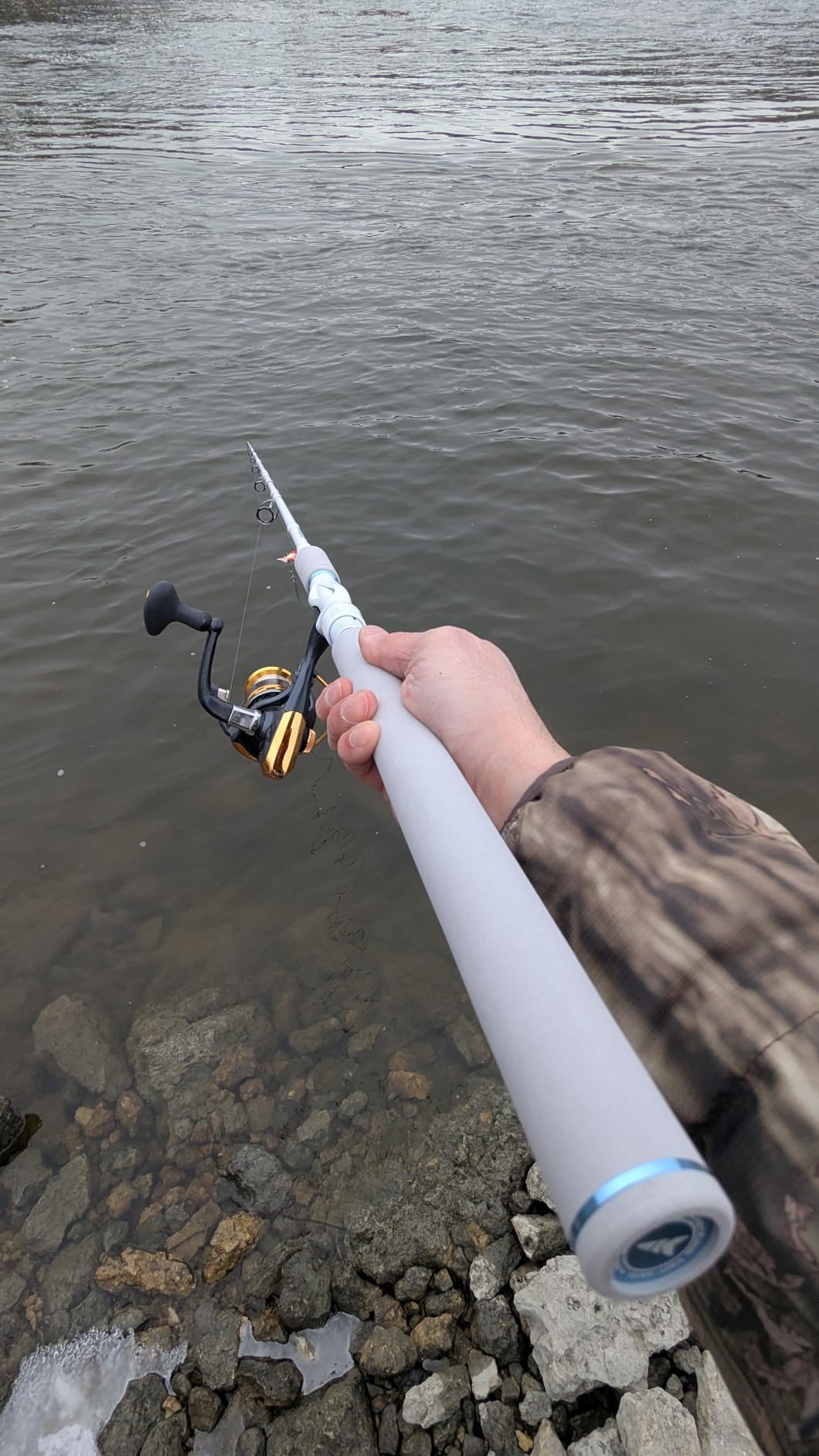
What this rod handles well
Pond fishing, small lakes, and creek work where casting distance is not the priority. The 6 foot 6 inch length casts well enough for most bass situations and recovers fast.
It suits anglers who fish swimbaits and jigs at close range, and the moderate-fast action gives a good balance of feel and power for general presentations.
Where it falls short
The review base is small, so there is less long-term data than the models with thousands of ratings. Treat early feedback as encouraging rather than proven.
Be careful with the size range. The spinning and casting models are split into twelve variants, and ordering errors are easy if you assume every option is the same power and length.
7. Berkley Cherrywood HD 7-Foot Medium-Heavy Spinning Rod
Berkley 7’ Cherrywood HD Spinning Rod, One Piece Spinning Rod, 8-17lb Line Rating, Medium Heavy Rod Power, Fast Action, 1/4-1 oz. Lure Rating,Red
Composite blank
7 feet
Medium heavy
Fast action
Type-C full cork handle
Pros
- Full cork handle is warm and comfortable in cold weather
- Hybrid blank through handle construction
- Covers lures from one quarter ounce to one ounce
- Six stainless steel guides with inserts
- Responsive for its power class
Cons
- Composite blank is less sensitive than modern graphite
- A noticeable share of one-star feedback
- Smaller model range than larger budget series
The Cherrywood HD is the cork-handle option for spinning anglers, and it is built on a hybrid construction where the blank runs through the handle. That design adds strength at the grip section while keeping the rod responsive, and it is the reason the handle can be full cork on a rod at this tier.
At 7 feet with medium-heavy power and fast action, it covers lures from one quarter ounce up to a full ounce on 8 to 17 pounds of line. That range is broad enough for anything from a drop shot to a small swimbait worked with a heavy rod.
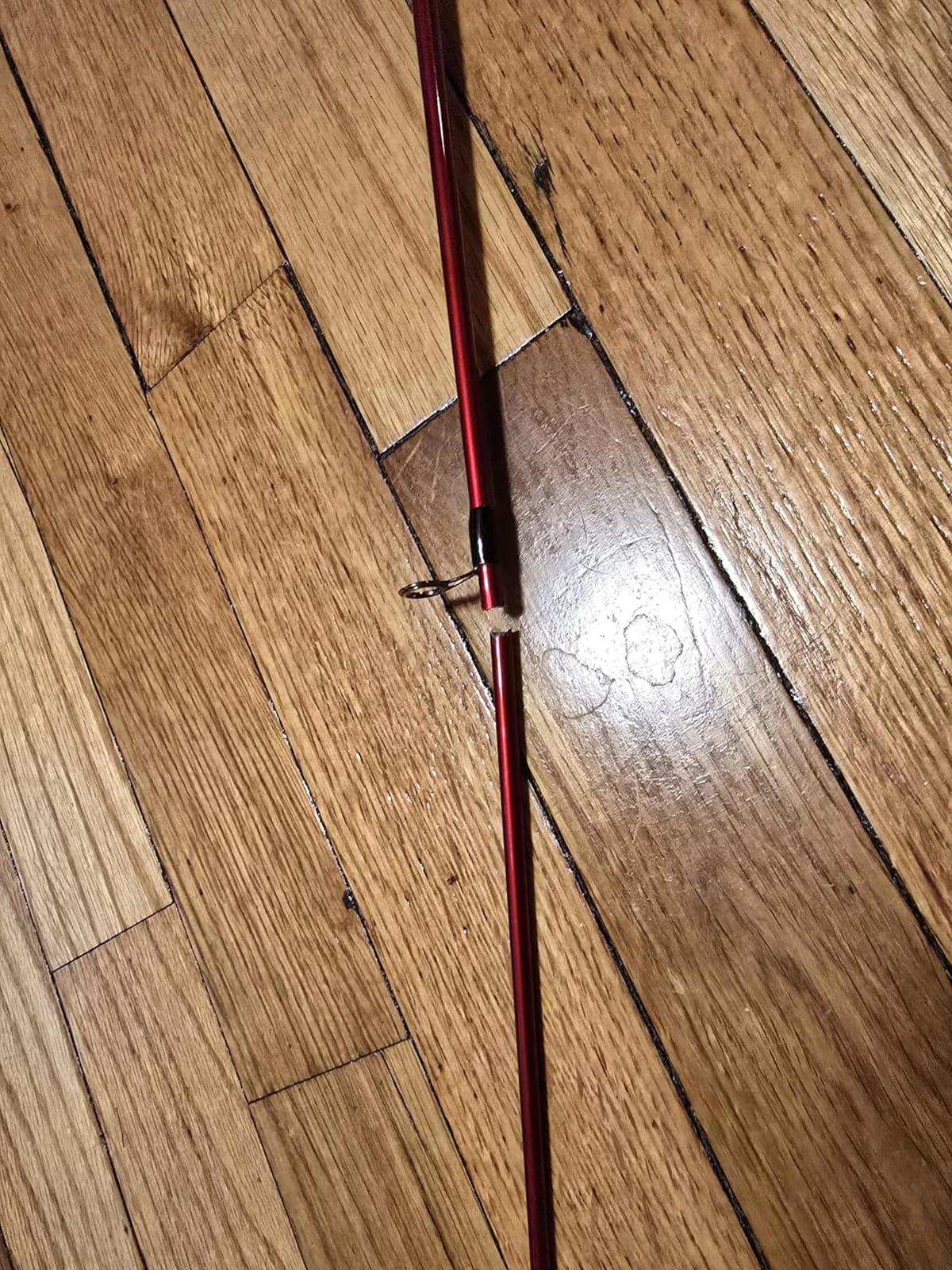
Cork stays warm in cold morning air and gets tackier, not slicker, when it is wet. On a spinning rod where you hold the blank for hours, that grip difference matters more than it does on a baitcaster.
Reviewers like the classic feel and the reliable medium-heavy casting ability. The six stainless steel guides with inserts keep the line tracking smoothly on repeated casts into the wind.
It is a two-piece rod, which makes it easier to live out of a small boat or a car trunk. Packing is straightforward and the joint is standard to work with.
What this rod handles well
Long cold mornings on the bank, where cork grip and a steady fast action both pay off. The one-ounce ceiling covers most spinnerbait and small crankbait work.
It also works well for anglers who want one spinning rod to cover everything from a finesse drop shot to a heavier soft plastic without changing blanks.
Where it falls short
Composite blanks are noticeably less sensitive than modern graphite or carbon rods. If your priority is feeling every subtle take in clear water, a graphite blank will serve you better.
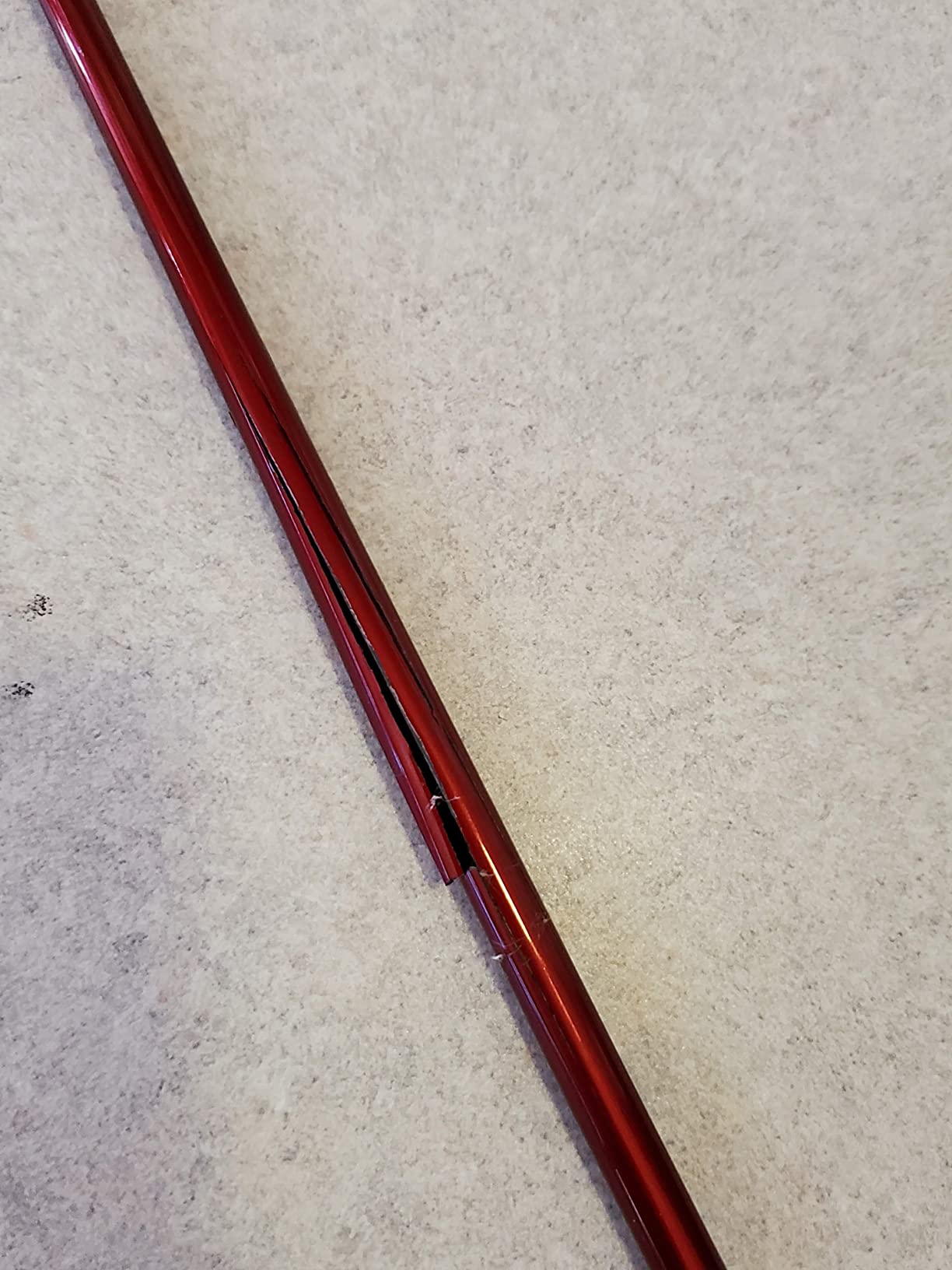
Owners report average durability, with a visible share of one-star ratings. Treat it as a rod for regular use rather than one to abuse in timber.
8. Berkley Lightning Rod 7-Foot Composite Spinning Rod
Berkley 7’ Lightning Rod Spinning Rod, One Piece Spinning Rod, 8-14lb Line Rating, Medium Rod Power, Moderate Fast Action, 1/4-5/8 oz. Lure Rating, Brown
Carbon composite
7 feet
Medium power
Moderate fast
Type-C rubber cork handle
Pros
- Very light and sensitive especially on braided line
- Rubberized cork handle stays tacky when wet
- Eight aluminum oxide guides
- Backbone in the tip for solid hooksets
- Owners report years of daily use
Cons
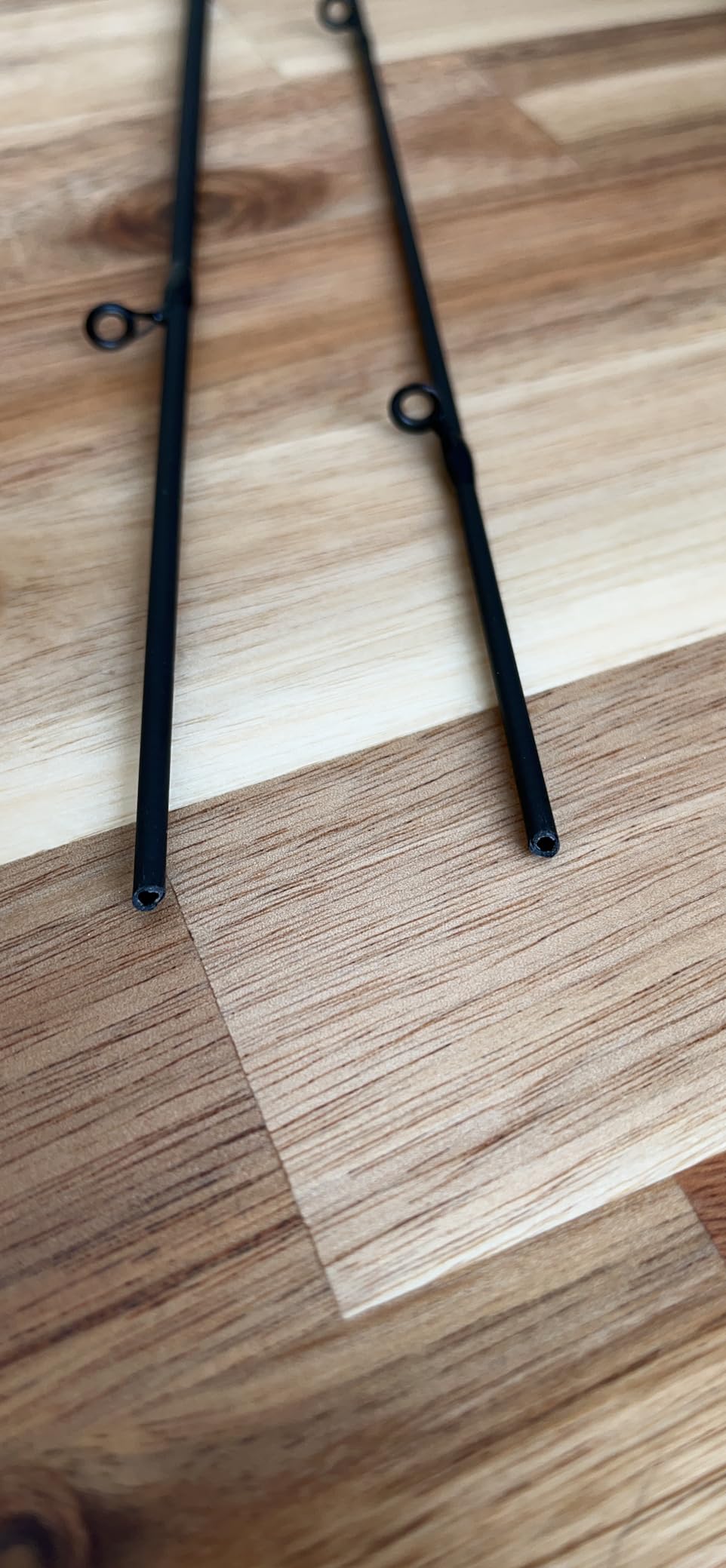
- Occasional reports of tip breakage or damage on arrival
- Lure ceiling of five eighths ounce limits heavy presentations
- Composite construction trails premium graphite in sensitivity
The Lightning Rod is the finesse pick here. Medium power with a moderate-fast action is close to the ideal setup for drop shots and light plastics, because the rod loads at the slightest hint of a take instead of waiting for a heavy pull.
It is built on 24-ton carbon composite construction rated for 8 to 14 pounds of line and lures from one quarter to five eighths of an ounce. Pair it with braid and owners report the sensitivity improves noticeably, since the thinner line transmits more contact to the blank.
The Type-C rubber cork handle is rubberized cork rather than plain cork. It gives you the tacky grip of cork without the wet, slippery finish that plain cork develops after a full rain.
Eight aluminum oxide guides hold up well to repeated casting and keep the braid running quietly. The backbone in the tip is what allows a soft hookset that still pushes the hook through a fish’s mouth.
Long-term owners report multiple of these rods in daily use for years, which is a strong signal for someone buying a first set of bass tackle that has to last.
What this rod handles well
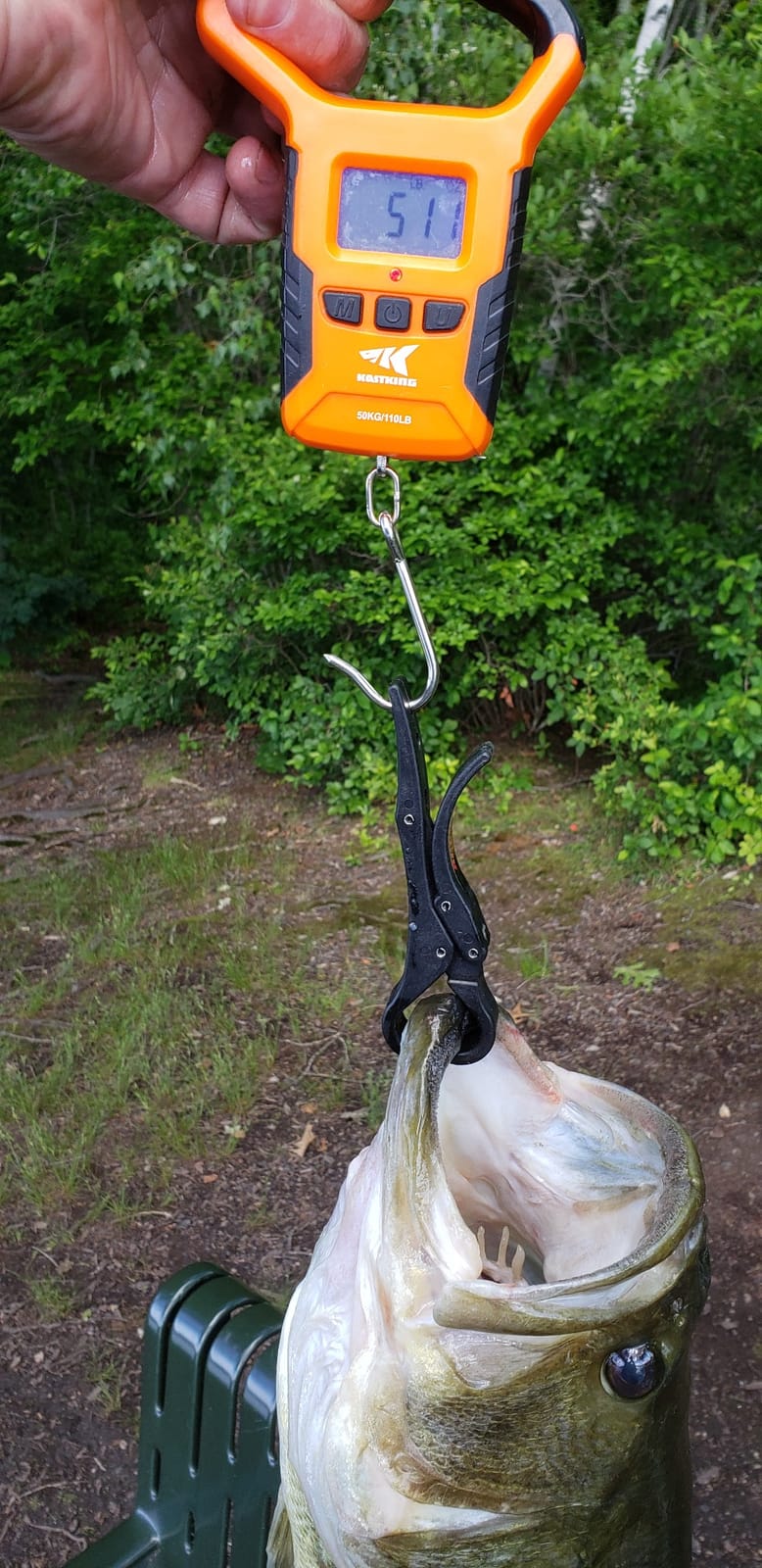
Drop shots, Texas-rigged worms, and nearshore smallmouth work in clear water. The moderate-fast action gives you feedback on bites that a heavier rod would swallow.
It is also a comfortable all-around spinning rod for someone who casts light lures more often than heavy ones, and the weight keeps wrist fatigue down on long days.
Where it falls short
The five eighths ounce lure ceiling rules it out for cranks and heavier soft plastics. If your typical week is flipping swimbaits, look at a medium-heavy rod instead.
Some owners report the tip section breaking or arriving damaged. Check the tip carefully when the package opens.
9. Ugly Stik GX2 7-Foot Casting Rod With Clear Tip
Ugly Stik 7′ GX2 Casting Rod, 2 Piece Fishing Rod, 8-20 lb Line Rating, Medium Rod Power, 1/4-5/8 oz Lure Rating
Ugly Tech graphite and fiberglass
7 feet
Medium
Fast action
8 to 20 pound line
Pros
- Clear Tip design has a long record of surviving abuse
- Long manufacturer warranty on the blank
- PVD coated stainless steel guides resist corrosion
- Full grip shrink tube EVA handle is slip resistant
- Ugly Tech construction balances strength and weight
Cons
- Medium power keeps it in lighter bass work
- Small number of reviews limits long-term data
- Full grip style is less refined than a split grip design
The GX2 casting rod carries the longest manufacturer warranty claimed in this roundup, which for us is the deciding factor. A ten-year warranty is a rare commitment at this tier and a fair signal that the manufacturer expects the blank to last.
Ugly Tech construction combines graphite with fiberglass, and the Clear Tip is the brand’s best-known durability feature. Owners across this brand’s lineup describe rods that survive being wedged under a boat seat or leaned against a trailer gate, which is a realistic bar for bass fishing tackle.
At 7 feet with medium power and fast action, rated for 8 to 20 pounds of line and lures up to five eighths of an ounce, this is a rod for covering water quickly. The fast action recovers well between casts, which suits an angler who moves from spot to spot all day.
The PVD-coated one-piece stainless steel guides resist corrosion and line fray. That coating is a small detail that pays back over a wet season with braid on the spool.
The second generation of this rod improved the balance and the components over the version it replaced. Early owner feedback is strongly positive, and reviewers highlight the feel of the fast action and the grip’s slip resistance in wet hands.
What this rod handles well
General purpose bass work where durability matters more than extreme sensitivity. It is a strong candidate for a first rod that will get banged around, and for anglers who fish off a bank and transport gear in a truck bed.
The long warranty also makes it a sensible choice for a parent buying a rod for a young angler, where the blank is certain to be tested hard.
Where it falls short
Medium power and the five eighths ounce ceiling keep it out of heavy crankbait and swimbait work. Bigger fish and bigger lures need a heavier rod with more backbone.
The full grip handle is functional rather than refined, and the review base here is small compared with the other picks. We would want a few more seasons of owner feedback before calling it the durability equal of the brand’s flagship lines.
10. Ugly Stik GX2 6-Foot 6-Inch Four-Piece Spinning Travel Rod
Ugly Stik GX2 Spinning Fishing Rod
Ugly Tech graphite and fiberglass
6 ft 6 in
Medium
Four piece sections
10 pound line
Pros
- Four sections pack into a backpack or carry-on
- Alignment markings speed assembly
- Exposed blank reel seat improves hand feel
- PVD coated stainless steel guides
- Long manufacturer warranty backs the build
Cons
- Heavier than expected for a travel rod
- One report of a cracked handle and bent tip on arrival
- Joint alignment is not perfectly straight on every unit
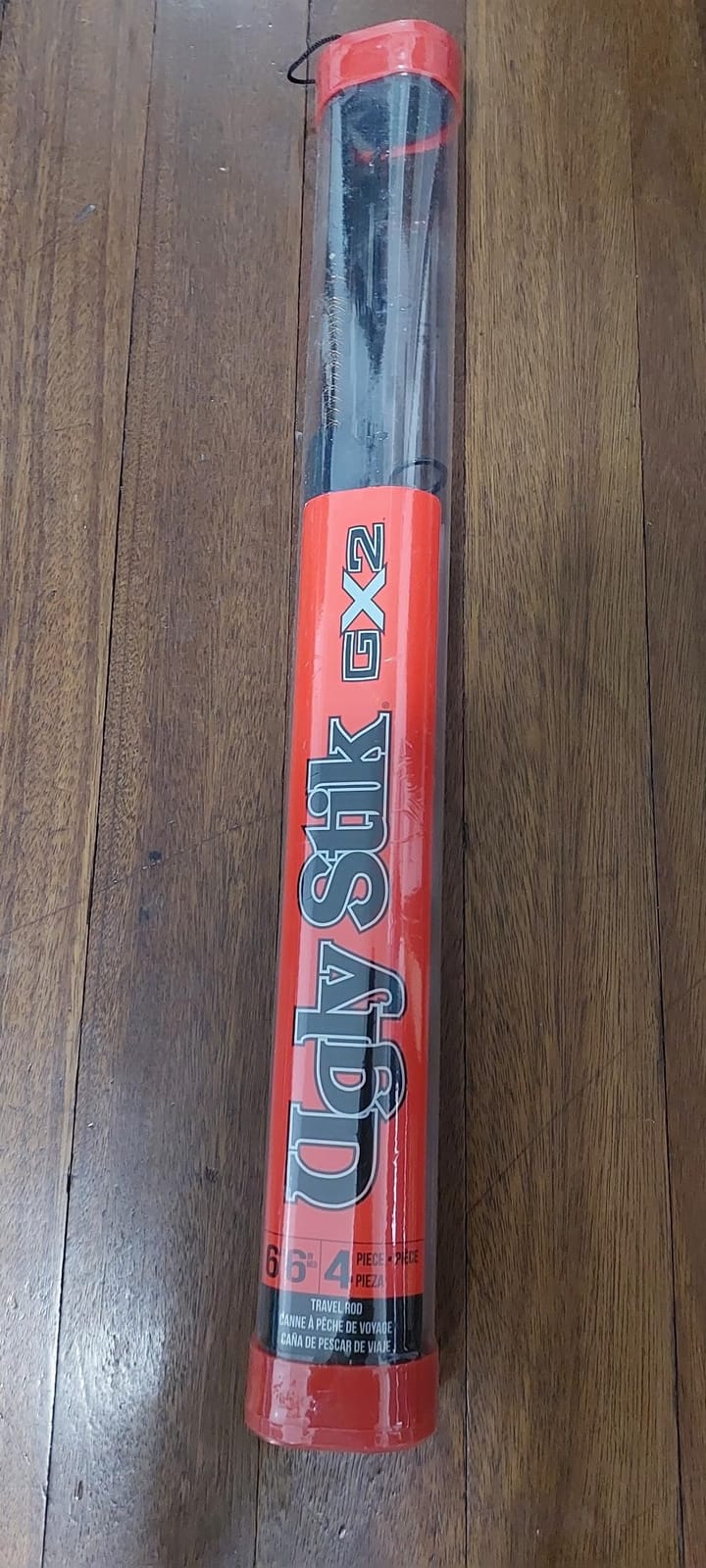
This is the rod for anyone who has ever left a rod behind because it was too long. Four sections at 6 feet 6 inches break down small enough for a backpack, and the alignment markings printed on each section make assembly straightforward in the dark or in a hurry.
The trade-off is weight. Owners note that it is heavier than expected for a travel rod, and the empty feel is noticeable compared with the lighter ENTSPORT twins in this roundup. Even so, it is the only genuinely portable bass rod here.
Ugly Tech graphite and fiberglass construction keeps the brand’s toughness intact, and the exposed reel seat lets you feel the blank through your fingers, which is the part that most people miss on a travel rod.
Medium power at 6 feet 6 inches suits ponds, small lakes, and travel fishing where you are casting from a bank or a rented boat. It is not a distance rod, and it is not meant for heavy cover.
The PVD-coated Ugly Tuff guides handle braid and mono without the corrosion problems that show up on unpainted stainless steel after a season of rain.
Reviewers note that travelers like the packability and the toughness, and that the value is strong for a rod with a long warranty behind it.
What this rod handles well
Anyone fishing away from a vehicle, or with one rod slot available. Four sections means it can sit in a bag without a dedicated rod case, and the markings stop you from assembling it wrong in the rain.
It is also a good backup rod for a boat with limited storage, where a second blank that fits anywhere beats a better one that does not.
Where it falls short
The weight is the honest drawback for a rod sold on portability. If you are not actually traveling, a heavier single-piece rod will feel better in the hand.
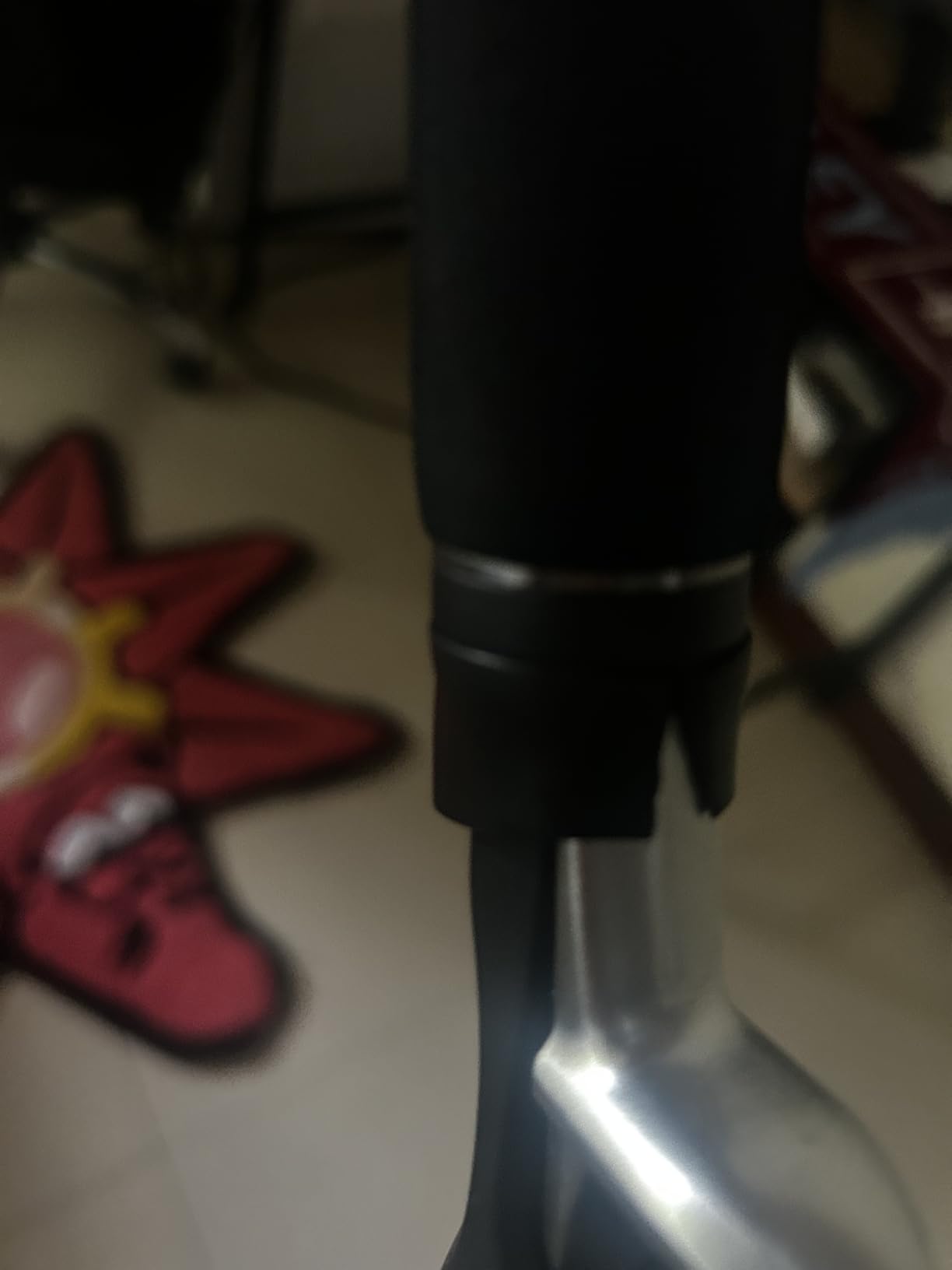
Owners also report a cracked handle and a slightly bent tip section arriving in the mail, and joint alignment that is not perfectly straight on every unit. Inspect it on arrival.
How to Choose a Bass Rod: Decide on Casting or Spinning First
The single most common mistake is choosing a rod before choosing tackle. Casting and spinning rods are not interchangeable, and the reel you already own should drive the decision.
Casting or spinning: make this call first
If you already own a baitcasting reel, buy a casting rod. A casting rod gives you the power to work heavy lures, the accuracy to place a lure next to cover, and the backlash control that comes from a heavier blank. This is the standard for crankbait, chatterbait, and heavy jig work.
If you are starting fresh or have been bitten by tangled line, a spinning rod is the safer first setup. It has no backlash to manage, light line comes off the spool in a wide cone, and you can drop a lure into open water without practicing. The trade-off is thinner line, which limits you to lighter lures.
The recurring question on angler forums is whether a beginner should start with spinning or baitcasting tackle. Our answer is spinning if the priority is catching fish quickly with less frustration, and casting if you plan to move to heavier presentations within a season.
Power: match the rod to the heaviest lure you throw
Power tells you how much weight the rod can lift and control. Light power handles small lures, medium is the most common bass rating, and medium-heavy adds the backbone for cover. Going heavier than your heaviest lure makes a rod sluggish. Going lighter risks the tip loading too far under load.
Lure weight mismatched to rod power is the number one cause of broken tips reported by owners across every model in this roundup. Read the lure rating printed on the blank and stay inside it.
Action: where the rod bends under load
Action describes how much of the bend happens in the lower half of the rod. Fast action bends mostly in the top third, giving quick hooksets and less forgiveness for beginners. Moderate action bends through the whole rod, which feels softer and loads earlier.
For general bass fishing, fast action is the most common recommendation because it sets the hook quickly and recovers fast between casts. For finesse work, moderate or moderate-fast action feels more of a take before you react.
Length: 7 feet is the default
Length controls casting distance and how much of the blank you use to fight a fish. Seven feet is the standard bass length and the one most pros use as their default. Six foot six inch rods are faster under the rod and better in tight water. Eight foot rods cast further and fight bigger fish harder but are harder to control for beginners.
One of the most common angler frustrations is a mismatch between rod length and water type. Ponds and creek channels favor shorter rods. Open reservoirs and long trotline casts favor longer ones.
Blank material: what the rod is made of
Composite blanks are affordable and durable but less sensitive. Graphite blanks are sensitive and moderately priced. Carbon fiber blanks are the lightest and most sensitive, and carbon composite blends sit between graphite and composite. Every rod in this roundup uses one of those three families.
Sensitivity is the practical difference between a composite and a carbon blank. A graphite or carbon rod transmits a light take into your hand, while a composite rod absorbs some of it. If you fish clear water for subtle bites, pay for sensitivity.
Matching lures to rods
Here is the practical matrix we use. Crankbaits under one ounce go on a 7-foot medium to medium-heavy fast rod. Chatterbaits and deep cranks go on a 7-foot medium-heavy or heavy fast rod. Jigs and swimbaits worked in timber need 7-foot medium-heavy or heavy power.
For finesse, drop shots and nearshore smallmouth work best on a 6 foot 10 inch to 7 foot medium or medium-light spinning rod with moderate or moderate-fast action. Topwater frogs and walking baits sit in the middle at 7 feet medium power. Heavy topwater and brush piles push toward heavy power at 7 foot 6 inches or longer.
The one-rod-that-does-everything answer
The most common angler request is a single rod for ponds and small lakes covering plastics, jigs, cranks, spinners, and swimbaits. The honest answer is that no single blank covers crankbaits and finesse plastics equally well, but one rod gets you the closest.
A 7-foot medium-heavy fast casting rod paired with a medium-heavy baitcasting reel is the do-everything setup. Medium-heavy covers finesse plastics, jigs, chatterbaits, and cranks up to about an ounce without being so stiff that you cannot feel a take. If you insist on spinning, a 7-foot medium-heavy fast spinner in this roundup covers a similar range.
Be realistic about what one rod will not do. A rod rated to throw a heavy swimbait will not feel a light drop shot, and a finesse spinning rod will not move a fish out of timber. Two rods, one heavy and one light, covers nearly every water an angler meets.
Price tiers without the noise
Entry tier covers the ENTSPORT and Berkley rods in this list, where you are buying two-piece construction, EVA or cork handles, and a spare tip section. Mid tier is where the KastKing rods sit, adding better blank materials, better joints, and more guide detail.
The jump from entry to mid tier mostly buys you blank sensitivity, joint smoothness, and component quality rather than raw power. The jump from mid to premium buys lighter weight, higher modulus carbon, and longer manufacturer warranties. For most anglers, mid tier is where the money is best spent.
A recurring forum question is whether spending several times more on a rod is worth it when the reel costs about the same. Our answer is that reel and rod do different jobs. The reel manages line and drag. The rod feels the bite and hooks the fish. Neither substitutes for the other.
Warranty length as a quality signal
Warranty length is the clearest manufacturer-confidence signal on a spec sheet. The Ugly Stik GX2 rods here carry a ten-year warranty claim on their Ugly Tech blanks, while most of the other models in this list make no comparable claim. A longer warranty usually means fewer expected failures in the first few seasons.
That matters most for beginners buying a first rod, because the blank is the part you cannot replace. Treat a long warranty as part of the product rather than an afterthought.
Common mistakes to avoid
Matching a lure to the wrong power is the first mistake, and it shows up as broken tips or sluggish casts. Buying a heavy rod for finesse work is the mirror image, and it shows up as bites you never felt.
One-piece versus two-piece is the second common mistake. One-piece rods feel smoother, but a two-piece fits in a smaller space and the twin-tip designs in this roundup give you a spare section when something breaks. Storage limits are the real deciding factor for most people.
Over-sizing the handle is the third. A grip that is too large is uncomfortable on long days and hides the blank, which reduces the sensitivity you paid for.
Frequently Asked Questions
What is considered the best bass fishing rod?
Most anglers agree the best fishing rods for bass are 7-foot, medium-heavy power, fast-action casting rods. That length covers the average cast distance, medium-heavy power works plastics, jigs, chatterbaits, and cranks up to about an ounce, and fast action sets the hook quickly while recovering between casts. Beginners often prefer moderate action for extra feel.
What is the best rod for largemouth bass?
For largemouth bass, a 7-foot medium-heavy fast-action casting rod is the standard choice because bass are often fought around timber and heavy cover where hookset authority matters. Pair it with a medium-heavy baitcasting reel rated for 10 to 17 pounds of line. For open water and long casts, step up to heavy power or a longer rod.
What do pro bass fishermen use?
Professional bass anglers most often use 7-foot medium-heavy or heavy power casting rods in fast action for the majority of their work, because that is the length and power combination that covers the widest range of lures. Finesse specialists switch to medium-power spinning or baitcasting finesse setups. There is no single pro rod; most carry several.
Should I get a spinning or casting rod for bass?
Choose a casting rod if you already own a baitcasting reel or plan to throw cranks, chatterbaits, and heavy plastics. Choose a spinning rod if you are new to bass fishing, want to avoid backlash, and will fish lighter lures. Spinning setups feel lighter bites better, while casting rods give more power and accuracy for placing lures near cover.
What length bass rod do the pros use?
Seven feet is the most common length on the pro circuit and among serious amateurs. It balances casting distance against control, fits most boats, and handles a wide range of lures. Six foot six inch rods are faster under the rod and suit tight water, while eight foot rods cast farther and fight bigger fish but are harder to control.
How much rod power do I need for bass fishing?
Match the rod power to the heaviest lure you plan to throw. Medium power handles lures up to about one half ounce, medium-heavy extends to roughly one ounce, and heavy power is for swimbaits and brush piles. Using a rod far heavier than your lures makes it feel sluggish, and going lighter risks the tip breaking under load.
Conclusion
The ENTSPORT E Series takes our top spot because two tips in one two-piece blank give you the most range, and 2,400-plus owners have already run it hard enough to have an opinion. It is the safest single recommendation for anyone asking for the best fishing rods for bass in 2026.
Choose the KastKing Spartacus II if you want a cork handle and fast action. Choose the Piscifun Torrent if weight matters more than power. Choose a Ugly Stik GX2 if durability and warranty length are your top concerns, and choose the four-piece spinning version if travel is part of your season.
Start with the tackle you already own, match the power to your heaviest lure, and stay inside the printed rating. That single habit prevents more broken tips than any brand choice on this list.