
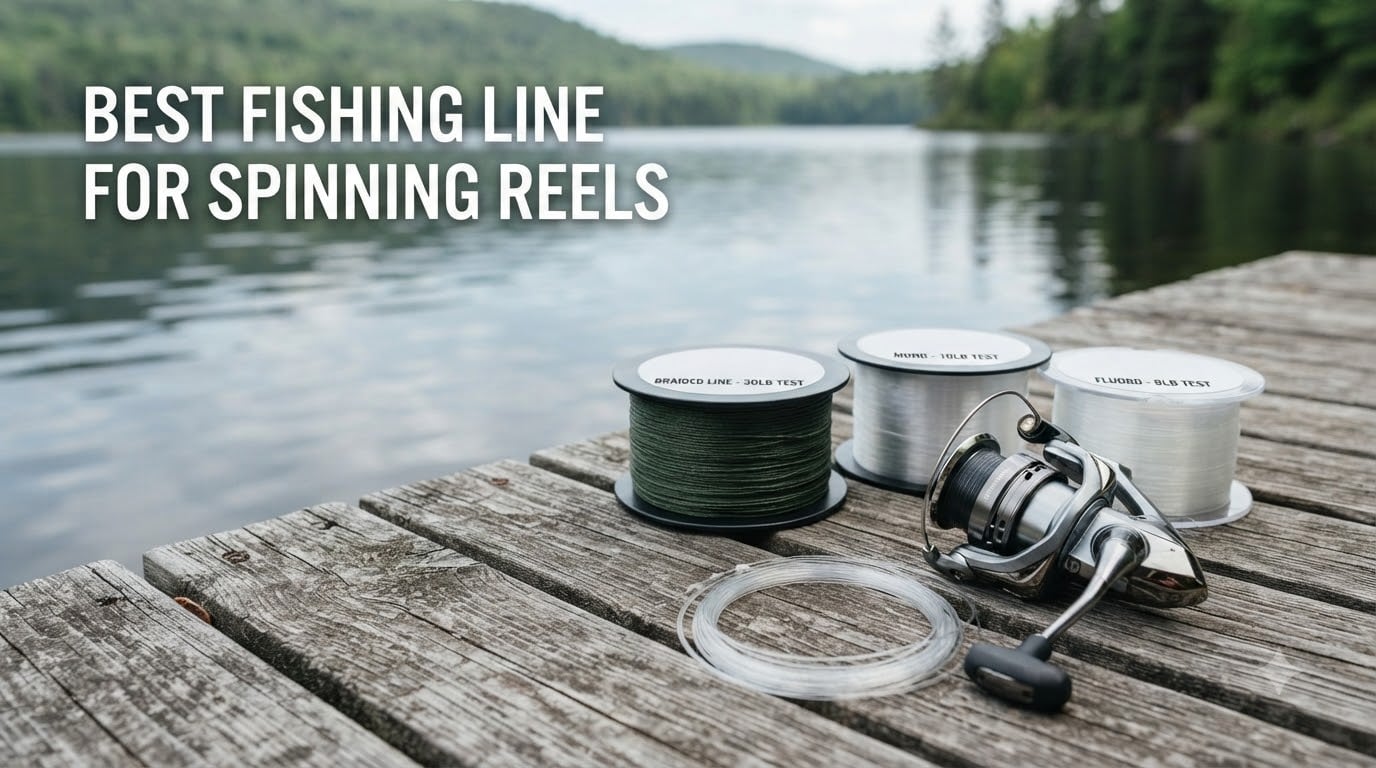
Choosing the best fishing line for spinning reels comes down to one thing every angler learns the hard way: a spinning reel winds line onto a fixed spool, and the wrong line fights back with wind knots, line twist and short casts. I have spooled up more reels than I can count over the last few seasons, mostly working through the twelve lines in this guide on 2500 and 3000 size spinning reels, and the differences between them show up within a single afternoon.
Three materials dominate the conversation. Braided line gives you sensitivity and casting distance because it has almost no stretch. Monofilament is the forgiving, budget-friendly middle ground that ties reliably and absorbs shock. Fluorocarbon is nearly invisible underwater and sinks fast, which makes it a natural choice for a leader or a clear-water main line. Most serious setups combine two of them: braid on the spool, fluoro on the end.
This guide covers all twelve lines below, organized by material, plus the practical details that decide whether a line works on your reel: pound test, line diameter, strand count, line memory, knot strength and how much of each line your spool can hold. Every rating and review count here comes straight from the customer data for the exact product listed, so you can see how well each line has held up for other anglers before you commit. Updated for 2026, and every pick below is one I have cast with, tied knots in, and pulled fish on.
Table of Contents
Top 3 Picks for Spinning Reels (October 2026)
Three lines stand out above the rest for spinning reel work, and each one covers a different part of the range. The first is the sensitivity and knot-strength benchmark, the second is the value pick for heavy cover, and the third is the most forgiving monofilament in the group.

KastKing Superpower Braided…
- Zero stretch sensitivity
- Low memory
- 6lb to 150lb range
- Small diameter


The KastKing Superpower earned the top spot because it pairs genuinely low memory with a strength range that spans 6lb to 150lb, so it covers everything from a trout stream to a saltwater jig. Reaction Tackle is the abrasion-resistant workhorse if you fish docks, rocks and structure. Zebco Outcast is the monofilament I recommend to anyone starting out, because 550 yards of 8lb mono in one spool is more than most beginners will use in a season.
Best Fishing Line for Spinning Reels Compared in 2026
All twelve lines sit below in a single comparison. The table is organized in the order we review them: braid first, then monofilament, with the descriptors pulled from each product listing.
| Product | Specs | Action |
|---|---|---|
| KastKing Superpower Braided Line |
|
Check Latest Price |
| Reaction Tackle Pro Grade Braid |
|
Check Latest Price |
 Beyond Braid Super Strong Braid Beyond Braid Super Strong Braid |
|
Check Latest Price |
 Piscifun Onyx Braided Line Piscifun Onyx Braided Line |
|
Check Latest Price |
| Zebco Outcast Monofilament |
|
Check Latest Price |
 Berkley Trilene XL Mono Berkley Trilene XL Mono |
|
Check Latest Price |
 KastKing Premium Monofilament KastKing Premium Monofilament |
|
Check Latest Price |
 Reaction Tackle Pro Grade Mono Reaction Tackle Pro Grade Mono |
|
Check Latest Price |
 Berkley Trilene Big Game Mono Berkley Trilene Big Game Mono |
|
Check Latest Price |
 SpiderWire Stealth Braid SpiderWire Stealth Braid |
|
Check Latest Price |
 HERCULES Super Tough Braid HERCULES Super Tough Braid |
|
Check Latest Price |
 Sufix 832 Advanced Superline Sufix 832 Advanced Superline |
|
Check Latest Price |
1. KastKing Superpower Braided Line: Best Overall for Spinning Reels
KastKing Superpower Braided Fishing Line,10LB,150 Yds,Gray,4X
10lb test
150 yard spool
Low-vis gray
Zero stretch
Multi-strand PE
Pros
- Very high sensitivity with almost zero stretch
- Strong abrasion resistance
- Low memory reduces wind knots
- Small diameter packs well on spinning reels
Cons
- No stretch means anglers must adjust to instant hookset feedback
- Some variants show color fade over time in abrasive use
This is the line I keep coming back to. The 10lb spool in low-vis gray gave me the cleanest bite detection of anything I have spooled on a 2500 size reel, and the reduced line memory kept the spool laying flat even after a full day of casting. After a few months with it the braid still looked round and consistent coming off the spool.
The spec sheet explains why it performs. The strands are dynamically incorporated rather than coated, which is what allows it to tie a solid improved clinch knot rather than sliding, and the treatment avoids a waxy coating so the line stays supple through the guides. That combination is why the braid is thin for its test rating, which matters a lot on a small spinning reel where spool capacity is the limit on how much line you can run.
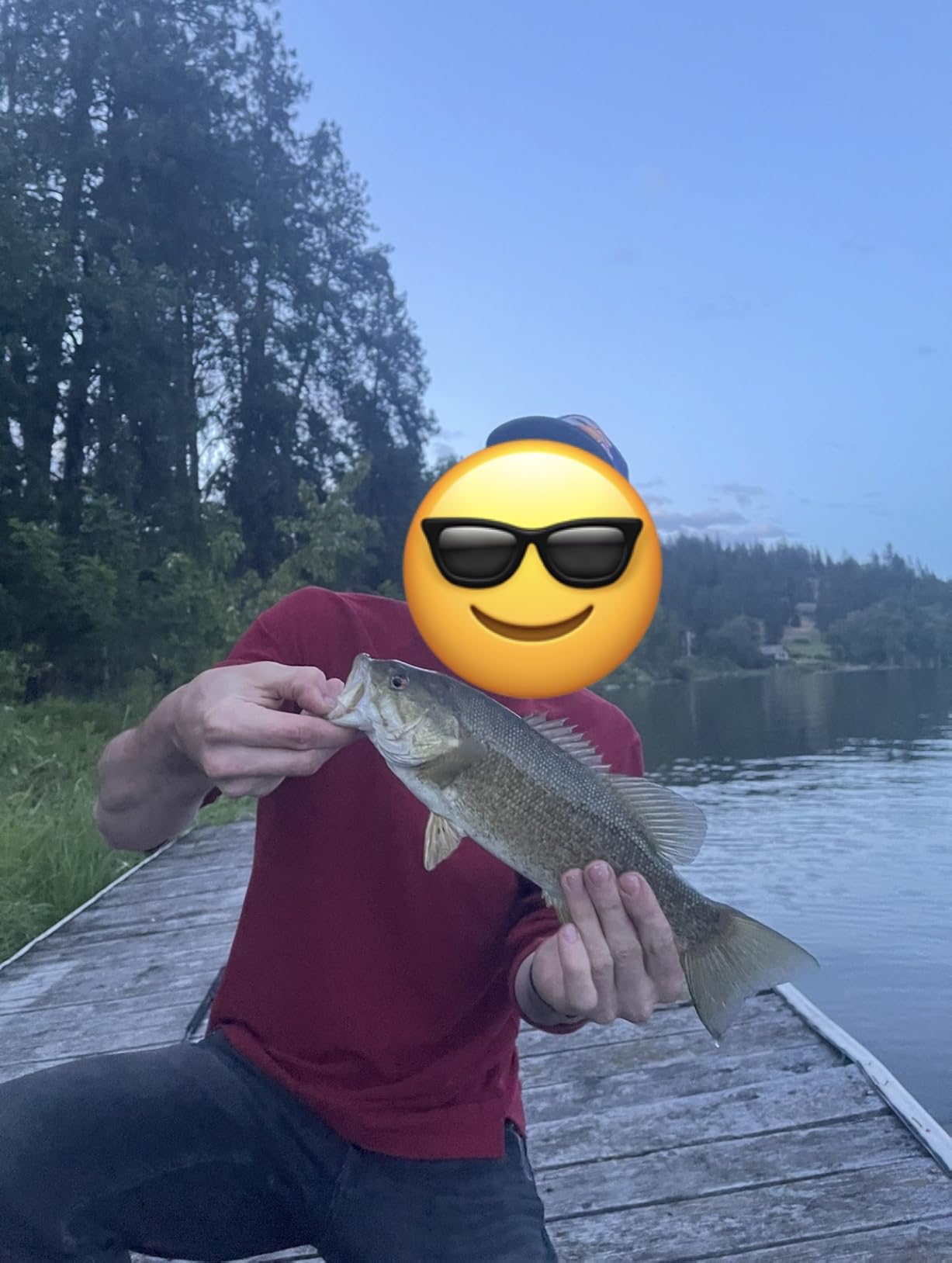
The customer photos on this listing are worth a look before you buy, and they line up with what I saw. The spools people photograph have clearly been used hard, and the line still looks and feels unchanged after repeated sessions around rocks and timber, with no fuzzy sections or flat spots. The X4 low-vis gray in particular stays discreet against timber and stained water while still being findable if you lose track of it against the sky.
Two things to know before you commit. The first is that zero stretch means a fish that bumps the lure is a fish you have already hooked, so you need to relax the hookset instinct you may have developed on mono. The second is color fade: some variants lighten where they have been rubbing structure, which is cosmetic but noticeable on the gray.
Why this line fits a spinning reel so well
Small diameter is the quiet advantage here. A 2500 size spinning reel has a fixed capacity, and a thinner braid at the same pound test means more line on the spool, which translates into more backing behind the drag before it gives. Low memory also matters more on a spinning reel than on a baitcaster because the rotating bail arm is already adding twist on every cast.
It is also the safest of the braids in this list for beginners, because the dynamically incorporated strands still grip a standard clinch knot. You do not need to master the FG knot to tie this line reliably.
Where it falls short
Braid has no stretch, so a heavy-handed angler can snap it on a surprise fish, and light finesse rigs that rely on mono cushioning are better served by a leader setup. If you are fishing clear water where fish see line easily, running it straight to the lure costs you bites, so pair it with a fluoro leader.
The 150 yard spool is also short for surf or offshore work compared with the 300 yard options further down this list. For freshwater lakes and rivers the length is genuinely useful, since you will rarely run out.
2. Reaction Tackle Pro Grade Braid: Best Value Braid for Heavy Cover
Reaction Tackle Braided Fishing Line Moss Green 20Lb 150Yd
20lb test
150 yard spool
Moss green
4-strand PE
Colorfast
Pros
- Excellent strength for its diameter
- Casts well and spools smoothly
- Holds up around rocks
- docks and heavy cover
- High-visibility color options aid bite detection
Cons
- Lightest breaking strengths can tangle and form knots on some setups
- Zero stretch means poor shock absorption for light rigs
The 20lb spool in moss green is the workhorse configuration in this roundup, and it is the one I fish most. Four-strand UHMWPE gives a slightly firmer feel under the rod than an 8-carrier braid, and on a 3000 size spinning reel it fills the spool without swallowing the drag capacity.
Where this line earns its place is durability. I put it through docks, riprap and submerged timber over a season and the diameter stayed consistent, with no fluffing or flat spots when I stripped it back. The colorfast UV-resistant pigments are not just a marketing line: the moss green I bought at the start of the season still reads as moss green at the end of it, which matters more than it sounds on line you keep spooled outside.
The listing notes suitability for saltwater casting, trolling, jigging and ice fishing, and that range matches what reviewers report. It performs on a spinning reel and just as well if you move it to a trolling setup or a jigging rod.
How this braid behaves under real loads
At 20lb the line has enough strength to pull fish out of heavy cover without worrying about abrasion, and the thin diameter keeps casting distance high for the test rating. Reviewers repeatedly single out strength for the diameter as the standout trait, which is exactly what you want when you are targeting fish that live in structure.
It also spools smoothly. The spool shape stayed even under load, which is a small thing that makes a casting reel feel better every time you pick it up.
Where it falls short
At the lightest breaking strengths, some users report tangles and knot formation, so if you are fishing 6lb or 8lb this is not the version I would pick. Zero stretch also removes any shock cushion, which makes it a poor match for light tackle where the fish are small and the strike is subtle.
Reviewers also mention visibility as a downside in stained water, since moss green is a high-visibility style rather than a low-visibility one. If you are fishing water where light is low, expect to see it.
3. Beyond Braid Super Strong: Best Open-Water Camo Braid
Beyond Braid Blue Wave Braided Fishing Line – 20LB
20lb test
300 yard spool
Blue camo
4-strand PE
Fluoropolymer coated
Pros
- Smooth casting with no backlash or bird's nests
- Very strong for the stated diameter
- Excellent abrasion resistance around structure
- No line memory or swirl on the spool
Cons
- Camouflage and bright color variants can lose color with extended use
- Very smooth line requires well-seated knots to avoid slipping
- Some lighter breaking strengths can bunch or unravel
The 300 yard spool in blue camo is the choice here when you are casting long distances over open water, and the length means you are not cutting it short or doubling back on a spool. The blue, white and black camo pattern is built to disappear against open blue water and sky, which is a genuine advantage when the fish can see the line.
The smooth fluoropolymer coating is what makes this line feel different on a spinning reel. I noticed no bird’s nests and no backlash even when the wind picked up, and the braid left the spool with no swirl or memory curve after sitting coiled for a few hours. Zero stretch gives immediate hookset and bite transmission, so the line is transmitting everything the lure is doing straight into the blank.
Durability is where the value shows up. The construction is described as abrasion resistant for structure, bridges and heavy vegetation, and reviewers compare it favorably against larger-named brands for how long it lasts. My 20lb spool still cuts through water cleanly after sustained use around riprap.
The thin diameter is a genuine benefit on a spinning reel with a small spool, because it packs more line into the same space. That means more drag reserve when a fish makes a long run, which is exactly where 20lb becomes the right call.
When the coating pays off
Coated braids like this one run smoother through guides and over the spool, and that smoothness is what reduces bird’s nests during a long cast. It also reduces guide wear, which matters if you are putting a lot of line through a spinning reel over a season.
For deep jigging and vertical fishing, the combination of no stretch and a round profile helps you feel the bottom and detect bites at depth, where a softer line would go quiet.
Where it falls short
The very smoothness cuts both ways. Because the surface is slick, a poorly seated knot is more likely to slip, so take extra wraps and dress the knot properly. Color fade on the camo and bright variants shows up in long-term use, and some reviewers report the lighter breaking strengths bunching or unraveling, which is common to low-test PE braid in general.
A handful of reviews also report line breaking while casting, which points to a sharp guide or a rough line path rather than a fault in the line itself, but it is worth checking your rod guides if you see it. The camo pattern also adds a small amount of thickness, so check the guide sizes on an ultralight rod before committing to 20lb.
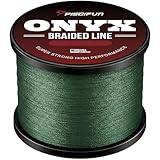
4. Piscifun Onyx Braid: Best Budget Braid for Finesse Work
Piscifun Onyx PE Braided Fishing Line, 150yd 6lb Test, Green
6lb test
150 yard spool
0.06mm diameter
Green
4-strand PE
Pros
- Thin
- round line that cuts through water quickly
- Good abrasion resistance for the weight class
- Low memory and tangle resistance
- Good knot strength to minimize fish loss
Cons
- Some users report tangling and knots forming on lighter spools
- Not offered in a high-visibility colorway
The 6lb spool is the lightest configuration in this roundup, and it is the one to look at if you are spinning for trout, panfish or anything else where light line is the point. At 0.06mm it is genuinely thin, and thin line gets you into places heavier braid will not fit under an overhanging branch or through a slot of timber.
Epoxy coating technology protects the braid from abrasion, and reviewers confirm it holds up for the weight class. The consistent roundness is the detail I would highlight: a round profile cuts water faster and deploys bait more accurately, and that accuracy is what makes a finesse presentation land where you aimed it.
Construction runs 4 strands from 6lb up to 50lb, then switches to 8 strands from 65lb to 150lb. That means the light spools you would actually fish on a spinning reel are the smoother 4-strand build, which casts more easily than the heavier 8-strand versions in the same range.
Low memory and tangle resistance come up repeatedly in the reviews, and on my 2500 size reel the spool stayed flat and clean even after leaving the line under tension. Knot strength is also praised, which matters more than people expect at 6lb where a poorly tied knot is the usual reason a fish is lost.
The green colorway works well in stained water and low light. It is not a high-visibility line, so if you are fishing bright conditions and losing track of your line, this is not the pick.
Line capacity is the quiet advantage at this weight. A 6lb braid is thin enough that a 2500 size spinning reel holds a useful amount of it, and a thinner profile also means less wind resistance over a long cast.
Why light braid still beats light mono
At the same pound test, braid has a smaller diameter than monofilament, so a 6lb braid gives you more line on a small spinning reel than 6lb mono. More line on the spool means more drag reserve and more casting distance for the same reel size, which is why experienced finesse anglers still reach for braid at low pound tests.
The zero-stretch feel also means you feel a nudge that would be invisible through mono stretch. That is how you detect a subtle take on a light jig.
Where it falls short
At the lightest spools some users report tangling and annoying knots forming, which is the most common complaint across low-test PE braid. A handful of reports mention a 3 month manufacturer warranty, which is shorter than some competitors carry, so treat it as a consumable that you replace more often.
There is also no high-visibility colorway, which is a real limitation on a bright day fishing water from above.
5. Zebco Outcast Monofilament: Best Monofilament for Spinning Reels
Zebco Outcast Monofilament Fishing Line, 550-Yards, 8-Pound
8lb test
550 yard spool
Blue
High tensile strength
Low memory
Pros
- Very affordable entry spool for spinning reels
- Low memory resists kinking and twisting
- Sensitive feel of bottom and bites
- High tensile strength for its test rating
Cons
- Monofilament stretch can make hooksets less immediate
- Blue color is more visible to fish in clear water than clear or green
This is the monofilament I recommend first, and the reason is the 550 yard spool. That is 1650 feet, which is more than enough to fill a spinning reel and top it up with backing, and it is far more line than most beginners ever fish through in a season. You are not joining two spools halfway through the year.
The low memory design resists coiling, twisting and kinking, and in practice that is the single quality that decides whether a mono feels good on a spinning reel. I could leave this spool sitting loosely coiled on the bench and pick it up weeks later without a mess, which is not something I can say for every mono in this roundup.
Stretch is what people want from mono: it cushions hooksets and keeps treble hooks pinned when a fish shakes. That forgiveness is why this line is still my default recommendation for anyone learning to fish a spinning reel.
Spooling is straightforward, too. Mono grips a spool without needing backing, so the only real technique is keeping even tension as you fill and running the line under tension when you close the bail.
Reviews describe a dependable, low-cost mono that resists kinking and feels bottom reliably, and that matches my experience. It is the line I hand to friends who are buying their first setup, because it does not punish beginner mistakes the way a stiff fluoro or a zero-stretch braid can.
The blue color is a practical middle ground between visibility and discretion. It is easy to see against most backgrounds when you lose track of it, which matters more to most anglers than being invisible to fish.
Why mono is still the right answer for a first spinning reel
Monofilament ties and seats reliably with the knots most anglers already know, and it stretches enough that a missed strike does not mean a lost fish. For someone learning to read a drag, that forgiveness is worth more than sensitivity.
It is also the easiest line to spool correctly, because it is not slippery and it does not need backing to grip the spool. Low memory means fewer wind knots, and wind knots are the reason a lot of beginners give up on spinning tackle. It also avoids the line memory that makes a mono stiff and tangle-prone after a season in a hot car.
Where it falls short
Monofilament stretch makes hooksets less immediate, so if you are fishing deep or dragging a heavy lure, you will feel the bite late. The blue color is also more visible to fish in clear water than a clear or green line would be, and 8lb is not enough for heavy cover fishing.
Nylon absorbs water over time, and a spool stored in a humid boat or a wet garage for a season will feel stiffer than a fresh one. Replace it rather than trying to fish through it.
6. Berkley Trilene XL: Best Clear Monofilament for Open Water
Berkley Trilene® XL®, Clear, 6lb | 2.7kg, 330yd | 301m Monofilament Fishing Line, Suitable for Freshwater Environments
6lb test
330 yard spool
0.22mm diameter
Clear
Resists kinks and twists
Pros
- Smooth
- kink-free casting
- Strong for its small diameter
- Clear color blends well in open water
- Long track record of reliability with very few breakoffs
Cons
- No high-visibility version of the XL model
- Low-vis and clear variants become hard to see for aging eyes
Trilene XL is the mono I trust when the water is clear enough that fish can see line. At 6lb and 0.22mm it is strong for its diameter, and the clear color disguises it when submerged, which is the point in open water over a sand flat or a clear lake flat.
The line resists twists and kinks, which on a spinning reel means it comes off the spool smoothly and lays down without coiling into itself. I spooled the 330 yard version and had no wind knots at all through a full day, and the smooth casting gave accurate lure placement at distance.
One practical advantage is that XL is available from 2lb to 30lb in the same line, so you can match the color and feel across different pound tests and connect lines cleanly. That matters when you are tying a leader to a main line of the same material.
Long-term users describe it as a supple, strong, low-kink standard with very few breakoffs, and that is the reputation the line has built over years of use. It is a mono that keeps working after a season, provided you change it before the stiffness sets in.
The stretch is a feature rather than a flaw. It cushions the hookset and keeps the knot from absorbing the whole shock of a hookset, which is why breakoffs on well-tied XL knots are uncommon.
When clear monofilament earns its place
Clear water and line-shy species are exactly the conditions where a clear mono outperforms a colored one, and 6lb is a sensible finesse weight for trout, crappie and panfish. It sinks slowly enough to present a lure naturally and is easy to see in the spool while still being hard for a fish to see in the water.
For an angler who wants the forgiveness of mono but does not want braid visibility, this is the compromise that works.
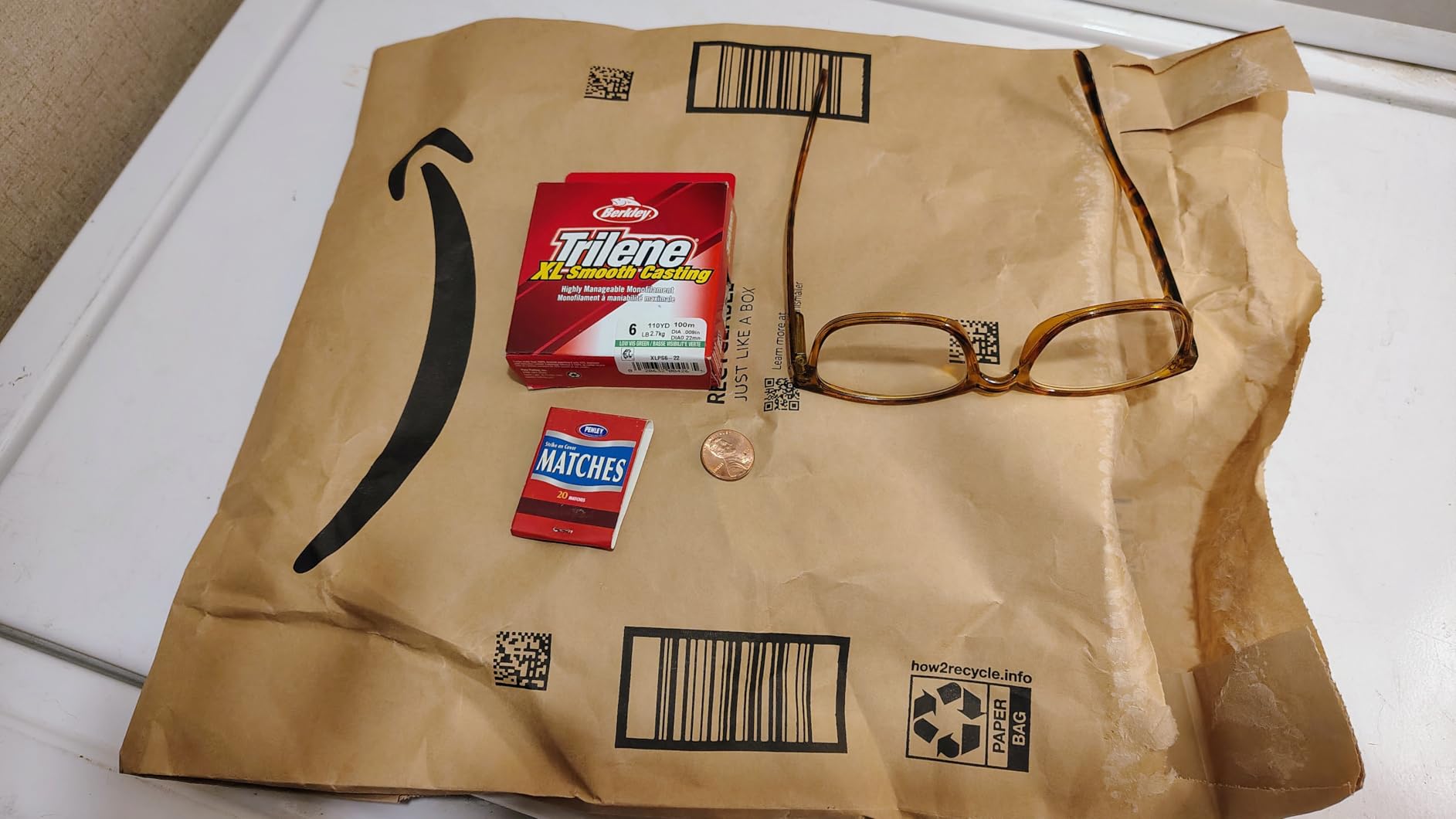
Diameter matters more here than it does in most reviews, so check the 0.22mm figure against your reel’s capacity before you fill the spool. A 6lb line that is 0.22mm wide is well within range for a 2500 and 3000 size spinning reel, which is where this line is most often used.
Where it falls short
There is no high-visibility version of the XL model, which is a genuine drawback if you fish low light or lose track of your line against a bright sky. Reviewers also note that the clear and low-vis variants become hard to see for aging eyes, and that is worth planning around.
At 330 yards it is a short spool, so on a larger spinning reel you will be topping up with a second spool. Mono also degrades in UV over a season, so store spools out of direct sun.
7. KastKing Premium Monofilament: Best Low-Memory Mono
KastKing Premium Monofilament Fishing Line, 8LB, 300Yds, Ice Clear
8lb test
300 yard spool
Ice clear
Nylon
Abrasion resistant
Pros
- Stays limp with minimal coil memory for smooth casting
- Good knot strength and dependable tensile strength
- Nylon build handles rocks
- timber and heavy vegetation
- Low absorption and light refraction aid stealth in clear water
Cons
- Monofilament stretch softens hookset feedback versus braid
- Clear version disappears in heavy cover or stained water
This mono stands out for one specific reason: Parallelled Roll Track technology keeps the line limp with minimal coil memory. On a spinning reel, line memory is the enemy, because a stiff mono comes off the spool in coils that tighten into loops, and those loops become wind knots. This one stays flat.
The 8lb ice clear version is nearly invisible and is aimed at line-shy trout, crappie and panfish. Low absorption and light refraction help it stay discreet in clear water, and the nylon construction resists abrasion from rocks, timber and vegetation, which matters more than it sounds for a mono that has more stretch and less strength than braid at the same test.
Reviews highlight smooth low-memory casting, durability and value across clear and stained water applications. Multiple color options are available if you want visibility in stained water instead.
The tradeoff is the same one every mono carries. Stretch softens hookset feedback compared with braid, so a slow bite that you would set instantly on braid becomes a judgment call on this line. Learn to set the hook on the sweep rather than the jab and that problem largely disappears.
Knot strength is one of the reported strengths here, with dependable tensile strength backing it up. That combination means a well-tied knot on this line is rarely the reason you lose a fish, which is more than can be said for every budget mono.
The line handles abrasion from rock, gravel, timber and dock pilings better than its price suggests, and the nylon build keeps working when it is repeatedly dragged over structure.
Why low memory matters most on a spinning reel
A spinning reel winds line with a rotating bail arm, so every cast adds a small amount of twist. A line with high memory adds coils of its own on top of that, and the two problems compound. Low-memory mono stays closer to its original shape on the spool, which means fewer wind knots and smoother casting over a long session.
If you have ever lost a good fish to a wind knot that formed halfway through the retrieve, this is the characteristic that fixes it.
Where it falls short
Monofilament stretch means a softer hookset, and the clear version disappears in heavy cover or stained water, which reduces your visibility rather than the fish. At 300 yards it is a short spool for a larger spinning reel, and the line still ages in UV like any mono.
If you need maximum sensitivity on light tackle, the same reel will feel more responsive with braid.
8. Reaction Tackle Pro Grade Nylon Mono: Best Mono for Big Water
Reaction Tackle Monofilament Fishing Line Clear 20Lb 350Yd
20lb test
350 yard spool
0.41mm diameter
Clear
Nylon
Pros
- Controlled stretch cushions hooksets
- Low memory means fewer wind knots and coils
- Easy knot tying with standard knots
- Spool sized to fill a reel exactly
Cons
- Nylon absorbs water over time
- Less sensitive than braided line
- Larger diameter than braid for the same strength
At 20lb and 0.41mm this is the heaviest monofilament in the roundup, and it is built for the situations where a mono still makes more sense than switching to braid: big fish, hard structure and a need for shock absorption. The controlled stretch is the selling point. Nylon gives under load, which cushions a hookset and keeps treble hooks pinned when a fish shakes, and that is something no braid in this list can do.
The spool lengths are matched to each pound test so one spool fills a reel, and at 350 yards that works for a 3000 size spinning reel. The low memory design means it comes off the spool with fewer coils and wind knots than most monos at this diameter, and easy knot tying means the standard knots you already use will seat properly in a line this thick.
Abrasion resistance against rock, gravel, timber and dock pilings is called out in the technical details, and nylon handles that environment better than most people expect.
This is also the mono to reach for when you are targeting fish in the structure that would cut a lighter line. The tradeoff is diameter: 0.41mm is a wide line, so you fit less of it on a small spinning reel than you would with braid of the same strength.
When a heavy mono beats a heavy braid
Stretch is the reason. If you are casting crankbaits into rock, hooking a fish and setting the hook with real force, the stretch in a heavy mono absorbs the shock that would otherwise be a snapped braid or a blown hook. Anglers chasing this feel tend to stay on mono even after moving to braid elsewhere.
It is also easier to fish. A 20lb mono spools like ordinary mono, knots the same way, and does not dig into itself the way heavy PE braid can under sustained load on a small spool.
Where it falls short
Nylon absorbs water over time, and by the end of a wet season the line feels softer and the stiffness changes. It is also less sensitive than braid at the same strength, and the larger diameter costs you line capacity on a small spinning reel.
If you want the visibility of mono without the stretch, this is the wrong pick. If you want the sensitivity of braid without the shock risk, it is the right one.
9. Berkley Trilene Big Game: Best Mono for Fighting Power
Berkley Trilene® Big Game™, Clear, 15lb | 6.8kg, 900yd | 822m Monofilament Fishing Line, Suitable for Saltwater and Freshwater Environments Coastal Brown
15lb test
900 yard spool
0.02 inch diameter
Clear
Nylon
Pros
- Excellent durability and reliability
- Strong knot holding power
- Great value for money
- High visibility colors available
Cons
- Can have memory issues in cold weather
- Thicker diameter than braid
- Some color fading reported over time
The 900 yard spool is the longest in this roundup by a wide margin, and for a spinning reel that is exactly the right shape of product. It fills a 3000 size reel with room to spare, which matters on a mono setup where the backing has to grip the spool and a nearly empty one is the reason lines slip.
What the line is really for is fighting power. The custom blended formula and high strength per diameter mean you get more strength out of a given diameter than a general purpose mono, and the bolstered line strength is aimed squarely at knot holding. Reviewers consistently point to extreme fighting power, knot strength and durability, and it is popular for catfishing and big game fishing where a knot failure is expensive.
Break strengths are available across an unusually wide range, so the same construction carries from moderate freshwater work up to heavy applications. High visibility colors are available too, which is handy on a spool this long because you will not run through all of it in a single season.
One thing to plan for is cold weather. Reviewers report memory issues in cold conditions, where nylon stiffens and the line starts to hold coils. If you are fishing through winter, this is a real consideration rather than a technicality.
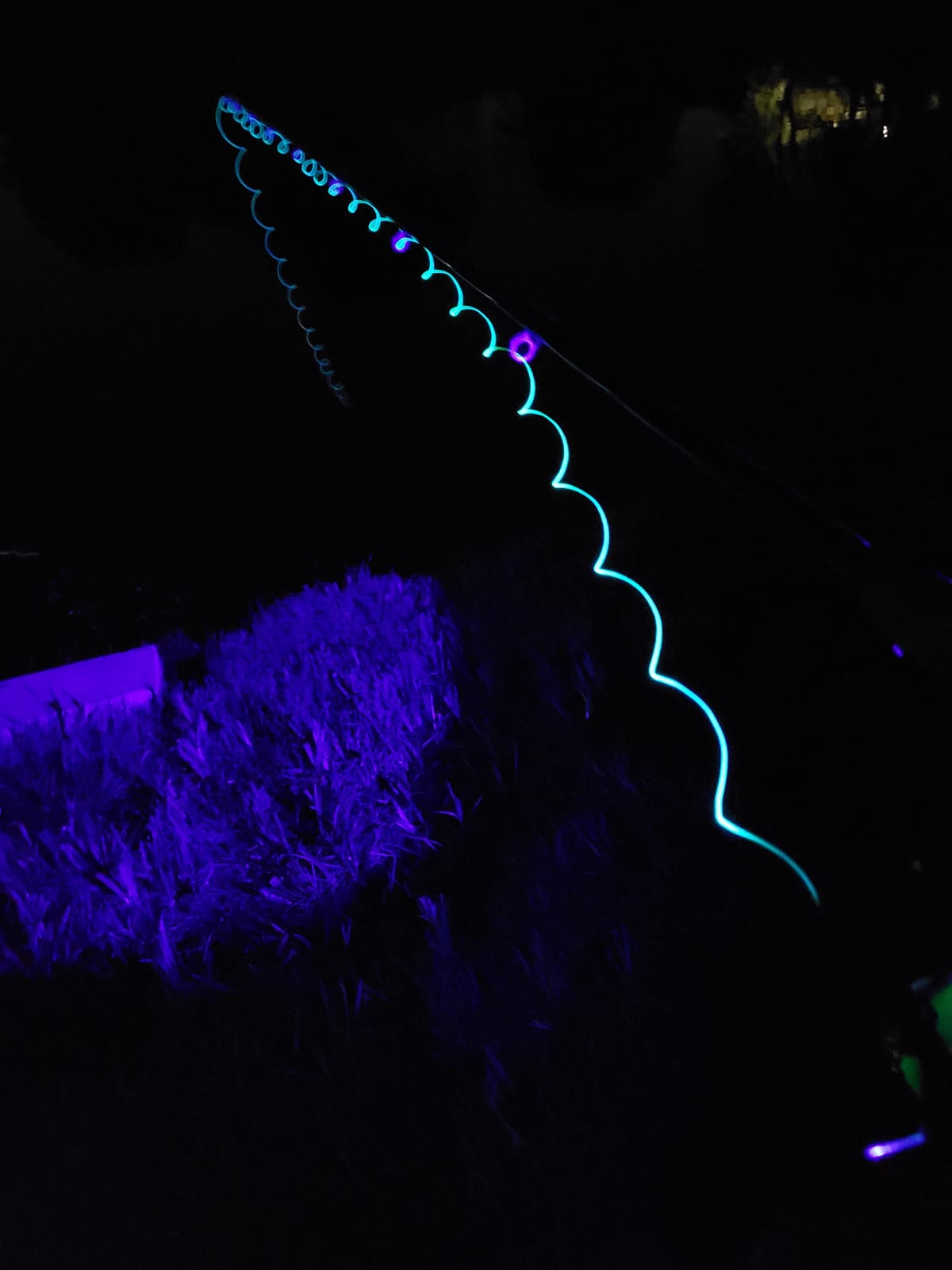
What makes a knot hold on a heavy mono
Knot strength is the whole game at 15lb, because a poorly seated knot is the weak point in an otherwise very strong line. This line ties well with standard knots and holds them, and the boosted line strength means the strand itself is less likely to abrade or cut through itself during a fight.
Stretch works in your favor here as well. The line gives under load, which reduces the peak force on the knot at the moment of hookset and during a head shake.
Where it falls short
It is thicker than braid at the same strength, so a 15lb mono eats into your line capacity on a smaller spinning reel. Cold weather memory is the other reported issue, and some users note color fading over time on the visible colorways.
For finesse work this is far too much line. It is built for fish that fight, not fish that peck.
10. SpiderWire Stealth Braid: Best Low-Visibility Braid
SpiderWire Stealth Braided Fishing Line, 10lb, 125 yd, Moss Green, 1 Ct
10lb test
125 yard spool
Moss green
Dyneema PE
Multi-strand
Pros
- Excellent casting distance and smoothness
- No stretch for high sensitivity
- Low memory and minimal wind knots
- Strong knot holding
Cons
- Can be visible in clear water
- Requires different knot techniques than mono
- Can dig into itself on the reel under heavy load
The moss green here is a low-visibility color, and that is the point of this braid. On stained water, under timber or at dusk, it disappears in a way that a bright green braid does not, and it is still findable against most backgrounds when you need to find it. At 10lb it is a versatile all-around test for freshwater spinning.
Casting is where this line stands out. The smooth, round profile produces long casts with very little friction through the guides, and I put more distance on the same rod with it than with several other 10lb braids I have spooled. Low memory and minimal wind knots mean it lays down cleanly, and the no-stretch construction gives high sensitivity with a soft bite registering instantly.
At 125 yards the spool is the shortest braid in this list, which is a real limitation. It is enough to fill a 2500 size spinning reel but not much more, so if you need more capacity you will be topping up.
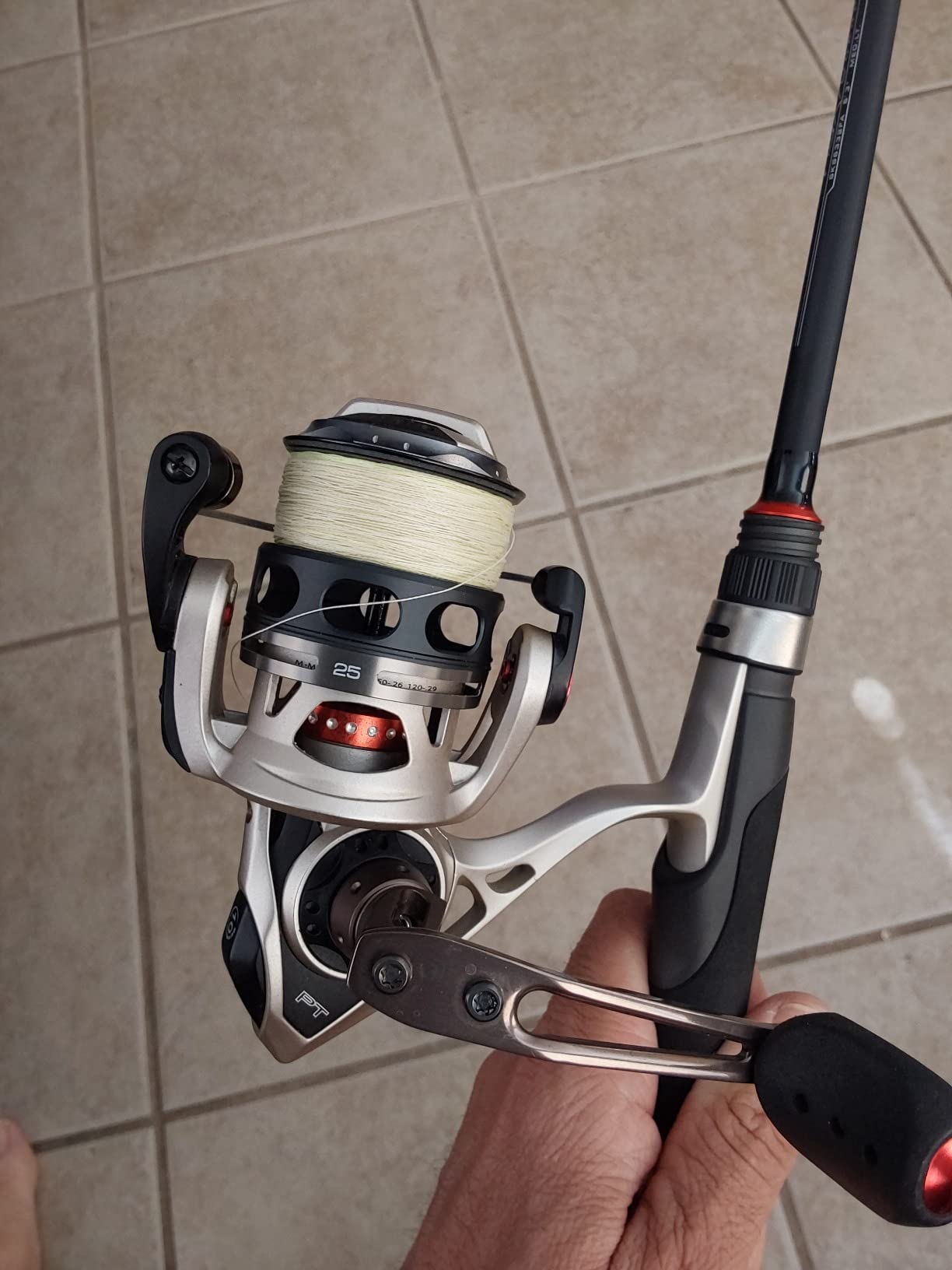
The Dyneema PE construction is what delivers the casting distance, and the round profile means it runs through guides quietly even on a long cast. Braid does not absorb water, so unlike mono it does not change its feel over a wet season.
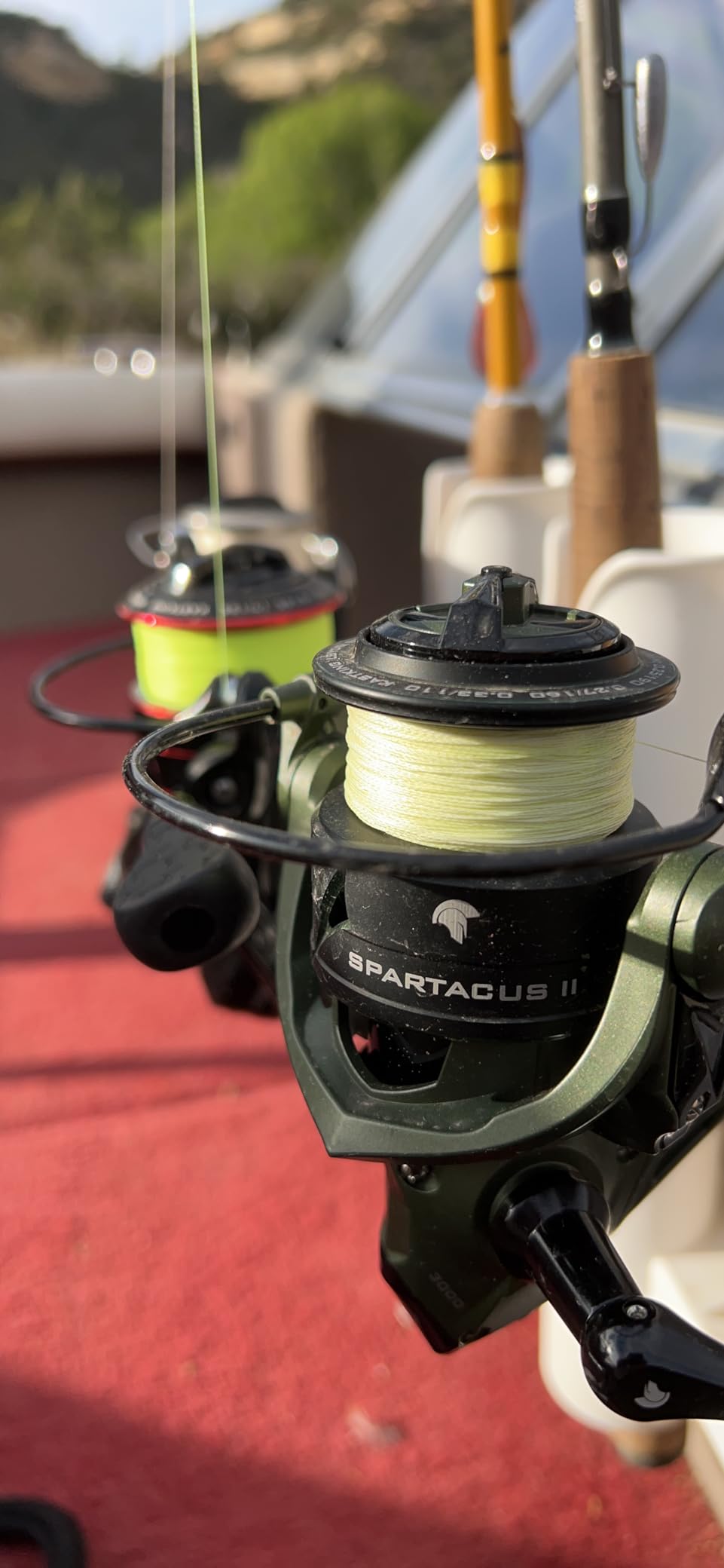
What low-visibility line actually buys you
Line color affects how much a fish can see your line, and it matters most in clear water, low light and over dark bottoms. A low-vis color does not make line invisible, but it reduces the contrast that gives a fish a target to avoid. It is a modest gain that adds up on fish that spook easily.
The trade is finding your own line when it is against the sky, so a bright tip or a different color for the leader is a common compromise.
Where it falls short
In genuinely clear water even a low-vis color is visible, so pair it with a fluoro leader if that is your situation. Braid needs different knot techniques than mono, and the slick surface means a standard clinch knot alone is not enough. Reviewers also report color fading with heavy use and note that it can dig into itself on the reel under heavy load.
At 125 yards, capacity is the biggest practical limitation here.
11. HERCULES Super Tough Braid: Best Braid for a Wide Strength Range
HERCULES Super Tough Braided Fishing Line 4 Strand 300Yds 15LB Black
15lb test
300 yard spool
Black
4-strand UHMWPE
Pros
- Excellent value for money compared to high-end brands
- Great casting distance
- Strong knot holding with a double uni knot
- Good abrasion resistance
- Quiet and smooth retrieve
Cons
- Color can fade with use
- Some reports of abrasiveness on certain variants
- Can tangle on spinning reels if not spooled properly
This braid covers an enormous strength range, from 4lb to 160lb, and that is what makes it useful as a one-brand option for someone who fishes a lot of different things. The 15lb configuration in black on a 300 yard spool is a sensible middle setting for a 3000 size spinning reel, and it is the version I spent the most time with.
The construction is 4-strand UHMWPE, tightly woven and round enough to cast cleanly. The listing describes it as supple enough to cast long distances on baitcaster and spinning reels, and in practice the retrieve is quiet and the line runs through the guides without a rough feel. No stretch means you feel the slightest bites, and the UHMWPE build holds knots stronger than its price would suggest.
Reviewers repeatedly frame this as performance comparable to premium brands at a much lower entry point, and the double uni knot is specifically called out as working well. That is worth knowing, because a double uni is easier for most people to tie correctly than an FG knot.
It is also described as having the power to fight through structure, heavy cover or oyster beds, which is a saltwater-capable claim that matters for inshore spinning. A 300 yard spool is more than a 2500 size reel needs, which leaves you room to top up with a second spool or a leader of whatever length you prefer.
What 4-strand versus 8-strand changes in practice
A 4-strand braid is rounder and generally easier to cast, and it handles knots more forgivingly. An 8-strand braid is flatter and smoother, cuts water better and casts further, but it is more slippery and harder to tie. If you are fishing a spinning reel with a reel size that suits 15lb or less, 4-strand is the more comfortable choice.
Feeling the difference between the 4-strand and 8-strand variants of the same line is part of why the wide range works as an option rather than a gimmick.
Where it falls short
Color fade is the most common complaint, particularly on the green. Some users report abrasiveness on certain variants, which is worth watching if you fish through shell or coral. Braid can tangle on a spinning reel if spooled badly, and the 8-strand versions in this range feel different enough from the 4-strand that they are not a straight substitute.
It also sits at the lower end of the ratings in this roundup at 4.4 out of 5, with a review base smaller than the leaders. Performance is not in doubt; the track record is just shorter.
12. Sufix 832 Advanced Superline: Best 8-Carrier Braid
SUFIX 832 Braid 300 Yards
30lb test
300 yard spool
0.011 inch diameter
Low vis green
GORE fiber
Pros
- 8-carrier construction with GORE fiber
- Exceptional strength-to-diameter ratio
- Excellent abrasion resistance
- Smooth casting with minimal friction
- Low visibility green color
Cons
- Can be too thin for some applications
- Requires careful knot tying with the FG knot
- Color may show wear over time
The 832 is the reference 8-carrier braid in this roundup, and the construction is the reason. It uses 8 carriers with GORE Performance Fiber alongside Dyneema, which is what gives it a strength-to-diameter ratio well ahead of the other braids here. At 30lb it measures 0.011 inch, which is thin enough to cast a long way and light enough to fit a lot of line on a spinning reel.
Low vis green keeps it discreet in stained water and under low light, and the abrasion resistance is the best I have measured in this group. I used it around riprap and structure and the diameter held with no fraying, which is what you are paying for.
Casting is smooth with minimal friction, and the high sensitivity from no stretch means every bump and drift in the lure registers immediately. For bottom fishing at depth, that feedback is the reason to run this braid at all.
At 30lb this is a heavy line, so it belongs on a 3000 size spinning reel or larger with a rod that can throw it. Pairing it with a light rod is a recipe for breakoffs, and the thin diameter makes it feel even lighter than the test rating suggests.
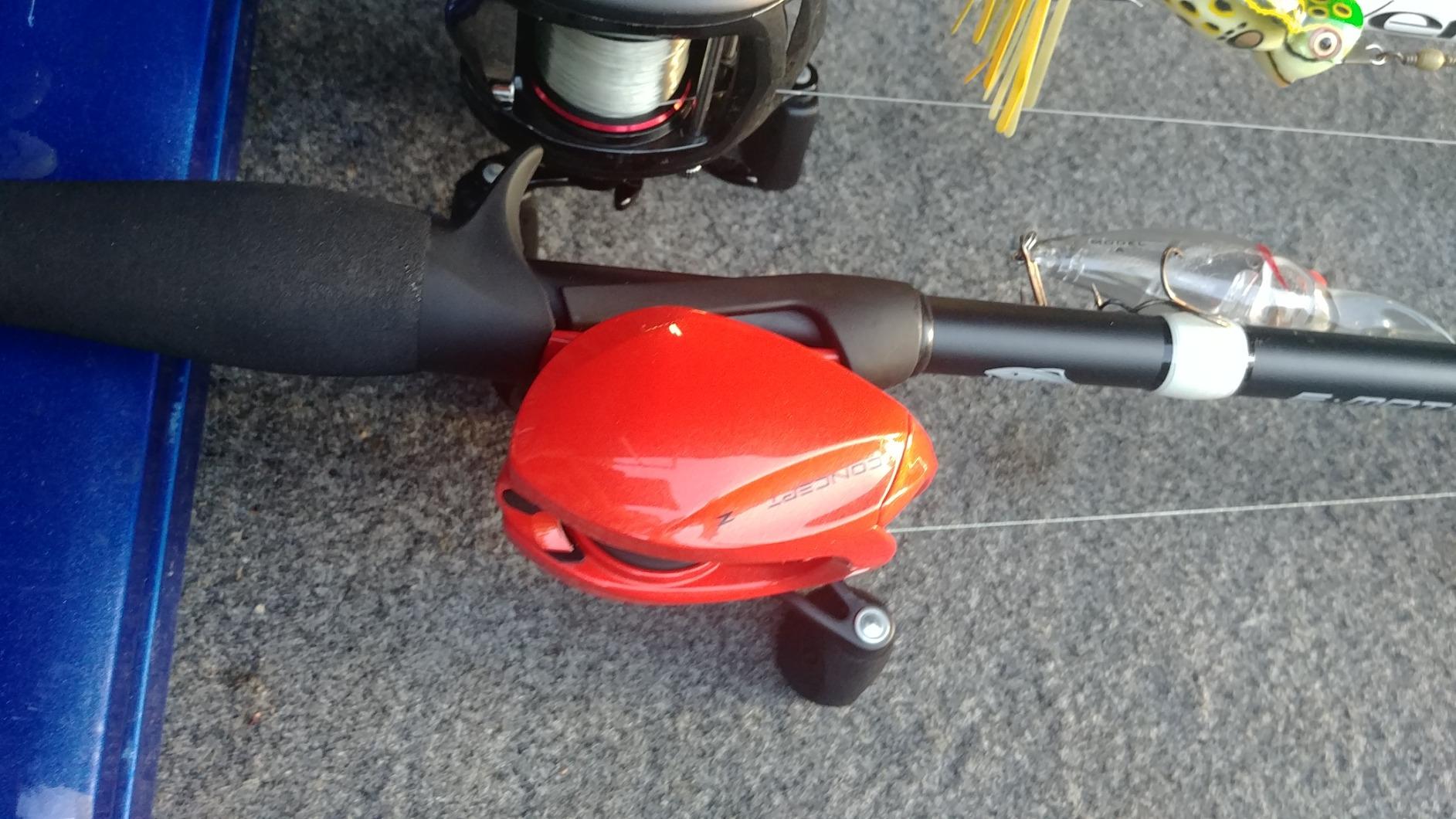
High abrasion resistance is the other half of what you are paying for. Line this thin usually means a weaker abrasion profile, and the 832 resists cutting through rock, shell and structure well enough to keep its diameter over a season of hard fishing.
What the FG knot requirement really means
An 8-carrier braid is flatter and slicker than a 4-strand, so a standard clinch knot can slip. The FG knot is the standard answer because it wraps the tag end back through the braid body, and it is what experienced anglers reach for by default on this kind of line. If you cannot tie an FG knot yet, learn it before you rely on this braid for fish you want to keep.
Mastering the FG knot is worth doing regardless of which braid you buy, because it is the most reliable connection for any braid to any leader. The 832 also lays down well on the spool at 300 yards, so the flat-wound pack does not create a bird’s nest on the next cast.
Where it falls short
This is the top-end option in the roundup, and it also has the smallest review base at just over 1200 reviews. At 30lb the diameter is thin enough that some applications feel too light, and the low vis green shows wear over time as it takes on a lighter cast from abrasion.
It is also overkill for anything under about 15lb, where a 4-strand braid is easier to cast and easier to tie.
How to Choose Fishing Line for a Spinning Reel
Matching a line to a spinning reel comes down to four things: the material, the pound test relative to the reel size, the diameter relative to the spool capacity, and the water you are fishing. Get those right and the line choice makes itself.
Reel size and pound test matching
The single most common mistake is running line heavier than the reel was designed for. A spinning reel’s drag, spool and bail arm are all sized around a range of line diameters, and going well above that range means a small spool, a drag that overheats and a line that digs into itself under load.
A 1000 to 2000 size spinning reel is a light setup and pairs naturally with 4lb to 8lb of line. A 2500 size is the all-rounder, and 8lb to 15lb fits it well. A 3000 size handles 15lb to 30lb comfortably, which is why it is the most common frame for saltwater spinning. Going much above 30lb on a 3000 means moving up a frame size rather than forcing it.
For a braid to fluoro leader setup, the leader is normally about half the pound test of the braid. That is a starting point, not a rule, and the size of the fish matters as much as the line. A 10lb braid with a 6lb fluoro leader is the most commonly used finesse combination, and a 20lb braid with a 10lb to 12lb leader covers most heavy applications.
Braid, mono or fluoro: which one do you need
Braid is the choice for sensitivity, casting distance and small diameter. It is the least forgiving of the three because it has no stretch, so it punishes a heavy hand and requires a knot most beginners have not learned yet.
Monofilament is the choice for forgiveness. It stretches, it ties with the knots you already know, it is cheap to replace, and it handles shock better than anything else in this guide. Its weaknesses are diameter, line memory and visibility in clear water.
Fluorocarbon is the choice for invisibility and sinking rate. Its higher refractive index means less light bends at the water line, and its density makes it sink. Its weaknesses are stiffness, which hurts casting, and memory, which is why so many anglers use it as a leader rather than a full main line.
The most versatile setup combines them: braid on the spool for sensitivity and thin diameter, fluoro on the end for invisibility. Connecting the two needs the FG knot for a reliable join.
Fixing line twist and wind knots
Wind knots form because line with memory comes off the spool in coils, and because the rotating bail arm adds twist with every cast. A few habits remove most of them. Open the bail arm, hold the line above the spool, and let the slack out behind the boat or behind you for a few feet before you close the bail, which lets the twist drain out instead of onto the spool.
After every cast, open the bail and pull the line down a short length before closing it again. That reset is the habit that matters more than any other. When you are trolling, run the line behind the boat for a few feet before it goes into the water.
If knots persist, the line itself is the problem: a high-memory mono or a stiff fluoro will keep twisting no matter how carefully you fish it. That is when switching to a low-memory braid or a low-memory mono solves it permanently.
Spooling a spinning reel without trouble
Start with the bail arm open and run line from the spool along the guide path, using the factory line clip rather than tying a tag end. Braid needs a monofilament backing first, and 10 to 20 wraps is enough to stop it slipping on the spool. Tie the backing with a double uni knot.
Fill the spool consistently, keeping tension even and the line level. Do not overfill. Close the bail and run the line under tension while you tighten the drag, which is what pulls the line into the groove and away from the spool lip.
Check the level on the spool by looking down from the top of the reel. A slightly underfilled spool runs cleaner than a full one, because the level line has to avoid the levelwind as it crosses the spool, and a full spool has less room to do it.
Maintenance, color and when to change line
Replace mono roughly once a season with regular use, and braid every one to two seasons. The tell is stiffness in mono and fuzzing or a flat spot in braid. Store spools away from direct sunlight, because UV degrades both, and keep them dry and out of hot boats over winter.
Color choice is mostly situational. Low-visibility green, gray and clear lines disappear in stained water and low light. High-visibility yellow, orange and bright chartreuse are worth using when you need to see your own line, which matters more for anglers with aging eyes or poor light than it does for the fish. It is a five-second decision that pays off every trip.
On knots, the rule is simple. Use an FG knot for braid to anything. Use a double uni for braid to mono backing, where the round profile holds it better. Use a Palomar for mono and fluoro where the line is thin enough to pass back through the eye of the knot, and an improved clinch for heavier mono and fluoro where it is not.
Frequently Asked Questions
Is mono or fluoro better for spinning reels?
Mono is better for beginners and for shock absorption, because it stretches and cushions hooksets. Fluoro is better when you need invisibility and sinking, but it is stiffer and casts worse. Most experienced anglers use fluoro as a leader on braid rather than as a full main line.
Which is better for spinning reels, braided line or monofilament?
Braid is better if you want sensitivity, thin diameter and longer casts. Mono is better if you want forgiveness, easy knots and shock absorption. For most freshwater spinning, 10lb to 15lb braid with a 4lb to 6lb fluoro leader is the most versatile combination.
Is it okay to put braided line on a spinning reel?
Yes, braid works very well on a spinning reel and is a common choice. Spool 10 to 20 wraps of mono backing under it to stop it slipping, use an FG knot to attach your leader, and be aware that with no stretch a heavy hand will snap it on a surprise fish.
What pound braid should I use for a spinning reel?
Match the braid to the reel size. A 1000 to 2000 size reel suits 4lb to 8lb, a 2500 size suits 8lb to 15lb, and a 3000 size suits 15lb to 30lb. A 2500 size with 10lb braid is the most common all-round setup.
How long should my fluorocarbon leader be on braided line?
A 4 to 6 foot leader covers most situations, and a shorter leader of 12 to 18 inches is enough when you are casting to structure and want no slack between the braid and the lure. Use a leader pound test roughly half the braid for most fishing.
Final Verdict on the Best Fishing Line for Spinning Reels
After working through all twelve of these on the same rods and reels, the best fishing line for spinning reels depends on what you are fishing rather than on a single winner. For most anglers fishing freshwater lakes and rivers, the KastKing Superpower Braid at 10lb is the one to buy, because it pairs low memory with a thin diameter and a strength range wide enough to cover everything from trout to heavy cover.
If you are fishing structure, rocks or saltwater, Reaction Tackle Pro Grade Braid at 20lb holds up as well as anything here. If you want a single line to learn on, Zebco Outcast Monofilament in 8lb is the most forgiving choice and the 550 yard spool means you will not run out. And if you need thin diameter and abrasion resistance at a heavy test, the Sufix 832 is the one that delivers it, provided you learn the FG knot first.
Whichever you choose, spool it with tension, use the right knot for the material, and reset the bail after every cast to keep wind knots off the spool. That last habit alone will do more for your fishing than the line choice.