Tube vs Pan Watercolors (October 2026 Which Should Beginners Buy)
Tube vs pan watercolors which should a beginner buy

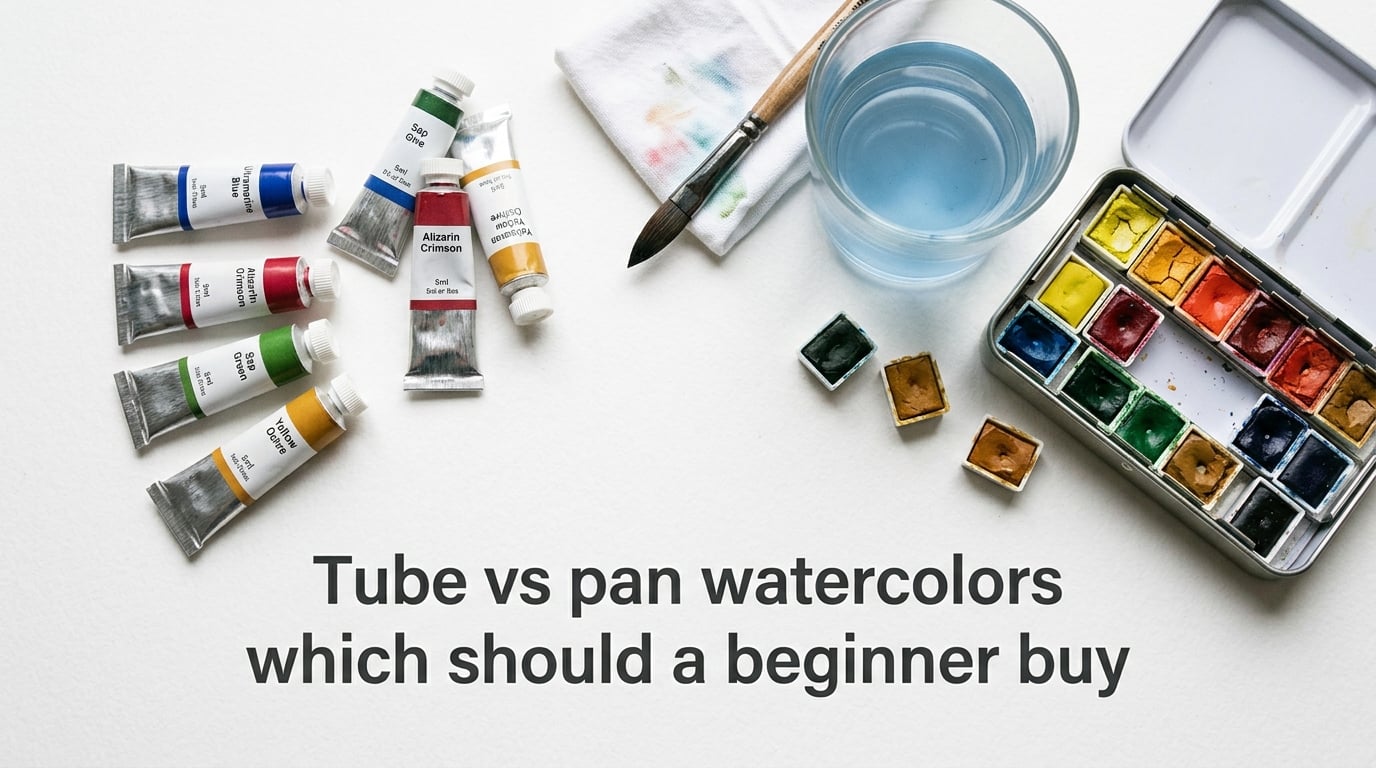
Choosing between tube and pan watercolors is one of the first decisions every beginner faces, and the answer is simpler than you might think. Pan watercolors are the better choice for most beginners because they’re portable, less messy, and easier to control when you’re just starting out. That said, understanding both formats helps you make … Read more
Do You Need Expensive Watercolor Paper (October 2026 Honest Guide)

Do you need expensive watercolor paper

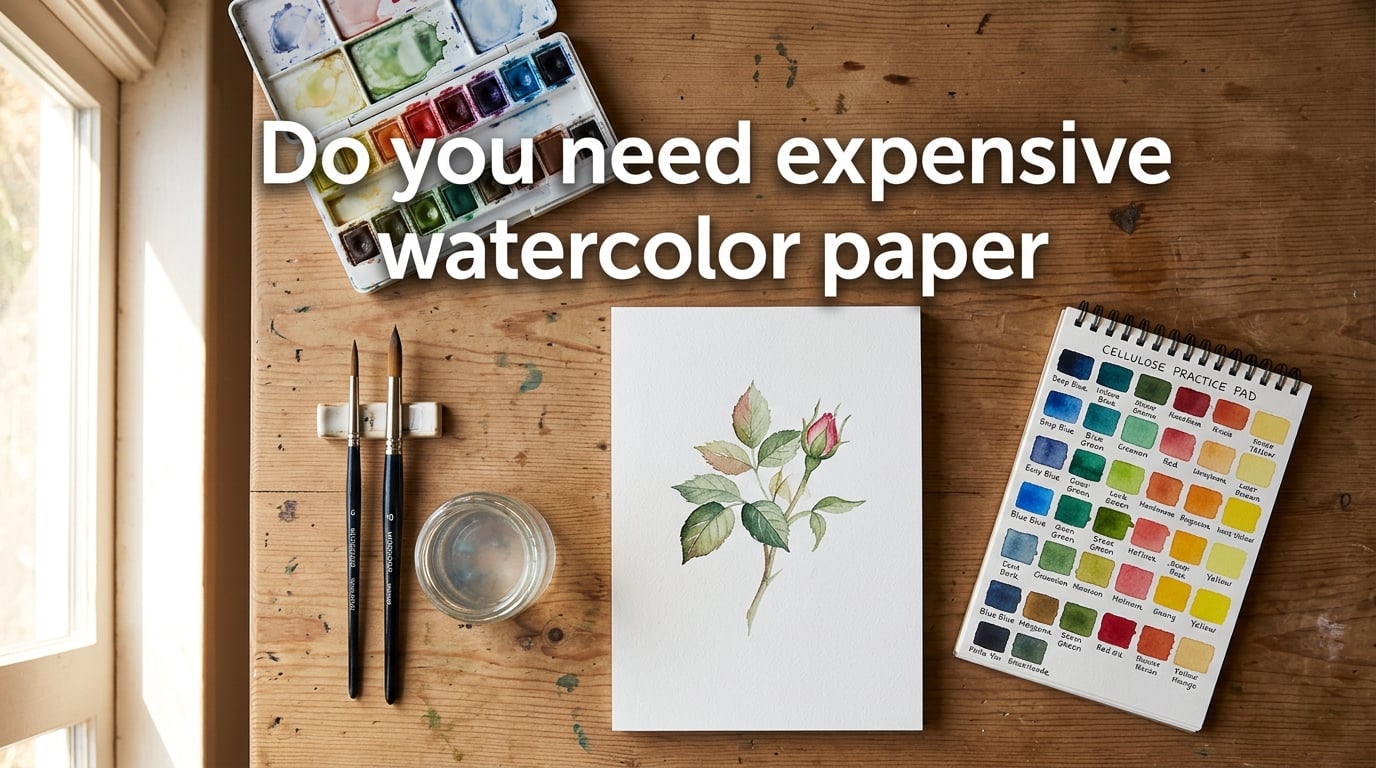
You do not always need expensive watercolor paper, but quality matters far more than most beginners realize. Paper is the foundation of every painting, and cheap cellulose sheets buckle, pill, and suck pigment into dull flatness within minutes. The honest answer is this: use student-grade paper for practice and color studies, but switch to 100% … Read more

Why Does My Watercolor Paper Buckle and Warp (October 2026 Complete Guide)

Why does my watercolor paper buckle and warp

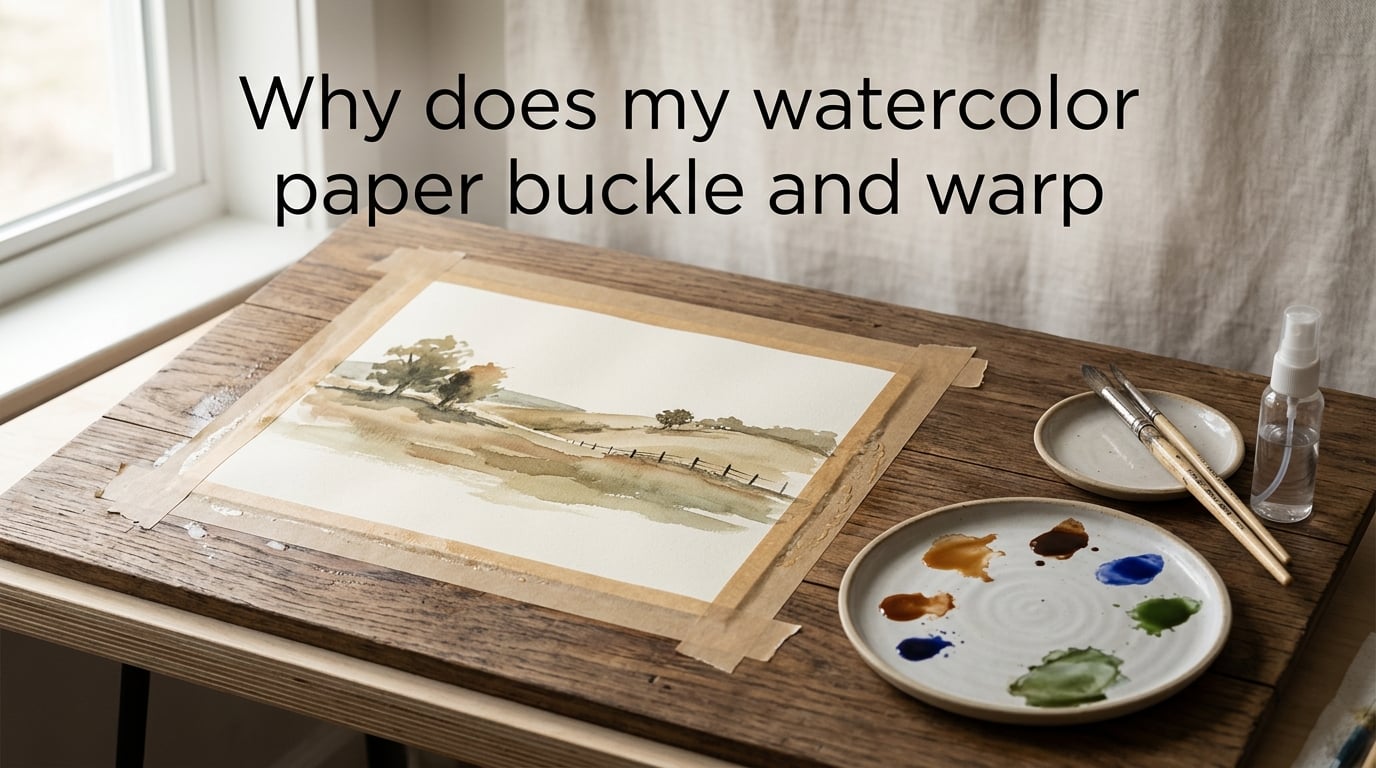
Watercolor paper buckles and warps because its cellulose fibers absorb water unevenly, swelling more on the wet side than the dry side. This uneven expansion creates curls, ripples, and buckles across the surface. The good news: once you understand the science, you can prevent it entirely with the right paper weight, taping technique, or a … Read more

Wet-on-Wet vs Wet-on-Dry (October 2026 When to Use Each)

Wet-on-wet vs wet-on-dry when to use each

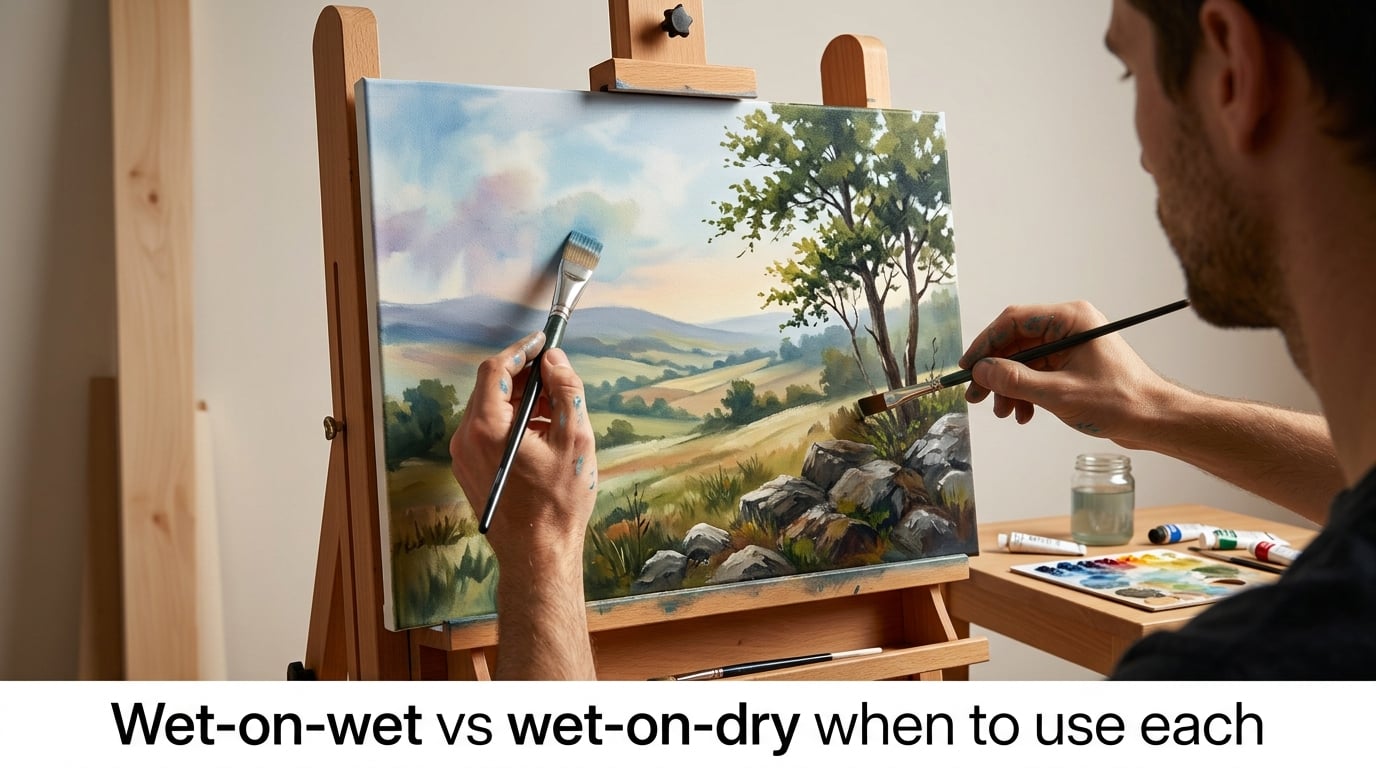
Wet-on-wet and wet-on-dry are the two foundational painting techniques every artist needs to understand. Wet-on-wet (also called alla prima or direct painting) involves applying fresh paint onto a still-wet surface, producing soft, blended edges. Wet-on-dry means painting onto an already-dry layer, which preserves sharp edges and crisp detail. Knowing when to use each technique separates … Read more

Why Does Acrylic Paint Dry Too Fast(October 2026 How to Slow It)

Why does my acrylic paint dry too fast and how to slow it

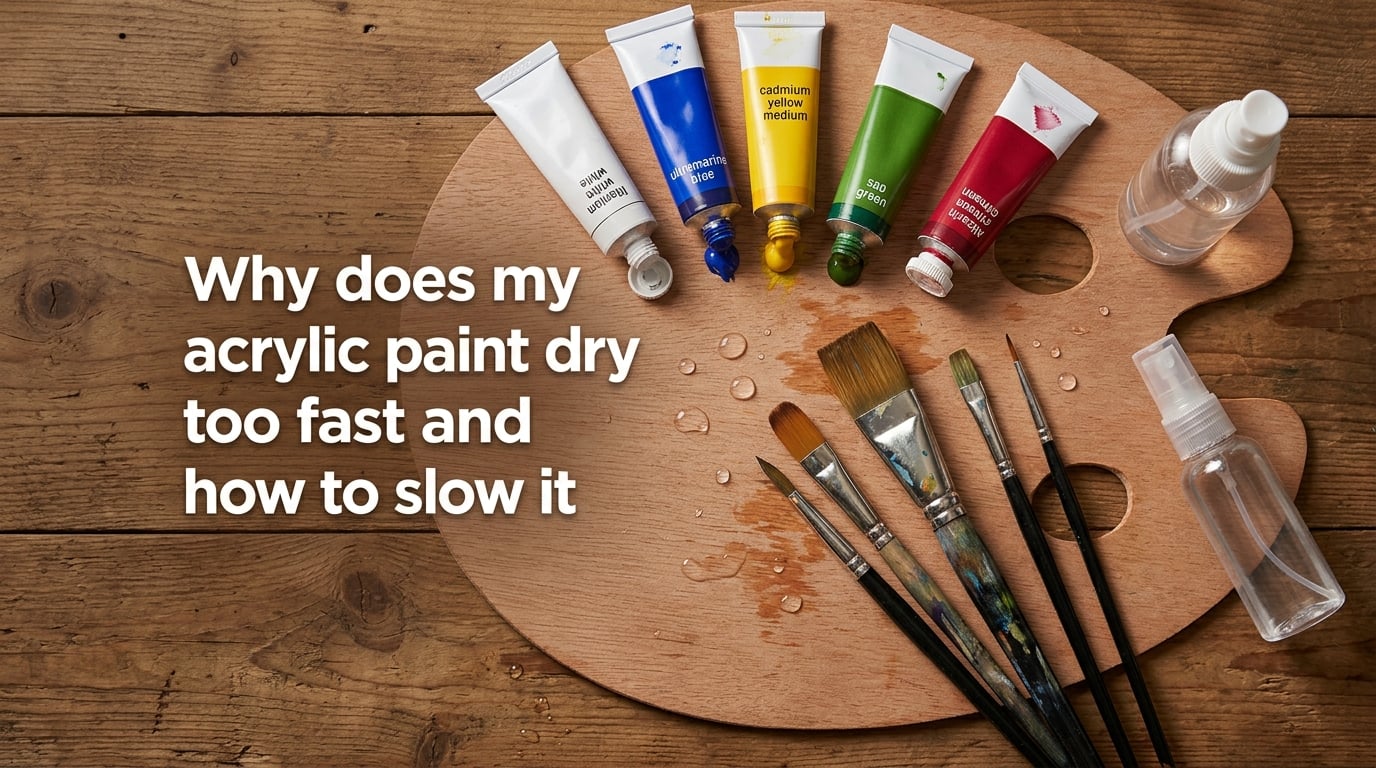
Acrylic paint dries fast because it is a water-based medium that dries through evaporation. As water evaporates from the paint film, acrylic polymer particles fuse together to form a solid, continuous coating. This process typically takes 10 to 30 minutes depending on your environment, but many artists report their paint drying in under a minute … Read more