
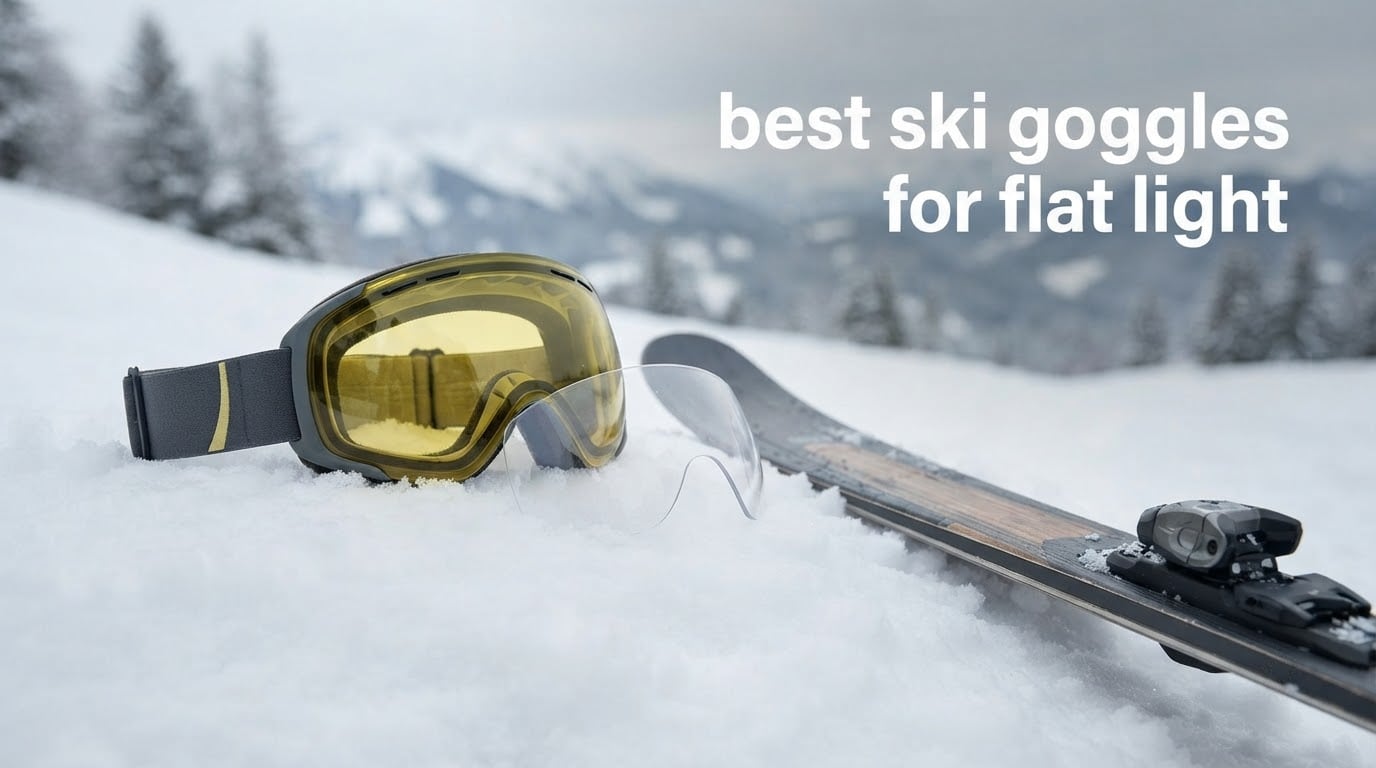
Flat light is the weather pattern where the sky, the slope and the snow surface all blur into the same pale wash. Under heavy cloud, fog, falling snow or a full whiteout, bumps, shadows and texture disappear and the mountain turns into a featureless sheet. The right high-VLT tinted lens pulls that contrast back.
This guide ranks the best ski goggles for flat light by the one number that matters most on a socked-in day, visible light transmission, and by what each lens does with the light it lets through. We also weighed anti-fog performance, how fast you can change lenses at the lift, build quality and helmet fit across ten models. Every VLT figure quoted here comes from the manufacturer’s own specification rather than a marketing phrase like “low light”.
What follows is a complete roundup: a quick comparison table, ten individual reviews, a VLT cheat sheet you can screenshot before a storm day, and answers to the questions skiers ask most about flat light goggles. If you only read one section, jump to the VLT cheat sheet, because choosing the wrong transmission band is the single most expensive goggle mistake on the mountain.
Table of Contents
Top 3 Flat Light Ski Goggles for (October 2026)

OutdoorMaster PRO
- 20+ magnetic lens tints
- Frameless spherical lens
- OTG and helmet friendly

Odoland Magnetic Kit
- VLT 80% yellow lens included
- Two lenses in the box
- 164-degree field of view
All 10 Flat Light Goggles at a Glance in 2026
| Product | Specs | Action |
|---|---|---|
| OutdoorMaster PRO Ski Goggles |
|
Check Latest Price |
 ZIONOR X Detachable Lens Goggles ZIONOR X Detachable Lens Goggles |
|
Check Latest Price |
| Odoland Magnetic Ski Goggles |
|
Check Latest Price |
 Snowalva Two-Lens Ski Goggles Snowalva Two-Lens Ski Goggles |
|
Check Latest Price |
 Giro Cruz Ski Goggles Giro Cruz Ski Goggles |
|
Check Latest Price |
 EXP VISION Frameless Goggles EXP VISION Frameless Goggles |
|
Check Latest Price |
 Whale Magnetic-Closure Goggles Whale Magnetic-Closure Goggles |
|
Check Latest Price |
 Powster SPXTRA Ski Goggles Powster SPXTRA Ski Goggles |
|
Check Latest Price |
 Yukon Charlie’s Cylindrical Goggles Yukon Charlie’s Cylindrical Goggles |
|
Check Latest Price |
 KAPVOE K718 Photochromic Goggles KAPVOE K718 Photochromic Goggles |
|
Check Latest Price |
How We Picked the Best Ski Goggles for Flat Light
We scored each goggle on five weighted criteria, and flat-light lens quality carried the most weight at 30 percent. A goggle that arrives with a usable high-VLT lens, or makes adding one painless, outranks a goggle with a better frame and a dark lens you will not use.
Anti-fog and ventilation accounted for 20 percent, because fog and flat light arrive together and a fogged lens defeats any contrast advantage. Fit and helmet compatibility were another 20 percent, since a gaper gap or a strap that creeps under a helmet ruins a day regardless of the optics. Lens change speed and build quality made up the remaining 30 percent between them.
Where a brand publishes a VLT figure we used it directly. Where the specification was vague, we treated the lens as unproven for flat light and said so, because a vague “low light” claim is exactly the marketing problem skiers complain about on SkiTalk and r/skiing.
1. OutdoorMaster PRO: Best Ski Goggles for Flat Light Overall
OutdoorMaster Ski Goggles PRO, OTG Snow Goggles with Interchangeable Lens
Frameless spherical lens
20+ magnetic lens tints
OTG and helmet friendly
UV400 anti-fog
Pros
- Magnetic lens changes take seconds and lock in cleanly
- Well ventilated and rarely fogs on high-output runs
- Highly adjustable strap works alone or over a helmet
- Wide distortion-free field of view
- Hard case and soft pouch included
Cons
- Included 10% VLT lens is too dark for overcast terrain
- Extra lens tints are sold separately
- Liner durability questioned by some owners
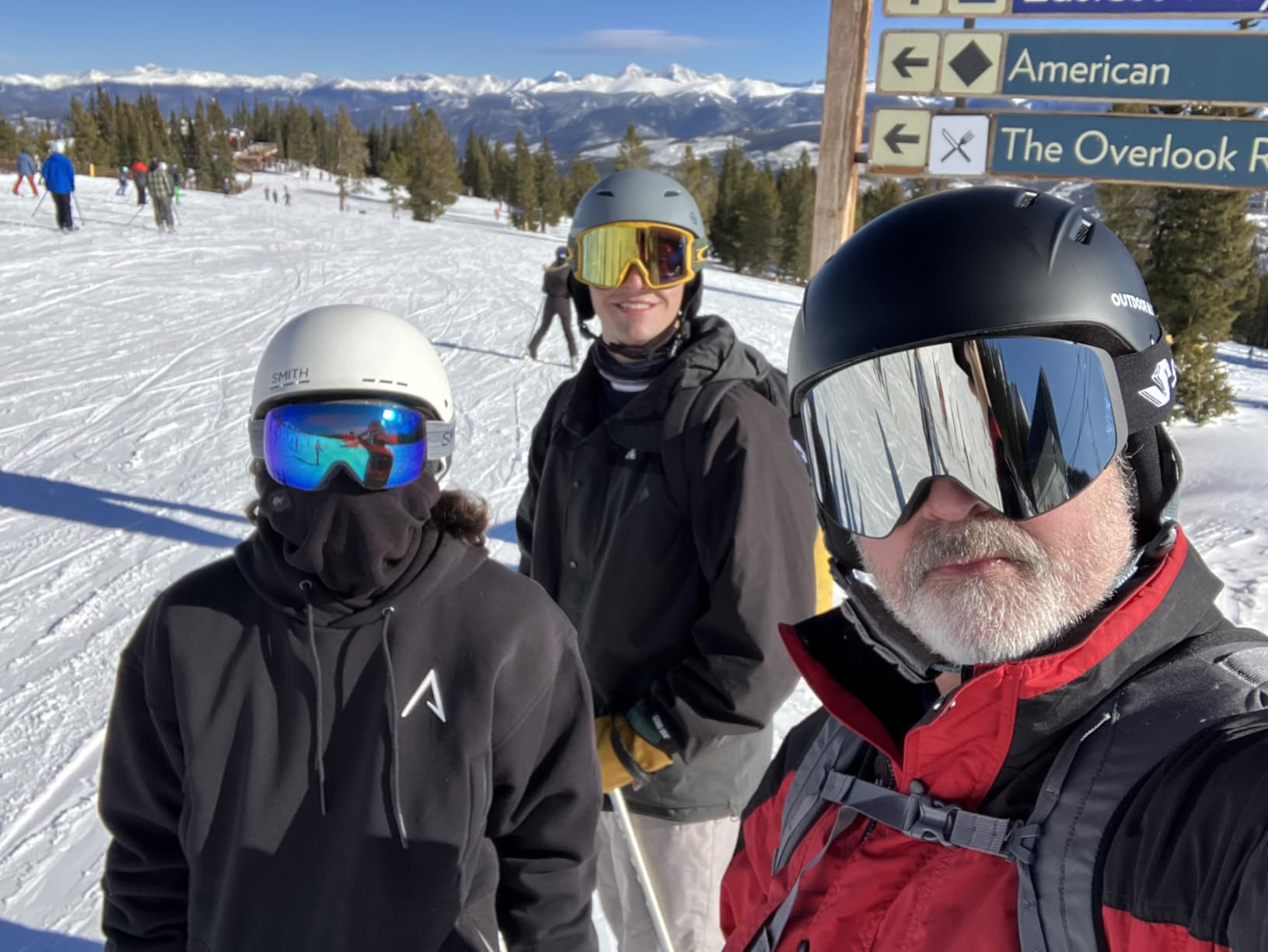
The OutdoorMaster PRO is the frame I keep coming back to for storm days, and the reason is the lens catalogue rather than the frame. Twenty or more magnetic lens tints are available, which means the 45 to 65 percent VLT band you want for flat light is a swap away rather than a second purchase of an entire goggle. Buyers with 4774 ratings averaging 4.6 stars consistently point at the magnetic system first.
The frameless spherical lens is the right shape for a low-contrast day. You keep peripheral vision of skiers you have not seen yet and downward vision of the snow surface right in front of your boots, which is where a roll-over hides in flat light. Reviewers describe the view as wide and free of the edge distortion you get with cheaper cylindrical designs.
Ventilation is the quiet strength here. Owners report that it rarely fogs even on long, sweaty runs, and the venting plus anti-fog coating on every lens is why I rank it first for conditions where fog and flat light show up together.
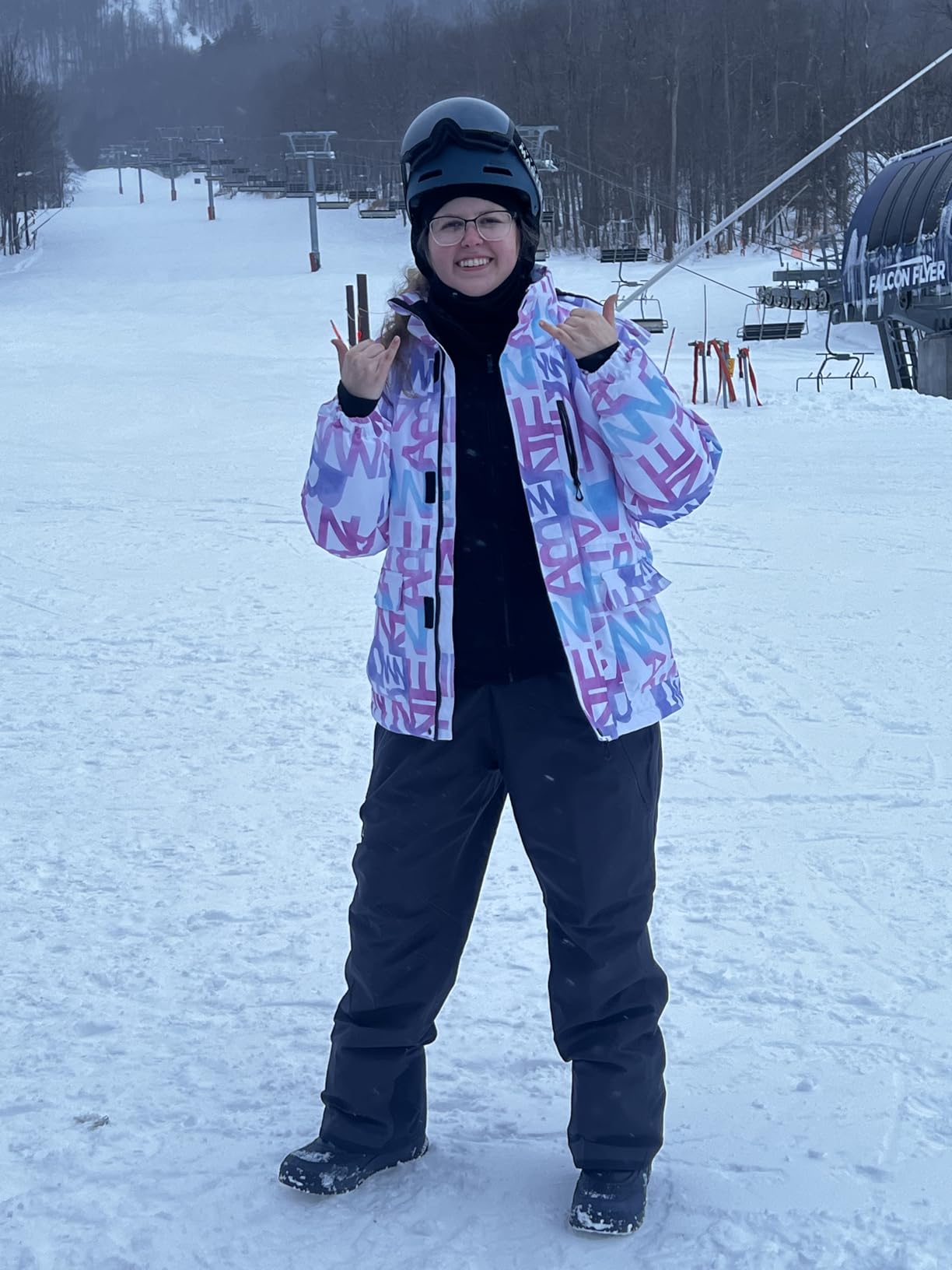
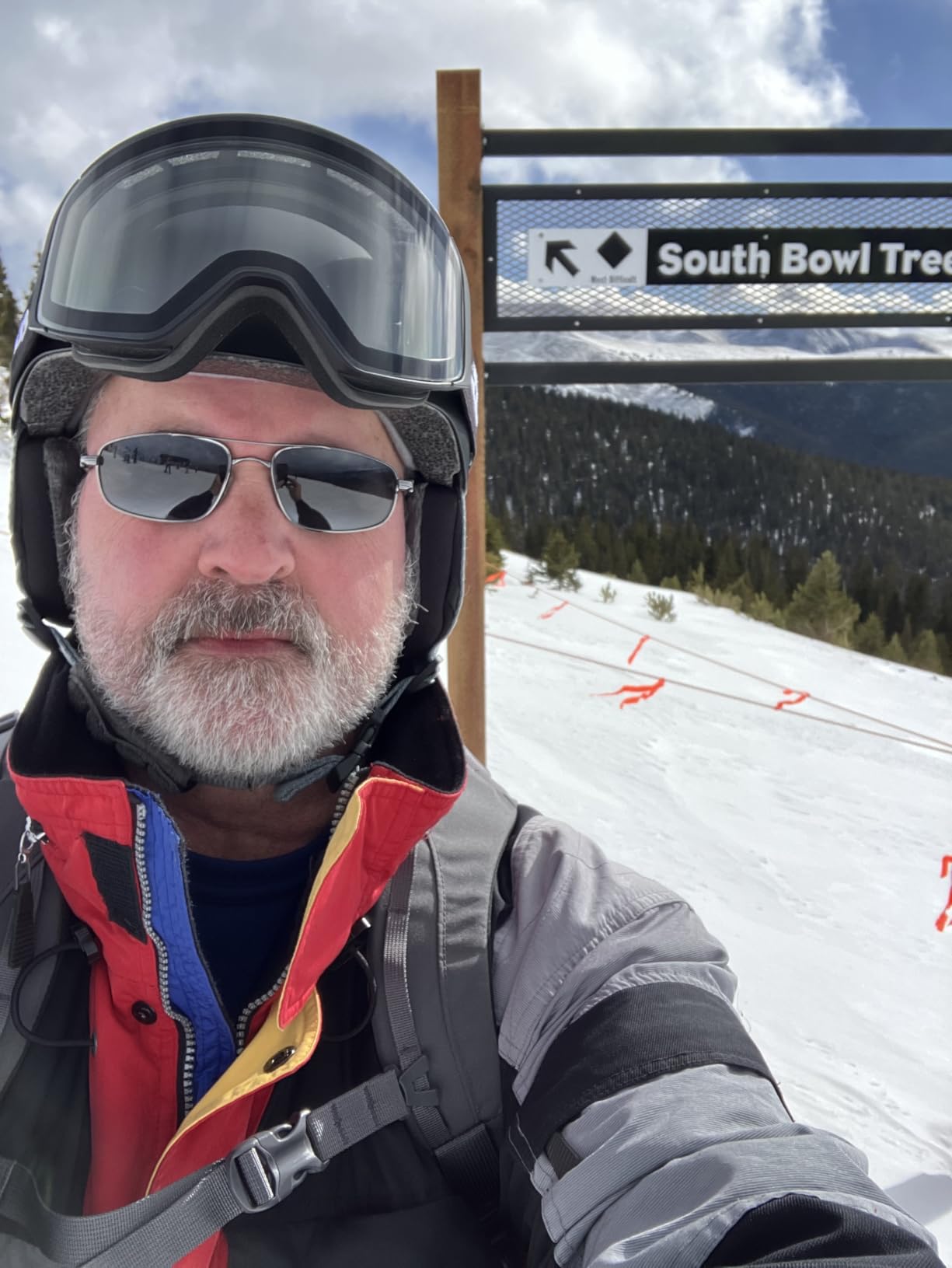
The catch is the lens you get in the box. It is a 10 percent VLT dark lens, which is a sun lens, and a lot of first-time buyers wear it straight into a storm and conclude the goggle is bad. It is not bad, it is just wrong for cloud. Budget one extra high-VLT tint and this becomes the most complete flat-light setup in the group.
The OTG design fits over prescription glasses, and the extra-long elastic strap works with or without a helmet. The included hard case for lenses and a soft pouch for the frame are small touches that protect the expensive part of the system.
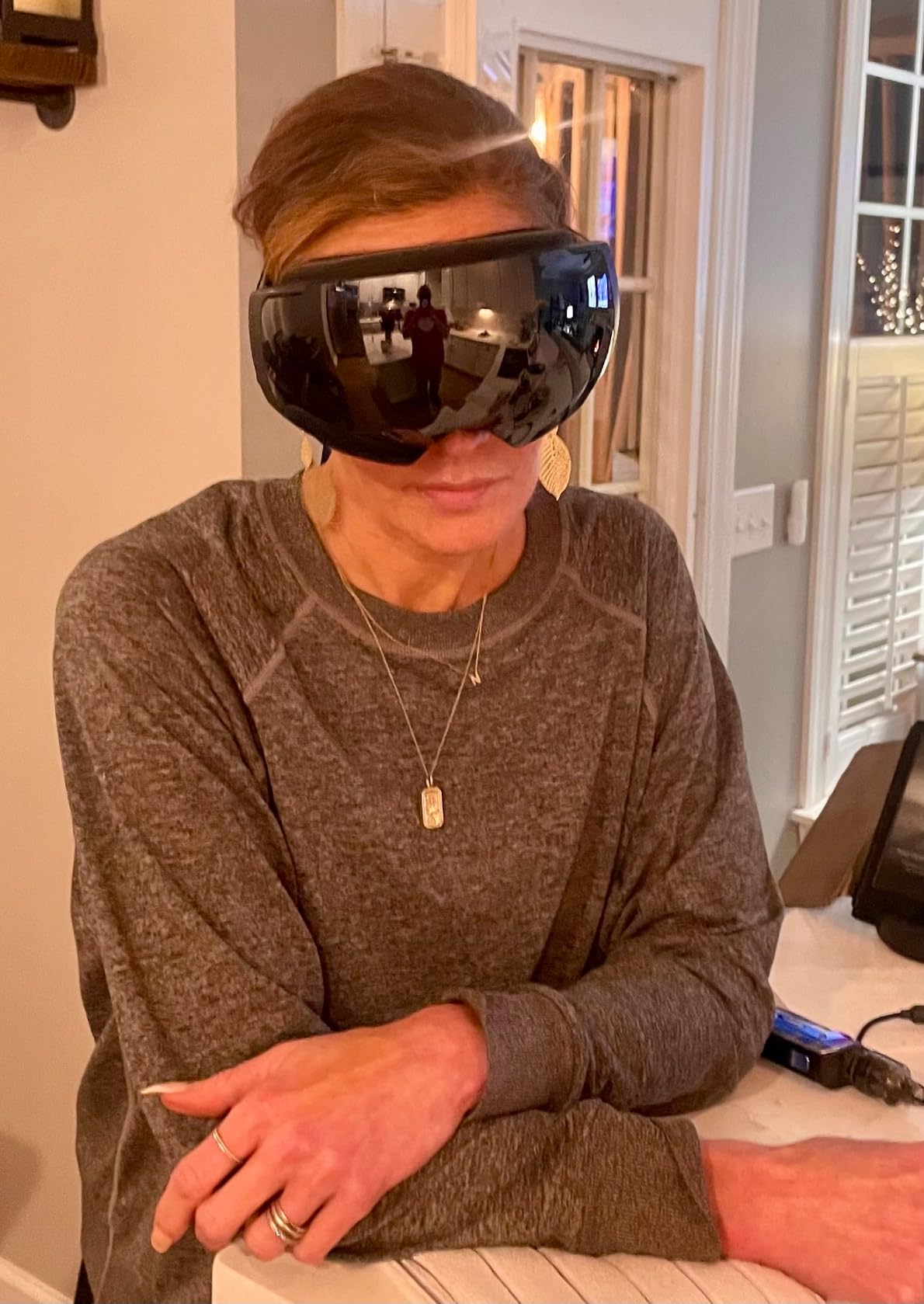
Check the lens tint before you buy the frame
Ask specifically which VLT the included lens is. A 10 percent lens tells you the package is built for sun, and for a coastal or mountain-conditions skier that is the wrong default. The 20-plus tint catalogue is what makes this frame worth buying over a cheaper single-lens goggle.
If you wear glasses, the OTG chamber is the reason to look here. Glasses wearers on Reddit single out fit around the eye area as their biggest goggle frustration, and an OTG frame that clears the frame of the glasses solves the goggle-mark problem without a second purchase.
Know when to skip it
Skip this one if you need a high-VLT lens today with no extra order. The included tint will not get you through a flat-light day, and the extra lens is a separate step. If you only ski a handful of sunny days a season, the money is better spent elsewhere.
Also consider the quieter feedback about microfibre liner durability over multiple seasons. At this price that is an acceptable trade, but if you keep goggles for a decade, expect to replace padding sooner than a premium frame would.
2. ZIONOR X: Best Value Ski Goggles for Flat Light
ZIONOR X Ski Snowboard Snow Goggles OTG Design for Men & Women with Spherical Detachable Lens UV Protection Anti-Fog
18.5% VLT silver lens
Detachable lens system
OTG up to 5.5 inch frames
TPU frame
Pros
- Panoramic lens gives a clear wide view of the slope
- Ruggedised polycarbonate lens holds up to impacts
- Detachable lens makes cleaning and tint swaps easy
- OTG chamber fits prescription glasses
- Curved frame stays put under a helmet
Cons
- Included silver lens is a sun tint rather than a flat-light tint
- Replacement low-light tints bought separately
- Fit described by some as tight
The ZIONOR X is the value pick in this roundup, with 2805 ratings at 4.6 stars and a specification sheet that actually publishes the VLT figure at 18.5 percent. That transparency matters. You can see exactly what you are getting, and you can plan the second lens accordingly instead of guessing at the counter.
Eighteen and a half percent VLT is a mixed-condition lens rather than a flat-light lens. It will carry you through a bright overcast morning and a run or two of thin cloud, and it is the right starting point for a variable day. For socked-in coastal terrain you add a lighter tint, and the detachable lens makes that swap quick.
The lens is frameless and panoramic with a curved TPU frame, so the view is wide and there is no frame edge to block downward vision. The ZIONOR Enhanced Durability Tech on the polycarbonate lens is aimed at impact resistance, which matters when you are skiing variable snow in low visibility and hitting debris you could not see.
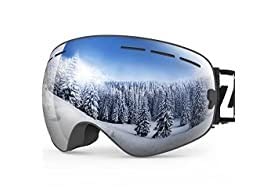
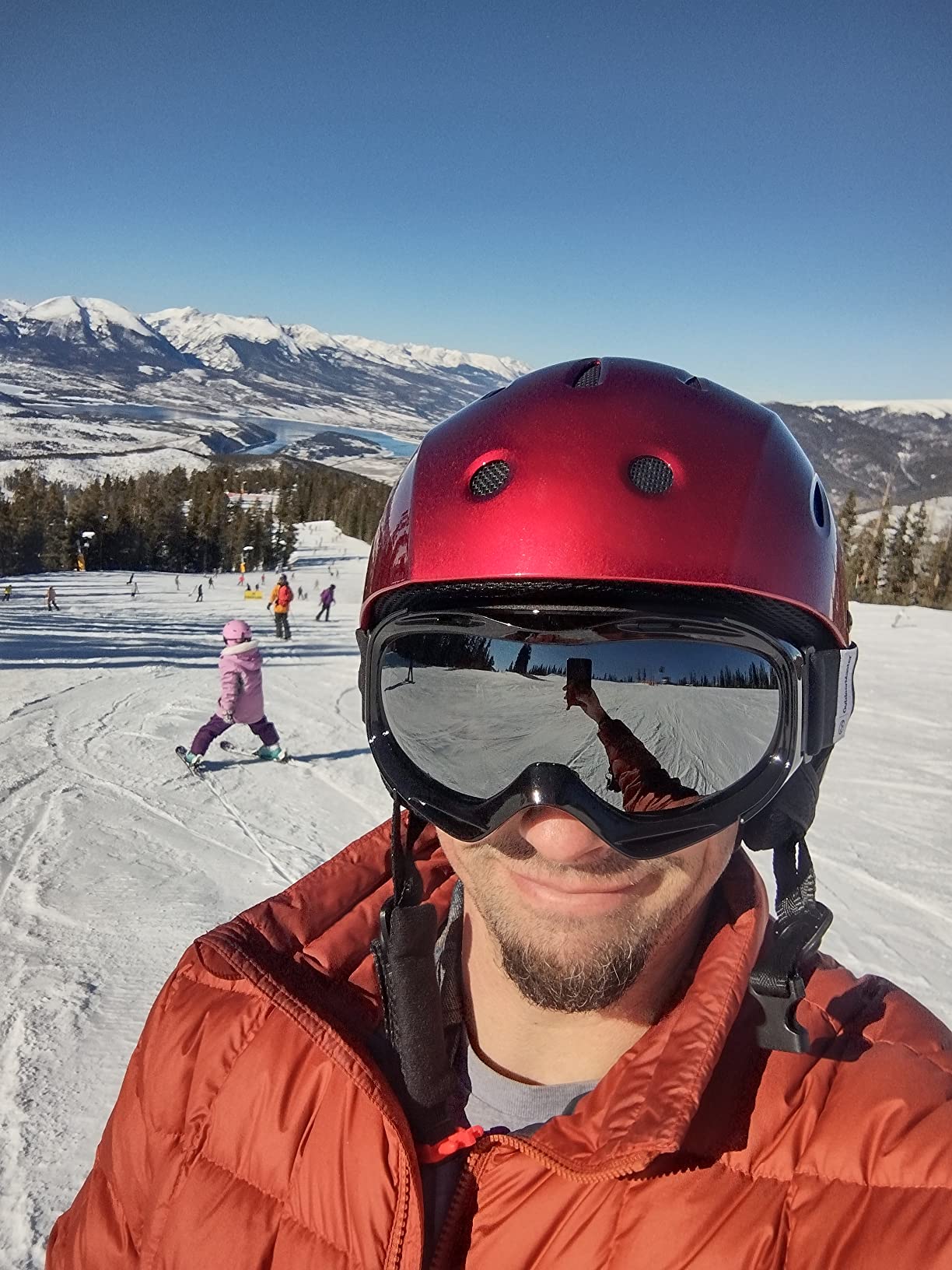
The OTG chamber is specified to take prescription frames up to 5.5 inches long by 1.65 inches high, which is a genuinely useful number rather than a vague claim. That measurement is worth checking against your own glasses before you order, because it tells you whether the fit will work.
Reviewers like the curved frame staying put under a helmet at speed. In flat light you are usually skiing more cautiously and more slowly, but on a variable day with sudden visibility loss the last thing you want is a goggle lifting off your forehead.
Check your glasses fit against the printed dimensions
Compare the 5.5 by 1.65 inch OTG specification with your frames before buying. Glasses wearers who measure first tend to report a better seal and fewer marks around the eye, which is the complaint that shows up most often in low-visibility threads.
If you wear very wide aviator-style frames, measure carefully. A tight report does exist, and it is the most common reason to move up a size rather than a defect in the goggle.
Know when to skip it
Skip it if your only flat-light lens must be in the box on day one. The included 18.5 percent silver tint is a sun and mixed-condition lens, and adding the right low-light tint is a separate step.
It is also not the pick for a skier who wants premium contrast optics. This lens transmits a lot of light but does not carry the kind of contrast processing that premium lens technology adds, and in genuinely flat conditions that difference is what you notice.
3. Odoland Magnetic Ski Goggles: Best Flat Light Goggles Out of the Box
Odoland Magnetic Ski Goggles, 2 Interchangeable Lens Anti-Fog for Men Women
VLT 80% yellow lens included
Two spherical lenses
164-degree field of view
Dual-layer anti-fog
Pros
- Includes a VLT 80% yellow lens that works immediately in flat light
- Magnetic lenses swap in seconds with no tools
- 164-degree frameless lens gives strong peripheral awareness
- Dual-layer anti-fog and venting hold clarity on long runs
- Generous OTG chamber fits prescription glasses
Cons
- Foam and strap durability over multiple seasons unproven
- Dark and yellow tints cover only the two extremes
- Mid-range VLT lenses cost extra
This is the goggle I recommend to anyone whose season is mostly flat light. The Odoland kit comes with a VLT 80 percent yellow lens as standard, and that is the single biggest practical advantage in this whole roundup. You do the storm day without spending anything on a second lens.
Eighty percent VLT is a genuinely bright transmission figure and it sits in the range skiers report as the sweet spot for fog, heavy snowfall and whiteout. The yellow tint is also the one that flatters snow texture, making bumps and surface variation read more distinctly against the surrounding flat white.
The 164-degree frameless spherical field of view is a real number and it is excellent for exactly this condition. When contrast is poor, your peripheral vision becomes your early-warning system, and a wide lens lets you notice a skier merging into your line without turning your head.
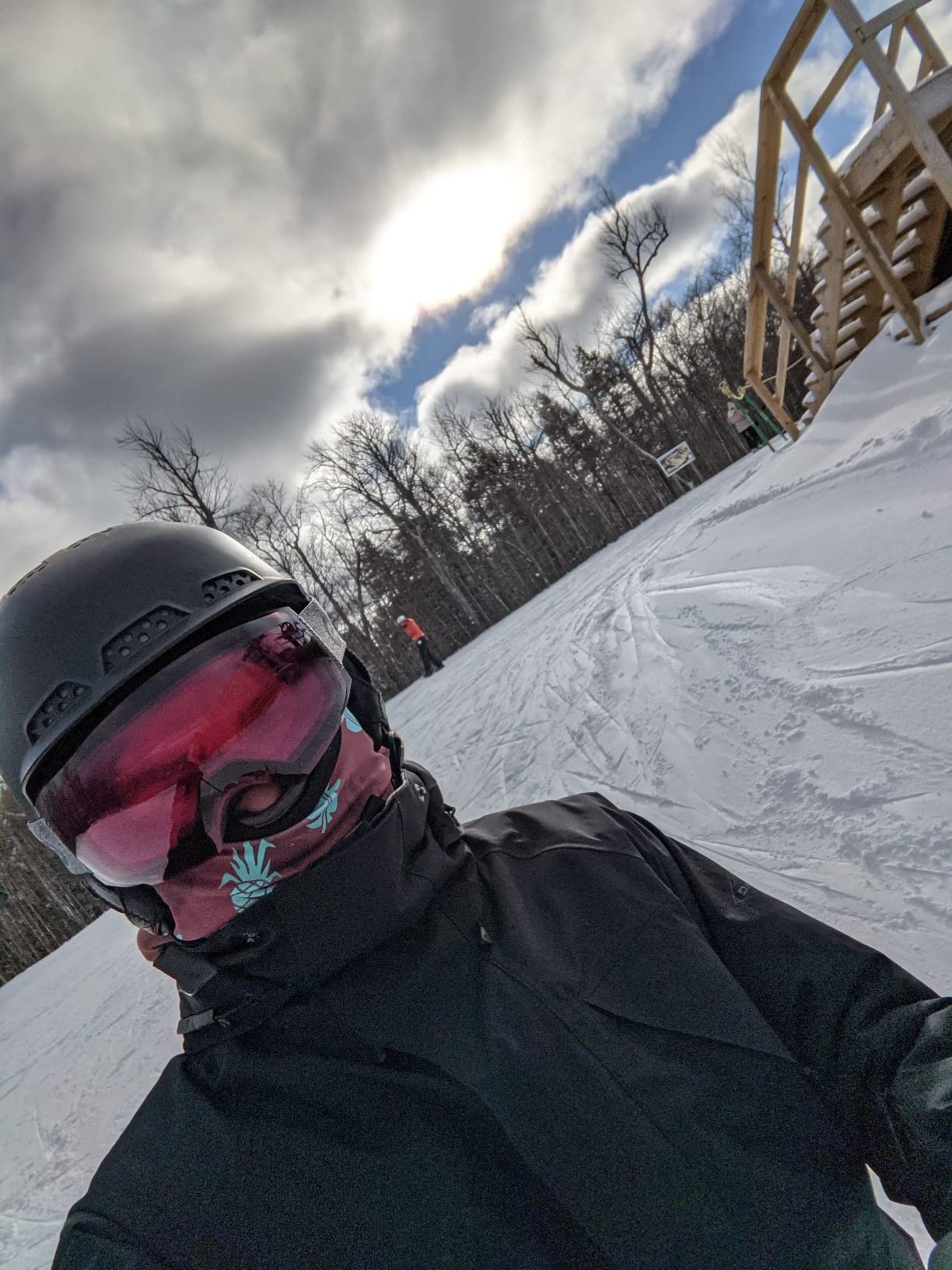
The eight-point magnetic locking system means the swap happens at the lift with gloves on and takes seconds. Given that digging through a wet pack mid-day is the complaint we see most often in gear threads, a fast magnetic change is worth more than it looks on a spec sheet.
Anti-fog performance is handled by the dual-layer lens construction plus top and bottom ventilation channels, and reviewers report clarity holding up on long runs. That combination matters more here than in any other condition, because fog and flat light arrive together and compound each other.
Check whether 80 percent VLT suits your terrain
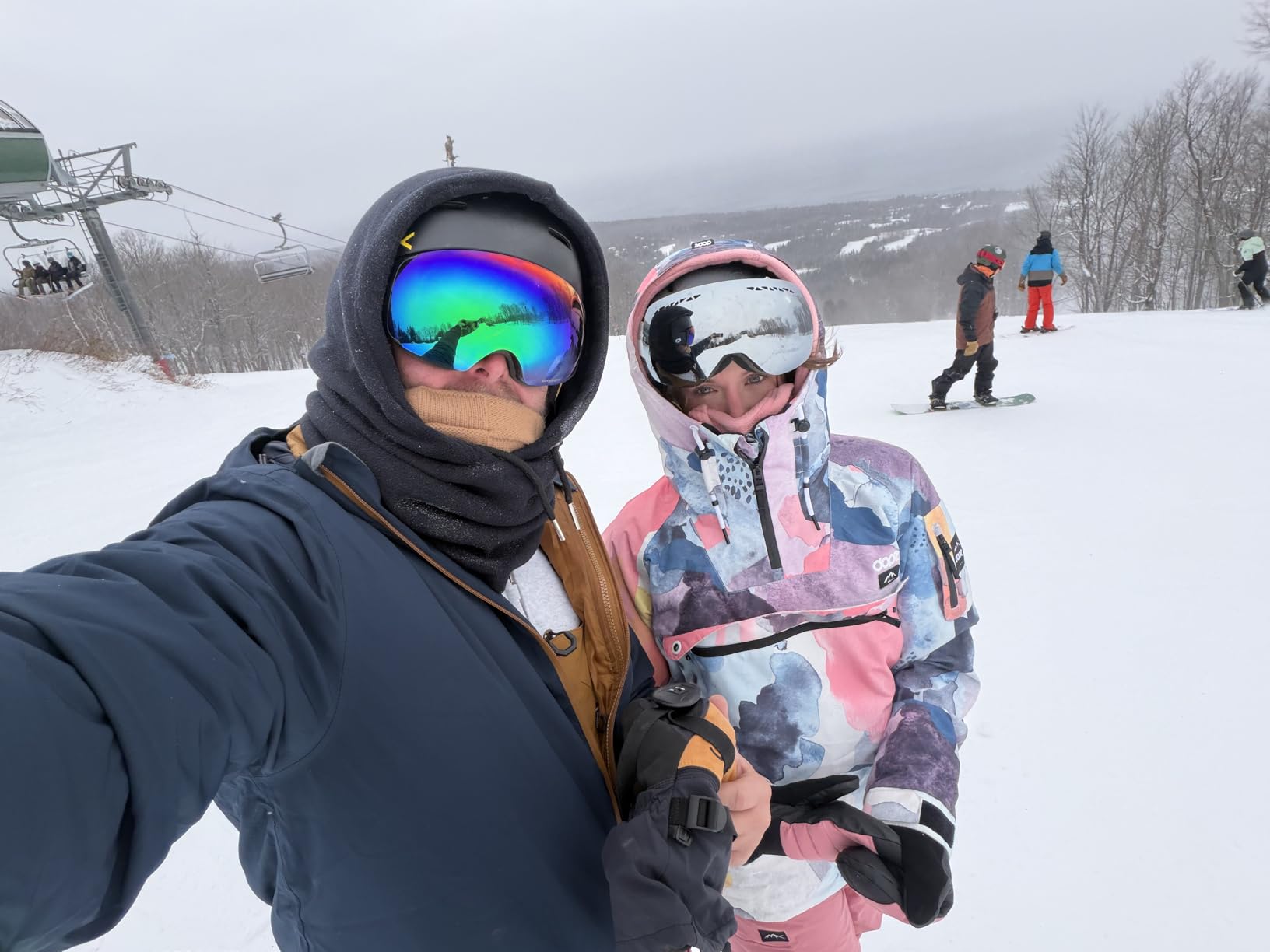
Eighty percent is brighter than many skiers need for a merely overcast day, and on a bright snowmaking day under floodlights it can feel washed out. If your home mountain is cloudy but not foggy, a lens closer to 55 to 65 percent VLT is the more balanced choice.
The included tints are the two extremes, a dark sun lens and the 80 percent yellow. If you ride a mix of conditions, budget for a mid-range tint as a third lens, because the middle of the VLT range is where most of your skiing actually happens.
Know when to skip it
Skip it if you plan to keep goggles for many seasons. Multi-season foam and strap durability is the main reservation in reviews, and at this price point that is a fair trade for anyone on a season pass.
It is also not the choice for very small faces. The generous OTG chamber and multi-layer foam are built for a roomy fit, and a skier with a small face can end up with a gaper gap that fogs worse than it should.
4. Snowalva Two-Lens Ski Goggles: Best for Night Skiing and Whiteout
Snowalva Ski Goggles, Snowboard Goggles with 2 UV400 Anti-Fog Detachable Magnet Lenses for Men & Women Adult (Silver&Clear, One Size)
Clear lens and silver mirror lens
Magnetic detachable attachment
Cylindrical profile
UV400 anti-fog
Pros
- Clear lens included for flat light and night skiing
- Silver mirror lens handles bright midday sun
- Magnetic swap is quick and holds firm through falls
- Wide peripheral vision with almost no blocked areas
Cons
- Some fogging reported in humid snowfall
- Head strap slips out of position after tightening
- Clear lens collects fingerprints readily
Snowalva solves flat light with the simplest possible answer: a fully clear lens. Clear lenses transmit close to all available light, which makes them the natural choice for night skiing, deep fog and the worst whiteouts, and this kit includes one alongside a silver mirror sun lens.
That pairing covers the two genuine extremes of a ski day. On a night-skiing trip the clear lens is the only sensible option, and on a bright morning the mirror lens keeps glare off the snow. Reviewers treat this as a one-goggle solution rather than a starter set, which is unusual at this tier.
The magnetic attachment is the practical part. Swapping at the lift is quick, and reviewers report the magnets holding firm through falls, which is the failure mode that makes a cheap magnetic system frustrating in real snow.
The cylindrical lens profile is listed for accurate depth perception, and the wide peripheral view is a genuine strength in whiteout when you are trying to pick out a rollover edge. Cylindrical lenses do introduce more edge distortion than spherical designs, so if you ski a lot of tight trees in flat light, that is worth weighing.
Comfort under a helmet is reported as solid, and owners note it fits over aviator-style glasses. Both lenses carry UV400 protection, which is non-negotiable on snow where reflected ultraviolet is the main cause of snow blindness.
Check whether clear is bright enough for your terrain
Clear lenses are tuned for night and whiteout, not for a merely overcast afternoon. In mid-grey cloud a clear lens can feel flat and slightly uncomfortable because there is no tint shaping the scene at all, and some skiers find it washes out the boundary between snow and sky.
If you ski at night regularly, this is the goggle to buy. If you ski a mix of daytime and night sessions, keep a mid-VLT yellow lens as a third option so you are not choosing between extremes.
Know when to skip it
Skip it if fogging in humid snow ruins your day, because that is the specific complaint in reviews. In heavy snowfall the moisture load is high, and a goggle that fogs in the condition it is supposed to solve is a hard pass.
The strap creep and the thin case are smaller problems, but the strap slipping after tightening is worth checking on a long day. Bring a strap keeper if you are picky about that.
5. Giro Cruz Ski Goggles: Best for Mixed Cloud and Sun Days
Giro Cruz Ski Goggles – Snowboard Goggles for Men, Women, Youth – Stone Tan Stacked – Amber Scarlet
Amber Scarlet lens at 39% VLT
PressFit lens interchange
OTG interior
Pros
- Thin cylindrical profile gives a wider vertical and horizontal field of view
- Amber Scarlet 39% VLT lens reads terrain in mixed cloud and sun
- Reliable anti-fog reported across conditions
- Silicone-lined strap stays put over a helmet
- Backed by a one-year Giro warranty
Cons
- Cylindrical lens gives less vertical depth perception than spherical
- 39% VLT is darker than ideal for heavy fog or whiteout
- One reviewer reported scratched lenses with no protective film
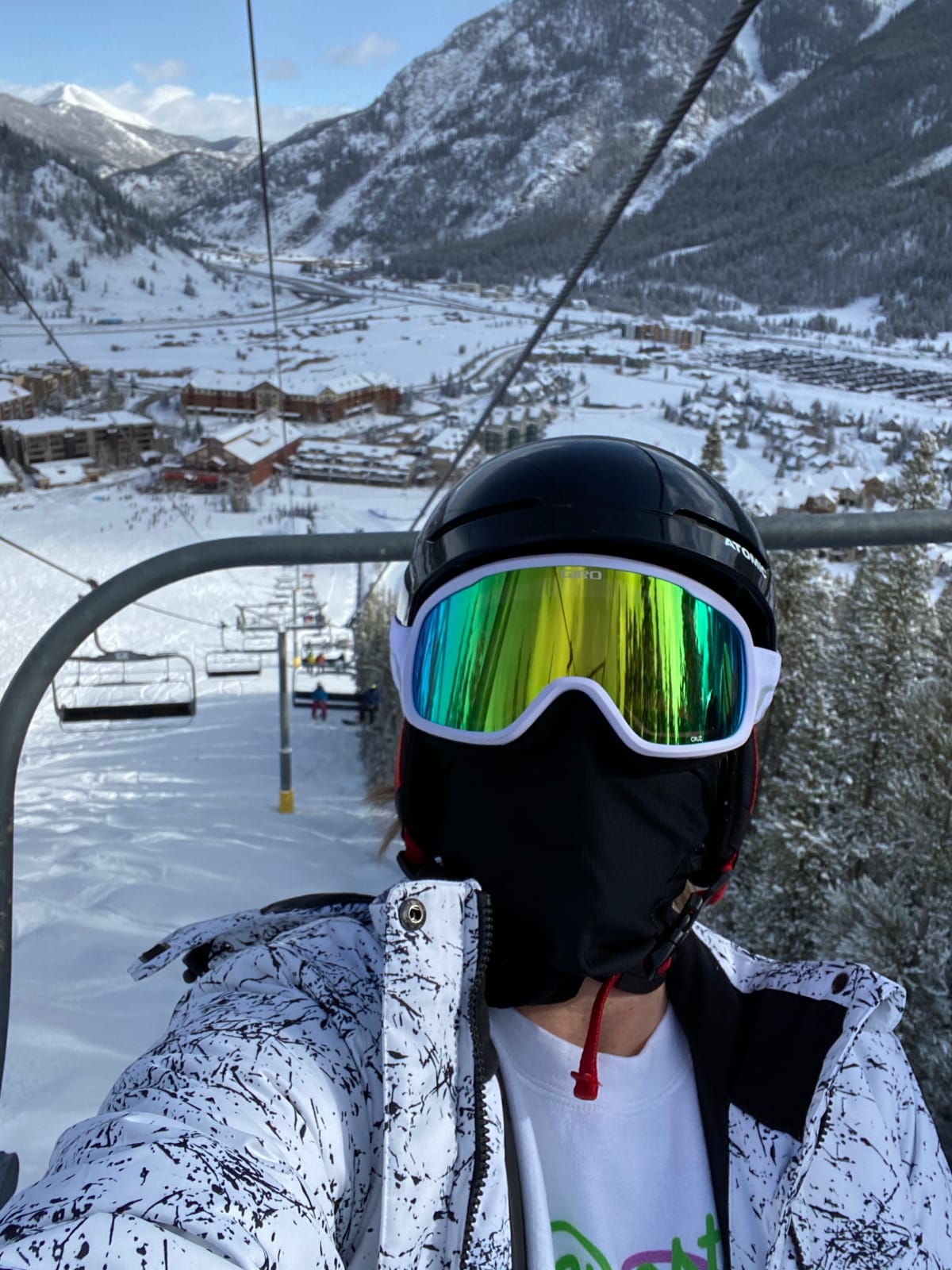
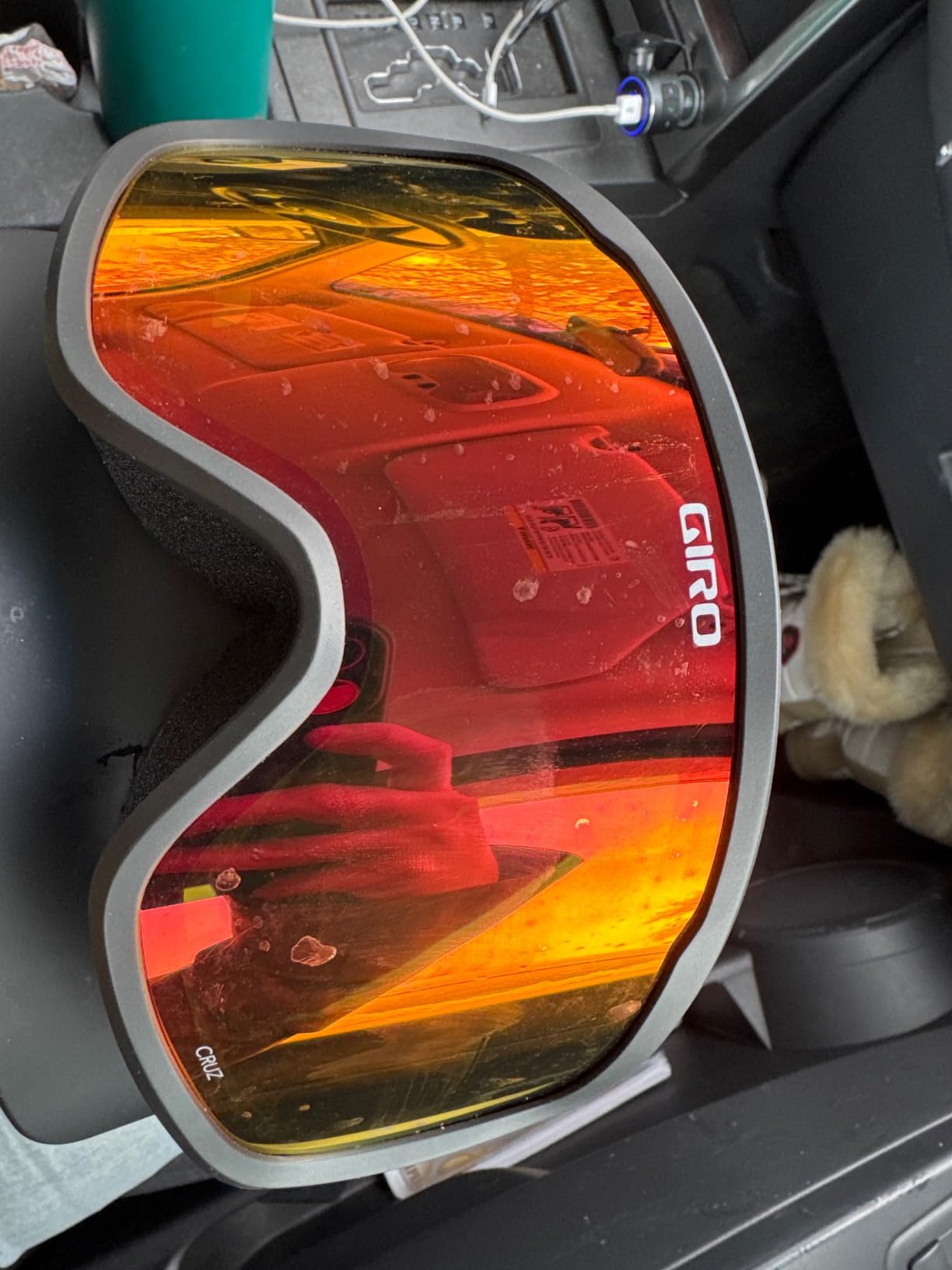
The Giro Cruz is built for the variable day rather than the pure storm day, and the amber Scarlet lens at 39 percent VLT is why. Thirty-nine percent is bright enough to read terrain under broken cloud and dark enough to be comfortable when the sun appears, which is the most common mountain weather pattern outside coastal ranges.
The slim cylindrical design is the frame’s quiet advantage. Reviewers compare it favourably with much costlier mirrored goggles because the thin profile preserves peripheral and downward visibility, and in flat light downward visibility is what lets you read the snow surface a metre ahead of your skis.
EXV frameless-zone engineering around a large spherical area keeps the view open, and the PressFit lens interchange plus silicone-lined strap means the lens change is simple and the strap resists slippage under a helmet.
Anti-fog coating is reported as reliable across conditions, and the OTG-friendly interior has extra internal air volume, which helps both glasses fit and fogging performance. The double-layer face foam with a microfleece facing adds comfort on a long cold day.
It is one of the few goggles here with a stated one-year manufacturer warranty on workmanship and materials, and it slots seamlessly into the wider Giro helmet range if you already wear that brand.
Check the VLT band against your worst day
Thirty-nine percent sits below the band most skiers describe as their flat-light sweet spot, which is closer to 45 to 65 percent. If your mountain is socked in for days at a time, this is a mixed-condition lens, not a storm-day lens, and you would add a higher-VLT tint.
If instead you get bright days with cloud building and clearing, this is close to ideal. The amber tint flatters warm light and improves definition in the flat grey of early morning and late afternoon.
Know when to skip it
Skip it for deep fog and full whiteout, where 39 percent simply does not transmit enough light. For that, move to a lens in the 65 to 80 percent band.
Buyers who want maximum vertical depth perception in park or tight trees should note that a cylindrical lens trades some of that away. If you mostly ski groomers in variable light, that trade is worth making.
6. EXP VISION Frameless Goggles: Budget Pick for Flat Light
EXP VISION Snowboard Ski Goggles Men Women Youth, Anti Fog OTG Winter Snow Goggles Spherical Detachable Lens (Cherry)
Frameless spherical dual lens
Three-layer foam
Anti-fog with vent channels
OTG compatible
Pros
- Spherical lens gives a wide distortion-free view of the slope
- Frameless design and soft arc foam stay comfortable over long sessions
- Detachable lens system allows a different tint for flat light
- Anti-fog coating and vents handle heavy perspiration
- Adjustable strap fits a range of helmet sizes
Cons
- A low-light lens must be purchased separately
- REVO coating improves scratch resistance but lenses are not as tough as premium
- Limited long-term parts and lens availability
The EXP VISION is the lowest-cost way into a wide spherical lens, and the wide distortion-free view is genuinely the point of this goggle. When contrast is poor, seeing more of the slope at once is a real advantage, because every extra degree of peripheral vision is another chance to catch something before it catches you.
The dual-lens construction with anti-fog coating and vent channels is where the money went, and reviewers report it handles heavy perspiration well. Three-layer foam helps with both warmth and sweat absorption, which matters on a long storm day where you are working hard to hold speed on marginal terrain.
At 1927 ratings averaging 4.6 stars, it has one of the larger owner-feedback bases in this roundup. That volume of feedback is why we are comfortable recommending it despite the unbranded name, because the failure modes are well documented rather than unknown.
The detachable lens system means you can fit a high-VLT tint later, which is the same approach the OutdoorMaster and Giro use. It is the cheapest frame here that is not a dead end for flat light, because you are not locked into a single tint forever.
It weighs 5.26 ounces, the lightest frame in the group by a clear margin. On a day when you are falling a lot in low visibility, a lighter goggle is a small comfort that compounds over dozens of runs.
Check the lens availability before you commit
Because the brand is unrecognised, long-term lens selection and spare parts are limited. Before you buy, check that the specific VLT you want for flat light is actually available for this frame, because the detachable system is only useful if a replacement lens exists.
Plan on a yellow or high-VLT lens in the 45 to 65 percent range, which is the band most skiers end up using. Anything darker than that and you will be squinting on a foggy morning.
Know when to skip it
Skip it if you care about lens toughness. The REVO coating improves scratch resistance but the lens is still not as tough as a premium lens, and wiping a wet lens is exactly the habit that ruins coatings.
It is also the wrong choice for anyone who wants a brand with a service network behind it. If a frame part breaks in season, an unbranded goggle is harder to sort out than a name you recognise.
7. Whale Magnetic-Closure Goggles: Best for a Bundled Light-Enhancing Lens
Whale 2027 New Magnetic-Closure Ski Goggles, 2 Interchangeable Lenses/Night Skiing Light-Enhancing Lens, Anti-Fog, Unisex (Silver, Silver)
Light-enhancing lens for low light
Magnetic closure with two lenses
UV400 and anti-fog
Pros
- Two lenses included with a light-enhancing lens that brightens dull scenes
- Magnetic lenses stay locked through a full season of swapping
- Genuine OTG fit with room for wide prescription frames
- Good wind coverage over the upper face under a helmet
- Soft adjustable foam padding
Cons
- Anti-fog coating is inconsistent on colder days
- Lenses scratch easily if wiped when wet
- Foam and lens durability sit at budget levels
The Whale kit is a two-lens answer for flat light, and the included light-enhancing lens is the differentiator. Rather than a plain clear lens, this one is specified to brighten dull, low-contrast scenes, which is the specific problem a storm day creates.
Owners like the magnetic closure for durability as much as speed. Magnetic lenses that stay locked in place through a full season of swapping are rarer than they should be at this tier, and a lens that pops out mid-turn is a genuine safety issue in flat light.
The OTG fit is reported as genuine rather than nominal, with room for wide prescription frames, and wind coverage over the upper face is good under a helmet. On a windy ridge in snowfall that coverage keeps snow out of the gap most frameless goggles leave open.
The polycarbonate lens gives impact resistance against branches and snow spray, and the cellulose propionate frame carries UV400 protection against snow blindness. At 109 ratings averaging 4.4 stars, this is the least-reviewed goggle in the roundup, so treat the feedback as a useful signal rather than a settled verdict.
Soft foam padding and an adjustable strap complete a frame that is unremarkable in the best sense. It does one job, includes the lens that job needs, and does not ask you to come back for a second purchase.
Check how it behaves in sustained snowfall
The anti-fog coating is inconsistent according to reviews, with some owners still seeing fogging on colder days. In heavy snow, moisture load is the highest of any flat-light condition, so test the venting carefully before committing to it for a storm week.
Never wipe the inside of the lens to fix it. That habit is the single most common way skiers destroy an anti-fog coating, and on this goggle it is especially risky because the lens scratches easily when dragged across ice or wiped while wet.
Know when to skip it
Skip it if you want a published VLT figure. This brand does not state a transmission percentage, and an unquantified light-enhancing lens is precisely the vague marketing that confuses flat-light buying decisions.
Foam and lens durability are at budget levels, so if you keep goggles for years, plan on replacement. For a single season of storm skiing, that is an acceptable trade for a magnetic two-lens kit.
8. Powster SPXTRA Goggles: Best Contrast Optics for Flat Light
Powster Ski Goggles Snow OTG Snowboard Goggles Magnetic Interchangeable Lens Frameless UV Protection Anti-fog mobile Skating
SPXTRA lens with ZEISS optics
Magnetic swappable VLT lenses
Three-layer foam
Pros
- SPXTRA optics with ZEISS noticeably lift contrast on flat hazy snow
- Magnetic VLT lens changes cover high-VLT flat light and dark sun lenses
- Highest average rating in the roundup at 4.9 with 92 percent five-star
- Very wide viewing angle supports peripheral awareness
- TPU frame with three-layer foam and moisture transport
Cons
- Most expensive goggle in the group
- Only 81 ratings so long-term durability is thinly documented
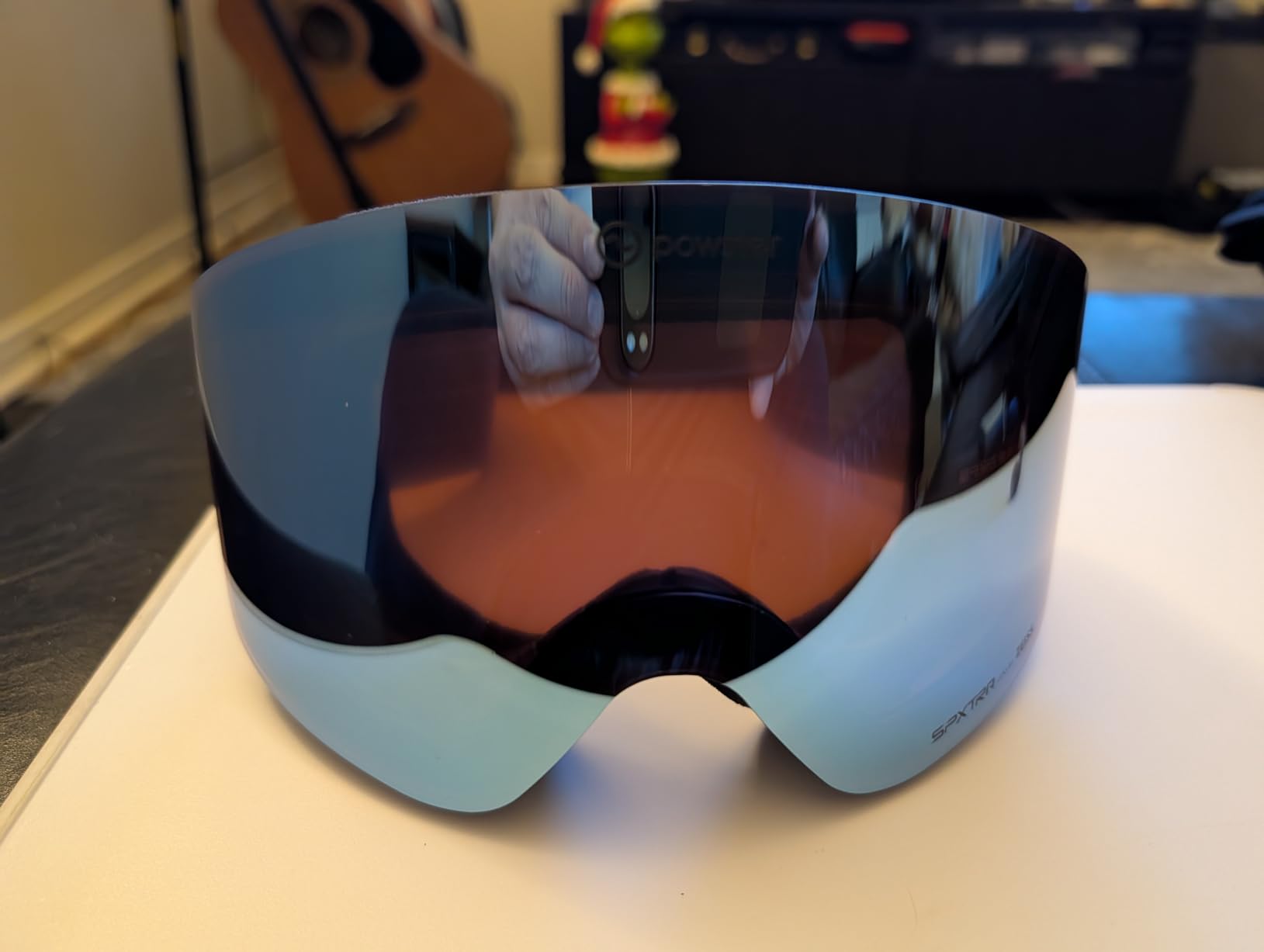
The Powster is the one goggle here whose value proposition is contrast rather than raw light transmission. Its SPXTRA lens technology was developed with ZEISS Optics and works by manipulating blue light to enhance contrast and definition while still blocking UV, which is a different mechanism from simply letting more light through.
That distinction is the most interesting thing in this roundup. High VLT solves fog and heavy snow, where the problem is too little light. Contrast technology solves bright overcast and hazy flat light, where there is enough light but not enough of it bouncing back at you with usable definition. Reviewers consistently single out the lens for lifting contrast on flat, hazy snow.
At a 4.9 average with 92 percent five-star ratings, it has the strongest rating in the group. We do not give it the top badge because 81 ratings is a small base, and long-term durability claims that thin deserve scepticism.
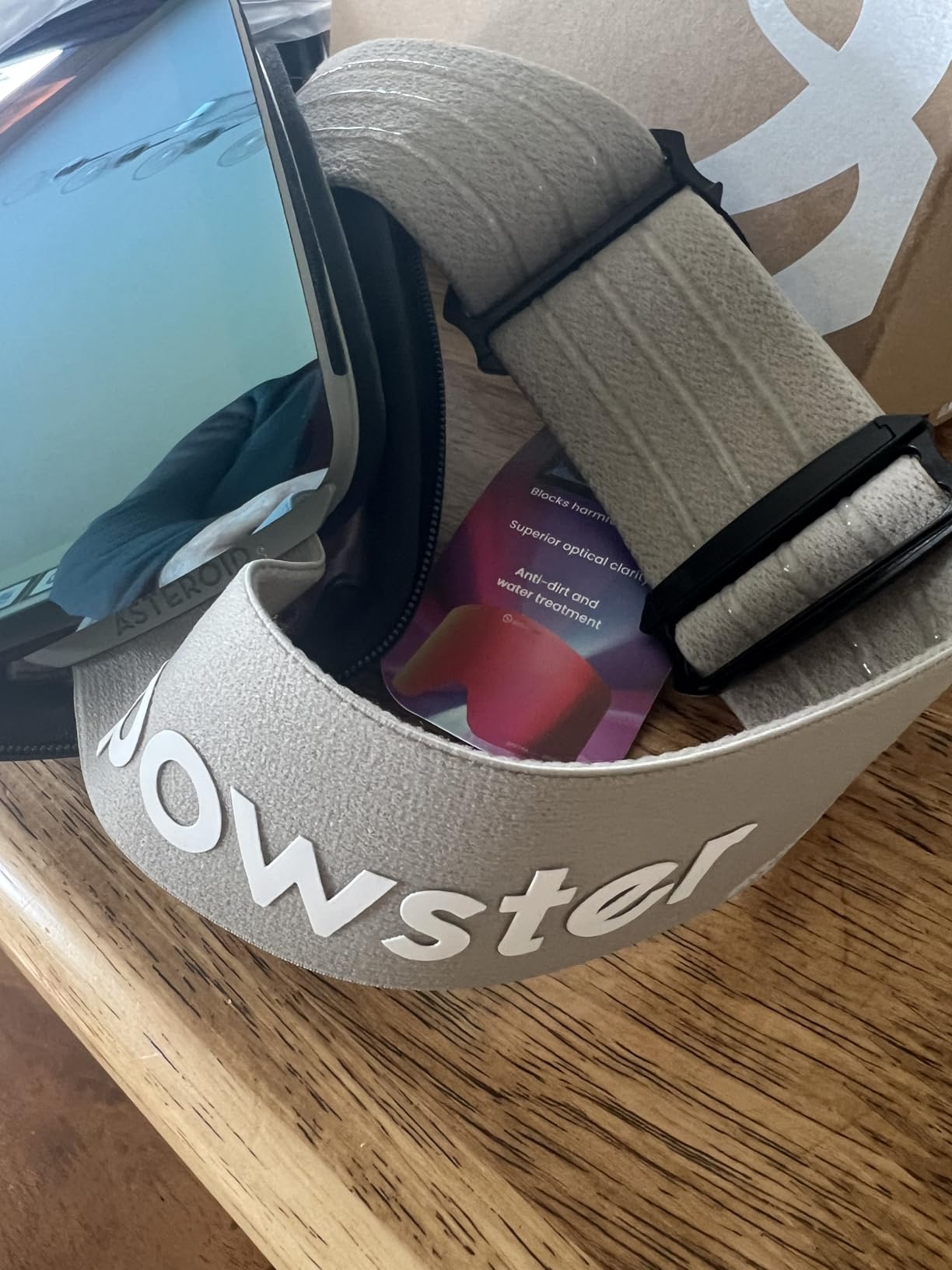
The magnetic lens system uses swappable VLT lenses held by magnetised points, so one frame covers a high-VLT flat-light lens and a dark sun lens. The double-lens construction pairs a polycarbonate outer lens with an anti-fog inner lens, which is the configuration that resists fogging best.
Comfort is handled by a TPU soft frame with three-layer hypoallergenic foam and moisture transport, plus an extra-long ultrawide adjustable strap with a non-slip silicone pattern and a widened high-density 3D jacquard strap for helmet grip. The OTG design clears prescription frames.
Check the lens options before deciding
The frame is only as good as the VLT lenses you pair with it, so confirm which transmissions are available for the SPXTRA system. If you can get a 55 to 65 percent tint, this becomes the most complete single-frame solution for a coastal skier who also wants premium contrast.
Also confirm the anti-fog and anti-scratch coatings on the specific lens you receive, since the frame and the lens are sold as separate pieces. The coatings are listed for the dual lens, but verify for your chosen tint.
Know when to skip it
Skip it if the cost of the frame is a problem. It is the most expensive goggle here, and the value case narrows sharply against mid-priced kits that include two lenses.
It is also a less safe bet for someone who needs proven long-term durability today. Eighty-one ratings tell you what the first owners experienced, not what a four-season owner will, so pair it with a lens case and expect to inspect it more carefully.
9. Yukon Charlie’s Cylindrical Goggles: Best Full-Rim Goggle for Flat Light
Yukon Charlie’s Headwall Adult Snow Goggles – Flamingo Frame, MEZ Flamingo Lens, VLT 11.2% – Cylindrical Lens Ski Goggles – Boosted Contrast, Reduced Glare, Anti-Fog, Secure & Comfortable Fit
Cylindrical lens with MEZ optics
Free-Flow Vent System
11.2% VLT default tint
Triple-layered foam
Pros
- Cylindrical lens with MEZ Enhanced Optics marketed to boost contrast and cut glare
- Free-Flow venting and anti-fog keep vision clear at speed
- Triple-layered foam and no-slip strap give a secure all-day fit
- Lightweight 6.4 ounce frame
- Reflective glare-reducing coating
Cons
- Default colourway is 11.2% VLT and far too dark for flat light
- Single-lens design so a high-VLT lens must be sourced separately
- Only 36 ratings and a low category rank
Yukon Charlie’s is the pick if you want a full-rim frame, and full rim matters more in flat light than most people expect. The extra frame around the lens blocks wind-blown snow and drifting ice that gets into a frameless goggle, and on a whiteout day the snow does not stop coming at your face.
The lens is cylindrical with MEZ Enhanced Optics, specified to boost contrast and reduce glare, and the Free-Flow Vent System plus anti-fog technology is aimed at holding clarity at speed. Triple-layered foam and a no-slip adjustable strap secure the fit for an all-day session.
It weighs 6.4 ounces, the second lightest frame in the group, and it carries 100 percent UVA and UVB protection with a reflective coating. That reflective coating is worth flagging: it is fine in sun and actively unhelpful in cloud, which is a reminder that coatings matter as much as tint.
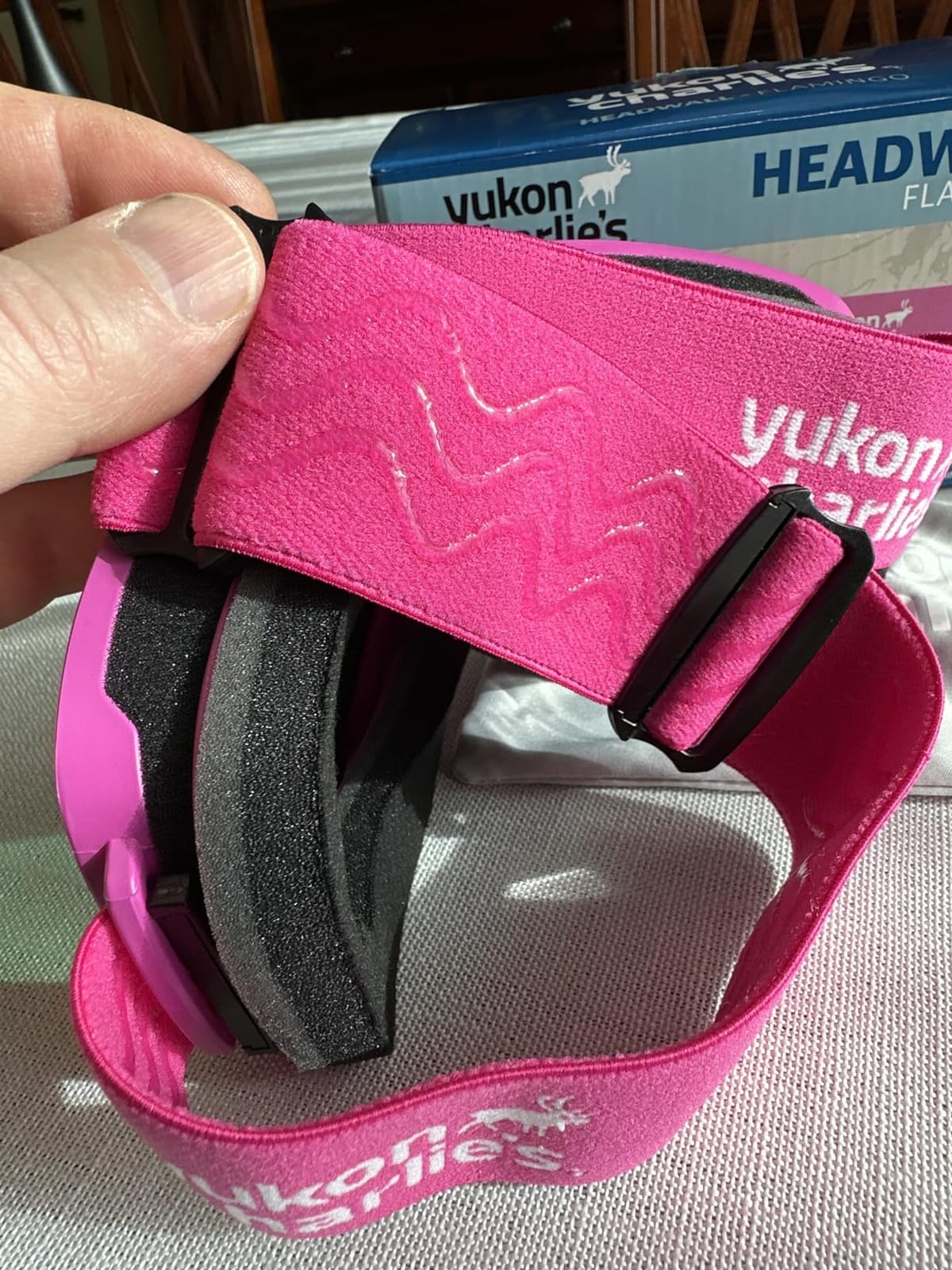
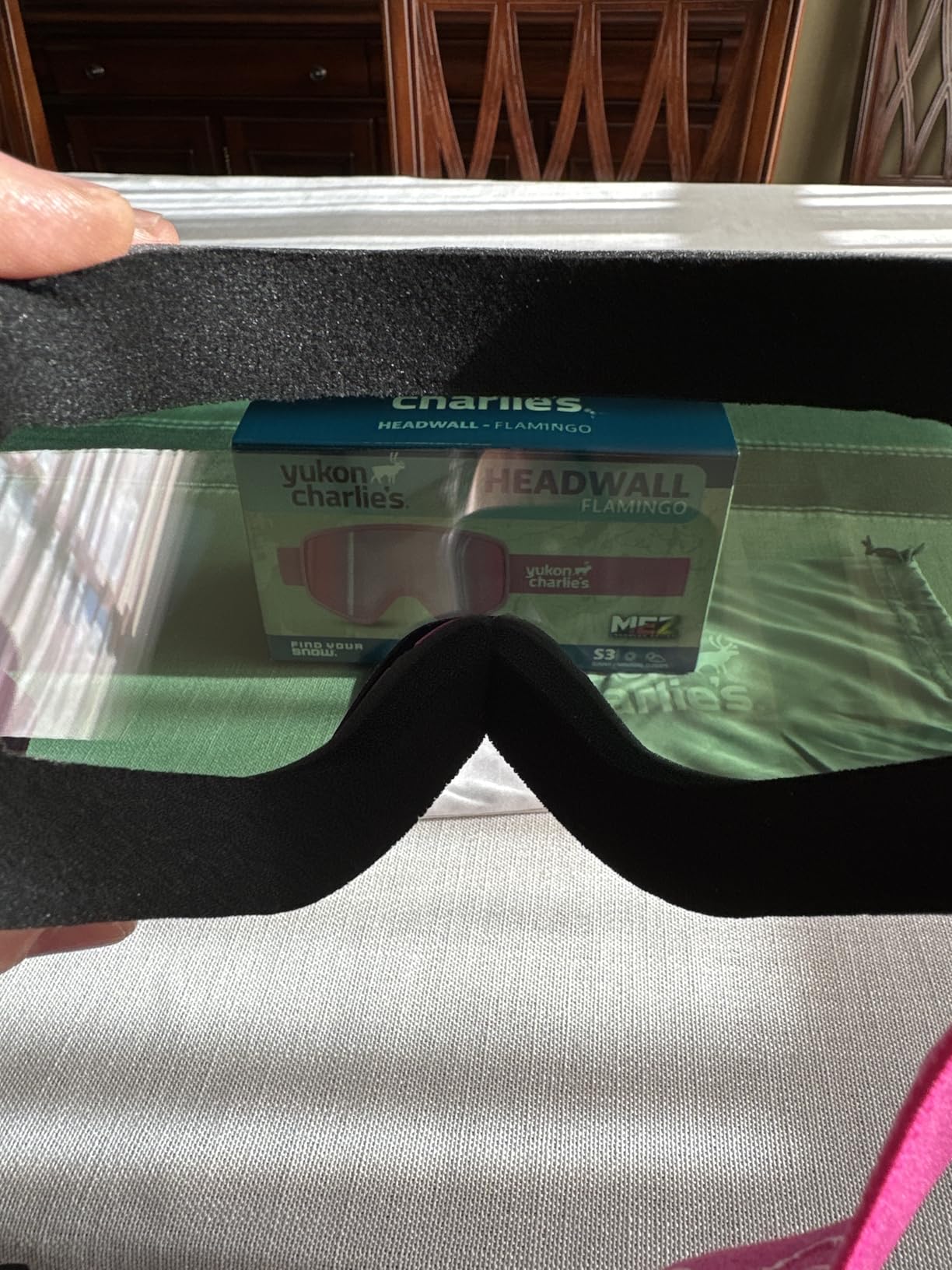
The important caveat is the default colourway. The Headwall Flamingo lens is listed at 11.2 percent VLT, which is a deep sun tint. For genuinely flat light that is far too dark, and you will be skiing with less usable light than you need.
Because this is a single-lens design, a high-VLT lens has to be sourced separately. That single fact removes it from contention for anyone who needs a storm-ready lens immediately rather than after another order.
Check whether a high-VLT lens is even available for it
Before buying this frame for flat light, find out whether a replacement lens in the 45 to 65 percent range exists for the model. If the only lenses available are sun tints, this goggle cannot do the job you are buying it for, however good the contrast optics sound.
The review base is also small at 36 ratings, with 77 percent five-star. Consistent ratings from a small sample are worth less than consistent ratings from a large one, so hold this pick with slightly looser confidence.
Know when to skip it
Skip it if you ride in fog or whiteout regularly, because an 11.2 percent lens is close to the opposite of what those conditions need. Mirrored and reflective coatings in those conditions cost you contrast rather than gaining it.
Skip it also if a wide field of view is your priority. The full rim and cylindrical shape narrow your view compared with the frameless spherical designs in this group, and in flat light peripheral vision is a safety margin.
10. KAPVOE K718: Best Photochromic Ski Goggles for No-Swap Riding
KAPVOE Photochromic Ski Goggles Magnetic Anti Fog Lens Snow Goggles K718
Photochromic S1 to S4 variable tint
Compound eye anti-fog
8-point magnetic system
Pros
- Photochromic lens shifts from very light tint in cloud to deep tint in sun without a swap
- Transition speed praised by skiers who normally carry spare high-VLT lenses
- Compound anti-fog and honeycomb vents perform well on high-output riding
- Fits over large prescription frames and over helmets
- Second-highest average rating in the roundup
Cons
- One reviewer found the lens stayed dark at night under very bright reflectors
- Photochromic response can be slower in cold temperatures
- Frame does not cover the nose as fully as full-frame models
The KAPVOE K718 is the pick if you refuse to carry a second lens. Its photochromic lens runs from S1 to S4, which means it goes from a very light tint in cloud and flat light to a deep tint in bright sun on its own, and that removes the most common complaint in flat-light threads entirely.
The lens swaps question is the one that comes up most often in ski forums. Digging through a wet pack with gloves on while the lift is moving is a ritual nobody enjoys, and a lens that handles both ends of the day range without any of that is genuinely valuable.
Its 4.8 star average sits near the top of this roundup, and owners who normally rotate high-VLT and dark lenses single out the S1 to S4 range as the reason to buy. We stop short of the top badge only because 37 ratings is a thin base.
Anti-fog is handled by a compound eye system where microscopic surface structures create an air layer plus a moisture-absorbing inner layer, backed by honeycomb vent holes in the frame. That is a serious fog-control design for a goggle without a premium price, and it performs well on high-output riding.
The X-VYSN high-definition coating is specified for colour, contrast and brightness, and an oleophobic coating resists smudges and preserves optical flatness. The 8-point magnetic system handles gloved swaps, and the adjustable strap has inner anti-slip silicone for helmet grip.
Check how cold it gets on your mountain
Photochromic lenses react to ultraviolet light, and reaction speed drops in cold temperatures. That means the lens may stay darker for longer on a January storm morning, which is exactly when you want it to go light quickly. Test it on a cold day before you rely on it.
Very bright artificial light is the other edge case, with one reviewer finding the lens stayed dark at night under bright snowmaking or reflectors. If you night ski under strong floodlights, a fixed high-VLT lens remains the safer choice.
Know when to skip it
Skip it if you need a guaranteed, instantly correct lens in every condition. A fixed high-VLT lens always does the same thing, and predictability has real value when you cannot see the terrain well.
It is also not the pick for a skier who wants full-face coverage in deep snow, since the frame does not cover the nose as fully as some full-frame models.
Flat Light VLT Cheat Sheet: Lens Color, VLT and Conditions
Visible light transmission is the percentage of ambient light that reaches your eye through the lens. A higher number means a brighter view, and a lower number means a darker one. The number alone does not tell the whole story, because tint colour and lens technology change how that light is processed before it reaches you.
8 to 16 percent VLT for direct sun and bluebird days. Anything in this band is too dark for flat light and is where most expensive goggle mistakes happen.
18 to 25 percent VLT for mixed conditions and bright overcast. Silver, grey and smoke tints sit here, and a ZIONOR X at 18.5 percent is a typical example.
30 to 40 percent VLT for heavy cloud with occasional sun. The Giro Cruz at 39 percent sits in this band and is a good variable-day lens.
45 to 65 percent VLT is the flat light sweet spot that skiers report most consistently. Yellow, amber and rose tints live here, and this is the range to target for overcast and hazy days.
65 to 80 percent VLT for fog, heavy snowfall and whiteout. A lemon or light yellow tint at 78 percent can be startlingly effective in real storm conditions.
80 to 95 percent VLT for night skiing and the worst visibility, where a clear lens is effectively the only usable option.
On the colour question, yellow and amber tints are the most common flat-light choice because they warm the scene and lift the contrast between sunlit and shaded snow. Rose and pink tints work similarly and are often preferred by skiers who find yellow makes snow look orange. The VLT figure matters more than the name of the colour, which is why we quote numbers rather than colourways throughout this guide.
One practical point from the forums: the difference between 65 and 70 percent VLT is barely perceptible, and no lens makes genuinely flat light good. Once you are past roughly 70 percent, additional transmission buys you very little, and you are better off spending attention on contrast technology and fogging control.
Why High VLT Alone Does Not Solve Flat Light
There are two different flat light problems, and they need different solutions. The first is a light quantity problem, where there is simply not enough ambient light, and the answer is a high-VLT lens. The second is a light quality problem, where there is plenty of light but it arrives from a single direction and produces almost no shadow, and the answer is contrast enhancement.
That is the tension that dominates every flat-light discussion in the ski forums, and it is the one most roundups skip. A 78 percent lemon lens wins in fog because fog limits total light. A lower-VLT lens with real contrast technology can beat it in bright overcast, where you are not short of light but you cannot see the surface texture because nothing is casting shadow.
Named contrast technologies work by filtering specific wavelengths. Smith markets ChromaPop, Oakley markets Prizm, Anon markets Perceive and Zeiss markets Vivid, and each claims to separate the light bouncing off bumps and ice from the light bouncing off flat snow. Independent skiers tend to end up with a high-VLT lens plus whatever contrast tech their preferred brand does best, which is why two-lens kits and high-VLT variants from the same brand keep appearing in buying lists.
One thing to rule out early: mirrored and reflective lenses are actively counterproductive in flat light. A mirror coating reflects ambient light back at you and reduces the total light reaching your eye, so it works against you precisely when you need every photon. A lot of expensive flat-light mistakes come from buying the shiny lens because it looks like the premium option.
Anti-Fog and Ventilation in Flat Light
Fog and flat light arrive together, which is why anti-fog performance carries real weight in this roundup. Cold air outside, warm skin and helmet liner inside, and moisture trapped against the lens. On a socked-in day you are working harder for less speed, which means more perspiration, which means more fog.
Double-lens construction is the single biggest factor. Two lenses with a sealed air gap between them keep warm moisture on the outside surface where it beads and runs clear, instead of letting it form on the inside where you cannot wipe it without ruining the coating. Every goggle in this group that specifies dual-lens construction has an advantage in sustained snowfall.
Hydrophilic anti-fog coatings, compound eye surfaces that create a microscopic air layer, and top and bottom ventilation channels all help, and all of them degrade with abuse. The most common mistake is wiping the inside of the lens with a bare glove or a sleeve, which scratches the coating and strips its performance permanently. Rinse with clean water, then dry with the microfibre supplied with the goggle.
Vent placement matters too. Vents low on the frame clear fog from the inside of the lens, while high vents let warm air escape before it condenses. A goggle that vents well but seals poorly around the face will still fog, because the vapour has nowhere to go.
Fit, Face Size and Helmet Compatibility
Fit is the most common reason a goggle gets returned, and it has almost nothing to do with the lens. In flat light you are skiing cautiously, so a poor seal is more annoying rather than dangerous, but a goggle that slips constantly will fog repeatedly and break your concentration.
If you wear prescription glasses, look for a specified OTG internal volume rather than the letters alone. The ZIONOR X publishes a fit of up to 5.5 inches long by 1.65 inches high, which lets you measure before you buy. The Odoland and EXP VISION frames are described as having a generous OTG chamber, and skiers with smaller faces should expect a tighter fit and a possible gaper gap.
Helmet compatibility comes down to the strap. Extra-long elastic straps, silicone-lined straps and non-slip silicone patterns all resist the creep that leaves a goggle sliding up your forehead, and that creep is the main reason frameless goggles end up leaking air. If you ski in a helmet with a specific goggle clip, check that the strap profile fits before you commit.
Frame shape is a comfort preference rather than a performance one. Cylindrical lenses are lighter and cheaper and give a wider vertical field, spherical lenses give more even optical quality and a more natural view, and toric lenses are the premium option for people with strong facial curvature. In flat light the argument is really about how much of the snow surface you can see without turning your head, and spherical designs usually win that.
Storm-Day Lens Plan for Changing Conditions
Most storm days are not uniform. You start in cloud, the sun comes out at lunch, and it is fog again by the time you finish. A single lens forces a compromise, so plan the day in advance rather than reacting to it.
Carry two lenses as a rule of thumb: a mid-range VLT lens around 45 to 60 percent for general overcast work, and either a brighter lens for fog and night or a darker one for a clear break. If you can only justify one extra lens, take the brighter one, because you can ski cautiously in bright light and you cannot see at all in whiteout.
For transitions, a magnetic system is worth more than its weight. Every top pick here uses magnetic attachment, and that is not a luxury when the decision gets made at a lift queue in the rain. A clipped lens system costs you a minute each way, and a minute is long enough to lose a place in line.
Night skiing changes the maths entirely. Above 80 percent VLT, essentially clear, is the range you want, and that is a different tool from a flat-light lens rather than a brighter version of the same one. If you do both, you need both.
Photochromic lenses are the no-swap answer, and the KAPVOE K718 is the clearest example here with its S1 to S4 range. The trade-off is that photochromics react to ultraviolet light, so they respond slowly in extreme cold and can stay dark under very bright artificial light at night.
Finally, know when no lens solves it. In true whiteout with falling snow, visibility is physically capped, and the honest answer is to slow down, stay on terrain you know, and use a helmet light if your resort allows one. Faster skiing in zero contrast is how people get hurt on the days that look unremarkable from the lodge.
Frequently Asked Questions
What ski goggle lenses are best for flat light?
A high-VLT yellow, amber or rose lens in the 45 to 65 percent transmission range is the best all-round choice for flat light, pushing toward 65 to 80 percent for fog and whiteout. Above about 70 percent, extra transmission adds little, so add contrast technology and good venting rather than chasing a higher number.
Which ski goggles don’t fog up?
Fogging is driven by double-lens construction, anti-fog coatings and venting, not by brand. Every goggle in this roundup has a coated lens, but the ones with sealed dual-lens builds plus top and bottom vents hold clarity best in sustained snowfall. Never wipe the inside of the lens, because that permanently strips the hydrophilic coating.
What is the best lens color for skiing in flat light?
Yellow and amber are the most common flat-light tints because they warm the scene and lift contrast between sunlit and shaded snow. Rose and pink tints work similarly and suit skiers who dislike an orange cast. The transmission percentage matters more than the colour name, so check the VLT figure and aim for 45 to 65 percent.
What are yellow lens goggles good for?
Yellow lens goggles are built for low light: overcast days, fog, heavy snowfall, dawn and dusk skiing, and night skiing. They transmit more ambient light than smoke or mirror tints and warm the image so bumps, ice and snow texture read more clearly. They are a poor choice in direct sun, where they feel washed out.
Is 10% VLT too dark?
For flat light, yes. A 10 percent VLT lens is a sun lens and leaves you with too little ambient light on a cloudy, foggy or snowy day. Flat light generally wants 45 to 65 percent VLT, rising to 65 to 80 percent for fog and whiteout, and clear lenses above 80 percent for night skiing.
What ski goggles are best for bad visibility?
For genuine bad visibility, prioritize a very high-VLT lens at 65 to 80 percent, or a clear lens for night skiing and whiteout. A wide frameless spherical field of view helps you detect skiers in your peripheral vision, and venting matters as much as transmission because fog compounds the problem. Slow down; no lens removes a genuine whiteout.
Final Verdict
The OutdoorMaster PRO is the best ski goggles for flat light in 2026 because it combines the widest lens catalogue with a wide frameless spherical view and ventilation that holds up when fog and low light arrive together. Buy the frame once and add a 45 to 65 percent tint, and you are set for any storm day your mountain produces.
If you want a usable flat-light lens today with no second order, take the Odoland kit, which includes a VLT 80 percent yellow lens and a 164-degree field of view. For the lowest cost entry with a wide spherical lens, the EXP VISION is hard to argue with at 1927 ratings. The Giro Cruz handles the most common variable day best at 39 percent VLT.
Two picks cover the specialist cases: the Powster SPXTRA is the strongest contrast optic thanks to its ZEISS-partnered lens, and the KAPVOE K718 is the one-lens answer if photochromic is the whole point. The Snowalva clear-lens kit covers night skiing and true whiteout.
Whatever you choose, check the VLT number before you pay, keep two lenses if you ride variable terrain, and leave the inside of the lens alone when it fogs.