
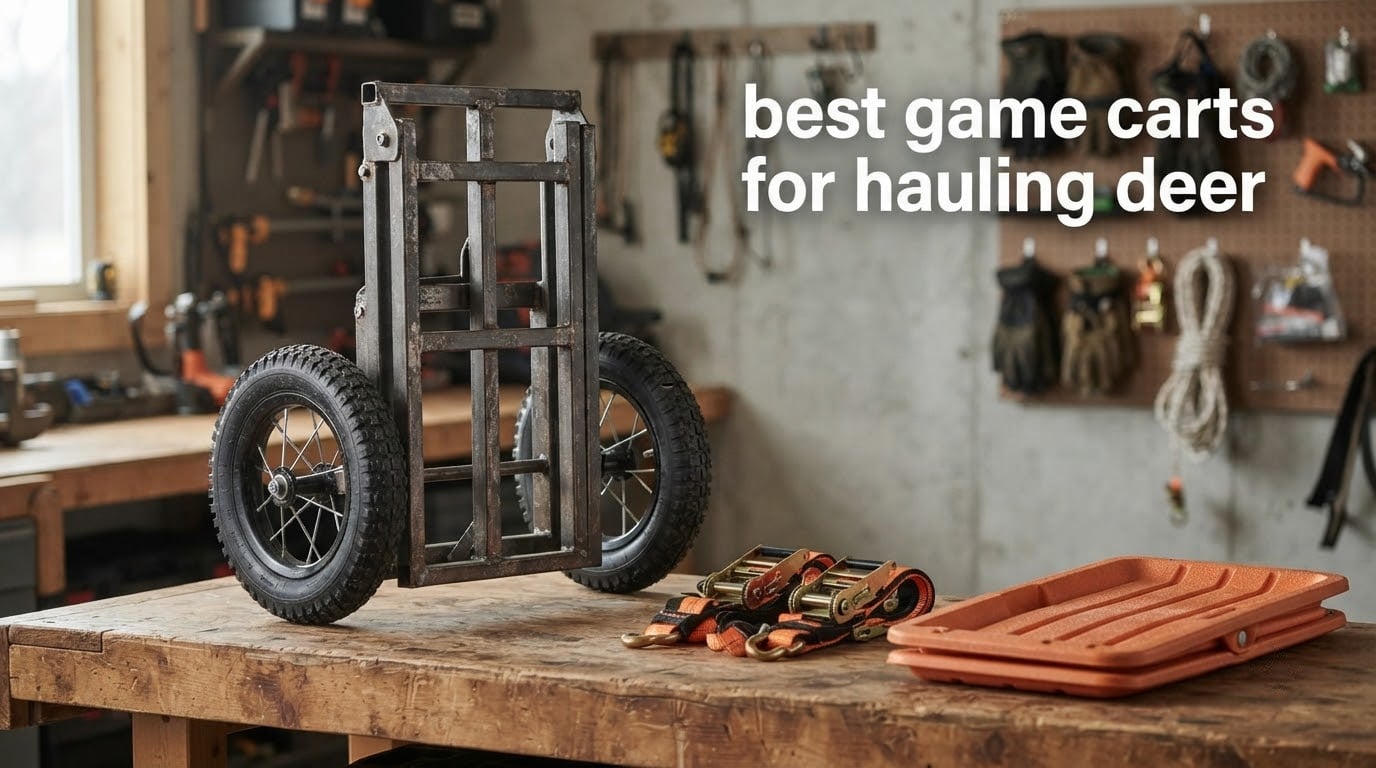
The best game carts for hauling deer solve a problem every deer hunter eventually runs into: a 200 to 330 pound whitetail is not a shoulder load, and walking one out of thick timber will test your back in ways you will feel for weeks. Whether you hunt public ground where an ATV is illegal, work private land with no road access, or simply want to avoid making three trips with a game bag, a wheeled cart turns a punishing afternoon into one manageable pull.
Are deer carts worth it? For most deer hunters, yes. A cart that fits in your truck bed pays for itself the first season, saves your lower back, and protects antlers that dragging through rocks would chip. The carts that disappoint are the ones bought for the wrong terrain, usually a two-wheel model with small tires pointed at logged-over backcountry, or a heavy four-wheeler hauled in by someone who hunts alone.
This guide covers twelve carts we evaluated side by side, from a 23.6 pound aluminum folder to a 750 pound elk hauler. We looked at what actually matters in the woods: rated capacity versus the weight of a real deer, wheel diameter and tire type, whether the frame folds without tools, how much the empty cart weighs, and which carts use hardware that stays put after a season of brush. It is written for solo deer hunters, couples who split the load, and anyone who plans to use the cart for firewood, gear and tree stands long after the season closes.
Table of Contents
Top 3 Picks for Hauling Deer (October 2026)
If you want a short answer, these three cover the most common hunting situations. The Guide Gear Deluxe is the one we would tell most people to buy, the Kill Shot 500 pound folding cart has the strongest owner rating in the group, and the VINGLI pairs a 500 pound rating with a 25 pound frame.

Guide Gear Deluxe Deer Cart
- 300-lb capacity
- 16-inch solid-rubber wheels
- folds flat
- 3 straps included


All 12 Deer Carts Compared Side by Side in 2026
Every cart below is rated for game, but they are not remotely equal once you are standing on a hillside with a buck in the bed. Capacity, cart weight, wheel size and tire type separate them fast, and those four numbers explain almost every difference you will feel in the field.
| Product | Specs | Action |
|---|---|---|
| Guide Gear Deluxe Deer Cart |
|
Check Latest Price |
 Hawk Crawler 500 lb All-Terrain Cart Hawk Crawler 500 lb All-Terrain Cart |
|
Check Latest Price |
 Goplus Folding Deer Cart Goplus Folding Deer Cart |
|
Check Latest Price |
| Kill Shot Folding Game Cart 500 lb |
|
Check Latest Price |
 GYMAX 550 lb Folding Game Cart GYMAX 550 lb Folding Game Cart |
|
Check Latest Price |
 Guide Gear Aluminum Game Cart Guide Gear Aluminum Game Cart |
|
Check Latest Price |
 Kill Shot 750 lb Game Cart Kill Shot 750 lb Game Cart |
|
Check Latest Price |
 Muddy Mule Game Cart Muddy Mule Game Cart |
|
Check Latest Price |
 Rambo Aluminum Bike Trailer Cart Rambo Aluminum Bike Trailer Cart |
|
Check Latest Price |
 Moccha Double-Layer Deer Cart Moccha Double-Layer Deer Cart |
|
Check Latest Price |
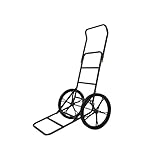 Rivers Edge Tri-Fold Game Cart Rivers Edge Tri-Fold Game Cart |
|
Check Latest Price |
| VINGLI Folding Deer Cart |
|
Check Latest Price |
How We Evaluated These Game Carts
Spec sheets tell you very little about how a cart behaves after two miles of deadfall and one steep sidehill. So we scored each one on six criteria that predict field performance, and we weighted them the way hunters actually use these things.
Capacity against real deer weight. A mature whitetail doe runs about 170 pounds, a typical buck lands between 270 and 330 pounds, and elk run heavier still. A cart rated at 300 pounds is honest for does and young bucks but leaves no margin on a trophy. We treated the axle and wheel rating as the real limit rather than the frame number.
Wheel diameter and tire type. Bigger wheels roll over roots and ruts without stopping. Solid rubber and foam-filled tires never need a pump in the field, and every cart in this group except one uses them.
Empty cart weight. A 47 pound cart is a two-person lift into a truck bed, and hunters who load alone notice that every single season. We weighted lighter frames higher for solo hunters.
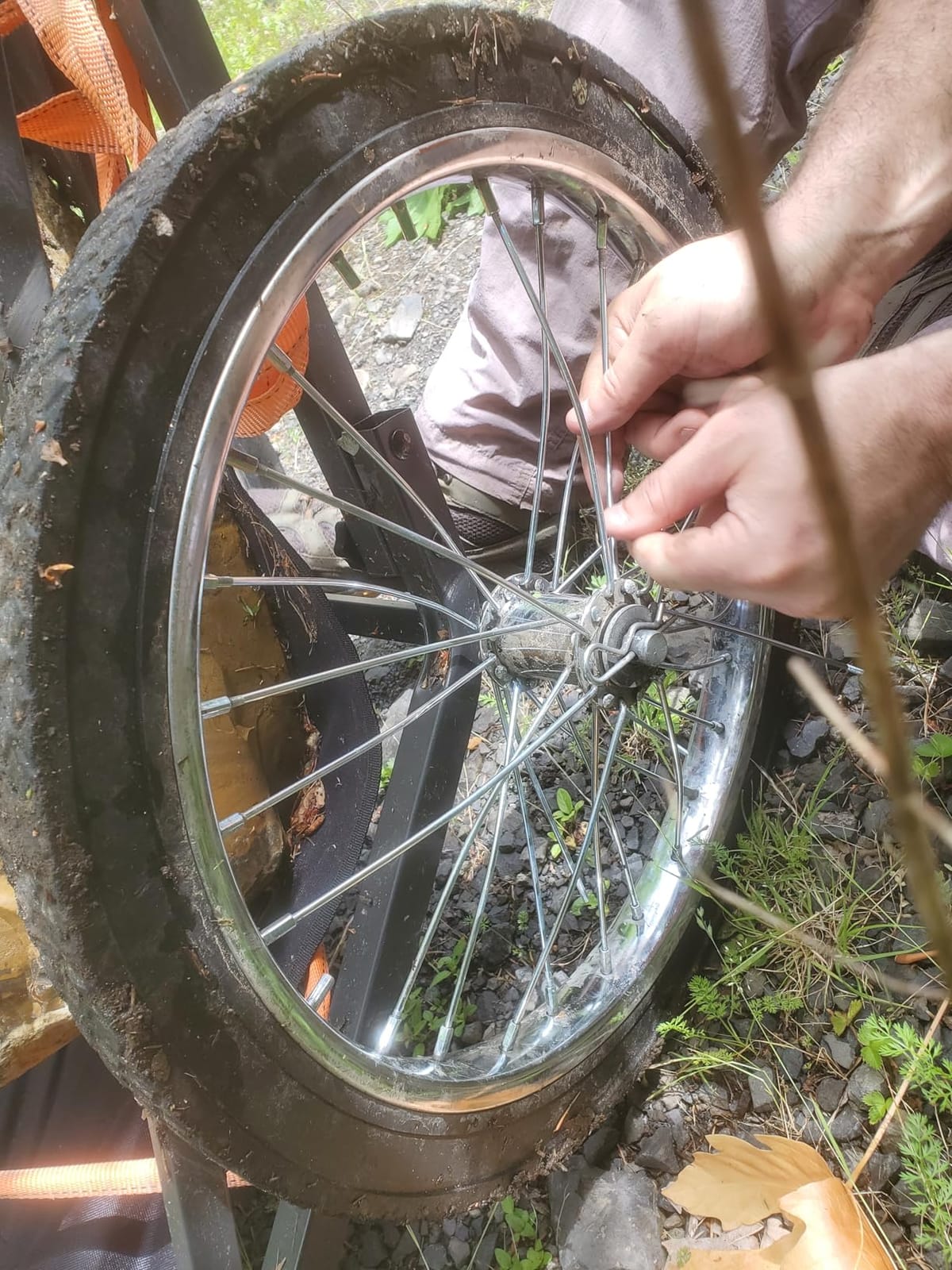
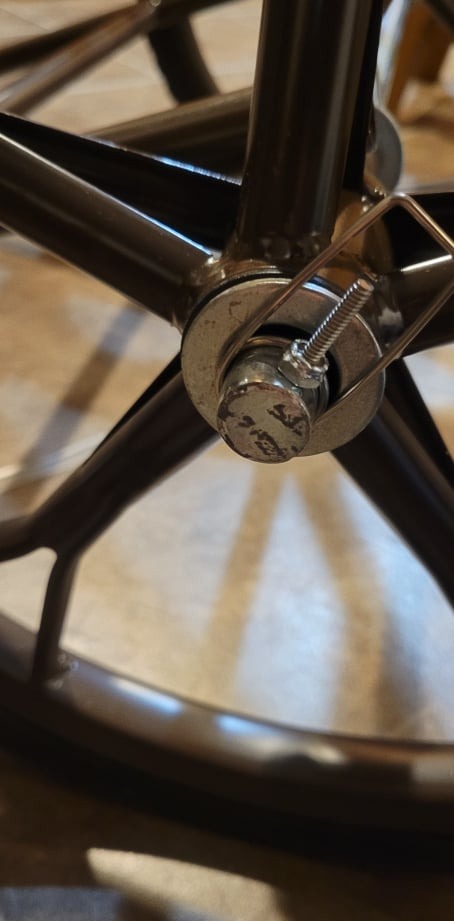
Hardware retention. This is where cheap carts fall apart. Reviewers repeatedly report wheel-retaining pins, lynch pins and spring pins backing out in brush, and loose bolts turning a haul into a wobbling mess.
Foldability. A cart that needs full disassembly to fit in a small pickup bed is a cart that stays in the garage. We noted how many connection points have to be broken and whether tools are required.
Strap and tie-down provision. Without straps a deer slides off on any downhill, and most owners add their own hardware anyway. Carts that ship with lashing straps scored a small bonus.
Last, we read every owner report we could find on hunting forums, because the failure patterns show up there years before they appear in product descriptions.
1. Guide Gear Deluxe Deer Cart: Best Overall for Most Deer Hunters
Guide Gear Deluxe Deer Cart, Game Hauler Hunting Gear Accessories, with Big Wheels
300 lb capacity
28.2 lb cart
16-inch solid-rubber spoked wheels
folds flat
Pros
- Most-reviewed cart in the group with over 1000 owner reports
- puncture-proof 16-inch wheels
- weight centered over the axle
- folds flat and includes three lashing straps
Cons
- 300-lb rating leaves no margin for a heavy trophy buck
- two-wheel balance is tricky on very uneven ground
- wheel D-pins can work loose in brush
The Guide Gear Deluxe is the cart we recommend to the widest range of deer hunters, and the owner numbers back that up. With more than a thousand reviews averaging 4.4 stars, it is by far the most thoroughly used deer cart in this group, and roughly two thirds of those reviews are five star.
What makes it work is the simple layout. The stainless steel frame centers the load directly over the axle, which is the whole trick with a two-wheel cart: the weight sits between the wheels instead of behind them, so pulling a buck uphill does not require leaning back to keep it balanced. That balance is why owners consistently report hauling a deer out in a single trip rather than staging the load.
The 16-inch solid-rubber spoked wheels are the other reason this cart works in real ground. They roll over leaves, gravel, roots and logged timber without complaint and they will not go flat, which removes the single most common complaint about wheeled game carts.
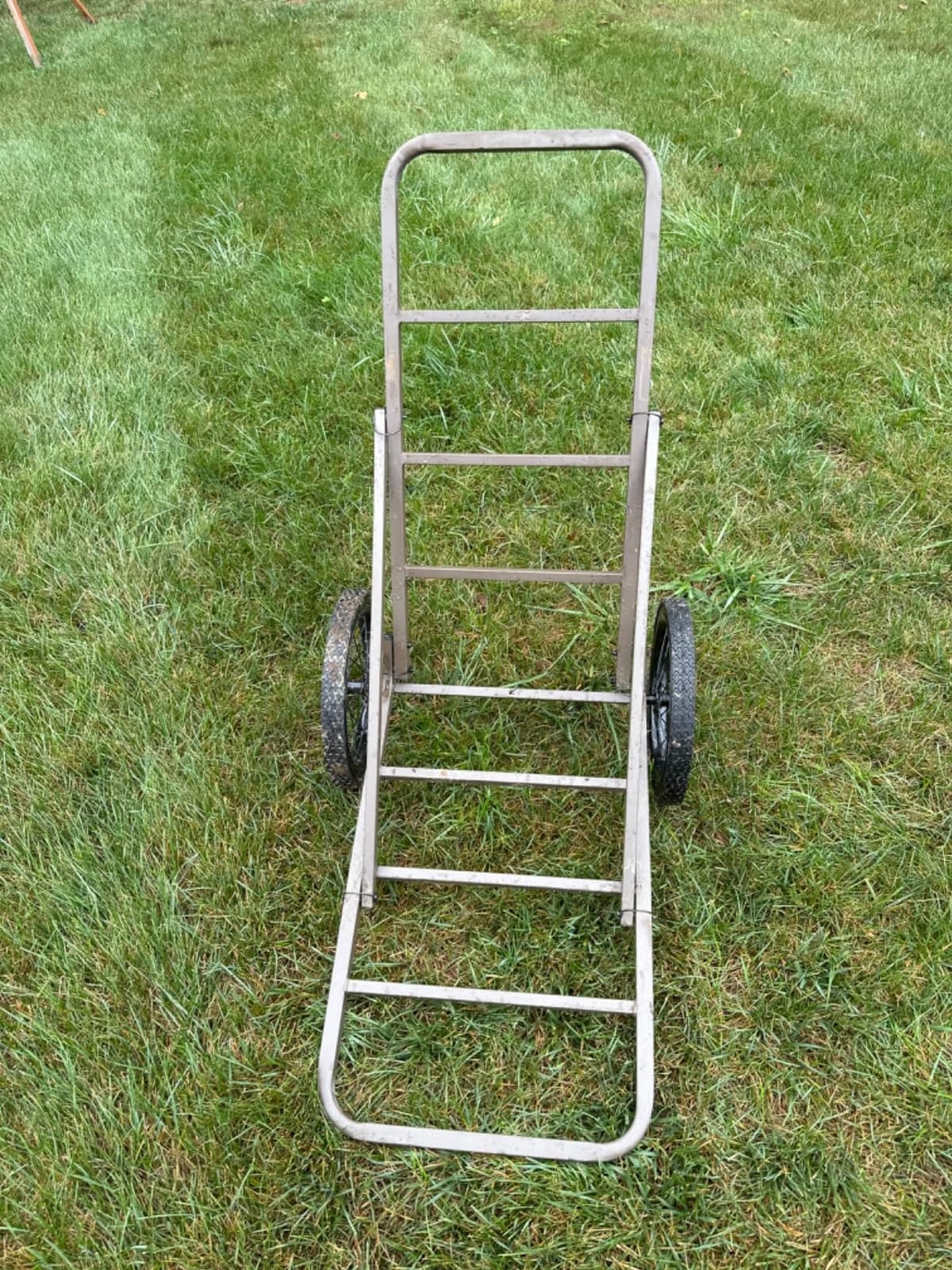
Spec-wise it is unremarkable in the best way. It weighs 28.2 pounds empty, folds flat for storage behind a seat or along a truck bed wall, and the folding design does not require tools. Three lashing straps come in the box, which is more than many carts in this category include.
Owners also use it as a general utility dolly, hauling tree stands, deer hoists and firewood. Reviewers note the frame is easy to assemble and the wheel size is large enough that most owners stopped noticing the cart was behind them.
Can It Handle a 300 Pound Buck?
Yes, but with no spare room, and that matters if you are the kind of hunter who takes the biggest buck the morning offers. The rating is 300 pounds and the limit is closer to the axle than the frame suggests, so a big buck plus gear will feel every bump. For does, yearling bucks and anyone hunting private land with a truck within a quarter mile, that rating is more than enough.
ArcheryTalk forum members frequently recommend carts in this bracket, and owners on r/bowhunting point out the same tradeoff we would: capacity is only worth what the terrain allows you to roll.
What Should You Fix Before the First Haul?
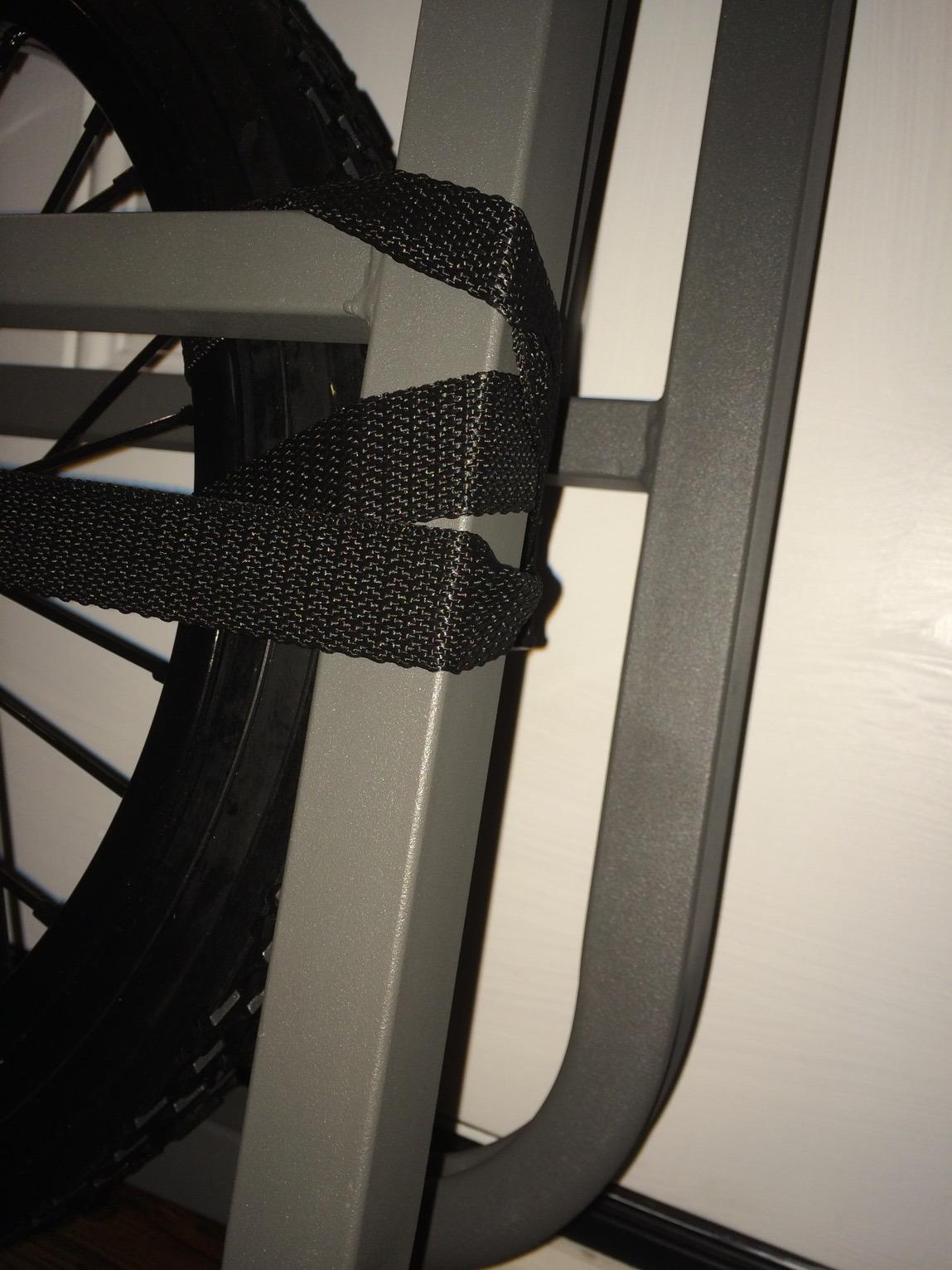
Replace the supplied wheel D-pins with bolts or cotter pins. This is the most common modification owners report, and it costs a few dollars at a hardware store. It takes five minutes and it removes the one safety issue that shows up in this cart’s reviews.
Also plan to add your own straps. The three included lashing straps are adequate for a deer, but owners who haul over long distances pick up small ratchet straps for security.
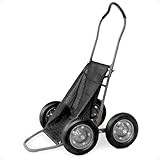
2. Hawk Crawler 500 lb All-Terrain Cart: Best for Mud and Rough Terrain
Hawk Crawler 500 lb All-Terrain Deer & Game Recovery Cart, Flat Dark Earth
500 lb sling capacity
45 lb cart
four 14-inch foam-filled tires
dual pivoting axles
Pros
- Only four-wheel cart in the group with 360-degree dual pivoting axles
- foam-filled polyurethane tires that never flatten or leak
- handles stumps and logs as well as deer
- folds to 42 x 31 inches
Cons
- At 45 lb it is a heavy two-person lift in rough ground
- four wheels add width so it will not fit down narrow game trails
The Hawk Crawler solves a specific problem: mud. If you hunt wet timber in October, walk through creek bottoms, or regularly pull your tree stands back through ground that turns to soup, the four-wheel layout here is a genuine advantage rather than a gimmick.
Two-wheel carts balance by tilting, which means every rut becomes a moment where the load can slide off to one side. Four wheels spread that weight across the ground, and the 360-degree dual pivoting axles let each wheel articulate independently over rocks and roots instead of bridging across them.
The tires are the detail that separates this cart. They are filled with microcellular polyurethane foam rather than air, so they never go flat and never leak. That matters more than it sounds: flat tires on pneumatic carts in thorny backcountry are one of the most common complaints hunting forum users report, and several now carry a pump or compressor as a matter of course.
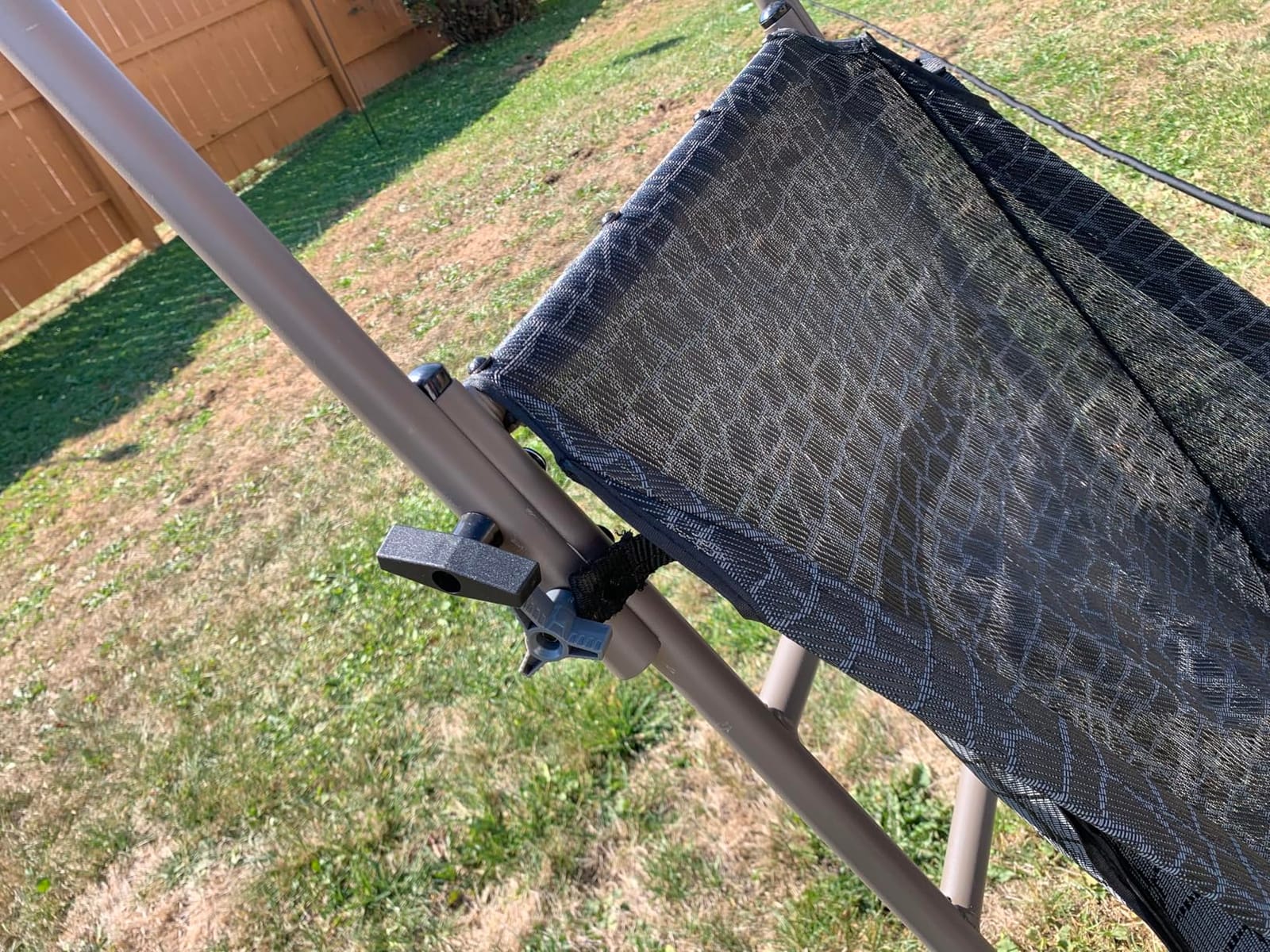
The Textilene DuraMesh sling is rated to 500 pounds, which covers a big buck with margin and even takes stumps and firewood. Owners also use this cart around the house for wood, which is a fair test of any frame. Nearly a thousand reviews average 4.3 stars with about two thirds at five stars.
It folds down to 42 by 31 inches and the frame and handle collapse with it. When fully extended it measures 71 by 31 inches, and those 14 by 3 inch tires are what give it the ground clearance most carts lack.
Is a Four-Wheel Cart Worth the Extra Weight?
For two hunters sharing the load, or one hunter with a lot of gear, yes. The 45 pound empty weight is a two-person lift, but once it is rolling you have four contact points instead of two and the load is far harder to tip. Owners on r/bowhunting describe this in one line: the four wheels disperse weight better and the bigger tires work great in muddy areas.
HuntingPA forum members who own one describe it as the best cart they have used because it crawls over almost anything, while also noting that it is heavy and takes up a lot of room in the truck. That is an honest summary of the whole category of high-capacity carts.
Where This Cart Will Bother You
Width is the real limitation. At 31 inches across, this cart will not follow a narrow game trail between two cedars, and if your access route is tight timber you will be lifting and carrying it more than pulling it. Rokslide forum users report it working well as a boat-based hunting setup but preferring flat-ish ground near camp.
The 45 pound weight is also why we did not make this our top pick for solo hunters. It is the best mud cart here, but it is not the most versatile one.
3. Goplus Folding Deer Cart: Best for Big Tires and Heavy Loads
Goplus Folding Deer Cart with Polyester Liner, 550 LBS Heavy-Duty Hunting Game Hauler with 20″ Rubber Wheels, Ergonomic Handle, Utility Gear Dolly Cart for Hunting Fishing Hiking
550 lb capacity
37.5 lb cart
20-inch anti-slip rubber tires
removable polyester liner
Pros
- Rated to 550 lb
- matching the top capacity in the two-wheel group
- 20-inch anti-slip wear-resistant tires roll well on rugged ground
- removable liner with buckles and hook-and-loop fasteners holds the load
- ergonomic handle reduces fatigue
Cons
- At 37.5 lb it is a heavy solo lift into a truck
- assembly instructions are basic so setup takes care
- reversing the handle raises pull height for taller users
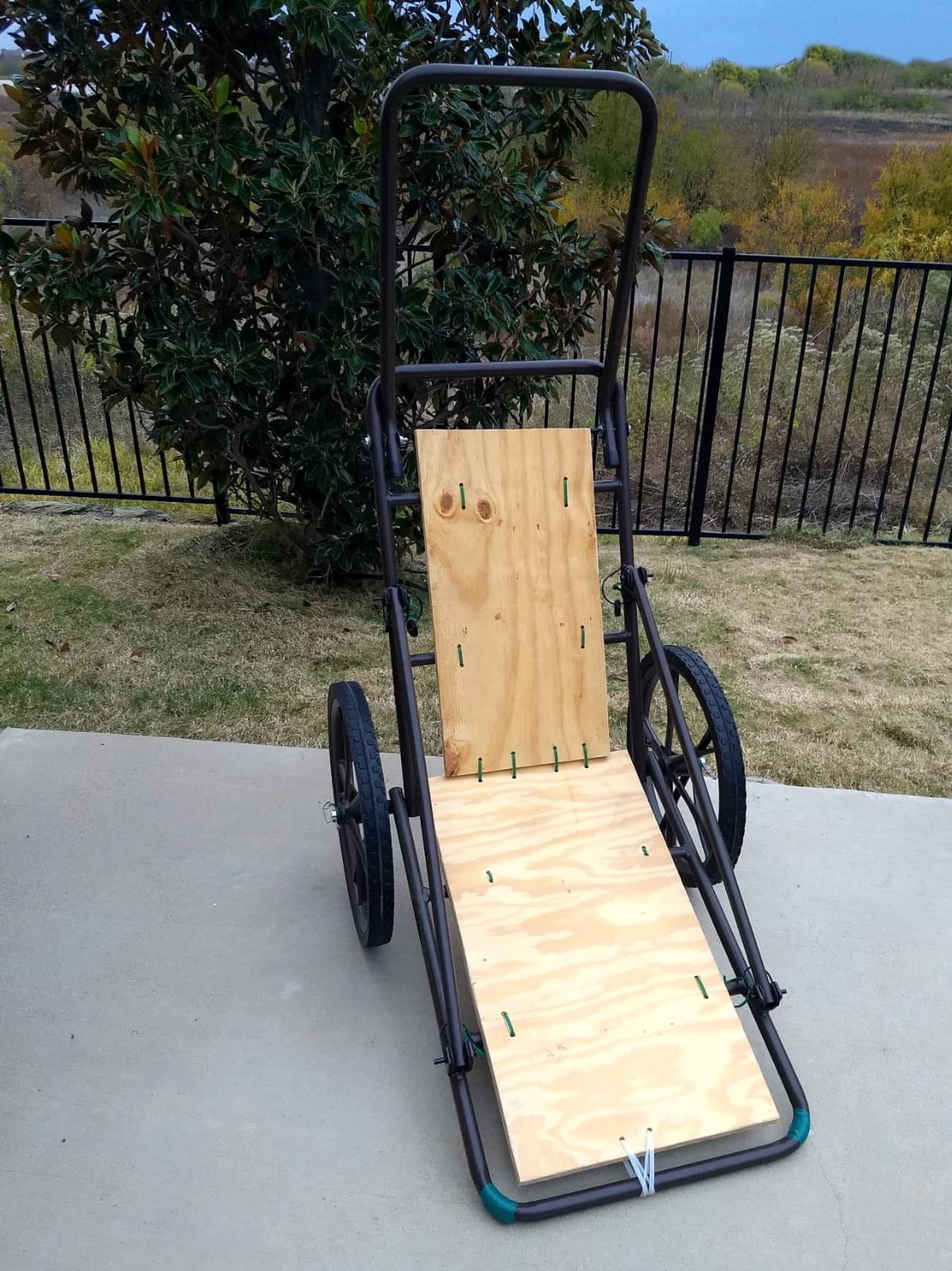
The Goplus 550 pound folding cart takes the two-wheel layout and simply makes it bigger. Twenty-inch tires on a 550 pound rated frame is a combination you would struggle to find anywhere else in the manual cart category, and it explains why it appeals to hunters who care more about ground clearance than about weight.
Wheel diameter is the quiet advantage here. A 20 inch tire rolls over a fallen log that stops a 15 inch wheel dead, and in the deer woods, deadfall is the single most common reason a haul stops. The tread is described as anti-slip and wear-resistant, which matters in wet leaf litter and mud.
Load security is handled better than most. The removable polyester liner comes with two binding straps, adjustable buckles and hook-and-loop fasteners, so the deer sits on a contained surface rather than on bare rungs where legs can slide through the gaps.
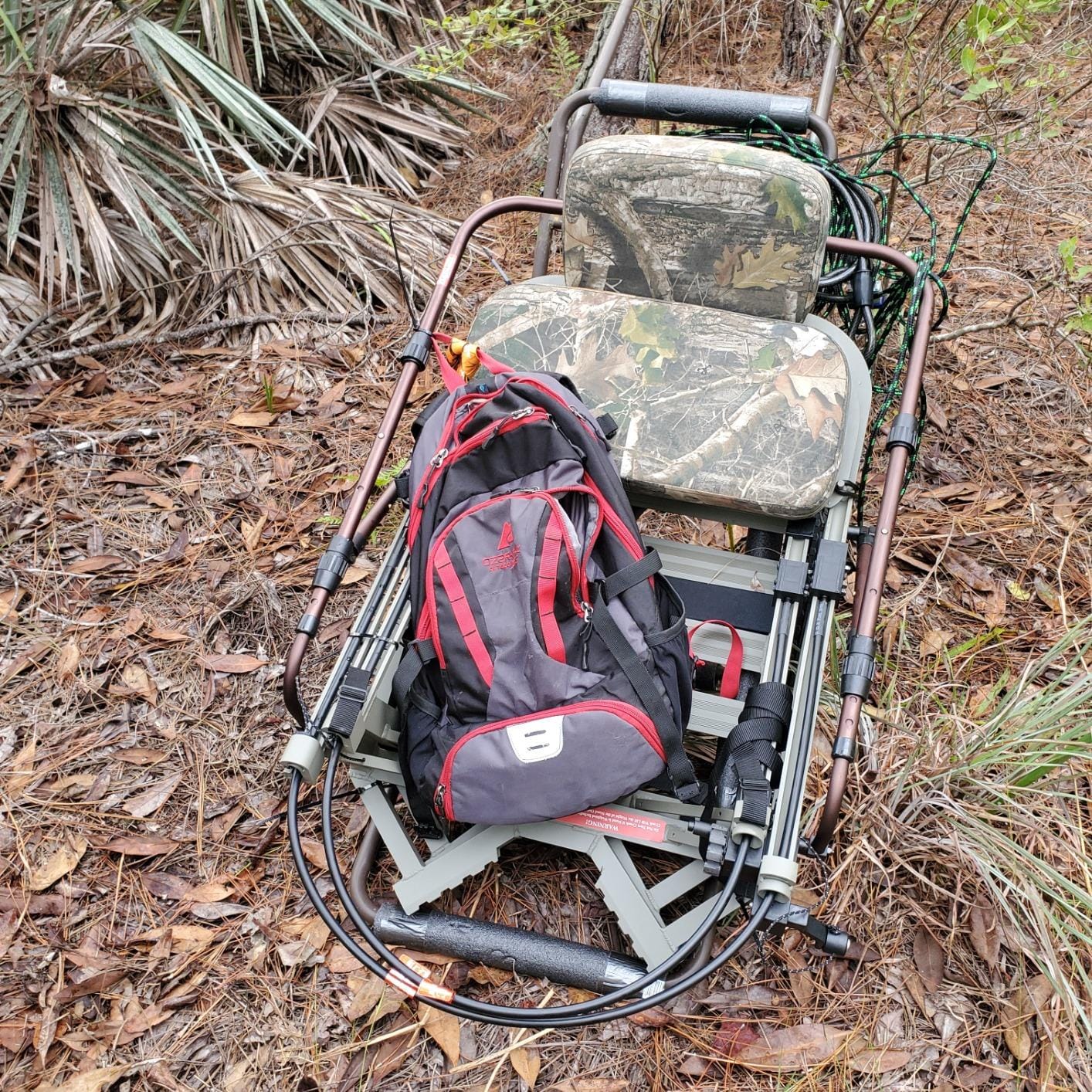
The frame is thickened metal pipe, and the whole thing folds flat for storage. Dimensions are 48 by 29 by 47 inches, and about 60 percent of its 864 reviews are five star at a 4.3 average.
Owners also use it as a general utility dolly for fishing gear, camping loads and firewood. The ergonomic handle is a real feature on long hauls, where a narrow grip shows up in your hands and wrists by the second mile.
Does the 550 Pound Rating Actually Matter for Deer?
Not for whitetail. Nothing you can legally carry out of the woods in one piece weighs 550 pounds. What the rating tells you is that the frame and axle are built with headroom, so a 300 pound buck plus a second load of gear will not push this cart toward failure. It is buying margin rather than capability.
The real reason to choose this cart is the 20 inch wheels. If your route includes downed timber, root balls or soft ground, that is the feature doing the work, not the capacity number.
Who Should Skip This Cart?
Anyone who loads into a truck alone. At 37.5 pounds this is a two-hand lift into a pickup bed, and owners cite that weight as the main drawback far more often than any handling complaint. If your hunt starts at a paved road and ends a quarter mile away, the lighter two-wheel designs serve you better.
Assembly is also worth planning for. The instructions are serviceable but thin, so budget a little time before opening season rather than in the dark on the morning of a hunt.
4. Kill Shot Folding Game Cart 500 lb: Top Rated Steel Workhorse
Kill Shot Deer Hunting Folding Game Cart 500 lb Capacity, 16″ Rubber Wheels
500 lb capacity
32 lb cart
3/4-inch axle with 16-inch wheels
51 by 27 by 36 inches
Pros
- 4.5 star owner rating with 73 percent five stars
- powder-coated high-strength steel frame rated to 500 lb
- side braces stop loads shifting
- folds flat and assembles quickly
Cons
- Lynch pins holding the wheels on can pull out in brush and need replacing
- wheel bearings wear after repeated heavy hauls
- handle bend suits shorter users so tall owners flip it
The Kill Shot 500 pound folding cart pairs the highest average star rating in this group with a steel frame that does one job without adding weight for features you will not use. At 4.5 stars with 73 percent of reviews at five stars, it is one of the carts owners are most consistently happy with.
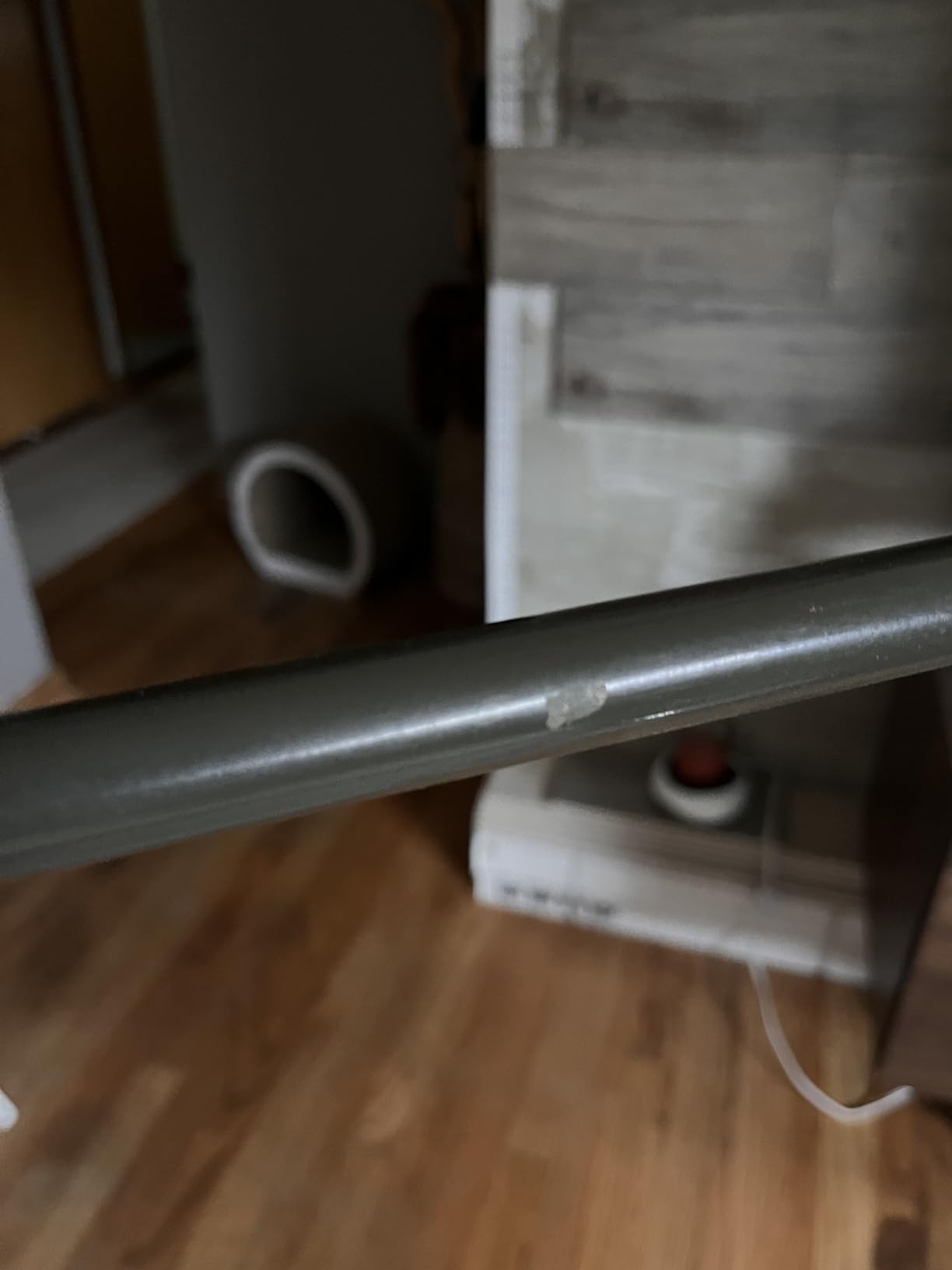
The frame is brown powder-coated high-strength steel, and the side braces are the detail worth understanding. They tie the rails together so a heavy load cannot rack sideways on the bed. On a two-wheel cart, a load that shifts left while you are pulling right is the fastest way to put a deer on the ground at the worst possible moment.
Underneath sits a 3/4 inch steel axle with 16 inch wheels, which owners describe as handling logs, gravel, grass and sand without complaint. Those are not laboratory surfaces. They are the surfaces a deer cart actually meets.
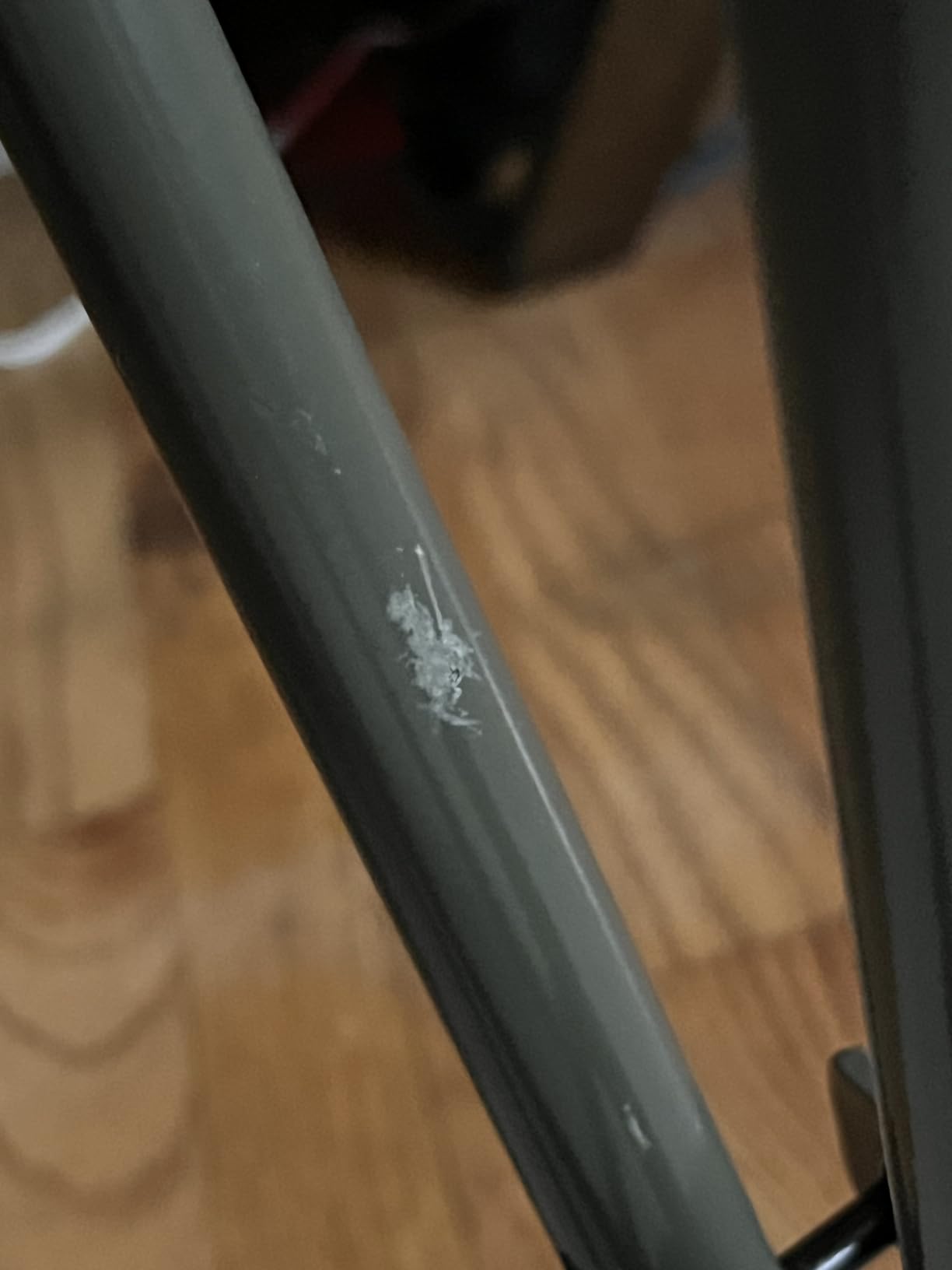
Long-term owners report hauling more than ten deer on it, plus a bear, plus firewood. That is the durability signal you cannot get from a spec sheet. Folding is genuinely flat, assembly is quick, and it doubles as a hauler for tree stands, trail cameras, tents and tarps.
At 32 pounds it is not a featherweight, but it sits in the middle of this group and most owners load it without assistance.
Is a Steel Frame Worth the Extra Weight?
For deer loads, yes. Aluminum is appealing when you are carrying tree stands across a creek, but when the load is a 300 pound animal being dragged over roots for a mile, steel absorbs the abuse and stays straight. The 3/4 inch axle is one of the thicker ones in this roundup, which matters because the axle takes the side-loading a two-wheel cart generates on rough ground.
The trade is the 32 pounds empty. That is a manageable solo lift into a truck bed and it buys a frame that does not flex under a trophy buck.
What to Watch on This Cart
The lynch pins that hold the wheels on the axle are the recurring complaint, and they are worth replacing with cotter pins or bolts before your first trip. They can pull out in heavy brush, and a wheel coming off with a buck on the bed is the worst-case scenario in this entire category.
Two smaller notes: bearings wear after repeated heavy hauls, so keep a spare on hand, and the handle bend is set for shorter users. Tall owners flip the handle upside down, which several reviewers confirm solves it.
5. GYMAX 550 lb Folding Game Cart: Best for Multi-Use Hauling
GYMAX Deer Cart, 550 lbs Folding Game Carts with Polyester Liner, 20″ Big Wheels, All-Terrain Heavy-Duty Deer Cart Game Hauler for Hunting Fishing Hiking (29″ x 48″ x 47″)
550 lb capacity
37.5 lb cart
20-inch rubber tires
detachable polyester liner
Pros
- 550 lb powder-coated steel tube frame
- 20-inch rubber tires with strong ground grip
- detachable tear-resistant liner with straps and buckles
- locking pins stabilize the frame
- folds compact enough for a pickup
Cons
- Arrives without printed assembly instructions
- handle angle suits shorter users so tall hunters flip it
- frame rattles on the pins and is noisy when empty
- smaller size variants can be too small for a deer
The GYMAX is essentially the same mechanical concept as the Goplus cart, with a detachable liner and 20 inch wheels, but its owner reviews are noticeably more mixed. At 4.1 stars across 247 reviews, it sits at the lower end of the ratings in this roundup, and the reasons are worth reading before you buy.
What owners like is the fundamentals: a 550 pound powder-coated steel tube frame, big rubber tires with strong grip across varied ground, and a tear-resistant polyester liner that unclips for cleaning. It also hauls firewood, bait and camping gear well, which is where it earns the badge above.
What owners do not like clusters around fit and finish. The handle angle is set for shorter users, and tall hunters report flipping it. The frame rattles on its pins and is noisy when the cart is empty, which is a minor irritation but a constant one. And several owners point out that the smaller size variants are genuinely too small to fit an adult deer, so confirm the dimensions before ordering.
At 37.5 pounds it matches the Goplus weight, and the 29 by 48 by 47 inch frame is the same footprint. Both use 20 inch wheels and 550 pound ratings.
The practical difference in reviews is packaging. This cart arrives without printed assembly instructions, so setup has to be worked out from photographs. Budget twenty minutes with a phone and a diagram from the listing before your hunt.
How Do I Know the Size Variant Will Fit a Deer?
Measure before you order. The variant sold in this configuration is 29 by 48 by 47 inches, which is a full-size deck. But buyers report that the smaller variants in this product family cannot take an adult deer, and the frustration is entirely preventable by checking which style number you are actually buying.
As a rule of thumb, you want a bed that is clearly longer than the animal is nose to tail base, because the head sits near the handle and the antlers need room to clear.
Should You Buy This Instead of the Similar Goplus?
They are close cousins, and on paper the GYMAX adds a detachable liner and locking pins. We would still lean toward the cart with the higher owner rating and clearer assembly documentation unless you find this one in a noticeably better position.
If you do choose it, the three-minute fixes are worth it: flip the handle if you are tall, and replace the frame pins with bolts to kill the rattle. The missing instructions are the part you cannot fix with a hardware store.
6. Guide Gear Aluminum Game Cart: Best for Lightweight Solo Hauling
Guide Gear Aluminum Game Cart Deer Hauler Tree Hauling Hunting Gear Equipment with Wheels
250 lb capacity
23.6 lb aluminum frame
15-inch solid spoked wheels
folds to 36.5 by 21 by 5 inches
Pros
- Light at 23.6 lb empty
- aluminum frame is roughly half the weight of a comparable steel cart
- folds to a 5 inch thick package
- owners report hauling two does at once
Cons
- 250-lb rating is the lowest here and one owner reports frame failure with a buck in rough terrain
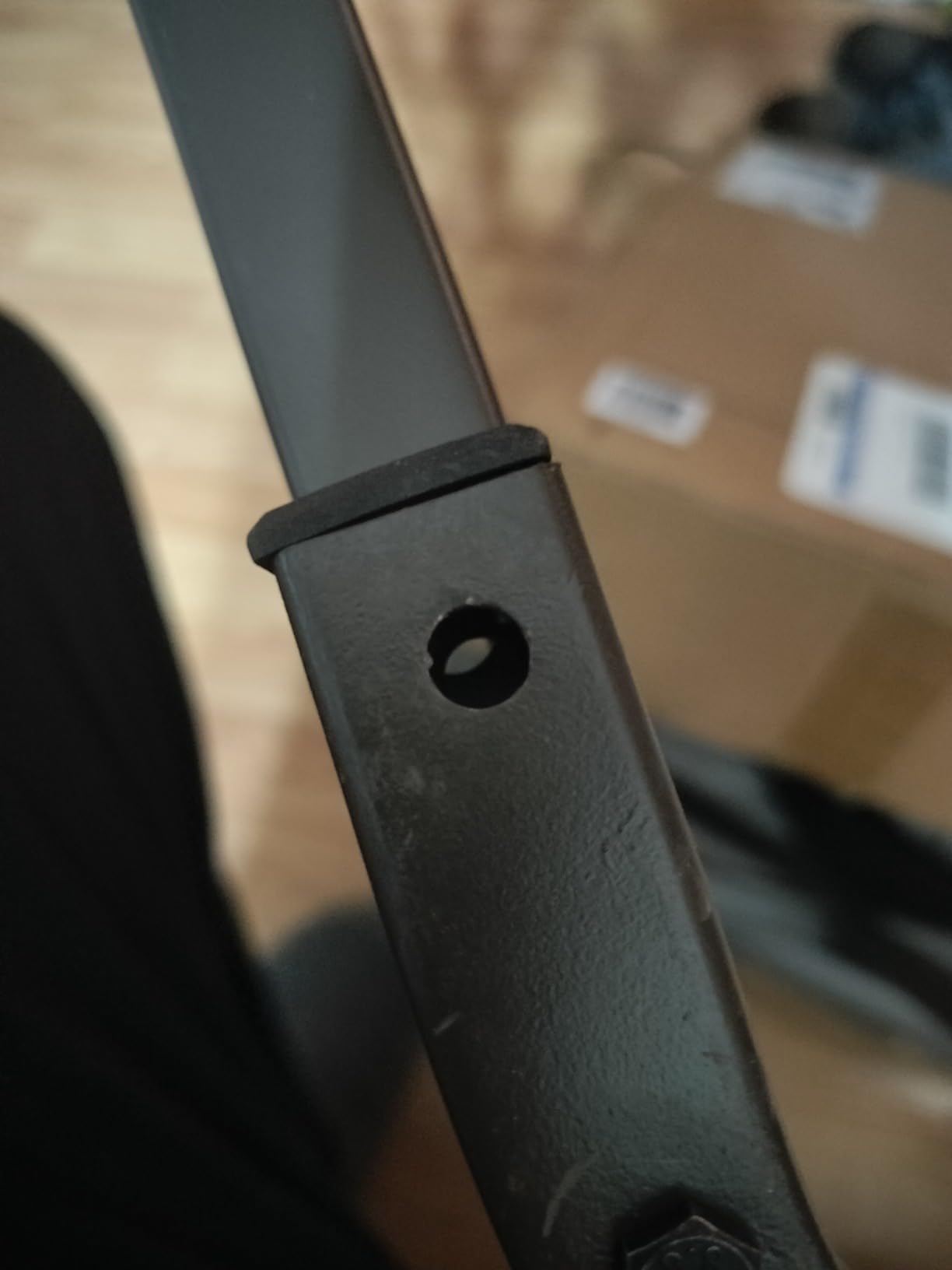
- does not fold as advertised since six connection points must be disconnected
- strap connectors are cheap plastic
When weight is the deciding factor, this is the cart that makes the difference. At 23.6 pounds empty, it is less than half the weight of the 47 pound heavy-duty options, and for a solo hunter carrying a cart any distance from the truck, that gap decides how the trip feels.
The aluminum frame folds down to 5 inches thick at 36.5 by 21 inches, which means it slides behind a seat, sits on a shelf, or fits in a small pickup bed without becoming a permanent fixture. The 15 inch solid-rubber spoked wheels are puncture-proof and roll well on trails and across shallow creeks.
Owners report hauling two whitetail does at once without trouble, and it doubles as a tree hauler, which is its other life. About 62 percent of its 219 reviews are five stars.
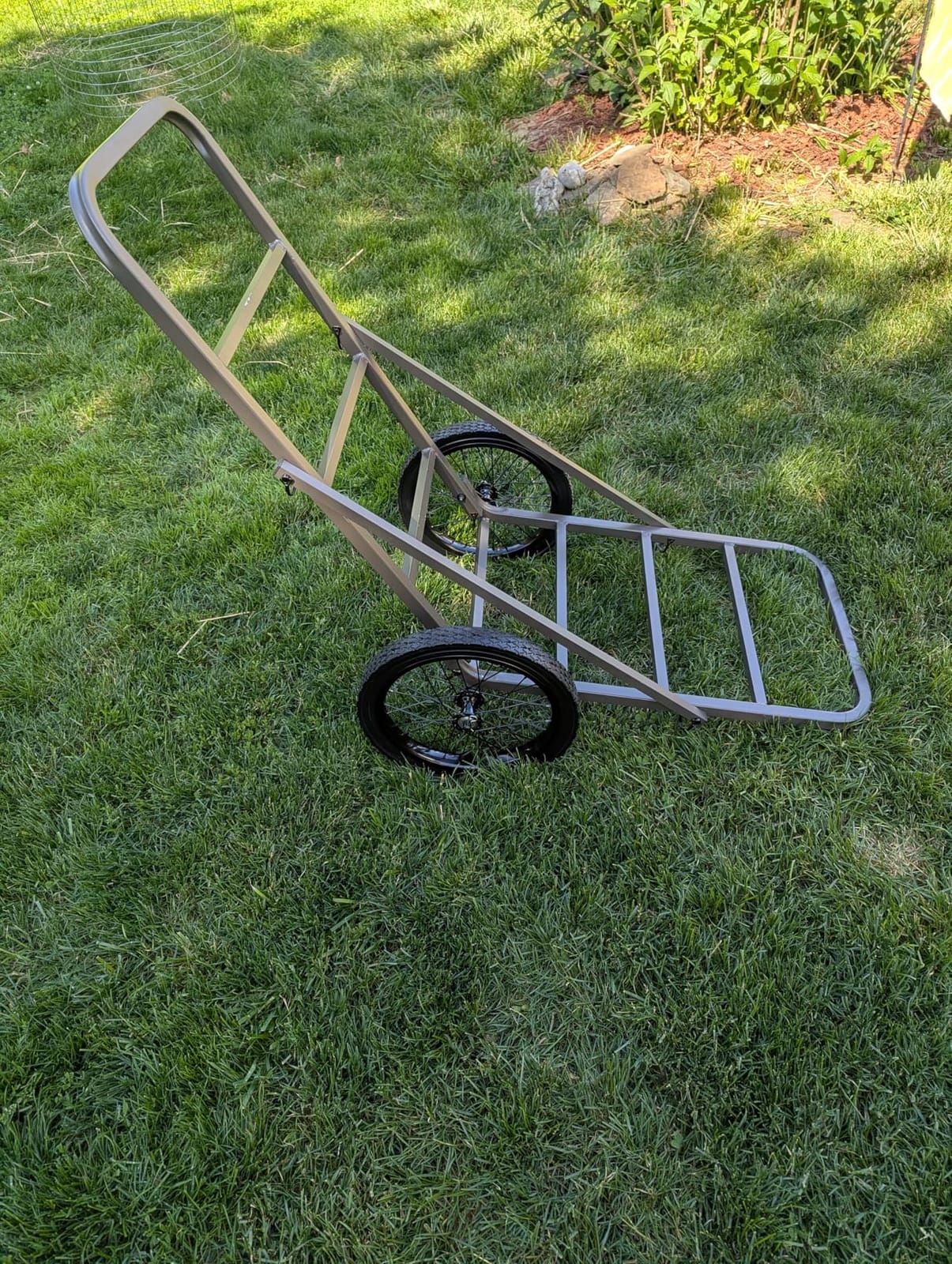
Where the light build costs you is capacity. The rating is 250 pounds, and it is the number that limits this cart to does, small bucks and lighter loads. One owner reported the frame giving way with a decent sized buck in rough terrain, which is a single report but worth respecting given the margin.
The second limitation is the fold. It folds flat, but not in the way the photos suggest: six connection points have to be disconnected and the tension bars carried separately. Plan on five minutes and a bag for the hardware.
How Much Deer Can a 250 Pound Cart Really Take?
A 170 pound doe, quartered or whole depending on the season, sits comfortably inside this rating. A typical 270 to 330 pound buck does not. If your hunting plan involves a trophy animal on rough ground, the aluminum frame is asking you to be lucky rather than prepared.
For hunters who take does every year, hunt private land with easy access, or want a cart light enough to walk a mile with, that trade is worth making every time.
What Should I Do About the Pins and Straps?
Replace the D-pins holding the frame and wheels together. They are reported as popping out easily in the woods, and a wheel leaving the axle under load is the same risk we flagged on the other two-wheel carts here.
Also budget for straps. The included ones use cheap plastic connectors, and hunters who run long or steep hauls report adding small ratchet straps to keep a deer from shifting. New tires also carry a strong rubber odor that fades after a day outside.
7. Kill Shot 750 lb Heavy-Duty Game Cart: Best for Elk and Bear
Kill Shot Deer Hunting Game Cart 750 lb Capacity, 20″ Rubber Wheels
750 lb capacity
47 lb cart
20-inch solid rubber wheels
handle adjusts 21.5 to 14.5 inches
Pros
- Rated to 750 lb
- the highest capacity in the group for elk and bear
- two 20-inch solid rubber wheels handle gravel and grass
- side braces and two included straps stop shifting
- 21.5-inch handle adjusts down to 14.5 inches to cut strain
- 75 percent of reviews are five star
Cons
- Heaviest cart here at 47 lb making it a two-person lift into a truck bed
- spring pins holding the frame together can work loose over rough ground
If you hunt elk or black bear, or you simply want a cart with headroom, this is the one. The 750 pound rating is the highest in the group, and it is the only cart here rated for the animals that make deer hauling genuinely dangerous.
The wheels are the other headline. Twenty-inch solid rubber tires roll through gravel, grass and sand without the risk of a flat, and the size gives real ground clearance on rough country. Solid rubber also means there is no pressure to check and no tube to pinch on a rock, which removes an entire category of mid-hunt problems.
Handle height is adjustable, which almost no cart in this list offers. The 21.5 inch ergonomic handle adjusts down to 14.5 inches so you can set the pull height to your own frame and cut back on strain over a long walk. For a 47 pound cart carrying a heavy load, that adjustment is worth more than it sounds.

Side braces and two included straps keep large loads from shifting, and both the wheels and the braces remove for compact folding storage. Assembly uses included wire spring pins, so no tools are needed at setup.
Ratings are strong at 4.4 stars with 75 percent five star, and owners highlight the capacity, the tires and the adjustable handle for hauling elk-class loads and firewood.
Do I Actually Need 750 Pounds for Deer Hunting?
Not for whitetail. Nothing on four legs that you can carry out of a legal hunt approaches that number. You are buying headroom, and headroom is worth real money when a load sits close to the frame rating, because a buck that weighs more than expected does not care what the label says.
It also means this cart does double duty as a firewood hauler, a stump mover and a brush loader, which extends its useful life well past hunting season.
Is 47 Pounds Too Heavy?
For a two-hunter team, no. For a solo hunter, it is the deciding factor and the most common complaint. This is a two-person lift into a truck bed, and if you are loading alone at dawn in the dark, that is a real problem.
The spring pins holding the frame together are the other thing to address. Owners report them working loose over rough ground, so replace them with bolts before the season. Everything else about this cart holds up well in reviews.
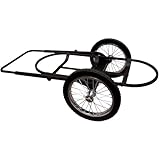
8. Muddy Mule Game Cart: Best for Steep Hills
Muddy Mule Game Cart 16′ Wide x 40′ Long
300 lb capacity
four 16-inch hardened rubber wheels
zero-gravity rubber-coated handle
40 inch overall length
Pros
- Four-wheel spinner design stays balanced and stable loaded even on slopes
- zero-gravity rubber-coated handle reduces lifting effort
- solid 16-inch wheels never need inflating
- folds flat for transport
- light enough for one person to lift into a vehicle
Cons
- Supplied wheel hairpins are oversized and fall out easily so cotter pins are a common upgrade
- some shipments arrive missing the axle or belly strap clip
- 300-lb capacity is low for elk-class loads
The Muddy Mule is the lightest four-wheel cart we looked at, and that combination is why it earns a place here. Owners report rolling a 165 pound buck 200 yards solo, and more than one describes it as the difference between getting a deer out and not getting a deer out on steep ground.
What sets it apart is the zero-gravity rubber-coated handle. On a hill, a conventional handle puts the load high and behind you, which is exactly the geometry that makes people slip. This handle geometry reduces the lifting effort needed to keep the cart tracking, and owners on r/Hunting single it out as the reason the cart works where others wobble.
The four spinner wheels give it the stability profile of the Hawk Crawler at a lighter weight, and the 16-inch hardened rubber wheels are solid, so nothing needs inflating in the field.
It folds flat for vehicle or pack transport, which means one person can load it, and it carries a 300 pound maximum. Detailed reviews describe it as sturdy, well balanced and a huge help on hills and mud.
One owner noted the warranty runs one year limited, which is shorter than some competitors offer, so it is worth knowing before a long-term purchase decision.
Why Do Four Wheels Matter on a Hill?
A two-wheel cart on a sidehill is a balance problem: as the grade steepens, the load wants to slide downhill and you have to lean into it. Four wheels distribute that load across a wider footprint and each spinner wheel can conform to uneven ground, so the cart tracks rather than pivots.
That is the whole argument for a four-wheel design, and it is why we consider this cart alongside the heavier Hawk Crawler despite a 300 pound rating.
What Should You Check When This Cart Arrives?
Inventory the hardware before you leave the house. Owners report shipments arriving missing the axle or the belly strap connector, and one buyer had to drill a hole to complete assembly. Checking takes two minutes and saves a wasted morning.
The other item is the hairpins holding the wheels on the axle. They are reported as too large and too loose, and they fall out easily, so replace them with cotter pins. It is the same fix that applies to most carts in this guide.
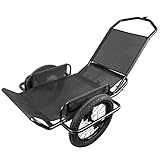
9. Rambo Bikes Aluminum Trailer Cart: Best for Bike Towing
Rambo Bikes Aluminum Bike Trailer Cart – Heavy-Duty Game Cart and Utility Trailer – 300lbs Maximum Capacity – 6061 Aluminum Alloy Frame, 16″ Fat Tires for Any Terrain – All-Purpose Foldable Trailer
300 lb as a pull cart
27 lb aluminum build
16-inch fat tires
48 by 18.5 by 5.5 inches
Pros
- 4.5 star owner rating with 77 percent five stars
- very light aluminum build that still hauls a 300-lb deer as a pull cart
- 6061 alloy frame with 6-inch innertube fat tires
- swivel mechanism rolls over steep terrain
- converts from bike trailer to hand cart in about 30 seconds
Cons
- The most expensive option on this list
- bike-attached capacity drops to 50 lb and the Rambo luggage rack is required
- some bikes need a bracket modification or longer bolt
- fat tires give a bumpy ride over small obstacles
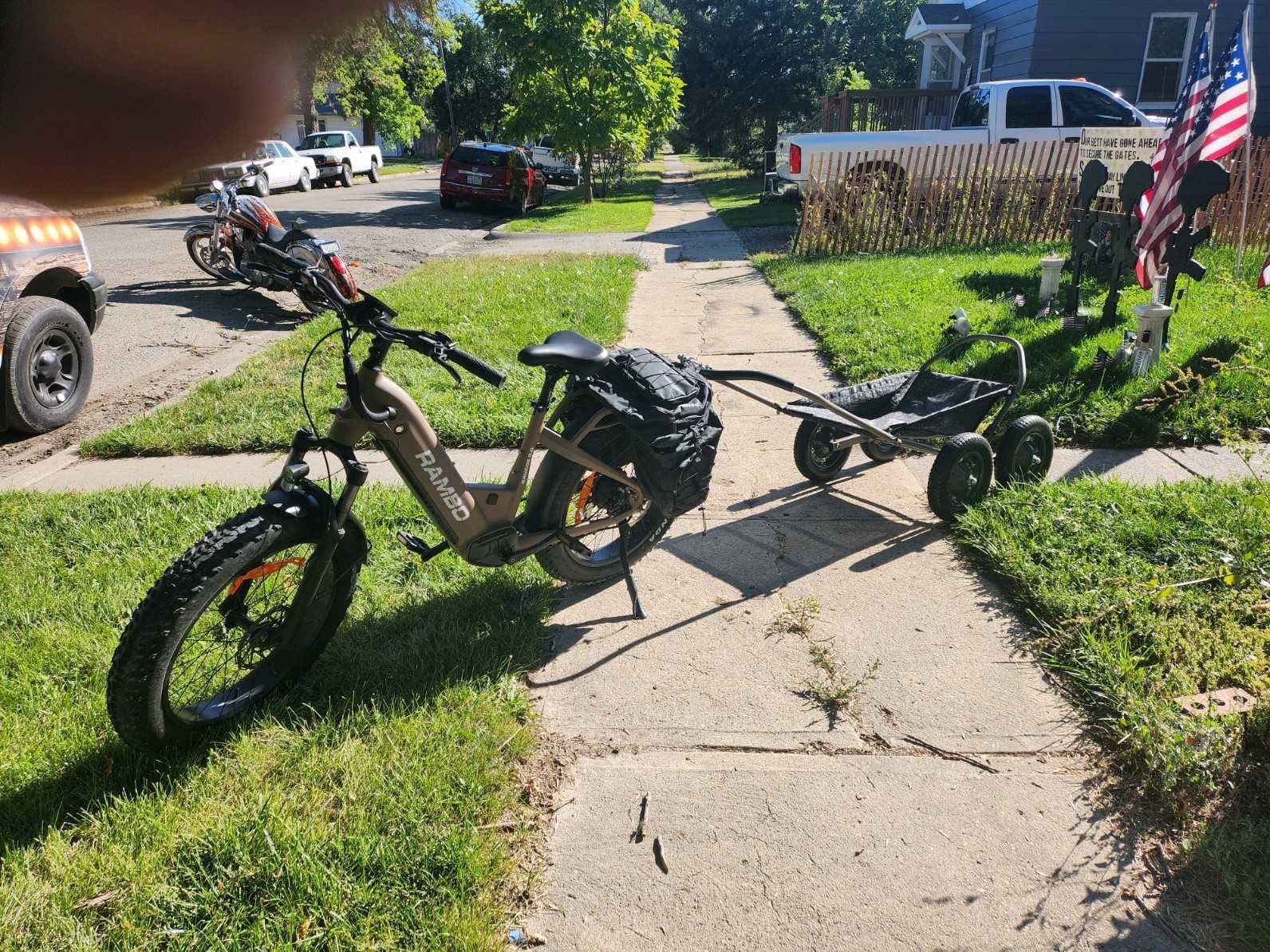
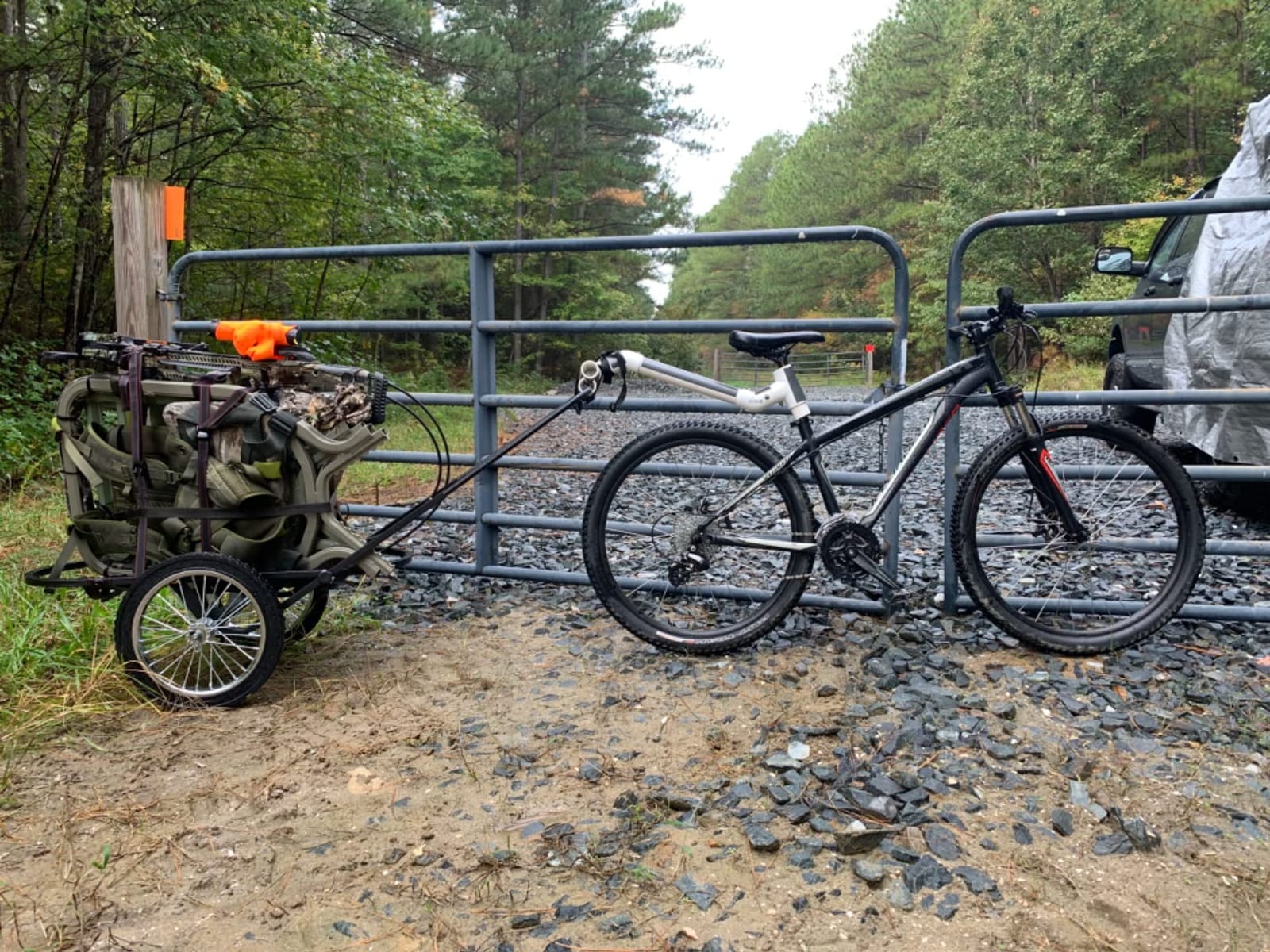
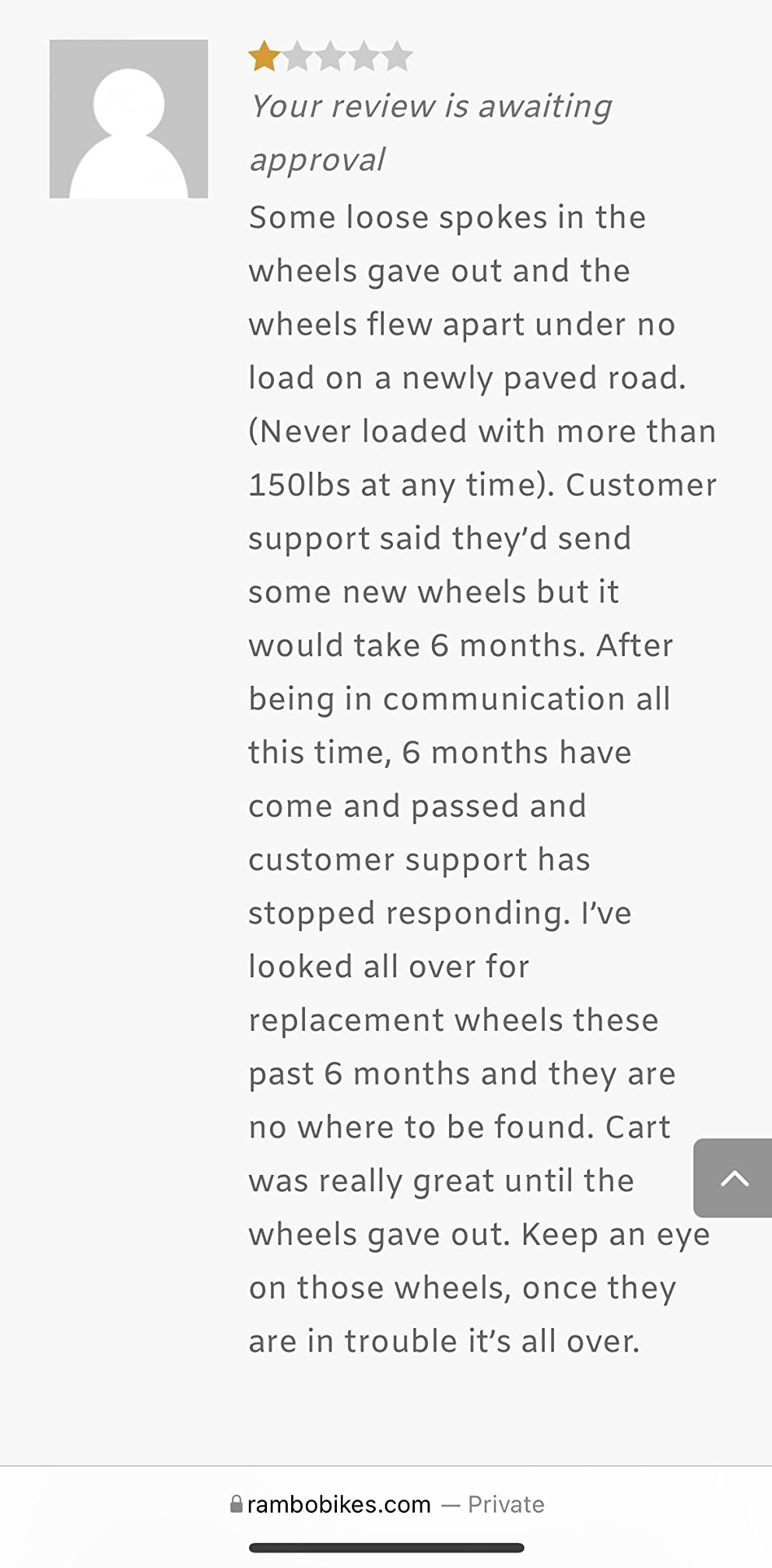
Rambo is the odd one out in this roundup, and that is exactly why it earns a spot. Everything else here is a hand cart. This one converts into a bike trailer in about 30 seconds, which lets a solo hunter cover a long flat approach to the timber without pushing 300 pounds at walking pace.
As a pull cart it rates 300 pounds and weighs 27 pounds empty, so it is one of the lighter options that can still take a full deer. The frame is 6061 aluminum alloy, which explains the weight without explaining the strength, and the 16 inch fat tires with 6 inch innertubes roll over rough ground in a way that conventional air-filled tires do not.
The swivel safety mechanism is the feature owners praise most. It lets the trailer roll over steep terrain without jackknifing, which matters when the trail turns into a sidehill.
It folds in half for storage, and the mesh-like floor is easy to spray off, which is a genuine consideration when you are cleaning a quartered load off a cart in the driveway. Owners report towing tree stands, gear and a buck out with the same setup.
At 4.5 stars with 77 percent five star from 182 reviews, it has the strongest rating distribution here. Buyers consistently note the light build, the quick conversion and the folding.
Can a Bike Actually Pull a Deer?
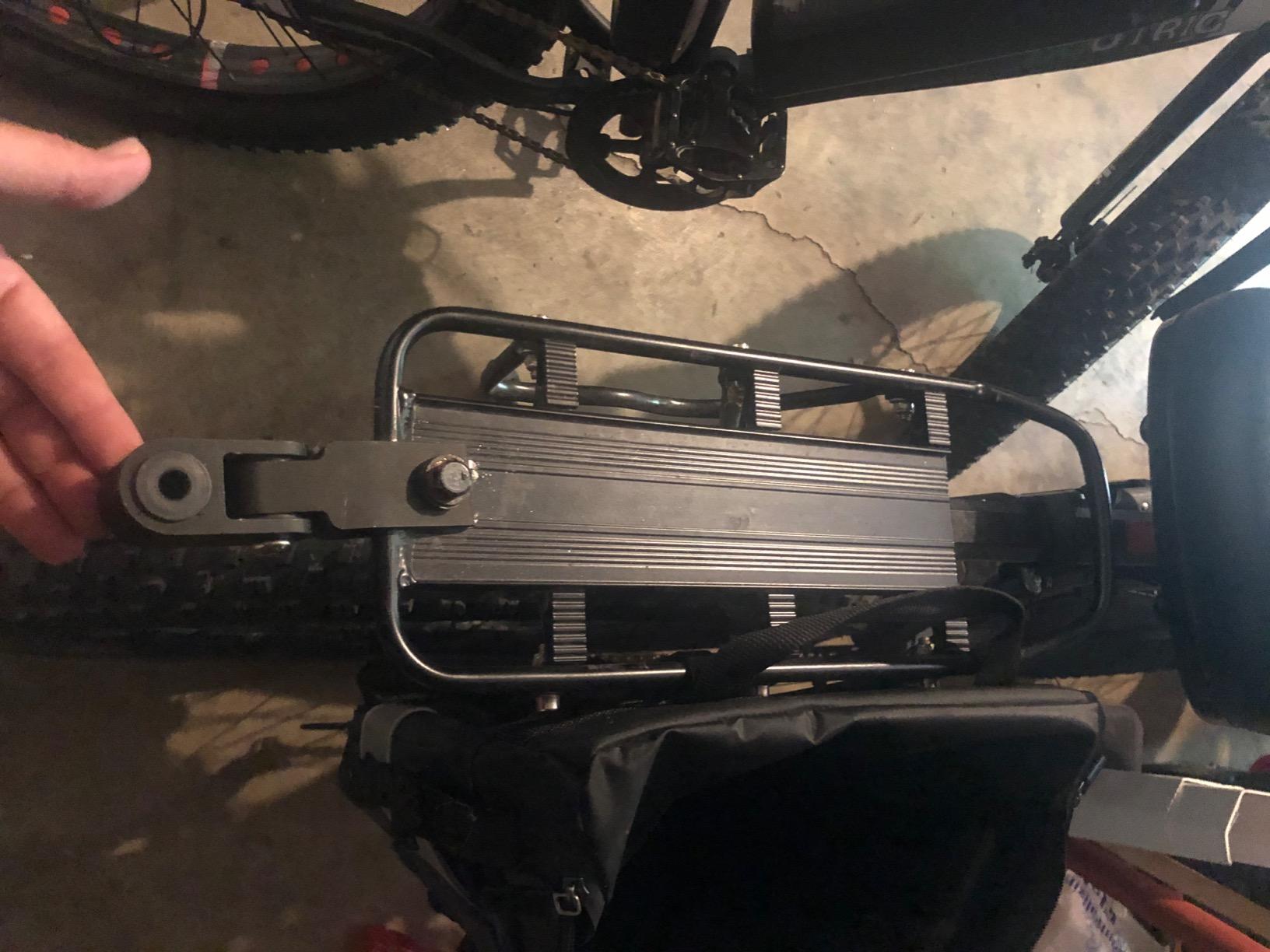
Not the way most people imagine. Attached to a bike, this trailer is rated to 50 pounds, so it is a gear and game-hauling solution for the ride in, not a way to drag a buck home. The 300 pound rating applies when you detach it and pull it as a hand cart.
Installation also has a catch: the Rambo luggage rack is required, and some bikes need a bracket modification or a longer mounting bolt. Confirm compatibility before you commit.
Is This the Best Deer Cart for Most Hunters?
No, and we want to be clear about that. It costs more than anything else on this list, it needs a separate rack to use the feature most buyers are excited about, and the fat tires give a bumpy ride over small obstacles that some hunters find irritating on long hauls.
What you get in exchange is a 4.5 star owner rating with 77 percent five star reviews, an unusually light frame for a 300 pound capacity, and a cart that converts between trailer and hand cart in about half a minute.
10. Moccha Double-Layer Deer Cart: Best for an Adjustable Deck
Moccha Double-Layer Deer Cart – 500 LBS Adjustable Game Cart with 20 Inch Rubber Wheels, Heavy-Duty Flat Hauling Dolly & Hitch Mounted Cargo Carrier, Hunting Game Hauler for Hiking Fishing
500 lb capacity
24 lb cart
two-level adjustable deck
20-inch puncture-proof rubber wheels
Pros
- Only cart here with a two-level adjustable platform that locks between upright and flat
- double-layer design cradles the load so it does not slip
- 20-inch puncture-proof wheels work on grass sand gravel and snow
- lightest of the 500-lb carts in the group at 24 lb
- also works as a hitch-mounted carrier with a separately sold receiver tube
Cons
- Handle is low so tall users must bend or reverse it
- arrives with no assembly instructions
- smaller than the listing photos suggest
- handle and rivet fasteners work loose with use
The adjustable deck is a genuinely different idea from everything else here. This cart locks between an upright position and a flat position, and the upper deck cradles the load rather than letting it sit on bare rungs. If you have ever watched a deer’s legs slide through an open frame bed, you will understand why that matters.
It is also the lightest 500 pound rated cart in the group at 24 pounds, which is unusual. Heavy-duty ratings normally come with 37 to 47 pound weights, and this one is the exception that makes solo loading realistic.
The 20 inch puncture-proof rubber wheels are listed as working on grass, sand, gravel and snow, which is broader terrain coverage than most carts claim. Owners report hauling a 150 pound deer 200 yards over rough, steep ground.
It can also double as a hitch-mounted cargo carrier with a separately sold receiver tube, which makes it useful beyond hunting season for moving brush, gear or firewood around a property.
Ratings sit at 4.3 stars from 146 reviews with 72 percent five star. Buyers like the adjustable deck and the wheel performance, and they note it is the easiest of the 500 pound carts to load.
Does a Two-Level Deck Actually Help?
Yes, in two specific ways. Cradling the animal on the upper deck reduces side-to-side movement, which is what causes a load to slide off on a downhill. And the upright locked position gives you a backstop while you are loading, so the deer does not slide off as you push it into position.
It is a small design decision that matters more in the ten minutes of loading than the rest of the product does over the following two hours.
What to Watch Before You Order
Three things come up repeatedly. The handle is low, so tall users have to bend or reverse it, and a 6 foot 3 inch reviewer reported needing to flip it. The cart ships without assembly instructions, which lengthens setup. And it is smaller than the listing photos suggest, so check the 39.5 by 30.5 inch footprint against a full size deer before buying.
One owner reported the handle holes flaring after a single 150 pound haul. That is one report rather than a pattern, but it is a reminder to check the fasteners and rivets periodically on any cart you buy.
11. Rivers Edge Tri-Fold Game Cart: Best for Tool-Free Folding
Rivers Edge® Game Cart, Haul Large Game, Tri-Fold Design, from Folded to Full Use, Durable, 300 lb. Hauling Capacity, RE790 Black
300 lb capacity
29 lb cart
tri-fold frame
steel wheels with solid rubber tires
Pros
- Tri-fold design goes from folded to full use with no tools
- solid rubber tires on steel wheels will not go flat
- folds compact enough to carry on your back for an early walk-in
- customer service shipped replacement parts quickly when a wheel pin was lost
- 69 percent of reviews are five star
Cons
- Wheel-retaining pins fall off in use and several owners had wheels come off including one on first use
- bolts and wing nuts loosen while hauling and need frequent tightening
- build quality feels light relative to its rating
The Rivers Edge tri-fold cart is built around one specific problem: getting the cart from the truck to the tree without unpacking it. The frame unfolds from folded to full use with no tools, and it folds down compact enough that owners report carrying it on their back into the woods on an early walk-in hunt.
That is a genuinely different use case from hauling firewood, and it is why this cart works well for hunters who walk in a long way before the shot rather than driving to a tree stand.
Owners describe it as durable, easy to fold with no tools and effective for dragging out deer and hauling camping gear. One owner tested it with a 200 pound rider plus a friend, which says more about the frame than any owner rating.
The tires are solid rubber on steel wheels, so they will not go flat. The frame is alloy steel, the rated capacity is 300 pounds, and dimensions are 56 by 27 by 32 inches.
Customer service is also worth noting: owners report replacement parts shipping quickly when a wheel pin was lost, which matters more for a cart that uses removable pins.
Why Do Wheel Pins Keep Coming Out?
It is the single most common mechanical complaint across every cart in this roundup, and it comes down to how the wheel is retained. A plain pin relies on friction and gravity, and a cart bouncing through brush and deadfall will eventually shake it loose. It is not a quality judgment on the cart so much as a design choice that every owner in this category works around.
The fix takes five minutes and costs a few dollars: replace the supplied pins with bolts, or with cotter pins if you want them removable. Do it before the first haul, not after.
Is This Cart Strong Enough for a Trophy Buck?
At a 300 pound rating, it is honest for does and average bucks, and that is where most of its owners use it. If your realistic goal is a 300 pound-plus trophy on rough ground, one of the 500 to 750 pound models gives you a better margin.
The frequent loosening of bolts and wing nuts is the other caution. It is a minor annoyance on flat ground and a genuine distraction on a sidehill, so a quick check with a wrench at the truck before you walk out is sensible routine.
12. VINGLI Folding Deer Cart: Best Value 500 lb Cart
VINGLI Folding Deer Cart, 500lbs. Capacity Game Hauler Utility Gear Dolly with Wheels for Hunting
500 lb capacity
25.4 lb cart
17-inch solid wheels
70 by 18 inch deck
Pros
- A 500 lb rating paired with a 25 lb frame
- a combination that is unusual in this roundup
- 17-inch puncture-proof solid wheels roll through rough terrain
- upgraded longer handle reduces bending
- folds into a trunk with a clear diagram manual
- roomy 70 by 18 inch space
Cons
- Supplied pins cause loud rattling and slight wobble until replaced with bolts
- rungs do not contain a load so a cargo net or straps are needed
- new tires have a strong rubber odor
- does not collapse as tightly as some buyers expected
The VINGLI is our value pick, and the reason is arithmetic rather than hype. A 500 pound rated steel cart with 17 inch puncture-proof solid wheels and a 25.4 pound frame is a combination you would struggle to find elsewhere in this roundup, and it holds a 4.5 star rating with 70 percent five star from 99 reviews.
Owners single out the long handle as the feature they notice most. It keeps you from bending forward, which is the difference between a comfortable mile and a sore back, and on a cart meant to be pulled that geometry matters more than another hundred pounds of capacity.
Assembly is straightforward with a clear diagram manual, and the whole thing folds into a trunk. The deck is 70 by 18 inches, which is long enough for a full deer laid out nose to tail.
Owners report hauling a large nine point buck out with ease, and they use it for wood and tree stands as well as game. The 17 inch wheels roll easily through rough terrain.
The one fix almost every reviewer mentions is the pins. The supplied hardware causes loud rattling and slight wobble, and owners who swap in bolts and nylock nuts report the problem disappears.
Is the Budget 500 lb Cart Good Enough?
Yes, for deer. The capacity rating, the wheel size and the steel construction all line up with carts costing considerably more, and the owner rating backs that up. Where it falls short is refinement: the pins rattle, the fold is not as tight as the photos imply, and the finish is functional rather than neat.
Those are acceptable compromises when the goal is one solid cart that hauls deer for years.
What Should I Add Before the First Haul?
Bolts and nylock nuts in place of the supplied pins, which solves the rattle and the wobble in one step. And a cargo net or straps, because the rungs on this cart do not contain a load on their own, which is exactly the situation where legs slide through.
One minor note: new tires have a strong rubber odor that fades after a day outdoors. Leave it in the sun before your hunt if that bothers you.
How to Load and Strap a Deer on a Game Cart
Loading is the part that goes wrong most often, and the technique matters more than the cart. The aim is to get the animal on the cart once, centered, and strapped before the wheels touch uneven ground.
1. Clear a flat spot first. Before you bring the cart to the deer, find a level patch with room to work. A cart loaded on a sidehill will want to slide from the moment you start pulling, so choose your ground deliberately.
2. Unclip the straps and lay them out. Have every strap open and reachable before the deer is moving. Re-threading a strap under a loaded cart is not a task you want in the middle of a hunt.
3. Tip the cart and wedge the front end under. Tip the cart back onto its wheels and slide the front end of the bed under the deer’s chest and shoulders, as close to the center of the animal as you can manage.
4. Push rather than lift. Roll the cart forward over the deer in one steady movement. Lifting a 250 pound buck onto a bed by yourself is how backs get hurt, and the whole point of the cart is that the wheels take the weight, not your spine.
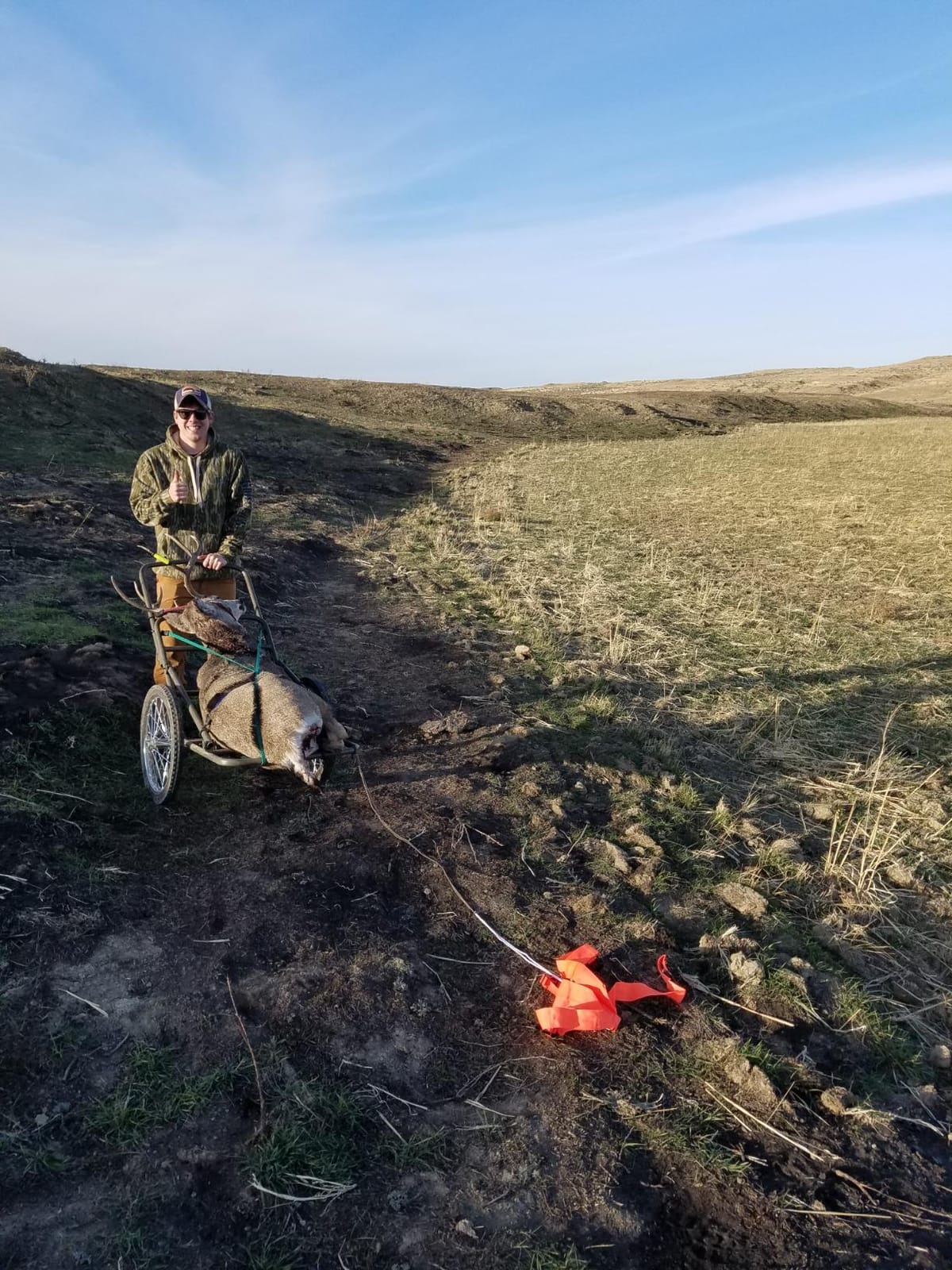
5. Keep the head near the handle. This is the detail most hunters get wrong. With the head near the handle, the antlers stay clear of the ground and cannot snag on roots, and the balance point stays behind the axle. Head toward the handle, hind legs toward the back of the bed.
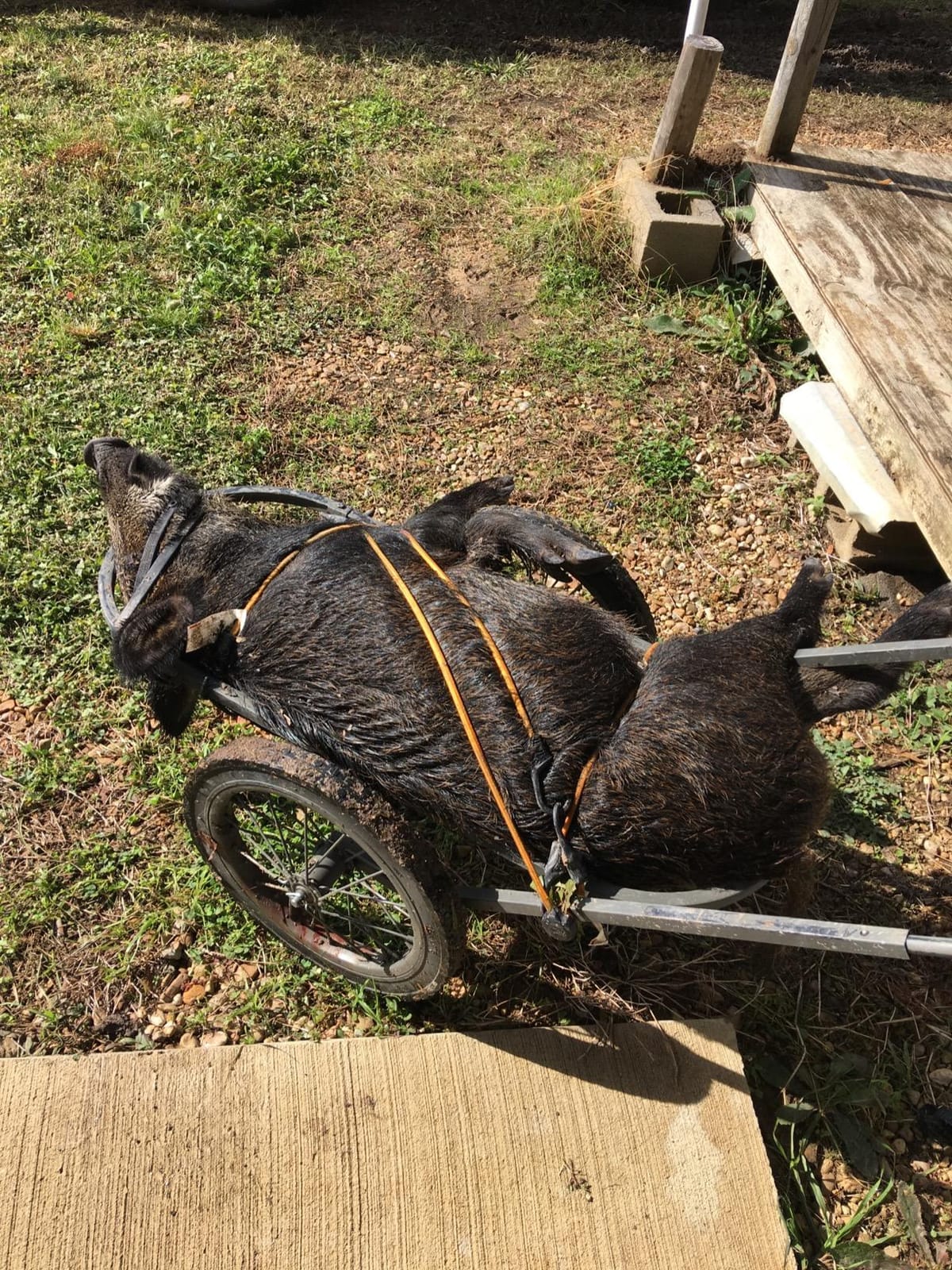
6. Use a three-strap pattern. One strap across the neck, one across the torso, one across the hind legs. Cinch them without cutting off circulation and check them again after the first hundred yards.
A deer that slides off mid-haul is a real risk and the most common regret forum users report. Bungee cords work for short distances. Small ratchet straps work for everything else.
Game Cart vs Game Sled: When Wheels Are the Wrong Tool
A game sled has no wheels, and in some conditions that is an advantage rather than a compromise. Sleds slide over snow, crust and deep powder that would stop any wheel, which makes them the right tool for late-season muzzleloader and rifle hunts in northern states where the ground is frozen.
Wheels win everywhere else. They work on mud, leaves, gravel, roots, dry ground and shallow water, which is most of the deer season in most of the country. They also protect the load from dragging and cut the amount of ground friction you fight.
The test is simple. If the ground under your deer is frozen, crusted or covered in unpacked snow, take the sled. If you can walk to the tree without post holes, take a cart.
There is a hybrid worth knowing about: fat-tire trailers like the Rambo are usable on both, because a wide low-pressure tire floats over snow without sinking. That is one of the more persuasive arguments for the trailer approach in mixed conditions.
How to Choose a Deer Cart
Start with realistic load, not rated load. A 170 pound doe needs a 300 pound cart with margin. A 330 pound buck needs 500 pounds or more. Elk and black bear need the 750 pound class. Rated capacity includes the frame, but the axle and wheels are what actually limit you, and in brush it will be the axle that tells you first.
Pick wheel diameter for your terrain. Fifteen inch wheels work on flat ground and open woods. Sixteen inches is the sensible middle. Twenty inches roll over deadfall and soft ground and are worth the extra weight if you hunt logged-over country. Below 15 inches, you are choosing a garden cart.
Choose solid tires over pneumatic unless you have a reason. Almost every cart here uses solid rubber or foam-filled polyurethane, and that is correct. Pneumatic tires feel better on smooth ground but go flat in thorny backcountry, and forum users who learned that lesson now carry a pump. The single exception in this group is listed with a pneumatic caster type but ships with solid rubber tires.
Two wheels or four? Two wheels are lighter, narrower and cheaper, and they follow a game trail better. Four wheels are wider and heavier, but they disperse weight, resist tipping and handle mud and sidehills with far less drama. Hunters on r/bowhunting consistently describe four wheels as better for weight distribution and big tires as better for mud. Budget the lifting weight accordingly, since anything over 40 pounds is a two-person load.
Steel or aluminum? Steel absorbs abuse and is the better choice when the load is heavy animal weight. Aluminum halves the empty weight, which matters when you are carrying tree stands across a creek or walking a mile from the truck. Aluminum at 250 pounds is a good tool for does; aluminum is a poor choice for a trophy buck in rough ground.
Axle and hardware design. Look for a thick axle, side braces that keep the load from racking, and pins that retain the wheels. Then plan to replace those pins with bolts or cotter pins anyway, because it is the single most common complaint across every cart in this roundup. It costs almost nothing and removes the most serious failure mode in the category.
Foldability you will actually use. Tool-free tri-fold designs are the most convenient. Folding designs that require removing wheels and braces are workable. Anything that needs full disassembly at six connection points will end up living in a garage, no matter how good it is on the trail.
Tie-downs. A cart that ships with lashing straps saves you a trip to the hardware store. If it does not, buy small ratchet straps and a cargo net, because rungs alone will not contain a load.
Do you even need a cart? If you can drive to within a hundred yards of where you shot, an ATV or a truck bed may serve you better and haul more. Hunters on r/Hunting also note that a thin hand truck or dolly is easier to maneuver in tight timber, where a full-width cart gets hung up on a tree. The cart earns its place when the walk is long and the ground is bad, which is exactly when dragging stops being an option.
Frequently Asked Questions
What is the best game cart for deer hunting?
The Guide Gear Deluxe is the best overall deer cart for most hunters because it is the most thoroughly reviewed option in the group, with more than a thousand owner reports at a 4.4 star average. Its 300-pound rating handles a doe or a typical buck in a single trip, the 16-inch solid-rubber wheels never go flat, and the load centers over the axle so it pulls straight uphill. Choose the Hawk Crawler instead if you hunt deep mud, a 500 to 750 pound model if you take elk or unusually heavy bucks, and an aluminum folder if hauling the cart a long way on foot matters more than capacity.
Are deer carts worth it?
For most deer hunters, yes. A cart turns a 250 to 330 pound haul into one manageable pull instead of several brutal trips, protects your back, and keeps antlers off the rocks that dragging would grind them against. It also earns its keep outside hunting season as a firewood, tree stand and gear hauler. The carts that disappoint are the ones bought for the wrong terrain, usually small-tired two-wheel models pointed at logged-over backcountry.
What is the average weight limit of a game cart?
Most wheeled deer carts in this roundup are rated between 250 and 550 pounds, with one 750-pound heavy-duty model for elk and black bear. Rated capacity covers the frame, but the axle and wheels are the real limit in brush. For context, a mature whitetail doe runs about 170 pounds and a typical buck falls between 270 and 330 pounds, so a 300-pound cart covers does and younger bucks while a 500-pound rating gives you real margin on a trophy.
How do you load a deer onto a cart?
Clear a flat working area, open your straps first, then tip the cart onto its wheels and slide the front of the bed under the deer’s chest and shoulders. Push the cart forward over the animal in one steady movement rather than lifting, and position the head near the handle so the antlers stay clear of the ground and the balance point sits behind the axle. Strap the neck, torso and hind legs, then re-check the straps after the first hundred yards.
Do game carts get flat tires in the woods?
Only if they run pneumatic tires. Every cart in this roundup except one uses solid rubber or foam-filled polyurethane, which never flatten and never leak. Pneumatic tires are the reason many hunting forum users now carry a pump or compressor, because thorn, rock and debris are normal in backcountry ground. The trade is ride quality: solid tires feel firmer over roots and rocks than an air-filled tire would.
How long do game carts last?
It depends far more on hardware than on the frame. Owners report hauling more than ten deer and a bear on a well-built steel cart, while lightweight aluminum models have reported frame failure under a single buck in rough ground. The components that actually wear are wheel-retaining pins, bolts and wing nuts, and bearings on heavily used carts. Replace the supplied pins with bolts or cotter pins before your first haul and check the fasteners at the truck on every trip, and a steel frame should last for many seasons.
What is the best electric hunting cart?
None of the twelve carts we evaluated is electric. Manual wheeled carts remain the standard for deer hauling, and the electric and golf-cart-style options sit far above this category in both cost and weight, which makes them hard to justify for a single deer. If you regularly haul elk or bear over long distances, or share a vehicle with other hunters, a powered cart is worth researching separately. For one deer and one truck, a manual cart with solid tires does the job at a fraction of the weight.
Which Deer Cart Should You Buy?
If you want one answer, take the Guide Gear Deluxe. It is the most widely used deer cart we evaluated, the weight sits over the axle, the wheels never go flat, and it folds flat into most truck beds for the 2026 season and every season after it.
Match the terrain to the cart and the rest takes care of itself. Wet timber and mud mean the four-wheeled Hawk Crawler or the lighter Muddy Mule. Deadfall and rooty logged-over country means 20 inch wheels, so the Goplus or the Moccha. Hill country and sidehills mean four wheels again. Big timber, elk and black bear mean the 750 pound Kill Shot, and accept that it is a two-person lift.
Long walks from a remote truck mean the light aluminum Guide Gear, and a cargo trailer or bike setup means the Rambo. Whatever you choose, replace the supplied wheel pins with bolts before the first haul and bring your own straps. Those two ten-minute steps prevent nearly every failure we saw reported by owners.