
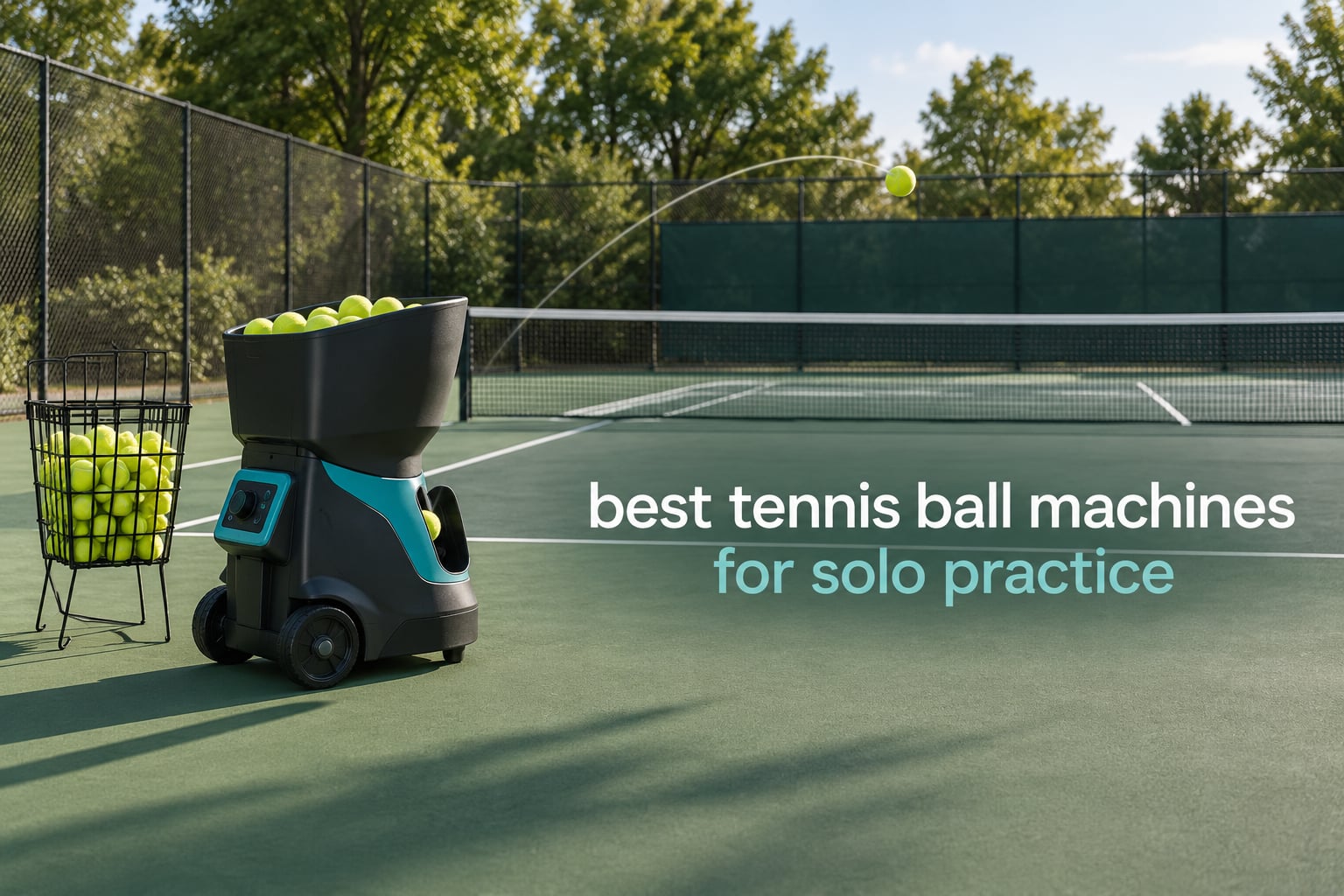
Most players who buy a tennis ball machine do it for one reason: nobody is available to hit with. The best tennis ball machines for solo practice solve a specific problem, which is delivering the same ball, or the same pattern of balls, for as long as you want to hit without a partner standing across the net. That sounds simple until you set one up on a hard court and realise the difference between a machine that feeds flat balls at 30 mph and one that feeds heavy topspin from 75 mph on a random horizontal oscillation.
Are tennis ball machines worth it? For a club player working on consistency who already has court access, yes. For a beginner who hits twice a year and has no court nearby, usually not. In our view the machine pays for itself the moment you stop paying for hit partners you cancelled on, and it repays you fastest when you buy something you can actually carry to the court you play on.
We spent 2026 season comparing twelve machines across three court types: a home court, a club court where you can park in the boot, and a public park with gravel paths and a parking space at the end of the road. We looked at the things that decide whether a machine works alone, which are ball speed, spin, whether the feed can be read before it arrives, hopper capacity, battery life, and the weight you have to lift into a car.
What follows is the full ranking, with the spec sheet, the practical limits and the complaints that show up repeatedly in owner reviews, not just the marketing line.
Table of Contents
Top 3 Tennis Ball Machines for Solo Practice (October 2026)


Spinshot Plus-2
- 120-plus ball foldable hopper
- Phone app programming
- Player Model oscillation
- Metal and plastic build
The LOBSTER Elite takes our Editor’s Choice because it pairs the longest owner track record in this group with the widest combination of speed range, spin control and oscillation. The Spinshot Pro is the value pick for anyone who wants a metal chassis and simple knobs rather than a phone. The Spinshot Plus-2 is the one to buy if you want a large hopper and shot-by-shot app programming without a separate remote upgrade.
All 12 Machines at a Glance in 2026
| Product | Specs | Action |
|---|---|---|
| LOBSTER Elite Ball Machine |
|
Check Latest Price |
| Spinshot Pro Ball Machine |
|
Check Latest Price |
| Spinshot Plus-2 Ball Machine |
|
Check Latest Price |
 Spinshot Plus Ball Machine Spinshot Plus Ball Machine |
|
Check Latest Price |
 Furlihong 3807BH Ball Machine Furlihong 3807BH Ball Machine |
|
Check Latest Price |
 Furlihong 3819BH Ball Machine Furlihong 3819BH Ball Machine |
|
Check Latest Price |
 PUSUN PT-Smart Ball Machine PUSUN PT-Smart Ball Machine |
|
Check Latest Price |
 TENNIIX Basic Ball Machine TENNIIX Basic Ball Machine |
|
Check Latest Price |
 Nisplay Portable Ball Machine Nisplay Portable Ball Machine |
|
Check Latest Price |
 PONGBOT PACE S PRO Ball Machine PONGBOT PACE S PRO Ball Machine |
|
Check Latest Price |
 Wilson Sports Tutor Ball Machine Wilson Sports Tutor Ball Machine |
|
Check Latest Price |
 PUSUN PT-Smart Pro Ball Machine PUSUN PT-Smart Pro Ball Machine |
|
Check Latest Price |
Two things stand out when the twelve are laid side by side. First, the weight spread is enormous, from 4.01 kg on the Furlihong 3819BH to 49.8 pounds on the Spinshot Pro, and that single number decides whether a machine is usable at a public park. Second, advertised speed is not delivered speed. Owners of the Nisplay, the Wilson Sports Tutor and the PUSUN PT-Smart Pro all report that real ball speed over the net falls noticeably short of the number on the box.
1. LOBSTER Elite Tennis Ball Machine – The Most Consistent Solo Feeder
Lobster Sports Elite One Tennis Ball Machine – Auto Portable Launcher, Adjustable Ball Speed, Spin Control, Lob Electronic Switch, Horizontal Sweep, Lightweight, Holds 150 Balls, with 2-Button Remote
Speed: 10-80 MPH
Spin: topspin and backspin
Battery: 4-6 h
Weight: 42 lbs
Pros
- Consistent delivery across thousands of hits
- 10-80 MPH covers volleys to fast groundstrokes
- Horizontal oscillation covers forehand and backhand
- Quick 30-second assembly with knob controls
- Responsive manufacturer support
Cons
- Folding handle latch is flimsy plastic
- Awkward single-handed lift at 42 lbs
- Remote is a separate purchase
The LOBSTER Elite has been on sale since 2003 in one form or another, and that long history shows in the review record rather than in a spec sheet. Across 113 reviews the machine averages 4.2 stars, and the thing owners talk about most is not the feature list, it is that the ball lands in the same place. Consistency is what lets you isolate a stroke change, because a feed that scatters across the deuce court tells you nothing about whether your contact point improved.
The speed range of 10 to 80 MPH is the widest here and it covers the whole arc of solo work. At the low end you feed yourself volley repetitions and short reaction balls. At the top end you get a feed that pushes you back and rewards a higher contact point and a fuller swing.
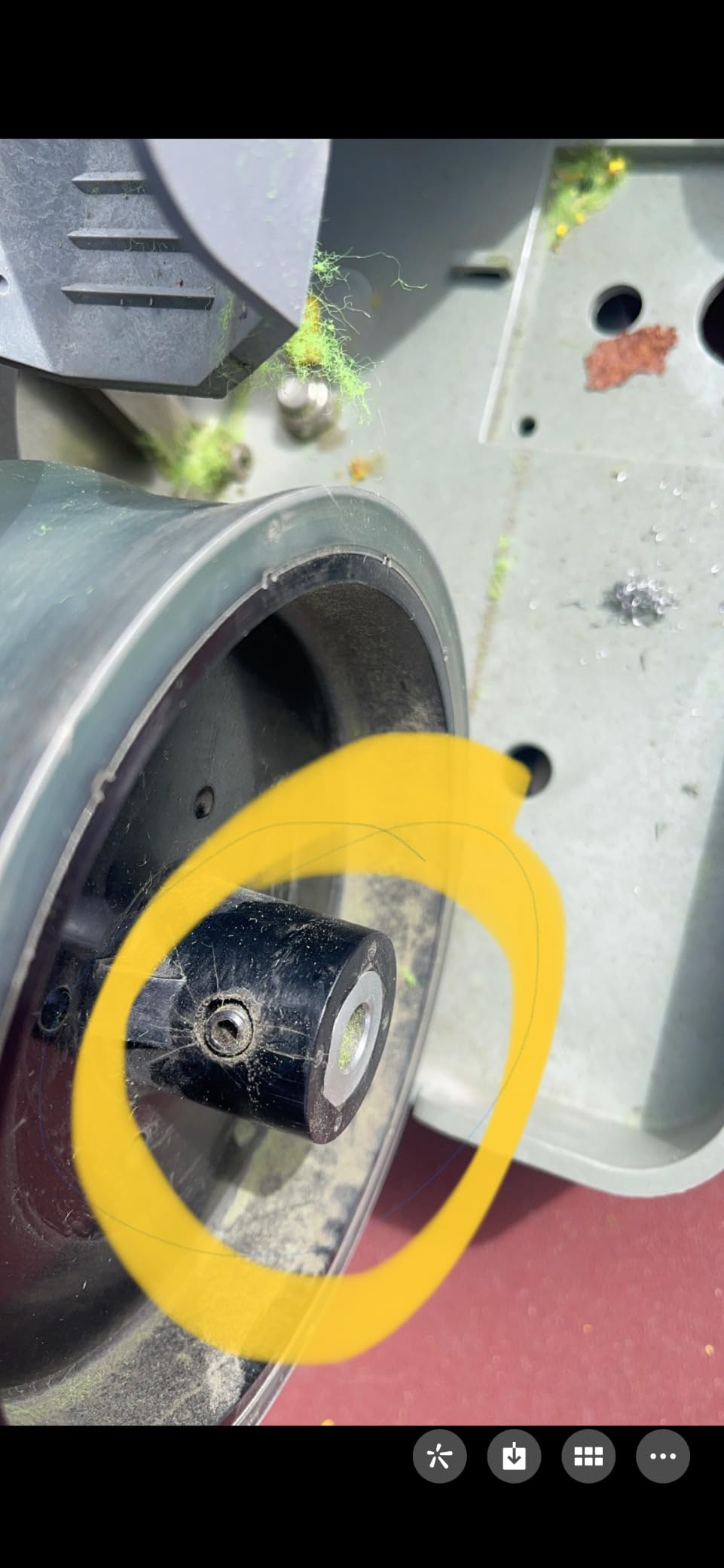
Spin is adjustable between topspin and backspin, and for solo practice that control matters more than most buyers expect. A flat ball trains contact but not depth. A ball with heavy topspin kicks up and drops short, which is what you get from a real opponent hitting from the baseline, and it trains you to hit heavy from a stable position rather than flat and long.
Horizontal oscillation feeds from one side, the other, the centre or a random position, and the random mode is where this machine earns its place. A predictable feed lets you cheat, and a random feed forces you to prepare, split-step and move, which is where most club players actually lose points.
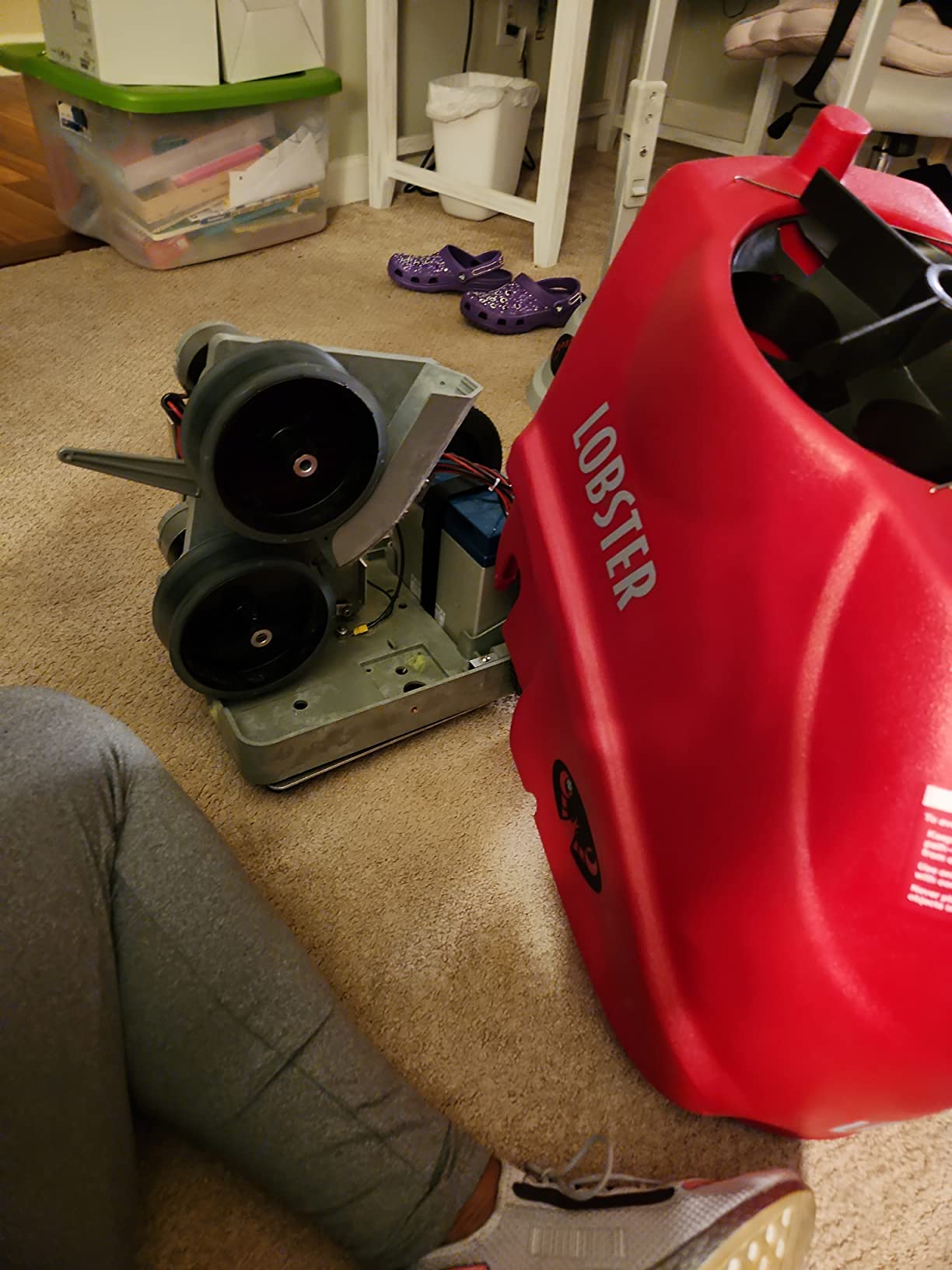
What the LOBSTER Elite does well on a real court
Setup takes about 30 seconds. The hopper inverts, the folding handle locks into place and the machine rolls out on 8-inch all-terrain wheels. On grass, gravel or a badly cracked hard court those wheels matter more than any app feature, because a machine that will not roll to the fence is a machine you will not use.
Battery runtime of 4 to 6 hours means most people get a full practice session on one charge. Recharge time is the part you feel, because owners report needing four to five hours to get back to full. Plan for two sessions per charge rather than one long session.
Where the LOBSTER Elite disappoints
At 42 pounds it is a two-hand lift into a car boot and a genuine strain at the end of a long session when you are tired. The folding handle latch is the single most repeated complaint in the reviews, described as flimsy plastic that can break after repeated use, and the bend where the handle folds can scratch skin and vehicle trim.
The remote is a separate purchase for some units, which matters if you plan to change settings from the baseline rather than walking back to the machine. The elevated lob angle also stops at 60 degrees, so if your goal is overheads from the service line you will be hitting lobs, not high topspin lobs.
2. Spinshot Pro Tennis Ball Machine – Metal Build and Simple Knobs
Spinshot Pro Tennis Ball Machine (The Best Model for Easy Use)
Build: metal not plastic
Controls: knob only
Weight: 49.8 lbs
Hopper: about 60 balls
Pros
- Only machine in its class built mainly from metal
- All features on knobs and simple to operate
- Handles and wheels ease transport
- About 60 ball hopper suits a standard session
Cons
- Battery sold separately from the machine
- Heavy at 49.8 pounds
- Balls occasionally jam in the dispenser
- One spin type per session
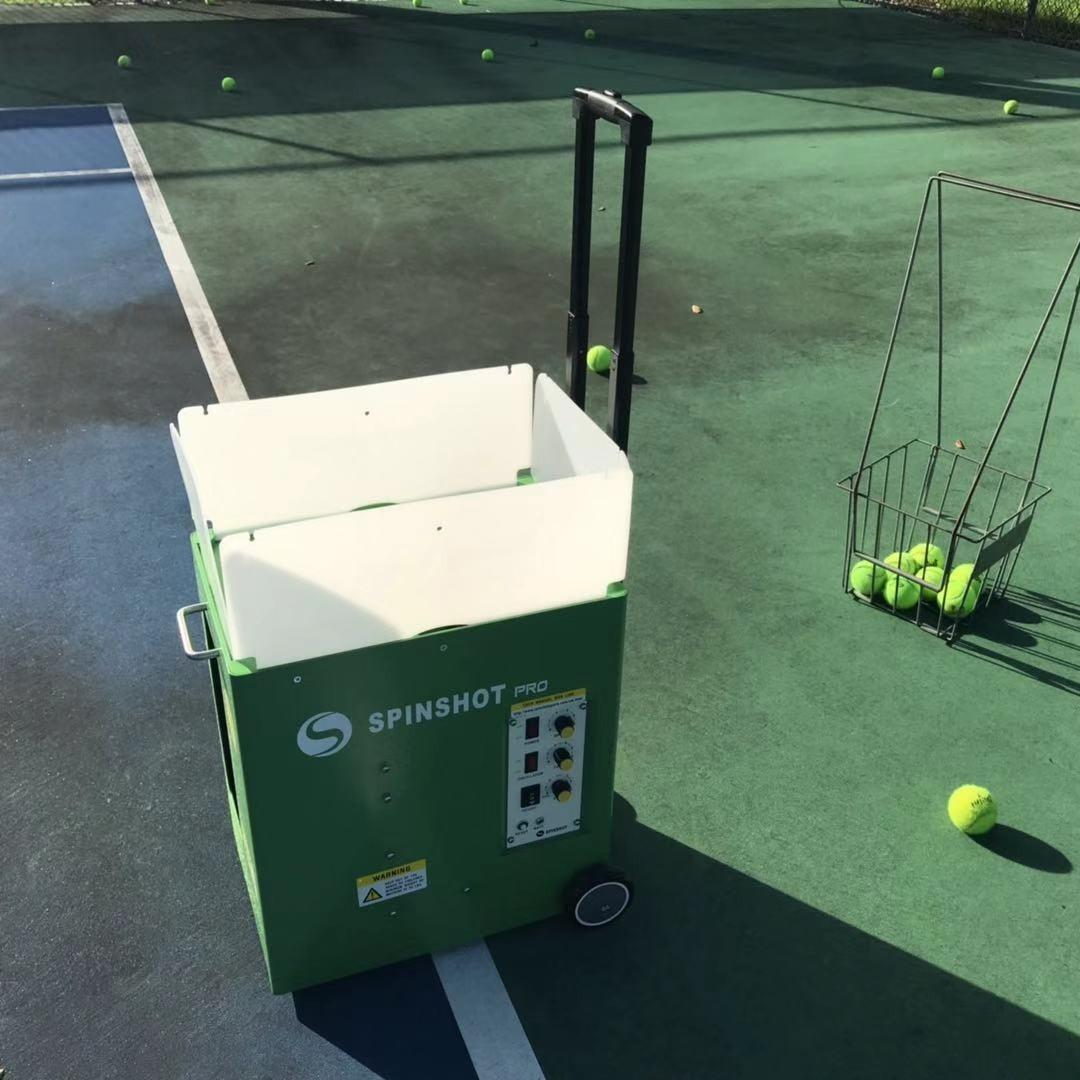
The Spinshot Pro makes one design decision that separates it from almost everything else in this roundup, which is that it is not primarily built from plastic. Metal does not mean light, and at 49.8 pounds this is the heaviest machine we reviewed, but metal means fewer broken latches and fewer cracked hopper flaps over five years of use.
Everything is on knobs. Speed, oscillation, rotation and lob are adjusted with dials rather than a phone, and that is a genuine advantage for a lot of solo players because there is no pairing, no firmware, no app update and no battery in the remote to die on a damp Sunday morning.
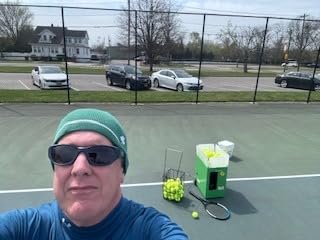
The trade-off for simplicity is precision. You get a consistent, adjustable feed but not a full-court landing map. The oscillator and rotation functions are enough to move you side to side, but if you want to hit at twenty-eight different spots across a full court, this is not the machine for it.
One spin type per session is a real limitation. If you want to work on both a topspin rally ball and a slice or drop shot feed in the same hour, you are changing the setup rather than just turning a dial.
When the Spinshot Pro earns its place
The roughly 60 ball hopper is enough for a focused session on one stroke without constant refilling, which suits a player who already knows what they want to hit. Buy a basket, keep it beside the machine, and the fill rate stops being the limiting factor in your practice.
Customer service has a good record on this machine. One owner reports a faulty battery replaced outside warranty, which tells you something about how the brand handles problems on a machine that has been sold for years.
Where the Spinshot Pro frustrates owners
The battery is not in the box. The charger is included, the battery is sold separately, and that is the first surprise many buyers meet. Budget for the battery as part of the machine rather than an accessory.
Ball jams in the dispenser are the most common running complaint, and reviewers describe having to dislodge balls by hand mid-session. The hopper flaps also feel flimsy, and the ball count is hard to read while you are hitting. Several owners report mixed long-term reliability, with machines stopping after a few months, so treat the warranty as important rather than decorative.
3. Spinshot Plus-2 Tennis Ball Machine – The Largest Hopper and App Programming
Spinshot Plus-2 Tennis Ball Machine (Plus2 Model =Plus Model + Player Model)
Hopper: 120+ balls
Programming: phone app
Spin and height control
Warranty varies by region
Pros
- Foldable hopper holds over 120 balls
- Phone app sets speed spin height angle and feed rate
- No paid remote upgrade needed
- Player Model module allows flexible oscillation
Cons
- Battery sold separately from the machine
- Folding the hopper does nothing for the lifting weight
- Long-term owner feedback is thin on this model
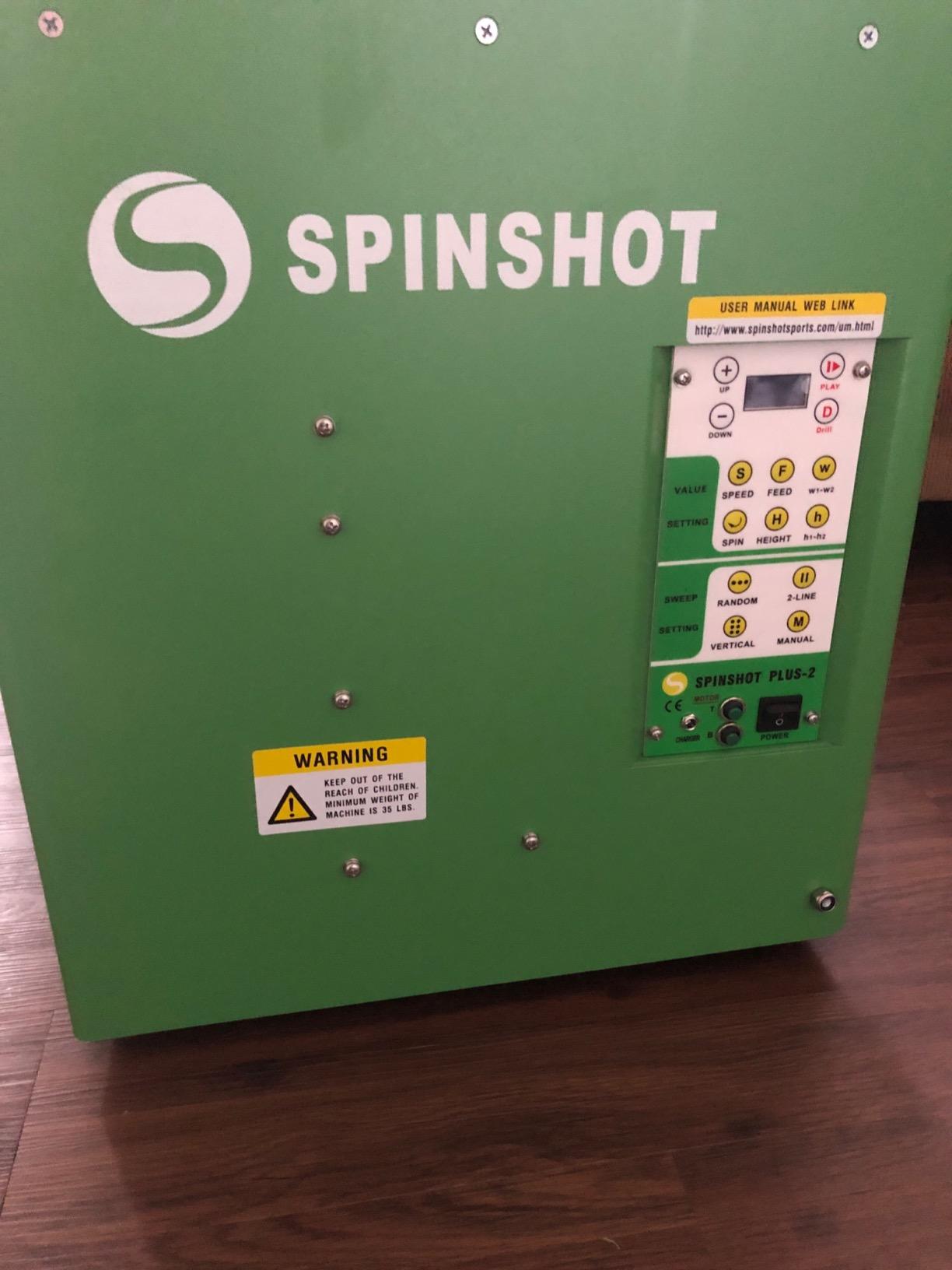
The Plus-2 is the feature-max Spinshot and it pairs the Plus model’s programming with the Player Model oscillation module. The headline difference over the lower models is the foldable hopper, which holds more than 120 balls. For a player running a long structured session, that capacity means you set a pattern, hit a hundred balls, refill once and move on.
The app programs each individual shot for speed, spin, height, angle and feed rate, and it does so without a separate remote upgrade. That matters because on some competing machines the app is a companion and the real control lives in a costly handset in the box.
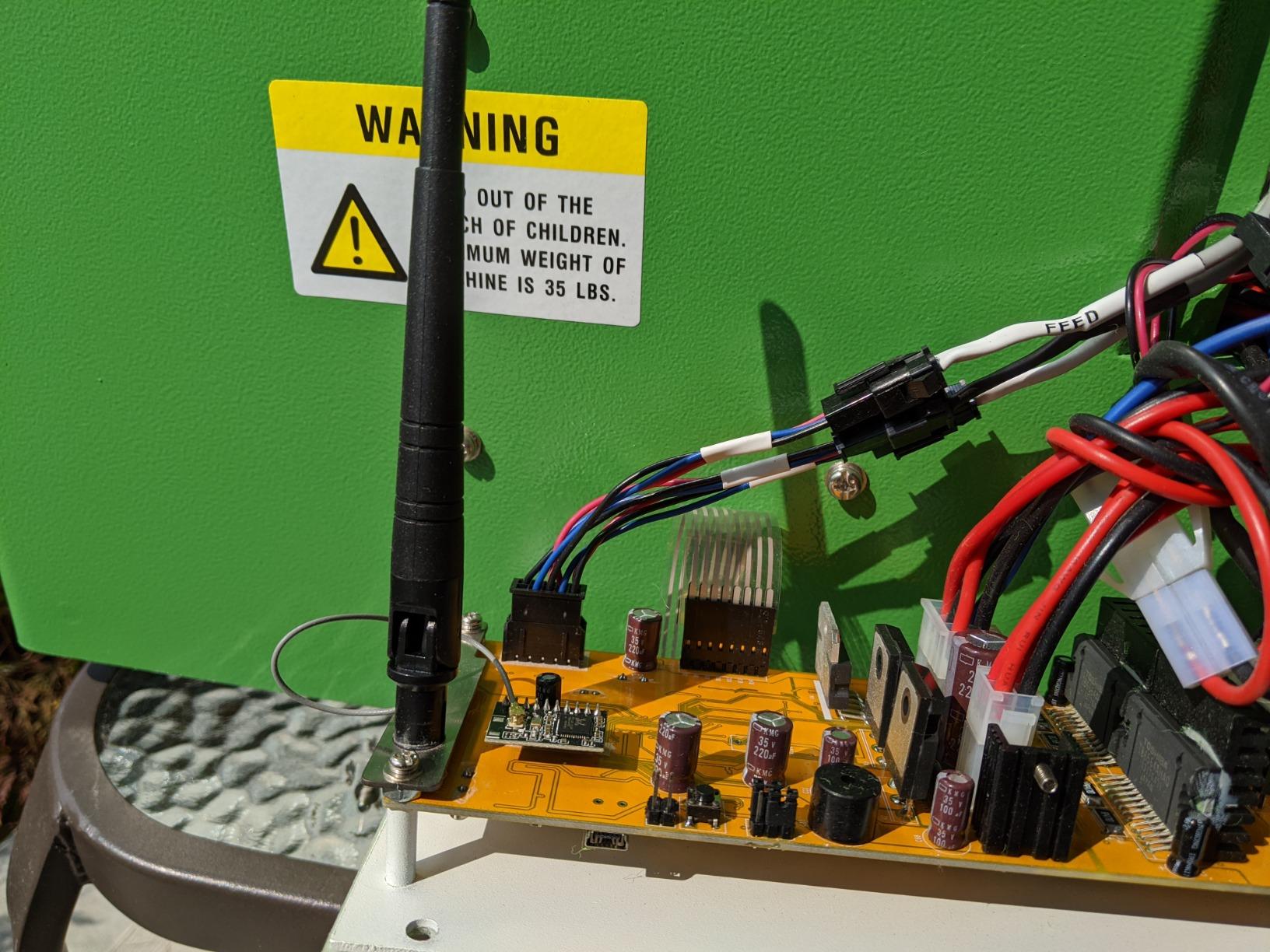
Any type of oscillation can be set through the Player Model, which takes this machine beyond the left-right sweep of an entry-level unit. For a solo player practising recovery patterns, that flexibility is the whole point of spending more here.
Construction is metal and plastic, which is the usual mix and gives you the durable parts where stress concentrates, on the frame and the hopper support, rather than a single moulded shell that cracks at the pivot.
Why solo players gravitate to the Plus-2
The programming model suits a specific way of practising. Instead of setting one feed and hitting until it bores you, you build a sequence of shots with different heights and intervals and let the machine run it. That is closer to a point than a rally, and point construction is what most club players struggle with.
Hopper capacity also changes your behaviour rather than just your convenience. With 120 balls loaded you are more likely to commit to a full block of repetitions instead of topping up the hopper every twenty minutes.
Where the Plus-2 falls short
It is the largest machine in this roundup, and the folds in the hopper are a good idea for storage but add nothing to lifting it. If your practice court is more than a short walk from your car, that weight will be the reason you stop using it.
The battery is sold separately again, and long-term owner feedback on this model is thinner than on the Spinshot Pro. It is also the top of the Spinshot range reviewed. If you want app-driven variety but need to travel to the court, the Spinshot Plus is the version to look at instead.
4. Spinshot Plus Tennis Ball Machine – Programmable Oscillation Without the Extra Module
Spinshot Plus Tennis Ball Machine (Best Model for an Intermediate Player)
Build: metal
Control: panel or app
Rating: 3.9 from 91 reviews
Warranty varies by region
Pros
- Metal construction rather than plastic
- Quick oscillation programmable by panel or free app
- Patented de-jam design cuts feed interruptions
- Works equally well for either handedness
Cons
- Lowest rating of the Spinshot machines at 3.9
- 19 percent of reviews are one star
- Battery sold separately
The Spinshot Plus sits between the entry Spinshot and the Plus-2, and the de-jam design is the feature worth noticing. Feed interruption is the quiet killer of solo practice, because you stop, walk to the machine, clear it, walk back and lose the rhythm of the session.
Quick oscillation is programmable from the control panel or from a free phone remote app, so you can build a repeating side-to-side pattern without a paid handset. For an intermediate player who wants to work on recovery and lateral movement rather than just consistency, that is a sensible middle ground.
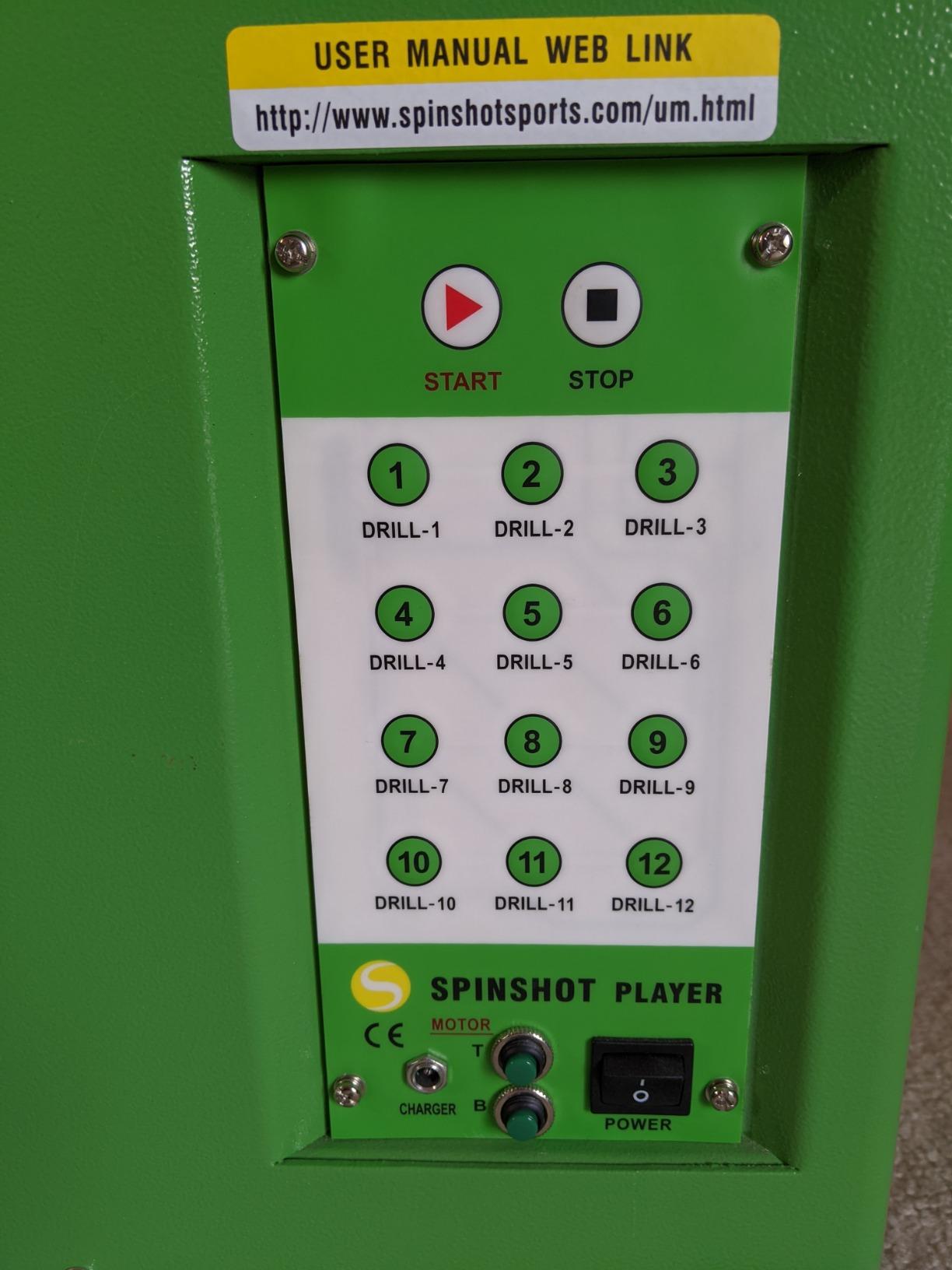
It is also built for both handedness, which sounds minor until you realise most machines assume a right-hander’s setup and put the oscillation pivot on one side only.
The 42 pound weight sits in the middle of this group. Not portable, not unmanageable, and it rolls on wheels rather than needing a carry.
Who should buy the Spinshot Plus
If your sessions are structured and repetitive rather than exploratory, this machine works. Set a pattern, hit the pattern, change one variable. Players who want twenty-eight variable landing points are better served by the Plus-2 or one of the app-driven machines further down this list.
The panel control is the underrated part. If you practise outdoors with poor signal, you are not relying on a connection to change your drill.
Where the Spinshot Plus falls short
This is the weakest rating in the Spinshot range at 3.9 from 91 reviews, and 19 percent of those reviews are one star. That is a meaningful group of owners reporting failures or feed problems, and it is the single strongest argument for buying with a card that gives you a straightforward return path.
The battery is sold separately as well. Combined with the middling rating, that is why this sits fourth rather than higher despite sensible features.
5. Furlihong 3807BH Tennis Ball Machine – The Stable Budget Feed Machine
Furlihong 3807BH Tennis Ball Machine with Triangular Base
Base: triangular iron
Speed: low to high
Power: battery and AC
Warranty: 12 months
Pros
- Low cost entry into machine practice
- Triangular iron base stays stable when hitting
- Automatic swing launch port holds any angle
- Runs on battery or the included AC adapter
- Carry bag included for transport
Cons
- Lowest rating in the group at 3.8
- 12 percent of reviews are one star
- Narrower speed range than full-size machines
- Tennis balls not included
The Furlihong 3807BH is the machine to consider when the question is whether machine practice works for you at all, rather than which machine is best. It does the fundamentals, sits at the budget end of this roundup, and the 12-month warranty keeps the downside small.
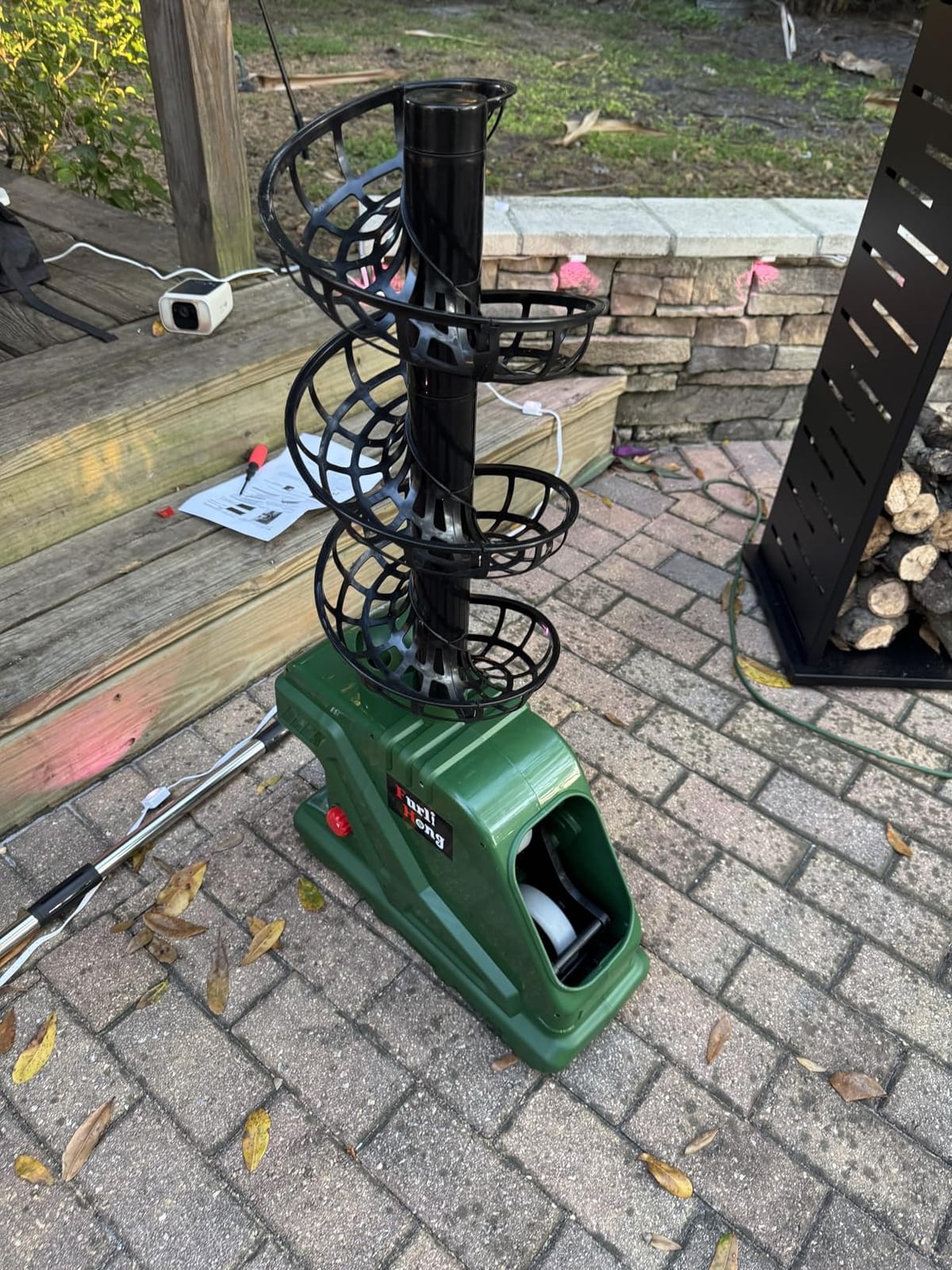
The triangular iron base is the feature that separates it from a plastic ball dropper. A machine that slides or creeps while firing changes your contact point without telling you, and an iron base holds position. That single design choice does more for consistency than most of the software on expensive machines.
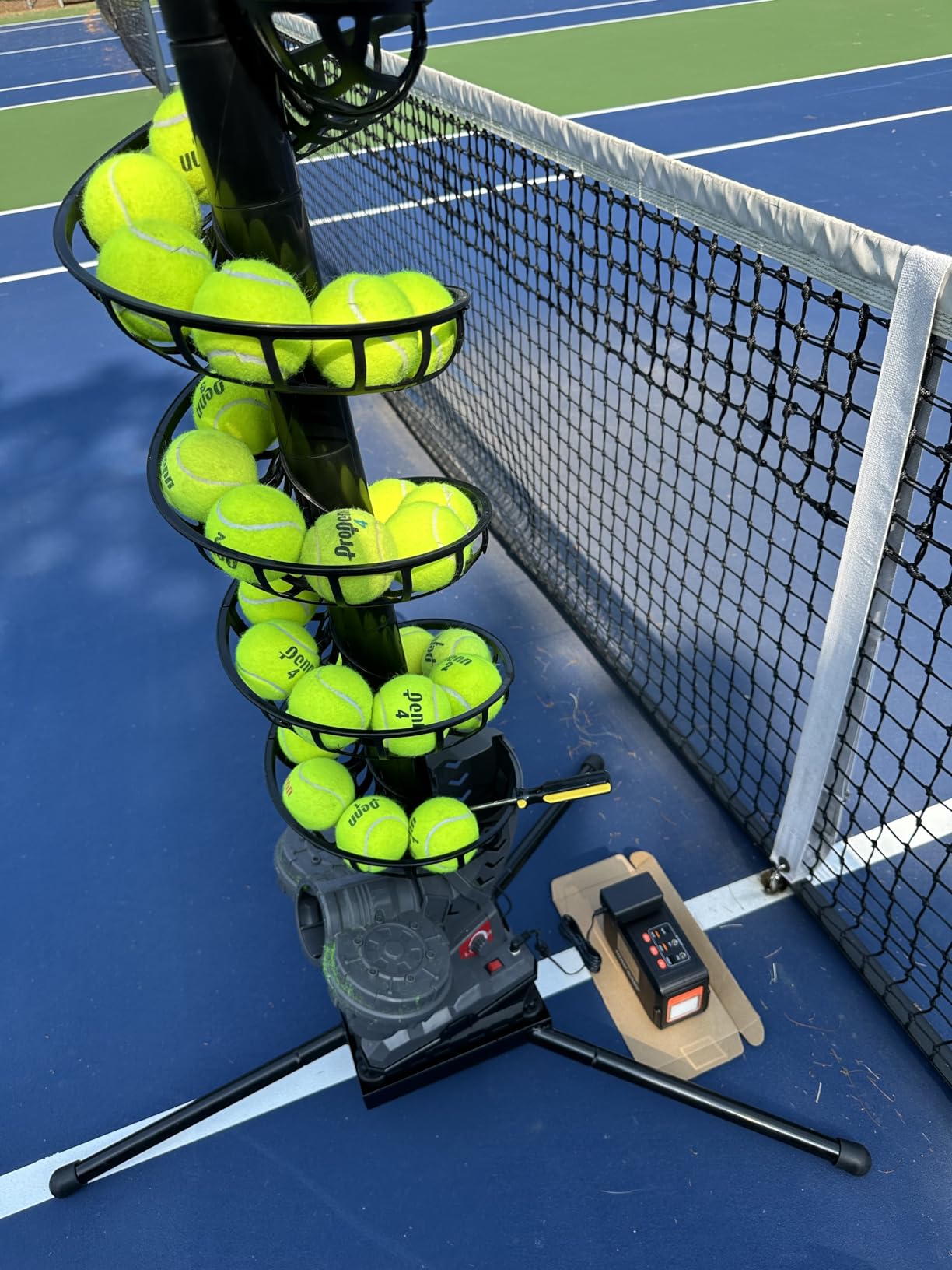
The automatic up-and-down swing launch port holds any desired angle from a button press, which is a genuinely useful bit of automation at this level. You are not crouching beside the machine adjusting a bracket.
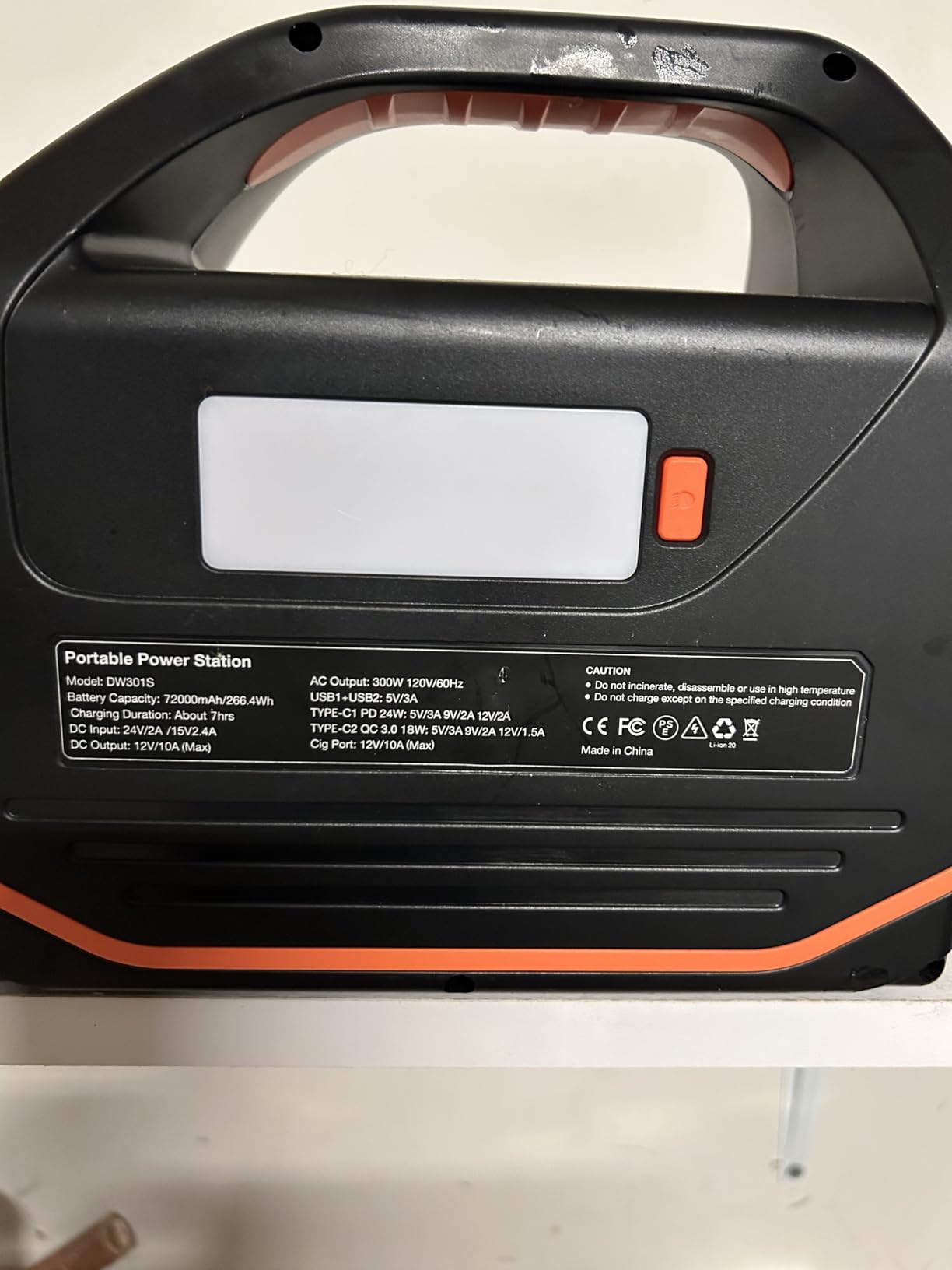
Dual power means you can use it indoors or outdoors without a dedicated outlet near the court. The included carry bag and the 22 by 22 by 38 inch footprint make it one of the easier machines here to move on your own.
What the 3807BH is genuinely good at
It is a repetition tool. A player working on one thing, such as a forehand contact point or a recovery step, gets a repeatable feed at a steady interval and can judge their own progress honestly.
The box includes the AC adapter, a screwdriver, ball tracks, a top track, the carry bag and the swing base. You will need your own balls, and that is worth remembering when you plan the first session.
Where the 3807BH disappoints
The 3.8 rating is the lowest of the twelve and 12 percent of reviews are one star, focused on limited power and feed consistency compared with larger machines. If you want to practise against a fast ball from a high-bouncing position, this will not deliver it.
A 12-month warranty is the shortest protection on any machine here. On a cheaper unit that risk is easier to accept, but if you buy it expecting five years of daily use, you will be disappointed.
6. Furlihong 3819BH Tennis Ball Machine – Lightest and Simplest for Beginners
Furlihong 3819BH Portable Tennis Ball Machine
Weight: 4.01 kg
Max speed: 30 MPH
Angles: 5 settings
Warranty: 12 months
Pros
- Lightest machine in the roundup at 4.01 kg
- Five angle settings cover forehand backhand flat slice and volleys
- Two power levels and four feed intervals for drills and form work
- Easy to carry between courts
- Best rated of the two Furlihong models
Cons
- 30 MPH ceiling is well below full-size machines
- 15 percent of reviews are three star
- Plastic construction
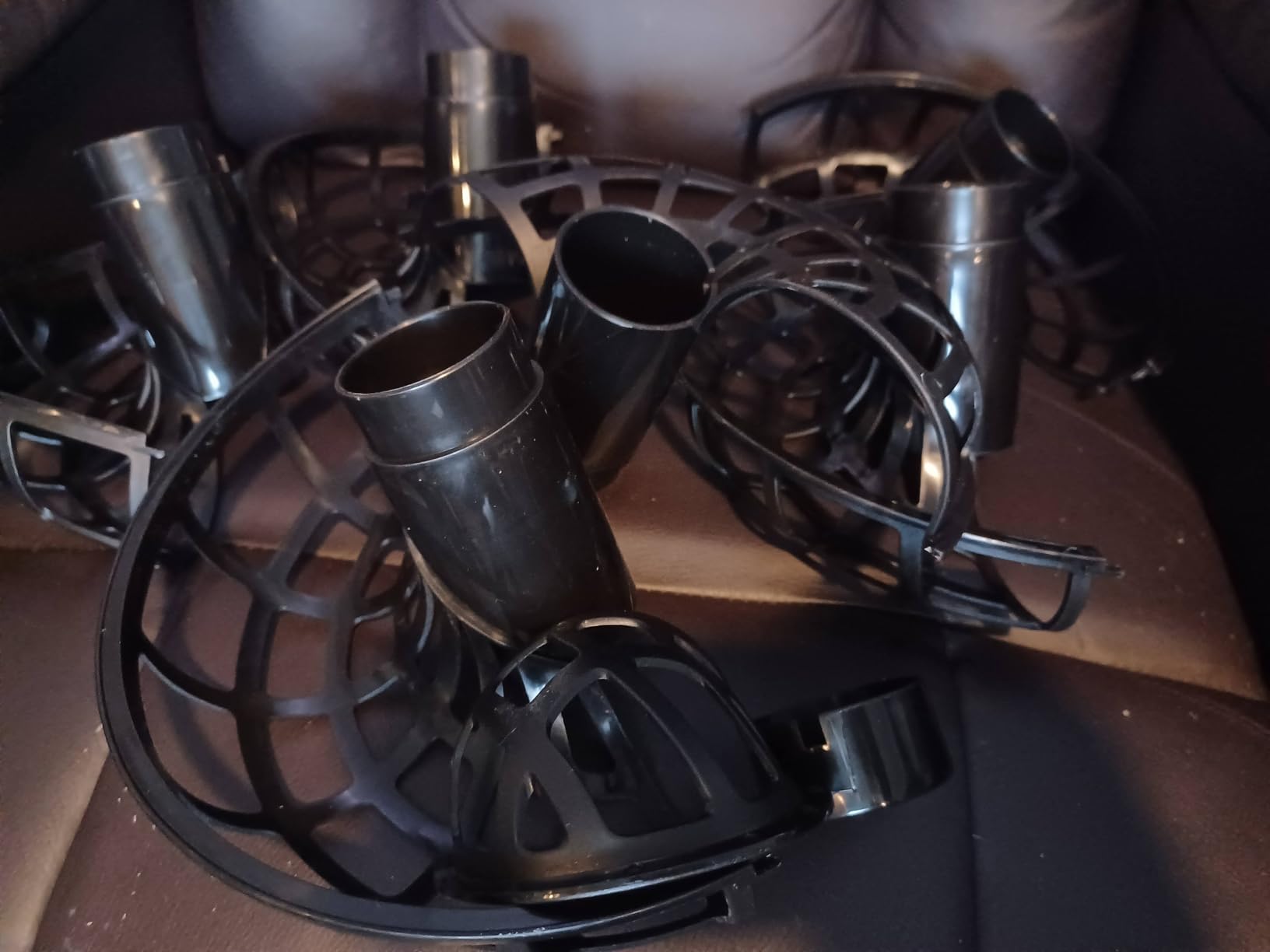
The 3819BH is the machine for a beginner, a family, or anyone who needs to carry a feeder from a car boot to a court gate without asking for help. At 4.01 kg it weighs less than a full case of balls, and the included ball tracks, top track and screwdriver mean it is ready to go.
Five angle settings map to forehand, backhand, flat, slice and volley positions, and two power levels with four serve intervals give you enough variety for form work. That is the correct feature set for someone learning, because at that level you want consistency of type rather than a wide range of types.
It runs on the included AC adapter, which means no battery purchase and no battery degradation to think about over three or four years of ownership. For a learner who practises twice a week near a house with a socket in the garage, that is a completely sensible setup.
The 4.0 rating is the better of the two Furlihong entries, and reviewers treat this as a training tool rather than a performance machine.
Where the 3819BH makes sense
Public park practice is the scenario it wins. You can carry it, set it up on grass or a hard surface, and pack it away again in a minute. None of the twelve machines is easier to move without a car.
For a child learning with a parent, or an adult returning to tennis after years away, the ceiling is genuinely high enough. Ball speed up to 30 mph is more than a developing forehand needs.
Where the 3819BH stops being enough
The 30 mph ceiling is the most common limiting factor named in reviews, and 15 percent of them sit at three stars because of it. As you improve, you will outgrow it fast, and the next machine will be a larger purchase.
Plastic construction and a 12-month warranty are the other limits. This is a tool, not an investment, and it is priced and should be judged that way.
7. PUSUN PT-Smart Tennis Ball Machine – Twelve Drill Modes and Padel
PUSUN PT-Smart Tennis Ball Machine: App Control,12 Drills,6-Level Spin,28-Pt,14 Padel Modes,75 MPH,32.6 lbs,100+ Ball, 5H Battery, Portable, for Fitness,Coaches,Solo Practice,Pros,School (White)
Speed: 12-75 MPH
Oscillation: 28 landing points
Battery: 4-6 h
Weight: 32.6 lbs
Pros
- Drills organised by NTRP level from 1.0 to 5.0
- 28 programmable landing points for full court coverage
- External battery charges away from the machine
- Control from app remote or Apple Watch
- Dust-proof mainboard and jam-free feeding
- 74 percent of reviews are five star
Cons
- External oscillation movement telegraphs the next feed
- 32.6 lbs needs a real car rather than a hatchback
- App has a learning curve
The PT-Smart is built around a library of drills rather than a set of dials, and that is the real difference. Twelve built-in training modes are organised by NTRP level from 1.0 to 5.0, so a beginner and a club player use the same machine with different starting points. For solo practice this is the closest thing to a coach you can put on a court.
Twenty-eight programmable landing points with external oscillation give genuine full-court coverage, and the speed range runs 12 to 75 MPH with feed intervals from 1.8 to 8 seconds and six spin levels. Triple control means you can change speed, interval and spin from the app, the remote or an Apple Watch without walking back.
The 153.6Wh external battery gives four to six hours and more than 5700 shots, and because it is external you can charge it at home overnight without moving the machine. The dust-proof mainboard is rated for hard courts and red clay, which matters if you move between surfaces. Seventy-four percent of its reviews are five star, one of the strongest single distributions in this group.
Why the drill library matters for solo work
Sessions fail when you have to decide what to hit and then walk twenty steps to change a setting. With twelve built-in modes and a Primary and Fixed speed mode plus a Vary Speed mode, you can commit to a structure. The Vary mode is where this machine earns its place for an advanced player, because unpredictable pace is what match tennis actually looks like.
There is also a one-tap Padel Mode with fourteen specialised drills including Bandeja and Bajada. If you play both sports, that alone can justify the machine.
Where the PT-Smart gets in your way
The oscillation is external, meaning the barrel visibly moves before it fires. Owners who compared it with an internal-oscillation machine describe the feed as more predictable, because you can read where the ball is headed. That is a real cost for a drill that depends on genuine reaction.
At 32.6 lbs it needs a proper car rather than a small hatchback, and some buyers find the app complex for the first few sessions. Set aside an evening with a manual before you take it to the court.
8. TENNIIX Basic Tennis Ball Machine – The One You Can Actually Carry
TENNIIX Basic Tennis Ball Machine, 18.7LB Portable Tennis Robot, Black
Weight: 18.7 lb folded
Runtime: 4 h or 1800 shots
Speed: up to 75 MPH
Control: app and voice
Pros
- Lightest full-speed machine at 18.7 pounds
- Folds to 15.4 x 10.7 x 17.6 inches
- Voice control through a wrist armband
- App control of speed spin angle and timing
- 9 shot patterns and 6 match rally styles
Cons
- 17 percent of reviews are three star
- AI Vision module costs extra
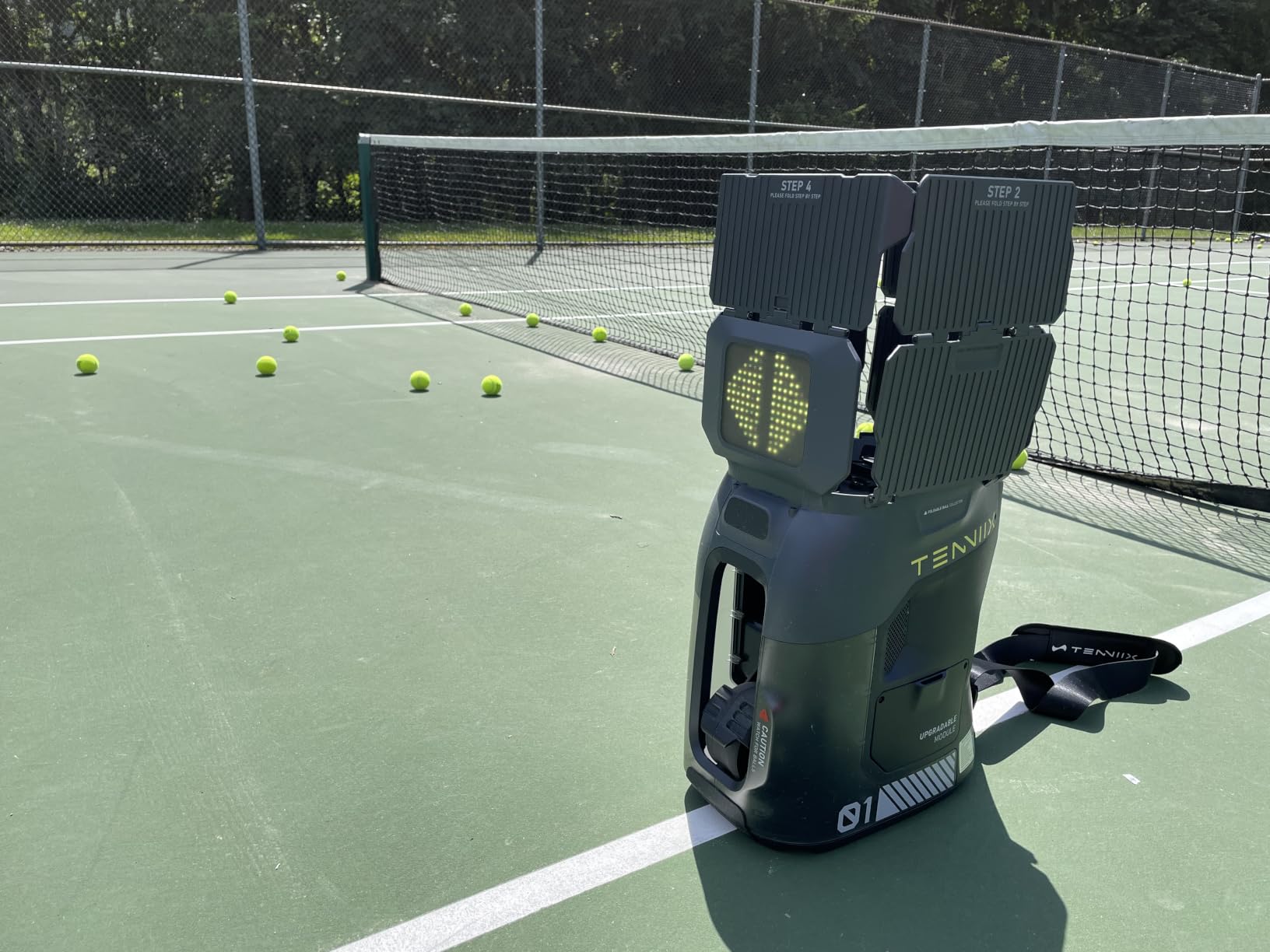
If your limiting factor is carrying the machine, this is the answer in this roundup. At 8.5 kg it is the lightest machine here that fires up to 75 MPH, and it folds to 15.4 by 10.7 by 17.6 inches. That is small enough for most car boots and close to cabin luggage size, which means solo practice stops being a two-person job.
The removable 7000 mAh battery delivers up to four hours or around 1800 shots per charge. That is a full session on one charge, and because the battery comes out you can charge it separately from the machine.
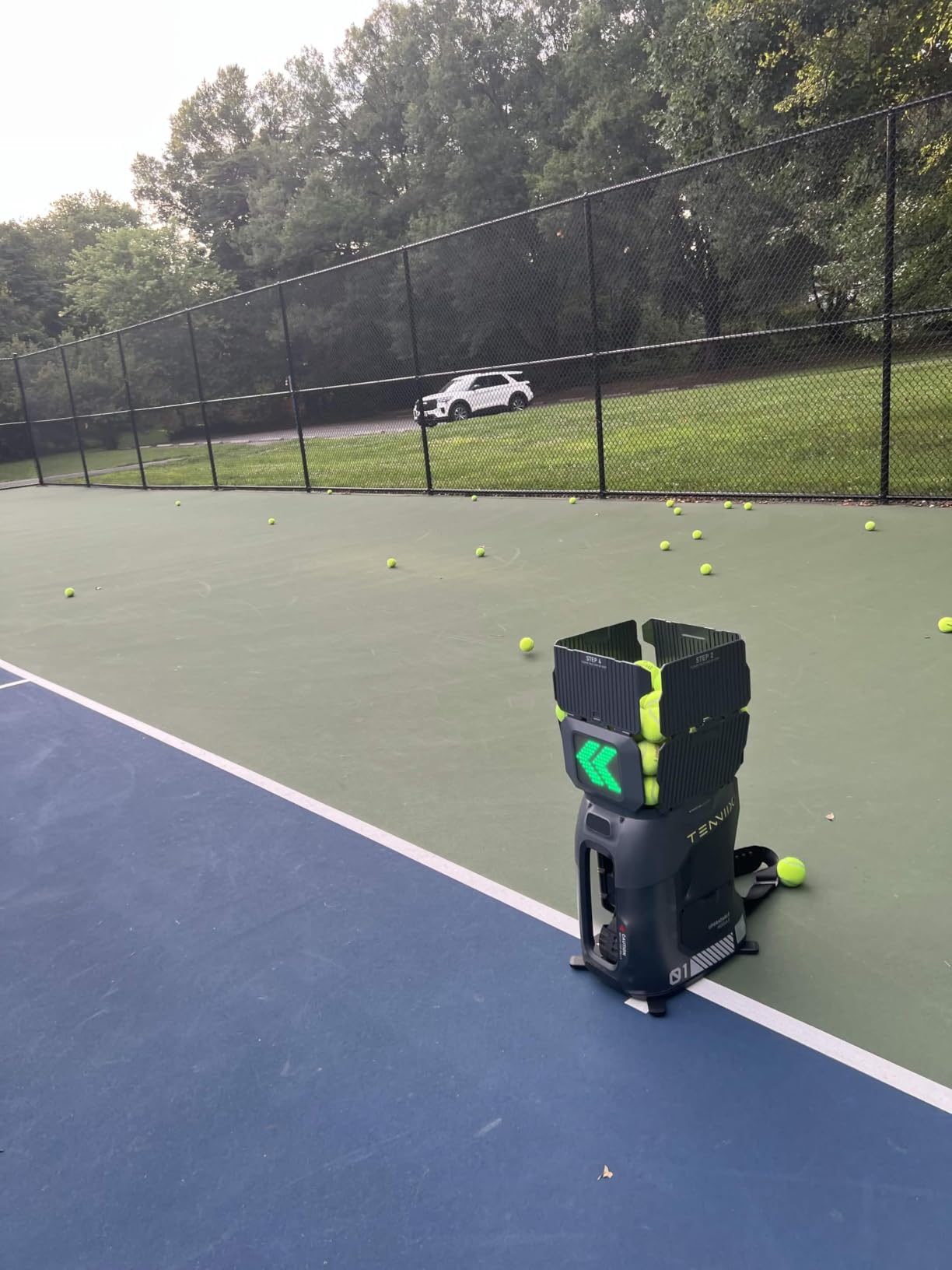
The voice-controlled wrist armband is the feature we did not expect to care about and then used most. With Bluetooth 5.2, WiFi and 46 direct voice command keywords, you change speed or spin from the baseline instead of walking back. In a two-hour session that walk-back happens dozens of times and each one breaks concentration.
The app covers speed, topspin and backspin, launch angle and interval timing with more than a thousand combinations, and you can save drills. There are nine shot patterns plus six match play rally styles with NTRP presets from level one to three.
Where the TENNIIX Basic changes the routine
Public park and small club courts are the environment it unlocks. Portable use is the most commonly reported reason players in online solo-equipment discussions buy a machine, and weight is almost always the blocker. This is one of the few machines here that removes it.
The dual-wheel launch means top and backspin are available at speed, so portability does not mean giving up spin control the way the budget Furlihong units do.
Where the TENNIIX Basic stops short
Seventeen percent of reviews sit at three stars, which points to an unclear value ceiling rather than a specific fault. If you need a large hopper, deep programme libraries or a warranty longer than a year, this is not that machine.
The AI Vision module, which adds Challenger Mode progression, is an extra purchase rather than standard. Treat that as optional and buy the machine on what it does out of the box.
9. Nisplay Portable Tennis Ball Machine – Best Rated and Best for Shared Courts
Nisplay Portable Tennis Ball Machine (26lbs) – Dual Motor for TopSpin and Backspin, 80+ Balls, Max 68MPH, 4+ Hours Play with External Lithium Battery (Ball Machine + Oscillator Combo)
Weight: 26 lbs
Speed: to 68 MPH
Battery: 4+ hours
Spin: dual motor
Pros
- Highest rating of the twelve at 4.5 with no one-star reviews
- 26 pound aluminum body fits a sedan boot
- Detachable battery can stay at the club between sessions
- Rarely jams and holds a fast top feed rate
- Same-day service reported on repair and replacement
Cons
- Remote does not control the oscillator or wheels
- Oscillation spray is skewed between sides
- Delivered speed falls short of the advertised 68 mph
- Y cable is short and wears at the pivot
The Nisplay is the highest-rated machine in this roundup at 4.5 across 46 reviews, with no one-star ratings at all. Sixty-seven percent of reviews are five star and 21 percent are four star, and that distribution is unusual in a category where reliability complaints are the norm.
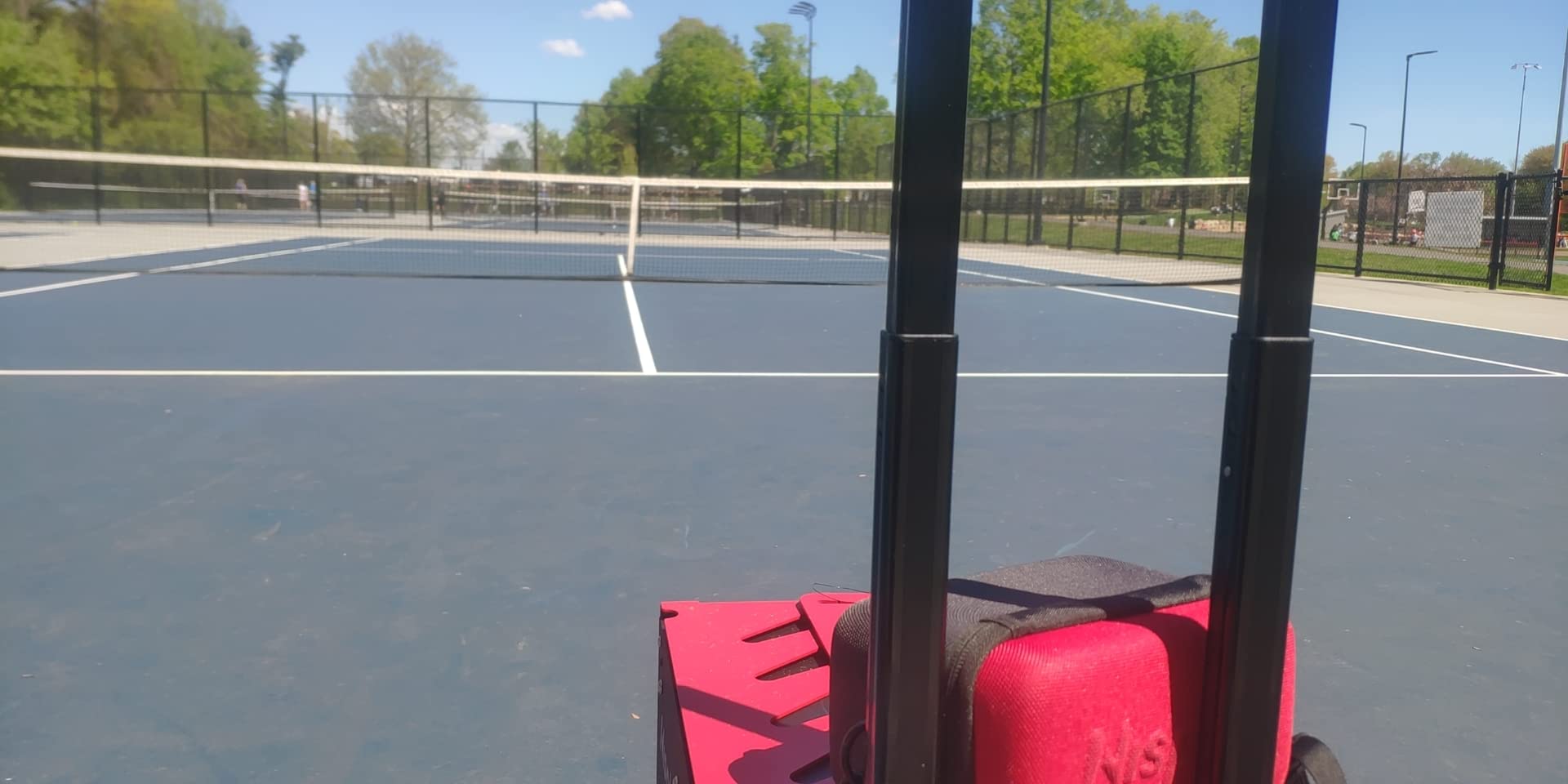
The 26 pound aluminum body is about the size of a basketball. That is the single most important practical fact about this machine, because it fits in a sedan boot alongside a basket of balls and it can be lifted one-handed by most adults.
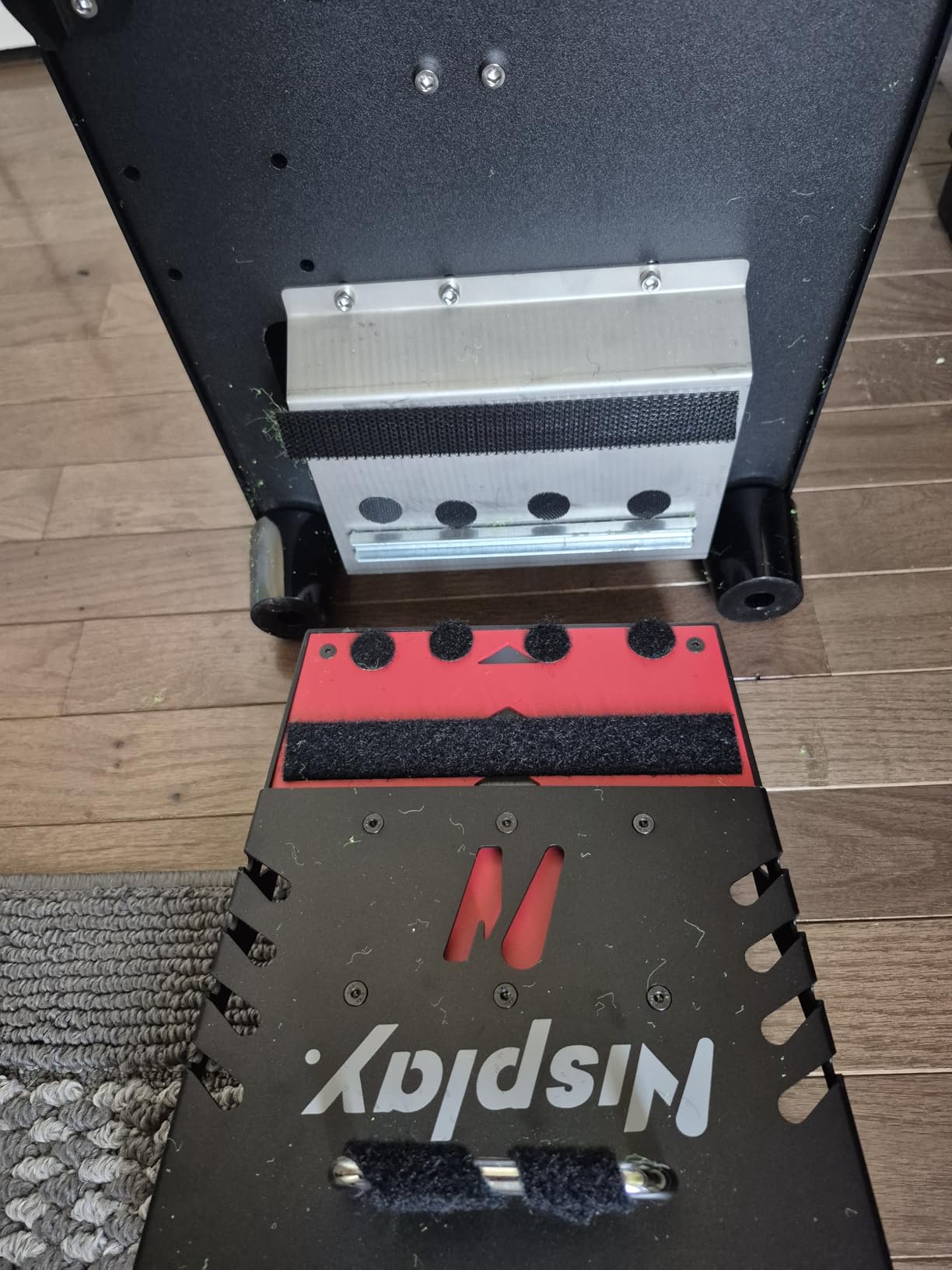
The detachable lithium battery gives four or more hours of play and, more importantly, can stay at the club while you take the balls home. For anyone who does not want to carry a machine through a club reception twice a week, that is the feature that makes ownership realistic.
Setup is fast, with a roughly ten-second battery connection. The dual motor gives adjustable topspin and backspin at multiple levels, feed intervals from 1 to 9 seconds, manual oscillation, and elevation from 0 to 50 degrees with capacity for more than 80 balls.
Why owners rate the Nisplay so highly
Jam resistance shows up repeatedly in reviews, and feed consistency is what a machine exists to provide. Owners also report customer service replacing a missing power cord and repairing an oscillator the same day, which is the kind of support that decides whether a machine stays in the garage or gets used.
The oversized wheels and three-foot folding handle roll over grass, gravel and curbs, so it does not need a perfectly smooth route from the car park to the court.
Where the Nisplay falls down
The remote is limited. It does not control the oscillator or the launch wheels, so remote changes are partial rather than complete. The oscillation spray is also described as skewed, with one side pivoting further than the other, which means your left and right repetitions are not identical.
Achieved ball speed falls well short of the advertised 68 mph over the net, spin output is weaker than some entry-level competitors despite the dual motor claim, and the Y cable linking battery, machine and oscillator is too short and wears at the pivot. Feed can also delay slightly with a full 80-ball basket.
10. PONGBOT PACE S PRO Tennis Ball Machine – Longest Sessions and Smart Sensor Drills
PONGBOT Tennis Ball Machine, APP and Remote Control, Custom Drills, 150 Ball Capacity, Max 80mph,8+ Hours of Endurance, Dual Motor for Topspin and Backspin, PACE S PRO
Speed: 80 MPH
Hopper: 150 balls
Runtime: 8+ hours
Spin: 60 rps dual motor
Pros
- Recovery trigger drills fire only when you are positioned correctly
- 150 ball capacity and over 8 hours of runtime
- App with good visuals and a user drill community
- Remote-controlled barrel opening for ball pickup
- Quality wheels and it fits a car boot
Cons
- Balls do not always land at the same position
- Mandatory beep on every throw
- Plastic finish scratches in transport
- 46 pounds is a heavy lift
- Some report AI sensors detecting nothing
The PACE S PRO is the endurance machine of this group. A removable battery with a battery management system delivers more than eight hours of runtime and a 150 ball hopper, and those two numbers together mean a full morning session without a single stop. Nobody else in this roundup gets close on either.
Its distinctive feature is smart sensors driving recovery trigger drills, which only fire when you are in the correct position. Owners describe that as genuinely different from a timer-based feed, because it forces recovery rather than rewarding it. There are also adaptive rallies and NTRP match challenges, and you can share and download drills through a user community.
Performance is 80 MPH, 60 rps spin and six oscillation spots. Thirty drills sync from the app to the remote and over-the-air updates keep the library growing. It works on clay, hard and grass and for padel.
What makes this the long-session pick
Eight hours of battery and 150 balls changes how you practise. You can structure a session in blocks, work on serve-plus-one patterns for an hour, take a break, and come back to a machine that has not stopped. Very few players own machines they can leave running through a whole practice.
The remote-controlled barrel opening is a small, thoughtful detail. After hitting a few hundred balls the hopper is full of fuzz and grit, and opening it remotely saves a trip and a squashed finger.
Where the PACE S PRO annoys people
It beeps on every throw and there is no way to disable the sound. On a public park court beside houses this is a real problem, and it is the complaint we would weigh most heavily for anyone practising outdoors in a built-up area.
At 46 pounds it is heavy to lift, the plastic finish scratches easily in transit, and balls do not always land in the identical position. Some users report the AI sensors detecting nothing at all and finding the app hard to navigate, so the headline feature is the one most likely to disappoint.
11. Wilson Portable Tennis Ball Machine – Three Year Warranty and Knob Simplicity
Wilson Portable Tennis Ball Machine. Speed 75 MPH. Variable Topspin/Underspin. Random Oscillatror. Electronic Elevation. from The #1 Name in Tennis – Wilson Sports
Speed: 10-75 MPH
Oscillation: random
Control: knobs
Warranty: 3 years
Pros
- Made in the USA with a three year parts and labour warranty
- Knob controls with no app or programming required
- Good range of pace spin height and side-to-side settings
- Random oscillator sends shots randomly across the court
- 110 ball capacity with towing handle and large wheels
Cons
- Hopper side flaps are flimsy and balls fall out
- Cannot simulate a random match point
- Delivered speed falls short of the advertised 75 mph
- Awkward to reposition after a couple of hours
This is a Sports Tutor machine sold under the Wilson name, and the thing that separates it from everything else here is the warranty. Three years of parts and labour, US-based service, made in the USA. Everything else in this roundup is protected for one year, two years in the LOBSTER’s case, or three years on the PUSUN PT-Smart Pro.
It holds a 4.4 rating across 31 reviews with 73 percent at five stars. The controls are entirely by knob, no programming and no phone required, and the feed covers 10 to 75 MPH with electronic elevation from groundstrokes to lobs and adjustable topspin and underspin from light to heavy on a single control.
The random oscillator sends shots randomly across the court, which is the honest answer to players who say random feeds are what make practice realistic. Feed intervals run from every 1.5 seconds to every 10 seconds, and the internal rechargeable battery with smart charger gives up to four hours.
Why the warranty changes the decision
Battery and motor failures are the most common long-term complaints across this whole category. A three-year warranty with US-based service is worth more than any software feature if you intend to use a machine twice a week for several seasons. It also ages more gracefully on a resale listing.
For players who dislike apps, this machine is refreshing. Nothing to pair, nothing to update, no firmware thread to read at midnight before a session.
Where the Wilson Sports Tutor frustrates owners
The hopper side flaps are flimsy and balls fall out during vibration, which some owners work around with twist ties. That is a small job, but it is a job you do every time you load the machine.
Achieved speed falls short of the advertised 75 mph, and there is no random mode that builds a full match point sequence. The towing handle and wheels move it well across a flat surface, but after a couple of hours it becomes cumbersome to reposition because the handle sits at mid-height.
12. PUSUN PT-Smart Pro Tennis Ball Machine – Hides the Feed So You Cannot Read It
PUSUN Tennis Ball Machine,PT-Smart Pro Internal Oscillation
Speed: 12-75 MPH
Oscillation: internal hidden
Battery: 5 h
Weight: 32.6 lbs
Pros
- Internal oscillation hides movement so the feed cannot be read
- App remote and Apple Watch control
- 12 built-in drills with NTRP 1.0 to 5.0 progression
- Large external battery for four to five hours
- Support sends parts with instructional repair videos
Cons
- 18 percent of reviews are one star
- Delivered speed measures around 45-50 mph rather than 75
- Depth-varying drills can send balls up unexpectedly
- Phone and watch cannot be used at the same time
The PT-Smart Pro exists to fix one problem with the PT-Smart, and it does. The oscillation is internal, the outer shell stays still and the launch window is wider, which means the barrel does not visibly swing before firing. If your goal is a ball you genuinely cannot predict, this is the machine in the roundup.
Everything else follows the standard model: 12 built-in drills with NTRP 1.0 to 5.0 progression, one-tap Padel Mode with 14 drills, app, remote and Apple Watch control, speed from 12 to 75 MPH, feed intervals from 1.8 to 8 seconds, six spin levels, and a dust-proof mainboard for hard courts and red clay.
The battery is external and gives four to five hours and more than 5000 shots, charging away from the machine. A repair wrench set is included, and support sends replacement parts with instructional repair videos, which is a better after-sales story than most machines here can offer.
Who the internal oscillation actually helps
Players working on reaction, return of serve and split-step timing. If you can see the barrel move, you can cheat without noticing, and months of cheating is exactly how a bad habit survives. Hiding the movement removes the cue.
It also suits point play, where a pattern that changes unpredictably forces you to read the previous shot rather than pre-loading a recovery position.
Where the PT-Smart Pro divides owners
Eighteen percent of reviews are one star, the highest one-star share among the machines with a rating, and those reviews focus on the speed claim not matching reality, with measured speeds around 45 to 50 mph. Drills that vary depth can also launch subsequent balls into the air unexpectedly, which is disorientating rather than challenging.
With only 21 reviews it also has the thinnest review base of the twelve, so the 4.0 average is less well evidenced than the numbers on the machines above it. Phone and watch cannot be used simultaneously either.
How to Choose a Tennis Ball Machine for Solo Practice
Start with where you actually practise
Court access, not features, decides this purchase. If you have a home court, weight is irrelevant and hopper capacity and programmability matter most. If you play at a club, you need something that fits a car boot and, ideally, a detachable battery so you are not carrying the machine through the building. If you play at a public park, weight is the first filter, because a machine you cannot lift to the gate will live in the garage.
Before buying anything, check the rules at a public park. Some courts permit machines and some do not, and courts near housing often have noise expectations that affect your choice of machine more than any other factor.
Ball speed: what range you actually need
Speed is quoted in miles per hour and it is the number buyers fixate on and misunderstand. A machine advertised at 75 mph rarely delivers 75 mph over the net, and the gap is largest on the cheapest units. Treat the advertised figure as an upper bound.
For beginners and form work, anything up to about 35 mph is enough. Intermediate club players generally want 50 mph and above. Only advanced players working on high-velocity feeds need machines that genuinely reach the 70s, and at that level you should read owner reports about measured speed rather than the box.
Spin: why topspin and backspin beat flat feeds
Flat balls are easy to produce and poor practice. A ball with topspin kicks up and drops short, roughly like a real groundstroke from the baseline, which trains you to swing up through the ball and hit heavy from a stable base. Backspin feeds float and sit up short, which is what you face from an aggressive opponent.
For solo work, topspin is the priority and backspin is the bonus. The two Furlihong machines are the only ones here that cannot vary spin between sessions, and you will outgrow that limitation quickly.
Oscillation: the most misunderstood feature
Fixed angle fires from one spot and is fine only for pure contact-point work. Horizontal oscillation sweeps side to side, which is the minimum for a solo player because it forces you to move. Full random varies both speed and placement, and programmable oscillation lets you build your own patterns.
Watch for external versus internal oscillation. External means the barrel visibly swings before firing, so you can read the feed. Internal means the shell stays still and the feed is genuinely unpredictable. For reaction work and point play, internal is the better tool.
Hopper capacity and feed rate map to session length
Hopper capacity decides how long you hit before refilling, and feed interval decides drill intensity. Every 1.5 to 2 seconds is a fast reaction drill. Every 5 to 6 seconds is deliberate form work with time to reset. A machine that can vary that interval is worth more than one that cannot.
Balanced capacity is 80 to 110 balls. Below that you are constantly topping up; far above it you are loading balls you will not use, since balls in a hopper degrade.
Portability is the feature most buyers underrate
Weight in this roundup runs from 4.01 kg to 49.8 pounds. That is the difference between carrying a machine to a court one-handed and needing a second person. If your court is not beside your car, weight should push you toward the TENNIIX Basic, the Furlihong machines or the 26 pound Nisplay.
Also check whether the machine folds, whether the battery detaches and whether the wheels are sized for the surface you play on. A machine that rolls beautifully on a club court will not cross gravel.
Apps and remotes: what actually works
App control matters most when it saves you a walk to the machine mid-session. Voice control through a wrist controller, as on the TENNIIX Basic, is the version of this idea that works best in practice. An app that requires a phone in your hand means you are not hitting while using it.
Remotes vary enormously. The LOBSTER Elite’s remote is a separate purchase for some units, and the Nisplay remote does not control the oscillator or the wheels. A machine with good app control and a poor remote is often better than the reverse.
Battery vs AC Power for Court-Side Practice
The choice comes down to where the socket is. If you practise within reach of an outlet, an AC machine such as the Furlihong 3819BH or the 3807BH running on its adapter is simpler and has no battery to degrade over three years.
If there is no outlet, runtimes across this group range from four hours on the TENNIIX Basic and Wilson Sports Tutor, through four to six hours on the LOBSTER Elite and the PUSUN PT-Smart, to more than eight hours on the PONGBOT PACE S PRO. Battery runtime cutting a session short was one of the most common complaints in player discussions, so pick a runtime comfortably above your longest intended session.
Two design details are worth checking. A removable or external battery can be charged away from the machine, which is what the PUSUN PT-Smart and the Nisplay do, and it saves dragging 30-plus pounds to a socket. And battery warranties are consistently shorter than machine warranties, which on the PT-Smart is one year for the pack against three years for the main unit.
Solo Drill Menu: Matching Machine Features to Strokes
This is where the spec sheet becomes useful. Each drill needs a specific feature, and if you know which feature each one uses you can buy the cheapest machine that still covers your game.
Forehand and backhand consistency. Needs horizontal oscillation with a random mode, adjustable topspin, and a feed interval around 2 to 3 seconds. The LOBSTER Elite and the Wilson Sports Tutor cover this with nothing else bought. Budget machines with a fixed feed teach you a stroke but not a recovery.
Volley and reaction work. Needs low speed, a high launch angle, and a short interval. The LOBSTER Elite’s electronic elevation with lobs up to 60 degrees is the strongest option here, and the Furlihong 3819BH’s five angle settings give you a basic version of the same drill.
Footwork and cardio. Needs a random oscillator across a wide area and an interval of 1.5 to 2 seconds. The Wilson Sports Tutor random oscillator and the Nisplay manual oscillation both work, provided you accept the skewed spray the Nisplay owners report.
Point play and match simulation. Needs programmability and either internal oscillation or a random mode you cannot read. The PONGBOT PACE S PRO with sensor-driven recovery drills is the best tool here, and the PUSUN PT-Smart Pro is the alternative if you want the barrel movement hidden.
Serve plus one. Needs a feed placed wide to the ad court followed by a feed to the body or the back. That means programmable landing points, which points to the PUSUN PT-Smart with 28 points or the Spinshot Plus-2 with its app programming. Machines with only left-right sweeps cannot do this.
Long sessions and ball volume. Needs a large hopper and long runtime together, which only the PONGBOT PACE S PRO with 150 balls and over 8 hours combines. Everything else means refilling or stopping.
Beginner form work. Needs consistency, not range. A slower feed with a stable base, which is what the Furlihong 3807BH triangular iron base provides, is the simplest way to build repetitions without a partner.
Who Should Not Buy a Tennis Ball Machine
There are four groups who should skip this entirely, and they are larger than the marketing suggests.
If you do not have regular court access, a machine is an expensive object you will not use. The time cost is the same either way: you still have to get to a court and hit. If you only play a couple of times a month and mostly at a club, hire a machine or practise against a wall instead.
If you want serve practice specifically, a machine is the wrong tool. Serve is the one stroke a ball machine cannot feed you into properly, because you need the ball tossed into your motion rather than fired at you from across the net.
If you have nowhere to store or charge it, the maintenance is a real drag. Machines and their batteries need a dry, temperature-stable place, and a garage in a wet climate with a machine that is not rated for it will shorten its life.
Finally, if you are buying one to fix a motivation problem rather than a hitting problem, spend the money on lessons instead. A machine supplies endless balls to a player who is not moving toward the court, and a coach supplies both balls and a reason to turn up.
Frequently Asked Questions
What is the best personal tennis ball machine?
For most solo players the LOBSTER Elite is the best personal tennis ball machine because it combines the widest speed range (10-80 MPH) with adjustable topspin and backspin, horizontal oscillation including a random mode, and four to six hours of battery runtime. It is heavier at 42 pounds than most, so if your court is not beside your car, the 18.7 lb TENNIIX Basic is the more practical choice.
Are tennis ball machines worth it?
Yes for a club player with regular court access who wants hundreds of consistent or randomised repetitions without a partner, and usually no for someone who plays a few times a year or has no court nearby. A machine also costs balls, so the running cost adds up over time. If your main gap is motivation rather than consistency, a machine will not fix it.
How long do Lobster ball machines last?
LOBSTER machines carry a two-year warranty and the current Elite has been in production in one form or another since 2003, which is the longest track record in this roundup. Across 113 reviews at 4.2 stars the most repeated issues are the folding handle latch, which is described as flimsy plastic, and transport weight at 42 pounds. Some units report failure after about a year of use.
Can tennis ball machines hit serves?
No. A ball machine fires at you from the other side of the net, so it cannot deliver a ball tossed into your service motion. It can support serve-plus-one drills by feeding the return from a wide or central landing point, and the PUSUN PT-Smart and PONGBOT PACE S PRO can do that with programmable landing points. For the toss itself, use a ball hopper and a practice net or a second ball machine in serve position.
Do ball machines wear out tennis balls?
They do, and it is a real running cost nobody mentions at purchase. A machine fires thousands of balls through counter-rotating wheels or a compressed-air nozzle, which scuffs the felt and dulls the bounce. Counter-rotating wheel machines generally put more wear on a ball than basic air-pressure feeders. Pressureless practice balls are the cheapest option for solo hitting and take the abuse without developing dead spots.
The Best Tennis Ball Machine for Solo Practice
The best tennis ball machines for solo practice come down to one honest test: can you carry it to the court, charge it, and use it for a full session without it becoming an annoyance? Judge every machine against that before you judge it against a spec sheet.
If you have a home court or park beside your car, the LOBSTER Elite is our pick, with the widest speed range, adjustable topspin and backspin, and a random horizontal oscillation that stops you cheating. If court access is the hard part, the 18.7 lb TENNIIX Basic folds small, runs four hours and takes voice commands from your wrist so you never walk back mid-session. If you want a feed you genuinely cannot read, the PUSUN PT-Smart Pro hides its oscillation inside the shell.
Whichever you choose, buy it for one drill. Load the hopper, set a random oscillation and hit two hundred balls at the same target. That session will tell you more than any review on this page.