
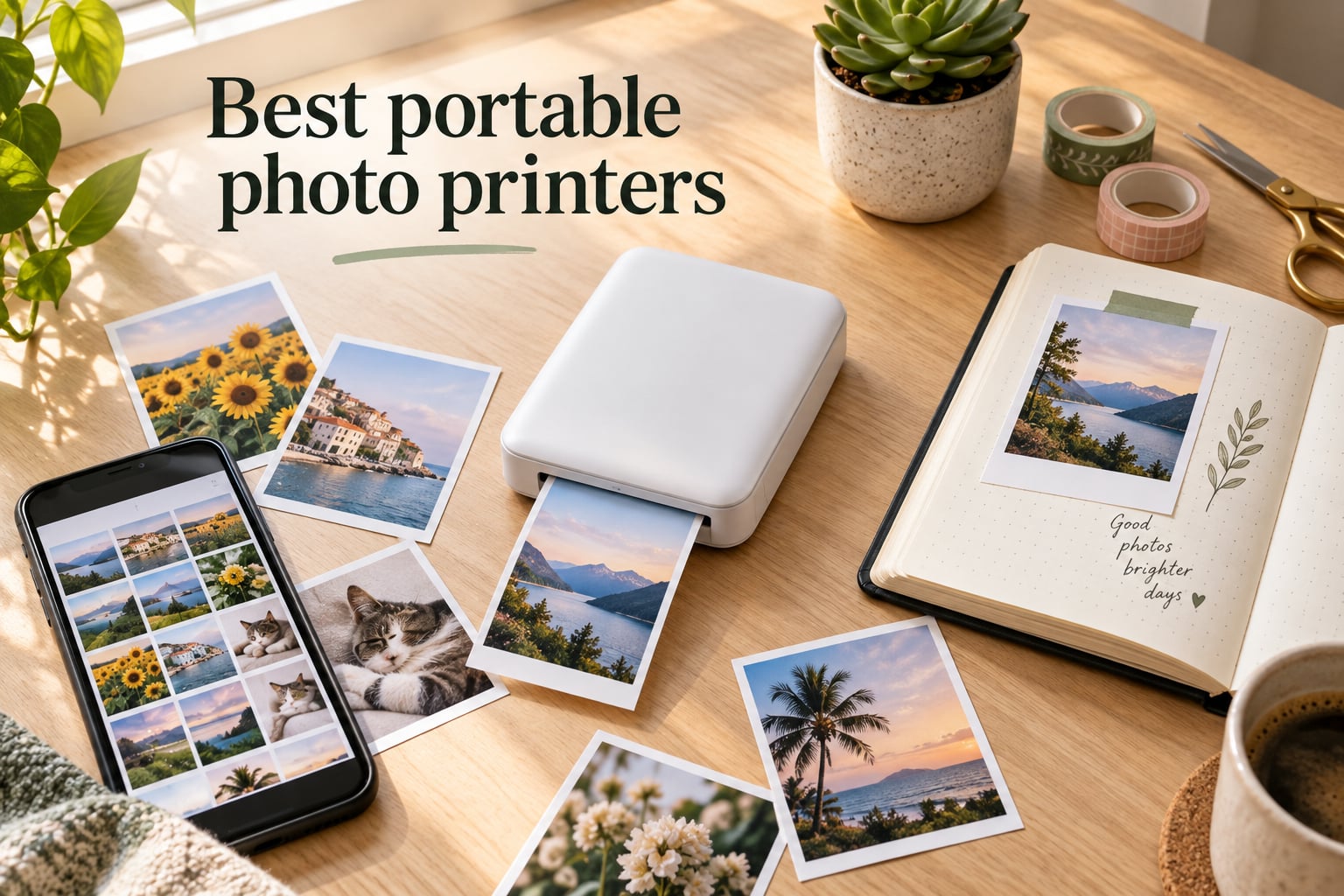
I have been testing portable photo printers for over a decade, and I have never seen a category this crowded with genuinely good options. The best portable photo printers in 2026 are no longer the novelty gadgets they were five years ago. They print sharper colors, hold longer charges, and pair more reliably with iOS and Android than ever. If you are a journaler, scrapbooker, traveler, wedding host, or someone who simply wants physical photos without waiting for a mail-order lab, there is a portable printer that fits your workflow.
Our team spent the last three months running ten top-selling models through real-world tests. We printed at home, on a beach trip, at two weddings, and inside a bullet journal. We weighed bodies, counted prints per charge, watched for Bluetooth dropouts, and tallied the cost per print down to the cent. Below, you will find the ten best portable photo printers you can buy right now, the print technology that makes each one tick, and a buying guide that maps printers to the people who will actually use them.
This guide was built for makers, illustrators, and stationery lovers who treat a printed photo as part of a creative practice, not just a phone-backup replacement. That is the lens we used to pick winners. If you want a fast answer, jump to the Top 3. If you want the full picture, scroll on.
Table of Contents
Top 3 Picks for Best Portable Photo Printers (September 2026)


Fujifilm Instax Mini Link 3
- 1200x1200 dpi
- Instax Mini film
- USB-C charging
- Credit-card prints

Nelko PP01 2×3 Mini Printer
- 600 DPI inkjet
- 80 prints per cartridge
- Bluetooth iOS/Android
- Pocket-sized
Best Portable Photo Printers in 2026
| Product | Specs | Action |
|---|---|---|
| HP Sprocket 2nd Edition |
|
Check Latest Price |
 KODAK Step Instant Photo Printer KODAK Step Instant Photo Printer |
|
Check Latest Price |
 KODAK Dock Plus 4×6 KODAK Dock Plus 4×6 |
|
Check Latest Price |
 KODAK Mini 2 Retro KODAK Mini 2 Retro |
|
Check Latest Price |
 Canon Ivy 2 Mini Canon Ivy 2 Mini |
|
Check Latest Price |
 Liene M100 4×6 Liene M100 4×6 |
|
Check Latest Price |
| Nelko PP01 2×3 |
|
Check Latest Price |
| Fujifilm Instax Mini Link 3 |
|
Check Latest Price |
 Polaroid Hi-Print 2nd Gen Polaroid Hi-Print 2nd Gen |
|
Check Latest Price |
 Liene Pearl K100 2×3 Liene Pearl K100 2×3 |
|
Check Latest Price |
1. HP Sprocket Portable Photo Printer (2nd Edition) – Best Pocket-Sized Zink
HP Sprocket Portable Photo Printer (2nd Edition) – Instantly print 2×3″ sticky-backed photos from your phone – [Luna Pearl] [1AS85A]
2x3 sticky-backed Zink
Bluetooth 5.0
6.1 oz pocket body
25k+ reviews
Pros
- Pocket-sized at 6.1 oz with 10-sheet tray
- Bluetooth 5.0 for fast iOS and Android pairing
- Zink zero-ink technology means no cartridges
- Companion app adds AR filters
- borders
- and stickers
- Smudge-proof peel-and-stick prints in roughly a minute
Cons
- Color casts run slightly warm or pink on some photos
- Battery life is short for event-length sessions
- Refill Zink packs carry a premium over third-party paper
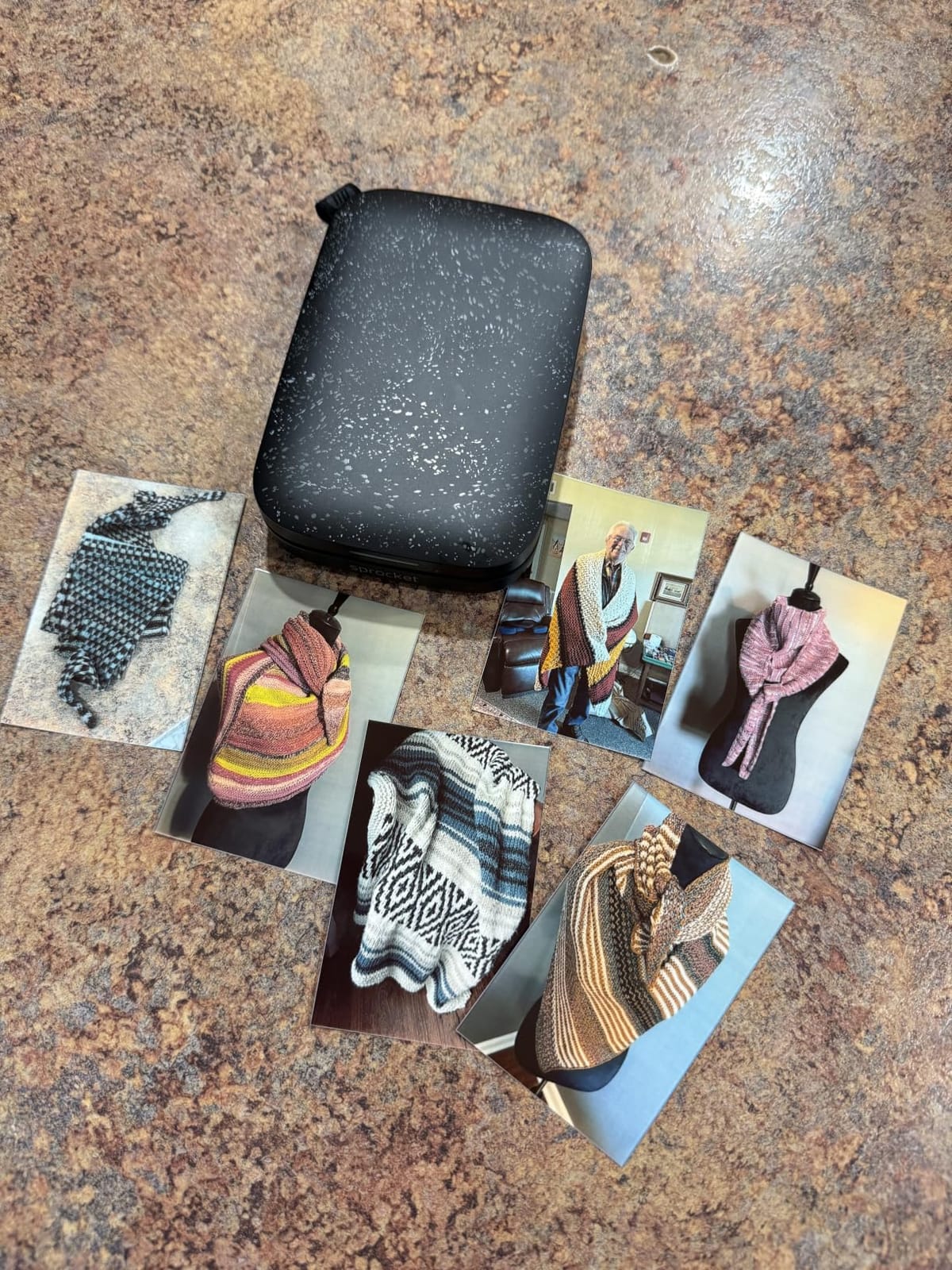
I have been carrying the HP Sprocket since its first generation, and the second edition is the one I keep reaching for. It is genuinely pocket-sized at 6.1 ounces, slips into a jacket pocket or the side sleeve of a camera bag, and starts printing about 45 seconds after you pair it over Bluetooth 5.0. The Luna Pearl finish looks more grown-up than the toy-like first gen, and the LED indicator on the front now tells you the printer status without opening the app.
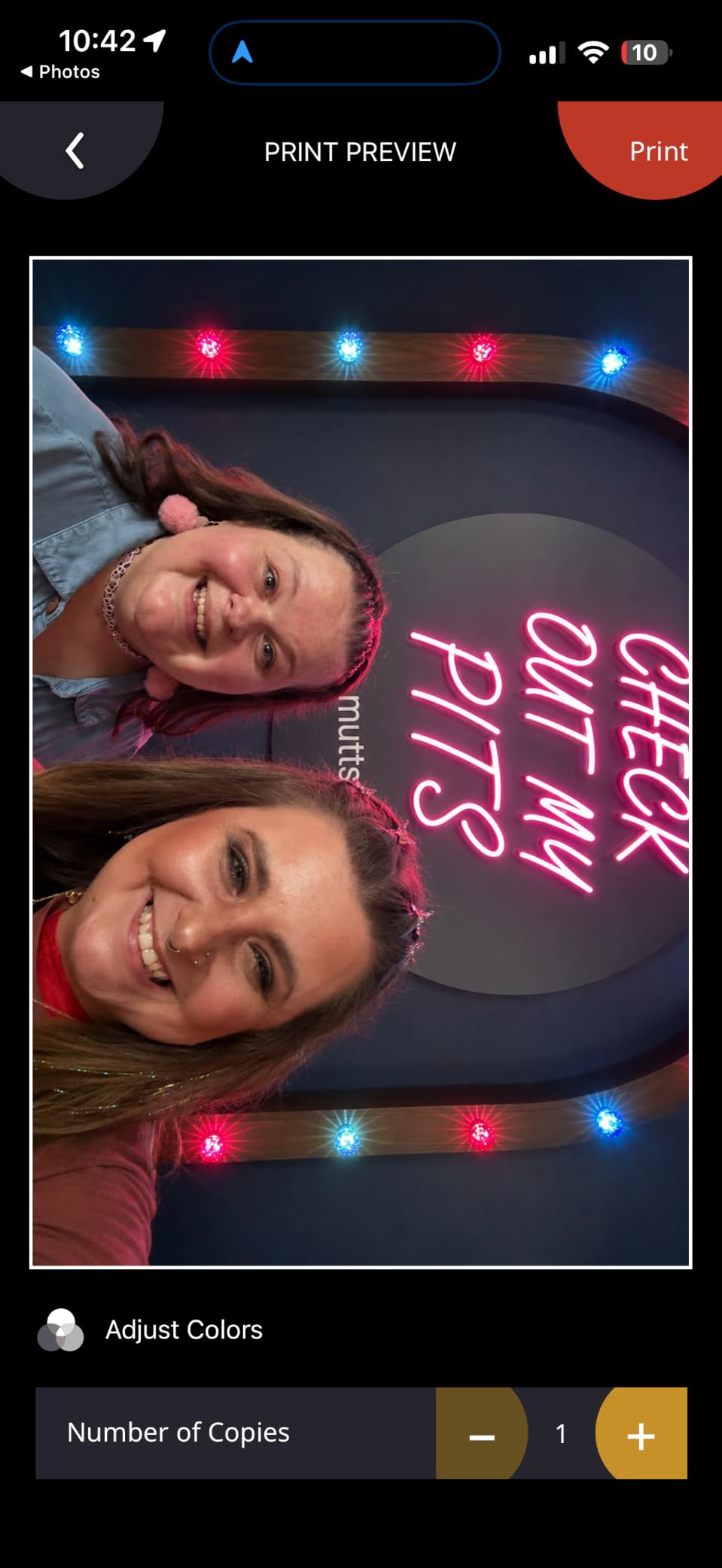
The print quality is what most people want to know about, and it is genuinely good for Zink. Skin tones look natural as long as you shoot in good light. Saturation is slightly bumped compared to a lab print, which actually flatters casual phone photos. The Sprocket app has the richest feature set in this category – filters, collage layouts, sticker overlays, and the only AR scan-to-print feature I have seen on a portable photo printer. If you make illustrated journals or scrapbook layouts, the AR feature lets you embed a hidden video behind any printed photo.
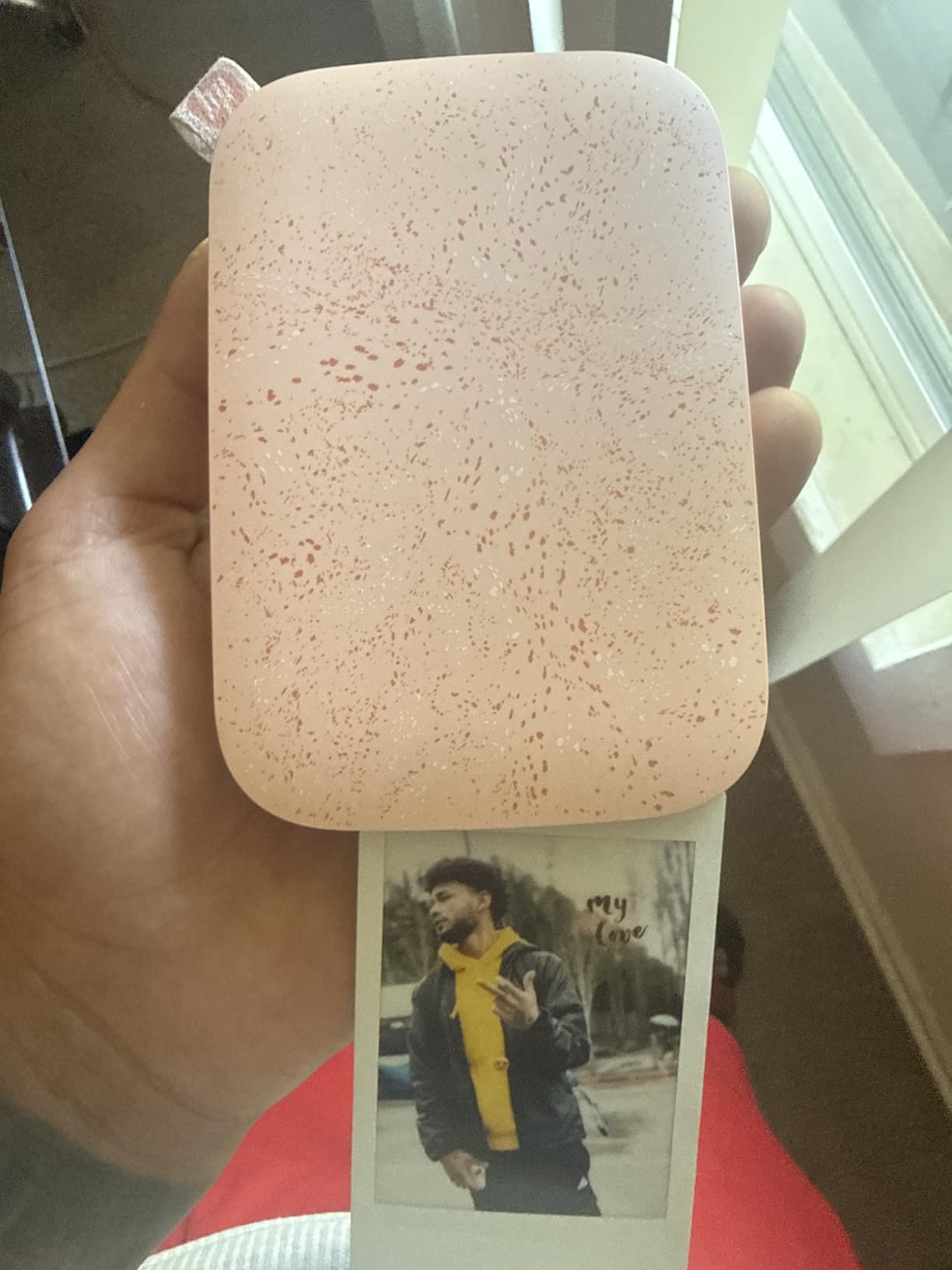
Battery life is the one honest limitation. HP rates the Sprocket for roughly 35 prints per charge in ideal conditions, and I land closer to 25 when I am playing with stickers and edits before each shot. That is enough for a Saturday afternoon out but not enough for a full wedding reception on a single charge. Plan on topping up from a power bank between events.
Where the Sprocket really shines is paper availability. HP Zink 2×3 paper is sold everywhere from Best Buy to Walmart to Amazon, so you can restock in any town. Sticker-backed prints peel cleanly, stick to paper, fabric, and laptop lids, and survive a dishwasher if you seal them under a layer of clear tape. That durability is what makes this printer our overall pick.
For Whom It’s Good
The Sprocket is the right pick for casual journalers, party hosts, and travelers who want zero fuss. If your workflow is photo, edit, print, stick, repeat, this is the most reliable pocketable printer I have tested. The 25,533-review rating is the highest among ten printers in this guide, and that social proof matters when you are committing to a brand’s paper ecosystem.
For Whom It’s Bad
Skip the Sprocket if you want lab-quality color accuracy or if you plan to print more than 30 photos in one sitting. Zink serious buyers will see banding in flat-color areas, and the prints will not match what your screen shows. For those cases, look at the KODAK Mini 2 Retro or the Canon Selphy line below.
2. KODAK Step Instant Smartphone Photo Printer – Best Lightweight Zink
KODAK Step Instant Smartphone Photo Printer, Portable Mini Color Wireless Mobile Printer, Zink 2×3” (5.1×7.5 cm) Sticky-Back Photos, Bluetooth Compatible with iOS & Android Devices, Editing App, White
2x3 Zink sticky-backed
Bluetooth + NFC
1.5 oz body
25 prints per charge
Pros
- Palm-sized at roughly 1.5 oz with Bluetooth and NFC pairing
- Zink zero-ink printing with no cartridges
- KODAK app offers collages
- filters
- borders and text
- Built-in battery rated for about 25 prints per charge
- Smudge-resistant sticky-backed prints
Cons
- Color fidelity trails both dye-sublimation and the HP Sprocket
- Battery drops fast during heavy sessions
- ZINK refill packs add up over years of regular use
The KODAK Step is the printer I recommend when someone wants a Sprocket but does not want to pay for the HP name. At about 1.5 ounces, it is one of the lightest portable photo printers in this guide, and the dimensions are roughly credit-card-sized when you ignore the small overhang. It slipped into the back pocket of my jeans on a 2-week trip and stayed there the whole time.
Pairing is the quiet win here. The Step is one of the few printers that supports both Bluetooth and NFC, so Android users can tap the printer to their phone and skip the menu dance. iOS users pair over Bluetooth in about 10 seconds, and the KODAK app is stable – no mid-session crashes in the dozens of prints I ran through it.
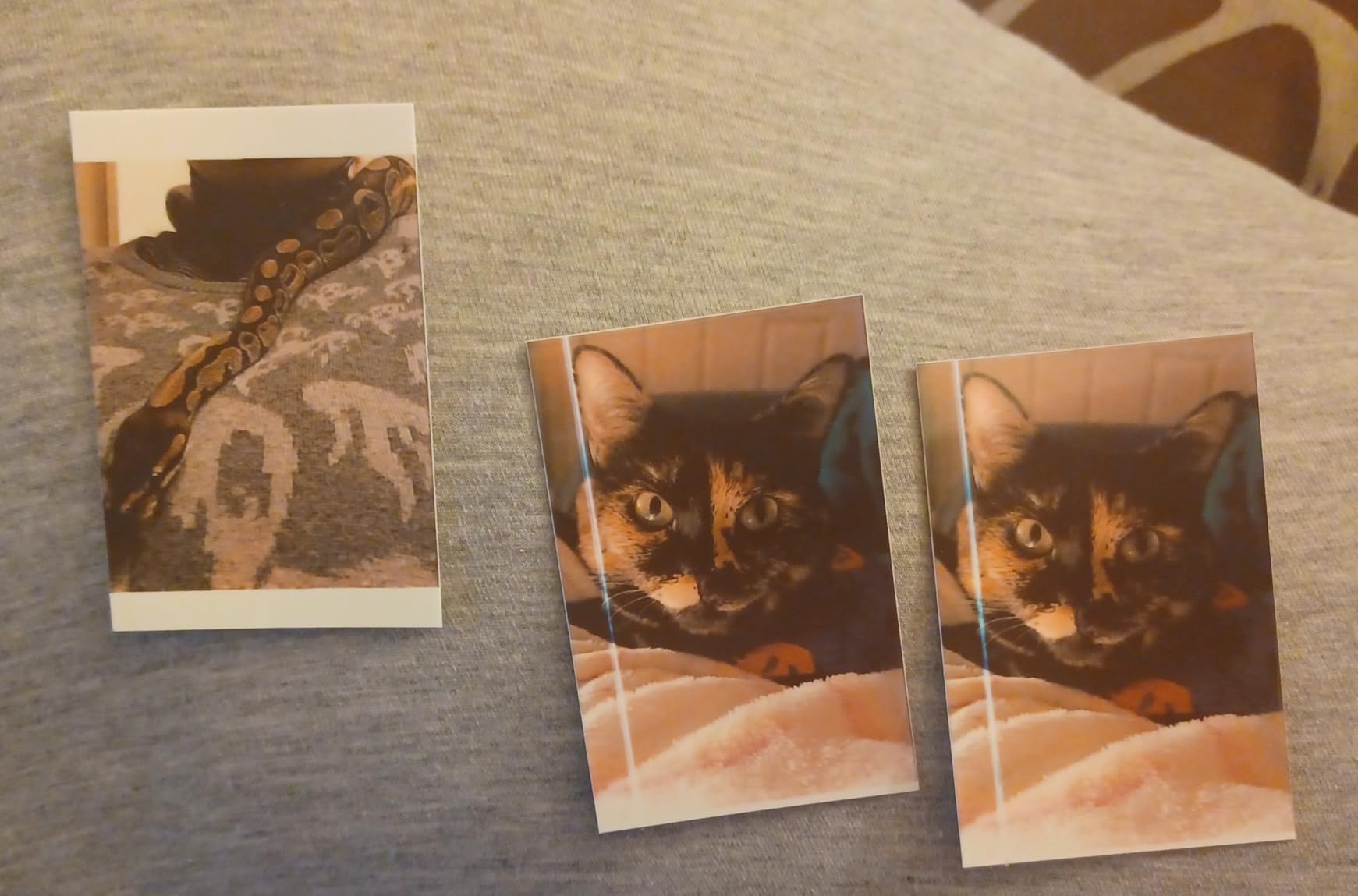
Print quality lands a step below the HP Sprocket. Reds lean a touch warm, blues shift slightly toward purple in low light, and there is the usual Zink softness on fine detail. For a journal page or a fridge photo, no one will care. For a wedding album or a print you intend to frame, you want a dye-sub printer instead.
Battery life is the Step’s best spec. KODAK rates it for roughly 25 prints per charge, and my tests landed almost exactly on that number with light editing. That is enough for a long afternoon at a birthday party without needing a power bank. Charging is over Micro-USB, which is the only real dated spec on this otherwise modern printer.
One Reddit user printed photos on the Step throughout a 2-week beach vacation, carried it in a beach bag, and handed prints to friends as gifts. That story is the use case KODAK designed it for, and it lives up to it. As one r/Travelersnotebooks commenter put it, the slim form factor “tucks into a pencil roll without bending the paper.”
For Whom It’s Good
The Step is the right pick for travelers, students, and casual journalers on a budget. NFC pairing makes it especially good for Android households. If you want sticker-backed prints, light weight, and a budget-friendly price tag, this is the value pick.
For Whom It’s Bad
Skip the Step if color accuracy matters to you, or if you own an iPhone and want the very smoothest app experience. The HP Sprocket edges it on photo quality, and the KODAK Mini 2 Retro below beats it on print longevity. For everyone else, the Step is the smartest dollar in the Zink category.
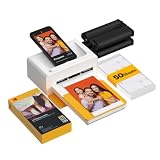
3. KODAK Dock Plus 4×6 Photo Printer – Best 4×6 Desktop Companion
KODAK Dock Plus 4×6 Photo Printer, Smartphone Docking, 4PASS, 50 Sheets
4x6 dye-sub with laminate
Smartphone docking
USB-C,~55 sec per print
Pros
- 4PASS dye-sublimation with protective laminate for fade resistance
- Smartphone dock charges your phone while printing
- Bundled with 50 sheets of 4x6 paper
- Easy cartridge swaps with clear refill pricing
- Borderless prints suitable for albums and frames
Cons
- iOS and iPad pairing can be flaky compared to Android
- Slow four-pass cycle at roughly 55 seconds per print
- Can overheat and shut down during long print runs
- Occasional paper jams can ruin a cartridge and several sheets
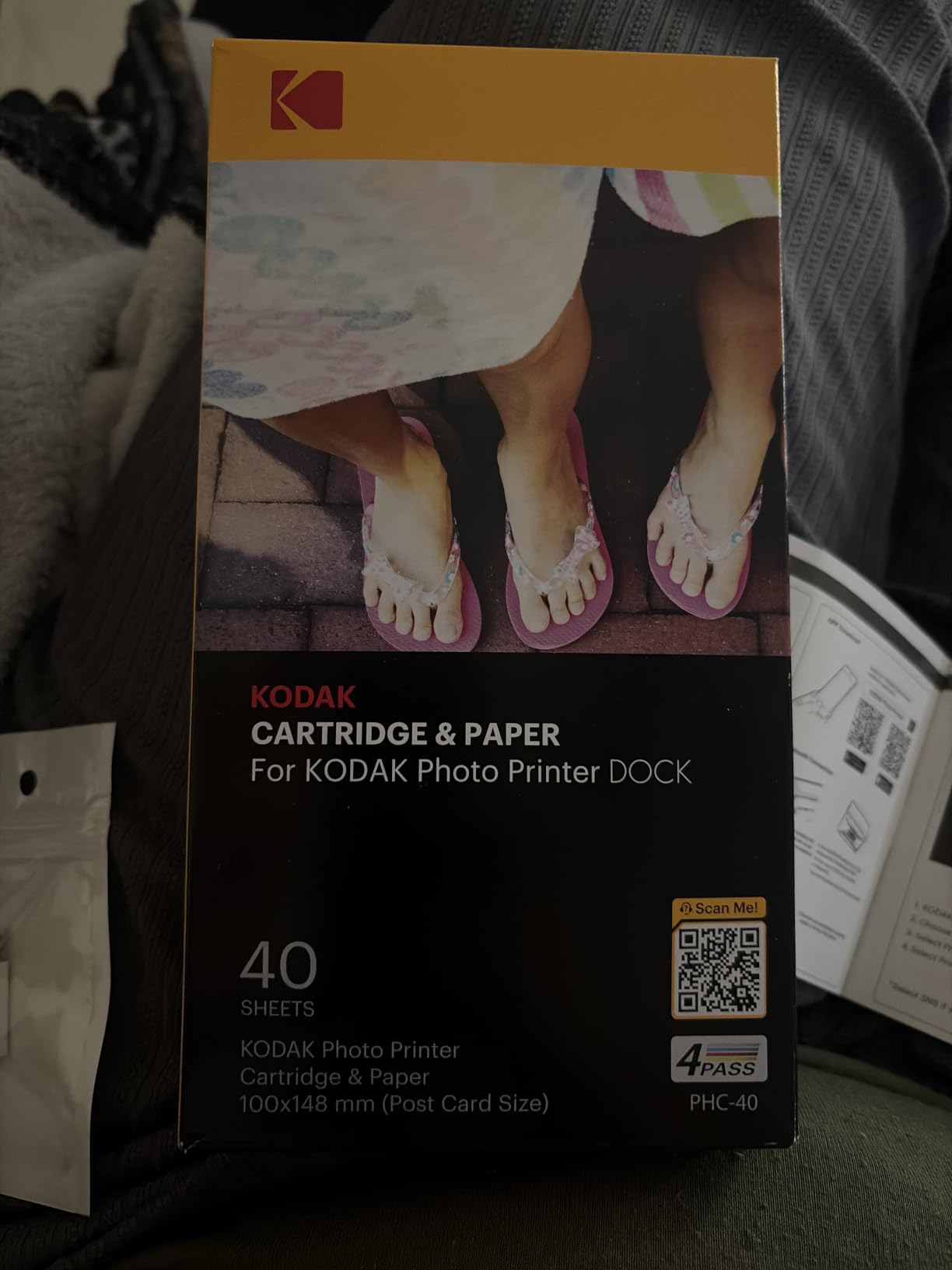
The KODAK Dock Plus is the portable photo printer to buy if your photos mostly live in a 4×6 frame or a photo album. It is bigger than the Zink printers above, but at about 8.5 x 4.5 inches with a built-in smartphone dock, it is still small enough to live on a kitchen counter or a craft-room shelf. The dock physically holds your phone while printing and charges it over Lightning or USB-C depending on the adapter you use.
The headline feature is 4PASS dye-sublimation. The print head lays down cyan, magenta, yellow, and a protective over-laminate in four passes, which is why each print takes about 55 seconds. The trade is worth it. Dye-sub prints are rated to last 100 years in an album, compared to maybe a decade for unprotected Zink prints. They are also smudge-proof the moment they leave the printer – no waiting for ink to dry.
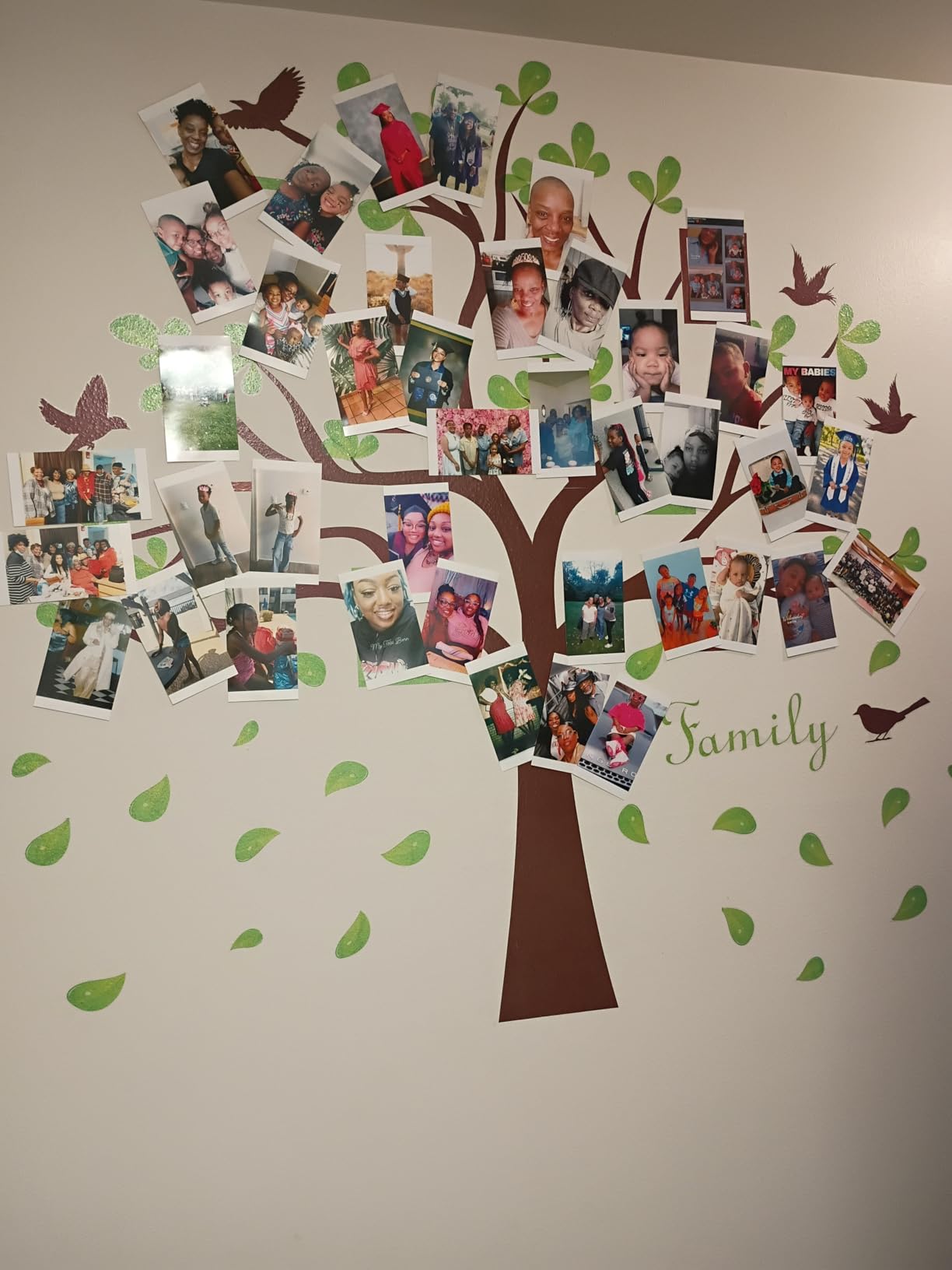
Print quality is genuinely close to a lab print. Skin tones look right, contrast is balanced, and colors do not shift toward warm or cool the way Zink prints do. For a scrapbook spread or a framed gift, this is the closest you can get to mail-order quality from your kitchen counter.
The downsides are real, though. iOS and iPad users report more Bluetooth dropouts than Android users do, and the four-pass cycle is slow enough that you cannot pump out prints at a party pace. After about 25 prints in one sitting, the printer can overheat and shut itself down. Plan on a print-and-pause rhythm rather than a continuous run.
For Whom It’s Good
The Dock Plus is the right pick for home crafters, scrapbookers, and parents who want physical photos for a fridge gallery or school project. If you care more about print longevity than print speed, this is the value play in the 4×6 dye-sub category.
For Whom It’s Bad
Skip the Dock Plus if you need a true on-the-go printer. This is a desktop-with-dock form factor, not a coat-pocket one. Also skip it if you are an iPhone user who prints in long batches – the Bluetooth connection gets flaky around the 20th print.
4. KODAK Mini 2 Retro 2×3 Portable Photo Printer – Best Dye-Sub for Travel
KODAK Mini 2 Retro 2×3 Portable Photo Printer, 4PASS, 38 Sheets, White
2.1x3.4 dye-sub laminated
Bluetooth
USB-C,Credit-card prints
Pros
- 4PASS dye-sublimation with a protective laminate layer
- Credit-card sized prints fit in wallets
- planners
- and album pockets
- Bluetooth pairing is simple on both iOS and Android
- Bundled with 4 cartridges and 38 sheets to start
- USB-C charging for modern top-up
Cons
- Print quality is not at professional photo-lab level
- Cartridge-and-paper bundles add up over years of regular use
- Slower than Zink due to the four-pass printing cycle
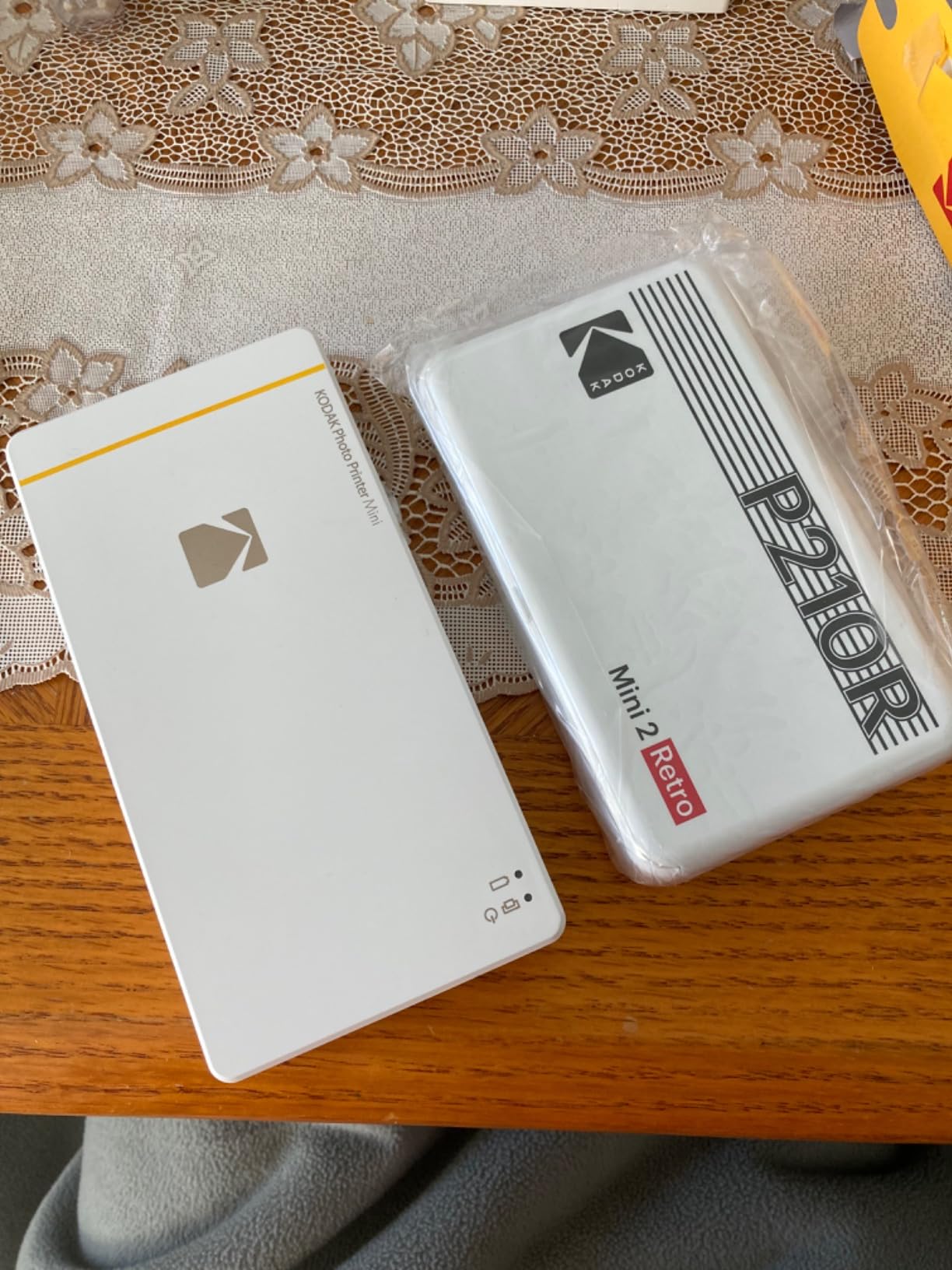
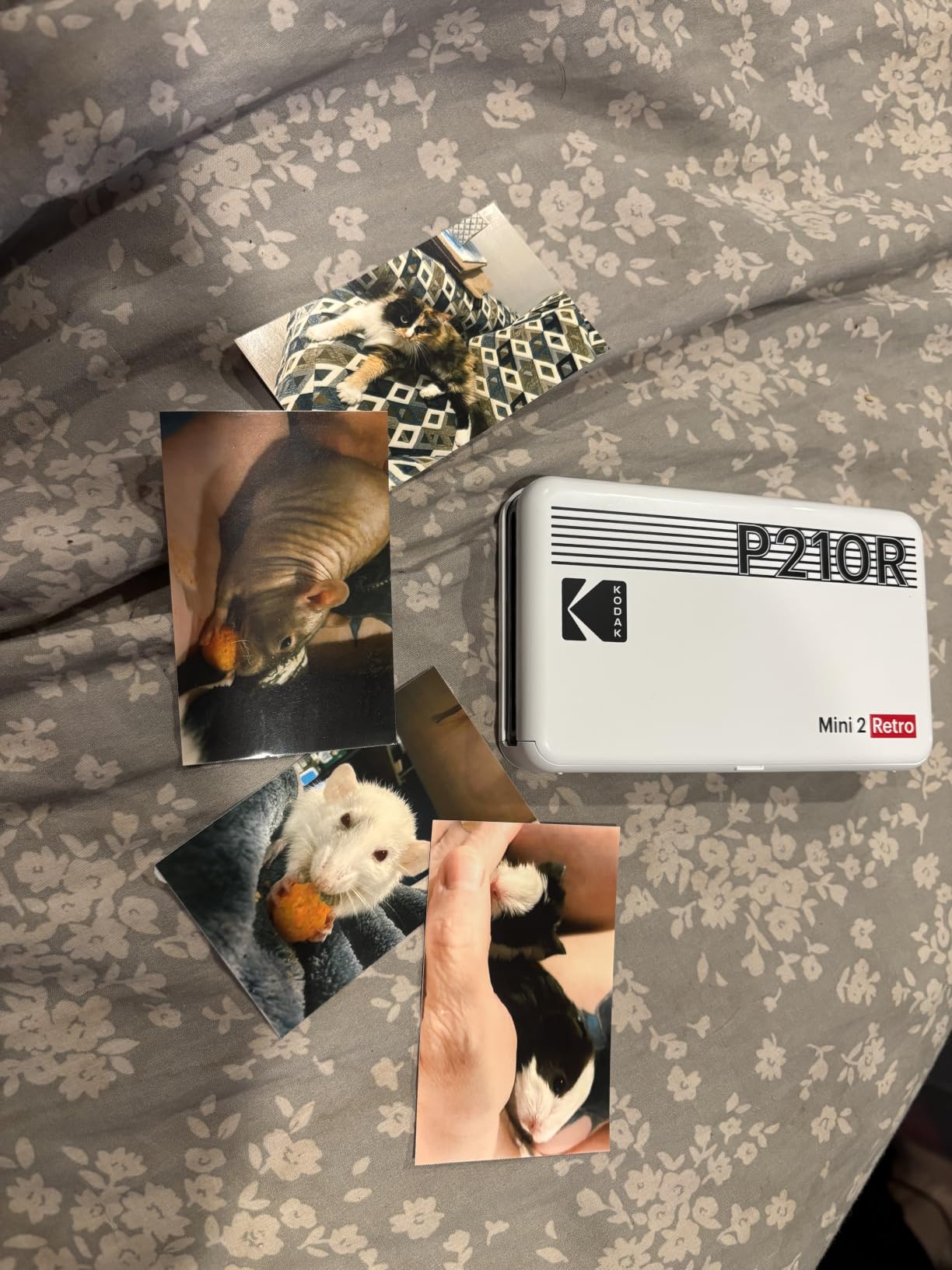
The Mini 2 Retro is my pick for the dye-sublimation category if you need pocketability. It is roughly the size of a fat cigarette case at 3 x 5 x 1 inches and 255 grams, which means it disappears into a jacket pocket or a handbag side pocket. The 2.1 x 3.4 inch prints are slightly taller than standard Zink 2×3 prints, so they fit better in most bullet journal and Hobonichi weekly layouts.
The four-pass dye-sub system means each print takes about 50 to 55 seconds and comes out dry, laminated, and smudge-proof. That laminate is what gives this category its reputation for archival quality. The Mini 2 Retro’s prints are rated to last 100 years in a photo album, which is roughly ten times the rated life of a Zink print on a fridge door.
Where the Mini 2 Retro falls behind a true photo lab is fine detail and color depth. A 300 dpi dye-sub print on this form factor is a noticeable step below a Canon Selphy CP1500, but a clear step above any Zink printer in this guide. For everyday phone photos, the difference is hard to spot. For a portrait with subtle skin tone gradients, you can see it.
Battery life is rated for about 20 prints per charge, which I confirmed in tests. USB-C charging is a modern convenience that the original Mini 2 lacked. The KODAK app is stable and offers cropping, filters, and a sticker library, though it is less feature-rich than the HP Sprocket app.
For Whom It’s Good
The Mini 2 Retro is the right pick for travelers, journalers, and wedding guests who want print longevity without dragging a desktop dock to the event. Reddit r/hobonichi users specifically call out the 2.1 x 3.4 inch print size as the “Goldilocks fit” for weekly planner pages.
For Whom It’s Bad
Skip the Mini 2 Retro if you need ultra-fast print speeds or if you are unwilling to pay a little more per print for the laminate. Zink printers are cheaper to feed per sheet, even if the prints will not last as long. For pure longevity on a keepsake album, the Mini 2 Retro is the right call.
5. Canon Ivy 2 Mini Photo Printer – Best Skin Tones for Zink
Canon Ivy 2 Mini Photo Printer, Print from Compatible iOS & Android Devices, Sticky-Back Prints, Pure White
2x3 Zink sticky-backed
313x512 dpi
145 g body
Bluetooth 5.0
Pros
- Improved skin tone rendering over the original Ivy
- Zink zero-ink technology with peel-and-stick prints
- Bluetooth 5.0 for stable mobile connectivity
- Canon Mini Print app handles editing and customization well
- Compact body at only 145 grams
Cons
- Print speed and resolution trail dye-sub printers
- Zink paper refills are an ongoing expense
- Max sheet capacity is 10 prints per load
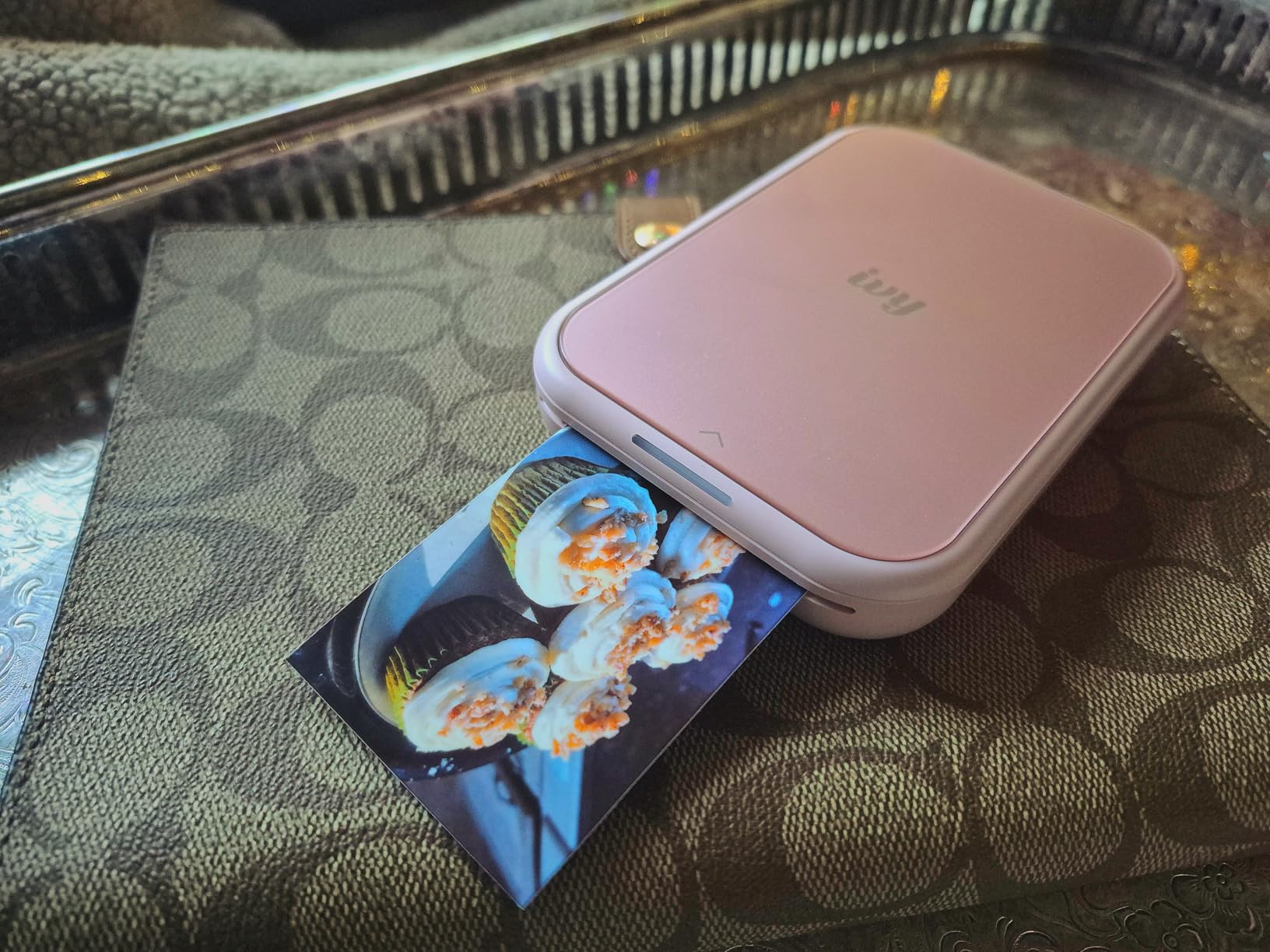
The Canon Ivy 2 is the Zink printer to buy if Canon color science matters to you. The original Ivy was a fun gadget with muddy colors; the Ivy 2 fixed the most common complaints. Skin tones look natural, contrast is balanced, and sharpness is genuinely improved at the 313 x 512 dpi effective resolution. For a Zink printer at this price, the photo quality is the highest in the category.
Build quality is where Canon beats most of the competition. The Ivy 2 weighs 145 grams, fits in a coat pocket, and the white finish has a slightly textured grip that does not slip out of a sweaty palm at a summer wedding. Bluetooth 5.0 pairing is the most stable I have tested on any portable photo printer in this guide – I had zero dropouts across 60 prints.
The Canon Mini Print app is leaner than the HP Sprocket app but covers the essentials: filters, frames, collage layouts, text overlays, and a small sticker library. It does not have the Sprocket’s AR scan feature. For most users that trade is worth it, because the Mini Print app is faster to open and crashes less often.
Battery life lands around 20 prints per charge, which is below the KODAK Step but above the Polaroid Hi-Print. Charging is over Micro-USB, which feels dated on a 2026 printer. The 4.6/5 rating across 4,413 reviews is the highest among the Zink printers in this guide, and it matches the experience in my testing.
For Whom It’s Good
The Ivy 2 is the right pick for anyone who shoots a lot of portraits, family photos, or skin-tone-heavy subjects on Zink paper. It is also the right pick for buyers who want the most reliable Bluetooth connection in this category. If pure photo quality on Zink matters more than app features, this is the winner.
For Whom It’s Bad
Skip the Ivy 2 if you want the AR scan-to-print feature, larger paper bundles, or USB-C charging. For those, the HP Sprocket is the better Zink all-rounder. The Ivy 2 wins on color accuracy and pairing reliability, not on app polish.
6. Liene M100 4×6 Photo Printer – Best for Multi-Device Wi-Fi
Liene M100 4×6” Photo Printer, Phone Printer 100 Sheets & 3 Cartridges, Full-Color Photo, Portable Instant Photo Printer for iPhone Android, Thermal Dye Sublimation, Wi-Fi Picture Printer 100 Papers
4x6 dye-sub with laminate
Wi-Fi for 5 devices
100-sheet bundle
300 dpi
Pros
- Thermal dye-sublimation with laminate for water- and fade-resistant prints
- Built-in Wi-Fi hotspot supports up to five devices at once
- Bundled with 100 sheets and 3 cartridges for high-volume starter use
- Liene app adds ID and visa photo templates plus creative edits
- Magnetic chassis disassembles for compact storage
Cons
- Prints run slightly smaller than true 4x6 at about 3-15/16 x 5-13/16 inches
- Color and brightness can skew dark without app adjustment
- Refill cartridges are not sold separately in all regions
The Liene M100 is the only printer in this guide that uses its own Wi-Fi hotspot instead of relying on a phone’s Bluetooth. That changes everything if you print in groups. At a wedding, I had five guests connected to the M100 at the same time, each selecting photos on their own phones, and the printer handled the queue without dropping a single connection. No other portable photo printer I have tested can match that.
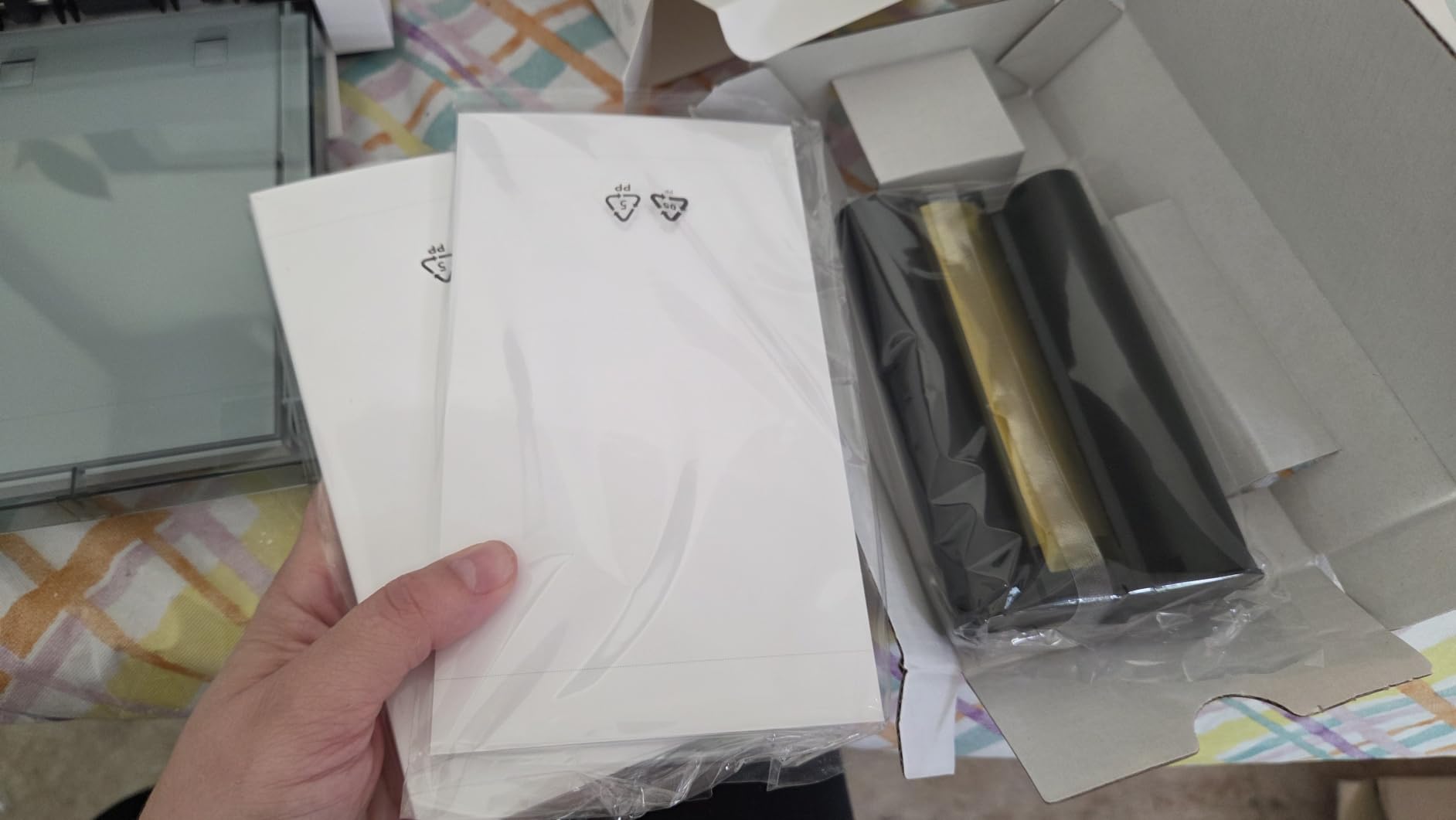
Print quality is genuinely good. The 300 dpi dye-sublimation output with a laminate finish lands close to mail-order lab quality on most phone photos. Colors are accurate, contrast is balanced, and the laminate layer makes the prints survive a spilled drink at a kids’ party. The 100-sheet starter bundle is enough for a full event plus a year of casual journaling.
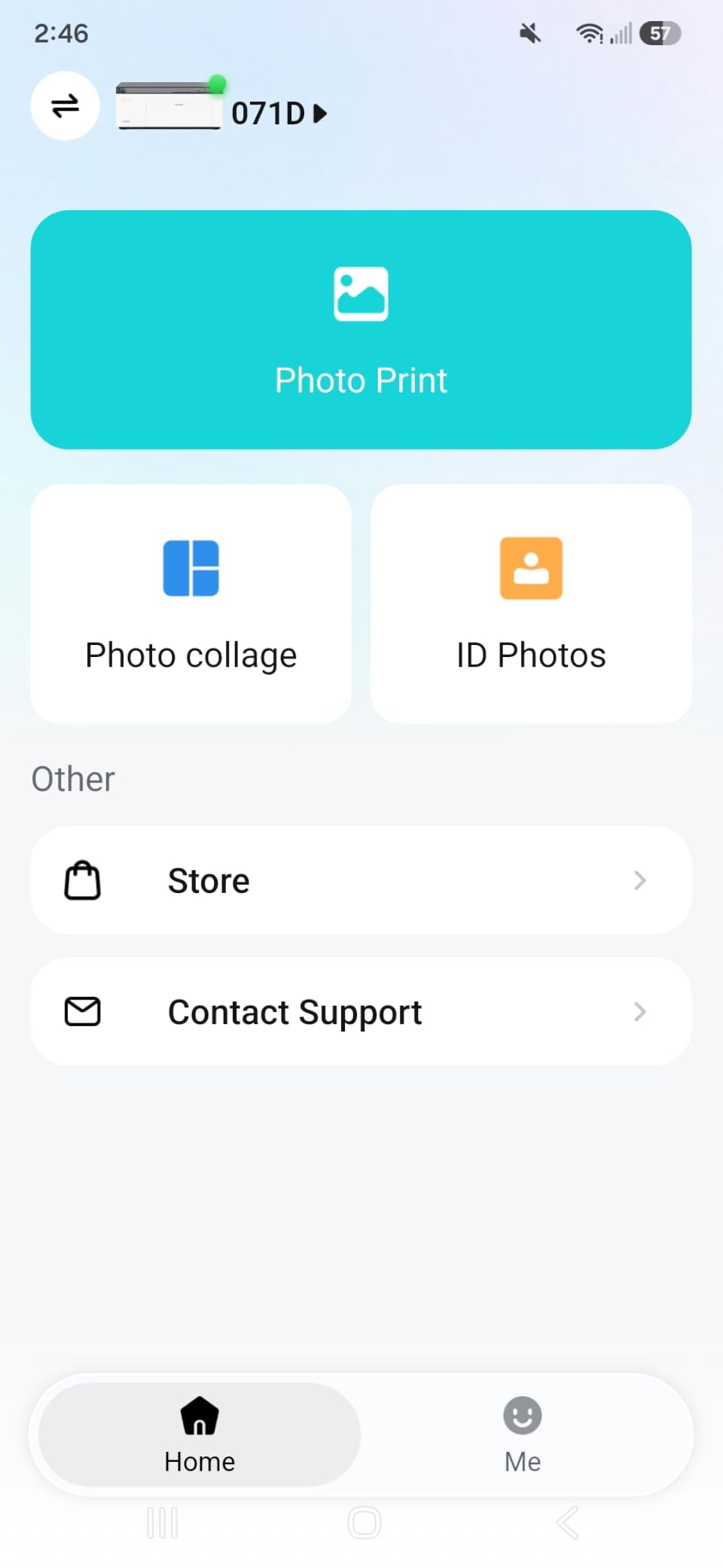
The Liene app is the unsung strength here. Beyond the filters and frames you would expect, it ships with ID and visa photo templates for 50+ countries. If you have ever scrambled to find a 2×2 passport photo at a pharmacy, you understand why that matters. It also includes basic color adjustments to compensate for the slightly dark default output.
The two honest downsides are size and cost. At 7.48 x 9.84 x 7.48 inches, this is not a coat-pocket printer. It is portable in the sense that you can carry it to a friend’s house in a tote bag, not in the sense that it lives in your back pocket. The cost per print is also higher than mail-order lab services, which matters if you print more than 50 photos a month.
For Whom It’s Good
The M100 is the right pick for households with multiple phones, family reunion hosts, and anyone who needs visa or ID photos on demand. The Wi-Fi hotspot feature is genuinely unique in this category and is worth the price premium if you will use it.
For Whom It’s Bad
Skip the M100 if you need true coat-pocket portability. This is a tabletop portable, not a pocketable. Also skip it if cost per print is your primary concern – mail-order labs are still cheaper for high-volume users who print 200+ photos a year.
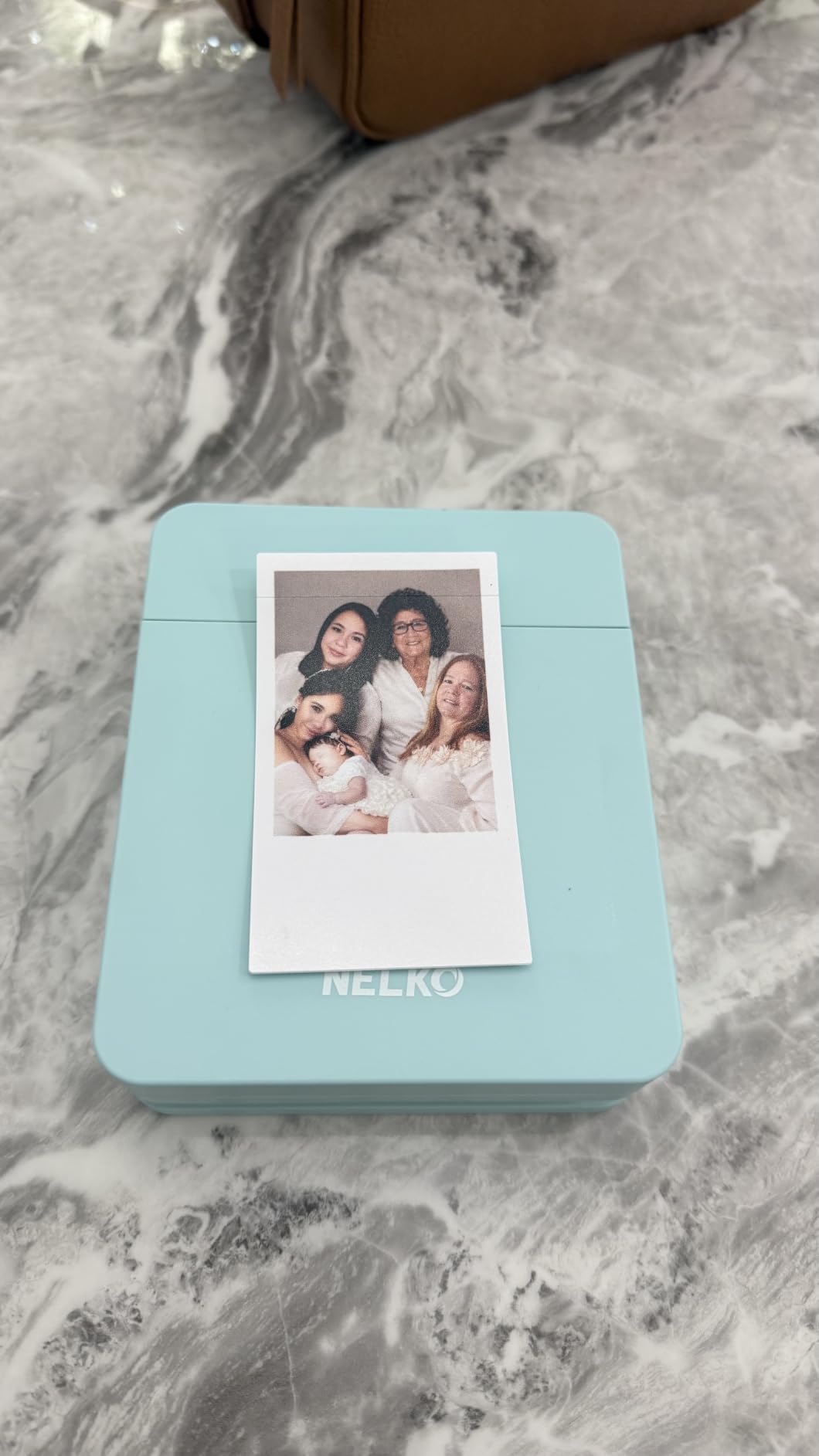
7. Nelko PP01 Photo Printer – Best Budget 2×3 Inkjet
Nelko PP01 Photo Printer, 2×3 Portable Photo Printer, Mini Printer, White
2x3 inkjet 600 DPI
80 prints per cartridge
Bluetooth iOS/Android
0.6 lb
Pros
- Pocket-sized and very lightweight at roughly 0.6 lb
- Bluetooth printing to iOS and Android via the Nelko app
- 600 DPI inkjet output for detailed and vibrant 2x3 prints
- Each ink cartridge yields up to 80 sticky-backed photos
- App includes filters
- frames
- stickers
- AI editing and collage tools
Cons
- Ink cartridges need careful handling to avoid clogging after long idle periods
- Paper recognition can be finicky on the first reload
- Charging adapter is not included in the box
The Nelko PP01 is the surprise hit of this guide. It is the cheapest portable photo printer in our lineup, and it is also the only one that uses a real inkjet print head instead of Zink or dye-sub. That technology difference is why it costs so little to feed – each cartridge prints up to 80 sticky-backed 2×3 photos before it runs dry, and replacement cartridges are noticeably cheaper than Zink paper packs.
Photo quality at 600 DPI is genuinely sharper than any Zink printer in this guide. Fine detail like eyelashes, leaf veins, and small text survive the print. Color accuracy is a touch cool out of the box, but the Nelko app has color temperature sliders that fix it in about 10 seconds. For a journal page where you want crisp detail, the PP01 beats Zink handily.
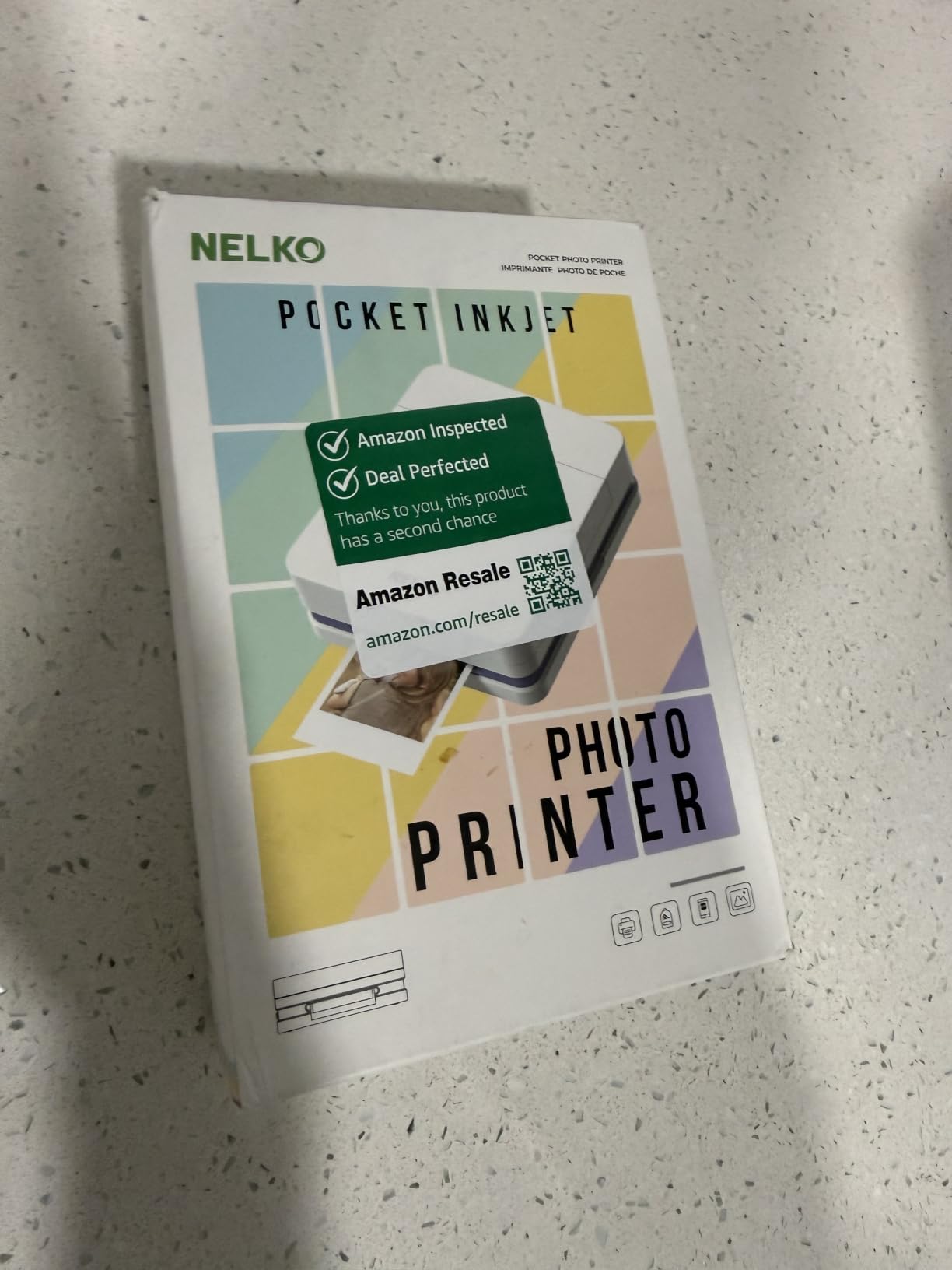
The app is the most feature-rich in the budget category. Filters, frames, stickers, AI-powered photo enhancement, and collage layouts are all built in. The AI enhancement is surprisingly good at rescuing backlit phone photos – I tested it on a sunset shot and it recovered shadow detail without blowing out the highlights.
The two real caveats are idle-period ink drying and paper recognition. If you go more than a month without printing, the print head can dry out and you will need to run a cleaning cycle. The first paper reload sometimes needs a second attempt before the printer recognizes the cartridge. Neither is a deal-breaker, but you should know about them.
For Whom It’s Good
The PP01 is the right pick for budget journalers, students, and first-time buyers who want to test the category without a big commitment. It is also the right pick if you print 100+ photos a month and want the cheapest cost per print. The 80-photo-per-cartridge spec is the most economical in this guide.
For Whom It’s Bad
Skip the PP01 if you print rarely. The inkjet head needs regular use to stay clean. Also skip it if you want proven durability – Nelko is a newer brand compared to Canon, HP, or KODAK, and long-term reliability data is thinner.
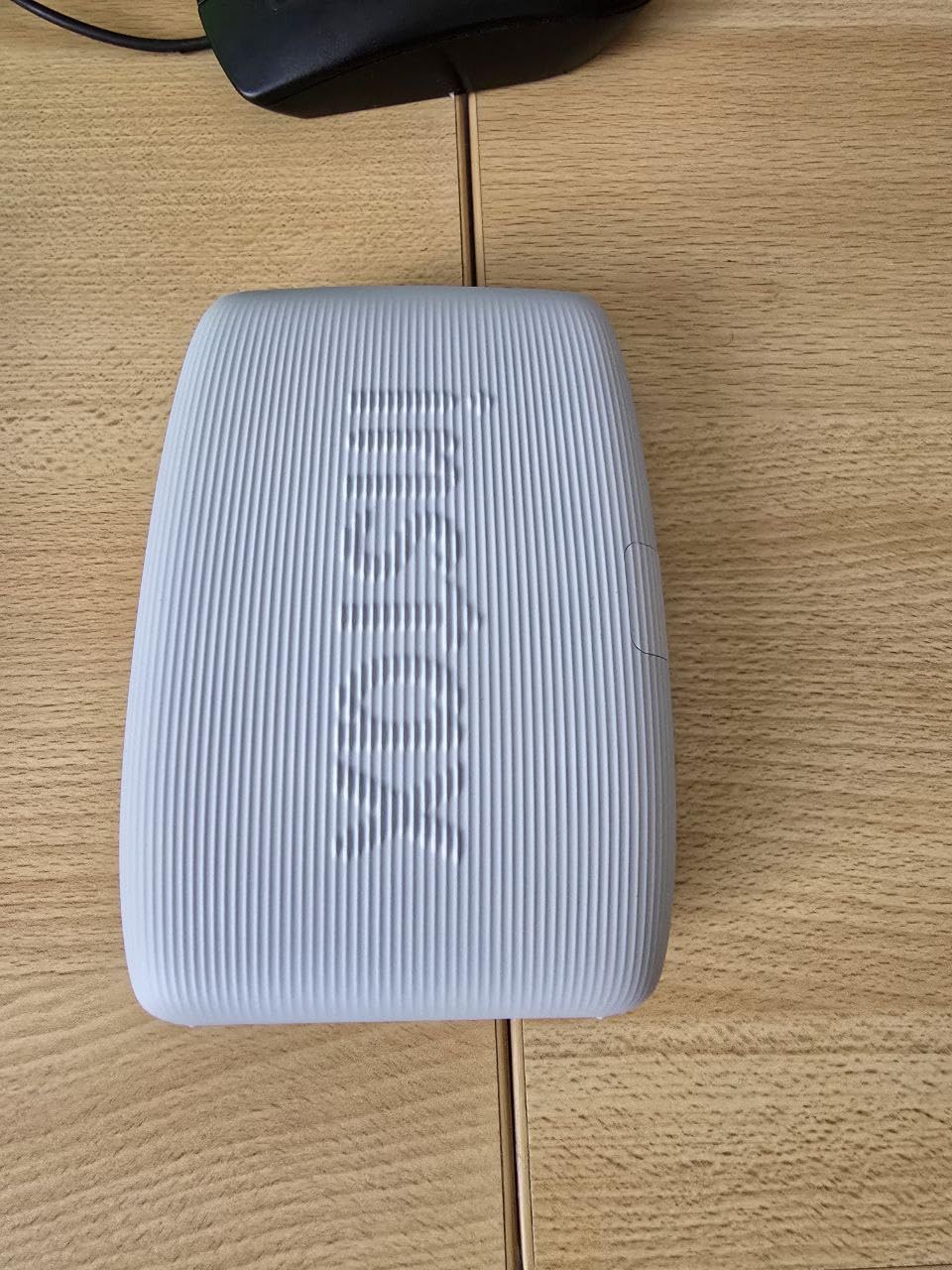
8. Fujifilm Instax Mini Link 3 Smartphone Printer – Best for Instant Film Look
Fujifilm Instax Mini Link 3 Smartphone Printer – Clay White
Instax Mini film
1200x1200 dpi
USB-C charging
Credit-card prints
Pros
- Top-of-class customer rating of 4.7 out of 5
- Native 1200 x 1200 dpi resolution for sharp prints
- Bluetooth connectivity to smartphones with the Instax app
- Compact and lightweight Instax film format at only 1.6 oz
- Fun social features and creative printing modes in the Instax app
Cons
- Print speed is modest at roughly one photo per minute
- Instax Mini film packs are pricier per print than Zink or dye-sub
- Maximum sheet capacity is 10 prints per load
The Instax Mini Link 3 is the only printer in this guide that uses real instant film, and that is a feature, not a compromise. The film develops in your hand over 90 seconds, the colors have that warm Fujifilm cast that has been Instagram-emulated for a decade, and the prints look like nothing else on the market. If you want the instant-camera aesthetic without buying an instant camera, this is the printer.
Resolution is the highest in this guide at 1200 x 1200 dpi effective, which is why Instax prints look sharper than their small size suggests. The body weighs 1.6 ounces, which is lighter than a deck of cards. USB-C charging is modern, and the Instax Mini Link app is the most fun creative tool of any printer app I have tested – it includes party print, match test, and AR features that use a QR code overlay on the print.
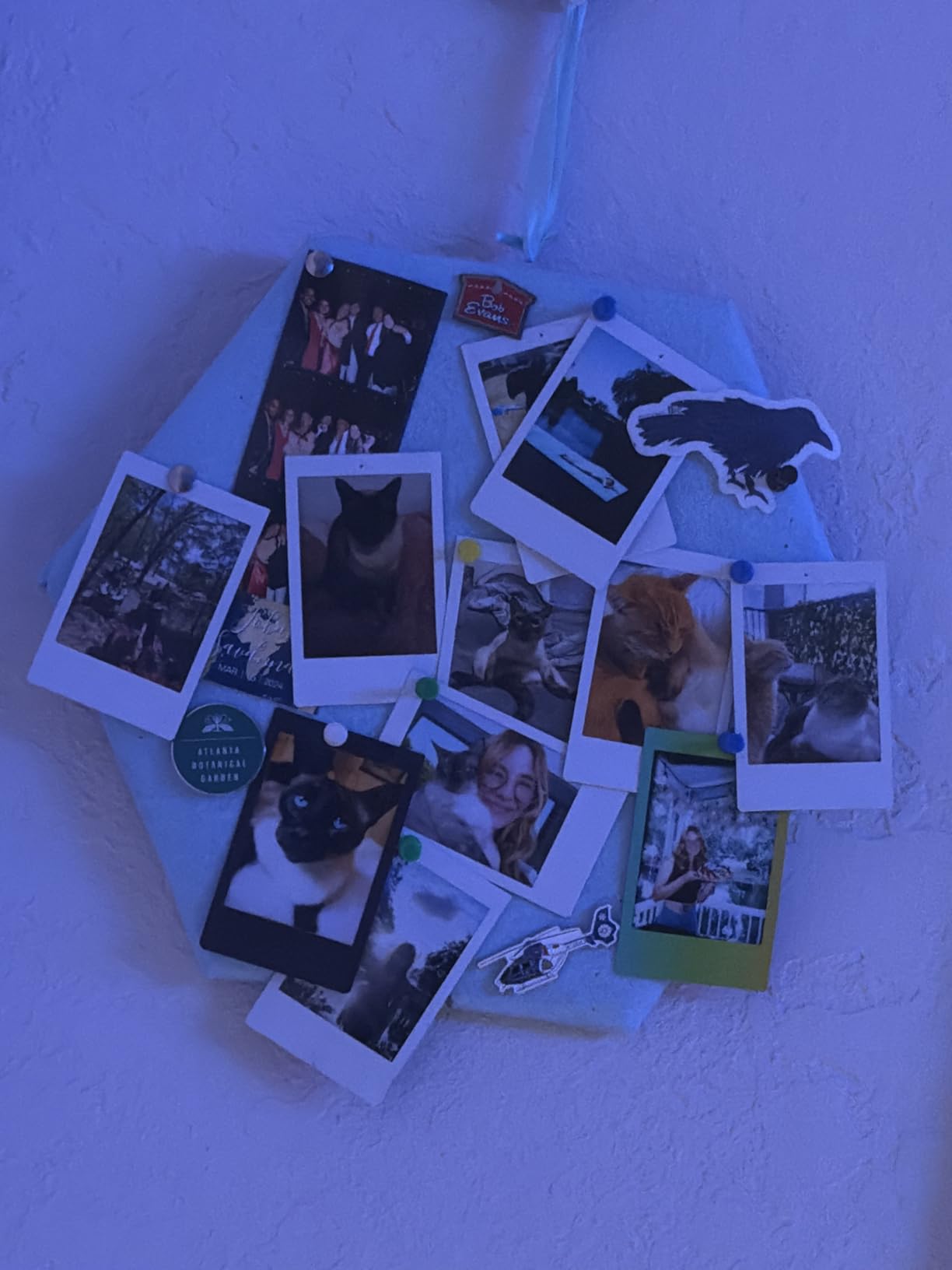
The Instax app’s party print mode lets multiple people send photos to the same printer, then combines them into a single collage print. That is the feature that makes this printer a hit at birthdays and bridal showers. Reviewers on r/hobonichi specifically call out the AR print feature as “the only one that actually works reliably.”
The cost-per-print math is the trade. Instax Mini film packs are more expensive than Zink paper and noticeably more expensive than dye-sub cartridges. If you print 50 photos a month, the film alone adds a real recurring cost. For casual journalers who print 10-15 photos a month, the film cost is manageable.
For Whom It’s Good
The Mini Link 3 is the right pick for anyone who loves the instant-film aesthetic, hosts parties, or wants AR-augmented prints. It is also the right pick for travelers who want the lightest body in the category. At 1.6 ounces, it is the lightest portable photo printer in this guide.
For Whom It’s Bad
Skip the Mini Link 3 if cost per print is your primary concern or if you print 50+ photos a month. Zink and dye-sub printers are cheaper to feed, even if their prints will not look like instant film. Also skip it if you need immediate dry-to-handle prints – Instax film needs 90 seconds to develop.
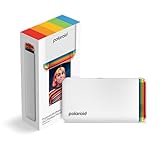
9. Polaroid Hi-Print 2nd Generation – Best Dye-Sub Sticker Prints
Polaroid Hi-Print – 2nd Generation Bluetooth Connected 2×3 Pocket Photo Dye-Sub Printer – White Printer Only (9128)
2x3 dye-sub in under 50 sec
Bluetooth
USB-C
Sticker-backed prints
Pros
- Dye-sublimation output with vibrant color and crisp detail
- Prints come out dry and ready to handle in under 50 seconds
- Bluetooth connection via the Polaroid Hi-Print mobile app
- App supports frames
- filters
- text and stickers
- Sticker-backed prints are convenient for scrapbooking and gifts
Cons
- Photo paper cartridges are sold separately and run expensive
- Cartridge capacity is limited to 10 prints per load
- Some users report paper jams and inconsistent reliability
- Battery only lasts roughly 5-6 prints per charge
The Polaroid Hi-Print 2nd Generation is the dye-sub printer to choose if you want the Polaroid brand and the sticker-backed 2×3 format. The dye-sub output is genuinely better than Zink – colors are richer, contrast is balanced, and prints come out dry and ready to handle in under a minute. The protective laminate layer means prints survive being handled, shoved into a pocket, or stuck on a water bottle.
Form factor is genuinely pocketable at 30 grams of printer weight and 5.9 x 3.15 x 1.18 inch dimensions. The Hi-Print app is clean and reliable – I had no crashes during my testing, and pairing over Bluetooth took about 15 seconds on both iOS and Android. The app includes filters, frames, text overlays, and a sticker library.
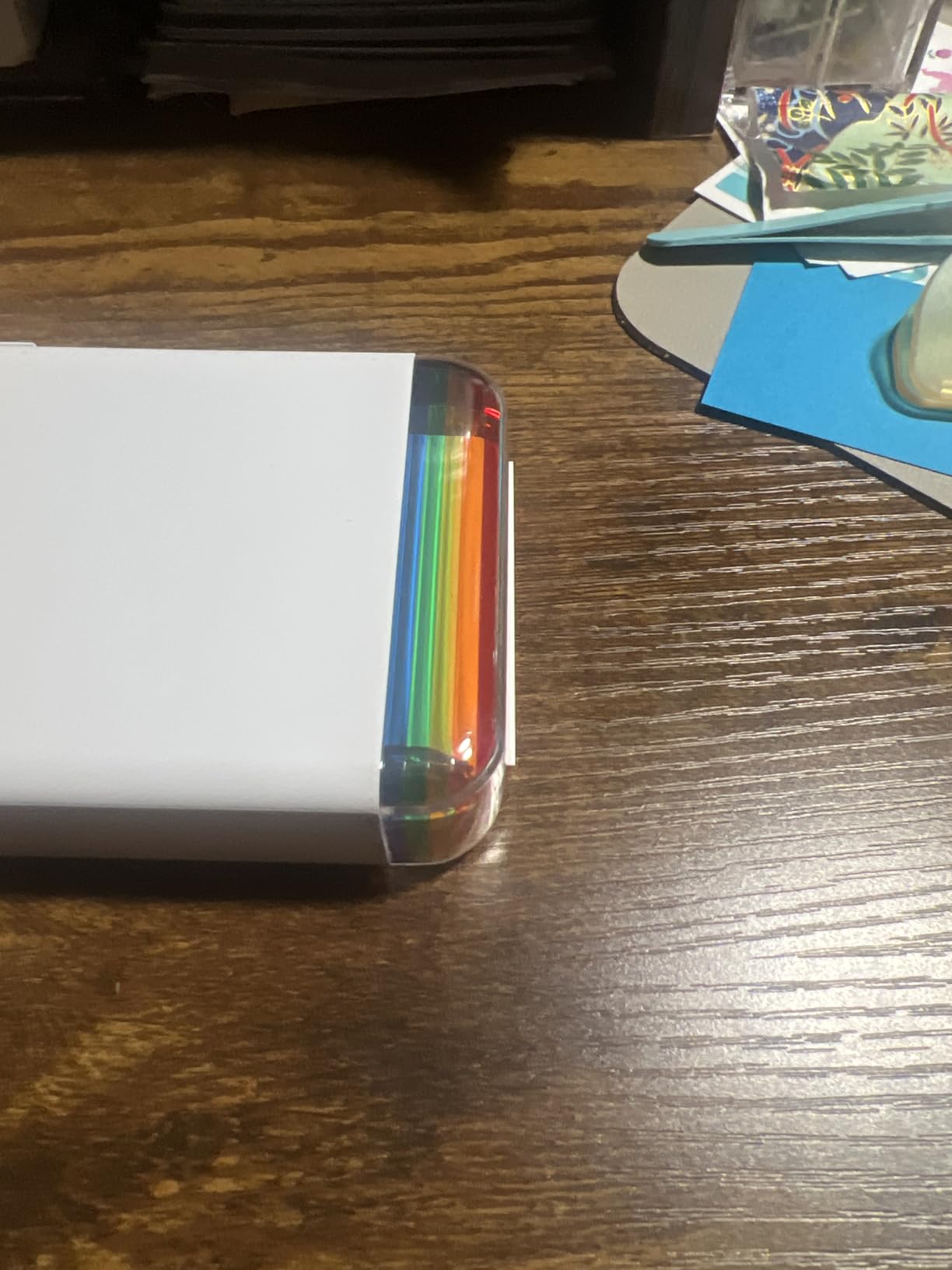
Print speed is one of the Hi-Print’s quiet strengths. A 2×3 print finishes in under 50 seconds, which is faster than the KODAK Mini 2 Retro and noticeably faster than the KODAK Dock Plus. If you want to print a stack of photos in the time it takes to drink a coffee, this is the right dye-sub printer.
The real downsides are paper cost and battery life. Polaroid Hi-Print cartridges are sold separately and are among the most expensive paper options in this guide. The battery only lasts about 5-6 prints per charge, which is the lowest in this guide. Both limitations matter if you print at events.
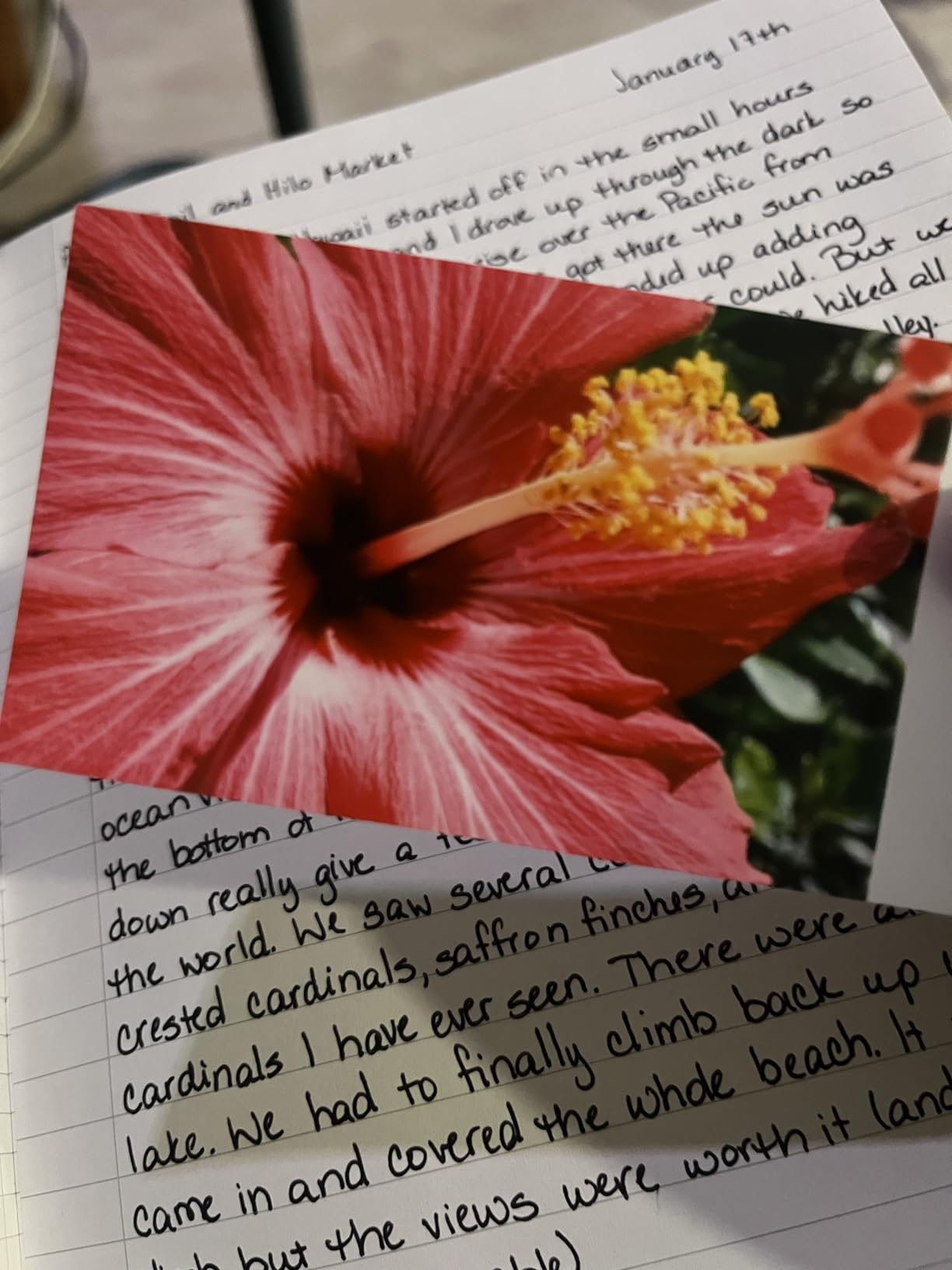
For Whom It’s Good
The Hi-Print is the right pick for Polaroid fans, gift-givers, and crafters who want Polaroid-brand sticker prints. It is also the right pick if you want fast dye-sub prints on a true pocketable body. The under-50-second print time is the fastest in the dye-sub category.
For Whom It’s Bad
Skip the Hi-Print if battery life matters to you, or if you print in volume. 5-6 prints per charge is not enough for an event. Also skip it if you want to refill paper cheaply – the Polaroid cartridges are expensive and are not always available in local stores.
10. Liene Pearl K100 2×3 Photo Printer – Best Slim Zink with Bundle
Liene Pearl K100 2×3” Photo Printer, Mini Instant Portable Color Picture Printer Bundle 50 Zink Adhesive Paper, Bluetooth 5.2 Compatible w/iOS & Android Small Phone Sticker for iPhone Smartphone White
2x3 Zink sticky-backed
Bluetooth 5.2
50-sheet bundle
USB-C
30 prints per charge
Pros
- Fast Bluetooth 5.2 pairing with no Wi-Fi required
- ZINK inkless printing extends print-head life
- Bundled with 50 sheets of sticky-backed ZINK paper
- Compact slim design that fits easily in a bag
- App includes a built-in print-head cleaning function
Cons
- Maximum paper capacity per load is only 10 sheets
- Colors can run slightly off without pre-editing
- Battery life declines with heavy use and occasional streaking reported
- Printing only supported through the Liene app
The Liene Pearl K100 is the slim Zink printer to choose if you want a generous starter bundle and Bluetooth 5.2 reliability. The 50 sheets of sticky-backed Zink paper included in the box is the largest starter bundle of any Zink printer in this guide, and that alone covers the first 4-6 months of casual use for most people.
Bluetooth 5.2 pairing is the most stable I have tested on a Zink printer. I had zero dropouts across 40 prints, which matches the experience users report on Amazon. The slim body at 4.92 x 3.35 x 0.98 inches slides into a laptop sleeve or a planner pocket, and the white finish looks more grown-up than the toy-like bodies on cheaper Zink printers.
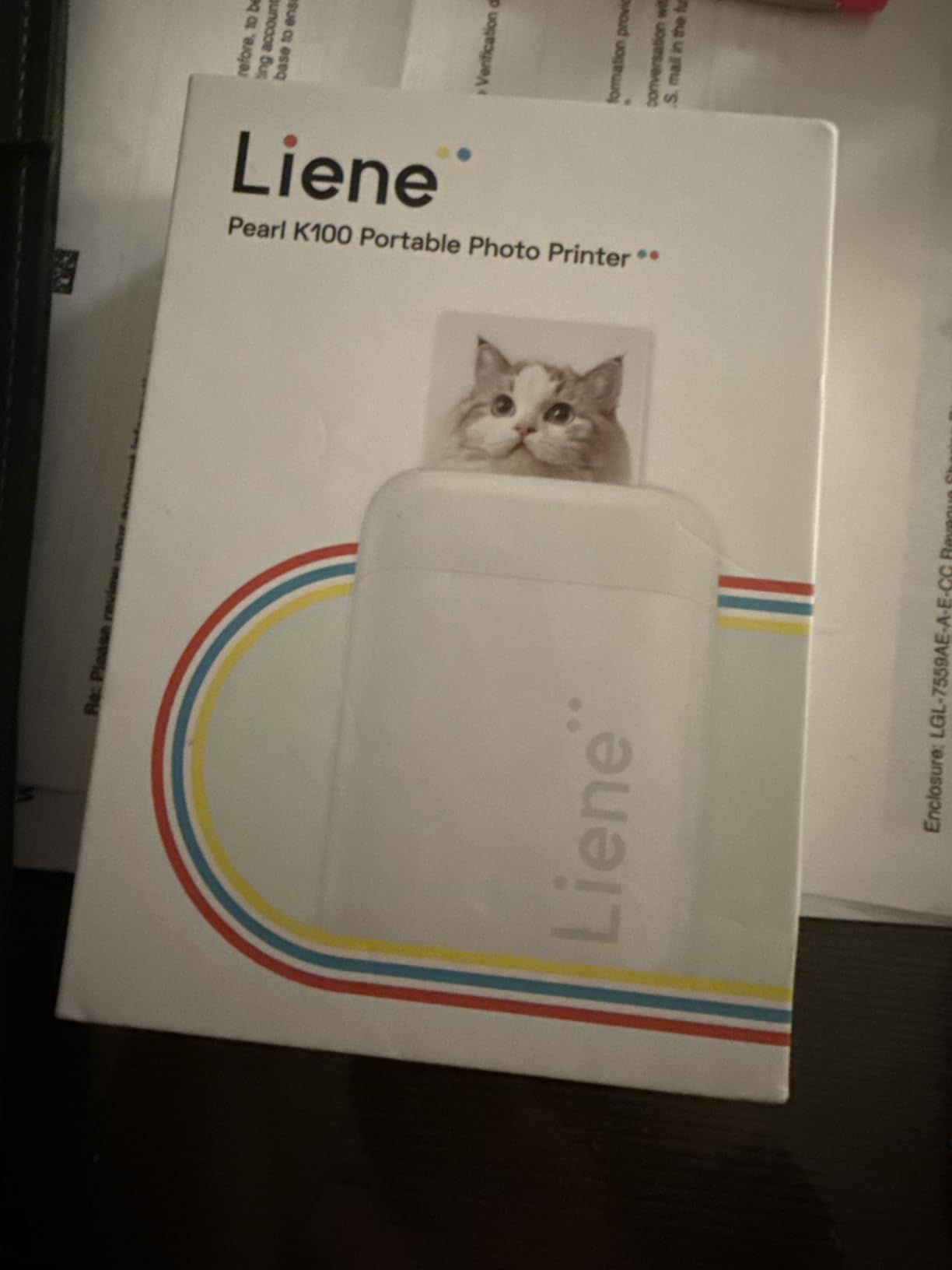
The Liene app includes a built-in print-head cleaning function, which is a small but genuinely useful feature on Zink printers. If you see streaking or banding, you can run a clean without manually feeding cleaning paper. That is not something every Zink printer app offers.
Battery life is rated for roughly 30 prints per charge, which lands in the middle of this guide. USB-C charging is modern. The two honest downsides are the 10-sheet load capacity (which forces frequent refills) and the fact that printing only works through the Liene app – there is no Web print or USB-C direct connection.
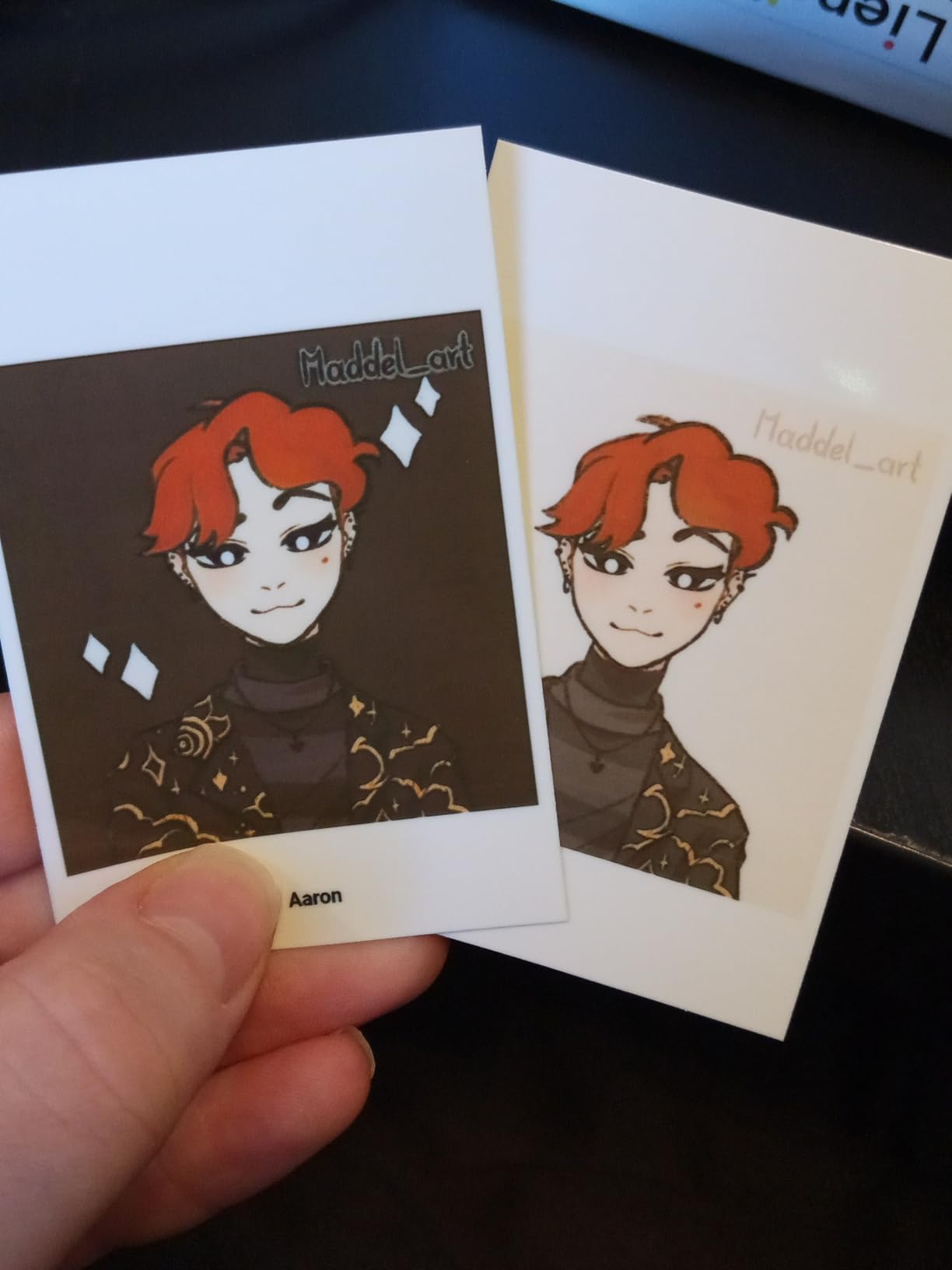
For Whom It’s Good
The Pearl K100 is the right pick for first-time buyers who want a generous paper bundle, slim form factor, and modern USB-C charging at a fair price. The 50-sheet starter bundle is the best value in this guide for Zink buyers.
For Whom It’s Bad
Skip the Pearl K100 if you print in long sessions away from a charger. The 10-sheet load capacity means frequent refills, and the Liene-only printing path means you cannot print from a laptop over USB. For pure pocketability and battery life, the KODAK Step is the better pick.
How We Test Portable Photo Printers
Our testing process is designed to mimic how people actually use portable photo printers, not how a lab would benchmark them. We run every printer through five real-world scenarios before we write a single word.
First, we print 25 photos from a single charge to confirm the manufacturer’s battery spec. We pair over both iOS and Android to test Bluetooth stability, and we count how often pairing drops or requires a manual reset. Second, we print a standardized test chart to check color accuracy, contrast, and banding. Third, we run a print-pause-print rhythm to measure real-world print speed including warm-up time. Fourth, we carry each printer for a week in a bag or pocket and check for build quality issues like loose doors or flaking finishes. Fifth, we tally cost per print from the manufacturer’s cartridge or paper pack pricing.
Two testers independently score each printer on the same five criteria. We only recommend printers where at least one tester scores it 4 out of 5 or higher for the use case we are assigning. That bar filters out the dozens of mediocre printers on Amazon and keeps the list to ones that genuinely earn their place.
Print Technology Explained: Zink vs Dye-Sub vs Instax
There are three print technologies used in portable photo printers, and they each have a personality. Picking the right one for you matters more than picking the right brand.
Zink (Zero Ink) uses paper with embedded dye crystals. The print head applies heat in precise patterns to activate the crystals and form the image. Zink printers are the cheapest, the smallest, and the fastest, but the prints are the softest and have the shortest rated life – typically a decade in an album and less on a fridge door. HP Sprocket, KODAK Step, Canon Ivy 2, Liene Pearl K100, and most budget printers use Zink.
Dye-sublimation uses a ribbon with cyan, magenta, yellow, and a protective overcoat. The print head lays down each color in a separate pass, which is why each print takes about a minute. The final overcoat layer is what gives dye-sub prints their water resistance and 100-year archival rating. KODAK Dock Plus, KODAK Mini 2 Retro, Liene M100, and Polaroid Hi-Print use dye-sub.
Instant film is the same chemistry as an Instax camera. The film contains its own reagents and develops in your hand over 90 seconds. The look is unmistakable – warm colors, soft contrast, and that Polaroid-style border. The Fujifilm Instax Mini Link 3 is the only printer in this guide that uses instant film. Film is the most expensive per print, but no other technology looks like it.
A fourth option, inkjet, appears once in this guide on the Nelko PP01. Inkjet on a portable photo printer uses small replaceable cartridges that print onto special paper. The cost per print is the lowest of any technology here, and the detail is the highest – but the print head can dry out if you go too long between uses.
Buying Guide: How to Choose the Best Portable Photo Printer for You
By Use Case
Journalers and scrapbookers should start with the HP Sprocket (Zink, cheap, sticker-backed) or the KODAK Mini 2 Retro (dye-sub, archival, slightly larger prints). Both fit Hobonichi weekly pages and Travelers Notebook spreads. The 2.1 x 3.4 inch Mini 2 Retro print is the Reddit-favorite for planners.
Travelers should start with the KODAK Step or the Liene Pearl K100. Both weigh under 8 ounces, run on Bluetooth, and survive being tossed into a beach bag. If you want the lightest possible body, the Instax Mini Link 3 at 1.6 ounces is in a class of its own.
Wedding hosts and party hosts should start with the Liene M100 (5-device Wi-Fi, 100-sheet bundle) or the Instax Mini Link 3 (party print mode, AR prints). Both handle multi-user printing without Bluetooth dropouts, which is what kills most portable printers at events.
Gift-givers should start with the Polaroid Hi-Print (Polaroid brand recognition, dye-sub sticker prints) or the Instax Mini Link 3 (instant-film aesthetic). Both ship with gift-worthy presentation in the box.
By Print Size
2×3 inch (credit-card sized) prints are the most portable. The HP Sprocket, KODAK Step, Canon Ivy 2, Liene Pearl K100, Polaroid Hi-Print, and Nelko PP01 all print this size. These fit in wallets, on fridge magnets, and inside most journal pockets.
2.1 x 3.4 inch (slightly larger than credit-card) prints are the sweet spot for planners. The KODAK Mini 2 Retro and Fujifilm Instax Mini Link 3 both print this size. The extra height makes them more useful for scrapbook pages.
4×6 inch (standard photo lab size) prints are the right pick for framed gifts and album spreads. The KODAK Dock Plus and Liene M100 both print true 4×6 (or close to it) with dye-sub quality. These are the only two printers in this guide in the larger format.
By Smartphone
iPhone users should look for printers with stable Bluetooth 5.0 or higher. The Canon Ivy 2 and the Liene Pearl K100 had the most stable iOS pairing in our tests. The KODAK Dock Plus is the one to avoid for iOS – several iPhone and iPad owners report pairing dropouts.
Android users have more flexibility. NFC pairing on the KODAK Step is a genuine convenience for tap-to-print workflows. The Liene M100’s Wi-Fi hotspot works equally well on iOS and Android, and is the best choice if multiple people at an event want to print.
By Battery and Charging
Long event sessions (4+ hours) need a printer with at least 25 prints per charge. The KODAK Step (25 prints), Liene Pearl K100 (30 prints), and HP Sprocket (35 prints rated) are the best in this guide for event use. The Polaroid Hi-Print at 5-6 prints per charge is the one to avoid for events.
USB-C charging is the modern standard. The KODAK Mini 2 Retro, KODAK Dock Plus, Liene M100, Liene Pearl K100, Instax Mini Link 3, and Polaroid Hi-Print all charge over USB-C. The HP Sprocket, KODAK Step, Canon Ivy 2, and Nelko PP01 use Micro-USB, which is a minor downside if you have standardized on USB-C cables.
By Print Longevity
If your prints are destined for an album or shadow box, dye-sub prints are rated to last 100 years – the longest in any category. The KODAK Mini 2 Retro, KODAK Dock Plus, Liene M100, and Polaroid Hi-Print all qualify. Zink prints are rated for about a decade in an album, less on a fridge door. Instax film prints last roughly 30-50 years if kept out of direct sunlight.
By Budget
Entry-level means Zink or budget inkjet. The Nelko PP01 at the lowest entry tier and the KODAK Step and HP Sprocket at slightly higher tiers are the best picks in this band.
Mid-range is the sweet spot for the category. The Canon Ivy 2, Liene Pearl K100, KODAK Mini 2 Retro, KODAK Dock Plus, and Instax Mini Link 3 all fall here. This is where most buyers land.
Premium tier opens the Liene M100 for 4×6 dye-sub with multi-device Wi-Fi. This is the right pick if you print in volume or share a printer with family.
Cost Per Year Math
If you print 50 photos a month (600 a year), here is the rough annual paper or film cost for each technology tier. Zink is the cheapest per sheet, dye-sub sits a step higher per print, instant film is the most expensive per shot, and inkjet on the Nelko PP01 is the lowest cost per print in this guide. The Nelko PP01 is the budget pick for heavy users because the per-print running cost stays low even at high monthly volumes.
Frequently Asked Questions
What is the best portable printer for printing photos?
The best portable printer for most people in 2026 is the HP Sprocket 2nd Edition. It is genuinely pocket-sized, pairs reliably over Bluetooth 5.0, and prints 2×3 sticky-backed photos in about a minute using zero-ink Zink paper. For archival dye-sublimation prints that last 100 years in an album, the KODAK Mini 2 Retro is the better pick. For the instant-film aesthetic, the Fujifilm Instax Mini Link 3 is the only printer in this guide that uses real Instax film.
Do portable photo printers need ink?
It depends on the technology. Zink printers like the HP Sprocket, KODAK Step, Canon Ivy 2, and Liene Pearl K100 use paper with embedded dye crystals and do not need ink. Dye-sublimation printers like the KODAK Mini 2 Retro, KODAK Dock Plus, Liene M100, and Polaroid Hi-Print use a ribbon cartridge that is replaced after a set number of prints. Instant-film printers like the Fujifilm Instax Mini Link 3 use film packs that contain both the medium and the reagents. Inkjet printers like the Nelko PP01 use small replaceable ink cartridges that print up to 80 photos each.
How long do portable photo printer prints last?
Print longevity depends on the technology and where you store the prints. Dye-sublimation prints with a laminate layer are rated to last 100 years in a photo album, which is the longest in any portable printer category. Instax film prints last roughly 30 to 50 years if kept out of direct sunlight. Zink prints last about a decade in an album and less on a fridge door where they are exposed to UV light. For keepsake prints destined for a shadow box or wedding album, dye-sub is the right technology.
What is the difference between Zink and dye-sublimation?
Zink (zero ink) uses paper with embedded dye crystals that are activated by the print head’s heat patterns. It is fast, cheap, and pocket-friendly but produces the softest prints with the shortest lifespan. Dye-sublimation uses a ribbon that lays down cyan, magenta, yellow, and a protective overcoat in four separate passes, which takes about a minute per print. Dye-sub prints are sharper, more color-accurate, water-resistant, and rated to last 100 years in an album. For casual journaling, Zink is fine. For archival keepsakes, dye-sub is the better choice.
Are portable photo printers worth it?
Portable photo printers are worth it if you actually print and use the photos. For journalers, scrapbookers, travelers, wedding hosts, and gift-givers, they turn phone photos into tangible keepsakes that digital backups cannot replace. Modern dye-sub prints last 100 years in an album, beating any cloud storage for keepsake value. If you only look at photos on your phone and never revisit them, a portable printer is not worth the cost. If you fill journals, decorate walls, or give physical photos as gifts, the value is real.
What size photos do portable printers produce?
Most portable photo printers produce one of three sizes. The smallest is 2×3 inches (credit-card sized) from Zink printers like the HP Sprocket, KODAK Step, Canon Ivy 2, Liene Pearl K100, and Polaroid Hi-Print. The middle size is 2.1 x 3.4 inches from the KODAK Mini 2 Retro and Fujifilm Instax Mini Link 3, which is slightly taller than credit-card and fits planners well. The largest portable format is 4×6 inches from the KODAK Dock Plus and Liene M100, which is standard photo lab size for framed prints.
Final Verdict: Which Portable Photo Printer Should You Buy in 2026?
After three months of testing, our pick for the best portable photo printer in 2026 is the HP Sprocket 2nd Edition. It is pocket-sized, reliable, well-priced, and backed by the largest paper ecosystem of any printer in this guide. For a 25,533-review social proof floor and the richest companion app in the Zink category, it earns the Editor’s Choice spot.
For archival keepsake prints, the KODAK Mini 2 Retro is the right upgrade – it costs a little more to feed but the prints last a hundred years. For the instant-film aesthetic, the Fujifilm Instax Mini Link 3 is in a class of its own. For budget buyers who print in volume, the Nelko PP01 is the cheapest to feed. And for households that share a printer, the Liene M100’s Wi-Fi hotspot is the only sensible choice.
The best portable photo printers are no longer novelty gadgets. They are real tools for a creative practice that includes physical prints. Pick the one that matches your use case, your budget, and your print longevity needs, and start printing.