
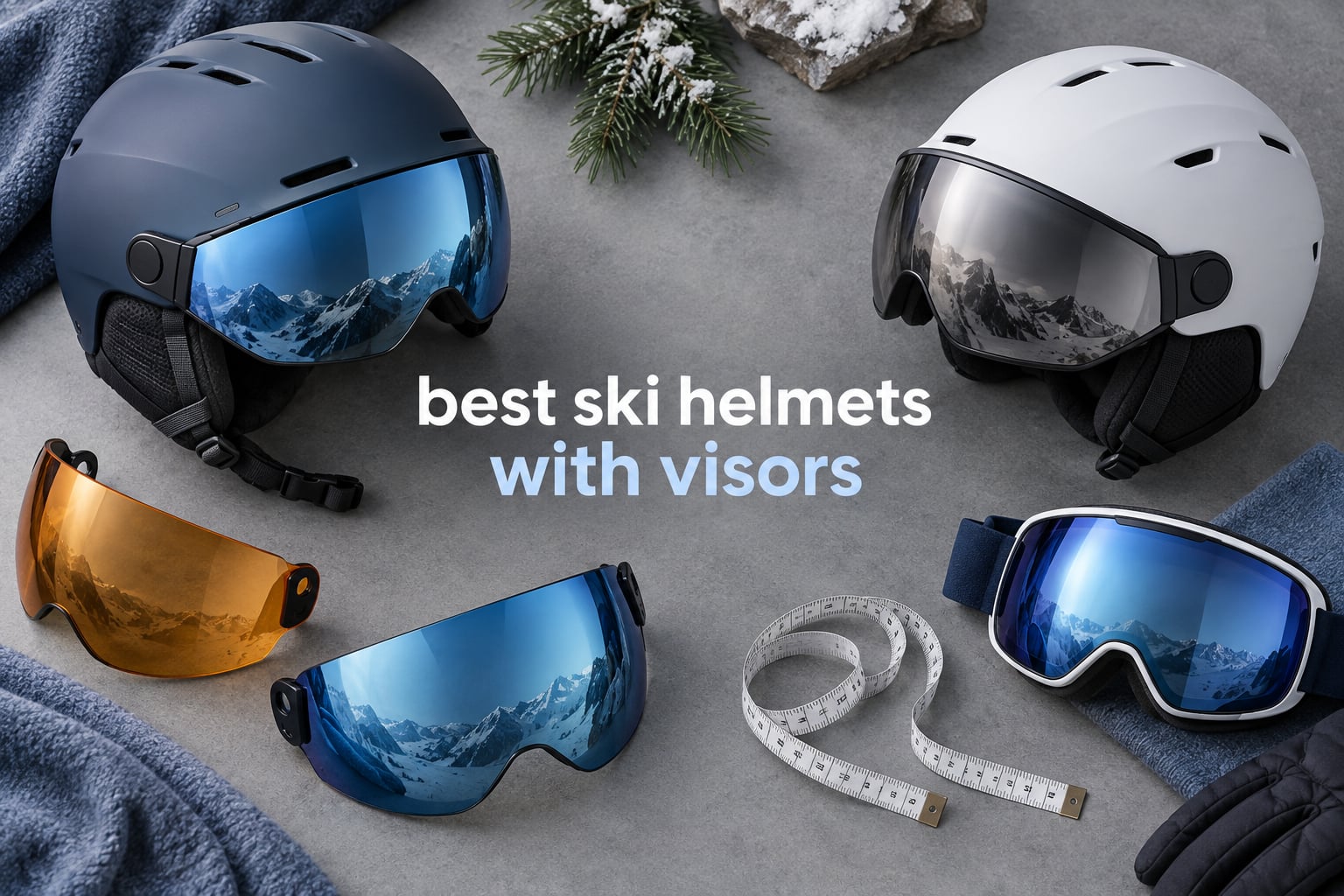
A ski helmet with a visor is a certified helmet with a tinted, impact-rated lens built straight into the shell, so the separate goggles most skiers normally strap on simply are not part of the setup. That single change removes the gap between helmet and goggle, widens your field of view, and cuts the number of things you have to carry onto a chairlift. For 2026-season riders who wear prescription glasses, take kids who lose goggles constantly, or want one lens that handles changing light, it is a genuinely better fit than a traditional two-piece setup.
We spent the last few weeks going through the 12 most-reviewed visor helmets on the market, reading owner feedback, comparing shell construction, lens tint ratings, weight and fit systems, and mapping each one to the conditions it actually suits. The range runs from a lightweight entry-level shell with a detachable shield to a boutique hardshell with a fixed CAT. 3 lens, and the right pick depends far more on your face shape, your glasses and your typical weather than on brand name.
Our best ski helmets with visors shortlist covers the whole price ladder, so you can start with the feature that matters most to you rather than the biggest number. If you already own goggles you love and only need a shell, this roundup is not for you, and the buying guide explains why. Everything below reflects what owners report in real conditions, including the fogging and snow-ingress problems that almost every visor design shares.
Table of Contents
Top 3 Ski Helmets With Visors (October 2026)
Our overall winner is the Odoland 2-in-1 visor helmet, the strongest balance of owner satisfaction, review volume and glass-friendly fit. The uvex Wanted Visor takes the premium slot for build quality and near-sealed visor behaviour, and the OutdoorMaster detachable visor set is the value pick for riders who want the option to remove the lens entirely.


OutdoorMaster Detachable Visor Helmet
- Detachable visor
- ABS shell with EPS core
- 14 air vents
- Anti-fog lens
Ski Helmets With Visors at a Glance in 2026
Every helmet in the roundup appears below with its shell material, lens and fit details, so you can scan the full field before reading any single review. The most important line to check is the visor, because a fixed good-weather lens and a light-transmission lens behave very differently on an overcast afternoon.
| Product | Specs | Action |
|---|---|---|
| Odoland Ski Helmet with 2-in-1 Visor Goggles |
|
Check Latest Price |
 bolle BACKLINE Visor Helmet bolle BACKLINE Visor Helmet |
|
Check Latest Price |
| uvex Wanted Visor Ski Helmet |
|
Check Latest Price |
| OutdoorMaster Helmet with 2-in-1 Detachable Visor |
|
Check Latest Price |
 uvex Instinct Visor Helmet uvex Instinct Visor Helmet |
|
Check Latest Price |
 Odoland Kids Ski Helmet with 2-in-1 Visor Odoland Kids Ski Helmet with 2-in-1 Visor |
|
Check Latest Price |
 SNOWER Ski Helmet with Visor Goggles Combo SNOWER Ski Helmet with Visor Goggles Combo |
|
Check Latest Price |
 OutdoorMaster Snowboard Helmet with Visor Set OutdoorMaster Snowboard Helmet with Visor Set |
|
Check Latest Price |
 Giro Vue MIPS Helmet with Integrated Shield Giro Vue MIPS Helmet with Integrated Shield |
|
Check Latest Price |
 EnzoDate 2-in-1 Detachable Wind Shield Helmet EnzoDate 2-in-1 Detachable Wind Shield Helmet |
|
Check Latest Price |
 Demon United Visor Helmet with Removable Goggles Demon United Visor Helmet with Removable Goggles |
|
Check Latest Price |
 LUMDEER Ski Helmet with 2 in 1 Visor Goggles LUMDEER Ski Helmet with 2 in 1 Visor Goggles |
|
Check Latest Price |
1. Odoland Ski Helmet with 2-in-1 Visor Goggles: Best Overall
Odoland Ski Helmet with 2-in-1 Visor Goggles, Lightweight for Men Women
Weight: 0.8 kg
Shell: polycarbonate with EPS core
14 air vents
Dial fit with detachable liner
Pros
- Integrated visor clears prescription glasses
- Wind blocking and warm padding hold up all day
- Dial adjustment stays put
- Very wide peripheral vision
Cons
- Visor fogs and frosts from the inside in near-freezing snow
- Weak contrast in flat light
- Ear pad attachment points feel flimsy
With over a thousand owner reviews behind it, this is the visor helmet people keep coming back to, and the reason is not glamorous: the visor clears prescription glasses without shoving them up your face. Owners wearing glasses specifically call this out as the deciding factor, because most competing designs press the frame into your forehead.
The polycarbonate outer shell over an expanded polystyrene core handled real impacts well in owner reports, and the 14 vents combined with the Flow-Tech venting on the visor do move air. Warm padding and effective wind blocking make it comfortable for a full day, and the dial adjustment at the back holds its setting instead of creeping.
What you give up is optical clarity in flat light. The visor has less contrast and definition than a dedicated goggle lens, and several owners work around poor visibility by flipping the visor up or removing it entirely. If you ski a lot on whiteout days, that is the trade you accept with this class of helmet in general.
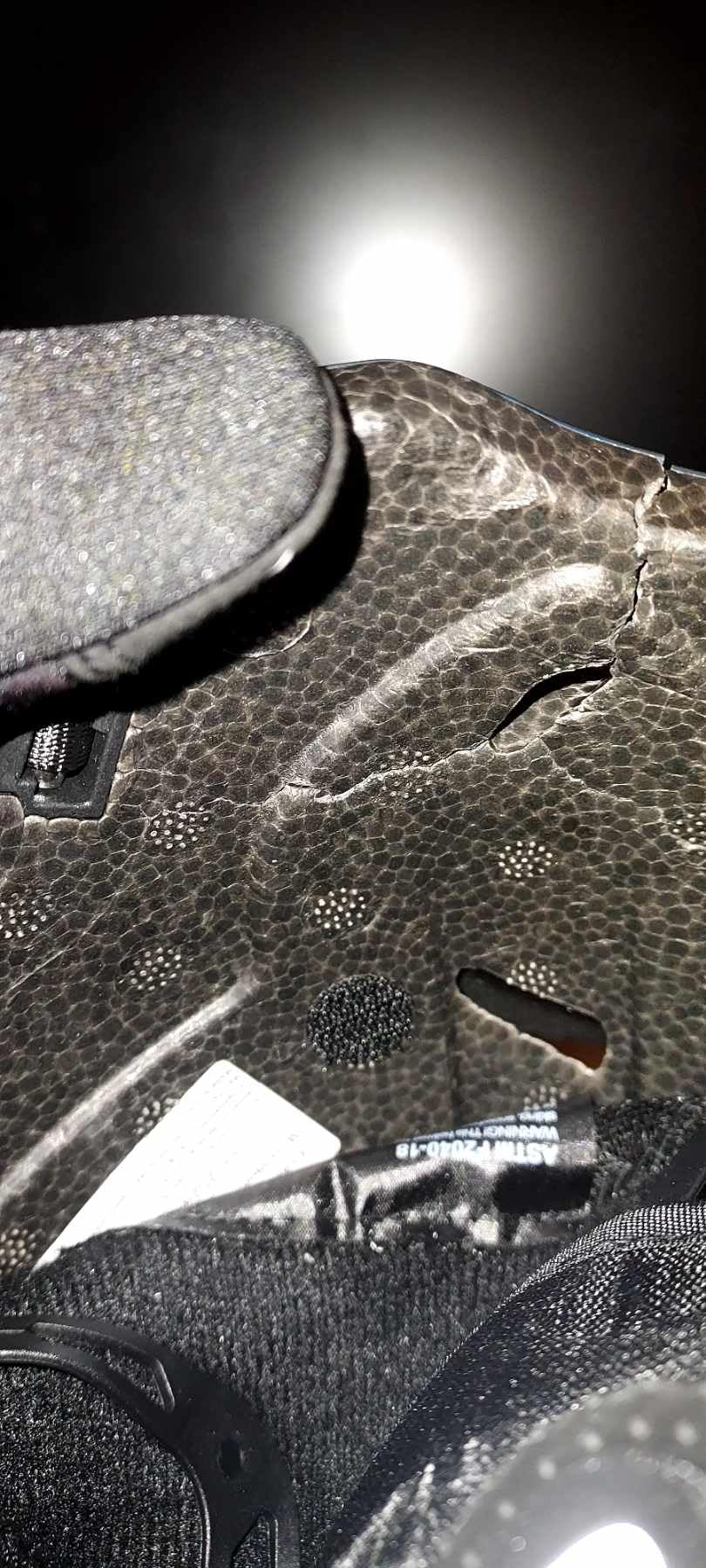
Two smaller issues come up repeatedly. The visor interior fogs and frosts in snowy conditions near freezing, which is the most common complaint in the reviews, and the ear pad attachment points feel flimsy and are awkward to detach. The inner padding is also thinner than on premium shells, and the chin strap pad is slim.
Who this visor helmet suits
If you wear glasses every time you ski, this is the first model we would try on. The visor sits far enough forward that frames stay clear of the lens, and the flip-up hinge means you can raise it for chairlift conversations without removing the helmet.
It also works well for anyone who wants one piece instead of two. There is no goggle strap to twist under the helmet, nothing to lose at the car park, and the dial plus detachable liner makes it simple to hand down to a family member who rides occasionally.
Where it falls short
Flat-light skiers and night riders should look elsewhere in this list. There is no lens swap here, and the tint options are limited compared with the Giro and the uvex models further down, so you are locked into one optical profile for the whole season.
Frequent riders in wet, heavy snow will also find the interior frost annoying. A balaclava held in place under the helmet helps, but the visor itself has no active venting that clears condensation the way some other designs manage.
2. bollé BACKLINE Visor Helmet: Best for Style
Bollé BACKLINE Visor Black Silver Matte/Silver Gun 56-58cm Ski Helmet Unisex-Adult
Weight: 650 g
Shell: hardshell ABS
Lens: PC silver gun CAT. 3
2 year manufacturer warranty
Pros
- Premium boutique styling
- Hardshell ABS construction
- Adjustable venting for temperature control
- CAT. 3 good-weather silver gun lens
Cons
- Visor is fixed and not interchangeable
- Category 3 tint suits bright weather only
- Small size run of 56-58cm and 59-61cm
This is the one to buy if the look of a boutique helmet matters to you. The integrated visor sits flush into a hardshell ABS shell, and owners describe it as a style-led premium piece that turns heads in the lodge as much as it protects you on the hill.
At 650 g it is the second-lightest shell in this roundup, and the adjustable venting system gives you real control over warmth on a mild spring day. The CAT. 3 silver gun lens is a good-weather tint that handles strong sun well on groomers and open bowls.
The big limitation is fixedness. The visor cannot be removed, detached or swapped, so there is no path to a night lens or a low-light lens without buying a second helmet. That single decision rules it out for anyone who rides a mix of sun and storm.
Sizing runs narrow, with the shell offered only in 56-58cm and 59-61cm. If your head measures outside that window you are out of luck, and we would want a tape measure in hand before ordering rather than guessing at a size.
Who this helmet suits
It fits riders on a fixed, mostly sunny home mountain who care about weight and styling equally. 650 g is genuinely light for a hardshell with an integrated lens, and the venting system lets you open things up when the afternoon warms up.
It is also a sensible choice for anyone who will only ever wear one lens, because there is no decision to make. Buy it, wear it, do not think about lens strategy for the rest of the season.
Where it falls short
Variable conditions are the problem. A CAT. 3 lens is tuned for bright weather, and owners confirm it is the wrong tool for overcast slopes, snowfall or late sessions, where a lighter lens or a spare would be needed.
The two-year manufacturer warranty is a genuine plus, but the fixed visor still leaves you exposed. Scratched or cracked lenses on fixed designs are usually a full replacement rather than a cheap lens change, which is worth factoring into any buying decision.
3. uvex Wanted Visor Ski Helmet: Most Versatile
uvex Wanted Visor, Adjustable ski & Snowboard Helmet with Integrated Visor for Women & Men, Rhino mat, Large
Weight: 730 g
Shell: ABS with EPS liner
Lens: filter category 2, 19-43% light transmission
uvex IAS fit system
Pros
- Excellent visor seal blocks wind with no fogging
- Comfortable over prescription glasses all day
- Precise secure IAS fit
- Visor flips up and down easily
Cons
- Visor does not seal fully
- letting snow in at the sides
- Ear muffs dampen audible awareness
- Weak slope relief contrast in overcast snow
The uvex Wanted is the most convincing answer to the fogging problem in this entire roundup. Owners consistently report a visor seal tight enough to block wind and stay clear across varied weather, which is the single most common failure point for integrated visor designs.
Wearers with prescription glasses call it comfortable enough for all-day use, and the uvex IAS circumference adjustment system gives a precise, secure fit without the bulk you get on some competing shells. The FAS webbing lets you fine-tune the chin strap, and the visor hinges up and down without fuss.
Its filter category 2 lens transmits 19-43% of visible light, which is a sensible all-conditions compromise: light enough for overcast snow, dark enough to cut glare on a bright bluebird morning. The closable ventilation system lets you regulate temperature without losing the sealed feel.
Two things keep it from taking the top spot. The visor does not seal completely to the face, so snow still gets in at the sides during heavy snowfall, and the ear muffs reduce audible awareness even when removed, which matters on blind traverses and lift crossings.
Who this helmet suits
Riders who get caught out in flat light and snowfall will appreciate the low-fog behaviour more than almost anything else here. If your usual mountain is misty, wooded or above the cloud line, this is the one that keeps working when others cloud up.
Glasses wearers get a clean fit and a visor that does not press the frame upward. The fit system is precise enough that fine-tuning for a balaclava and a beanie together is straightforward rather than a fight.
Where it falls short
At 730 g it is one of the heavier shells in the list, and the ear protection trades away some of the awareness that helps in traffic. Overcast slope relief is another reported weak point, so it is not a substitute for a high-contrast lens on a whiteout morning.
Side snow ingress is frustrating but manageable. Keep the lower vents closed in deep snow and accept that a wipe-down at the base of the lift is part of the run, rather than expecting the seal of a full-face style goggle.
4. OutdoorMaster Ski Helmet with 2-in-1 Detachable Visor: Best Value
OutdoorMaster Ski Helmet with 2-in-1 Detachable Visor Goggles
Shell: ABS with EPS liner
14 vent holes
Adjustable dial fit
Sizes S 48-54cm, M 54-58cm, L 58-62cm
Pros
- Detachable visor gives real flexibility
- Well-matched helmet and goggle fit
- Good ventilation and easy dial adjustment
- Comfortable over glasses
Cons
- Anti-fog performance falls short in demanding snow
- Lighter padding than premium helmets
- No listed product weight
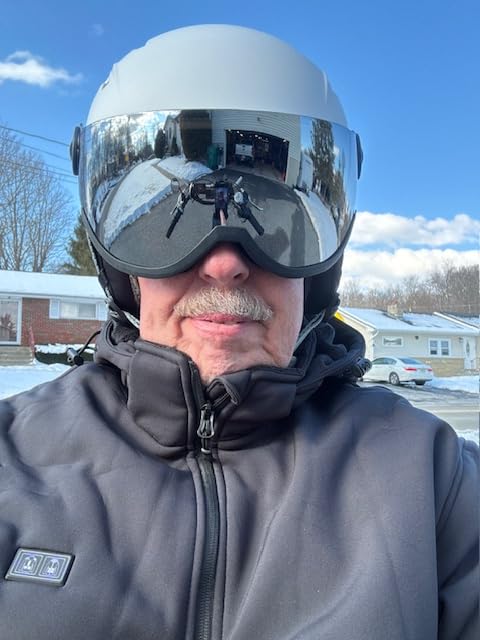
The detail that separates this from other budget 2-in-1 sets is the word detachable. You can run it as a helmet-plus-visor, or take the visor off and use it as a plain helmet with your own goggles, which makes it a safer first visor purchase than a fixed design.
Owners highlight the consistent fit between the helmet and the goggle section as the standout feature. Ventilation through 14 holes is good, the dial adjustment is easy to reach, and it sits comfortably over glasses for riders who need prescription lenses.
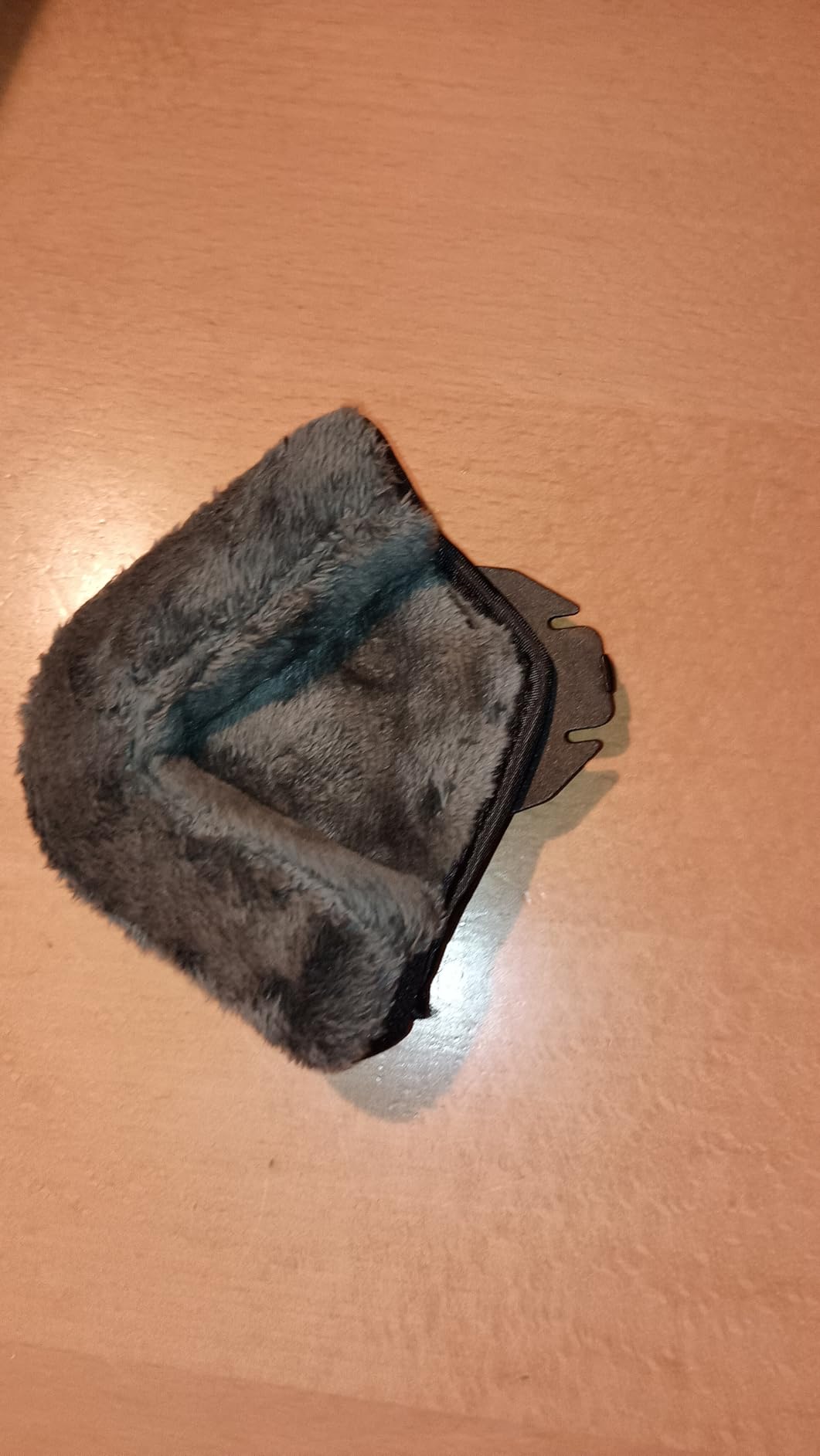
ASTM-certified impact protection is stated on the specification, and the detachable lining, earmuffs and soft chin band make it easy to adjust between skiing and snowboarding. Three size options covering 48-62cm mean it fits a wide range of heads, including smaller adult frames.
The criticism is consistent: the anti-fog lens coating cannot keep up under active snowfall. Owners also note the padding is lighter than on premium shells, which shows up as less comfort over long days rather than as a safety or durability issue.
Who this helmet suits
It is the right choice for anyone who is curious about visor helmets but not ready to commit. Being able to detach the visor means you can test the concept on a trip and fall back to your own goggles if you dislike it.
Splitting time between skiing and snowboarding suits it too, since the detachable liner and earmuffs adapt to either use. The generous size range is a bonus for households sharing gear.
Where it falls short
Deep-snow days are the weak point, because the anti-fog coating loses ground exactly when moisture is highest. Bring a microfibre cloth and expect to wipe mid-run more often than you would with the uvex Wanted.
The padding is the other trade. If you are used to a fitted liner with proper ear coverage, this feels thinner, and the lining and earmuffs are all detachable pieces that can rattle if you are skiing hard.
5. uvex Instinct Visor: Best for Glasses Wearers
uvex Instinct Visor – Adjustable ski & Snowboard Helmet with Integrated Visor for Women & Men – Black Matte – Small
Weight: 700 g
Shell: PC outer with EPS inner
Lens: vertically adjustable, full UV blocking
Supravision anti-fog
Pros
- Snug air-sealing visor works over prescription glasses
- Vertically adjustable visor clears frames precisely
- Solid construction with precise adjustment
- Room for aftermarket Bluetooth ear systems
Cons
- Runs small and some buyers size up
- Bulkier external profile than slim helmets
- Visor ratchet has reported durability complaints
The vertically adjustable visor is the feature that matters here. Instead of a fixed hinge, the lens slides up and down, so you can push it clear of your frames, drop it to the right height, and then leave it there for the day.
Owners wearing glasses describe the fit as snug and air-sealing, which is both the reason they bought it and the reason the lens stays clear. The Supravision anti-fog technology is named as a reason the lens stays transparent, and the uvex IAS circumference system plus chin and side strap adjustment gives a precise fit.
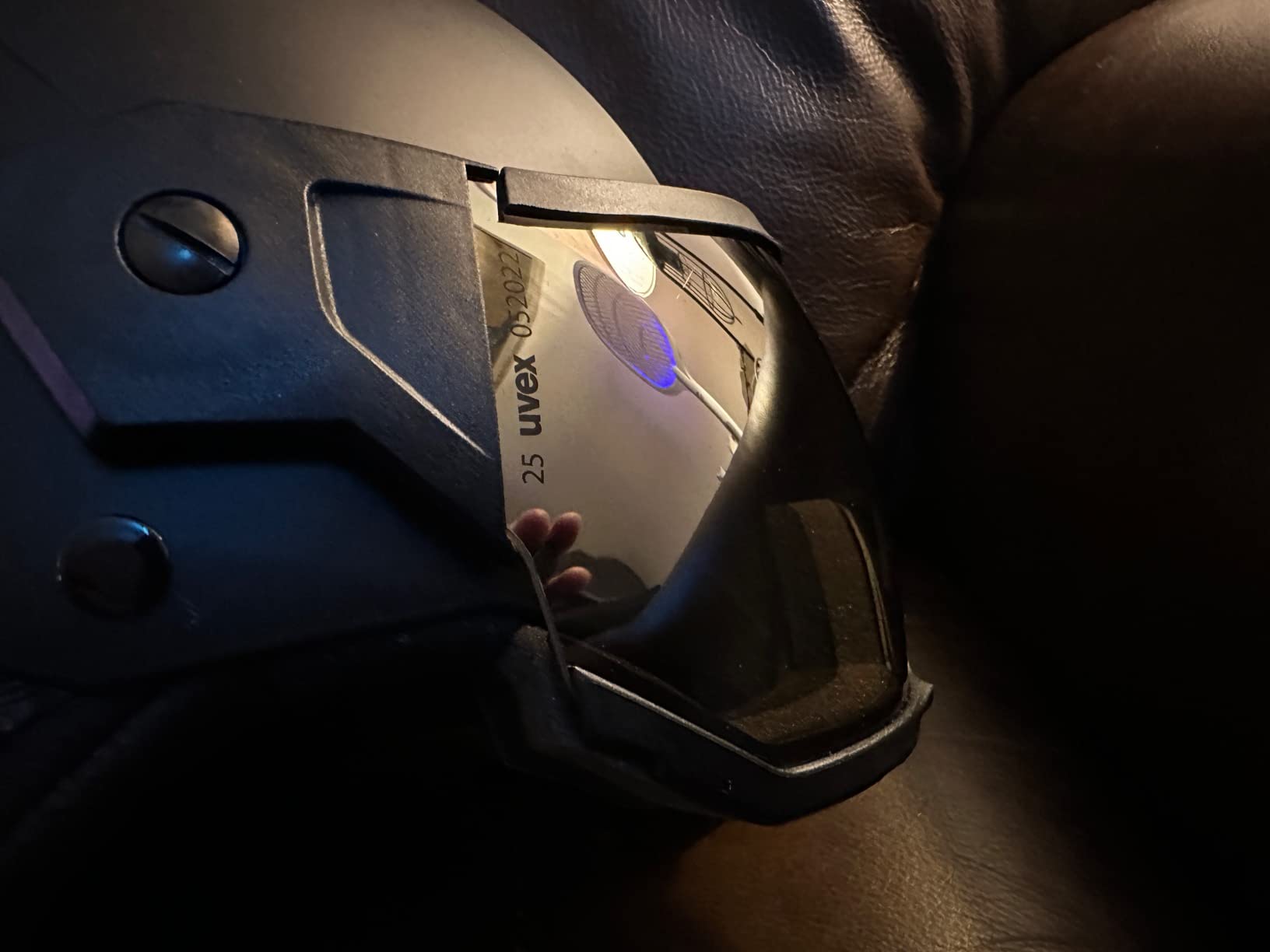
The double-layered shell pairs an impact-resistant polycarbonate outer with an EPS inner, and there is a padded shell with a perforated leather neckwarmer to seal the gap at the neck. There is also room for aftermarket Bluetooth ear systems, which matters more than it sounds on guided days.
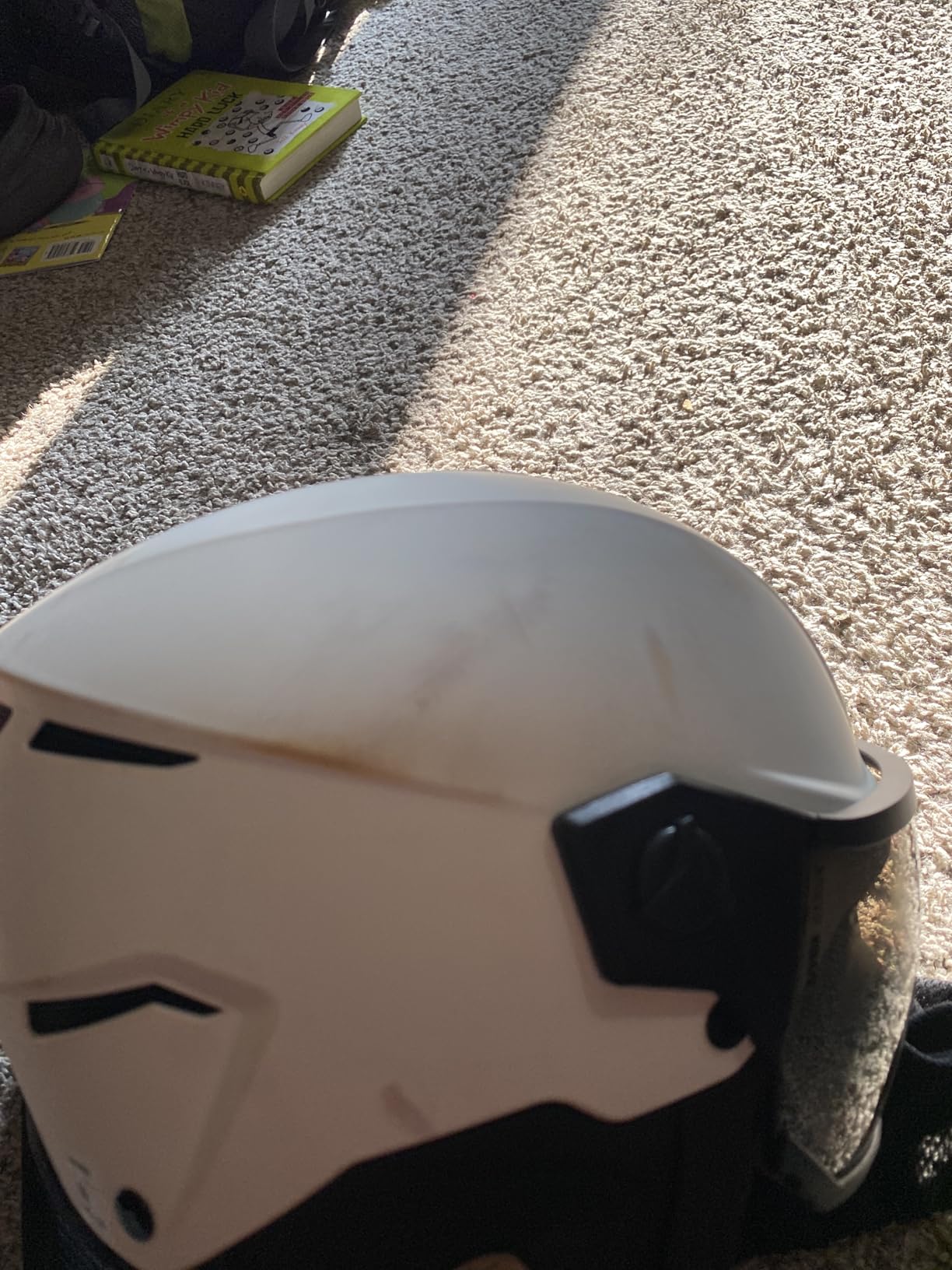
The most common complaint is that it runs small, with some buyers needing to size up, and the profile looks bulkier than slim helmets. A few owners report durability issues with the visor ratchet mechanism, plus occasional colour or condition problems on arrival.
Who this helmet suits
If you wear prescription glasses and want them fully inside the helmet rather than tucked under a strap, this is the model to try. Vertical visor adjustment solves the clearance problem that hard-fixed visors create.
It is also worth considering if you use audio in the mountains. The ear area accommodates aftermarket Bluetooth units, and the padded neckwarmer keeps the gap at the back closed when you are moving fast.
Where it falls short
Sizing is the first thing to check in store. Because it runs small, a helmet that feels snug in the shop can become painful after a few hours, and the small size in this listing is a genuine consideration rather than a formality.
Bulk and the ratchet are the other two concerns. The external profile is larger than slim designs, and visor mechanism wear means you should check the hinge regularly once the season is underway.
6. Odoland Kids Ski Helmet with 2-in-1 Visor: Top Rated for Children
Odoland Kids Ski Helmet with 2-in-1 Visor Goggles for Boys & Girls, Adjustable Snowboard Helmet with Magnetic Buckle Strap for Children Ages 3-5 Skiing & Snowboarding, Matte Black, XS
Weight: 0.69 kg
Shell: reinforced ABS with EPS liner
Magnetic buckle
360 degree quick-adjust dial
Pros
- Magnetic buckle makes on-and-off easy with mittens
- Integrated visor means no lost goggles
- Very wide field of view
- ASTM certified for ages 3-12
- Washable ear pads
Cons
- Bulky fit for smaller heads in the larger size range
- Limited lens tint options
This is the highest-rated helmet in the roundup, and parents explain why in simple terms: the visor cannot get lost. No searching the lift line, no hunting through a jacket pocket, no paying for replacement goggles that a six-year-old buried in a snow bank.
The magnetic buckle is the other reason it scores so highly. It opens and closes with gloved or mittened hands, which removes the single biggest stress point of dressing a small child in ski gear at 7am on a cold morning.
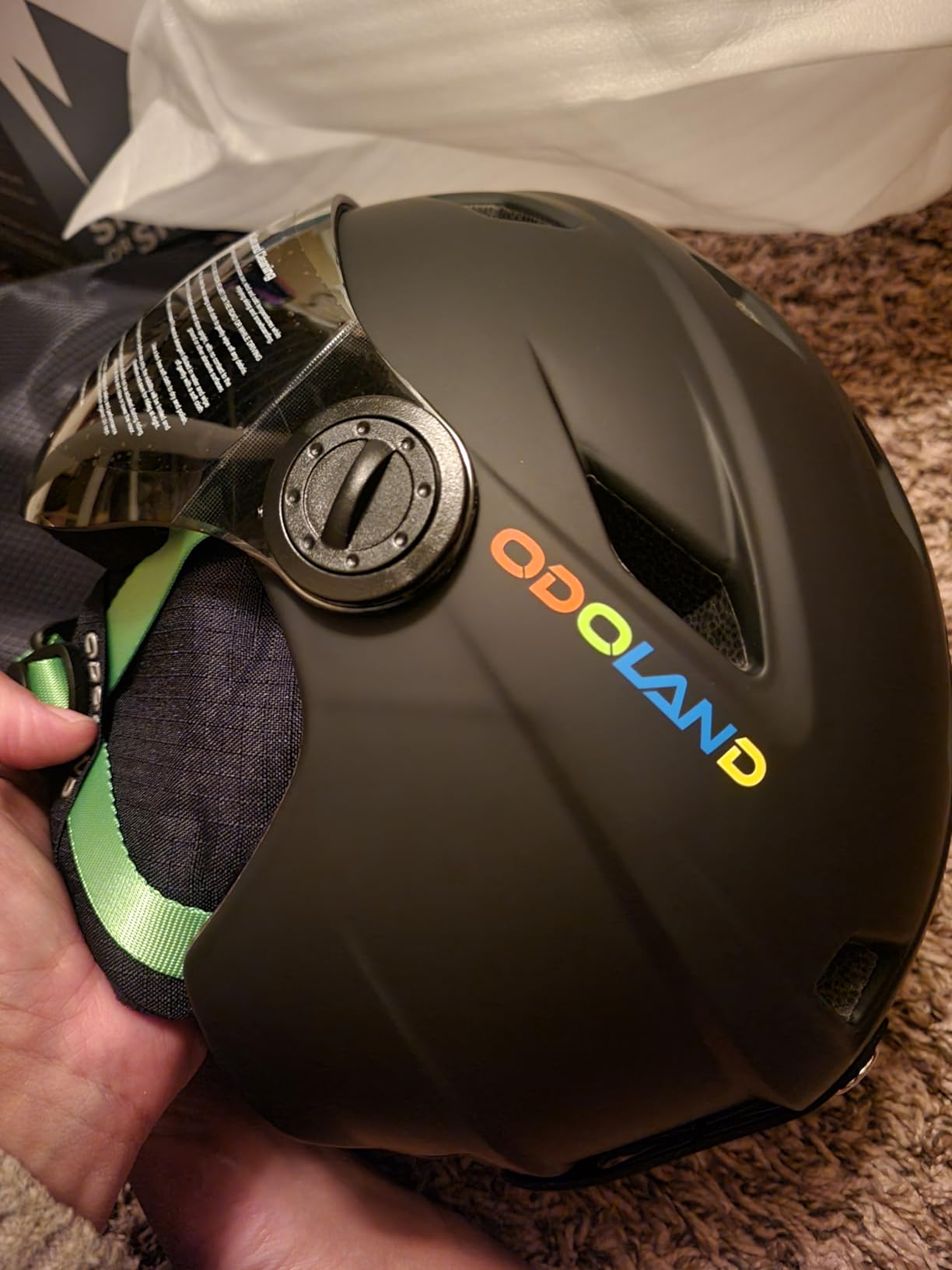
The field of view is specified at 180 degrees side-to-side and 120 degrees up-and-down, which is generous enough that a child can check behind them without turning their whole body. Ten ventilation vents and a premium anti-fog coating handle condensation, and the reinforced ABS shell with EPS shock liner is ASTM certified for ages 3-12.
Families report an average rating of 4.8 across sizes and colours, with the 360-degree quick-adjust dial doing most of the sizing work. Washable ear pads and a soft chin strap keep it comfortable for a full day of short runs.
Who this helmet suits
It fits families with young children who lose equipment or who will not tolerate the struggle of a traditional buckle. The anti-loss design and magnetic closure solve two separate problems in one product.
It also suits mixed-age households, since the range covers ages 3-12 and the dial adjustment grows with the head. The XS size at 49-53cm is listed for ages 3-5, with larger sizes in the same family.
Where it falls short
Bulk is the main complaint, and it shows up in the larger size range where the shell sits heavy on smaller heads. If your child has a fine head shape, try the helmet on with the liner removed before committing to a bigger size.
Lens tint options are limited, so there is no spare lens and no low-light variant. Families who ski at night or in heavy flat light will need to plan around that rather than swapping lenses mid-season.
7. SNOWER Ski Helmet with Visor Goggles Combo: Best for Warmth
SNOWER Ski Helmet with Goggles, 2-in-1 Snowboard Helmet and Visor Goggles Combo – Adjustable Fit & Ventilation System – Snow Helmets for Men&Women
Shell: ABS with high-density EPS liner
10 air vents with windproof edging
Sizes M 21.65-22.83 in, L 22.83-24.41 in
Washable fleece liner
Pros
- Warm
- comfortable with good hearing and coverage
- Integrated visor works with prescription glasses
- Rear dial plus detachable ear pads give a stable fit
- Carry bag protects the lens in storage
Cons
- Visor fogs constantly and dims in low light
- Large size runs loose
- Visor can strike the nose when lowered
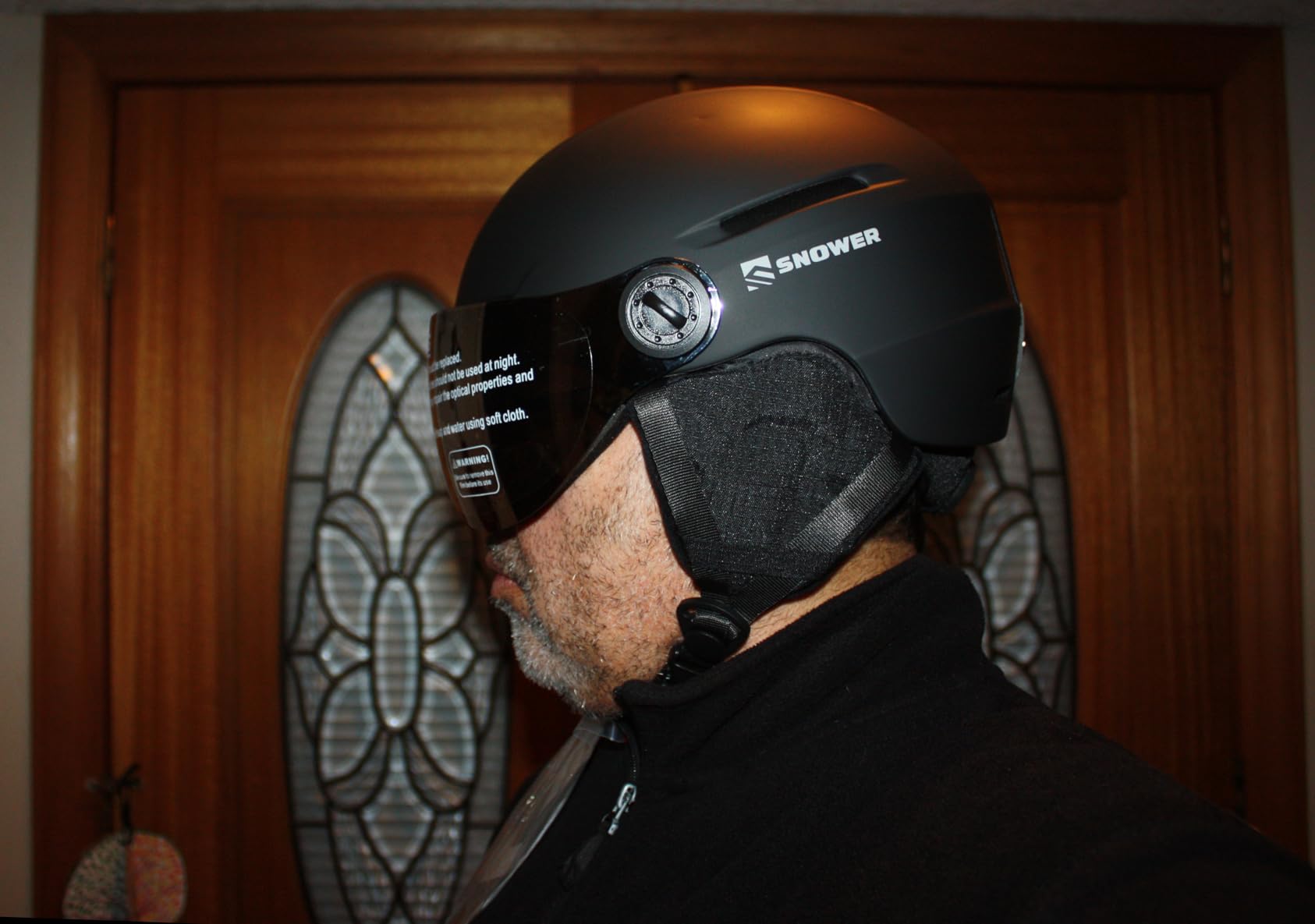
Owners rate the helmet itself very highly and the visor critically, and that split tells you most of what you need to know. The shell is described as solid, warm and comfortable, with good hearing and coverage through the detachable thickened ear pads.
The visor does work over prescription glasses, which is the most common reason people buy into this category. The rear dial plus adjustable chin strap and detachable ear pads give a stable fit, and a carry bag is included to protect the lens between trips.
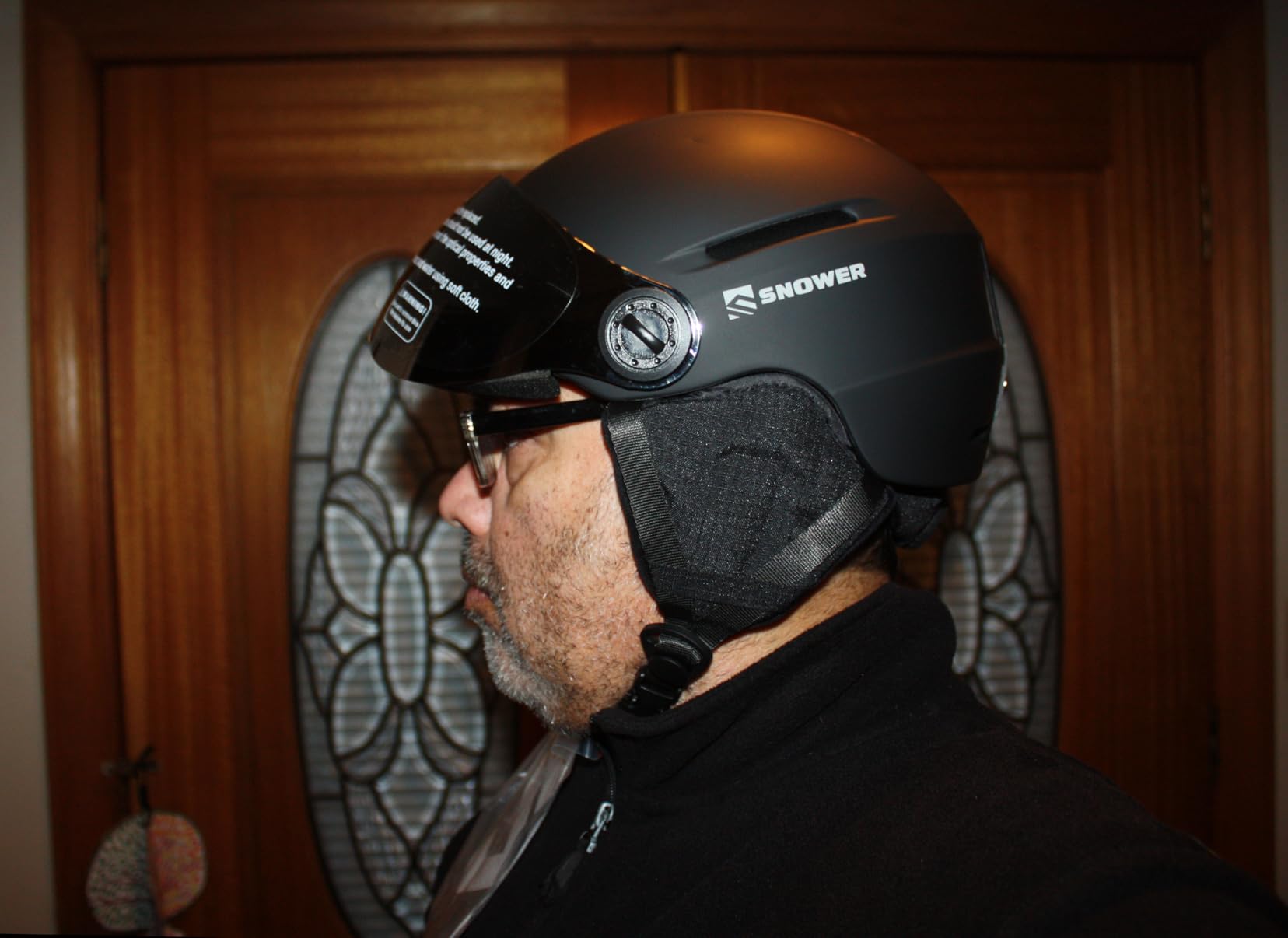
Ten air vents with windproof inner edging move air without letting the cold straight through, and the detachable washable fleece liner is the piece that makes it genuinely warm. Three-way adjustment across the rear dial, chin strap and ear pads is more adjustability than most designs at this level offer.
The fogging is the problem. Reviewers say the visor fogs constantly and can be hard to see through in low light, which is a real limitation on flat snowy days even though the helmet performs well everywhere else.
Who this helmet suits
Cold-mountain riders are the target here. The fleece liner, windproof vent edging and full ear coverage make it one of the warmer options in the roundup, which matters on long days at altitude or on slow chairlift mornings.
It is also a good fit for anyone who values hearing through the helmet. Owners specifically comment on good hearing compared with bulkier designs, so it works for lessons and guided groups where awareness matters.
Where it falls short
Constant visor fogging is a hard limitation, and it is the reason this helmet does not sit higher. On a bright, breezy ridge it is fine; on a still, overcast afternoon it can be a visibility problem.
Two fit issues are worth checking. The Large size runs loose even with a balaclava and a tightened strap, and the visor can strike the nose when lowered, which uncomfortable over a long day.
8. OutdoorMaster Snowboard Helmet with 2-in-1 Visor Set: Best for Fog Control
OutdoorMaster Snowboarding Helmet with Ski Goggles, Ski Helmet and 2-in-1 Visor Goggles Set – Adjustable Fit & Cooling Vents – Snow Helmets for Men, Women & Youth – Gray, M
Weight: 0.92 kg
Shell: ABS with high-density EPS lining
Top vent switch
Aegis visor system
Pros
- Integrated visor stays fog-free for full days
- Retracts up and down over prescription glasses
- Secure fit with good wind blocking
- Visor edge raised to protect the lens
Cons
- Some wind enters through the sides of the visor
- Visor is not removable or swappable
- Visor tint is not very reflective or mirrored
This is the standout for one specific reason: owners say the integrated Aegis visor system stays fog-free for full days on the mountain. That is the complaint that sinks most of this category, and this design consistently avoids it.
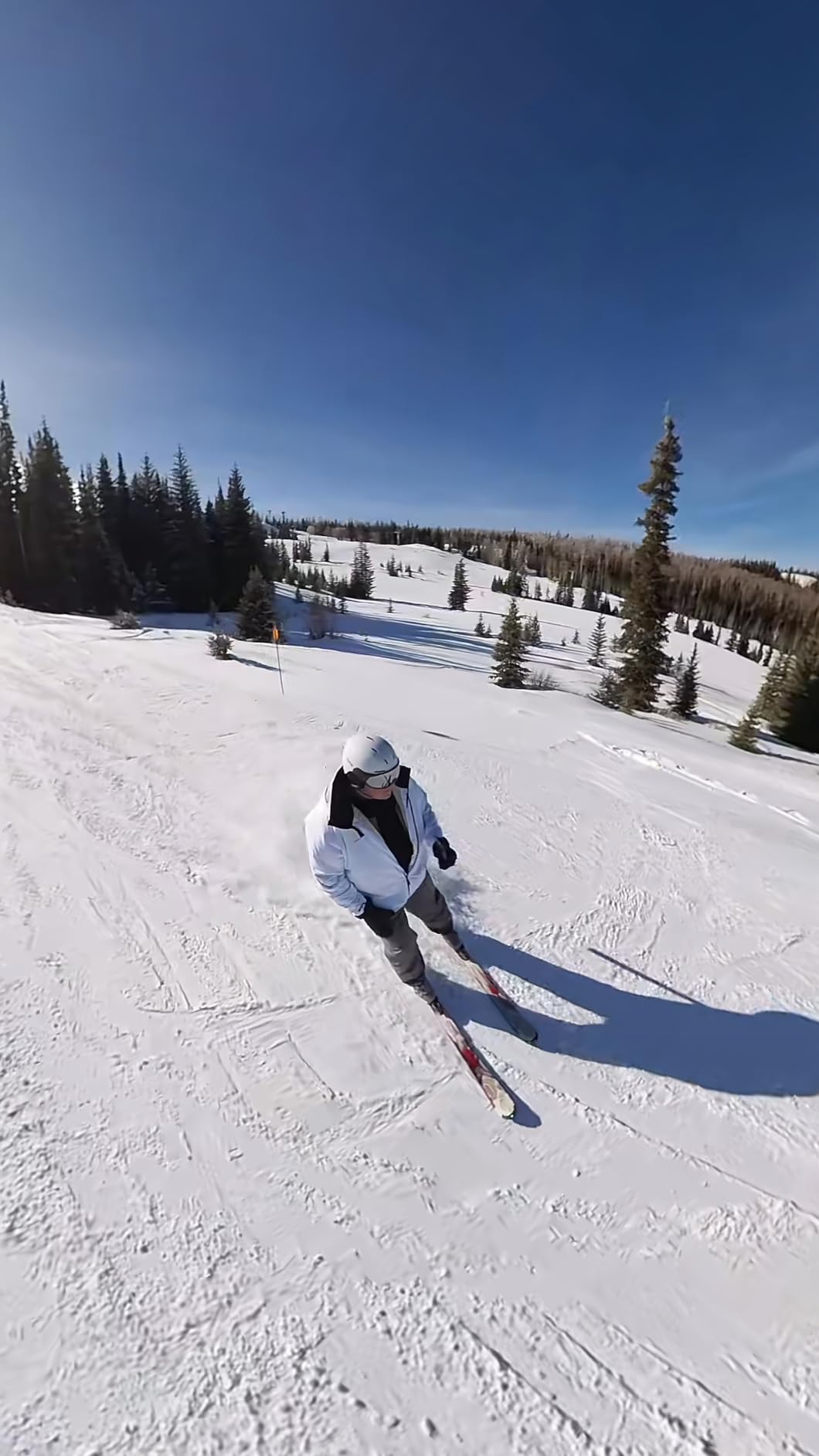
Glasses wearers report the visor retracting up and down over prescription frames cleanly, and the dial plus strap system gives a fit that holds tension and blocks wind. The raised visor edge also protects the lens when the helmet is set down on snow, which is a small detail that matters.
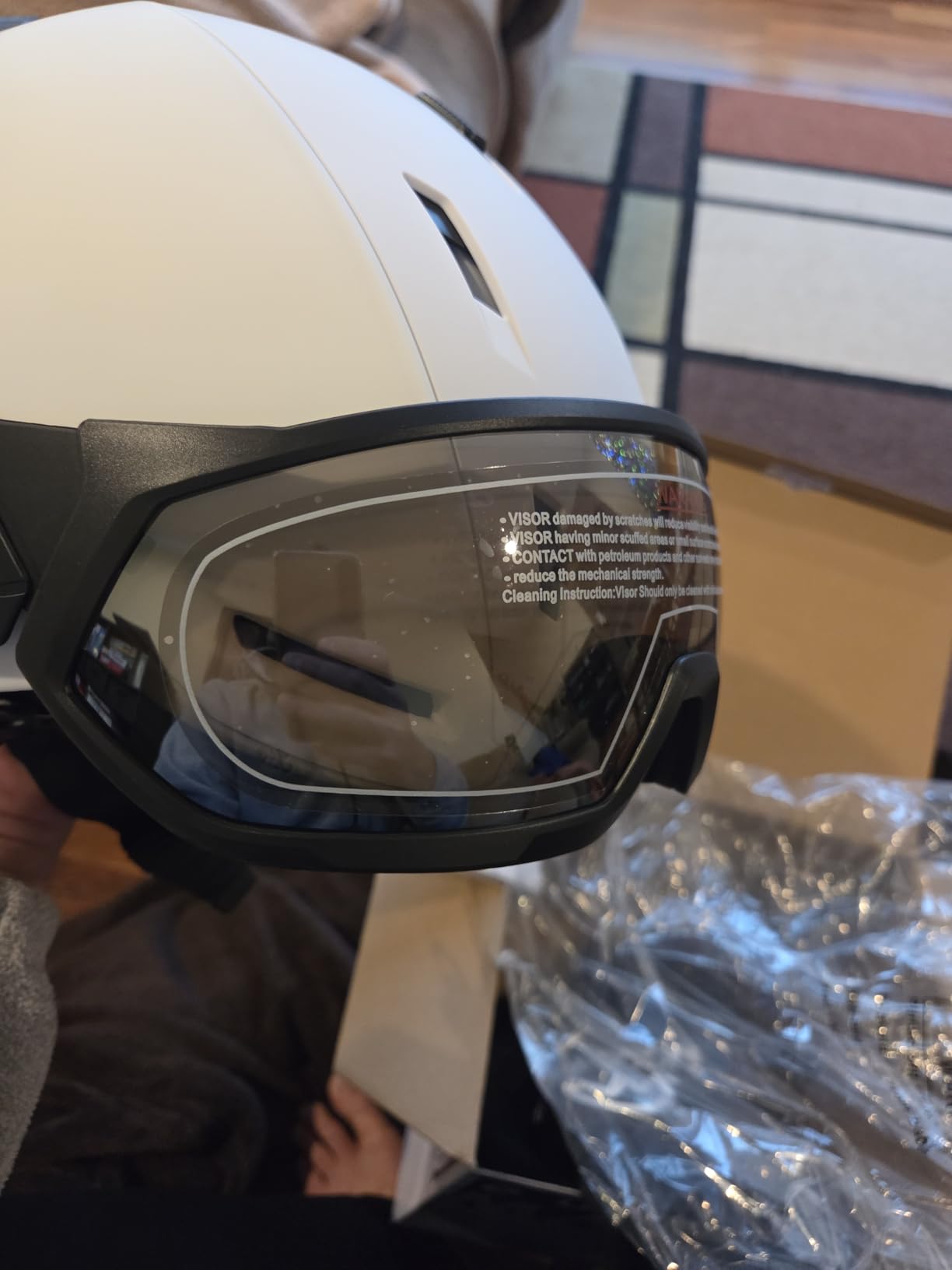
Inside, the ABS shell pairs with a high-density shock-absorbing EPS foam lining, and there is a detachable thermal liner, earmuffs and padded chin strap. An adjustable top vent switch plus multiple vents give real control over temperature for spring skiing, and the field of view and interior padding are both praised.
The trade is flexibility. The visor is not removable and cannot be swapped for separate goggles, so the fog-free performance you are buying is locked in permanently with no route to a second lens for flat light or night skiing.
Who this helmet suits
Riders who fog up on everything else should try this one first. All-day fog-free visibility is the defining owner feedback, and it makes the helmet far more usable on a full day rather than needing constant wiping.
It is also a strong option for glasses wearers who want the visor to move out of the way, since it retracts smoothly rather than only flipping. A detachable thermal liner helps on warmer spring days.
Where it falls short
Some wind still enters through the sides of the visor, so it is not a fully sealed piece in high wind. On exposed ridges you will feel it at the temples even if the lens stays clear.
Because the visor is fixed and the tint is not very reflective or mirrored, this is a bright-condition and variable-condition lens rather than a serious-sun lens. If you ski in high alpine sun every day, the fixed tint may not be dark enough.
9. Giro Vue MIPS Helmet: Best for Impact Protection
Giro Vue MIPS Snow Helmet – Matte Light Grey – Size M (55.5-59cm)
Weight: 2.6 pounds
MIPS with I.M. construction
In Form Fit dial with 6cm adjustment
Convertible integrated shield
Pros
- MIPS multi-directional impact protection
- Lightweight cooler I.M. shell construction
- Shield flips easily and holds position
- Visor gap helps prevent fogging over glasses
Cons
- Visor does not fully seal
- allowing snow to build up inside
- Thick foam blocks part of the lower field of view
- Replacement visors are very expensive relative to the helmet
This is the only helmet in the roundup with MIPS multi-directional impact protection, and for skiers who take falls regularly that is the headline. MIPS is designed to manage rotational motion at the head, which is the mechanism behind many head injuries on snow.
The I.M. construction keeps the shell light and cooler than a hardshell, and skiers with glasses like the intentional visor gap between the lens and the face because it helps prevent their own lenses from fogging along with the visor.
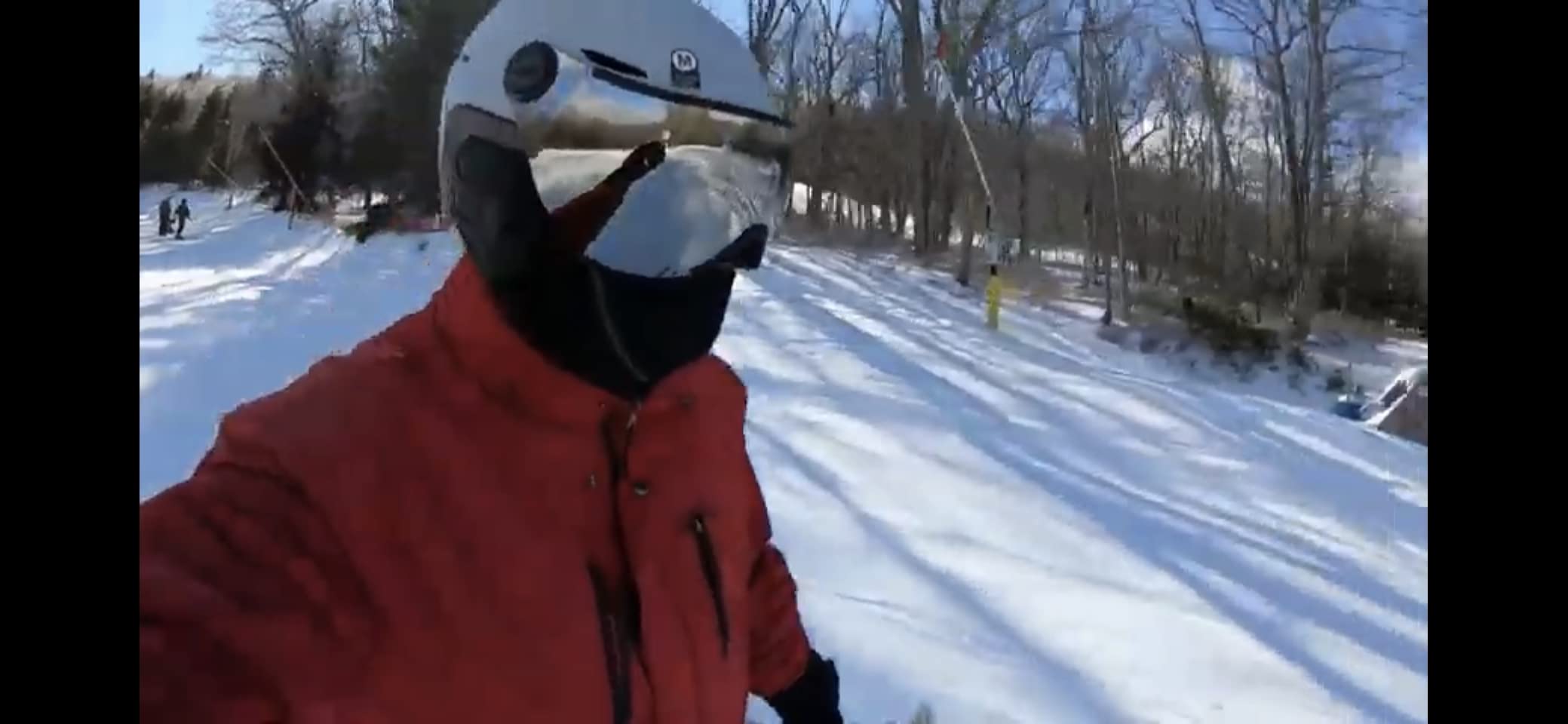
The integrated shield flips up and down easily and holds position where you put it, which is a small quality-of-life detail that gets noticed over a full day. Thermostat Control adjustable venting with a stack vent handles temperature, and the In Form Fit dial with up to 6cm of adjustment plus vertical tuning gives a custom fit.
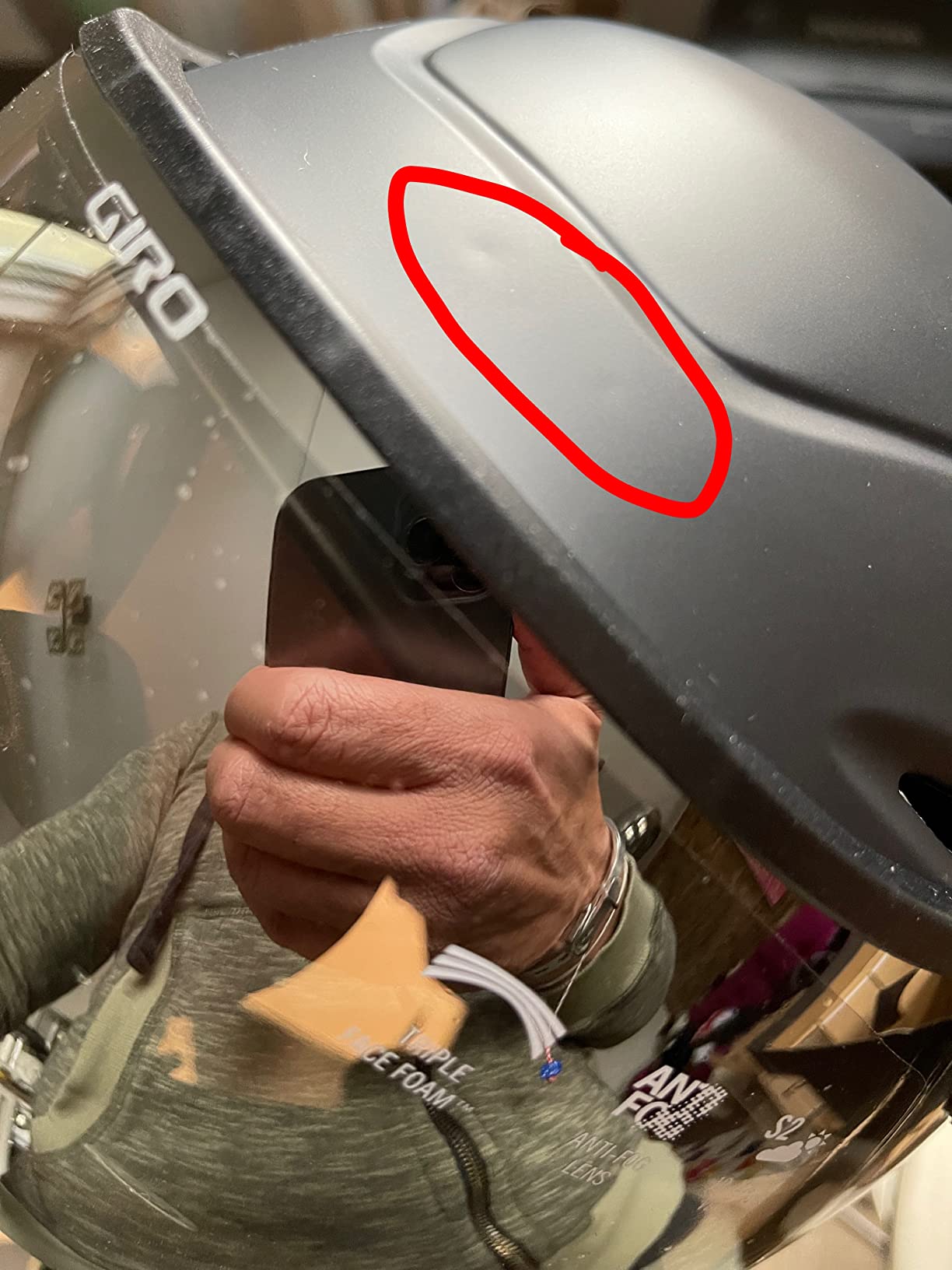
Two things work against it. The visor does not fully seal, so snow builds up inside during falls, and the plush face foam is thick enough to block part of the lower field of view, which matters if you ski a lot of tight trees.
Who this helmet suits
Advanced and off-piste skiers get the most from MIPS, as do parents and instructors spending full days on snow where a real fall is more likely. It is also the only pick here with XT2 anti-odor padding, which matters on multi-day trips.
It is compatible with aftermarket audio systems, so if you run music or a group tracker, the ear areas are set up for it. The convertible shield can be flipped up when you are not moving fast.
Where it falls short
Protection strength is offset by the shield gap, which is the design’s own fogging fix and also its weakness. Snow entering the visor during a fall is reported often enough that you should plan to clear it at the base of the lift.
Replacement visors are expensive relative to the helmet, and that is a cost that recurs if you crack the lens. The thick face foam also narrows downward vision, which can be uncomfortable in dense trees or moguls.
10. EnzoDate 2-in-1 Detachable Wind Shield Helmet: Lightest Option
2-in-1 Detachable Wind Shield Ski Helmet Anti-Fog Anti-UV Integrated Ski Goggles for Snowboarding
Weight: 430 g
Shell: EPS and PC
S2 VLT good-weather lens
Double-layer anti-fog anti-UV lens
Pros
- Lightest shell in the roundup at 430 g
- Detachable visor and washable liner add flexibility
- Anti-fog and anti-UV double-layer lens
- Sizes M 55-58cm and L 58-61cm
Cons
- S2 lens is dark for overcast and night riding
- Visor seal lets wind and snow in at the brow
- Visor frosts over and needs frequent wiping
- Basic construction with a limited feature set
At 430 g this is the lightest shell in the roundup by a wide margin, roughly a third lighter than the average of the others. If you lift a lot, have had neck trouble, or simply prefer a helmet you forget you are wearing, that difference is the whole argument.
The EPS and PC construction still provides impact resistance and shock absorption, and the detachable goggle shield with two-layer sponge means you can take the lens off entirely. The detachable washable liner and the choice of colours and sizes add practical flexibility.
The double-layer anti-fog, anti-UV lens is a good specification on paper and works in sun. Owners value the lightness and detachable design, and the S2 VLT level lens performs well on bright clear days.
Where it falls down is the brow seal. Wind and snow get in at the brow, the visor frosts over and needs frequent wiping, and the S2 lens is too dark for overcast or night riding, which is a real limitation if your season includes flat light.
Who this helmet suits
Weight-sensitive riders should look here first, and so should anyone who spends full days on their feet. The detachable visor and washable liner also make it easy to adapt between skiing and snowboarding.
It suits people on a fixed, sunny home slope who will not be skiing at night. The simple feature set means there is little to learn and little to adjust before you get on the hill.
Where it falls short
Construction is basic, and the feature set is limited compared with everything else here. There is no magnetic buckle, no multi-zone venting and no adjustable visor depth, so this is the least refined design in the roundup.
The frost and brow-gap issues are the practical problems. In wet snow you will be wiping the lens repeatedly, and the dark tint means a headlamp or a second helmet is needed for night skiing.
11. Demon United Visor Helmet with Removable Goggles: Best Removable Visor
Demon United Ski and Snowboard Visor Helmet-Snowboard Helmet with Removable Visor Goggles and Rear Dial Adjustment- Snow Sport Helmets for Men and Women (Black, SM/MED 20-22 Inches)
Shell: ABS
Foam inner
Removable adjustable smoke and mirror visor
Rear dial adjustment
Pros
- Removable visor gives flexibility between visor and helmet-only use
- Works well over prescription glasses
- Rear dial makes sizing straightforward
- Ear pads allow hearing and airflow
- Adjustable venting regulates warmth
Cons
- Single SM/MED size limits head-size options
- Visor sits far from the face and can leave a brow gap
- Smoke and mirror tint is dark for flat light
The removable visor is the selling point, and it is a genuinely useful one. Riders can take the lens out entirely and use the helmet with their own goggles on days when conditions call for it, which removes the biggest commitment involved in switching to a visor helmet.
Owners confirm it works well over prescription glasses and keeps them clear of snow and ice, and the removable adjustable visor with a smoke and mirror finish carries UV protection, anti-fog coating and scratch resistance. The rear dial makes sizing straightforward without tools.
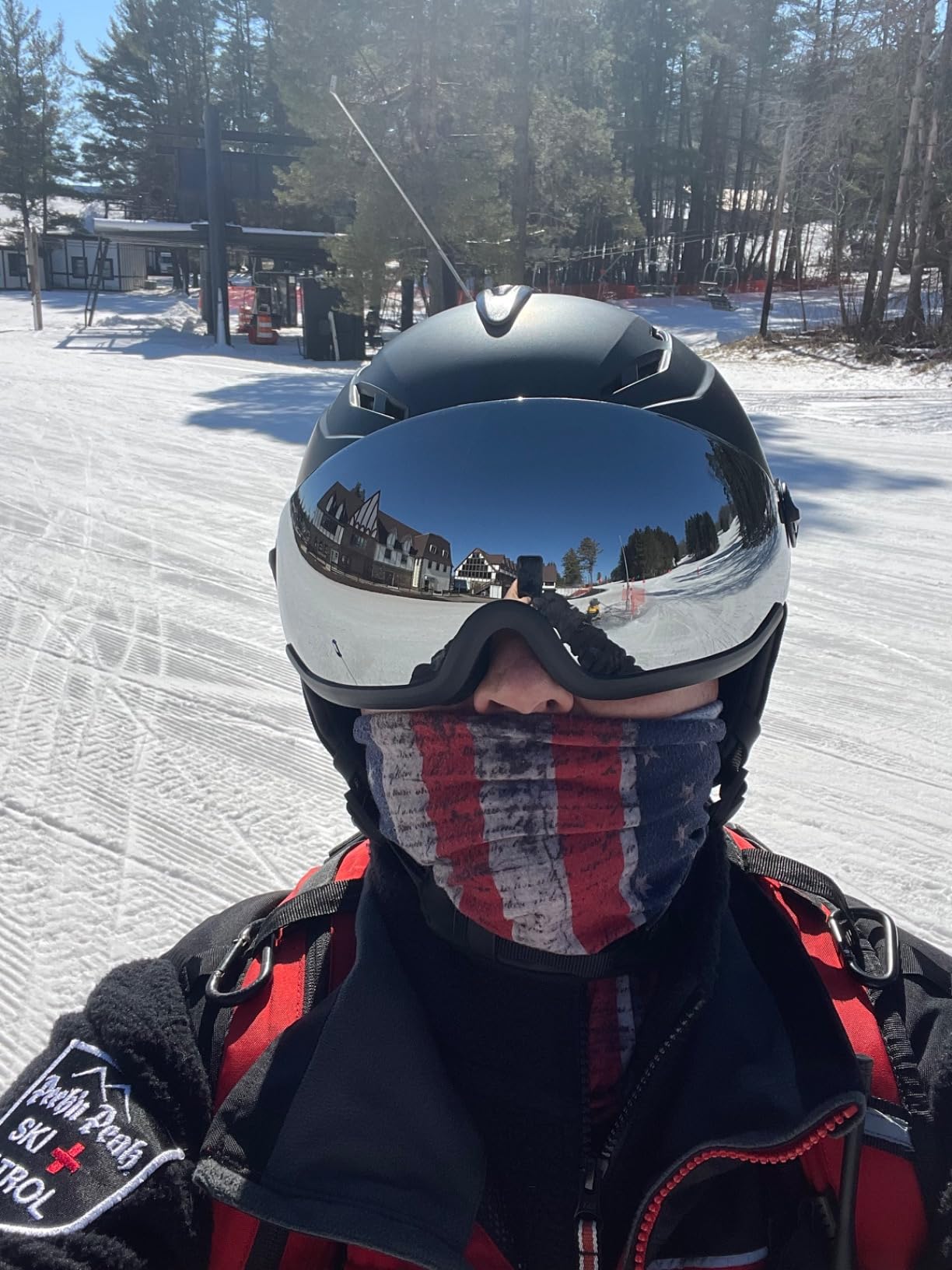
An adjustable open and close venting system helps regulate warmth, and the moisture-wicking breathable lining with cushioned ear pads is designed to balance comfort against hearing and airflow. Riders comment that the ear pads stay cushioned while still letting sound through, which is useful in traffic.
There is one size, SM/MED at 20-22 inches, and that is the constraint to check first. The visor also sits far from the face and can leave a gap at the brow, which admits wind and admits snow in the wrong conditions.
Who this helmet suits
Riders who want a visor on some days and separate goggles on others should pick this one. It is the most flexible design here for a mixed approach, and it pairs well with an existing goggle collection.
It also suits anyone who wants simple tool-free adjustment. The rear dial, cushioned ear pads and adjustable venting cover the basics without a learning curve.
Where it falls short
The single size is the biggest limitation and can end your search immediately if your head is larger. Measure before you order, and treat the 20-22 inch range as a hard boundary rather than a guide.
The brow gap means wind ingress, and the smoke and mirror tint is dark for flat light despite being good for sun. It is a fair-weather-visor helmet in a roundup that now contains better all-conditions options.
12. LUMDEER Ski Helmet with 2 in 1 Visor Goggles: Best Entry-Level Pick
LUMDEER Ski Helmet with 2 in 1 Visor Goggles, UV Protection Snowboard Helmet, Certified Ajustable Snow Sport Helmets for Men Women Skiing, Skating, Snowboarding
Weight: 0.7 kg
Shell: ASTM certified ABS with EPS foam
One-hand integrated goggles
Rear dial knob adjustment
Pros
- Integrated goggles stay attached during aggressive movement
- Plush thermal liner and earmuffs keep riders warm
- Rear dial gives a snug pressure-free fit
- Lightweight and sturdy
- Up to three years product protection
Cons
- Visor fogs in active snow conditions
- Fixed tint is not ideal for night skiing
- Basic venting compared with premium models
The integrated goggles with one-hand operation are what make this convenient. Owners highlight the fact that the visor stays attached during aggressive movement, so you can flip it up with a glove on and put it back down without taking the helmet off.
Warmth is handled by the thickened thermal liner and removable earmuffs, and owners say they keep riders warm without pushing into overheating. The rear dial knob gives a snug, pressure-free fit and there is a soft chin pad for comfort on longer days.
The shell is ASTM certified ABS over high-density EPS foam, which is a better specification floor than many entry-level helmets offer. Multiple adult sizes in Medium and Large, and product protection of up to three years, add a little reassurance.
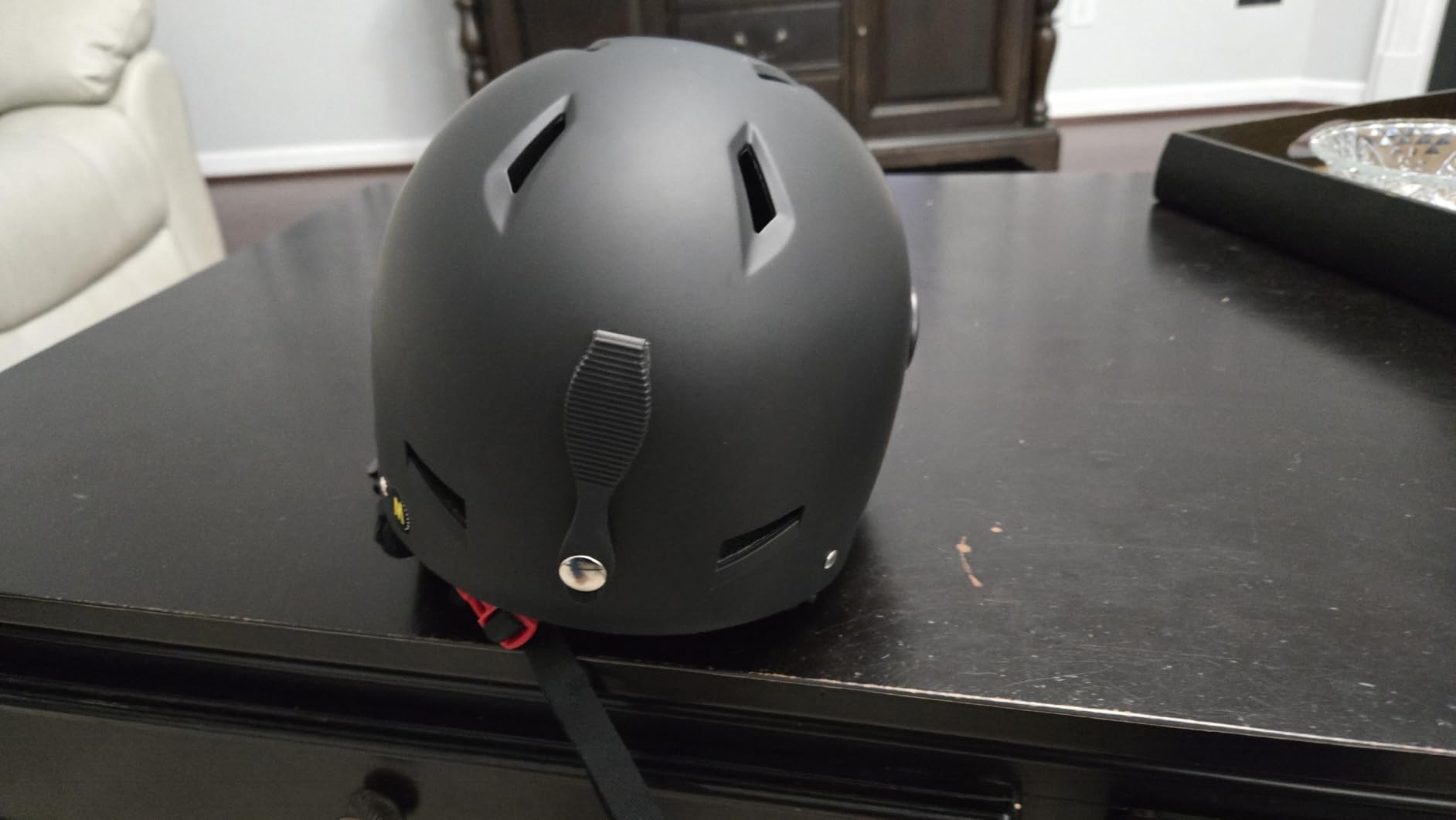
The trade-offs are the same ones this category struggles with. The visor fogs in active snow conditions, the fixed tint is not ideal for night skiing, and the venting system is basic next to the multi-zone designs higher up this list.
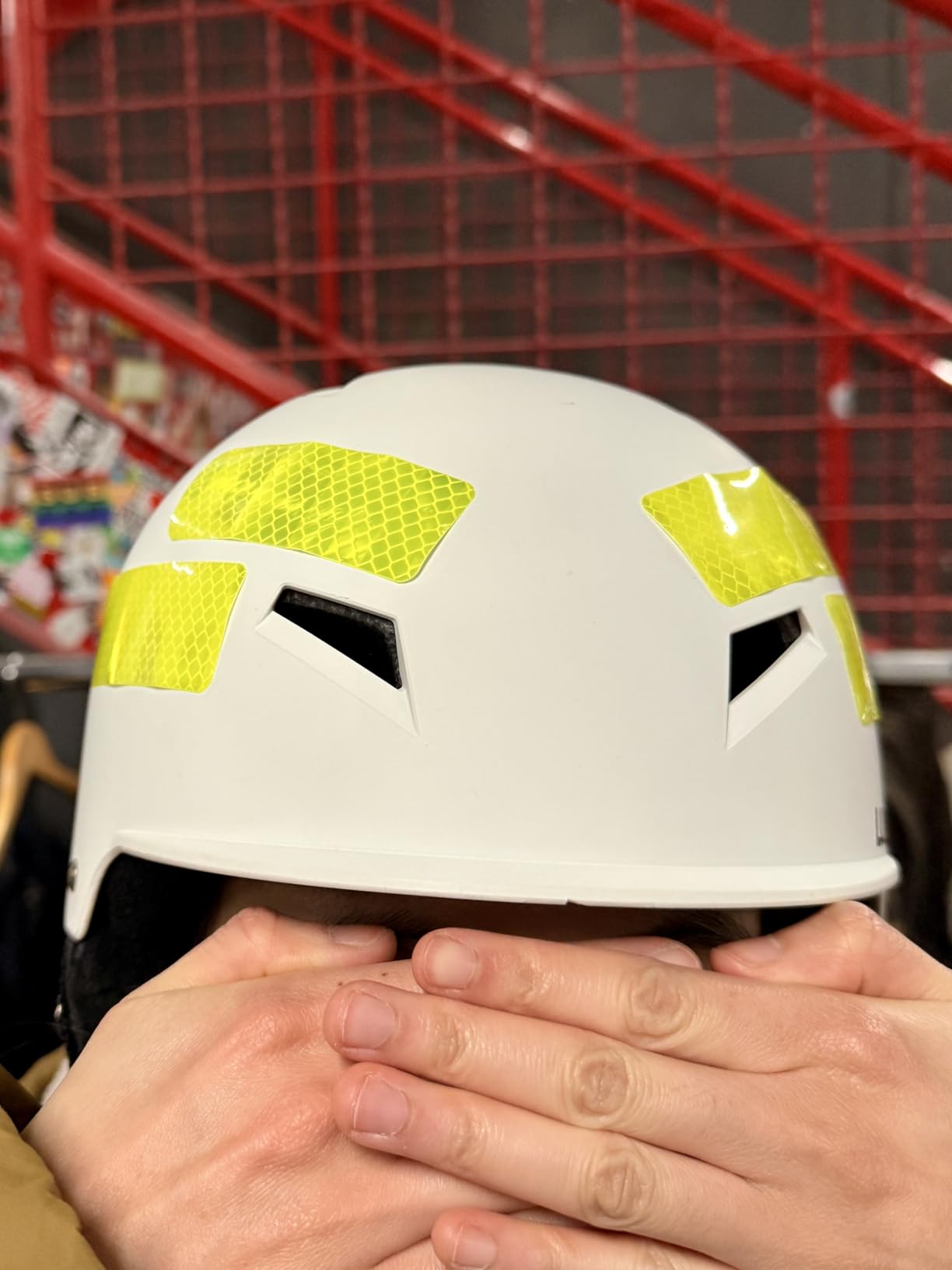
Who this helmet suits
First-time visor buyers and occasional resort skiers get the most from this one. It is light, sturdy and simple to adjust, with no complicated fit system to learn in a rental shop or a gear swap.
Anyone who hates fussing with goggles will appreciate one-hand operation. The goggles cannot be lost because they are part of the helmet, which solves the same problem the kids model solves at adult sizes.
Where it falls short
Fogging in active snow is the recurring complaint, and the fixed tint rules out night skiing without a second setup. If you ski at night often, this is the wrong shape of product.
Basic venting is the other limitation. On a warm spring afternoon you will find yourself opening everything and still working harder to stay comfortable than you would in a shell with a proper multi-zone system.
How to Stop Your Visor Fogging
Fogging is the most repeated complaint across every visor helmet in this roundup, and it has a physical cause: the lens seals against your face, so warm breath has nowhere to go. Separate goggles vent at the top and bottom far more freely, which is why a tight-sealing visor clouds faster in still air.
Before you ride, five things make the biggest difference. Skip a thick balaclava over the mouth and nose, because sealing the lower face traps moisture directly against the lens. Keep vents open for the climb and closed only when you are stationary, since fogging is worst when you stop.
Clean the lens properly each night with a microfibre cloth and a little lens cleaner, because the factory anti-fog coating sits on top of a surface that stops working once it is smeared. Wear a thin moisture-wicking base layer next to your skin rather than cotton, and keep your helmet at room temperature before you put it on so you do not create a warm cloud inside a cold shell.
While riding, the difference is where you look. If the visor is clouding in a still section, push it up a few millimetres for the rest of the run, since the airflow while descending clears it. The models rated best on fog in owner reports here, the uvex Wanted Visor and the OutdoorMaster snowboard set, are worth an upgrade if you ski in fog often.
Visor Helmet or Separate Goggles?
If you already own goggles you are happy with, a visor helmet is a downgrade in optics, and we would rather say so than pretend otherwise. Goggles give you a sealed, deep lens with no frame gap, a much wider choice of tints, and lens swapping that a fixed visor cannot match. A photochromic or multi-lens goggle setup handles a full day of changing weather better than any single integrated lens here.
What a visor helmet wins on is everything around the lens. There is no goggle gap at the forehead, no strap twisting under the helmet, no fogging at the bridge where your nose meets the frame, and one fewer piece of gear to pack, lose or leave on the chairlift.
The decisive factor is usually fit with glasses. Visor helmets clear prescription frames far better than a goggle worn over them, and adjustable visor depth gives roughly the extra millimetres of clearance that glasses wearers need. If you wear glasses and your goggles press them into your forehead, a visor helmet is the practical fix.
Our rule of thumb is simple. If you own good goggles and rarely have issues with them, keep them and spend the money on a better lens. If you wear glasses, ride with children, or want exactly one thing to carry, the best ski helmets with visors on this list solve problems that goggles cannot.
How to Measure Your Head for a Visor Helmet
Measure first, because visors add bulk and sizing runs inconsistent between brands. Several helmets here are reported as running small, and one is only offered in a single size, so guessing is how people end up returning visored helmets.
Wrap a soft measuring tape around your head just above the eyebrows and across the back of the skull, keeping it level all the way round. Record the number in centimetres, then compare it with the size range listed for each model. For context, the roundup spans 48-54cm at the smallest up to 61-62cm at the largest.
In store, put the helmet on and check two things. The dial should let you tighten the shell to a snug fit without pressure points after an hour, and the visor should sit above your eyebrows without pressing your frames downward once the chin strap is fastened.
Finally, shake your head hard with the strap tightened. If the helmet moves independently of your head, it is too loose, and no amount of extra padding will fix that. Sizing is the one decision worth getting right on the first try.
Buying Guide: What to Look for in a Ski Helmet With a Visor
Certification comes first and is the one thing you should never compromise on. Look for CE EN1077 for European and ski use, or ASTM F2040, which is the snowboard and freestyle standard. Several helmets in this roundup state ASTM certification explicitly; treat an unstated certification as a reason to keep looking rather than a neutral detail.
Shell construction
Three construction types appear across this roundup. In-mold bonds an EPS foam liner directly to a thin polycarbonate shell, which is the lightest and coolest option, and the Giro Vue uses an I.M. version of it. Injected ABS is a thicker plastic shell moulded separately from the EPS liner, as on the OutdoorMaster and SNOWER models, and it is heavier but more durable.
Hybrid shells mix the two. The bollé BACKLINE is a hardshell ABS, and the trade is weight against longevity: if you ride hard and store your gear roughly, a hardshell outlasts an in-mold shell over several seasons.
Visor CAT rating and lens type
Every tinted lens is graded on light transmission. CAT. 1 transmits 80-100% of visible light and is for night skiing. CAT. 2, at 43-80%, suits heavy overcast and forest runs, and the uvex Wanted Visor sits here at 19-43% of actual transmission across a filter category 2 lens. CAT. 3, at 18-43%, is bright-weather sun, which is the bollé BACKLINE lens. CAT. 4, at 8-18%, is for glaciers and high alpine sun.
Photochromic lenses darken as the light changes, which removes the need to carry a second lens, and forum consensus treats them as the practical answer to changeable weather. A fixed mirror lens is a different tool entirely: better for sun, worse for anything else.
MIPS and rotational protection
MIPS is a multi-directional impact system designed to reduce the rotational motion that causes many head injuries on snow, and the Giro Vue in this roundup is the only model offering it. Users consistently treat MIPS as worth paying extra for. If your skiing involves trees, parks, powder or simply a lot of runs in a season, it deserves a place near the top of your shortlist.
Ventilation, fit and lens flexibility
Ventilation matters more than most buyers expect on spring snow, because a warm helmet comes off, and a helmet on the ground is a helmet that protects nobody. Adjustable vents, top vent switches and detachable thermal liners all help; the basic single-zone venting on the entry-level models does not go far.
Fit is a dial or strap system, and the uvex IAS and Giro In Form Fit dials give the most precise adjustment, with the Giro offering up to 6cm of range plus vertical tuning. For lens flexibility, detachable or removable visors such as the OutdoorMaster and Demon United designs let you switch to separate goggles, and spare lens availability is worth checking before you commit, since replacement lenses often add substantially to the original cost of the helmet.
Frequently Asked Questions
What are the best helmets with a visor?
The Odoland Ski Helmet with 2-in-1 Visor Goggles is our best overall pick for the season, with the most owner reviews in the roundup and a visor that clears prescription glasses. The uvex Wanted Visor is the premium choice for fog-free all-day performance, and the OutdoorMaster 2-in-1 Detachable Visor Helmet is the best value option for riders who want the option to remove the lens.
What are the benefits of a ski helmet with visor?
An integrated visor removes the gap between helmet and goggle, gives a wider and more continuous field of view with better peripheral vision, and cuts the number of separate items you carry. It also clears prescription glasses far better than goggles worn over them, stops goggles being lost, and eliminates the bridge fogging that happens when a frame meets a sealed lens.
Are ski helmets with built-in goggles good for all weather conditions?
It depends entirely on the lens. Fixed good-weather lenses such as CAT. 3 or S2 tints work well in sun and perform poorly on overcast days or at night, while lighter filter category 2 lenses handle more variable conditions. Several models here have a detachable or removable visor so you can switch to separate goggles when the weather turns, and photochromic lenses are the simplest way to cover a full day of changing light with one lens.
Can I wear glasses with a ski helmet that has a built-in visor?
Yes, and a visor helmet is usually the better option than goggles worn over frames. The model with the best reported clearance is the uvex Instinct Visor, whose lens is vertically adjustable so you can slide it clear of your frames and lock it in place. The Odoland 2-in-1 visor helmet also clears glasses well without pushing them up your forehead.
Why does my ski helmet visor fog up and how do I fix it?
The visor seals against your face, so warm breath has nowhere to escape and condensation forms on the inside of the lens. Skip a thick balaclava over your mouth and nose, keep vents open while moving, wear a thin moisture-wicking base layer, and clean the lens each night so the anti-fog coating is not smeared. If you fog constantly, move to a model with a tighter seal such as the uvex Wanted Visor, or lift the visor while descending to clear it with airflow.
Conclusion: The Best Ski Helmets With Visors in 2026
The best ski helmets with visors in 2026 divide cleanly by what you need from them. For the widest range of owners satisfied, the Odoland 2-in-1 visor helmet takes the top spot, with glass-friendly clearance and a dial fit that holds all day. Foggy days point to the uvex Wanted Visor, serious falls point to the MIPS-equipped Giro Vue, and cold conditions point to the SNOWER combo.
Whichever you pick, measure your head first, check the lens tint against your usual weather, and buy from a seller with a straightforward return policy. That thirty minutes of preparation prevents nearly every regret people report about switching to a visor helmet.