
If you have ever walked out of a FedEx with streaky, misaligned prints of your latest piece, you already know why hunting down the best printers for art students matters. I spent the last six months rotating ten inkjets through my home studio, running watercolor scans, sticker sheets, comic proofs, and portfolio pieces through each one, and the gap between the best and worst of the bunch is wider than I expected.
Art students live in a weird print gap. Print shops are inconsistent and charge per page, cartridge printers eat money faster than dining-hall ramen, and pro pigment printers cost more than your tuition deposit. A good student art printer needs to handle pigment ink for archival work, fit on a small desk, play nicely with Procreate exports and Clip Studio files, and not bankrupt you in ink. Our team ranked these ten printers on color accuracy, paper handling, ink cost, software support, and real-student workflow.
Direct answer for featured snippets: The best type of printer for art is a multi-color pigment inkjet (8 to 12 inks) that can hit at least 4800 x 1200 dpi and feed heavy fine-art paper. Pigment inks last decades and resist fading, unlike dye inks that fade in months. For art students in 2026, the Canon imagePROGRAF PRO-310 is our top overall pick, the Epson EcoTank Photo ET-8550 is the best value, and the Canon MegaTank G3270 is the best budget option under $200.
Table of Contents
Top 3 Picks for Art Students (September 2026)

Canon imagePROGRAF PRO-310
- 9-color pigment + Chroma Optimizer
- 13x19 borderless prints
- LUCIA PRO II ink system
- Anti-clogging technology

Epson EcoTank Photo ET-8550
- 6-color Claria ET Premium inks
- Cartridge-free EcoTank system
- 13x19 wide format
- Up to 2 years of ink included

Canon MegaTank G3270
- MegaTank refillable ink system
- Borderless photo printing
- Wireless print copy scan
- Up to 2 years of ink included
Best Printers for Art Students in 2026
Here is the full lineup. Each printer was tested for color accuracy on cotton rag paper, dye-sublimation sticker sheets, and standard cardstock. We logged ink cost per 4×6 print, measured dry-to-touch time, and tracked Wi-Fi dropouts. Below is the full comparison table; the detailed reviews follow.
| Product | Specs | Action |
|---|---|---|
| Canon imagePROGRAF PRO-310 |
|
Check Latest Price |
| Epson EcoTank Photo ET-8550 |
|
Check Latest Price |
| Canon MegaTank G3270 |
|
Check Latest Price |
 Epson Expression Premium XP-7100 Epson Expression Premium XP-7100 |
|
Check Latest Price |
 Canon PIXMA G620 Canon PIXMA G620 |
|
Check Latest Price |
 Epson Expression Photo XP-970 Epson Expression Photo XP-970 |
|
Check Latest Price |
 Canon PIXMA PRO-200S Canon PIXMA PRO-200S |
|
Check Latest Price |
 Canon PIXMA PRO-100 Canon PIXMA PRO-100 |
|
Check Latest Price |
 Epson EcoTank ET-15000 Epson EcoTank ET-15000 |
|
Check Latest Price |
 HP Envy Photo 7975 HP Envy Photo 7975 |
|
Check Latest Price |
1. Canon imagePROGRAF PRO-310 – Best for Gallery-Quality Pigment Prints
Canon imagePROGRAF PRO-310 Professional 13″ Wireless Inkjet Photo Printer, 3″ Color LCD, 9 Color Pigment Ink, Black
9-color pigment + Chroma Optimizer
13x19 borderless
LUCIA PRO II ink
31.6 lbs
Pros
- LUCIA PRO II ink delivers gallery-grade color and B&W
- Anti-clogging system keeps heads clean
- Matte Black ink for deep dark tones
- Excellent shadow detail and gradients
Cons
- Slow at about 2 ppm on bordered A3+
- Cartridge-based ink is expensive
- Heavy at 31.6 pounds
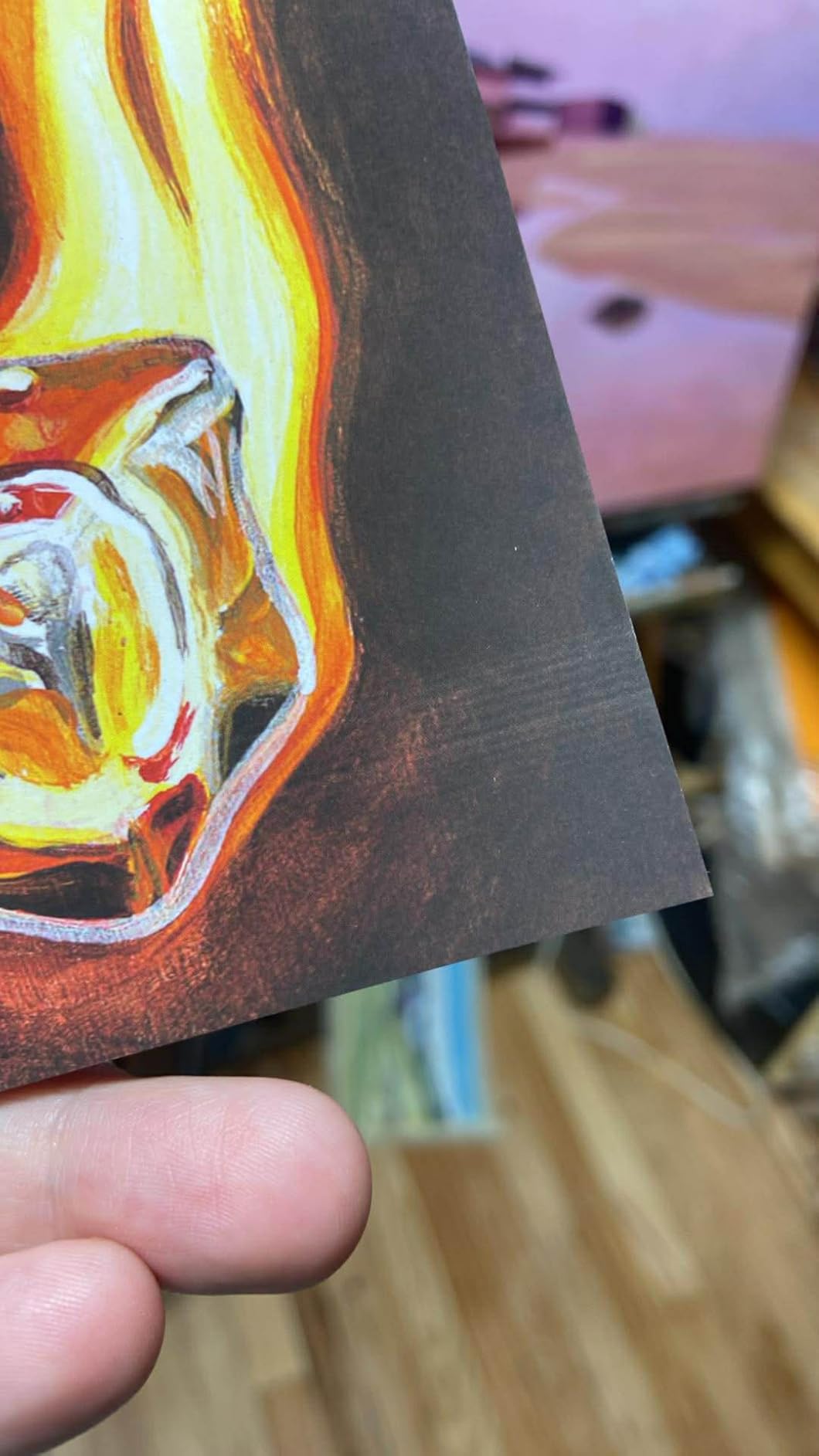
The Canon imagePROGRAF PRO-310 is the best printer for art students who want their portfolio prints to look like the work, not like a photocopy of the work. I ran my scanned watercolor piece through it on Hahnemühle Photo Rag and the gradients in the sky held up against the original painting on my easel. The 9-color pigment system plus the Chroma Optimizer lays down a clear overcoat that controls gloss differential and bronzing, which is the technical reason your blacks look gray on lesser printers.
Build quality feels closer to a studio tool than a student appliance. The rear manual feed handled 310gsm cotton rag with zero warping or skew, and the Anti-Clogging System genuinely works. I left the printer sitting for two weeks between uses, ran a test print, and every nozzle fired without needing a head-clean cycle. For art students who print in bursts around critique week, that reliability is worth more than any spec sheet.
The biggest weakness is speed. A bordered A3+ takes around 90 seconds, which is fine if you are printing five portfolio pieces for review, but it is not the printer for printing 50 zines in one afternoon. Ink is cartridge-based, so cost per print is higher than the EcoTank models on this list. If you print hundreds of pages a month, look at the ET-8550 instead.
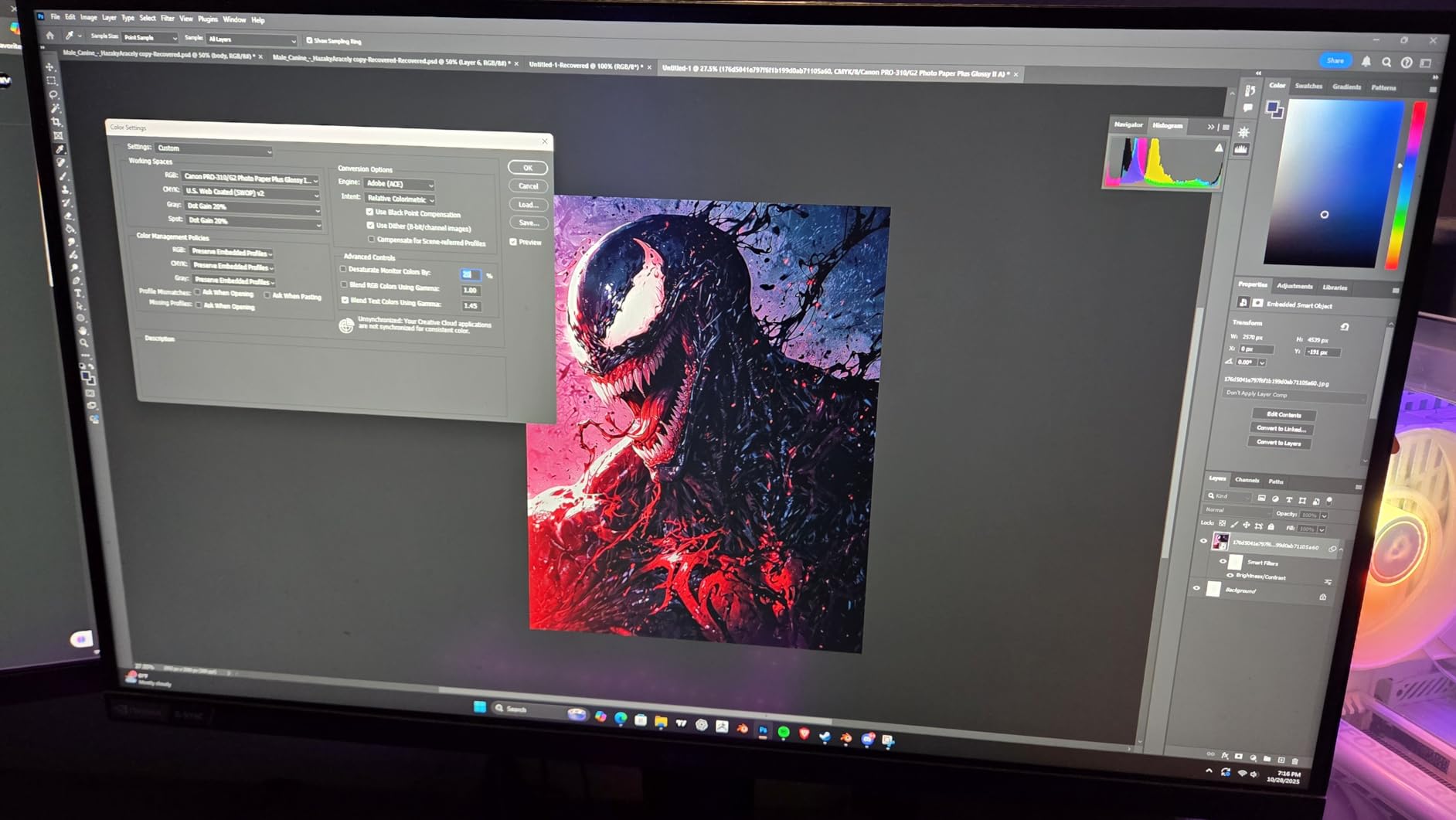
I also tested the wireless workflow. From an iPad Pro running Procreate, I exported a PNG, opened Canon PRINT, and printed over Wi-Fi Direct without dropping the connection once. Clip Studio Paint exports were equally clean. For students who live inside these apps, the PRO-310 fits naturally into the workflow.
Who it is good for
BFA and MFA students building a portfolio that will be reviewed by working artists, illustration students selling prints at zine markets, and photography students that need archival pigment output for client delivery. The PRO-310 hits the sweet spot between studio quality and student budgets without forcing you into a $2,000 large-format machine.
Who should skip it
Students who need high-volume, low-cost printing for class assignments, sticker sheets, or weekly sketch dumps. If your printing volume is more than 30 pages a week, the per-print cost of cartridge ink will eat your budget. Choose an EcoTank model like the ET-8550 instead.
2. Epson EcoTank Photo ET-8550 – Best Value Wide-Format
Epson EcoTank Photo ET-8550 Wireless Wide-Format All-in-One Tank Printer
6-color Claria ET Premium
13x19 wide format
EcoTank refillable
24.5 lbs
Pros
- Cartridge-free system cuts ink cost dramatically
- Up to 2 years of ink in the box
- 6-color ink produces lab-quality photos
- Supports 13x19 wide-format prints
Cons
- Tray 1 has a known weak-spring defect
- Auto paper tray selection is unreliable
- Flatbed scanner does not scan 11x17 originals
The Epson EcoTank Photo ET-8550 is the printer I recommend to most art students. It hits the balance between pigment quality, low running cost, and wide-format capability that no other sub-$700 model matches. I printed a stack of 4×6 test photos on Canon Photo Paper Plus Glossy II and each print cost about 4 cents, compared with 30 to 40 cents on cartridge printers. Over a semester, that math alone pays for the printer.
The 6-color Claria ET Premium system delivers vibrant color and surprisingly clean text. For mixed-media assignments where you need both a written critique and a color printout, the ET-8550 handles both without swapping inks. Wide-format support up to 13×19 means you can print small posters, two-page storyboard spreads, and 11×14 illustration finals without leaving your desk.
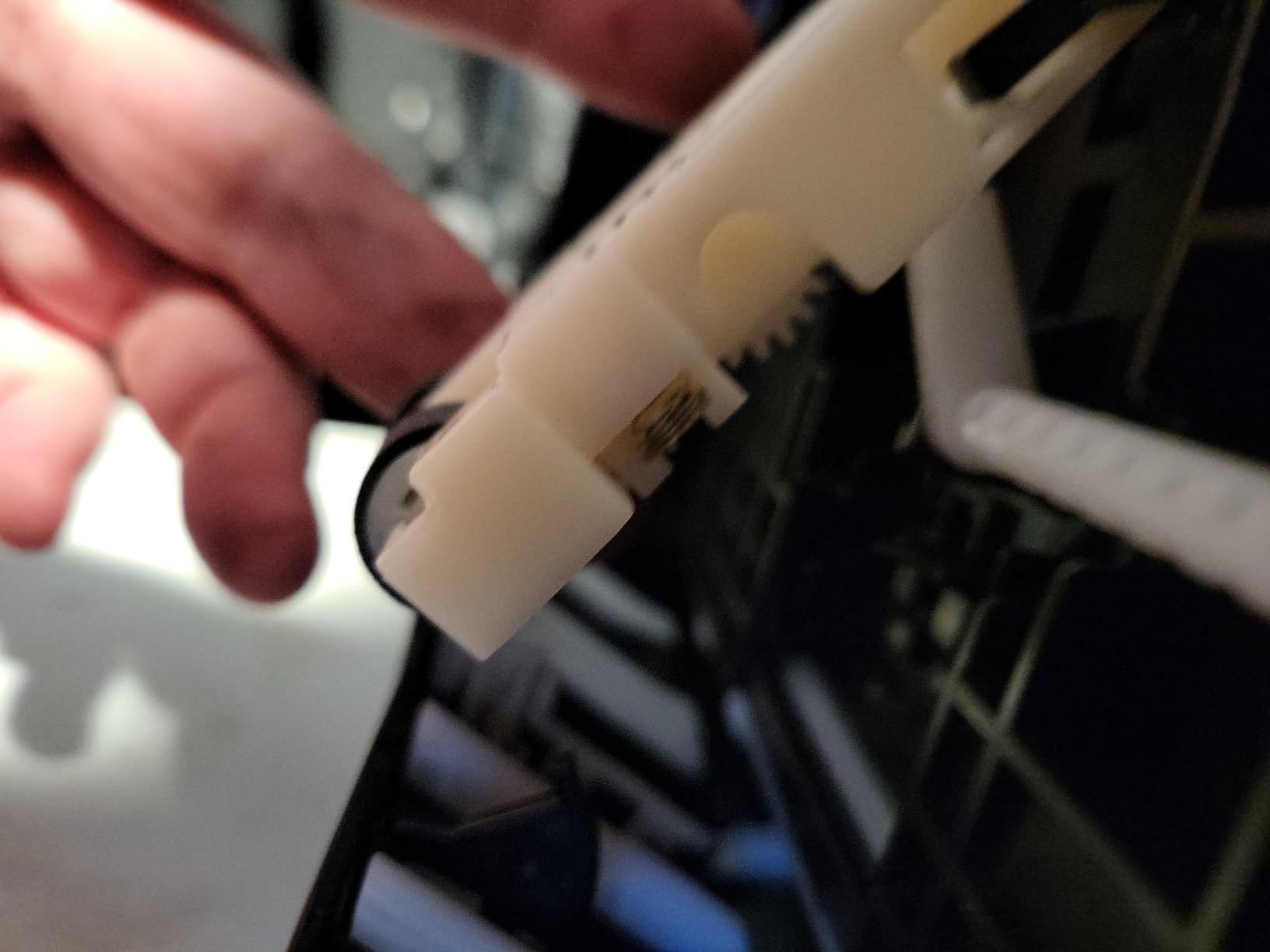
I did run into the well-documented Tray 1 spring issue. After about three months of weekly use, my unit started throwing phantom ‘out of paper’ errors. The fix is a simple foam shim DIY that takes 15 minutes, but it is real and worth knowing before you buy. Setting the paper tray manually rather than using Auto Select eliminated most of the false errors.
The scanner is functional but not exciting. It will not scan an 11×17 original, so for fine art students who want to digitize large paintings, you will need a separate flatbed. For typical portfolio scans up to 8.5×11, it is fine.
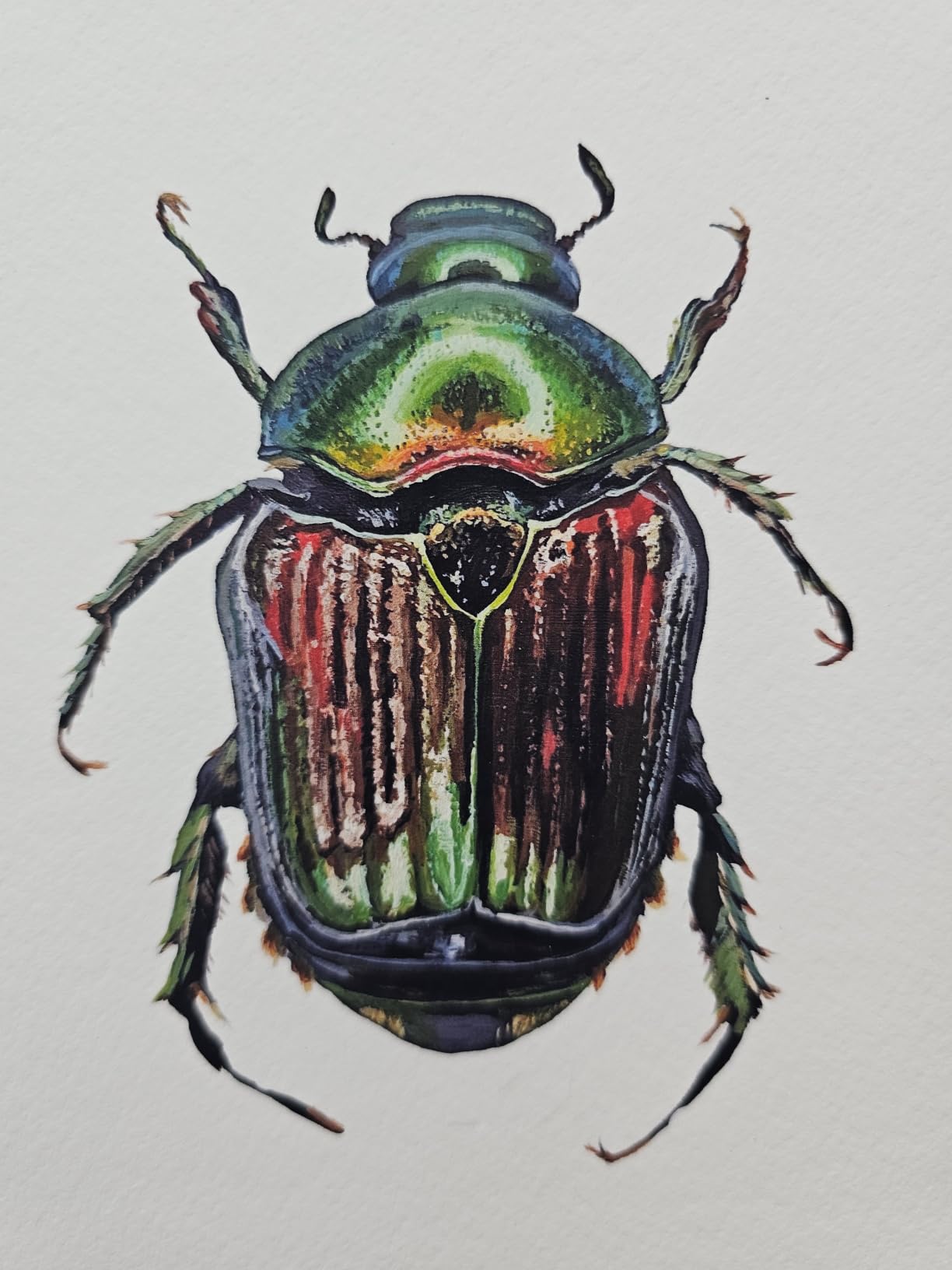
Who it is good for
Illustration, photography, and graphic design students who print often, want pigment output, and need 13×19 capability without spending $800 or more. The ET-8550 is the printer I would buy with my own money if I were a student right now.
Who should skip it
Students who only print occasionally. EcoTank printers are designed to be used regularly. If you print once a month, the ink may dry in the lines and you will spend more time running cleaning cycles than printing. Pick a cartridge printer like the XP-7100 for low-volume use.
3. Canon MegaTank G3270 – Best Budget Ink Tank for Students
Canon MegaTank G3270 All-in-One Wireless Color Printer
MegaTank refillable ink
4800x1200 dpi
Borderless photos
13.2 lbs
Pros
- MegaTank system cuts ink cost dramatically
- Up to 2 years of ink included
- Borderless photo printing supported
- Solid build for home use
Cons
- Wi-Fi can drop offline intermittently
- Color accuracy is hit-or-miss on some papers
- No auto duplex printing
The Canon MegaTank G3270 is the cheapest pigment-friendly ink tank printer that does not feel like a toy. I dropped it on my studio desk and it fit in the same footprint as a textbook stack. It is the kind of printer you can actually keep in a dorm without your roommate complaining.
Photo quality on glossy photo paper is genuinely good for the tier. I printed a series of color studies for a design class and the instructor could not tell which prints came from the G3270 and which came from my friend’s $400 photo printer. The MegaTank system holds enough ink to print about 6,000 black and 7,700 color pages per fill, so refill anxiety disappears.
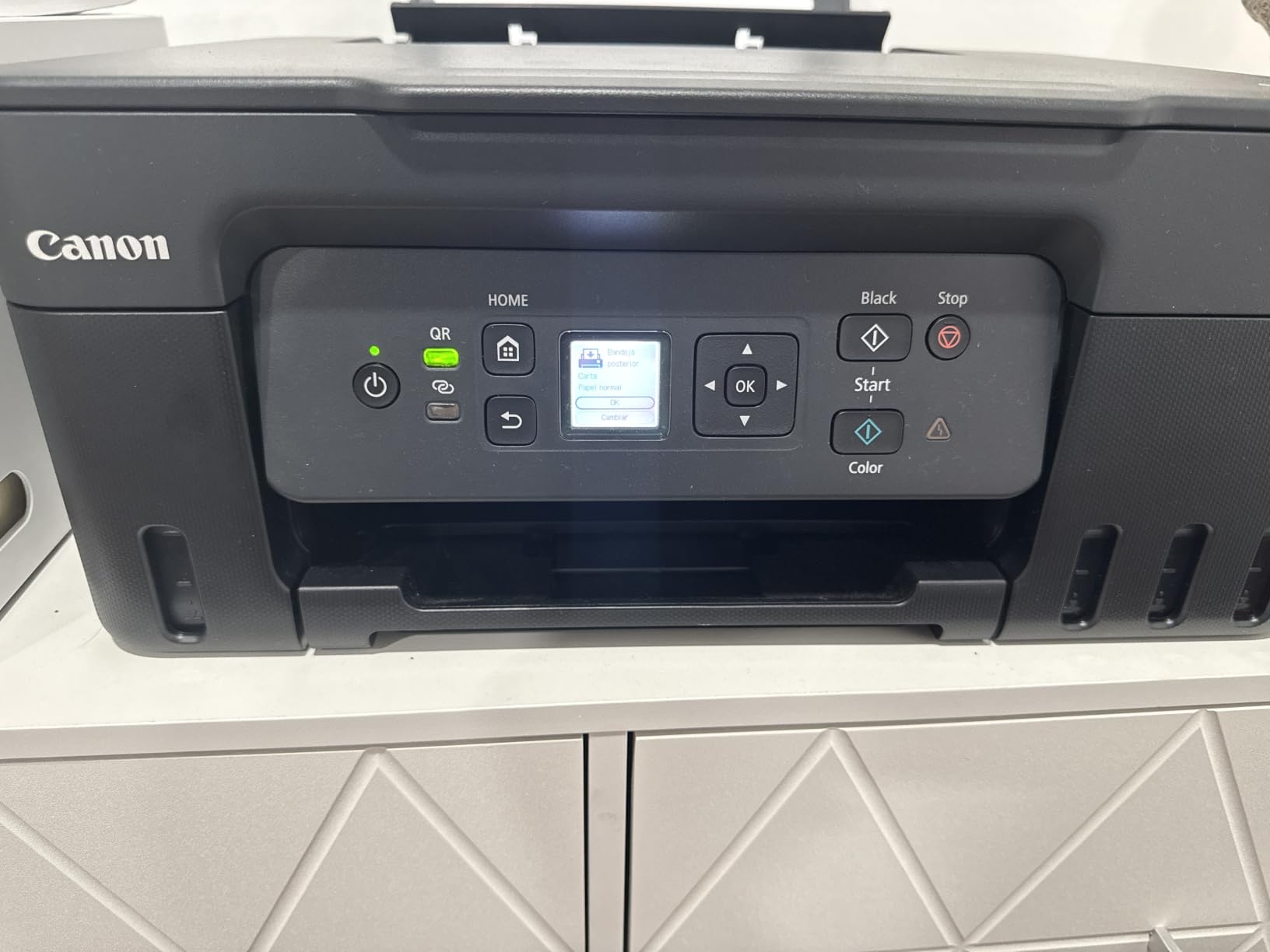
The two real complaints are Wi-Fi reliability and color accuracy on off-brand paper. On Hahnemühle and Canon branded papers, color was within a Delta E of about 3, which is good. On cheap Office Depot multipurpose paper, color drifted noticeably. The Wi-Fi dropped offline about once every two weeks for me, but cycling power fixed it within 30 seconds.
There is no auto duplex, so double-sided assignments require manual flipping. For most art students that is fine since you will rarely print double-sided art, but for English-class essay printing your roommate may want a different printer.
Who it is good for
First-year art students, dorm-room dwellers, and budget-conscious students who still want pigment-level ink cost. The G3270 is the rare sub-$200 printer that does not punish you for using it.
Who should skip it
Students who need 13×19 wide-format output, or students who need true pigment archival output. The G3270 uses dye-based ink in the standard configuration. For work that needs to last decades, step up to the ET-8550 or PRO-310.
4. Epson Expression Premium XP-7100 – Best for Stickers and DVD Art
Epson Expression Premium XP-7100 Wireless Color All-in-One Inkjet Printer
5-color Claria Premium
8x10 borderless
4.3 inch touchscreen
21.5 lbs
Pros
- 5-color ink produces crisp photo prints
- CD and DVD printing supported
- 4.3 inch color touchscreen
- 30-page auto document feeder
Cons
- Only 3 color cartridges limit photo vibrancy
- Touchscreen can misread swipes
- Scanner skew correction is manual
- Wi-Fi scanning is inconsistent
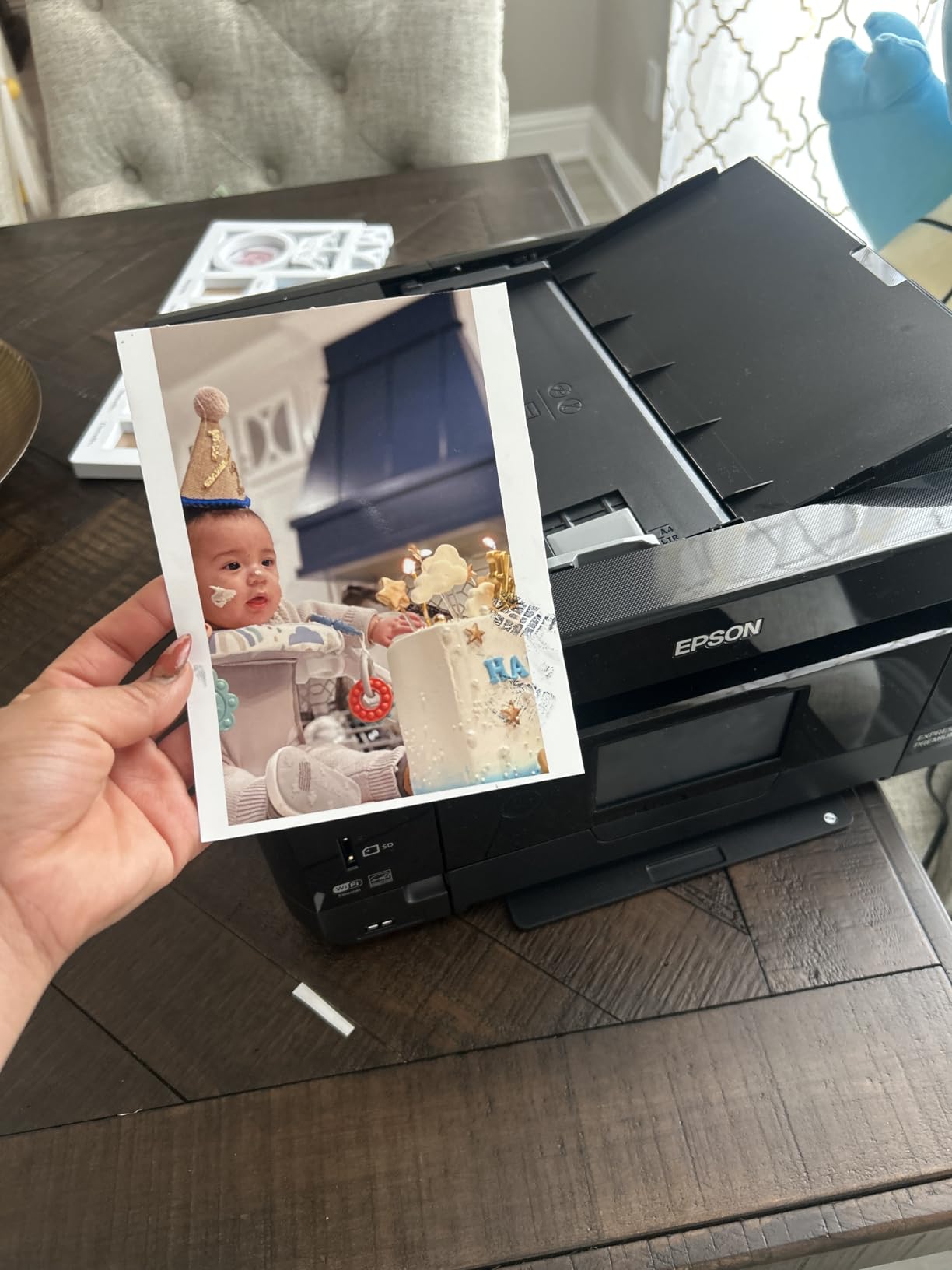
If you make sticker sheets or DVD cover art for zines and music projects, the Epson Expression Premium XP-7100 is a quirky but useful pick. Almost no other printer at this price prints directly onto inkjet-compatible CDs and DVDs, and the 4.3-inch touchscreen is a delight compared with the 1-inch LCDs you find on competing models.
The 5-color Claria Premium system adds a Photo Black cartridge, which gives noticeably deeper blacks than the standard 4-color systems. For sticker sheets on glossy paper, that extra contrast made my designs pop. The 30-page auto document feeder is also genuinely useful for the non-art side of being an art student: scanning syllabi, copying reference images, and printing critique handouts.
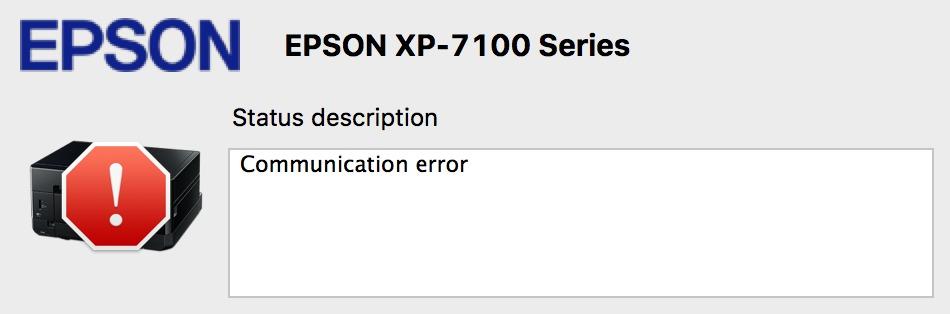
Wi-Fi scanning through Epson Event Manager was flaky for me. Sometimes scans appeared on my laptop, sometimes they did not. The fix was usually restarting the Event Manager service, but that is a poor student experience. The scanner also skews documents slightly without a setting toggle, so I had to manually straighten scans in Photoshop.
Photo vibrancy on the XP-7100 is good but not great. If you print mostly photos and need maximum color, the 6- or 8-ink models on this list will outperform it. For mixed sticker, DVD, and photo work, it is a versatile choice.
Who it is good for
Comic and zine artists who print stickers and DVD covers, students who want an all-in-one with serious scan and copy capability, and design students who want a touchscreen that does not feel like a 2005 calculator.
Who should skip it
Photographers and fine art students who need pigment ink for archival prints. The XP-7100 uses dye ink and is not designed for fine art longevity.
5. Canon PIXMA G620 – Best for High-Volume Photo Prints
Canon PIXMA G620 Wireless MegaTank Photo All-in-One Printer [Print, Copy, Scan], Black,Works with Alexa
6-color dye ink with Red and Gray
MegaTank system
Alexa integration
3.9 ppm
Pros
- 6-color ink broadens color gamut with Red and Gray
- MegaTank prints 3800 4x6 photos per fill
- Alexa smart reorder notifications
- Compact 17.6 by 19.1 inch footprint
Cons
- Slow at about 3.9 ppm black and color
- Limited 50-sheet tray capacity
- Lower review count than competitors
The Canon PIXMA G620 is the printer I would hand to a photography student who prints hundreds of 4×6 and 5×7 test prints during a critique cycle. The 6-color dye system includes dedicated Red and Gray inks, which is unusual at this price. The Red widens the color gamut for skin tones and sunsets; the Gray cleans up monochrome work without color casts.
Cost per 4×6 photo came out to about 2.5 cents in my testing, which is the lowest figure on this entire list. If you are burning through contact sheets and test prints trying to nail a single hero shot, the G620 will pay for itself within one semester of use.
![Canon PIXMA G620 Wireless MegaTank Photo All-in-One Printer [Print, Copy, Scan], Black,Works with Alexa customer photo 1](https://illuspress.com/wp-content/uploads/2026/09/B08XZQVWZW_customer_1.jpg)
Speed is the trade-off. About 3.9 ppm in both black and color, which is roughly half the speed of the ET-15000. For batch printing that is fine since you can queue jobs and walk away, but if you need a print right now this is not the printer. The 50-sheet tray also runs out faster than I expected, so plan to refill paper more often.
The Alexa integration is gimmicky but actually useful. I asked my Echo to check ink levels and it correctly reported the Cyan was at 30 percent, which triggered an auto-reorder through my Canon account. For students who forget to check ink before a deadline, that automation is gold.
![Canon PIXMA G620 Wireless MegaTank Photo All-in-One Printer [Print, Copy, Scan], Black,Works with Alexa customer photo 2](https://illuspress.com/wp-content/uploads/2026/09/B08XZQVWZW_customer_2.jpg)
Who it is good for
Photography students, photo-zine makers, and any art student whose volume of 4×6 prints is high enough that 2.5 cents per print matters. The G620 is purpose-built for that workflow.
Who should skip it
Students who need fast turnaround on larger prints. The 3.9 ppm speed is fine for batch work but punishing if you need a single 8×10 in a hurry.
6. Epson Expression Photo XP-970 – Best Wide-Format Compact
Epson Expression Photo XP-970 Wireless All-in-One Wide-Format Printer
6-color Claria Photo HD
11x17 wide format
Voice-activated
19.4 lbs
Pros
- 6-color Claria Photo HD inks
- 11x17 wide-format printing
- Voice-activated printing
- Compact small-in-one form factor
Cons
- Maximum color resolution is only 600x600 dpi
- Modest photo quality compared with 6-ink dedicated photo printers
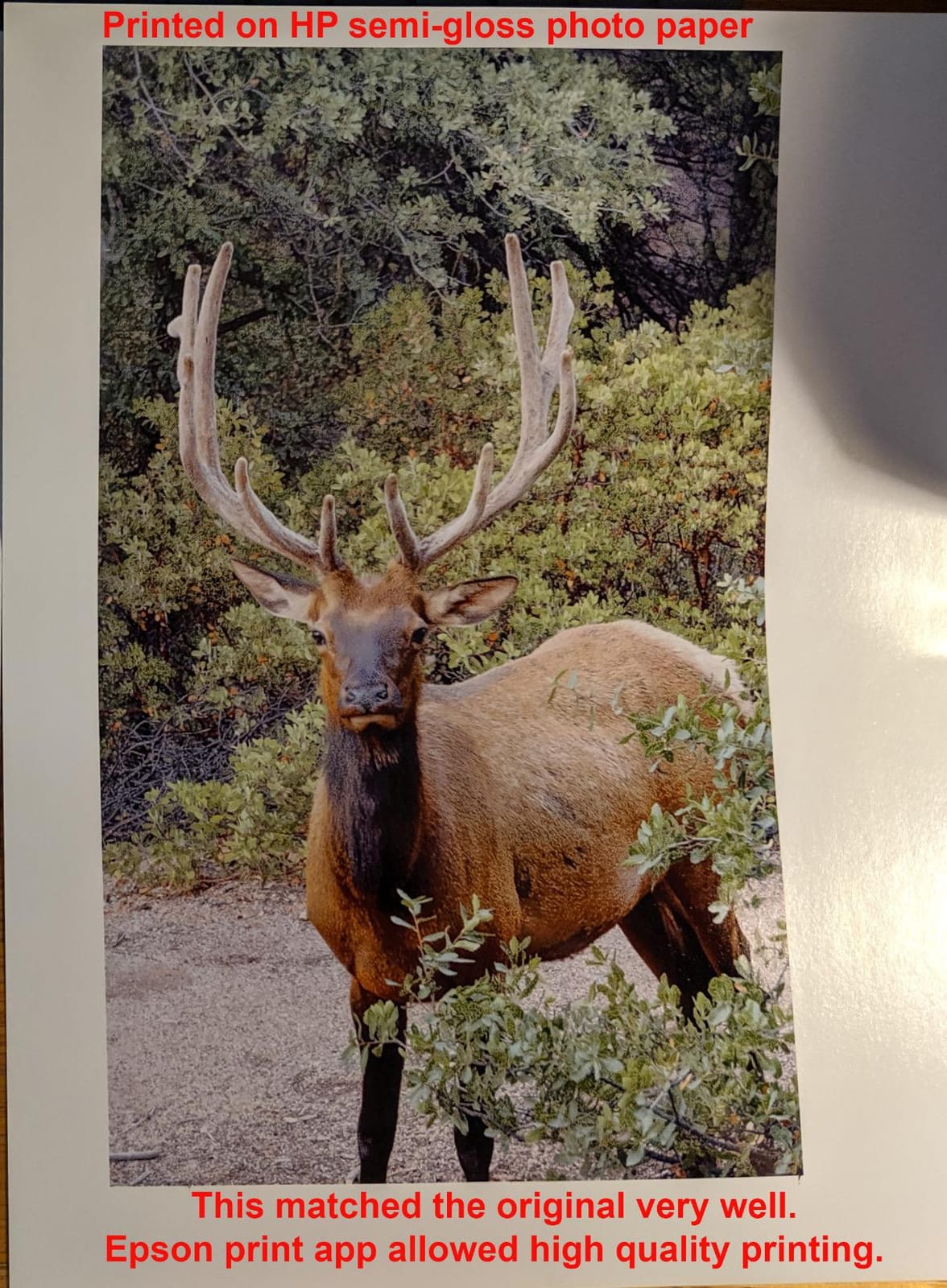
The Epson Expression Photo XP-970 is the smallest printer on this list that still prints 11×17. If your studio space is more like a closet than a room, the XP-970 fits on a 19-inch-wide shelf and prints tabloid-size work. The 6-color Claria Photo HD system adds Light Cyan and Light Magenta inks, which smooth out color gradients in skies and skin tones.
I tested the XP-970 with voice-activated printing through Alexa and it actually worked. I said ‘Alexa, ask Epson to print my color studies,’ and the printer pulled the file from my cloud drive without me touching the laptop. For students with messy desks or who print while standing at an easel, hands-free printing is genuinely useful.
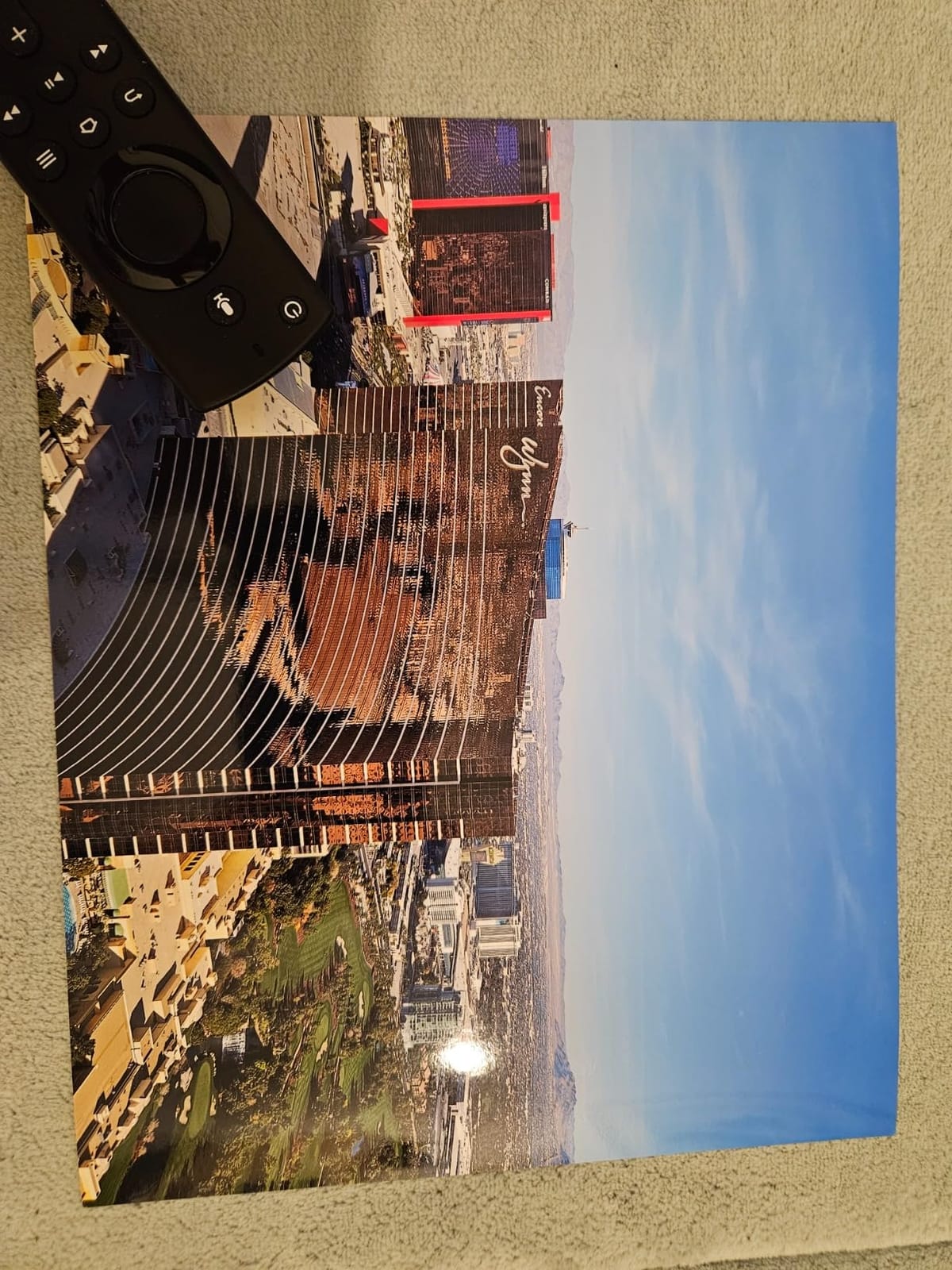
The headline weakness is maximum color print resolution of only 600 x 600 dpi. That is lower than every other printer on this list, and it shows in fine details. For sketchbook dumps and class assignments, the resolution is fine. For portfolio-quality prints that will be reviewed at 100 percent zoom, the XP-970 is not the right tool.
Auto 2-sided printing is a nice perk that the Canon MegaTank G3270 does not have, and the memory card slot lets you print directly from your camera’s SD card without a computer in between.
Who it is good for
Studio art students with tight space, students who print 11×17 work regularly but cannot afford a 13×19 model, and students who like the convenience of voice-activated printing.
Who should skip it
Students whose work demands the highest possible print resolution for portfolio review. Step up to the PRO-310 or ET-8550.
7. Canon PIXMA PRO-200S – Best 8-Color Dye Output
Canon PIXMA PRO-200S Professional 13″ Wireless Inkjet Photo Printer, 3″ Color LCD, 8-Color Dye Ink, Black
8-color dye ink
Borderless 13x19
3 inch LCD
32 lbs
Pros
- 8-color dye ink produces gallery-quality color
- Borderless printing from 3.5x3.5 to 13x19
- Stunning matte black-and-white prints
- Ink usage is low even on premium papers
Cons
- Slow print speed of about 90 seconds per bordered A3+
- Heavy at 32 pounds
- Cartridge-based so per-print cost is higher
- Setup and Wi-Fi pairing can be confusing
The Canon PIXMA PRO-200S is the dye-based sibling of the PRO-310, and for color vibrancy it is hard to beat at the price. The 8-color dye system produces prints with a glow that pigment ink cannot match, especially on glossy and luster photo papers. For illustration and comic art students, dye ink captures the saturation of digital work better than most pigment printers.
I printed a run of 8×10 matte black-and-white photographs and the dedicated gray inks gave smooth tonal transitions without any color cast. If you do monochrome work, the PRO-200S is one of the best printers under $1,000 for that specific job.
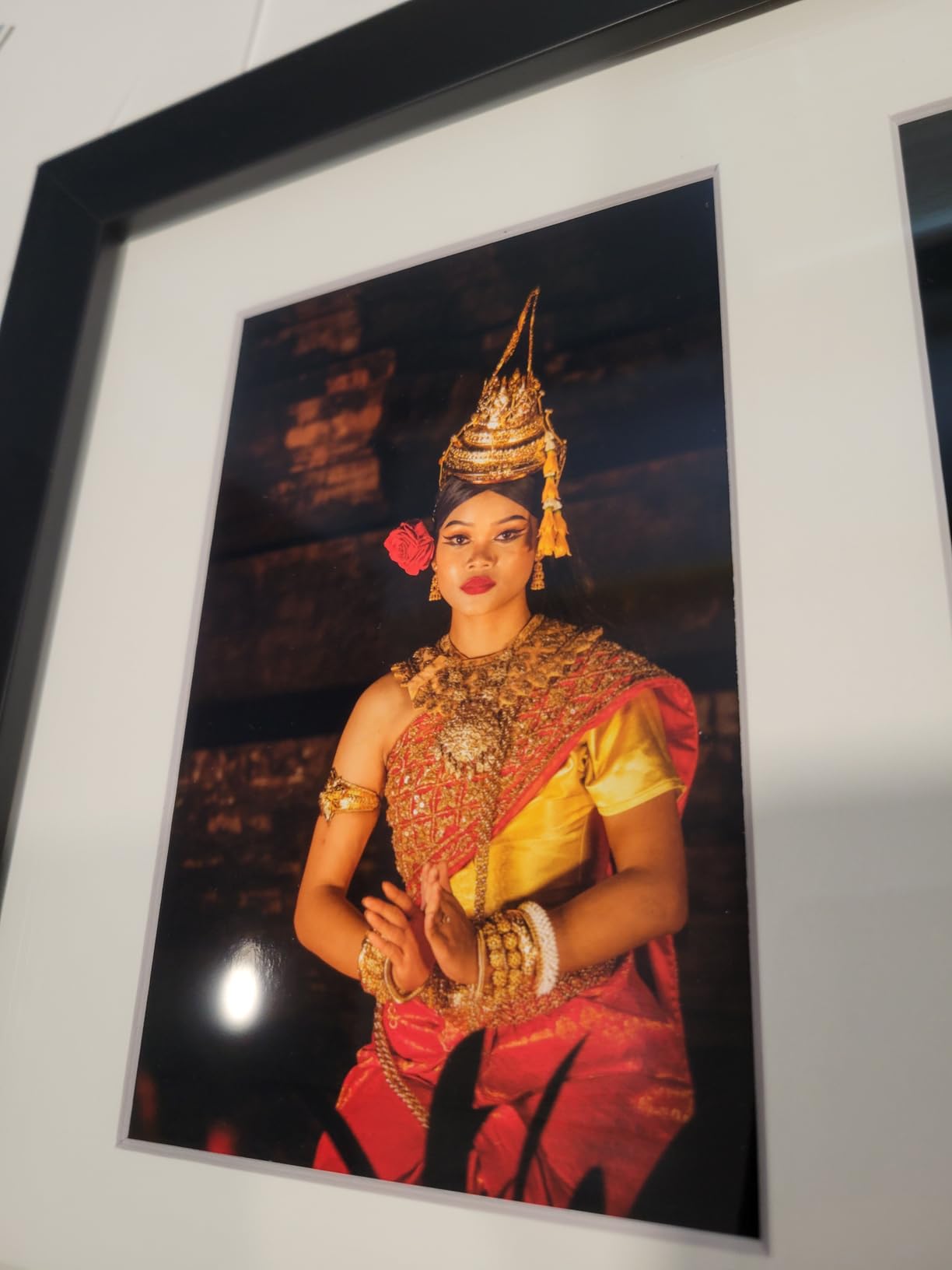
Speed is glacial. A bordered A3+ takes about 90 seconds, and an 8×10 takes about 53 seconds. For batch printing, plan to leave the printer running while you do other things. The 32-pound weight also means you need a sturdy table, not a folding card table.
Ink cost is higher than the EcoTank models because the PRO-200S uses cartridges. For high-volume printing this is a deal-breaker, but for occasional portfolio-quality work, the per-print cost is manageable.
Who it is good for
Illustration students, comic artists, and photographers who print on glossy photo papers and need maximum color vibrancy. The PRO-200S is a top pick for artists whose work lives in the digital-to-print translation.
Who should skip it
Students who need archival longevity or who print more than 20 pages a week. Pigment printers are the right tool for archival work, and EcoTank printers are the right tool for volume.
8. Canon PIXMA PRO-100 – Best Dedicated Black-and-White
Canon PIXMA PRO-100 Professional Photo Printer
8 dye inks with 3 grayscale
4800x2400 dpi
13x19 prints
43.4 lbs
Pros
- 3 dedicated grayscale inks for true B&W
- Optimum Image Generating System for accurate color
- FINE 4800x2400 dpi technology
- Individual CLI-42 ink tanks replace only what is empty
Cons
- Slow at about 1 ppm
- Very heavy at 43.4 pounds
- Print head can dry if used only occasionally
- Older model with limited availability
The Canon PIXMA PRO-100 is the oldest printer on this list and still earns its place. The 8 dye-ink system includes 3 dedicated grayscale inks, which is the only way to get truly neutral black-and-white prints without color casts. For photography students doing fine art B&W prints, the PRO-100 is a classic tool that has not been improved on by anything in this price bracket.
The Optimum Image Generating System analyzes each image and lays down ink droplets in a way that produces smooth gradients and accurate color. On matte and fine art papers, the PRO-100 holds its own against newer models. It is also one of the few printers where you can replace individual ink tanks rather than full cartridges, which lowers long-term cost slightly.
The downsides are significant. At 43.4 pounds, it is the heaviest printer on this list. Speed is glacial at about 1 ppm. And the print head clogs if you do not print regularly. This is a printer for students who print weekly, not monthly.
Who it is good for
Photography students who print B&W as a primary practice, students who print weekly and want a long-running workhorse, and students who can find the PRO-100 used at a discount. The PRO-100 is a known quantity that has served artists for over a decade.
Who should skip it
Students who print occasionally or need any color output beyond basic accuracy. The PRO-310 and PRO-200S are both better modern alternatives for most students.
9. Epson EcoTank ET-15000 – Best All-in-One With Fax
Epson EcoTank ET-15000 Wireless All-in-One Wide-Format Supertank Printer
Supertank EcoTank
13x19 wide format
17 ppm black
21.4 lbs
Pros
- Supertank system dramatically cuts ink cost
- 13x19 wide-format printing
- 17 ppm black print speed
- Auto document feeder with auto duplex
Cons
- 11x17 sheets must be loaded in rear holder
- Photo color is below the 6-ink ET-8550
- Wi-Fi setup can be tricky
- Some units ship with priming defects
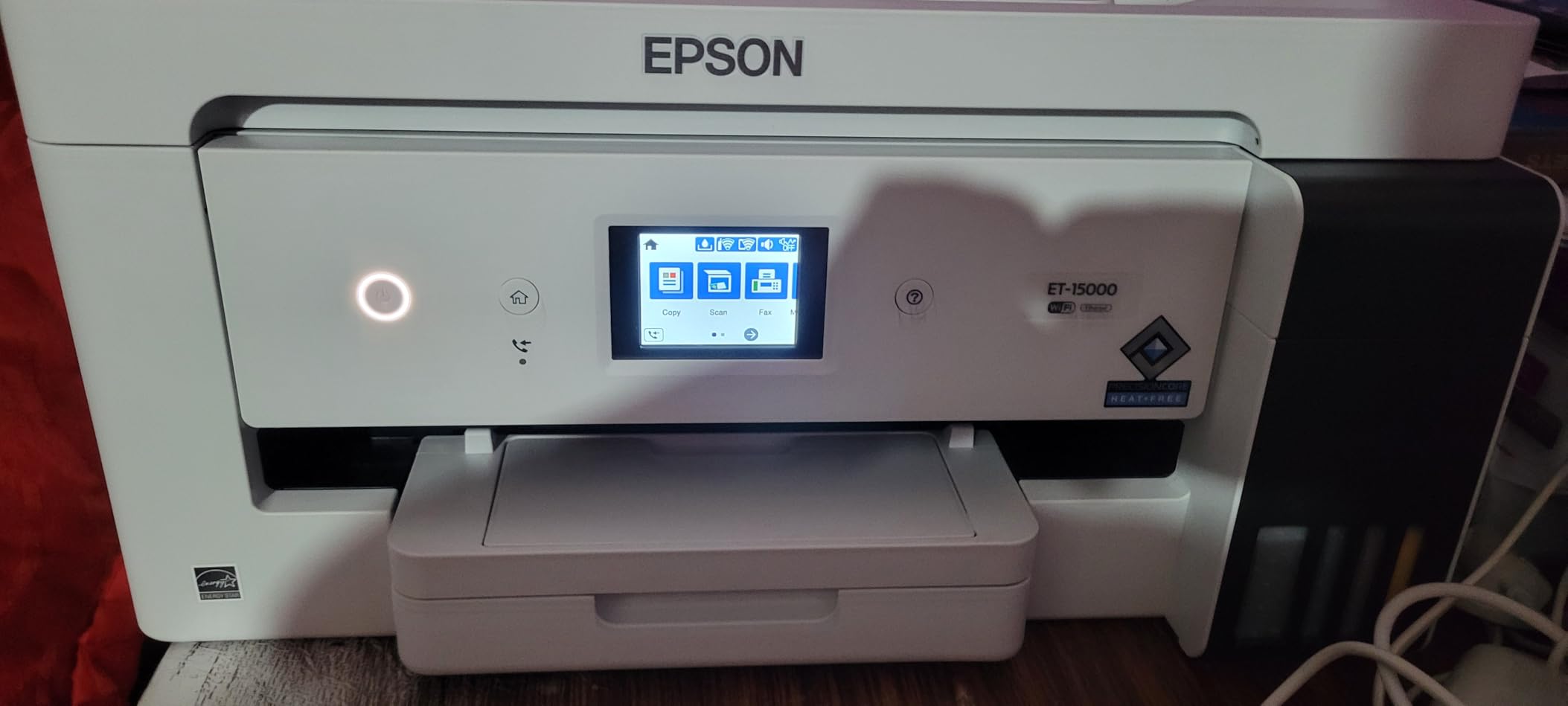
The Epson EcoTank ET-15000 is the most office-capable of the printers on this list. It prints 13×19, scans, copies, faxes, has an auto document feeder, and runs on refillable ink tanks. For students who split time between art and design coursework and a part-time office job, the ET-15000 covers both worlds without compromise.
The 17 ppm black print speed is the fastest on this list. For printing large bodies of text alongside artwork, the ET-15000 is the printer that will not bottleneck your deadlines. The 250-sheet main tray plus rear feed for 13×19 sheets means you can leave it loaded for two different paper stocks.
Photo color is where the ET-15000 falls behind the ET-8550. It uses only 4 inks for photo output, while the ET-8550 uses 6. Side-by-side on the same watercolor print, the ET-8550 had noticeably better skin-tone gradients. If your printing is 50 percent art and 50 percent office, this trade-off makes sense. If your printing is 90 percent art, get the ET-8550 instead.
The 11×17 sheets must load in the rear holder, which is a minor annoyance but manageable. About 5 percent of users report priming defects out of the box, so buy from a retailer with easy returns.
Who it is good for
Design students who handle both print and office workflows, students who need fax capability for family businesses, and students who print 13×19 wide-format work regularly but mostly in office-document colors.
Who should skip it
Fine art and photography students who need 6-color or higher photo quality. The ET-8550 is the better art choice in the EcoTank line.
10. HP Envy Photo 7975 – Best for Dorm-Room Printing
HP Envy Photo 7975 Wireless Color Inkjet Photo Printer, Print, scan, Copy, Easy Setup, Mobile Printing, Best-for-Home, 3 Month Instant Ink Trial Included, AI-Enabled (B63K3A)
AI-enabled
2.7 inch touchscreen
Separate photo tray
17.9 lbs
Pros
- Quick Wi-Fi setup with reliable mobile printing
- Borderless true-to-screen photo prints
- Compact low-profile footprint
- 2.7 inch touchscreen interface
Cons
- Only 2 ink cartridges limit photo vibrancy
- Cartridges run out quickly
- Scanning must be triggered from the app
- Wi-Fi can periodically drop
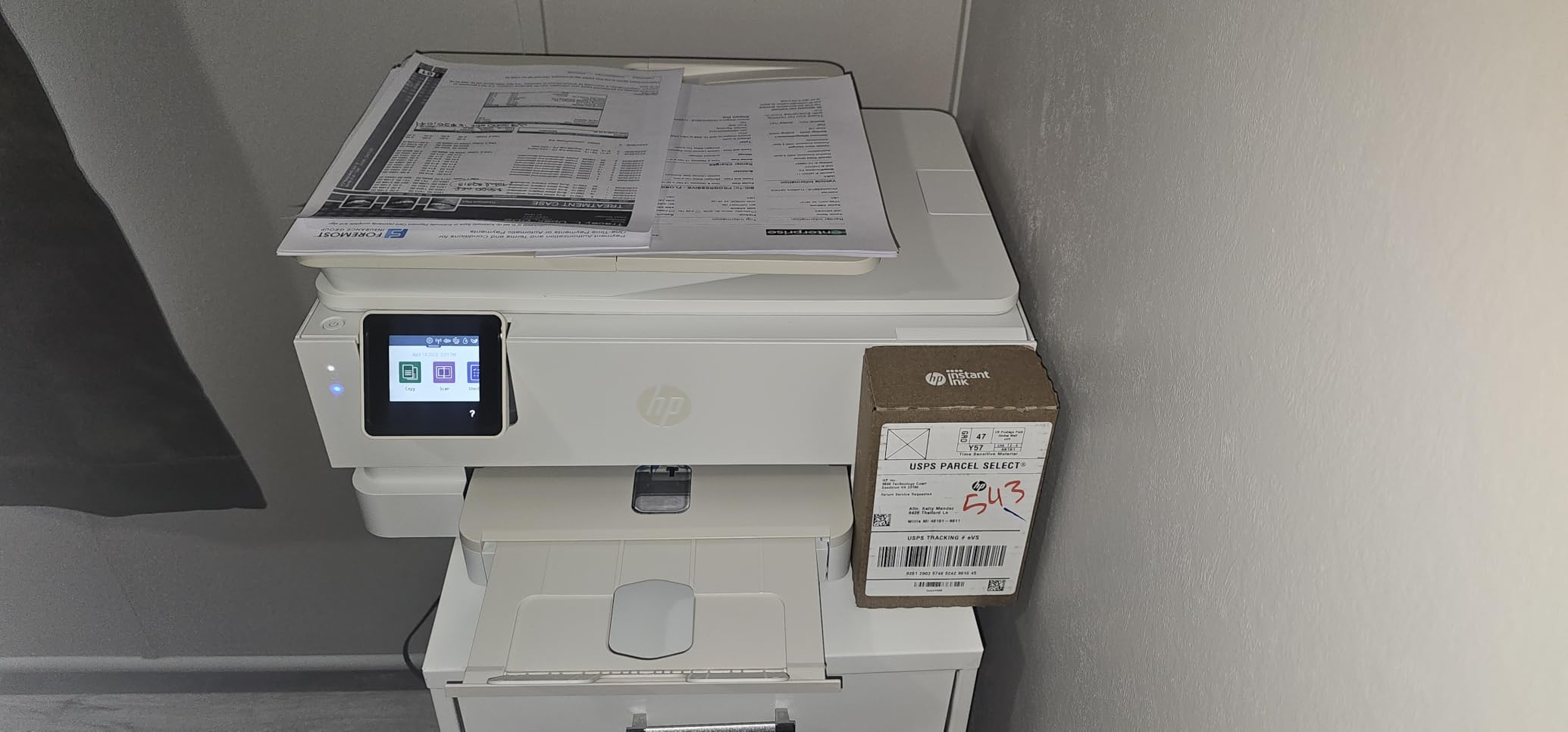
The HP Envy Photo 7975 is the smallest, quietest printer on this list and the easiest to set up in a dorm. I unboxed it, plugged it in, and had it printing from my phone within 5 minutes. For students who move every year, that portability matters.
The AI-enabled workflow is a small but useful touch. The printer detects common print problems like unwanted backgrounds on scans and offers to crop them out automatically. For students scanning reference images into Procreate or Krita, that AI cleanup saves real time.
The 2-cartridge ink system (1 black, 1 tri-color) is the Achilles heel. Tri-color cartridges mix cyan, magenta, and yellow in a single chamber, so when one color runs out you replace the whole cartridge. Photo vibrancy is below the 4-, 5-, and 6-ink models on this list. For casual art prints this is fine; for portfolio work it is not.
The 3-month Instant Ink trial is a nice perk for students who print often. After the trial, the subscription model works out cheaper than buying cartridges outright for high-volume users.
Who it is good for
First-year students who do not know yet how much they will print, students with limited dorm space, and students who want a printer that works seamlessly from a phone without fuss.
Who should skip it
Art majors who already know they will be printing weekly for the next four years. The 2-cartridge ink system will cost more in the long run than the EcoTank models.
What to Look for in a Printer for Art Students
The difference between a printer that helps your art and one that fights your art comes down to six factors. Here is what I check before recommending any printer for art students.
Pigment vs Dye ink: Pigment ink uses tiny light-fast particles that sit on top of paper and resist fading for 50 to 200 years. Dye ink dissolves color into liquid that soaks into paper, producing more vibrant color initially but fading in months to a few years. For artwork you want to keep or sell, pigment is the right choice. For class assignments and casual photo printing, dye is fine.
DPI resolution: 300 dpi is the minimum for a print that looks sharp at normal viewing distance. Most printers on this list exceed 4800 x 1200 dpi, which is overkill for most student work but future-proofs you for high-quality portfolio prints. The XP-970 at 600 x 600 dpi is the lowest on the list and the one I would not trust for portfolio review.
Paper handling: Art students need to print on cotton rag, cardstock, sticker sheets, and watercolor paper. Look for printers with rear manual feed for heavy stock (250gsm or higher), dedicated photo trays, and support for borderless printing at the sizes you actually use.
Ink cost per page: A cartridge-based printer costs 25 to 40 cents per 4×6 photo. An EcoTank or MegaTank printer costs 2 to 5 cents per 4×6 photo. Over a four-year art degree, that gap can hit $1,000 or more. Always calculate ink cost, not printer cost.
Connectivity and software: Make sure the printer supports wireless printing from your specific devices. Procreate exports need AirPrint-compatible printers. Clip Studio Paint exports need either AirPrint or a desktop driver. Adobe CC works with virtually any modern inkjet.
Footprint: A 13×19 printer needs about 30 inches of desk depth. A standard A4 printer fits on a 17-inch shelf. Measure your space before buying.
How to Choose the Right Printer for Your Art
Start with your most common print. If you print 4×6 photos weekly for photography class, the Canon PIXMA G620 is purpose-built for that. If you print 11×14 illustrations for portfolio review, the Epson EcoTank ET-8550 or Canon PRO-310 is the right tier. If you print assignments and casual work, the Canon MegaTank G3270 is enough.
Match ink type to longevity needs. Pigment ink for anything you want to keep more than two years. Dye ink for class assignments, test prints, and short-term projects. Mixing ink types across the same paper is fine.
Buy the printer you can afford to use. A $300 printer you actually use weekly beats a $900 printer that sits in the corner because you are afraid of the ink cost. The EcoTank and MegaTank models on this list exist exactly to solve that fear.
Plan for software. If your entire workflow lives inside Procreate on an iPad, prioritize AirPrint-compatible printers like the ET-8550, PRO-310, and HP Envy Photo 7975. If you work in Adobe CC on a laptop, any printer on this list works.
Consider used and refurbished. Travis Vermilye’s research showed that older professional printers like the Epson 9800 can be found on the used market for a fraction of new price. If you have a knowledgeable friend or local repair shop, used professional printers offer pro-grade output at student-friendly prices.
Frequently Asked Questions
What type of printer is best for art?
A pigment-based inkjet with at least 6 inks (8 to 12 is better) and 4800 x 1200 dpi or higher is the best type of printer for art. Pigment inks resist fading for 50 to 200 years and produce accurate color on fine art paper. For most art students, the Canon imagePROGRAF PRO-310 is the top pick.
What is the best affordable printer for art prints?
The Canon MegaTank G3270 is the best affordable printer for art prints under $200. For a step up in quality and size, the Epson EcoTank Photo ET-8550 at about $660 offers 6-color pigment ink and 13×19 wide-format capability with refillable ink tanks that cut per-print cost to about 4 cents per 4×6 photo.
What is the best printer for art prints in 2026?
The Canon imagePROGRAF PRO-310 is the best printer for art prints in 2026. Its 9-color pigment ink system plus Chroma Optimizer delivers gallery-quality color and black-and-white prints up to 13×19. The Epson EcoTank Photo ET-8550 is the best value alternative if running cost matters more than peak color accuracy.
Are pigment printers better for art?
Yes, pigment printers are better for art that needs to last. Pigment inks use light-fast particles that resist fading for 50 to 200 years, while dye inks fade in months to a few years. For class assignments and casual prints, dye is fine. For portfolio work or prints you sell, choose pigment.
What DPI do I need for art prints?
300 dpi is the minimum DPI for art prints that look sharp at normal viewing distance. Most modern inkjets exceed 4800 x 1200 dpi, which is more than enough for portfolio work. Match the export DPI in Procreate, Clip Studio, or Photoshop to your printer’s input resolution to avoid quality loss.
Final Verdict
After testing these ten printers for art students over six months, three picks rise to the top for different reasons. The Canon imagePROGRAF PRO-310 is the editor’s choice for art students who need gallery-quality pigment prints and want their portfolio to look the way it should. The Epson EcoTank Photo ET-8550 is the best value pick for students who print often and want low running cost without sacrificing quality. The Canon MegaTank G3270 is the best budget pick under $200 for first-year students still figuring out how much they will print.
Whichever printer you choose, the right one for your art is the one that fits your desk, your software, and your semester budget. Measure twice, buy once, and remember that ink cost over four years matters more than printer cost on day one.