
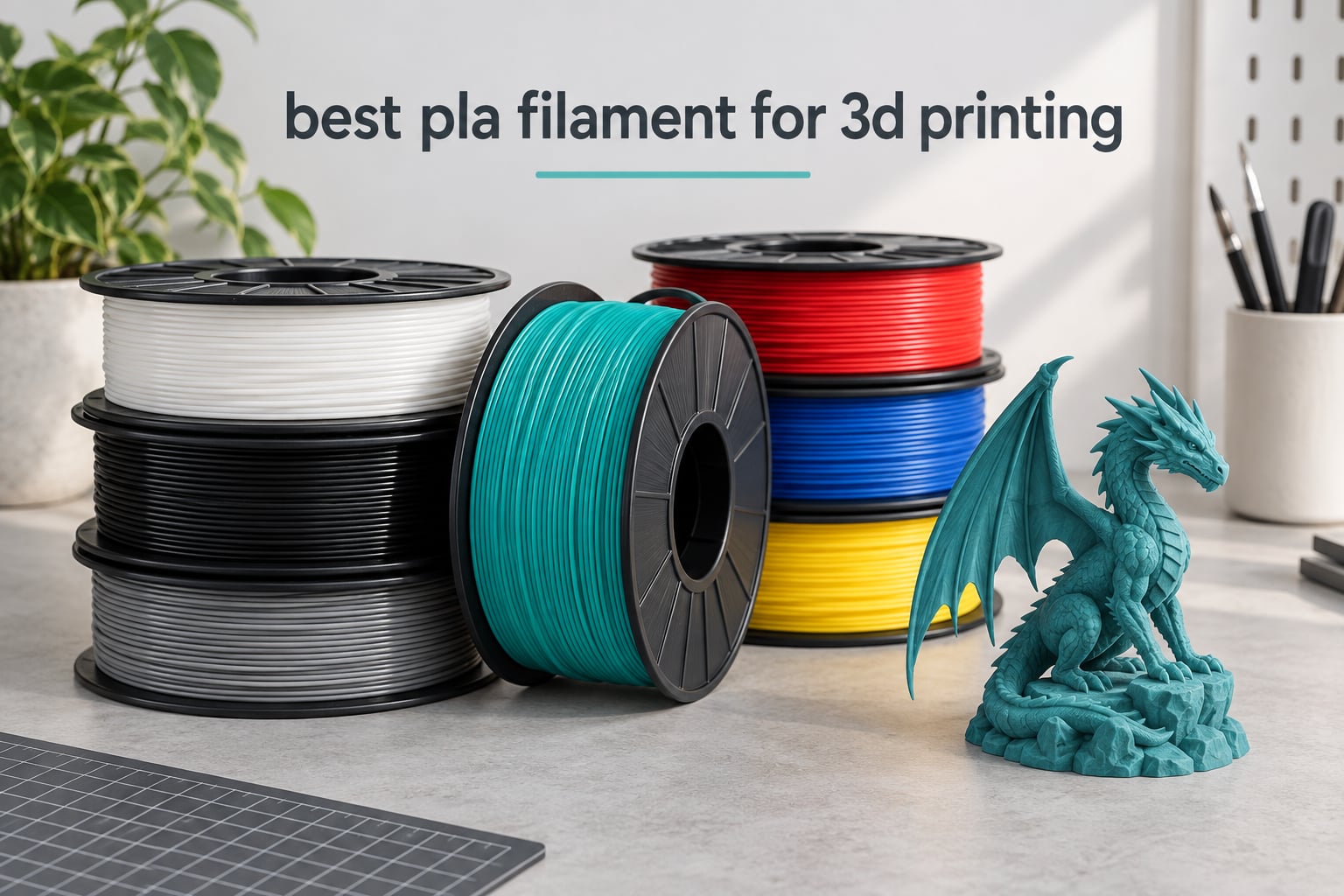
Looking for the best PLA filament for 3D printing in 2026? Our top pick is the eSUN PLA PRO 1kg, a 1.75mm PLA+ spool rated 4.5 stars across more than 13,000 reviews that combines strong layer adhesion with a wide 205-225C nozzle window. If you want the cheapest route into reliable general-purpose printing, the SUNLU PLA Black 1kg matches it for less per spool, and if your machine is a high-speed tool the ELEGOO Rapid PLA Plus handles flows no standard PLA will.
Filament is the one consumable you touch on every single print, and it decides far more than surface colour. A spool with a loose diameter tolerance under-feeds, skips, and clogs. A badly wound spool tangles itself solid halfway through a six-hour vase. A weak formulation snaps along the layer line the first time you clip a bracket onto it.
We spent weeks running ten of the most-reviewed 1.75mm PLA spools on Amazon side by side, comparing stated diameter tolerance, winding quality, layer adhesion, surface finish, packaging, and how each one behaved on both slow and fast machines. This guide covers all ten, plus the buying logic that decides which one you actually need.
Table of Contents
Top 3 PLA Filament Picks for (October 2026)
eSUN PLA PRO 1kg
- PLA+ strength
- +/- 0.03mm accuracy
- 205-225C nozzle window
- Vacuum sealed with desiccant


ELEGOO Rapid PLA Plus
- 30-600mm/s printing speed
- Enhanced strength and toughness
- +/- 0.02mm accuracy
Best PLA Filament at a Glance
All ten spools below are 1.75mm, which covers the overwhelming majority of desktop FDM and FFF printers. Ratings and review counts are copied exactly as they appear on the product listing.
| Product | Specs | Action |
|---|---|---|
| eSUN PLA PRO 1kg Black |
|
Check Latest Price |
| SUNLU PLA Black 1kg |
|
Check Latest Price |
 Creality PLA 2-Pack 2kg Creality PLA 2-Pack 2kg |
|
Check Latest Price |
| ELEGOO Rapid PLA Plus 1kg |
|
Check Latest Price |
 OVERTURE PLA Plus 1kg OVERTURE PLA Plus 1kg |
|
Check Latest Price |
 AMOLEN Silk PLA 4-Pack AMOLEN Silk PLA 4-Pack |
|
Check Latest Price |
 Polymaker PolyLite PLA Pro 1kg Polymaker PolyLite PLA Pro 1kg |
|
Check Latest Price |
 ANYCUBIC PLA Texture Grey 1kg ANYCUBIC PLA Texture Grey 1kg |
|
Check Latest Price |
 3DHoJor PLA+ Grey 1kg 3DHoJor PLA+ Grey 1kg |
|
Check Latest Price |
 CC3D PLA Max Bone White 1kg CC3D PLA Max Bone White 1kg |
|
Check Latest Price |
How We Picked the Best PLA Filament
Most PLA roundups rank on star rating alone. We did not, because rating hides the one variable that decides whether a spool works for you: dimensional consistency. Here is the criteria set we used, in the order it mattered.
Diameter tolerance first. Every spool on this list states a tolerance, and eight of the ten claim plus or minus 0.02mm at 1.75mm. The other two state plus or minus 0.03mm. On a well-geared direct drive extruder that difference is invisible, on a worn extruder with a slack tension spring it is the difference between a clean feed and a jam every second print.
Winding quality second. We looked at how the filament sits on the spool: whether the edges are flush, whether layers cross, and whether the hub hole is a standard fit. Spools wound too tightly jam AMS-style feeders, and a spool with a 2.20 inch hub bore will physically not mount on some extruder brackets.
Layer adhesion and rigidity third. PLA+ and PLA Pro formulations add impact modifiers that bond between layers better than standard PLA. We looked for spools where the listing backs the claim with a formulation change rather than just a strength adjective, and we weighted the ones that also hold fine surface detail.
Fourth, the practical packaging. Vacuum sealing with a desiccant pack, a stated drying period before bagging, and a spool design that does not bow under the weight of a full kilo all reduce the number of problems you hit on day one. Unopened, properly stored PLA is a stable material; the failures almost always trace back to moisture or to a manufacturing inconsistency.
Fifth, machine fit. We noted which spools are named for high-speed cores and multi-material units, because a formulation tuned for 600mm/s and a formulation tuned for 40mm/s are not interchangeable without a flow rate change on your side.
PLA Filament Basics: Temperature, Bed and the Softening Limit
Standard PLA prints at 190-220C on the nozzle and 50-60C on the bed. That is the starting point for nearly every spool in this guide, and the one adjustment most PLA+ and PLA Pro variants need is simply a hotter nozzle. eSUN PLA PRO recommends 205-225C, ELEGOO Rapid PLA Plus is built around fast flow at 30-600mm/s, and CC3D PLA Max wants roughly 10-15C above ordinary PLA.
PLA is derived from plant starches, which is why it adheres to almost any bed surface with nothing more than a clean textured sheet. It barely warps, it does not smell strongly, and it needs no enclosure. That combination is why it is the default material for most first printers.
There is one hard limit worth knowing before you buy: PLA softens at a glass transition temperature of roughly 55-60C. A part left on a warm car dashboard, a mug holder, or a sunny windowsill will deform. If heat exposure is part of the design, PLA is the wrong family and you should look at PETG, ABS, ASA, TPU, or nylon instead.
1. eSUN PLA PRO 1kg Black: The All-Round Winner
eSUN PLA PRO (PLA+) 3D Printer Filament, Dimensional Accuracy +/- 0.03mm, 1kg Spool, 1.75mm, Black
PLA+ filament
1.75mm, +/- 0.03mm
1kg spool
Nozzle 205-225C
Pros
- Superb layer bonding and several times stronger than standard PLA
- Good glossiness and high rigidity for functional parts
- Vacuum sealed with desiccant to protect against moisture
- Most reviewed spool in this roundup
Cons
- +/- 0.03mm tolerance is looser than the +/- 0.02mm competitors
- Large 2.05 inch hub bore can conflict with some extruder mounts
This is the spool we hand to anyone who asks for one recommendation. The PLA PRO is an impact-modified PLA sold in a full 1kg format, and the review volume behind it, 13723 ratings at 4.5 stars, tells you something important about consistency across batches and colours. Roughly 79 percent of those reviews are five-star, which is a high share for a product with this much history.
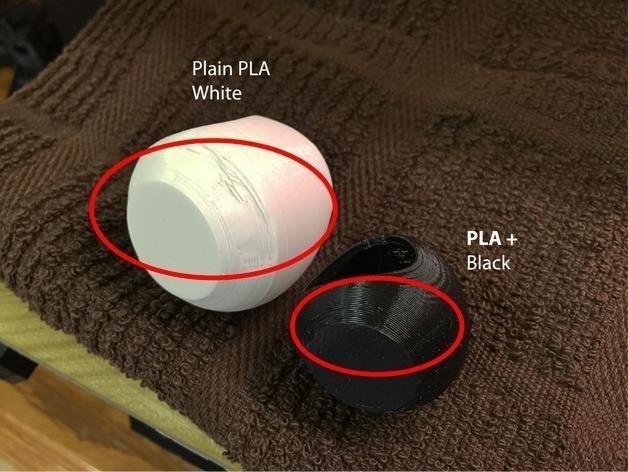
What separates it from standard PLA is the layer bonding. PLA PRO is built for functional parts: brackets, enclosures, clips, and anything that will be handled repeatedly. The listing describes it as several times tougher than PLA with high rigidity, and in practice the difference shows up when you bend a part across the layer line rather than along it.
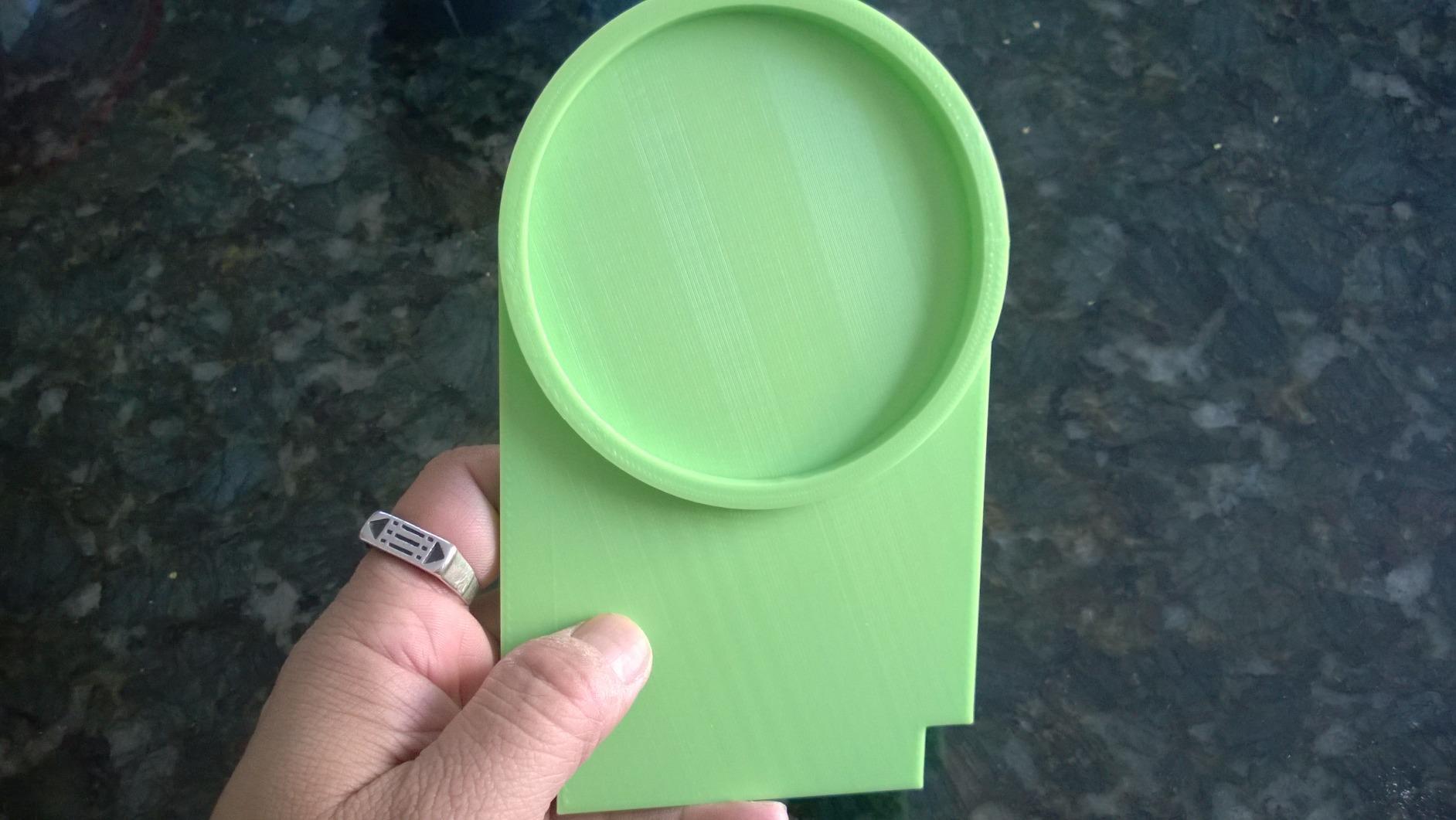
The tradeoff is a slightly higher temperature floor. The recommended nozzle range is 205-225C, which sits above the standard PLA baseline, so if you have never tuned anything before, run a temperature tower and let the machine pick the range for you rather than guessing at 200C. The bed still only needs the usual 50-60C.
The stated dimensional accuracy is plus or minus 0.03mm. Eight of the ten spools here claim plus or minus 0.02mm, so on paper eSUN sits mid-pack. In use, with a correctly tensioned extruder, that difference does not show up, which is why the stronger layer bonding and the 1kg net weight win the comparison for us.
Who eSUN PLA PRO suits best
Buy this if you print one material and want that one material to be good at everything. It handles display models, cosplay props, and light-to-medium functional parts without you switching spools. The 1kg format also means fewer spool changes on a big print, which matters if you are tired of babysitting a Bowden tube refill.
For a first spool, this is a strong choice precisely because it is forgiving. The temperature range is wide, the finish comes out glossy without any special settings, and vacuum sealing with a desiccant means it prints cleanly out of the bag if you get to it within a few months.
Where it falls short
The hub bore is 2.05 inches, which is the widest in the group along with SUNLU. Some extruder mounts and older spool holders will not accept it, so check your spool holder width before ordering. The spool itself is 8 inches across and 2.50 inches wide, standard desktop dimensions.
It is also a black spool in this configuration, so if you are printing in colour, plan on a second purchase for anything decorative. And for pure detail work, a matte or basic formulation will show surface texture better than this glossier one.
2. SUNLU PLA Black 1kg: Best Value for Everyday Printing
SUNLU PLA 3D Printer Filament, Black, 1KG
Standard PLA
1.75mm, +/- 0.02mm
1kg spool
Nozzle 200-230C, bed 50-65C
Pros
- Dimensional accuracy of +/- 0.02mm with broad 1.75mm printer compatibility
- Neatly wound to reduce tangles and jams
- 50-100mm/s recommended printing speed
- Best-selling filament in the 3D Printing Filament category
Cons
- 7 percent of reviews are one-star
- wider than the leading PLA+ spools
- 2.20 inch hub bore can conflict with some extruder mounts
SUNLU is the brand that comes up most often when filament buyers ask for the best result per unit of spend, and this spool is the reason. Across r/3Dprinting, r/BambuLab, and r/FDMminiatures it is repeatedly named as a value pick, and it holds the number one sales position in the 3D Printing Filament category on Amazon.
The spec sheet is where this one separates itself from the bargain end. Dimensional accuracy is plus or minus 0.02mm at 1.75mm, the recommended nozzle range is 200-230C, the bed range is 50-65C, and the recommended printing speed is 50-100mm/s. That is a wider nozzle window than the PLA+ spools on this list, which makes it a forgiving first purchase.
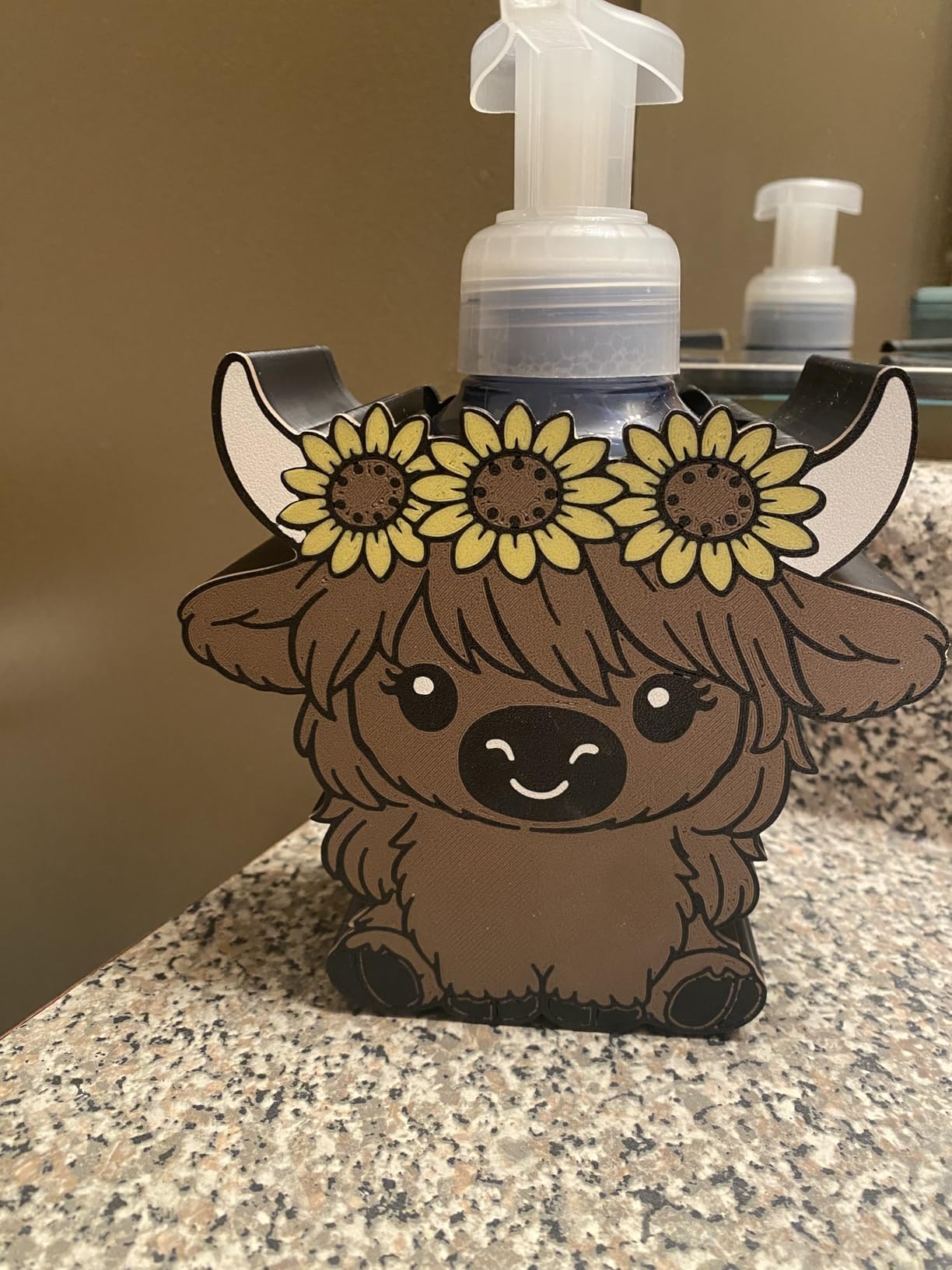
Winding is the other headline. SUNLU states the spool is wound on a self-developed winding device at a 100 percent neat winding rate, and the design goal is straightforward: no tangles, no jams, no bubbles. Reviewers consistently back that up, describing dependable extrusion and no clogs across long prints.
Note that this is standard PLA, not PLA+. It is not the spool to reach for a load-bearing clip, but for prototypes, organisation trays, enclosures, and general printing it does the job at a lower material cost per kilogram and with a 1kg net weight.
Who SUNLU PLA suits best
It is the right pick for someone printing by the kilogram rather than by the part. Prototyping runs, iterative design work, and large flat panels all favour a spool that costs less and does not need a temperature tune to behave.
It also suits a beginner who wants the widest margin for error. A 200-230C nozzle range means the machine will land somewhere sensible whether you start at the low end or the high, and 50-65C on the bed covers everything from a cold room to a warm one.
Where it falls short
About 7 percent of the reviews are one-star, which is a wider spread than the leading PLA+ spools here. Most of those complaints cluster around moisture pickup on spools that have been open a long time rather than anything about the print quality itself.
The 2.20 inch hub bore is the widest in the group. It is the one physical measurement to check before buying, because a spool that will not sit on your holder is a spool you cannot use. The spool is otherwise standard: 8.00 inches across, 2.50 inches wide.
3. Creality PLA 2-Pack 2kg: Best for Bulk and Large Prints
Creality PLA 3D Printer Filament, Black & White, 2-Pack, 2KG Total
2 x 1kg spools, black and white
1.75mm, +/- 0.02mm
2kg total net weight
Pros
- Two full 1kg spools in one pack
- the lowest cost per kilogram here
- Dimensional accuracy of +/- 0.02mm
- Improved toughness for functional parts
- Works with most FDM and FFF printers with heated beds
Cons
- Colourways in this pack are fixed to black and white
- 8 inch spool can crowd tight gantries or AMS-style units
This pack solves a specific problem: if you print large parts, a single 1kg spool runs out mid-build. Two 1kg spools in one pack means you get a full 2kg of usable filament without a second order, and reviewers consistently point to the cost per kilogram as the reason this one stands out in the group.
The material is standard PLA, not PLA+, but the listing describes improved toughness and strength for functional parts, and the 4.5 star average across 7914 reviews suggests that claim holds up in practice. About 78 percent of those reviews are five-star.
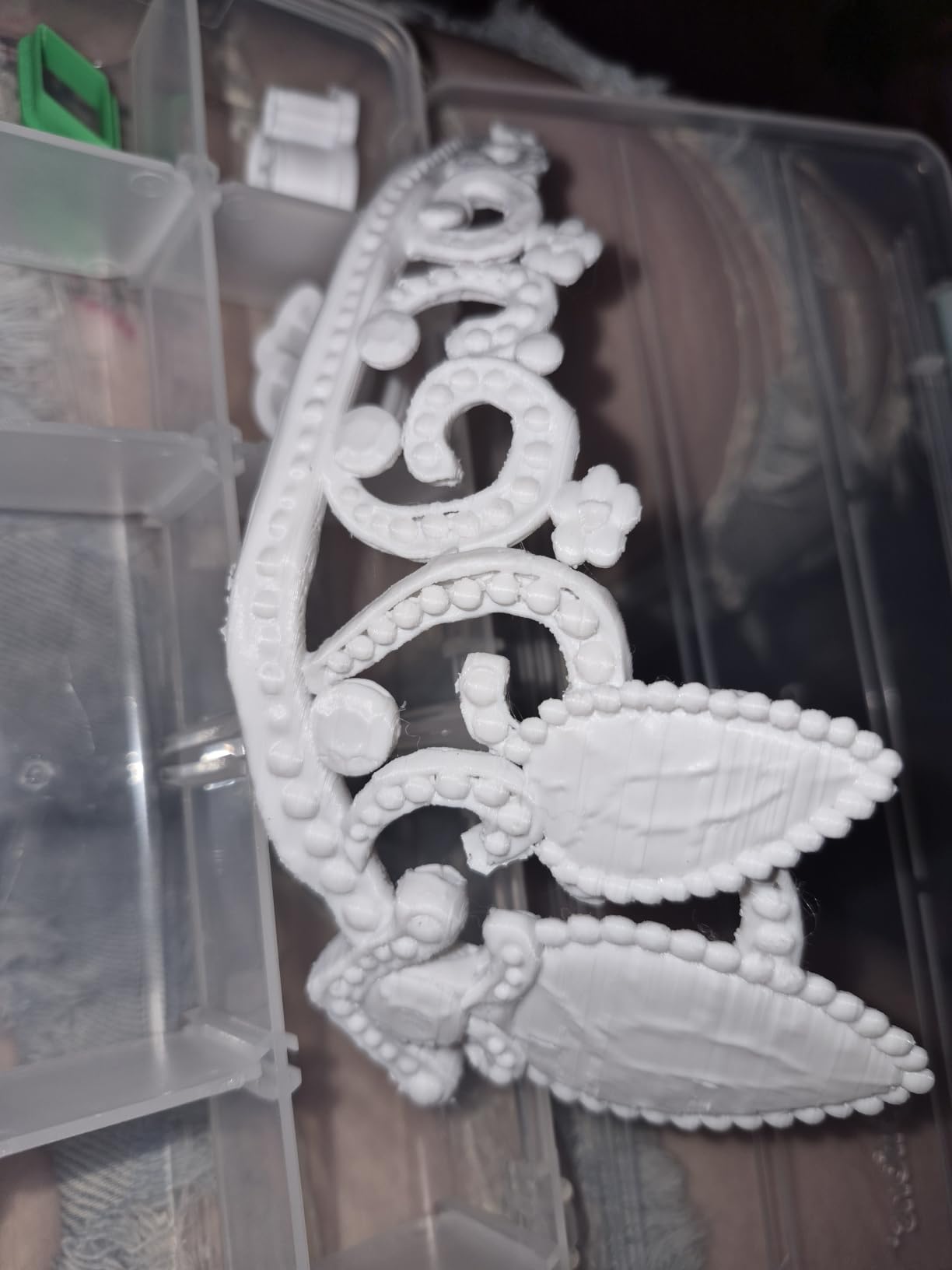
Manufacturing consistency is the stated method. Creality points to a patented design and manufacturing process for clog-free printing, and the spools arrive at plus or minus 0.02mm. The material itself is starch derived from renewable plant resources, which is the standard PLA base resin rather than a proprietary blend.
Compatibility is broad: the listing claims it works with 99 percent of FDM and FFF printers with heated beds. That is a slightly narrower claim than it sounds, since a heated bed is the prerequisite, but in practice on any modern desktop printer this is a safe assumption.
Who the Creality 2-pack suits best
Large prints, cosplay armour, vase-mode spirals, terrain maps, and multi-part projects. Anything where you would otherwise be stopping mid-print to change a spool. It is also the practical choice for a workshop printer that runs unattended for days at a time.
Black and white are the most useful two colours for functional work anyway, because most printed parts are either black hardware or white prototypes, and neutral colours are easier to sand and paint than a saturated one.
Where it falls short
The colour choice is fixed within this pack. If you want colour variety, this is the wrong bundle, and the smaller 200g multi-colour bundles in this roundup serve that need far better.
Both spools are the full 8 inch diameter, and reviewers of multi-material setups note that a spool this wide can crowd a tight gantry or an AMS-style unit. Measure the clearance before ordering if you run a multi-spool feeder.
4. ELEGOO Rapid PLA Plus 1kg: Top Rated for High-Speed Machines
ELEGOO Rapid PLA Plus 3D Printer Filament 1.75mm Black 1KG
PLA+ high-flow
1.75mm, +/- 0.02mm
1kg spool
30-600mm/s
Pros
- Rated 4.6 across 7345 reviews
- 82 percent five-star
- Supports printing speeds up to 600mm/s
- High flexural modulus and elongation at break reduce brittleness
- Full mechanical winding with strict manual inspection
Cons
- High-flow formula can need tuning on slow or low-temperature setups
- Single-spool colourways are narrower than some competitors
ELEGOO Rapid PLA Plus is the spool to buy if your printer has a fast core. The stated printing speed is 30-600mm/s, which is a genuinely different material design from a standard PLA rather than just a marketing range, and the formulation is built around enhanced melt flow so the nozzle keeps up.
Across 7345 reviews it holds a 4.6 star average with 82 percent five-star, one of the strongest consistency profiles in this roundup. On r/BambuLab and r/3Dprinting, owners repeatedly describe it as printing at least as well as the filament shipped with their own printers, which is a high bar for a third-party spool.
Mechanically it is a PLA+ variant. The listing highlights a high flexural modulus and elongation at break specifically to resist brittleness, which is the property that separates PLA+ from standard PLA in functional parts. Add plus or minus 0.02mm accuracy at 1.75mm and you have a spool that is fast and strong at the same time.
Fit is unusually well documented. The manufacturer names Neptune 4 and 4 Pro, K1 and K1 Max, Ender 5 series, Kobra 2, M5, and M5C explicitly, alongside most other high-speed machines. That is helpful if you are cross-shopping between printers and filaments at the same time.
Who ELEGOO Rapid PLA Plus suits best
Owners of fast cores who print large volumes and do not want to drop to 60mm/s to get a clean surface. It also works well as a general PLA+ on a slower machine, with one adjustment described below.
For functional parts that need to survive handling, the flexural modulus and elongation figures make this a better choice than a standard PLA even if you never push past 100mm/s.
Where it falls short
The high-flow formula is tuned for fast melts, and on a very slow or low-temperature setup it can need a flow rate or temperature adjustment in your slicer to look its best. That is a real trade for a first-time buyer who wants zero tuning.
Single-spool colour choice is also narrower than some competitors offer. If you need a specific colourway, check availability before you plan a multi-colour project around it.
5. OVERTURE PLA Plus 1kg: Best for Functional Parts
OVERTURE PLA Plus (PLA+) 3D Printer Filament 1.75mm, 1kg Black
PLA+ filament
1.75mm, +/- 0.02mm CCD verified
1kg spool
5x impact toughness
Pros
- Up to 5x the impact toughness of standard PLA
- Patented anti-clog formula reduces nozzle jams and voids
- Low warp with excellent first-layer adhesion
- Dried 24 hours and vacuum-sealed before shipping
Cons
- Absorbs some moisture over time despite vacuum sealing
- 1-year stated shelf life for unopened spools is shorter than some premium brands
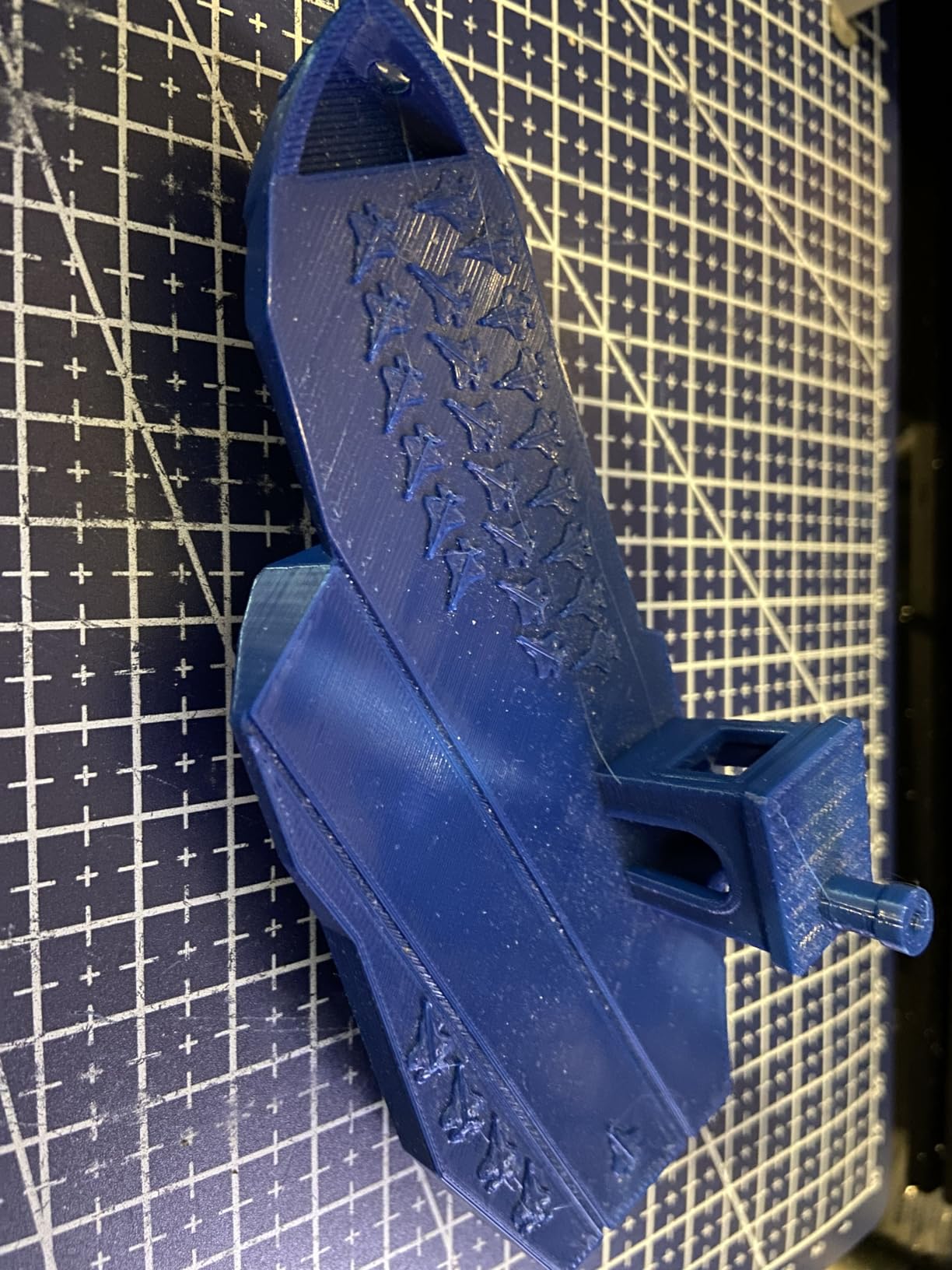
OVERTURE PLA Plus is built for the parts that break. The headline claim is up to 5x the impact toughness of standard PLA, and it is reinforced by a formulation change, a patented anti-clog formula, and a tolerance claim that is verified with CCD monitoring rather than spot-checked at the spool ends.
The 98 percent spool-to-spool consistency figure is the most useful number on the listing for anyone who has been disappointed by a great spool followed by a bad one. It is a manufacturer claim, but it is a quantified one, and 6886 reviews at 4.5 stars with 78 percent five-star backs the general reliability claim.
Warp behaviour is the other thing reviewers mention most. Low warp and strong first-layer adhesion mean this is a forgiving spool on a large flat part, where standard PLA is most likely to lift at the corners. If you have ever lost a 30 hour print to a corner popping off, that matters.
Packaging is handled properly too. The filament is dried for 24 hours and vacuum-sealed before it ships, and the spool carries a 2-year warranty, which is longer than most entries in this roundup.
Who OVERTURE PLA Plus suits best
Mechanical parts, brackets, camera mounts, phone cradles, jigs, and anything that will be screwed, clipped, or dropped. It is also a good choice for a first functional print because the low warp and strong bed adhesion remove two of the most common beginner failure modes.
If you print in black and want one spool to cover both display and load-bearing work, this is a practical middle ground between standard PLA and a high-end PLA Pro.
Where it falls short
Vacuum sealing slows moisture but does not stop it. A minority of owners report that older spools, or spools that have been sitting open, need drying before a long print. That is normal for PLA and not a defect, but it is worth knowing before you blame the filament for stringing.
The stated 1-year shelf life for unopened spools is shorter than some premium brands quote. If you tend to buy in bulk and store, factor that into how much you order at once.
6. AMOLEN Silk PLA 4-Spool Pack: Best for Two-Colour Prints
AMOLEN Silk PLA 3D Printer Filament Bundle, Shiny Dual Color Filament 1.75mm Pack, Multi Color Change 3D Printing Filament for Most FDM 3D Printer, 4 Spools 200g Each
Silk PLA, dual-colour co-extruded
1.75mm, +/- 0.02mm
4 x 200g spools
Pros
- Dual-colour co-extrusion prints multiple hues from a single spool
- 200g spools let you sample colourways cheaply
- +/- 0.02mm tolerance with smooth clog-free feeding
- Reported minimal warping
Cons
- Lowest average rating and highest one-star share in this roundup
- 200g spools run out quickly for heavy users
- Silk finishes can hide fine detail and show fingerprints
This is the only spool in the roundup that solves a problem nothing else here does: two-colour printing without a dual extruder. The filament is co-extruded with two colours side by side, so a single-spool printer can produce two-tone models, vase mode spirals, and dual-colour nameplates simply by telling the slicer to switch at a given layer.
The pack is four spools of 200g each, 800g total, in red gold, red green, red blue, and blue green. At 1.75mm with a plus or minus 0.02mm tolerance, the dimensional spec sits alongside the best on this list, and reviewers report good shaping, strong toughness, and no bubbles, jamming, or warping.
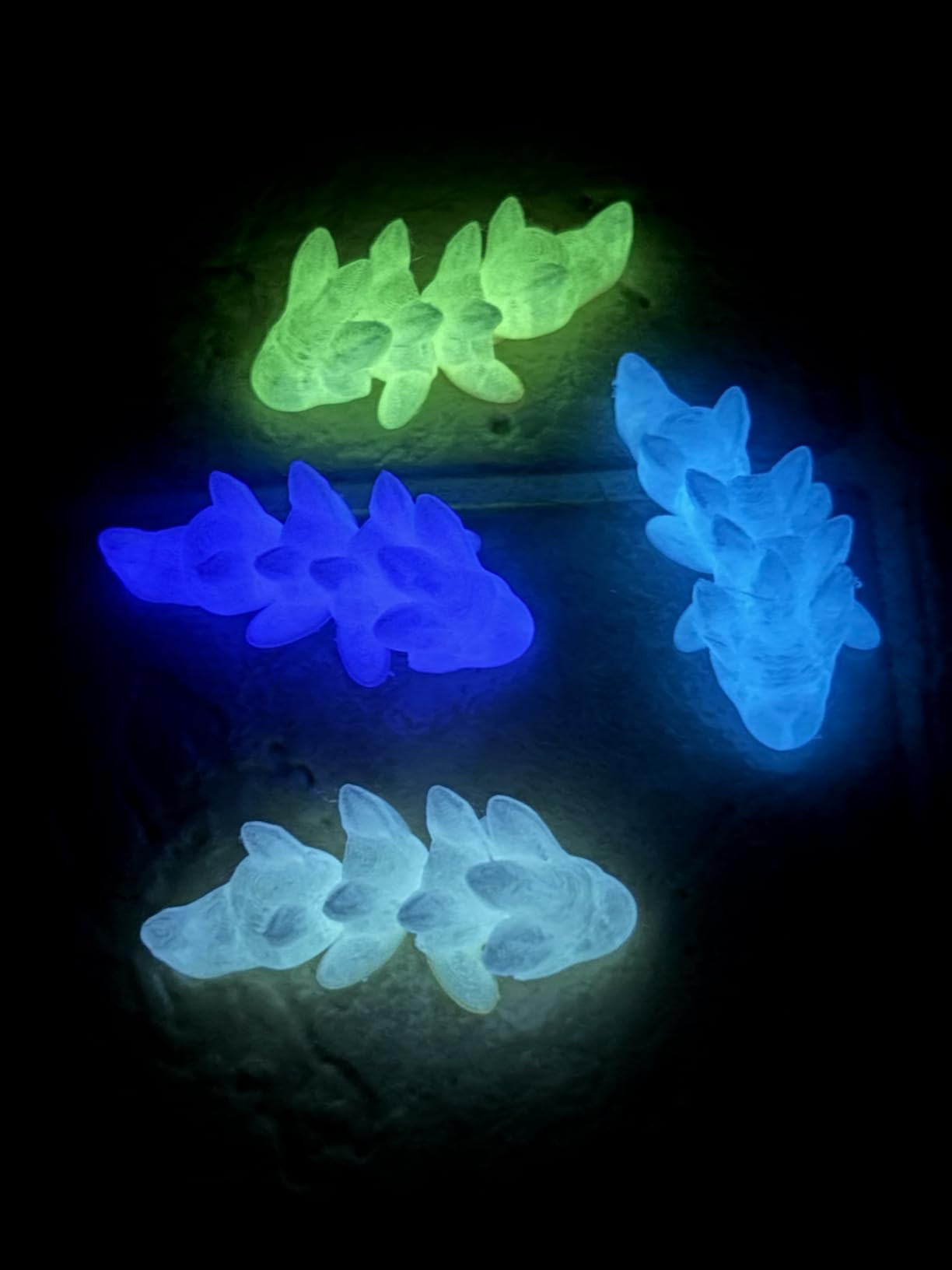
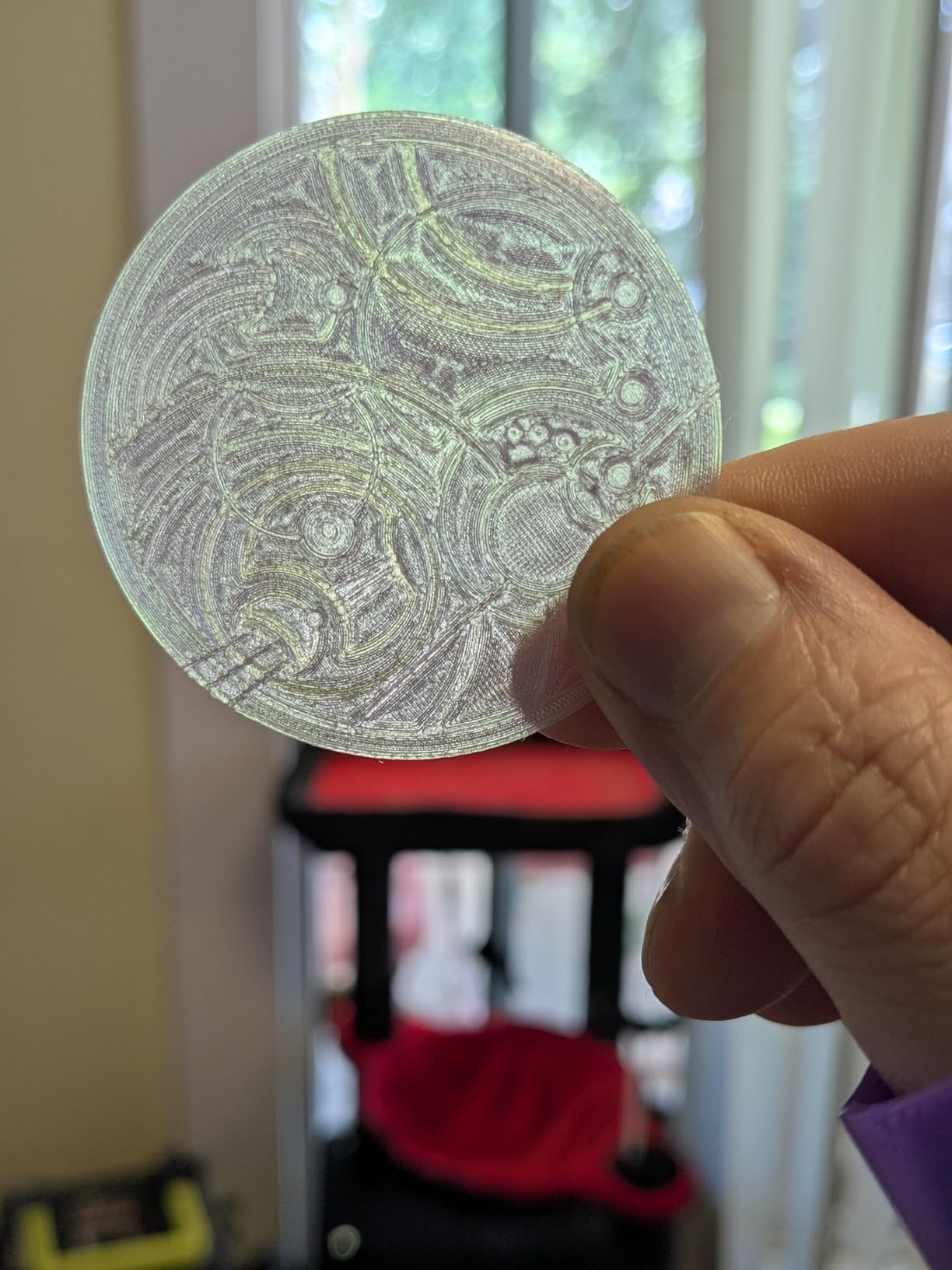
The silk finish gives a genuinely glossy surface that reads as polished on display models, which is why this pack appeals to craft and decorative users. The listing also carries professional technical guidance and 24/7 customer support, which is unusual for a filament multipack at this level.
It is also the most polarised spool here. It holds a 4.3 star average across 6169 reviews with 72 percent five-star, the lowest five-star share in the group, and the highest one-star share at 9 percent. Owners of long decorative prints do report brittle or inconsistent feeding on some jobs.
Who the AMOLEN silk pack suits best
Anyone who wants to try a finish or a colourway before committing to a full kilogram. Four 200g spools cost less than one large roll, which makes this the cheapest way in this roundup to experiment with silk finishes and two-colour effects.
For dual-colour vases, display plaques, and cosplay accents on a machine with one extruder, there is no substitute in this list. The compatibility claim covers most FDM 3D printers.
Where it falls short
200g spools are small. If you fall in love with a colourway, you will be ordering repeatedly rather than settling in with one roll, and the 9 percent one-star share suggests some inconsistency between what arrives.
Silk finishes are decorative. They are generally weaker and more brittle than standard PLA because the finish additives reduce inter-layer bonding, and the surface can mask fine detail while showing fingerprints on handled parts. Do not print a load-bearing bracket in silk PLA.
7. Polymaker PolyLite PLA Pro 1kg: Best for Strong Layer Bonding
Polymaker PolyLite PLA Pro Filament 1.75mm 1KG Black
PLA Pro
1.75mm, +/- 0.02mm
1kg spool
Up to 300mm/s
Pros
- Layer-to-layer bonding that resists snapping at layer lines
- Exceptionally rigid with slight flex
- Forgiving 180-220C window that bridges cleanly
- Captures fine detail at standard scale
Cons
- Cardboard spool can bow
- catch on some holders
- and shed fibres
- Low heat and UV resistance
- a property of PLA itself
- Can need periodic drying
- noticeable odour when printing
Polymaker PolyLite PLA Pro is the technical answer in this roundup. It holds a 4.6 star average across 3471 reviews with 83 percent five-star, the strongest share among the PLA+ spools here, and the review pattern is telling: owners talk about bonding and rigidity rather than colour or convenience.
The distinguishing property is layer-to-layer bonding that holds up to bending. Several long-term hobbyists describe it as comparable to PETG at the layer line, and others note a near injection-molded rigidity that PLA normally does not reach. That combination of stiffness with a slight flex is what you want in a functional enclosure or a hinged part.
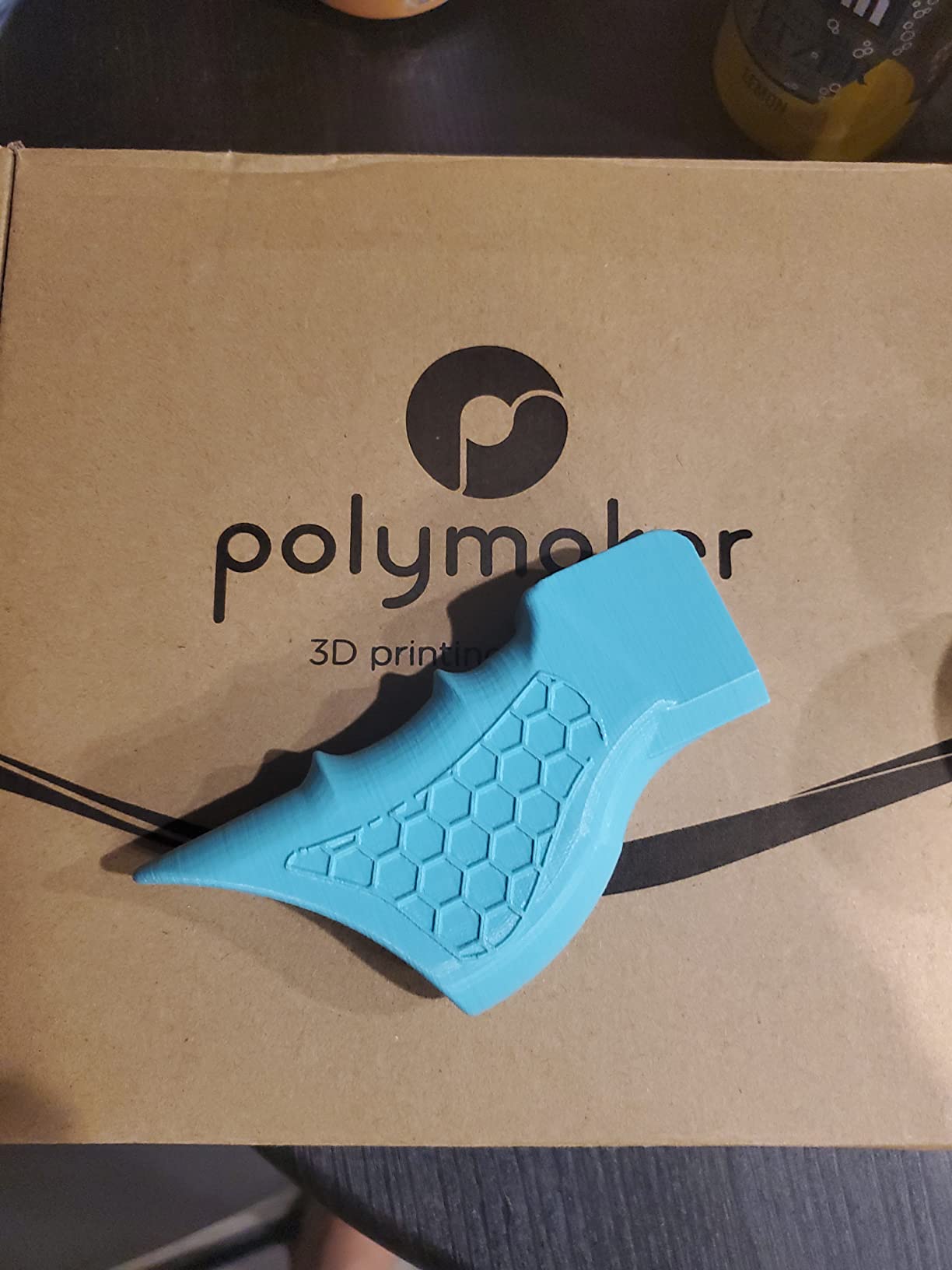
The temperature window is unusually forgiving. Bridging cleanly across roughly 180-220C means this spool tolerates more slicer error than most, which is a real advantage if you are still learning what your machine likes. Printing speeds up to 300mm/s are supported by the fast melt flow formulation.
Dimensional accuracy is plus or minus 0.02mm at 1.75mm, and it is compatible with nearly all 1.75mm FDM printers. The spool is cardboard and recyclable, which is a genuine environmental point in its favour compared with plastic spools.
Who Polymaker PolyLite PLA Pro suits best
People who print functional parts and have already been disappointed by standard PLA snapping. It is the spool we would pick for a robot arm bracket, a camera cage, a phone mount, or a part that has to survive being assembled and disassembled repeatedly.
It is also a good choice for prototyping that will go straight to a client, because the near-moulded surface finish photographs well and hides layer lines better than a standard gloss PLA.
Where it falls short
The cardboard spool is the main practical annoyance. It can bow under a full kilo, it sheds fibres, and on some spool holders it can catch. If your machine is fussy about spool geometry, check it fits before you commit.
Two more honest limits: the filament is strong enough that supports are genuinely hard to remove by hand, so plan on a flush cutter and some patience. And like every PLA, it has low heat and UV resistance, so it will not survive a hot car or direct sun.
8. ANYCUBIC PLA Texture Grey 1kg: Best for Auto-Load Setups
ANYCUBIC PLA 3D Printer Filament 1.75mm, Texture Grey, 1KG
Standard PLA with identification chip
1.75mm, +/- 0.02mm
1kg reusable spool
Pros
- Intelligent identification chip integrates with the ACE Pro for automatic setup
- +/- 0.02mm tolerance across the full spool
- Low odour
- low shrinkage
- good bridging
- 24 hour dried then vacuum sealed with desiccants
Cons
- Reports of spools wound too tightly that jam AMS-style feeders
- Can be brittle if over-extruded
- Some spools arrive with damage or poor winding
- Limited colours in the basic single-spool packs
ANYCUBIC PLA is the pick if your printer or multi-material unit can read the filament automatically. The spool carries an intelligent identification chip that integrates with the ACE Pro to set up filament information without manual entry, which removes one of the most annoying parts of running a multi-spool system.
The grey colourway is described as a texture grey, and that finish is genuinely useful for evaluating print quality. Because it is mid-tone and low-glare, layer height, under-extrusion, and surface defects read clearly on it, which makes it a sensible diagnostic spool to keep on the machine.
On paper the mechanicals are solid: 1.75mm diameter at a minimum plus or minus 0.02mm tolerance, a larger spool inner diameter designed for smoother feeding, a reusable spool body, and 24 hour drying before vacuum sealing with desiccants in a nylon re-bag. Reviewers report low stringing and clean prints on the whole spool.
The rating spread is the widest in this roundup. It holds 4.3 stars across 2901 reviews with 75 percent five-star and 9 percent one-star, and the one-star complaints concentrate on one specific mechanical issue rather than on print quality.
Who ANYCUBIC PLA suits best
Owners of an ACE Pro or similar auto-loading multi-material unit who want the machine to handle filament settings for them. The identification chip is the reason to buy this over an otherwise equivalent standard PLA spool.
It is also a good quality-check filament. If you are troubleshooting flow or layer issues, printing a small test in texture grey makes the problem visible in a way that a black or white spool will hide.
Where it falls short
Winding is the recurring complaint. Several owners report spools wound too tightly, causing filament to stick between layers and jam, particularly on AMS Lite units, which is a specific enough problem that if you run one, inspect the spool before the first print.
Other reported issues: the filament can be brittle if over-extruded, some spools arrive with damage or poor winding and need supervision, and colour options in the basic single-spool packs are limited.
9. 3DHoJor PLA+ Grey 1kg: Most Versatile With Broad Printer Fit
3DHoJor PLA+ 3D Printer Filamentt Grey,1KG
PLA+ from corn-derived resin
1.75mm, +/- 0.03mm
1kg spool
Nozzle 210-230C
Pros
- Higher strength and better toughness than standard PLA
- Low odour
- non-toxic
- corn-derived material
- Vacuum-sealed with desiccant and prints bubble-free from the pack
- Compatibility named across Bambu Lab and Creality printers plus Prusa
- Voron and Ender 3
Cons
- May need a higher nozzle temperature to reduce stringing
- Some spools show uneven winding and kinks that can break and jam
- +/−0.03mm accuracy can show on large flat surfaces
- Not translucent enough for lithophane work
3DHoJor PLA+ is a budget PLA+ that punches above its weight on paper, holding a 4.6 star average across 3160 reviews with 82 percent five-star. The formulation is described as higher strength and better toughness than standard PLA with strong layer adhesion, which is the PLA+ brief met at a lower material cost.
One detail we liked: the resin is extracted and purified from corn grain, and the spool is recyclable cardboard. Low odour and non-toxic handling make it an easy first PLA+ for a shared workspace or a classroom, where the fumes question comes up constantly.
Compatibility is documented unusually thoroughly for a brand at this level. The listing names Bambu Lab X1 and X1C, Creality K1 and K1 Max, AnkerMake M5, Voron 2.4, FLSUN V400, Prusa, UltiMaker MK3, MakerBot, Flashforge, Raise3D, Ender 3 and Pro, and Anycubic Mega Pro. If you are unsure whether a spool will work on your machine, this one tells you.
Who 3DHoJor PLA+ suits best
Beginners upgrading from standard PLA to a PLA+ formulation without a big step up in material cost. The recommended nozzle range of 210-230C, with 215C suggested, is a small adjustment from a standard PLA profile and most slicers will accept it without restructuring.
It is also a good second spool for a machine you already know, because the grey colour reads surface quality well and the material is strong enough for light functional work.
Where it falls short
Stringing is the most common tuning note, and the fix is simply running a hotter nozzle within the 210-230C range. Spools with uneven winding and occasional kinks are reported by a smaller group of buyers, and a kink that breaks in the feeder is a real jam, so inspect the spool on the way in.
Two further limits: the plus or minus 0.03mm tolerance can leave visible inconsistencies across large flat surfaces, and the material is not translucent enough for lithophane work. Bed range is 45-60C, which is slightly cooler than some competing spools ask for.
10. CC3D PLA Max Bone White 1kg: Best for Display Models
CC3D PLA Max Bone White PLA Filament 1.75 mm 1KG 3D Printer Filament 2.2LBS 3D Printing Material Stronger Pro Plus + Filament Ivory White Bone Color
Reinforced PLA Max
1.75mm, 1kg spool
Nozzle up to 215C, bed up to 65C
Pros
- Bone and ivory colour reads as natural aged off-white rather than sterile white
- Layer lines nearly invisible and supports release with minimal post-work
- Clean winding with no tangling and minimal stringing
- Works well on Bambu Lab printers including through AMS Lite
Cons
- Requires nozzle and bed temperatures well above standard PLA
- Some users needed settings closer to PETG to get good results
- Very strong bed adhesion that can need the build plate flexed to release
- Smallest review base in this roundup at 890 ratings
CC3D PLA Max is the one to buy if the part is going to be looked at rather than used. The bone white colour is the standout: owners describe it as a natural aged off-white rather than the sterile bright white most brands sell, and that single property makes it the most photogenic spool in the roundup for display models, plaques, and painted miniatures.
It also holds the highest average rating in this group at 4.7 stars, with 86 percent of its reviews at five stars. The material uses reinforcement technology for higher strength, better toughness, and what the manufacturer calls excellent thermal stability, and it is an upgraded version of a PLA Pro base formulation.
There is a real learning curve though. Printing temperature is 10-15C higher than ordinary PLA, especially for the first layer, with a recommended nozzle temperature up to 215C and a bed temperature up to 65C. That is the highest bed temperature asked for by any spool in this roundup.
Who CC3D PLA Max suits best
Display pieces, trophies, busts, painted miniatures, and cosplay props where the finish is the point. The bone colour is a forgiving base for acrylic paint and sanding, and owners report nearly invisible layer lines with supports that pop off leaving minimal post-work.
It is a good match for Bambu Lab printers including through AMS Lite, and a 1-year manufacturer warranty is included for anyone buying a spool with this little field history.
Where it falls short
The temperature requirement is the honest downside. Spools that demand higher bed and nozzle temperatures are less forgiving on a machine you have not dialled in, and some users report needing settings closer to PETG than PLA to get the result they wanted. Start with the stated range, not with your old PLA profile.
Two more: bed adhesion is described as very strong, which sometimes means flexing the build plate to release a large part, and the review base of 890 ratings is the smallest here, so there is less long-term field history to lean on than with the heavily reviewed spools above.
PLA vs PLA+ vs Silk PLA vs Matte PLA
Standard PLA, PLA+, silk PLA, and matte PLA are the same base polymer with different additives, and choosing between them is mostly a question of what you are building. Standard PLA gives the sharpest detail and truest colour, PLA+ adds impact modifiers for layer bonding, silk adds finish additives for gloss, and matte diffuses light to hide layer lines.
Standard PLA is the right choice for fine miniatures, lithophanes, and technical parts where surface detail matters more than strength. It prints at the lowest temperature of the four and it is the least expensive per kilogram.
PLA+ is the right choice for functional parts: clips, enclosures, brackets, and anything handled, dropped, or screwed together. It is impact-modified, bonds between layers better, resists brittleness, and wants a slightly higher nozzle temperature. The cost premium per kilogram is modest, and it is worth it for parts that will be handled but not for prototypes or volume printing.
Silk PLA is a finish modification, not a strength modification, and this is the misconception that trips people up constantly. Silk formulations add additives for a glossy surface, and those additives reduce inter-layer bonding, which means silk PLA is generally weaker and more brittle than standard PLA. Treat silk as decorative-only. Some manufacturers sell combined silk and PLA+ variants, which is the exception rather than the rule.
Matte PLA diffuses light across the surface, which hides layer lines and gives a soft, low-glare finish. Choose basic for fine detail and true colour, matte for display pieces where layer lines would be visible. The one common thread across all of them is the 55-60C softening limit, which none of these additives changes.
How to Choose PLA Filament: Printer, Budget, Finish and Strength
Start with your printer, because it removes more options than you would expect. If your machine has a fast core and you routinely print above 200mm/s, a high-flow formulation such as ELEGOO Rapid PLA Plus is worth the adjustment, because a standard PLA will not keep up and will under-extrude. If you run a multi-material unit with automatic filament recognition, an identification chip saves you real setup time.
Next, check the physical dimensions. Spool diameter, width, and hub bore vary, and the hub bore is where people get caught. The 2.05 inch bore on the eSUN and the 2.20 inch bore on the SUNLU are wider than the norm, and neither will necessarily sit on an older extruder mount. Measure your spool holder once and you will never have to think about it again.
Then normalise by net weight, not by spool. A 750g spool and a 1kg spool of the same material have different cost per kilogram, and a multipack of four 200g spools is a third option entirely. Cost per kilogram is the metric forum users actually quote, and it is the one that tells you whether a spool is genuinely good value or just cheap looking.
For strength, the decision is simple. Decorative and display work stays on standard, silk, or matte PLA. Anything that will be handled, clipped, or screwed goes to PLA+ or PLA Pro. For anything exposed to heat, impact, or outdoor UV, PLA is the wrong family entirely and you should move to PETG, ABS, ASA, TPU, or nylon.
One tip that solves a very common problem: if you use a third-party filament with a printer manufacturer’s own slicer profile, use the OEM profile and then adjust the flow rate rather than switching to a generic PLA profile. Mismatched flow between an OEM profile and a different formulation is one of the most common causes of over-extrusion reported by users, and it costs one slider to fix.
The one spool to start with
For a complete beginner with a new desktop printer, start with the eSUN PLA PRO if you want strength and gloss, or the SUNLU PLA Black if you want the widest temperature window and the lowest material cost. Both are 1kg, both are 1.75mm, and both print cleanly out of the box with no profile hunting.
If your printer is a fast core machine, or you want to sample finishes and colours cheaply, the AMOLEN four-pack gives you four finishes for less than one large roll. The Creality two-spool pack is the choice if you already know you will chew through more than a kilogram in a month.
Why Your PLA Prints Badly: A Beginner’s Diagnostic
Most failed PLA prints are not filament problems. In our experience, the majority of forum troubleshooting threads that open with a brand complaint end with a bed levelling fix, a tension adjustment, or a drying session. Work through this order before you blame the spool.
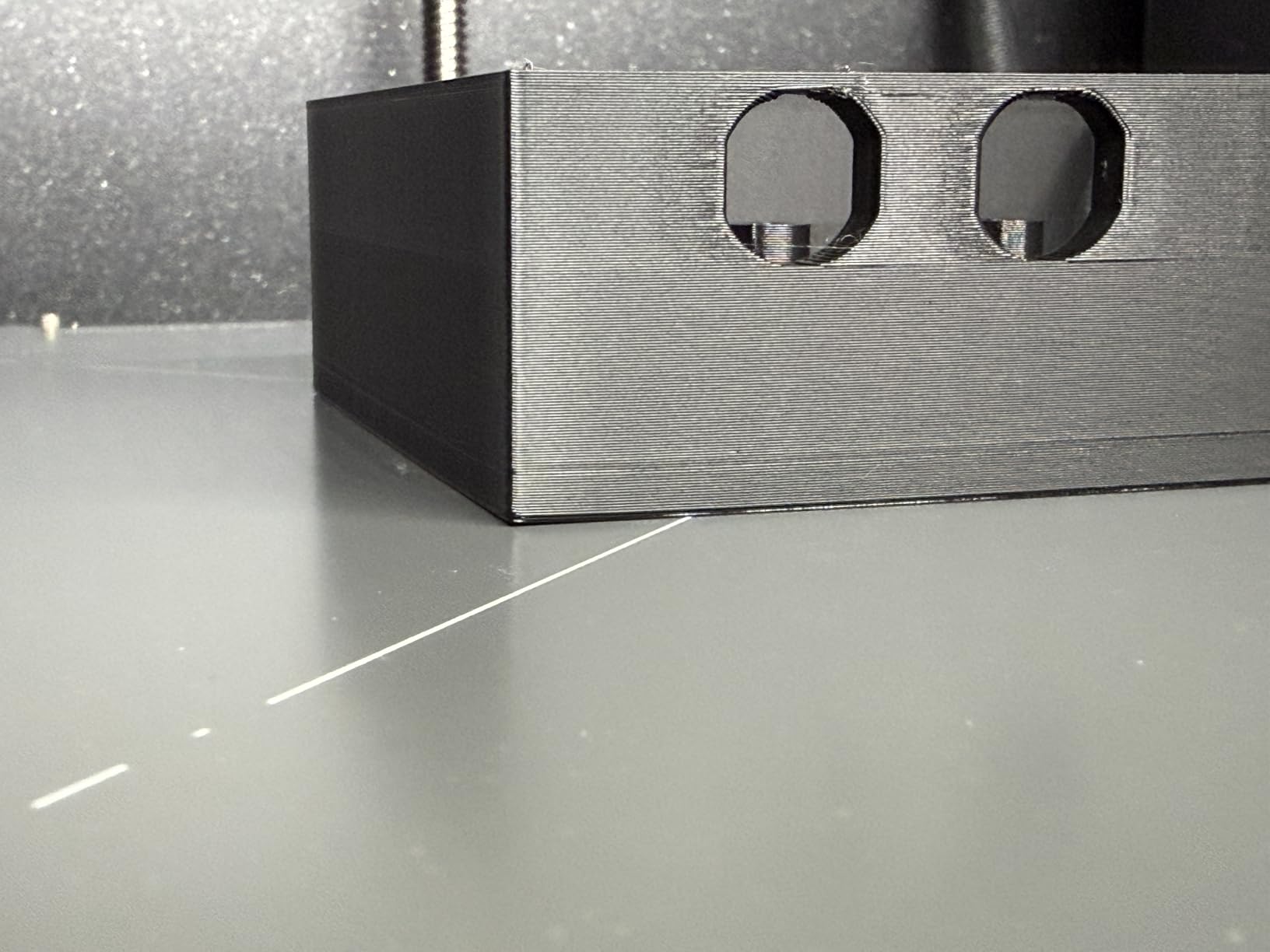
1. Check the first layer before anything else. Print a single layer and look at it. If the lines are separate rather than merged, your nozzle is too high, your first-layer speed is too fast, or your flow is under-extruded. If the lines are squashed and gouging the sheet, your nozzle is too low. A thin layer of glue stick on a clean glass or textured sheet fixes most adhesion problems outright.
2. Re-level the bed and check the bed temperature. PLA wants 50-60C on the bed. A cold bed is the most common cause of corner lift on large flat parts, and it is a two-minute fix. Confirm the bed is actually clean and not covered in the last print’s plastic residue, which insulates the part from the surface.
3>Set extruder tension. Too loose and the filament skips and under-extrudes. Too tight and it grinds the drive gear, chews the filament, and can snap on a spool with any winding inconsistency. Most printers have a spring-loaded lever; tighten until the filament is just held with a firm pull, then back off slightly.
4. Dry the filament. PLA absorbs moisture from the air, and wet filament produces popping, stringing, and a rough surface. Sealed spools with desiccants printed this month will be fine. Spools that have been open for a few weeks in a dry room probably will not be.
5. Run a temperature tower. A single test print that sweeps the nozzle temperature range tells you the right number for your specific filament and machine in one go, which beats guessing. Remember that PLA+ and silk variants want the higher end of the range, not the lower.
6. Check flow rate and retraction last. If the first layer is good and later layers are inconsistent, your flow rate or retraction is off. On a Bowden tube, start with a higher retraction; on direct drive, lower. Change one value at a time.
Only after all six should you suspect the filament. And if you do, the diagnostic is simple: if the same spool fails on a second machine, replace the spool. If it fails on one machine only, the problem is your machine or your settings.
Storing and Drying PLA Filament
PLA is less demanding to store than PETG or nylon, but it is not storage-proof. It absorbs moisture from humid air, and once it has, no sealed box will take it back. The rule is simple: keep unopened spools sealed in their bag with the desiccant, and treat opened spools as perishable.
Sealed spools with desiccants, such as the eSUN PLA PRO and the ANYCUBIC, stay good for months in a normal room. Several spools here state a drying period before bagging, 24 hours for OVERTURE and ANYCUBIC, and that is the difference between a spool that prints bubble-free on day one and one that needs a session in a dryer.
For opened spools, a dry box with a fresh desiccant pack and a gasket seal keeps filament usable far longer than leaving it on the printer. The box matters more than the desiccant alone, because it controls the airflow that brings moisture in.
To dry, PLA can be run at around 45C for four to six hours in a filament dryer. That is low enough to avoid softening the spool or degrading the polymer, and high enough to drive off absorbed moisture. Avoid going much above that with PLA; the glass transition is close to 55-60C, and you are asking for trouble near the top of that range.
On the printer itself, a desiccant box or a sealed dry box mounted above the extruder is the simplest option and costs little. Whatever you do, do not assume a storage box rescues a spool that has already printed with popping and stringing. Dry it properly, or replace it.
Frequently Asked Questions
What is the best PLA filament to buy?
The eSUN PLA PRO 1kg is our best overall pick: a 1.75mm PLA+ spool rated 4.5 stars across 13723 reviews, with strong layer bonding, a 205-225C nozzle window, and vacuum-sealed packaging. For cheaper general-purpose printing, the SUNLU PLA Black 1kg gives you plus or minus 0.02mm accuracy and a wide 200-230C range. For high-speed machines, the ELEGOO Rapid PLA Plus handles 30-600mm/s.
Is PLA+ really better than PLA?
PLA+ is an impact-modified formulation that bonds between layers better and resists snapping under stress, which is why we rate it the better choice for functional and load-bearing parts. It prints at a slightly higher nozzle temperature than standard PLA. The wrong choice for maximum surface detail and lowest material cost per kilogram, such as prototypes and volume printing.
Is PETG or PLA+ stronger?
PETG is stronger and more impact-resistant overall. PLA+ narrows the gap against standard PLA by improving layer adhesion and reducing brittleness, but it still sits below PETG in tensile and impact performance. PLA also has a lower heat ceiling than PETG, softening around 55-60C, so PETG remains the better pick for parts that see heat or outdoor exposure.
Is silk PLA as strong as regular PLA?
Generally no. Silk PLA is typically weaker and more brittle than standard PLA because the finish additives used for gloss reduce inter-layer bonding. Treat silk PLA as decorative-only and use standard PLA or a PLA+ for any part that will be handled. Silk also tends to mask fine surface detail and can show fingerprints on parts that get touched.
Should I buy PLA Basic or Matte?
Basic PLA gives you maximum surface detail, sharper layer definition, and the truest colour. Matte PLA diffuses light to hide layer lines and gives a soft, low-glare finish. Choose basic for fine miniatures, lithophanes, and technical parts where you want detail to read clearly, and matte for display pieces where visible layer lines would spoil the look.
What temperature do I print PLA at?
Standard PLA prints at 190-220C on the nozzle with a bed temperature of 50-60C, and the first layer benefits from being slightly hotter and slower. PLA+ and PLA Pro variants want the higher end of that range, with many specifying 205-225C. Silk and reinforced grades can ask for 10-15C above ordinary PLA, and PLA softens around 55-60C so do not exceed that for drying.
Do I need to dry PLA filament?
Only if it has absorbed moisture. Factory-sealed spools with desiccants that have been opened within a few months generally print fine straight from the bag. Spools that have been sitting open for weeks, or that produce popping, stringing, and a rough surface, need drying. Run PLA at around 45C for four to six hours, and note that a storage box will not rescue a spool that has already printed wet.
Does filament brand matter for 3D printing?
More than most sellers suggest. Diameter tolerance, winding quality, and formulation changes are what determine whether a spool feeds cleanly, and these vary between brands and between batches. A tighter tolerance such as plus or minus 0.02mm feeds more reliably on a worn extruder than a looser plus or minus 0.03mm spool, and well-wound spools are less likely to tangle on long prints.
Conclusion
The eSUN PLA PRO 1kg is the best PLA filament for 3D printing in 2026 for the simple reason that it has no weak spot. It is the most reviewed spool in this roundup at 13723 ratings, it holds 4.5 stars, it bonds between layers well enough for functional parts, and it prints across a forgiving 205-225C nozzle window straight out of a vacuum-sealed bag.
Match the spool to the job rather than to the brand. SUNLU PLA Black is the value pick for everyday printing and prototypes. ELEGOO Rapid PLA Plus is the one for high-speed cores. Creality’s two-spool pack is the answer to large prints. OVERTURE PLA Plus and Polymaker PolyLite PLA Pro handle the parts that need to survive being handled. AMOLEN’s silk bundle covers two-colour work on a single-extruder machine, and CC3D PLA Max gives you a display-grade bone white.
Our single starting recommendation: buy the eSUN PLA PRO, keep the spool sealed until you need it, and run a temperature tower on your first print. That one test sets your nozzle temperature for every spool on this list, and it is the fastest way to stop blaming filament for a problem your machine was causing.