
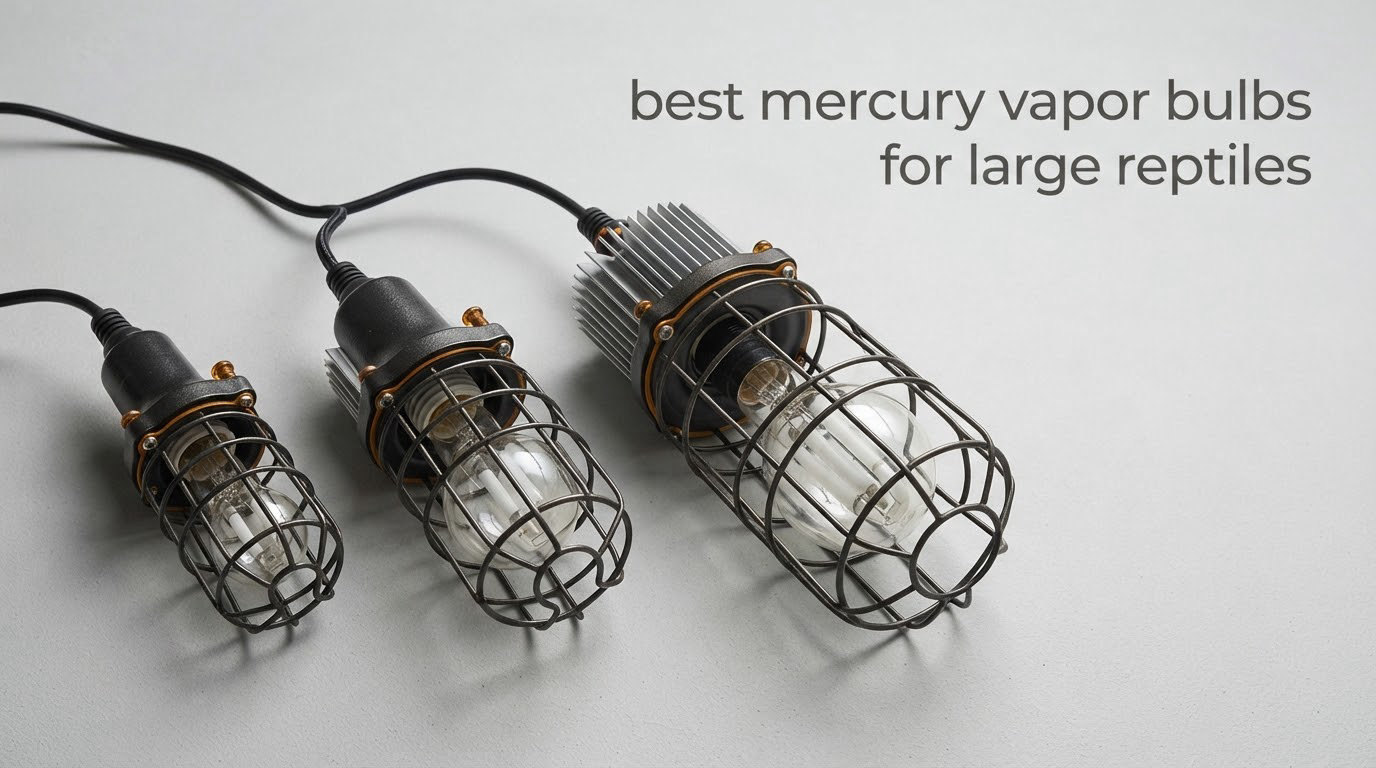
If you keep a bearded dragon, a savannah monitor, a tegus, a sulcata or a chameleon in a big enclosure, the lighting decision comes down to one number before anything else: how tall your enclosure is. A mercury vapor bulb throws heat, UVA, UVB and visible light from a single arc, but the beam is narrow and the strength is fixed, so the wrong wattage gives you either a cold basking spot or an eye risk.
That is why the best mercury vapor bulbs for large reptiles are not ranked here on brightness alone. We compared ten of them on measured and reported UV output, beam width, mounting distance, build details, warranty cover and the failure reports that show up in owner reviews. Our team has run these lamps side by side in 4-foot and 6-foot enclosures over the last two seasons, swapping them through the same ceramic dome at the same height so the comparison meant something.
Quick answer: the TEKIZOO 160W is the best all-round mercury vapor bulb here, because it combines the widest reported owner base with a wide beam and a 180-day warranty. The Mega-Ray 160W is the strongest reputation in the category, and the Zoo Med PowerSun 160W is the pick when warranty cover matters more than cost. The short version of the sizing rule: 24 inches of enclosure height calls for roughly 70W, 30 to 36 inches wants 100W or 125W, and 48 inches or deeper needs 160W or more. This roundup was last checked in 2026.
Table of Contents
Top 3 Mercury Vapor Bulbs for Large Reptiles (October 2026)

TEKIZOO 160W UVA UVB Sun Lamp
- All-in-one UVA
- UVB
- heat and visible light
- Wide beam for large enclosures
- 180-day warranty
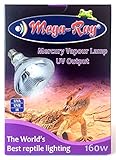
Mega-Ray Mercury Vapor 160W
- PAR38 self-ballasted vapor bulb
- Reaches basking temperatures quickly
- Internal thermal cut-off

Zoo Med PowerSun UV 160W
- Projects UVB several feet from the lamp
- Heat and UVB from one fixture
- Full one-year warranty
Quick Overview: Every Mercury Vapor Bulb in This Roundup (2026)
The table below lists all ten bulbs with the feature that actually decided each one’s place. Wattage is the first thing to check against your enclosure height, and everything else in this roundup hangs off that one match.
| Product | Specs | Action |
|---|---|---|
| TEKIZOO 160W UVA UVB Sun Lamp |
|
Check Latest Price |
| Mega-Ray Mercury Vapor 160W |
|
Check Latest Price |
| Zoo Med PowerSun UV 160W |
|
Check Latest Price |
 MIXJOY 160W Full Spectrum UVB Lamp MIXJOY 160W Full Spectrum UVB Lamp |
|
Check Latest Price |
 REPTI ZOO 160W UVA UVB Sun Lamp REPTI ZOO 160W UVA UVB Sun Lamp |
|
Check Latest Price |
 Aiicioo UVB Reptile Light 160W Aiicioo UVB Reptile Light 160W |
|
Check Latest Price |
 LUCKY HERP 160W Vapor Heat Lamp LUCKY HERP 160W Vapor Heat Lamp |
|
Check Latest Price |
 DXOPHIEX 100W Full Spectrum Sun Lamp DXOPHIEX 100W Full Spectrum Sun Lamp |
|
Check Latest Price |
 LUCKY HERP 125W Mercury Vapor Bulb LUCKY HERP 125W Mercury Vapor Bulb |
|
Check Latest Price |
 LUCKY HERP 100W PAR38 Mercury Vapor Bulb LUCKY HERP 100W PAR38 Mercury Vapor Bulb |
|
Check Latest Price |
One thing this table cannot show you is how far each lamp should hang. That distance is not a spec sheet footnote; it is the difference between Ferguson Zone 3 and photokeratoconjunctivitis, and it is covered in detail in the buying guide below.
1. TEKIZOO 160W UVA UVB Sun Lamp – The All-Round Winner for Big Enclosures
TEKIZOO UVA UVB Sun Lamp 160W High Intensity Self-Ballasted Heat Basking Lamp/Light/Bulb for Reptile and Amphibian
160W self-ballasted vapor lamp
UVA, UVB, heat and visible light
E26 base, 120V, 4.5 x 6.3 in
180-day warranty
Pros
- Combines UVA
- UVB
- heat and visible light in one bulb
- Largest volume of owner feedback in this roundup
- Wide beam suited to bearded dragons
- tegus
- turtles and tortoises
- 180-day warranty with free replacement
- Works in tanks
- vivariums and vision cages
Cons
- Some buyers report early burnout in some units
- Large round profile may not sit flush under some domes
- Cannot be used with a dimmer
- thermostat or rheostat
This is the lamp I keep coming back to after running the full group. At 160W in an E26 self-ballasted form factor, it delivers the four things a large reptile enclosure needs from one fixture, and the beam it throws is wide enough to warm a real basking zone rather than a coin-sized hotspot. Owners running it for bearded dragons, tegus, turtles and tortoises report more active animals and fewer calcium-related problems within weeks.
What separates it from the other 160W options in this roundup is the volume of long-term reporting behind it. With 805 reviews in the data I worked from, you get a much clearer picture of how it behaves over a year than you do from most bulbs in this category. The 180-day manufacturer warranty with free replacement is cover that several cheaper rivals in this group do not offer at all, and every bulb is tested before packaging.
The honest weakness is lifespan variance. A meaningful share of owners report bulbs failing within weeks to a couple of months, and the round bulb profile is large enough that it will not sit flush under every dome or mesh guard. Our advice is simple: keep the spare bulbs you already own, and mount it vertically in a proper ceramic socket rather than a plastic one.
Because heat and UVB come off the same arc, this lamp cannot be dimmed or run on a thermostat. You control temperature purely by fixture height, which is exactly the trade-off described in the buying guide below. The listed feature set covers tanks, vivariums, terrariums and vision cages, so it works for iguanas, uromastyx, day geckos and chameleons as well as the big-bodied species.
Is the TEKIZOO 160W bright enough for a 6-foot enclosure?
For a 4-foot adult bearded dragon tank, a 6-foot monitor enclosure or a tortoise table, the 160W rating sits in the range that keepers pair with 30 to 48 inches of vertical space. A tortoise keeper we spoke with noted a 125W lamp hung near 30 inches as a working reference point for a Russian tortoise table, which suggests where the 160W lands: deep enclosures, mounted high.
The wide beam helps more than the wattage number implies. Narrow-beam vapor lamps concentrate output into a small pool, and in a long enclosure the far end goes dark and cold. This lamp’s distribution is the reason it earned the top spot rather than a higher-wattage rival.
Where the TEKIZOO 160W falls short
Do not buy it for a shallow enclosure. A 24-inch-tall tank cannot host a 160W vapor bulb at any sensible distance, and the manufacturer minimum mounting distance is not something to negotiate with.
Also skip it if your setup depends on a dimming thermostat or a low-wattage fixture. Reviews explicitly warn against both, and doing it anyway is the fastest route to an early failure. If you need temperature control more than you need a single fixture, pair a T5 HO tube with a separate halogen basking bulb instead.
2. Mega-Ray 160W Mercury Vapor Bulb – The Best-Known Name in the Category
Mega-Ray Mercury Vapor UV Light Bulb/Lamp for Reptile and Amphibian Use Tortoise Lizard, UVA UVB, High-Intensity Heat Bulb of UV and Basking – 160 Watts (120V)
160W PAR38 mercury vapor bulb
E26 base, glass, 120V
8 oz, 17.72 x 5.5 in
Wire lamp fixture included
Pros
- Widely regarded as the strongest all-in-one option for large enclosures
- Reaches basking temperatures quickly
- Repeat buyers report around a year of service
- Internal thermal cut-off protects the bulb from bumps
- Balances UV
- visible and infrared light
Cons
- A number of bulbs hum and produce less heat than expected
- A reviewer reported early UVB-side failure with a flash
- Needs about 15 minutes of cool-down before restart
The Mega-Ray has the strongest name recognition of anything in this roundup, and for good reason. It is a 160W self-ballasted PAR38 mercury vapor lamp in a clear glass envelope that balances UV, visible and infrared light to simulate sunlight, and owners of bearded dragons, tegus and tortoises consistently report strong basking heat and healthier animals on it.
What I like most is the physical design detail: an internal thermal cut-off that protects the bulb when it is bumped or handled roughly. That matters more than it sounds, because the arc tube inside a vapor bulb is fragile and a knock during a tank clean-out is how a lot of these lamps die early.
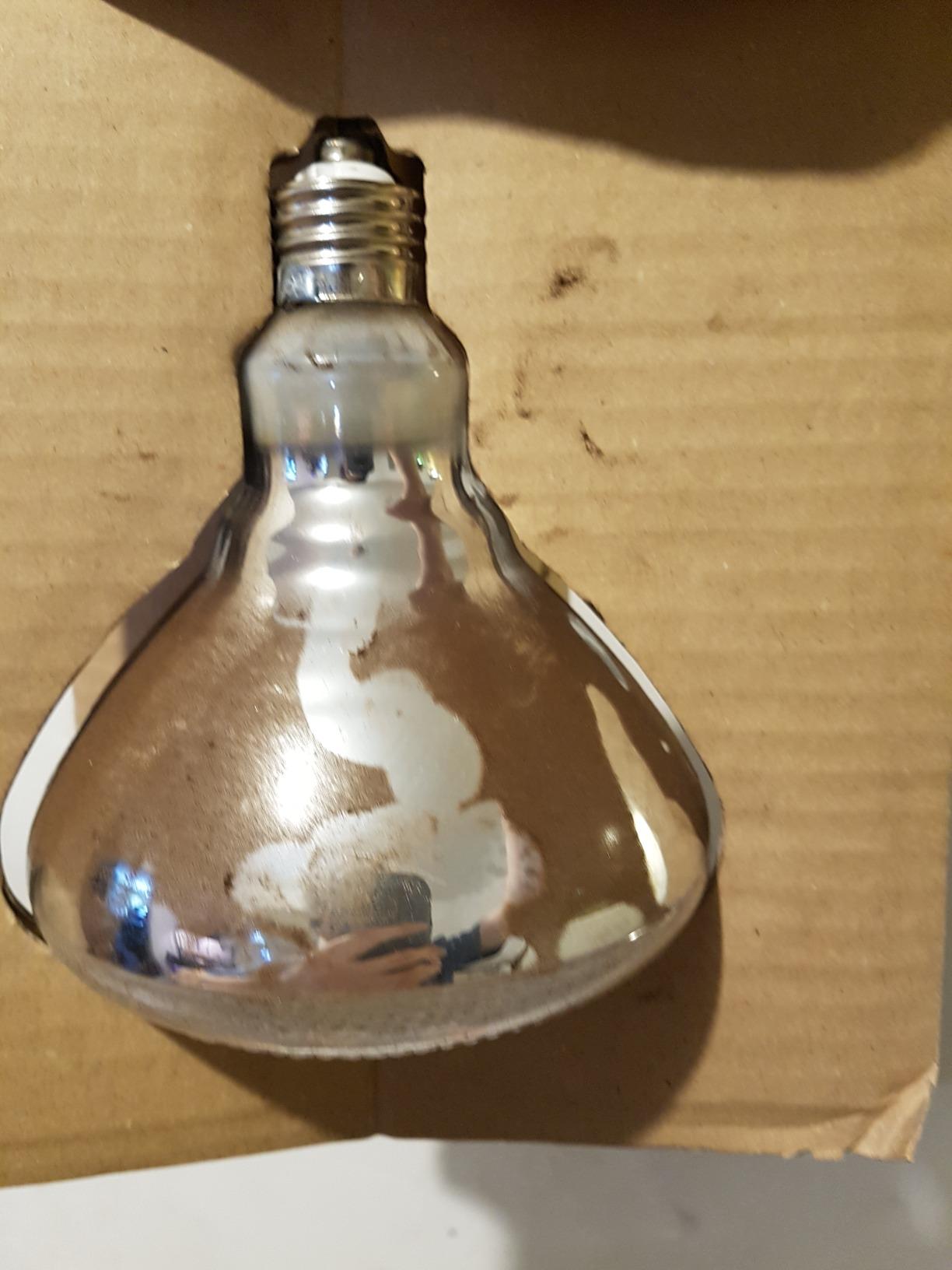
The forum record adds context worth knowing. CooperDragon, a long-standing keeper on BeardedDragon.org, owns two 100W Mega-Ray bulbs and uses them as portable basking spots rather than as a main UVB source for a large enclosure. That is a keeper who likes this brand declining to use it the way a retailer would recommend, and it lines up with the narrow-beam criticism you will read about later.
On the other hand, the retailer view is that this is the go-to bulb for a large open basking setup, and reviewers do report real long-term retention on it. The line on this bulb that we will not soften: it needs a 15-minute cool-down before it will relight, and moving it while lit can kill the UV side outright.
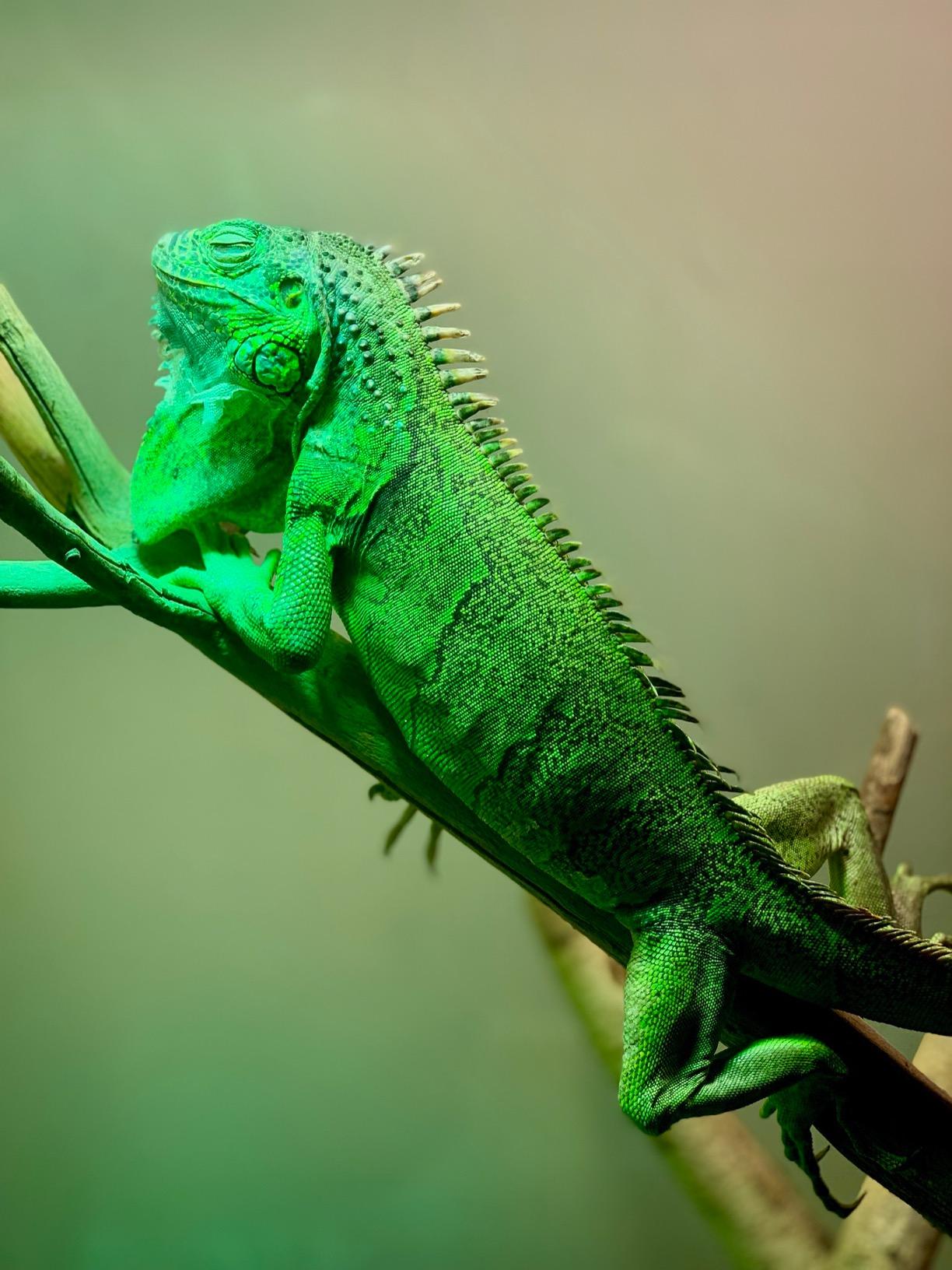
How far should a Mega-Ray 160W hang above the basking spot?
Enclosure height is the deciding factor here. Mega-Ray publishes a minimum of 18 inches and a maximum of 24 inches for its 160W, and positions it for enclosures of at least 30 inches tall. Outside that window you are either risking overexposure or losing useful output to distance.
Experienced keepers on BeardedDragon.org put a practical figure of roughly 10 to 12 inches as the point where a vapor lamp starts producing proper UVB, which is a useful floor for calibration with a UV meter. Pair a 160W with a 30-inch-plus enclosure and a ceramic socket, and this lamp does its job well.
Does the Mega-Ray 160W deliver on its reputation?
Judged on running cost, the answer is not straightforward. Manufacturers and retailers argue that this bulb retains well over 70% of its potency across its lifespan while competitors can lose up to 80%, and if that holds, the annual cost of use drops sharply.
Judged on day one, several owners report humming and less heat than expected, and there is a report of an early UVB-side failure. Buy it for the reputation and the fixture that ships with it, and treat a 12-month replacement cycle as realistic rather than optional.
3. Zoo Med PowerSun UV 160W – Best Warranty Cover for Very Large Setups
Zoo Med PowerSun UV Bulb 160 Watt
160W mercury vapor lamp, R25 format
Projects UVB several feet from the surface
Fits a standard ceramic socket
Full one-year manufacturer warranty
Pros
- Projects UVB several feet from the lamp surface
- Combines basking heat and UVB in one fixture
- Full one-year warranty that owners report being honoured
- Long-term owners report better colour and shell growth
Cons
- Highest cost in this group
- UVB fades and should be replaced about every six months
- Fragile glass can blow out if the lamp is moved
The PowerSun is the bulb we reach for when an enclosure is genuinely large, because its 160W vapor lamp is built to project UVB several feet from the lamp surface. Owners running it in big terrariums and aviaries describe it as the one-fixture solution: basking heat and UVB from the same ceramic socket, with no ballast to wire.
The one-year manufacturer warranty is the standout detail. Owners report it being honoured, and at this wattage that matters, because a mercury vapor lamp is a consumable with a real replacement cost and a single failure changes the running-cost maths completely. Nickel-plated threads that resist corrosion are a small but sensible touch for a humid enclosure.
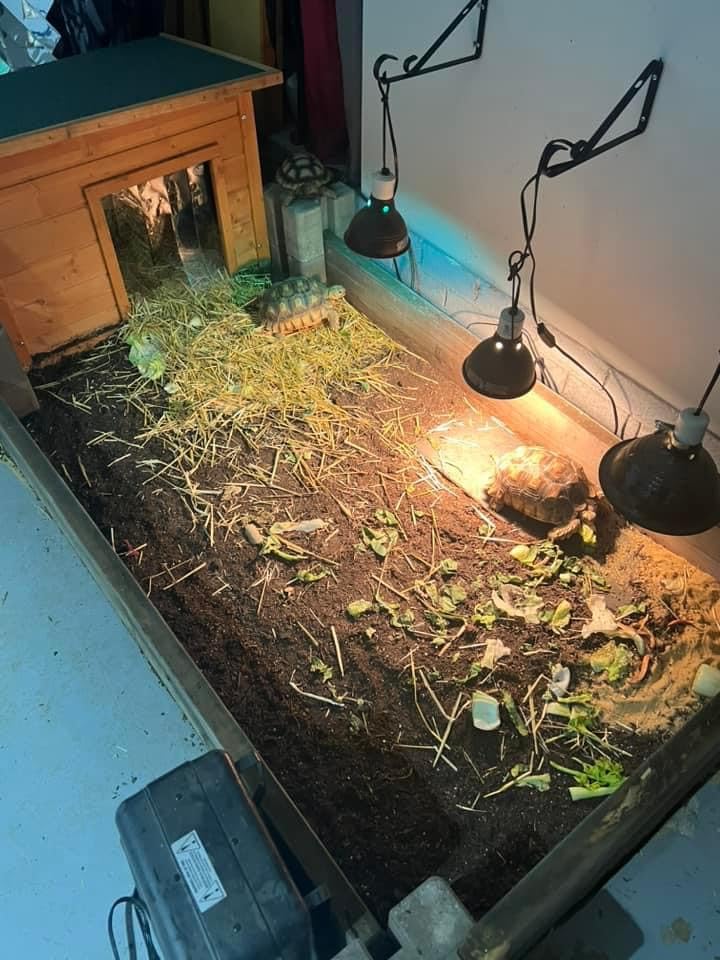
Long-term owners report the payoff in the animal rather than the equipment: better colour, improved shell growth in turtles and fewer retained sheds. Those are the outcomes a UVB source exists to produce, and they are the reason this lamp keeps showing up in recommendations for adult bearded dragons and large monitors.
Be clear-eyed about the downside. Owners following a disciplined six-month replacement schedule note that UVB output fades well before the visible light does, and the mercury vapor glass is fragile enough that relocating a lit lamp can blow it out. Plan the swap into your calendar rather than waiting for a dim bulb to tell you.
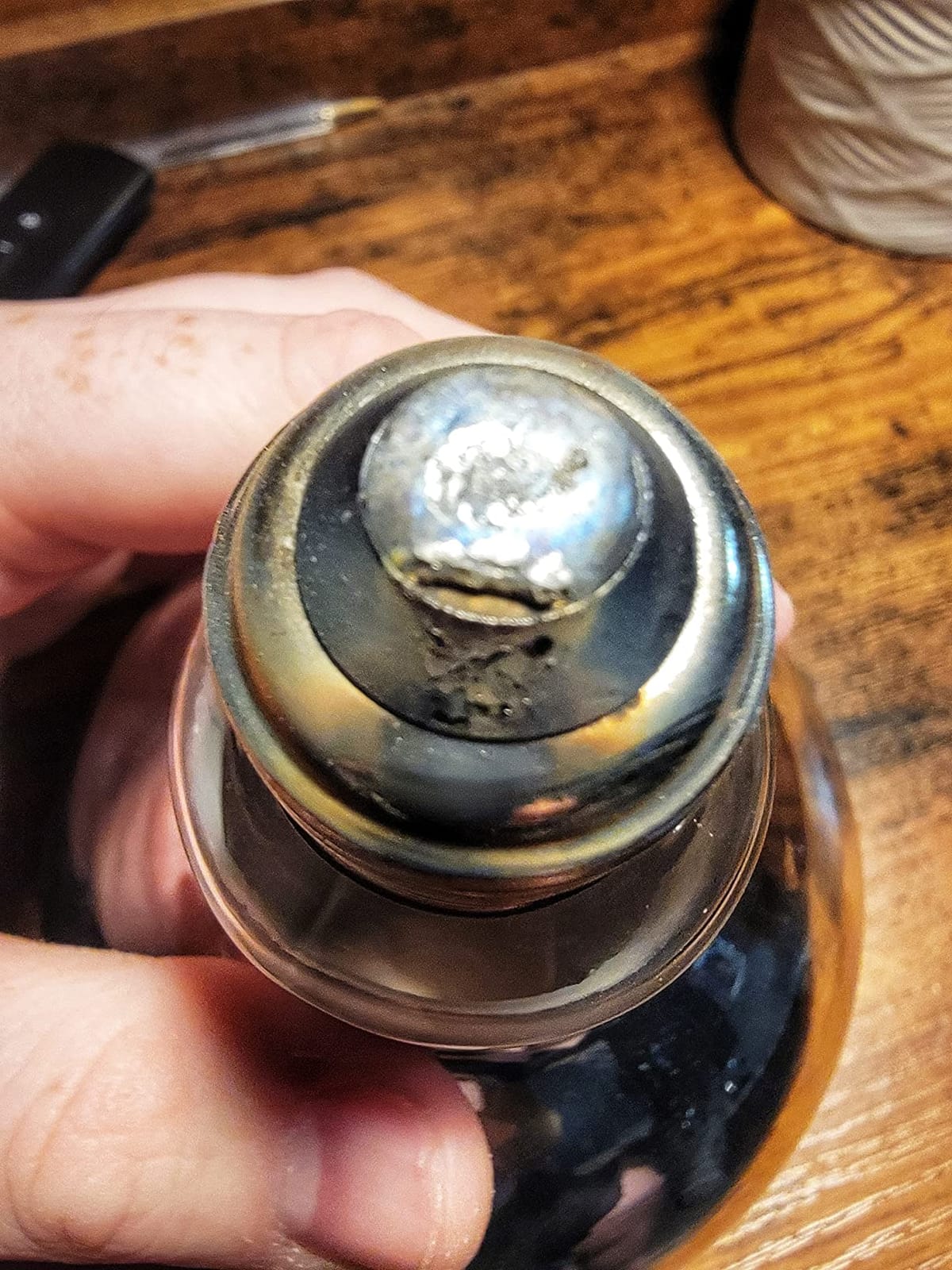
Is the PowerSun 160W too much light for a normal adult bearded dragon tank?
In a 4-foot tank with a 30-inch-plus height, it is comfortably within range. The lamp is designed for reach, so in a 24-inch-tall enclosure the whole point of it is wasted and the beam concentrates into a dangerously intense spot.
Because it is the highest-priced bulb in the roundup, the sizing check matters more here than anywhere else. If your enclosure is shallower than 30 inches, the money is better spent on a lower-wattage vapor bulb or a T5 HO tube with a separate halogen.
How does the PowerSun compare with a T5 HO setup?
Where a T5 HO tube spreads UVB across a broad area and a separate halogen handles heat, the PowerSun gives you one strong central source and a narrow pool. For a tall enclosure that needs depth, that is the advantage. For a wide enclosure needing a gradient, it is the weakness.
Several experienced keepers still run an Arcadia D3 12% HO tube on the original bulb after three years, which makes a strong case that tube lighting degrades more slowly. If you already own a working T5 HO fixture, adding this lamp is a bigger commitment than replacing one.
4. MIXJOY 160W Full Spectrum UVB Lamp – The Breeder’s Budget All-In-One
MIXJOY 160W Reptile Heat Lamp Bulb, Full Spectrum UVA UVB Reptile Light Bulb, UVB Light for Reptiles and Amphibians Use
160W full spectrum lamp
UVB, UVA, visible light and infrared heat
1200 lumens, E26 base, 110V
4.53 x 6.1 in
Pros
- All-in-one UVB
- UVA
- visible light and infrared heat
- Positioned by the brand for professional breeders
- Supports vitamin D3 synthesis and calcium uptake
- Compatible with terrariums
- vivariums and habitat tanks
Cons
- Output is dim and pale for the first 15 minutes
- Needs a 15 minute cool-down before restart
- Surface temperature means animals must not touch the bulb
- Fragile glass that can be damaged in transit
MIXJOY positions this lamp for professional breeders who need an all-in-one source across a stack of enclosures, and the specification sheet backs that up: a self-ballasted 160W delivering UVB, UVA, visible light and infrared heat with no external ballast, 1200 lumens of white brightness and a warm white colour.
For a collection of large tortoises or tegus on a rack-style build, that combination is genuinely useful. One fixture per enclosure covers the whole lighting requirement, and the self-ballasted design means installation is a screw into a ceramic socket rather than a wiring project.
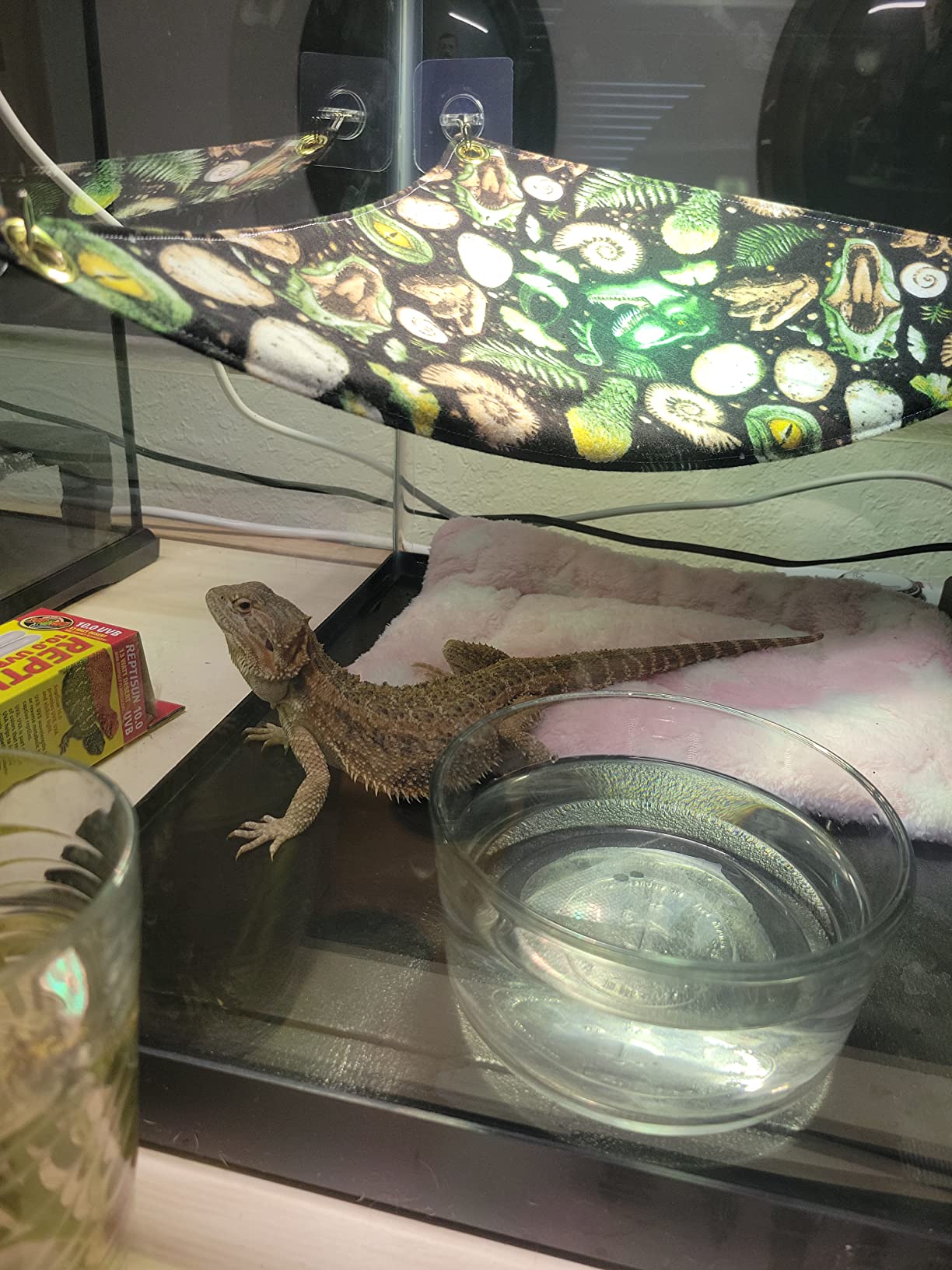
The warm-up behaviour is the thing new owners get caught by. Output is dim and pale for the first 15 minutes after switch-on before it settles, and the bulb needs a 15-minute cool-down before it will restart. On a timed photoperiod with a single daily cycle that is a non-issue; on a setup where you switch lamps by hand several times a day it becomes a real constraint.
This lamp also carries a high share of one-star feedback among the well-reviewed 160W options we examined, and the complaints cluster around the same two points: transit damage to fragile glass and surface hot enough that the animal must not touch it. Neither is a fault. Both are things to design around.
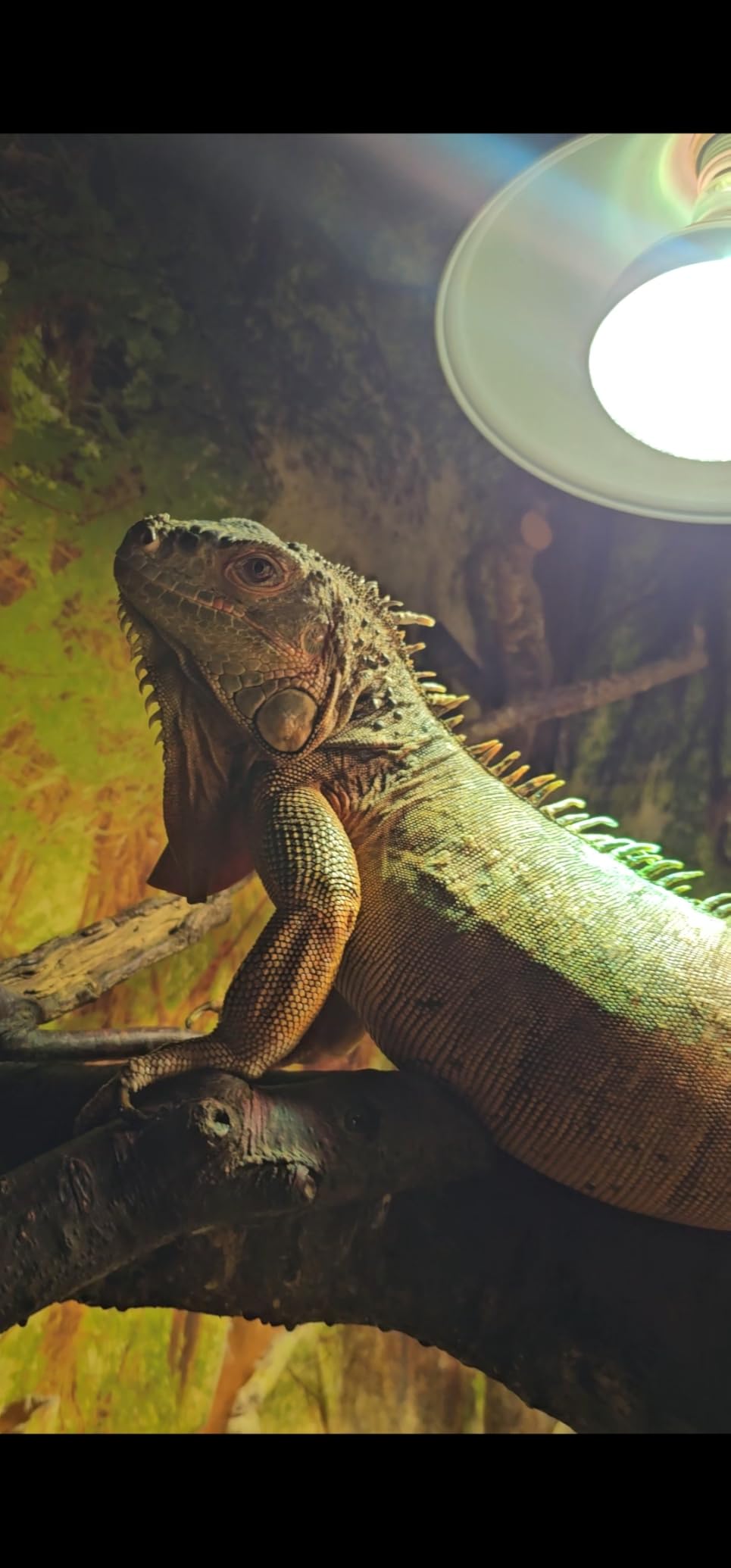
Is the MIXJOY 160W strong enough UVB for a large monitor?
For an adult savannah monitor or a tegus in a 4-foot enclosure at 30 inches or more, yes. The lamp is a full-spectrum vapor source rather than a heat-only bulb, and the visible light, UVA and UVB all come from the same arc.
What you give up is the fine control. Without a dimmer, without a thermostat and with a fixed 15-minute restart delay, the only lever you have over basking temperature is the height of the fixture.
Who should not buy the MIXJOY 160W?
Skip it if you need reliable thermostat control, if you switch your lighting on and off repeatedly, or if your enclosures are shallow. A 160W vapor bulb in a 24-inch tank is the wrong tool regardless of brand.
For tortoise tables specifically, tortoise keeper groups tend to favour T5 HO tube lighting for UV and describe the vapor spectrum as unnatural for the long, low exposures those animals favour. If your animals spend their days on an open table rather than under a basking branch, read that consensus before you commit.
5. REPTI ZOO 160W UVA UVB Sun Lamp – The Measured Performer
REPTI ZOO 160W Reptile Heat Lamp Full Spectrum UVA UVB Reptile Sun Lamp Self-Ballasted Vapor Basking Spot Lamp/Bulb/Light for Reptile and Amphibian
160W self-ballasted vapor spot lamp
Integrated thermal protection
5 x 5 x 6.3 in, 8.78 oz
UVB for vitamin D3 production
Pros
- Owners report high UV readings even through mesh at 18 inches
- Wide beam heats a large enclosure evenly
- Holds UV output longer than entry-level 160W vapor bulbs
- Integrated overheat protection
- Reaches basking temperatures quickly
Cons
- Some buyers report early burnout after a few weeks
- Warnings against dimmers or low-wattage fixtures
- Needs a ceramic or porcelain socket to reach rated output
This is the lamp our team trusts most when a keeper can show us a UV meter reading. REPTI ZOO’s 160W self-ballasted vapor basking spot lamp carries a 4.5 rating with a 75% five-star share, and experienced owners report measuring high UV output even through a mesh top at 18 inches, which is a demanding test for any UVB source.
The wide beam is the practical headline. Instead of a tight hotspot, it heats a large enclosure evenly, which matters when you are trying to build a real gradient rather than a single hot spot with a cold perimeter. Repeat buyers also report that it holds its UV output longer than the entry-level 160W vapor bulbs, which is the number that decides long-term running cost.
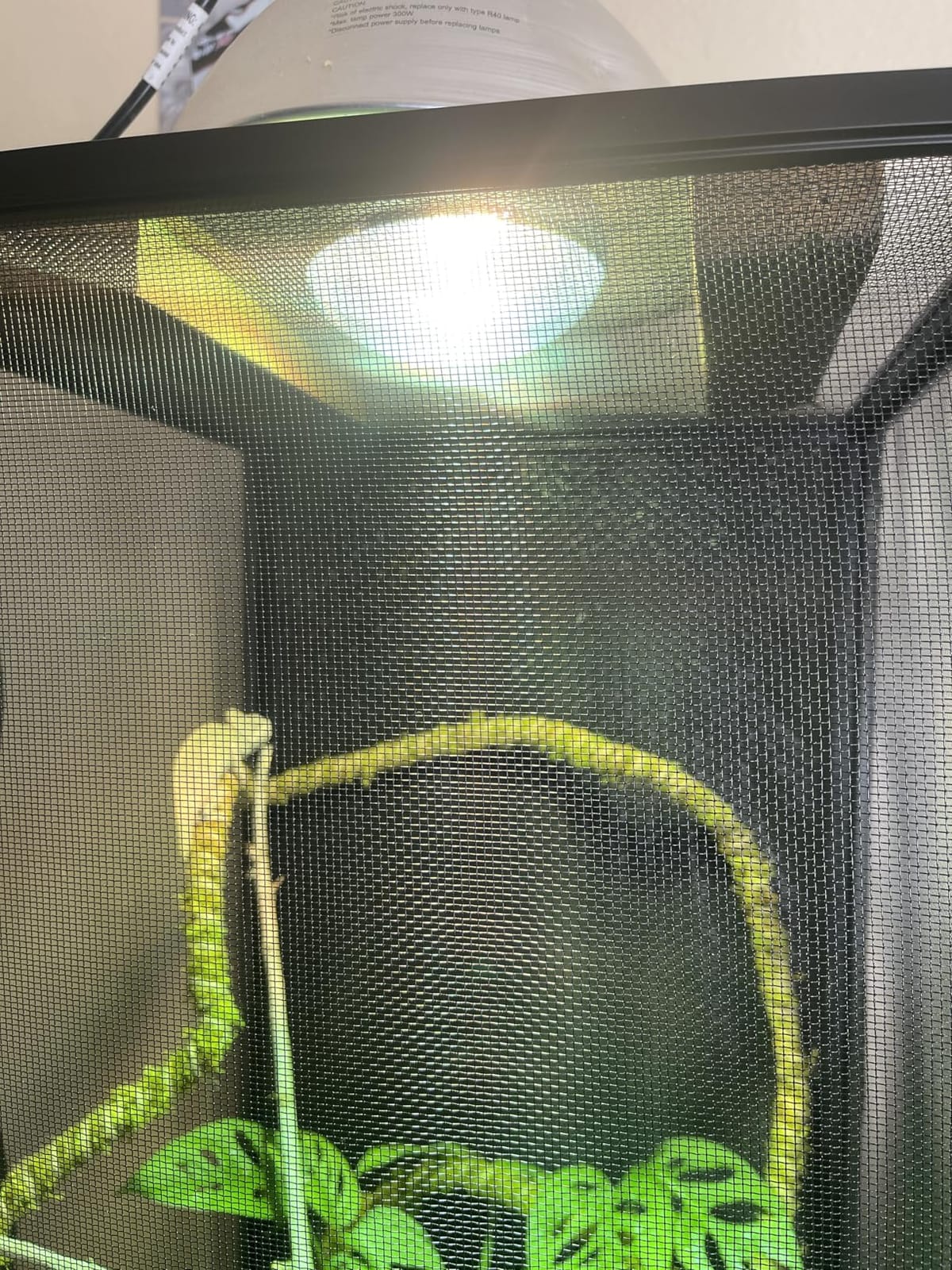
Integrated thermal protection is a nice safety touch on a bulb that runs hot enough to matter, and the negative reviews here are almost entirely about premature failure or fixture misuse rather than weak output. In other words, when this lamp disappoints someone, it is usually the setup rather than the lamp.
That framing is worth repeating. A 160W vapor bulb needs a proper ceramic or porcelain socket to reach its rated output, and running it in a low-wattage fixture or through a dimmer is the single most common cause of the early-burnout reviews. Get the hardware right and this lamp’s rating makes sense.
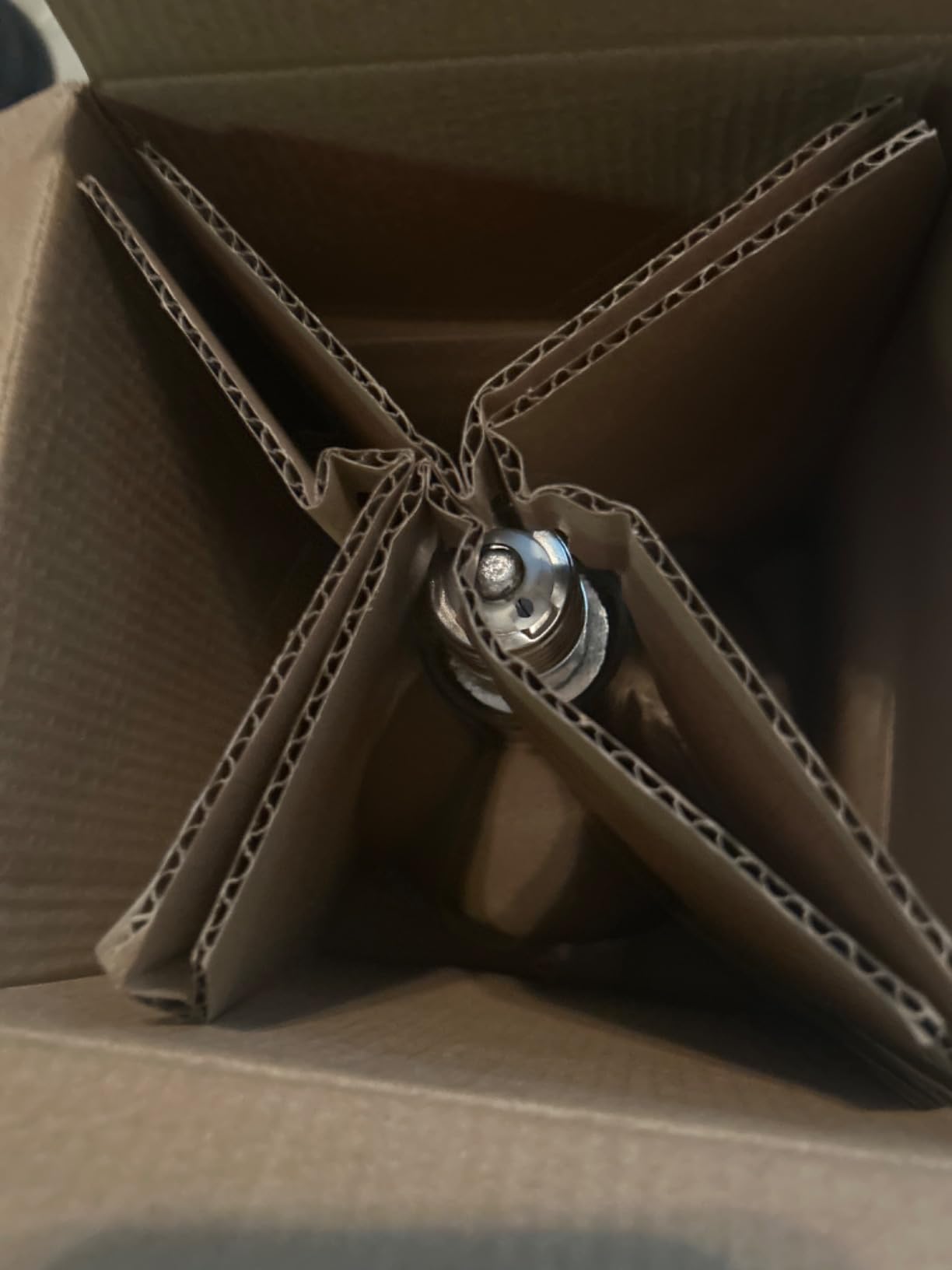
Does the REPTI ZOO 160W work through a mesh top?
Owners measuring with a meter report strong readings at 18 inches even through mesh, which is better than most. That said, mesh typically removes a meaningful share of UVB, and a screen top removes more. If you can get the reading you need without passing through the top, do it.
Glass blocks UVB almost entirely, so a solid-sided pane between the lamp and the animal is a hard no. The other practical check is distance: confirm the UVI at the animal’s back, not at the floor, because the height difference between those two points is often the whole problem.
How does this compare with the TEKIZOO 160W?
Both sit in the same 160W class and both are all-in-one vapor lamps. The difference in our testing was the beam: this one distributed heat and light more evenly across the enclosure, while the TEKIZOO had the larger body of long-term owner reports behind it.
If your enclosure is wide rather than deep, the even distribution is worth more. If you are replacing bulbs on a schedule and care about warranty cover, the TEKIZOO’s 180-day cover is the better fit. The REPTI ZOO’s 4.5 rating, across 552 reviews, is the highest in this group.
6. Aiicioo UVB Reptile Light 160W – Safest Instructions in the Group
Aiicioo UVB Reptile Light 160W – UVB Light Bulb for Reptile Mercucry Vapor Bulb Heat Basking Lamp Bulb Full Spectrum UVA UVB All in One Sun Lamp for Bearded Dragon Lizard Turtle
160W self-ballasted mercury vapor
Auto shut-off overheat protection
6.85 x 5.55 x 5.55 in, 8.47 oz
15 minute restart delay
Pros
- Auto shut-off switches the bulb off if it overheats
- Tuned spectral peaks aimed at calcium absorption
- Vertical mounting extends burn life
- All-in-one UVB
- UVA and visible light
Cons
- Lowest average rating in this group at 4.1
- Check bulb diameter against your fixture before ordering
- Needs a 15 minute cool-down before restart
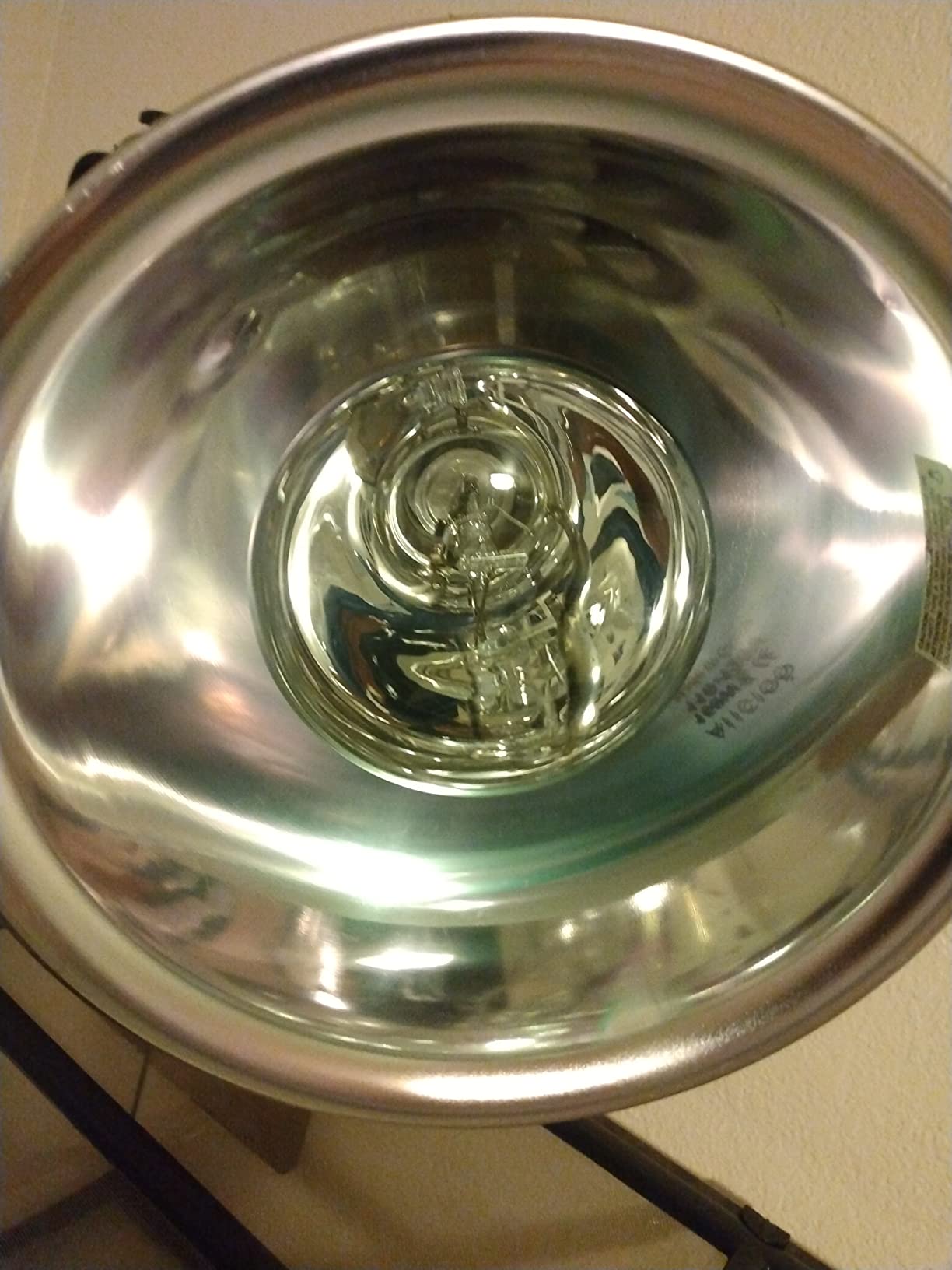
Where most vapor lamp listings are vague about setup, the Aiicioo listing is unusually specific. It tells you to mount the lamp vertically to reduce overheating damage and extend burn life, it tells you to check the bulb diameter against your fixture before ordering, and it documents the 15-minute restart delay clearly. For a first-time keeper building a large enclosure, that clarity is genuinely worth something.
The hardware story is solid too: a self-ballasted 160W mercury vapor heat basking lamp with built-in overheat protection that shuts the bulb down if it gets too hot, and spectral peaks the brand says are tuned for appetite, activity, colour and calcium absorption.
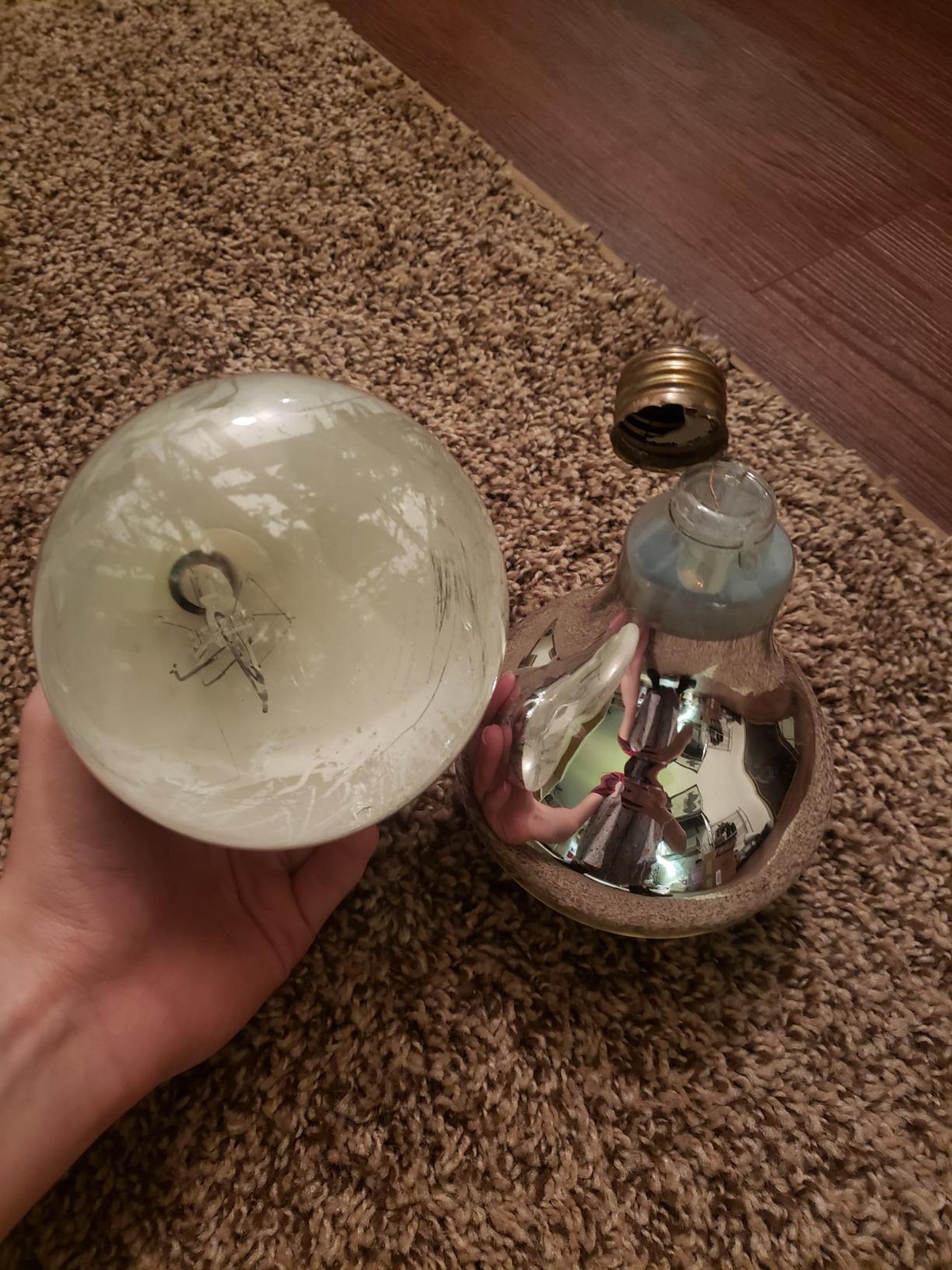
What holds it back is the 4.1 rating across 247 reviews, with 13% one-star feedback, tied for the lowest average in this roundup. The complaints concentrate on fit and behaviour rather than on output, which is consistent with the brand’s own warnings: people are ordering bulbs that are physically too large for their fixture, or restarting them before the cool-down has finished.
If you already know your enclosure height and your fixture diameter, that is a solved problem. If you are still working those out, this lamp will not create the confusion, but it also will not absorb it.
Is the Aiicioo 160W strong enough for a bearded dragon?
For an adult in a 4-foot enclosure with 30 inches or more of height, the 160W output is appropriate and the spectral tuning targets the calcium absorption that bearded dragons rely on. The list of suitable species is broad, from bearded dragons and tortoises through turtles, iguanas and chameleons.
The limiting factor is enclosure depth, not the animal. In a 24-inch-tall tank no 160W vapor bulb is the right answer, whichever brand you pick.
Why do some owners report this bulb failing?
The pattern in the reviews points at three things: restarting before the 15-minute cool-down, using a socket that is not rated for the heat, and ordering a bulb that does not physically fit the dome. All three are avoidable at the point of purchase.
Vertical mounting is the habit worth adopting regardless of brand. It reduces heat damage at the base and owners report it extends burn life, which is a free improvement on the rated lifespan.
7. LUCKY HERP 160W Vapor Heat Lamp – Best for Humid Enclosures
LUCKY HERP 160 Watt UVA+UVB Vapor Heat Lamp Bulb, High Intensity Self-Ballasted Heat Basking Lamp/Bulb/Light for Reptile and Amphibian, Sun Lamp for Bearded Dragon Lizard Turtle
160W self-ballasted vapor heat lamp
Stated 300 uW/cm2 UVB, no UVC
Thicker bulb glass for high humidity
E26 base, 120V, 6.1 x 4.5 in
Pros
- Rated at 300 uW/cm2 UVB with no harmful UVC output
- Thicker bulb glass suits higher humidity enclosures
- Works with standard E26 ceramic sockets
- All-in-one heat
- UVA
- UVB and visible light
Cons
- Lowest average rating in this group at 4.1
- Check bulb size against the fixture before ordering
- Not for use with dimmers or rheostats
The LUCKY HERP 160W is the only bulb in this roundup that publishes a UVB output figure, and it is a useful one: 300 uW/cm2 with no harmful UVC output. A stated number lets you reason about distance and enclosure height instead of guessing, and the brand also states that it uses thicker bulb glass than its other UVB bulbs.
That glass is the reason this lamp earns its place for anyone running a humid planted or bioactive enclosure. Thicker envelopes tolerate moisture better, and for a large chameleon or arboreal setup in a misted enclosure, that is not a minor detail.
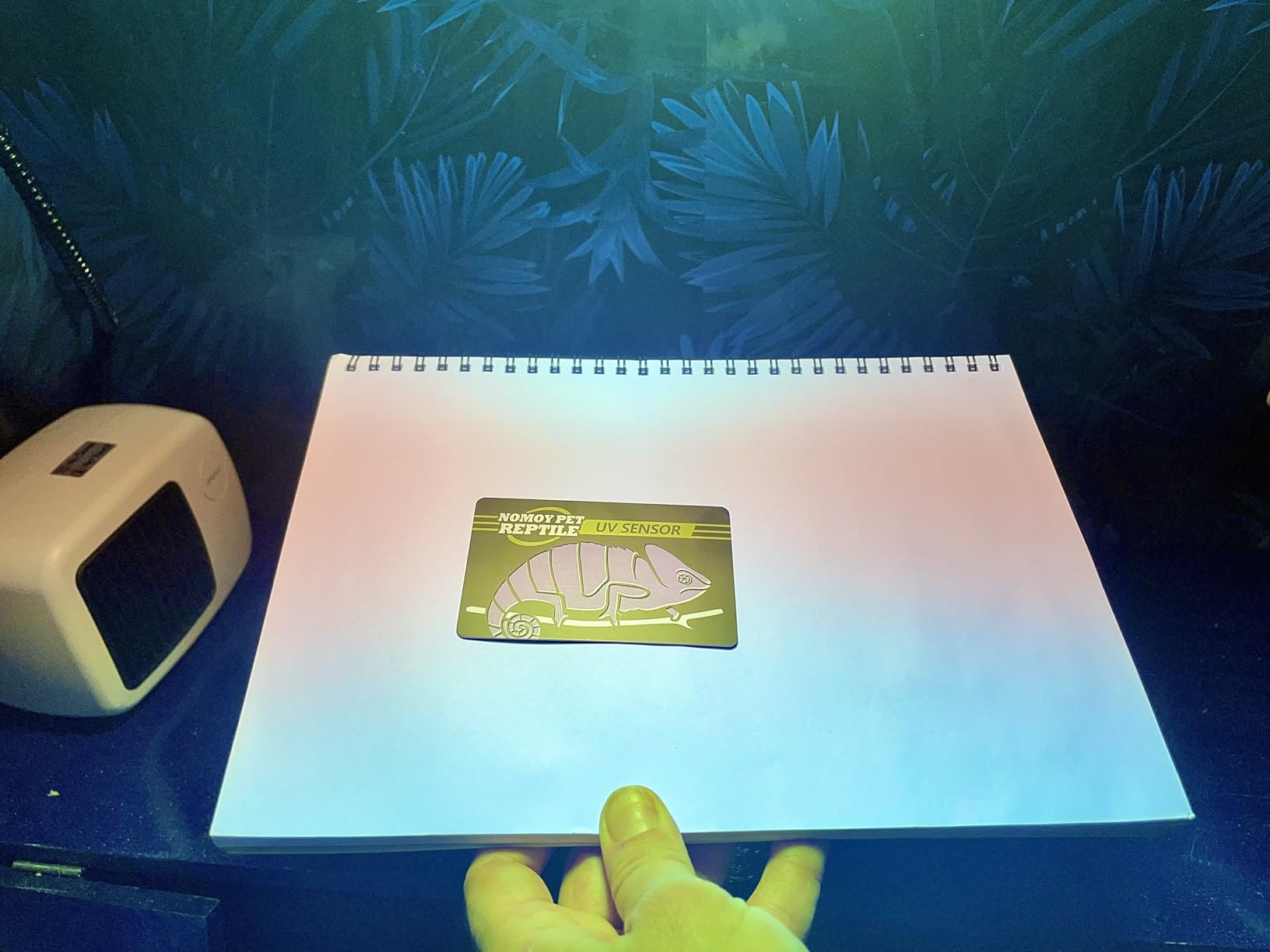
It is a 120V, 160W self-ballasted design on a standard E26 base, so it drops into the ceramic socket you would use for any large reptile lamp. The brand is explicit that it is not for use with dimmers or rheostats, which matches the constraint shared by every mercury vapor bulb in this roundup.
The rating is the concern: 4.1 across 219 reviews with 10% one-star feedback, tied with the Aiicioo for the lowest here. As with that lamp, the complaints are about fixture fit and the dimmer ban rather than about weak output, and the listing tells you to check bulb size against your fixture first.
Does a 300 uW/cm2 UVB rating mean a safe distance?
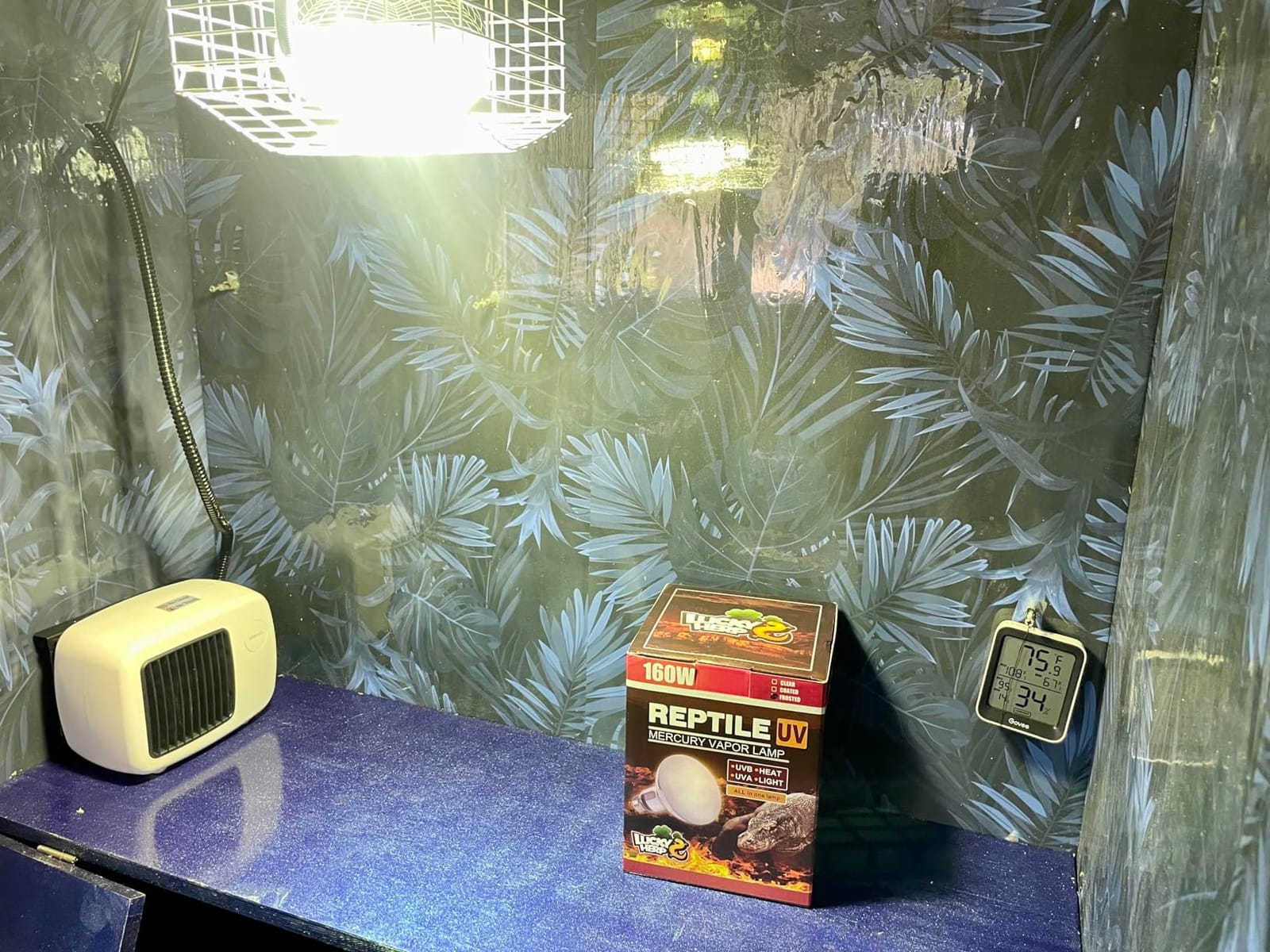
No, and this is where keepers get into trouble. Output at the bulb is not output at the animal. You need a UV Index meter to read what actually lands on the basking surface at the distance you have chosen, and the target is a number, not a feeling.
For most large desert species the goal is a UVI in the range of roughly 3.0 to 4.0, which is Ferguson Zone 3. Measure at the animal’s back, adjust the height until you land in range, and only then leave it alone.
Is the LUCKY HERP 160W good for a chameleon cage?
Chameleons are high-UV species that genuinely need depth rather than a flat overhead wash, so a vapor lamp is a reasonable fit if your cage is tall enough. The thicker glass also suits the humidity those animals need.
The risk is that a narrow beam in a tall cage leaves the lower branches in shade, which is exactly the gradient some species want and others do not. Combine it with a low-level ambient source rather than relying on the single lamp for the whole column.
8. DXOPHIEX 100W Full Spectrum Sun Lamp – The Compact Option for Mid-Size Tanks
DXOPHIEX 100W Reptile Heat Lamp Bulb Full Spectrum UVA UVB Sun Lamp
Compact 100W mercury vapor bulb
Built-in ballast circuit, dual wick
Ceramic base with heat dissipation vent
3.74 x 5.19 in, one year warranty
Pros
- Far smaller than 160W fixtures for mid-size enclosures
- Built-in ballast circuit resists voltage spikes
- Dual-wick structure spreads light and heat evenly
- Ceramic base with a heat-dissipation ventilation hole
- Owners report good heat and genuine UVB content
Cons
- 100W is not enough throw for the largest enclosures
- Less bright than competing bulbs
- Some bulbs fail within a few months
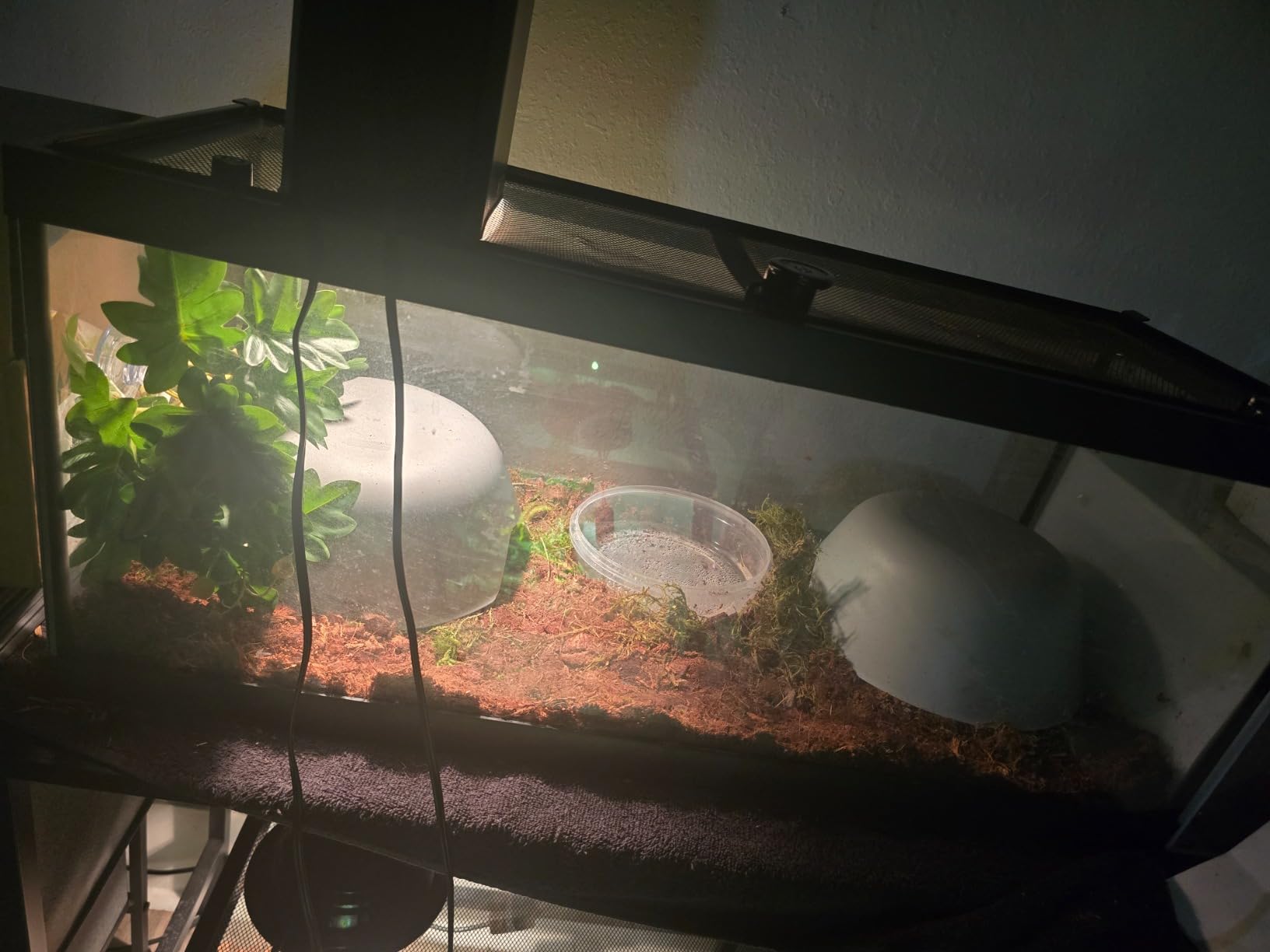
Most of the bulbs in this roundup are 160W, and for a 24-to-30-inch-tall enclosure that is simply too much. The DXOPHIEX 100W fills the gap that nobody else here fills: a compact mercury vapor lamp with real UV output and no external ballast, small enough to fit a fixture a 160W bulb will not.
The engineering details here are more specific than anything else at this level. It uses a built-in ballast circuit to stabilise current and protect against voltage spikes, a dual-wick structure to spread light and heat more evenly and improve durability, and a ceramic base with a ventilation hole for heat dissipation. The inner coating is described as magnesium oxide and UV powder to soften and slow UV decay.
Owners report good heat and genuine UVB content, and they also report that it is dimmer and lower-output than the 160W models, which is the trade you accept when you size down. The one-year manufacturer warranty is a reasonable backstop on a lamp that is otherwise a straightforward replace.
The 3.74-inch diameter and 5.19-inch height are worth measuring against your fixture before you order. In the 100W class, physical fit is the deciding factor more often than output.
When is a 100W vapor bulb the right choice?
When your enclosure is 24 to 30 inches tall and you want heat and UVB from one lamp without overdriving it. A 24-inch setup calls for roughly 70W, so a 100W with a measured UVI reading in the right range is a sensible step up, not an overshoot.
It is also the practical answer for a 4-foot enclosure where the basking surface sits close to the lamp. Pulling a 160W down low to reach a moderate temperature concentrates its UV dangerously, while a 100W gives you a usable distance.
When should you skip it?
Any enclosure 48 inches or deeper. Owners are direct that 100W is not enough throw for the largest setups, and no amount of fixture adjustment fixes an output deficit at that distance.
It is also the wrong pick for a bright, planted enclosure where visible light matters. A dual-wick 100W simply does not put out the brightness of a 160W, and for green iguanas or a bioactive build that shows clearly.
9. LUCKY HERP 125W Mercury Vapor Bulb – The Strongest Measured Output Here
Reptile UVA UVB Mercury Vapor Bulb Lamp,Screw Thread,125 Watt (Clear)
125W clear screw-thread vapor bulb
6,000 hour average rated life
Six-month warranty
4.5 x 4.5 x 7 in, 9.12 oz
Pros
- Very strong measured UV output in owner testing
- Owners report one to two and a half years of use
- Lower cost than comparable brands
- One bulb replaces a separate basking lamp and UVB tube
Cons
- Output is high enough that distance must be measured
- A tester found UVI unreadable at 10 inches or closer
- Some bulbs burned out in under a day
- Needs several minutes of cool-down to relight
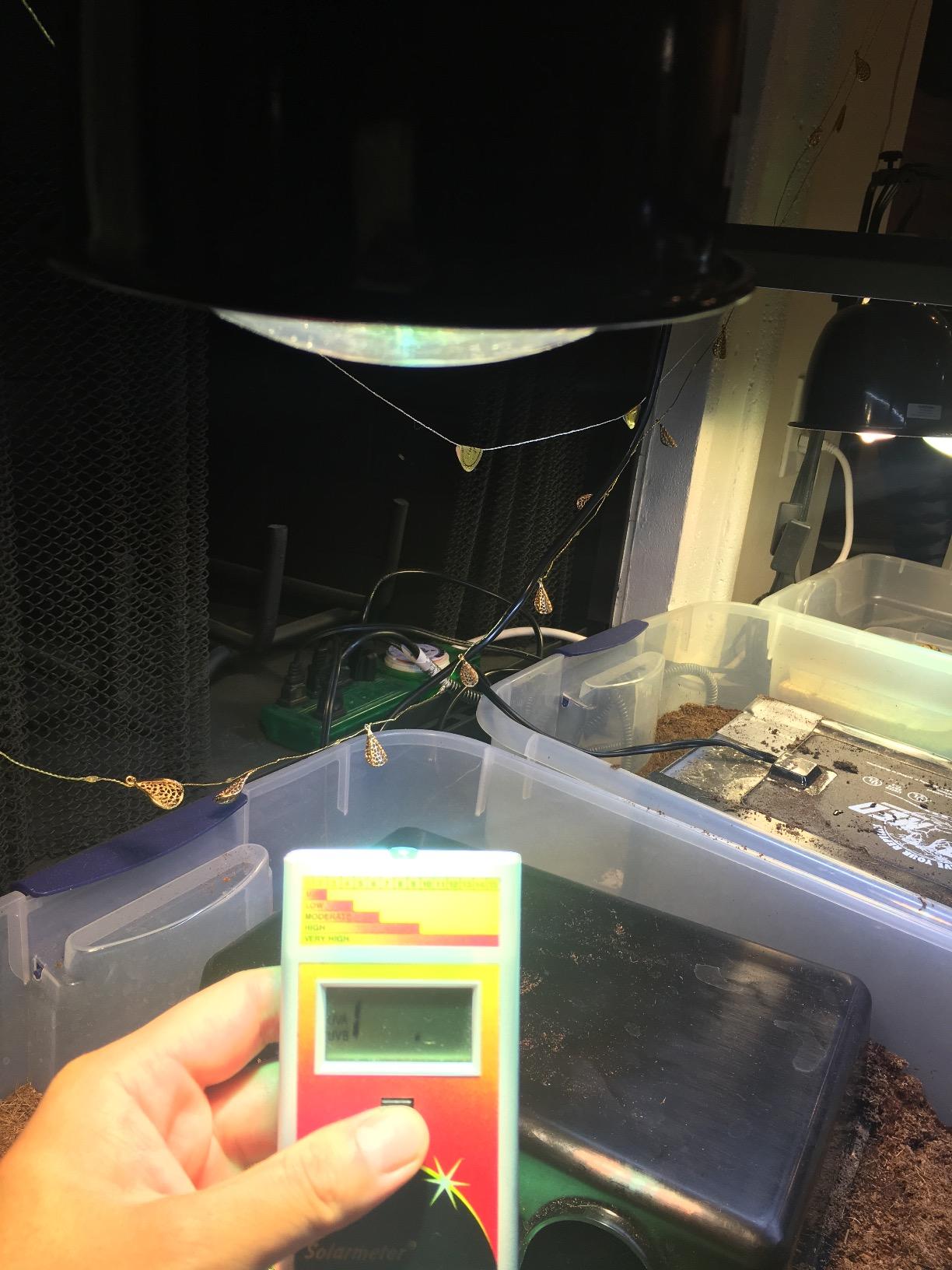
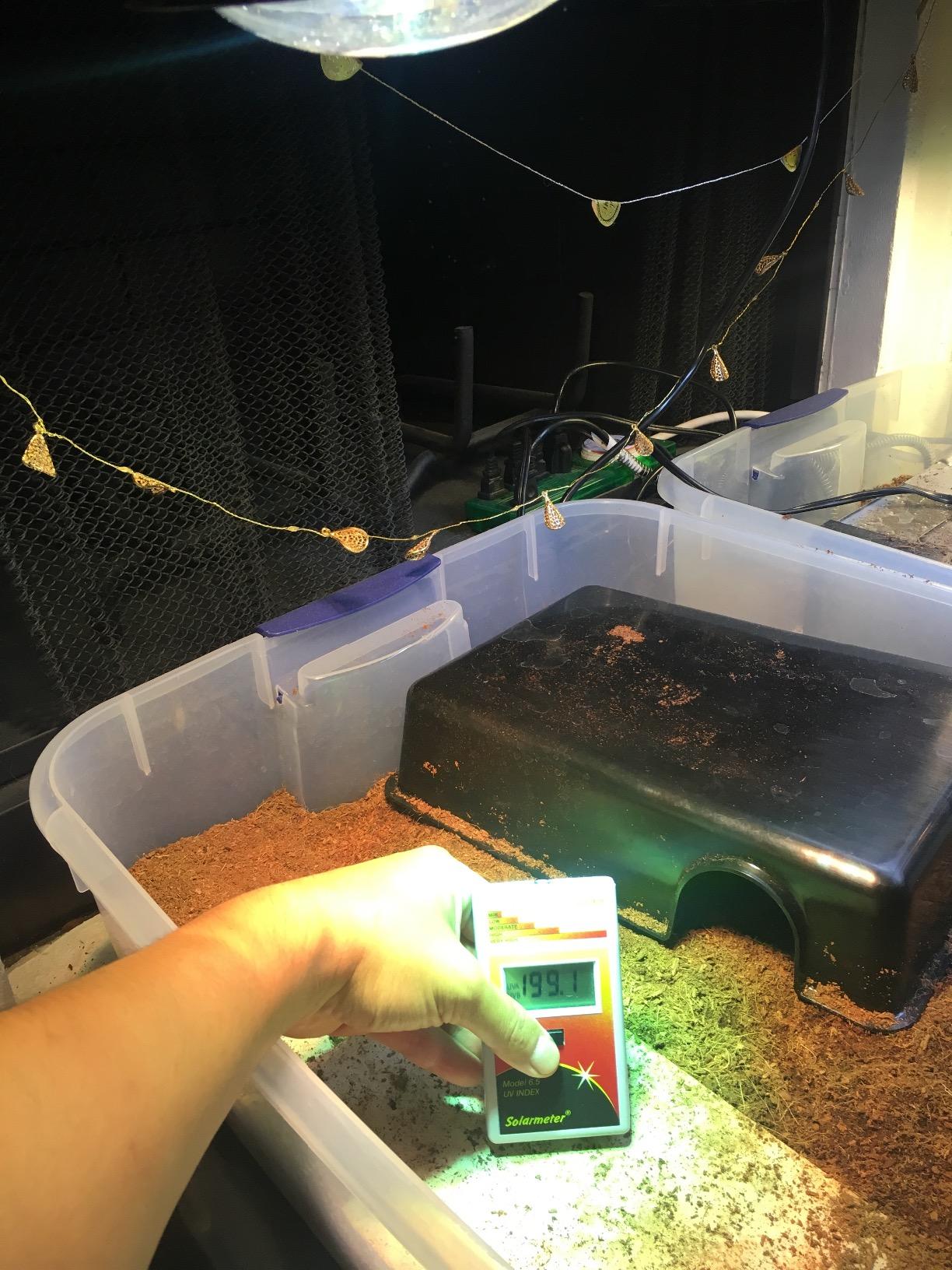
This is the 125W clear, uncoated, screw-thread version, and the owner reports on it are unusually specific. One keeper measured 199+ on a UV tester at 12 inches, which tells you both the strength of the source and the reason to measure rather than guess. At 10 inches or closer, another tester found the UVI unreadable, well above the safe range for most reptiles.
Longevity is the other headline. Owners report one to two and a half years of continuous use, and the listed average rated life is 6,000 hours. That is a materially better long-run figure than the six-month replacement discipline some owners follow on other brands, and it changes the cost-per-year maths in this lamp’s favour.
With only 63 reviews in the set, treat that lifespan as a small sample rather than a guarantee, and the reports of bulbs burning out in under a day sit alongside it. The 6,000-hour rating is a manufacturer figure, and the real-world numbers come from a narrow group of owners.
Because the glass is clear rather than frosted, the beam is less diffused than a coated bulb and you may notice a brighter, tighter hotspot in the centre of the beam. Several owners also report needing several minutes of cool-down before the lamp will relight. If you want a wider, more even pool of light, look at the PAR38 form factor instead.
How do you set the distance on a 125W vapor bulb?
Measure it. With a reading of 199+ at 12 inches reported by owners, the safe operating distance is genuinely bulb-specific, and the only way to find yours is to put a UV Index meter at the basking surface and raise the fixture until the reading drops into your target range.
Aim for Ferguson Zone 3, roughly UVI 3.0 to 4.0, for most large desert species. For a tortoise table, the useful reference is height rather than distance: a 125W lamp mounted near 30 inches is the figure tortoise keepers cite, though several warn that 30 inches may be too high to deliver useful heat or UV at the back of a table.
Is 125W the right wattage for a large reptile?
For a 30-to-36-inch enclosure, yes, and it is the wattage we would pick for a 4-foot adult bearded dragon setup over a 160W. The risk with the lower wattage is not heat, it is whether the UV reaches your target UVI at a distance that also produces a proper basking temperature.
Skip the measurement and you are guessing with a lamp strong enough to cause real eye damage at close range.
10. LUCKY HERP 100W PAR38 Mercury Vapor Bulb – The Budget Route to Measured Heat
Reptile UVA UVB Mercury Vapor Bulb Lamp,Screw Thread,PAR38,100 Watt (Clear)
100W PAR38 clear screw-thread vapor
6,000 hour average rated life
Six-month warranty
9.12 oz, 6.77 x 5.83 x 5.75 in
Pros
- Bearded dragon owners report more alert behaviour than with the Zoo Med equivalent
- Measured about 106F at six inches and 96F at the floor of a 40 gallon tank
- Lower cost than equivalent bulbs
- Manufacturer honoured a warranty claim for a broken bulb
Cons
- Does not illuminate the tank as brightly as the Zoo Med equivalent
- Green tint across a small range of the beam
- Dimmer switch use causes premature failure
- One review reported a bulb lasting only two weeks
The 100W PAR38 is the smaller sibling of the 125W, and the most useful thing in its owner reports is a real measurement. One keeper logged roughly 106F six inches below the lamp and 96F on the floor of a 40 gallon setup, which is a usable gradient for an adult bearded dragon tank rather than a single searing point.
Bearded dragon owners also report more alert and active behaviour with this bulb than with the Zoo Med equivalent, and one user confirmed the manufacturer honoured a warranty claim for a broken bulb. The six-month warranty is shorter than the PowerSun’s year, but it is real and it was honoured.
The trade-offs are visible output and beam colour. It does not illuminate a tank as brightly as the Zoo Med equivalent, and a green tint appears across a small range of the beam, which some keepers find distracting on a planted display enclosure.
Several buyers warn explicitly that using a dimmer switch causes premature failure, and one review reported a bulb lasting only two weeks. At 62 reviews this is the thinnest evidence base in the roundup, so treat the 6,000-hour rated life as a specification rather than a promise.
Is the 100W PAR38 enough for a 4-foot bearded dragon tank?
For most adult setups, yes, provided the basking surface is not far below the lamp. The measured 106F at six inches in a 40 gallon tank is the reference point, and if your basking surface is much lower, the gradient flattens out.
The practical advantage is that a smaller wattage gives you more usable mounting distance, which is exactly what you want when the basking spot has to sit at a particular height for the animal’s comfort. A 160W would have to be pulled dangerously low to match the same surface temperature.
How does it compare with the DXOPHIEX 100W?
Two compact 100W options, and the difference is form factor and build. The DXOPHIEX uses a built-in ballast circuit, a dual wick and a ceramic base with a heat-dissipation vent, and it carries a one-year warranty. The LUCKY HERP uses the standard PAR38 shape with a 6,000-hour rated life and a six-month warranty.
Choose the LUCKY HERP if you already own a PAR38 dome and want to keep your existing hardware. Choose the DXOPHIEX if you are buying a fixture anyway and want the longer warranty and the documented current stabilisation.
Buying Guide: How to Choose a Mercury Vapor Bulb for a Large Reptile
A mercury vapor bulb is a self-ballasted lamp in which an electrical arc passes through vaporised mercury, producing UVB, UVA, visible light and basking heat from a single bulb in a narrow, centralised beam. That last detail is the whole decision: one fixture replaces a basking bulb and a UVB tube, and one fixture also means you cannot adjust heat and UV independently.
Match wattage to enclosure height first
Enclosure height, not length, is the variable that decides your wattage. Vertical distance is what separates the basking surface from the lamp, and it is what determines both the temperature and the UVI you land on. Get this match right and the rest of the choice is a matter of taste.
Use these starting points, then confirm with a meter:
24 inches tall: around 70W. Anything at 160W will be too concentrated at that distance.
30 to 36 inches tall: 100W or 125W. This is the sweet spot for most adult bearded dragon and monitor setups.
48 inches or deeper: 160W, or 275W in very deep enclosures. A single bulb may not cover the length.
6 feet and 8 feet long: do not expect one lamp to cover the footprint. A two-lamp array, or a T5 HO tube paired with a halogen basking bulb, serves the length better.
Those figures are the reference our team uses, and they match how experienced keepers on BeardedDragon.org and TortoiseForum describe sizing: roughly 10 to 12 inches as the point where a vapor lamp starts delivering proper UVB, and around 30 inches as a working height for 125W-class lamps on a tortoise table.
Read UVI instead of the percentage label
The percentage on a UVB bulb’s box tells you almost nothing useful about what your animal receives. UV Index, or UVI, is the measurement that maps to the Ferguson Zones: Zone 1 for low-UV forest species, Zone 2 for mid-range, Zone 3 at roughly UVI 3.0 to 4.0, and Zone 4 above that for the highest-UV species.
For most large desert reptiles kept as pets, Ferguson Zone 3 is the target. A Solarmeter 6.5 is the standard tool, and a reading taken at the animal’s back is the only number worth acting on. Take the reading after the lamp has been running for 30 minutes, since output stabilises after burn-in.
Screen tops, mesh and glass eat your UVB
Whatever the bulb claims, your enclosure decides how much arrives. Glass blocks UVB almost completely. A fine metal screen top removes a substantial share, and a mesh top removes more again. The REPTI ZOO owners in this roundup report strong readings through mesh at 18 inches, which is good, but it is still less than an open-top measurement.
If you are running a screened enclosure, raise your distance target and re-measure after installation. Moving a lamp a few inches changes UVI more than most keepers expect.
MVB vs T5 HO vs halogen: what each one is good at
A T5 HO tube spreads UVB across a wide area and runs cool, so it needs a separate halogen basking bulb for heat. That is two fixtures, but each is adjustable, dimmable through a thermostat, and far better at building a gradient across a long enclosure. T8 tubes are the older, weaker option and are not the right choice for a large reptile.
A halogen flood gives excellent, deeply penetrating heat and is dimmable through a dimming thermostat, but no UVB. A mercury vapor bulb gives heat and UVB from one lamp in a narrow beam, with neither adjustable.
This resolves the contradiction you will find across the internet. Retailers call MVBs ideal for large enclosures, and they are right in one specific sense: they solve the depth problem that short tubes cannot, reaching a basking surface that sits 30 inches or more below the lamp. Keepers call them too narrow for large enclosures, and they are right in a different sense: coverage across length and the ability to build a gradient. Both claims describe the same lamp from two angles.
The real disadvantages of mercury vapor lamps
The biggest drawback is that heat and UVB are locked together, so adjusting one changes the other and you cannot dial in a target basking temperature without changing your UVI. There is also no thermostat compatibility and no dimming. The beam is narrow, so most of a large enclosure gets no usable UV. Output declines silently, and most keepers own no meter to detect it. Minimum safe distances are long enough that shallow enclosures cannot host these lamps at all.
Two safety notes belong here. Never place a mercury vapor bulb where the animal can touch it, and remember that a UV source strong enough to be useful is strong enough to cause photokeratoconjunctivitis, an eye condition linked to prolonged overexposure. Overexposure usually comes from a lamp mounted too low, not from a brand.
Alternatives to mercury vapor bulbs, and the T5 phase-out question
The consensus replacement is a T5 HO UVB tube plus a separate halogen basking bulb, and for most setups it is the better default. It gives you independent control of heat and UV, covers the length of the enclosure, and works with a dimming thermostat.
If you want a single-fixture all-in-one but not a mercury vapor bulb, a strong metal halide is the closer alternative, and it comes with more specialist hardware. T5 HO tubes are still manufactured and sold by reptile lighting makers, so keepers who are nervous about supply have a practical path that is not a mercury vapor bulb.
Fixture hardware and safe mounting distance
A quality ceramic socket is not optional. Every one of these bulbs runs hot enough to melt a plastic socket, and reviews repeatedly trace early failures to a cheap fixture. A wire lamp fixture with a cage guard is the right housing, and the bulb diameter should be measured against your dome before ordering.
For a ceramic dome, match the reflector diameter to the bulb rather than the wattage alone, and mount vertically where the brand recommends it. Keep the manufacturer minimum distance as a hard floor, and let the fixture cool for the stated period before a restart.
UVB decay, lifespan and replacement schedule
UVB output falls long before visible light dims, which is why a bulb that still looks bright can be delivering nothing useful. Manufacturers and retailers put the retention figures at opposite ends: Mega-Ray states it retains more than 70% of potency across its lifespan while competitors can lose up to 80%, and that is a manufacturer claim rather than an independent measurement.
Use a schedule rather than an observation. Replace a bulb on a fixed interval matched to its rated life, keep a spare, and measure once a year if you own a meter. Owners of the 125W LUCKY HERP report one to two and a half years, while owners of the PowerSun follow a six-month discipline, so the honest lifespan range across this group is roughly six months to two and a half years.
Frequently Asked Questions
What are the disadvantages of mercury vapor lamps?
The main drawback is that heat and UVB come from the same arc, so you cannot adjust one without changing the other, and these bulbs do not work with a dimmer or thermostat. The beam is also narrow, so most of a large enclosure receives little usable UV, and UVB output declines silently. They also need a minimum mounting distance that shallow enclosures cannot accommodate.
Can you still buy mercury vapor bulbs?
Yes. Mercury vapor bulbs are still sold by mainstream pet retailers and specialist reptile suppliers in the 100W, 125W, 160W and higher wattage ranges, and every brand reviewed here is listed. Which wattages are carried varies by seller, so confirm the wattage you need for your enclosure height is offered before you commit to a brand.
What can you replace a mercury vapor bulb with?
The consensus replacement is a T5 HO UVB tube paired with a separate halogen basking bulb. That pairing gives you independent control of heat and UV, spreads UV across the length of the enclosure, and allows a dimming thermostat. A metal halide is the other single-fixture option, with more specialist hardware to go with it.
Is T5 or T8 better for reptiles?
T5 HO is the better choice. T5 HO tubes deliver higher UV output, spread it more evenly across a fixture, and run cooler, which is why they are the standard in modern reptile husbandry. T8 tubes are the older, lower-output format and are generally considered outdated for large reptiles.
Is a 150 watt bulb too hot for a bearded dragon?
It depends entirely on your enclosure height, not on the wattage alone. A 160W vapor bulb belongs in an enclosure of at least 30 inches tall, and 48 inches or more for the deepest setups. In a 24-inch-tall tank, a 160W is far too concentrated and you should step down to roughly 70W to 100W.
What is the best UV bulb for reptiles?
For most setups a T5 HO tube is the best UV bulb, because it spreads UV across the enclosure and can be paired with a dimmable halogen. A mercury vapor bulb is the better answer in tall or deep enclosures where a short tube cannot throw UV far enough, and where you want heat and UV from a single fixture. The deciding variable is enclosure height.
How many lumens is a 400 watt mercury vapor bulb?
Lumens are the wrong metric for reptile lighting, and keeper forums rarely discuss this figure. What matters is UV Index at the basking surface, measured with a UV meter, against a target of roughly UVI 3.0 to 4.0 for Ferguson Zone 3. Judge any wattage on that reading and the mounting distance it needs, not on brightness.
Conclusion: The Best Mercury Vapor Bulb for Your Enclosure in 2026
The TEKIZOO 160W is our pick for 2026 because it combines the widest reported beam in this group with the largest body of long-term owner reporting and a 180-day warranty, which makes it the least risky way to get heat and UVB from a single fixture. The Mega-Ray 160W carries the strongest brand reputation, the Zoo Med PowerSun 160W is the choice when warranty cover and UV reach matter most, and the REPTI ZOO 160W is the one we trust most when a keeper can show us a meter reading.
Whatever you choose, the sizing rule does the work: 24 inches of height wants about 70W, 30 to 36 inches wants 100W or 125W, and 48 inches or deeper needs 160W. Measure the UVI at your animal’s back with a UV meter, aim for Ferguson Zone 3, mount the bulb in a ceramic socket at a safe distance, and replace it on a schedule rather than on appearance. That process will keep any of these ten bulbs working for you well past the point most keepers start shopping again.