
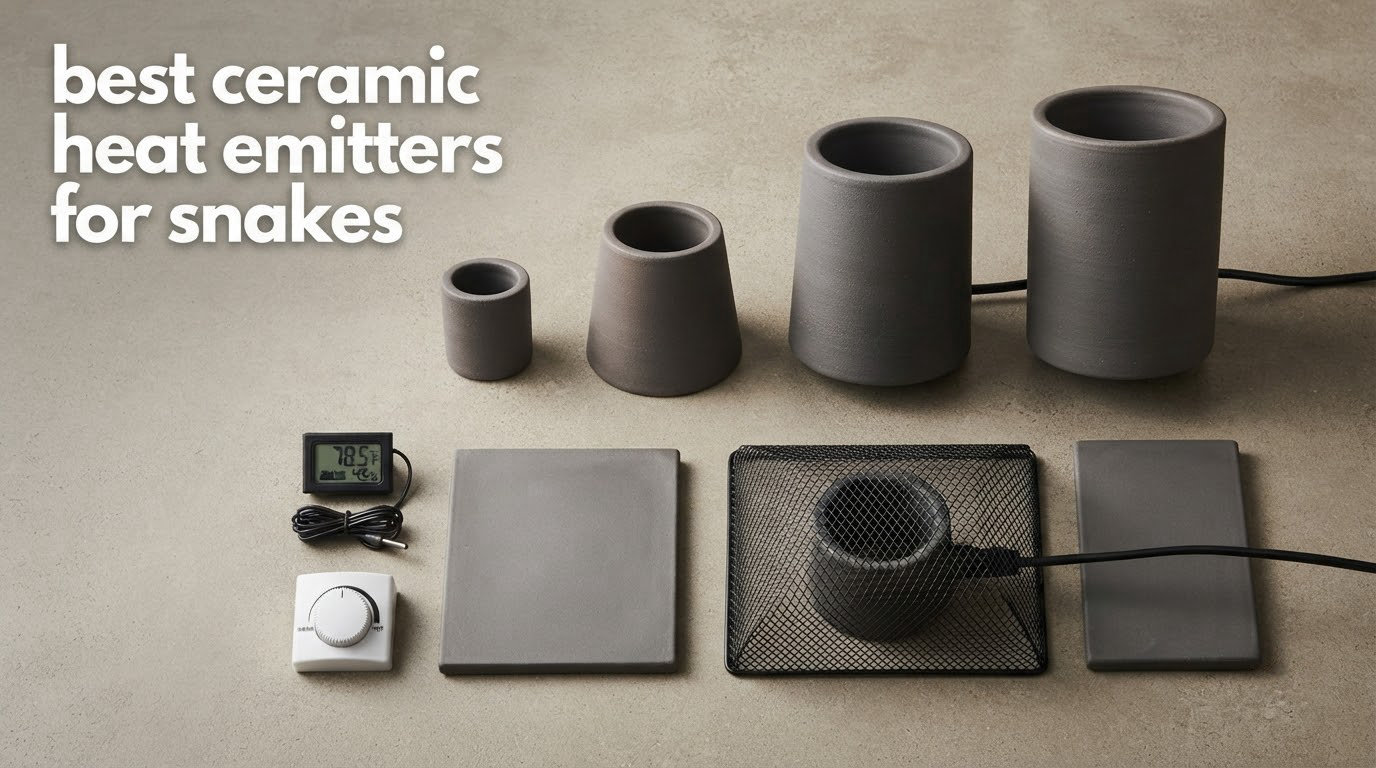
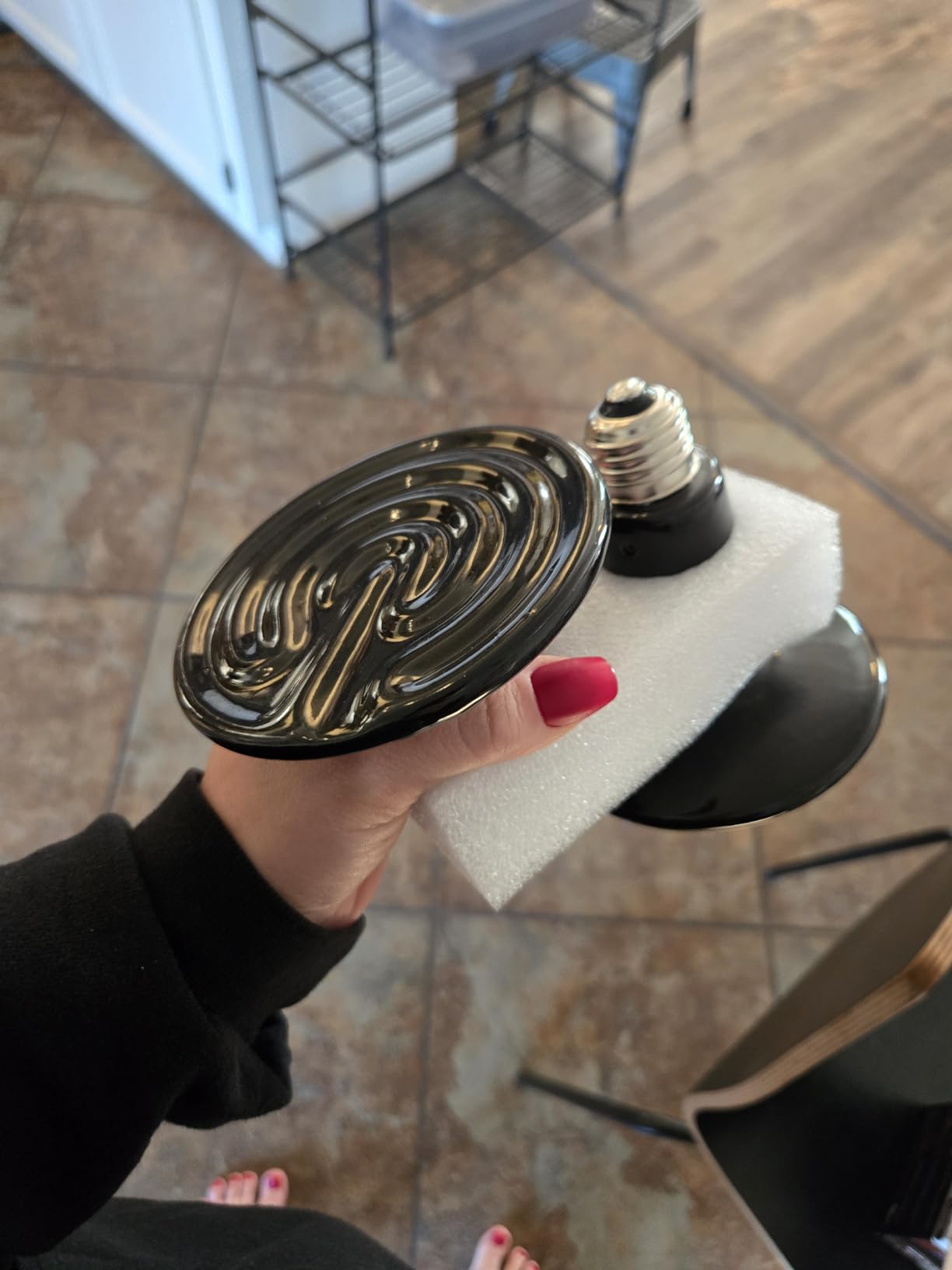
A ceramic heat emitter is a screw-in reptile bulb with a solid ceramic shell that produces infrared heat and zero visible light, so it can run around the clock without disturbing a snake’s sleep cycle. It must be mounted in a ceramic-socket dome fixture and controlled by a thermostat. That is why it remains the backbone of most snake enclosures in 2026.
Snakes are ectothermic. They cannot generate body heat, so every stage of digestion, growth and immune function depends on an external source they can move toward and away from. Get the heat wrong and the animal stops eating or develops a respiratory infection. Get it right and a single bulb does the work of a far more complicated setup.
We compared ten ceramic heat emitters for this guide, reading the specifications, the review patterns and the failure reports on each. What we focused on is what actually decides whether an emitter works in a snake enclosure: wattage, light output, socket type, safety certification and how the temperature behaves when a thermostat cycles it.
One thing to understand before you buy is that a ceramic heat emitter is an unguarded heating element. A white 100W element can push the air above 40C/104F inside a small enclosure within minutes. Run it without a thermostat and you are not heating a terrarium, you are cooking a snake. Every pick here is a bulb, not a fixture, and it needs a heat-rated ceramic socket dome of its own.
Table of Contents
Top 3 Picks for Best Ceramic Heat Emitters for Snakes (October 2026)

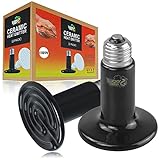
Simple Deluxe 150W 2-Pack
- 150W infrared emitter
- 2-pack
- 85mm heating diameter
- zero visible light
All 10 Ceramic Heat Emitters at a Glance in 2026
Every emitter below throws infrared heat and no visible light. What separates them is output, size, the safety listing on the box and whether you get one bulb or two.
| Product | Specs | Action |
|---|---|---|
| Simple Deluxe 150W 2-Pack |
|
Check Latest Price |
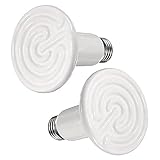 OMAYKEY 75W 2-Pack OMAYKEY 75W 2-Pack |
|
Check Latest Price |
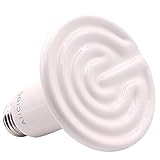 Aiicioo 60W Ceramic Heat Emitter Aiicioo 60W Ceramic Heat Emitter |
|
Check Latest Price |
 OMAYKEY 100W 2-Pack with Thermometer OMAYKEY 100W 2-Pack with Thermometer |
|
Check Latest Price |
| LUCKY HERP 150W 2-Pack |
|
Check Latest Price |
 HealSmart 100W 2-Pack HealSmart 100W 2-Pack |
|
Check Latest Price |
 Fluker’s 100W Ceramic Heat Emitter Fluker’s 100W Ceramic Heat Emitter |
|
Check Latest Price |
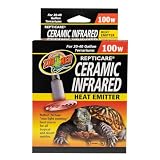 Zoo Med Repticare 100W Zoo Med Repticare 100W |
|
Check Latest Price |
 DOMICA 150W 2-Pack DOMICA 150W 2-Pack |
|
Check Latest Price |
 REPTI ZOO 100W 2-Pack REPTI ZOO 100W 2-Pack |
|
Check Latest Price |
1. Simple Deluxe 150W 2-Pack – the widest review base in the roundup
Simple Deluxe 150W 2-Pack Ceramic Heat Emitter Reptile Heat Lamp Bulb No Light Emitting Brooder Coop Heater for Amphibian Pet & Incubating Chicken,Black
150W infrared ceramic emitter
85mm heating diameter
E26 base
AC 110-120V
Rated 10000 hours
Pros
- Zero visible light keeps day-night cycles intact
- Large 85mm emitter diameter spreads heat wider than 75mm models
- Rated life up to 10000 hours
- Two bulbs give you a working spare
Cons
- 150W is too much for a small or juvenile enclosure
- Needs a fixture rated for high heat
- Requires a full hour of cooling before handling
With close to 8,800 reviews averaging 4.5 stars, this is the most thoroughly tested emitter in the roundup, and that alone matters. A snake enclosure is an unattended environment for years. When thousands of owners report on a component’s behaviour after two or three winters, you learn more from the pattern than from a specification sheet.
Technically it is a 150W infrared ceramic element on a standard E26 base running AC 110-120V, built from high-purity ceramic, metal and a NiCrAl heating element. The 85mm emitter diameter is what separates it from a 75mm generic bulb, producing a noticeably broader heat zone across the top of a standard enclosure.
What owners consistently report is quiet, dark, steady heat. Because it emits no visually detectable light, nocturnal species settle and sleep normally, which is the strongest argument for this device. Reviewers also note it runs cooler to the touch than a red flood-style bulb while still lifting enclosure temperature.
What size snake enclosure this suits
At 150W this is the pick for adult ball pythons, adult boas, larger corn snakes and any snake in a 40 gallon or larger enclosure. It is also the sensible choice for a cold room, where a lower wattage emitter cannot hold the warm side where it needs to be. It is the wrong bulb for a 10 gallon tank or a hatchling, where 150W will overshoot the moment the thermostat settles.
What you need alongside it
A porcelain or ceramic socket dome rated above 150W, a clamp or bracket that lets you raise and lower the fixture, and a thermostat. A dimming thermostat is the better match, because it varies power rather than chopping the emitter on and off. Keep the emitter more than 12 inches from the animal and let it cool for a full hour after switching off.
2. OMAYKEY 75W 2-Pack – ETL listed gentle heat for small enclosures
OMAYKEY 2 Pack 75W Ceramic Heat Emitter Lamp, Reptile Heat Bulbs
75W white ceramic emitter
ETL Listed
No light emitted
2.95 in diameter by 3.94 in high
Pros
- ETL Listed for safety-conscious keepers
- Gentle 75W output suits small enclosures and young snakes
- No light so sleep cycles stay normal
- Rated operating life of 15000 hours
Cons
- 75W is low output for a large enclosure
- Must use a porcelain socket since plastic holders can melt
- Surface is hot enough to burn skin on contact
This is the emitter we reach for when the enclosure is 10 to 20 gallons and the animal is small. A juvenile corn snake, a hatchling ball python or a small kingsnake does not need 100W, and overdriving a tiny enclosure is the most common beginner mistake we see.
The ETL listing is the headline detail. For a bulb that runs unattended directly above a living animal, an independent safety mark from a recognised testing laboratory is worth more than any feature on the packaging, and only a handful of emitters in this bracket carry one.
Around 3,460 reviews averaging 4.4 stars describe dependable overnight heat with no light output. Owners commonly pair it with a daytime basking bulb and use a dimmer or thermostat for control, which is exactly the split we would recommend. The 15,000-hour rated operating life is the highest figure in the roundup.
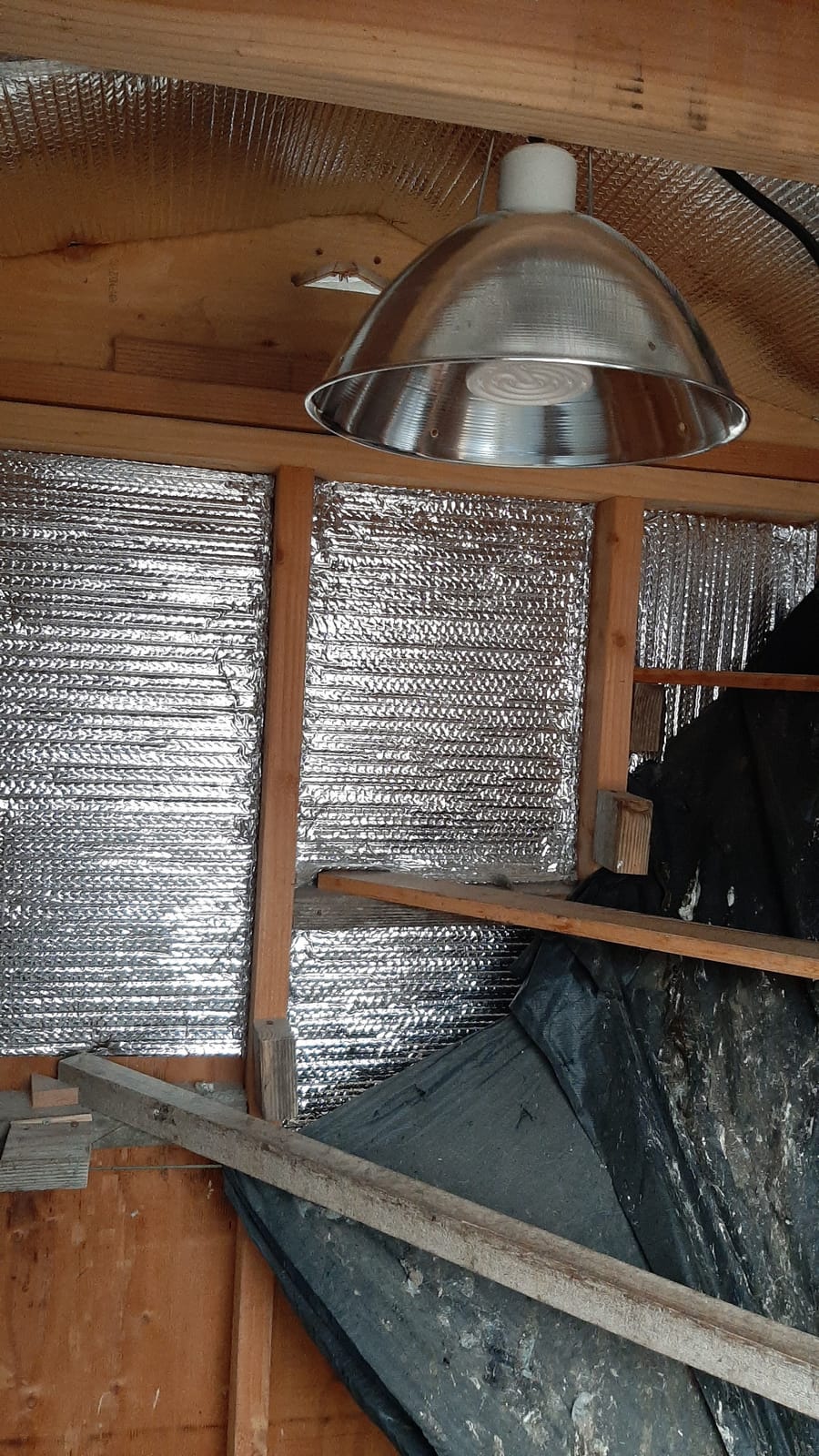
It fits a standard porcelain E26 or E27 screw socket and measures 2.95 inches in diameter by 3.94 inches high, which suits a 5.5 inch dome perfectly. The recurring caveat across reviews is wattage, not quality: owners running it in a 40 gallon enclosure report it struggling to raise the warm side, and the fix is a higher-wattage emitter.
Reviewers also stress the porcelain socket requirement repeatedly, because plastic holders melt, and warn against touching the bulb for at least an hour after switch-off. The surface runs far hotter than most people expect.
When 75W is the right number
Use 75W in a 10 to 20 gallon enclosure for a juvenile corn snake, a small kingsnake or a hatchling ball python, particularly in a room that holds its temperature reasonably well. In a cold or drafty room, step up rather than down. If your household temperature sits in the low 60sF, no small emitter will hold the warm side.
Safety marks and the socket question
Check two things before you screw it in. The socket must be porcelain, ceramic or metal, never plastic or phenolic, because the emitter surface temperature will deform a cheap plastic holder. The dome’s wattage rating must also exceed 75W, which any correctly made fixture will do. Never test the temperature by touching the bulb after switch-off.
3. Aiicioo 60W Ceramic Heat Emitter – crack-resistant clay for humid terrariums
Aiicioo Reptile Heat Lamp Bulb -60W Ceramic Heat Emitter No Harm No Light Infrared Heater Lamp for Chicken Coop Lizard Aquarium Snake Outside Dogs Brooder 110V,White
60W white ceramic emitter
Long-wave infrared
Crack-resistant clay
AC 110-120V
Pros
- No light output for nocturnal species and hatchlings
- Crack-resistant high-purity clay suits humid terrariums
- Fast warm-up in cold conditions
- Rated life up to 10000 hours
Cons
- 60W is low output for adult animals
- Needs a heat-rated fixture and a full hour of cooling
- Frequent on-off cycling shortens element life
The 60W Aiicioo is the smallest emitter we tested and the one we would put in a nano or nano-plus terrarium for a juvenile snake. At 2.95 by 3.94 by 2.95 inches it is one of the easier bulbs to fit into a small dome without the glass touching the fixture.
The material is the differentiator. It is made from high-purity pottery clay chosen for crack resistance in high-humidity terrariums, which matters for tropical species and for anyone who sprays the enclosure daily. Low-end emitters in humid conditions are the ones that craze and then shatter.
Just over 3,300 reviews at 4.5 stars show broad agreement that this is a dependable low-cost emitter. Owners highlight the complete absence of light, the quiet steady radiant heat, and its use in snake tanks alongside more expensive branded lamps. It heats up fast, which is useful in a cold room.
It is also the starting point of a family that runs through 50W, 75W, 100W and 150W in white and red, so a keeper who outgrows the 60W does not have to change brands. The white version is the one to choose for a snake, since the red variant is easier to spot when you walk past the enclosure at night.
The main reservation in reviews is the modest output and the hot surface. Owners warn against touching the bulb for at least an hour after switch-off, and against rapid on-off cycling, which degrades the element far faster than steady thermostat-driven operation.

Matching a small emitter to a small snake
60W is right for a juvenile corn snake, a baby ball python, a small garter or a juvenile boa in a 10 gallon enclosure. Size downward as the animal grows and upward for the room, never for the animal’s apparent toughness. A useful check is how much of the floor the heat zone covers: if it warms one corner only, the animal is choosing between hot and cold rather than moving through a gradient.
Why the clay matters in humid setups
Tropical species such as green tree pythons and rainbow boas need high humidity, and constant spray-down accelerates wear on cheaper elements. High-purity clay resists that, which is why we would rather run this than a thin-shell generic bulb in a rainforest-style enclosure. A crazed emitter in a humid enclosure is one that can fail without warning.
4. OMAYKEY 100W 2-Pack with Digital Thermometer – monitoring in the box
OMAYKEY 2-Pack 100W Ceramic Heat Lamps with 1-pcs Digital-Thermometer
Two 100W black emitters
Digital thermometer included
ETL Listed
60-degree beam angle
Pros
- Includes a digital thermometer so you can monitor from day one
- 100W suits most medium enclosures
- ETL Listed and reaches usable heat quickly
- Two bulbs give a ready spare
Cons
- Included thermometer can be finicky and its button is awkward
- Ceramic bulbs can occasionally arrive cracked
- Very hot surface and requires a porcelain socket
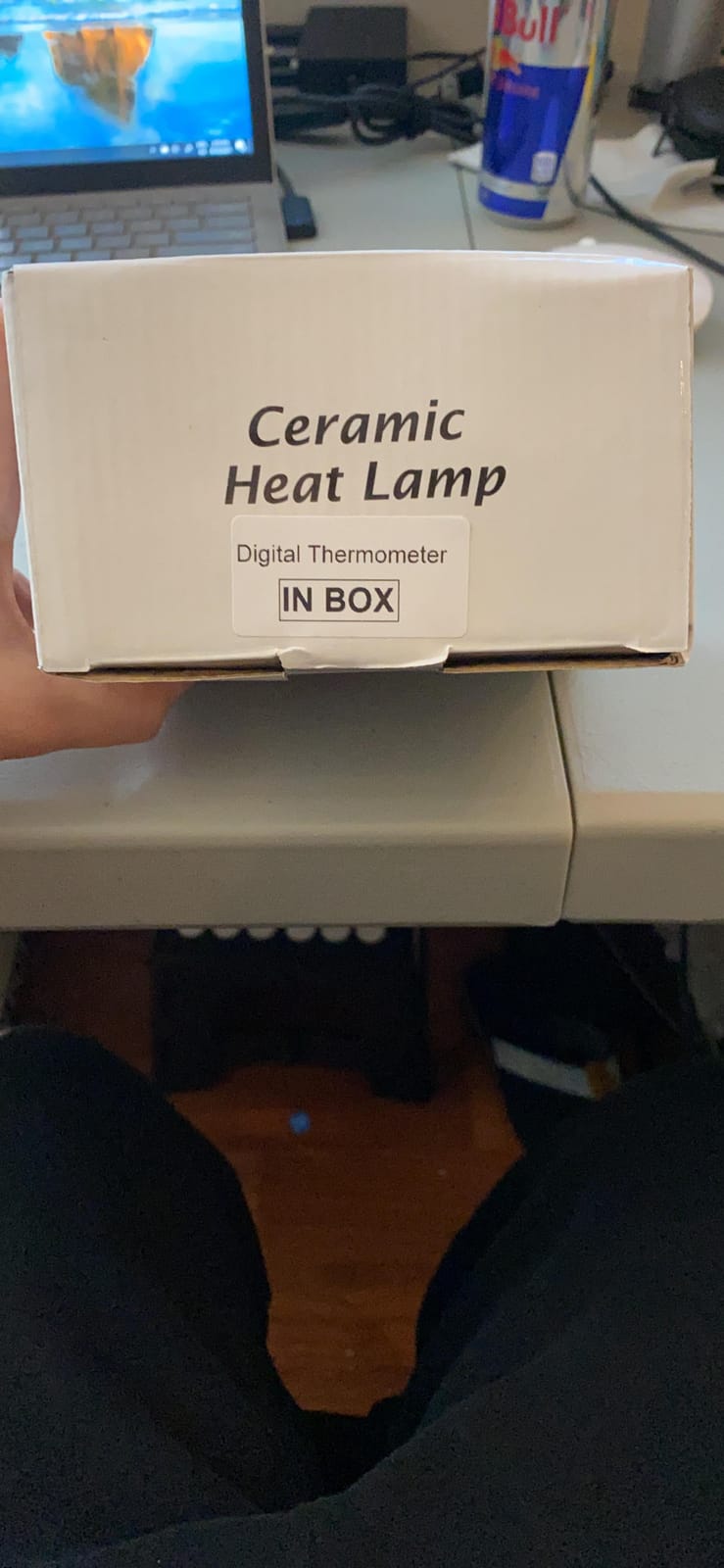
This bundle solves a problem that trips up almost every new keeper: not knowing what the temperature actually is. Two 100W black emitters come with a digital thermometer stored inside the bulb box, so you can verify your hotspot from day one instead of guessing.
100W is the most versatile wattage in the roundup. It suits a juvenile or adult corn snake, a kingsnake or milk snake, a young ball python and most 20 to 30 gallon enclosures. The 60-degree beam angle concentrates the heat into a defined zone rather than washing the whole tank, which makes the hotspot easier to map with a probe.
Over 4,100 reviews averaging 4.5 stars show this is a hit with owners who want bulbs and monitoring in one purchase. Reviewers use it across reptile and outdoor pet setups, frequently praising the dark heat and the bundled thermometer. The 15,000-hour rated life is shared with the smaller OMAYKEY here.
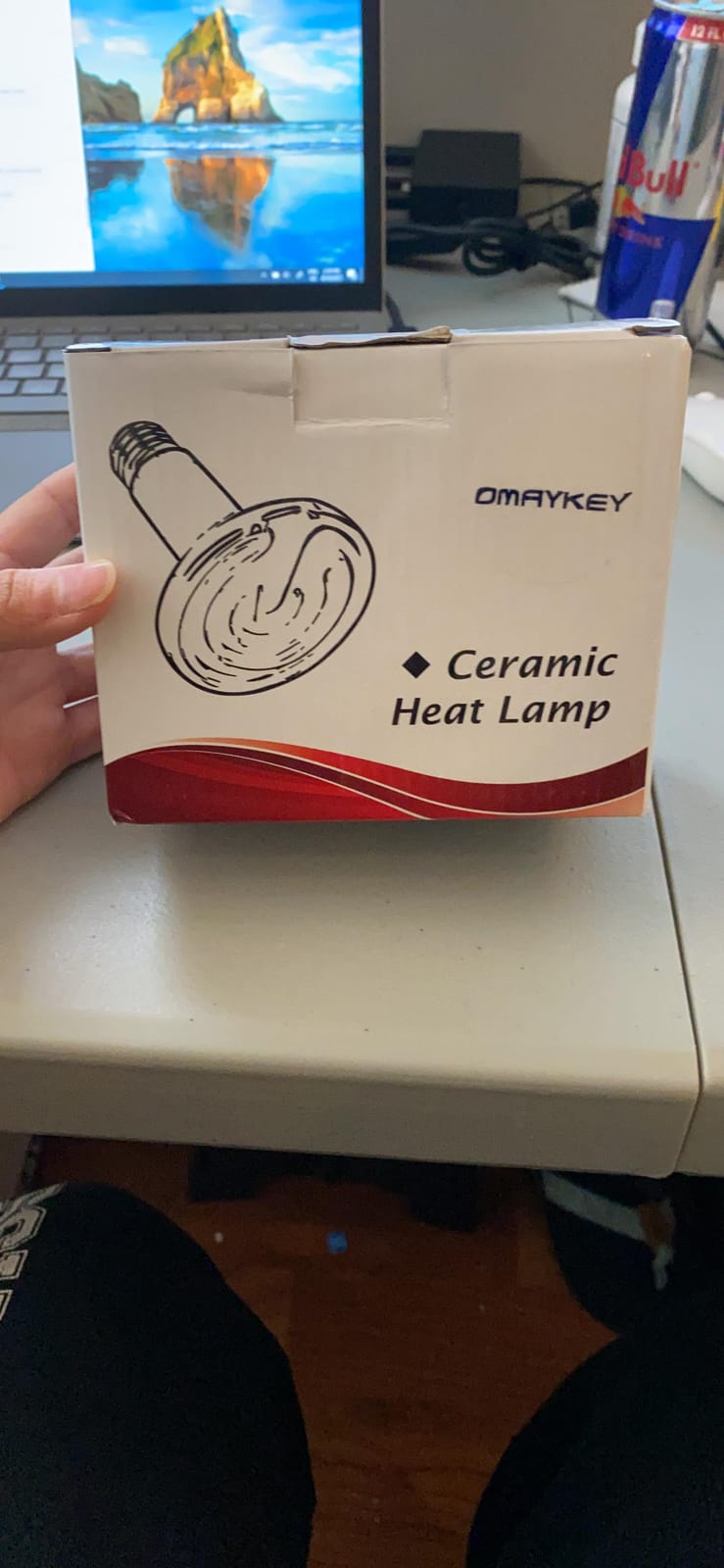
Each bulb measures 3.15 inches in diameter by 4.13 inches high and runs AC 90-120V on a porcelain E26 or E27 socket. The black coating is the fully dark version, so nothing glows at night and you cannot be tempted to check on the enclosure in the dark.
The draw-backs reported in reviews are mostly about the accessory. The included thermometer is the finicky part, with an awkward on/off button, and a few owners received a bulb with a crack in the ceramic. Both are reasons to inspect the bulb before fitting it and to buy your own probe thermometer if you want something more precise.
What to check before you install it
Inspect each bulb in daylight for hairline cracks around the base thread and the emitter face, because a cracked element can fail at the socket and, in a damp enclosure, arc. The 2-pack makes this easy to handle: use one, store the other somewhere dry. Confirm your fixture is rated for at least 100W and has a porcelain or ceramic socket.
When 100W is the right number
Choose 100W for a 20 to 30 gallon enclosure, an adult corn snake, a kingsnake or milk snake, or a young adult ball python. It is also the wattage most commonly paired with a daytime basking bulb, where the emitter handles ambient and overnight heat while the basking bulb supplies a visible spot. Move to 150W for an adult ball python in a 40 gallon or larger enclosure, or any time the room is cold.
5. LUCKY HERP 150W 2-Pack – four-minute warm-up and thick ceramic
LUCKY HERP 150W Ceramic Heat Emitter, Reptile Heat Bulbs, Ceramic Heat Lamp for Reptiles, Amphibian, Chicken, Dog, Cat (2-Pack)
150W ceramic emitter 2-pack
Thick ceramic shell
Warm-up in about 4 minutes
E26 base 120V
Pros
- Warmth noticeable within 10 seconds and rated temperature in about 4 minutes
- Thick reinforced ceramic shell feels more durable
- Complete silence and zero light output
- Two bulbs per pack
Cons
- 150W needs a large enclosure and a fixture rated for the load
- Must stay more than 30cm from reptiles
- Not a standalone basking source for diurnal species
The LUCKY HERP is the fastest-warming emitter we tested and the one that comes closest to a specialist build. The thick special ceramic shell feels noticeably more substantial than a generic element, and warmth is detectable within about 10 seconds of switch-on, reaching rated temperature in roughly 4 minutes.
Roughly 2,550 reviews at 4.6 stars, with 81% five-star, point to a well-regarded unit. Reviewers single out the quick heat-up and the completely dark output, using it for snakes, bearded dragons, amphibians and chicks. That breadth is itself a signal, because the bulb is doing the one thing emitters are good at: raising air and surface temperature without adding light.
The safety guidance recurs constantly and matches the manufacturer’s own instructions. Use a quality ceramic lamp holder, keep the emitter more than 30cm from reptiles, do not switch it on again immediately after switching off, and avoid frequent cycling.
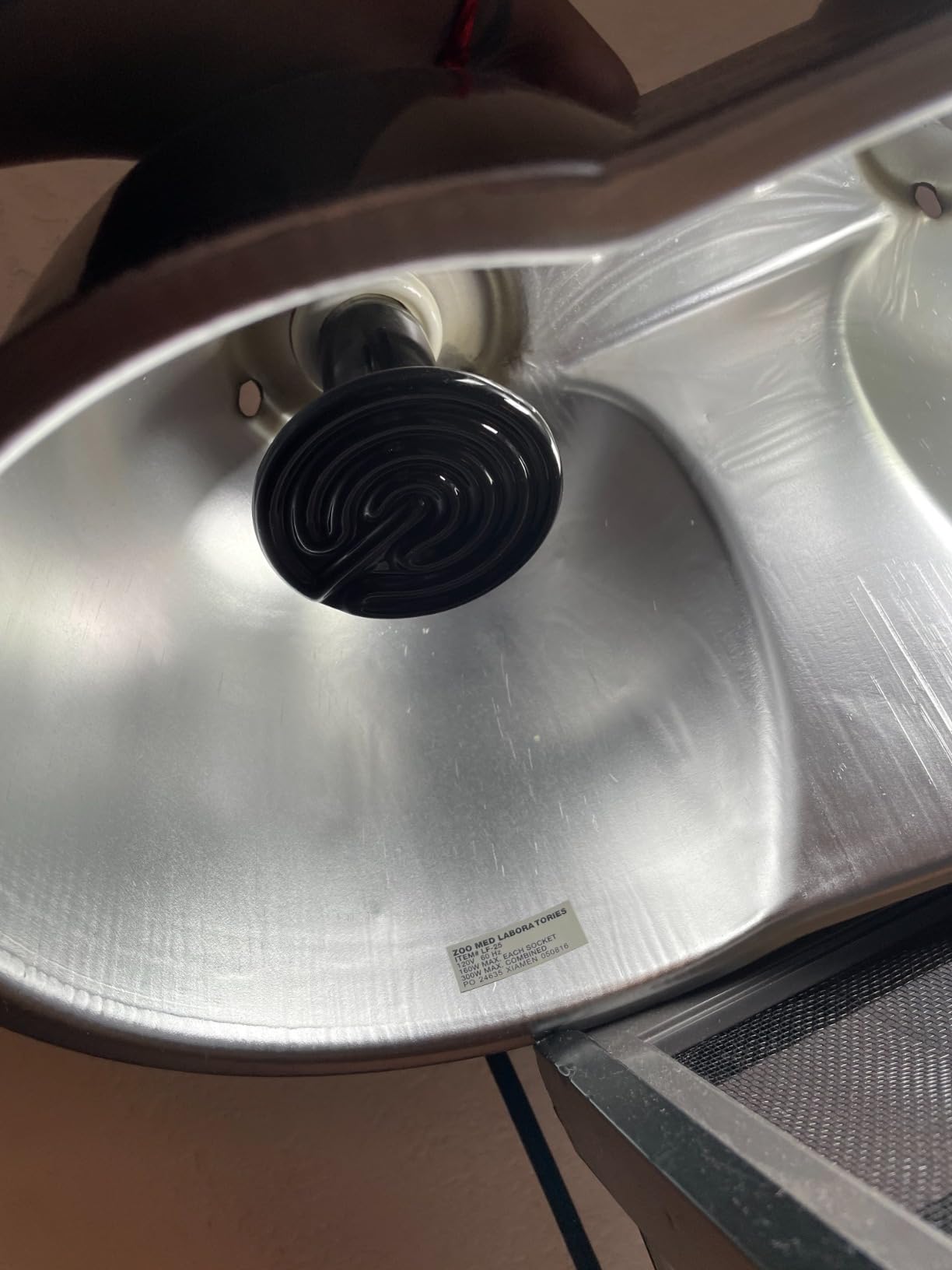
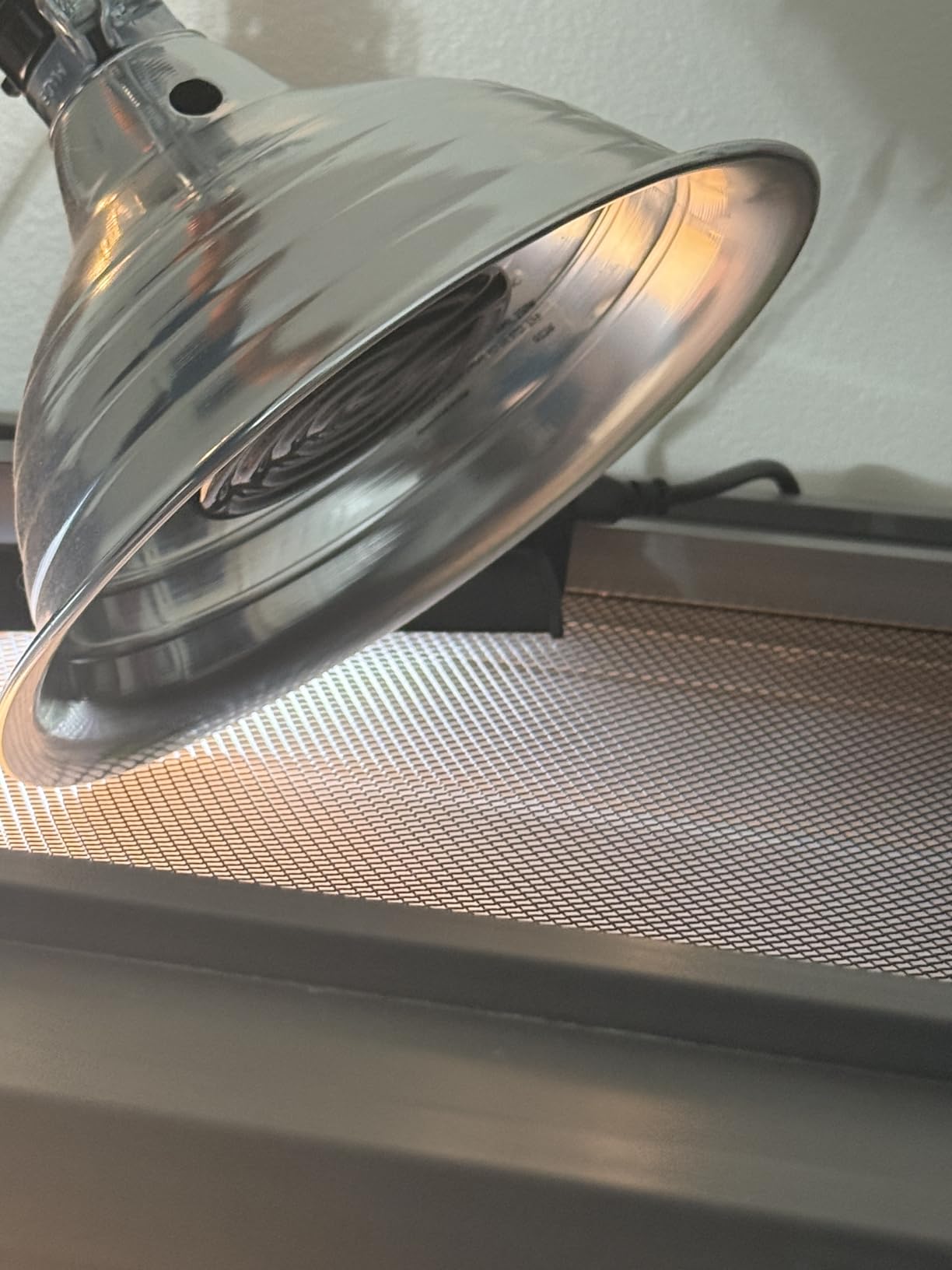
It runs on a standard E26 base at 120V with a rated life of up to 10,000 hours, and it measures 3 by 3 by 3.93 inches. The same range is available in 50W, 75W and 100W, so this is a brand that scales with the animal rather than forcing a repurchase later.
Its weakness is the one every 150W emitter carries. In a 20 gallon tank it will cook the enclosure, and no amount of fixture adjustment fixes that. The 150W version is a large-enclosure, large-animal bulb and should be treated as one.
Why warm-up speed matters in a cold room
Rapid warm-up is not a vanity specification. In a room sitting in the low 60sF overnight, a slow element takes a long time to lift ambient air after the thermostat calls for heat, which means the animal experiences a cold pocket every night. A four-minute ramp closes that gap, and the same logic applies after a power cut.
Where the 150W class is the wrong choice
Do not run a 150W emitter in a 10 to 20 gallon enclosure, and do not use it as the only heat source for a diurnal species. Emitters provide no visible light and no UVB, so a bearded dragon or plated lizard still needs a basking lamp and UVB lighting alongside it. For a nocturnal or crepuscular snake, a 150W emitter running 24 hours on a thermostat is a reasonable setup for an adult ball python or a boa.
6. HealSmart 100W 2-Pack – the highest rated score in the group
HealSmart Reptile Heat Lamp 100W 2-Pack Ceramic Heat Emitter, No Light Emitting Heat Bulbs for Amphibian Pet Brooder Coop Incubating Chicken, Lizard Bearded Dragon Turtle Snake Terrarium Black
100W black ceramic emitter 2-pack
85mm diameter by 100mm long
Ni-Cr-Alloy element
E26 base 110-120V
Pros
- Highest average rating in the roundup at 4.7 stars
- No red glow at all with the black coating
- Reported as still heating strongly after multiple winters
- A 2-pack gives you a spare when a bulb eventually fails
Cons
- Both bulbs in a pack have arrived broken for a few buyers
- Runs extremely hot and needs adjustable fixture height
- Output eases slightly after about six months
On pure rating average this is the strongest emitter in the roundup: 4.7 stars across roughly 1,040 reviews, with 81% five-star and only 1% one-star. Star averages are noisy alone, but a distribution that tight usually reflects a product with very few genuine failure modes, and that is what we see here.
The build is the story. A Ni-Cr-Alloy resistance wire sits inside high-purity pottery clay chosen for crack and moisture resistance, and a clear thread on the bulb head improves heating efficiency and speed of temperature rise. Each bulb is 85mm in diameter and 100mm long, so the 2-pack gives you two full-size emitters with a spare included.
Snake owners particularly value the completely dark, non-red heat. One review documents a ball python resuming normal night-time activity once a red light bulb was replaced with this emitter, which is the clearest practical illustration of why zero light matters for a nocturnal species.

Several owners report it still heating strongly after multiple winters of service. The main complaint cluster is not performance but logistics: a few buyers received both bulbs broken, and the very hot surface requires careful spacing and an adjustable-height fixture.
There is also a report worth heeding that output eases slightly after about six months, requiring the lamp to be lowered. That is normal emitter behaviour, but it is a reminder to re-measure your hotspot periodically instead of setting a thermostat once and forgetting it.
Checking the ceramic on arrival
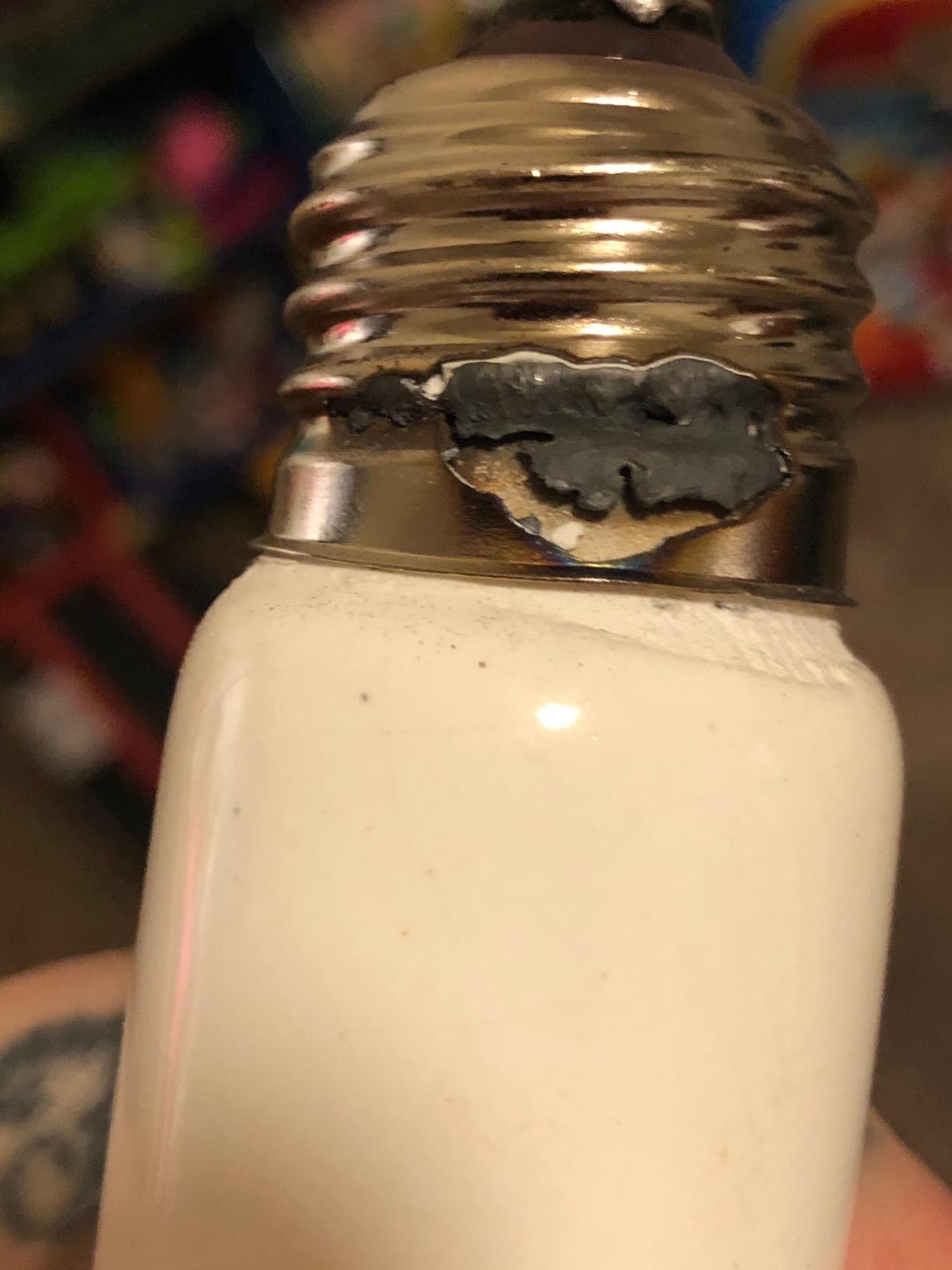
Because breakage in transit is the most common complaint, inspect both bulbs before installing either one. Hold them up to a light source and look for hairline cracks around the base thread and the emitter face, and check that the thread is clean and not deformed. Fit bulbs by the base only, never the emitter face, and never screw one in if the socket threads feel rough or the contact plate is bent.
Best fit for a mid-size snake setup
This is our recommendation for a first adult snake in a 20 to 30 gallon enclosure: an adult corn snake, a king or milk snake, or a young adult ball python. The 100W output raises the warm side without the overshoot risk of a 150W bulb, and the 2-pack means you never face a night without heat because a bulb expired.
7. Fluker’s 100W Ceramic Heat Emitter – built for the Repta-Clamp lamp
Fluker’s Ceramic Heat Emitter, Natural Infrared Heating Bulb for Reptiles, 100 Watt
100W white ceramic emitter
Large circular emitter face
Teflon-free ceramic
Designed for the Repta-Clamp lamp
Pros
- Exceptional longevity reported by long-term owners
- Even the white ceramic version emits no light
- Fits the Fluker's Repta-Clamp lamp for a matched adjustable setup
- Teflon-free construction
Cons
- Sold as a single bulb so spares mean a second purchase
- Higher cost per bulb than the generic multi-packs
- Emits no visible light so it cannot be a daytime basking lamp
This product has been on sale for well over two decades, which tells you something important about a component expected to run unattended for years. Around 915 reviews at 4.6 stars, with 81% five-star, describe a bulb that several owners have run continuously for eight years or more on the same fitting.
The defining theme in those reviews is durability. Owners contrast it favourably with cheaper elements that burned out in weeks, and the Teflon-free ceramic construction is a specific advantage if you keep birds or small mammals alongside your reptiles.
Oddly for a white ceramic bulb, it emits no visible light at all. The white ceramic element itself blocks it, which means a clean, glare-free enclosure with no red glow. That matters for anyone who checks on the animal at night.
The large circular emitter face directs heat outward across a wider area than a narrow bulb, increasing the size of the warm zone on the enclosure floor. The manufacturer positions it as an ideal 24-hour heat source for establishing an environmental temperature range, controlled by a thermostat.
It is also designed to pair with the Fluker’s Repta-Clamp Lamp with Switch, and that is the most sensible way to run it. A matched clamp lamp gives you a secure mount with real height adjustment, which is exactly the adjustment a ball python enclosure needs as the seasons change.
Why a single-bulb pack can be an advantage
A single-bulb package is a disadvantage if your only concern is having a spare on the shelf. But it has one specific advantage: you are not committing to a two-bulb pack where both bulbs share the same shipping box and the same fate. The durability evidence is what justifies buying one at a time.
Best application for a ball python enclosure
For a 40 gallon enclosure holding an adult ball python, this is a strong fit. The 100W output with a wide circular emitter face creates a usable warm zone without the sharp concentrated hotspot a narrow conical bulb produces. A ball python is a heavy-bodied constrictor that benefits from a long, even gradient rather than a small fierce hotspot, which is exactly what a wide emitter face provides.
8. Zoo Med Repticare 100W – flat-face porcelain with a two-year warranty
Zoo Med Repticare 100 Watt Ceramic Infrared Heat Emitter
100W porcelain ceramic emitter
Flat-face design
Raises air temperature 10-20F
E26 base
Pros
- Flat-face design is more efficient than conical emitters
- Can raise terrarium air temperature 10-20F above room temperature
- Suitable for high-humidity terrariums
- Backed by a 2-year manufacturer warranty
Cons
- Highest cost per bulb here and sold as a single unit
- The A15 tubular shape throws a narrower heat pattern than flat discs
- Very hot in operation and must cool before handling
The Zoo Med Repticare is the specialist-brand pick, and the reasons are structural rather than marketing. It is a 100W porcelain element, and porcelain is the material of choice for humid terrariums because it tolerates moisture and thermal cycling better than thinner ceramic formulations.
The flat face is the design detail that sets it apart. A flat disc emitter projects heat outward more efficiently than the conical design most generic bulbs use, which means more usable heat from the same wattage. Zoo Med states it can raise terrarium air temperature 10 to 20F above the surrounding room, which is the figure that matters in a cold room.
Around 844 reviews at 4.6 stars, with 78% five-star, reflect strong trust in a long-established brand. Owners cite the flat-face efficiency, the ability to lift enclosure air temperature, and suitability for humid setups. The consistent reservation is cost, and the fact that it is a single bulb.
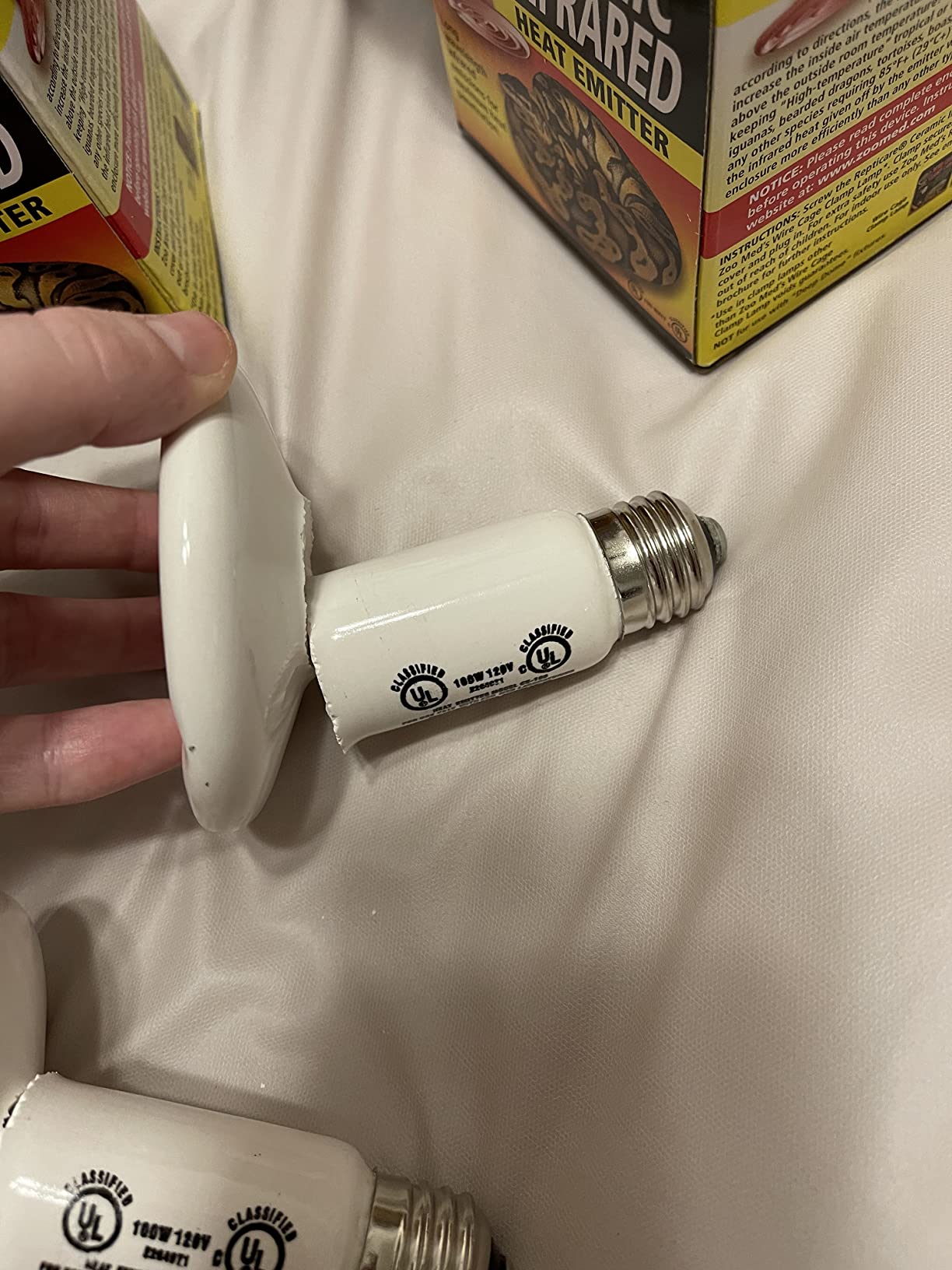
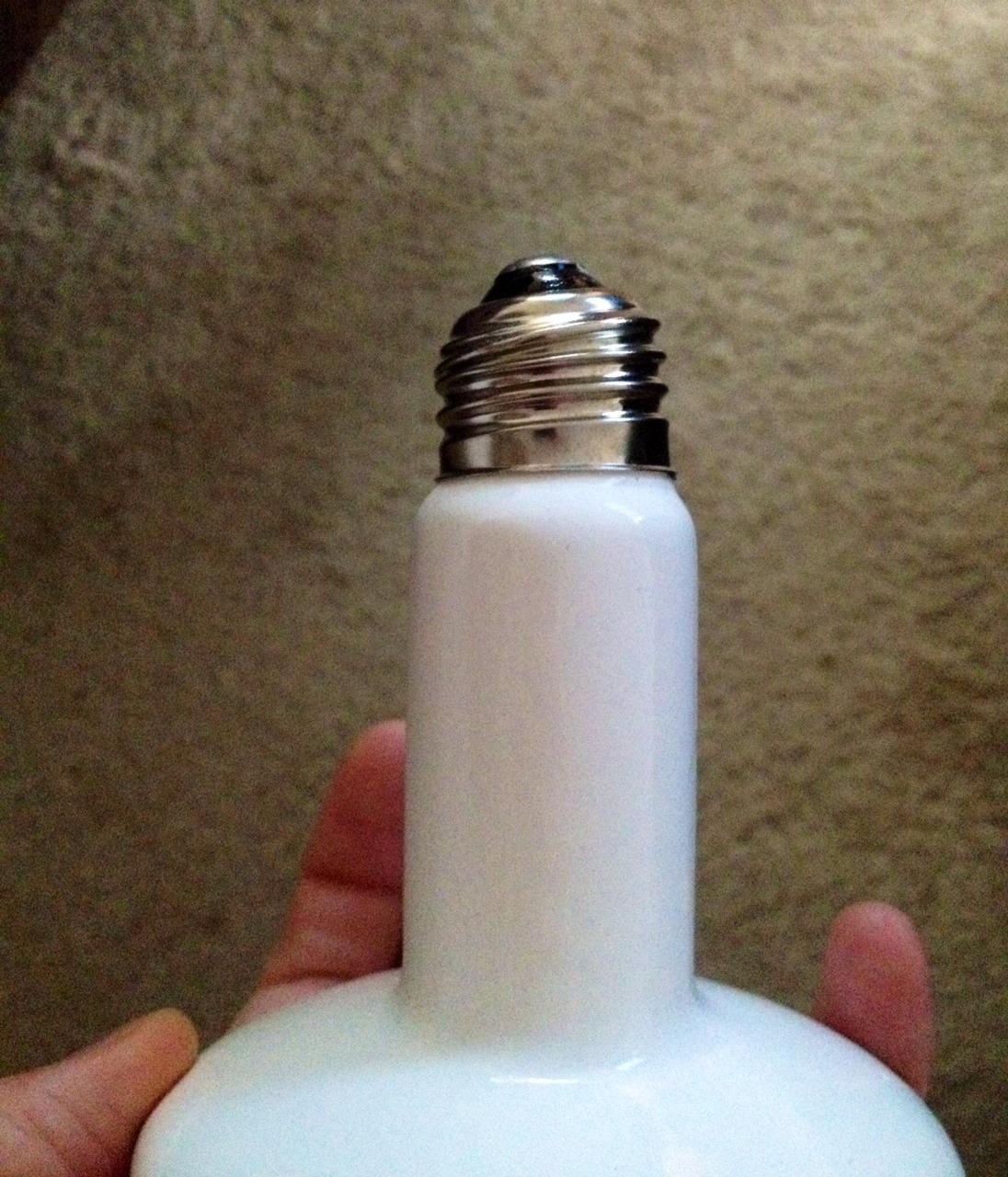
It measures 4.2 inches wide by 3.9 inches high on an E26 base, running 100 to 120V AC. The A15 tubular shape does throw a narrower heat pattern than a wide flat disc, so if you need a very broad warm zone this is not the geometry you want.
The two-year manufacturer warranty is the longest cover in this roundup, and for a bulb you intend to run 24 hours a day for several years that is a meaningful difference. It is the paperwork that justifies buying one rather than a cheaper two-pack.
Choosing between a specialist bulb and a multi-pack
The trade is straightforward. A multi-pack gives you two bulbs for less per bulb and a spare immediately, which is the right call for most keepers. A specialist single bulb gives you a warranty, a known materials specification and a build quality that shows up in service life.
When high humidity makes the material the deciding factor
For arboreal tropical species such as green tree pythons, and for any enclosure sprayed daily, material quality is not a minor detail. Bulbs that craze and crack in a humid environment fail without warning, often in the middle of a cold week. Zoo Med rates this one for high-humidity terrariums specifically, which suits an overhead mount feeding a vertical gradient in a rainforest-style enclosure.
9. DOMICA 150W 2-Pack – 500F ceramic for boas and arboreal snakes
DOMICA 150W 2 Pack Reptile Heat Bulb, Beared Dragon Ceramic Heat Emitter, E26 No Light Night Use Heater Bulbs for Turtle, Lizard, Snake, Amphibians, Pet Brooder Coop Chicken (150W-Large Tank)
150W ceramic emitter 2-pack
High-density ceramic rated to 500F
Compact 3 by 3 by 4.3 inch
E26 base
Pros
- High-density ceramic rated to withstand 500F without warping
- Compact profile fits enclosures where bulkier bulbs will not
- Rapid heat-up in low-temperature rooms
- Steady targeted heat with no light emitted
Cons
- Runs extremely hot with no visual indication that it is on
- Some buyers report bulbs failing within a few months
- Fixture must be rated for 150W or higher
This is the pick for large snakes in large enclosures, and the specification that sells it is material. The high-density ceramic is rated to withstand temperatures up to 500F without warping, which is a meaningful claim for a bulb sitting directly above a boa constrictor or a large arboreal species.
The second detail is geometry. At 3 by 3 by 4.3 inches it is noticeably more compact than the larger emitters here, and that matters in a tall arboreal enclosure where a bulb with a long neck collides with the screen top. Several owners note that it fits where bulkier bulbs will not.
Around 551 reviews at 4.5 stars, with 78% five-star, describe a value-focused emitter. Users highlight that it still heats strongly after three or more months, that one bulb survived being dropped and kept working, and that it lifts enclosure temperature for ball pythons and baby tortoises.
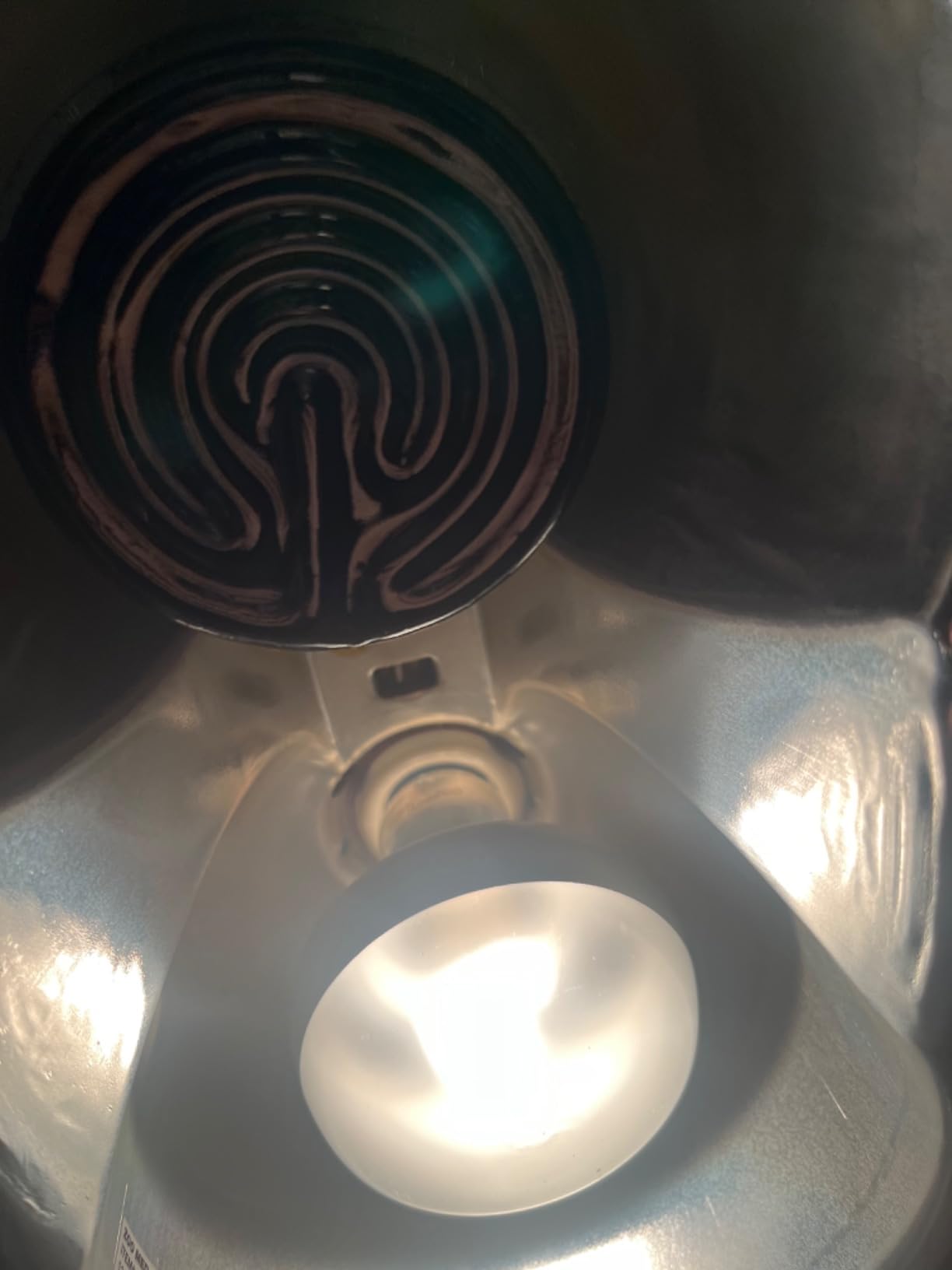
The same range runs 50W, 75W, 100W and 150W, so one brand covers a juvenile corn snake and an adult boa. Each bulb runs AC 110-120V on a standard E26 base and delivers a targeted zone rather than a diffuse wash, so the warm side stays defined.
The most discussed drawback is safety and legibility. The bulb runs very hot and gives no visual indication that it is on, and one reviewer sustained a burn while changing a nearby bulb because they could not see the element. A minority also report short service life within a few months.
Matching 150W to a large or arboreal snake
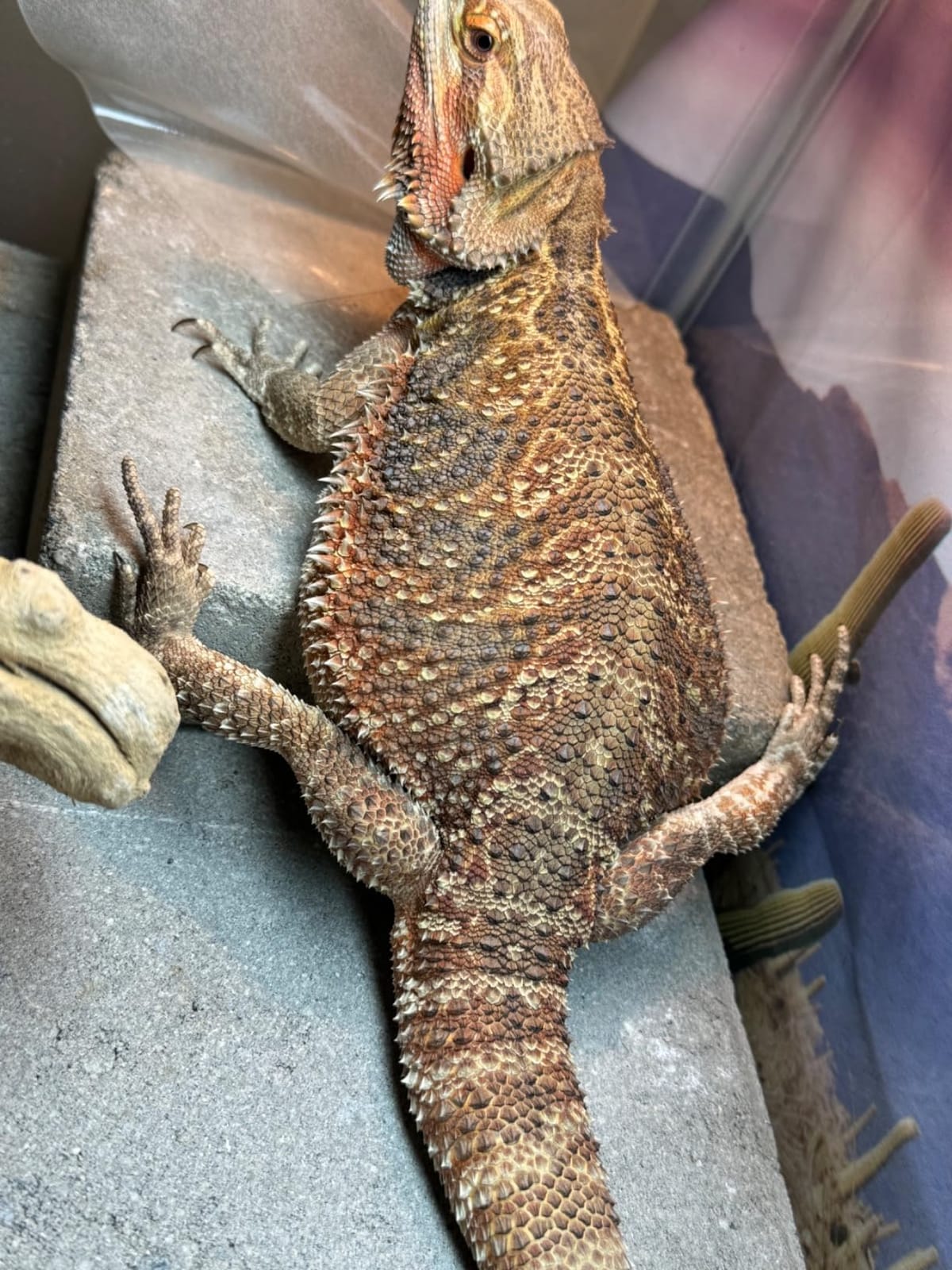
150W is right for an adult ball python, a large boa or a big python in a 40 gallon or larger enclosure, and it is the practical choice in a cold room where the watts go into replacing heat lost through the glass. For arboreal species mounted overhead, place the emitter above the enclosure and let the heat wash down the full height, keeping more than 12 inches from any branch the animal can reach.
Making an invisible hot bulb safe
Because the emitter gives no indication that it is live, treat it as live whenever it is screwed in. Fit the dome so the animal cannot reach the surface, keep clearance from any screen top or plastic furniture, and never change a nearby bulb without assuming the emitter is hot. Use a towel rather than bare fingers, and keep a second bulb on hand.
10. REPTI ZOO 100W 2-Pack – certified two-bulb pack with a 10,000-hour life
REPTI ZOO 100W Reptile Heat Lamp 2Pack Ceramic Heat Emitter Night Heat Lamp Bulbs Reptile Terrarium Heat lamp Tank Heat Bulb for Turtle Bearded Dragon Gecko Lizard Snake Chicken E26
100W black ceramic emitter 2-pack
CE-certified and RoHS-compliant
10000 hour rated life
E26 base
Pros
- Highest five-star share in the roundup at 82 percent
- CE-certified and RoHS-compliant for safety-conscious buyers
- Crack-resistant ceramic rated for humid glass terrariums
- 10000-hour rated lifespan
Cons
- Only a 90-day warranty
- the shortest cover among the specialist options
- Heat only
- so diurnal reptiles still need a basking and UVB lamp
- Emitter surface is hot so lamp height must be managed
REPTI ZOO is the only emitter here carrying CE certification and RoHS compliance, and for buyers who check safety marks that is a real differentiator. It is also a two-bulb pack of 100W emitters, so the practical combination is good.
The rating distribution is the strongest in the group: 510 reviews at 4.6 stars with 82% five-star. Buyers highlight the 10,000-hour rated lifespan, the completely dark output for night-time heating, and the crack-resistant ceramic for humid setups, alongside the certification marks.
Crack resistance is not a marketing point in a tropical enclosure. High-purity ceramic that will not craze in sustained high humidity is the difference between a bulb that lasts years and one that fails in a season, and it is why we look for it in any emitter intended for an arboreal tropical species.
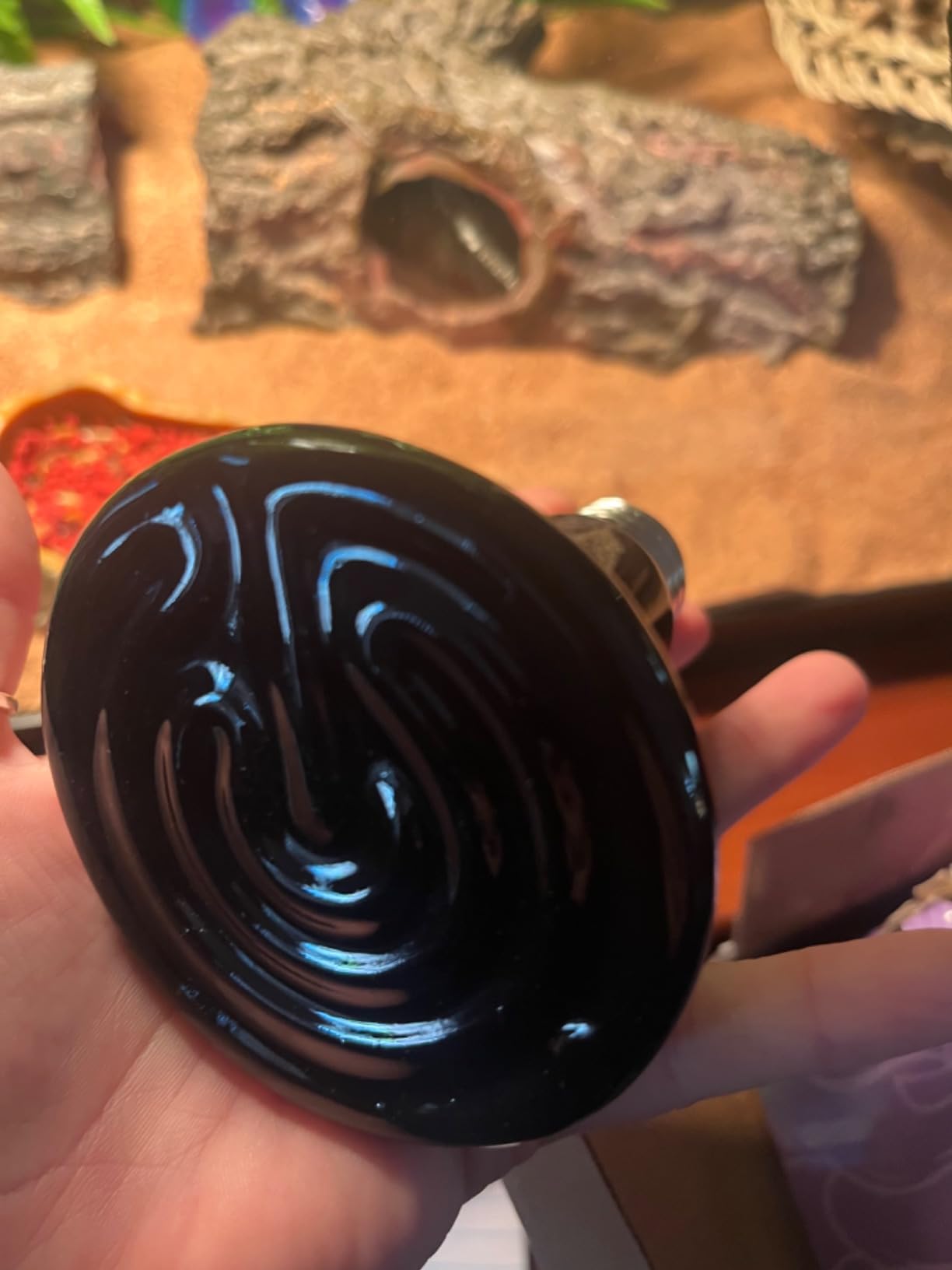
Each bulb measures 2.9 inches wide by 3.9 inches high and runs AC 110V on a standard E26 socket, which fits most domes. Infrared heat penetrates skin tissue without disturbing natural behaviour, which is the mechanism behind the zero-light specification, and the same range is offered in 60W and 150W two-packs.
The two real caveats are the 90-day warranty, far shorter than the two-year cover offered by the specialist brands here, and the fact that it supplies heat only. Diurnal species still need a basking and UVB lamp alongside it.
What CE and RoHS markings actually tell you
CE and RoHS are compliance marks rather than independent performance certifications, and it would be wrong to treat them as a guarantee of service life. What they do confirm is that the product was built to declared safety and hazardous-substance standards, and that materials and construction were checked to a published specification.
Best fit for a mid-size enclosure
100W suits the mid-size enclosures most snakes are kept in: a 20 to 30 gallon tank, an adult corn snake, a king or milk snake, or a young adult ball python. Check your hotspot with a probe at the resting height of the animal rather than at substrate level, which reads warmer than the temperature the snake actually experiences.
Ceramic Heat Emitter vs Deep Heat Projector vs Radiant Heat Panel
A ceramic heat emitter radiates long-wave infrared, sometimes called infrared-C. It warms the air and the surfaces inside the enclosure directly, and the heat arrives as radiant energy rather than air movement. A deep heat projector, or DHP, works on a similar principle but pushes more energy deeper, with a stronger beam and greater effective throw.
The counter-argument comes up constantly on keeper forums. On r/CrestedGecko a keeper put it plainly: a ceramic heater only produces infrared-C, so it warms the air and skin, while a deep heat projector reaches further and is more powerful. That is factually correct. The question is whether it matters for a snake.
For most ball python, corn snake, kingsnake and boa enclosures, it does not matter very much, because a snake spreads out along a branch or substrate to thermoregulate and will move closer to the heat source on its own. Where it matters is a tall, densely planted or arboreal enclosure where the animal has limited ability to reposition itself, and there the deeper reach of a DHP is a genuine advantage.
Radiant heat panels are the third option and the quietest, emitting no light and almost no sound. They are harder to shield, harder to mount in a standard dome, and they also need a thermostat. Many ball python keepers run a hybrid: a CHE on a thermostat over the cool side for ambient, with a DHP over slate on the warm side for penetration.
Heat mats are the option to move away from. Experienced keepers describe them as unreliable and a poor way to provide radiant heat, because they warm the substrate rather than the animal and encourage it to lie directly on a hot surface. They are worth using only as a small supplementary source, never as the only one.
What Wattage Ceramic Heat Emitter Does Your Snake Need?
Size from the enclosure and the room, not from the snake. A 10 gallon tank in a warm house needs very little, and a 40 gallon tank in a cold basement needs a lot more, and the animal’s body size matters far less than most people assume. Work down this list, then verify with a probe thermometer, because the only number that counts is the one measured in your enclosure.
For a juvenile corn snake in a 10 gallon enclosure, start at 60W. An adult corn snake in a 20 to 30 gallon enclosure sits between 80W and 100W, and most keepers land on 100W with a dimming thermostat. Kingsnakes and milk snakes in the same size enclosure fall in the same band.
An adult ball python in a 40 gallon enclosure takes 100W to 150W, with 150W the common recommendation in a cool room. A boa constrictor in a 40 gallon or larger enclosure generally takes 150W, and an arboreal tropical species such as a green tree python needs 80W to 150W mounted overhead so the heat washes down the full height.
If the household temperature sits in the low 60sF, step the wattage up rather than solving cold with mounting height. A useful workflow keepers describe is to choose the lowest wattage that reaches your target with the fixture at a safe height, then let the thermostat hold it there. If a dimming thermostat is pinned at maximum and the enclosure still falls short, you are undersized.
How to Choose a Ceramic Heat Emitter and Match It to a Fixture
Start with the socket. Every emitter here is an E26 screw base, the same physical standard as a normal household bulb, but the socket it goes into must be porcelain, ceramic or metal rated for the wattage. A plastic or phenolic socket will soften and deform, and it is the most reported hardware mistake in keeper setups.
Next, match the dome. A 5.5 inch dome works with emitters around 2.9 to 3.2 inches in diameter, which covers most picks here. An 8.5 inch dome gives a wider heat spread and suits larger enclosures where you want the warm zone to cover more of the floor. Either way, check the wattage rating printed inside the dome and make sure it exceeds the bulb.
Mounting matters as much as the bulb. A spring clip is fine for a lightweight plastic tub. A clamp lamp on an adjustable arm is the better choice for a glass terrarium, because it gives you the height control you need as the seasons change. For an arboreal enclosure, an overhead mount that washes heat down the full height is worth setting up deliberately.
Safety markings come next, and this is where budget and specialist options separate. ETL is an independent laboratory mark, while CE and RoHS are compliance declarations. Any of them is better than an unmarked bulb, and for a component running unattended above a living animal the documentation is worth reading.
Finally, confirm the light output. A genuine ceramic heat emitter produces no visible light, and black-finished versions are entirely invisible. That specification is the whole reason nocturnal species can sleep normally, so treat it as a requirement. Then pair the emitter with a thermostat: an on/off model works but cycles the element hard, while a dimming thermostat varies power and treats the element more gently.
Safety Rules for Ceramic Heat Emitters You Should Not Skip
Never run a ceramic heat emitter without a thermostat. This is a requirement, not a recommendation, and it is the rule that matters most. Furry Critter Network put it plainly in their snake heating guide: even the best ceramic heat emitter or radiant heat panel will cook a snake if the thermostat fails or the probe slips out of position.
That second clause is where most incidents start. A probe that slides out from under the hide and rests near the emitter reads cool, the thermostat holds or lowers power, and the actual hiding spot becomes dangerously hot. Secure the probe cable so it stays in the position you measured, and re-check it every time you move a hide.
Keep more than 12 inches, or roughly 30cm, of clearance between the emitter and the animal. Several products here state that figure in their own safety guidance. Do not place a branch, hide or screen top within that distance, because a boa or python will climb into a warm spot if one is available.
Let the emitter cool for at least an hour after switching off before you handle it, and never switch it straight back on. Frequent on-off cycling shortens element life, which is the main reason a dimming thermostat is preferable to an on/off model. Keep a spare emitter of the same specification on hand, because a warm side below 68F for hours can trigger a respiratory infection in a tropical species.
Why Some Experienced Breeders Avoid Ceramic Heat Emitters
The contrarian position is worth stating plainly rather than dismissing. A long-running thread on aussiepythons.com carries the argument that the best advice regarding ceramic heat emitters is not to use them. Experienced breeders repeat it for reasons that are legitimate.
The core of the objection is physical. A ceramic heat emitter is a near-unshielded heating element. It radiates in every direction, it cannot be aimed, and it will raise the temperature of whatever is closest to it. A deep heat projector can be directed at a slate slab from a distance, and a radiant panel can be mounted outside the enclosure, so both allow far more precise control over where the heat lands.
That criticism is correct in three situations. It is correct for diurnal reptiles, where the animal needs a visible basking spot and UVB that no emitter can provide. It is correct for very large enclosures where an emitter cannot project far enough to create a usable gradient. And it is correct wherever the fixture cannot be positioned to maintain 12 inches of clearance.
Outside those cases, for a nocturnal or crepuscular snake in a standard enclosure on a thermostat, the objections do not hold. The emitter is a cheap, replaceable, silent component with a long service life, and keepers on r/cornsnakes describe switching to one specifically because the absence of visible light means less interruption to the animal. Keepers on r/reptiles put it in the shortest possible form: if it is night, use a ceramic heat emitter for ambient.
Frequently Asked Questions
Are ceramic heat emitters good for snakes?
Yes, for most snake enclosures. A ceramic heat emitter produces infrared heat with zero visible light, so a nocturnal or crepuscular species can be heated around the clock without interrupting its dark period. It must be mounted in a ceramic-socket dome fixture, kept more than 12 inches from the animal, and run on a thermostat. It is not suitable as the only heat source for diurnal species that need visible light and UVB.
Do ceramic heat emitters need a thermostat for snakes?
Yes, without exception. An emitter is a bare heating element with no built-in temperature control, and it will raise a small enclosure past the safe range within minutes. Furry Critter Network put it directly: even the best ceramic heat emitter or radiant heat panel will cook a snake if the thermostat fails or the probe slips out of position. A dimming thermostat is preferable to an on/off model because it treats the element more gently and gives finer temperature control.
What wattage ceramic heat emitter is recommended for ball pythons?
Adult ball pythons generally take 100W to 150W in a 40 gallon enclosure, with 150W the common choice in a cool room. Young adults in a 30 gallon enclosure usually run 100W. Size the wattage from the enclosure and the room temperature rather than the animal, start at the lowest wattage that reaches your target with the fixture at a safe height, and let the thermostat hold it there.
Are deep heat projectors better than ceramic heat emitters?
It depends on the enclosure. A deep heat projector pushes radiant heat further and can be aimed at a slate slab, which makes it the better choice for tall, densely planted or arboreal enclosures. For a standard enclosure holding a ball python, corn snake, kingsnake or boa, a ceramic heat emitter on a thermostat is simpler, cheaper to replace and gives the same practical result. The deep heat projector also requires a dimming thermostat.
Which is better for a corn snake, a heat lamp or a heat pad?
A ceramic heat emitter is the better choice. Heat mats warm the substrate rather than the animal and encourage a corn snake to lie directly on a hot surface, and experienced keepers widely describe them as unreliable. A daytime basking or halogen lamp still adds value, since it supplies visible light and a basking spot, so many setups pair a basking bulb by day with an emitter running on a thermostat around the clock. For an adult corn snake, 100W is the usual starting point.
How far should a ceramic heat emitter be from a snake?
Keep more than 12 inches, roughly 30cm, of clearance between the emitter and the animal. Several manufacturers in this roundup state that figure in their own safety guidance. Avoid placing a branch, hide or screen top within that distance, because a boa or python will climb into a warm spot if one is available. The emitter surface runs hot enough to cause burns on contact.
Final Verdict for the Best Ceramic Heat Emitters for Snakes
For most snake keepers, the Simple Deluxe 150W 2-pack is the best ceramic heat emitter for snakes in 2026. Close to 8,800 reviews averaging 4.5 stars give it the deepest reliability evidence in the roundup, its 85mm emitter diameter spreads heat wider than a 75mm generic bulb, and the 2-pack means a failed element is never an emergency.
Buy the OMAYKEY 75W 2-Pack for juveniles and small enclosures, the OMAYKEY 100W two-pack with thermometer if you want monitoring in the box, and the Fluker’s or Zoo Med 100W if you would rather have a warranty and a known specialist build. The LUCKY HERP 150W pair is the pick when warm-up speed matters in a cold room.
Whichever you choose, mount it in a ceramic-socket dome rated above the wattage, run it on a thermostat, hold 12 inches of clearance, and verify the temperature with a probe at the animal’s resting height. Measure the hotspot yourself rather than trusting a number on a listing.