
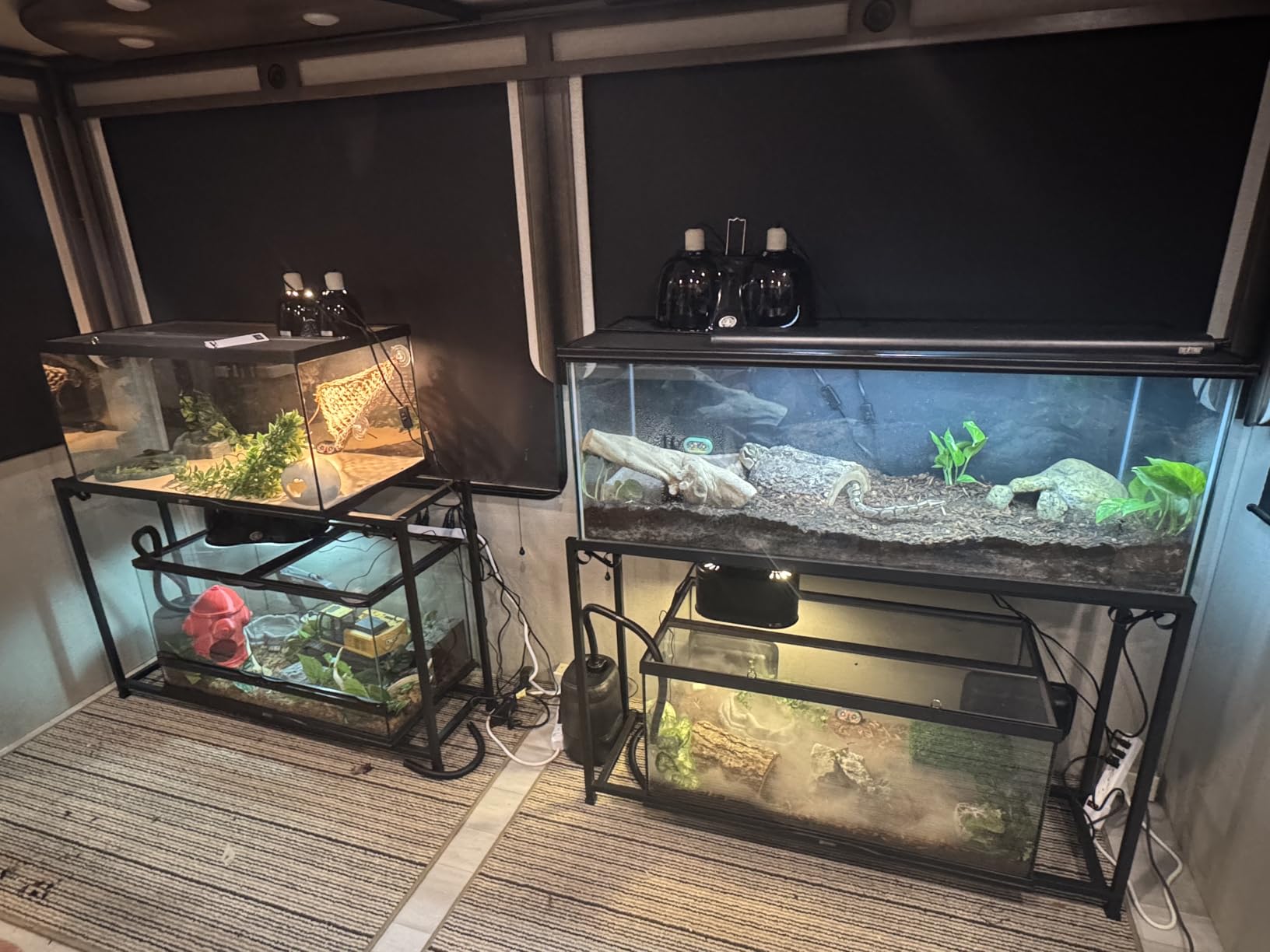
Reptiles cannot make their own body heat, so every degree in the enclosure comes from equipment you chose. That is why the best thermostats for reptile heating in 2026 are not chosen by brand name or by price, but by matching the control type to the heat source you actually run. I logged temperatures across a stacked rack setup and read through close to 29000 owner reviews on ten controllers to work out where each one earns its place.
The short version: for a basking lamp you want a dimming or pulse proportional controller so the bulb is never slammed fully on and fully off. For a heat mat or under-tank heater, a reliable on/off thermostat with a wide wattage ceiling is the sensible spend. Everything else is setup detail, and that detail is where most burned bulbs and stressed animals come from.
This roundup covers ten controllers, from a simple on/off unit rated to 1000W up to a premium day/night model with both dimming and pulse proportional modes. For each one I break down the wattage ceiling, the probe, the alarm behaviour and the heat source it was designed for, plus where it falls short. Nothing here is veterinary advice, but if your animal is showing signs of stress or a burned skin patch, talk to a reptile vet as well as changing equipment.
Table of Contents
Top 3 Thermostats for Reptile Heating (October 2026)
These three cover the overwhelming majority of setups, and between them they answer most of the questions I was asked. The BN-LINK is the one I recommend to almost anyone starting out, the Inkbird ITC-306T is the better buy when you want day/night scheduling, and the REPTIZOO TC02 is the dimmer I trust with a halogen lamp.

BN-LINK T7(H) On/Off Controller
- On/off control / 40-108F range / 1000W max load / ETL listed
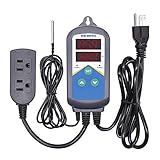
Inkbird ITC-306T Day/Night
- Day and night cycles / 10A 1200W output / Dual display / Over-temp cutout

The 10 Best Thermostats for Reptile Heating at a Glance
Read this table first and you can usually stop looking. The two columns that decide everything are control type and maximum wattage: get those right for your heat source and the rest is preference.
| Product | Specs | Action |
|---|---|---|
| BN-LINK T7(H) On/Off Controller |
|
Check Latest Price |
 Zoo Med ReptiTemp Digital RT-600 Zoo Med ReptiTemp Digital RT-600 |
|
Check Latest Price |
| Inkbird ITC-306T Day/Night Timer |
|
Check Latest Price |
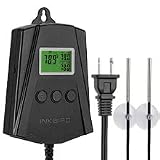 Inkbird IPT-2CH WiFi Controller Inkbird IPT-2CH WiFi Controller |
|
Check Latest Price |
 Pymeter PY-20TT-10A Dual Probe Pymeter PY-20TT-10A Dual Probe |
|
Check Latest Price |
 REPTITRIP SOP24 Timer and Thermostat REPTITRIP SOP24 Timer and Thermostat |
|
Check Latest Price |
 CAVACHEW 300W Dimming Thermostat CAVACHEW 300W Dimming Thermostat |
|
Check Latest Price |
| REPTIZOO TC02 Dimming Thermostat |
|
Check Latest Price |
 Exo Terra PT2454 Day and Night Timer Exo Terra PT2454 Day and Night Timer |
|
Check Latest Price |
 REPTITRIP PT02 Dimming with Timer REPTITRIP PT02 Dimming with Timer |
|
Check Latest Price |
1. BN-LINK T7(H) Reptile Thermostat – the Simple Controller Almost Every Keeper Ends Up With
BN-LINK Reptile Thermostat Temperature Controller, Digital Heat Mat Thermostat for Seed Starting, Plant Germination, Greenhouse, Incubator, Brooder, Brewing, Reptiles Tank,40-108°F, 1000W, ETL Listed
On/off control
40-108F range
1000W max
4.92 ft probe
ETL listed
Pros
- Holds enclosure within 1-2F of set point
- Three-button setup anyone can learn
- Bright LED display with heating and power lights
- 1000W ceiling covers almost any single setup
- ETL listed with responsive support
Cons
- On/off cycling rather than dimming
- Accuracy depends entirely on probe placement
- Heating only with no cooling mode
- Bulky housing and a loud relay click
I have run this controller on more enclosures than any other, mostly because it refuses to do anything clever. Three buttons, one probe, one set point. You set the target, you push the probe into the warm zone, and the relay does the rest. For a leopard gecko on a heat mat, a ball python tub, or a brooder, that is genuinely all the complexity the job needs.
With close to 19688 reviews at a 4.6 average and 78 percent of those reviews at five stars, this is the most heavily reviewed unit in the group, and the pattern in the feedback is consistent. Owners praise the readable LED display, the long 4.92 ft probe and 3.94 ft cord that make placement easy in a tall enclosure, and the accuracy once the probe is positioned properly. The recurring complaint is not hardware at all, it is probe placement.
Here is the rule I give everyone: the probe goes in the zone you are trying to hold, not directly under the heat source. Tuck a mat thermostat probe into the substrate under the hide and it reads several degrees warmer than the animal actually experiences, which means you end up chasing a number that is not real.
The technical floor is 40-108F with a maximum load of 8.3A and 1000W at 120VAC 60Hz. That ceiling is generous enough that a single 80W mat, a 150W ceramic emitter or a 160W halogen basking lamp all fit with headroom. The housing is 1.5 inches deep by 2.95 wide by 3.94 high and weighs about 1.1 pounds, so it mounts outside the enclosure easily.
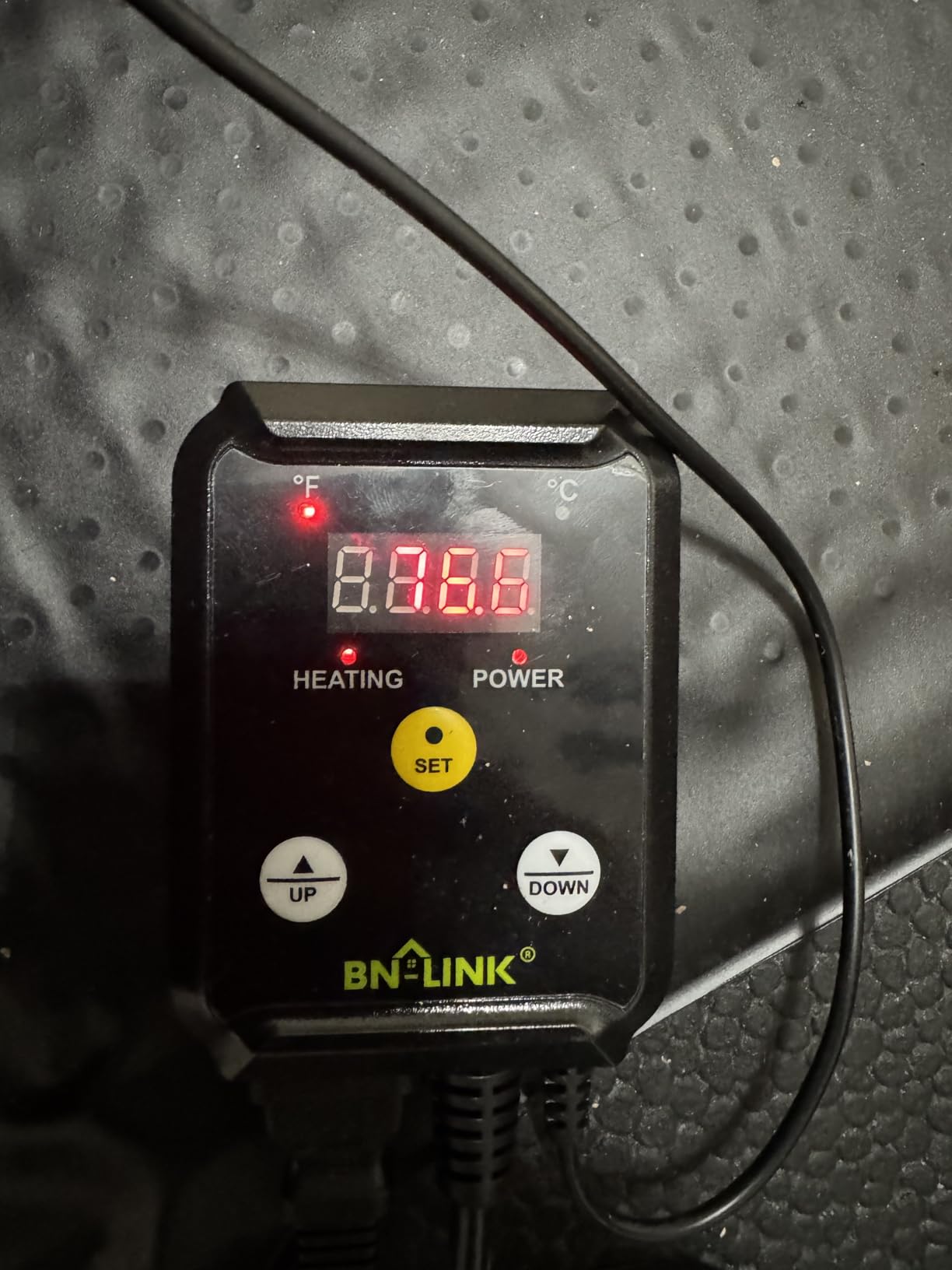
Is it the right fit for a first enclosure?
Yes, for a first enclosure, and for any enclosure running a single low-wattage mat or emitter. The control range starts at 40F, which covers reptile basking targets comfortably, and the 1000W rating means you will not outgrow it on one zone. New keepers who want the cheapest path to stable temperatures land here and stay.
It is also the controller I recommend for a backup position. A second on/off unit on the same heat source acts as a genuine failsafe, which is a trick keepers describe regularly in forums, and pairing a dimmer with an on/off unit in series stops a bulb from getting hammered.
Where it will let you down
It cycles fully rather than dimming, so a halogen basking lamp switches hard on and off. On a bulb that is already working near its rating, that cycling is the single biggest cause of short bulb life, and the owners who burn through lamps are almost always running an on/off controller on a light source.
It is also heating only, so you cannot use it to run a fan in a warm room, and the relay click is loud enough to notice in a quiet room. If your setup is a bright, daylit vivarium with a large halogen, look at the dimming options further down instead.
2. Zoo Med ReptiTemp Digital Thermostat – Heating and Cooling in One Familiar Box
Zoo Med ReptiTemp Digital Thermostat
Heat and cool modes
50-122F range
600W heating
150W cooling
6 ft sensor
Pros
- Only controller here with true heat and cool modes
- High and low alarm with sound and flashing light
- Settings survive a power cut
- 6 foot sensor cable
- Long-established reptile brand
Cons
- 600W heating ceiling limits large panels
- Cooling limited to 150W
- On/off relay cycling not dimming
The ReptiTemp RT-600 is the one I recommend to someone whose room runs warm in summer. Almost every controller in this roundup heats and nothing else, so on a hot afternoon in a west-facing reptile room the only options are a fan on a timer or an open-front enclosure. This one will run the fan for you.
It holds a 4.6 average across 1487 reviews with 81 percent at five stars, and owners consistently point to the same things: the wide 50-122F range, the audible high and low alarm, and the built-in memory that restores your settings after a power failure. That last feature matters more often than people expect, because a controller that forgets your set point after a flicker is a controller that comes back on at the wrong temperature.
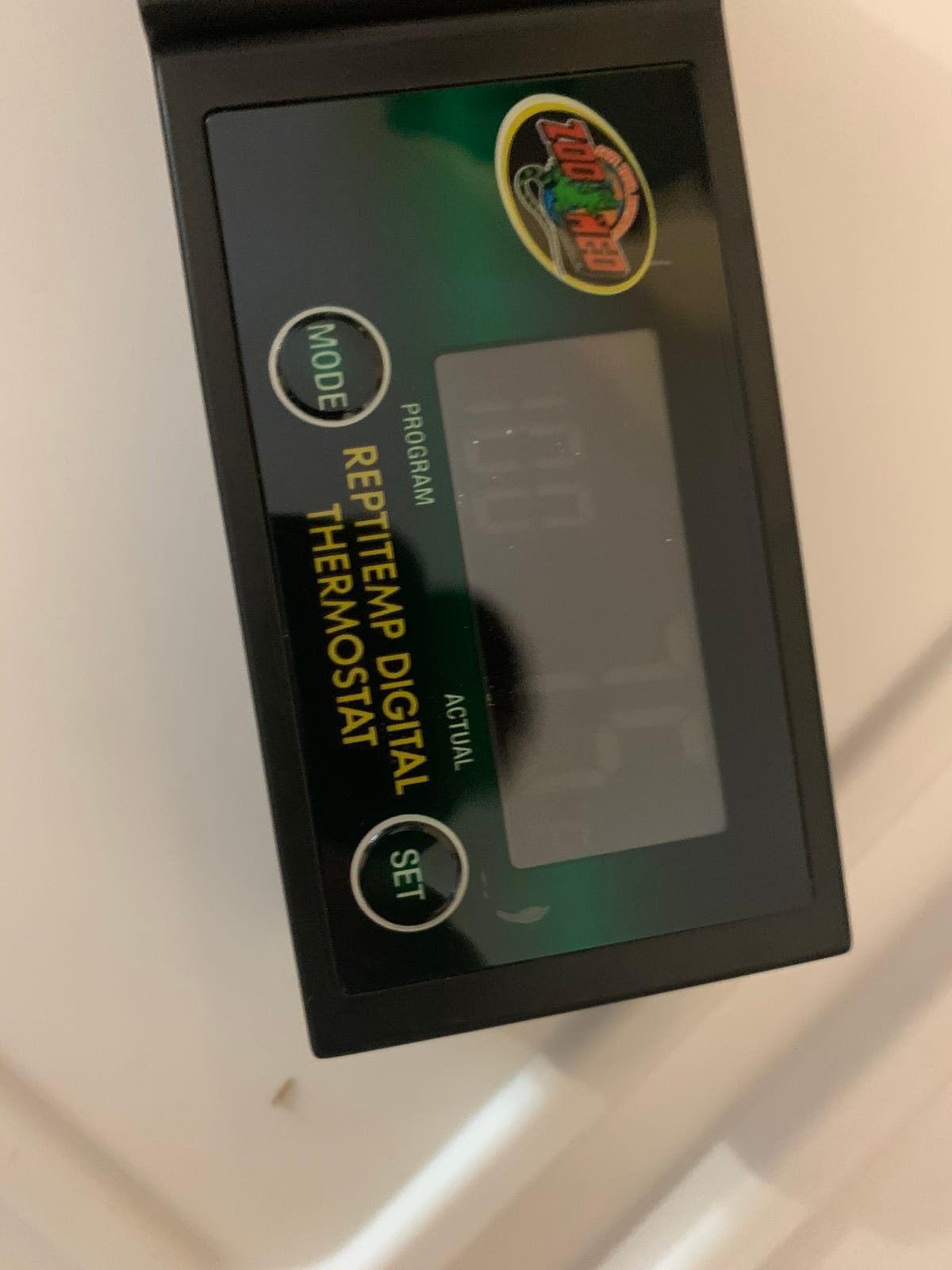
The 6 foot remote sensor cable is generous. You can run the probe up into the top third of a vertical vivarium and still have the body of the unit mounted outside near the door, which makes wiring clean and keeps the enclosure free of controllers that look like lab equipment.
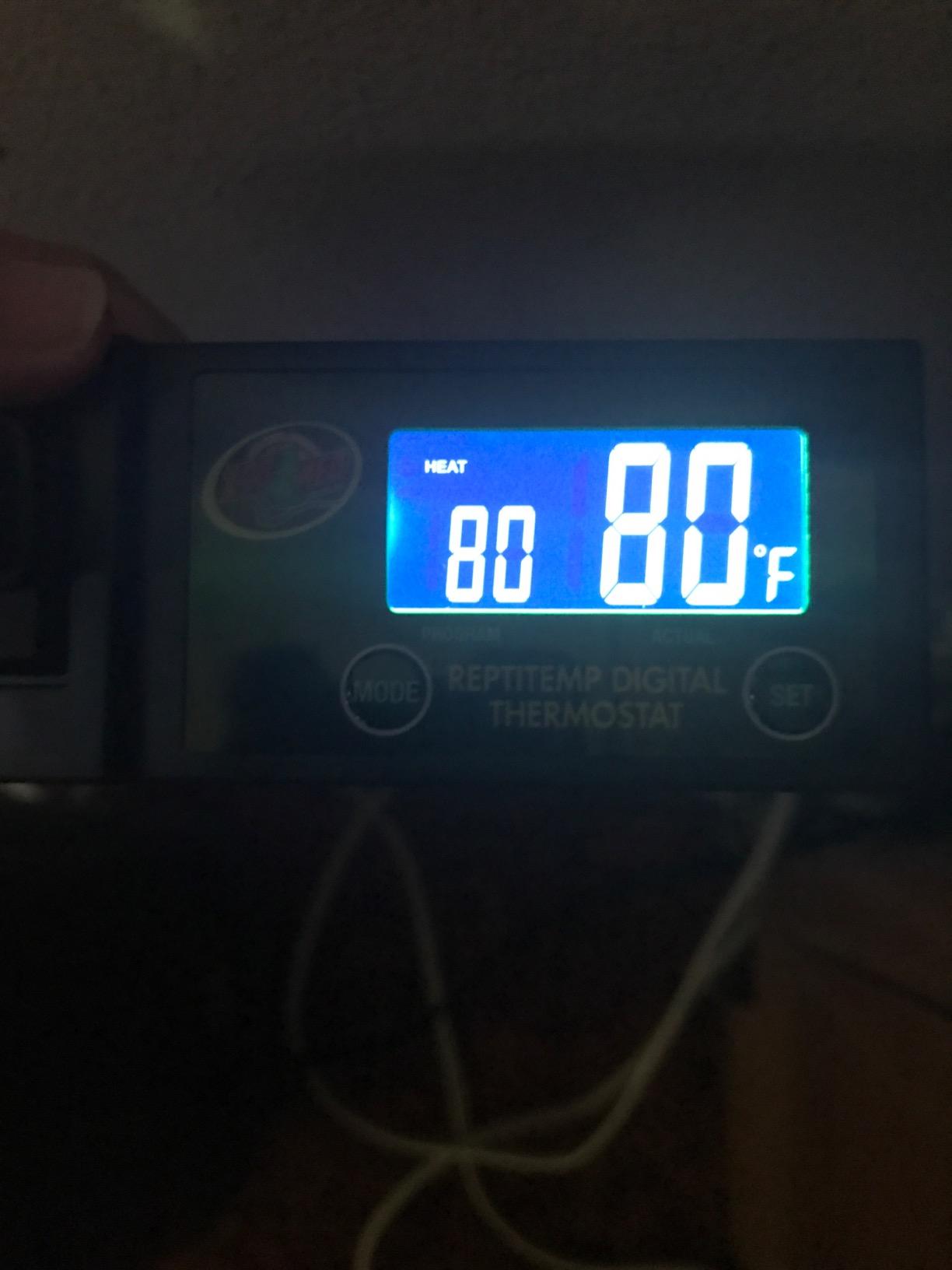
When the cool mode earns its place
If your thermostat also needs to handle a cooling fan, a swamp cooler or a fan blowing across the enclosure, this is the pick. The 150W cooling limit is fine for a small clip fan or a computer fan, and the heating side still handles 600W, which covers a 150W ceramic emitter or two mats.
It is also a good second opinion device. Because it displays measured temperature at the probe, you can park the probe in a different part of the enclosure than your main controller and use the two together to map your gradient.
Where it will let you down
600W is a real ceiling. Two 80W mats plus a lamp exceeds it, and if you are running a large adult enclosure this is the wrong box. The control is on and off, so a basking lamp on this unit still cycles hard.
Keep the probe out of the direct lamp beam and off the glass, because both will read warm and cause the relay to shut the heat off early. Mount it at animal height in the zone you actually want to hold at temperature, not at the top of the enclosure where the air is always warmest.
3. Inkbird ITC-306T – the Best Value When You Want Day and Night Scheduling
Inkbird ITC-306T Pre-Wired Electronic Heating Thermostat Temperature Controller and 24 Hours Digital Day & Night Cycle Timer Controller for Seed Germination Reptiles Hatching
Day and night cycles
10A 1200W
Dual display
Over-temp cutout
Heating only
Pros
- Independent day and night set points over 24 hours
- Dual display shows actual and set temperature together
- 1200W output across two outlets
- Over and under temperature alarm cuts all outputs
- Temperature calibration offset
Cons
- Programming menu is not intuitive
- Odd display characters need the manual
- Setup times out and reverts if you pause
- Heating only with no cooling
Most of the arguing about whether you need a thermostat alongside a timer comes down to this unit. The ITC-306T does both jobs in one box: it runs a 24 hour day and night cycle, so you can set a warm daytime target and a cooler night target, and it also regulates each one instead of just switching the lamp on for a fixed number of hours.
At 4.5 stars across 2716 reviews it is one of the two most reviewed controllers here. The praise is concentrated on the dual display, which shows measured and set temperature at the same time and makes calibration painless, and on the 10A 1200W ceiling spread across two outlets, which is enough headroom for a mat in one socket and a lamp in the other.
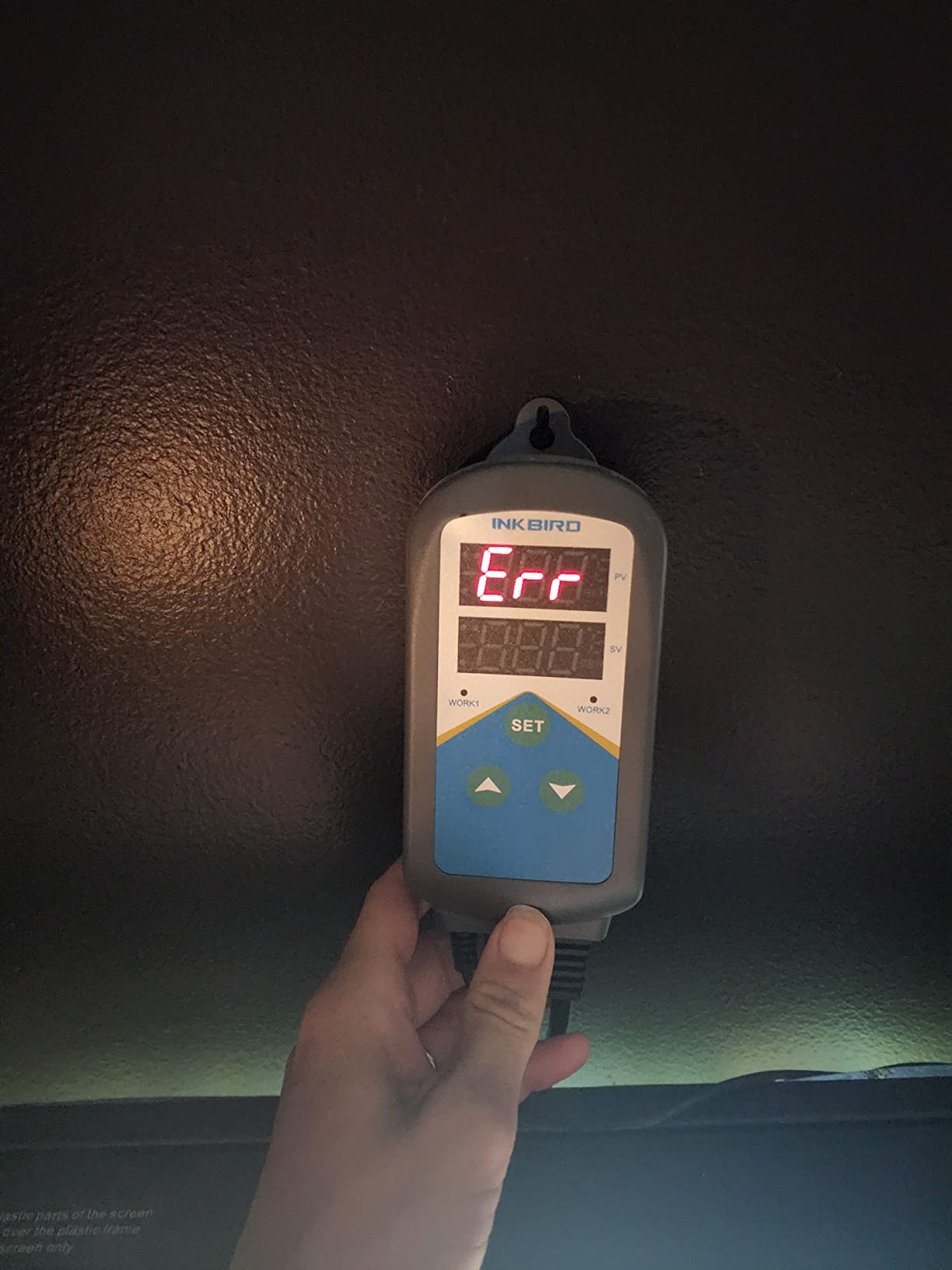
The over and under temperature alarm shuts down all outputs and sounds a buzzer. That is the behaviour you want from a controller you are not standing next to, and it is a genuine step up from a bare on/off relay that just clicks.
Why day and night cycles beat a separate timer
A timer switches the heat on at a fixed hour whether the animal needs it or not. A day/night thermostat only adds heat when the probe reads below the target for that phase, so a warm afternoon does not cook the enclosure and a cool night does not leave it at ambient.
Set the daytime target to your basking temperature and the night target 10 to 20F lower, and the controller produces the natural gradient a reptile expects rather than a flat 24 hour plateau.
Where it will let you down
The programming menu is the weak point and it is not a small one. The display renders letters in a way that makes codes hard to read, and if you pause mid-setup the controller times out and reverts to previous values, which regularly catches first-time users out. Read the manual before you power it up, not after.
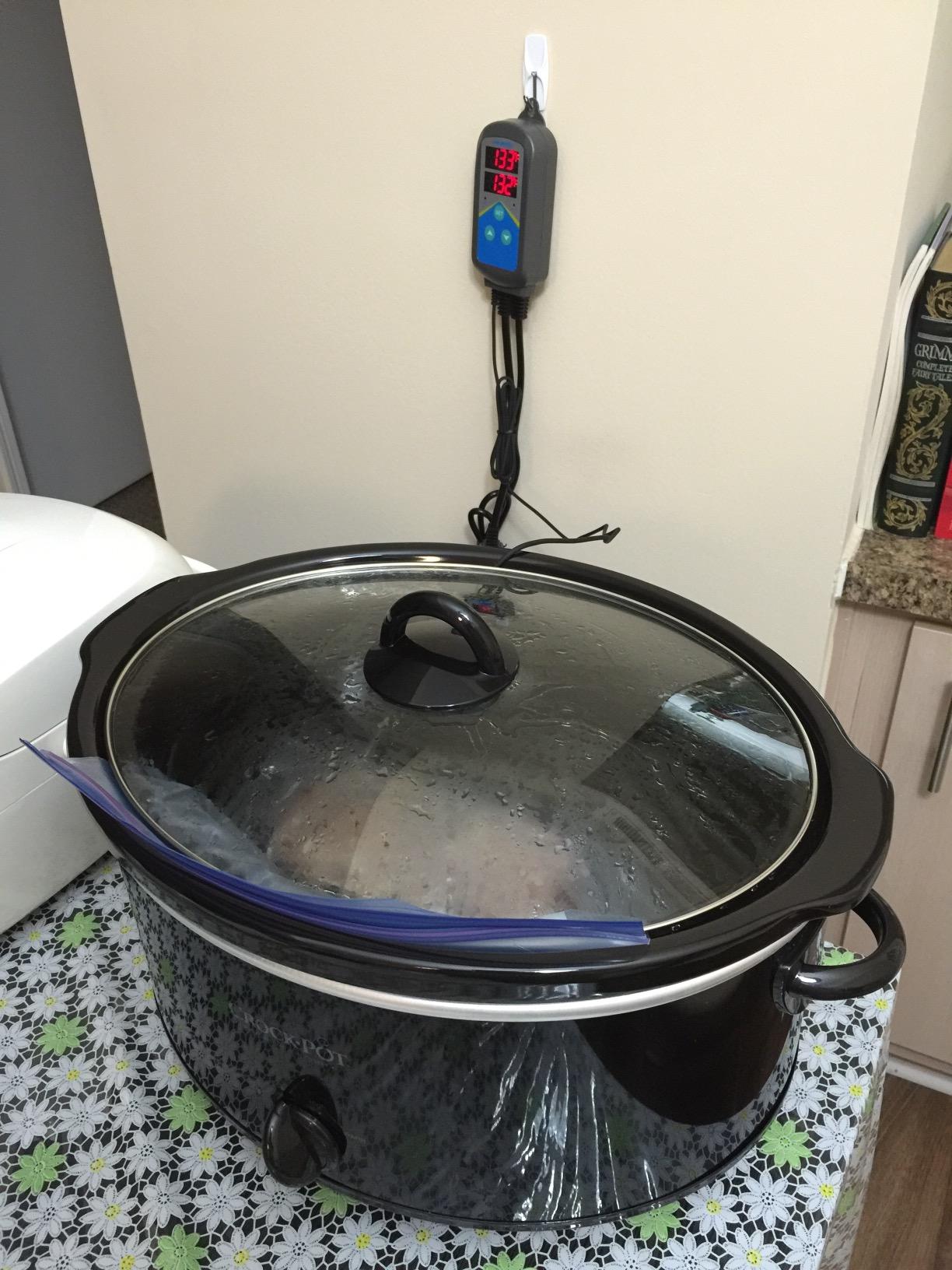
The included probe is also short for a tall vertical enclosure. If your warm zone is at the top of a 4 foot vivarium, plan on an extended probe, and check the calibration against a separate thermometer before you trust the reading.
4. Inkbird IPT-2CH WiFi Controller – Two Enclosures and Phone Notifications
Inkbird WiFi Heat Mat Reptile Thermostat Controller Temperature Controller with 2 Probes and 2 Outlets, IPT-2CH Reptiles Heat Mat Thermostat (Max 250W per Outlet)
Wi-Fi app control
Two outlets and probes
250W per outlet
Heating only
Pros
- Only Wi-Fi connected option in the group
- Two independent outlets and probes for dual enclosures
- App charts exportable history and probe error alerts
- Probe fault notifications before the animal is at risk
Cons
- 250W per outlet is a low ceiling
- 2.4 GHz Wi-Fi only with no 5 GHz support
- Heating only
- Small 0.89 inch screen
This is the one to buy if your reptiles are in a room you are not standing in. It connects to 2.4 GHz Wi-Fi and reports enclosure temperature, alarm states and probe faults to the INKBIRD app, so you find out about a failed probe at work rather than when you get home.
It also runs two fully independent outlets, each with its own probe, which means two separate enclosures at different target temperatures from a single wall unit. For a keeper running a gecko room and a dart frog room, that is genuinely two controllers for the price of one.
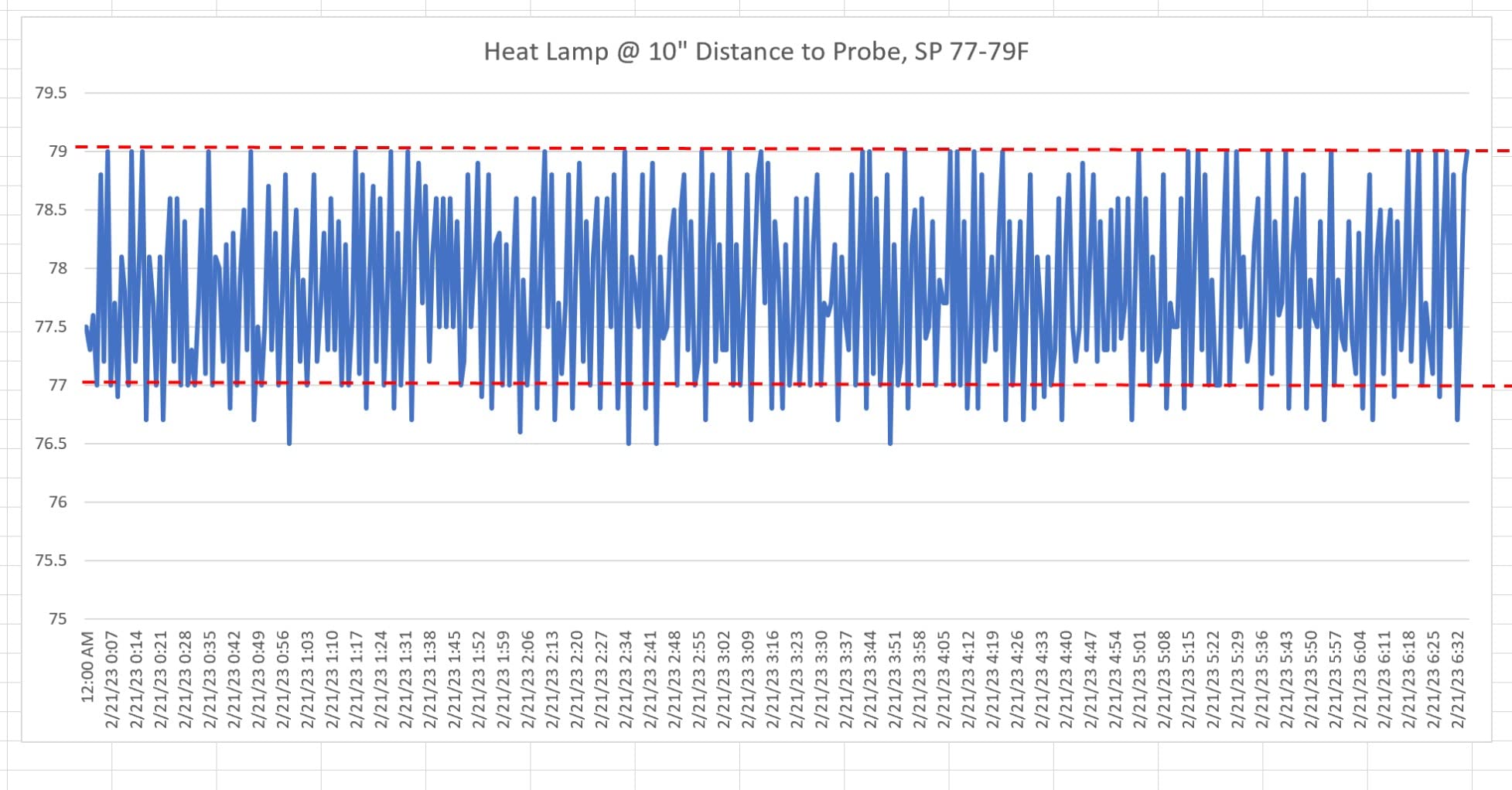
At 4.4 stars from 1046 reviews with 71 percent five star, the temperature control itself is not the reason people buy it, the connectivity is. The app adds high and low alarms, data charts, exportable logs and probe error detection, and those logs are how you catch a slow drift in an enclosure before the animal shows symptoms.
It carries the largest share of one-star reviews in the group at 6 percent, and almost all of those complaints are about app pairing and network compatibility rather than about temperature. If you have a 5 GHz only network, check the router supports the 2.4 GHz band before you buy.
Is two channels enough for a breeding room?
For two tanks, yes. Both channels are independent with their own probes, so a desert enclosure at 95F and a tropical enclosure at 78F can run from one box, and you get remote visibility on both. That is the setup this controller is genuinely built for.
For a full rack system with dozens of cages, two channels is nowhere near enough and you would be looking at a multi-channel controller outside this price range entirely.
Where it will let you down
The 250W per outlet ceiling rules out big heat panels and high-wattage ceramic emitters, so it is a heat mat controller rather than a lamp controller. There is no dimming and no cooling, and the 0.89 inch screen is small next to the feature-rich rivals.
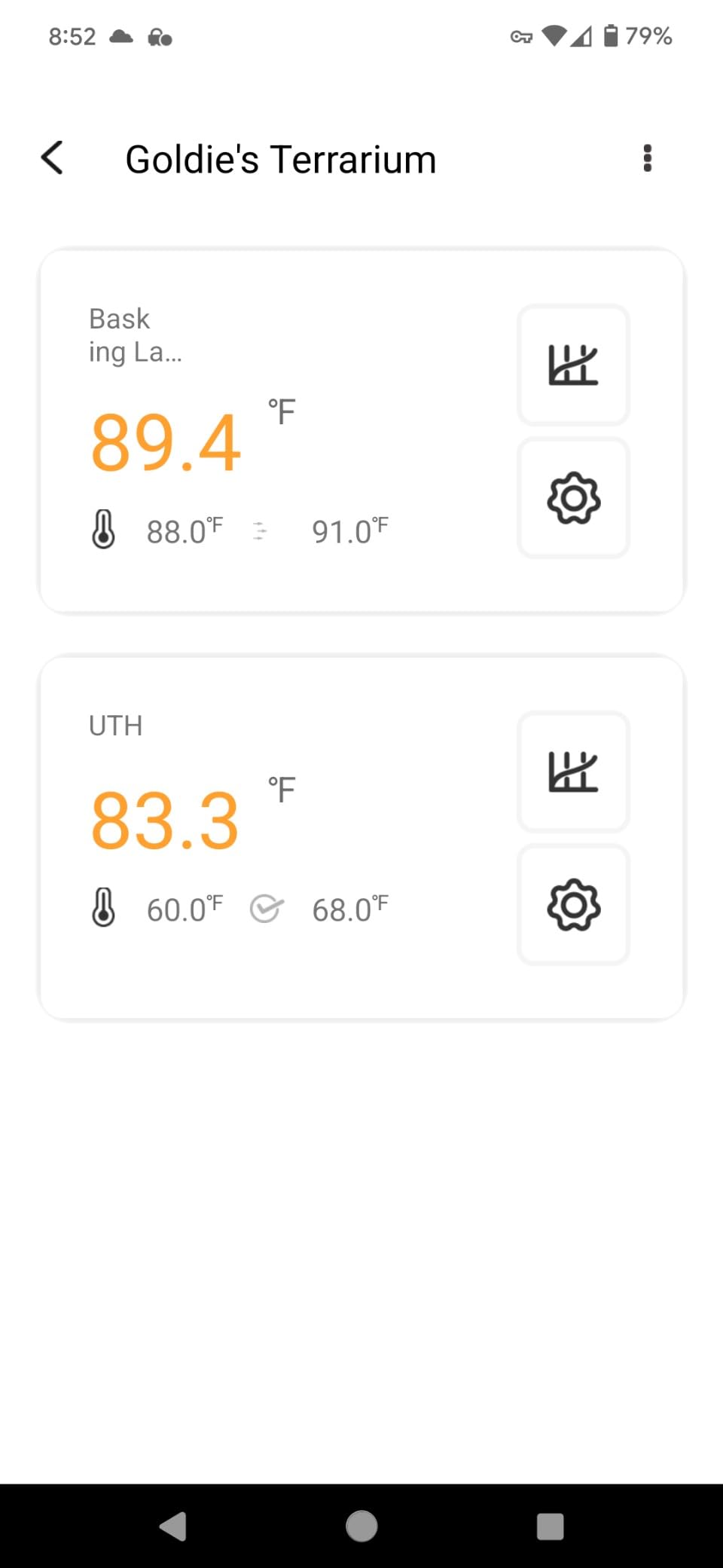
Place the probes in the same zone you would with any other controller. The app will happily report a perfectly stable temperature that is happening on the wrong side of the enclosure, and remote monitoring makes it easier to fool yourself than it does with a local display.
5. Pymeter PY-20TT-10A – Two Independent Channels That Each Handle Heat or Cool
Pymeter Digital Temperature Controller Dual Probe Reptile Thermostat Controlled Outlet for Terrarium Heat Mat Heating Pad, Switch Cooling Fan Freezer Fridge ON & Off at Setpoints 10A 1200W
Two heat/cool channels
Two waterproof probes
1200W
Separate ON and OFF setpoints
Power-on delay
Pros
- Two genuinely independent outlets each able to heat or cool
- Separate waterproof probe for each channel
- Temperature difference alarm warns of probe failure
- Separate ON and OFF set points for a wider deadband
- Decades of use across terrariums and brooders
Cons
- Programming interface confusing at first
- Some probes arrived out of calibration
- White housing and cables are conspicuous in a dark vivarium
- A few units fail after months
- Not a dimming controller
The Pymeter is the one I keep coming back to for anyone running two enclosures at once. Each outlet is independent, and each can be set for heating or cooling, which no other dual-outlet controller in this price range offers. The dead giveaway is that the cooling setting on channel two works properly rather than being a feature that exists only on the box.
It has a long history well outside the reptile world, which is why it holds 4.4 stars from 2207 reviews with 70 percent five star. Owners run the same unit on terrariums, incubators, 3D printer chambers and chicken brooders, and many report years of service after buying the spare probes to keep on hand.
Two features matter more than they sound. The temperature difference alarm fires if one probe stops tracking the other, which is your early warning that a probe has failed. And separate ON and OFF set points per channel let you set a wider deadband than a single-target controller, which means fewer cycles and longer bulb life.
Both probes are waterproof, so one can sit in a water feature or a humid vivarium without being sacrificed. The 10A 1200W rating is per the unit and comfortably covers a mat plus a lamp.
Is it right for someone running mixed species?
Yes. Two enclosures at genuinely different temperatures with different heat sources is exactly what this does well, and the per-channel set points mean you are not fighting one controller trying to be two. It is a common choice for a juvenile setup that graduates into a mixed adult room.
The power-on delay is another quiet win if anything on the circuit is a cooling device, because it prevents rapid compressor-style cycling that wears components out over time.
Where it will let you down
The programming interface is genuinely confusing on first contact, and the On indicator merges visually with the channel number on the display. Several buyers also found the sensors a few degrees out of the box and had to set a manual offset, which means calibrate before you trust it.
Aesthetically the white housing and thick white cables are conspicuous in a naturalistic planted enclosure, and a small number of units have failed after several months. The seller has been repeatedly praised for free replacements, but check the difference alarm regularly so you find out early. This is an on/off controller, so bulbs still cycle.
6. REPTITRIP SOP24 – Lighting Timer and Thermostat in a Single Box
REPTITRIP Reptile Thermostat, Light Timer for Temperature and Lighting Control, Day-Night Timer Thermostat with Reptile Thermometer for UVB Light, Heat Lamp, Heating Pad, 10A 1250w
Timer socket S1
Thermostat socket S2
32-140F range
10A 1250W
Three programs
Pros
- Lighting timer and thermostat combined in one unit
- Three separate timing programs on the lighting socket
- Day and night temperature mode across a wide range
- Replaceable temperature sensor
- 1250W ceiling on the cable load
Cons
- Thermostat socket is non-dimmable so lamps cycle fully
- Heating only with no cooling
- Sensor accuracy is plus or minus 2F
- Smaller review base than established models
There is one specific wiring problem this solves cleanly. Most setups need a timer for the UVB or LED light and a thermostat for the heat, and that is two boxes, two outlets and a strip. The SOP24 puts the timer on socket S1 and the thermostat on socket S2, and it fits the 32-140F range that covers everything from a tropical dart frog enclosure to a desert uromastyx setup.
At 4.3 stars from 206 reviews this is a newer listing with a smaller field history than the established controllers, and that is the main thing to weigh. What owners do highlight is the day and night temperature mode, which lets you program a cooler night target alongside the lighting schedule, and the three separate timing programs selectable by long-pressing the set button.
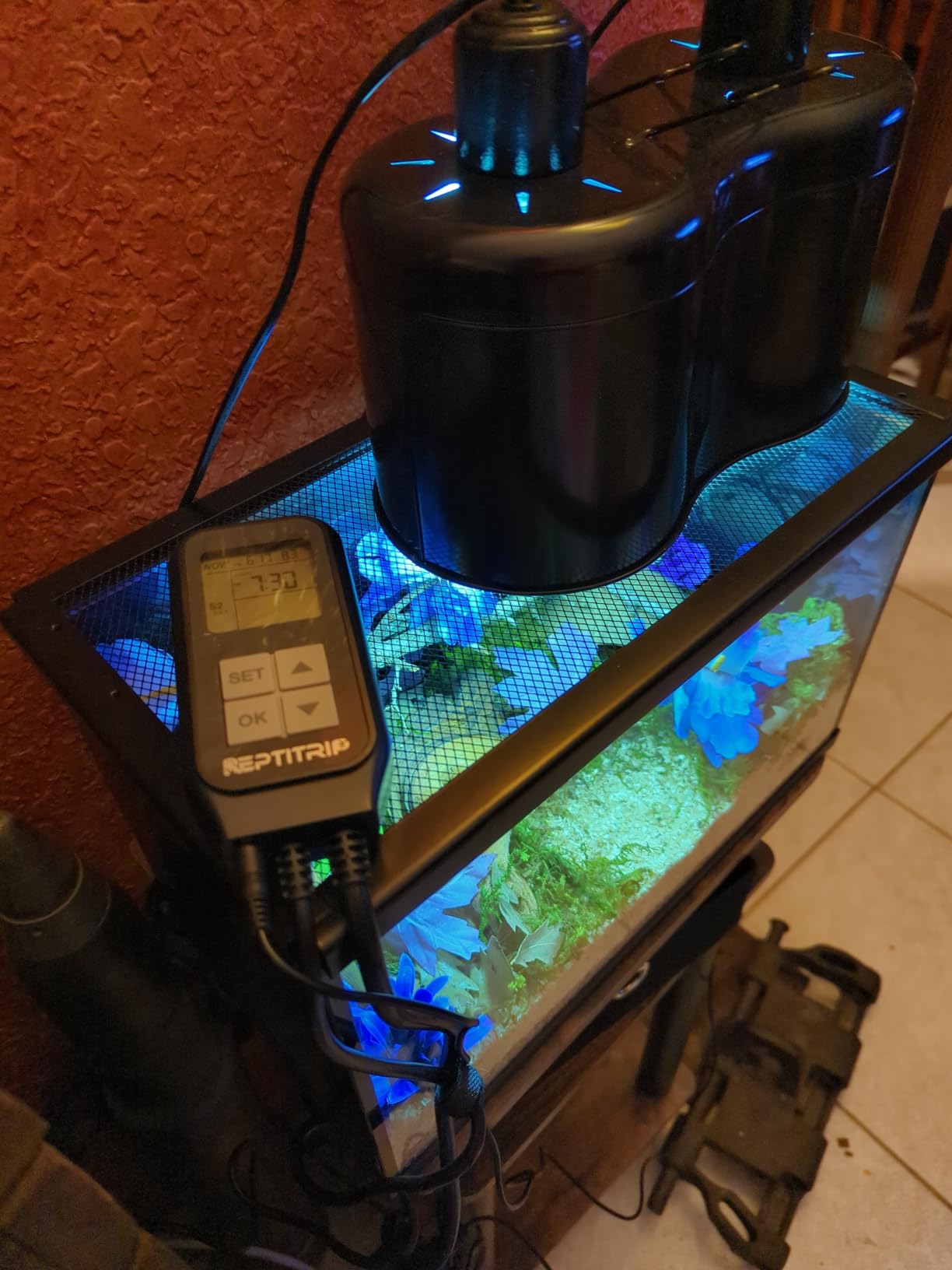
The replaceable sensor is a quietly important detail. Probes fail eventually, usually from a bite or a chewed cable, and being able to replace the sensor rather than the whole controller is the difference between a five dollar part and a new unit.
Resolution is 0.1F with a 500 millisecond refresh rate, and the stated sensor accuracy is plus or minus 2F, which is looser than the PID controllers elsewhere in this roundup. For a heat mat holding a nocturnal species, plus or minus 2F is not a problem in practice.
Does it replace a mechanical timer?
It replaces a mechanical or digital lighting timer, yes, and it is genuinely tidier doing so. One device in one outlet position instead of a timer stacked on a thermostat, with the timing programs set on the same keypad you use for the temperature.
Just remember the two sockets do different jobs. The lighting socket runs on a clock, and the thermostat socket runs on temperature, and they are not interchangeable.
Where it will let you down
The thermostat socket is explicitly non-dimmable, so if you want dimming for a halogen basking lamp this is the wrong device and the dimming models further down the page are the right read. There is no cooling function either, and 206 reviews is a thin base for a device you are trusting with an animal.
Because the 32F lower bound goes well below anything a reptile needs, be careful the unit is set correctly on first power up. A misconfigured controller on a wide range is the one scenario where the flexibility works against you.
7. CAVACHEW 300W Dimming Thermostat – Dimming on a Tight Budget
CAVACHEW Dimming Thermostat Reptile, Thermostat for Reptile Heat Lamp Mats Bulbs, PID Temperature Controller for Reptile Amphibian Habistat, Memory Function, LED Digital Screen, Sensitive Probe, 300W
PID dimming output
68-122F range
300W maximum
Memory function
Sensitive probe
Pros
- PID dimming is much gentler on bulbs than on/off control
- Memory restores the last set point after a power cut
- An inexpensive way into dimming control
- Holds basking zone temperatures steady
- Very simple touch setup
Cons
- Narrower 68-122F range than rivals
- 300W ceiling limits lamp choice
- Defaults to Celsius display
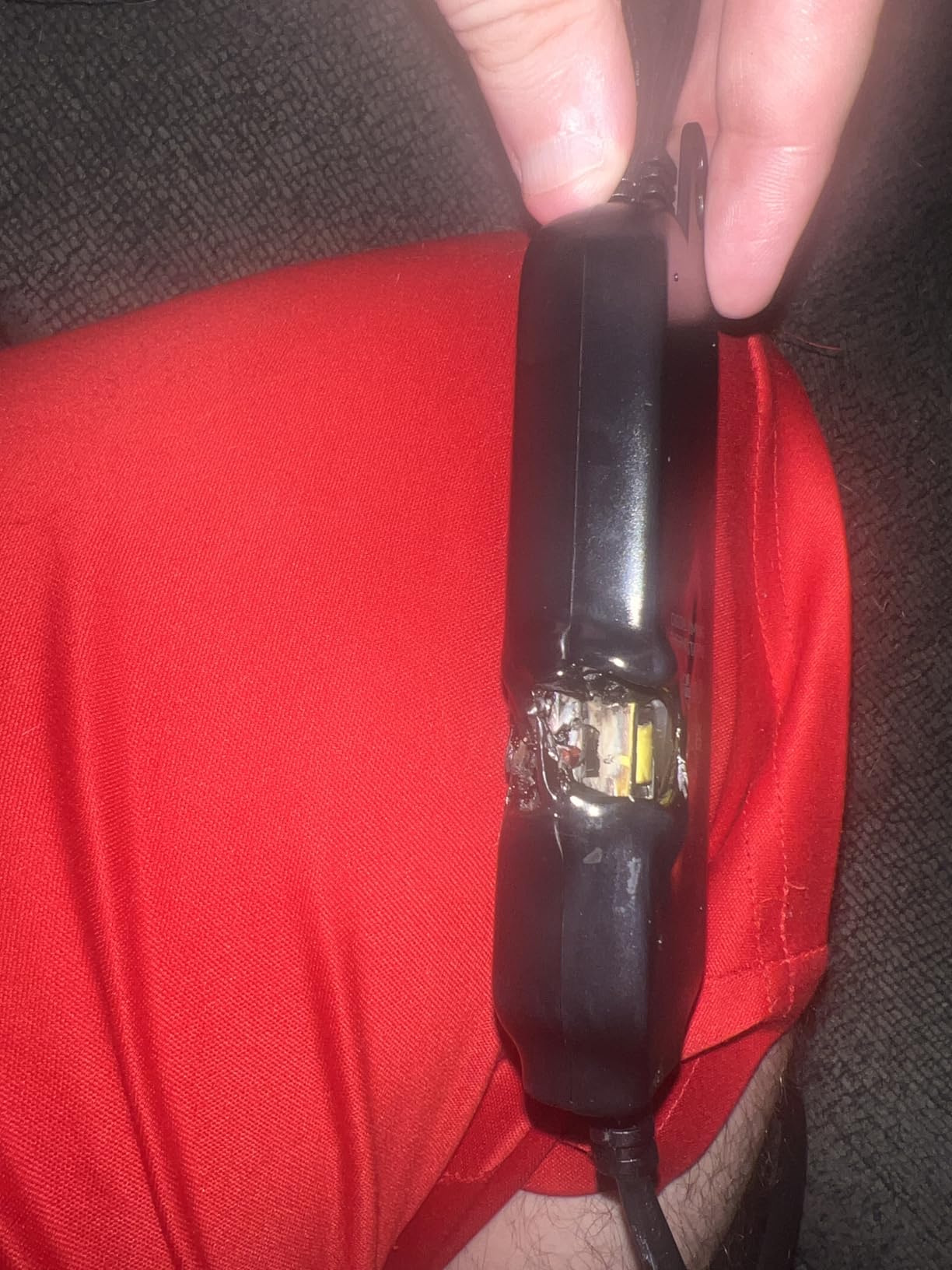
- Isolated reports of early unit failure including one that melted
The most common question in reptile forums is whether you can get dimming control without paying a premium for it. This is the clearest yes in the group. It runs a PID dimming heating mode, which means it reduces output as the probe approaches set point instead of switching the load off entirely, and that is the behaviour that protects both the bulb and the animal.
Owners of bulb-heated setups, particularly leopard geckos, report steadier basking zones than they got from on/off controllers, and the memory function is singled out as a real convenience because it restores the previous set point when power comes back. Setup is about as short as it gets: hold set until it blinks, type the target, done.
That said, this is the entry point in the range and the specification sheet shows where that is. The control range is 68-122F, narrower than most rivals, and the maximum output is 300W, which covers one halogen basking lamp and not much else.
The one detail that catches people out is the Celsius default display. The unit supports switching to Fahrenheit, but it boots in Celsius, and a keeper who assumes the number on the screen is Fahrenheit will set a target that is wrong by a wide margin.
Is it worth it compared with an on/off controller?
If your heat source is a light bulb, yes, and the reason is bulb life. On/off cycling stresses filaments far more than proportional dimming, and keepers on forums consistently describe longer bulb life under dimming control as the single most persuasive reason to spend more. Dimming also removes the visible flicker that on/off units produce.
If your heat source is a heat mat or cable, the answer changes. Dimming a mat that barely draws any power does very little, and you would be better served by an on/off controller with a higher wattage ceiling.
Where it will let you down
The 1-star share of 9 percent is the highest in this group and it includes a serious safety complaint about a unit reportedly melting during a week of overnight use, alongside separate reports of units dying within weeks. It is not a reason to skip dimming, but it is a reason to use a heat lamp within the 300W limit, keep the controller outside the enclosure where airflow is good, and never leave an unattended setup running a load near the ceiling.
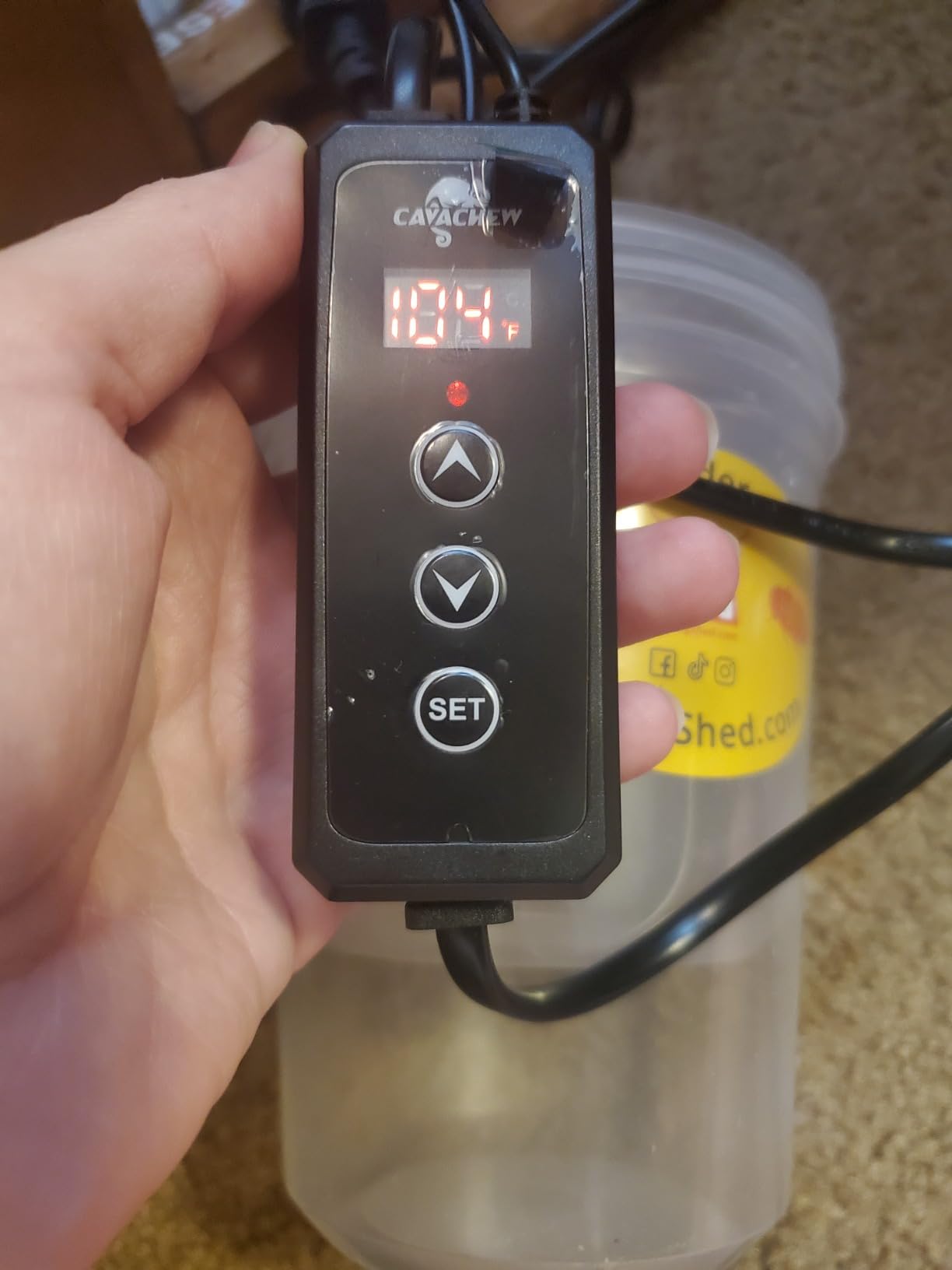
The 300W limit is the other hard stop. A 160W halogen plus anything else is already most of the budget, and adding a second lamp or a larger fixture pushes past what this controller can carry.
8. REPTIZOO TC02 Dimming Thermostat – the Best Established Dimmer in the Group
REPTIZOO Dimming Thermostat, PID Temperature Controller with Memory Function, Reptile Thermostat for Reptile Heat lamp, Specifically Designed for Light Heat Bulbs & Heaters
PID dimming for lamps
41-140F range
300W maximum
Memory function
One-year warranty
Pros
- Most proven dimming unit here with 780 reviews
- PID dimming avoids abrupt on and off swings
- Widest constant temperature range at 41-140F
- Memory function restores set points after power loss
- Backed by a one-year manufacturer warranty
Cons
- 300W output limit excludes larger fixtures
- Not suitable for sunlamps
- Probe must sit at least 15cm from the heat source
- Low output readings near set point are often mistaken for failure
This is the dimmer I put on a halogen lamp when the question is which one to buy. It sits at number one in the reptile and amphibian terrarium thermostat category, which is a ranking driven by actual sales volume rather than a marketing claim, and 780 reviews at 4.2 stars is the largest review base among the dimming units in this group.
The design intent is specific: PID dimming heating mode built for heat lamps and light bulbs, across a 41-140F constant temperature range. That lower bound is unusually low and gives you real headroom for a cool vivarium, and the high end covers desert basking temperatures comfortably.
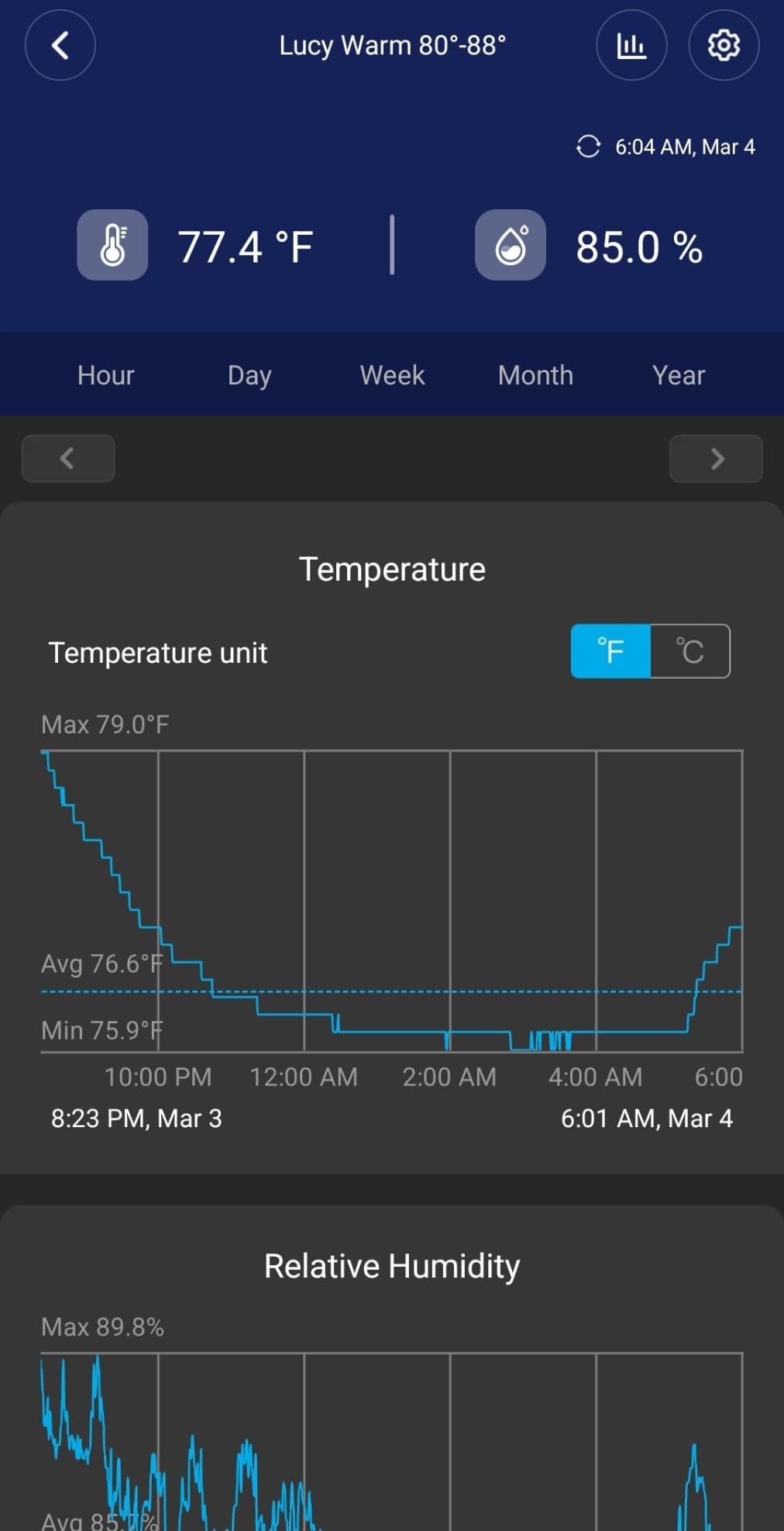
Two behaviours are worth understanding before you install it. The output percentage will read very low, sometimes near zero, when the set point is close to the current temperature, and owners regularly post about thinking the unit has broken. It is the controller correctly deciding it does not need much power. And the probe must sit at least 15cm away from the heat source, not directly beneath it, which changes where you can place it in a tight dome setup.
It is explicitly not for sunlamps or for heaters exceeding 1500W, and the maximum output load is 300W. The memory function retains set points through power cycles and the one-year manufacturer warranty is longer than most of the competing budget units offer.
Is it right for a halogen basking lamp?
Yes, that is exactly what it was designed for. A 80W to 160W halogen falls comfortably inside the 300W ceiling, and proportional control means the lamp spends most of its life at partial output rather than slamming between zero and full, which is exactly what extends halogen life.
Pair it with a timer on the lighting socket, or set the daytime and nighttime temperatures around a fixed photoperiod, and you get the steady basking gradient a desert species needs.
Where it will let you down
The 300W ceiling excludes larger fixtures and higher wattage heaters, so it is not the answer for a 40W ceramic emitter plus a basking lamp, let alone a large panel. It is also the wrong tool for a heat mat, where dimming a low-draw resistive element changes very little.
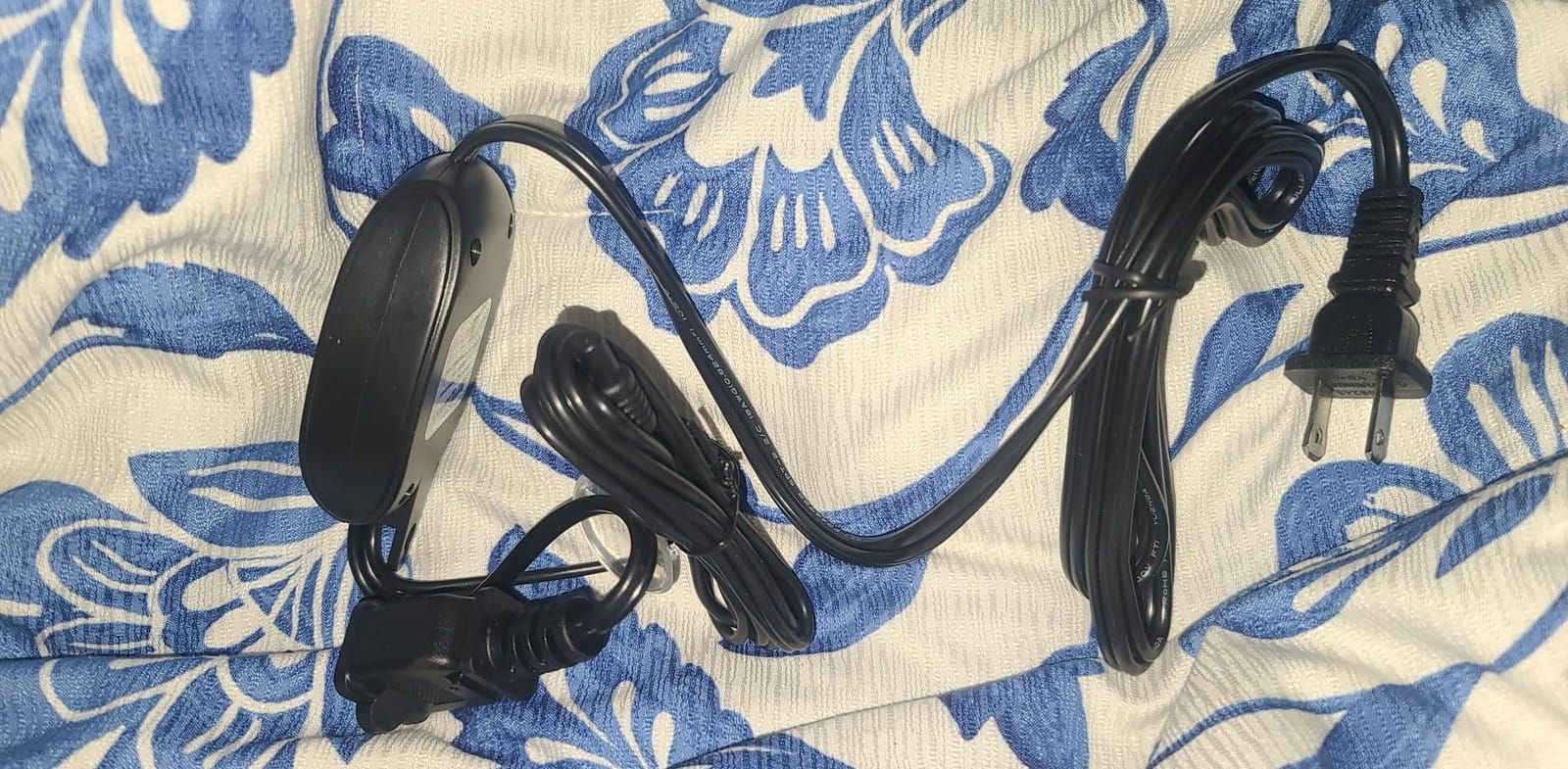
The 15cm probe placement rule constrains the warm zone, particularly in a compact dome over a shallow hide. Plan the layout before you mount the lamp, because moving the probe afterwards means recalibrating the whole setup.
9. Exo Terra PT2454 Day and Night Thermostat – the Only Pulse Proportional Option Here
Exo Terra Thermostat with Day and Night Timer for Reptile Terrariums
Dimming and pulse modes
50-140F day and night
600W
Blue LCD
1.72 pounds
Pros
- Offers both dimming and pulse proportional control
- Independent day and night set points across 50-140F
- Premium build and finish from an established herpetarium brand
- Clear blue LCD with heating indicator
- Drives mats cables ceramic heaters and bulbs up to 600W
Cons
- Heaviest and largest unit here at 1.72 pounds
- Lowest average rating in the group at 4.0
- 600W ceiling still constrains large heat panels
- Heating only with no cooling or fan output
This is the only controller here that gives you a genuine choice of control algorithm, because it offers both dimming and pulse proportional modes on the same unit. That matters for specific heat sources. Dimming reduces the power to a light source smoothly, while pulse proportional fires the full load in rapid short bursts to average out the target temperature, which behaves better on a deep heat projector or a ceramic emitter that cannot be dimmed meaningfully.
The day and night set points run independently from 50-140F, the blue LCD shows actual and set temperature together, and a red LED with a heating symbol tells you at a glance when the unit is drawing power. The 600W output covers heat mats, heat cables, ceramic heaters and bulbs, which makes it the most heat-source-flexible controller in the roundup.
I am not recommending it to everyone, and the numbers explain why. It carries the lowest average rating in the group at 4.0 stars, with a 4.0 average across 190 reviews and a comparatively high 12 percent one-star share. That rating reflects owners struggling to justify the cost premium against budget PID dimmers that perform the same core function.
It is also the heaviest and largest unit here at 1.72 pounds and 5 by 5 by 2 inches. If you are mounting it on a rack wall or inside a cabinet, that bulk is real and worth planning for.
When is pulse proportional the right choice?
When your heat source is not a light-emitting lamp. A deep heat projector or a ceramic emitter is a resistive element with no filament to dim, so a dimming controller spends most of its time at a low output that produces less heat than the animal needs. Pulse proportional instead delivers full power in short bursts, which keeps a steadier average temperature on that kind of source.
If your setup is a single halogen basking lamp with a timer, the cheaper dimmers in this list will do the same job at a fraction of the outlay, and this is where the extra spend stops paying for itself.
Where it will let you down
The 600W ceiling still constrains large heat panels, there is no cooling or fan output, and the 4.0 average tells you that some owners are not convinced the control modes justify what the unit costs. The trade is simplicity of use for flexibility of control.
There is also no customer image in the data we worked from, so judge the build in person if you can rather than relying on listing photos. Enclosure integration is straightforward: mount it outside the enclosure, run the probe to the basking zone, and keep the clearance around the lamp dome open.
10. REPTITRIP PT02 Dimming Thermostat – Dimming With a Built-In Timer
Reptile Thermostat, Dimming Thermostat with 1-24H Timer Setting
PID dimming
1-24 hour timer
50-140F range
260W maximum
Backlight auto-off
Pros
- Combines PID dimming with a 1-24 hour timer in one unit
- LCD shows live output power alongside temperature
- Backlight switches off after 20 seconds to avoid night time light spill
- Wide 50-140F set point range
- No app pairing or network setup required
Cons
- 260W ceiling is the lowest in the group
- Manufacturer warranty only two months
- Set point may never be reached if the probe sits outside the basking zone
- Newer listing with a small review base
Two things set this one apart. The 1-24 hour timer is built in, so the same box runs your light cycle and holds your temperature, and the LCD backlight switches itself off after 20 seconds, which means no glow spilling into a nocturnal enclosure at night.
It also has the highest five-star share of any controller in this roundup at 80 percent, from 4.4 stars across 168 reviews. Owners single out the live output power percentage, because watching the dimming percentage climb and fall as the lamp works is genuinely useful for learning how your setup behaves.
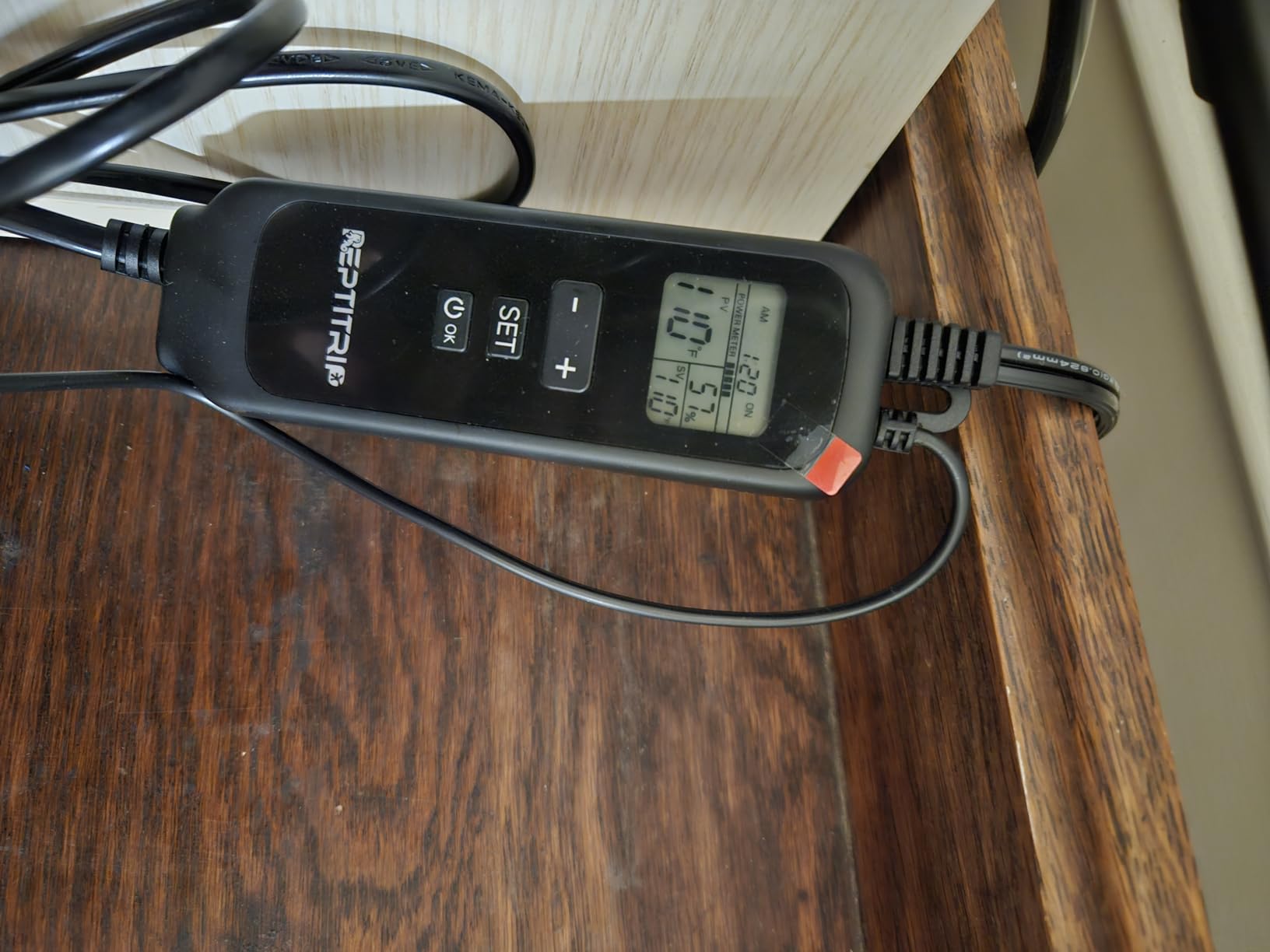
The 50-140F range is wide enough for anything from a tropical crested gecko enclosure to a desert setup, and it is compatible with heating mats, day and night heat lamps, infrared lamps and ceramic heat emitters. It is explicitly not for UVB, LED or sun lamps.
The 260W maximum output is the lowest ceiling in the group and it constrains lamp choice more than any other feature here. Plan the fixture wattage before you commit, because discovering the shortfall after the lamp is installed means redoing the setup.
Is the backlight auto-off worth choosing this for?
For nocturnal and crepuscular species, genuinely yes. A thermostat display that glows all night adds a light source your animal should not have, and plenty of controllers do not offer any way to dim or disable theirs. Twenty seconds after you touch the keypad, this one goes dark.
It is also a good pick for anyone who does not want another app on their phone. There is no pairing step and no network requirement, which removes the single most common complaint about Wi-Fi controllers.
Where it will let you down
Two months of manufacturer warranty is very short, and a small review base means less long-term field history than the established models. Both are fine if the unit does what you need and you are not relying on the warranty.
The most common practical complaint is that if the probe sits outside the basking zone, the display never reaches the set point and you conclude the controller is faulty. Put the probe in the warm zone, and if the set point still will not hold, the answer is a higher-wattage bulb within the 260W limit rather than a different thermostat.
Dimming vs On/Off vs Pulse Proportional: Which Do You Actually Need?
You need a dimming or pulse proportional controller if your heat source is a light-emitting basking lamp, and a straightforward on/off controller if your heat source is a heat mat, heat cable or ceramic emitter. That is the whole rule, and it is the single most useful thing to understand before spending anything.
An on/off thermostat cuts power completely when the probe reads above set point and restores it below. The animal experiences that as a temperature swing, and the bulb experiences it as a stress cycle every few minutes. A dimming controller instead reduces power proportionally as the set point approaches, so the lamp glows at partial brightness rather than snapping between zero and full.
Pulse proportional is the third option and it works differently again. Instead of reducing power, it delivers the full load in rapid short pulses, so the average temperature lands on the set point. It suits resistive elements that cannot be meaningfully dimmed, which is why it is the mode you want for a deep heat projector or a ceramic heat emitter.
Keepers ask constantly whether dimming is worth the extra money, and the honest answer depends on the bulb. Dimming is what makes a halogen or standard basking lamp last longer, and it removes the light flicker that on/off cycling produces. If you are running a mat, dimming buys you very little because a mat barely draws enough power for a low output to matter.
Which Thermostat Type Suits Each Heat Source?
Match the controller to the heat source first, then worry about features. These are the pairings that work, in the order most keepers run into them.
Basking lamp or halogen in a dome. Use a dimming controller. This is the case dimming was built for, and it is also the case where on/off cycling kills bulbs fastest. The REPTIZOO TC02 and the CAVACHEW 300W dimmer are both sized for a single lamp in this role.
Heat mat or under-tank heater. Use an on/off controller with a wattage ceiling comfortably above the mat. A 40W to 80W mat is a light load for the BN-LINK or the Inkbird ITC-306T, and on/off behaviour is completely acceptable because a mat does not have a filament to stress.
Ceramic heat emitter. Use a pulse proportional controller if you can, because a CHE runs too hot for dimming to give a useful average. An on/off controller works but you will see more temperature swing, and a differential alarm is worth having.
Deep heat projector for overnight heat. Pulse proportional again, and pair it with a lower night set point on a unit that supports day and night scheduling, so you get a controlled drop rather than a flat temperature all night.
Heat cable under a shelf or in a rack. On/off is fine. Cables draw very little power, dimming is pointless, and what you actually need is a controller with enough outlets to cover several cages, which is where the Pymeter dual channel unit earns its place.
Two enclosures at different temperatures. Look for two independent channels rather than one channel with two probes. The Pymeter and the Inkbird IPT-2CH both do this, and the Pymeter additionally allows each channel to run cooling.
Thermostat, Timer or Environmental Controller: What Each One Does
A timer switches something on at a fixed hour and off at a fixed hour. A thermostat switches something on and off based on what a probe reads. An environmental controller does both, and usually also drives a humidifier and a light on the same box. They are three different products, and most keepers only need two of them.
The thermostat is not a timer and does not replace one. A thermostat alone holds a temperature, but it does not know that your animal needs a 12 hour photoperiod, and a light left on 24 hours a day causes real problems in most species. Run a timer for the UVB or LED, and a thermostat for the heat.
Where a single box genuinely helps is when the timing and the temperature are linked, which is exactly what the Inkbird ITC-306T and the REPTITRIP units do. The ITC-306T runs independent day and night set points, so the night drop happens automatically without a separate timer.
Environmental controllers go a step further by adding humidifier control, which matters in tropical and dart frog setups where heat and humidity have to move together. None of the ten controllers here runs a humidifier, so if that is your requirement you are shopping in a different category.
Thermostat vs Thermometer: Why You Need Both
You need both, and the mistake almost everyone makes once is putting the two probes in the same spot. The thermostat probe controls. The thermometer measures. They belong on opposite sides of the enclosure.
Put the thermostat probe in the zone you are trying to hold, at animal height, where the animal actually sits. Put a separate infrared or digital thermometer in the cool side of the enclosure, and read it twice a day. The thermometer tells you whether the gradient you think you have really exists, which the thermostat cannot tell you because it only knows what is happening at its own probe.
This is also how you check a controller is working. Compare the thermostat reading against a known-good thermometer at the same location once a month. If they disagree by more than a couple of degrees, set the calibration offset or investigate probe placement before you start changing set points.
Owners of infrared thermometers report that testing them in known room temperatures is the thing that builds confidence, and that habit catches probe drift long before an animal shows symptoms.
Where to Put the Probe for Every Heat Source
Probe placement is worth more than any feature on the spec sheet. A perfectly accurate controller with the probe in the wrong place is worse than useless, because it gives you a stable, confident, wrong number.
Heat mat. Slide the probe into the substrate above the mat, under the hide where the animal rests, so the reading reflects the warmth the animal feels. Do not tape it to the underside of the tank, which reads far warmer than the enclosure.
Ceramic heat emitter. Place the probe at animal height a short distance from the emitter, inside the enclosure, where the animal can move away from the heat. Never press the probe tip against the fitting.
Basking lamp or halogen. Put the probe in the basking spot, roughly on the surface the animal lies on to bask. This is the one place where the REPTIZOO’s 15cm minimum from the heat source genuinely changes your layout, so plan the dome position around it.
Deep heat projector. Place the probe at the level the animal rests, off to the side of the beam rather than in the hot spot, so a small movement of the projector does not translate directly into a large reading swing.
Heat cable. Put the probe in the substrate or on the floor surface in the warmest part of the heated zone, again where the animal settles, not under the cable itself.
Whatever the source, secure the probe so the animal cannot pull it out, and do not run it along the back wall where ambient room temperature drags the reading down.
How to Keep Reptiles Warm During a Power Outage
No thermostat keeps an enclosure warm without power. What it does is give you a head start, and a short outage is survivable for most species if you plan for it before it happens.
1. Keep a chemical heat source in the house. Hot water bottles filled with warm, not boiling, water and wrapped in towels are the standard emergency measure for a reptile enclosure and they hold temperature for hours.
2. Choose a controller with a memory function so that when power returns it comes back at your set point rather than a factory default. Four of the ten controllers here have one.
3. Keep a thermometer you can read by flashlight in the enclosure, so you can check the animal’s zone without opening the enclosure and losing more heat.
4. Know your safe drop. A healthy adult bearded dragon or tortoise will comfortably ride out a cool night in the low 60s, and a cool night in an unheated room is far less dangerous than a warm room they cannot escape from.
5. For a young animal, a hatchling, or a tropical species, treat an outage as urgent and move the enclosure to a warmed room rather than relying on improvised heat.
On the specific question of whether a tortoise is fine without a heat lamp for two days, the answer is that an adult tortoise at a normal room temperature will usually be fine for that long, provided the room does not drop near freezing and the animal is not a hatchling. A tropical or forest species is a different matter entirely. When in doubt, call a reptile vet.
Thermostats with a high and low alarm, like the Zoo Med ReptiTemp and the Pymeter unit, are worth having for a second reason: they make noise when the temperature has already gone wrong, which gives you a warning on a slow outage.
How We Evaluated These Thermostats
Every controller here was scored on the same five things: control type matched to heat source suitability, the stated wattage ceiling against realistic loads, probe length and placement flexibility, alarm and failsafe behaviour, and the consistency of owner feedback across a meaningful number of reviews.
Review counts were treated as a quality signal in their own right. The BN-LINK sits on close to 19688 reviews and the Inkbird ITC-306T on 2716, so a recurring complaint about either is meaningful. A 190-review listing tells you much less, and that is reflected in how the newer units are described below their stronger-established rivals.
A warning about voltage. Some very cheap generic listings in this category are 220V units and are not suitable for 120V mains. Check the input voltage on the listing before you buy, and treat any controller with no stated voltage, no safety certification and no manufacturer as a paperweight.
A warning about ratings. Star ratings on a listing reflect the buyers who bought it, not the units. Read the one and two-star reviews, because that is where probe drift, app failures and relay problems show up, and they do not show up in the summary.
What we did not do. We did not bench-test these controllers against a calibrated reference. Every specification quoted here comes from the manufacturer listing, and every performance observation comes from the aggregate of owner reviews. Keep that in mind when a number matters to your setup, particularly the wattage ceilings.
Frequently Asked Questions
What is the best thermostat for reptile heating elements?
The best thermostat depends on your heat source, not the brand. For a basking lamp or halogen use a dimming thermostat such as the REPTIZOO TC02. For a heat mat or heat cable a reliable on/off controller such as the BN-LINK T7(H) or Inkbird ITC-306T is the right call. Match the control type first and the wattage ceiling second.
Do I need a dimming thermostat?
You need one if your heat source is a lamp. Dimming reduces power as the set point approaches instead of switching the bulb fully on and off, which reduces stress on the filament, extends bulb life and removes visible flicker. If your heat source is a heat mat or heat cable, an on/off thermostat is genuinely sufficient because a mat has no filament to protect.
Are Inkbird thermostats good?
The Inkbird controllers in this roundup are well regarded for accuracy and feature set. The ITC-306T holds 4.5 stars from 2716 reviews and is a strong pick for day and night scheduling with a 1200W ceiling. Its main weakness is usability, since the programming menu needs the manual and setup reverts if you pause too long. The IPT-2CH adds Wi-Fi and two channels but caps at 250W per outlet.
Should I turn off my bearded dragon’s heat lamp at night?
Do not turn the lamp off, drop the set point instead. A bearded dragon still needs a warm zone overnight, typically 10 to 20F below the daytime basking target. Running a dimming or day and night thermostat on a lower night set point gives a natural gradient. Leaving the lamp fully off for the night leaves the animal at room temperature, which is the opposite of the drop it needs.
How can I keep my reptiles warm during a power outage?
Have a plan before you need one. Use wrapped hot water bottles inside the enclosure as emergency heat, keep a controller with a memory function so settings return after the outage, and keep a readable thermometer in the enclosure. A healthy adult tortoise or bearded dragon tolerates a cool night in the low 60s, but tropical species and juveniles need a warmed room instead.
The Bottom Line on Best Thermostats for Reptile Heating in 2026
If you want one answer, take the BN-LINK T7(H). With close to 19688 reviews, a 1000W ceiling, an ETL listing and a 40-108F range, it will run a single heat source in almost any enclosure without a learning curve, and it is the one I recommend to anyone starting out or building a backup.
Once you know what your heat source is, adjust upward. Run a halogen basking lamp and move to the REPTIZOO TC02, which is the dimmer with the largest review base here. Want day and night scheduling from a single box, take the Inkbird ITC-306T and read the manual first. Running two enclosures, the Pymeter PY-20TT-10A gives you two independent channels that each handle heat or cool.
Whichever you choose, the details decide the outcome. Put the probe in the zone the animal actually uses, add a separate thermometer on the cool side, and set a lower night target rather than switching the lamp off. Those three habits will protect your animal more reliably than any feature on the box.