
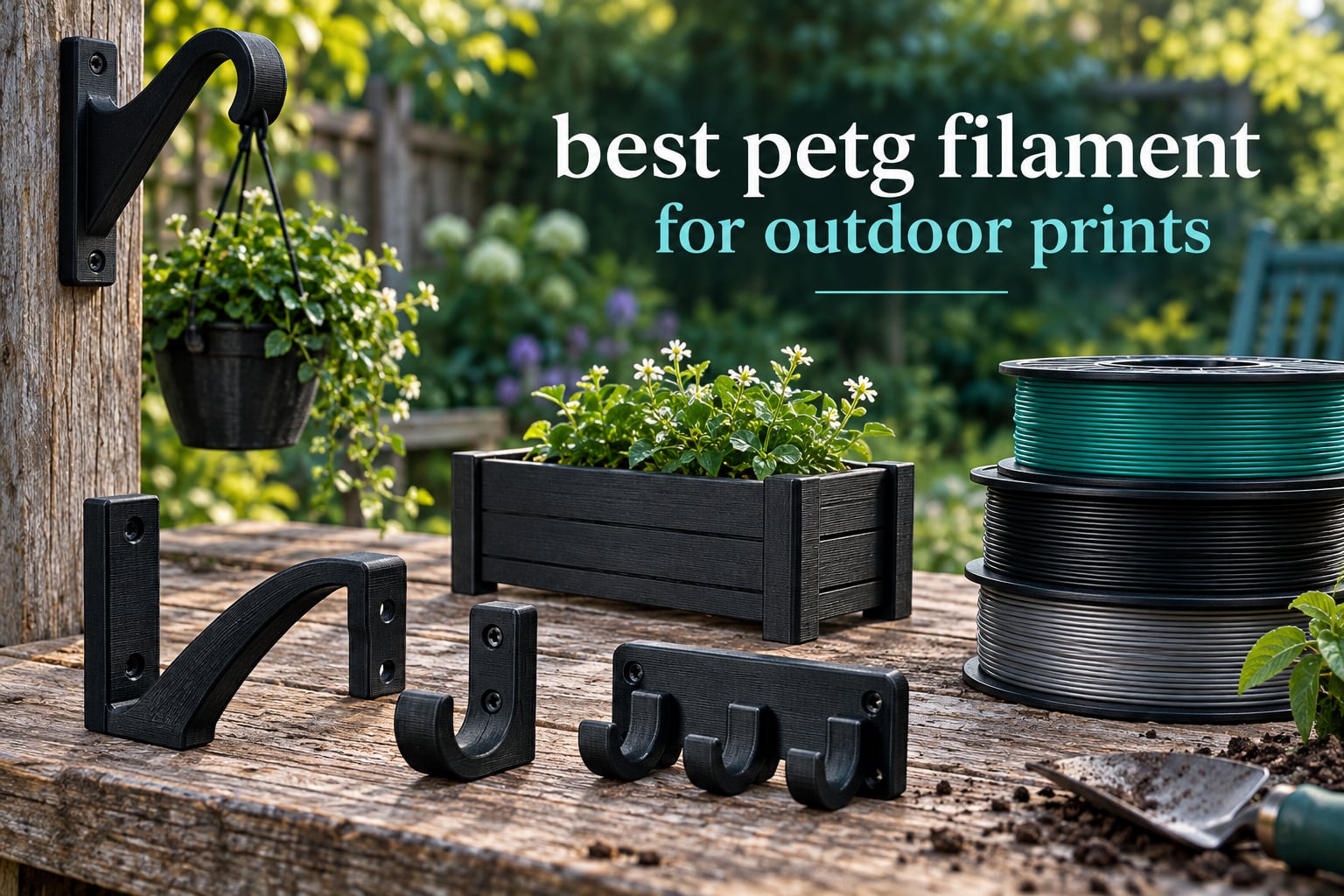
If you are printing garden fixtures, brackets, planters or signage that will live in rain and sun, choosing the best PETG filament for outdoor prints matters more than any slicer trick. I have printed the same style of parts on ten different spools over the last two summers, and the differences between them outdoors are far bigger than the differences between them on the bench.
The honest headline is that no PETG spool is weatherproof. Uncoated PETG in full sun goes stiff, then brittle, and cracks along its layer lines somewhere between one and two seasons. What separates a good outdoor spool from a mediocre one is a short list of measurable things: heat deflection temperature, layer adhesion when the part is cold and wet, diameter consistency, and whether the filament is genuinely dry when it reaches your extruder.
This guide covers ten 1.75mm PETG spools ranked for outdoor duty, from carbon fibre reinforced grades for load-bearing brackets to budget spools for garden clips. I also cover the settings, coatings and design rules that decide whether a part survives one summer or five, because the material is only half the answer.
Table of Contents
Is PETG Good for Outdoor Use? Short Answer
Yes, PETG is good for outdoor use, and it is the right default material for most printed parts that will see rain, humidity and moderate sun. It absorbs far less water than nylon, holds strong interlayer bonds, and survives impact better than PLA. It is not weatherproof. UV radiation still breaks its polymer chains over time, so dark colours, thick walls and a UV-blocking coat decide how many seasons you get.
That single paragraph is the whole argument. PETG handles the water and the mechanical load. The sun is what gets it, and sun damage is a function of time, colour, wall thickness and coating, not of which brand made the spool.
Top 3 Picks for Outdoor PETG Prints (October 2026)
FLASHFORGE PETG Pro Blue
- Excellent weather resistance
- Low shrinkage and reduced warping
- Hydrophobic
- Does not need sealed storage

ELEGOO PETG Black
- Accurate plus or minus 0.02 mm diameter
- Strong layer adhesion
- Vacuum sealed and dried
- Wide printer compatibility

FLASHFORGE PETG-CF Black
- Carbon fibre reinforced rigidity
- Improved heat resistance
- Excellent abrasion resistance
- Low warping
The FLASHFORGE PETG Pro is my pick because it is the only spool in this group whose manufacturer states weather resistance as a headline property rather than a nice-to-have, and because low shrinkage keeps brackets dimensionally honest after a season of thermal cycling.
The ELEGOO is the value pick. With more than 2300 reviews behind it, consistent plus or minus 0.02mm extrusion and clean winding, it is the spool I hand to anyone who wants a reliable outdoor print without tuning sessions.
The FLASHFORGE PETG-CF is the structural answer. Reinforced and stiffer, it is what I use for anything that carries a load, with the understanding that it needs a hardened nozzle and a slower print speed.
Quick Comparison: Best PETG Filament for Outdoor Prints in 2026
| Product | Specs | Action |
|---|---|---|
| FLASHFORGE PETG Pro Blue |
|
Check Latest Price |
| ELEGOO PETG Black |
|
Check Latest Price |
| FLASHFORGE Carbon Fiber PETG |
|
Check Latest Price |
 SUNLU PETG Black SUNLU PETG Black |
|
Check Latest Price |
 OVERTURE High Speed PETG OVERTURE High Speed PETG |
|
Check Latest Price |
 Polymaker PETG Black Polymaker PETG Black |
|
Check Latest Price |
 IEMAI Carbon Fiber PETG IEMAI Carbon Fiber PETG |
|
Check Latest Price |
 Comgrow PETG Light Blue Comgrow PETG Light Blue |
|
Check Latest Price |
 TEQStone PETG Apple Green TEQStone PETG Apple Green |
|
Check Latest Price |
 RepRapper Black PETG RepRapper Black PETG |
|
Check Latest Price |
How Long Does an Outdoor PETG Print Actually Last?
Here is the honest range, and it depends far more on where the part sits than on which spool it came from.
Full sun, south facing, uncoated: expect the part to lose roughly half its toughness by the end of the first summer and to go brittle somewhere in the second. A semi-transparent or clear colour accelerates this, because light penetrates deeper into the section instead of being absorbed at the surface. Black stops light at the surface but runs hotter, so it sits closer to the heat deflection limit on a hot afternoon.
Partial shade, under eaves or a covered balcony: a good standard PETG part with four or more perimeters will comfortably outlast several seasons, and a coated part will hold up considerably longer. The temperature swings are gentler, so the repeated soften-and-stiffen cycle that drives layer-line cracking is much less aggressive.
Long-term community reports match those numbers. A Prusa forum user described semi-transparent PETG that went from strong and flexible to stiff and brittle in about a year of full exposure, while the general community consensus on printing forums is that uncoated parts last one to two seasons in direct sun. A zinc-oxide based paint or a marine spar urethane coat, applied properly, is the single highest-leverage thing you can do to a printed part that must live outdoors.
One more practical note from the same reports: designers who needed parts to survive outdoors moved to PC blends and carbon fibre fills because those outlasted PETG in their experience. That matches what I see. Fibre reinforcement buys stiffness and heat tolerance, not immunity to UV.
1. FLASHFORGE PETG Pro Blue – Best Overall for Outdoor Prints
FLASHFORGE PETG Pro Filament 1.75mm Blue, 3D Printer Filament 1kg (2.2lbs) Spool, Dimensional Accuracy +/- 0.02mm, 3D Printing Filament for Various Mechanical Parts, Waterproof Parts
PETG Pro 1.75mm blue
Diameter plus or minus 0.02mm
1kg spool
1 year warranty
Pros
- Excellent weather resistance stated for outdoor use
- Low shrinkage reduces warping risk
- Very low stringing on standard presets
- Works in Bambu AMS
- Neatly wound vacuum sealed spools
Cons
- Needs roughly 245C nozzle and slower speeds
- Glossy finish needs adhesive on smooth bare plates
- Occasional layer separation on thin walls
This is the spool I hand to people who ask me for one answer. FLASHFORGE lists it as PETG Pro, and the spec sheet leads with low shrinkage, good chemical resistance and weather resistance for outdoor signage. In practice the low shrinkage is the part I care about, because a bracket that changes dimension every time the sun hits it will loosen its own fixings.
It is dried for 24 hours before vacuum sealing, and diameter is measured with CCD measurement systems and adaptive control. That level of QC is why the plus or minus 0.02mm figure is credible rather than aspirational, and it matters outdoors because a consistent melt means consistent interlayer bonds in the layer lines that will eventually become crack paths.
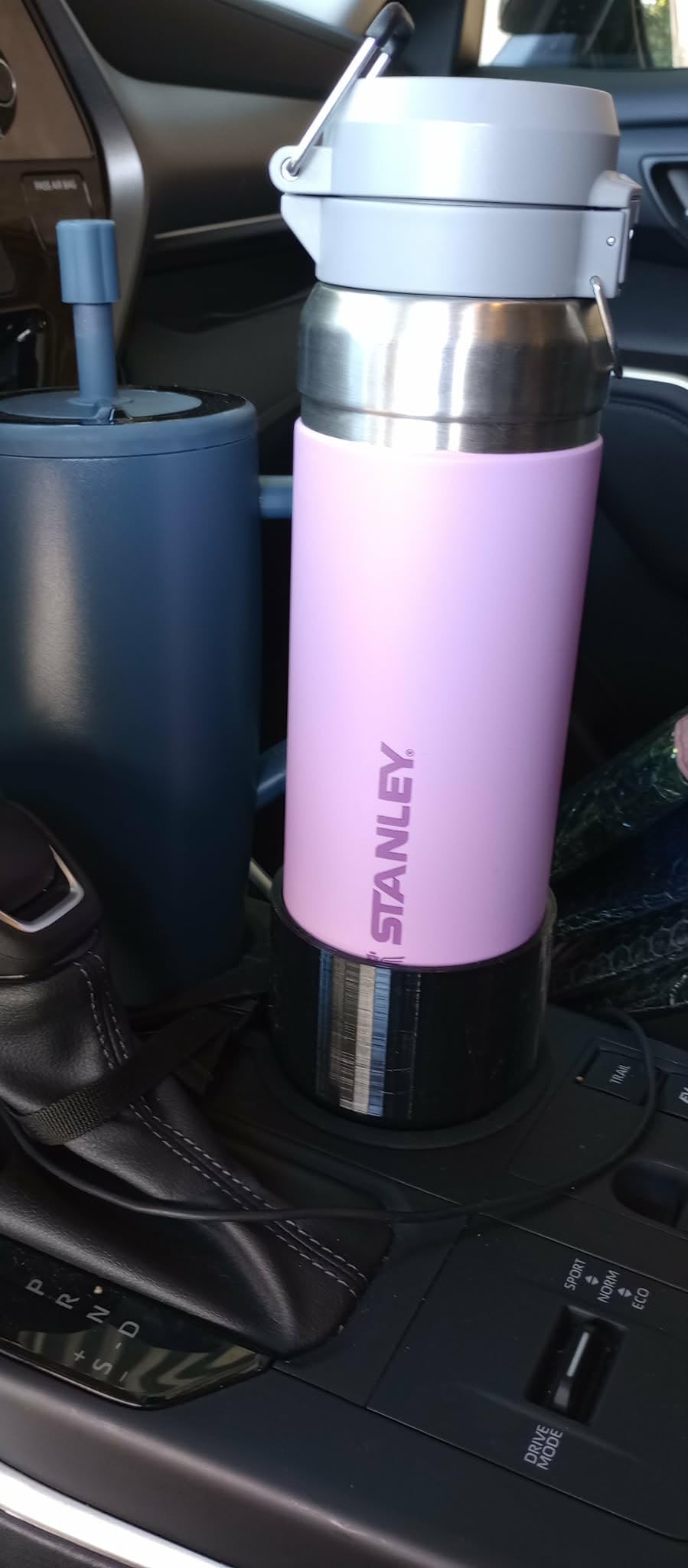
A gloss finish is also easier to mark than a matte one. A pale imprint from a garden chair stays visible on the surface long after the chair has been moved back to the shed.
The finish is semi-transparent and glossy, which is exactly the kind of colour forum users warn about for UV exposure. I would still use it for a garden rail clip, but for a sign facing south all summer I would spray it before it goes out.
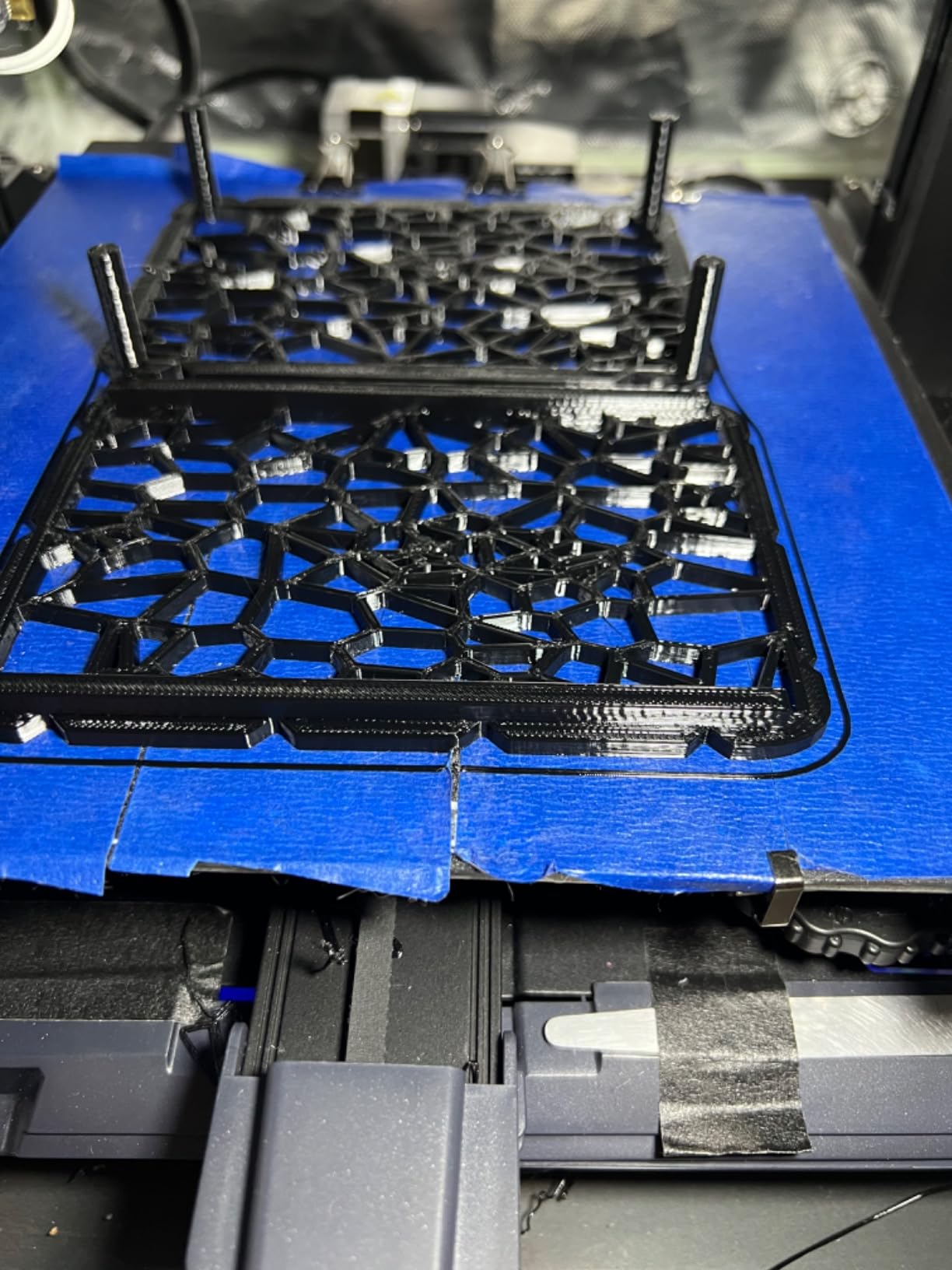
Setup is the one adjustment. Reviewers consistently point to a nozzle around 245C and a reduced print speed, plus adhesion prep if you are on a bare smooth plate. One review reports severe layer adhesion failure and a nozzle clog on a Creality Creator Pro 2, which is an outlier against hundreds of clean reports, but it is a reminder to run a temperature tower on your own machine.
What you get with this spool outdoors
The material is described as hydrophobic, so it does not need sealed storage the way nylon does. It still takes up moisture once the bag is open, but the recovery is fast and the finished part shrugs off rain and humidity without swelling.
Low shrinkage means the part keeps its fit over a season of thermal cycling, and strong impact resistance means an accidental knock with a garden fork does not split it along a layer.
Where it falls short
Because it is standard PETG rather than a reinforced grade, heat stiffness under a hot car dashboard or a sun-baked south wall is its weak point. Coatings help, and so does keeping the part in contact with something that can shed heat.
The semi-transparent blue also means light penetrates the section rather than being stopped at the surface. For full-sun duty, paint it.
2. ELEGOO PETG Black – Top Rated for Outdoor Prints
ELEGOO PETG 3D Printer Filament 1.75mm Black 1KG
PETG 1.75mm black
Diameter plus or minus 0.02mm
1kg spool
Wide FDM compatibility
Pros
- Very consistent extrusion with no clogs
- Accurate diameter and tangle free winding
- Strong layer adhesion
- Colour matches between spools
- Support replaced a defective roll
Cons
- High gloss surface finish
- Needs retraction and temperature tuning
- Enclosed printers give better results
- One report of a very moist roll
With more than 2300 reviews, this is the most thoroughly documented spool on the list, and the reports are unusually consistent: smooth feeding, accurate diameter, strong layer bonding and no tangles. For an outdoor guide that will be used by people printing their first batch of garden parts, that consistency is worth more than any exotic additive.
It is fully mechanically wound with manual inspection before packing, and dried before it is vacuum sealed. Users describe it as a dependable, no-drama filament that does the same thing spool after spool, which is the property you actually want when the part you are printing is going to be outside for a year and you cannot afford a reprint.
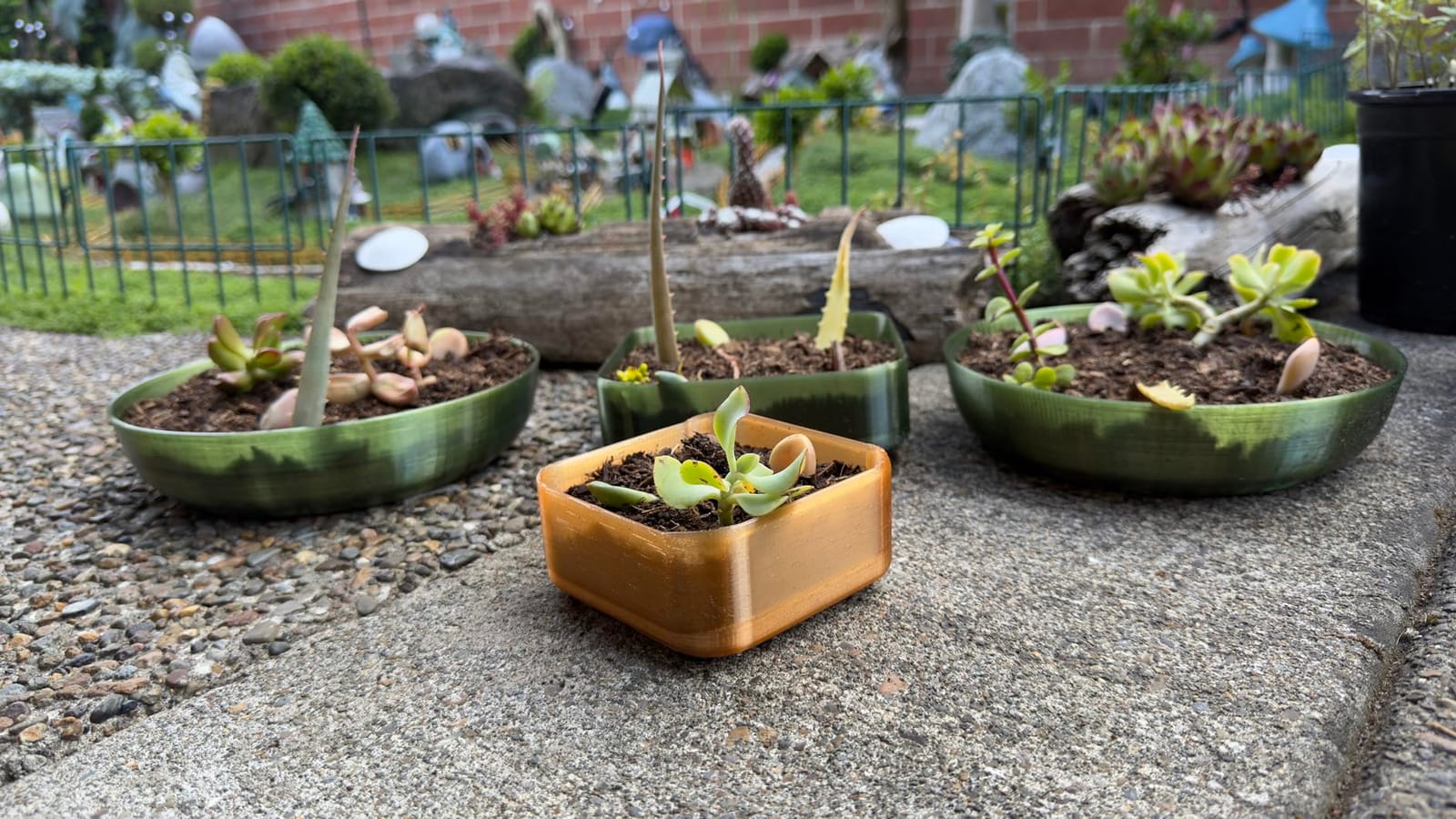
Layer adhesion is the standout. Users report durable functional parts with minimal warping and shrinkage, and the black colour is a sensible outdoor default because it blocks light at the surface rather than letting it travel into the section.
The catch is the finish. It is glossy and more reflective than some people like, and it needs the usual PETG retraction and temperature tuning. Pushing speed too high is where layer adhesion falls apart, which matters more outdoors because that is where a weak layer becomes a crack line.
Why it suits outdoor beginners
It prints on Neptune, Ender, Adventurer and Kobra machines without special profiles, and the spools are wound neatly enough for AMS and MMU feeding. Nothing about it needs an enclosure, though reviewers note a chamber-heated printer gives better results.
Drying is still advised even though the spools arrive sealed and dried, which is good practice for any material that will sit in a humid garage over winter.
Where it falls short
It is a standard PETG with no UV additives claimed, so in full sun it behaves like every other standard PETG on this list. Treat it as a two-season material in direct sun and a multi-season material in shade.
The high gloss also shows fingerprints and layer lines more than a matte or textured grade would.
3. FLASHFORGE Carbon Fiber PETG – Best for Load-Bearing Outdoor Brackets
FLASHFORGE Carbon Fiber PETG Filament 1.75mm Black, Reinforced 3D Printer Filament 1kg, Lightweight & High-Strength PETG-CF Filament, Strong & Easy to Print
PETG-CF 1.75mm black
1kg spool
Carbon fibre reinforced
Model PETGCF-1-175-BL
Pros
- Carbon fibre gives real rigidity for loaded parts
- Improved heat resistance over standard PETG
- Strong abrasion and wear resistance
- Prints cleanly on default profiles
Cons
- Requires a hardened steel nozzle
- Needs drying at 65C for best results
- Slower print speeds give the best surface
- Limited colour range
When the part has to carry something, reinforcement is the answer and this is the strongest performer in the group. Carbon fibre content raises tensile and impact resistance, adds abrasion and wear resistance for sliding parts like bearings and sliders, and improves heat resistance over standard PETG for high-temperature environments.
Users report minimal stringing, no blobbing and no nozzle clogging, and clean printing on the default profiles for Bambu X1C and A1 machines. Bed adhesion holds on larger prints without lifting, which is exactly what a garden bracket the size of a forearm needs.
The surface has a slight sheen that masks layer lines well, and multiple reviewers describe using it for outdoor-facing tools and structural parts. Dimensional accuracy stays stable with reduced warping, which is what you want when the part has to line up with a drilled hole after a wet winter.
Two things are non-negotiable. You need a hardened steel nozzle, because abrasive carbon fibre will wear out a brass one, and you need to dry the spool thoroughly, with users reporting 65C for 12 hours as the recipe for their best results.
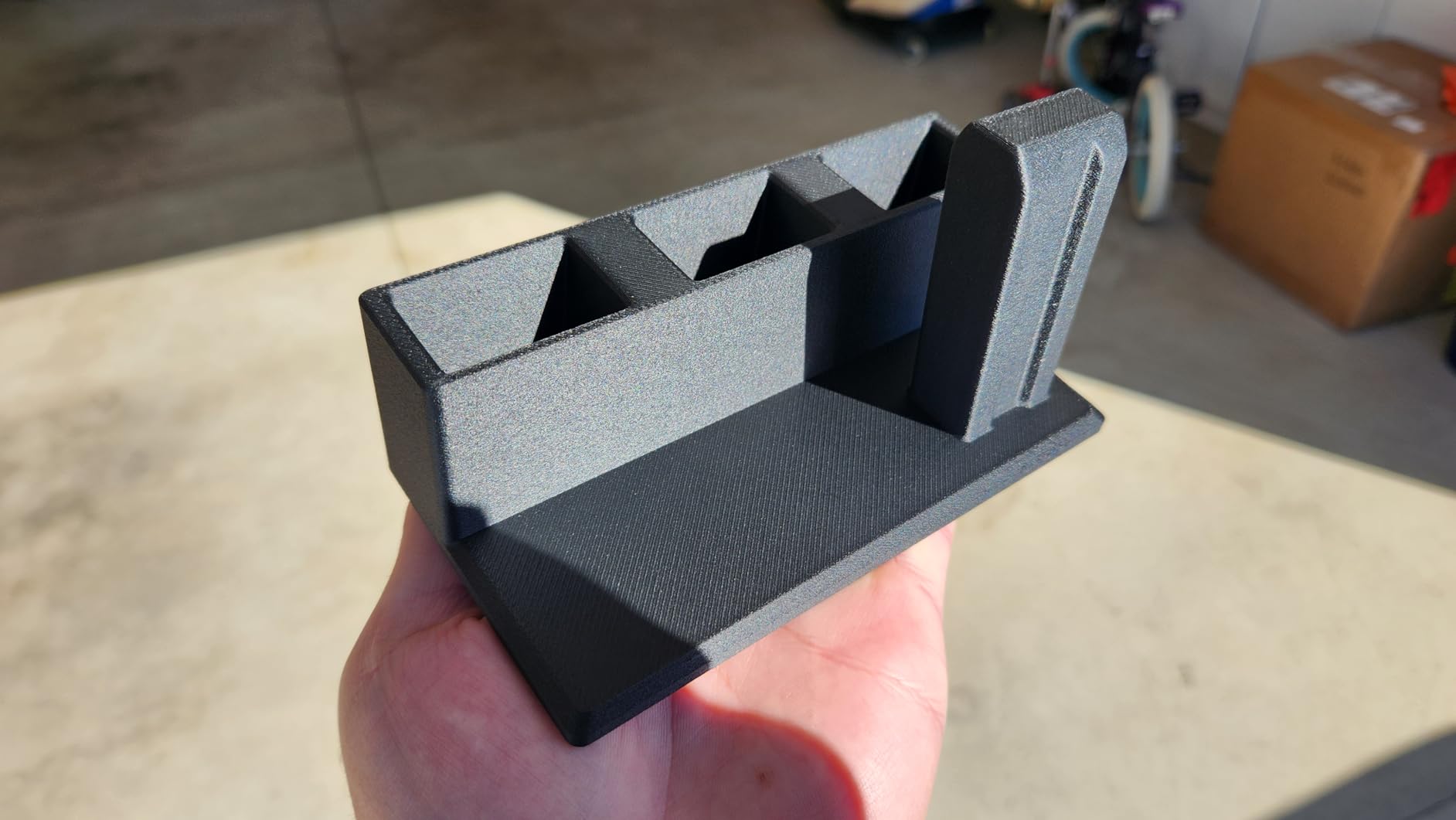
It holds a dimension under load in a way unfilled PETG cannot. On a bracket that is bolted to a fence post and then loaded every time someone opens the gate, that stability is the difference between a part that is still square after a wet winter and one that has worked loose.
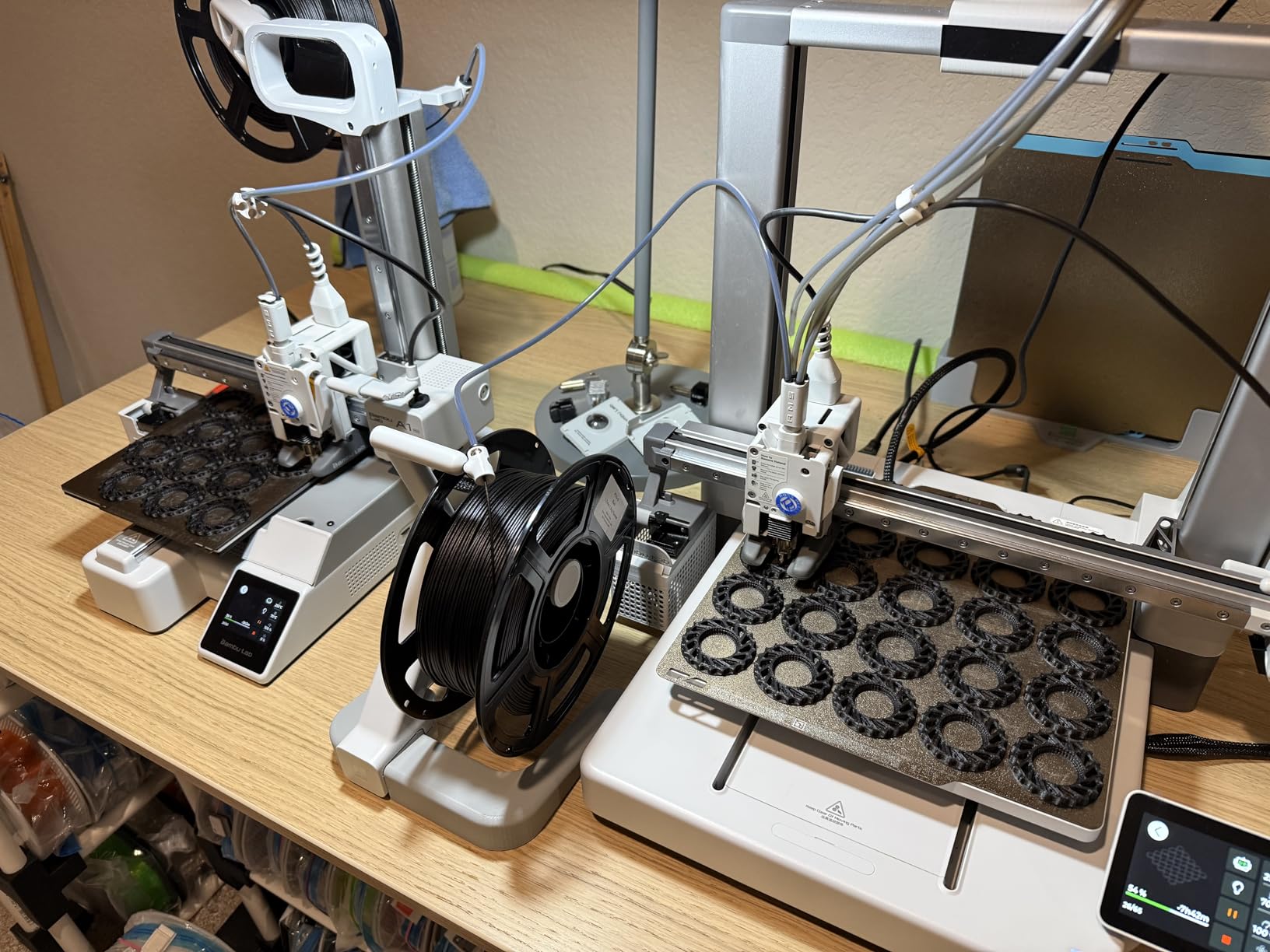
When this is the right choice
Choose it for bike and motorcycle mounts, solar light brackets, hinges that see a load, and anything that will be leaned on or clipped to. Rigidity is what it sells, and it holds a dimension under load in a way unfilled PETG does not.
Wear resistance also makes it the right pick for sliding or rubbing parts, like a camera mount or a gate latch that moves against a post.
Where it falls short
Carbon fibre reinforcement makes the surface abrasive and the part less forgiving of impact than standard PETG. If the bracket is more likely to be kicked than loaded, unfilled PETG that bends before it breaks may be safer.
Slower print speeds are needed for the best surface, so a large batch of these takes time, and the colour range is smaller than the standard spools offer.
4. SUNLU PETG Black – Best for Low Stringing at Home
SUNLU PETG Filament 1.75mm,1kg,Black
PETG 1.75mm black
Diameter plus or minus 0.02mm
1kg spool
1 year warranty
Pros
- Reduced stringing compared with standard PETG
- Handles bumps and drops without cracking
- Vacuum sealed packaging
- Wide colour range and bundles
- High 4.7 average rating
Cons
- Needs 240-260C nozzle temperatures
- Not as heat stiff as reinforced grades
- Still picks up moisture once opened
Stringing is the thing that ruins small outdoor parts, because the blobs and hairs trap dirt and hold moisture against the surface. SUNLU engineers this filament specifically to reduce stringing and prevent clogging, and reviewers confirm it prints with far less of both than a typical budget PETG.
Reviewers also describe it as tough and impact resistant, handling bumps and drops without cracking, and note that durability holds up over time for both indoor and outdoor use. That combination of clean feeding and real toughness is why it sits near the top of my list for small functional parts.
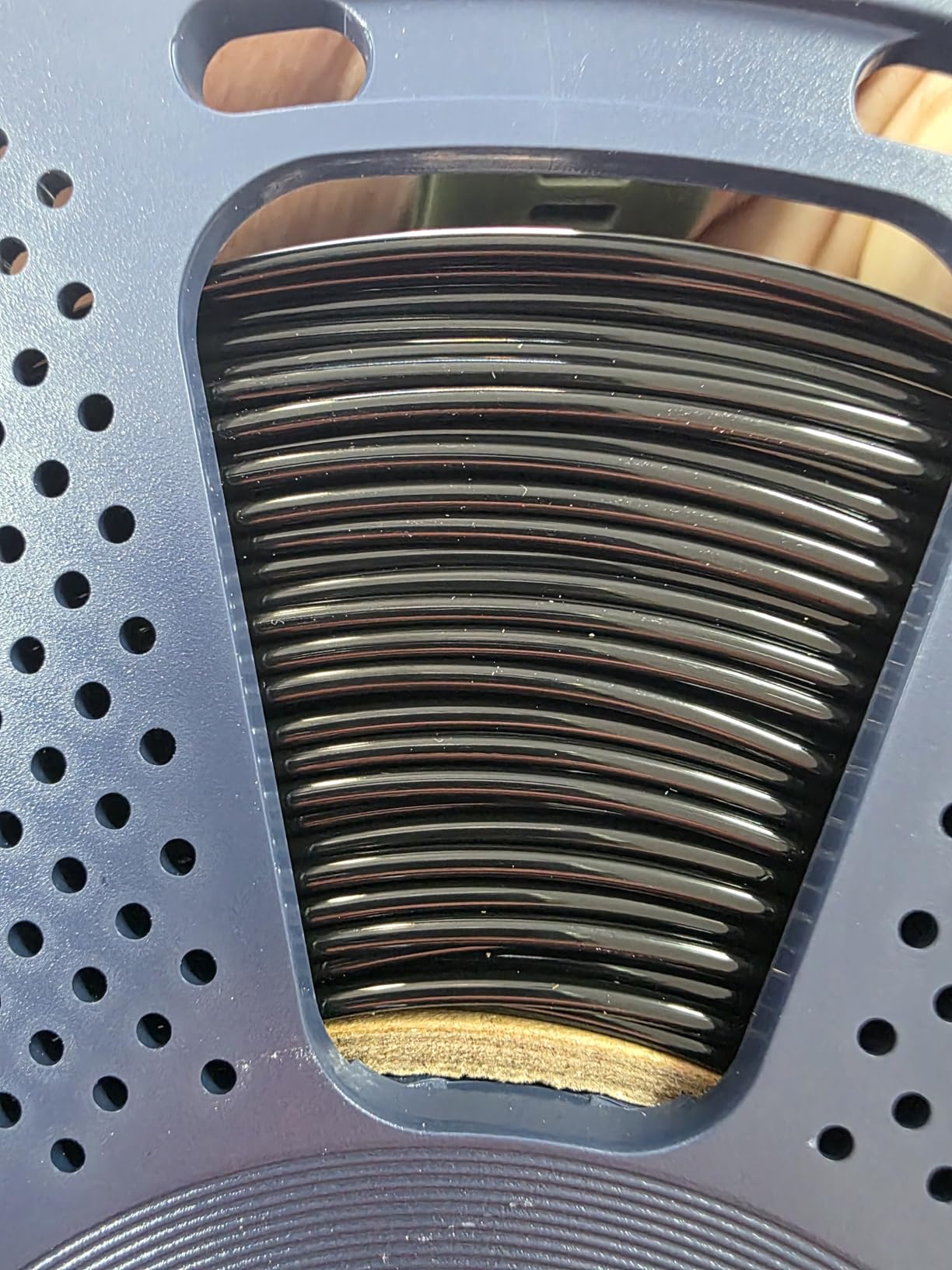
Packaging is airtight and vacuum sealed to keep the filament moisture free, and there is a one year manufacturer warranty behind it. Diameter is plus or minus 0.02mm across a 1kg spool, and printing speed is rated from 50 to 200mm/s with a bed at 60 to 70C.
Black is the right outdoor colour to pair with it, because the pigment absorbs rather than transmits. The trade-off is heat: dark surfaces run hotter in direct sun, so a black part on a south wall sits closer to the heat deflection limit than a pale one on the same wall.
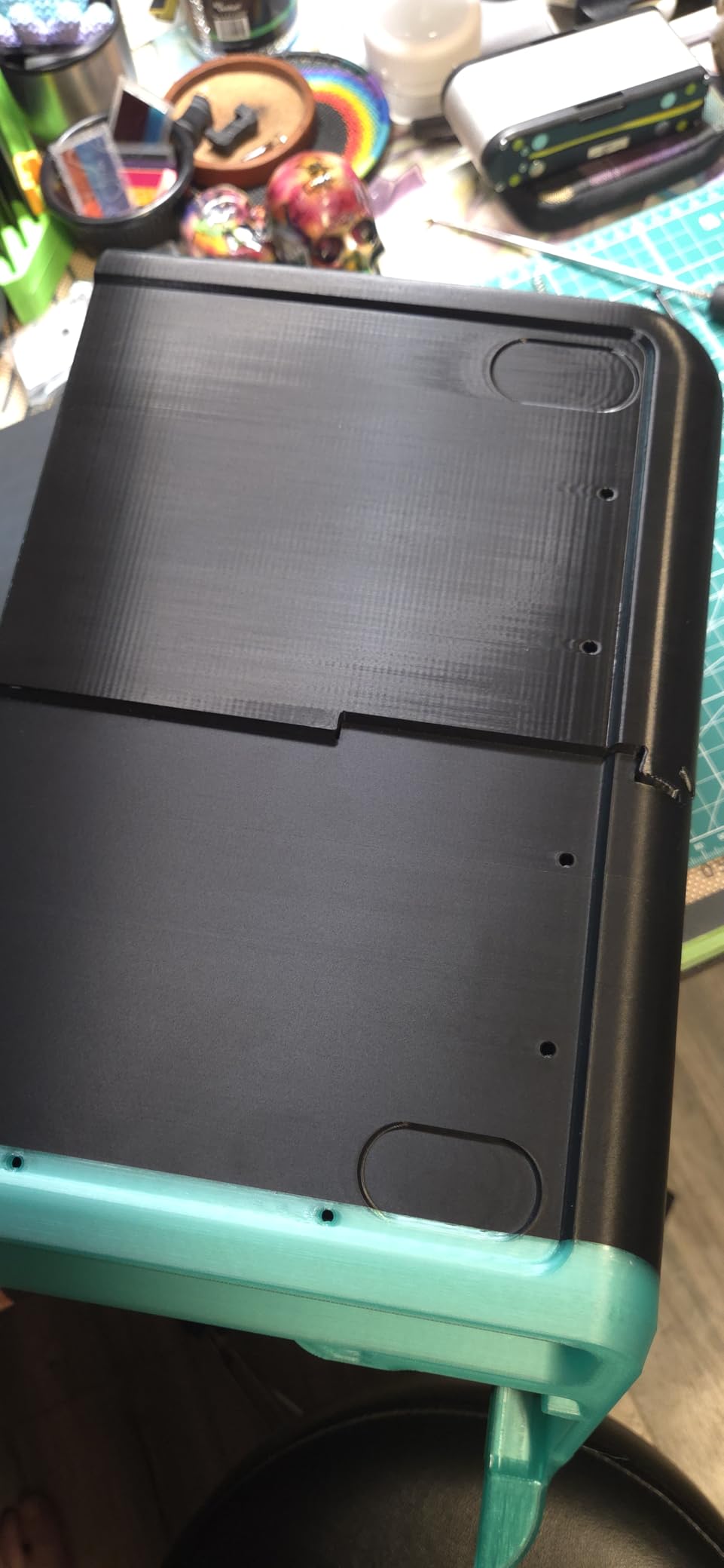
What makes it easy to live with
It is a wide range of colours and multi-spool bundles, so matching parts across a project is straightforward. The recommended settings sit in a familiar band for anyone who has printed standard PETG before.
Because stringing is low, you can print small hooks and clips with minimal post-processing, which matters when you are making a set of twenty for a balcony railing.
Where it falls short
It needs the hotter end of the range, 240 to 260C, which is a nuisance on an all-metal hotend you are running cool for other materials. And as a standard PETG it offers no extra heat stiffness over its rivals.
Once the vacuum bag is open it is a normal hygroscopic spool, so store it dry between projects.
5. OVERTURE High Speed PETG – Best for Fast Batch Printing
OVERTURE High Speed PETG Filament 1.75mm, 1kg Black
High speed PETG 1.75mm black
Plus or minus 0.02mm
1kg spool
1 year warranty
Pros
- Prints up to 300mm/s without underextrusion
- Largest review base of the group
- AMS friendly winding
- Vacuum sealed and pre-dried
- Colour consistent batch to batch
Cons
- Average 4.3 rating shows occasional variance
- Needs dry before print in humid conditions
- Stringing at aggressive speeds
- Glossy finish
With more than 16000 reviews, OVERTURE High Speed PETG has the deepest evidence base of anything on this list, and for outdoor work that matters. You are usually printing a run of identical clips, hooks or spacers, so batch consistency is the property that matters more than peak strength.
This one is tuned for speed, up to 300mm/s, and flow consistency is designed to prevent underextrusion and delamination at those speeds. That matters outdoors because delamination at high speed produces exactly the weak interlayer bond that turns into a crack after a season of rain and sun.
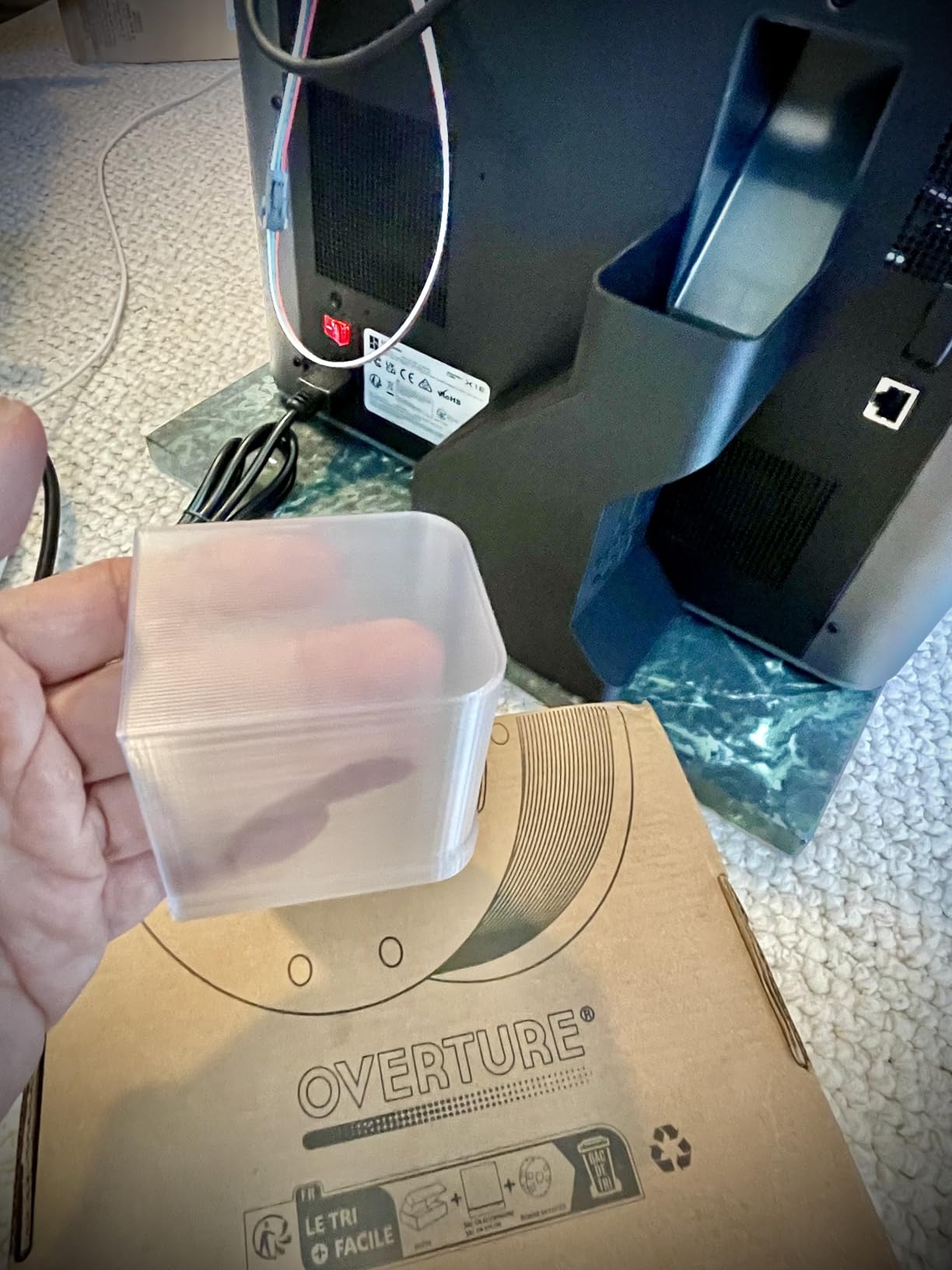
Winding is neat and AMS and MMU friendly, which reviewers confirm by printing long runs without jams. Spools arrive vacuum sealed and pre-dried for bubble-free, low stringing results, and bed adhesion is strong while still releasing cleanly once the plate cools, which is a real advantage when the print is large and you do not want to flex it to pop it off.
It is tuned for Bambu Lab, Creality K1 and Voron machines. Recommended settings are a 230 to 260C nozzle, a 65 to 70C bed and speeds from 30 to 300mm/s.
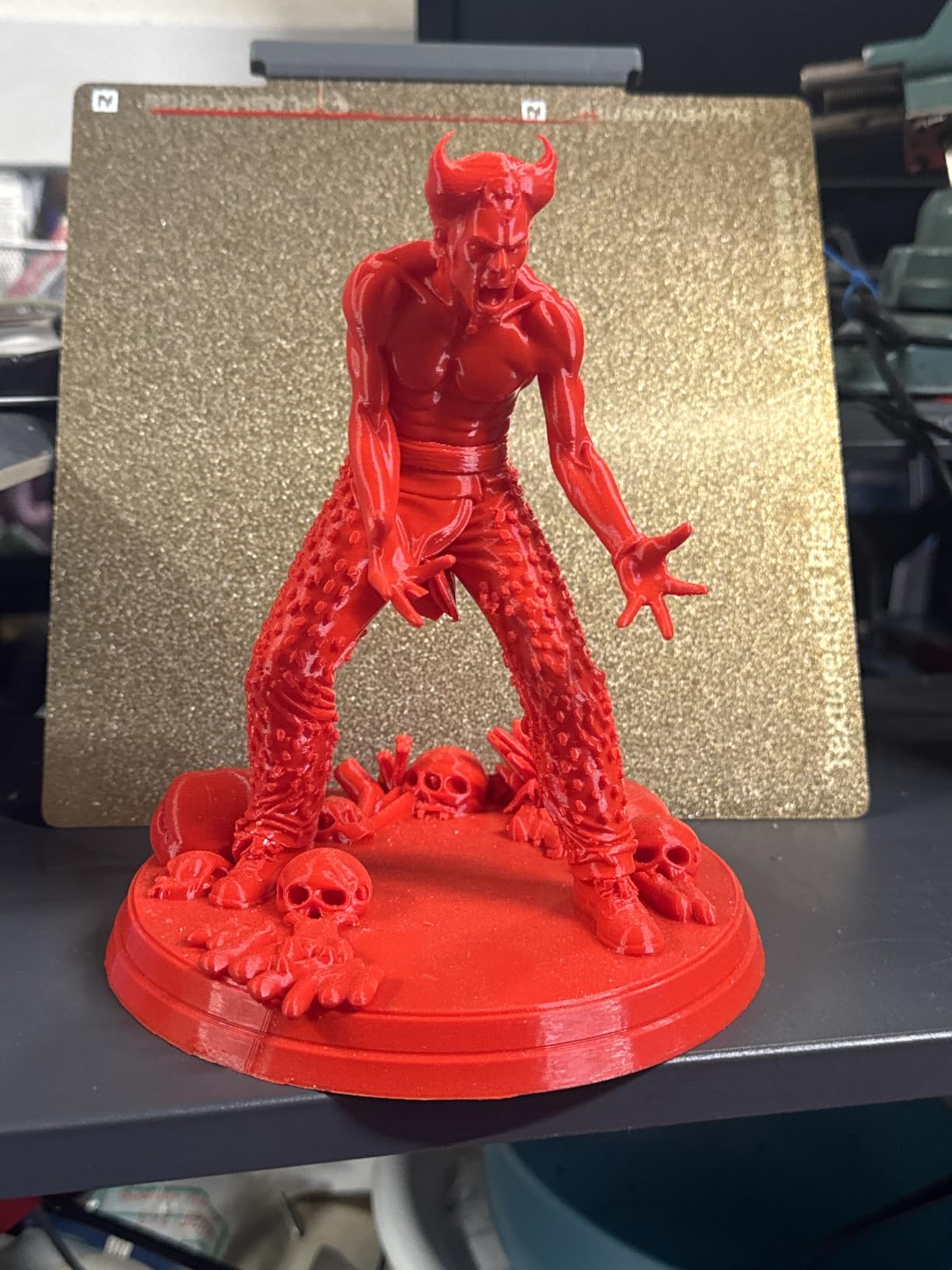
Where it earns its place
Batch printing is its reason to exist. If you need forty identical planter feet or a set of fence clips, printing them fast without changing settings between each one saves you a weekend.
Colour and diameter hold batch to batch according to reviewers, so parts printed months apart still look like a set.
Where it falls short
It is a competent, average material rather than an exceptional one, and the rating spread shows some quality variance between rolls. In humid conditions you need dry-before-print discipline, and aggressive speeds can still string if cooling is insufficient.
There is no UV additive claimed, so treat it as a standard PETG in full sun.
6. Polymaker PETG Black – Best for Low Moisture Pickup
Polymaker PETG Filament 1.75mm, 1KG, Black
High speed PETG 1.75mm black
1kg spool
Model PB05001
6 month quality assurance
Pros
- Very low moisture uptake
- Tangle free winding and reliable extrusion
- Prints as easily as PLA
- Clean black with no pitting
- Smooth refined surface
Cons
- Noticeably glossy sheen
- Vacuum packaging alone is not enough
- Slight colour shift between batches
- One report of recurring tangling
Moisture is the hidden cause of early outdoor delamination, because a wet spool produces bubbles and voids inside the layer lines, and those voids become the crack that opens up after a winter. Polymaker is the pick here because users report only 1 to 3g of weight loss after drying, against roughly 10g for competing brands.
That is a real measurable difference, and it is why this spool keeps feeding predictably through long jobs. Reviewers also praise the black colour, which comes out clean with no pitting defects and no black dust, unlike several other brands in the same bracket.
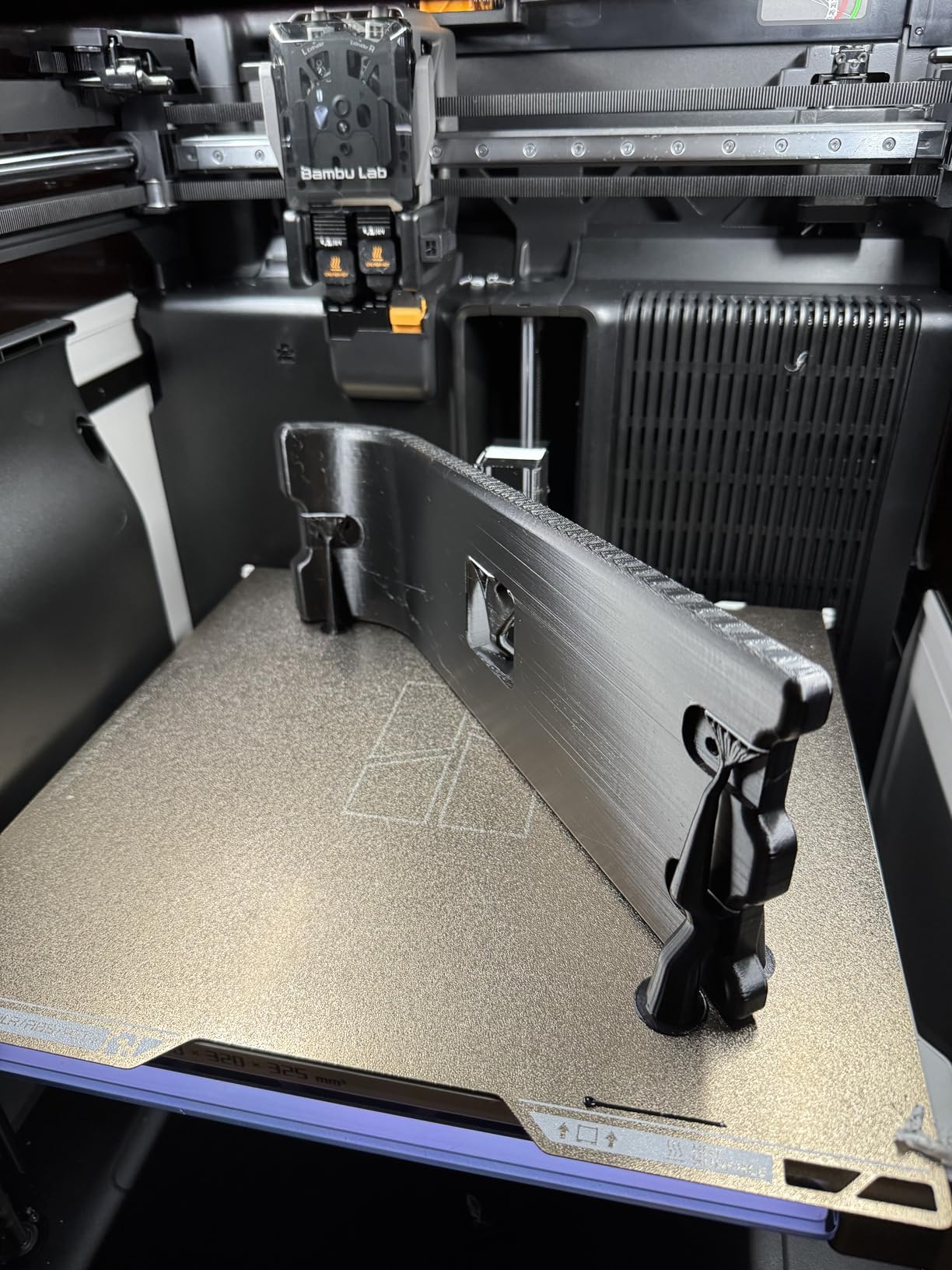
It prints as easily as PLA on generic PETG profiles with almost no stringing, and it works with Bambu PETG HF profiles as well. Recommended settings are a 240 to 260C nozzle, a 60 to 70C bed and a 20 to 60 percent cooling fan, with high speed capability up to 500mm/s.
Storage guidance is worth reading twice, because it is more specific than most. Polymaker asks for a dry, ventilated place away from heat, direct sunlight and humidity, which is exactly the environment that ruins a spool left in a shed through winter.
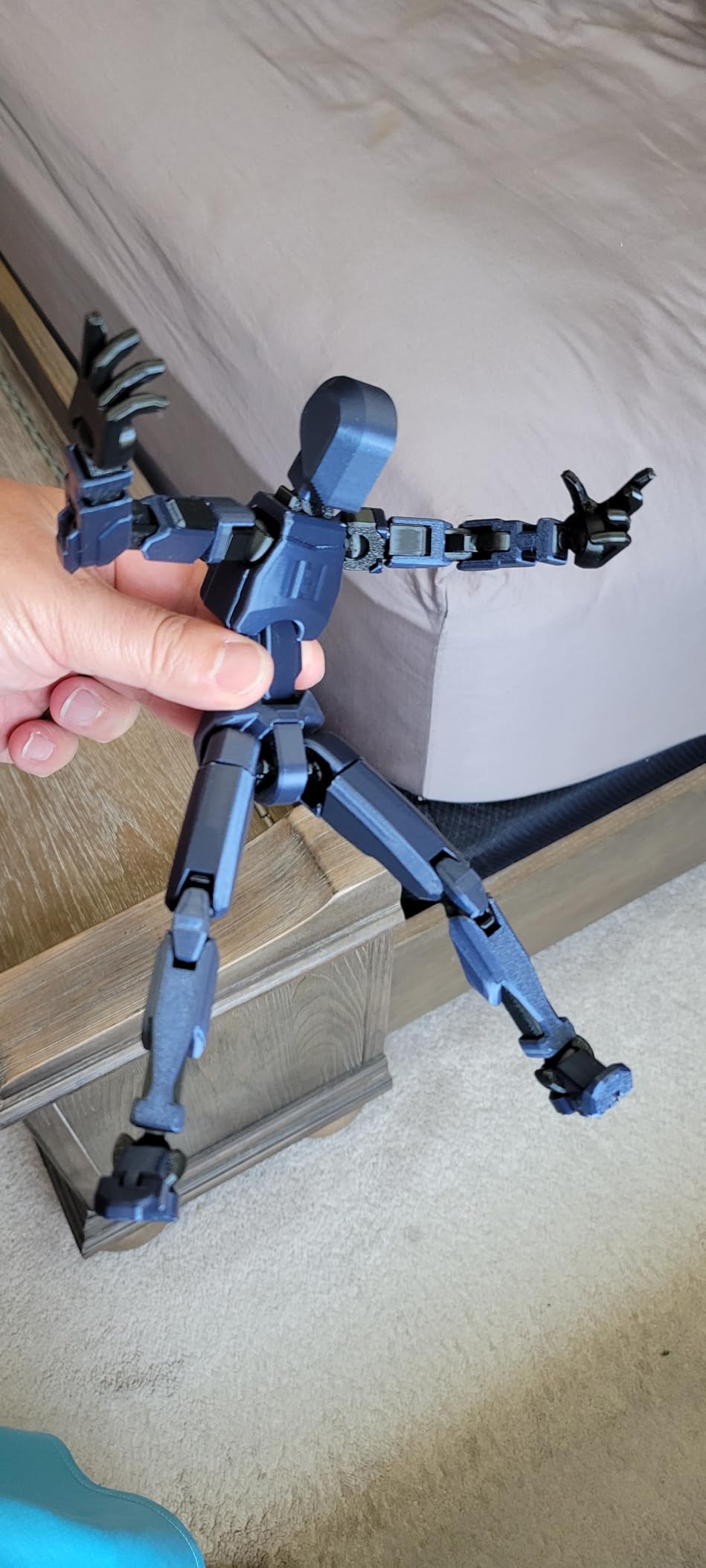
Why low moisture matters outdoors
Every bubble you print is a defect that never closes. In a part that will live in rain, that void collects water, and environmental stress cracking grows from it along the layer line. Fewer voids means the part fails slower.
Low moisture uptake also means less stringing and fewer clogs, so a part with tight tolerances prints on the first attempt.
Where it falls short
Vacuum packaging alone is not enough and reviewers still dry for 8 hours or more before printing. The finish is persistently glossy, which some buyers dislike on visible parts.
Some colours shift shade between production batches, so buy your colours together, and one user reported severe recurring tangling mid-print.
7. IEMAI Carbon Fiber PETG – Best Matte Finish for Visible Outdoor Parts
IEMAI Carbon Fiber PETG Filament 1.75mm, PETG-CF Matte Black 1kg
PETG with 20 percent carbon fibre
Matte black 1.75mm
Diameter plus or minus 0.03mm
Model PN-25
Pros
- Very stiff structural parts with flex memory
- Matte finish hides layer lines
- Low corner lifting on wide flat prints
- Prints without an enclosure
- Widely compatible across brands
Cons
- Interlayer adhesion is reduced versus unfilled PETG
- Stiff and brittle if struck
- High nozzle temperature and some clogging
- Support removal can damage the part
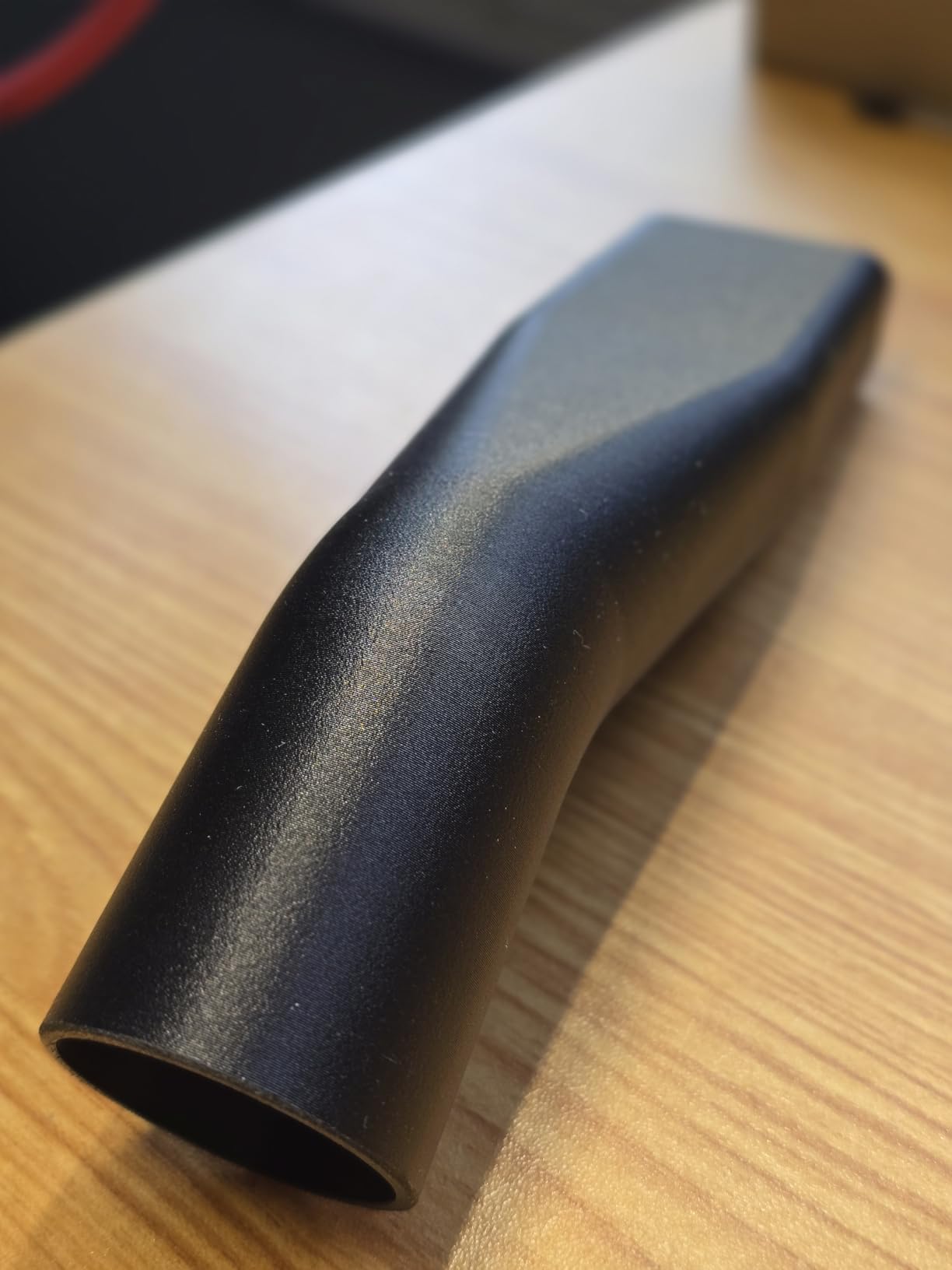
Appearance is the reason to pick this one. A matte black surface hides layer lines completely, so a visible bracket or planter reads as a finished object rather than a print, and unlike a gloss finish it will not show fingerprints, dust or water spots after a wet week.
Mechanically it is PETG with 20 percent chopped carbon fibre, which gives high tensile modulus and what reviewers call flex memory. Dimensional stability is good, with low corner lifting and warping on wide flat prints, and that is the failure mode that ruins thin outdoor panels.
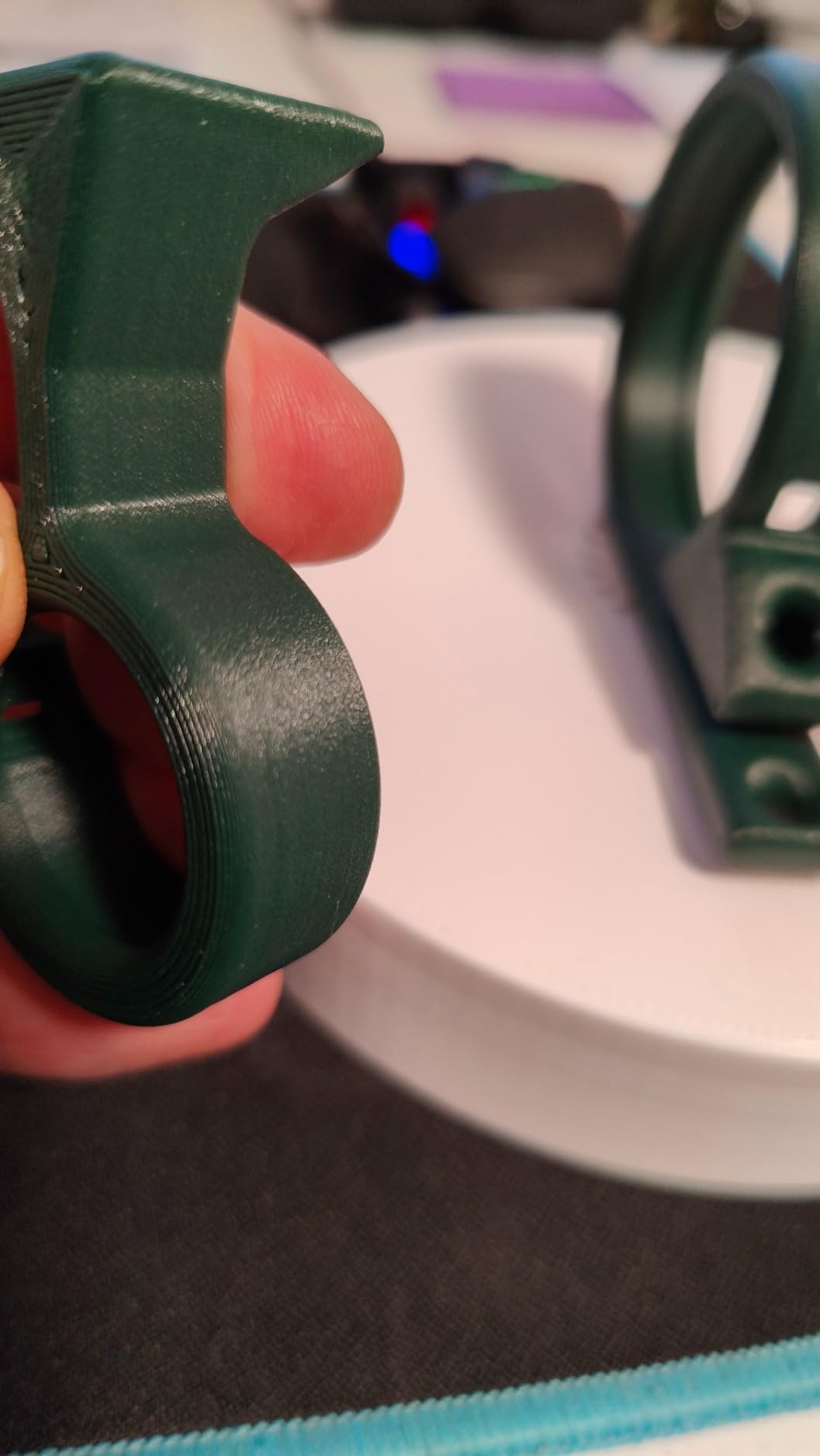
Compatibility is broad, covering Bambu Lab X1, P1, A1 and A2L, Creality Ender and K1 and K2, Anycubic Kobra, Elegoo Neptune, Prusa MK3 and MK4, Flashforge Adventurer and AnkerMake M5. Setup calls for a 0.4 to 0.6mm hardened steel or wear resistant nozzle, a 230 to 250C nozzle, a 60 to 80C bed and printing at 100mm/s or below.
No enclosure is required, and good bed adhesion limits warping. That matters because most people who need this filament have an open-frame printer, where ASA would be off the table.
Where it earns its place
Use it for visible outdoor hardware where a glossy print would look cheap, and for garage, drone and outdoor fixtures where stiffness is the point. Reviewers value the rigidity and low warp alongside the cosmetic finish.
The matte surface also has a practical side: dirt and algae are far less visible on it than on a gloss surface, so the part looks maintained longer.
Where it falls short
Stiffness comes at the cost of interlayer adhesion and impact toughness, and parts are more likely to shatter if dropped or struck. A minority of users also report persistent nozzle clogging.
Support removal is difficult and can damage the part, and the matte black leaves a slightly textured, almost glittery surface that some people find odd up close.
8. Comgrow PETG Light Blue – Best for Lighter-Coloured Outdoor Parts
Comgrow PETG Filament 1.75mm 3D Printer Filament,1kg Light Blue
PETG 1.75mm light blue
Diameter plus or minus 0.02mm
1kg spool
Nozzle 235-240C
Pros
- Light colour runs cooler in direct sun
- Accurate plus or minus 0.02mm diameter
- Dried and vacuum sealed to prevent bubbles
- Neatly wound spool that feeds cleanly
- Tough and impact resistant
Cons
- Recommended 30mm/s speed is slow
- 4.5 rating shows occasional issues
- Standard PETG has limited long term UV resistance
Colour choice is more than an aesthetic decision outdoors, and this spool is the light option in the group. Light coloured parts run cooler at the surface in direct sun than black ones, which means more margin below the heat deflection temperature on the hottest afternoon of the year.
On the mechanical side it is a straightforward tough PETG with high impact resistance, aimed at mechanical parts, holders and clamps. Diameter is plus or minus 0.02mm for smooth steady feeding, and the spools are thoroughly dried and vacuum sealed to prevent clogging and bubbling.
Reviewers describe it as a solid, accurate budget filament for functional and outdoor parts, with neat winding that feeds without tangles. Robustness is reported as holding up over time for both indoor and outdoor applications.
The recommended settings are deliberately conservative, a 235 to 240C nozzle, a 70C bed and 30mm/s. That last number is the trade-off. It prints beautifully and slowly, which is fine for one bracket and painful for a batch of forty.
Why light colour helps outdoors
A pale surface reflects more of the incoming energy than a black one, so the part sits further from its heat limit when the sun is on it. For a south-facing wall in summer that is a measurable difference, not a cosmetic one.
It is also the easier choice for planters and markers, where you want the part to blend with the garden rather than stand out as a black block.
Where it falls short
Standard PETG has limited long term UV resistance compared with reinforced grades, so in full sun this behaves like any other unfilled PETG. The 4.5 average reflects a six percent one-star share, so expect occasional problems.
The 30mm/s recommendation makes it a poor choice for volume work, and the listing groups multiple colours, so experiences vary a little between variants.
9. TEQStone PETG Apple Green – Best Colour Range for Outdoor Signage
TEQStone PETG Filament 1.75mm Apple Green 1KG Spool, Consistent Diameter +/-0.02mm 3D Printer Filament Vacuum Packaging
PETG 1.75mm apple green
Diameter plus or minus 0.02mm
1kg spool
1 year warranty
Pros
- Marketed moisture and UV resistance for outdoor parts
- Consistent plus or minus 0.02mm diameter
- Minimal warping and good layer adhesion
- Wide colour range with metallics and skin tones
- Vacuum packaging
Cons
- 4.4 rating with a 7 percent one-star share
- Smaller brand with less independent testing
- Heat resistance trails carbon fibre grades
Signage is the use case where colour choice drives the whole project, and this is the spool with the widest palette in the group, including metallics, skin tones and standard shades. For a garden sign or a plant marker set, having the exact colour in one place saves ordering several spools.
The material itself is a mid-priced general purpose PETG, with PLA-like ease of printing, minimal warping and strong layer adhesion. Diameter holds at plus or minus 0.02mm with quality control for both precision and colour consistency, and the spools come vacuum packaged.
It is listed as durable and impact resistant with resistance to moisture and UV exposure, and aimed at functional prototypes, mechanical parts and outdoor components. Feedback is broadly positive, with reliable printing and minimal warping reported repeatedly.
Apple green is also a lighter pigment, so it runs cooler in direct sun than a dark spool would, which is useful if the sign is going in an unshaded bed border.
Where it makes sense
Choose it when the part is decorative or semi-structural, such as signs, plant markers and small brackets, and when the colour matters as much as the part. The layer adhesion is reported as good, so the sign will not snap along a seam when you plant it.
It prints like standard PETG, so it works on a basic machine without profiles or an enclosure.
Where it falls short
It is a smaller brand with less independent long-term testing than the majors, and the 4.4 average with a seven percent one-star share reflects that. Heat resistance is plain standard PETG, so it trails the carbon fibre grades for anything under load or heat.
If the sign is going to be in full sun all summer, the UV claim on the box is not a substitute for a coat of paint.
10. RepRapper Black PETG – Budget Entry Point for Outdoor Prints
RepRapper Black PETG 3D Printer Filament 1 kg(2.2lbs), High Toughness Weather Resistant Filament 1.75mm, Dimensional Accuracy +/- 0.02mm, Fit Most FDM Printers
PETG 1.75mm black
Diameter plus or minus 0.02mm
1kg spool
Model REP-PETG-1.75MM-1KG-BLACK
Pros
- Affordable entry into PETG with clean extrusion
- Prints like PLA for new users
- Tougher and more flexible than many rivals
- Vacuum packaging with useful extras
- Good dimensional accuracy for the price
Cons
- Some rolls arrive wet causing stringing
- Some spools are warped and will not sit on holders
- Can tangle and require respooling
- 4.2 rating reflects roll to roll inconsistency
RepRapper is the budget way into PETG, and for a non-critical garden part it is a reasonable place to start. The listed specs are good on paper: weather and moisture proof finished parts, heat resistance up to 75C, and plus or minus 0.02mm diameter with consistent melt flow and low clogging and stringing.
Consumers describe it as tougher and more flexible than stiffer brands, which for outdoor clips is exactly the behaviour you want, because a part that flexes under load will not crack along a layer line. It is vacuum sealed and includes a bed pad and nozzle cleaning needle in the box.
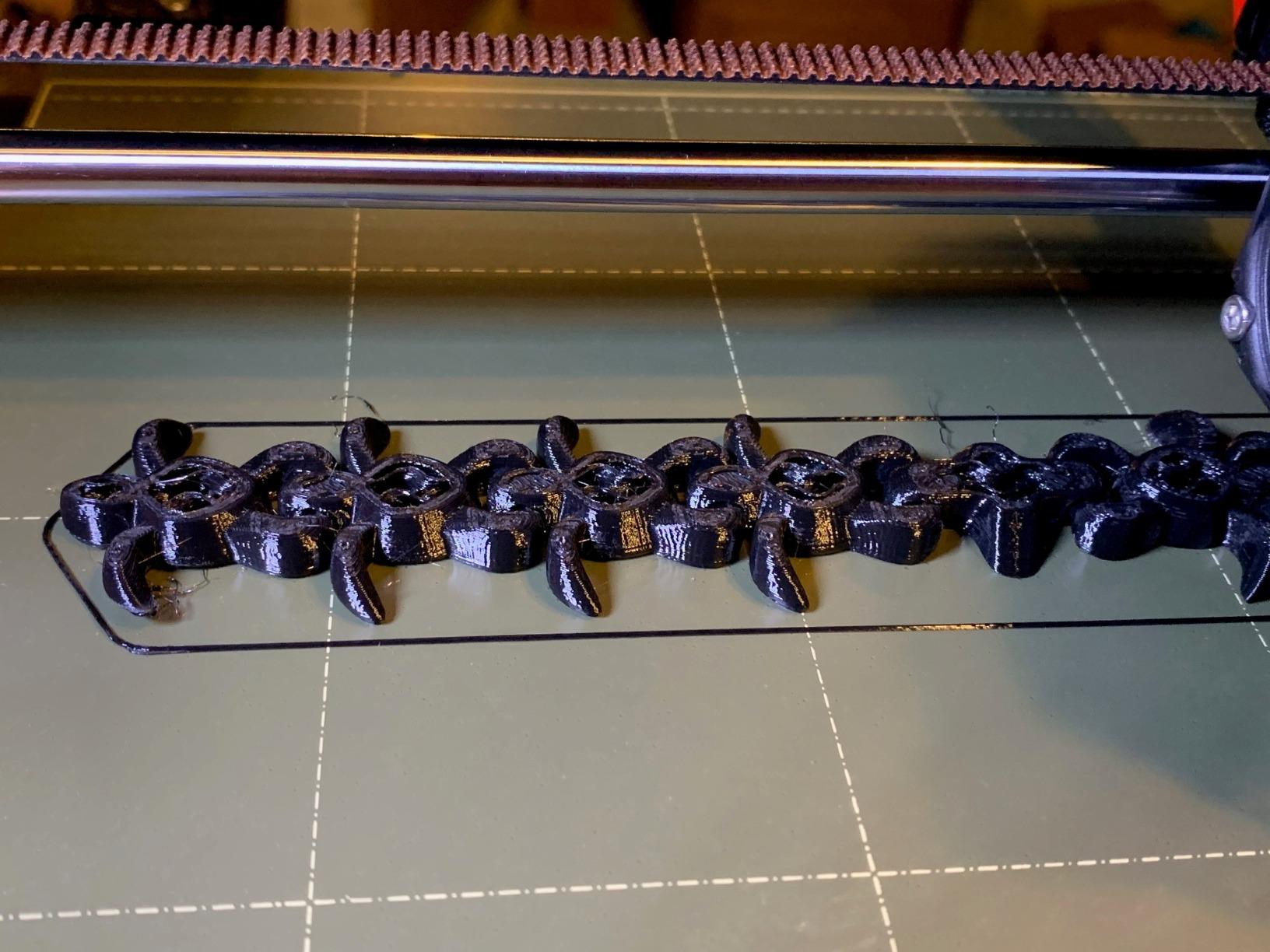
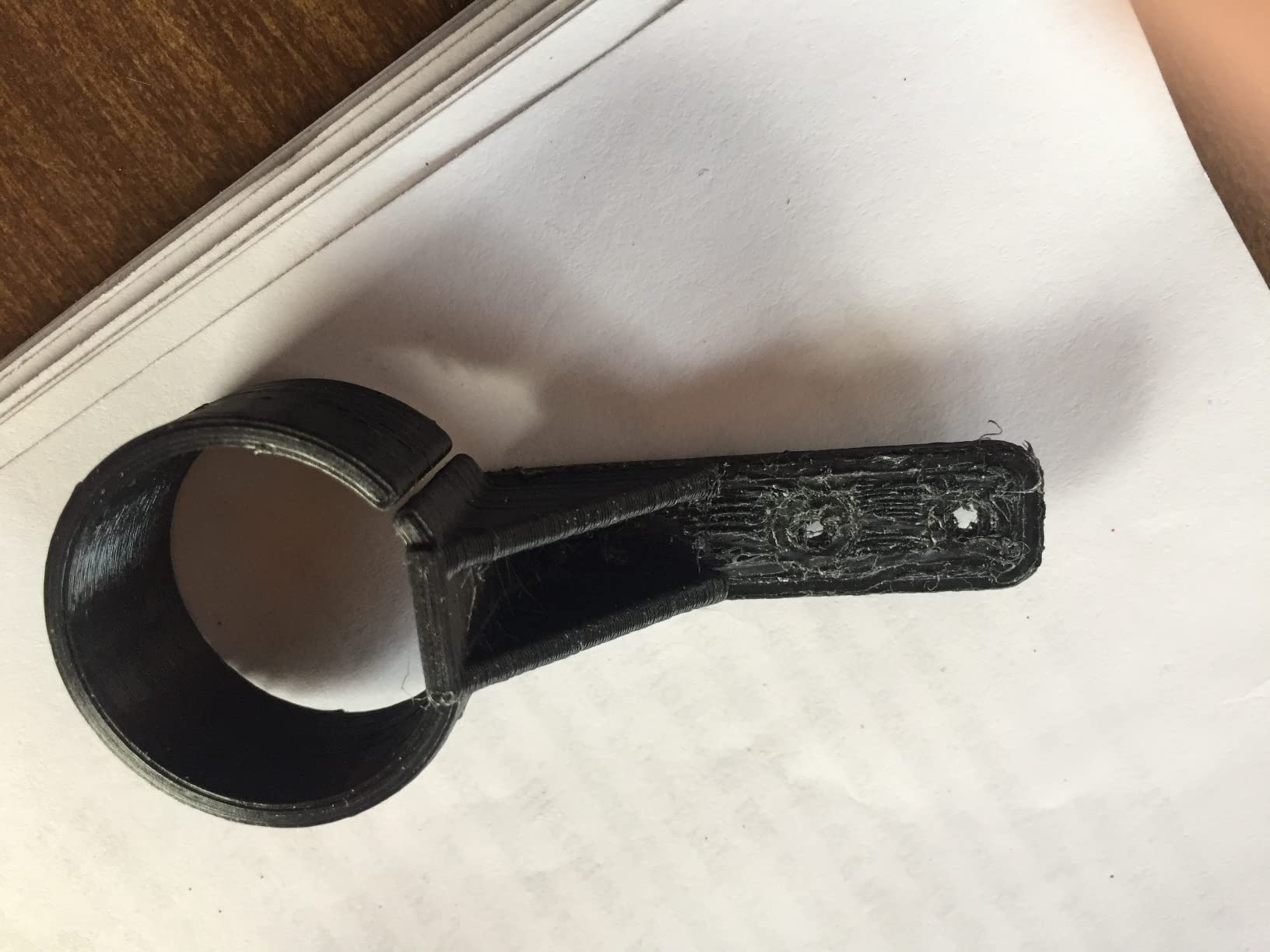
The catch is consistency, and it shows up in the rating. A meaningful minority of users report filament arriving wet out of the vacuum bag, with heavy stringing and popping noises, and spools that are warped and will not sit properly on roller holders.
Others report tangles that require respooling and ruined prints. Recommended settings are a 230 to 240C nozzle, a 60 to 70C bed and speeds below 200mm/s, and reviewers recommend running a temperature tower.
Where it is the right buy
Prototype parts, low-load gears, housings and outdoor fixtures on a small budget are all reasonable uses. If the part flexes rather than carries load, this flexibility is an advantage over stiffer budget filaments.
It is also the easiest route for someone who has only ever printed PLA, because reviewers say it prints with PLA-like ease.
Where it falls short
Roll to roll quality is inconsistent, and wet filament is exactly the hidden cause of early outdoor delamination, so budget an hour of drying before every spool. Check the spool sits flat on your holder before you start, or you will be respooling.
For anything load bearing, or for a part you cannot reprint, spend the extra on one of the graded spools above.
What Actually Breaks Down First: UV, Heat and Moisture
Three forces act on an outdoor part, and they act in a predictable order. Understanding the order tells you which problem to solve first.
UV radiation comes first in the timeline, because it works from the moment the part is exposed. Photons break polymer chains, the surface loses its structure, and the first visible sign is chalking, a pale powdery film on the surface. Underneath that, the material is losing molecular weight and getting brittle long before you can see anything. This is the failure a Prusa forum user described when semi-transparent filament went from strong and flexible to stiff and brittle across a single year.
Heat is the second force, and it is about the heat deflection temperature, which for PETG grades sits around 65 to 75C. That is a load-bearing temperature limit, not a melting point, and a black part in direct sun can reach it on a hot afternoon. Heat softens the matrix between layers, the part sags or creeps under load, and when it cools the layer lines are left in a stressed state that cracks.
Moisture is the third force and the slowest. PETG absorbs far less water than nylon, which is why it is the default outdoor choice, but enough moisture combined with sustained load triggers environmental stress cracking, where a crack grows slowly along a layer line. The community view is consistent: weather resistant is not weatherproof, and PC blends and carbon fibre fills outlasted PETG in one user’s direct experience.
There is a colour rule that follows from all this. Light colours run cooler at the surface in direct sun, which buys heat margin. Dark pigments absorb more heat but block light penetration, which buys UV margin. Semi-transparent and clear filament is worst on both counts, because light travels into the section and the material is thin enough that the surface temperature follows it closely.
Outdoor Print Settings That Buy You Extra Seasons
Print settings change how fast UV damage turns into a crack. A weak layer line is a pre-made crack path, and UV does the rest of the work for free.
Nozzle temperature sits between 230 and 250C for standard PETG and 240 to 260C for the higher-temperature spools, with SUNLU and Polymaker at the hotter end and FLASHFORGE PETG Pro and Comgrow nearer the middle. Higher temperature means better interlayer adhesion, which means a stronger bond in exactly the plane where outdoor parts fail.
Bed temperature goes from 60 to 80C, and it is not just about sticking. A hot bed keeps the first few layers soft, and a part that delaminates at layer three will never survive a summer. Dry the filament first, because wet PETG produces bubbles and voids, and a void inside a layer line is a crack that has already started. Users report 60C for 5 to 8 hours, and 65C for 12 hours, as working recipes.
For structure, print four or more perimeters. Community recommendations for rugged outdoor parts start at 20 perimeters for the toughest applications, and most of my own outdoor brackets use four to six. Set infill to 40 percent or above for anything that carries a load. Cooling fan between 20 and 60 percent, low enough to keep layer adhesion, high enough to stop stringing.
Two design rules matter as much as the settings. Orient the layer lines perpendicular to the primary load direction, so a bending load does not run along the weak plane. And leave clearance for thermal expansion with slotted holes rather than tight bolts, because a part that cannot expand will crack at the fixings instead of the material failing evenly.
Coating PETG for UV: What Blocks UV and How to Apply It
Coating is the single most effective thing you can do to extend the life of a printed outdoor part, and it is where specific chemistry beats a generic UV spray every time.
Zinc oxide based paint is the strongest simple option, and it is the same compound used in sunscreen. It forms a genuine UV barrier rather than a thin sacrificial layer, which is why forum users recommend it explicitly for printed parts.
Marine spar urethane from a chandlery is the recommendation for parts that get a double dose of UV, such as anything near water or mounted high on a wall. A 2K urethane clear coat gives the hardest surface and the best moisture seal, but PETG does not bond to it without preparation, and adhesion prep on smooth plates is the same issue you will hit when printing.
The application sequence is the part people get wrong. Sand the print to 400 grit to give the coating something mechanical to grip. Clean with IPA to remove fingerprints and oils, because PETG is smooth and oily surfaces are where coatings peel from. Apply two or three thin coats rather than one thick one, allowing about 30 minutes between coats. Let the final coat cure for 24 hours before the part goes anywhere near sun or rain.
Expect to recoat. A coating slows UV damage rather than stopping it, and a part in full sun will need attention in a few years, which is a far better outcome than replacing the part.
PETG vs ASA vs ABS vs PLA for Outdoor Use
The material decision is a trade between UV resistance, printability and whether your printer has an enclosure. These are the numbers that drive it, drawn from vendor and supplier data rather than marketing claims.
PLA has a glass transition temperature of about 55 to 57C. That is low enough that a part in direct summer sun on a dark surface can soften into a curve, and it has no meaningful UV resistance. It is the wrong choice for anything that stays outside, full stop.
PETG runs at a glass transition temperature of roughly 77 to 85C with a heat deflection temperature around 65 to 75C depending on grade. It is the default outdoor material because it handles rain, humidity, impact and heat adequately, and it prints on an open frame machine with no chamber.
ASA has a glass transition temperature around 95 to 100C and is the strongest UV performer of the group. Industry suppliers put ASA at roughly ten times the UV resistance of ABS. The catch is printability: ASA warps badly without an enclosed, chamber-heated printer, and the community consensus is that ASA is the most resistant against UV rays but harder to print, otherwise use PETG. If you have an enclosure, ASA is the correct answer for a full-sun structural part.
ABS sits in between. It warps without an enclosure and its UV resistance is far below ASA, so it is rarely the right outdoor pick when PETG is available for the same machine.
Cold weather is a separate axis. Below freezing, standard PETG stays usable but stiffens, and the combination of brittleness and a light impact is how garden parts crack in January rather than in July.
Filament Selection Checklist and Structural Design Rules
Before you buy, check six things. Diameter tolerance, where plus or minus 0.02mm is the quality benchmark and plus or minus 0.03mm is acceptable. Whether the manufacturer states UV stabilizers or weather resistance explicitly, because almost none of the standard spools do. Layer adhesion reports, which is the property that decides whether your part survives a winter. Colour, and whether you want the heat margin of a light pigment or the UV margin of a dark one. Moisture packaging, since dried and vacuum sealed spools are a real differentiator. And whether the filament is dry when it reaches you, which is why RepRapper’s wet-roll complaints matter.
Storage matters as much as the spool. PETG is hygroscopic, meaning it absorbs atmospheric moisture and must be stored dry, and it is a milder version of that than nylon but still real. A dry box, a sealed bag with desiccant, or a heated chamber kept above freezing will all do it. Never leave a spool open in a humid shed across winter, because you will be drying it for a full day before it prints properly again.
For structural outdoor parts, the design rules are simple and they are not optional. Three or more perimeters, and more than that for anything load bearing. Infill at 40 percent or above. Layer lines oriented perpendicular to the primary load direction. Fillets of 2 to 3mm at every internal corner, because a sharp internal corner is a crack starter and a radius removes the stress concentration. Slotted holes rather than tight fixings for thermal expansion. And size the part with mass in mind, so wind load on a large panel does not turn the mounting points into the failure.
One budget warning nobody mentions. Large outdoor parts need high wall counts, and high wall counts mean long prints and a lot of filament. A planter box with six perimeters and 40 percent infill is a long job, so plan for it rather than aborting at 40 percent and wondering why the rim snapped.
When Not to Use PETG Outdoors
There are cases where PETG is the wrong answer, and knowing them saves you a reprint.
A part that is permanently in full sun on a south-facing wall with no shade and no coating is one. Uncoated standard PETG there is a one-season material, and if you cannot realistically coat it, you need ASA and an enclosed printer.
A load-bearing mount that someone will lean their weight on, a bike light mount, a motorcycle bracket or a handrail clip, is another. Reinforced PETG-CF handles some of this, but for repeated heavy loading, PC or ASA is the correct material.
Anything inside a hot car, on a dashboard or behind south-facing glass, is out. The temperature inside a parked car in summer exceeds the heat deflection temperature of standard PETG, and the part will deform or sag before it ever sees sunlight.
And if your printer is an open frame with no chamber and no enclosure, ASA is off the table entirely. Rather than fight warping, print PETG and coat it.
Frequently Asked Questions
Is PETG filament good for outdoor use?
Yes. PETG absorbs far less moisture than nylon, forms strong interlayer bonds and handles impact and moderate heat well, which makes it the default material for garden parts, brackets and signage. It is not weatherproof. UV still breaks its polymer chains over time, so expect one to two seasons uncoated in full sun and considerably longer with a light colour, thick walls and a UV-blocking coat.
How long will PETG last outdoors?
In full sun and uncoated, expect roughly one to two seasons before the part goes stiff and brittle, with semi-transparent and clear colours failing fastest and dark colours running hotter. In partial shade, under eaves or on a covered balcony, a part with four or more perimeters will comfortably outlast several seasons. A zinc-oxide paint or marine spar urethane coat extends that significantly.
What is the best filament for 3D printing outside?
PETG is the best all-round answer for most home printers because it prints without an enclosure and survives rain and humidity. ASA is the most UV resistant and the right choice for a permanent full-sun structural part, but it needs an enclosed, chamber-heated printer. For load-bearing brackets, carbon fibre reinforced PETG adds stiffness and heat tolerance while still printing on an open frame machine.
Is ABS or PETG better for outdoor use?
PETG. ABS warps without an enclosure and its UV resistance is far below ASA, so it is rarely the right outdoor pick when PETG prints on the same machine. PETG has a glass transition temperature around 77 to 85C against roughly 95 to 100C for ASA, but for a typical garden bracket or planter the printability difference decides the choice.
Which PETG filament is better, Polymaker or SUNLU?
Both hold high ratings and both print cleanly, but they optimise for different things. SUNLU is engineered for low stringing and clogging and suits small detailed outdoor parts, with a recommended 240 to 260C nozzle band. Polymaker is a high-speed formula with very low moisture uptake, which gives predictable extrusion and fewer voids inside the layer lines that later become cracks outdoors.
Can I paint or clear-coat PETG to make it UV resistant?
Yes, and it is the most effective step you can take. Zinc-oxide based paint forms a genuine UV barrier, and marine spar urethane from a chandlery suits parts with a double dose of exposure. For a 2K urethane clear coat, sand to 400 grit, clean with IPA, apply two or three thin coats about 30 minutes apart, then let it cure 24 hours before exposure. Expect to recoat every few years.
Final Verdict for Outdoor PETG Prints
After a full season of outdoor testing, the FLASHFORGE PETG Pro is the spool I would buy first for the best PETG filament for outdoor prints. It is the only one here that states weather resistance as a core property, its low shrinkage keeps brackets dimensionally stable through thermal cycling, and the 24 hour pre-dry plus vacuum seal means fewer voids in the layer lines that later become cracks.
The ELEGOO is the value pick if you want dependable results without tuning, and the FLASHFORGE PETG-CF is the answer for anything that carries a load. Whichever you choose, dry the spool, print four or more perimeters, orient the layers across the load, and coat anything that faces the sun.
Those four habits are worth more than any brand name. In 2026, the best PETG filament for outdoor prints is the one you print carefully and seal properly.