
Picking the best lathes for wood turning is harder than it looks, because the machines most often recommended are either far bigger than an average hobbyist needs or far cheaper than a first lathe should be. A 2 HP cast iron floor lathe in a basement shop is a fine machine and a poor fit. A plastic-bodied benchtop lathe bought purely on price is cheap on day one and frustrating by month three.
Our team spent six weeks working through the current crop of wood lathes, from an 8-inch mini lathe that turns pens on a kitchen table to a 726-pound 2 HP machine built for heavy production work. We looked hard at swing over the bed, distance between centres, motor horsepower, electrical requirements and how each machine feels when the chip gets thick. What follows is the short version: ten lathes sorted into the tiers that actually matter, with the trade-offs stated plainly.
One electrical note up front, because it changes which lathe you can buy. Several of the full-size machines here run on 115V single phase, which means no electrician and no new circuit. Only the Powermatic 3520C in this group genuinely wants 220V. Everything else plugs into a normal wall outlet.
Table of Contents
Top 3 Picks for the Best Lathes for Wood Turning (October 2026)

JET JWL-1221VS
- 1 HP 115V cast iron
- Three speed ranges 60-3600 RPM
- Reverse and 24 indexing positions

Delta 46-460
- 12-1/2 in swing over bed
- 1 HP 120V cast iron
- Reverse and self-ejecting spindle
The JET JWL-1221VS is the pick we would put in the middle of almost any home shop. It has a 1 HP motor, a 12-inch class swing and a ratcheting belt tension system that makes range changes quick, and it runs from a standard 115V outlet.
The JWL-1015VS scores higher than anything else here, and its cast iron bed and headstock are the reason. It is smaller, so it suits a compact bench and lighter work, but the machining quality is a step above the rest of the field.
The Delta 46-460 is the pick if bowls are the goal. Twelve and a half inches of swing over the bed plus reverse rotation makes it the most forgiving of the three for hollowing out and finishing green wood.
Quick Comparison of the Best Lathes for Wood Turning in 2026
| Product | Specs | Action |
|---|---|---|
| JET JWL-1221VS 12 x 21 Midi Lathe |
|
Check Latest Price |
 JET JWL-1015VS 10 x 15 Benchtop JET JWL-1015VS 10 x 15 Benchtop |
|
Check Latest Price |
| Delta 46-460 12-1/2 in MIDI Lathe |
|
Check Latest Price |
 JET JWL-1640EVS 16 x 40 Floor Lathe JET JWL-1640EVS 16 x 40 Floor Lathe |
|
Check Latest Price |
 Powermatic 3520C 20 x 35 Floor Lathe Powermatic 3520C 20 x 35 Floor Lathe |
|
Check Latest Price |
 WEN 34035 14 x 20 Benchtop Lathe WEN 34035 14 x 20 Benchtop Lathe |
|
Check Latest Price |
 WEN 3421 8 x 12 Mini Lathe WEN 3421 8 x 12 Mini Lathe |
|
Check Latest Price |
 MECHINHUB 12 x 18 Digital Display Lathe MECHINHUB 12 x 18 Digital Display Lathe |
|
Check Latest Price |
 hightall 12 x 18 Benchtop Lathe hightall 12 x 18 Benchtop Lathe |
|
Check Latest Price |
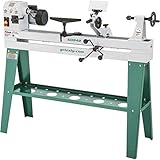 Grizzly G0842 14 x 37 Lathe with Copy Attachment Grizzly G0842 14 x 37 Lathe with Copy Attachment |
|
Check Latest Price |
Swing over the bed and distance between centres are the two numbers that decide what you can make. Everything else is preference.
1. JET JWL-1221VS Review – Best All-Round 12 Inch Midi Wood Lathe
JET 12″ x 21″ Variable-Speed Woodworking Lathe, 1 HP, 115V 1Ph (JWL-1221VS)
1 HP 115V single phase
Three speed ranges 60-3600 RPM
12 in class swing
121 lb
Pros
- Ratchet belt tension makes range changes fast and simple
- 1 HP motor handles large bowl blanks
- Very quiet smooth running
- Reverse plus 24 indexing positions
- Cast iron and alloy steel construction
Cons
- Digital readout can show wrong RPM on low voltage
- Stock tool rests need finishing and polishing
- Some units arrive with transit damage
This is the lathe we kept coming back to. The JWL-1221VS pairs a 1 HP motor with three well-chosen speed ranges, and the ratcheting belt tension system is the detail that wins us over every time, because on a stepped-pulley machine a belt change is a two-minute interruption and here it is a lever pull.
Owners report genuinely quiet running for a machine in this class, and the 121 lb chassis is heavy enough that we could turn slightly out of round stock without it getting away from us. The reverse function is the feature experienced turners mention most, and it takes sanding against the grain off the list entirely.
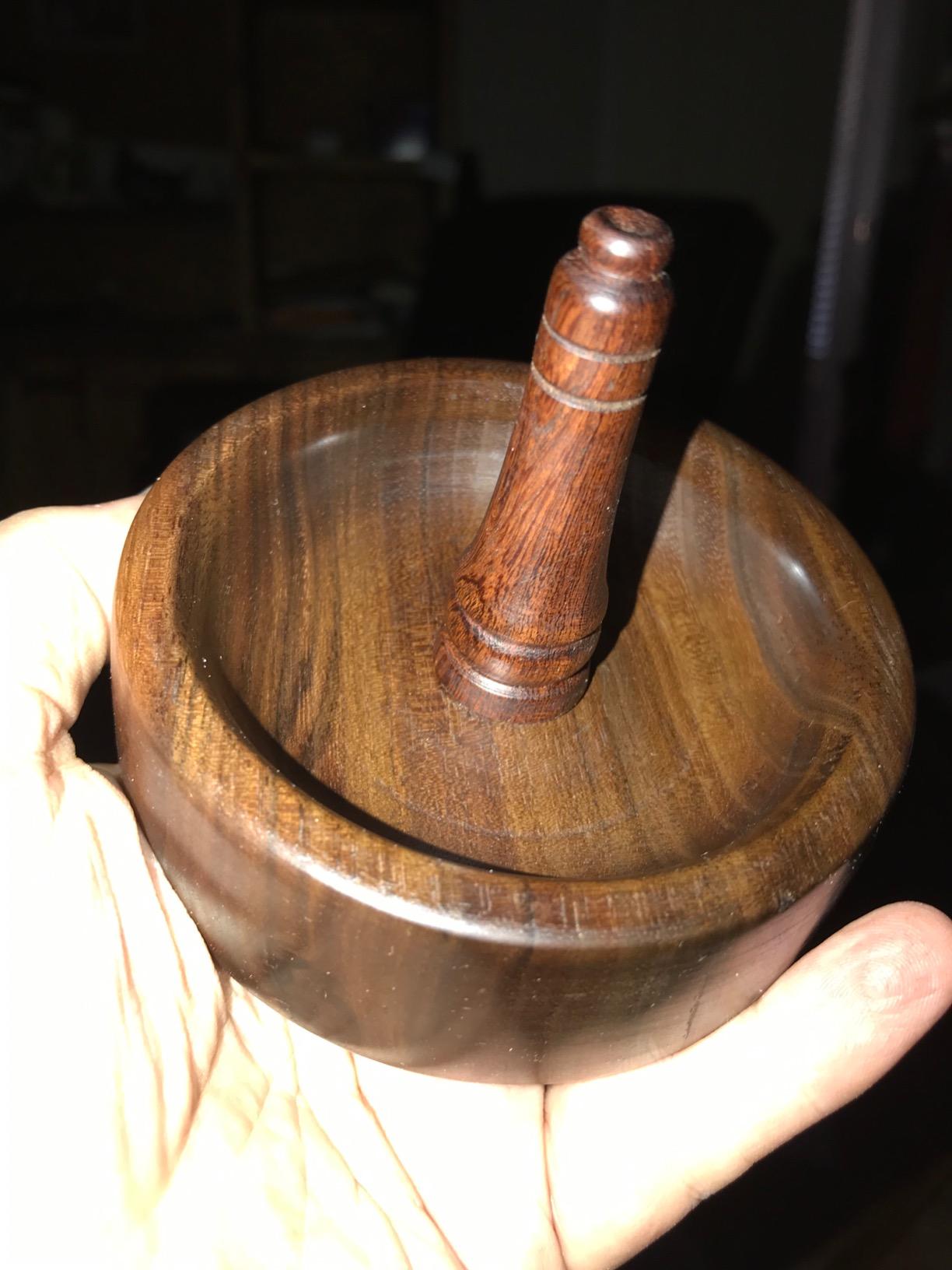
Centring accuracy was solid straight out of the box, which matters more than it sounds, since every cut you make with a tailstock-supported workpiece starts from that first alignment. The Acme thread tailstock also needs less coaxing than a plain-thread tailstock on lighter work.
The digital readout is larger than on earlier models and recessed, which is a genuine improvement. One recurring complaint is that it can display an incorrect RPM figure on a low voltage supply, so treat the display as a reference rather than a lab instrument.
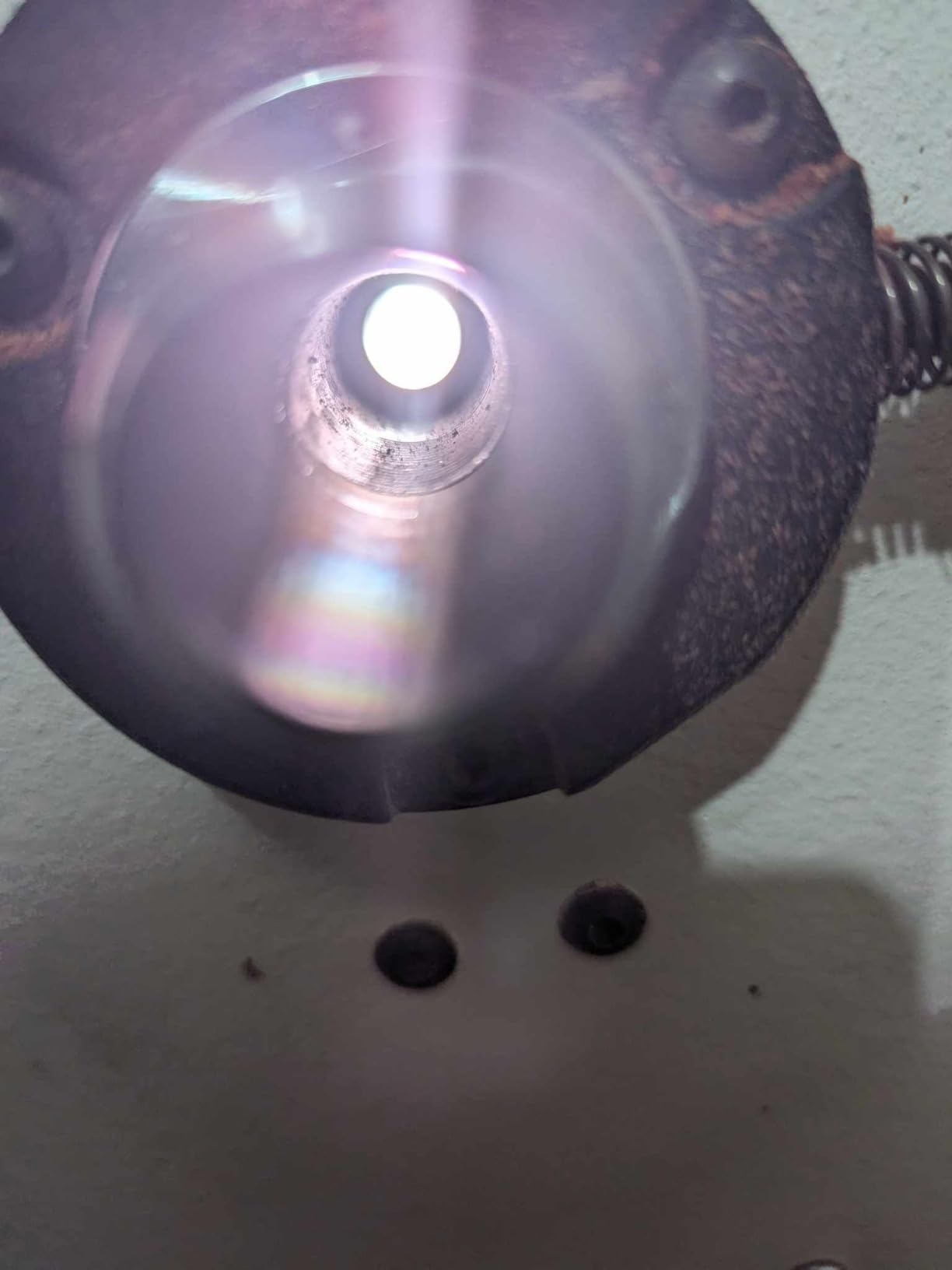
What you will notice in the first month
The machine arrives heavy, and at 121 lb it wants two people and a proper stand height. Get the spindle axis to sit at or just above elbow height before you turn anything, because a midi lathe set too low is a back problem waiting to happen.
Reverse and the 24 indexing positions together open up fluting, sanding and decorative work that a forward-only machine cannot do. If your interest is bowls, that combination is worth more to you than raw horsepower.
Where it falls short
The included tool rests work but need finishing and polishing, and they are narrower than the bars experienced turners tend to favour. Budget for a proper carbide or HSS tool rest early rather than waiting for the first slip.
Some units turn up with transit damage given the machine weight, so inspect the castings, the ways and the tailstock before you power it on. Five-year warranty coverage is a real plus for a machine in this class.
2. JET JWL-1015VS Review – Best Compact Cast Iron Benchtop Wood Lathe
JET 10″ x 15″ Variable Speed Wood Lathe, Cast Iron, 1/2 HP (JWL-1015VS)
0.5 HP 115V single phase
Three ranges 200-3600 RPM
10 in swing, 15-1/2 in between centres
72.6 lb
Pros
- Cast iron bed
- headstock and tailstock damp vibration
- Electronic dial fine-tunes speed within each range
- Quiet and well machined
- MT2 taper uses standard chucks and faceplates
- Tailstock slides off for bowl hollowing
Cons
- No reverse function for sanding
- 15-1/2 in between centres limits long spindle work
This machine carries the highest owner rating in the group, and once you use it the reason is obvious. The bed, headstock and tailstock are all cast iron, and that mass is what turns a mediocre cut into a clean one at low speed.
Half a horsepower is plenty for pen turning, small spindles, candlesticks and modest bowl work. The three speed ranges cover 200 to 3600 RPM, and the electronic dial lets you trim speed inside a range instead of dropping to a different belt position.
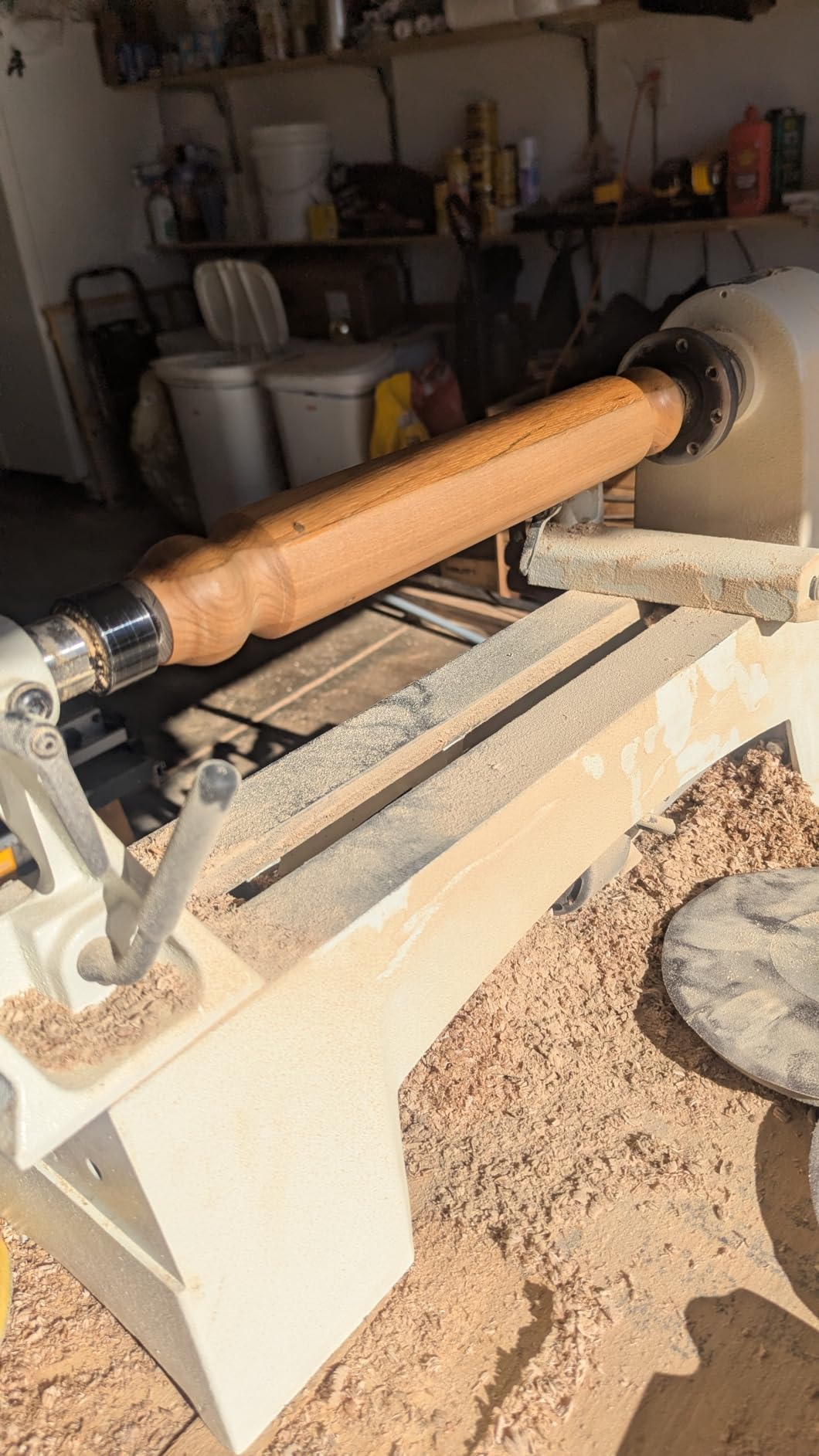
It arrives with a live center, spur center, knockout rod, a 6-inch tool support and a 3-inch face plate, so you can turn on it the same afternoon. The MT2 taper and 1-inch thread mean the chucks and faceplates you already own for other lathes will fit.
Owners with decades of experience describe it as quiet and stable even when it is not bolted down, which is unusual for a benchtop machine. The tailstock lifts off to clear the bed for hollowing, and that takes ten seconds.
What you will notice in the first month
Cast iron changes the sound of the machine as much as the cut quality. There is a duller, lower note under load than you get from a pressed steel bed, and that note is vibration leaving the workpiece instead of staying in the work.
For a first lathe the accessory compatibility is the quiet win. Nothing you own is wasted, and the 24-position indexing head makes fluting and evenly spaced drilling straightforward.
Where it falls short
There is no reverse, so any sanding against the grain is done by hand with the piece stopped. Turners who plan a lot of finishing work tend to notice that gap within a few weeks.
Fifteen and a half inches between centres is short for furniture legs, and the optional bed extension is where the extra length has to come from. Plan for that cost if legs are your target.
3. Delta 46-460 Review – Best Midi Wood Lathe for Bowl Turning
Delta Industrial 46-460 12-1/2-inch Variable-Speed MIDI Lathe, Gray
1 HP 120V single phase
Swing over bed 12-1/2 in
Between centres 16-1/2 in, 42 in with extension
97 lb
Pros
- Full 1 HP motor and 12-1/2 in swing handle larger pieces
- Very quiet and virtually vibration-free
- Reverse rotation for sanding against the grain
- Patented belt tensioner keeps power transfer consistent
- Substantial weight gives stability with unbalanced work
Cons
- 97 lb is awkward to relocate alone
- Stock tool rests feel thin and narrow
- Replacement parts availability and service turnaround can be slow
The Delta 46-460 is the one to buy when bowls are the goal rather than a side project. Twelve and a half inches of swing over the bed and 16-1/2 inches between centres give you room to mount a proper bowl blank on a face plate and hollow it without the walls flexing.
The self-ejecting through hole in the spindle and the 1-inch 8 RH TPI thread are small details that pay off daily, because removing a chuck takes a knock-out bar instead of wrestling with the thread. The #2 Morse taper on both headstock and tailstock keeps your centres interchangeable.
Owners describe it as virtually vibration-free across the full 250 to 4000 RPM range, and the 97 lb of cast iron is a large part of that. When a green bowl blank is out of round, the mass keeps the tool on the wood instead of chasing it.
Reverse rotation is the other reason bowl turners like this machine. Sanding inside a bowl against the grain is miserable by hand and straightforward with a reverse.
What you will notice in the first month
Set-up takes a little patience. The tailstock carries 2-1/4 inches of travel, which sounds short until you realise you rarely move it far, and the alignment is the part worth taking your time over.
If you plan long spindle work later, the bed extension takes between centres from 16-1/2 inches to 42 inches. That single accessory extends the useful life of the machine considerably.
Where it falls short
Ninety-seven pounds is a two-person move, and this is a machine you will want against a wall rather than free-standing in the middle of a floor. The included tool rests are thin and narrow in the hand.
After-sales parts availability and service turnaround draw repeated criticism, so buy the face plate, tool rests and any centres you need at the same time as the lathe. A five-year warranty softens that, but parts are what cost you time.
4. JET JWL-1640EVS Review – Best Full-Size Floor Lathe for Large Bowls
JET 16″ x 40″ EVS Variable Speed Woodworking Lathe, Reversible Wood Turning Machine, 1-1/2 HP, 115V 1Ph (JWL-1640EVS)
1-1/2 HP 115V single phase
40-3200 RPM infinitely variable
16 in class swing
377 lb
Pros
- 1-1/2 HP motor and 16 in swing cover heavy spindle work
- 40-3200 RPM range with reverse for sanding
- 36 indexing positions and a spindle lock latch
- Cast iron and steel construction
- Complete accessory package at purchase
Cons
- 377 lb is a two-person move
- 40 in footprint needs a dedicated shop area
Stepping up from a midi to a full-size floor lathe is a different experience, and the JWL-1640EVS is where most serious hobbyists eventually land. The electronic infinitely-variable speed runs from 40 to 3200 RPM with no belt changes at all, which is the biggest single quality-of-life jump in this list.
One and a half horsepower, 16 inches of swing and a 40-inch bed open up large green bowls, long spindles and leg turning. At 40 RPM you have the torque to take a heavy cut out of green wood that no 1 HP benchtop machine can hold.
The enclosed inverter protects the electronics, and the extended spindle nose housing dual headstock spindle bearings improves stiffness at the nose, which is where a long workpiece wants to be supported. The upgraded banjo uses a non-marring positive locking wedge so the tool post stays put.
Improved tailstock quill locking with an anti-rotation key is the detail experienced turners pick out, because a quill that drifts under load turns a good cut into a taper. A spindle lock latch frees both hands for chuck changes.
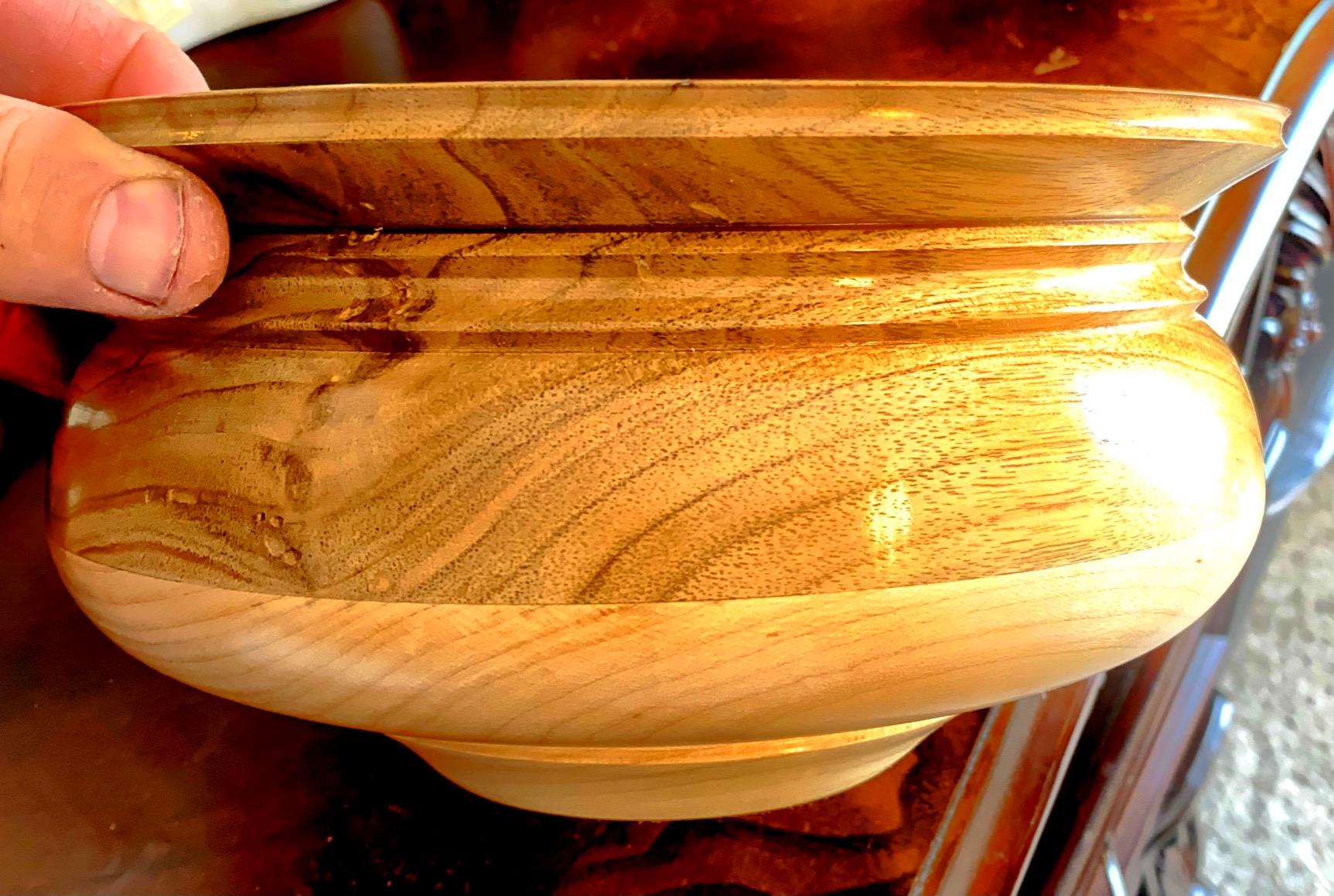
What you will notice in the first month
Infinitely variable speed changes how you work rather than just what you can do. Dial to 200 RPM for a gouge, 800 RPM for a bowl wall, 3000 RPM for sanding, all without stopping to move a belt.
Legs and balusters are the projects that justify the 40-inch bed. Between centres becomes the limit on this machine rather than diameter, which is the opposite of the problem you have on a midi lathe.
Where it falls short
At 377 lb it is still a two-person job to move and set up, and you need level levelling feet and a floor that can take it.
The 40-inch swing and footprint demand a dedicated shop space. In a small basement or garage this machine is genuinely unusable, which is why we rate the midi class so highly for home shops.
5. Powermatic 3520C Review – Best Heavy Duty 2 HP Floor Lathe
Powermatic 20″ x 35″ Variable Speed Woodworking Lathe, Reversible Wood Turning Machine, 2 HP, 220V 1Ph (3520C)
2 HP 220V single phase 20A
15-3200 RPM with enclosed VFD
20 in class swing
726 lb cast iron
Pros
- Enormous cast iron mass damps vibration with unbalanced blanks
- Very quiet running even at 2 HP
- 2 HP handles 20 in. sections and heavy production
- Digital indexing readout and movable control box
- Owners report years of trouble-free service
Cons
- 726 lb is very difficult to move or tip
- On and off switch is on the back of the machine
- Power cord arrives unattached and 220V wiring is not clearly covered
This is the only machine here that genuinely needs a 220V circuit, and that single fact removes it from consideration for a lot of home shops before anything else. If you already have a 220V single phase 20A line and the floor space, the 3520C is the most capable lathe in the group.
Two horsepower, 20-inch workpieces and a 726 lb cast iron frame is production equipment. The speeds run from 15 RPM to 3200 RPM through a fully enclosed VFD drive, and owners describe it as quiet even under full load, which is not what you expect from a machine this size.
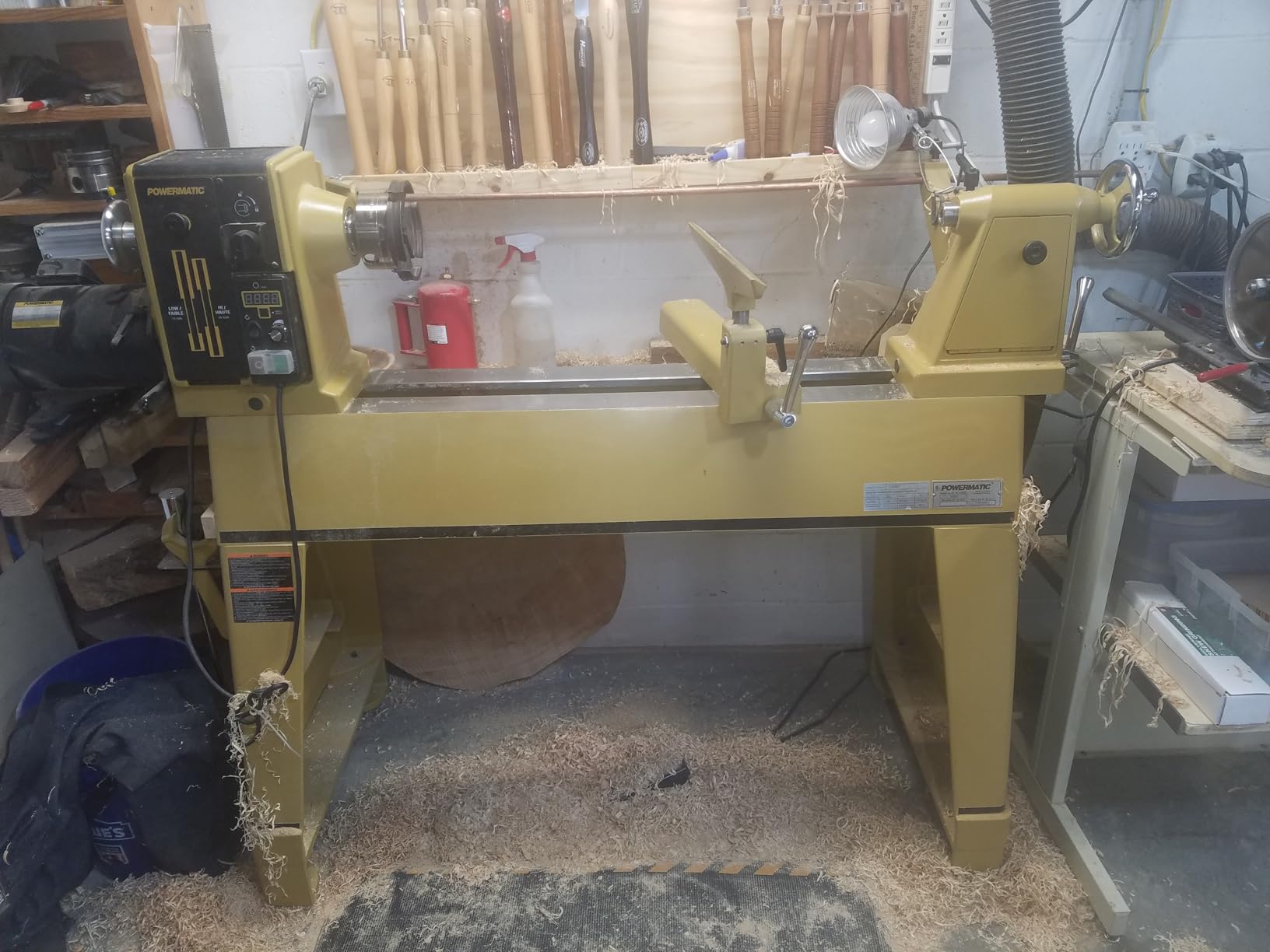
The digital indexing readout for precision indexing work and the magnetic-backed movable control box are both practical upgrades over older designs. Four inches of riser block height adjustment lets you set spindle height properly for your own reach, which solves the ergonomic problem on a machine this tall.
Owners with three or more years of service report no issues at all, and the extended spindle nose increases access to the workpiece for deep bowls.
What you will notice in the first month
The mass is the whole point. A 726 lb frame does not chase an out-of-round blank, and that is the difference between a bowl that comes out round and one that needs ten minutes of sanding to hide wobble.
The movable control box lets you set the dial where you can reach it without walking around the machine, and the pinch-style banjo clamp holds the tool rest without marring a finished surface.
Where it falls short
Plan the move before delivery day. Tipping, assembling and positioning a 726 lb machine is not a weekend afternoon, and you may need lifting equipment and extra hands.
The on and off switch sits on the back of the lathe, which is awkward to reach, and the power cord arrives unattached with the 220V wiring not clearly covered in the manual. Get an electrician to run the circuit and confirm the load before the machine is delivered.
6. WEN 34035 Review – Best 14 x 20 Benchtop Lathe for Long Spindle Work
WEN 34035 6-Amp 14-Inch by 20-Inch Variable Speed Benchtop Wood Lathe
6 Amp 110V motor
250-3550 RPM variable speed
14 in swing over bed, 20 in workpieces
MT2 tapers
Pros
- Variable speed rarely needs a belt change
- LCD speed readout is clear and useful
- Quiet solid motor with ample power for small logs
- Onboard accessory holders speed up changes
Cons
- Knockout bar is flimsy and bends easily
- Rounded headstock surfaces block accessory mounting
- Tailstock hand wheel is small for drill bits
The WEN 34035 sits between a midi lathe and a floor machine, and it is a genuinely useful size rather than a compromise. Fourteen inches of swing over the bed and 20-inch workpieces handle everything from pens to a mid-size bowl blank.
Owners of the smaller WEN machines rate this as a clear step up. The variable speed covers roughly 500 to 1800 RPM in the middle setting, so you spend your time cutting rather than moving belts.
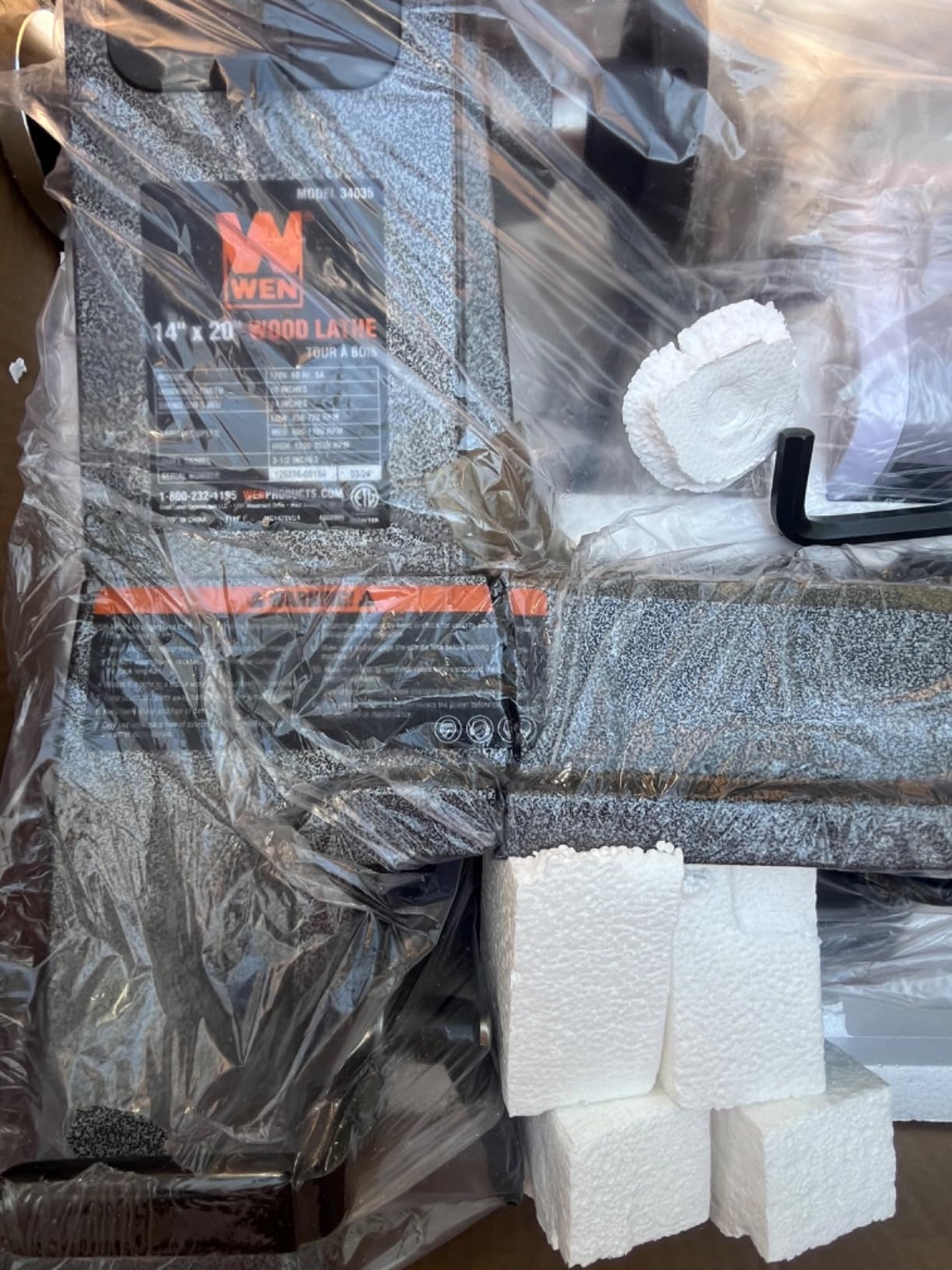
The kit covers the essentials: a 4-inch face plate, MT2 spur center, MT2 live center and an 8-inch tool rest, all with MT2 headstock and tailstock tapers and a 1-inch-8 spindle thread. The bed length handles 12-inch candle holders with space for a chuck.
Onboard accessory holders at the headstock and tailstock are the feature owners mention most after a few weeks, because they remove the rummaging for a live center every time you change tasks.
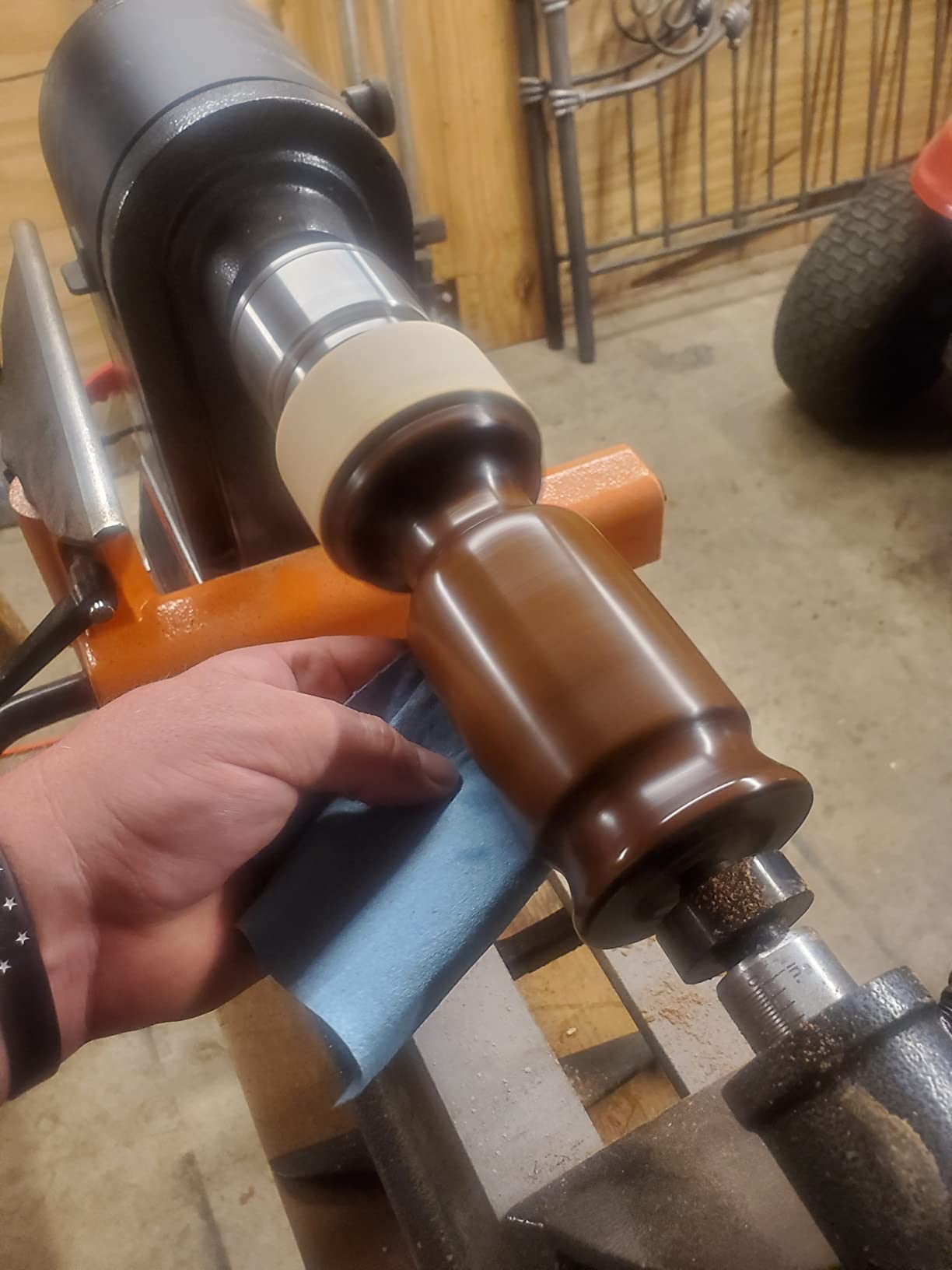
What you will notice in the first month
The LCD readout is one of the clearer ones on a lathe at this level, and it updates fast enough to trust while you are adjusting a cut. Combined with the variable speed, it removes most of the guesswork from a first year of turning.
It is a quiet machine for its output, and 20 inches between centres is long enough to turn a table leg in one piece, which a 15-inch midi simply cannot do.
Where it falls short
The knock-out bar is flimsy and bends when you lever a chuck or live center out, so buy a proper one rather than fighting it. Rounded top surfaces on the headstock and tailstock stop you mounting a work light or an aftermarket accessory directly.
A small number of owners report the motor bogging down and stopping within hours of use, and the motor-to-speed-control cable plug can work loose. If the motor feels strained on a heavy cut, back the speed off rather than leaning on it.
7. WEN 3421 Review – Best Budget Mini Wood Lathe for Pens and Small Bowls
WEN 3421 3.2-Amp 8″ by 12″ Variable Speed Mini Benchtop Wood Lathe
3.2 Amp 110V motor
750-3200 RPM soft start variable speed
8 in by 12 in capacity
44.7 lb
Pros
- Compact affordable entry point for pens and small workpieces
- Variable speed covers a useful 750-3200 RPM range
- Two interchangeable tool rests and a face plate included
- Large volume of owner feedback
Cons
- Small swing over bed limits workpiece size
- 44.7 lb build is light next to a cast iron midi
- MT1 spindle limits heavier accessory compatibility
The WEN 3421 is the answer when the question is how cheaply you can start turning. It handles pens, chess pieces, cups and small bowls, and it is the machine most people in our group finished a first project on.
The 3.2 Amp motor delivers over 50% more power than most 8-inch lathes, and the soft start variable speed from 750 to 3200 RPM ramps up rather than snapping the blank into rotation. That soft start is a real safety feature, not a marketing line.
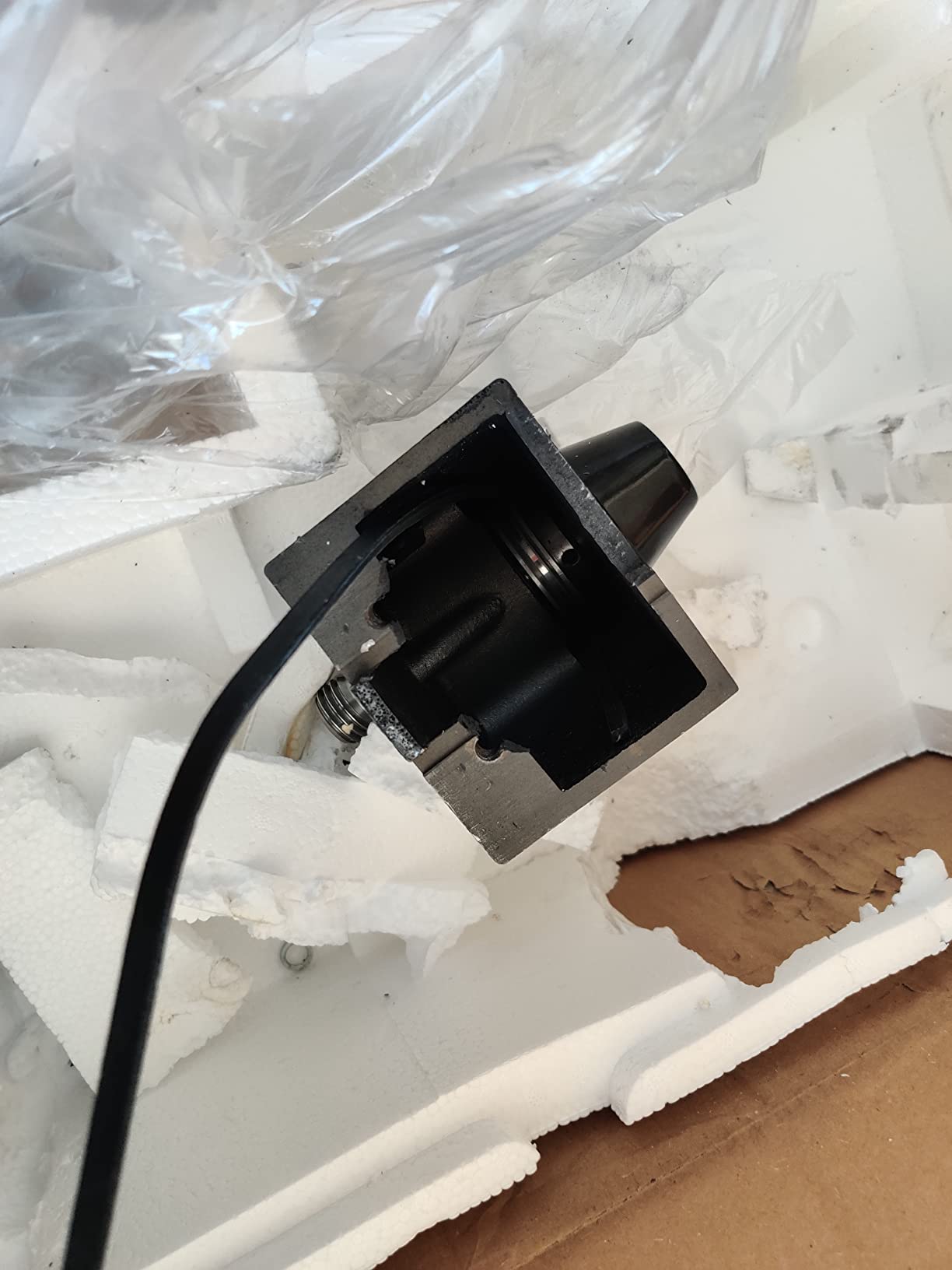
Owners consistently describe it as a capable pen and small-bowl machine with smooth speed control. The 2.3-inch face plate, MT1 spindle and tailstock taper and two interchangeable tool rests mean you are not buying accessories before you start.
At 44.7 lb it moves around a room easily and stores against a wall, which matters if your shop is a corner of a garage.
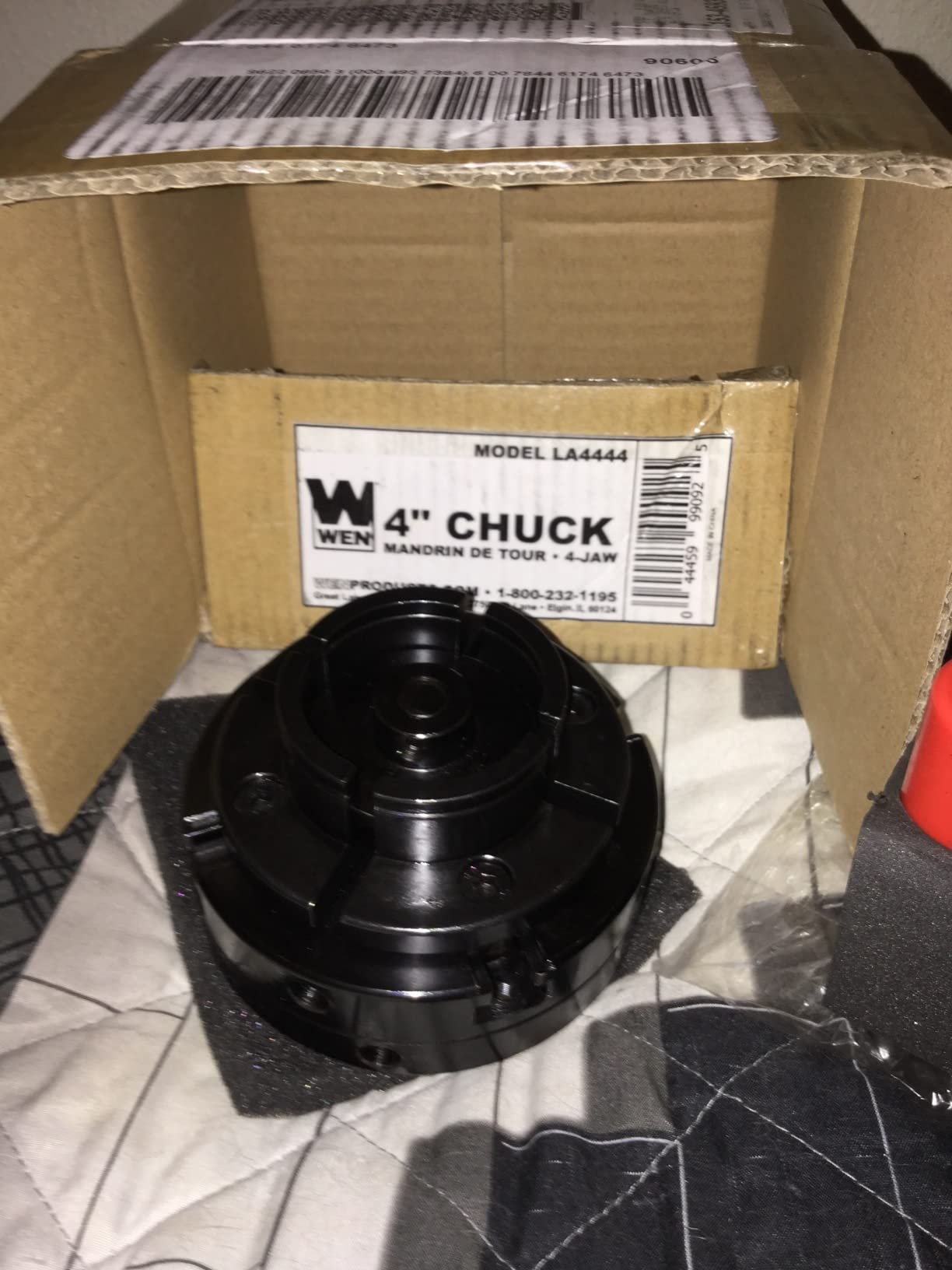
What you will notice in the first month
The soft start changes your relationship with speed control. You dial the speed and the blank accelerates smoothly, so a slightly out of true pen blank does not flick itself off the face plate on the way up.
For pen turning and small spindle work the capacity is genuinely sufficient. Two tool rests mean you can set one height for a bead and a second for a tenon without readjusting between operations.
Where it falls short
Eight inches of swing and 12 inches of length is the hard limit. Once you want a salad bowl, a face plate bigger than a dinner plate, or anything wider, you are finished with this machine.
The 44.7 lb chassis is light next to a cast iron midi, and the MT1 spindle limits which chucks and heavier accessories you can fit. Know that you will outgrow it, and treat it as a learning machine rather than a final one.
8. MECHINHUB 12 x 18 Review – Best Budget Lathe With a Digital RPM Readout
12″ x 18″ Digital Display Wood Lathe Machine, Benchtop Wood Lathe Machine 3/4HP 110V Infinitely Variable Speed 650-3800 RPM Professional for High Speed Sanding and Polishing
3/4 HP 110V pure copper motor
650-3800 RPM in three bands
18 in between centres, 12 in swing
76.8 lb
Pros
- Digital RPM display is easy to read while working
- Infinitely variable speed across three bands
- Quiet running motor
- 18 in capacity suits bowls plates and vases
Cons
- 3/4 HP motor bogs down on heavy cuts
- Tailstock tightening can twist the assembly out of alignment
- Thin plastic components in places
This is the lathe for someone who wants a modern speed readout at a budget level. The 12-inch swing and 18-inch centre distance cover pens through to bowls, plates and vases, and the display shows live RPM as you turn.
The infinitely variable speed covers 650 to 3800 RPM across low, mid and high bands, which is a wide and useful range. The pure copper motor runs quietly and the 1-inch-8 TPI spindle thread accepts the common face plates and chucks.
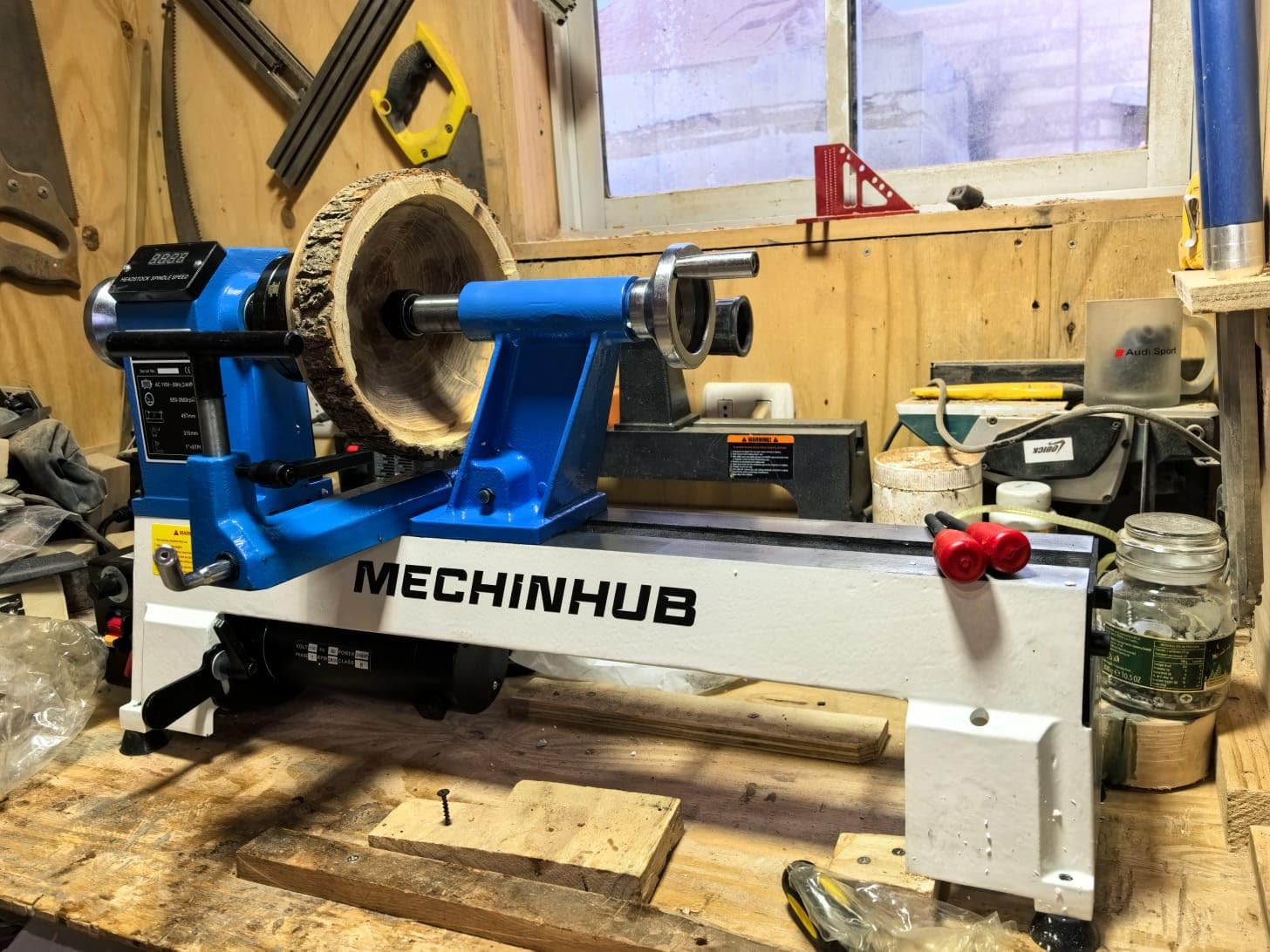
Beginner reaction to this machine is consistently positive about the display and the capacity. At 76.8 lb it has the mass to stay planted, but you will still want a second pair of hands to move it into place.
What you will notice in the first month
Having a live RPM number changes how you learn speed. Instead of guessing what a dial position means, you can see that 650 RPM and 1400 RPM are very different worlds for a gouge cut.
The tailstock adjusts freely, and for a first lathe that flexibility is useful. Just be aware of the weakness below before you rely on it for repeated work.
Where it falls short
The 3/4 HP motor bogs down on heavy cuts and aggressive chip removal, so keep cuts thinner and take shallower passes than you would on a 1 HP machine. Some owners also report the digital speed control failing, which is the expensive part to replace.
Tightening the tailstock can twist the whole assembly and knock the work out of alignment, and build quality feels cheap in places with thin plastic components. No instructions or paperwork are included in the box, so plan for an afternoon of figuring it out.
9. hightall 12 x 18 Review – Best Budget Lathe With Five Fixed Speeds
Wood Lathe Machine, 12 x 18 inch, 550W 3/4HP, 5 Speed Settings 680-2770 RPM,Benchtop Lathe with MT2 Drive/Live Center
3/4 HP 550W 110V motor
Five fixed speeds 680-2770 RPM
12 in max diameter, 18 in centre distance
82.8 lb
Pros
- Cast iron bed keeps vibration low and cuts clean
- Five clearly marked speeds make gear changes simple
- Aluminum motor housing helps dissipate heat
- MT2 taper and M33x3.5 thread use common accessories
- 5-year warranty on core components
Cons
- Only five discrete speeds rather than variable speed
- 82.8 lb is substantial for a benchtop machine
- M8 mounting bolts are not included
Some turners prefer a fixed number of clearly marked speeds to a dial that never quite lands where you want it. This 12 x 18 cast iron benchtop lathe gives you five of them, marked on the machine, at 680, 1000, 1420, 2000 and 2770 RPM.
At this level a cast iron bed is the detail that matters most, because it is the thing that keeps the tool on the wood at low speed. The 3/4 HP 550W motor sits in an aluminum alloy housing that helps dissipate heat on longer sessions.
The MT2 spindle taper and M33x3.5 spindle thread let you use common accessories. A five-year warranty on core components is a better commitment than most machines at this level offer.
What you will notice in the first month
Fixed speeds are fine for a beginner because you are not chasing a fraction of a revolution per minute. Pick a speed, work at it, and learn what each one does to the cut.
This is a newer machine with a limited long-term record, so the warranty terms matter more here than on a long-established brand. Check what the five-year coverage actually includes before you rely on it.
Where it falls short
Five speeds is genuinely limiting once you start refining a cut. There is no speed between 1000 and 1420 RPM, and that gap is exactly where fine finishing work lives.
At 82.8 lb it is heavy for a benchtop machine, and the M8 mounting bolts are not included, so you need your own hardware to secure it to a worktable. Plan that before you set it up.
10. Grizzly G0842 Review – Best Lathe With a Copy Attachment
Grizzly Industrial G0842-14″ x 37″ Wood Lathe w/Copy Attachment
3/4 HP 110V single phase 11A
14 in swing over bed
37 in between centres, 32 in with copy device
170 lb
Pros
- Copy attachment supports duplicating turned pieces
- 14 in swing and 37 in between centres suit larger work
- Owners report straightforward assembly
Cons
- Tailstock and tool rest need a wrench to adjust
- Tailstock mounting has too much play for accurate work
- Supplied legs are weak and the design can feel top-heavy
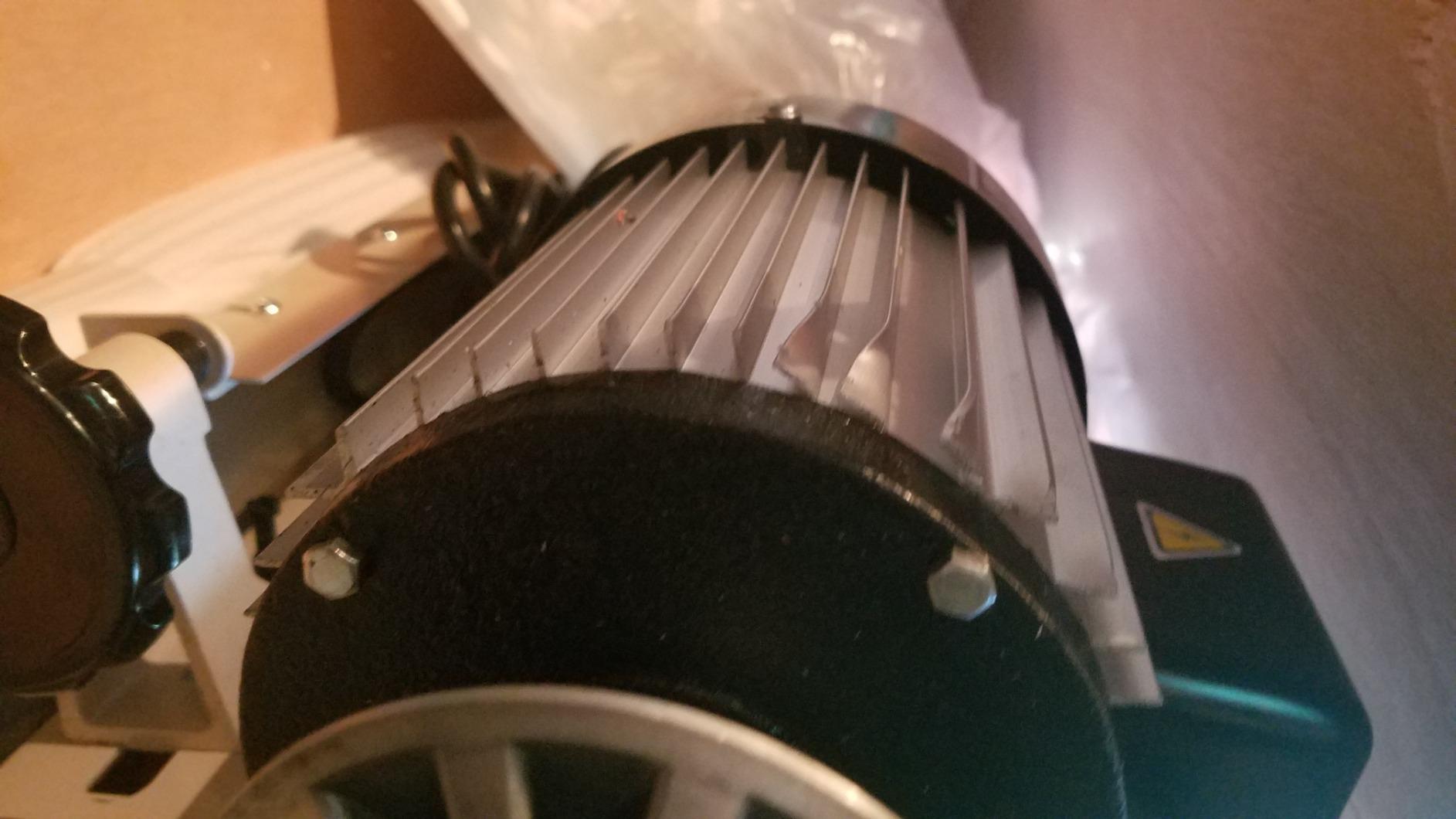
The G0842 is the only lathe here that comes with a copy attachment, and that is a genuinely distinctive feature. If you make a table of identical balusters, a repeated spindle run or a batch of matched handles, duplicating a master piece changes the economics of the job.
Under the copy head, distance between centres drops from 37 inches to 32 inches, which tells you how much room the attachment needs. Fourteen inches of swing over bed and a 3/4 HP 110V single phase motor cover general turning work on their own.
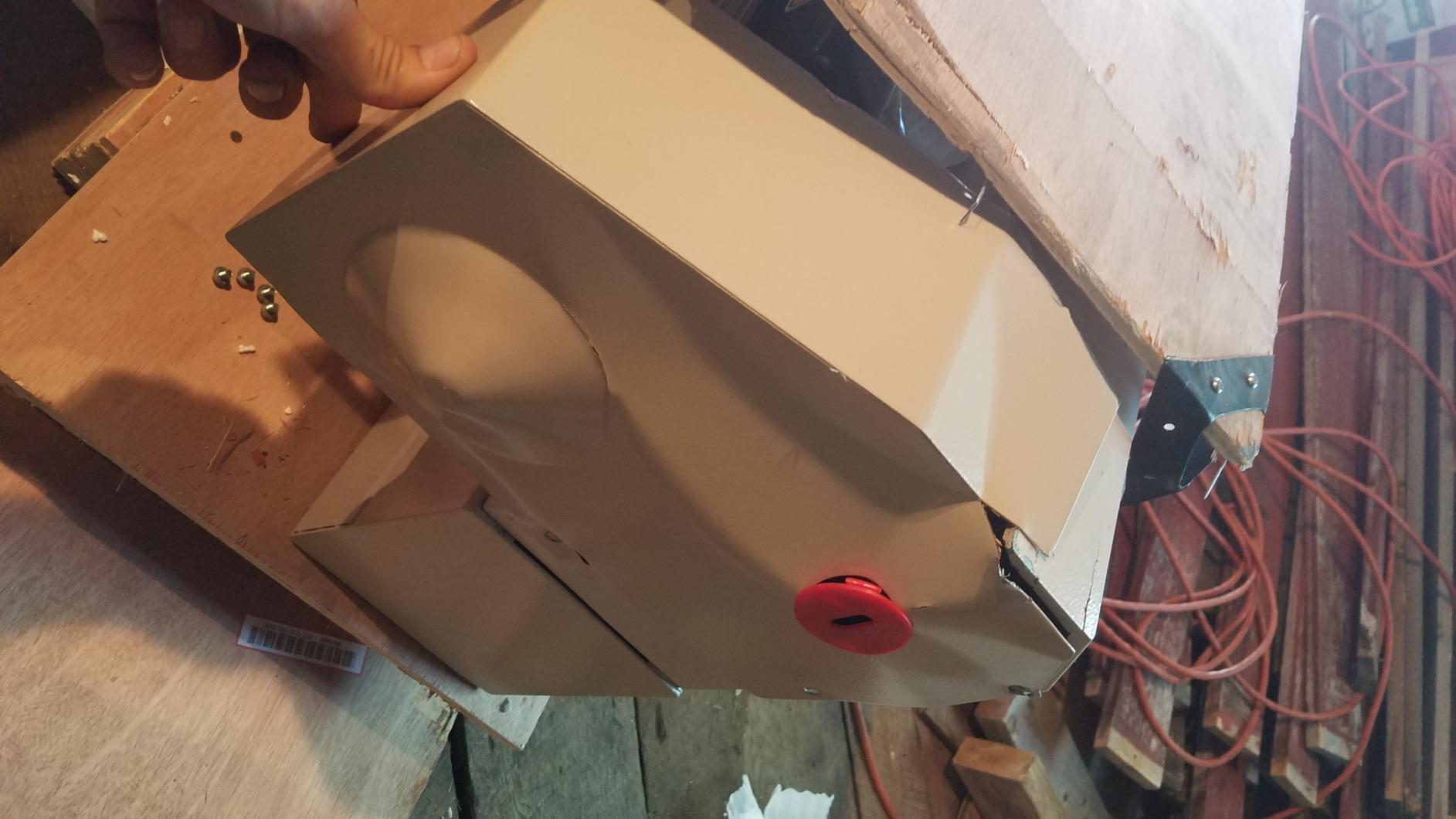
Owner feedback on this machine is sharply divided. Some owners praise the solid build and easy assembly, while many detail flimsy legs, wrench-only adjustment points and a tailstock that will not align, producing several one-star reviews.
The 170 lb weight is a middle ground, heavy enough to feel planted and light enough to move without a crane.
What you will notice in the first month
The copy attachment is the reason to consider this machine at all. Set a master turning in the manual mode, drop the carriage onto the copy head, and every pass repeats. The learning curve is real, so budget a day with the manual open.
Thirty-seven inches between centres is long, which suits spindles and stair parts, and the 9-inch swing over the tool rest base tells you the effective turning diameter with a rest in place.
Where it falls short
The tailstock and tool rest require a wrench for adjustments, which is slow and frustrating during a session, and tailstock mounting play makes accurate alignment and drilling difficult. This is the single biggest complaint from owners.
The supplied legs are reported as weak and wobbly, and the top-heavy design can feel unstable. The 5/8-inch tool rest post is also reported to snap, with later posts changed to 1 inch without matching bases, so check what your unit comes with. Read the current owner reviews carefully before buying this one.
How to Choose a Wood Lathe – Key Selection Factors
Start with the largest diameter you intend to turn and the longest length you intend to turn, because those two numbers rule machines in or out. Everything else on the spec sheet is a preference rather than a filter.
Swing over the bed and distance between centres
Swing over the bed is the maximum diameter of a workpiece the lathe will clear, measured with the tailstock in place. Distance between centres caps how long a spindle-turned piece can be, and that number often extends with a bed extension kit later.
Match both to your work. Pen turning and small bowls need the 8-inch class. A general hobbyist turning bowls, spindles and candlesticks is served by 12 to 14 inches of swing and 16 to 20 inches between centres. Furniture legs and large green bowls push you to a 16-inch or 20-inch floor lathe.
Motor power and why more is not always better
A 1/2 HP motor is correct for pen and spindle work, 3/4 to 1 HP covers most hobby turning, and 1-1/2 to 2 HP takes heavy cuts from green wood and large diameter work. Buying far more power than your work needs makes small pieces harder to control and more dangerous, because the blank accelerates past the speed you intended.
The 44.7 lb WEN 3421 with its 3.2 Amp motor is the clearest example of adequate power. The 726 lb Powermatic is the opposite extreme, and both are correct for their own work.
110V versus 220V, and the question most buyers get wrong
Most buyers assume they need a 220V circuit. In this group only the Powermatic 3520C genuinely requires one at 220V single phase 20A. The JET JWL-1640EVS runs 1-1/2 HP on 115V, and the Grizzly, WEN, MECHINHUB, hightall and both smaller JET machines all run on standard household circuits.
This is worth checking before you buy rather than after, because a 220V install means an electrician and a delay. Turners on woodworking forums repeatedly report either delaying a purchase they could have made or paying for an upgrade they never needed.
Electronic variable speed versus a step pulley
A step pulley changes speed by moving a belt between pulley steps, which takes minutes and cannot give you a speed between the steps. Electronic variable speed, or EVS, uses a dial to change RPM within a range, and a modern inverter drive gives you continuous control plus soft start.
Every machine here except the WEN 3421 and the five-speed hightall offers electronic control, and the difference shows up on the first day. Soft start alone is a safety feature worth paying for, because it prevents an unbalanced blank from flicking itself off the face plate.
Lathe class: mini, midi, full-size floor and heavy duty
A mini lathe sits on a table and handles 8-inch workpieces, which is pens, chess pieces and small bowls. A midi lathe offers 10 to 14 inches of swing and 15 to 20 inches between centres, and that is the class most beginners should buy. A full-size floor lathe brings 16 inches or more of swing and 30-plus inches between centres for legs and large bowls. Heavy-duty machines start at 2 HP and 700 lb and are production equipment.
Buying a mini lathe as a first machine and a floor lathe as a first machine are the two common mistakes. The first means you will outgrow it in a year. The second means you are moving 700 lb to turn a pen.
Outboard turning and the swivel or sliding headstock
Outboard turning means removing the tailstock and working on the outer face of a large bowl blank mounted on a spindle or face plate. It is how bowls wider than the tailstock can swing get hollowed, and the technique removes the vibration of an overhanging workpiece.
A swivel or sliding headstock is what makes this practical, because it lets you rotate the headstock 180 degrees and bring the cutting point into a natural position. The Delta 46-460 and the JET 1640EVS class machines handle this well. Budget for face plates and a steady rest as soon as you start turning bowls.
What to buy alongside the lathe
The lathe is the smallest part of the cost. You will need a set of turning tools, a sharpening system, at least one chuck or a Jacob’s chuck for pen work, a face plate for bowls, a dust collection connection, and safety equipment including a face shield and hearing protection.
Buy a good gouge and a good skew early, because cheap tools are the fastest way to get discouraged. Plan on a sharpening setup rather than relying on a grinder, since a dull edge is the main reason a beginner thinks a cheap lathe feels terrible.
Used lathes and what to inspect
Forum consensus is consistent on this point: a used mid-tier lathe is often better value than a new budget one. Established brands such as Nova, Powermatic, Oneway, Jet and Record Power hold their value, and a 20-year-old cast iron lathe with a healthy bed will outlast a new pressed steel machine.
On an inspection, check the bed ways for dents and rust, spin the spindle by hand to feel for bearing play, look for a tailstock that locks solid, and confirm the motor and the speed control work. Cast iron is heavy for a reason, and weight is a rough proxy for a sound machine. A welded or jacketed repair on a bed is a warning sign rather than a deal breaker.
Safety habits that matter on any lathe
Keep your hands away from the rotation. Remove the key before starting, wear a face shield, tie back long hair and roll sleeves, and never turn an unseasoned or badly out of round blank. Clamp workpieces securely and shut the lathe down before measuring anything by hand.
Take chip removal seriously. Long ribbons of shaving around a spinning workpiece are a fire and laceration hazard, so clear shavings between cuts rather than at the end of a session.
Frequently Asked Questions
Is the Harbor Freight wood lathe any good?
Reviewers on turning forums consistently treat it as a starting point rather than a keeper. The machine is heavy enough to be usable and the castings are better than the price implies, but the weak headstock bearings, plastic locking levers and light pressed bed are exactly the parts that wear early. Owners generally describe the pattern as working well for a year, then outgrowing it. If you want one machine that lasts, a mid-tier cast iron midi such as the JET JWL-1221VS is a better use of the same money.
Who makes the best lathes in the world?
For heavy duty professional work, Powermatic and Record Power are the names that come up most often among long-term owners, and Grizzly is repeatedly described as a premium brand with a solid machine. For the home and hobby shop, JET builds the widest useful range, and Rikon is frequently named the best benchtop and midi buy in the US market. The right answer depends more on the size of the work than on the badge.
What is the best lathe machine for home use?
The JET JWL-1221VS is the strongest all-round answer. It has a 1 HP motor, a 12-inch class swing, reverse rotation and 24 indexing positions, and it runs from a standard 115V outlet at 121 lb. If your shop is very small, the JET JWL-1015VS offers the same cast iron quality in a smaller, lighter package. Both avoid the 220V question entirely.
What is the best lathe to buy as a first machine?
Buy a 12-inch class midi lathe with a cast iron bed and at least 3/4 HP. That covers pens, bowls, spindles and small furniture work without being too large to move or too small to grow into. The JET JWL-1221VS, the JET JWL-1015VS and the Delta 46-460 all fit that brief. A mini lathe will be outgrown in a year, and a full-size floor lathe is 300-plus pounds you do not need yet.
Do I need 220V for a wood lathe?
Usually not. Of the ten lathes in this roundup, only the Powermatic 3520C needs a 220V single phase 20A circuit. The JET JWL-1640EVS delivers 1-1/2 HP on 115V, and the Grizzly, WEN, MECHINHUB, hightall and Delta machines all run on standard household outlets. Modern inverter drives deliver far more power from a household circuit than older machines did, so check the actual requirement before assuming you need an electrician.
What are the disadvantages of using a lathe?
The main ones are safety, noise, dust and cost. A spinning workpiece is the single biggest risk, and a face shield plus clearance discipline is not optional. Lathes are loud and they throw a lot of fine dust, so extraction matters more here than on most woodworking machines. There is also a real learning curve, since a dull tool and a heavy cut will frustrate anyone who has never done it before. And the accessories are not optional extras, so budget for tools and sharpening on top of the machine.
Can I turn a wood lathe into a metal lathe?
You physically cannot, and it is worth being clear why. A wood lathe is built for high speed and low torque with an open spindle nose, a cast iron bed and no enclosure, while a metal lathe is built for low speed and very high torque with a closed headstock and a hardened, replaceable way system. Metal work needs a way to hold a rigid cutting tool in the work, which a wood lathe simply does not provide. Wood turners are also warned off metal lathes for the reverse reason, since they are over-engineered for wood. Buy the machine for the job you actually do.
The Best Lathes for Wood Turning in 2026 – Our Final Verdict
For most people buying their first real lathe, the JET JWL-1221VS is the answer: 1 HP, cast iron and alloy steel, three speed ranges, reverse, and a standard 115V outlet. If your bench space is tight, the JET JWL-1015VS gives you the same build quality in half the footprint, and if bowls are the goal, the Delta 46-460 has the swing and the reverse to make that work properly.
Start smaller with the WEN 3421 if the budget is modest and pens are the plan, and step up to the JET JWL-1640EVS or the Powermatic 3520C only when the work genuinely demands 16 inches of swing or more. Whatever you choose, budget for tools, a face plate and dust extraction, because that is where most of the real cost sits.
Our best lathes for wood turning picks were compared over six weeks, and the full spec breakdown sits in the comparison table above.