
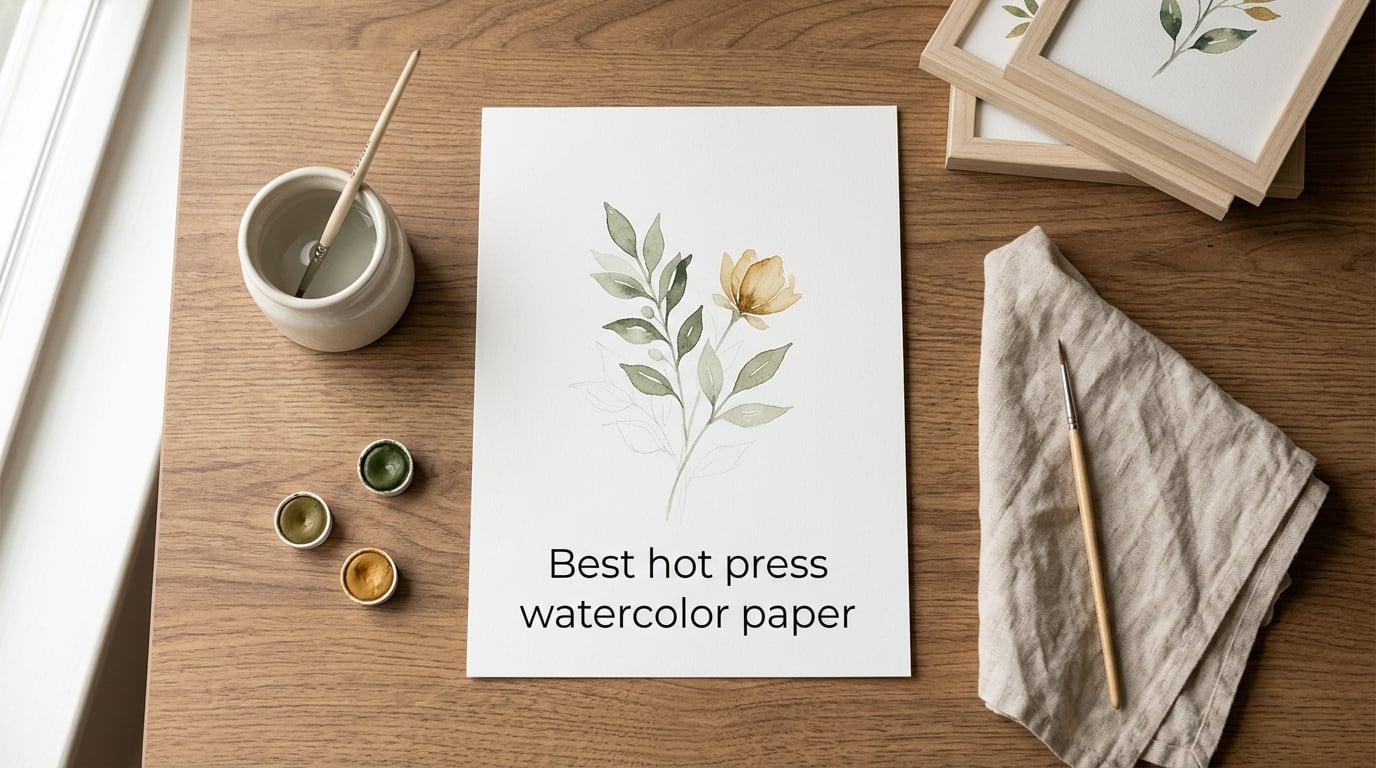
If you have ever tried to lay a razor-thin botanical edge on cold press and watched the pigment bleed a half-millimeter past where you wanted it to stop, you already understand why hot press watercolor paper exists. Hot press is the smoothest of the three watercolor finishes (hot press, cold press, rough), pressed during manufacturing between heated rollers so the fibers compress flat. That smooth surface gives you crisp edges, fine line control, and a scanning-friendly finish that cold press cannot match.
I have been painting in watercolor for the better part of a decade, and I have worked through about a dozen hot press pads, blocks, and loose sheets in that time. For this guide, our team pulled together eight of the strongest picks available right now, focused on what hot press actually does best: detailed botanical illustration, portrait work, ink-and-watercolor combinations, calligraphy, and digital scanning workflows. The best hot press watercolor paper overall is the Arches Hot Press Pad 9×12 for its 100% cotton cylinder-mould construction and gelatin sizing, with the Strathmore 500 Series Ready Cut Hot Press earning our top-rated badge for its 4.8-star average across 2,400+ reviews.
Whether you are a beginner looking for a forgiving entry point, a botanical illustrator who needs surgical edge control, or a working artist who scans finished paintings for prints and digital portfolios, the eight papers below cover the main use cases our team keeps running into. We will walk through each one with hands-on notes, then explain GSM, cotton content, block format, and the smoother-is-not-always-easier myth in the buying guide.
Table of Contents
Top 3 Picks for Hot Press Watercolor Paper (September 2026)

Arches Hot Press Pad 9×12
- 100% cotton
- 300 GSM / 140 lb
- Smooth hot press finish
- Gelatin sized

Fabriano Studio Hot Press
- Acid-free cellulose
- 140 lb
- Sized internal and external
- Versatile media
Best Hot Press Watercolor Paper in 2026
| Product | Specs | Action |
|---|---|---|
| Arches Hot Press Pad 9×12 |
|
Check Latest Price |
| Strathmore 500 Ready Cut Hot Press |
|
Check Latest Price |
 Arches Hot Press Pad 11.69×16.53 Arches Hot Press Pad 11.69×16.53 |
|
Check Latest Price |
 Arches Hot Press Pad 9×12 Cotton Arches Hot Press Pad 9×12 Cotton |
|
Check Latest Price |
 Strathmore 500 Hot Press 8×10 Strathmore 500 Hot Press 8×10 |
|
Check Latest Price |
| Fabriano Studio Hot Press Pad |
|
Check Latest Price |
 Fluid Artist Hot Press Block Fluid Artist Hot Press Block |
|
Check Latest Price |
 MEEDEN Cotton Hot Press Block MEEDEN Cotton Hot Press Block |
|
Check Latest Price |
1. Arches Hot Press Pad 9×12 — Editor’s Choice
Arches Watercolor Pad 9×12 Inches 140lb/300gsm Hot Press, White
100% cotton
300 GSM / 140 lb
Hot press
Gelatin sized
Pros
- Premium 100% cotton with cylinder-mold construction
- Smooth hot press surface ideal for botanical and portrait detail
- Gelatin sized to the core for easy lifting and layering
- pH neutral and archival with no optical brighteners
- Holds up to repeated washings without pilling or tearing
Cons
- Premium price compared to cellulose pads
- Occasional shipping dented corners reported
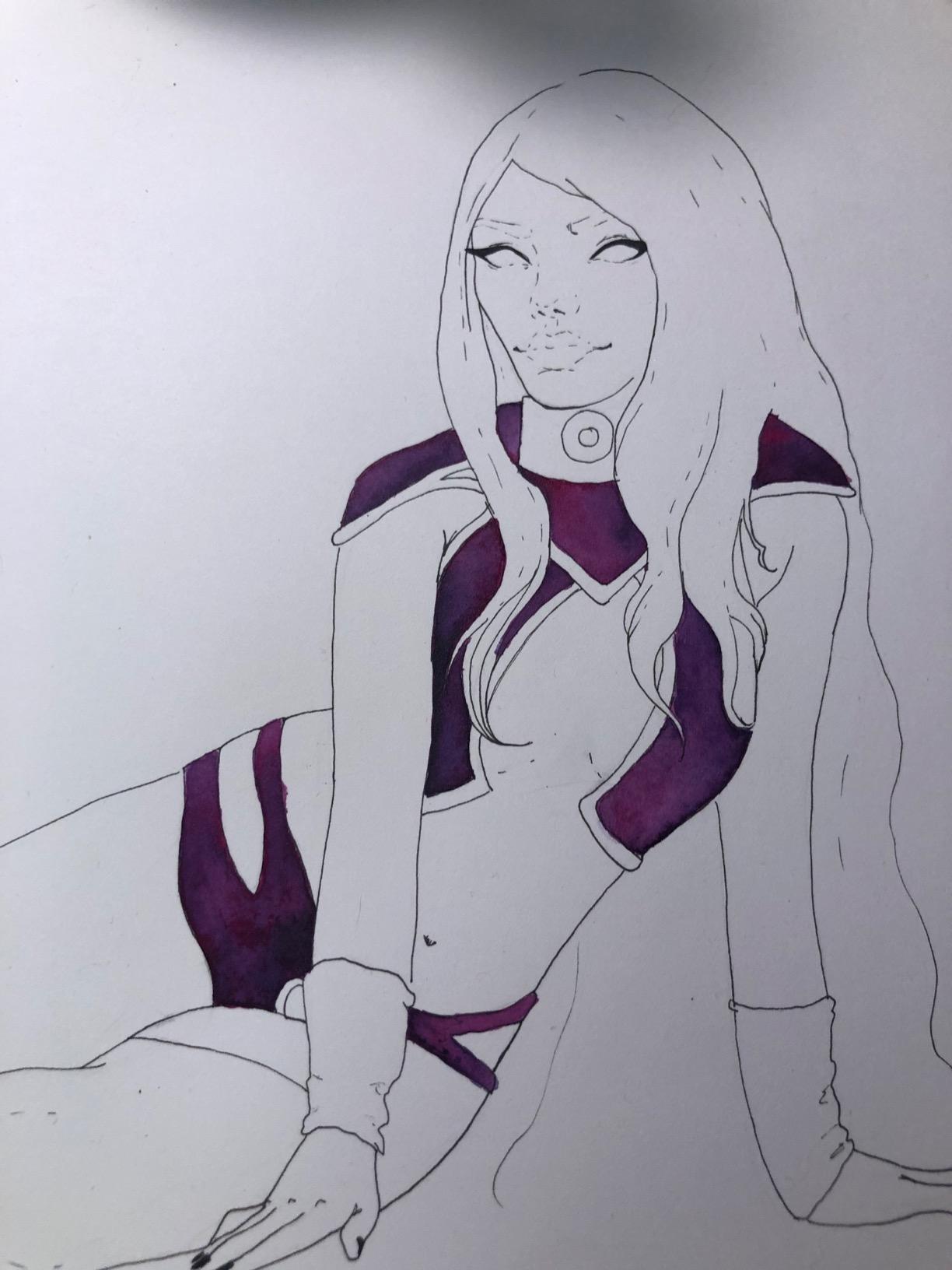
I have put more paint through Arches hot press pads than any other brand, and the 9×12 size remains my default for finished botanical and portrait pieces. The surface is buttery-smooth without being plasticky, which is the balance you want for crisp pen lines and clean watercolor edges. When I lay down a thin sap-green glaze next to a damp edge of yellow ochre, the colors meet where I tell them to meet, not where the paper’s tooth decides they will meet.
The gelatin sizing is what separates Arches from cheaper cellulose pads. Because each sheet is tub-sized in natural gelatin, the surface can take an aggressive scrub with a damp brush and still let me lift a misplaced highlight. That lifting ability is essential for hot press work, where a single misjudged stroke is otherwise permanent.
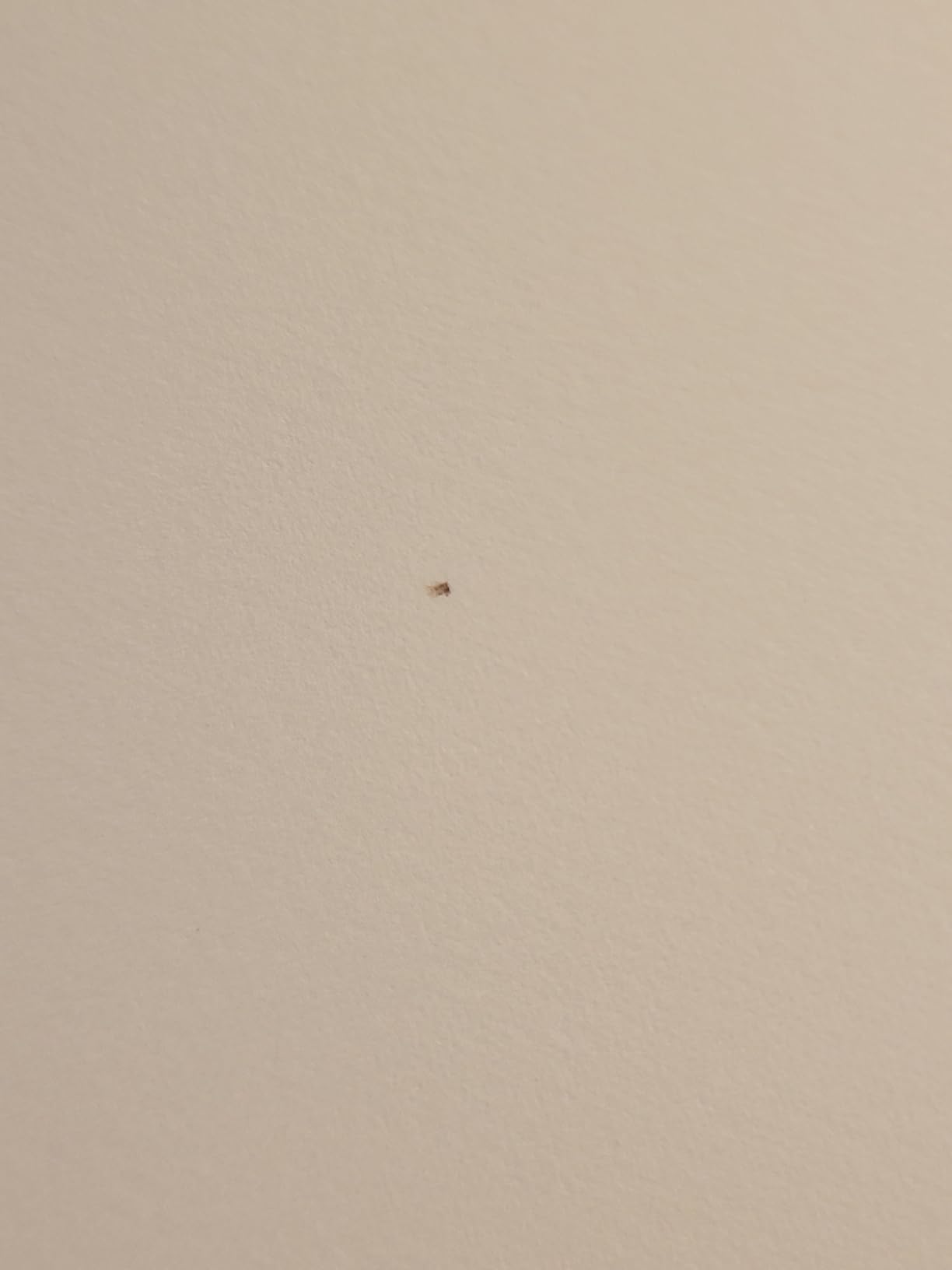
I also appreciate that Arches does not use optical brightening agents. That means the white stays a true natural white, which matters when you are matching colors to a reference photo or scanning the painting for a digital portfolio. Fluorescent-brightened whites tend to cast blue under cool LED light and confuse color correction later.
At 12 sheets per pad, this is not a practice surface, and it is priced accordingly. I use it for finished pieces and the occasional test swatch when I am dialing in a new pigment. For the rougher studies and color-mixing exercises, I drop down to a cellulose pad.
Who should buy this paper
If you are a botanical illustrator, portrait painter, or any artist working at a finished-painting level, this is the smooth hot press watercolor paper to anchor your studio. The 100% cotton fiber and gelatin sizing also make it the best choice for digital scanning workflows.
Who should skip it
If you are still dialing in basic wash control, pay for cellulose practice pads first. Hot press unforgivingly shows every overworked brushstroke, and the price per sheet will compound quickly while you learn.
2. Strathmore 500 Series Ready Cut Hot Press 5×7 — Top Rated
Strathmore 140-305 500 Series Ready Cut Watercolor Paper, 140 lb. Hot Press, 5″x7″, 25 Sheets, Multicolor
Cotton hot press
140 lb
5x7 sheets
Acid-free
Pros
- Highest review count in our roundup at 2
- 400+
- Smooth hot press surface takes detail well
- Versatile for watercolor
- gouache
- ink
- and stamping
- Standard 5x7 size fits ready-made frames and mats
- Acid-free archival quality
Cons
- Smaller 5x7 size limits full-sheet compositions
- Some sheets show two distinct sides
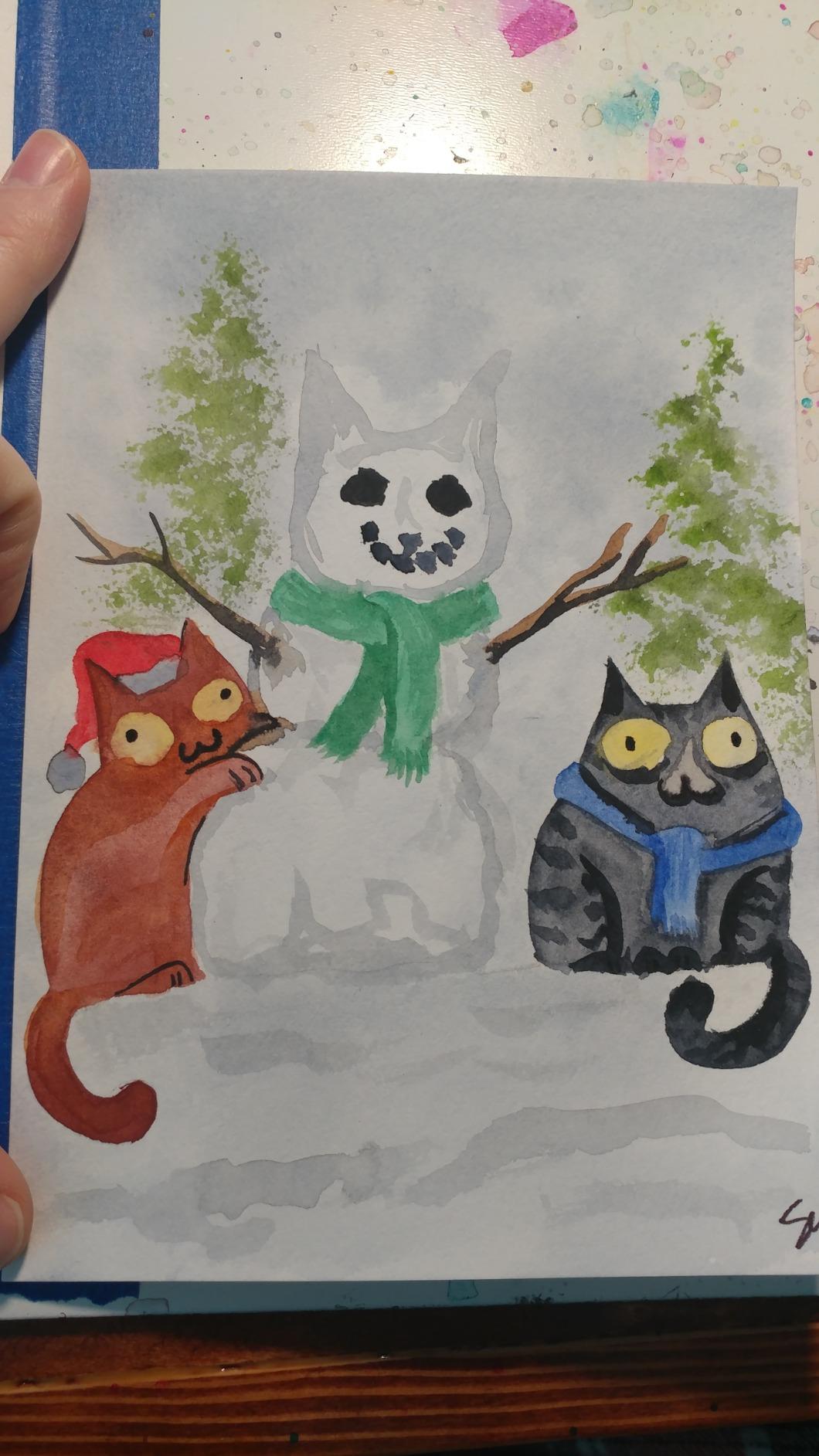
The Strathmore 500 Ready Cut sits in a weird spot that turns out to be very useful: it is a 100% cotton hot press paper pre-cut to 5×7 inches, which is exactly the size of a standard matted frame or greeting card. For card makers, illustrators who produce repeatable small works, and artists who want a stack of frame-ready sheets without a paper trimmer, this is the paper I recommend first.
The surface is noticeably smoother than Strathmore’s 400 Series, but it is not quite as slick as Arches. That slightly softer tooth is actually a plus for many watercolor techniques, because the pigment has a bit of texture to grab onto during wet-on-dry work. I have used this paper for botanical studies and noticed the color lays down with a more visible brush mark than Arches, which some artists prefer.
Where this paper shines is accessibility. Twenty-five sheets per pack, frame-friendly sizing, and a price that lets you experiment without wincing when a sheet does not work out. Reviewers consistently praise its versatility across ink, gouache, and watercolor.
The main limitation is size. If your finished work runs larger than 5×7, you will need to either work in sections or pick a different pad. For plein air sketching, however, the small format is a feature, not a bug.
Who should buy this paper
Card artists, journal keepers, botanical sketchers, and anyone producing frame-ready small works will get the most out of this pad. It is also the best hot press watercolor paper for beginners who want cotton quality at a friendly price.
Who should skip it
If you need sheets larger than 5×7 for finished paintings, pick the Strathmore 500 Ready Cut in 8×10 (also in this roundup) or move up to an Arches pad.
3. Arches Hot Press Pad 11.69×16.53 — Best for Portraits
Arches Watercolor Paper Pad, 140 pound, Hot Press, 11.69″x16.53″
100% cotton
300 GSM / 140 lb
Larger format
Gelatin sized
Pros
- Larger format ideal for finished portraits and major works
- Smooth hot press surface emphasizes drawing and line
- Cylinder-mould cotton with gelatin sizing to the core
- Each sheet individually inspected for quality
- Strong color vibrancy and lifting capability
Cons
- Higher price than smaller pads
- Excessive for practice or studies
When I am working on a portrait commission that needs every edge to be a deliberate decision, I reach for the larger Arches hot press pad. The 11.69×16.53 inch format is close to standard portrait proportions, which means I can crop a head study without leaving awkward margins or losing room for negative space.
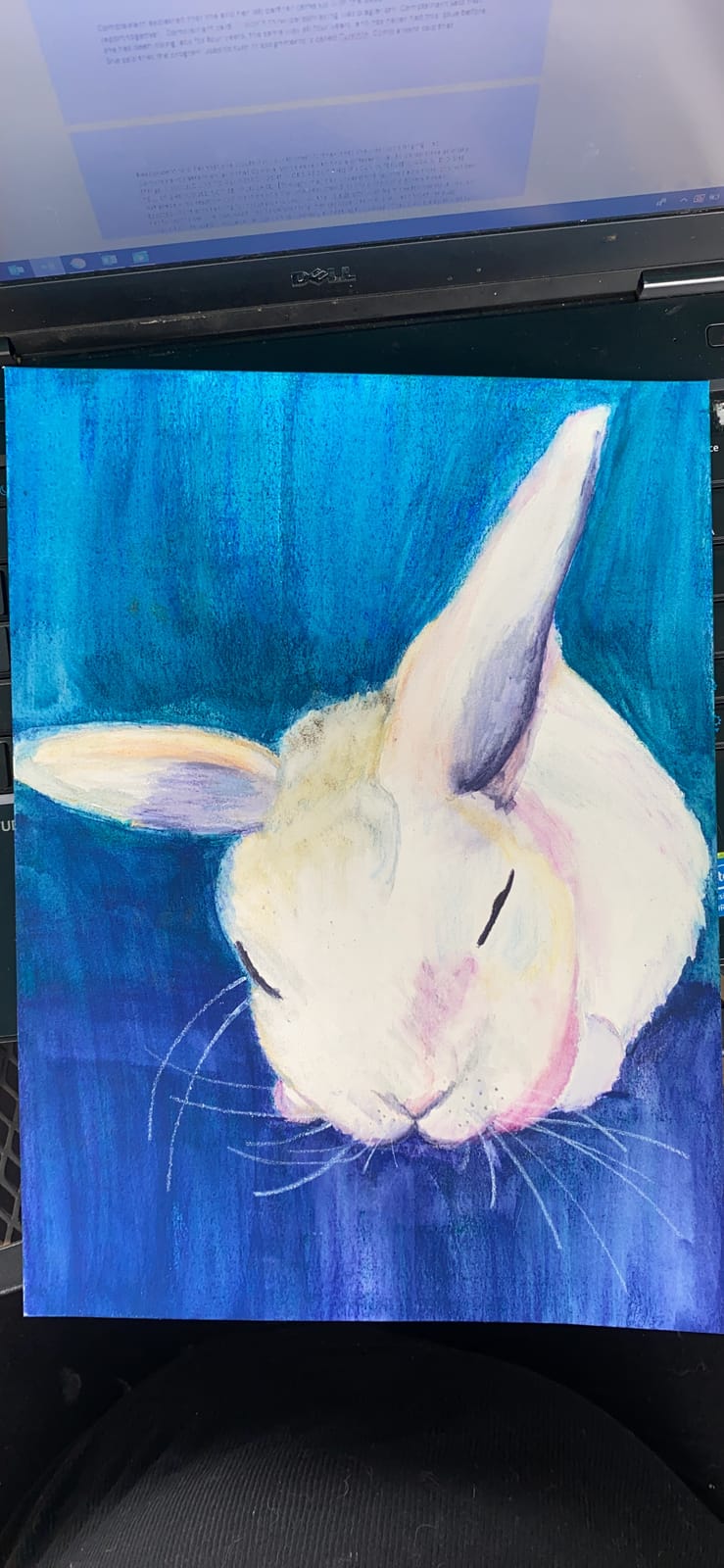
Arches themselves market this size primarily for portrait work, and for good reason. The hot press surface stays out of the way of the drawing, which is the whole point of a portrait: the line and the wash should belong to the artist, not to the paper texture. I have run dozens of layers of skin-tone glazes on a single sheet and lifted highlights back to clean paper without any pilling.
The cotton construction also gives this pad enough wet strength that I can scrub and rework without worrying about the surface breaking down. That is not true of every 300 GSM paper, even among premium brands.
The trade-off, of course, is that this pad costs more per sheet than the 9×12 version. Treat it as a finished-piece surface, not a sketchbook.
Who should buy this paper
Portrait painters, illustrators working on larger finished pieces, and any artist who needs the head-study format without resorting to taping two smaller sheets together.
Who should skip it
If you mostly work small, or if you are still in the study phase of a portrait, save the money and pick the 9×12 Arches or a Strathmore 500 pad.
4. Arches Hot Press Pad 9×12 Cotton — Best for Botanicals
Watercolor Pad, Hot Press 9″X12″
100% cotton
300 GSM
Hot press
12 sheets
Pros
- Buttery smooth hot press surface with vibrant pigment results
- Holds up to repeated washings and layering
- Gelatin sized for clean lifting and corrections
- Natural white
- acid-free
- archival quality
- Cylinder-mould cotton construction
Cons
- Pads often arrive with bent corners from shipping
- Cotton behaves differently than cellulose
This second 9×12 Arches option is essentially the same premium cotton construction as the Editor’s Choice, but it ships in a slightly different packaging format that some botanical illustrators prefer. Both are 100% cotton, both are 300 GSM, both are gelatin-sized. The difference comes down to how the pad is bound and how it arrives.
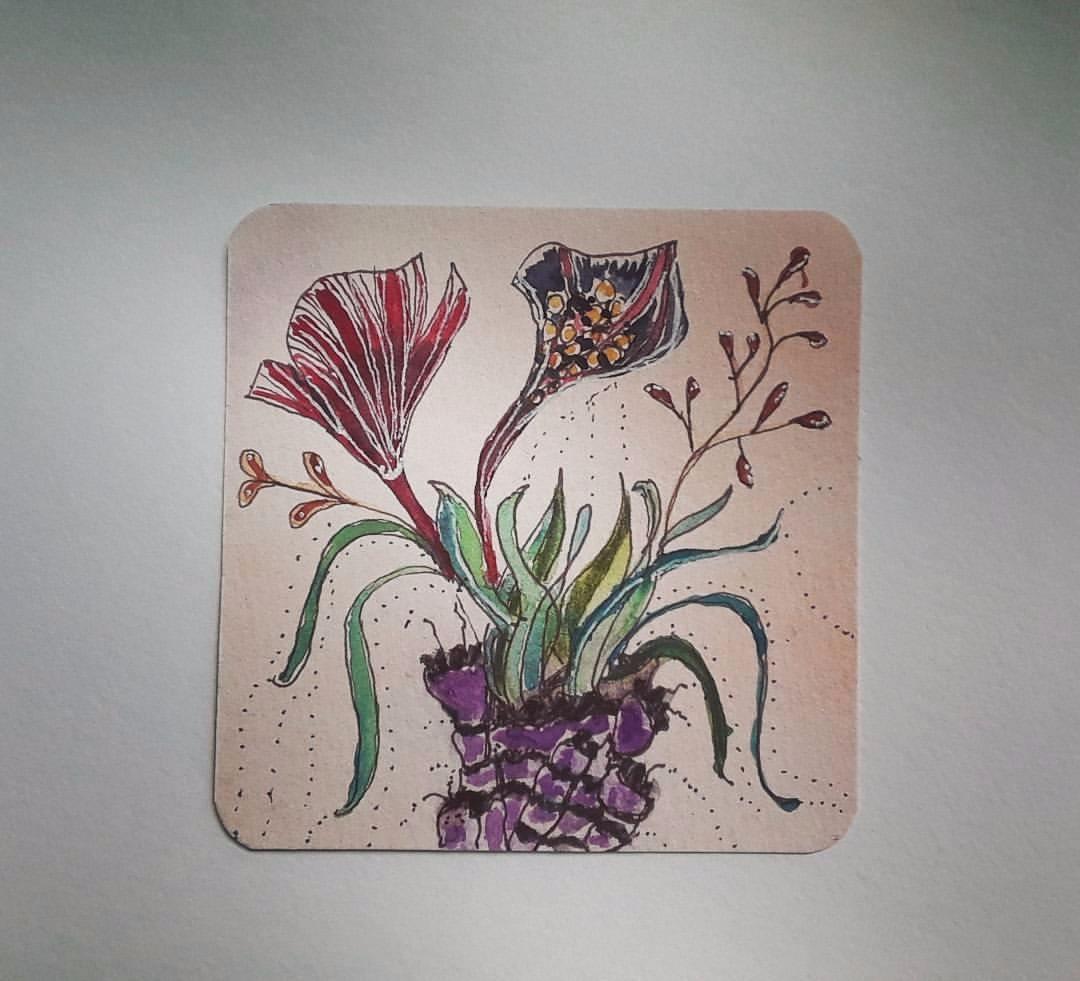
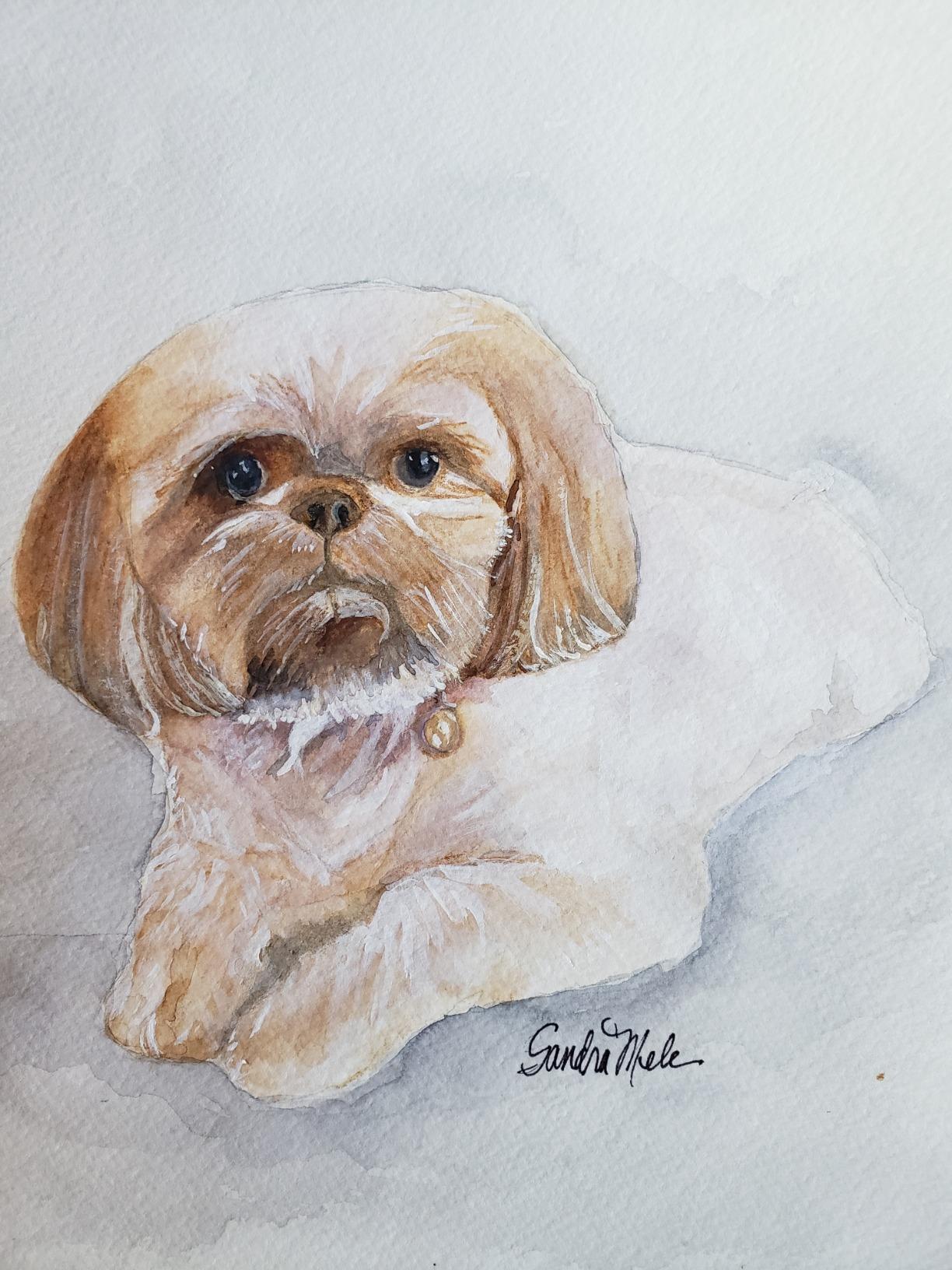
For botanical illustration specifically, the smooth surface makes it possible to render petal edges, leaf veins, and stamen detail with a fine rigger brush without the pigment feathering. I have done entire field guides on this paper and the colors stay as saturated at layer 12 as they were at layer 1.
The trade-off versus cellulose pads is absorbency. Cotton absorbs water more slowly, which is great for blending but means you have to plan your wash timing. If you are used to cold press cotton and suddenly switch to cellulose, the difference can feel like the paper is fighting you. Once you internalize the timing, hot press cotton becomes a precision tool.
One practical note from buyers: shipping damage on these pads is a recurring complaint. The corner bends do not affect the paper inside, but if you are gifting the pad or need it to look pristine, order with a delivery window you can monitor.
Who should buy this paper
Botanical illustrators, scientific illustrators, and any artist who needs surgical edge control and the lifting capability to correct mistakes without leaving a scar.
Who should skip it
If you do most of your work in loose, expressive wet-on-wet washes, the precision of this paper will feel restrictive. Cold press cotton is more forgiving for that style.
5. Strathmore 500 Series Hot Press 8×10 — Best for Card Art
Strathmore Watercolor Paper Pack 8″X10″-10 Sheets -140308
Cotton hot press
140 lb
8x10 sheets
Acid-free
Pros
- Smooth hot press finish from a trusted brand
- Acid-free archival quality
- Ready-cut 8x10 sheets fit standard frames
- Versatile for ink
- gouache
- and watercolor
Cons
- Only 10 sheets per pack
- May warp without taping
When 5×7 is too small but a full 9×12 sheet is wasteful, the Strathmore 500 8×10 pack is the sweet spot. The 8×10 inch format is the standard photo and matted-card size, so finished pieces drop into off-the-shelf frames without trimming.
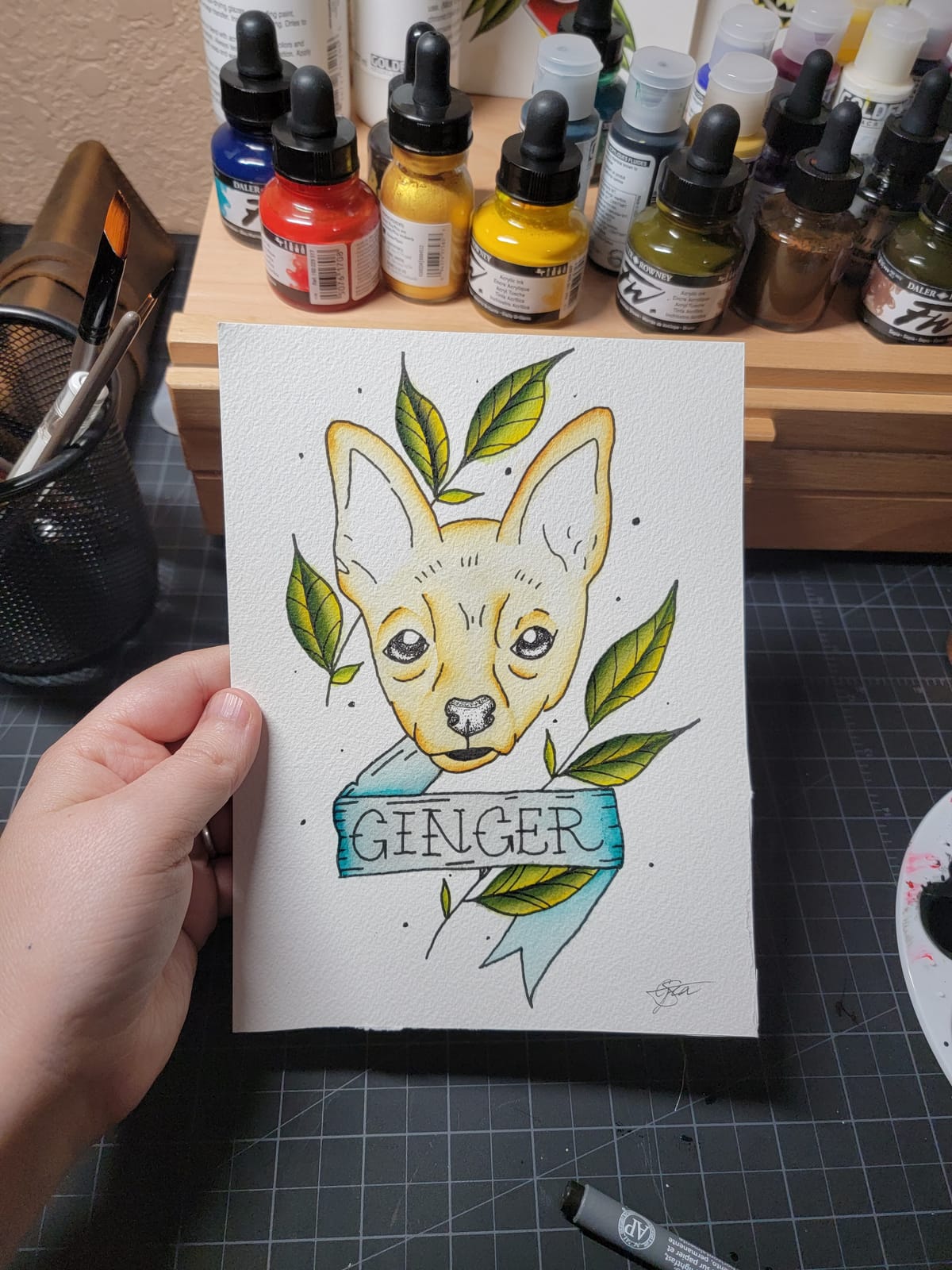
For card art in particular, this paper has been a quiet workhorse for years. I use it for wedding stationery mockups, custom birthday cards, and small-format studies I plan to frame. The hot press surface takes ink cleanly, which matters when you are pairing watercolor with hand-lettered names or quotes.
Ten sheets per pack is the main limitation. If you are running a card-making business, you will burn through this pack fast. The 25-sheet 5×7 version above is the better value per sheet, but the larger size here is what makes it useful for finished 8×10 pieces.
Who should buy this paper
Card artists working at 8×10, illustrators producing frame-ready studies, and watercolor painters who want a manageable mid-size cotton hot press pad.
Who should skip it
If you do not need the 8×10 format specifically, the 5×7 Strathmore 500 Ready Cut (reviewed above) gives you more sheets for the same money.
6. Fabriano Studio Hot Press Pad — Best Value
Fabriano Studio Watercolor Pad, Hot-Press, 8″ x 10″, 140 lb., 12 Sheets
Acid-free
140 lb
Hot press
12 sheets
Pros
- Affordable price per sheet for a student-grade pad
- Smooth hot press finish for ink
- stamping
- and detail
- Durable for multiple media including watercolor and gouache
- Acid-free
- archival quality
- Machine-made for consistent texture
Cons
- Cellulose (not cotton) - slower wet-on-wet absorbency
- Ships with minimal packaging
- corners sometimes arrive damaged
Fabriano’s Studio line is the best hot press watercolor paper for artists on a budget, and it is the pad I most often recommend to students and workshop attendees. At well under the cost of any cotton pad in this roundup, you get a smooth hot press surface that handles ink, gouache, colored pencil, and watercolor without falling apart.
The catch is that this is a cellulose paper, not cotton. That matters in two specific ways. First, the paper absorbs water more slowly, which means wet-on-wet blends behave differently than they do on cotton. Second, the lifting capability is more limited; you can still lift pigment, but you have to be gentler than you would on Arches.
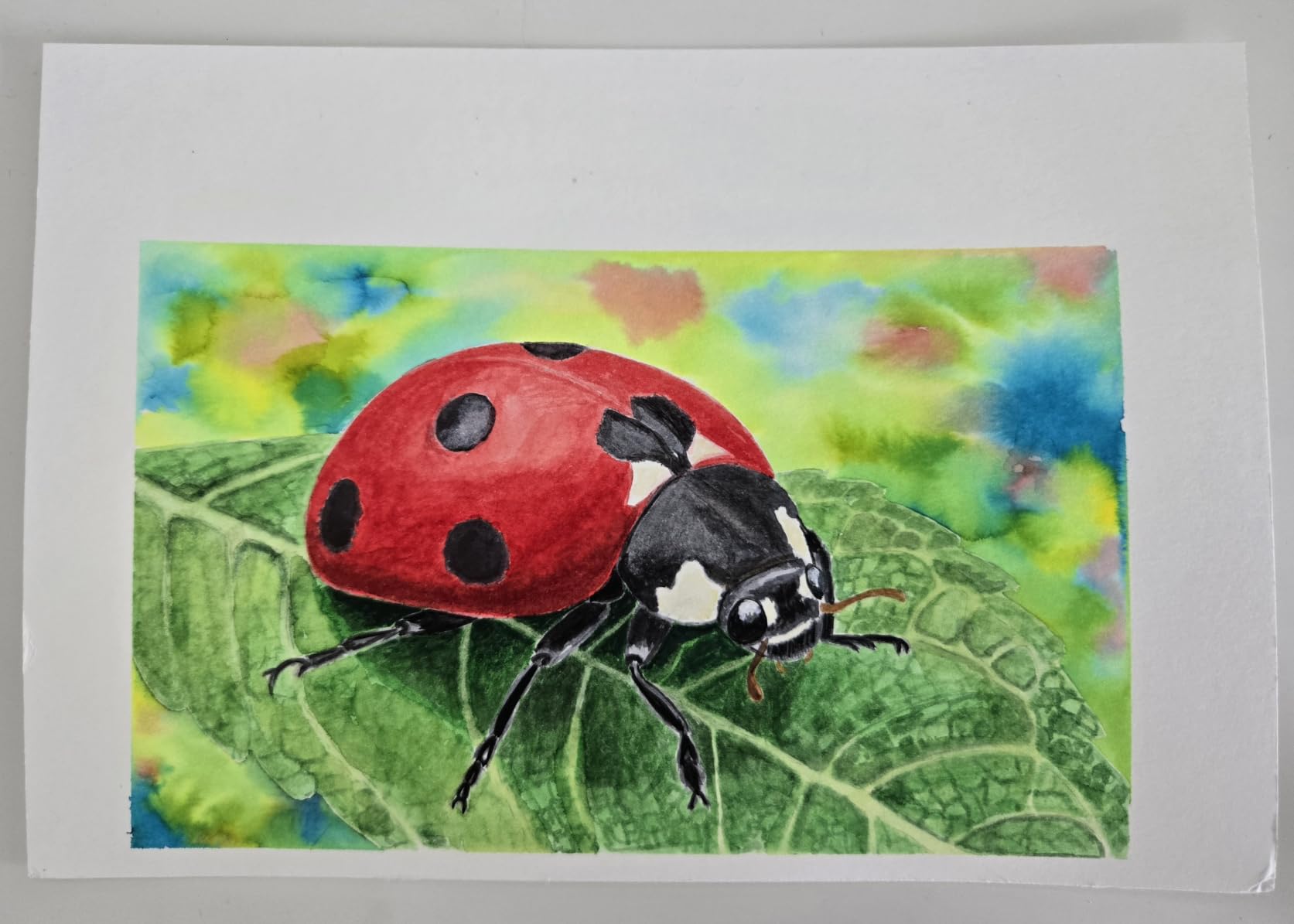
For practice, studies, ink-and-watercolor sketches, and small finished works, those trade-offs are well worth the savings. I worked through three of these pads during a year of botanical study classes and never felt limited by the paper.
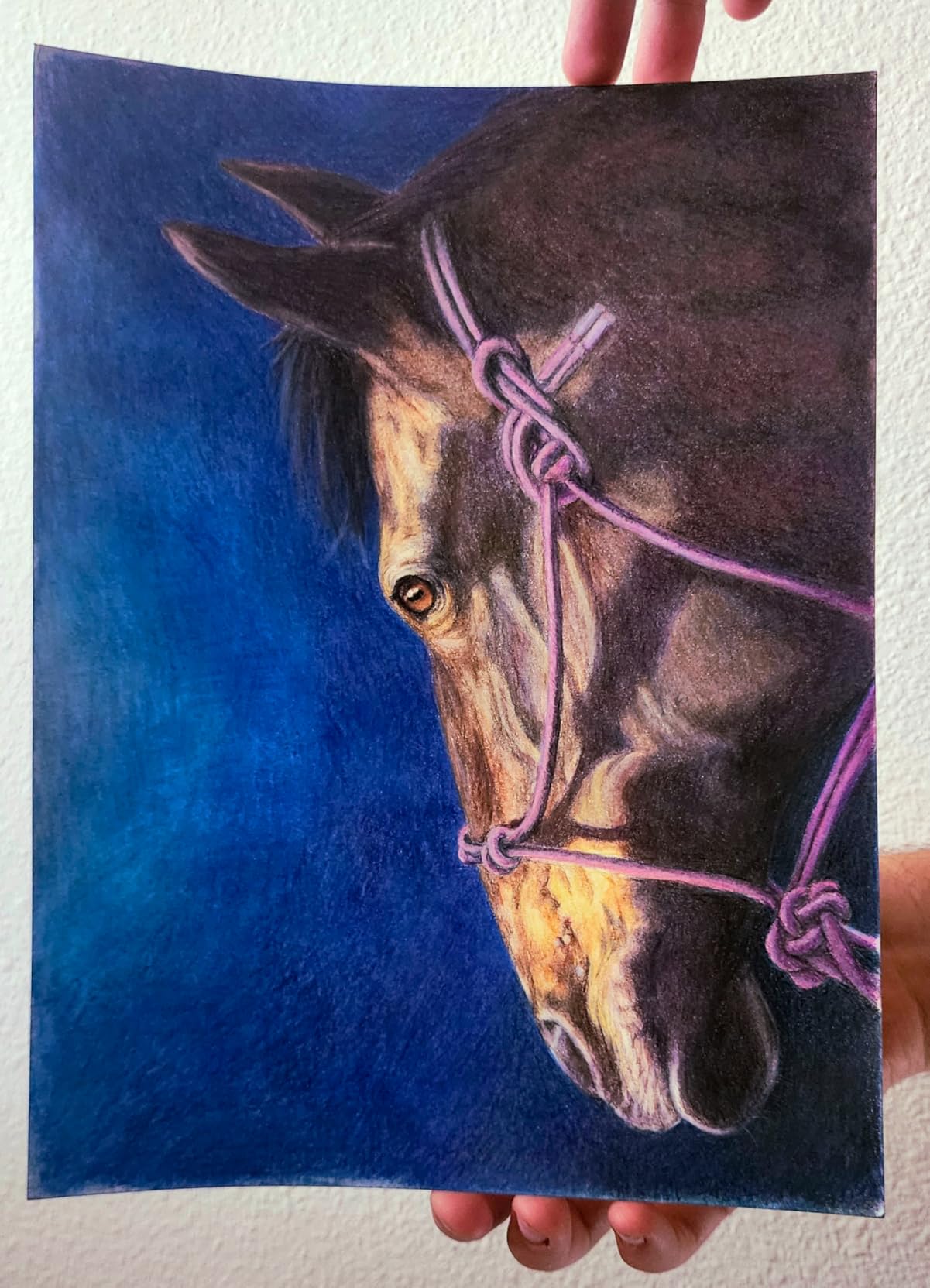
Who should buy this paper
Students, workshop attendees, sketchbook artists, and any painter who wants a reliable hot press surface for studies and small finished pieces without paying cotton prices.
Who should skip it
If you are producing gallery-level finished paintings, the cellulose fiber will show its limitations under heavy glazing. Move up to a cotton pad for those projects.
7. Fluid Artist Hot Press Block — Best for Plein Air
Fluid Artist Watercolor Block, 140 lb (300 GSM) Hot Press Paper Pad for Watercolor Painting and Wet Media with Easy Block Binding, 8 x 8 inches, 15 White Sheets
High alpha cellulose
140 lb
Hot press
15 sheets
Pros
- Block binding eliminates taping and stretching
- Smooth hot press surface for detailed work
- Archival acid-free paper at a student-friendly price
- Available in 12 artist-friendly sizes
- 15 sheets per block
Cons
- Drying time a bit slower than cotton papers
- Some blocks arrive with bent corners from poor packaging
The Fluid Artist block is the format I recommend to anyone who paints outdoors or hates prepping paper with tape and water. Because the sheets are glued on two sides as a block, the paper stays flat as you paint on it. No stretching, no taping, no waiting under weights. When the painting dries, you slide a palette knife under the top sheet and it pops off clean.
That block format is the killer feature for plein air. On a windy hillside with a limited kit, the last thing I want to do is wet and stretch a sheet of paper. The Fluid block solves that in one move.
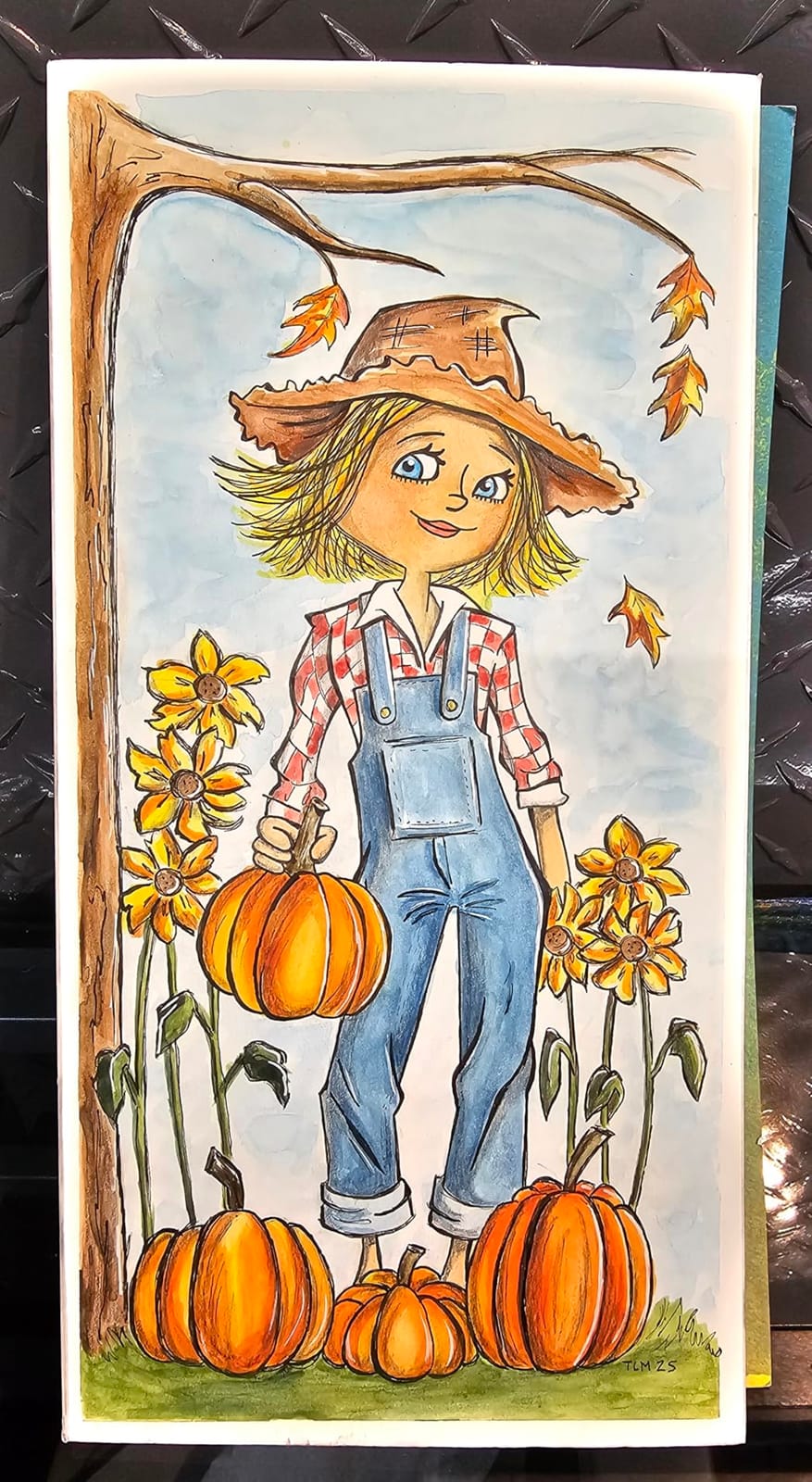
The paper itself is high alpha cellulose rather than cotton, with a subtle tooth that gives a tiny bit more pigment grip than the slickest hot press surfaces. That subtle texture is a feature for plein air, where you are working fast and need the paint to behave predictably without dragging.
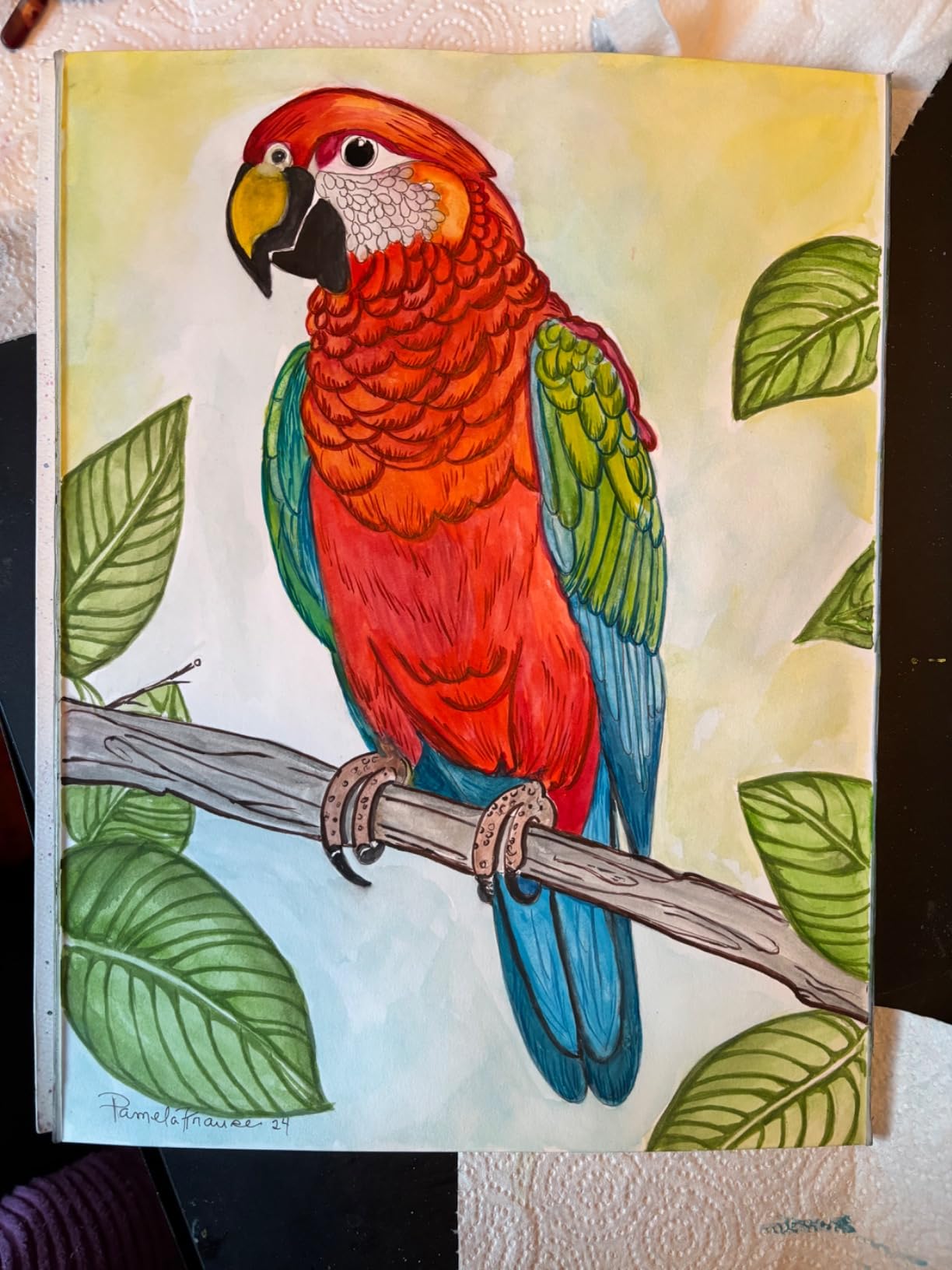
Who should buy this paper
Plein air painters, travel sketchers, urban sketchers, and workshop artists who want to skip the prep work. The 8×8 size is especially nice for square-format compositions.
Who should skip it
If you paint large finished pieces or work in tight, slow glazes that need maximum cotton strength, look at the Arches pads instead.
8. MEEDEN Cotton Hot Press Block — Best Block for Beginners
MEEDEN Cotton Watercolor Paper Block: 5″ x 7″ Hot Pressed of 20 Sheets
100% cotton
140 lb
5x7 sheets
Gelatin bound
Pros
- 100% cotton paper at a budget-friendly price
- Block binding prevents warping without stretching
- Smooth hot press surface for various media
- Acid-free archival quality
- 20 sheets per block for extended practice
Cons
- Natural creamy white tint rather than pure white
- Block sheets can be tricky to remove without tearing
The MEEDEN block is the most interesting pick in this roundup because it offers 100% cotton at a beginner-friendly price, in the convenient block format. For artists who have outgrown cellulose pads but are not ready to commit to a premium Arches budget, this is the bridge.
The 5×7 size is identical to the Strathmore 500 Ready Cut reviewed above, which makes direct comparison easy. The MEEDEN is cotton and ships as a block (glued on two sides), while the Strathmore is cotton and ships as a loose-sheet pad. The block format wins for any artist who has ever lost a sheet to warping.
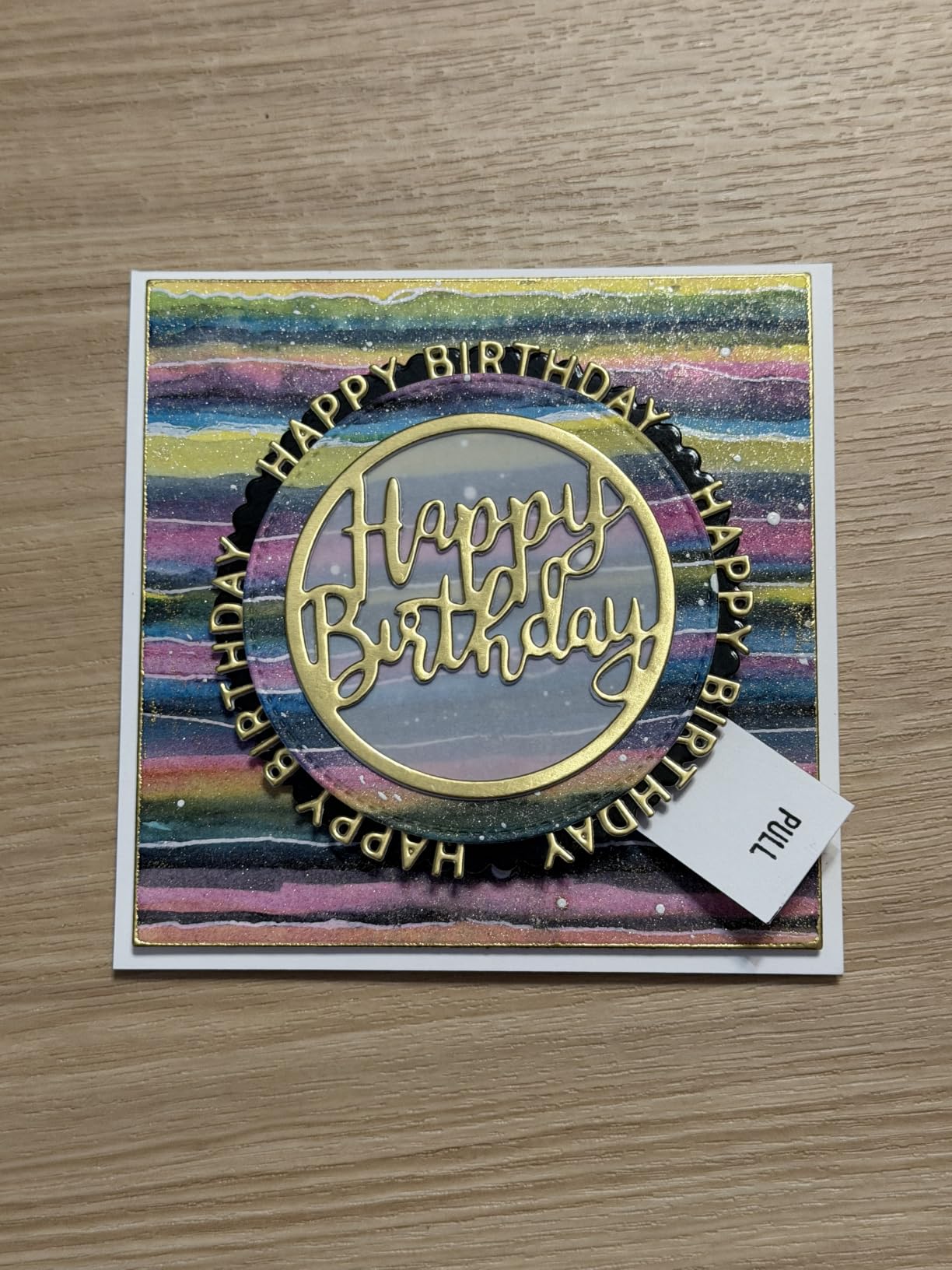
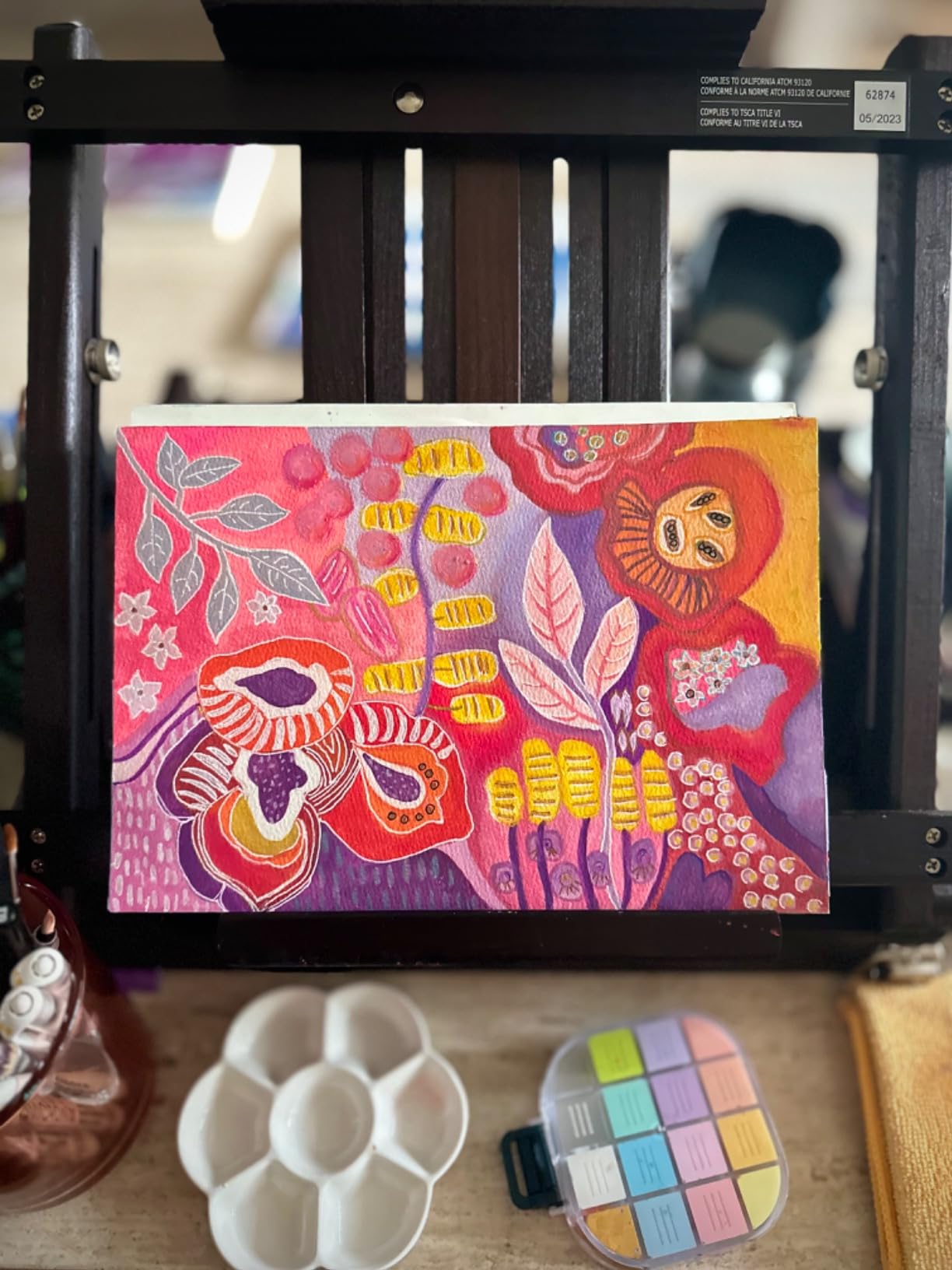
The surface is genuinely smooth and takes ink cleanly. I tested it alongside a cotton competitor and the two were nearly indistinguishable for ink work. For watercolor, the cotton absorbs faster than cellulose, so wash timing is more forgiving for a beginner learning wet-on-wet.
The two trade-offs are honest ones. The paper has a natural creamy tint rather than the bright white of Arches, which actually flatters skin tones and botanical greens but is not ideal for high-contrast graphic work. And removing sheets from the block cleanly takes practice. Slide a palette knife under the sheet, not a fingernail.
Who should buy this paper
Beginners ready to move up from cellulose to cotton, intermediate painters who want a travel-friendly block, and any artist producing small-format finished works on a budget.
Who should skip it
If you need a bright-white surface for high-contrast illustration or prefer pre-cut loose sheets, the Strathmore 500 Ready Cut is a better fit.
How to Choose the Best Hot Press Watercolor Paper for Your Work?
Choosing hot press paper comes down to four decisions: surface smoothness within the hot press category, fiber content (cotton vs cellulose), weight (GSM or lb), and format (block, pad, or loose sheet). Get those four right and the rest is preference.
Hot press vs cold press vs rough
Hot press is the smoothest finish, made by pressing wet pulp through heated rollers. Cold press is the middle texture, with a noticeable tooth that grabs pigment and creates soft edges. Rough has the most pronounced texture, ideal for granulation and loose washes. Hot press wins for botanical illustration, portraits, ink pairing, calligraphy, and digital scanning because the smooth surface lets the artist’s line and edge do the work.
Understanding GSM and paper weight
GSM stands for grams per square meter and measures paper density. The lb system measures the weight of 500 sheets at a standard size, which is why the same paper can be labeled 140 lb or 300 GSM interchangeably. Anything 300 GSM and up is heavy enough to handle most watercolor washes without severe buckling. Lighter papers (under 200 lb / 425 GSM) need stretching or taping to stay flat under wet media.
Cotton vs cellulose fiber
Cotton fibers are longer and stronger than wood-pulp cellulose, which gives cotton paper better wet strength, more rewetting cycles, and superior archival longevity. Cellulose is more affordable and perfectly serviceable for practice, studies, and small finished works. For gallery-level pieces or anything you want to last decades, 100% cotton is the standard.
Block vs pad vs loose sheet format
Blocks are glued on two or four sides, so the paper stays flat as you paint and you remove finished sheets with a palette knife. Pads are glue-bound on one edge with loose sheets you can flip through. Loose sheets are individual pieces you tape or stretch before painting. Blocks are ideal for plein air and any artist who hates prep; pads are best for studio work where you flip between sheets; loose sheets are the choice for very large works or custom sizes.
The smoother is not always easier myth
Beginners often assume hot press is forgiving because it is smooth. The opposite is closer to true. Cold press’s tooth hides small mistakes and gives pigment places to grab. Hot press lays every stroke bare, which is why we recommend beginners start on cold press and graduate to hot press once wash control is solid. That said, a beginner who specifically wants hot press for botanical or lettering work should start on a cellulose pad like the Fabriano Studio and progress to cotton.
Frequently Asked Questions
What is hot pressed watercolour paper best for?
Hot pressed watercolour paper is best for detailed work that needs crisp edges and fine lines, including botanical illustration, portrait painting, ink-and-watercolor combinations, calligraphy, lettering, and any piece you plan to scan or photograph digitally. The smooth pressed surface keeps pigment from feathering and gives the artist complete control over wash behavior.
Is hot press or cold press paper better for watercolor?
Neither is objectively better; they serve different purposes. Hot press is smoother and gives crisper edges, finer detail, and a scanning-friendly finish, which makes it the choice for botanical illustration, portraits, and ink pairing. Cold press has more tooth, which is more forgiving for loose washes, granulation, and beginner practice. Many professional watercolorists keep both finishes on hand and choose by project.
How to hot press watercolor paper?
Hot press paper needs no special treatment before painting, but a three-step prep helps flatness: 1) Pre-cut or tear your sheet to size. 2) Lightly mist the back with water or use a spray bottle on both sides until the paper relaxes. 3) Tape the edges to a board or use a paper block with glue-bound edges so the sheet dries flat. Once dry, the paper is ready for paint and will resist buckling under wet washes.
What is the best quality watercolor paper?
The best quality watercolor paper is 100% cotton, acid-free, archival, and at least 300 GSM (140 lb). Look for cylinder-mould or handmade construction from established mills like Arches, Fabriano Artistico, Saunders Waterford, or Hahnemühle. Within that quality tier, the specific finish (hot press, cold press, or rough) is a matter of style preference.
Final Verdict: Which Hot Press Watercolor Paper Should You Buy?
After testing eight papers across botanical, portrait, plein air, and beginner workflows, our top pick for the best hot press watercolor paper in 2026 remains the Arches Hot Press Pad 9×12. Its 100% cotton cylinder-mould construction, gelatin sizing to the core, and smooth hot press surface deliver the control and lifting capability that detailed work demands. For artists on a budget, the Fabriano Studio Hot Press Pad is our best value pick, and for card makers and small-format illustrators, the Strathmore 500 Series Ready Cut 5×7 is still the highest-rated paper in the roundup.
Whichever paper you choose, buy a small pad first and run a test wash before committing to a full block. Hot press is unforgiving of poor wash timing, but once you calibrate your brush to the surface, it is the most precise watercolor finish available.