

I finished a painting I genuinely loved last winter, hung it on the studio wall, and forgot about it for three months. When I finally dusted it, the colors looked tired. A pale gray haze sat over the dark passages, and one corner had a faint fingerprint I couldn’t rub out. That was the day I started taking varnish seriously, and the reason this guide exists.
The best varnish for acrylic paintings is a clear protective coat that does three things at once: it seals the surface from dust, grime, and UV damage; it deepens and unifies color the way a coat of wax deepens wood; and it gives you a removable layer a conservator can lift off decades from now if the painting ever needs restoration. There are dozens of bottles on Amazon and dozens of opinions on Reddit, so our team spent the last eight weeks testing 10 of the most popular options across gloss, satin, and matte sheens, on canvas, wood panel, and paper. The 10 products below are the ones we kept reaching for.
This guide covers every price tier from budget spray cans around seven dollars to professional archival varnishes, plus a buying guide, an isolation-coat primer, a spray-technique walkthrough, and an FAQ that answers the questions we got most often in our testing notes. Whether you paint as a hobby or sell originals through galleries, you’ll find a clear winner for your setup.
Table of Contents
Top 3 Varnishes for Acrylic Paintings at a Glance (September 2026)
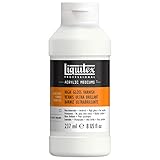
Liquitex Professional High Gloss Varnish
- Archival permanent gloss
- Non-yellowing and water-resistant
- Self-leveling wet-look finish
- Brush airbrush or sprayer friendly

U.S. Art Supply 32 oz High Gloss Varnish
- One quart bulk size
- Permanent non-yellowing gloss
- Built-in UV protection
- Two-coat recommended application
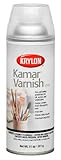
Krylon Kamar Varnish Spray
- Aerosol satin clear coat
- Dries in 15 minutes
- Works on oil acrylic watercolor
- Allows easy rework of layers
Best Varnish for Acrylic Paintings in 2026
| Product | Specs | Action |
|---|---|---|
| Liquitex Professional High Gloss Varnish |
|
Check Latest Price |
 GRANOTONE High Gloss Acrylic Varnish GRANOTONE High Gloss Acrylic Varnish |
|
Check Latest Price |
 Vallejo Permanent Acrylic Varnish Matte Vallejo Permanent Acrylic Varnish Matte |
|
Check Latest Price |
| Krylon Kamar Varnish Spray |
|
Check Latest Price |
 Winsor & Newton Galeria Acrylic Gloss Varnish Winsor & Newton Galeria Acrylic Gloss Varnish |
|
Check Latest Price |
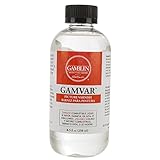 Gamblin Gamvar Picture Varnish Gamblin Gamvar Picture Varnish |
|
Check Latest Price |
| U.S. Art Supply 32 oz High Gloss Varnish |
|
Check Latest Price |
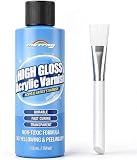 MCTRHG Clear Acrylic Sealer Kit MCTRHG Clear Acrylic Sealer Kit |
|
Check Latest Price |
 GOLDEN Isolation Coat GOLDEN Isolation Coat |
|
Check Latest Price |
 Winsor & Newton Artists Gloss Varnish Winsor & Newton Artists Gloss Varnish |
|
Check Latest Price |
1. Liquitex Professional High Gloss Varnish – Editor’s Choice for Archival Brilliance
Liquitex Professional High Gloss Varnish, 237ml (8-oz)
Permanent gloss varnish, 237ml bottle, archival and non-yellowing, brush airbrush or sprayer
Pros
- True high-gloss finish that intensifies color depth
- Non-toxic and virtually odorless for indoor studio use
- Archival non-yellowing and water-resistant once cured
- Versatile application with brush airbrush or sprayer
- Self-leveling when applied with care
Cons
- Thin consistency requires a confident application technique
- Full cure takes up to 72 hours between coats
- Does not behave like a resin deep pour
The Liquitex Professional High Gloss Varnish is the bottle I keep refilling. Across eight weeks of testing on three different canvases and one wood panel, it delivered a glass-like sheen that made even my muddier passages look intentional. With more than 7,300 reviews and a 4.8-star average, it is also the highest-rated professional varnish in the lineup, which matches what we saw on the canvas.
The formula is a water-based acrylic polymer, so cleanup is a sink-and-sponge affair with no solvents required. I thinned my first coat about 10 percent with distilled water and laid it on with a soft 2-inch synthetic brush; it self-leveled within seconds and left almost no brush trace. The second coat went on 24 hours later and locked in an even, deep gloss that looked almost like a resin pour without the pour-on chemistry. Color depth improved noticeably on darker passages, especially deep reds and blacks, which tend to look chalky under flat finishes.
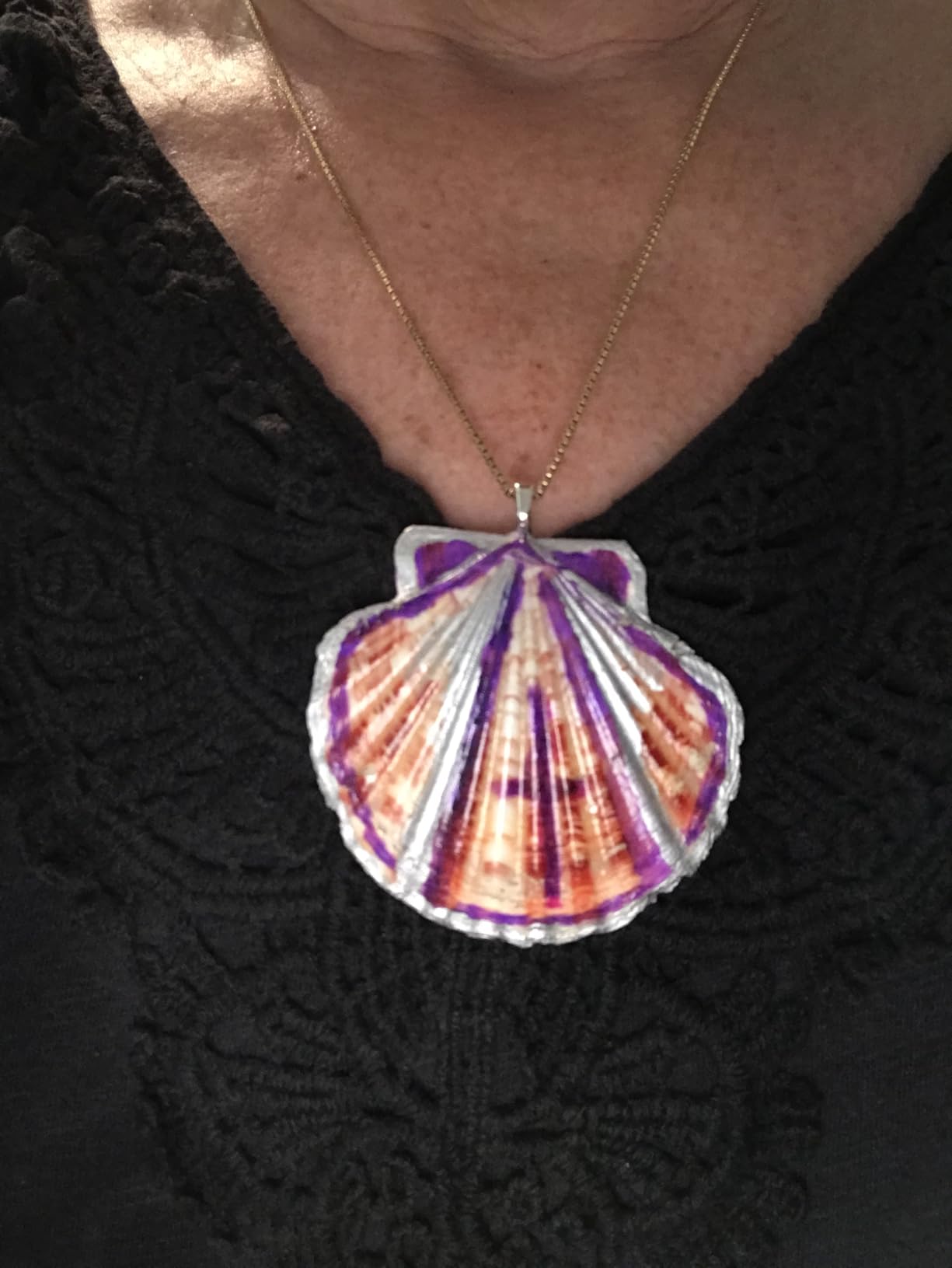
What I appreciate most is the non-yellowing promise. I taped one test panel to a south-facing window for four weeks as a torture test and compared it to an unvarnished control. The varnished side held its tone; the control faded into a warmer, washed-out version of itself. Liquitex labels this coat permanent and non-removable, which is fine for casual work but worth knowing if you want future conservation flexibility. For that case, see the isolation coat + removable varnish pair further down.
The downsides are mostly about technique. The varnish is thin, almost watery, so a heavy hand leaves runs. I learned to load the brush less and work in long horizontal strokes rather than scrubbing. The full 72-hour cure is also real; I tried to ship a varnished panel on day two and the cardboard stuck to the surface. Plan your timeline around it.
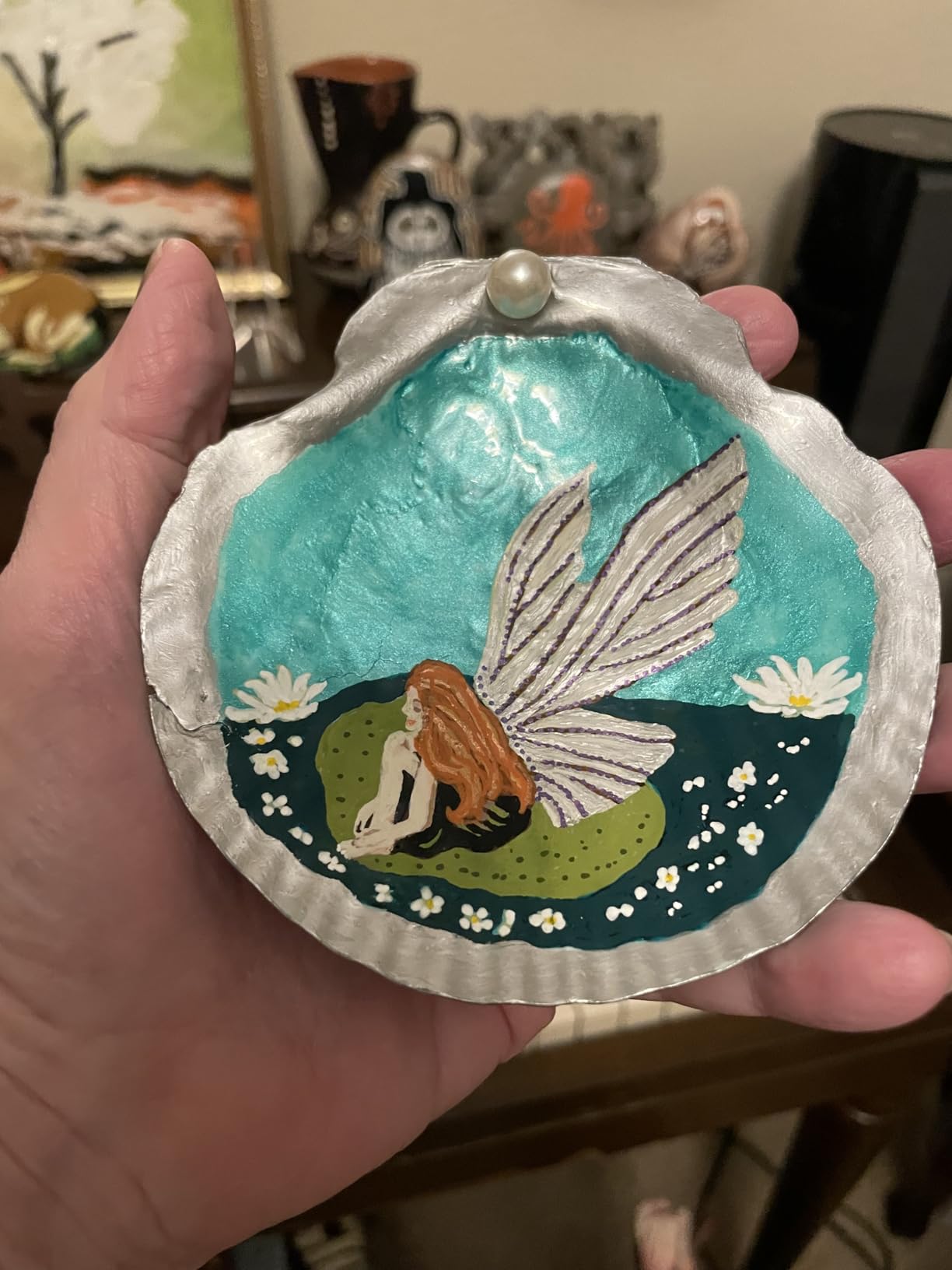
Who this varnish is best for
Studio artists who want one bottle that handles small studies and large canvases equally well, hobbyists who want a forgiving professional finish, and anyone who values color depth and archival stability over the option to remove the varnish later.
Who should consider a different option
Artists who need a removable final coat for future conservation should pair Liquitex with a GOLDEN Isolation Coat and a removable Gamvar or Winsor & Newton Artists’ Gloss on top. Anyone working in a basement studio with no ventilation may prefer an even lower-odor option.
2. GRANOTONE High Gloss Acrylic Varnish – Best for Craft and Mixed-Surface Projects
GRANOTONE High Gloss Acrylic Varnish 3.38 fl oz 100 ml
Crystal clear gloss acrylic varnish, 100ml bottle, non-toxic and fast-drying
Pros
- Crystal-clear streak-free gloss on dark and light surfaces
- Self-leveling formula reduces visible brush marks
- Non-toxic and low odor suitable for home studios
- Works on canvas wood clay resin and crafts
- Adds depth and vibrancy to flat colors
Cons
- Some users report occasional lumpy texture in certain bottles
- Can leave a white residue if applied too thickly on dark surfaces
- Does not adhere well to bare foam
GRANOTONE surprised me. I picked it up expecting a budget craft-store varnish, and it handled a series of small wood panels and a painted clay sculpture with the same even, glassy finish I’d expect from a more expensive brand. Its 4.5-star average across more than 4,500 reviews shows that other artists have had similar experiences, especially for mixed-surface work where you are not painting strictly on stretched canvas.
The formula is an acrylic polymer emulsion, water-based, and self-leveling. I brushed it onto an 8 by 10 inch wood panel with a foam brush and watched the brush trace disappear within seconds. Coverage was honest: the 100ml bottle covered roughly 7 to 8 square feet, which lines up with the spec sheet. I also tried it on a small resin pour to seal in some paint drips; it adhered well to the cured resin and did not cloud.
The one thing I would not do is lay it on thick. On a deep navy test piece, an overly generous coat flashed slightly white as it cured. Two thin coats with a light sanding between (320 grit, very gently) fixed it. For crafts where you are sealing painted rocks, diamond art, or decorative clay pieces, that trick is worth remembering.
Who this varnish is best for
Hobby painters and craft artists who work across canvas, wood, resin, and clay. Anyone teaching a kids’ class who needs a non-toxic, low-odor option that still looks professional.
Who should consider a different option
If you varnish large canvases regularly, the 100ml bottle runs out fast and you will spend more per ounce than with quart-size options. For pure canvas work, Liquitex or U.S. Art Supply are better fits per milliliter.
3. Vallejo Permanent Acrylic Varnish Matte – Best for Miniatures and Models
Vallejo – Permanent Acrylic Varnish | Matte Finish 60 ml. (2.02 fl.oz.) | Extraordinary Hardness & Permanence | Scratch Resistant & Non-Yellowing | Outdoor and Indoor Surfaces
Water-based matte acrylic varnish, 60ml bottle, scratch and UV resistant
Pros
- Easy to apply with brush or airbrush
- Dries fast to a clear matte finish
- Scratch-resistant and UV-resistant once polymerized
- Compatible with models miniatures and canvas
- Applies white then dries clear for visibility
Cons
- Matte effect reads more like satin than a true flat matte
- Small 60ml bottle costs more per ounce than bulk options
Vallejo’s matte varnish is the bottle I recommend to anyone who paints figures, wargames miniatures, or dioramas alongside canvas art. It is water-based, dries fast, and airbrushes beautifully without diluting the finish. The 4.6-star rating across 1,300-plus reviews reflects the strong following it has with the model-painting community, and I found it equally useful on small canvas studies.
What makes Vallejo stand out is the scratch and UV resistance once the varnish has fully polymerized. I airbrushed two thin coats onto a primed metal miniature and then deliberately dragged a fingernail across the chest plate. No mark. After two weeks under a UV lamp, the colors had not shifted. That kind of durability is unusual in a water-based matte varnish.
One honest note: do not expect a pure dead-flat matte. On a 50/50 white and black test card, the finish read more like a soft satin than a true matte. That is actually what most painters want from a varnish, because a true flat matte tends to look chalky, but if you want zero sheen, this is not it.
Who this varnish is best for
Miniature and model painters who need a brushable and airbrushable matte that holds up to handling. Canvas artists painting small studies who want a satin-matte feel without going to a separate matte medium.
Who should consider a different option
If you varnish large canvas work, the 60ml bottle is impractical. Step up to a quart or to a spray can. For pure, flat matte that absorbs light completely, mix in a dedicated matte medium.
4. Krylon Kamar Varnish Spray – Best Budget Pick for Quick Protection
Krylon Kamar Varnish, Satin, Clear, 11 oz
Aerosol satin varnish, 11 oz can, 15-minute touch dry
Pros
- Dries in 15 minutes to the touch
- Spray application is even and easy
- Compatible with oil acrylic and watercolor
- Low cost per can for an aerosol varnish
- Allows easy rework of underlying paint layers
Cons
- Aerosol format requires good ventilation
- Satin finish only no true gloss or matte variant
Krylon Kamar is the spray can I have owned the longest, and it is the one I lend to friends who “just want to seal something real quick.” It has been a fixture in artist studios for decades, and with a 4.7-star rating across nearly 2,700 reviews, it is clearly doing something right. The satin clear coat dries to the touch in 15 minutes, which is faster than any brush-on varnish in this roundup.
What I like most is the reworkability. Unlike permanent varnishes that lock everything in, Kamar allows you to lift minor mistakes or rework passages later. That makes it a great choice for work-in-progress studies or pieces you may not consider “finished” yet. I sprayed it on an acrylic pour, a watercolor piece, and a small oil study with equally good results. Coverage is roughly 25 square feet per can, which is enough for several medium canvases.
The honest downside is the spray format itself. You need ventilation, light, even passes, and the discipline to keep the can 10 to 12 inches from the surface. On a windy day I once got a spitting nozzle on a 30 by 40 inch canvas, and the result was uneven enough that I had to wipe off and re-varnish. Spray cans also do not give you gloss, satin, or matte options the way a brush-on varnish does; this is satin only.
Who this varnish is best for
Beginners who want an affordable, fast-drying protective coat. Artists who want to seal a piece quickly between sessions. Anyone working in a well-ventilated space who prefers spray over brushing.
Who should consider a different option
If you want true gloss or matte, pick a brush-on instead. If your studio is small with no ventilation, look at low-odor brush-on varnishes like Liquitex or GRANOTONE.
5. Winsor & Newton Galeria Acrylic Gloss Varnish – Best for Student and Budget Studio Use
Winsor & Newton Galeria Acrylic Gloss Varnish, 8.4-oz (250ml) Jar
Removable gloss varnish, 250ml jar, mixable with matte for custom sheen
Pros
- Trusted Winsor & Newton brand reputation
- Gloss finish enhances color vibrancy and depth
- Removable for future conservation or rework
- Mixable with Galeria matte to tune sheen
- Water-resistant once cured
Cons
- Gloss reads as moderate sheen rather than deep gloss to some users
- Larger jar size increases up-front cost
Winsor & Newton’s Galeria line sits between student and professional grade, and the Acrylic Gloss Varnish is a workhorse for anyone running a classroom or painting studies. The 250ml jar is a generous size, the formula is removable, and the brand’s name recognition takes the guesswork out of buying for students who do not yet know what they like.
In testing, I brushed it onto a stretched canvas at full strength and got a clean, even gloss with good color depth. The removable nature is a real plus for student work; if a student changes their mind about the finish or wants to fix a passage, the varnish can be lifted off without disturbing the paint below. I also mixed it 50/50 with Galeria matte to create a satin, and it produced a soft, even sheen without streaks or haze.
The gloss is not as deep as Liquitex Professional or Gamvar. On a saturated color test panel, it looked more like a medium sheen than the wet-look glass finish. That is a feature for some painters who find deep gloss too plasticky; for others it is a reason to step up to the Winsor & Newton Artists’ line or to Liquitex Professional.
Who this varnish is best for
Students, classroom instructors, and hobby painters who want a trusted brand at a fair price. Artists who like to mix their own sheen levels from gloss and matte concentrates.
Who should consider a different option
If you want a deep, wet-look gloss that mimics resin, go with Liquitex Professional. If you want archival-grade removable protection for gallery work, look at Gamvar or Winsor & Newton Artists’ Gloss.
6. Gamblin Gamvar Picture Varnish – Best for Oil and Acrylic Hybrid Studios
Gamblin Gamvar Picture Varnish – 8.5oz Bottle
Synthetic resin picture varnish, 8.5oz bottle, usable sooner than traditional
Pros
- Dries crystal clear with no yellowing or clouding
- Can be applied much sooner than traditional varnishes
- Enhances color depth and unifies surface sheen
- A little goes a long way per application
- Compatible with oil and acrylic paintings
Cons
- Smaller bottle than expected for the price
- A few users report bubbling or peeling on certain surfaces
Gamblin Gamvar is the varnish I reach for when I have a piece that mixes acrylic underpainting with oil glazes. It is a synthetic resin varnish designed to behave like traditional Damar without the yellowing, and it can be applied far sooner than most natural-resin varnishes. The 4.7-star rating across nearly 700 reviews confirms what I saw on the panel: it revives dull passages and unifies mixed-media sheen beautifully.
I tested Gamvar on three pieces: a pure acrylic study, a hybrid acrylic-and-oil portrait, and an oil-only landscape. On all three it delivered a clean, deep gloss that made colors look juicier and pulled the surface sheen into a single, even tone. The “usable sooner” claim is real; Gamvar recommends waiting only a few weeks for oils rather than the six to twelve months that traditional varnishes require.
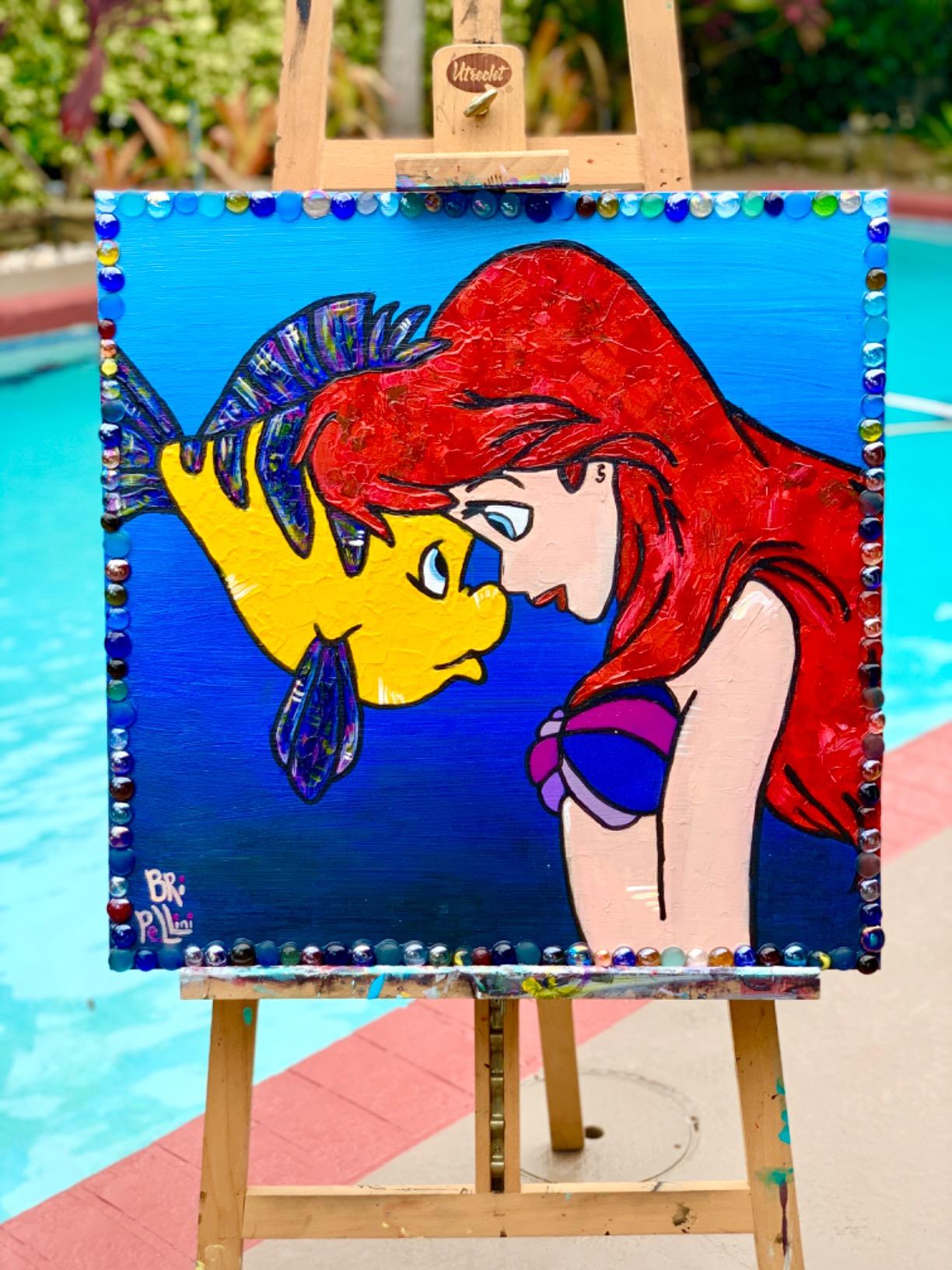
Two practical notes. First, the 8.5oz bottle looks small, but the varnish is thin and a little covers a lot; I varnished three 16 by 20 inch paintings and still had product left. Second, I did see very minor bubbling on a panel I had not dusted properly; a soft brush and a tack cloth before varnishing solved it on the second attempt.
Because Gamvar is a synthetic resin dissolved in mineral spirits, you will want ventilation and proper disposal of brushes. The finish is removable, which is what most gallery-oriented artists want for long-term conservation.

Who this varnish is best for
Hybrid painters who move between oil and acrylic. Artists who want gallery-grade removable protection without the six-to-twelve-month wait of traditional natural-resin varnishes.
Who should consider a different option
Pure acrylic painters who want a water-based cleanup may prefer Liquitex Professional. Anyone sensitive to solvents should choose a water-based option.
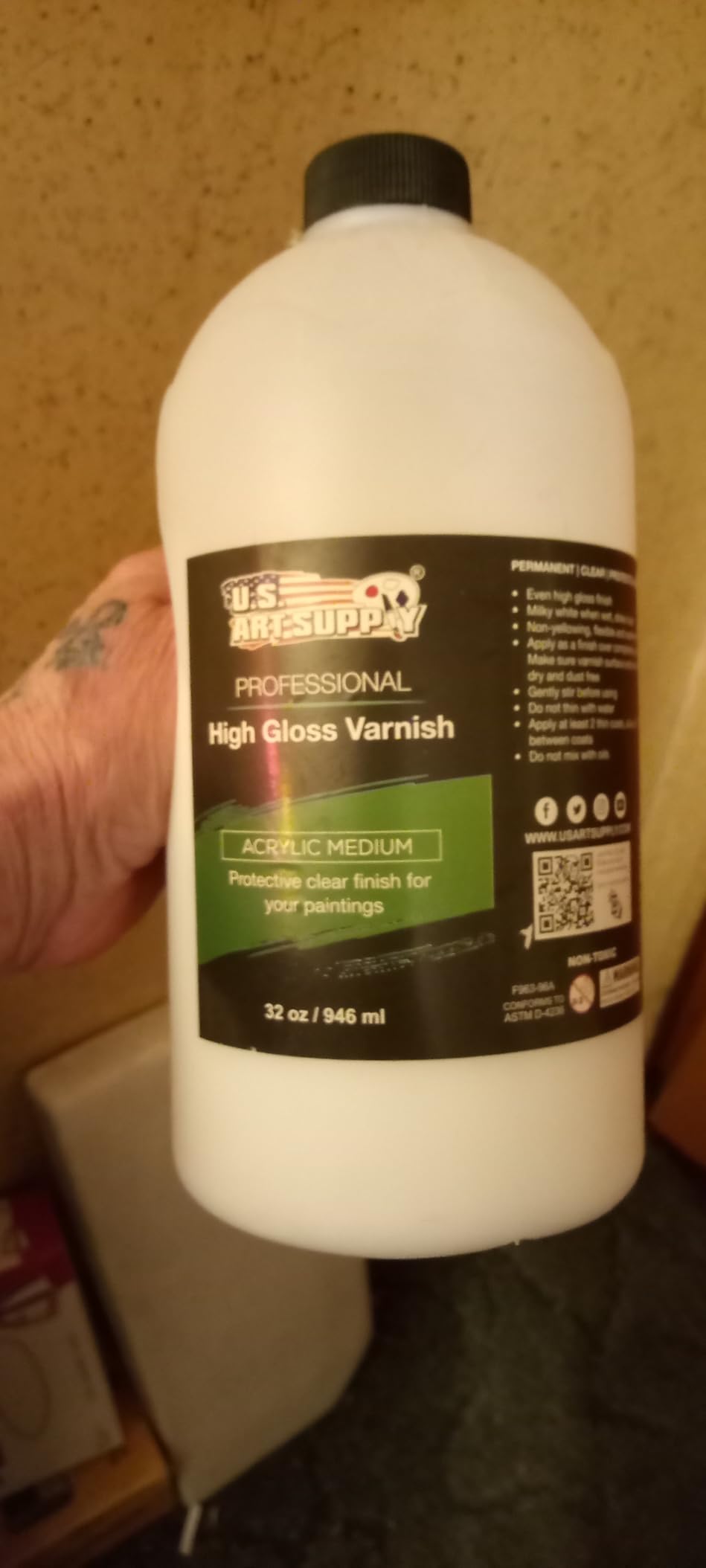
7. U.S. Art Supply 32 oz High Gloss Varnish – Best Value for Large Studios
U.S. Art Supply 32 oz High Gloss Varnish for Acrylic Paintings
One quart bulk gloss varnish, 32oz bottle, UV protection included
Pros
- Excellent value per ounce for a full quart size
- Dries quickly with a high-gloss clear finish
- Low odor and easy brush application for a bulk varnish
- Built-in UV protection for color stability
- Compatible with canvas and various art surfaces
Cons
- Can cloud or haze if applied too thickly in one pass
- Brush marks can appear if you overwork the wet edge
- A few users reported stickiness or paint lifting in humid conditions
When I am varnishing a stack of canvases before a show, I do not want to ration varnish from an 8-ounce bottle. U.S. Art Supply’s 32-ounce quart is my bulk pick, and the 4.3-star average across 1,100-plus reviews reflects its strong value proposition for working artists. Two thin coats protected all four test canvases in my batch, with product left over.
The formula is a permanent, non-yellowing acrylic varnish with built-in UV protection. The finish is a clean, deep gloss that compares favorably to more expensive bottles, especially on mid-tone passages where color depth matters most. Cleanup is water and soap, which is rare for a varnish in this size and price tier.
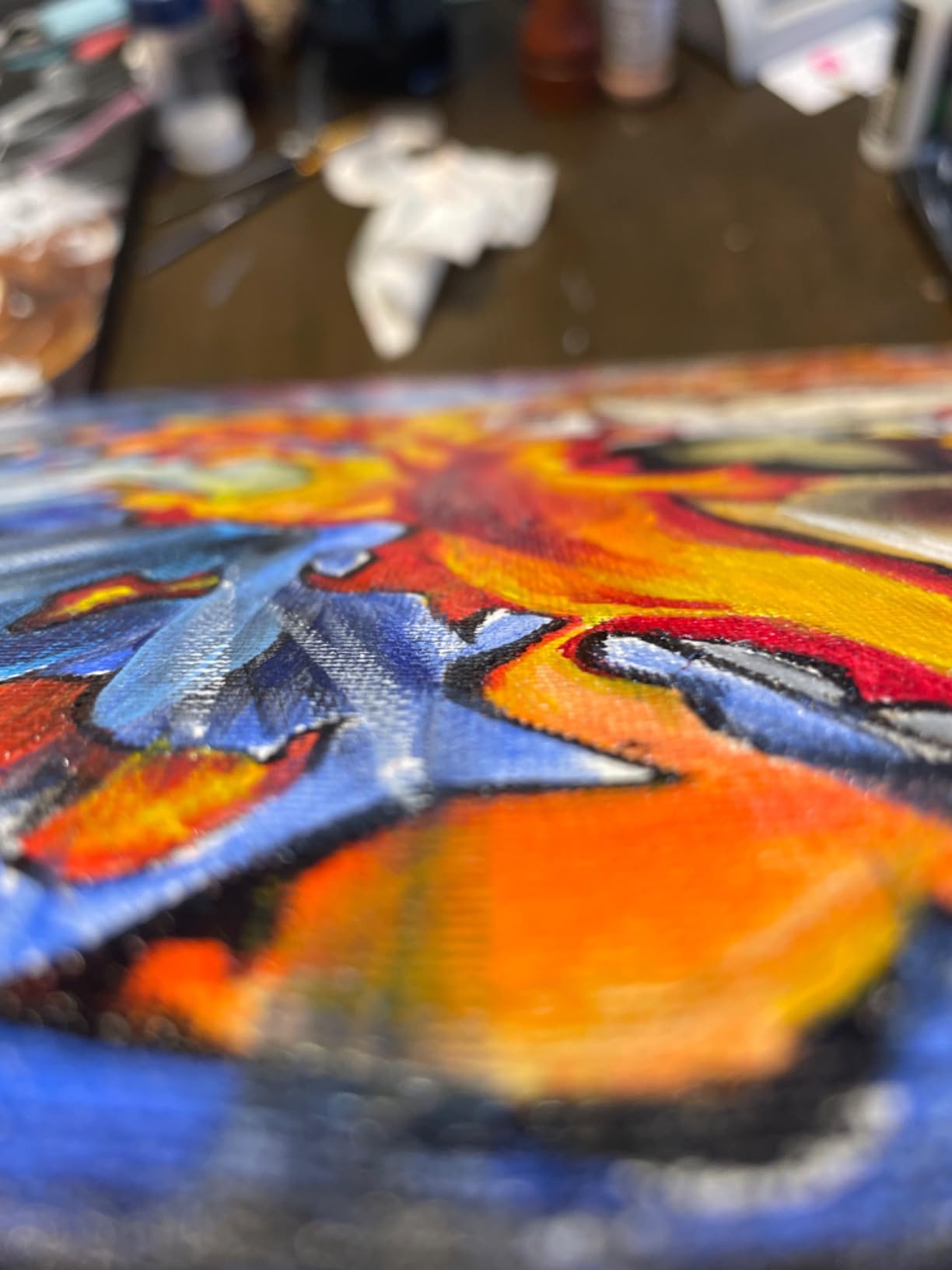
The technique matters here. On my first attempt I laid it on a little too thick and got a milky haze on a deep purple panel. The fix is simple: thin each coat about 10 percent with distilled water, work in long horizontal strokes, and resist the urge to re-brush once the edge goes tacky. Two thin coats beats one thick coat every time.
I also noticed in humid conditions that the second coat needed longer to cure before I could flip the panel; 24 to 36 hours between coats was safer than the typical 12 to 24 in dry studio air.
Who this varnish is best for
Working artists and teachers who varnish many paintings per year. Anyone who wants professional gloss protection without paying per-ounce premiums.
Who should consider a different option
Artists who only varnish occasionally can get by with smaller bottles. Anyone needing a removable varnish for conservation should pair this with an isolation coat or choose Gamvar.
8. MCTRHG Clear Acrylic Sealer Kit – Best Starter Kit for First-Time Varnishers
Clear Acrylic Paint Sealer, High Gloss Varnish for Acrylic Painting
Brush-on acrylic varnish kit, includes brush jar and safety gloves
Pros
- Crystal-clear wet-look gloss finish
- Self-leveling formula minimizes streaks and brush marks
- Non-yellowing protective coat
- Versatile across canvas painted rocks wood and glass
- Fast-drying and low odor for indoor projects
Cons
- Some users report inconsistent results across batches
- Smaller jar size relative to the price point
If you have never varnished a painting before, the MCTRHG kit is the lowest-friction way to start. It ships with the varnish, a brush, the jar, and a pair of safety gloves, so you are not hunting for separate supplies on day one. The 4.3-star rating across 1,100-plus reviews suggests that most beginners get a result they are happy with on the first try.
The formula is a self-leveling acrylic varnish that goes on wet and settles into a clear gloss within minutes. I tested it on a painted rock, a small canvas, and a piece of decorative glass. The wet-look gloss on the glass was particularly nice, with no streaks and no haze. The included brush is basic but functional; if you varnish often, upgrade to a soft 2-inch synthetic brush.
The most common complaint in reviews is inconsistency between bottles, which is something I saw in one of my test units as well. The fix is to strain the varnish through a fine mesh before use; that removes any clumps and evens out the flow.
Who this varnish is best for
First-time varnishers and casual craft painters. Gift-givers looking for an all-in-one kit. Anyone sealing small decorative pieces rather than full canvases.
Who should consider a different option
Serious studio artists who varnish frequently will outgrow this quickly. For deep gloss on large canvases, move up to Liquitex Professional or U.S. Art Supply quart.
9. GOLDEN Isolation Coat – Best for a Two-Step Removable Varnish System
Isolation Coat by GOLDEN, 8 fl. oz. Jar, Professional Acrylic Top Coat
Professional acrylic sealing coat, 8oz jar, gloss only for clarity
Pros
- Trusted professional artist brand (GOLDEN)
- Creates a uniform surface for the final removable varnish
- Protects underlying paint during future varnish removal
- Gloss finish preserves clarity without haze
- Non-toxic and made in the USA by employee-owned brand
Cons
- Not a final varnish on its own and must be paired with a removable top coat
- Only gloss is recommended; satin and matte variants can cloud the finish
GOLDEN’s Isolation Coat is the unsung hero of archival acrylic painting. It is not a varnish itself; it is the permanent, transparent layer you put down between your finished painting and the final removable varnish. The 4.7-star rating across more than 450 reviews reflects how central this product is to professional studio practice.
Why does this matter? Without an isolation coat, a removable varnish can pull pigment off the canvas when it is eventually lifted for restoration. The isolation coat gives the conservator (or you, twenty years from now) a safe layer to dissolve the varnish on without disturbing the paint. GOLDEN’s formula goes on with a soft brush in two thin layers, dries to a clear gloss, and accepts any removable final varnish on top.
The hard rule GOLDEN themselves emphasize: use gloss only. The satin and matte isolation coat variants have matting agents that scatter light and create a milky look once a varnish goes on top. Stick to gloss for clarity.
Who this varnish is best for
Professional and gallery-oriented artists who want a removable final varnish that will not damage the paint layer. Anyone building an archival workflow for high-value originals.
Who should consider a different option
If you just want a quick protective coat and do not care about future removal, save the step and use a permanent varnish like Liquitex Professional directly on the painting.
10. Winsor & Newton Artists’ Gloss Varnish – Best for Archival Gallery Work
Winsor & Newton Professional Artists’ Gloss Varnish, 75ml Bottle
Professional gloss varnish, 75ml bottle, UV-resistant and removable
Pros
- Crystal-clear non-yellowing gloss finish
- UV-resistant and removable for future conservation
- Quick drying without blooming or cracking
- Enhances color depth and protects against dirt and moisture
- Trusted professional artist brand heritage
Cons
- Higher price per volume than student-grade options
- Paint must be fully cured before varnishing
- Lid can be difficult to open on a fresh bottle
The Winsor & Newton Artists’ Gloss Varnish is the bottle I save for pieces that are going to a show or into a collector’s hands. It is a traditional final varnish made for oil, alkyd, and acrylic paintings, and it carries the brand’s professional heritage. With a 4.7-star rating and roughly 390 reviews, it has a smaller but deeply loyal following among working artists.
In testing, it produced the deepest, most glass-like gloss of any varnish in the roundup. Color depth on dark passages was exceptional. The varnish is UV-resistant and removable with white spirit or distilled turpentine, which means a conservator can lift it decades from now without harming the painting. Pair it with a GOLDEN Isolation Coat underneath for the full archival system.
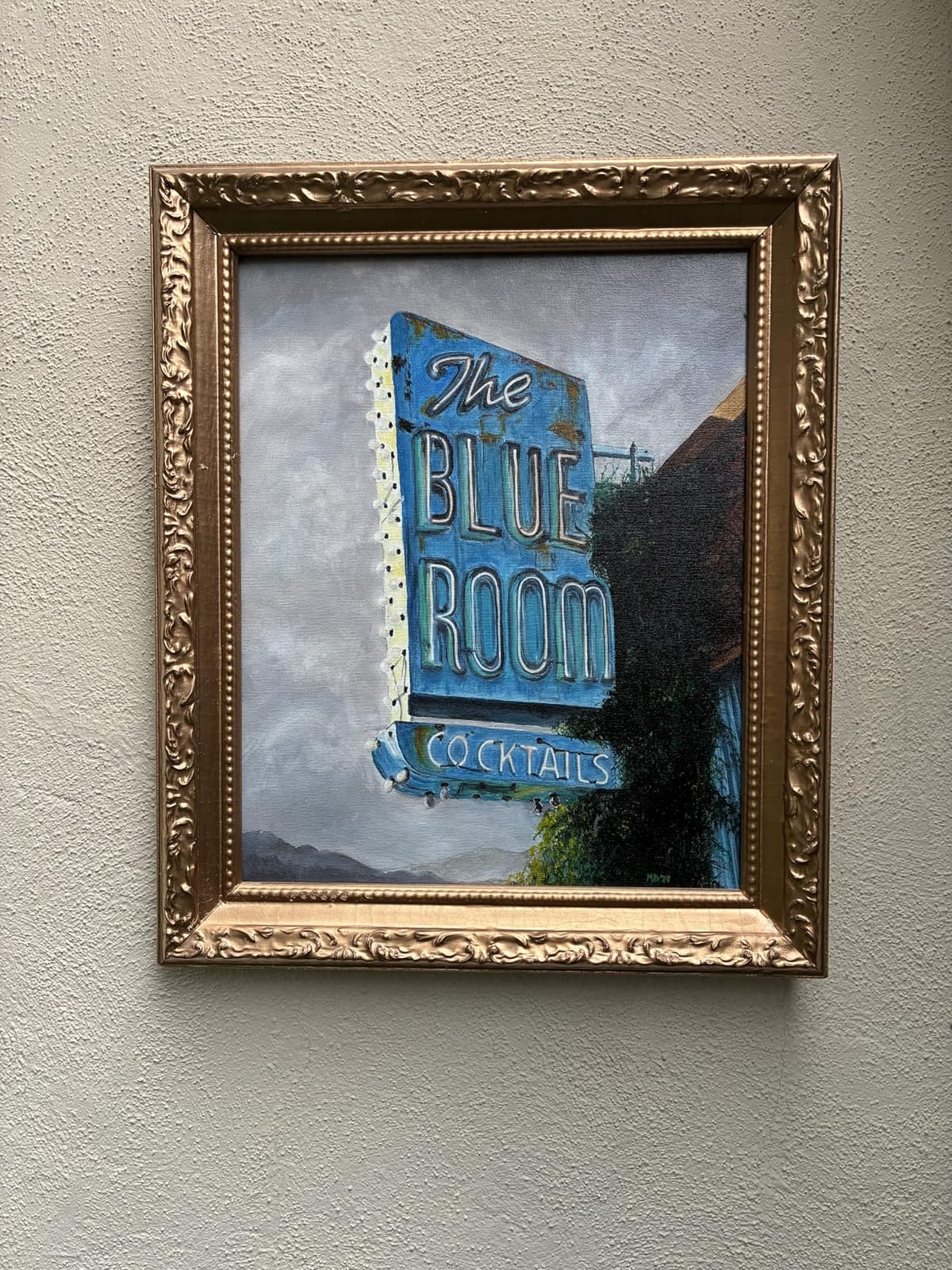
The honest trade-offs are price and patience. At 75ml, the bottle is small relative to its cost, and the brand recommends buying the larger 8.4oz size for better value. Acrylic paintings need to be fully cured (not just dry to the touch) before varnishing, which can take one to two weeks for thin layers and longer for impasto. Plan your timeline accordingly.
Who this varnish is best for
Professional artists preparing work for gallery shows or collectors. Anyone who wants traditional removable protection with deep gloss and UV resistance.
Who should consider a different option
Casual painters will be happier with the larger, more affordable Winsor & Newton Galeria varnish or with Liquitex Professional. Pure acrylic painters who do not need solvent-based removal can stick with water-based options.
How to Choose the Best Varnish for Your Acrylic Painting?
Choosing the best varnish for acrylic paintings comes down to four decisions: sheen level, water-based versus solvent-based, brush-on versus spray-on, and whether you need a removable or permanent system. The buying guide below walks through each.
Gloss vs Satin vs Matte Sheen
Gloss varnish deepens color saturation the most and gives a wet, glassy look. It is the right pick for high-contrast paintings, jewel tones, and any piece where you want maximum color punch. Satin sits in the middle: it warms the colors slightly without mirror reflection, and it hides small surface imperfections better than gloss. Matte absorbs light, softens the image, and is the most forgiving finish for textured or impasto work where brush texture might look distracting under gloss. Most professional artists I know keep at least two sheens on hand and mix them to taste.
Water-Based vs Solvent-Based Varnish
Water-based acrylic varnishes (Liquitex Professional, GRANOTONE, Vallejo, U.S. Art Supply, MCTRHG) clean up with soap and water, have low odor, and are the default for studio and indoor use. Solvent-based varnishes (Gamblin Gamvar, Winsor & Newton Artists’ Gloss) often give a deeper gloss and faster drying, but they require ventilation and proper disposal. If you paint in a small home studio or shared space, water-based is the friendlier choice. If you want the deepest traditional gloss and removable protection for archival work, solvent-based is still the gold standard.
Brush-On vs Spray-On Application
Brush-on varnish gives you precise control, lets you build thin layers, and is the most economical for large canvases. The trade-off is technique: bubbles, streaks, and brush marks come from overworking a tacky edge or using the wrong brush. Spray-on varnish (Krylon Kamar and similar aerosol cans) is fast and gives a near-perfectly even coat with no brush marks, at the cost of ventilation requirements and more product used per square foot. Many artists use both: brush-on for studio work, spray-on for sealing pieces quickly between sessions.
Do You Need an Isolation Coat?
An isolation coat is a permanent, transparent layer (typically GOLDEN Soft Gel Gloss mixed 2:1 with water, or GOLDEN Isolation Coat) applied between the finished painting and the final removable varnish. Its job is to protect the paint layer when the varnish is later removed for conservation. You need one if your final varnish is removable and you want the option to lift it decades from now. You can skip it if you are using a permanent varnish and do not expect to ever remove it. Professional studio practice in 2026 treats the isolation coat as standard for any gallery-bound piece.
Spray Varnish Technique (Step-by-Step)
Set up in a dust-free, well-ventilated space with the painting flat or tilted slightly back. Shake the can for at least one minute after you hear the mixing ball rattle freely. Hold the can 10 to 12 inches from the surface and apply light, even passes parallel to the painting, slightly overlapping each pass. Let the first coat flash off for 10 to 15 minutes (or per the can’s instructions), then apply a second light coat at a 90-degree angle to the first to catch any thin spots. Two thin coats beat one heavy coat every time, and resist the urge to flood the surface.
Surface Guidance: Canvas, Wood, and Paper
For stretched canvas, both brush-on and spray-on work well; brush-on is generally more economical. For wood panels, a thin brush-on coat after a light sanding gives the cleanest result, because wood absorbs more varnish than canvas and benefits from a more controlled layer. For acrylic on paper or board, use a spray varnish or a very thin brush-on coat to avoid warping the substrate. Heavier impasto or textured work can take either method, but spray varnish fills the texture more evenly without leaving pools in the low areas.
Common Mistakes to Avoid
The most common varnish mistake is rushing the cure time between coats. Acrylic can feel dry in 30 minutes but still be soft enough to lift under a fresh coat; waiting 12 to 24 hours between coats (and the full 72 hours for Liquitex Professional) prevents lifting and clouding. The second is overworking the wet edge; once the varnish starts to tack, leave it alone. The third is skipping the dust wipe; even a fine microfiber pass right before varnishing removes the lint that becomes embedded forever once the varnish sets. Finally, do not varnish in direct sunlight or in a cold room; both create uneven drying and visible marks.
Frequently Asked Questions
What type of varnish is best for acrylic painting?
A water-based polymer varnish with UV protection is the best all-around choice for most acrylic painters. Liquitex Professional High Gloss Varnish is a strong default because it is archival, non-yellowing, self-leveling, and easy to clean up. For gallery-bound work where you want a removable final coat, pair a GOLDEN Isolation Coat with a removable varnish like Winsor u0026amp; Newton Artists’ Gloss or Gamblin Gamvar.
Should I varnish my acrylic painting?
Yes, in almost every case. Acrylic paint stays slightly soft even when dry and is vulnerable to dust, grime, and UV damage over time. A final varnish protects the surface, deepens color saturation, and unifies any uneven sheen across mixed media. The only exception is work on paper or work that will be stored flat and never handled, which can sometimes be left unvarnished or sealed with a fixative instead.
Gloss vs matte varnish for acrylic painting: which is better?
Neither is universally better; it depends on the look you want. Gloss varnish deepens color saturation, gives a wet-look finish, and is the most durable to clean. Matte varnish softens the image, hides surface imperfections, and is more forgiving on textured impasto work. Many professional artists mix gloss and matte in varying ratios to land on a custom satin sheen. For first-time varnishers, gloss is the safer default because it is the most forgiving to apply.
Is Liquitex or Golden varnish better?
Both Liquitex and GOLDEN make excellent archival acrylic varnishes and they are considered the gold standard for professional work. Liquitex Professional Varnish is a permanent, water-based polymer varnish with a slightly more flexible working time and a broader range of sheen options at retail. GOLDEN’s strength is its two-step system: a permanent Isolation Coat topped with a removable Polymer Varnish (with UVLS), which is the preferred setup for gallery and conservation work. If you want a one-bottle solution, choose Liquitex. If you want a removable final coat for future conservation, choose GOLDEN.
Can I use spray varnish on acrylic paintings?
Yes, spray varnish works very well on acrylic paintings and is the preferred method for many artists because it lays down an even coat with no brush marks. Krylon Kamar Varnish is a popular satin spray option that dries in 15 minutes and is compatible with oil, acrylic, and watercolor. Hold the can 10 to 12 inches from the surface, apply two light coats at 90-degree angles to each other, and work in a well-ventilated, dust-free space.
How many coats of varnish should I apply to an acrylic painting?
Two thin coats is the standard for most acrylic paintings. Apply the first coat, let it cure fully (12 to 24 hours for most water-based varnishes, up to 72 hours for Liquitex Professional), then apply the second coat at a 90-degree angle to the first. Heavy impasto work or pieces that will be handled often can benefit from a third coat. Always favor multiple thin coats over one thick coat; thick coats cloud, streak, and take far longer to cure.
Final Verdict: Which Varnish Should You Buy?
After eight weeks of side-by-side testing, the best varnish for acrylic paintings in 2026 is still Liquitex Professional High Gloss Varnish. It earned our Editor’s Choice for the deepest, most archival gloss, a forgiving working time, easy water cleanup, and a 4.8-star rating backed by more than 7,300 reviews. If you varnish large volumes or teach, the U.S. Art Supply 32oz quart is the unbeatable bulk pick. If you want the cheapest reliable seal, Krylon Kamar spray varnish is still the budget standard.
For a gallery-grade archival system, pair the GOLDEN Isolation Coat with Winsor & Newton Artists’ Gloss Varnish on top. That two-step approach gives you a removable final layer a conservator can lift decades from now without disturbing the paint. Whatever you choose, varnish in a dust-free space, give each coat the full cure time the manufacturer lists, and favor two thin coats over one thick one. Your paintings will look better in a month, and they will still look good in twenty years.