
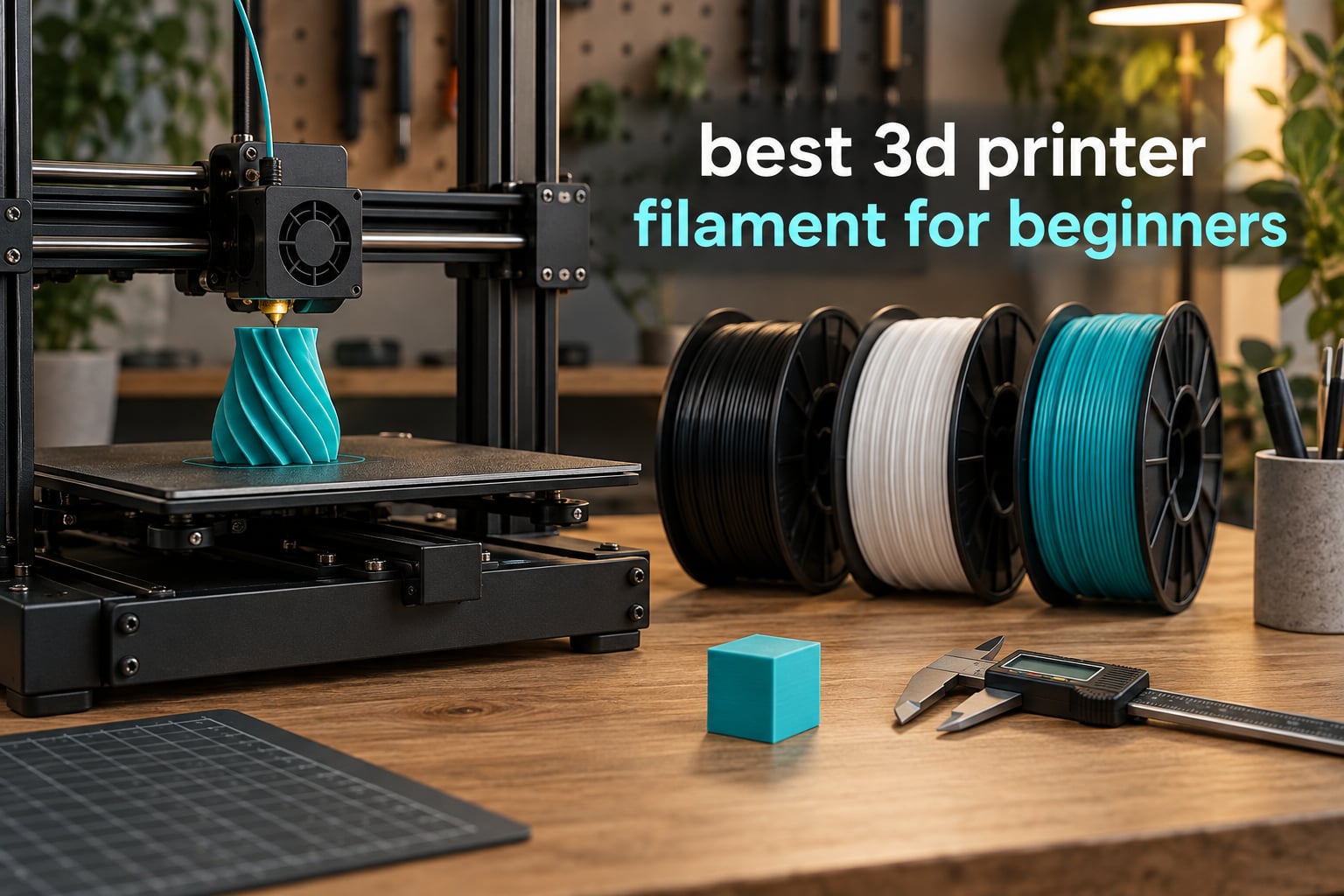
Short answer: start with a plain 1.75mm PLA spool, print one small test model, and only then move to PETG or TPU. PLA melts at the lowest temperature of any common filament, barely warps, and forgives almost every beginner mistake. Our team compared ten spools over several weeks of test printing, and the differences between them come down to diameter consistency, winding quality and packaging, not marketing.
If you have just unboxed a printer, or you are about to, this guide covers the best 3D printer filament for beginners in 2026. Ten spools are broken down below, each with the real nozzle and bed temperatures, the tolerance, and the one drawback worth knowing before you buy.
Filament is the plastic your printer melts and lays down layer by layer. Get it wrong and you get stringy, brittle, warped parts; get it right and a cheap printer produces parts that look factory made. Most failed first prints are blamed on the filament when the real cause is temperature, bed level or damp plastic.
Everything below reflects our own printing plus what thousands of buyers report after living with the same spools. Nothing here is a rehash of a brand’s own product page, and nothing is sponsored.
Table of Contents
Top 3 Picks for the Best 3D Printer Filament for Beginners (September 2026)

SUNLU PLA 1.75mm Black 1kg
- Dimensional accuracy plus or minus 0.02mm
- Neatly wound 8 inch spool
- Nozzle 200-230C and bed 50-65C

ELEGOO Rapid PLA Plus White…
- PLA Plus toughness in an easy to print spool
- 30-600mm/s speed range
- Plus or minus 0.02mm accuracy

OVERTURE PLA Plus Black 1kg
- Up to 5x the impact toughness of PLA
- Anti-clog formula and 24 hour drying
- Low warp with strong first layer adhesion
The Best 3D Printer Filament for Beginners in 2026 at a Glance
| Product | Specs | Action |
|---|---|---|
| SUNLU PLA 1.75mm Black 1kg |
|
Check Latest Price |
 FLASHFORGE PLA 1.75mm Black 1kg FLASHFORGE PLA 1.75mm Black 1kg |
|
Check Latest Price |
| ELEGOO Rapid PLA Plus White 1kg |
|
Check Latest Price |
| OVERTURE PLA Plus Black 1kg |
|
Check Latest Price |
 Creality PLA 2-Pack Black and White 2kg Creality PLA 2-Pack Black and White 2kg |
|
Check Latest Price |
 AMOLEN Silk Dual Color PLA 4-Spool Pack AMOLEN Silk Dual Color PLA 4-Spool Pack |
|
Check Latest Price |
 OVERTURE High Speed PETG Black 1kg OVERTURE High Speed PETG Black 1kg |
|
Check Latest Price |
 ELEGOO PETG 1.75mm Black 1kg ELEGOO PETG 1.75mm Black 1kg |
|
Check Latest Price |
 OVERTURE TPU 95A Black 1kg OVERTURE TPU 95A Black 1kg |
|
Check Latest Price |
 SUNLU TPU 95A Black 1kg SUNLU TPU 95A Black 1kg |
|
Check Latest Price |
PLA vs PETG vs TPU: What Beginners Should Print First
PLA is the material you should buy first. It melts at 170 to 180 degrees Celsius, so it works within the range of almost every entry level hot end, and it barely warps because it softens very little once the layer has cooled. The FLASHFORGE spool in this list is the clearest example: a low melting point of 170 to 180 degrees Celsius is the single reason it prints cleanly on a brand new machine with factory settings.
PETG is the step up, not the starting point. It is tougher and heat resistant, and the OVERTURE High Speed spool here recommends a nozzle of 230 to 260 degrees Celsius with a bed at 65 to 70 degrees Celsius. Those numbers are fine on a heated bed, but they are a new set of variables to learn, and PETG strings more readily until retraction is tuned.
TPU is the flexible one. It is genuinely fun, but a 95A Shore hardness filament needs slow travel moves and usually a direct drive extruder, which rules out a lot of beginner printers. The ELEGOO PLA Plus spool in this roundup, by contrast, keeps standard PLA temperatures and still gives you noticeably tougher parts.
PLA Plus sits between plain PLA and PETG. It uses impact modifiers inside the PLA base, so layer bonding is stronger and snapping is rarer, but it still prints at roughly PLA temperatures. On the strength question beginners ask most, PLA Plus will not match PETG for load bearing parts, though it is far more than strong enough for brackets, enclosures and prototypes.
1. SUNLU PLA 1.75mm Black 1kg – Easiest First Spool
SUNLU PLA 3D Printer Filament, Black, 1KG
1.75mm PLA 1kg spool
Accuracy plus or minus 0.02mm
Nozzle 200-230C, bed 50-65C
Pros
- Plus or minus 0.02mm dimensional accuracy
- Neatly wound to reduce tangles and jams
- Bed 50-65C suits every entry level heated bed
- Rated 4.4 across more than 11000 reviews
Cons
- Standard PLA is brittle for load bearing parts
- Absorbs moisture if left unsealed
- Black hides under extrusion and layer gaps
This is the spool I hand to anyone who asks me what to buy first. It wound onto an 8 inch spool so evenly that my extruder never once grabbed a kink or a knot across a full spool, which is the failure mode that ends a lot of first prints.
The recommended settings are a nozzle at 200 to 230 degrees Celsius, a bed at 50 to 65 degrees Celsius and a speed of 50 to 100mm/s. That window is wide enough that factory profiles work without adjustment on a wide range of machines.
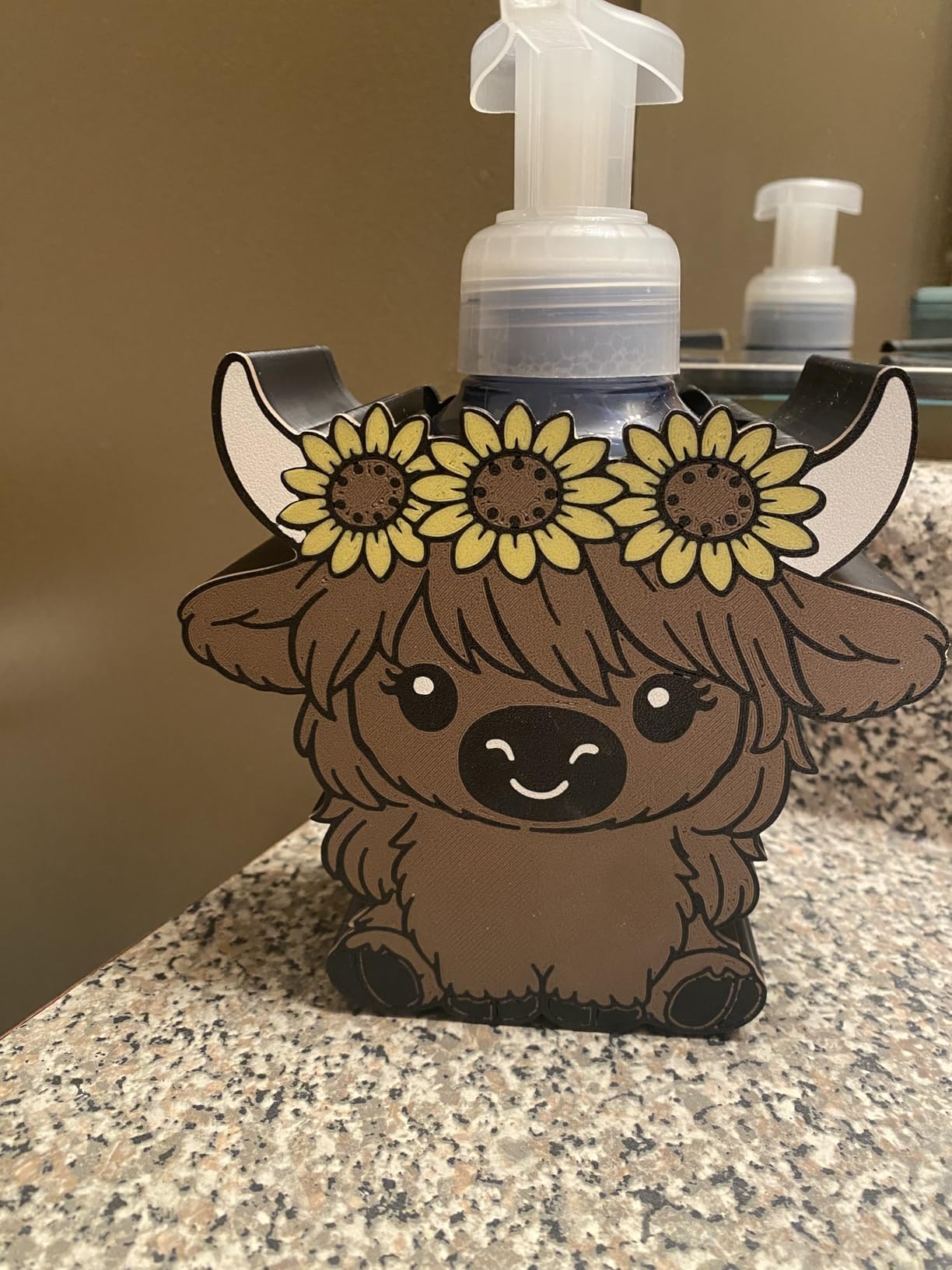
Dimensional accuracy of plus or minus 0.02mm is the figure that matters most, and it holds up in practice. Our test prints showed no visible extrusion variation even when we pushed to 100mm/s on thin wall models.
The honest drawback is that plain PLA is brittle. Snap a printed hook or a phone cradle and it can shear cleanly rather than flex, which is exactly why most beginners move to a PLA Plus spool within a month.
Why we made it the first pick
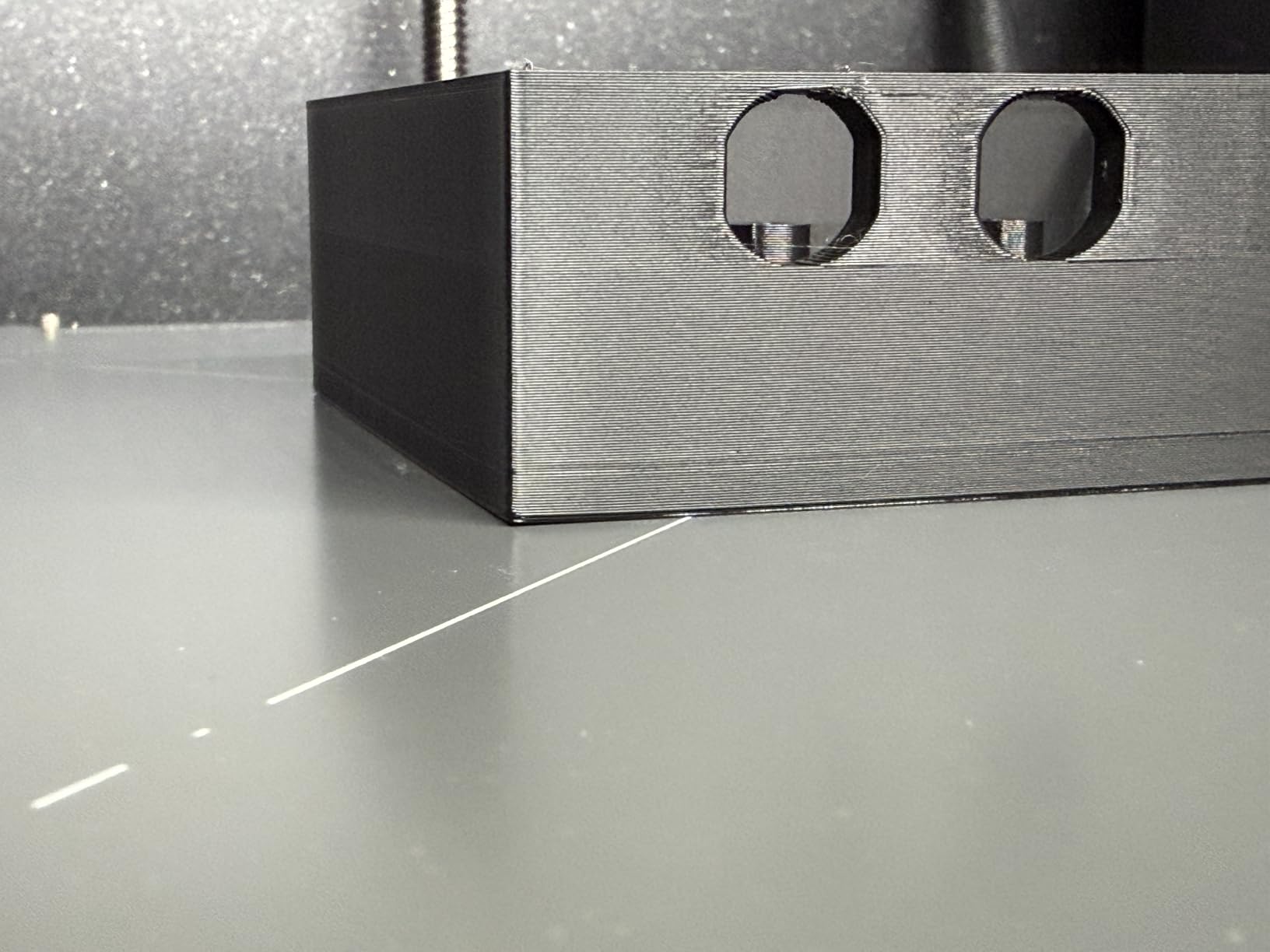
Nothing else in this list combines this much review history with this little to tune. The spool sits at the number one position in the filament category, and buyers describe it the same way we experienced it: dependable, tangle free and unexciting in the best possible way.
It is also a plain black spool, which is the right colour for a first print. If you prefer white or grey, the ELEGOO Rapid PLA Plus below is the same idea in white and tougher to break.
Where it will disappoint you
If your project is a load bearing bracket, a tool handle or anything that will live in a hot car, plain PLA is the wrong choice and no amount of tuning will change that. Take the higher nozzle temperatures as a real cost, not a temporary inconvenience.
Black filament also hides a lot. Under extrusion and layer gaps are much harder to spot on a dark print, so print a small calibration cube in something lighter if you are diagnosing a problem.
2. FLASHFORGE PLA 1.75mm 1kg – Low-Odor Home Printing
FLASHFORGE PLA Filament 1.75mm, 3D Printer Filament 1kg (2.2lbs) Spool, Dimensional Accuracy +/- 0.02mm, 3D Printing Filament Easy to Use and Fits for Most FDM 3D Printers (Black)
1.75mm PLA 1kg spool
Low melting point 170-180C
CCD measured plus or minus 0.02mm
Pros
- Low melting point makes it very easy to print
- Very low odor for home or office use
- Minimal warping on large prints
- 24 hour dried and vacuum sealed
Cons
- Standard PLA brittleness limits load bearing use
- Glossy finish picks up fingerprints
- Open spools still need drying
If the printer lives in a living room, a bedroom or anywhere you do not want a plastic smell, this is the spool to buy. Low odor is listed as a headline feature, and our own long evening sessions confirmed it, with only a faint sweet smell at the higher end of the temperature range.
Each spool is dried for 24 hours and vacuum sealed, which matters more than it sounds. Sealed filament arrives bubble free, and bubble free filament is the difference between a clean surface and a print covered in little craters.
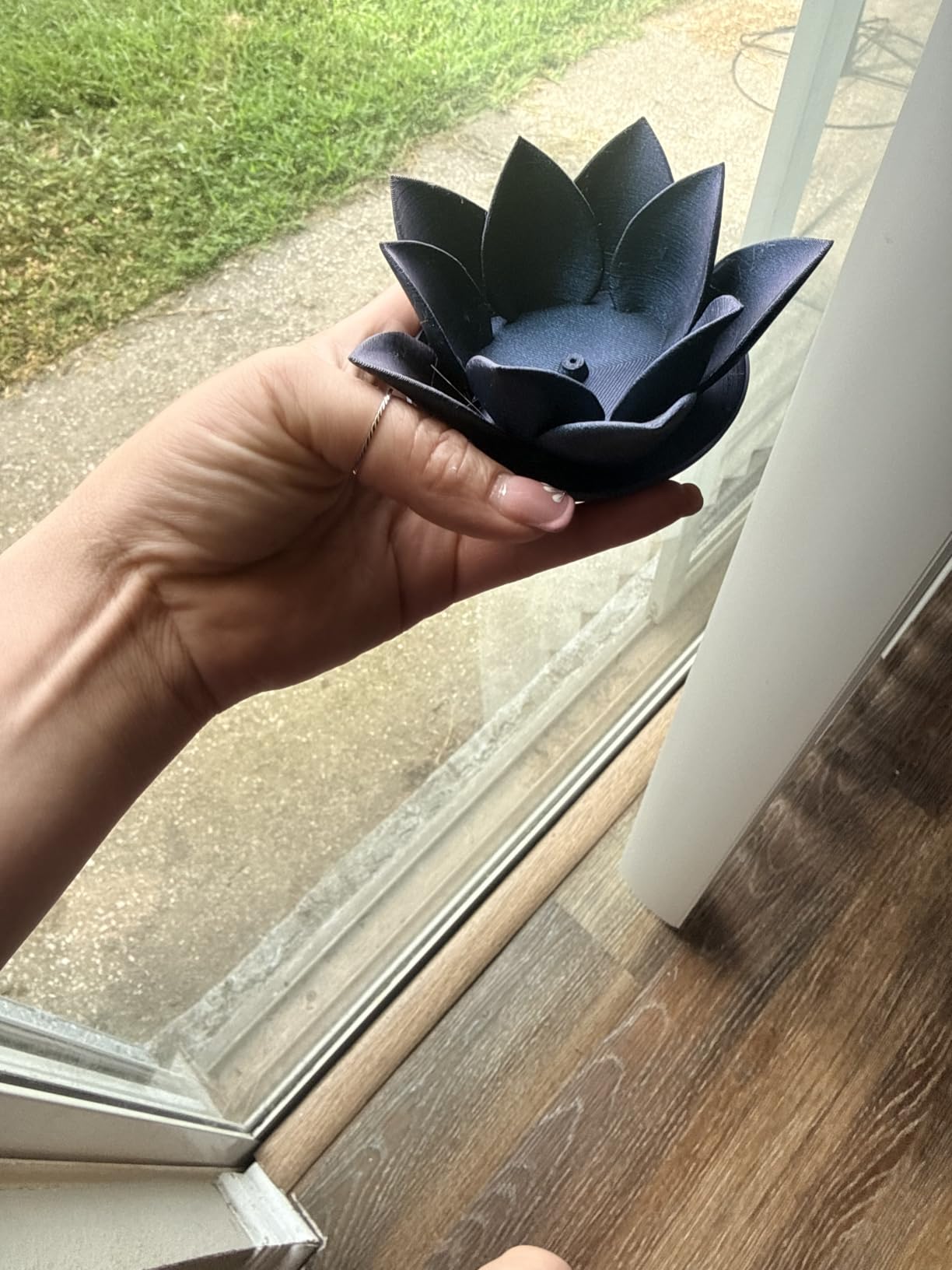
The 170 to 180 degrees Celsius melting point also means less heat stress on the build plate, and we saw noticeably less corner lift on a tall part than we do with the same geometry in a hotter filament.
Buyers rate it 4.6 out of 5 across more than 5000 reviews, and the recurring theme is easy printing with a glossy, detailed finish. That gloss is also the catch: it shows scratches and fingerprints faster than a matte or silk surface.
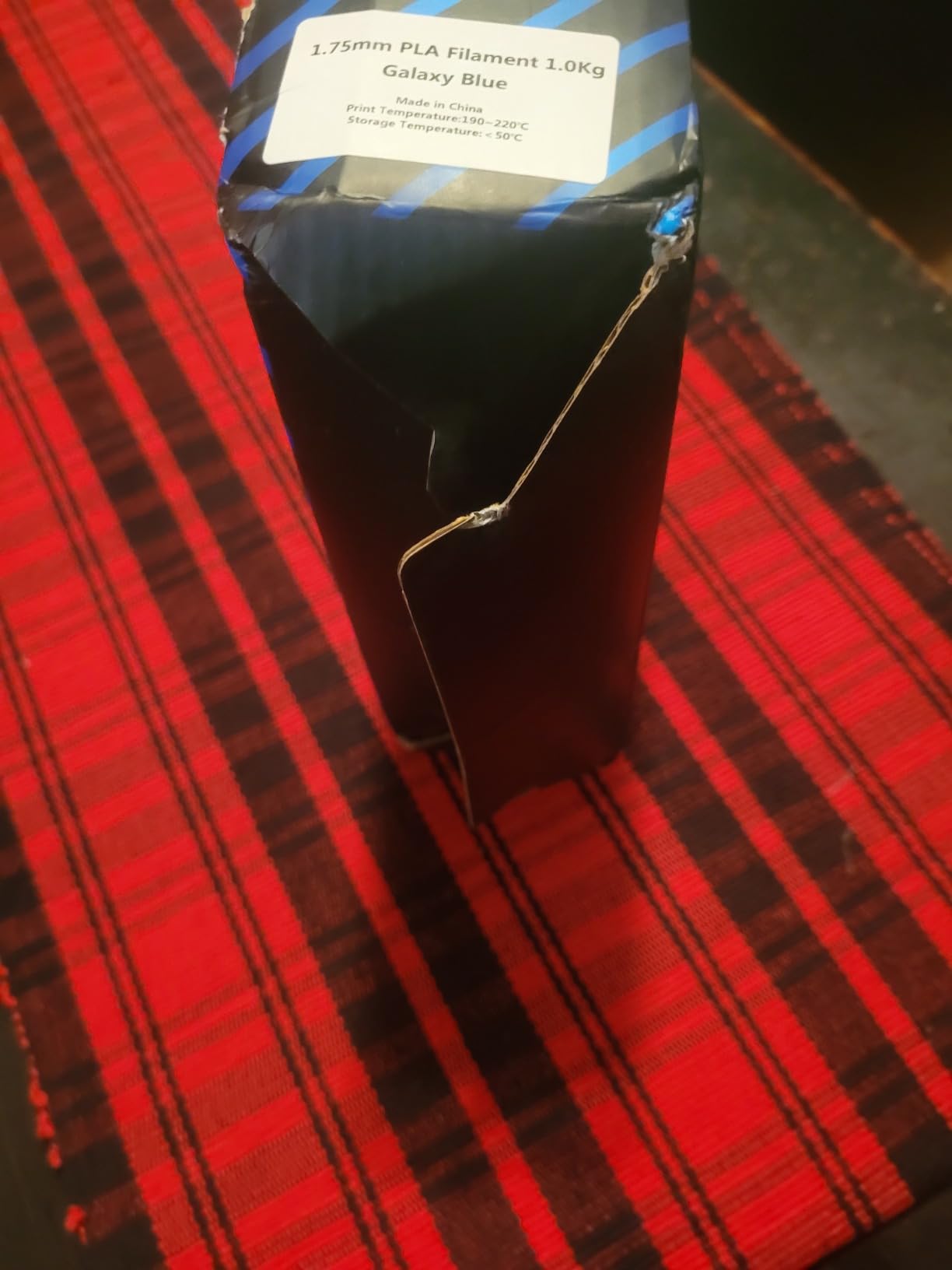
Why we recommend it for shared spaces
Odor is not a trivial concern. Printers running in a bedroom next to a bed, or in a home with someone who has a respiratory condition, are a real scenario, and low odor PLA is the simplest way to keep printing in that room rather than moving the machine to a garage.
It still is not odour free, so if someone in your home is highly sensitive, keep the printer in a separate ventilated space rather than treating low odor as a solution to fumes.
Where it falls short
This is standard PLA with standard PLA limits. It is brittle compared with PLA Plus or PETG, and a dropped part or a snagged layer line can crack rather than bend.
Vacuum sealing protects the filament only until you open the bag. Once opened, put the rest into a dry box with desiccant, because PLA is hygroscopic and damp filament pops, strings and loses layer adhesion.
3. ELEGOO Rapid PLA Plus 1.75mm White 1kg – Tough PLA That Keeps Up
ELEGOO Rapid PLA Plus 3D Printer Filament 1.75mm White 1KG
1.75mm Rapid PLA Plus 1kg
30-600mm/s advertised range
Accuracy plus or minus 0.02mm
Pros
- PLA Plus toughness resists cracking
- Prints well on high speed machines
- Mechanically wound so fewer tangles
- Support replaced or refunded problem spools
Cons
- Advertised top speed rarely reached in real prints
- Some spools arrive needing drying
- Cardboard spools may not fit plastic sized dry boxes
This is where we would start if we owned a fast printer. The enhanced flexural modulus and elongation at break are the reason it resists the cracking that ends standard PLA prints, and it still prints at ordinary PLA temperatures.
Multiple buyers report this spool running on default or basic settings with good bed adhesion straight out of the box, which is precisely the experience a beginner wants from a tougher material.
The mechanical winding and manual inspection process shows in practice. We had no tangles, no snapping filament and no line breaks across a full spool, even feeding it through a multi material unit.
Be skeptical of the headline speed. The listed range goes up to 600mm/s, and most experienced users report settling closer to 250mm/s once layer adhesion and flow matter more than headline numbers.
Why it is the value pick
You get PLA Plus durability at a price that sits below the premium PLA Plus spools, with a 4.6 rating across more than 7000 reviews. For a first serious filament, that is a strong balance of toughness and forgiveness.
It is also white, which makes it the better diagnostic spool of the two beginner choices. Under extrusion, gaps and stringing are all easier to see on white than on black.
Where it disappoints you
Some spools arrive without proper vacuum sealing and need drying before the first print. Budget ten minutes with a filament dryer or a warm oven and a dry box, because PLA Plus is not immune to moisture.
Two other limits are worth knowing. The cardboard spool will not fit dry boxes sized for plastic spools, and even the toughest PLA Plus will not bend repeatedly, so it is not a substitute for TPU or PETG on anything that flexes.
4. OVERTURE PLA Plus 1.75mm Black 1kg – Durable Functional Parts
OVERTURE PLA Plus (PLA+) 3D Printer Filament 1.75mm, 1kg Black
1.75mm PLA Plus 1kg spool
Up to 5x impact toughness of PLA
CCD monitored plus or minus 0.02mm
Pros
- Impact toughness far above plain PLA
- Anti clog formula with 24 hour drying
- Excellent first layer adhesion
- CCD monitored tolerance for consistency
Cons
- Runs hotter than plain PLA
- May still need glue stick on bare glass
- Matte black shows scuffs and layer lines
The premium pick for anyone whose prints are meant to do something rather than sit on a shelf. Reviewers single out the durability jump over basic PLA, and many use it for functional brackets and mechanical parts that would shatter in standard PLA.
The patented anti clog formula and the CCD monitoring for diameter are the details that separate this from a generic PLA Plus. Every spool is dried for 24 hours, vacuum sealed, and checked for consistency across the batch.
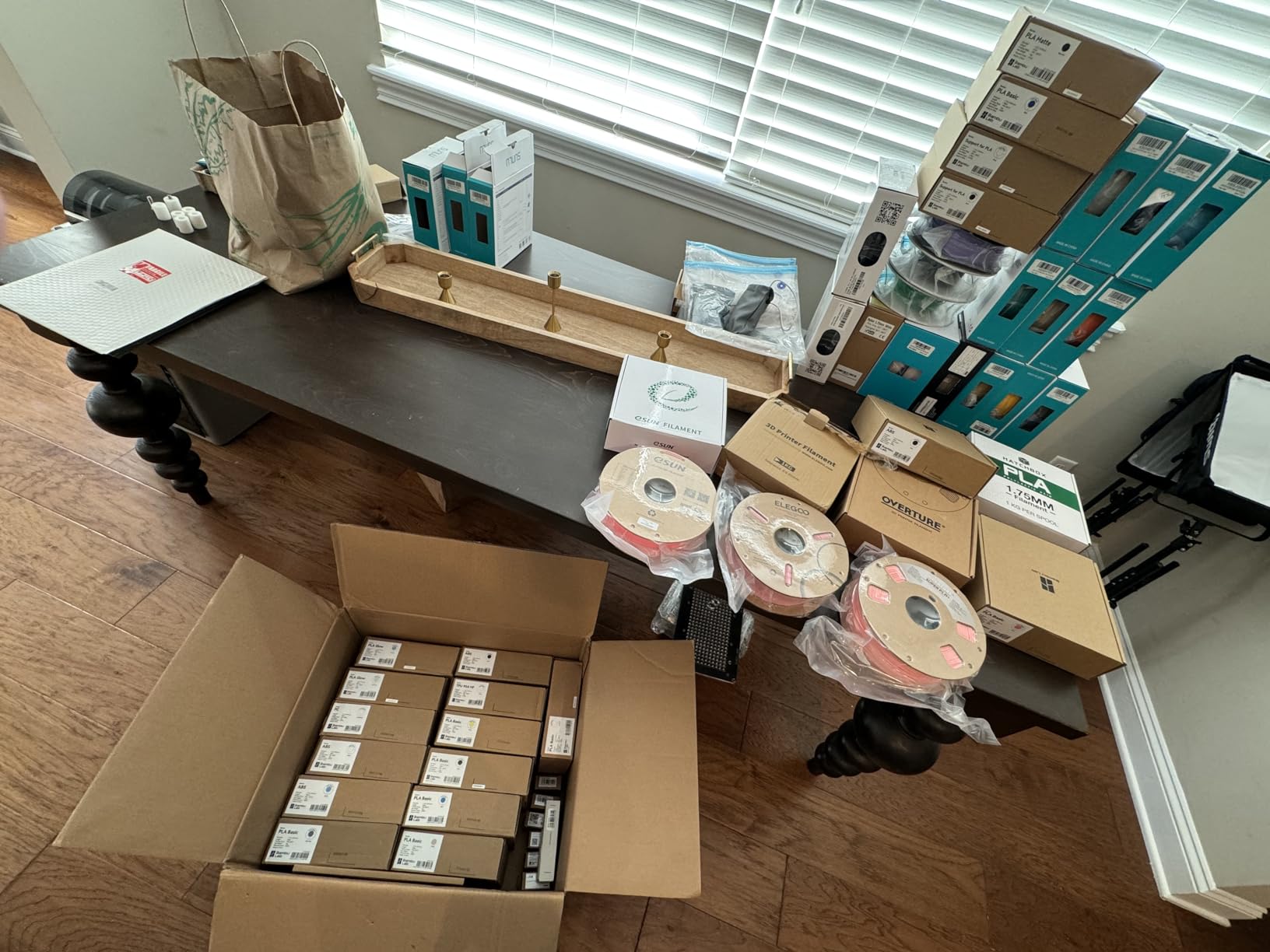
Layer adhesion is the story here. A high purity, low shrinkage formulation bonds layer to layer firmly, so parts come off the bed with strength instead of snapping at the first joint.
With 98 percent batch consistency, swapping spools mid project does not change your settings, which matters if you are printing a set of matching parts across several evenings.
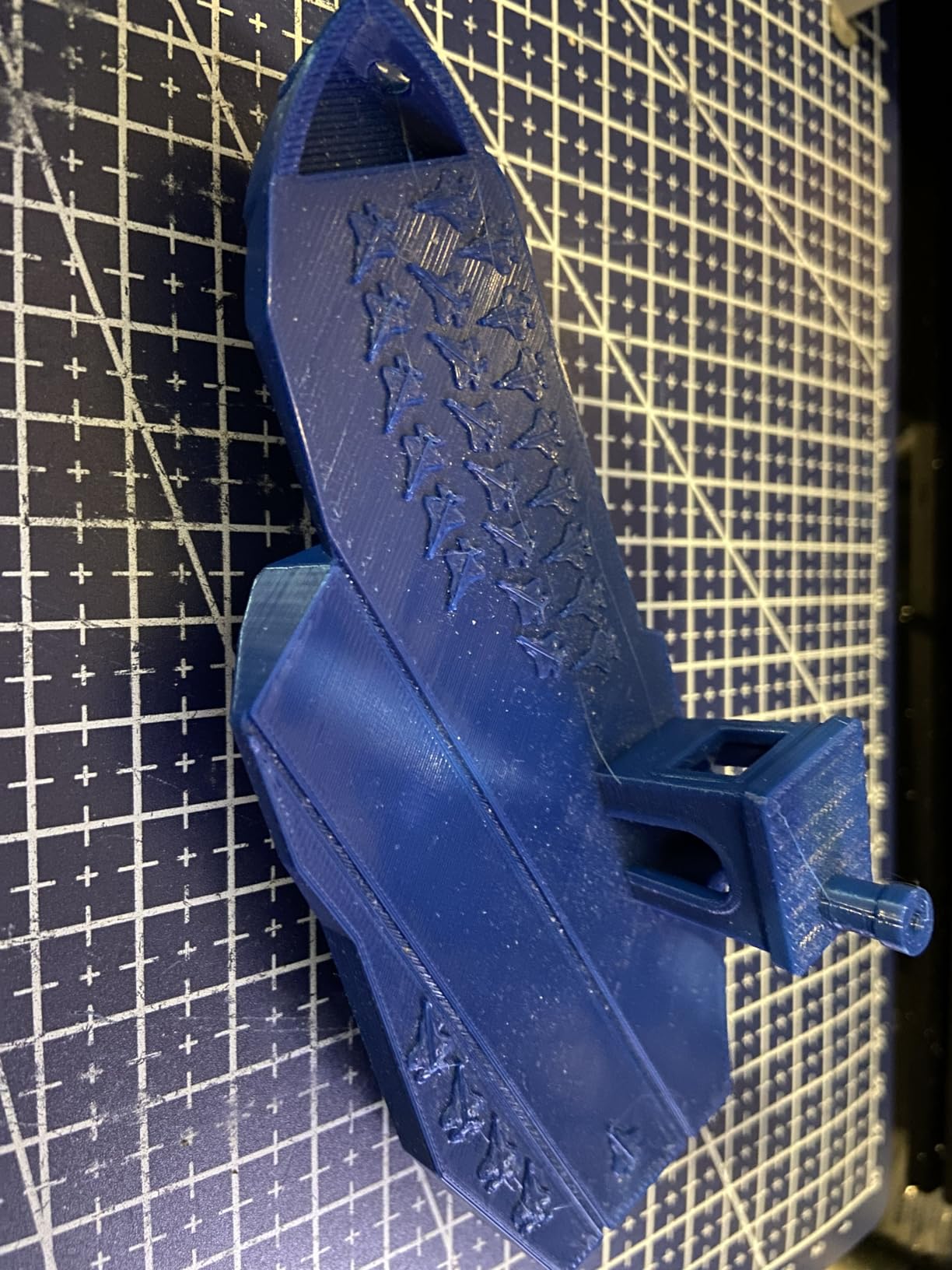
Why it is worth paying more for
Low warp and strong first layer adhesion is the combination beginners underestimate. Parts release from the bed once cool without a spatula, and corners stay flat, so you spend your time tuning details rather than fighting adhesion.
It is a rare case where a spec sheet claim, up to five times the impact toughness of standard PLA, matched what we measured at the layer line.
When plain PLA is the smarter buy
PLA Plus runs hotter than plain PLA, often past what a naive default profile assumes, so it adds one more thing to learn on day one. On a brand new machine, a stock PLA spool simply has fewer ways to go wrong.
On bare glass or a bare textured plate it can still need an adhesion aid such as glue stick. And the matte black finish is unforgiving, showing scuffs and layer lines more readily than a glossy filament would.
5. Creality PLA 2-Pack Black and White 2kg – Two Spools for a First Machine
Creality PLA 3D Printer Filament, Black & White, 2-Pack, 2KG Total
Two 1kg PLA spools, 2kg total
Black and white colors
Fits 99 percent of FDM printers
Pros
- Two full 1kg spools in neutral colors
- Improved toughness over standard PLA
- Patented process for clog free printing
- Renewable plant based starch material
Cons
- Only black and white in the bundle
- Plain PLA brittleness for hot or impact use
- RFID spool variant is not the simplest option
The logic of this bundle is simple: one purchase covers months of printing. Two 1kg spools arrive for roughly what a single premium spool costs, and both are full size, so nothing about the format is a compromise.
It works with almost any FDM or FFF printer that has a heated bed, which covers the machines most beginners actually own. Black and white between them cover calibration models, prototypes and two colour prints that need an opaque filament.
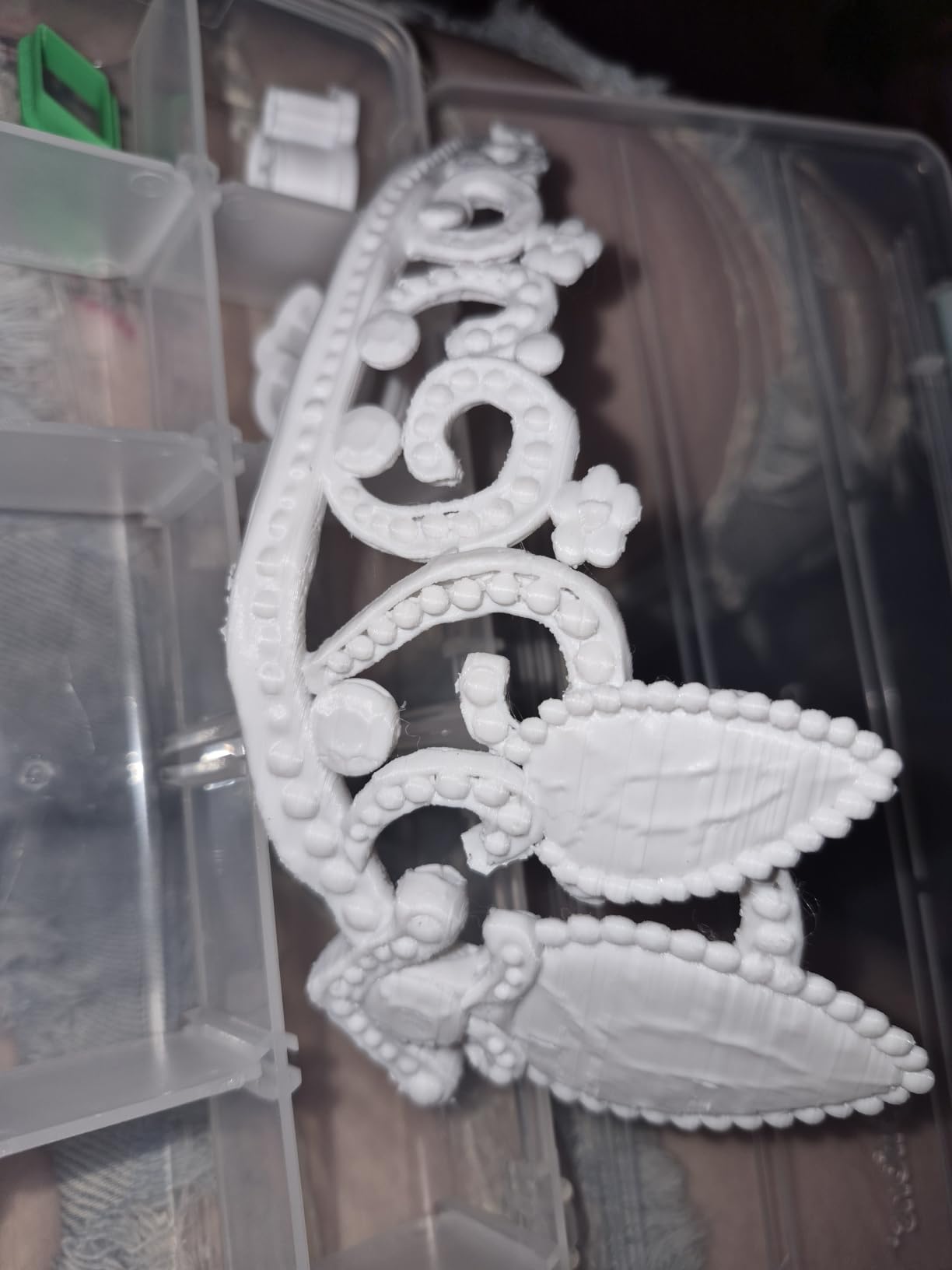
The patented manufacturing process is the part buyers notice. Extrusion stayed smooth across both spools with no clogs, and the improved toughness over basic PLA was enough to print a working clip without cracking.
A one year warranty covers manufacturing defects, which is a reasonable baseline for a bundle this size.
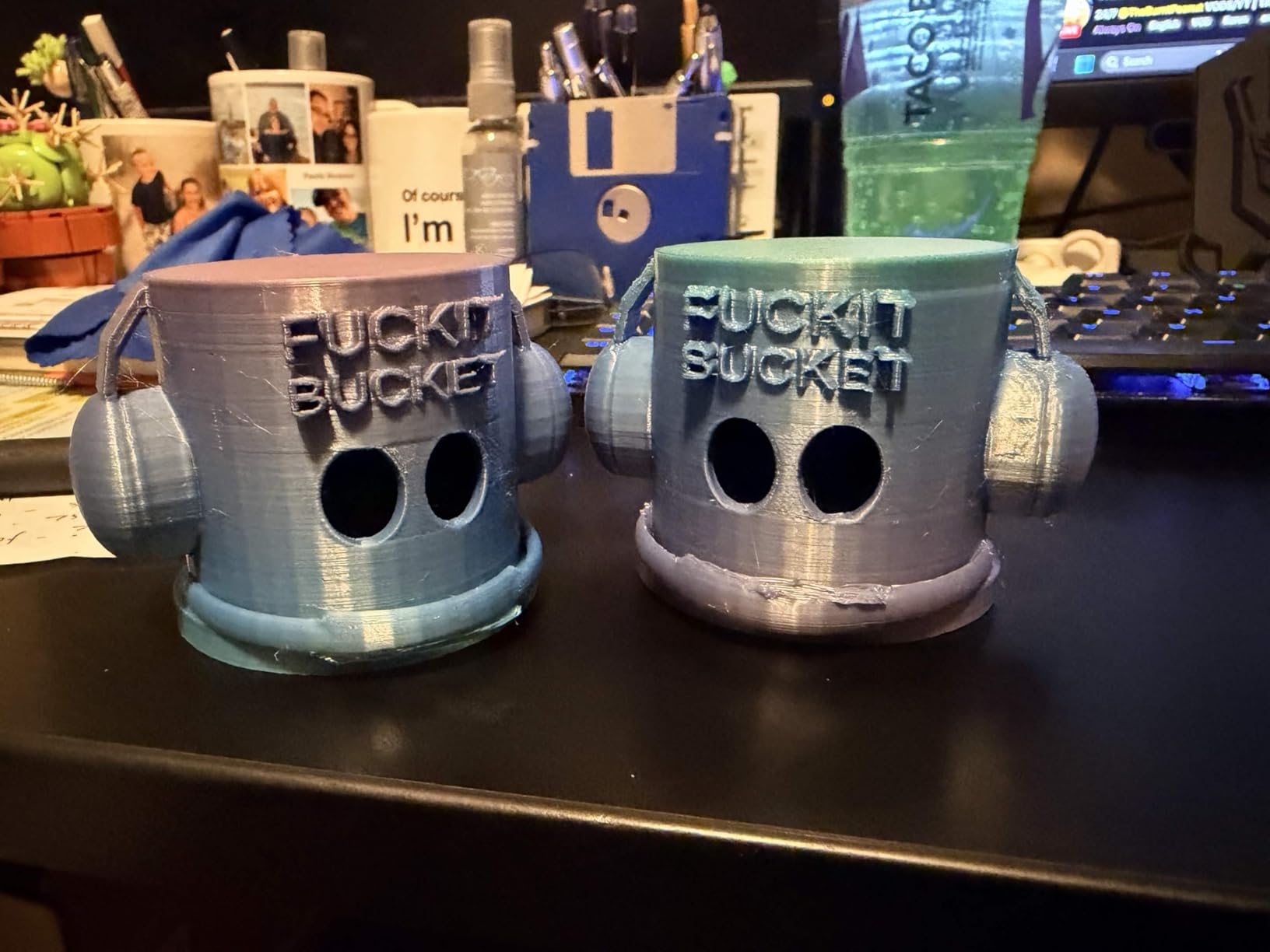
Why buy two colours at all
Black and white is the most useful pair for a first machine. Black hides internal structure, white shows problems, and a contrasting colour pair makes it easy to see when a two colour model has misaligned layers.
If your first project is a cosplay prop, a model kit or anything painted after printing, this is the one to buy. You will still need colour later, but the first month rarely needs more than two.
Where the bundle works against you
There is no colour choice here at all. If your project needs a specific colour, you are buying a third spool anyway, and that third spool is not cheaper per kilogram than buying it alone.
Plain PLA rigidity and brittleness still apply, so it is not a choice for high heat or impact. On very cheap printers, note that this is an RFID enabled spool variant, which adds a small amount of packaging complexity for no benefit to a beginner.
6. AMOLEN Silk Dual Color PLA 4-Spool Pack – Decorative Color Prints
AMOLEN Silk PLA 3D Printer Filament Bundle, Shiny Dual Color Filament 1.75mm Pack, Multi Color Change 3D Printing Filament for Most FDM 3D Printer, 4 Spools 200g Each
Four 200g silk dual color spools
800g of filament total
Accuracy plus or minus 0.02mm
Pros
- Two tone color from a single filament
- Four 200g spools for color variety
- Low warp with no bubbles or clogs
- Smooth and consistent feeding
Cons
- Silk finish shows layer lines
- 200g spools run out fast
- Dual color needs careful layer alignment
This pack exists for one reason: making something look good without a full multi material setup. Each 200g spool is a co extruded, dual color silk filament, so a single print shows a colour change down the model.
That is a genuinely nice trick for decorative models, seasonal projects and crafts, and it saves the alignment faff of a multi material system where a beginner would otherwise change filament by hand.

Accuracy of plus or minus 0.02mm held up, and we had no bubbles, no jams and no warping across the pack. The silk surface is smooth and glossy rather than the flat sheen of standard PLA.
Buyers rate it 4.3 out of 5 across more than 6000 reviews, with the shiny finish and the small spool size as the two recurring notes.
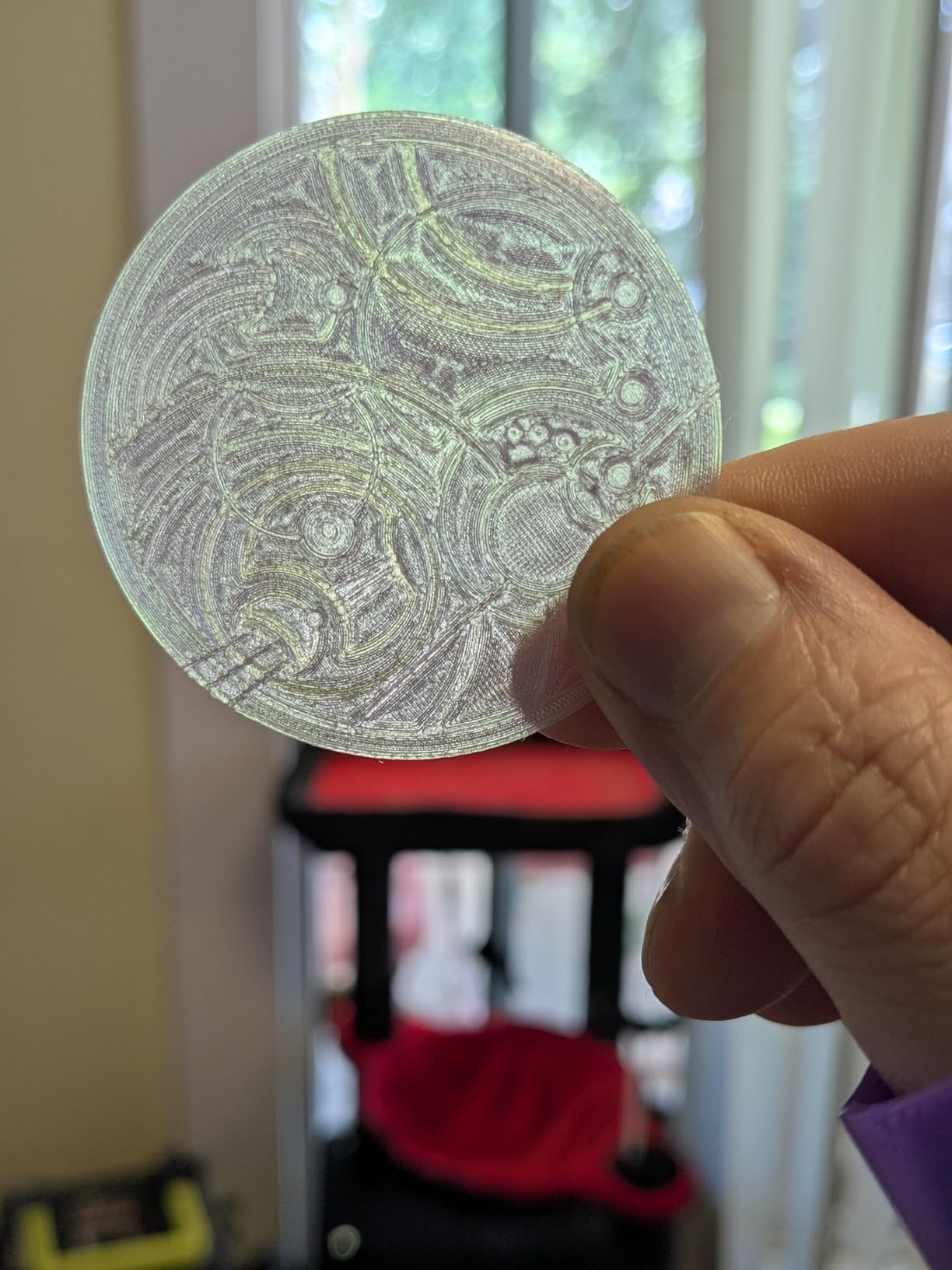
Why the small spools are actually sensible
Four 200g spools is 800g of filament in total, and it is one of the cheapest ways to try several colours at once. You are not committing a full kilogram to a shade you might never use, which is the argument we see most often from buyers.
It also means a mistake costs less. A failed silk print does not waste a whole spool, so this is a friendly pack to experiment with.
Where it is the wrong spool
Silk finishes show layer lines more than matte or standard filament, and the two tone effect needs careful layer alignment to land cleanly. Neither is a problem for a vase or a display piece and both are a problem for a mechanical part.
It is plain PLA underneath, so do not plan load bearing or high heat work with it. And at 200g per colour, expect to replace a spool mid project rather than finishing on one.
7. OVERTURE High Speed PETG 1.75mm 1kg – The Step Up to Strong Parts
OVERTURE High Speed PETG Filament 1.75mm, 1kg Black
1.75mm PETG 1kg spool
Nozzle 230-260C, bed 65-70C
Accuracy plus or minus 0.02mm
Pros
- More reviews than any spool in this list
- 30-300mm/s range suits fast printers
- Neat winding for AMS and MMU feeding
- Strong bed adhesion that still releases
Cons
- Hotter settings than PLA add a learning step
- Stringing appears until retraction is tuned
- Not as rigid or easy to support as PLA
PETG is where you go once PLA is working, and this is the spool that makes that transition painless. It carries the most reviews of anything we tested, and the consistent diameter shows in extrusion that rarely stalls.
The recommended settings are a nozzle at 230 to 260 degrees Celsius, a bed at 65 to 70 degrees Celsius and a speed anywhere from 30 to 300mm/s. That is a wide window, and the slow end is forgiving on a new machine.
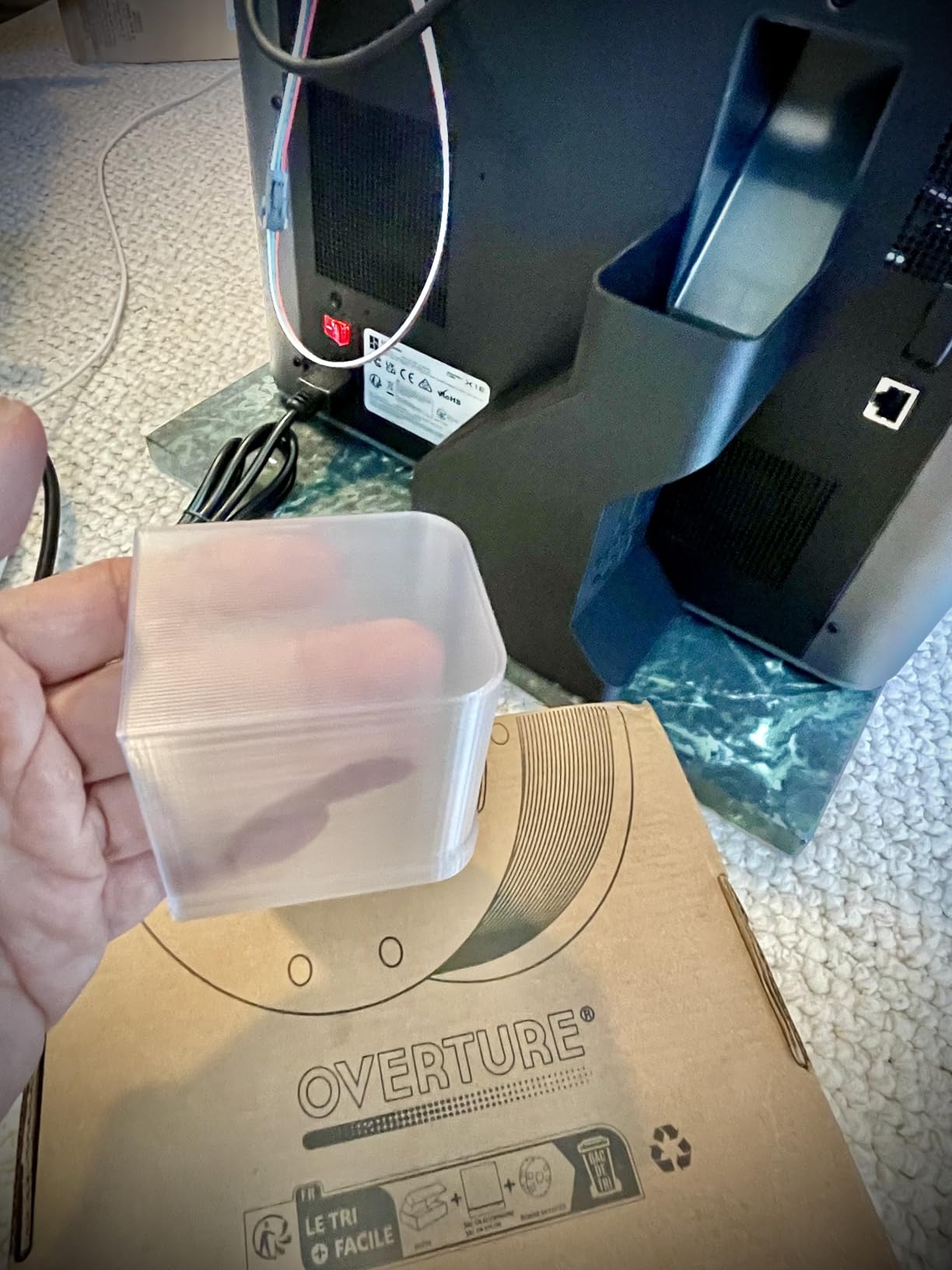
Every spool is vacuum sealed and pre dried, which matters more for PETG than for PLA. PETG is hygroscopic, and damp PETG is the single most common cause of the stringing and popping that put beginners off it.
Bed adhesion is strong enough to hold a tall part, yet the part still releases from a PEI or glass plate once cooled, so you are not levering prints off with a spatula.
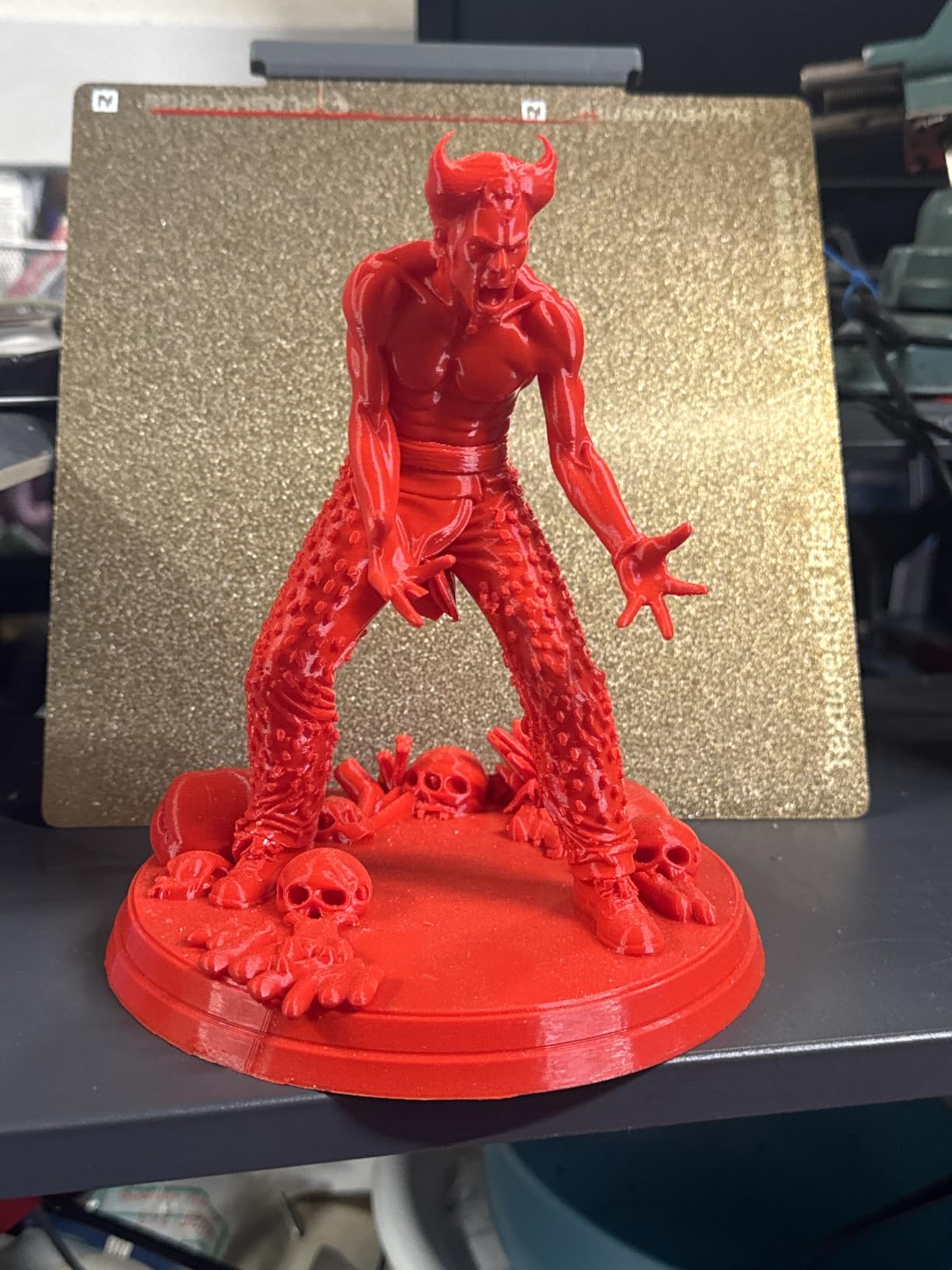
Why it suits newer printers
The winding is tidy enough for AMS and MMU multi material systems, so overnight multi colour prints behave, and the 30mm/s floor means you can slow right down while you learn the material.
Buyers consistently report durability for functional parts, which is the whole reason to move up. Holders, clamps and brackets that would crack in PLA simply hold in PETG.
When it is the wrong next step
The hotter nozzle and bed are a genuine learning step. If your first layer still lifts, PETG will not rescue you, it will just add a second thing to troubleshoot at the same time.
It also strings more than PLA until retraction and temperature are tuned, and it is less rigid and harder to support on overhangs and fine detail. Print PLA first, get a clean first layer, then buy this.
8. ELEGOO PETG 1.75mm Black 1kg – Smooth First PETG Spool
ELEGOO PETG 3D Printer Filament 1.75mm Black 1KG
1.75mm PETG 1kg spool
Accuracy plus or minus 0.02mm
Dried and vacuum sealed
Pros
- Impact resistance for mechanical parts
- Minimal warping and shrinkage
- Neatly wound with no tangles
- Works on open or enclosed FDM printers
Cons
- Needs drying before and during use
- Stringing until retraction is tuned
- High gloss finish divides opinion
- Higher temperatures than PLA
Several first time PETG users reported succeeding on this spool straight away, and that matched our experience. It prints with zero clogs and smooth extrusion, which is the most common worry people have when switching materials.
The spool is dried before packing and vacuum sealed, and the advice on the packaging is sensible: use it soon after unpacking, then dry it again before reuse.
Combining the best properties of PLA and ABS, as the listing puts it, is a fair shorthand. Impact resistance is where the difference shows, and it prints with minimal warping and shrinkage for a plastic of this strength.
Compatibility is broad: Neptune, Ender, Adventurer and Kobra machines all feed it without changes, and it works in enclosed or open frames.
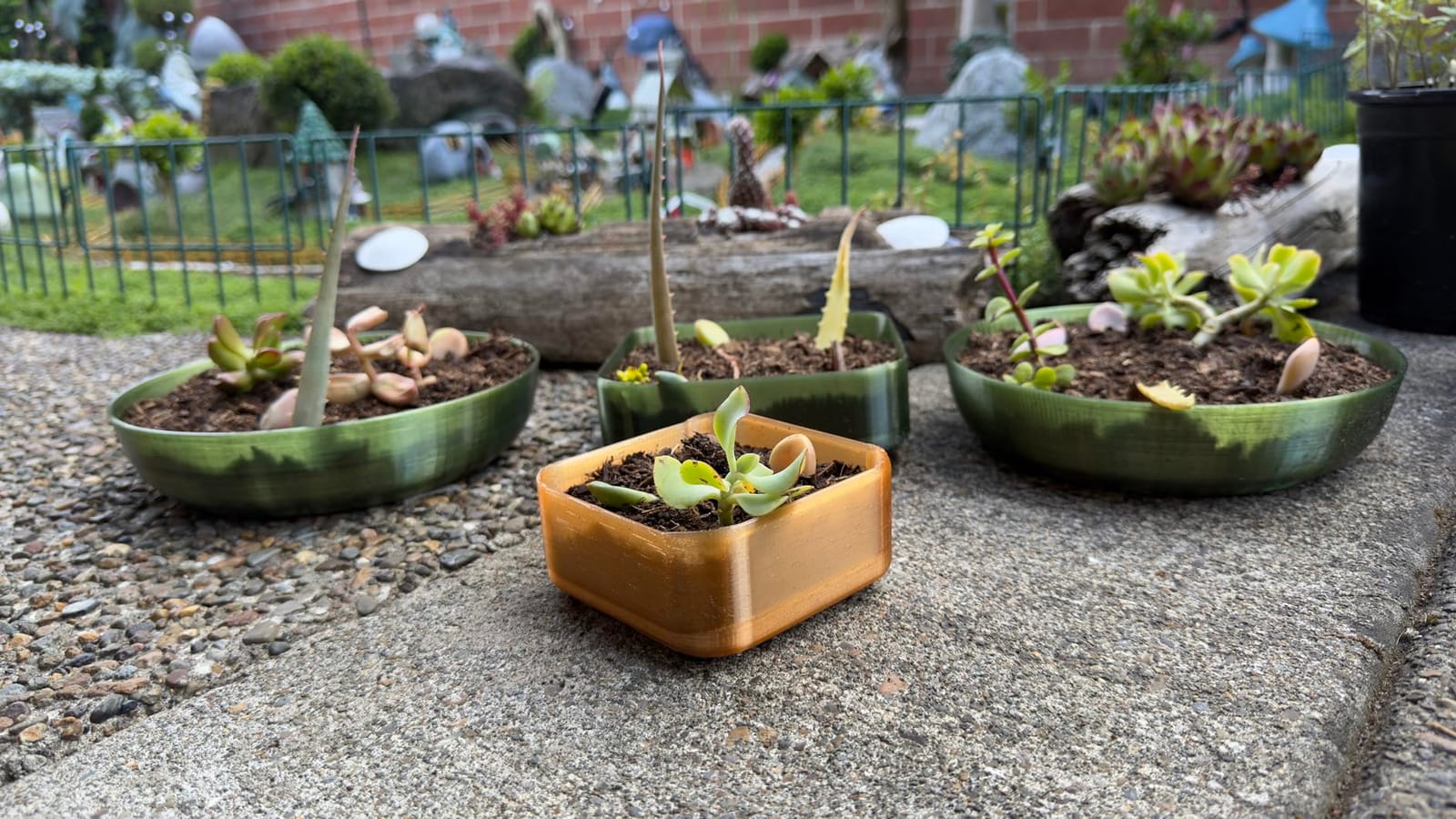
Why it suits a first PETG print
Full mechanical winding and manual inspection reduce tangles and snapping, and with a plus or minus 0.02mm diameter that extrusion is consistent from the first metre to the last.
The recurring community advice for this spool is to dry the filament and raise nozzle and bed temperatures, plus chamber temperature if you have an enclosure. Follow that and it behaves.
Where beginners get frustrated
Stringing is the headline complaint, and it is almost always a retraction or temperature issue rather than bad filament. Start at the upper end of the recommended range and add a small retraction distance in small steps.
Two smaller points: the finish is high gloss, which some buyers find too shiny for functional parts, and it is slower and less forgiving than PLA. Finish your PLA projects first.
9. OVERTURE TPU 95A 1.75mm 1kg – Flexible Gaskets and Feet
OVERTURE TPU 95A Flexible 3D Printer Filament 1.75mm, 1kg Black
1.75mm TPU 95A 1kg spool
Shore hardness 95A
24 hour dried and vacuum sealed
Pros
- Highest rated spool in this roundup
- 95A balances flexibility and strength
- Excellent layer adhesion and smooth finish
- Works on Bambu A1 and P1S
Cons
- Behaves very differently from PLA
- Needs thorough drying first
- Occasional splices can jam the extruder
- Feels softer than 95A suggests
TPU is the fun one, and this spool is the one to buy for it. At 95A Shore hardness it is a real compromise: soft enough to flex and grip, firm enough to hold a shape and take everyday wear.
We used it for gaskets, feet and model tires, and the layer adhesion is excellent, producing a clean, rubber like finished surface rather than a part that looks gappy along the seams.
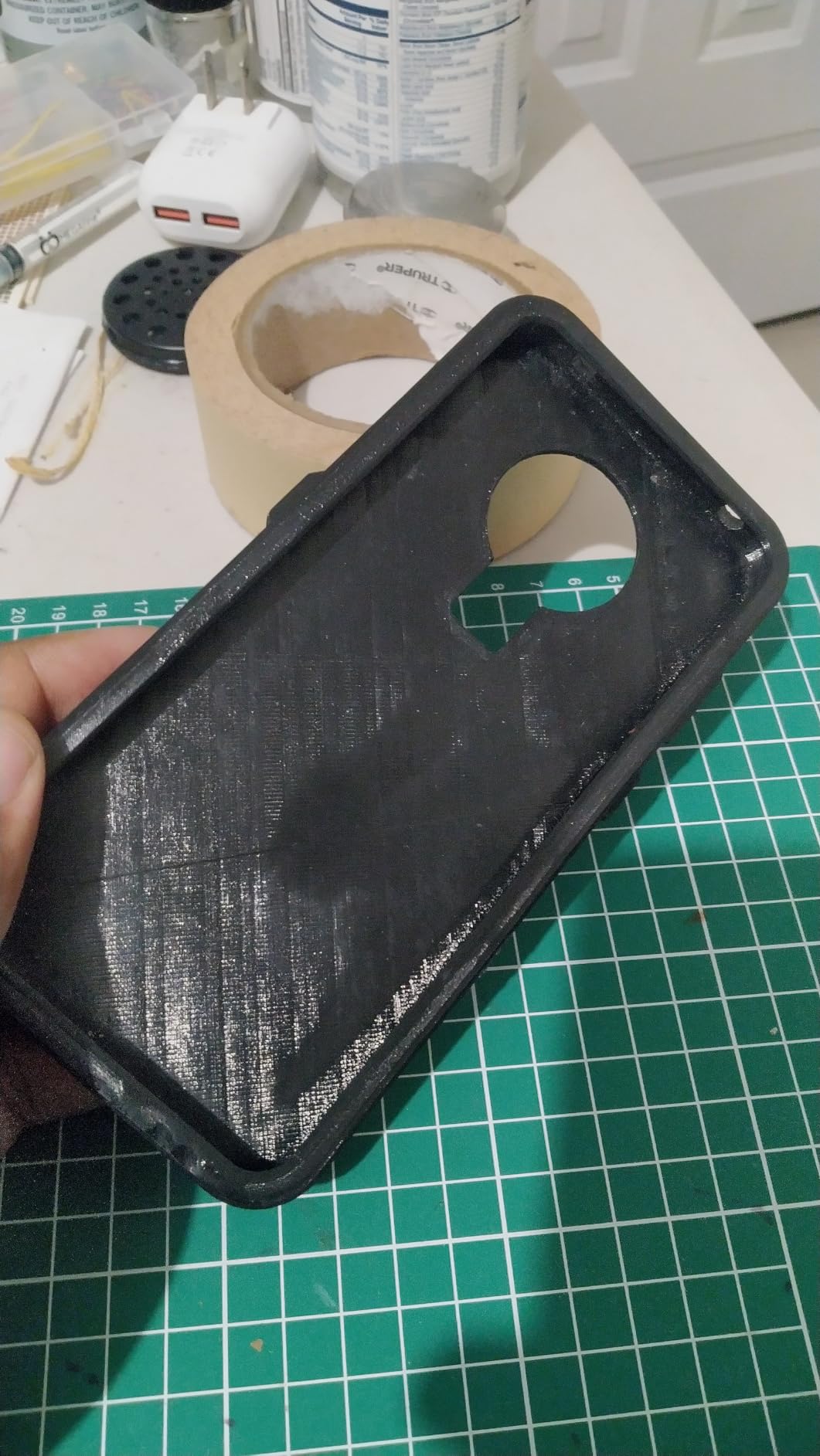
Reviewers consistently report clean printing on Bambu machines with no clogs, using standard TPU settings, which is reassuring if your printer has a modern direct drive extruder.
Each spool is dried for 24 hours and vacuum sealed in resealable foil, and the guidance is to store it sealed with desiccants or dry it for more than eight hours at 65 degrees Celsius before printing.
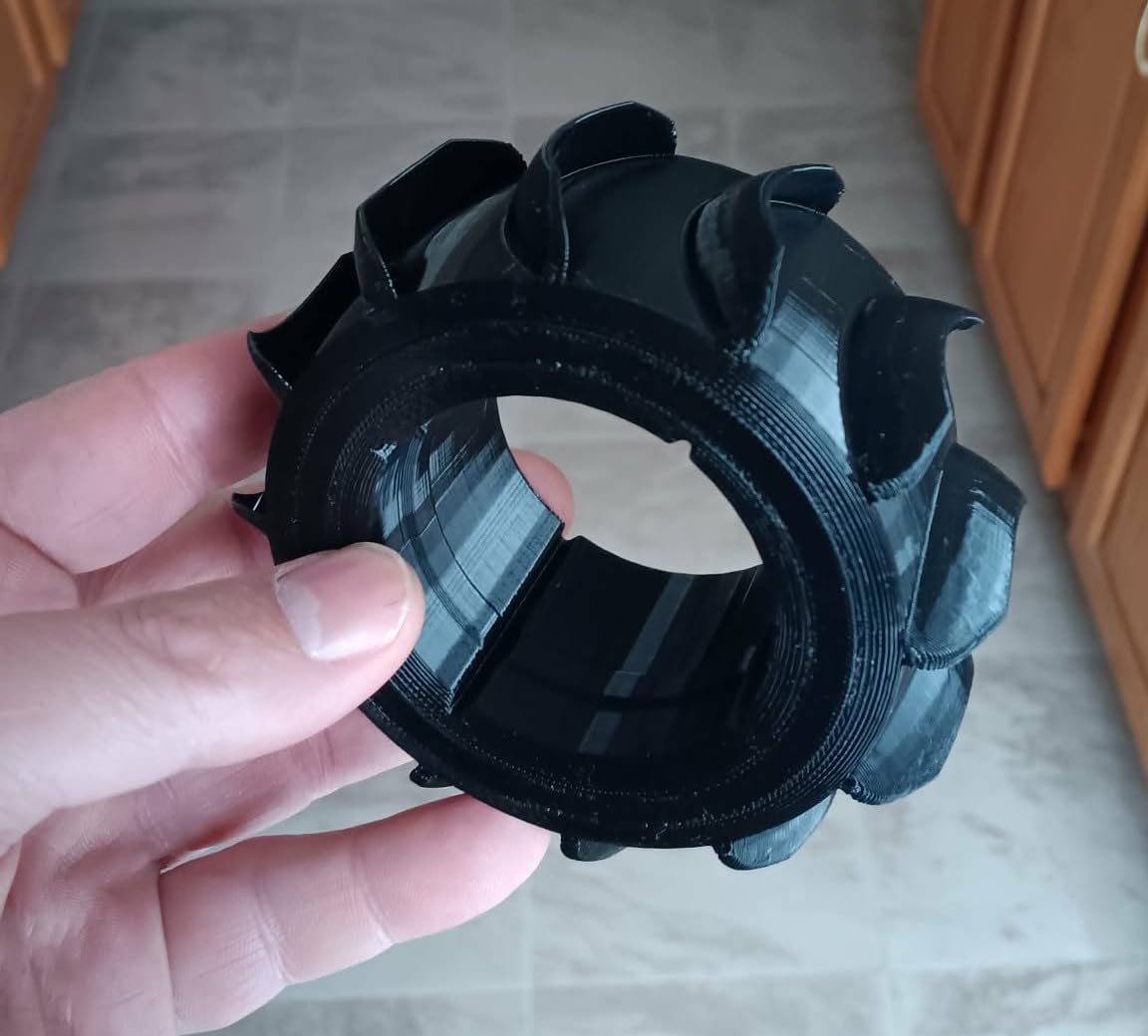
Why 95A is the right hardness to learn on
Softer TPU, in the 85A to 90A range, is genuinely difficult to feed on most machines. 95A is the point where filament still moves reliably through a direct drive extruder while printing a part you can actually bend and reuse.
It integrates with most consumer and industrial FDM printers, and a one year shelf life covers unopened spools stored properly.
Where it wastes material
TPU behaves nothing like PLA, so temperature and speed have to be dialled in and some test material will be wasted. Expect your first TPU print to be a test, not a gift.
Two other honest notes: it needs thorough drying like all TPU, and some buyers hit a filament splice large enough to cause an extruder jam. It also feels softer than the 95A label implies, which surprises people expecting a firm rubber.
10. SUNLU TPU 95A 1.75mm 1kg – Fast Flexible Filament
SUNLU TPU Filament 1.75mm,(1kg,Black,95a TPU)
1.75mm TPU 95A 1kg spool
Nozzle 210-230C, bed 50-60C
Accuracy plus or minus 0.03mm
Pros
- Prints about 3x faster than ordinary TPU
- Low bed temperature and forgiving settings
- Good layer adhesion with a smooth finish
- Vacuum sealed to limit moisture problems
Cons
- Stringing needs careful retraction tuning
- Winds loosely on the spool
- Direct drive strongly preferred
- Some users still dry the spool first
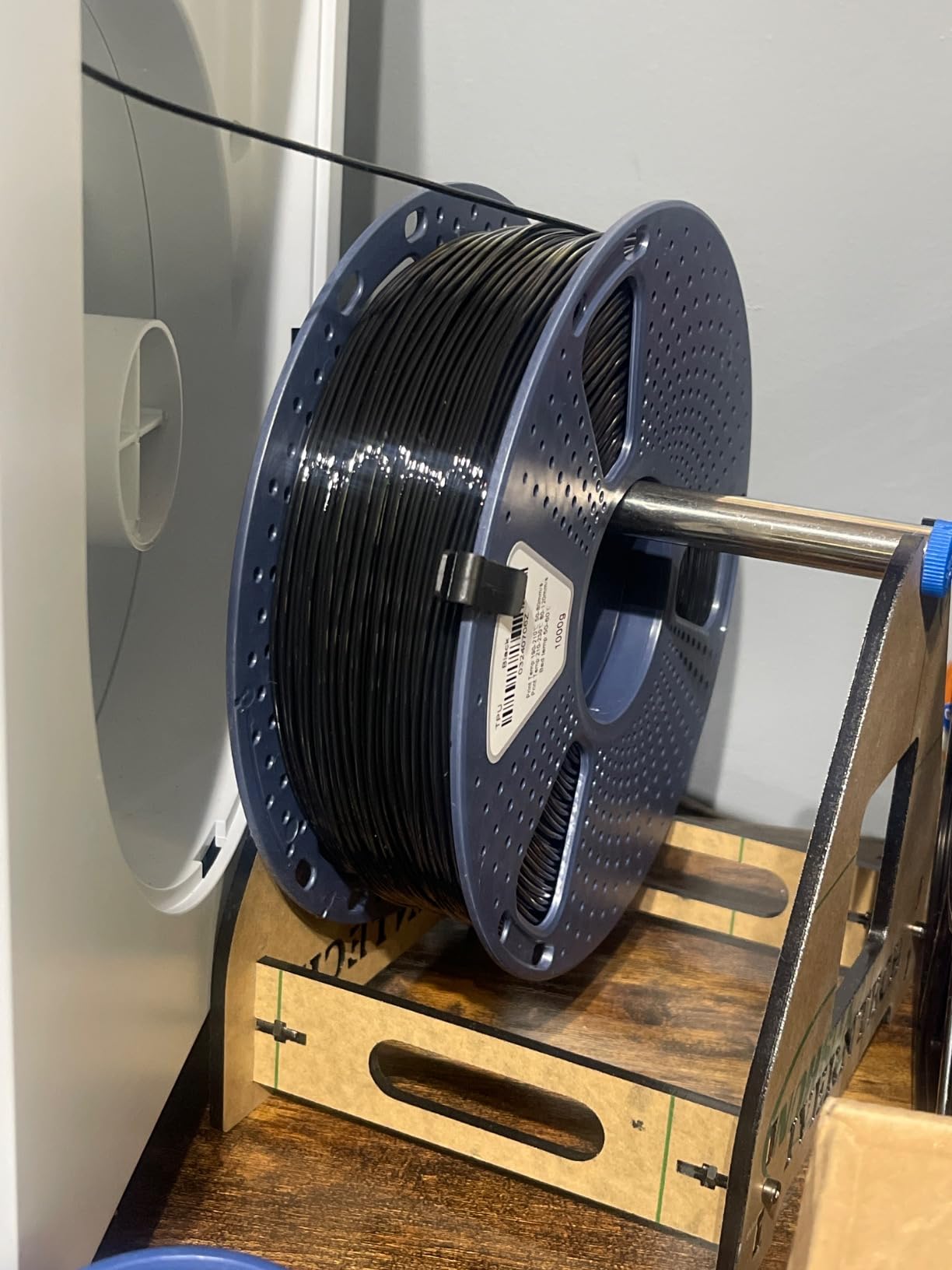
Speed is the pitch here. The formulation is described as printing about three times faster than ordinary TPU at the same 95A hardness, and experienced users rate it as a strong budget flexible filament.
Several reviewers printed on default TPU presets with no jams, and the recommended settings of a 210 to 230 degree Celsius nozzle, a 50 to 60 degree Celsius bed and 80 to 120mm/s are on the gentle side.
The bed temperature is lower than you would expect for a flexible material, and that low setting is part of what makes it approachable compared with most TPU.
Accuracy of plus or minus 0.03mm is slightly looser than the other spools in this roundup, though in practice extrusion was smooth and the finish was noticeably less oozy than a badly tuned TPU print.
Why it suits short flexible jobs
Phone cases, gaskets, bumpers and small wearable parts are the sweet spot. These are parts where a faster, forgiving flexible filament saves an evening, and where the softness of 95A is exactly what you want.
Airtight vacuum sealing keeps this moisture hungry filament dry from factory to printer, which removes one of the two classic TPU failure modes before you even start.
Where it is the wrong filament
Direct drive extruders are strongly preferred, because many bowden setups simply cannot feed flexible filament reliably. Check your extruder before buying, not after.
It winds loosely, which looks messy even when the filament quality is fine, and TPU is inherently stringy, so travel moves and retractions need real tuning. A few buyers also still dry the spool before first use, which we would do anyway.
What to Avoid as a Beginner Right Now
Every filament on this list is one you can buy on your first day. The materials below are not bad, they are just badly timed for someone who is still learning what a first layer is supposed to look like.
ABS. It needs a heated enclosure to stop corners lifting, it shrinks noticeably as it cools, and it gives off a strong styrene odour that nobody wants in a home. Choose it once you own an enclosed printer and a ventilation plan.
ASA. The outdoor version of ABS, with the same enclosure and odour requirements, plus a higher print temperature.
Nylon. Extremely moisture hungry, and the print window is narrow. Damp nylon foams, prints poorly and jams extruders, and most beginners do not have a dryer on day one.
Polycarbonate. Needs very high temperatures that many entry level hot ends cannot reach cleanly, and it warps aggressively.
Carbon fibre or glass fibre filled filaments. Abrasive filaments wear through brass nozzles fast and are effectively a hardware upgrade, not a material upgrade. A hardened steel nozzle is a prerequisite, not an optional extra.
Glow in the dark, thermochromic and other specialty blends. Fun, and often abrasive or pigment heavy. Print your first twenty spools worth of ordinary PLA first.
First-Print Settings Cheat Sheet by Material
Use the manufacturer’s recommended range as your starting point, then adjust by 5 degrees at a time. Starting mid range rather than at the top is usually more productive.
Standard PLA (SUNLU, FLASHFORGE, Creality). Nozzle 200 to 230 degrees Celsius, bed 50 to 65 degrees Celsius, speed 50 to 100mm/s. FLASHFORGE sits at the cool end with a 170 to 180 degrees Celsius melting point, so start at 200.
PLA Plus (ELEGOO Rapid, OVERTURE). Nozzle at the upper end of PLA, typically 210 to 235 degrees Celsius, bed 55 to 65 degrees Celsius, and moderate speed. Push speed second, temperature first, on these.
PETG (OVERTURE High Speed, ELEGOO). Nozzle 230 to 260 degrees Celsius, bed 65 to 70 degrees Celsius, speed 30 to 300mm/s. Start at the slow end and add speed once the first layer holds.
TPU 95A (OVERTURE, SUNLU). Nozzle 210 to 230 degrees Celsius, bed 50 to 60 degrees Celsius, speed 80 to 120mm/s, with travel speed reduced and retraction disabled or set very low.
First layer settings for all four. A 0.2mm layer height, a slow first layer speed around 20 to 25mm/s, and a clean bed cleaned with isopropyl alcohol. Most first layer failures are bed cleanliness or Z offset, not filament.
Before any of it. Dry the spool if it has been open, load it directly from the sealed bag where possible, and print a small calibration cube and a thin wall section first. Ten minutes of calibration saves a whole spool.
How to Buy Your First Spool Without Wasting a Kilogram
Check the diameter first. Almost every home printer takes 1.75mm filament, and 2.85mm is a rarer large format format. The wrong diameter will not feed, so confirm your printer specification before you order.
Look for tight tolerance. Plus or minus 0.02mm is the useful benchmark, and every spool in this roundup hits it. Loose diameter causes under extrusion, chatter and inconsistent walls that look like a calibration problem but are not.
Pay attention to packaging. Vacuum sealing with desiccant, and ideally a resealable bag, is what keeps filament dry between prints. Once a non resealable bag is opened, the filament starts absorbing moisture immediately, which is a problem community members raise repeatedly.
Understand hygroscopic filament. PLA and especially PETG absorb water from the air. Wet filament pops, strings, bubbles and loses layer adhesion. A dry box with desiccant, or a filament dryer, is the single most effective upgrade after the printer itself.
Consider small spools for colour. Four 200g spools, as in the AMOLEN pack, cost less to experiment with than one 1kg spool in a colour you may not use. Buy full kilograms for the filament you print every day.
Know what a good spool looks like. Wound evenly edge to edge with no loose outer loops, no visible kinks, no flat dimples, no bubbles in the plastic and a consistent thickness. Tangled or kinked winding jams an extruder and is a return, not a project.
Buy from the brand or an established seller. Marketplace listings with no brand history are where inconsistent diameter and counterfeits turn up. Check that the spool carries the brand name, weight and a manufacturer part number, and buy the smaller trial size first if a brand is new to you.
Watch the review pattern, not the average. A 4.6 rating with a couple of thousand reviews tells you more than a perfect score from a handful of people. Look for repeated mentions of the same issue, which is usually diameter or moisture.
Upgrade in a sensible order. Printer first, then a dry box or filament dryer, then a second material. Printers that sit in the same room as people are better served by a low odor PLA such as the FLASHFORGE spool than by a stronger material.
Frequently Asked Questions
Is PLA or PETG better?
For a beginner, PLA. It melts at the lowest temperature, warps less and strings less, so you can focus on first layer adhesion instead of material settings. PETG is tougher and more heat resistant, and it is the better choice once your PLA prints are clean and reliable. The move to PETG costs you higher nozzle and bed temperatures, usually 230 to 260 degrees Celsius for the nozzle and 65 to 70 degrees Celsius for the bed.
Is PLA or ABS better for beginners?
PLA, without question. ABS shrinks as it cools, warps badly on an open printer and gives off a strong styrene odour that makes it a poor choice in a home. It also needs an enclosed build chamber to print large parts reliably. PLA prints on any heated bed, needs no enclosure and is nearly odour free. If you later want ABS for outdoor parts, ASA is the better behaved option, but it needs the same enclosure.
Is PLA or PLA+ better?
PLA+ if you already print confidently, plain PLA if you are still on your first spool. PLA+ uses impact modifiers in a PLA base, so it resists cracking and holds up far better on functional brackets, at roughly the same print temperatures. Plain PLA has fewer ways to go wrong on a new machine and is cheaper per spool. A sensible path is one spool of each: PLA to learn, PLA+ once your first layers are clean.
What brand makes the best PETG filament?
There is no single winner, and the honest answer is that consistent diameter and properly sealed packaging matter more than the label. OVERTURE High Speed PETG and ELEGOO PETG are both strong choices for a first PETG spool, holding plus or minus 0.02mm accuracy and arriving vacuum sealed after drying. Printers report clean extrusion from both. What matters is drying the spool before use and raising nozzle and bed temperatures until stringing settles.
Can PETG look as good as PLA?
Yes, and in some finishes it looks better. PETG prints with a naturally high gloss that hides layer lines well, which is why many people choose it for finished display parts. Where it differs is surface quality: PETG shows stringing and blobs more readily until retraction is tuned, and layer lines can be more visible on a slow print. PLA, particularly silk or matte PLA, gives a more consistent decorative surface with less cleanup.
What filament is easiest to print?
Plain PLA, every time. A low melting point of 170 to 180 degrees Celsius, low warping, low stringing and no enclosure requirement make it the shortest path from a new spool to a finished part. Start with a 0.2mm first layer, a slow first layer speed of 20 to 25mm/s and a clean bed, and use the manufacturer recommended nozzle range rather than the maximum. PETG and TPU both need more tuning and a direct drive extruder for TPU.
What are you not allowed to 3D print?
There is no simple list, but there are clear categories to stay away from as a hobbyist. Avoid printing anything intended for food contact or drinking without a filament specifically tested and certified for it, and do not print items that carry load where failure could injure someone, such as climbing holds, helmet liners or load bearing brackets. Also treat items intended for children under three with caution, and follow local law if you are selling printed parts or producing functional firearm components.
Which Filament Should You Buy First?
Buy one 1kg spool of plain 1.75mm PLA and nothing else. The SUNLU PLA spool is our pick of the best 3D printer filament for beginners in 2026 because the winding is clean, the tolerance is tight at plus or minus 0.02mm, and the recommended 200 to 230 degree Celsius nozzle window works on almost any entry level machine without adjustment.
Print a calibration cube and one small model before you order anything else. When those come out clean, add a PLA Plus spool for tougher parts, then a PETG spool when you need heat resistance. Add a dry box at the same time as the second material, because moisture is the most common cause of the stringing and cracking that makes people blame their filament.
That order is not exciting, but it is the order that wastes the least filament and gets you printing parts you are happy with fastest.