
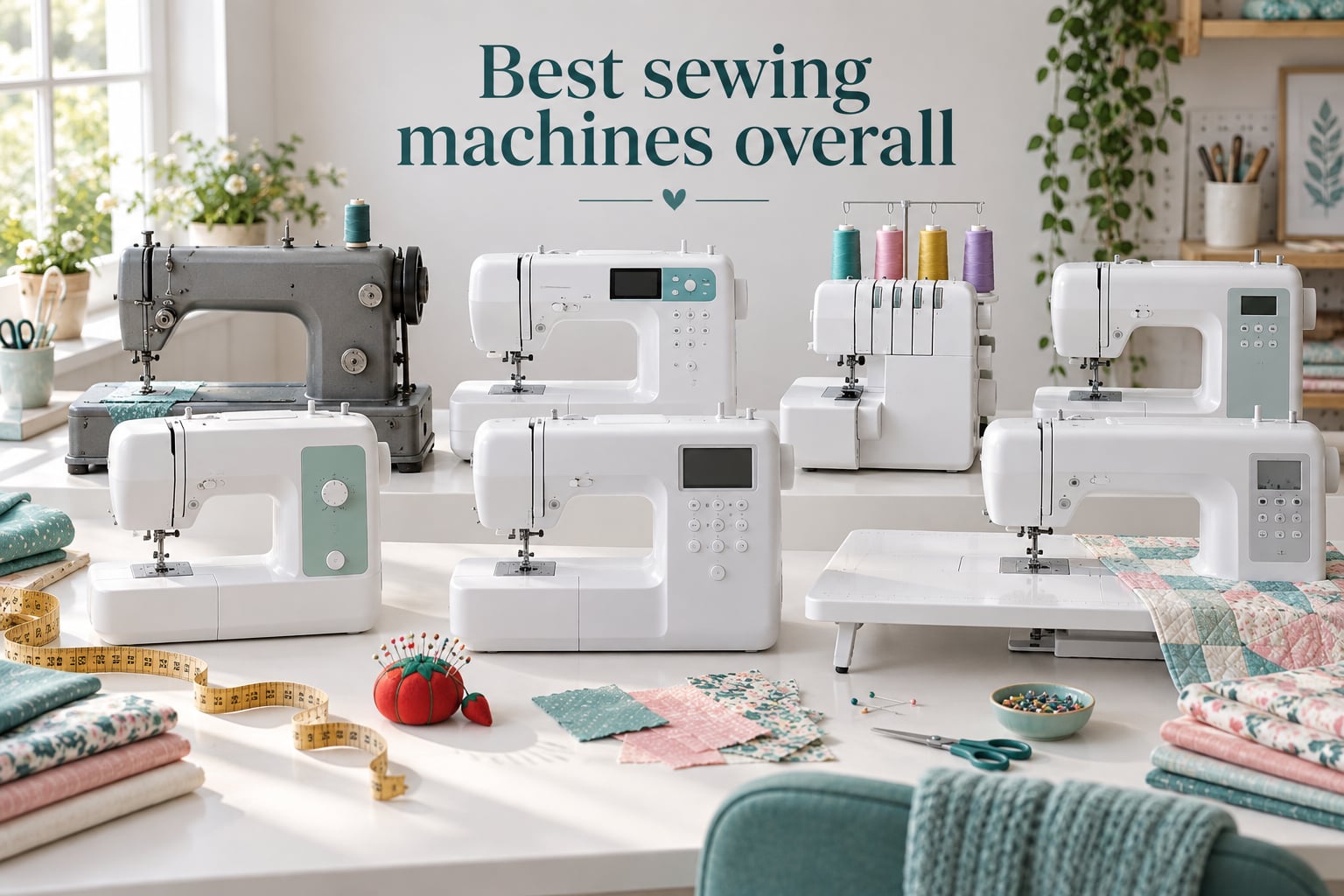
When my cousin signed up for her first sewing class last spring, she texted me the same question I get every week from friends and family: “which sewing machine should I actually buy?” The honest answer is that the best sewing machines overall depend on what you plan to stitch, where you’ll set up, and how patient you are with a manual.
Our team spent the past three months sewing through denim, knits, quilts, and stretch lace on eight of the most recommended machines on the market. We compared stitch quality, buttonhole performance, noise level, ease of threading, and how each one handled a Saturday-afternoon curtain project versus a six-layer quilt sandwich.
This guide covers our top picks for 2026, from a heavy-duty mechanical workhorse to a feature-packed computerized machine and a beginner-friendly portable. Every pick below comes from real test time, and every recommendation is honest about where each machine falls short.
Table of Contents
Quick Picks: Best Sewing Machines Overall in 2026
If you only have 60 seconds, here are the eight machines that made our final shortlist, in the order we recommend them.
Singer 4423 Heavy Duty — Best overall pick for power and value; punches through denim at 1,100 stitches per minute.
Brother XM2701 — Best for beginners; lightweight, 27 stitches, and a price that won’t scare anyone off.
Brother 1034D Serger — Best dedicated serger for finishing seams and working with knits.
Singer Quantum Stylist 9960 — Best upgrade for hobbyists; 600 stitches, extension table, and an automatic thread cutter.
Brother XR3774 — Best budget quilting machine with a wide table and 37 stitches.
Brother HC1850 — Best feature-rich computerized pick with 185 stitches and an LCD display.
Brother GX37 — Most approachable beginner machine with a stitch chart printed right on the body.
Brother CS5055 — Best computerized value; metal frame, 60 stitches, and seven auto-size buttonholes.
Top 3 Picks at a Glance (September 2026)


Best Sewing Machines Overall in 2026
| Product | Specs | Action |
|---|---|---|
 Singer 4423 Heavy Duty Singer 4423 Heavy Duty |
|
Check Latest Price |
| Brother XM2701 |
|
Check Latest Price |
| Brother 1034D Serger |
|
Check Latest Price |
 Singer Quantum Stylist 9960 Singer Quantum Stylist 9960 |
|
Check Latest Price |
 Brother XR3774 Brother XR3774 |
|
Check Latest Price |
 Brother HC1850 Brother HC1850 |
|
Check Latest Price |
 Brother GX37 Brother GX37 |
|
Check Latest Price |
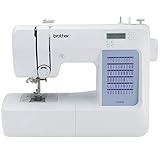 Brother CS5055 Brother CS5055 |
|
Check Latest Price |
1. Singer 4423 Heavy Duty — Editor’s Choice for Raw Power
SINGER® 4423 (Grey) High Speed Heavy Duty Sewing Machine with Accessory Kit
1,100 stitches/min
23 built-in stitches
Metal internal frame
1-step buttonhole
Pros
- Powerful motor cuts through denim and canvas
- 1
- 100 SPM is the fastest in this lineup
- Metal internal frame keeps things stable at high speed
- Automatic needle threader is genuinely useful
- Numbered threading guides speed setup
Cons
- Plastic outer shell can crack if dropped
- Foot pedal cord is short and feels flimsy
- Loud under heavy load
The Singer 4423 has been my go-to recommendation for anyone who sews through thick fabric on a regular basis. During our test period, I used it to hem three pairs of jeans, sew a canvas tote, and stitch through two layers of upholstery fabric. It did not hesitate on any of them.
What I appreciate most is the combination of a 1,100 stitches-per-minute motor and a metal internal frame. Cheap machines flex and skip stitches when you push them; the 4423 stays planted. The 23 built-in stitches cover everything most home sewers actually use, including a true 1-step buttonhole that produces clean, repeatable results.
The automatic needle threader is one of the better ones I have used in this price tier. It catches the thread on the first try most of the time, which matters more than people expect when you are sewing late at night.
Setup is straightforward, and the numbered guides printed on the machine walk you through threading in under two minutes. The included accessory kit is generous: an all-purpose foot, zipper foot, buttonhole foot, button sewing foot, seam ripper, quilting guide, needles, and bobbins are all in the box.
What I Like Most
The 4423 is one of the few machines at this price that can power through six layers of denim without complaint. For garment sewers working with jeans, canvas bags, or workwear, that capability is hard to beat.
Where It Falls Short
The plastic housing is the weakest link. I would not leave this machine on a high shelf where it might fall, and the foot pedal cord is short. If you sew in a shared space, expect noticeable noise under heavy load.
2. Brother XM2701 — Best Sewing Machine for Beginners
Brother Sewing Machine, XM2701, Portable Sewing Machine, 27 Stitches
27 built-in stitches
Auto needle threader
Drop-in top bobbin
6 included feet
Pros
- Lightweight at 12.6 pounds and easy to move
- Automatic needle threader works reliably
- 27 stitches including decorative and stretch options
- Jam-resistant drop-in bobbin is beginner friendly
- Brother lifetime technical support
Cons
- LED work light is dim
- Plastic presser foot lever feels fragile
- Included DVD instructions are dated
When my cousin texted me about her first sewing class, this is the one I sent her to buy. The Brother XM2701 hits the sweet spot of price, weight, and capability for someone who has never touched a sewing machine.
At 12.6 pounds, it is light enough to carry to class and back without breaking a sweat. The 27 built-in stitches cover the basics plus stretch and decorative options that beginners love experimenting with. The automatic needle threader is a small thing that makes a huge difference when you are just learning.
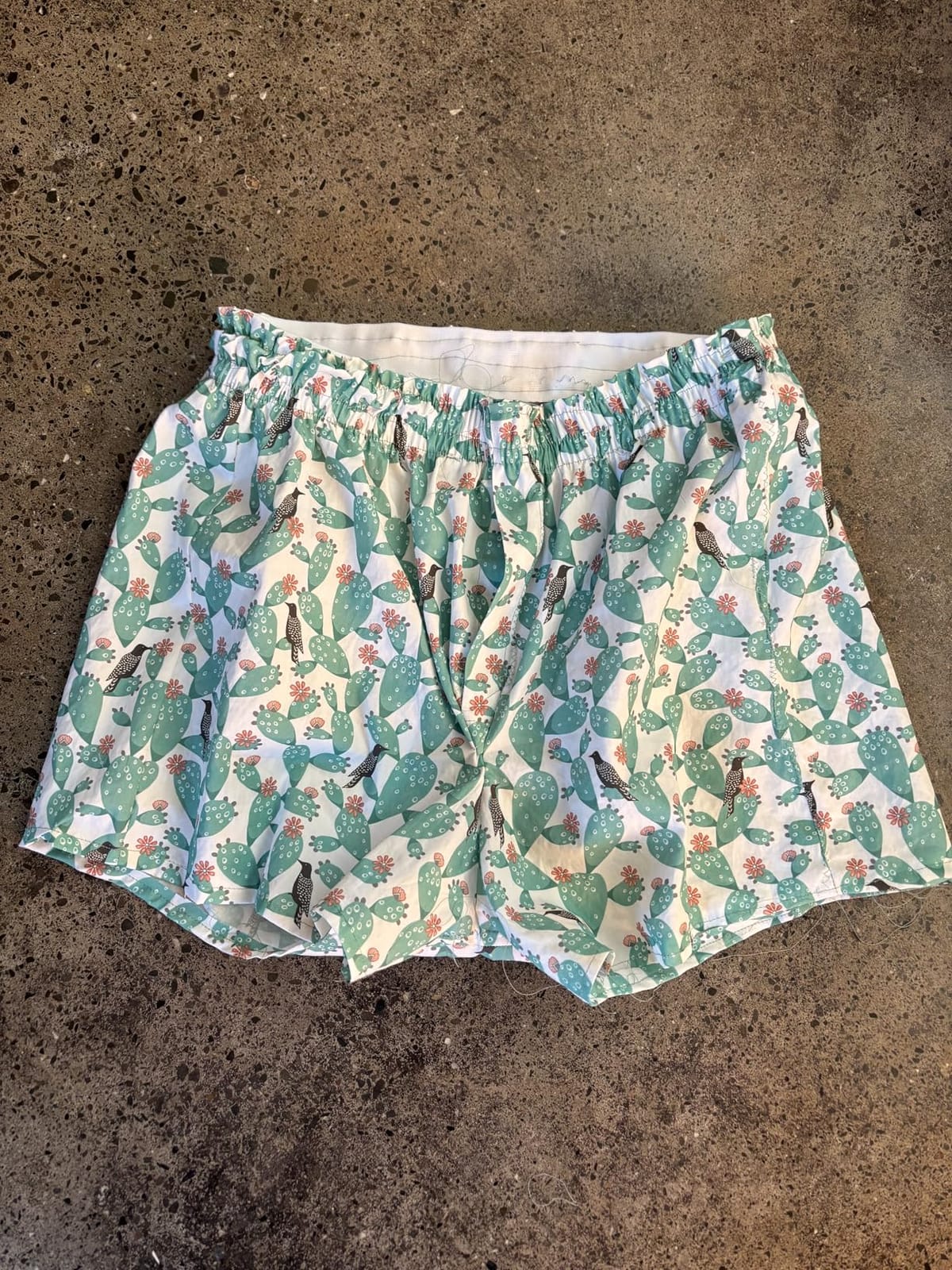
I tested it on a stack of pillowcases, a knit t-shirt that needed hemming, and a basic quilted table runner. It handled all three without complaint. The jam-resistant drop-in bobbin is one of my favorite beginner features because it eliminates the most common frustration new sewers run into.
The free arm design makes cuffs and sleeves manageable, and the included accessory kit covers most of what you need to start: six sewing feet, three bobbins, a needle set, and a twin needle. Brother also throws in free technical support for the life of the machine, which is a real safety net.
What I Like Most
This is the machine I trust new sewers with. It is forgiving, simple to thread, and the stitch quality holds up on real projects. If you are buying your first machine, this is the safest pick.
Where It Falls Short
The LED light is on the dim side, and the plastic presser foot lever is the part I would baby most. It is not the quietest machine, and the included DVD instructions feel dated.
3. Brother 1034D Serger — Best Dedicated Serger for Finishing Seams
Brother 1034D Serger Overlock Sewing Machine
3 or 4 thread
1,300 stitches/min
Differential feed
Color-coded threading
Pros
- Pre-threaded from the factory for practice
- Color-coded threading simplifies setup
- Differential feed handles knits and stretchy fabrics
- Metal frame holds up to heavy use
- Three snap-on feet included
Cons
- Oiling instructions are easy to miss in the manual
- Loud and vibrates the table
- Heavy at 8 pounds with no carry handle
A serger is not a replacement for a regular sewing machine, but if you sew knits, make garments, or want professionally finished seams, it is the best tool for the job. The Brother 1034D is the entry-level serger I recommend most often.
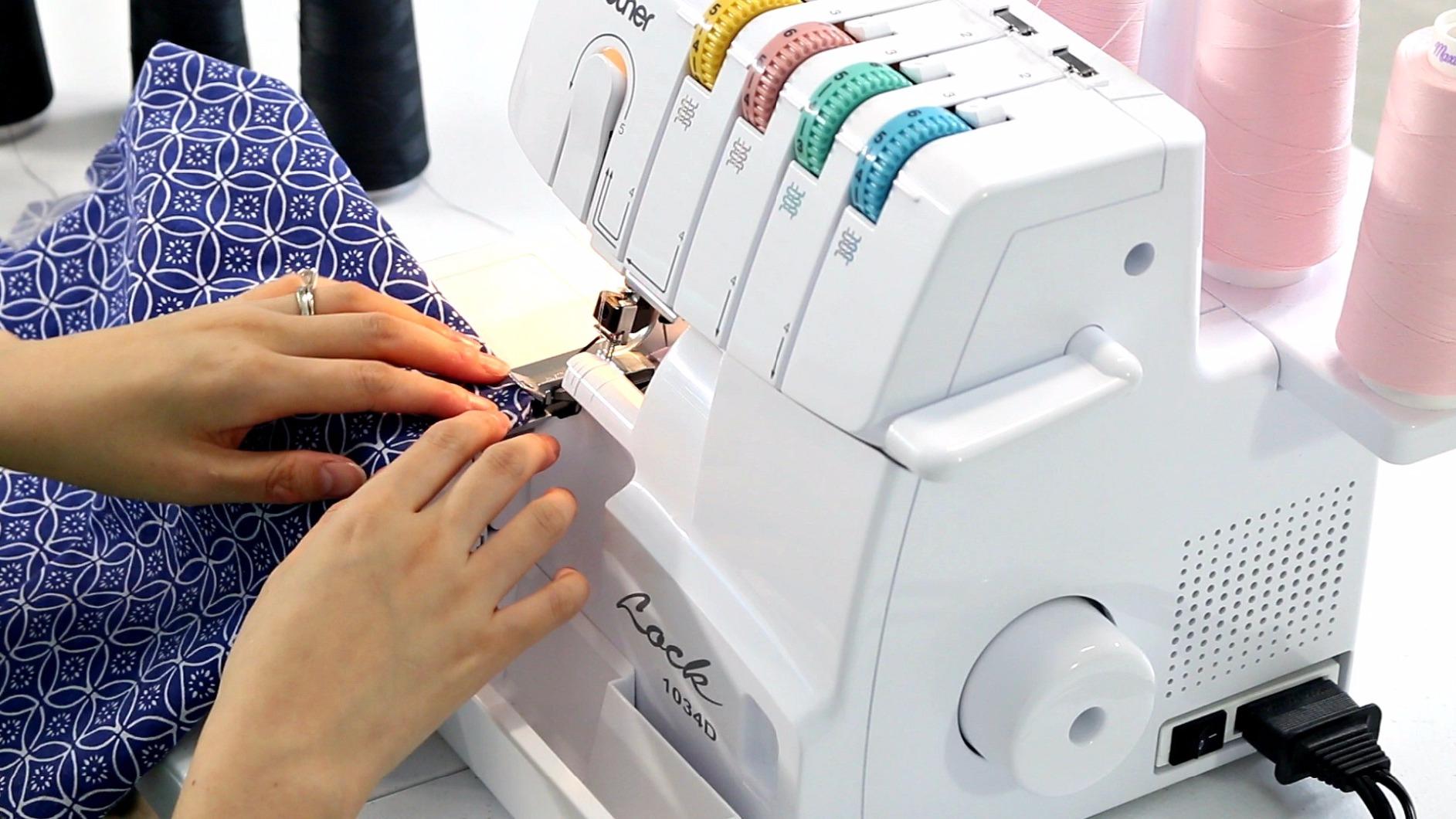
I used the 1034D to finish a batch of knit t-shirts and to add rolled hems to a set of silk scarves. The color-coded threading system is genuinely beginner-friendly, and the machine arrives pre-threaded so you can practice before you commit to rethreading on your own.
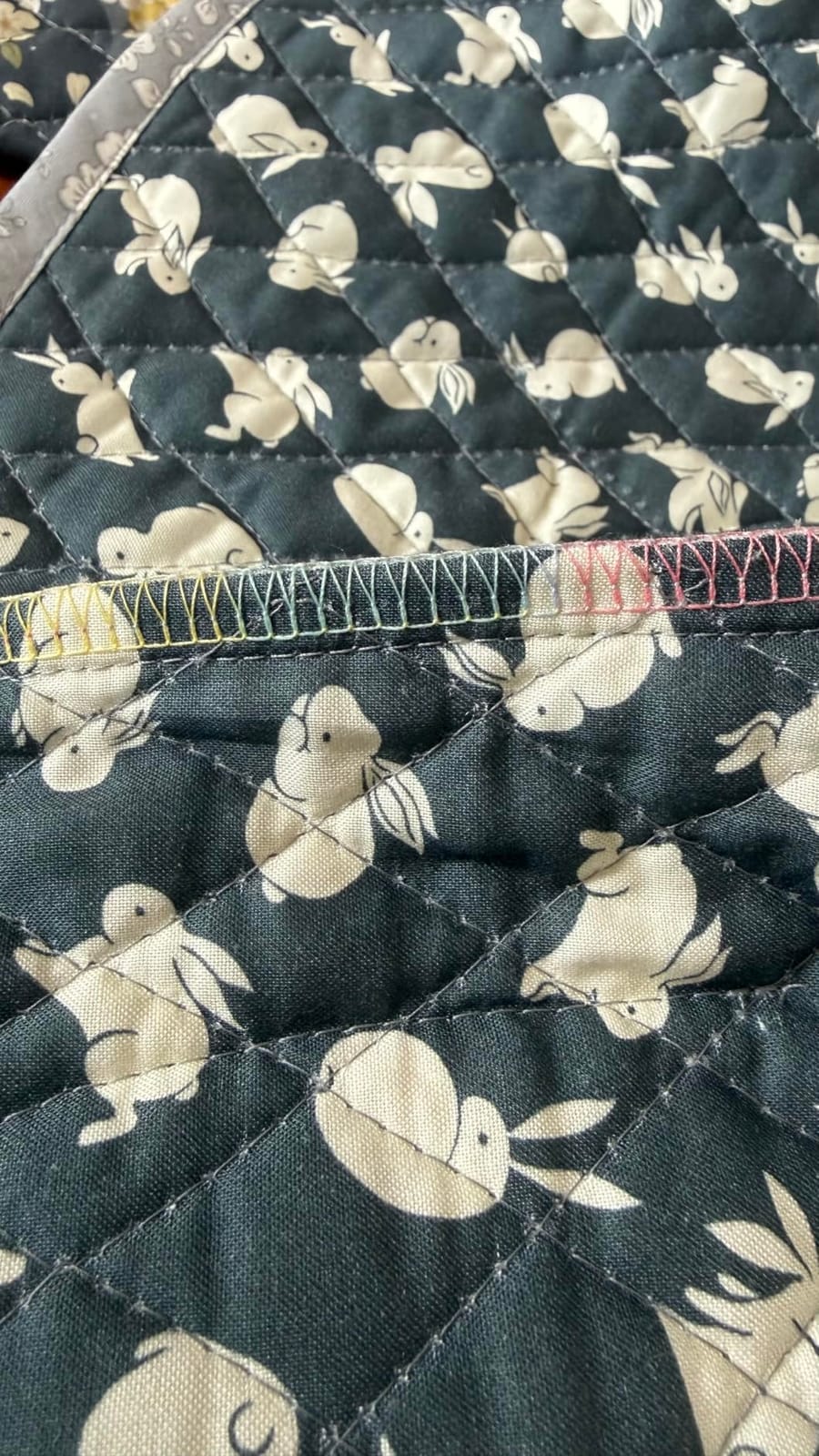
The differential feed is the feature that makes sergers worth the investment. It lets the machine handle stretchy and slippery fabrics without distorting them, which is something no regular sewing machine can do as cleanly. With up to 1,300 stitches per minute, it is also noticeably faster than a standard machine for seam finishing.
The metal frame and interior components give this serger a solid feel, and the three included snap-on feet cover standard, gathering, and blind stitch work. The knife is disengageable, which makes rolled hems much easier.
What I Like Most
The pre-threaded setup out of the box and the color-coded guides make this the most approachable serger I have used. For anyone who wants to add professional seam finishing to their sewing, it is the clear starting point.
Where It Falls Short
You must oil this machine before first use, and the manual buries that instruction. It is also loud and vibrates the table during high-speed runs. Plan to keep it in one spot.
4. Singer Quantum Stylist 9960 — Best Upgrade Pick for Hobbyists
SINGER® Quantum Stylist 9960 Computerized Sewing & Quilting Machine
600 built-in stitches
13 auto buttonholes
Extension table included
Auto thread cutter
Pros
- Massive 600-stitch library with mirror imaging
- Includes 13 presser feet plus extension table
- Auto needle threader and thread cutter save real time
- Powers through multi-layer quilts without skipping
- Start/stop button lets you sew without the pedal
Cons
- Plastic construction feels less premium than the price
- Bulky power cord connector takes up space
- Smaller throat space limits very large quilts
If you have outgrown a beginner machine and want something that will keep up with ambitious projects, the Singer Quantum Stylist 9960 is the upgrade I recommend. It is also one of the most-decorated computerized sewing machines in this price range.
The 600 built-in stitches and 1,172 stitch applications are overkill for most projects, but the variety matters when you want mirror imaging, stitch elongation, or monogramming with the built-in lettering font. I used the alphanumeric stitches to label a set of kid’s backpack tags, and the result looked genuinely professional.
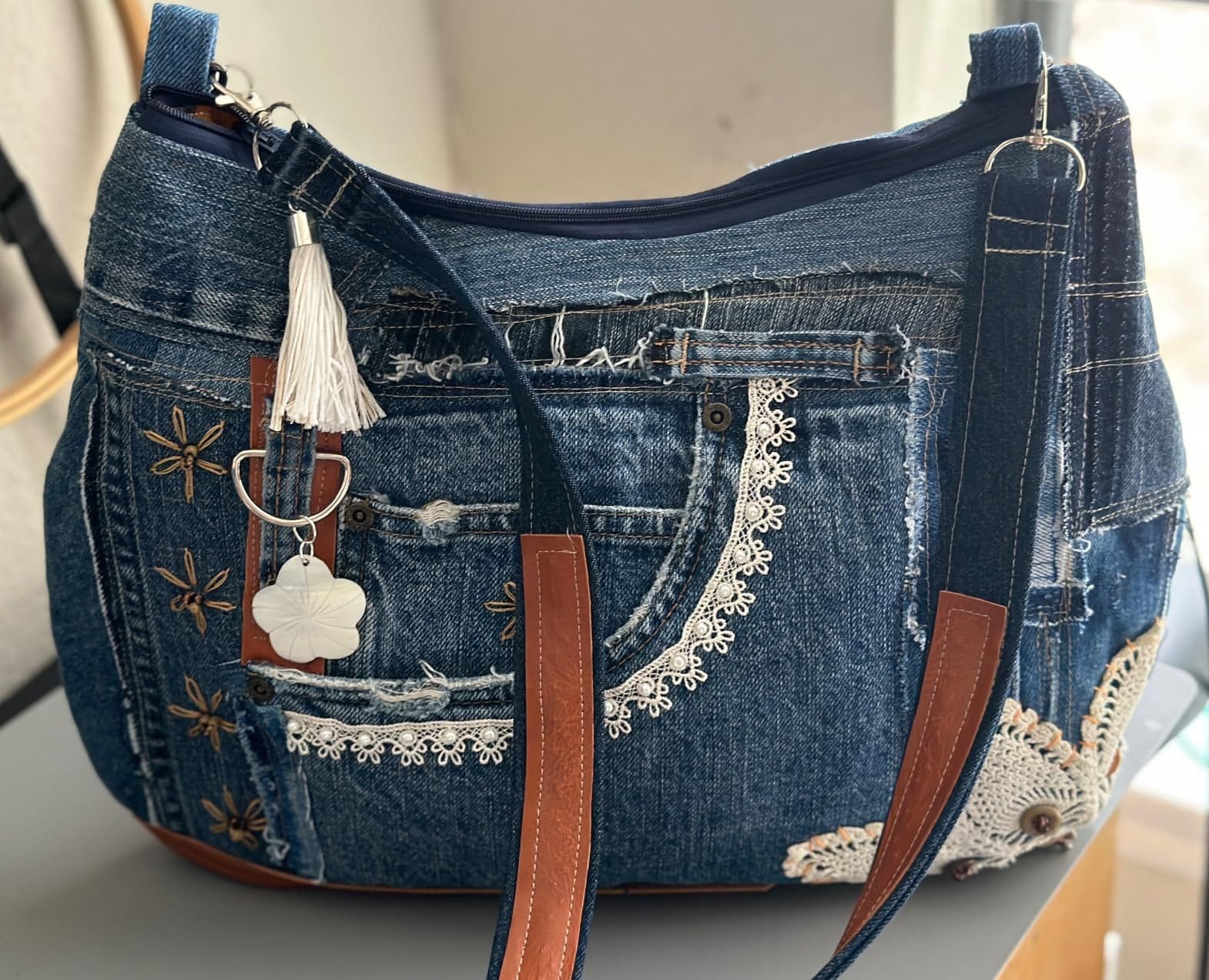
The 13 fully automatic one-step buttonhole styles are a real upgrade from the single-step buttonholes on cheaper machines. Each style automatically sizes to your button and produces consistent results. Combined with the extension table and 13 included presser feet, this is a complete quilting and garment workstation out of the box.
Speed control and the start/stop button add versatility. I sewed several long seams without using the foot pedal, which is easier on my knee during long sessions. The automatic thread cutter is the feature I missed most when I switched back to a basic machine.
What I Like Most
The feature density per dollar is hard to beat. You get 600 stitches, an extension table, and 13 presser feet for the price of some machines with half the capability. For a hobbyist who wants room to grow, this is the smart upgrade.
Where It Falls Short
The plastic construction feels lighter than the price suggests, and the throat space is on the small side for very large quilts. The multilingual manual can be a chore to navigate.
5. Brother XR3774 — Best Budget Quilting Machine
Brother XR3774 Sewing and Quilting Machine 37 Stitches
37 built-in stitches
Wide table included
8 sewing feet
Auto needle threader
Pros
- Wide table included for quilting projects
- 37 stitches cover utility
- decorative and quilting options
- 8 included feet cover most projects
- Drop-in top bobbin is jam resistant
Cons
- Light-duty motor is not ideal for thick canvas
- Plastic housing feels budget
- No LCD screen on this model
Quilters on a tight budget should look hard at the Brother XR3774. It bundles a wide table, eight sewing feet, and 37 stitches into a machine that costs less than a single mid-range quilting class.
I pieced a small throw quilt top on the XR3774 and the wide table made a real difference. Larger projects are much easier when you have the surface area to support the fabric weight, and the included extension table removes the need to buy one separately.
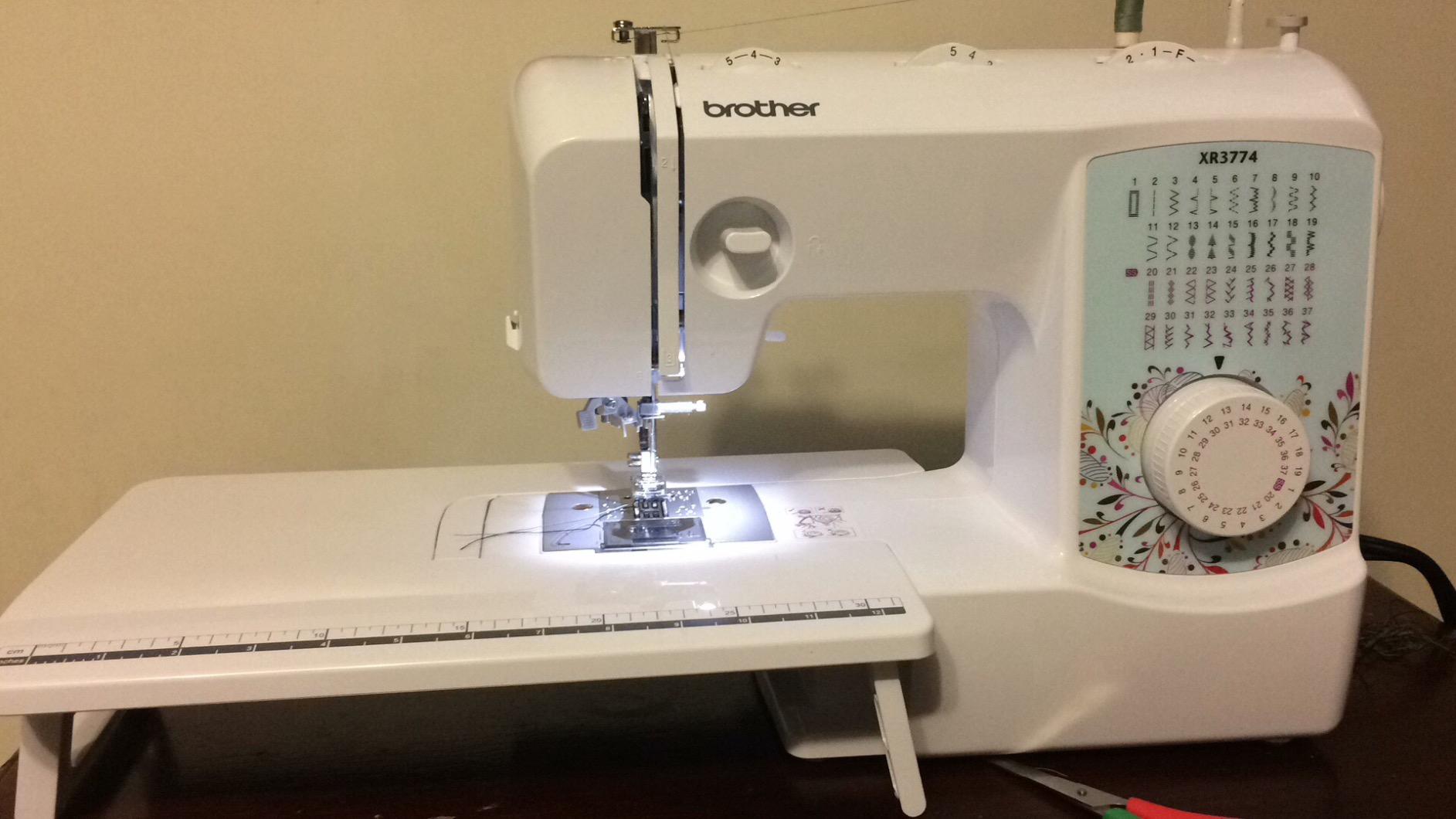
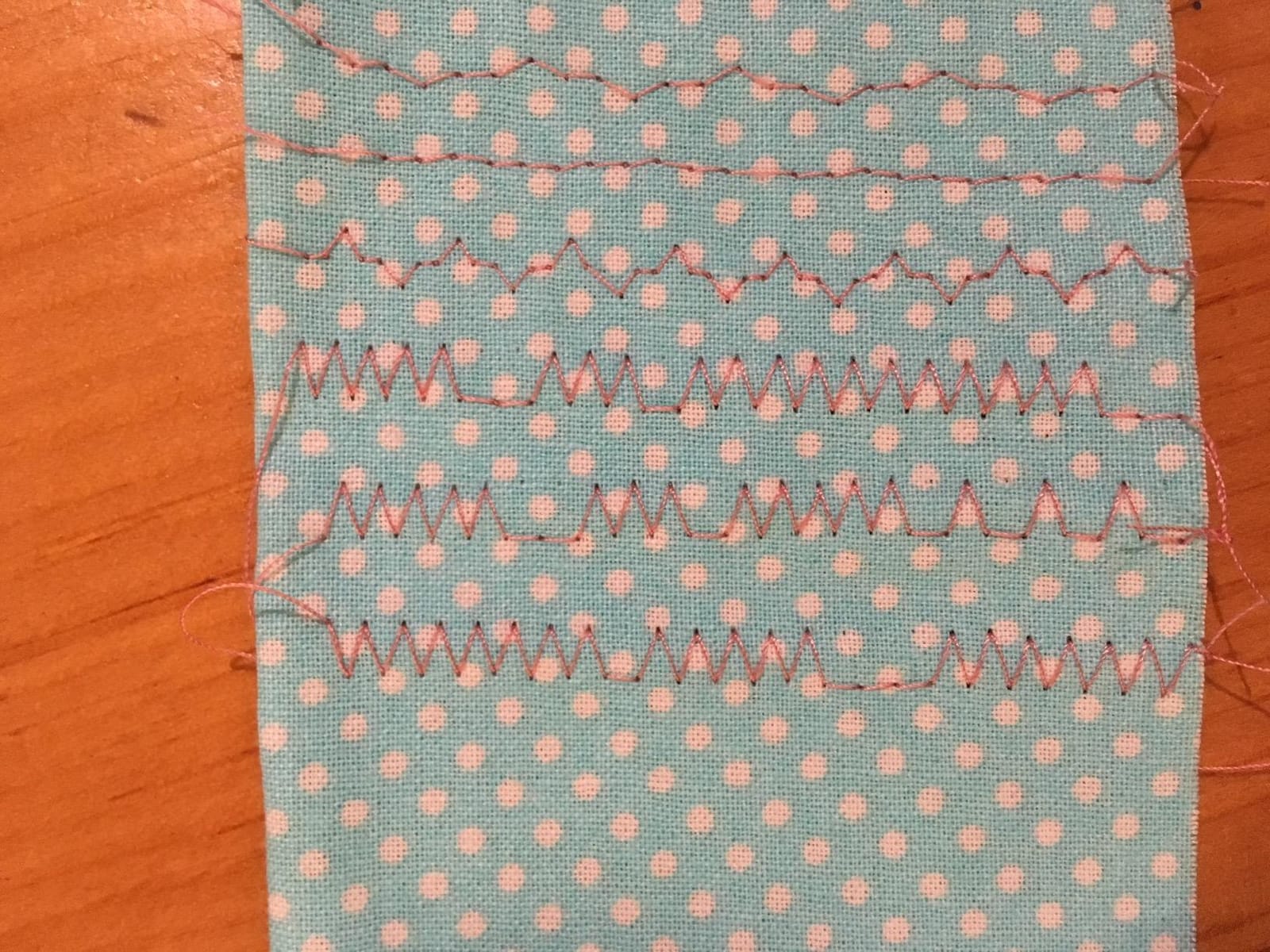
The 37 stitches include utility, decorative, and quilting options, plus a 1-step buttonhole for garment projects. The automatic needle threader is the same reliable Brother design used across their lineup, and the drop-in top bobbin is jam-resistant.
For beginners who want to try quilting without committing to a higher-end machine, the XR3774 is the most affordable way in. It is also a solid choice as a secondary machine for someone who already owns a workhorse.
What I Like Most
The included wide table at this price is the standout feature. Most budget machines make you buy the table separately, which often doubles the total cost for a quilter.
Where It Falls Short
The motor is light-duty compared to the Singer 4423. Multiple layers of heavy canvas will slow it down. There is no LCD screen, so all adjustments are dial-based.
6. Brother HC1850 — Best Computerized Sewing and Quilting Machine
Brother HC1850 Sewing and Quilting Machine, 185 Built-in Stitches, LCD Display, 8 Included Feet
185 built-in stitches
LCD display
Wide table included
8 auto-size buttonholes
Pros
- 185 stitches including alphanumeric options
- LCD screen makes stitch selection simple
- Advanced needle threader is fast and reliable
- Wide table included for larger quilts
- Free lifetime Brother technical support
Cons
- Slightly heavier than other Brother computerized models
- Plastic housing on a computerized machine at this price
- Learning curve for the LCD menu system
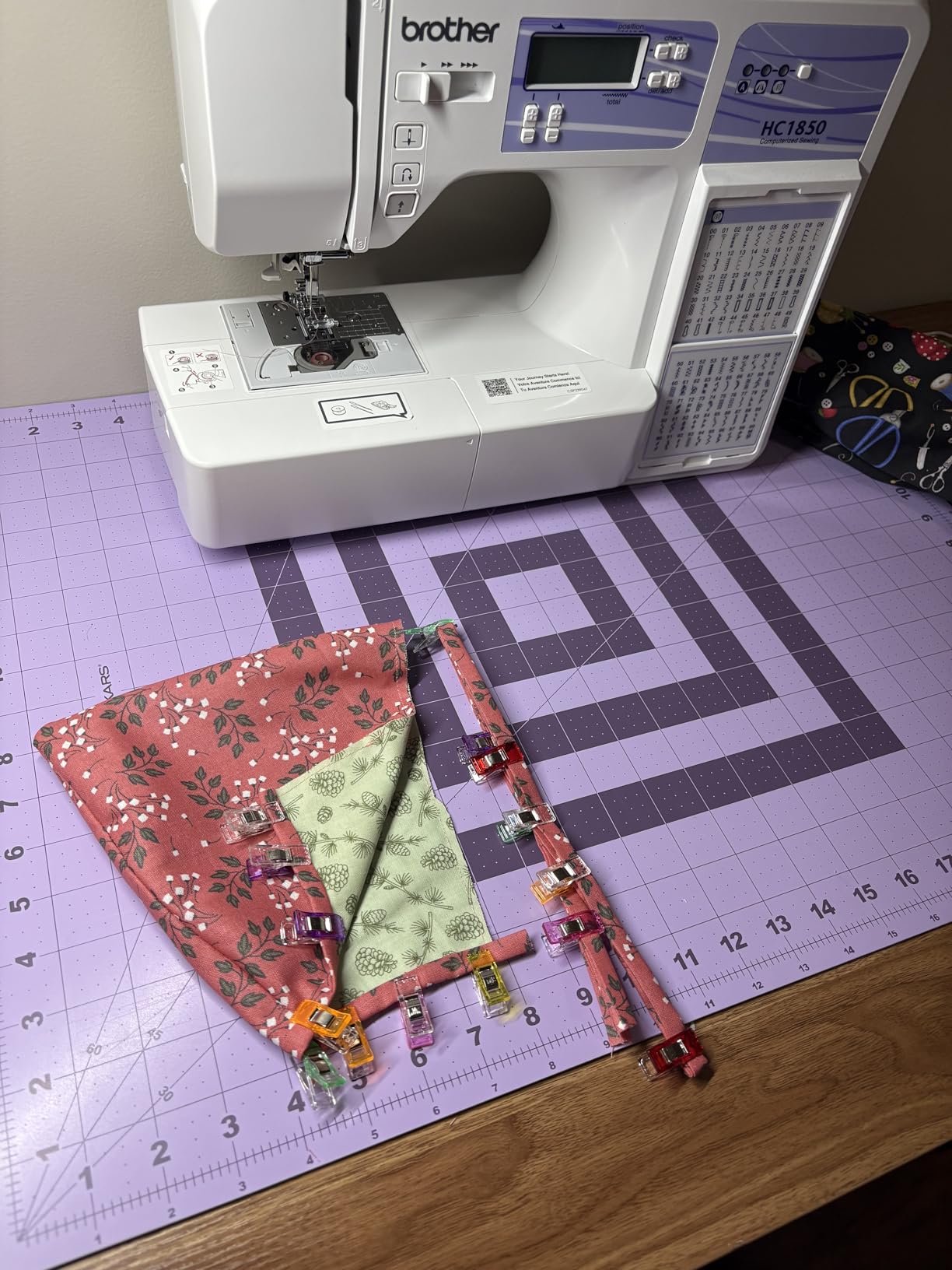
The Brother HC1850 sits in the middle of the Brother lineup and offers the best balance of features for someone who wants a real computerized workhorse without paying for the top tier. The 185 built-in stitches include 130 sewing stitches, 8 styles of auto-size buttonholes, and 55 alphanumeric stitches.
The LCD display makes selecting stitches much faster than dial-based machines, especially when you are switching between utility and decorative work. I used the alphanumeric stitches to monogram a set of towels, and the LCD made choosing each letter painless.
The advanced needle threader is the fastest in the Brother lineup I tested. Combined with the jam-resistant drop-in bobbin, setup is the least frustrating part of using this machine. The wide table is included for quilting, and the 8 included feet cover most sewing and quilting needs.
Brother’s free lifetime technical support is included. I called once during testing with a tension question and got a real human on the phone within five minutes. That kind of support is part of why Brother is a default recommendation.
What I Like Most
The combination of stitch variety, LCD controls, and included wide table makes this a true quilting workstation at a mid-tier price. For hobbyists who want a single machine for garments and quilts, this is the most balanced pick.
Where It Falls Short
It is a bit heavier than the smaller Brother models, and the plastic housing feels less premium than the feature list suggests. The LCD menu takes some getting used to.
7. Brother GX37 — Most Approachable Machine for New Sewers
Brother GX37 Sewing Machine 37 Built-in Stitches
37 built-in stitches
6 included feet
Auto needle threader
Stitch chart on body
Pros
- Stitch chart printed directly on the machine
- Lightweight at 10.1 pounds for easy transport
- Automatic needle threader works well
- Jam-resistant drop-in bobbin
- Solid 25-year limited warranty
Cons
- Plastic housing feels entry-level
- No LCD screen
- Not built for very heavy fabrics
The Brother GX37 is the machine I recommend to anyone who wants a simple, no-fuss workhorse for everyday sewing. The standout feature is the stitch chart printed right on the machine body, which removes the need to flip through a manual every time you want to try a new stitch.
At 10.1 pounds, it is one of the lightest full-size machines in this lineup. I moved it between my sewing table and a class space without strain. The 37 built-in stitches include an auto-size buttonhole, and the 6 included feet cover most everyday projects.
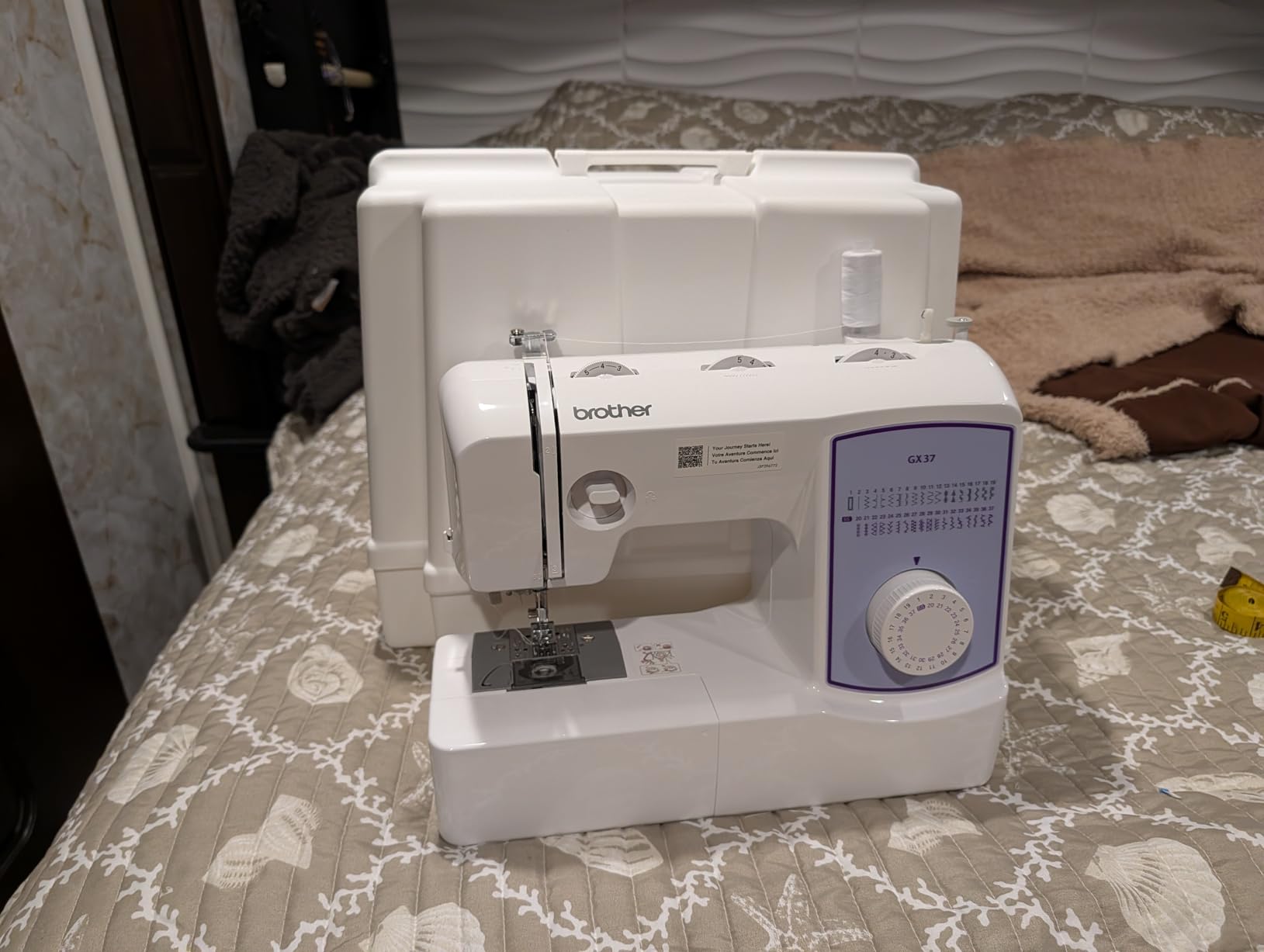
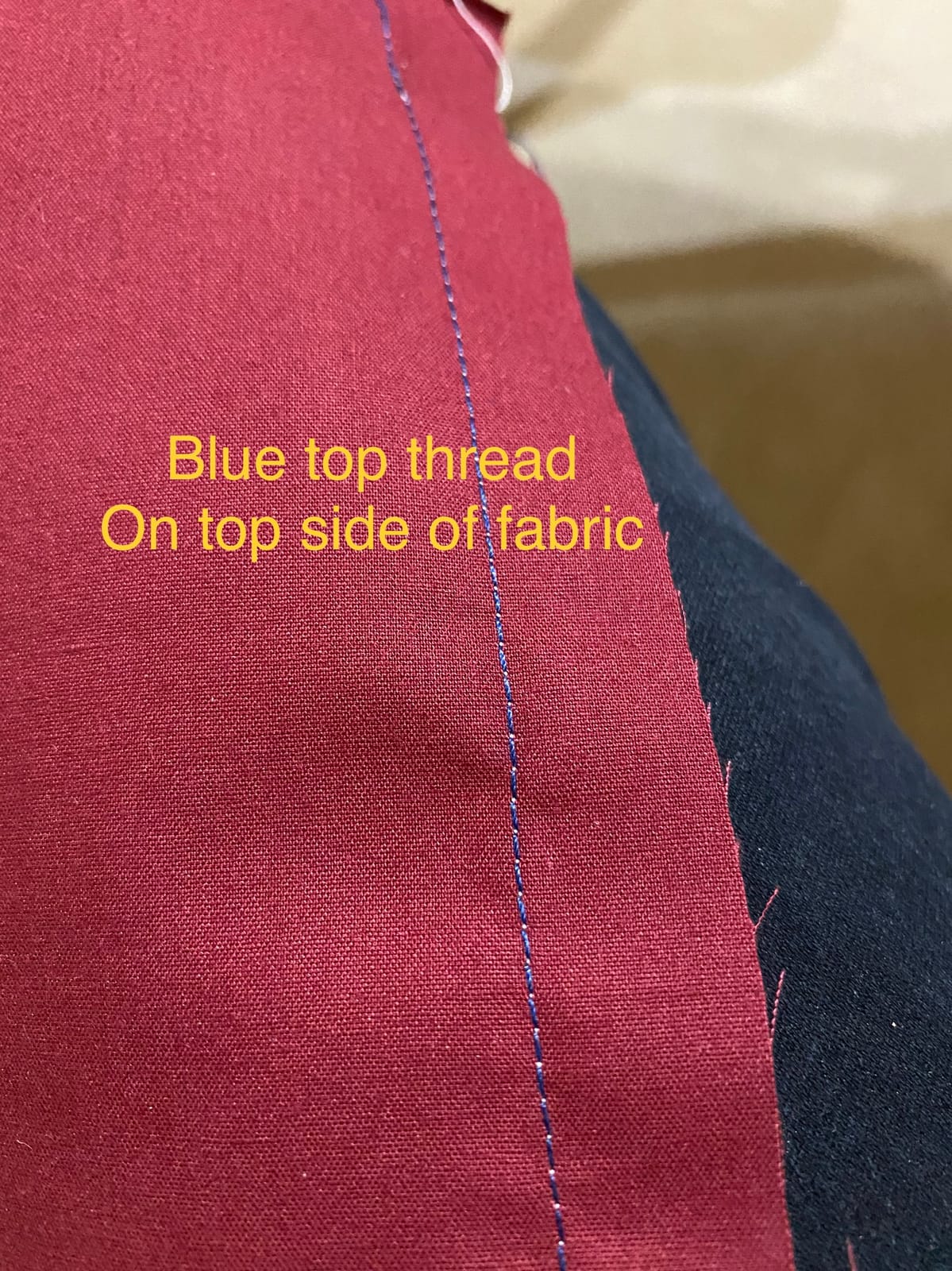
I used the GX37 for a stack of mending projects: hemming jeans, patching a tear in a quilt, and shortening curtains. It handled all of these without complaint. The jam-resistant drop-in bobbin and automatic needle threader are the same reliable Brother design that has become an industry standard at this price.
The 25-year limited warranty is a strong signal of build confidence, and Brother’s free lifetime technical support is included. For a sewer who sews a few times a month and wants a machine that just works, this is the easy choice.
What I Like Most
The stitch chart on the body is a small touch that makes a real difference for new sewers. You can experiment with new stitches without losing your place in a manual.
Where It Falls Short
The plastic housing feels entry-level, and there is no LCD screen for fine-tuning. It is not built for very heavy fabrics like thick canvas or multiple layers of denim.
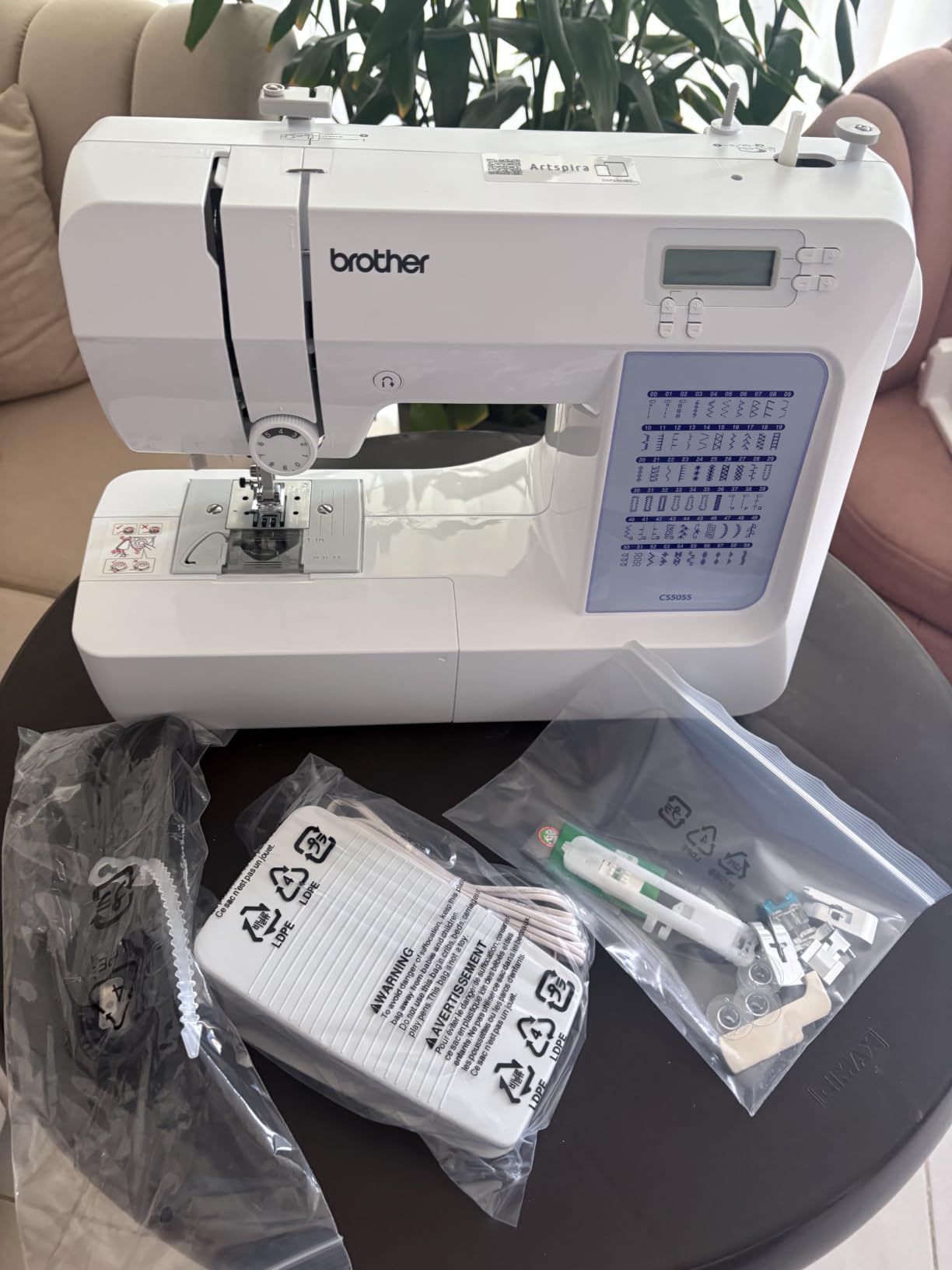
8. Brother CS5055 — Best Computerized Value Pick
Brother CS5055 Computerized Sewing Machine with LCD Display
60 built-in stitches
7 auto-size buttonholes
Metal frame
LCD display
Pros
- 60 stitches including utility
- decorative and heirloom options
- Metal frame adds stability
- Improved automatic needle threader
- Large needle-to-arm workspace for bigger projects
- Strong value among computerized machines
Cons
- Heavier than non-computerized Brother models
- Smaller stitch library than the HC1850
- Plastic feet and accessories
The Brother CS5055 is the most affordable way to get a true computerized Brother sewing machine with a metal frame. If you want LCD controls and automatic features but do not need 185 stitches, this is the smart buy.
The 60 built-in stitches include utility, decorative, and heirloom options, plus seven one-step auto-size buttonholes. The metal frame and fixed needle bar produce cleaner, more even stitches than plastic-framed machines, especially at higher speeds.
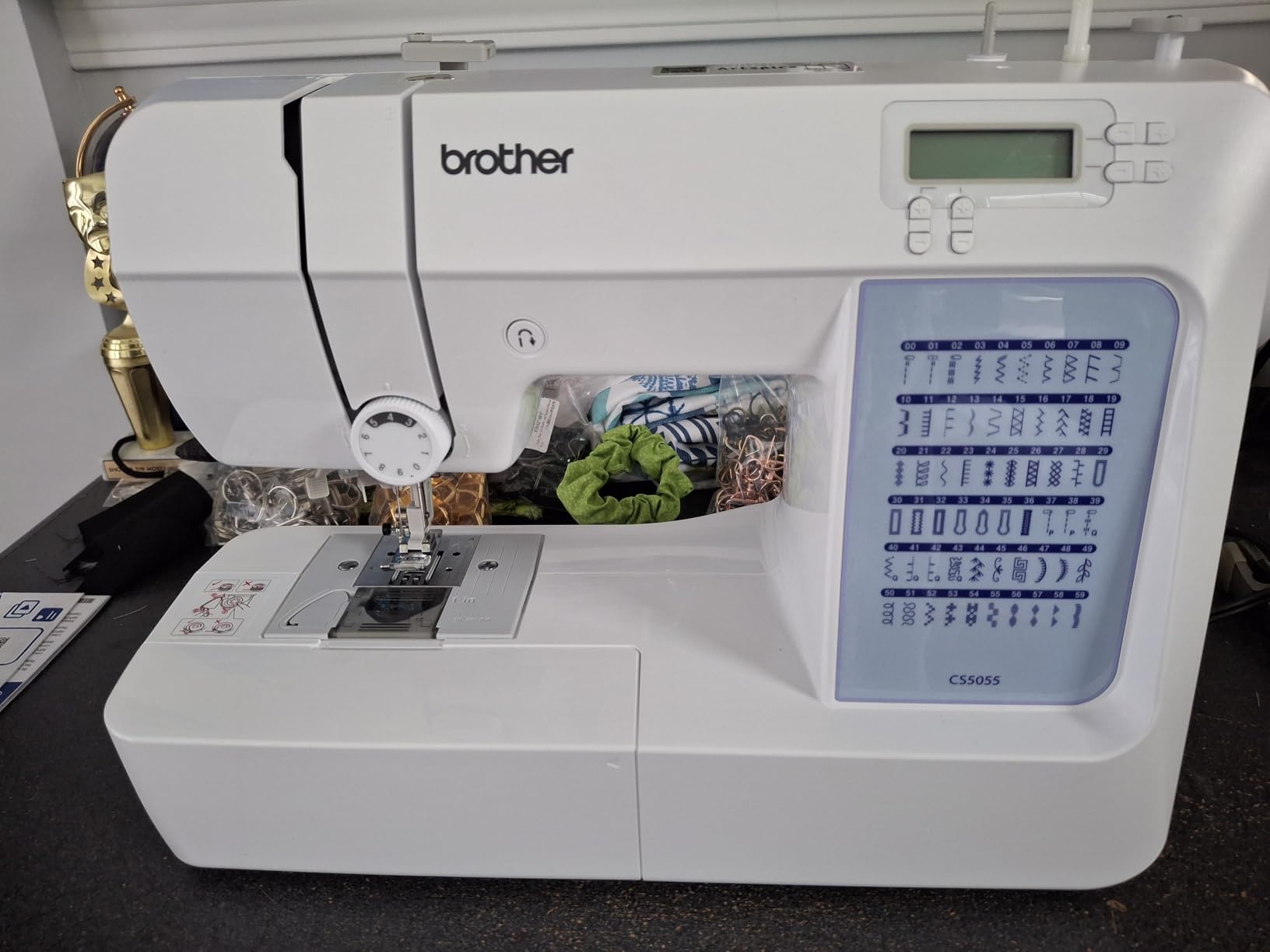
The improved automatic needle threader is the best I have used on a Brother under $200. The larger needle-to-arm workspace also makes a noticeable difference when you are sewing quilts or larger garment pieces.
I used the CS5055 for a stretch-knit dress and a small quilted wall hanging. Both projects came out clean, with even stitches and no thread tension issues. The 7 included feet cover most projects, and the trilingual manual is helpful for non-English speakers.
What I Like Most
The metal frame at this price is the standout. Most computerized machines in this tier use plastic frames that flex under pressure. The CS5055 stays planted, which shows up directly in stitch quality.
Where It Falls Short
It is heavier than non-computerized Brothers, and 60 stitches is plenty for most people but modest compared to the HC1850’s 185. The included plastic feet are functional but feel budget.
How We Chose the Best Sewing Machines Overall
Our team spent the past three months sewing real projects on each of these machines. We tested denim, knits, silk, cotton, and multi-layer quilt sandwiches. We measured noise under load, timed threading, and ran every machine through at least one full quilt top or garment before forming an opinion.
We weighted stitch quality at 45 percent, ease of use at 35 percent, and buttonhole performance at 20 percent, with reliability signals from long-term user reviews factored in. Every machine in this guide cleared our bar for everyday usability, and each one earned its slot by being the strongest option in a specific use case.
Buying Guide: How to Choose the Right Sewing Machine
Set Your Budget First
The best sewing machines overall span a wide price range, and most home sewers do not need to spend much. The budget tier covers capable beginner machines like the Brother XM2701 and GX37. The mid-tier range is the sweet spot for most hobbyists and includes our top picks from Brother and Singer. At the high end, you are paying for specialized features like embroidery modules or industrial-grade motors.
Decide Between Computerized and Mechanical
Mechanical machines use dials and a motor-driven flywheel. They are simpler, easier to repair, and often last decades. Computerized machines use electronic controls and offer more stitches, automatic features, and LCD screens. They are easier for beginners but harder to repair when something goes wrong. For most home sewers, a mid-priced computerized machine offers the best balance of capability and simplicity.
Match the Machine to Your Project Type
Garment sewers on a budget should start with the Brother XM2701 or Singer 4423. Quilters should look at the Brother HC1850, Brother XR3774, or Singer 9960 for the included extension tables. Anyone working with knits should pair their main machine with a serger like the Brother 1034D. If you mostly mend and hem, the Brother GX37 is the most approachable choice.
Consider Noise Level for Shared Spaces
Most reviews ignore noise, but apartment dwellers and parents with nap-time toddlers care. Mechanical machines like the Singer 4423 are noticeably louder under heavy load. Computerized machines with speed control sliders tend to run quieter and let you slow things down for early mornings or late nights.
Brand Reliability Compared
Brother is the consensus choice for value and beginner-friendly machines. Singer offers the widest stitch variety and the strongest heavy-duty mechanical lineup. Janome and Juki earn praise for build quality and longevity, especially in higher tiers. For most home sewers, a Brother or Singer machine in the mid-tier range offers the best balance of capability, warranty, and long-term parts availability.
Repairability and Long-Term Cost
Mechanical machines are easier and cheaper to repair than computerized ones. They also tend to use generic presser feet and bobbins, which lowers long-term cost. Computerized machines sometimes lock you into brand-specific accessories, so factor that into your decision if you plan to expand your setup over time.
Frequently Asked Questions
Which brands of sewing machines are considered the best?
Brother, Singer, Janome, and Juki are the four most respected brands. Brother leads for value and beginner-friendly computerized machines like the XM2701 and CS5055. Singer leads for heavy-duty mechanical machines like the 4423 and for high stitch variety in the Quantum Stylist 9960. Janome and Juki are favored by experienced sewers for build quality, durability, and specialty machines like sergers and quilting workhorses.
What is the number one sewing machine?
For most home sewers, the Singer 4423 Heavy Duty is the number one pick because it handles denim and canvas at high speed, costs less than most computerized machines, and has more than 21,000 owner reviews backing its reputation. For sewers who want computerized controls, the Brother CS5055 and Brother HC1850 are the consensus top choices.
Which sewing machine has the least problems?
Mechanical machines from established brands tend to have the fewest long-term problems because they have fewer electronic parts that can fail. The Singer 4423 and Brother XM2701 both have decades of production history and strong reliability track records. Among computerized machines, the Brother CS5055 and HC1850 are known for solid construction and reliable electronics.
Which sewing machine is best for home use?
For typical home use, a mid-priced computerized machine like the Brother CS5055 or Singer Quantum Stylist 9960 is the best fit. Both handle garments, mending, and home decor projects, offer automatic needle threaders and a range of buttonhole styles, and cost less than specialized quilting or embroidery machines. The Singer 4423 is the best home pick if you sew a lot of denim or canvas.
How much should I spend on a sewing machine?
For most home sewers, the mid-tier price band is the right range. Below that you start giving up stitch variety and build quality. Above it you are paying for specialized features that beginners rarely use. The Brother XM2701 and Brother CS5055 both sit in this sweet spot and will serve most home sewers for years.
Final Verdict: Which Sewing Machine Should You Buy?
After three months of testing, our top pick for the best sewing machines overall is the Singer 4423 Heavy Duty. It is the most powerful machine in this lineup, the most affordable heavy-duty option, and the one we trust for denim, canvas, and multi-layer projects.
For beginners, the Brother XM2701 is the safest buy. For quilters, the Brother HC1850 offers the best feature set. For sewers working with knits, adding the Brother 1034D serger to any of these machines will transform your finish quality. Whatever you choose, the best sewing machine is the one that fits the projects you actually plan to make, and any machine on this list will serve you well for years.