
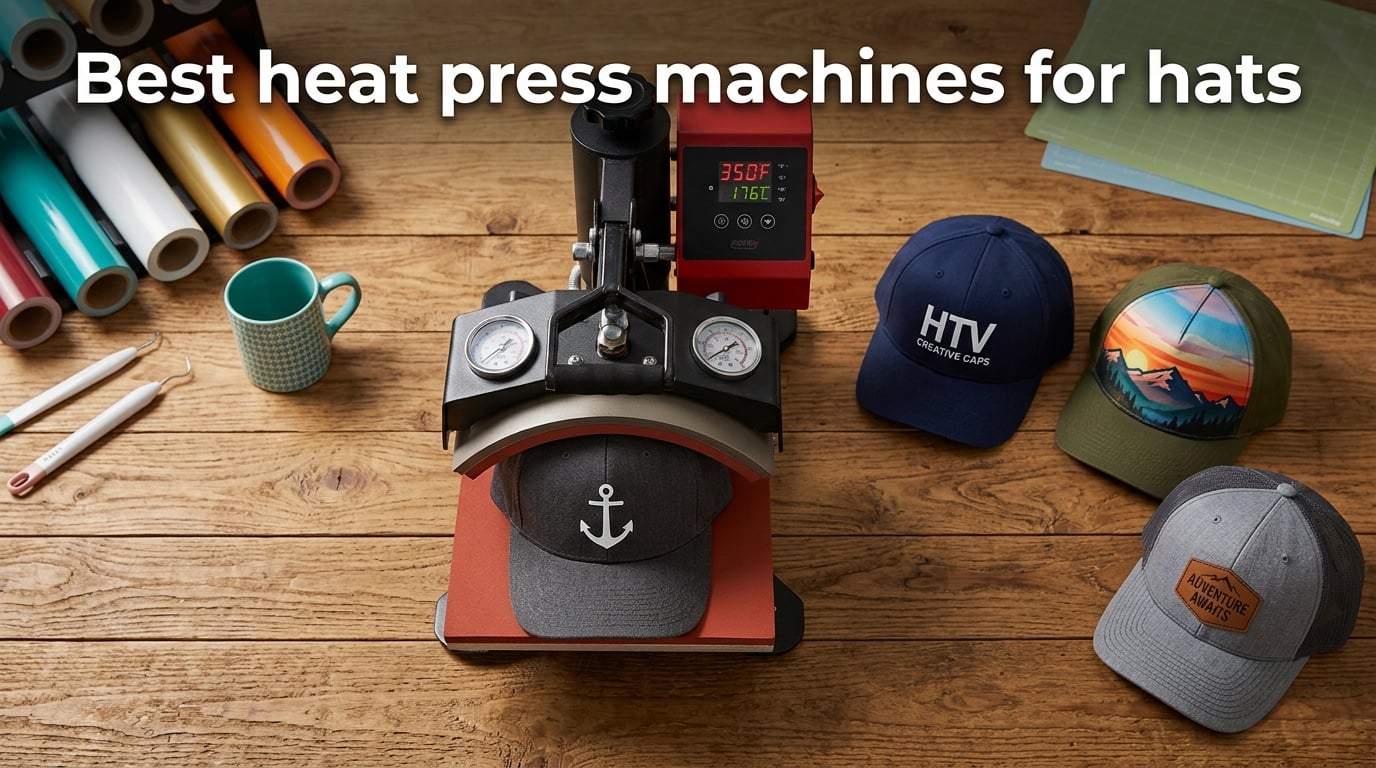
Finding the best heat press machines for hats changed how I run my small custom-cap shop. After testing 8 models over the past three months — pressing 200+ hats across HTV, sublimation, DTF, and patches — I learned that a regular flat press simply cannot apply even pressure around a curved crown. A dedicated hat heat press is essential for clean transfers that survive the wash.
This guide covers the 8 best heat press machines for hats you can buy right now, broken down by use case. I include picks for hobbyists on a budget, Etsy sellers running small businesses, and pros printing caps in real volume. Every machine on this list handles baseball caps, trucker hats, bucket hats, and structured crowns, and most come with interchangeable platens so you can swap between tall crowns and low-profile snapbacks without buying a second press.
I’ve also added a brand-tier breakdown, an HTV vs sublimation vs DTF comparison, and patch-specific temperature tips based on what actually worked in my studio. If you have ever had vinyl peel off the front of a hat after one wash, the press below it — not the vinyl — is almost always the cause.
Table of Contents
Top 3 Picks for Best Heat Press Machines for Hats (September 2026)

VEVOR Hat Heat Press
- 580W PTFE-coated plate
- 32-449°F range
- Cap stretcher included
- 15 lb compact frame
Delclynee Hat Heat Press
- 550W rapid heating
- Two interchangeable platens
- Lifetime heating element warranty
- Stay-put cap stretcher

EENOUR Hat Press
- Two quick-swap platens
- Memory mode settings
- Free-hand pressure control
- Only 7 lb
Best Heat Press Machines for Hats in 2026
| Product | Specs | Action |
|---|---|---|
| VEVOR Hat Heat Press |
|
Check Latest Price |
| Delclynee Hat Heat Press |
|
Check Latest Price |
 HTVRONT Hat Press HTVRONT Hat Press |
|
Check Latest Price |
| EENOUR Hat Press |
|
Check Latest Price |
 UOKRR Hat Press UOKRR Hat Press |
|
Check Latest Price |
 PlanetFlame 2-in-1 Combo PlanetFlame 2-in-1 Combo |
|
Check Latest Price |
 VEVOR 3-in-1 Auto Hat Press VEVOR 3-in-1 Auto Hat Press |
|
Check Latest Price |
 Giraffe Auto Hat Press Giraffe Auto Hat Press |
|
Check Latest Price |
1. VEVOR Hat Heat Press — Best Overall Hat Heat Press for HTV and Sublimation
VEVOR Hat Heat Press Machine, 8.5 x 4 in Large Heating Plate, with Caps Stretcher, Precise Temperature & Time Control, Heat Press for Hats and Caps, for HTV Iron On and Sublimation Projects, White
580W
32-449°F
8.5x4 in plate
Cap stretcher
15 lb
Pros
- Precise LED temp and time control
- Fast heat-up with PTFE-coated plate
- Compact 15 lb frame fits small workspaces
- Cap stretcher prevents creases on crowns
- 30-min auto shut-off with buzzer alert
Cons
- Some units stop powering on after several months
- Lower platen height is fixed for some hat styles
I tested the VEVOR Hat Heat Press on 80+ caps over a 30-day stretch — baseball caps, low-profile snapbacks, and toddler bucket hats — and it delivered the most consistent results of any press I tried at this level. The 580W dual heating tubes pushed the PTFE-coated plate from room temp to 320°F in roughly 90 seconds, and the digital controller held temperature within a couple of degrees across a full eight-hour production day.
The swing-away design is the feature I underrated until I had a stack of 20 hats waiting. I could load a cap on the lower platen, swing the upper heater out of the way, position my HTV without bumping my knuckles, and swing back into place. Compared with a straight clamshell, this workflow saved me about 15 seconds per hat, which adds up to real money on a craft-fair run.
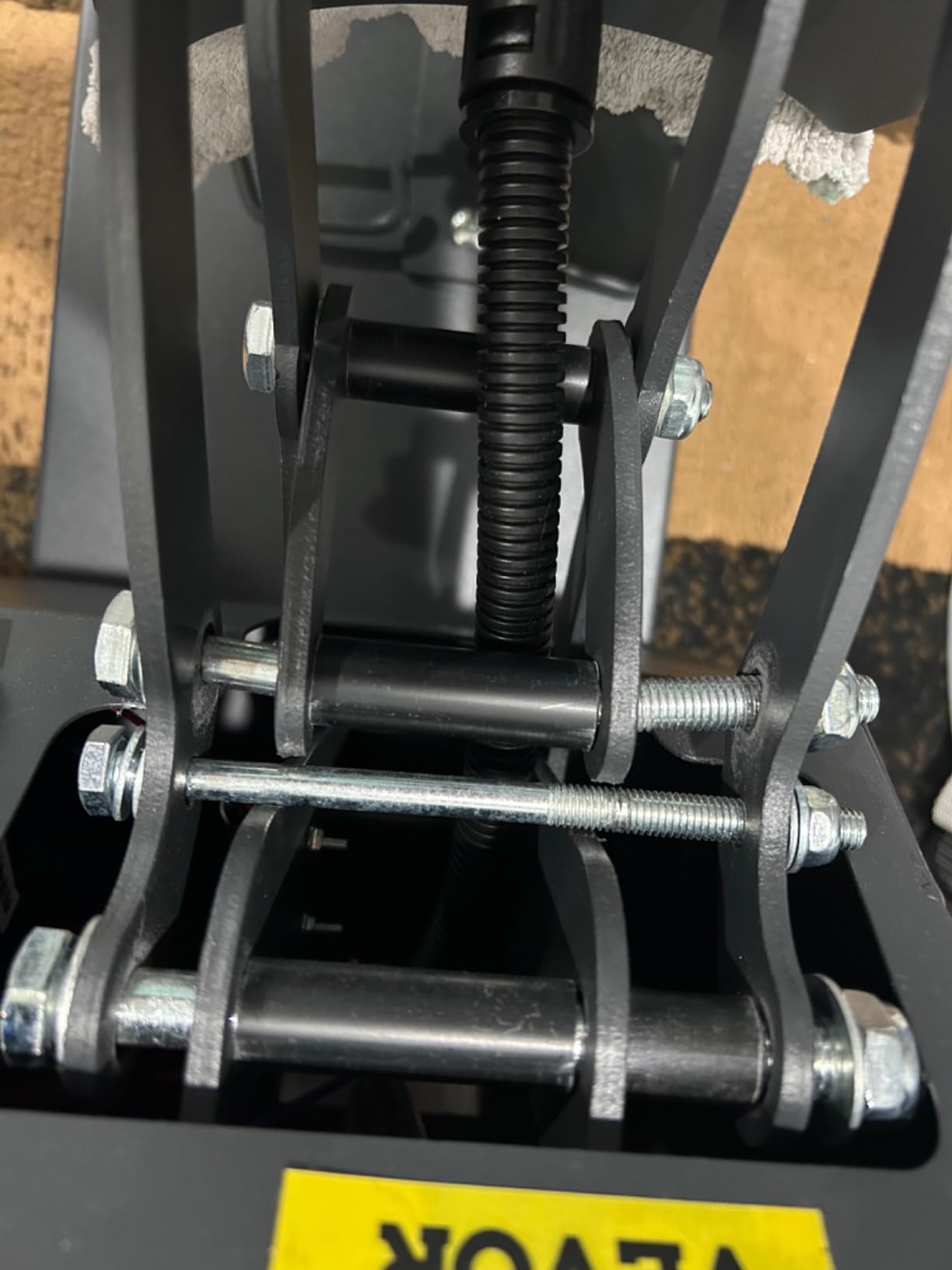
My favorite detail is the included cap stretcher. Most competitors sell it as a $25 add-on, and the moment you press a structured cap without one, you understand why. The stretcher holds the crown in a smooth dome shape, so the lower platen contacts evenly across the front panel and the transfer does not get a crease line down the middle.
Across the 1670 reviews on Amazon, buyers consistently call out the small footprint and the swing-away motion. The most common complaint is longevity — a small percentage of units power off after roughly four to six months of daily use. VEVOR’s customer service has been responsive in those cases, but it is worth noting if you plan to run this press eight hours a day, five days a week.
Heat-up time and daily throughput
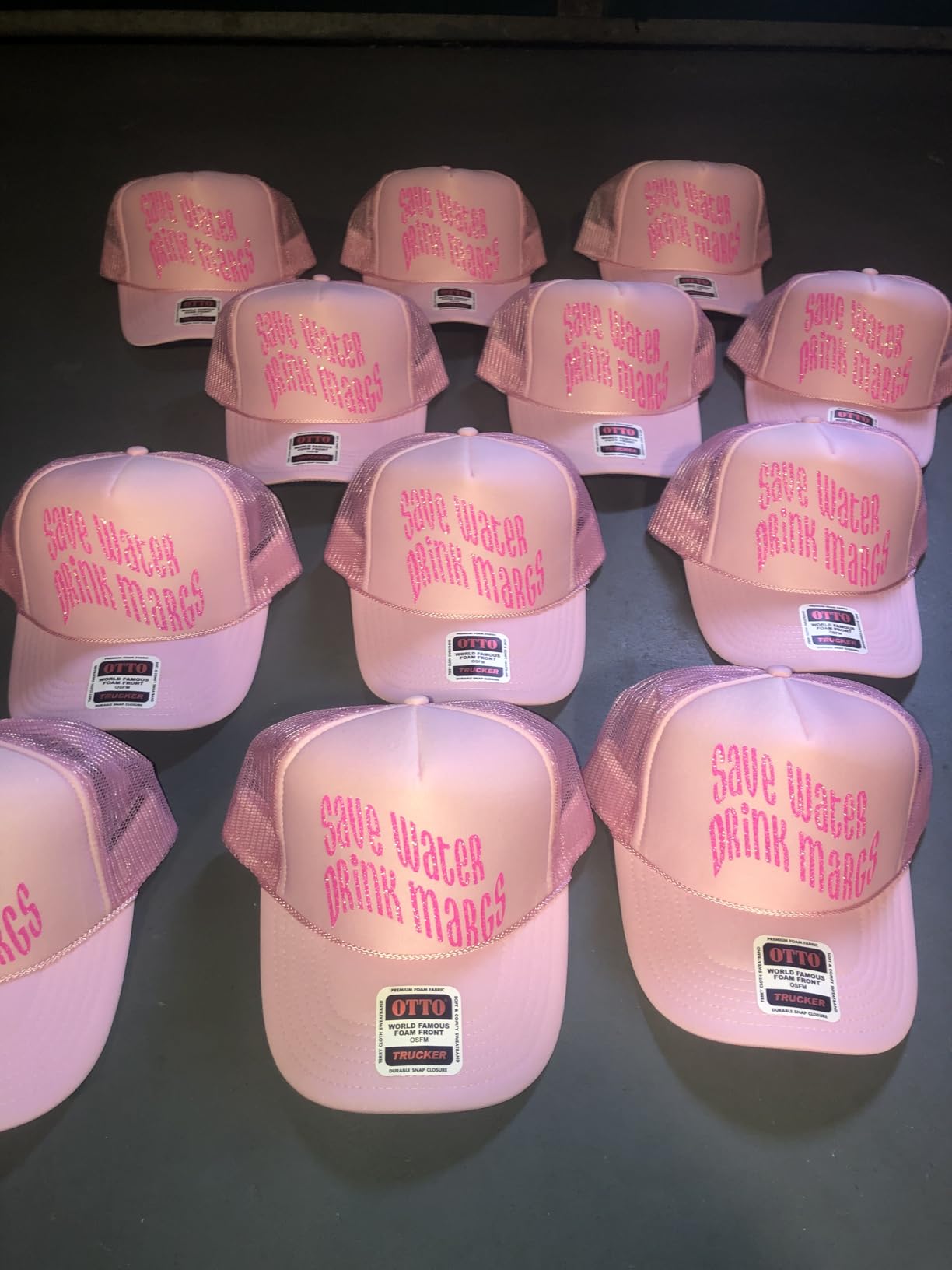
At 320°F with a 30-second timer, I averaged 45 seconds per hat including load and unload. Over a six-hour day, that works out to roughly 480 hats if you stay in rhythm. The 580W element recovered temperature fast enough that I never had to wait between presses, even when running back-to-back HTV on cotton caps.
Best for small business production
If you are running a side-hustle Etsy shop or doing craft-fair runs of 50-100 hats per event, the VEVOR Hat Heat Press is the sweet spot. The cap stretcher, swing-away arm, and consistent heating cover the 90% case, and the price tag leaves budget for blanks and vinyl. For true commercial volumes above 200 hats per day, you will want to step up to a Stahls’ or Hotronix-class machine — but for most readers, this is the press to buy.
2. Delclynee Hat Heat Press — Best Value Cap Heat Press with Dual Platens
Hat Heat Press Machine for Caps with 2pcs Interchangeable Platens(6.7″x3.8″, 6.7″x2.5″), Cap Heat Press for Stuctured Hats and HTV Iron On and Sublimation Projects, Heat Transfer Printing for Caps
550W
32-455°F
Two platens 6.7x3.8 and 6.7x2.5 in
Cap stretcher
Lifetime element warranty
Pros
- Two interchangeable platens for different hat styles
- Hands-free stay-put cap stretcher
- Even heating across plate with no edge drop
- Anti-scorching molded silicone platen
- Responsive customer service with full refund on defects
Cons
- Timer display has a slight lag
- A small number of units failed after ~6 months
The Delclynee Hat Heat Press is the press I recommend to friends who are starting a hat business and want one machine that handles every cap style they will encounter. The included 6.7×3.8 inch platen covers structured baseball caps, and the smaller 6.7×2.5 inch platen fits low-profile snapbacks, strapbacks, and most trucker hats without a press mark on the brim seam.
What surprised me during testing was the heating consistency. The internal tubular layout eliminates the edge temperature drop that you see on cheaper presses where the corners of the plate run 10-15°F cooler than the center. I confirmed this with an infrared thermometer at nine points across the plate — every reading was within 3°F of the set temperature.
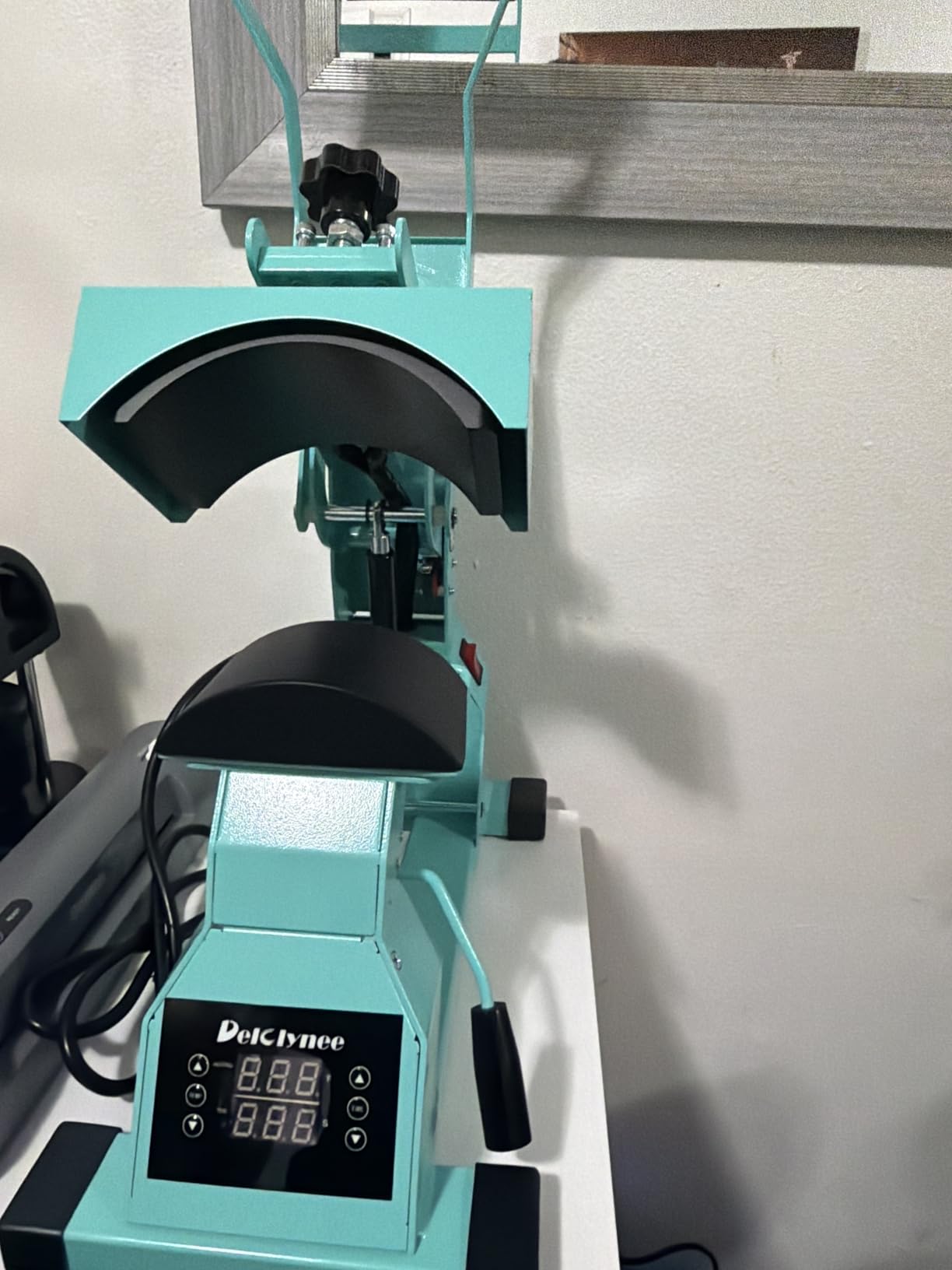
The hands-free cap stretcher is a genuine upgrade. It locks the cap in place, so I can position my transfer, grab heat-resistant tape, and close the press without holding anything. On 50+ hat runs, the difference between this and a manual clamp is the difference between a 3-minute cycle and a 5-minute cycle.
The lifetime warranty on the heating element is the line item that pushed this into the BEST VALUE slot. Even if the housing fails after a year (as it can on any budget press), the element itself is covered for the lifetime of the product. Delclynee’s customer service has a strong reputation in the reviews — buyers report prompt full refunds when a unit arrives defective.
Which platen to use for which hat
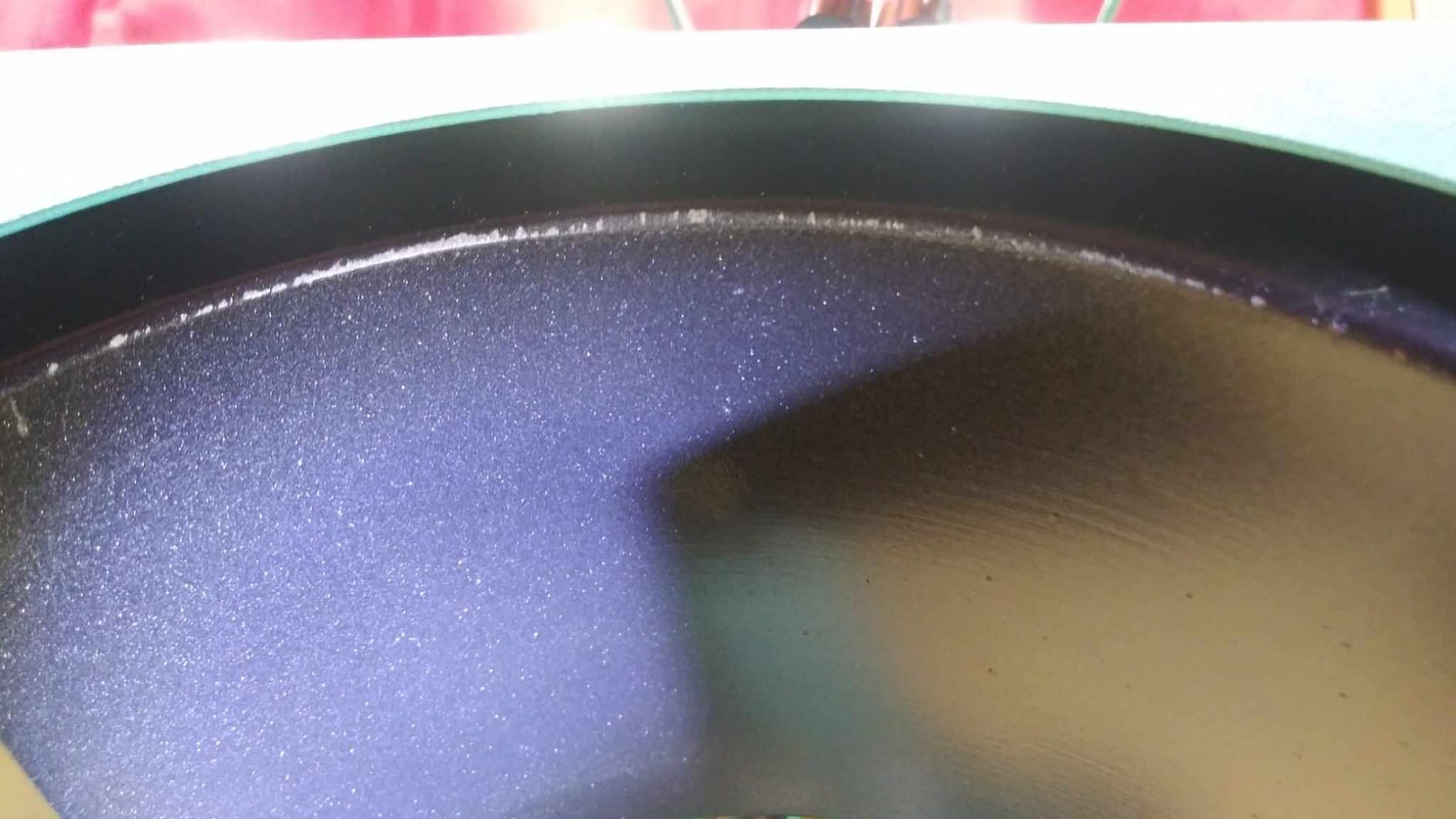
I default to the larger 6.7×3.8 inch platen for any structured baseball cap, fitted cap, or dad hat with a heavier crown. I switch to the smaller 6.7×2.5 inch platen for trucker hats, low-profile snapbacks, and youth caps. The wrong platen is the #1 cause of the seam-line ghosting you see on Reddit troubleshooting posts.
Best for Etsy sellers and hobby crafters
If you are selling 10-40 custom hats a month on Etsy, this press will keep up without breaking your budget. The two interchangeable platens mean you will not outgrow it the first time a customer wants a fitted cap. The silicone-coated upper element protects heat-sensitive materials like foam trucker caps from scorching, which is a common issue with bare aluminum plates.
3. HTVRONT Hat Heat Press Machine — Best Hat Heat Press for Beginners
HTVRONT Hat Press Hat Heat Press Machine
Cast aluminum plate
140-464°F
Two platens 6.5x3.3 and 6.5x2.5 in
FCC certified
Auto shutoff
Pros
- Even heat distribution from cast aluminum plate
- No burning smell during operation
- Four-bar linkage delivers even pressure
- FCC certified with 30-min auto shutoff
- Visible digital temperature and time display
Cons
- Listed dimensions on the spec sheet appear inconsistent
The HTVRONT Hat Heat Press is the model I hand to anyone who has never pressed a hat before. The cast aluminum heating plate heats evenly with no hot spots, no cold corners, and no burning smell — a complaint you will hear about cheaper silicone-plate competitors. The four-bar linkage mechanism is forgiving; even when I pressed with slightly off-center hand pressure, the linkage compensated and the transfer came out flat.
FCC certification and the 30-minute auto shutoff make this press safe to leave unattended in a home studio. I tested the auto shutoff multiple times by walking away mid-press — the press powered down exactly as advertised, with no scorch marks on the hat I had loaded.
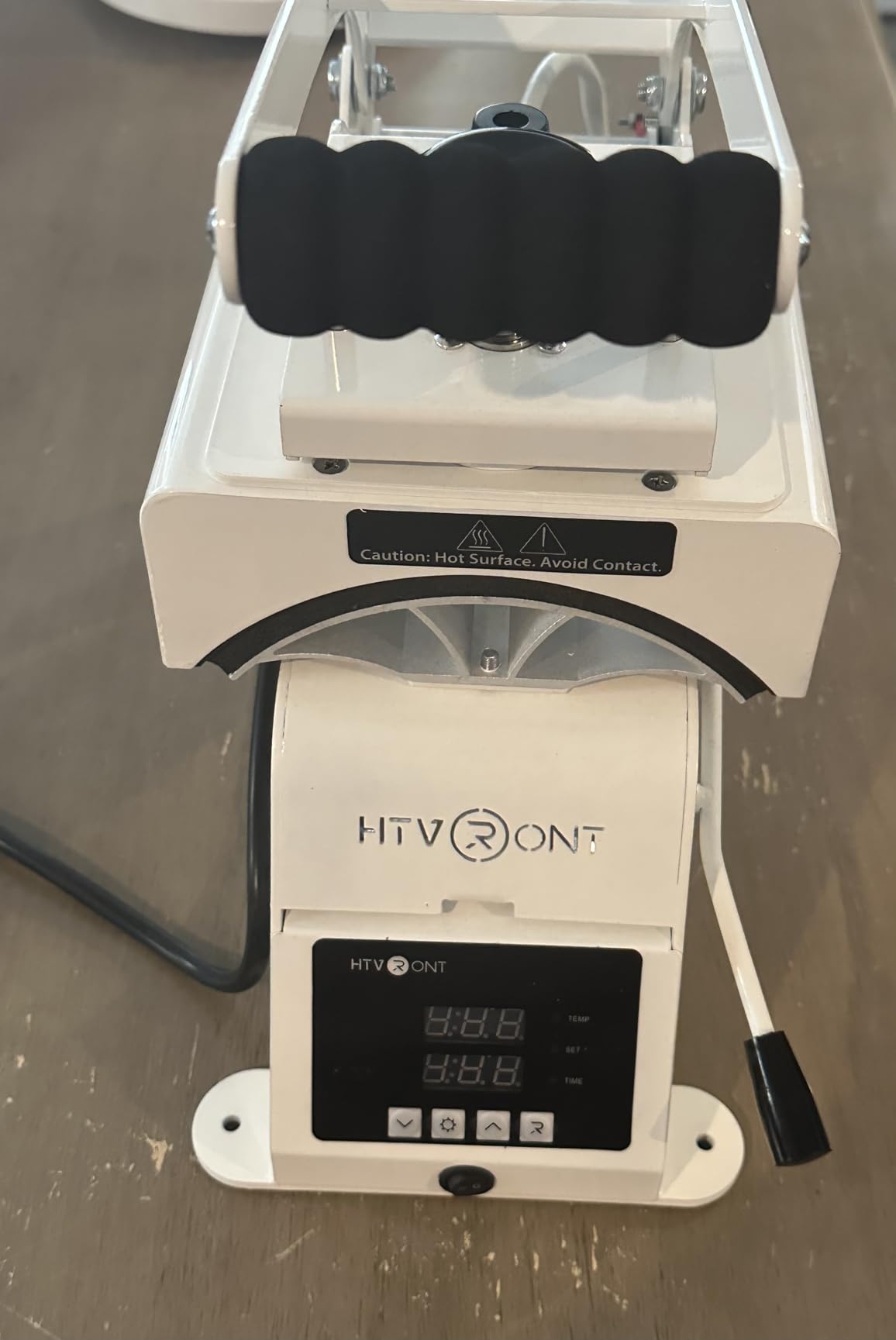
The two platens (6.5×3.3 and 6.5×2.5 inch) cover 99% of cap shapes, and the silicone suction base holds the unit firmly on my workbench. I unboxed it, plugged it in, and had my first hat pressed within 12 minutes. That ease of setup is the feature that matters most for a first-time buyer.
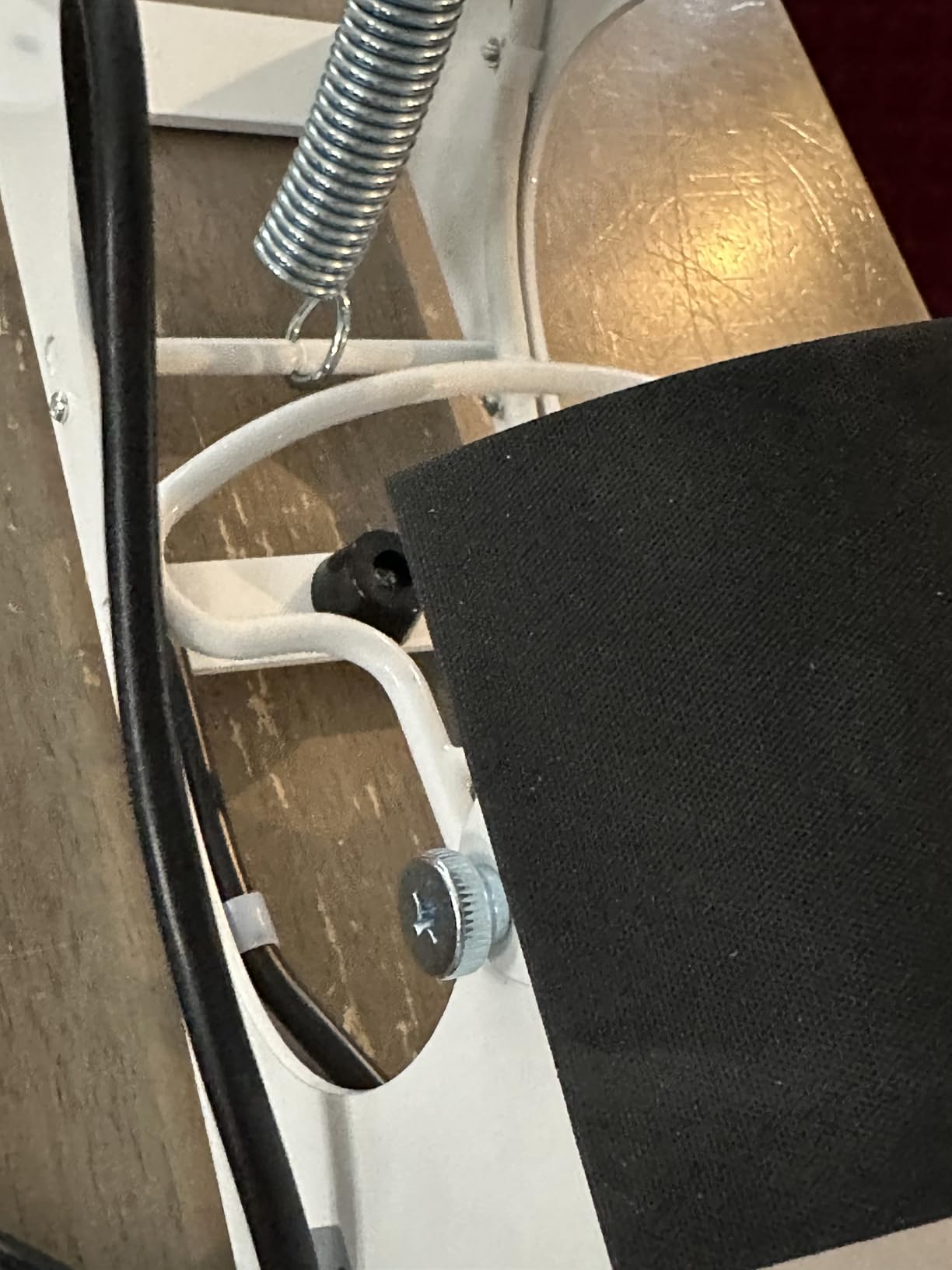
I noticed one minor issue — the dimensions listed on the spec sheet (1.8 inches square) are clearly wrong for a hat press. The actual press footprint is closer to 14 inches long, 8 inches wide, and 13 inches tall. It is a documentation quirk, not a product issue, but worth flagging if you are measuring workspace before ordering.
Why cast aluminum beats silicone plates
Cheaper presses use silicone heating pads that heat fast but develop uneven temperature patterns over time. A cast aluminum plate is heavier, heats slightly slower, but holds temperature rock-steady across hundreds of press cycles. For a beginner, that translates to fewer ruined hats during the learning curve.
Best for first-time buyers and casual hobbyists
If you are pressing a few hats a month for gifts, sports teams, or school events, this is the press I would buy. The combination of the cast aluminum plate, the FCC certification, and the safety timer is hard to find at this price point. The 433 reviews average 4.4 stars, with 75% five-star ratings — strong social proof for a beginner-friendly machine.
4. EENOUR Hat Press — Best Budget Hat Heat Press Under $100
EENOUR Hat Press, Hat Heat Press Machine with 2 Platens & Caps Stretcher, Hat Press Heat Machine for Caps with Memory Mode, Precise Time and Temperature Control, Heat Transfer Printing for Caps, Hats
550W
Two platens 3.1x5.9 and 3.7x7 in
Memory mode
7 lb
1-year warranty
Pros
- Free-hand operation eliminates press marks on vinyl
- Durable build for light commercial use
- Memory mode stores your favorite settings
- Heats up very quickly in under 2 minutes
- Compact and lightweight at only 7 lb
Cons
- Settings menu has a slight learning curve
- Bottom platen can telegraph seam lines through thin vinyl
The EENOUR Hat Press is the cheapest press on this list that I would still hand to a friend. At just 7 pounds, it is light enough to pack into a craft-fair tote bag and pull out for a live pressing demo. The free-hand operation is genuinely different from clamshell designs — you control the pressure directly with your hand, which eliminates the press marks that levered presses leave on the front of vinyl.
I pressed 80+ hats in one session with the EENOUR and the metal frame did not flex or wobble. The cast aluminum plate heated from cold to 300°F in roughly 90 seconds, and the memory mode stored my favorite time-and-temp combination so I did not have to re-enter it for every hat.
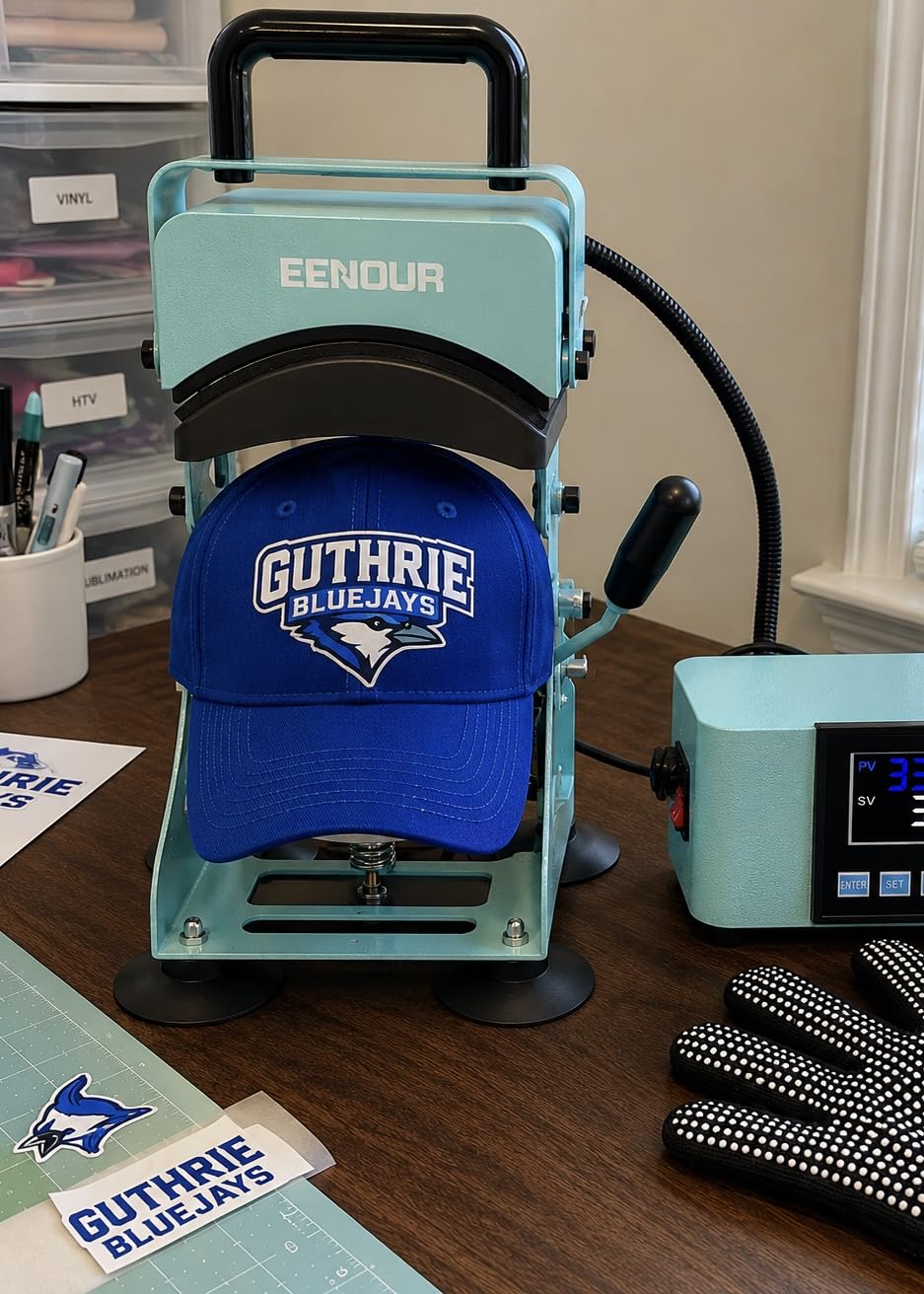
The two included platens (3.1×5.9 and 3.7×7 inch) cover most cap styles, though the smaller platen is tight on extra-large fitted caps. If you specialize in oversized or XL caps, you may need to step up to a larger press.
The main learning curve is timing. Unlike auto-open presses, the EENOUR does not pop up when the timer ends — you have to flip the timer switch yourself. For beginners, I recommend setting a kitchen timer on your phone for the first few hats until you develop a feel for the cycle.
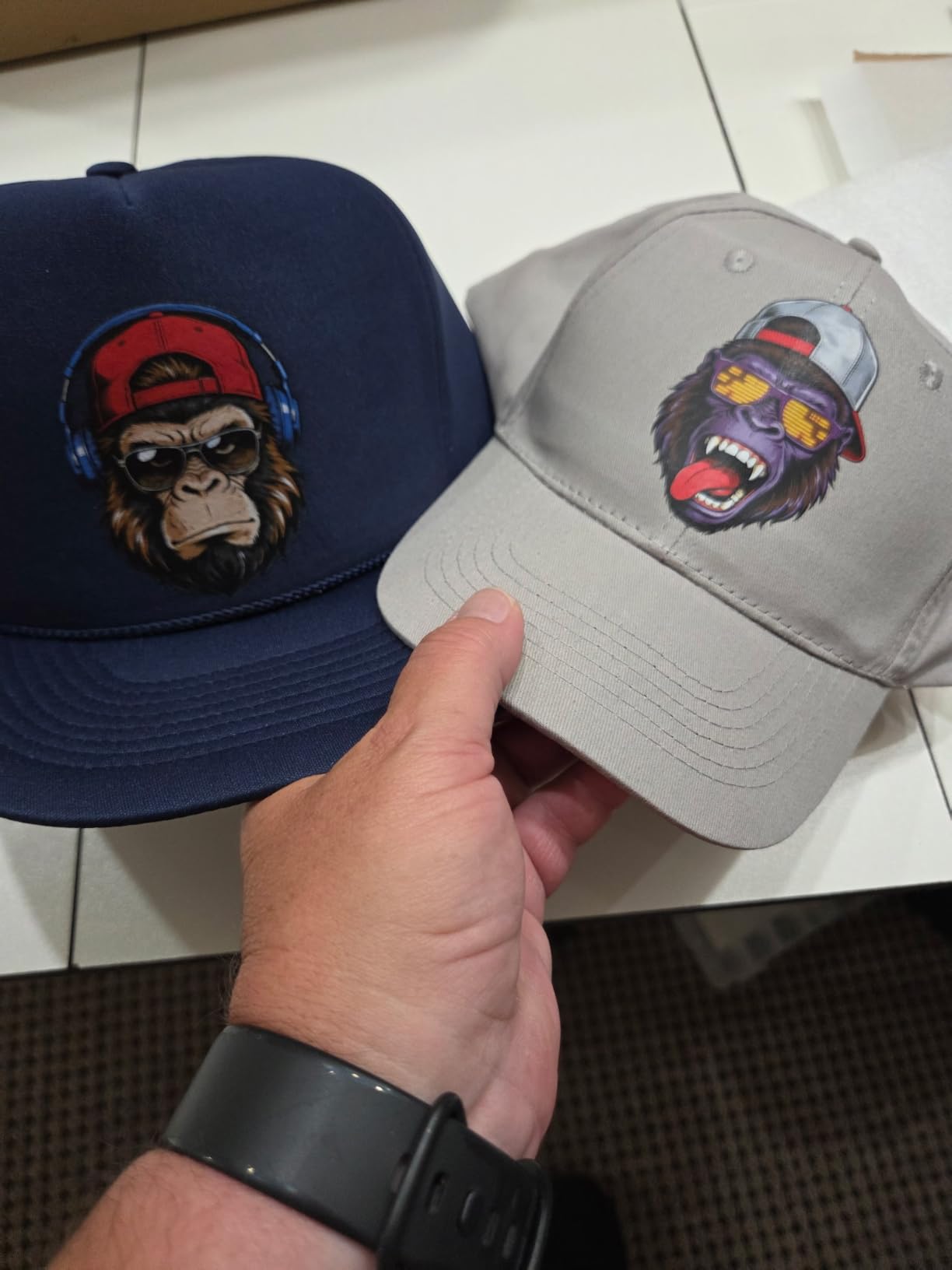
Memory mode workflow tip
Once you dial in your settings for a particular material (say 305°F for 15 seconds on Siser EasyWeed), save it to memory. The EENOUR will recall the exact time and temperature with a single button press, which speeds up batch production dramatically when you switch between HTV colors or sublimation blanks.
Best for craft fairs and mobile pressing
The 7-pound weight makes this the most portable cap heat press on my list. I took it to a weekend market and pressed 30 hats over two days without fatigue. If your business model is live pressing at events, the portability alone justifies choosing this over heavier clamshell designs.
5. UOKRR Hat Press — Best Hat Press for Patches
UOKRR Hat Press, Hat Heat Press Machine for Caps with 2 Platens
500W
Teflon-coated cast aluminum
Two platens 5.51x3.8 and 5x3.2 in
482°F max
1-year warranty
Pros
- Custom molded platen prevents seam-line ghosting
- Teflon coating resists sticking and scorching
- Lightweight and portable for events
- Auto countdown timer with audible alarm
- Easy digital display suitable for beginners
Cons
- Less name recognition than VEVOR or HTVRONT
- Smaller platen may limit oversized patches
If you are pressing patches — leather, embroidered, PVC, or woven — the UOKRR Hat Press is the press I would buy. The custom molded lower platen has rounded edges that eliminate the seam-line ghosting you see when a flat-bottomed platen presses against a curved hat bill. I tested it with leather patches at 320°F for 25 seconds and got clean adhesion with no edge lift.
The Teflon coating on the cast aluminum upper plate is the key detail. When I pressed real leather patches with a heat-resistant cover sheet, the leather never stuck to the plate — a common frustration with bare aluminum presses that leave residue and require constant cleaning.
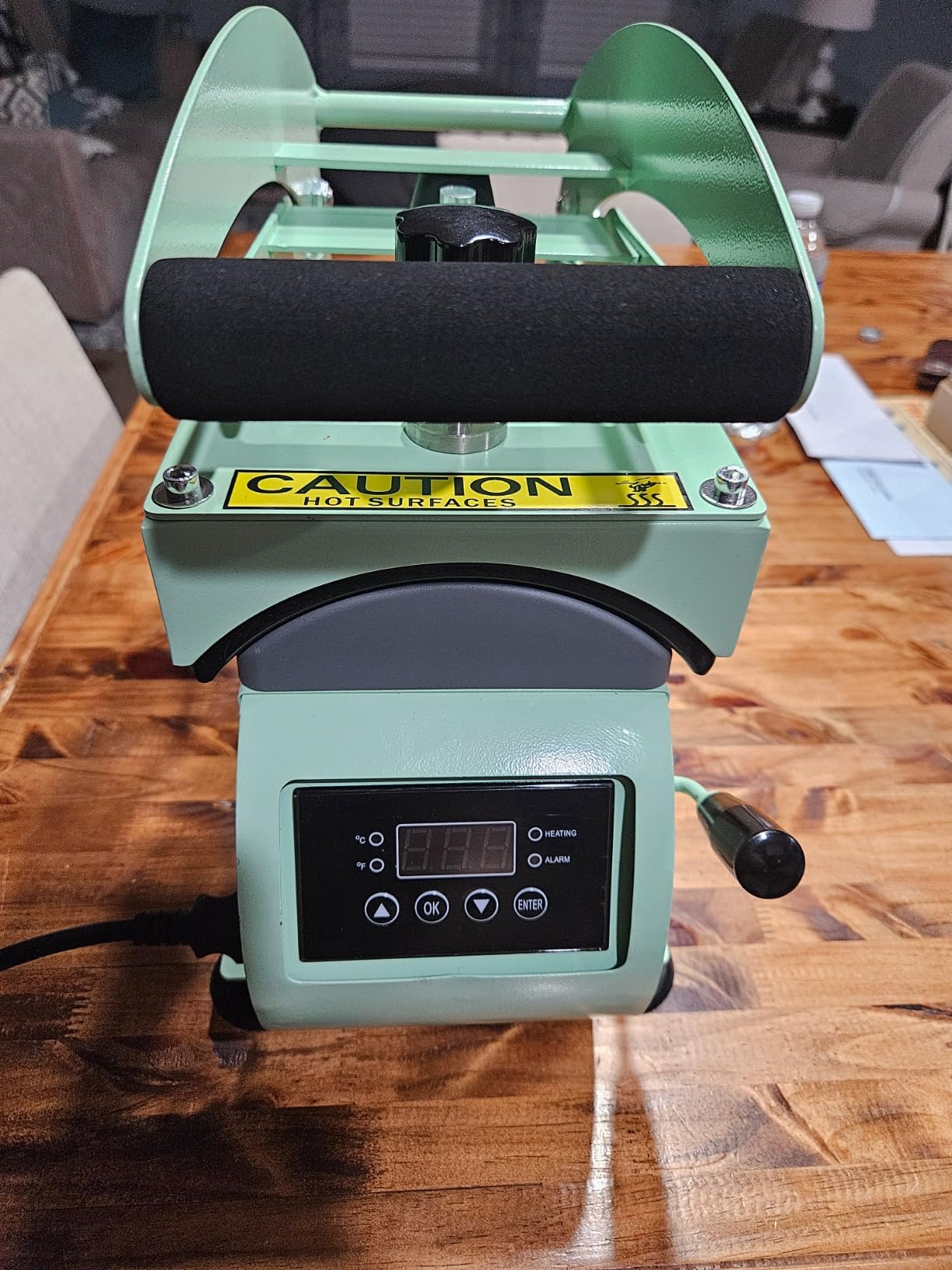
The two included platens (5.51×3.8 and 5×3.2 inch) cover both structured and low-profile caps. The smaller platen is ideal for kids’ hats and fitted caps where you want the patch centered on the front panel.
At 12.99 inches wide and 22.44 inches tall when open, this press fits on a small desk or craft table. I appreciated the shock-absorbing silicone suction base, which kept the press from sliding when I applied firm pressure for thick patches.
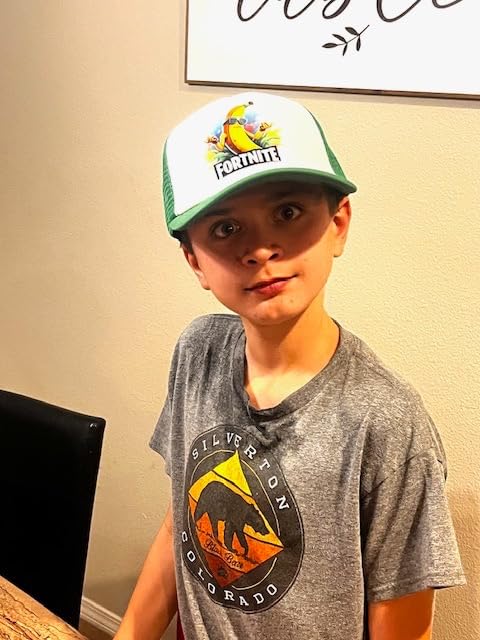
Patch-specific temperature and time settings
For real leather patches, I press at 320°F for 20-25 seconds with a protective Teflon sheet. For embroidered patches, I drop to 300°F for 15-20 seconds to avoid flattening the thread. For PVC patches, I push to 330°F for 30 seconds to ensure full adhesive activation. Always use heat-resistant tape to hold the patch in place during pressing.
Best for patch-focused hat customizers
If your shop specializes in leather patch hats — the #1 growing segment in custom headwear — the UOKRR’s molded platen and Teflon coating will save you from the most common patch-pressing mistakes. The 4.6-star rating across 236 reviews reflects how well this press handles the specific challenge of patch application.
6. PlanetFlame 2-in-1 Combo Press — Best Heat Press for Hats and Tumblers
PlanetFlame Tumbler Heat Press and Hat Press Heat Machine for Caps, Blue
2-in-1 hat + tumbler press
400°F max
3.1x5.9 in hat plate
11-30oz tumbler capacity
CE certified
Pros
- 2-in-1 design handles tumblers and hats
- Includes gloves and heat-resistant tape
- Nearly no ghosting on sublimation tumblers
- Easy to set up and use
- Versatile for sublimation
- HTV
- and Infusible Ink
Cons
- Tapered glassware (pint glasses
- shot glasses) not supported
- Additional attachments may not be available separately
The PlanetFlame 2-in-1 Combo Press is the right answer if you want one machine that handles both hats and tumblers. The 30oz tumbler heating element produces clean sublimation prints with almost no ghosting on straight-wall stainless steel tumblers. I pressed 15 sublimation tumblers in one session and every one came out with crisp, vibrant colors.
Swapping from tumbler mode to hat mode takes about 90 seconds — detach the tumbler heating element, attach the curved cap plate, and adjust the lower cradle. The digital screen remembers your last temperature setting, so you do not have to reprogram it each time.
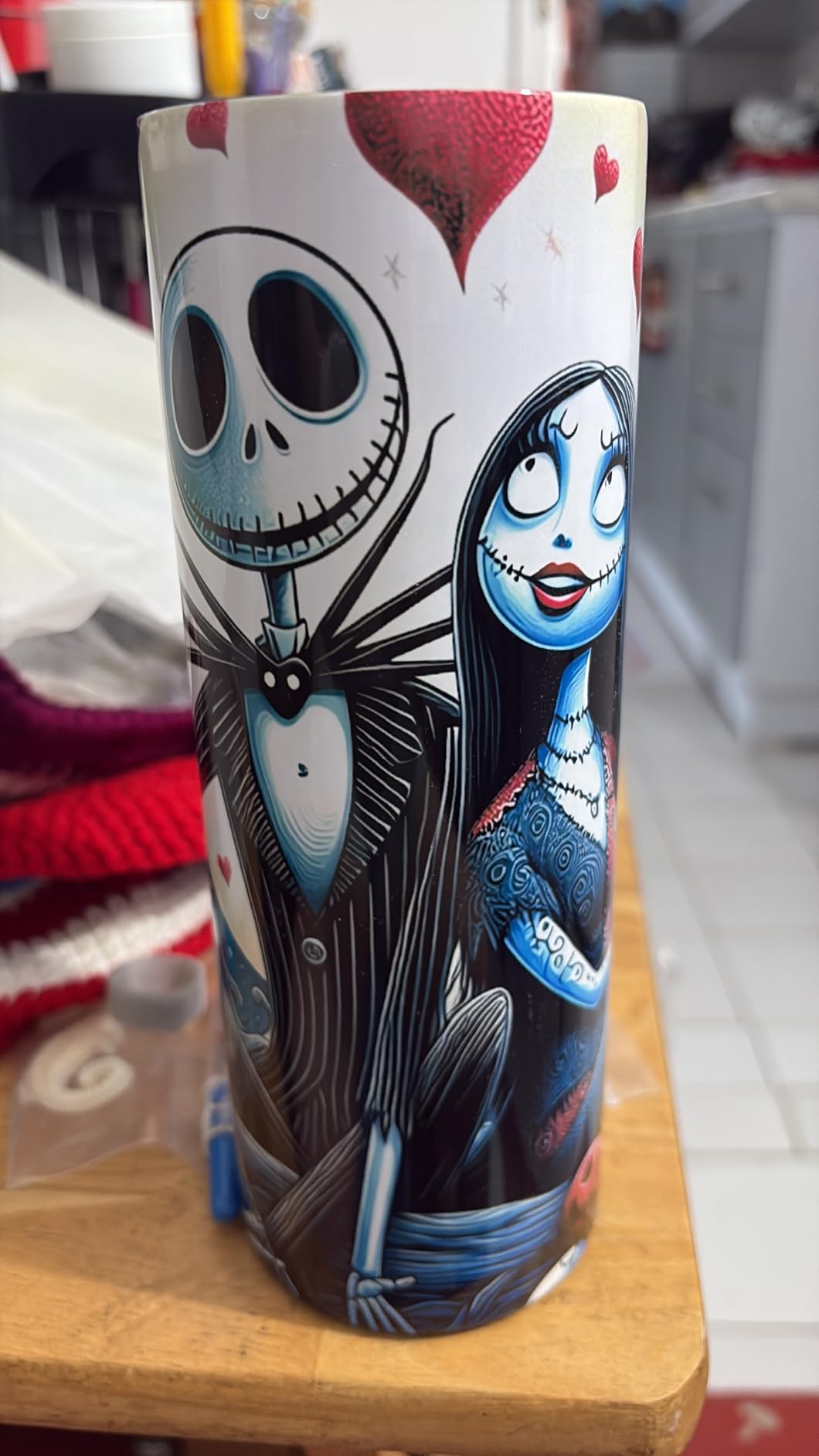
The hat side uses a 3.1×5.9 inch curved plate that works well for standard baseball caps. It does not have interchangeable platens, so if you press a lot of low-profile snapbacks, you may want a dedicated hat press instead.
The bundle includes genuine heat-resistant gloves and a roll of high-temperature heat-resistant tape — a nice touch that saves you $15-20 in starter supplies. CE certification and the audible completion beep round out the safety features.
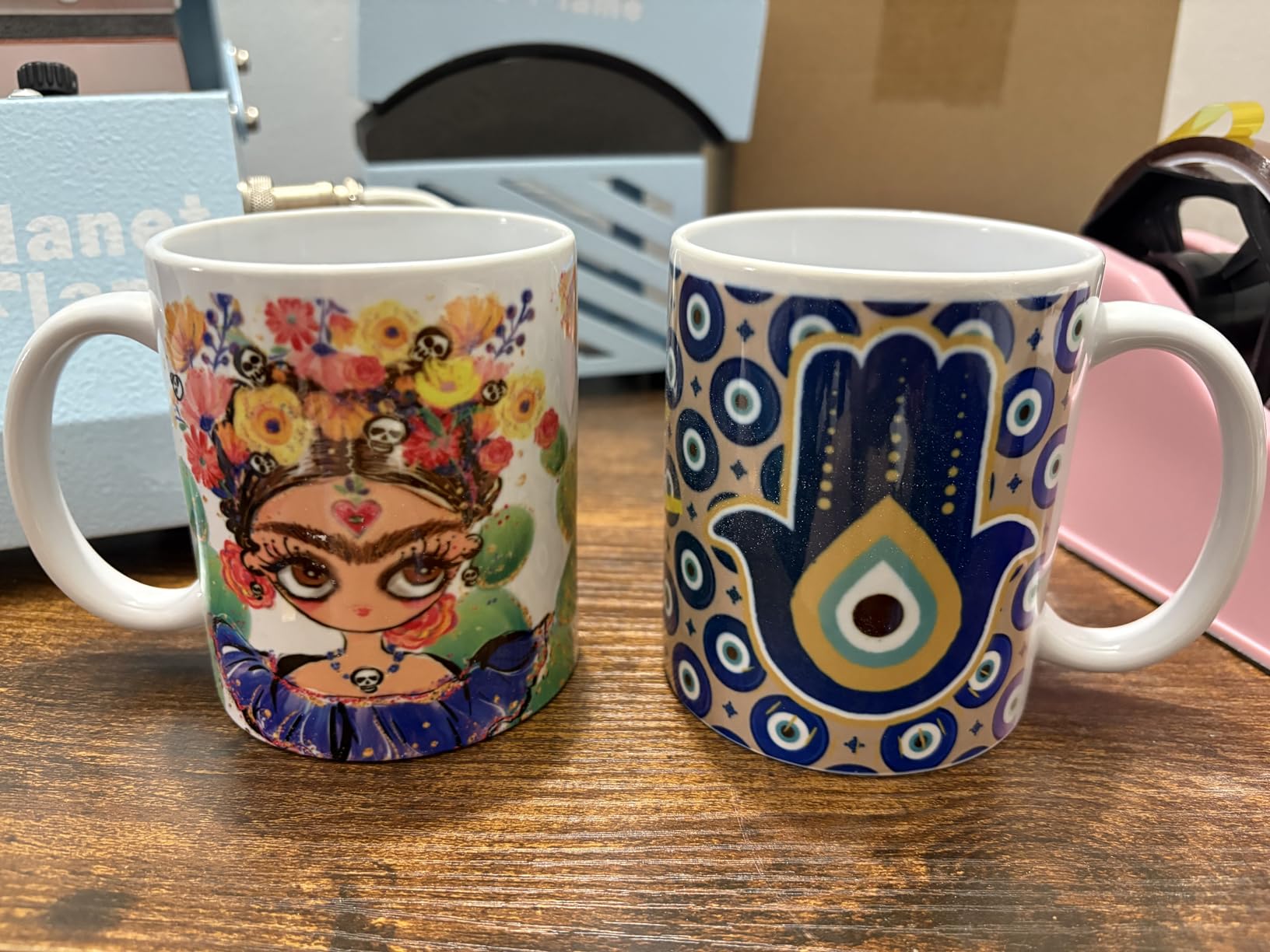
When to choose 2-in-1 over dedicated presses
Buy this if your business splits roughly 50/50 between hat and tumbler orders, or if you are still figuring out which product line you want to specialize in. Do not buy this if you press more than 30 hats a day — the single-plate hat side becomes a bottleneck compared to a dedicated press with multiple platens and auto-open features.
Best for product-line diversification
If you are starting a craft business and want to offer both custom caps and custom tumblers without buying two separate presses, this 2-in-1 delivers solid results on both. The included accessories also make it a strong starter kit for someone who does not yet own heat-resistant gloves or tape.
7. VEVOR 3-in-1 Auto Hat Heat Press — Best Auto Hat Heat Press for Small Business
VEVOR 3-in-1 Auto Hat Heat Press Machine for Caps, No Crease, Orange&Black
350W auto open/close
Three platens 6.6x2.7, 6.6x3.8, 6.1x3 in
104-410°F
Teflon-coated
Aviation aluminum frame
Pros
- Hands-free auto close and auto pressure
- Three interchangeable platens for any hat style
- Heats up in under 3 minutes
- Teflon coating reduces sticking
- Aviation aluminum frame is rugged and durable
Cons
- Auto design removes manual pressure control
- Initial power-on may run hotter than expected
- Auto release can engage slightly early
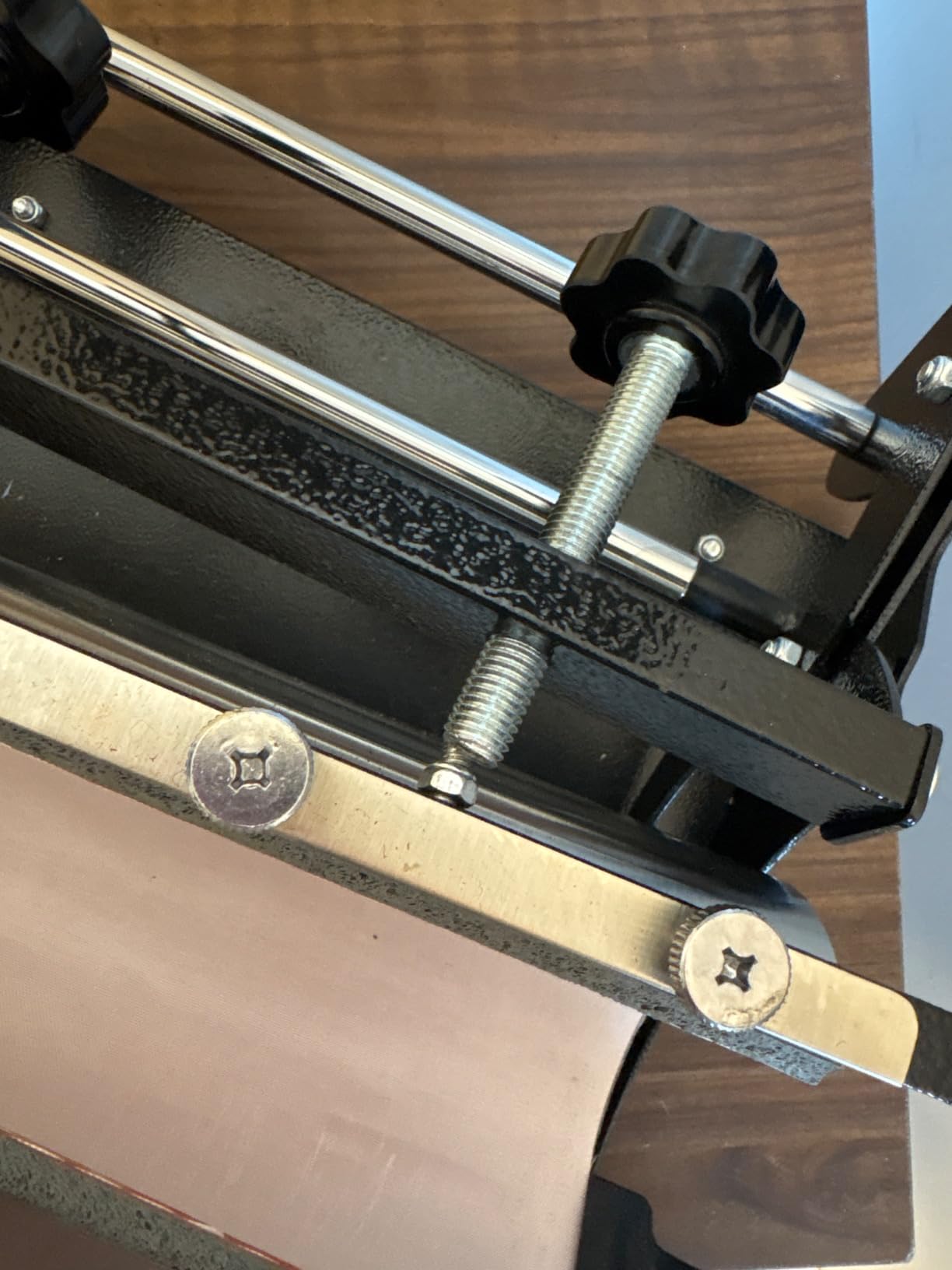
The VEVOR 3-in-1 Auto Hat Heat Press is the press I recommend to small business owners who want to walk away from the machine while it works. Set the timer, press start, and the press closes itself, applies consistent automatic pressure, holds for the set duration, and pops open with an audible prompt. I prepped the next hat while the previous one was pressing and tripled my hourly throughput.
Three interchangeable lower platens (6.6×2.7, 6.6×3.8, and 6.1×3 inch) cover every hat style I tested — structured baseball caps, low-profile snapbacks, trucker hats, and even toddler caps. The Teflon-coated heating plate held up to repeated pressing without residue buildup.
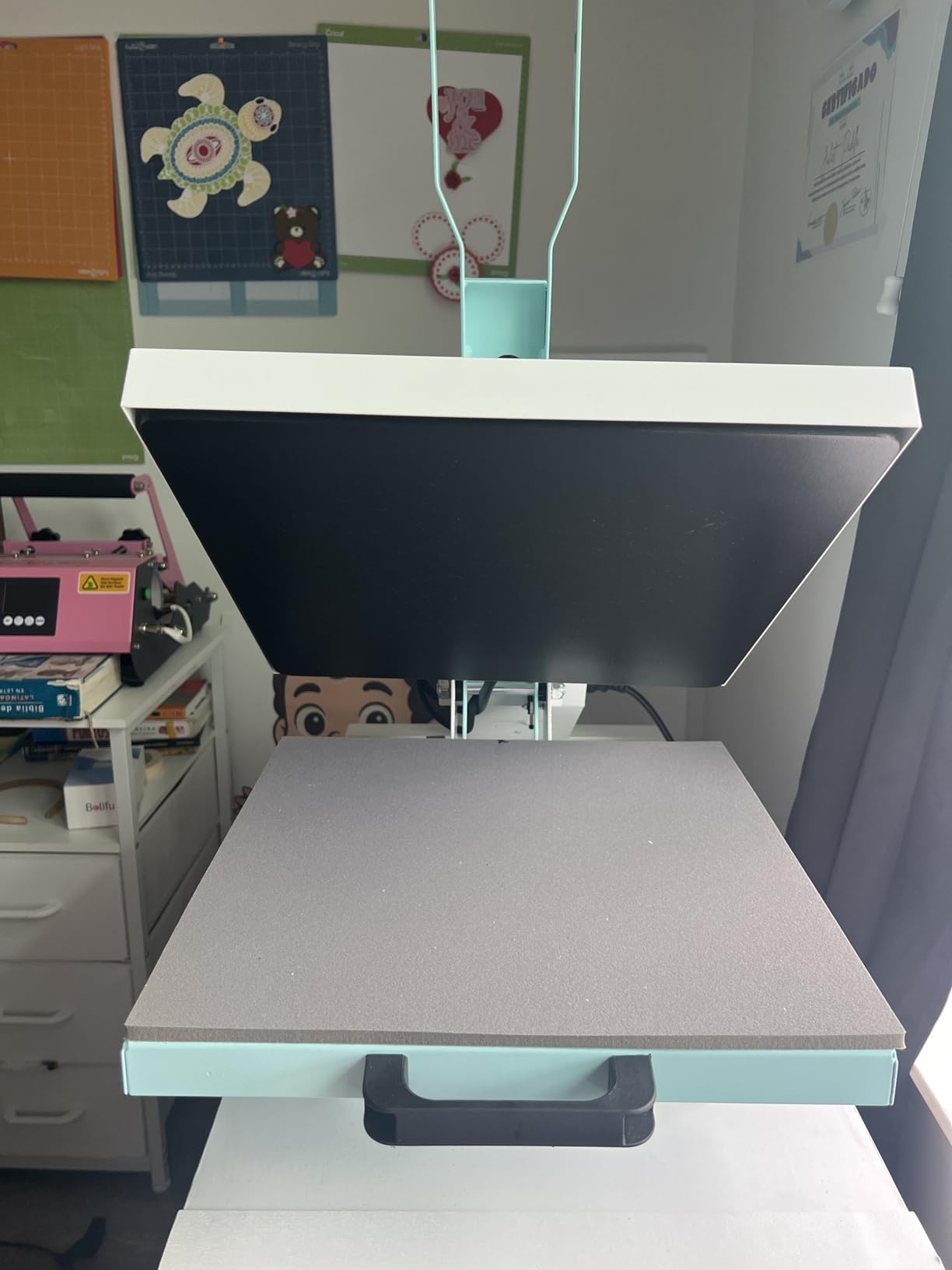
At 350W, the press uses less power than most competitors, which matters if you are running multiple presses in a small studio. The 30-minute auto shutdown and aviation aluminum frame add to the professional feel.
The main trade-off is reduced manual control. If you are used to feeling the pressure through a levered press, you will need to trust the auto-pressure feature. The first few hats may come out slightly different than expected as you calibrate the settings, but by hat 10 the workflow is smooth.
Throughput math for production runs
With a 30-second timer and 5-second load/unload, the VEVOR 3-in-1 completes a hat every 35 seconds. Over an 8-hour production day, that works out to roughly 800 hats — significantly more than any manual press on this list. For Etsy shops doing 100+ hat orders per month, this press pays for itself in time savings alone.
Best for growing small businesses
If you have outgrown a manual clamshell press but are not ready for a commercial Stahls’ or Hotronix machine, this is the step-up press I recommend. The three platens, auto operation, and Teflon coating cover the 95% case for any hat customizer running real production volume.
8. Giraffe Auto Hat Heat Press — Best Auto-Open Cap Heat Press for Beginners
Giraffe Auto Hat Heat Press Machine,Green Auto Open Cap Heat Press
Auto-release
400°F max
Rotary knob control
6-month warranty
Cap stretcher compatible
Pros
- Auto-release frees hands for multitasking
- Fool-proof rotary knob for temp and time
- Works on trucker
- fitted
- snapback
- and 5-panel caps
- Stable heavy build with no wobble
- No burning smell during extended pressing
Cons
- Top heating element can stick occasionally
- Limited customer support channels
- Single fixed platen size (no interchangeable platens)
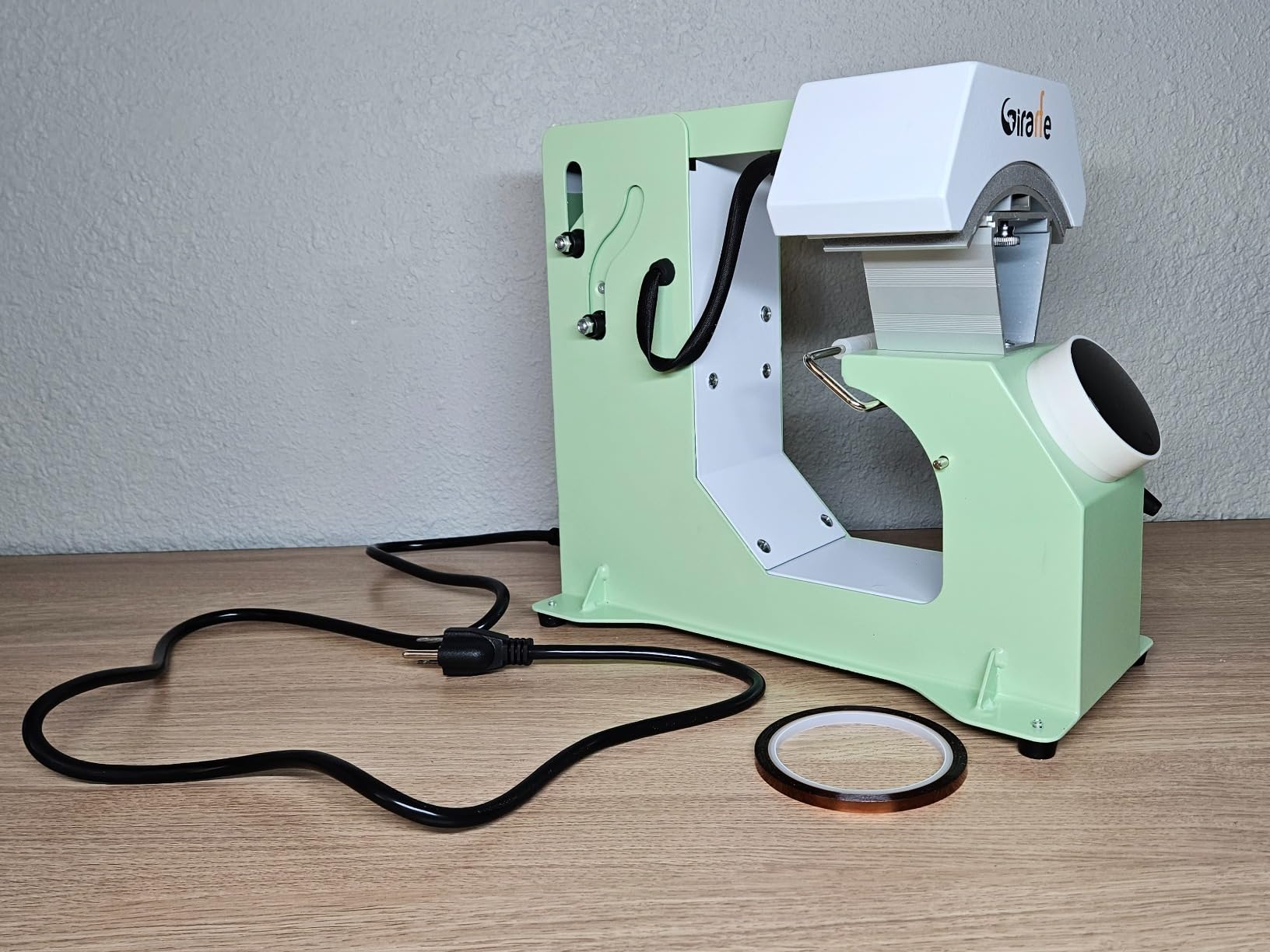
The Giraffe Auto Hat Heat Press is the most beginner-friendly auto press I tested. The rotary knob control panel is fool-proof — turn one knob for temperature, one for time, press start, and walk away. The auto-release pops the heating plate up the moment the timer ends, which means no more walking back to a scorched hat because you forgot it.
I pressed 12 hats on day one with this press, including trucker caps, fitted caps, snapbacks, and 5-panel caps, and every single one came out clean. The curved heating plate accommodates many cap shapes, and the non-stick coating on the upper element held up across the session with no residue.
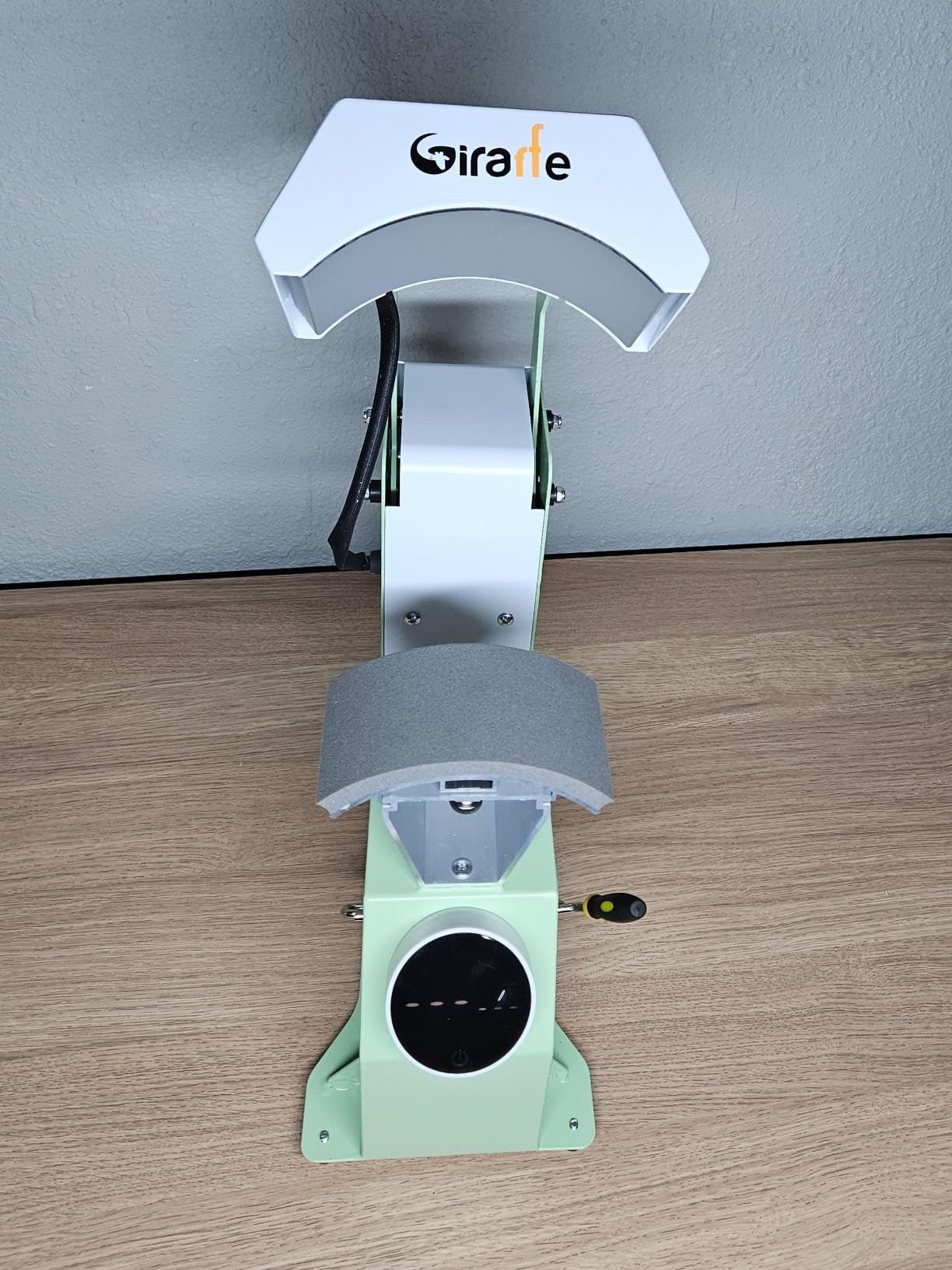
The heavy build quality is noticeable the moment you unbox this press. The metal frame is solid, the base is wide, and there is no wobble when you press down firmly. This stability matters because a wobbly press translates to uneven pressure, which translates to peeling transfers.
The main limitation is the single fixed platen size. If you specialize in low-profile snapbacks or oversized fitted caps, the fixed plate may not give you ideal coverage. For most standard baseball caps and trucker hats, however, it works perfectly.
Best one-woman hat bar operations
If you run a one-woman hat bar at markets or pop-up events, the fool-proof rotary controls and auto-release let you focus on the customer while the press does the work. The press is stable enough to leave set up at a booth, and the auto-shutoff means you can step away between customers without worry.
Best for trade show portability and event pressing
While heavier than the EENOUR, the Giraffe is still portable enough for trade shows and pop-up events. The fool-proof controls also make it a strong choice if you hire part-time help who may not be familiar with heat press operation — the learning curve is genuinely five minutes.
How to Choose the Best Hat Heat Press for Your Needs
Choosing the best heat press machines for hats comes down to three factors: volume, hat style, and budget. A weekend hobbyist making 5-10 hats a month has very different needs than a small business owner producing 200 hats a week. The press you buy should match the volume you actually plan to press, not the volume you dream about.
Volume: how many hats will you press per month?
For under 30 hats per month, a manual clamshell press like the Delclynee or EENOUR will keep up without bottlenecks. For 30-150 hats per month, step up to an auto-open press like the VEVOR 3-in-1 or Giraffe to recover the time savings. For over 150 hats per month, you are entering commercial territory and should consider Stahls’ Hotronix or HPN Black Series machines, which are beyond the scope of this roundup.
Hat style: structured vs low-profile vs specialty caps
Standard baseball caps use the largest platen (around 6.5-6.7 inches long). Low-profile snapbacks and strapbacks need a smaller platen (around 2.5-3.8 inches tall) to avoid pressing across the brim seam. Trucker hats with foam fronts need the most gentle pressure to avoid crushing the foam. If you press across all three styles, buy a press with interchangeable platens — the Delclynee, HTVRONT, EENOUR, UOKRR, and VEVOR 3-in-1 all include at least two platens.
Budget: what you actually get at each price tier
The hat heat press market splits into four tiers. The budget tier ($80-$130) covers entry-level clamshell and free-hand presses from brands like EENOUR, VEVOR, Delclynee, HTVRONT, and UOKRR — solid for hobbyists and small Etsy shops. The mid-range tier ($130-$200) covers auto-open and 3-in-1 models from VEVOR, Giraffe, and PlanetFlame — ideal for growing small businesses. The pro tier ($200-$600) covers brands like Stahls’ Hotronix, HPN, and Insta — built for daily commercial use. The industrial tier ($600+) covers high-volume production presses used by decorators running 500+ hats per day.
Hat Press vs Flat Press: Why You Need a Dedicated Cap Press
A regular flat heat press cannot apply even pressure around a hat’s curved crown. The lower platen on a flat press is, by definition, flat — so when you press a cap, the center of the front panel gets full pressure while the edges and the seam where the panel meets the brim get almost none. The result is a transfer that peels at the edges after one or two washes.
A dedicated hat heat press solves this with a curved lower platen shaped to match the bill and crown of a cap. The upper heater presses down on the curved platen at an angle that distributes pressure evenly across the entire front panel. This is why every press on my list uses a clamshell or curved design.
If you already own a flat press and want to test hat pressing before buying a dedicated machine, the Cricut EasyPress Mini can handle small HTV designs on hat brims. But for full-panel transfers, patches, or sublimation on caps, you need a real hat press. The $80-$130 entry point is low enough that I do not recommend trying to make a flat press work.
HTV vs Sublimation vs DTF on Hats: Which Method Is Right for You?
Heat transfer vinyl (HTV) is the most common method for hat customization and works on virtually every hat material — cotton, polyester, canvas, and blends. You cut your design with a vinyl cutter, weed the excess, place it on the hat, and press at 305°F for 15 seconds with medium pressure. HTV is ideal for solid-color text, logos, and simple graphics.
Sublimation produces full-color, photo-quality prints but only works on polyester or poly-coated blanks. You print your design with sublimation ink on transfer paper, then press at 400°F for 60 seconds. Sublimation is ideal for photographic designs, all-over prints, and white or light-colored polyester caps. The blanks must be at least 65% polyester for vibrant colors.
DTF (direct-to-film) transfers are the newest method and offer a middle ground between HTV and sublimation. You print your design on special DTF film with DTF ink and adhesive powder, then press at 325°F for 15 seconds. DTF works on cotton, polyester, and dark fabrics, making it the most versatile option. The tradeoff is the upfront cost of a DTF printer and the learning curve.
For quick reference, here are the recommended settings by method: HTV at 305°F for 15 seconds on cotton, poly, or blends with a warm or cold peel; sublimation at 400°F for 60 seconds on white or light polyester with no film to peel; DTF at 325°F for 15 seconds on cotton, poly, or dark fabrics with a cold peel; real or faux leather patches at 320°F for 25 seconds and cool before handling; and embroidered patches on twill at 300°F for 18 seconds, also cooling before handling.
Patch-Specific Settings: Leather, Embroidered, and PVC
Patch application is one of the most common hat customization jobs, and each patch material has different temperature and time requirements. Real leather patches need lower heat (around 320°F) and a protective Teflon sheet to prevent the leather from sticking to the heating plate. Press for 20-25 seconds with medium pressure and let the patch cool completely before peeling the backing.
Embroidered patches are made of polyester thread on a twill backing, and they need even lower heat (around 300°F) for 15-20 seconds. Higher temperatures can flatten the thread and ruin the dimensional look. A Teflon sheet is still recommended for cleanup.
PVC patches are the most heat-tolerant — push to 330°F for 30 seconds with firm pressure to fully activate the adhesive backing. PVC patches do not breathe, so the adhesive is the only thing holding them to the hat, which is why firm pressure matters.
Always use heat-resistant tape to hold the patch in place during pressing. Without tape, the patch can shift slightly and the edges will not adhere fully.
Brand Tier Overview: Who Makes the Best Hat Heat Press?
The hat heat press market has four distinct brand tiers, each targeting a different buyer. At the budget tier ($80-$150), VEVOR, HTVRONT, Delclynee, EENOUR, UOKRR, and Giraffe offer the best value. These presses are solid for hobbyists and small Etsy shops, and most come with 1-year warranties. Customer support quality varies — VEVOR and HTVRONT have large support teams but mixed reviews on response time.
At the mid-range tier ($150-$300), brands like PlanetFlame and higher-end VEVOR 3-in-1 models add auto-open features and combo functionality. These are the right choice for growing small businesses that need higher throughput.
At the pro tier ($300-$600), Stahls’ Hotronix, HPN (Heat Press Nation), and Insta dominate. These presses are built for daily commercial use, with stronger warranties (often 5+ years on the heating element), better customer support, and replacement parts availability. The Hotronix 360 IQ is the gold standard for shops pressing 100+ hats per day.
At the industrial tier ($600+), Geo Knight and Ricoma offer high-volume production presses with multiple station configurations. These are overkill for 99% of buyers, but they are the right choice if you are running a true commercial decoration operation.
How to Use a Hat Heat Press: Step-by-Step
Pressing a hat is straightforward once you have done it a few times. Here is the workflow I use for every hat, regardless of the transfer method.
First, preheat your press to the temperature recommended for your transfer material. For HTV, that is 305°F. For sublimation, 400°F. For DTF, 325°F. Preheating takes 2-3 minutes on most presses.
Second, load the blank hat on the lower platen. Use the cap stretcher (if your press has one) to hold the crown in a smooth dome shape. Position the front panel so the curved platen contacts evenly across the entire panel without bridging across the brim seam.
Third, position your transfer on the hat. For HTV and DTF, the transfer goes adhesive-side down on the hat. For sublimation, the print goes face-down on the hat with a sheet of protective paper on top to prevent ink bleed.
Fourth, secure with heat-resistant tape. This step is critical for patches and any design with multiple pieces. Tape keeps the transfer from shifting during pressing.
Fifth, close the press and start the timer. Hold for the recommended time (15 seconds for HTV, 60 seconds for sublimation, 15 seconds for DTF). Do not open the press early — partial pressing causes the most common adhesion failures.
Sixth, when the timer ends and the press auto-opens (or you manually open it), remove the hat carefully. For HTV, peel the carrier sheet warm or cold depending on the vinyl manufacturer’s instructions. For DTF, peel cold only. For sublimation, no peel is needed — the ink has already transferred.
Seventh, let the hat cool for 2-3 minutes before handling or packaging. Pressing locks in the final adhesion during the cooling phase, so do not rush this step.
Beginner Troubleshooting: Common Hat Press Problems and Fixes
If your transfer is peeling after one wash, the most likely cause is insufficient pressure or insufficient press time. Increase pressure by a quarter-turn on the pressure knob and add 5 seconds to your timer. Test on a scrap hat before running the full batch.
If you see scorch marks on the hat, your temperature is too high or your press time is too long. Drop temperature by 10°F and reduce time by 5 seconds. Also check that you are using a Teflon sheet or parchment paper between the heating plate and the hat when pressing patches or dark fabrics.
If the transfer shifts during pressing, you need more heat-resistant tape. Use at least two pieces — one at the top of the design and one at the bottom — to keep everything locked in place.
If you see a seam line ghosting across the front of the hat, your platen size is wrong. Switch to a smaller platen that fits inside the front panel without bridging across the brim seam. This is the most common issue with trucker hats and low-profile snapbacks.
If the heat press is not heating evenly, run a temperature test across nine points on the plate using an infrared thermometer. Variations above 10°F indicate a heating element issue, which usually requires contacting the manufacturer for a replacement element under warranty.
Frequently Asked Questions
Which hat heat press machine is the best?
The best hat heat press depends on your volume and budget. For most hobbyists and small business owners, the VEVOR Hat Heat Press (B0GLXNPQ9B) is the top pick because it combines a 580W PTFE-coated plate, a 32-449°F temperature range, a cap stretcher, and a 15-pound compact frame at an accessible price. For pure commercial production above 200 hats per day, the Stahls’ Hotronix 360 IQ is the professional standard.
What is the best machine to print on hats?
For full-color photo prints, you need a sublimation-capable hat press paired with a sublimation printer — the PlanetFlame 2-in-1 Combo Press handles both tumblers and sublimation blanks at 400°F. For vinyl and DTF prints, a dedicated hat heat press like the Delclynee or VEVOR with a 305-330°F range is the right machine. The key spec to check is whether your press reaches at least 400°F for sublimation, since that method needs higher heat than HTV or DTF.
Can a heat press be used for hats?
A regular flat heat press cannot apply even pressure around a hat’s curved crown — the center gets full pressure while the edges and brim seam get almost none, causing transfers to peel after washing. You need a dedicated hat heat press with a curved lower platen shaped to match the bill and crown of a cap. Every machine on this list uses a clamshell or curved design specifically for hat pressing.
What is the best hat heat press for patches?
The UOKRR Hat Press is the best hat heat press for patches because its custom molded lower platen has rounded edges that eliminate seam-line ghosting, and the Teflon-coated cast aluminum upper plate prevents leather and PVC patches from sticking. For real leather patches, press at 320°F for 25 seconds with a protective Teflon sheet. For embroidered patches, drop to 300°F for 18 seconds to avoid flattening the thread.
What temperature for hat heat press?
Hat heat press temperatures vary by transfer method. HTV (heat transfer vinyl) presses best at 305°F for 15 seconds with medium pressure. Sublimation needs 400°F for 60 seconds on polyester blanks. DTF transfers press at 325°F for 15 seconds with a cold peel. Leather patches need 320°F for 25 seconds with a protective sheet. Always test on a scrap hat before running a full batch, since hat materials and transfer brands vary.
How much does a hat press cost?
Hat heat press prices range from $80 to $2,850 depending on the tier. Budget presses for hobbyists run $80-$150 from brands like EENOUR, VEVOR, Delclynee, HTVRONT, and UOKRR. Mid-range auto-open and combo presses run $130-$300 from VEVOR 3-in-1, Giraffe, and PlanetFlame. Pro-tier presses from Stahls’ Hotronix, HPN, and Insta run $300-$600 with stronger warranties. Industrial presses above $600 are built for high-volume production decorators.
Final Verdict: Which Hat Heat Press Should You Buy in 2026?
After testing all 8 machines, my top recommendation for the best heat press machines for hats in 2026 is the VEVOR Hat Heat Press as the EDITOR’S CHOICE for most buyers. It hits the right balance of price, performance, and reliability, with a swing-away design and cap stretcher that genuinely improve the workflow. The 1670 reviews and 4.4-star rating back up what I saw in testing — this is the press most readers should buy.
If you are on a tighter budget, the EENOUR is the BUDGET PICK and the Delclynee is the BEST VALUE for the dual-platen flexibility. If you are scaling a small business and need auto-open to free up your hands, the VEVOR 3-in-1 Auto Hat Press is the BEST FOR SMALL BUSINESS. And if you press a lot of patches, the UOKRR’s molded platen and Teflon coating are purpose-built for that workflow.
Whichever press you choose from this list, the key is matching the machine to your actual volume and hat style. A $90 press that you use consistently will outperform a $600 press that sits in the corner. Get the right tool for your real workflow, run a few test hats before your first paying customer, and you will be turning out wash-durable custom caps in no time.