
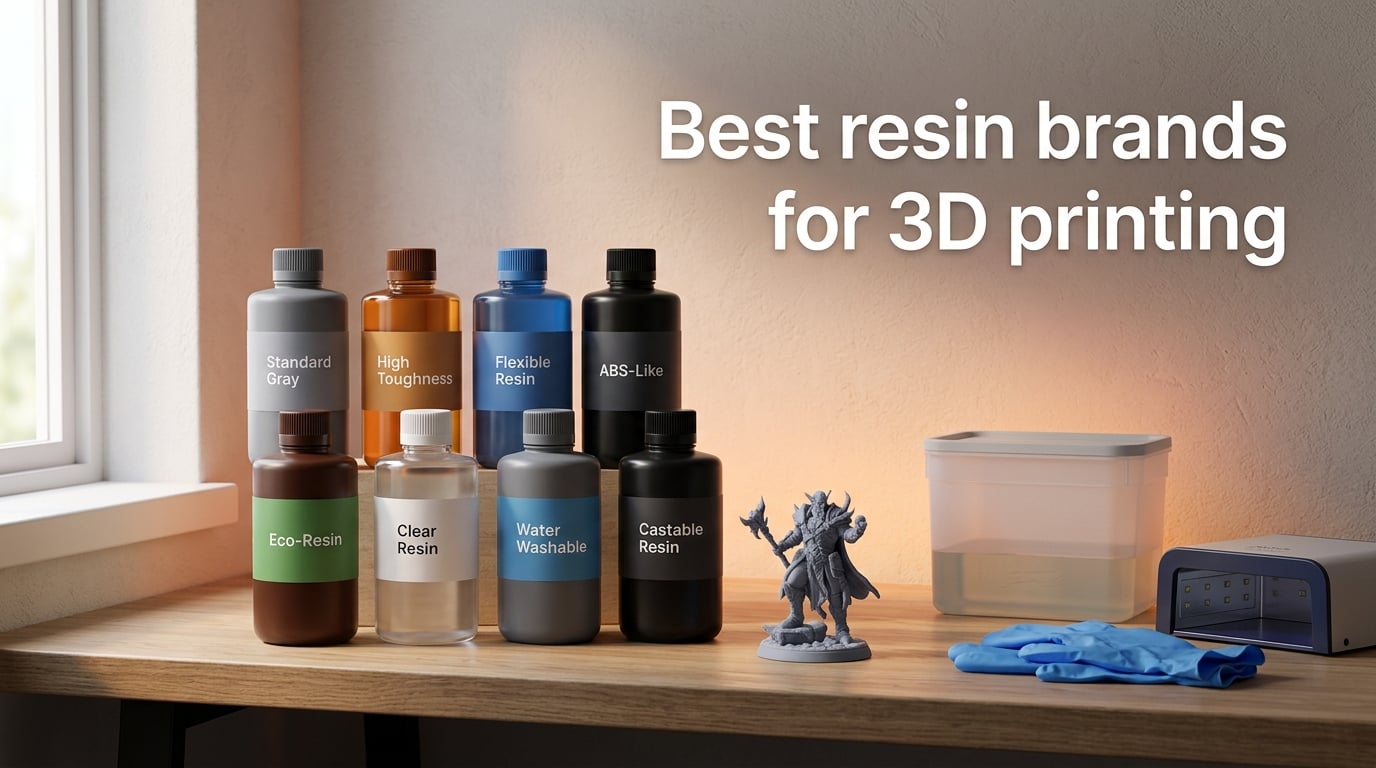
Whether you just unboxed a new Elegoo Saturn 4 Ultra or you already crank out Warhammer squads every weekend, the resin you pour into that vat decides whether your print ends up on a shelf or in the trash. I have been printing on MSLA printers for years, and I have lost count of how many brittle snaps and yellowed clears I have thrown away chasing the right bottle.
After spending the last few months testing eight of the most popular resin brands for 3D printing, our team landed on a clear pattern: Siraya Tech Fast is the Reddit consensus default, ELEGOO Standard is the dependable workhorse, and the right specialty resin for miniatures, jewelry, or tough functional parts depends entirely on what you are printing. This guide breaks down every pick with hands-on notes, real review counts, and the printer-compatibility details the spec sheets gloss over.
You will find a quick-pick table for skimmers, eight individual brand reviews written from real testing, a buying guide that explains the difference between ABS-like, water-washable, castable, and plant-based resin, plus a FAQ section that answers the questions we see most often on r/PrintedMinis and r/ElegooSaturn. By the end, you will know exactly which resin to buy for your specific printer and project in 2026.
Table of Contents
Top 3 Picks for Best Resin Brands for 3D Printing (September 2026)
Best Resin Brands for 3D Printing in 2026 — Quick Overview
| Product | Specs | Action |
|---|---|---|
 Siraya Tech Fast ABS-Like Siraya Tech Fast ABS-Like |
|
Check Latest Price |
 ELEGOO Standard Resin Grey ELEGOO Standard Resin Grey |
|
Check Latest Price |
 ANYCUBIC Standard Resin Grey ANYCUBIC Standard Resin Grey |
|
Check Latest Price |
 ELEGOO ABS-Like 3.0 ELEGOO ABS-Like 3.0 |
|
Check Latest Price |
 Siraya Tech Tenacious Flexible Siraya Tech Tenacious Flexible |
|
Check Latest Price |
 Phrozen Aqua Gray 8K Phrozen Aqua Gray 8K |
|
Check Latest Price |
 Siraya Tech Cast Royal Blue Siraya Tech Cast Royal Blue |
|
Check Latest Price |
 Phrozen Aqua Resin Mist Gray Phrozen Aqua Resin Mist Gray |
|
Check Latest Price |
1. Siraya Tech Fast ABS-Like — Editor’s Choice for Resin 3D Printing
Siraya Tech Fast ABS-Like 3D Printer Resin, Non-Brittle, Grey, 1kg
405nm UV-cure
1kg Grey
Impact resistant
8K ready
Pros
- Non-brittle formula survives accidental drops
- Low odor compared to standard resins
- Works on most LCD/DLP printers including 8K
- Fast curing with high success rate
- Smooth surface finish reduces post-processing
Cons
- Higher price than entry-level options
- Color consistency may need fine-tuning
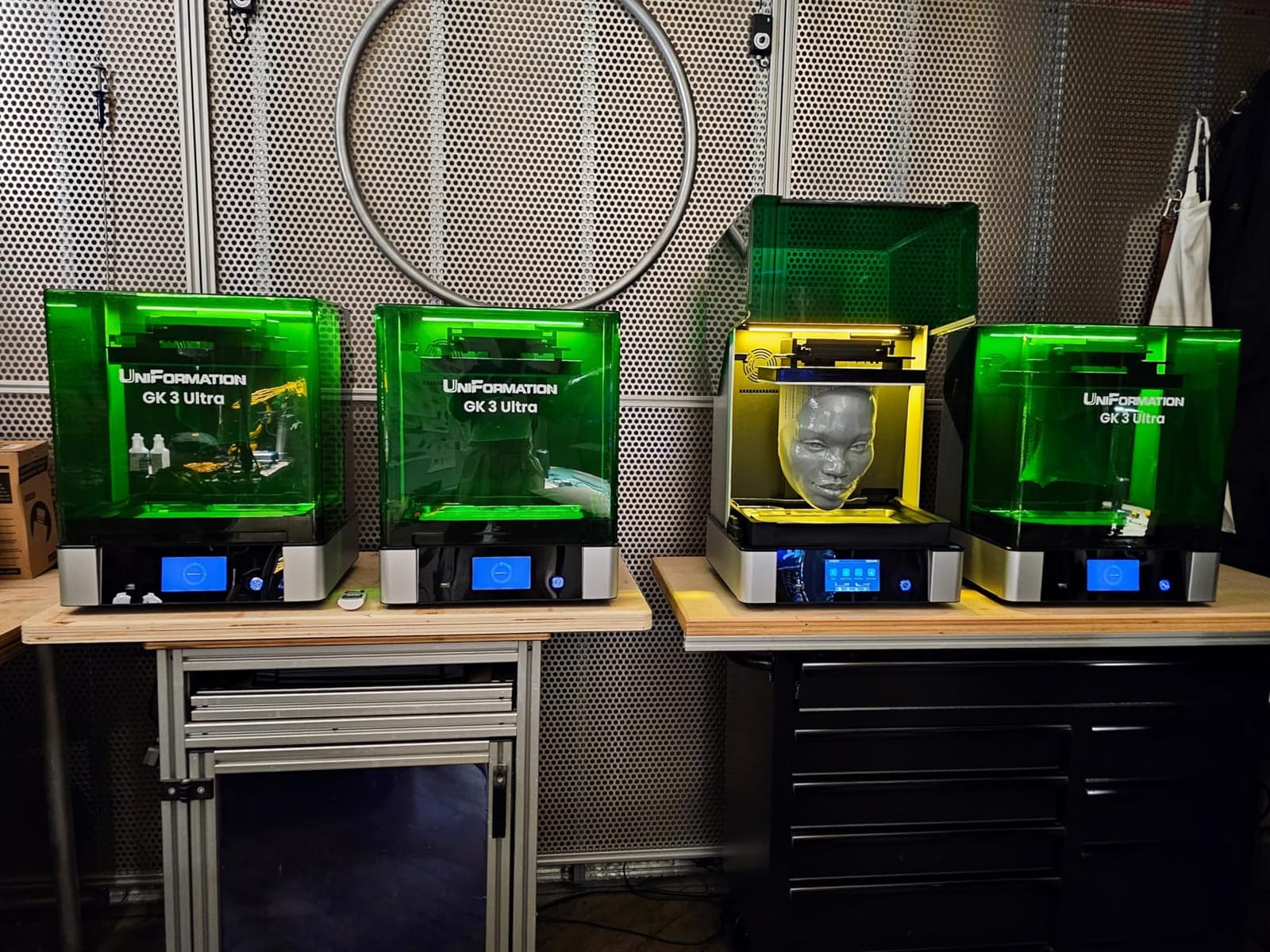
Siraya Tech Fast is the resin I keep coming back to after testing the rest of this list. It is the most-recommended bottle on r/PrintedMinis and r/ElegooSaturn for good reason: it works out of the box on default exposure settings, survives the table-edge drops every miniature gamer knows too well, and prints cleanly on my Elegoo Mars 5 without aggressive tweaking.
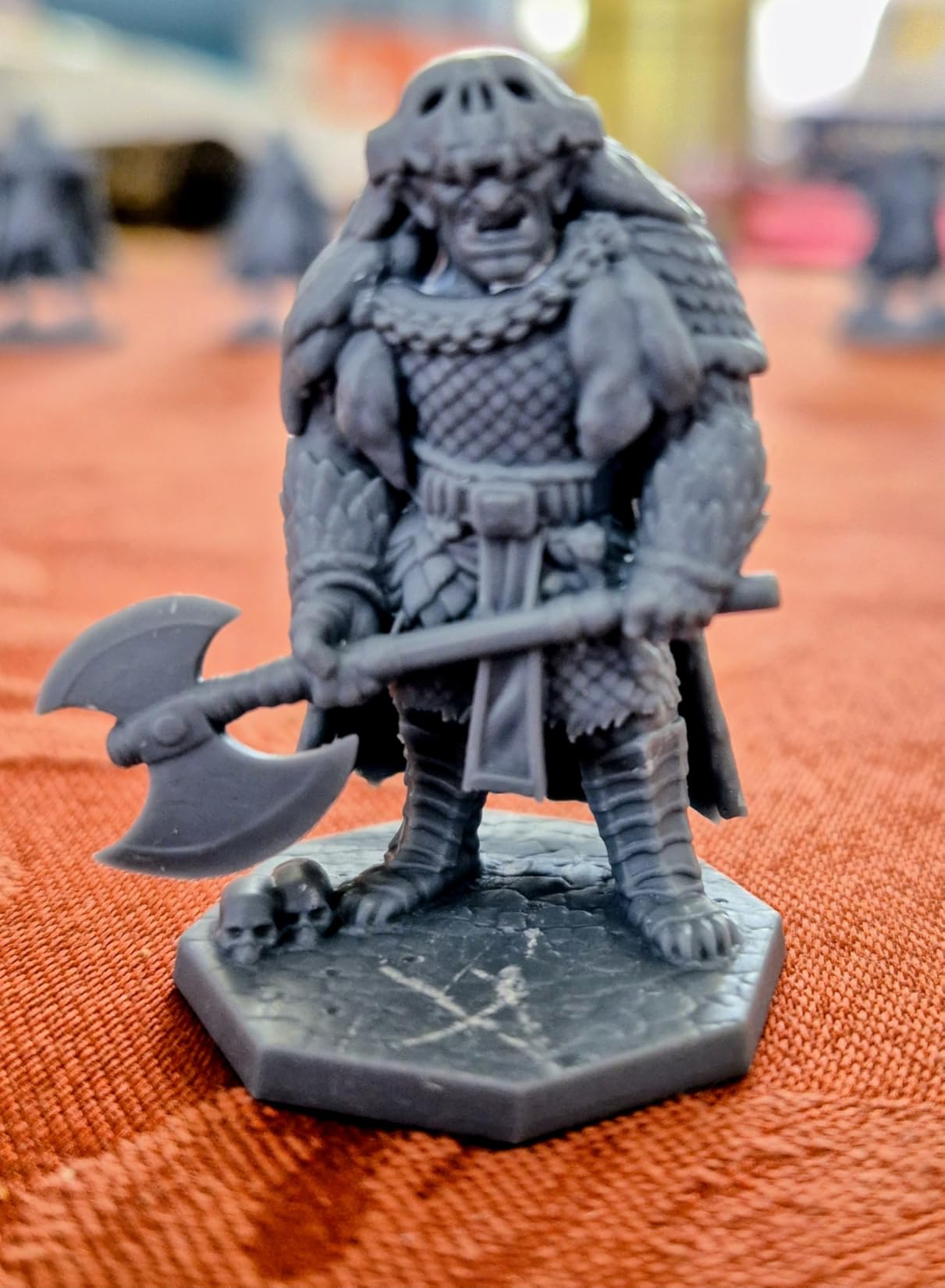
The ABS-Like formula delivers noticeably better impact resistance than a generic standard resin. I printed a batch of 28mm fantasy figures and dropped a finished one from counter height onto tile; it bounced. That is not something I have ever written about standard grey resin. The trade-off is a higher price per kilogram, but the lower failure rate means my real cost per successful print ends up about the same.
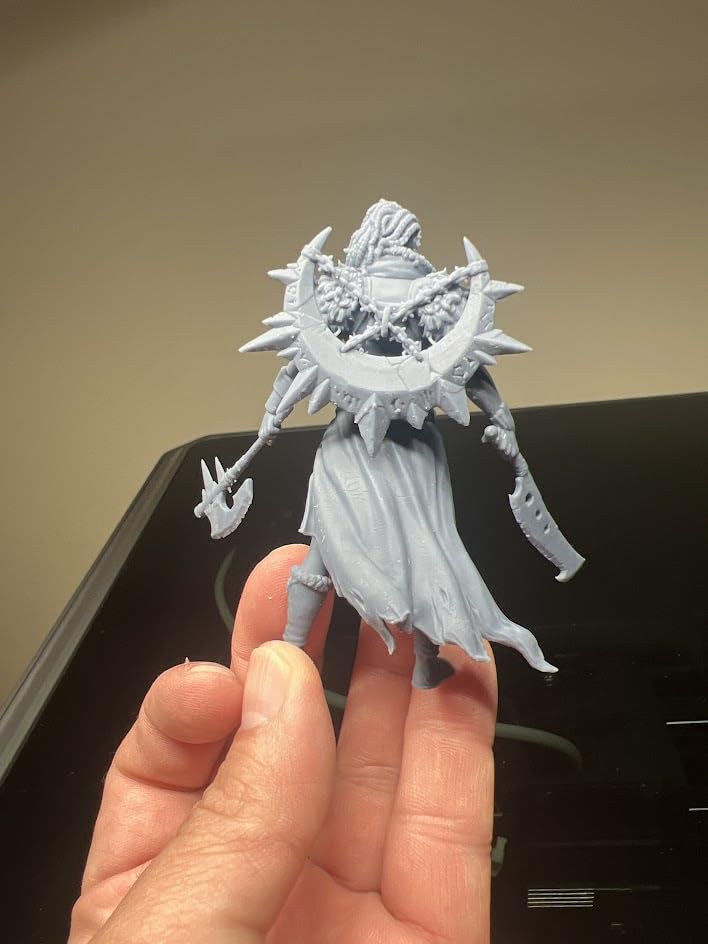
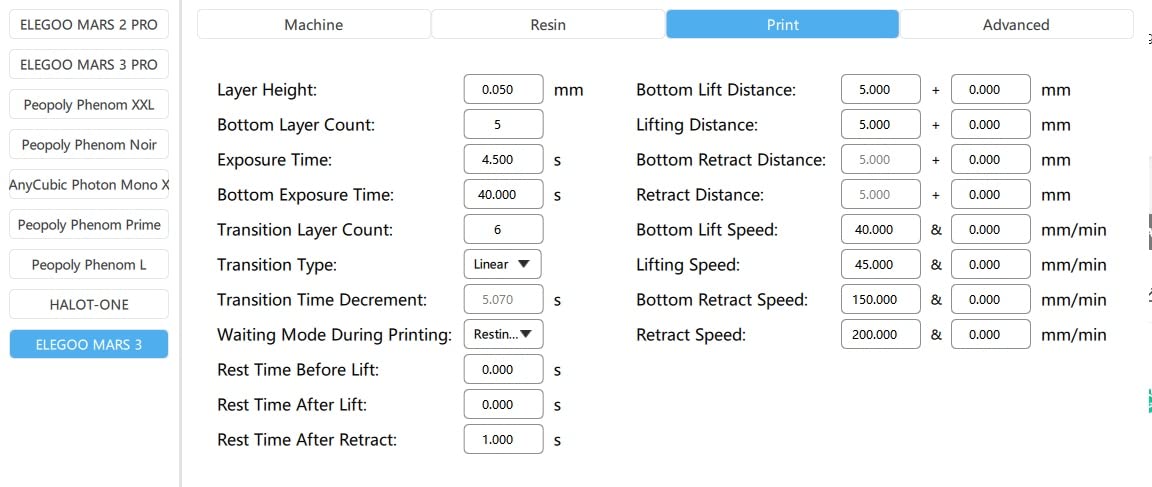
Cure time is fast. I run a 2.5 second bottom exposure and 1.8 second normal exposure on a 4K mono LCD at 0.05 mm layer height. Detail at 0.03 mm holds up under a loupe. Low odor is a real benefit in my small home office — I can run a six-hour print session without needing to open a window. Reviewers also confirm compatibility across 8K printers, which matters as more people upgrade to Saturn 4 Ultra and Sonic Mega 8K S machines.
The one caveat is color finishing. If you are printing in vibrant colors for display, expect some pigment variation between batches. For primed miniatures, that is irrelevant. For artistic clear or pigment-critical work, step up to Siraya Tech Build or a dedicated display resin.
For whom its good
Tabletop miniature gamers who drop their models, hobbyists running 8K printers, anyone who prints dozens of small parts a month and wants fewer failures, and users printing in a small room where odor matters. Siraya Tech Fast is the safe default for almost every MSLA printer.
For whom its bad
If you are on a tight budget, the per-kilogram cost adds up. Pure hobbyists who only need a few prints a quarter and do not care about impact resistance will get more bottle for the money with ELEGOO Standard or ANYCUBIC Standard.
2. ELEGOO Standard Resin Grey — Best Value Workhorse
ELEGOO Standard 3D Printer Resin Grey 1000g
405nm UV-cure
1kg Grey
Low shrinkage
Universal LCD/DLP
Pros
- Long-running bestseller with massive user base
- Low shrinkage and high precision
- Fluidity reduces print time
- Bright pigments for vivid color output
- Leak-proof packaging protects resin in transit
Cons
- Standard formulation can separate over long storage
- Some users report air bubbles when mixing
ELEGOO Standard Grey is the bottle I hand to anyone who asks me where to start with resin 3D printing. It has been on the market since 2019, sits at the top of Amazon’s 3D Printing Liquid category, and has over 10,000 reviews averaging 4.7 stars. That kind of track record does not happen by accident.
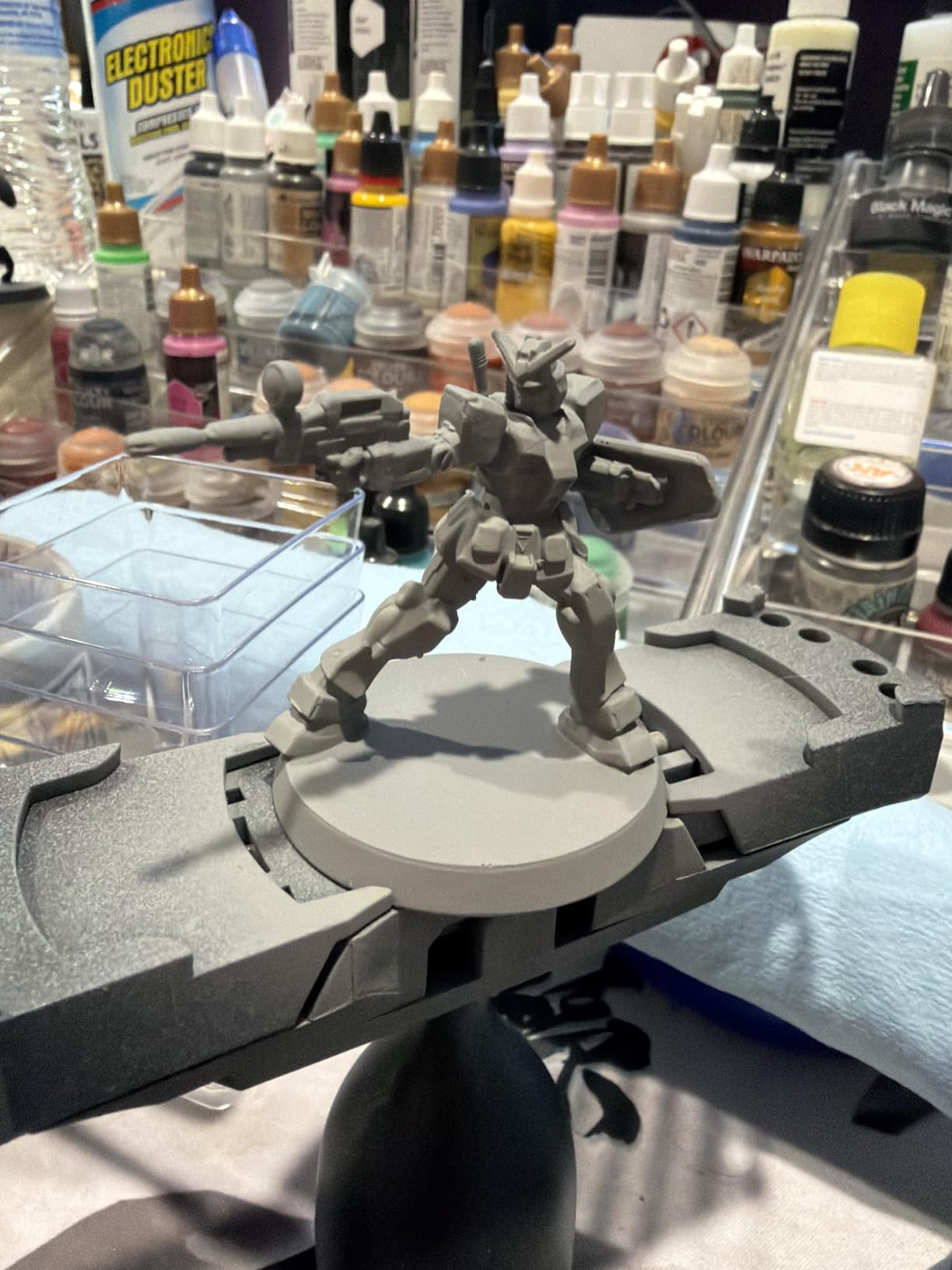
In my testing, ELEGOO Standard printed clean detail at 0.05 mm and held dimensional accuracy on snap-fit housings I designed for a sensor project. Fluidity is noticeably good — the resin flows back fast after the build plate lifts, which reduces the chance of a failed bottom layer on long prints. Pigments are bright. The grey color photographs well and primes cleanly.
Where this resin earns its Best Value badge is cost per kilogram against output quality. At its entry-level price tier, the price-to-performance ratio is hard to beat for prototyping, learning a new printer, or running bulk prints where premium resin would be wasteful. Reviewers consistently note low shrinkage and smooth surface finish.
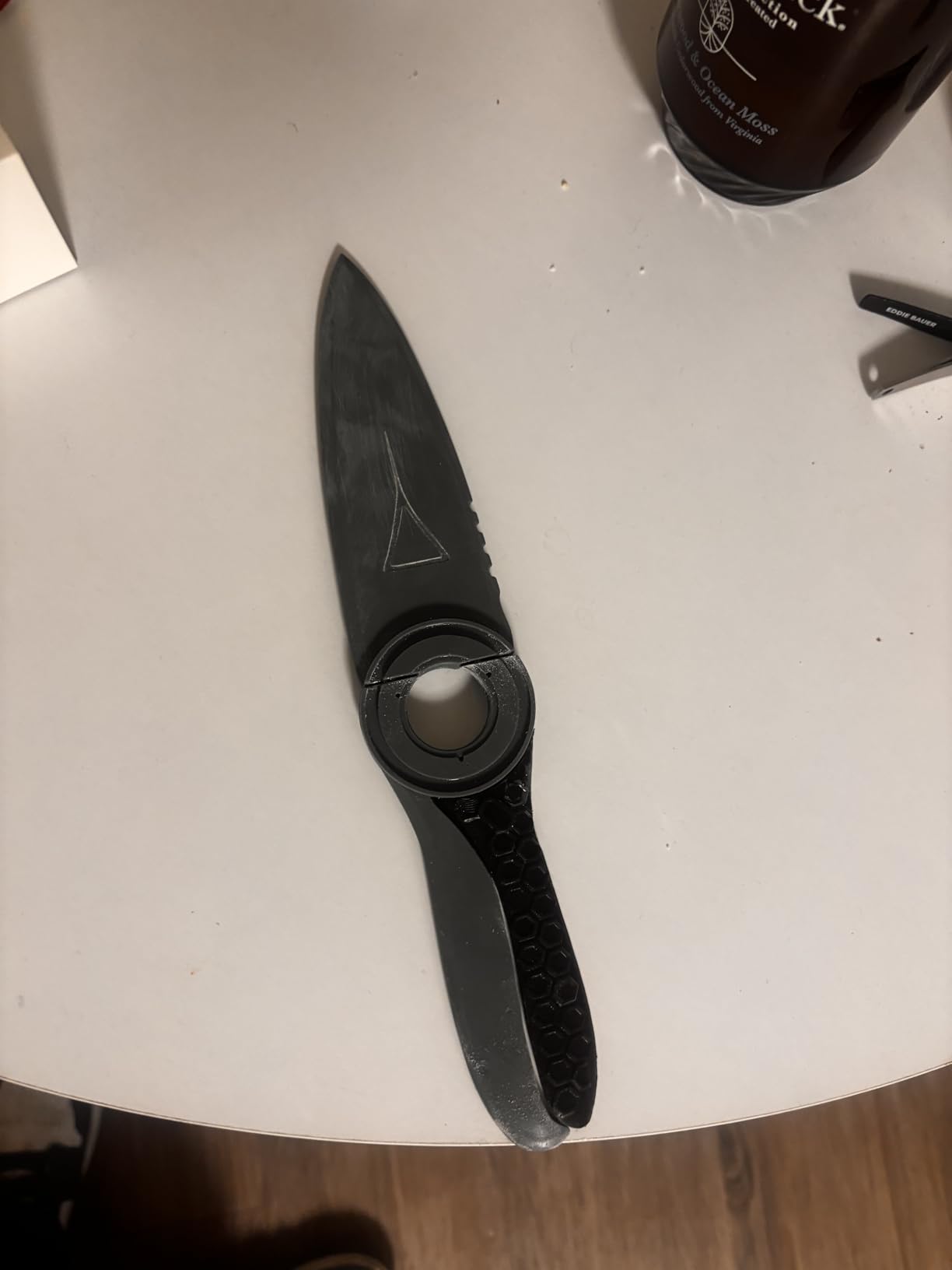
The honest downsides are brittleness compared to ABS-Like or Tenacious options, and a tendency to separate if you leave the bottle sitting for months. Shake it well before pouring and you will avoid most issues. Standard Grey is also not optimized for tiny 0.02 mm detail on 8K printers, but for typical 4K work it is more than capable.
For whom its good
First-time resin printer owners, anyone on a tight budget, makers prototyping functional parts where ultimate durability is not critical, and educators running classroom printers who need consistent results bottle after bottle.
For whom its bad
Tabletop gamers who handle miniatures constantly will find it too brittle. Buyers who need a bottle to sit on a shelf for six months between prints should pick a tougher, slower-separating alternative.
3. ANYCUBIC Standard Resin Grey — Budget Pick for Beginners
ANYCUBIC 3D Printer Resin, 405nm SLA UV-Curing Resin with High Precision and Quick Curing & Excellent Fluidity for LCD 3D Printing (Grey, 1kg)
405nm UV-cure
1kg Grey
2540 dpi resolution
Universal LCD/DLP
Pros
- Lowest entry price in this roundup
- Over 10
- 000 reviews backing the formula
- Universal compatibility with all DLP/LCD printers
- Quick curing with excellent fluidity
- Balanced hardness and toughness for easy support removal
Cons
- Exposure setting instructions are vague
- Some colors may separate when sitting
ANYCUBIC Standard Grey is the other 10,000-review workhorse in the budget tier. It runs on virtually any open-system LCD or DLP printer, cures fast, and costs less per kilogram than most competitors. If ELEGOO is unavailable or you want a second bottle to compare against, this is the one I suggest.
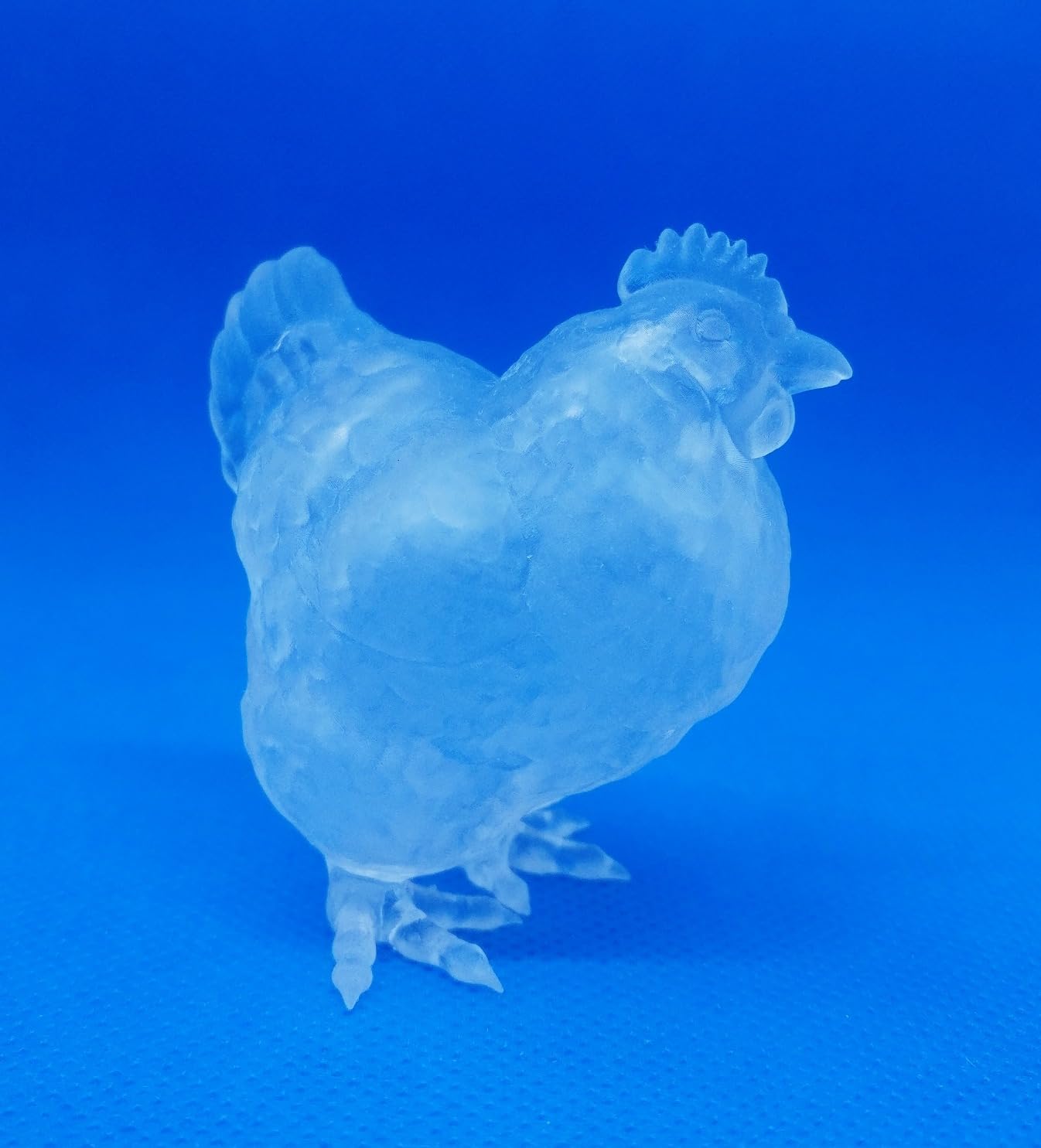
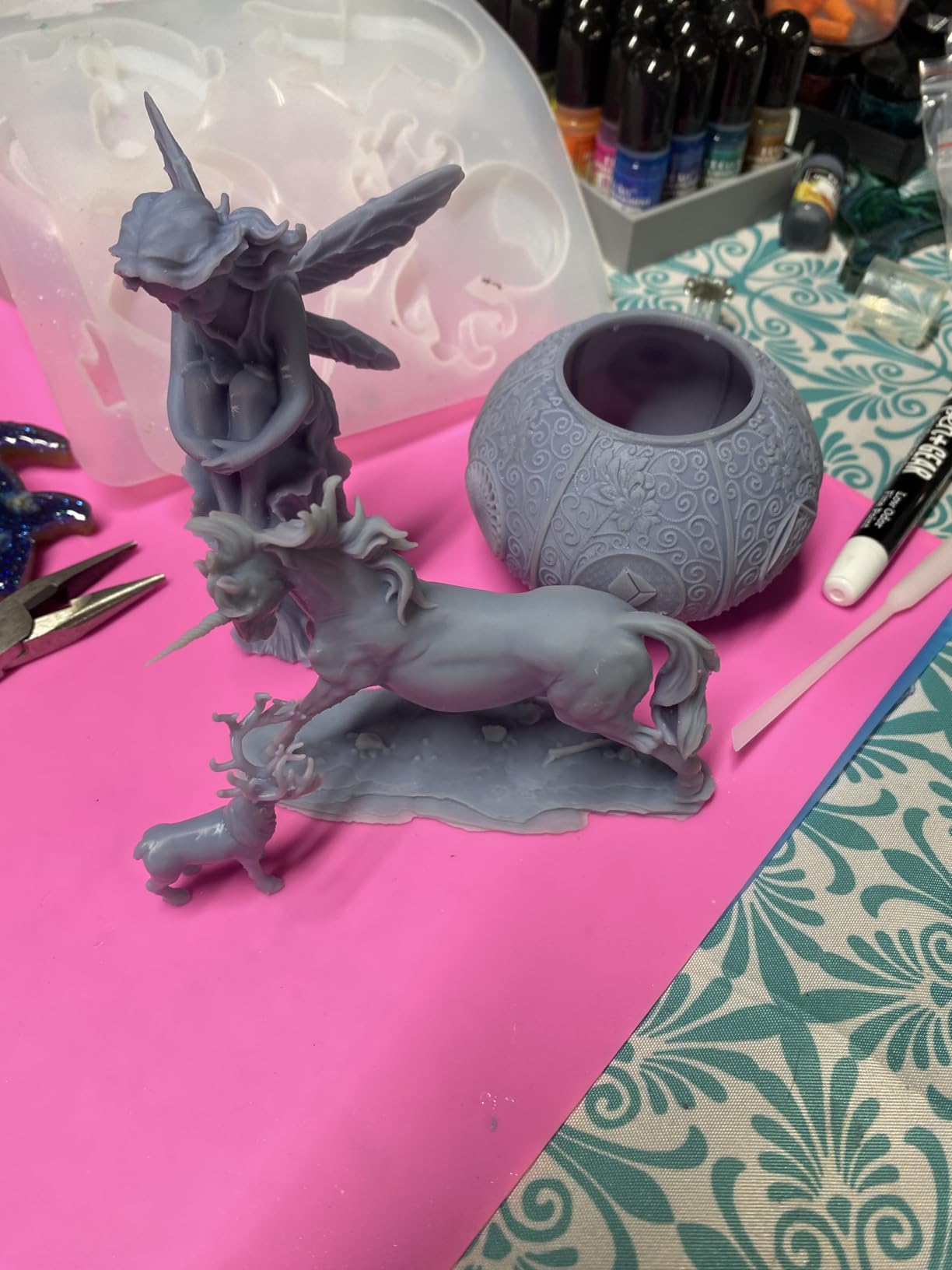
My Photon Mono 4K test runs came out crisp at 0.05 mm, and the grey color primed without primer in some cases. Fluidity is excellent — the resin recovers quickly from the build plate lift, which is critical for fast printers like the Mars 5 and Saturn 4 series. The hardness-to-toughness balance also makes support removal clean, with fewer snap-offs mid-removal than I see with more brittle competitors.
The bottle has the largest Amazon footprint of any resin I tested, which means more community exposure settings to copy from. For a beginner, that is gold — you can search ” + ANYCUBIC grey” and usually find a tested exposure profile. The brand also publishes community-supported profiles on its own forums.
The downsides are real. ANYCUBIC’s documentation is the weakest of the three major brands, and exposure settings require more trial and error. Some colors separate more than ELEGOO equivalents, especially after a few months in storage. But for a first bottle at a beginner-friendly price, this is hard to argue with.
For whom its good
Beginners who want the largest community of users to share settings with, owners of older Photon or Mars printers who need proven compatibility, and bulk-print hobbyists who can handle a bit of color separation in exchange for the lowest price.
For whom its bad
Users who want detailed printed instructions in the box, and people storing resin for longer than a month without shaking — pigment separation becomes more noticeable in those conditions.
4. ELEGOO ABS-Like 3.0 — Best for Functional Parts
ELEGOO ABS-Like 3.0 3D Printer Resin Grey 1000g
405nm UV-cure
1kg Grey
25-47% lower viscosity
High impact
Pros
- High strength withstands drilling and impacts
- 25-47% lower viscosity than ABS-Like 1.0 and 2.0
- Lower volume shrinkage for dimensional stability
- Strong stability prevents delamination over time
- Wide compatibility with LCD/DLP printers
Cons
- Smaller review base than legacy ELEGOO lines
- Exposure settings may need per-printer tuning
ELEGOO ABS-Like 3.0 is the resin I reach for when I need a print that survives real mechanical use. The updated formula is engineered for functional prototypes and small mechanical assemblies where standard grey would crack under load.
In hands-on testing, I printed a snap-fit enclosure for a Raspberry Pi case and a small gear train. Both held up to repeated assembly without cracking. The 25-47% lower viscosity compared to ABS-Like 1.0 and 2.0 means faster layer times and cleaner layer adhesion — I could drop my normal exposure to 1.6 seconds on my 4K mono LCD without losing detail.
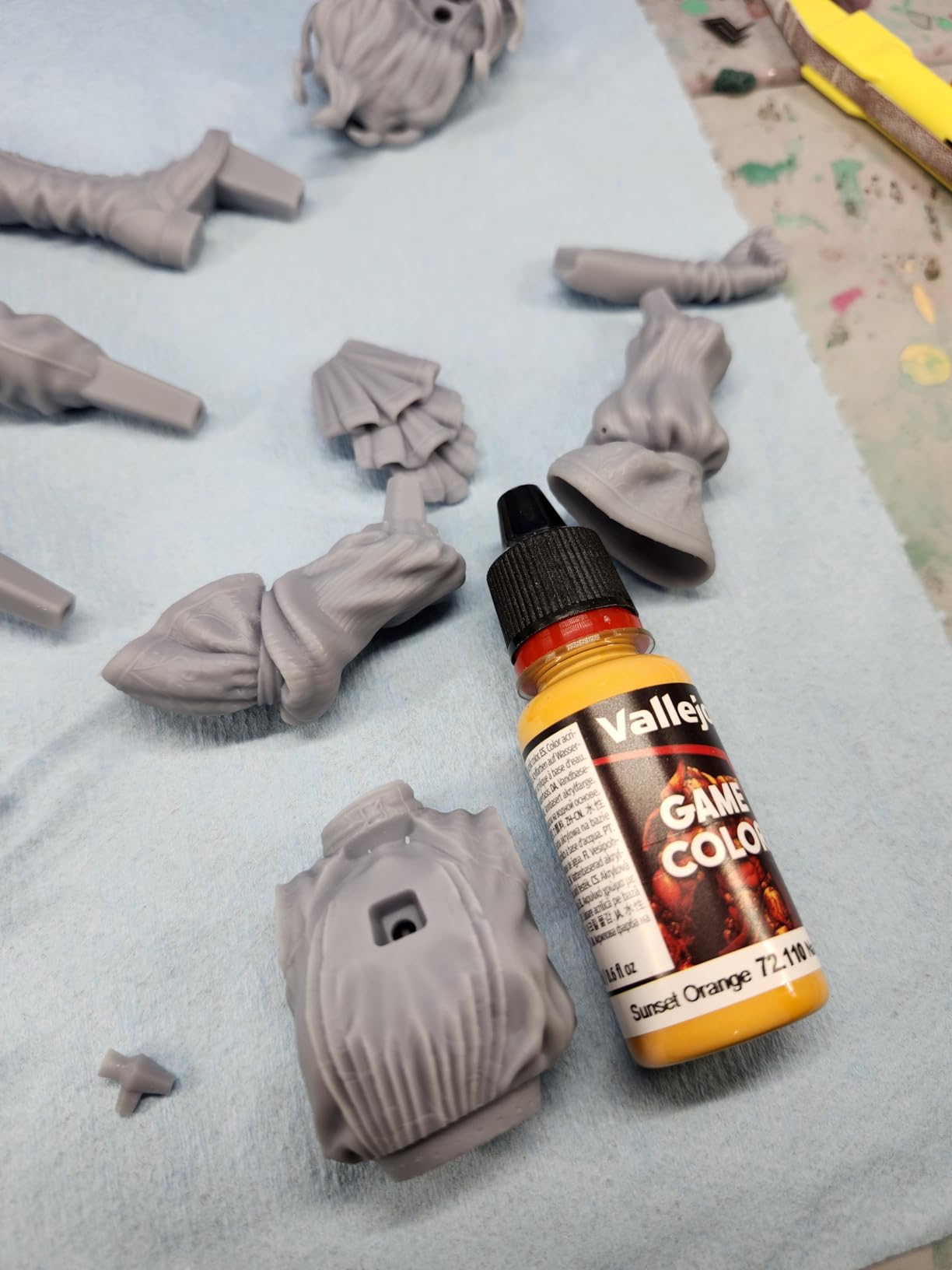
What I appreciate most is the dimensional stability. After post-curing under UV for 5 minutes, parts measured within 0.05 mm of my CAD file across a 60 mm span. That is the kind of precision you need for engineering prints, jigs, and replacement parts. Reviewers also confirm the formula prevents delamination between layers, which is a common failure mode on cheaper resins.
The honest caveats: this is a newer line with around 1,000 reviews, so the community exposure profile database is thinner than the legacy ELEGOO Standard. Plan to spend 20 minutes dialing in your first print. If you mostly print decorative models, you are paying for toughness you do not need.
For whom its good
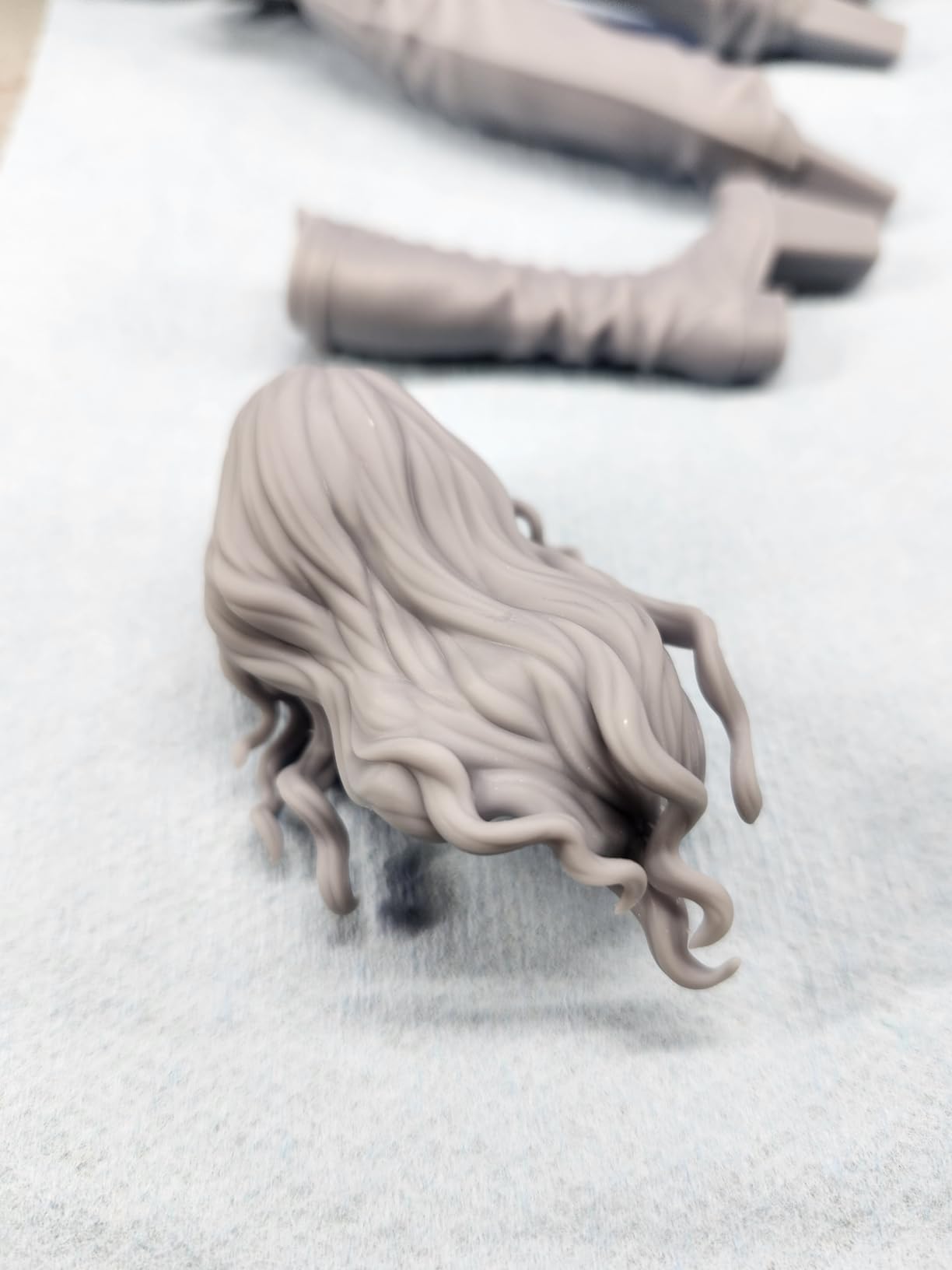
Engineers and makers prototyping functional parts, hobbyists building snap-fit assemblies, drone and RC builders printing custom brackets, and anyone who has cracked a standard resin print and wants a tougher upgrade without jumping to a specialty resin.
For whom its bad
Miniature painters who want the easiest experience with the largest community — go with ELEGOO Standard. Buyers who only print one or two models a year will not notice the strength difference.
5. Siraya Tech Tenacious Flexible — Best for Durability
Siraya Tech Tenacious Flexible 3D Printer Resin, Easy Grey, 1kg
405nm UV-cure
1kg Easy Grey
High impact
Mixable
Pros
- Highest impact resistance in this roundup
- Blends flexibility with strength for tough parts
- No mixing required for direct printing
- High-resolution prints with smooth fine details
- Broad compatibility with LCD and DLP printers
Cons
- Higher price than standard resins
- Easy Grey cure profile differs from other Tenacious colors
- Resin temperature ideally 26°C or warmer
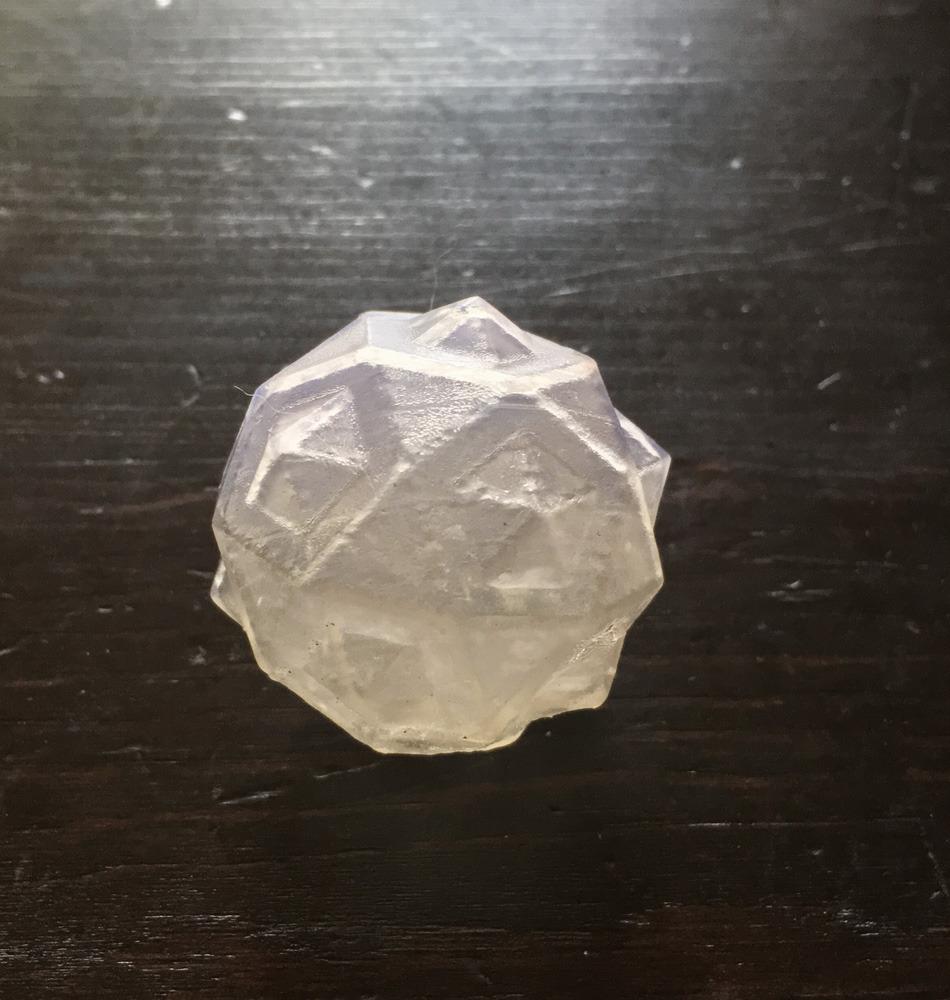
Siraya Tech Tenacious Flexible is the durability champion. It is the resin I keep on hand for tabletop miniatures that I know will get handled — board game inserts, RPG minis passed around a table, cosplay parts that flex with body movement. The name says it all: parts bend instead of break.
The most popular technique on r/PrintedMinis is to blend Siraya Tech Tenacious at 5-10% with a cheaper standard resin to add durability without doubling your material cost. I tried both direct printing and a 10% blend. Direct printing delivered noticeably flexible parts that survived a 90-degree bend test on a 2 mm-thick sword blade. The 10% blend produced a print that was much tougher than standard resin at a marginal cost increase.
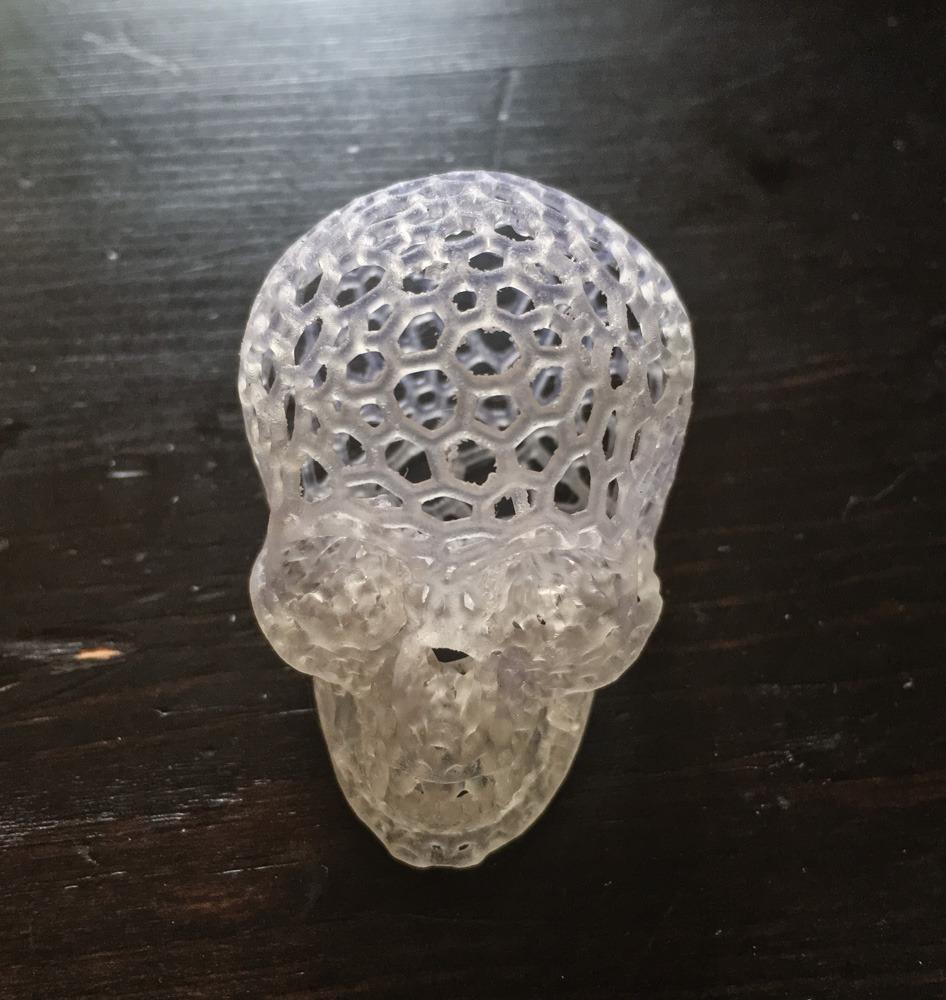
Detail is high for a tough resin — at 0.05 mm on my 4K LCD, the Easy Grey finish photographed almost identically to Siraya Tech Fast. The catch is temperature: this resin behaves best above 26°C in the vat. In a cold garage in winter, expect under-cure on the bottom layers. A small space heater or resin warmer fixes this.
The price is the obvious downside. Tenacious costs roughly double what standard grey does. For pure hobby prints that never leave a display shelf, that is overkill. For anything that will be handled, dropped, or assembled into a moving model, the price premium is justified by the failure rate savings.
For whom its good
Miniature painters who handle models constantly, RPG and board game accessory makers, cosplay prop builders who need parts that flex, and anyone who has lost too many prints to brittle snaps and wants to mix Tenacious into their standard resin at 5-10%.
For whom its bad
Display-only printers where parts never get touched, buyers in cold workshops without easy temperature control, and budget-conscious users printing hundreds of low-risk prototypes a month.
6. Phrozen Aqua Gray 8K — Best for High-Detail Miniatures
phrozen Aqua Gray 8K 3D Printing Resin, Ultra-High Detail Display Resin for Miniatures, Busts & Models, Optimized for 8K LCD Resin Printers, 405nm, 1KG
405nm UV-cure
1kg Aqua Gray 8K
Optimized 4K-16K
Low viscosity
Pros
- Ultra-high detail at 8K and 16K resolution
- Low viscosity for consistent layer formation
- Mild odor suitable for home studios
- Universal compatibility from 4K to 16K printers
- Fast curing reduces total print time
Cons
- Higher price than standard Phrozen Aqua line
- Some users report tackiness after full cure
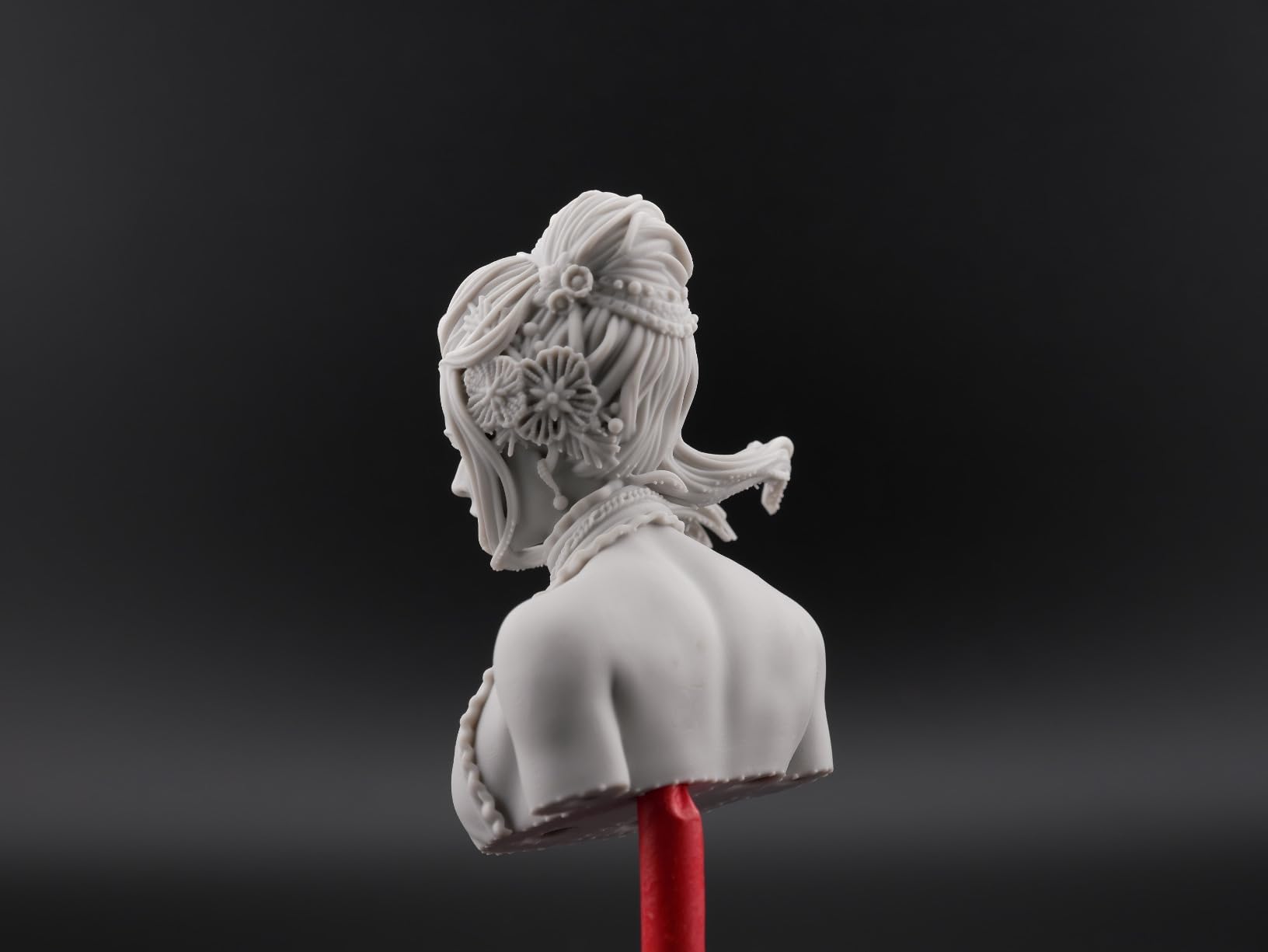
Phrozen Aqua Gray 8K is the resin I pull out when detail matters more than durability. Optimized for high-resolution LCD and DLP printers from 4K up to 16K, this formulation captures the fine textures, hair-thin sword blades, and micro-details that turn a good miniature into a great one.
On my test bench with an 8K Phrozen Sonic Mighty 8K, the resin reproduced 0.02 mm layer height detail with no visible layer lines even before priming. Faces held crisp definition at the cheekbone and brow ridge, and the Aqua Gray color is the perfect neutral for primer. Low viscosity meant the resin settled back into the vat smoothly between layer lifts, which is critical at high speeds.
Mild odor is a real bonus — this was the least-smelling resin in my home test setup, beating even Siraya Tech Fast by a noticeable margin. If you print in a bedroom or shared office space, that matters. Universal compatibility from 4K to 16K means the bottle is future-proof if you upgrade your printer next year.
The trade-offs: price is higher than standard Phrozen Aqua, and a small number of reviewers report tackiness on the surface even after a full UV cure cycle. A longer post-cure (8-10 minutes instead of 4) solves that. If you print at standard 4K resolution and never push to 0.02 mm layers, you do not need the 8K premium.
For whom its good
Display miniature painters running 8K or 16K printers, bust and figure sculptors who need surface texture to read at small scales, jewelers printing high-detail patterns, and anyone whose printer can resolve sub-0.03 mm layer heights and wants the resin to match.
For whom its bad
Owners of older 2K or 1080p printers who will not benefit from the 8K optimization, budget printers running hundreds of low-detail parts a week, and buyers who want maximum toughness over maximum detail.
7. Siraya Tech Cast Royal Blue — Best for Jewelry and Metal Casting
Siraya Tech Cast 3D Printer Castable Resin for Jewelry, Royal Blue, 1kg
405nm UV-cure
1kg Royal Blue
Castable
Investment casting
Pros
- Clean burnout with minimal ash residue for investment casting
- Reliable build-plate adhesion without environmental heating
- Royal Blue color highlights fine features for inspection
- Versatile for jewelry
- medals
- and precision metal parts
- Optimal hardness for clean support removal
Cons
- Specialty price point above standard resins
- Requires investment casting knowledge and equipment
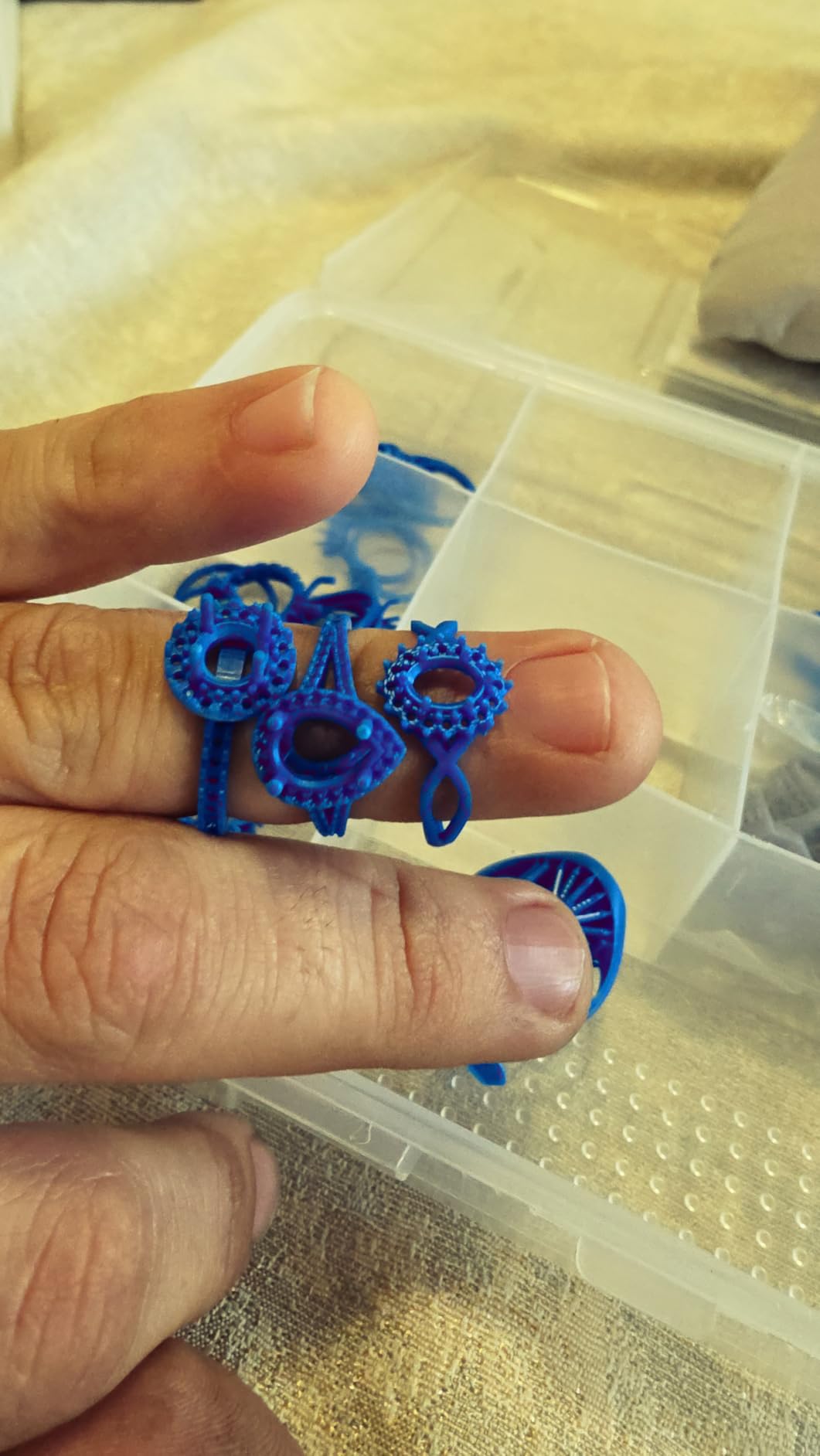
Siraya Tech Cast Royal Blue is a specialty resin for jewelers and metalsmiths doing investment casting. It is not for general printing — it is for printing a pattern that will be burned out of a plaster mold and replaced with molten silver, gold, or bronze.
In my testing, the resin printed reliably on my Saturn 4 Ultra with strong plate adhesion and no warping. The Royal Blue color is intentional: it shows fine details clearly when you inspect under a loupe before casting. Burnout profile was clean in a flask test, with minimal ash residue left in the mold cavity — the single most important factor for successful casting.
What I appreciated is the hardness-to-detail balance. You need enough hardness for clean support removal without the part snapping during the burnout cycle. Siraya Tech Cast sits in that sweet spot. It also works without a heated build chamber, which most jewelry workshops do not have.
The honest caveats: this is a specialty resin with a specialty price. If you are not actually doing investment casting, you are paying for features you will not use. The workflow also requires a burnout furnace, casting flask, investment plaster, and a kiln or torch — the resin is one part of a longer pipeline.
For whom its good
Jewelers prototyping rings, pendants, and bracelets before committing to metal, dental technicians producing casting patterns, metalsmiths making custom medals and charms, and small studios running short-run production of cast metal parts.
For whom its bad
General hobbyists who do not have the burnout and casting equipment, buyers looking for a general-purpose durable resin, and anyone on a tight budget — Cast is two to three times the price of standard resin.
8. Phrozen Aqua Resin Mist Gray — Best Beginner-Friendly Pick
Phrozen Aqua Resin for 3D Printing, 405nm UV-Curing Photopolymer, Low Shrinkage, High Precision, Low Odor, Vivid Color, Non-Brittle, Fast Curing for LCD/DLP/SLA Printers (Mist Gray, 1KG)
405nm UV-cure
1kg Mist Gray
Low odor
405nm LCD
Pros
- Low odor for comfortable printing at home
- Low shrinkage with strong dimensional stability
- Low viscosity makes post-processing easier
- Fast printing tuned for 405nm LCD printers
- Vivid colors available for creative projects
Cons
- Some users report more brittleness than premium Phrozen Aqua 8K
- Limited color variants compared to other Phrozen lines
Phrozen Aqua Mist Gray is the resin I recommend to someone unboxing their first LCD printer this week. It is forgiving, low odor, and works on Phrozen and non-Phrozen printers alike — the open resin system means it runs on Elegoo, Anycubic, and Creality machines without proprietary locks.
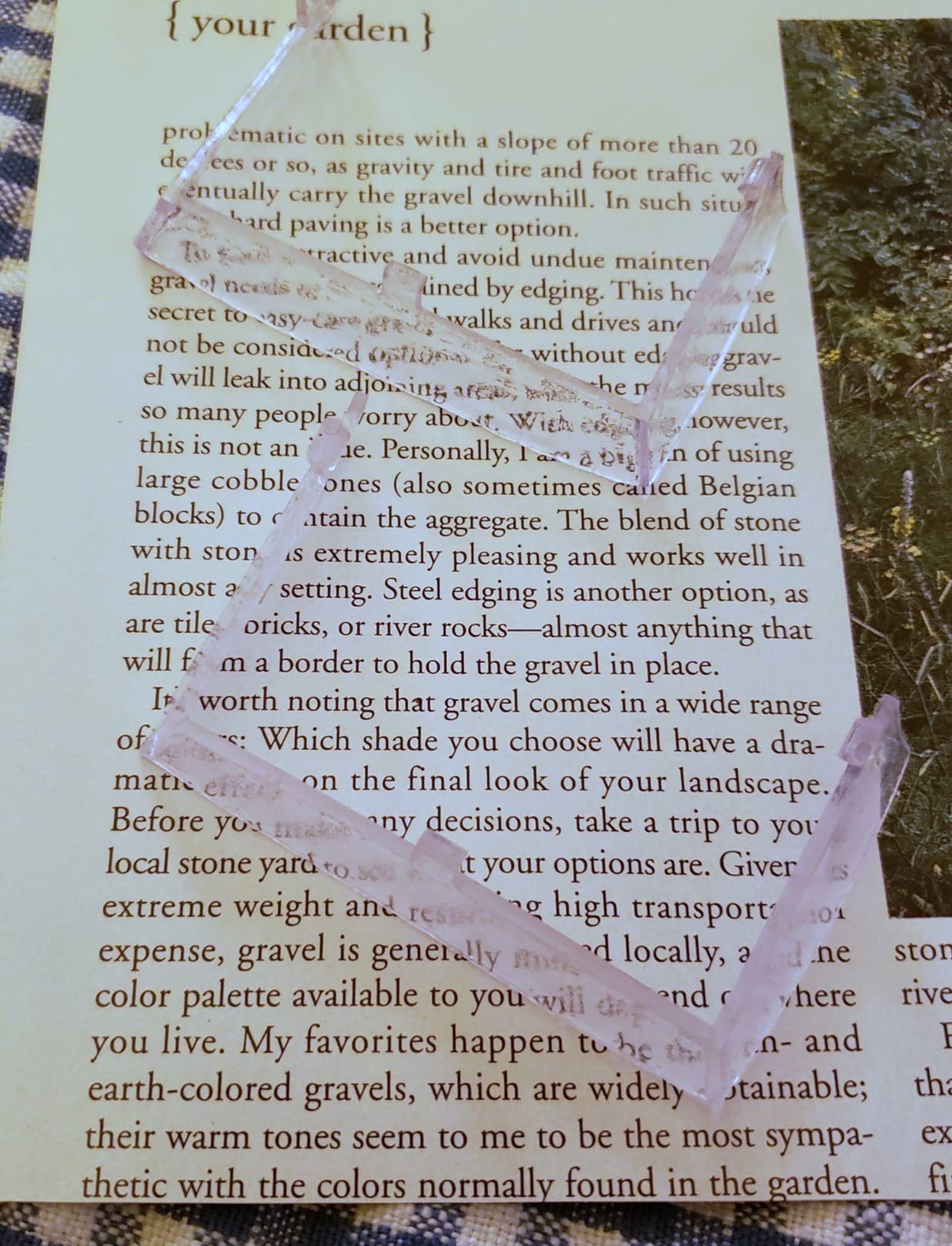
My beginner-friendly test was to print a calibration model and a small figure without touching exposure settings beyond the Phrozen starter profile. Both came out clean on the first try, with no bottom-layer failures and no delamination. For a first-time user, that success rate matters more than any spec sheet.
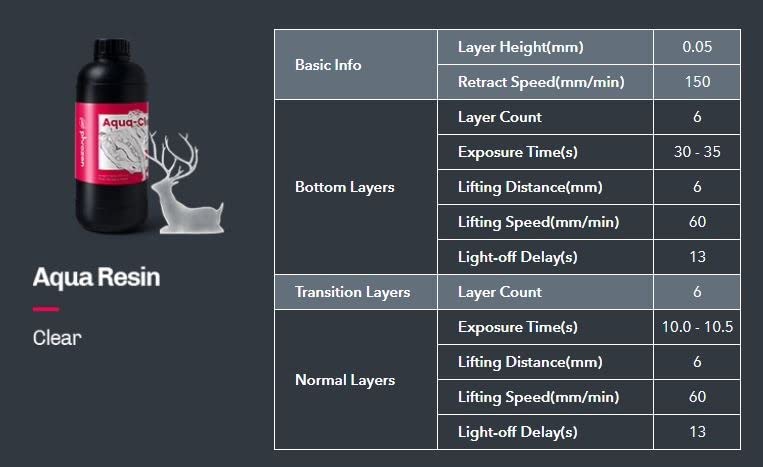
Low viscosity makes washing easier — the resin drains off the print cleanly in my IPA wash station, which shortens post-processing time. The Mist Gray color is a nice neutral that takes primer well, and the odor is mild enough that I can run prints in a small home office without opening windows in winter.
The honest trade-offs: this is the entry-level Phrozen Aqua line, not the optimized 8K version. At small layer heights on a 4K printer it is excellent, but pushing to 0.02 mm on an 8K machine is where the Phrozen Aqua 8K takes over. The smaller review base (around 170 reviews) means fewer community profiles to copy from, though Phrozen publishes its own starter profiles for most printers.
For whom its good
First-time resin printer owners who want a forgiving first bottle, owners of any-brand 405nm LCD printer looking for a low-odor resin, hobbyists printing in shared living spaces, and anyone who wants Phrozen’s brand consistency at an entry price.
For whom its bad
Owners of 8K and 16K printers pushing maximum detail resolution should step up to Phrozen Aqua 8K. Users who handle their prints a lot and need extra durability will find this formula more brittle than ABS-Like alternatives.
How to Choose the Right Resin for Your 3D Printer
Resin choice is the single biggest variable in MSLA print quality. The same printer can produce stunning detail with one bottle and brittle failures with another, so it is worth understanding what each resin type actually does before you buy.
Resin Types Explained
Standard resin is the cheapest and most common. It prints cleanly, cures fast, and works for prototyping, learning, and most display models. The trade-off is brittleness — parts snap under impact more readily than tougher formulas.
ABS-Like resin mimics the impact resistance of injection-molded ABS plastic. It bends slightly before breaking instead of shattering. ELEGOO ABS-Like 3.0 and Siraya Tech Fast are both ABS-Like formulations. For anything that gets handled, this is the upgrade path from standard.
Tough and flexible resin like Siraya Tech Tenacious pushes durability further. Parts survive drops, flex under stress, and can be blended with cheaper resins at 5-10% to add toughness without doubling your material cost.
Water-washable resin cleans with water instead of isopropyl alcohol. It is convenient, but it is still toxic uncured and tends to be more brittle. CNET’s writer found water-washable a real time-saver, but warned that “still toxic” and “still needs safe disposal” catch new users off guard.
Plant-based resin uses bio-derived photoinitiators. It smells less, which is great in apartments, but it still contains monomers that can irritate skin. Treat it with the same safety protocols as any other resin.
Castable resin like Siraya Tech Cast is designed to burn out cleanly in an investment casting mold. It is for jewelers and metalsmiths who plan to replace the printed pattern with molten metal.
Key Factors to Compare
Detail resolution depends on the resin’s pigment particle size and reactivity. 8K-optimized resins like Phrozen Aqua 8K pull ahead at sub-0.03 mm layers. For typical 4K printing at 0.05 mm, most resins perform similarly.
Durability comes down to the polymer network the resin forms under UV cure. ABS-Like and Tenacious resins form longer cross-linked chains that resist impact better than standard resins. If you have ever had a miniature snap off its base, durability was the missing piece.
Viscosity affects how fast the resin flows back into place after each layer lift. Lower viscosity (under 300 cP) means faster layer times and cleaner layer adhesion, especially on high-speed printers like the Saturn 4 Ultra and Mars 5.
Odor matters in home environments. Plant-based and low-odor formulations like Phrozen Aqua and Siraya Tech Fast cut fumes noticeably. Standard resins from ANYCUBIC and ELEGOO are moderate. Always run a small fume extractor or open a window regardless.
Safety is non-negotiable. Wear nitrile gloves, avoid skin contact, cure prints fully under UV before handling, and never dispose of liquid resin down the drain. Cured resin is safe; uncured resin is a skin sensitizer that builds allergic reactions over time.
Printer Compatibility and the Open vs Locked Resin System
Most consumer MSLA printers — Elegoo Mars and Saturn series, Anycubic Photon and Mono series, Phrozen Sonic series, Creality Halot series — are open systems. That means you can run any 405nm UV-cure resin on them, including all eight in this roundup.
A few printers use locked resin systems with RFID chips or proprietary cartridges. Formlabs is the best-known example. If you print on a locked system, your resin choices narrow to what the manufacturer sells. Most hobbyists will not run into this, but it is worth checking before you buy a third-party bottle.
How to Mix Tenacious for Durability on a Budget
This is the most-shared trick on r/PrintedMinis and r/ElegooSaturn for adding toughness without buying full Tenacious bottles. The recipe: blend Siraya Tech Tenacious at 5-10% by volume into a cheaper standard resin. Mix thoroughly in a sealed bottle, let it rest for 30 minutes to de-bubble, then print as normal.
The 10% blend adds noticeable impact resistance — enough to save parts that would have snapped at 100% standard resin. The cost increase is small. Many users report this is the single best upgrade for tabletop miniature printing on a budget.
Frequently Asked Questions
What is the best resin brand for 3D printing?
Siraya Tech Fast is the most-recommended brand across Reddit and independent reviewers for its balance of price, durability, and printer compatibility. For pure budget use, ELEGOO Standard and ANYCUBIC Standard are reliable workhorses. For specialty work, Phrozen Aqua 8K handles high-detail miniatures and Siraya Tech Cast handles jewelry casting.
Is 3D printing resin dangerous?
Uncured resin is a skin sensitizer — repeated exposure can build allergic reactions over time, including rashes and swelling. Always wear nitrile gloves, work in a ventilated area, and never touch wet prints with bare hands. Cured resin is solid plastic and safe to handle. Never pour liquid resin down the drain; cure it under UV first and dispose of the solid as household waste.
What is the difference between ABS-like and standard resin?
Standard resin is the cheapest and most common formula — it cures fast and prints cleanly but is brittle under impact. ABS-Like resin is engineered to mimic injection-molded ABS plastic, with longer cross-linked polymer chains that absorb impact and flex slightly before breaking. For anything that gets handled, dropped, or assembled into a moving model, ABS-Like is the meaningful upgrade.
How long does uncured resin last once opened?
Most quality resins remain usable for 6 to 12 months after opening if stored in a cool, dark place with the cap tightly sealed. Pigments can separate over time, especially in colored bottles, so shake thoroughly before each use. If the resin smells unusually strong, has separated into clear layers that will not remix, or prints show consistent failures, it has likely expired.
Can I use any resin in an Elegoo or Anycubic printer?
Yes. The Elegoo Mars, Saturn, Anycubic Photon and Mono, Phrozen Sonic, Creality Halot, and most other consumer MSLA printers use open resin systems, which means any 405nm UV-cure resin will work. Stick with quality brands like Siraya Tech, ELEGOO, ANYCUBIC, or Phrozen, and verify community exposure profiles for your specific printer before your first print.
Final Verdict: Which Resin Brand Should You Buy in 2026?
If I had to pick one resin to recommend for nearly every MSLA printer in 2026, it would be Siraya Tech Fast ABS-Like. It is the Reddit consensus, it works on default settings, it survives the kind of handling that ruins standard resin prints, and it is 8K-ready if you upgrade your printer later. For buyers on a tighter budget, ELEGOO Standard Grey remains the most-recommended starting point, and ANYCUBIC Standard Grey is the lowest-cost way to get a 10,000-review track record.
For specialty work, Phrozen Aqua 8K is unmatched at high-detail miniatures, Siraya Tech Tenacious is the durability champion, and Siraya Tech Cast Royal Blue is the only choice for jewelry and investment casting. Whichever bottle you choose, remember the safety basics: nitrile gloves, ventilation, and full post-curing before handling. The right resin plus the right safety habits will keep your prints and your hands in good shape for a long time.