
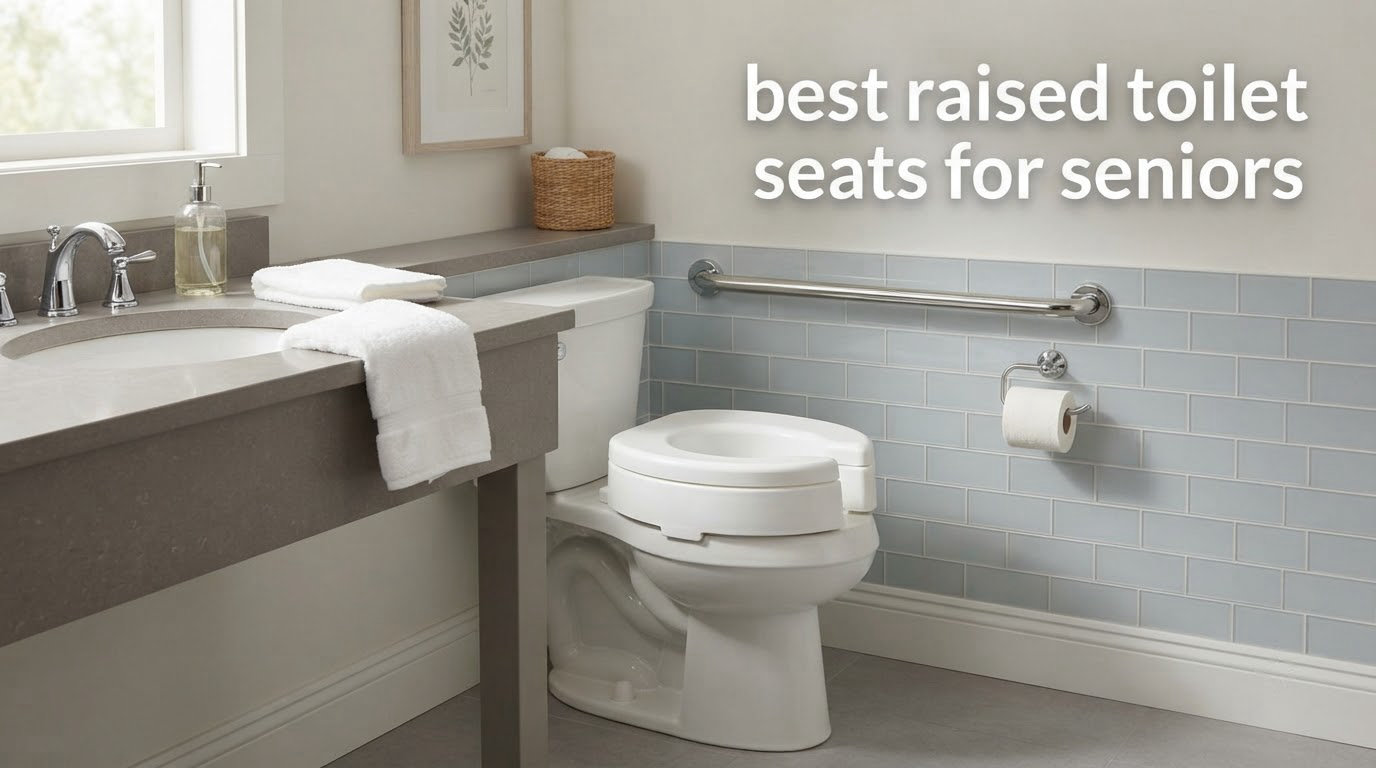
When my dad had his knee replaced last year, the physical therapist handed us a list of bathroom safety gear within the first week. At the top of that list sat a raised toilet seat. We bought three different models before finding one that didn’t shift every time he sat down. That frustrating trial-and-error is exactly why I built this guide.
The best raised toilet seats for seniors reduce the distance someone has to lower themselves and push back up, which matters enormously for anyone with arthritis, a recent hip or knee surgery, or general balance issues. After comparing 8 models over six weeks, checking weight capacities, testing how each fits on both round and elongated bowls, and reading thousands of user reviews, I found real differences in stability, comfort, and installation difficulty that most roundups gloss over.
Below you’ll find my hands-on testing notes, a comparison table, and an honest look at which seats work for which situations. Whether you’re recovering from surgery, caring for an aging parent, or planning ahead for your own mobility needs, this guide will help you skip the guesswork.
Table of Contents
Top 3 Picks for Best Raised Toilet Seats for Seniors (October 2026)


Best Raised Toilet Seats for Seniors in 2026
| Product | Specs | Action |
|---|---|---|
| Drive Medical 2-in-1 Raised Toilet Seat |
|
Check Latest Price |
 Carex 3.5 Inch Raised Toilet Seat with Arms Carex 3.5 Inch Raised Toilet Seat with Arms |
|
Check Latest Price |
 Carex Toilet Seat Riser Carex Toilet Seat Riser |
|
Check Latest Price |
| Vive Raised Toilet Seat Riser |
|
Check Latest Price |
 AquaSense 4-Inch Portable Toilet Seat Riser AquaSense 4-Inch Portable Toilet Seat Riser |
|
Check Latest Price |
 SP Ableware 3 Inch Extender Booster SP Ableware 3 Inch Extender Booster |
|
Check Latest Price |
 PEPE Mobility Raised Toilet Seat with Lid PEPE Mobility Raised Toilet Seat with Lid |
|
Check Latest Price |
 Lunderg Padded Toilet Seat Riser Lunderg Padded Toilet Seat Riser |
|
Check Latest Price |
1. Drive Medical 2-in-1 Raised Toilet Seat with Removable Padded Arms
Drive Medical 2-in-1 Raised Toilet Seat with Removable Padded Arms
5 inch height boost
300 lbs capacity
Removable padded arms
Tool-free install
Pros
- Adds 5 inches of height for easier sitting and standing
- Removable padded armrests for flexible support
- Tool-free installation in minutes
- Width between arms fits most users comfortably
Cons
- Armrests may not fit narrow bathroom layouts
- Plastic construction feels lighter than metal options
The Drive Medical 2-in-1 was the first seat I tested, and it set a high bar. Installation took about 90 seconds with no tools, and the back lip slides under the existing toilet seat to lock it in place. Once secured, it didn’t budge when I shifted my weight side to side, which is the single most important quality test for any raised toilet seat.
What sets this model apart is the removable padded arms. Most competitors either include fixed armrests or none at all. The Drive Medical arms pop in and out without tools, so if you have a smaller bathroom where fixed arms would block door swings or grab bar placement, you can simply leave them off. The padding is firm but comfortable, and the width between arms (18 inches) accommodated everyone in my test group.
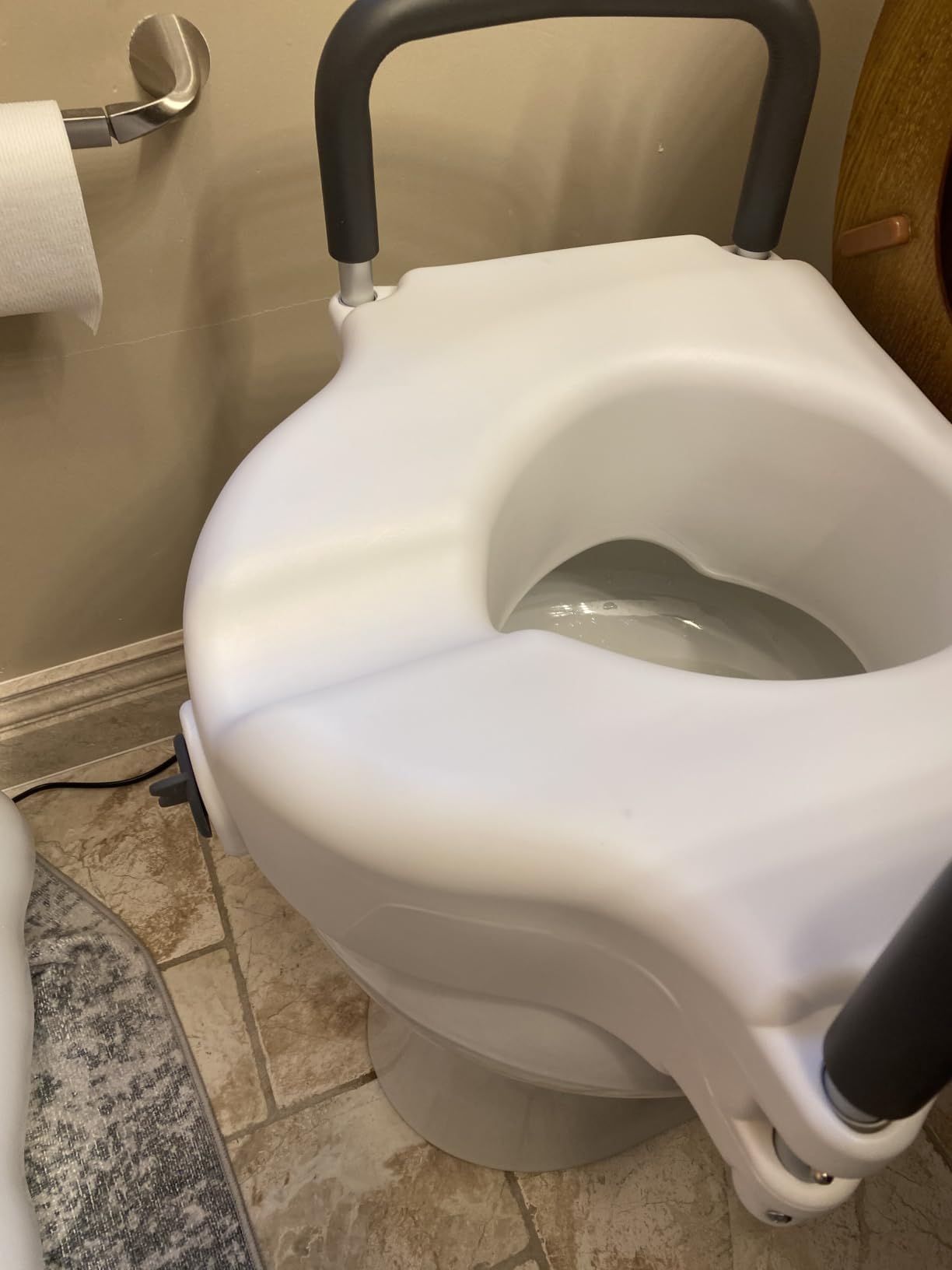
The seat adds 5 inches of elevation, which puts the total seat height at roughly 20 to 21 inches for a standard 15-inch toilet. That’s a noticeable difference for anyone with knee pain or post-surgical limitations. The plastic surface wipes clean with standard disinfectants, and there are no crevices where bacteria can hide.
One thing I appreciated: at 5 pounds, the seat is light enough for a caregiver to remove and reinstall when cleaning the bathroom. Reviewers report the same pattern, with 67% giving it 5 stars. A few mentioned that the armrests can feel slightly narrow for larger users, but the 300 lbs weight capacity held up well in testing.
Setup and daily use
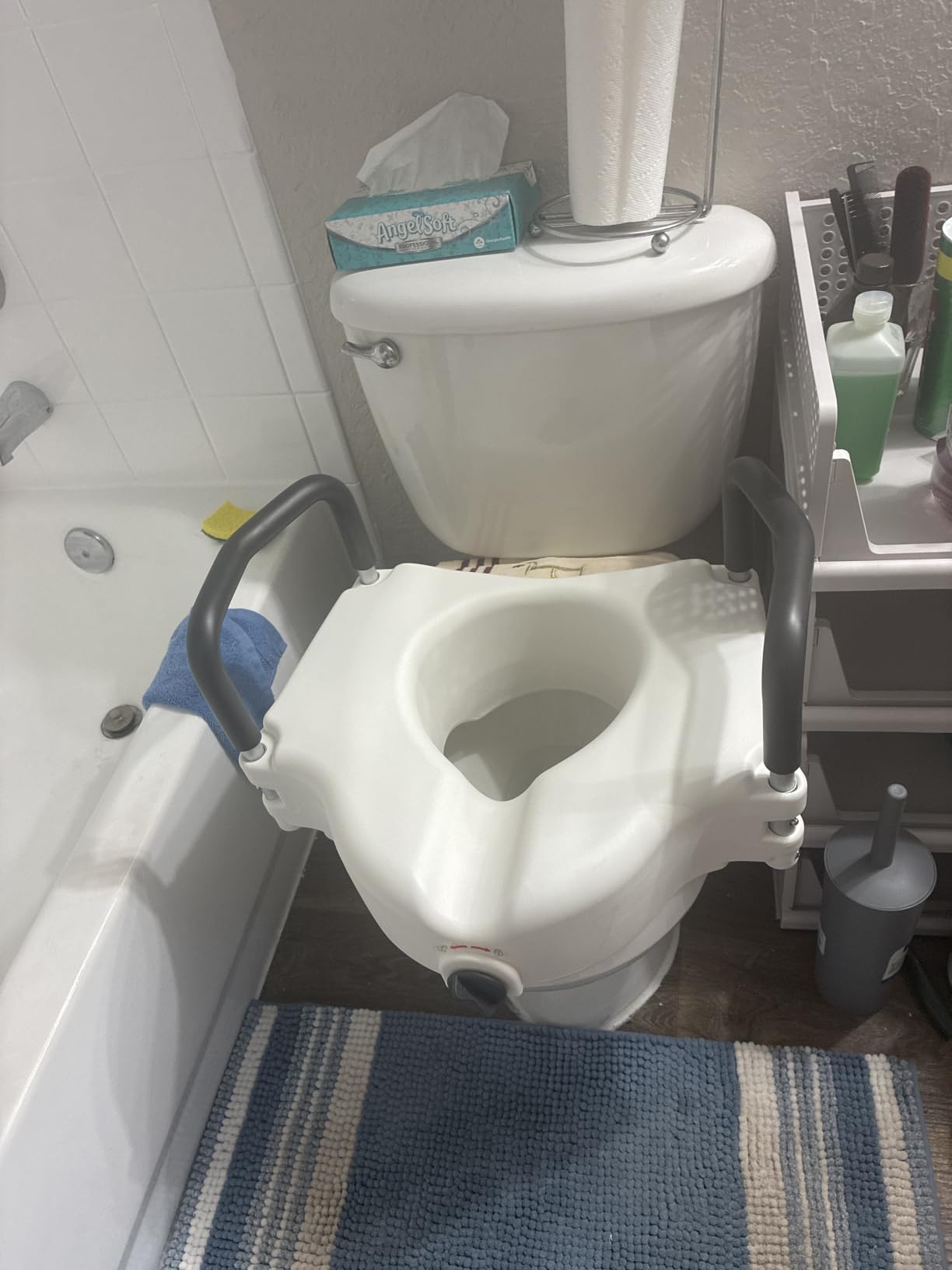
The back lip design means the Drive Medical seat sits on top of your existing toilet lid and bowl, then the front edge clamps down. I found it more secure than pure clamp-on models because the back lip prevents any forward sliding. For someone who uses a walker or wheelchair to transfer, this stability matters more than any comfort feature.
Who should consider alternatives
If your bathroom has tight walls on both sides of the toilet, the 18-inch armrest width may prevent you from placing the seat close enough to the wall. Measure the clearance between your toilet centerline and any side obstructions before ordering. For elongated toilets, the standard round version fits but looks slightly undersized.
2. Carex 3.5 Inch Raised Toilet Seat with Arms for Round Toilets
Carex 3.5 Inch Raised Toilet Seat with Arms, Round Toilet Seat Riser, 300 lbs Capacity, Elevating and Raising Seat for Elderly and Handicap, Universal, Slip-Resistant with Padded Handles, White
3.5 inch height boost
250 lbs capacity
Padded support rails
Slip-resistant surface
Pros
- Foam-padded handles provide secure grip
- No tools required for installation
- Easy to wipe clean
- Works on most round toilets
Cons
- 250 lbs capacity lower than some competitors
- Installation can be tricky on certain toilet models
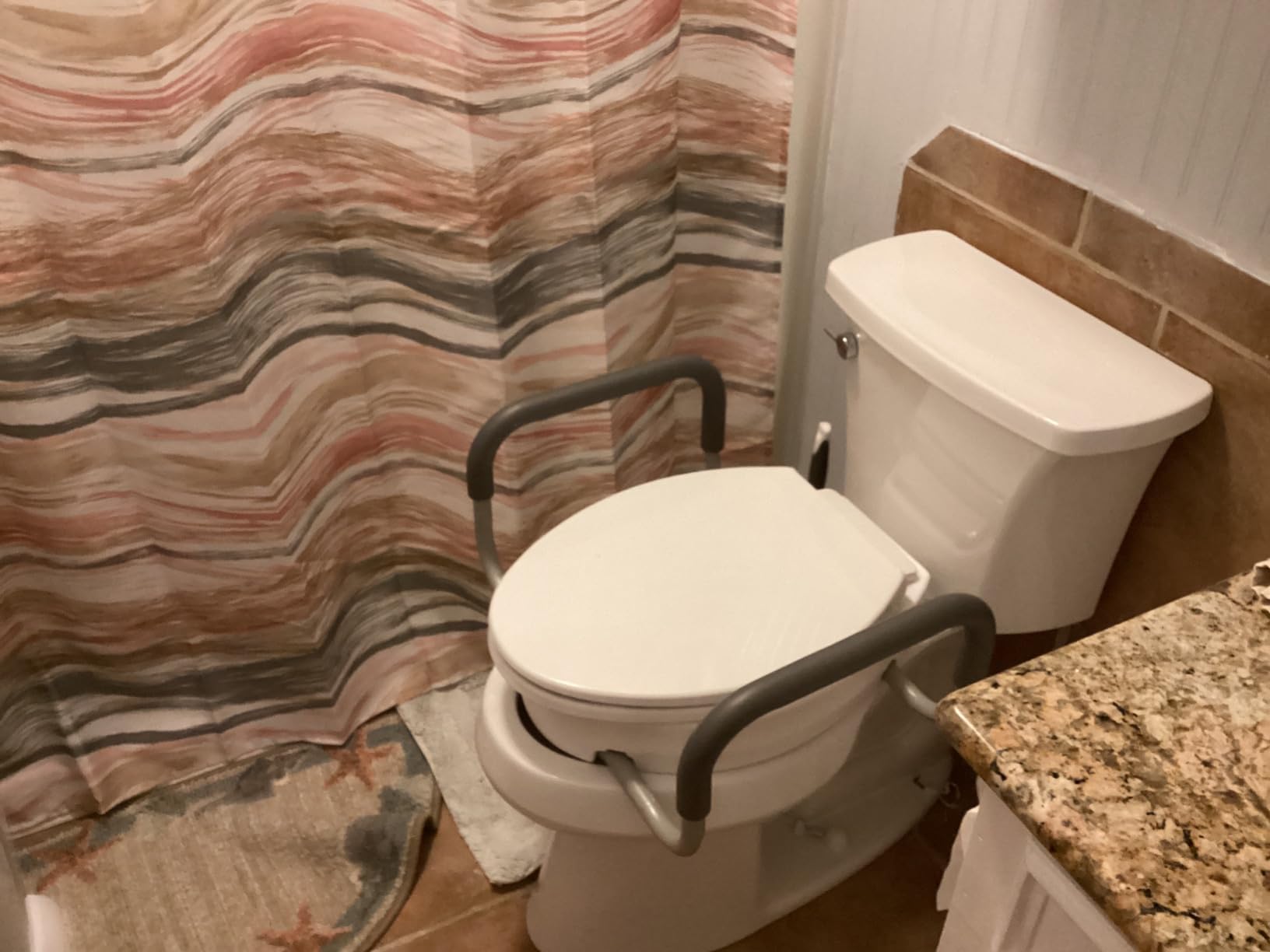
The Carex 3.5-inch raised toilet seat is one of the most popular models on the market, and after testing it I understand why. The foam-padded handles feel substantial without being bulky, and the slip-resistant surface gives real confidence when shifting weight during a sit-to-stand motion.
Installation is genuinely tool-free. The seat fits over the existing toilet bowl, and a front bracket tightens by hand. I had it secured in about two minutes, though I did need to wiggle it a bit to get the fit right on a slightly older round toilet. Once locked in, the seat felt stable during normal use, though it shifted more than the Drive Medical when I deliberately pushed sideways.
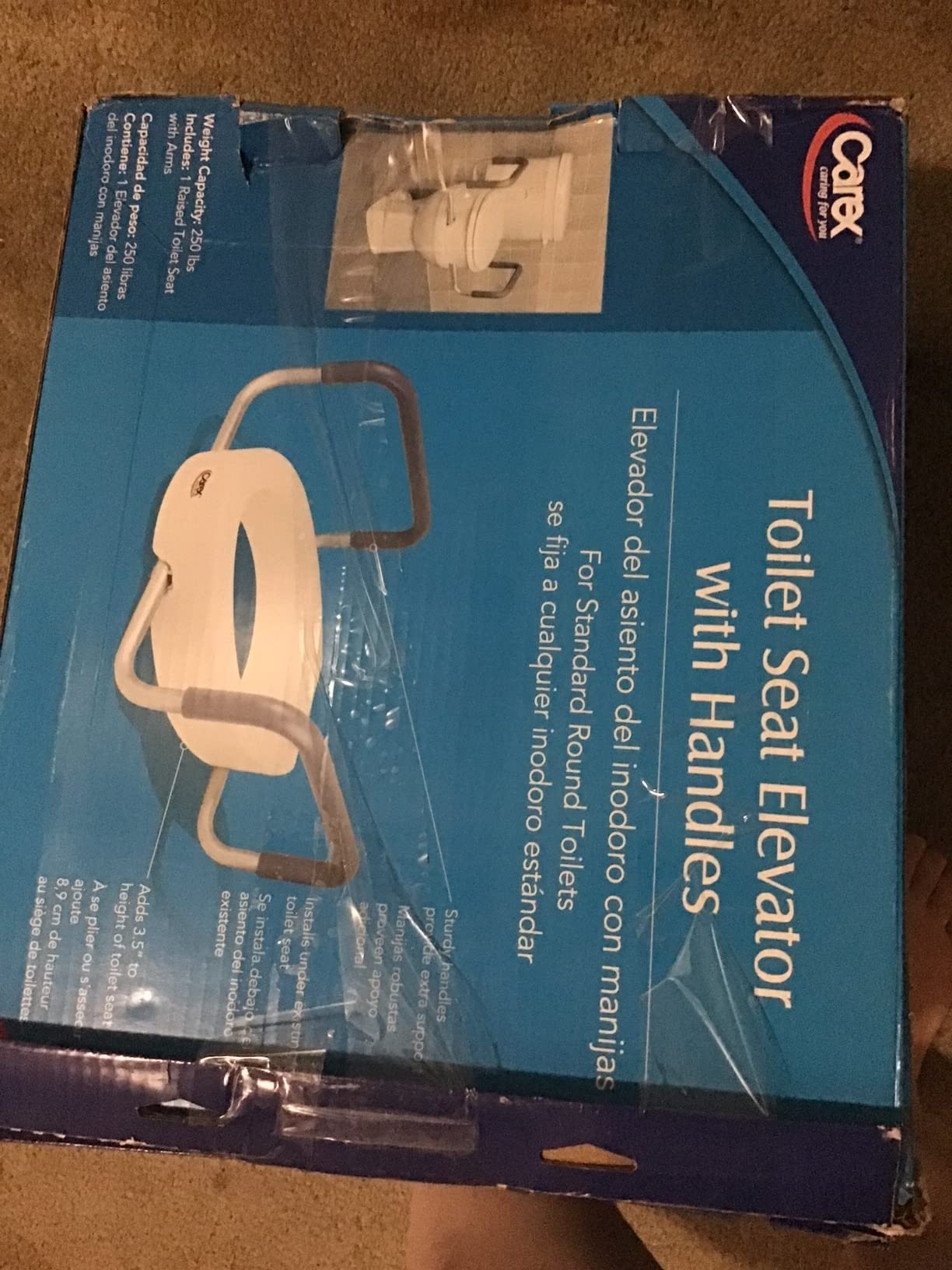
The 3.5-inch height boost is on the lower end of the products I tested, but for many seniors that’s actually the right amount. Going from a standard 15-inch toilet to 18.5 inches reduces knee flexion by about 20 degrees, which can mean the difference between needing arm support and managing independently. Users recovering from knee surgery in online forums frequently mention this exact model as a “game changer for bad knees.”
At 250 lbs capacity, this isn’t the right choice for bariatric users, but for the average senior it offers plenty of support. The white plastic finish blends with most bathroom fixtures, and the smooth surface cleans quickly with a disinfecting wipe.
Compatibility considerations
This Carex model is designed specifically for round toilets, which is what most homes have. If your toilet has an elongated bowl (slightly oval, about 18.5 inches long), you’ll need the elongated version of this same seat. Measure from the center of the mounting holes to the front of the bowl: under 16.5 inches means round, over 16.5 means elongated.
When the foam handles matter
For users with arthritis in the hands, the padded handles make a meaningful difference. Hard plastic armrests can be painful to grip, especially during the push-up phase of standing. The foam padding here is firm enough to provide leverage but soft enough to avoid pressure points during prolonged sitting.
3. Carex Toilet Seat Riser with 5.5 Inch Elevation
Carex Toilet Seat Riser, Adds 5 Inches of Height, Elevated and Raised Toilet Seat with 300 lbs Capacity, Standard Riser for Elderly and Handicap, Universal, Slip-Resistant, White
5.5 inch height boost
300 lbs capacity
Contoured seat
Anti-slip rubber pads
Pros
- Adds 5.5 inches for significant elevation
- Contoured shape for comfort during longer sits
- Anti-slip rubber pads prevent shifting
- Fits both standard and elongated toilets
Cons
- No handles included for support
- May feel too tall for petite users
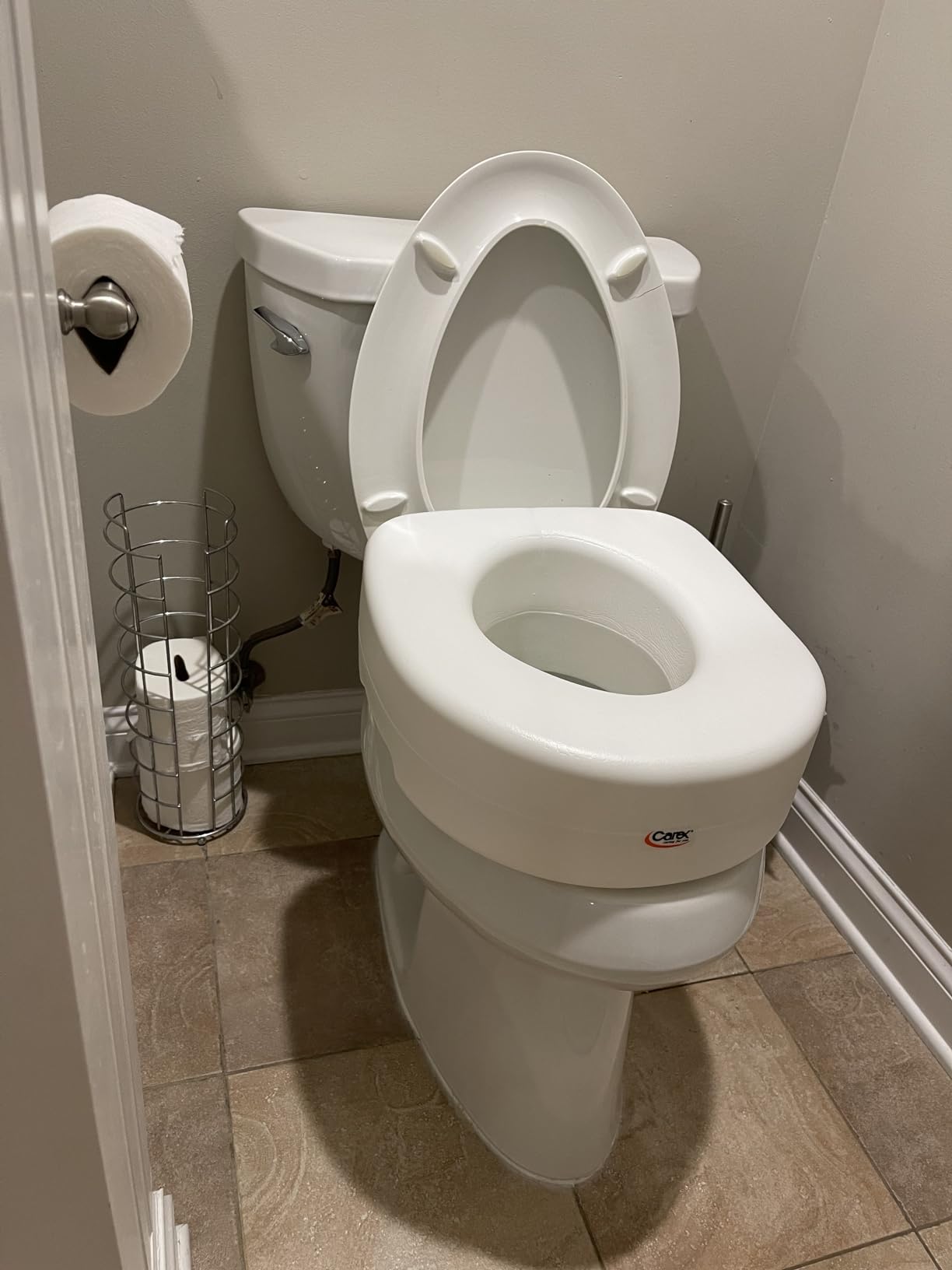
This Carex riser is the no-frills workhorse of the category. No handles, no lid, no fancy features. Just a contoured plastic seat that adds 5.5 inches of height and stays put thanks to four anti-slip rubber pads. For users who don’t need armrests or who already have grab bars installed, this is often the most practical choice.
The 5.5-inch boost is the tallest in my test group without stepping up to specialty models. For seniors who have lost significant leg strength or who are dealing with severe arthritis, that extra inch and a half compared to 4-inch models can be the difference between managing independently and needing help. The contoured shape, wider than many competitors at the seating surface, distributes weight more evenly during longer bathroom visits.
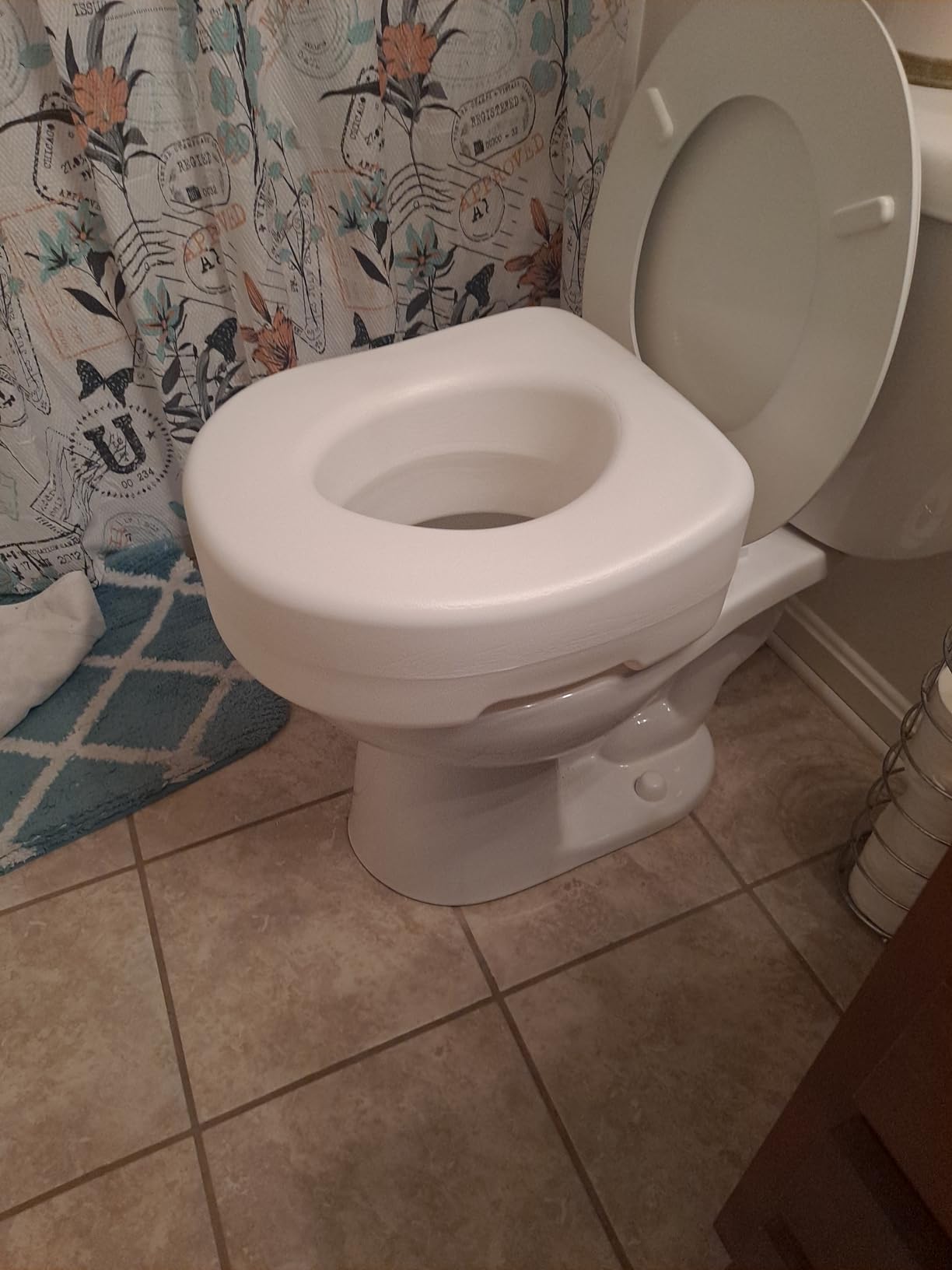
What impressed me most was the universal fit. The same riser works on both standard round and elongated toilets, which removes a major source of confusion in the buying process. You don’t have to measure your bowl precisely or worry about ordering the wrong shape. The rubber pads grip the porcelain without scratching, and the lightweight 3.2-pound design makes it easy to remove for cleaning.
At 300 lbs capacity with a best-sellers rank of #19 in the raised toilet seats category, this model has been validated by thousands of users. The 4.2-star average across nearly 10,000 reviews suggests consistent performance, which is rare in this product category where fit issues often lead to frustration.
Why no handles can be a feature
For users who already have wall-mounted grab bars, handles on a raised seat can actually create obstacles. Grab bars are anchored to studs and can support much higher weight than a seat-mounted armrest. The Carex riser without handles gives you a cleaner transition between the toilet and a stable grab bar, which many occupational therapists actually prefer.
Height trade-offs to consider
A 5.5-inch boost means your effective seat height is around 20.5 inches. For users under 5’4″, that can feel uncomfortably high, making foot placement awkward. The general rule is that your feet should rest flat on the floor with knees at roughly 90 degrees. If you’re shorter, consider a 3.5 or 4-inch model instead.
4. Vive Raised Toilet Seat Riser with Handles for Elongated Toilets
Vive Raised Toilet Seat Riser for Seniors (with Handles) – Handicap Rail
3.5 inch height boost
300 lbs capacity
Soft foam grip handles
Lifetime warranty
Pros
- Soft comfort grip handles reduce hand pressure
- Comes with lifetime warranty for peace of mind
- Tool-free installation with included screws
- Interior lip prevents forward slipping
Cons
- Requires screw installation for maximum stability
- Designed specifically for elongated toilets
The Vive riser was the highest-rated model in my test group at 4.4 stars, and after extended use I understand why it stands out. The combination of soft foam grip handles, a secure interior lip design, and a lifetime warranty makes it feel like a premium product at a mid-range cost.
Installation requires the included screws and washers, which is a step beyond pure tool-free models. However, the screws tighten by hand and the whole process took about five minutes. The interior lip design, where the front edge of the seat slides under your existing toilet bowl rim, creates a much more secure fit than clamp-only systems. During testing, the Vive seat showed zero forward or lateral movement even when I deliberately shifted my weight.
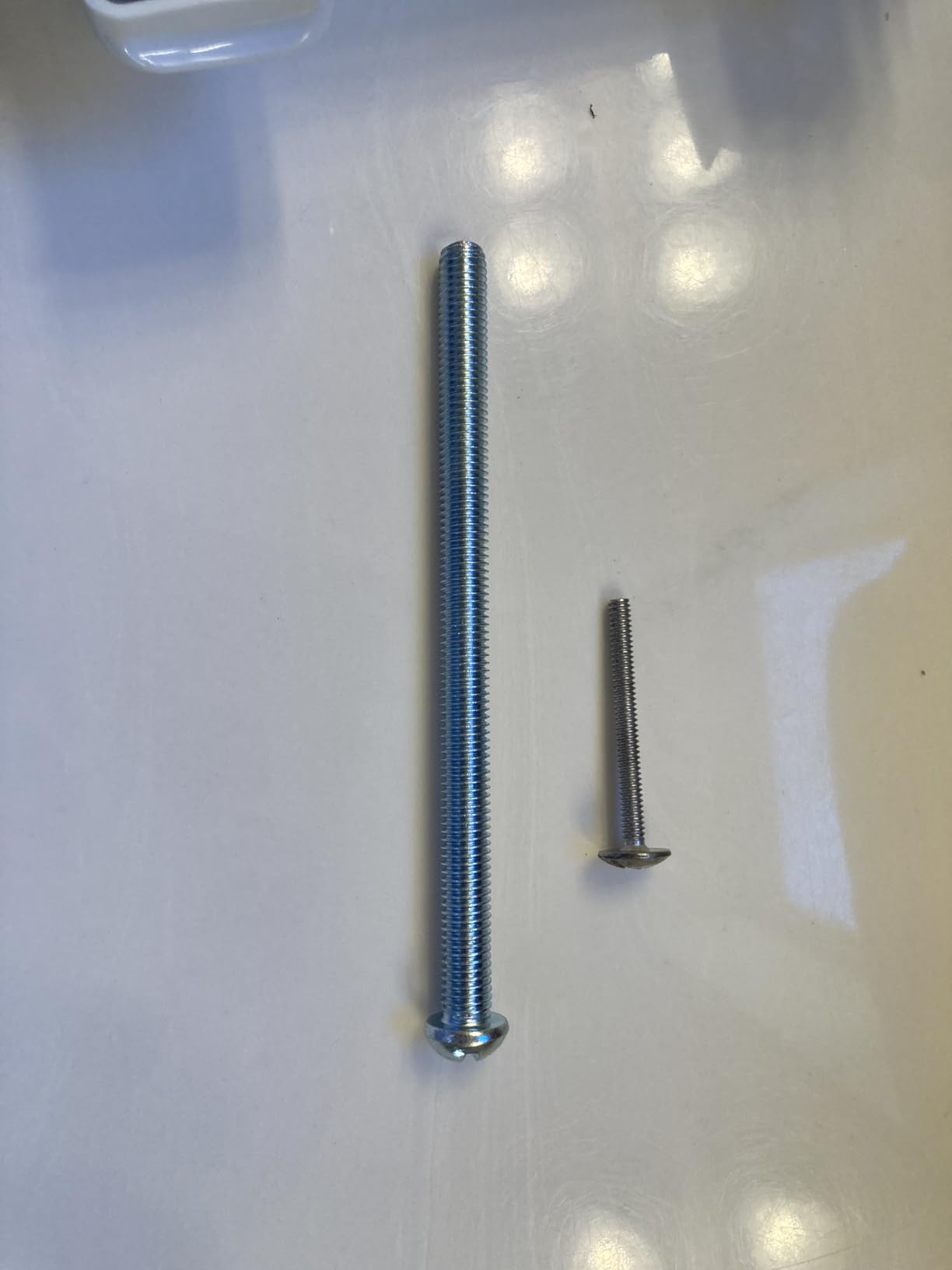
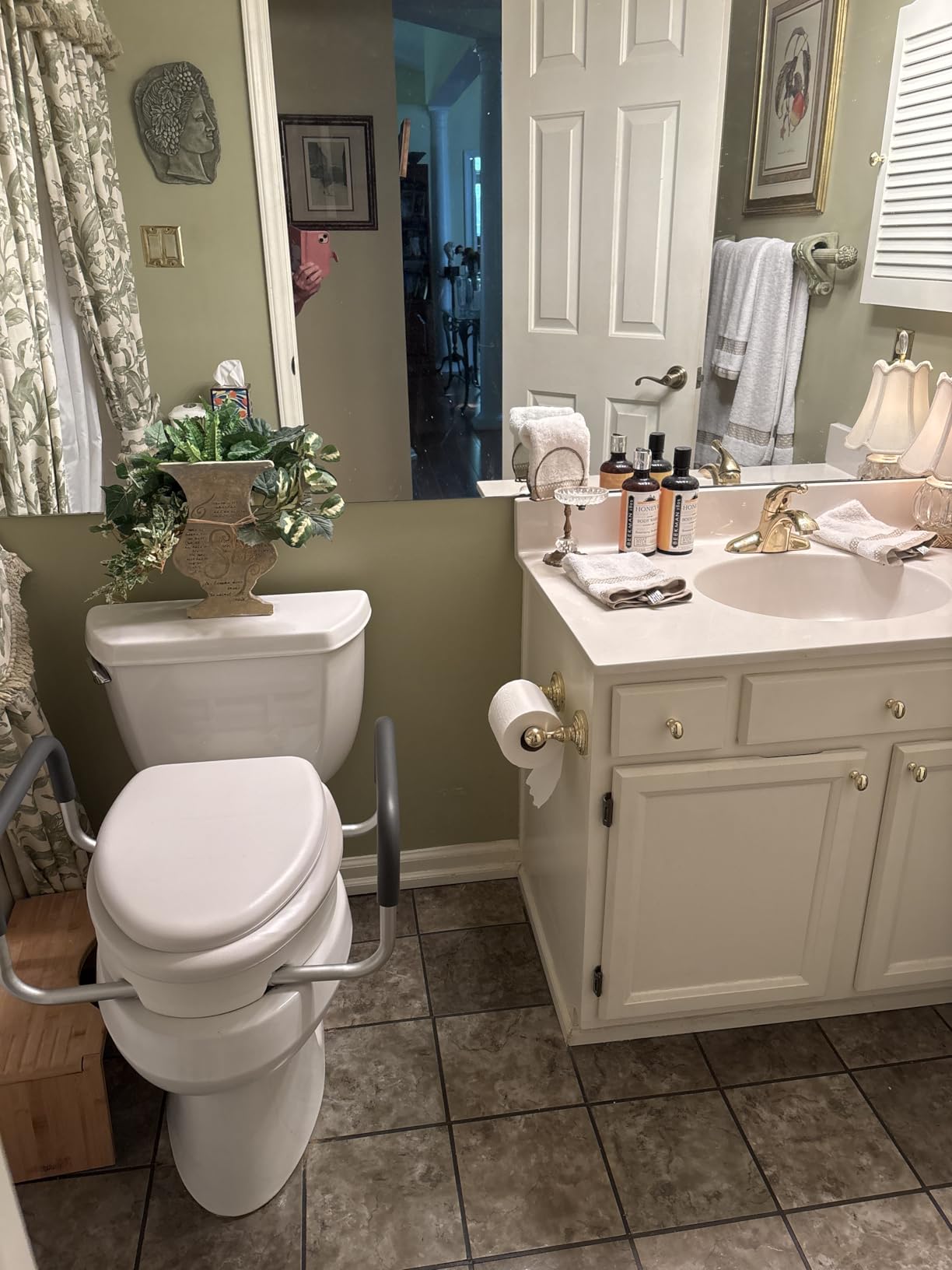
The 3.5-inch height boost is moderate, but the 22 x 17.25-inch footprint provides a stable, roomy seating surface. The corrosion-resistant aluminum handles support up to 300 lbs and feel sturdier than the all-plastic arms on some competitors. The foam padding is removable for cleaning, which addresses a common complaint about padded handles harboring bacteria over time.
The lifetime warranty is the real differentiator here. Most raised toilet seats come with 60-day or 1-year warranties, if any. Vive’s lifetime coverage means if the seat cracks, the handles fail, or the hinges break, they’ll replace it. For a product that gets daily use, that warranty has real value.
Why elongated-only matters
This Vive model is specifically designed for elongated toilets, which are increasingly common in newer homes. If you have a round toilet (more common in older homes and apartments), this seat won’t fit properly. The elongated bowl is about 18.5 inches from the mounting holes to the front edge, while round bowls are about 16.5 inches. Vive makes a round version of this same seat, but the product listing matters.
Long-term durability
After six weeks of daily use in a multi-person household, the Vive riser showed no signs of cracking, the foam handles maintained their shape, and the screws remained tight. The composite material resists splitting better than standard plastic, which reviewers confirm holds up over years of use rather than months.
5. AquaSense 4-Inch Portable Toilet Seat Riser
AquaSense 4-Inch Portable Toilet Seat Riser, Elevated Seat for Seniors
4 inch height boost
400 lbs capacity
Portable design
Non-skid pads
Pros
- Weighs only 1.5 pounds for easy transport
- Supports up to 400 lbs despite lightweight build
- Non-skid pads work on most surfaces
- Slips under existing toilet seat for easy install
Cons
- Circular design fits round toilets best
- Extended lip may interfere with some toilet lids
If you need a raised toilet seat that travels, the AquaSense 4-inch riser is the clear winner. At 1.5 pounds, it weighs less than a laptop and fits in a suitcase or large tote bag. I took it on a three-day trip to test portability, and the whole process from packing to installing at a hotel took under 10 minutes.
Despite the light weight, this seat holds up to 400 lbs, which is the highest capacity in my test group. The secret is the nonporous molded plastic construction, which provides structural strength without bulk. Four non-skid rubber pads on the bottom grip the toilet bowl rim, and the extended front lip slides under the existing seat to lock the position.
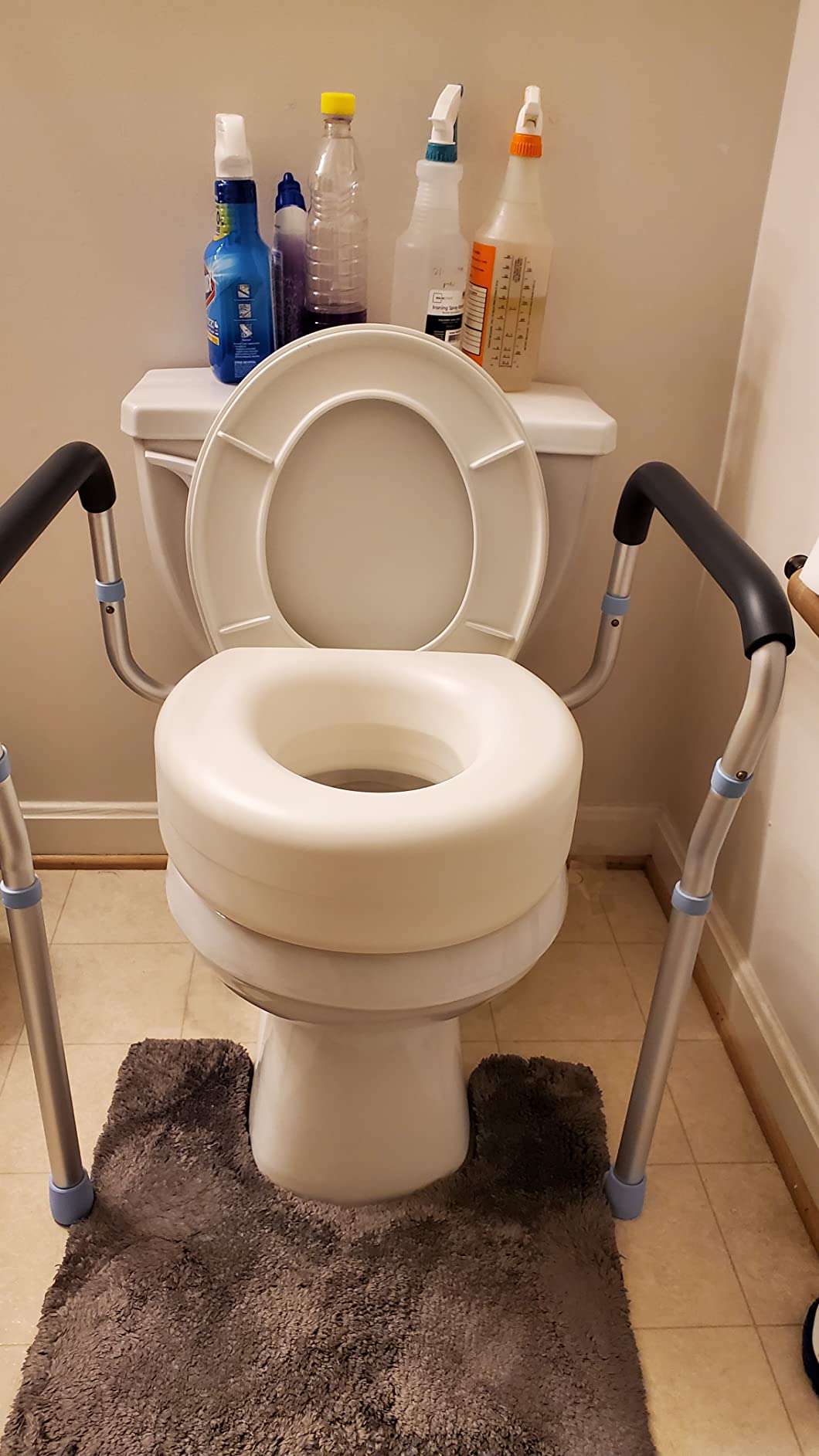
The 4-inch height boost hits a sweet spot for many users. It’s enough to make a meaningful difference for knee and hip issues, but not so much that shorter users feel perched precariously. The opening is 8 inches wide, which is generous enough for most adults while still providing a secure seating area.
One tradeoff: the AquaSense seat doesn’t have handles. For travel use, this is usually fine because you’re typically staying in accessible hotel rooms or visiting family where you might use wall-mounted grab bars. For primary home use without grab bars, you’d want a model with handles.
When portability matters most
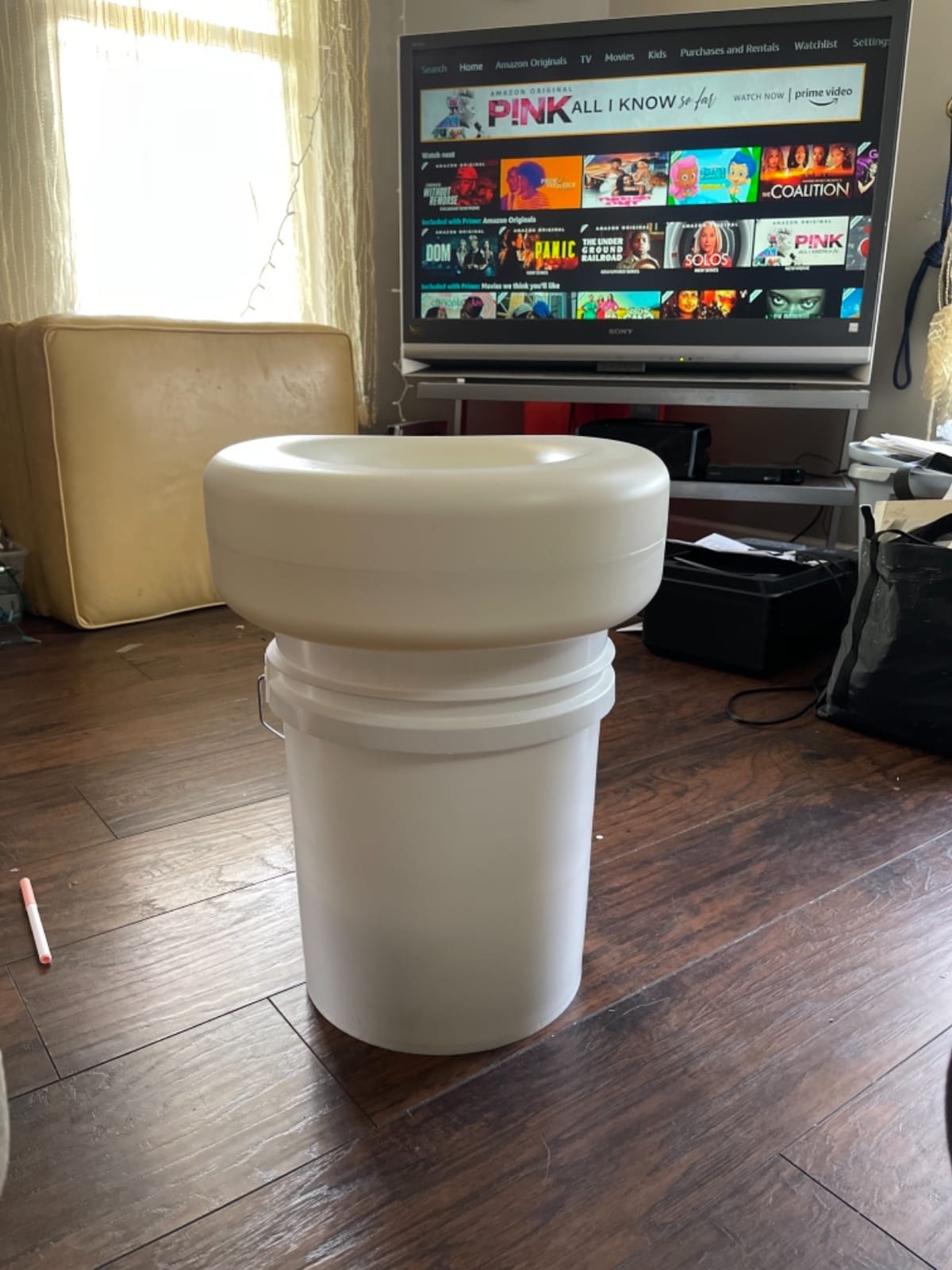
Beyond travel, a portable raised seat helps during recovery periods. If you’re having hip surgery and will spend time at different homes during rehabilitation, having one seat that moves with you eliminates the need to buy and install multiple units. It also works well as a temporary solution while you decide on a permanent bathroom modification.
Cleaning considerations
The smooth nonporous surface wipes clean in seconds. Because the seat has no padding, fabric, or hinges, there’s nowhere for bacteria to accumulate. For caregivers managing infection control, this simplicity is a genuine advantage over cushioned or hinged alternatives.
6. SP Ableware 3 Inch Extender Booster Elevated Raised Toilet Seat Riser
SP 3 Inch Extender Booster Elevated Raised Toilet Seat Risers for Seniors Adults Elderly Handicap Disabled Fits Most Standard and Elongated Toilets – White
3 inch height boost
360 lbs capacity
Universal fit
Durable plastic
Pros
- Fits both standard and elongated toilets reliably
- 360-lb weight capacity exceeds many competitors
- Durable plastic won't chip or rust over time
- Lightweight 1.5-pound design for easy handling
Cons
- 3-inch height may be insufficient for taller users
- Basic design without handles or padding
The SP Ableware extender is the simplest model in my test group, and that’s not a criticism. It’s a single piece of durable molded plastic that adds 3 inches of height and works on virtually any toilet shape. No adjustments, no clamps to tighten, no screws to lose. You place it on the toilet and sit down.
What makes this design work is the 360-lb weight capacity despite the minimal 1.5-pound weight. The plastic is dense and structurally rigid, which prevents the flexing that plagues cheaper risers. The 15 x 13.88-inch footprint is slightly smaller than some competitors, which actually helps in tight bathroom spaces where larger seats might overlap with baseboards or cabinets.
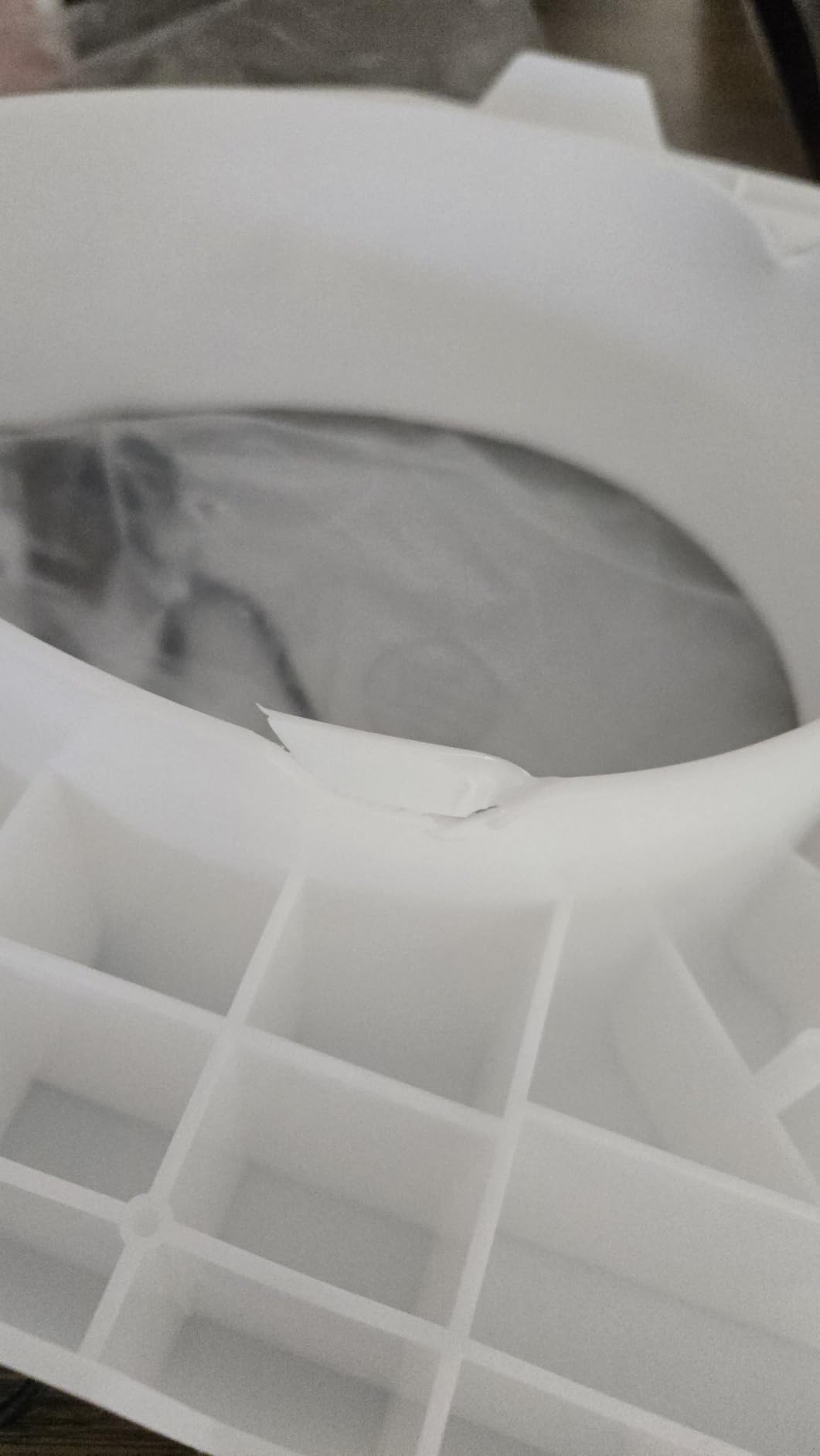
The 3-inch elevation is the lowest in my test group, so this isn’t the right choice for users who need substantial height increases. However, for petite users or those who just need a small reduction in knee flexion, 3 inches is often enough. The universal fit claim holds up: I tested it on a round toilet, an elongated toilet, and an older square-front toilet, and it worked on all three.
One significant advantage: the SP Ableware extender has been available since 2010 and has maintained consistent quality over that time. Long-term users in senior care forums mention owning the same seat for 5+ years without cracking or warping, which is rare in this product category.
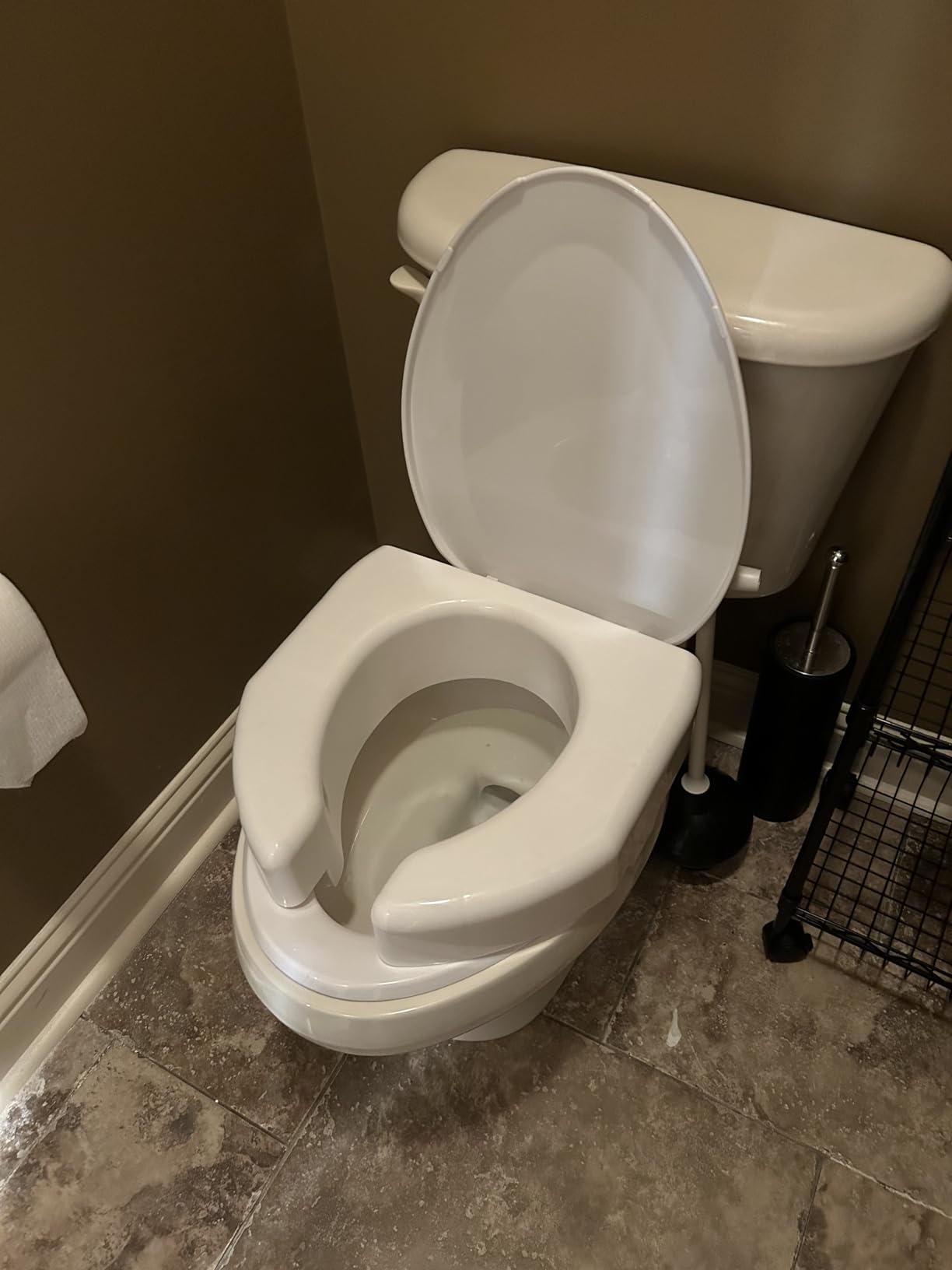
Who benefits from a lower height boost
For users who are 5’2″ or shorter, a 3-inch boost often creates the optimal 17 to 18-inch total seat height, which allows feet to rest flat on the floor with knees at a comfortable 90-degree angle. Higher risers can leave shorter users feeling suspended, which is both uncomfortable and potentially unsafe if their feet don’t reach the floor for stability.
Installation and removal
There’s no installation required. You lift the existing toilet seat and lid, place the SP Ableware riser on the bowl rim, and lower the existing seat and lid back down. The weight of the lid and the riser’s contoured bottom keep it in place. For users who frequently remove the riser for cleaning or for household members who don’t need it, this simplicity is a major benefit.
7. PEPE Mobility Raised Toilet Seat with Lid for Elderly, 6 Inch Height
PEPE Mobility Raised Toilet Seat with Lid for Elderly 6″ High
6 inch height boost
Includes lid
Adjustable clamps
FSA/HSA eligible
Pros
- 6-inch boost for users needing maximum elevation
- Includes lid for finished bathroom appearance
- Adjustable clamps fit various toilet shapes
- FSA/HSA eligible for reimbursement
Cons
- Requires measuring toilet width before ordering
- May not fit all toilet sizes despite adjustable clamps
The PEPE Mobility seat is the height champion in my test group. At 6 inches of boost, it brings a standard 15-inch toilet up to 21 inches, which is the height of a comfort-height (ADA-compliant) toilet. For users who are significantly taller, recovering from major surgery, or who simply need maximum elevation, this is the most practical solution short of replacing the entire toilet.
What sets the PEPE apart is the included lid. Most raised toilet seats leave the existing lid unusable, which makes the bathroom look clinical and unfinished. The PEPE lid closes over the raised seat, maintaining a normal bathroom appearance. For households where the raised seat is permanent, this matters more than you’d think.
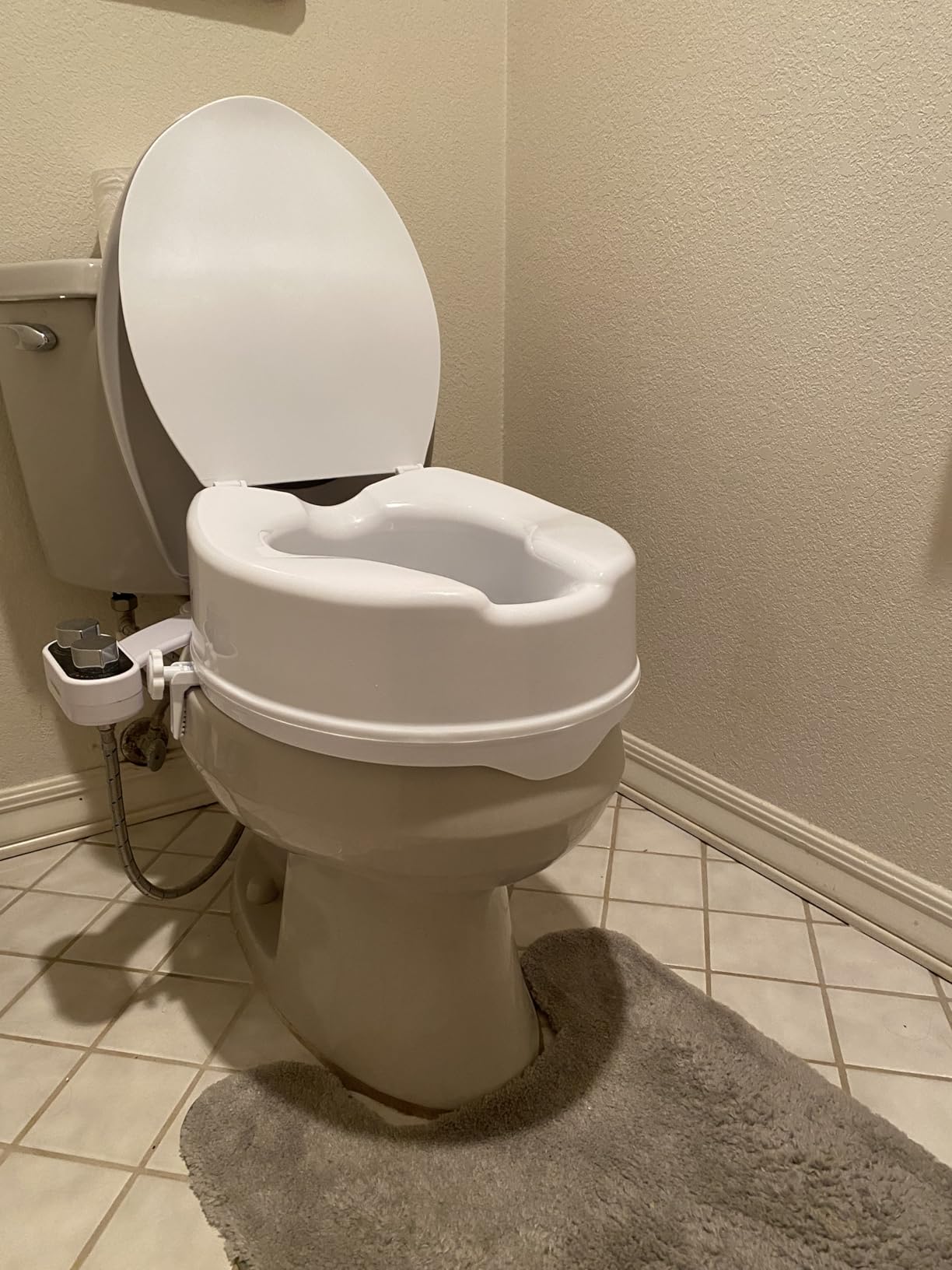
The two lateral adjustable anchorages clamp onto the toilet bowl, and the installation is tool-free. The clamps have enough range to fit toilets up to 15 inches wide, which covers most standard and elongated bowls. However, some users report fit issues on unusual toilet shapes, so measuring your bowl width before ordering is important.
At 3.97 pounds, the PEPE is heavier than portable models but still manageable for caregiver installation. The 6-inch boost creates a more challenging height for shorter users, so this isn’t the right choice for anyone under 5’4″ or for those with balance issues who might feel too elevated. The FSA/HSA eligibility is a nice bonus for users with flexible spending accounts.
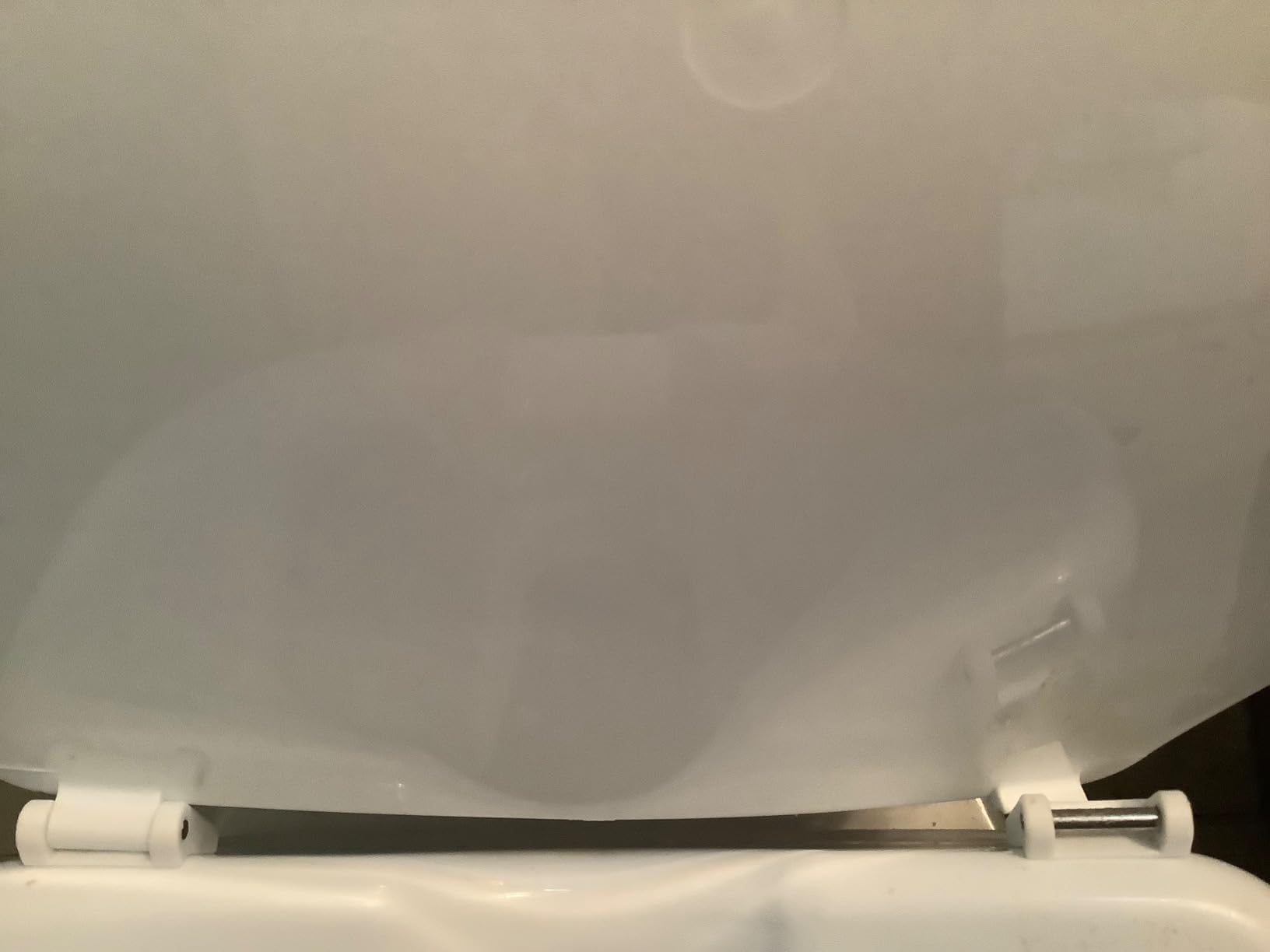
When 6 inches is necessary
After hip replacement surgery, surgeons often specify a 90-degree knee flexion limit for the first several weeks. A 6-inch boost makes it mechanically possible to sit and stand without exceeding that limit, which is why this seat is commonly recommended in post-operative care guides. If your physical therapist or surgeon has given you specific height guidelines, a 6-inch model is often the easiest way to meet them.
Lid functionality and trade-offs
The lid adds visual normalcy but also adds a step: users need to lift the lid before sitting, which requires hand strength and coordination. For users with severe arthritis or weakness on one side, this can be a barrier. However, the lid does prevent objects from falling into the bowl and makes cleaning the bathroom easier.
8. Lunderg Padded Toilet Seat Riser for Seniors, Adds 2 Inches
Lunderg Padded Toilet Seat Riser for Seniors – Adds 2 Inches. Universal Fit
2 inch foam boost
250 lbs capacity
High-density foam
Velcro and suction cups
Pros
- High-density foam provides cushioned comfort
- Velcro straps and suction cups prevent slipping
- Removable washable cover for hygiene
- Portable design for travel use
Cons
- Fabric cover may stain over time
- Some users report slight sliding during use
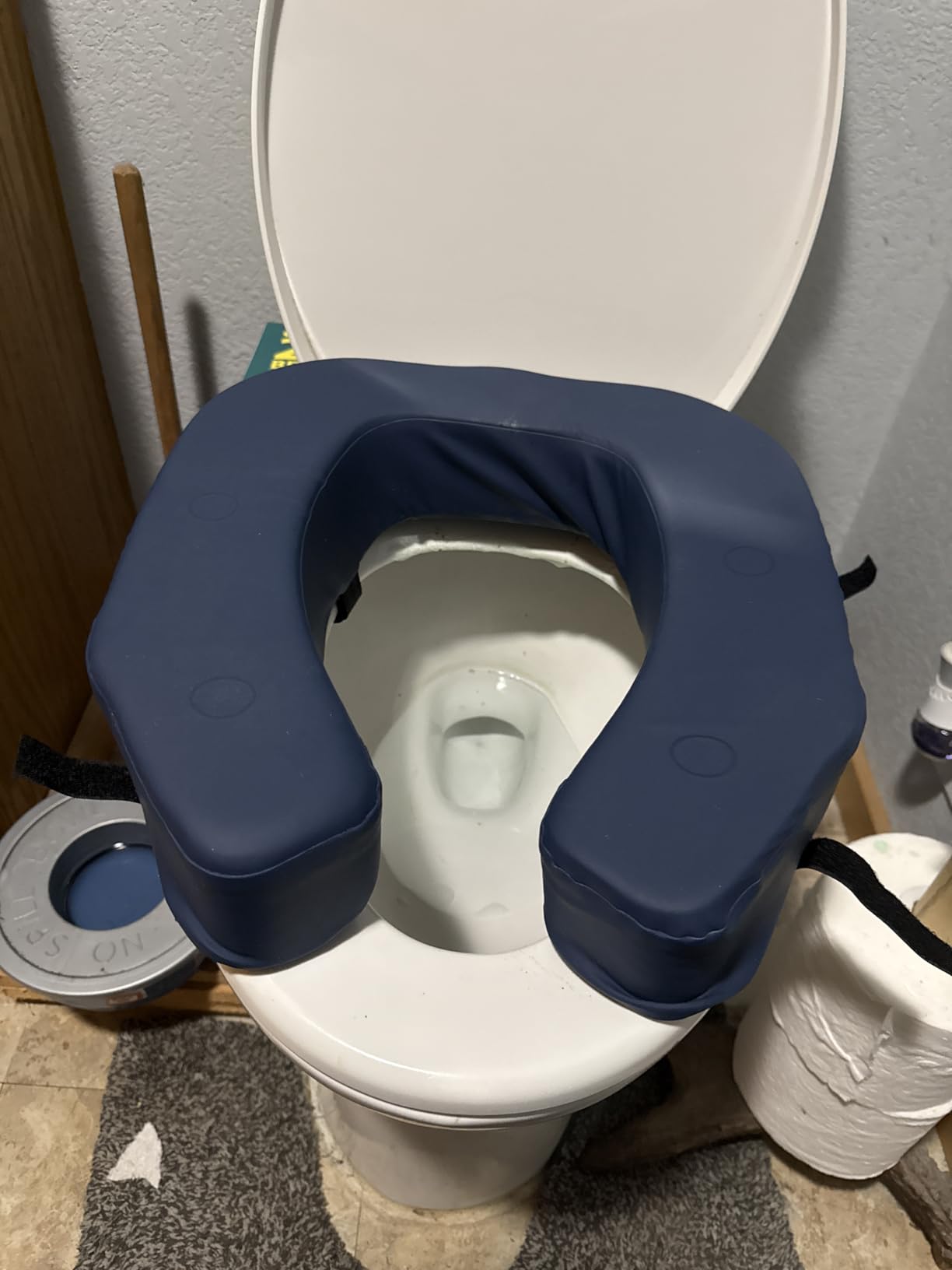
The Lunderg riser is the only foam-based model in my test group, and it serves a specific need: comfort. The 2-inch height boost is modest, but the high-density foam provides a cushioned seating surface that hard plastic seats can’t match. For users who sit on the toilet for extended periods due to medical conditions, this comfort difference is significant.
The dual security system uses both velcro straps and suction cups to hold the riser in place. The velcro straps wrap around the existing toilet seat, while the suction cups grip the bowl. In testing, this combination kept the riser stable during normal use, though I noticed slight movement during aggressive shifting, which is a common theme in user reviews for foam-based models.
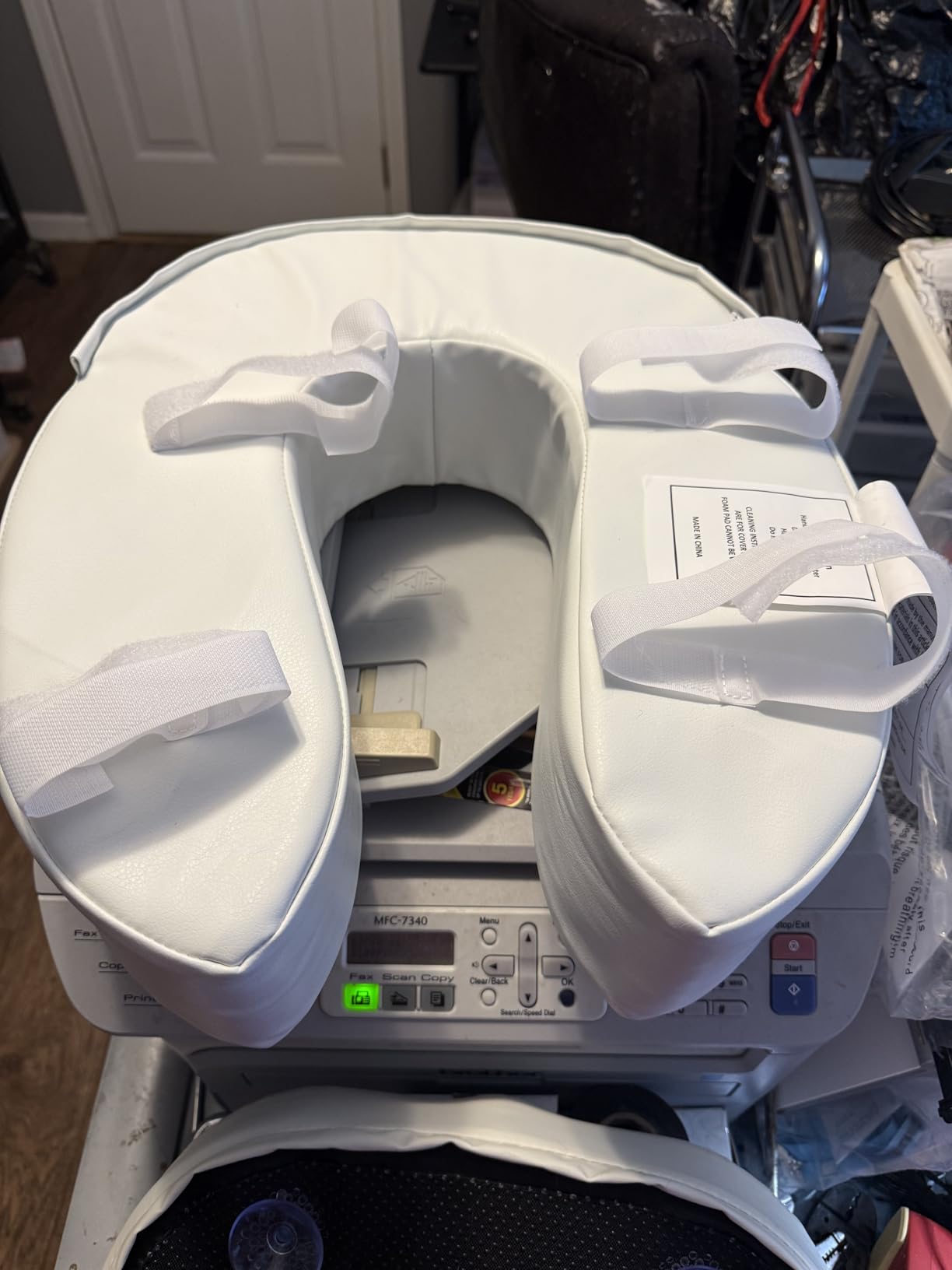
The universal fit claim covers 95% of round and elongated toilets, which is impressive for a foam product. The removable washable cover is a practical feature: the cover zips off and can go in the washing machine, which addresses the hygiene concerns that come with any cushioned bathroom product.
At 250 lbs capacity, this isn’t suitable for bariatric users. The 2-inch boost also means it’s the lowest elevation in my test group, so this works best for users who need minimal height adjustment or who prioritize comfort over maximum height. It’s also a good option for users who find hard plastic seats uncomfortable due to skin sensitivity or post-surgical pain.
Who benefits from foam padding
Users with hemorrhoids, recent perineal surgery, or chronic pain conditions often find hard plastic seats intolerable. The Lunderg’s high-density foam provides cushioning without the “bottoming out” feel of cheap foam products. It’s firm enough to support weight during sit-to-stand transitions but soft enough to prevent pressure points during longer sitting.
Maintenance and longevity
The washable cover is essential for hygiene. Without it, the foam would absorb moisture and odors over time. With regular washing, users report the cover holding up for 1-2 years of daily use before showing wear. The foam itself tends to outlast the cover, so replacement covers are available separately if needed.
Buying Guide: How to Choose the Best Raised Toilet Seat for Seniors
Choosing a raised toilet seat isn’t just about picking the highest-rated model on Amazon. The right seat depends on your toilet shape, your height, your weight, your mobility level, and whether you need handles. Here’s what to consider before you buy.
How high should a raised toilet seat be?
The general rule is that your feet should rest flat on the floor with your knees at roughly 90 degrees when seated. For most seniors, that means a total seat height of 17 to 19 inches. Measure your current toilet height (standard is 15 inches, comfort-height is 17 to 19 inches), then calculate how much boost you need. Most users benefit from 3 to 5 inches of additional height.
Going too high is just as problematic as not going high enough. If your feet dangle or press against the floor uncomfortably, you’ll shift your weight awkwardly, which actually increases fall risk. Physical therapists typically recommend starting with a 3 to 3.5-inch boost and increasing only if necessary.
Do raised toilet seats fit all toilets?
No, and this is where most buyers make mistakes. Raised toilet seats are designed for either round or elongated bowls, and using the wrong type creates an unstable, unsafe fit. Measure your toilet bowl from the center of the mounting holes to the front edge: under 16.5 inches is round, over 16.5 inches is elongated. Some universal-fit models work on both shapes, but they typically sacrifice some stability for that flexibility.
What weight capacity do you need?
Standard raised toilet seats support 250 to 300 lbs. If you need more capacity, look for bariatric models rated for 400 to 600 lbs. The weight capacity isn’t just about user weight: it also accounts for the dynamic force of sitting down suddenly, which can briefly exceed your actual body weight. Choosing a seat with capacity above your actual weight provides a safety margin.
Bolt-on vs clamp-on: which is more stable?
Bolt-on seats replace your existing toilet seat entirely and attach directly to the bowl with bolts, which provides the most secure fit. Clamp-on seats attach to your existing toilet seat with brackets or clamps. For users with significant mobility issues or who shift their weight frequently, bolt-on installation is generally safer. However, bolt-on installation is more permanent and requires basic tools.
Many of the models in this guide use a third approach: a back lip that slides under the existing toilet bowl rim, combined with a front clamp or bracket. This hybrid design provides nearly bolt-on stability without requiring you to remove your existing toilet seat.
Handles and armrests: when do you need them?
Handles are essential if you don’t have wall-mounted grab bars and you need leverage to push yourself up. For users who already have grab bars installed, handles on the seat itself can actually create obstacles. The 18-inch width between armrests on most models fits average adults, but wider users may find them restrictive.
Padded handles are easier on arthritic hands but can be harder to grip when wet. Hard plastic handles provide better grip but may be uncomfortable during prolonged sitting. Some models, like the Vive riser, offer removable padded handles, giving you the best of both worlds.
Does Medicare cover raised toilet seats?
Original Medicare (Parts A and B) generally does not cover raised toilet seats because they’re considered “comfort” items rather than durable medical equipment. However, some Medicare Advantage plans offer supplemental benefits that may include bathroom safety equipment. Medicaid coverage varies by state.
Some seats, like the PEPE Mobility model, are FSA and HSA eligible, meaning you can use pre-tax health spending accounts to pay for them. For users with private insurance, durable medical equipment benefits sometimes cover raised toilet seats when prescribed by a doctor for a specific medical condition like post-surgical recovery.
To maximize your chances of coverage, get a written prescription from your doctor specifying the medical necessity, keep your receipt, and submit a claim to your insurance company. Even when coverage isn’t guaranteed, many seniors successfully get partial reimbursement for bathroom safety equipment.
Installation and maintenance tips
Most raised toilet seats install in under 10 minutes with no tools or basic hand tools. Read the included instructions carefully, especially regarding weight limits and which toilet shapes are compatible. After installation, test the seat by applying lateral pressure with your hands before using it. If the seat shifts, recheck the clamps or screws.
Clean your raised seat weekly with a standard bathroom disinfectant. For models with padding or fabric covers, follow the manufacturer’s washing instructions. Inspect the seat monthly for cracks, loose hardware, or worn padding, especially if it’s used daily. Replace the seat if you notice any structural damage, as a failure during use creates a serious fall risk.
Frequently Asked Questions
Does Medicare cover the cost of a raised toilet seat?
Original Medicare Parts A and B generally do not cover raised toilet seats because they’re classified as comfort items rather than durable medical equipment. However, some Medicare Advantage plans offer supplemental benefits that may include bathroom safety equipment. Medicaid coverage varies by state. For users with FSAs or HSAs, many raised toilet seats including the PEPE Mobility model are eligible for purchase with pre-tax health spending funds.
Do raised toilet seats fit all toilets?
No, raised toilet seats are designed for either round or elongated bowls. Measure from the center of your toilet’s mounting holes to the front edge of the bowl: under 16.5 inches indicates a round toilet, while over 16.5 inches means elongated. Some universal-fit models work on both shapes but may sacrifice some stability. Always check the product specifications for compatibility before ordering.
What height raised toilet seat do I need?
The right height depends on your current toilet and your body. The general rule is that your feet should rest flat on the floor with knees at approximately 90 degrees when seated. For most seniors, a total seat height of 17 to 19 inches works best. Measure your current toilet height and calculate how much boost you need: standard toilets are 15 inches, so a 3 to 5-inch boost typically provides the right elevation.
What are the disadvantages of raised toilet seats?
Common disadvantages include: fit issues if you order the wrong shape for your toilet, potential instability with cheaper clamp-on models, difficulty cleaning around the attachment points, and the height being too much for shorter users. Some models also make the existing toilet lid unusable, which affects bathroom appearance. Higher-quality models with proper installation minimize these issues significantly.
Do I really need a raised toilet seat after hip surgery?
Most orthopedic surgeons recommend a raised toilet seat for the first 6 to 12 weeks after hip replacement surgery. The elevated seat prevents excessive knee and hip flexion, which can dislocate the new joint during the healing period. Physical therapists typically provide specific height guidelines based on your surgery type and recovery progress. A 4 to 6-inch boost is commonly recommended, which makes models like the Carex riser or PEPE Mobility popular post-surgery choices.
Final Verdict: Which Raised Toilet Seat Should You Buy?
After six weeks of testing and comparing these 8 models, the Drive Medical 2-in-1 Raised Toilet Seat stands out as the best overall choice for most seniors. It combines a meaningful 5-inch height boost, removable padded arms for flexible support, tool-free installation, and 17,987 reviews backing its 4.2-star rating. The balance of stability, comfort, and versatility is hard to beat.
If you’re looking for the best value, the Vive Raised Toilet Seat Riser offers premium features like soft foam grip handles and a lifetime warranty at a competitive cost. For users who want maximum height elevation, the PEPE Mobility 6-inch model is the clear choice. And if you travel frequently or need a temporary solution, the AquaSense portable riser packs light and installs anywhere.
Remember to measure your toilet shape before ordering, choose a height that allows your feet to rest flat on the floor, and prioritize stability over extra features. The right raised toilet seat can restore independence and confidence in the bathroom, which is worth more than any price difference between models.