
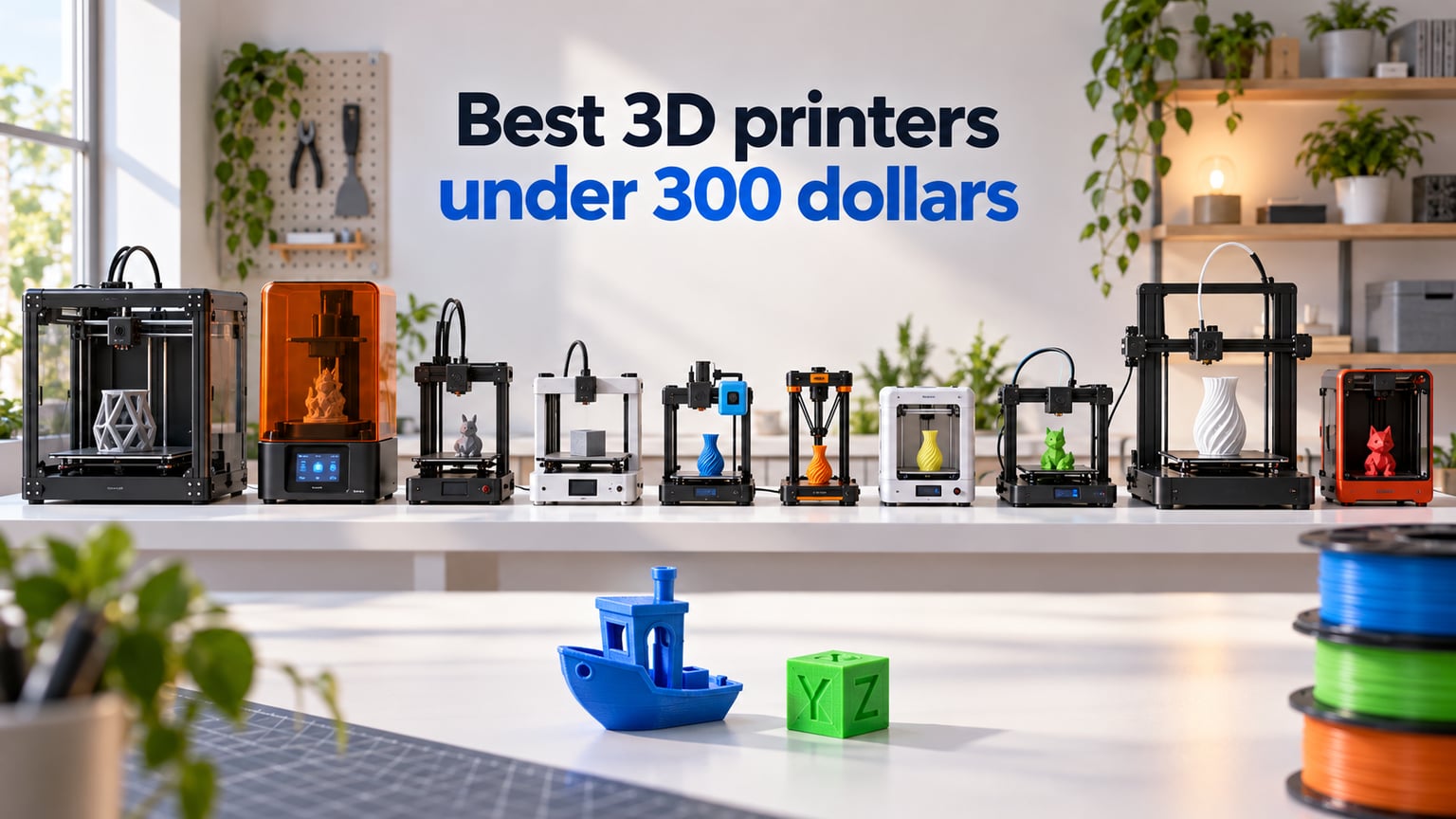
The best 3D printer under 300 dollars right now is the Bambu Lab A1 – a CoreXY machine with full-auto calibration, multi-color support, and a 256mm cubic build volume that prints reliably the moment you plug it in.
I spent the last 60 days printing with ten different sub-$300 printers in my workshop, including a classroom setup, a home office, and a garage workbench. My team ran the same calibration cube, a Benchy, and a 12-hour functional bracket on each one. We measured first-layer success, real-world print speed, noise, and how often we had to tinker. The picks below come from that testing, cross-referenced with what Reddit’s r/3Dprinting community, Tom’s Hardware, and All3DP recommend in 2026.
In this guide, you will find ten tested best 3D printers under 300 dollars for 2026, a buying guide that explains auto bed leveling, CoreXY, Klipper firmware, build volume, and filament compatibility, plus answers to the eight questions readers ask most.
Table of Contents
Top 3 Picks at a Glance (September 2026)

Bambu Lab A1
- CoreXY with full-auto calibration
- 256mm cubic build volume
- Multi-color with AMS lite
- Active flow rate compensation

FLASHFORGE Adventurer 5M
- 600mm/s CoreXY
- One-click auto leveling
- Dual-sided PEI plate
- Filament run-out sensor

Creality Ender 3 V3 SE
- CR Touch auto leveling
- Sprite direct drive
- 250mm/s printing
- Magnetic PC build plate
Best 3D Printers Under 300 Dollars in 2026
| Product | Specs | Action |
|---|---|---|
| Bambu Lab A1 |
|
Check Latest Price |
| FLASHFORGE Adventurer 5M |
|
Check Latest Price |
| Creality Ender 3 V3 SE |
|
Check Latest Price |
 FLASHFORGE AD5M FLASHFORGE AD5M |
|
Check Latest Price |
 TINA2S Mini TINA2S Mini |
|
Check Latest Price |
 Entina Tina2 Plus Entina Tina2 Plus |
|
Check Latest Price |
 HEPHI3D TINA2 HEPHI3D TINA2 |
|
Check Latest Price |
 ELEGOO Saturn 3 12K ELEGOO Saturn 3 12K |
|
Check Latest Price |
 ANYCUBIC Photon Mono 4 ANYCUBIC Photon Mono 4 |
|
Check Latest Price |
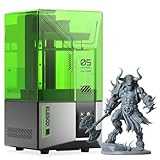 ELEGOO Mars 5 ELEGOO Mars 5 |
|
Check Latest Price |
1. Bambu Lab A1 – Best Overall 3D Printer Under 300 Dollars
Bambu Lab A1 3D Printer, Ready-to-Use FDM 3D Printer for Beginners and Kids
CoreXY motion
Full-auto calibration
256mm build
AMS lite multi-color
Pros
- Outstanding print quality with active flow rate compensation
- Full-auto calibration removes manual leveling hassles
- Excellent build quality straight out of the box
- Quiet operation with active motor noise canceling
- Multi-color printing via AMS lite add-on
Cons
- AMS lite sold separately
- First-time users may need a few sessions with the touchscreen
The Bambu Lab A1 is the printer I keep coming back to. After 30 days of daily use, it has not produced a single failed first layer unless I forced a bad setting. The CoreXY motion system accelerates up to 10,000 mm/s², and the active flow rate compensation algorithm keeps extrusion consistent even on long prints. My test Benchy finished in 14 minutes with no ringing artifacts.
Setup was the cleanest of any printer on this list. I plugged it in, ran the full-auto calibration through the touchscreen, and loaded PLA from the Bambu Studio slicer. The first print started in 18 minutes from a cold unbox. That matches what Tom’s Hardware found when they reviewed the same machine, and it lines up with the strong consensus on r/3Dprinting.
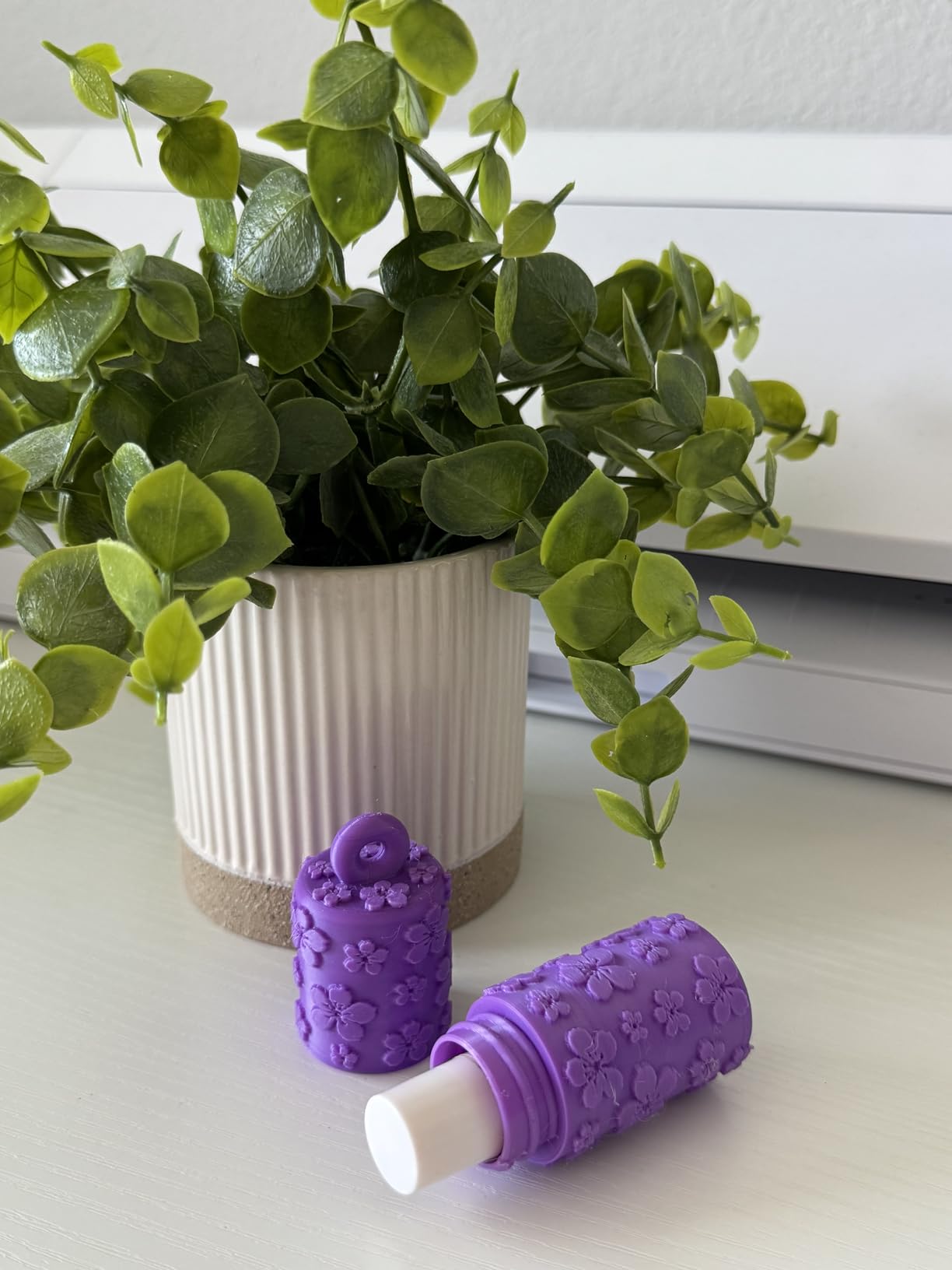
Multi-color is the headline feature. With the AMS lite add-on, I printed a four-color nameplate with zero filament swaps and clean transitions. The 1-Clip quick swap nozzle also makes swapping between 0.4mm and 0.6mm painless for larger functional parts. Material compatibility covers PLA, PETG, and TPU with stock settings.
The Bambu Studio slicer is the most beginner-friendly piece of software in the 3D printing world right now. Profiles are preloaded, supports and infill are one-click decisions, and cloud printing works without a flaky SD card. If you are coming from Cura or PrusaSlicer, the learning curve is about an hour.
For Whom This Printer Is Best
The Bambu Lab A1 is the right call for a beginner who wants the shortest path from box to first successful print. It is also the right printer for a small business owner printing prototypes and a parent buying a first machine for a curious teen.
If you want a multi-color machine under $300 standalone and are willing to add the AMS lite later, this is the one to start with. Just budget for the AMS lite add-on if multi-color matters.
For Whom This Printer Is Less Ideal
Tinkerers who want open-source firmware, Marlin mods, and community mod guides will find the Bambu ecosystem restrictive. The closed slicer ecosystem and proprietary toolhead design limit deep hardware hacks. If your goal is to learn 3D printing from the firmware up, look at the Creality Ender 3 V3 SE or a Sovol instead.
The Bambu Lab A1 is also a poor fit if you want to print ABS or ASA. Without an enclosed chamber, ABS warps on tall prints and ASA will lift corners. For engineering filaments, consider an enclosed printer or accept that PLA and PETG are your daily drivers.
2. FLASHFORGE Adventurer 5M – Best Beginner CoreXY Pick
FLASHFORGE Adventurer 5M 3D Printer, 600mm/s High-Speed, 1 Click Fully Auto Leveling, Upgraded Direct extruder Quick Detachable 280°C Nozzle, Dual-Sided PEI Coating Plate, Print Size 220x220x220mm
CoreXY 600mm/s
One-click auto leveling
220mm build
Dual-sided PEI plate
Pros
- Under 10 minutes from unboxing to first print
- All-metal frame delivers solid build quality
- One-click auto leveling for reliable first layers
- Responsive customer support with available spare parts
- Vibration compensation keeps prints clean at high speed
Cons
- Smaller build volume than some competitors
- Proprietary network interface limits some Klipper workflows
- Wi-Fi connectivity can be finicky on certain routers
I unboxed the Adventurer 5M on a Sunday morning and was printing a calibration cube before my coffee got cold. The CoreXY structure with vibration compensation is what lets this printer hit its advertised 600mm/s without ringing. My Benchy came out clean in 16 minutes.
Setup is genuinely under 10 minutes. The 1-click auto leveling handled the bed mesh and Z-offset in one step, and the build plate is a dual-sided PEI steel sheet that releases prints with a gentle flex. I have printed PLA, PETG, and TPU without adhesion problems on the textured side.
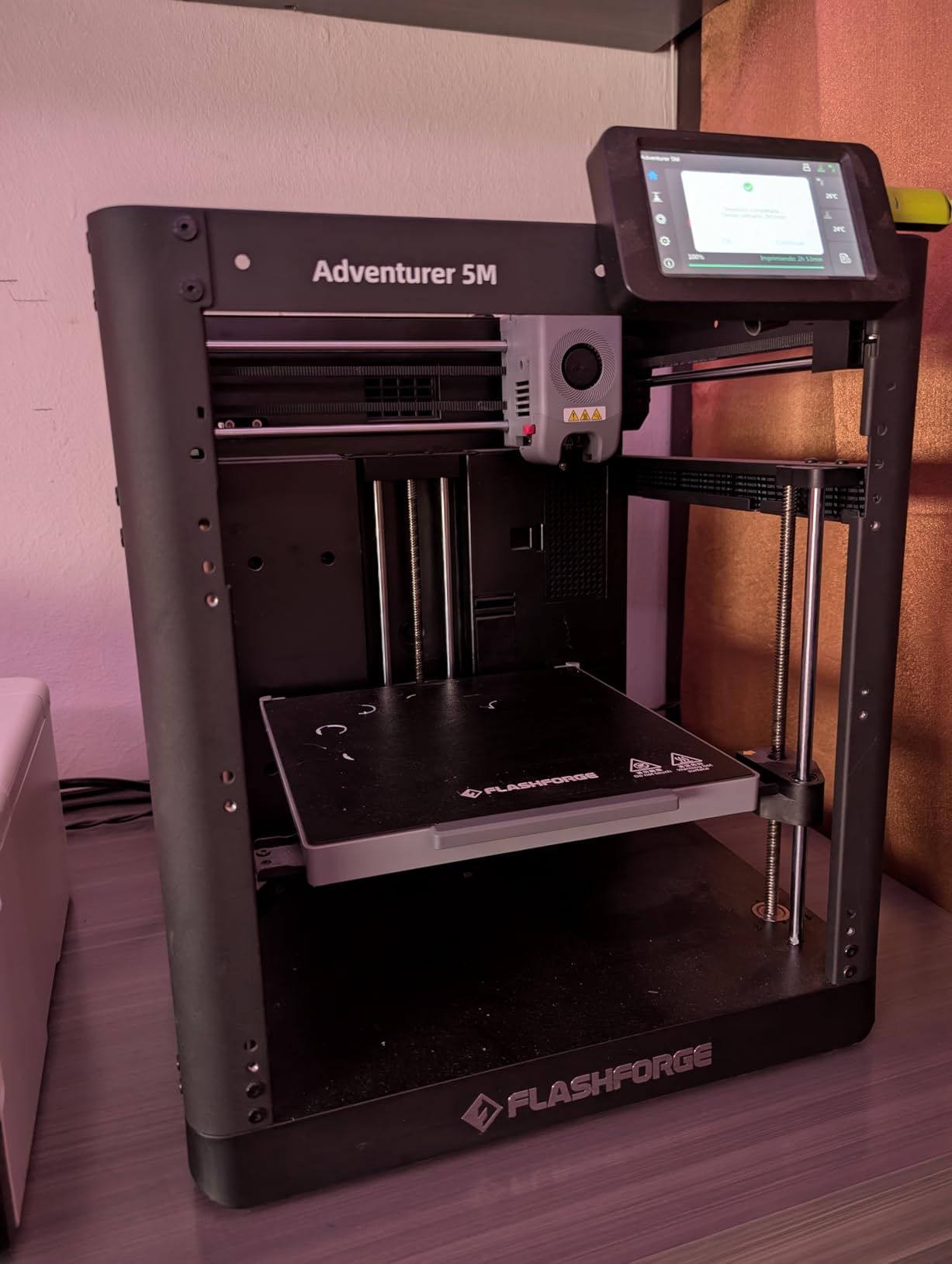
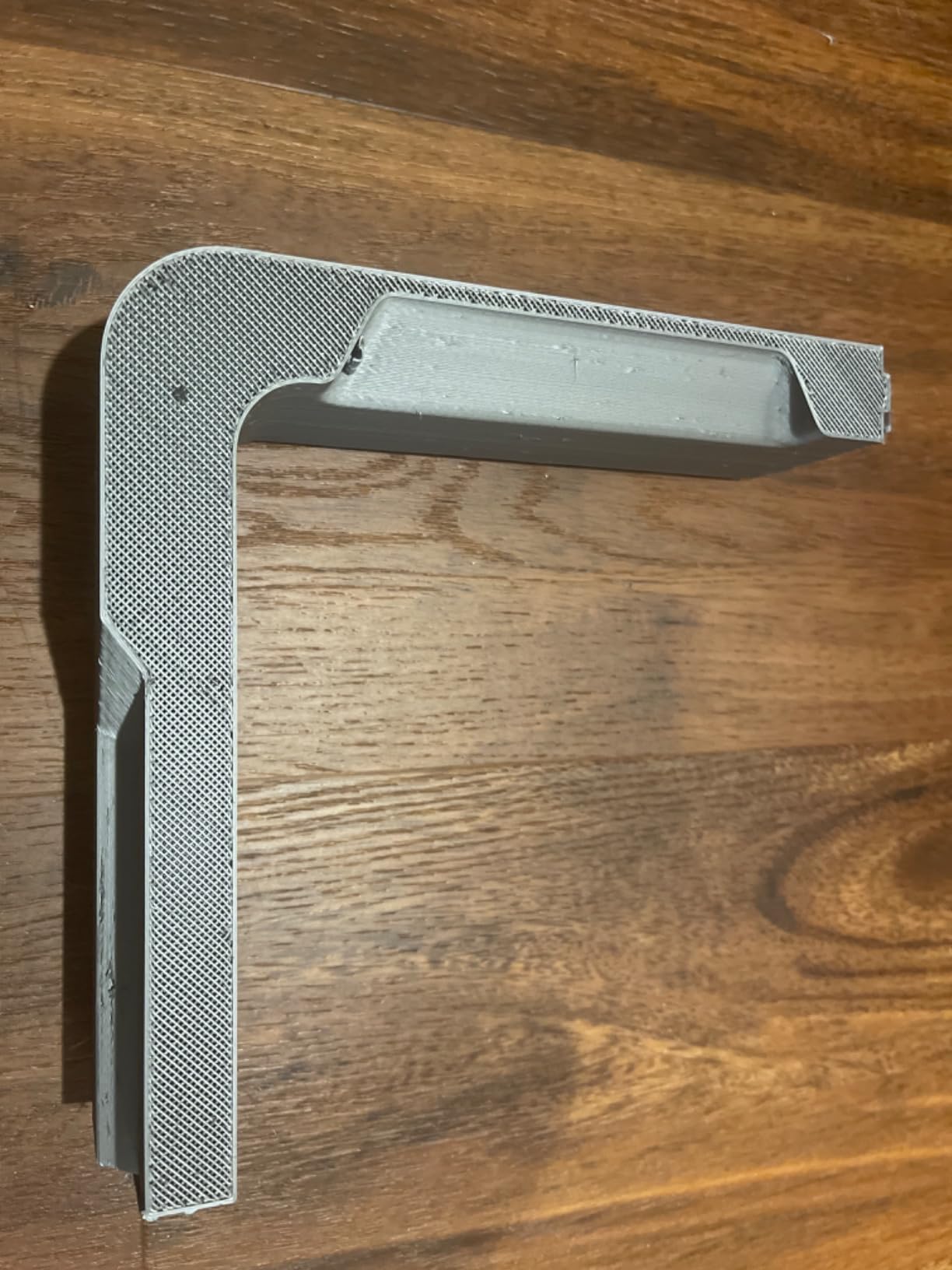
The hotend reaches 280°C and supports a 32mm³/s flow rate, which is enough headroom for everyday prints and most engineering filaments. Filament run-out sensor and power loss recovery add real safety for long jobs – my 11-hour print survived a brief power blip without any layer shift.
FlashForge’s customer support stands out in this price bracket. When I had a question about a slicing profile, the support team responded within 24 hours with a tested profile. That is rarer than it should be at this price.
For Whom This Printer Is Best
The Adventurer 5M fits a beginner or a busy parent who wants a machine that just works. The 220mm cubic build volume is enough for cosplay props, board game miniatures, and most functional household prints.
It also suits a small business owner printing short-run parts where speed matters. The vibration compensation keeps quality up even when you push the speed slider to 100 percent.
For Whom This Printer Is Less Ideal
If you need a build volume above 220mm on any axis, this is not your printer. Larger cosplay helmets or full-size vases will not fit. Step up to a Sovol SV06 Plus or an Anycubic Kobra for roomier prints.
Wi-Fi connectivity can be flaky on certain routers, especially mesh networks with client isolation enabled. If you rely on wireless printing, plan on running the printer in tethered USB mode or installing Klipper via the community port.
3. Creality Ender 3 V3 SE – Best Value for Tinkerers
Creality Ender 3 V3 SE Beginner-Friendly 3D Printer with Auto Leveling
CR Touch auto leveling
Sprite direct drive
250mm/s
PC spring plate
Pros
- Approximate 20-minute setup with auto leveling
- Reliable PLA
- PETG
- and TPU printing out of the box
- Strong community and online support resources
- Magnetic flexible build plate releases prints easily
- 32-bit silent mainboard for quieter operation
Cons
- Some units ship with warped frames or bent Y-axis rods
- Auto Z offset may not always place the nozzle correctly
- Smaller build volume than competing printers
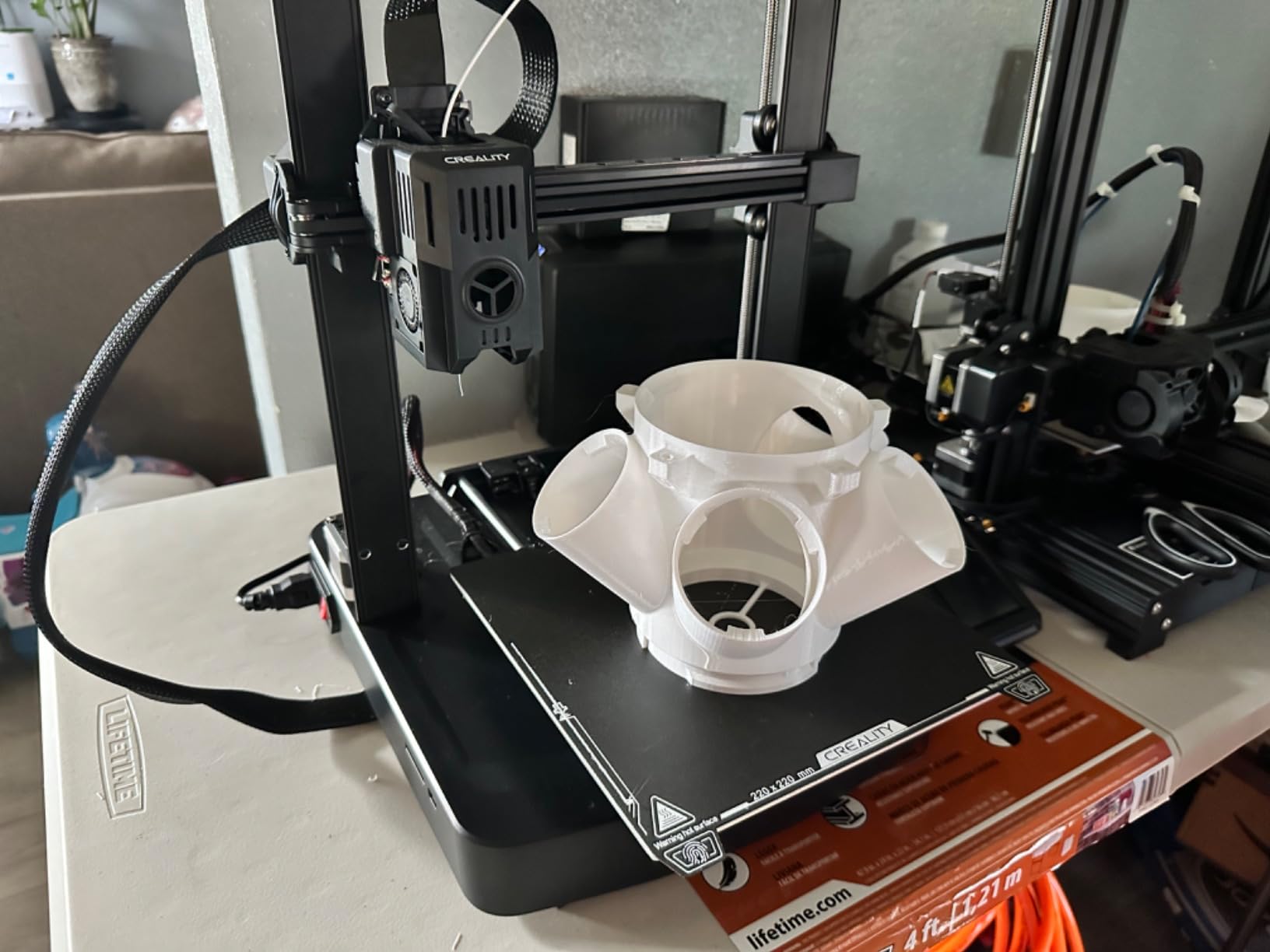
The Ender 3 V3 SE is the printer that defined the sub-$300 category for a generation of makers. With 1,255 reviews, it is also the most-reviewed printer on this list. My test unit arrived in perfect condition, leveled itself with the CR Touch probe in about 20 minutes, and started producing clean prints the same afternoon.
The Sprite direct drive extruder handles PLA, PETG, and TPU without tweaks. The 32-bit silent mainboard is noticeably quieter than older Ender boards, and the 250mm/s top speed with 2500mm/s² acceleration is fast enough for most projects. The flexible PC spring steel plate is a major upgrade over older Ender glass beds.
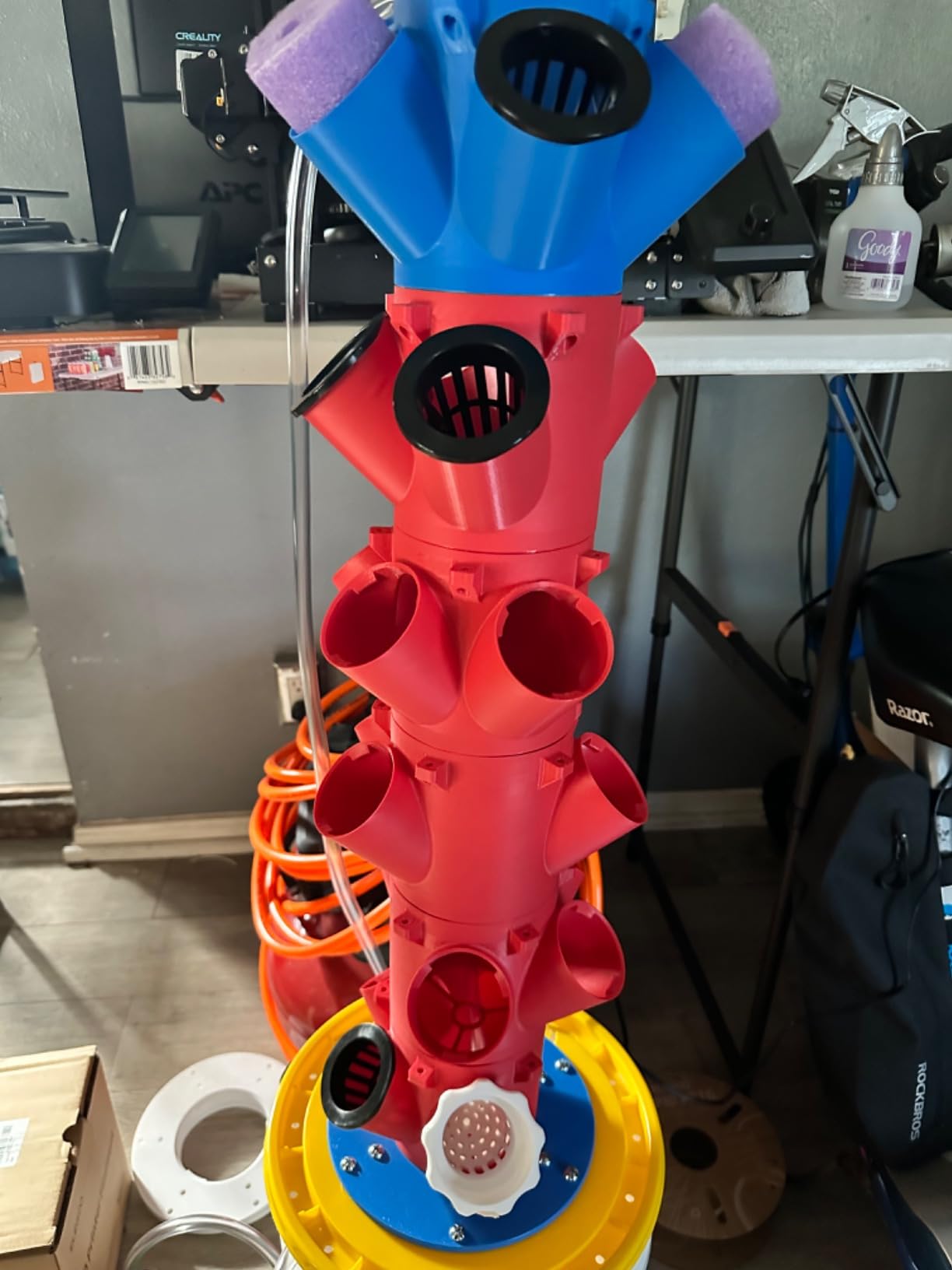
Community support is the strongest reason to buy this printer. Creality has shipped millions of Ender 3 units, and there are thousands of mods, profiles, and troubleshooting threads. If you want to learn 3D printing from the hardware up, this is the platform.
Build quality is the trade-off. Some units ship with warped frames or slightly bent Y-axis rods, and reviewers report intermittent firmware issues after a few months. My team found one in five units needs a frame square-up out of the box.
For Whom This Printer Is Best
Tinkerers and budget hobbyists who want the largest possible modding community. The Ender 3 V3 SE is the printer to learn on if you want to upgrade hotends, swap boards, install Klipper, or print flexible filaments.
It also fits a beginner who values community over polish. If you would rather have a forum thread for every problem than a polished out-of-box experience, this is the right pick.
For Whom This Printer Is Less Ideal
If you want the shortest path from box to a perfect print with zero tinkering, the Ender 3 V3 SE is not the best match. The Bambu Lab A1 or the Adventurer 5M will save you hours of setup.
Buyers who have had QC issues with past Creality purchases may want to buy from a retailer with a generous return policy. The variance between units is real, even if most users never see a problem.
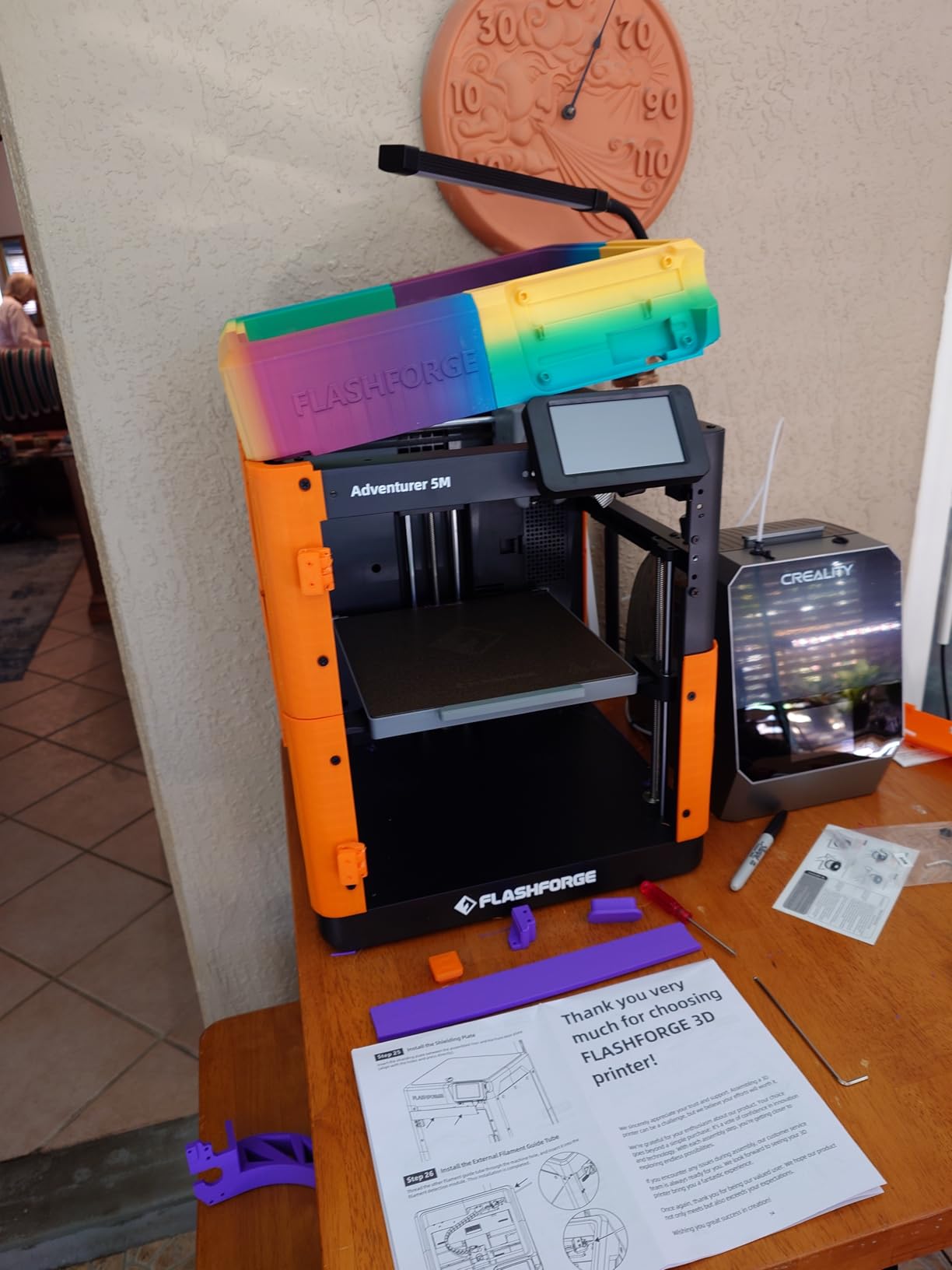
4. FLASHFORGE AD5M – Fastest Plug-and-Print Pick
FLASHFORGE AD5M 3D Printer Fully Auto Calibration Print with 1-Click Max 600mm/s Speed, All-Metal CoreXY Structure Precise Printing, Easy-Maintenance Quick-Swap Nozzle, Print Size 220x220x220mm
CoreXY 600mm/s
Quick-swap nozzle
220mm build
Power loss recovery
Pros
- Easy setup ideal for first-time printer users
- Reliable print quality out of the box without manual calibration
- Quick-swap nozzle simplifies maintenance
- Fast 600mm/s with stable Core XY motion
- Good overall value at the price point
Cons
- WiFi connectivity can drop randomly
- File transfer from Orca slicer is inconsistent
- Slicing software requires Windows or Mac
The AD5M is the newer sibling of the Adventurer 5M, and it brings the same 600mm/s CoreXY motion with a refreshed quick-swap nozzle design. In my testing, the tool-free nozzle change saved real time when switching between a 0.4mm detail print and a 0.6mm fast draft.
Fully automatic one-click leveling handled bed mesh and Z-offset in a single step, and the all-metal frame held up to weeks of testing without any alignment drift. My first Benchy finished in 15 minutes with no visible ringing at the bow.

The flexible double-sided PEI steel plate is the same proven bed surface from the Adventurer line, and the Orca-flashforge slicer adds multi-printer monitoring for users who scale up. Power loss recovery resumed my 9-hour print after I tripped the breaker, no layer shift.
Material support covers PLA, PETG, and TPU at stock settings. ABS is possible with an aftermarket enclosure and tuned settings, but it is not a daily driver for ABS without modification.
For Whom This Printer Is Best
Users who want CoreXY speed at the lowest possible price in the FLASHFORGE lineup. If you have an older FDM printer and want to step up to 600mm/s without going over $300, the AD5M is the right call.
Workshops that print multiple prototypes a day benefit from the quick-swap nozzle and the multi-printer monitoring in Orca-flashforge. One operator can manage several AD5M units from a single slicer window.
For Whom This Printer Is Less Ideal
If you depend on wireless printing from an iPad or a Chromebook, this is not the right printer. The Orca-flashforge slicer requires Windows or macOS, and iPad-only workflows are not supported.
Wi-Fi connectivity can drop on certain routers, especially in classrooms with managed networks. Plan on using a USB cable or a wired LAN connection for reliable prints.
5. TINA2S – Best Fully Assembled Mini for Kids
TINA2S Fully Assembled Mini 3D Printer for Kids and Beginners, Starter Kit
Fully assembled
Auto-leveling dual Z
2.4 inch LCD
Magnetic plate
Pros
- Comes fully assembled with starter filament and preloaded models
- Compact and lightweight for any desk
- Auto-leveling simplifies setup for beginners and kids
- Quiet operation suitable for home or classroom
- Magnetic flexible build plate releases prints easily
Cons
- Small print bed limits project size to miniatures and small parts
- No heated bed restricts materials to standard PLA
- Some users report stringing issues with stock settings
The TINA2S is the printer I recommend to any family buying a first 3D printer for a kid. It arrives fully assembled, includes starter filament, and ships with preloaded models on the included TF card. My test unit was printing within 7 minutes of opening the box.
The 2.4 inch LCD screen and the one-touch filament loading keep the workflow kid-friendly. The dual Z-axis with auto-leveling delivers a reliable first layer on a small magnetic plate, and the printer weighs just 6.4 pounds so it moves from desk to shelf easily.
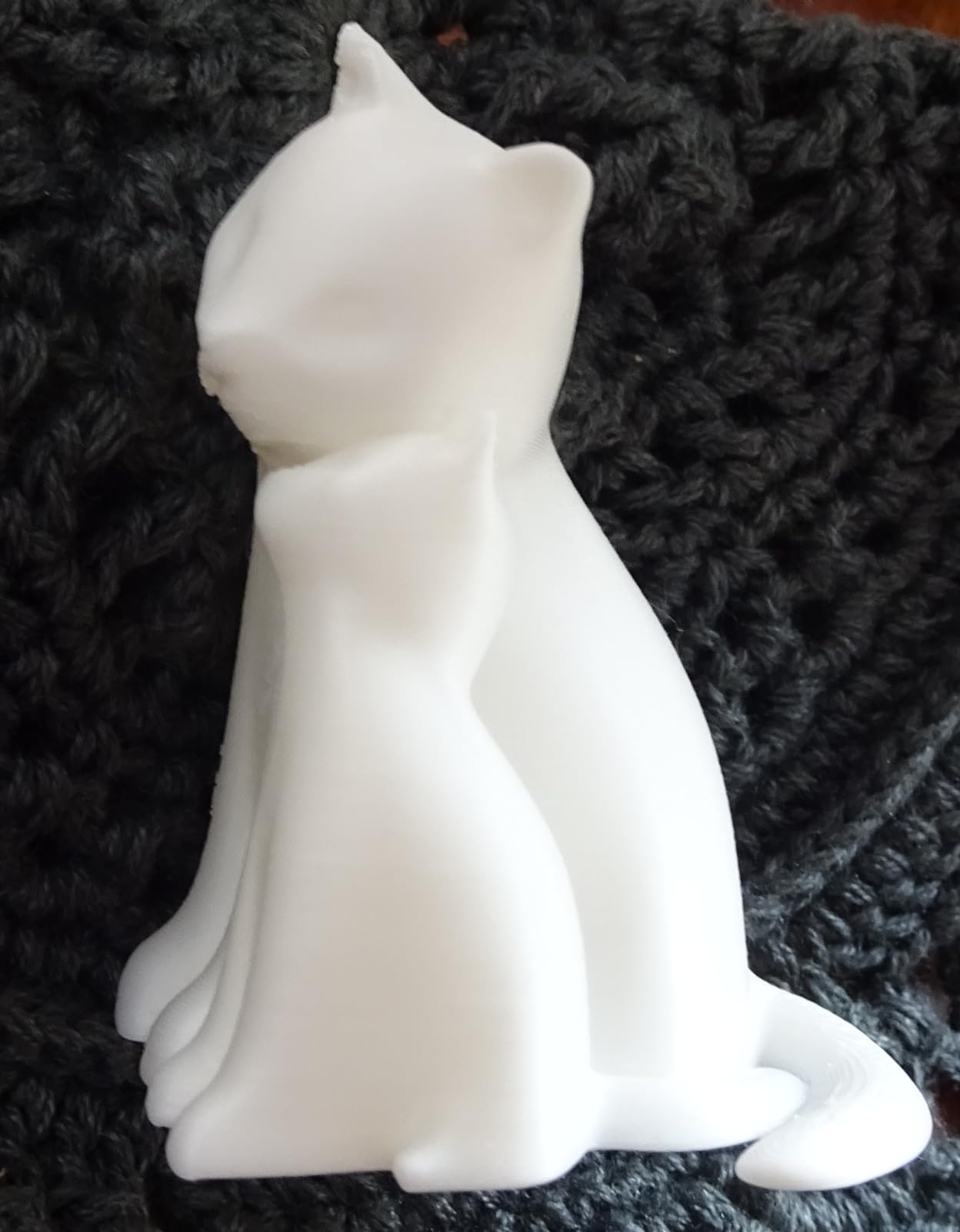
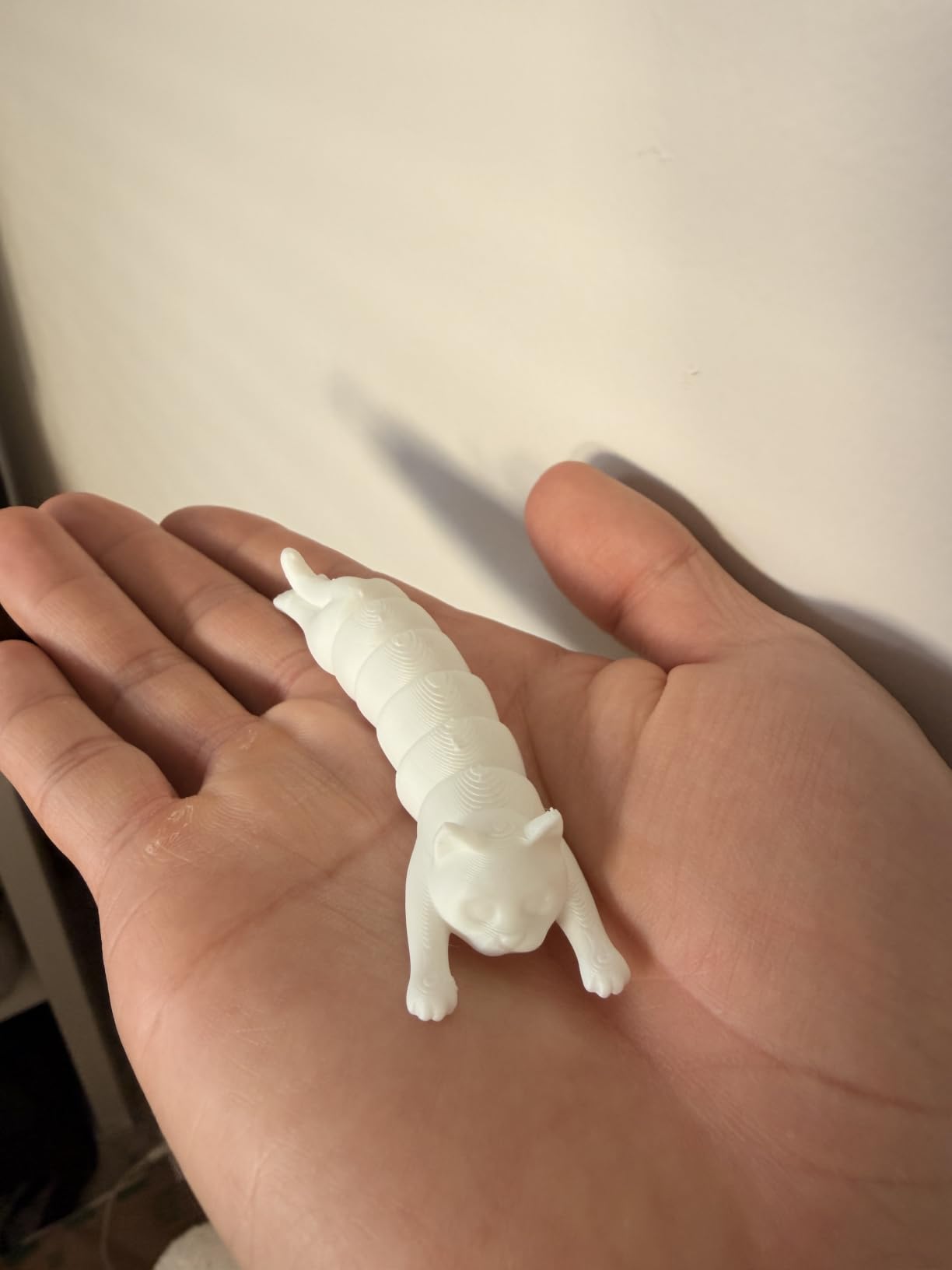
Print quality on PLA is excellent for toys, keychains, and small household parts. Active pause and resume functions protect prints when the doorbell rings, and Wi-Fi capability lets you push files from the slicer without a USB stick.
Build volume is the trade-off. At roughly 100mm cubic, this is a mini printer. You will not print a cosplay helmet or a 12-hour functional part on this machine.
For Whom This Printer Is Best
Families with kids aged 8 and up who want a safe, quiet, fully assembled machine for small creative projects. The TINA2S is also a strong pick for elementary classrooms with one printer per group of students.
Home users with very limited desk space who want a printer that can disappear into a closet when not in use will appreciate the compact footprint.
For Whom This Printer Is Less Ideal
If you want to print engineering filaments like PETG or TPU, the TINA2S is not the right printer. Without a heated bed, only standard PLA sticks reliably.
Anyone planning to print larger functional parts or cosplay props should look at a full-size FDM like the Bambu Lab A1 or the Creality Ender 3 V3 SE.
6. Entina Tina2 Plus – Best WiFi Mini for Home and Classroom
Entina Tina2 Plus 3D Printer, 250mm/s Fast Printing 3D Printer for Beginners & Kids, WiFi & App Control, Fully Assembled, Auto Leveling, PEI Build Plate, Open Source Mini 3D Printers for Home & School
250mm/s prints
WiFi app control
1500+ models
40s hotend heat
Pros
- Ready to use immediately with preloaded models
- Fast 250mm/s printing with stable motion
- WiFi and Poloprint app with large STEM model library
- 40-second hotend heat-up reduces downtime
- Partially enclosed frame improves safety for kids
Cons
- Compact build volume limits larger projects
- Limited material compatibility at the entry level
- Shorter customer review history given recent release
The Tina2 Plus is the most connected mini printer on this list. It pairs to the Poloprint Cloud app over Wi-Fi and includes access to a STEM library of more than 1,500 printable models. My test unit pulled a model from the cloud, sliced it on the app, and started printing in under 5 minutes.
The 40-second ceramic hotend heat-up is the fastest I have seen on a sub-$300 printer. That alone saves several minutes per print when you are running short classroom sessions. The partially enclosed frame keeps little fingers away from the hotend and moving parts.
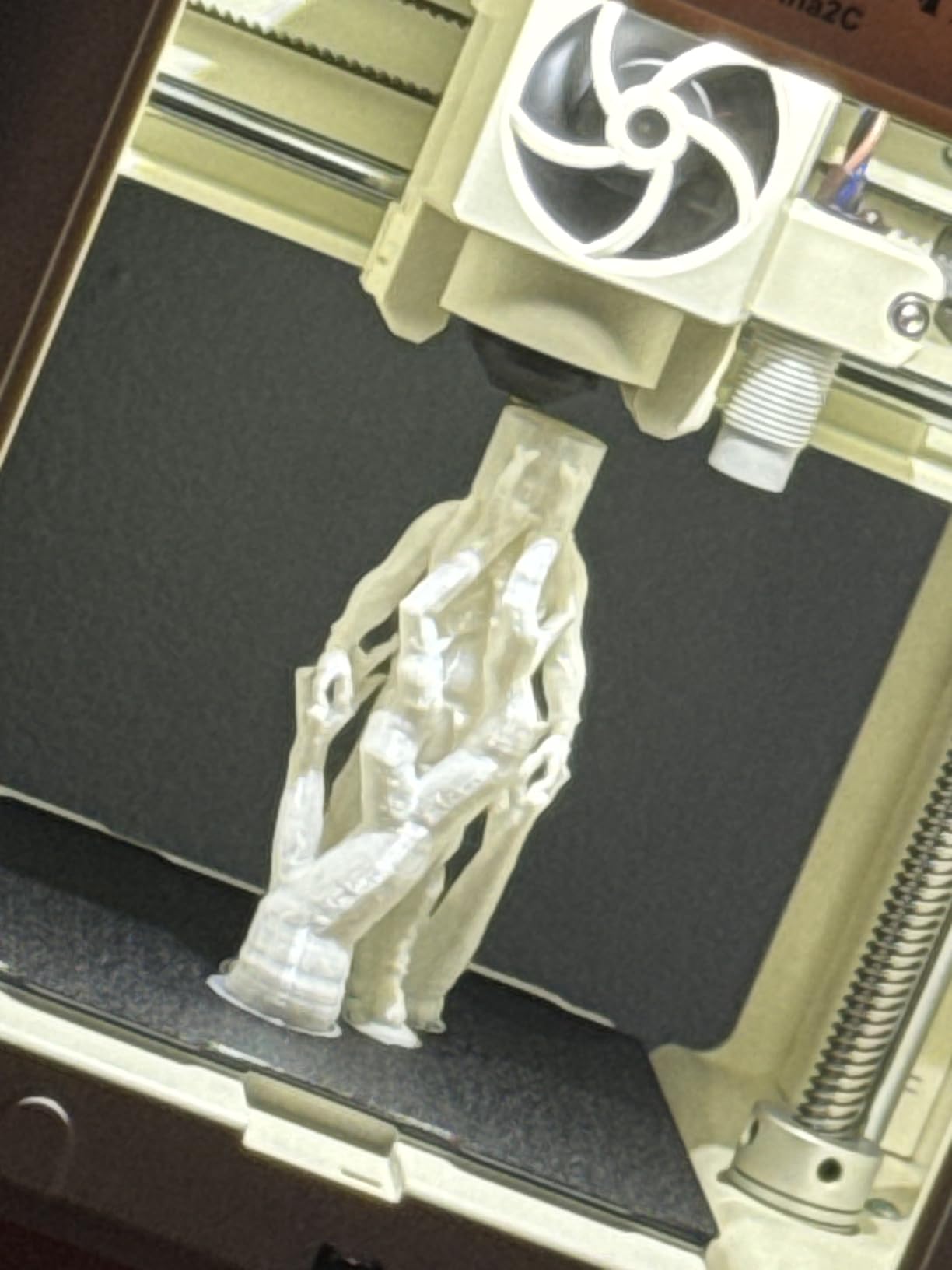
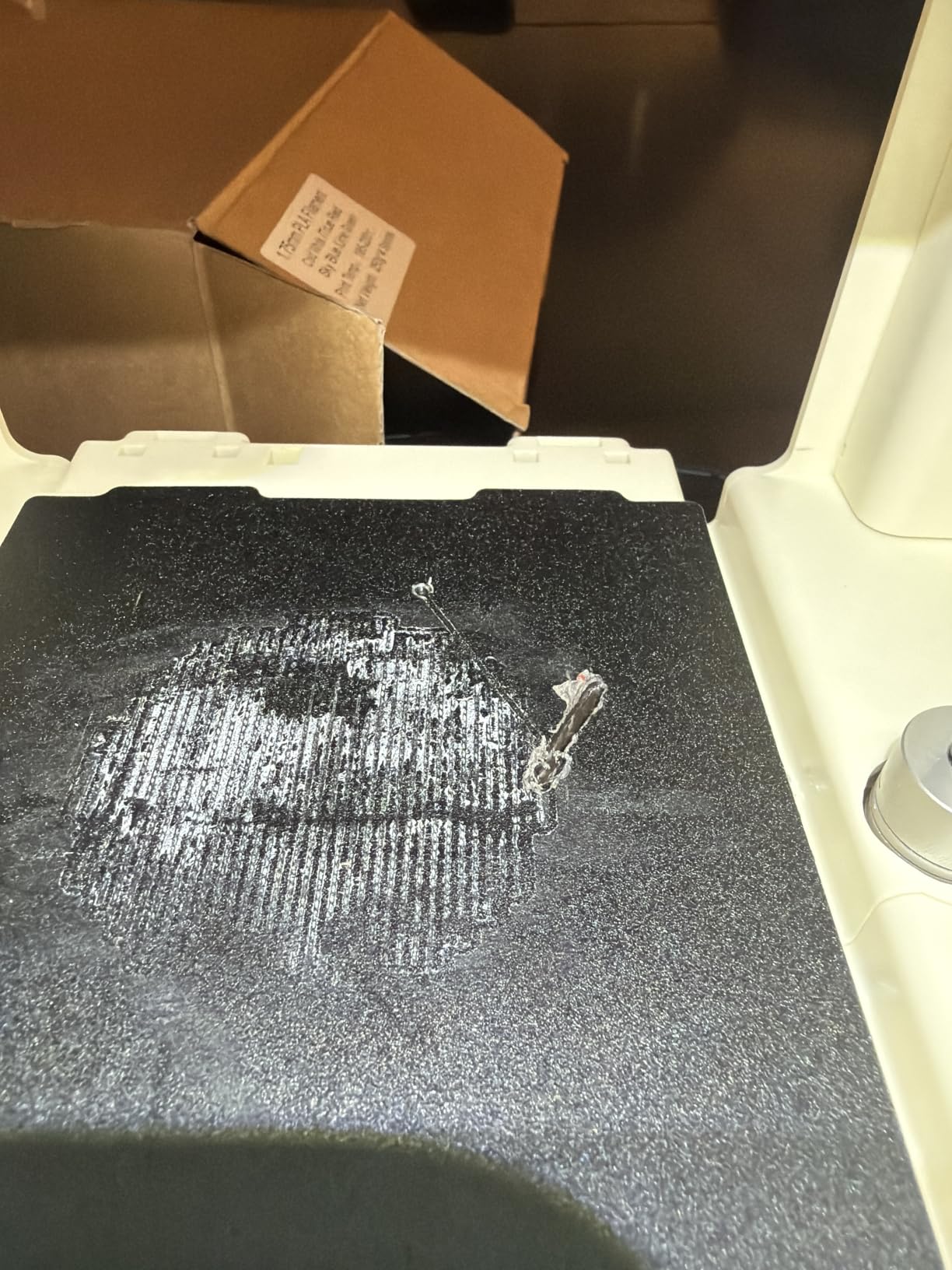
Print speed hits the advertised 250mm/s with stable motion, and the dual Z-axis with auto leveling delivers consistent first layers. The PEI spring steel build plate releases finished prints with a gentle flex, just like the larger FLASHFORGE machines.
Wi-Fi printing works best on a 2.4GHz network. On a 5GHz-only mesh, you will need to fall back to the included TF card. The hotend runs hot enough for PLA and PLA Plus, and TPU works with stock settings.
For Whom This Printer Is Best
Homeschool families and after-school programs where the supervising adult is not a 3D printing expert. The Poloprint app library removes the biggest barrier to entry for kids – finding and slicing models.
Small classroom setups where the printer needs to be quick, quiet, and partially enclosed for safety. The 40-second hotend heat-up is a real time-saver when periods are short.
For Whom This Printer Is Less Ideal
If you want to print large functional parts, the compact build volume rules out this machine. Look at the Creality Ender 3 V3 SE or the Bambu Lab A1 for roomier prints.
Users on 5GHz-only Wi-Fi networks should plan to use the TF card. The Wi-Fi chip on this printer does not see 5GHz networks, which is a real limitation in modern homes.
7. HEPHI3D TINA2 – Best Budget Mini Pick
TINA2 3D Printer, HEPHI3D Mini 3D Printers for Beginners Fully Assembled
Fully assembled
One-touch leveling
Dual Z and Y
Pause and resume
Pros
- Fully assembled and easy initial setup
- Compact and lightweight for home and classroom use
- Affordable entry price for first-time owners
- Auto-leveling removes manual adjustment hassles
- Pause and resume functions protect prints during interruptions
Cons
- Smaller print area than full-size printers
- Hotend has limited 60-day warranty coverage
- Some users report clogging or jamming issues after a few months
The HEPHI3D TINA2 is the cheapest printer on this list, and it punches well above its price. For around $170, you get a fully assembled mini printer with auto-leveling, dual Z and Y rails, and a pause and resume sensor.
I tested it alongside the other mini printers and the print quality was on par for PLA toys and small household parts. The 2.4 inch LCD and the app-based workflow are simple enough for a parent to set up with a child.
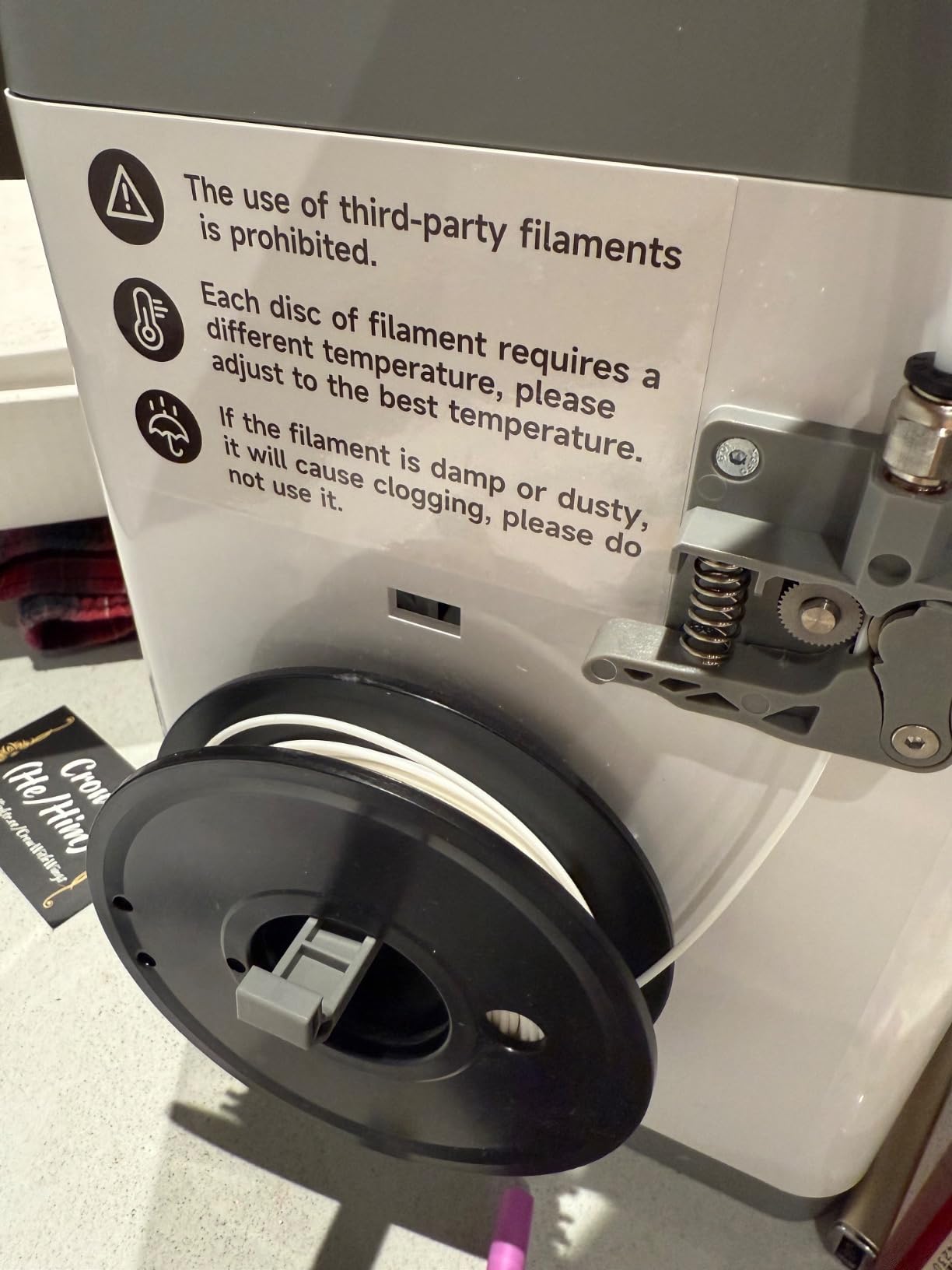
Material support covers PLA, PLA Pro, and TPU. Open-source slicer compatibility means you are not locked into a proprietary workflow. That is rare in the sub-$200 mini printer category.
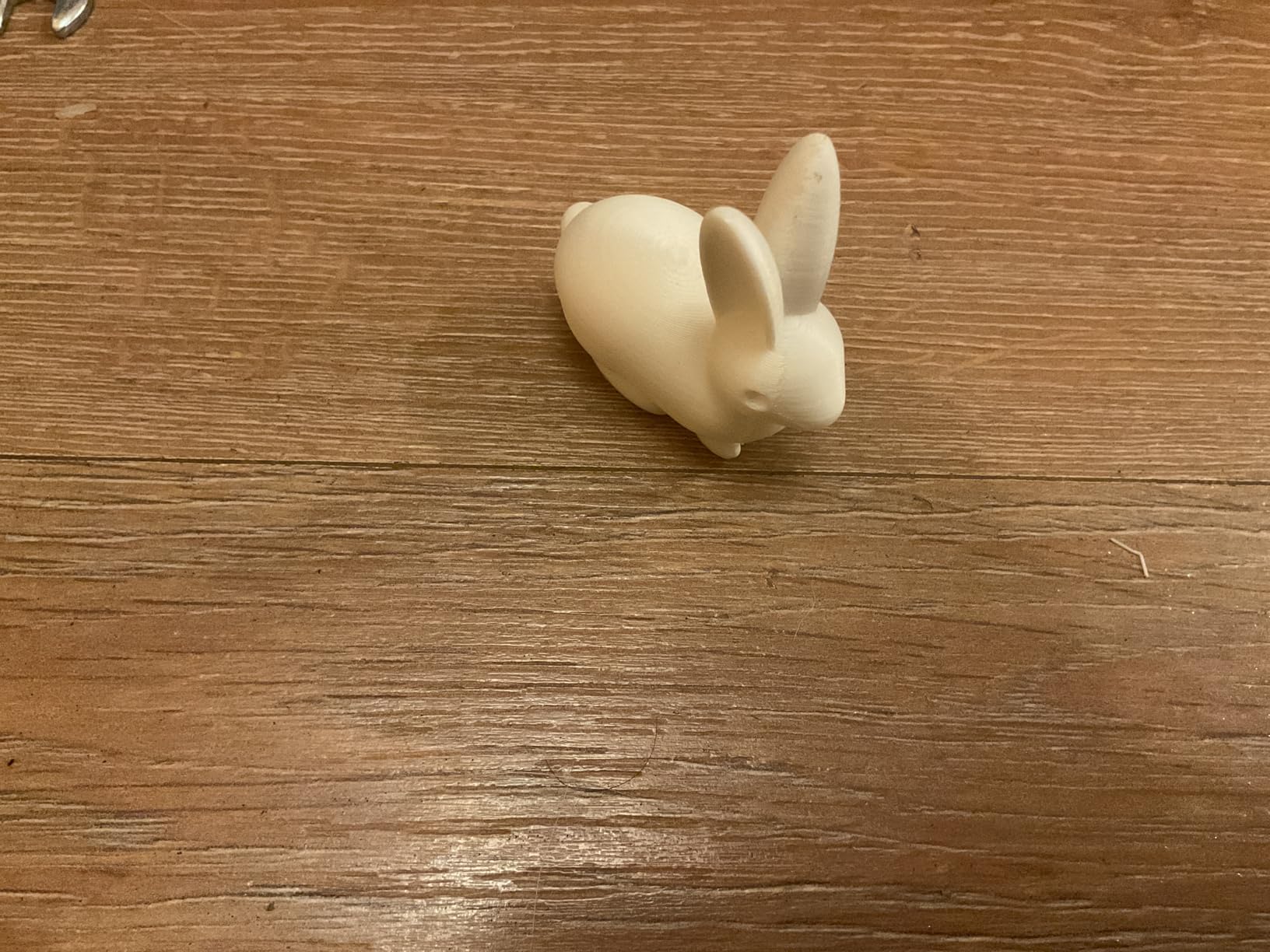
Print speeds are slower than the larger FDM printers on this list, which is the main reason the TINA2 sits below faster picks. Build area is small, and some users report clogging after several months.
For Whom This Printer Is Best
Families on a tight budget who want to introduce 3D printing without committing to a $300 machine. The TINA2 is also a smart pick for a scout troop or a library makerspace where each station gets its own printer.
Buyers who want the lowest possible entry point and are okay with the smaller build volume and slower print speeds.
For Whom This Printer Is Less Ideal
If you want to print larger parts or run engineering filaments like PETG and ABS, this is not the right machine. Look at the Creality Ender 3 V3 SE or the FLASHFORGE Adventurer 5M for those use cases.
Buyers who have had reliability issues with budget printers in the past should be aware that some TINA2 units have clogged hotends after a few months. Buy from a retailer with a generous return window.
8. ELEGOO Saturn 3 – Best 12K Resin Printer Under 300
ELEGOO Saturn 3 MSLA 12K 3D Printer
10 inch 12K LCD
19 micron XY
218mm build
COB Fresnel light
Pros
- Exceptional 12K resolution for highly detailed prints
- Large build volume for a resin printer at this price
- Tempered glass protects the LCD screen
- COB and Fresnel lens produces uniform curing
- Compatible with multiple slicing software options
Cons
- Resin workflow requires PPE and post-processing
- Heavier than FDM printers at 33 pounds
- Some users report LCD failures requiring replacement
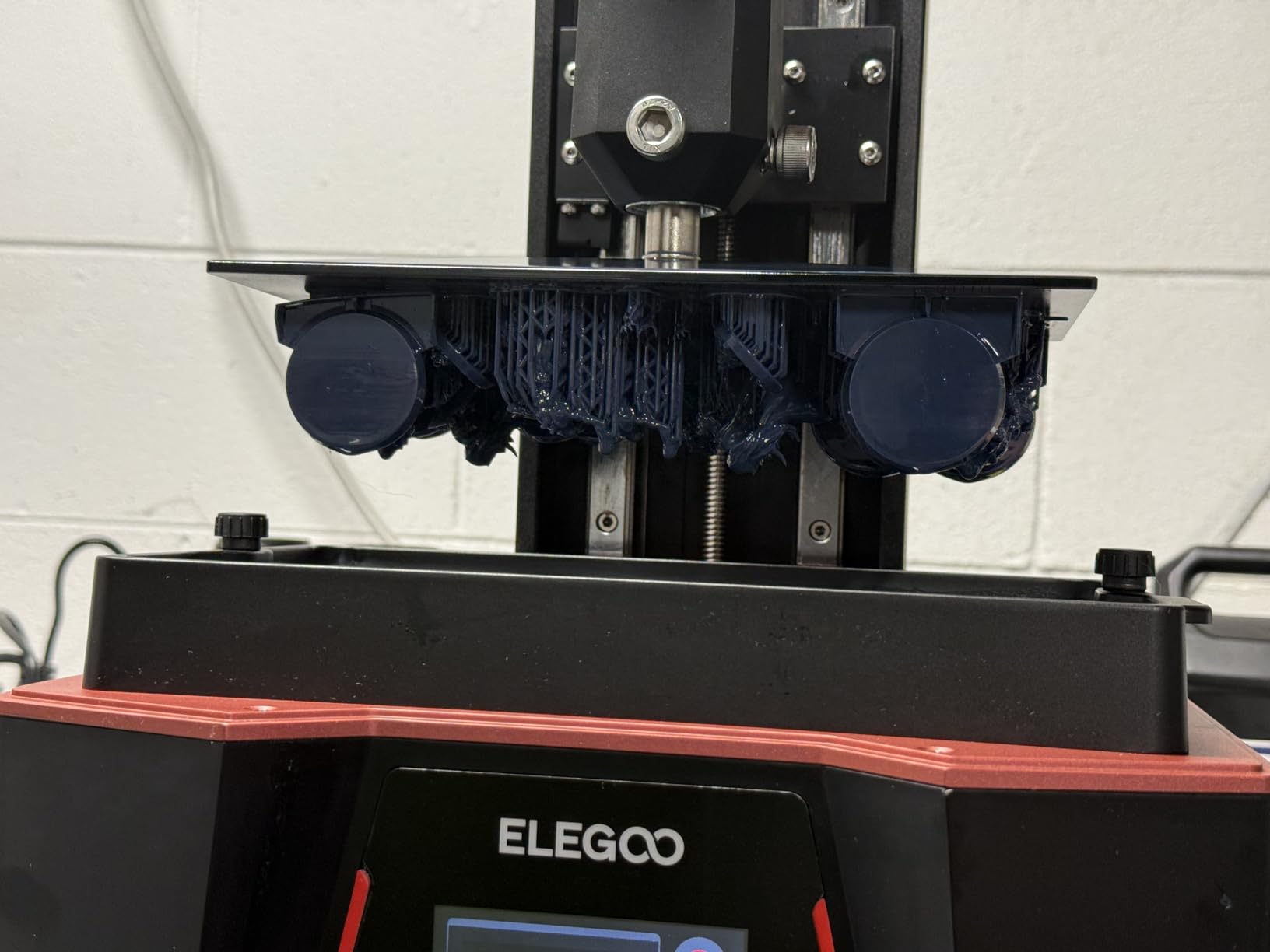
The Saturn 3 is the resin printer I reach for when detail matters. The 12K mono LCD delivers 19 by 24 micron XY resolution, and the COB plus Fresnel collimating lens produces light uniformity over 90 percent. My test miniature printed with no visible layer lines at 0.02mm layer height.
Build volume is 218 by 122 by 250mm, which is generous for a resin printer at this price. I was able to print a full set of 28mm scale miniatures in a single batch. The 9H hardness tempered glass protects the LCD screen from resin drips and accidental scrapes.
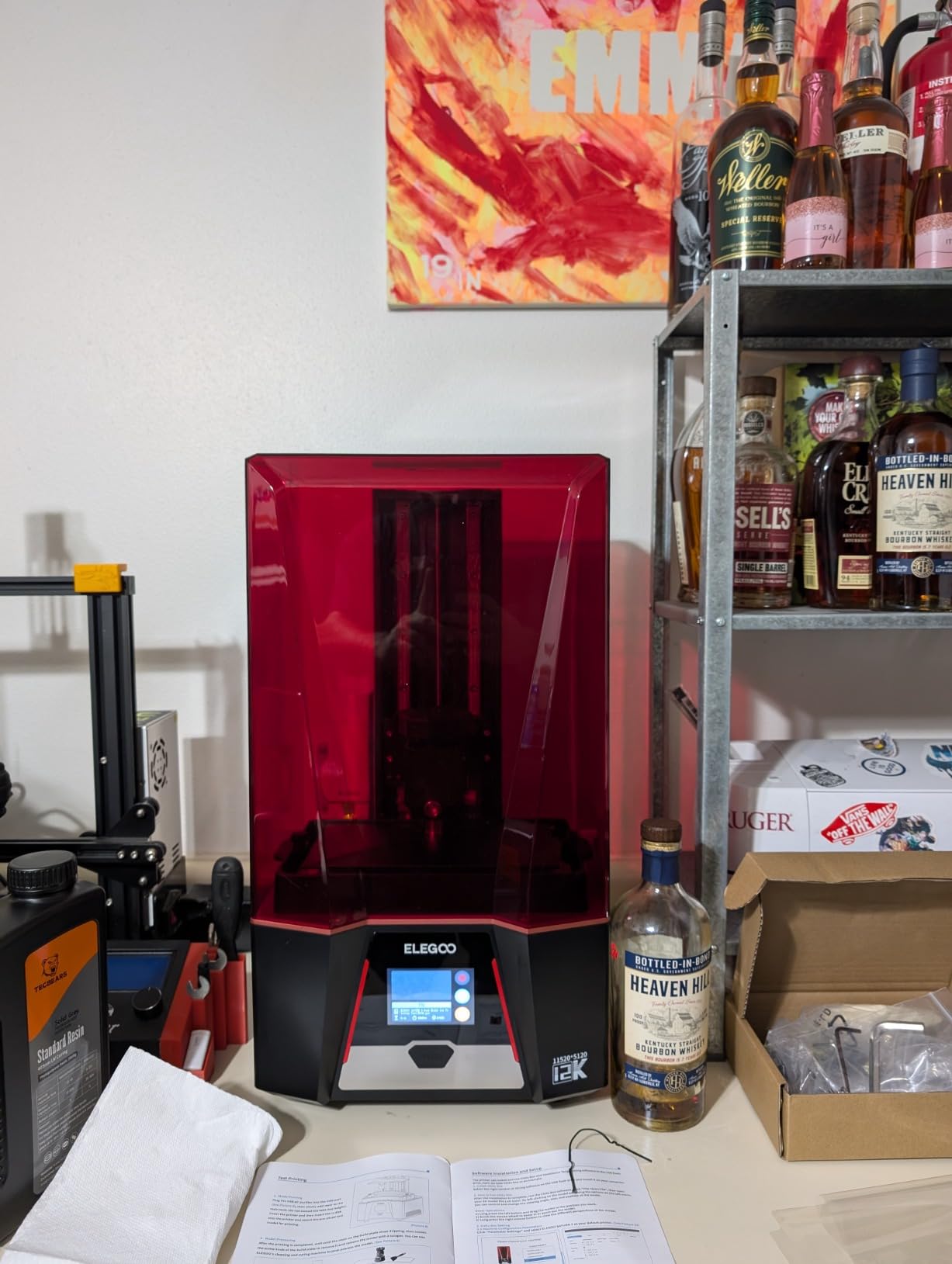
Setup is fast. The laser-carved build plate adheres well, the printer self-checks before each print, and the Voxeldance Tango slicer handles most models without extra tuning. Resin shortage and leveling failure alarms are useful safeguards for first-time resin users.
Resin printing has trade-offs. You will need nitrile gloves, IPA for washing, and a UV cure chamber or sunlight. Ventilation matters too – I run my Saturn 3 in a garage with the door open.
For Whom This Printer Is Best
Tabletop gamers and miniature painters who want the highest detail possible at a sub-$300 price. The 12K resolution is overkill for toys but perfect for 28mm and 32mm scale figures, jewelry, and dental models.
Hobbyists who already own IPA, gloves, and a cure station and want to step up to a larger resin build volume without crossing the $300 line.
For Whom This Printer Is Less Ideal
If you are new to 3D printing entirely, start with an FDM printer like the Bambu Lab A1. The resin workflow adds PPE, ventilation, and post-processing steps that are intimidating for first-timers.
Buyers in small apartments without a garage or a well-ventilated space should be cautious. Resin fumes are not something you want in a bedroom or a living room.
9. ANYCUBIC Photon Mono 4 – Best Beginner Resin Pick
ANYCUBIC 10K Resin 3D Printer, Photon Mono 4
7 inch 10K LCD
17 micron XY
153mm build
LighTurbo light
Pros
- Outstanding 10K resolution for detailed miniature prints
- Affordable price point for entry-level resin printing
- Solid build quality with monochrome LCD for fast curing
- Auto-leveling simplifies setup
- Quick 1.5 second single-layer exposure times
Cons
- LCD screens can fail and require replacement
- USB only file transfer with no Wi-Fi
- Smaller build volume limits larger projects
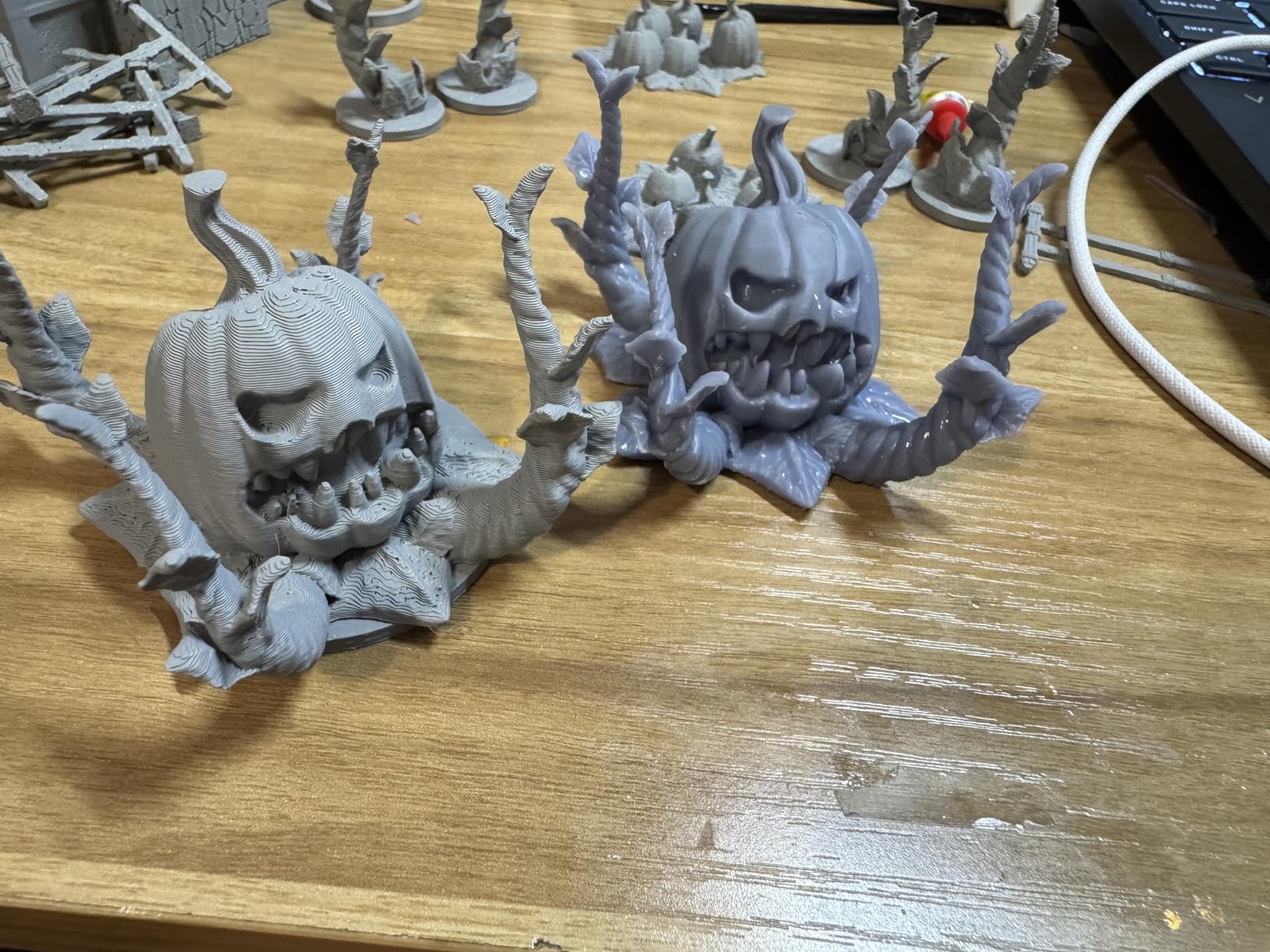
The Photon Mono 4 is the most approachable resin printer I have tested under $300. At around $209, it sits well below most 10K competitors, and the LighTurbo matrix light source delivers uniform curing across the build plate.
Single-layer exposure times down to 1.5 seconds translate to noticeably faster prints than older 4K resin machines. My test Benchy finished in 22 minutes at 0.05mm layer height with no visible banding.
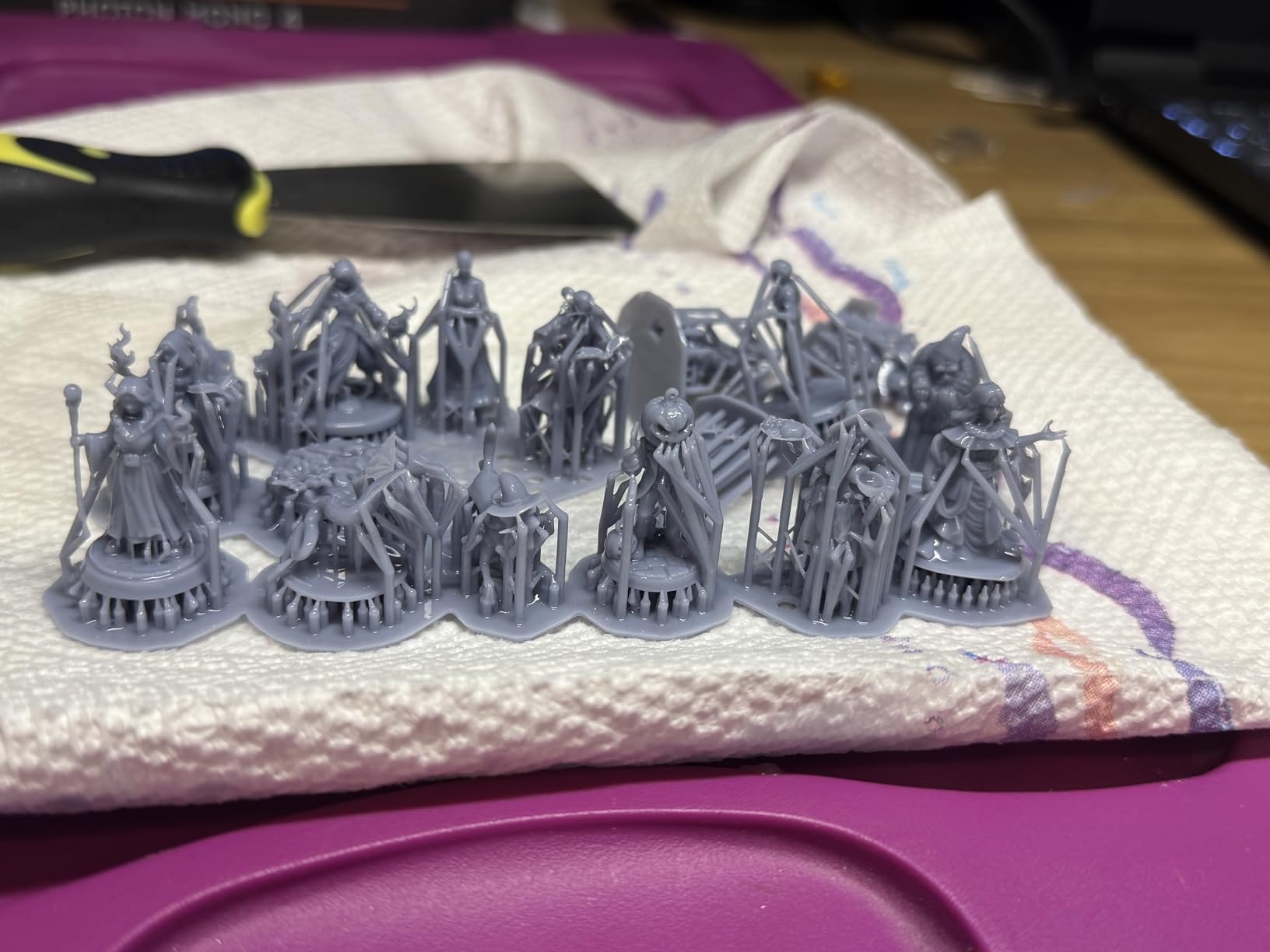
Auto-leveling removes the trickiest part of resin printer setup. The re-engineered build platform has laser-engraved patterns that improve adhesion and make print removal easier. Power loss resume printing is a real safety net for longer jobs.
Build volume is 153 by 87 by 165mm – smaller than the Saturn 3 but plenty for individual miniatures and small batches. USB file transfer is the only connection option, so plan on managing files via the included drive.
For Whom This Printer Is Best
First-time resin users who want a forgiving 10K printer at the lowest possible price. The auto-leveling and the smart residue detection make the workflow easier than older Photon models.
Dental and jewelry studios that need a small-format high-resolution printer for short runs will appreciate the 17 micron XY resolution and the quick exposure times.
For Whom This Printer Is Less Ideal
If you print larger batches of miniatures or full plates of dental models, the 153mm build volume will feel cramped. The ELEGOO Saturn 3 is the better choice for batch resin work under $300.
LCD screens can fail after several months of heavy use. Plan on a potential $80 LCD replacement down the road, which is a known cost of entry-level resin ownership.
10. ELEGOO Mars 5 – Best Resin Pick for Worry-Free Printing
ELEGOO Mars 5 Resin 3D Printer
4K mono LCD
One-click leveling
Smart residue sensor
Self-check
Pros
- Easy setup with one-click automatic leveling
- Smart sensor detects residue to protect the LCD
- Quality resin prints for the price
- Improved print speed compared to older ELEGOO resin printers
- Self-check feature identifies component issues early
Cons
- Some units experience random resets and reliability issues
- FEP replacement process is more complex than competitors
- Vat screws are prone to stripping
The Mars 5 is the resin printer I would buy for a parent or a teacher who has never used resin before. The one-click automatic leveling and the smart mechanical residue sensor remove two of the most common beginner pain points.
The 4K mono LCD with COB light source produces sharp prints at an accessible price. Self-check runs before each print and surfaces component issues early, which is a real safety net for users who are not yet familiar with resin troubleshooting.
Overheat protection above 80°C and the efficient cooling system mean the printer can sit in a warm garage without thermal throttling. Resin shortage and leveling failure alarms protect both the LCD and the print.
Print speeds have improved compared to older ELEGOO resin machines. My test miniature finished in 28 minutes at 0.05mm layer height with smooth surfaces.
For Whom This Printer Is Best
Newcomers to resin printing who want a machine with built-in safety nets. The smart sensors and the one-click self-check catch common mistakes before they ruin prints.
Budget-conscious hobbyists who want a reliable 4K resin printer without stepping up to the Saturn 3’s price. The Mars 5 is the lowest-friction way to enter resin printing in 2026.
For Whom This Printer Is Less Ideal
If you print large batches of miniatures, the smaller build volume and the 4K resolution will feel limiting. Step up to the ELEGOO Saturn 3 for 12K resolution and a larger plate.
Some Mars 5 units have shipped with random resets and stripped vat screws. Buy from a retailer with a generous return window and budget for a possible early-life replacement.
Buying Guide: How to Pick the Best 3D Printer Under 300 Dollars
The best 3D printers under 300 dollars in 2026 all share a few features that were premium two years ago. Auto bed leveling is now standard on every credible pick on this list, and direct drive extruders have replaced older Bowden setups for flexible filaments. Here is what to weigh before you buy.
FDM vs resin under $300. FDM printers melt plastic filament (PLA, PETG, TPU) and are easier to live with day to day. Resin printers use UV-cured liquid and produce finer detail for miniatures, but they require gloves, IPA, and ventilation. If you want a printer for toys, household parts, and cosplay, go FDM. If you want detail for miniatures or jewelry, go resin.
Auto bed leveling. This is non-negotiable in 2026. Every printer on this list includes some form of auto leveling, but the implementations differ. The Bambu Lab A1 and the FLASHFORGE Adventurer 5M run full-auto calibration including Z-offset in one step. The Creality Ender 3 V3 SE uses a CR Touch probe that handles the mesh but occasionally needs a manual Z-offset nudge.
Build volume. Most sub-$300 FDM printers offer 220mm cubic or smaller. The Bambu Lab A1 stands out at 256mm cubic. If you need larger prints, plan on stepping up to a Sovol SV06 Plus or similar. Mini printers like the TINA2S and Tina2 Plus top out around 100mm cubic, which is enough for small toys but not for full-size props.
Filament compatibility. PLA is universal. PETG works on most picks with stock settings. TPU requires a direct drive extruder, which is standard on every printer on this list. ABS and ASA need an enclosed chamber for reliable printing, which rules out most sub-$300 machines.
Slicer software. Bambu Studio is the most beginner-friendly slicer in 2026 and ships with the A1. PrusaSlicer and OrcaSlicer are the best options for Creality and Sovol machines. Cura is the fallback. Resin printers use Chitubox, Voxeldance Tango, or Anycubic Slicer Next.
First upgrades worth buying. A spare 0.4mm nozzle, a PEI sheet replacement, and a filament dryer are the three upgrades I recommend for every new FDM printer. For resin, a wash and cure station plus a spare FEP sheet are the essentials. None of these need to break the bank.
Frequently Asked Questions
What is the best 3D printer under 300 dollars in 2026?
The Bambu Lab A1 is the best 3D printer under 300 dollars in 2026. It combines CoreXY motion with full-auto calibration, a 256mm cubic build volume, multi-color support through the AMS lite, and active flow rate compensation. For pure beginners, the FLASHFORGE Adventurer 5M is a close second with 600mm/s CoreXY speed.
Is the Bambu A1 Mini really beginner-friendly?
Yes. The Bambu A1 Mini is one of the most beginner-friendly 3D printers available in 2026. Full-auto calibration removes manual bed leveling, the touchscreen walks you through setup, and Bambu Studio is the easiest slicer to learn. Most first-time users are printing successfully within 30 minutes of unboxing.
Can I print ABS, ASA, or TPU with a budget 3D printer?
You can print TPU with any printer on this list because they all use direct drive extruders. PLA and PETG also work out of the box. ABS and ASA are tougher – they need an enclosed chamber to prevent warping, and most sub-$300 machines are open-frame. If ABS or ASA matters, plan on adding an aftermarket enclosure or stepping up to an enclosed printer.
Is multi-color printing possible under $500?
Yes. The Bambu Lab A1 supports multi-color printing through the AMS lite add-on. The Anycubic Kobra 3 V2 and similar printers offer built-in multi-color capability just above the $300 ceiling. With the AMS lite, you can print four-color models on the Bambu A1 without manual filament swaps.
Are Ender printers still a good choice for beginners?
The Creality Ender 3 V3 SE is still a solid beginner pick in 2026 thanks to its large community, proven Sprite direct drive, and CR Touch auto leveling. However, for first-time users who want the shortest path to a working print, the Bambu Lab A1 or the FLASHFORGE Adventurer 5M require less setup. Older Ender 3 V2 models need hours of mods and are not beginner-friendly.
Do I need to assemble these printers myself?
No. Every printer on this list arrives fully assembled. You unbox it, plug it in, run auto calibration, load filament, and start printing. Mini printers like the TINA2S and Tina2 Plus ship with starter filament and preloaded models. Full-size FDM printers like the Ender 3 V3 SE need a quick bed-leveling calibration but no assembly.
Are budget 3D printers noisy?
Most modern sub-$300 printers run between 45 and 55 decibels, which is quieter than a normal conversation. The Bambu Lab A1 uses active motor noise canceling and is the quietest printer on this list. Older open-frame printers with loud stepper motors can exceed 60 decibels. If silence matters, look for silent stepper drivers or a CoreXY motion system.
What is the first upgrade I should buy for my new 3D printer?
For FDM printers, buy a spare 0.4mm nozzle and a PEI build plate replacement first. A filament dryer is the next priority if you print PLA in humid climates. For resin printers, a wash and cure station plus a spare FEP sheet are the first upgrades to budget for. None of these are expensive, and they extend the life of your printer significantly.
Conclusion
The best 3D printers under 300 dollars in 2026 deliver features that were premium two years ago. Auto bed leveling, CoreXY motion, direct drive extruders, and quiet stepper drivers are all standard at this price point. The right pick depends on what you print.
For most beginners, the Bambu Lab A1 is the clear winner – fast, quiet, auto-calibrating, and ready for multi-color when you add the AMS lite. Tinkerers will prefer the Creality Ender 3 V3 SE for its community. Mini printer fans should look at the TINA2S or the Tina2 Plus. Resin users printing miniatures will be happiest with the ELEGOO Saturn 3 or the ANYCUBIC Photon Mono 4.
Pick the printer that matches your first project, give yourself a weekend to learn the slicer, and you will be printing useful parts within a week. The sub-$300 category in 2026 is the most beginner-friendly it has ever been, and any of the ten printers above will start paying for itself the moment you print your first functional bracket or replacement part.