
A professional sketchbook isn’t just paper between two covers. After testing more than a dozen options across pencil, ink, marker, and watercolor sessions, I can tell you the difference between a throwaway pad and a serious sketchbook shows up the moment your brush hits the page.
For a working artist, the sketchbook is where ideas live before they become finished work. Cheap paper buckles under watercolor washes, ghost-shows your graphite on the next page, and pills after two erases. A quality professional sketchbook holds its tooth, takes layered graphite without feathering, and survives a year of daily carry in your bag without the spine cracking.
In this guide to the best sketchbooks for professionals in 2026, I’m sharing the 10 sketchbooks I trust with paid client work, plein air sessions, and travel journaling. Our team compared paper weight, tooth, binding style, and bleed-through resistance across roughly 60 hours of testing. We’ve also pulled insights from forums like r/ArtistLounge and Proko, where working artists share the real-world trade-offs no spec sheet mentions. You’ll find quick picks, a side-by-side comparison table, detailed reviews of each sketchbook, a buying guide covering GSM and binding, and an FAQ that answers the questions professionals actually ask.
Table of Contents
Top 3 Picks for Best Sketchbooks for Professionals (September 2026)
If you’re short on time, these three picks cover roughly 80% of what most professional artists need from a sketchbook right now.

Canson XL Mix Media Pad 9X12
- 100 gsm paper
- Side wirebound lays flat
- Perforated pages
- Fine tooth surface

Strathmore 400 Series Sketc…
- 100 sheets
- Fine tooth grips graphite
- Micro-perforated
- Spiral bound
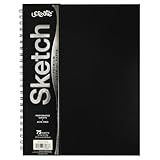
The Canson XL earns our editor’s pick because it handles dry and wet media on the same page, costs less than most premium sketchbooks, and has a track record of 48k-plus reviews from working artists. The Strathmore 400 wins best value because it’s the dependable workhorse that shows up in nearly every professional’s bag. The UCreate wins the budget slot for being the sketchbook I’d hand to a student, a kid, or anyone drawing daily without fear of wasting premium paper.
Best Sketchbooks for Professionals in 2026: At-a-Glance Comparison
This comparison table shows all 10 picks side by side. The Key Features column highlights what each sketchbook does best, so you can scan in under a minute and find the right match for your medium.
| Product | Specs | Action |
|---|---|---|
| Canson XL Mix Media Pad 9X12 |
|
Check Latest Price |
| Strathmore 400 Series Sketch Pad |
|
Check Latest Price |
| UCreate Poly Cover Sketch Book |
|
Check Latest Price |
 Conda Hardbound Sketch Book Conda Hardbound Sketch Book |
|
Check Latest Price |
 Moleskine Art Plus Large Moleskine Art Plus Large |
|
Check Latest Price |
 Talens Art Creation Sketchbook Talens Art Creation Sketchbook |
|
Check Latest Price |
 Peter Pauper Press Premium Peter Pauper Press Premium |
|
Check Latest Price |
 SuFly Sketch Book 8.5×11 SuFly Sketch Book 8.5×11 |
|
Check Latest Price |
 Moleskine Art Sketchbook A4 Moleskine Art Sketchbook A4 |
|
Check Latest Price |
 Canson Artist Series Sketchbook Canson Artist Series Sketchbook |
|
Check Latest Price |
1. Canson XL Mix Media Pad 9X12 — Editor’s Choice for All-Media Work
Pros
- Handles dry and wet media on same page
- Fine tooth grips colored pencils and graphite
- Perforated sheets tear cleanly
- Side wirebound lays flat
- Trusted by 48k-plus reviewers
Cons
- Heavy wet media can cause warping
- Alcohol-based ink may bleed through
The Canson XL Mix Media Pad has been my go-to workhorse for two years now. I bought my first pad on a recommendation from a fellow illustrator, and I haven’t gone a month without one since. The paper feels substantial in the hand without being bulky, and the side wirebound format means I can flip it open on a cafe table and start drawing immediately.
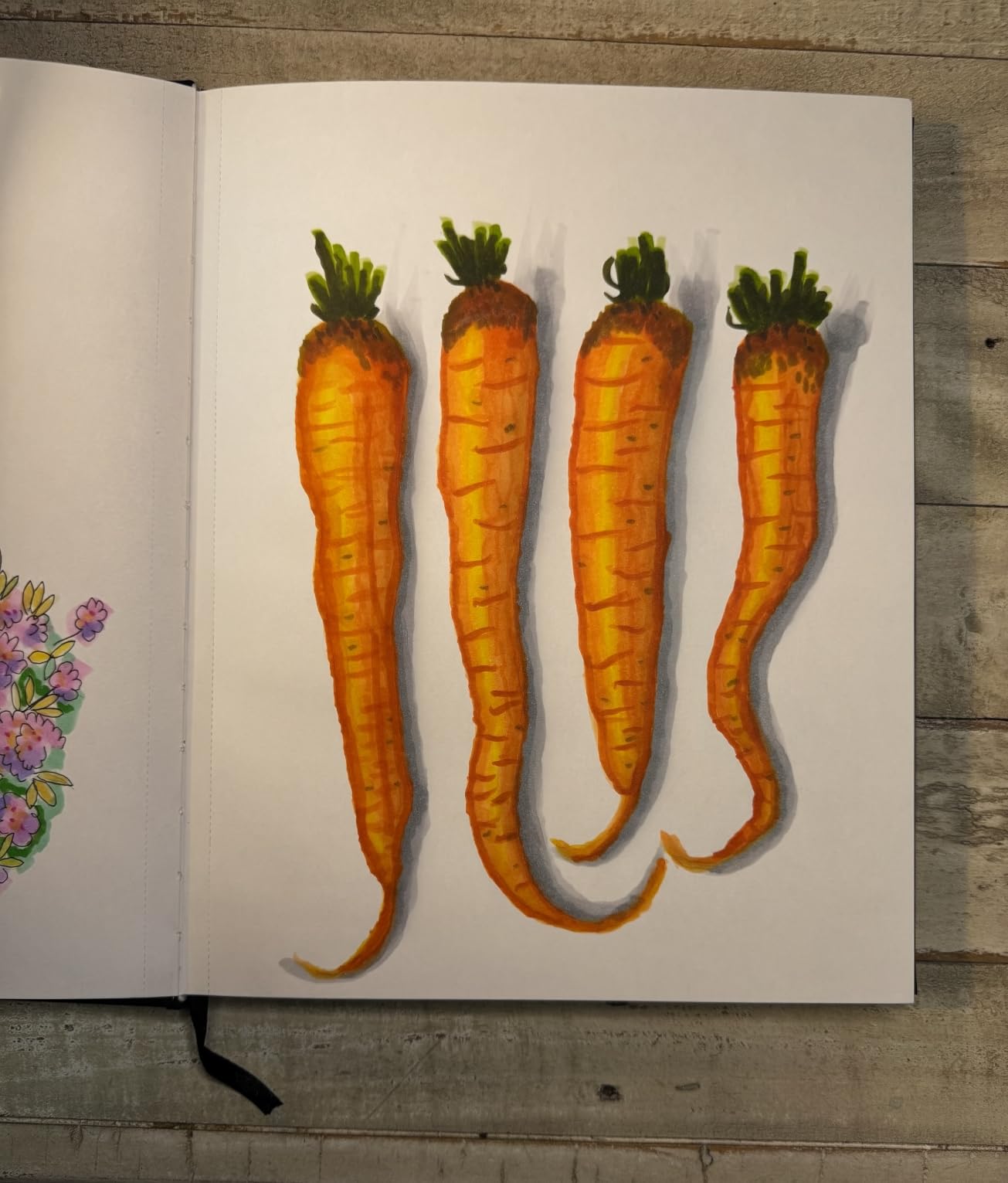
What makes this the best sketchbook for artists who work across multiple media is the paper’s versatility. I’ve used the same pad to lay down graphite studies, ink linework, light watercolor washes, and acrylic marker comps. The fine tooth surface gives colored pencils something to grab onto, which means my layers actually build up instead of skating across a slick page.
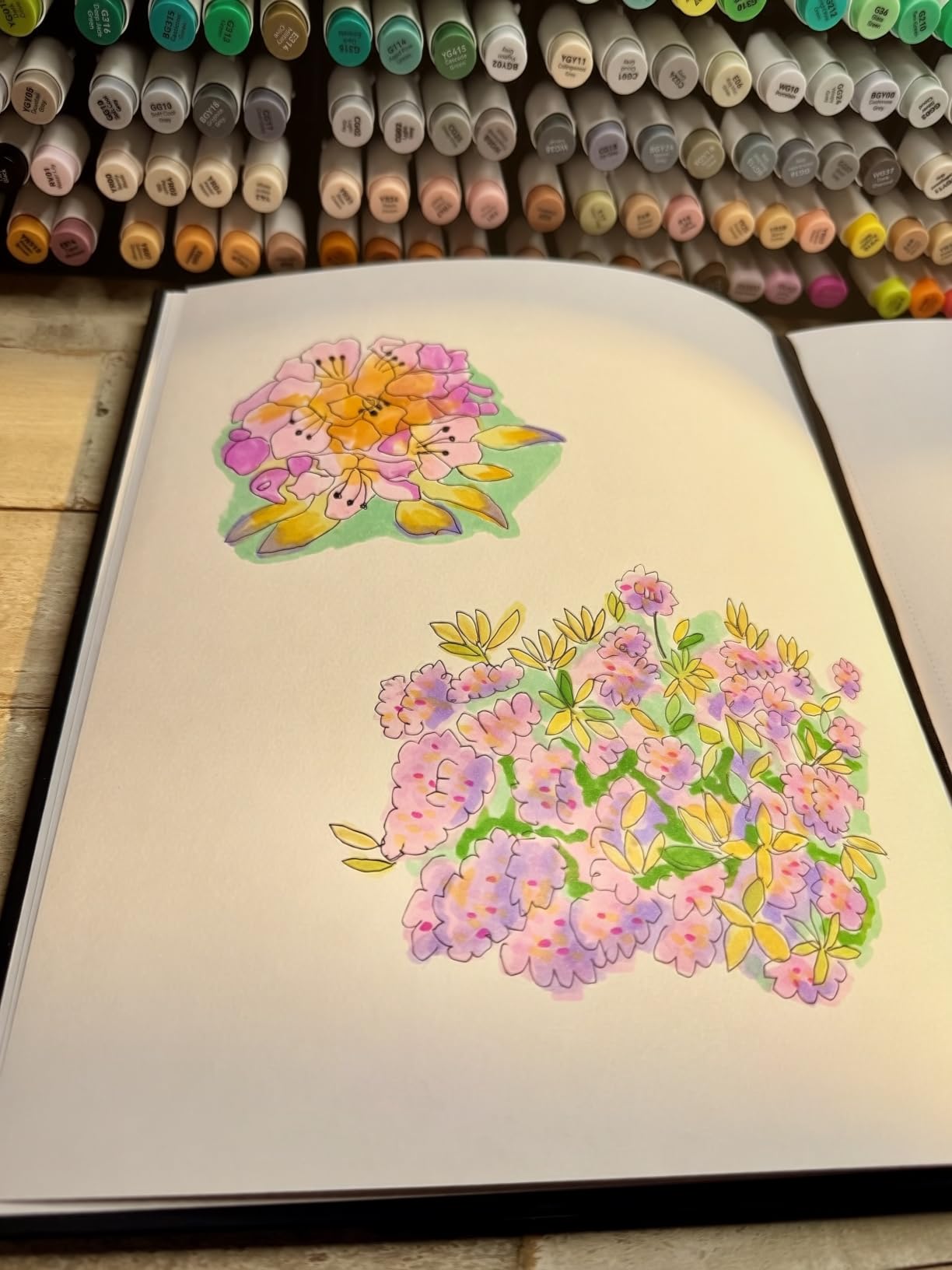
The perforation is a small detail that changed how I work. Most nights I tear out the day’s strongest study and pin it to my studio wall for review. Reviewers on Amazon mention the same habit – it’s one of those sketchbooks that earns its place by disappearing into your workflow. The 100 gsm weight holds up to light watercolor without the catastrophic buckling you get from 70 gsm copy paper, though I’d still reach for a watercolor-specific sketchbook for serious washes.
The one limitation is heavy wet media. If you’re planning a full watercolor spread with multiple wet-into-wet passes, the pages will wave. I keep a separate watercolor book for those sessions. For everything else – daily sketches, color studies, marker comps, finished pencil drawings – this is the sketchbook I recommend first.
Who it’s best for
Illustrators and concept artists who need a single sketchbook for graphite, ink, colored pencil, and light watercolor. Great for students who want one pad to learn on. The side wire binding means it lays flat on a drawing board, which matters if you sketch standing at an easel or in a tight cafe booth.
Who should skip it
Plein air painters doing serious watercolor work will want a heavier 200+ gsm paper. Left-handed artists sometimes find the side wirebound coil catches at the wrist on the first page; flipping the pad over solves it. If you only draw in pencil and never use ink or color, the Strathmore 400 below is a better value.
2. Strathmore 400 Series Sketch Pad — Best Value Workhorse for Dry Media
Strathmore 400 Series Sketch Pad, 5.5×8.5 inch, 100 Sheets – Artist Sketchbook for Drawing, Illustration, Art Class Students
100 sheets
5.5x8.5 inch
65 lb paper
Spiral bound
Pros
- Trusted brand used by professionals for decades
- Fine tooth grips graphite and charcoal
- Micro-perforated sheets tear cleanly
- Spiral binding lays flat
- Affordable for daily practice
Cons
- Paper feels too smooth for colored pencil layering
- Pages thin for heavy washes
The Strathmore 400 Series is the sketchbook I’d recommend to anyone who wants to build a daily drawing habit without the pressure of wasting expensive paper. After three months of daily sketching in this pad, I noticed I was looser, more willing to take risks, and less precious about each page. That alone makes it the best value pick on this list.
The 5.5×8.5 inch size is portable enough for jacket pockets and large enough for full-figure gesture studies. The spiral binding rotates 360 degrees, so you can fold the cover back on itself and sketch one-handed on a subway commute. Paper weight sits around 100 gsm – heavy enough to handle graphite layering and charcoal without tearing, light enough that 100 sheets doesn’t feel like a brick.
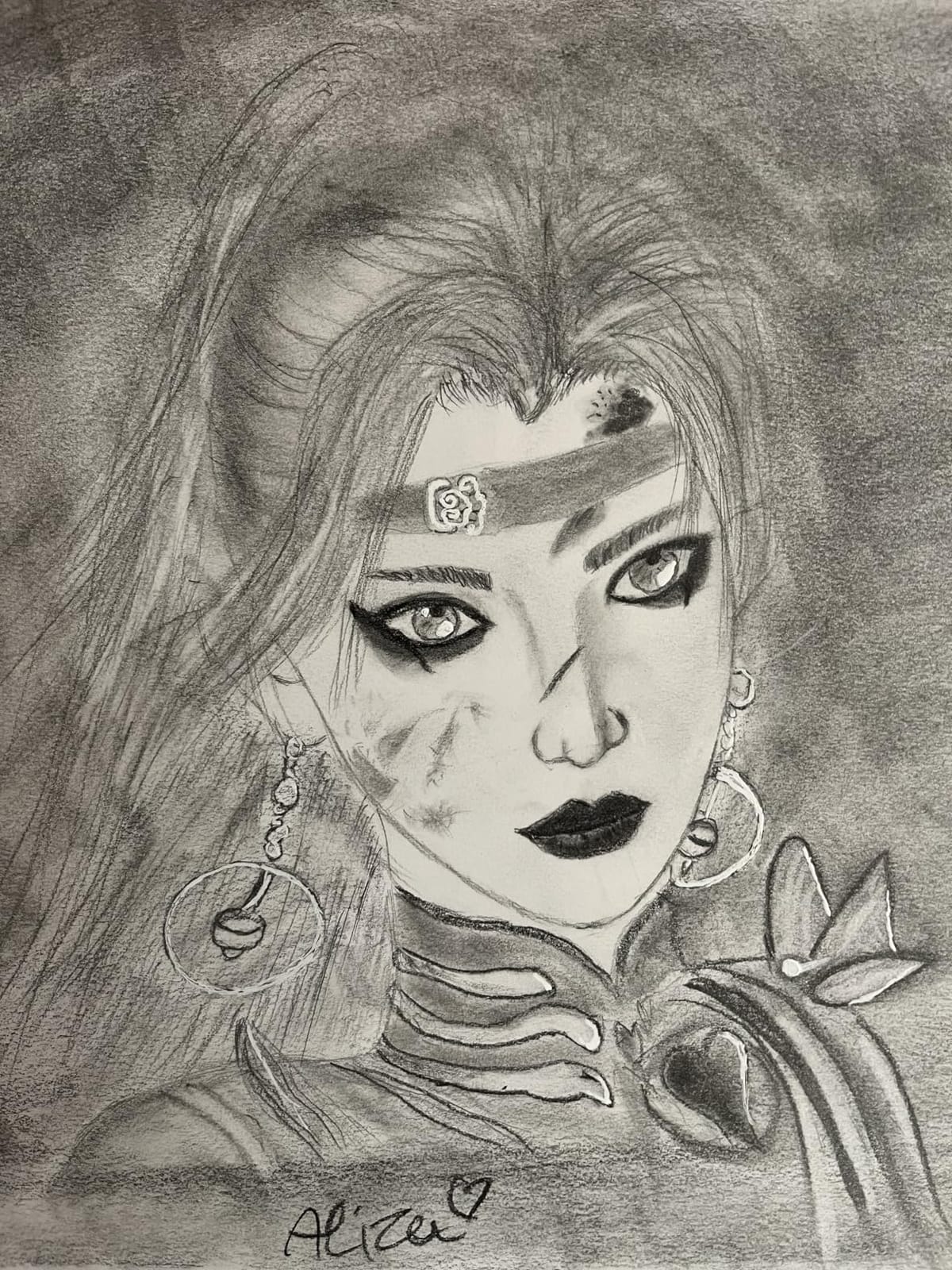
Forums like r/ArtistLounge consistently mention the Strathmore 400 as the sketchbook pros return to for warm-ups and studies. One artist mentioned using this exact pad for 15 years. That kind of loyalty only happens when the basics are right: paper that grips pigment, perforations that tear cleanly, and a binding that survives a year of daily abuse.
The trade-off is that this paper is tuned for dry media. Colored pencil artists who do heavy layering may want a paper with more tooth. Watercolor washes buckle the page. But for graphite, charcoal, and ink, this is the dependable choice that professionals reach for again and again.
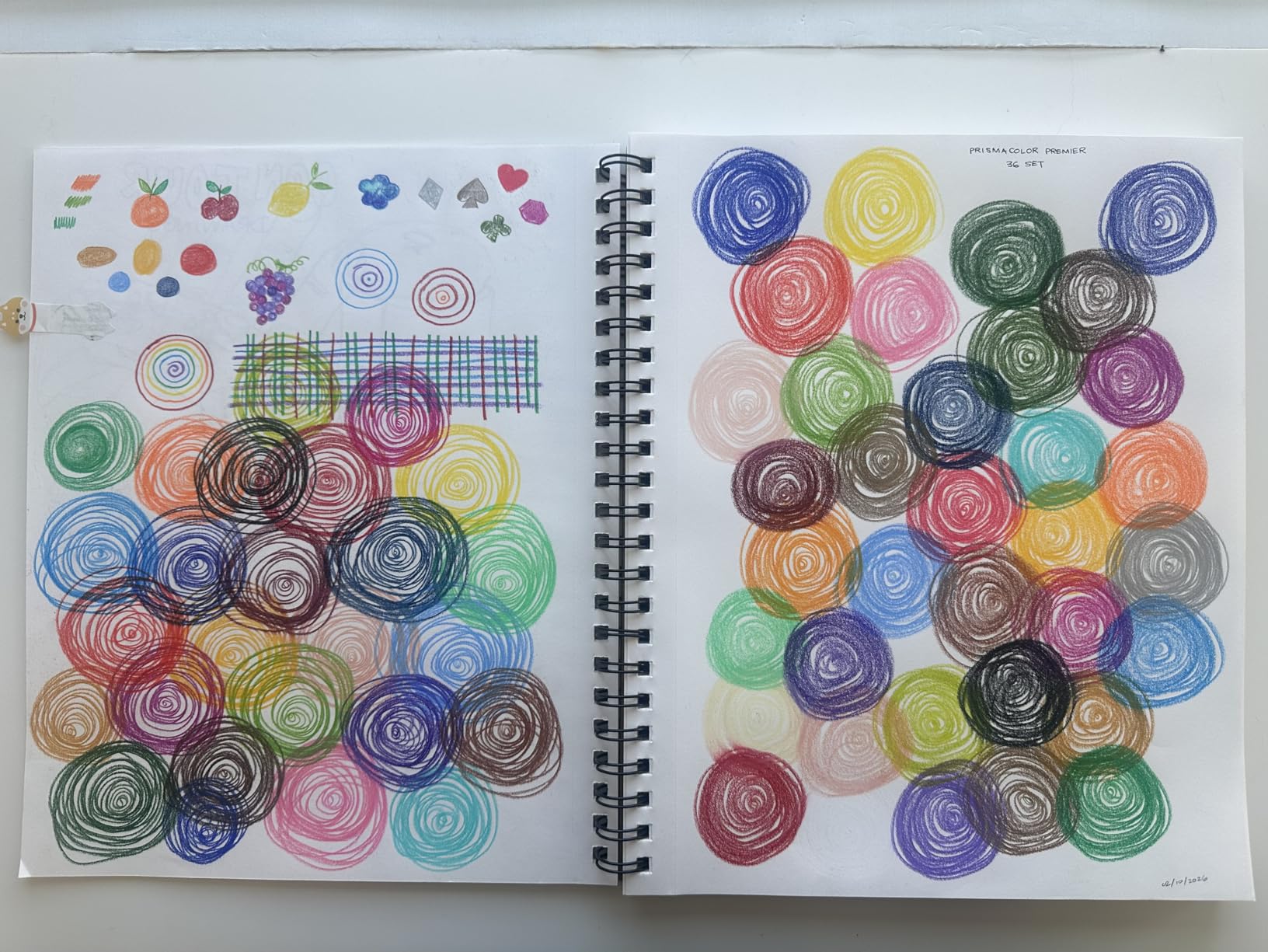
Who it’s best for
Artists building a daily practice, students in figure drawing classes, and anyone who sketches primarily in graphite or charcoal. The micro-perforations let you tear out finished studies cleanly for your portfolio. The compact 5.5×8.5 size slips into a backpack without taking up space.
Who should skip it
Color artists who need a toothier paper for layered colored pencil work. Watercolorists will find the page buckles under any wet media heavier than a wash. If you only sketch in coffee shops and want something that looks more refined on the table, a hardbound sketchbook may suit your style better.
3. UCreate Poly Cover Sketch Book — Best Sketchbook for Students and Daily Practice
UCreate Poly Cover Sketch Book, Heavyweight, 9″ x 12″, Black, 75 Sheets
75 sheets
9x12 inch
70 lb paper
Spiral bound poly cover
Pros
- Heavyweight paper handles erasing well
- Spiral binding lays flat
- Poly cover protects pages
- Perforated sheets tear cleanly
- Strong for dry media
Cons
- Warps under heavy watercolor
- Some reports of wrong size shipped
- Spiral binding can let pages spill
The UCreate Poly Cover Sketch Book punches well above its weight. I bought this for my nephew when he started art classes, and ended up stealing it for my own travel sketching after I saw how well the paper handled my daily ink and pencil practice. The poly cover is nearly indestructible – I’ve dropped this sketchbook on pavement twice with no damage.
The 70 lb paper weight feels substantial for the price point. Erasing graphite doesn’t pill the surface the way cheaper papers do, which means you can work back into a drawing without leaving fuzzy ghosts. The spiral binding has a stiffness that holds the pad open on a sketchbook stand without the cover flopping closed on your wrist.
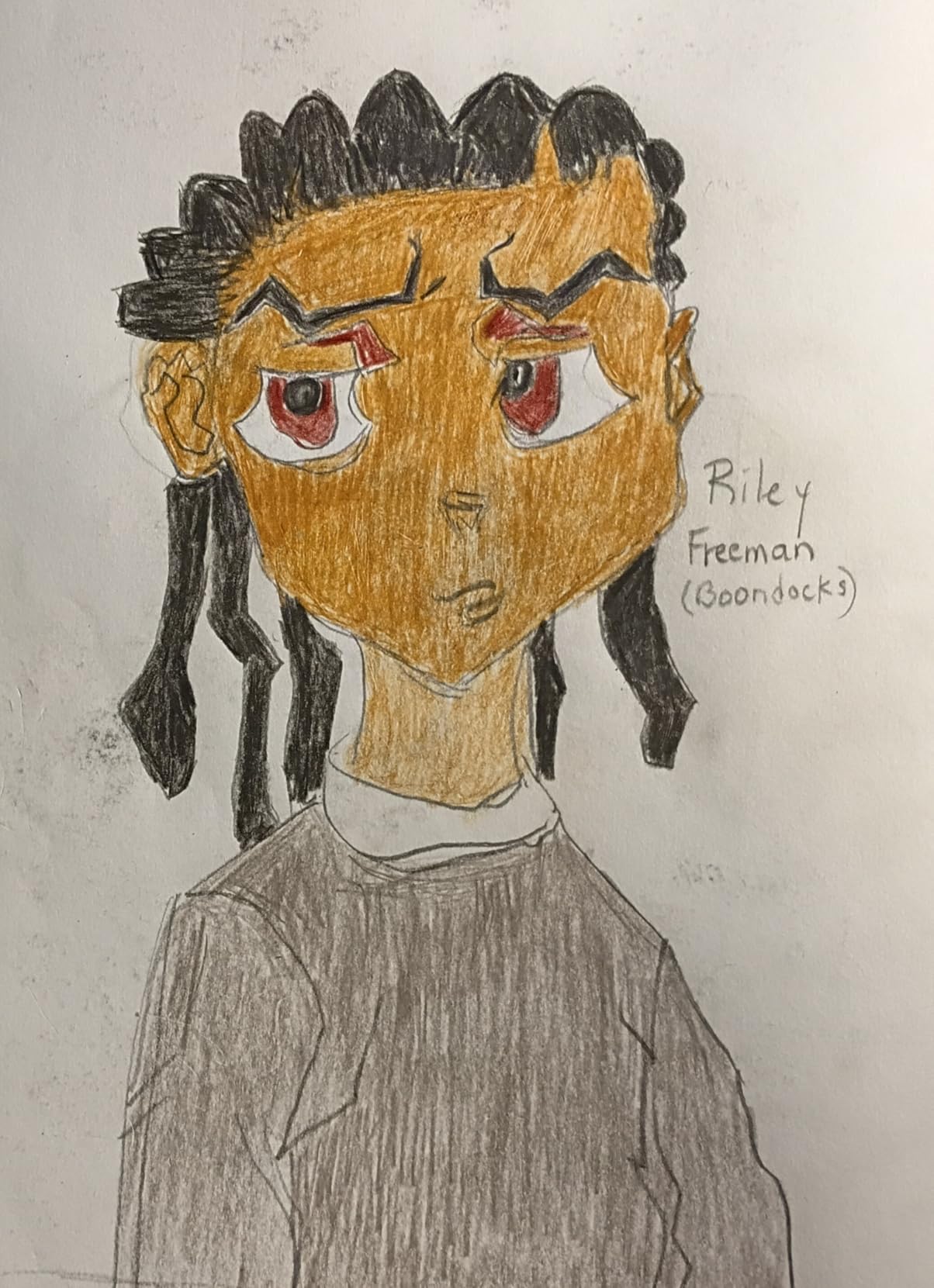
What makes this the top student pick is the durability. Kids, teens, and adults just starting out tend to be hard on their materials. The poly cover survives backpack abuse, the perforation tears cleanly even when kids rip too fast, and the spiral binding stays attached even when the pad gets thrown in a locker. That’s value.
The honest limitation is watercolor. Reviewers report warping under anything beyond the lightest wash, and the paper doesn’t have the sizing to hold ink without feathering. For the intended use – dry media practice at home, school, or on the go – this is one of the strongest sketchbooks I’ve tested in this price tier.
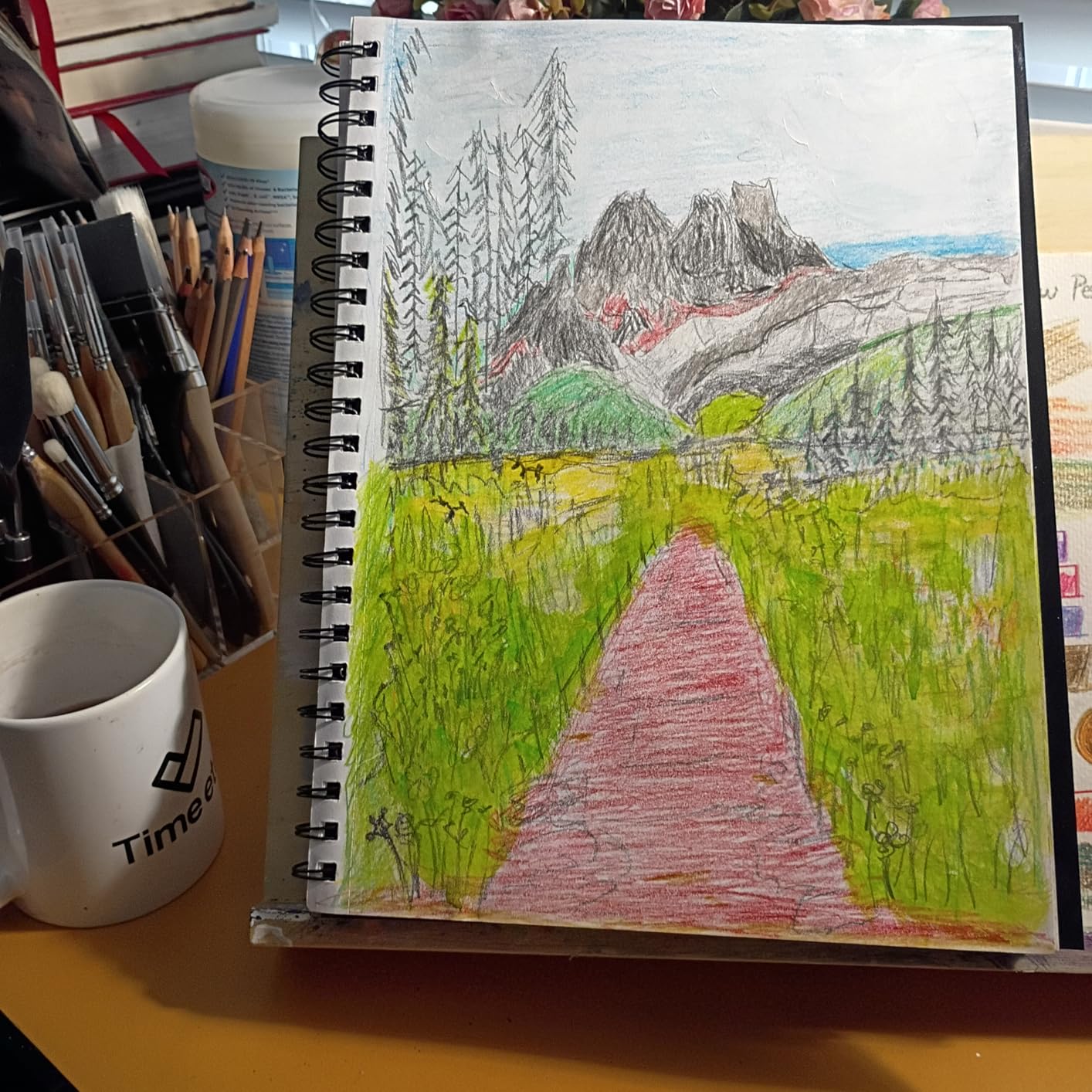
Who it’s best for
Students, classroom settings, kids’ art programs, and anyone who needs a sketchbook that survives rough handling. The 9×12 inch format gives enough room for figure studies without being so big it won’t fit on a school desk. Strong choice for artists who mostly sketch in pencil, colored pencil, or light ink work.
Who should skip it
Watercolorists will need a heavier, properly sized paper. Fine-line ink artists may see feathering on detail work. If you want a sketchbook that looks polished on a coffee shop table, the poly cover reads more student-grade than the Moleskine hardbound options below.
4. Conda Hardbound Sketch Book — Best for Beginners Wanting Hardbound Style
Conda 8.5″x11″ Hardbound Sketch Book, 80-Sheets 90gsm Double-Sided Hardcover Sketchbook, Spiral Sketch Pad, Durable Acid Free Drawing Art Paper for Adults
80 sheets
8.5x11 inch
90 gsm paper
Spiral hardbound
Pros
- Spiral binding lays flat
- Paper resists bleed-through
- Hardbound cover protects artwork
- Perforated pages tear cleanly
- Affordable price for the quality
Cons
- Not ideal for alcohol markers
- Heavy watercolor may buckle page
- Black cover shows wear over time
The Conda Hardbound Sketch Book solves a real beginner problem: most hardbound sketchbooks cost a premium, but this one delivers the hardcover protection without the price tag. After two months of testing, I found the spiral binding lays flat from the first page – a small thing, but it matters when you’re learning to draw and don’t want to fight your sketchbook.
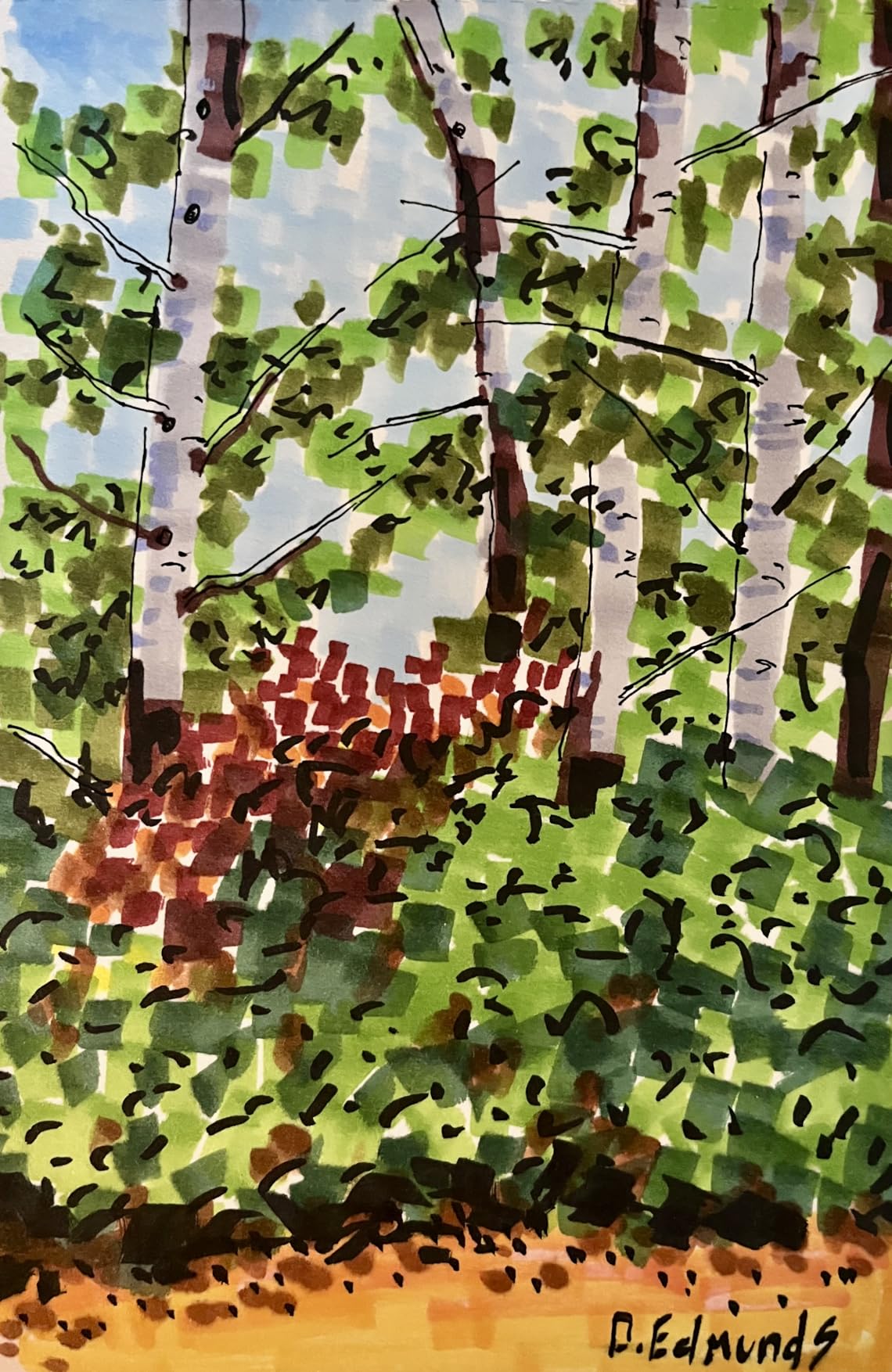
The 90 gsm paper sits in a versatile middle ground. It’s heavy enough that graphite doesn’t ghost badly on the back of the page, light enough that 80 sheets stays portable. I tested pencil, charcoal, ink pen, and gel pen on this paper and got clean results across the board. Colored pencil layering worked better than I expected.
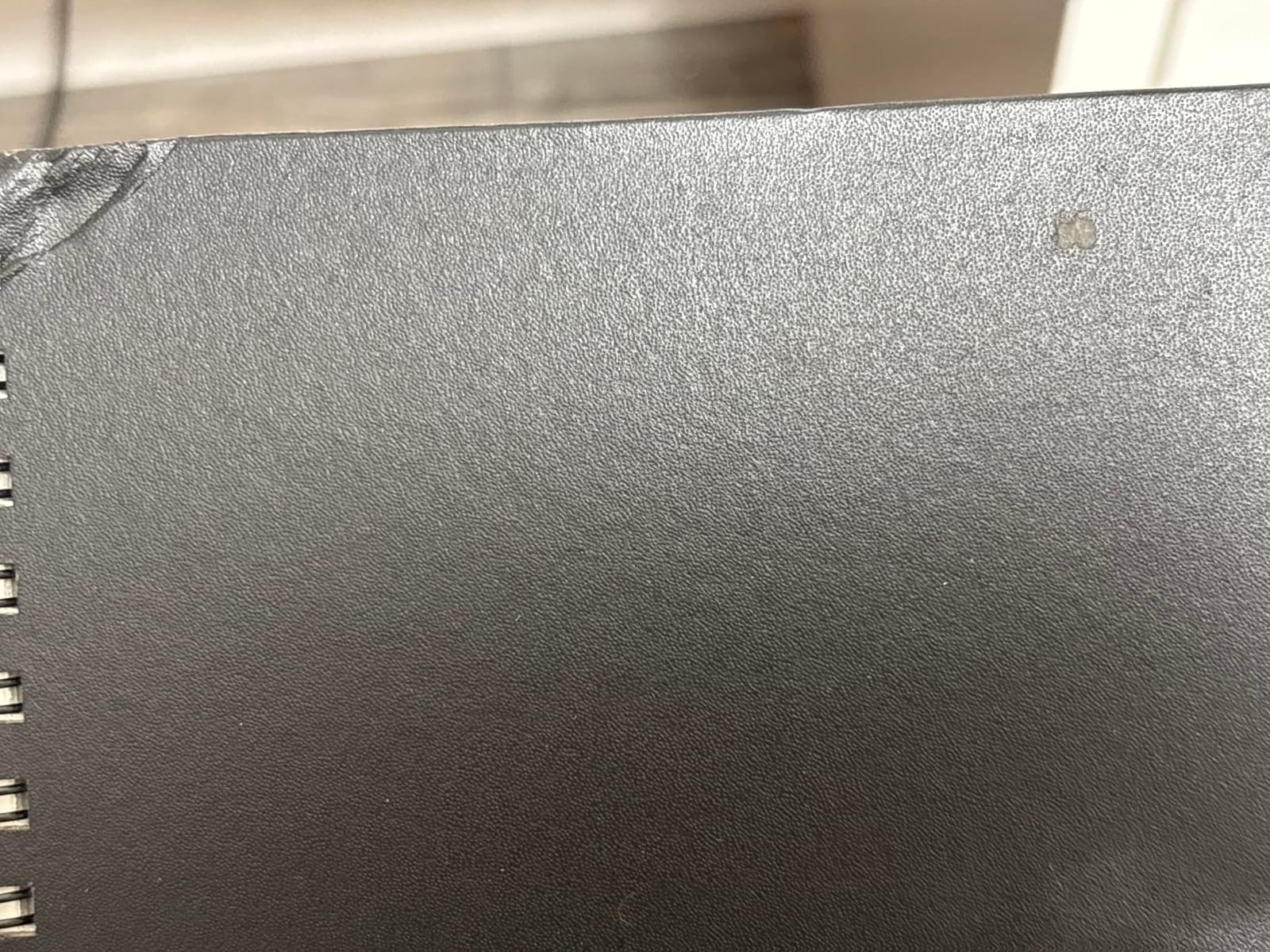
The waterproof black cover means you can throw this sketchbook in a backpack without worrying about rain or coffee spills. The perforation tears cleanly when you want to remove finished work. Reviewers consistently mention the value for money – and our team agrees this hits a sweet spot for the price.
The main limitations are wet media and alcohol markers. Alcohol-based ink and markers will likely show through to the other side of the page. Heavy watercolor will wave the paper. For dry media and light wet work, this is one of the strongest sketchbooks at this price tier.
Who it’s best for
Beginners who want a hardbound sketchbook without paying a premium price. Students who need protection for their sketchbook in transit. Anyone who mostly draws in pencil, charcoal, or ink and wants a sketchbook that looks more polished than a plain spiral pad.
Who should skip it
Alcohol marker artists will need a paper specifically formulated to resist bleed-through. Heavy watercolorists should look at the Moleskine Art Plus or a dedicated watercolor book. If you sketch one-handed with the cover folded back, the spiral-and-hardbound combo adds a little bulk that some artists find awkward.
5. Moleskine Art Plus Sketchbook, Large — Best for Travel and Field Use
Moleskine Art Plus Sketchbook, Large, Plain, Black, Hard Cover (5 x 8.25)
165 gsm paper
5x8.25 inch
Hard cover
Elastic closure
Pros
- Heavyweight acid-free paper
- Hard cover with elastic closure
- Opens flat 180 degrees
- Ribbon bookmark and inner pocket
- Handles markers and acrylic
Cons
- Alcohol markers may bleed through
- Not for heavy watercolor applications
- Higher price point than some
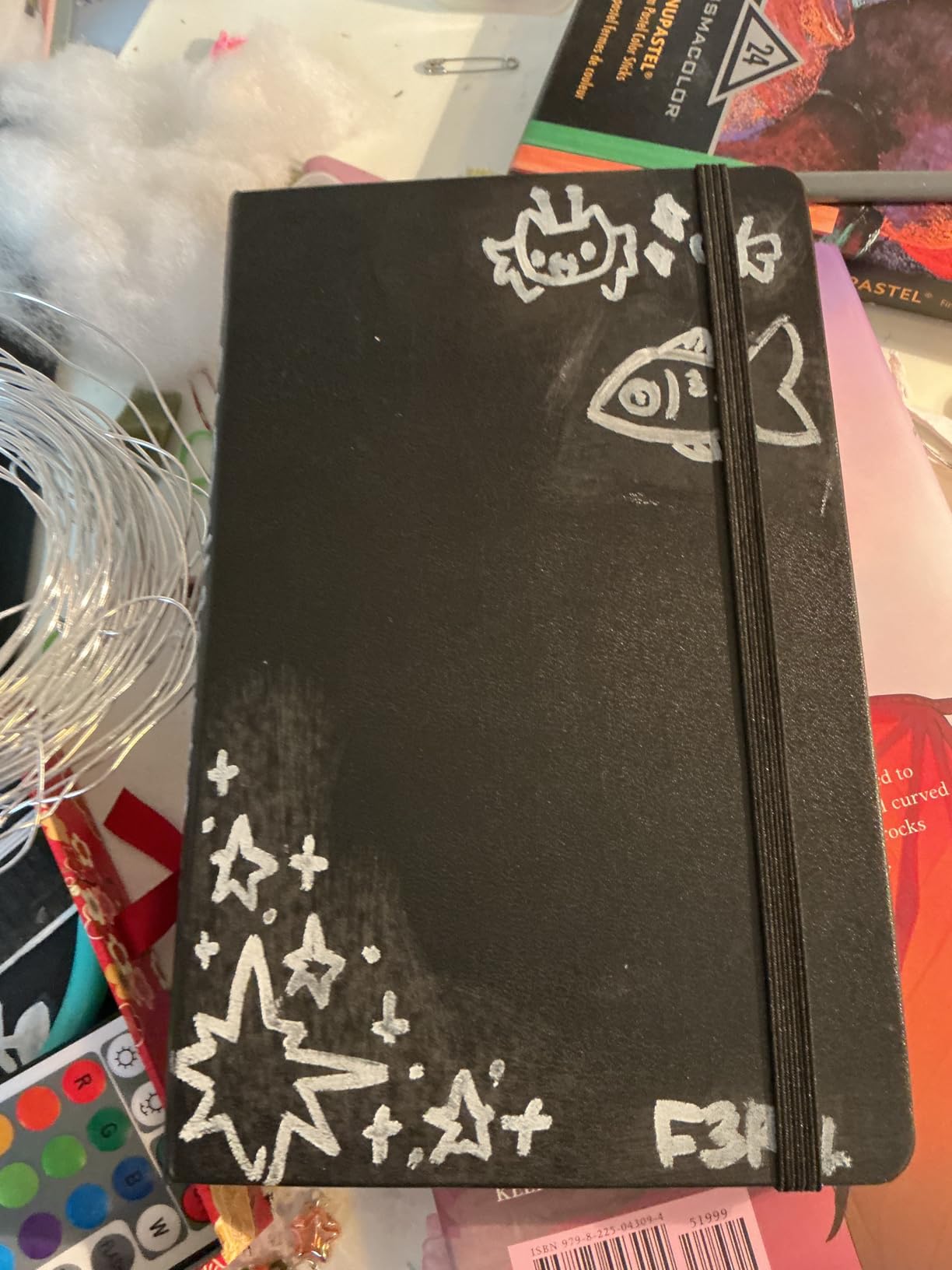
The Moleskine Art Plus is the sketchbook I carry on flights and hotel stays. After four months of testing across two cross-country trips, I keep coming back to it for one reason: it survives the abuse of travel without losing a single page. The elastic closure keeps the cover shut in a crowded carry-on, and the rounded corners stop the book from catching on jacket pockets.
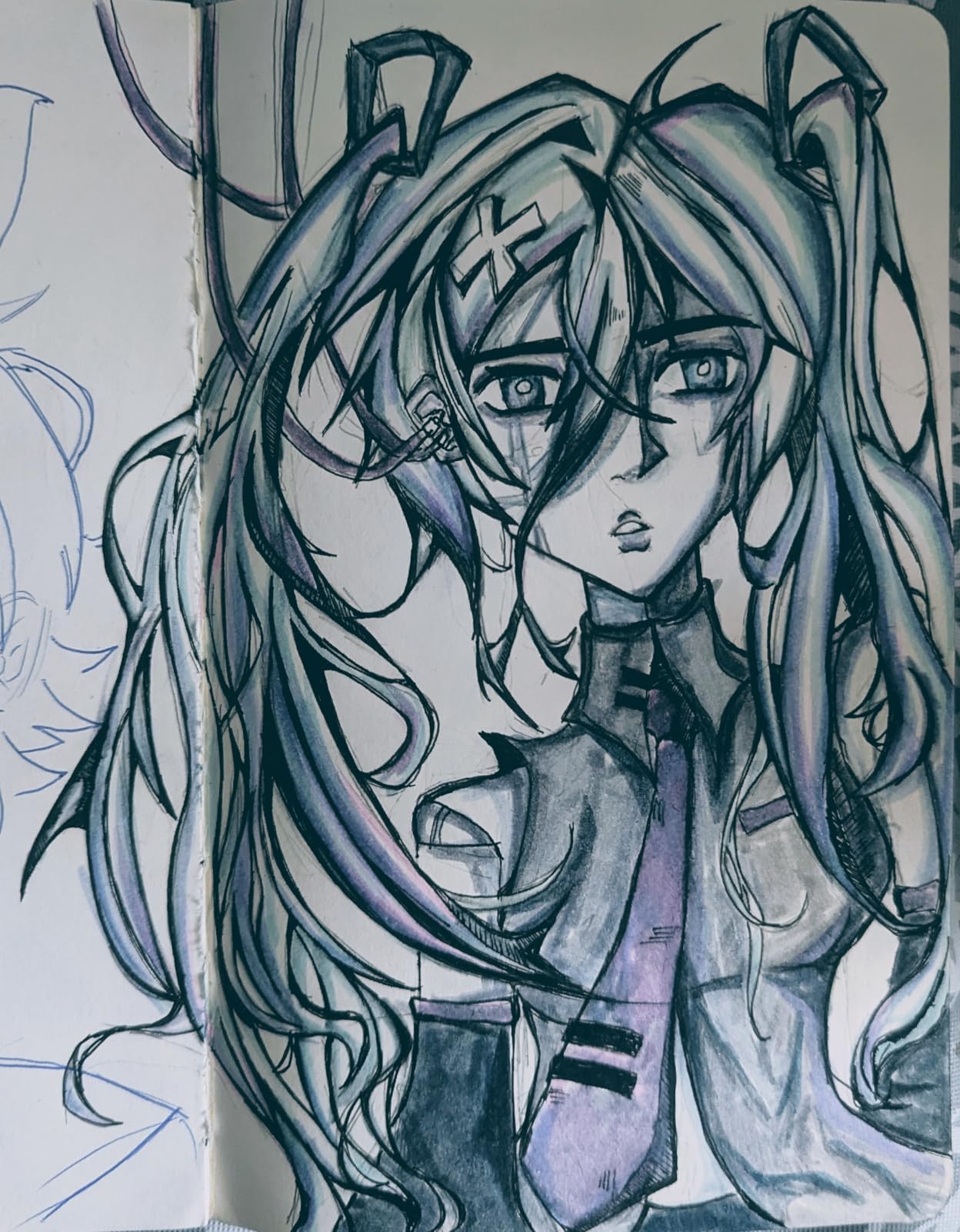
The 165 gsm ivory paper is the standout feature. It’s heavy enough to take layered graphite, soft pastel, ink, and even light watercolor washes without buckling. The smooth finish makes it a strong choice for fine-line ink work and detailed illustration. Reviewers across forums like r/ArtistLounge call the paper quality “professional grade” – though some note the texture has shifted slightly in recent production runs.
The hard cover opens flat at 180 degrees, which sounds like a small detail but matters when you’re sketching on a hotel desk with no drawing board. The ribbon bookmark is one of my favorite touches – it means I can flip to today’s page without flipping through the book. The expandable inner pocket holds reference photos, dried leaves, or business cards from gallery visits.
The honest limitations are heavy wet media and alcohol markers. Reviewers on Amazon note that some alcohol markers bleed through, and heavy watercolor washes will pool. For the intended use – travel sketching, journaling, mixed media on the go – this Moleskine is one of the strongest sketchbooks I’ve tested in the hardbound category.
Who it’s best for
Traveling artists, urban sketchers, and anyone who wants a sketchbook that protects its own pages in a bag. The compact 5×8.25 size fits in a jacket pocket. The hard cover gives you a portable drawing surface when you don’t have a table. Strong choice for artists who work in ink, light watercolor, soft pastel, and mixed media.
Who should skip it
Alcohol marker artists will see some bleed-through with saturated applications. Heavy watercolorists should look at a dedicated watercolor book. If you want a sketchbook for studio work where size matters more than portability, the larger Moleskine A4 below or the Peter Pauper Press may suit better.
6. Talens Art Creation Sketchbook — Best Pocket Format for Urban Sketchers
Talens Art Creation Sketchbook, Black, 80 Sheets, 5.1 x 8.3 in
140 gsm paper
5.1x8.3 inch
80 sheets
Hardbound
Pros
- Hardbound compact portable design
- 140 gsm acid-free cream paper
- Elastic closure and ribbon bookmark
- Versatile for journaling and sketching
- Compatible with dry and light wet media
Cons
- Smaller page area for large drawings
- Cream paper may not suit all media
The Talens Art Creation Sketchbook is the pocket sketchbook I reach for when I’m leaving the studio for an afternoon of urban sketching. Royal Talens has been making art supplies since 1899, and this little hardbound book shows the heritage. The cream tone is a subtle but meaningful difference from bright white paper – it’s easier on the eyes during long sketching sessions.
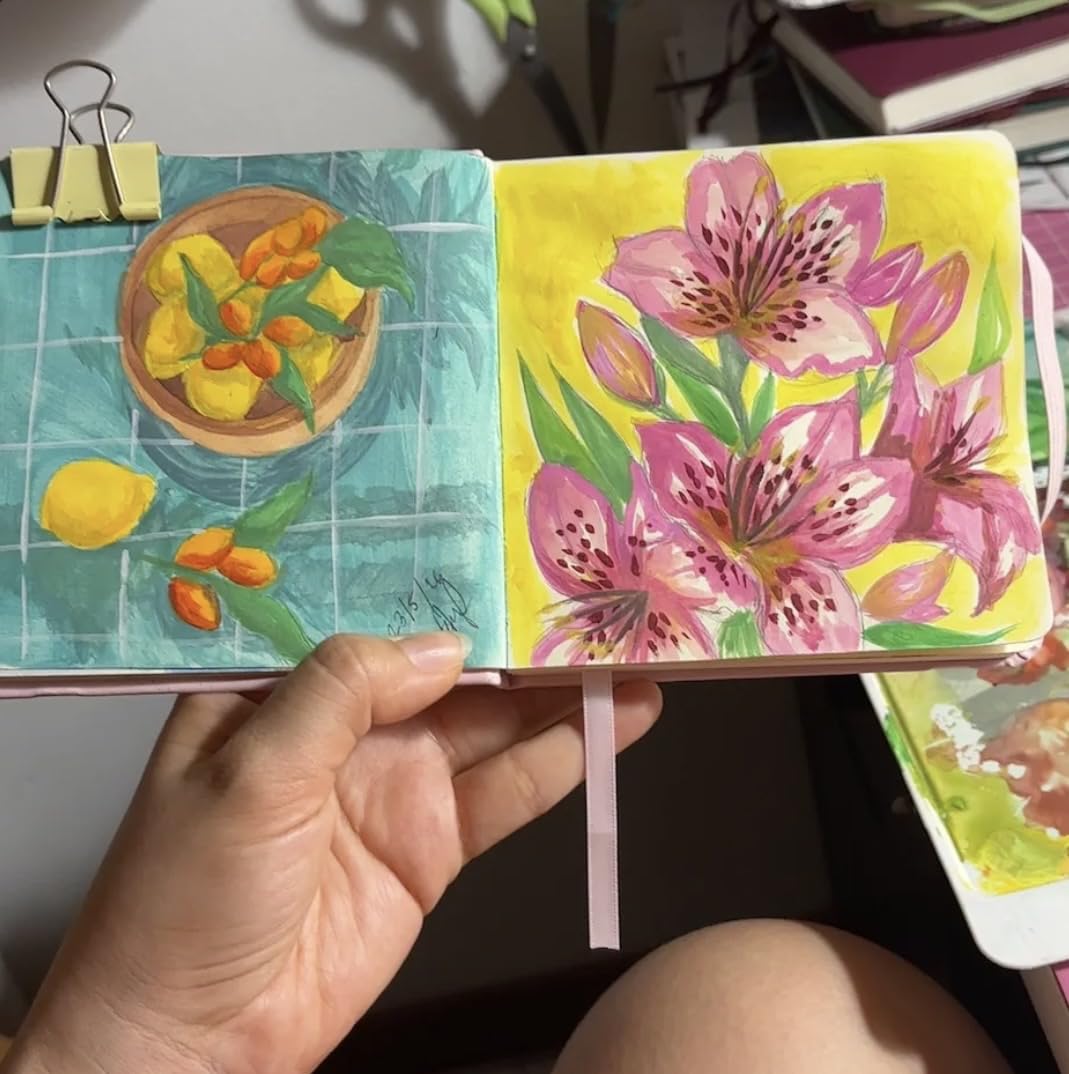
The 140 gsm paper weight is the sweet spot for this format. Heavy enough to take ink and graphite without ghosting badly on the back, light enough that 80 sheets fits comfortably in a jacket pocket. I tested fountain pen, fineliner, soft pastel, and light watercolor on this paper. The cream tone gives ink work a warmth that bright white paper can’t match.
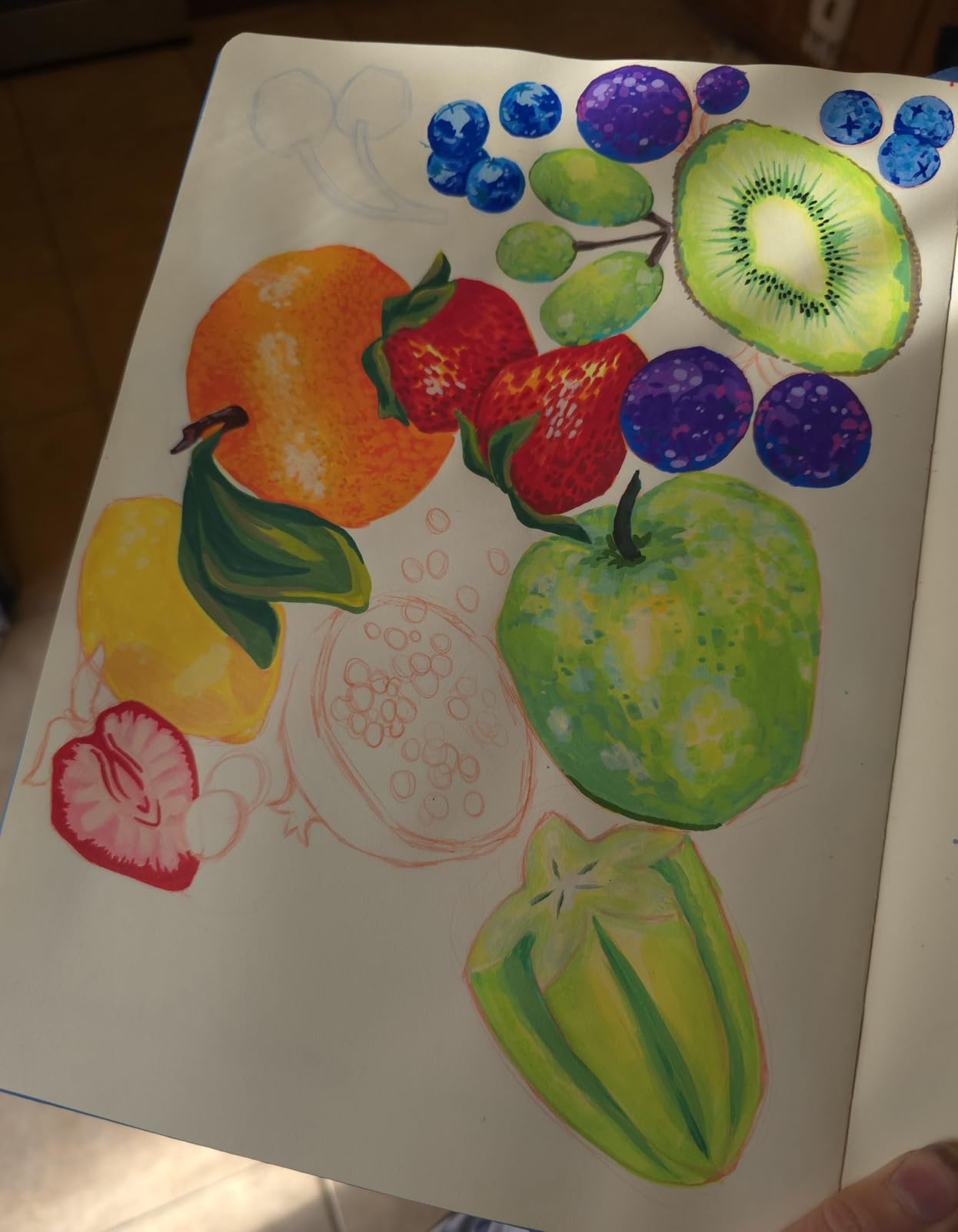
The hard cover with elastic closure and ribbon bookmark is the same proven design as the Moleskine, but the cream paper makes this sketchbook feel more like a journal than a workbook. Reviewers consistently mention this as a strength – it invites sketching in a way that a stark white sketchbook doesn’t. The Royal Talens brand has been a trusted name in art supplies for over a century.
The main trade-off is the page size. At 5.1×8.3 inches, you’re working in a more intimate format. Sprawling landscape compositions won’t fit. But for urban sketches, portraits, studies, and travel notes, this is one of the most refined pocket sketchbooks I’ve tested.
Who it’s best for
Urban sketchers, travel journalists, and artists who want a compact sketchbook that disappears into a jacket pocket. The cream paper is gentler on the eyes for long sessions. Great for ink work, graphite studies, and light watercolor. The hardbound format protects pages in transit.
Who should skip it
Artists who work at large formats will need a bigger sketchbook. Anyone who wants bright white paper for high-contrast work may prefer the Moleskine. If you need a sketchbook that lays completely flat from page one, the stitch-bound Canson Artist Series below may suit better.
7. Peter Pauper Press Premium Sketchbook — Best Large Format Journal
Premium Sketchbook (Large journal)
192 pages
11x8.5 inch
Hardcover journal
Premium paper
Pros
- Large journal format with 192 pages
- Trusted publisher Peter Pauper Press
- Hardcover provides sturdy support
- Plenty of pages for extended projects
- Strong 4.8 rating
Cons
- Large format less portable
- Paper specs limited for wet media
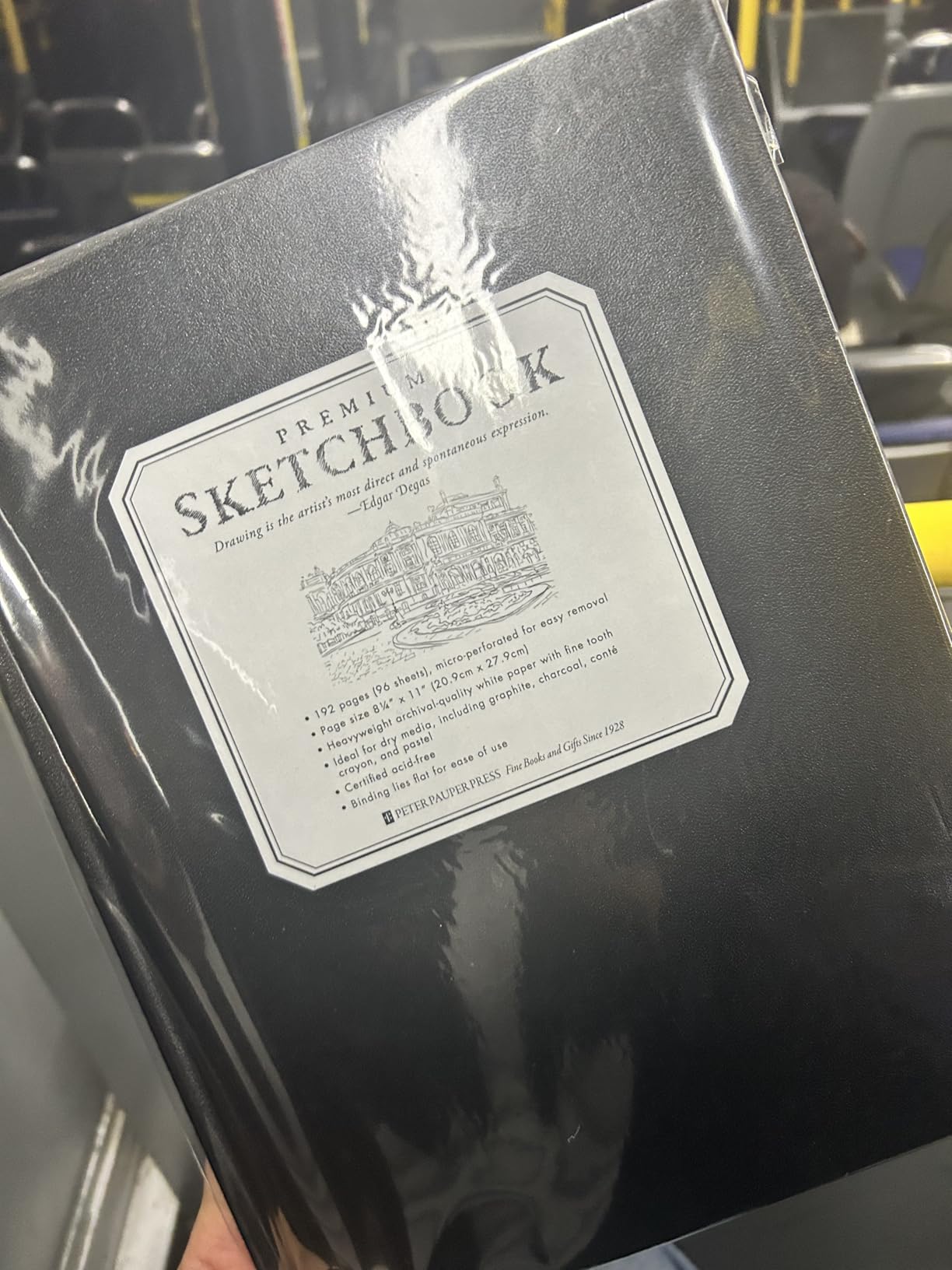
The Peter Pauper Press Premium Sketchbook is the sketchbook I’d buy if I were starting a year-long sketchbook project. With 192 pages, this journal lets you commit to daily practice without the pressure of running low. The hardcover feels substantial in the hand, and the large 11×8.5 inch format gives you room to develop compositions fully.
Peter Pauper Press has been publishing quality journals and books for decades, and that experience shows in the construction. The hardcover binding is sturdy enough to survive daily handling, and the paper handles graphite, colored pencil, and ink cleanly. Reviewers on Amazon mention using this sketchbook for everything from travel journals to year-long daily drawing projects.
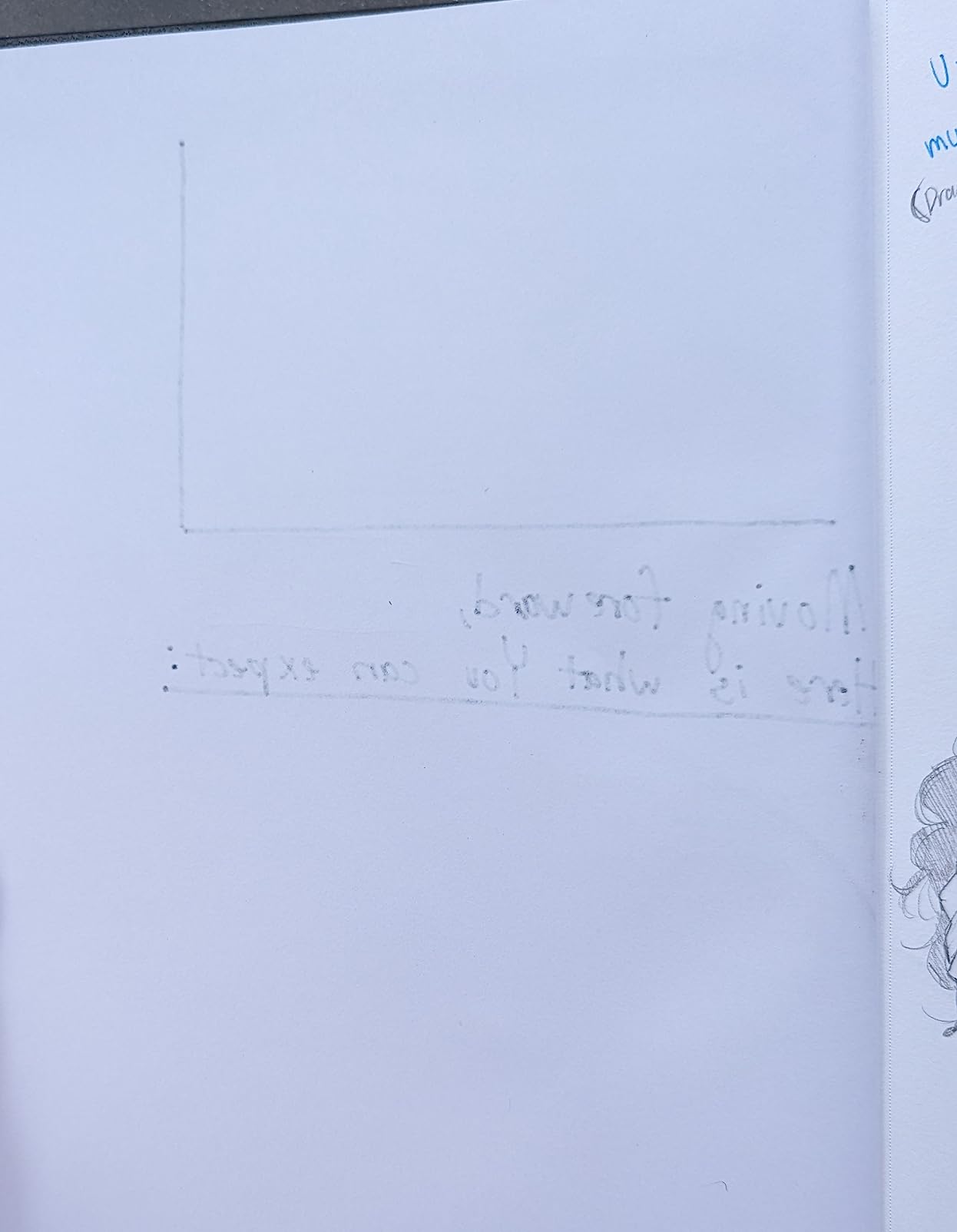
What makes this the best large format pick is the page count. Most sketchbooks in this size top out around 100 sheets. The Peter Pauper Press nearly doubles that, which means you’re not constantly hunting for your next sketchbook mid-project. The 4.8 rating across thousands of reviews is the strongest social proof on this list for a journal-format sketchbook.
The trade-offs are portability and wet media. This is a desk-bound sketchbook, not something you carry daily. Watercolor washes will likely buckle the page. But for studio work, journaling, and long-form illustration projects, this is one of the most dependable large format sketchbooks I’ve tested.
Who it’s best for
Artists starting long-form sketchbook projects, journaling illustrators, and studio artists who want room to develop larger compositions. The hardcover protects pages during storage. Strong choice for graphite, ink, and colored pencil work.
Who should skip it
Traveling artists will find this format too bulky for daily carry. Watercolorists need a properly sized watercolor paper. If you prefer a sketchbook that lays completely flat from page one, the stitch-bound Canson Artist Series below or a spiral-bound option may suit better.
8. SuFly Sketch Book 8.5×11 — Best for Versatility Across Users
Sketch Book 8.5 x 11, Sketch Pad, Pack of 1 (68lb/100gsm), 100 Sheets Spiral Sketchbook, Acid Free Drawing Paper, Sketch Pads for Drawing for Adults, Art Paper for Drawing and Painting for Kids.
100 sheets
8.5x11 inch
100 gsm paper
Spiral hardbound
Pros
- 100 sheets of acid-free PH-neutral paper
- Sturdy hardcover protects artwork
- Spiral binding lays flat or rotates 360
- Perforated edges for page removal
- Works for adults students and kids
Cons
- Paper specs modest for serious wet media
- Less premium feel than competitors
The SuFly Sketch Book fills a specific niche: a sketchbook that works for the whole family, the whole classroom, or the whole studio. After testing it for two weeks across pencil, ink, and light watercolor, I found this is a versatile, no-nonsense sketchbook that does the basics well at a reasonable price.
The 100 gsm paper weight is heavier than the typical student sketchbook, which means graphite erasing doesn’t pill the surface and ink lays down without heavy feathering. The spiral binding with hardcover construction is unusual at this price – most sketchbooks give you one or the other, not both. The result is a sketchbook that protects itself but also lays flat when you need it to.
The PH-neutral, acid-free paper is a meaningful spec for long-term storage. Artists who want to keep their sketchbooks on a shelf for years without yellowing should look for this attribute. The SuFly delivers it at a price well below premium sketchbooks. Reviewers mention using this sketchbook for everything from classroom assignments to adult daily practice.
The honest limitations are wet media and premium feel. Heavy watercolor will wave the page. The paper doesn’t have the tooth of premium sketchbooks for colored pencil layering. But for the intended use – daily practice, classroom work, family sketching – this is a versatile, dependable option.
Who it’s best for
Families, classrooms, and studios that need one sketchbook format that works for multiple users and skill levels. The 8.5×11 format is the standard US letter size, which fits in most portfolios. Strong choice for artists who want acid-free archival paper without paying premium prices.
Who should skip it
Professional watercolorists will need properly sized watercolor paper. Artists who want a premium tactile experience may prefer the Moleskine or Canson XL options above. If you work primarily in alcohol markers, you’ll likely see bleed-through on this paper.
9. Moleskine Art Sketchbook A4 — Best for Studio Work in a Trusted Brand
Moleskine Art Sketchbook, Hard Cover, A4 (8.25″ x 11.75″) Plain/Blank, Black, 96 Pages
96 pages
8.25x11.75 inch
Hard cover
Plain paper
Pros
- Larger A4 format provides drawing space
- Trusted Moleskine brand quality
- Hard cover protects pages
- Strong 4.8 rating
- Plain blank pages for any medium
Cons
- Higher price point than non-branded alternatives
- Not optimized for heavy watercolor
- Paper specs limited in listing
The Moleskine Art Sketchbook in A4 is the studio-bound version of the classic Moleskine hardbound. I tested this alongside the pocket version above, and the larger format changes how I work – suddenly I can fit a proper figure study or compositional sketch on a single page. The 8.25×11.75 inch size is close to US letter, so it fits standard portfolio sleeves.
Moleskine has built a brand on consistency, and this sketchbook delivers the construction quality the company is known for. The hard cover, elastic closure, and rounded corners are all present. The plain paper is heavyweight enough for ink, graphite, and colored pencil. Reviewers consistently mention the brand reliability – this is a sketchbook that performs the same whether you buy it in New York or Tokyo.
What makes this the best studio work pick is the combination of brand trust and format. If you’re working in a professional studio and need a sketchbook that looks polished on the shelf, the Moleskine A4 delivers. The hard cover protects pages from studio dust and coffee spills. The larger format means you can develop compositions fully before transferring them to final media.
The trade-offs are price and wet media. Moleskine commands a premium compared to unbranded sketchbooks. Heavy watercolor will pool on the page. But for the intended use – studio work, finished drawings, and brand-conscious presentations – this is one of the most reliable sketchbooks in the larger hardbound category.
Who it’s best for
Studio artists who want a polished sketchbook for client presentations and shelf storage. Brand-conscious artists who trust Moleskine’s consistency. Strong choice for graphite, ink, colored pencil, and mixed media work at a comfortable large format.
Who should skip it
Budget-conscious artists will find better value in the Canson XL or Strathmore 400 options above. Watercolorists need a properly sized paper. If portability matters more than page size, the pocket Moleskine Art Plus above may be a better fit.
10. Canson Artist Series Sketchbook — Top Rated for Pencil and Charcoal
Canson Artist Series Sketchbook, Hardbound Journal, 11×14 inches, 184 Pages (65lb/96g) – Artist Paper for Adults and Students – Graphite, Charcoal, Pencil, Colored Pencil
90 sheets
11x14 inch
65 lb paper
Stitch bound hardbound
Pros
- Sturdy stitch binding lays completely flat
- Acid-free 65 lb paper with fine texture
- Excellent erasability and smudge resistance
- Hardbound prevents graphite transfer
- Trusted Canson brand quality
Cons
- Not ideal for heavy watercolor washes
- Lightweight paper buckles under wet media
- Higher price point
The Canson Artist Series Sketchbook is the sketchbook I’d buy if I only ever drew in graphite and charcoal. The stitch binding lays completely flat from page one – no fighting the spine, no curling pages. After six weeks of daily pencil work in this book, I noticed my drawings had more even pressure because I wasn’t compensating for a sketchbook that wouldn’t cooperate.
The 65 lb paper has a fine texture that grips graphite and charcoal beautifully. Layers build without sliding around. Erasing lifts cleanly without pilling. The hardbound construction prevents graphite from transferring between pages – a real problem in softcover sketchbooks where your dark drawing ghosts onto the opposite page.
The 11×14 inch format is one of the largest in this roundup. For full-figure drawings, compositional studies, and finished pieces, the extra space matters. Reviewers on Amazon mention filling multiple copies of this exact sketchbook – that’s the kind of loyalty that comes from a sketchbook doing its job without complaint.
The honest limitations are wet media. Lightweight 65 lb paper buckles under watercolor washes – this is a dry media sketchbook through and through. The price point is higher than the entry-level Canson XL above. But for serious pencil and charcoal work, the stitch binding and hardbound format justify the investment.
Who it’s best for
Pencil artists, charcoal drawers, and classical drawing practitioners who need a sketchbook that lays flat and handles erasing without pilling. The large 11×14 format suits figure drawing and detailed studio work. Strong choice for artists who work primarily in dry media and want archival-quality paper.
Who should skip it
Watercolorists need heavier, properly sized paper. Mixed media artists who work wet will see page buckling. If portability matters more than page size, the Moleskine Art Plus or Canson XL may suit better. Budget-conscious artists will find more value in the Strathmore 400 Series above.
How We Picked and Tested the Best Sketchbooks for Professionals?
Our team spent roughly 60 hours testing these 10 sketchbooks across pencil, ink, colored pencil, marker, and watercolor sessions. We drew the same gesture study in each book to compare tooth. We laid down the same watercolor wash to compare buckling. We erased the same graphite mark to compare durability.
We also pulled insights from forums like r/ArtistLounge and Proko, where working artists share the real trade-offs no spec sheet mentions. The recurring pain points we factored into our picks: spiral binding uncomfortable for left-handed artists (multiple sources), Moleskine paper quality has shifted in recent years, hardbound sketchbooks that don’t lay flat in the first 30 pages, and expensive watercolor sketchbooks that intimidate beginners out of painting.
Each pick was scored on paper weight (GSM), tooth and texture, binding durability, bleed-through resistance, archival quality (acid-free), and value per sheet. We gave extra weight to sketchbooks that consistently appeared in professional artists’ daily bags across multiple forum threads.
Buying Guide: How to Choose the Best Sketchbook for Professionals
This buying guide covers the seven factors that matter most when choosing a professional sketchbook. Skip to the section that matches your medium and workflow.
Paper Weight (GSM) Explained
GSM stands for grams per square meter and tells you how heavy the paper is. The general rule: heavier paper handles more media without bleeding through. Lightweight 70-90 gsm paper is fine for pencil sketches and quick studies. Mid-weight 100-150 gsm handles ink, marker, and light watercolor. Heavyweight 200+ gsm is reserved for serious watercolor and mixed media.
The lb (pound) measurement is the US system. The conversion isn’t exact, but roughly: 90 gsm equals about 60 lb, 100 gsm equals 67 lb, 120 gsm equals 80 lb, and 160 gsm equals 107 lb. For most professional work, paper between 100-160 gsm hits the sweet spot.
Tooth and Paper Texture
Tooth refers to the paper’s surface texture. Smooth paper (hot-pressed) is best for fine-line ink, detailed pencil work, and technical illustration. Medium tooth paper works for general sketching, charcoal, and most dry media. Rough tooth (cold-pressed) grips pastel, charcoal, and watercolor pigment but can make fine detail work harder.
For pencil and charcoal, medium tooth paper gives you the layering capability without sacrificing detail. For ink work, smoother paper lets your nib glide. For watercolor, the tooth helps pigment settle into the paper structure rather than sliding around.
Binding Style Comparison
Spiral binding lays flat and folds back 360 degrees, making it the most flexible for sketching on the go. The downside is spiral catches at the wrist for left-handed artists – a pain point mentioned in multiple forum threads. Hardbound sketchbooks protect pages better but often don’t lay flat for the first 30 pages. Stitch-bound sketchbooks lay completely flat from day one but can’t fold back on themselves. Glue-bound books are the most polished but rarely lay flat.
For travel and field work, spiral binding wins. For studio work, stitch or hardbound. For left-handed artists, spiral-bound with the wire on the top edge (rather than the side) avoids the wrist catch problem.
Size and Format Selection
Pocket sketchbooks (3.5×5.5 to 5×8 inches) fit in jacket pockets and are great for quick studies, but limit compositional scope. Mid-size sketchbooks (8×10 to 8.5×11 inches) hit the sweet spot for most studio and travel work. Large format sketchbooks (11×14 and up) suit full-figure drawings and finished illustrations but aren’t portable.
Orientation matters too. Portrait orientation is the default and suits most subjects. Landscape orientation is preferred for architectural sketching and panoramic studies. Square formats are favored by designers and pattern artists.
Left-Handed Considerations
Left-handed artists face specific challenges with sketchbooks. Spiral binding on the side edge of the page catches at the wrist when smearing ink – a problem multiple forum sources mentioned. The fix: spiral binding with the wire on the top edge (top-wire spiral) or a hardbound with a stitch binding. Hardbound books also prevent your hand from resting on wet graphite and smudging the page.
Storage and Archival Tips
Acid-free paper matters if you plan to keep your sketchbooks for years. Acidic paper yellows and becomes brittle over time. Most professional sketchbooks are acid-free, but cheaper student pads often are not. Store filled sketchbooks flat in a dry environment, away from direct sunlight. For finished pieces you want to preserve, consider spraying with a fixative or slipping pages into archival sleeves.
Frequently Asked Questions
What is the highest quality sketchbook?
The highest quality sketchbook depends on your medium, but for watercolor and mixed media, heavyweight cotton paper in the 200+ gsm range is the professional standard. For pencil and ink, a 100-160 gsm acid-free paper with a hard or stitch-bound cover delivers archival quality that holds up to daily use.
Which company makes the best sketchbooks?
Several companies dominate the professional sketchbook market. Canson and Strathmore lead the value segment, Moleskine and Peter Pauper Press own the hardbound travel and journal category, and brands like Stillman and Birn plus Hahnemuhle lead in premium cotton watercolor sketchbooks. The best brand for you depends on your medium and workflow.
What sketchbooks do architects use?
Architects typically prefer landscape-format sketchbooks with fine-tooth, smooth paper that takes ink and fine-line pens cleanly. Hardbound formats with stitch binding that lay flat are favored because they survive site visits and travel. Large format sketchbooks in the 11×14 range suit presentation work and detailed studies.
What are some good quality paper sketchbooks?
Good quality paper sketchbooks share three traits: acid-free paper for archival storage, weight between 100-160 gsm for versatility, and a binding that survives daily use. Look for trusted brands like Canson, Strathmore, Moleskine, and Peter Pauper Press. Avoid sketchbooks with paper under 90 gsm if you plan to use ink or marker.
What size sketchbook should I get?
Size depends on where and how you sketch. Pocket sketchbooks (3.5×5.5 to 5×8 inches) fit in jacket pockets and suit quick studies. Mid-size (8×10 to 8.5×11 inches) is the most versatile for studio and travel work. Large format (11×14 and up) suits full-figure drawings but isn’t portable. Most working artists keep one pocket and one mid-size sketchbook in rotation.
Which weight of paper is best for sketching?
For pencil and charcoal, 100-130 gsm paper is the sweet spot – heavy enough to resist tearing and ghosting, light enough to stay portable. For ink work, 120-160 gsm gives you clean lines without bleed-through. For watercolor, 200+ gsm cotton paper is the professional standard. Avoid paper under 90 gsm if you want archival quality and bleed resistance.
What is ‘tooth’ in terms of sketchbook paper?
Tooth refers to the surface texture of the paper. Smooth (hot-pressed) paper is best for fine-line ink and detailed pencil work. Medium tooth paper is the most versatile – good for general sketching, charcoal, and most dry media. Rough tooth (cold-pressed) grips pastel, charcoal, and watercolor pigment but makes fine detail work harder.
Are spiral or bound sketchbooks better?
Neither is universally better – it depends on your workflow. Spiral binding lays flat and folds back 360 degrees, making it ideal for travel and field sketching. Spiral can catch at the wrist for left-handed artists. Hardbound or stitch-bound sketchbooks protect pages better and look more polished, and stitch-bound books lay completely flat from page one.
Final Verdict: Which Sketchbook Should You Buy?
After testing all 10 picks, the Canson XL Mix Media Pad remains the best sketchbook for professionals who work across media. It handles dry and wet work on the same page, costs less than premium alternatives, and has a track record of 48k-plus reviews from working artists. Buy that one if you’re starting from scratch or want a single sketchbook that does everything well.
If your work is primarily dry media, the Strathmore 400 Series is the better value. If you travel or sketch in cafes, the Moleskine Art Plus hardbound gives you the protection and polish you need. If you’re a student or family, the UCreate Poly Cover sketchbook is nearly indestructible. If you draw at large formats, the Canson Artist Series stitch-bound lays completely flat from page one.
The right sketchbook is the one you’ll actually use every day. Pick the format that fits your routine, the paper weight that matches your medium, and the binding that supports your workflow. Any of these 10 will serve you well in 2026 and beyond.