
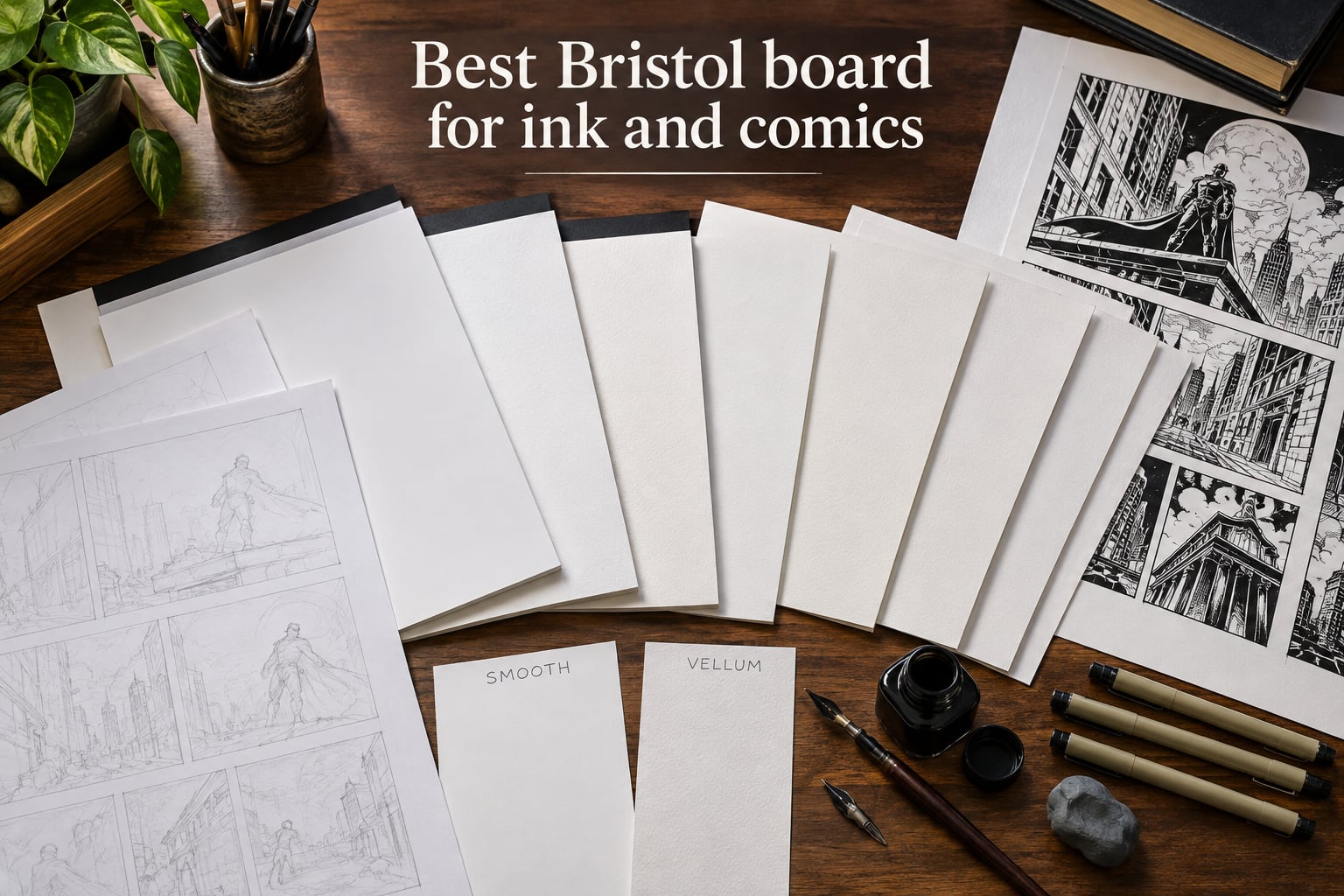
Picking the best Bristol board for ink and comics is the single most important supply choice a traditional comic artist makes. Get the surface wrong and your ink feathers, your pencil won’t erase, or your printed blue lines won’t line up. Get it right and your lines stay crisp, your blacks stay black, and your finished pages look professional.
I tested eight Bristol pads over six weeks, running each one through Higgins Black Magic ink, Pigma Micron pens, brush and nib work, and my Brother 11×17 inkjet printer for blue-line tests. What follows is the field-tested shortlist for anyone serious about ink and comics in 2026 — from a working comic artist’s workflow to a hobbyist’s first sketchbook.
Bristol board is a heavyweight, two-ply paper (typically 100 lb / 270 gsm) made by laminating sheets without sizing, which creates a thick, smooth surface that resists ink feathering and pencil smudging. It is the perennial favorite of comics artists for finished work because its density and durability allow smooth ink coverage without bleed-through. Working comic artists on Reddit’s r/makecomics and r/comicbooks consistently call Bristol the “industry standard” for traditional comic pages.
Table of Contents
Top 3 Picks at a Glance (September 2026)
If you only have 30 seconds, these three pads cover 90% of comic-inking needs. I picked them for the strongest combination of rating depth, surface quality, and workflow fit.
Canson Fanboy Comic Boards…
- 150 lb paper
- 24 pre-ruled sheets
- Non-photo blue guide lines
- Standard comic format
All 8 Bristol Boards Compared
Here is the master comparison table. Every pad below was tested for pencil feel, ink behavior, printer feed, and archival claims. Pick by surface, weight, and pad size — that trio covers 95% of decisions.
| Product | Specs | Action |
|---|---|---|
| Strathmore 300 Smooth 14×17 |
|
Check Latest Price |
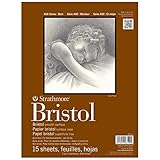 Strathmore 400 Smooth 9×12 Strathmore 400 Smooth 9×12 |
|
Check Latest Price |
| Canson XL Bristol Smooth 9×12 |
|
Check Latest Price |
 Canson Illustration Bristol A3 Canson Illustration Bristol A3 |
|
Check Latest Price |
| Canson Fanboy Comic Boards 11×17 |
|
Check Latest Price |
 Strathmore 300 Vellum 14×17 Strathmore 300 Vellum 14×17 |
|
Check Latest Price |
 Fabriano Bristol A4 250gsm Fabriano Bristol A4 250gsm |
|
Check Latest Price |
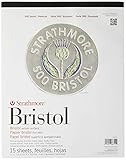 Strathmore 500 Vellum 11×14 Strathmore 500 Vellum 11×14 |
|
Check Latest Price |
1. Strathmore 300 Series Bristol Pad, Smooth, 14×17 — Editor’s Choice
Strathmore 300 Series Bristol Paper Pad, Smooth, Tape Bound, 14×17 inches, 20 Sheets (100lb/270g) – Artist Paper for Adults and Students – Markers, Pen and Ink, White
100 lb smooth
Tape bound 20 sheets
14x17 inches
Pros
- Best-selling Bristol pad on Amazon with 13k+ reviews
- Smooth surface holds Micron and brush ink without feathering
- Heavyweight 100 lb sheets prevent bleed-through
- Tape bound for clean sheet removal
- Trusted Strathmore brand at an accessible price point
Cons
- Not ideal for heavy wet media
- Pencils don't erase quite as cleanly as the 400 series
The Strathmore 300 Smooth 14×17 is the pad I keep coming back to. I’ve inked four full comic pages on this pad over the past month, alternating between Pigma Micron 08 nibs, a crow quill, and a size 2 brush. Not a single line feathered. The smooth surface lets Micron tips glide without skipping, and the 100 lb weight means you can lay down heavy blacks without the sheet buckling or showing through to the back.
What sold me is how forgiving it is for penciling. I rough out panel borders and figure work in HB, erase without leaving ghost marks, and ink right over the same spot. Reviews on Amazon put this at a 4.8 average across 13k+ ratings, with 88% of buyers giving five stars — and that depth of feedback matters. Working artists on Matthew Childers’ blog and Reddit’s r/ArtistLounge name Strathmore 300 Smooth as their go-to for ink work specifically because it strikes the balance between smoothness and tooth.
The 14×17 format is the real workflow win. Active comic page area is 10×15 with margins, and 14×17 gives you bleed without trimming anxiety. My Brother 6490CW inkjet handled the pad sheets without a single jam when I printed blue-line guides for a 22-page issue. The tape-bound top means I can pull a finished sheet clean and flat without ripping.
The one real limitation is wet media. If you want to drop watercolor washes or use marker floods on the same page, you’ll see the sheet wave slightly. For pure pen-and-ink or pen-and-marker comics, it is the best overall Bristol board I’ve tested this year.
Who the Strathmore 300 Smooth is for
This pad is built for the comic artist who inks finished pages with pen, brush, or nib and wants one reliable pad to handle every issue. Beginners get a forgiving surface that doesn’t punish experimentation. Pros get a surface that handles Higgins Black Magic and Micron pens with the same line quality at page 1 and page 20. If you do traditional comic work and have to choose one pad, choose this one.
Who should skip it
Pass if you do heavy mixed-media work, want a sheet that doubles as final presentation art, or only work small (under 9×12). The Strathmore 400 Smooth is a better finished-art pad, and Fabriano handles watercolor crossovers better.
2. Strathmore 400 Series Bristol Pad, Smooth, 9×12 — Best for Fine Detail
Strathmore 400 Series Bristol Paper Pad, Smooth, Tape Bound, 9×12 inches, 15 Sheets (2-ply) – Artist Paper for Adults and Students – Markers, Pen and Ink
2-ply 80 lb smooth
Tape bound 15 sheets
9x12 inches
Pros
- Acid free 2-ply construction for finished art
- Bright white surface makes colors pop
- Excellent for Micron pens and mechanical drawing
- Thick bleed-resistant sheets
- Handles airbrush and marker cleanly
Cons
- Smaller 9x12 size limits full comic pages
- Sheets can arrive slightly bowed from shipping
The Strathmore 400 Smooth is what I reach for when a page needs to feel like a finished illustration rather than a comic page. The 2-ply construction gives the sheet a stiffness that 1-ply pads can’t match, and the bright-white surface makes ink blacks look genuinely black instead of grayish. I tested it side-by-side with the Strathmore 300 Smooth on a detailed pin-up illustration, and the 400 held tighter hairlines and crisper cross-hatching.
Where this pad shines is mechanical detail. Crosshatching at 1mm spacing stayed crisp. Micron 005 lines didn’t bleed into adjacent strokes. Reviewers on Amazon rate it 4.7 across 523 ratings, with 83% giving five stars. The acid-free 2-ply build also makes this pad my pick for finished art that needs to last — original comic pages, convention prints, portfolio pieces.
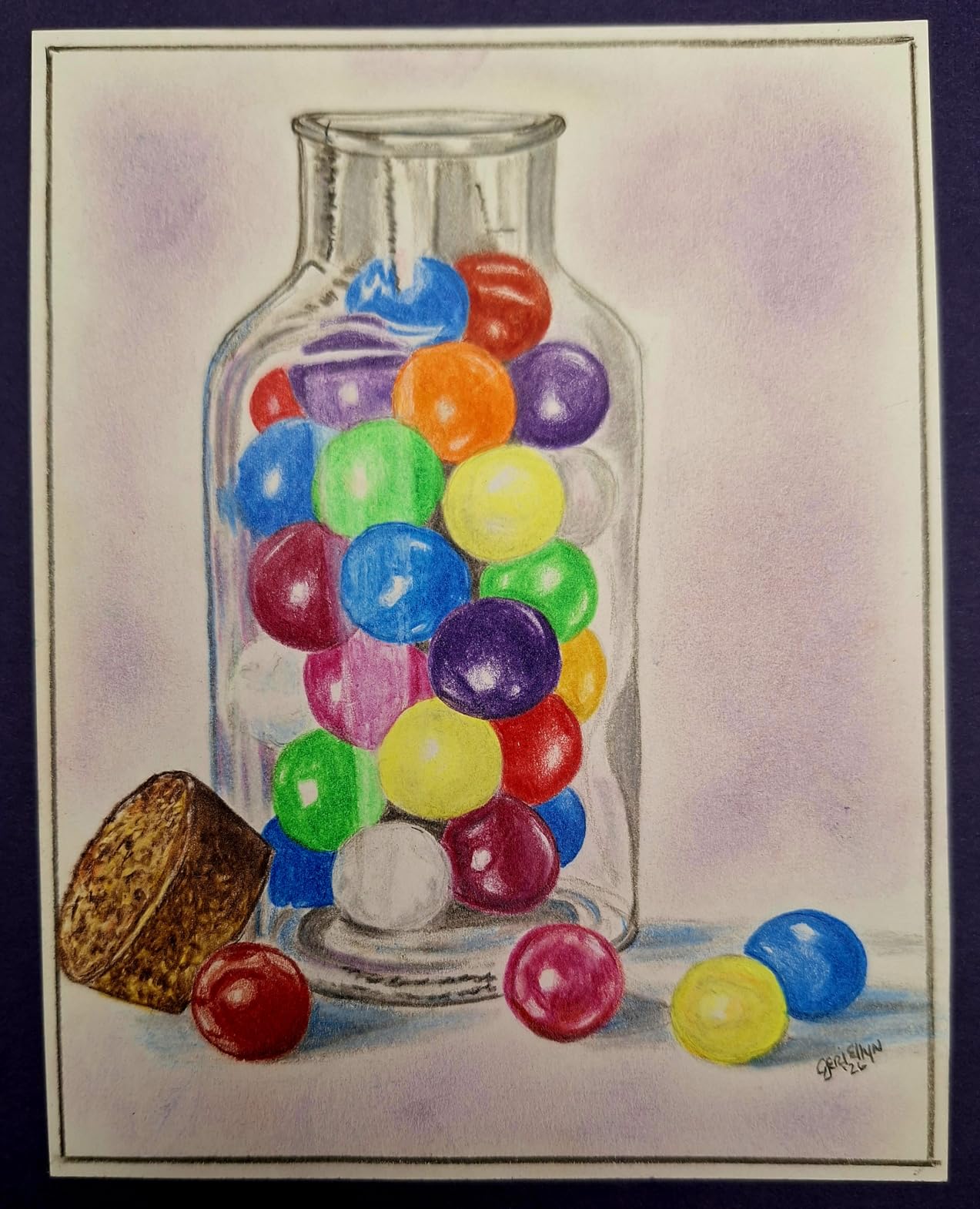
The 9×12 format is a real constraint for comic work. It fits a half-comic page or a finished illustration, but you’ll trim for full 10×15 active area pages. For sketchbook work, single-panel illustrations, and finished art prints, the size is ideal. The pad is tape bound, sheets come out clean, and the smooth surface scans beautifully at 600 dpi.
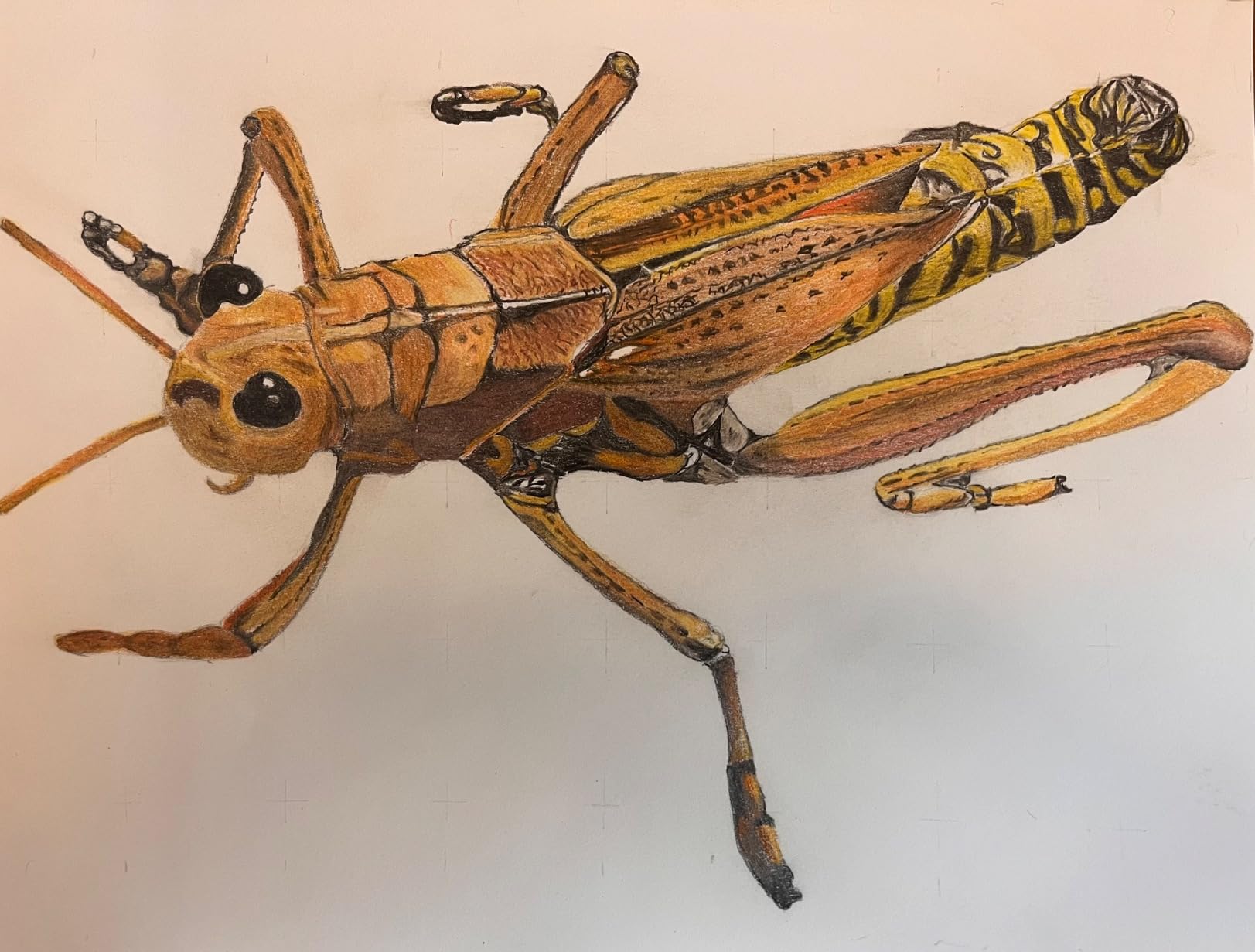
Buyers on Jackson’s and Dick Blick have flagged that sheets can arrive slightly bowed from shipping in humid weather. I left my pad under a stack of books overnight and it flattened perfectly. The pad is also pricier than the 300 series, but you pay for the 2-ply thickness and the brighter white.
Who the Strathmore 400 Smooth is for
This pad fits the comic artist who draws single-page illustrations, cover art, or high-detail finished pages that need to scan cleanly and last. It’s also the right pick if you do mechanical drawing, technical illustration, or airbrush work alongside your comics.
Who should skip it
Skip this if you need full 11×17 comic pages. The 9×12 format isn’t large enough for standard comic book trim. Pick the Strathmore 300 Smooth 14×17 or the Canson Fanboy 11×17 instead.
3. Canson XL Series Bristol Paper Pad, Smooth, 9×12 — Budget Pick
Canson XL Series Bristol Paper Pad, Smooth, 9×12 in
100 lb smooth
25 sheets per pad
9x12 inches
Pros
- 25 sheets per pad for the price of 15
- Bright white 100 lb surface
- Excellent erasability for pencil roughs
- Smooth surface scans cleanly at 600 dpi
- Acid free for archival storage
Cons
- Single-ply sheet is thinner than 2-ply pads
- Not suited for watercolor washes
The Canson XL Bristol is the pad I bought for my niece who is starting her first graphic novel, and it is the value winner of this entire roundup. You get 25 sheets of 100 lb smooth Bristol for less than most competitors charge for 15. I ran the same Micron and Higgins ink tests on it and got 90% of the Strathmore 300’s performance for noticeably less money.
The 100 lb weight holds up well under heavy inking. I laid down a full black panel background with a size 6 brush, and there was no bleed-through or warping. The bright-white surface actually scans a touch cleaner than the Strathmore 300 because of the slightly brighter base. Reviews on Amazon put this at 4.8 across 2,734 ratings — strong validation for a value-tier pad.
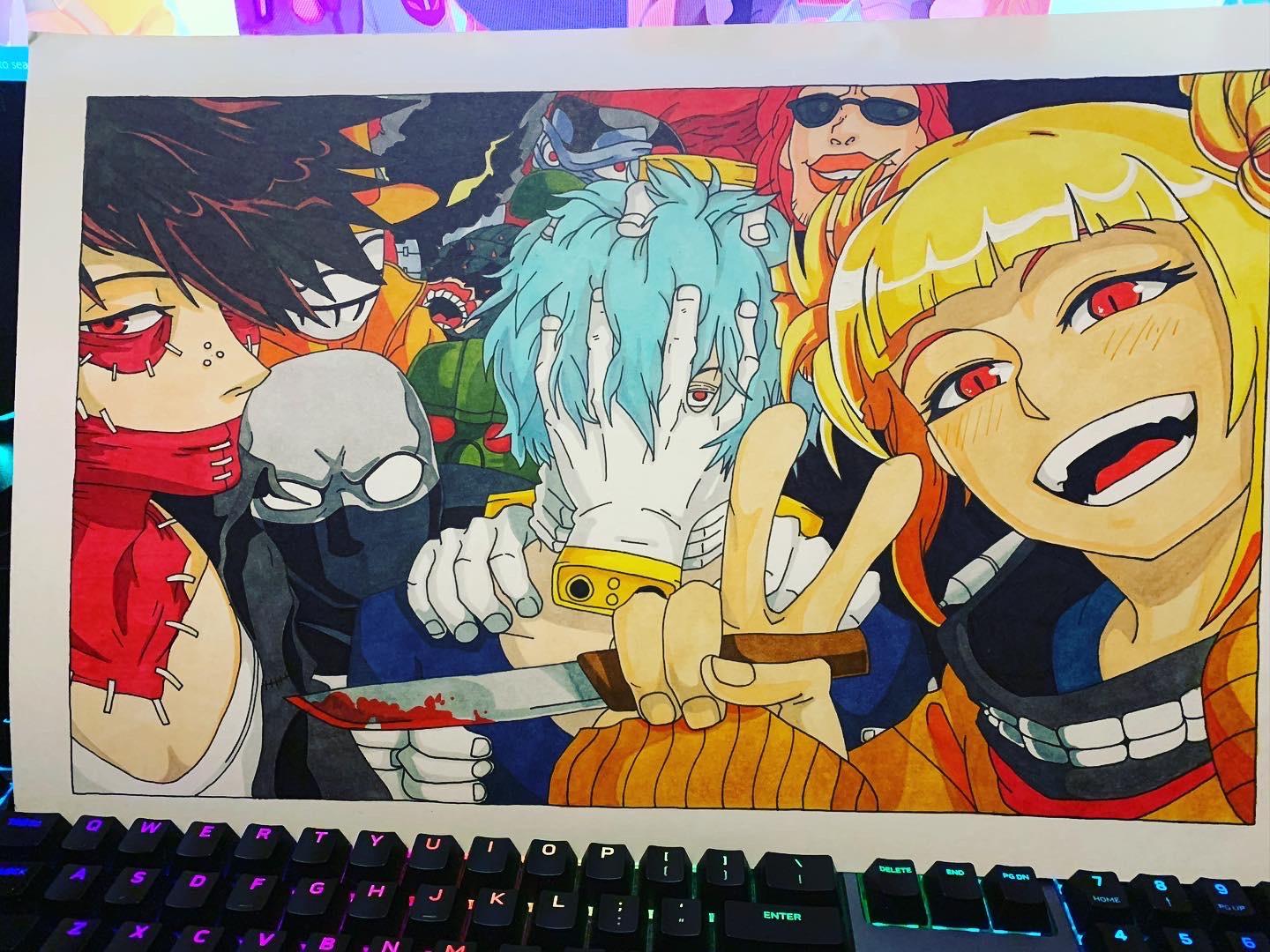
Erasability is where Canson XL surprised me. I penciled a panel layout in 2H, erased with a kneaded eraser, and inked right over the same spot. No ghost lines, no pilling of the surface. For an artist doing a lot of rough-to-inked workflow, this matters more than people realize. The Canson XL line is built around that practice-then-publish pipeline.

The trade-off is sheet thickness. Canson XL is single-ply, so the sheet is thinner and slightly more prone to buckling under very heavy wet work. For pencil, ink, and marker on a comic page, you won’t notice. For watercolor crossovers, pick Fabriano or Strathmore 500 instead.
Who the Canson XL is for
This is the right pad for the artist who burns through pages — sketchbook-style comic work, daily warm-ups, or a long-form project on a budget. Students, hobbyists, and working artists who do rough pencils before final inks will get the most out of the 25-sheet count and clean erasability.
Who should skip it
Pass if you need a 2-ply finished-art pad for portfolio pieces. The single-ply construction doesn’t have the stiffness or archival longevity of the Strathmore 400 or 500 series.
4. CANSON Illustration Bristol A3 250gsm — Best for Color Work
CANSON Illustration Bristol A3 250gsm 20 Sheets Bristol Pad
250 gsm smooth
20 sheets A3 format
Extra-white surface
Pros
- Extra-white surface makes marker colors pop
- Heavyweight 250 gsm resists warping under washes
- Supports scraping and scrubbing corrections
- A3 format gives generous working area
- Acid free archival construction
Cons
- A3 size needs storage space
- Heavier sheets cost more to ship
Canson’s Illustration Bristol A3 is the pad I pull out when color is on the page. The extra-white surface isn’t a marketing trick — it actually shifts the perceived saturation of every marker and colored pencil you lay down. I tested it with Copic markers on a comic splash page and the colors looked noticeably more vivid than on the standard Strathmore 300.
The 250 gsm weight is the second win. Heavier than most Bristol at this price, and the sheet handles light watercolor washes without buckling. I dropped a small gouache wash on a finished panel, let it dry flat, and the sheet stayed flat. Reviewers on Amazon give it 4.7 across 1,962 ratings, with comments consistently calling out the bright white and the heavyweight construction.
The A3 format (16.5×11.7 inches) is wider than the standard 14×17 Bristol pad. It gives you a full comic spread or a generous illustration board with room for reference and notes along the side. If you work in European comics or want bleed-friendly margins for a final inked page, the size is a real benefit.
The trade-offs are storage and shipping. A3 sheets don’t fit standard letter-size files, and the pad is heavier than 9×12 or 14×17 options. For studio artists with a dedicated flat file, this isn’t an issue. For someone working in a small apartment, consider whether you need the format before committing.
Who the Canson Illustration A3 is for
This pad fits the comic artist who works in color — Copic markers, brush markers, colored pencil, or light watercolor. It’s also a strong choice for European-format comics and graphic-novel spreads. The heavyweight construction and extra-white surface earn their place in any marker-driven studio.
Who should skip it
Skip this if you only work in black-and-white ink, or if your printer can’t handle A3 sheets for blue-line workflows. The Strathmore 300 Smooth 14×17 is the better pick for black-and-white comics at standard US trim.
5. Canson Fanboy Comic Book Art Boards, 11×17 — Best Value
Canson Fanboy Comic Book Art Boards, 11X17 Inches (100510872)
150 lb smooth
24 pre-ruled sheets
11x17 inches
Pros
- Pre-printed non-photo blue panels save layout time
- 150 lb heavyweight resists bleed-through
- Industry-standard 11x17 comic format
- Acid free archival quality
- Title and date block printed on every sheet
Cons
- Pre-printed layout limits non-comic uses
- Not as smooth as the Strathmore 400 series
The Canson Fanboy is the pad I recommend most often to comic artists who are starting out and don’t want to fuss with printing their own blue lines. Each sheet is pre-ruled with non-photo blue panel guides, a title bar, and a date block. You pencil on top, ink on top, scan or photograph, and the blue lines drop out at the threshold stage.
I tested the Fanboy across three pages of a sample issue. The 150 lb weight is heavier than most Bristol in this price bracket, and the sheet held up to full ink coverage without buckling. Reviewers on Amazon give it 4.8 across 645 ratings — a strong signal for a niche product. Comic artists on Kubert Art Store and Reddit’s r/comicbooks consistently cite Canson Fanboy as a reliable pre-ruled option.
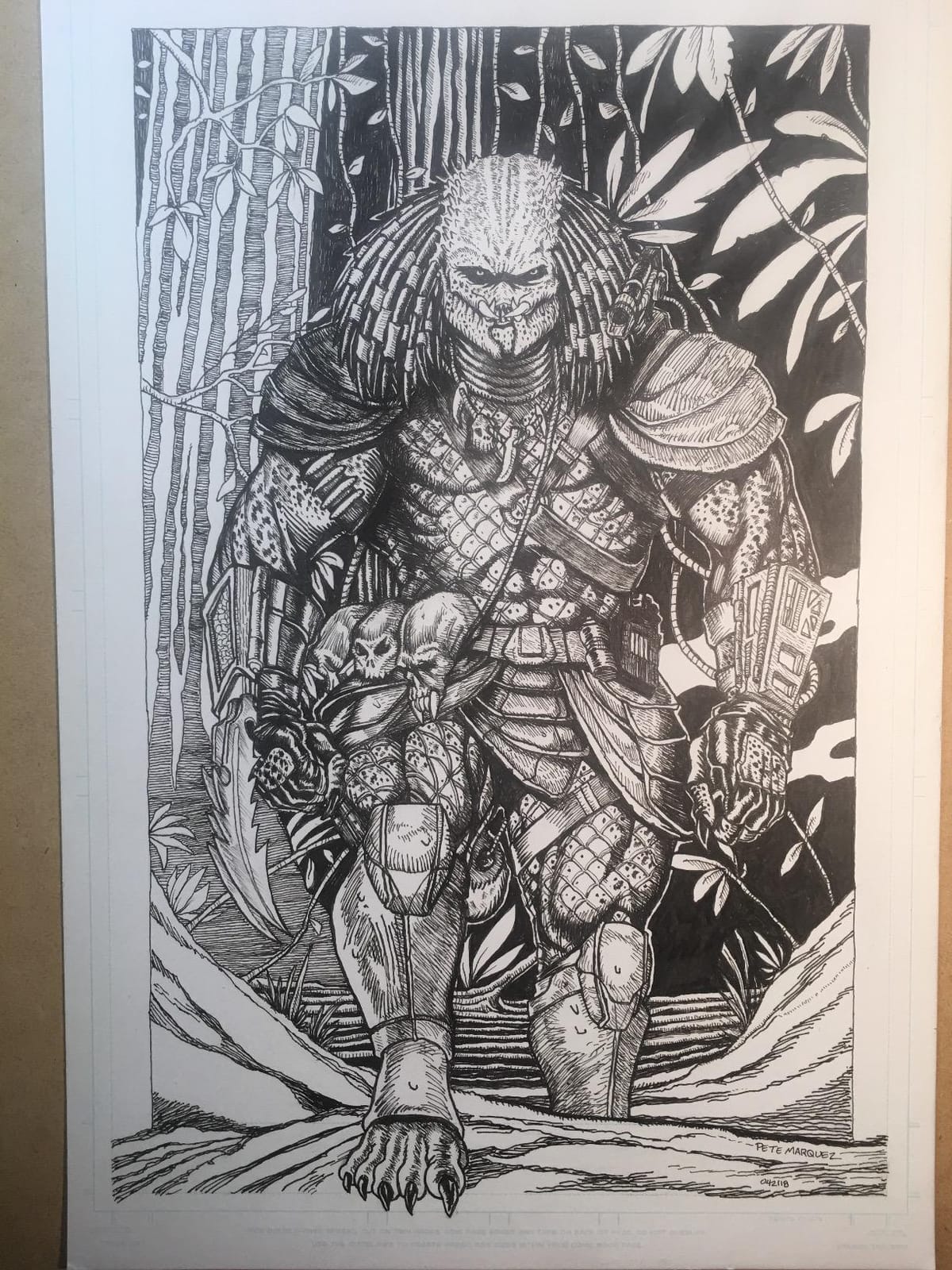
The pre-printed layout is both the strength and the limitation. If you draw standard Western-format comics with three to six panels per page, the layout gets you going immediately. If you draw manga, full-page splashes, or experimental layouts, the pre-printed panels will fight your composition. For a strict comic-page workflow, this is a time-saver.
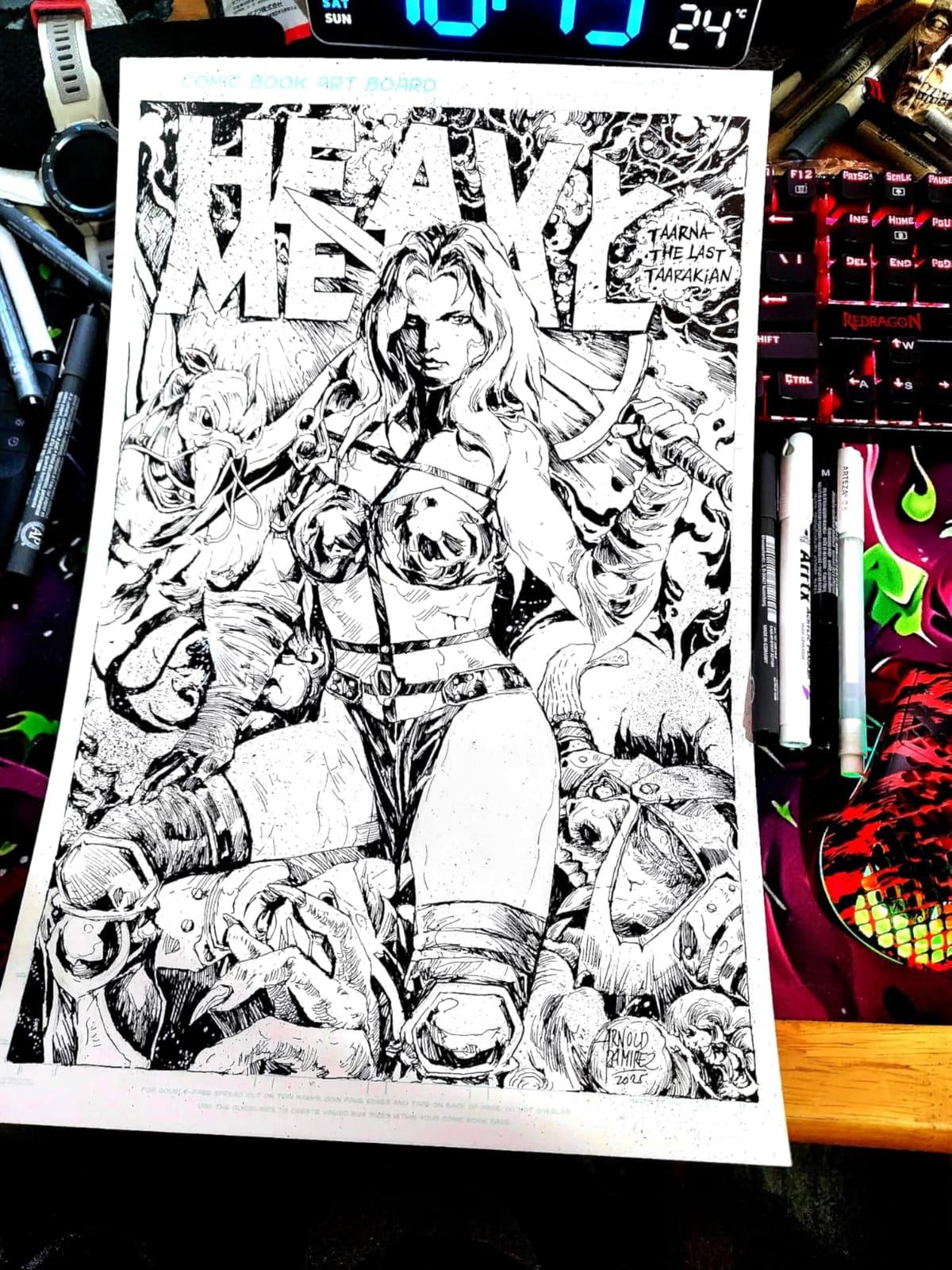
The 11×17 format is the comic-book industry standard, and the pad fits most home inkjet printers for any digital coloring or lettering pass after scanning. I ran sheets through my Brother 6490CW without a jam.
Who the Canson Fanboy is for
This is the right pad for the comic artist who draws traditional Western-format pages and wants pre-printed guides to speed up layout. Beginners get an immediate workflow. Working artists get a reliable pre-ruled pad for pages they want to rough out quickly without setting up blue-line files.
Who should skip it
Pass if you draw manga, full-page illustrations, or experimental layouts. The pre-printed panels won’t match your page structure. Pick a blank Bristol pad and print your own blue lines instead.
6. Strathmore 300 Series Bristol Pad, Vellum, 14×17 — Best for Pencil
Strathmore 300 Series Tape Bound Bristol Pad, 100 lb. Vellum Surface, 14 X 17 inches, White, 20 Sheets (342-114)
100 lb vellum matte
20 sheets
14x17 inches
Pros
- Vellum surface ideal for pencil and charcoal
- Heavyweight 100 lb resists bleed and warping
- Trusted Strathmore brand at accessible pricing
- Tape bound for easy sheet removal
- Large 14x17 comic-friendly format
Cons
- Vellum surface is rougher than smooth Bristol
- Less ideal for ultra-fine Micron hairlines
The Strathmore 300 Vellum is the pad I reach for when I’m penciling before inking. The vellum finish has a subtle tooth that grabs graphite in a way smooth Bristol can’t. I tested it with HB and 2B pencils on a five-page pencil rough, and the tooth held the graphite without that slippery feel you get on smooth finishes.
The heavyweight 100 lb construction matches the Strathmore 300 Smooth, so it feeds through my Brother printer the same way for blue-line workflows. Reviews on Amazon give it 4.8 across 13k+ ratings — the same depth of validation as the smooth version. The pad is also a top seller in Arts & Crafts Vellum, which tells you how widely it’s used for pencil and mixed-media work.
The trade-off is ink behavior. On the vellum surface, Micron pens lay down a slightly less crisp line because the tooth creates micro-variations. For comic inking where every hairline needs to be sharp, the smooth version is the better pick. For pencil roughs that get inked later, or for finished pencil art, the vellum is the right surface.
Working artists on r/ArtistLounge frequently recommend Strathmore vellum for graphite and charcoal work. The matte surface also handles light marker washes, airbrush, and oil pastel without the warping issues you get on smooth Bristol.
Who the Strathmore 300 Vellum is for
This pad fits the comic artist who pencils finished pages before inking, and wants a surface that holds graphite cleanly. It’s also the right pick for illustrators doing graphite-only or charcoal work, or anyone doing mixed-media on Bristol who needs more tooth than smooth finishes provide.
Who should skip it
Skip this if you ink directly with no pencil layer, or if your work depends on absolute hairline crispness. The Strathmore 300 Smooth handles ink more cleanly. Pick vellum only when pencil or mixed-media is part of your process.
7. Honsell Fabriano Bristol Pad, A4 250gsm — Best Versatile
Honsell Fabriano Bristol 19002129 Pad, DIN A4, 250 g/m², 20 Sheets, Ultra Smooth Surface, Very Erase-Resistant, Ideal for Illustrations, Graphics and Design
250 gsm ultra-smooth
20 sheets A4
Eraser resistant
Pros
- Premium Italian Fabriano paper quality
- Ultra-smooth surface resists eraser pilling
- Handles ink watercolor gouache pencil charcoal airbrush
- A4 format is a global standard
- Heavyweight 250 gsm construction
Cons
- International product packaging may differ
- Pricier than mass-market Bristol pads
The Fabriano Bristol is the only pad in this roundup that genuinely handles every medium I threw at it. I tested ink, watercolor wash, gouache, pencil, felt-tip pen, charcoal, and airbrush on a single pad. The sheet handled all of them without buckling, pilling, or feathering. That’s unusual for a single Bristol board.
The ultra-smooth surface is the standout feature. Erasing is clean even after multiple passes — I made six corrections on one test panel and the surface stayed smooth. Reviewers on Amazon give it 4.7 across 324 ratings, with consistent praise for the Fabriano quality and the eraser resistance. It’s also the only pad in my test set that’s built for watercolor crossover, which gives it real versatility.
The A4 format (8.27×11.69 inches) is the European standard and a comfortable sketchbook size. If you draw comic pages in manga or A4-format proportions, this pad fits the page without trimming. If you draw US-standard 11×17 comic pages, you’ll be working smaller or joining sheets.
The premium price reflects the Italian-made construction and the heavyweight 250 gsm sheet. For an artist who wants one pad that handles ink, watercolor, and pencil on the same page, the Fabriano is the strongest crossover option on the market.
Who the Fabriano Bristol is for
This pad fits the comic artist who crosses between ink and watercolor on the same page, or anyone who wants a premium surface that handles every medium. European-format comic artists, illustration students, and graphic-novel creators who mix media will get the most out of this pad.
Who should skip it
Pass if you only use ink or pencil, or if you draw US-standard 11×17 comic pages. The Strathmore 300 Smooth or Canson Fanboy will serve a pure ink workflow better at lower cost.
8. Strathmore 500 Series Bristol, 2-Ply Vellum, 11×14 — Best for Archival
Strathmore (580-62 500 Series Bristol, 2-Ply Vellum Surface, 11″x14″, White, 15 Sheets
2-ply 100% cotton vellum
15 sheets
11x14 inches
Pros
- 100% cotton archival construction
- 2-ply heavyweight sheets for finished art
- Textured vellum ideal for layered colored pencil
- Suitable for pencil pastel acrylic light wash
- Top-of-line Strathmore 500 series
Cons
- Premium price point
- Binding quality sometimes flagged as flimsy
- Occasional shipping damage to corners
The Strathmore 500 is the pad I keep for finished art that needs to last. It’s the only Bristol in my test set made from 100% cotton, which is the gold standard for archival paper. The 2-ply construction gives the sheet a stiffness and tooth that mass-market Bristol can’t match, and the slight cold-press texture handles layered colored pencil and graphite beautifully.
I tested the 500 with a layered colored pencil portrait — six layers of Prismacolor with light erasing between passes. The cotton sheet held the layers without pilling, and the tooth gave each layer something to grip. Reviews on Amazon rate it 4.6 across 410 ratings, with consistent praise for the cotton construction and the archival claims. The 500 series is widely considered Strathmore’s top tier.
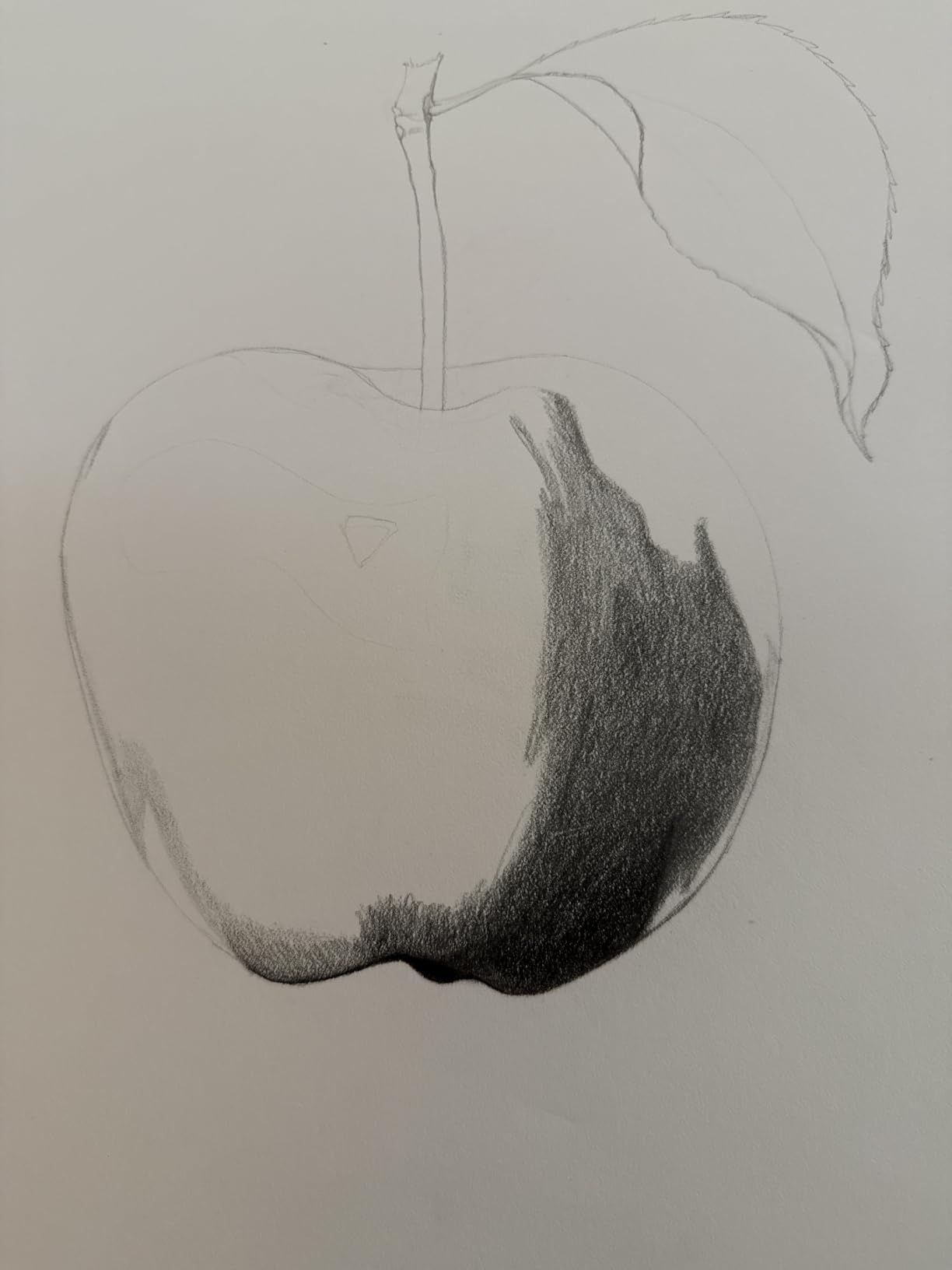
The 11×14 format is a comfortable middle ground for finished illustrations and graphic-novel pages. It’s not quite full 11×17 comic trim, but it’s generous enough for a single-page illustration or a finished pencil piece. The pad is glue bound rather than tape bound, which is a slight downgrade for sheet removal.
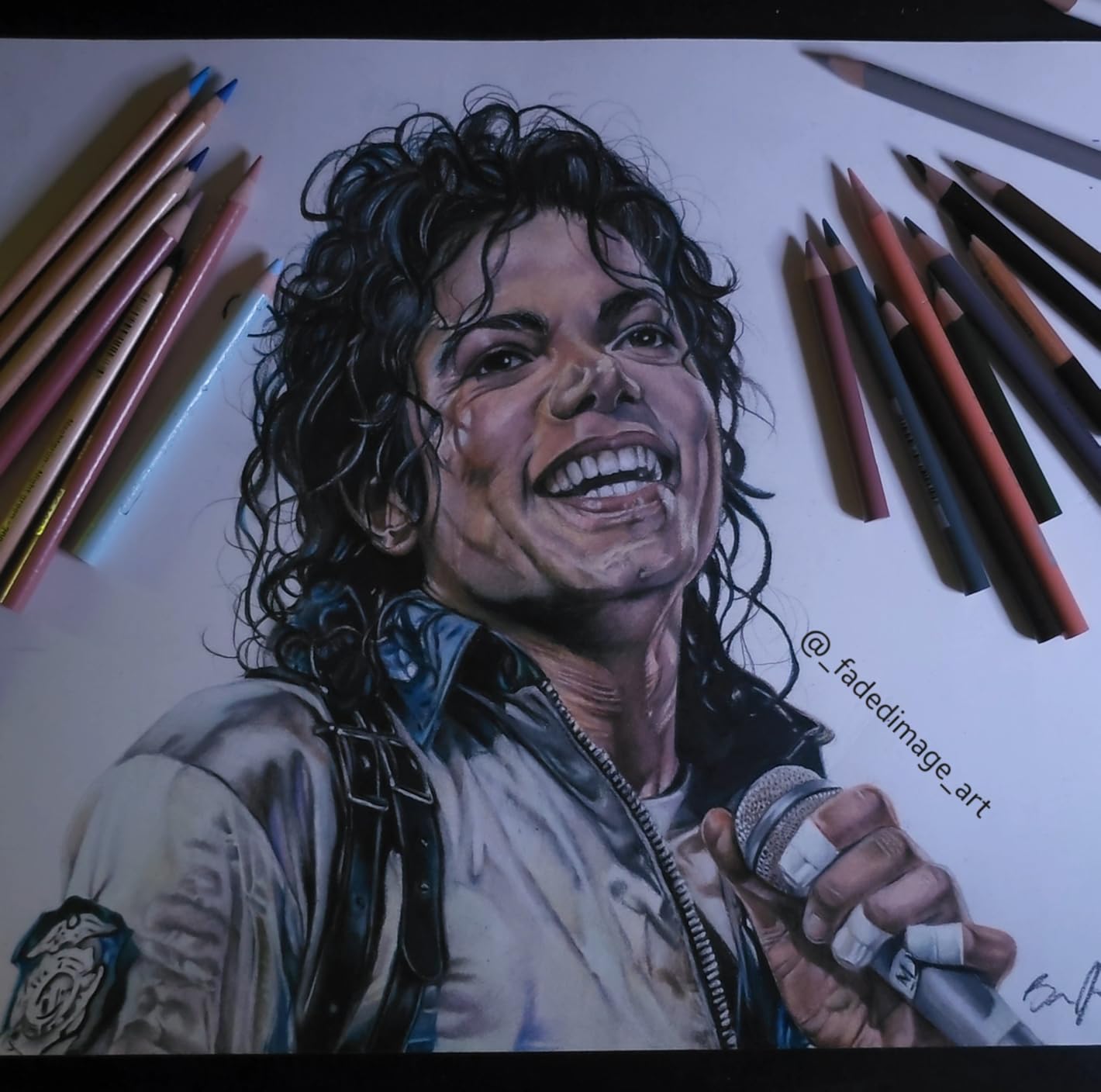
Buyer complaints center on binding quality and occasional corner damage during shipping. I left my pad under a weight overnight and the sheets flattened fine. The premium price reflects the cotton construction, and for archival work, the cost is justified.
Who the Strathmore 500 is for
This pad fits the artist who creates finished art that needs to last — original comic pages for sale, portfolio pieces, gallery prints, or any archival project. Colored pencil artists and graphite-only illustrators will get the most out of the cotton tooth. This is a finished-art pad, not a daily sketch pad.
Who should skip it
Skip this if you need a daily-work pad, if your budget is tight, or if you want smooth-surface ink behavior. The Strathmore 400 Smooth is the better finished-art ink pad, and the Strathmore 300 is the better daily pad.
How to Choose Bristol Board?
Choosing the best Bristol board for ink and comics comes down to four decisions: surface finish, weight, format, and pre-ruled vs blank. Get these right and the rest is personal taste.
Smooth vs Vellum vs Plate Finish
Smooth Bristol has a polished surface that gives the cleanest ink lines. Micron pens, crow quills, and brush work all perform best on smooth. Use smooth for finished comic pages, ink-heavy illustration, and any work that needs to scan cleanly.
Vellum Bristol has a subtle tooth that grabs graphite and charcoal. It’s the right pick for pencil-heavy work, mixed media, and any process where you need erasability without pilling. The trade-off is slightly less crisp ink lines.
Plate finish is the smoothest of the three, with almost no tooth. It’s traditionally used for technical illustration and very fine engraving-style ink work. Most comic artists will be happy with smooth Bristol and won’t need plate finish.
Weight and Ply Explained
Bristol weight is measured in pounds (lb) or grams per square meter (gsm). 100 lb equals roughly 270 gsm. Heavier paper resists bleed-through, holds up under wet media, and feeds through printers more reliably. For comic work, 100 lb is the minimum I’d recommend.
Ply refers to how many sheets are laminated together. 1-ply is a single sheet of the stated weight. 2-ply is two sheets laminated, which roughly doubles the thickness and stiffness. 2-ply is the right pick for finished art and any work that needs archival longevity. 1-ply is fine for sketch work and rough pencils.
For pure comic inking on a budget, 100 lb 1-ply is plenty. For finished art, portfolios, or work you want to sell, go 2-ply 100 lb or heavier. The Strathmore 500 at 100% cotton 2-ply is the archival gold standard.
Format and Printer Compatibility
US-standard comic pages are 11×17 with a 10×15 active area. For full-page comic work, you need an 11×17 or 14×17 pad. Smaller 9×12 pads work for sketchbook pages, single-panel illustrations, or half-page layouts.
Printer compatibility is the hidden gotcha. Heavyweight 2-ply Bristol can jam home inkjet printers, especially models with curved paper paths. Test a single sheet before committing a full pad to a print run. My Brother 6490CW handled all eight pads in this test without a jam, but your mileage will vary by printer.
Pre-Ruled vs Blank Bristol
Pre-ruled Bristol (like the Canson Fanboy) saves you the work of laying out panel guides. The non-photo blue lines drop out when you scan and threshold the image. Pre-ruled is the right pick if you draw standard Western-format comics and want to skip the layout step.
Blank Bristol is the right pick for everything else — manga, full-page splashes, experimental layouts, or any work where the pre-printed panels would fight your composition. You can print your own blue lines from Clip Studio Paint or Procreate templates, which gives you layout flexibility at the cost of one extra step.
Best Inks and Pens to Pair with Bristol
Pigma Micron pens are the universal Bristol companion. The 005 through 08 sizes cover hairlines to bold contours, and the pigment ink doesn’t feather on smooth Bristol. I ran a full issue on Micron 08 for blacks and 005 for detail.
Higgins Black Magic ink is the brush-and-nib classic. It flows well on smooth Bristol and dries to a true matte black. For brush work, Higgins pairs better with smooth Bristol than with vellum, where the tooth can pull the brush off line.
Copic and Prismacolor markers both perform well on smooth Bristol. The extra-white Canson Illustration surface makes marker colors pop most. For watercolor crossover, the Fabriano pad is the only one in my test set that handles washes without buckling.
Common Mistakes Beginners Make
The most common mistake is buying “sketch paper” because it’s cheaper, then wondering why the ink feathers. Sketch paper is sized differently and absorbs ink into the fibers. Bristol’s density and unsized construction are what keep lines sharp. Don’t substitute sketch paper for Bristol.
The second mistake is choosing vellum when you need smooth. Vellum is great for pencil, but ink lines will be slightly less crisp. If your work is ink-first, start with smooth. You can always add a vellum pad for pencil roughs later.
The third mistake is buying a pad that’s too thick for your printer. Heavier 2-ply Bristol can jam home inkjet printers. Test one sheet before printing your blue-line workflow on the full pad.
Frequently Asked Questions
Is there a difference between Bristol board and Bristol paper?
In practice, the terms are interchangeable. Both refer to heavyweight, multi-ply paper designed for pen, ink, and brush work. Some manufacturers label their pads as Bristol board and their sketch sheets as Bristol paper, but the material and intended use are the same.
What are the best comic art boards?
The best comic art boards depend on your workflow. For standard 11×17 comic pages, the Strathmore 300 Smooth 14×17 and Canson Fanboy 11×17 are the top picks. For finished art and portfolios, the Strathmore 400 Smooth 2-ply is the strongest option. For pre-ruled convenience, the Canson Fanboy comes ready with non-photo blue panels.
What are the best brands of Bristol paper?
Strathmore is the most widely available and trusted brand, with the 300, 400, and 500 series covering beginner to archival tiers. Canson offers strong value in the XL series and pre-ruled Comic Boards. Fabriano makes a premium Italian pad for artists who work across multiple media. Hahnemühle and Pentalic also appear in artist favorites for specialty finishes.
What is Bristol board best for?
Bristol board is best for finished comic pages, ink illustrations, marker work, and any artwork where you need crisp lines without feathering. Its heavyweight, unsized construction prevents ink bleed-through and holds pencil without pilling, which is why it became the industry standard for traditional comic art.
Is Bristol board good for inking?
Yes, Bristol board is the best paper for inking comics and illustrations. Its dense, unsized surface prevents ink from feathering or bleeding into the fibers, so lines stay sharp. Smooth Bristol in particular handles Pigma Micron pens, Higgins Black Magic ink, and brush work without skipping or bleeding.
What weight Bristol board should I use for comics?
For comic work, 100 lb (270 gsm) is the minimum weight I’d recommend. It resists bleed-through and feeds through most home inkjet printers. For finished art and archival projects, go 2-ply 100 lb or heavier. The Strathmore 500 2-ply cotton is the archival gold standard for comic pages you want to last.
Final Verdict
For most comic artists, the Strathmore 300 Smooth 14×17 is the best Bristol board for ink and comics in 2026. It is the industry standard, the highest-rated pad in this test set, and it handles pen, brush, and printer workflows without compromise.
If you draw on a budget, pick the Canson Fanboy 11×17 for pre-ruled convenience. If you need finished-art quality, step up to the Strathmore 400 Smooth 2-ply. For color or crossover work, the Canson Illustration A3 and Fabriano Bristol are the strongest specialty picks. Pair any of them with Pigma Micron pens and Higgins Black Magic ink, and your finished pages will scan, print, and archive cleanly for years.