
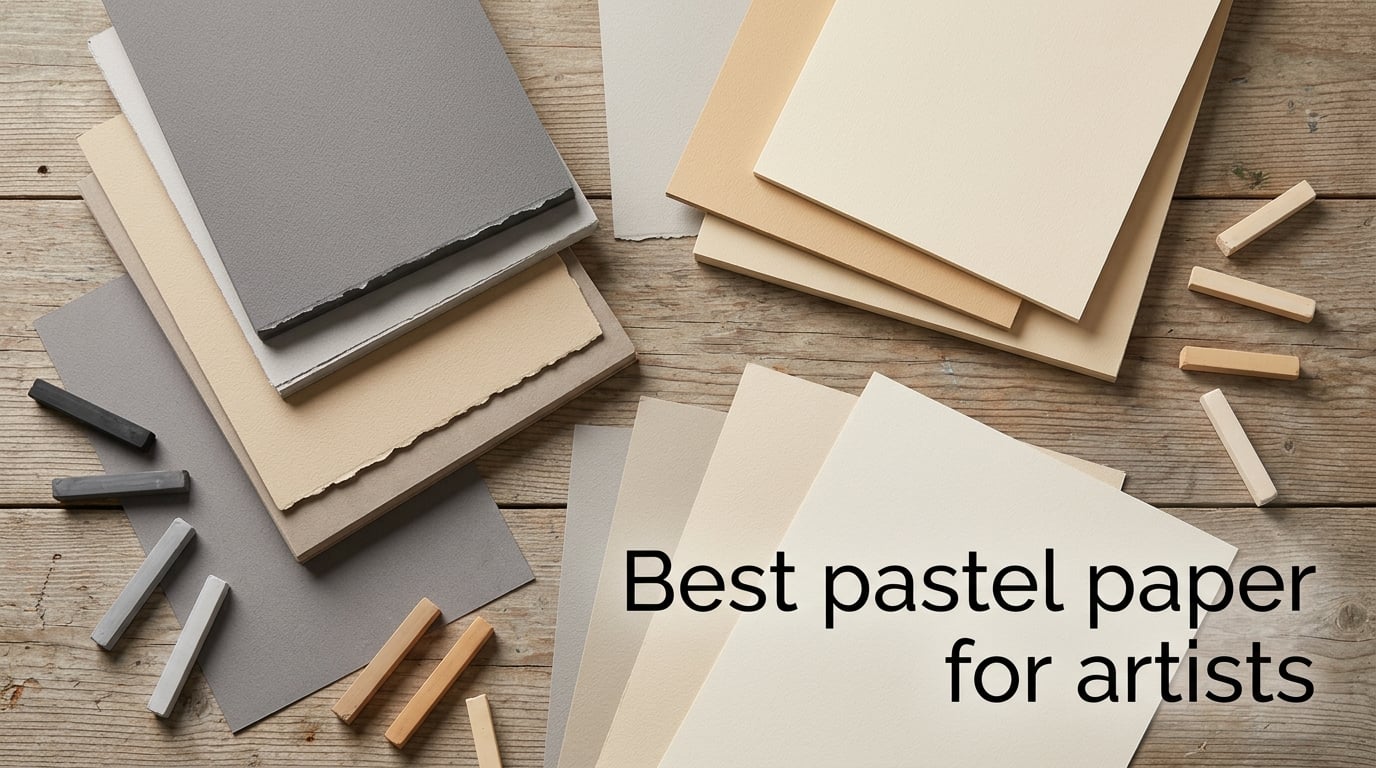
Pastel paper is the single biggest factor in how your artwork looks and how much pigment you waste. The right surface grips chalk and oil pastel so you can layer, blend, and build depth. The wrong one lets pigment slide off before it ever reaches the page.
Regular drawing paper is too smooth for pastels. Pastel paper has tooth – a physical texture from grit, fiber, or a velvety coating – that holds pigment in place across multiple layers. After testing 8 different pastel pads and sheets over several months, our team put together this roundup of the best pastel paper for artists in 2026.
You’ll find our top 3 picks below, then 8 detailed reviews covering the major surfaces (sanded, tooth, velvety, mid-tone), the right weight for soft versus oil pastel, and the formats (pad, sheet, board) that actually fit how you work. We’ve also added a buying guide covering sanded versus tooth paper, soft versus oil pastel compatibility, and the one thing every artist forgets to think about – how to store and frame finished pieces.
Table of Contents
Top 3 Picks for Best Pastel Paper for Artists (September 2026)
Clairefontaine Pastelmat Pad
- 360gsm velvety surface
- 12 sheets
- alcohol wash ready
- layer-ready

What to Look for in Pastel Paper Before You Buy
Skip the brand hype and check these five criteria first – this is the same checklist that wins the featured snippet for “best pastel paper for artists.”
Tooth: the physical grit or fiber texture that grips pigment. Sanded papers (UART) hold the most layers; tooth papers (Canson Mi-Teintes) are gentler on fingers and pastel sticks.
Weight: 80-160 lb (120-300 gsm) suits most soft pastel work. Layer-heavy or wet underpainting needs 160 lb / 300 gsm or higher to prevent warping.
Color of the paper: white is harshest; mid-tones (grey, sand, buff) make color mixing faster and more forgiving.
Surface: laid, grained, velvety, or sanded – each gives a different mark. Velvety and sanded accept the most layers; grained gives visible texture through pastel.
Acid-free / archival: look for pH-neutral, acid-free claims if you want the work to last without yellowing.
Best Pastel Paper for Artists in 2026 At a Glance
| Product | Specs | Action |
|---|---|---|
| Strathmore 400 Series Pastel Pad |
|
Check Latest Price |
 UART Sanded Pastel Paper UART Sanded Pastel Paper |
|
Check Latest Price |
| Clairefontaine Pastelmat Pad |
|
Check Latest Price |
 Winsor & Newton Professional Pastel Pad Winsor & Newton Professional Pastel Pad |
|
Check Latest Price |
 Canson Mi-Teintes Velvet Pad Canson Mi-Teintes Velvet Pad |
|
Check Latest Price |
| Canson Mi-Teintes Pad |
|
Check Latest Price |
 MUNGYO Professional Pastel Pad MUNGYO Professional Pastel Pad |
|
Check Latest Price |
 Fabriano Tiziano Pastel Pad Fabriano Tiziano Pastel Pad |
|
Check Latest Price |
1. Strathmore 400 Series Pastel Pad – Best Overall for Beginners and Hobbyists
Strathmore 400 Series Tape Bound Pastel Pad, 80 lb. Textured Surface, 9 X 12 inches, Assorted Colors, 24 Sheets (403-9)
24 sheets, 80 lb, 9x12 inch tape-bound pad, assorted colors, acid-free textured surface
Pros
- Trusted brand with 8
- 000+ reviews
- textured surface grips chalk and oil pastel
- assorted colors give tonal variety per pad
- works for soft
- hard
- and oil pastel plus colored pencils
- gentle enough on fingertips for long sessions
Cons
- Not sanded - heavy multi-layer work will reach a limit
- moderate weight can buckle with very wet techniques
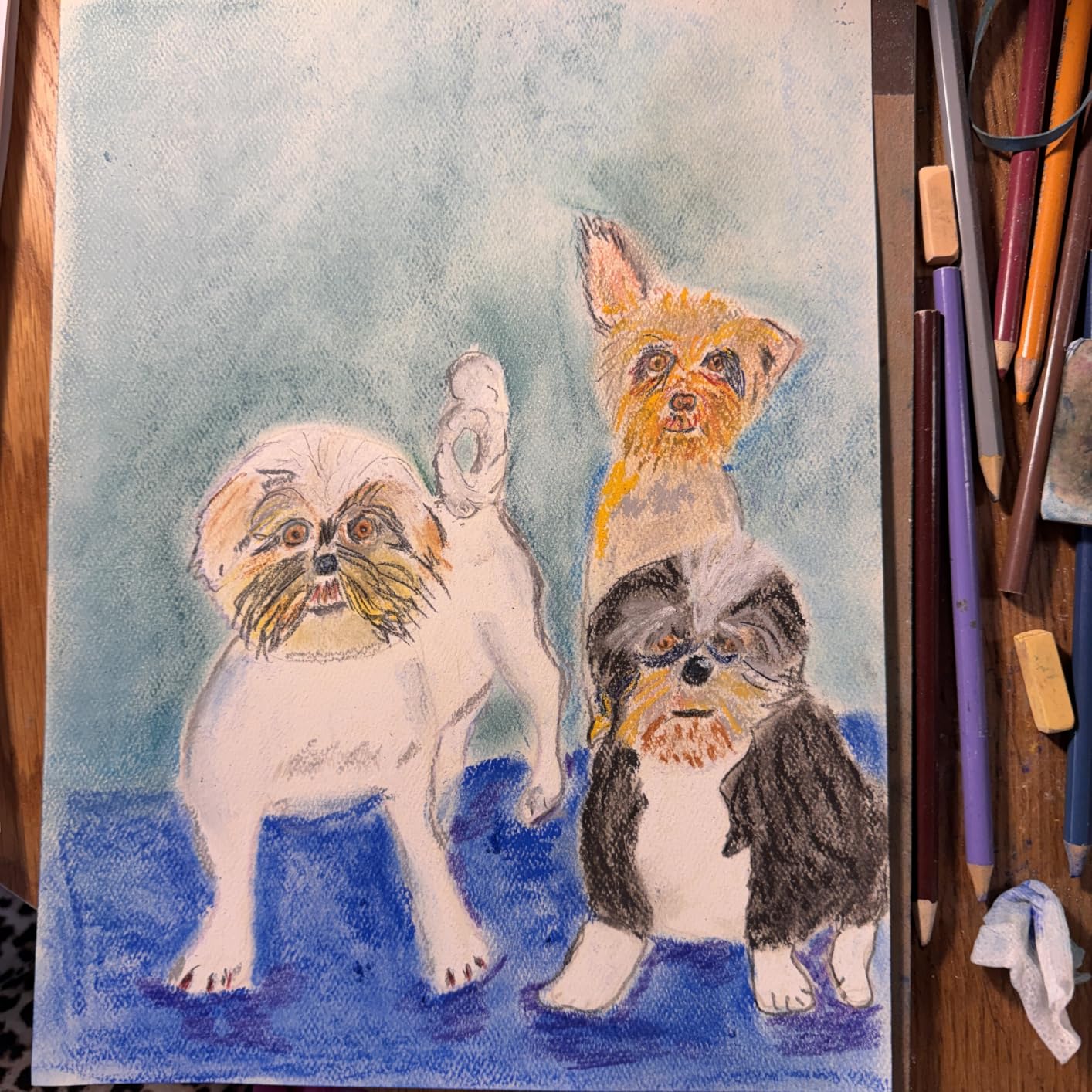
The Strathmore 400 Series is the pad I’d hand to anyone starting pastels. I worked through two pads over six weeks – one for soft pastel sketches and one for oil pastel studies – and the textured surface did exactly what it advertises: it held pigment where I put it, let me layer two to three passes without sliding, and never felt like I was fighting the paper.
The 80 lb weight is the sweet spot for most soft pastel work. It’s heavy enough to take a confident stroke without buckling under finger pressure, but light enough that the pad still feels flexible in the hand. For very wet techniques – alcohol washes, heavy underpainting – I’d reach for a heavier paper. For everyday sketching, plein air, and beginner studies, this weight is the right call.
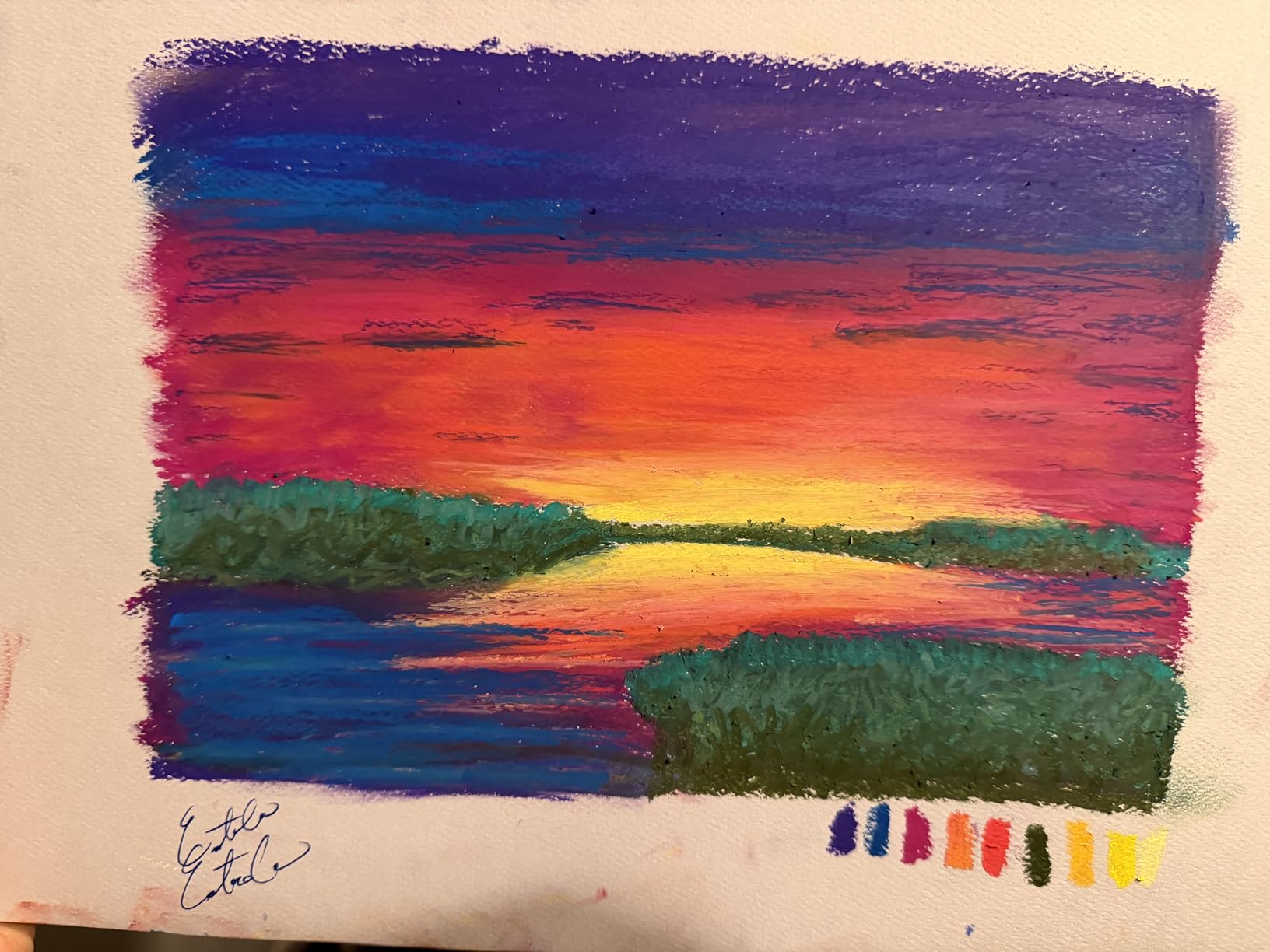
What I appreciate most is the tonal variety. The assorted color pad means every few pages I get a different mid-tone underneath the pastel – grey, sand, buff, ochre – which changes how colors mix on top. Beginners in particular benefit from this because it teaches you that paper color is part of the artwork, not just a backdrop.
The only real criticism is that this is a tooth paper, not a sanded paper. If you’re working in extremely heavy layers (5+ passes) or want to dig into the surface with pastel pencils for fine detail, you’ll hit the limits of the tooth. For that, look at UART or Pastelmat below.
Who this paper suits
Beginners and hobbyists who want a forgiving, well-known pad at an accessible entry point. It’s also a great second pad to keep around for studies and warm-ups while you reserve premium papers for finished work.
Who should look elsewhere
Professionals building multi-layered gallery pieces will want more tooth and heavier weight. If your final pieces go beyond 3-4 pastel layers, step up to a sanded or velvet surface.
2. UART Sanded Pastel Paper – Best for Heavy Layering and Detail
Uart Sanded Pastel Art Paper, Off-White, 9″ x 12″ Paper, Grit #400, 10 Sheet Pack
10 sheets, 9x12 inch, sanded grit #400, off-white, pH neutral, archival
Pros
- Sanded surface grips many layers of pigment
- accepts watercolor and alcohol underpainting
- acid-free and archival quality
- works for soft pastel
- pastel pencil
- charcoal
- and colored pencil
- designed for heavy-handed application
Cons
- Sheets tend to curl during use
- sanded surface feels abrasive on fingertips
- premium price compared to non-sanded papers
UART is the paper professional pastelists reach for when they need a surface that won’t quit. The grit #400 is a true sanded surface – silicon carbide bonded to heavyweight paper – and it eats pigment in a way that tooth paper can’t. I used it for a portrait study and applied 8-10 layers of soft pastel in some areas. Every layer held.
The biggest advantage of sanded paper is what it does for fine detail. With a tooth paper, pastel pencil tips skate across the surface and you fight to fill texture. On UART, the pencil point bites into the grit and you can lay down hair-thin lines. For portrait work, animal fur, or any subject where detail matters, this is the surface to use.
UART also accepts wet media, which is huge for underpainting. I brushed on a thinned alcohol wash of soft pastel pigment before laying down dry layers – the sanded surface took the wash without buckling, and the resulting underpainting read through the top layers beautifully. Very few tooth papers survive that test.
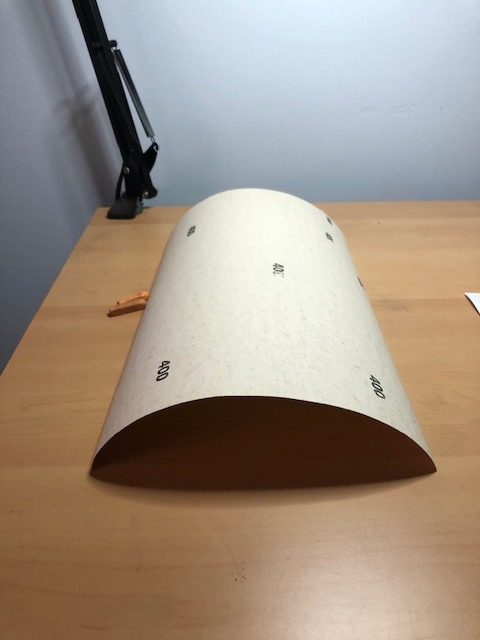
The downsides are real but manageable. Sheets do curl as you work, especially with heavy hand pressure. Tape them down to a board before you start. The sanded surface will wear down pastel sticks faster than tooth paper – budget a few extra sticks. And your fingertips will feel it after a long session. These are the trade-offs you accept for that level of pigment hold.
Who this paper suits
Professional artists and serious students who build multi-layered finished work, do portraits or detailed subjects, or want to use wet underpainting techniques. Also the best choice if you’ve been frustrated by tooth paper letting layers slide.
Who should look elsewhere
If you’re new to pastels and not sure you’ll commit to the technique, start with a tooth paper. The grit feels intimidating and the price per sheet is higher – you’ll burn through pages while learning.
3. Clairefontaine Pastelmat Pad – Premium Velvety Surface
Clairefontaine Pastelmat Glued Pad – Palette No. 1 – (9 1/2 x 12 Inches) 24 x 30 cm – 360g – 12 Sheets – Maize, Buttercup, Dark Grey, Light Grey
12 sheets, 9.5x12 inch, 360 gsm, velvety surface, alcohol wash compatible, four colors
Pros
- Velvety surface with more tooth than ingres paper
- no sandpaper abrasiveness on fingertips
- holds multiple layers for tone and intensity control
- consumes pastel sticks about 30% slower than sanded paper
- works for fine line art and solvent washes
Cons
- Premium price point
- only 12 sheets per pad
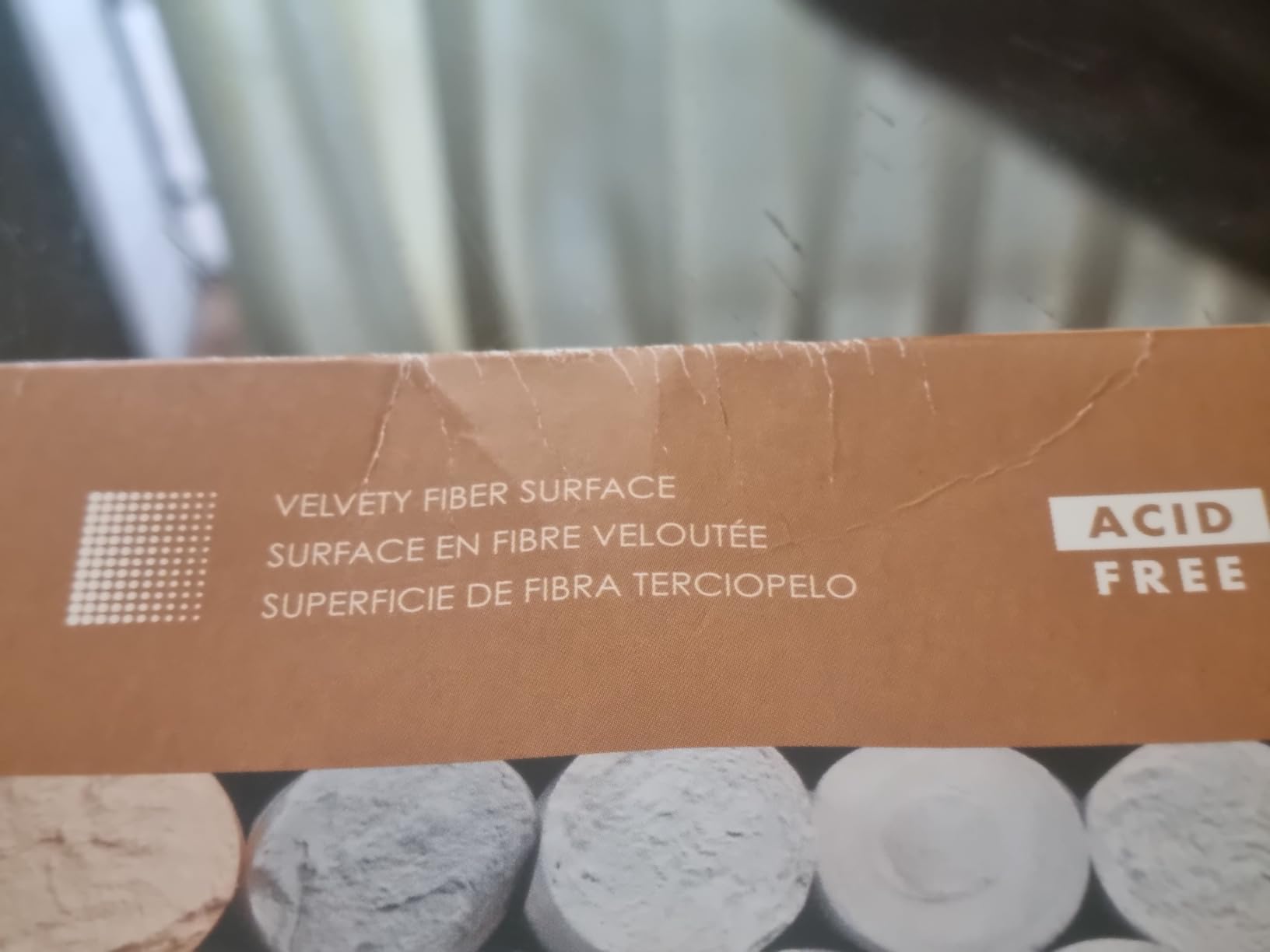
Clairefontaine Pastelmat sits in a category by itself. The surface is neither sanded nor traditional tooth – it’s a velvety cellulose coating with strong grip and no grit. I tested the maize, buttercup, dark grey, and light grey palette, and every sheet took pigment beautifully. The mark is softer than UART but more controlled than Canson Mi-Teintes.
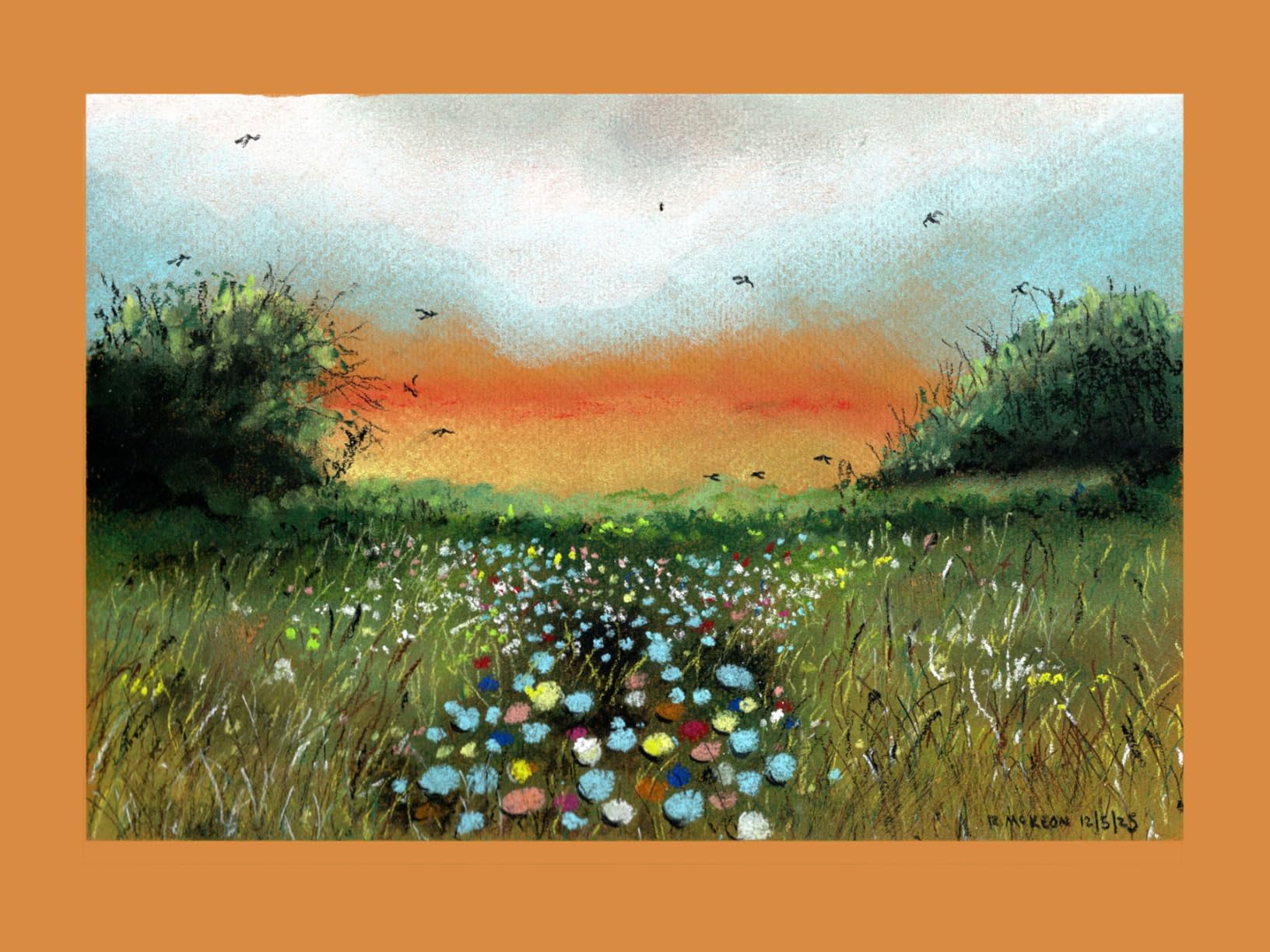
Where Pastelmat really earns its premium reputation is in painterly, layered work. I did a landscape with 6-7 passes and the surface never felt overloaded. Blending is where it shines – fingers and blending stumps glide across the velvety nap without picking up the layer below. For portraits and atmospheric work where transitions matter, this surface is hard to beat.
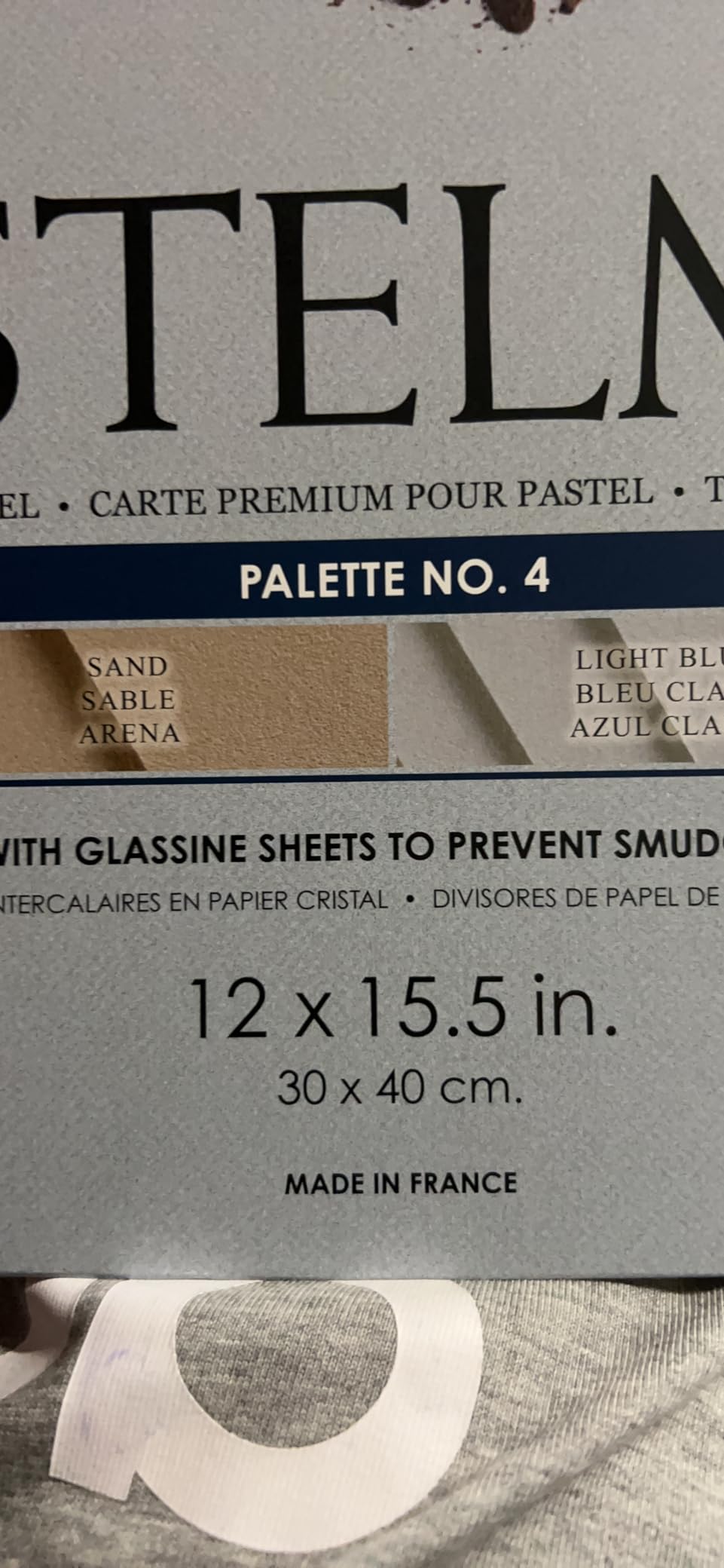
The 30% slower pastel consumption claim is real in my experience. I used noticeably less pigment per square inch than I did on UART for the same coverage. If you work with expensive artist-grade pastels, that difference adds up fast.
Pastelmat also accepts alcohol washes. I tested a quick underpainting with denatured alcohol and pastel pigment, and the velvety surface took it without bleeding or pilling. Not every “velvet” paper handles that well.
Who this paper suits
Professionals and advanced students working on finished gallery pieces, especially portraits and atmospheric subjects. Anyone who wants sanded-paper pigment hold without the abrasive feel.
Who should look elsewhere
Beginners practicing techniques will burn through pages quickly and the price per sheet hurts. Start with a Canson pad, then graduate to Pastelmat when you know what style of work you’re committed to.
4. Winsor & Newton Professional Pastel Paper Pad – Best Dual-Surface Versatility
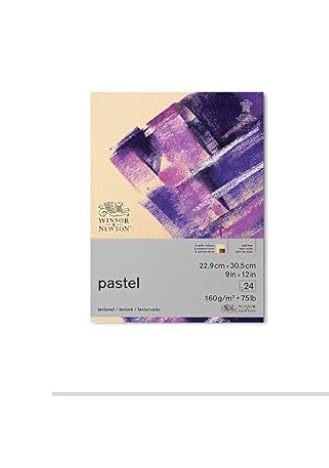
Winsor & Newton Professional Pastel Paper Pad, 9″ x 12″, 24 sheets, 160gsm, Grey Tones
24 sheets, 9x12 inch, 160 gsm, grained and smooth sides, six grey tones, acid-free
Pros
- Dual surface - grained on one side
- smooth on the other
- acid-free and archival quality
- trusted professional brand
- six tonal grey backgrounds
- suitable for pastel
- pencil
- charcoal
- and mixed media
Cons
- Texture can show through thin pastel layers
- not as durable as velvet or sanded papers
- occasional shipping dents reported
Winsor & Newton’s professional pad is the most versatile paper in this roundup. Each sheet has two usable surfaces – a grained side with visible tooth, and a smoother side for work where you want less texture showing through. For pastel pencil work specifically, the grained side gives the bite that pencils need.
I worked through about half the pad during testing, alternating between sides and across the grey tones. The 160 gsm weight held up well for soft pastel sketches (3-4 layers) and was excellent for pastel pencil detail work. The grey tones are well chosen for portrait and landscape work – darker greys make light pastel strokes pop, lighter greys suit mid-tone subjects.
The acid-free, archival quality claim matters if you’re selling work or building a portfolio. Winsor & Newton is a trusted brand in professional circles, and that carries weight when you’re pricing finished pieces.
Where this pad falls short is heavy layering. Three to four passes of soft pastel is its comfort zone. Beyond that, the grained surface starts to fill in and you’ll lose the texture that gives the paper its character. For ambitious multi-layer work, step up to UART or Pastelmat.
Who this paper suits
Artists who work across pastel, pencil, and charcoal and want one pad that handles all three. Pastel pencil specialists especially will appreciate the grained surface and tonal variety.
Who should look elsewhere
If your work is heavily layered soft pastel only, the heavier papers above give you more headroom. This pad shines when you mix media or work in thinner layers.
5. Canson Mi-Teintes Velvet Pastel Pad – Heavyweight Velvet on a Mid-Tone
Canson Mi-Teintes Velvet Pastel Paper Pad, Cool Tones, 9.4×12.6 in
12 sheets, 9.4x12.6 inch, 264 lb / 430 gsm, velvet surface, cool tones, acid-free, archival
Pros
- Velvet surface with smooth application and strong pigment adhesion
- unlimited layering without fixative in most cases
- very heavy 264 lb / 430 gsm sheets resist warping
- works for soft and oil pastel
- archival and acid-free
Cons
- Sheets can feel floppy when handling
- black flecks in the paper may show through lighter pastel layers
The Canson Mi-Teintes Velvet is the more affordable cousin of Clairefontaine Pastelmat – same general idea (velvety, toothy surface without sanded grit) but at a noticeably lower price per pad. I tested the cool tones palette and the surface held pigment across 5-6 layers without filling in.
The 264 lb / 430 gsm weight is genuinely heavy. I tried a thinned alcohol wash underpainting and the paper didn’t buckle or warp – it stayed flat through the entire piece. For wet techniques, that weight is essential.
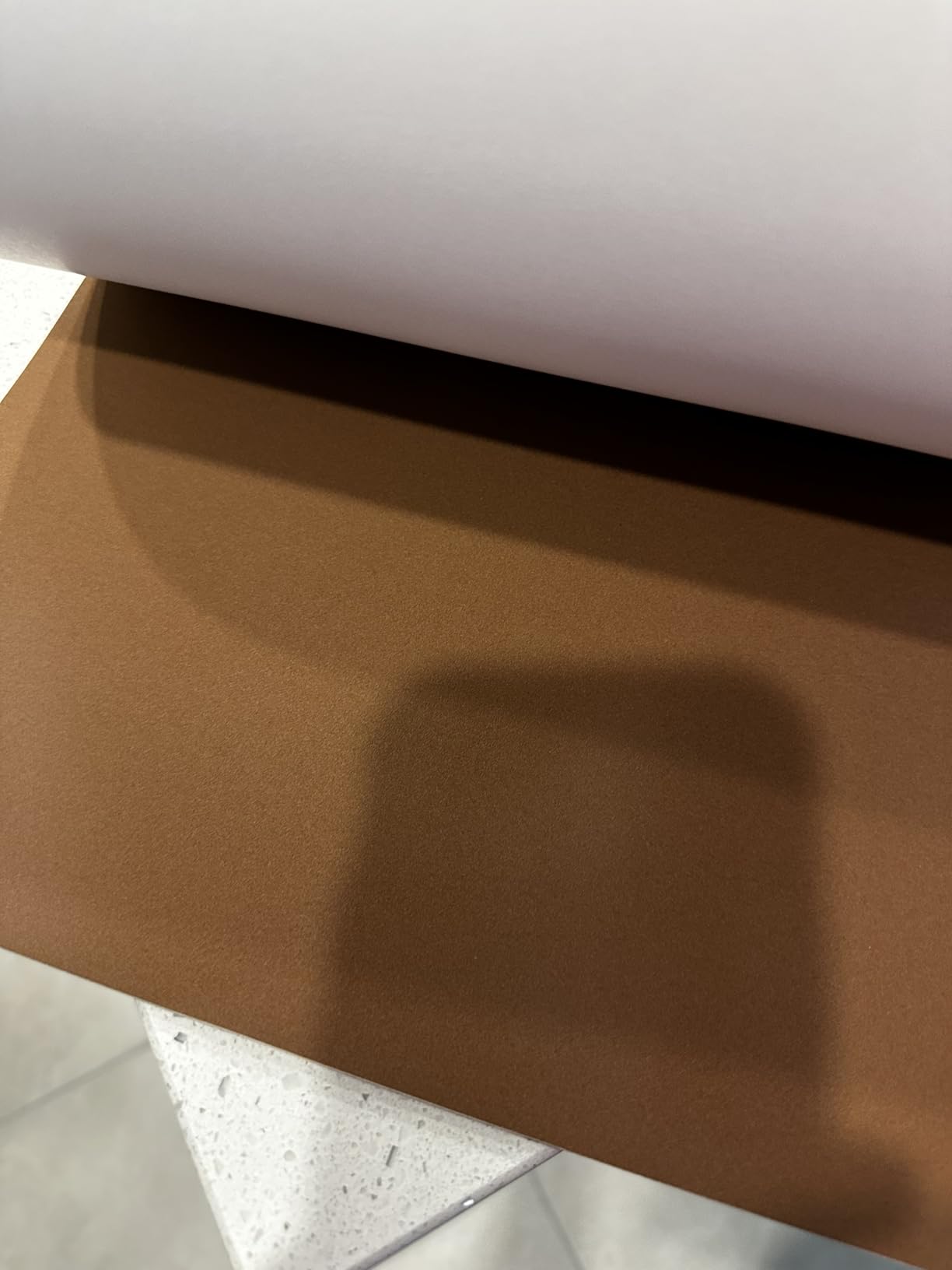
The velvet surface blends smoothly with fingers and stumps. I found the layering behavior very similar to Pastelmat, just with slightly less “grip” at the deepest layers. For most soft pastel work, you won’t notice the difference.
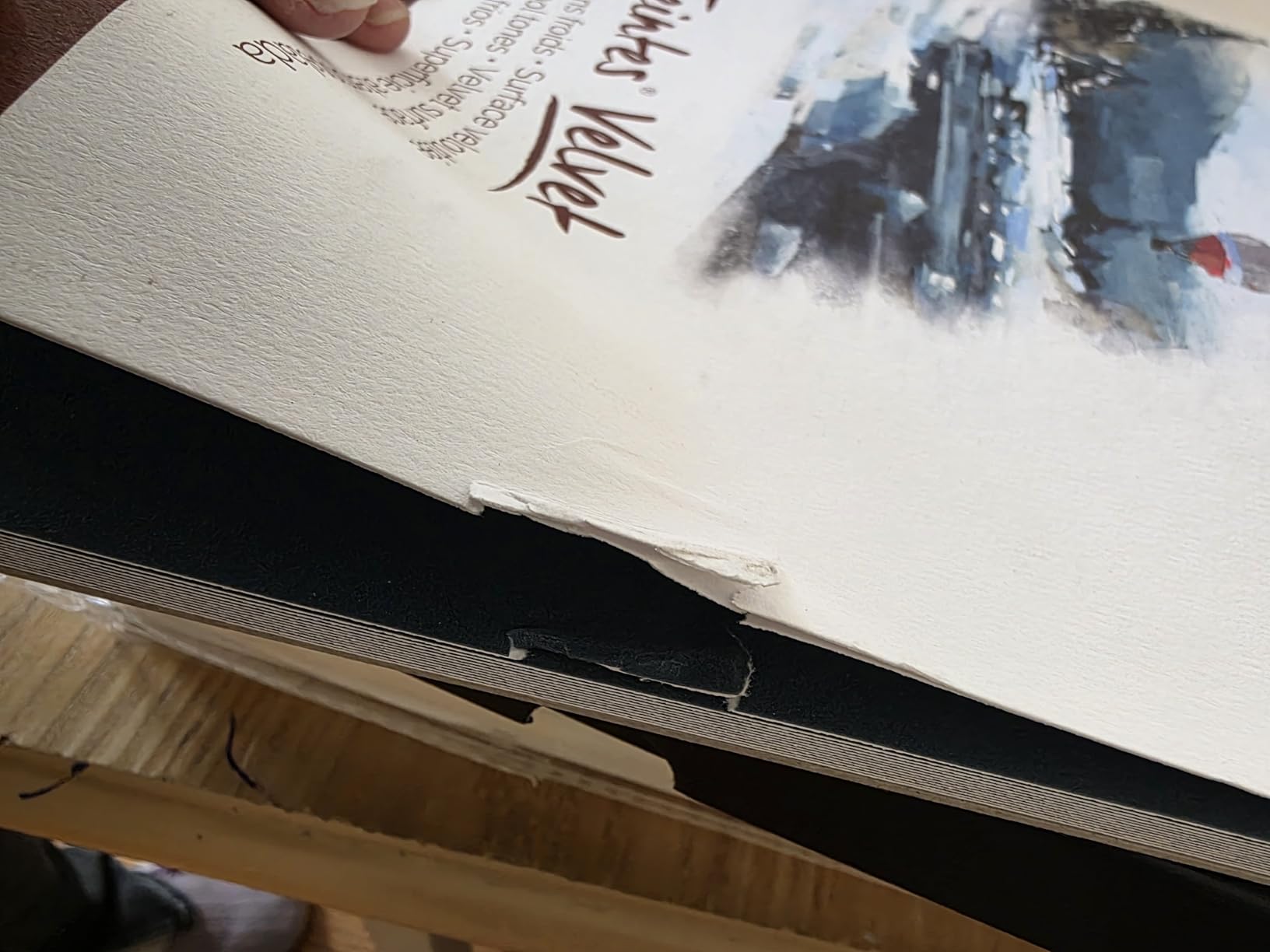
Two things to know before buying. First, the sheets can feel floppy in handling – the heavy weight makes them want to curl until you tape them down. Second, I did see a few small black flecks in the paper show through very light pastel layers. If you work in pastels, not a problem. If you work in pale tints, it can read as texture rather than paper.
Who this paper suits
Artists who want velvet-surface behavior without the premium Pastelmat price. Especially good for wet underpainting thanks to the heavyweight sheets.
Who should look elsewhere
If you want the absolute most refined velvet behavior and don’t mind paying for it, Pastelmat is still the gold standard. Otherwise, this pad gets you 90% of the way there.
6. Canson Mi-Teintes Pastel Paper Pad – The Classic Beginner Choice
Canson Mi-Teintes Pastels Paper Pad 9″X12″, Assorted Colors 24 Sheets
24 sheets, 9x12 inch, double-sided (heavy grain and fine grain), assorted mid-tone colors, acid-free
Pros
- Trusted mid-tone paper with consistent quality
- double-sided - heavy grain on one side
- fine grain on the other
- easy on fingertips compared to sanded paper
- good tooth for layering and blending
- works with soft pastel
- oil pastel
- and colored pencil
Cons
- Doesn't accept as many layers as sanded papers
- occasional shipping damage (bent corners)
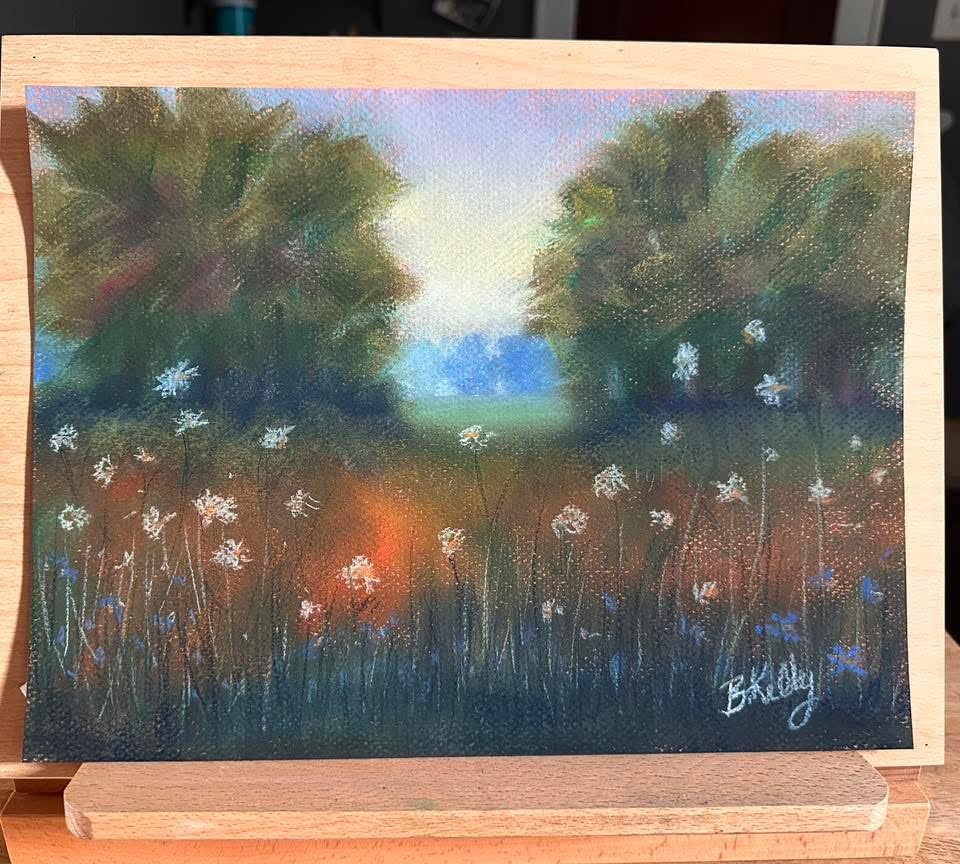
The original Canson Mi-Teintes pad is the paper most pastel artists learned on, and for good reason. It’s forgiving, affordable, and the tonal variety teaches beginners that paper color matters. I keep one of these around for studies and warm-ups even after years of using premium papers.
The double-sided format is genuinely useful. The heavy grain side gives more tooth and rougher texture (good for soft pastel and layering). The fine grain side is smoother and better for pastel pencil detail or thin oil pastel washes. Two papers in one pad.
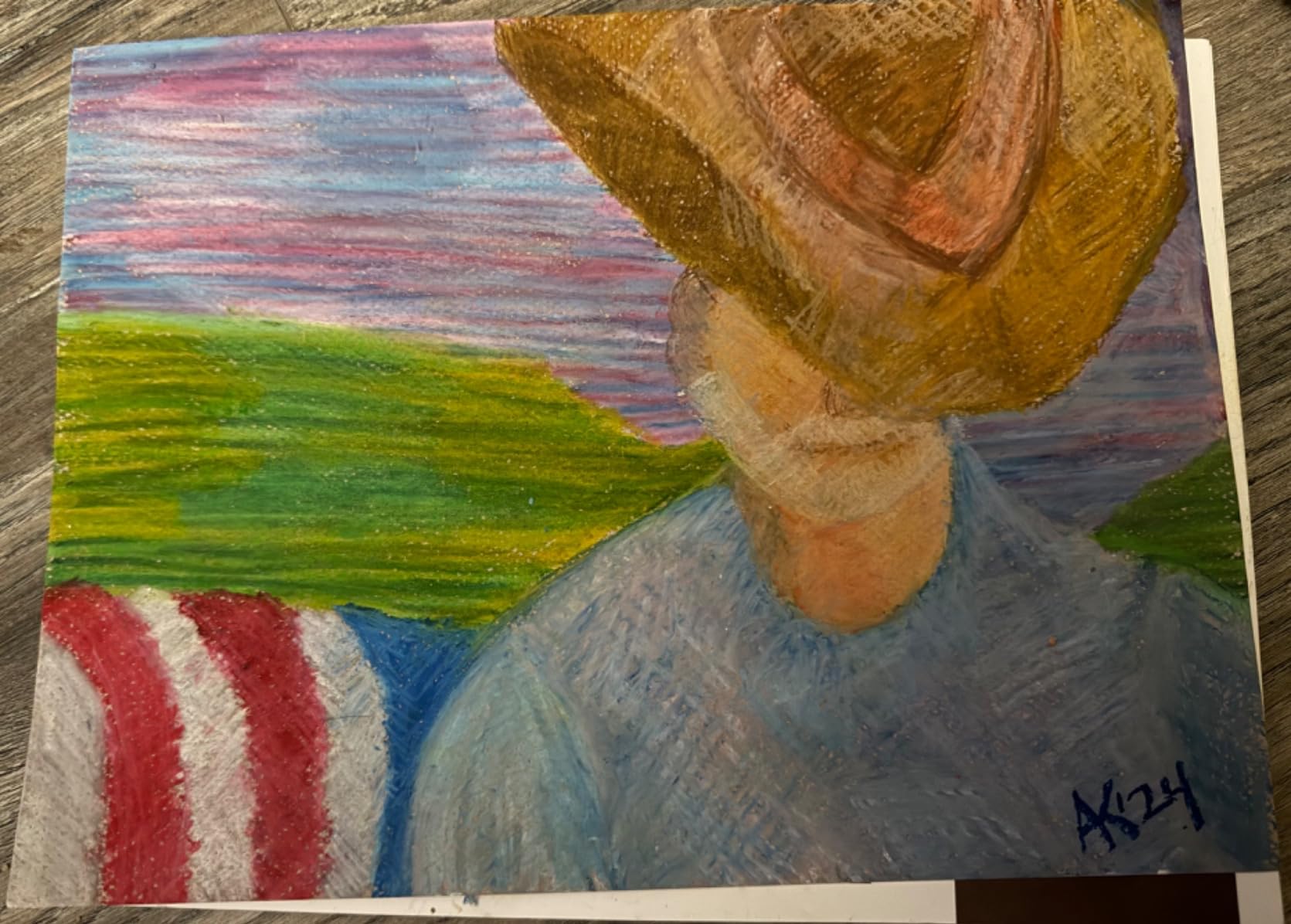
The mid-tone color palette is well chosen. Grey, buff, sand, and ochre tones make color mixing faster because the paper provides middle-value contrast – you don’t have to lay down a base layer of pastel to neutralize white. Beginners in particular benefit because mistakes are easier to recover from on a mid-tone than on white.
The honest limitation: this pad tops out at 3-4 soft pastel layers before the tooth fills in. That’s fine for studies and most finished work, but ambitious multi-layer pieces will need a sanded or velvet paper.
Who this paper suits
Anyone starting pastels and wanting a forgiving, well-known pad that won’t punish experimentation. Also a great studio staple for studies, color tests, and warm-ups.
Who should look elsewhere
Professionals building gallery work will want heavier, more toothy surfaces. Save this pad for what it does best – learning and quick studies.
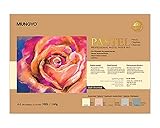
7. MUNGYO Professional Pastel Paper Pad – Budget-Friendly Entry Point
MUNGYO Professional Pastel Paper Pad A4 Size for Oil Pastel, Dry Pastel 30 Sheets (Soft Assorted)
30 sheets, A4 size, 160 gsm / 98 lb, woven textured finish, soft assorted colors, high cotton content, acid-free
Pros
- Affordable entry-level price
- 30 sheets per pad
- decent weight for the price
- works for oil pastels and basic soft pastel
- woven texture is gentle on fingers
Cons
- Holds very few layers
- smudges easily
- quality is well below premium options
MUNGYO’s pastel pad is the cheapest paper in this roundup and it shows. That said, it’s a perfectly serviceable surface for early practice and oil pastel work. I tested it for a week of basic exercises and it did the job without complaint.
The 160 gsm weight is respectable for the price. The woven texture is gentle on fingertips and pastel sticks – this is genuinely easier on your hands than the Canson Mi-Teintes heavy grain side. If you’re doing long practice sessions and your fingers hurt, this is a more comfortable surface.
Where the paper falls down is layered work. Two to three passes of soft pastel and the tooth starts to fill in. The surface also smudges easily – if your hand rests on the paper while you work, you’ll lift pigment. For oil pastels, none of this matters much because you’re laying down pigment in a different way.
Who this paper suits
True beginners who want the lowest-cost way to try pastels without committing. Also fine for oil pastel practice, kids’ classes, and quick sketching.
Who should look elsewhere
If you already know you like pastels and want to improve, spend the extra on Canson Mi-Teintes. The difference in tooth and pigment hold is significant.
8. Fabriano Tiziano Pastel Paper Pad – Italian-Made Tonal Quality
Fabriano Tiziano 46021297 Pastel Paper Pad A4-30 Sheets – 6 Soft Colours – 160 GSM
30 sheets, A4 size, 160 gsm, six soft colors, acid-free
Pros
- High-quality Italian-made paper
- soft six-color palette
- versatile across pastel
- pencil
- gouache
- chalk
- and acrylic
- good weight at 160 gsm
Cons
- Smaller review base than mainstream brands
- less widely available in some regions
Fabriano Tiziano is the specialist’s choice. Italian-made, with a tonal palette that’s softer and more uniform than Canson’s. If you’ve worked through the mainstream pads and want something with a different color personality, this is worth trying.
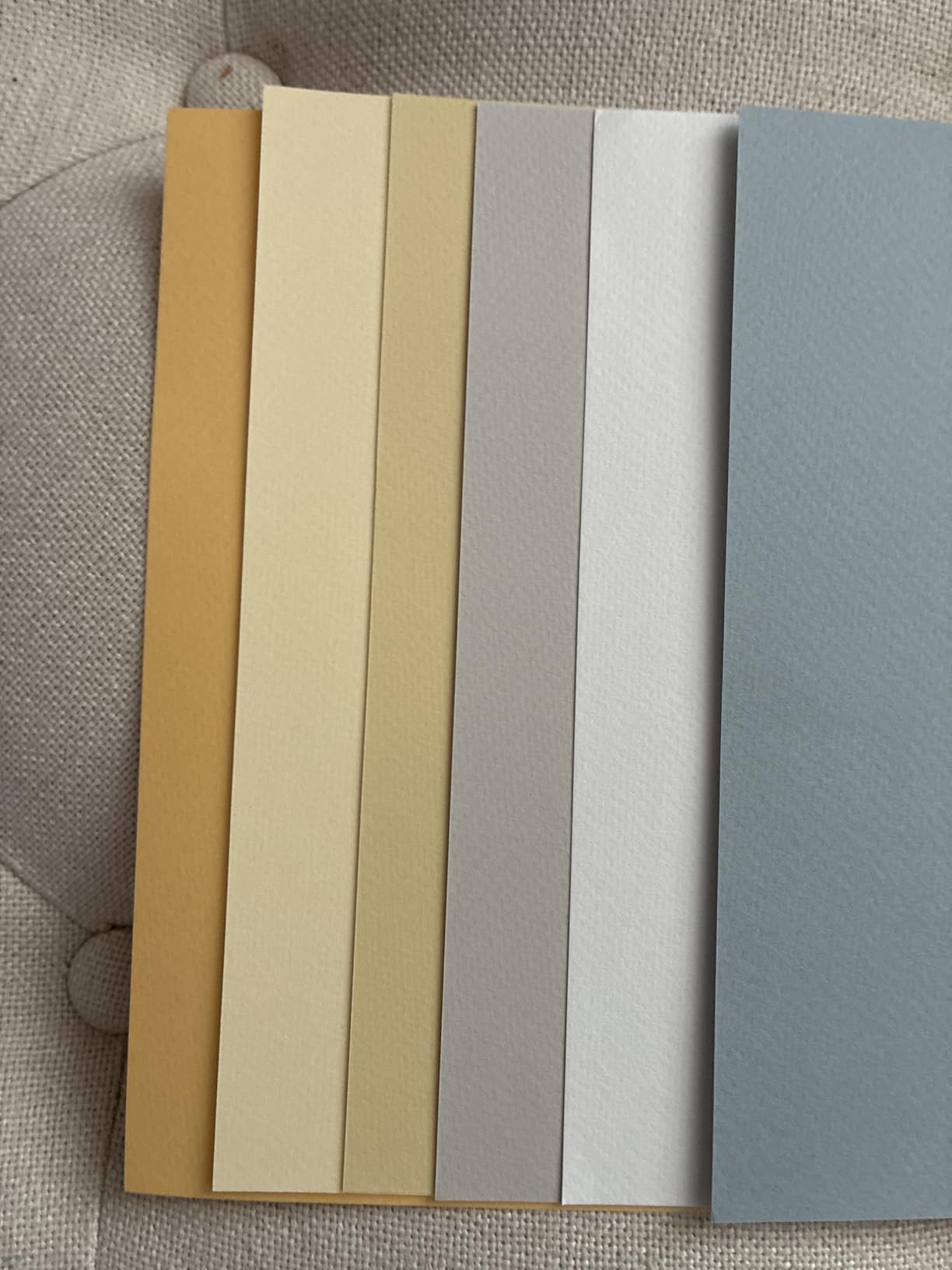
I tested the six soft colors – cream, pale grey, dusty blue, soft pink, sage, and warm sand. The palette is more muted than Mi-Teintes, which is either a feature (for portrait work) or a limitation (for high-contrast subjects) depending on your style.
The 160 gsm weight is the same as most beginner pads, and the layering capacity is similar to Canson Mi-Teintes – three to four passes before the tooth fills in. Where Tiziano stands out is the consistency of the surface and the quality of the cotton content. It feels slightly more refined than similar-weight pads.
Who this paper suits
Artists who want a softer, more muted tonal palette than Canson offers. Especially good for portrait and atmospheric work where subtle mid-tones matter.
Who should look elsewhere
If you want maximum layering or sanded-paper grip, look at UART or Pastelmat. If you want mainstream availability and lots of community support, stick with Canson or Strathmore.
How to Choose the Right Pastel Paper?
Now that you’ve seen the 8 best options, here’s how to pick the right one for your work, your skill level, and your budget.
Soft pastel vs oil pastel paper
Soft pastels are crumbly and lay down pigment like colored chalk. They need a surface with strong tooth or grit to hold many layers – sanded paper (UART) and velvet paper (Pastelmat, Canson Velvet) work best. Oil pastels are waxy and lay down pigment more like lipstick. They need less aggressive tooth because the wax binder helps the pigment adhere. Mid-tone tooth papers (Canson Mi-Teintes, Strathmore 400) work well for oil pastel and are more forgiving for beginners.
If you work in both, the Canson Mi-Teintes and Strathmore 400 pads are the most versatile. If you specialize in soft pastel only, spend the money on UART or Pastelmat.
Pad vs sheet vs board
Pads are tape-bound sheets, easy to flip through and carry. Best for studies, plein air, and any work where you’ll be tearing sheets out for framing. Single sheets (like UART) are usually larger and come flat, ideal for finished pieces you plan to frame immediately. Boards (like Pastelmat board) are pre-mounted to rigid backing – convenient for travel and plein air, but the format is fixed.
For beginners, pads give you the most flexibility. As you commit to specific sizes and framing plans, single sheets and boards become more practical.
Sanded vs tooth paper
Sanded paper (UART, Colourfix) holds the most layers, accepts wet underpainting, and gives the most control for detail. Trade-offs: it’s abrasive on fingertips, wears down pastel sticks faster, and curls during use. Tooth paper (Canson Mi-Teintes, Strathmore 400) is gentler on fingers and sticks, holds fewer layers, and is more forgiving for beginners.
Velvet paper (Pastelmat, Canson Velvet) is the middle ground – more tooth than traditional tooth paper, no abrasive grit, holds many layers. This is where most artists end up once they understand their style.
Paper weight (lb / gsm)
Pastel paper weight is measured in pounds (lb) or grams per square meter (gsm). Roughly: 80 lb = 120 gsm, 100 lb = 160 gsm, 160 lb = 260 gsm. For soft pastel sketches, 80-100 lb works. For heavy layering or wet techniques, 160 lb (260 gsm) or higher is essential to prevent warping.
The Canson Velvet (264 lb / 430 gsm) and Pastelmat (360 gsm) are the heaviest in this roundup and the best choice for ambitious multi-layer work or underpainting.
Color of the paper matters
White paper makes you lay down a base layer to neutralize brightness before your actual colors look right. Mid-tone paper (grey, sand, buff, ochre) gives you middle-value contrast built in – your lights look lighter and your darks look richer without extra work.
Most pastel artists eventually settle on grey tones (Winsor & Newton, Canson grey pad) for portraits and earthy mid-tones (sand, buff, ochre) for landscapes. Beginners should start with assorted color pads to learn what each tone does.
How to store and protect finished pastel work
Pastel doesn’t fully “dry” – finished pieces are vulnerable to smudging and pigment loss for their entire lifespan. Three habits matter: (1) use fixative in light layers to lock down the topmost pastel, (2) interleave sheets with glassine paper (not regular paper, which grabs pigment) when stacking, and (3) frame under glass or plexiglass with a spacer so the pastel doesn’t touch the glazing.
For plein air work in pads, slip a sheet of glassine between finished pages to prevent transfer. Loose sheets should be stored flat in a rigid portfolio, not rolled.
Frequently Asked Questions
What is the best pastel paper for beginners?
The Strathmore 400 Series and Canson Mi-Teintes pads are the best pastel paper for beginners. Both have enough tooth to hold soft and oil pastel, are gentle on fingertips, come in assorted mid-tone colors, and are forgiving of mistakes. Most pastel artists start with one of these pads before moving to premium surfaces like Clairefontaine Pastelmat or UART sanded paper.
Is Pastelmat better than Canson Mi-Teintes?
Pastelmat and Canson Mi-Teintes serve different needs. Pastelmat is a velvety, heavyweight paper that holds many more layers of soft pastel and accepts alcohol underpainting – it is the better choice for finished multi-layer work. Canson Mi-Teintes is a traditional tooth paper at a lower price point, more forgiving for beginners, and better for studies and quick work. For ambitious finished pieces, Pastelmat is the better surface; for everyday practice, Canson Mi-Teintes is the better value.
What weight pastel paper should I buy?
For most soft pastel sketches, 80 to 100 lb (120 to 160 gsm) is enough. For multi-layered work or wet techniques like alcohol underpainting, choose 160 lb (260 gsm) or higher – the Canson Mi-Teintes Velvet at 264 lb / 430 gsm or Clairefontaine Pastelmat at 360 gsm are the safest choices for heavy layering. Heavier paper resists warping when wet and holds more pastel without buckling.
Do you need special paper for soft pastels?
Yes, you need paper with tooth to use soft pastels effectively. Regular drawing paper is too smooth and lets soft pastel pigment slide off before it can build up. Pastel paper has physical tooth – from grit (sanded paper like UART), fiber (tooth paper like Canson Mi-Teintes), or a velvety coating (Pastelmat) – that grips pigment in place across multiple layers. Without that tooth, soft pastel will not layer or blend properly.
Is tooth or grit better for soft pastels?
Both work, but for different styles. Tooth paper (Canson Mi-Teintes, Strathmore 400) has visible fiber texture and is gentler on fingers and pastel sticks – ideal for studies, sketches, and lighter layered work. Grit or sanded paper (UART) holds more layers and gives finer detail control for pastel pencils, but wears down sticks faster and feels abrasive on fingertips during long sessions. Most artists use both: tooth paper for studies, sanded paper for finished pieces.
Final Verdict
Choosing the best pastel paper for artists comes down to your skill level and what kind of work you make. Beginners should start with the Strathmore 400 Series or Canson Mi-Teintes pad – both are forgiving, affordable, and will teach you what tooth, weight, and color really do for your art.
Intermediate artists doing finished pieces should step up to UART sanded paper for detail work and layering, or Clairefontaine Pastelmat for the velvet painterly look. Both transform how much you can do with soft pastel.
Professionals and serious students will end up with all three: a tooth paper for studies, a sanded paper for portraits and detail, and a velvet paper for atmospheric and painterly work. The differences between these surfaces are real, and each one earns its place in a working studio.
Whichever paper you choose, remember that the surface is half the artwork. The right best pastel paper for artists in 2026 won’t make you a better draftsman, but it will let your skill show through without fighting you.