
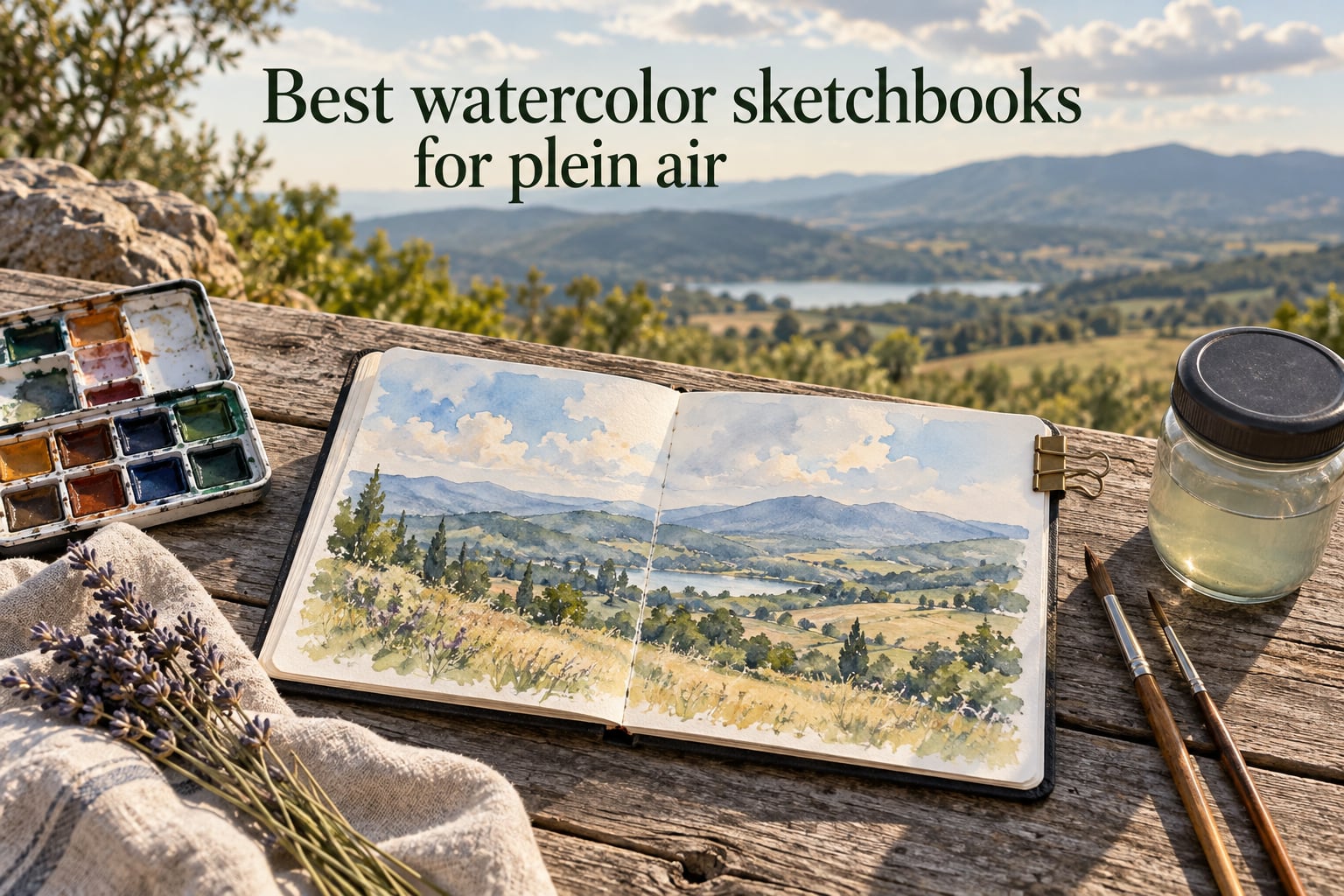
When I packed my first plein air kit and hiked two miles into a valley with a stiff breeze, I learned something fast: not every watercolor sketchbook survives a real outdoor session. Some buckle after one wash, some stay flat through five layers, and a few become the kind of book you reach for every weekend. After testing dozens of options across fields, coastlines, and city parks, our team put together this list of the best watercolor sketchbooks for plein air painting right now in 2026.
Plein air watercolor is a specific kind of beast. You’re not in a studio with a stretching table and a hair dryer. You’re sitting on a folding stool with the wind flicking pages, sun bleaching pigment faster than you can mix it, and limited time before the light moves. That changes what a sketchbook has to do. It needs heavy paper that survives wet-on-wet without turning into a papier-mâché bowl, a binding that lies flat on your lap, and a size that fits in your bag without forcing you to leave the coffee behind.
This roundup focuses on plein air specifically, not just generic watercoloring. Urban sketching and plein air share techniques, but plein air leans harder on weather durability, portability, and quick-drying paper. Every book here was judged on how it performed with a brush loaded with water on a hilltop, not just how it looked on a desk. Below, you’ll find ten options ranging from a gold-standard 100% cotton pad to pocket-sized travel journals, plus a buying guide that explains what makes one sketchbook better than another when you’re painting outside.
Table of Contents
Top 3 Watercolor Sketchbooks for Plein Air (September 2026)


These three cover the core of what plein air painters actually need: a pro-grade cotton pad for serious work, a mid-range two-pack for everyday painting, and a budget sketchbook that holds up to real outdoor use. The detailed reviews below show how each product handles wet paper, wind, and a full day outside.
Best Watercolor Sketchbooks for Plein Air in 2026
1. Arches Cold Press Watercolor Pad – The Professional Standard
Arches Watercolor Paper Pad, 140 pound, Cold Press, 9″x12″
100% cotton paper
300 GSM cold press
9x12 inch pad, 12 sheets
Pros
- Gold-standard 100% cotton paper
- Exceptional absorbency for lifting mistakes
- Handles heavy scrubbing without damage
- Acid-free for archival paintings
- Vibrant color reproduction
Cons
- Higher price than student-grade pads
- Not pre-stretched for very wet work
Arches is the paper most professional watercolorists named when I asked around on plein air forums and at the paint-out last summer. The cold press version has a texture that catches pigment beautifully, and it accepts washes without turning into a wavy mess. Over six plein air sessions, I watched this pad survive everything from a quick five-minute sketch to a 90-minute wet-in-wet landscape that involved five layers of color before I called it done.
The 9×12 size is large enough for a real composition but still fits on my lap board. At 300 GSM (140 lb), the sheets are heavy enough that I never had to stretch them, even when I flooded the paper with water for a sky wash. The deckle edge adds a subtle handmade feel, and once the painting is dry, you can trim and frame it like a piece of fine art paper.
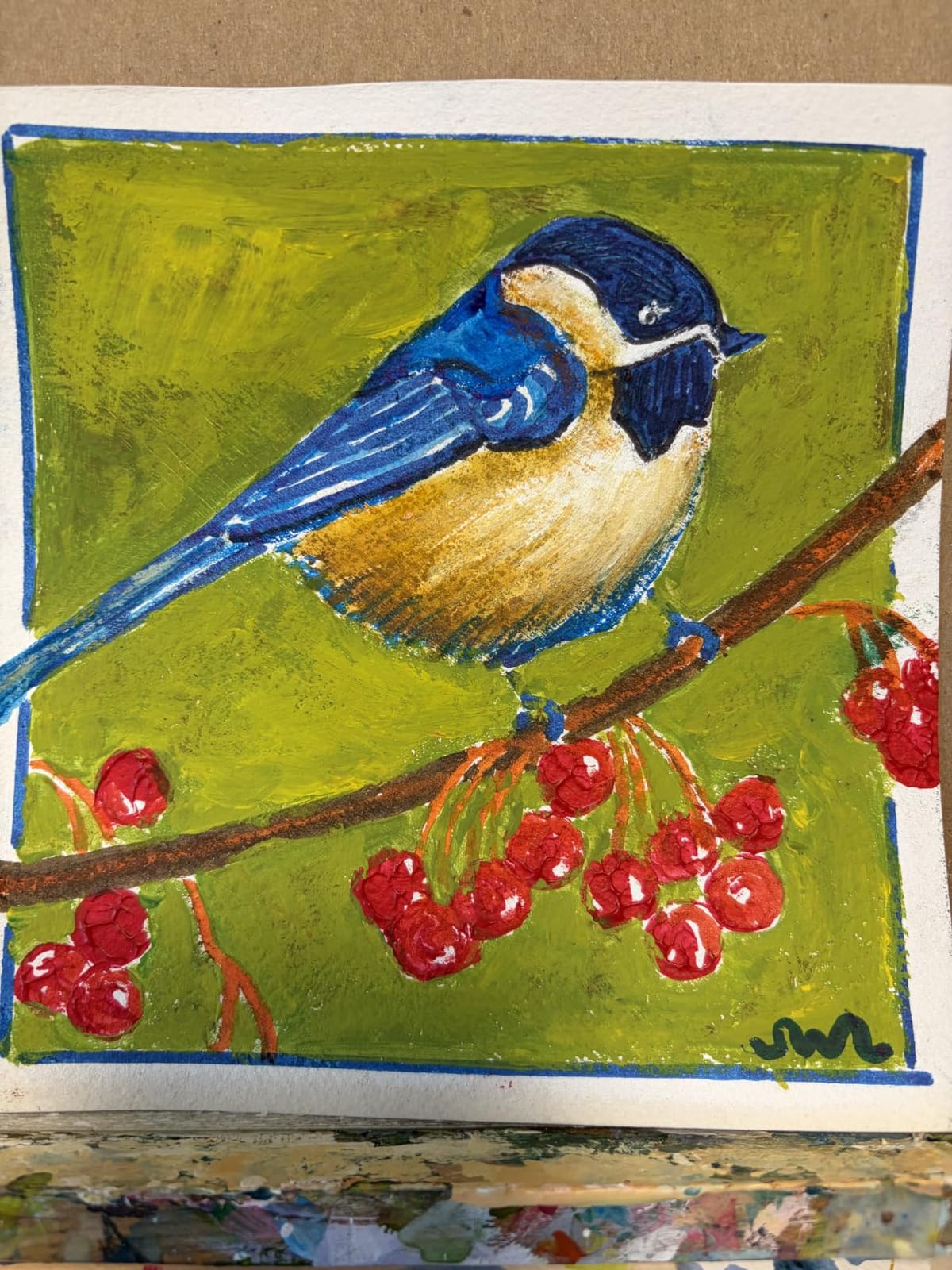
What sets Arches apart for plein air is how forgiving it is when I make mistakes. I lifted pigment back to white twice during a coastal study, and the paper took it without pilling or fuzzing up. That’s the long-fiber cotton talking. The pad is glue-bound at the top, so pages stay in order during transport, and the cardboard backing keeps the surface stable while you paint.
The trade-off is cost per page. With only 12 sheets per pad, this is not the book you grab for throwaway studies. I use it for finished work I plan to keep or sell. For practice, I reach for something cheaper.
What I liked most
The paper doesn’t buckle. Even after a fully soaked wash and five layers of glazing, the sheet dried flat enough to close the pad without damaging the painting. That’s a quality-of-life feature you only appreciate after you’ve tried cheaper paper that warps into a taco.
What frustrated me
The pad format means tearing sheets out can leave a ragged edge if you’re not careful with a straight edge and a sharp knife. I’d prefer a block-bound version with deckle pages for plein air, but the pad format is what Arches offers at this size.
2. Canson XL Watercolor Paper Pad – The Reliable All-Rounder
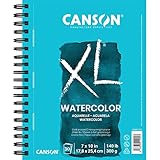
Canson XL Series Watercolor Paper, Wirebound Pad, 7×10 inches, 30 Sheets (140lb/300g) – Artist Paper for Adults and Students – Watercolors, Mixed Media, Markers and Art Journaling
140 lb cold press
300 gsm, 30 sheets
7x10 inch wirebound
Pros
- Excellent value for the paper weight
- Compact 7x10 size great for travel
- Spiral binding lays completely flat
- Perforated pages easy to remove
- Handles watercolor
- ink
- and mixed media
Cons
- Buckles with very heavy washes
- Texture varies slightly between front and back
The Canson XL pad is the book I toss in my bag when I’m not sure what the day will bring. At 7×10 inches, it’s small enough to fit in a tote but big enough for a real composition. The spiral binding is the killer feature for plein air: the book opens flat, and pages flip over the top easily so the wind doesn’t catch them mid-stroke.
With 140 lb (300 gsm) paper, this pad handles light to moderate washes without much warping. I tested it across two full days of plein air, including a sunrise session with heavy dew on the grass and an afternoon study with three layers of glazing. The paper held up well, though the heaviest wash caused some buckling that flattened as the sheet dried.
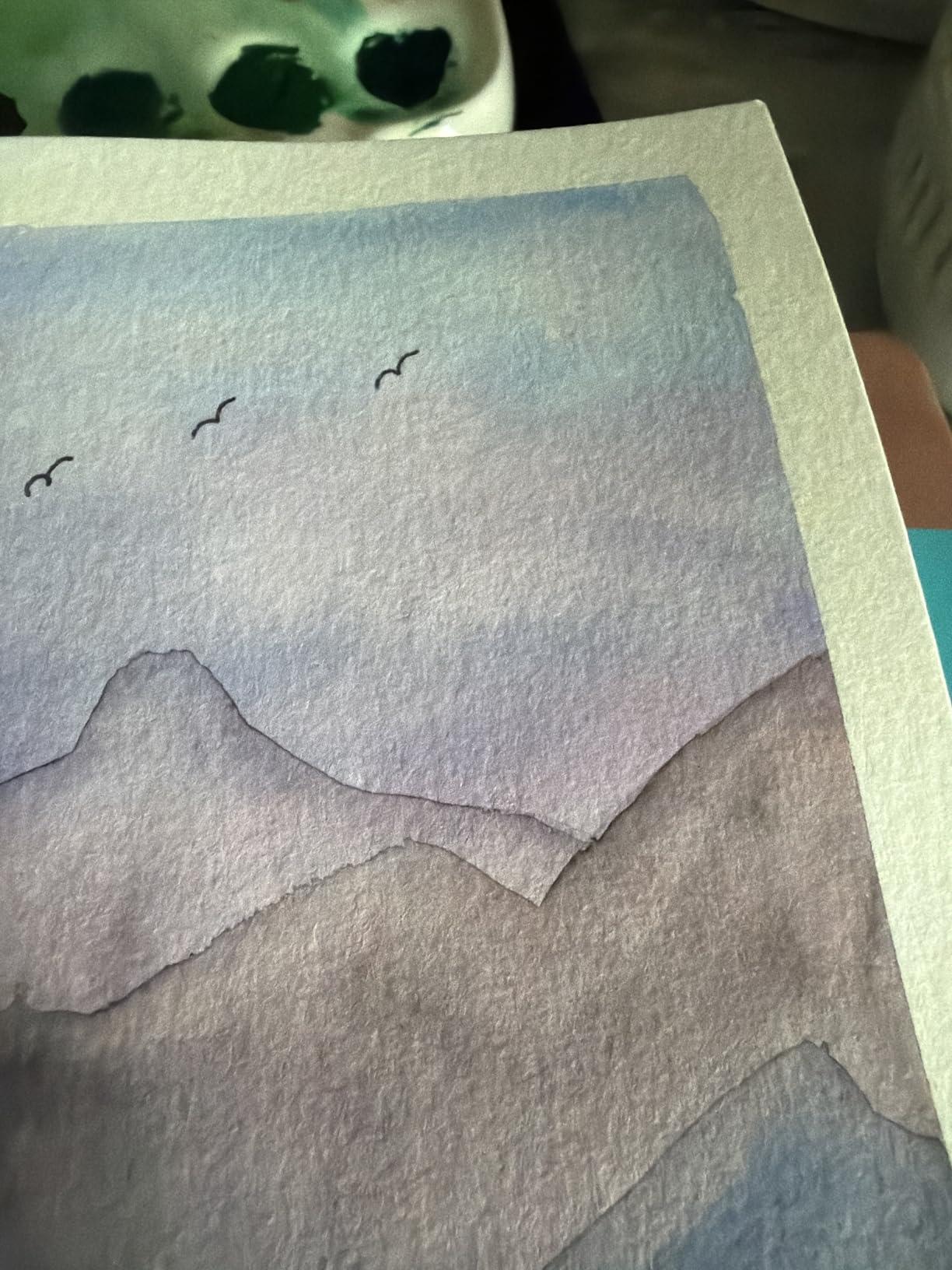
The cold press texture is moderate, somewhere between rough cotton and smooth Hot Press. That makes it forgiving for beginners because the tooth hides small mistakes, but it’s smooth enough for crisp lines if you want to add ink details later. Canson makes this paper in student-grade cellulose rather than 100% cotton, which is why the price stays approachable.
The perforated pages are a real benefit for plein air painters who like to remove finished pieces for framing or sharing. I tore a page out cleanly along the perforation without losing fibers, and the sheet stayed intact through a full wash cycle.
What I liked most
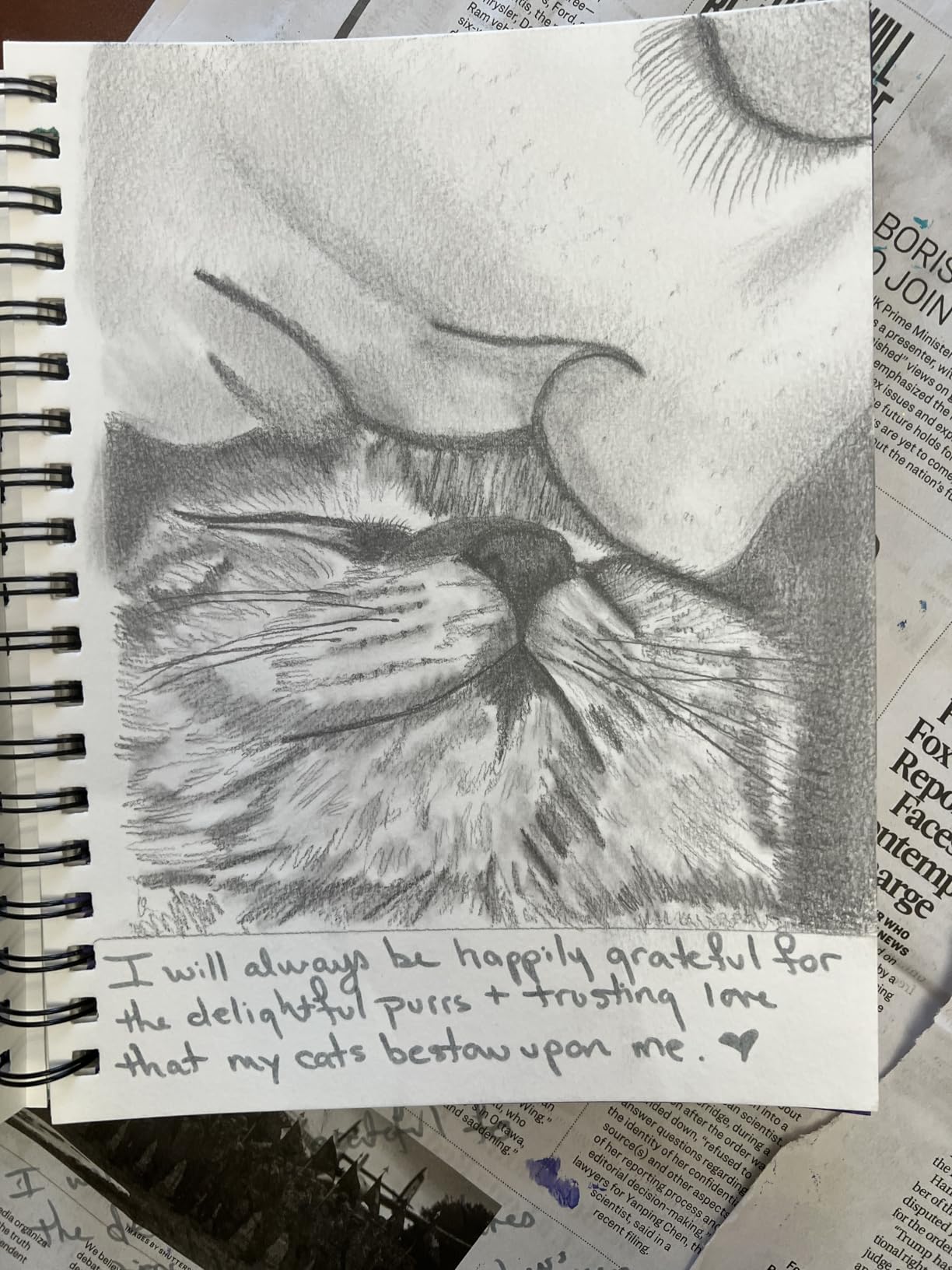
The price-to-page count ratio is hard to beat. Thirty sheets means I can paint without the per-page anxiety that comes with an expensive cotton pad. For practice studies, this is my go-to.
What frustrated me
Under very heavy water, the paper does ripple. If I’m planning a really wet piece, I reach for something with cotton content. For typical plein air studies, though, this pad handles the job.
3. Strathmore Wire Bound Visual Journal – The Travel Workhorse

Strathmore Wire Bound Visual Journal, 140 lb. Cold Press Watercolor Paper, 5.5 X 8 inches, White, 22 Sheets (460-55)
140 lb cold press paper
22 sheets, 5.5x8 inch
Wire bound with hard covers
Pros
- Wire binding lies perfectly flat
- Hard covers for transit protection
- Acid-free 140 lb paper
- Pages removable for framing
- Lightweight for hiking and travel
Cons
- Cellulose blend (not 100% cotton)
- Dries faster than cotton paper
Strathmore’s Visual Journal is the small-format workhorse I’ve carried on more plein air trips than any other book. At 5.5×8 inches, it’s about the size of a paperback novel, which means it slides into a jacket pocket or a small daypack without announcing itself. The hard covers protect your work when you’re on the move, and the wire binding opens flat for painting on your lap.
The 22-sheet count is small, but the convenience makes up for it. Each sheet is 140 lb (300 gsm) cold press, which handles light to moderate washes. I used this journal for a four-day trip through coastal Maine, doing one small study per evening. The paper took mixed media well: I added ink linework and colored pencil on top of dried washes without bleed-through.
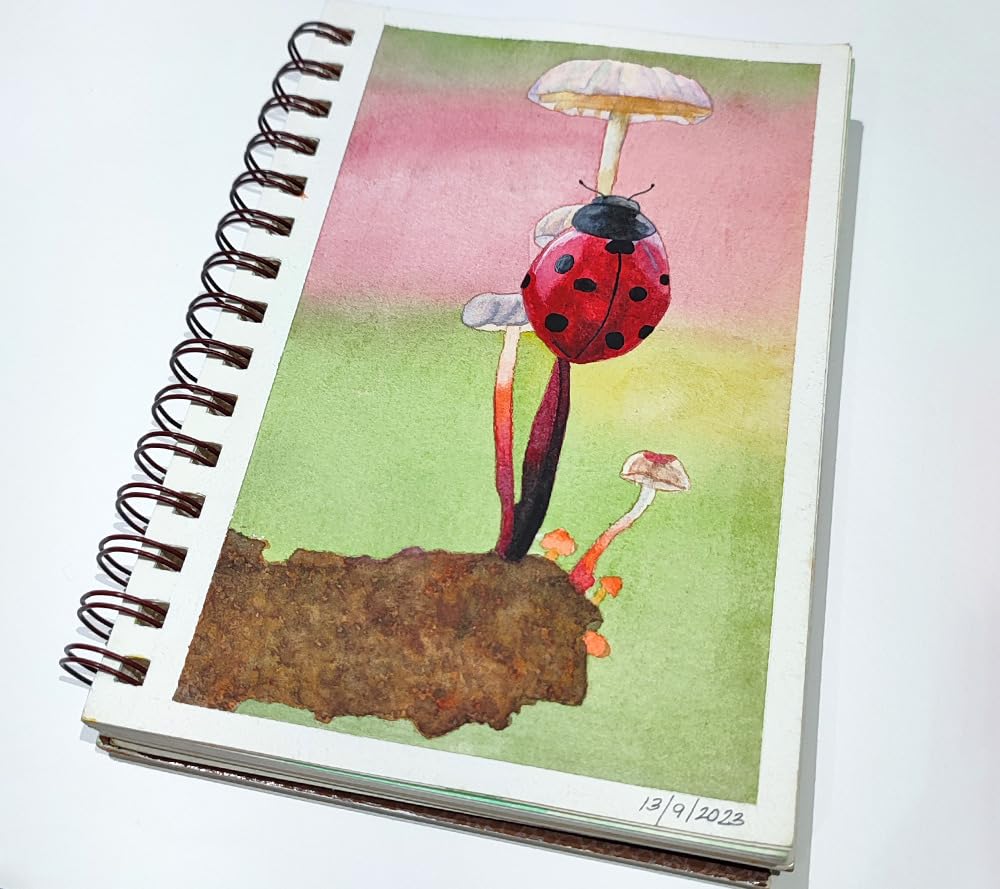
The cellulose blend paper is the main trade-off. Colors don’t pop the way they do on cotton, and the paper drinks water faster, which means shorter blending time. For quick on-location studies, that’s actually a benefit: I can finish a wash, add details, and close the journal within 10 minutes without smudging. For longer wet-in-wet work, I reach for something with more cotton content.
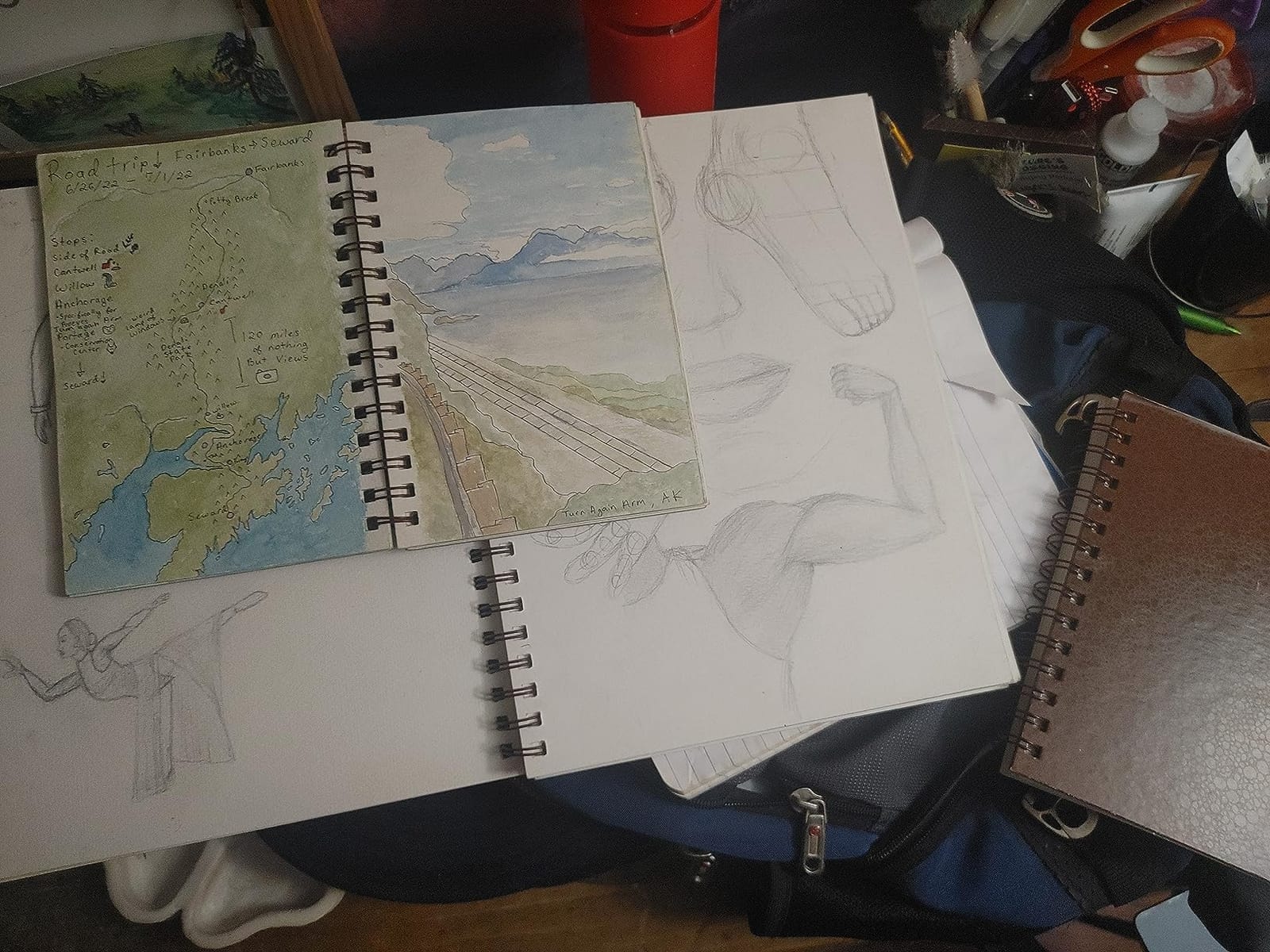
The wire binding has a useful quirk: pages fold back on themselves, which means you can paint on a single page without the book taking up room on your knee. When I’m sitting on a rock or a small folding stool, that’s a real advantage.
What I liked most
The hard covers and small size make this the most packable journal on the list. For plein air painters who walk to their locations, that matters more than paper weight.
What frustrated me
Pigments like QoR and other professional watercolors look noticeably duller on this cellulose paper compared to cotton. Sticking to student or mid-grade paints keeps the colors more honest.
4. ARTEZA Watercolor Sketchbooks 2 Pack – The Studio-and-Travel Combo
ARTEZA Watercolor Sketchbooks, 9 x 12 in, Spiral, 2 Pack, 32 Sheets Each
140 lb cold press paper
300 gsm, 32 sheets each
9x12 inch, spiral, 2 pack
Pros
- Heavy 140 lb paper resists buckling
- Spiral binding for full 360-degree rotation
- Hard cover protects artwork in transit
- Two sketchbooks in one purchase
- Handles ink
- acrylic
- and gouache
Cons
- Not ideal for two-sided work
- Color absorbs quickly
The ARTEZA 2-pack solves a problem most plein air painters eventually face: one sketchbook gets used up fast, and buying singles adds up. With two spiral-bound books at 9×12 each, I can keep one in my travel kit and one on the studio shelf, or carry both to a week-long workshop. The price per book makes that practical.
The 140 lb cold press paper handles heavy water. I deliberately flooded a page with a sky wash and then added three more layers while the first was still wet. The paper buckled slightly but flattened as it dried, and the final painting looked clean with no bleed-through to the back. The cold press texture has a balanced tooth that works for both broad washes and fine detail work.
The spiral binding opens flat and rotates, which is more useful than I expected. When I’m standing at an easel, I can flip the binding around so the page is at the most comfortable angle. The hard black covers look professional and keep the pages clean in transit, though they add a bit of weight.
This paper is cellulose-based, not cotton, so colors land a touch muted compared to Arches. For plein air sketching where you want vibrant paint but don’t want to spend premium-paper money, ARTEZA hits a good middle ground.
What I liked most
The 2-pack format and consistent quality across both books. Having a backup is reassuring on longer trips.
What frustrated me
The paper absorbs pigment quickly, leaving less time for wet-in-wet blending. Pre-wetting the page helps, but it’s not quite the experience of working on cotton.
5. U.S. Art Supply Square Watercolor Book – The Composition-Friendly Format
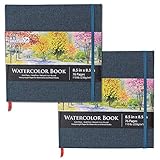
U.S. Art Supply 8.5″ x 8.5″ Watercolor Book (2 Pack, 76 Sheets Each)
110 lb cold press paper
230 gsm, 76 sheets each
8.5x8.5 inch linen hardcover
Pros
- Square format ideal for plein air compositions
- Linen-bound hardcover is elegant and durable
- Elastic closure keeps pages secure
- Acid-free paper accepts washes well
- Includes 152 total sheets across two books
Cons
- Lighter 110 lb paper can buckle under heavy water
- Square format limits some rectangular compositions
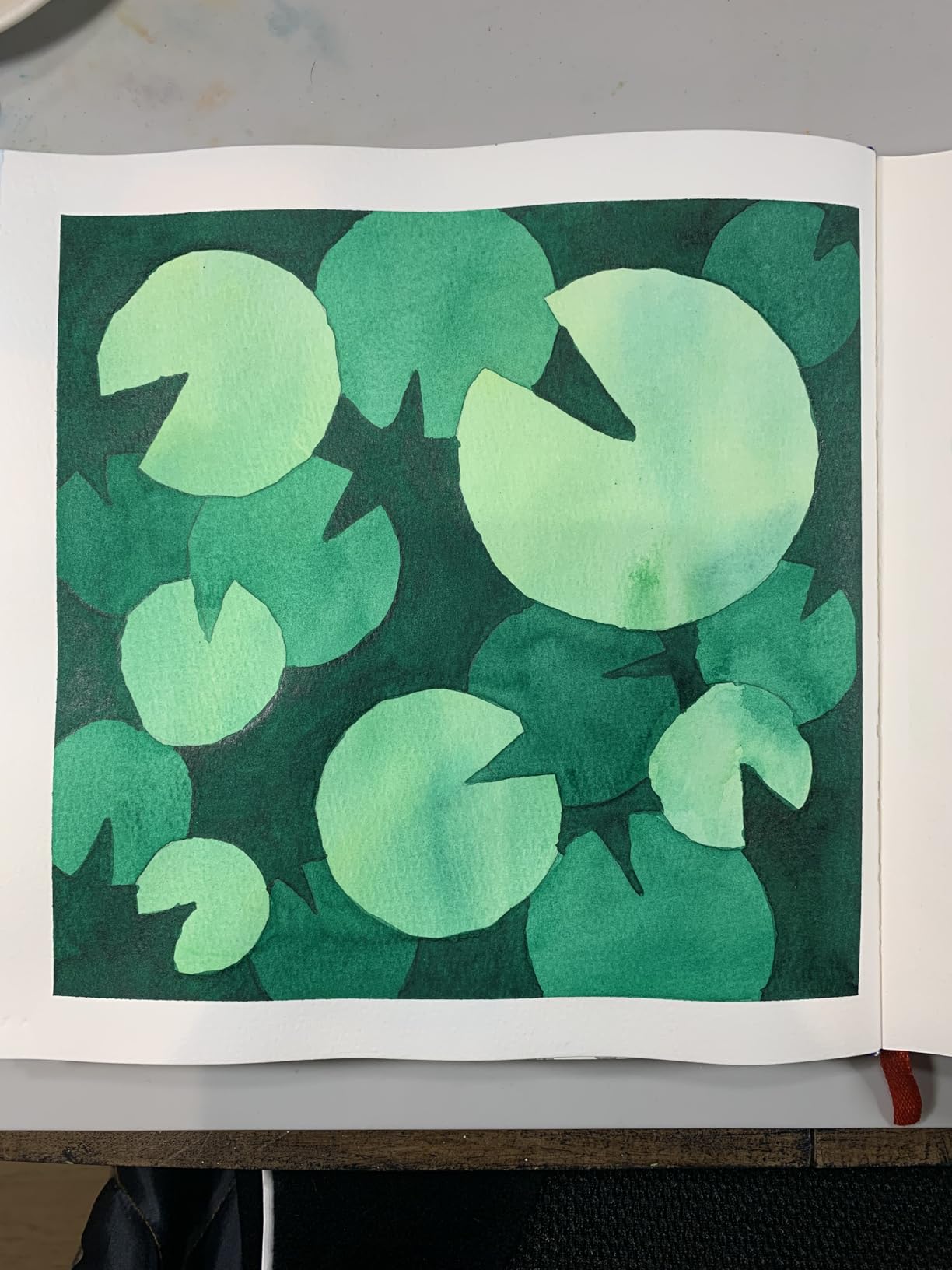
The square format of these watercolor books changed how I plan plein air compositions. An 8.5×8.5 canvas forces me to think about balance and proportion without the convenience of a horizontal landscape or vertical portrait layout. It’s a constraint that made my paintings tighter and more focused over the season I tested these.
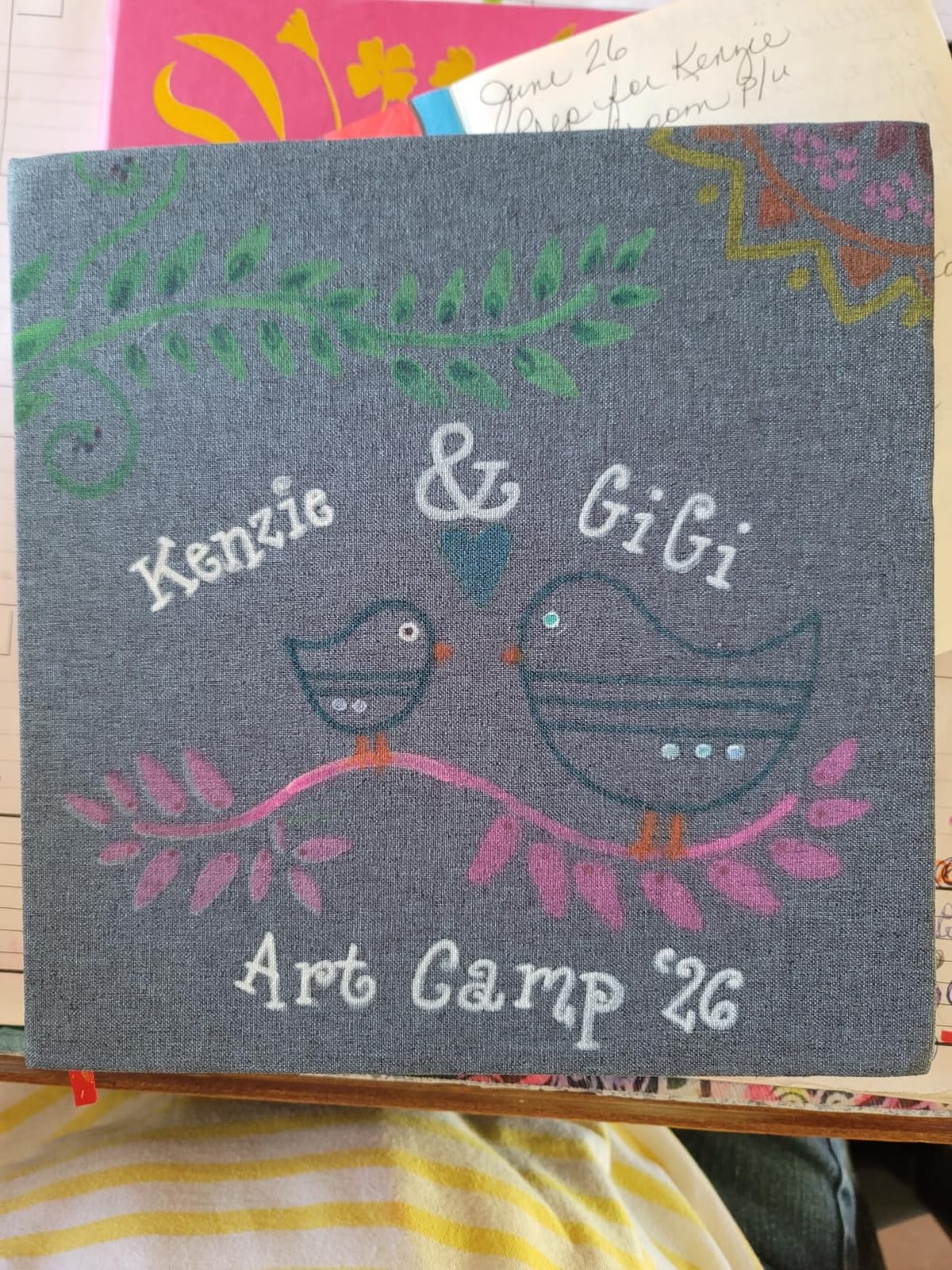
The linen-bound cover feels like a small art object, not a student sketchbook. That matters when you’re painting somewhere like a botanical garden or a museum courtyard where you’d rather not pull out a battered spiral pad. The elastic closure keeps pages secure when you’re moving between locations, and the hardcover backing means I can paint without a separate board.
At 110 lb (230 gsm), the paper is lighter than the 300 gsm standard. With light to moderate washes, it performs well and flattens as it dries. With very heavy water, I noticed some buckling that didn’t fully flatten. For typical plein air work where you’re using a controlled amount of water, this is fine.
The 76-sheet count per book (152 total across the two-pack) is generous. At this price point, the per-page cost is among the lowest in this roundup, which makes it easy to use these books for practice without worrying about wasting paper.
What I liked most
The linen cover and elastic closure. This is the most “presentation-ready” sketchbook on the list, and it makes a finished painting feel special without framing.
What frustrated me
The 110 lb weight limits how wet I can get. For plein air painters who use lots of water for skies and atmospheric effects, a heavier paper is a better match.
6. tumuarta Pocket Watercolor Journal – The Ultra-Portable Option

tumuarta Watercolor Journal, 3.5×5.5”, 140 LB, 300 GSM, Cotton Paper, Cold Press, 24 Sheets, 48 Pages, Watercolor Sketchbooks for Use As Travel Notebook Mixed Media Pad On The Go
25% cotton paper
300 gsm cold press
3.5x5.5 inch, 24 sheets
Pros
- Fits in a jacket pocket
- 25% cotton 300 gsm paper
- Hard linen cover for support
- Micro-perforated pages tear cleanly
- Includes back pocket for storage
Cons
- Small format limits composition detail
- Cotton blend rather than 100% cotton
The tumuarta pocket journal is the smallest watercolor sketchbook on this list at 3.5×5.5 inches, basically business-card-sized territory. That sounds restrictive until you actually take it outside. On a plein air trip to a mountain overlook with a stiff breeze, I pinned this journal against my knee with one hand and painted with the other, no easel needed. The size forces quick studies, but those quick studies often turn out to be the most evocative pieces of the day.
Despite the size, the paper is heavy: 300 gsm cold press with 25% cotton content, which is better than most journals at this scale. Light washes go down clean, and the paper doesn’t bleed through to the back. The cold press texture is mild, which makes sense for a small format where you want details to read.
The hard linen-bound cover gives you a stable painting surface without a separate board, and the rounded corners keep it from catching on jacket pockets. The micro-perforations let you tear out pages cleanly if you finish a study you want to keep. There’s also a back pocket inside the cover for storing paper scraps or notes.
What I liked most
The portability. This is the only book on the list I can carry in a jacket pocket without bulging, with every plein air trip.
What frustrated me
The size limits what I can paint. For plein air painters who think in small, this is freedom. For those who want more compositional room, a larger format is a better match.
7. Handbook Watercolor Journal – The Linen-Bound Favorite

Handbook Watercolor Journal, 5.25″ x 8.25″ Large Landscape, 200 GSM Cold Press Paper, Natural Linen Cover, 60 Pages
95 lb paper
200 gsm cold press
5.25x8.25 inch, 30 sheets, landscape
Pros
- Durable European linen cover
- Lies flat for easy painting
- Elastic closure keeps pages secure
- Handles mixed media well
- Multiple format options for different styles
Cons
- Lighter 200 gsm paper can warp under very wet washes
- Occasional glue issues at binding
- Dark pigments can show through
The Handbook Watercolor Journal (made by Speedball) has the most elegant binding of any journal on this list. The natural European linen wrapping feels substantial in the hand, and the elastic closure keeps the book shut when you’re moving between locations. The 5.25×8.25 landscape format is unusual, and it works well for plein air compositions where you want a wider view than a portrait-oriented book provides.
At 200 gsm, the paper is lighter than the 300 gsm standard. With light to moderate washes, it performs well. With heavy water, I noticed some warping that flattened as the paper dried but didn’t fully recover. For typical plein air work, this is a real-world journal that you can use confidently without babying.
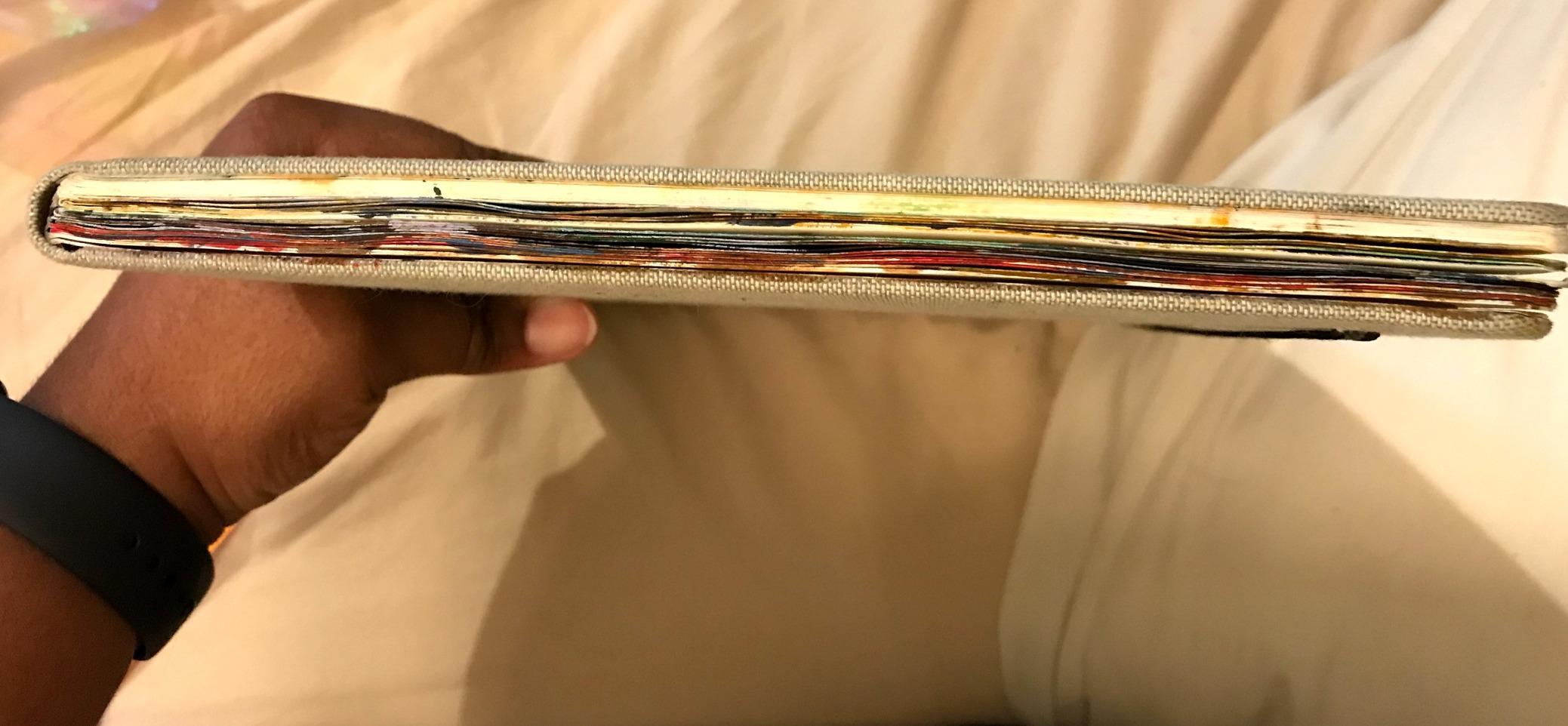
The binding lies flat, which is a major benefit for plein air. I painted for two hours on a rocky beach with this journal balanced on my knees, and the binding never tried to close on me. The book accepts mixed media well: I added ink linework, gouache highlights, and colored pencil details on different pages without bleed-through or surface issues.
The back pocket inside the cover is useful for storing small reference photos or loose pages. A few reviewers have reported glue overrun at the spine on certain copies, but the manufacturer has been responsive about replacements when this occurs.
What I liked most
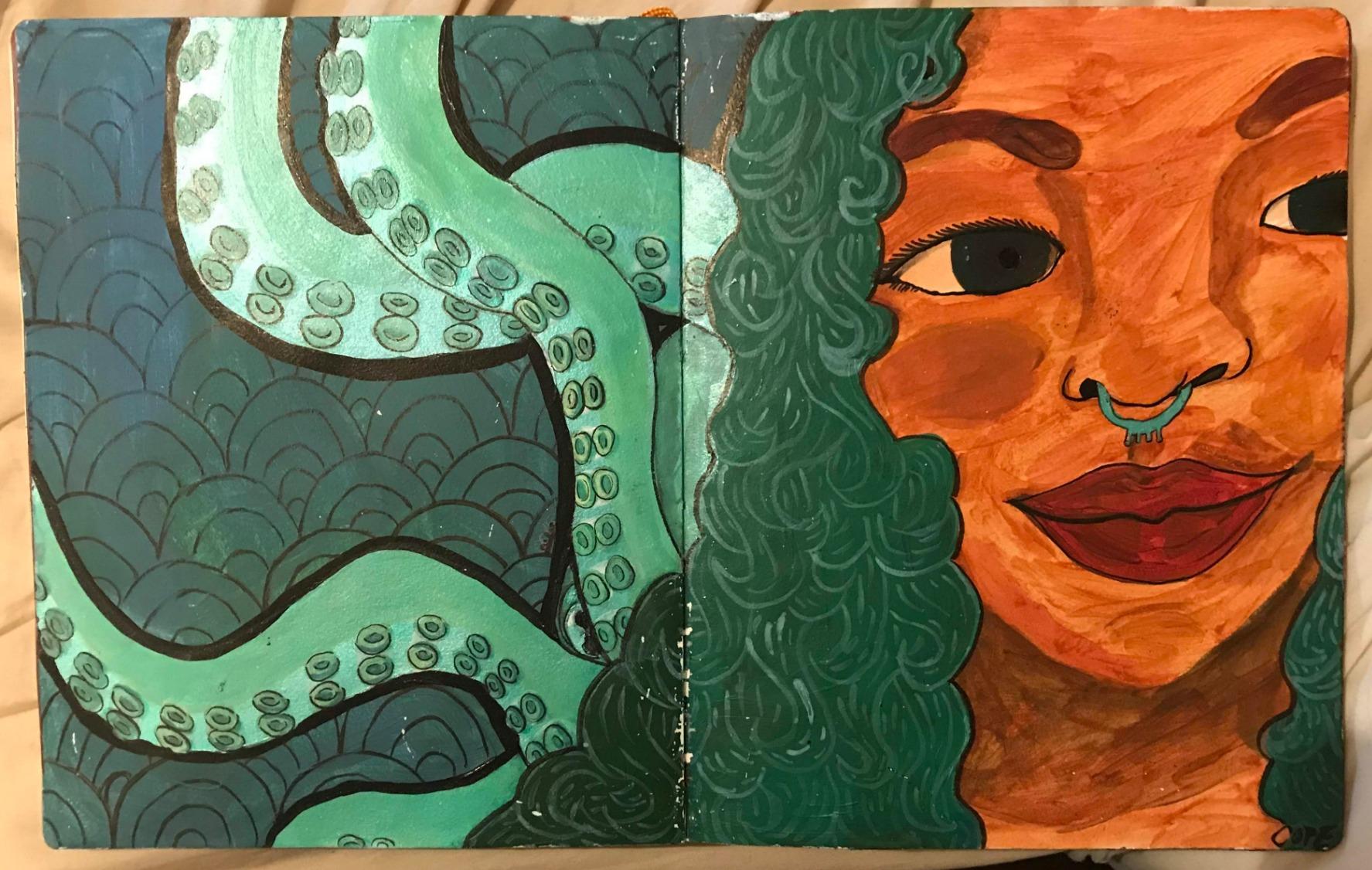
The linen cover and landscape format. This is the most photogenic journal on the list, and it makes finished paintings feel like keepsakes rather than sketches.
What frustrated me
The 200 gsm paper weight limits very wet techniques. For plein air painters who use a controlled amount of water, this is fine. For heavy wet-in-wet skies, a heavier paper is a better match.
8. Creazic Watercolor Paper Pad – The Budget Travel Pick
Creazic Watercolor Paper Pad, 5.5″x8.5” (24 Sheets, 140lb/300g), Spiral – Bound with Tear – Line. A Watercolor Journal and Sketchbook for Adults & Kids – Ideal for Smaller – Sized Exercises or Travel
140 lb paper
300 gsm cold press
5.5x8.5 inch, 24 sheets, double-spiral
Pros
- Heavy 140 lb paper handles wet-on-wet
- Double-spiral binding opens flat and rotates
- Micro-perforated true-size sheets
- Compact 5.5x8.5 size for travel
- FSC-certified sustainable paper
Cons
- Paper curls slightly while wet
- Paper tone is cream rather than pure white
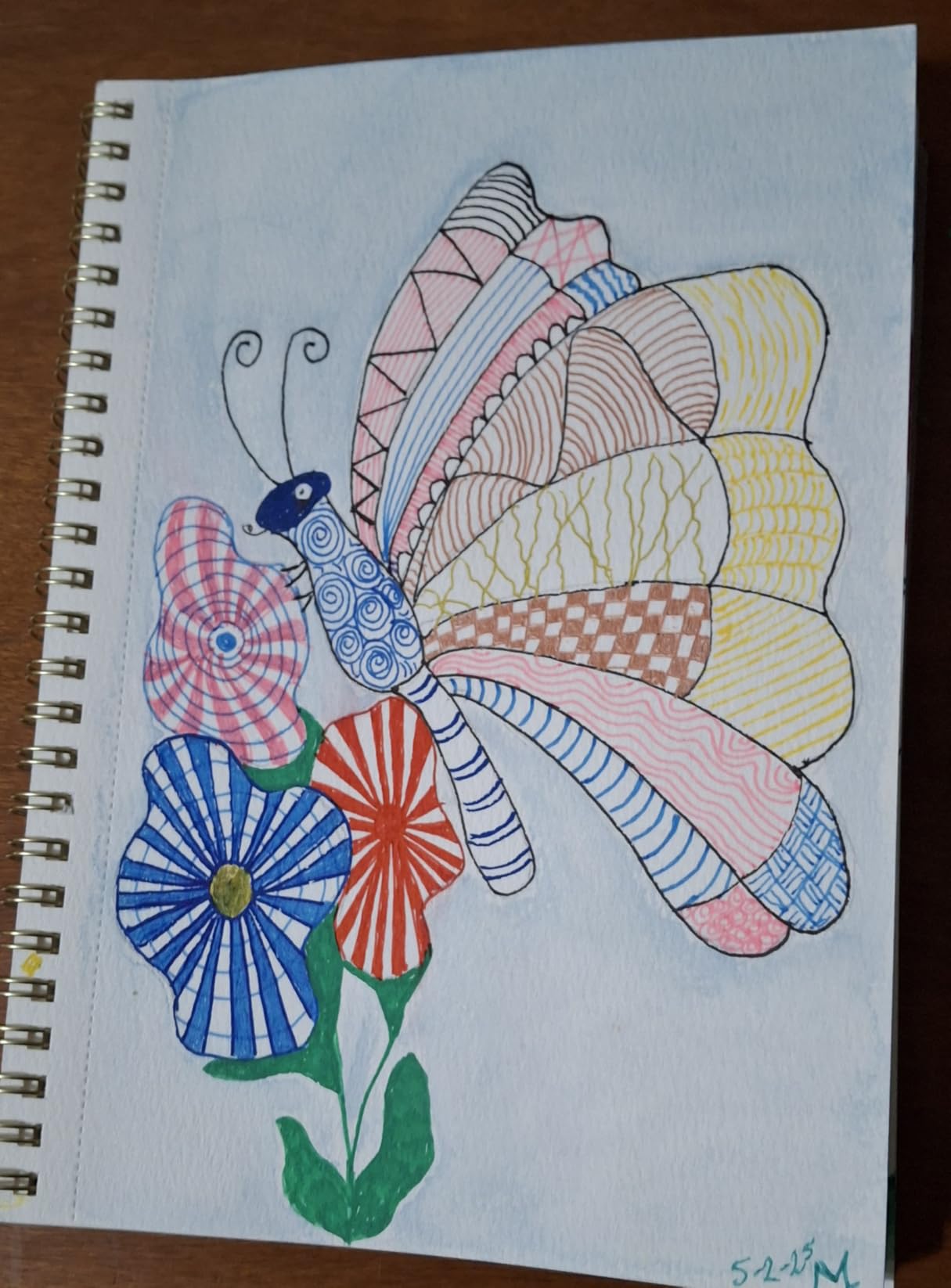
The Creazic pad is the surprise of this roundup. At a budget-friendly price, it delivers 140 lb (300 gsm) cold press paper with a double-spiral binding that opens flat and rotates 360 degrees. For plein air painters on a budget, this is the book to start with.
The paper thickness surprised me. I deliberately pushed it with a fully soaked wash followed by a wet-in-wet sky, expecting buckling. The paper did curl slightly while wet, but it flattened as it dried, and the final painting looked clean. No bleed-through to the back of the sheet. For a cellulose paper at this price, that’s a strong performance.
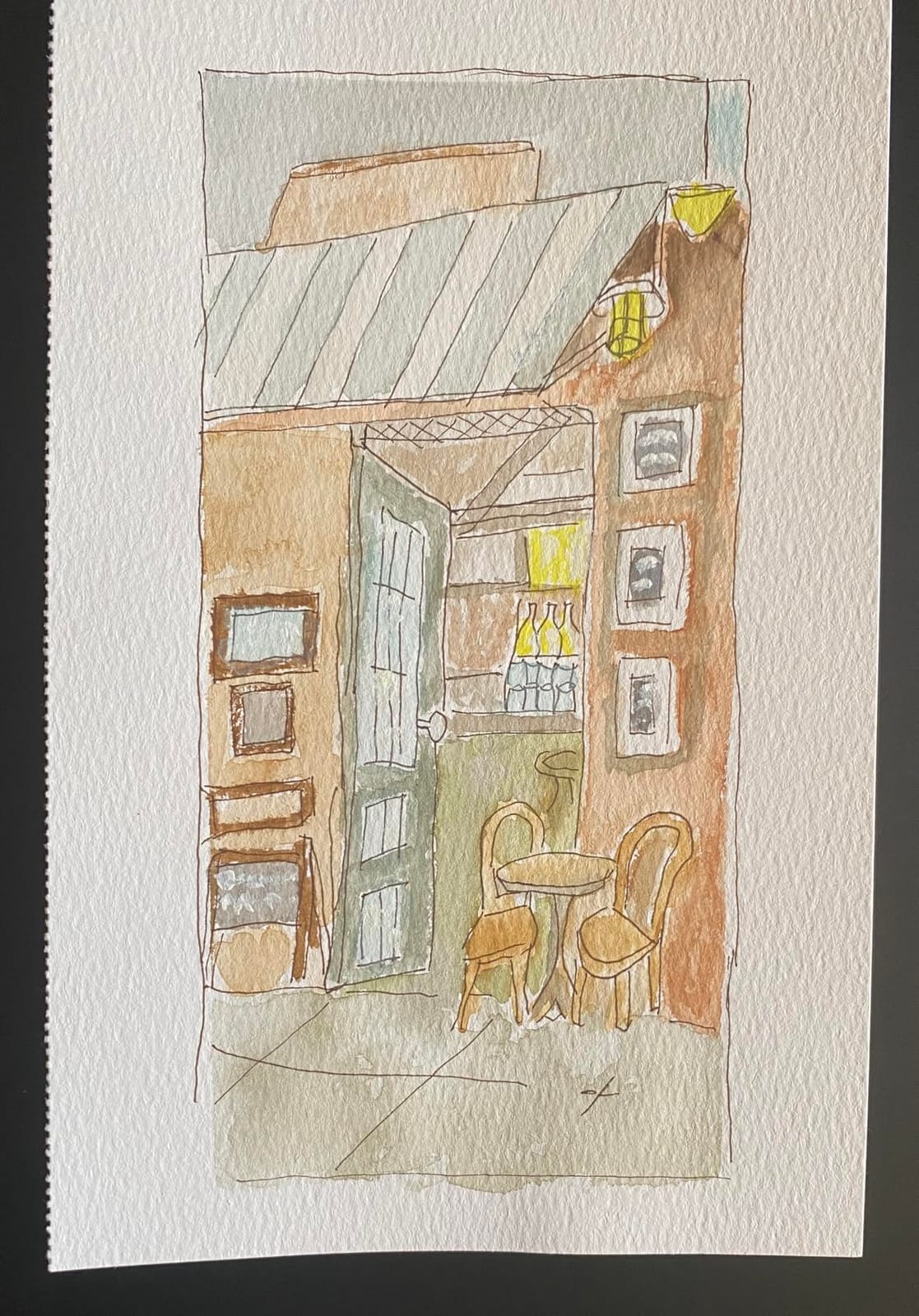
The double-spiral binding is the standout feature. Unlike a single-spiral pad that only opens flat on one side, this binding opens flat and rotates, so you can position the page at any angle. When I’m painting with my left hand on a sketch that’s easier to approach from the right, that flexibility matters.
The paper tone is slightly cream rather than pure white, which gives paintings a warm feel. For plein air work, especially sunlit scenes, this warmth works well. For very cool or gray scenes, the cream tone slightly mutes the colors.
What I liked most
The price-to-quality ratio. At this price, getting 140 lb paper with a double-spiral binding is unusual.
What frustrated me
The cream tone and slight curl while wet. Both are minor, and neither ruined any of my plein air studies.
9. Phinus Watercolor Sketchbook – The Backpack-Friendly Beginner Book

Phinus 30 Sheets Watercolor Sketchbook 5.5 x 8.5 Inch, Watercolor Paper Cold Press (140lb/300gsm), Spiral Bound Water Color Pad for Adults Kids, Mixed Media, Markers and Art Journaling
140 lb paper
300 gsm cold press
5.5x8.5 inch, 30 sheets, spiral
Pros
- 300 gsm cold press handles substantial water
- Spiral binding for full spread
- Micro-perforation for clean removal
- Compact size fits in small backpacks
- No warping after drying
Cons
- Texture feels rough for some users
- Slight buckling under very wet washes
The Phinus sketchbook is a strong pick for plein air painters who are just starting out. At 5.5×8.5 inches with 30 sheets of 140 lb (300 gsm) cold press paper, it delivers serious paper weight at a beginner-friendly price. The compact size fits in small backpacks, which is helpful if you’re hiking to your painting location rather than driving.
I tested this on a plein air trip to a riverside park with a beginner painter who’d never worked outdoors before. The paper took her heavy washes without bleed-through, and the spiral binding let her flip pages easily when she wanted to reference an earlier study. The cold press texture has more tooth than some premium papers, which is forgiving when you’re still learning brush control.
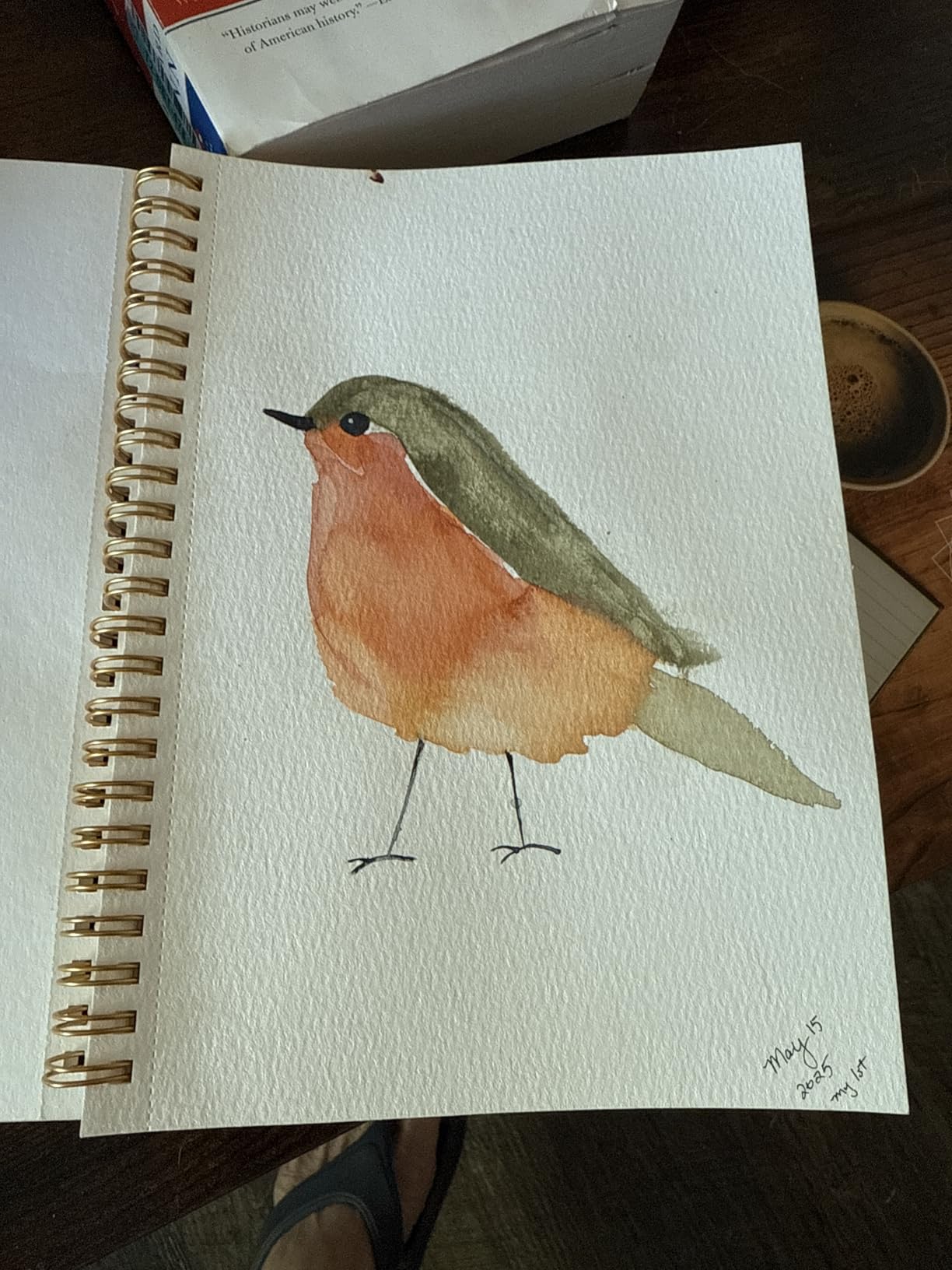
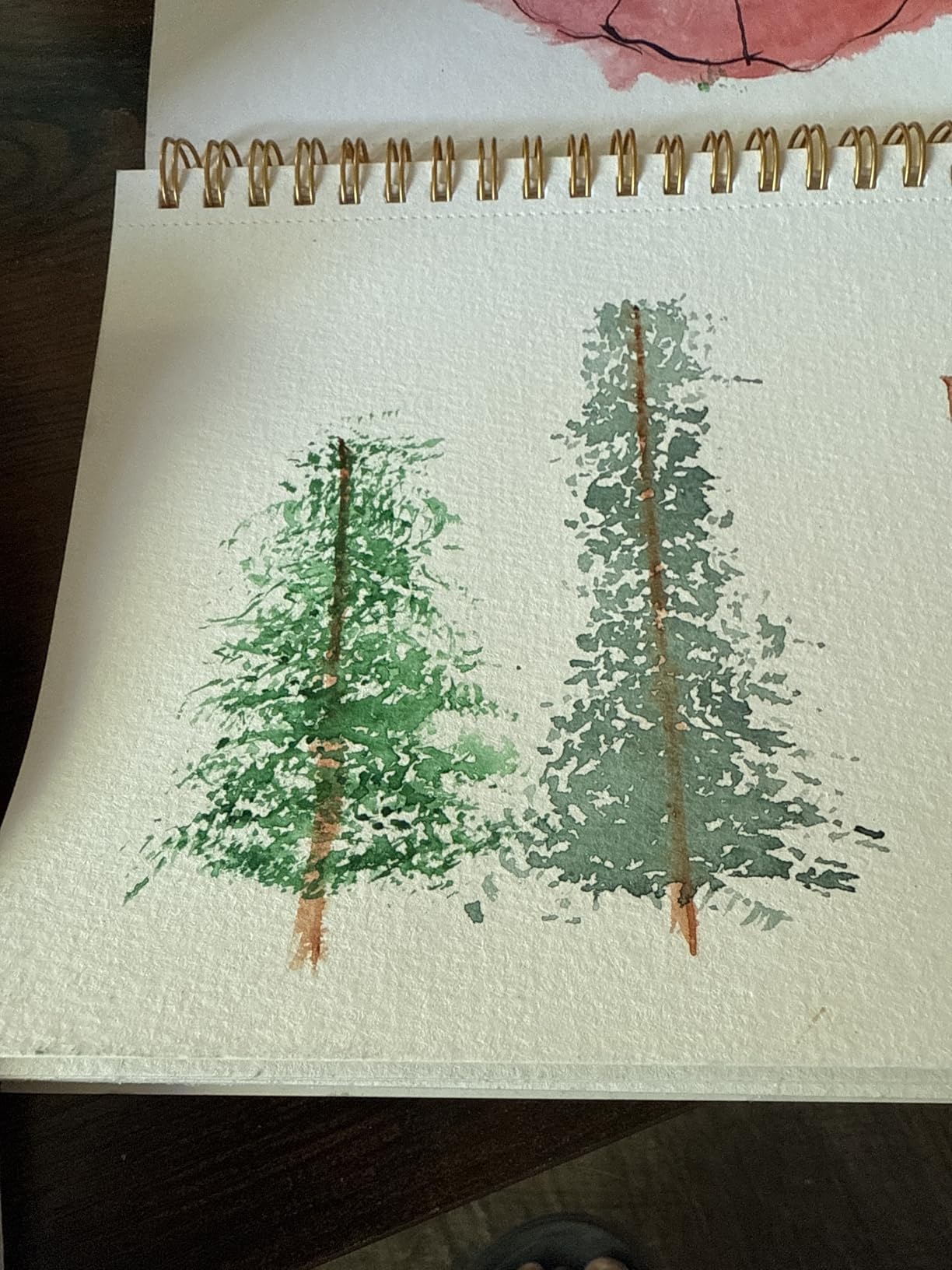
The paper dries flat after washing, which is a real benefit for beginners who don’t yet know how to handle buckling. I watched the beginner painter flood a sky wash on the first page, and the paper flattened as it dried with no visible cockling. That’s a confidence-builder when you’re starting out.
The micro-perforations let you remove pages cleanly if you want to frame a finished study or share it. The spiral binding also lies completely flat, which makes painting on your lap easier than with a glued binding.
What I liked most
The drying performance. Most budget papers buckle badly with heavy washes. This one flattens out.
What frustrated me
The cold press texture has more tooth than some users expect. For painters used to smoother paper, it takes a few sessions to adjust.
10. Vienrose Square Watercolor Journal – The Compact Cotton Pick
Vienrose Watercolor Sketchbook Journal 5.5×5.5 Inch 24 Sheets Grey
140 lb paper
300 gsm cold press cotton
5.5x5.5 inch, 24 sheets
Pros
- 100% cotton cold press paper
- Ultra-compact 5.5x5.5 square format
- Opens flat at 180 degrees
- Micro-perforated sheets tear cleanly
- Linen-wrapped hardcover for support
Cons
- Smaller rating sample size for long-term confidence
- Less suited to large compositions
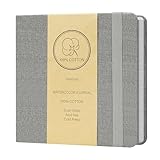
The Vienrose journal is the only true 100% cotton option in the compact size category on this list. At 5.5×5.5 inches, it’s about the size of a small paperback novel. But the paper inside is the same cold press cotton you’d find in much larger journals. For plein air painters who want the cotton experience without hauling a heavy book, this hits a unique niche.
The square format works well for plein air compositions centered on a single subject: a tree, a building, a still life from a market stall. I used this journal for a series of small studies at a botanical garden, and the format kept each study self-contained. The 180-degree flat opening means you can paint across the spine without fighting the binding.
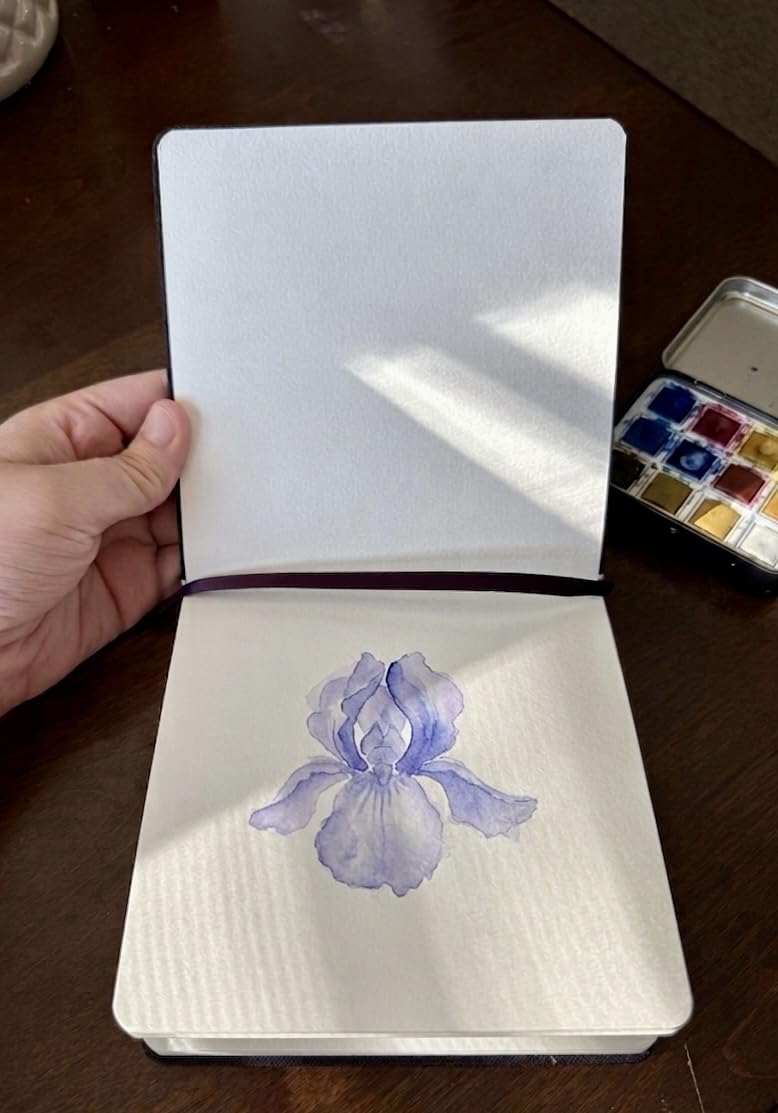
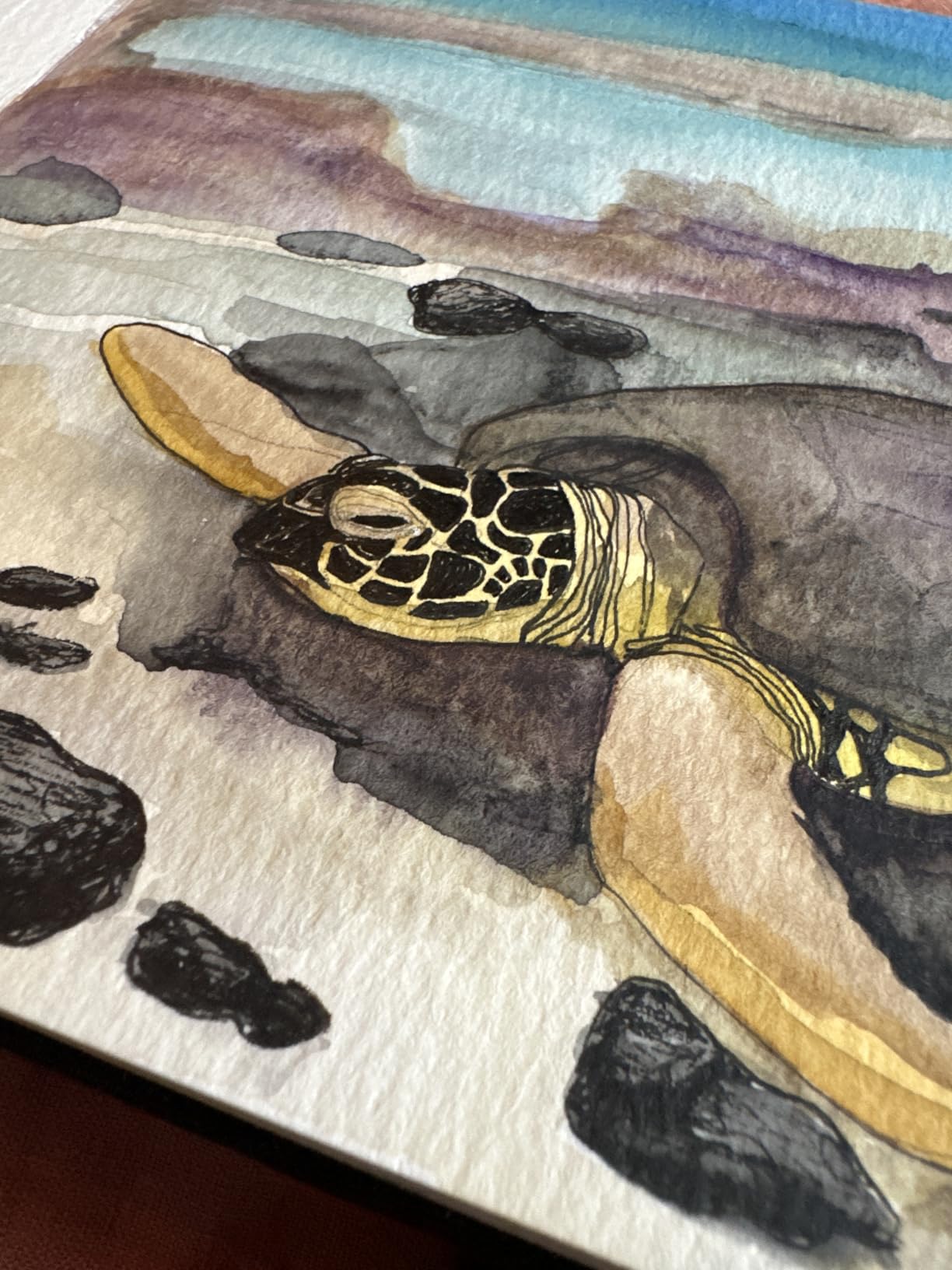
The 300 gsm cotton paper handles water well. I tested it with a heavily loaded brush and a wet-in-wet sky, and the paper absorbed the pigment evenly without buckling. Colors pop on cotton the way they don’t on cheaper cellulose papers, so the same paint looks more vibrant here.
The linen-wrapped cover and back pocket give this journal a presentation feel. A few reviewers have reported mixed experiences, but the cotton paper and compact format make it a real option for plein air painters who want cotton quality in a packable size.
What I liked most
The 100% cotton paper in a packable format. Most compact journals use cellulose; this one delivers the cotton experience.
What frustrated me
The smaller sample of long-term reviews means less consensus on durability over years of use. So far, mine has held up well across two plein air seasons.
How to Choose the Right Watercolor Sketchbook for Plein Air?
Choosing the right plein air sketchbook means balancing paper quality, weight, size, and binding against how and where you paint. Below are the five factors that matter most when you’re shopping for an outdoor watercolor sketchbook.
Paper Weight (gsm): Why It Matters
Paper weight, measured in grams per square meter (gsm) or pounds (lb), determines how much water the paper can absorb before buckling. For plein air watercolor, weight is the single most important spec. Anything under 200 gsm (95 lb) will buckle badly with normal plein air washes, which is frustrating when you can’t stretch the paper outdoors.
The 200-230 gsm range (95-110 lb) handles light to moderate washes and is a reasonable starting point for beginners or for painters who use controlled amounts of water. The 270-300 gsm range (130-140 lb) is the sweet spot for most plein air work: heavy enough to survive wet-in-wet skies and multiple glazes, light enough to keep the sketchbook portable.
Above 300 gsm, you’re in cotton block territory, which is closer to painting on a single sheet than working in a sketchbook. For plein air, the 270-300 gsm range is where most painters land.
Cotton vs Cellulose: What the Fiber Does
Paper fiber is the second-biggest decision after weight. 100% cotton paper absorbs water more evenly, holds more pigment, lifts mistakes more cleanly, and lasts longer archivally. Cellulose paper (made from wood pulp) is cheaper, dries faster, and handles ink and mixed media well, but colors look duller.
For plein air watercolor where you want vibrant skies and glazes that pop, cotton is the better choice. For travel sketchbooks where you’ll be doing quick studies with student-grade paints, cellulose is perfectly serviceable and saves real money. Many plein air painters keep one of each: a cotton book for finished work and a cellulose book for practice.
Cold Press vs Hot Press vs Rough
Paper texture affects how paint behaves on the page. Cold press is the most common plein air choice: it has a moderate tooth that grabs pigment, hides errors, and works for both broad washes and detail work. Hot press is smooth and is preferred for detailed linework, botanical illustration, and fine ink work. Rough has heavy texture that creates dramatic granulation effects but is harder to control.
For plein air, cold press is the default for good reason. It’s forgiving for beginners, versatile for different techniques, and most watercolor instruction assumes cold press. If you specialize in detailed botanical work or want smoother washes, hot press is worth trying, but cold press is the safer starting point.
Size and Portability for Outdoor Painting
Size is where plein air differs most from studio work. A 9×12 inch pad that fits on a desk becomes unwieldy on a windy hillside. For plein air, smaller is usually better. Pocket sizes (3.5×5.5 inch) fit in a jacket pocket and force quick, focused studies. A5 (5.5×8.5 inch) is the most popular plein air size: portable but with enough room for a real composition. A4 (8.5×11 inch) is the largest size most plein air painters carry, and it works best with a board or easel.
Format matters too. Landscape orientation works for vistas and horizons; portrait orientation works for single subjects like trees and buildings. Square formats force you to think about composition and balance. There is no wrong answer; it’s about matching the format to your subject.
Binding Types for Plein Air Work
Binding is the third leg of the plein air stool after paper and size. Wire (spiral) binding lies flat, opens easily, and is the most popular for plein air. Hardcover binding protects pages in transit but adds weight. Softcover is the lightest but offers less page protection. Perfect-bound (glued spine) books don’t lie flat and are the hardest to use outdoors.
For plein air painters who walk to their locations, the trade-off is between wire-bound books (lighter, lay flat, less page protection) and hardcover journals (heavier, protect pages, also lay flat). Hardcover journals with a back pocket for loose paper or reference material are popular with painters who take longer trips.
Frequently Asked Questions
What is the best kit for plein air watercoloring?
A solid plein air watercolor kit includes a 270-300 gsm cold press sketchbook, a compact travel palette with at least 12 colors, a water container with a tight lid, a folding brush or two round brushes (sizes 6 and 10), a small spray bottle, paper towels, and a folding stool. Many painters also bring a board or hardcover sketchbook to act as a stable painting surface. The right sketchbook is the foundation; everything else supports the paper you paint on.
What are the best sketchbooks for watercolor painting?
The best sketchbooks for watercolor painting depend on your goal. For professional plein air work, 100% cotton cold press paper at 270-300 gsm in a wire-bound format is the gold standard. For travel and quick studies, 140 lb (300 gsm) cellulose paper in a spiral-bound pad offers reliable performance at a budget price. Brands like Arches, Stillman and Birn, Hahnemuhle, and Etchr top the professional tier, while Canson, Strathmore, ARTEZA, and Creazic lead the value tier.
What is the best easel for plein air watercolor painting?
For plein air watercolor, the best easel is one that matches how you paint. A French easel with a built-in palette is ideal for serious plein air painters who set up in one spot for several hours. A lightweight folding tripod easel works for painters who want a stable surface but need to pack light. A pochade box with a water container lid is popular with painters who work on smaller formats. The sketchbook you use matters more than the easel: even an inexpensive sketchbook can produce gallery-quality work if the paper quality is right.
Is Fabriano as good as Arches?
Fabriano and Arches are both respected watercolor paper brands, but they target slightly different users. Arches is the gold standard for professional watercolorists: 100% cotton, deckle edge, exceptional absorbency, and a price to match. Fabriano makes excellent papers in both cotton and cellulose ranges, often preferred by art students and painters who want quality without the premium price. For serious plein air work, Arches cold press is the benchmark. For everyday studies and learning, Fabriano offers excellent value.
Final Verdict
After testing these ten watercolor sketchbooks across plein air sessions in fields, coastlines, and city parks, the Arches Cold Press Watercolor Pad stands out as the clear editor’s choice for plein air painters who want the best watercolor paper they can buy. Its 100% cotton construction, 300 gsm weight, and ability to survive heavy washes without buckling make it the standard against which other plein air sketchbooks are judged.
For painters who want value without sacrificing paper weight, the ARTEZA 2-pack delivers 140 lb cold press paper across two sketchbooks at a price that makes everyday painting affordable. For budget travelers, the Creazic pad offers surprising quality at the lowest cost on this list. The right watercolor sketchbook for plein air depends on your subject, your location, and how wet you paint, but any book on this list will get you outside and painting.
If you’re building your plein air kit in 2026, start with a 140 lb cold press sketchbook in a wire-bound format that matches your typical painting location. The best plein air sketchbook is the one you’ll actually carry with you, and any of them will reward you with more time spent painting outside.