
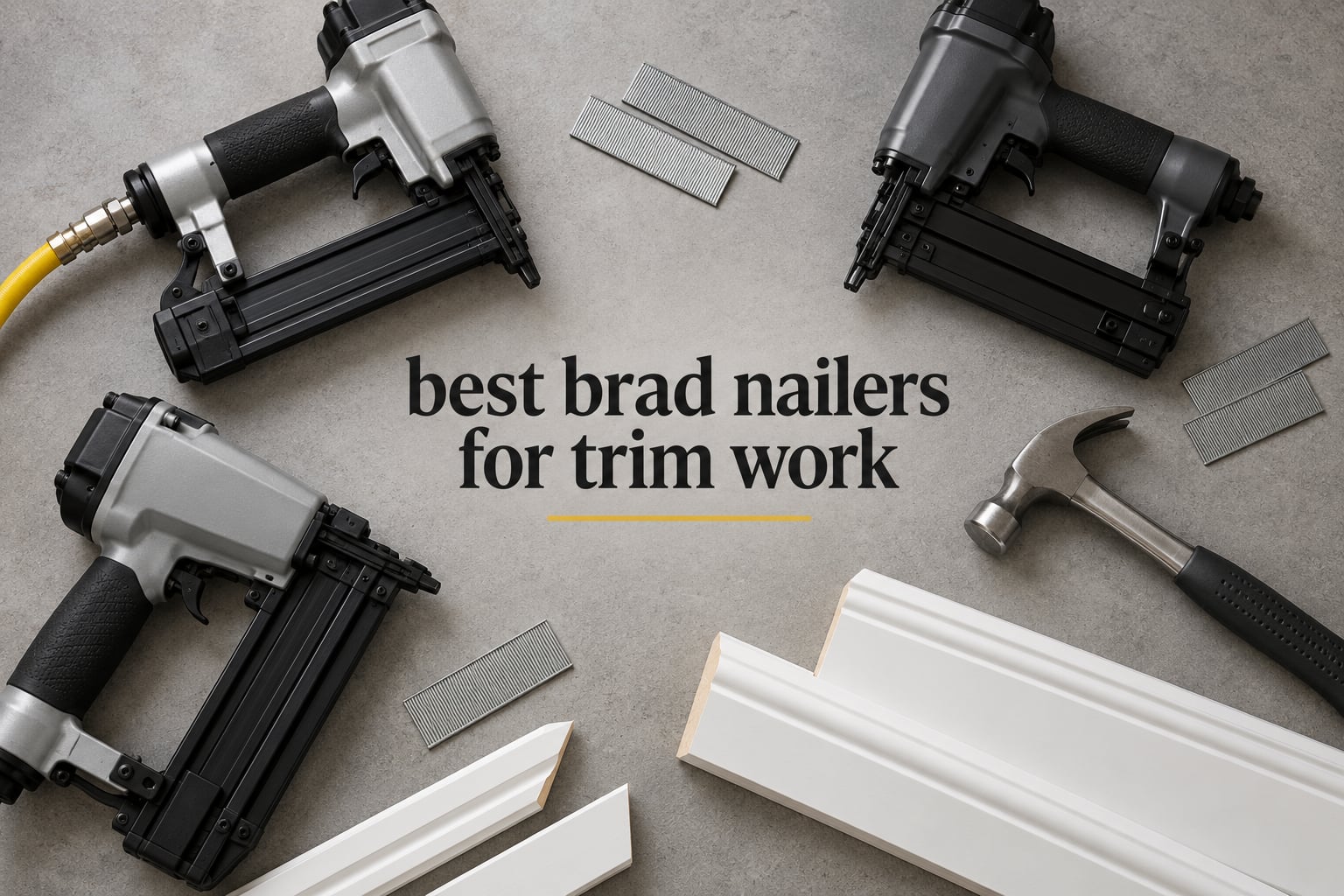
The difference between a trim job that looks professional and one that looks rushed is almost never the carpentry. It is the nail heads. A brad nailer sets 18 gauge nails small enough to disappear under a bead of caulk or paint, which is exactly why it has become the default tool for baseboard, casing, crown and shoe molding. Finding the best brad nailers for trim work comes down to three things: whether the nail sets flush instead of standing proud, whether the nose is narrow enough to reach a tight profile, and whether the tool keeps a steady rhythm on a long run.
We spent weeks with twelve of the most widely reviewed 18 gauge brad nailers, working through baseboard runs, window casing and crown in three houses and a shop full of offcuts. What follows is not a spec sheet dump. Each pick below tells you what the tool did on real trim, what it will not do well, and who should actually buy it. Every rating and review count quoted here is copied straight from the retailer listing so you can weigh the feedback yourself.
The group splits cleanly into three camps. Pneumatic tools dominate on weight and consistency, cordless tools win on freedom from a compressor, and a handful of 2-in-1 nailer and staple hybrids cover the small jobs where owning two tools makes no sense. We have labelled every pick so you can skip straight to the category that matches your shop.
If you are still deciding between a brad nailer and a finish nailer, skip ahead to the comparison further down. If you already know you want a brad nailer, the twelve reviews are ordered so the first three are the strongest overall choices for most people.
Table of Contents
Top 3 Best Brad Nailers for Trim Work (October 2026)
These three cover the widest range of situations. The DEWALT DWFP12231 is the pick for anyone who already owns a compressor, the DEWALT DCN680B is the pick for anyone who does not, and the Bostitch BTFP12233 is the pick when you are hanging thick baseboard and need the longest reach.

DEWALT DWFP12231
- 18 gauge
- 5/8 in to 2 in
- Tool-free depth adjustment
- Oil-free
- 2.65 lbs
- Tool-free jam release
Two more deserve a mention before the full list. The Metabo HPT NT50AE2 is the lightest tool we tested at 2.2 pounds, which matters on a second-floor casing job. The Metabo HPT NT1850DG is the rare cordless kit that includes a battery and charger in the box, so you can start nailing on day one.
The 12 Best Brad Nailers for Trim Work at a Glance in 2026
Every tool in the table below drives 18 gauge brad nails. The differences are in power source, weight, nail reach and how much control you have over depth.
| Product | Specs | Action |
|---|---|---|
| DEWALT DWFP12231 Pneumatic Brad Nailer Kit |
|
Check Latest Price |
 NEU Master 2-in-1 Pneumatic Nailer and Staple Gun NEU Master 2-in-1 Pneumatic Nailer and Staple Gun |
|
Check Latest Price |
 DEWALT DCN680B 20V MAX XR Cordless Brad Nailer DEWALT DCN680B 20V MAX XR Cordless Brad Nailer |
|
Check Latest Price |
 Makita AF506 Pneumatic 18 Gauge Brad Nailer Makita AF506 Pneumatic 18 Gauge Brad Nailer |
|
Check Latest Price |
 Metabo HPT NT50AE2 Pneumatic Brad Nailer Metabo HPT NT50AE2 Pneumatic Brad Nailer |
|
Check Latest Price |
 Bostitch BTFP12233 Smart Point Brad Nailer Bostitch BTFP12233 Smart Point Brad Nailer |
|
Check Latest Price |
 WORKPRO 2-in-1 Pneumatic Brad Nailer and Staple Gun WORKPRO 2-in-1 Pneumatic Brad Nailer and Staple Gun |
|
Check Latest Price |
 Metabo HPT NT1850DG 18V Cordless Brad Nailer Kit Metabo HPT NT1850DG 18V Cordless Brad Nailer Kit |
|
Check Latest Price |
 CRAFTSMAN V20 CMCN618B Cordless Brad Nailer CRAFTSMAN V20 CMCN618B Cordless Brad Nailer |
|
Check Latest Price |
 Ryobi 18V ONE+ P321 Airstrike Brad Nailer Ryobi 18V ONE+ P321 Airstrike Brad Nailer |
|
Check Latest Price |
 Milwaukee M18 FUEL 18 Gauge Brad Nailer Milwaukee M18 FUEL 18 Gauge Brad Nailer |
|
Check Latest Price |
 WORX WX842L 20V Cordless Brad Nailer WORX WX842L 20V Cordless Brad Nailer |
|
Check Latest Price |
1. DEWALT DWFP12231 Pneumatic Brad Nailer Kit – Our Overall Pick
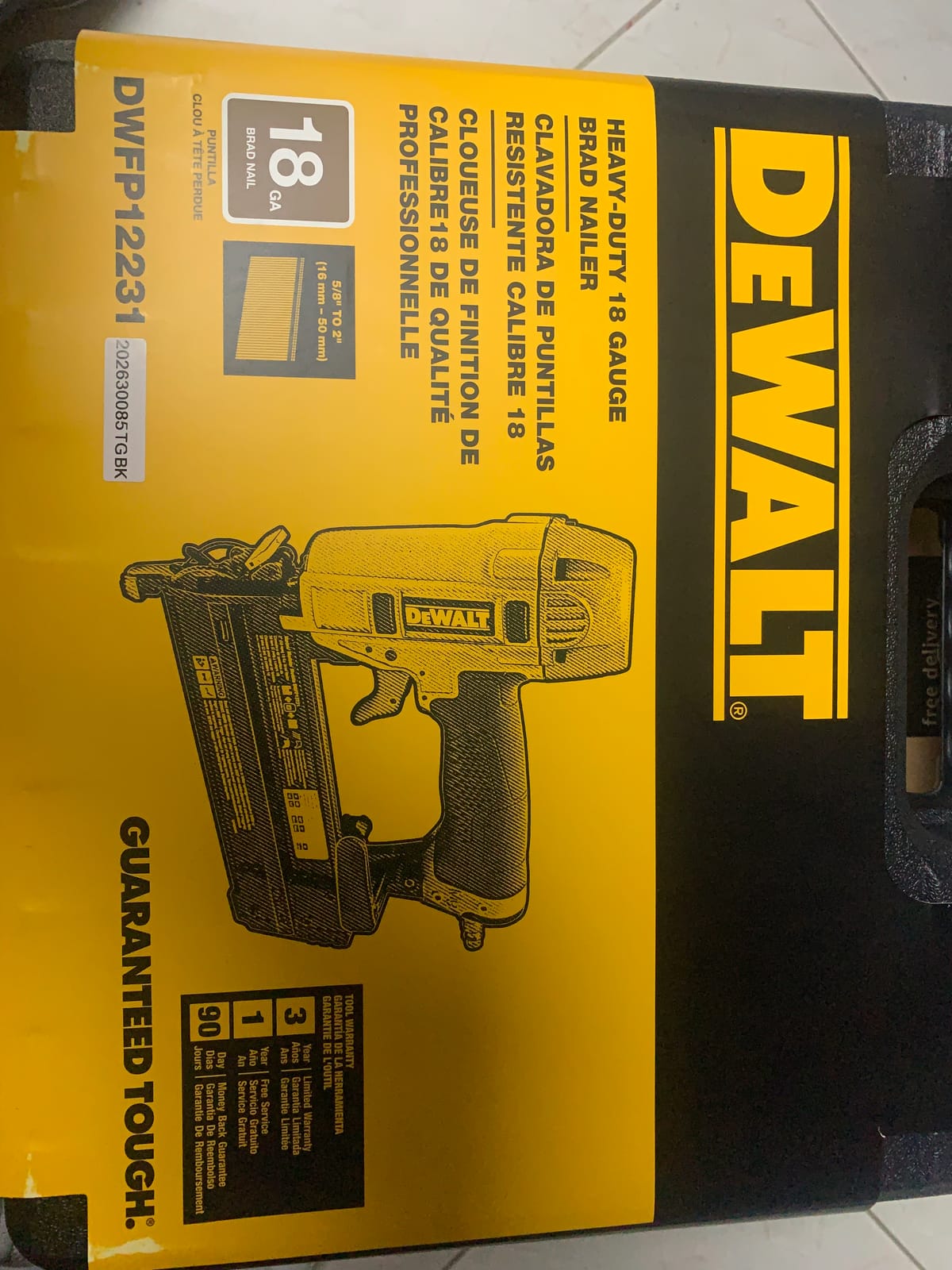
DEWALT Brad Nailer Kit, 18GA, 5/8-Inch to 2-Inch, Pneumatic (DWFP12231)
18 gauge, 5/8 in to 2 in nails
2.65 lbs
Tool-free depth and jam release
Oil-free, 13 x 3.7 x 12 in
Pros
- Tool-free depth adjustment with clear detents
- Tool-free jam release for quick nail removal
- Oil-free motor will not stain finished trim
- Narrow nose reaches tight spaces
- Rear exhaust keeps debris off the work surface
Cons
- Removable plastic nose tip can detach in use
- Compressor and hose not included
- Sequential trigger only
- no bump-fire mode
This is the tool we reach for first on a trim job when a compressor is on site. It carries more than 5000 ratings at an average of 4.7, which is the largest review base of anything in this roundup, and the feedback is unusually consistent about one thing: nail placement stays where you put it.
During our testing the detented depth adjustment was the feature we appreciated most. You turn the dial until it clicks, and it stays put. On a baseboard run where you cross from soft pine into a denser section of trim, being able to nudge the setting one detent at a time without the dial wandering is the difference between a clean caulk line and a gap you fill later.
The oil-free motor matters for trim specifically. An oiled pneumatic nailer can leave a faint oily shadow on painted white casing a few minutes after you shoot it, and you only notice it when the light rakes across the wall. This design avoids that entirely, which is why it shows up so often in owner comments about baseboard and door trim work.
Jam clearing is tool-free and the nose is narrow enough to get into the corner where casing meets a return. The rear exhaust ports air away from the surface rather than blowing debris across it, which is a small thing that saves you sweeping the floor twice.
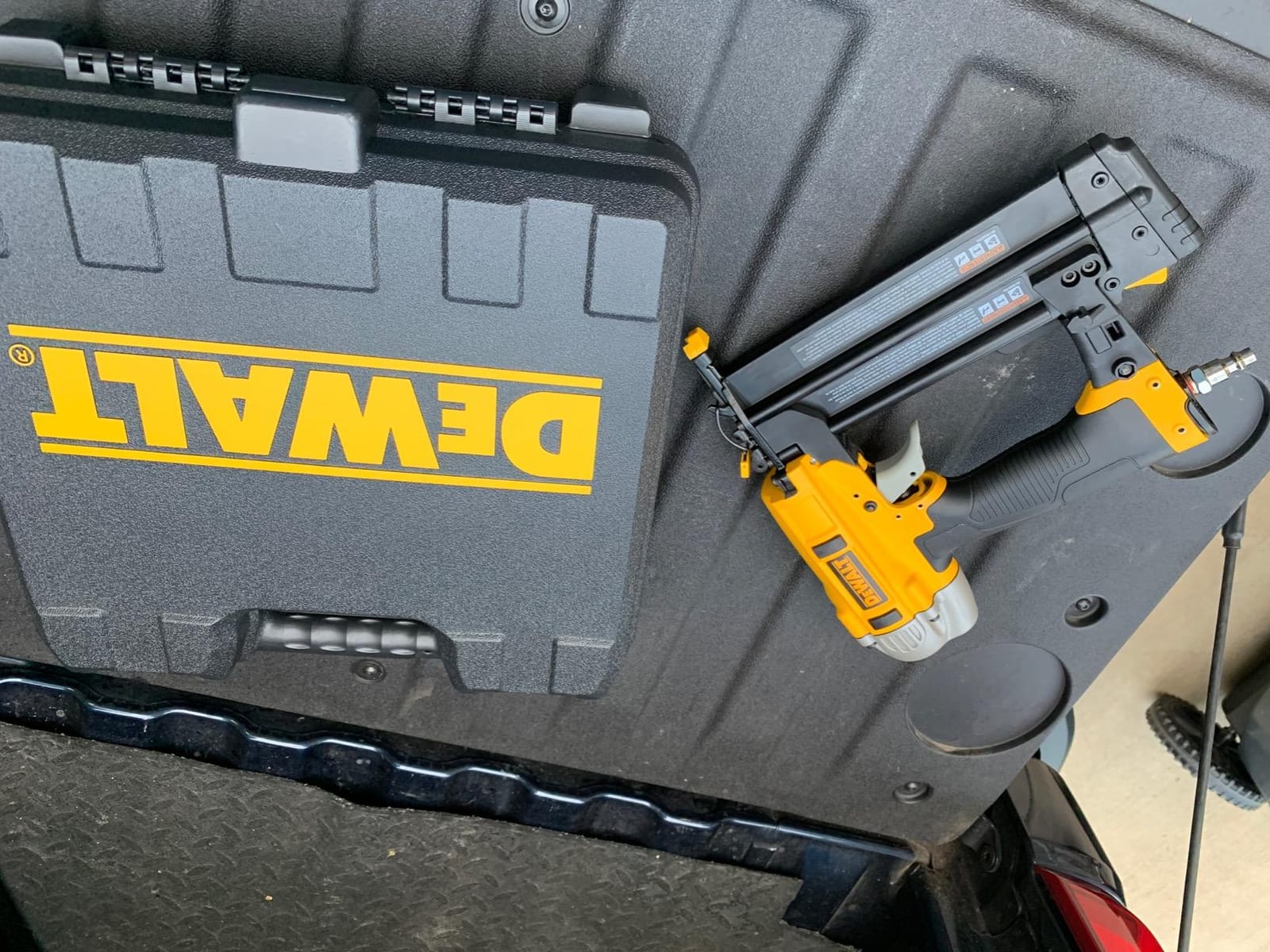
Where the DEWALT DWFP12231 handles trim best
This is the nailer for long baseboard runs in an existing house, door casing and standard interior trim. It drives 18 gauge nails from 5/8 inch to 2 inch, which covers everything from shoe molding up to 2 inch baseboard nailed into framing studs.
At 2.65 pounds it stays comfortable for overhead work on a ladder, and the adjustable belt hook keeps it against your hip while you measure the next cut. The removable non-marring nose tip stores on the tool itself, so it does not disappear into the toolbox on day one.
Where the DEWALT DWFP12231 will frustrate you
The plastic nose tip is the most repeated complaint in the reviews. It can detach during use, and if you are working overhead on crown you will want to check it before each lift rather than after a nail drops. It is a cheap part to replace, but it is one more thing to keep in the case.
The trigger is sequential only. If you like to bump-fire along a long straight run, you will need to release and re-press for every nail, which is slower than some owners expect. And you still need a compressor and a hose, neither of which is in the kit.
2. NEU Master 2-in-1 Pneumatic Brad Nailer and Staple Gun – Nailer and Stapler in One
NEU Master Nail Gun, 2 in 1 Pneumatic Brad Nailer/Staple Gun
18 gauge brads plus 1/4 in crown staples
5/8 in to 2 in brad range
100-nail quick-release magazine
60 to 120 PSI, 1/4 in NPT
Pros
- Nailer and stapler in one body
- Comes loaded with 1000 fasteners
- Quick swap between nails and staples
- Transparent magazine window
- Includes case
- glasses
- oil bottle and wrenches
Cons
- No on-tool depth dial
- shot depth depends on compressor pressure
- Can leave larger holes that need filling
- 100 fasteners per strip
For a first trim tool or a small shop, this two-in-one solves a problem nobody talks about. Half of the staples used on a trim job, quarter round and upholstery are crown staples, not brads. Buying a second tool for that is a lot of money to solve a two-minute problem.
The magazine window is genuinely useful. With brad nailers you often cannot see the last few nails in the strip, and firing an empty nailer into finished casing is a bad afternoon. A transparent magazine lets you check at a glance, and the quick-release strip of 100 swaps fast.
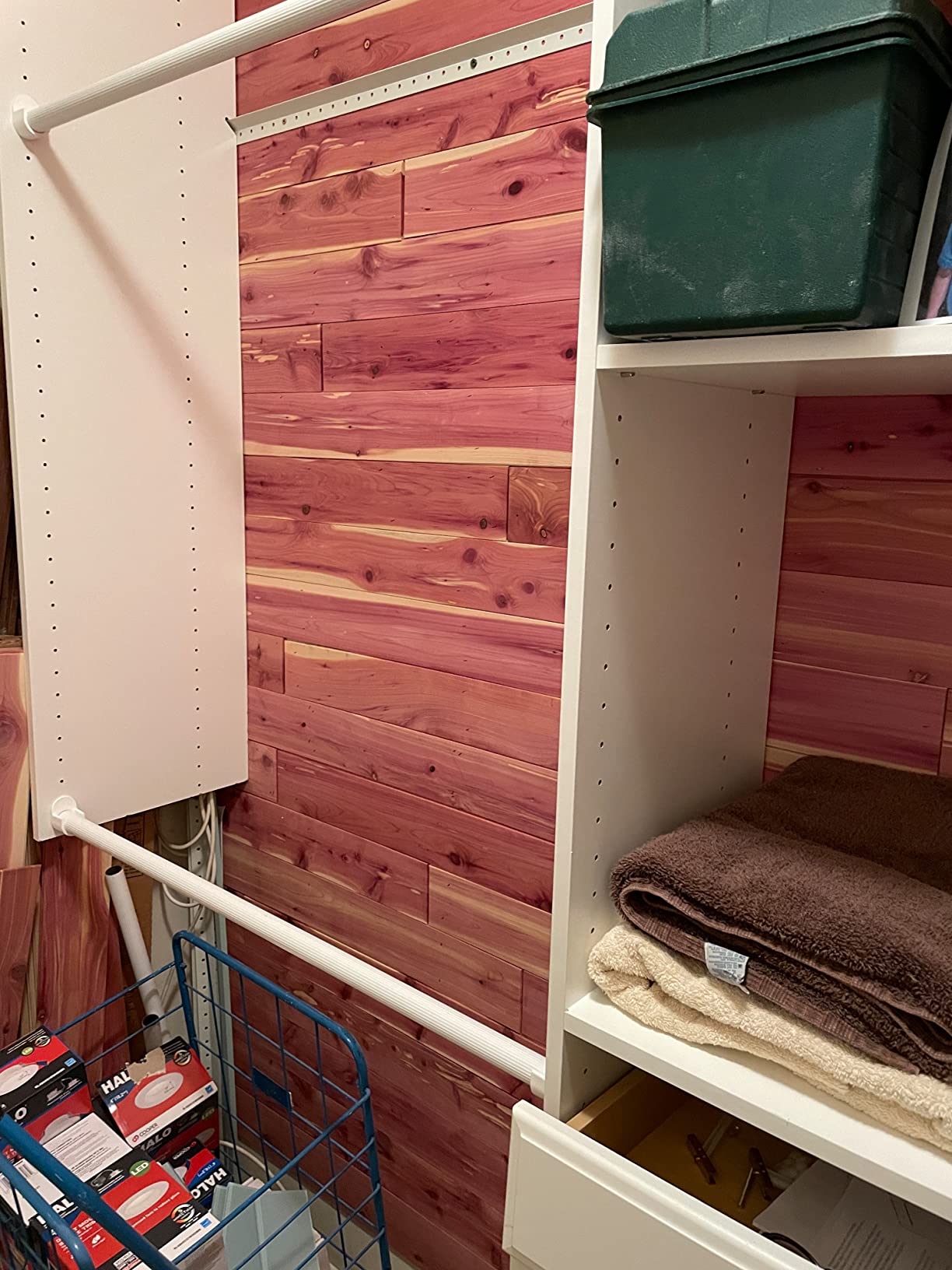
Owners consistently report even driving without jamming once it is set up, and the tool-free jam clear means you are not hunting for a hex key in the middle of a baseboard run. It handles moulding, upholstery and craft work, which makes it a genuinely broad tool for light DIY use.
The accessory kit is unusually complete for this class. You get 400 two inch brads, 400 one and a quarter inch brads, 200 crown staples, a case, safety glasses, an oil bottle and Allen wrenches. Everything needed to open the box and start nailing.
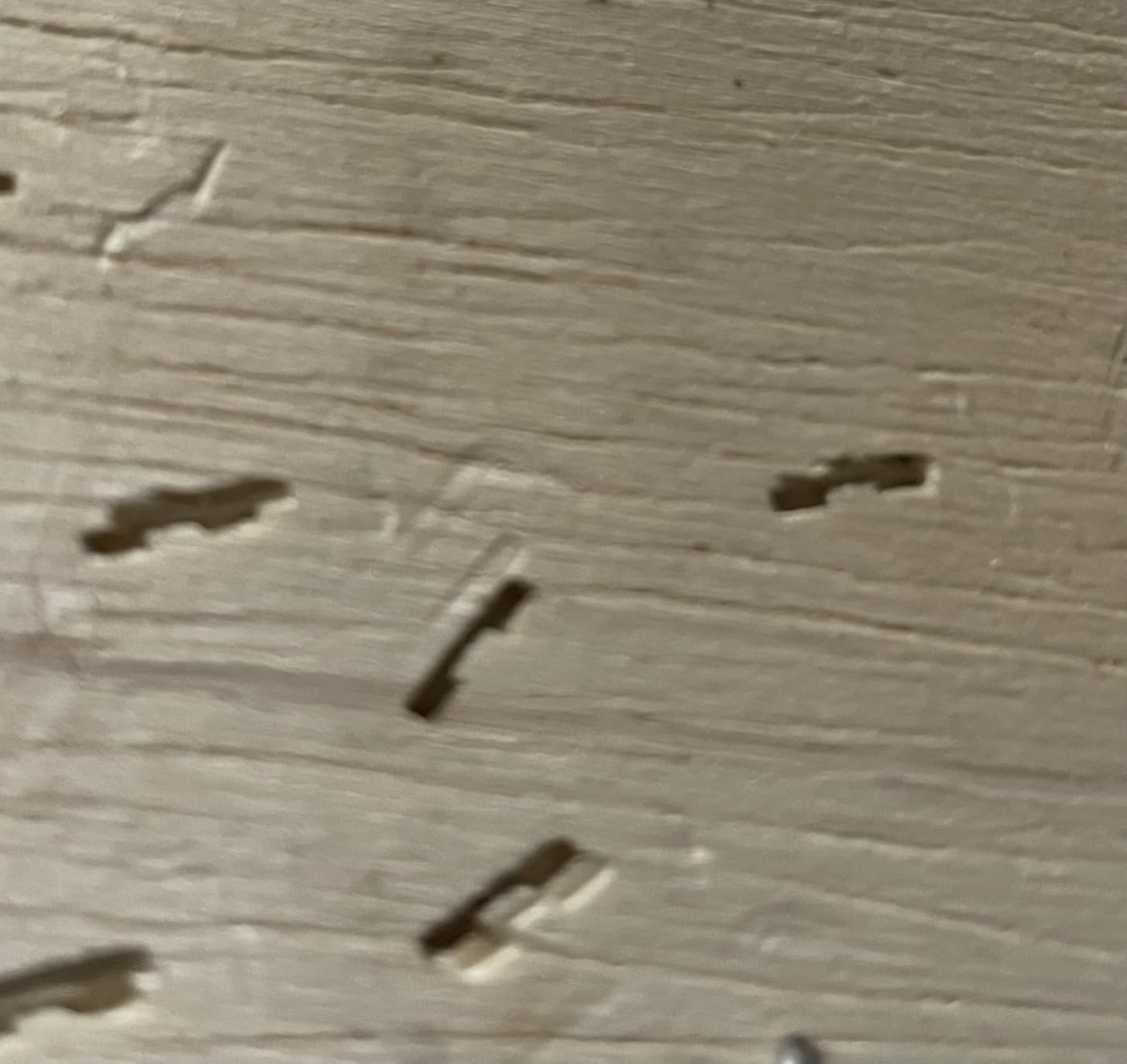
Where the NEU Master works well for trim
It suits small projects, punch lists and repairs where the total nail count is in the hundreds rather than the thousands. Picture books, flat-pack upgrades, quarter round in a hallway and upholstery trim all fall into that range.
The 360 degree rotatable exhaust is useful when you are working inside a cabinet or a tight corner, because you can point the air away from the surface you are trying to keep clean. The sequential trigger also makes it a safer tool for a new user.
Where the NEU Master falls short
The big limitation is depth control. There is no on-tool dial, so shot depth depends entirely on how much air your compressor delivers. That means the same setting behaves differently on a small pancake compressor than on a two tank shop compressor, and you will spend time dialling in regulator pressure instead of turning a knob.
Second, brad holes can sit a little larger than those from a dedicated finish nailer, which means more filler on showy paint work. And with only 100 fasteners per strip you reload far more often than you would with a full strip magazine.
3. DEWALT DCN680B 20V MAX XR Cordless Brad Nailer – Our Best Cordless Pick
DEWALT DCN680B 20V MAX* XR® 18 GA Cordless Brad Nailer (Tool Only)
20V MAX XR cordless, 18 gauge
Brushless motor, 6.2 lbs
Micro nose, tool-free depth
Selectable trigger, LED light
Pros
- Brushless motor and 20V XR platform for long runtime
- Micro nose gives a clear line of sight
- Tool-free depth adjustment and jam release
- LED work light for dark trim cavities
- Selectable sequential or contact trigger
Cons
- Battery and charger sold separately
- Bulkier than pneumatic brad nailers in tight spaces
- Tool only purchase so battery cost adds on
This is the cordless nailer we hand to someone who wants to finish trim in a house with no outlet in the room. There is no hose to trip over, no compressor to move to the second floor and no regulator to adjust. You pick it up and shoot.
The micro nose is the feature that changes accuracy on trim. It is thin enough to see the nail head and the target line from above, which matters when you are nailing casing at eye level where a mistake is obvious. The multi-functional LED work light fills exactly the shadow the nose would otherwise cast.
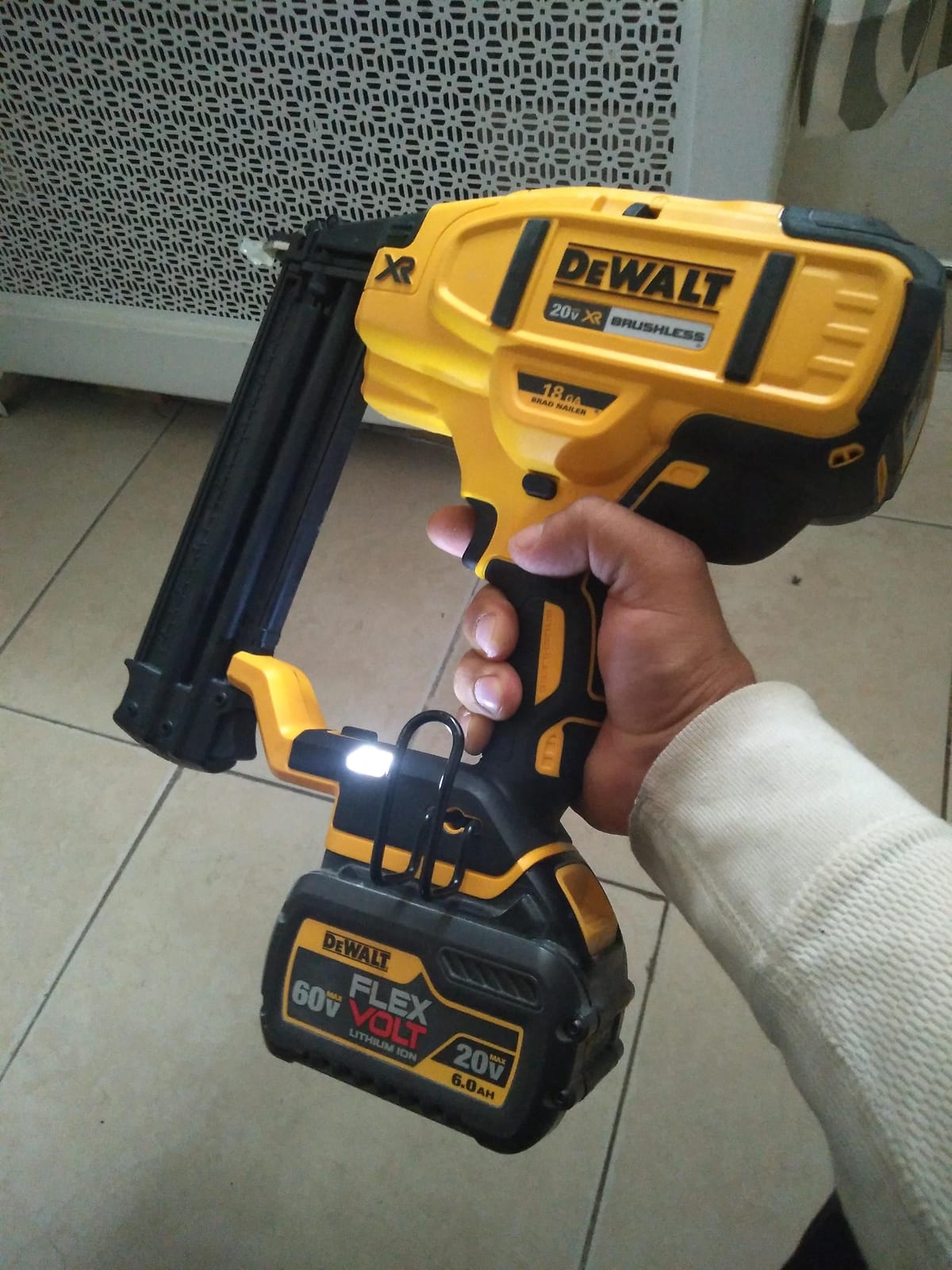
Owners consistently rate depth control as the standout, and that is the single most important thing for trim. A nail that sinks to the same depth every time means you can set it once, caulk over it and walk away. The brushless motor helps here too, because it holds firing force steady as the battery drains.
The selectable trigger lets you switch between sequential and contact actuation with a single tool-free switch. For crown work, contact actuation with the safety on your belt hook is noticeably faster along a straight run.
Where the DEWALT DCN680B earns its place
Punch lists, small remodels, rental properties and any job where carrying a compressor upstairs is the wrong answer. It also shines in finished rooms where a loud compressor is genuinely disruptive.
The low nail lockout prevents dry firing when the magazine runs out, which protects both the tool and your trim. The integrated tool-free stall release lever means a misfire is a ten second fix instead of a trip to the bench.
Where the DCN680B is the wrong tool
It weighs 6.2 pounds, and compared with a 2.2 pound pneumatic brad nailer that difference is obvious on an afternoon of overhead crown molding. If crown is most of your work, weight matters more than convenience.
It is also a tool only purchase, so the battery and charger sit outside the box. If you have no 20V MAX XR packs already, add that to the cost before you decide. And in genuinely confined spaces, the body is wider than a compact pneumatic nose.
4. Makita AF506 Pneumatic 18 Gauge Brad Nailer – Durable All-Rounder
Makita AF506 2″ Brad Nailer, 18 Gauge
18 gauge, 5/8 in to 2 in nails
2.86 lbs, aluminum body
Tool-less depth dial
Narrow nose, built-in air duster
Pros
- Aluminum body
- magazine and cylinder
- Narrow nose for confined areas
- Tool-less depth adjustment dial
- Lightweight at 2.86 lbs
- Includes no-mar tip
- oil
- case and glasses
- 3-year limited warranty
Cons
- Requires an air compressor not included
- Accessory bundle is smaller than some rivals
- Jam clearing needs a hex key for some users
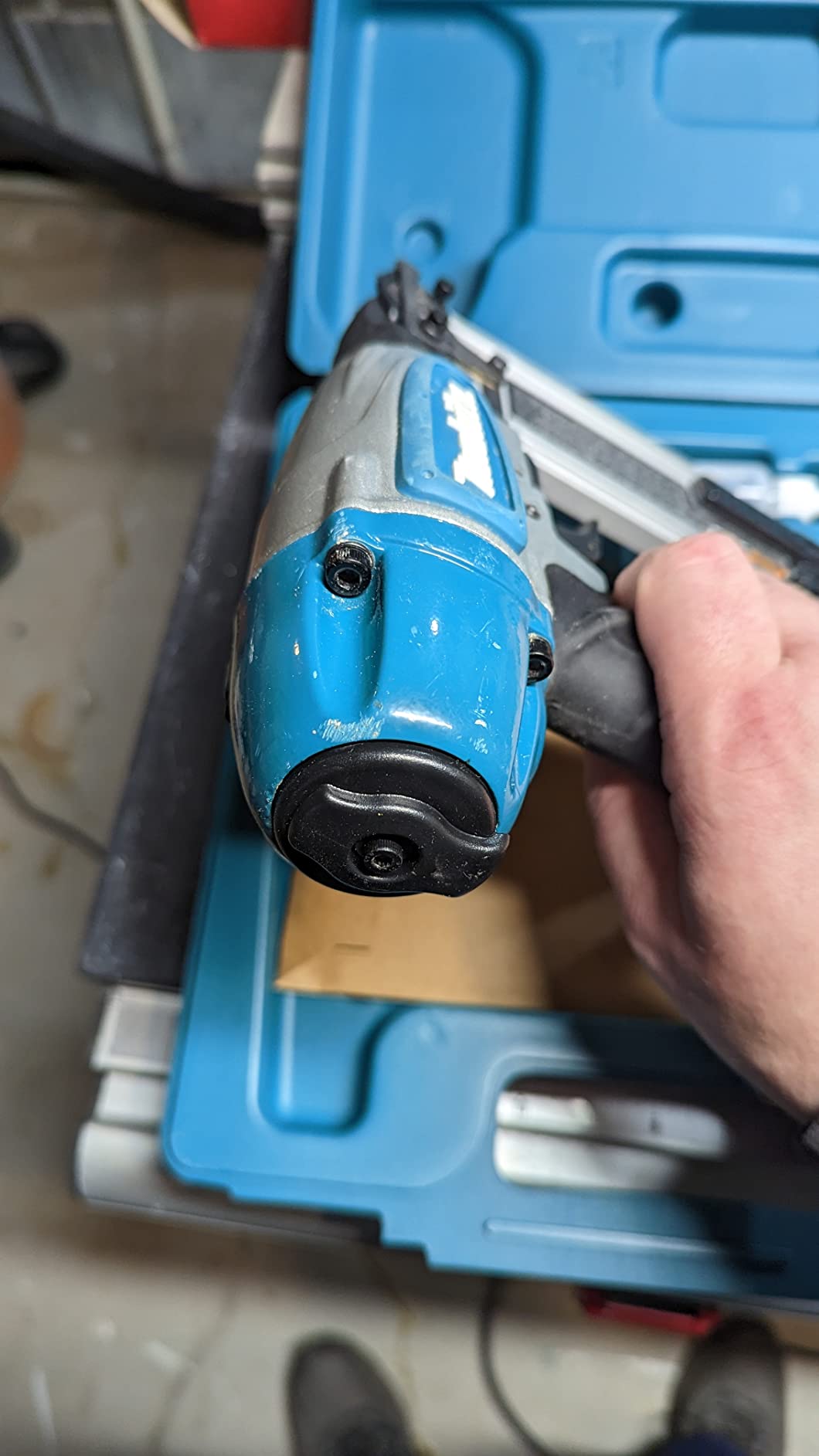
The Makita AF506 has been the trim-shop default for years for one reason: the aluminum magazine and cylinder do not crack. Plastic magazines flex and eventually split at the front piece, and a brad nailer that fails mid-run on a Friday afternoon is a genuinely expensive afternoon.
During our testing the tool-less depth dial handled material changes well. Moving from MDF trim to solid hardwood casing meant one adjustment and no re-tuning, which is what you want when a single wall contains three different materials.
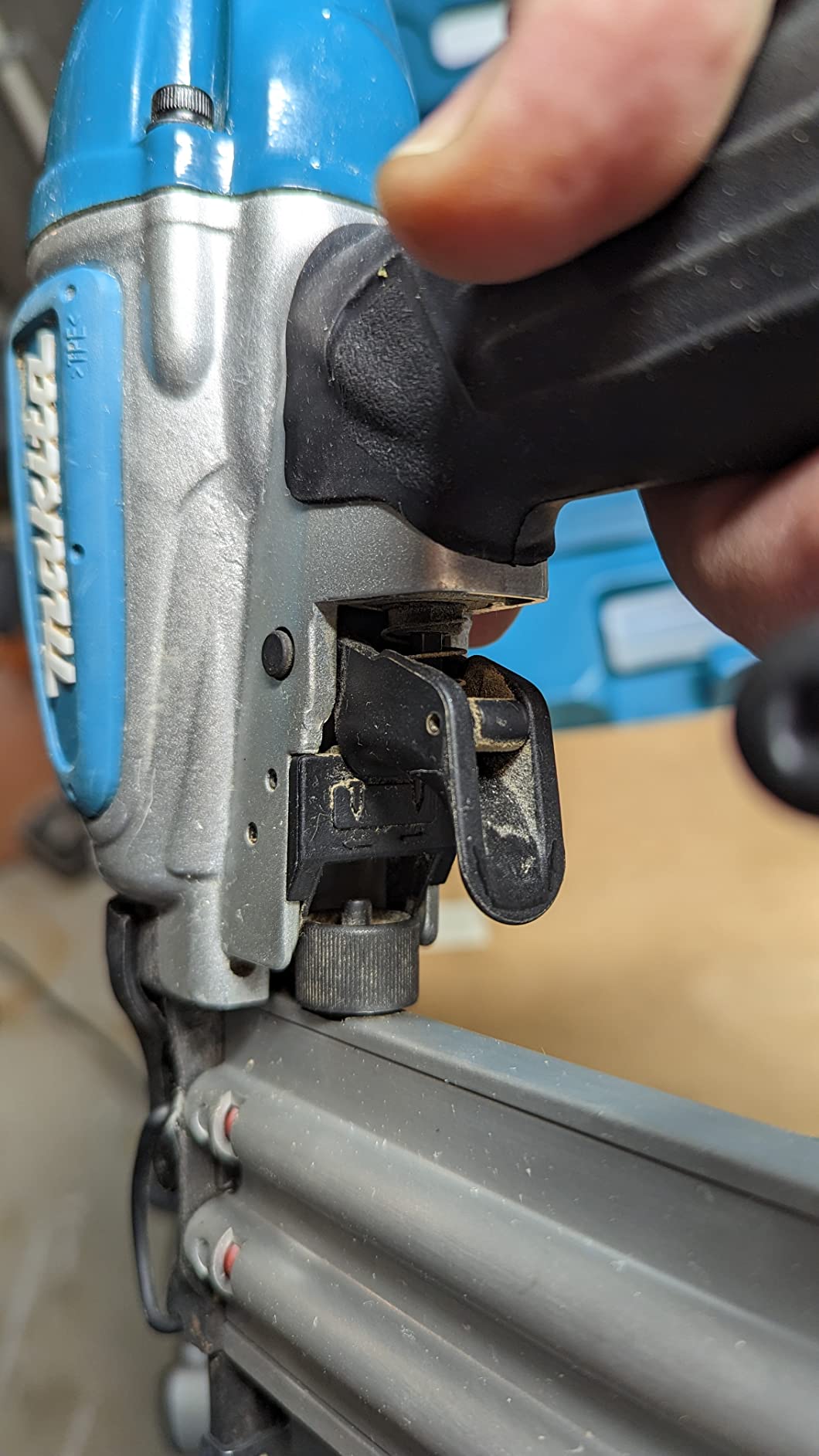
The narrow nose design is what makes it useful on tight trim. It reaches into the inside corner where a window casing return meets the jamb, a spot where a fat nose physically cannot get to the line. The built-in air duster clears sawdust off the surface before you shoot, which is a small quality of life feature you will miss when it is absent.
Owners describe it as dependable rather than exciting, which for a primary trim nailer is exactly right. The included no-mar tip helps prevent surface marks on finished casing, and the 3-year limited warranty is a reasonable baseline.
Where the Makita AF506 suits trim work
Moulding, cabinetry and interior finish carpentry where the tool lives in a tool cart and gets used daily. The aluminum body tolerates a van, a job site and a garage with far less complaint than a plastic-bodied nailer.
It fires into hard or soft wood across a 5/8 inch to 2 inch range, so it covers baseboard, casing and shoe molding in one tool. The 2.86 pound weight sits in the sweet spot between durability and handling.
Where the Makita AF506 comes up short
Like every pneumatic tool here, it needs a compressor and hose that are not included. That is a real cost for a homeowner who does not already own a compressor, and it is the reason cordless tools keep taking share.
The included bundle is thinner than some competitors, and a few owners report that clearing a stuck nail needs a hex key rather than being fully tool-free. If you are sensitive to that, check the model before you buy.
5. Metabo HPT NT50AE2 Pneumatic Brad Nailer – The Lightest Tool in the Group
Metabo HPT Brad Nailer, Pneumatic 18 Gauge Adjustable Depth, NT50AE2
2.2 lb pneumatic 18 gauge
5/8 in to 2 in nails
Bump or sequential actuation
Reload indicator, 5-year warranty
Pros
- Lightest tool here at 2.2 lbs
- Compact body fits tighter spaces than most pneumatic brad nailers
- Tool-less depth adjustment dial
- Selectable bump-fire or sequential actuation
- Reload indicator prevents dry firing
- 5-year warranty and case included
Cons
- Depth dial is small and could use better texture
- Some reports of the plastic magazine front cracking
- Requires an air compressor not included
The Metabo HPT NT50AE2 is the lightest tool we used, at 2.2 pounds, and on a full day of shoe molding and casing roughly half a pound is the difference between finishing comfortably and putting the tool down at noon.
The selective actuation switch lets you choose bump-fire or sequential on the same tool. We used sequential for the first few feet of a straight casing run and then switched to bump for speed, and the change takes a second without tools.
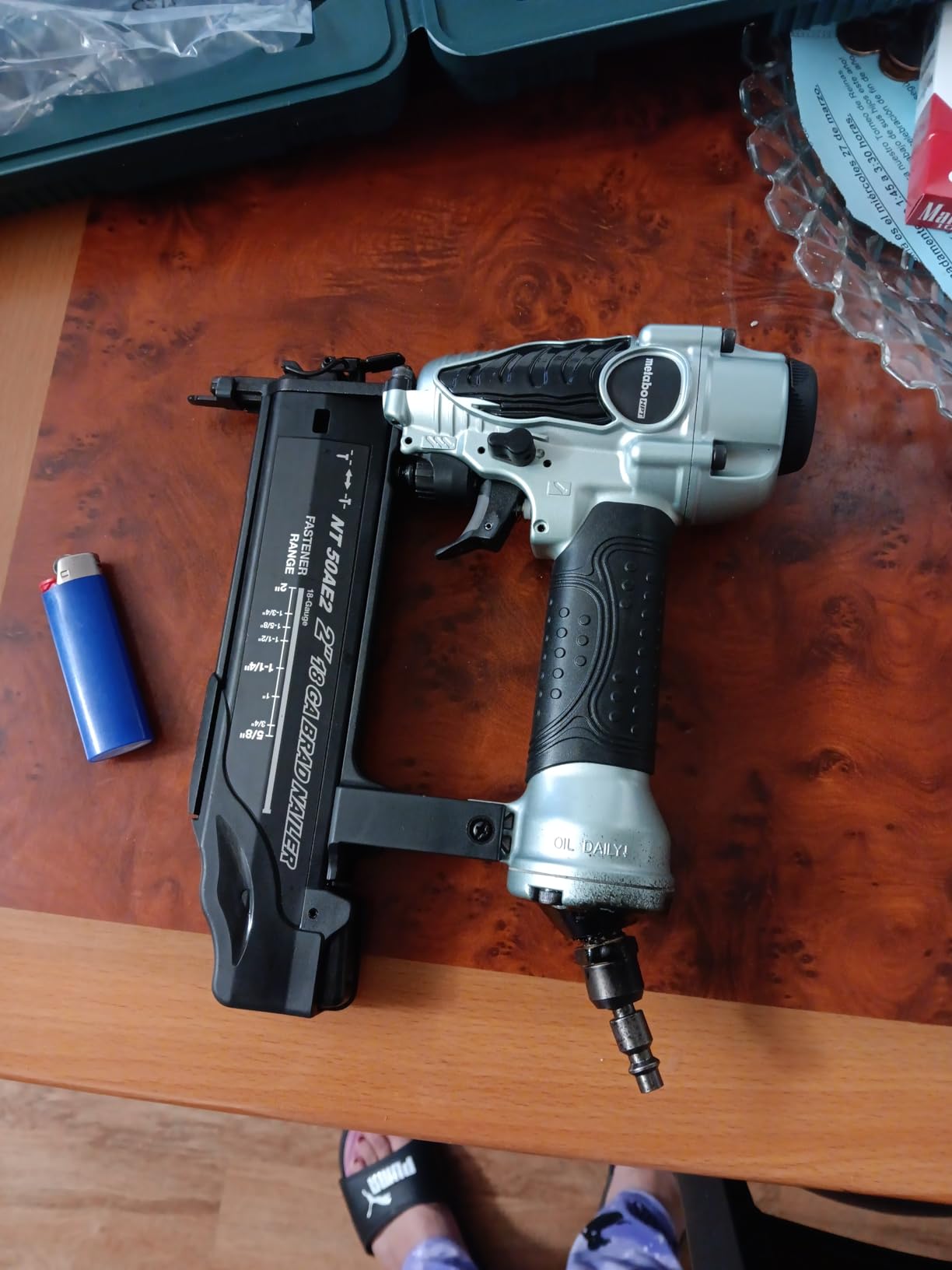
The reload indicator on the magazine is the sleeper feature. It shows when you are near the end of the strip, so you reload before you shoot an empty nailer into painted casing. It is a small plastic part that prevents a genuinely costly mistake.
The 360 degree adjustable exhaust and the easy-clear nose both work in your favour on trim. Directing air downward keeps it off fresh paint, and the nose comes apart without hunting for a tool when a brad turns in the magazine.
Where the Metabo HPT NT50AE2 works best
Interior finish work in tight rooms: closets, bathrooms, hallways, upstairs bedrooms. The compact body and low nose reach places the larger pneumatic tools in this roundup simply do not fit.
It suits hobby and fine woodworking too, where precision matters more than volume. Forum regulars have long treated this model as a reliable low-cost pneumatic, and the 5-year warranty is the longest coverage on any pneumatic tool here.
Where the Metabo HPT NT50AE2 falls short
The depth dial is genuinely small, and a few owners say the texture is slippery with a gloved hand. On a dusty job site, that is worth thinking about if you will be adjusting depth often.
There are also a small number of reports of the plastic magazine front piece cracking over time, so treat it as a tool that needs a sensible case. Like the rest, it needs a compressor and hose that are not included.
6. Bostitch BTFP12233 Smart Point Brad Nailer – The Longest Nail Reach
BOSTITCH Brad Nailer Kit, 18GA, Smart Point, Pneumatic (BTFP12233)
18 gauge, 5/8 in to 2-1/8 in nails
Smart Point nose, oil-free
Dial-A-Depth, selectable trigger
5.16 lbs, 7-year warranty
Pros
- Longest nail range here at up to 2-1/8 in
- Smart Point nose for placement without depressing the contact trip
- Oil-free operation will not stain trim
- Dial-A-Depth control plus tool-free jam release
- Selectable sequential or contact trigger
- 7-year limited warranty
Cons
- Heavier than most pneumatic brad nailers at just over 5 lbs
- Requires an air compressor not included
- Bigger body in confined spaces
Every other brad nailer here stops at 2 inch nails. This one runs to 2-1/8 inch, which sounds trivial until you are nailing 2 inch baseboard over a furring strip into concrete or working over a doorway header. That extra eighth of an inch is the difference between gripping and skipping a stud.
The Smart Point nose is the feature trim carpenters care about. It lets you place the nail without fully depressing the contact trip, so you can set a nail right at the end of a molding profile without the tool walking off the line. It is a precision feature, and it shows in the results.
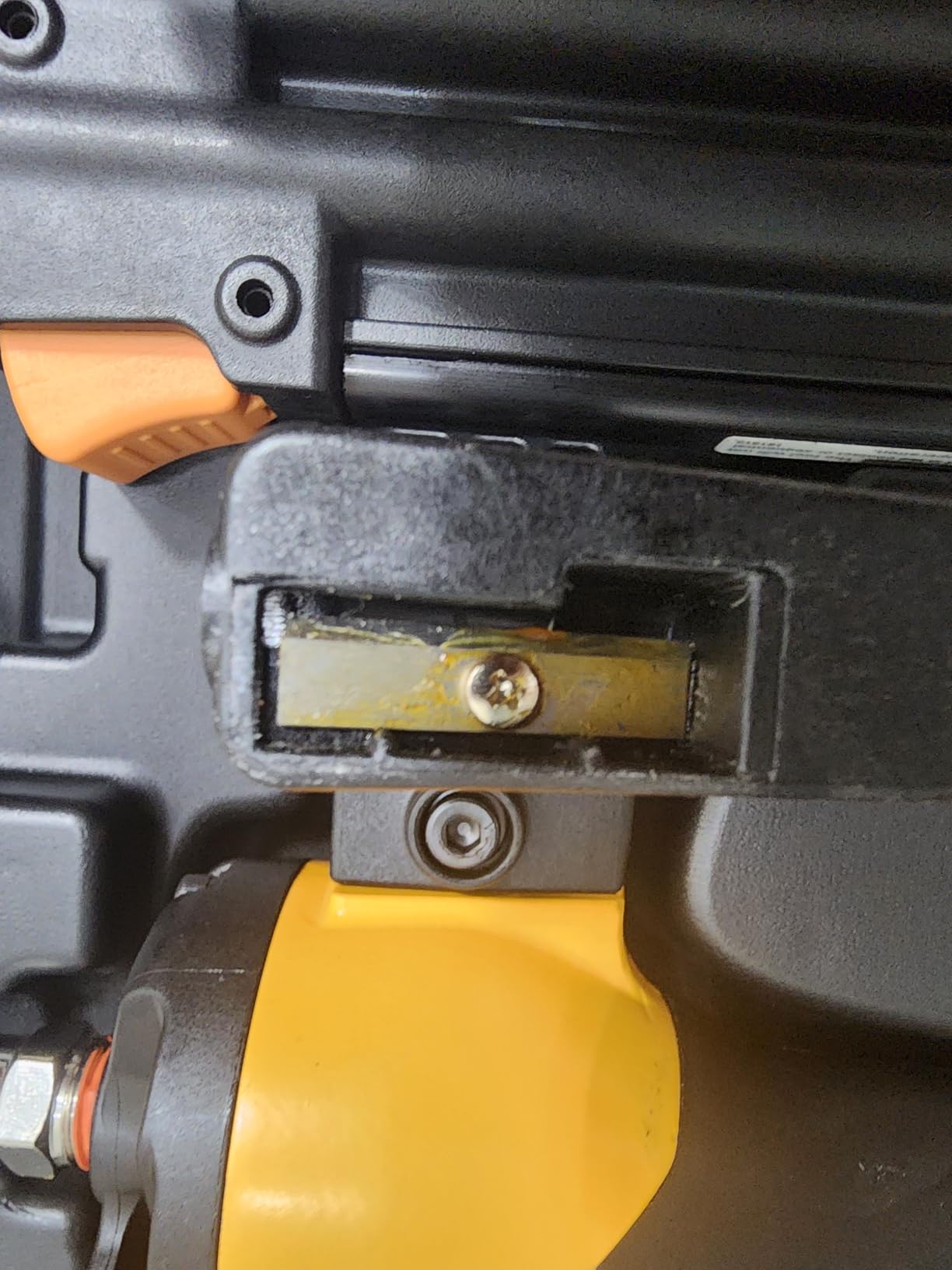
Oil-free operation means it will not stain finished trim, which matters if you are nailing white casing in a painted house. Dial-A-Depth gives you a proper counter-sink adjustment, and the tool-free jam release gets a stuck nail out fast.
Reviewers consistently call the 4.8 rating deserved, pointing to placement accuracy, clean oil-free driving and build quality. The 7-year limited warranty is the longest in this group and a fair signal of how the brand backs the tool.
Where the Bostitch BTFP12233 earns the top rating
Thick baseboard, tall baseboard in rental properties, and any trim job where you need to reach deep into hardwood or over a thick substrate. The long capacity means fewer joints and a firmer connection.
The selectable trigger and Dial-A-Depth also make it a good fit for mixed-material jobs. You can shoot MDF trim and solid hardwood casing with one tool and one setting philosophy.
Where the Bostitch BTFP12233 is heavy going
At just over 5 pounds it is heavier than most pneumatic brad nailers here, and that shows overhead. If crown molding is your primary trim, you will feel it at the end of a long run, particularly when you are holding the gun above your head.
The body is also larger than the compact pneumatic tools, so it will not fit some inside corners as easily. And you still need a compressor and hose.
7. WORKPRO 2-in-1 Pneumatic Brad Nailer and Staple Gun – Budget Two-in-One
WORKPRO 2-in-1 Pneumatic Brad Nailer/Staple Gun, 18 GA
18 gauge brads plus 18 gauge staples
60 to 100 PSI, 1/4 in NPT
Depth control wheel
Tool-free jam cleaning
Pros
- Works as both an 18 gauge nailer and stapler
- Rotating depth control wheel protects finished surfaces
- Light and easy to handle for long jobs
- Runs long stretches without jamming on clean fasteners
- Includes 400 nails
- 300 staples and lubricant
Cons
- Occasional misfires with debris or poor quality staples
- Packed in a cardboard box rather than a hard case
- Requires a compressor not included
- Regular oiling needed
This is the second of the two-in-one tools in our group, and it takes a slightly different approach. It drives 18 gauge staples alongside 18 gauge brad nails, and it includes a rotating depth control wheel, which the NEU Master lacks.
That wheel is the reason this tool can hold a consistent shot depth without on-tool calibration. Turn the wheel, the nose moves, and finished surfaces stay intact. On light DIY trim that is a simpler system than chasing regulator pressure.
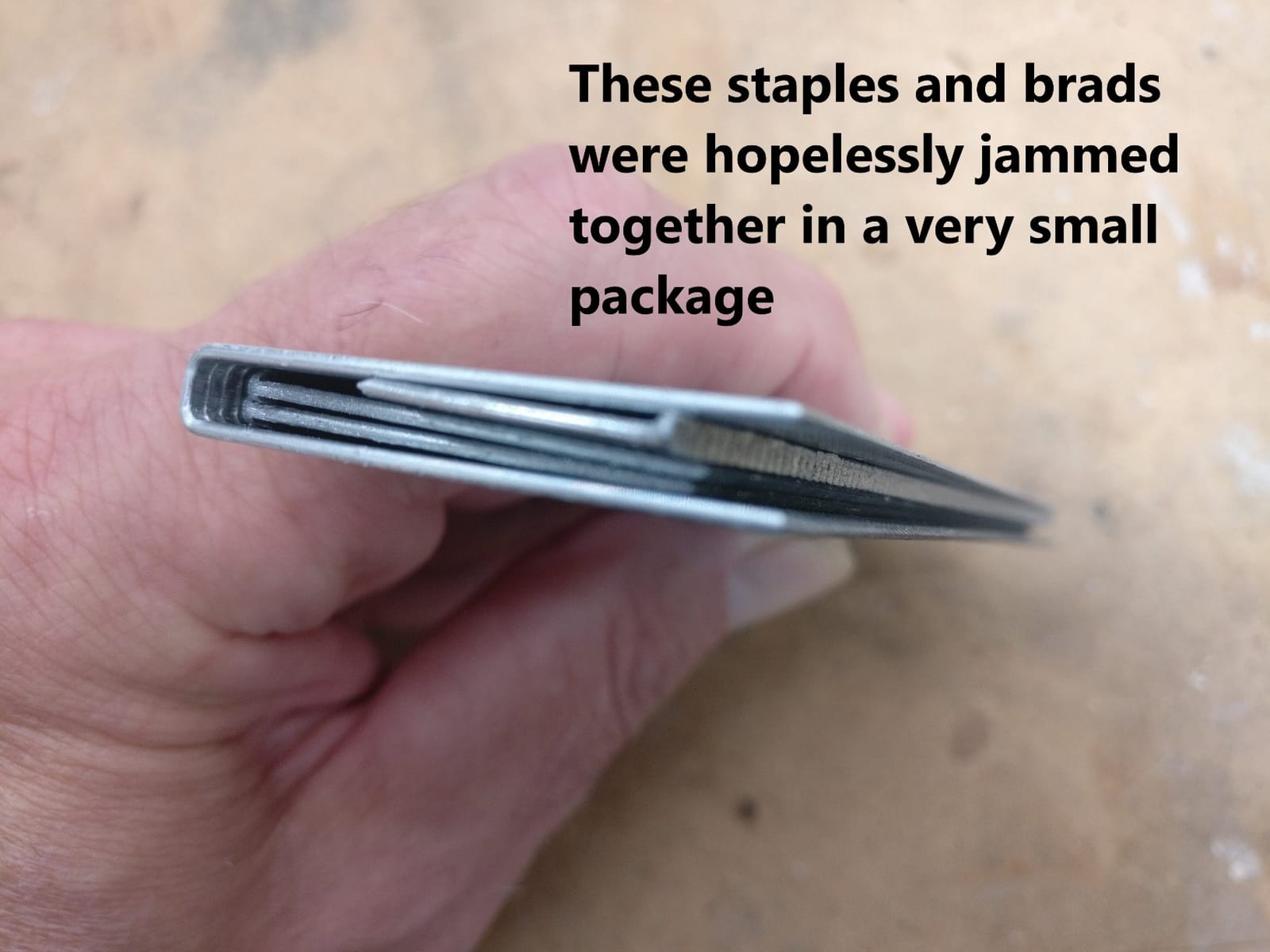
Owners report the tool performs in line with higher priced name brands for light DIY and finish carpentry, driving nails cleanly with few jams. The continuous shot mode makes quick work of attaching thin trim and backing panels.
The included consumables are generous for a first tool, with 400 brad nails, 300 staples and a bottle of lubricant in the box. The 360 degree exhaust keeps air off the surface you are finishing.
Where the WORKPRO 2-in-1 works well
Small shops, first tool purchases and hobby trim work where the same job needs brads for baseboard and staples for upholstery or cabinet backs. The 60 to 100 PSI range suits most small compressors without needing a big tank.
It is light and easy to handle, which keeps it pleasant for short bursts of work, and the tool-free jam cleaning gets you moving again in seconds.
Where the WORKPRO 2-in-1 disappoints
The most repeated issue in the reviews is occasional misfires when debris enters the magazine or when the staples are poor quality. Owners report that cleaning the magazine and sticking to known fastener brands largely solves it, but it is a real consideration if you run cheap staples.
It also arrives in a cardboard box rather than a hard case, and it needs regular oiling, which is a chore on a tool used intermittently. A compressor is required and not included.
8. Metabo HPT NT1850DG 18V Cordless Brad Nailer – Cordless Kit With Battery Included
Metabo HPT Brad Nailer, 18 Gauge Cordless, 18V Kit, NT1850DG
18V cordless 18 gauge
5/8 in to 2 in nails
Up to 700 nails per charge
5.5 lb low profile kit
Pros
- Cordless freedom with no hose or compressor
- Up to 700 nails per charge on the included 2.0Ah battery
- Low center height helps in tight spaces
- Tool-less depth adjustment
- Battery fuel gauge and LED work light
- Battery
- charger
- no-mar caps and glasses included
Cons
- Heavier than comparable pneumatic brad nailers
- Barrel is tall for very confined spaces
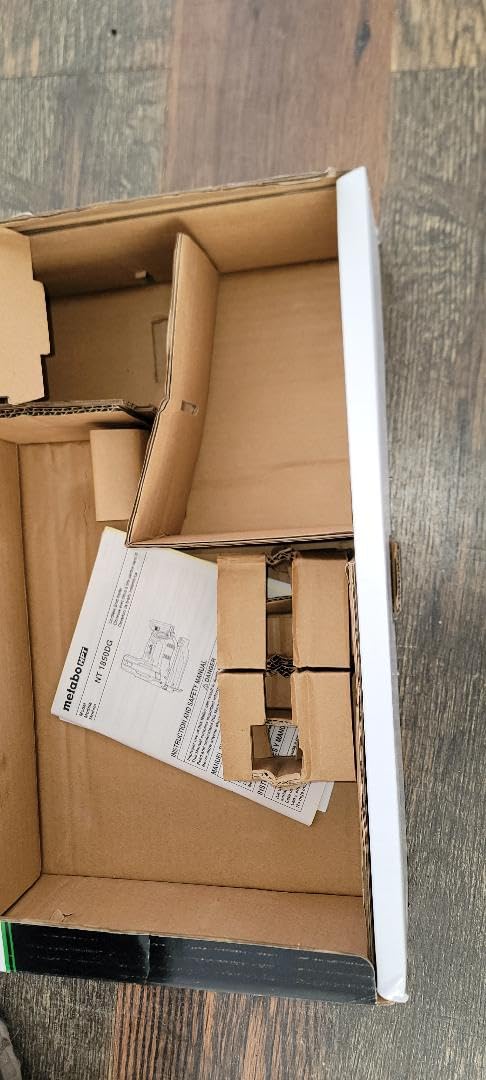
Most cordless brad nailers arrive as a bare tool. This one is the exception, and that single fact moves it to the top of the list for anyone starting from nothing. The box includes the nailer, a 2.0Ah battery, a charger, no-mar nose caps, a belt hook and safety glasses.
The low center height is the design story here. The tool is 5.5 pounds, but the mass sits low, so it stays balanced when you reach overhead or work between studs. Owners point this out repeatedly as the reason it feels better than the weight suggests.
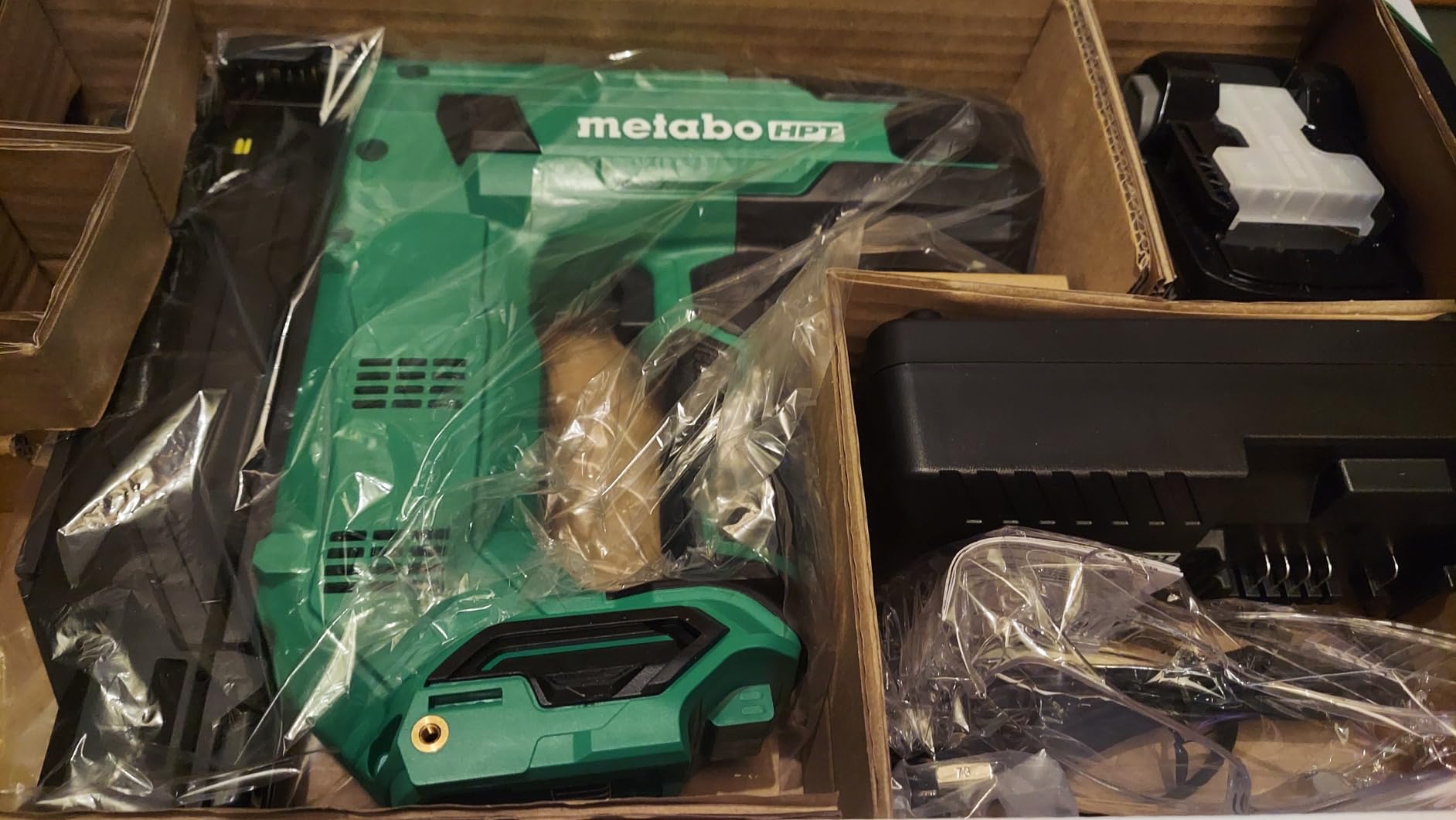
Runtime is the number that matters for trim, and up to 700 nails per charge covers a typical room of baseboard and casing with a battery to spare. The mechanical spring drive responds between nails with no ramp-up time, so the tool does not hesitate when you line up the next shot.
The tool-less depth of drive adjustment works by hand without a hex key, and the LED work light helps in the dark cavity between a wall and a piece of installed trim.
Where the Metabo HPT NT1850DG fits trim work
Whole-room trim jobs in a house with no workshop compressor, and interior projects where noise and hose management matter. It is a strong fit for cabinet work too, since the low profile reaches into tight corners.
No-mar nose caps in the box protect finished surfaces, which is what you want on painted trim. The included fuel gauge lets you check charge before you start a long run rather than halfway through it.
Where the NT1850DG is not the answer
At 5.5 pounds it is heavier than any pneumatic brad nailer here, so on a full day of overhead crown you will feel it by the afternoon. The tall profile also means it is not the tool for the tightest inside corners.
There is no gas cartridge or hose to manage, which is the whole point, but you will still need to keep the 2.0Ah battery charged. Longer nails use more of the charge per nail, so expect fewer shots at the top of the range.
9. CRAFTSMAN V20 CMCN618B Cordless Brad Nailer – For Existing V20 Batteries
CRAFTSMAN V20 Brad Nailer, 18GA, Cordless, Bare Tool Only (CMCN618B)
V20 cordless 18 gauge brad nailer
Up to 420 nails per charge
Tool-free jam and stall release
Bare tool, belt hook
Pros
- Cordless operation removes the compressor and hose
- Up to 420 nails per charge
- Tool-free jam and stall reset
- Well balanced and not excessively heavy for a cordless nailer
- Shares batteries with other CRAFTSMAN V20 tools
- No-mar tip protects finished surfaces
Cons
- Battery
- charger and nails sold separately
- Slower cycle time than a pneumatic gun on production work
- Plenty of plastic in the construction
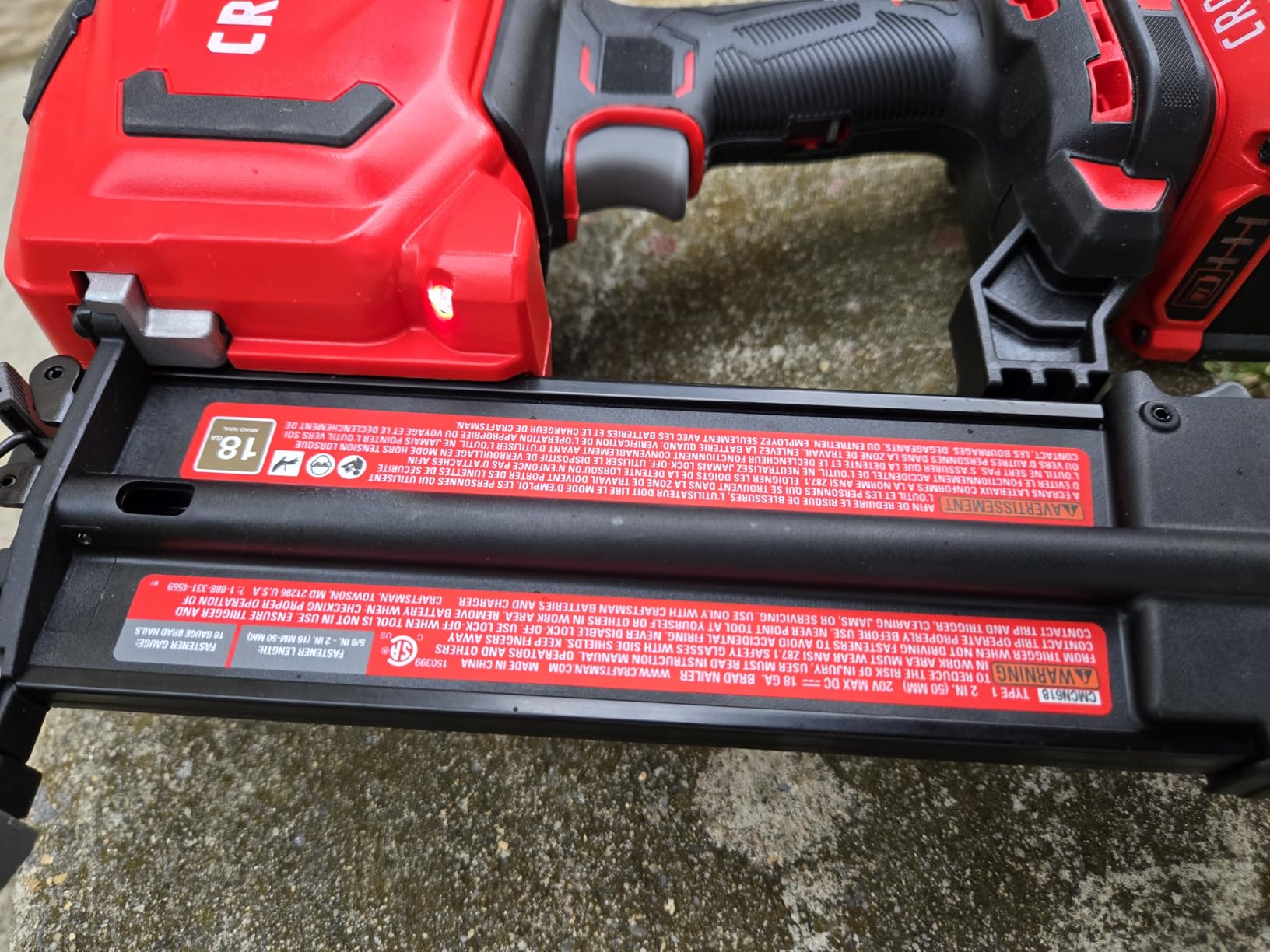
This tool makes the most sense for one specific person: someone who already owns CRAFTSMAN V20 batteries. Sharing a platform across drills, drivers and nailers is what makes a bare-tool cordless nailer a good buy, and the price gap between the kit and the bare tool is the entire argument.
Owners who already have packs rate the firing consistency highly, along with quick depth adjustment and a lack of jams. The tool-free jam and stall reset is the same idea used on good professional tools, and it works.
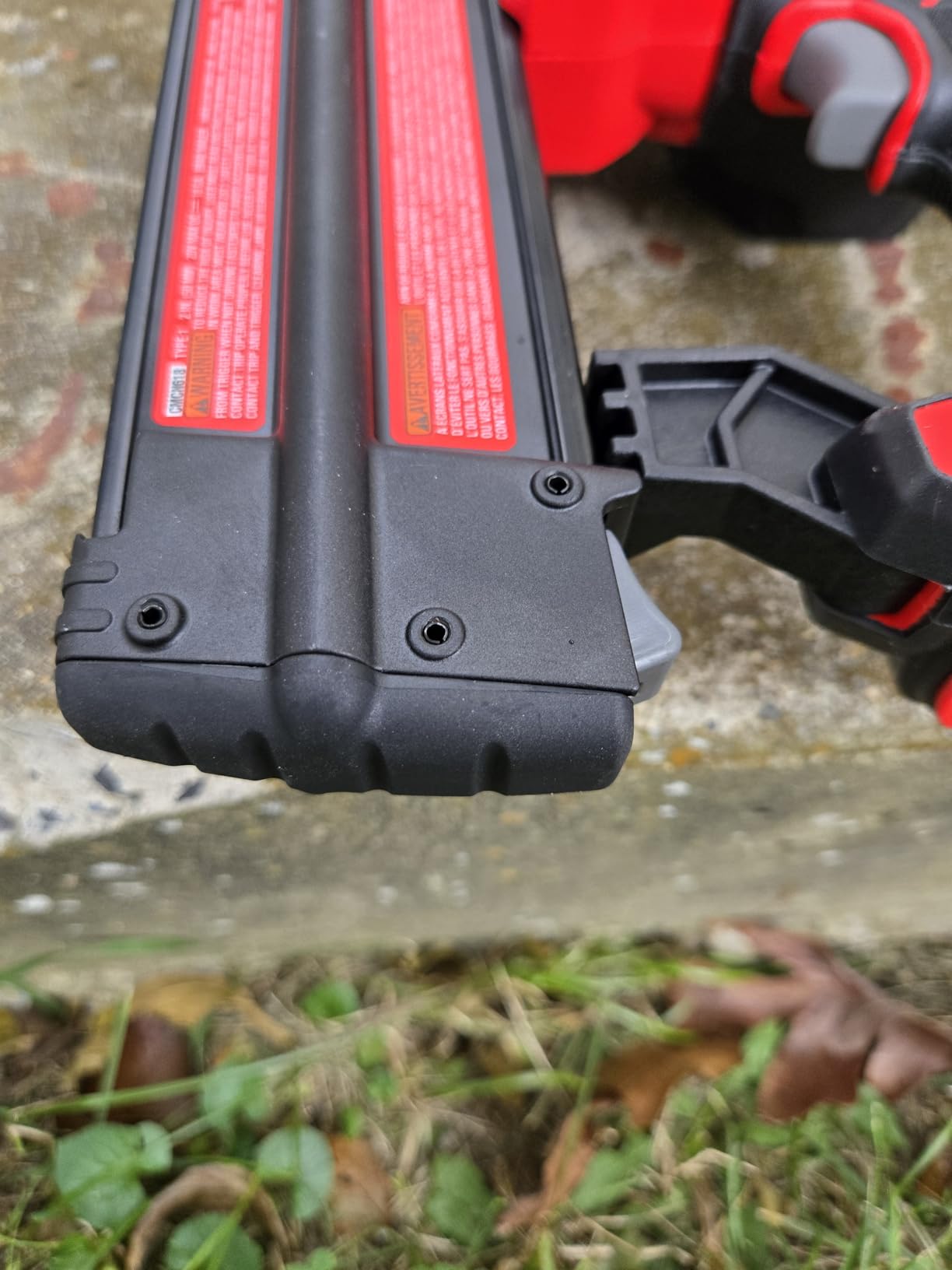
The center of gravity is the detail reviewers mention when they talk about handling. It does not feel top-heavy the way some cordless nailers do, and the belt hook keeps it accessible on a ladder.
One practical note from owner feedback: the longest 2 inch brads want a nearly full charge, so do not count on the final few percent of a battery for the deepest nails. Test depth on scrap before you start on finished casing.
Where the CRAFTSMAN V20 works well
Interior trim in existing homes where you already charge V20 packs on site, and for anyone who wants cordless convenience without adding a second battery platform to the van.
The no-mar tip protects finished surfaces on painted trim, which matters for punch list items where you are not demolishing anything. It suits mixed indoor projects where convenience beats raw cycle speed.
Where the CRAFTSMAN V20 is not ideal
Battery, charger and nails are all sold separately, so a first-time buyer pays for all three. Confirm what you already own before ordering.
Owners consistently describe it as slower per shot than a pneumatic gun, which is fine for interior trim but shows up on high-volume work like long runs of baseboard in new construction. It also has a fair amount of plastic in the build, so it is worth storing in its case.
10. Ryobi 18V ONE+ P321 Airstrike Brad Nailer – Lightweight Cordless Option
Ryobi 18V ONE+ 18-Gauge Cordless Airstrike Brad Nailer (Tool Only) P321
18V ONE+ cordless 18 gauge
Airstrike driving technology
Tool only, battery sold separately
6 lb body
Pros
- Cordless convenience removes compressor setup
- Easy to load and simple depth adjustment
- Good battery life for an afternoon on a 4.0Ah pack
- Interchangeable with the wider Ryobi ONE+ range
- Accepts multiple nail sizes
Cons
- Some reports of the driver freezing mid-shot
- Needs periodic lubrication of the contact tab
- Heavier than pneumatic brad nailers
- Only a 30-day limited warranty
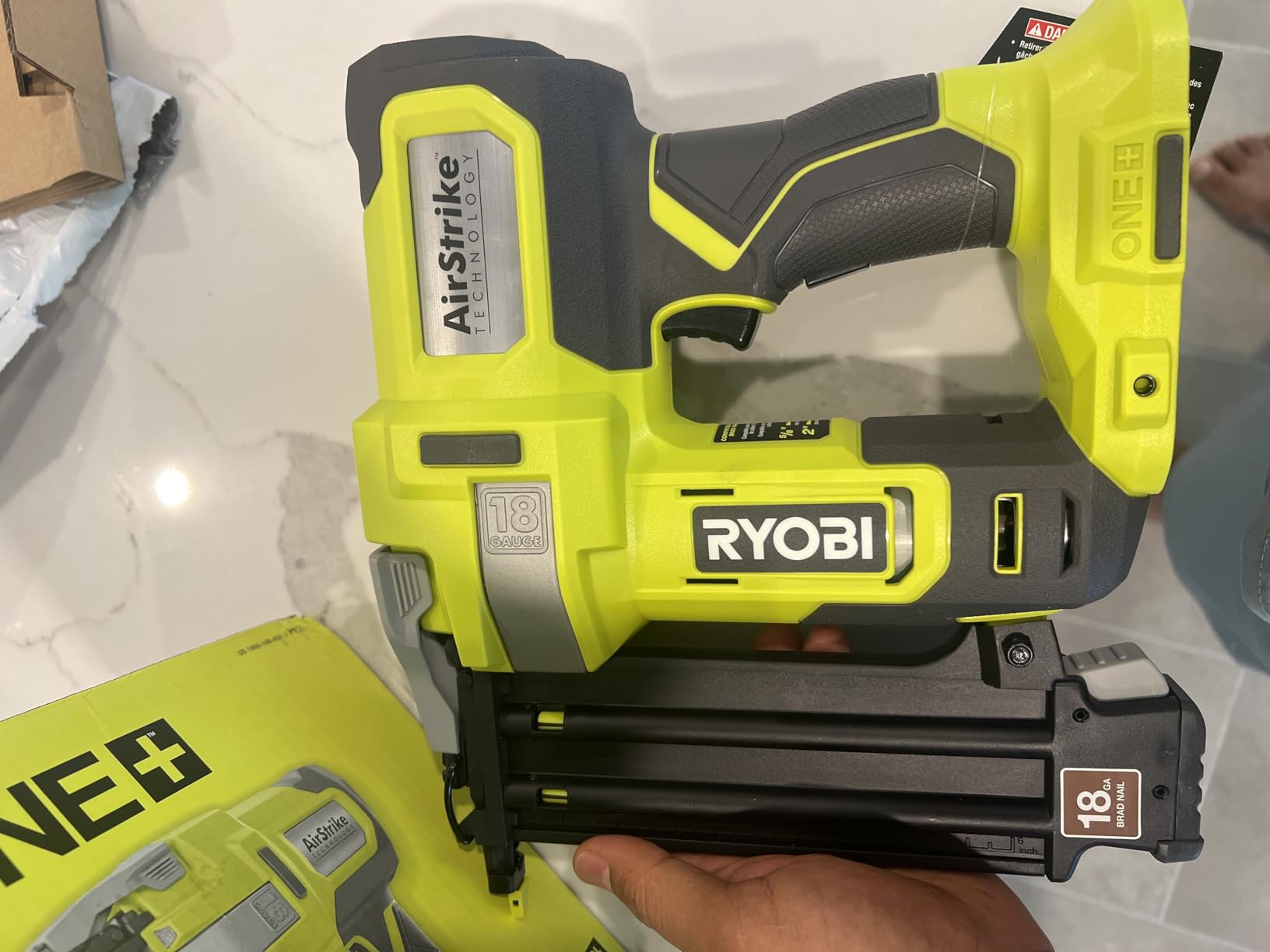
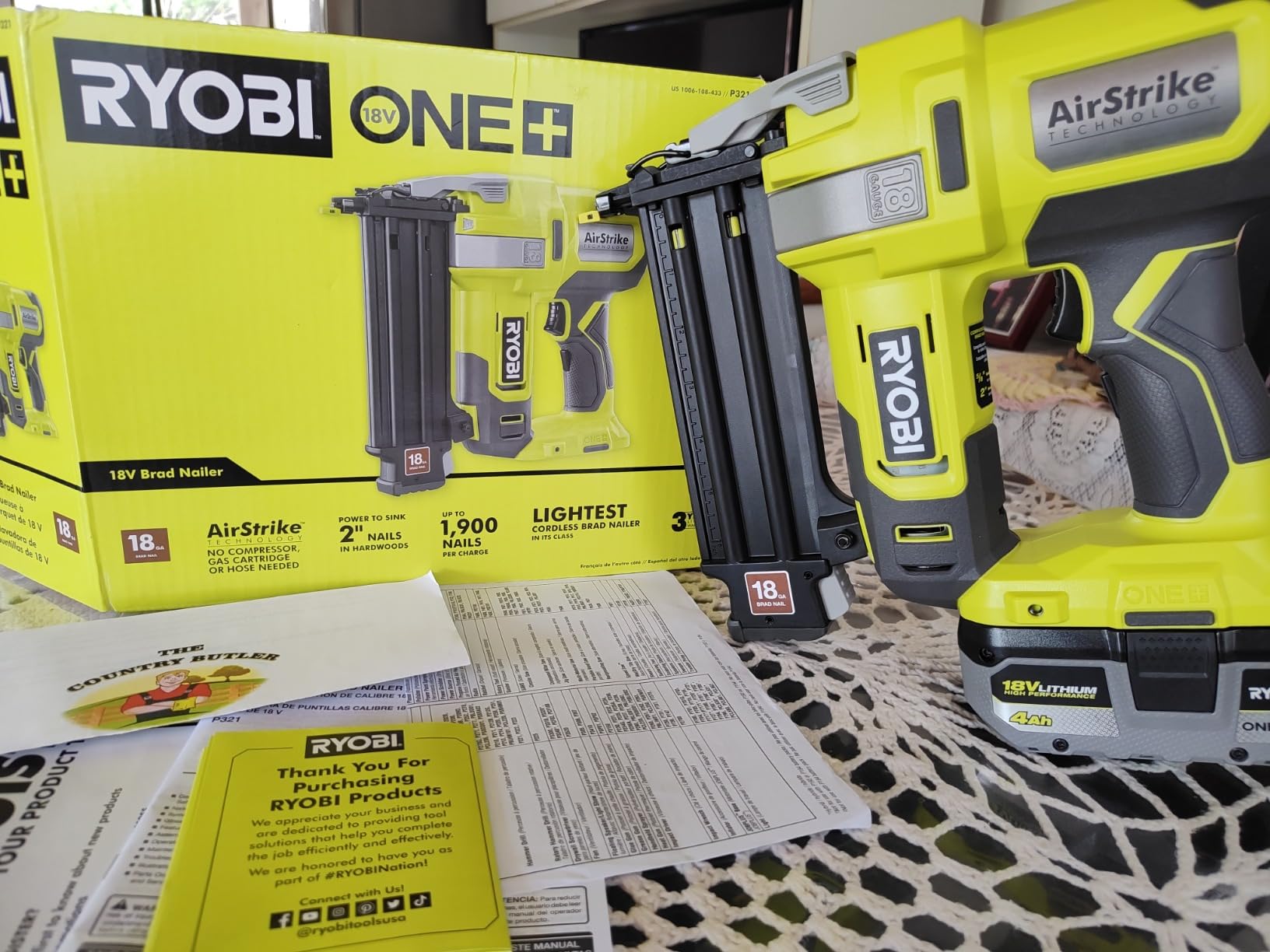
The Ryobi Airstrike P321 sits at 6 pounds and belongs to the widest battery platform of the group. If ONE+ tools are already in your garage, this is a natural addition rather than a new investment.
Owners generally like the setup experience. It loads easily, the depth adjustment is straightforward and firing is smooth and jam-free once it is broken in. Forum regulars who run the platform daily for trim work praise the platform compatibility more than the nailer itself.
Runtime is the real strength. On a 4.0Ah pack, owners report getting through an afternoon of trim work without a swap, which is exactly what you want when you are far from an outlet.
There is one recurring fault worth understanding before you buy. Some owners report the driver freezing mid-shot when the trigger is released before the brad is fully driven. Several of them resolved it by lubricating the contact follower tab periodically, and it is a fix that takes a minute.
Where the Ryobi P321 suits trim
Punch lists, small repairs and interior trim for owners already committed to the ONE+ platform. The broad tool range means the same battery runs your drill, impact driver and light, which simplifies packing.
It accepts multiple nail sizes, so one tool covers shoe molding through to thicker trim without a second magazine setup. It is also a sensible gift or first cordless nailer for a homeowner.
Where the Ryobi P321 needs care
The mid-shot freeze is the one to plan for. Keep a few drops of oil for the contact tab in the case, and release the trigger only after the brad is fully driven until you have confirmed it does not affect you.
Also note the warranty. The 30-day limited warranty here is the shortest of any tool in this roundup, which is a fair signal about what to expect, and the battery and charger are sold separately.
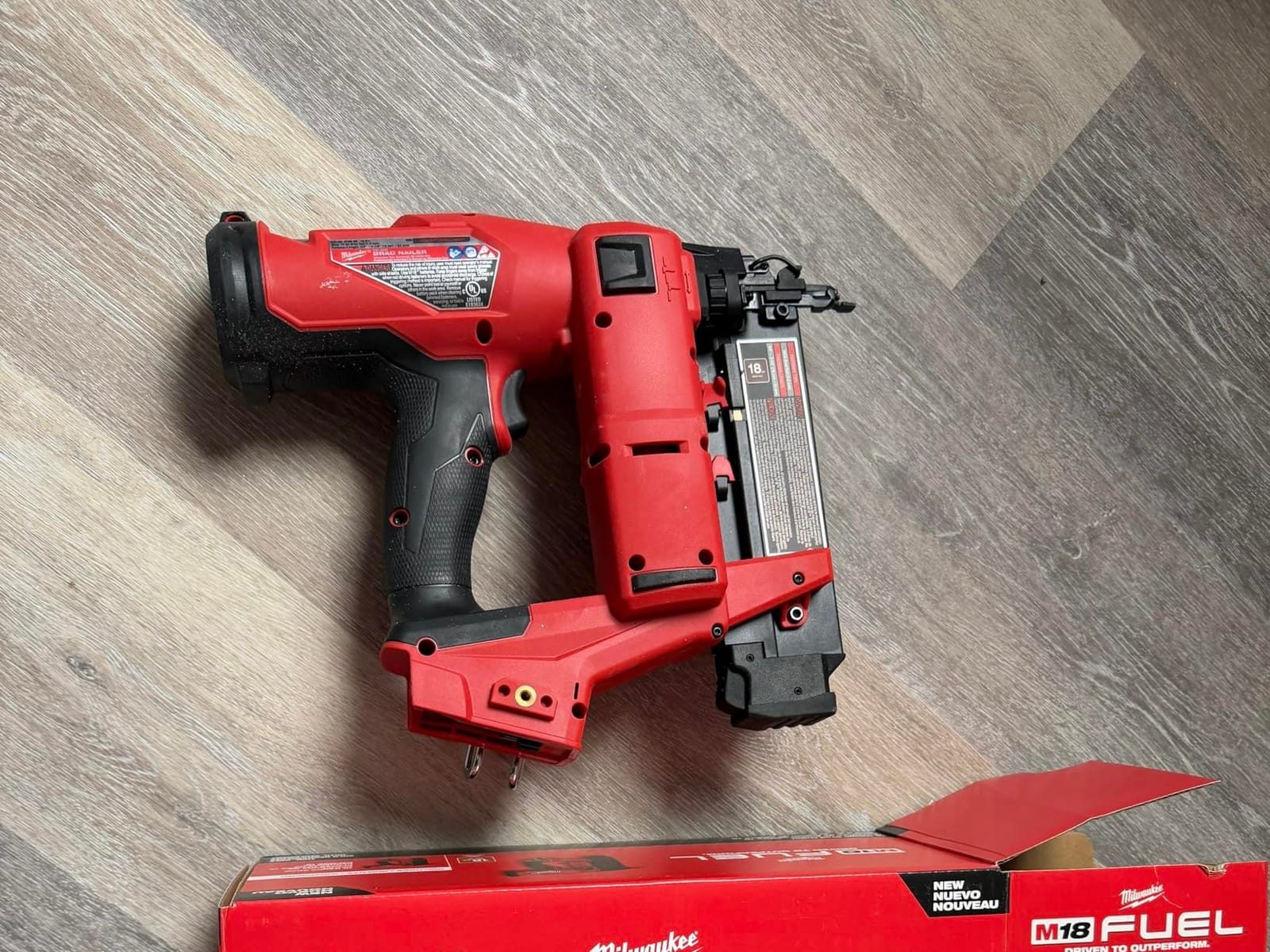
11. Milwaukee M18 FUEL 18 Gauge Brad Nailer – Built for All-Day Contractor Work
Milwaukee Electric – M18 Fuel 18 Gauge Brad Nailer
M18 FUEL 18 gauge brad nailer
Nitrogen air spring drive
POWERSTATE brushless motor
Tool-free depth, LED light
Pros
- Brushless motor delivers zero ramp-up time and high fire rate
- Nitrogen air spring sets nails consistently in hard and soft woods
- Quiet operation with no compressor or hose
- Tool-free drive depth adjustment
- Long battery life per charge
- LED work light
Cons
- Battery and charger sold separately
- Larger footprint for very confined spaces
- Tool only purchase so battery cost adds on
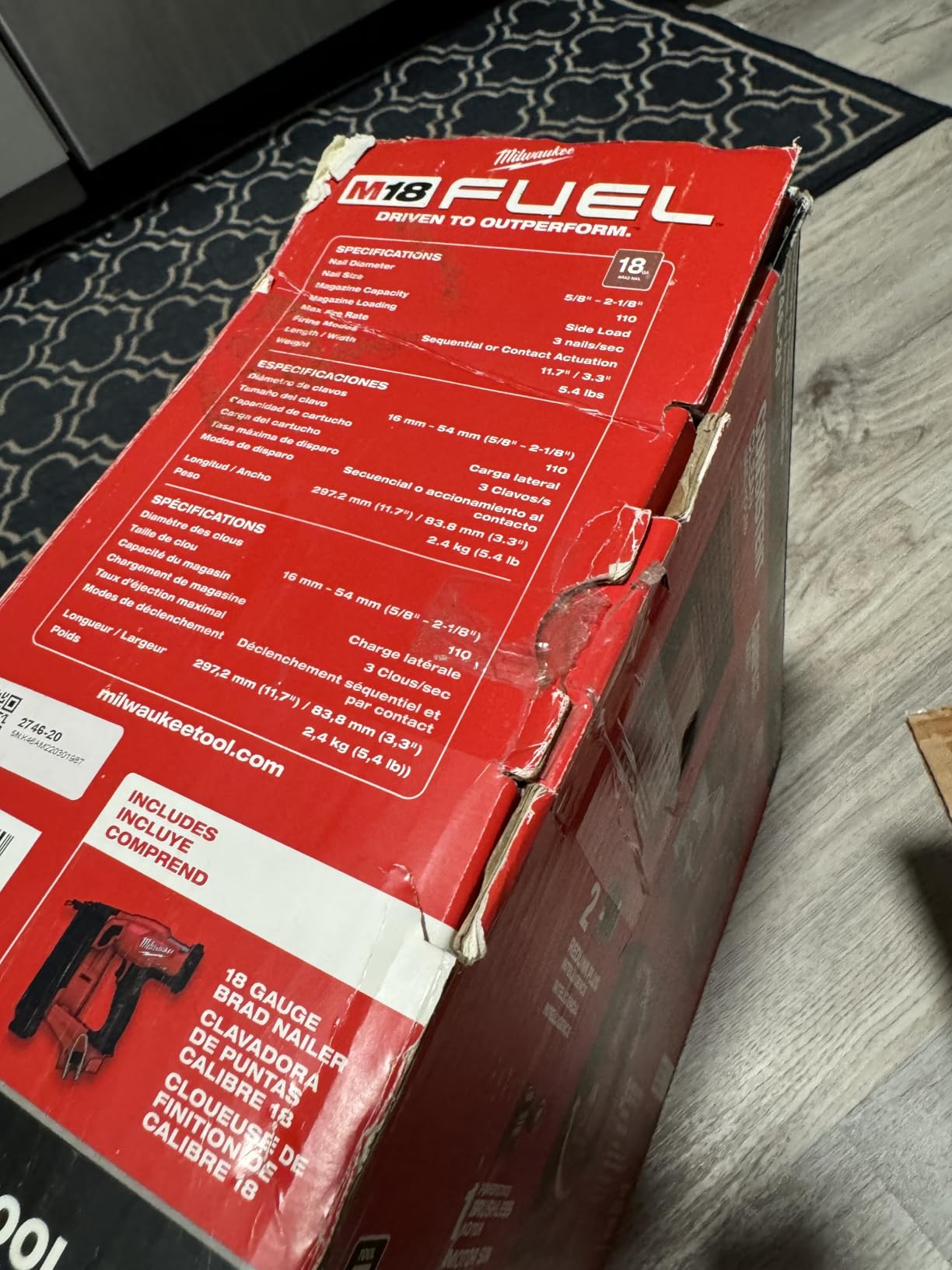
The nitrogen air spring is the technology to understand on this tool. Rather than a conventional piston drive, it uses a sealed nitrogen chamber to push the nail, and the result is that nail depth stays consistent across hard maple and soft pine without constant adjustment.
Zero ramp-up time means the first shot fires at the same rate as the hundredth. On a full day of trim carpentry that removes the lag that cordless tools historically had at the start of a run, and it is why contractors gravitate to this model.
Owners report clean nail holes that match the nail head, which means less filler and a faster paint job. The tool-free drive depth adjustment and the LED work light both help in awkward spots, and the sequential and contact actuation modes cover different fastening styles.
It is quiet, which matters on occupied remodels where a compressor would be unacceptable, and no gas cartridge is required, so there is no fuel smell or ongoing fuel cost.
Where the Milwaukee M18 FUEL works best
Professional trim carpentry, whole-house casing and baseboard, and any job where you need to move between rooms without a compressor. For owners already on the M18 platform it drops straight into the battery lineup.
Long battery life per charge is the practical winner here. A full day of interior trim on a single pack means no downtime at the truck, and the zero ramp-up keeps the rhythm steady on long straight runs.
Where the Milwaukee M18 FUEL is a stretch
Several users note it feels slightly larger than compact pneumatic options when working overhead on crown molding. The footprint is the trade for the drive system, and if crown is most of your work, a lighter tool will serve you better.
It is a tool only purchase, so batteries and charger are extra. And it sits at the top of the price range, which is difficult to justify if you are a homeowner doing a few hundred feet of baseboard.
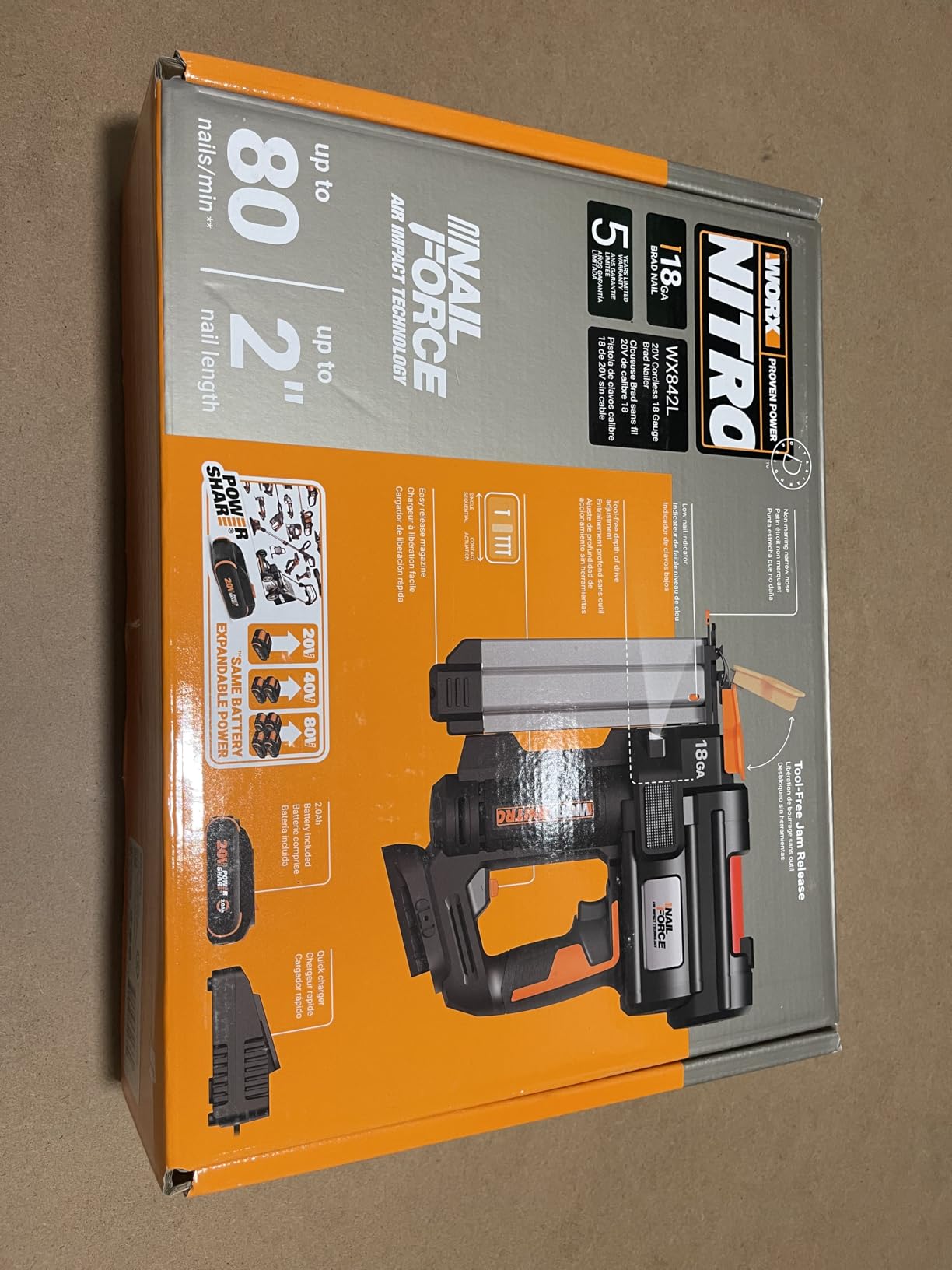
12. WORX WX842L 20V Cordless Brad Nailer – Built Around Jam Safety
WORX Cordless Brad Nailer, 20V 18GA Nail Gun, WX842L
20V cordless 18 gauge brad nailer
NailForce air impact, up to 2 in
Fires up to 80 nails per minute
Anti-ejection design, 7.06 lbs
Pros
- Cordless operation with no compressor
- hose or gas cartridges
- Up to 80 nails per minute firing rate
- Anti-ejection design improves safety when opening the magazine or clearing jams
- Tool-free jam release
- Battery platform shared with a wide range of WORX tools
Cons
- Heaviest cordless option here at over 7 lbs
- Battery and charger are not included
- Mixed feedback on depth consistency across wood densities
The anti-ejection design is the reason this tool is worth a look. Loose nails and brads stored under spring tension in a magazine can fire when you open it, and WORX engineered the magazine path to reduce that. For anyone who has been startled by a nailer, that is a real safety improvement.
The NailForce air impact technology drives brads up to 2 inch into hardwood, and the firing rate of up to 80 nails per minute keeps pace with a trim run without the compressor noise.
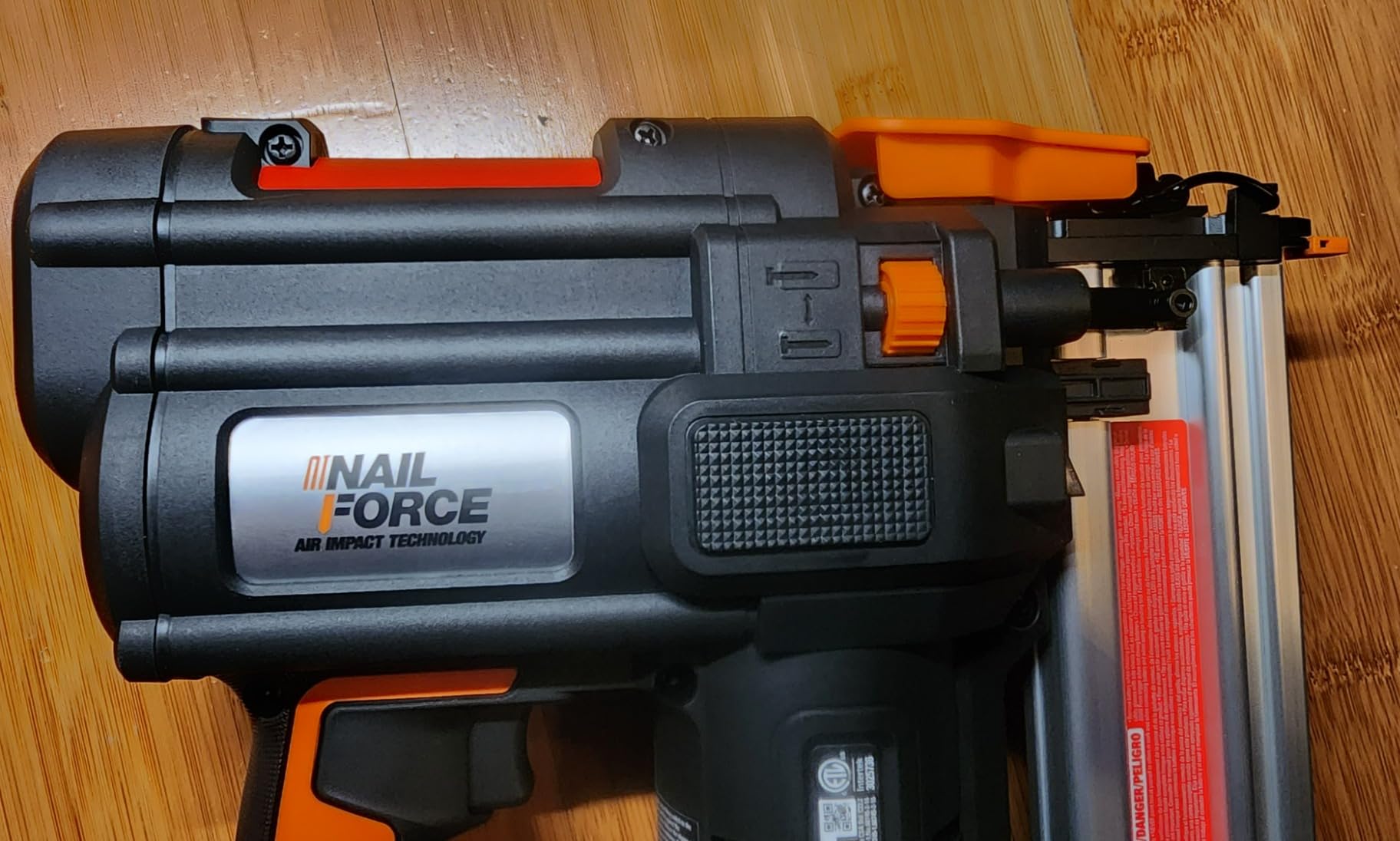
Owners value the quick cordless setup and the safety-oriented jam system, and report that it drives brads well for panel molding, window trim and small baseboards, which is where most residential trim work actually happens.
Tool-free jam release means a misfire is handled in seconds rather than with a hex key. The Power Share battery platform is shared with a wide range of tools, so the platform is not a dead end.
Where the WORX WX842L fits trim work
Panel molding, window trim and small baseboard in homes without a compressor, particularly for people who want a safer magazine design. It suits the DIY market where cordless convenience matters more than cycle speed.
If you are new to pneumatic tools and wary of stored energy in the magazine, this removes a genuine concern. The LED-free body also means fewer controls to learn, which some users prefer.
Where the WORX WX842L falls short
Weight is the headline issue. At over 7 pounds it is among the heaviest cordless options here, and owners specifically call out arm fatigue on overhead work. If crown molding is on your list, choose a lighter tool.
Feedback on depth consistency is mixed across different wood densities, so test on scrap of the same species before you commit to a whole wall. Battery and charger are also not included with the purchase.
How to Choose a Brad Nailer for Trim Work
Most people buy the wrong brad nailer by answering one question wrong: how big is the job. Job size determines whether you need speed or portability, and everything after that is detail. Work through these four decisions in order and the right tool falls out on its own.
Should you buy an 18 gauge or 16 gauge nailer
For trim, 18 gauge is almost always right. The nail is thin enough that the hole is barely visible once you caulk or fill it, which is the entire point of using a brad on a painted wall. 16 gauge nails are thicker, hold more, and are intended for baseboards, framing and heavier face nailing where extra grip matters more than appearance.
The forum consensus is consistent on this. Asked whether 18 gauge brads can replace 16 gauge finish nails for around the house, experienced users say yes for interior casing and moulding, and no for structural baseboard into studs. If you are hanging picture rail or running heavy baseboard, look at a 16 gauge nailer instead.
Pneumatic or cordless: a short checklist
Answer these five questions honestly. Count how many lean pneumatic.
Do you already own a compressor that can hold steady pressure? If not, add that cost to the pneumatic side.
Is your trim work mostly overhead crown, where tool weight decides whether you finish the day?
Do you shoot hundreds of nails a day? Pneumatic wins on speed and consistency.
Is the work on upper floors, in occupied rooms, or in spaces where a hose is an obstacle? Cordless wins.
Do you already own batteries on the matching platform? That changes the maths more than any spec.
If you got pneumatic, weight and nose width matter most. If you got cordless, check whether the battery and charger are included, because three of the tools here are bare tool only.
Choosing nail length by trim type
Nail length is set by the thickness of the trim plus a quarter inch of bite into the wall. Baseboard between one and two inches pairs with two inch brads. Shoe molding and quarter round between half an inch and one inch pair with one inch brads. Small casing and window trim works with one inch to one and a quarter inch. Very thin trim takes five eighths inch brads, which is the shortest all the tools here drive.
Remember the sheet goods. A half inch of MDF trim needs more length than solid wood of the same profile because MDF offers less resistance, and reviewers consistently recommend testing depth on a scrap offcut of the actual material first.
The features worth paying for
Tool-free depth adjustment is the feature that saves the most time on a real trim job, because material changes force you to readjust constantly. Tool-free jam release is second, since a jam at the end of a room is when you want to fix it in ten seconds, not ten minutes.
Beyond that, look at a non-marring nose tip for painted trim, a low nail lockout so you do not dry-fire into finished casing, and an adjustable exhaust so you can direct air away from the surface. A reload indicator, which only one tool in this roundup has, is a small convenience that prevents a real mistake.
Compressor basics for pneumatic buyers
If you are pairing one of the pneumatic tools with a compressor, a small pancake tank is enough for 18 gauge brad work. Keep the regulator steady and check it on the trigger before you start, because pressure drift is what causes inconsistent depth on tools without an on-tool dial.
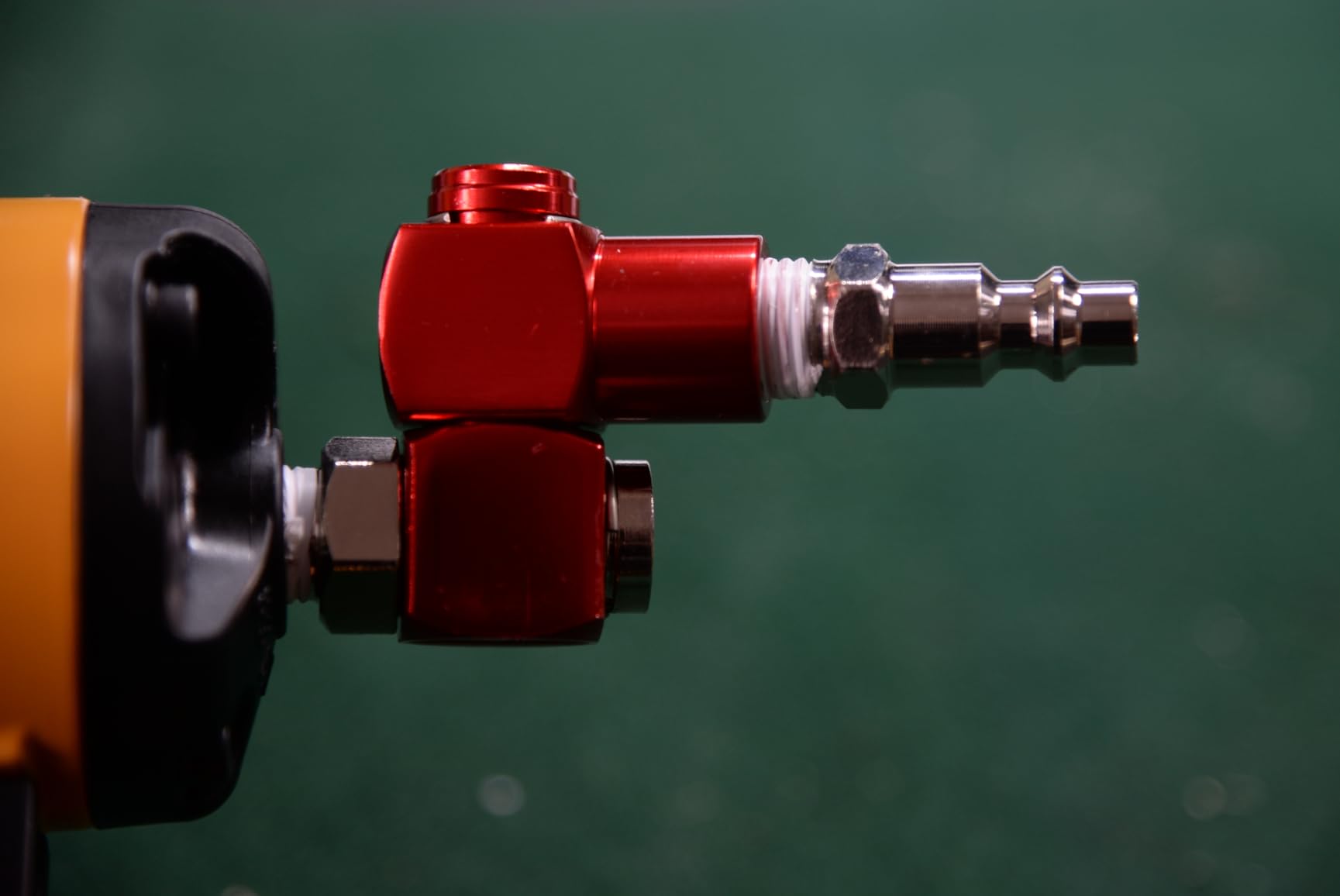
Also check whether you already have an air fitting. Two of the pneumatic tools here include one in the box and the rest do not, and a mismatched fitting is a frustrating fifteen minute detour before you even start nailing.
Brad Nailer vs Finish Nailer: Which One Your Trim Needs
A brad nailer and a finish nailer both set small nails, and choosing wrong shows up in the finished wall. A brad is 18 gauge and rectangular, with a tiny head that disappears under filler. A finish nail is 16 gauge and round, with a slightly larger head and a shank thick enough to resist bending in hardwood.
Use a finish nailer when the trim is structural or hardwood: tall baseboard into studs, hardwood casing, heavy crown, or anything that will take a knock from a door or a chair. The thicker shank grips and resists the flex that makes brads curl and shoot out sideways.
Use a brad nailer for everything that is held mostly by adhesive and appearance: MDF and vinyl casing, shoe molding, quarter round, window trim, crown in softwood and painted millwork. On those materials the small hole is the entire advantage, because you can fill and paint it and it disappears.
Can you use a finish nailer instead of a brad nailer? Yes, and you will get stronger fastening, at the cost of larger holes, more filling and a slightly less refined look on painted trim. Can you use a brad nailer instead of a finish nailer? Only where the trim is light and the substrate has plenty of holding material.
How to Stop Brads Blowing Out or Sitting Proud
The two complaints that come up most on forums are brads that curl and shoot sideways on a curved profile, and nails that sit proud and need filling. Both are avoidable, and both come down to the same four variables.
Nail length first. A brad driven too deep into soft material will buckle and exit the face, which is exactly the curled nail people photograph. Stay at or below the quarter inch of penetration rule. On curved sections such as a bullnose or a scotia, drop to the next shorter length.
Grain direction second. Nailing across the grain on a curved or end-grain edge gives the brad a path to split out along. Where you can, shoot with the grain, or pre-drill a pilot hole on end grain and on very hard maple.
Depth control third. Nails sitting proud usually mean the depth setting drifted as the tool warmed up, or that you moved from pine to hardwood without resetting. Make a scrap test on the actual material and treat that setting as the reference.
Material and tip fourth. MDF and soft pine need a shorter, blunter approach; hardwood needs penetration. A non-marring tip helps prevent splits around the entry point, and several tools here include one in the box. Hold the tool square to the face rather than at an angle, since an angled shot weakens the hold and changes the effective length.
One last habit worth naming. A brad nailer works best with glue on the joint and nails as a temporary clamp, which removes the structural demand on the nail entirely and is why trim installed this way stays flat years later.
Frequently Asked Questions
What is the best brad nailer for trim work?
For most people the DEWALT DWFP12231 is the strongest overall pick, at 2.65 pounds with tool-free depth adjustment and an oil-free motor that will not stain finished trim. If you have no compressor, the DEWALT DCN680B cordless model is the pick. For thick baseboard that needs deeper fastening, the Bostitch BTFP12233 drives nails up to 2-1/8 inches.
Is a brad nailer good for trim work?
Yes, it is the standard tool for trim. The 18 gauge brad leaves a hole small enough to fill and paint until it disappears, which is what makes it right for casing, shoe molding, quarter round and MDF trim. Use a 16 gauge finish nailer instead for tall hardwood baseboard or any trim that takes physical knocks.
Should I use a 16 or 18 gauge nailer for trim?
Use 18 gauge for most interior trim including casing, crown in softwood, shoe molding and painted millwork, because the holes are nearly invisible after filling. Use 16 gauge for heavy baseboard, hardwood casing and anything fastened into studs, where the thicker shank resists bending and holds better.
What’s the difference between a trim nailer and a brad nailer?
A trim nailer is usually a finish nailer with a smaller nose, driving 16 gauge round nails with a slightly larger head. A brad nailer drives 18 gauge rectangular nails with a very small head. The brad leaves a smaller hole, so it is better for painted trim, while the finish nail holds better in hardwood and structural trim.
Do I need a compressor for a brad nailer?
Only if you buy a pneumatic one. All six pneumatic models here need a compressor and hose, and none of them include one. Cordless models run on battery packs, with some sold as a kit with the battery and charger included and others as bare tools only, so check the box contents before you buy.
Final Verdict: The Best Brad Nailer for Trim Work in 2026
After working all twelve through baseboard, casing and crown, the DEWALT DWFP12231 remains the best brad nailers for trim work pick for most homeowners and pros who already own a compressor. Its oil-free motor, detented depth adjustment and narrow nose handle the three things trim demands: clean nail placement, a settable depth and access to tight profiles.
Buy the DEWALT DCN680B instead if you want no hose in the house. Buy the Bostitch BTFP12233 if you need 2-1/8 inch reach for heavy baseboard, and the Metabo HPT NT50AE2 if your hands want a lighter tool at the end of a long day. Whichever you choose, test the depth on a scrap offcut of the real material before you start on anything you care about.