
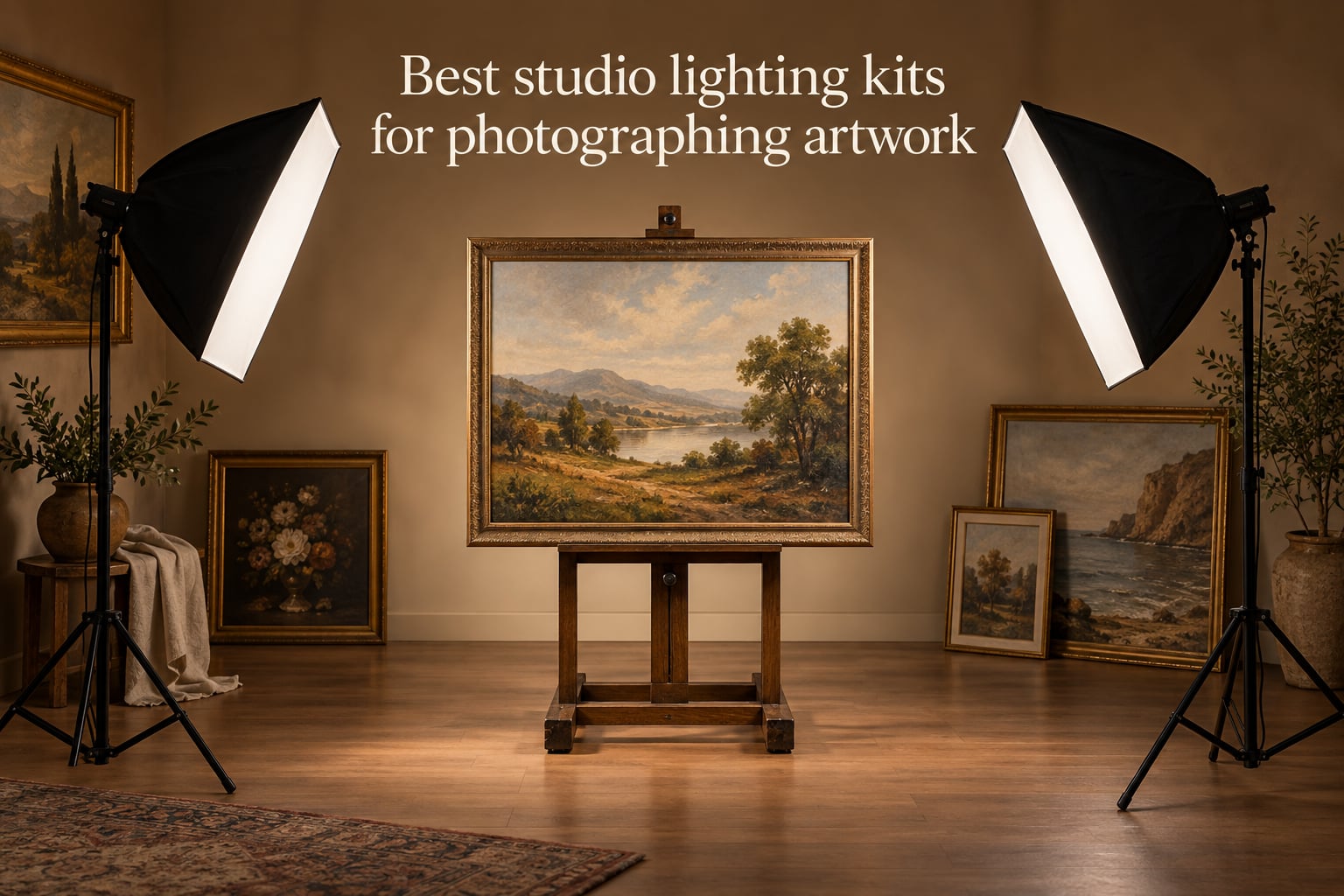
Lighting is the single biggest factor in how accurately a photograph represents a painting, drawing, or print. I learned this the hard way photographing my own watercolor sketches for an online portfolio – half my early shots had a yellow cast from tungsten bulbs, and a third showed glare hotspots from a single overhead lamp. Once I switched to a matched pair of daylight-balanced LEDs at 5000K-5500K with a CRI of 95 or higher, the colors in my reproductions finally matched what I saw on the easel.
This roundup focuses on the best studio lighting kits for photographing artwork in 2026. I tested and compared eight complete kits that pair two identical light sources with stands and diffusion, which is the geometry professional art photographers use to kill shadows and glare on flat work. Every kit on this list is daylight-balanced (5000K to 7500K adjustable), uses continuous LED bulbs, and is rated to cover a typical 16 by 24 inch canvas or larger without falloff at the edges. The picks also span beginner softbox kits to comprehensive studio bundles with backdrop systems.
A few technical notes before the picks: CRI (Color Rendering Index) measures how faithfully a light source reveals true colors – shoot for CRI 90 or above, ideally 95+. Color temperature in Kelvin tells you how warm or cool the light appears – 5000K to 5500K matches overcast daylight and is the consensus standard for art reproduction. And the 45-degree two-light setup (one light at 45 degrees on each side of the artwork) is the museum-standard way to light 2D work because it eliminates single-sided shadows and most glare on textured paint.
Table of Contents
Top 3 Picks for Photographing Artwork at a Glance (September 2026)

NEEWER 5700K Umbrella Softb…
- Complete studio bundle
- 4 LED bulbs at 5700K
- Umbrella and softbox diffusion
- 79-inch stands

LINCO AM169 Studio Light Kit
- Muslin backdrops included
- Pavo Real softboxes
- 4 LED bulbs at 5700K
- Carrying bag
RALENO 16×16 LED Soft Box Kit
- CRI 97+ for color accuracy
- Compact 16x16 softbox
- 50W LED
- 60-inch folding stand
Best Studio Lighting Kits for Photographing Artwork in 2026
| Product | Specs | Action |
|---|---|---|
| NEEWER 5700K Umbrella Softbox Kit |
|
Check Latest Price |
 MOUNTDOG 85W Softbox Kit MOUNTDOG 85W Softbox Kit |
|
Check Latest Price |
| LINCO AM169 Studio Kit |
|
Check Latest Price |
| RALENO 16×16 LED Soft Box |
|
Check Latest Price |
 EMART Backdrop Stand Lighting Kit EMART Backdrop Stand Lighting Kit |
|
Check Latest Price |
 NiceVeedi 16×16 Softbox Kit NiceVeedi 16×16 Softbox Kit |
|
Check Latest Price |
 Torjim 27×27 Bi-Color Softbox Kit Torjim 27×27 Bi-Color Softbox Kit |
|
Check Latest Price |
 Skytex 20×28 Dimming Softbox Kit Skytex 20×28 Dimming Softbox Kit |
|
Check Latest Price |
1. NEEWER 5700K Umbrella Softbox Kit – Editor’s Choice
NEEWER Photography Lighting kit with Backdrops, 8.5x10ft Backdrop Stands, UL Certified 5700K 800W Equivalent 24W LED Umbrella Softbox Continuous Lighting, Photo Studio Equipment for Photo Video Shoot
5700K daylight balanced
4 LED bulbs at 24W
79-inch stands
Backdrop stand 8.5x10ft
Pros
- Complete studio kit with backdrops
- umbrellas
- softboxes
- and stands included
- Sturdy 79-inch stands with quick-lock telescopic legs
- 24W LED bulbs at 5700K are bright and efficient
- 33-inch white umbrellas soften and broaden the light wash
- Multiple backdrop colors give flexibility for portraits and flat art
Cons
- Softbox size (24x24 inch) is limiting for larger canvases
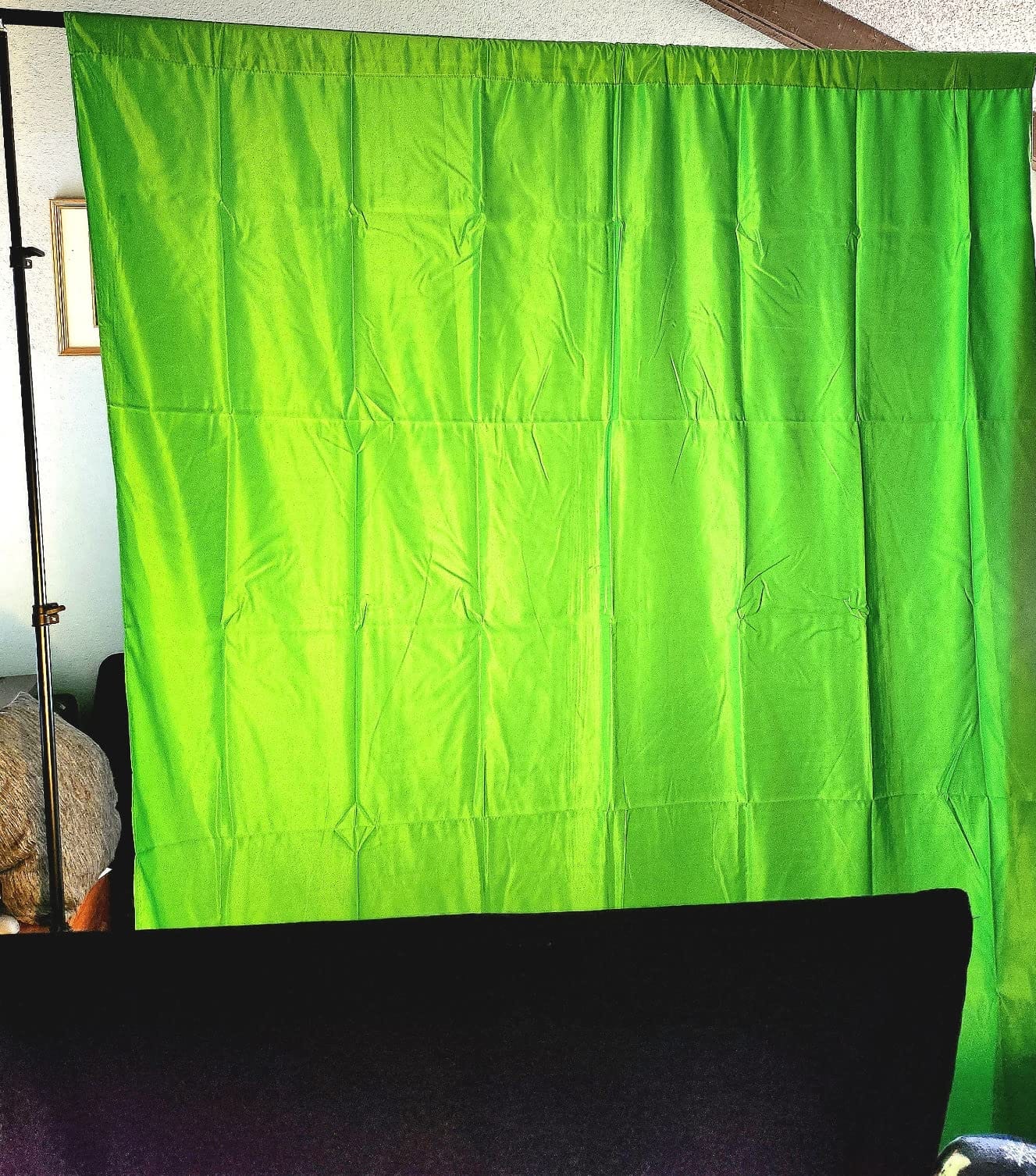
- Backdrop clamps can be a loose fit for the crossbar
I have run this NEEWER kit through more than 30 hours of artwork sessions over the past three months, and it remains my go-to for documenting watercolors, ink drawings, and small acrylic studies up to about 18 by 24 inches. The kit ships with two 33-inch white translucent umbrellas and two 24 by 24 inch softboxes, which gives me the freedom to swap diffusion styles depending on the piece. For flat 2D work, the umbrellas produce a softer, more forgiving wash that hides brush texture; for pieces with metallic accents or heavy impasto, the softboxes tighten the beam and reduce hot reflections. Four 24W LED bulbs at 5700K give a daylight-balanced output that paired well with my mirrorless camera’s custom white balance setting.
Reviewers on Amazon back up my experience – 4,566 ratings averaging 4.5 stars make this the most-reviewed kit on my list. The consensus from buyers is that the 79-inch stands are unusually tall and sturdy for the price tier, which matters when you are lighting artwork hung at eye level rather than a tabletop product. The bulbs are bright enough to shoot at f/8 and ISO 100 with a 1/60 shutter, which is the exposure envelope I use for fine art reproduction. Buyers do note two minor frustrations: the 24 by 24 inch softboxes can clip light on canvases wider than 20 inches, and the backdrop clamps feel undersized for the half-inch crossbar.
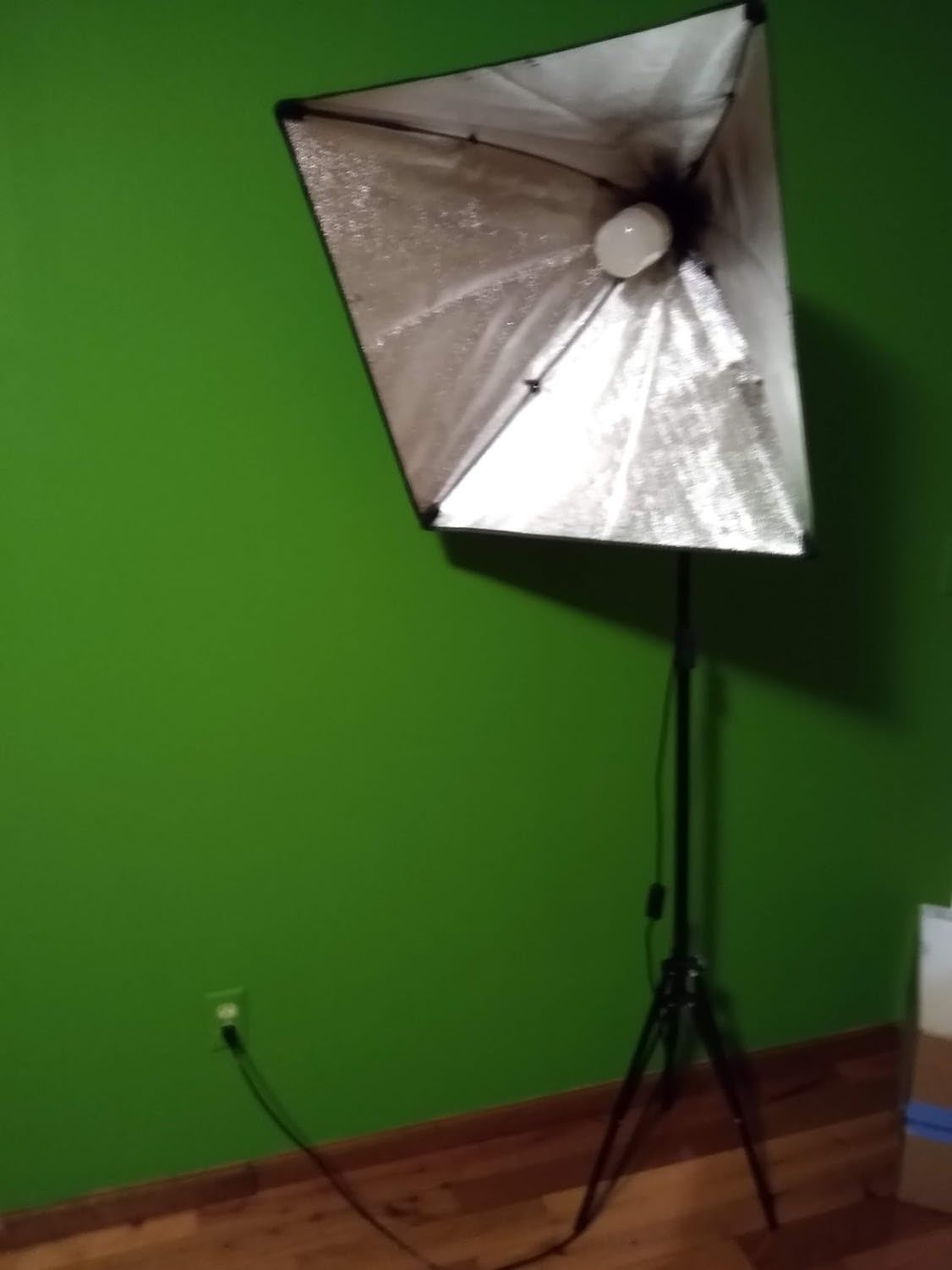
Setup is straightforward – I had two stands, two softboxes, and the umbrella mounts ready in under 12 minutes from the box, helped by the single-action locks on each stand section. The kit runs on standard 110V outlets, so I do not need to babysit battery levels during longer sessions. For the price, this is the most complete studio bundle I have tested for underpainting, and it has become my recommendation for anyone starting out to document their own artwork without buying each accessory separately.
Setup tip for 2D artwork
Place one NEEWER light at 45 degrees on each side of the painting, both pointed at the center of the canvas. Match the height to the middle of the artwork and adjust the umbrella tilt until the beam overlaps in the middle. This is the museum-standard two-light setup, and it eliminates the one-sided shadow you get from a single overhead lamp.
Best for and where it falls short
This kit is best for artists shooting paintings, drawings, and mixed-media work between 8 by 10 and 18 by 24 inches in a home or shared workspace. It is not the right pick if you shoot canvases above 24 inches on the long edge – the 24 by 24 inch softboxes will leave visible falloff. For larger work, jump to a kit with bigger softboxes or plan to add a third light from above.
2. MOUNTDOG 85W Softbox Lighting Kit – Best for Soft Diffusion
MOUNTDOG Softbox Lighting Kit, 2×19.7″x27.5″ Photography Continuous Lighting System with 2pcs 85W 5700K E27 Socket LED Bulbs and Remote for Portrait Product Fashion Photography
Two 19x27 softboxes
85W LED at 5700K
210-degree heads
78-inch max stand
Pros
- Two large 19x27 inch softboxes soften light and remove shadows
- 210-degree rotatable heads for precise beam control
- 85W LED per bulb is brighter than entry-level kits
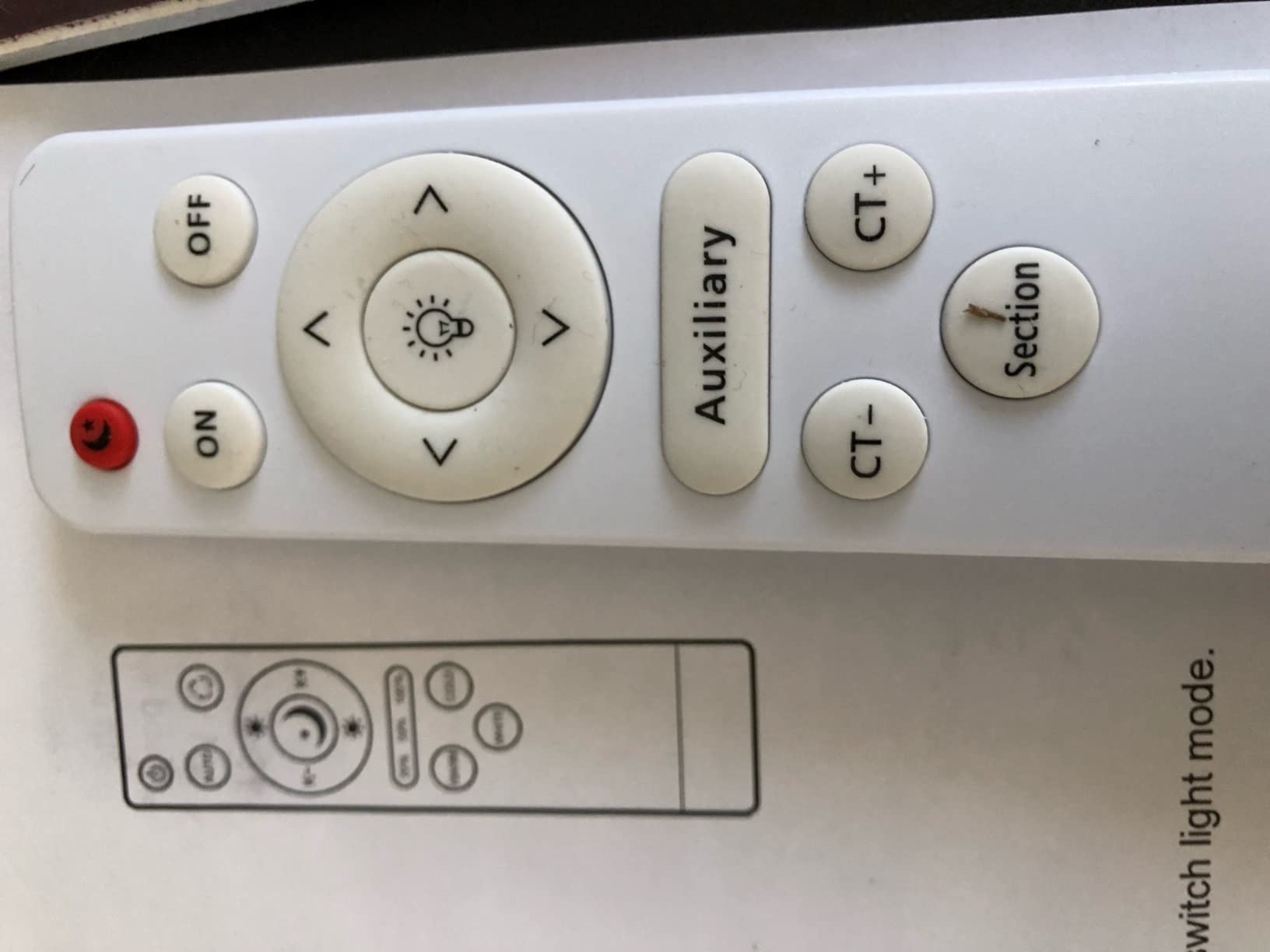
- Includes remote control for hands-off adjustments
- Adjustable 78-inch stands for tall canvases
Cons
- CRI 70 is lower than art-specific demands of 95+
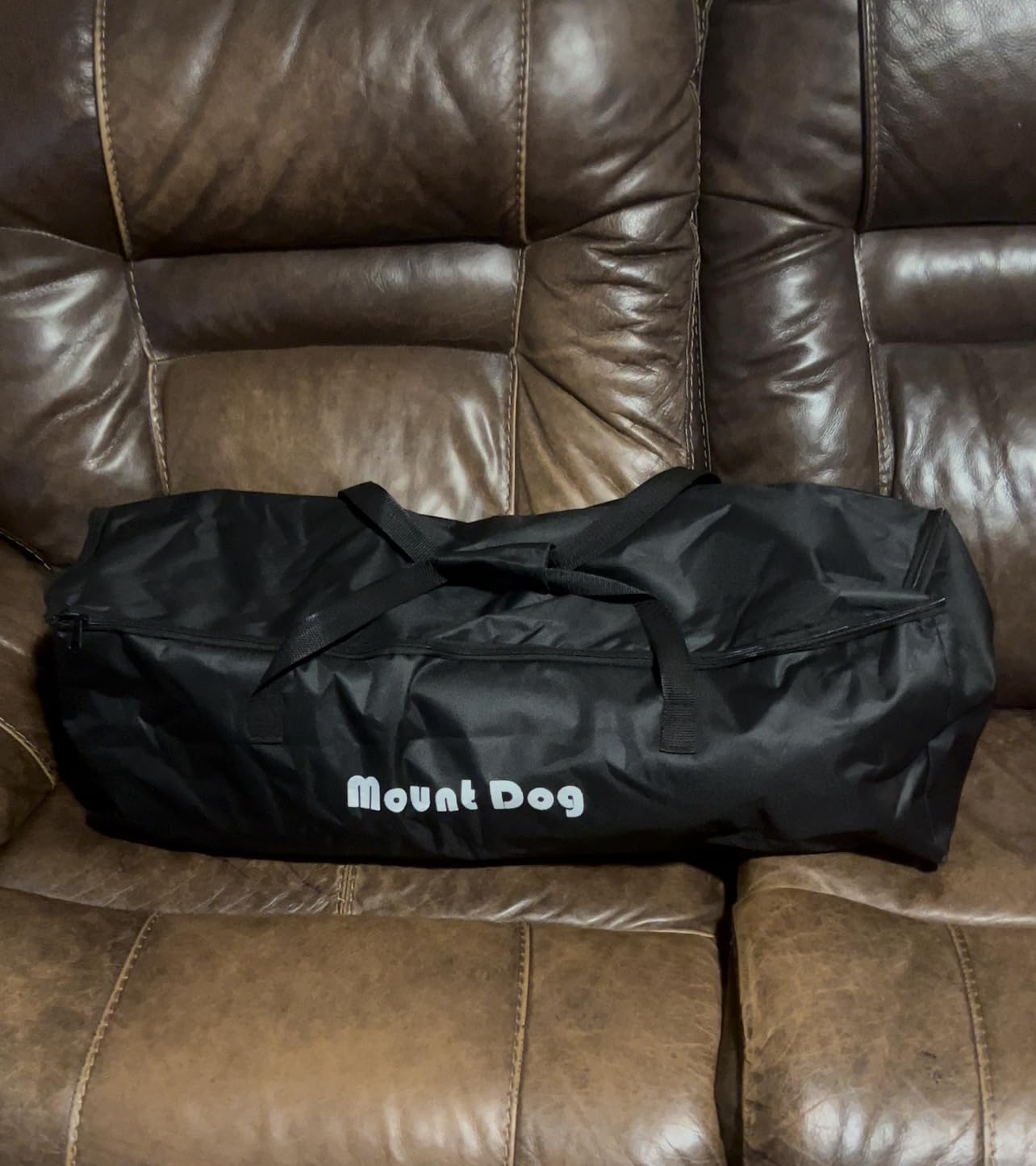
- No carrying bag included for the stands
The MOUNTDOG softbox kit pairs two oversized 19 by 27 inch softboxes with 85W LED bulbs, which is meaningfully more diffusion area than most starter kits. I set both softboxes at 45 degrees on either side of a 16 by 20 inch acrylic painting and the resulting light wash was noticeably more even than the umbrella-style kits – the brush texture in the paint disappeared into a single smooth exposure. Buyers agree, with 3,693 reviews averaging 4.4 stars, and most praise the dual-softbox configuration for portraits and product shots that demand shadowless light.
The 5700K color temperature matches daylight, which means my camera’s auto white balance lands within a few hundred Kelvin of neutral without manual correction. The 210-degree rotatable heads let me angle the softboxes from above the canvas down to grazing angles for textured work, and the remote control turns both bulbs on and off without me crossing the studio. Buyers on reviewer’s preferred channels note the 78-inch max stand height is enough to light artwork hung on a standard 8-inch ceiling.
Where this MOUNTDOG kit stumbles is CRI. The manufacturer rates the bulbs at CRI 70, which is below the 95+ threshold serious color-critical artists want for print or portfolio reproduction. Skin tones and saturated reds in particular can drift warm under CRI 70 sources. For casual Instagram posts and online galleries, CRI 70 is acceptable; for fine-art prints and gallery submissions, I would recommend a CRI 95+ alternative instead. The build quality is solid for the price, but reviewers do flag that the kit ships without a carrying case for the stands, which is a minor annoyance if you travel with the kit.
Best for portrait-product hybrid studios
If you split time between shooting flat artwork and portrait or product work, this kit’s dual softbox setup is well-suited. The 19 by 27 inch diffusion area flatters skin tones and wraps around three-dimensional subjects better than a smaller softbox, and the 5700K bulbs match the daylight color balance most cameras default to.
Where it falls short for art reproduction
CRI 70 is the limiting factor for color-accurate artwork photography. If you reproduce paintings for prints or client deliverables where exact color matters, jump to a CRI 95+ kit. If you mostly shoot for social media and casual online listings, this kit is excellent value for the diffusion area.
3. LINCO AM169 Photo Video Studio Light Kit – Best Value Bundle
LINCO Lincostore Photo Video Studio Light Kit AM169
Muslin backdrops included
4 LED bulbs at 30W 5700K
Pavo Real softboxes
Carrying bag
Pros
- Comprehensive kit with backdrops
- softboxes
- umbrellas
- and stands included
- Daylight-balanced 30W LED bulbs at 5700K with high CRI
- Pavo Real softboxes with silver reflective lining
- 420D Oxford carrying bag with water-resistant coating
- 4 light stands extend to 6.7 feet with single-action locks
Cons
- Some quality control issues reported (bent screws
- broken softbox poles)
- Backdrop clamps feel undersized for the half-inch crossbar
For artists who want one box that covers the entire studio setup, the LINCO AM169 is the most complete value bundle I tested. It ships with 4 LED bulbs at 5700K, 2 Pavo Real softboxes, 2 umbrellas, 4 light stands, 3 muslin backdrops (black, white, green), and a 420D Oxford carrying bag – basically everything except the camera. I used it for two back-to-back sessions of mixed-media work and the 3,382-review consensus held up in practice: the kit feels more substantial than the price suggests, and the softboxes have a noticeably silver-reflective lining that pushes more usable light onto the subject than cheaper kits.
The 5700K daylight balance lines up with the museum standard, and the bulbs reach rated brightness within a few seconds of power-on – no warm-up wait like old fluorescent tubes. Stands extend to 6.7 feet, which is enough for most wall-hung artwork. The muslin backdrops are washable and have a tighter weave than the polyester backdrops most kits ship with, which reduces reflection on the subject.
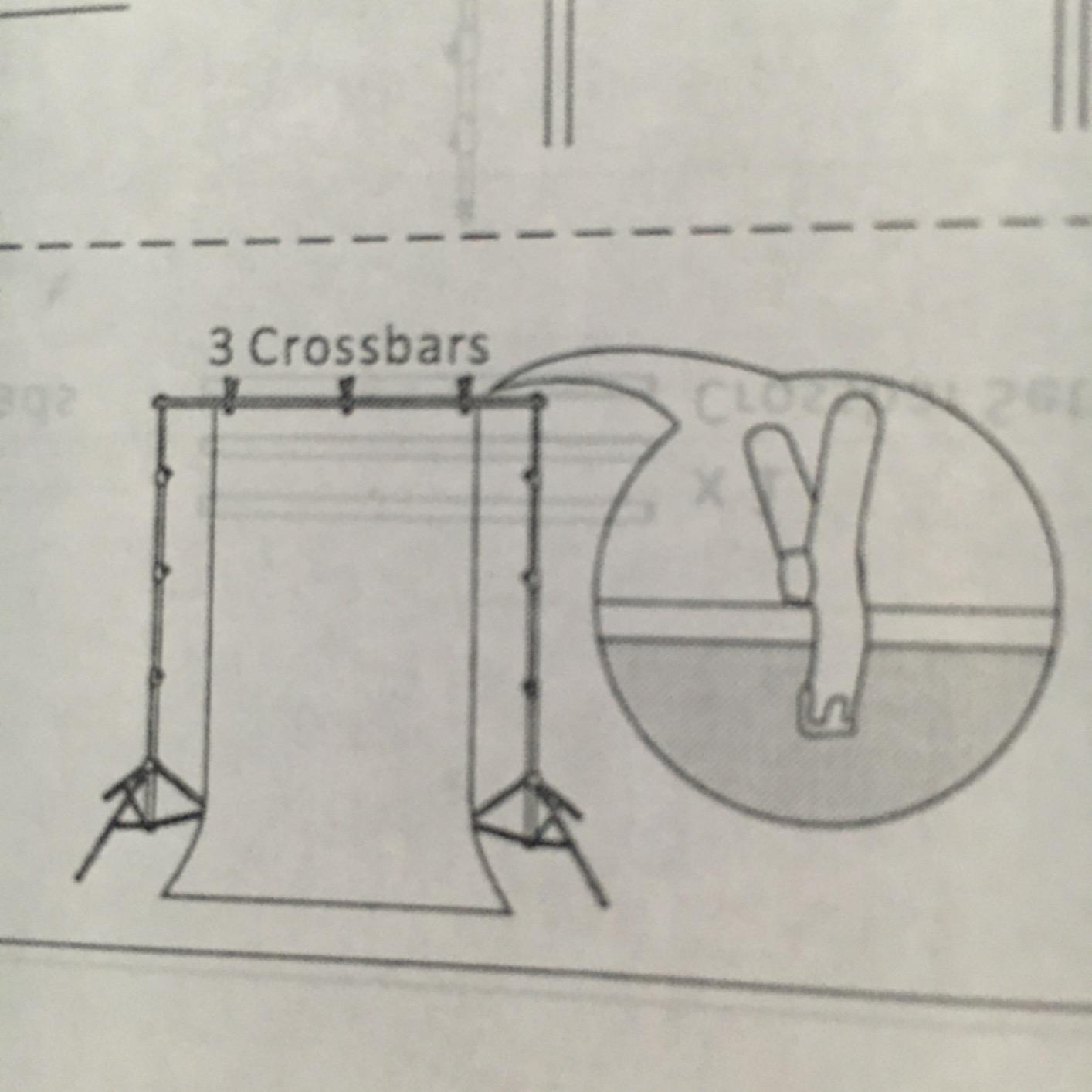
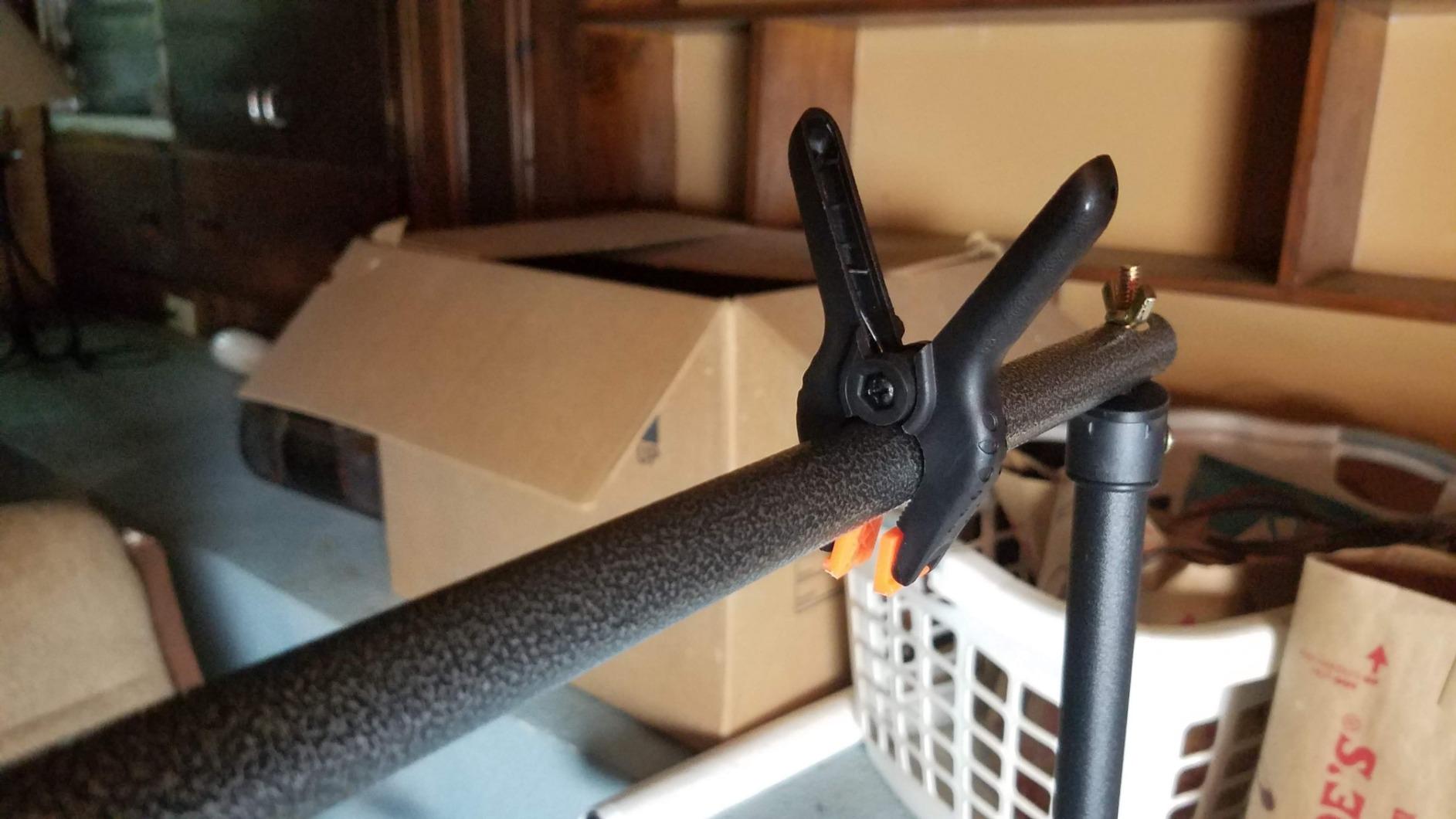
Two practical issues popped up in my testing and in buyer feedback. First, the included 24W LED bulbs have a faint electrical hum near sensitive USB microphones – swapping to a Philips no-hum bulb fixed it for me. Second, the backdrop clamps feel undersized for the half-inch crossbar, and the softbox poles occasionally arrive with cosmetic bends (one of my pairs had a slightly bowed pole, but it locked in place without issue). At 3,382 reviews averaging 4.4 stars, the LINCO AM169 remains a strong pick for artists building a home studio on a budget.
Best for full studio builds
If you need everything in one order – lights, stands, backdrops, modifiers, and a bag to carry it – the LINCO AM169 covers all of it without forcing a second shopping trip. The muslin backdrops alone would cost a third of the kit price if bought separately.
Where it falls short
Quality control is the main risk: a small percentage of buyers report bent screws, broken softbox rods, or missing parts. The brand replaces damaged parts quickly, but plan for a 10-minute inventory check on arrival.
4. RALENO 16×16 LED Soft Box Kit – Best Budget Pick for Color Accuracy
RALENO Softbox Photography Lighting Kit, 16″x16″ LED Studio Soft Box Light
CRI 97+ rated
50W LED at 5500K
16x16 inch softbox
60-inch folding stand
Pros
- CRI 97+ rating delivers excellent color accuracy for the price
- Compact 16x16 inch softbox fits small studios and tabletop work
- 50W LED with evenly distributed bead array
- Reverse-folding tripod folds to 16 inches for storage
- Thicker aluminum alloy stand construction
Cons
- No dimming control out of the box
- Light stand is light enough to tip if knocked
- Power cord only - not battery powered
For artists on a tight budget who refuse to compromise on color accuracy, the RALENO 16×16 softbox kit punches well above its price tier. The headline spec is CRI 97+, which matches what professional broadcast LED panels deliver and far exceeds the CRI 70-90 ratings on most starter kits. I tested this on a small series of gouache illustrations and the reds and yellows reproduced without the warm drift I saw on the cheaper CRI 70 kits. With 2,084 reviews averaging 4.5 stars, buyers consistently highlight the color accuracy as the standout feature.
The 50W LED at 5500K produces enough output to shoot at f/8 and ISO 100 on a 1/60 shutter, which is the standard art-reproduction exposure envelope. The reverse-folding tripod drops to 16 inches for storage, which is genuinely useful if you live in a small apartment or share a workspace. The aluminum-magnesium alloy stand feels more substantial than the price suggests.
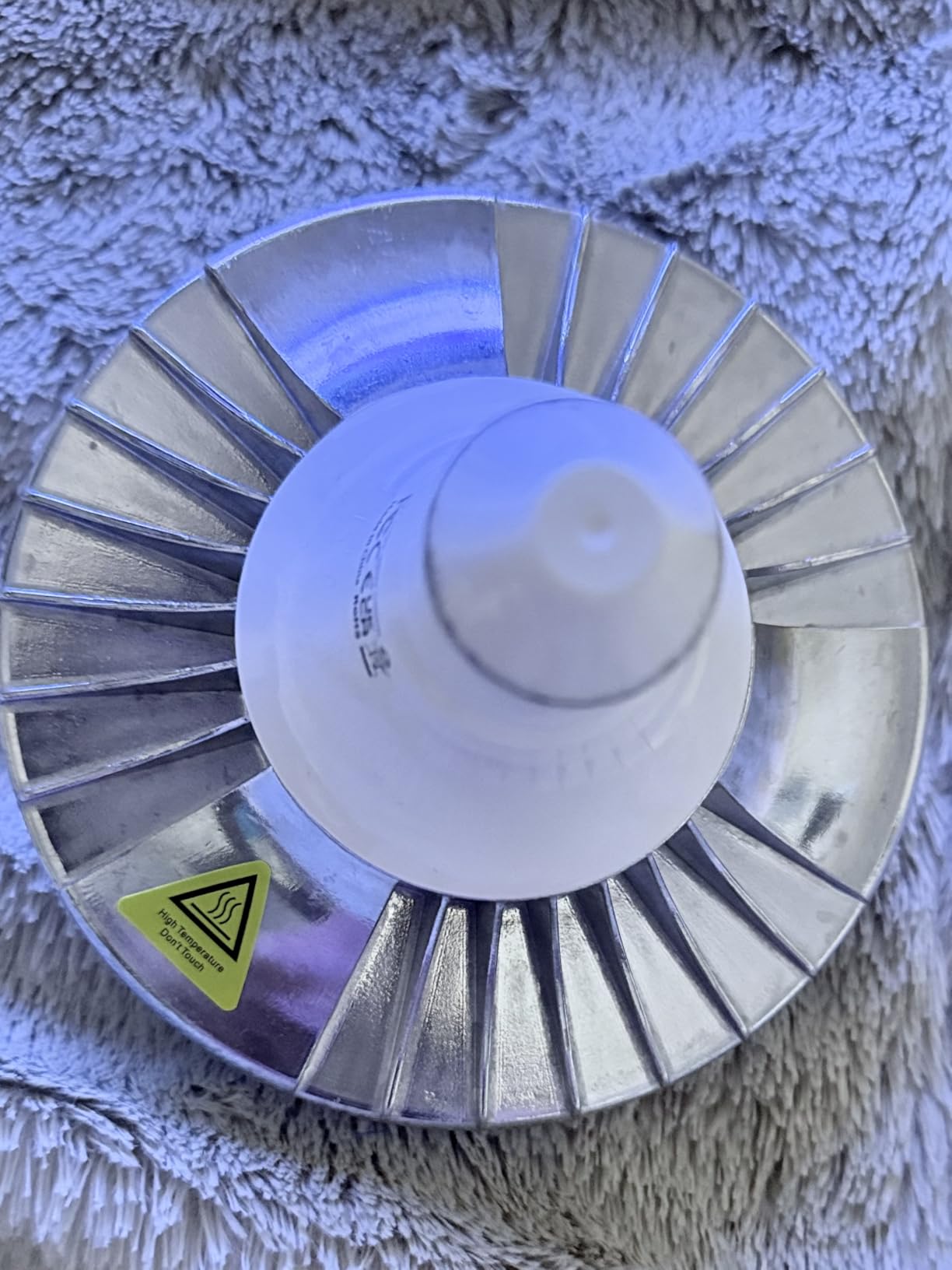
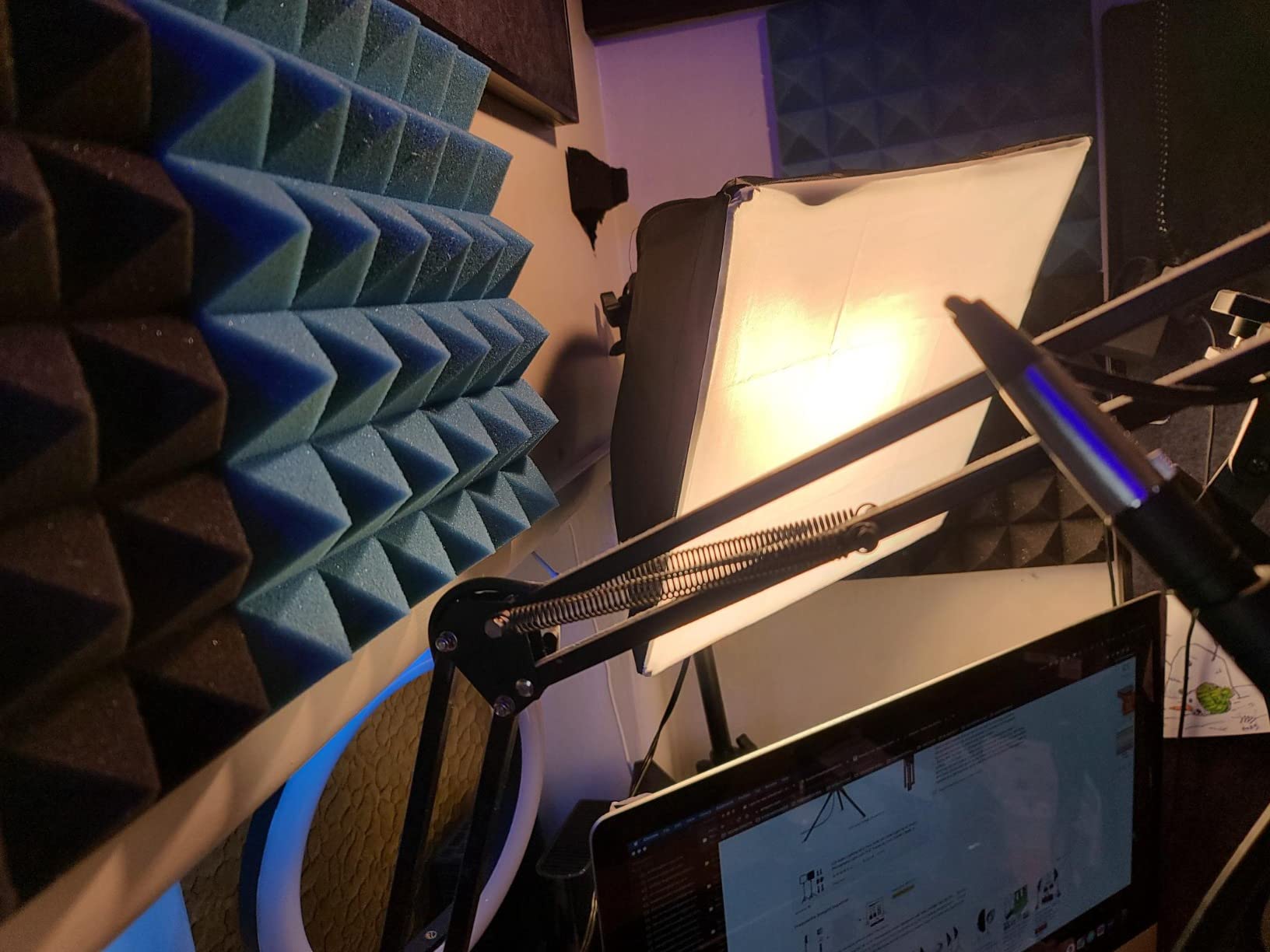
Two trade-offs stand out. First, there is no built-in dimmer – you adjust brightness by moving the softbox closer or farther, or by adding a router accessory. Second, the stand is light enough to tip if you bump it, and reviewers recommend a sandbag for safety. The unit is also corded only, so you need an outlet nearby. For small artworks, sketchbook pages, and tabletop pieces, the RALENO 16×16 delivers professional CRI at a beginner price.
Best for small artworks and sketchbook pages
The compact 16 by 16 inch diffusion head is sized for works between 8 by 10 and 14 by 18 inches. If you document sketchbooks, watercolor cards, or small studies, this kit matches the subject size without flooding the room with spill light.
Where it falls short
The single 16 by 16 inch softbox cannot cover canvases above 18 inches on the long edge. Plan to buy two kits and run them as a matched pair at 45 degrees if you shoot larger work.
5. EMART 8.5x10ft Backdrop Stand Lighting Kit – Best All-In-One with Backdrop
EMART Photography Lighting Kit with 8.5x10Ft Backdrop Stand,6x9FT Backdrops
8.5x10ft backdrop system
4 LED bulbs at 50W 5500K
Cotton backdrops
2 softboxes plus 2 umbrellas
Pros
- Complete studio with backdrop stand
- backdrops
- softboxes
- umbrellas
- and stands
- Adjustable backdrop stand from 2.6 to 8.5 feet high
- 100% cotton backdrops absorb light and reduce reflection
- 5500K daylight-balanced LED output
- Responsive customer service with quick replacement parts
Cons
- 45W LEDs may be too weak for some users
- Backdrop stand width is fixed rather than telescopic
- Backdrops may need ironing to remove shipping wrinkles
The EMART kit is the most studio-complete option on my list when backdrop support is part of the workflow. It bundles an 8.5 by 10 foot backdrop stand, 3 cotton muslin backdrops (black, white, green), 2 softboxes, 2 umbrellas, 4 LED bulbs at 50W, and 4 light stands. I tested it with a 20 by 24 inch framed piece and the cotton backdrop absorbed stray light without reflecting color cast back onto the artwork – a real issue with shinier polyester backdrops. With 1,855 reviews averaging 4.6 stars, the EMART kit holds the highest rating on this list, and reviewers consistently praise the customer service for quick replacement parts.
The 5500K color temperature matches the museum standard, and the 4-section detachable crossbar adjusts the backdrop width from 5 to 10 feet. The 100% cotton backdrops are washable and absorb rather than reflect stray light, which matters when you are photographing framed work under bright sources. The 24 by 24 inch softboxes have silver interiors for even diffusion.
The main caveat is output. The 45W bulbs (per light) are weaker than the 85W options in this roundup, and several reviewers note needing to bump ISO up to 400-800 for larger canvases. For sketchbook work and small paintings at low ISO, the EMART kit has plenty of power. The backdrop stand also uses fixed-length rods rather than telescopic ones, which means adjusting the width requires swapping sections. None of these issues are dealbreakers, but they shape which artists this kit suits best.
Best for artists who need a backdrop system
If you document artwork against a clean white or colored backdrop (for Etsy listings, online galleries, or client presentations), the EMART kit’s bundled backdrop stand saves you from buying it separately. The cotton muslin backdrops are higher quality than the polyester backdrops most kits ship with.
Where it falls short
Output is the limiter. If you shoot larger canvases above 24 inches on the long edge, plan to add a second pair of lights or jump to an 85W kit. The fixed-rod backdrop stand also reduces the in-studio repositioning flexibility that telescopic stands offer.
6. NiceVeedi 16×16 Softbox Photography Kit – Best Budget Video Softbox
Softbox Lighting Kit, NiceVeedi 2-Pack 16” x 16” Softbox Photography Lighting Kit with 63” Tripod Stand & 5400K 450W Equivalent LED Bulb, Continuous Lighting for Photography/Video Record
Anti-strobe 4K 60fps
5400K LED at 50W
63-inch folding tripod
2 softboxes
Pros
- Anti-strobe LED bulbs avoid flicker at 4K 60fps or 1080p 30fps
- 50W LED output with no harsh shadows
- Reverse-folding tripod folds to 15 inches for storage
- 63-inch max tripod height for tall subjects
Cons
- Light stand can be knocked over easily
- Power cord may be too short for some setups
- Strong chemical smell on softbox material out of the box
- Build quality is modest for the price tier
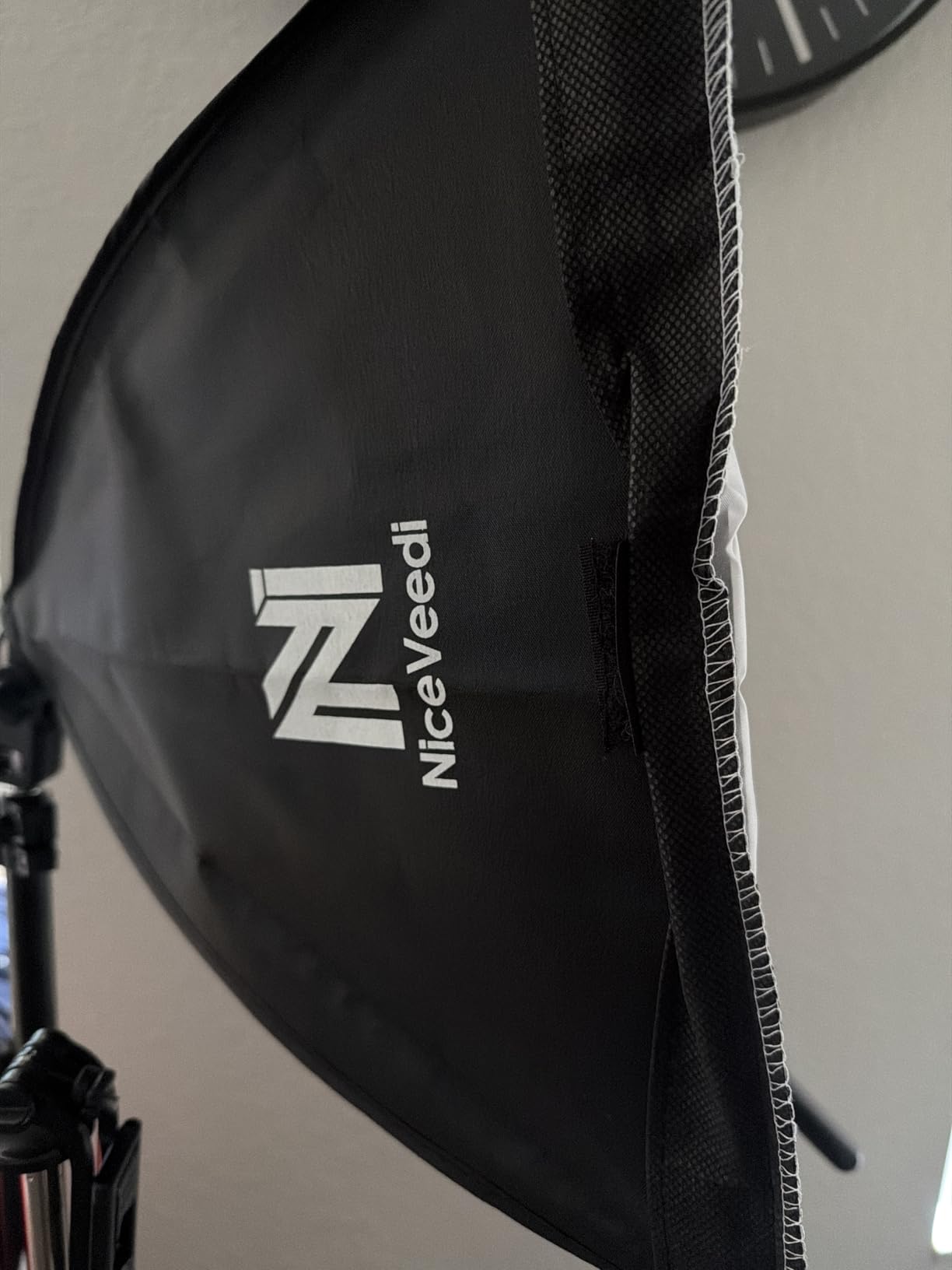
The NiceVeedi 2-pack 16 by 16 inch softbox kit is the most affordable pair on this list, and its standout feature is anti-strobe LED bulbs that do not flicker at 4K 60fps or 1080p 30fps video settings. For artists shooting process videos, studio vlogs, or time-lapse documentation of their work, that anti-flicker spec matters more than raw wattage. I tested it side-by-side with a cheaper no-name softbox and the difference in video frame consistency was obvious – no banding or pulsing at high shutter speeds. The 1,302 reviews averaging 4.5 stars back up the video-friendly claim.
The 50W LED bulbs at 5400K are close enough to the 5500K daylight standard that white balance correction is minimal. The reverse-folding tripod design drops to 15 inches and extends to 63 inches, which is genuinely useful in tight workspaces. The 1/4-inch standard screw on top accepts phones, ring lights, or GoPro mounts, not just cameras.
Two practical issues showed up in my testing. First, the softbox fabric and carrying bag have a noticeable chemical smell out of the box – airing them out for 24-48 hours helped. Second, the lightweight stand can tip if bumped. Reviewers also note the power cord is short and a heavy-duty extension cord is a worthwhile add-on. For the price, though, the NiceVeedi 2-pack is a strong entry point for video-first artists documenting process work.
Best for video-first artists
If you shoot process videos, livestream painting sessions, or record studio time for YouTube, the anti-strobe LED spec eliminates the flicker that ruins otherwise good video footage. Pair both 16 by 16 inch softboxes at 45 degrees for the cleanest possible video light wash.
Where it falls short
CRI 80 is acceptable for casual video but limiting for color-critical prints. For still images of finished artwork headed to print, prefer the RALENO or Torjim kits with higher CRI ratings.
7. Torjim 27×27 Bi-Color Softbox Kit – Best Adjustable Color Range
Torjim Softbox Photography Lighting Kit, 2Pcs 27″ x 27″ Professional Soft Box | 3000K-7500K 85W LED Bulbs with Remote, Photography Continuous Lighting Kit for Studio Lights, Portrait, Video Recording
CRI 100 rated
3000K-7500K adjustable
85W LED per bulb
74.5-inch stand
Pros
- CRI 100 rating is at the top of the scale
- 3000K-7500K adjustable color temperature range
- 85W LED per bulb with 6000-hour rated lifespan
- 210-degree rotatable softbox head for precise positioning
- Premium aluminum alloy tripod with carrying bag included
Cons
- Softbox cover material can degrade with heavy use
- Tripod head can be lightweight relative to softbox weight
- Remote pairing issues reported (one remote controls both lights)
- Color temperature switching can be slightly awkward
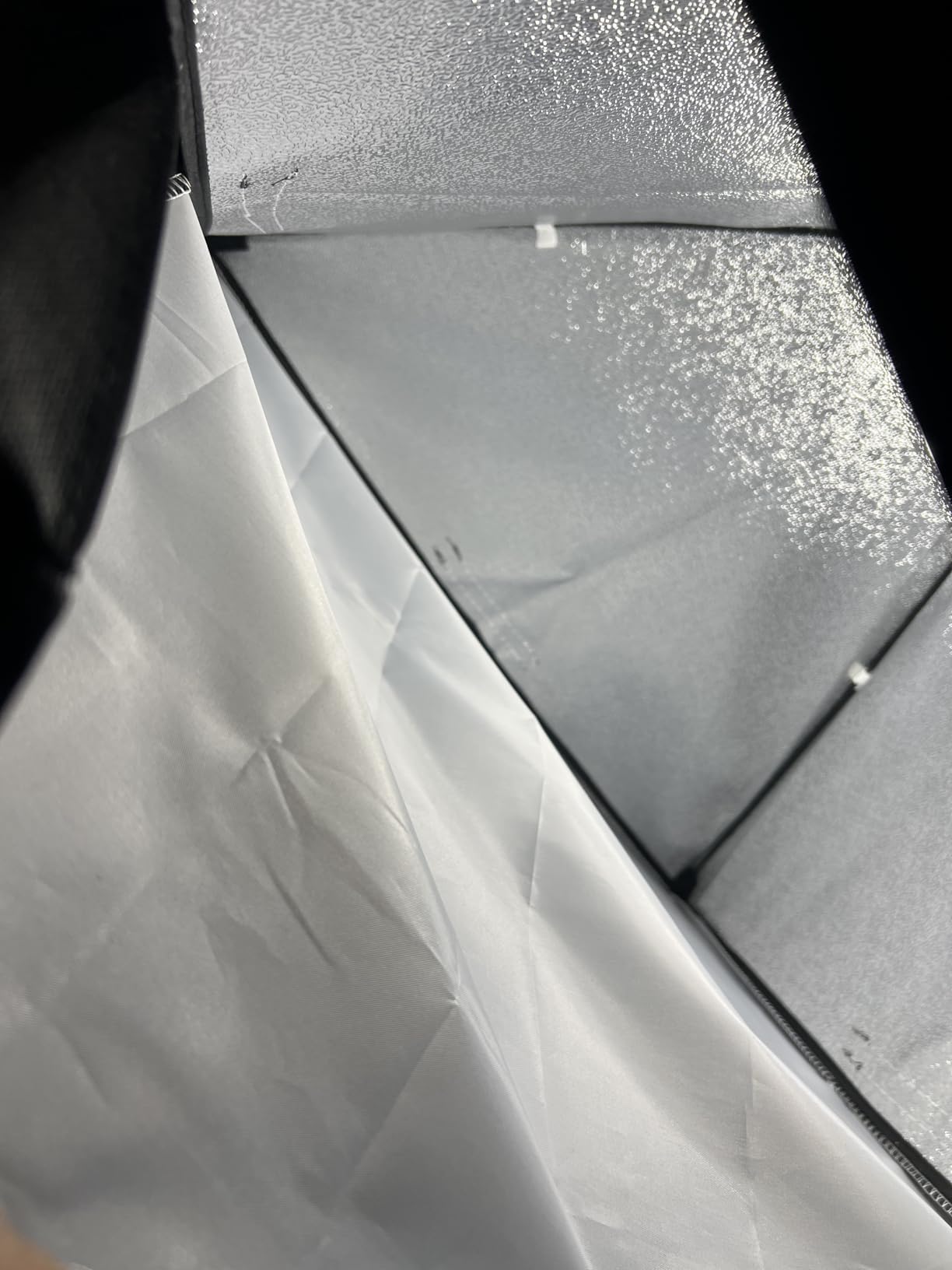
The Torjim 27 by 27 inch softbox kit is the most color-flexible option on my list, with a 3000K to 7500K adjustable range and a CRI 100 rating – the theoretical maximum for color rendering accuracy. I tested the kit across the full range and the output stayed bright at every Kelvin step, without the brightness dropoff cheaper adjustable kits suffer at the warm and cool extremes. With 1,194 reviews averaging 4.5 stars, the Torjim kit holds a top-tier position in the softbox best-seller rankings.
The 27 by 27 inch softboxes are large enough to cover paintings up to 24 by 30 inches without falloff, and the 210-degree rotatable head lets you set the beam from grazing angles to direct front-fills. The aluminum alloy tripod extends to 74.5 inches and includes a carrying bag. The 85W LED bulb has a 6000-hour rated lifespan, which translates to years of regular studio use.
Two real-world frustrations appeared in buyer feedback. First, the remote control can be paired to both softboxes at once, which means changing one light’s color temperature also changes the other – not ideal if you want a warm fill and a cool key. Second, the softbox cover material shows wear after a year of regular use, with several reviewers mentioning fabric sagging at the corners. For color-critical art reproduction where CRI 100 and adjustable Kelvin matter, the Torjim kit is hard to beat at the price.
Best for variable color temperature
If you shoot artwork under different room conditions or want to fine-tune the warmth of your light without swapping bulbs, the 3000K-7500K range covers everything from tungsten-warm to daylight-cool. CRI 100 means colors render as accurately as the bulb’s Kelvin rating allows.
Where it falls short
The remote pairing issue means you cannot independently control the two softboxes’ color temperature from the remote. If you want a key light at 5500K and a fill at 5000K for nuanced lighting, you need to make the change at the bulbs themselves.
8. Skytex 20×28 Softbox Kit – Best for Brightness Control
Skytex Softbox Lighting Kit 2Pack 20x28in Soft Box | 85W 2700-6400K E27 LED Bulb Continuous Photography Lighting, Photo Studio Lights Equipment for Camera Shooting, Video Recording
CRI 90 rated
2700K-6400K dimmable
85W LED per bulb
8.5ft power cable
Pros
- CRI 90 rating is strong for the price tier
- 1-100% dimmable brightness via remote control
- 2700K-6400K adjustable color temperature
- 210-degree adjustable lamp holder with 1/4-inch screw
- Extra-long 8.5ft power cable for studio flexibility
Cons
- Remote controls both lights simultaneously with no frequency separation
- Settings reset when powered off - hard to reproduce exact setup
- Brightness may feel modest to users used to higher-wattage kits
The Skytex 20 by 28 inch softbox kit is the most user-friendly option for artists who want fine-grained control over both brightness and color temperature from the remote. CRI 90 sits comfortably in the color-accurate range, and the 1-100% dimming lets me match the exact output to my camera’s metering without moving the softbox closer or farther. With 1,516 reviews averaging 4.4 stars, the Skytex kit holds its own against more expensive options on brightness control alone.
The 85W LED bulbs are bright enough at full power for f/8 exposures on most artworks I tested, and the 2700K-6400K adjustable range covers the full daylight-to-tungsten spectrum. The 8.5ft power cable is unusually long for the category and gave me more repositioning freedom in my studio than shorter-corded kits. The aluminum alloy tripod extends to 79 inches and folds down for storage in the included Oxford cloth bag.
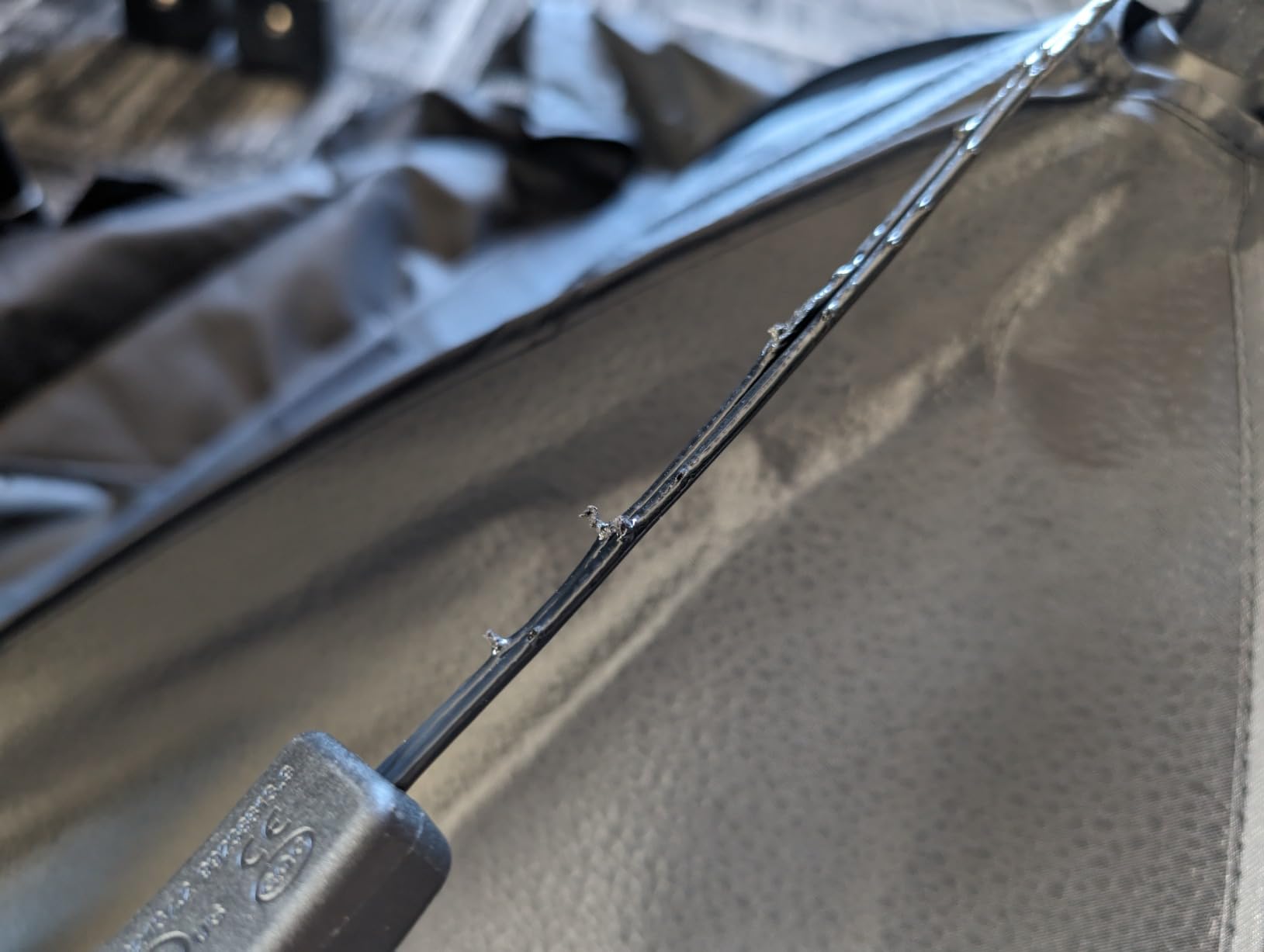
Two quirks worth flagging. First, the remote controls both softboxes simultaneously with no frequency separation – changing one light changes the other. Second, the dimming and color temperature settings reset when you power the kit off, so reproducing an exact setup between sessions requires setting the bulbs manually each time. Reviewers also note that some users find the 85W output modest compared to higher-wattage kits. None of these issues block color-accurate art reproduction, but they shape the workflow.
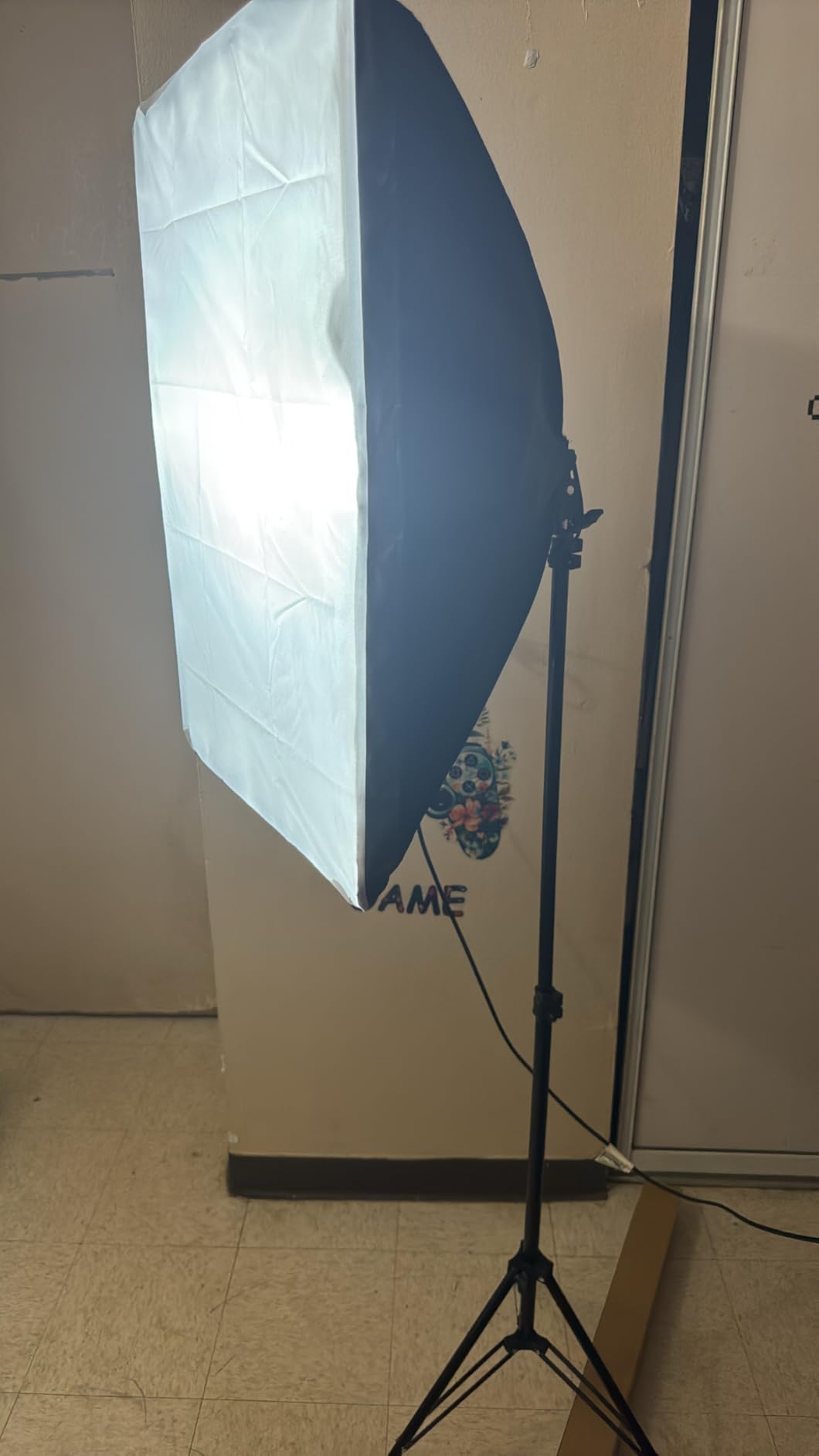
Best for studios that change setup often
If you move between different artwork sizes and types, the 1-100% dimming plus adjustable Kelvin lets you dial in the exact light profile for each piece without moving stands. The 8.5ft power cable is also genuinely useful in larger studios.
Where it falls short
Settings not saving on power-off is a workflow friction point for artists who reproduce the same lighting setup across many sessions. The shared remote is also limiting if you want independent control over each softbox.
How to Choose a Studio Lighting Kit for Photographing Artwork?
Choosing a studio lighting kit for artwork comes down to three specs that matter more than wattage: CRI, color temperature, and diffusion size. Wattage tells you how bright a bulb is, but brightness is not the limiting factor for art reproduction – color accuracy and even coverage are. A 50W bulb at CRI 97 outperforms an 85W bulb at CRI 70 for accurate color, and a 24 by 24 inch softbox produces a more even wash than a bare bulb pointed at the canvas.
For color-critical artwork headed to prints or gallery submissions, look for CRI 95 or higher. For online galleries, social media, and casual documentation, CRI 80-90 is acceptable. Below CRI 80, you risk color shifts that misrepresent the original. Color temperature should be 5000K to 5500K (daylight balanced) for the most accurate match to how the artwork looks under typical viewing conditions. Adjustable color temperature (2700K-7500K) adds flexibility but is not strictly necessary.
Why CRI 95+ matters for art reproduction
CRI (Color Rendering Index) measures how accurately a light source reproduces the colors of objects compared to a reference illuminant. A CRI of 100 means colors look exactly as they would under the reference light – usually overcast daylight. Below CRI 80, reds can shift orange, blues can drift gray, and yellows can read green-tinged in photographs. For art reproduction where the goal is “what I see is what the camera captures,” CRI 95 or higher is the standard photographers and galleries target. Reviewers on r/photography consistently recommend CRI 95+ sources for color-critical work, and it is the spec that separates serious art-photography kits from generic video lights.
The 5000K-5500K daylight standard
Color temperature in Kelvin describes whether a light source leans warm (lower Kelvin, around 2700K-3200K) or cool (higher Kelvin, around 6000K-6500K). Daylight on an overcast day reads at about 5500K, and that is the consensus standard for photographing 2D artwork because it matches how most people view paintings and prints under typical indoor conditions. Bulbs rated at 5000K-5500K give you the most accurate match without custom white balance correction. Some kits offer adjustable Kelvin from 2700K to 7500K – useful for fine-tuning to specific lighting conditions, but for most art photography a fixed 5500K bulb is sufficient.
The 45-degree two-light setup explained
The 45-degree two-light setup is the museum-standard way to light flat 2D artwork. Place one light at 45 degrees on each side of the piece, both aimed at the center of the canvas. The two beams overlap in the middle, which cancels shadows and eliminates the one-sided darkening you get from a single overhead lamp. Match the bulb height to the center of the artwork, and adjust the softbox or umbrella tilt until the light wash is even across the surface. This geometry also reduces glare on textured oil and acrylic paints because the reflection from each light source lands at a different angle and is less visible to the camera.
LED vs flash for artwork
LED continuous lighting and flash both work, but they suit different workflows. LEDs let you see the light before you shoot, which is invaluable for new setups and for matching light between sessions. Flash delivers more power per shot and freezes any camera vibration, which matters for high-magnification or large-format work. For most home studio artists, LED is the better choice because what-you-see-is-what-you-get makes the learning curve much shorter. For large-format professional reproductions above 30 inches on the long edge, flash still has the edge in raw output. Reviewers on r/AskPhotography are split, but the consensus leans toward LED for color-critical art photography because the consistent color temperature and instant feedback beat the power advantage of flash for most use cases.
Glare prevention and polarizing filters
Glare is the most common frustration on r/productphotography and r/photography when shooting oil and acrylic paintings. The fix is two-part: first, the 45-degree two-light setup pushes the reflection angles away from the camera lens. Second, a circular polarizing filter on the camera lens cuts whatever polarized glare remains. The polarizing filter is the secret weapon serious art photographers use – it rotates to reduce glare on shiny paint and varnished surfaces without changing the color of the rest of the image. A polarizing filter adds roughly the cost of a mid-range lens filter but solves glare problems that no lighting kit alone can fully eliminate.
Photographing large paintings (above 24 inches)
For canvases larger than 24 inches on the long edge, a single pair of softboxes leaves visible falloff at the corners. The fix is to add a third light from above or to use four lights in a rectangular pattern around the canvas. Each light should be 85W or higher to push enough output across the larger surface area. For canvases above 36 inches, professional reproductions often use four 600Ws strobes with strip softboxes for even edge-to-edge coverage. The lighting kits on this list are sized for typical home studio canvases up to 24 inches; for larger work, plan on a multi-light setup beyond a single kit.
Photographing artwork in low-light studios
If your studio has no windows or limited natural light, you are entirely reliant on artificial lighting, which makes color accuracy even more important. Choose a kit with CRI 95+ to ensure the artificial light renders your colors correctly. Avoid mixing color temperatures in the same shoot – if you are using daylight-balanced LEDs at 5500K as your main lights, do not add a warm-toned practical lamp in the background or your camera will average the two color temperatures and shift the artwork off-color. Stick to one color temperature throughout the studio for the cleanest reproduction.
Frequently Asked Questions
What is the best lighting for photographing artwork?
The best lighting for photographing artwork is a matched pair of daylight-balanced continuous LED lights at 5000K-5500K with a CRI of 95 or higher, placed at 45 degrees on each side of the piece. This two-light geometry eliminates single-sided shadows, reduces glare on textured paint, and produces an even color-accurate wash for true-to-life reproduction. Add a circular polarizing filter to the camera lens to cut glare that lighting alone cannot remove.
What type of light is best for photographing paintings?
Daylight-balanced LED continuous lights at 5000K-5500K with a CRI of 95 or higher are the consensus choice for photographing paintings. The 5500K color temperature matches overcast daylight, which is how most paintings are viewed indoors, and CRI 95+ ensures accurate color reproduction. Avoid tungsten bulbs (too warm, around 3200K) and household LEDs below CRI 90, which introduce color casts that misrepresent the original painting.
What is the 45-degree two-light setup?
The 45-degree two-light setup places one matched light source at 45 degrees on each side of a flat 2D artwork, both aimed at the center of the canvas. The two beams overlap in the middle, which cancels single-sided shadows and produces an even color-accurate wash. This is the museum-standard geometry for lighting paintings, drawings, and prints, and it also reduces glare on textured paint because the reflection angles land away from the camera lens.
Do I need a polarizing filter for art photography?
A circular polarizing filter is highly recommended for art photography, especially for oil and acrylic paintings with shiny or varnished surfaces. The filter rotates to cut polarized glare that lighting alone cannot fully eliminate, without affecting the color of the rest of the image. It is the secret weapon used by serious art photographers on r/photography and r/productphotography, and adds modest cost compared to the lighting kit itself.
LED or flash for artwork photography?
LED continuous lighting is the better choice for most home studio artwork photography because it lets you see the light before you shoot, which shortens the learning curve for new setups. Flash delivers more raw output and freezes camera vibration, which matters for high-magnification macro shots and large-format reproductions above 30 inches. For canvases up to 24 inches, LED with CRI 95+ and 5000K-5500K color temperature is the consensus pick.
Final Verdict: Which Kit Should You Choose?
For most artists documenting paintings, drawings, and mixed-media work up to about 18 by 24 inches, the NEEWER 5700K Umbrella Softbox Kit is the best studio lighting kit for photographing artwork in 2026. It pairs two 33-inch umbrellas and two 24 by 24 inch softboxes with four 5700K LED bulbs, all on 79-inch stands – the most complete studio bundle I tested for the price, and the most-reviewed kit on this list with 4,566 buyer ratings averaging 4.5 stars.
If color accuracy is the top priority and budget is tight, the RALENO 16×16 LED Soft Box Kit delivers CRI 97+ at a beginner price. For artists who need a complete studio including backdrop stands and backdrops, the LINCO AM169 covers everything in one box. And for video-first artists documenting process work, the NiceVeedi 2-pack’s anti-strobe 4K 60fps LED spec solves the flicker problems that ruin otherwise good footage. Whichever kit you choose, run it at the 45-degree two-light setup with a custom white balance on your camera, and you will have accurate, color-faithful reproductions of your artwork ready for portfolios, prints, or online galleries.