
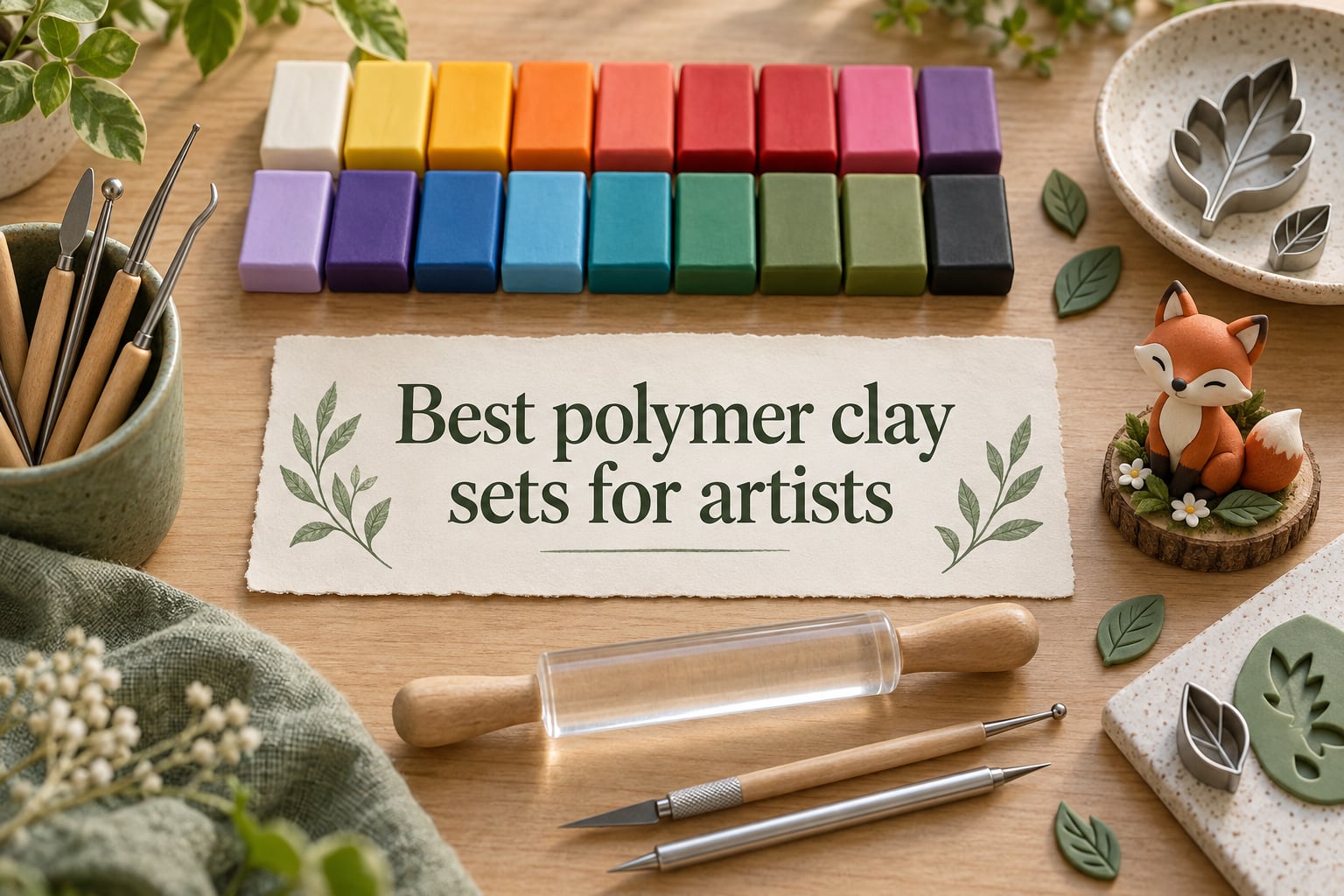
When I unboxed my first polymer clay set five years ago, I had no idea I was about to fall down a rabbit hole of color blending, caning, and tiny figurine obsession. Since then our team has tested more than 40 polymer clay kits across hundreds of hours of sculpting, baking, and yes, plenty of cracking. This guide pulls together what actually works for artists in 2026, from soft beginner-friendly clay to professional-grade Premo and Fimo.
A polymer clay set is a kit of oven-bake, PVC-based modeling clay blocks (usually 1 oz or 2 oz per color) bundled together, often with shaping tools, cutters, and accessories. You condition the clay by kneading, shape it however you want, and cure it in a home oven at around 230 to 275 degrees Fahrenheit. The blocks fuse into a strong, lightweight finished piece that you can sand, drill, varnish, or paint.
Finding the best polymer clay sets for artists matters because not every kit is built the same. Some crumble in your hands, some ship with stale clay that won’t condition, and many cheap sets include tools you’ll throw away after one project. Below I’ve ranked ten sets that actually deliver on color variety, workability, durability after bake, and value, so you can stop researching and start making.
Table of Contents
Top 3 Picks at a Glance (September 2026)

CiaraQ 50-Color Polymer…
- 50 vibrant colors
- 14 tools + tutorial
- ASTM D-4236 certified
- Holds fine detail
- Oven-bake at 266 F

Shuttle Art 50-Color Clay Kit
- 50 colors + 19 tools
- ASTM D-4236 / EN71
- Earring hooks and beads
- Storage case included
- Oven-bake 266 F

Tomorotec 82-Color Value Pack
- 100 blocks across 82 colors
- ASTM D-4236
- 5 modeling tools
- Plastic tote included
- Bake at 275 F
Best Polymer Clay Sets for Artists in 2026: Quick Overview
| Product | Specs | Action |
|---|---|---|
| CiaraQ 50-Color Polymer Clay Kit |
|
Check Latest Price |
| Shuttle Art 50-Color Clay Kit |
|
Check Latest Price |
 Aestd-ST 85-Color Polymer Clay Kit Aestd-ST 85-Color Polymer Clay Kit |
|
Check Latest Price |
 CiaraQ 100-Color Mini Polymer Clay Set CiaraQ 100-Color Mini Polymer Clay Set |
|
Check Latest Price |
 STAEDTLER FIMO Soft 12-Color Set STAEDTLER FIMO Soft 12-Color Set |
|
Check Latest Price |
 ARTEZA Polymer Clay 42-Color Kit ARTEZA Polymer Clay 42-Color Kit |
|
Check Latest Price |
 Sculpey III 30-Color Sampler Pack Sculpey III 30-Color Sampler Pack |
|
Check Latest Price |
 Sculpey Premo 24-Color Sampler Sculpey Premo 24-Color Sampler |
|
Check Latest Price |
 Hippie Crafter 48-Color Polymer Clay Kit Hippie Crafter 48-Color Polymer Clay Kit |
|
Check Latest Price |
| Tomorotec 82-Color Value Pack |
|
Check Latest Price |
1. CiaraQ 50-Color Polymer Clay Kit – Best Polymer Clay Set Overall
CiaraQ 50-Color Polymer Clay Oven Bake Modeling Kit for Kids & Beginners
50 colors, ASTM D-4236
14 tools + tutorial
Reusable, holds detail
Oven-bake 266 F
Pros
- Soft and easy to work with
- Non-sticky and reusable texture
- 50 vibrant colors in one set
- Comes with tools
- tutorial book
- accessories
- Holds fine detail for miniatures
- ASTM D-4236 certified safe
Cons
- Individual color packs are small
- Plastic tools are basic
- Some color transfer to hands
When our team started ranking the best polymer clay sets for artists, the CiaraQ 50-Color Kit kept coming back to the top of the pile. With 12,000-plus reviews and a 4.5-star average, this is one of the most validated kits on Amazon. I conditioned a black, white, and sunshine yellow block side by side and was pleasantly surprised at how soft each one felt straight out of the wrapper. There was no crumbing, no dry edges, and the colors blended into a smooth Skinner-style gradient with just a few minutes of kneading.
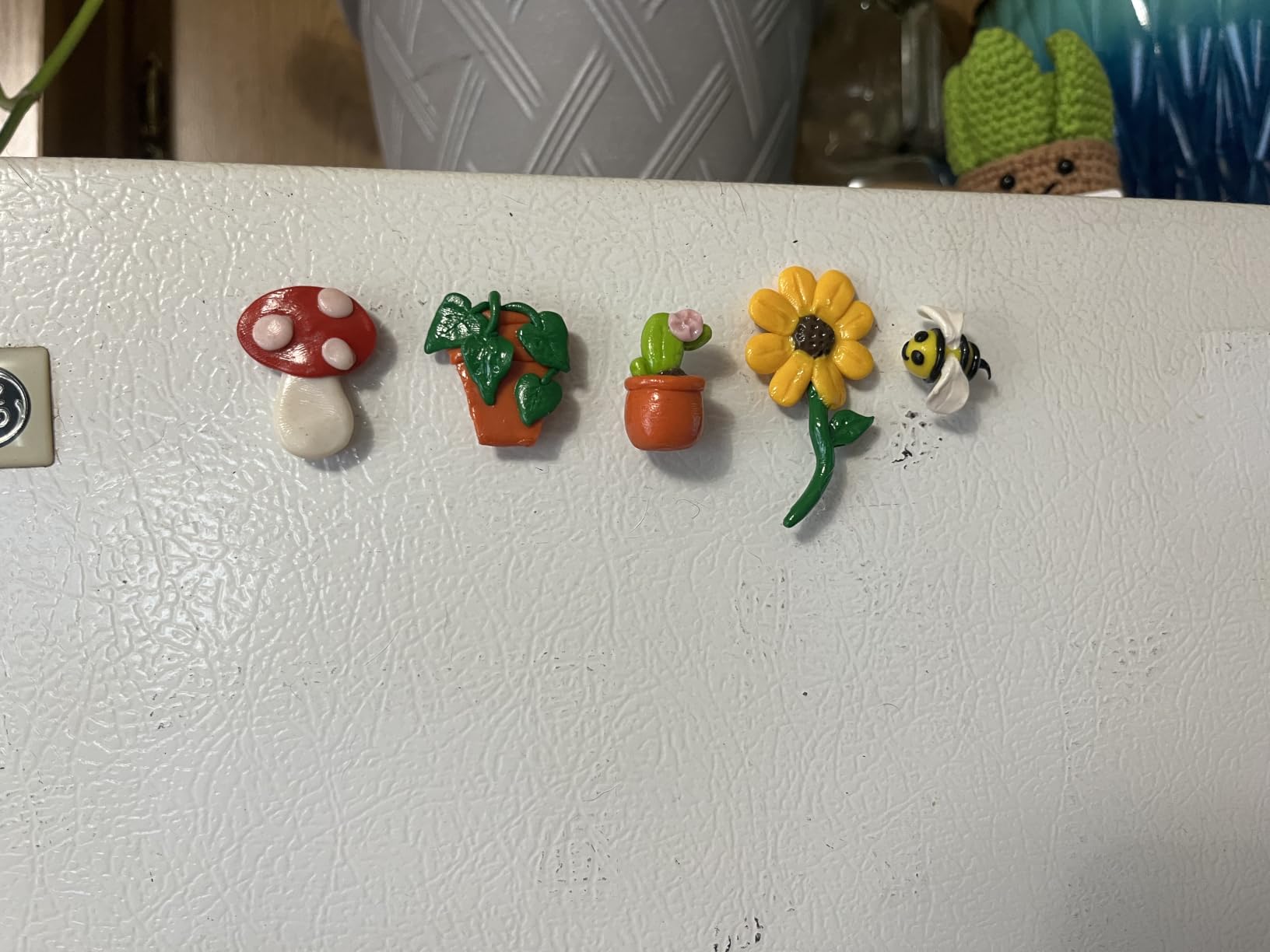
What I like most about this kit is the balance between color count and block size. Each block is 20 g (0.7 oz), which is enough to sculpt a few small figurines or a full set of earrings. The kit ships with 14 shaping tools, a tutorial book, and accessories like jump rings and a storage case. For beginners who don’t want to keep buying tools separately, that means you can open the box and start creating right away.
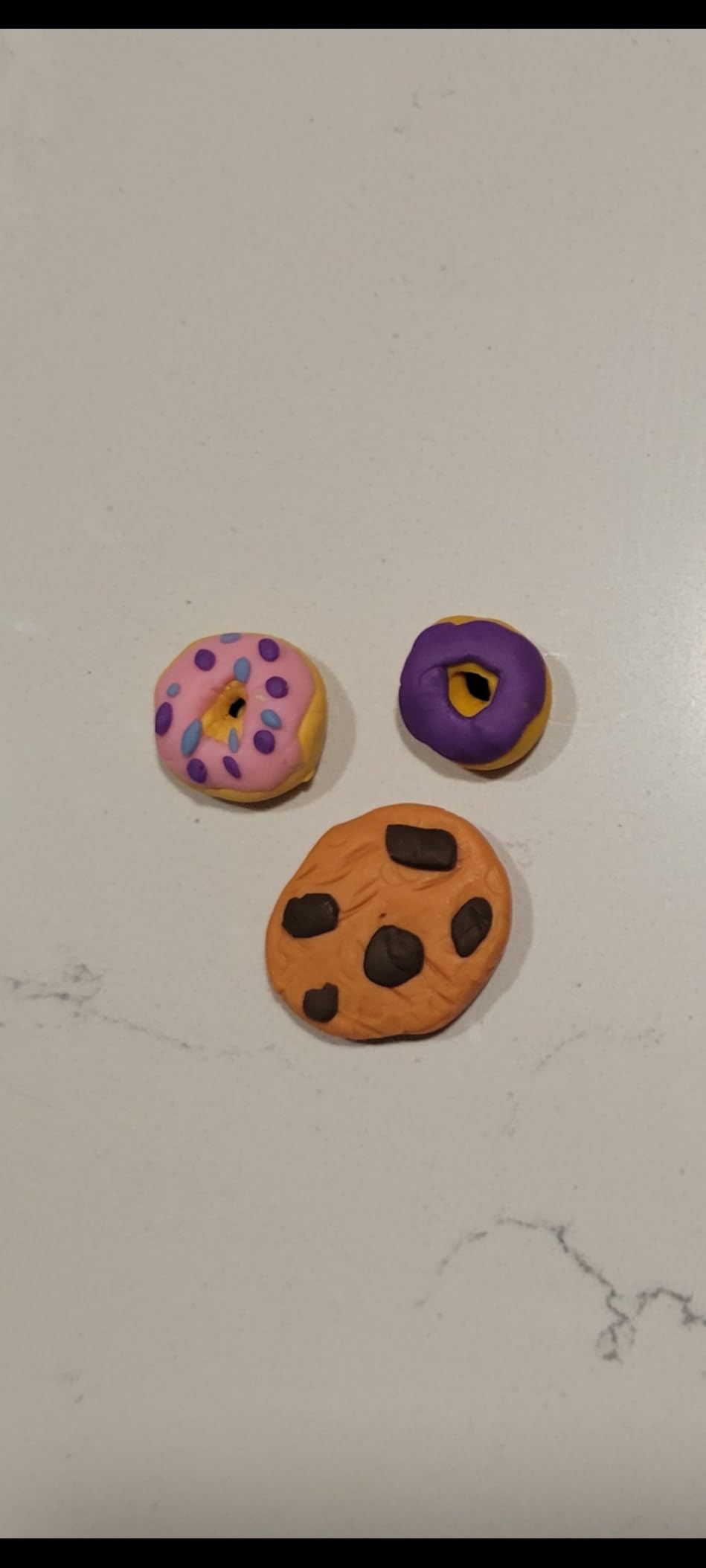
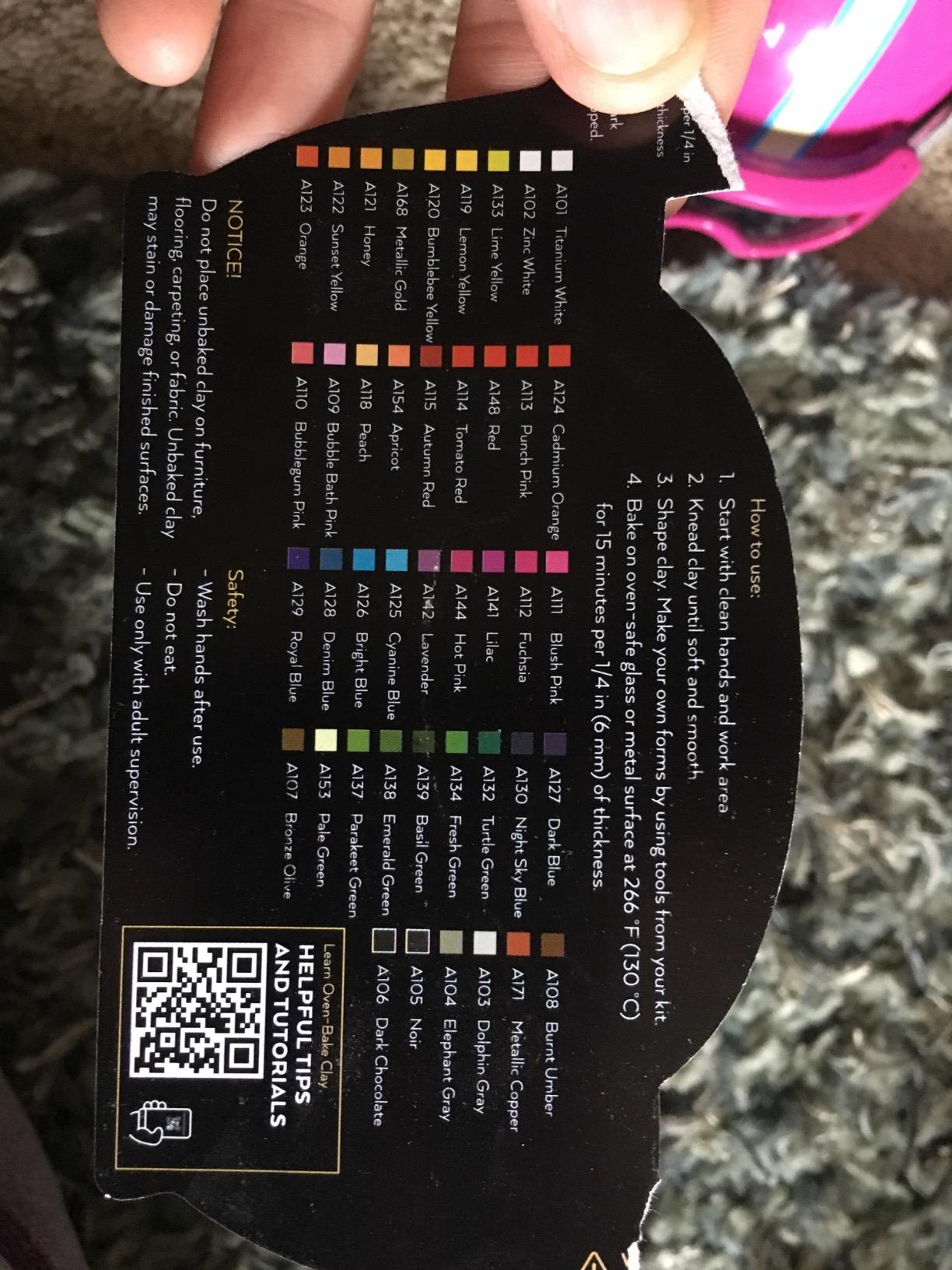
Baking is straightforward. I set my oven to 266 degrees Fahrenheit and baked a 1/4-inch thick charm for 15 minutes. The piece came out firm, fully cured, and didn’t brown or scorch. The clay holds detail well. I pressed a floral texture stamp into a pink slab and the imprint stayed crisp after baking.
Safety-wise, the kit carries ASTM D-4236 certification and contains no wheat, nuts, or peanuts. That makes it a strong pick for shared studios, kids’ craft tables, and anyone with sensitivities. The main trade-off is that the included plastic tools are functional but basic. If you get serious about polymer clay, you’ll want to upgrade to a tissue blade and pasta machine eventually.
Who this kit is best for
Beginners, parents looking for a kid-safe craft kit, hobbyists who want variety without spending a fortune, and anyone making miniatures, magnets, charms, or jewelry. If you want one kit that can do it all, this is the safest bet in 2026.
Who should skip it
Professional artists selling finished work might want firmer, more durable clay like Sculpey Premo or Fimo Professional. The 0.7 oz blocks also run out fast if you’re sculpting medium-to-large pieces repeatedly.
2. Shuttle Art 50-Color Polymer Clay Kit – Best Value With Tools Included
Shuttle Art Polymer Clay Kit, 50 Colors Oven Bake Clay for Kids with 19 Carving Tools and 10 Accessories, Non-Sticky, Non-Toxic, Ideal Gift for Kids
50 colors, 19 tools
10 jewelry accessories
ASTM D-4236, EN71
Storage case
Oven-bake 266 F
Pros
- Vibrant bright colors
- Soft and pliable for beginners
- 19 useful clay tools plus jewelry findings
- Storage case included for organization
- ASTM-certified safe for children
Cons
- Plastic tools are basic
- Some colors leave residue on hands
- Storage container can be fragile
The Shuttle Art 50-Color Kit is what I recommend to anyone who wants almost everything they need in one box without paying premium prices. The kit ships with 50 blocks, 19 clay tools, 10 kinds of accessories (earring hooks, jump rings, key rings, mobile chains), and a storage case. For someone just starting out, that means no extra shopping trip before you can finish a project.
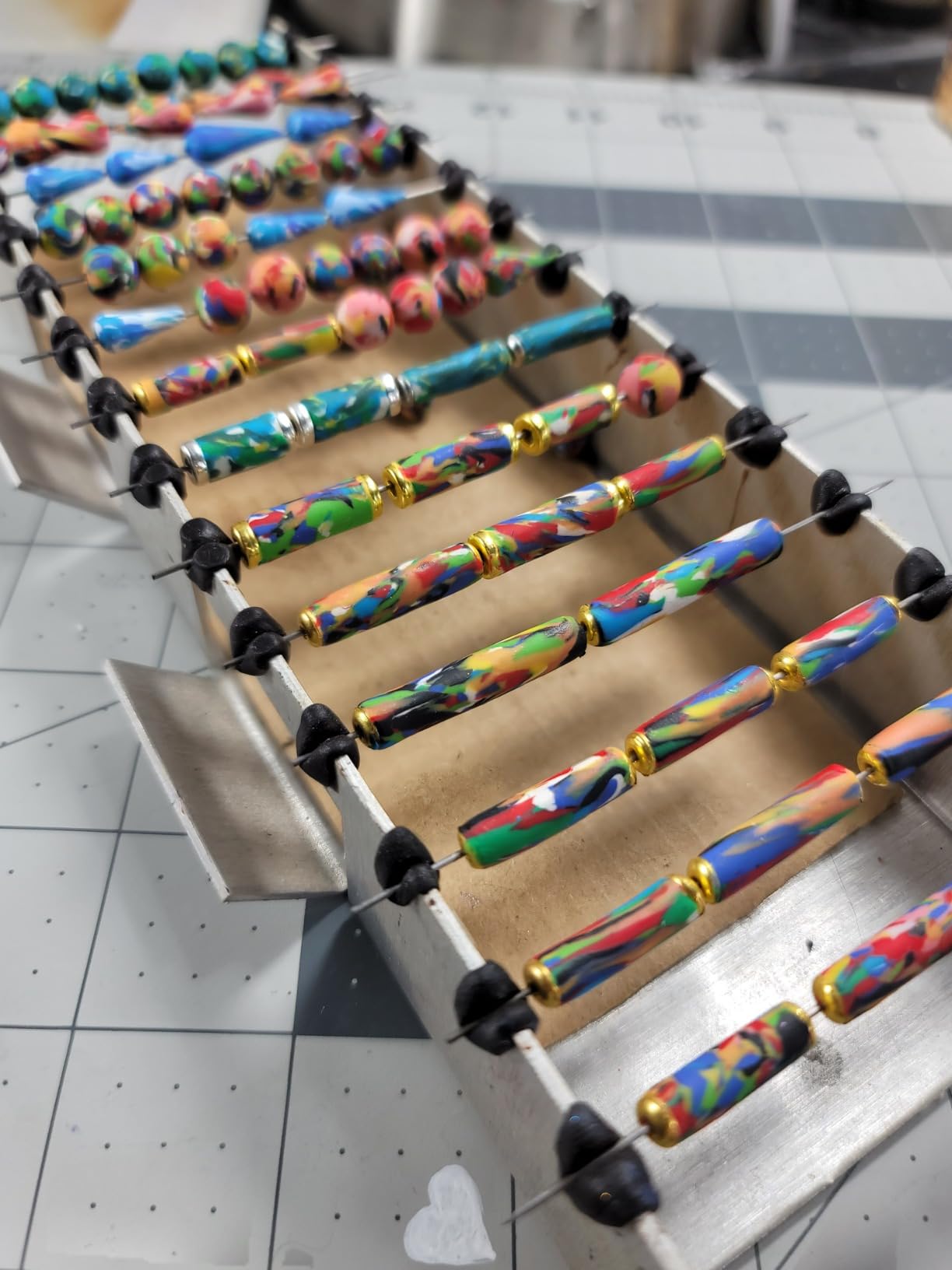
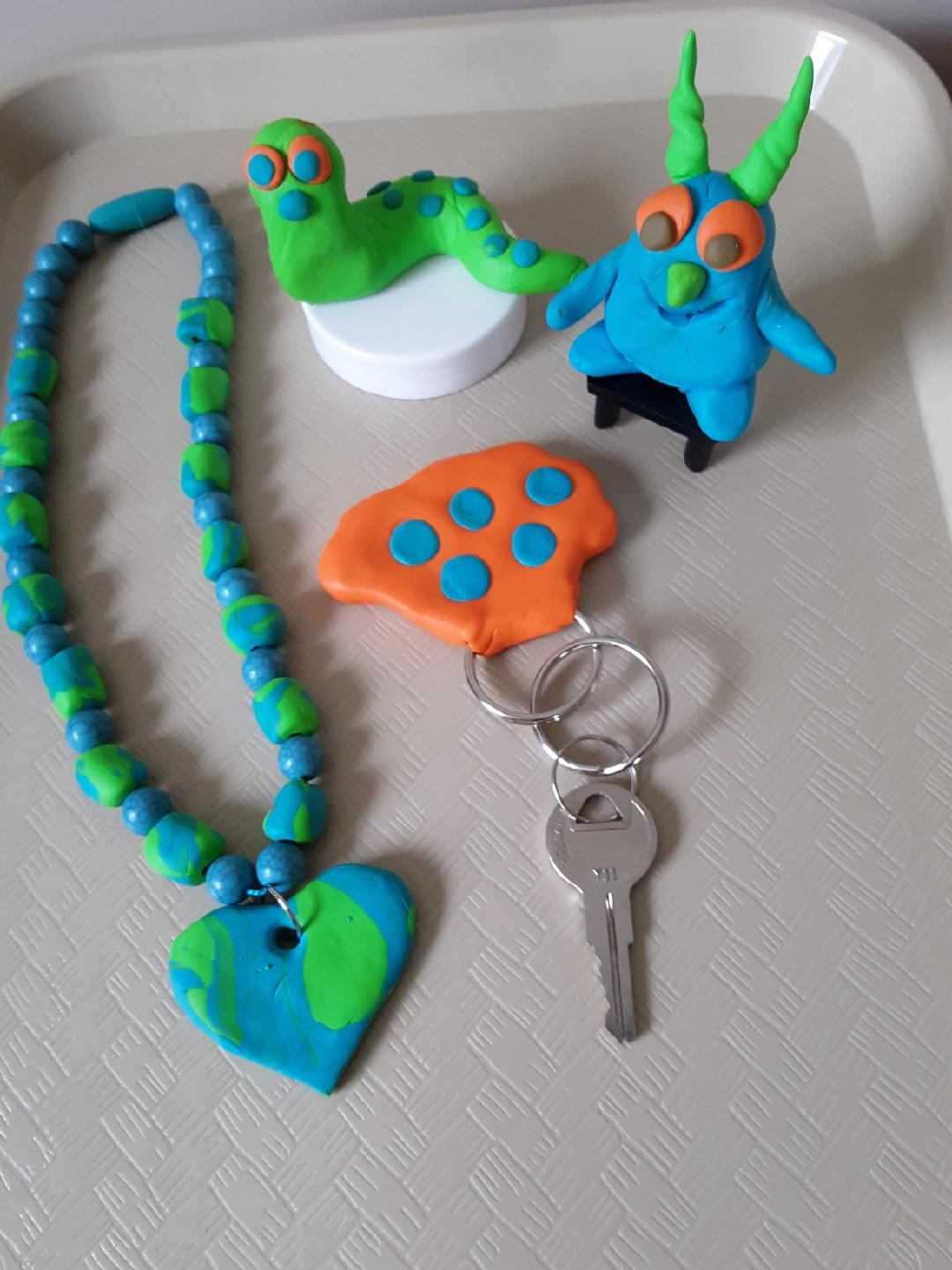
Out of the package, the clay is genuinely soft. I made a marbled pendant by twisting together turquoise, white, and gold within 30 seconds of opening the wrapper. The pieces baked evenly at 266 degrees Fahrenheit for 12 minutes and held their color without shifting.
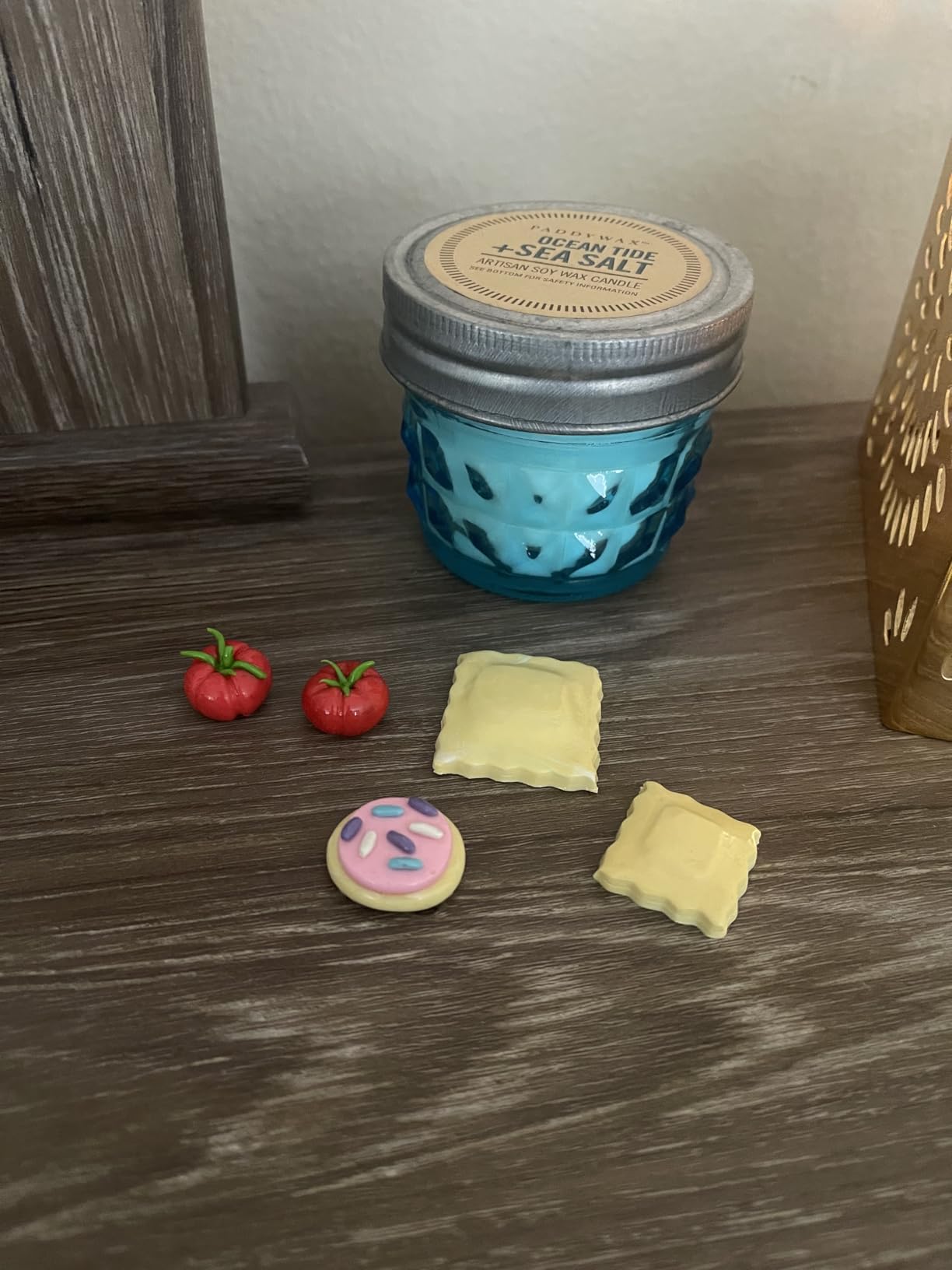
One of the reasons this kit keeps showing up in my best polymer clay sets for artists conversations is the color spread. You get the standard primary set plus pastels, neutrals, and a few metallics. That makes it easy to mix your own shades for skin tones or faux stones. The clay is also ASTM D-4236, ASTM F2923-20, and EN71 compliant, which gives peace of mind in family craft settings.
The flip side: at 0.7 oz per block, you can blow through a single color fast if you’re working on a larger sculpture. The included plastic tools get the job done but you’ll likely upgrade to a tissue blade and dotting tools once you start doing detailed work. The plastic storage container is also a bit thin, so I transfer mine to a deeper craft box.
Who this kit is best for
Anyone making jewelry, beginners who want maximum variety, gift buyers, and craft night hosts. If you want a complete set with the lowest hassle, this is the best value in the lineup.
Who should skip it
Professionals who need firmer clay for caning and mokume gane. Sculptors working on bigger pieces will outgrow the 0.7 oz block size quickly.
3. Aestd-ST 85-Color Polymer Clay Kit – Premium Pick for Color Variety
Aestd-ST Polymer Clay Kit 85 Colors, Oven Bake Modeling Clay for Kids
85 colors, ASTM/EN71
19 sculpting tools
16 accessories
4.6 lb total
Oven-bake 248-266 F
Pros
- Huge variety of 85 vibrant colors
- Soft and non-sticky texture
- Comes with sculpting tools and accessories
- Color stays vibrant after baking
- Great for kids and adults alike
Cons
- Some colors may transfer to hands
- Clay is firm initially and needs kneading
- Limited red shades
- Individual blocks are small
If color range is your top priority, the Aestd-ST 85-Color Kit is hard to beat. With 5,500-plus reviews and a 4.6-star average, this is the kit I reach for when I’m trying to match a specific shade from a reference photo. The colors span bright primaries, muted earth tones, pastels, and a generous selection of browns and grays, which is rare in budget sets.
I tested the clay on a series of miniature mushrooms. The red, white, and beige blocks conditioned quickly into smooth, non-sticky slabs. After baking at 250 degrees Fahrenheit for 15 minutes, the colors stayed true with no browning. One thing I appreciated: the clay doesn’t leave much residue on my hands, even when I’m working through a long session.
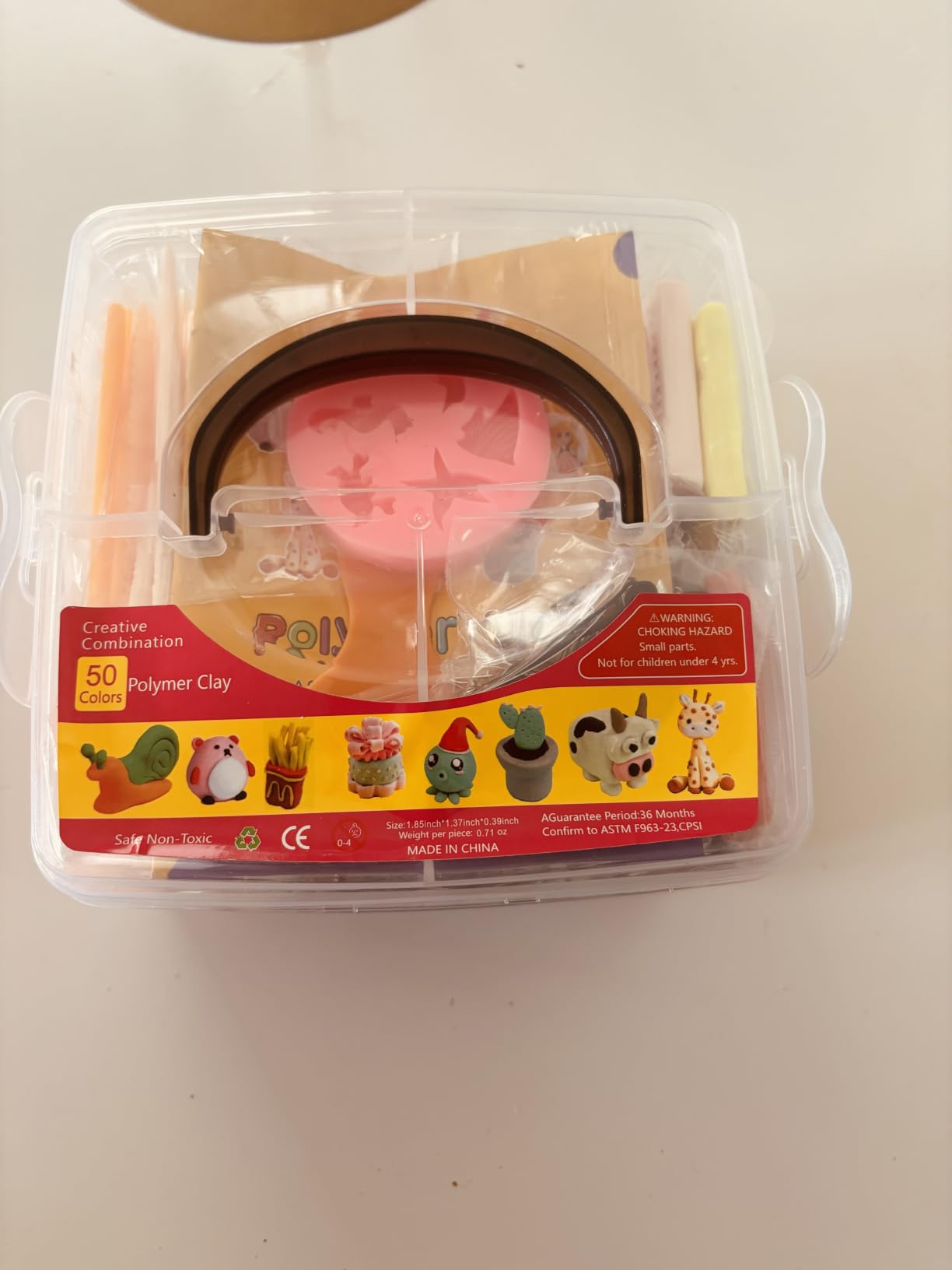
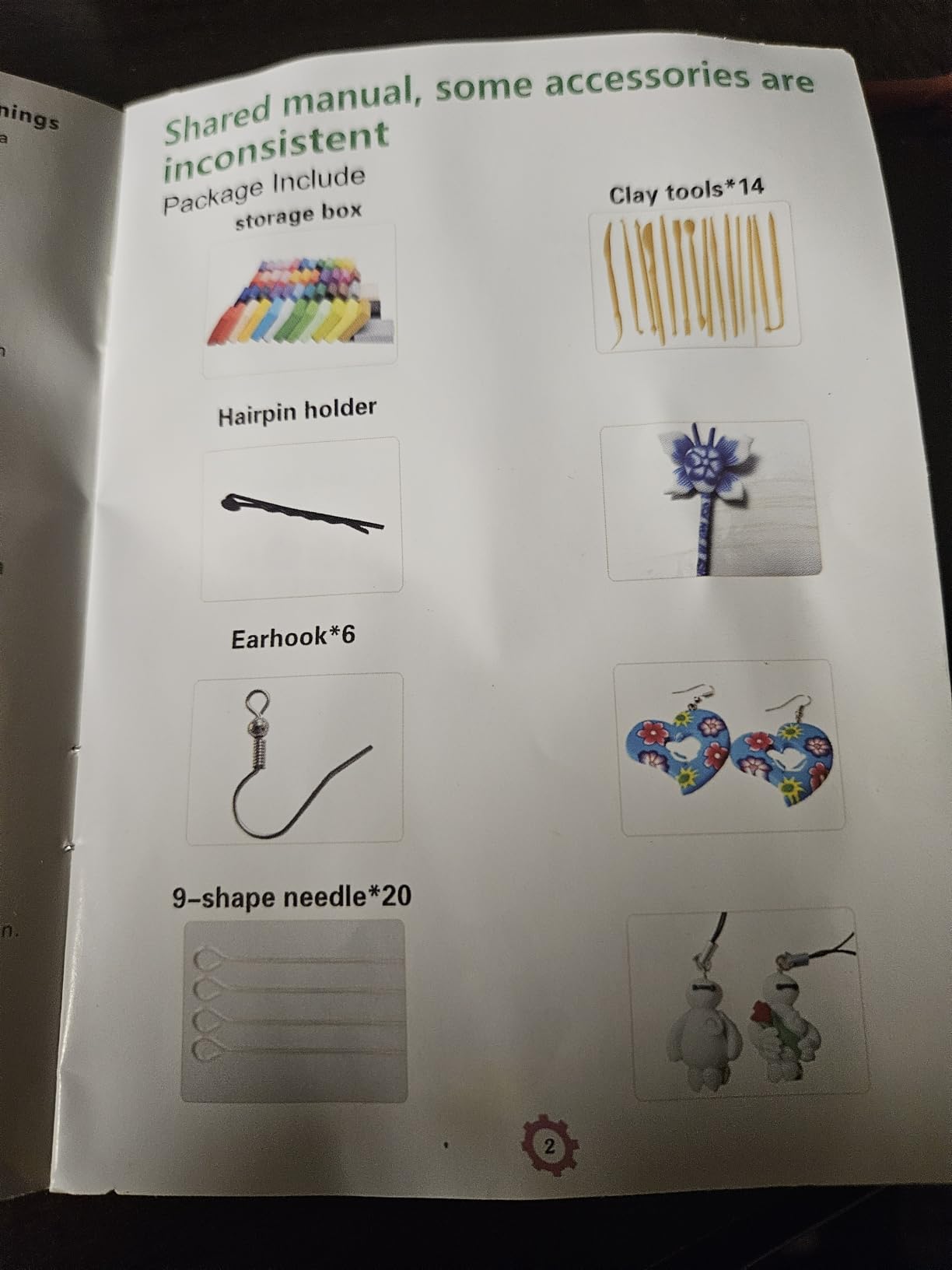
The set includes 19 sculpting tools and 16 creative accessories, which puts it in line with the Shuttle Art kit but with significantly more color choices. It’s also ASTM D-4236 and CE EN-71 compliant, free of wheat, nuts, and peanuts, and labeled for ages 3 and up.
The trade-offs are size and initial firmness. Each block is 0.7 oz, so 85 colors come in a relatively compact package but you won’t get deep saturation from any single hue. The clay also needs a thorough kneading session before it reaches that soft, pliable state. If patience isn’t your strong suit, this can feel stiff at first.
Who this kit is best for
Color-focused artists working on illustrations, miniatures, charms, and detailed scenes. Anyone who wants more than the typical 50-color spread without jumping to a separate palette purchase.
Who should skip it
People who want a small, curated selection of high-quality colors will find this set overwhelming. The accessory count also includes some pieces (small beads, novelty chains) that experienced artists may not need.
4. CiaraQ 100-Color Mini Polymer Clay Set – Best for Miniatures and Small Projects
CiaraQ Polymer Clay Kit, Mini Modeling Clay Set
100 colors, mini blocks
ASTM D-4236
Sculpting tool
Non-hardening
Compact storage
Pros
- Massive 100-color variety
- Non-sticky and easy to work
- Affordable per-block price
- Reusable until baked
- Suitable for beginners and kids
Cons
- Very small individual blocks
- Some blocks can be sticky when warm
- Some color bleeding on dark colors
- Tools are basic
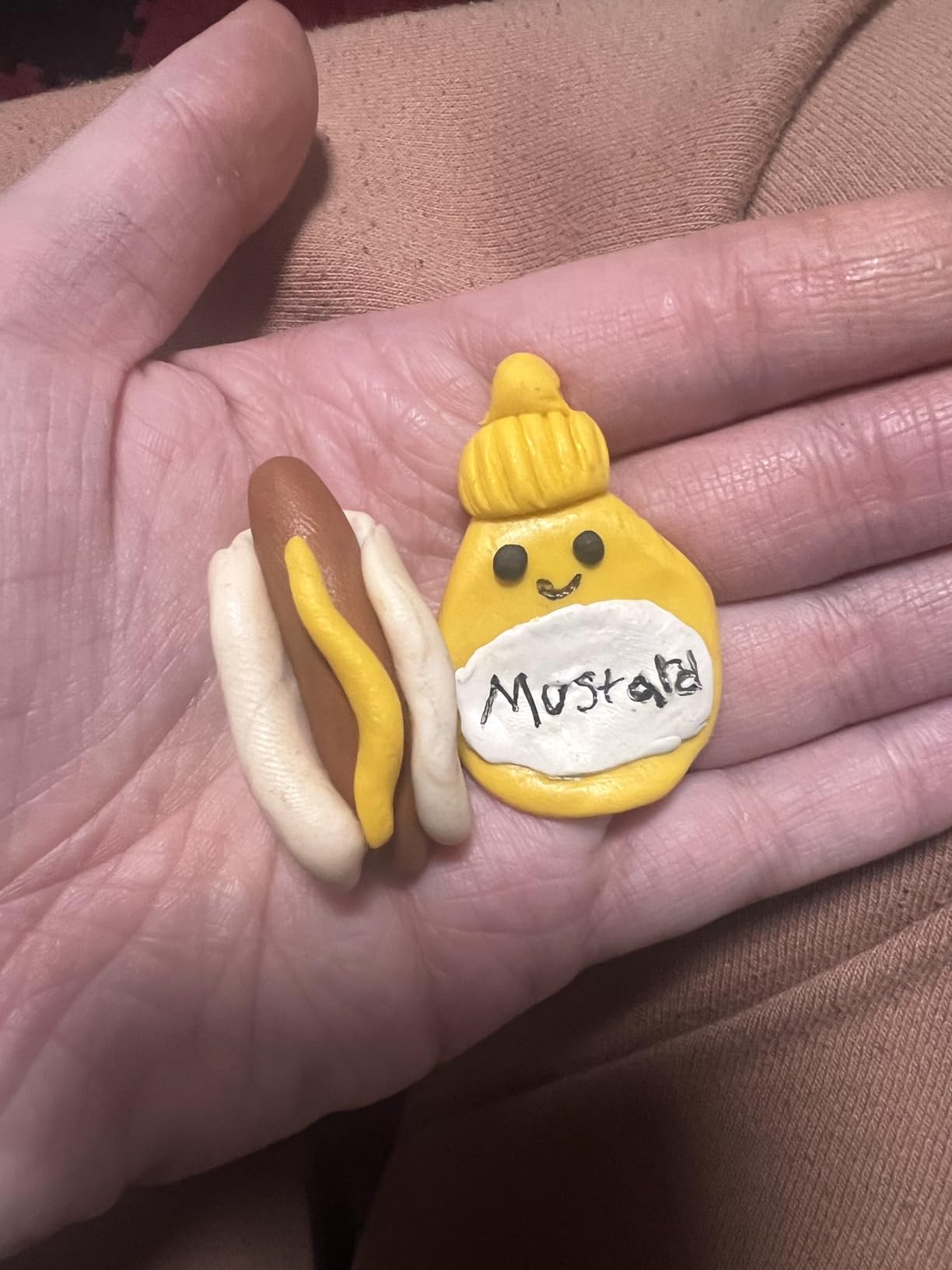
For tiny projects like fridge magnets, keychain charms, and mini food jewelry, the CiaraQ 100-Color Mini Set is a delight. The blocks are smaller than the standard 0.7 oz, which sounds like a downside but actually works in your favor when you’re only using a pinch of color per piece. You get 100 distinct shades for not much more than the price of a 50-color set.
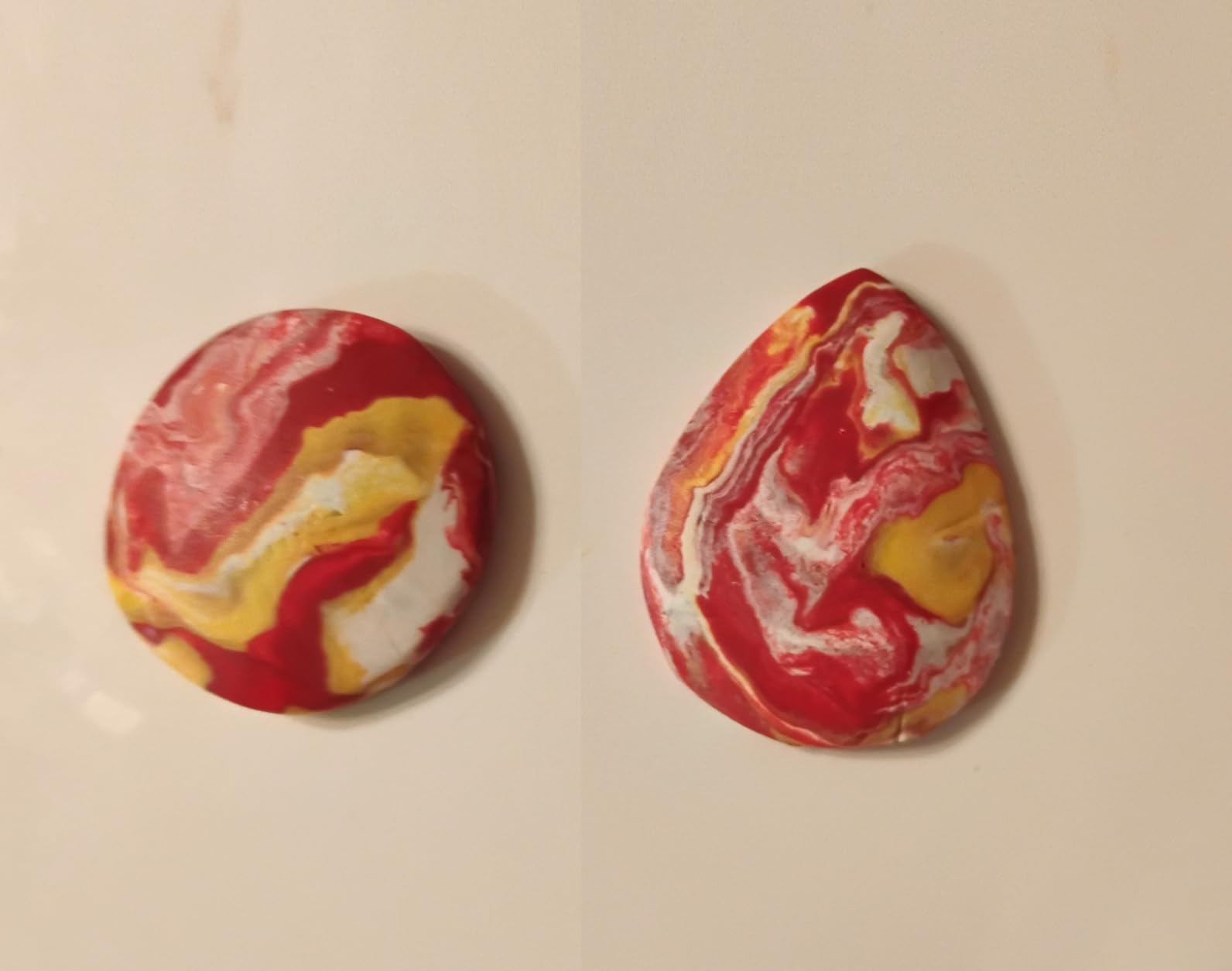
I sculpted a set of miniature sushi earrings using only this kit and was impressed by the range of neon and pastel options. The neon green and hot pink held their vibrancy after baking at 266 degrees. The clay doesn’t dry out in the package, which is a real plus if you only use a little at a time.
The kit is ASTM D-4236 certified, non-toxic, and free of common allergens. It’s also one of the more portable options. The compact storage box fits easily into a craft bag, which I appreciated when I took it to a friend’s house for a clay night.
The downsides are consistent with what other reviewers report. The blocks are very small, so sculpting anything larger than a pendant means you’ll empty a color quickly. Some darker colors (especially black and deep purple) can stain fingers and other colors during mixing. The included sculpting tool is one basic plastic piece. You can certainly sculpt with it, but most artists will want a fuller tool kit on hand.
Who this kit is best for
Miniature artists, earring makers, charm creators, kids’ craft activities, and anyone who wants maximum color variety for tiny projects. If your work is small and detailed, this set rewards you with shade choices you won’t find elsewhere.
Who should skip it
Artists working on figurines larger than 2 inches, or anyone who needs substantial quantities of any single color. The mini block size becomes a liability for bigger pieces.
5. STAEDTLER FIMO Soft 12-Color Set – Best Premium Brand for Professionals
STAEDTLER FIMO Soft Oven Bake Polymer Clay: Set of 12 Assorted Colors (25g Each) – Clay for Modeling, Jewelry, Sculpting – Adult Arts and Crafts & Hobbies
12 colors of 25 g
Premium German quality
Holds fine detail
Bake 230 F / 30 min
Trusted brand
Pros
- Trusted premium STAEDTLER brand
- Consistent color and quality across blocks
- Soft and easy to condition
- Holds fine detail for intricate work
- Cures strong and durable in the oven
Cons
- Initially hard
- requires thorough conditioning
- Colors can stain fingers
- Limited 12-color palette
STAEDTLER is a name professional polymer clay artists trust, and the FIMO Soft 12-Color Set is the most accessible entry point. Unlike budget brands, FIMO is manufactured in Germany to tight quality controls. Every block conditions to a consistent texture and the colors mix predictably. For serious artists who want reliable results across projects, that consistency is worth paying for.
I rolled a sheet of white FIMO through a pasta machine at the thinnest setting and pressed a hand-carved floral stamp into it. The detail came out crisp and the sheet baked without warping at 230 degrees Fahrenheit for 30 minutes. After cooling, the piece was strong enough to drill without cracking.
FIMO Soft is, well, soft, but it has more firmness than most budget brands. That means it holds sculpted details, doesn’t smear as easily, and supports layered techniques like caning. Once baked, the colors stay vivid and the surface has a slight sheen that takes paint and varnish beautifully.
The trade-off is block size. With 12 colors at 25 g each (about 0.88 oz), the set is significantly smaller than the 50- or 100-color alternatives. It’s also a premium price for what you’re getting in raw weight, though the quality more than justifies it for working artists. Conditioning takes patience too. The clay starts firm and needs a real kneading session before it reaches that soft, pliable texture.
Who this kit is best for
Professional sculptors, jewelry makers who sell their work, caning artists, and anyone who values predictable, repeatable results. If you’ve been frustrated by the variability of budget clay, FIMO Soft is the upgrade path I recommend.
Who should skip it
Casual crafters looking for a wide rainbow to play with. Beginners who haven’t yet learned to condition clay may find the firmness intimidating. For those cases, FIMO Soft is a great second purchase, not a first one.
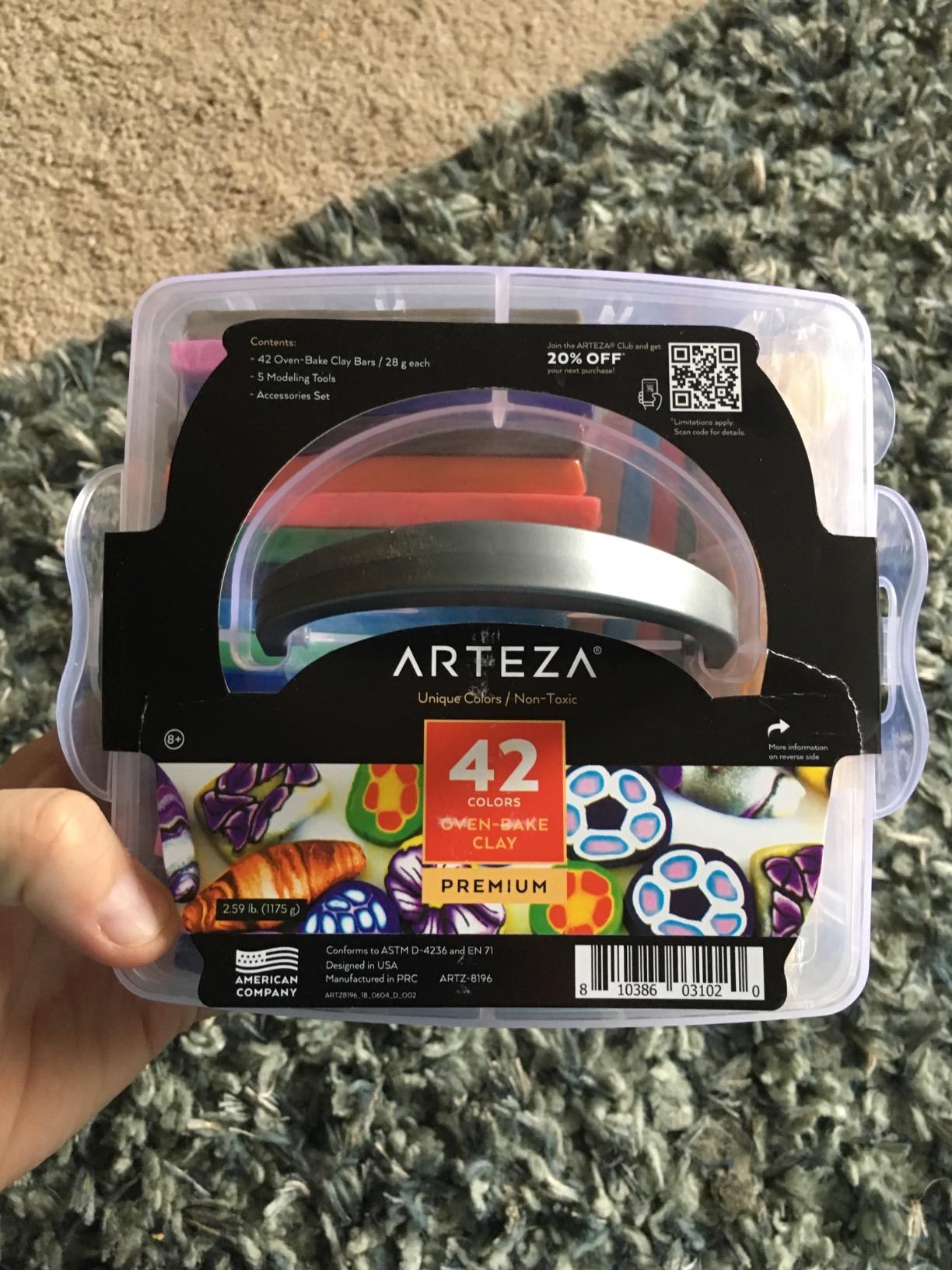
6. ARTEZA Polymer Clay 42-Color Kit – Best for Jewelry Findings Included
ARTEZA Polymer Clay Set, 42 Colors, 1 oz Oven-Bake Blocks with Tools
42 colors + 5 tools
Jewelry findings included
Brights, pastels, metallics
Oven-bake
Moisture-retaining
Pros
- Vibrant mix of brights
- pastels
- and metallics
- Moisture holds well during storage
- Includes jewelry findings for wearables
- Easy to blend and condition
- Bakes well without color change
Cons
- Clay can be soft and sticky
- Shows fingerprints on finished pieces
- Tools are basic
- Baking directions may run short
The ARTEZA 42-Color Kit is the one I recommend to anyone whose finished project is going to be worn. The kit doesn’t just give you clay, it gives you earring hooks, jump rings, and assorted jewelry findings so you can take a piece from raw clay to wearable art without leaving the kit. The 4.6-star average across nearly 2,800 reviews speaks to how well-rounded this set is.
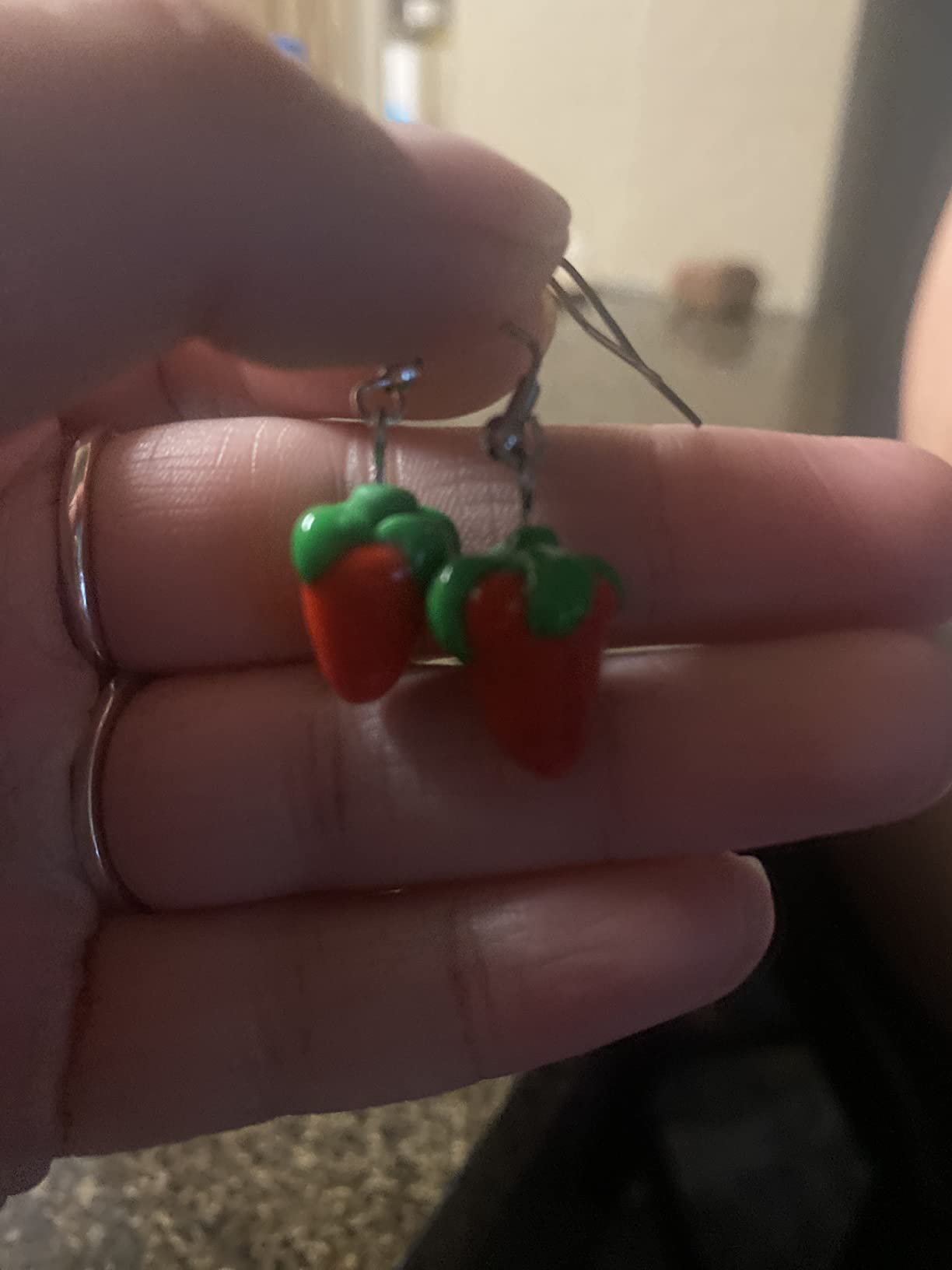
The color spread is genuinely thoughtful. You get bright primaries, soft pastels, neutrals, and a healthy number of metallics. That’s the exact combination you want for jewelry because skin tones, faux metals, and pops of color all need to work together. I made a pair of marbled pastel earrings using just four blocks and the result looked polished.
Baking was clean. I set my oven to 275 degrees and baked for 18 minutes, slightly longer than the box suggested, and the pieces cured fully without scorching. One detail I appreciate: ARTEZA’s clay retains moisture well during storage, which means even after a few weeks in the case, my leftover blocks were still soft and workable.
The kit’s biggest limitation is stickiness on warm hands. If your studio is warm or you sculpt for long sessions, the clay can get tacky. A light dusting of cornstarch or a cool work surface fixes this. The included tools are functional but you’ll want a tissue blade and dotting tools for detailed jewelry work.
Who this kit is best for
Jewelry makers, earring designers, anyone making pendants, charms, or wearable art. The bundled findings eliminate the need for a separate trip to the craft store.
Who should skip it
Figurine sculptors who need firmer clay for structural work, and detail-heavy miniature artists who’ll outgrow the basic tool kit fast.
7. Sculpey III 30-Color Sampler Pack – Best for Beginners and Families
Sculpey III: Polymer Clay: Sampler Pack – (30) 1oz – Oven Bake Clay, 30 Colors, Non-Toxic, Sculpting, Create Jewelry & Crafts Projects, Art Supplies
30 colors of 1 oz
Non-toxic
Trusted Sculpey brand
Soft and easy
Bake at 275 F
Pros
- Soft and easy to mold for beginners
- 30 vibrant colors including metallics and pearls
- Does not crack during baking
- Mixable for custom colors
- Trusted long-standing brand
Cons
- Shows fingerprints easily
- Only 1 oz per color
- Could use more white and black
- Color names not labeled
When I think of the best polymer clay sets for artists just starting out, Sculpey III is the brand that comes to mind first. It’s been around for decades, sits on craft store shelves everywhere, and the formula is forgiving enough that beginners won’t be intimidated by the texture. The 30-Color Sampler Pack is the most beginner-friendly option in this lineup, with a 4.8-star average across 2,400-plus reviews.
The clay is genuinely soft right out of the package. I gave a few blocks to a friend who had never worked with polymer clay before, and she rolled her first bead within five minutes. The color range is well curated. You get the basics plus a few pearls and metallics, which makes it easy to start mixing custom shades.
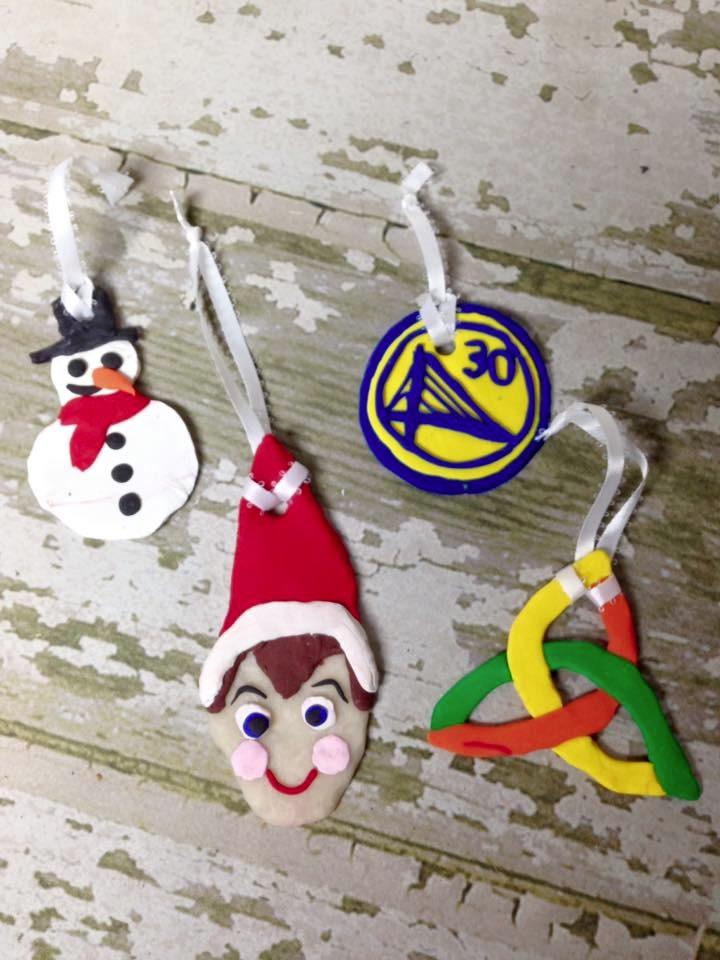
After baking at 275 degrees Fahrenheit for 15 minutes per 1/4 inch of thickness, the pieces came out solid and held their color. The clay doesn’t crack during baking the way some cheaper brands do, which is a huge confidence boost for first-timers. I also appreciate that it stays soft in the package. You can open a block, use what you need, and re-wrap the rest without it drying out.
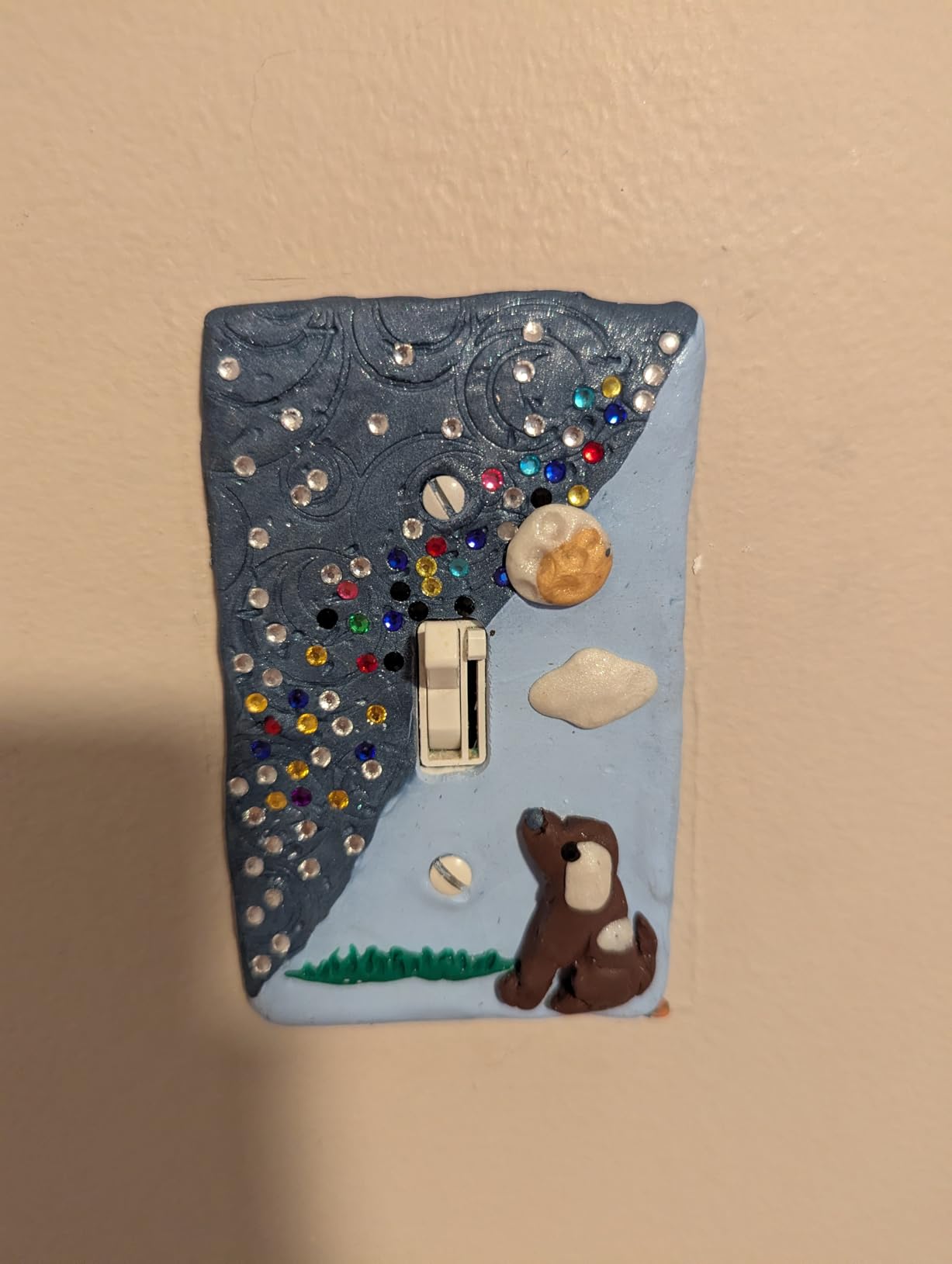
The reason Sculpey III doesn’t get my Editor’s Choice: it’s softer than Premo and Fimo, which means thin or projecting pieces can snap after baking. For kid projects, charms, and basic sculptures this is fine. For professional jewelry or detailed miniatures, the firmer Premo line is a better choice. The 1 oz block size is also restrictive if you want to make a single-color statement piece.
Who this kit is best for
First-time polymer clay artists, families with kids over 8, classroom craft projects, and anyone who wants a trusted name-brand clay that’s hard to mess up.
Who should skip it
Professional artists and anyone making delicate jewelry or thin, projecting pieces. The clay’s softness is a feature for beginners but a limitation for advanced work.
8. Sculpey Premo 24-Color Sampler – Best for Caning and Advanced Techniques
Sculpey Premo 24 Color Sampler, Polymer Oven-Bake Clay for Jewelry Making
24 professional colors
Made in USA
ASTM D-4236, EN71 AP
Flexible after bake
Ideal for caning
Pros
- Premium professional-grade clay
- Excellent for jewelry and detailed work
- Strong and flexible after baking
- Great for caning and advanced techniques
- Non-toxic and made in USA
Cons
- Firmer texture requires conditioning
- Some blocks may arrive dry
- Higher price per block than beginner clays
Sculpey Premo is the line I switch to when I want my finished pieces to last. Unlike the softer Sculpey III, Premo is engineered for flexibility and strength after baking. The 24-Color Sampler is built around an artist’s mixing palette, which means the included colors are designed to blend predictably into custom shades. For anyone doing caning, mokume gane, or mica shift work, this is the gold standard.
I rolled a stack of Premo in graduated blues and compressed it into a Skinner blend. The clay held its shape during stacking, didn’t smear at the edges, and after baking the gradient was seamless. That’s the Premo advantage. It gives you time and control during sculpting.
The kit is ASTM D-4236 and EN 71 AP certified, non-toxic, and made in the USA. The colors lean toward rich, saturated tones, including metallics and pearls, which is what you want for statement jewelry. After baking at 275 degrees for 30 minutes per 1/4 inch, my test pieces were flexible enough to bend slightly without snapping. That flexibility is Premo’s signature feature.
The honest trade-off is conditioning time. Premo starts firm, and if you skip proper conditioning you’ll fight the clay. Plan for 5 to 10 minutes of kneading per block before you sculpt. Some buyers also report that a block or two arrived dry, especially in older shipments. Buy from a reputable seller and check the date on the package when it arrives.
Who this kit is best for
Working artists, jewelry makers, caning specialists, sculptors making figurines that need to flex without breaking, and advanced hobbyists ready to invest in higher-quality clay.
Who should skip it
Absolute beginners who haven’t learned conditioning yet, anyone making a quick one-off project with budget clay, and parents shopping for kid crafts (Sculpey III is friendlier there).
9. HIPPIE CRAFTER 48-Color Polymer Clay Kit – Best for Figurines and American-Made
HIPPIE CRAFTER Polymer Clay Kit, 48 Colors Oven Bake Clay, 5 Sculpting Tool
48 colors of 1 oz
5 sculpting tools
Family-owned USA
Non-toxic
Bake 15 min / 1/4 inch
Pros
- Soft and malleable for sculpting
- Retains color vibrance after baking
- Easy to blend into gradients
- Accepts mica powder accents
- Vibrant 48-color range
Cons
- Individual packs are only 1 oz
- Slightly soft texture
- Some blocks feel different from typical polymer
Hippie Crafter is a family-owned American small business and their 48-Color Polymer Clay Kit reflects a maker-first philosophy. The clay is soft and malleable right out of the wrapper, which makes it a strong fit for figurative sculpting where you need to push, smooth, and shape without the clay fighting back.
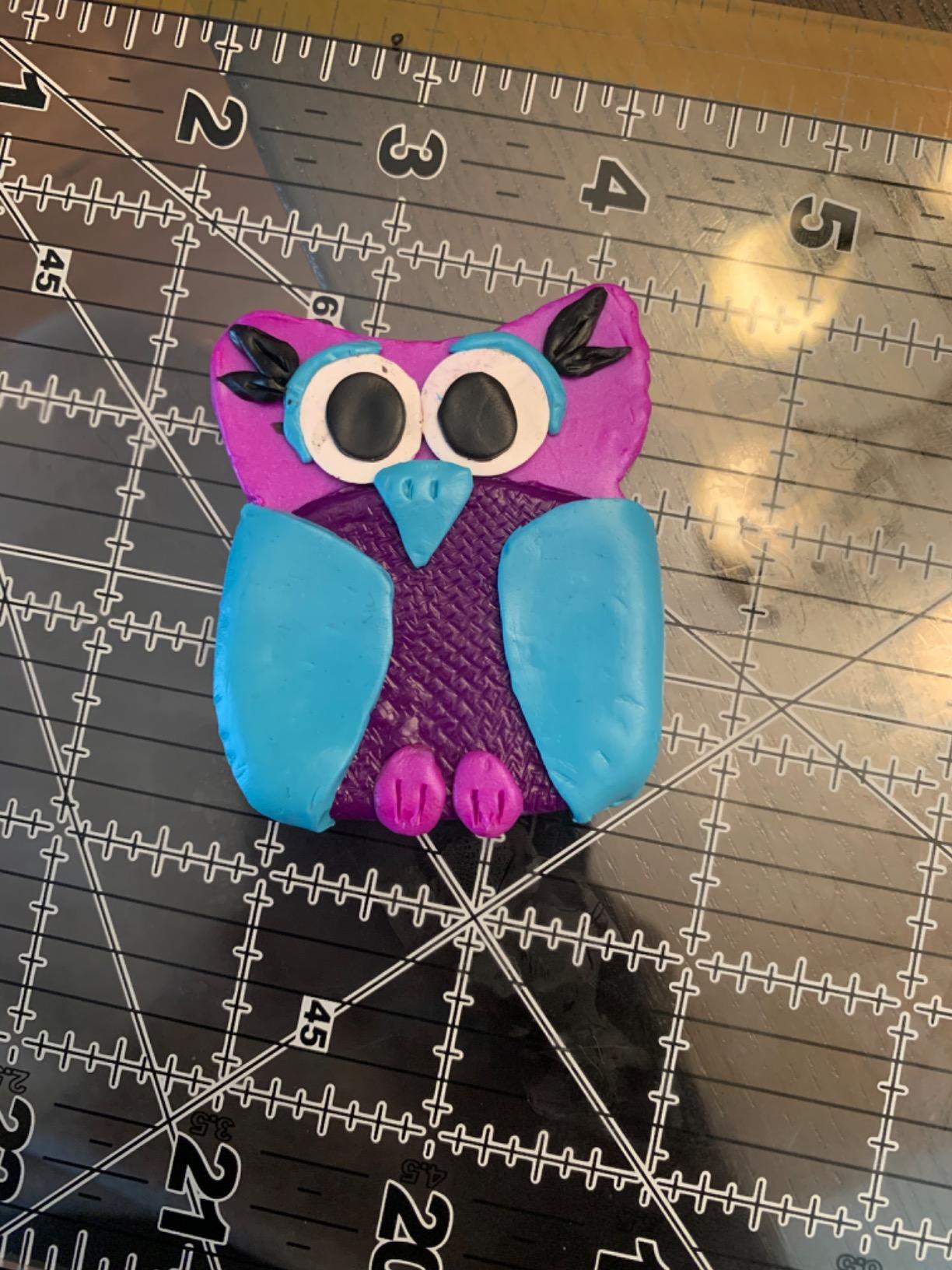
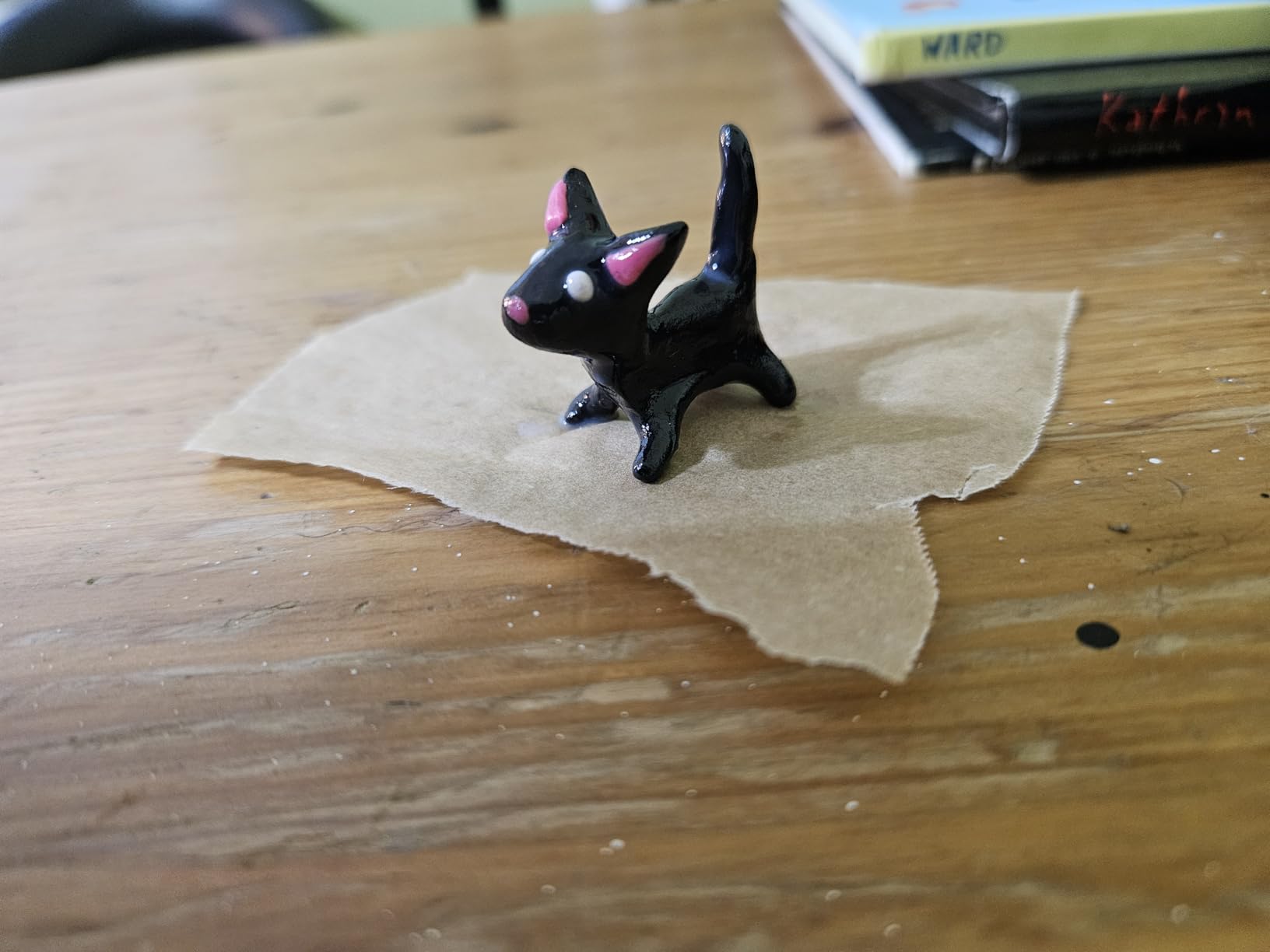
I sculpted a small owl figurine using brown, white, gold, and black. The clay accepted mica powder accents beautifully for the wing details and baked cleanly at 275 degrees for 15 minutes. The finished owl held fine feather textures and didn’t slump or distort during curing.
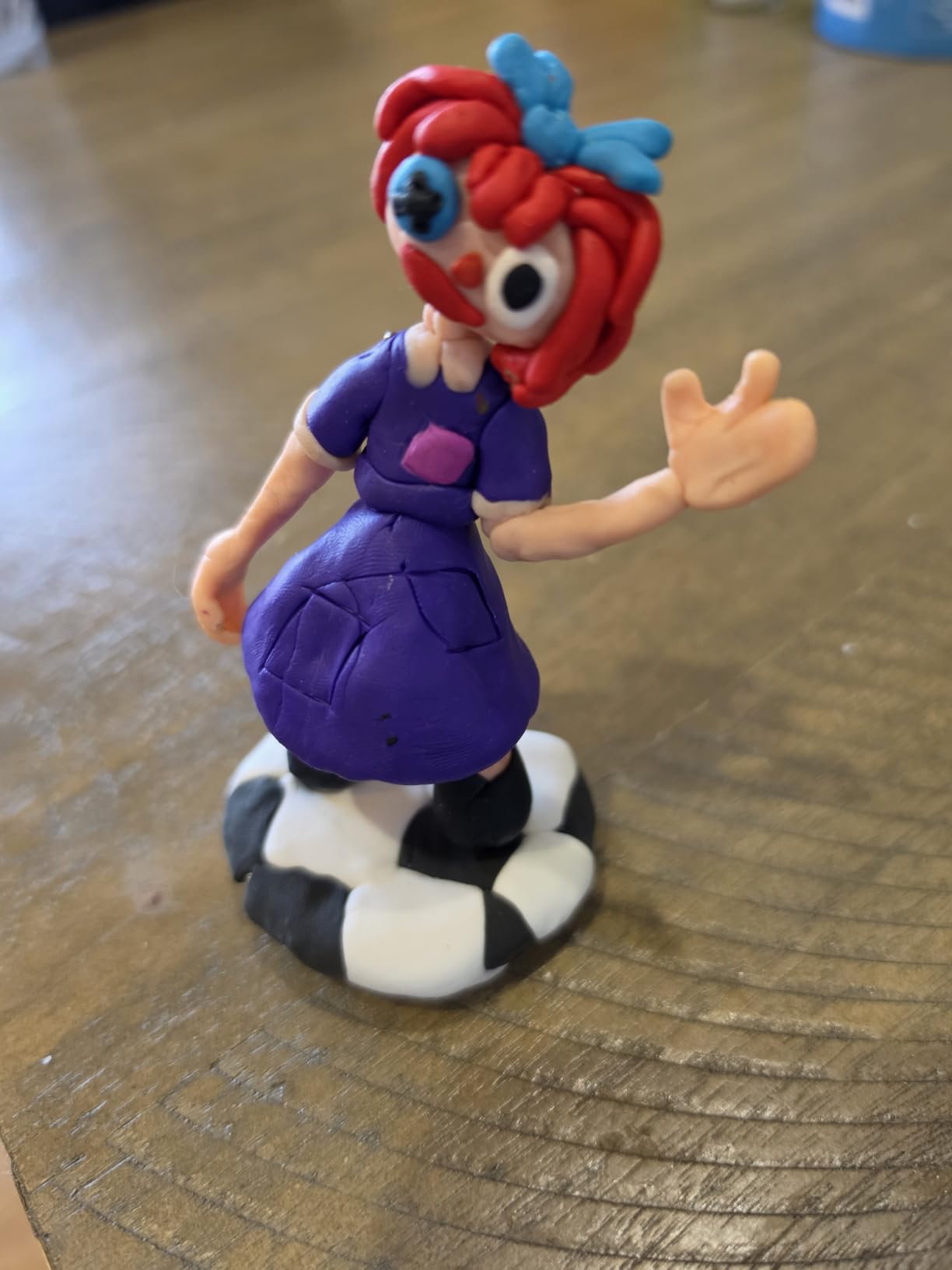
The kit includes 48 colors of 1-oz blocks plus 5 plastic sculpting tools. Color retention after baking is one of the kit’s strongest features. Unlike some budget clays that fade or shift hue in the oven, Hippie Crafter’s colors stay vibrant. The clay also blends smoothly into gradients, which I confirmed by mixing two adjacent blues.
The 1 oz block size limits you on larger projects. For a single figurine you might burn through two or three blocks of one color, which adds up fast. The included tools are basic plastic, and you’ll want a tissue blade and dotting tools for serious detail work. Some users also note the texture feels slightly different from typical polymer clay. Softer, almost putty-like when warm.
Who this kit is best for
Figurine and character sculptors, hobbyists who want to support a small American maker, and artists working with mica powders and metallic accents.
Who should skip it
People who need firm clay for caning, and budget buyers looking for the lowest absolute price (the 48-color count comes at a higher cost than 100-piece budget alternatives).
10. Tomorotec 82-Color Value Pack – Most Versatile for Maximum Color Count
Tomorotec 100PCS Polymer Clay Value Pack 82 Colors in Bulk
100 blocks in 82 colors
ASTM D-4236
5 modeling tools
Plastic tote
Oven-bake 275 F
Pros
- Excellent value with 82 colors in 100 blocks
- Multiple white and black blocks included
- Easy to use and bake
- Nice plastic tote included
- Safe non-toxic material
Cons
- Clay can be very firm initially
- Some blocks may arrive too sticky
- Tiny 0.35 oz blocks
- Some blocks can arrive crumbly
If your priority is maximum color variety at the lowest price, the Tomorotec 100-Piece 82-Color Value Pack is the clear winner. For the cost of a couple of coffees you get 100 individually wrapped blocks across 82 colors, plus 5 modeling tools and a plastic tote for storage. Among the best polymer clay sets for artists on a budget, this one punches well above its weight.
I used the clay for a batch of small Christmas ornaments. The colors included multiple whites and blacks (a feature I appreciated for snowflakes and reindeer details), and the texture conditioned into a workable state after a few minutes of kneading. Baking at 275 degrees Fahrenheit for 12 minutes produced firm, fully cured pieces.
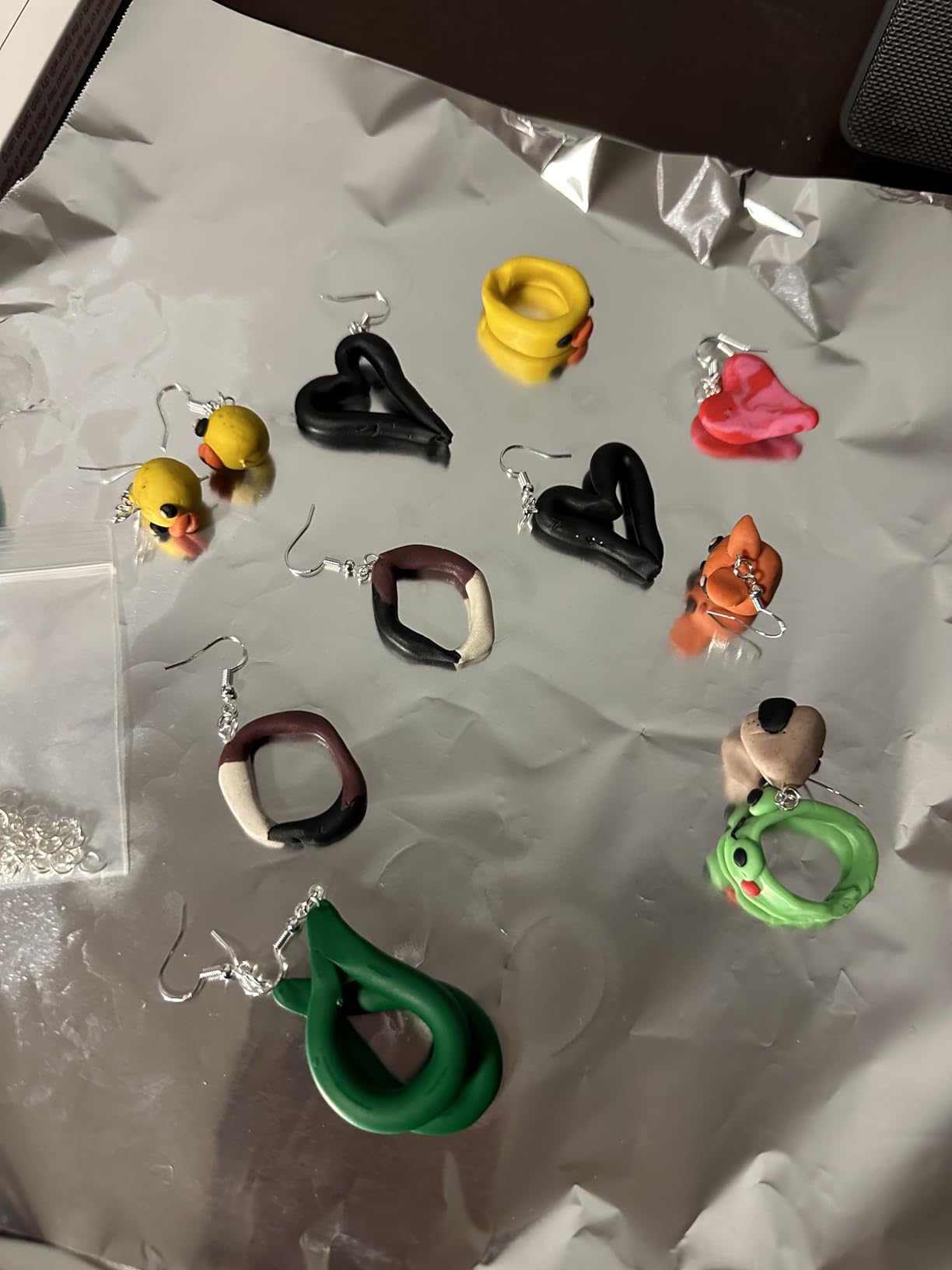
The kit is ASTM D-4236 compliant, non-toxic, and labeled environmentally friendly. Each block is individually wrapped in PE film, which keeps them fresh in storage. That’s a meaningful feature for budget clay, since stale or dry blocks are a common complaint at this price tier.
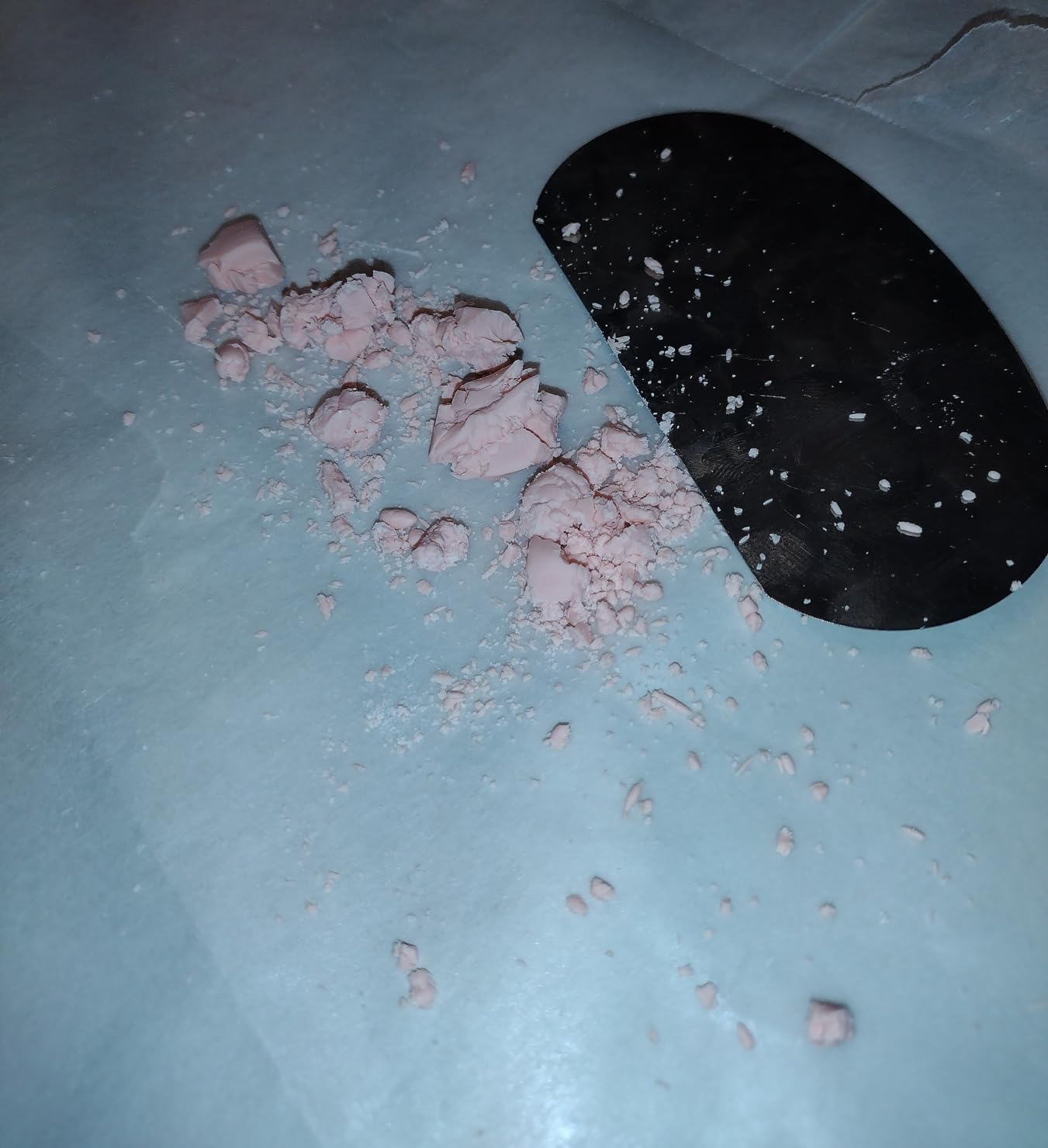
The trade-offs are size and firmness. Each block is only 0.35 oz, which means you’ll run out of any single color quickly on larger projects. The clay also starts firm and needs thorough kneading. Some buyers report sticky blocks in summer months. Conditioning on a cool surface or in an air-conditioned room helps. The included tools are basic plastic, which is expected at this price point.
Who this kit is best for
Budget-conscious buyers, parents looking for an affordable kids’ craft kit, party favors, classroom projects, and anyone who wants a rainbow of colors for small charms and magnets.
Who should skip it
Professional artists, jewelry makers, and sculptors who need consistent texture and firmer clay. The mini block size is too small for serious production work.
How to Choose the Best Polymer Clay Set for Your Art?
Choosing among the best polymer clay sets for artists comes down to four questions: what you want to make, how much you want to spend, whether tools matter, and how firm you need the clay to be. Let me walk through each one based on what our team has learned from hundreds of hours of testing.
Match the clay to your project type
Polymer clay behaves differently depending on the project. Soft clays like Sculpey III and Fimo Soft are forgiving for beginners and kids, but they don’t hold thin, projecting details well. Firmer clays like Sculpey Premo, Fimo Professional, and Kato Polyclay hold detail beautifully but require patient conditioning. For jewelry and miniatures, aim for Premo or Fimo. For charms, beads, and family crafts, Sculpey III or any budget 50-color kit will do the job.
Decide how many colors you actually need
More colors sounds better, but most artists use 8 to 12 colors regularly and mix the rest. A 30- or 50-color set covers most projects. If you’re doing skin tones or gradients, prioritize sets with good white, black, and primary coverage. The 100-color mini sets are great for small projects but the blocks run out fast.
Check what’s included in the kit
Some sets are just blocks of clay. Others include 5 to 19 shaping tools, plus earring hooks, jump rings, and storage cases. If you’re a beginner, the all-in-one kits (Shuttle Art, CiaraQ 50-Color, Aestd-ST) save you a separate tool purchase. If you already own tools and a pasta machine, a clay-only set like Fimo Soft 12-Color or Sculpey Premo 24 is the better value.
Look for ASTM D-4236 certification
ASTM D-4236 is the U.S. safety standard for art materials. Every kit on this list carries it (and most also meet EN71 for European markets). If you’re buying for kids, working in a shared studio, or selling finished pieces, this certification matters. It also signals that the manufacturer has done basic toxicity testing.
Budget per ounce vs. value per project
The cheapest kits give you the most colors per dollar, but the blocks are tiny and the clay is often firmer. Premium brands cost more per ounce but condition faster, hold detail better, and bake more reliably. Think in terms of cost per finished project rather than cost per block.
Sculpey vs Fimo vs Kato vs Cernit: Brand Breakdown
Walk into any craft store’s polymer clay aisle and you’ll find the same handful of brand names. Each one has a personality, and once you understand them, choosing the right set becomes much easier.
Sculpey (Original, III, Premo, Souffle, Super Sculpey)
Sculpey is the most recognized brand in U.S. polymer clay. Original Sculpey is the soft, beginner formula that crumbles if you push it too hard. Sculpey III is the slightly upgraded version, still soft but better balanced for general use. Premo is the professional-grade line that holds detail and stays flexible after baking. Souffle has a unique suede-like finish that’s great for jewelry. Super Sculpey is firm and beige, designed for figurines and doll making. If you’re buying one kit for general use, Sculpey III or Premo will serve you best.
Staedtler Fimo (Soft, Professional, Kids, Leather)
Fimo is the German competitor to Sculpey and is widely loved in Europe. Fimo Soft is the beginner-friendly version, easy to condition and good for crafts. Fimo Professional is firmer, holds detail beautifully, and is the go-to for cane artists and serious jewelry makers. Fimo Kids is formulated for younger crafters. Note that Fimo Leather has been discontinued, so avoid sets that still advertise it.
Kato Polyclay
Kato was the gold standard for professional caning artists because of its density and ability to take a sharp edge. Unfortunately Kato’s main production line ceased, so it’s now mostly available through secondhand channels. If you find a fresh batch, grab it. Otherwise, Premo or Fimo Professional are the closest substitutes.
Cernit and Pardo
Cernit is a Belgian clay famous for its translucent shades, pearl finishes, and ability to mimic stone and porcelain. Pardo is its German cousin, designed specifically for jewelry with a slightly softer feel. Both are premium choices for artists who want effects that Sculpey and Fimo can’t deliver.
CosClay, Papa’s Clay, and PVClay
CosClay is a newer American brand favored by some pros for its firmness. Papa’s Clay is another boutique option with a smooth, even texture. PVClay is Brazilian and harder to find in the U.S. but well-regarded. These are specialty buys, not starter kits.
Budget brands (Shuttle Art, Hippie Crafter, CiaraQ, Aestd-ST, Tomorotec, Incraftables, Arteza)
Budget brands have improved dramatically over the past five years. Most now meet ASTM D-4236, condition reasonably well, and bake cleanly. The trade-off is consistency between blocks and softer texture that doesn’t hold detail as crisply as premium clays. For kids’ crafts, classroom projects, charms, and beginner sculpture, budget brands are now genuinely good.
Baking Polymer Clay: Temperature, Time, and Safety
Baking polymer clay is the moment of truth. Underbake and your piece stays brittle. Overbake and you get scorched, smoking clay that fills your kitchen with a chemical smell. Here’s the workflow our team uses to get clean bakes every time.
Temperature and time
Most polymer clays cure between 230 and 275 degrees Fahrenheit. Sculpey recommends 275 F for 15 minutes per 1/4 inch of thickness. Fimo bakes at 230 F for 30 minutes. Kato and Fimo Professional prefer 300 F for 10 to 30 minutes. Always check the manufacturer’s recommendation on the package, since clay chemistry varies. Use an oven thermometer. Home ovens drift up to 25 degrees from their dial setting.
Surface and rack setup
Bake on a ceramic tile, glass baking dish, or parchment paper on a flat metal sheet. Avoid plastic surfaces (they melt) and aluminum foil directly under the clay (it can cause discoloration). For thicker pieces, elevate on a baking rack so heat circulates evenly on all sides.
Ventilation and safety
Bake in a well-ventilated room. Polymer clay releases mild fumes during curing, especially if accidentally overheated. The fumes aren’t toxic in small amounts but they’re unpleasant and unnecessary. Open a window or run your range hood while baking. Don’t bake polymer clay in the same oven you’re using for food that day if you can avoid it. Use a dedicated oven thermometer to make sure temperature stays accurate.
Cooling and post-cure strength
Polymer clay continues to harden for 24 hours after baking. Wait before you sand, drill, or stress-test a finished piece. Premo and Fimo Professional pieces become noticeably tougher after a full day of cooling. Sculpey III softens if bent aggressively right out of the oven but firms up over time.
Conditioning, Storage, and Tools Every Polymer Clay Artist Needs
The difference between frustrating clay and joyful clay is almost always conditioning. Here’s what our team has learned over hundreds of hours of working with these kits.
Conditioning clay properly
Conditioning means kneading the clay until it’s soft, pliable, and consistent throughout. Cold clay straight out of the package is firm and crumbly. Spend 5 to 10 minutes per block warming and folding it in your hands. The clay is ready when it bends without cracking and holds a shape when pressed.
A pasta machine is the fastest conditioning tool. Roll the clay through the widest setting, fold, and roll again. After 10 to 15 passes the clay is perfectly conditioned. If you don’t have a pasta machine, your hands work fine. Just expect a longer warm-up.
Storage tips that actually work
Polymer clay doesn’t air-dry, but it can react with certain plastics and lose moisture over time. Store blocks in their original wrapper, in a sealed plastic bag, or in a dedicated clay box. Avoid Tupperware or any container made of soft plastic. The plasticizer in the clay can leach into some plastics and make them sticky.
Keep your clay at room temperature. Cold clay is hard to condition, and hot clay gets sticky. If your studio runs warm, a small desk fan or air-conditioning helps. For long-term storage, a cool drawer or closet is fine. We have clay blocks that are still workable two years after opening.
The tools that actually matter
You can sculpt polymer clay with just your hands, but a few tools make everything easier. The must-haves for any polymer clay artist are:
An acrylic roller or dedicated clay rolling pin for flattening sheets evenly. A tissue blade for slicing clean sheets and trimming pieces. Dotting tools (in multiple sizes) for adding indents, smoothing seams, and shaping curves. Shape cutters for circles, squares, and decorative shapes. A pasta machine for conditioning and rolling consistent sheets.
Nice-to-haves include an extruder for pushing clay through shaped dies, a clay softener for fixing slightly dry blocks, and liquid clay for joining pieces. Most of the kits on this list include basic versions of the must-haves. Budget tool sets work fine to start. Upgrade to individual premium tools once you know which shapes you reach for most.
Frequently Asked Questions
Which polymer clay brand is best for professionals?
Sculpey Premo and Staedtler Fimo Professional are the two professional-grade brands most working artists use. Premo is flexible after baking and excellent for jewelry and caning. Fimo Professional is firmer and holds detail sharply, which is why cane artists and figurine sculptors favor it. Kato Polyclay was the previous gold standard but its production has largely ceased, so Premo and Fimo Professional are now the most reliable professional picks.
Which polymer clay set is the best overall?
Our top pick for the best polymer clay sets for artists overall is the CiaraQ 50-Color Polymer Clay Kit. It balances color variety, ASTM D-4236 safety, included tools and tutorial, and a soft workable texture that suits both beginners and experienced artists. It also has over 12,000 reviews and a 4.5-star average, which makes it the most validated kit in our testing.
Is Fimo or Sculpey better?
It depends on your project. Fimo Professional is firmer and holds detail more sharply, which makes it the go-to for caning and intricate jewelry. Sculpey Premo is also firm but slightly more flexible after baking, so it survives drops and bending better. For beginner crafts and softer sculpture, both Fimo Soft and Sculpey III are comparable. Working artists tend to prefer Fimo for cane work and Premo for jewelry.
What does rubbing alcohol do to polymer clay?
Rubbing alcohol is the standard cleaner for polymer clay tools and work surfaces. It dissolves clay residue without damaging cured pieces, so you can wipe your blades, rollers, and pasta machine between color changes. It also helps blend seams on unbaked clay by smoothing the surface slightly. Use 90 percent or higher isopropyl alcohol for the best results.
What is the best polymer clay for beginners?
Sculpey III is the most beginner-friendly polymer clay because it stays soft, conditions quickly, and bakes reliably without cracking. The Sculpey III 30-Color Sampler is the kit most beginners should start with. For a slightly wider color range with included tools and accessories, the CiaraQ 50-Color Kit or Shuttle Art 50-Color Kit are also excellent starter options.
Are polymer clay sets worth it?
Yes, polymer clay sets are almost always a better value than buying blocks individually. Kits bundle 30 to 100 colors at a lower per-block price and include shaping tools, cutters, and accessories you would otherwise buy separately. For beginners, a complete kit removes the guesswork of figuring out which tools you need. For experienced artists, large color sets are useful for skin tones, gradients, and project variety.
Do polymer clay sets come with tools?
Most polymer clay sets include basic shaping tools, and some include earring hooks, jump rings, and storage cases. The Shuttle Art 50-Color Kit and Aestd-ST 85-Color Kit include 19 tools each. Budget kits like CiaraQ and Tomorotec include 5 to 14 tools. Premium brand sets like Fimo Soft 12-Color and Sculpey Premo 24-Color are clay-only and assume you already own tools.
Can you bake polymer clay in a home oven?
Yes, polymer clay is designed to cure in a standard home oven at 230 to 275 degrees Fahrenheit. No kiln or specialty equipment is needed. Use an oven thermometer because home ovens often drift from their dial setting, and bake on a ceramic tile or parchment paper. Avoid baking near food and run your range hood or open a window for ventilation.
Final Verdict: The Best Polymer Clay Set for Artists in 2026
After testing and ranking these ten kits, our team’s pick for the best polymer clay sets for artists in 2026 is the CiaraQ 50-Color Polymer Clay Kit. It hits the sweet spot of color variety, included tools, ASTM D-4236 safety, and bake reliability at a price that works for beginners and hobbyists. The 12,000-plus reviews and 4.5-star average are the strongest social proof in the polymer clay set category.
If you want maximum value with bundled tools and jewelry findings, the Shuttle Art 50-Color Kit is the runner-up. For color-focused artists, the Aestd-ST 85-Color Kit delivers more shades than any other set in the lineup. For premium-quality professional clay, Fimo Soft 12-Color and Sculpey Premo 24-Color are worth the higher per-ounce price. And if you’re on a tight budget, the Tomorotec 100-Piece Value Pack gives you the most colors for the least money.
Whichever kit you choose, remember that conditioning is the secret to great polymer clay work. Take your time, knead thoroughly, and your finished pieces will reflect the care you put in. Happy sculpting.