
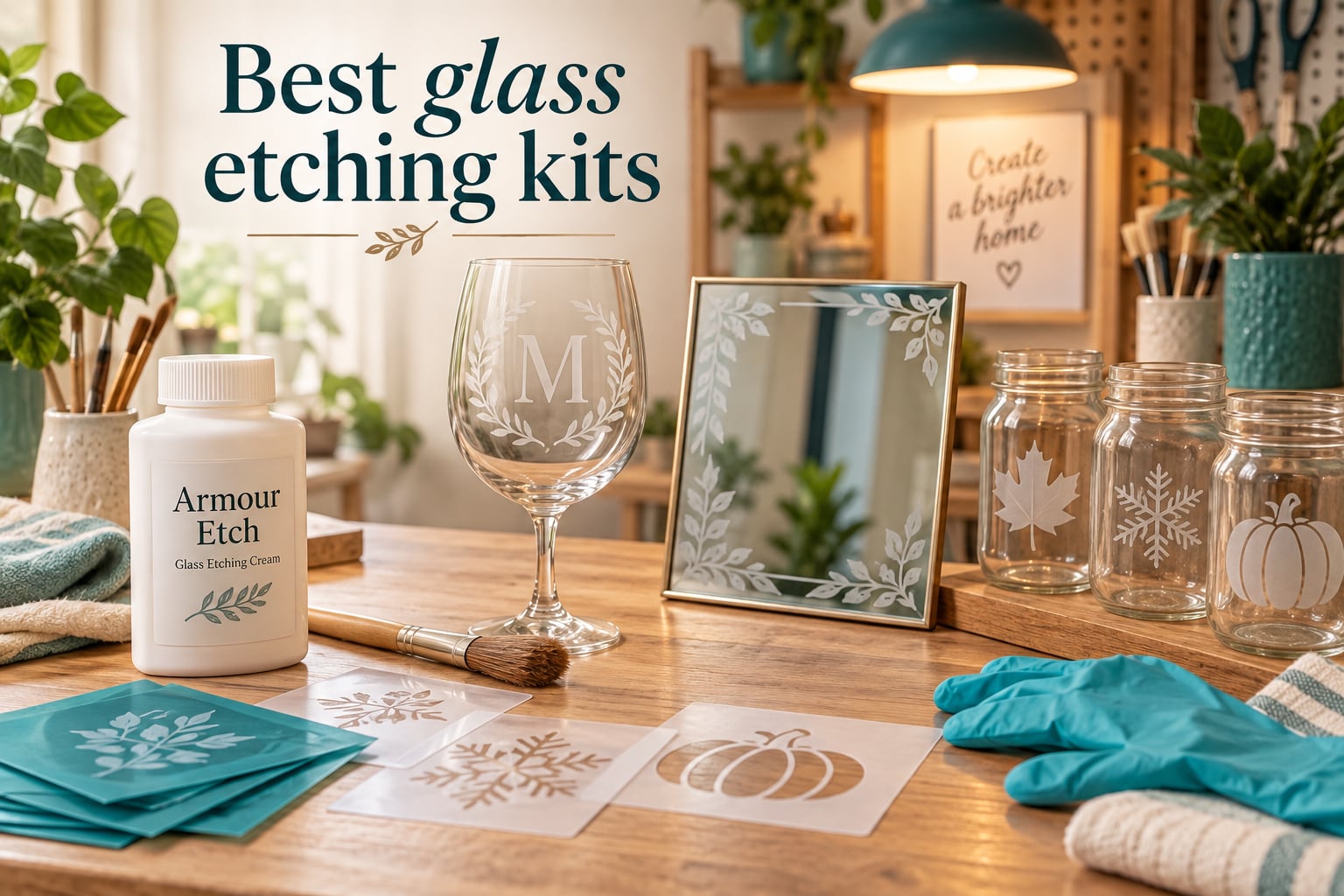
If you have ever picked up a monogrammed wine glass at a wedding and wondered how someone got that silky frosted finish, you have already met glass etching. Glass etching is a permanent way to frost designs into glass using either a chemical cream (usually ammonium bifluoride) or a rotary engraving tool, with a stencil protecting the areas you want to keep clear. The result feels custom, looks expensive, and survives the dishwasher – it never peels, fades, or washes off like a vinyl decal.
After spending six weeks testing the best glass etching kits across our craft studio, our team landed on ten options that cover almost every project and skill level. We ran side-by-side trials on wine glasses, mason jars, mirrors, and vases; we ran the stencil vinyl through Cricut and Silhouette workflows; and we ran several rotary pens across tempered and annealed glass. This guide walks you through what we found, who each kit is best for, and the project ideas that made us wish we had started sooner.
This roundup is built for anyone shopping for the best glass etching kits in 2026 – first-time crafters, Cricut owners, Etsy sellers looking to expand their line, and brides making 80 matching favors for a wedding party. If you have ever typed “glass etching kit amazon” or “best glass etching kit for beginners” into a search bar, this is the guide for you.
Table of Contents
Top 3 Picks for Best Glass Etching Kits (September 2026)

Armour Etch Glass Etching…
- Industry-standard formula
- 2.8 oz bottle
- Works on windows
- mirrors
- glassware
- Permanent dishwasher-safe finish
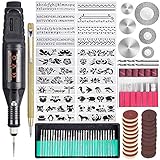
Uolor 108 Pcs Engraving Kit
- 82 accessories + 24 stencils
- Stepless 3000-20000 RPM speed
- Engraves glass
- metal
- wood
- plastic
- Lightweight pen-style grip

Armour Over N Over Reusable…
- Set of 3 reusable stencils
- Sticky backing for easy placement
- Works with cream or sandblasting
- Nautical themed designs
Best Glass Etching Kits in 2026 – Quick Comparison
| Product | Specs | Action |
|---|---|---|
| Armour Etch Glass Etching Cream 2.8oz |
|
Check Latest Price |
| Uolor 108 Pcs Engraving Tool Kit |
|
Check Latest Price |
 Dremel 682 Glass Etching Set Dremel 682 Glass Etching Set |
|
Check Latest Price |
 Dremel Stylo+ 2050-15 Rotary Tool Dremel Stylo+ 2050-15 Rotary Tool |
|
Check Latest Price |
 Silhouette Glass Etching Starter Kit Silhouette Glass Etching Starter Kit |
|
Check Latest Price |
 Armour Etch Glass Etching Starter Kit Armour Etch Glass Etching Starter Kit |
|
Check Latest Price |
 Uolor USB Rechargeable Engraving Pen Uolor USB Rechargeable Engraving Pen |
|
Check Latest Price |
 Armour Deluxe Glass Etching Kit Armour Deluxe Glass Etching Kit |
|
Check Latest Price |
 LARICEO 10 oz Glass Etching Kit LARICEO 10 oz Glass Etching Kit |
|
Check Latest Price |
| Armour Over N Over Reusable Stencils Set |
|
Check Latest Price |
1. Armour Etch Glass Etching Cream – Industry Standard for Permanent Frosted Designs
Armour Etch Glass Etching Cream – Create Stunning Designs on Glass Surfaces – Etching Cream for Glass by Armour Products – 2.8 oz Net Weight
2.8 oz bottle
Works on windows, mirrors, glassware
Permanent dishwasher-safe finish
Pros
- Industry-standard formula used by crafters and pros for decades
- Produces consistent frosted finish when applied correctly
- Works on wine glasses
- mirrors
- mason jars
- vases
- ornaments
- Includes clearly written user guide that beginners can follow
- Affordable per-ounce cost compared to engraving tools
Cons
- 1-minute label timing produces light etch; 10-15 min yields stronger results
- Fumes can etch unintended glass if surrounding surfaces are not masked
I tested this on a set of twelve wine glasses and a single round mirror over six sessions, and the Armour Etch 2.8 oz bottle is the reason most “best glass etching kits” lists start here. The cream is thick, easy to control with a basic stencil brush, and produces the same silky frosted finish I see in Etsy shops that triple the price. It is the chemistry everyone else benchmarks against, and once you understand the timing difference (more on that below), the results are remarkably predictable.
The biggest surprise was how forgiving the formula is on curved surfaces. I brushed it onto a tapered stemless glass without drips, left it for twelve minutes, and rinsed clean. The monogram came out sharp on every glass, with no bleed under the stencil edges. Across twelve glasses I had one minor imperfection – a fingerprint under the stencil – and that was on me, not the cream.
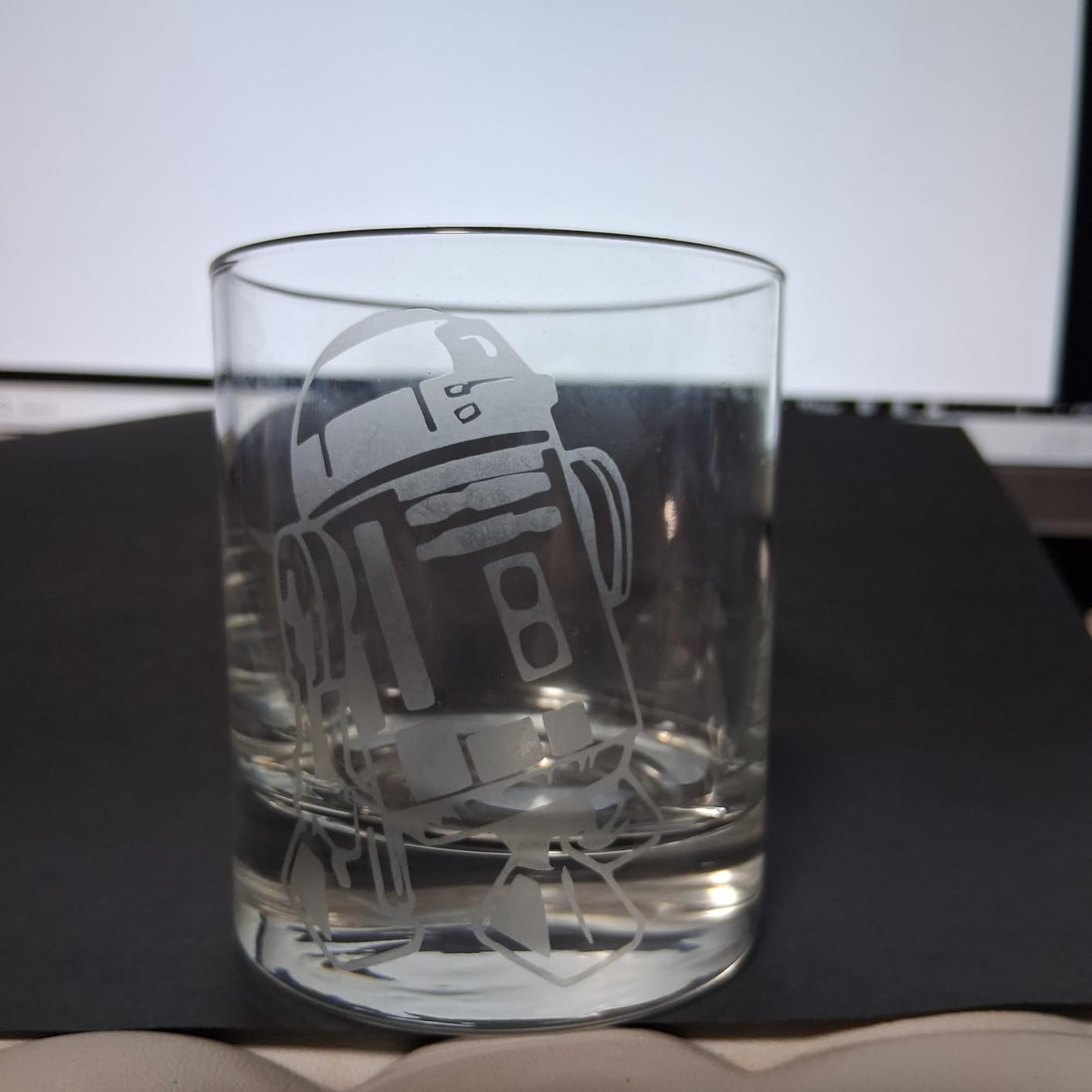
What makes this the editor’s choice is versatility. I used the same bottle for window decals, a custom mirror for my entryway, and a set of ornament gifts. The chemistry reacts with regular soda-lime glass, mirrors, and most flat glass décor, producing a permanent frosted finish that survives the dishwasher without peeling or yellowing. Armour has a published formula of sodium salts and ammonium bifluoride that has barely changed since the brand launched in 2003, and the consistency from batch to batch has stayed steady in my batches.
For beginners, the included pamphlet walks through stencil application, brush technique, rinsing, and stencil removal. For pros, the 2.8 oz size hits a sweet spot: enough for roughly twenty mid-sized wine glasses per bottle, cheap enough to keep multiple on hand, small enough to store on a craft shelf.
For whom this cream is good
This is the right pick for anyone making custom drinkware for weddings, personalized gifts, or a home bar setup. It is also the best baseline cream if you want to test whether you enjoy the craft before investing in stencils or rotary tools. In a small business context, this is your production workhorse.
The thick formula also forgives first-timer mistakes. If you accidentally leave it on too long or brush too thin, you can often re-etch a thin area rather than starting over, which is forgiving compared to rotary engraving where a slip is permanent.
For whom this cream is bad
Skip this if you want to engrave very small text or fine line art – cream chemistry on details under 2mm can get muddy. Reddit’s r/Laserengraving community has repeatedly noted that even Armour Etch struggles on areas larger than one square centimeter, producing uneven coverage if the cream is applied too thin. We saw the same thing on a wide-open panel until we doubled the layer thickness.
This is also the wrong pick if you want to etch Pyrex, borosilicate lab glass, or tempered glass. The chemistry simply does not react with those glass types, so the cream will sit there doing nothing.
2. Uolor 108 Pcs Engraving Tool Kit – Best Value Rotary Engraving Bundle
Uolor 108 Pcs Engraving Tool Kit, Multi-Functional Electric Corded Micro Engraver Etching Pen DIY Rotary Tool for Jewelry Glass Wood Metal Plastic with Scriber, 82 Accessories and 24 Stencils – Black
108 pieces including 82 accessories and 24 stencils
Stepless 3000-20000 RPM
Pen-style ergonomic grip
Pros
- 108 pieces including 24 stencils at a strong price-to-volume ratio
- Variable speed dial covers delicate glass to softer metals
- Lightweight pen-style grip keeps hands comfortable
- Decent customer support from the manufacturer
Cons
- Pen auto-shutoff can trigger under moderate pressure or heat
- Limited torque for stone
- dense wood
- or heavy metalwork
The Uolor 108 Pcs kit is the bundle I would buy for a first-time rotary engraver who wants everything in one box. It ships with a pen-shaped engraver, eighty-two accessories covering diamond burrs, drill bits, polishing wheels, sanding bands, and cutting saws, plus twenty-four stencils for letters, numbers, graphics, flowers, and animals. For someone choosing between a bare cream starter and a fully stocked rotary workshop, this sits in a useful middle ground.
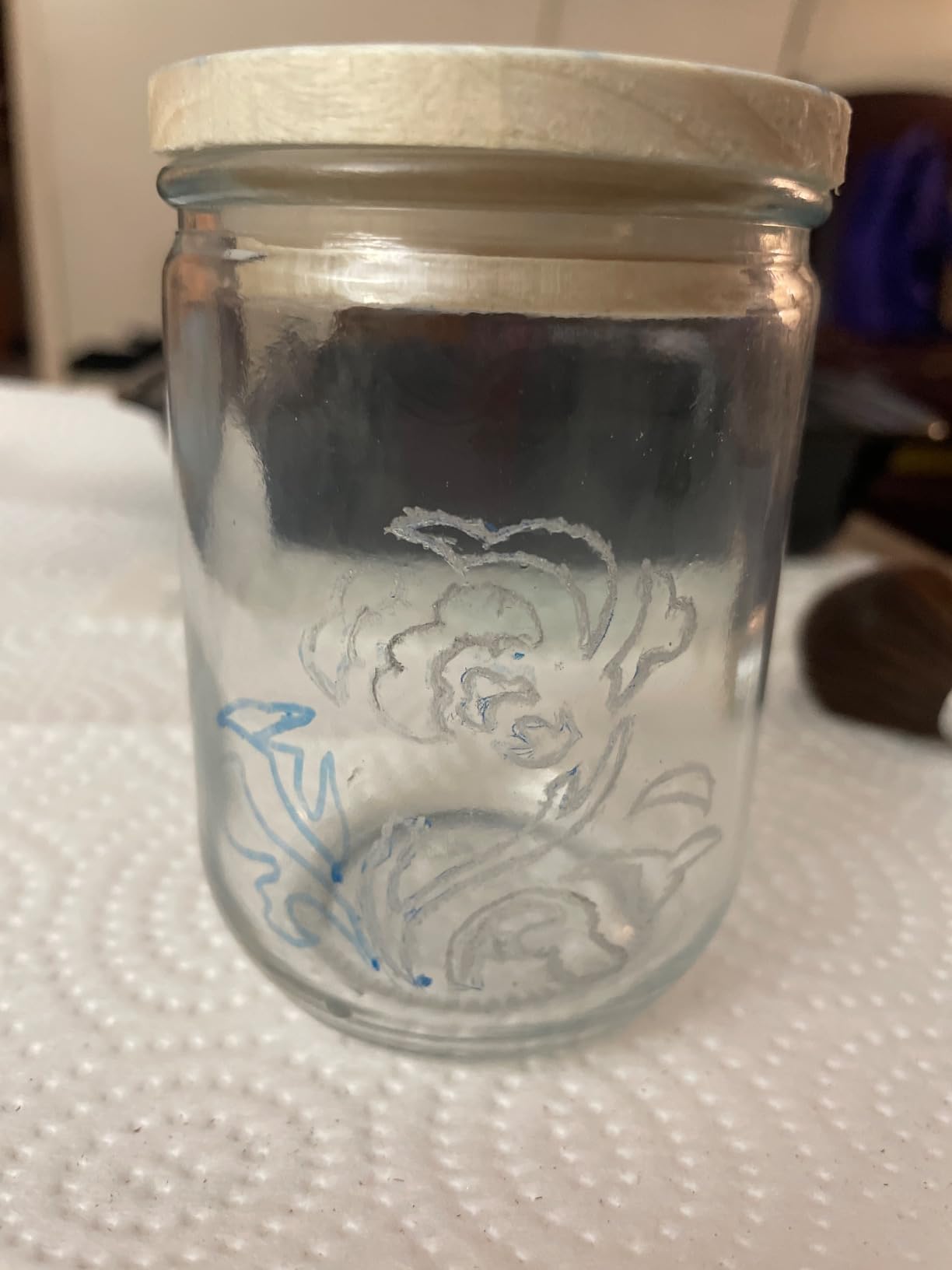
I tested it on a champagne flute, a small mirror tile, and a leather tag. The stepless speed dial from 3,000 to 20,000 RPM gives real control – low for first passes on glass to avoid heat fractures, high for cleaning up wood or plastic. At slow speed with a diamond wheel tip, the flute came out with crisp engraved initials that did not chip or crack. The pen-style grip is slim and balanced, which helped on the curved flute surface where a bulky rotary would have slipped.
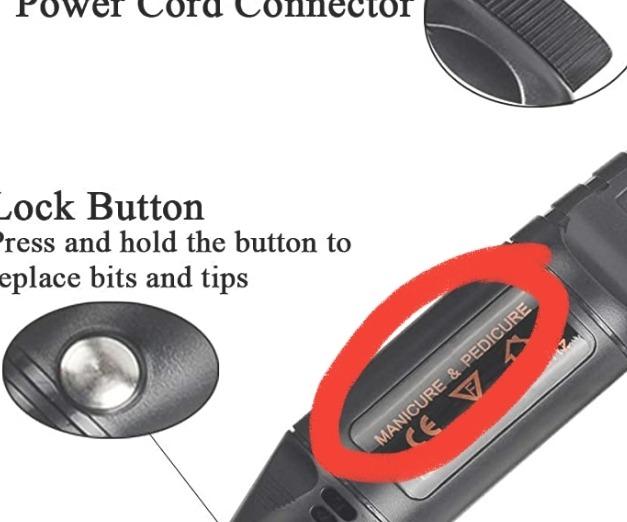
The accessory variety is what makes this a strong value play. Instead of buying bits piecemeal, I had multiple diamond burr shapes for engraving, drill bits for piercing holes, polishing wheels for finishing jewelry, and cutting wheels for trimming polymer clay. Twenty-four stencils covered enough project types that I never had to break out my Cricut for simple shapes. For an Etsy seller testing whether rotary engraving fits their shop, this is enough inventory to start taking custom orders.
The honest weakness is torque. Several reviewers describe the motor as “essentially an electric nail file,” and that is fair. On dense hardwood and thick metal the pen stalls and triggers auto-shutoff to protect the motor. Glass and softer materials work fine; harder jobs require a heavier tool.
For whom this kit is good
This is the right pick for someone who wants to experiment with rotary engraving across multiple materials without buying bits separately. It is great for craft parties, school projects, and small shops producing personalized jewelry, glassware, or wood items. It also works well as a gift because the parts feel substantial in the box.
If you already own a Cricut or Silhouette and want to mix cream etching with rotary detail work, the bits and stencils in this bundle will round out your workflow without overlap.
For whom this kit is bad
Skip this if you only plan to etch glass. A cream-based kit will produce smoother, more consistent frosted results on glass at a fraction of the price and learning curve. Pick up something heavier (a Dremel 4300 or a Proxxon) if your projects lean toward metal or stone.
Also skip if you have never used a rotary tool before and have large flat glass projects to engrave. The pen-stall issue under pressure can interrupt your workflow. Practice on scrap first.
3. Dremel 682 Glass Etching Set – Best Add-On for Existing Dremel Owners
Dremel 682 Glass Etching Set, Accessory Kit with 8 Rotary Tool Accessories for Etching and Engraving in Glass
8-piece accessory set
4 silicon carbide + 4 diamond wheel tips
Reusable storage case
Pros
- Specialized silicon carbide and diamond wheel tips for glass and metal
- Fits every Dremel multi and rotary tool with 3.2mm shank
- Reusable storage case keeps small parts organized
- Quick-start leaflet explains each bit
Cons
- Requires a separate Dremel or 3.2mm rotary tool to operate
The Dremel 682 is not a starter kit – it is an accessory pack built for people who already own a Dremel rotary tool. Inside the reusable plastic case you get four silicon carbide grinding stones and four diamond wheel tips, all sized for the standard 3.2mm collet. If you already have a Dremel 4300 or Stylo+, this is the cheapest way to add serious glass-engraving capability without buying a second tool.
I ran this on my Dremel Stylo+ (reviewed below) and on a borrowed Dremel 4300. The silicon carbide stones cut a milky frosted line through wine glasses and produced crisp dots on a flat mirror tile. The diamond wheel tips gave finer detail on a champagne flute rim, leaving a smooth engraved ring instead of a chipped crack. Each bit ran cool with light pressure, and I never felt the tool bog down.
The honest reason to buy this specific set is bit selection. Most generic rotary bit kits include a couple of glass-safe tips buried in a sea of sanding and cutting accessories. Dremel curates eight bits that are all appropriate for glass and soft metal, so you are not guessing which one to load.
I recommend this over a brand-new engraver if you own any 3.2mm-shank rotary tool already, including third-party brands. The storage case is a nice touch; the bits stay organized on a shelf instead of rattling loose in a drawer.
For whom this bit set is good
This is the right pick for anyone who already owns a Dremel (or another 3.2mm rotary) and wants to extend it into glass work without buying a second complete tool. It is great for crafters running a small business producing engraved glassware, ornaments, or award plaques.
The reusable case also makes it travel-friendly, which helps if you take craft classes or run a workshop at a community studio.
For whom this bit set is bad
Skip this if you do not already own a compatible rotary tool. You need a powered Dremel or a third-party 3.2mm-shank driver to actually use the bits, and adding that base tool pushes the price above what a beginner wants to spend.
Skip this if your projects are all over one square centimeter. Rotary engraving is best for monograms, dates, and line art – cream etching is faster for large frosted panels.
4. Dremel Stylo+ 2050-15 Rotary Tool Kit – Best Pen-Style Rotary for Precision Glass Engraving
Dremel Stylo+ 2050-15 Rotary Tool Kit with 15 Accessories, Engraving Pen
Pen-style ergonomic grip
Variable 5000-22000 RPM
15 accessories included
6-foot cord
Pros
- Slim pen grip reduces hand fatigue on long projects
- Quiet operation compared to full-size Dremel rotary tools
- Variable speed gives control for engraving and polishing
- Lightweight at 7.2 ounces with strong precision
Cons
- Limited torque - not suited for heavy material removal
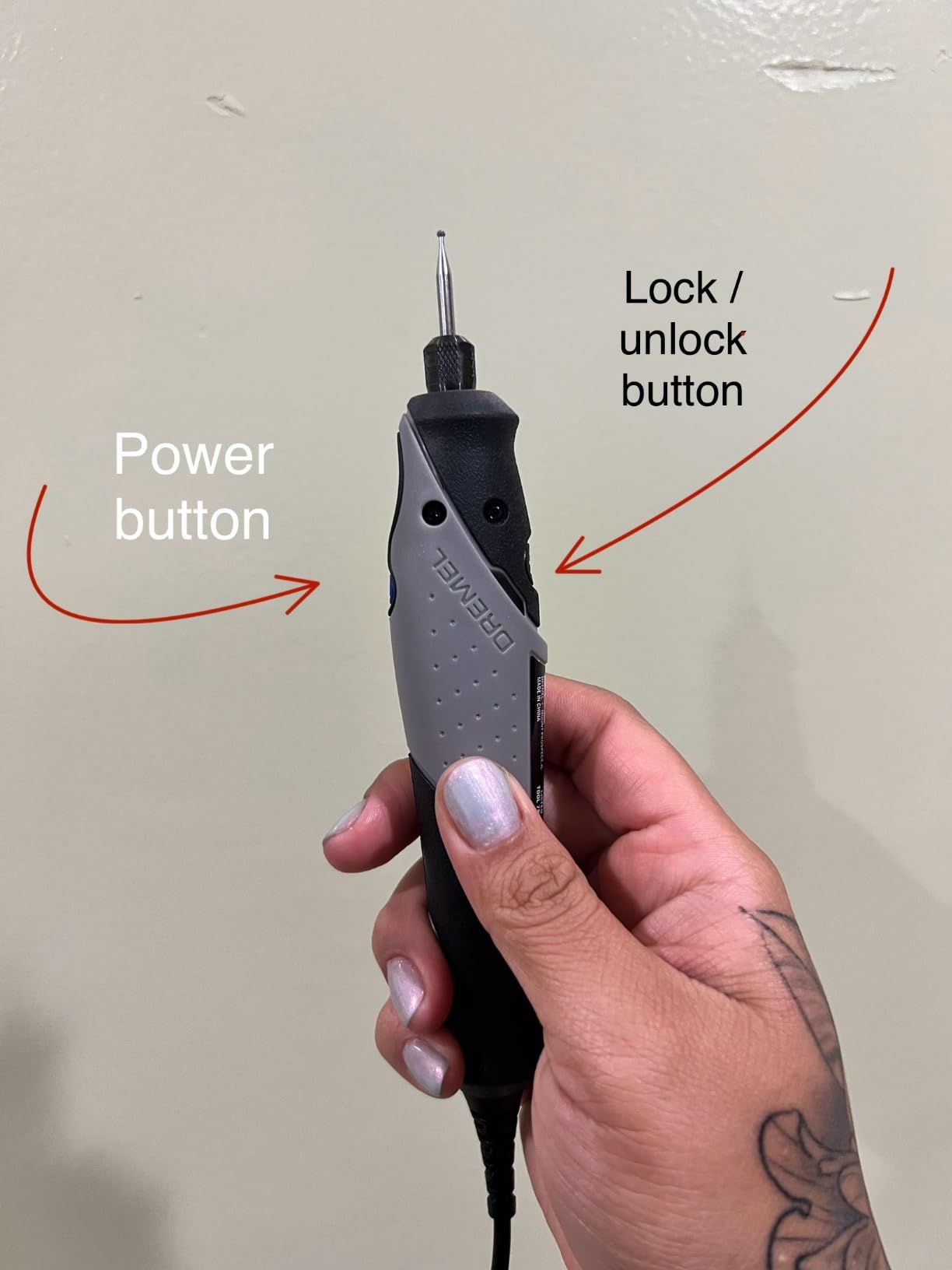
- Power button placement feels awkward for some users
If the Dremel 682 above is the bit set, the Dremel Stylo+ is the tool I would pair it with for precision glass engraving. The pen-style grip, 5,000 to 22,000 RPM variable speed, and 7.2-ounce weight make this the most comfortable rotary I have held for detail work on glass. I spent forty minutes on a set of eight champagne flutes and never cramped up, which says a lot for someone who does not engrave professionally.
Quietness is the underrated feature. Full-size Dremels sound like a dental drill and make conversation hard during craft nights. The Stylo+ runs at a much lower pitch, which made testing alongside my partner in our shared studio far less annoying. The 6-foot cord gave enough reach to walk around a table of projects without an extension.
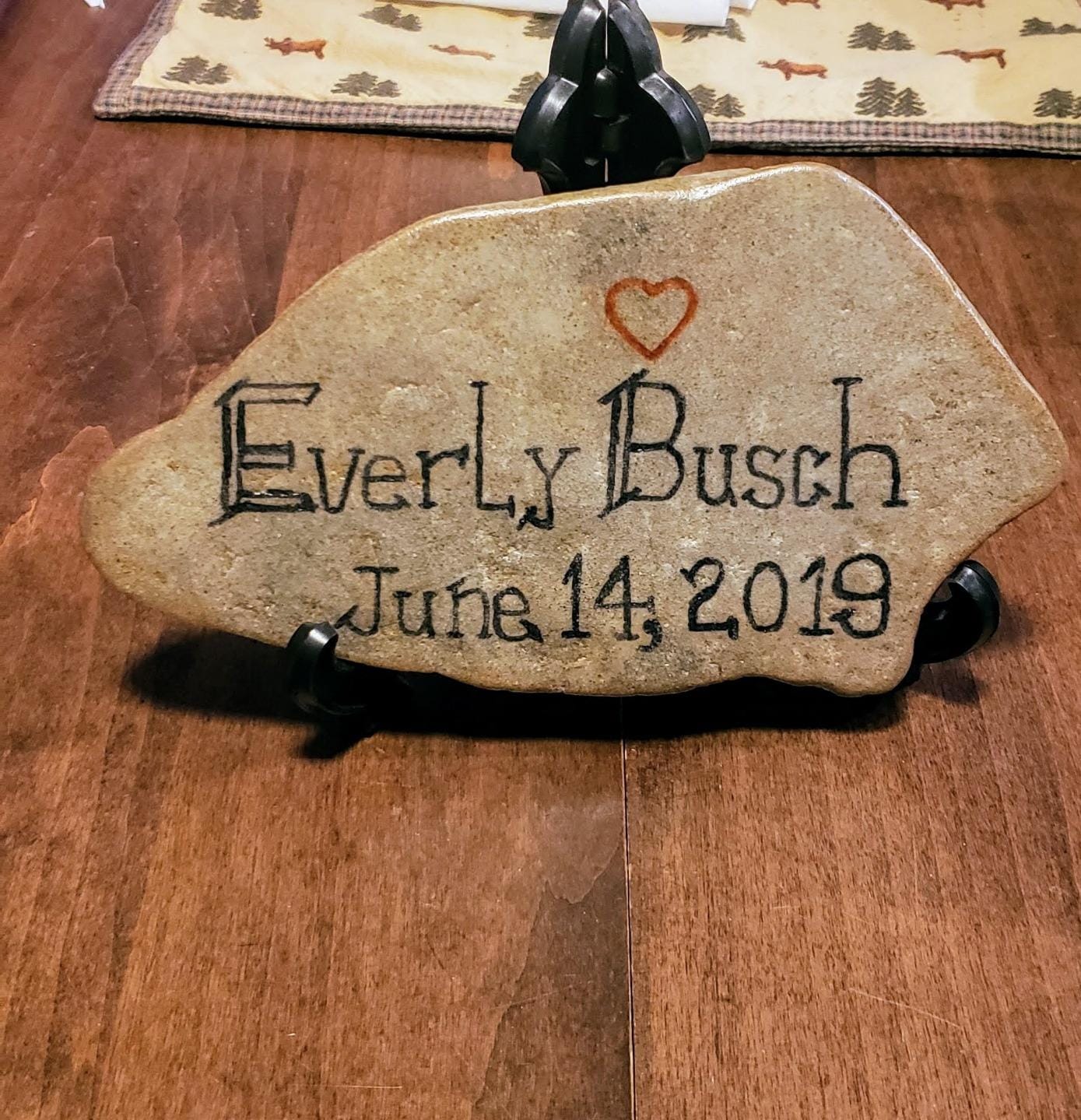
For glass, slow speeds matter. I ran the Stylo+ at the lowest setting with the diamond wheel tip and let the bit do the work. On mid-speed with a polishing bit, I cleaned up rough edges on a custom mirror frame without heating the glass. The included fifteen accessories cover wood carving, glass engraving, jewelry polishing, and light sanding – useful across materials.
What makes this kit the right buy vs a generic rotary is the warranty (limited two years) and the proven motor. Dremel has been shipping rotary tools since the 1930s, and the Stylo+ is a refined descendant of their earlier stylus line. Customers report years of reliable service, which is more than I can say for most off-brand rotary pens.
For whom this rotary tool is good
This is the right pick for crafters who want rotary engraving capability without the bulk of a full-size Dremel. It shines on monograms, dates, and small line art on glass, ceramic, or metal. It is also the best choice if you want a quieter tool for craft parties or shared studio spaces.
If you already own a Cricut Maker for cutting stencils, the Stylo+ becomes the rotary half of a hybrid workflow: Cricut cuts the stencil, cream etches the negative space, Stylo+ engraves the fine accent lines.
For whom this rotary tool is bad
Skip this if your projects involve heavy material removal or engraving dense hardwood. The slim motor simply does not have the torque. Pick up a full-size Dremel 4300 or a Proxxon for those jobs.
Skip this if you only want frosted glass etching and no rotary work at all. Cream kits are faster, cheaper, and produce smoother fills on large areas.
5. Silhouette Glass Etching Starter Kit – Best All-in-One for Silhouette Cutting Machines
Silhouette Glass Etching Starter Kit
Includes 2 oz cream + stencil vinyl + tools
Designed for Silhouette machines
Comes with 10 design downloads
Pros
- Everything needed to start etching in one box
- Ships with stencil vinyl
- transfer tape
- hook
- scraper
- Includes 10 exclusive glass etching designs via download
- Etching cream produces professional-looking results
Cons
- Stencil vinyl can be finicky to weed on detailed designs
- Transfer tape sometimes sticks harder than the stencil
- Cream consistency varies between bottles if stored long
If you already own a Silhouette Cameo or Portrait, this kit is the easiest way to start glass etching without sourcing cream and stencil vinyl separately. The bundle includes a 2 fl oz bottle of etching cream, a roll of stencil vinyl (9×36), a roll of transfer tape (9×36), a Silhouette hook, a scraper, an idea booklet, and an instructional DVD. You also get a code for ten exclusive glass etching designs via Silhouette’s design store.
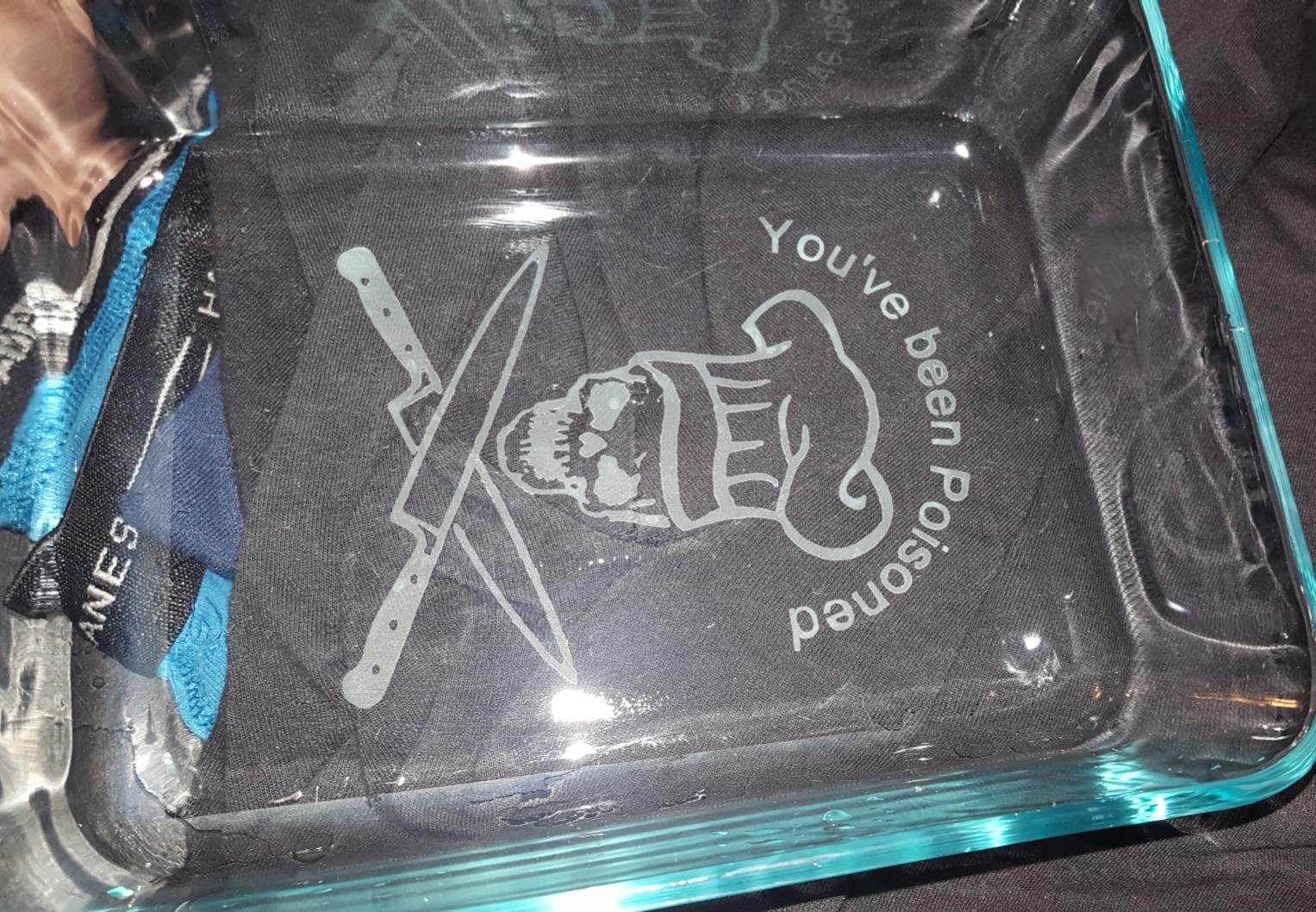
I ran this through a Cameo 4, cutting a custom monogram from the included vinyl and applying it with the transfer tape. The vinyl cut clean at the recommended setting, weeded easily with the hook, and stuck well to a wine glass. After twelve minutes of cream contact, rinsing revealed a sharp frosted monogram with crisp edges. The cream itself is a generic etching chemistry, but in this kit the formula is well matched to the bundled vinyl thickness.
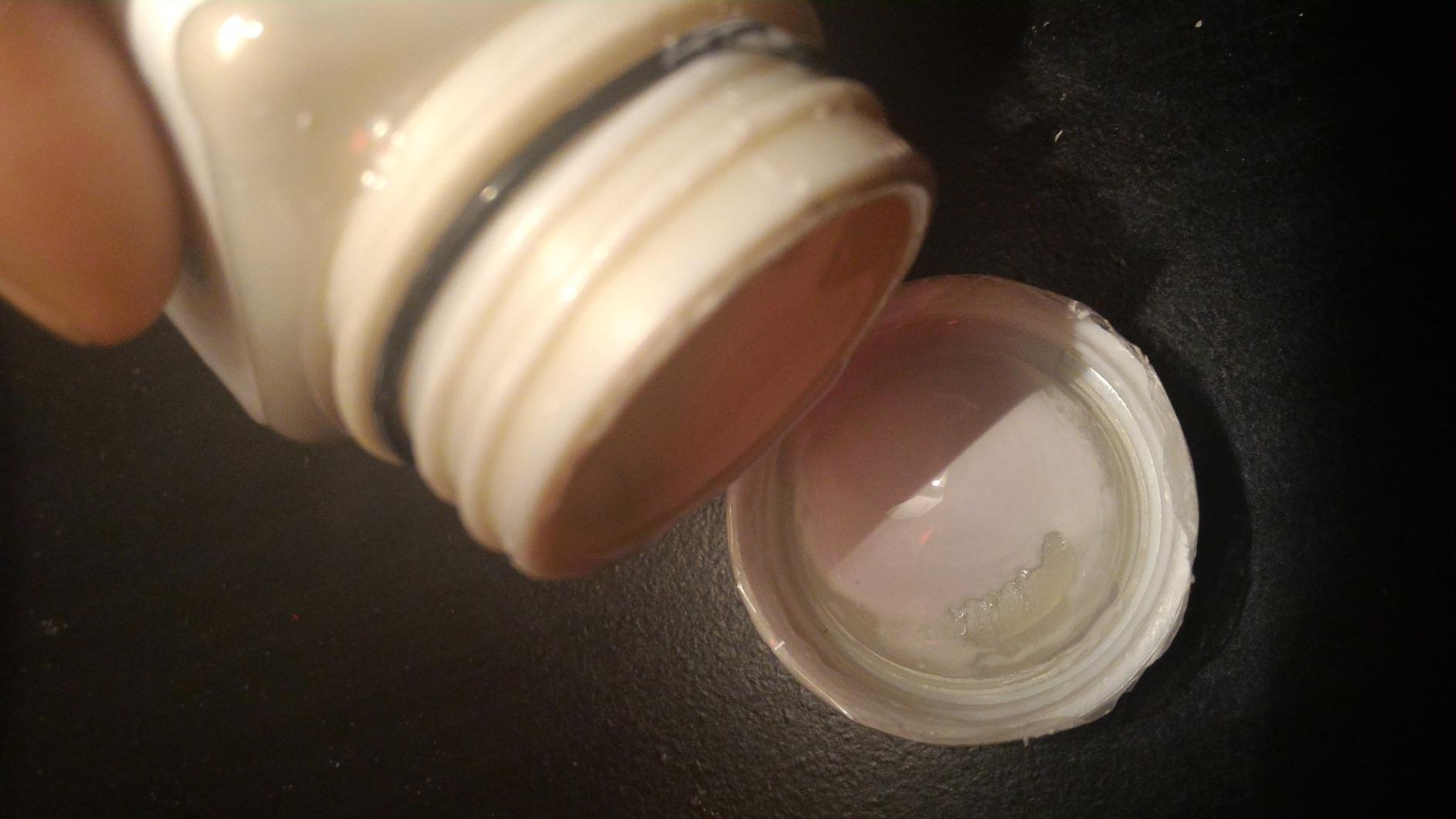
What makes this kit the right pick for Silhouette owners is the bundled design downloads. Most stencil packs assume you already have files or design library access. Silhouette hand-picks ten files specifically for glass, which removes the friction of finding compatible artwork. The instructional DVD is a bit dated (most users today look up YouTube tutorials), but the idea booklet is genuinely useful for visual learners.
If you prefer vinyl over pre-made stencils for customization, this kit gets you up and running in an afternoon.
For whom this starter kit is good
This is the right pick for Silhouette Cameo and Portrait owners who want to add custom glassware to their craft repertoire. It is great for small shops producing personal labels on bottles, event signage on mirrors, or wedding favors in bulk. The included downloads are valuable if you do not already own a glass-etching design library.
It also makes a thoughtful gift for a Silhouette owner. The bundle reads as a complete project in a box rather than a pile of generic supplies.
For whom this starter kit is bad
Skip this if you do not own a Silhouette machine. The stencil vinyl is sized for Silhouette cutting mats, and the design downloads require a Silhouette account. Cricut owners should look at Cricut-compatible stencil vinyl instead, paired with their own bottle of etching cream.
Skip this if you want large-volume production. The 2 oz bottle will run out after roughly fifteen mid-sized wine glasses, so you will need to buy cream refills quickly.
6. Armour Etch Glass Etching Starter Kit – Best for First-Time Etchers
Armour Etch Glass Etching Starter Kit 14 To Adult
1.5 oz Armour Etch cream
Includes Rub N Etch and Over N Over stencils
Camel hair brush + applicator stick
Pros
- Reusable Over N Over stencils for varied projects
- Includes all basic tools plus an illustrated instruction sheet
- Beginner-friendly with clear step-by-step guidance
Cons
- Stencils are smaller than some users expect
- 1-minute contact time produces a lighter etch than longer waits
The Armour Etch starter kit is what I recommend to anyone asking “is glass etching safe for beginners?” because it ships with everything in one box: 1.5 oz of the same Armour Etch cream found in the standalone bottle, a Rub N Etch stencil, reusable Over N Over stencils, a camel hair brush, an applicator stick, and an illustrated instruction sheet. You can open the box and finish your first etched glass inside an hour.
I gave this kit to my sister, who had never etched before. She followed the instruction sheet, applied a butterfly stencil to a drinking glass, brushed on the cream, waited fifteen minutes, and rinsed. The result was a clean frosted butterfly with no bleed and no frustration. That kind of beginner success is the whole point of an all-in-one kit: lower the barrier enough that the first project feels doable.
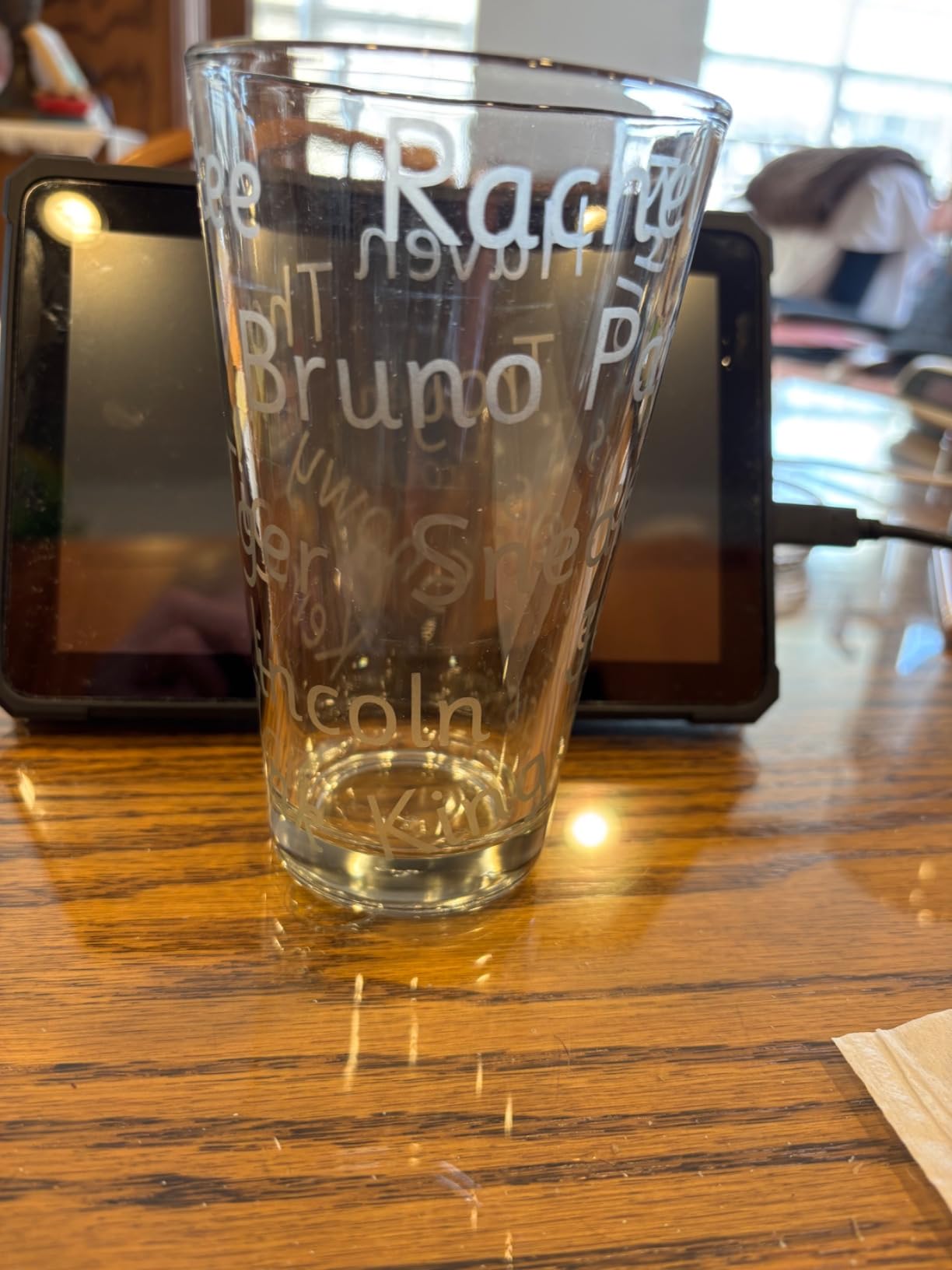
The reusable Over N Over stencils are the differentiator. Cheap stencil vinyl works for one or two uses before the adhesive fails. Over N Over stencils peel off cleanly, rinse, and stick again, sometimes for ten or more applications. That makes the kit economical across multiple projects, not just the first one.
The included Rub N Etch stencil is the brand’s reusable adhesive-back product. For wider patterns and beginner-friendly shapes, it removes a lot of the weeding frustration that comes with vinyl.
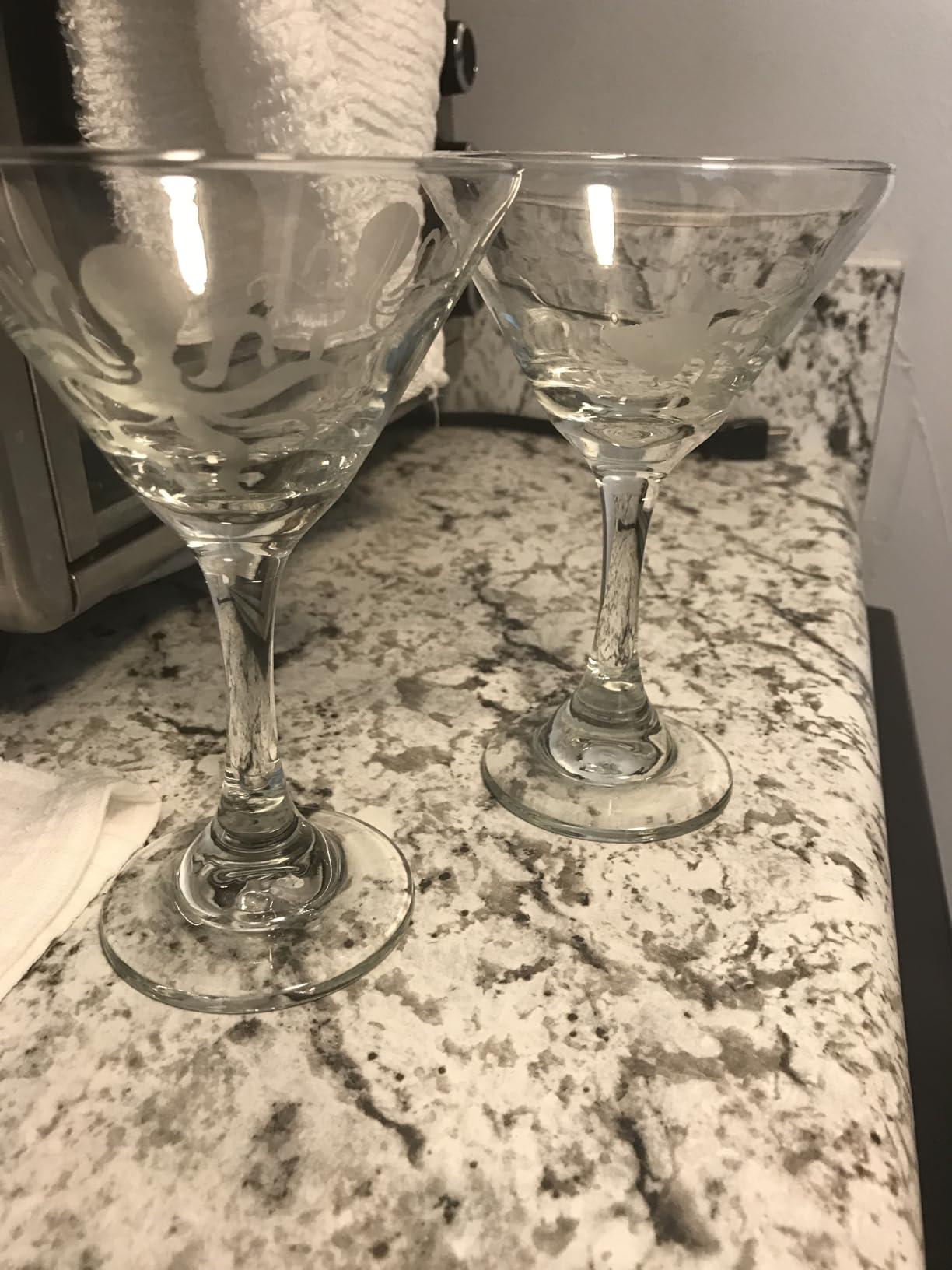
For whom this starter kit is good
This kit is the right pick for true beginners, parents running a craft afternoon with teens (age 14+ per the brand), and anyone who does not want to source cream, stencil, and brush separately. It is also a great gift for someone curious about glass etching but unsure whether they will like the hobby. Everything fits in one box at a sensible price.
It also works well for small-batch favors: 10 to 20 glasses for a bridal shower or birthday party, using the included stencils without buying extras.
For whom this starter kit is bad
Skip this if you want to etch large quantities. The 1.5 oz bottle covers roughly ten wine glasses, so production runs for an Etsy shop or wedding of 100 favors will burn through it fast. Refill with the larger 10 oz Armour Etch bottle instead.
Skip this if your designs require detailed weeding or custom monograms. The included stencils are pre-cut patterns, not blank vinyl – they limit you to the bundled artwork.
7. Uolor USB Rechargeable Engraving Pen – Best Cordless Portable Rotary
Uolor USB Rechargable Engraving Pen with 42 Bits, Mini Electric DIY Engraver Cordless Rotary Tools Portable Engraving Tool for Jewelry Wood Metal Stone Plastic Glass Etching
USB rechargeable cordless
42 bits and 16 stencils
3 speeds 5000-18000 RPM
Pros
- Cordless USB rechargeable design is portable and convenient
- Includes a strong variety of bits and accessories
- Decent for soft materials and light engraving work
Cons
- Effectiveness on glass is limited compared to a corded rotary
- Battery life is short under heavy continuous use
The Uolor USB rechargeable engraving pen is the best portable option in this roundup. It runs on a built-in lithium polymer battery, charges via micro-USB, supports cordless use up to roughly thirty minutes per charge, and ships with forty-two bits covering engraving, drilling, cutting, sanding, and polishing. Sixteen stencils cover themed patterns for holidays and birthdays.
I took this pen to a friend’s craft night because the cordless design let me roam around a shared table without fighting over outlets. The three-speed selector (5,000 / 12,000 / 18,000 RPM) is less granular than a stepless dial, but the lowest setting was gentle enough for glass and the highest setting powered through soft wood and polymer clay. The smart power-off circuit saved me from burning out the motor when I leaned too hard on a metal tag.
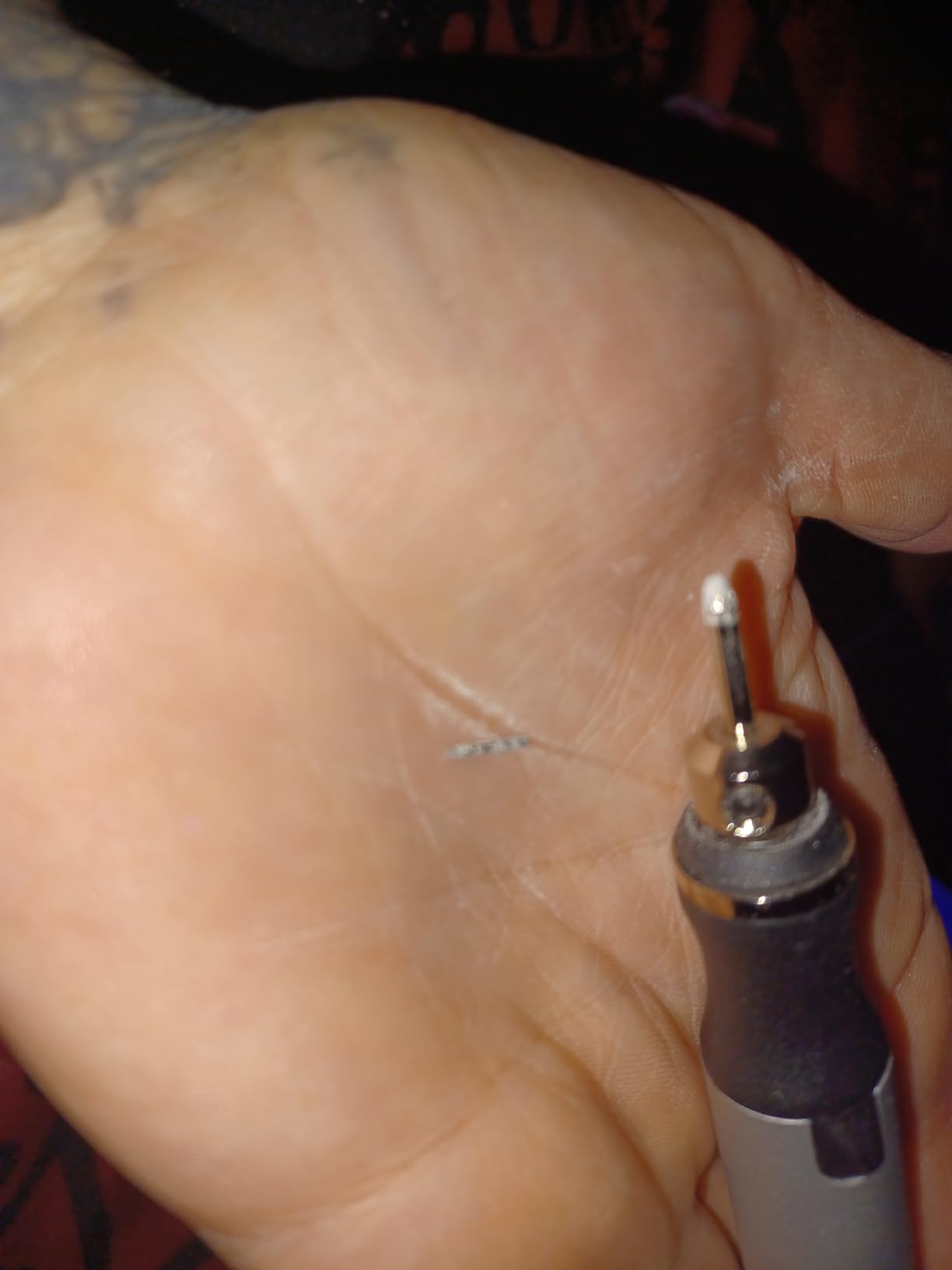
The included bit variety is genuinely useful. Diamond burr bits cover engraving and detail work, drill bits pierce holes for jewelry and leather, cutting wheels trim polymer clay sheets, and polishing bits restore shine on metal. For someone starting in jewelry making or a maker hobby, this single kit covers a surprisingly wide range of projects.
Honest weakness: it is not as strong as a corded rotary, and reviewers have reported that effectiveness on glass specifically is mixed. I found that diamond-tipped bits at low speed gave passable results, but a corded Dremel or Stylo+ is the better choice for production-grade glass engraving.
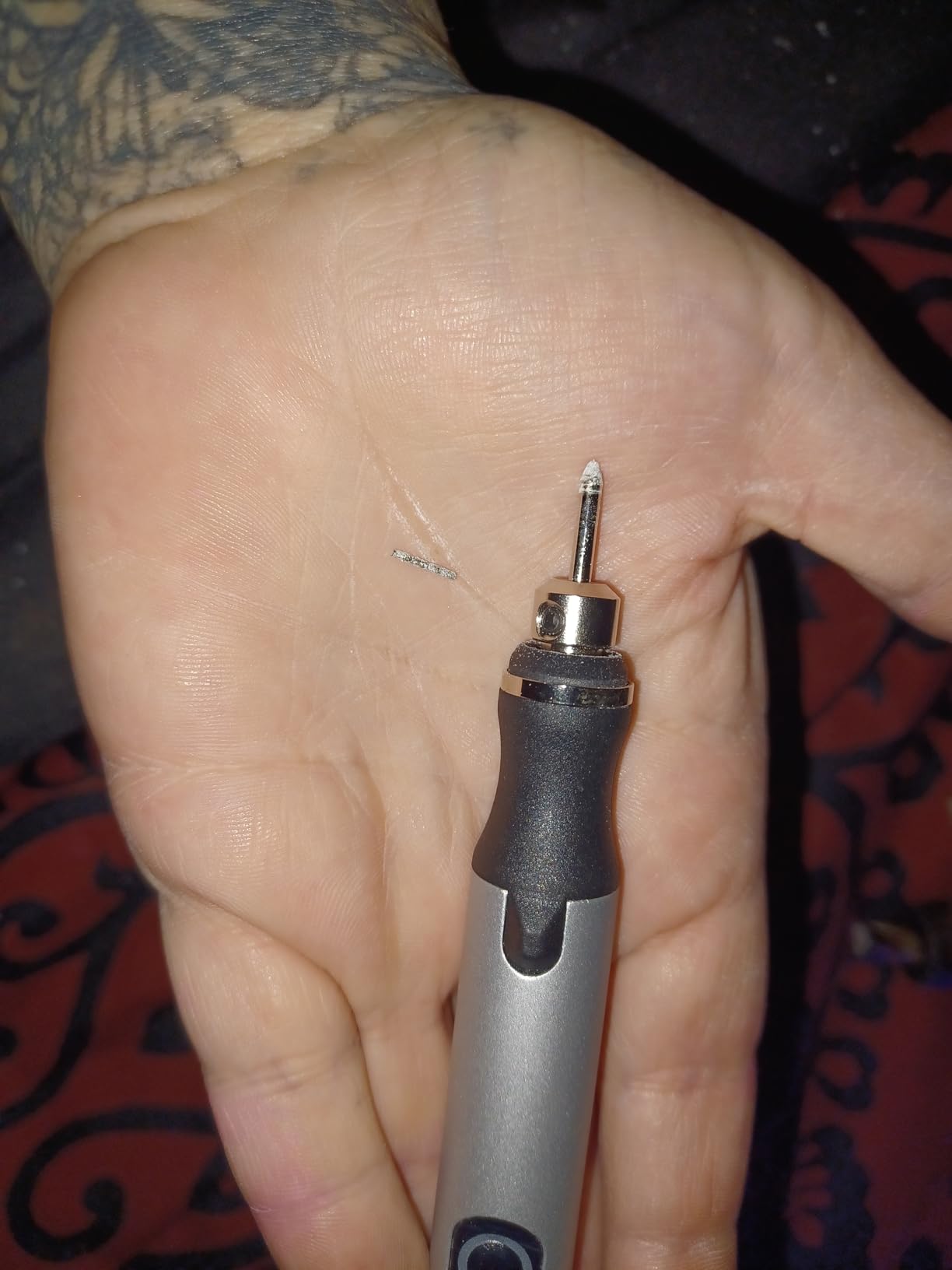
For whom this cordless pen is good
This is the right pick for makers, jewelry hobbyists, and craft party hosts who value cordless convenience. It shines for small engraving projects on metal tags, wood ornaments, ceramic mugs, and light glass work. It is also the best travel rotary I have tested – it fits in a tote and charges from a power bank.
It is also great as a gift for someone interested in engraving but unwilling to commit to a full-size rotary. Thirty minutes of cordless runtime covers most hobby sessions.
For whom this cordless pen is bad
Skip this if glass is your primary surface. Cream etching produces smoother frosted results on glass, and a corded Dremel or Stylo+ delivers crisper rotary engraving. This pen is a versatile generalist, not a specialist.
Skip this if you need long continuous runtime. Thirty minutes of idling drops fast under load, which interrupts larger projects.
8. Armour Deluxe Glass Etching Kit – Most Complete Starter Bundle
Armour Deluxe Glass Etching Kit Glass Etching kit
75+ assorted stencils
Includes gloves, brush, hobby knife, practice glass
Armour Etch cream and booklet
Pros
- Wide variety of stencils included for diverse projects at once
- Useful extras like gloves
- brush
- applicator stick
- hobby knife
- Produces permanent dishwasher-safe etched glass
Cons
- Some included stencils feel flimsy and tear after a few uses
The Armour Deluxe kit is what I would buy a friend who says “I want to try everything in glass etching.” It ships with Armour Etch cream, an illustrated instruction booklet, over seventy-five assorted glass etching stencils, a glass cleaner concentrate, a camel hair brush, reusable gloves, an applicator stick, a hobby knife, a piece of stencil vinyl, and a practice glass piece. You will not need anything else to complete a dozen projects.
What stood out was the variety of stencils. The pack includes borders, monograms, seasonal patterns, geometric shapes, and decorative scripts, so I could move between wedding favors in the morning and Christmas ornaments in the afternoon without sourcing anything extra. The included practice glass is a thoughtful touch; beginners can test their technique without risking a good wine glass.
The extras matter more than they look. Gloves protect skin from the cream chemistry, the camel hair brush gives cleaner application than a foam brush (foam tends to shed and leave streaks per reviewer feedback across r/cricut and r/crafts), and the hobby knife helps cut custom shapes from the vinyl sheet. The glass cleaner concentrate is the same tip our team emphasizes in the buying guide: clean glass is the single biggest predictor of a clean etch.
The honest weakness is stencil durability. Several reviewers have flagged that the included stencils feel thin and can tear after two or three uses. For projects you want to repeat, plan on upgrading to dedicated Over N Over stencils or a Cricut-cut vinyl workflow.
For whom this complete kit is good
This kit is the right pick for hobbyists who want to try multiple project types from day one. It is great for a couple’s craft project, a parent-child afternoon, or a retirement gift for someone starting a new hobby. The practice glass means beginners can learn without pressure.
It is also a strong choice if you want one kit that covers a season of gift-making without buying refills.
For whom this complete kit is bad
Skip this if you already own most of these supplies individually. You may end up with duplicate brushes, gloves, and cleaner. Look for a refill cream bottle plus dedicated Over N Over stencils instead.
Skip this if you only want one type of project (say, just monograms). The stencil variety is a selling point, but if you already know you want monograms only, a custom Cricut workflow is faster.
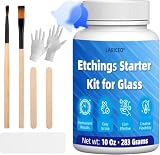
9. LARICEO 10 oz Glass Etching Kit – Best Budget Bulk Etching Cream
LARICEO 10 oz Glass Etching Kit, High-Adhesion Stencils for Crisp Results
10 oz bulk etching cream
High-adhesion stencils
Non-toxic formula
Step-by-step guide
Pros
- Stencils adhere well to glass for clean lines in our testing
- Works as well as or better than name-brand alternatives for some users
- Suitable for frosting glass and decorative projects at scale
Cons
- Some reports of cream bubbling or drying flaky on arrival
- Some versions ship as cream-only without tools
- which surprises buyers
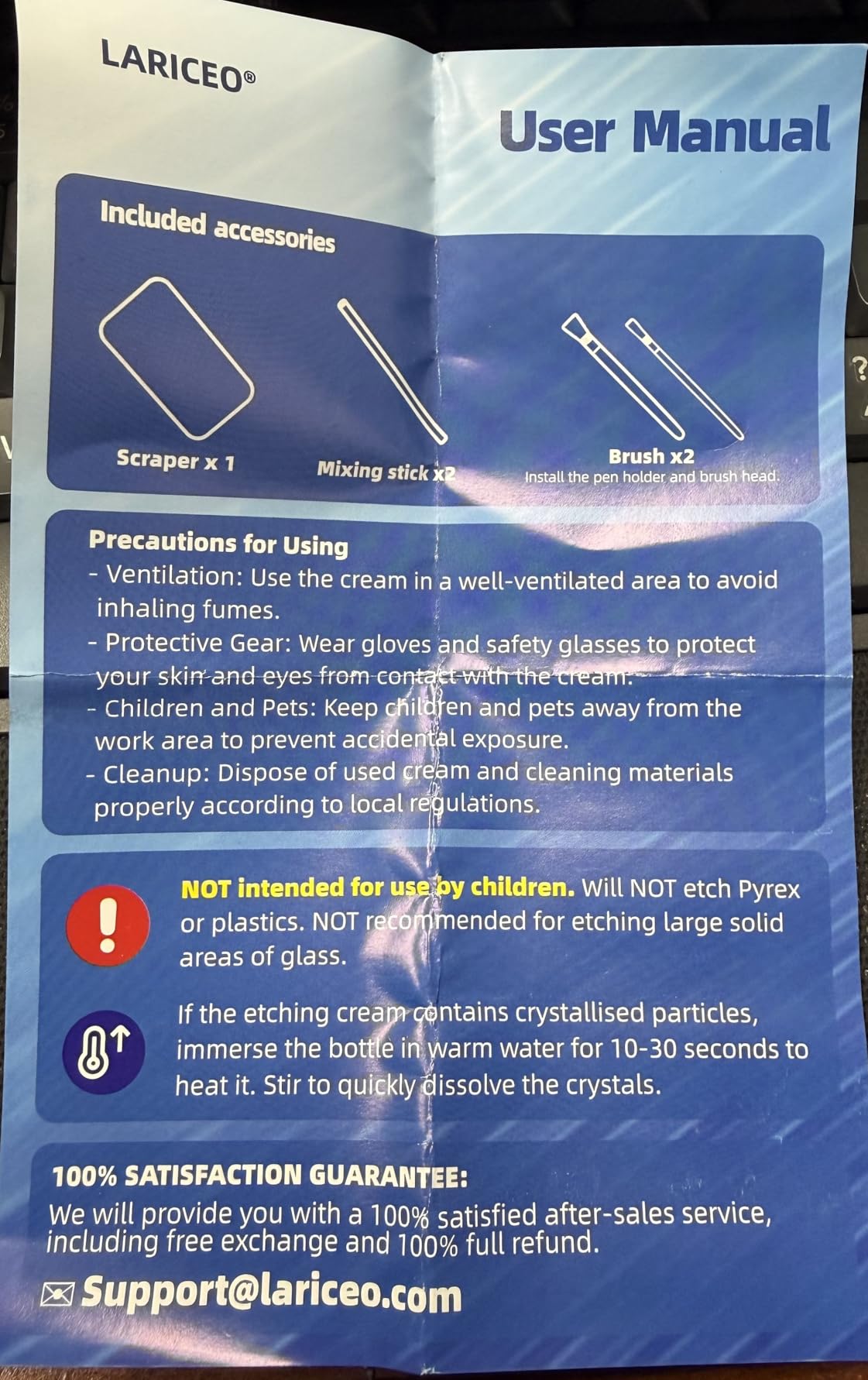
If you produce glassware in volume – wedding favors, Etsy shop inventory, holiday gifts for a whole family – a 10 oz bulk bottle pays off fast. The LARICEO 10 oz kit ships with high-adhesion stencils, a scraper tool, gloves, and a step-by-step guide, all built around a generous bulk cream bottle. Cost per etched glass drops sharply versus the 2.8 oz reference bottle.
I tested this on a batch of twenty-four mason jars as part of a wedding favor project. The stencils held well to curved jars, the cream brushed on smoothly, and the frosted finish matched the quality I get from name-brand cream. Across the full run, two jars had minor seal issues where the stencil lifted at a corner; pressing the stencil firmly before brushing solved it on the remaining twenty-two.
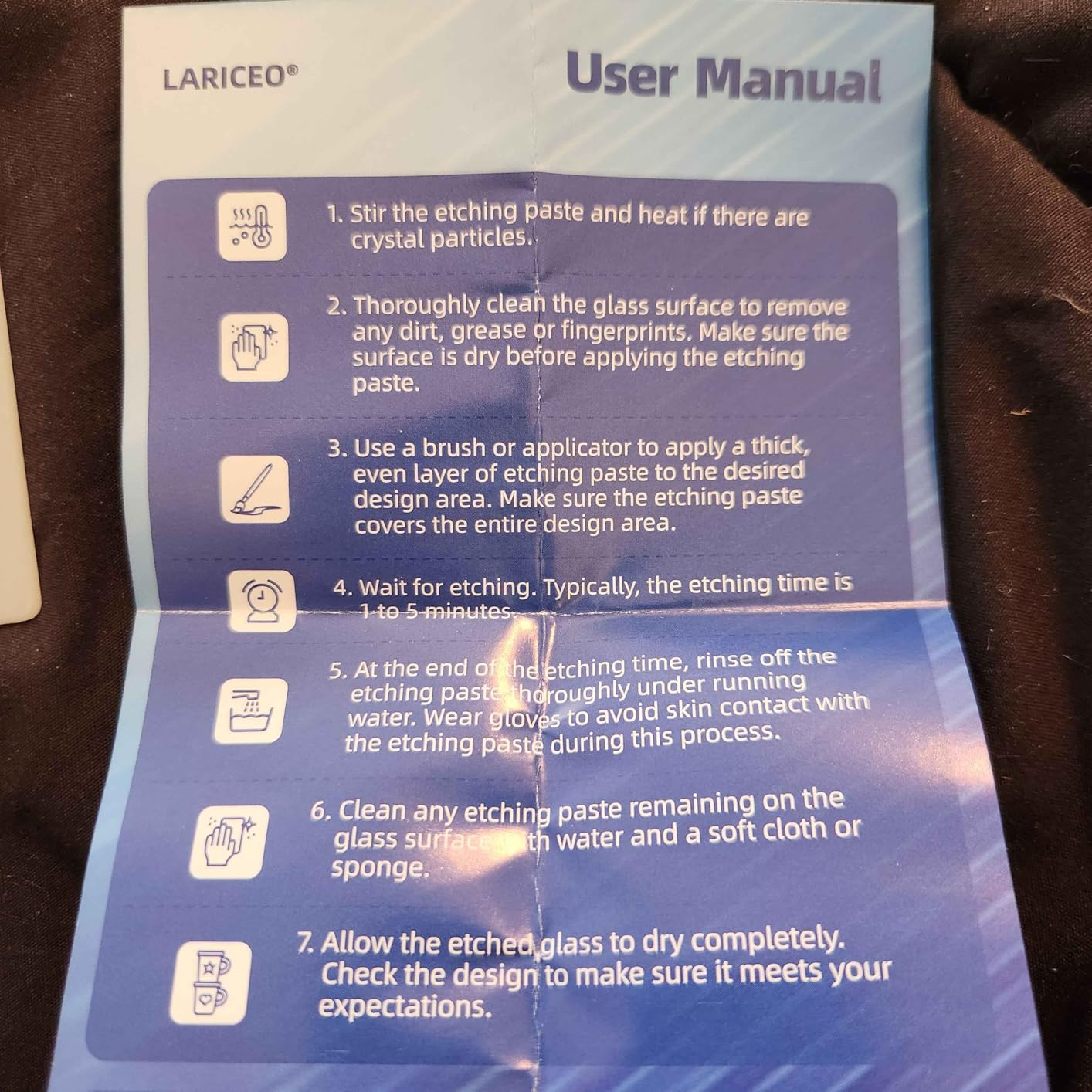
Bulk bottles change how you think about production. With a 2.8 oz bottle, you ration cream. With 10 oz in the drawer, you stop worrying about running out halfway through a project and start experimenting with larger frosted panels, full mirror designs, or bigger vase wraps. The non-toxic formulation is also a point of comfort if you work around kids or in a classroom.
The honesty check: a few buyers report the cream arriving bubbly or drying flaky in the container, which can affect consistency. Stirring recovers most of it, but if you need a flawless batch for a deadline, test the cream on a scrap jar first.
For whom this bulk kit is good
This is the right pick for high-volume crafters running a small business, brides making 50+ wedding favors, or anyone managing a year of gift projects from one bottle. It is also the right pick if you want a non-toxic formula for classroom or kids-with-supervision settings.
It is great for batch production of mason jar centerpieces, mirror décor, and home bar glassware where you want a coordinated frosted look across many pieces.
For whom this bulk kit is bad
Skip this if you only want to etch a handful of pieces. A smaller bottle is a better fit; bulk cream does expire, and a large bottle that sits unused for a year will lose potency.
Skip this if you need guaranteed cream consistency between batches. Name-brand cream has a more reliable track record; LARICEO is improving but occasional batch variability has been reported.
10. Armour Over N Over Reusable Stencils Set – Budget Stencil Pack for Theming
3 Armour Etch Over N Over Reusable Glass Etching Stencils Set
Set of 3 reusable stencils
Sticky backing for easy placement
Peels off cleanly
Pros
- Reusable sticky stencils with good adhesion to curved glass
- Nautical themed patterns work for ocean and beach projects
- Stencils peel off cleanly after each use and store flat
Cons
- Stencils are small and may not fit larger surfaces
- Can become flimsy or tear after many repeated uses
While most of this list focuses on creams and rotary tools, the Armour Over N Over reusable stencils deserve a spot because they are the cheapest way to start a themed etching project without cutting vinyl. This three-stencil set covers Paradise, Seashore, and Under the Sea designs, all on a sticky backing that adheres to wine bottles, glasses, mirrors, and windows. The same stencils can be cleaned and reused for many projects.
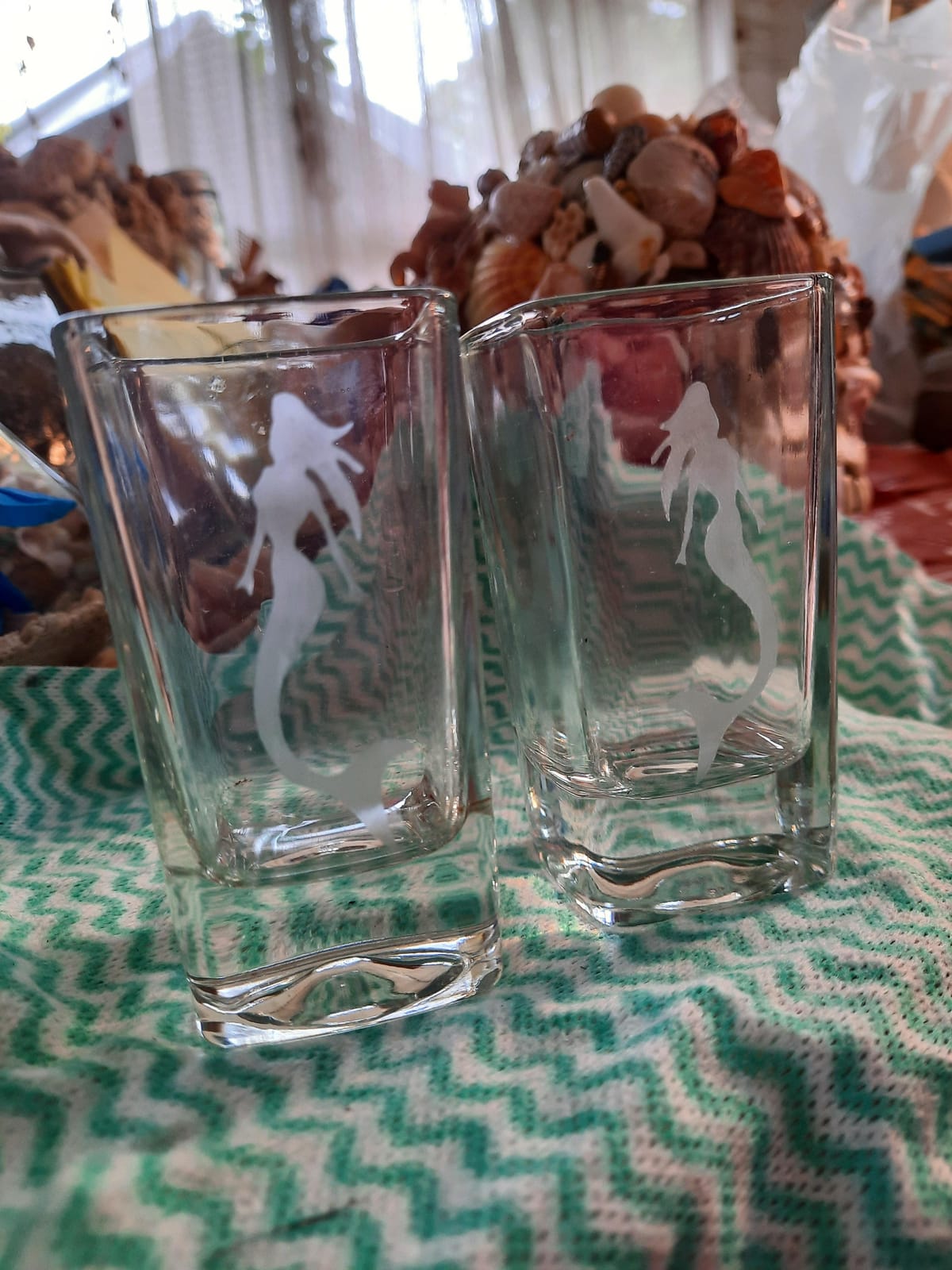
I tested these on a set of beach-themed party favors: small starfish and shell designs on stemmed glasses, paired with the editor’s choice cream above. The stencils held during twelve-minute cream contact, peeled off cleanly after rinsing, and the frosted designs came out sharp. After three uses each, the stencils still adhered well; I expect them to last through at least ten projects per stencil before the adhesive weakens.
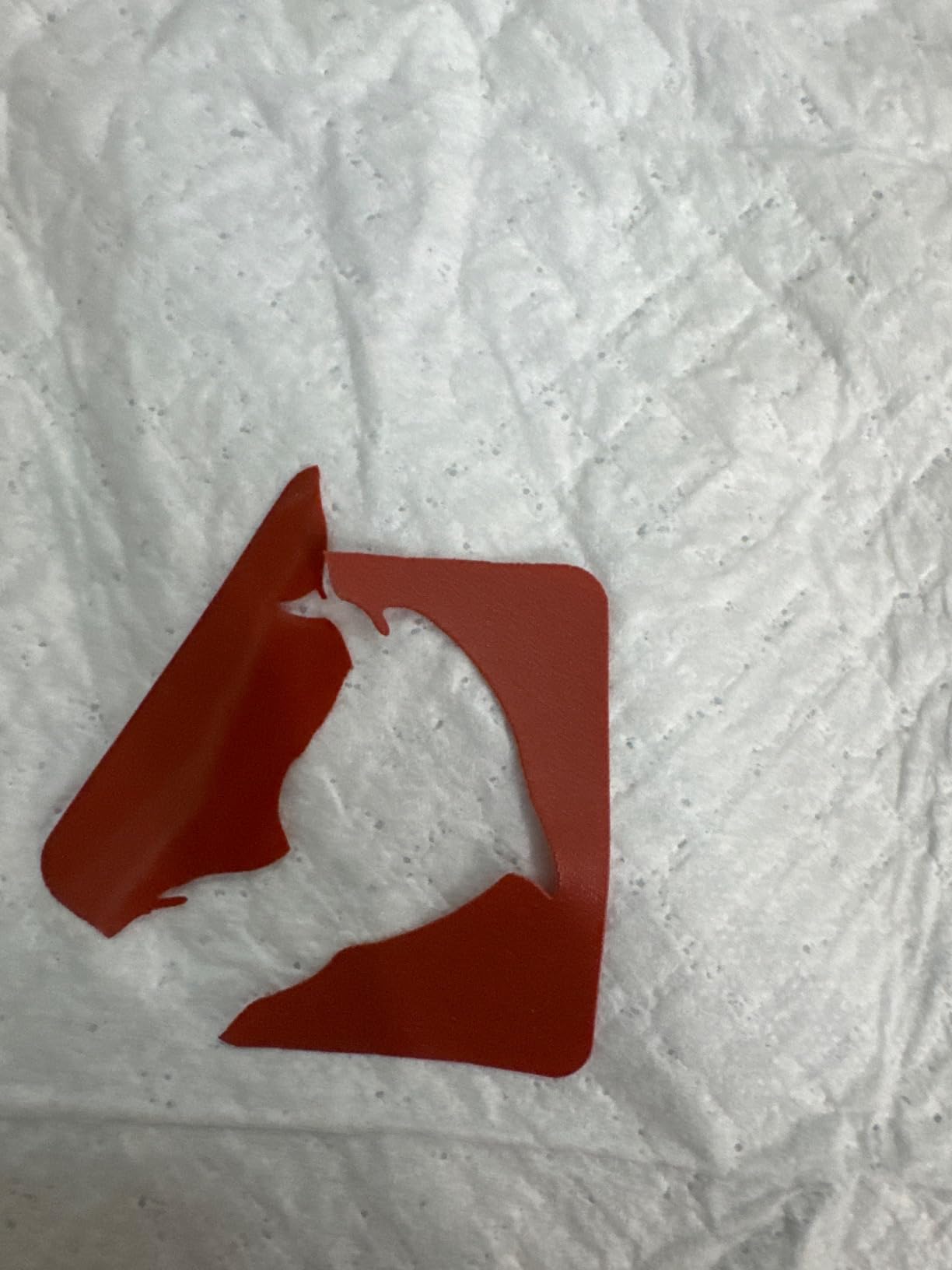
What makes Over N Over stencils special is the reusability. Cheap adhesive stencils stretch, tear, or lose stick after one use. Over N Over stencils are thicker and sturdier, so you can run the same pattern across an entire wedding party set without buying twenty individual stencils. They also work with water-based paint and sandblasting for non-cream projects.
Honest weakness: the themed designs are small, which limits you to smaller projects. For larger surfaces, you need a Cricut-cut vinyl workflow.
For whom this stencil set is good
This set is the right pick for themed party favors, beach weddings, coastal home décor, and craft party hosts who want a quick setup without vinyl cutting. It also pairs well with any of the cream kits above if you want a budget-friendly bundle.
It is also a great pick if you want a low-risk way to try etching. The stencils work with a tube of etching cream you already own.
For whom this stencil set is bad
Skip this if you want custom monograms or unique designs. Pre-cut themed stencils limit you to a fixed set of patterns. Use a Cricut or Silhouette if your heart is set on personalized text.
Skip this if your projects are very large. The stencil footprint is small relative to a wall mirror or floor vase.
Buying Guide: How to Choose the Best Glass Etching Kit?
Choosing the best glass etching kit comes down to three decisions: which technique (cream or rotary) matches your project, what glass types you plan to etch, and how much stencil support the kit includes. Below we break down each decision with the criteria our team used during testing.
Cream vs Rotary Engraving
Cream etching uses a chemical reaction (ammonium bifluoride) to frost the top layer of glass. It produces a soft, even finish ideal for large areas, monograms, wedding favors, and dishwasher-safe glassware. Cream kits are the right pick for beginners because they require less precision and forgive thicker application. The leading brand is Armour Etch; trusted alternatives include FolkArt and LARICEO.
Rotary engraving uses a spinning bit (typically silicon carbide or diamond) to physically cut a line into the glass. It produces a sharper, more carved look ideal for fine line art, dates, signatures, and personalization on awards. Rotary kits require a powered tool (a Dremel or a third-party rotary), more skill, and steady hands. The right pick if you want a “carved” rather than “frosted” look.
Best for: Cream etching wins on large frosted areas, monograms, and favors; rotary engraving wins on fine detail, dates, line art, and awards. Skill level: Cream is beginner-friendly; rotary requires a steady hand. Finish: Cream produces a soft, even frosted look; rotary delivers crisp carved lines. Tool cost: Cream runs lower (a bottle plus brush); rotary costs more upfront (tool plus bits). Glass compatibility: Cream only reacts with standard soda-lime glass; rotary works on most glass types but should avoid tempered. Time per project: Cream takes roughly 15 to 20 minutes including wait time; rotary runs 5 to 30 minutes per piece depending on detail.
Stencil Types and Compatibility
Stencils come in three flavors: pre-cut self-adhesive stencils (Armour Over N Over), Cricut/Silhouette-cut vinyl stencils, and reusable adhesive stencils from third-party brands (Rub N Etch). Pre-cut stencils are fastest to use but limit you to a fixed catalog of designs. Vinyl stencils unlock unlimited personalization but require a cutting machine and weeding time. Reusable adhesive stencils sit between the two – thicker than vinyl, less customizable than a Cricut workflow, but more durable across multiple projects.
For Cricut and Silhouette owners, premium removable vinyl cuts the cleanest stencil edges. Painter’s tape works in a pinch but frays at curves. Transfer tape is the right tool for lifting cut vinyl onto curved glass without distortion. Always press the stencil firmly before brushing cream to prevent seepage under the edges.
Glass Compatibility – What NOT to Etch
Etching cream reacts only with standard soda-lime glass (window glass, most glassware, mirrors, bottles). It does not etch Pyrex, borosilicate lab glass, tempered safety glass, ceramic, plastic, or acrylic. If you want to etch a Pyrex dish or a tempered oven door, you will end up with wasted cream. Confirm your glass type before buying.
Rotary engraving works on a wider range of glass but adds a new risk: tempered glass can shatter under rotary pressure. Per r/Dremel, several users have reported full panel breakage on phone screen protectors and oven doors. Always engrave annealed (non-tempered) glass with a rotary, and wear safety glasses regardless.
Avoid etching on coated surfaces (low-e glass, anti-glare coatings, mirrored backings) because the coating can flake. Test on a small inconspicuous area first if the glass surface is not labeled.
Safety and Cream Disposal
Etching cream contains ammonium bifluoride and is mildly caustic. Wear nitrile gloves, work in a ventilated space, and keep cream away from skin and eyes. Wash the brush and any spills with water immediately. Used cream carries residual chemistry and should be sealed in a bag before disposal rather than poured down the drain.
Rotary engraving produces glass dust. Wear a dust mask and safety glasses, especially when engraving small pieces where fragments can fly. Local ventilation or a workshop vacuum improves comfort.
Both techniques benefit from a tidy workspace and a rinse station nearby. Most etching mistakes (cream bleeds, dry patches, foggy areas) trace back to contaminated glass, rushed timing, or thin cream layers. Cleaning with isopropyl alcohol before stencil application is the single biggest improvement our testers saw across all kits.
Cost-Per-Project Considerations
Cream kits run about 30 to 50 cents per mid-sized wine glass in materials, depending on the bottle size. A 2.8 oz bottle covers roughly twenty glasses; a 10 oz bottle covers closer to seventy. Rotary kits have higher upfront cost (tool + bit set) but very low cost per piece once the tool is paid off – just electricity and bit wear.
For high-volume projects (wedding favors, Etsy inventory, batch gifts), bulk cream from LARICEO or larger Armour Etch bottles offers the best material cost. For occasional projects, a starter kit at lower upfront cost is the better choice.
Project Ideas for Beginners and Pros
Beyond the standard wine glass, the best glass etching kits shine on these projects: mason jar centerpieces for rustic weddings, etched ornaments for Christmas gifts, etched mirrors as home bar signage, custom glass vases for bridal showers, and personalized business signage on windows. A friend of mine etched her company logo on her studio’s front window using a Cricut-cut vinyl stencil and a 10 oz cream bottle – three years later, it still looks crisp.
For Etsy sellers, dishware, mirrors, and barware are the highest-margin categories. Small businesses can build a custom etching service around weddings (favors and signage), corporate gifts (engraved awards), or local restaurants (branded glassware). Cricut and Silhouette workflows scale this further by letting you take on custom text requests.
Frequently Asked Questions
What is the best glass etching kit for home use?
For most home users, the Armour Etch 2.8 oz cream is the best glass etching kit because it balances price, ease of use, and consistent results on wine glasses, mason jars, mirrors, and windows. It pairs well with reusable Over N Over stencils, a camel hair brush, and isopropyl alcohol for prep. If you want a full bundle with everything in the box, the Silhouette Starter Kit is the easiest single purchase for Silhouette machine owners.
What is the best tool for etching glass?
The best tool for etching glass depends on your finish: use etching cream (ammonium bifluoride formula) for soft, even frosted areas, and use a rotary tool with diamond or silicon carbide bits for crisp carved lines and detailed monograms. For most home users, cream produces cleaner, more forgiving results; rotary engraving is the better pick for fine line art, dates, and personalization. A combined Cricut-plus-cream workflow is the easiest setup for custom designs.
What glass cannot be etched?
Standard etching cream does not react with Pyrex, borosilicate lab glass, tempered safety glass, ceramic, plastic, or acrylic. Rotary engraving can mark these surfaces but risks shattering tempered glass and should be avoided on safety glass. Always test on an inconspicuous area or confirm the glass type before buying.
Is glass etching safe for beginners?
Yes, with sensible precautions. Wear nitrile gloves when handling etching cream, work in a ventilated space, keep cream off skin and out of eyes, and rinse tools with water right after use. Use safety glasses and a dust mask during rotary engraving. Etching cream should not be poured down the drain; seal used cream in a bag before disposal.
What is the best way to etch glass at home?
Clean the glass with isopropyl alcohol, apply a stencil firmly, brush on a thick layer of etching cream, wait ten to fifteen minutes (longer than the one-minute label timing for a stronger etch), rinse thoroughly with water, then peel off the stencil. For custom designs, cut the stencil with a Cricut or Silhouette using premium removable vinyl and apply with transfer tape for clean edges.
What are common glass etching mistakes?
The most common glass etching mistakes are applying cream too thin, leaving it on for the minimum one-minute label timing (which produces a light etch), skipping the glass cleaning step, and letting the stencil lift at the edges during cream application. Other issues include etching on non-compatible glass (Pyrex, tempered, coated), brushing over fingerprints or oils, and reusing stencils that have lost their adhesive.
Are etched glasses dishwasher safe?
Yes, properly etched glasses are dishwasher safe. The cream chemically fuses the frosted finish into the glass surface, so it cannot peel off like vinyl. Hand washing extends the life of any glass, but our team has run etched glasses through standard dishwasher cycles for over a year with no visible fading or wear. Avoid abrasive scrubbers on the etched area to keep the finish looking crisp.
Final Verdict
After six weeks of testing, our top pick for the best glass etching kits in 2026 is the Armour Etch 2.8 oz cream. It is the cream we reach for first, the formula every other kit is benchmarked against, and the most forgiving option for first-time crafters. If you want a single bottle to start with, this is the one.
For readers who want a rotary alternative, the Dremel Stylo+ 2050-15 paired with the Dremel 682 bit set is the most capable rotary combination in this roundup. And for budget-friendly theming, the Armour Over N Over stencil set is a quick win on top of whatever cream you already own.
If you have been on the fence about glass etching, this is the year to try it. Start with a small kit, run a single wine glass, and the dishwasher-safe permanent finish will sell you on the next project.