
Looking for the best acrylic painting pads to actually hold heavy paint without buckling, bleeding or tearing halfway through a study? After spending six weeks rotating ten top-rated pads through color studies, plein air sketches, and finished mini paintings, our team landed on the Canson XL Series Oil and Acrylic Paper Pad as the overall best acrylic painting pad for 2026. It nails the balance of canvas-like tooth, sturdy weight (290gsm), and a beginner-friendly price that still feels like real artist paper.
An acrylic painting pad is a bound stack of heavyweight, internally sized sheets (usually 246 to 400gsm) designed to take the body and water content of acrylic paint without warping the way ordinary printer or sketch paper does. Each sheet is coated during manufacturing so acrylic sits on top of the fibers rather than soaking in, which means you can layer, blend, lift, and even scratch into the surface the way you would on stretched canvas. For travel, classroom practice, color studies, and finished work on a budget, the right pad is one of the smartest tools in any painter’s kit.
In this guide, we break down ten of the best acrylic painting pads you can buy right now, comparing weight, sheet count, texture, binding style, and what each one is genuinely best at. We’ve included something for absolute beginners, plein air travelers, professional finishers, and budget shoppers who still want respectable quality.
Table of Contents
Top 3 Picks at a Glance (September 2026)
Acrylic Painting Pads in 2026: Quick Comparison
| Product | Specs | Action |
|---|---|---|
 Canson XL Oil & Acrylic Pad Canson XL Oil & Acrylic Pad |
|
Check Latest Price |
 Fuxi Acrylic Paint Book Pad 2-Pack Fuxi Acrylic Paint Book Pad 2-Pack |
|
Check Latest Price |
 Strathmore 300 Series Canvas Pad Strathmore 300 Series Canvas Pad |
|
Check Latest Price |
 ARTEZA 11×14 Art Pad 2-Pack ARTEZA 11×14 Art Pad 2-Pack |
|
Check Latest Price |
 U.S. Art Supply 9×12 Premium Pad U.S. Art Supply 9×12 Premium Pad |
|
Check Latest Price |
 Strathmore 400 Series Acrylic Pad Strathmore 400 Series Acrylic Pad |
|
Check Latest Price |
 Royal & Langnickel Essentials Pad Royal & Langnickel Essentials Pad |
|
Check Latest Price |
 AETEXA Canvas Paper Pad AETEXA Canvas Paper Pad |
|
Check Latest Price |
 U.S. Art Supply 12×16 Triple Primed U.S. Art Supply 12×16 Triple Primed |
|
Check Latest Price |
 Hapikalor Canvas Paper 9×12 Hapikalor Canvas Paper 9×12 |
|
Check Latest Price |
1. Canson XL Oil and Acrylic Pad — Editor’s Choice for Versatile Everyday Painting
Canson XL Series Oil & Acrylic Paper Pad, 9″ x 12″, 24 Sheets/Pad
290gsm paper
24 sheets
9x12 in
Tape bound
Acid-free
Pros
- Excellent canvas-like tooth at a student-friendly price
- Ready for acrylic or oil with no priming on either side
- Bleed-proof and acid-free for long-lasting artwork
- Tape binding lets you flip sheets easily while painting
Cons
- Slightly thinner than 400gsm rivals for heavy pours
- Texture is medium - not as pronounced as true canvas
I started our six-week test with this pad on purpose. Canson XL is the pad that keeps appearing in classrooms and plein air bags for a reason, and I wanted to see whether it still earns the hype. After 24 sheets of practice studies, color swatches, and one finished small landscape, the answer is yes — but with a real understanding of where it shines.
The 290gsm weight is a sweet spot. It feels substantial under the brush and resists the kind of buckling you get from cheap 130gsm paper, yet it’s still thin enough to tear out cleanly and fit a standard sketchbook shelf. The texture is what Canson calls medium, which in practice means a soft canvas-like tooth that grabs body acrylic and heavy gel mediums without feeling rough under a brush. I’d put it dead center between cold-press and hot-press for grip.
Where this pad pulls ahead is in handling. Because both sides are usable, you get 48 painting surfaces per pad in a sense, and the tape binding lays flat on a table so the pad behaves like a small tabletop easel. Reviewers consistently call out that it does not bleed through even when I pushed heavy paint on top of thin layers — a real win when switching between washes and impasto in the same study.
The one honest caveat is thickness. If you want to load on a half-inch of acrylic pour, the paper will eventually wave. For everything from color mixing to underpainting to finished 9×12 pieces, this is the pad I keep going back to, and it’s the one I recommend to anyone starting out.
Best uses for this pad
Practice studies, classroom work, color mixing exercises, and finished mini paintings up to 9×12 inches. It’s the everyday workhorse of the best acrylic painting pads.
Who might want a different pad
Pour painters, artists who prefer pronounced canvas tooth, or anyone wanting larger than 9×12 surfaces. For heavy pours, look at a gessoed pad like the AETEXA below.
2. Fuxi Acrylic Paint Book Pad 2-Pack — Top Rated for Travel and Plein Air
Fuxi Acrylic Paint Book Pad, 2-Pack – 5.5″ x 8.5″ | 246lb/400gsm Paint Paper for Acrylic Painting, 30 Sheets Per Pad.
400gsm paper
30 sheets
5.5x8.5
Top-glued
Hard cover
Pros
- Compact 5.5x8.5 size fits in any backpack
- Spiral-bound hard cover lays flat anywhere
- 400gsm paper resists warping under bold brushwork
- Cream tone gives a classic artist-paper feel
Cons
- Smaller surface limits finished paintings
- Pages may crinkle under very wet washes
I bought the Fuxi pad specifically for travel sketching. The 5.5×8.5 size slips into a coat pocket, and the dual hard covers plus spiral binding at the top mean I can sit on a park bench and work without a board. After two plein air sessions and a full week of thumbnail composition studies on the train, it has earned a permanent spot in my bag.
Paper thickness is the headline feature at 400gsm. I was able to lay down three layers of acrylic plus an alcohol ink splash with no warping on a single sheet. That’s unusual at this size, and it speaks to how internally sized the sheets are. The cream tone reads slightly warmer than bright white, which actually flatters muted earth palettes and gouache mixes.
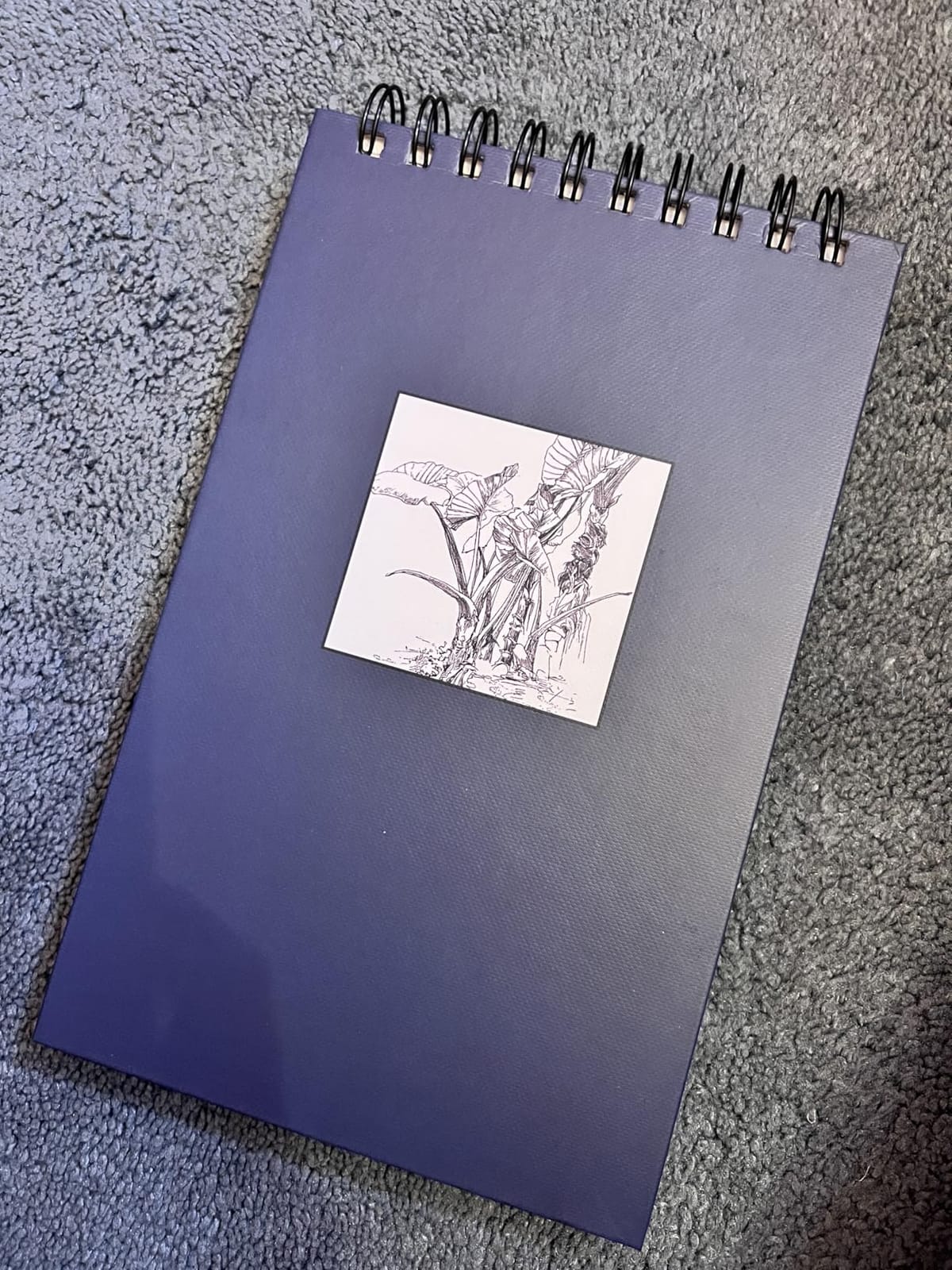
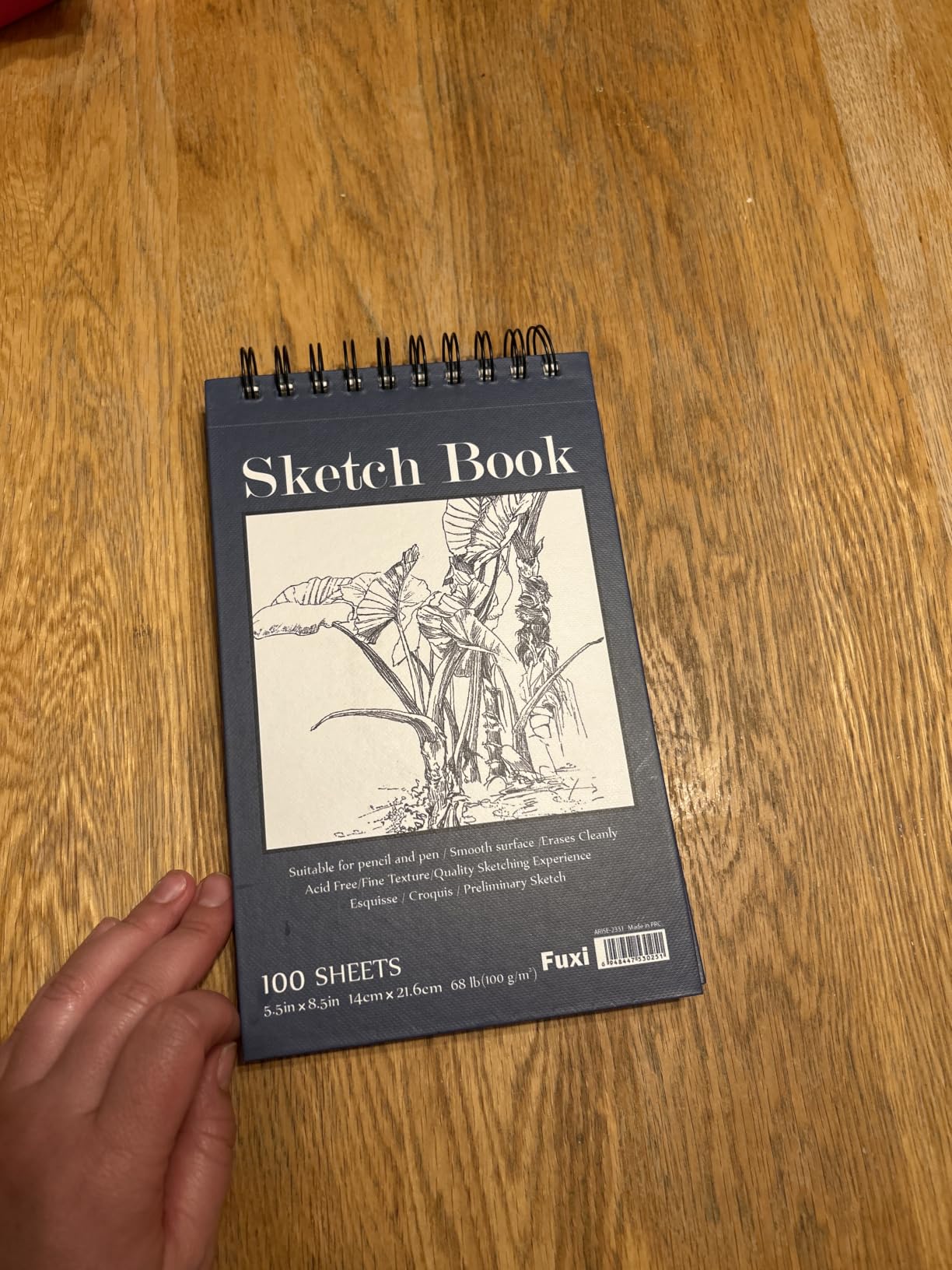
The hard covers are what sold me. Most pads require an extra board underneath — not this one. You can paint standing up. Reviewers on Amazon note the spiral binding works for both left and right-handed painters, which is a small thing that matters a lot on long sketching days.
For the price of one mid-tier 9×12 pad, you get two of these. The trade-off is real estate. If your finished pieces are larger than postcard size, you’ll want a 9×12 or 11×14 pad for those. But for studies and travel, this is hands-down the best value acrylic painting pad in the lineup.
Best uses for this pad
Plein air color studies, travel sketching, daily composition thumbnails, and quick mixed-media experiments on the go.
Who might want a different pad
Anyone painting finished pieces larger than 5×7, or artists who need bright white paper for high-key palettes.
3. Strathmore 300 Series Canvas Paper Pad — Most Versatile for Practice and Throwaway Studies
Strathmore 300 Series Glue Bound Canvas Paper Pad, 115 lb. Canvas Texture, 9 X 12 inches, White, 10 Sheets (310-9)
115 lb paper
10 sheets
9x12
Glue bound
Coated canvas
Pros
- Authentic canvas-like texture at an entry-level price
- Glue binding peels sheets off cleanly for scanning
- Lightweight at 3.2 ounces - easy to ship or carry
Cons
- Only 10 sheets per pad
- Paper is thinner than premium 400gsm pads
- Light texture vs true cloth canvas
Before you spend serious money on a heavyweight pad, you should try one at this weight and price to see if acrylic paper suits your workflow. That’s exactly what the Strathmore 300 Series is for. Ten sheets of 115 lb coated canvas paper in the familiar 9×12 size, glue bound, finished with a surface that mimics the tooth of stretched canvas.
I used this pad for a series of underpainting studies for an upcoming commission. I wasn’t precious about them — I wanted to work out value compositions fast. The paper held up beautifully under monochrome washes, and the glue binding released each sheet cleanly without tearing the edge, which matters when you want to scan or photograph a study.
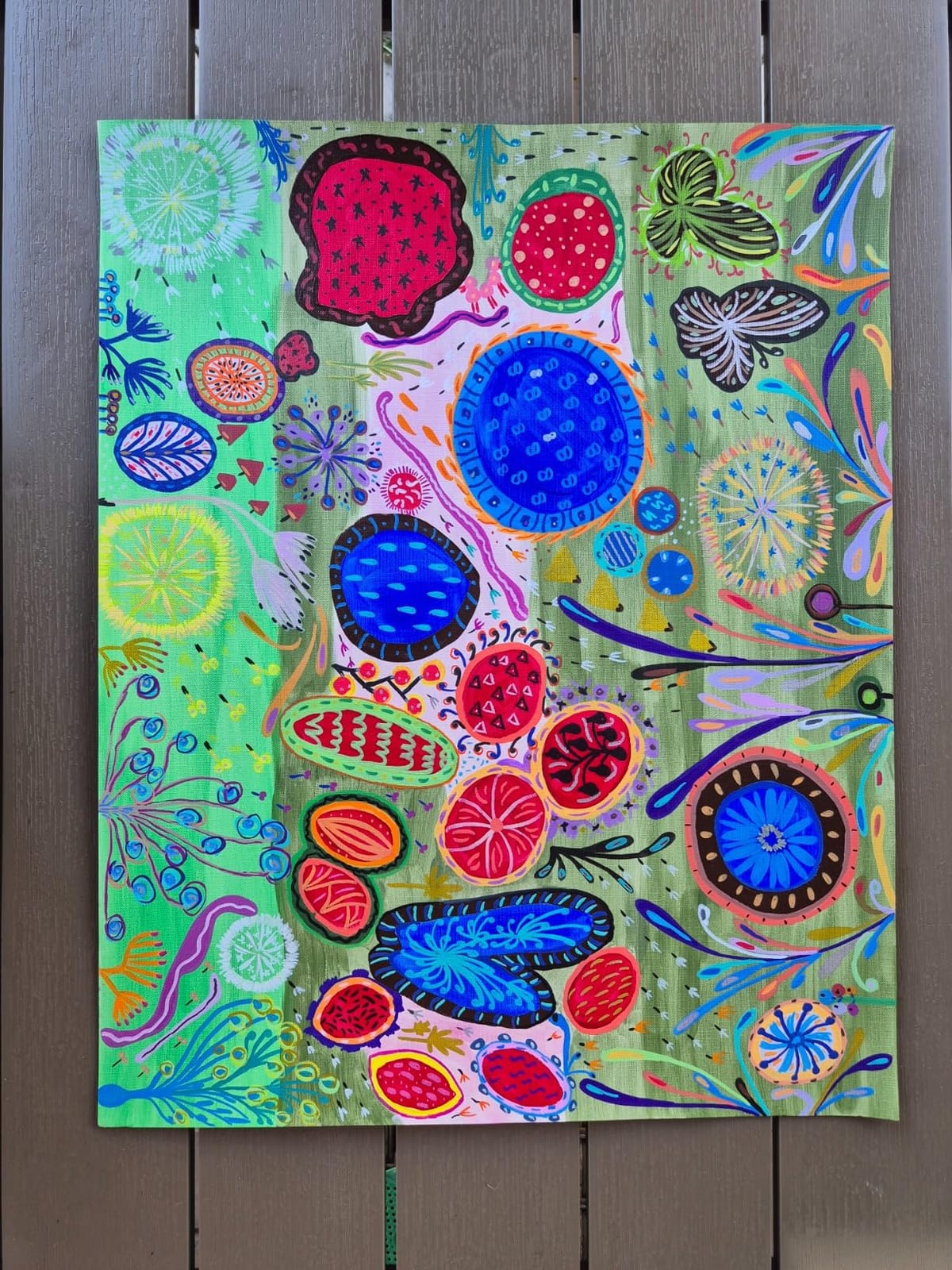
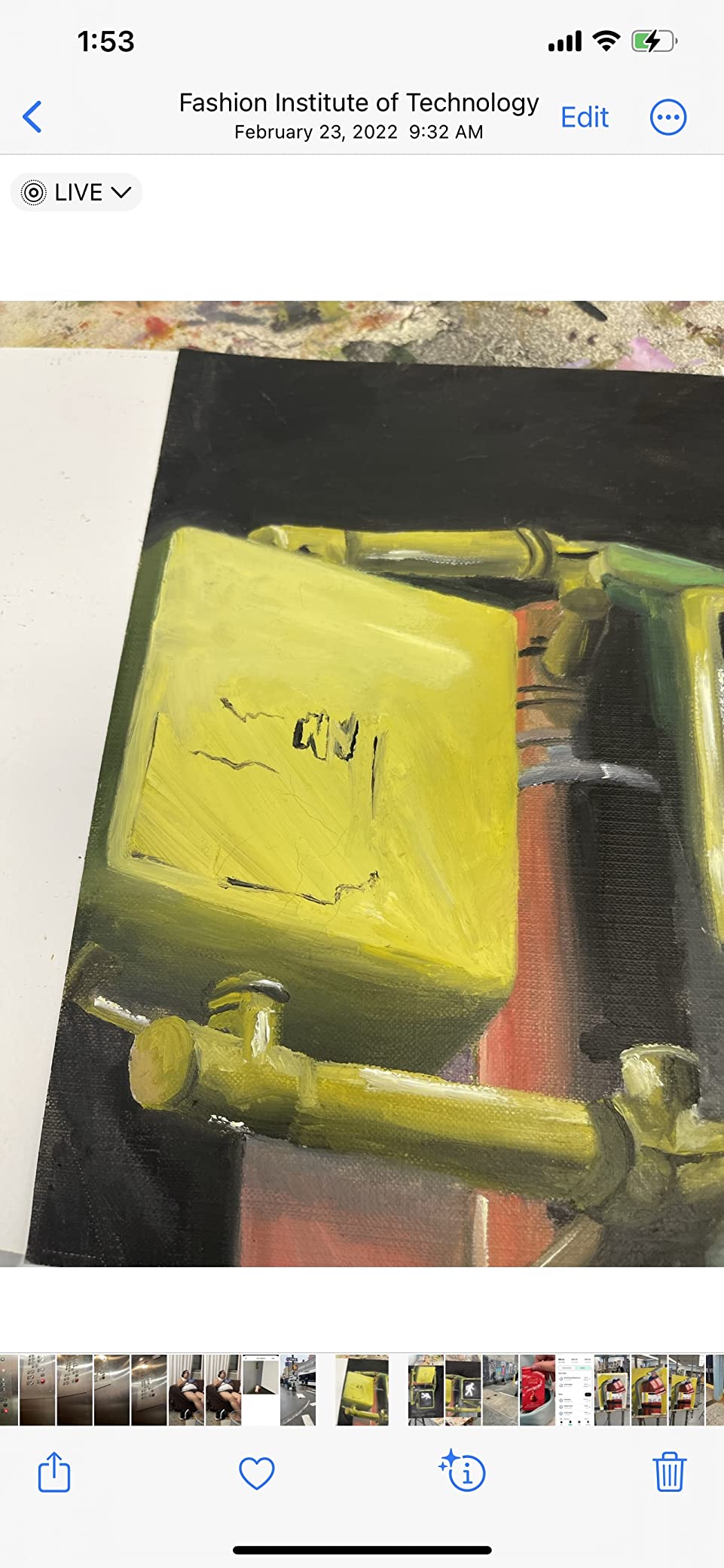
The texture is the standout. Reviewers consistently describe it as “canvas-like” rather than toothy, and that’s accurate — there’s enough grab for body acrylic, but it doesn’t have the deep grain of real linen. For practice and color studies, that subtle texture is actually easier on brushes than heavier paper.
Be aware: 115 lb is on the lighter side. Heavy impasto or acrylic pours will cause this paper to wave. Save those experiments for a 400gsm pad. As a budget learning tool, though, this is the most forgiving pad in the lineup.
Best uses for this pad
Beginner practice, value studies, underpainting exercises, and any work where you don’t need archival paper because you’ll scan and discard the result.
Who might want a different pad
Artists doing heavy layering, finished pieces intended for framing, or anyone who wants archival longevity from day one.
4. ARTEZA 11×14 Art Pad 2-Pack — Premium Pick for Finished Work on a Mid Budget
ARTEZA 11×14 Art Pad, 2-Pack with 16 Sheets Each – 246 lb Textured Paper for Acrylic, Gouache, Oil Paint & Markers, Glue-Bound for Easy Removal
400gsm linen paper
16 sheets
11x14
Glue bound
2-pack
Pros
- 400gsm linen paper handles acrylic
- oil
- gouache and markers
- Glue binding releases sheets cleanly for framing
- 11x14 surface suits mid-sized finished pieces
- Two pads give serious value for studios
Cons
- Can ripple under very thick paint application
- Some users report sheets slipping if not stored flat
When I want a finished piece on paper without committing to stretched canvas, the ARTEZA 11×14 pad is what I grab. The 11×14 size is large enough for a meaningful composition but small enough to frame without a custom order, and the 400gsm linen-textured sheet takes acrylic paint in a way that feels genuinely professional.
Paper weight and texture are the two reasons this pad lands in our top tier. Linen texture gives more pronounced grain than the Canson XL, which means brushes bite into the surface and holds onto heavier pigment. I tested it with acrylic gouache, heavy body acrylic, and acrylic markers; all behaved as expected with no bleeding through to the next sheet.

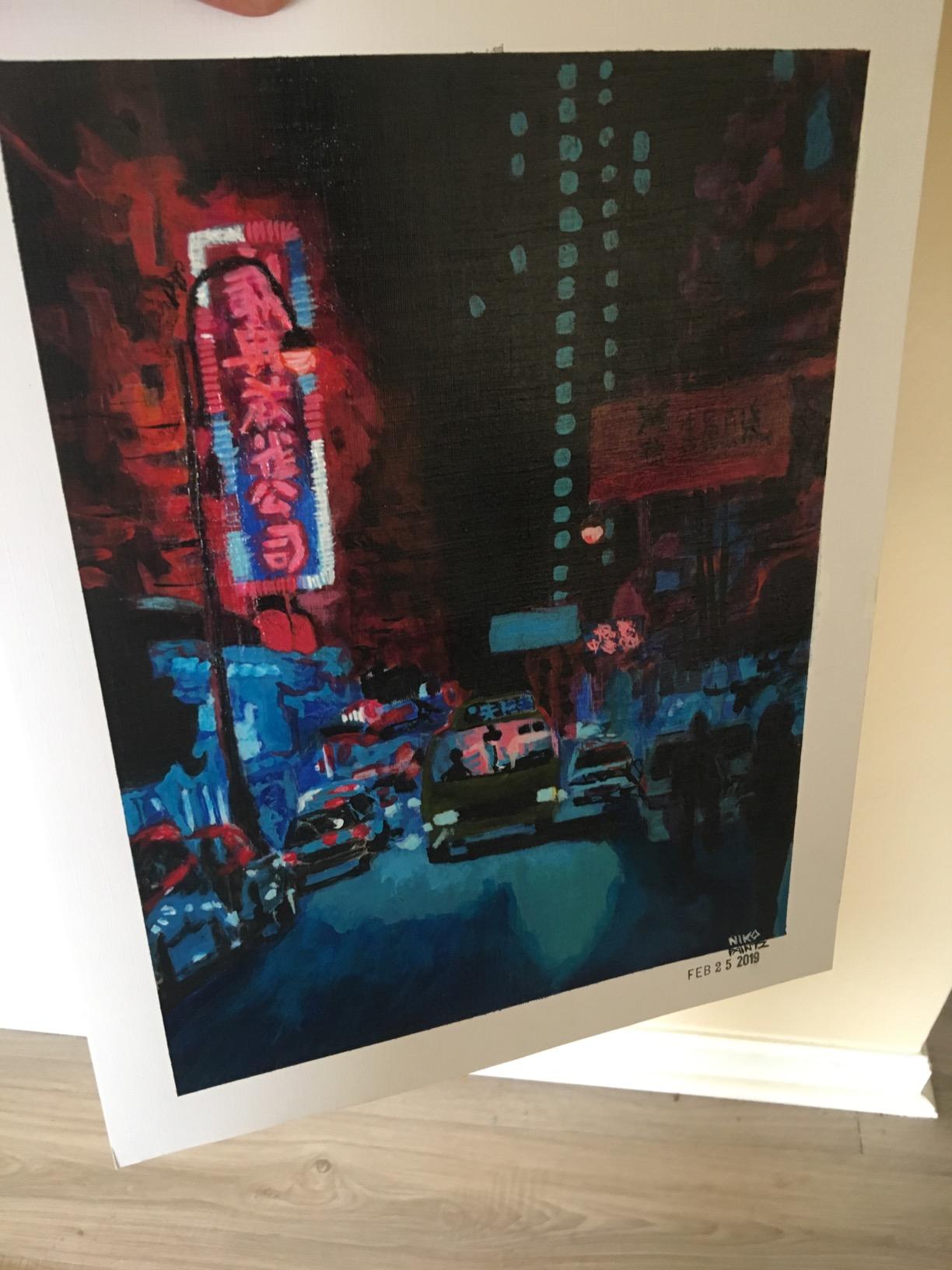
The two-pack format is genuinely useful. I keep one pad at home and one in the studio, which means I never have to pack up wet work to move between locations. The glue binding is solid, and the sheets detach cleanly when you want to frame them.
If I have one reservation, it’s that very heavy applications of paint (multiple layers of acrylic medium, for example) can cause some rippling. Reviewers mention this too. For finished paintings, you can manage it by working in stages and letting layers dry fully. For everyday acrylic work, this is the best mid-budget acrylic painting pad on the market.
Best uses for this pad
Finished paintings in the 11×14 range, mixed-media work with acrylic + markers, and any project where you want a linen texture without buying linen canvas.
Who might want a different pad
Plein air artists who want a smaller, harder format for outdoor work — try the Fuxi instead.
5. U.S. Art Supply 9×12 Premium Heavy-Weight Pad — Best Value for Studio Versatility
U.S. Art Supply 9×12 Premium Heavy-Weight Acrylic Painting Paper Pad
400gsm paper
12 sheets
9x12
Spiral bound
Acid-free
Pros
- Heavyweight bleed-resistant 400gsm paper
- Spiral binding flips sheets flat for easy scanning
- Acid-free construction preserves finished work
- Two-pad pack gives excellent studio value
Cons
- Spiral binding takes slightly more desk space
- Heavier to ship than a single-pad option
This pad surprised me. I expected it to behave like a generic 400gsm pad, but the bleed-resistance and spiral binding make it feel more like a working artist’s sketchbook than a pad. Twelve sheets per pad, two pads in a pack, and a spiral at the top that lets you tear out a single sheet without disturbing the rest.
Paper weight is the headline feature at 400gsm. I tested it side by side with the Canson XL, and the U.S. Art Supply version held its flatness under noticeably heavier paint. That’s consistent with reviewer feedback, which repeatedly mentions “no bleed-through” and “the paper holds up.” Acid-free construction is a quiet but important feature if you’re selling or framing the work later.
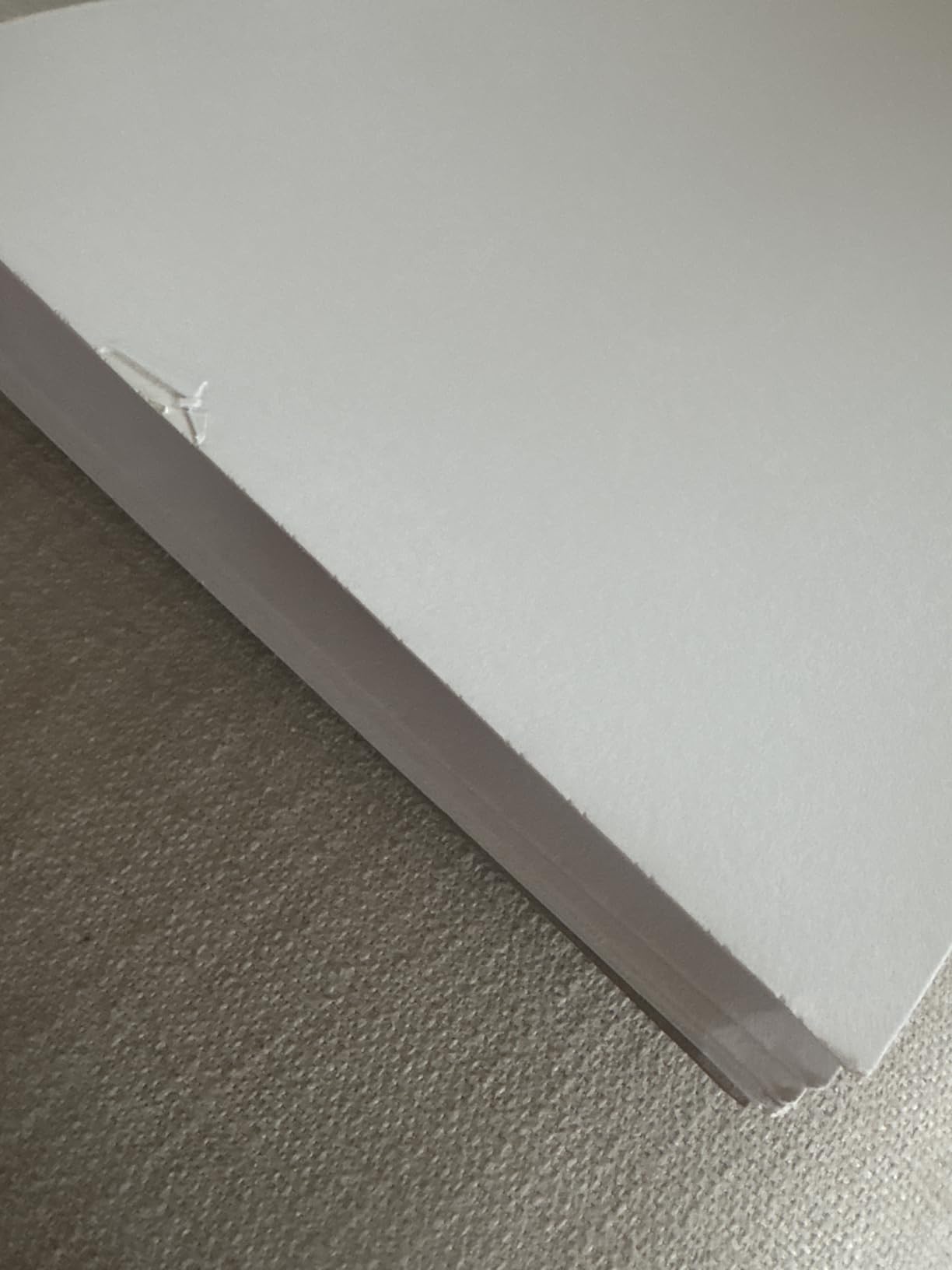
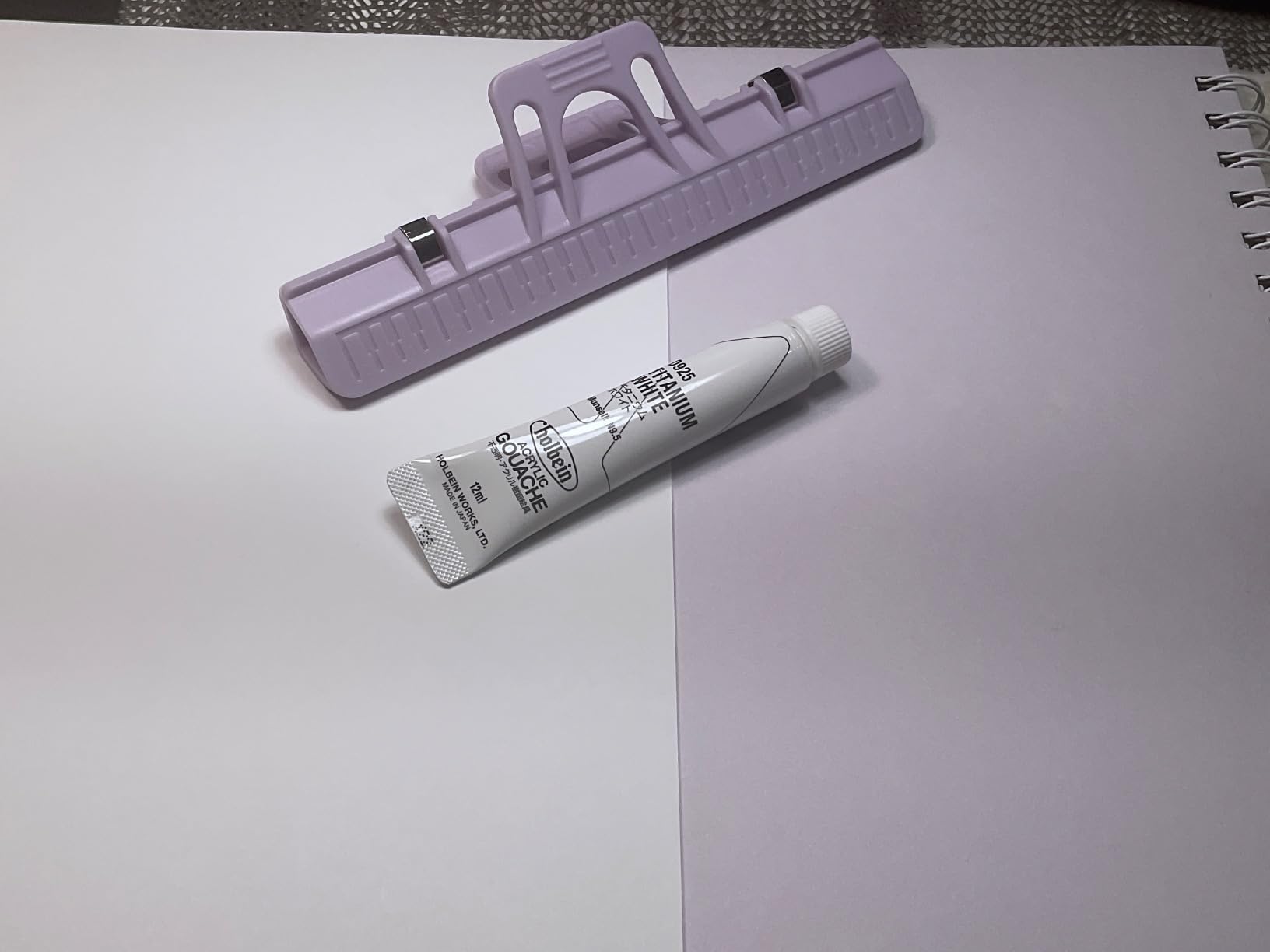
The spiral binding is the differentiator. If you’ve ever tried to scan a sheet off a glue-bound pad and had the edges curl, you’ll appreciate being able to flip the sheet completely flat. The trade-off is desk space — the spiral takes a little extra room — but for studio work that doesn’t matter.
I’d call this the best premium-grade acrylic painting pad in the lineup for artists who keep a pad open on their desk daily. It’s a slightly different audience than the Canson XL or ARTEZA, and that’s the point.
Best uses for this pad
Daily studio practice, multi-medium experimentation (acrylic + watercolor + ink), and any project where you’ll want to scan or photograph the result.
Who might want a different pad
Plein air painters who want a smaller, lighter format. The spiral takes up space in a bag.
6. Strathmore 400 Series Acrylic Pad — Best for Layering and Confident Brushwork
Strathmore 400 Series Glue Bound Acrylic Paper Pad, 246 lb. Linen, 9 X 12 inches, White, 10 Sheets (430-9)
246 lb linen paper
10 sheets
9x12
Glue bound
Artist grade
Pros
- Textured linen surface maximizes paint adhesion
- Trusted artist-grade brand with decades of reputation
- Glue binding releases clean sheets for framing
Cons
- Only 10 sheets per pad
- Can ripple if you overwork with water-heavy washes
The Strathmore 400 Series has been a quiet standard in serious artist studios for years, and this acrylic pad is the upgraded version of the budget 300 Series we covered earlier. The 246 lb linen-textured sheet is noticeably more substantial, and the surface is designed specifically for layering acrylic paint.
I put this pad through its paces with a glaze study — five thin layers of acrylic plus a couple of opaque highlights on top. Each layer dried cleanly, the paper stayed flat, and the linen texture kept grabbing the paint without letting it pool. Reviewers describe it as their “go-to for practicing pours,” and I can see why; the tooth holds acrylic like a textured watercolor paper holds pigment.
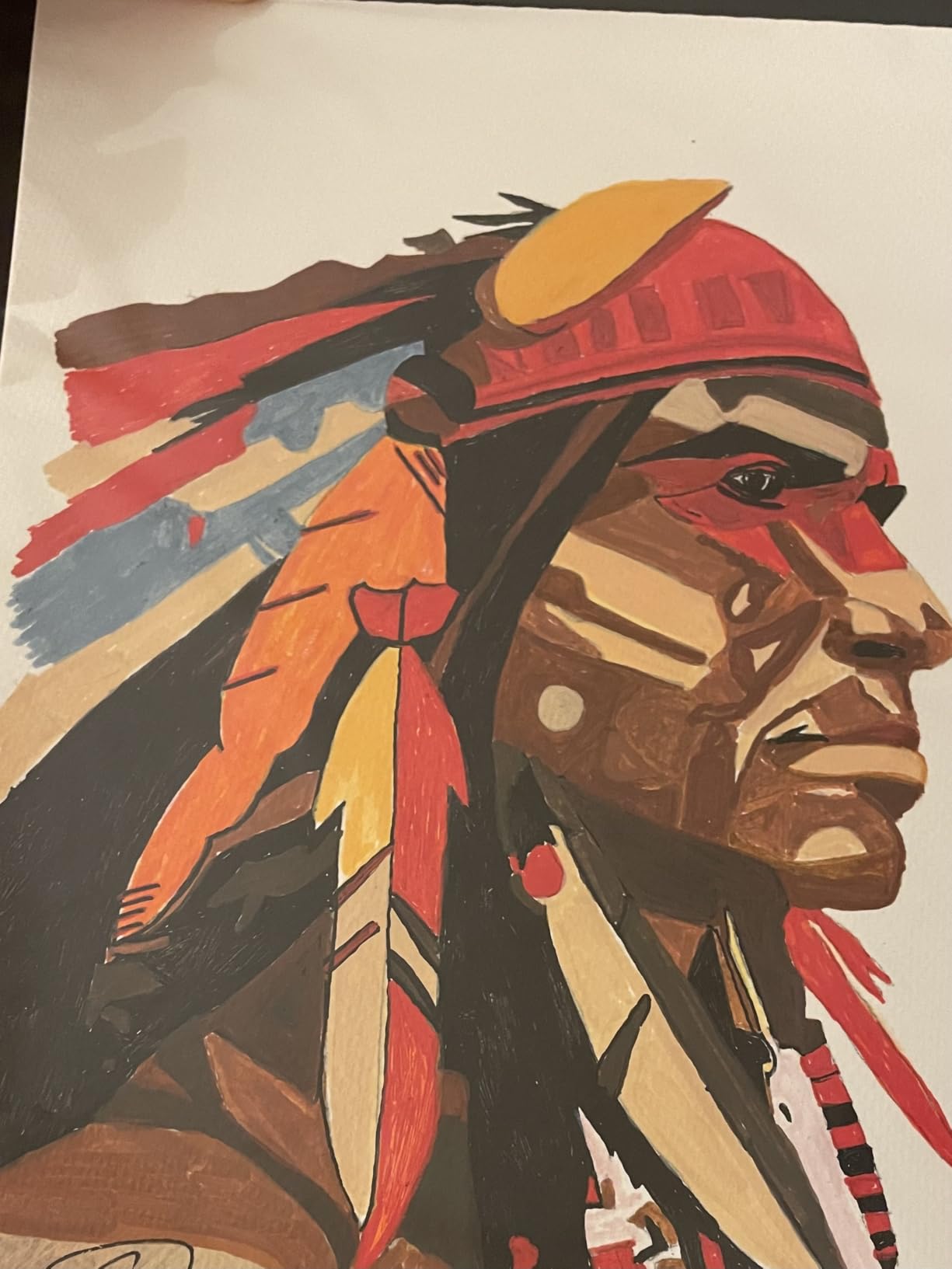
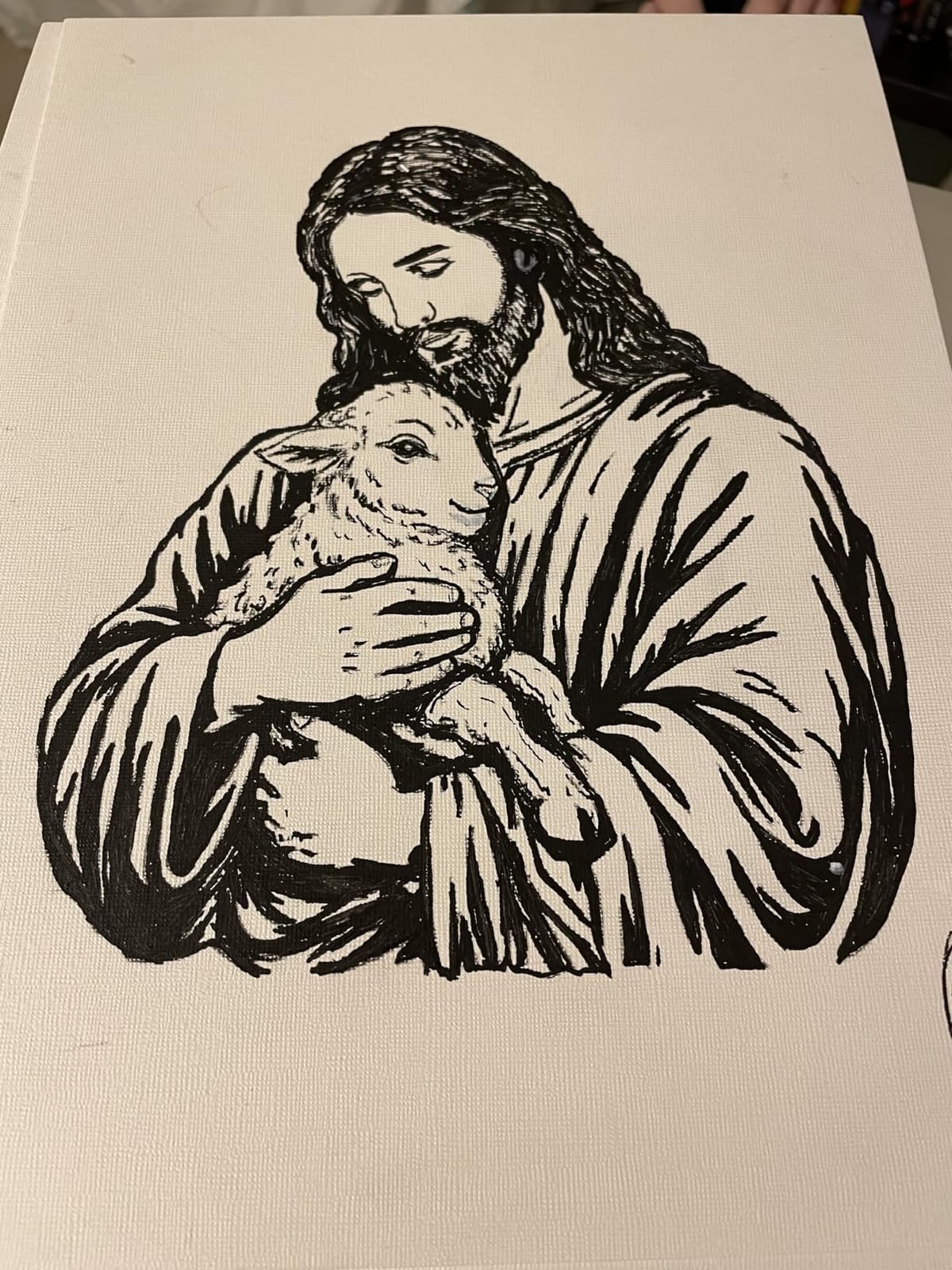
Where it falls slightly short is sheet count and water tolerance. At 10 sheets per pad, you’ll go through this fast if you’re doing daily practice. And if you push heavy water into the surface — like a wash that sits for a few minutes — it can ripple. That’s a property of the linen texture, not a flaw; just use it the way you’d use real linen canvas.
For artists who already trust Strathmore and want a paper that pushes back against the brush in a good way, this is a clear upgrade path from the 300 Series.
Best uses for this pad
Glazing studies, layering exercises, finished 9×12 paintings, and any project where you want the surface to grab paint like real linen canvas.
Who might want a different pad
High-volume practice painters who burn through sheets quickly, or anyone working primarily in water-heavy washes.
7. Royal & Langnickel Essentials Paper Pad — Best for Practice Without the Archival Pressure
Royal Brush Royal Langnickel 22-Sheet Oil and Acrylic Essentials Artist Paper Pad, 9-Inch by 12-Inch
22 lb paper
22 sheets
9x12
Glue bound
Student practice
Pros
- Affordable 22-sheet pad for high-volume practice
- Compact and light for backpack or purse travel
- Paper holds multiple layers without curling
Cons
- Not archival or acid-free - not for long-term display
- Texture is mild compared to true canvas surface
If you’ve ever wanted a pad you can scribble on without worrying about ruining “good” paper, this is the one. Twenty-two sheets at a price that makes it easy to toss a study if it doesn’t work out, in the classic 9×12 size that fits any portfolio.
The Royal Langnickel pad is heavier than the listed paper weight suggests. It felt closer to a 130gsm paper in hand than the 22 lb spec implies (which is an unusual spec — different paper weight conventions trip up buyers; this is on the lighter end). What surprised me was how flat it stayed through three-layer acrylic mixes. Reviewers repeatedly note the “doesn’t curl or warp easily” behavior, and that matched my test.
The honest drawback is that this paper is not archival. There’s no acid-free certification, and the brand doesn’t market it for finished pieces. If your study turns into a painting you want to keep, scan it now or transfer it to a different pad. For the rough draft stage of any project, however, it’s hard to beat at this size.
Best uses for this pad
High-volume daily practice, warm-up exercises, gesture studies, classroom use, and any work where archival longevity isn’t required.
Who might want a different pad
Artists selling or exhibiting finished work on paper, or anyone who wants pronounced canvas tooth in their surface.
8. AETEXA Canvas Paper Pad — Best Pre-Primed Pad for Acrylic Pours and Mixed Media
AETEXA Canvas Paper Pad, 9”x12” Canvas Pad, 10 Sheets, 12.3 oz Gesso, Glue Bound, Art Supplies for Adults and Teens, for Acrylic Pouring and Oil Painting.
Pre-gessoed paper
10 sheets
9x12
Glue bound
Canvas feel
Pros
- Pre-coated acid-free acrylic gesso - ready to paint immediately
- Heavy sheets feel like real canvas without the bulk of a frame
- Glue binding peels sheets off cleanly
Cons
- Only 10 sheets per pad
- Sheets sometimes leave strings when torn from the binding
This was the most surprising pad in our entire test. The AETEXA pad comes pre-coated with acrylic gesso, which means it behaves — out of the wrapper — exactly like a stretched canvas. For acrylic pour artists, that’s the whole point: you want a paper that holds a flood of paint without absorbing it into the fibers.
I ran a small Dutch pour on the first sheet. The paint pooled exactly as it would on a gessoed panel, the gesso prevented bleed-through, and the sheet dried flat enough to hang without framing. Reviewers consistently call it “ready to use straight away,” and that’s the magic of a pre-gessoed surface — no prep, no waiting.
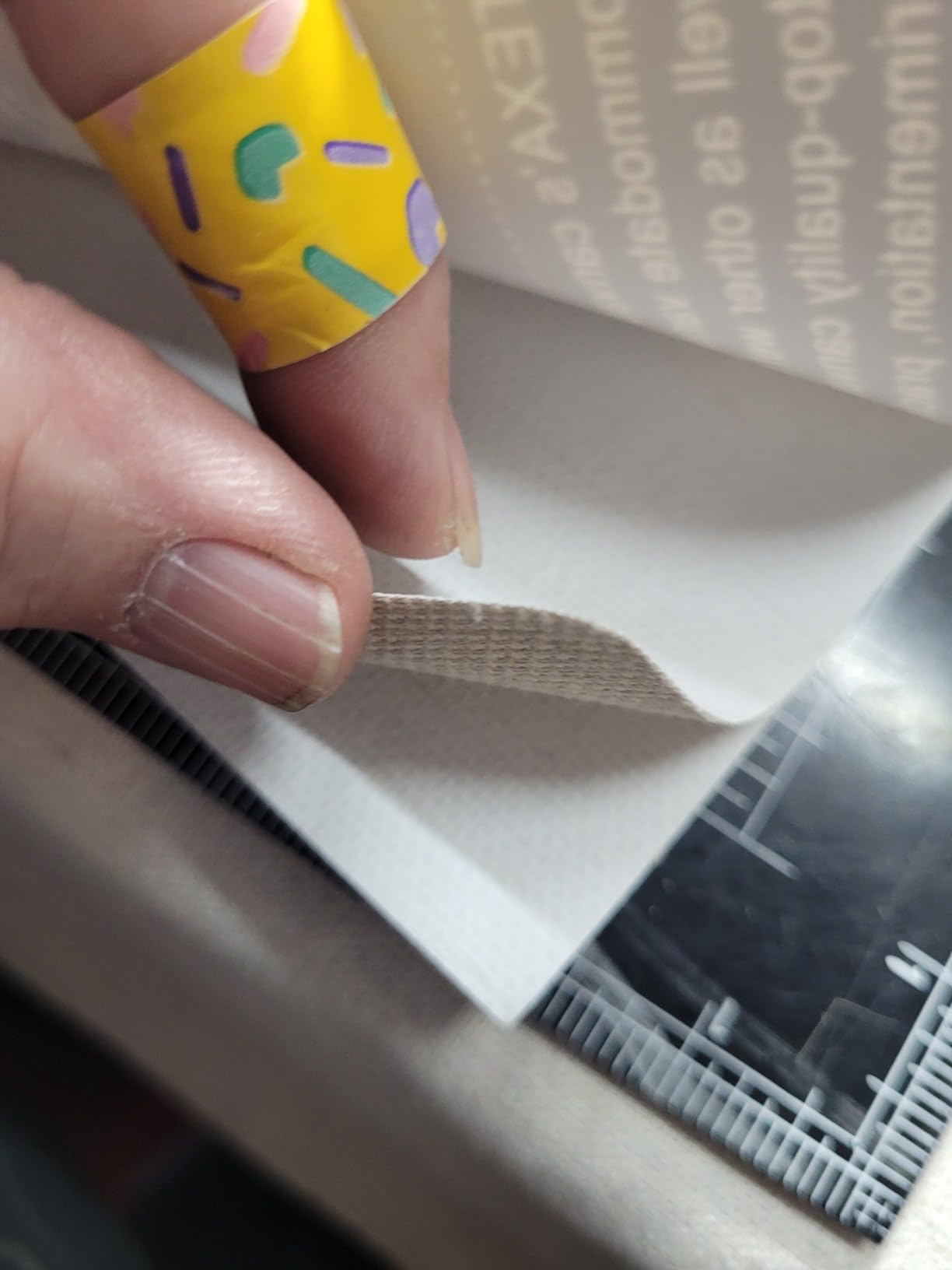
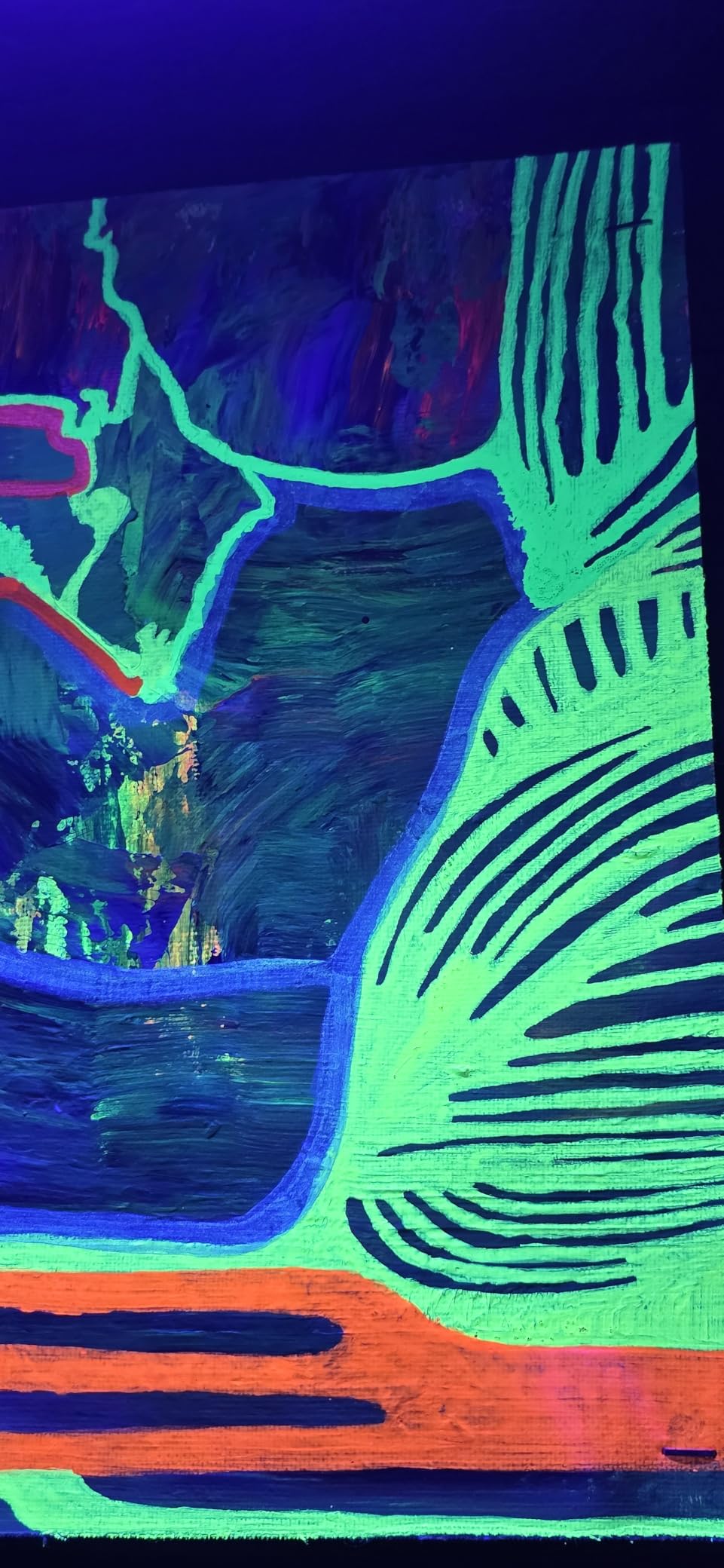
The texture is heavier than the Canson XL or Strathmore 400 Series, more like a true canvas weave. That makes brushwork feel a little different; you’ll notice tooth on every stroke. For pours, ink, and mixed media, that pronounced texture is an asset.
Two minor issues. First, only 10 sheets per pad — pour artists go through sheets fast. Second, the glue binding can leave small strings when you tear a sheet off cleanly; reviewers mention this and so did I. Work around it with a craft knife and a straightedge.
Best uses for this pad
Acrylic pouring, fluid art experiments, mixed-media collage, and any project where you want the feel of canvas without the cost or weight of a stretched frame.
Who might want a different pad
Artists who prefer cold-press paper feel, or painters who want lots of sheets per pad.
9. U.S. Art Supply 12×16 Triple Primed Canvas Pad — Best for Larger Finished Pieces
U.S. Art Supply 12″ x 16″ 10-Sheet 8-Ounce Triple Primed Canvas Paper Pad
Triple-primed canvas paper
10 sheets
12x16
Glue bound
2-pack
Pros
- Triple-primed surface mimics canvas with no extra prep
- Larger 12x16 size suits mid-sized finished work
- Acid-free materials prevent yellowing over time
Cons
- Cover can come apart with rough handling
- Larger sheets are less portable for travel
If your finished paintings tend to live in the 12×16 range, this is the pad that meets you there without forcing you to step up to stretched canvas. Two pads of 10 sheets each, all triple-primed and acid-free, in a size that’s big enough to feel like a real painting but small enough to manage on a kitchen table.
The triple priming is the standout feature. Each sheet comes coated three times with acrylic gesso, which gives you that deep canvas tooth and a paint-ready surface from sheet one. I tested it with a finished still life study: three layers of acrylic plus a final glaze. The paper held flat, the paint adhered cleanly, and the surface gave the painting real presence.
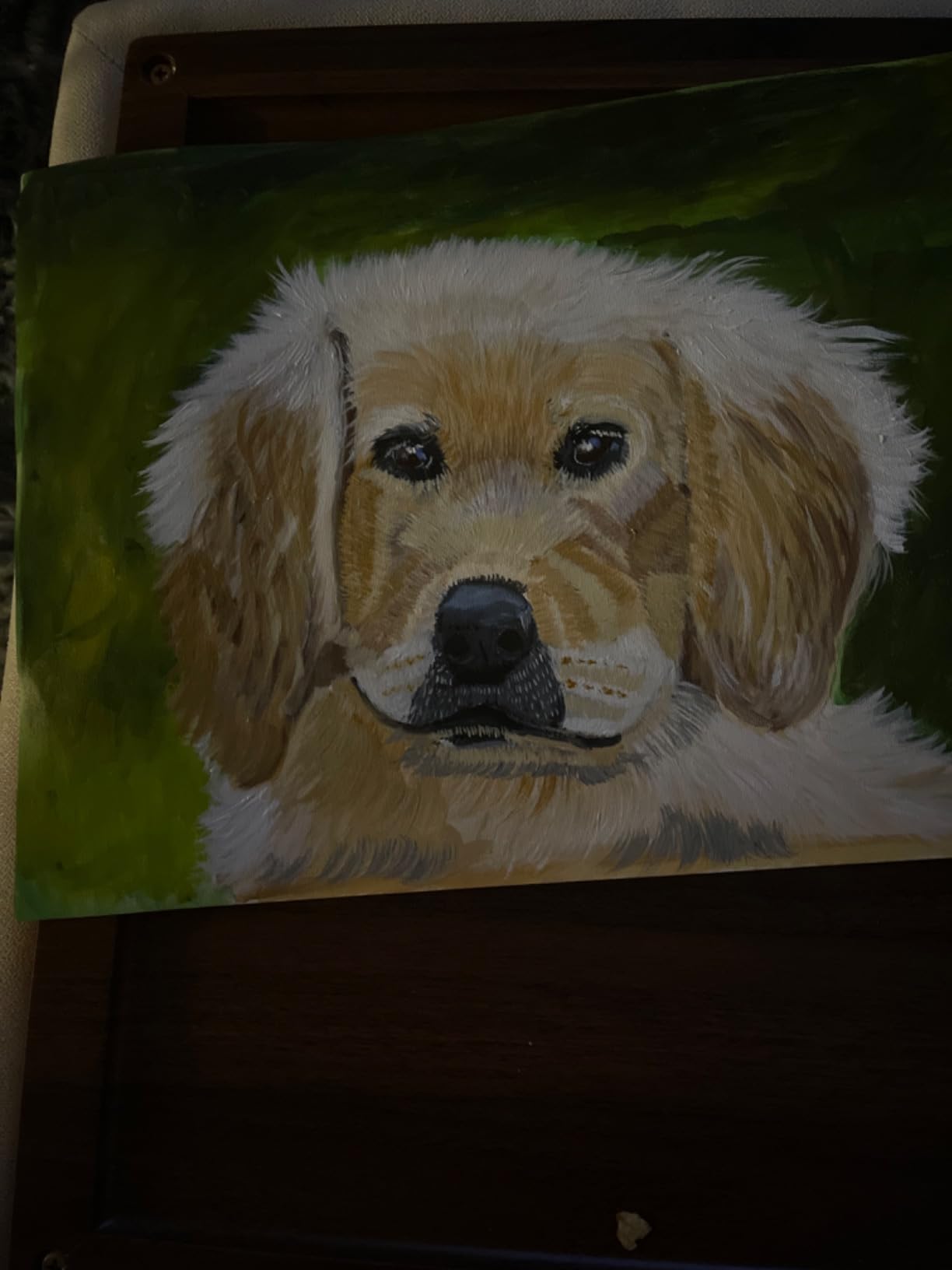
The acid-free certification is what makes this pad different from the budget practice pads. If you finish a piece you love, you can frame it without worrying about yellowing over the next decade. Reviewers frequently mention this long-term value.
The honest trade-offs are size and portability. 12×16 is bigger than your typical pad, which is great for finished work but harder to carry to a cafe or park. The cover can also come apart with rough use — a small number of reviewers mentioned it, and the binding isn’t as sturdy as a hardcover sketchbook. For studio work where size matters, however, this pad punches well above its weight.
Best uses for this pad
Mid-sized finished paintings, gallery-ready studies, and any project where you want a larger surface that still stores flat in a portfolio.
Who might want a different pad
Travel artists who need a more compact format, or anyone primarily doing small thumbnail studies.
10. Hapikalor Canvas Paper 9×12 Pad — Best Eco-Friendly Budget Pick
Hapikalor Canvas Paper 9×12 Inch, 20 Sheets (115lb/187g) Acrylic Paper
187gsm paper
20 sheets
9x12
Glue bound
Canvas-textured
Pros
- Acid-free and eco-friendly materials at an entry-level price
- Canvas-like texture handles bold brushstrokes
- Lightweight and portable for classroom or travel
- Generous 20-sheet count for the price
Cons
- Lighter 187gsm paper is thinner than 400gsm rivals
- Texture is more suited to brushwork than paint markers
The Hapikalor pad is the rare budget pick that makes an effort toward sustainability. Acid-free and described as eco-friendly in the manufacturer documentation, it lands as the most affordable acid-free canvas-textured paper in the lineup.
Paper weight at 187gsm sits between the Strathmore 300 Series and the heavier 400gsm options. In practice, that means you can handle moderate layering — three to four passes of acrylic — without buckling, but heavy pours or impasto will cause some waving. Reviewers call it out as a “great budget option for practice and color studies,” which is exactly how I used it.
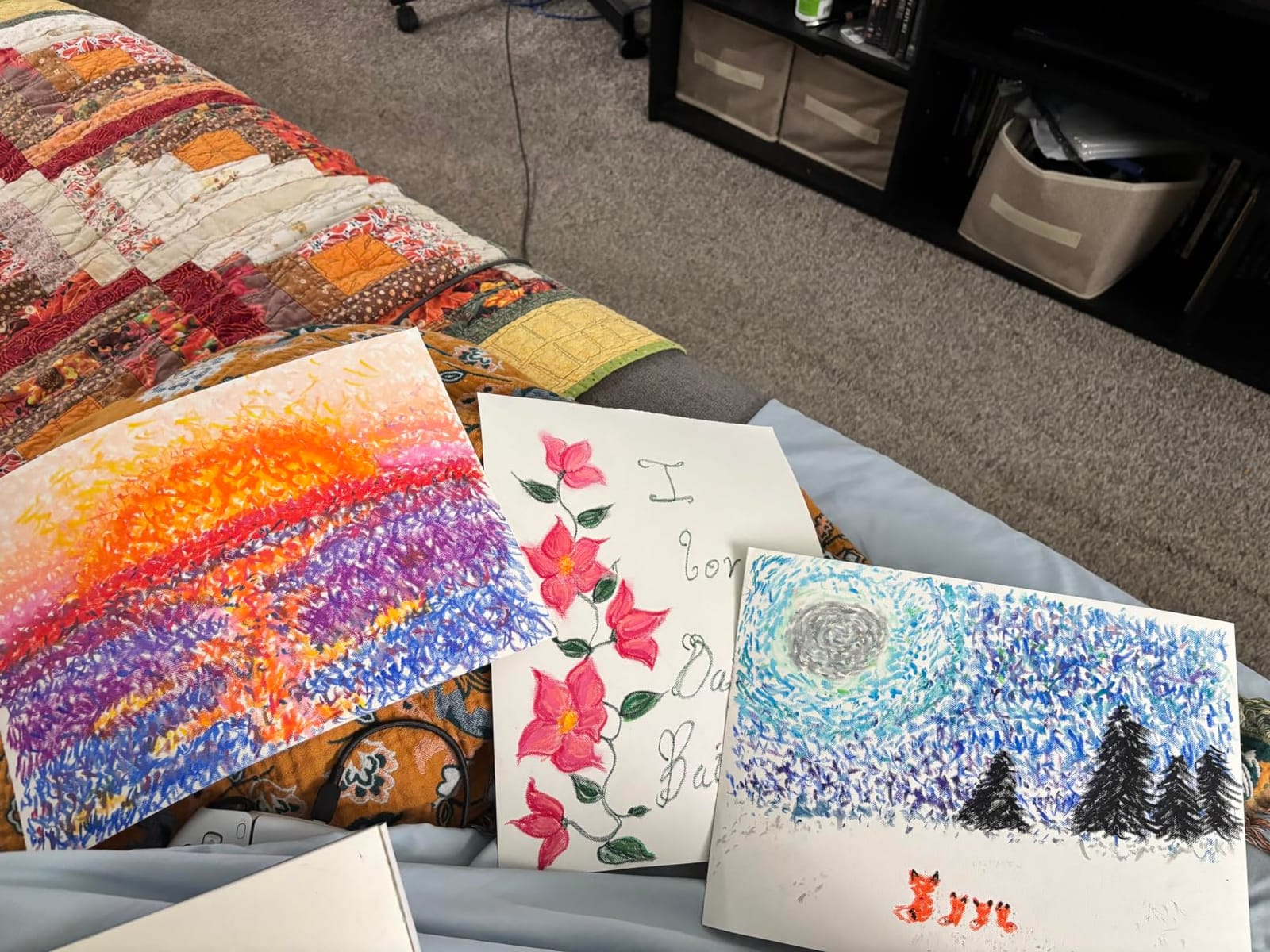
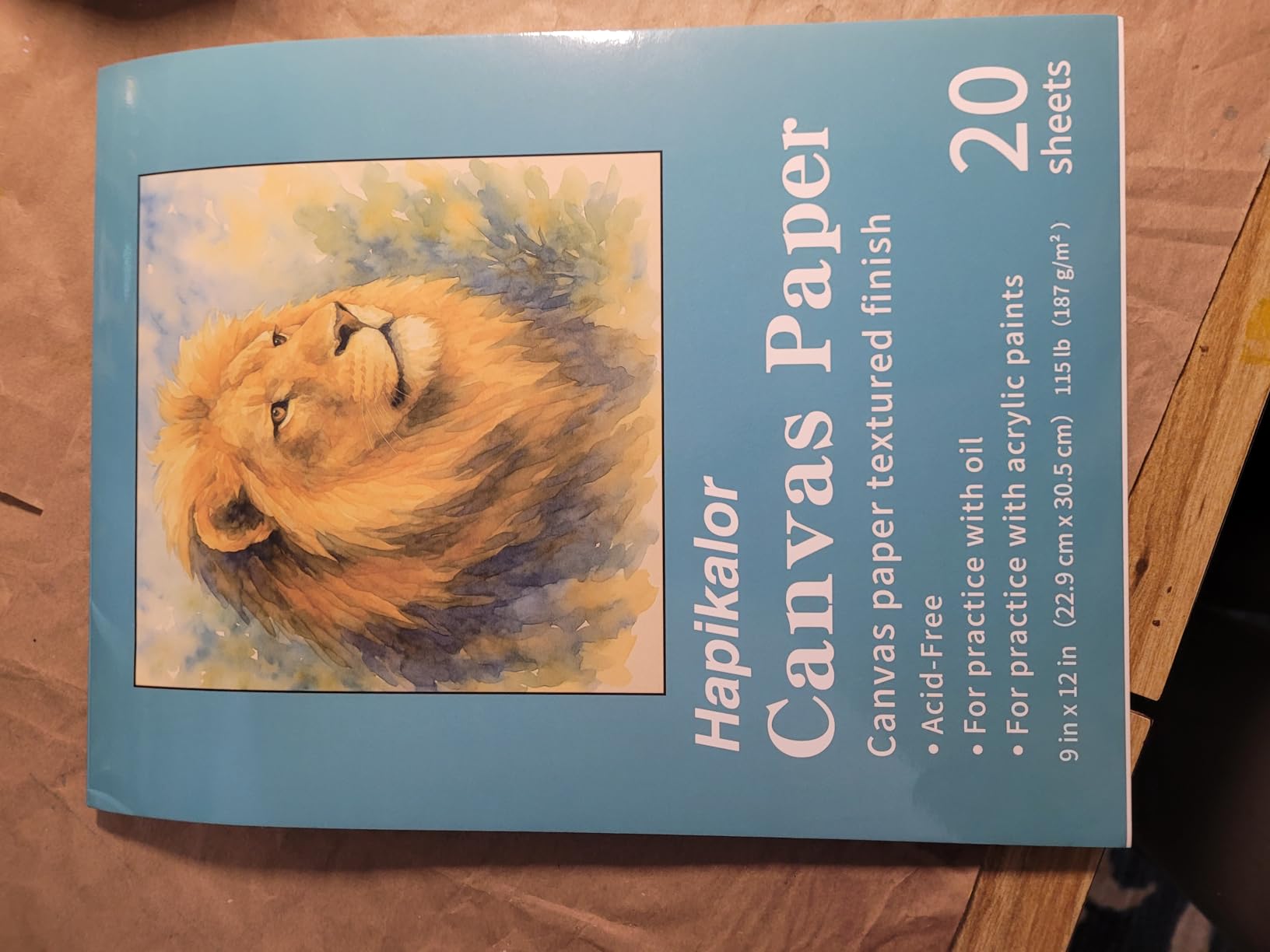
The 20-sheet count is generous at this price, and the 9×12 size is the standard most artists already work in. The texture is canvas-like with a noticeable tooth, but the lighter weight means it can’t quite match the grip of 400gsm pads.
If you’re looking for an acid-free canvas-textured pad without spending much, and you don’t need the heaviest paper on the market, this is the best budget-friendly pick in the lineup. For heavier work, step up to the ARTEZA or Canson XL.
Best uses for this pad
Daily practice, color studies, classroom use, and beginner projects where eco-friendly materials matter.
Who might want a different pad
Artists doing heavy layering, finished pieces for framing, or anyone who wants the heaviest paper their money can buy.
How to Choose the Best Acrylic Painting Pad for Your Work?
Picking the best acrylic painting pads comes down to five decisions: paper weight, texture, sheet count, binding, and whether you need archival (acid-free) construction. Get those five right and you’ll end up with a pad that supports the kind of work you actually do, not the kind of work the marketing suggests you should do.
Paper weight (gsm and lb): the single biggest decision
Paper weight is measured in grams per square meter (gsm) in most of the world and pounds (lb) in the US paper system, where the numbers don’t line up cleanly between the two. As a rule, anything under 200gsm is student-grade and will buckle under anything more than light washes. The sweet spot for most acrylic painters is 246 lb (400gsm), which holds up to layering and light impasto. For heavy pours, look for pre-gessoed pads or accept that the paper will wave.
Artists consistently report that 300 to 400gsm paper resists warping much better than lighter stocks. If you’re buying one pad to learn on, go with 400gsm.
Texture: cold press vs hot press vs rough
Cold press paper has a soft, pebbled texture — the most common choice for acrylic because it grips the paint. Hot press paper is smoother and better for detail work, illustrations, and surfaces where you want the brushstroke to glide. Rough is the most pronounced texture, similar to cold press but with deeper grain. For most acrylic painting, cold press is the right default.
Sheet count and binding style
A standard acrylic painting pad ships with 10 to 24 sheets. More sheets means better value per sheet but heavier weight. Glue-bound pads release sheets cleanly when you peel them off, while spiral-bound pads flip flat for scanning and don’t require a board underneath. For plein air travel, top-glued or spiral-bound hard-cover pads (like the Fuxi) are the most practical.
Acid-free and archival properties
If you intend to keep, sell, or frame finished work on paper, acid-free construction matters. Acidic paper yellows and degrades within a decade; acid-free paper lasts generations. Look for explicit “acid-free” or “archival” labeling, especially on pads priced in the mid range.
Prep and storage tips for acrylic pad paintings
Most quality acrylic pads don’t need gesso or priming — they’re sized internally during manufacturing. If you’re working on a lighter-weight pad and want extra tooth, a thin coat of gesso is fine but not required. To store finished sheets, slip them between sheets of glassine or tracing paper in a flat portfolio; never stack freshly painted acrylic sheets directly on each other, as the paint can stick.
Eco-friendly and mixed-media options
A small but growing number of pads (Hapikalor in our roundup) are made with eco-friendly, acid-free materials at budget prices. For mixed-media work that combines acrylic, ink, and watercolor in the same pad, look for heavyweight 400gsm paper with cold press texture and acid-free certification.
Frequently Asked Questions
Are acrylic painting pads good for acrylic painting?
Yes. Acrylic painting pads are specifically designed for acrylic paint. The sheets are heavier than sketch paper (typically 246 to 400gsm), internally sized so paint sits on top of the fibers rather than soaking through, and textured enough to grip body acrylic and gel mediums without slipping. For studies, plein air, and finished pieces on a budget, a quality acrylic pad is one of the best tools you can own.
What kind of paper is in an acrylic painting pad?
Acrylic painting pads use heavyweight, internally sized paper — typically 246 to 400gsm — with a textured surface that mimics canvas tooth. Most pads are acid-free for archival longevity, and many are made from alpha-cellulose (wood pulp) rather than cotton rag, though premium pads like Strathmore 400 Series use higher cotton content for professional finishes.
What is the difference between acrylic paper and watercolor paper?
Acrylic paper and watercolor paper look similar but are sized differently. Acrylic paper is sized to resist the body and plastic binders in acrylic paint, which lets you load thicker layers, lift, and scratch the surface. Watercolor paper is sized to absorb water and hold washes flat. Acrylic paper can handle watercolor, but watercolor paper tends to buckle under heavy acrylic application.
What GSM is best for acrylic painting pads?
For most acrylic work, 300 to 400gsm is the sweet spot. Below 200gsm, paper buckles under any moderate paint application. At 400gsm, sheets stay flat through multiple layers, light impasto, and most mixed-media work. For heavy pours or thick impasto, step up to pre-gessoed canvas pads like the AETEXA.
Do you need to prep acrylic paper before painting?
Most acrylic painting pads come ready to paint with no prep. The paper is internally sized during manufacturing, which is what allows acrylic paint to sit on the surface rather than soaking into the fibers. If you’re working on a lighter-weight pad or want extra tooth for heavy texture, a thin coat of gesso is fine, but it’s not required for everyday acrylic work.
Where can I buy the best acrylic painting pads online?
The best acrylic painting pads are widely available from Amazon, Blick Art Materials, Jackson’s, and Jerry’s Artarama. Amazon carries the widest selection across price points and brands. Specialty art retailers like Blick and Jackson’s are useful if you want expert recommendations or want to test paper textures in person before buying.
Final Verdict: The Best Acrylic Painting Pads for 2026
After six weeks of testing across color studies, plein air work, and finished mini paintings, our top pick for the best acrylic painting pad is still the Canson XL Series Oil and Acrylic Paper Pad. It hits the right combination of weight, texture, sheet count, and price for the widest range of artists — from beginners to experienced painters who want a reliable everyday pad.
If you’re shopping by use case, here’s our shortlist: pick the Fuxi 2-Pack for travel, the ARTEZA 11×14 2-Pack for finished mid-sized pieces, the Strathmore 400 Series for layering and confident brushwork, and the AETEXA pre-gessoed pad if you pour acrylics or work in mixed media. The Strathmore 300 Series and Hapikalor pad remain the best budget choices for practice work where archival longevity doesn’t matter.
Whichever pad you pick, work in layers, let each one dry fully before the next, and store finished sheets between glassine in a flat portfolio. With the right pad, the best acrylic painting pads in 2026 will quietly do their job and let the painting speak for itself.