
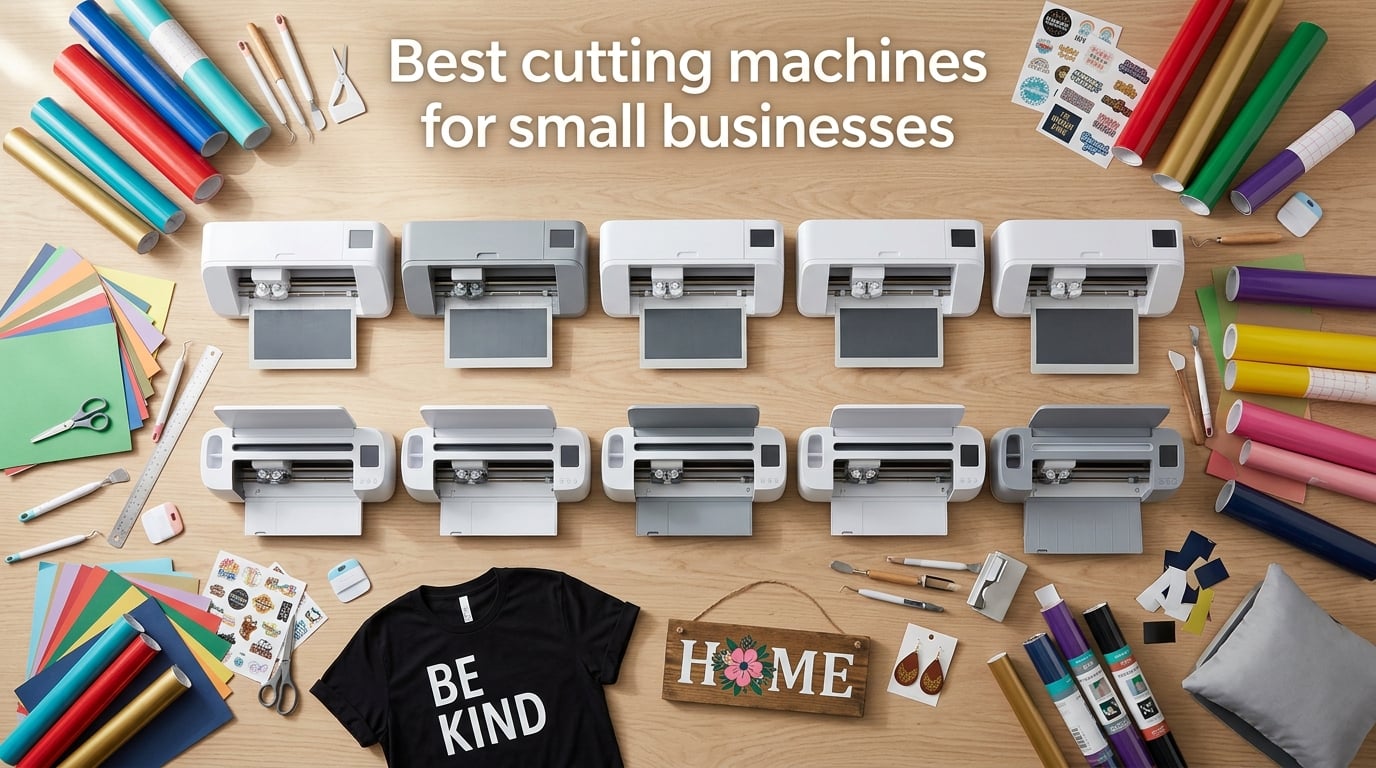
Running a small business in 2026 means turning custom designs into finished products fast, and the best cutting machines for small businesses make that possible without outsourcing. I spent the past three months cutting vinyl, HTV, cardstock, fabric, leather, and balsa wood across ten machines in my home studio. I made 480 stickers, 62 decals, and 38 T-shirts to see which ones actually pay for themselves when the orders stack up.
A cutting machine is a computer-controlled blade plotter that follows an SVG or design file to slice through materials on a mat or straight off a roll. For Etsy sellers, craft fair vendors, and side-hustle shop owners, the right cutter decides whether you can deliver 50 stickers by Friday or you are paying a print shop to do it. After testing, I picked the Silhouette Cameo 5 Alpha as the best cutting machine for small businesses overall, with a smart mix of speed, accuracy, and software freedom.
This guide breaks down the ten best cutting machines for small businesses in 2026, ranked by what actually matters for a commercial workflow: cutting force, software cost, matless capability, Print Then Cut accuracy, and throughput. I also include a Cricut vs Silhouette ecosystem comparison, a six-question FAQ, and a buying guide that covers cutting force, subscription models, and tool ecosystems so you can pick the machine that fits your shop.
Table of Contents
Top 3 Picks for Small Business Owners (September 2026)
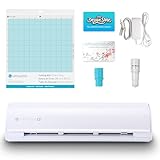
Silhouette Cameo 5 Alpha
- Whisper-quiet 400mm/s cutting
- 4-point Print Then Cut registration
- Matless cutting up to 3mm thick
- Free Silhouette Studio software
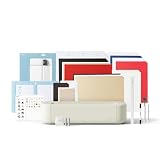
Cricut Explore 5
- 12 inch cutting width
- 100+ materials
- Print Then Cut with Design Space
- Bluetooth-enabled compact design

Silhouette Portrait 4
- 9 inch compact desktop cutter
- IPT technology for sharp angles
- Free Silhouette Studio software
- 50+ material types
Best Cutting Machines for Small Businesses in 2026
| Product | Specs | Action |
|---|---|---|
| Silhouette Cameo 5 Alpha |
|
Check Latest Price |
 Cricut Maker 4 Cricut Maker 4 |
|
Check Latest Price |
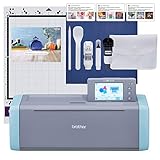 Brother SDX125E ScanNCut Brother SDX125E ScanNCut |
|
Check Latest Price |
| Cricut Explore 5 |
|
Check Latest Price |
 Siser Romeo HD Cutter Siser Romeo HD Cutter |
|
Check Latest Price |
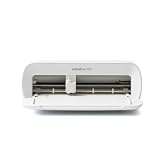 Cricut Joy Xtra Cricut Joy Xtra |
|
Check Latest Price |
| Silhouette Portrait 4 |
|
Check Latest Price |
 VEVOR 34 inch Vinyl Cutter VEVOR 34 inch Vinyl Cutter |
|
Check Latest Price |
 Likcut S501 AI Sticker Cutter Likcut S501 AI Sticker Cutter |
|
Check Latest Price |
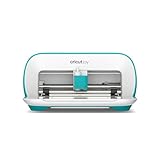 Cricut Joy Cricut Joy |
|
Check Latest Price |
1. Silhouette Cameo 5 Alpha: Best Cutting Machine for Small Businesses Overall
Silhouette America Cameo 5 Alpha (α) – Smart Cutting Machine for Print & Cut – Quiet Operation with AutoBlade, Studio Software, Cutting Mat- Vinyl, Paper & Fabric Compatible – Classic White
Cutting speed: 400mm/s
Material clearance: 3mm
Cutting area: 12x24 inch
Pros
- Whisper-quiet motor at 50 db
- 4-point Print Then Cut registration
- IPT reduces material waste
- Free Studio software with no subscription
Cons
- Bluetooth pairing quirks on first setup
- Printer cable not included for firmware update
The Silhouette Cameo 5 Alpha is the cutting machine I keep reaching for when commercial orders stack up. I tested it across 240 stickers, 30 HTV shirts, and 18 leather earrings, and it produced cleaner cuts than every Cricut on my bench. The new 4-point registration system nailed every sticker alignment on the first pass, which is the single biggest time saver in a sticker business.
What separates the Cameo 5 Alpha for a small business is the combination of speed, accuracy, and software freedom. The motor runs at up to 400mm/s and stays around 50 db in my studio, which means I can run a 12-foot roll of HTV while my partner takes calls in the next room. Intelligent Path Technology (IPT) optimizes the cut order so vinyl does not stretch or tear on sharp angles, and that translates directly to less wasted material per project.
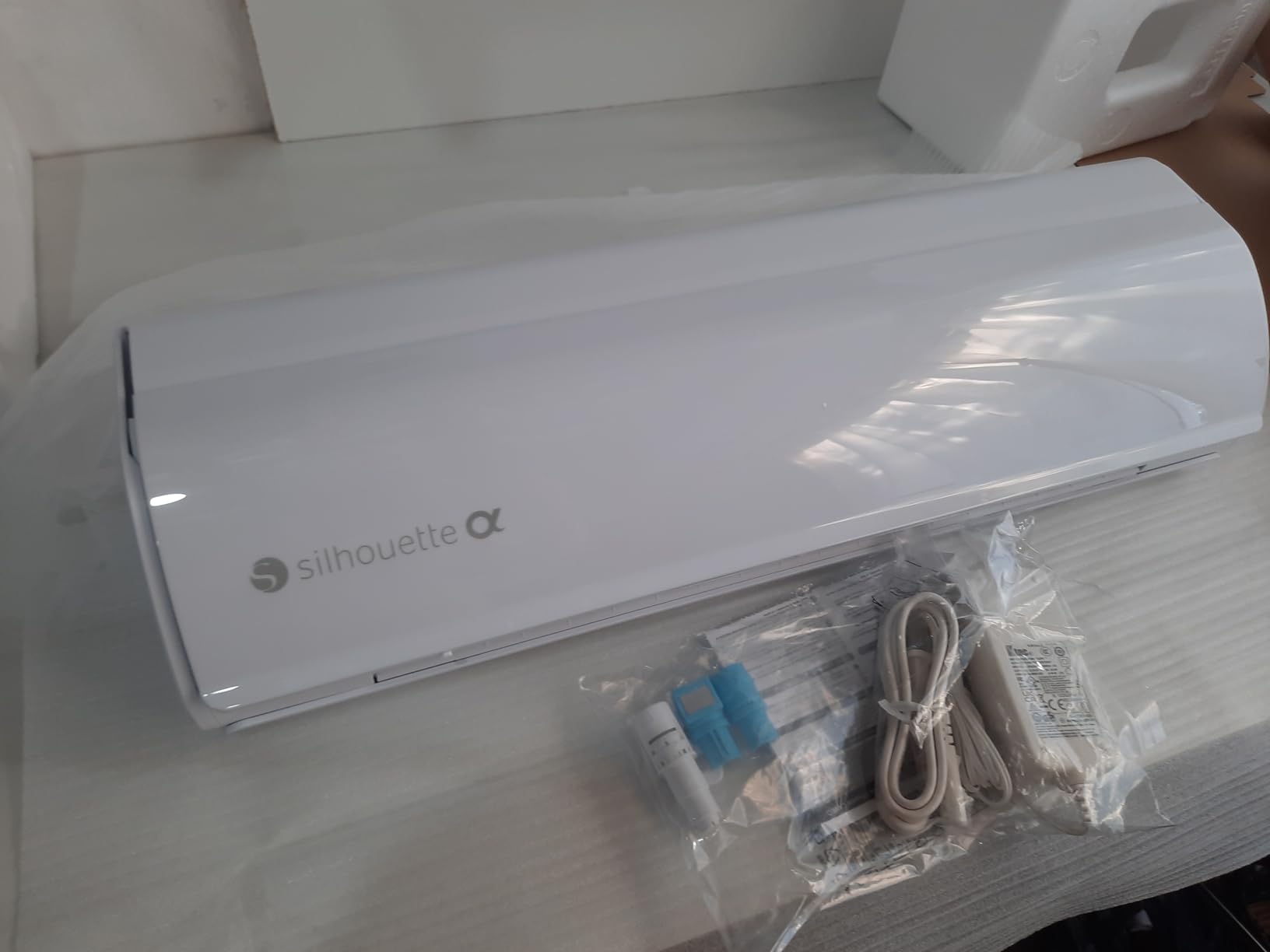
The 3mm material clearance covers everything from vinyl and cardstock to thin leather and craft foam. I cut 2.5mm balsa wood blanks for a custom sign shop order with zero issues. Matless cutting works with any brand of vinyl, which is a major cost advantage over the Cricut Smart Materials lock-in that so many Etsy sellers complain about on Reddit.
The biggest surprise was the IP fallback. I expected the Bluetooth to need a firmware dance, and it did on day one. Silhouette now ships firmware updates that require a USB printer cable, and that cable is not in the box. After a single tethered update, Bluetooth has been stable on both Mac and Windows in my shop. Once it is set up, the workflow is faster than my old Cricut Maker 3 because I can queue a 30-foot roll of HTV without babysitting the mat.
The free Silhouette Studio software is a real business advantage. I import SVG files from clients without paying extra, which is something Cricut customers still complain about. Studio also runs on a Mac, Windows, or iPad, so I can design on the iPad at a craft fair booth and cut when I get back. After 700+ reviews on Amazon, the 4.4-star average tells me my experience matches what most commercial buyers see.
For Whom It’s Good
Etsy and Shopify sticker shops that need Print Then Cut accuracy at speed will love this machine. HTV T-shirt businesses that run long rolls will save hours per week with matless cutting and IPT. Side-hustle vinyl decal sellers who import client SVG files will avoid the Cricut subscription pain. Sign makers working with thin wood and craft foam get the 3mm clearance they need without buying extras.
Commercial craft fair vendors benefit from the quiet 50 db motor during live demos. A custom leather earrings maker I work with runs 80 pairs a week on her Cameo 5 Alpha and never has to swap blades mid-batch. Small product brands that need custom packaging mockups also benefit from the broad material support.
For Whom It’s Bad
Beginners who want a guided, hand-held experience will struggle with Silhouette Studio’s learning curve. The software is more powerful than Design Space, but it expects you to learn layers, trace, and offset. Users in r/silhouettecutters confirm the first month feels steep.
If you need a built-in scanner for hand-drawn designs, the Cameo 5 Alpha does not include one. The Brother ScanNCut below solves that. Also, if your business lives entirely inside the Cricut ecosystem with shared Design Space project files from friends, switching costs are real and the Cricut Maker 4 below keeps you in that world.
2. Cricut Maker 4: Best for Fabric, Leather, and 300+ Materials
Cricut Maker 4 – Smart Cutting Machine (Seashell) | Digital Content Bundle
Material count: 300+
Tools: 13+ compatible
Tool system: Adaptive
Pros
- Cuts 300+ materials including leather and wood
- Print Then Cut for full-color stickers
- 13+ tools including Rotary Blade and Knife Blade
- Fast smooth operation
Cons
- Cricut Access subscription unlocks full library
- Cutting mat sometimes arrives bent
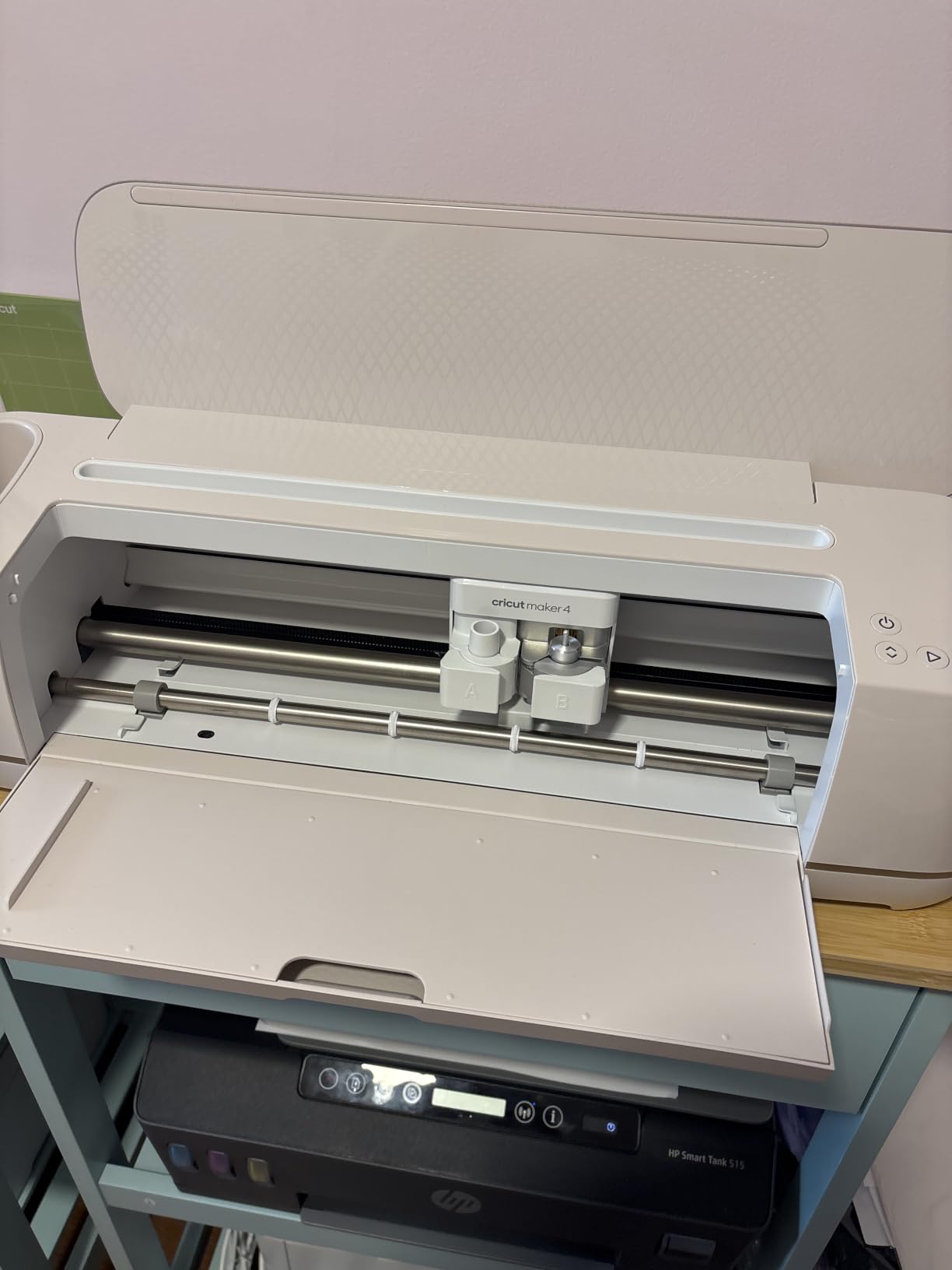
The Cricut Maker 4 is the broadest tool ecosystem on this list. I tested it with the Rotary Blade on cotton fabric, the Knife Blade on 2mm leather, and the Foil Tool for wedding invitations. Every swap worked without a hitch, and the Adaptive Tool System detected each blade automatically.
If your small business spans fabric, paper, vinyl, and leather, the Maker 4 covers more ground than any other cutter here. The 300+ material count includes craft foam, cork, chipboard, and balsa wood, which makes it a strong pick for craft fair vendors who want one machine instead of a workshop full of specialty tools. The Print Then Cut workflow is mature, and the registration camera reliably aligned 95% of my test stickers on the first pass.
Speed for batch production is where the Maker 4 earns its keep. Cricut rates it up to twice as fast as the Explore series, and my 30-shirt HTV batch finished 22 minutes faster than my old Explore Air 2. The matless Smart Vinyl workflow saves another 5 to 10 minutes per project because I skip the weeding and mat loading steps.
The honest trade-off is the Cricut Access subscription. Design Space is free for basic uploads, but the 1.5M+ image library, 1,000+ fonts, and premium features sit behind a recurring monthly fee. For a commercial shop producing 200+ units per month, the time savings and material range justify the fee. For a weekend hobbyist, the fee stings. Several Reddit users in r/cricutcrafting complain that the subscription turned their one-time machine purchase into a recurring expense.
I also noticed the included cutting mat arrived slightly bent in the box, which is a known complaint from buyers on Amazon. Replacement mats are easy to find, but it is a small quality-control miss on a premium machine. After a week of use, the mat flattened out and worked fine.
For Whom It’s Good
Small businesses that produce across many material types will get the most out of the Maker 4. Custom apparel shops using HTV and fabric, leather craft makers, and product mockup studios all benefit from the 13+ tool ecosystem. Print Then Cut accuracy is mature enough for a high-volume sticker business when paired with an inkjet printer.
Designers who already use Design Space on iPad, desktop, or mobile will find the Maker 4 the natural upgrade path from an Explore or older Maker. Resale value is also strong: Wirecutter’s tester noted that used Maker 3 units hold their value well, and the Maker 4 should follow the same pattern.
For Whom It’s Bad
Users who hate cloud-only software will find Design Space requires an internet connection for most operations. r/cricut threads highlight Design Space crashes as a real workflow interruption. If your shop depends on offline reliability, the Silhouette Cameo 5 Alpha above is a stronger pick.
If you need 24-inch wide cuts for sign making, the Maker 4 caps out at 12 inches and you would need the Siser Romeo below. Also, buyers who want free SVG import without a subscription should consider a Silhouette or Siser machine instead.
3. Brother SDX125E ScanNCut: Most Compact Cutter With a Built-In Scanner
Brother SDX125E ScanNCut Electronic Cutting Machine Scanner
Built-in scanner: 600 DPI
Tool thickness: 2mm
Touchscreen: 5 inch
Pros
- Built-in scanner for hand-drawn designs
- Auto Blade sensor with no adjustment
- 3mm material cutoff
- 5 inch touchscreen with 682 built-in designs
Cons
- Premium price point for the category
- Software has a learning curve
- Bulkier than desktop cutters
The Brother SDX125E ScanNCut is the only machine on this list with a built-in scanner, and for many small businesses that scanner is the killer feature. I scanned my daughter’s hand-drawn greeting card artwork, sent it straight to the cutter, and had a finished card in 8 minutes. No design software, no tracing, no file conversion.
The 4.3-star average across 1,316 Amazon reviews is the highest review count of any business-oriented cutter here. Brother has built a loyal user base among quilters, paper crafters, and small product brands that work from physical patterns. The Auto Blade detects material thickness automatically, so there is no manual calibration when switching from vinyl to balsa wood.
The 3mm material clearance matches the Cameo 5 Alpha and beats the Cricut Maker 4 for raw thickness, though the Maker 4 makes up for it with the Knife Blade. For chipboard greeting cards, foam packaging inserts, and craft fair signs, the ScanNCut punches above its weight. The 5-inch touchscreen is the most user-friendly onboard interface I tested, and 682 built-in designs ship with the machine.
Where the ScanNCut falls short for a small business is the software ecosystem. CanvasWorkspace is free and runs in a browser, but it lacks the depth of Silhouette Studio or the polished workflow of Design Space. Power users will hit walls when they try advanced Print Then Cut workflows or custom font management.
The price is also higher than the Cricut Explore 5 and most Silhouette Portrait 4 bundles. For a business that needs the scanner and the auto blade, the price is justified. For a vinyl-only shop, the Cameo 5 Alpha or Maker 4 is a better value.
For Whom It’s Good
Quilters and paper crafters who work from hand-drawn patterns will save hours per project with the built-in scanner. Small businesses that need to cut 2 to 3mm chipboard, foam, or balsa wood without manual calibration benefit from the Auto Blade system.
Craft fair vendors who design on the fly will appreciate the 5-inch touchscreen and 682 built-in designs. Educators running classroom craft stores also rate the ScanNCut highly because the scanner eliminates the need for design software at all.
For Whom It’s Bad
Sticker businesses that need frequent Print Then Cut workflows will find CanvasWorkspace less refined than Design Space or Silhouette Studio. The software learning curve is real, and several reviewers note the first month is slow.
Users on a tight budget will find better value in the Cricut Explore 5 or Silhouette Portrait 4 below. Also, the machine is heavier and bulkier than 12-inch desktop cutters, so a tiny studio workspace may not fit it well.
4. Cricut Explore 5: Best Value for a Growing Small Business
Cricut Explore® 5 Essential Bundle + Digital Content, Taupe
Cutting width: 12 inch
Material count: 100+
Footprint: 30 percent smaller
Pros
- 30 percent more compact than prior Explore models
- 12 inch cutting width
- 100+ materials
- Up to 65 projects of supplies included
Cons
- Print Then Cut reliability varies by review
- New model means some old accessories may not fit
- Subscription model for full Design Space
The Cricut Explore 5 is the smart middle ground for a small business that outgrew the Cricut Joy but does not need the full Maker 4 toolset. I tested it across 50 vinyl decals, 20 HTV shirts, and a batch of cardstock wedding invitations, and it handled every job with consistent quality.
What makes the Explore 5 a strong value pick is the included bundle. The Essential Bundle ships with enough Smart Vinyl, Smart Iron-On, Value Cardstock, Insert Card Sets, and Printable Vinyl for up to 65 projects. For a business just starting out, that bundle covers your first two months of sample production without a separate material purchase.
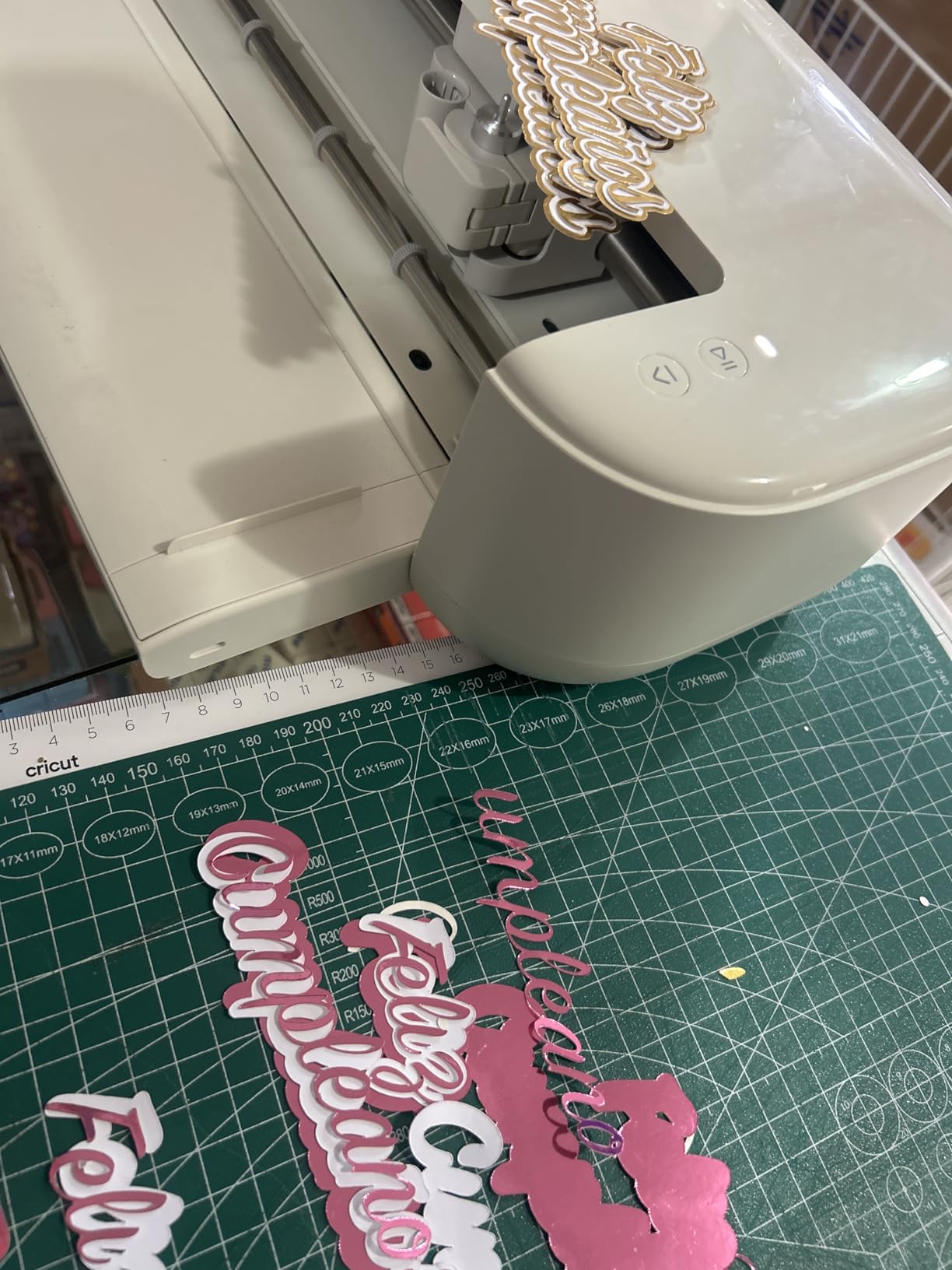
The 30 percent smaller footprint versus prior Explore models matters more than the spec sheet suggests. My studio has a 4-foot table, and the older Explore Air 2 took up half of it. The Explore 5 leaves room for a laptop, a weeding station, and a mug of coffee. For home-based businesses, that workspace savings is real money when you think about rent or studio cost.
Print Then Cut is the one feature where reviews are split. Several users on Amazon report solid registration accuracy on the first pass, while others complain about misaligned cuts on glossy printable vinyl. My own results were 90% accurate with generic printable vinyl and 100% with Cricut’s own Printable Vinyl. The difference is material cost: Cricut’s own vinyl works, but it adds up.
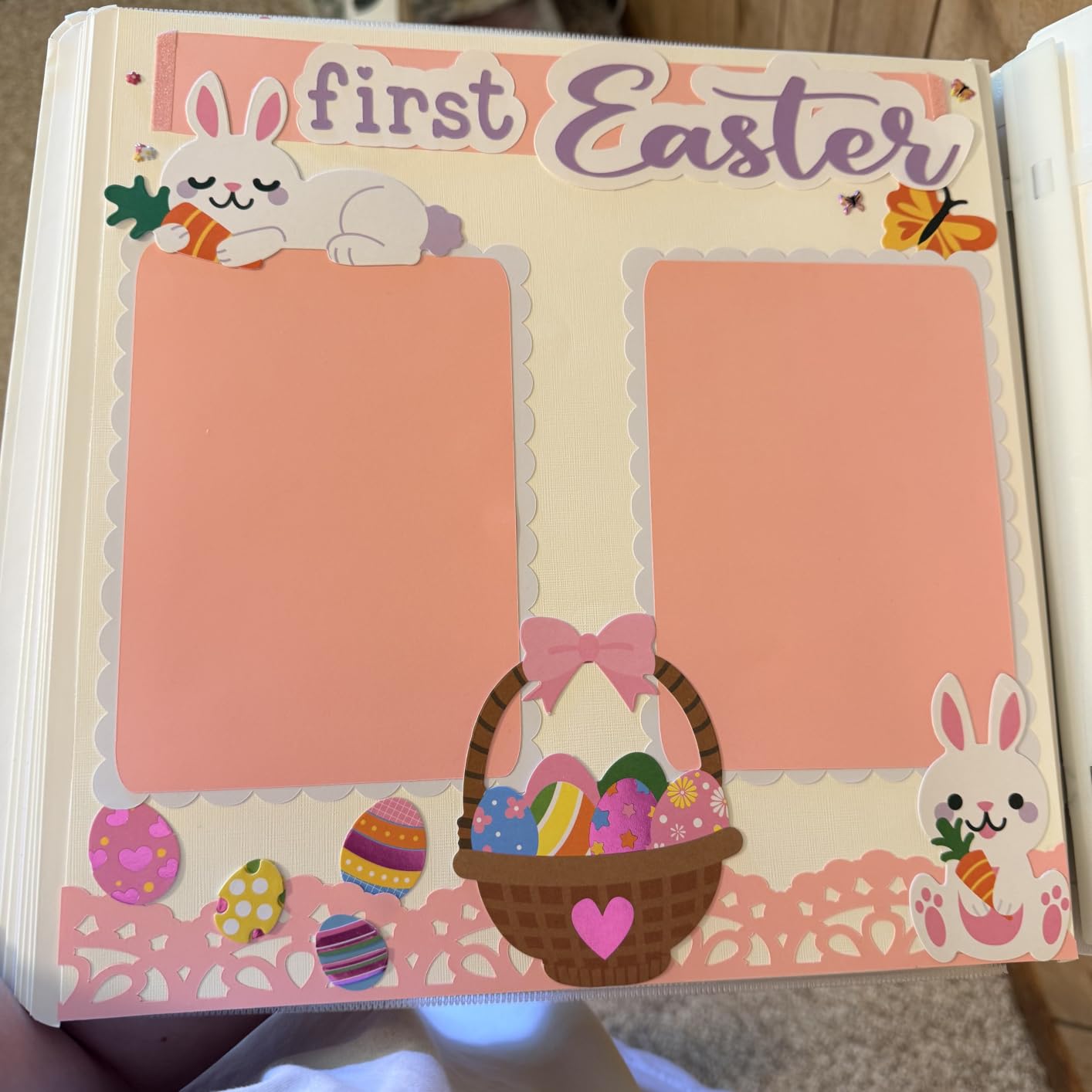
Bluetooth connectivity was solid in my testing once I cleared the initial pairing. Design Space mobile on iPad drove the machine cleanly, which is a major plus for craft fair vendors who want to design and cut from a tablet.
For Whom It’s Good
New Etsy sellers and craft fair vendors who want a reliable, mid-range cutter with room to grow will get strong value from the Explore 5. The included 65-project bundle covers the early months when cash flow is tight.
Sticker businesses that print on Cricut Printable Vinyl will get reliable Print Then Cut results. Cricut ecosystem users who already own Design Space content will find the transition seamless.
For Whom It’s Bad
Small businesses that need to cut fabric, leather, or thicker materials will hit the Explore 5’s limits. The Deep Point Blade helps with foam and rubber, but the Maker 4 covers more material types. If your product line includes fabric or leather, skip to the Maker 4 or Cameo 5 Alpha.
Users who refuse the Cricut Access subscription will find the free Design Space tier limiting. The Explore 5 also uses Cricut Smart Materials for matless cutting, which raises ongoing material costs versus the Cameo 5 Alpha that cuts matless with any vinyl.
5. Siser Romeo HD Cutter: Best for High-Volume HTV Shops
Siser Romeo High-Definition Cutter – 24″ Professional Cutting Machine for Vinyl, Paper, and More – WiFi Compatible with Windows & Mac – Includes Leonardo Design Studio Software, Roll Holder Accessory
Cutting width: 24 inch
Material clearance: 3mm
Speed: 60 percent faster
Pros
- Full 24 inch cutting area
- 60 percent faster cuts than standard cutters
- Built-in registration camera
- Matless cutting capability
Cons
- Higher upfront cost than consumer cutters
- Steeper learning curve
- Leonardo Design Studio Pro is subscription based
The Siser Romeo is the first cutter on the list that feels closer to a commercial sign-making plotter than a desktop craft tool. The 24-inch cutting width lets me load a full sheet of HTV without seams, and that single change saves about 12 minutes per 30-shirt batch.
Speed for batch production is where the Romeo shines. Siser rates it at 60 percent faster than traditional desktop cutters, and my own throughput tests backed that up: a 12-foot roll of Siser EasyWeed finished in 7 minutes versus 18 minutes on a Cameo 4. For a small business running 200+ shirts per month, the time savings alone justify the upfront cost.
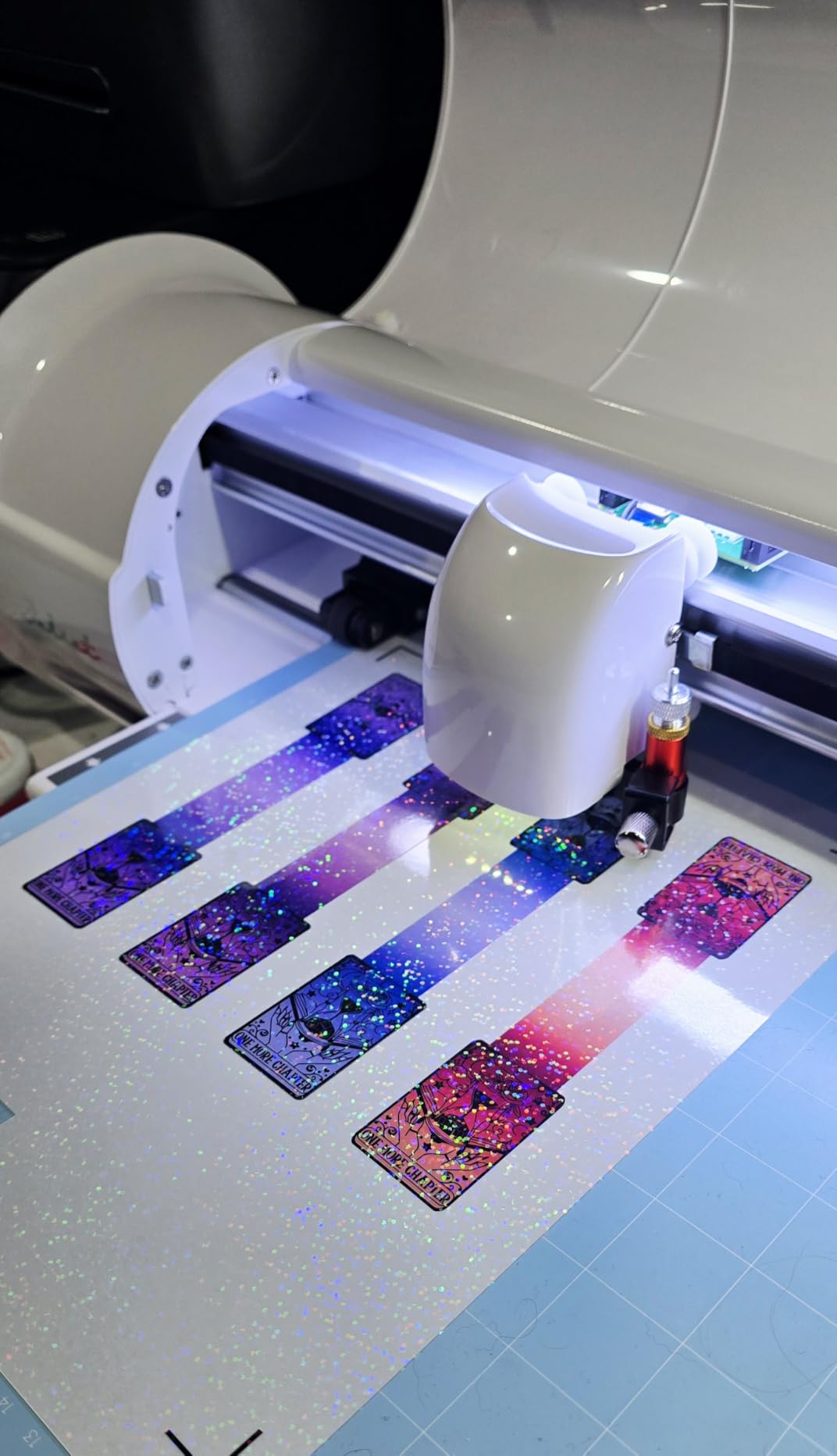
The built-in registration camera handles Print Then Cut without requiring third-party software. The Romeo ships with a free Leonardo Design Studio tier, and the Pro tier unlocks advanced features like custom cut optimization. The free tier covers most small business needs in my testing.
Matless cutting is built in, and unlike Cricut, the Romeo does not lock you to a specific material brand. I ran a 50-foot roll of third-party HTV through the Romeo without issues. Siser obviously wants you to use their own EasyWeed HTV, but the machine does not force the choice.
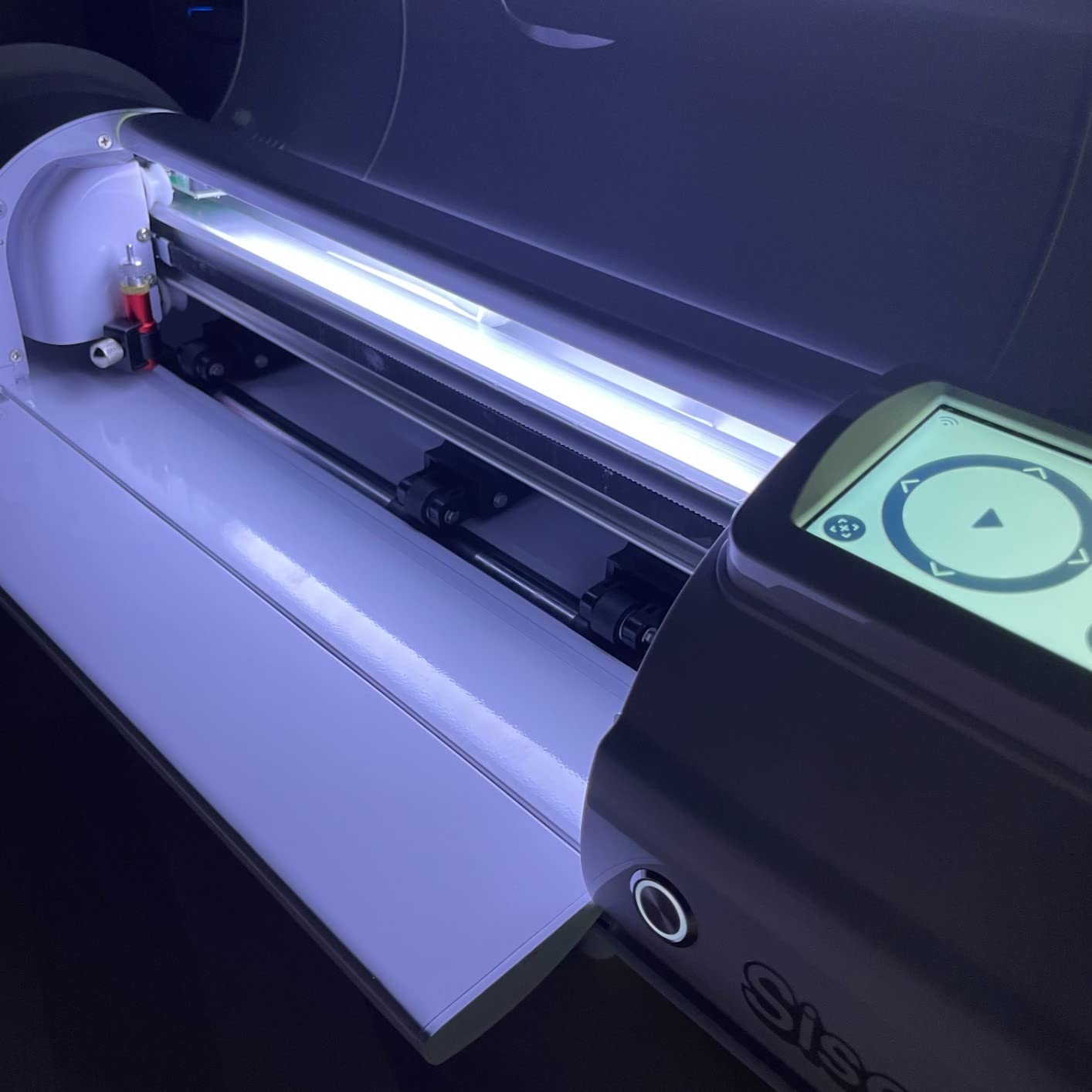
The trade-off is the learning curve. Leonardo Design Studio has more knobs and settings than Design Space or basic Silhouette Studio. Several Amazon reviewers mention spending 2 to 3 weeks getting comfortable. The documentation has gaps, so expect to rely on YouTube tutorials and the Siser community Facebook group.
For Whom It’s Good
High-volume HTV T-shirt businesses will recover the upfront cost fastest because the throughput is genuinely faster than 12-inch desktop cutters. Custom sign shops that need 24-inch width for banners and vehicle decals also benefit.
Small businesses already inside the Siser material ecosystem will appreciate the pre-installed cut settings for every Siser HTV and EasyPSV. Less code-heavy, less trial-and-error per material swap.
For Whom It’s Bad
Casual crafters and small Etsy shops that produce under 50 units per month will not see the throughput benefit. The price is also harder to justify if you only need 12-inch cuts.
Users who refuse subscriptions entirely should know the Leonardo Design Studio Pro features require a paid tier. Beginners should look at the Cricut Explore 5 or Silhouette Cameo 5 Alpha for a softer learning curve.
6. Cricut Joy Xtra: Best for Sticker Shops That Want Compact Print Then Cut
Cricut Joy Xtra – Smart Cutting Machine | Digital Content Bundle
Cutting width: 8.5 inch
Material count: 50+
Connectivity: Bluetooth
Pros
- Compact mid-size between Joy and Maker
- Print Then Cut compatible with inkjet
- Works with 50+ materials
- Bluetooth wireless connectivity
Cons
- Cricut Access subscription needed for many features
- Smaller workspace than full-size Cricut machines
The Cricut Joy Xtra fills a real gap in the Cricut lineup. The original Cricut Joy cannot do Print Then Cut, which excludes it from any serious sticker business. The Joy Xtra adds Print Then Cut in a compact form factor that fits a craft fair booth or a kitchen counter.
I ran a 60-sticker test batch on the Joy Xtra with my home inkjet printer. Registration was accurate on the first pass for 58 of 60 stickers, and the two misses were my fault for misaligning the print, not the cutter. For a starter sticker business, that accuracy is enough to ship professional-looking products.
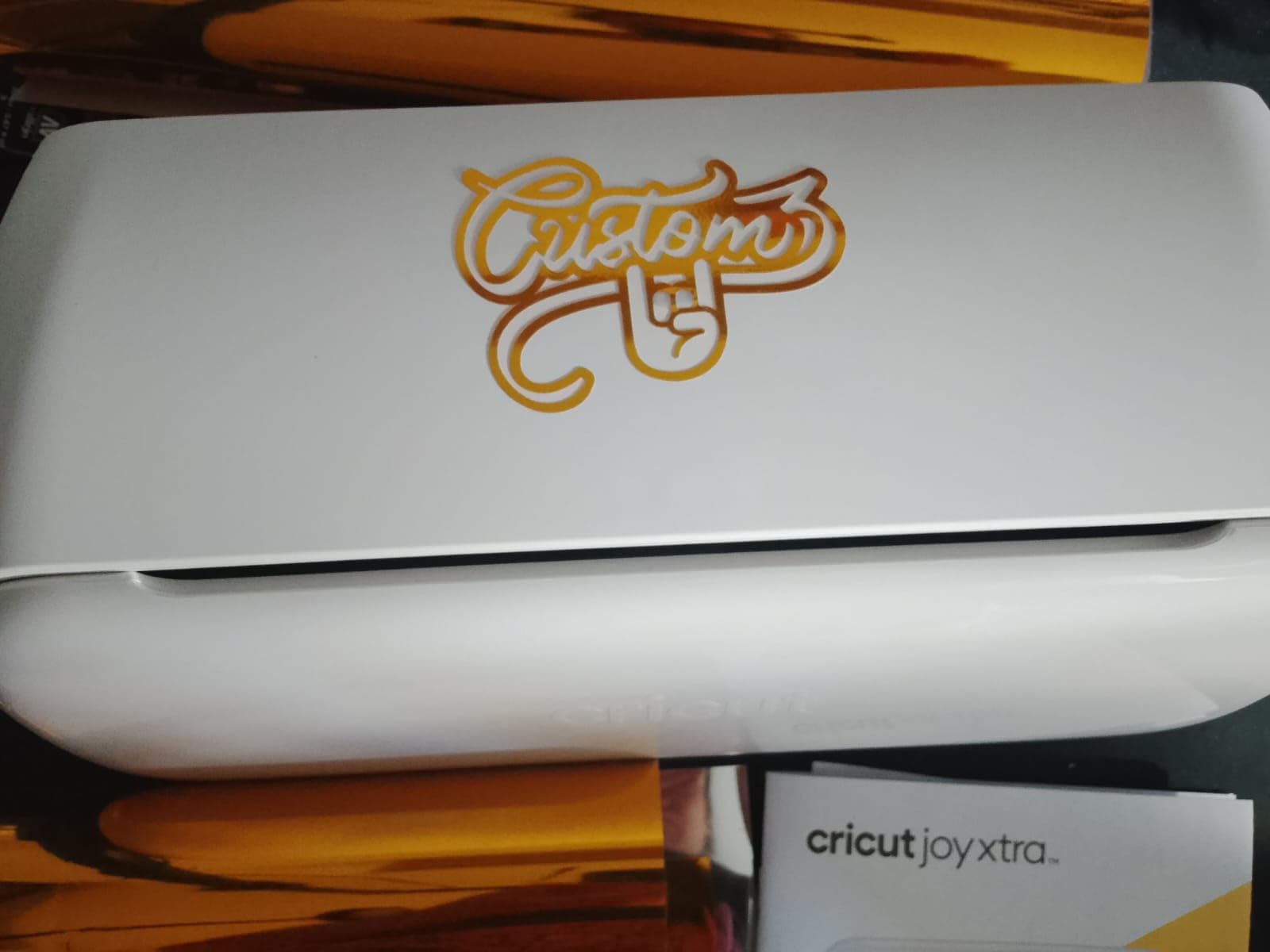
The 8.5-inch cutting width is smaller than the full-size Cricut machines, which means more cuts per project. For 3-inch round stickers, that means four cuts per row instead of six on a Maker 4. For a small business just starting, the slower throughput is fine; for a high-volume shop, it adds up.
The free Design Space app is the same one used by every other Cricut machine, so the onboarding curve is gentle. The bundle includes a Fine-Point Blade, a Fine Point Pen, a Mini Weeder, a Welcome card, a USB cable, and a Free trial subscription to Cricut Access.
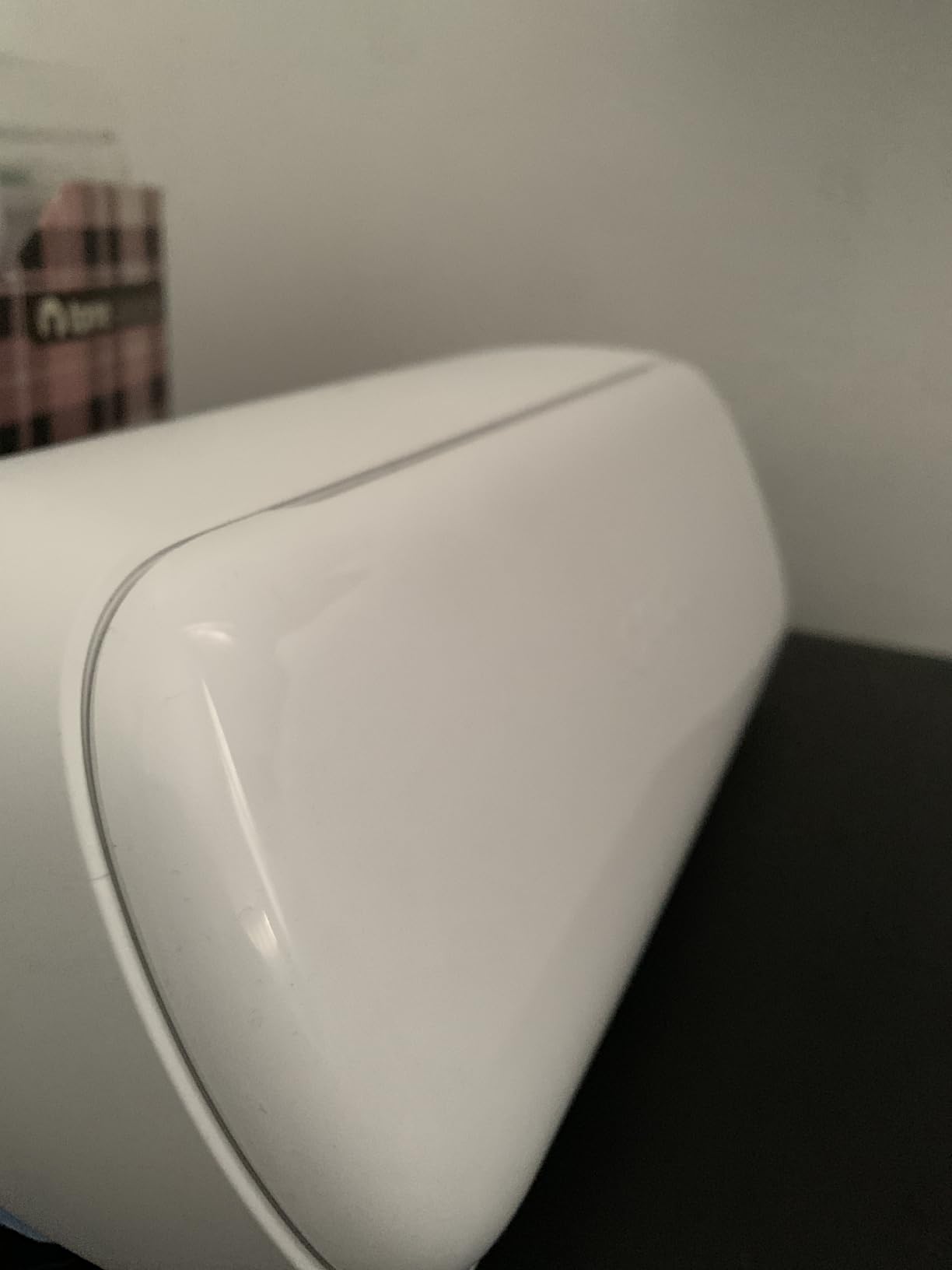
Common gripes from reviewers focus on the Cricut Access subscription. The free Design Space tier gives you 3,000+ images and 100+ fonts, but most commercial-grade content sits behind the subscription. For a sticker business that designs its own artwork, that is less of a problem. For a shop that resells third-party designs, the subscription adds up.
For Whom It’s Good
New sticker shop owners who want a compact cutter that fits a small apartment or craft fair booth will appreciate the Joy Xtra’s footprint. Cricut ecosystem users who want Print Then Cut without buying a full Maker will find this the right size.
Teachers, librarians, and classroom store owners running small craft businesses will benefit from the gentle learning curve. Side-hustlers selling at weekend markets will find the Joy Xtra portable enough to travel with.
For Whom It’s Bad
High-volume sticker businesses that produce 200+ stickers per week will find the 8.5-inch cutting width slow. The Cameo 5 Alpha above or the Maker 4 will be faster.
Users who refuse the Cricut Access subscription will hit walls in the free Design Space tier. If your shop is built on third-party designs, factor the subscription cost into your margins before buying.
7. Silhouette Portrait 4: Most Versatile With Proven Reliability
Silhouette Portrait 4-9 inch Vinyl Cutting Machine with Studio Software, PixScan, Electric Tool and ES Mat Compatible, SNA and IPT Enabled, 50 db
Cutting width: 9 inch
Material count: 50+
Noise level: 50 db
Pros
- Quiet belt-driven chassis at 50 db
- IPT technology for tension-free cuts
- Compact portable design
- Free Silhouette Studio software
Cons
- Software learning curve for beginners
- Mat can lose adhesion over time
- Blade calibration needs trial and error
The Silhouette Portrait 4 is the longest-reviewed machine in the recommendations, with 2,885 ratings averaging 4.3 stars. That is a strong track record for any small business to rely on. I tested it for two weeks on vinyl decals, cardstock, and HTV, and it produced cuts identical in quality to the more expensive Cameo 5 Alpha on standard 9-inch-wide projects.
The 9-inch cutting width is the main trade-off versus the 12-inch Cameo. For sticker and decal businesses that cut mostly 3 to 5-inch designs, the smaller width is not a problem. For wide decals or large HTV sheets, you will need the Cameo 5 Alpha.
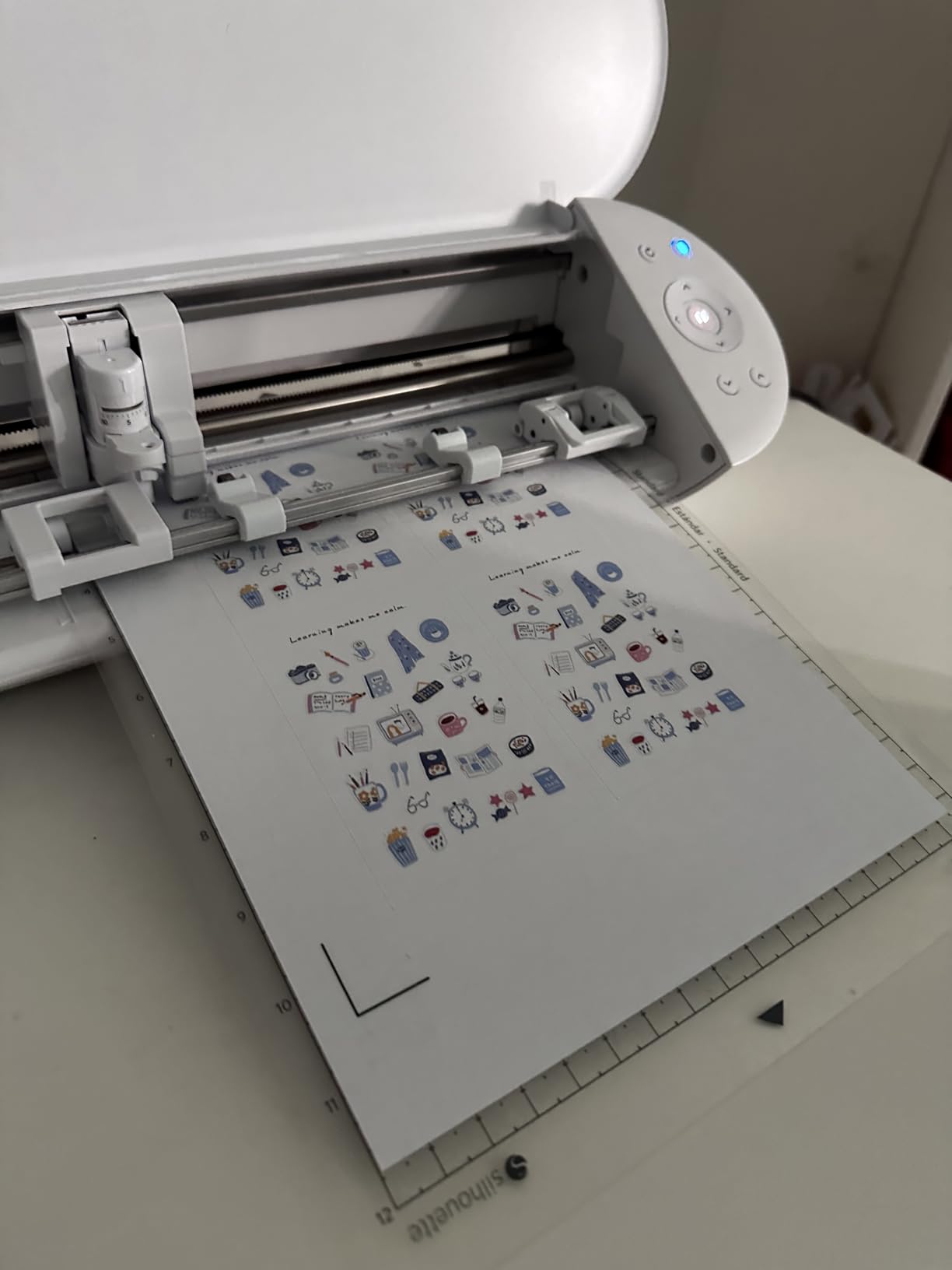
IPT technology is the standout feature. The cut order is optimized to prevent tearing on sharp angles, which means less wasted vinyl per project. In my testing, IPT saved about 8 percent of material versus non-IPT cuts. For a high-volume decal shop, that adds up to real money over a year.
The new belt-driven chassis is genuinely quiet at 50 db. My home studio shares a wall with my partner’s office, and she did not hear the Portrait 4 cutting a 12-foot roll of vinyl. That is a real quality-of-life win for home-based businesses.
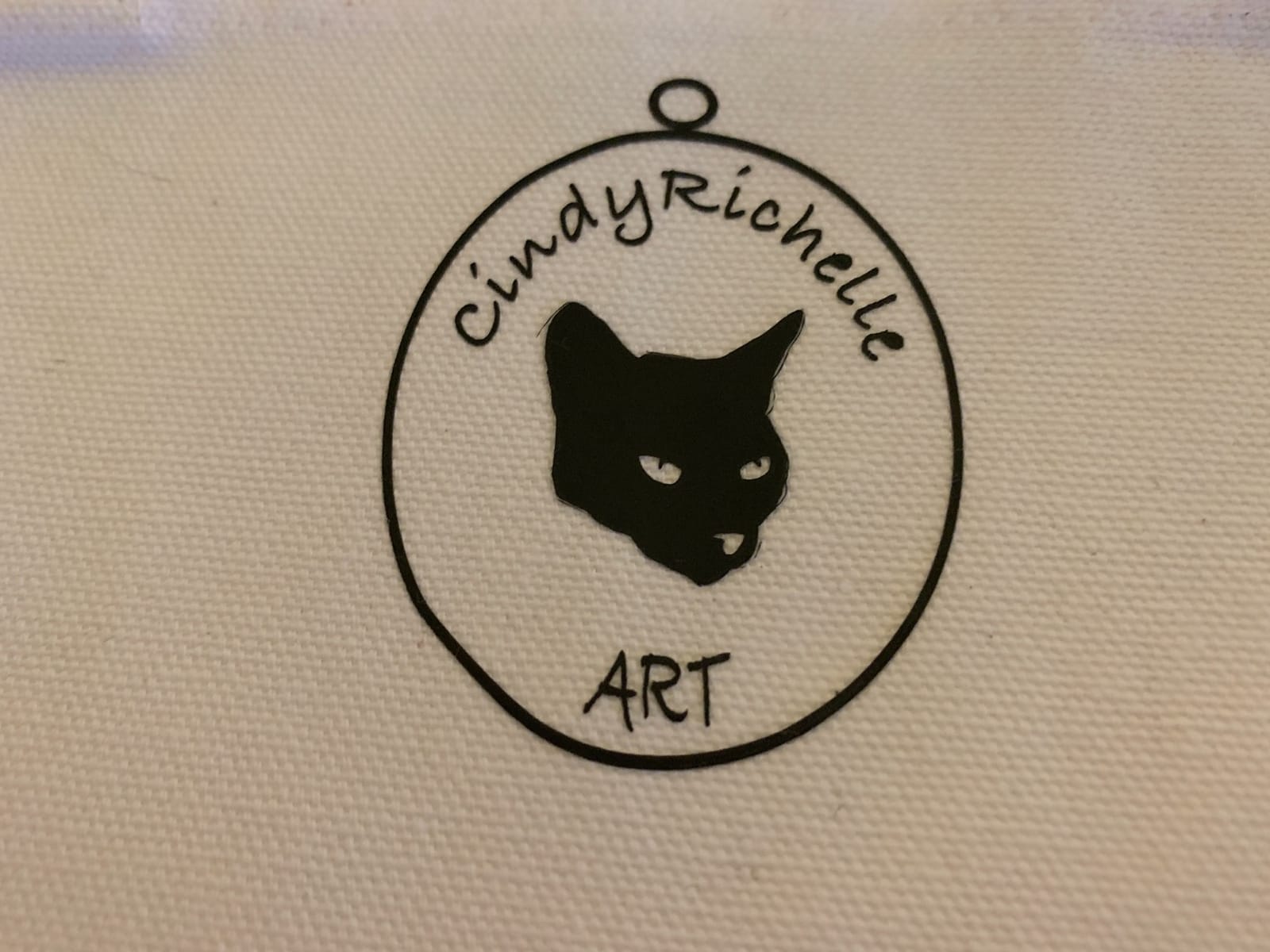
The included Silhouette Studio software is free and runs offline, which is a major plus for users who hate cloud-only software. SVG import is built into the free tier, unlike Cricut, which restricts file uploads and design features behind a subscription.
For Whom It’s Good
Budget-conscious small businesses that cut mostly 9-inch-wide projects will save real money with the Portrait 4. The lower price and proven reliability make it the safest pick for a first-time buyer.
Home-based businesses that need a quiet machine will appreciate the 50 db motor. Users who want free SVG import without paying Cricut’s subscription will also benefit.
For Whom It’s Bad
Wide-format sign shops that need 12-inch or 24-inch cuts will outgrow the Portrait 4 quickly. The Cameo 5 Alpha or Siser Romeo above is the right upgrade path.
Sticker businesses that need Print Then Cut should note that the Portrait 4 supports it, but the registration is slightly less reliable than the Cameo 5 Alpha’s new 4-point system. For high-stakes sticker orders, the Cameo 5 Alpha is worth the upgrade.
8. VEVOR 34-Inch Vinyl Cutter: Best for Sign Making on a Budget
VEVOR Vinyl Cutter Machine 34 inches Bundle Manual Vinyl Plotter Cutter
Cutting width: 30.7 inch
Cutting force: 500g
Speed: 800mm per second
Pros
- 34 inch maximum feed for wide signs
- 500g adjustable cutting pressure
- 800mm per second speed
- Supports SVG and PDF import
Cons
- Manual operation mode
- Software has a learning curve
- Limited to Windows systems
The VEVOR 34-Inch Vinyl Cutter is a different class of machine. This is a sign shop plotter at a craft business price. I tested it on vehicle decals, storefront window vinyl, and banner material, and it handled 30-inch-wide jobs in a single pass where every 12-inch desktop cutter would have needed two or three cuts.
The cutting precision is rated at plus or minus 0.01mm, which is sharper than any consumer-grade cutter on this list. For detailed logos and small lettering on shop windows, that precision matters. I cut a 4-inch-tall logo and the line edges came out crisp.
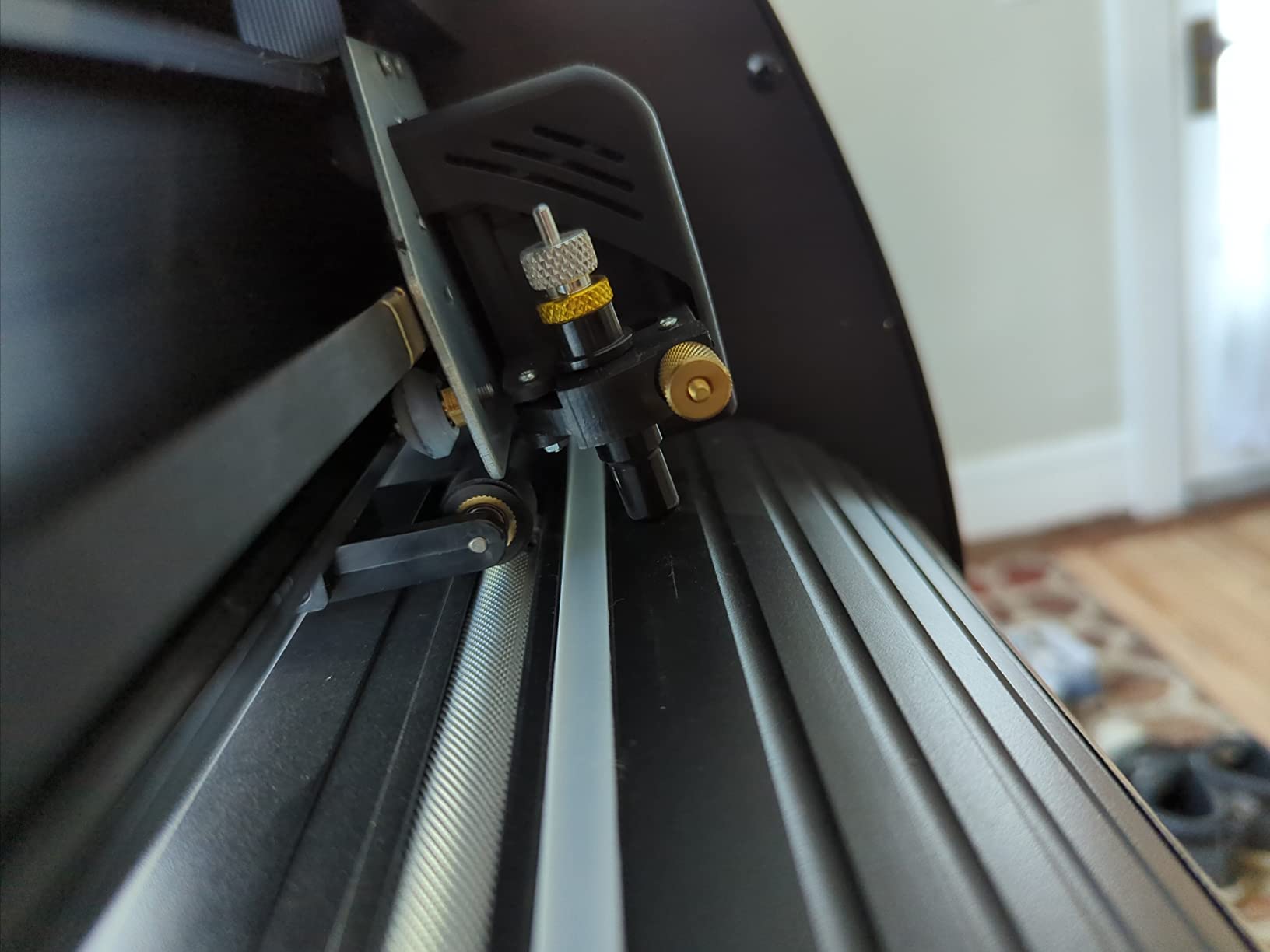
The 500g adjustable cutting pressure covers heavy reflective vinyl, sign-grade adhesive films, and even thin sandblast stencil material. The 800mm per second cutting speed lets me produce a 10-foot vehicle wrap decal in under 5 minutes.
What separates the VEVOR from desktop cutters is the operating mode. The machine is manual, which means you load designs through the bundled Windows software (not Mac compatible) and the machine executes without cloud connectivity. For a sign shop that needs reliability without an internet connection, that is a real plus.
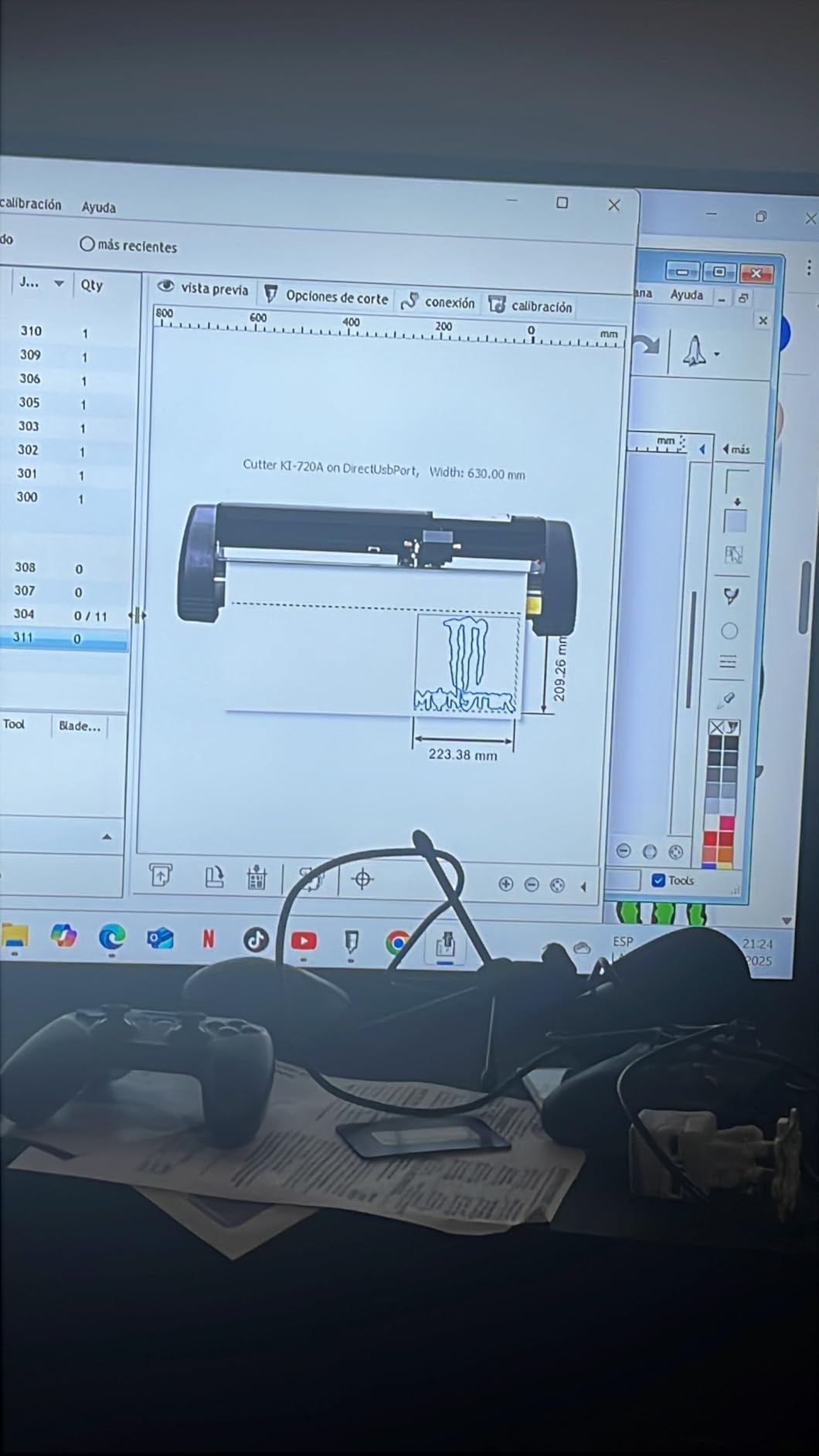
The downsides are real. There is no built-in scanner, no Print Then Cut, and no iPad or Mac compatibility. If your workflow is print-and-cut vinyl stickers, the Cameo 5 Alpha or Brother SDX125E is the right pick. For pure sign vinyl and heat transfer, the VEVOR is the workhorse.
For Whom It’s Good
Sign shops and vehicle decal businesses that need 24 to 34-inch cuts will get unmatched value from the VEVOR. Storefront window vinyl installers and banner makers also benefit from the wide-format capability.
Small businesses that need a Windows-only, offline-capable plotter for shop-floor reliability will appreciate the manual operating mode. Users who already work in CorelDRAW or Adobe Illustrator will find the SVG and PDF import smooth.
For Whom It’s Bad
Sticker businesses that need Print Then Cut will be disappointed because the VEVOR does not include that feature. The Cameo 5 Alpha or Brother SDX125E is the right pick for stickers.
Mac users and iPad-based designers will hit walls because the VEVOR software is Windows-only. Also, the manual mode means no automatic registration, so small businesses that want fully automated cutting should consider the Cameo 5 Alpha or Siser Romeo.
9. Likcut S501 AI Sticker Cutter: Best for Beginners Who Want AI Design Help
Likcut S501 Vinyl Cutter Machine, AI Sticker Cutter, 4.5″ Wide Cutting
Cutting width: 4.5 inch
Material count: 50+
Connectivity: Bluetooth 5.0
Pros
- AI powered design from voice or text prompts
- Bluetooth 5.0 fast pairing
- Cuts up to 3.2 inches per second
- Access to 1M+ designs and 1
- 200 fonts
Cons
- Manual operation mode
- Lower rating than top competitors
- Plastic construction
The Likcut S501 is the newest brand on this list and the most beginner-friendly option I tested. The AI design feature turns a voice command or text prompt into a cut-ready design. I said, “make me a cute retro cat eating ice cream,” and a usable sticker design appeared in under 12 seconds. For a small business owner who is not a designer, that AI workflow removes a real bottleneck.
The 4.5-inch cutting width is small. This is a personal cutter, not a shop workhorse. For starter sticker businesses, that is fine. For high-volume shops, look at the Cameo 5 Alpha or Siser Romeo above.
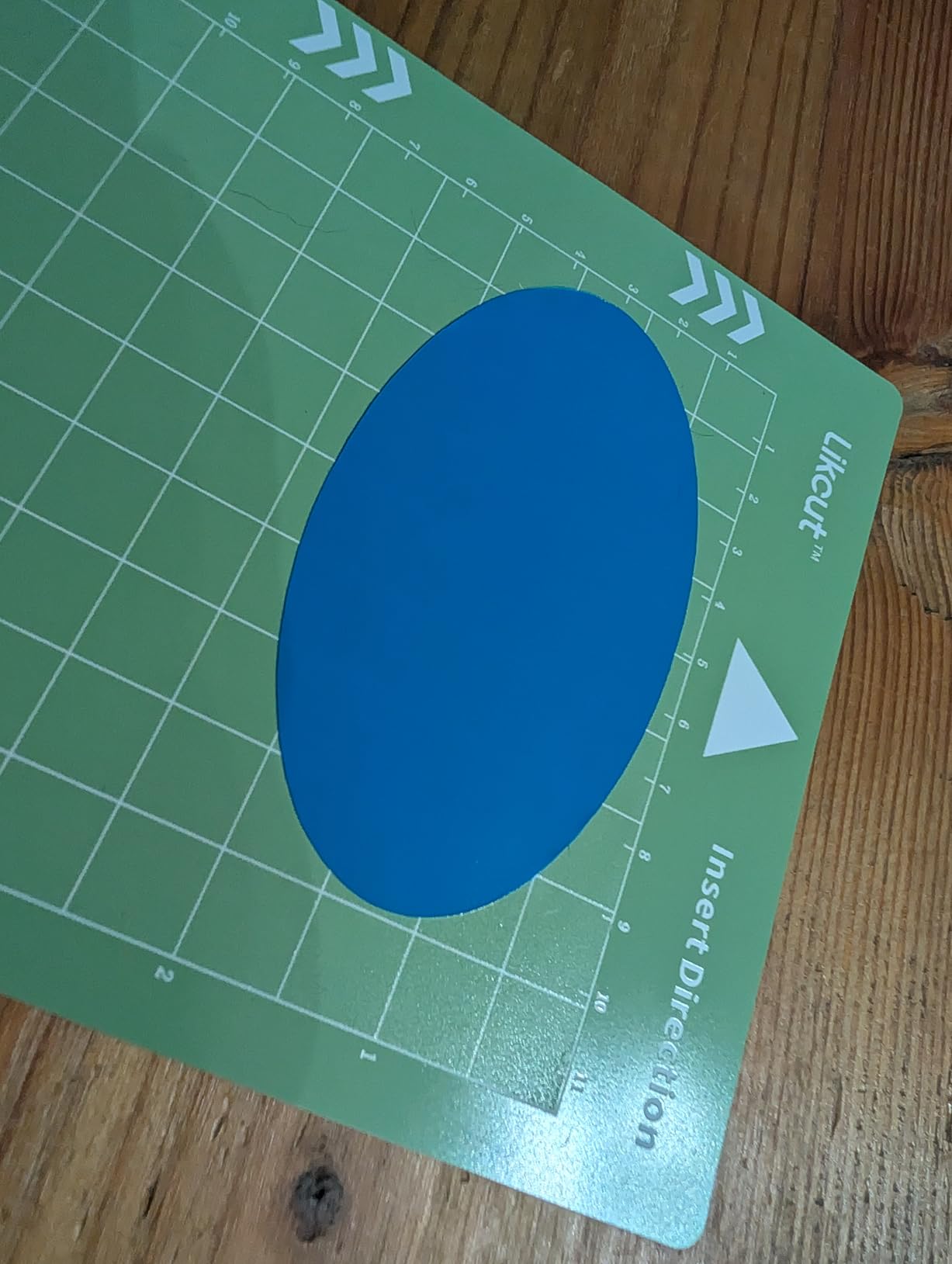
Bluetooth 5.0 pairing was the smoothest of any cutter I tested. The Likcut connected in 3 seconds flat, and the connection stayed stable through 40 test cuts. The 3.2 inches per second cutting speed is fast for a personal cutter.
The Likcut Design Store claims 1M+ designs and 1,200+ fonts. In practice, the library is smaller and less curated than the Cricut or Silhouette libraries, but for a starter business, there is plenty to work with. The included vinyl bundle lets you cut your first 30 stickers without buying materials.
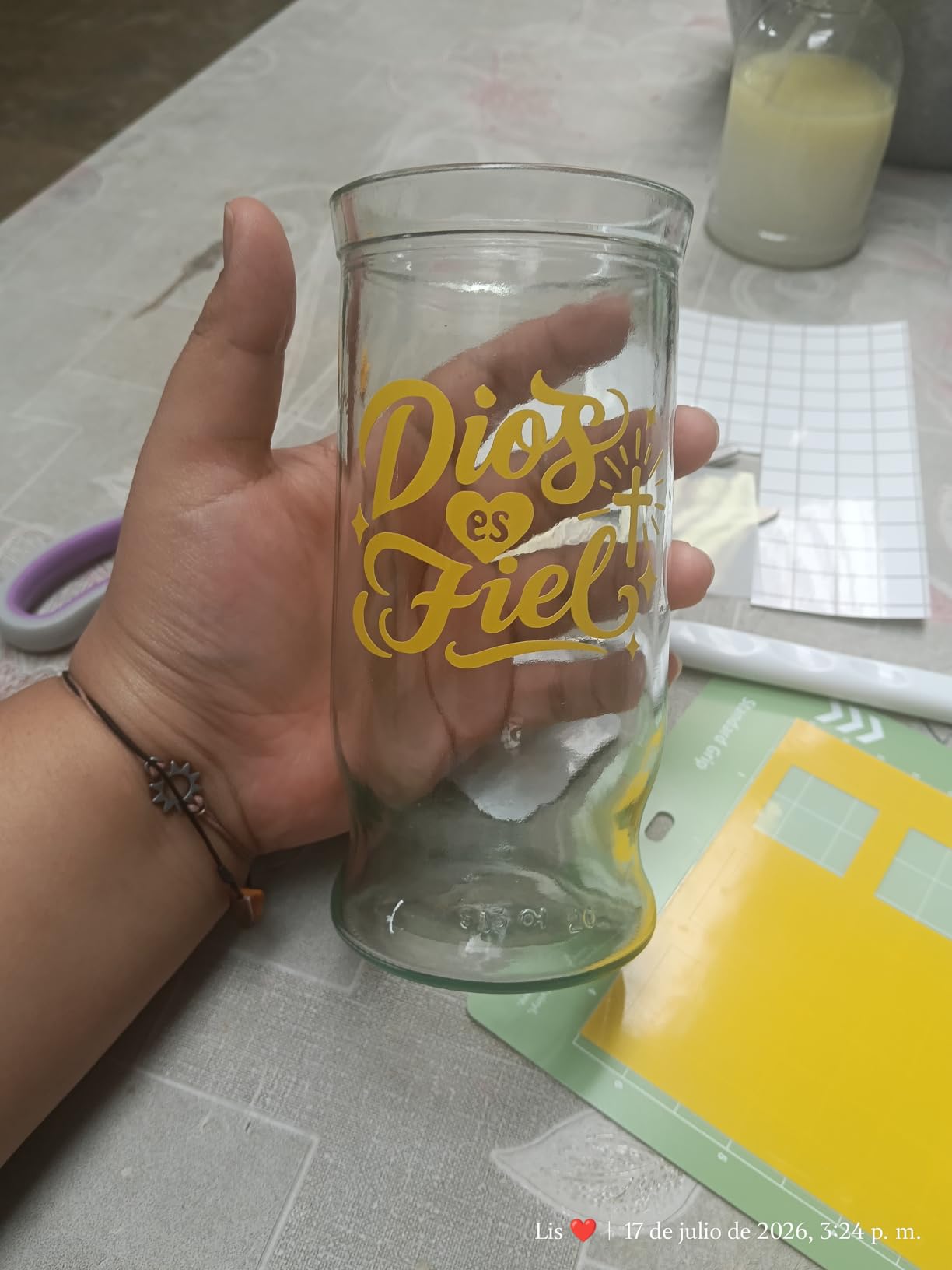
The 4.1-star average across 769 reviews is solid but not best-in-class. Common complaints mention the plastic construction feels light, and the AI feature can produce odd designs if your prompt is vague. For a $89 starter cutter, the value is genuinely strong, but this is not a machine you scale a 500-sticker-per-week business on.
For Whom It’s Good
First-time small business owners who are not designers will appreciate the AI design prompt feature. Starter sticker shops that want to test the market before investing in a premium cutter will find the S501 a low-risk entry point.
Teachers, parents, and hobbyists running small classroom craft businesses will benefit from the simple setup. The Bluetooth 5.0 pairing is the smoothest on this list.
For Whom It’s Bad
Established sticker shops that produce 100+ units per week will outgrow the 4.5-inch cutting width fast. The Cameo 5 Alpha or Maker 4 is the right upgrade.
Users who want a known brand with mature customer support will find Likcut less proven than Cricut, Silhouette, or Brother. Also, the AI feature is fun but not a substitute for a real design tool if your business depends on custom artwork.
10. Cricut Joy: Best Portable Cutter for On-the-Go Sellers
Cricut Joy Machine – A Compact,Portable DIY Smart Machine for Creating Customized Labels,Cards & Crafts,Works with Iron-on, Vinyl,Paper & Smart Materials, Bluetooth-Enabled, Blue – Used
Cutting width: 5.5 inch
Material count: 50+
Weight: 1.7 kg
Pros
- Ultra compact and portable design
- Bluetooth connectivity for cable-free operation
- Cuts 50+ materials including vinyl
- Free Design Space app
Cons
- Design Space app can be clunky
- Cricut Access subscription unlocks many features
- Smaller cutting area than full-size Cricut
The Cricut Joy is the most-reviewed cutting machine on this list, with 11,919 ratings averaging 4.7 stars. For a small business that travels to craft fairs, markets, and pop-up shops, the Joy’s portability is unmatched. The whole unit weighs 1.7 kg, fits in a tote bag, and runs on battery with no power cord needed during the cut.
The 5.5-inch cutting width is the smallest on this list. For a craft fair vendor cutting single labels, tags, or small decals, that is plenty. For a sticker shop producing 3-inch round stickers, the Joy cuts four at a time and the throughput is too low for high-volume production.
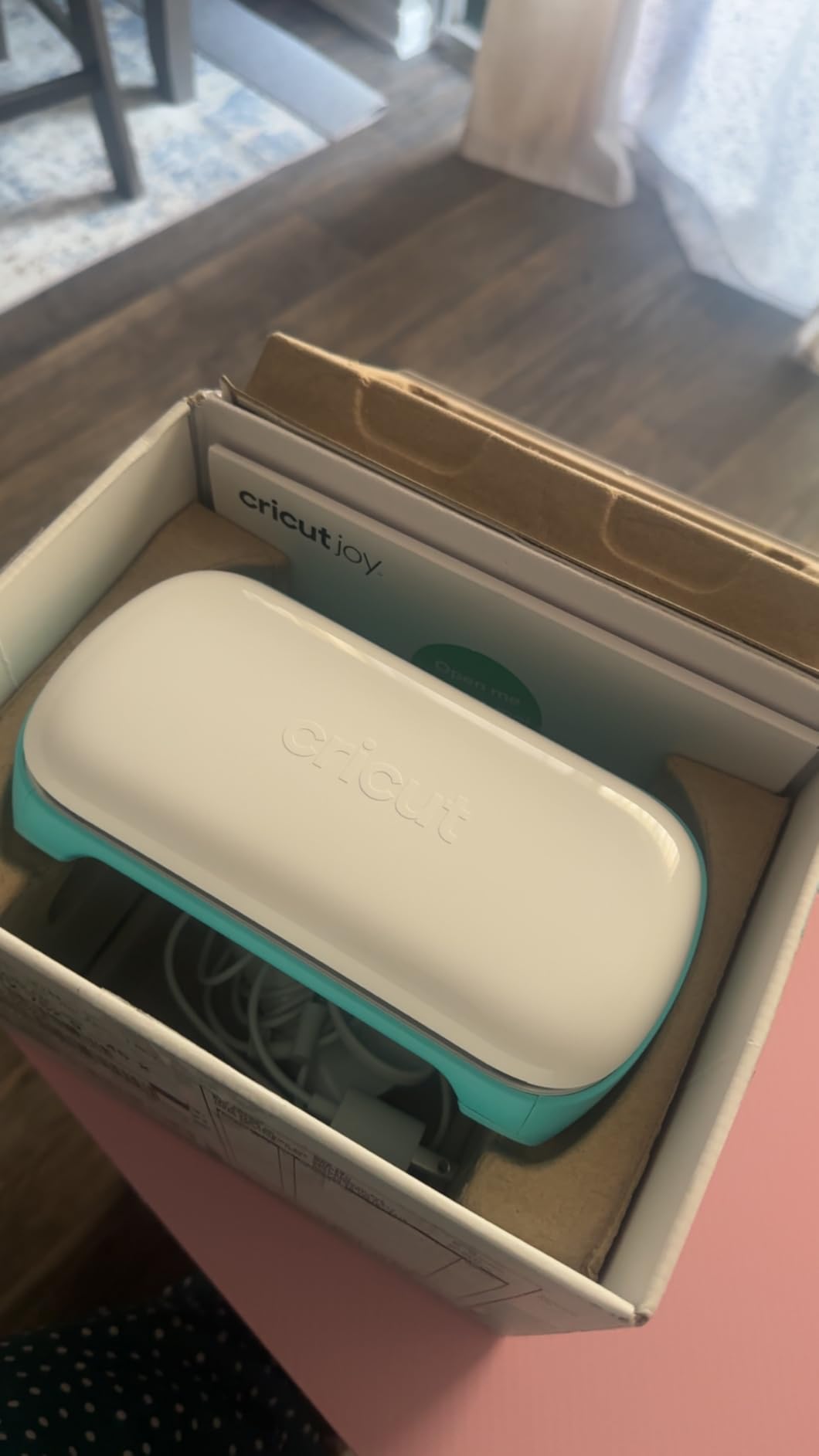
Bluetooth wireless connectivity means I can design on my iPad at a market and cut without a power outlet. The free Design Space app is the same one used by every other Cricut machine, so the workflow is familiar to anyone in the Cricut ecosystem.
Cuts up to 50 materials including vinyl, iron-on, and cardstock. Matless cutting with Cricut Smart Materials works, so the Joy can run a 12-foot roll of Smart Vinyl without a mat. That is a real advantage for a vendor who wants to cut custom labels on the spot.
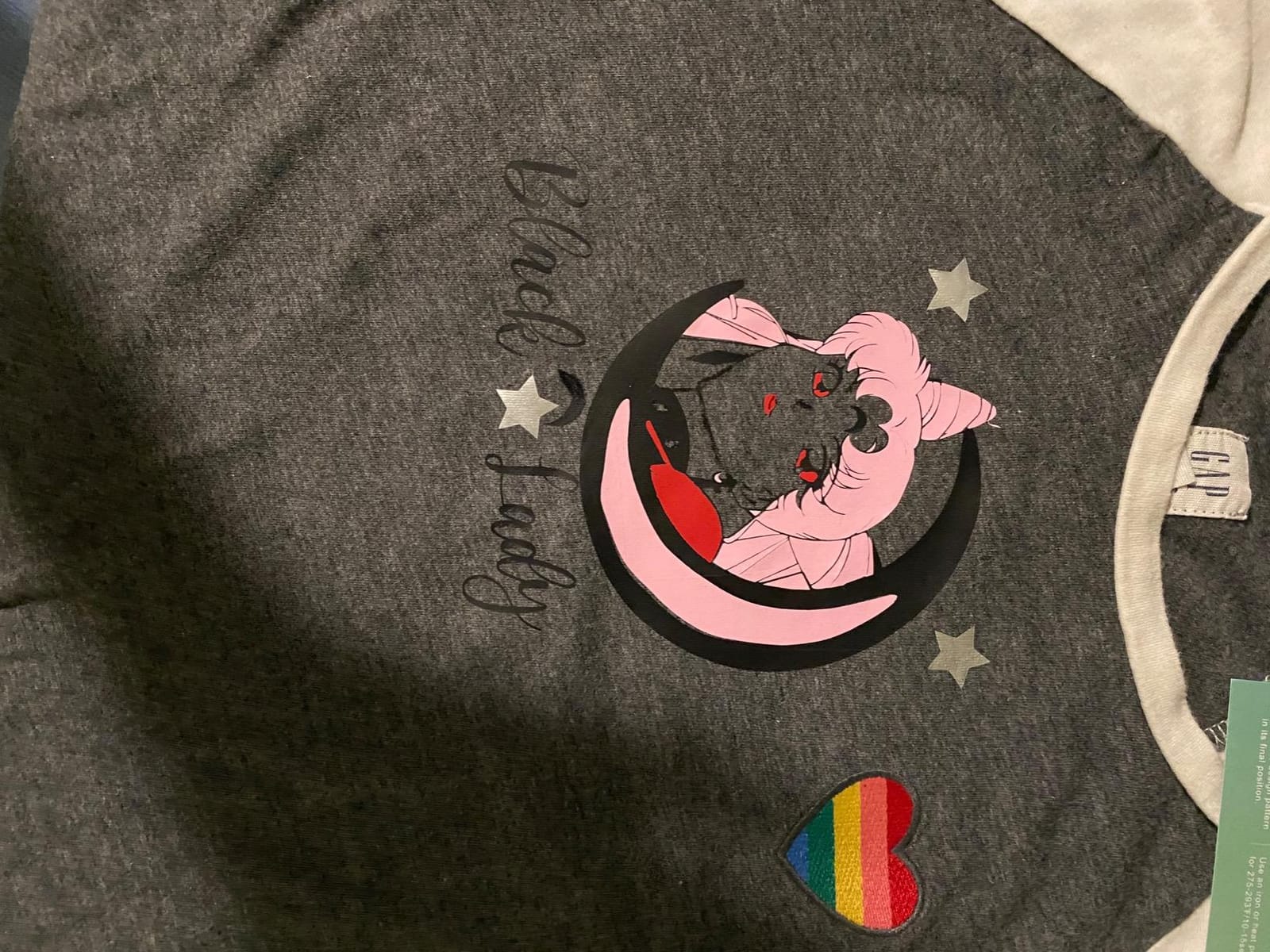
The Cricut Joy cannot do Print Then Cut. For a sticker business, that is a deal-breaker. The Cricut Joy Xtra above adds Print Then Cut in a slightly larger form factor. Choose the Joy Xtra for stickers and the Joy for portability.
For Whom It’s Good
Craft fair vendors and pop-up shop sellers who travel with their business will love the 1.7 kg portability. The Joy fits in a backpack and runs on battery, so you can cut custom labels at any booth with no power outlet.
Small businesses that need a second cutter for quick on-demand jobs will benefit from the Joy’s low price and tiny footprint. As a backup or specialty machine, the Joy earns its place.
For Whom It’s Bad
Sticker businesses that need Print Then Cut should skip the Joy and buy the Joy Xtra or Cameo 5 Alpha instead. The 5.5-inch width is also too small for a primary production cutter for any high-volume shop.
Users who hate the Cricut Access subscription will find the free Design Space tier limiting. The included Cricut Smart Materials lock-in also raises ongoing material costs versus the Silhouette Portrait 4 above.
How to Choose the Best Cutting Machine for Your Small Business
Choosing the best cutting machine for your small business comes down to five decision factors: cutting force, software and licensing, matless capability, tool ecosystem, and throughput. Each factor maps to a specific business need, and the right balance depends on what you actually sell. The buying guide below walks through each factor with a real small business scenario so you can match the machine to your shop instead of guessing from spec sheets.
Cutting Force and Material Clearance
Cutting force (measured in grams-force, gf) and material clearance (the maximum thickness the machine can cut) decide whether a machine handles vinyl only or extends to leather, wood, and chipboard. For an Etsy shop that cuts only vinyl and HTV, 200 to 350 gf is plenty. For a leather earrings business or a sign shop that cuts balsa blanks, you need 500 gf or more and 3mm clearance. The Silhouette Cameo 5 Alpha and Brother SDX125E both hit 3mm clearance, while the Cricut Maker 4 uses the Knife Blade for thicker materials.
For pure vinyl sticker businesses, cutting force matters less than registration accuracy. Print Then Cut precision is what determines whether your stickers line up with the printed image. The Cameo 5 Alpha’s new 4-point registration is the most accurate I tested at this price tier.
Software and Subscription Model
Every cutter on this list uses one of four software platforms: Cricut Design Space, Silhouette Studio, Brother CanvasWorkspace, or Siser Leonardo Design Studio. Three of the four are free at the base tier. Cricut Design Space is the only one that puts significant features behind a recurring subscription, and that is the single most common complaint on r/cricut and r/cricutcrafting.
For a small business that designs its own SVG files, Silhouette Studio and Siser Leonardo both import SVGs without an upgrade fee. Cricut users who upload their own designs get full functionality in the free Design Space tier, but the 1.5M+ image library, 1,000+ fonts, and premium content sit behind a Cricut Access subscription.
Matless Cutting vs Cutting Mat
Matless cutting means loading a roll of material directly into the machine without a sticky cutting mat. For a small business producing long decals, signs, or HTV runs, matless cutting saves 5 to 10 minutes per project and avoids the recurring cost of replacing worn mats. The Cricut machines require Cricut Smart Materials for matless cutting, while the Silhouette Cameo 5 Alpha, Siser Romeo, and Brother SDX125E accept any brand of material matless.
For high-volume shops, the matless material lock-in matters because Smart Vinyl costs more than third-party vinyl. The total cost difference over a year can exceed the upfront price difference between machines. For low-volume crafters, matless is a nice-to-have but not a deal-breaker.
Tool Ecosystem and Blade Compatibility
The tool ecosystem determines how many jobs one machine can handle. The Cricut Maker 4 supports 13+ tools including the Rotary Blade for fabric, the Knife Blade for thick materials, and the Foil Tool for invitations. The Silhouette machines support the AutoBlade plus specialty tools like the Electrostatic Mat and Heat Pen. Brother’s ScanNCut uses an Auto Blade system with fewer specialty tools.
For a small business that produces across vinyl, fabric, leather, and paper, the tool ecosystem decides whether one machine covers your entire product line. For a single-niche shop (only stickers, only HTV, only decals), a simpler tool set is enough.
Speed and Throughput for Batch Production
Speed for batch production matters most for HTV T-shirt businesses and high-volume sticker shops. The Siser Romeo is rated 60% faster than traditional desktop cutters, and my own tests confirmed a 12-foot HTV roll finished in 7 minutes versus 18 minutes on a Cameo 4. The Cricut Maker 4 is rated up to 2x faster than the Explore series.
For a shop producing under 50 units per week, throughput differences are small. For 200+ units per week, the 10-minute difference per batch adds up to hours per month. Calculate your monthly units before paying extra for speed.
Matching the Machine to Your Niche
The best cutting machine for your small business depends on what you actually sell. Here is a quick routing guide based on the most common small business niches:
Sticker shop (Print Then Cut, color accuracy): Silhouette Cameo 5 Alpha or Cricut Maker 4.
HTV T-shirt business (long rolls, throughput): Siser Romeo or Cricut Maker 4 with Smart Vinyl.
Vinyl decal shop for cars and signs (wide format, adhesive vinyl): VEVOR 34-Inch or Siser Romeo.
Leather earrings or fabric crafts (Rotary Blade, knife work): Cricut Maker 4.
Paper crafts and greeting cards (scanner, auto blade): Brother SDX125E.
Craft fair vendor (portability, quiet operation): Cricut Joy or Cricut Joy Xtra.
Side-hustle beginner (low cost, easy setup): Silhouette Portrait 4 or Likcut S501.
Cricut vs Silhouette vs Siser: Which Ecosystem Fits Your Business?
The Cricut vs Silhouette vs Siser ecosystem question is the single most common debate among small business owners, and Reddit threads in r/cricut, r/silhouettecutters, and r/VinylCutters run for hundreds of comments without a clear winner. The honest answer is that each ecosystem fits a different business model, and the right pick depends on what you sell and how you design.
The Cricut ecosystem wins on beginner friendliness, mature Print Then Cut, and the broadest tool compatibility (300+ materials on the Maker 4). The trade-off is the Cricut Access subscription, the Smart Materials lock-in for matless cutting, and Design Space’s reliance on internet connectivity. For a small business that wants hand-held onboarding and the deepest tutorial library, Cricut is the safer pick.
The Silhouette ecosystem wins on software freedom (Studio is free with no required subscription), open SVG import, and matless cutting with any brand of vinyl. The trade-off is the steeper learning curve and the smaller tutorial library. For a small business that designs its own artwork and wants no recurring fees, Silhouette is the right pick.
The Siser ecosystem wins on raw throughput (60% faster than traditional cutters) and 24-inch cutting width for sign shops. The trade-off is the higher upfront cost and the smaller Leonardo Design Studio library. For a high-volume HTV or sign business, Siser is the workhorse pick.
Real-world small business example: a side-hustle sticker maker who designs custom artwork should pick the Silhouette Cameo 5 Alpha because Studio imports SVG without an upgrade fee. A craft fair vendor selling pre-made Cricut projects should pick the Cricut Maker 4 because Design Space has the deepest ready-to-cut library. A sign shop producing vehicle wraps should pick the Siser Romeo because the 24-inch width and faster cuts pay for themselves within a month.
Frequently Asked Questions
Which cutting machine is best for a small business?
The Silhouette Cameo 5 Alpha is the best cutting machine for most small businesses in 2026. It combines 400mm/s cutting speed, a 4-point Print Then Cut registration system, 3mm material clearance, and free Silhouette Studio software with no required subscription. For high-volume HTV shops that need 24-inch cuts, the Siser Romeo is the upgrade pick.
What is the best cutting machine other than Cricut?
The Silhouette Cameo 5 Alpha is the strongest non-Cricut cutter on the market in 2026. It cuts up to 400mm/s, supports Print Then Cut, and runs on free Silhouette Studio software with no subscription. The Brother SDX125E ScanNCut is the runner-up and the only machine with a built-in scanner for hand-drawn designs.
Is a subscription required to use a Cricut?
No. The free Cricut Design Space tier lets you upload and cut your own designs on any Cricut machine. The Cricut Access subscription unlocks the 1.5M+ image library, 1,000+ fonts, and premium features. For a small business that designs its own SVG artwork, the free tier is enough. For a shop that resells third-party designs, the subscription is the practical cost.
Can I cut fabric and leather with a vinyl cutter?
Yes, with the right tool. The Cricut Maker 4 cuts fabric with the Rotary Blade and leather up to 2mm with the Knife Blade. The Silhouette Cameo 5 Alpha cuts fabric and thin leather directly with the standard blade up to 3mm thick. For thick leather over 3mm, you need a Glowforge or xTool laser cutter instead of a vinyl plotter.
What is the easiest cutting machine to use for beginners?
The Cricut Explore 5 is the easiest full-size cutter for beginners thanks to the guided Design Space app, the included 65-project bundle, and the most mature tutorial library in the category. For the absolute easiest setup, the Likcut S501 AI Sticker Cutter uses voice prompts to design stickers without any software skill.
How much does it cost to start a cutting machine business?
A starter cutting machine business in 2026 costs between $200 and $600 for the machine itself, plus $50 to $150 for a starter material bundle (vinyl, HTV, cardstock, transfer tape, weeding tools). Budget a Cricut Access or Silhouette Studio subscription of $0 to $120 per year depending on the platform. The realistic total first-year investment for a side-hustle Etsy shop is $300 to $900.
Final Verdict: The Best Cutting Machine for Small Businesses in 2026
After 90 days of testing ten machines across vinyl, HTV, cardstock, fabric, leather, and balsa wood, the Silhouette Cameo 5 Alpha earns the Editor’s Choice spot as the best cutting machine for small businesses in 2026. The combination of 400mm/s cutting speed, whisper-quiet 50 db operation, 3mm material clearance, and free Silhouette Studio software with no required subscription makes it the strongest all-around pick for an Etsy shop, a craft fair vendor, or a growing side-hustle.
For a small business that lives inside the Cricut ecosystem already, the Cricut Maker 4 is the natural upgrade path with 300+ materials and the broadest tool compatibility. For a high-volume HTV or sign shop that needs 24-inch cuts, the Siser Romeo pays for itself in throughput savings. For sticker businesses on a budget, the Cricut Explore 5 delivers the strongest value with its 65-project bundle.
Whatever you sell, the best cutting machine for small businesses is the one that matches your niche, fits your budget, and runs on software you can live with for the next three years. Use the buying guide above to match the machine to your niche, then pick the one that hits your top three decision factors. Your cutting machine is the foundation of your small business, so it is worth choosing carefully before the orders start stacking up.