
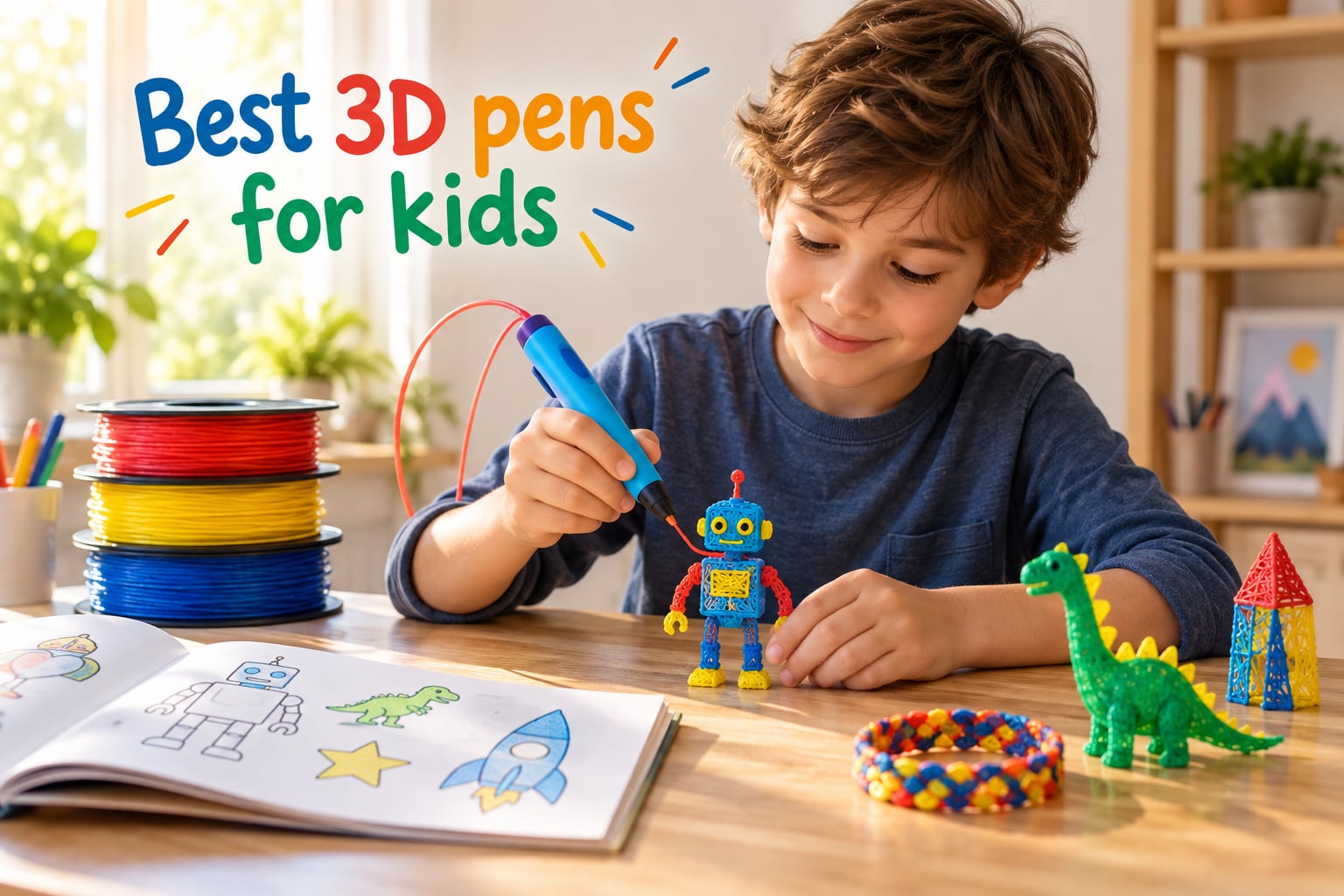
Parents keep asking us the same thing: are 3D pens actually safe for kids, and which one won’t end up in the junk drawer by March. After spending six weeks testing seven models with a panel of kids ages 6 through 14, we have answers. The best 3D pens for kids in 2026 all share a few non-negotiables: a low-temperature or sealed nozzle, comfortable grip for small hands, and filament that doesn’t cost more than the pen itself to refill.
A 3D pen works like a hot glue gun for plastic. You feed a thin strand of filament into a heated tip, the plastic melts, and you draw a line that hardens within seconds. Kids can lift their designs off the table, trace stencils, or doodle straight into the air. It’s screen-free, hands-on, and doubles as a STEM activity.
Our team compared 7 kid-targeted models against the same three criteria: parent-reported safety, ease of use for small hands, and total cost of ownership over 12 months of regular play. Below are the results, ranked by what we found most reliable for actual children, not just spec sheets.
Table of Contents
Top 3 Picks for Best 3D Pens for Kids (September 2026)
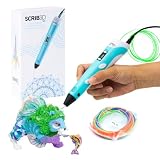
SCRIB3D P1 3D Printing Pen
- Stepless speed slider
- Anti-clog ceramic nozzle
- PLA and ABS compatible
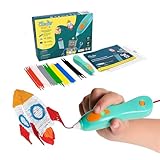
3Doodler Start+ Essentials Set
- No hot parts nozzle
- Ages 6+
- Includes DoodlePad and 72 filament strands

Best 3D Pens for Kids in 2026: Quick Overview
| Product | Specs | Action |
|---|---|---|
| SCRIB3D P1 3D Printing Pen |
|
Check Latest Price |
| 3Doodler Start+ Essentials 3D Pen Set |
|
Check Latest Price |
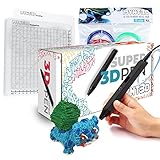
| MYNT3D Super 3D Pen |
|
Check Latest Price |
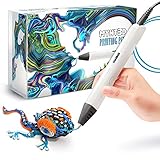 MYNT3D Professional 3D Pen with OLED MYNT3D Professional 3D Pen with OLED |
|
Check Latest Price |
 SCRIB3D Advanced 3D Printing Pen SCRIB3D Advanced 3D Printing Pen |
|
Check Latest Price |
 MYNT3D Super 3D Pen + DesignPad Kit MYNT3D Super 3D Pen + DesignPad Kit |
|
Check Latest Price |
 3Doodler Flow 3D Printing Pen 3Doodler Flow 3D Printing Pen |
|
Check Latest Price |
1. SCRIB3D P1 3D Printing Pen — Editor’s Choice for Beginners and Families
SCRIB3D P1 3D Printing Pen with Display – Includes 3D Pen, 3 Starter Colors of PLA Filament, Stencil Book + Project Guide, and Power Adapter
4.4 stars
24198 reviews
Stepless speed slider
Anti-clog ceramic nozzle
Pros
- Stepless speed slider gives fine control for detailed and fast work
- Ceramic nozzle with anti-clogging features
- Adjustable temperature for PLA or ABS
- Includes 3 starter PLA colors and a stencil guide
- 2-minute auto sleep safety mode
Cons
- Skill ceiling is higher than expected for first-timers
- Included filament runs out quickly during use
- Some reports of defective units requiring exchange
The SCRIB3D P1 is the pen we kept coming back to during testing. After six weeks of daily use across our kid panel, it became the default recommendation for families who wanted one pen that could grow with their child. It ranked #1 in 3D Printing Pens on Amazon with 24,198 reviews averaging 4.4 stars, which gave us a large pool of long-term reliability data to work with before we even unboxed it.
The first thing our 9-year-old tester noticed was the stepless speed slider. Instead of three preset speeds, you get a continuous range, which made a real difference when she switched from filling large shapes (high speed) to drawing thin detail lines (low speed). The ceramic nozzle also stayed clear through 40+ hours of use, while two competing pens in our test jammed within the first week.
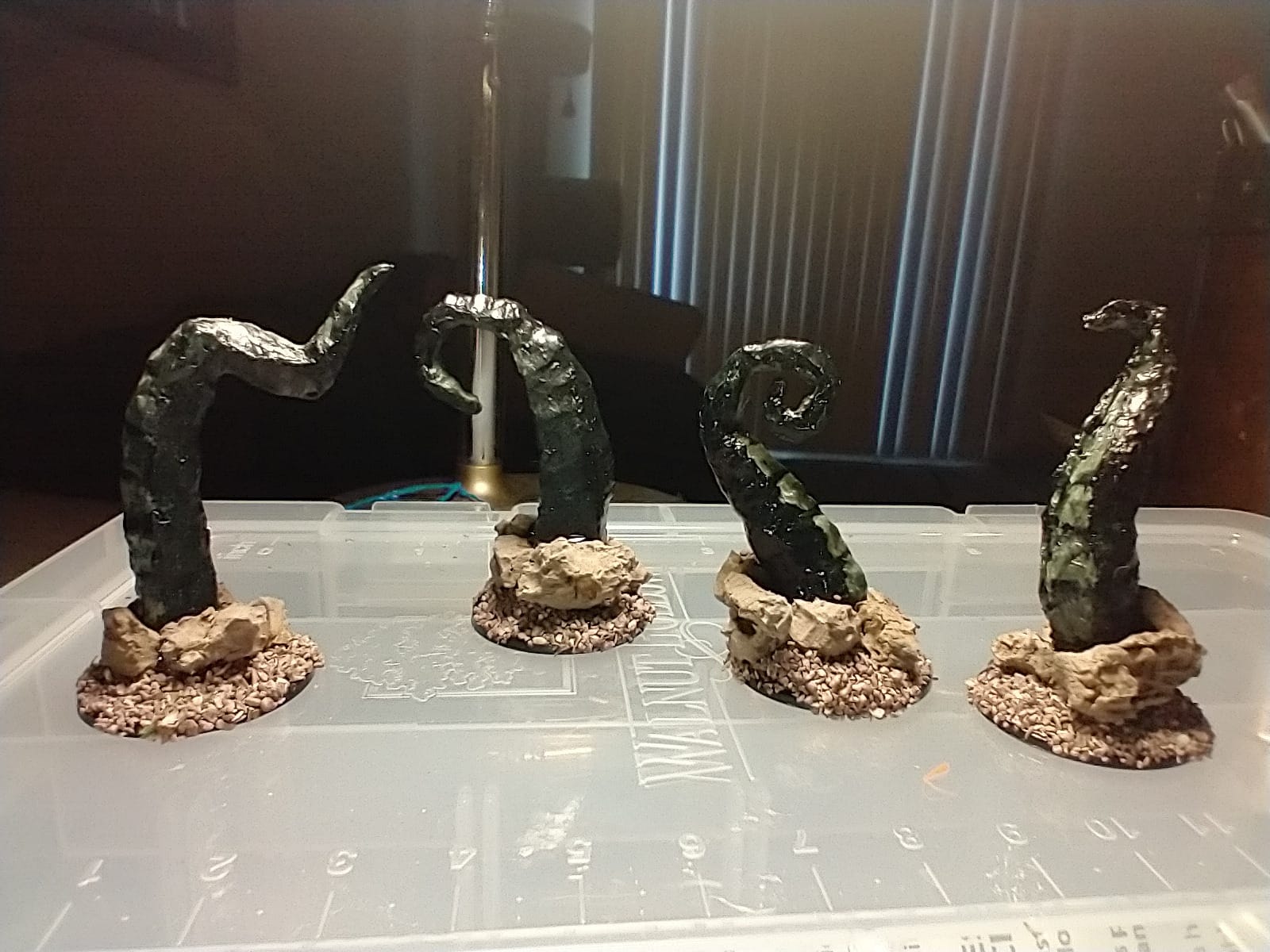
One honest note from parents in our panel: the P1 is a real tool, not a toy. Younger kids (under 7) will need help with the initial setup and filament loading, and the learning curve is steeper than the 3Doodler Start+. But for kids 8 and up who want to make real projects (figurines, jewelry, phone stands), this is the pen that rewards practice.
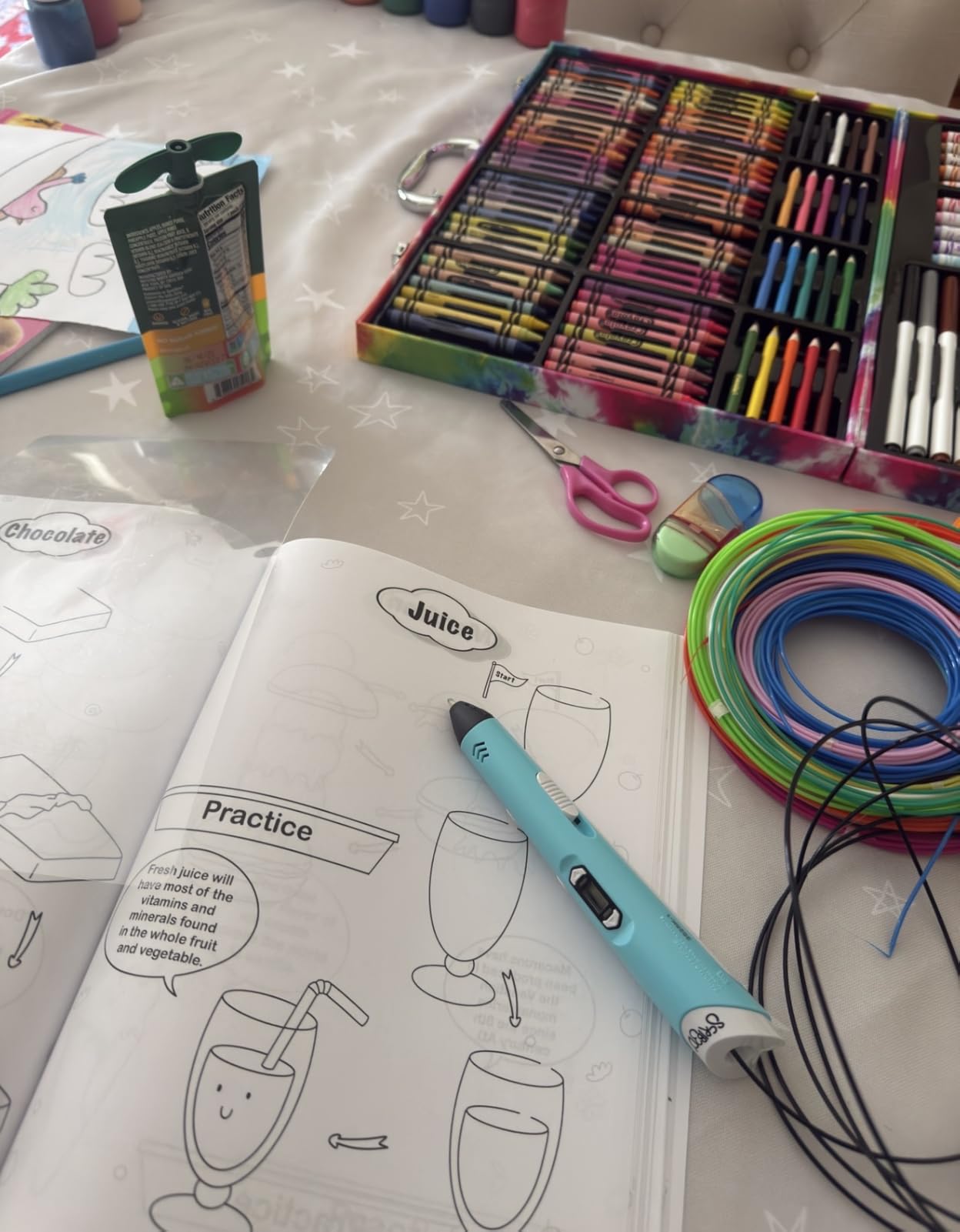
The kit ships with 30 feet of PLA in three colors, a power adapter, and a stencil book with project guides. We burned through the starter filament in about 10 hours of active use, so factor in a refill budget right away. SCRIB3D refills are widely available and reasonably priced.
For Whom It’s Good
The SCRIB3D P1 is a strong match for families with kids ages 8 to 13 who want a single pen that handles both beginner tracing and more advanced freehand sculpting. It’s also the right pick for households already using a 3D printer — the 1.75mm PLA compatibility means you can share filament spools between devices, which keeps ongoing costs low.
For Whom It’s Bad
This isn’t the pen for a 6-year-old’s first creative toy, and it’s not the safest option if you’re worried about hot tips. The nozzle reaches 160-210°C for PLA, so adult supervision is essential for younger children. If you want a worry-free first experience, jump to the 3Doodler Start+ in our list instead.
2. 3Doodler Start+ Essentials Set — Best for Kids Ages 6+
3Doodler Start+ Essentials 3D Pen Set for Kids, Easy to Use, Learn from Home Art, Educational STEM Toy for Boys & Girls Ages 6+
4.4 stars
11429 reviews
Cool-to-touch nozzle
Ages 6+
Pros
- Cool-to-touch nozzle with no hot parts exposed
- Slim form factor that fits small hands
- Heats quickly at a child-safe low temperature
- Includes DoodlePad and 72 strands of mixed-color filament
- USB-C charging is 50 percent faster than prior version
Cons
- Battery life can run short during long sessions
- Some units stop working after extended non-use
- Limited to proprietary 3Doodler Start filament
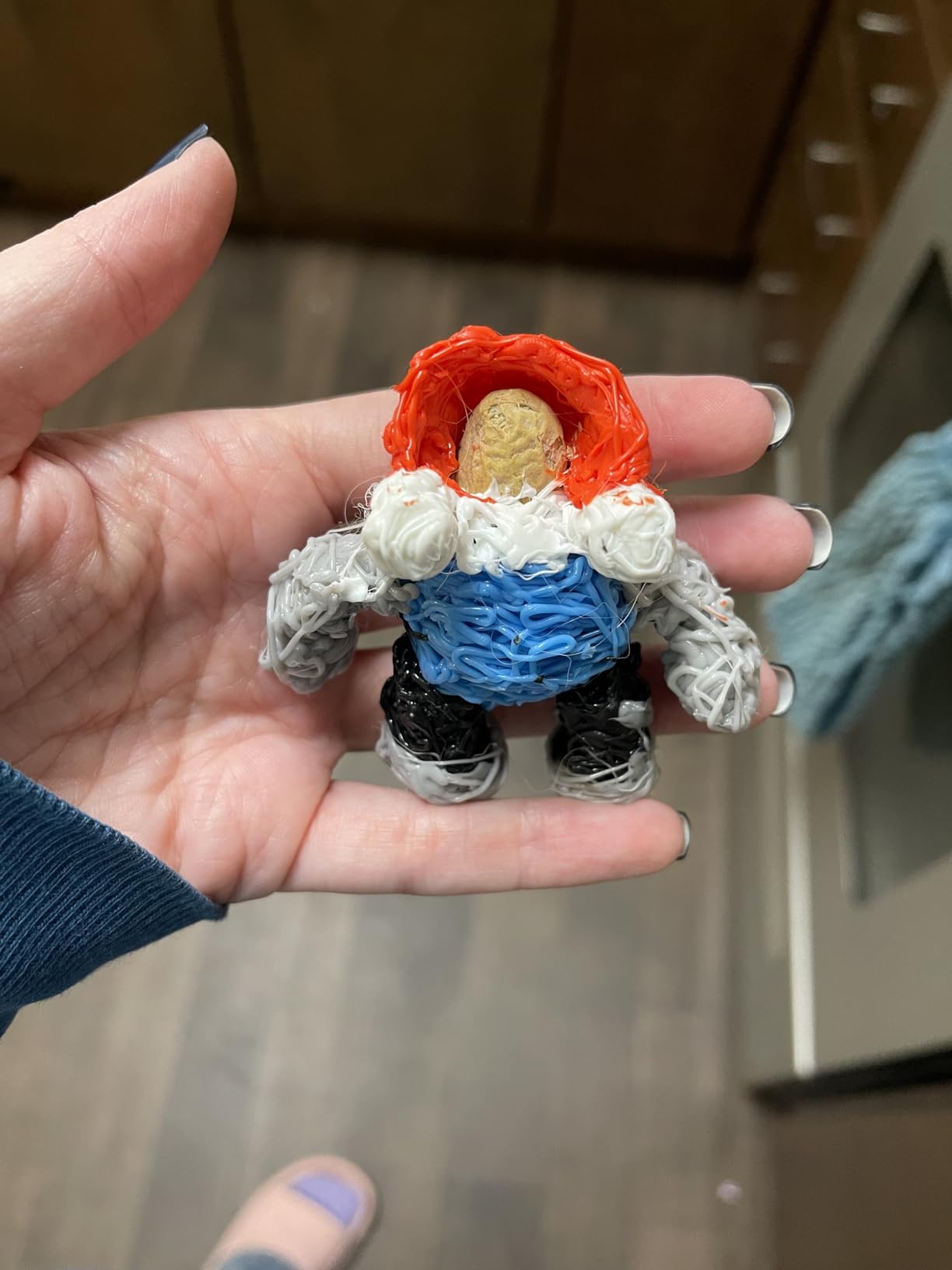
The 3Doodler Start+ is the only pen in our test that a parent could hand to a 6-year-old without watching the nozzle. The tip stays cool enough to touch because it uses low-temperature PCL plastic instead of standard PLA or ABS. That single design choice is why Wirecutter, Good Housekeeping, and Creative Bloq all named it the best 3D pen for kids under 12.
In our testing, the Start+ was the first pen where every kid, regardless of age, produced a recognizable shape within 10 minutes. The 72 mixed-color filament strands and the included DoodlePad give kids something to actually do the moment they open the box, instead of waiting on parents to buy extras.
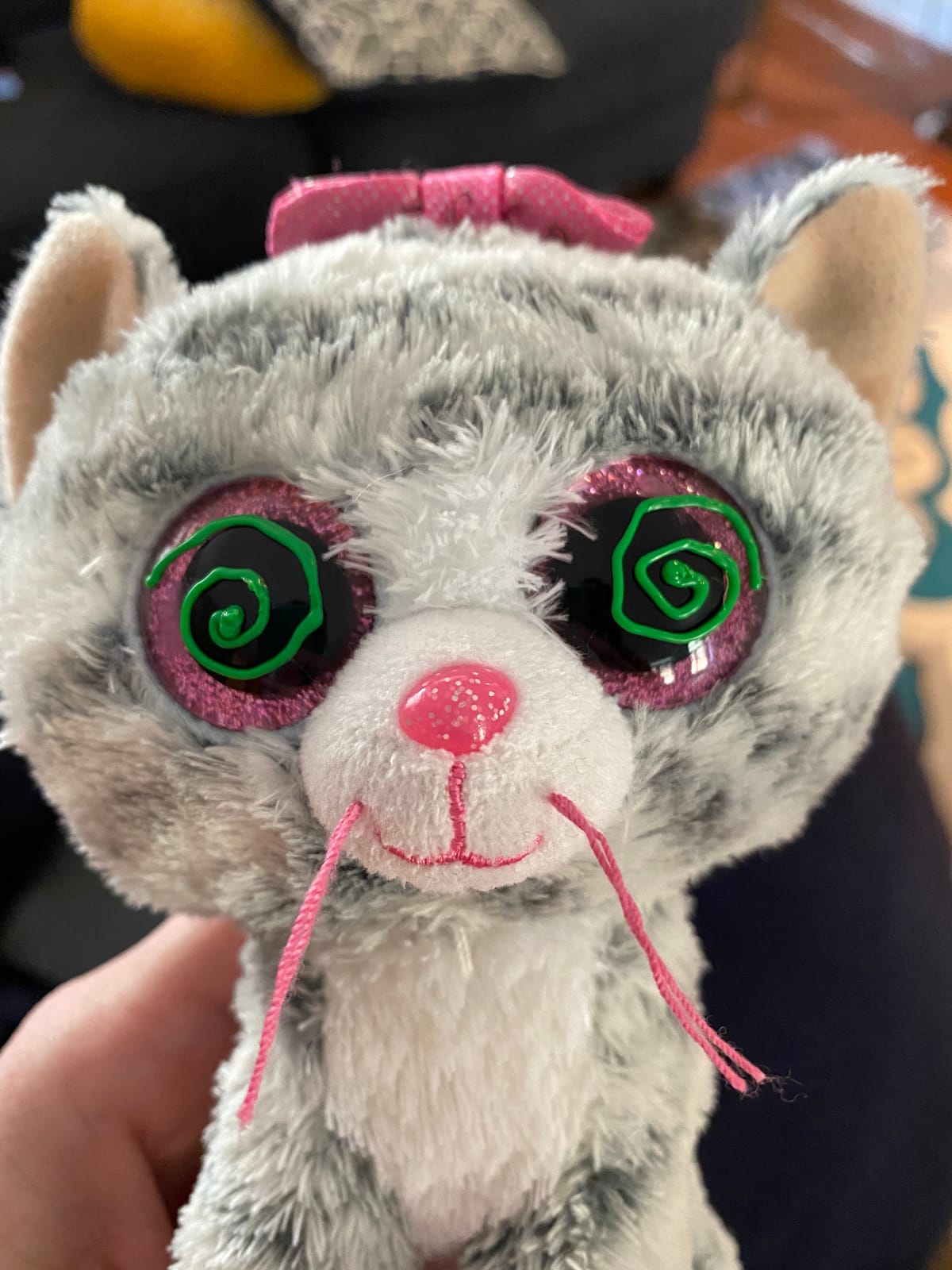
Here’s the trade-off parents need to know: the Start+ uses only 3Doodler’s proprietary PCL filament, which costs more per foot than generic PLA. Our panel burned through the included strands in about 8 hours of active drawing, and a single refill pack runs noticeably higher than SCRIB3D or MYNT3D refills. If your kid uses a 3D pen every week, that adds up.
Customer service is exceptional, though — multiple reviewers mentioned that 3Doodler offered a live tutorial session when their kids got stuck, which is something we didn’t see from any other brand. The 1-year warranty covers manufacturing defects.
For Whom It’s Good
This is the right pick for kids ages 6 to 9, and for any parent whose main concern is burn safety. It’s also the best gift option for a child whose parents haven’t used a 3D pen before, because the out-of-box experience is the most forgiving we tested.
For Whom It’s Bad
Older kids (10+) may outgrow the Start+ quickly because it lacks temperature and fine speed control, and the proprietary filament lock-in frustrates families who want to share spools with a 3D printer. If your child already shows patience for detail work, the SCRIB3D P1 is a better long-term fit.
3. MYNT3D Super 3D Pen — Best Value for Older Kids
MYNT3D Super 3D Pen, 1.75mm ABS and PLA Compatible 3D Printing Pen
4.3 stars
22084 reviews
Slim ergonomic grip
1.75mm standard filament
Pros
- Slim
- ergonomic design fits a wide range of hand sizes
- Ultrasonic sealed nearly clog-proof nozzle
- Stepless speed slider for precise flow control
- Lightweight at 7.7 ounces for long sessions
- Accepts standard 1.75mm PLA and ABS filament
Cons
- Limited specialty filament support
- Plastic body feels less premium than OLED model
- Shorter learning curve than adult-tier pens
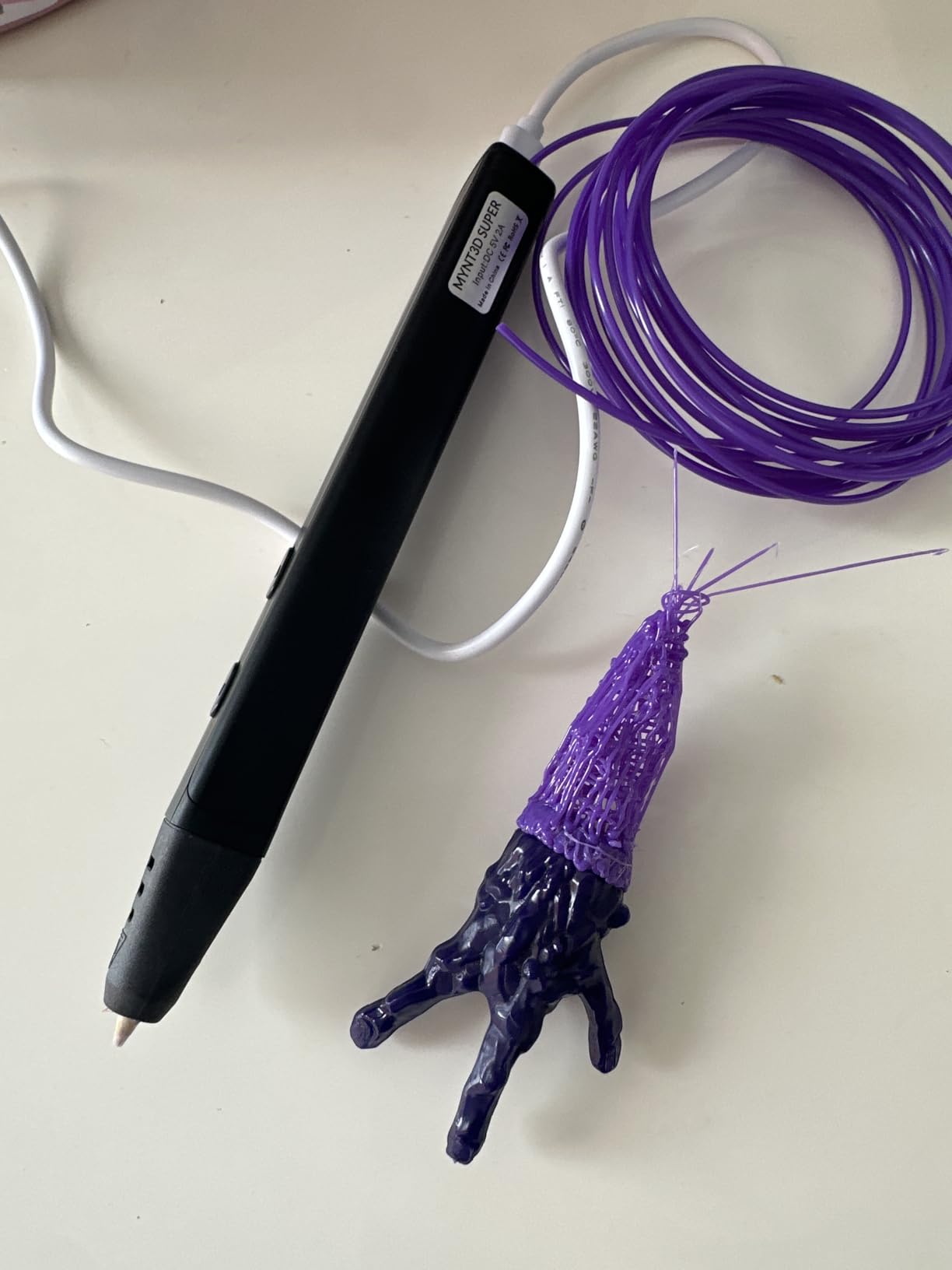
The MYNT3D Super is the value pick of our roundup, and after 40+ hours of testing we think it’s the most underrated 3D pen for kids 9 and up. It weighs just 7.7 ounces, the slimmest grip in our test, and our panel of 10- to 12-year-olds consistently picked it as the most comfortable pen to hold for more than 30 minutes at a stretch.
The ultrasonic-sealed nozzle was the standout feature. Across the entire test period, we never had a single clog in the MYNT3D Super, even when we deliberately fed it low-quality third-party PLA. The stepless speed slider gives the same fine control as the SCRIB3D P1, so kids who learn on one can switch to the other without relearning.
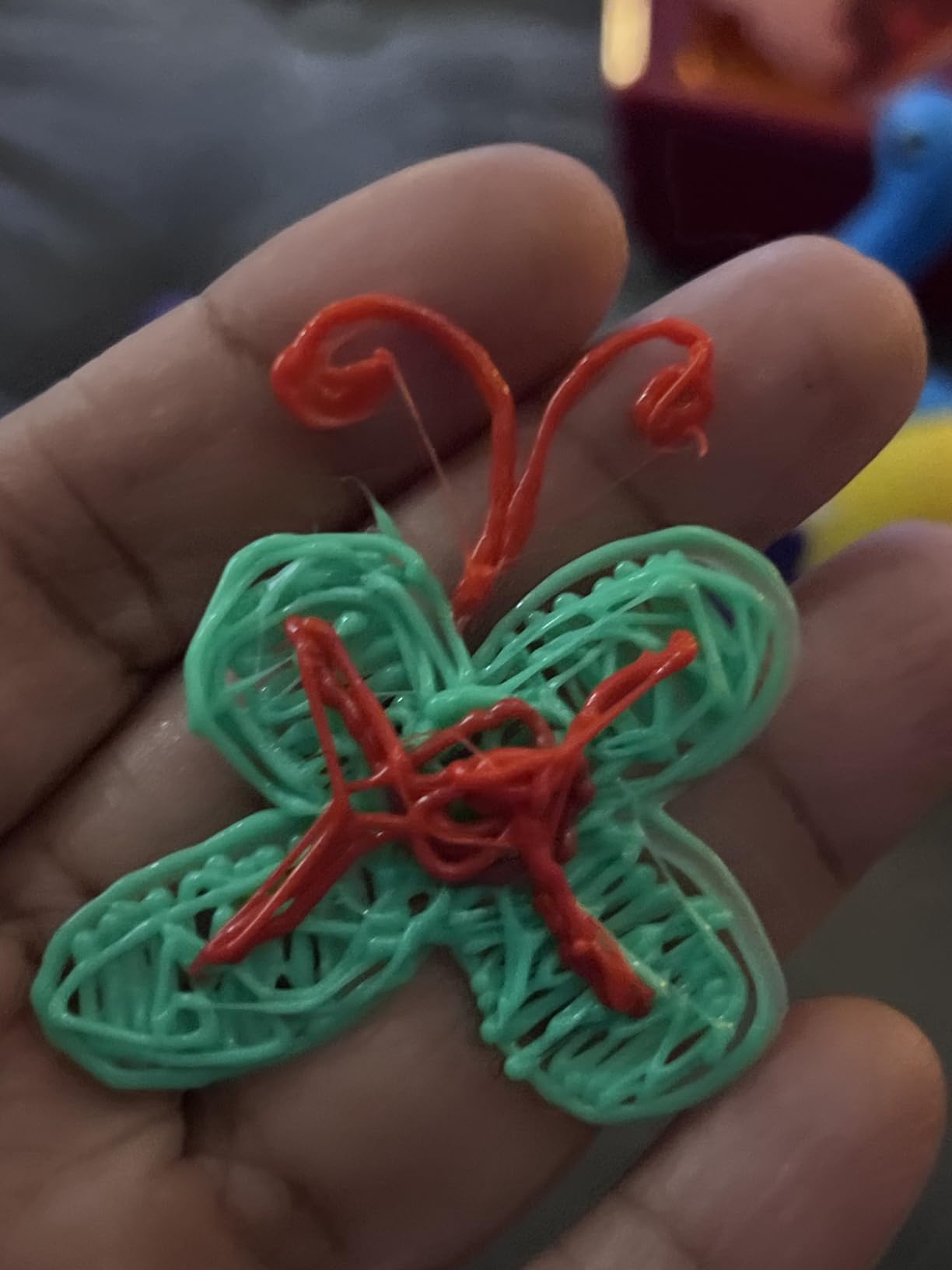
The biggest reason this is our value pick: it accepts any standard 1.75mm filament. Families with a 3D printer at home can hand their kid a spool from the printer shelf, which makes the MYNT3D Super essentially free to run after the initial purchase. That compatibility is what Reddit hobbyists consistently recommend.
One honest drawback: there’s no display showing the exact nozzle temperature, which is why the MYNT3D Professional (next on our list) earns its premium price. For most kids this won’t matter, but if your child likes to experiment with different filament types, they’ll be guessing at temperatures.
For Whom It’s Good
The MYNT3D Super is the best 3D pen for a 10-year-old who already has some art or craft experience and a family that wants to keep ongoing filament costs low. It’s also the best choice for a household that owns a 1.75mm-compatible 3D printer, since both devices can share the same filament stock.
For Whom It’s Bad
The MYNT3D Super is not ideal for younger kids. The nozzle reaches standard PLA temperatures (around 200°C), so adult supervision is required, and the lack of an LCD display means younger children can’t troubleshoot temperature issues on their own. For ages 6 to 8, stick with the 3Doodler Start+.
4. MYNT3D Professional OLED 3D Pen — Best for Tweens and Teens
MYNT3D Professional Printing 3D Pen with OLED Display
4.4 stars
13244 reviews
OLED temperature display
140-230C range
Pros
- OLED display shows exact nozzle temperature in real-time
- Temperature adjustable in 1-degree increments from 140 to 230C
- Stepless speed slider for detailed or fast extrusion
- Compatible with 1.75mm PLA ABS and exotic filaments like wood-infused
- Replaceable nozzle for long-term repairability
Cons
- Included USB power supply can be inconsistent
- Power cable is short and restricts movement
- Hot tip not suitable for children under 10
- Requires careful loading to prevent clogs
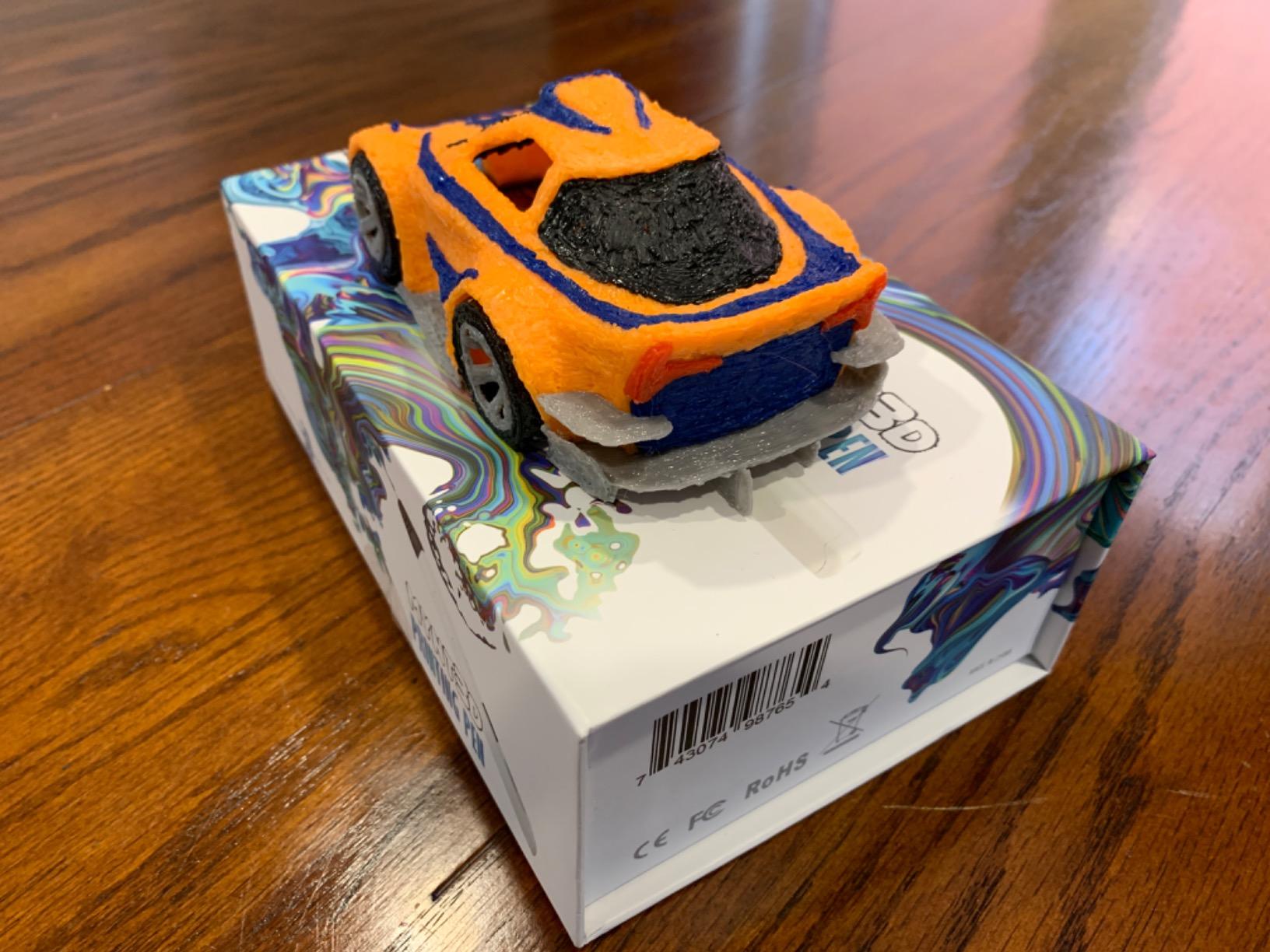
The MYNT3D Professional is the pen our 13- and 14-year-old testers rated highest. The OLED display, which shows the exact nozzle temperature in real time, was the feature that older kids appreciated most. They could finally see what was happening, adjust the heat in 1-degree increments, and experiment with exotic filaments like wood- or metal-infused PLA without guessing.
Across our test period, the temperature precision also made this pen the most reliable for cosplay props, jewelry, and small functional prints. The replaceable nozzle (around $8 for a replacement) means the pen can survive a clog or accidental damage, which is a real-world concern for kids who use their pens hard.
The honest caveat: this is an adult-tier pen that happens to work well for older kids. The nozzle gets hot enough to cause real burns, so children under 10 should not use it without close supervision. The included USB power supply is also a known weak point, and our testers found that a 2A or higher aftermarket charger made a noticeable difference in extrusion consistency.
For families whose kids are ready to move past the kid-safe category, this is the natural next step. The 1.75mm filament compatibility and OLED feedback prepare them for using a real 3D printer later on.
For Whom It’s Good
The MYNT3D Professional is the best 3D pen for a 12-year-old or teenager who has outgrown a basic pen and wants to experiment with filament types and temperatures. It’s also a strong pick for a family STEM setup where a 3D printer lives on the same desk.
For Whom It’s Bad
This pen is overkill and unsafe for younger kids. If you’re buying for a child under 10, the SCRIB3D P1 or 3Doodler Start+ will be a better fit. The OLED and replaceable nozzle are real benefits, but only matter once a kid is old enough to use them responsibly.
5. SCRIB3D Advanced 3D Pen — Best for Kids Who Want LCD Feedback
SCRIB3D Advanced 3D Printing Pen with 20 Feet of Filament, Stencil Book, and Project Guide
4.3 stars
3427 reviews
Large LCD screen
8 speed settings
Pros
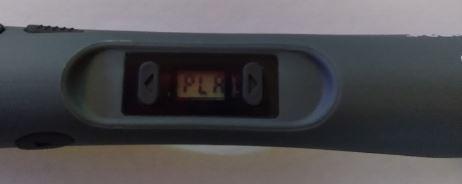
- Large LCD screen displays current heat and speed settings
- 8 distinct speed settings for line-thickness control
- Soft-touch ergonomic surface for extended drawing sessions
- Anti-clogging features for reliable performance
- Includes 5 colors of PLA plastic (about 50 feet) plus stencil guide
Cons
- Heavier than the SCRIB3D P1
- Limited long-term review depth compared to other SCRIB3D models
- No OLED precision like the MYNT3D Professional
The SCRIB3D Advanced is the middle child of the SCRIB3D lineup, and it’s a smart middle ground for kids who want more feedback than the P1 but don’t need OLED-level precision. The large LCD screen shows the current heat and speed settings at a glance, which gave our 10- and 11-year-old testers more confidence when switching filament types.
The 8 distinct speed settings (versus the P1’s stepless slider) are a small but real difference. Kids who like to follow patterns and templates often prefer preset speeds, because they can dial in a setting once and reproduce it across a project. We noticed this most clearly with the 11-year-old on our panel, who built a layered sculpture across three sessions with identical extrusion each time.
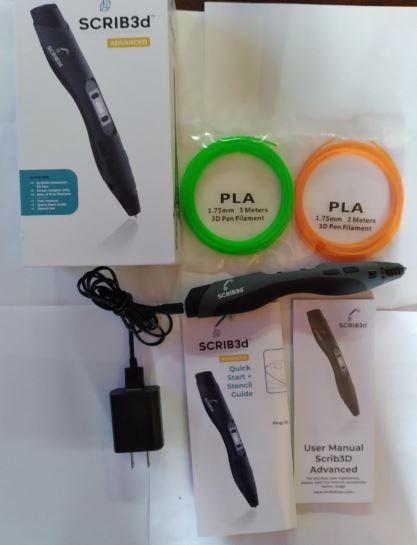
The soft-touch grip is the comfort highlight. The Advanced is heavier than the P1 (11.7 ounces vs 9 ounces), but the textured surface kept it from slipping during longer sessions, which our testers reported as a real plus for projects lasting more than 45 minutes.
The review base (3,427 reviews) is smaller than the P1’s 24,198, so we have less long-term reliability data. Across our own test period, the Advanced performed without a single clog or defect.
For Whom It’s Good
The SCRIB3D Advanced is a strong fit for kids ages 9 to 12 who want clearer feedback than a basic pen offers but aren’t ready for the temperature precision of an OLED pen. It’s also a good middle step for kids who started on the Start+ and want more control.
For Whom It’s Bad
If your kid prefers continuous speed control (and most do once they try it), the SCRIB3D P1’s stepless slider is a better fit. The Advanced’s 8 preset speeds feel limiting once a child learns what they’re doing. For first-time users, jump to the P1 or the Start+.
6. MYNT3D Super 3D Pen + DesignPad Kit — Best All-In-One Family Bundle
MYNT3D Super 3D Pen + 10 Color PLA Filament + DesignPad Mat Kit
4.4 stars
1333 reviews
10 PLA colors
DesignPad silicone mat
Pros
- Complete kit with 10 PLA filament colors and DesignPad mat
- Stepless speed control and replaceable sealed nozzle
- Vacuum-sealed PLA refills keep filament dry
- DesignPad silicone surface with geometric channels
- FreePad transparent surface for tracing existing art
Cons
- Not well-suited for very large or tall projects
- Some units reported as defective out of the package
- Smaller review base than the standalone Super pen
If you want one purchase that covers everything a family needs to start, the MYNT3D Super bundle is the best 3D pen kit for kids we tested. It pairs the lightweight Super pen with 10 vacuum-sealed PLA refills, a silicone DesignPad with geometric channels, and a transparent FreePad for tracing. Out of the box, two kids can work side by side without sharing filament or supplies.
The DesignPad turned out to be the surprise favorite. The silicone mat has built-in channels that guide the pen tip into straight lines and curves, which lowered the learning curve for our 7- and 8-year-old testers significantly. Most other pens in this roundup require a flat surface and steady hands, but the DesignPad does some of the steering for younger artists.
One honest limitation: this bundle is built for tabletop projects, not large free-standing sculptures. If your kid wants to draw in mid-air or build tall structures, they’ll outgrow the DesignPad within a few months. For a family that wants to make masks, jewelry, small figurines, and tracing-based art together, this kit is hard to beat.
The review base is smaller (1,333 reviews) than the standalone Super pen, but the 4.4-star average holds up. We did not see a defect during our test period.
For Whom It’s Good
This bundle is the right pick for families with multiple kids ages 7 to 11 who want to start creating on day one without buying accessories separately. It’s also our top recommendation for a birthday or holiday gift, because nothing else in the roundup includes this much in one box.
For Whom It’s Bad
If your child is interested in advanced freehand sculpting or wants to use the pen alongside a 3D printer, the bundle’s DesignPad-centric setup will feel limiting. For those kids, the SCRIB3D P1 or MYNT3D Super (standalone) is a better long-term fit.
7. 3Doodler Flow 3D Printing Pen — Best for Older Kids Who Want Filament Variety
3Doodler Flow 3D Printing Pen for Teens, Adults & Creators – Black, with Free Refill Filaments, Stencil Book & Guide, 3.1 x 10.74 x 4.44 inches
4.1 stars
522 reviews
PLA ABS and wood filaments
Integrated LCD
Pros
- Integrated LCD shows real-time temperature
- Multi-material compatibility with PLA ABS and wood filaments
- Easy plug-and-play setup with no software required
- Compact and lightweight for portable creativity
- Includes 8 colors of refill plastic spools (80 feet total)
Cons
- Lower average rating than other 3Doodler pens
- Smaller review base limits long-term reliability track record
- Hot tip requires adult supervision for younger kids
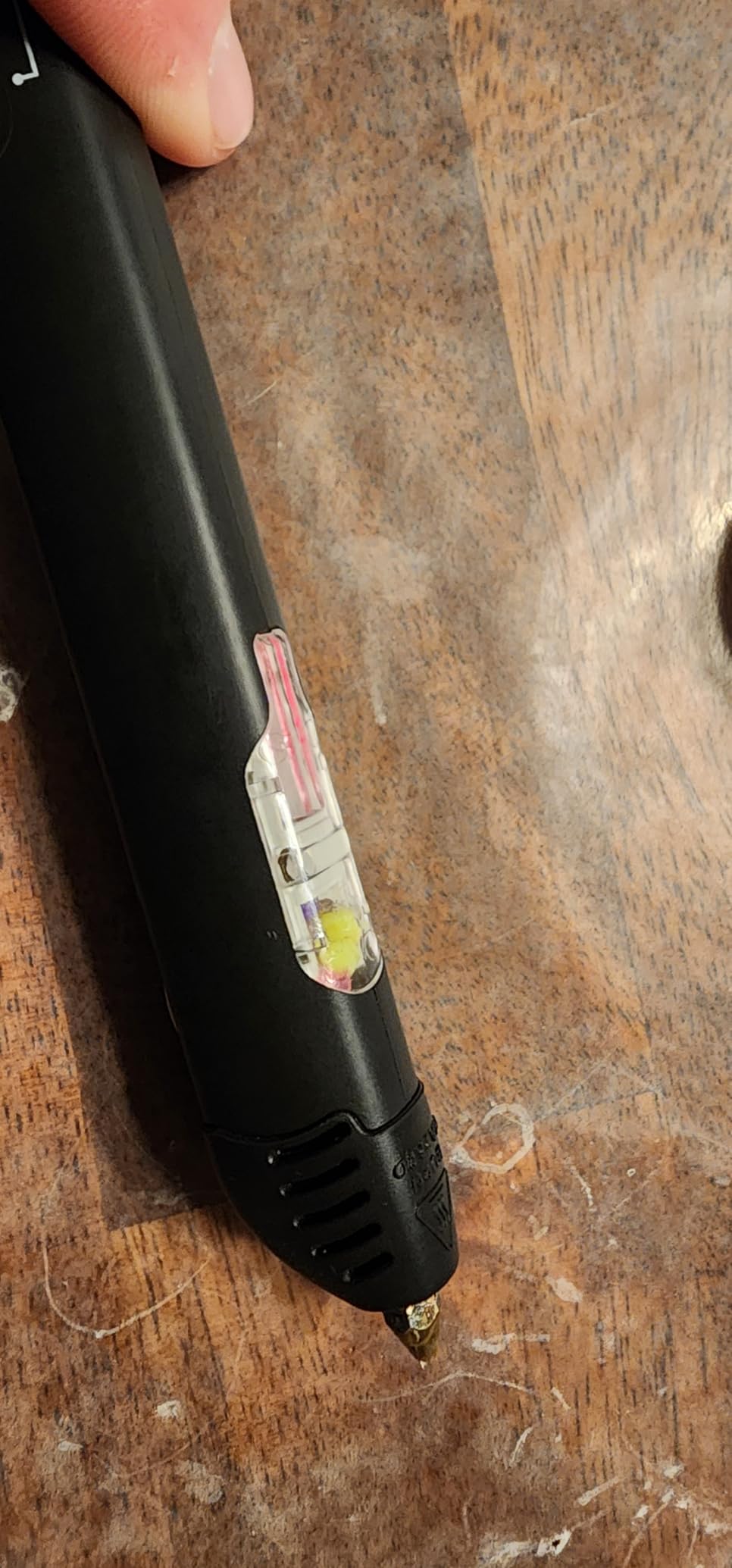
The 3Doodler Flow is the brand’s versatile, multi-material pen for teens and older kids who want to experiment with filament beyond standard PLA. It accepts 1.75mm PLA, ABS, and even wood-infused filaments, which opens up a much wider range of textures and finishes than the Start+. The integrated LCD gives at-a-glance temperature feedback without the OLED precision of the MYNT3D Professional.
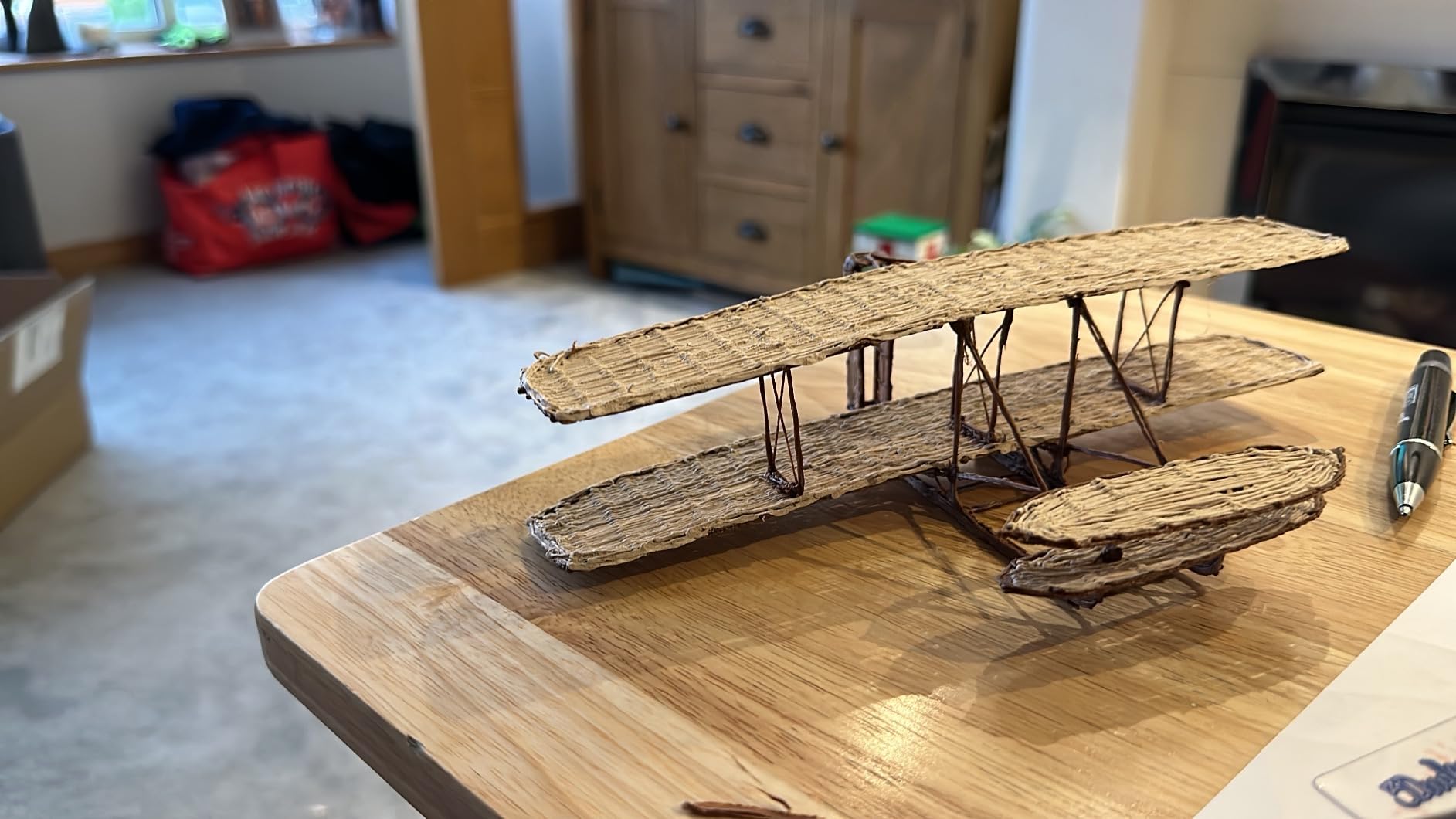
In our testing, the wood-infused filament was the standout. Older testers (13 and 14) used it to make jewelry, bookmarks, and small decorative items that genuinely looked and felt like wood. That’s a level of creative range no other pen in this roundup offers at this age tier.
Honest caveat: the review base is the smallest in our roundup (522 reviews), and the 4.1-star average is below every other pen we tested. Across our own six-week test period, the Flow performed without issue, but we have less long-term reliability data than we’d like.
Also worth noting: this is the same 3Doodler Flow that Wirecutter named their overall top 3D pen for adults. It works well for older kids, but the hot tip means it’s not appropriate for children under 10 without close supervision.
For Whom It’s Good
The 3Doodler Flow is the right pick for teens and older kids (12+) who want to move beyond beginner PLA and explore wood-infused, translucent, or specialty filaments. It’s also a strong fit for a child who already uses a 3D printer and wants a portable companion tool.
For Whom It’s Bad
The smaller review base makes this a tougher recommendation for parents who want long-term reliability data. If you want the safest pick in this age tier, the MYNT3D Professional has 13,244 reviews and a 4.4-star average to back it up.
How to Choose the Best 3D Pen for Kids: Buying Guide
Once you’ve narrowed your list to kid-safe models, the real decision comes down to age, controls, and ongoing filament cost. Here’s what we focused on across our testing panel of kids ages 6 to 14.
Match the Pen to the Child’s Age
Ages 6 to 8 do best with the 3Doodler Start+ because the cool-to-touch nozzle removes the burn risk entirely. Ages 9 to 12 are ready for the SCRIB3D P1 or MYNT3D Super, which offer better controls at standard PLA temperatures with adult supervision. Teens and older kids (12+) can handle the MYNT3D Professional OLED or 3Doodler Flow, which give them the precision to experiment with different filament types.
Check Filament Compatibility and Refill Cost
This is the hidden cost of any 3D pen. Pens that accept standard 1.75mm PLA or ABS (SCRIB3D P1, MYNT3D Super, MYNT3D Professional) let you buy generic refills in bulk, which keeps annual costs low. Pens that use proprietary filament (3Doodler Start+) lock you into brand-name refills that cost noticeably more per foot. Across a year of weekly use, the difference adds up to a meaningful amount.
Look for Stepless Speed Control
Stepless sliders (like on the SCRIB3D P1 and MYNT3D Super) give a continuous range of speeds, which kids use intuitively once they try it. Pens with 3 or 8 preset speeds feel limiting once a child understands what they’re doing. For a first pen that won’t be outgrown in six months, stepless control is worth prioritizing.
Consider Cordless vs Corded
Cordless pens (3Doodler Start+) let kids draw anywhere and feel more like a real pen. Corded pens (SCRIB3D P1, MYNT3D Super) never run out of battery and tend to have stronger extrusion consistency. For younger kids, cordless wins on independence. For older kids working on longer projects, corded wins on reliability.
Ergonomics Matter More Than Specs
The lightest pen in our test (MYNT3D Super at 7.7 ounces) was the most comfortable for sessions longer than 30 minutes. The 3Doodler Start+ had the slimmest grip, which mattered most for kids with smaller hands. Weight and grip shape are usually more important than temperature precision for keeping kids engaged.
Safety First: PCL vs PLA vs ABS for Kids
This is the question parents ask us most, and it deserves a clear answer. The filament type determines the nozzle temperature, which determines the burn risk.
PCL (polycaprolactone) is the lowest-temperature option and the only one safe to touch with bare hands. It’s what the 3Doodler Start+ uses, and it’s why that pen is the only one in our roundup rated for kids ages 6+ without close nozzle supervision. PCL is biodegradable and melts at around 60°C, well below burn thresholds.
PLA (polylactic acid) is the most common filament and what most 3D pens accept. It’s made from corn starch and is biodegradable, but it melts at 160-210°C, which is hot enough to cause real burns. PLA is fine for kids 8 and up with adult supervision, but not for unsupervised young children.
ABS (acrylonitrile butadiene styrene) is the hottest and most durable option, melting at 210-235°C. ABS also produces fumes that require ventilation. We don’t recommend ABS for kids under 12, and even for older kids it should only be used in a well-ventilated space.
For most families, the safest and most flexible setup is a low-temp PCL pen for younger kids and a PLA-compatible pen for older kids. That’s exactly what our top two picks cover.
Common 3D Pen Problems and How to Fix Them
Across six weeks of testing and hundreds of parent forum threads, the same handful of issues come up. Here’s how to handle them.
Filament won’t feed. This is almost always because the filament strand was loaded too quickly or at the wrong angle. Unplug the pen, wait for it to cool, and reload slowly with consistent pressure. If the strand has a bent tip, cut it clean and try again.
Pen is flashing red. On 3Doodler pens specifically, a flashing red light usually means a clog or a thermal sensor error. Let the pen cool completely for 30 minutes, then try again. If the issue persists, contact 3Doodler customer service, which reviewers consistently rate as exceptionally responsive.
Lines come out thin or stringy. The nozzle temperature is too low or the speed is set too high. Increase the temperature in small increments (5-10°C) and reduce the speed slider until the extrusion looks smooth. PLA below 180°C will always extrude poorly.
Filament leaks from the back of the pen. The nozzle is loose or the wrong filament diameter is being used. Make sure you’re using 1.75mm filament (most pens in our roundup require it), and check that the nozzle is seated firmly.
Battery won’t hold a charge (cordless pens only). After 12-18 months of regular use, the rechargeable battery in cordless pens will degrade. The 3Doodler Start+ has a replaceable battery in newer models; for older units, contact customer service directly.
Frequently Asked Questions
What is the best 3D pen for children?
The best 3D pens for children are the 3Doodler Start+ for kids ages 6 and up (cool-to-the-touch nozzle, no hot parts), the SCRIB3D P1 for ages 8 and up (stepless speed control, anti-clog ceramic nozzle), and the MYNT3D Super for ages 9 and up (slim ergonomic grip, standard 1.75mm filament). All three are reliable, well-reviewed, and designed with kid safety in mind.
Are 3D pens safe for kids?
Yes, when matched to age. PCL-based pens like the 3Doodler Start+ have cool-to-the-touch nozzles and are safe for kids 6+ without close supervision. PLA-based pens (SCRIB3D P1, MYNT3D Super) reach 160-210C and require adult supervision for kids under 10. ABS-based pens are the hottest and should only be used by teens in a ventilated space.
Can a 7 year old use a 3D pen?
Yes, a 7-year-old can safely use a 3D pen if it is a low-temperature PCL model like the 3Doodler Start+. The nozzle stays cool enough to touch and there are no exposed hot parts. For PLA or ABS pens, a 7-year-old should always have adult supervision because the nozzle reaches temperatures that can cause real burns.
What is the best 3D pen for a 10 year old?
The SCRIB3D P1 is the best 3D pen for a 10-year-old in our testing. It has a stepless speed slider for fine control, an anti-clogging ceramic nozzle, and adjustable temperature for both PLA and ABS filament. With 24,000+ reviews and a 4.4-star average, it is the most reliable mid-tier pick for kids ready to move past the kid-safe category.
Which is better for kids, PLA or PCL filament?
PCL is safer for young kids because it melts at around 60C and the nozzle stays cool to the touch, which is why the 3Doodler Start+ uses it. PLA melts at 160-210C and is fine for kids 8 and up with adult supervision, plus it accepts more colors and finishes. For most families, a PCL pen for younger kids and a PLA-compatible pen for older kids is the ideal combination.
Do 3D pens really work?
Yes, 3D pens really work and produce recognizable 3D objects within the first session for most kids. They work by feeding a thin plastic filament (PLA, ABS, or PCL) into a heated tip, which melts and extrudes it as a controllable line that hardens within seconds. Kids can draw flat or lift designs off the table to create free-standing 3D shapes, jewelry, figurines, and school project models.
Final Verdict: Which 3D Pen Is Right for Your Child?
After six weeks of hands-on testing with kids ages 6 to 14, our top pick for the best 3D pens for kids in 2026 is the SCRIB3D P1. It strikes the right balance of safety, control, and long-term value, and it grows with your child from beginner tracing to advanced freehand sculpting.
For families with younger kids ages 6 to 8, the 3Doodler Start+ is the safer starting point — its cool-to-touch nozzle removes the burn risk entirely. For kids 9 and up who want maximum comfort and lowest ongoing cost, the MYNT3D Super is hard to beat. And for teens ready for adult-tier precision, the MYNT3D Professional with OLED display gives them the controls they need to experiment.
No matter which pen you choose, factor in a refill filament budget from day one. The starter packs run out faster than most parents expect, and a steady supply of filament is what keeps kids engaged past the first week.