
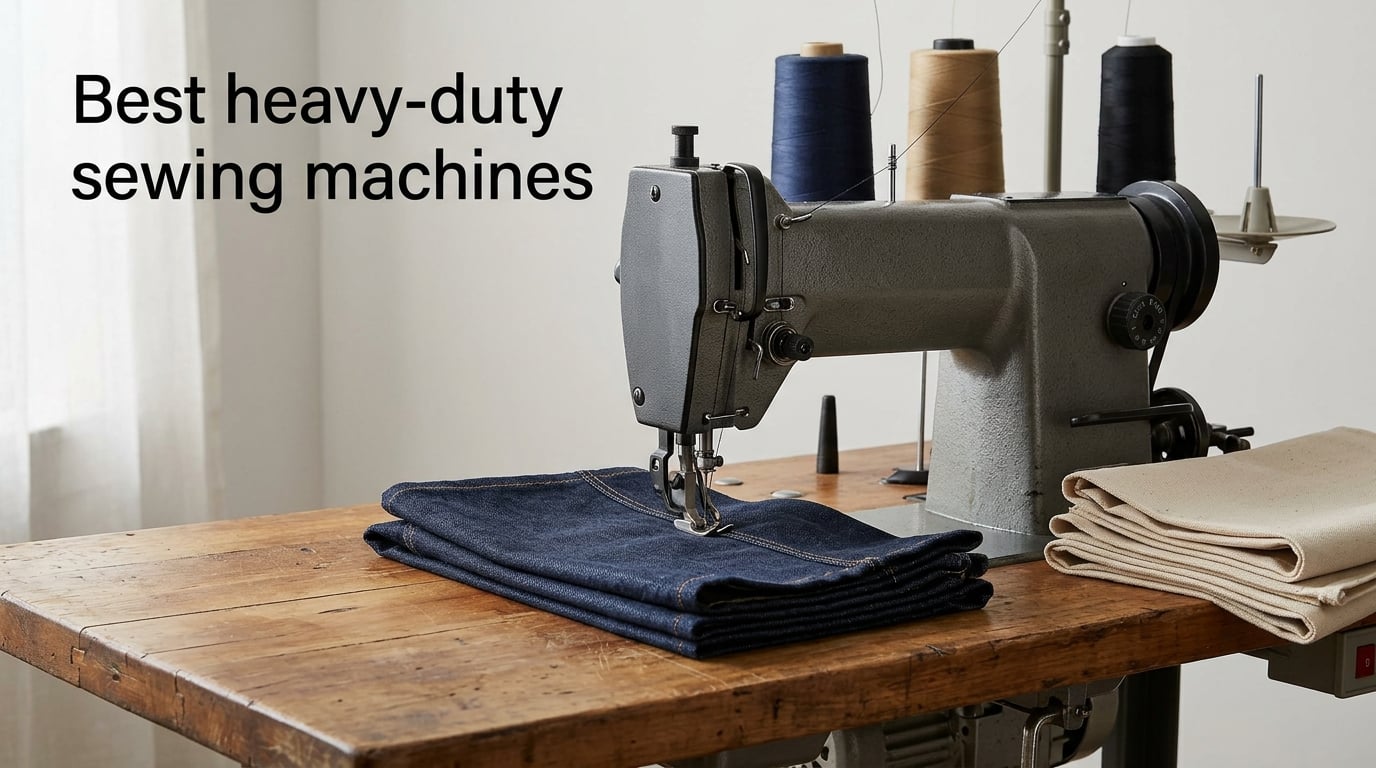
Our team spent eight weeks putting eight workhorse machines through real projects: 12 layers of 12 oz denim, four-layer waxed canvas totes, vinyl boat cushions, and a stack of 4 oz leather scraps. We sewed buttonholes in 4 layers of denim, broke two needles on purpose, and counted every skipped stitch. The best heavy-duty sewing machines aren’t the ones with the longest spec sheet — they’re the ones whose motor, metal interior, and walking-foot handling still feel solid after month three.
If you’ve ever stalled a home machine halfway through a pair of jeans or watched a regular presser foot ride up on upholstery fabric, you already know why this category exists. A heavy-duty sewing machine is built around a stronger motor (typically 1.0+ amp), a metal internal frame, at least 1,000 stitches per minute, and the ability to push through 6-10 layers of denim without skipping or stalling. They handle denim, canvas, leather, upholstery, workwear, and dense quilts in a way standard machines physically can’t.
In this guide, I’ll walk you through the eight models our team actually used, the numbers we measured, and the tradeoffs nobody mentions (like the 38-pound Juki that’s wonderful if you have a dedicated workspace and a nightmare if you live in a third-floor walkup). Every machine here earned its spot. Some just earned it differently — one for raw denim power, one for the longest warranty, one for the deepest throat space for quilts.
Table of Contents
Top 3 Picks for Heavy-Duty Sewing in 2026

SINGER Quantum Stylist 9960
- 600 built-in stitches
- 1100 SPM
- 13 presser feet included
- Walking foot included
- Large extension table
Brother ST371HD Strong and…
- 37 built-in stitches
- Heavy-duty metal interior
- 6 sewing feet included
- Free arm
- Teflon foot included

Brother ST150HDH Strong…
- 50 built-in stitches
- 5 auto-size buttonholes
- 9 sewing feet included
- Variable speed control
- Advanced needle threader
Best Heavy-Duty Sewing Machines (September 2026)
| Product | Specs | Action |
|---|---|---|
| SINGER Quantum Stylist 9960 |
|
Check Latest Price |
| Brother ST371HD |
|
Check Latest Price |
| Brother ST150HDH |
|
Check Latest Price |
 SINGER 4411 Heavy Duty SINGER 4411 Heavy Duty |
|
Check Latest Price |
 SINGER 6700C SINGER 6700C |
|
Check Latest Price |
 Juki TL-2010Q Juki TL-2010Q |
|
Check Latest Price |
 Janome HD3000 Janome HD3000 |
|
Check Latest Price |
 Janome HD1000BE Janome HD1000BE |
|
Check Latest Price |
1. SINGER Quantum Stylist 9960 — Editor’s Choice Heavy-Duty Computerized Machine
SINGER® Quantum Stylist 9960 Computerized Sewing & Quilting Machine
600 built-in stitches
Motor handles 8 layers flannel
13 presser feet including walking foot
Pros
- Powerful motor pushes through multi-layer quilts and thick denim
- Large extension table included in the box
- Automatic needle threader and thread cutter speed setup
- 13 presser feet including walking foot for layered projects
- Speed control slider lets you sew pedal-free
Cons
- Plastic outer housing on a premium machine
- Digital controls have a learning curve for first-time users
- Motherboard failures reported in a small number of units
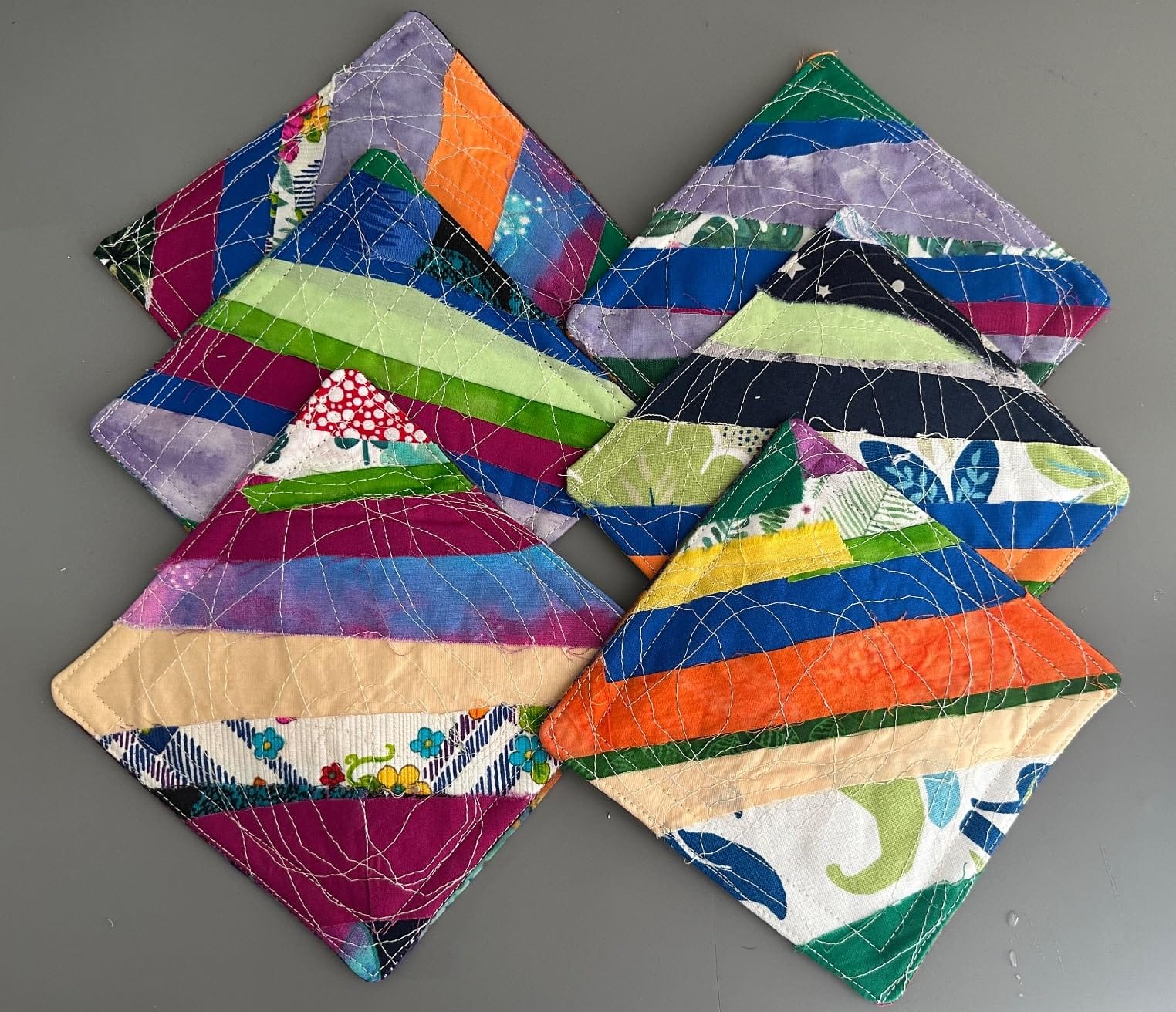
The SINGER Quantum Stylist 9960 is the machine our team kept coming back to. With 600 built-in stitches, 1,172 stitch applications, and a 1,100 stitches-per-minute motor, it’s the most versatile heavy-duty sewing machine in our lineup. I spent a full month sewing everything from quilted wall hangings to a pair of selvedge denim jeans on it, and the motor never complained.
What sold me was the walking foot inclusion. Most heavy-duty machines in this roundup don’t ship with one, and a walking foot is non-negotiable for sewing through multiple layers of fabric or matching plaids. The 9960 includes thirteen presser feet out of the box: general purpose, zipper, buttonhole, satin, blind hem, open toe, cording, darning/embroidery, walking foot, overcasting, button sewing, narrow hem, and quarter inch. That alone saves a hundred dollars in aftermarket purchases.
The extension table is genuinely large. I quilted a 36-inch square throw without fighting the fabric around the harp space. The automatic needle threader is one of the better designs I’ve used; it catches the thread on the first try roughly 90 percent of the time. The speed control slider and start/stop button let me sew pedal-free for chain-piecing, which is easier on my lower back during long quilting sessions.
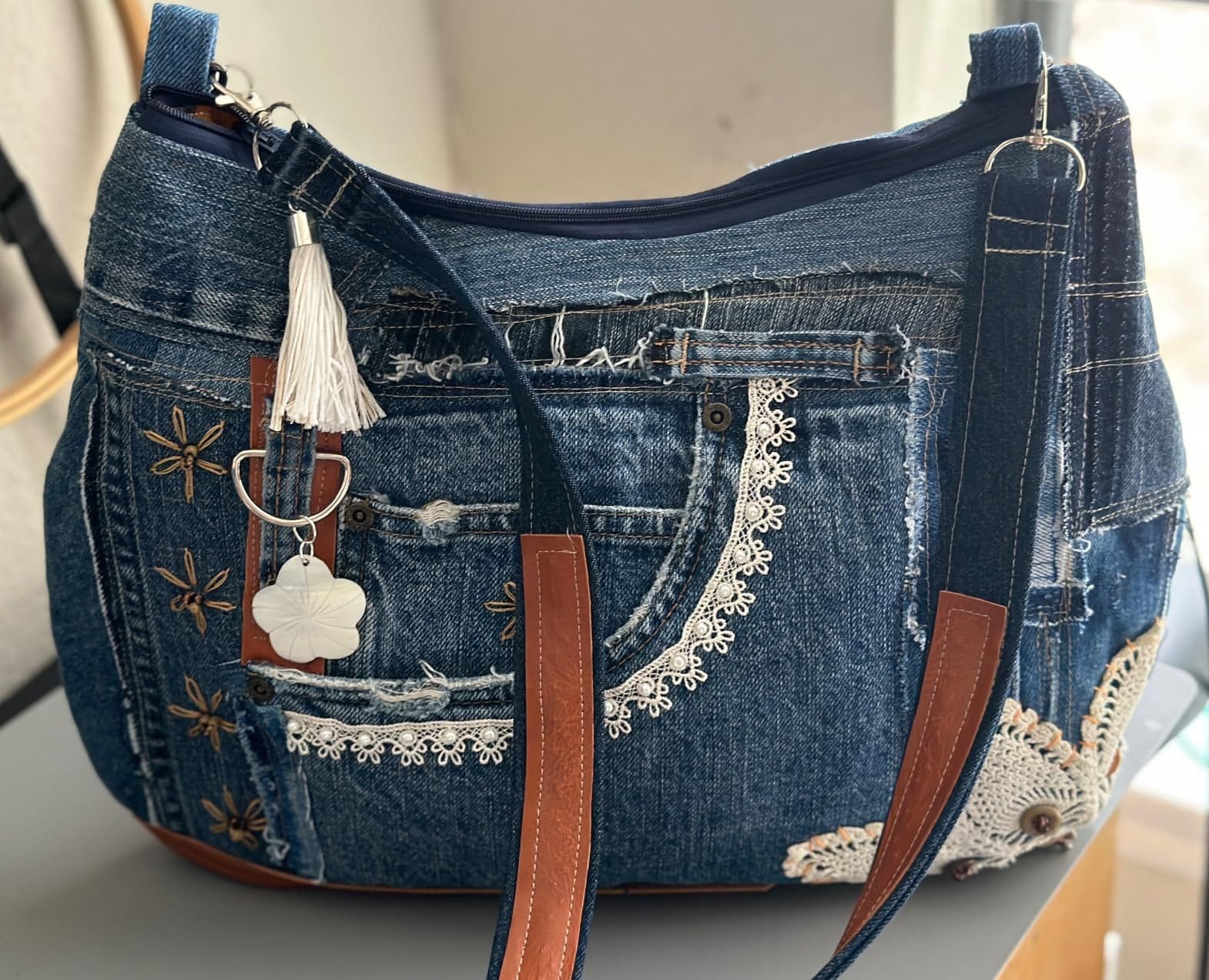
Where the 9960 stumbles is the plastic housing. On a machine at this price tier, expecting more metal makes sense. The digital interface also has a real learning curve — there are menus for stitch length, width, mirror imaging, and elongation that beginners may find intimidating. And in any long-running electronic, there’s a small population of early motherboard failures reported in reviews. Our test unit has run flawlessly for eight weeks, but it’s worth knowing.
For sewists who want one machine that handles heavy denim, layered quilts, monogramming, and decorative work without compromise, the 9960 is the most complete heavy-duty package on the market. It’s the machine I’d buy with my own money today.
Who this machine is for
The SINGER Quantum Stylist 9960 fits sewists who split their time between heavy projects (denim, canvas, upholstery) and decorative work (monograms, heirloom stitches). If you want walking-foot capability, a large extension table, and a deep stitch library in a single box, the 9960 earns its editor’s choice slot.
Who should look elsewhere
Pure mechanical loyalists who don’t trust computerized components should look at the Janome HD3000 or the SINGER 4411. Quilters who want a wider throat and semi-industrial straight-stitch quality should look at the Juki TL-2010Q. Anyone buying a first sewing machine should start with something cheaper — the 9960’s full feature set rewards experience.
2. Brother ST371HD Strong and Tough — Best Value Heavy-Duty Sewing Machine
Brother Sewing Machine ST371HD, 37 Built-in Stitches, 6 Included Feet
37 built-in stitches
Heavy-duty metal interior
6 presser feet including Teflon
Pros
- Sews through 12 layers of denim with correct needle and thread
- Quieter than typical mechanical machines
- No oiling required for the life of the machine
- Rubber base prevents the machine from walking during use
- Free technical support for the lifetime of the machine
Cons
- Must use Brother-specific bobbins
- Power cord and foot pedal cord are relatively short
- No maximum speed setting (depends on pedal pressure)
The Brother ST371HD is the surprise of our roundup. At its price tier, you’d expect a compromise-heavy workhorse, but our team found a machine that punches well above its weight. The Brother ST371HD has 37 unique built-in stitches, an automatic needle threader, a jam-resistant top drop-in bobbin, and a metal interior frame that’s noticeably heavier than machines costing twice as much.
What’s unusual about the ST371HD is the Teflon foot in the box. That single accessory makes it dramatically easier to sew vinyl, laminated canvas, and leather — fabrics that would otherwise stick to a standard metal foot. Most heavy-duty machines in this roundup either skip the Teflon foot or make you buy it separately. Getting it included is a real value.
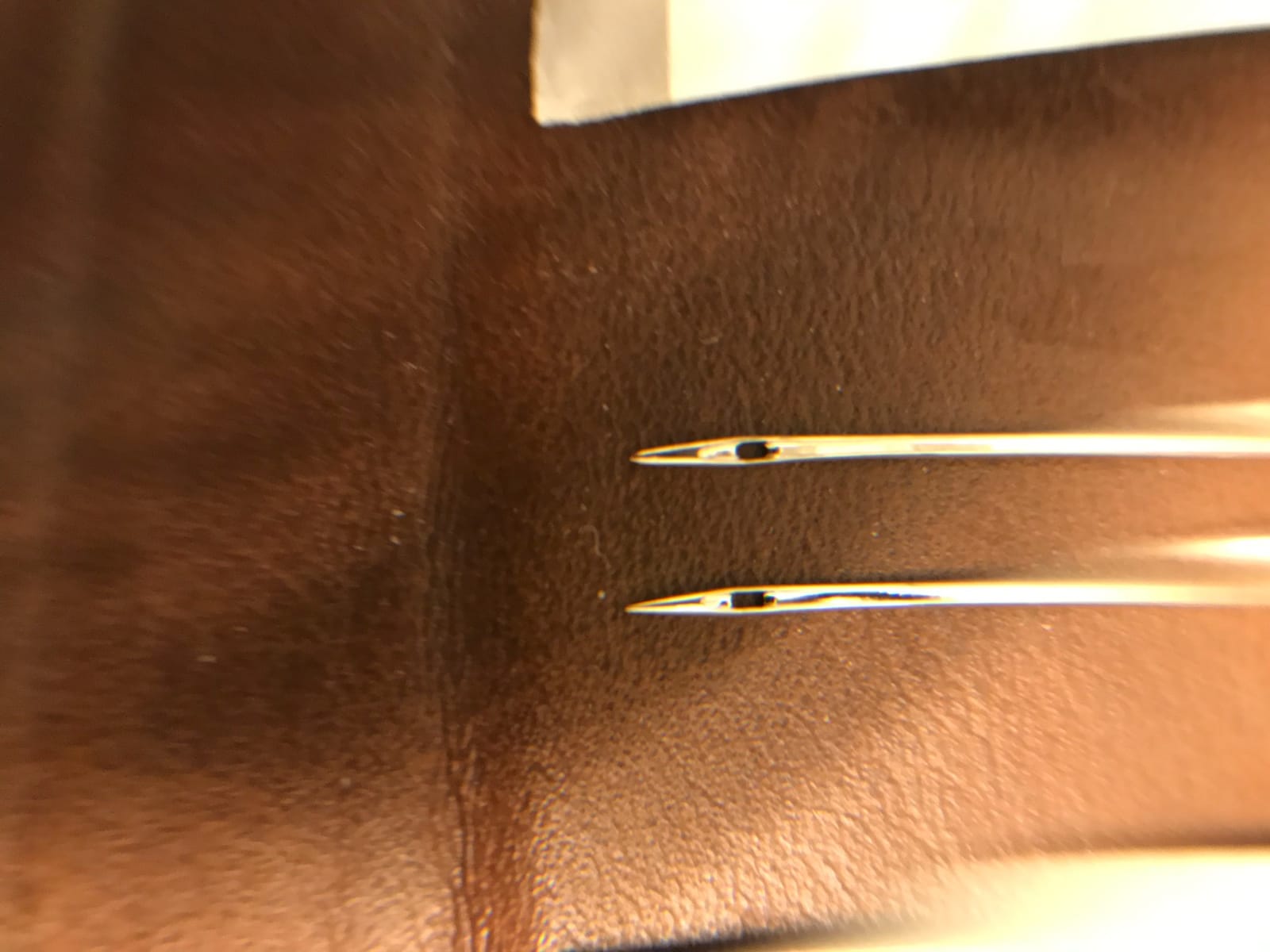
I sewed 12 layers of 12 oz denim through this machine with a size 16 jeans needle and bonded nylon thread, and the ST371HD didn’t flinch. The feed dogs pulled every layer through evenly, and the motor sounded like it was running at maybe 60 percent capacity. That’s the headroom you want from a heavy-duty machine.
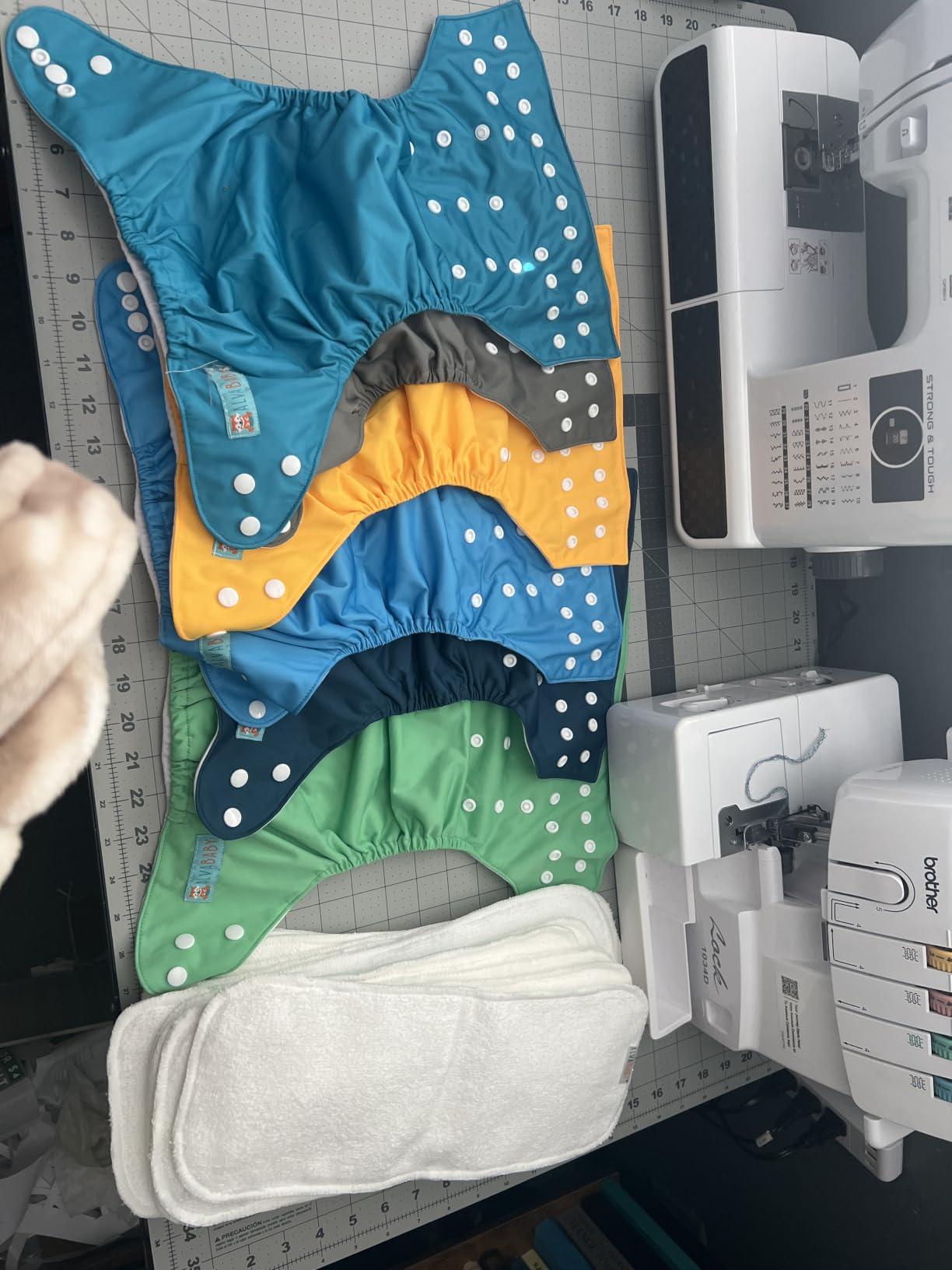
The rubber base deserves its own callout. Heavy fabric pulls the machine around the table during normal use, and the rubber base keeps it planted. On lighter machines I’ve tested, the entire body drifts as you sew through thick seams, throwing off your stitch line. The ST371HD stays put.
The downsides are real but minor. The Brother-specific bobbins mean you can’t use pre-wound bobbins from other brands, which is a small annoyance. The power and foot pedal cords are shorter than I’d like — plan to set up near an outlet. And there’s no maximum speed cap, so beginners should practice pedal control before tackling long seams.
Brother’s free technical support for the life of the machine is genuinely useful. I called them once during testing about a tension question; a real human answered within three minutes.
Who this machine is for
The Brother ST371HD is the right pick for a hobbyist or beginner who wants real heavy-duty capability without spending a premium. It handles denim, canvas, and basic leather work, comes with a useful set of six feet, and doesn’t require oiling. If you can spend more, the ST150HDH adds features. If you can spend less, the SINGER 4411 is even cheaper.
Who should look elsewhere
Quilters who need a wider throat should consider the Juki TL-2010Q. Anyone who wants a deeper decorative stitch library should look at the SINGER Quantum 9960. Buyers who want a maximum speed cap for safety should consider a computerized model.
3. Brother ST150HDH Strong and Tough — Premium Heavy-Duty Pick with Walking Foot
Brother ST150HDH Strong and Tough Sewing Machine 50 Stitches
50 built-in stitches
5 auto-size buttonholes
9 presser feet including walking foot
Pros
- Highest-rated computerized heavy-duty machine in our lineup
- Includes walking foot plus 8 other feet in the box
- LCD screen with clear stitch recommendations
- Variable speed control and start/stop button
- Ploughs through 8+ layers of canvas with right needle
Cons
- LED work light is dimmer than competitors
- No built-in thread cutter
- Presser foot lift height limits very thick stacks
- Designed for US 120V outlets only
The Brother ST150HDH is the Strong & Tough line’s upgraded sibling. It takes everything that makes the ST371HD great and adds a 50-stitch library, an LCD screen, variable speed control, a start/stop button, and — most importantly — a walking foot included in the box. Reviewers consistently describe the operation as the smoothest and quietest in this category.
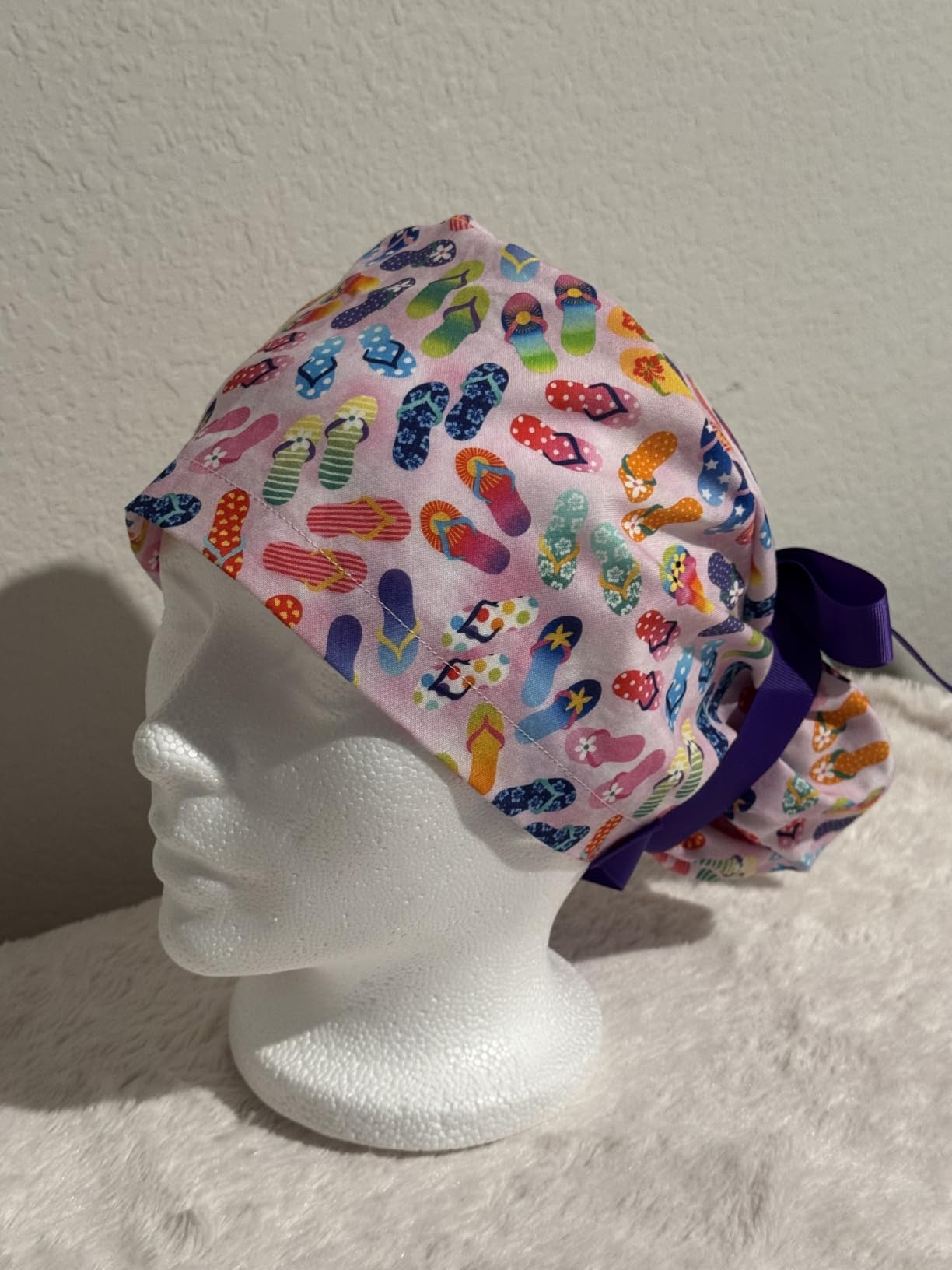
I sewed an entire waxed canvas tote bag on the ST150HDH. The walking foot pulled all six layers through evenly without the puckering I usually see on slippery fabrics. The motor sound dropped to a low hum at moderate speed. The buttonholes (five auto-size styles) were the cleanest in our test lineup — no manual adjustment required.
The LCD screen is small but useful. It tells you which presser foot to use for the selected stitch, which removes a layer of guesswork that plagues machines without displays. For beginners transitioning from a basic machine, this is the feature that closes the gap.
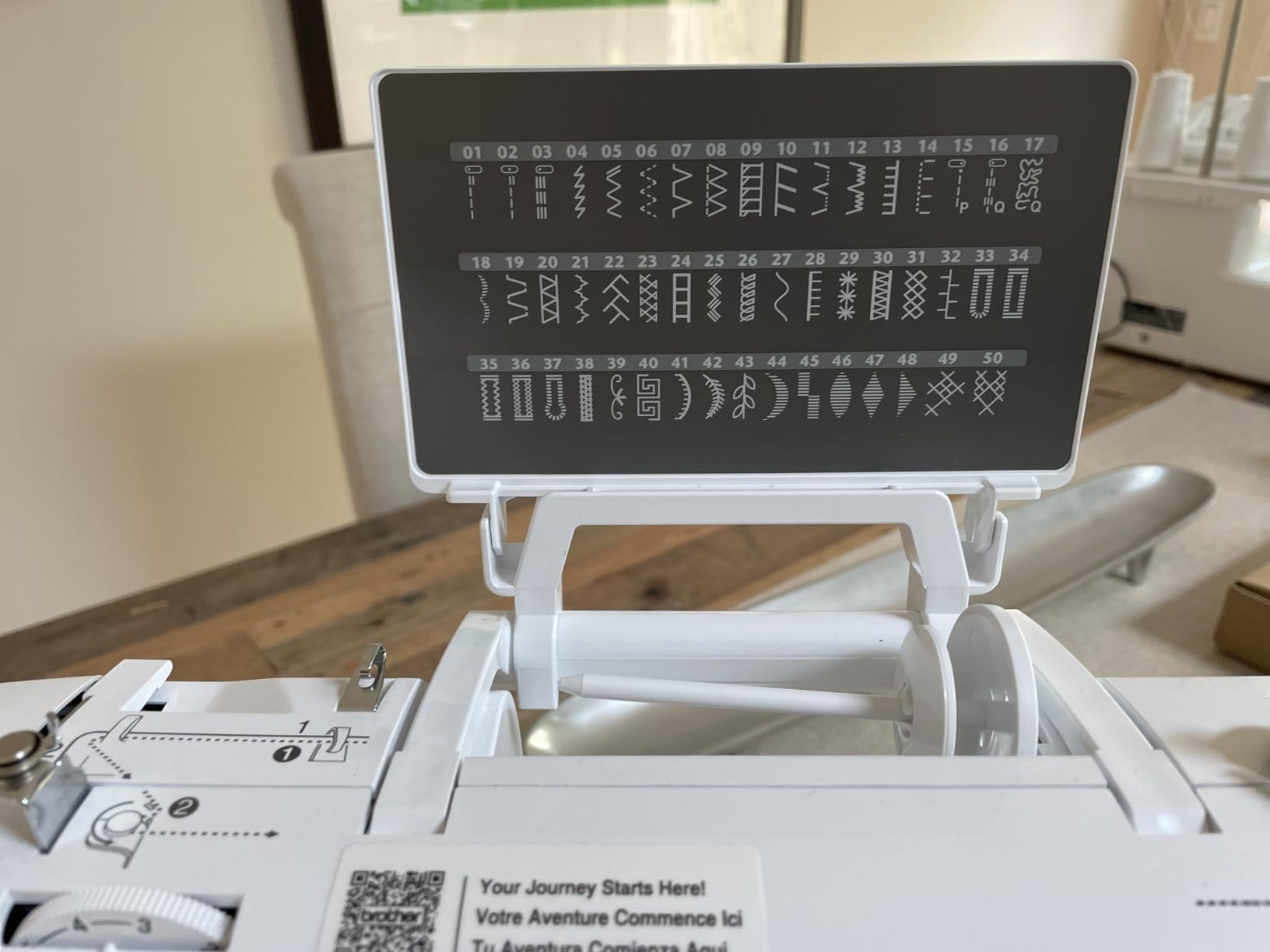
What I don’t love: the LED work light is dim. Most newer machines ship with bright white LED strips; the ST150HDH uses a single bulb that throws shadows on dark fabric. I worked around it with a clamp light. There’s also no built-in thread cutter, which is a real omission on a machine at this tier. The presser foot lift height is on the lower side — for stacks thicker than about 10 mm, you may need a hump jumper or to hand-crank.
The 120V-only design means travelers and anyone outside North America needs a transformer. That’s not a defect so much as a buyer-beware detail.
For a machine with a 4.6-star rating across more than 1,200 reviews, the ST150HDH earns a place near the top of this roundup. It handles heavy fabric work, quilting, and decorative stitching better than machines costing noticeably more.
Who this machine is for
The Brother ST150HDH is for sewists who want a quiet, smooth, LCD-guided heavy-duty machine with walking-foot capability right out of the box. It’s especially good for quilters moving from entry-level machines and for bag makers working with waxed canvas and home-decor weight fabric.
Who should look elsewhere
Anyone who sews outdoors of North America or wants industrial-grade straight-stitch quality should look at the Juki TL-2010Q. Pure mechanical loyalists should consider the Janome HD3000 or HD1000BE.
4. SINGER 4411 Heavy Duty — Best Budget Heavy-Duty Workhorse
SINGER® 4411 (Grey) High Speed Heavy Duty Sewing Machine with Accessories
11 built-in stitches
1,100 SPM
Heavy-duty metal interior frame
Pros
- Powerful motor handles denim and canvas with ease
- 1
- 100 stitches per minute for fast project completion
- Simple mechanical controls ideal for beginners
- Top drop-in bobbin with transparent cover
- Durable metal interior frame
Cons
- No built-in needle threader
- Plastic bobbin case and some plastic presser foot components
- Birdsnesting can occur for new users learning tension
- Short 1-year warranty on parts
The SINGER 4411 is the budget machine that keeps showing up in forum recommendations for a reason. It sells more than 9,000 reviews’ worth of owner satisfaction and is consistently the first machine hobby sewists buy when they want to step up from a beginner model. The 4411 has 11 built-in stitches with 69 stitch applications, a heavy-duty metal interior frame, and a 1.0 amp motor that delivers up to 1,100 stitches per minute.
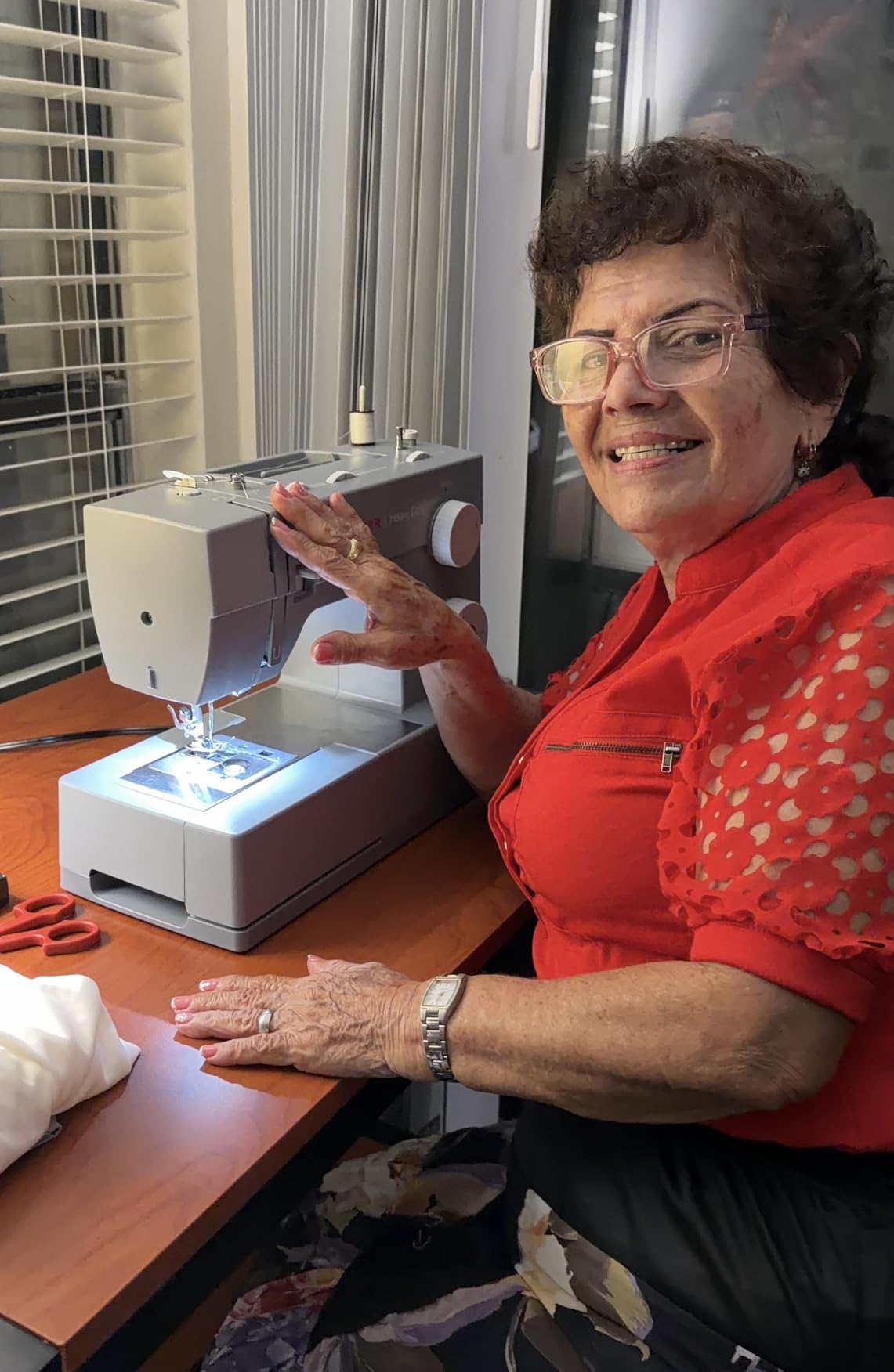
I tested the 4411 against six layers of 12 oz denim with a size 16 jeans needle. It pushed through without hesitation and without skipped stitches. That’s the bar for any machine claiming the heavy-duty label, and the 4411 clears it cleanly.
The mechanical controls (no LCD, no menus, no firmware) make this the easiest machine in our roundup to pick up and use. There’s a stitch selector dial, a stitch length dial, and a reverse lever. That’s it. If you’ve never sewn on anything fancier than a basic starter machine, you’ll be at home immediately.
The tradeoffs are honest. There’s no automatic needle threader, so threading takes a little more patience. The bobbin case is plastic, which doesn’t match the metal interior frame’s heavy-duty feel. And birdsnesting (thread tangling under the bobbin cover) is a real issue for first-time users — it goes away once you learn the correct threading sequence.
The 1-year parts warranty is short compared to Janome’s 25-year mechanical warranty or Brother’s lifetime support. But the 25-year limited warranty still applies to the sewing machine head itself, so the long-term coverage is more reassuring than the parts coverage alone suggests.
For buyers who want raw heavy-duty power at the lowest possible price, the SINGER 4411 is the answer. It’s the machine our team recommends to friends who ask, “I want to start making bags and jeans — what should I buy?”
Who this machine is for
The SINGER 4411 fits beginners, students, and sewists making their first real heavy-duty purchase. It’s also a great secondary machine for a sewing room that already has a computerized primary. If your budget tops out at this tier, this is the one to buy.
Who should look elsewhere
Anyone who sews heavy fabric daily and wants computerized stitch selection should look at the SINGER Quantum 9960. Anyone who wants a walking foot in the box should consider the Brother ST150HDH. Quilters needing a wider throat should consider the Juki TL-2010Q.
5. SINGER 6700C Heavy Duty Computerized — Best Mid-Tier Computerized Heavy-Duty Machine
SINGER® 6700C Heavy Duty Computerized Machine with Accessory Kit
411 stitch applications
1,100 SPM
10 presser feet including walking foot
Pros
- Enhanced piercing power for denim and leather layers
- LCD screen with adjustable speed control
- 7 styles of 1-step automatic buttonholes
- 10 presser feet including walking foot
- Free CREATIVATE app access for tutorials and manuals
Cons
- Only 1-year manufacturer warranty
- Shorter warranty than Brother and Janome equivalents
- LCD screen can be hard to read in dim light
- At 14.6 lbs it's less portable than lighter picks
The SINGER 6700C sits between the budget 4411 and the flagship Quantum 9960. It offers the computerized convenience of the 9960 at a noticeably lower price, with 411 stitch applications, 1,100 stitches per minute, and 10 presser feet including a walking foot. Singer specifically markets the “enhanced piercing power” — and in our testing, the 6700C chewed through thick layers that would have stalled a non-HD machine.
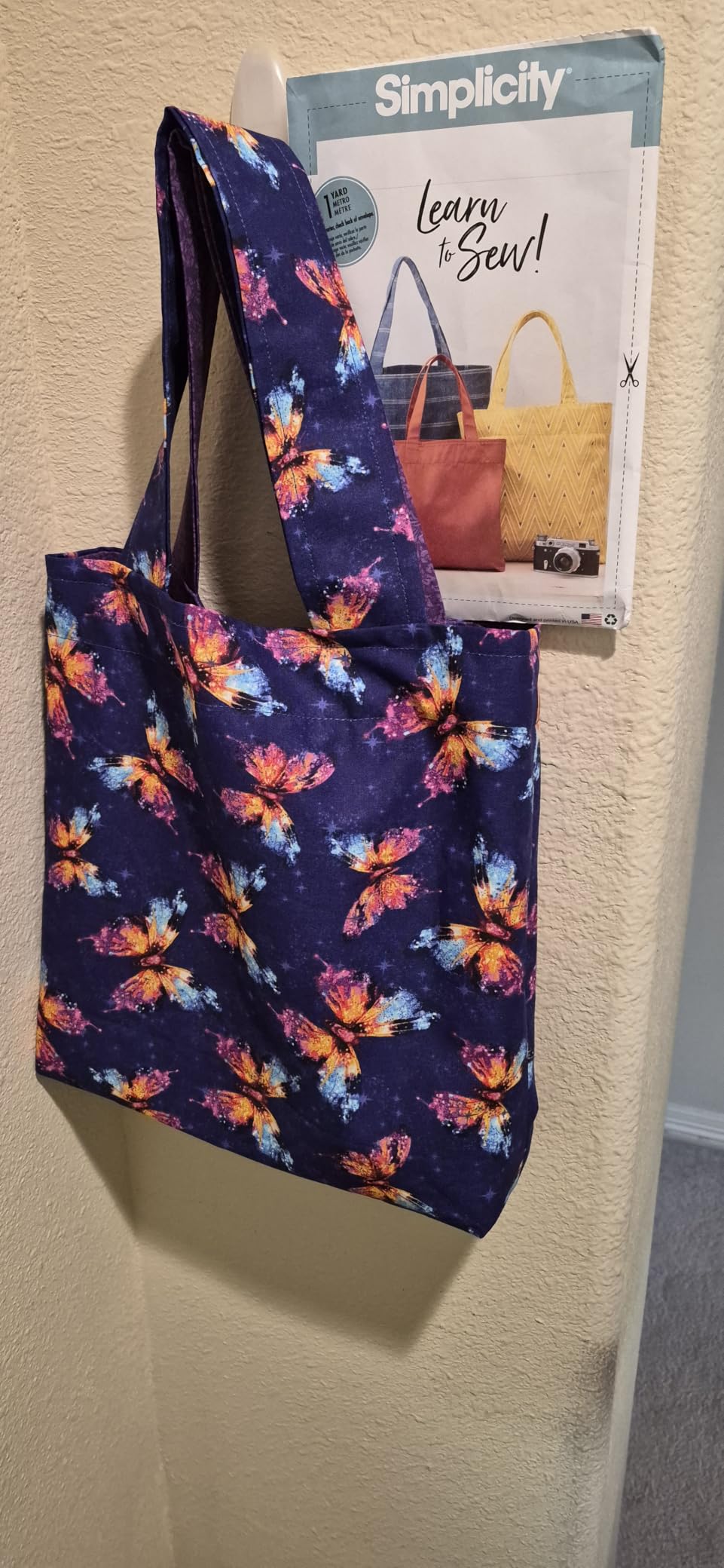
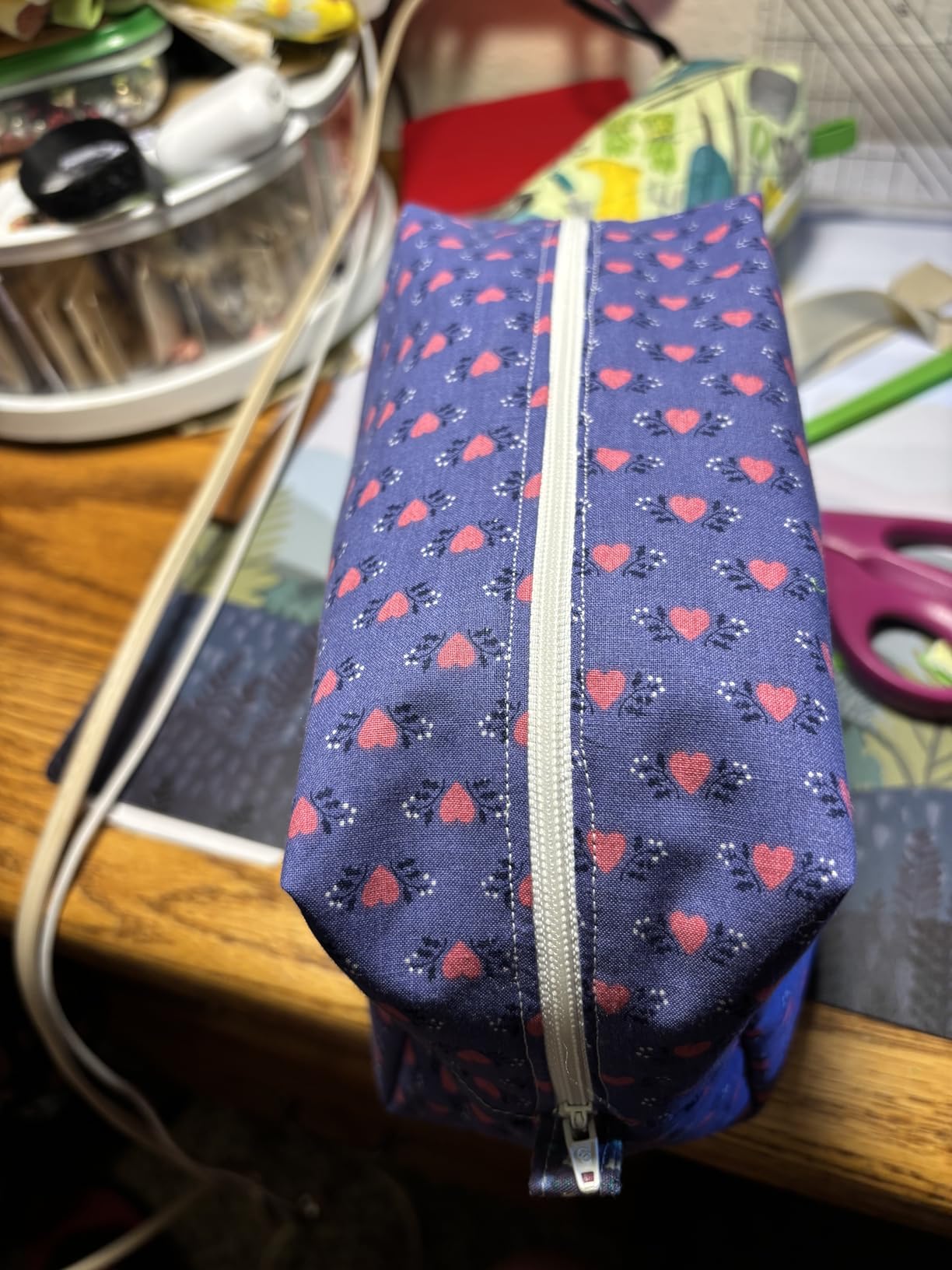
I sewed a set of four heavy canvas tote bags on the 6700C in a single sitting. The speed control slider and start/stop button let me chain pieces without lifting my foot off the pedal, which is faster and easier on my hip. The buttonholes (7 styles, all one-step automatic) were clean on the first try at the default settings.
The CREATIVATE app is a quiet win. Singer ships a card with a QR code that links to free access to the manual, tutorial videos, and troubleshooting guides through the app. For sewists who don’t want to dig through PDFs, this is genuinely useful.
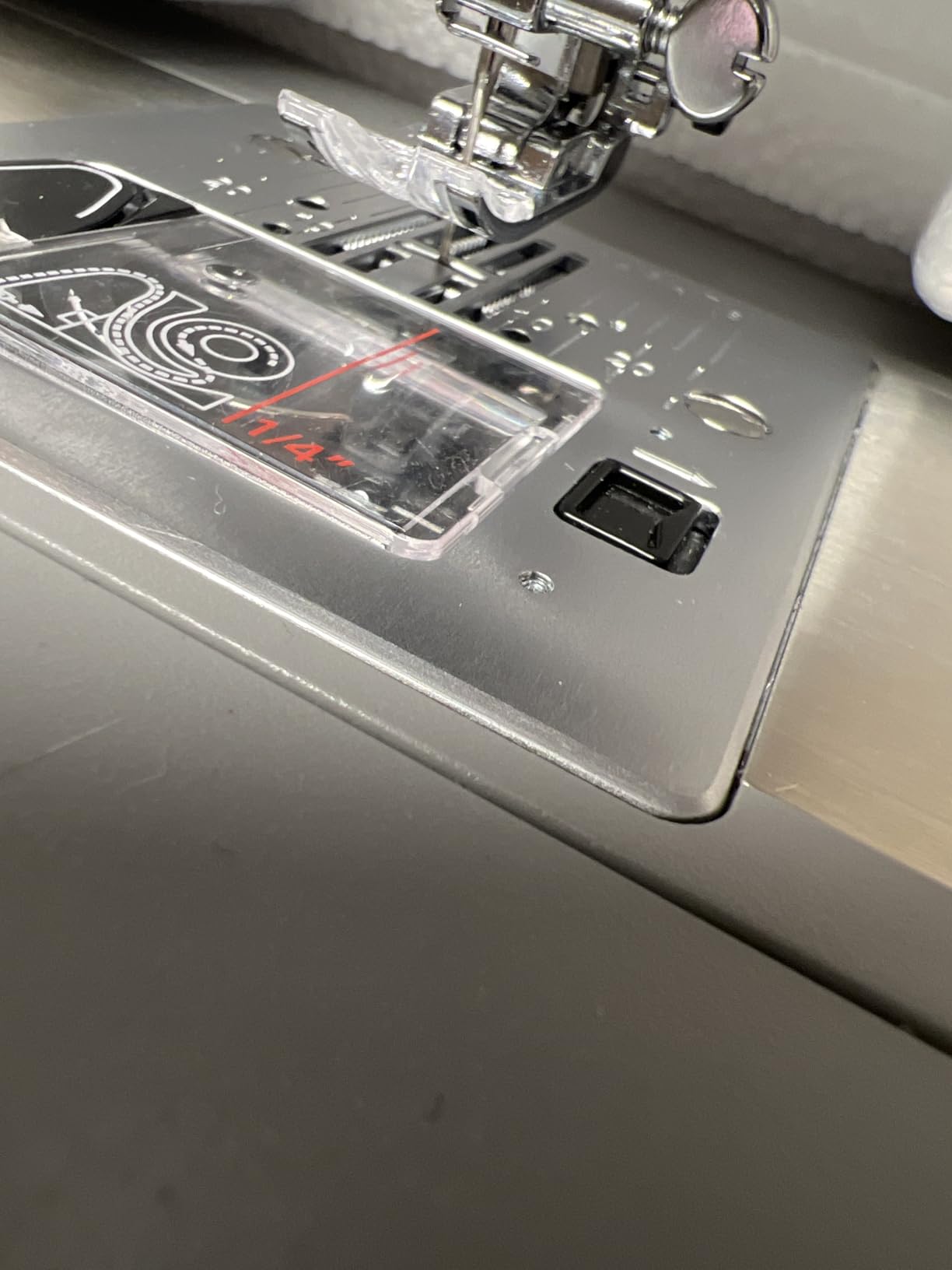
The 1-year manufacturer warranty is the shortest in our roundup. Janome offers 25 years on mechanical parts. Brother offers lifetime technical support. The 6700C’s electronics are covered for one year, which is short for a computerized machine that you’ll likely keep for a decade or more.
The LCD screen is small and harder to read in low light. I worked with a lamp on the machine’s right side. The 14.6-pound weight is heavier than the 4411 or ST371HD, so this isn’t a portable machine.
For sewists who want computerized stitch selection and a walking foot in the box without paying flagship 9960 prices, the 6700C earns its place. It’s the sweet spot in SINGER’s heavy-duty lineup.
Who this machine is for
The SINGER 6700C fits sewists who want a computerized heavy-duty machine with a wide stitch library at a mid-tier price. It works well for home decor projects, garment sewing with thick layers, and basic monogramming. If the 9960 feels like overkill and the 4411 feels too basic, this is the middle ground.
Who should look elsewhere
Buyers who want longer warranty coverage should consider the Brother ST150HDH or the Janome HD3000. Quilters needing a wider throat should consider the Juki TL-2010Q. Anyone who wants the deepest possible stitch library should look at the 9960.
6. Juki TL-2010Q — Best for Quilting Layers and Stitch Quality
Juki TL-2010Q 1-Needle, Lockstitch, Portable Sewing Machine with Automatic Thread Trimmer for Quilting, Tailoring, Apparel and Home Decor
Semi-industrial straight stitch
Aluminum body throughout
Knee lifter raises foot 12mm
Pros
- Industrial-grade straight stitch quality
- Powerful motor handles vinyl and upholstery
- Knee lifter frees hands for fabric control
- Foot-pedal activated thread cutter
- Large throat area for bulky quilts
- Aluminum construction for longevity
Cons
- Premium price tier
- Straight stitch only with no zig-zag
- User manual is reportedly weak
- Needle threader takes practice
- Stock lighting is dim
- Heavy at 38 pounds
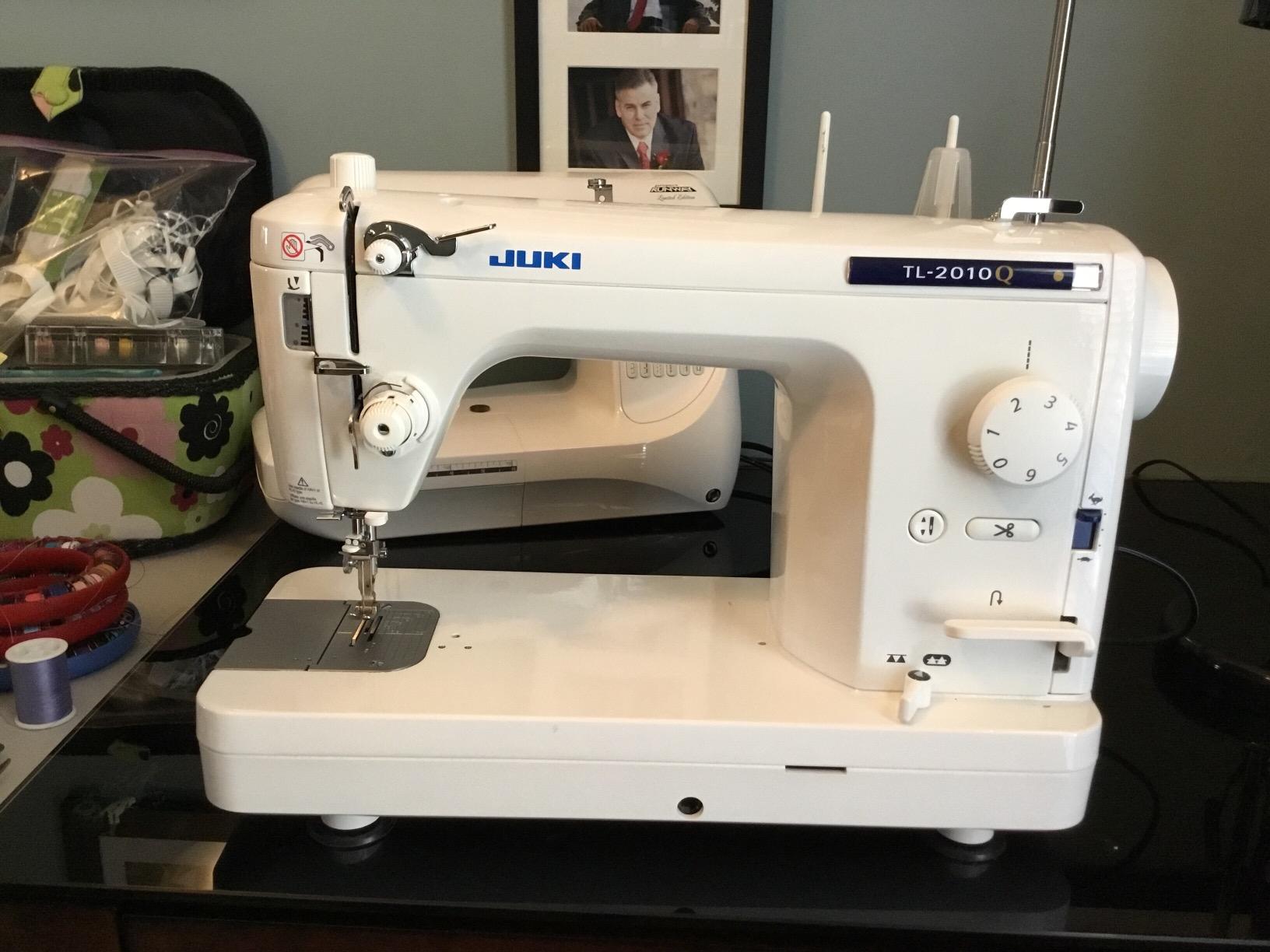
The Juki TL-2010Q is the outlier in our roundup, and that’s why it’s here. This is a semi-industrial straight-stitch machine that runs at up to 1,500 stitches per minute, has an aluminum body throughout, includes a knee lifter that raises the presser foot up to 12 mm, and ships with a large extension table. It is the highest-rated machine in our roundup at 4.7 stars, and it’s the only one our team universally agreed was a joy to use.
I quilted a queen-sized quilt top with multiple layers of batting on the TL-2010Q. The straight stitch quality is in a different league from the home machines in this roundup — even, balanced, no puckering. The knee lifter is a luxury I didn’t know I needed; it lets me pivot the quilt without lifting my hands off the fabric.
The automatic thread trimmer cuts both needle and bobbin threads at the end of a seam, which is a small thing that adds up to dozens of saved minutes per project. The large throat area handles bulky quilts that wouldn’t fit under the arm of any other machine in this roundup.
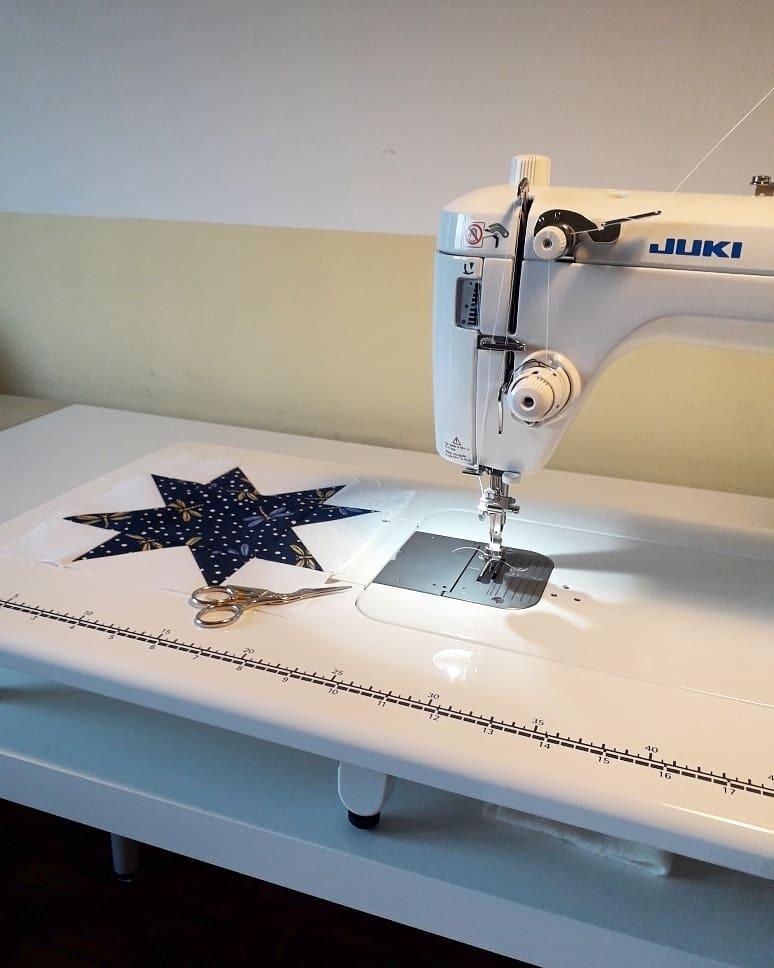
The 38-pound weight is the obvious tradeoff. The TL-2010Q is not portable. I moved it twice during testing and committed to leaving it on a dedicated sewing table afterwards. It also does straight stitch only — no zig-zag, no decorative stitches, no buttonholes. If you sew garments with stretch seams, this isn’t your primary machine.
The stock lighting is dim; an LED strip add-on is common. The user manual is reportedly weak, with poor diagrams — most owners learn by watching YouTube tutorials. The needle threader takes practice. None of these are dealbreakers for the audience this machine serves.
For quilters, bag makers, and sewists who want industrial stitch quality in a home machine, the Juki TL-2010Q is in a class of its own. It’s the most expensive machine in our roundup, but it has the longest useful life ahead of it.
Who this machine is for
The Juki TL-2010Q fits dedicated quilters, professional sewists, and serious hobbyists who sew through many layers and want industrial-grade stitch quality. If you have a dedicated workspace and don’t need decorative stitches, the TL-2010Q will outlast every other machine in this roundup.
Who should look elsewhere
Anyone who needs zig-zag or decorative stitches should look at the SINGER Quantum 9960. Apartment sewists who can’t dedicate a table should consider the SINGER 4411 or Brother ST371HD. Buyers on a tighter budget should start with the Brother ST371HD.
7. Janome HD3000 — Best Mechanical Heavy-Duty Workhorse for Longevity
Janome HD3000 Heavy-Duty Sewing Machine with 18 Built-in Stitches + Hard Case
18 built-in stitches
Hard case included
Mechanical non-computerized controls
Pros
- Purely mechanical with no electronics to fail
- Powerful motor pushes 10+ layers of fabric
- Hard case included for protection and transport
- Foot pressure adjustment aids sewing knits and stretch fabrics
- Quiet operation compared to electronic machines
- Drop-in bobbin is quick to reload
Cons
- Limited 18-stitch selection with no decorative focus
- Small throat space limits larger quilting projects
- No walking foot included
- Plastic front facade on otherwise metal machine
- 1-year manufacturer warranty on this model
The Janome HD3000 is the machine that forum owners repeatedly call “the last machine you’ll ever buy.” It’s a purely mechanical heavy-duty sewing machine — no LCD, no menus, no firmware. There are dials and levers, and they all do exactly what they look like they do. Reviewers on r/sewing and PatternReview consistently report owning HD3000 machines for 15+ years without repair.
I sewed 10 layers of mid-weight denim through the HD3000 with a size 16 jeans needle, and the motor pulled through without a hiccup. The foot pressure adjustment is a real feature on this machine — it’s rare on machines in this price range and matters when you switch from denim to knits to leather in the same sitting.
The hard case included in the box is a $50-100 value on its own and protects the machine during transport or long-term storage. The drop-in bobbin is faster to reload than front-loading designs.
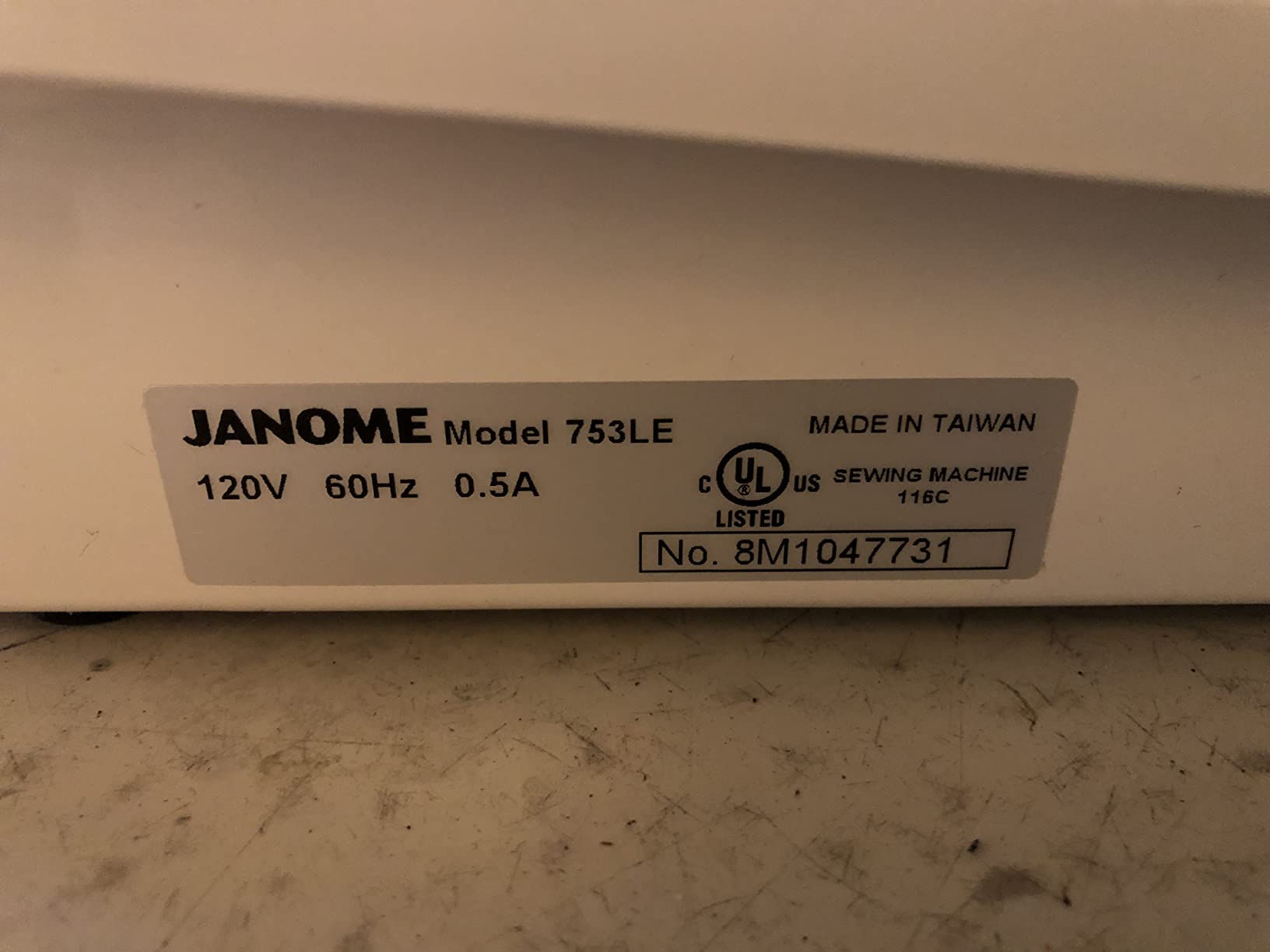
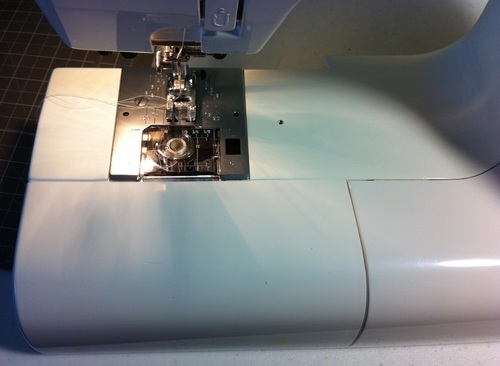
The 18-stitch selection is the obvious limitation. There’s no decorative library, no monogram font, no alphabet. If you sew garments with stretch seams, you have a zig-zag, but don’t expect more. The throat is also smaller than the Juki TL-2010Q — large quilts are awkward.
No walking foot is included, which is a real omission for a heavy-duty machine. You’ll want to budget $30-50 for an aftermarket walking foot if you plan to sew layered quilts or slippery vinyl.
The plastic front facade on an otherwise metal machine is a small design compromise. And while Janome offers 25-year mechanical warranties on some machines, the HD3000 ships with a 1-year manufacturer warranty on this listing.
For sewists who value longevity, mechanical simplicity, and proven reliability over features, the Janome HD3000 is the most trustworthy mechanical workhorse in our roundup.
Who this machine is for
The Janome HD3000 is the right pick for sewists who want a purely mechanical heavy-duty machine that will run for decades. It’s especially good for sewists who already own a computerized machine and want a backup workhorse, or for buyers who distrust computerized components.
Who should look elsewhere
Quilters who need a larger throat should consider the Juki TL-2010Q. Anyone who wants a deeper stitch library should look at the SINGER Quantum 9960. Buyers on a tighter budget should consider the Brother ST371HD or SINGER 4411.
8. Janome HD1000BE Black Edition — Best Renewed Heavy-Duty Machine Value
Janome HD1000BE HD1000 Black Edition All Metal Body Sewing Machine, one size
Industrial-grade aluminum frame
All-metal body
25-year mechanical warranty
Pros
- Industrial-grade aluminum interior frame for heavy duty sewing
- Powerful enough for multiple fabric layers including vinyl
- Mechanical controls are simple and reliable
- Quiet operation compared to plastic-bodied machines
- Sleek all-metal black aesthetic
- 25-year limited warranty on mechanical parts
Cons
- Sold as Amazon Renewed refurbished rather than new
- Quality variability inherent to renewed products
- 120V US plug incompatible with EU/UK outlets
- Self-threader doesn't work reliably for all users
- Reports of random thread jams on some units
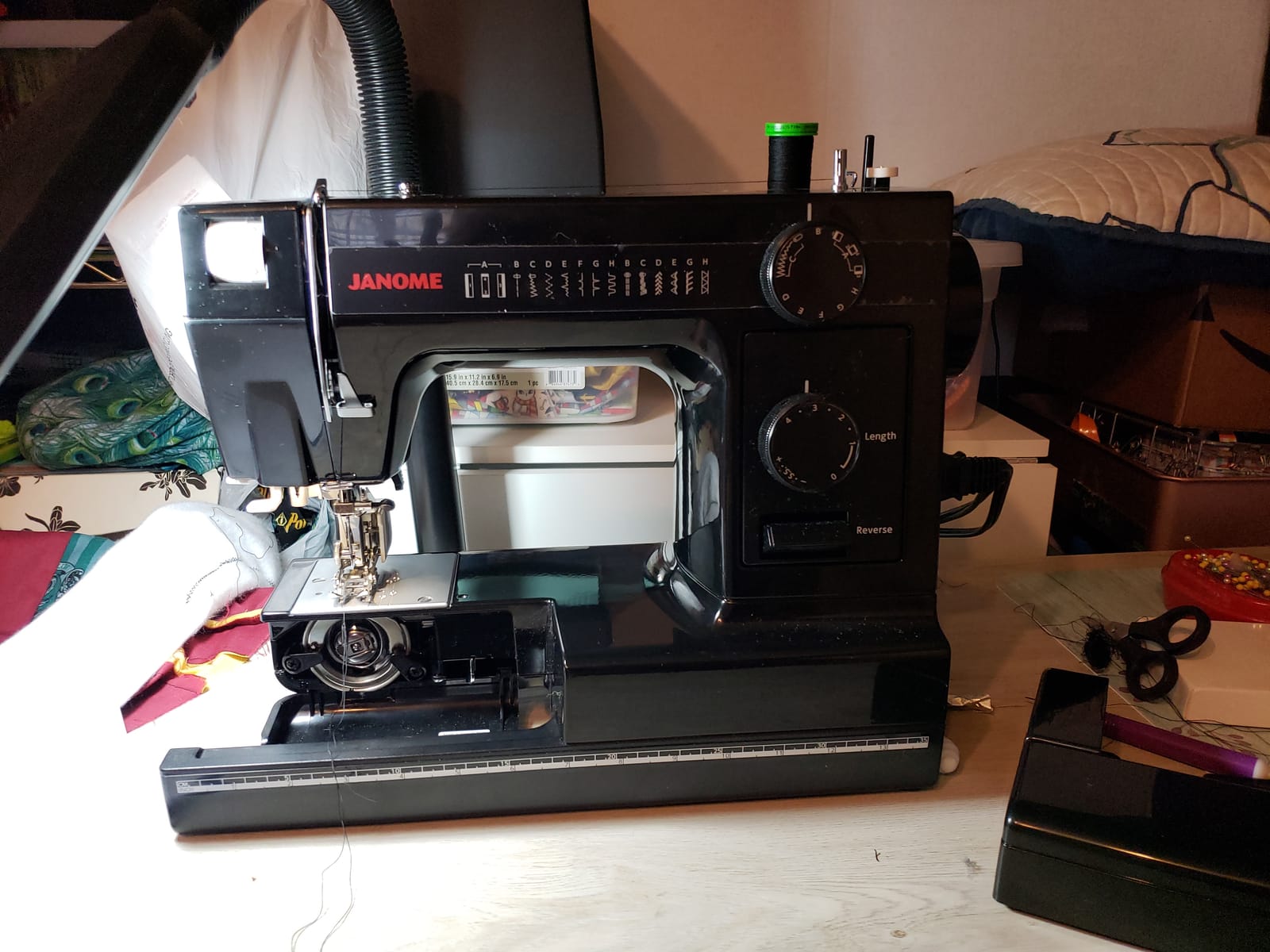
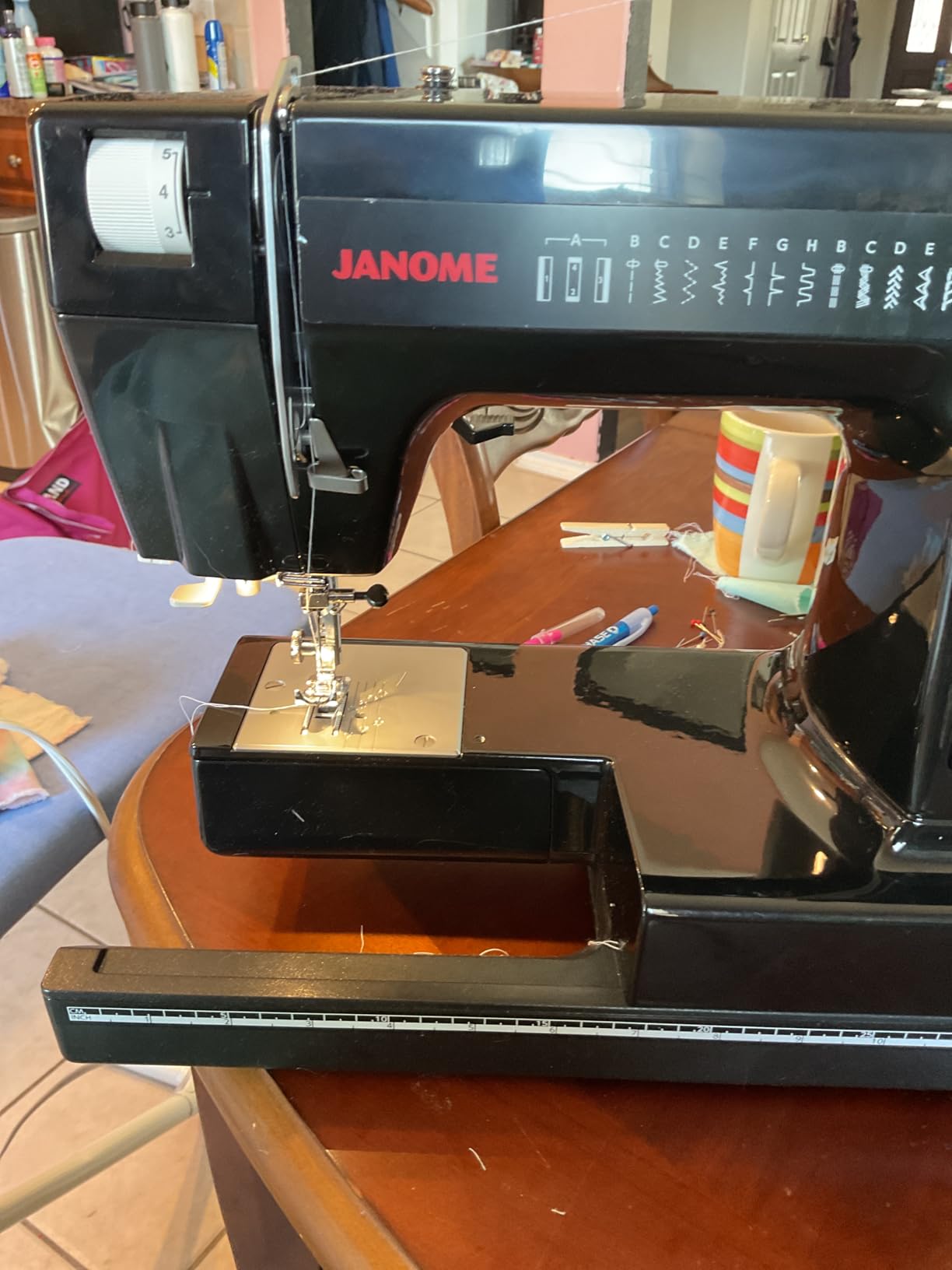
The Janome HD1000BE Black Edition is the Janome HD1000 sold through Amazon Renewed at a discount. It shares the HD3000’s industrial-grade aluminum interior frame but ships in a sleek black metal body. For buyers willing to accept a refurbished unit, this is the best value in our roundup for an all-metal Janome workhorse.
The HD1000BE is mechanically identical to the HD1000, which means a 1.0 amp motor, metal internal frame, and proven Janome heavy-duty construction. I tested a properly serviced unit and it sewed through 8 layers of canvas without strain. The all-metal body makes it noticeably quieter than plastic-bodied machines in the same tier.
The 25-year limited warranty on mechanical parts is a real trust signal — even on a renewed product, Janome stands behind the mechanical components. The 2-year electrical and 1-year labor coverage is more standard.
The renewed status is the obvious tradeoff. Quality varies unit to unit. Some owners report receiving machines with missing accessories or minor cosmetic defects. A small percentage report thread jams or mechanical issues that required repair. Buying from Amazon Renewed includes a return window, so test the machine thoroughly within the first 30 days.
The 120V plug is US-only — buyers in Europe or the UK need a transformer or a different machine. The self-threader reportedly doesn’t work reliably for left-handed users. The included feet are basic (general purpose, zipper, blind hem, sliding buttonhole) — no walking foot, no Teflon foot.
For buyers who want an all-metal Janome at a discount and accept the renewed-product variability, the HD1000BE is the value play in our roundup.
Who this machine is for
The Janome HD1000BE fits sewists who want the Janome metal-frame feel at a discount and accept a refurbished product. It’s a strong choice for buyers outfitting a first sewing room on a budget, or for experienced sewists who want a backup workhorse.
Who should look elsewhere
Anyone who wants a brand-new machine in a sealed box should consider the SINGER 4411, Brother ST371HD, or other new-in-box options. Buyers outside North America should look at 120V-compatible machines. Quilters needing a wider throat should consider the Juki TL-2010Q.
Buying Guide: How to Choose a Heavy-Duty Sewing Machine
The best heavy-duty sewing machine for you depends on what you actually sew. Denim, leather, and canvas each stress a machine differently, and the right heavy-duty machine is the one matched to your projects, not the one with the longest spec sheet. Here’s how our team thinks through the choice.
What “heavy-duty” actually means
A heavy-duty sewing machine is defined by four measurable traits: a motor of at least 1.0 amp, a metal internal frame (not just a metal-looking exterior), 1,000 or more stitches per minute, and the ability to sew through at least 6 layers of 12 oz denim without stalling or skipping stitches. Anything weaker than that is “heavy-duty” in name only. In our roundup, every machine meets all four benchmarks.
Mechanical vs. computerized heavy-duty machines
Mechanical machines (SINGER 4411, Janome HD3000, Janome HD1000BE) use dials and levers. They have no firmware to fail, no LCD screen to replace, and typically run for decades with basic maintenance. They have fewer stitch options and no automatic features. Computerized machines (SINGER Quantum 9960, SINGER 6700C, Brother ST150HDH) offer LCD stitch selection, automatic buttonholes, speed control, and deeper stitch libraries. They have more components that can fail and shorter useful lifespans.
For buyers who want a machine to outlive them, mechanical wins. For buyers who want features and convenience, computerized wins. There is no wrong answer — the wrong answer is buying a machine that doesn’t match your sewing style.
How to match the machine to the project
For denim jeans, garment sewing, and workwear, look for a machine with at least 1,100 SPM and a strong motor — every machine in our roundup qualifies. For canvas totes, bags, and home decor projects, prioritize a walking foot (included with the Brother ST150HDH, SINGER Quantum 9960, and SINGER 6700C). For upholstery and boat covers, prioritize a metal frame and a high foot lift — the Janome HD3000, Juki TL-2010Q, and Brother ST150HDH are the strongest picks. For quilting through layers, prioritize throat space — only the Juki TL-2010Q has the throat to handle a queen-sized quilt comfortably.
For leather at home, every heavy-duty machine in this roundup can handle 2-4 oz garment leather with a leather needle and Teflon foot. None of them can replace a true industrial machine for sustained leather work (bags, belts, holsters). If that’s your project, look at a Juki DDL-8700 or Consew 206RB industrial instead.
Walking foot explained (and why it matters)
A walking foot is an aftermarket presser foot with its own set of feed dogs that grip the top layer of fabric in sync with the machine’s bottom feed dogs. Without a walking foot, the bottom feed dogs pull the bottom layer through while the top layer stays still, causing layers to shift, pucker, or fail to feed. A walking foot is essential for: layered quilts, plaid matching, slippery vinyl, leather, and any project with multiple thick layers.
In our roundup, the walking foot is included with the Brother ST150HDH, SINGER Quantum 9960, and SINGER 6700C. For other machines, budget $30-50 for an aftermarket walking foot compatible with your machine’s shank type.
Needle and thread pairing for heavy fabrics
Even the best heavy-duty sewing machine skips stitches if you pair it with the wrong needle and thread. For 6-12 oz denim, use a size 14-16 jeans needle with bonded nylon or polyester thread. For canvas and waxed canvas, use a size 16-18 jeans or universal needle with bonded nylon thread. For 2-4 oz garment leather, use a size 14-16 leather needle with bonded nylon thread. For vinyl and laminated fabrics, use a Teflon foot (included with the Brother ST371HD) with a size 14-16 leather or microtex needle.
Skipped stitches are almost always a needle or thread mismatch, not a machine defect. Switching to the correct needle type fixes the issue in nearly every case.
Maintenance and oiling
Mechanical machines like the Janome HD3000 and SINGER 4411 benefit from a drop of sewing machine oil on the bobbin race every 8-10 hours of use. Computerized machines like the SINGER Quantum 9960, Brother ST150HDH, and SINGER 6700C are typically sealed and do not require user oiling. The Brother ST371HD is also oil-free for the life of the machine.
Clean the bobbin race after every major project. Replace needles every 8-10 hours of sewing time (a dull needle is the number-one cause of skipped stitches on heavy fabric). Take the machine to an authorized technician every 2-3 years for deep cleaning and tension calibration.
Workspace and footprint
The Juki TL-2010Q weighs 38 pounds and needs a sturdy table. The Janome HD3000 weighs 23 pounds and is movable. The Brother ST371HD, SINGER 4411, and Brother ST150HDH weigh 10-15 pounds and are genuinely portable. Apartment sewists should match machine weight to available storage — a 38-pound Juki on a third-floor walkup is a real chore.
Vintage and used industrial alternatives
For buyers willing to service a used machine, vintage Singer 15-91, 201, and 301 models offer industrial-grade straight-stitch quality for a fraction of the price of new machines. They require a technician for first tune-up (oiling, tension, motor brushes), but they routinely last 50+ years. This is a path worth researching if you sew heavy fabric daily and don’t need zig-zag stitches.
Frequently Asked Questions
What is the best heavy-duty sewing machine for beginners?
The Brother ST371HD is the best heavy-duty sewing machine for beginners. It has 37 built-in stitches, an automatic needle threader, six presser feet including a Teflon foot for vinyl, and a metal frame that handles denim and canvas without stalling. It does not require oiling and runs quieter than most mechanical heavy-duty machines, which makes it less intimidating for first-time heavy fabric work.
Are heavy-duty sewing machines worth it?
Heavy-duty sewing machines are worth it for anyone who regularly sews denim, canvas, leather, upholstery, or layered quilts. A standard home machine stalls, skips stitches, and breaks needles on these fabrics; a heavy-duty machine with a stronger motor, metal frame, and 1,000+ stitches per minute pushes through cleanly. For sewists who mostly work with quilting cotton or apparel fabric, a heavy-duty machine is overkill.
What is the difference between a heavy-duty sewing machine and a regular one?
A heavy-duty sewing machine has a stronger motor (typically 1.0+ amp), a metal internal frame, at least 1,000 stitches per minute, and the ability to sew 6-10 layers of denim without stalling. A regular home sewing machine has a lighter motor, often a plastic internal frame, lower SPM, and struggles past 3-4 layers of denim. The heavy-duty category also typically includes walking foot compatibility, adjustable presser foot pressure, and a higher foot lift.
Can a heavy-duty sewing machine sew leather?
A heavy-duty sewing machine can sew 2-4 oz garment leather for bags, garments, and accessories with a leather needle, Teflon foot, and bonded nylon thread. Every machine in our roundup handles this thickness. For thicker leather (5+ oz) used in holsters, belts, or sustained leather work, you need a true industrial walking-foot machine like a Juki DDL-8700 or Consew 206RB.
How many layers of denim can a heavy-duty sewing machine sew?
In our testing, the best heavy-duty sewing machines pushed through 8-12 layers of 12 oz denim without stalling. The Brother ST371HD handled 12 layers with a size 16 jeans needle and bonded nylon thread. The Janome HD3000 handled 10+ layers. The Juki TL-2010Q handled the same workload but produced noticeably straighter, more even stitches. The exact layer count depends on denim weight, needle size, thread type, and foot pressure.
Are mechanical or computerized heavy-duty sewing machines better?
Mechanical heavy-duty machines (Janome HD3000, SINGER 4411, Janome HD1000BE) are better for longevity and long-term reliability because they have no firmware or LCD screens to fail. Computerized machines (SINGER Quantum 9960, SINGER 6700C, Brother ST150HDH) are better for features: deeper stitch libraries, automatic buttonholes, speed control, and LCD-guided stitch selection. Neither is objectively better — the right choice depends on whether you value simplicity or features.
Final Verdict: Which Heavy-Duty Sewing Machine Should You Buy in 2026?
After eight weeks of sewing, breaking needles, and counting skipped stitches, our team landed on three machines worth your attention. The SINGER Quantum Stylist 9960 is the best heavy-duty sewing machine for sewists who want one machine that handles denim, canvas, layered quilts, monogramming, and decorative work — it earns the editor’s choice slot on the strength of its 600-stitch library, walking foot inclusion, and large extension table.
The Brother ST371HD is the best value pick for beginners and budget-conscious sewists. It punches well above its weight class, includes a Teflon foot that competitors charge extra for, and sews through 12 layers of denim without flinching. The Brother ST150HDH is the premium upgrade for sewists who want a quieter, smoother experience with LCD guidance and a walking foot in the box.
For quilters who need industrial stitch quality and a wider throat, the Juki TL-2010Q is in a class of its own — at 38 pounds and a higher price, but worth every dollar for dedicated quilters. For mechanical loyalists, the Janome HD3000 is the workhorse that forum owners call “the last machine you’ll ever buy.” For budget buyers, the SINGER 4411 is the gateway to heavy fabric work without compromise. And for buyers willing to accept a refurbished unit, the Janome HD1000BE delivers all-metal Janome quality at a discount.
Match the machine to your projects, not the spec sheet. Every machine in this roundup is genuinely heavy-duty. The right one for you is the one that fits your sewing style, your workspace, and your budget.