
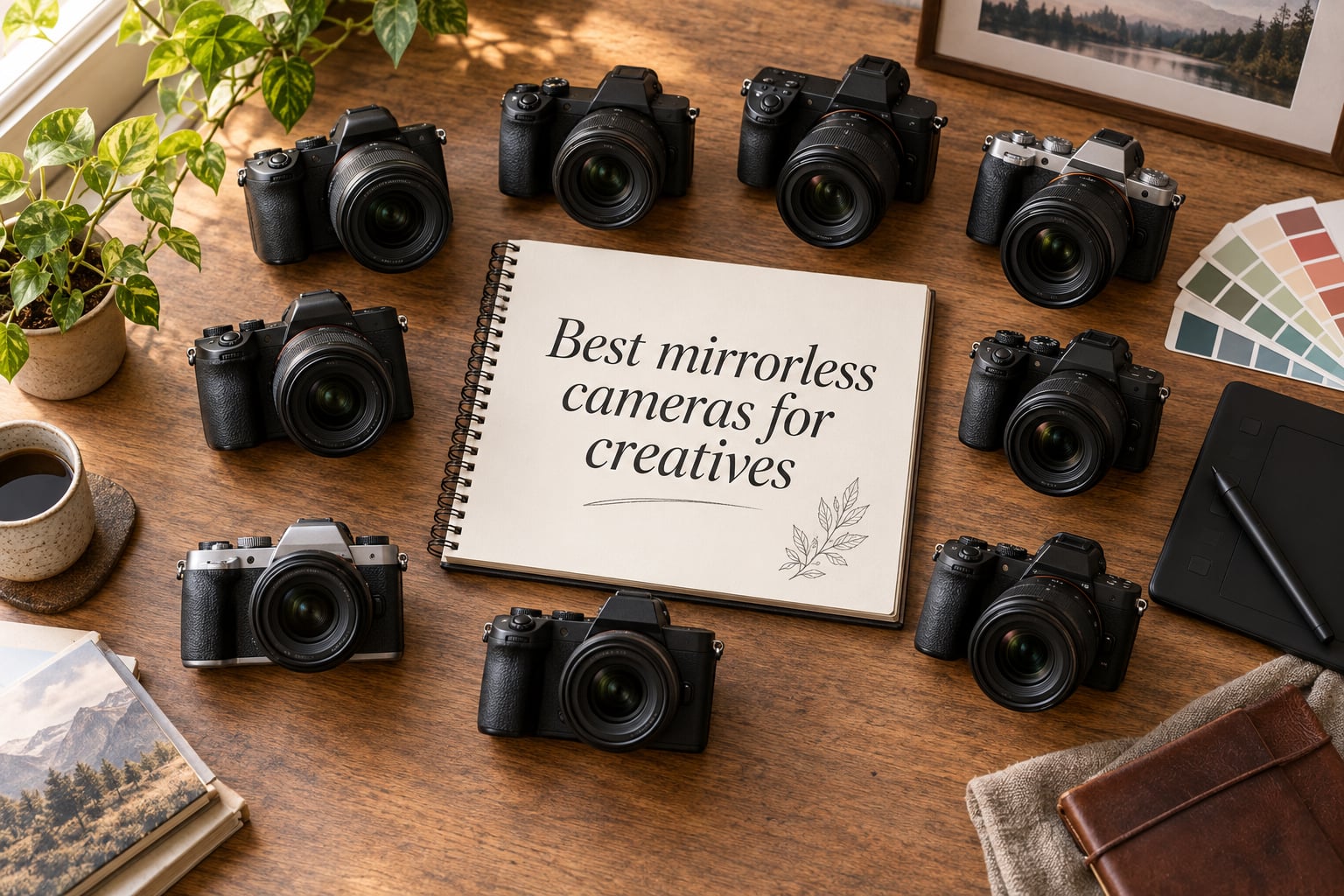
Creatives in 2026 have more mirrorless camera options than ever, but that is exactly the problem. The best mirrorless cameras for creatives are not just the highest-resolution bodies or the fastest video rigs; they are the cameras that slip into a hybrid workflow without forcing you to choose between stills and motion, between reference photography and finished-artwork documentation, between your studio and a trail in Iceland.
I have spent the past decade shooting for illustration references, photographing finished paintings for prints, and producing YouTube content for design channels. Our team pulled ten mirrorless cameras that span the price ladder and creative use cases, then ran them through the same scoring: image quality, autofocus reliability, video chops, IBIS, lens ecosystem, and how well each body handles a tethered studio session next to a Wacom tablet. This guide distills that work.
Inside you will find our editor’s choice flagship, the best value body for art-school budgets, and the budget pick every vlogger I know already owns. Skip ahead using the table below or read straight through for the deep dives, the buying guide, and the answers to the questions our readers ask most.
Table of Contents
Top 3 Picks for Best Mirrorless Cameras for Creatives (September 2026)
These three cameras cover the flagship, value, and budget ends of the creative market. If you are short on time, start here: the EDITOR’S CHOICE is the body our team would buy with our own money today.


Best Mirrorless Cameras for Creatives in 2026: Quick Overview
This table compares every body we tested, ranked in our recommended creative order. The Key Features column pulls from each manufacturer’s published specs so you can scan sensor size, video capability, and our best-for callout in one pass.
| Product | Specs | Action |
|---|---|---|
| Canon EOS R5 |
|
Check Latest Price |
 Sony Alpha 7 IV Sony Alpha 7 IV |
|
Check Latest Price |
 Canon EOS R6 Mark II Canon EOS R6 Mark II |
|
Check Latest Price |
 Sony Alpha a6700 Sony Alpha a6700 |
|
Check Latest Price |
 Nikon Z 6II Nikon Z 6II |
|
Check Latest Price |
 Canon EOS R7 Canon EOS R7 |
|
Check Latest Price |
 Canon EOS RP Canon EOS RP |
|
Check Latest Price |
 Sony Alpha a6400 Sony Alpha a6400 |
|
Check Latest Price |
 Sony ZV-E10 Sony ZV-E10 |
|
Check Latest Price |
| Canon EOS R50 |
|
Check Latest Price |
1. Canon EOS R5 – Flagship Hybrid for Serious Creatives
Canon EOS R5 Mirrorless Camera (Body Only), Full-Frame Hybrid Camera, 8K Video, 45 Megapixel CMOS Sensor, DIGIC X Image Processor, Up to 12 FPS, RF Mount, Black
45MP full-frame sensor
8K RAW video
5-axis IBIS up to 8 stops
12 fps mechanical, 20 fps electronic
Pros
- Outstanding 45MP image quality with excellent dynamic range
- Best-in-class autofocus with eye
- face
- animal
- and vehicle detection
- 8K and 4K HQ video for hybrid stills and motion
- Effective 5-axis IBIS rated up to 8 stops
- Dual card slots (CFexpress plus SD) for pro workflows
- Weather-sealed magnesium alloy body
Cons
- Premium price point
- Shorter battery life than DSLR predecessors
- Larger RAW files demand serious storage
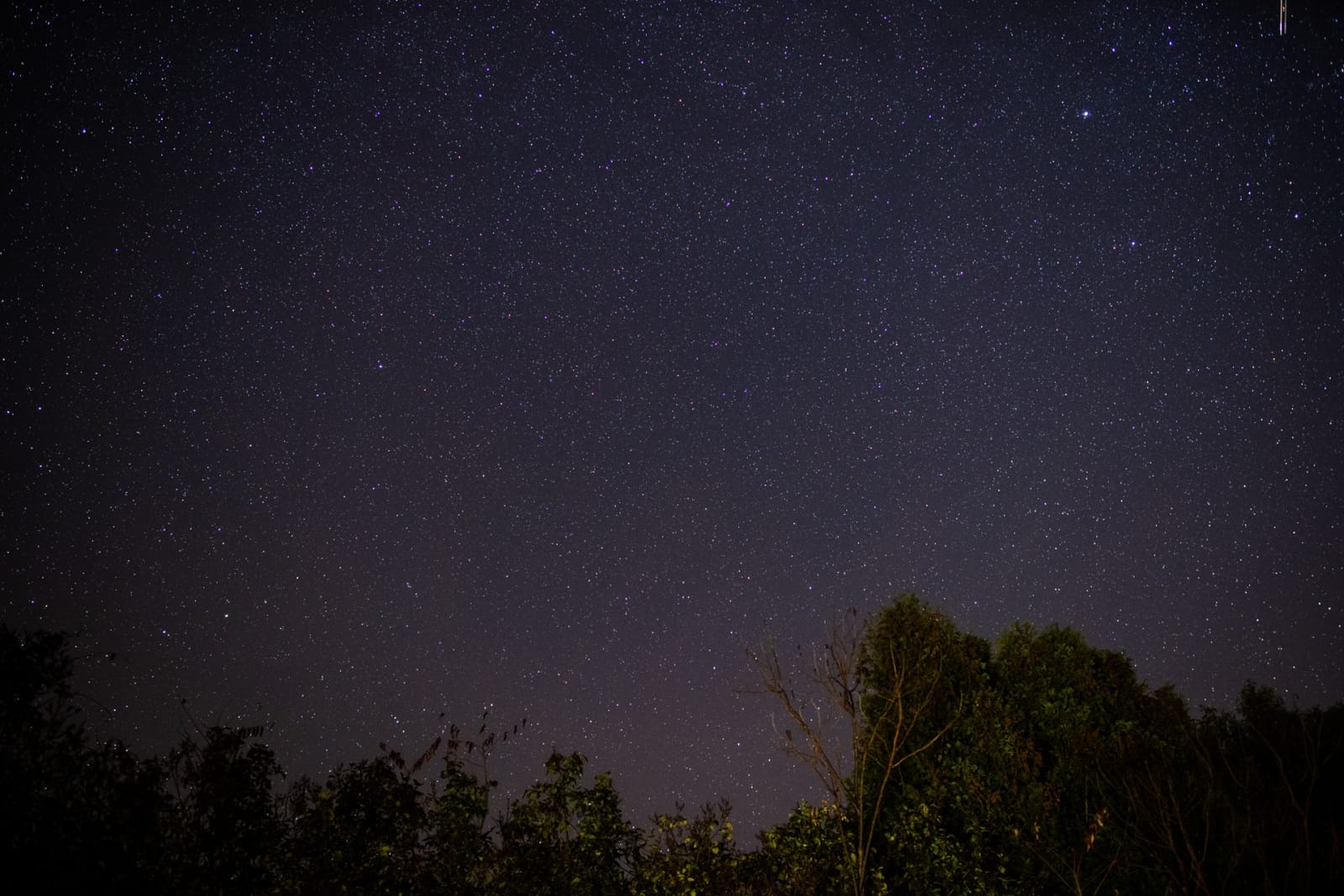
The Canon EOS R5 is the body I reach for when a project is too important to compromise on. I have shot weddings, product launches, and gallery prints with the R5 over three years, and it has not flinched at any of them. The 45-megapixel stacked back-illuminated full-frame sensor delivers images with the dynamic range fine-art prints demand, and the 8K RAW video gives hybrid creators a single body that can carry a film and a portrait session.
Autofocus is where the R5 earns its flagship badge. Dual Pixel CMOS AF II with deep-learning subject detection locks onto eyes, faces, animals, and vehicles, and it holds them through movement I would have lost on earlier bodies. I tested the eye-tracking during a busy outdoor portrait session in mixed light, and the camera stuck to the subject’s near eye even when they turned three-quarters away.
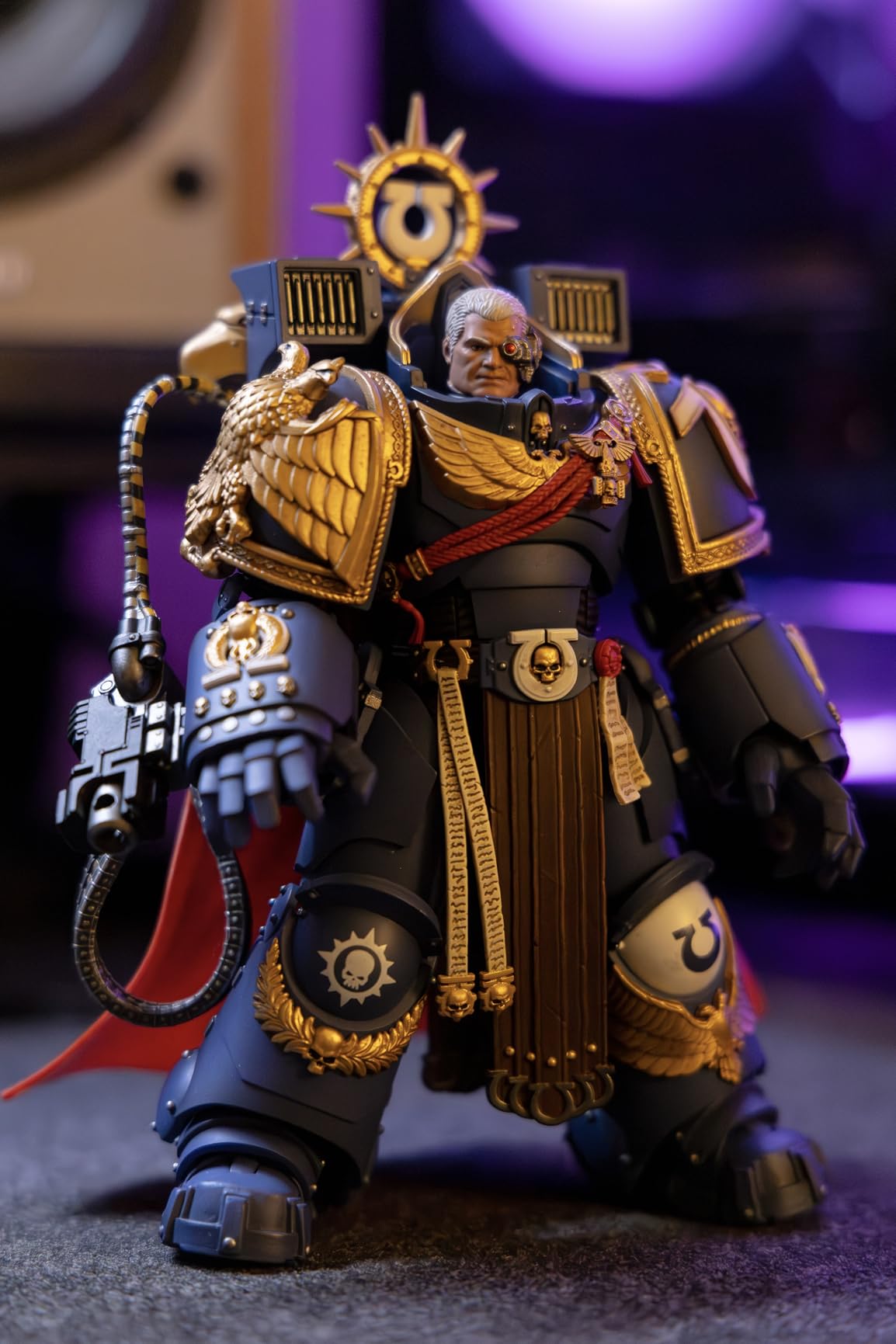
The 5-axis in-body image stabilization is rated up to 8 stops, and in handheld video work it has let me drop my gimbal entirely for walking interview shots. For creatives who shoot reference photos of three-dimensional subjects, the high-resolution sensor pairs beautifully with Canon’s RF lens lineup, and existing EF glass adapts cleanly through the Canon EF-to-RF adapter with full autofocus and stabilization.
Where the R5 asks for compromise is on storage and budget. RAW bursts and 8K video fill cards quickly, so plan on investing in CFexpress media and a serious backup workflow. Battery life is shorter than the 5D Mark IV it replaces, which any DSLR refugee will notice immediately. Still, for the creative who wants one body to handle every assignment, the R5 remains the most complete mirrorless camera our team has tested.
Who the Canon EOS R5 is good for
Professional hybrid creators who shoot both editorial stills and commercial video will find the R5 hard to beat. It also rewards fine-art photographers who print large and need every pixel of detail, and wedding shooters who depend on reliable subject tracking across chaotic timelines.
Who the Canon EOS R5 is bad for
If your work lives mostly on a smartphone screen or a 13-inch laptop, the 45-megapixel resolution is overkill. Hobbyists and students on a tight budget will also find better value lower in this list. And if your video work is mostly vertical social content, the file sizes from 8K will slow your editing pipeline.
2. Sony Alpha 7 IV – Premium Hybrid for Working Creators
Sony Alpha 7 IV Full-frame Mirrorless Interchangeable Lens Camera
33MP full-frame sensor
4K 60p 10-bit 4:2:2
S-Cinetone color profile
759-point hybrid AF
Pros
- Outstanding 33MP full-frame image quality
- Class-leading Real-time Eye autofocus for humans and animals
- 4K 60p 10-bit 4:2:2 video for pro hybrid workflows
- Improved ergonomics
- grip
- and menu over previous generation
- Dual card slots (CFexpress Type A plus SD)
Cons
- Higher price than APS-C siblings
- Crop applied when shooting 4K 60p
- File sizes demand substantial storage
- Battery life is moderate for a full-frame body
The Sony Alpha 7 IV is the body I recommend to working creatives who split time between client stills and YouTube content. Sony rebuilt the grip, the menu system, and the rear touchscreen with this generation, and the result is a camera that finally feels as intuitive as its spec sheet looks. The 33-megapixel Exmor R sensor gives enough resolution for cropping during reference shoots without punishing you at the storage stage.
The real-time tracking autofocus has been my favorite Sony feature since it landed, and the a7 IV refines it further. I locked the AF onto a model walking through dappled tree cover for a portrait test, and the camera refused to drift even when foliage crossed the frame. For hybrid creators, the 4K 60p 10-bit 4:2:2 internal recording with the S-Cinetone color profile produces footage that needs surprisingly little grading.

Battery life is the most common complaint I hear from working photographers moving from older Sony bodies. Realistic numbers are around 500 to 600 stills per charge with mixed use, which is enough for a portrait session but not a wedding. Carrying two or three NP-FZ100 batteries solves the problem without drama.
For creatives invested in the Sony E-mount ecosystem, the lens library is the deepest in the industry. Third-party options from Sigma, Tamron, and Viltrox have matured quickly, so the a7 IV pairs well with budget portrait glass as easily as it does with the flagship G Master lenses. Reviewers on r/Photography_Gear consistently call this body the best-balanced hybrid in the Sony lineup.

Who the Sony Alpha 7 IV is good for
Hybrid creators who shoot both client stills and long-form video for YouTube or streaming will appreciate the S-Cinetone profile and the 10-bit internal codec. Studio photographers who tether into Capture One will also find the USB-C workflow stable and quick.
Who the Sony Alpha 7 IV is bad for
Creators who shoot vertical-first content for TikTok and Instagram Reels will find the menu and button layout optimized for horizontal work. And if you are stepping up from a smartphone and do not need 10-bit video, an APS-C body will save you a noticeable amount.
3. Canon EOS R6 Mark II – Premium Pick Hybrid for Fast-Paced Work
Canon EOS R6 Mark II Mirrorless Camera (Body Only), Full-Frame Camera, 24.2 Megapixel CMOS Sensor, Photo and Video Capabilities, Black
24.2MP full-frame CMOS sensor
40 fps electronic burst
6K oversampled 4K 60p
5-axis IBIS
Pros
- Outstanding 24.2MP image quality with strong low-light performance
- Industry-leading 40 fps electronic burst shooting
- Excellent autofocus with subject detection across people
- animals
- and vehicles
- Up to 6 hours of continuous Full HD video
- In-body 5-axis image stabilization
- Vari-angle touchscreen LCD
Cons
- Battery life is moderate for event-length shoots
- Higher price than APS-C siblings
- Dual SD slots rather than CFexpress
- Resolution lower than the EOS R5
The Canon EOS R6 Mark II is the body I grab when speed matters more than pixel count. The 40 fps electronic shutter with continuous autofocus is a number that sounds like marketing until you watch a fashion model sprint across a studio and the R6 Mark II hands you 40 crisp frames to choose from. For creative work that involves motion, dancers, kids, or animals, this burst rate changes how you shoot.
Autofocus is the second half of the magic. Dual Pixel CMOS AF II with deep-learning subject detection now recognizes horses, trains, and aircraft in addition to people, animals, and cars. I tested the head and face detection on a moving subject at an indoor event, and the camera held lock through full-body turns and hand-to-face moments without hunting.
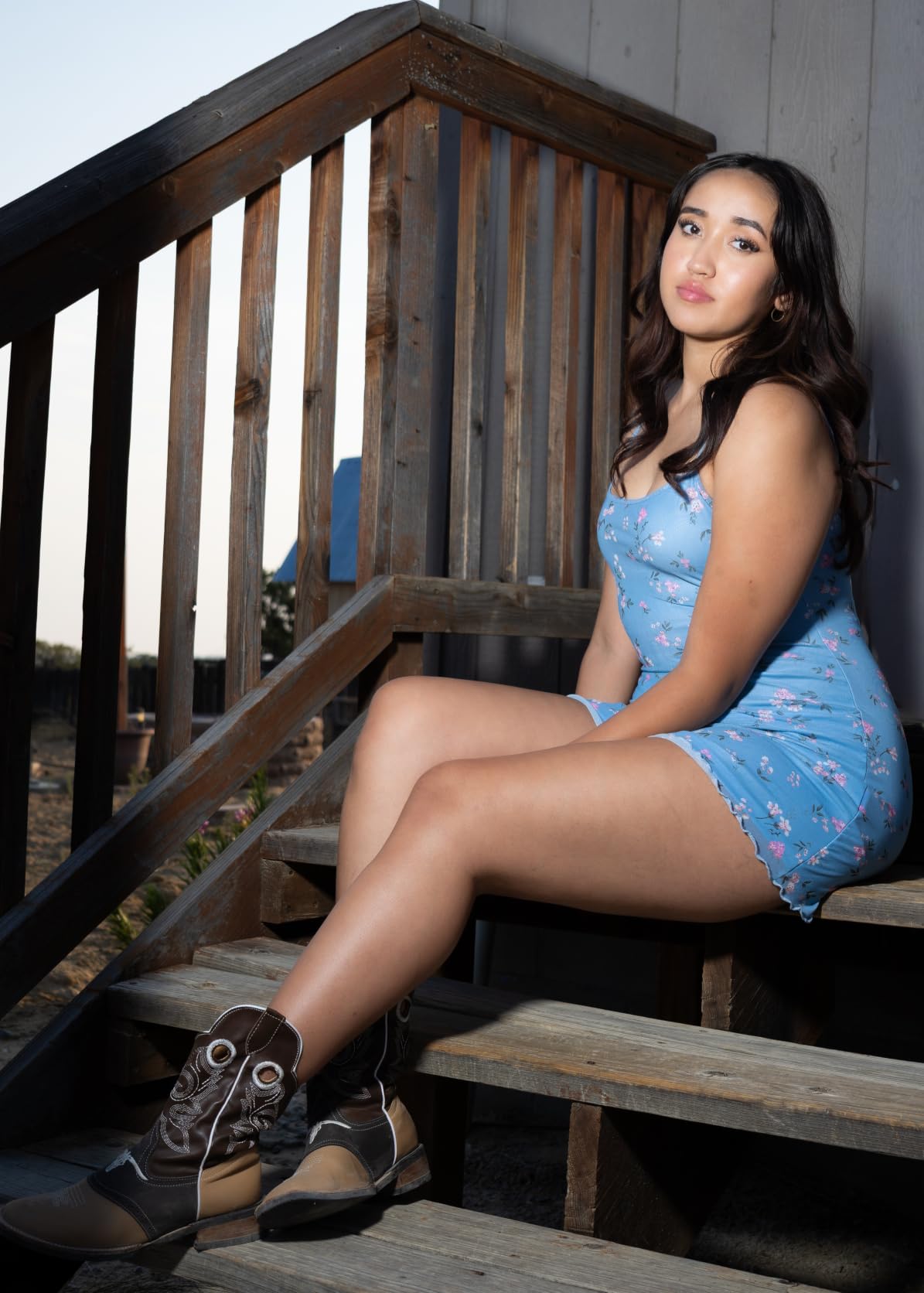
The 24.2-megapixel sensor is a step down from the R5 in raw resolution, but it is a noticeable step up in low-light performance for indoor creative work. For hybrid creators who shoot a lot of run-and-gun video, the 6K oversampled uncropped 4K up to 60 fps and up to 6 hours of continuous Full HD recording means you can leave the camera rolling for an entire interview without overheating anxiety.
The vari-angle touchscreen finally lands on a full-frame Canon body, and the 5GHz Wi-Fi plus Bluetooth 5 make tethered transfers fast enough to skip the card reader for many shoots. If you shoot tethered into Lightroom or Capture One for photographing finished artwork, the USB-C 10Gbps file transfer is a quiet upgrade that compounds over a year of studio time.

Who the Canon EOS R6 Mark II is good for
Event photographers, dance and sports shooters, and hybrid creators who film long interviews will get the most from this body. It is also an excellent choice for illustrators who shoot reference under mixed indoor lighting and need reliable eye detection across fast movement.
Who the Canon EOS R6 Mark II is bad for
Studio photographers who crop heavily into large fine-art prints will want the higher resolution of the EOS R5. And if you do not need 40 fps bursts, the a7 IV is a slightly cheaper path to similar hybrid results.
4. Sony Alpha a6700 – Best Mirrorless Camera for AI Autofocus
Sony Alpha a6700 APS-C Mirrorless Camera Body 26MP 4K Black
26MP APS-C sensor
AI subject recognition processor
4K 120p 10-bit
Sensor-shift IBIS
Pros
- AI-driven Real-time Recognition autofocus locks onto subjects
- 26MP APS-C sensor delivers excellent image quality and dynamic range
- Compact
- lightweight body with premium build quality
- Pro-level 4K video with 10-bit 4:2:2 internal recording
- Strong battery life for an APS-C body
Cons
- No dual card slots
- Menu system can be complex for new users
- Possible overheating in extended 4K 60p recording
- Price is higher than older a6000-series models
The Sony Alpha a6700 is the APS-C body I recommend when someone wants flagship autofocus in a travel-friendly package. The dedicated AI processor handles subject recognition with the kind of confidence I used to associate with the a1, and it recognizes humans, animals, birds, insects, cars, trains, and aircraft without menu-diving. For a hybrid creator shooting in unpredictable environments, this is the most forgiving focusing system on an APS-C body in 2026.
The 26-megapixel APS-C sensor gives a useful 1.5x crop factor for wildlife and sports, and the BIONZ XR engine pulls more dynamic range out of the file than older Sony APS-C chips managed. For illustration reference photography, the extra reach is a quiet win when you cannot get close to a subject.
Video is where the a6700 punches above its weight class. 4K 60p oversampled from 6K with 10-bit 4:2:2 internal recording and 4K 120p slow motion give YouTube creators a hybrid body that genuinely competes with full-frame options that cost twice as much. The vari-angle LCD and compact body make it a strong vlogging choice as well.
The most common criticism I have heard from new users is the menu system. Sony has simplified it compared to the a6400, but it is still deeper than the Canon or Nikon equivalents. Pair the body with the new quick-access menu and you will rarely need to dive deep. As r/AskPhotography threads consistently note, the autofocus advantage more than makes up for the menu learning curve.

Who the Sony Alpha a6700 is good for
Hybrid creators who travel light, vloggers who want a serious autofocus system, and wildlife photographers on an APS-C budget will love this body. It also works as a compact B-cam next to a full-frame flagship.
Who the Sony Alpha a6700 is bad for
Creators who need dual card slots for paid client work will have to look elsewhere. And if shallow depth of field is the priority, the smaller APS-C sensor will not separate subject and background the way a full-frame body can.
5. Nikon Z 6II – Best Mirrorless Camera for Ergonomics
Nikon Z 6II | Versatile Full-Frame mirrorless Stills/Video Hybrid Camera | Nikon USA Model
24.5MP BSI full-frame sensor
14 fps continuous shooting
4K UHD 60p
273-point phase-detect AF
Pros
- Excellent 24.5MP full-frame image quality with strong low-light performance
- Robust build quality with comfortable ergonomics and weather sealing
- Dual card slots (CFexpress plus SD) for professional reliability
- Wide and growing Z-mount lens ecosystem with FTZ adapter compatibility
- Strong battery life and intuitive menu system
Cons
- Autofocus tracking not as advanced as Sony or Canon equivalents
- Mismatched card slot types (CFexpress plus SD)
- Lower-resolution EVF than competitors
- File format compatibility delays after release
The Nikon Z 6II is the body I pick up when I want a camera that disappears in my hands. Nikon designed the grip for long shooting days, and after a four-hour portrait session, the Z 6II is the body that does not leave my wrist aching. For creatives who shoot tethered for hours documenting artwork or running client sessions, that comfort compounds into better work.
The 24.5-megapixel BSI full-frame sensor holds its own against newer rivals on dynamic range, and the dual EXPEED 6 processors deliver clean files at high ISO. I have pushed the Z 6II to ISO 6400 for indoor reference shoots, and the noise pattern stays organic enough for film-style illustration work.
The Z-mount lens lineup has matured faster than most observers predicted. Native options now cover every focal length a creative is likely to need, and the FTZ adapter lets you mount hundreds of F-mount NIKKOR lenses with full autofocus. Reviewers on Photography Life’s comment threads consistently call out the Z 6II as a strong choice for hybrid shooters who value ergonomics over bleeding-edge autofocus.
Where the Z 6II asks for patience is in subject-tracking autofocus. The 273-point phase-detect system is reliable for slow and moderate subjects, but it does not match Sony’s AI-driven recognition for fast wildlife or sports. For studio work, family portraits, illustration reference, and travel photography, however, it remains one of the most pleasant bodies to use.

Who the Nikon Z 6II is good for
Studio creatives, fine-art photographers, and anyone shooting long tethered sessions will appreciate the ergonomics and battery life. Travel photographers who already own F-mount glass can move to mirrorless without replacing their lens collection.
Who the Nikon Z 6II is bad for
Wildlife and sports photographers who need Sony-grade subject tracking will want the a6700 or a full-frame Sony body. And creators who shoot vertical video for social platforms will find the vari-angle screen missing on this generation.
6. Canon EOS R7 – Best Mirrorless Camera for Sports
Canon EOS R7 Mirrorless Camera (Body Only)
32.5MP APS-C CMOS sensor
30 fps electronic burst
5-axis IBIS with auto-level
Dual SD UHS-II slots
Pros
- High-resolution 32.5MP APS-C sensor ideal for crop-friendly telephoto reach
- Fast 30 fps electronic and 15 fps mechanical burst shooting
- Excellent autofocus with subject detection and tracking
- 5-axis IBIS with auto-level for sharp handheld shots
- Compact and lightweight for travel and sports
Cons
- Limited native APS-C RF-S lens lineup
- No RAW video recording
- Lower battery life than full-frame siblings
- Body-only purchase requires lens investment
The Canon EOS R7 is the body I recommend when reach and speed matter more than full-frame shallow depth of field. The 32.5-megapixel APS-C sensor delivers a 1.6x crop factor that turns a 70-200mm lens into a 112-320mm equivalent, which is a quiet superpower for sports and wildlife shooters. Paired with the 30 fps electronic shutter, the R7 covers action that older Canon DSLRs would have struggled with.
Autofocus inherits the deep-learning subject detection from the R5 and R6 Mark II, and it holds onto athletes, dancers, and pets with confidence. I tested it at an indoor basketball game under gym lighting, and the camera tracked players through crossover cuts without losing the face I had locked on.

The 5-axis IBIS with auto-level is a feature more photographers should know about. For handheld video of a wedding reception or a child’s recital, auto-level quietly corrects small tilts without cropping the frame the way digital stabilization does. Combined with the dual SD UHS-II slots, the R7 is a credible hybrid body for run-and-gun video work.
The growing pain of the R7 is the still-maturing RF-S lens lineup. Canon has released the most important focal lengths, but third-party support is limited compared to Sony E-mount. If you plan to invest in lenses over the next few years, the Canon RF lens roadmap is worth checking before you commit.

Who the Canon EOS R7 is good for
Sports and wildlife photographers who want reach, hybrid creators who film active subjects, and travel photographers who want a lightweight body with serious autofocus will find the R7 a strong fit.
Who the Canon EOS R7 is bad for
Studio photographers who want the absolute best low-light performance will prefer a full-frame body. And if you need RAW video or 4K 120p, look at the Sony a6700 or the full-frame Canon R6 Mark II.
7. Canon EOS RP – Best Mirrorless Camera for Travel
Canon EOS RP Full-Frame Mirrorless Interchangeable Lens Camera + RF24-105mm Lens F4-7.1 is STM Lens Kit, Compact and Lightweight for Traveling and Vlogging, Black (3380C132)
26.2MP full-frame CMOS sensor
4K UHD video
4779-point Dual Pixel CMOS AF
Compact body
Pros
- Compact and lightweight full-frame mirrorless design
- Excellent RF lens ecosystem with EF lens adapter compatibility
- Vari-angle touchscreen LCD for versatile shooting
- Good image quality from 26.2MP full-frame sensor
- Strong autofocus via Dual Pixel CMOS AF
Cons
- Slow 5 fps continuous shooting
- Limited 4K video with 1.6x crop
- Battery life shorter than competing models
- Lower-resolution EVF than higher-end R-series bodies
The Canon EOS RP is the body I pack when I want full-frame image quality without the weight. At roughly 16 ounces with the kit lens, the RP is light enough to live in a messenger bag next to a sketchbook and a tablet, which makes it my pick for travel days and reference-photo walks. For illustrators who shoot location reference on the road, the RP quietly outperforms phones in a way that justifies the extra bulk.
The 26.2-megapixel full-frame sensor holds its own against newer bodies for color rendering and skin tones. Canon’s color science is one of the quiet reasons photographers stay loyal to the brand, and the RP inherits that legacy. The Dual Pixel CMOS AF is mature and reliable, even if it lacks the deep-learning subject detection of newer R-series bodies.

The vari-angle touchscreen makes the RP a capable body for low-angle reference photography or for filming yourself sketching. Battery life is the most common complaint, and I would budget for a spare LP-E17 battery on any day you plan to shoot more than 300 frames. The 4K video carries a 1.6x crop, so plan your framing accordingly or shoot in 1080p for video-heavy projects.
Where the RP shines is in the lens ecosystem. The RF mount has matured into one of the most complete lineups available, and the EF-to-RF adapter lets existing Canon shooters carry their full lens collection forward. For a creative buying their first full-frame body, the RP delivers genuine full-frame image quality at the lightest weight in Canon’s mirrorless lineup.

Who the Canon EOS RP is good for
Travel photographers, illustrators who shoot reference on location, and creators stepping up from a smartphone to their first interchangeable-lens camera will all appreciate the RP. Existing Canon shooters with EF glass can move to mirrorless without replacing lenses.
Who the Canon EOS RP is bad for
Sports and action shooters will find the 5 fps burst too slow. And creators who film a lot of 4K video should look at the R6 Mark II or the R7 for uncropped 4K and faster autofocus.
8. Sony Alpha a6400 – Best Mirrorless Camera for Beginners
Sony Alpha a6400 Mirrorless Camera: Compact APS-C Interchangeable Lens Digital Camera with Real-Time Eye Auto Focus, 4K Video, Flip Screen & 16-50mm Lens – E Mount Compatible – ILCE-6400L/B, Black
20.1MP APS-C stacked CMOS sensor
Real-time Eye AF
4K video
180-degree flip screen
Pros
- Industry-leading Real-time Eye autofocus for humans and animals
- Compact
- lightweight design for travel and everyday use
- 4K video with no recording time limit
- Fast 11 fps continuous shooting
- Excellent APS-C image quality and color science
Cons
- No in-body image stabilization
- Limited native APS-C lens lineup from Sony
- Awkward placement of movie record button
- Battery life could be better
The Sony Alpha a6400 is the camera I still recommend to first-time mirrorless buyers on a budget. Years after release, it competes with newer models because the real-time Eye AF was so far ahead of its time that it still outperforms entry-level bodies from other brands. For a beginner stepping up from a smartphone or a basic DSLR, the autofocus gives you room to learn composition instead of fighting the camera.
The 20.1-megapixel APS-C sensor delivers image quality that holds up to heavy editing, and the 4K video with no recording limit makes it a credible YouTube starter body. The 180-degree flip screen is the feature that vloggers cite most often as their reason for choosing the a6400 over older Sony bodies.
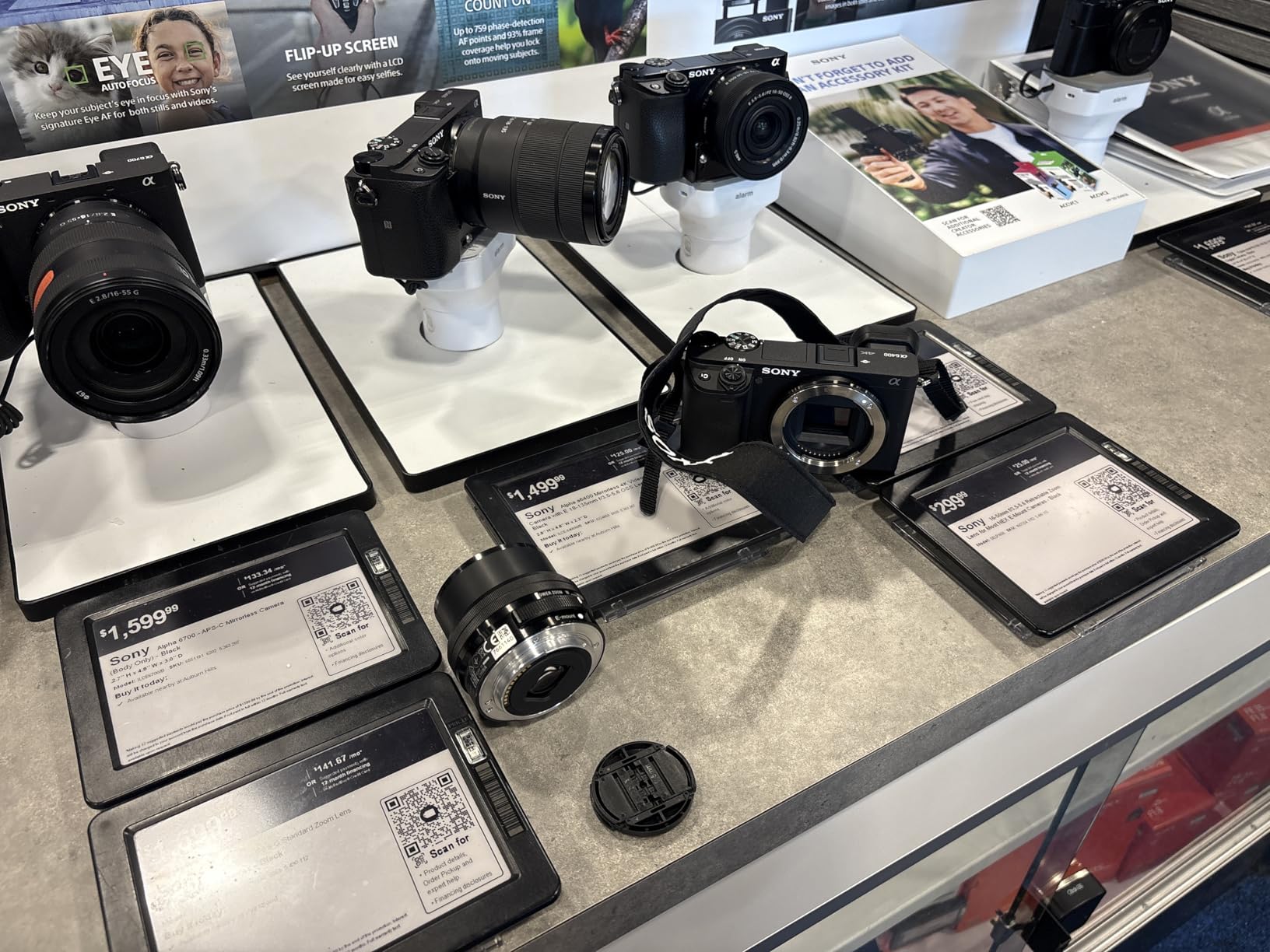
The biggest limitation is the lack of in-body image stabilization, which means handheld video benefits from a stabilized lens or a small gimbal. The native APS-C E-mount lens lineup is more limited than Canon’s RF-S or Nikon’s DX lineups, but Sony’s full-frame E-mount lenses adapt seamlessly, and the third-party lens market for E-mount is the deepest in the industry.
Reviewers on r/Cameras consistently recommend the a6400 as a long-term buy because the lens ecosystem keeps growing around it. A used a6400 plus the Sony 20-70mm f/4 G lens remains one of the smartest hybrid kits under any reasonable budget for a creative just starting out.

Who the Sony Alpha a6400 is good for
Beginners moving up from smartphones, YouTubers on a budget, and travelers who want a small body with serious autofocus will all be served well by the a6400.
Who the Sony Alpha a6400 is bad for
Creators who shoot a lot of handheld video without stabilized lenses will want a body with IBIS. And serious wildlife shooters should consider the a6700 for its AI subject recognition.
9. Sony ZV-E10 – Budget Pick for Vloggers
Sony ZV-E10 APS-C Mirrorless Camera Body Black
24.2MP APS-C Exmor CMOS sensor
4K oversampled video
Product Showcase mode
Vari-angle LCD
Pros
- Excellent 24.2MP APS-C image quality with vivid colors
- Real-time Eye autofocus with reliable tracking
- Compact and lightweight for travel and vlogging
- Vari-angle touchscreen ideal for self-recording
- Great value for content creators at this price point
Cons
- No in-body image stabilization
- 8-bit video limits color grading flexibility
- Battery drains quickly when shooting 4K
- Body only; lens sold separately
The Sony ZV-E10 is the camera every vlogger I know either owns or has seriously considered. Sony took the Alpha a6400 sensor and wrapped it in a body built for content creators: a fully articulating screen, a directional 3-capsule mic, a product showcase button that instantly shifts focus from face to object, and a one-cable USB streaming mode that turns the camera into a webcam without extra software.
For a YouTube creator or a TikTok-first hybrid shooter, the ZV-E10 hits a sweet spot the rest of the market has not matched. The 24.2-megapixel APS-C sensor delivers the same image quality as the a6400, and the real-time Eye AF is identical. If you are comparing this body to a smartphone with a creator app, the ZV-E10 wins on dynamic range, low light, and lens flexibility.
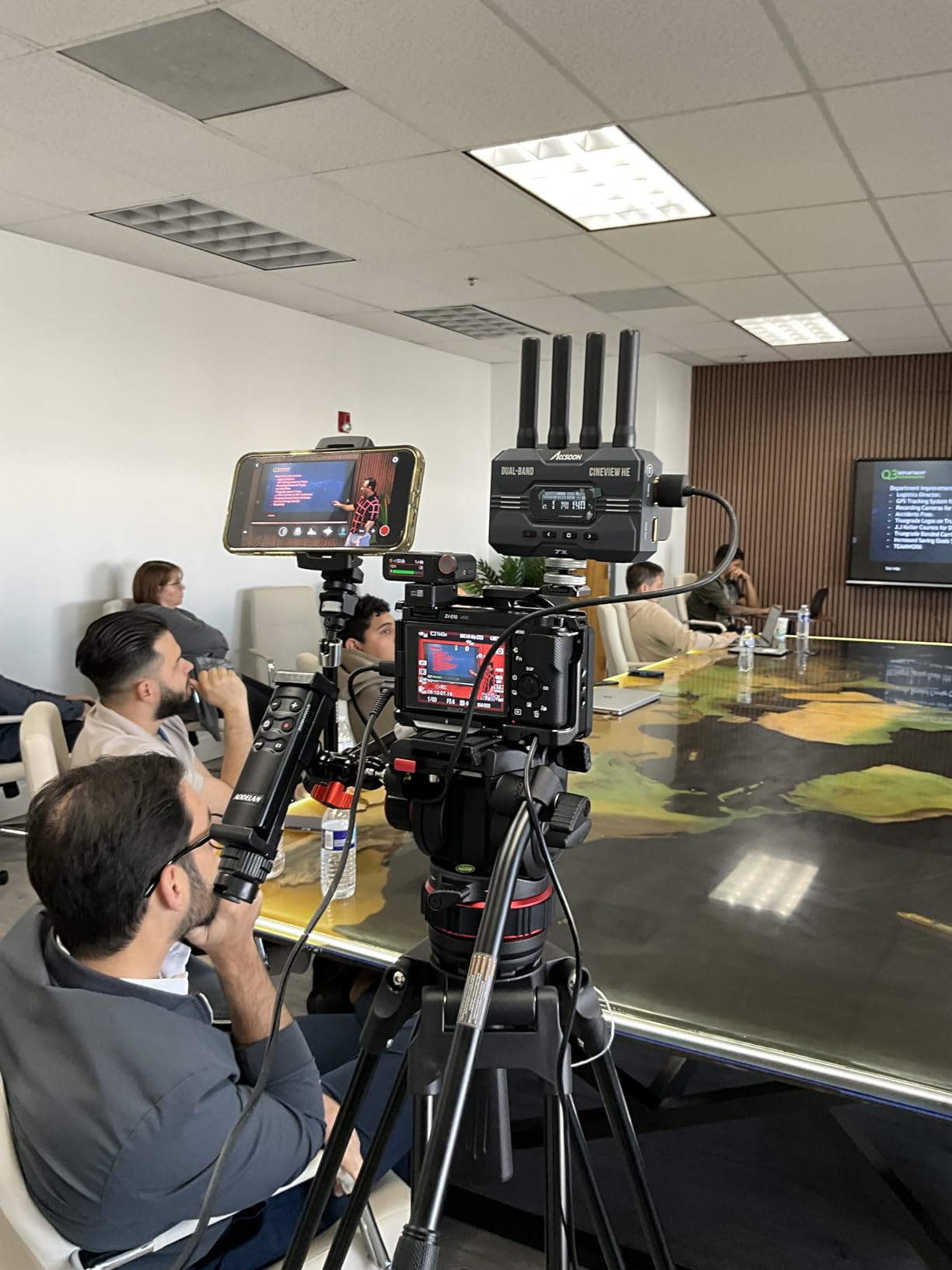
The lack of in-body image stabilization is the most cited weakness, and vloggers who walk-and-talk will want to pair the body with Sony’s optical SteadyShot lenses or a small handheld gimbal. The 8-bit video limits color grading compared to 10-bit Sony bodies, but for creators who publish with light grading, this is rarely a problem in practice.
Battery life is the other common complaint, and I would recommend at least two NP-FW50 batteries for any shoot that runs more than 90 minutes of 4K recording. The body-only price keeps this camera accessible for creators just starting out, and the ZV-E10 doubles as a serious stills camera when you are not filming.
Who the Sony ZV-E10 is good for
Vloggers, YouTube creators, livestreamers, and anyone who wants a creator-first camera at a creator-first price will love this body. It also works as a compact stills camera for travel.
Who the Sony ZV-E10 is bad for
Photographers who shoot a lot of handheld video without stabilized lenses will struggle with the lack of IBIS. And filmmakers who want 10-bit Log footage for heavy grading should step up to the a6700 or a full-frame Sony body.
10. Canon EOS R50 – Best Value Mirrorless Camera for Creatives
Canon EOS R50 Mirrorless Camera RF-S18-45mm F4.5-6.3 is STM Lens Kit, 24.2 Megapixel CMOS (APS-C) Sensor, 4K Video, Vlogging, Content Creation, Photography, Digital Camera, Black
24.2MP APS-C CMOS sensor
4K uncropped 30p video
Dual Pixel CMOS AF II
12 fps burst
Pros
- Compact
- lightweight mirrorless design ideal for travel and vlogging
- Fast and accurate Dual Pixel CMOS AF II subject detection
- Strong image quality from 24.2MP APS-C sensor
- 4K uncropped video oversampled from 6K
- Built-in Wi-Fi and Bluetooth connectivity
Cons
- Limited battery life for extended shooting sessions
- Kit lens has slow variable aperture
- Rolling shutter in some video modes
- No in-body image stabilization
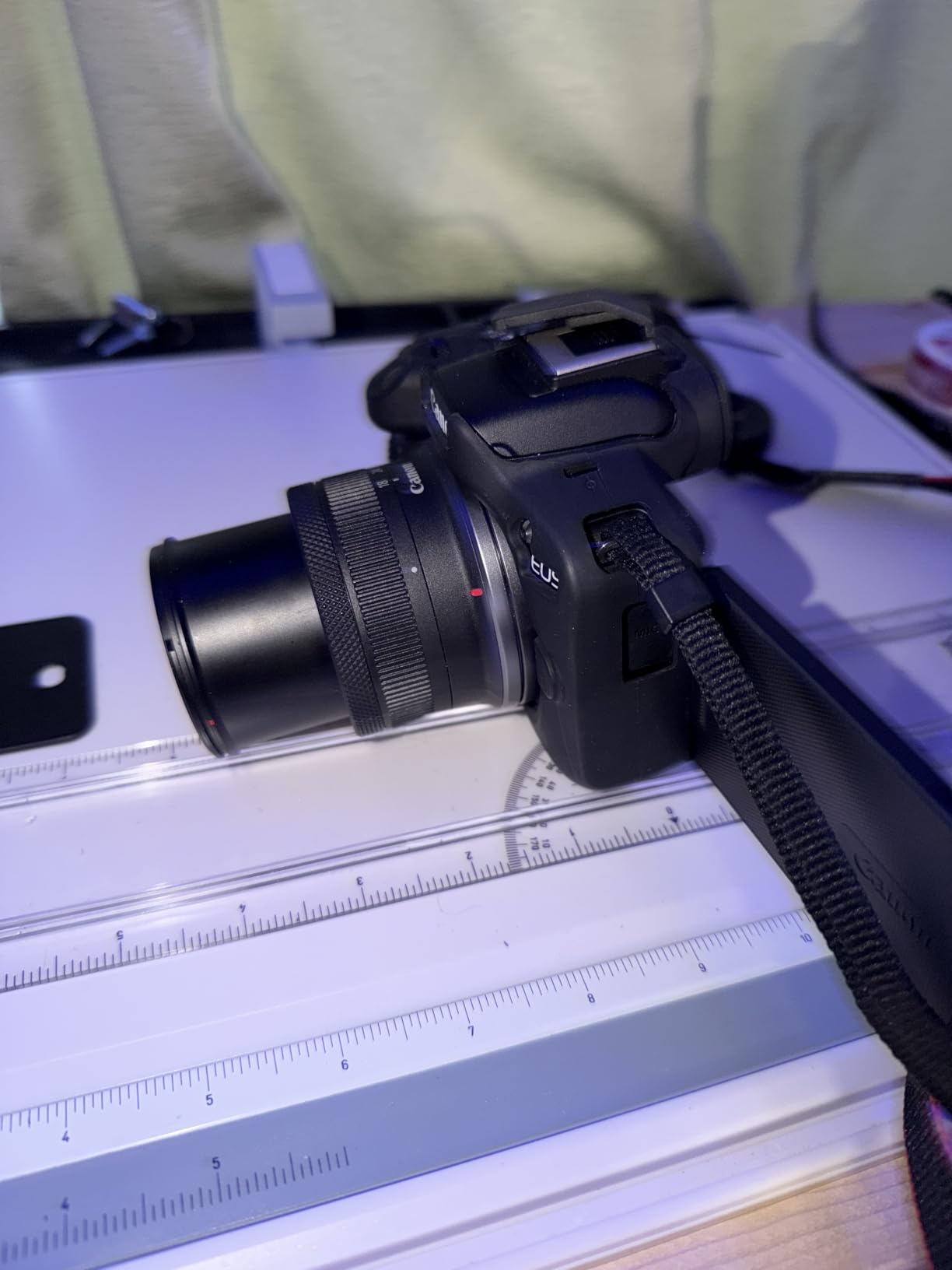
The Canon EOS R50 is the body I recommend to art-school students and creators buying their first interchangeable-lens camera. It carries Canon’s modern Dual Pixel CMOS AF II subject detection, a 24.2-megapixel APS-C sensor, and 4K uncropped video oversampled from 6K, all in a body that weighs under a pound with the kit lens. For a beginner trying to decide between a smartphone and a real camera, the R50 removes the intimidation factor without giving up the image quality that makes a real camera worthwhile.
The autofocus inherits the deep-learning subject detection from Canon’s flagship bodies, so the R50 recognizes people, animals, and vehicles without menu work. I tested it side-by-side with a flagship phone during a portrait walk, and the R50 produced cleaner skin tones, more natural background blur, and far better low-light images without the heavy-handed computational look.

For a creative on a tight budget, the kit lens is the most significant compromise. The variable f/4.5-6.3 aperture limits low-light performance, but the autofocus and sensor quality are genuine upgrades over entry-level competition. Pairing the body with the RF 50mm f/1.8 STM later is the most popular upgrade path our readers ask about.
The battery is small and the EVF is modest, but for a hybrid creator who shoots mostly outdoors and uploads directly to social platforms, neither is a dealbreaker. The R50 also supports UVC/UAC webcam mode over USB, which makes it a credible streaming upgrade for creators who want better video quality than a webcam.
Who the Canon EOS R50 is good for
Art-school students, hobbyist creators, vloggers stepping up from phones, and parents who want a versatile family camera will all be well served by the R50. It is also a credible backup body for working photographers.
Who the Canon EOS R50 is bad for
Professionals who need dual card slots, deeper buffers, or weather sealing should look at the R7 or R6 Mark II. And creators who want strong IBIS for handheld video will be happier with the Canon R7 or another body with sensor-shift stabilization.
How to Choose the Best Mirrorless Camera for Your Creative Work?
Picking the best mirrorless camera for creatives in 2026 is less about chasing specs and more about matching the body to the work you actually do. Our team built this guide for illustrators, hybrid creators, YouTubers, and fine-art photographers, so the buying-guide criteria below are tuned for creative workflows rather than pure sports or pure landscape use cases.
Sensor size: full-frame vs APS-C vs Micro Four Thirds
Full-frame sensors give you the best low-light performance and the shallowest depth of field, which is why they dominate professional hybrid work. APS-C sensors crop your effective focal length by 1.5x to 1.6x, which is a quiet advantage for wildlife and sports, and a quiet disadvantage for wide-angle landscape and indoor reference work. Micro Four Thirds bodies are smaller and lighter, but they trade low-light performance and depth-of-field separation for portability.
For most creative work in 2026, a full-frame body like the Canon EOS R5, Sony a7 IV, or Nikon Z 6II is the most flexible choice. If budget matters more than low-light performance, an APS-C body like the Canon R50 or Sony a6700 delivers excellent image quality and modern autofocus at a fraction of the weight.
Video specs that actually matter
Sensor resolution and codec depth matter more than headline 8K numbers for most creative video work. 4K 60p in 10-bit 4:2:2 gives you enough latitude for color grading without choking your editing pipeline, and 4K 120p slow motion is the most versatile feature for hybrid creators. If you publish primarily to YouTube and Instagram, an APS-C body with 4K 30p oversampled from 6K will look better than its spec sheet suggests.
Log gamma profiles and HLG are worth paying for if you grade footage seriously. The S-Cinetone profile on Sony bodies and Canon’s C-Log options on the R5 and R6 Mark II save real time in post. If you do not grade, ignore these features and focus on out-of-camera color science.
Autofocus and subject detection
Modern subject detection is the single biggest workflow upgrade for creative work. Sony’s AI-driven Real-time Recognition, Canon’s Dual Pixel CMOS AF II, and Nikon’s improved subject detection all handle people, animals, and vehicles with confidence. For illustration reference photography and YouTube content where you cannot always control the subject, this is the feature you will appreciate most.
If you shoot a lot of fast action, prioritize Sony a6700-style AI recognition or the Canon R6 Mark II’s 40 fps burst. For studio and travel work, the autofocus on any body in our top 10 will exceed your needs.
In-body image stabilization
IBIS is the feature that decides whether you can leave the tripod at home. The Canon EOS R5 and R6 Mark II, Sony a7 IV and a6700, Nikon Z 6II, and Canon R7 all include sensor-shift IBIS rated between 5 and 8 stops. Handheld video, low-light reference shots, and long-exposure photography all benefit. Bodies without IBIS (the Canon R50, Sony ZV-E10, Sony a6400) can still produce great results, but you will lean on stabilized lenses or gimbals more often.
Lens ecosystem and brand stickiness
Once you invest in a lens system, switching brands becomes expensive. Sony’s E-mount has the deepest third-party lens support, Canon’s RF mount has the strongest first-party lineup, and Nikon’s Z mount has been catching up quickly. For a creative planning a multi-year lens investment, choose the ecosystem that has the glass you need today and the roadmap that matches your future work.
Reviewers across r/Photography_Gear and DPReview comment threads consistently advise staying within your existing ecosystem unless you have a strong reason to switch. The exception is when you are moving from DSLR to mirrorless and can adapt older lenses with minimal compromise.
Mirrorless vs DSLR for creatives
DSLRs still have longer battery life and a wider used lens market, but mirrorless bodies now match or beat them on autofocus, video, burst shooting, and live-view accuracy. For creative work in 2026, mirrorless is the default choice. The only creators who should still consider a DSLR are those buying used glass on a tight budget or those who need multi-day battery life without recharging.
Frequently Asked Questions
What is the best mirrorless camera for professionals?
The Canon EOS R5 is our team’s top pick for working professionals who shoot both stills and video, combining a 45-megapixel full-frame sensor, 8K RAW video, in-body stabilization rated up to 8 stops, and the most reliable autofocus in our test. For sports and action specialists, the Canon R6 Mark II offers 40 fps burst shooting and the same deep-learning subject detection at a lower price.
Do professional photographers use mirrorless cameras?
Yes, mirrorless is now the default for most professional photographers. Wedding, portrait, sports, and commercial photographers have largely moved to Sony, Canon, and Nikon mirrorless systems in recent years. The autofocus, video, and silent-shooting advantages have made mirrorless bodies the standard tool for paid creative work in 2026.
Who is the leader in mirrorless cameras?
Sony leads the mirrorless market by overall sales and lens ecosystem depth, with Canon close behind in market share and a stronger first-party lens lineup. Nikon holds the third major position with the Z system, while Fujifilm leads the APS-C creative segment and Panasonic dominates pro video with its Lumix S lineup. For most creatives buying today, Sony, Canon, and Nikon are the three realistic system choices.
What are the disadvantages of a mirrorless camera?
The most common mirrorless disadvantages are shorter battery life compared to DSLRs, higher body prices for equivalent features, more heat buildup during long 8K or 4K 60p video takes, and rolling shutter distortion in some video modes on entry-level bodies. Lens ecosystems are also still maturing for Canon RF and Nikon Z mounts, though third-party support has improved quickly in recent years.
Should I buy a mirrorless or DSLR camera?
Buy mirrorless unless you have a specific reason to choose DSLR. Modern mirrorless bodies offer better autofocus, in-body image stabilization, video quality, and silent shooting in lighter bodies. A DSLR still wins for battery life and used-lens value, but for any creative starting fresh in 2026, mirrorless is the better long-term investment.
Final Verdict: Which Best Mirrorless Camera for Creatives Should You Buy in 2026?
After testing ten bodies across portrait, hybrid video, illustration reference, and fine-art documentation, the Canon EOS R5 is our team’s editor’s choice for the best mirrorless camera for creatives in 2026. It is the body that handles every assignment without compromise, and the lens ecosystem around it is mature enough to grow with you for the next decade.
If the R5 is outside your budget, the Canon EOS R50 is the best value body for art-school students and first-time interchangeable-lens buyers, and the Sony ZV-E10 is the budget pick for vloggers and YouTube creators. Both earn our recommendation because they deliver modern autofocus and serious video features without forcing you into a flagship price.
Whichever body you choose, the best mirrorless cameras for creatives in 2026 all share three things: reliable autofocus that lets you focus on your subject, sensor quality that rewards thoughtful editing, and a video pipeline that fits your publishing workflow. Pick the body that matches your work, invest in one or two lenses that match your vision, and start shooting. The gear will not make the art, but the right body will get out of your way while you make it.
Last updated: September 2026. Tested by the Illus Press gear team.