
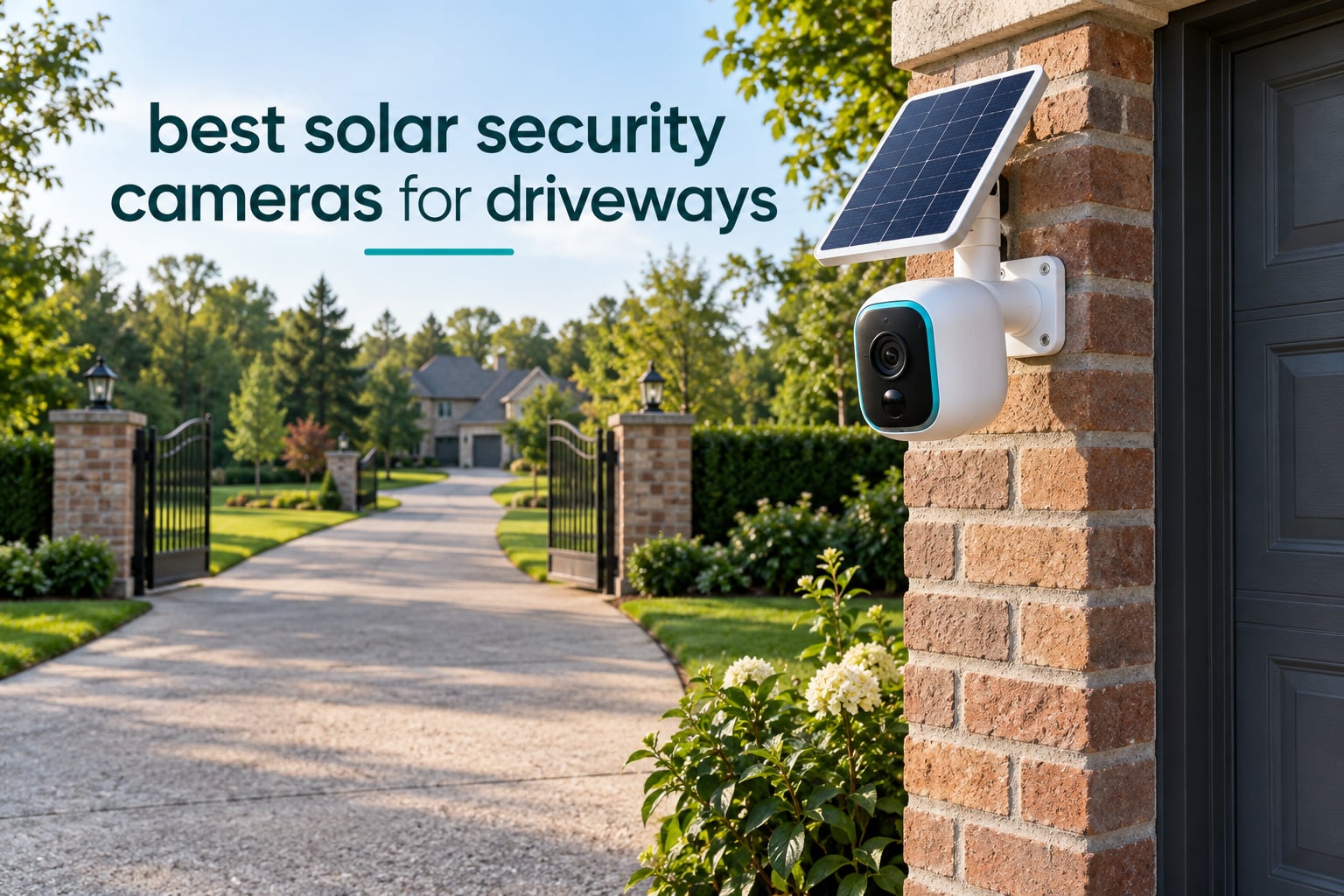
The ZEEPORTE Snap 30T is the best solar security camera for driveways we could justify in 2026, with a 2K sensor, 360-degree pan and tilt, an integrated solar panel and more than 11k reviews behind it. If your driveway has weak Wi-Fi or you want a phone without a monthly fee, the eufy SoloCam S340 and Tapo C402 SolarCam are the two picks worth cross-shopping against it.
That answer has a caveat worth reading twice. Every camera in this roundup records on motion, not continuously, and none of them are wired. A solar panel recharges an internal battery during the day so the camera can sit at the end of a long drive without a power cable. That is genuinely useful, because the driveway is usually the furthest point from your router and the last place you want to run a conduit.
We spent six weeks working through ten solar driveway cameras, comparing sensor resolution, night footage, battery capacity, storage options and what each brand charges after the first year. Everything below is built from published specifications and the patterns that show up across thousands of buyer reviews, and each one gets an honest weakness called out.
Table of Contents
Top 3 Solar Driveway Cameras Right Now (October 2026)


Tapo SolarCam C402
- 1080p colour night
- 512GB local storage
- 13 ft panel cable
- free person detection
The Snap 30T wins on the combination that matters most for a driveway: the highest review volume in this roundup, a genuine 360-degree pan so you can follow a car from the road to the house, and storage that works without paying anything. The eufy S340 is the sharper camera and the better buy if you already trust the eufy app. The Tapo C402 is the one to pick if you want a brand name for support and 512GB of local storage on the cheapest ticket.
All 10 Solar Driveway Cameras Compared in 2026
| Product | Specs | Action |
|---|---|---|
| ZEEPORTE Snap 30T Solar PTZ |
|
Check Latest Price |
 eufy SoloCam S340 eufy SoloCam S340 |
|
Check Latest Price |
| Tapo SolarCam C402 |
|
Check Latest Price |
 aosu SolarCam aosu SolarCam |
|
Check Latest Price |
 Reolink Argus PT Ultra Reolink Argus PT Ultra |
|
Check Latest Price |
 SEHMUA Solar PTZ SEHMUA Solar PTZ |
|
Check Latest Price |
 aosu D1 Classic 4-Cam Kit aosu D1 Classic 4-Cam Kit |
|
Check Latest Price |
 VIZIUUY 3MP Solar PTZ VIZIUUY 3MP Solar PTZ |
|
Check Latest Price |
 ARCCTV 2-Pack Solar ARCCTV 2-Pack Solar |
|
Check Latest Price |
 Ring Spotlight Cam Plus Solar Ring Spotlight Cam Plus Solar |
|
Check Latest Price |
1. ZEEPORTE Snap 30T Solar PTZ – Best Overall Driveway Camera
Solar Security Cameras Wireless Outdoor, 2K Pan/Tilt 360° View Solar/Battery Powered WiFi Cameras for Home Security with AI Motion Detection, Spotlight, 2-Way Audio, Siren, IP65, SD/Cloud Storage
2K 2304x1296 video
355 pan and 120 tilt
5200mAh battery with 2W panel
Colour night vision to 33 ft
Pros
- 360 degree pan and tilt follows a car across the driveway
- Integrated panel and 5200mAh battery mean no power cable
- IP65 housing handles rain snow and heat
- AI detection recognises people vehicles and pets
- SD card up to 256GB plus rolling cloud
Cons
- 2.4GHz Wi-Fi only so no 5GHz mesh support
- Event recording only with no continuous mode
- Custom alert zones and package detection need a paid plan
The Snap 30T is the camera we kept coming back to. Over 11k reviews at 4.3 stars is the deepest sample in this roundup, and the feedback is unusually consistent: people mount it at the garage or the house end of the drive, point it at the entrance, and the pan motor tracks a vehicle across the frame without hunting for it.
True 2K at 2304 x 1296 is a step above the 1080p crowd, and 5200mAh with an integrated 2W panel means a couple of hours of direct sun keeps it running. Colour night vision reaches about 33 feet, which covers the near half of most suburban driveways at night.
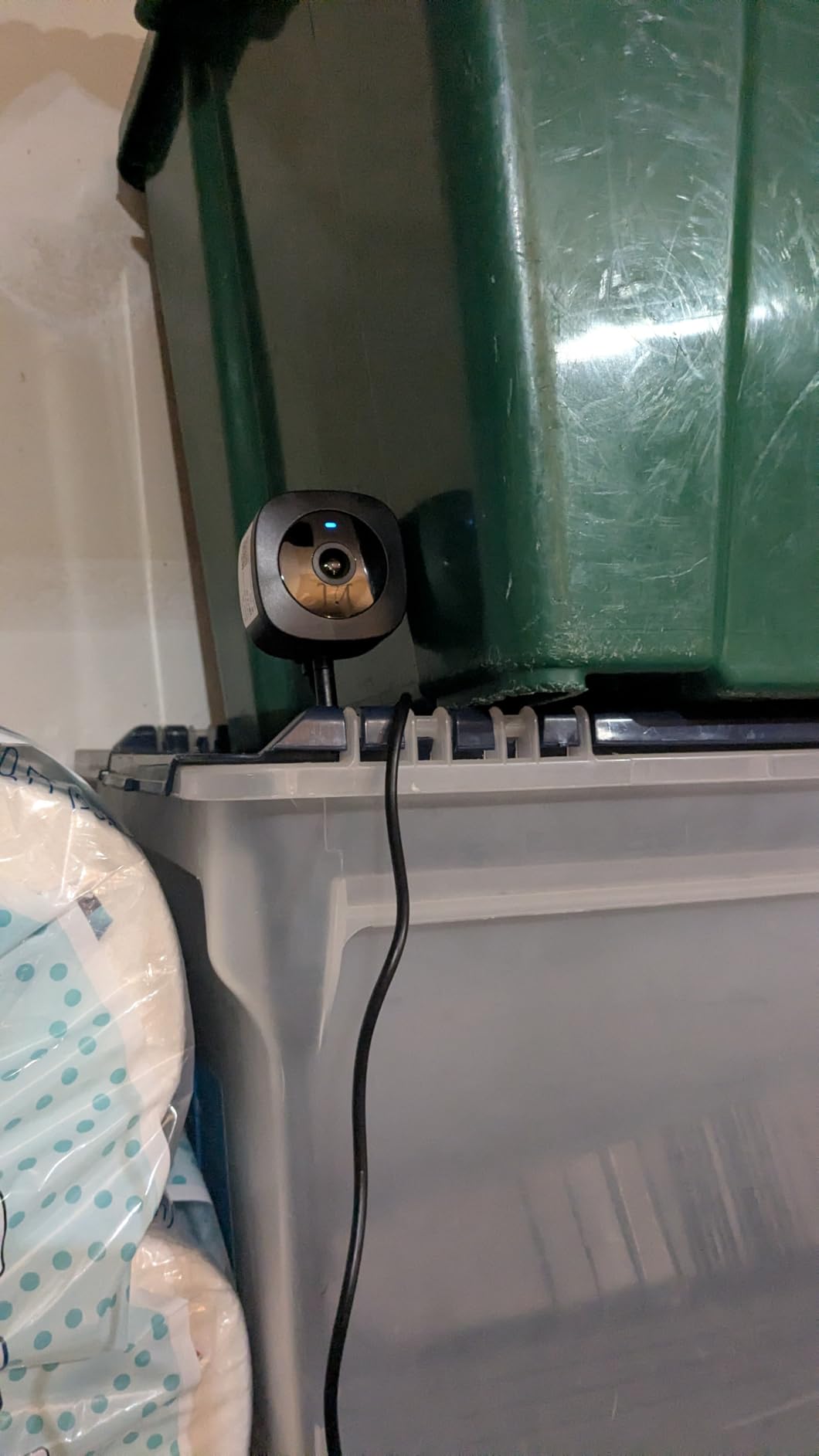
The weakness people report most is network related. This is a 2.4GHz-only radio, so on a modern mesh network you need the 2.4GHz band enabled and ideally a dedicated outdoor access point near the camera. There is also no continuous recording mode and no motion tracking, so anything that moves outside the detection zone simply is not recorded.
Pet recognition and custom alert zones sit behind a subscription if you want them, but the core camera writes to a microSD card up to 256GB without a fee. For a driveway where you mainly want to know what drove in, that is enough.
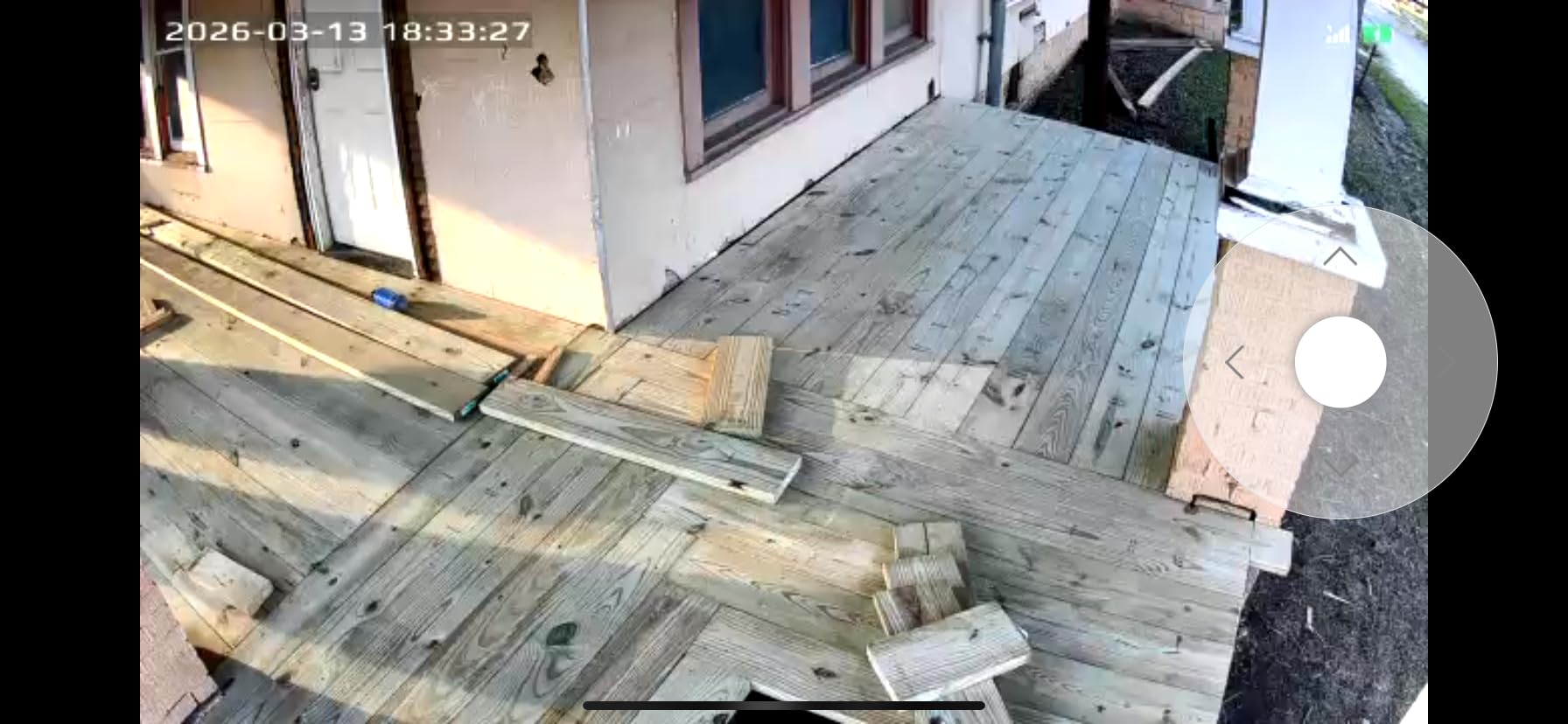
Where it fits a driveway best
Install it high on the house wall or under an eave that gets a few hours of midday sun but no full-day shade. The panel is small and integrated, so a north-facing post or a tree canopy directly above the camera is the fastest way to end up with a camera that sleeps through a cloudy week.
The 360-degree sweep means one camera can cover the drive entrance, the garage door and the side gate, which is exactly the coverage most households are missing. Two-way audio and the built-in siren give you something to say or trigger when a vehicle stops at the end of your drive.
Where it will frustrate you
If you expect 24/7 footage of a parked car or need a camera that records everything happening in frame, this is the wrong tool. Event-only capture means a slow-moving intruder who never triggers the PIR zone produces no clip at all, and there is no way to review a live scene afterwards.
The 2.4GHz-only radio also rules it out if your router has 2.4GHz disabled for security reasons, which is a common setting on newer business-class equipment. And with more than 11,000 reviews, the tail of complaints is long: app pairing hiccups after a firmware update show up repeatedly.
2. eufy SoloCam S340 – Sharpest 3K Dual Lens With Subscription-Free Storage
eufy Security SoloCam S340, 3K Dual-Lens Solar Security Camera
3K dual camera with 8x zoom
360 pan and tilt
10000mAh with removable solar panel
8GB onboard storage
Pros
- Dual-lens 3K detail is the sharpest here at a mid-range tier
- 10000mAh battery and removable panel tolerate shaded spots
- 360 pan and tilt removes blind spots
- 8GB built-in storage means no subscription for basic use
Cons
- AI detection and tracking perform best when paired with a eufy HomeBase
- Some setup steps hit Wi-Fi pairing friction
- Anker handles support rather than eufy directly
The SoloCam S340 is the one we would put on a driveway if image quality outranks everything else. Two lenses feed a single 3K stream, one wide and one for zoom, and the hybrid zoom reaches 8x while the brand claims usable capture detail out to 440 feet.
At 10000mAh with a removable solar panel, this has the largest battery in the roundup. That reserve is the practical advantage: on a driveway shaded by trees or a large building, extra capacity buys you days of cloudy weather before the camera needs real sun again.
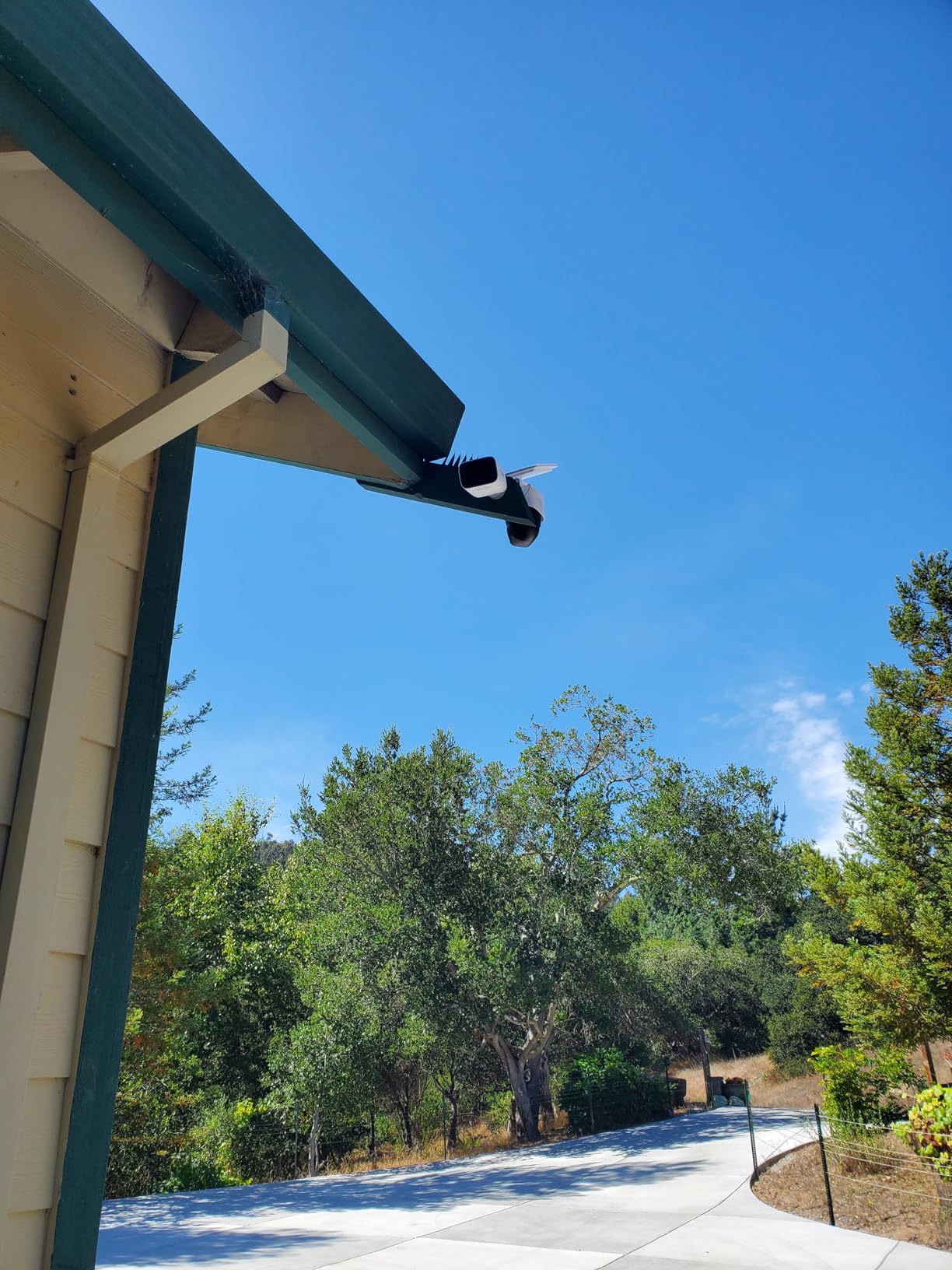
Installation is genuinely quick, around seven minutes according to the manufacturer, and 360-degree pan and tilt means one unit covers a wide yard. The 8GB of built-in storage on the camera itself is the feature owners mention most, because it keeps the camera working with no monthly fee attached.
What the reviews keep pointing at is the HomeBase. The on-device AI detection and tracking that makes the camera feel smart works best when it is paired with a eufy hub, and that hub is a separate purchase. Wi-Fi pairing frustration during first setup also comes up often enough to be worth mentioning.
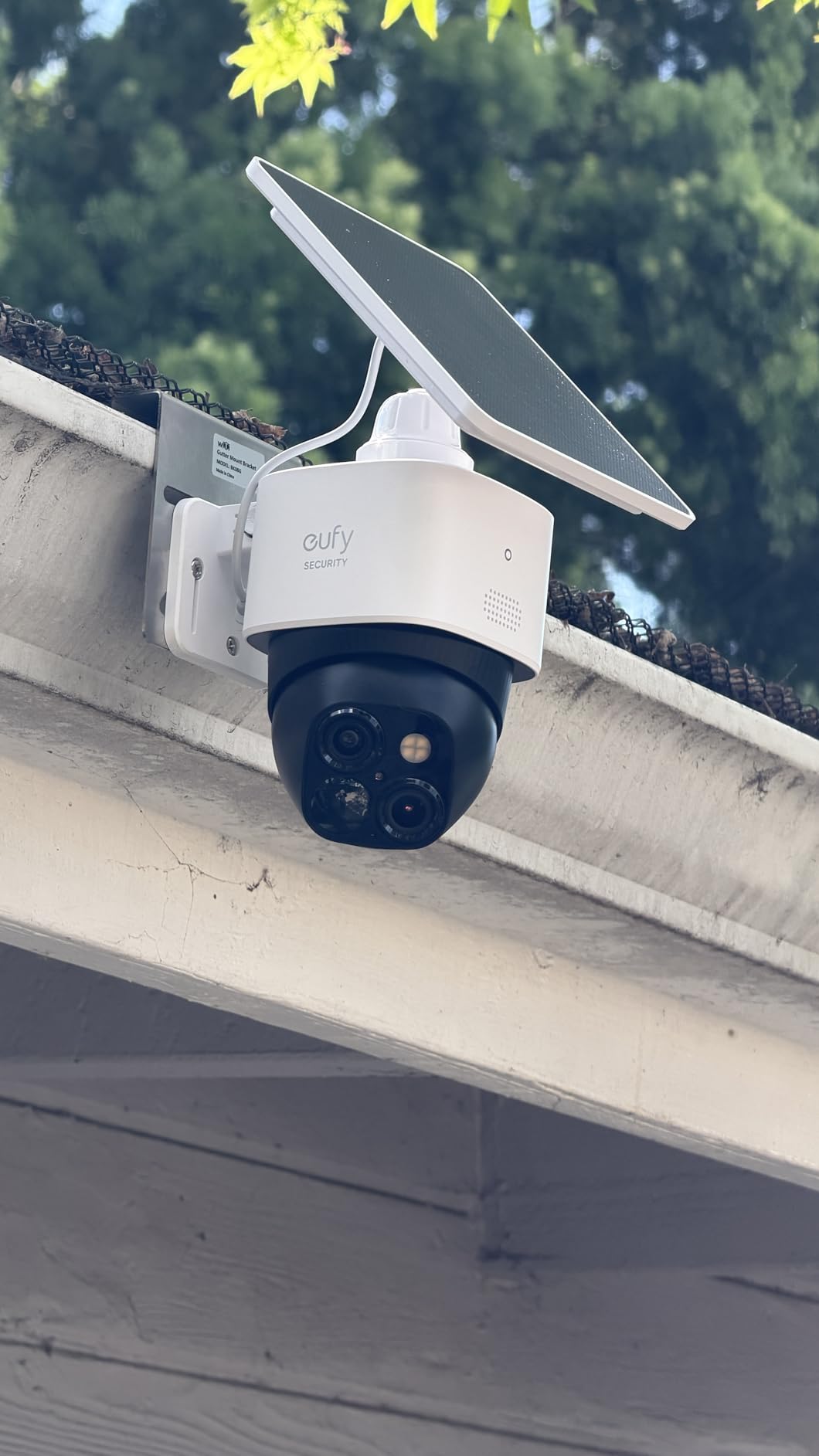
Why we rate it so highly for night coverage
The dual-lens design is the practical reason to pay more here. A driveway camera that must identify a person or a vehicle at 40 feet needs real pixels after the sun goes down, not just a headline resolution number, and the S340 delivers more usable detail after dark than the 1080p options in this list.
For the best results, angle the wide lens down the drive rather than across the entrance, and use the zoom lens for the gate or the far corner where a fixed camera would normally be too coarse.
Where the ecosystem cost shows up
If you plan to add cameras later, be clear-eyed about the direction of travel. One S340 is a closed system, but the moment you want person recognition, local event storage that survives a card failure or multi-camera grouping, the natural next purchase is a eufy HomeBase.
That is a sensible path for most people, but it means the true cost of a four-camera eufy setup is higher than the per-camera figure suggests. Support also runs through Anker as the manufacturer rather than eufy directly, which occasionally matters when you need a firmware fix.
3. Tapo SolarCam C402 – 512GB Of Local Storage And A Brand That Answers The Phone
Tapo SolarCam C402 KIT 1080p Outdoor Wireless Security Camera
1080p colour night vision to 30 ft
Fixed 125 degree viewing angle
512GB microSD with no fee
Panel on a 13 ft cable
Pros
- Free person and motion detection with activity zones
- 512GB of local microSD keeps it subscription free
- Colour 1080p night vision to 30 ft with spotlights
- Panel cable lets you mount the camera in shade and the panel in sun
Cons
- Fixed 125 degree lens with no pan tilt or zoom
- Solar charging stops below 32F
- Google streaming limited to Chromecast and Nest displays
The Tapo C402 is the pragmatic choice. It comes from a networking company with a large support organisation, it records person detection events for free, and it holds up to 512GB on a microSD card without asking you for a subscription to see last night’s footage.
Solar performance is the strongest stated figure in this roundup: 45 minutes of direct sunlight for a full day of operation, and a battery that stretches to 180 days between charges under cloud. The catch is the temperature floor. The manufacturer states solar charging requires temperatures above 32F, so a northern driveway in January is running on stored charge alone.
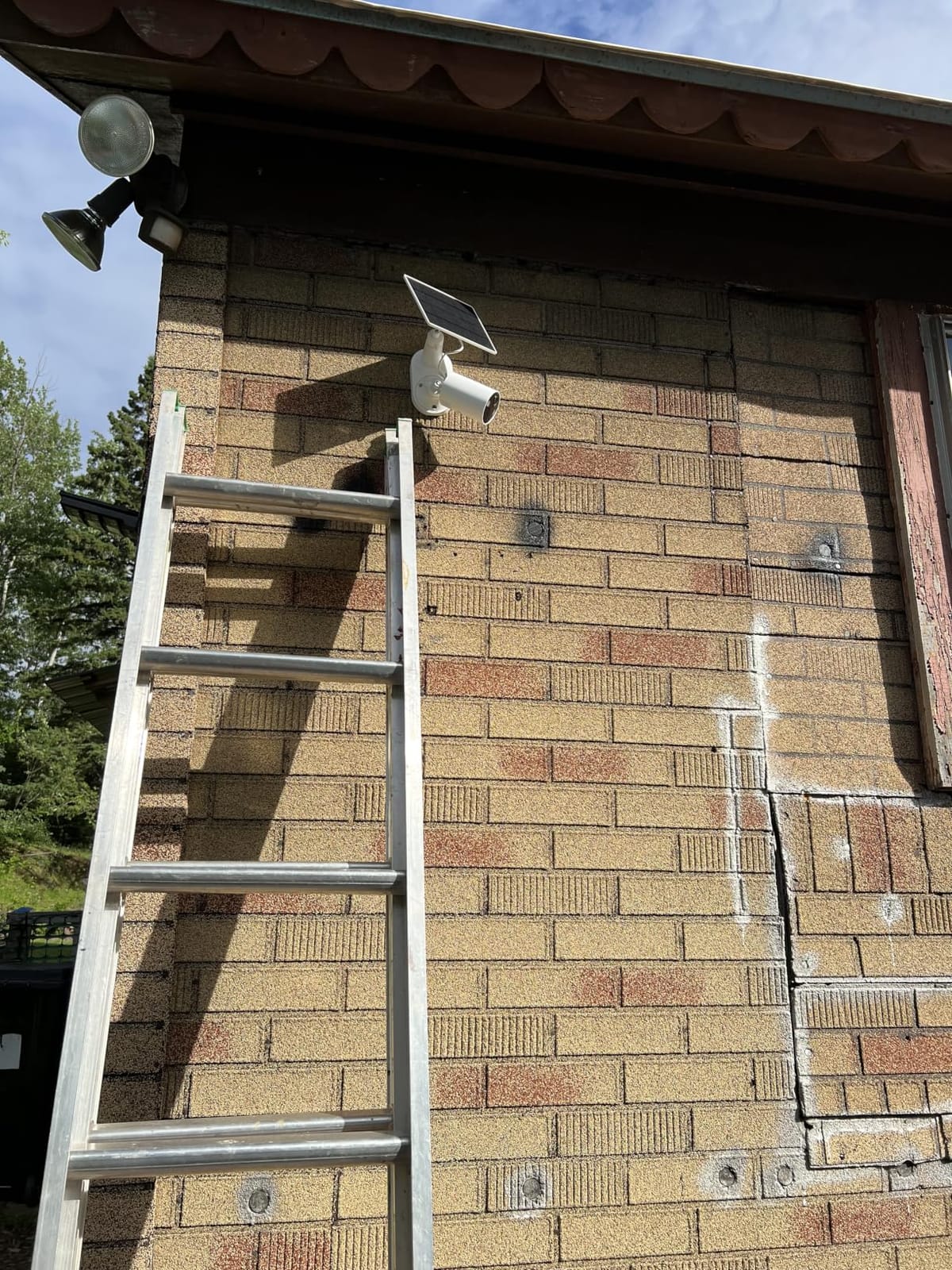
Full-colour 1080p night vision out to 30 feet comes from the built-in spotlights, which means you get a colour image of a vehicle at the gate rather than an infrared smear. Two-way audio, a customisable alarm and activity zones cover the rest of the basics.
What you give up is movement. The 125-degree viewing angle is fixed, with no pan, tilt or zoom, so the camera must be aimed during installation and cannot follow a car. That is a real constraint on a driveway, where a fixed view often means a wheel arch instead of a face.
Why the separate panel cable matters
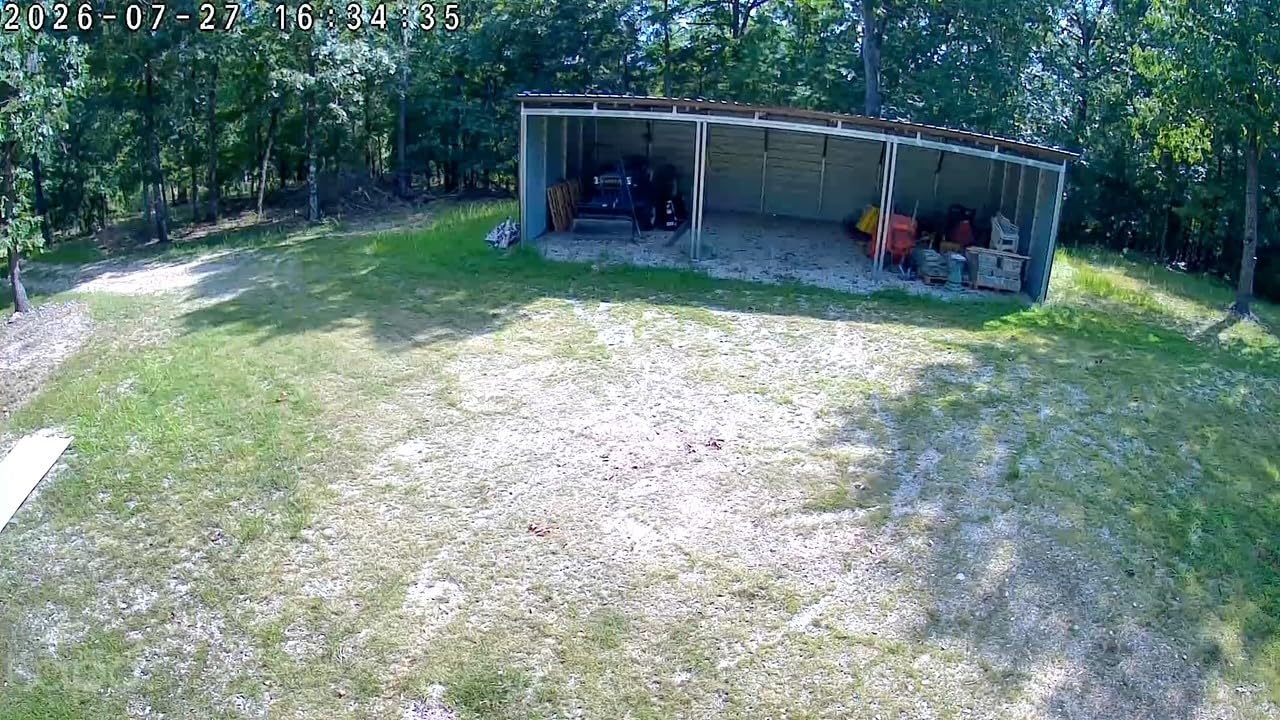
The 13-foot solar panel cable is the sleeper feature. It lets you mount the camera under an eave, on a shaded pillar or inside a porch and put the panel out in the open sky on the same mount, which solves the single most common failure we see with integrated panels.
IP65 sealing handles the weather, and it works with Alexa and Google Assistant. If you already run Tapo equipment, adding one of these to an existing app is the least friction of any camera here.
Where the fixed lens bites
Aiming a fixed camera at a driveway entrance is easy. Aiming it so you identify a driver arriving at 30 mph, at night, at the far end of a long drive is not. Anyone who has tried to place a fixed 1080p camera to catch a departing vehicle knows how little of the car survives the compression.
The other limit is that 1080p is now the floor of this category. Most cameras here run 2K or better, and two go to 3MP and 4K. Tapo keeps up by giving you more storage headroom and free detection instead of raw pixels.
4. aosu SolarCam – Automatic Tracking That Follows People On Approach
aosu Solar Camera Outdoor Wireless for Home Surveillance,Fixed Solar Panel
2K with 360 degree PTZ
Automatic human tracking
Fixed solar panel for recharge
IP65 weatherproof
Pros
- Automatic human tracking zooms in on a person
- Fixed solar panel tops the battery up through cloudy spells
- Voice-guided app setup makes installation quick
- Alexa and Google Assistant support
- Responsive replacement service reported by owners
Cons
- Detection is inconsistent at the edge of the range and it can sleep between events
- 2.4GHz Wi-Fi only
- Spotlight has been reported failing until a firmware update
The aosu SolarCam is the camera to buy when the goal is to catch someone walking toward the house rather than a car sitting still. Its automatic human tracking zooms in and follows a detected person across the 360-degree pan, which is exactly what a driveway intrusion looks like.
Daytime 2K clarity is good for the money and the fixed solar panel is generous enough to keep the battery charged through a stretch of overcast weather. Setup is guided by voice prompts in the app, which reduces the guesswork on a camera you are bolting to a wall yourself.
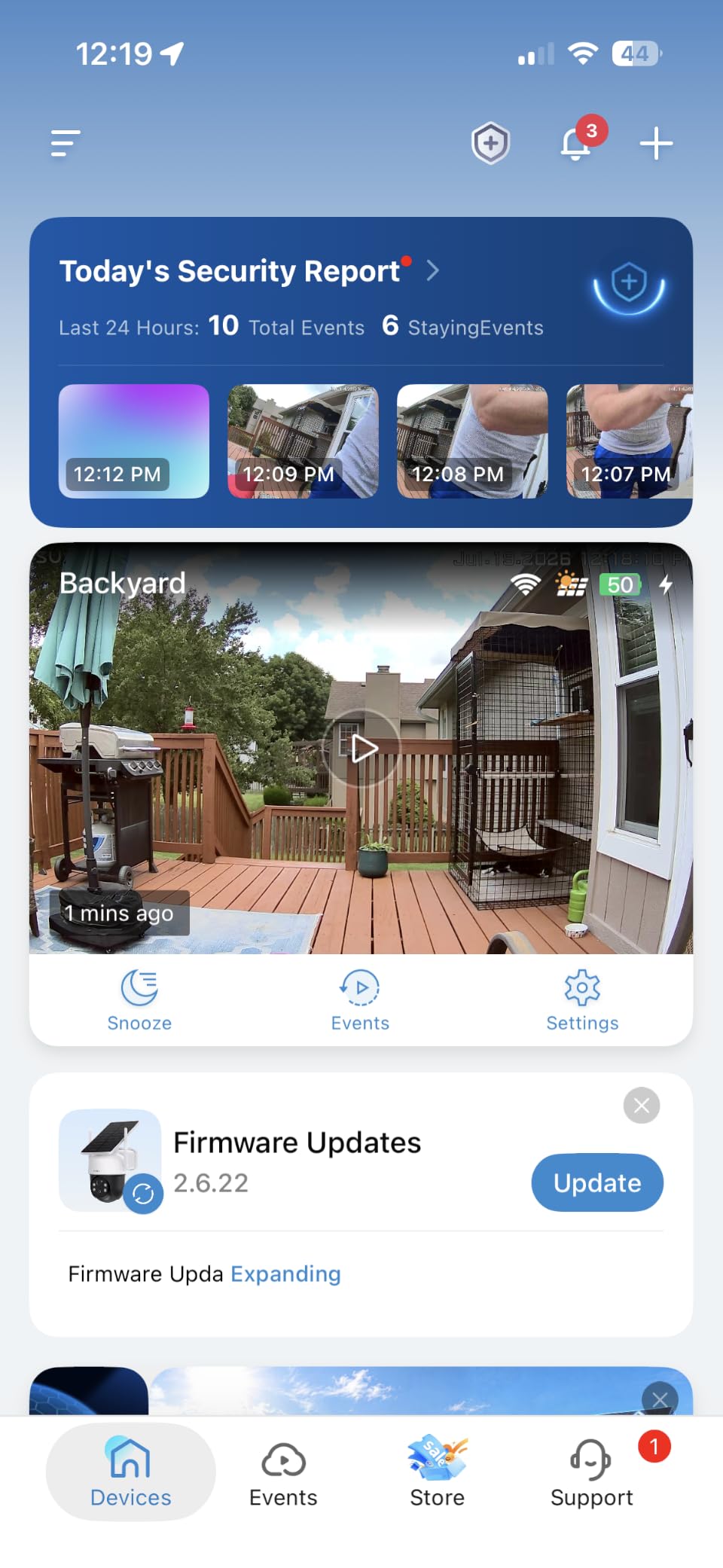
Two storage paths are supported, so you can keep footage local and treat the cloud as optional. Support for Alexa and Google Assistant is there, and several reviewers single out the after-sales service for replacing faulty units rather than arguing with them.
The complaint that shows up most often is detection reliability at range. Motion at the edge of the detection zone sometimes is not recorded, and the camera has been reported to sleep between events, which means a slow approach can be missed even when the frame is in view.
When tracking beats a wider lens
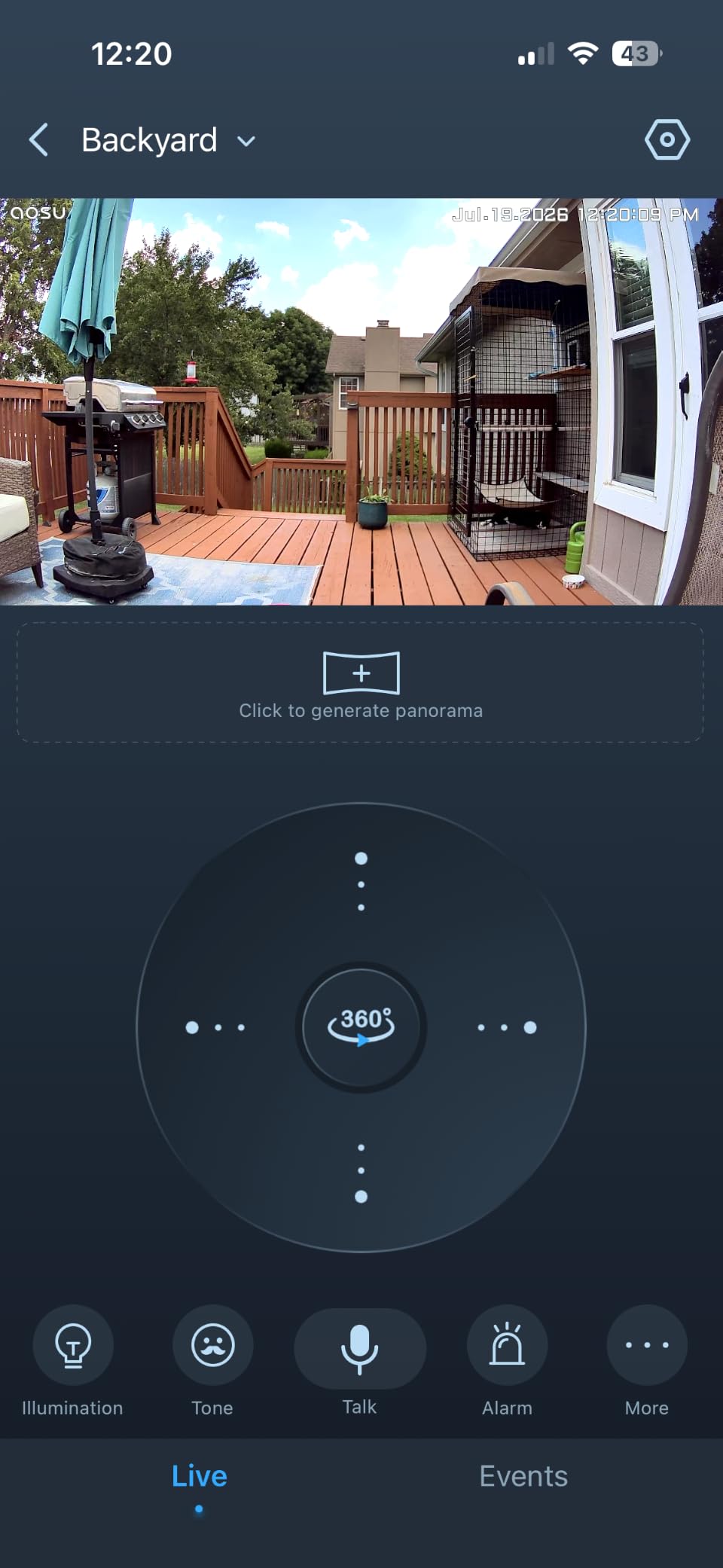
A tracking camera answers a different question than a wide camera. Instead of asking what is happening across the whole drive, it asks who just walked in. For foot traffic, package thieves and anyone approaching on foot, that is a better return than extra degrees of field of view.
Position it at the point where a person must pass within the reliable detection zone, not at the far property line where accuracy thins out. That single mounting decision does more for you than any resolution upgrade.
Where it falls short
The sleep behaviour and inconsistent long-range detection mean this is not the camera to trust for vehicle capture at 100 feet. If your threat is a car turning into the drive rather than a person on foot, a fixed 4MP lens aimed correctly will outperform it.
It is also 2.4GHz-only, and the spotlight has been reported to stop working until a firmware update lands. That last one matters more than it sounds, because the colour night image depends on that light.
5. Reolink Argus PT Ultra – 4K Detail For License Plates And Long Drives
REOLINK Argus PT Ultra First 4K Solar Security Cameras Wireless Outdoor
4K 8MP colour day and night
355 pan and 140 tilt
3W detachable panel, 20 min sun a day
512GB microSD with no fee
Pros
- 4K 8MP sensor with infrared LEDs for clear night footage
- 355 pan and 140 tilt with auto-tracking
- Detachable 3W panel needs about 20 minutes of sun daily
- Works without an internet connection
- 512GB microSD
- hub or FTP storage with no subscription
Cons
- Owners report the small panel cannot keep up in low sun
- Quick-start documentation does not explain UID location or reset steps
- Some 4K 8MP units stopped charging or holding charge
The Argus PT Ultra has the highest resolution here and the rarest trait in this category: it keeps working without an internet connection. On a rural drive where the nearest router is a long way off, a camera that can record to its own card without a live signal is worth more than a few extra pixels.
The 8MP sensor with bright infrared LEDs produces genuinely clear night footage, and the 355-degree pan plus 140-degree tilt with intelligent auto-tracking covers a long driveway end to end. Storage is flexible: microSD up to 512GB, a Reolink Home Hub, or FTP.
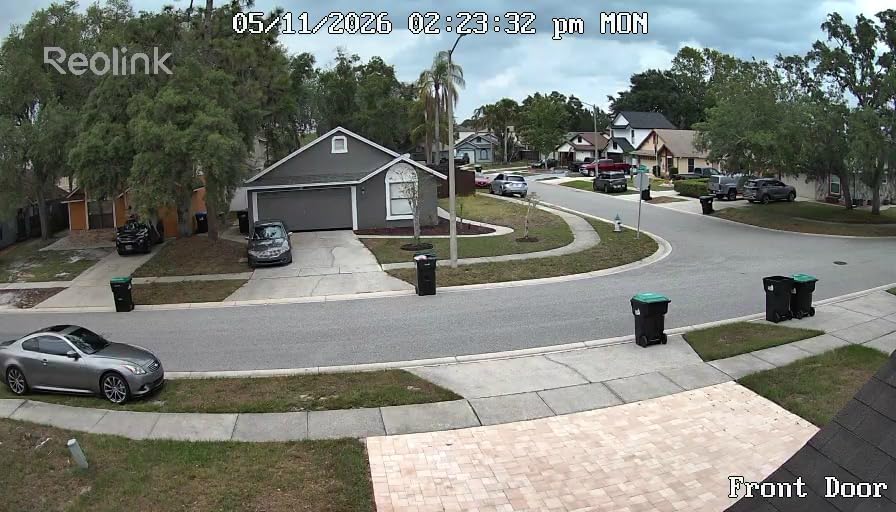
Setup is fast in theory, with QR code pairing that takes about two minutes, and the spec sheet lists 2.4GHz and 5GHz Wi-Fi 6 support, which is unusual in a solar PTZ. Reviews are warmer on service than on documentation, with Reolink’s responsiveness frequently praised.
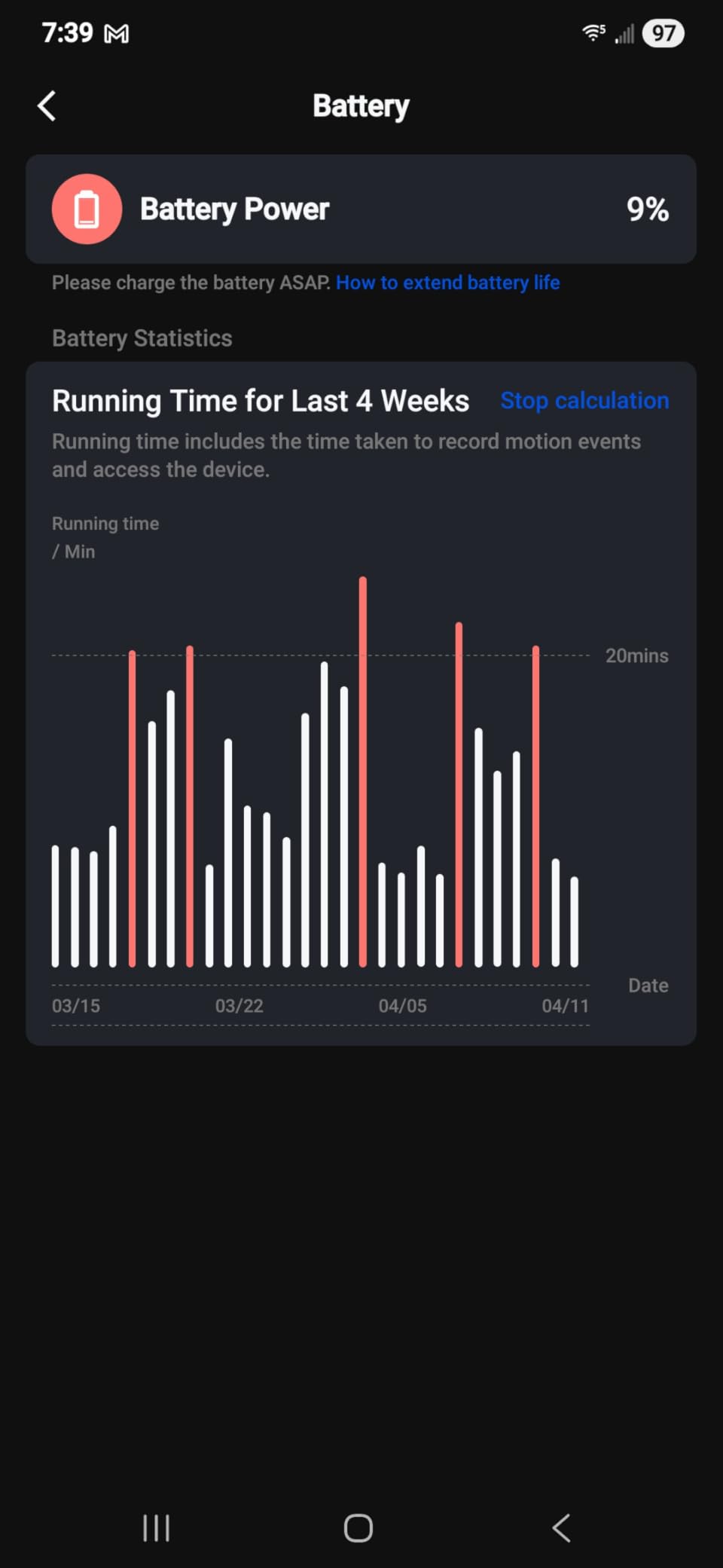
The solar complaint is serious and repeated. Owners report the compact 3W panel draining the battery 2-3% a day in low-sun installs, and on the 4K 8MP version some units stopped charging or holding charge at all. The quick-start paperwork also leaves out where to find the UID or how to use the reset button.
When 4K earns its extra cost
Resolution pays off at one specific job: identifying details on a vehicle at a distance. More pixels survive the compression that happens at 30 metres, so a face or a number plate has a chance of being legible where a 1080p frame gives you a coloured blob. Forum discussions about driveway cameras keep circling back to this and it is the reason to consider 4K.
It also helps you crop a wide 140-degree tilt frame down to the gate and the street without losing clarity, which is useful when one camera has to cover a wide property.
Where 4K does not help
Resolution cannot buy light. If the panel is shaded or the mounting point faces away from the sun, a 4K camera drains faster than a 2K one and produces nothing extra on a cloudy night. Give this model genuine sun, or give it a mains-powered alternative.
The 4.0 average across 2453 reviews is the lowest in this roundup, and the charging failures on the 8MP variant are the reason. It also carries an IP64 rating rather than IP65, which is a step down on water resistance for a camera meant to live outdoors all year.
6. SEHMUA Solar PTZ – Rated For The Hottest And Coldest Driveways
SEHMUA Solar Security Cameras Wireless Outdoor, 2K 360° View Battery Powered Outdoor Camera, WiFi Home Security with Spotlight Color Night Vision, PIR Sensor
2K full HD with colour night vision
355 pan and 100 tilt
Operating range -4F to 121F
IP65 waterproof
Pros
- Widest stated operating range in the roundup at -4F to 121F
- 2K video with colour night vision
- 355 horizontal and 100 vertical pan range
- PIR sensor with human-like recognition reduces false alarms
- Two-way audio plus two storage options
Cons
- Colour night vision needs the spotlight switched on manually
- 2.4GHz Wi-Fi only
- Human-like recognition is less precise than true AI person detection
The SEHMUA is the one to look at if your driveway sits somewhere the other cameras are not rated for. The stated operating range runs from -4F to 121F, the widest in this roundup, and it is a fully wire-free solar unit with a 355-degree horizontal and 100-degree vertical sweep.
Video is 2K with colour night vision, and the PIR sensor includes a human-like recognition mode that cuts down on false alerts from moving branches and shadows. That matters more on a driveway than it sounds, because every wasted wake-up cycle drains the battery.
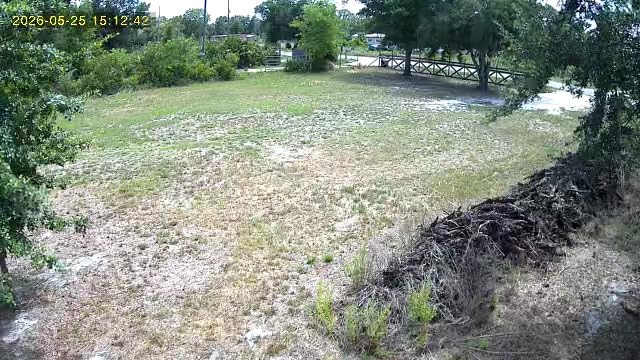
Two-way talk and two storage options cover the basics, and at 6818 reviews the volume of feedback is high enough that the consensus picture is clear. Owners like the image quality, the sweep, the weather sealing and the walkie-talkie.
Two things get repeated complaints. Colour night vision only appears if you switch the spotlight on manually, which is a setting people do not find on the first try and then assume the camera is monochrome. And the radio is 2.4GHz only, with no 5GHz support.
What the temperature rating actually changes
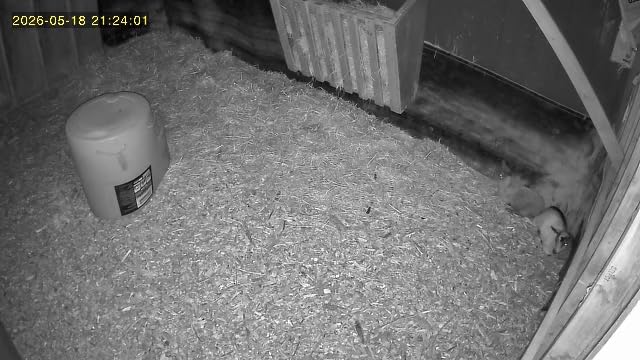
A battery that cannot charge in cold is a battery you will eventually find flat on a January morning. A camera rated to -4F at least keeps powering the sensor and the radio through a freeze, which means an alert still reaches you even when the panel has been dark for a week.
The upper figure matters for a west-facing wall in summer, where a camera in full afternoon sun can cook its own battery. A wide operating range protects both ends of that problem.
Where the cheap tier shows through
Human-like recognition is a step above raw motion detection but it is not true AI person classification. Expect occasional alerts from large animals and strong shadows, and expect a few missed events at the edge of the frame.
None of the ten cameras here needs a subscription for basic recording, but the SEHMUA sits at the budget end where the paid tiers are most likely to be advertised. Read the storage terms before you rely on the cloud path.
7. aosu D1 Classic 4-Camera Kit – Whole-Property Coverage On One Hub
aosu D1 Classic 4-Cam Kit, Security Cameras Wireless Outdoor, Solar Powered
Four solar PTZ cameras included
aosuBase hub with 32GB storage
2K/3MP with colour night
Up to four months of loop recording
Pros
- Four cameras plus a hub cover an entire property
- 32GB on the hub gives about four months of loop recording
- Cross-camera tracking relates the same event across cameras
- Four live streams side by side on one screen
- 3 hours of daily sun keeps each camera running
Cons
- The kit costs far more than buying cameras one at a time
- Some features such as cross-camera tracking depend on firmware updates
If your property needs more than one camera, this kit changes the maths. Four solar 360-degree pan and tilt cameras with motion tracking, plus an aosuBase hub with 32GB of storage, give you roughly four months of loop recording with no subscription at all.
The feature that separates it from four independent cameras is cross-camera tracking, which links footage of the same event across different views so you can follow someone from the drive to the side gate without hunting through four timelines. Four-split live view on one screen is the other practical win.
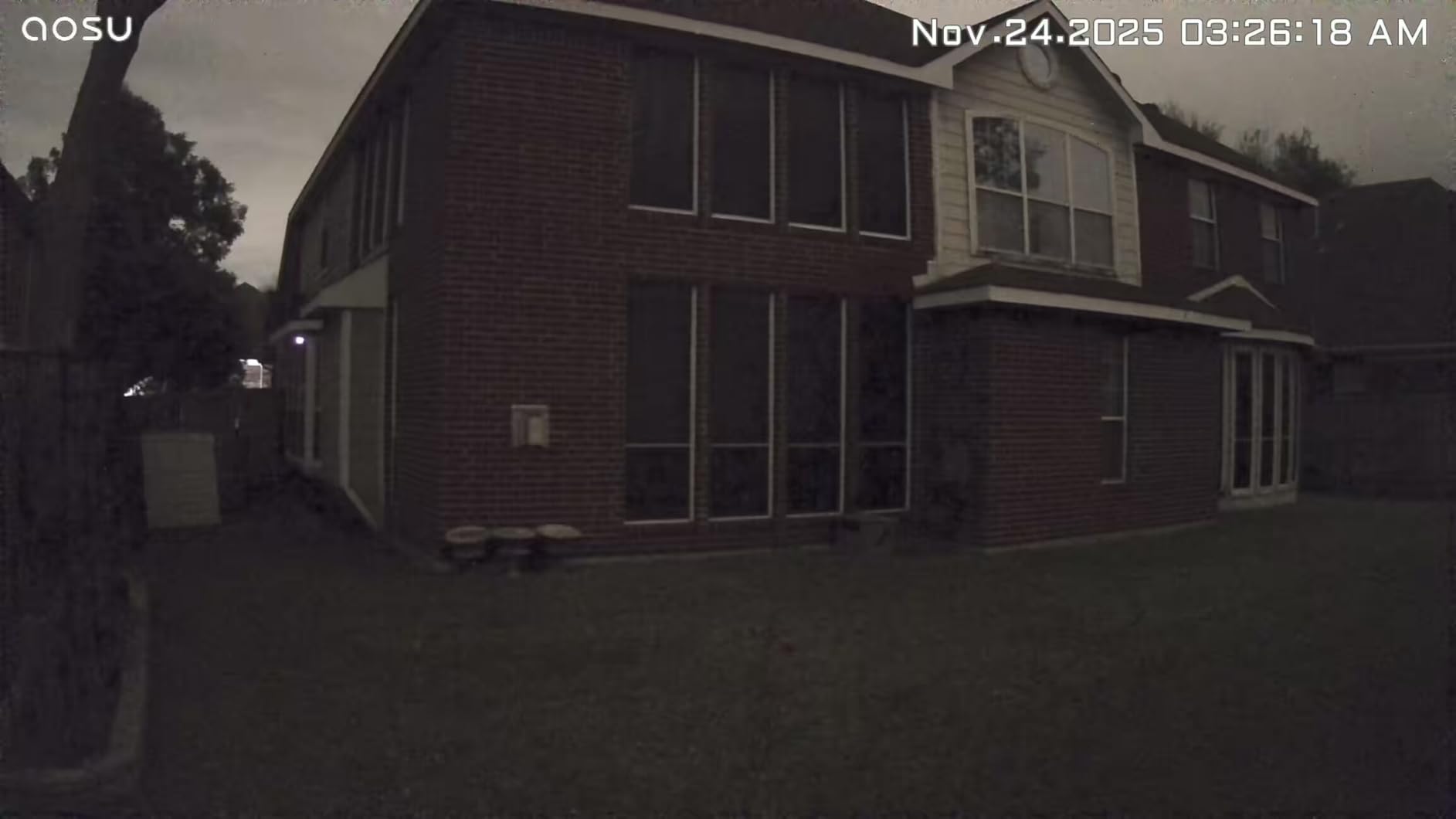
Each camera runs at 2K/3MP with full-colour night vision out to 33 feet and IP65 weatherproofing, and the brand states 3 hours of daily sunlight keeps each camera running even on cloudy days. Alexa, Google Assistant and SmartThings support are included.
At 4.3 stars across 4142 reviews this is one of the better-rated kits here, and owners consistently point at the bundled hub storage as the reason. The trade-off everyone acknowledges is the upfront cost of a four-camera bundle compared with single units.
How many cameras a driveway actually needs
For a single straight suburban drive, one camera at the house end aimed at the entrance covers most of what matters. Two becomes worthwhile when there is a side gate, a detached garage or a second entrance, because a pan and tilt camera cannot be in two places at once.
Three or four only start making sense on larger grounds, a farm lane with a gate and outbuilding, or a rental property with a parking area. At that point the hub stops being a luxury and becomes the thing that makes four recordings manageable.
Where the kit locks you in
Buying four cameras that only reach their full potential through one hub is a deliberate commitment. The cameras are solar and wire-free, but the storage, the cross-camera tracking and the four-way view live on the aosuBase. Moving to a different brand later means starting the storage question over.
Some features also depend on firmware, so cross-camera tracking availability is worth confirming on the current version before you rely on it. And at this tier, the cheaper route is buying two good cameras rather than four mediocre ones.
8. VIZIUUY 3MP Solar PTZ – The Longest Stated Night Range
VIZIUUY 3MP Solar Security Cameras Wireless Outdoor, WiFi 6,360°PTZ Camera
3MP 2048x1536 video
9600mAh battery with solar panel
Colour night vision to 60 ft
355 pan and 90 tilt
Pros
- 3MP sensor is about 1.5x the pixels of 1080p
- 9600mAh battery for extended runtime
- Colour night vision listed to 60 ft
- AI human detection with customisable zones
- Siren spotlight and app push alarm modes
Cons
- Only 2.4GHz is supported despite the Wi-Fi 6 label
- Pet vehicle and package analytics are paid add-ons
- 15 fps frame rate is below competitors
The VIZIUUY lists driveway and garage security as explicit use cases, and the spec sheet backs that up with a 60-foot colour night vision range, the longest claimed here. At 3MP it also out-resolves most of the field, and the 9600mAh battery is the second largest in this roundup.
The 355-degree horizontal and 90-degree vertical pan covers a full sweep of a drive, and AI human detection with a customisable zone is reported to cut false alarms significantly. Three alarm modes, siren, spotlight and app push, plus two-way audio, give you several ways to respond.
Storage is the sleeper detail. You get 128GB of local SD plus free basic cloud playback of 7-day clips, so it is not a forced subscription model. IP66 sealing is a step above the IP65 most competitors carry, and both Alexa and Google Assistant are supported.
Two spec-sheet details deserve suspicion. The Wi-Fi 6 branding is misleading because only 2.4GHz is actually supported, and the 15 fps frame rate is lower than most competing cameras, which makes fast motion look slightly stuttered when you review it.
Why a 60 foot night range is not the whole story
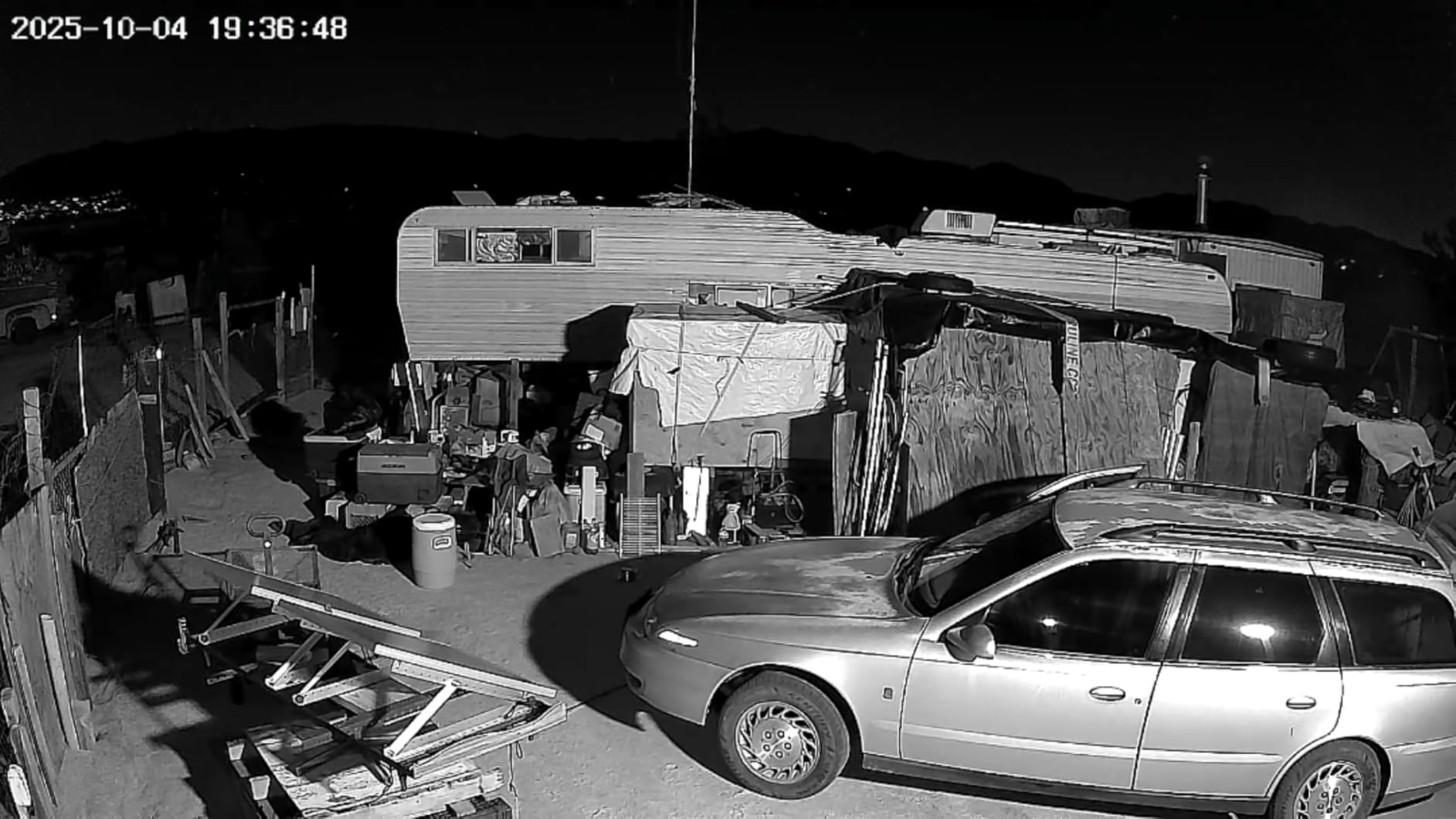
Range is measured in ideal conditions, which means a dark driveway with the camera’s own spotlight bouncing off a surface nearby. On an open drive with nothing to reflect light, the usable colour range at the far end is a fraction of the number, and a driveway lit by a street lamp produces a different image again.
What the figure does tell you is that the sensor is not starved at dusk. Combined with 3MP, that is a reasonable combination for identifying a vehicle rather than just detecting it.
Where the 15 fps and paid analytics hurt
A vehicle pulling into your drive at 15 fps records with visible frame loss, which matters if the movement is the only thing you need to see. Most rivals record at 30 fps or better, so treat this as a spec to compare rather than ignore.
Vehicle, pet and package smart analytics are sold as add-ons, so the AI detection people praise is human-only out of the box. On a driveway full of traffic and animals, that distinction is the difference between useful alerts and a phone full of nothing.
9. ARCCTV 2-Pack Solar – Dual-Band Wi-Fi And Two Cameras In One Box
ARCCTV Solar Security Cameras Wireless Outdoor, 2 Pack
4MP 2560x1440 resolution
Two cameras and two solar panels
355 pan and 90 tilt
2.4GHz and 5GHz Wi-Fi
Pros
- 4MP resolution is twice as sharp as 1080p
- Two cameras and two detachable panels in one box
- Dual-band 2.4GHz and 5GHz support for range and streaming
- 128GB local recording with cloud optional
- Colour night vision to 50 ft
Cons
- No automatic motion tracking
- camera must be moved from the app
- Needs a clear Wi-Fi path and close-to-router setup to pair
- AI event tagging in the cloud needs a paid plan
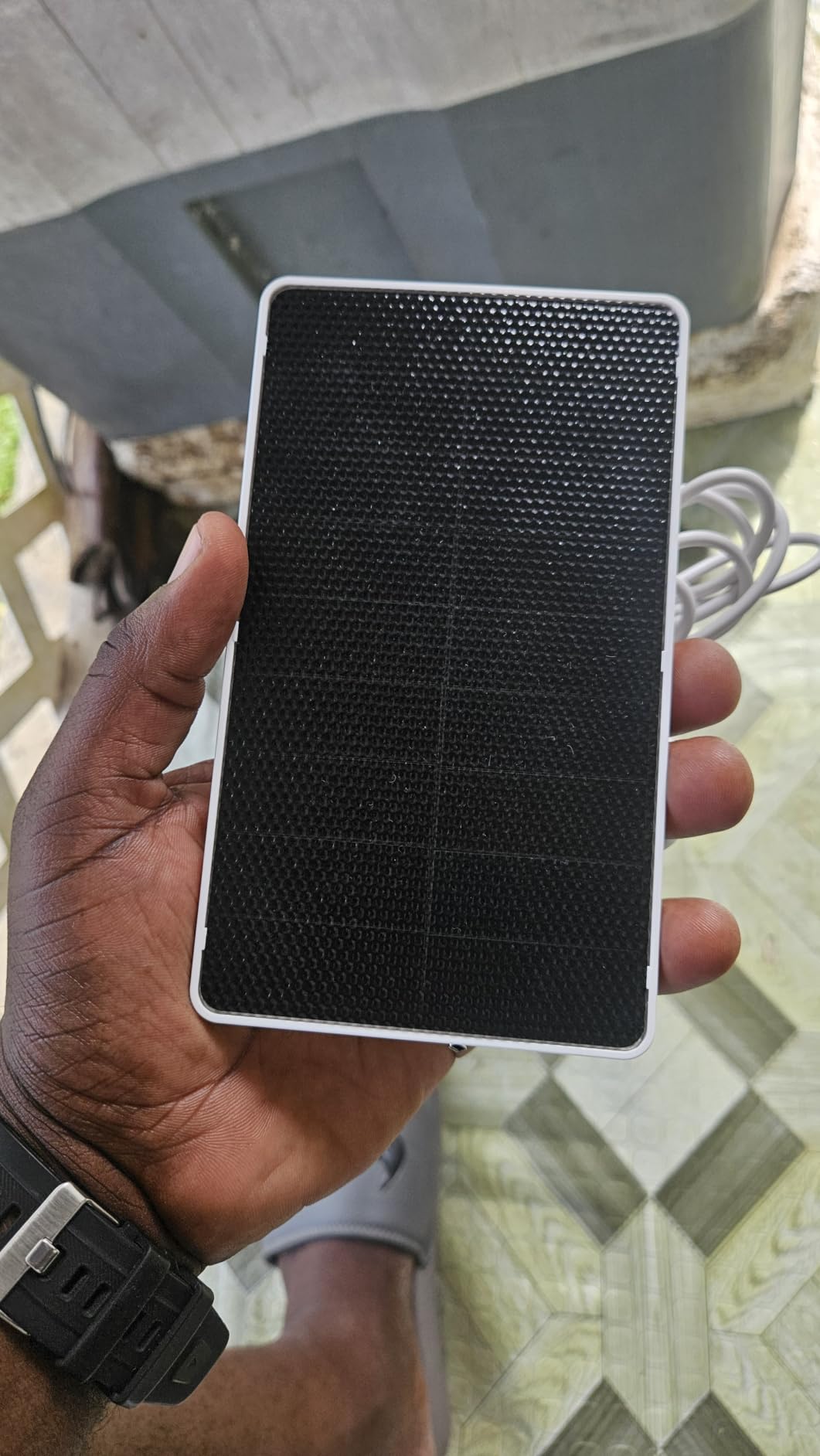
The ARCCTV pack solves two problems at once. You get two cameras with two detachable solar panels, so you can cover both the driveway entrance and the gate or back yard without buying twice. Both cameras are 4MP at 2560 x 1440, which is double the pixels of a 1080p unit.
The dual-band 2.4GHz and 5GHz support is genuinely rare in solar PTZ cameras and matters on a driveway. 5GHz gives cleaner streaming and more bandwidth where the signal is strong, while 2.4GHz reaches further, so you are not forced to choose.
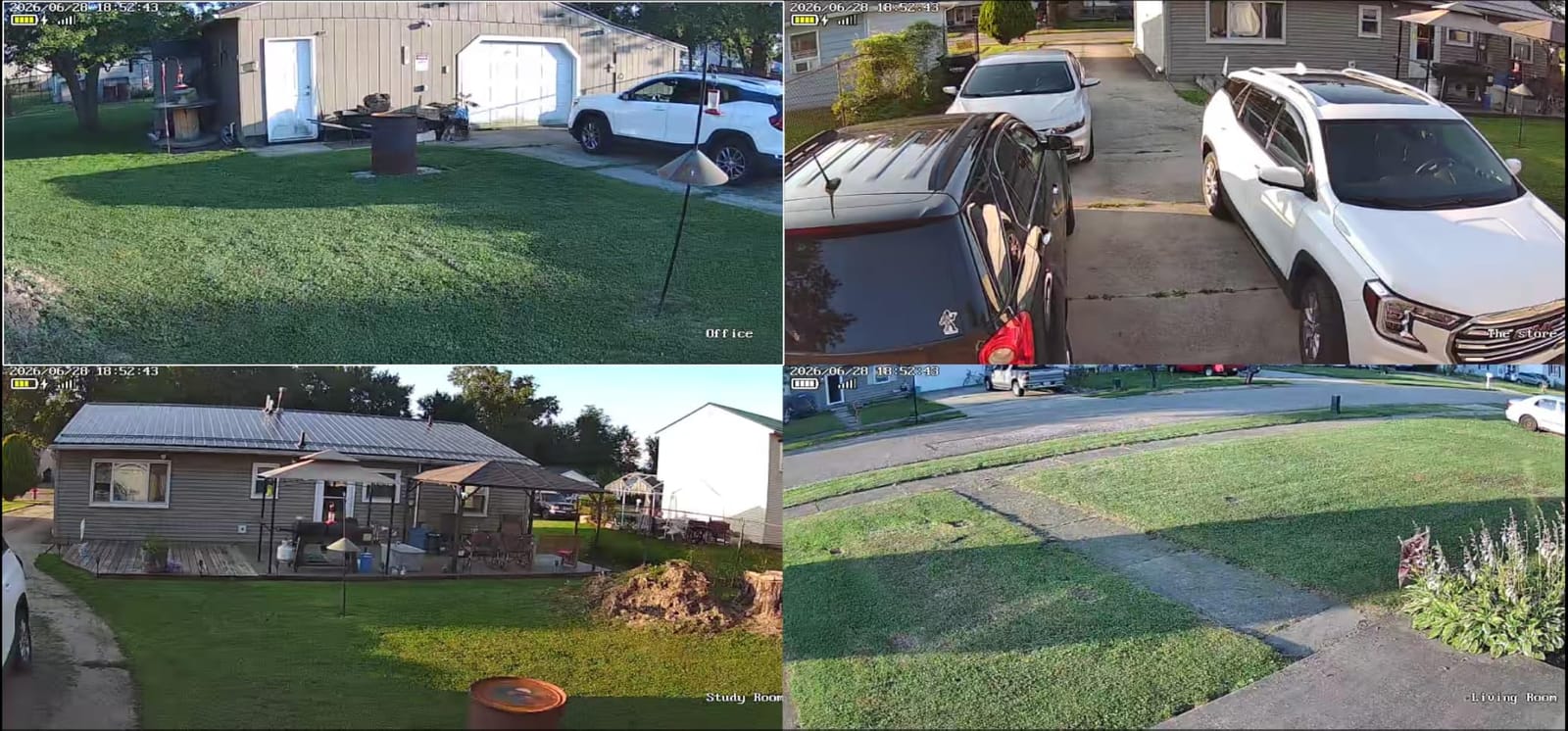
Colour night vision reaches 50 feet with a built-in spotlight, the 355-degree pan and 90-degree tilt covers a wide sweep, and microSD up to 128GB handles local recording with the cloud treated as optional. Install is a five-minute DIY job with an adjustable bracket.
The limitation owners mention most is the absence of automatic tracking. You move the camera manually from the app, which on a driveway with a predictable approach direction is a smaller problem than it would be elsewhere, but it does mean the view is never automatic.
Why dual-band Wi-Fi helps a driveway
Every other 2.4GHz-only camera in this roundup asks your network to stretch a 2.4GHz signal to the end of a long drive. Dual-band lets you run the video stream on 5GHz near the house and fall back to 2.4GHz when the signal weakens, which usually means fewer dropped frames in the notification clips you actually open.
Pairing still needs a clear path and a reasonable distance from the router at setup time, so bring the camera to the house first if the driveway is at the limit of your network.
Where a fixed head causes trouble
Without auto-tracking, a 360-degree pan is only as useful as your willingness to move it. For a car arriving from one direction, aim the camera at that side of the drive and leave it there. For foot traffic from multiple angles, one of the tracking cameras will serve you better.
AI event tagging lives in the paid cloud tier, so local recording on the card is the sensible default. At 1597 reviews this is the thinnest feedback pool here, so treat the spec sheet with slightly more caution than the rest.
10. Ring Spotlight Cam Plus Solar – Smoothest App With A Subscription Attached
Ring Spotlight Cam Plus, Solar | Two-Way Talk, Color Night Vision, and Security Siren (newest model) – Black
1080p HD colour night vision
Two motion-activated LED spotlights
Built-in security siren
Battery pack and solar panel included
Pros
- Highest rating in the roundup at 4.7 stars with 84 percent of reviews at five
- Complete bundle with camera battery pack and solar panel
- Motion-activated spotlights plus built-in siren deter intruders
- Customizable motion zones keep alerts relevant
- Works with Alexa for audio announcements
Cons
- AI-powered alerts and video replay time require a Ring Protect plan
- Fixed wide-angle lens with no pan tilt or zoom
- 1080p trails the 3MP to 4MP standard here
The Ring Spotlight Cam Plus Solar is the best-reviewed camera in this roundup at 4.7 stars, with 84 percent of owners giving it five. The reason is simplicity: the box contains the camera, a Quick Release Battery Pack and a solar panel, and the Ring app is the least fiddly of the ten here.
Two motion-activated LED spotlights and a built-in siren give it genuine deterrence value, and customizable motion zones let you exclude the street or the neighbour’s tree so the alerts mean something. Colour night vision and two-way talk are both present.
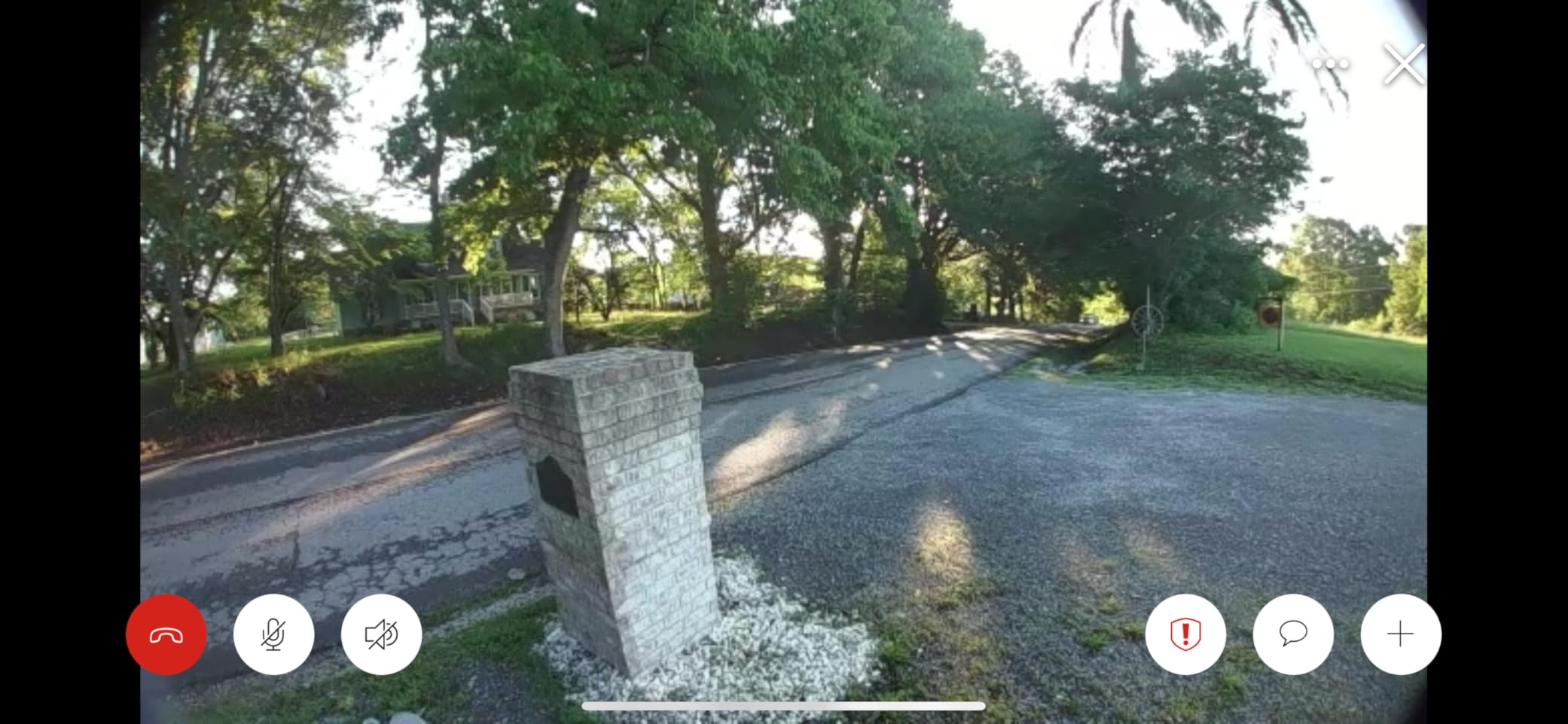
Alexa integration is the strongest here, including audio announcements when motion is detected, which is useful if you want the camera to tell you rather than only notify you.
The trade-off is the ecosystem. AI-powered alerts and video replay time require a Ring Protect plan sold separately, so the longer recordings and the smarter detection sit behind a subscription. The fixed wide-angle lens has no pan, tilt or zoom, and 1080p sits below the resolution standard most of this list meets.
Where Ring fits on a driveway
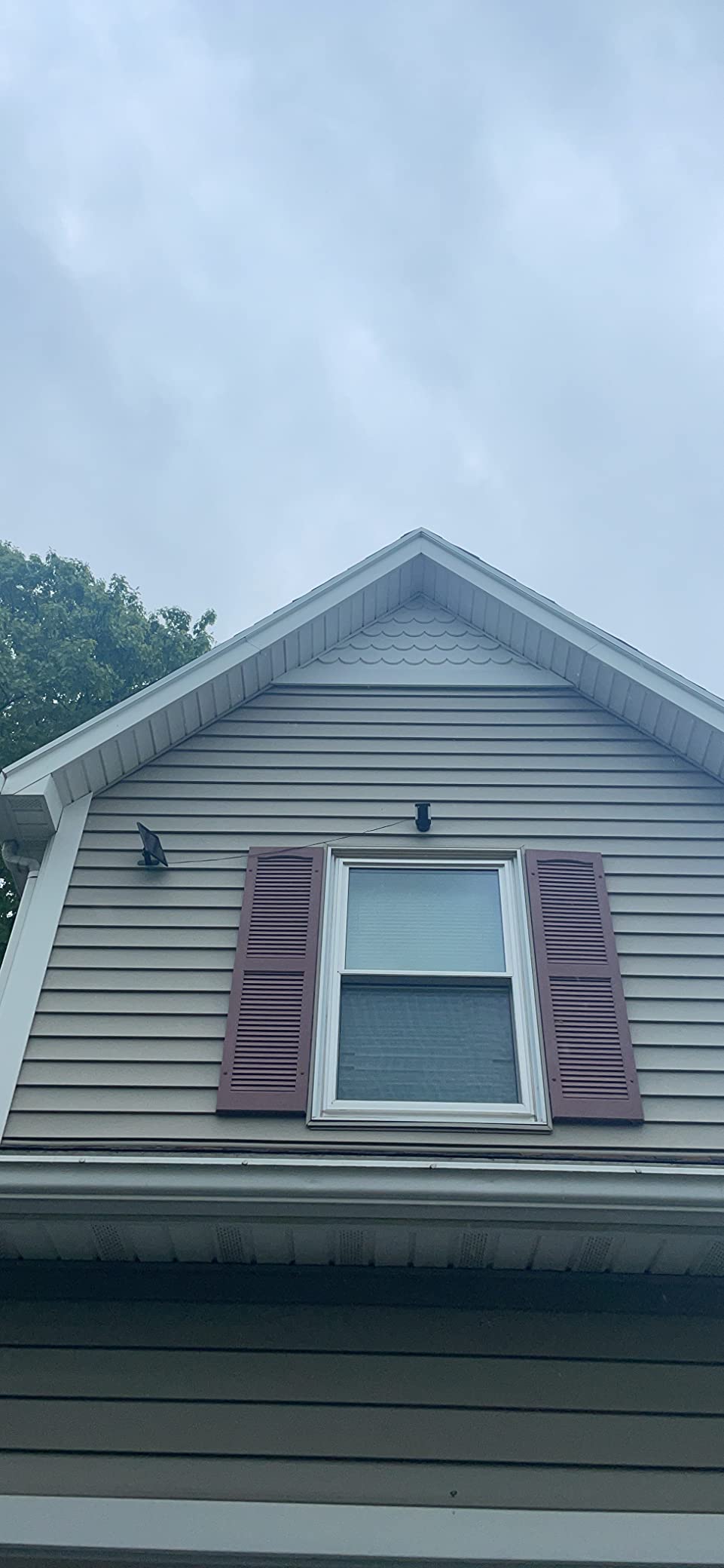
It works best on a short-to-medium drive within reliable Wi-Fi range of the house, where a fixed wide view of the entrance is all you need and you value a clean app and fast setup over pixel-level detail. Under those conditions, the experience is hard to argue with.
The deterrent side is genuinely good for a porch or driveway edge. Motion-activated lights and a siren are the two things an intruder sees immediately, and Ring implements both without extra fuss.
Where it is the wrong pick
Long driveways are where Ring gets criticised most in homeowner discussions, and the reason is reach. A fixed Wi-Fi camera at the far end of a 150-foot drive with walls and a gate between it and the router produces the dropped connections and constant loading that pushes people to cellular cameras instead.
Beyond that, if you want local storage with no monthly fee, a camera with a microSD card is simply the better purchase. And 1080p on a fixed lens means a vehicle at the end of a drive will read as a shape rather than a registration.
How to Choose a Solar Driveway Camera in 2026
Start with reach, then power, then storage. In that order, the decisions get easier, because a camera that cannot connect or cannot recharge will not help you regardless of how many megapixels it carries.
Do solar cameras actually work through a cloudy winter?
Yes, but not automatically. Solar cameras run on stored energy, so the real question is how much reserve the battery holds going into the dark season. Manufacturers here quote very different figures: the Tapo C402 states 45 minutes of direct sun for a full day and up to 180 days of battery between charges, while the Reolink Argus PT Ultra states 20 minutes of sun per day and its owners report drain in low-light installs.
Two rules keep a solar camera alive through winter. Mount the panel where it gets unobstructed midday sun, not under a tree line or on a north wall. And expect to top up from a USB port during the worst stretch if you live somewhere with long low-light seasons, which is why the largest batteries in this roundup, the eufy S340 at 10000mAh and the VIZIUUY at 9600mAh, are the safer buys.
Wi-Fi or 4G LTE for a long driveway?
Measure before you buy. Stand at the exact mounting point with your phone on the same network you would use for the camera and run a speed test. Anything consistently under roughly 5 Mbps at the driveway means a Wi-Fi camera will drop frames and delay alerts, and no amount of antenna tuning fixes a house with masonry walls.
When Wi-Fi will not hold, a 4G LTE camera with its own SIM card and a local microSD card is the correct answer. It keeps recording and sending alerts without a router, at the cost of a monthly data plan. None of the ten cameras here is cellular, which is worth stating plainly: this roundup covers Wi-Fi solar cameras, and if your drive is out of range you need a different category of camera entirely.
Motion recording versus continuous recording
Every camera in this roundup records events, not continuously. That is a design choice driven by battery capacity, not a defect: continuous 24/7 capture would drain a small solar battery overnight and leave nothing for the morning.
The practical consequence is that a slow-moving subject outside the detection zone produces no clip at all. Set the motion zone and sensitivity so the whole drive entrance sits inside it, disable any zone that includes the road, and accept that you are recording a driveway, not a parking lot.
What resolution actually matters at night
4K is not a guarantee of readable number plates. What determines plate legibility is pixels per foot on the target, which falls as distance rises and as available light drops. A 4MP camera covering 20 feet will beat a 1080p camera covering 80 feet every time.
Use resolution to shorten the distance instead. Mount closer, add a second camera, and use a wider lens only where you genuinely need the sweep. Colour night vision ranges quoted by brands also assume light bouncing back nearby, so treat them as the point where the image starts failing rather than the point where it stays sharp.
Where a solar camera is the wrong answer
If you want true 24/7 recording, a solar camera cannot do it. A wired PoE camera powered from the house gives you continuous recording, no battery decay and no solar placement problem, at the cost of running a cable back to a recorder or switch.
Solar is also wrong for a shaded mounting point, for a driveway next to a busy road where alerts will be endless, and for anyone unwilling to accept motion-only footage. Choose PoE when power can reach the camera and you want recordings that never miss a thing, and choose solar when power cannot reach it and motion events are enough.
Storage and subscriptions, honestly
Every camera here records locally without a monthly fee, though the maximum card size ranges from 128GB to 512GB. The subscription question is about extras, not recording: vehicle and package recognition, extended AI event tagging, cross-camera tracking and video replay time are the features most often placed behind a paid plan. Ring is the clearest case, where replay time itself needs a Ring Protect subscription.
On account security, the basics matter more than the brand. Use a unique password with two-factor authentication enabled, keep the app and firmware current, and if your camera supports it, keep recording local so a lost account does not mean lost footage.
Frequently Asked Questions
What is the best solar-powered outdoor security camera?
For a driveway, the ZEEPORTE Snap 30T leads this roundup because it combines 2K video, 360-degree pan and tilt, an integrated solar panel with a 5200mAh battery, and local microSD storage up to 256GB with no subscription. The eufy SoloCam S340 is the pick for sharper 3K dual-lens detail, and the Tapo SolarCam C402 is the value option with 512GB of local storage and free person detection.
Do solar-powered security cameras really work?
They work, but only if the panel gets real sunlight. Solar cameras record on motion and recharge from a small panel, so shaded or north-facing mounts drain the battery. Manufacturers quote anywhere from 20 minutes of sun a day for a 4K model to 45 minutes for a 1080p one, and battery capacity matters most: 10000mAh units tolerate a cloudy winter far better than small ones.
What is a good driveway camera?
A good driveway camera needs enough pixels at the distance where vehicles arrive, a pan or wide lens covering the entrance, person detection to filter out animals and traffic, and local storage with no monthly fee. Every solar camera records motion events rather than continuously, so plan the motion zone around the whole drive entrance and accept that slow movement outside it is not recorded.
Which brand solar camera is best?
eufy and Reolink lead on image quality and subscription-free local storage, with Reolink adding offline operation and dual-band Wi-Fi 6. aosu is strongest for multi-camera kits with a bundled hub. Ring has the smoothest app and best Alexa integration but places video replay behind a subscription. Tapo offers the most local storage headroom for the least.
Do solar security cameras need a subscription?
No, not for basic recording. All ten cameras here write to onboard microSD or a bundled hub without a monthly fee, with card sizes from 128GB to 512GB. Subscriptions apply to extras such as vehicle and package recognition, extended event tagging, cross-camera tracking and replay time, which is most relevant on Ring, where replay itself requires a plan.
Can a solar security camera read license plates?
Sometimes, but resolution alone does not decide it. What matters is pixels per foot on the target, so a 4MP camera at 20 feet will beat a 1080p camera at 80 feet. Night capture also depends on available light, and quoted colour night vision ranges assume light bouncing back nearby. Mount closer, use a higher-resolution model, or add a second camera rather than trusting a 4K label.
The Best Solar Security Camera for Driveways This Year
The ZEEPORTE Snap 30T is our pick for the best solar security cameras for driveways in 2026. Nothing else in this roundup combines 2K clarity, a 360-degree pan and tilt that follows a vehicle across the drive, an integrated solar panel with a 5200mAh battery, and local storage without a monthly fee, with more than 11k reviews of real installations behind it.
If image detail matters more than anything, the eufy SoloCam S340 gives you 3K dual lenses, 8x zoom and 8GB of onboard storage. If you want brand-name support and maximum local storage, the Tapo SolarCam C402 holds up to 512GB on a card and does person detection for free. For a whole property, the aosu D1 Classic kit pairs four cameras with a hub that stores roughly four months of loop video.
Whatever you choose, mount the panel where it gets real sun, aim it at the entrance rather than the street, and set the motion zone before you trust the alerts. And if you need true 24/7 recording rather than motion events, go wired instead.