
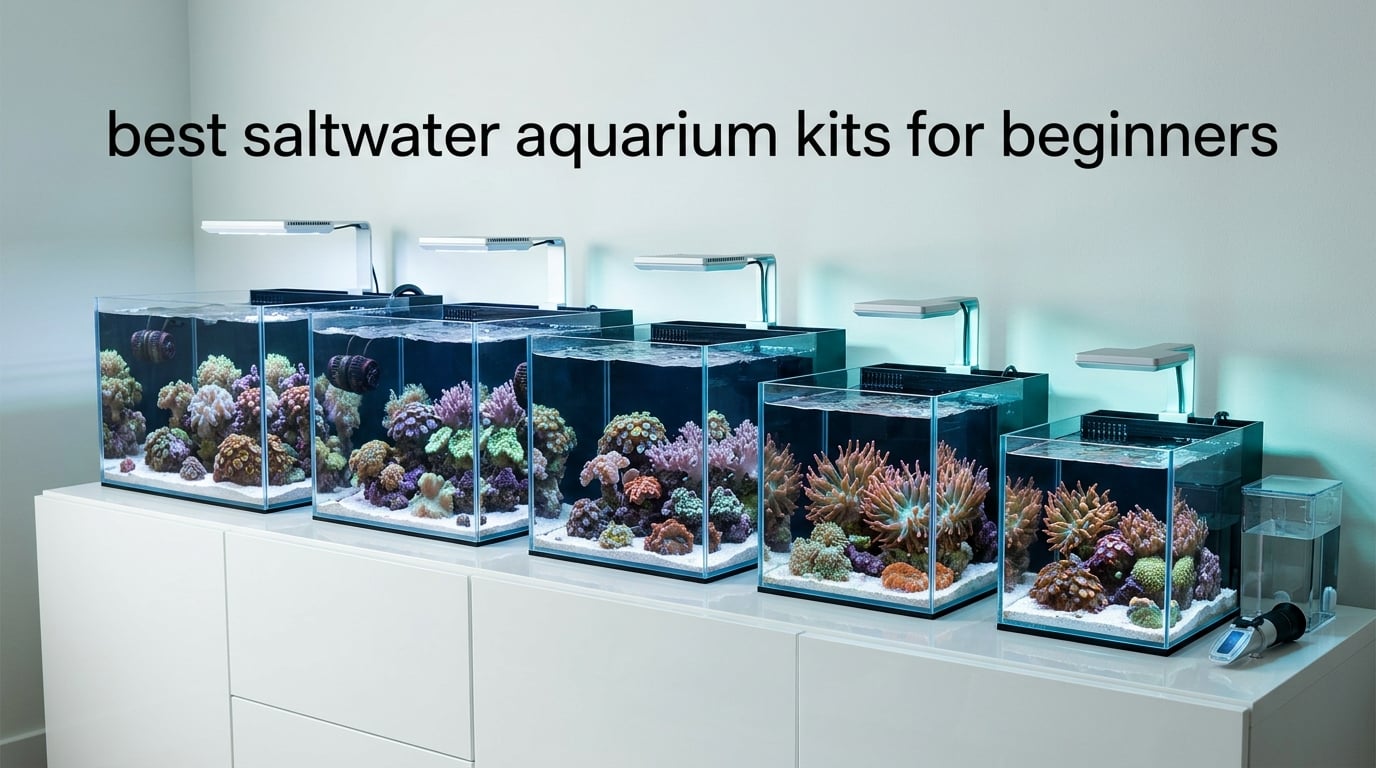
The short answer: the Fluval Flex 57 15-gallon nano kit is the best saltwater aquarium kit for beginners in 2026 on balance. It pairs a curved-front glass display with genuine three-stage filtration and app-controlled RGB lighting, and it carries more owner reviews than any other kit we compared. If you want more water for the same money, the Aqueon 20-gallon starter kit is the better buy.
Saltwater punishes guesswork in a way freshwater never does. Salinity has to be measured, not eyeballed. Evaporation has to be replaced with pure water or the numbers drift. The nitrogen cycle has to finish before anything living goes in. What a good saltwater aquarium kit solves is the equipment-matching problem: the tank, filtration, heater and light are already sized for each other, so the thing you have to get right is your routine rather than your shopping list.
We compared ten saltwater aquarium kits sold for beginners, from compact rimless nanos to a 32.5-gallon curved-front system. We looked at the hardware honestly, including what is missing and what you will replace in year one. What surprised us most is how much of the difference comes down to filtration chamber volume and whether the tank holds its water level between top-offs, not to the logo on the box.
Updated for 2026, this guide covers every kit in the roundup, what size tank actually suits a first reef, and the four things you still have to buy after the tank lands at your door.
Table of Contents
Top 3 Saltwater Aquarium Kits for Beginners (October 2026)
Fluval Flex 57 Nano Kit
- 15 gallon nano
- 3-stage filtration
- App and remote RGB lighting
- Dual directional flow

Aqueon 20-Gallon Starter Kit
- 20 gallon glass
- SmartClean internal filter
- Preset 78 degree heater
- Hinged feeding door

GloFish 20 Gallon Kit
- Complete bundle
- LED hood plus light stick
- USA made glass
- Filter lifts out for cleaning
The Fluval Flex 57 takes the top slot because the aquarium and its filtration were designed as one product for that specific volume, rather than a display tank bolted to whatever filter would fit behind it. The three-stage system, dual directional flow outlets and curved glass all belong to the same product line, and 3693 owner reviews give you an unusually clear picture of how it behaves after a year of use.
The Aqueon kit wins on practicality. It ships with more of the small consumables you would otherwise order separately, and its SmartClean internal filter is designed to make water changes fast, which is the chore that decides whether a beginner keeps the hobby.
The GloFish kit is the most decorated of the three, with fluorescent anemone and plant decor in the box. It needs the most conversion work before it becomes a marine system, but it is a complete glass box with a hood before you start counting extras.
All 10 Saltwater Aquarium Kits Side by Side in 2026
| Product | Specs | Action |
|---|---|---|
| Fluval Flex 57 Nano Kit |
|
Check Latest Price |
| Aqueon 20-Gallon Starter Kit |
|
Check Latest Price |
| GloFish 20 Gallon Kit |
|
Check Latest Price |
 CoralLife BioCube 32 CoralLife BioCube 32 |
|
Check Latest Price |
 Tetra Color Complete 20 Tetra Color Complete 20 |
|
Check Latest Price |
 Tetra Complete 29 Gallon Tetra Complete 29 Gallon |
|
Check Latest Price |
 Fluval Flex 32.5 Marine Kit Fluval Flex 32.5 Marine Kit |
|
Check Latest Price |
 LANDEN EzFlux 60 LANDEN EzFlux 60 |
|
Check Latest Price |
 Ultum Nature Dual AIO 45SA Ultum Nature Dual AIO 45SA |
|
Check Latest Price |
 Coralland 8 Gallon AIO Coralland 8 Gallon AIO |
|
Check Latest Price |
1. Fluval Flex 57 Nano Kit – Best Overall for Beginners
Fluval Flex 57 – 15 Gallon Nano Glass Aquarium Kit
15 gallon nano
3-stage bio mechanical and chemical filtration
App and remote RGB LED
28.04 pounds
Pros
- Compact footprint with genuine three-stage filtration
- App and remote controlled 7500K white plus RGB lighting
- Dual directional flow outlets give a gentle current
- Curved front and honeycomb wrap hide the water line
- 3693 owner reviews to learn from
Cons
- 15 gallons restricts how many marine fish you can keep
- Filter compartment is compact so a larger skimmer will not fit
- Outgrown quickly once you want more rock or coral
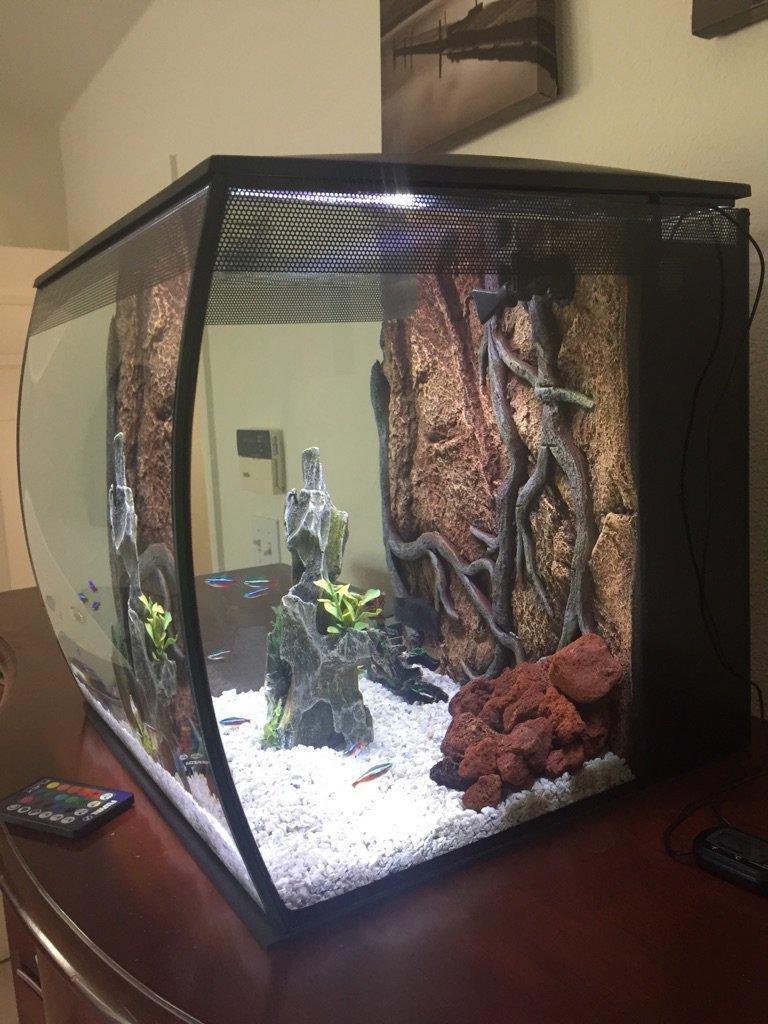
The Flex 57 measures 16.14 by 15.35 by 15.35 inches, which is the size of a small washing machine, and it weighs 28 pounds filled. That footprint is the whole appeal: it fits on a counter or a narrow cabinet and still ships with real filtration rather than a single sponge in a plastic box.
Filtration is the part that matters. Rather than one removable cartridge, the Flex uses three stages covering biological, mechanical and chemical media, with oversized media relative to the tank volume. For a nano that is unusual, and it is why the tank keeps up with a modest bioload without a constant water change treadmill.
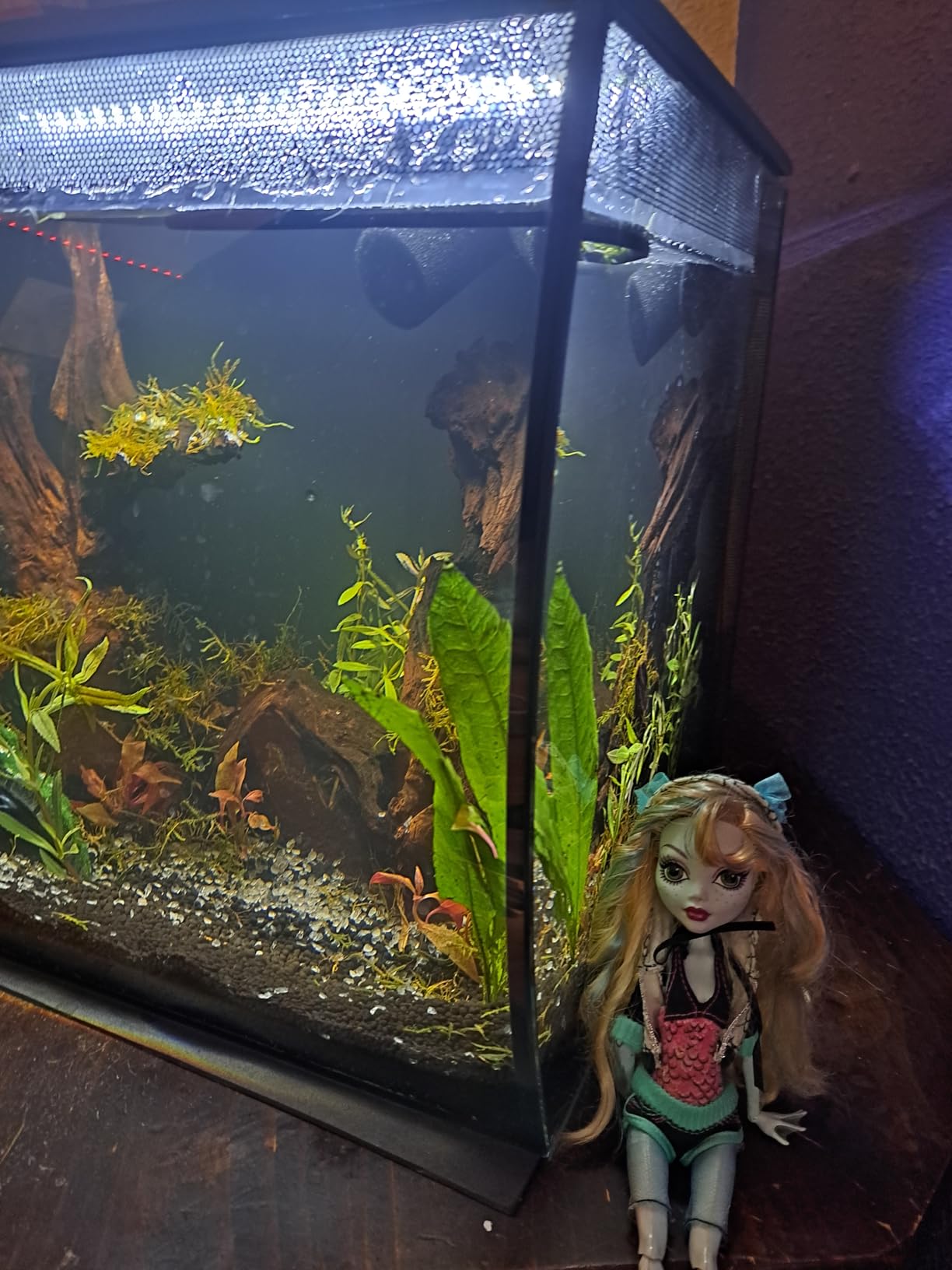
Lighting is handled through the FluvalSmart app for 7500K white and RGB channels, and the FLEXPad remote adds lightning bolt and fading cloud effects. The removable dual-direction outputs let you dial the flow back for delicate livestock, which matters more in a nano than most beginners expect because every coral shares the same few gallons of water.
Two variants are listed, a 9 gallon and the 15 gallon we tested. The top cover has a feed opening, so you are not lifting the whole hood to drop in food, and the honeycomb wrap conceals both the water line and the filter compartment sides.
What to check before you buy the Flex 57
Decide whether 15 gallons is a destination or a starting point. At that volume a clownfish pair with a goby is a comfortable, well-proven load, and there is room for a few soft corals. It is not room for a long fish list, and adding a large tang or a full reef would be a mistake.
Also plan for the fact that the compartment is tight. A skimmer large enough to matter will not fit inside, so if you plan a heavy bioload you will be running an in-tank skimmer or a small external unit instead. Both work, but neither is included.
Where the Flex 57 disappoints
Owners consistently report that the nano format outpaces them. A recurring theme in hobbyist threads is owning a Flex or a similar nano for six months and still not having added fish, because small water volume makes every parameter swing feel alarming and new keepers stall.
The second limitation is the media capacity. Once you add a carbon reactor and a growth light, the filter chamber that made the kit attractive at the start becomes the tightest spot in the system. Nothing breaks, but nothing is roomy either.
2. Aqueon 20-Gallon Starter Kit – Best Value
Aqueon Aquarium Starter Kit with Smart Clean Filtration and LED Lighting, Freshwater and Saltwater Fish, 20-Gallon
20 gallon glass
SmartClean internal power filter
Preset 78 degree heater
33.5 pounds
Pros
- Turnkey bundle with heater and thermometer already in the box
- SmartClean filter makes routine water changes quick
- Preset heater holds 78 degrees without fiddling
- Hood feeding door avoids removing the lid
- 2517 reviews and a top ten sales rank
Cons
- White LED is very bright and unfriendly to corals
- Intake is strong enough to pull in small fish
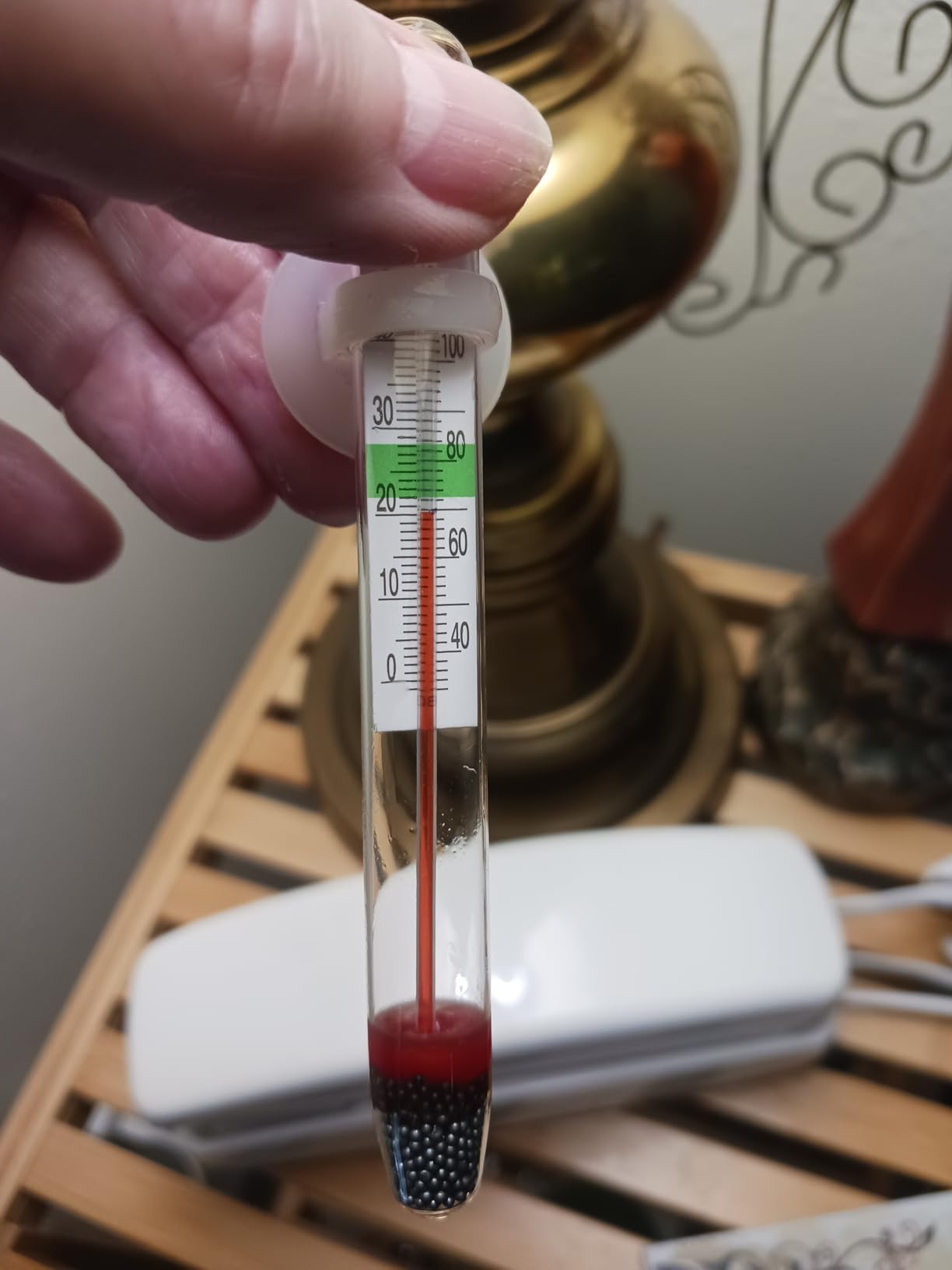
- Sticker thermometer is inaccurate and short-lived
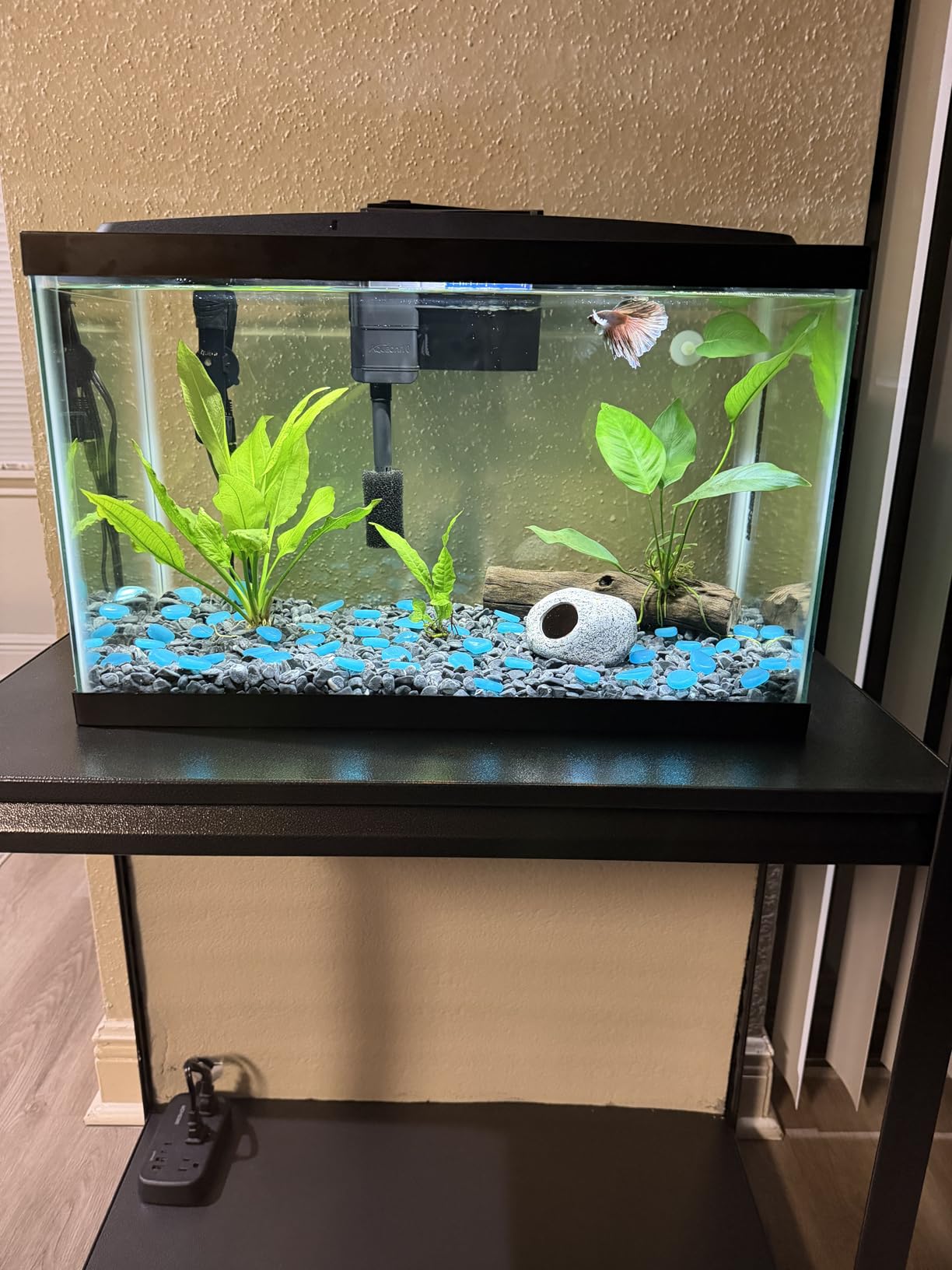
This is the kit we would hand someone who has never kept an aquarium of any kind. The box contains a glass rectangle tank, a low profile hood with cool white LED lighting and a feeding door, SmartClean internal power filter, EcoRenew cartridge, preset heater, thermometer, fish net, food and water conditioner. Nothing has to be ordered separately to get a working tank.
It weighs 33.5 pounds and measures 27.5 by 16 by 20.25 inches, which is a normal shelf size. The Aqueon is listed in both 10 gallon and 20 gallon, and the 20 gallon is the one worth buying for marine use because the extra volume is what buys you a week of stability between changes.
The SmartClean filter deserves a note. Rather than a fixed internal cartridge, the design allows the media cartridge to be swapped quickly, which shortens the water change routine considerably. For a beginner that single feature matters more than any spec on the box, because the water change is the habit that decides whether the hobby survives.
It ranks tenth in aquarium starter kits and carries 2517 ratings, so there is no guessing about long-term behaviour. That review history is itself part of the value: you can read what happens to the pump, the seams and the light after a couple of years of daily use.
What this kit handles well
It is a forgiving entry point. The included heater is preset to 78 degrees, which is a workable marine temperature, and the filter is a power filter with a visible outflow, so oxygen exchange is not a problem.
For a clownfish, a goby and a couple of easy soft corals, twenty gallons gives you the room to make a mistake and recover from it. That error tolerance is the actual reason to spend more here rather than on the smallest nano.
Where it falls short as a marine kit
The lighting is the honest weakness. A cool white LED strip is bright and useful for viewing, but it is not a reef light. Expect to replace it within the first year if corals are the goal, and expect it to be far too bright in a dim room.
Two smaller issues come up repeatedly. The filter intake is powerful enough to draw in small fish unless you add a pre-filter sponge, and some owners report the filter pump failing within several months. The silicone seams are described as messy even though the tank does not leak.
3. GloFish 20 Gallon Aquarium Kit – Best on a Budget
GloFish 20 Gallon Aquarium Kit with LED Lights, Decor Heater and Filter
20 gallon glass
LED hood plus 13 inch light stick
Whisper 20 filter
34.32 pounds
Pros
- Tank hood heater filter and light all in one box
- Glass made in the USA and described as sturdier than budget norms
- Filter lifts out for easy cleaning
- Low total cost for a complete glass box and hood
- 1111 ratings to review
Cons
- Gravel and livestock sold separately
- Whisper filter is louder than its name suggests
- Decorative focus leaves little for marine hardware
The GloFish 20 is a complete bundle in the literal sense: 20 gallon glass aquarium, LED hood, Tetra Mini UL heater, Tetra Whisper 20 filter, a 13 inch LED light stick, three plants and one yellow anemone. The aquarium itself measures 24.2 by 12.4 by 16.7 inches, and the packaged unit is 27.88 by 16.13 by 20.38 inches.
It was made in the USA with scratch resistant glass, and owners regularly remark that it feels sturdier than the category suggests. It also ranks at number 106 in aquarium starter kits, a long-selling entry rather than a new release.
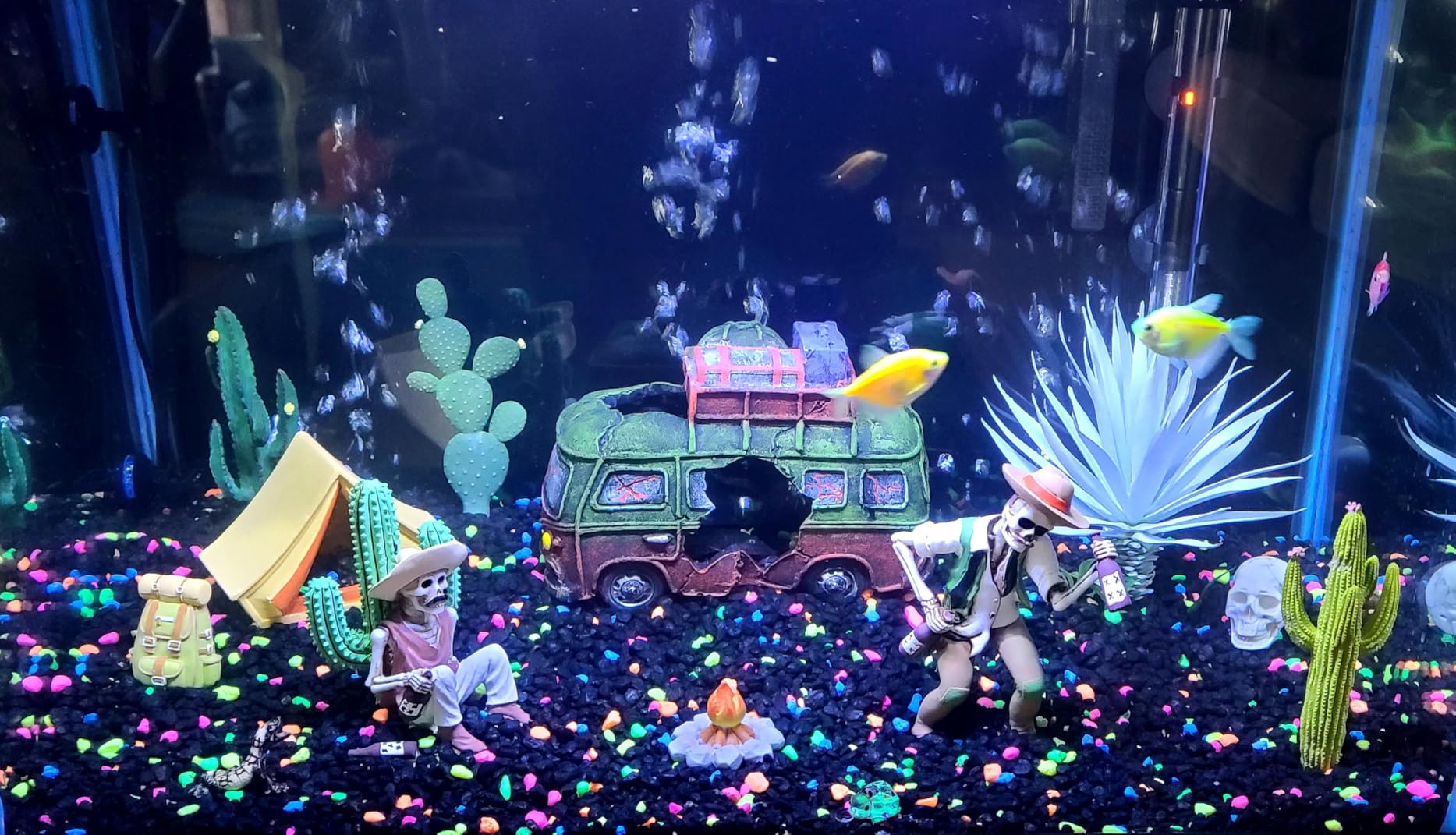
The blue LED light and fluorescent decor are what make this kit distinctive, and they are the part you will likely remove or ignore. The functional core is the tank, hood, heater and filter, and that core is what you are actually buying if you plan to convert it to a marine system.
Conversion is the honest word here. Nothing in the box is reef specific, so you are adding salt, substrate, a proper light, an auto top-off and a skimmer before the first fish. What you get in return is a solid glass box and a hood at a low total cost.
When this kit makes sense
Pick it if your budget is the binding constraint and you already know you will replace the lighting. A large glass tank with a hood and a heater is a difficult thing to assemble from scratch for less, and 20 gallons is a workable first marine volume.
It also works well for a fish-only marine system. A clownfish and a goby need almost no light, so the included LED being bright is not a problem in a display-only setup.
When it is the wrong choice
Do not buy it expecting a reef. There is no filtration designed for marine, and the Whisper 20 is a hang-on-back power filter that owners describe as louder than the name promises. In a living room that noise becomes the reason people stop caring for the tank.
Remember that gravel and livestock are not included. Budget for aragonite sand or a dry rock base, salt and a proper light before you consider the purchase complete.
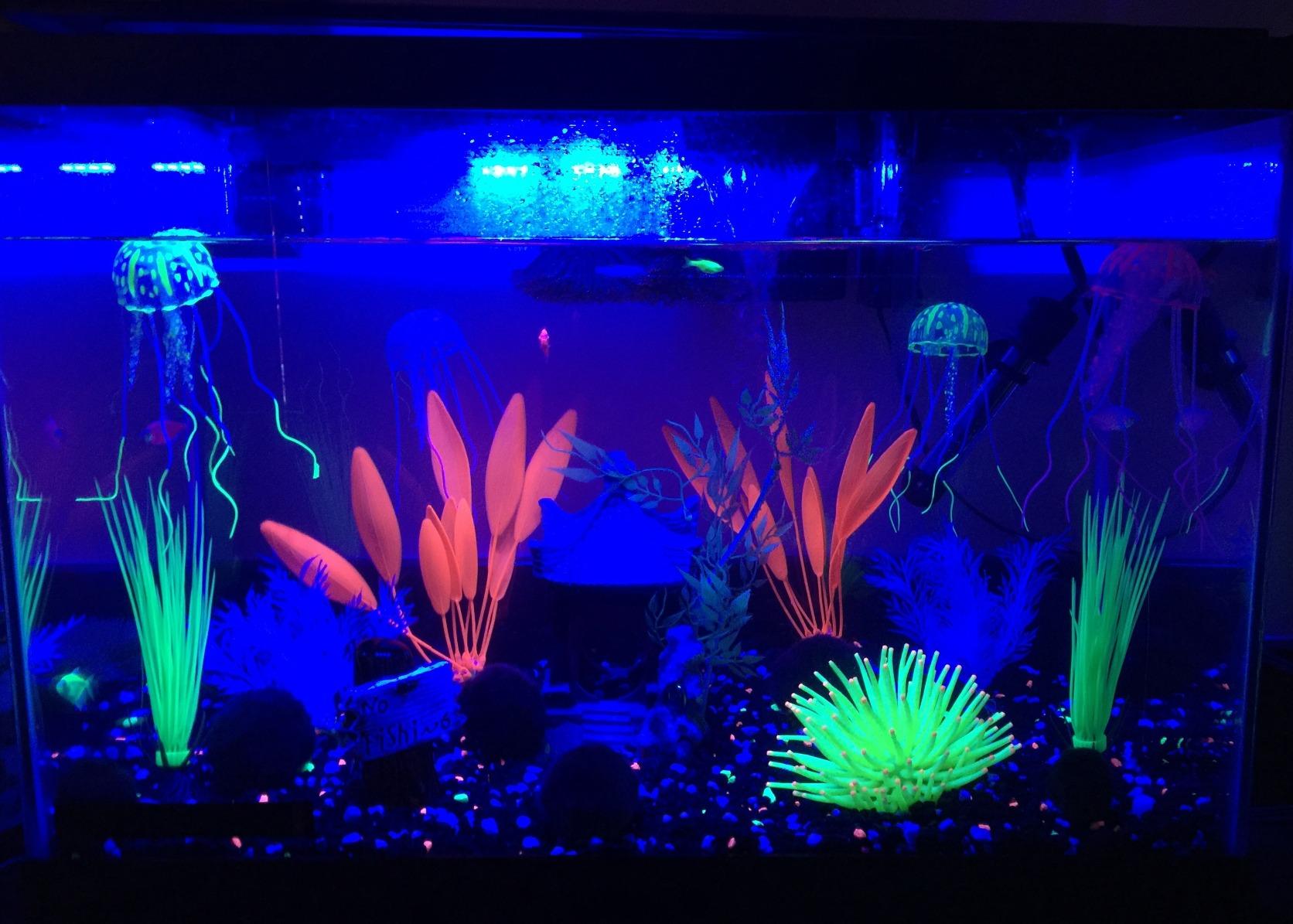
4. CoralLife BioCube 32 – Best for a Set Lighting Program
Coralife BioCube, Aquarium Kit, Integrated 24-hour Timer, Customizable LED Lighting, for Saltwater and Freshwater Environments, 32 Gallon
32 gallon display
Rear filtration chamber
Three light channels
Moonrise and sunset cycles
Pros
- Integrated rear chamber removes the need for a sump
- Three independent channels plus sunrise sunset and moonrise modes
- Quiet submersible pump with dual intakes
- Expands with existing BioCube accessories
- 431 ratings
Cons
- Rear chambers get cramped once a skimmer is installed
- Media rack is flimsy and bags snag
- Lid has no piston support
- Stock LED cannot grow SPS corals
The BioCube 32 is the one kit in this roundup whose most distinctive feature is a lighting control system rather than the tank. The 24-hour timer runs three independent channels, a bright white, a sparkling blue and a colour-enhancing channel, and it can run an automatic 30-minute sunrise and sunset with a 60-minute moonrise and moonset on top.
That sounds cosmetic until you realise what it does for a coral. A reef with a gradual dawn and a dim moonlit night is a calmer reef, and the built-in program removes one thing from your weekly routine. You set it once and leave it.
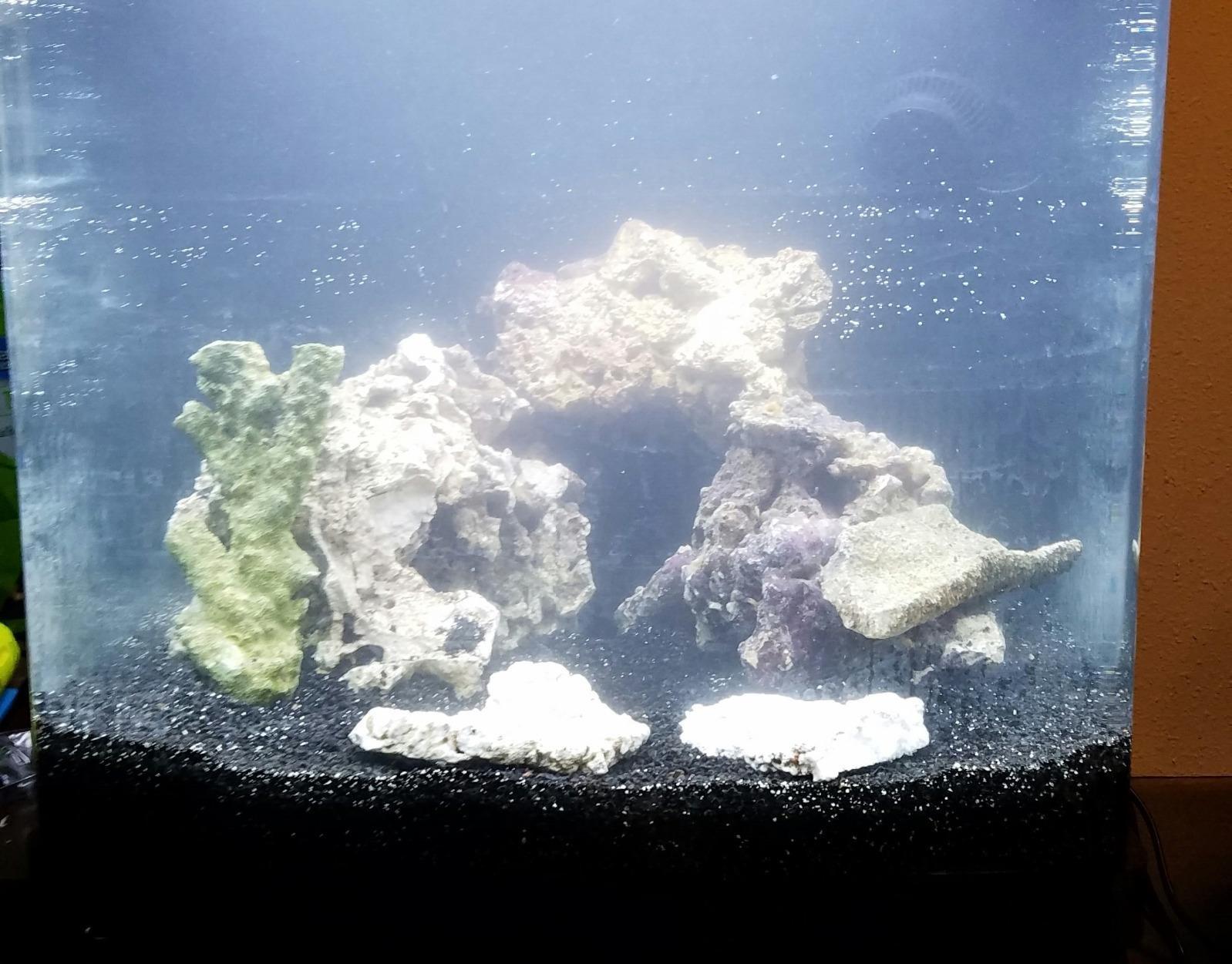
Filtration is a built-in rear chamber with a quiet submersible pump, dual intakes and an adjustable return nozzle. The tank measures 27.5 by 25.5 by 27 inches and weighs 62 pounds, so it is a floor or stand unit rather than a counter piece. Variants are listed at 16 gallon, 32 gallon and the SMART BioCube Jr.
Experienced BioCube owners often report two years of happy use with the stock LED supporting soft corals placed carefully in the brighter areas. That is a realistic expectation: the light grows softies and some LPS, and it will not grow SPS.
What to check before buying
Look at the rear chamber volume with realistic gear in mind. It is roomy when empty, and it becomes tight the moment you add a UV sterilizer and a skimmer, which are the two things most beginners add within the first two months.
Check the lid too. There is no piston support, so it does not stay open partway during maintenance, which means every water change involves holding it with one hand. It is a small thing that you will notice every week.
Where the BioCube 32 frustrates owners
The media rack that ships with it is described as flimsy, and filter bags tend to snag inside the chamber. Most experienced keepers replace it with a proper media basket early on, and that replacement is effectively a mandatory purchase.
Water changes in a 32 gallon display are also more frequent than beginners expect, because only part of that volume is usable display space. Budget time for maintenance rather than assuming the bigger tank means less work.
5. Tetra Color Complete 20 Gallon – Best for a Color-Changing Display
Tetra Color Complete 20 Gallon Fish Tank Kit for Freshwater, Saltwater Fish
20 gallon glass
Color Fusion changeable LED
Whisper 20 filter
UL heater included
Pros
- Pause the LED on any color in the cycle
- Complete bundle at a low entry point
- Glass tank reported free of leaks and cracks
- Whisper 20 filter gives a pleasant waterfall sound
- Packs well and arrives intact
Cons
- LED has no on off button so a timer is required
- Filter develops a hum unless cleaned often
- Lid does not close fully leaving gaps
- Gravel and background not included
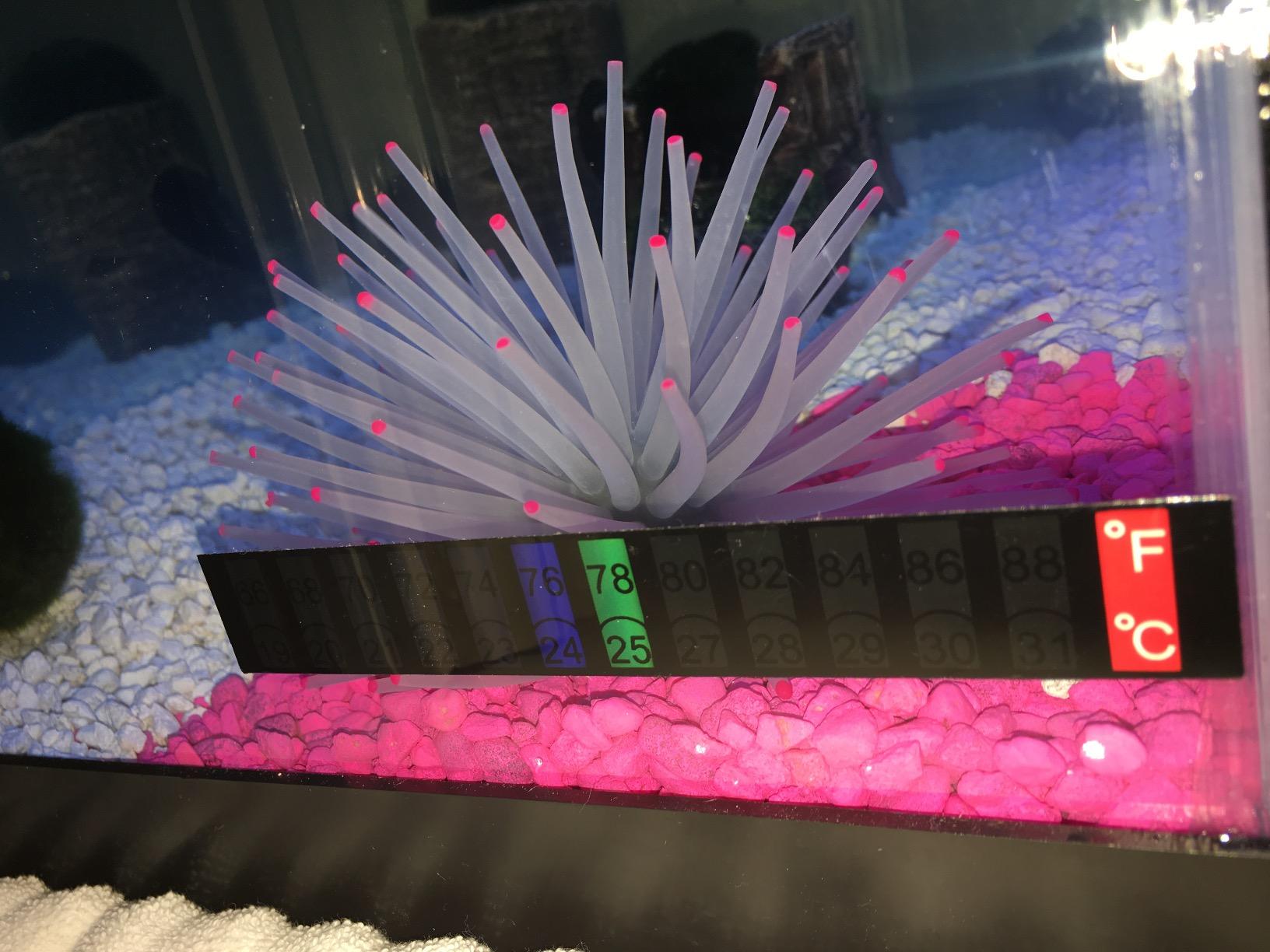
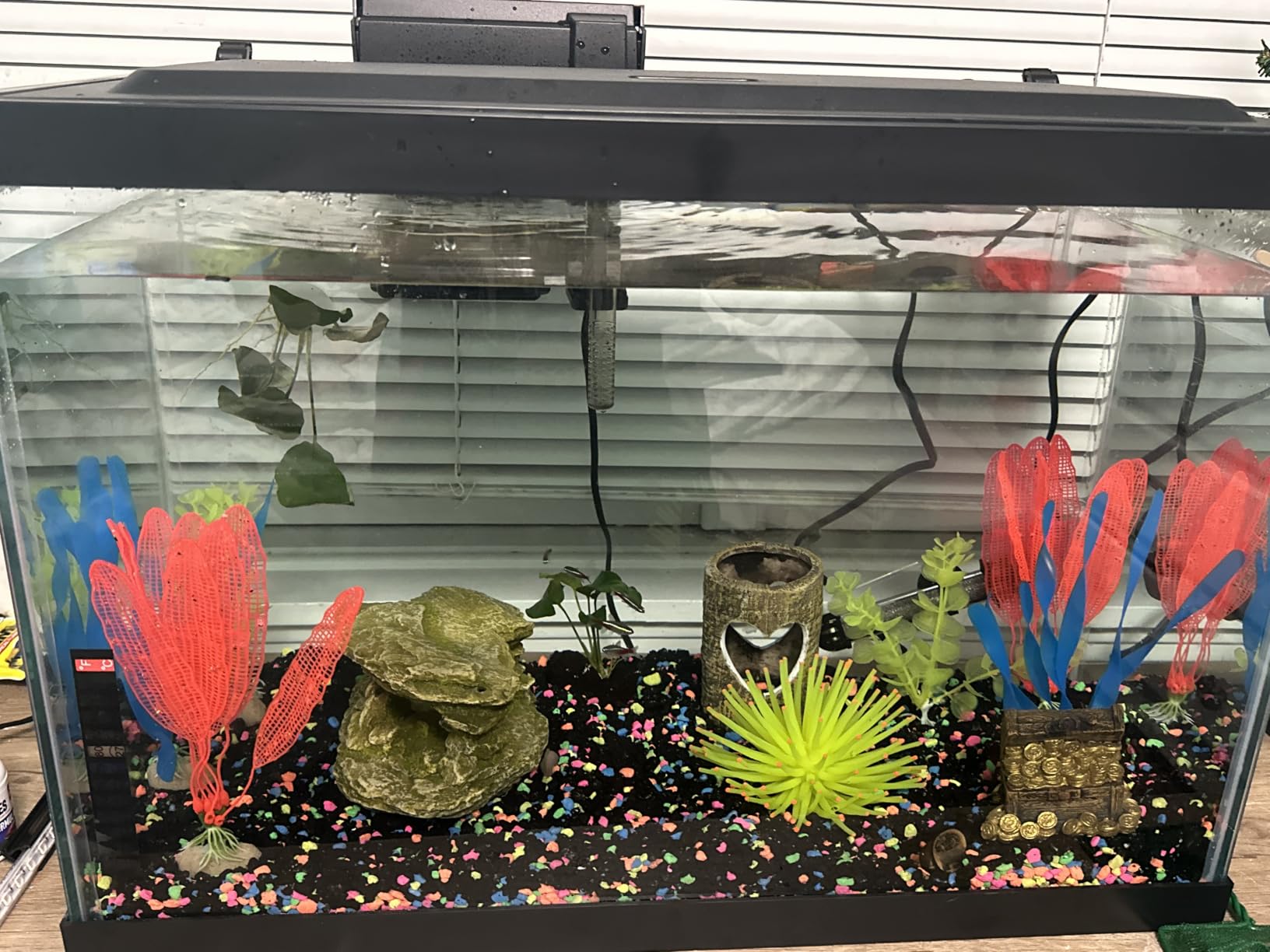
The Color Complete 20 includes a 20 gallon glass aquarium, aquarium hood, UL heater, Whisper 20 filter, Color Fusion Universal colour-changing LED, two Wonderland plant multipacks and one blooming white anemone. Tank dimensions are 27.88 by 16.13 by 20.38 inches and it weighs 34.35 pounds.
The LED is the reason to pick this one. It cycles through colours and you can press a button to pause on any colour in the cycle, which turns the tank into whatever accent matches the room. For a first marine tank that is a genuinely nice bit of theatre while the rock and corals settle in.
With 1554 ratings this is a well-tested kit, and the pattern in those reviews is consistent. The tank and hood are fine. The light and the pump are the two components most likely to need replacing, and the hood is the component most likely to annoy you.
It ranks eleventh in aquarium starter kits, and it is one of the least costly complete sets we looked at when the whole bundle is counted rather than just the tank.
What works well here
The glass itself is well made, with no leaks or cracks reported, and it packs well for transit. The Whisper 20 filter produces a pleasant waterfall sound and handles a light fish-only load without drama.
As a marine conversion the 20 gallon volume is workable for clownfish, a goby and a shrimp or two. Just plan to bypass the LED for lighting and add a small reef-capable lamp on a clamp once you want coral.
The two problems to plan around
First, the colour-changing LED has no on and off button, so you need a plug-in timer or a smart plug to run a sensible photoperiod. Owners also report the light failing after several months of continuous use, which a timer largely prevents.
Second, the lid does not close fully. The gaps let jumpers escape, and evaporation increases, which on a marine tank means salinity drift and a daily top-off. Budget for an auto top-off here, and expect the light and pump to be the first replacements.
6. Tetra Complete 29 Gallon – Best for More Starting Water
Tetra 29 Gallon Complete Tropical Fish Tank Kit
29 gallon glass
Hinged hood with white LEDs
Whisper PF 30 filter
200 watt heater
Pros
- Roomy display volume in a bundled kit format
- Hinged hood gives full access for feeding and maintenance
- Waterfall outflow provides strong oxygenation
- Heater net conditioner and food sample all included
- 872 ratings
Cons
- LED bar clips to the inner rim and gets knocked off
- Filter has no flow adjustment and can be too strong
- Filter is louder than expected
- Hinged cord routing forces the lid open
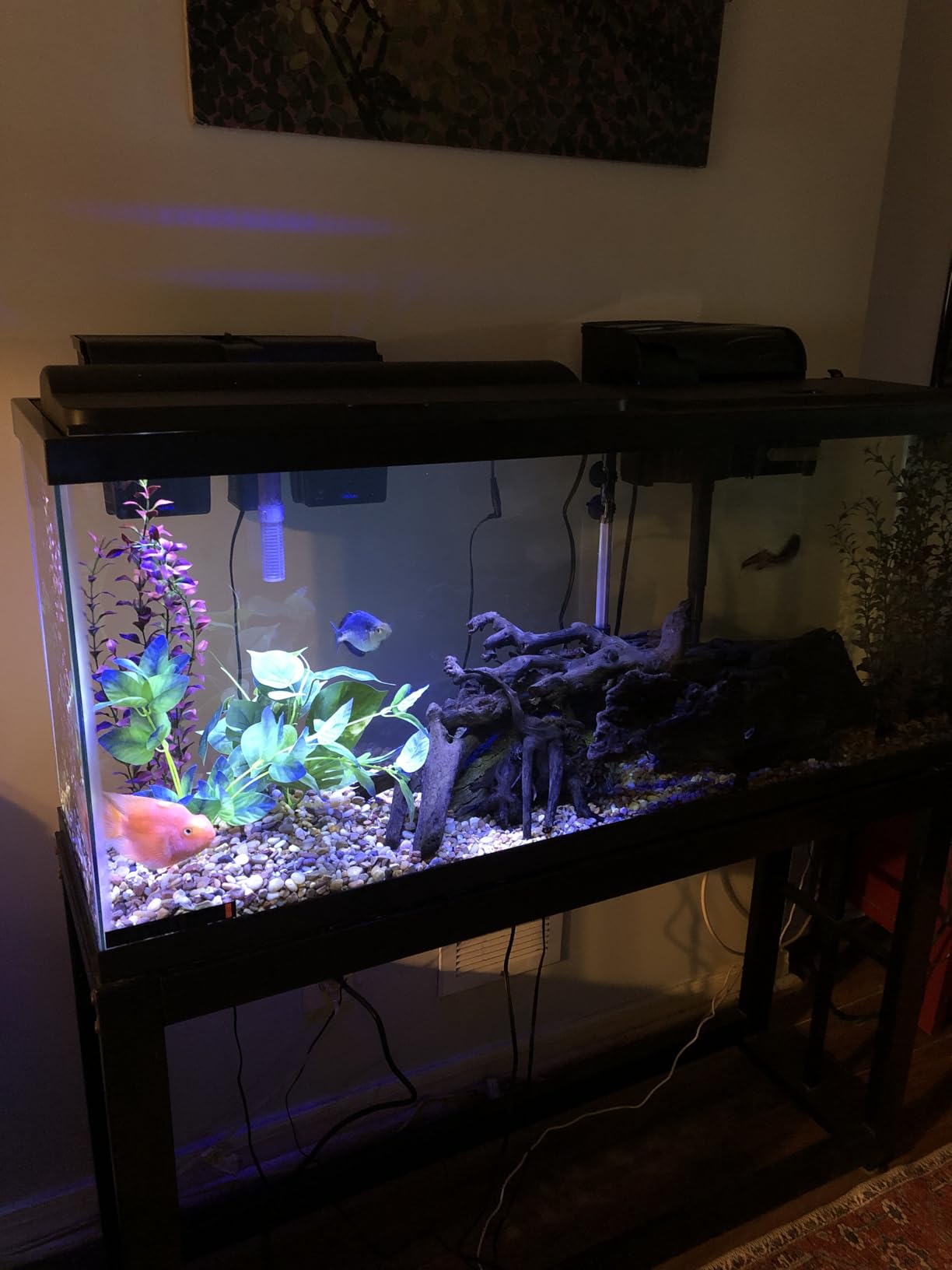
The Tetra Complete 29 is the volume play in this roundup. At 29 gallons it is one of the larger display tanks that still arrives as a complete bundle, and water volume is an underrated factor in whether a first marine tank succeeds. The tank measures 30 inches wide by 12 inches deep by 18 inches high, and the unit weighs 45 pounds.
The bundle includes a glass aquarium with a low profile hinged hood housing energy efficient white LEDs, a Whisper PF 30 power filter with a Large Bio-Bag cartridge, a 200 watt heater, thermometer, fish net, AquaSafe conditioner sample, TetraMin food sample and a setup guide.
Variants are listed at 10, 29 and 55 gallons. The 29 gallon is the one that makes sense here, because at 10 gallons you are back to nano problems and at 55 gallons the kit format ends.
The Whisper PF 30 gives a visible waterfall outflow, which means good surface agitation and gas exchange without a separate powerhead. For a marine system that is more useful than it sounds, since oxygenation is one of the few things a hang-on-back filter does well.
Why the extra volume is worth it
Saltwater parameters move less in a larger body of water. A temperature swing or a missed top-off in 29 gallons produces a smaller change in salinity and a smaller change in pH than the same mistake in 15 gallons, and beginners make mistakes in the first three months by definition.
It also buys time between water changes. A nano may need changes twice a week, while a 29 gallon system on a fish-only load can hold a stable week. That difference in routine is the difference between a hobby that lasts and one that lapses.
Where the 29 gallon kit disappoints
The LED bar clips onto the inner rim, and it is easily knocked off during cleaning. Owners also report visible glue along the inner tank edges and instructions that are not very clear, which matters if you have never set up an aquarium before.
The filter has no flow adjustment, so it can be too strong for slow-flow fish, and it must be primed with water before first use. The hinged lid cord routing is another recurring complaint, since it forces the lid open or wears on the cable.
7. Fluval Flex 32.5 Marine Kit – Best for a Polished Display
Fluval Flex 32.5 Marine Salt Water Aquarium Kit – Fish Tank for Fish, Coral & More – Comes with LED Lights, Filtration System & More – 32.5″ x 15.75″ x 15.35″ – 123 L, 32.5 Gal. – Black
123 liter display
7500K white plus RGB LEDs
3-stage oversized media
48.75 pounds
Pros
- Curved front with honeycomb wrap conceals the water line
- App controlled RGB blending with a feed opening in the lid
- Dual directional outputs for tailored flow
- Oversized mechanical chemical and biological media
- 101 ratings
Cons
- Highest cost of the ten kits compared
- All in one chamber limits extra equipment
- App control adds a learning curve for new users
This is the display-first kit. The curved front glass and honeycomb wrap hide both the water line and the sides of the filter compartment, so what you see from the front of a room is a clean curved panel rather than plumbing. It measures 32.28 by 15.75 by 15.35 inches and holds 123 litres, or 32.5 gallons.
Filtration is three-stage with oversized mechanical, chemical and biological media, and the removable dual-directional flow outputs let you set the current for whatever you keep. The top cover has a feed opening, which is a small design decision that you use every single day.
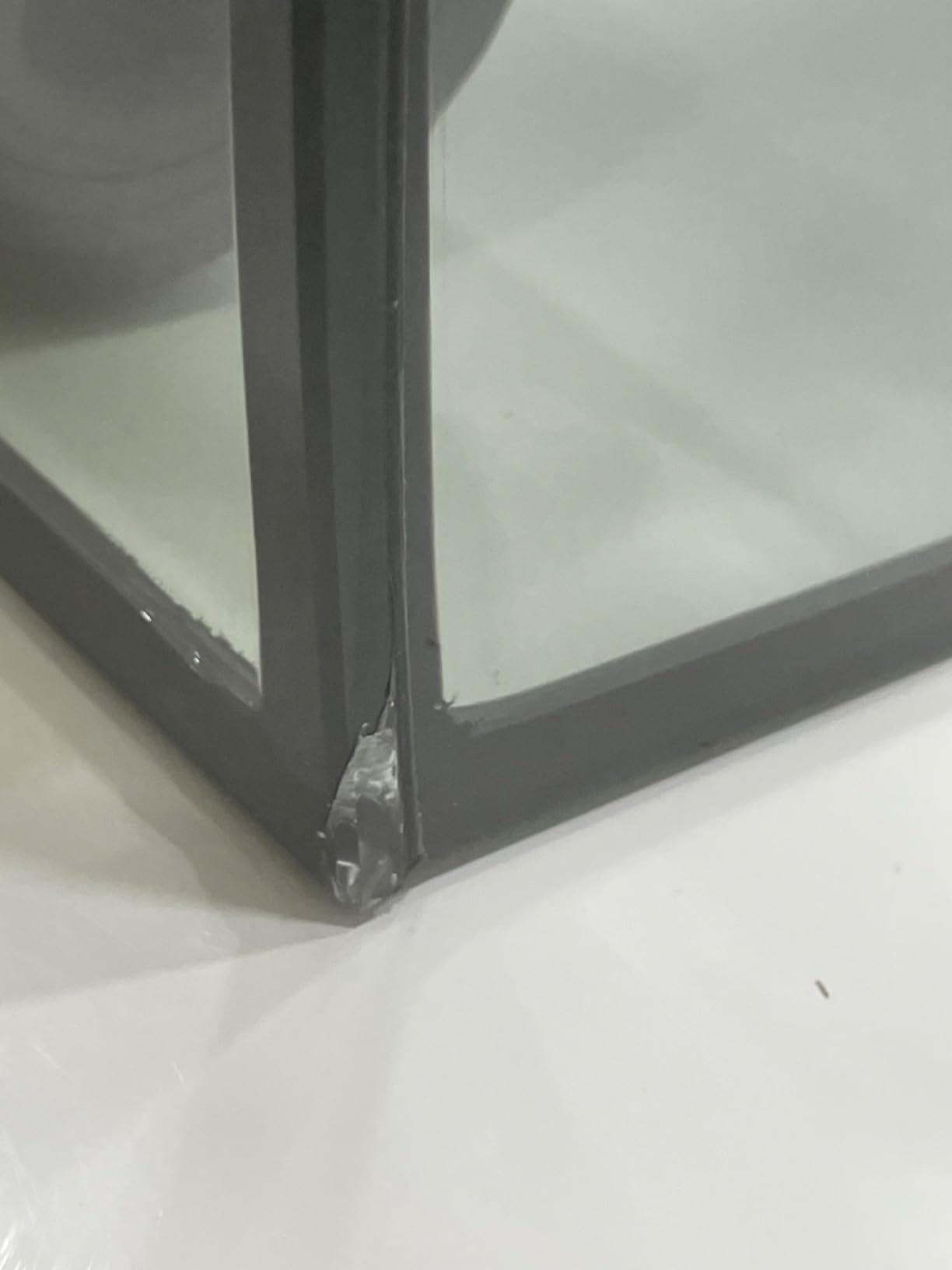
Lighting is fully adjustable 7500K white plus RGB, controlled through the FluvalSmart app, and it is the most capable stock light in this roundup. If your goal is a mixed reef rather than a clownfish tank, this is the kit where the included light will carry you furthest before an upgrade.
At 48.75 pounds it needs a proper stand, and the 32.28 inch length is a wide footprint, so measure your cabinet before committing. It carries 101 ratings averaging 4.4, which is a high score on a smaller review base than most kits here.
What this kit is genuinely good at
Twenty-nine gallons is enough to hold a real mixed reef with several soft corals, a clownfish, a goby and a clean-up crew, and still absorb a beginner mistake without a crash. That recovery margin is the reason to give this kit space in your shortlist.
The honeycomb wrap also solves an aesthetic problem that beginners care about more than they expect. A reef tank that looks like equipment will make you want to keep it lit and maintained.
Where the cost and the layout bite
It carries the highest cost of the ten kits we compared, and that difference is not trivial. The counter-argument is that you are also buying app-controlled RGB lighting and a large display volume, so the comparison against a bare rimless tank plus a separate light is less lopsided than the ticket alone suggests.
Be aware of the chamber limit. The all-in-one layout is tidy, but it caps how much extra equipment you can add later, so a heavily loaded reef will eventually outgrow the space. App-dependent lighting control is also a genuine learning curve if you have never run a connected device.
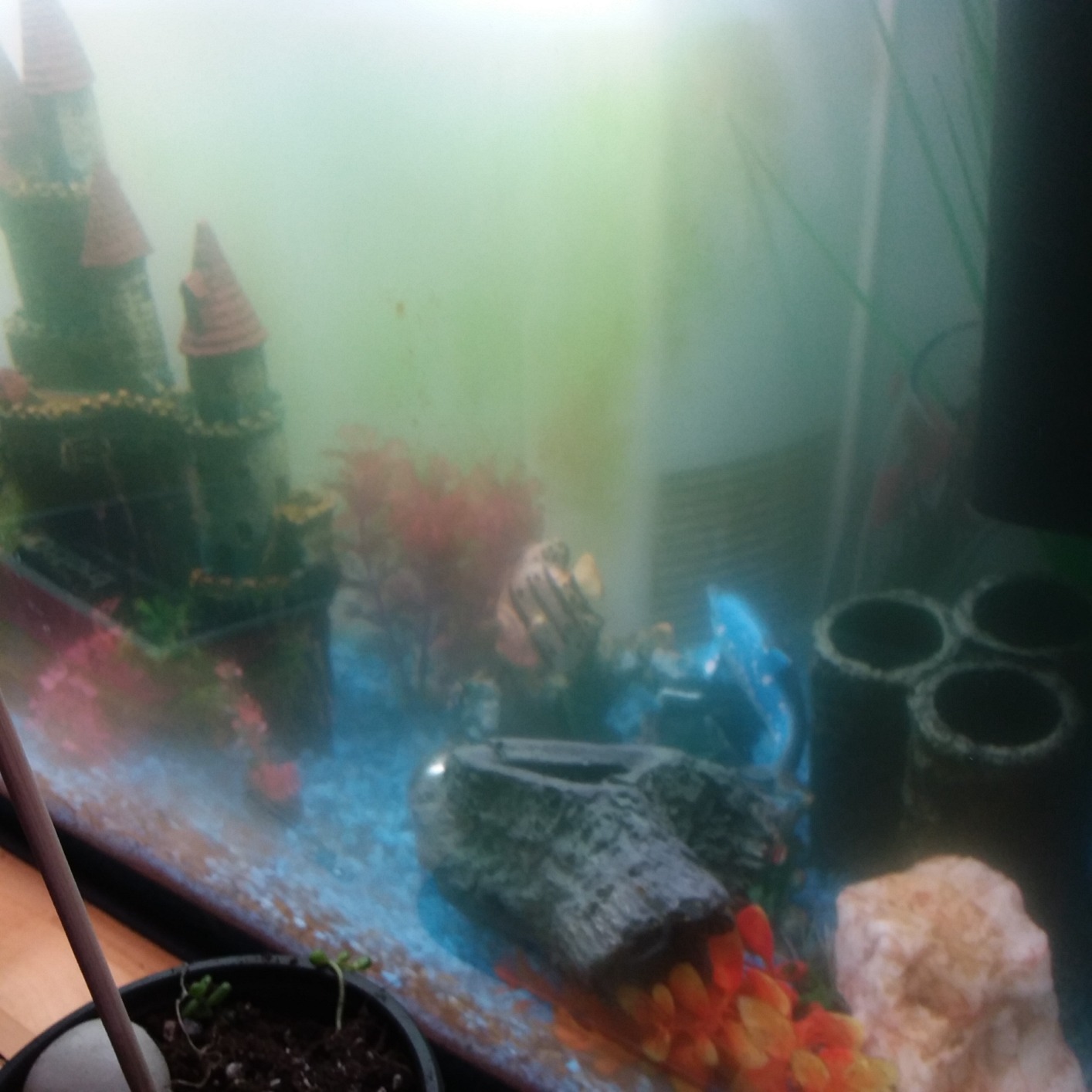
8. LANDEN EzFlux 60 Rimless 26 Gallon – Best for Filter Chamber Space
LANDEN EzFlux 60 Rimless 26 Gallon Rear Filtration Tank, Pump Included
26 gallon rimless
Three rear filter chambers
BIOSMO 700 pump
Low iron beveled glass
Pros
- Large rear chambers that can host a protein skimmer
- Glass chamber dividers will not warp under media load
- Ultra low iron beveled edge glass for a rimless look
- Packed in a steel framed wooden crate
- BIOSMO 700 pump has a remote feed mode
Cons
- No lid is included so jumpers escape
- Narrow chambers are hard to reach and clean
- Pump can develop a knocking noise
- Large intake grates can draw in small fish
The EzFlux 60 is built around one idea: give a beginner more filter space than they need today, so the tank grows with them. The rear space is divided into three chambers that take biochemical cotton, activated carbon, media or a skimmer, and the dividers are made of glass rather than plastic so they do not warp under a loaded media column.
It is a rimless tank in 8mm ultra low iron glass with beveled edges and German silica glass joints. Dimensions are 23.62 by 17.72 by 15.75 inches, total water volume is 26 gallons, and the display portion is about 18.8 gallons.
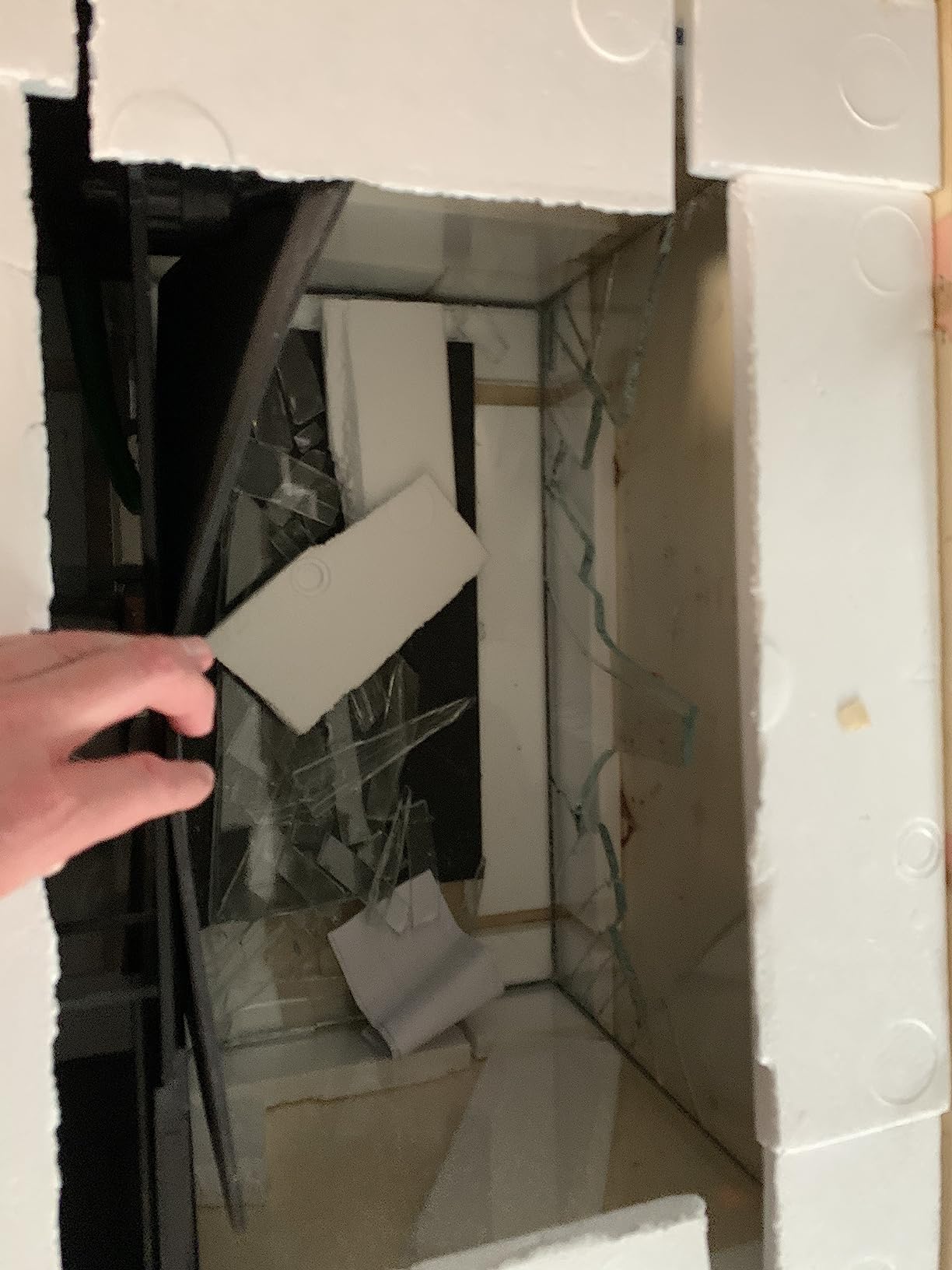
The included LANDEN BIOSMO 700 return pump moves 700 litres per hour with a 2.5 metre maximum head at 9 watts, and it has a remote with a feed mode. That flow figure is the useful number here: it tells you the pump is sized for a real reef rather than a display loop, and it leaves headroom for a skimmer.
Variants run from 10 gallons up to the 26 gallon 60 by 45 by 40 cm model here. It is packed in a steel-framed wooden crate, and most buyers report it arriving undamaged, which is more than can be said for a rimless glass tank in a thin box.
Why filter space changes the outcome
Chamber volume determines what you can run. A skimmer, a carbon reactor and a media basket all need room, and on a tighter AIO design you end up choosing one or the other. Here you can grow into all three without re-plumbing anything.
Its rimless ultra low iron front panel takes a mounted light well, so a coral placement plan in a bare tank actually means something once you add hardware.
What to fix on day one
There is no lid or cover, and a glass lid has to be cut separately. On a marine tank that is not cosmetic. Jumping fish, faster evaporation and the salinity drift that follows are all consequences of that one missing part.
Two more things to know: the narrow rear chambers are difficult to reach and clean, and the included pump can develop a knocking noise in wavemaker mode, with several buyers needing replacements. The intake grates are also large enough that small fish can be drawn in, so add a guard.
9. Ultum Nature Systems Dual AIO 45SA – Best for a Countertop Nano
Ultum Nature Systems Dual AIO – Freshwater/Saltwater Compatible, All in One Rimless Tank with Triple Chamber Filtration System, Integrated Filter Aquarium with Leveling Mat – 6 Gallon, 45SA, Black
6 gallon shallow nano
Triple chamber rear filter
91 percent low iron glass
Leveling mat included
Pros
- Very quiet pump in daily use
- Triple chamber provides mechanical and biological capacity
- Rimless low iron glass with clean miters
- Eight model sizes let you match your space
- Build quality and seams described as excellent
Cons
- No lid and no light included
- Large intake opening can pull in small fish
- Takes on water fast so a top-off system is needed
- Some buyers report pump failures within months
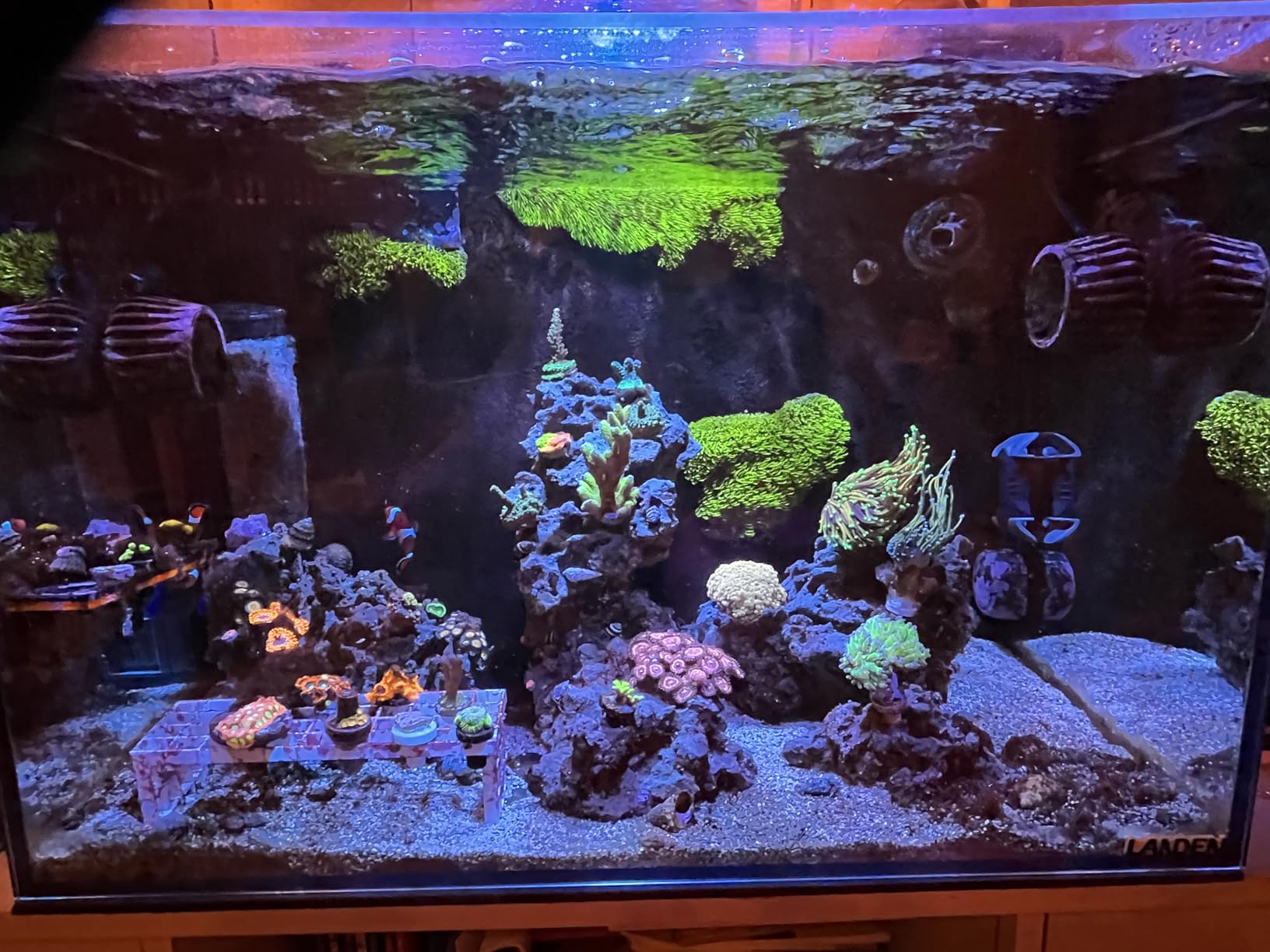
The Dual AIO 45SA is a shallow rimless nano: 17.71 inches long by 11.02 wide by 7.08 high. That low profile is the point, because it sits against a wall or on a narrow desk where a square tank would not fit, and the footprint is what makes it a display piece rather than an experiment.
Filtration is a triple chamber rear system with coarse sponge, bio media and a quiet integrated pump, and a leveling mat is included. The glass is 91 percent diamond low iron with 45-degree precision mitered edges and unobtrusive silicone.
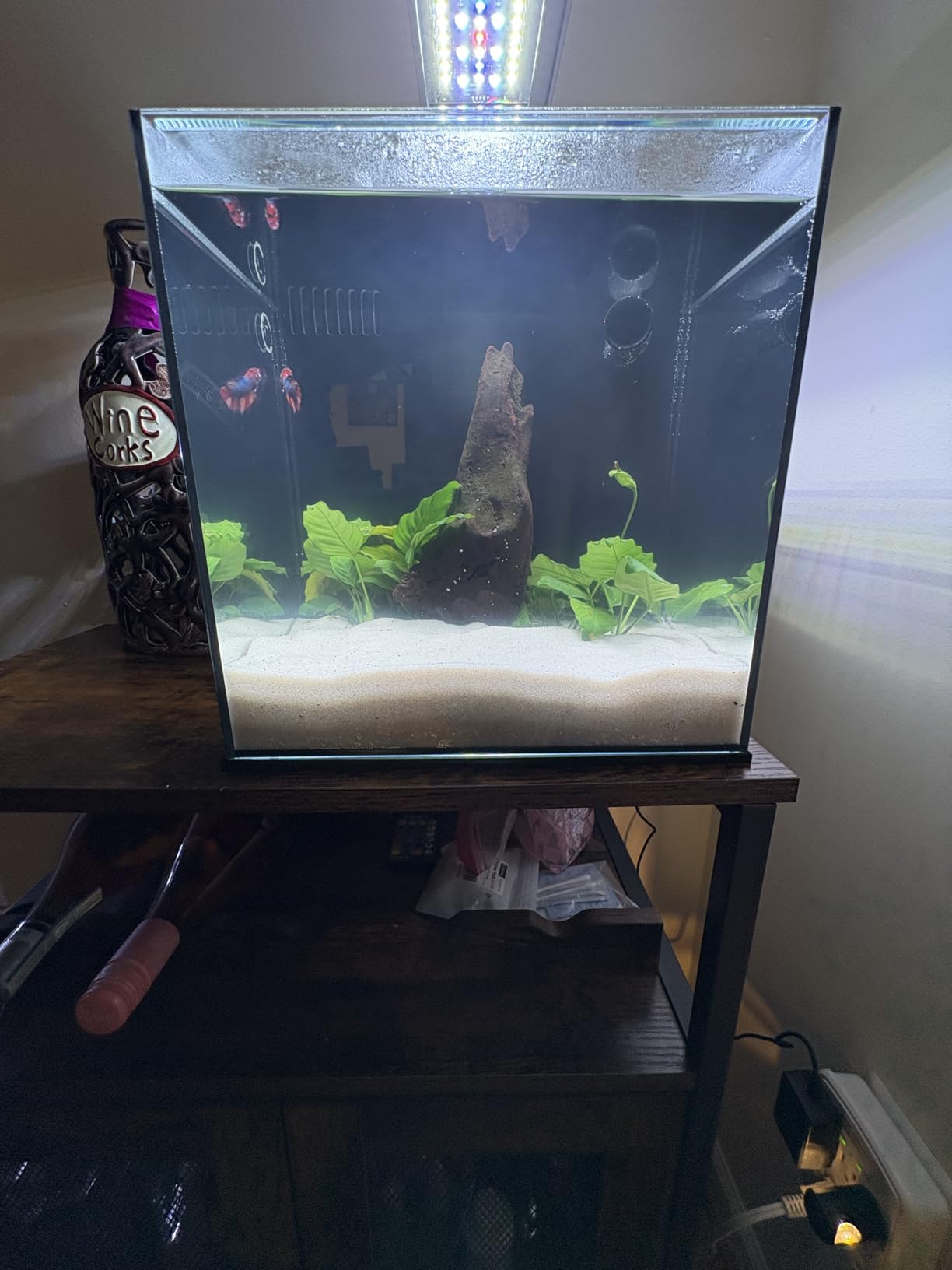
The series runs from an 11.81 inch cube up to a 35.43 inch long model, with shallow SA and taller A and LA variants. Being able to choose the footprint rather than the volume alone is unusual, and it is genuinely useful when cabinet space is the constraint.
Owners describe the pump as very quiet in daily use, and the silicone seams and build quality as excellent. It is a newer design, so its long-term record is short compared with the established kits here.
What works about this design
Triple chamber filtration with both mechanical and biological capacity is more than most nanos of this size offer, and it means you are not running a single sponge in a corner. Low iron rimless glass also looks considerably more expensive than the ticket suggests.
It suits reef, marine fish, coral, shrimp and planted freshwater setups, so it is a low-risk choice if you are not yet certain the hobby will stick.
The evaporation trade-off you must plan for
This tank takes on water quickly. That is the most consistent complaint in the reviews and it has a direct consequence: without a lid and with a wide top surface, you will be topping off daily and any mistake in the top-off water shows up in salinity.
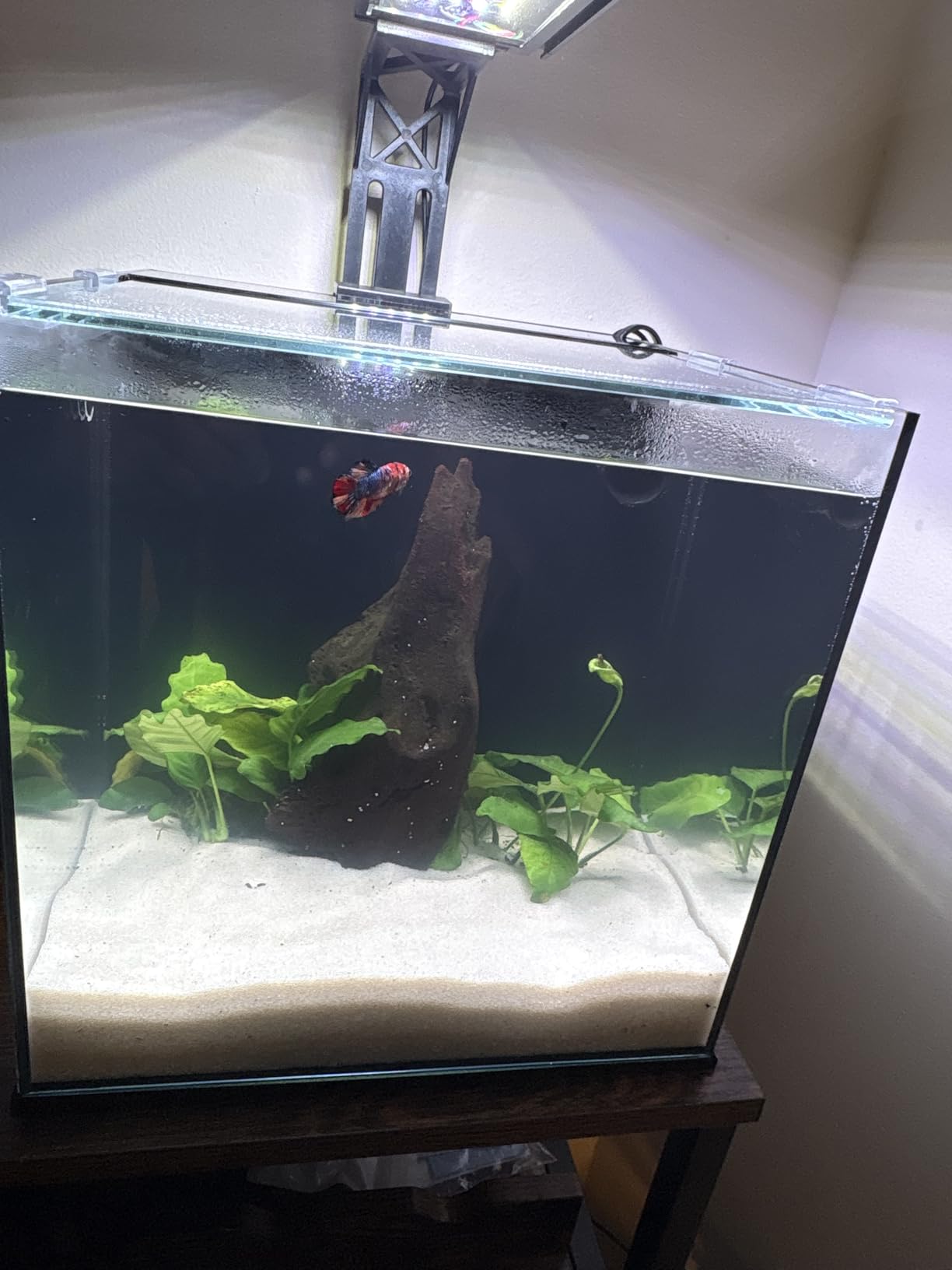
There is no light included, so a mounted light is a day-one purchase, and the large filter intake can pull in small fish unless a guard is added. Some buyers also report pump failures within a few months, which is the main reason this sits below the established kits despite the good glass.
10. Coralland 8 Gallon Saltwater AIO – Best for Glass and Packaging
Coralland 8-Gallon Saltwater Aquarium – Ultra Clear Low Iron Glass, 45° Angled Joint Design, Crystal Clear Viewing, Perfect for Marine Fish & Reef Tanks & Freshwater
8 gallon total
Ultra clear low iron glass
Four rear filter chambers
Filter sock included
Pros
- Packaging is exceptional with closed cell foam and corner protectors
- Crystal clear low iron glass with precise miters
- Four chambers give good media separation
- Chambers fit a heater and a return pump
- Felt base helps the tank sit level
Cons
- Tank only so a pump heater and light must be sourced
- No setup guide is included
- Filter sock holder is fixed in place
- No room to centre a fixed mount light
The Coralland 8 is a bare tank, not a kit, and it is honest about that. Total capacity is 8 gallons split into a 5.5 gallon display and a 2.5 gallon rear sump, using ultra clear low iron glass with a 45-degree angled joint design and reinforced corners. It measures 13.8 by 11.8 by 11.8 inches and weighs 21.35 pounds.
It includes a standard 2.75 inch filter sock and a rotatable outlet diffuser for a return pump, and the return nozzle fitting is 5/8 inch, so matching 16 millimetre tubing is required. Four rear filter chambers are sized to accept a heater and a pump.
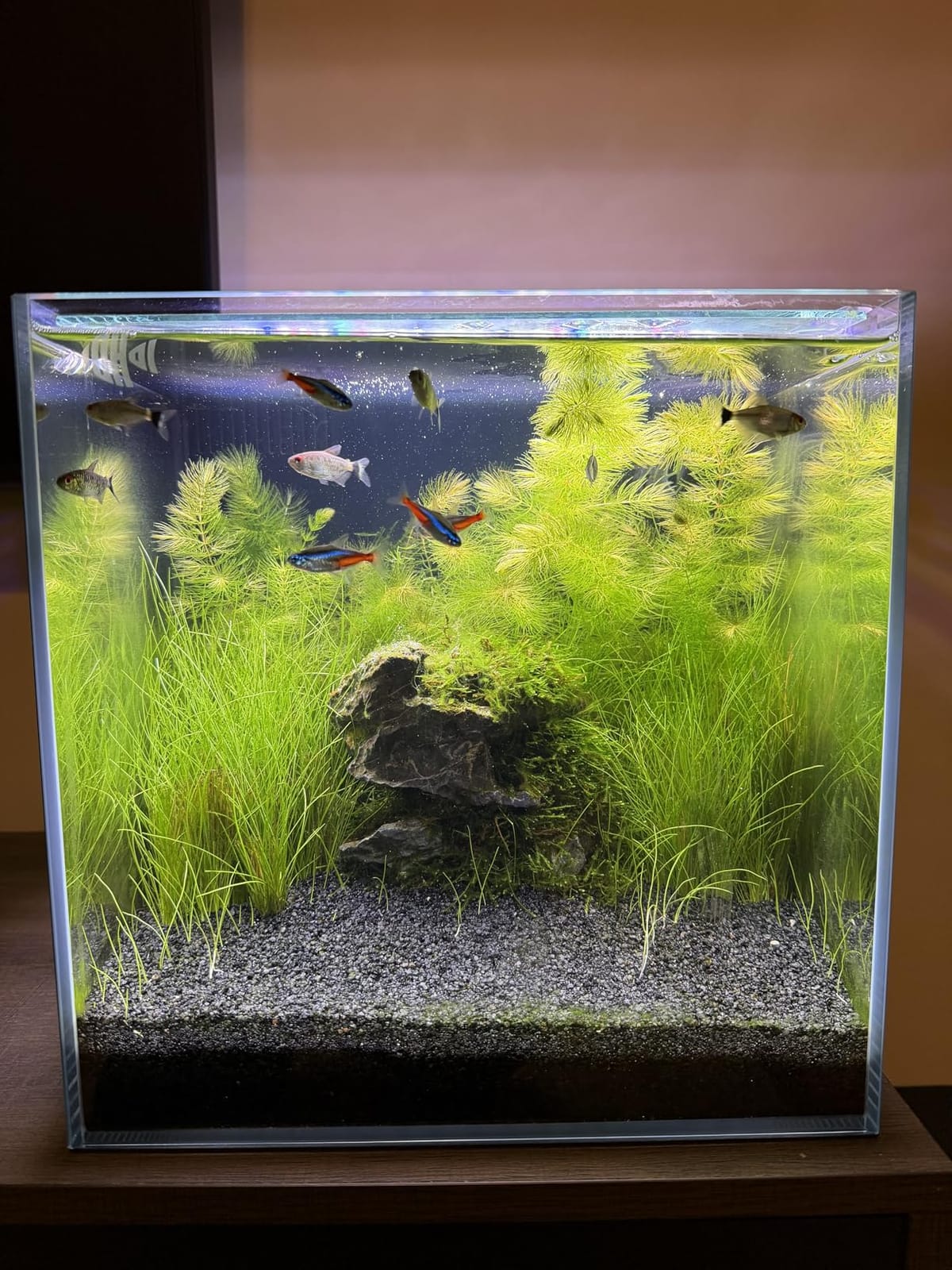
What sets it apart is the packaging. Owners consistently mention closed cell foam, triple wall boxes and hard corner protectors, and they describe the glass clarity, mitre quality and silicone seams as among the cleanest in this roundup. Rimless shipping damage is the standard beginner complaint about small glass tanks, and this one appears to solve it.
With 48 ratings averaging 4.4, the rating is high but the sample is small, so treat it as a newer design with a limited track record rather than a proven workhorse.
Why experienced keepers like it
Four chambers give better separation between mechanical, biological and optional chemical filtration than most nanos achieve, and the sump and chambers are large enough to actually fit a heater and a pump rather than being decorative. The felt base is a small touch that prevents scratching the surface it sits on.
For someone who has kept fish before and wants a clean rimless nano built their own way, this is a better starting chassis than any bundled kit in this roundup.
Why it is wrong for a true beginner
No accessories are included. No lighting, no pump, no heater, no livestock, no rock and no setup guide, which is a real problem for a first marine aquarium where the guide is often the difference between success and a dead tank.
Two design limits also matter. The filter sock holder is permanently silicone-mounted, so you cannot use a media basket instead, and a chamber divider sits where many light mounts would attach, so fixed-mount lights cannot be centred over the display. The baffles and back sump plate sit level with the rim, so a plugged chamber risks an overflow.
What Size Saltwater Tank Is Best for a Beginner?
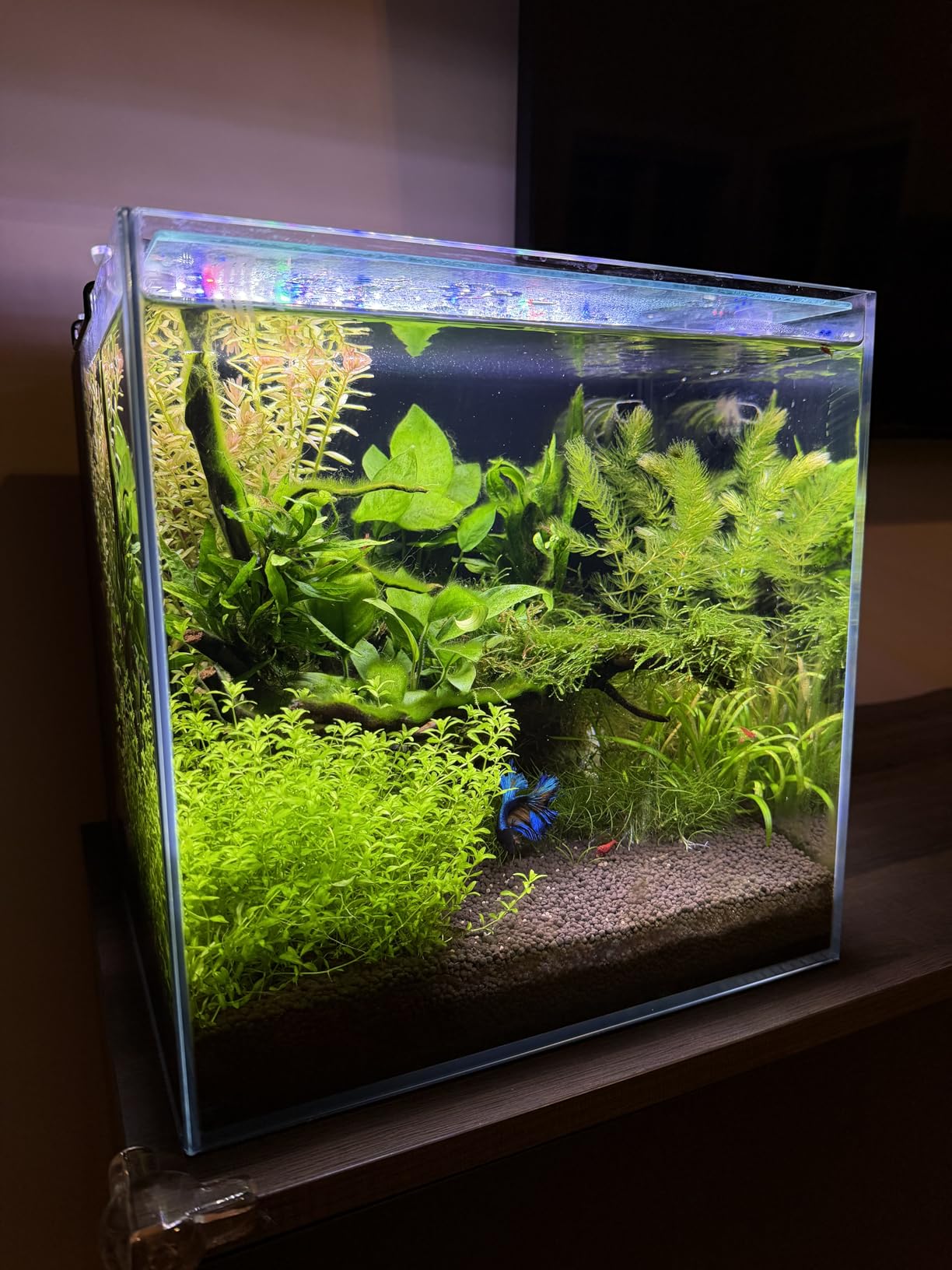
A 20 gallon to 32 gallon display is the range where most beginners succeed. Below 15 gallons every mistake is a crisis because there is so little water between the mistake and a crash, and above 40 gallons the water bill, the weight and the equipment cost stop being beginner problems and start being the hobby itself.
Volume buys you three things. Parameters move less when a temperature or top-off error happens. The tank can absorb a bioload mistake without a full die-off. And the water change interval stretches from twice a week to once a week, which is the single biggest factor in whether a new keeper is still keeping the tank a year later.
That said, a nano is not automatically a bad choice. If your space is genuinely small, a 6 to 8 gallon rimless nano is a legitimate first tank, and two of the picks here are designed for exactly that. The failure mode is not choosing a nano, it is choosing a nano and then stocking it as though it were 30 gallons.
A workable stocking line for a 20 gallon first system is a single clownfish, a goby, a few snails and one or two easy soft corals. Add a second clownfish later rather than at the start.
How to Choose a Saltwater Aquarium Kit
Pick filtration volume, not filtration count. Three chambers that can hold a skimmer, a carbon reactor and a media basket will outlast a single cartridge every time. Look at the physical volume of the rear chamber, not the word “3-stage” on the box.
Check the lid and the evaporation rate. A rimless tank with no lid loses water fast, and a lid with gaps loses water and lets fish jump. A wide open top surface means an auto top-off is a day-one purchase rather than a later upgrade.
Treat the stock light as a starting point. A cool white LED will run fish only. A programmable RGB light with sunrise, sunset and moonrise modes will carry a soft coral reef for a year or more. Know which one you are buying.
Decide fish-only or reef before you buy. A fish-only marine aquarium lets you use a simpler kit and skip the skimmer. A reef needs more flow, more light and more equipment, and picking the wrong lane is the most expensive beginner error there is.
Check brand support and parts. A glass tank you cannot get a replacement pump, filter cartridge or light for is a dead end. Brands with active communities and published replacement parts are worth a small premium.
Budget for the extras. Salt, substrate, an auto top-off, a refractometer, a master test kit and dosing equipment are not optional. The kit is the starting point of the cost, not the whole of it.
What You Will Still Need to Buy
Almost every kit here stops at the tank, the filter and the light. In our view these four purchases matter more than anything else you will add in year one.
Auto top-off system. This is the single most recommended first purchase in hobbyist threads, because evaporation is constant and manual top-offs at the end of a long day are how salinity drifts.
Refractometer. A hydrometer is not accurate enough for marine. A real handheld or digital refractometer is the standard tool for reading specific gravity.
Salt mix and RO/DI water. Use reverse osmosis and deionised water for both mixing new salt and replacing evaporation. Tap water is the leading cause of unstable parameters and hair algae in a new marine tank.
Master test kit. Ammonia, nitrite and nitrate test kits are what tell you the cycle is actually finished rather than what you hope it is.
Beyond those: aragonite sand or a dry rock base, a heater rated for the volume if the kit did not include one, dosing bottles for alkalinity, calcium and magnesium, and a decent pair of aquarium tools. Budget for a light upgrade on any kit whose LED is a plain white strip.
First 90 Days: Cycling and Stocking Your New Kit
Cycle fishless. Dose ammonia to a measured 2 parts per million rather than following the bottle blindly, because overshooting to 4 or 8 parts per million in a small system delays the cycle by weeks. Test for ammonia and nitrite until both read zero on consecutive tests, and only then add the first fish.
Then move slowly. Add one fish, wait a week, test, then consider the next. Keep the bioload well below what the filtration can handle for the first two months, and treat every water change as an opportunity to test rather than a chore to rush.
From week six onward, settle into a rhythm of weekly water changes of 10 to 20 percent, regular top-offs with RO/DI only, and a weekly test of temperature, specific gravity, alkalinity, calcium, magnesium, ammonia, nitrite and nitrate. That routine, not the equipment, is what keeps the reef alive.
Frequently Asked Questions
What is the best saltwater tank kit for a beginner?
The Fluval Flex 57 15-gallon nano kit is our top pick because it pairs a curved-front glass tank with genuine three-stage filtration and app-controlled RGB lighting, and it carries the largest owner review base of any kit we compared. If you want more water and fewer add-on purchases, the Aqueon 20-gallon starter kit is the better value buy.
What is the best all-in-one saltwater aquarium kit?
An all-in-one aquarium has filtration chambers built into the back of the tank, so no sump, plumbing or external canister is required. The best all-in-one for beginners is the Fluval Flex 32.5, which hides the chamber behind a honeycomb wrap and ships with app-controlled RGB lighting and oversized three-stage media. The Aqueon 20-gallon is the cheaper route into the same format.
What size saltwater aquarium is best for a beginner?
A display between 20 and 32 gallons suits most beginners. The extra water means temperature and top-off errors cause smaller swings, a bioload mistake is easier to absorb, and weekly water changes become realistic instead of twice weekly. A nano under 15 gallons is workable but unforgiving, and anything above 40 gallons adds weight, cost and equipment demands before you have the experience to enjoy it.
Do I need a protein skimmer in a nano reef?
It helps but it is not the first thing to buy. A nano under 10 gallons with a light bioload can be run on a sponge, a filter sock and regular water changes. A skimmer becomes worth adding once the display passes 15 gallons or the fish load grows, and it must be sized for the actual water volume because skimmers that are too large for a small tank will not perform.
Should I use tap water or RO/DI water for saltwater?
Use reverse osmosis and deionised water for both mixing new salt and topping off evaporation. Strong consensus among experienced keepers is that tap water causes unstable parameters, hair algae and cyanobacteria, and visibly murkier water. A TDS meter is a cheap check that tells you quickly whether your tap water is clean enough to use at all.
How long does it take to cycle a saltwater aquarium?
A fishless cycle normally takes three to four weeks, and longer if ammonia is overdosed. Dose to a measured 2 parts per million, then test ammonia and nitrite every few days until both read zero on consecutive tests. Adding live rock from an established system speeds this up considerably, and adding fish before the cycle is complete is the most common cause of a failed first tank.
Conclusion: Which Saltwater Kit Should You Buy?
If you want the best saltwater aquarium kit for beginners in 2026 and you have limited counter space, buy the Fluval Flex 57. If you want the most water for the least money and the shortest path to a working tank, buy the Aqueon 20-gallon. If your plan is a mixed reef with soft corals and you will be patient, the Fluval Flex 32.5 gives you the volume and the lighting to get there without an immediate second purchase.
Whichever you choose, buy the auto top-off, a real refractometer, a master test kit and a bag of salt mix in the same order. The kit is the easy half of starting a marine aquarium, and the four items on that list are what keep it alive.