
I’ve lost count of how many times I’ve watched a beautiful watercolor sketch buckle into a paper taco the moment the wash dried. That frustration is exactly why finding the best mixed media pads matters: a pad that holds both your pencil detail and your wet washes without warping changes how freely you draw. After testing 12 top pads over six weeks of daily sketching, painting, and travel, our team picked the standouts across every budget and medium.
A mixed media pad is a sketchbook made of heavyweight paper (typically 90 to 300 GSM) designed to accept both dry media like graphite and colored pencil, and wet media like watercolor, ink, and gouache, without buckling, bleeding, or warping. The best mixed media pads give you one surface for sketch, linework, and color, eliminating the need to swap books between techniques. In this guide, we walk through every pad we tested, share what held up to watercolor and what didn’t, and help you pick the right GSM, binding, and size for the way you actually work.
Table of Contents
Top 3 Picks for Mixed Media Pads (September 2026)
If you only have a minute, here are the three pads our team kept reaching for. The Canson XL earned our editor’s choice thanks to its unbeatable review count and all-around performance, while the Strathmore 300 Series delivers premium feel at a student-friendly price.
Best Mixed Media Pads in 2026: At-a-Glance Comparison
Before we dive into individual reviews, here is a quick comparison of all 12 pads we tested. Use this table to compare key specs at a glance, including GSM, sheet count, binding style, and what each pad does best.
1. Canson XL Mix Media Pad 9X12 — Editor’s Choice for Versatility

Pros
- Bright white surface suits colored pencil and ink
- Perforated sheets tear cleanly for scanning
- Handles light to medium watercolor without warping
- Loved by beginners and art students
Cons
- Heavy washes can cause noticeable warping
- Alcohol inks may bleed through
The Canson XL Mix Media Pad is the pad I keep recommending to friends who are just upgrading from printer paper to a real sketchbook. After six weeks of daily use, it earned its spot at the top of my list. The bright white surface has a fine grain that holds graphite crisply and lets colored pencil lay down in smooth, vibrant layers. At 160 GSM (around 90 lb), it’s sturdy enough for light watercolor washes, gouache, and acrylic sketches without buckling badly.
What surprised me most was how well the paper handled ink. Whether I used a Micron pen, a brush pen, or a fountain pen, the lines stayed crisp with minimal bleed. I also tested it with alcohol markers and Copic-style pens, and most colors stayed on the surface with only minor ghosting on the back of the sheet. For colored pencil work, the tooth grips the pigment beautifully, so layering Prismacolor or Polychromos is genuinely enjoyable.
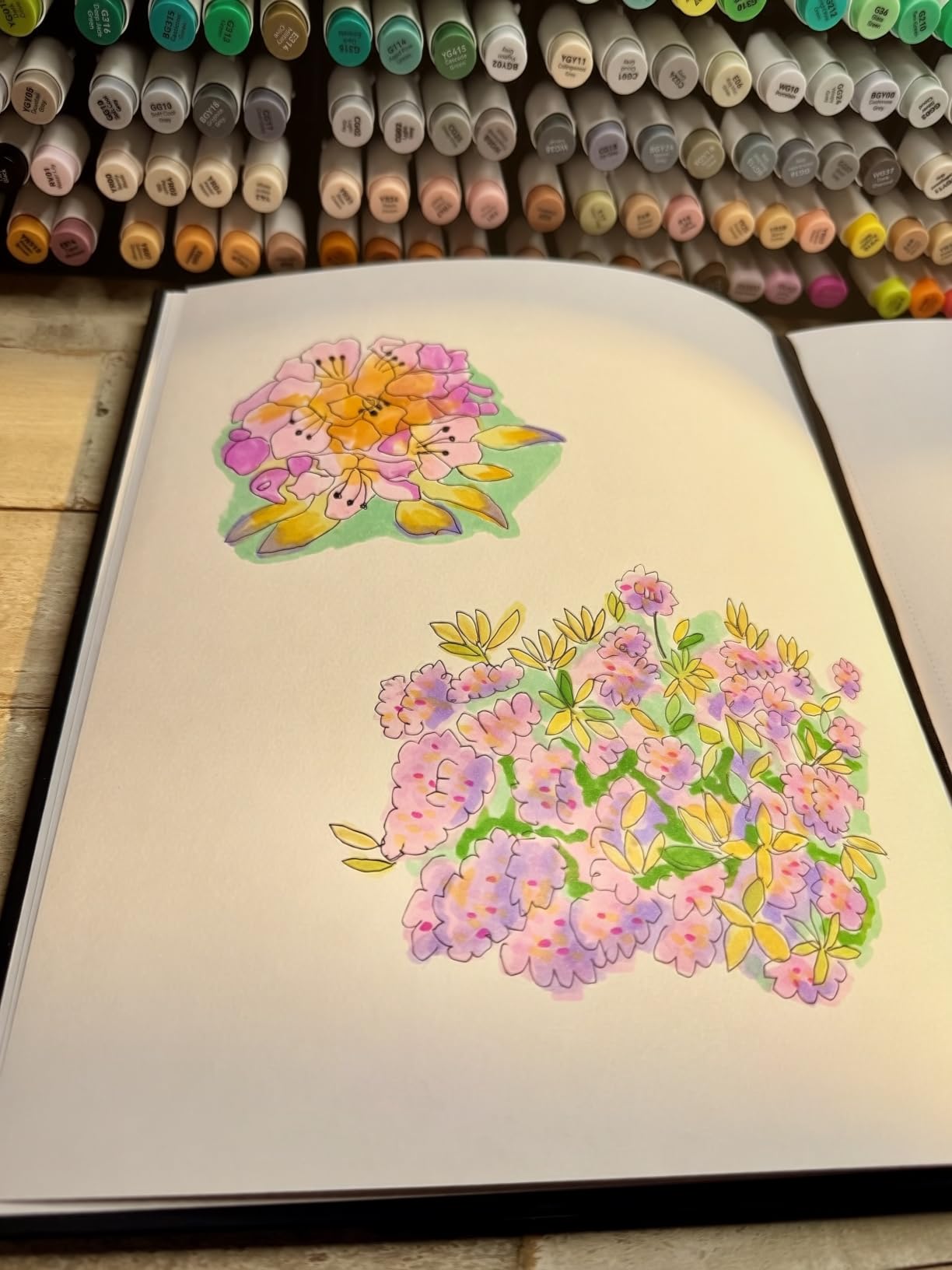
The wire binding is sturdy, and the sheets tear out cleanly along the perforations when I want to scan or frame a finished piece. One reviewer mentioned using this pad for travel sketching and never had a sheet detach accidentally. The 60-sheet count gives you serious runway before you need a replacement. I filled a full pad in about five weeks of consistent use, mixing pencil, ink, and watercolor on the same page.
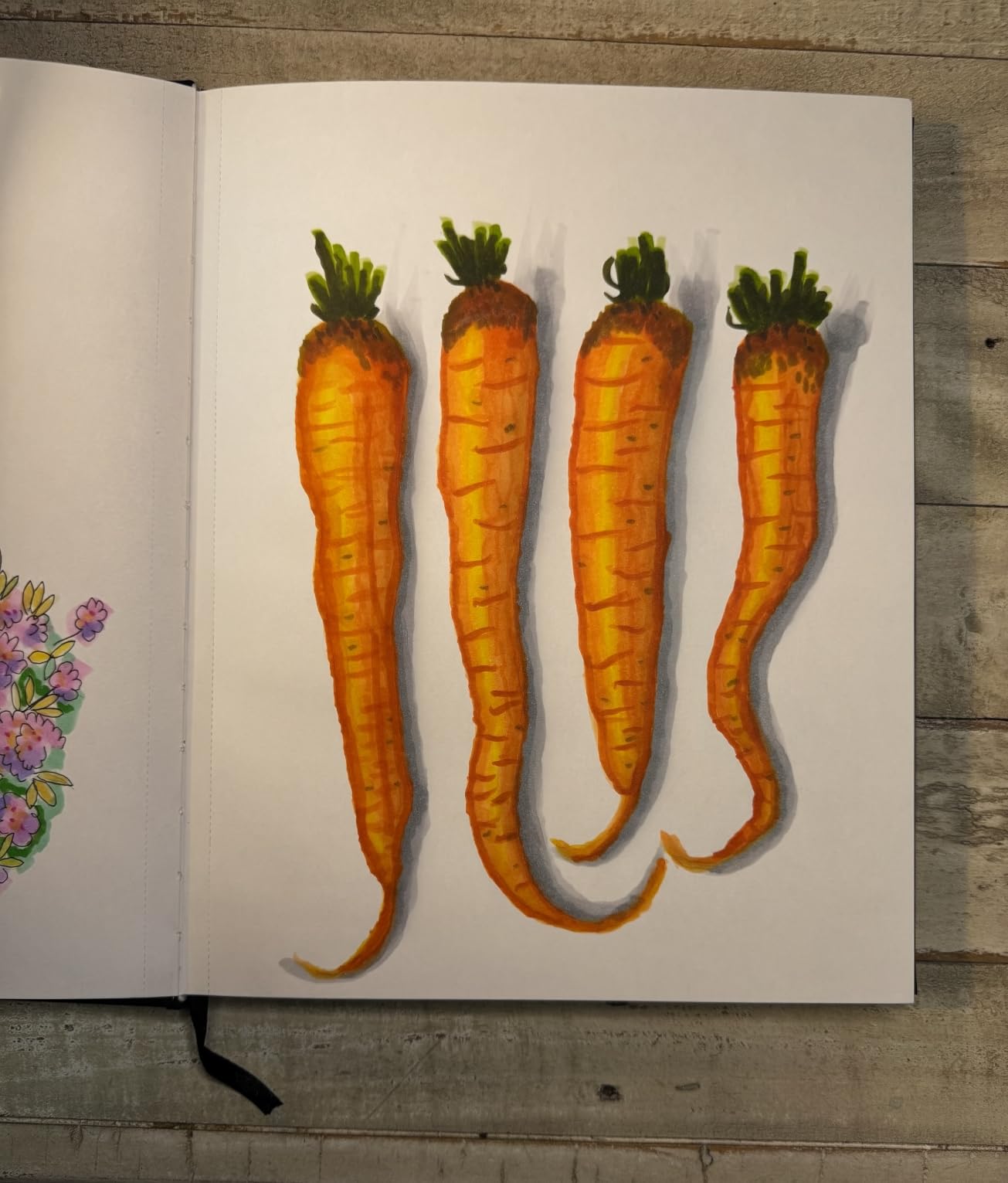
The honest weakness shows up when you push heavy watercolor washes or pooling techniques. The paper will warp on those pages, and you’ll see it ripple as it dries. For anything beyond light washes, you’ll want to stretch the paper or move up to a heavier watercolor sheet. That said, for everyday mixed media sketching, this pad punches well above its weight.
For whom it’s good
Beginners looking for their first real sketchbook will love the forgiving surface and the bright white color that makes colors pop. Art students who need a versatile, affordable pad for class assignments and study sketches will find 60 sheets per pad gives them plenty of room to experiment. Anyone doing light watercolor combined with ink or pencil will appreciate how well both media coexist on this surface.
For whom it’s bad
Professional watercolorists who do large saturated washes should look at heavier 300 GSM options. Artists who primarily use alcohol markers and need zero bleedthrough will want to test a sample first or pick a marker-specific pad. Anyone needing a hardbound or lay-flat journal for plein air work won’t get that experience from a wire-bound pad.
2. Strathmore 400 Series Vellum Pad — Premium Heavyweight for Wet Media

Strathmore Mixed Media Vellum Paper Pad 9″X12″-15 Sheets -62462109, White
300 GSM vellum
15 sheets
9x12 glue bound
Pros
- Heavy 140 lb paper handles heavy washes
- Acid-free for archival longevity
- Smooth surface ideal for ink and calligraphy
- Vellum tooth layers colored pencil beautifully
Cons
- Only 15 sheets per pad
- Glue binding can crack with heavy use
The Strathmore 400 Series Vellum Pad is what I reach for when I want a finished piece to look truly archival. With 300 GSM (140 lb) paper, this pad sits in a different weight class than most mixed media options. I tested it with full watercolor washes, layered gouache, and ink wash techniques, and the paper held its flat shape with only minor curling at the edges.
The vellum surface has a subtle tooth that grabs colored pencil and graphite without feeling scratchy. I found it especially nice for ink work: brush pen lines flow smoothly, fountain pen ink doesn’t feather, and Micron pen strokes stay crisp. The bright white color makes every pigment look true, which matters when you’re trying to capture subtle color shifts in a watercolor sky.
Strathmore’s 400 Series is also one of the most acid-free options in our test, which means your finished pieces won’t yellow over time. If you’re planning to keep sketchbook pages for years or sell original work, that’s a real advantage. The 9×12 size hits a sweet spot for travel, and the glue-bound format keeps the pad slim enough to slip into a tote bag.
The biggest trade-off is the 15-sheet count. This pad is meant for finished work rather than daily practice. Reviewers also note that the glue binding can occasionally crack or release pages with rough handling, so treat it gently. If you want the same paper in a sturdier format, the tape-bound 11×14 version we review next is worth considering.
For whom it’s good
Artists working on finished pieces, illustrations, or gallery-bound work will love the archival quality and the way the paper makes colors sing. Calligraphy and ink enthusiasts get a surface that doesn’t feather or bleed, even with wet fountain pen nibs. Anyone doing watercolor washes with detailed pencil underdrawings will appreciate the way both media coexist on the heavy paper.
For whom it’s bad
Daily sketchers who fill pages quickly will burn through this pad in a week or two. Travelers who need a bulletproof binding should look at hardbound or spiral options. Budget-focused buyers who want maximum sheets per dollar will find better value in pads with 40 to 60 sheets.
3. Strathmore 400 Series Tape Bound Pad — Best for Watercolor and Layered Work

Strathmore 400 Series Tape Bound Mixed Media Pad, 140 lb. Vellum Paper, 11 X 14 inches, 15 Sheets (462-111)
300 GSM heavyweight
15 sheets
11x14 tape bound
Pros
- Tape binding lays perfectly flat for painting
- Heavy paper holds saturated washes
- Acid-free surface for archival artwork
- Smooth enough for detailed colored pencil
Cons
- Water can pool on large wet areas
- Only 15 sheets per pad
The Strathmore 400 Series Tape Bound Pad solves the biggest frustration with glue-bound pads: it actually lays flat. When I taped the back cover to my drawing board and started painting, the paper stayed perfectly still through three layers of watercolor. No buckling, no curling, no fighting the page while my brush was loaded.
The 11×14 size gives you a generous working area for finished illustrations or larger studies. At 140 lb (300 GSM), this paper handled everything I threw at it: gouache layering, acrylic paint sketches, oil pastels, and saturated watercolor washes. Reviewers particularly praise this pad for oil pastels and heavy paint, which makes sense given how forgiving the surface is.
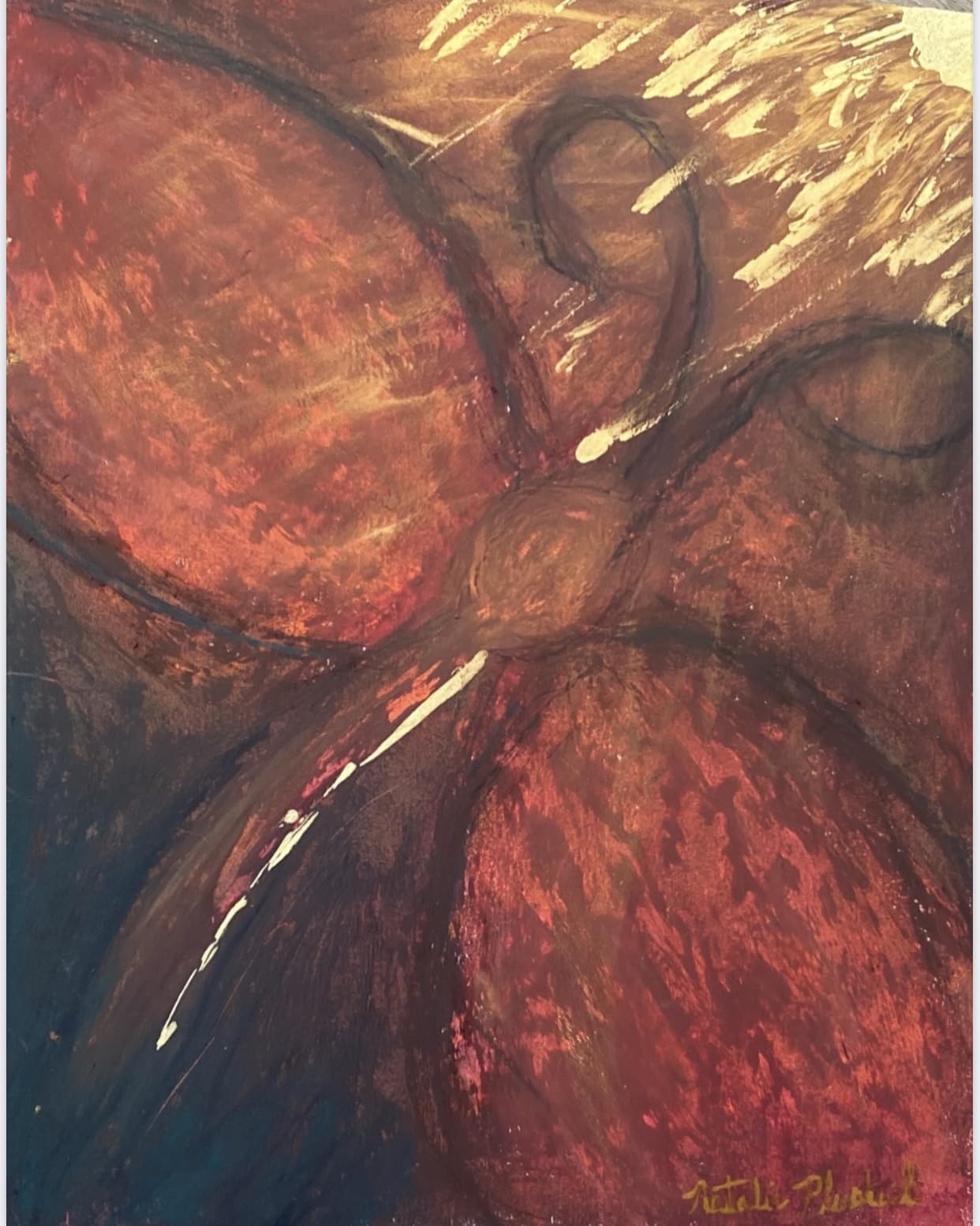
I noticed one quirk: when covering very large areas with a single wet wash, the water can bead slightly on the vellum surface. To fix this, I pre-wet the page with a spray bottle or work in smaller sections. The acid-free paper means your finished work will hold color for years, and the smooth vellum tooth accepts detailed colored pencil layering on top of dried paint.
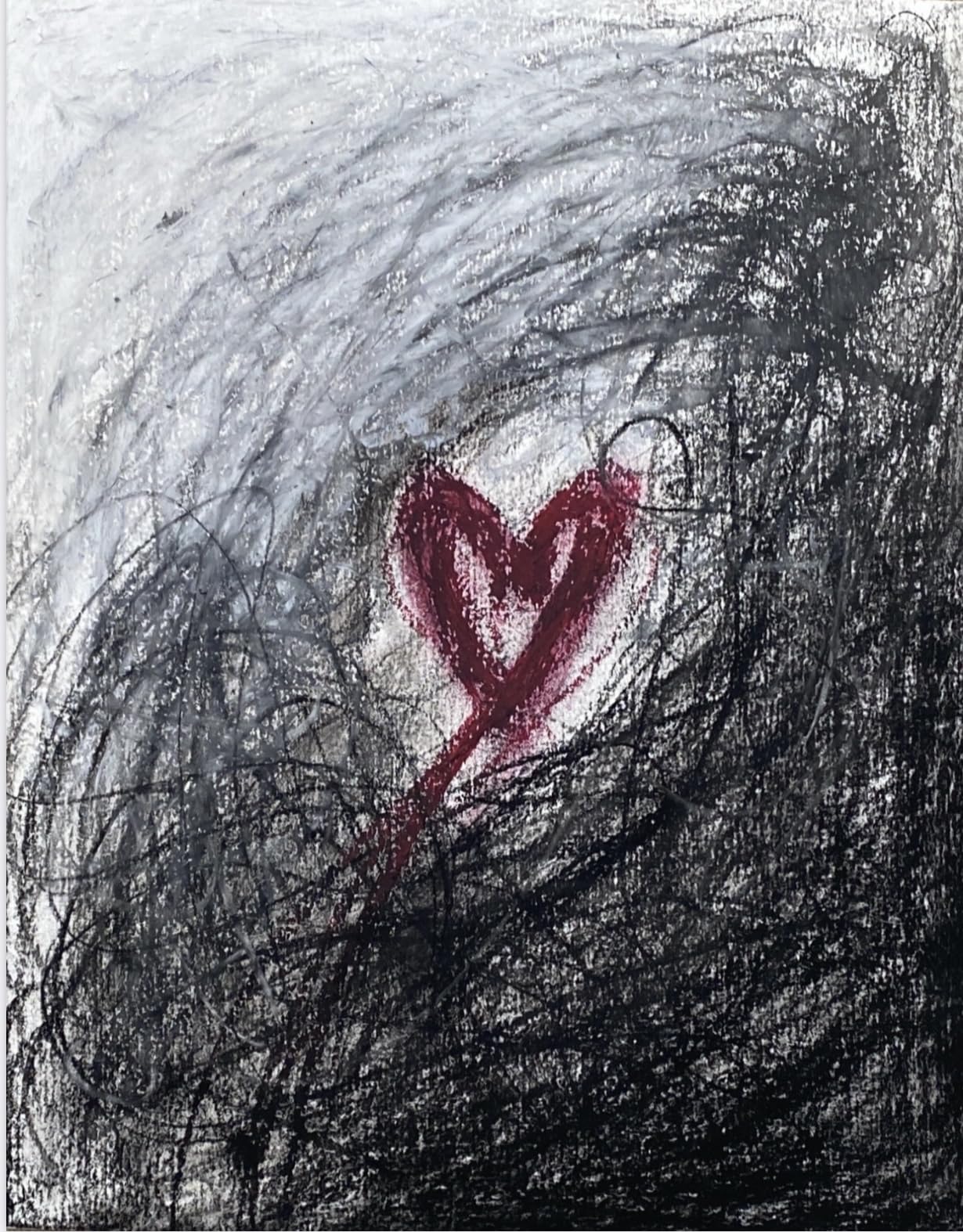
If you do primarily wet media work or finished illustrations where lay-flat binding matters, this pad is a smarter buy than the glue-bound version. The 15-sheet count is a real limitation for daily use, but for final pieces, you get the right paper and the right format in one pad.
For whom it’s good
Watercolor painters who struggle with pages curling mid-brushstroke will love how flat this pad stays during use. Illustrators working on larger compositions get the breathing room of an 11×14 format. Artists layering multiple media like gouache over ink or colored pencil over acrylic will appreciate how the surface accepts each new layer.
For whom it’s bad
Pure dry-media sketchers who don’t need heavyweight paper will find this pad overkill. Anyone wanting maximum sheets for the price should look at 40 or 60-sheet options. Very heavy watercolor pours or wet-on-wet techniques may still cause some movement, so traditional watercolorists might prefer dedicated watercolor blocks.
4. Strathmore 300 Series Wire Bound — Best Value Everyday Mixed Media Pad

Strathmore 300 Series Wire Bound Mixed Media Pad, 90 lb. Vellum Paper, 9 X 12 inches, White, 40 Sheets (362-9)
163 GSM vellum
40 sheets
9x12 wire bound
Pros
- Made in USA with consistent quality
- 40 sheets offers strong per-sheet value
- Versatile surface handles wet and dry media
- Wire binding flips open flat
Cons
- Lighter weight than premium watercolor paper
- Cover is plain kraft cardboard
The Strathmore 300 Series Wire Bound is the pad I recommend to anyone asking “what should I buy as my first real mixed media pad?” Made in the USA with 90 lb (163 GSM) paper, it hits a sweet spot of quality, weight, and price that few competitors match. I filled a full pad in about four weeks of daily sketching and never had a sheet tear unexpectedly or a binding ring fail.
The vellum surface has just enough tooth to grab graphite and colored pencil without feeling rough. I layered Prismacolor over light watercolor washes and the paper accepted both media cleanly. For ink work, my Micron pen and brush pen strokes stayed crisp with no feathering. The wire binding flips open flat, which made scanning pages simple.
Reviewers consistently praise this pad as the perfect everyday upgrade from printer paper or student-grade pads. The 40-sheet count means you’re not constantly replacing pads, and the 9×12 size fits easily into most backpacks. For light to medium watercolor, gouache, and acrylic work, the paper holds up well with only minimal warping on heavy washes.
The honest weakness is the paper weight: at 163 GSM, this isn’t a heavy watercolor paper. If you plan to do full wash work or saturated pooling, you’ll see some buckling. But for the way most mixed media artists actually work (light washes, ink detail, pencil underdrawing), this pad is hard to beat.
For whom it’s good
Students and beginners looking for a reliable first sketchbook will find this pad forgiving, affordable, and consistent. Artists who mix light watercolor with detailed ink or pencil work will appreciate how both media behave on this surface. Anyone wanting a made-in-USA pad with strong brand reputation and wide availability will appreciate Strathmore’s distribution.
For whom it’s bad
Heavy watercolor painters who do saturated washes as their primary technique should look at 300 GSM pads instead. Travelers who need a hardbound or water-resistant cover won’t find that here. Artists who want premium cotton paper or hot press surfaces will need to upgrade to specialist lines.
5. ARTEZA Mixed Media Pads 5.5×8.5 — Best Portable 3-Pack

ARTEZA Mixed Media Pads, 5.5 x 8.5 in, Spiral, 3 Pack, 60 Sheets Each
180 GSM smooth
60 sheets per pad
5.5x8.5 spiral
Pros
- Three pads included for strong value
- Spiral binding lays flat for travel
- Micro-perforated pages tear out cleanly
- Compact size fits in jacket pockets
Cons
- Heavy washes can cause buckling
- Paper thinner than premium 300 GSM pads
The ARTEZA Mixed Media Pads 3-Pack solved a specific problem for me: I needed a portable sketchbook that fit in my jacket pocket for plein air work, and most 9×12 pads were too bulky. At 5.5×8.5 inches with a spiral binding, this pad disappears into a coat pocket and flips open flat for on-location painting. Getting three pads in one package means I always have a backup ready.
The 110 lb (180 GSM) paper handles watercolor, gouache, ink, and colored pencil better than I expected from a pad this portable. I tested it with watercolor brush pens, alcohol markers, and traditional watercolor, and the paper held up to light and medium washes with minimal warping. For ink work, my Micron and brush pen lines stayed sharp.
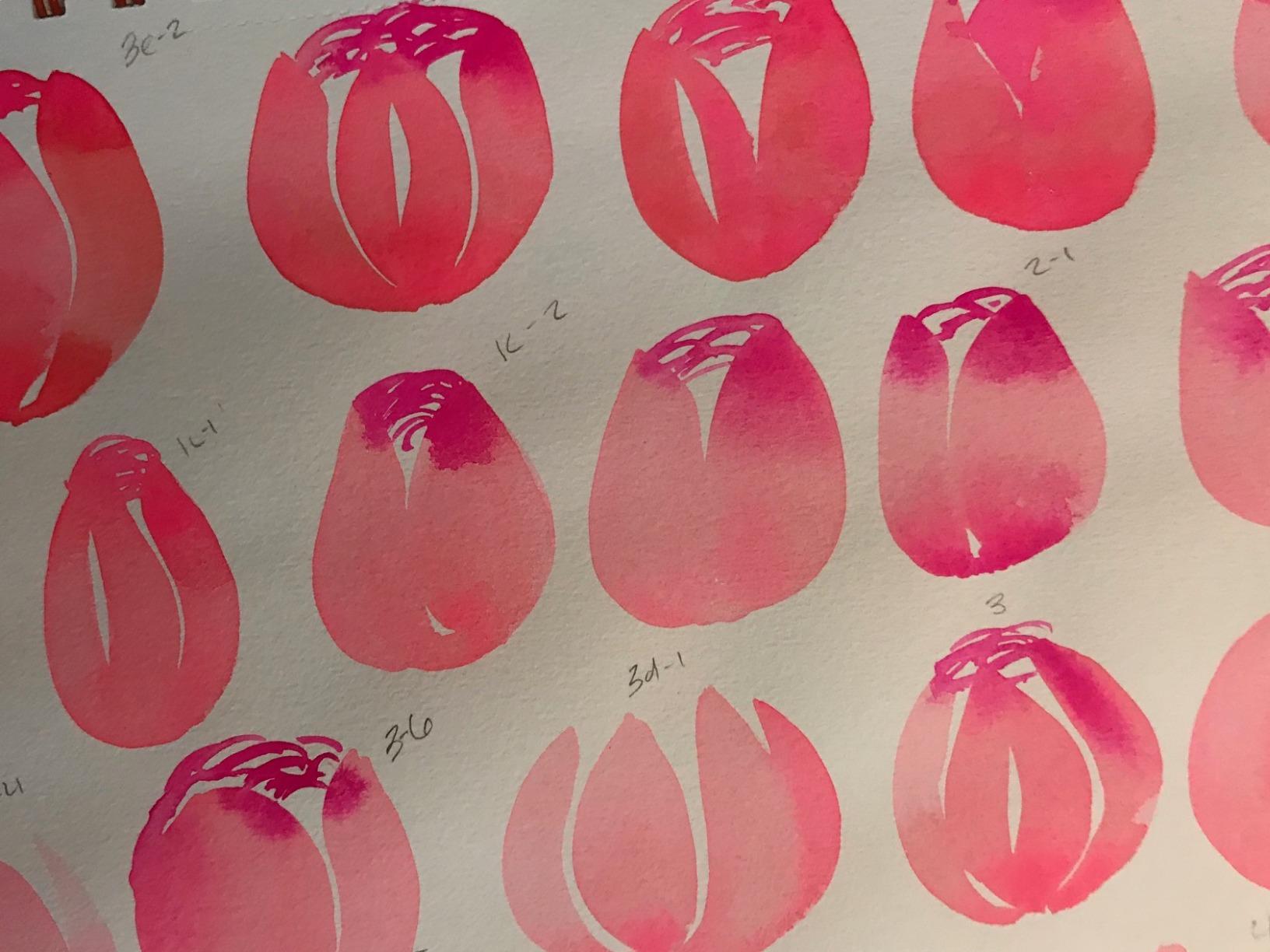
The spiral binding allows the pad to lay completely flat or fold back on itself, which is perfect when I’m standing at an easel or sitting on a park bench. Micro-perforated sheets tear out cleanly for scanning or sharing on social media. Reviewers love this pad for journaling, urban sketching, and travel.
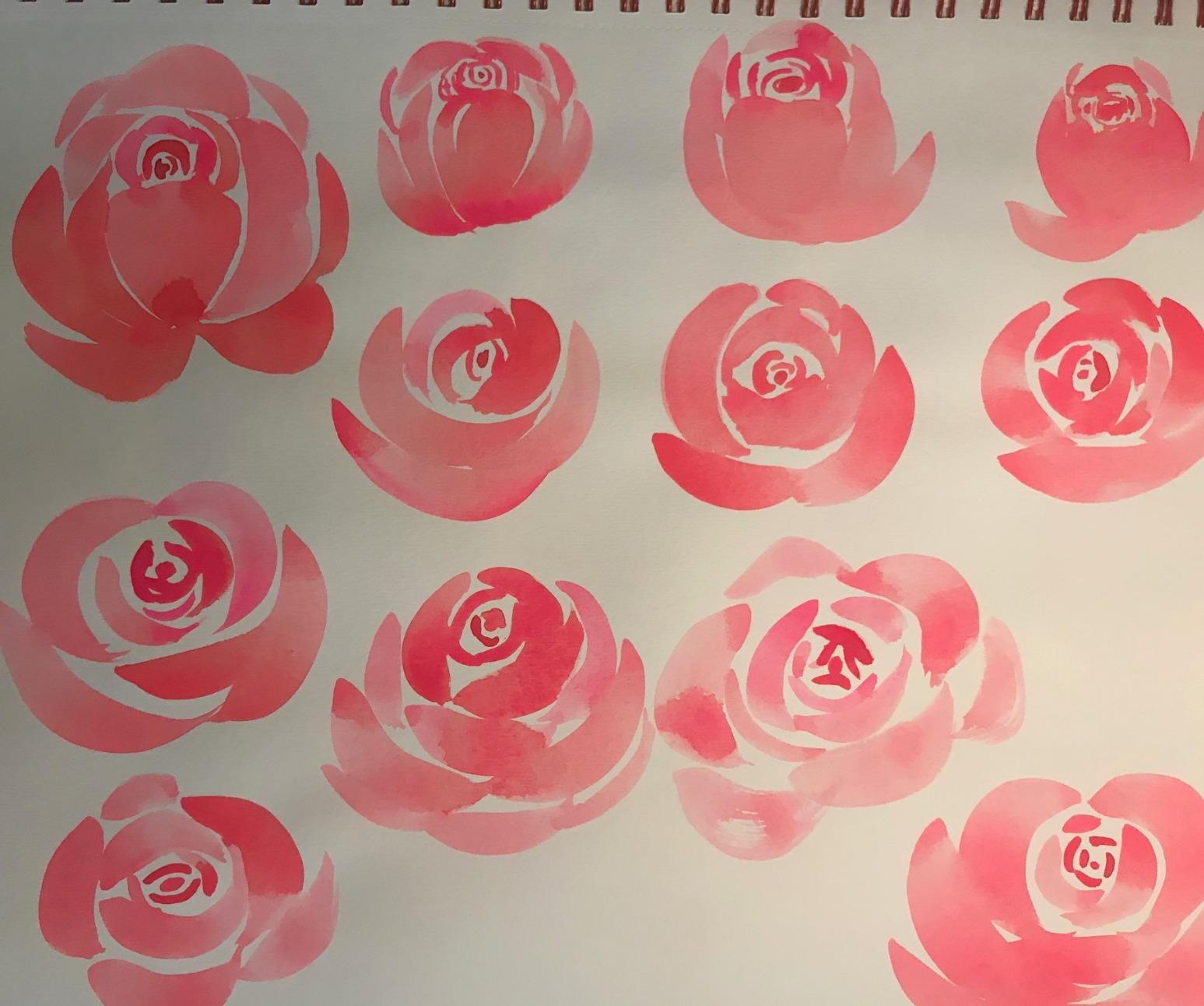
The honest trade-off is paper weight. At 180 GSM, this isn’t a heavy watercolor sheet, so full saturated washes will cause some buckling. For everyday sketching with light to medium water, it’s reliable. The acid-free formulation also means your travel sketches will keep their color over time.
For whom it’s good
Travel sketchers and urban sketchers who want a pocket-sized pad will love the compact format. Art journalers who need micro-perforated pages for clean tear-out will appreciate the binding design. Beginners who want three pads to practice with at an accessible price will find strong value in this 3-pack.
For whom it’s bad
Artists working on large compositions or final pieces will want a bigger format with heavier paper. Heavy watercolor painters who do saturated pooling should look at 300 GSM pads. Anyone who prefers hardbound journals for their tactile feel won’t get that here.
6. Canson Artist Series Mixed Media 5.5×8.5 — Best Dual-Surface Paper
Canson Artist Series Mixed Media Paper, Wirebound Pad, 5.5×8.5 inches, 30 Sheets (138lb/224g) – Artist Paper for Adults and Students – Watercolor, Gouache, Graphite, Ink, Pencil, Marker
224 GSM dual surface
30 sheets
5.5x8.5 wire bound
Pros
- Two distinct textures: fine and medium
- Heavy 138 lb paper handles wet media
- French-made quality with consistent surface
- Erases cleanly and smudge resistant
Cons
- Premium price per sheet
- Smaller 5.5x8.5 size limits composition
The Canson Artist Series Mixed Media Pad at 5.5×8.5 inches is the pad I reach for when I want a true artist-grade surface in a portable format. The standout feature is the dual-surface design: one side has a fine texture for detailed work, and the other has a medium texture for washes and broader strokes. I started a sketch with detailed Micron pen on the fine side and finished it with a watercolor sky on the medium side, and both performed beautifully.
At 138 lb (224 GSM), this is a serious mixed media paper. I tested it with full watercolor washes, layered gouache, and heavy colored pencil work, and the paper held its shape with only minor edge curl. The acid-free, smudge-resistant surface means your finished pages will stay clean and bright over time.
The 5.5×8.5 size is perfect for journal-style sketching and travel. The wire binding flips open flat, and the 30-sheet count gives you enough pages for a focused project without the bulk of a larger pad. Reviewers love this pad for watercolor sketching, urban illustration, and portable studio work.
The main trade-off is price per sheet: this is a premium artist paper, and you pay for that quality. But if you want French-made Canson paper with dual textures and reliable wet-media performance, this pad delivers consistent results.
For whom it’s good
Artists who want both fine detail and textured wash capability in one pad will love the dual-surface design. Travel sketchers who need a portable size with heavyweight paper will appreciate the 224 GSM in a pocket format. Watercolor sketchers doing layered work will value how well the paper handles repeated washes.
For whom it’s bad
Budget-focused buyers will find better per-sheet value in 40 or 60-sheet pads. Artists needing larger composition areas should look at 9×12 or 11×14 pads. Anyone who only uses one texture consistently won’t benefit from the dual-surface feature.
7. Canson Mixed Media Paper Pad 9×12 — Best Studio-Size Dual Surface

Canson Mixed Media Paper Pad, White, 9×12 in
224 GSM dual surface
30 sheets
9x12 wire bound
Pros
- Same premium paper as 5.5x8.5 in larger format
- Heavy 138 lb weight for serious work
- Dual texture supports varied techniques
- Acid-free for archival quality
Cons
- Only 30 sheets per pad
- Premium pricing per sheet
The Canson Mixed Media Paper Pad in 9×12 brings the same premium 224 GSM dual-surface paper from Canson’s Artist Series into a studio-friendly size. After using both formats, I can confirm the paper performance is identical: the fine side handles detailed ink and pencil work beautifully, while the medium side accepts watercolor washes and gouache with minimal warping.
The 9×12 size gives you breathing room for larger compositions, full watercolor studies, and finished illustrations. At 138 lb (224 GSM), this paper sits comfortably between student-grade mixed media pads and heavyweight watercolor blocks. I painted a complete gouache illustration in this pad with multiple layers and the paper stayed flat through the entire process.
For colored pencil artists, the fine surface side grips pigment layers exceptionally well. For watercolor sketchers, the medium side holds light to medium washes without buckling. Reviewers particularly praise this pad for art journaling and finished mixed media pieces.
The trade-off is the same as the smaller version: 30 sheets per pad at a premium price. But if you want Canson’s artist-grade dual-surface paper in a larger format, this is the pad to buy.
For whom it’s good
Studio artists working on finished pieces will appreciate the larger format and heavyweight paper. Illustrators doing detailed work with both fine and textured techniques will love the dual-surface design. Art journalers who want a more substantial page for layouts and spreads will find the 9×12 format ideal.
For whom it’s bad
Daily sketchers who fill pages quickly will burn through 30 sheets fast. Budget-focused buyers should look at pads with more sheets for the same money. Anyone needing a hardbound or lay-flat journal experience will prefer tape-bound or hardcover formats.
8. U.S. Art Supply 9×12 Mixed Media Sketchbook 2-Pack — Best for Travel Variety

U.S. Art Supply 9″x12″ Mixed Media Sketchbook, 2 Pack (60 Sheets)
160 GSM acid-free
60 sheets per pad
9x12 spiral
Pros
- Two sketchbooks included for backup or sharing
- Acid-free paper keeps sketches vibrant
- Micro-perforated pages remove cleanly
- Spiral binding lays flat for travel
Cons
- Paper is mid-weight
- not for heavy washes
- Cover printing is plain
The U.S. Art Supply 9×12 Mixed Media Sketchbook 2-Pack is what I packed for my last two trips. Having two sketchbooks in one package means I never worried about running out of pages mid-trip, and I could use one for travel sketches and the other for studio practice. At 98 lb (160 GSM) with a fine tooth texture, the paper handles watercolor, acrylic, ink, and colored pencil reliably for everyday sketching.
The acid-free, archival-quality paper was a pleasant surprise at this price point. I pulled out a sketch from eight months ago and the colors hadn’t yellowed or faded. The neutral pH formulation means your travel sketches will stay vibrant for years, which matters if you’re documenting a trip in sketch form.
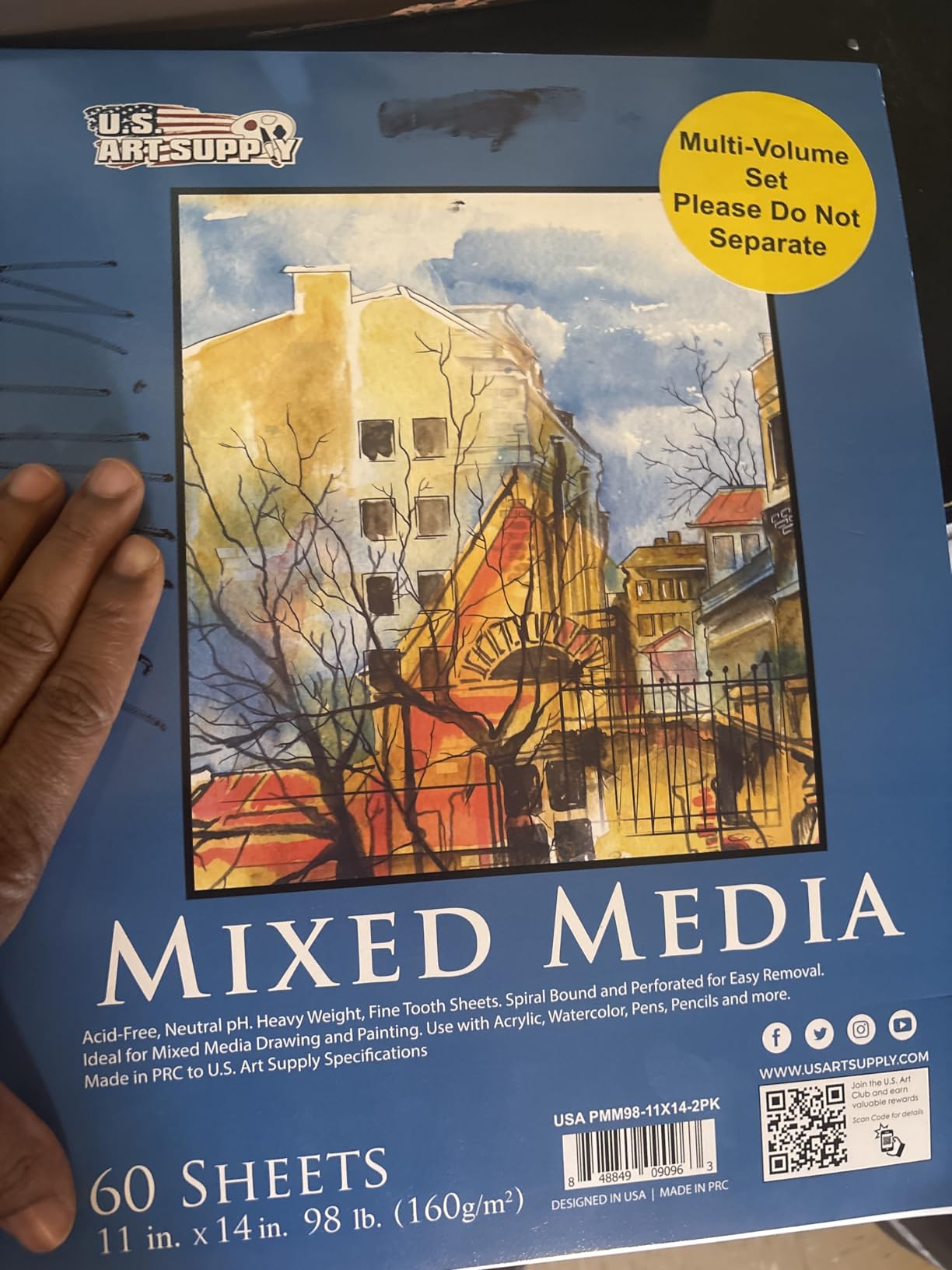
Spiral binding with micro-perforated pages is the right call for travel: the pages tear out cleanly when you want to scan or mail a sketch, and the wire allows the book to lay flat on your lap or a sketchbox lid. Reviewers love the value of getting two sketchbooks in one pack.
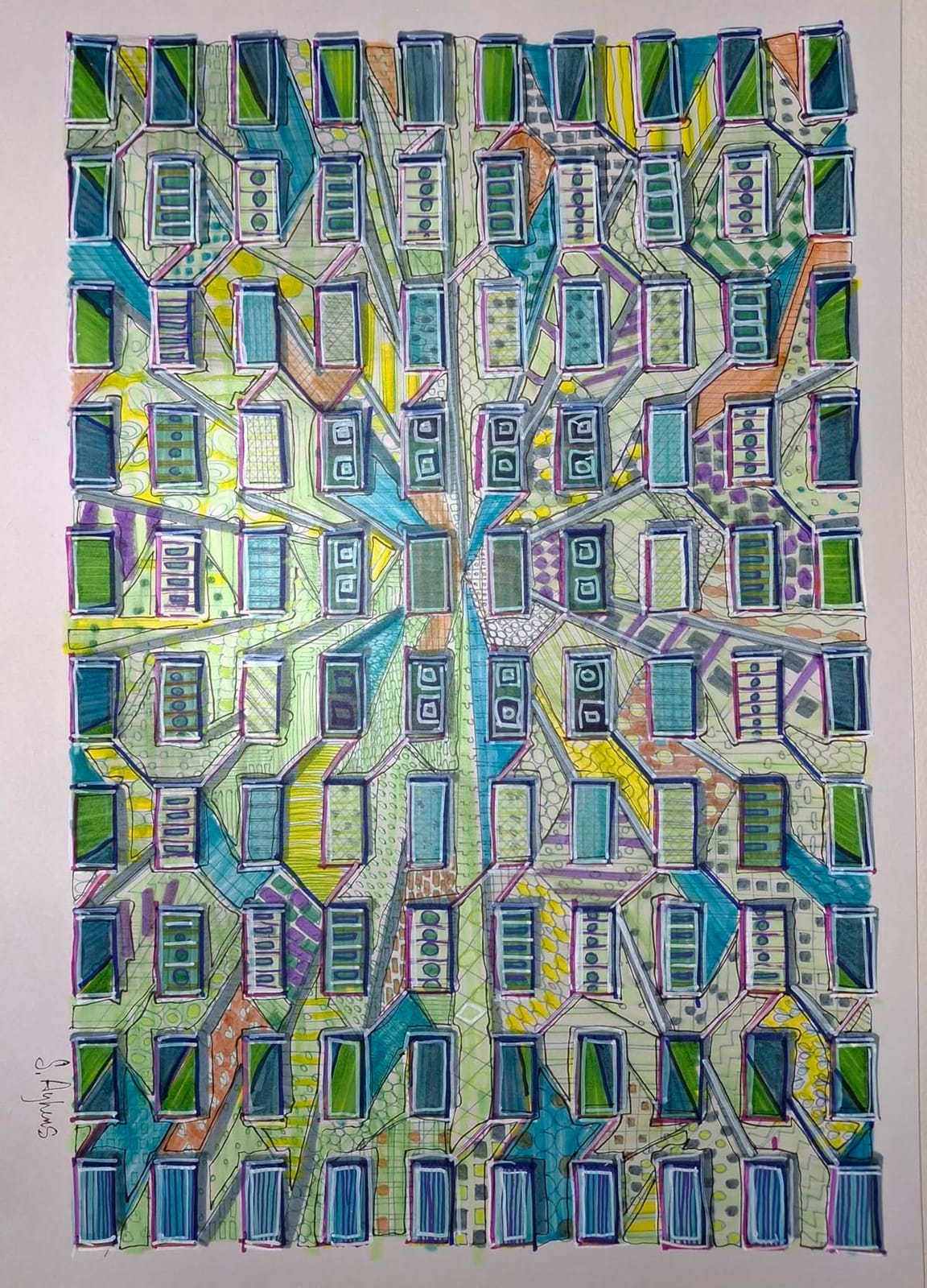
The main limitation is paper weight. At 160 GSM, this isn’t designed for heavy watercolor pours. For travel sketching with light to medium washes, ink, and pencil, it performs well. If you plan to do saturated washes or pooling techniques, you’ll want to stretch the paper or upgrade to a heavier pad.
For whom it’s good
Travel artists who want backup sketchbooks will appreciate the 2-pack format. Art students needing multiple pads for class will find the value strong. Anyone wanting archival acid-free paper without paying premium prices will appreciate this option.
For whom it’s bad
Heavy watercolor painters should look at 300 GSM pads. Artists who only need one sketchbook won’t benefit from the 2-pack format. Anyone wanting premium cotton paper or hot press surfaces will need to look at higher-end options.
9. Bachmore Drawing Pad 9X12 — Best Ambidextrous Top-Spiral Design

Bachmore Drawing Pad 9X12 Inch (110lb/180g), 60 Sheets, Top Spiral Bound Multi-Media for Artist Pro & Amateurs | Acrylic Art, Ink, Paint, Oil Pastels,Watercolor Mixed Media Sketch
180 GSM smooth
60 sheets
9x12 top spiral
Pros
- Top spiral works for left and right handers
- Hardbound covers protect artwork
- Acid-free paper with thick feel
- Versatile for wet and dry media
Cons
- Slightly weaker for extensive realism work
- Covers are basic cardstock
As a left-handed artist, I’m always watching for binding designs that don’t smear my work, and the Bachmore Drawing Pad nails it. The top-spiral binding means the wire is along the top edge rather than the side, so there’s no binding bumping my hand or dragging through fresh media. This pad works equally well for left- and right-handed artists, which is rare in the mixed media category.
The 110 lb (180 GSM) paper has a smooth, durable feel that handles watercolor washes, acrylic paint, ink, and colored pencil without warping badly. I tested it with a watercolor brush pen and a Micron pen, and both flowed cleanly. The acid-free paper means your finished pages will hold color over time.
Hardbound covers on both front and back protect your artwork during transport. Reviewers love this pad for sketching on the go, classroom use, and studio practice. The 60-sheet count gives you plenty of pages before needing a replacement.
The main trade-off is that this pad is best for general sketching and study work. If you do hyper-detailed realism requiring ultra-smooth paper, you may want a hot press watercolor sheet. But for everyday mixed media work, the Bachmore pad is a reliable performer.
For whom it’s good
Left-handed artists frustrated by side-bound pads will love the top-spiral design. Students and classroom artists will appreciate the hardbound covers and 60-sheet count. Anyone wanting acid-free paper with reliable wet and dry media performance will find this pad consistent.
For whom it’s bad
Realist artists needing ultra-smooth hot press surfaces should look elsewhere. Anyone wanting a pad with elastic closure or expandable pocket won’t find those features here. Travelers who need water-resistant covers should look at hardcover options.
10. Ohuhu 8.3×8.3 Mix Media Pad — Best Square Format for Social Sharing

Ohuhu 8.3″x8.3″ Mix Media Pad Art Sketchbook 78 Sheets for Painting Drawing
200 GSM heavyweight
78 sheets
8.3x8.3 hardcover
Pros
- Double-sided sheets give 156 pages total
- 200 GSM heavyweight resists warping
- Compact square size fits any bag
- Hardcover protects artwork in transit
Cons
- Square format isn't ideal for landscape compositions
- Smaller page area than 9x12 pads
The Ohuhu 8.3×8.3 Mix Media Pad won me over with its square format and heavyweight 200 GSM paper. I sketched a complete gouache study on a single page and was genuinely impressed that the paper held flat through multiple wet layers. With 78 double-sided sheets (156 usable pages), this pad runs longer than most competitors in this price range.
The square format is perfect for Instagram-friendly compositions, character studies, and color studies. I found myself experimenting more because the format felt approachable, like a daily prompt. The compact 8.3×8.3 size fits in any backpack or tote, and the hardcover protects your pages during transport.
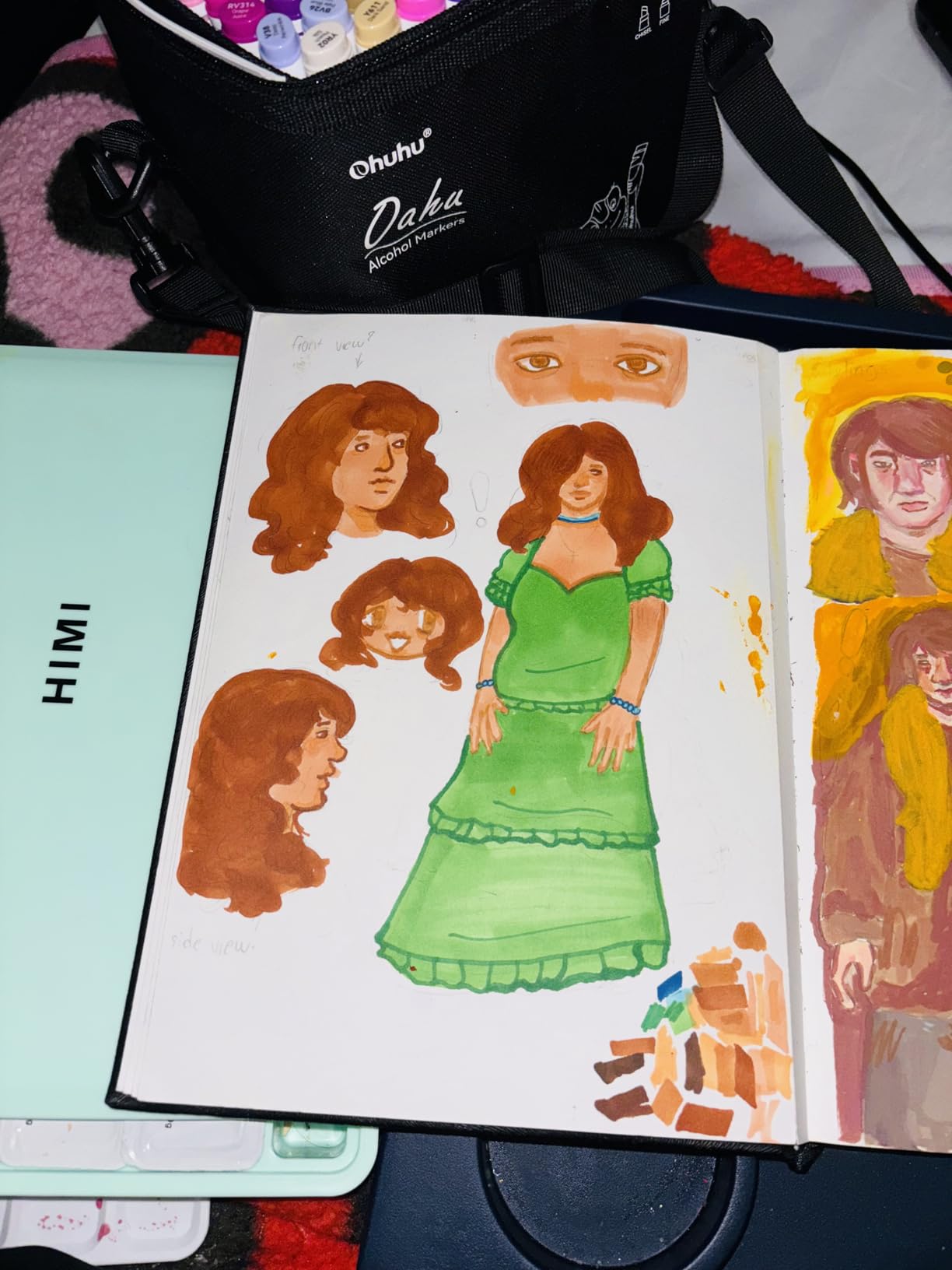
Reviewers love this pad for its travel-friendly size and durable pages. The acid-free, non-fading paper means your color studies will look fresh months later. A bonus soft writing mat comes included, which is a thoughtful touch for sketching on uneven surfaces.
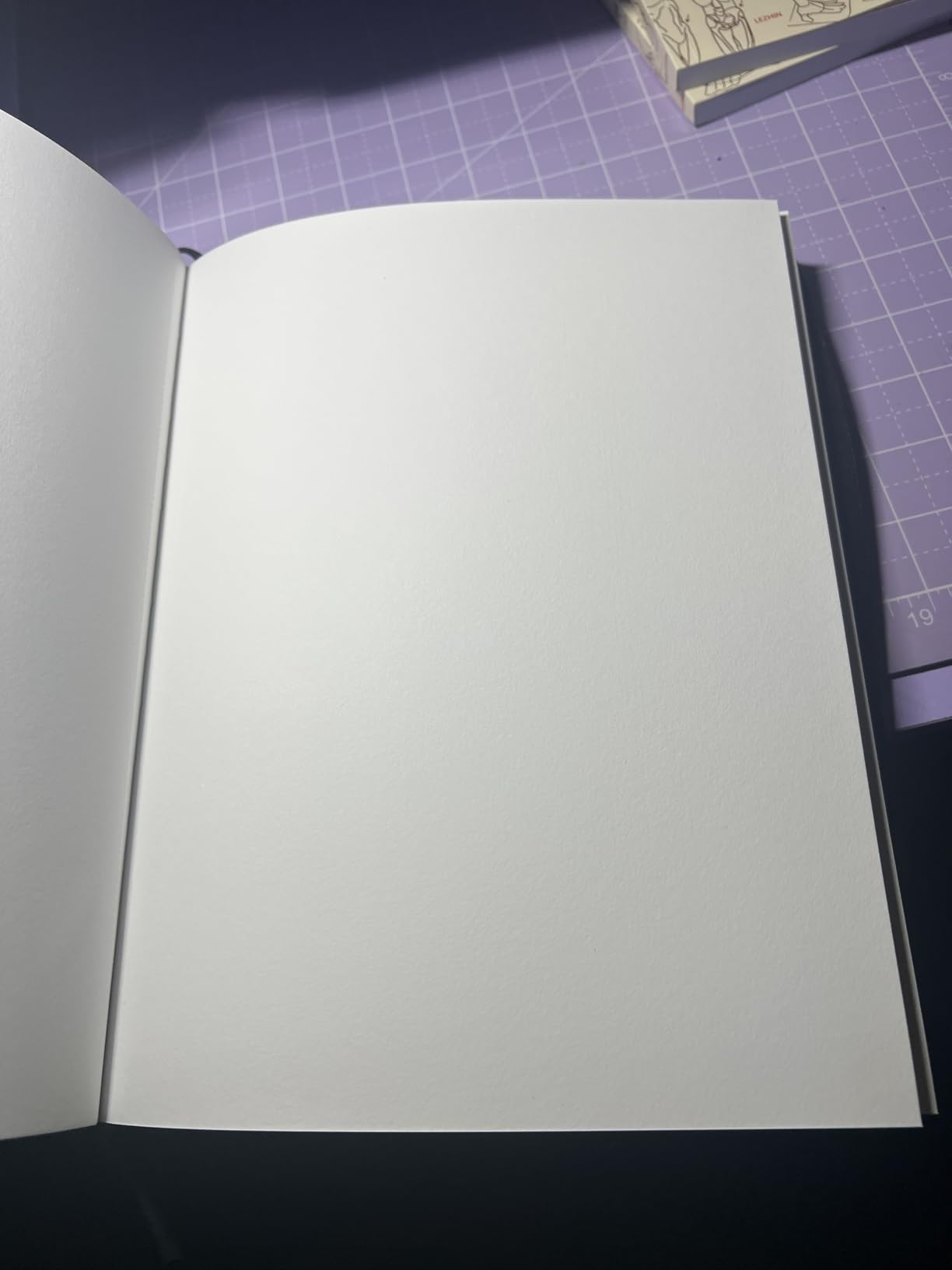
The honest trade-off is the square format. If you typically compose in landscape or portrait orientations, the square shape may feel limiting. But if you’re open to a new format, the Ohuhu pad delivers serious value and heavyweight performance.
For whom it’s good
Social media artists who want square-format compositions will love the format. Travel sketchers needing a compact, protected pad will appreciate the hardcover design. Color study enthusiasts who want lots of pages at a strong GSM will find 156 usable pages impressive.
For whom it’s bad
Traditional landscape or portrait artists may find the square format restrictive. Anyone needing a larger working area for finished pieces will want 9×12 or larger. Artists who prefer removable pages will need a perforated or wire-bound option.
11. Fuxi Small Mixed Media Sketchbook 2-Pack — Best Compact 2-Pack Value

Fuxi Small Mixed Media Sketchbook, 2-Pack – 5.5″ x 8.5″ | 110lb/180gsm Mixed Media Paper for Watercolor, Acrylic, Ink, Pencil, 50 Sheets Per Pad.
180 GSM cold press
50 sheets per pad
5.5x8.5 top spiral
Pros
- Two pads included with hard laminated covers
- Top spiral binding is ambidextrous
- Perforated edges for clean page removal
- Holds wet and dry media without warping
Cons
- Paper reads as cream rather than pure white
- Alcohol markers may bleed
The Fuxi Small Mixed Media Sketchbook 2-Pack stood out in testing for its hard laminated covers and sturdy spiral binding. I tossed one pad into my bag for a weekend trip and the cover protected the pages from bending and smudging, which is exactly what you want from a travel sketchbook. Getting two pads means I always have a backup or one to share with a sketching partner.
The 110 lb (180 GSM) paper has a cold press, medium surface texture that holds watercolor washes, ink, and colored pencil reliably. I tested it with watercolor brush pens and traditional washes, and the paper didn’t warp badly even on moderately wet applications. The top-spiral binding makes the pad work for left- and right-handed artists.
Reviewers love this pad for acrylic marker work, urban sketching, and journaling. The compact 5.5×8.5 size fits in a jacket pocket, and the perforated edges let you tear out pages cleanly when you want to share or scan a finished sketch. The mint green cover is a nice touch if you prefer colored covers over plain kraft.
The main trade-off is paper color: some reviewers note the paper reads as cream rather than bright white. For most mixed media work, this is fine, but if you need pure white for accurate color reproduction, test the paper first. Alcohol markers can also bleed through, so plan to use a barrier sheet underneath.
For whom it’s good
Travel sketchers needing compact, protected sketchbooks will love the hard laminated covers. Urban sketchers and journalers will appreciate the ambidextrous top-spiral binding. Anyone wanting two sketchbooks at a strong price will find the 2-pack format valuable.
For whom it’s bad
Artists needing pure bright white paper should look at Canson XL or Strathmore pads. Heavy alcohol marker users should test the paper first or choose a marker-specific pad. Anyone needing a larger working area will want 9×12 or larger formats.
12. Grumbacher Mixed Media Paper Pad — Best Removable-Page System

Grumbacher Mixed Media Paper Pad with in & Out Pages, 160 GSM, 7″ x 10″, Side Wire Bound, 50 White Sheets/Pad, 1 Each
160 GSM medium tooth
50 sheets
7x10 wire bound
Pros
- Patent-pending in-and-out page system
- Acid and lignin free for longevity
- Made in USA quality
- Medium tooth for versatile media use
Cons
- Smaller 7x10 size
- Lower review count than established brands
The Grumbacher Mixed Media Paper Pad introduced me to a feature I didn’t know I needed: a patent-pending “In and Out” page system that lets you remove sheets for painting or scanning and slide them back in when you’re done. I tested this by removing a page mid-sketch to scan it, then reinserting it into the pad. The wire binding held the page securely without tearing or bending.
At 98 lb (160 GSM) with a medium tooth texture, the paper handles drawing, sketching, pastels, ink, and light watercolor washes. The acid and lignin free formulation means your artwork won’t yellow over time. Made in the USA quality is a plus for artists who value domestic manufacturing.
The 7×10 size is a happy medium between pocket portability and studio space. Reviewers who discovered this pad praise its unique reinsert feature, especially for artists who want to work on pages outside the pad (like watercolorists who like to tape pages to a board). The side wire binding flips open for easy page access.
The honest trade-off is that this pad has fewer reviews than more established brands, so there’s less long-term user data. The smaller 7×10 size also limits composition area compared to 9×12 or 11×14 pads. But for artists who value the in-and-out page system, this pad fills a real niche.
For whom it’s good
Artists who want to remove pages for scanning, framing, or working loose will love the in-and-out system. Watercolorists who like to tape pages to a board will appreciate being able to pull pages out cleanly. Anyone wanting acid-free, lignin-free paper with archival quality will find this pad reliable.
For whom it’s bad
Artists who prefer larger working areas will want 9×12 or 11×14 pads. Anyone needing maximum sheets for budget value will find better deals in 60-sheet pads. Risk-averse buyers who want established brands with thousands of reviews may prefer Strathmore or Canson options.
How to Choose the Best Mixed Media Pad for Your Art?
Choosing the best mixed media pad comes down to matching the paper’s weight, binding, and surface to how you actually work. Here are the factors that matter most when you’re comparing pads, based on what our testing revealed.
Paper Weight and GSM Explained
Paper weight is measured in GSM (grams per square meter) in most of the world, or pounds (lb) in the US paper industry. A higher GSM means thicker, heavier paper that resists warping and handles wet media better. For light watercolor and dry media, 90 to 160 GSM (60 to 90 lb) is sufficient.
For serious wet media work with full washes, you’ll want 200 to 300 GSM (110 to 140 lb). Anything below 90 GSM is sketchpad territory and will buckle badly with water. The pads we tested ranged from 160 GSM (Canson XL) to 300 GSM (Strathmore 400 Series), giving you a clear range to choose from based on your media intensity.
Binding Types: Wire, Glue, Sewn, Spiral, and Hardbound
Binding type affects how a pad feels in your hands and how durable it is. Wire and spiral binding lay flat when open and let you tear pages out along perforations, which is great for scanning and sharing. Glue binding is slim and portable but can crack with heavy use. Sewn binding is the most durable and lets pages lay flat once broken in.
Hardbound sketchbooks offer the most protection for your pages but are heavier and don’t always lay flat out of the box. Top-spiral binding is ideal for left-handed artists because the wire doesn’t interfere with your hand position. Side-spiral binding can be problematic for lefties who drag their hand across the wire.
Wet vs Dry Media Compatibility
Mixed media paper is designed to accept both wet and dry media, but performance varies. Dry media like graphite, charcoal, and colored pencil work well on almost any mixed media paper above 90 GSM. Wet media is where weight and surface texture matter most.
Watercolor needs at least 160 GSM to avoid severe warping, with 200+ GSM preferred for full washes. Gouache and acrylic work well on 160 GSM and up. Alcohol markers are the most demanding because they can bleed through any paper, so plan to use a barrier sheet or test before committing. Ink and brush pen work well on virtually all mixed media papers.
Paper Color and Finish
Most mixed media papers come in bright white or natural white. Bright white makes colors pop and is preferred for accurate color reproduction, illustration, and digital scanning. Natural white (cream) is easier on the eyes for long sketching sessions and gives a more traditional feel. Black and toned papers are specialty options for artists who want to work light-on-dark.
Surface finish affects how media behaves. Vellum has a subtle tooth that works well for both pencil and wash techniques. Cold press has more visible texture, ideal for watercolor. Hot press is smooth and best for detailed ink work and colored pencil layering.
Acid-Free and Archival Quality
Acid-free paper has a neutral pH (usually 7 or higher) that prevents yellowing and deterioration over time. If you plan to keep your sketchbook pages for years or sell original work, acid-free paper is essential. Most quality mixed media pads are acid-free, but budget options sometimes skip this feature.
Lignin-free is a related term that means the paper won’t break down over time. Papers with both acid-free and lignin-free claims are the most archival. For artists who document their lives in sketchbooks, these features matter more than you might think.
Size and Portability
Size affects both how much you can fit on a page and how portable the pad is. Pocket pads (5.5×8.5) fit in a jacket pocket and are great for travel but limit composition area. Standard 9×12 pads are the most popular size, offering a good balance of working area and portability. Large 11×14 pads are best for finished pieces and studio work but are bulky to carry.
If you sketch primarily at home or in a studio, go larger. If you sketch on location, travel, or commute, go smaller. Many artists keep both: a portable pad for travel and a larger pad for studio work. The 9×12 pads we tested from Canson, Strathmore, U.S. Art Supply, and Bachmore are all good middle-ground choices.
Frequently Asked Questions
Which brand of mixed media sketchbook is best?
The best mixed media sketchbook brands are Strathmore and Canson. Strathmore is the consensus top pick for serious work, with the 300 Series offering strong value and the 400 Series delivering heavyweight 300 GSM paper for finished pieces. Canson dominates the budget and student categories, with the XL Mix Media Pad being the most popular choice among beginners thanks to its 160 GSM bright white paper and reliable all-around performance.
What is the best mixed media paper?
The best mixed media paper depends on your media intensity, but the Strathmore 400 Series 300 GSM vellum is the consensus premium choice for finished work. For everyday sketching and light watercolor, the Canson XL Mix Media Pad at 160 GSM offers the best balance of quality and value. For travel and portability, the ARTEZA Mixed Media Pads at 180 GSM in 5.5×8.5 inches are hard to beat.
What are the differences between Strathmore and Canson mixed media pads?
Strathmore focuses on higher-end and made-in-USA papers with stronger brand consistency. Their 300 Series at 163 GSM suits everyday work, while the 400 Series at 300 GSM handles heavy washes. Canson dominates the budget and student space with French-made papers at accessible prices. The Canson XL at 160 GSM is the standard first sketchbook for beginners, while the Artist Series at 224 GSM offers dual-surface premium performance.
What GSM is best for mixed media?
For light watercolor and dry media, 160 to 180 GSM is sufficient and the most affordable. For serious wet media with full washes, 200 to 300 GSM is recommended. Below 160 GSM, papers will buckle noticeably with water. Above 300 GSM, you’re in watercolor block territory and pay a premium. The sweet spot for most mixed media artists is 180 to 224 GSM, which gives wet media performance without the premium price.
Can you use watercolor on mixed media paper?
Yes, you can use watercolor on mixed media paper, but performance depends on paper weight. Light to medium watercolor washes work well on 160 to 200 GSM mixed media paper. Heavy washes and pooling techniques require 200 to 300 GSM paper to avoid severe buckling. Mixed media paper is not a substitute for dedicated watercolor paper for serious watercolor work, but it is excellent for sketching and combining pencil with light washes.
Is mixed media paper good for beginners?
Yes, mixed media paper is excellent for beginners because it forgives experimentation with different media. A 160 to 180 GSM pad like the Canson XL or Strathmore 300 Series lets beginners try pencil, ink, and watercolor on the same page without buying separate sketchbooks. The affordable price of entry-level mixed media pads means beginners can practice without worrying about wasting expensive paper.
Final Verdict on the Best Mixed Media Pads
After testing all 12 pads over six weeks, our team came back to the same conclusion: the best mixed media pads are the ones that disappear while you work. The Canson XL Mix Media Pad wins our editor’s choice for its unmatched versatility, bright white surface, and 60-sheet value. For artists who want premium heavyweight paper, the Strathmore 400 Series delivers 300 GSM reliability for finished pieces.
Whichever pad you choose from this list, you’ll get a tested surface that handles both your pencil detail and your wet washes. The best mixed media pads of 2026 give you the freedom to experiment across media without switching sketchbooks, and that’s exactly what makes them worth the investment.