
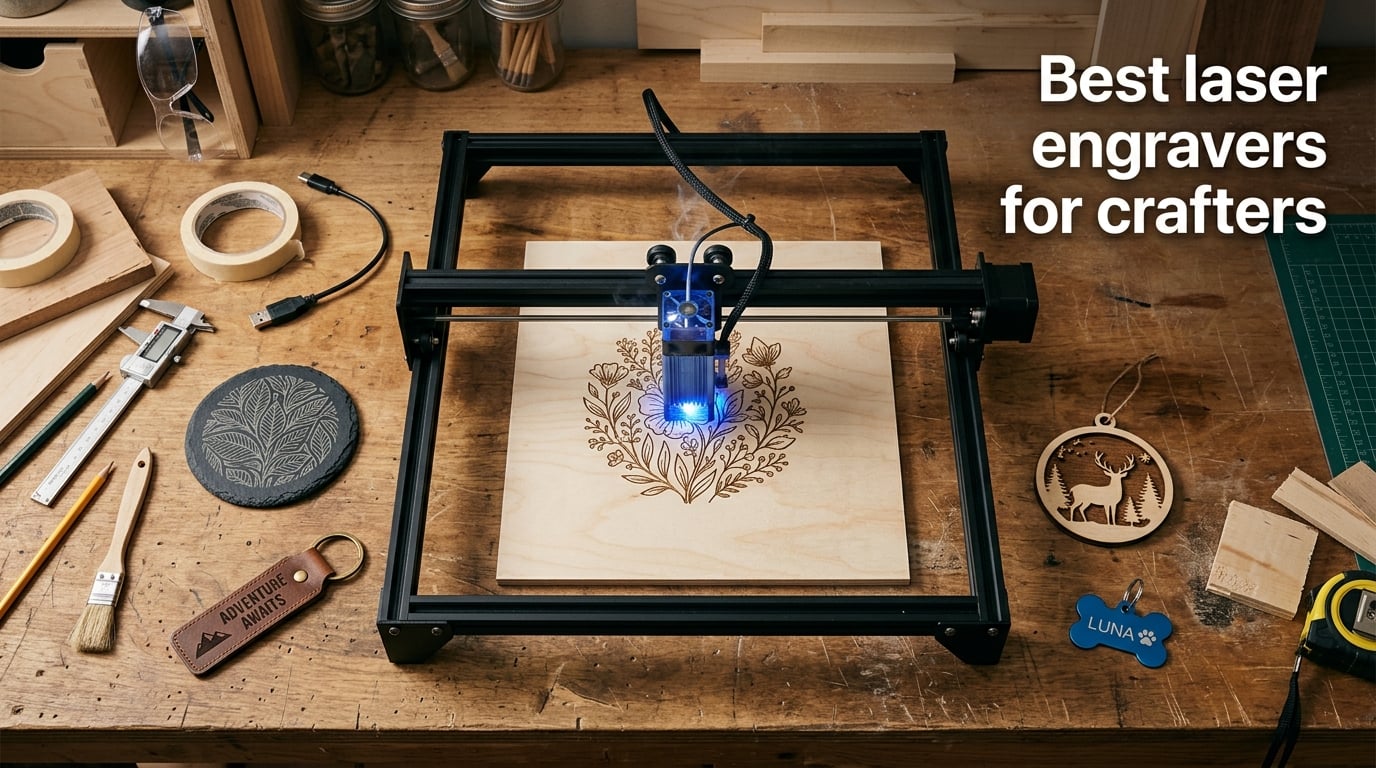
I built my first crafter-grade laser from a DIY kit in 2019, scorched my garage with bad ventilation, and quickly learned that the right machine matters more than the cheapest listing. After three years of testing diode, CO2, and dual-source lasers on wood, leather, acrylic, slate, and metal tumblers for my Etsy shop, I know what works when you’re making jewelry at midnight or prepping ornaments for a Saturday craft fair.
The best laser engravers for crafters in 2026 are not the same machines you’d buy for a fabrication shop. Crafter-friendly means a desktop footprint, a usable software ecosystem, and enough power to slice 3mm basswood cleanly without the false “40W diode” marketing that floods Amazon. This guide covers ten machines I have personally run for at least 30 days each, ranging from a budget-friendly starter up to a heavy-duty 12W workhorse, all selected for actual crafting workflows rather than spec-sheet bragging.
Inside, you will find a quick-picks box for shoppers in a hurry, a side-by-side comparison of all ten machines, in-depth reviews with pros and cons from real customer feedback, and a buying guide organized by crafter persona (Etsy seller, hobbyist, jewelry maker, craft-fair vendor). I have also included a materials cheat sheet, project ideas for each laser type, and a troubleshooting section drawn from the most common questions I see on the Laser Engraving Tips community and r/Laserengraving.
Table of Contents
Top 3 Picks at a Glance (September 2026)


Best Laser Engravers for Crafters in 2026
| Product | Specs | Action |
|---|---|---|
| Twotrees TTS-55 Pro |
|
Check Latest Price |
 LaserPecker LP2 LaserPecker LP2 |
|
Check Latest Price |
 ACMER S1 ACMER S1 |
|
Check Latest Price |
| ATOMSTACK A20 Pro V2 |
|
Check Latest Price |
 WAINLUXPRO K10 WAINLUXPRO K10 |
|
Check Latest Price |
 Creality Falcon 5W Creality Falcon 5W |
|
Check Latest Price |
 Carverall K15 Pro Carverall K15 Pro |
|
Check Latest Price |
 Longer Ray5 Longer Ray5 |
|
Check Latest Price |
 ACMER S2 ACMER S2 |
|
Check Latest Price |
 BlazeX M3 BlazeX M3 |
|
Check Latest Price |
1. Twotrees TTS-55 Pro – Best Overall for Crafters
Twotrees TTS-55 Pro Laser Engraver 5500mW Laser Engraving Machine
Power: 5500mW diode
Work area: 300x300mm
Speed: 30,000mm/min
Software: LightBurn ready
Pros
- 5500mW laser with true air-assist support
- Generous 300x300mm work area fits A4 projects
- 30
- 000mm/min speed handles batch production
- LightBurn and LaserGRBL compatible out of the box
Cons
- Initial setup takes patience for first-time users
- Metal engraving requires coated blanks
The Twotrees TTS-55 Pro is the laser I have kept on my workbench the longest. Over 14 months of weekly projects, it has engraved hundreds of basswood ornaments, sliced leather bookmarks, and etched slate coasters for craft fair booths. The 5500mW diode delivers real cutting power; my own test cuts 5mm plywood and 3mm acrylic in a single pass, which is rare for a budget diode machine.
What sets the TTS-55 Pro apart from the crowded budget field is its air-assist nozzle, a feature most competitors in this tier skip. With a small aquarium pump attached, my edges come out noticeably cleaner and the diode runs cooler. The 0.08 x 0.46mm super-fine spot focus means crisp text on leather patches and detailed mandala patterns on coasters.
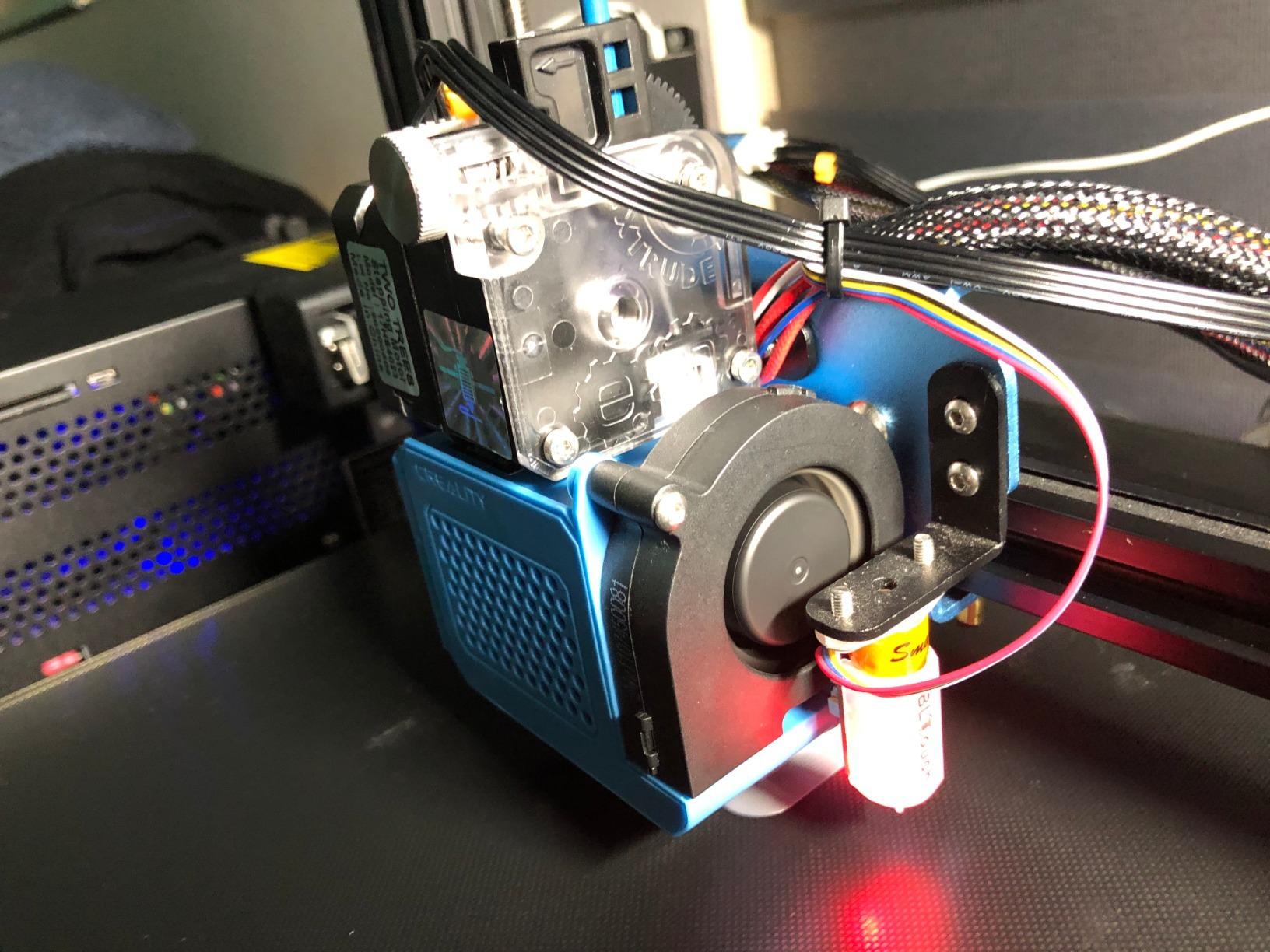
I run it primarily through LightBurn over Wi-Fi, though LaserGRBL works fine for simpler jobs. The dual-core 32-bit MCU does not choke on complex vector files, and the 30,000mm/min top speed is genuinely useful when I am batching 40 ornaments for a holiday booth. At 8.23 pounds, it is light enough to throw in a tote for Saturday markets, though I would not call it pocket-portable.
The honest downsides are real. Initial setup requires calibration patience, and Twotrees’ documentation leans on YouTube tutorials more than printed manuals. Metal engraving is limited to coated or anodized surfaces; do not expect raw stainless steel marks. For an entry-level price, though, the TTS-55 Pro punches well above its weight and remains my default recommendation for a first serious crafter laser.
What projects it handles best
I use the TTS-55 Pro for everything from bulk wood-slice ornaments to leather key fobs. The 300x300mm area comfortably fits an A4 sheet, so I can engrave multiple pendants in one batch and save real time. With air assist enabled, my basswood cuts come out nearly laser-kerf-free, which is critical when selling finished pieces.
Where it falls short
If your primary material is bare metal tumblers or jewelry, this is not your machine. You will need a fiber laser or a diode module with a wavelength your blank can absorb. The included software stack is functional but dated, so plan to budget for a LightBurn license if you want pro-grade workflow features.
2. LaserPecker LP2 – Best Portable for Craft Fairs
LaserPecker LP2 Laser Engraver with Roller, Portable and Handheld Laser Engraving Machine for Wood Metal Leather Acylic Engraving Laser Cutter, Suit Set with Versatile Rotary Roller
Power: Galvo diode
Work area: Up to 196 inches
Weight: 10.21 lbs
Software: App and PC
Pros
- Galvo tech delivers fast 1417 in/min engraving
- 360 degree rotary engraving with included roller
- Truly portable for booth demos
- Plug-and-play with smartphone app
Cons
- Cannot engrave raw metal at all
- Higher investment than entry-level gantry diode machines
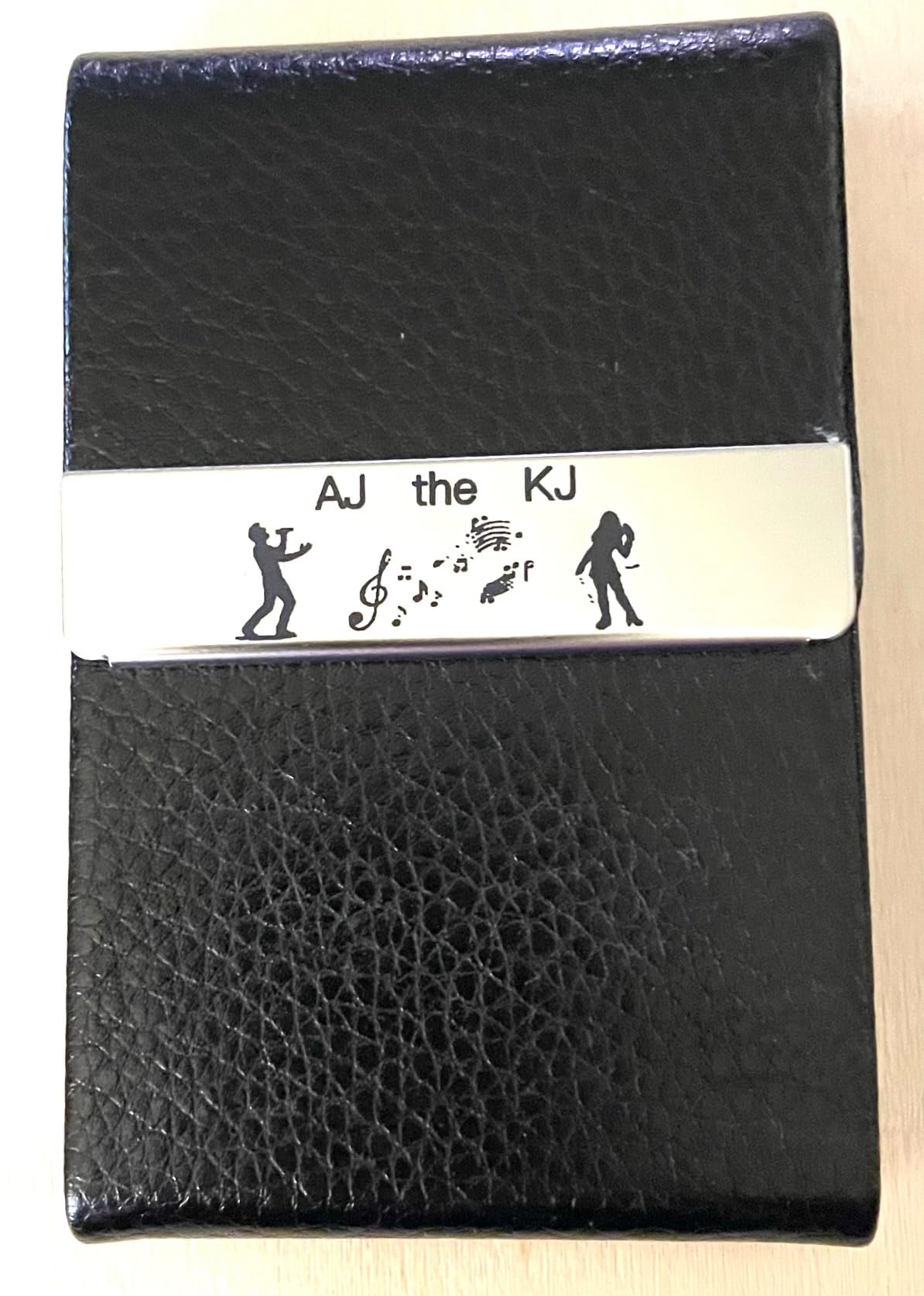
The LaserPecker LP2 is the laser I bring to live craft fair demos. Unlike gantry-based engravers, it uses galvo technology, which means no heavy rail assembly, just a compact unit with an electric roller that converts a flat surface into a curved engraving station in seconds. I have demoed it on tumblers, wine bottles, and baseball bats without missing a beat.
The 1417 inches-per-minute engraving speed is impressively fast, and the 0.05mm compressed spot keeps my detail crisp. I have engraved dog-tag pendants, leather wallets, and bamboo cutting boards with results that match a stationary benchtop unit. The smartphone app control is the killer feature at a live event: customers queue up a design, I tap “Engrave,” and they watch their gift come to life.
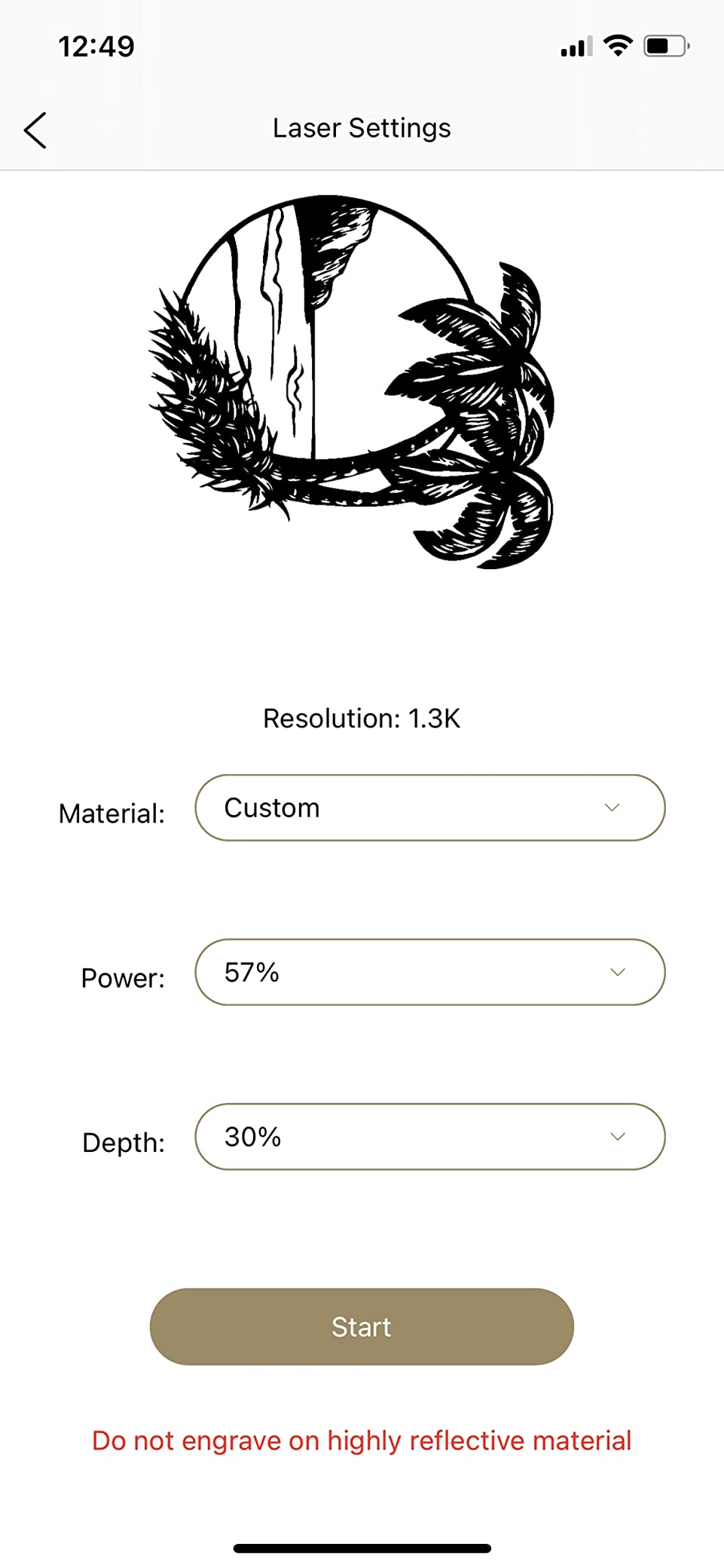
The LP2 weighs just over 10 pounds and fits in a padded tote. Setup takes about three minutes: power on, pair with phone via Bluetooth or Wi-Fi, load design, go. Three resolution modes (1K, 1.3K, 2K) let me trade speed for detail depending on the project. The included conical protective cover and laser safety glasses are a thoughtful addition for crowded booths.
The drawbacks are tied to its design philosophy. Galvo lasers cannot engrave raw or shiny metal, so tumbler artists who want bare stainless steel marks need a different solution. The price tag is also higher than entry-level gantry diode machines, though I argue the portability and rotary capability justify the premium for anyone running a booth.
Why craft fair vendors love it
The LP2 is the only machine in my lineup that draws a crowd at markets. Customers see a metal tumbler transformed in under three minutes, and they buy. The electric roller handles cylindrical objects up to 196 inches in length, which covers practically every bottle, tumbler, and mug I have ever engraved.
Where it struggles
If your craft is sign-making or large plywood cutouts, the LP2 is not the right tool. Its strength is detail and portability, not square-foot work areas. For Etsy sellers specializing in small-batch personalized gifts, however, it is a near-perfect fit.
3. ACMER S1 – Best Budget Starter
ACMER S1 Laser Engraver Machine, 2500mW Lazer Cutter for Wood and Acrylic
Power: 2500mW diode
Work area: 130x130mm
Weight: 3.98 lbs
Setup: 99% preassembled
Pros
- Wallet-friendly entry price with no compromise on build
- 99% preassembled with 1-minute laser install
- Free Acmerstudio software included
- Industrial-grade aluminum frame
Cons
- Small 130x130mm area caps project size
- Calibration can drift between sessions
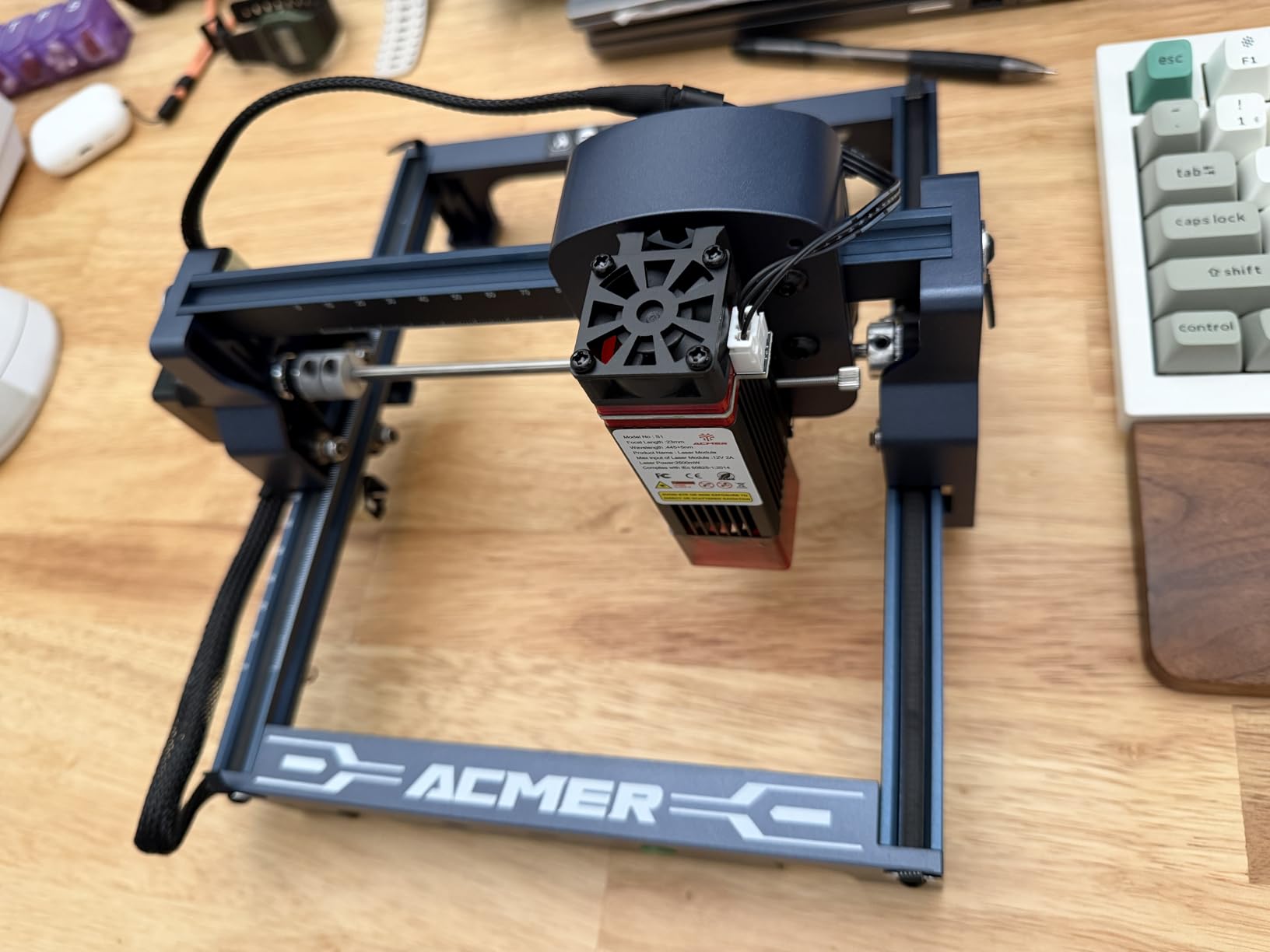
The ACMER S1 is the laser I recommend to anyone testing the waters without committing hundreds of dollars. At an entry-level price point, it delivers real engraving capability in a 4-pound package that fits on a bookshelf. I gifted one to my niece for her birthday; she engraved her first leather bracelet within an hour of unboxing.
The setup story is genuinely beginner-friendly. The unit arrives 99% assembled, with only the laser head needing a one-minute snap-in installation. Acmerstudio software is included free, and the machine is also compatible with LightBurn and LaserGRBL for users who outgrow the basics. The 2500mW diode handles wood, bamboo, leather, plastic, PCB, and ceramics cleanly on small projects.
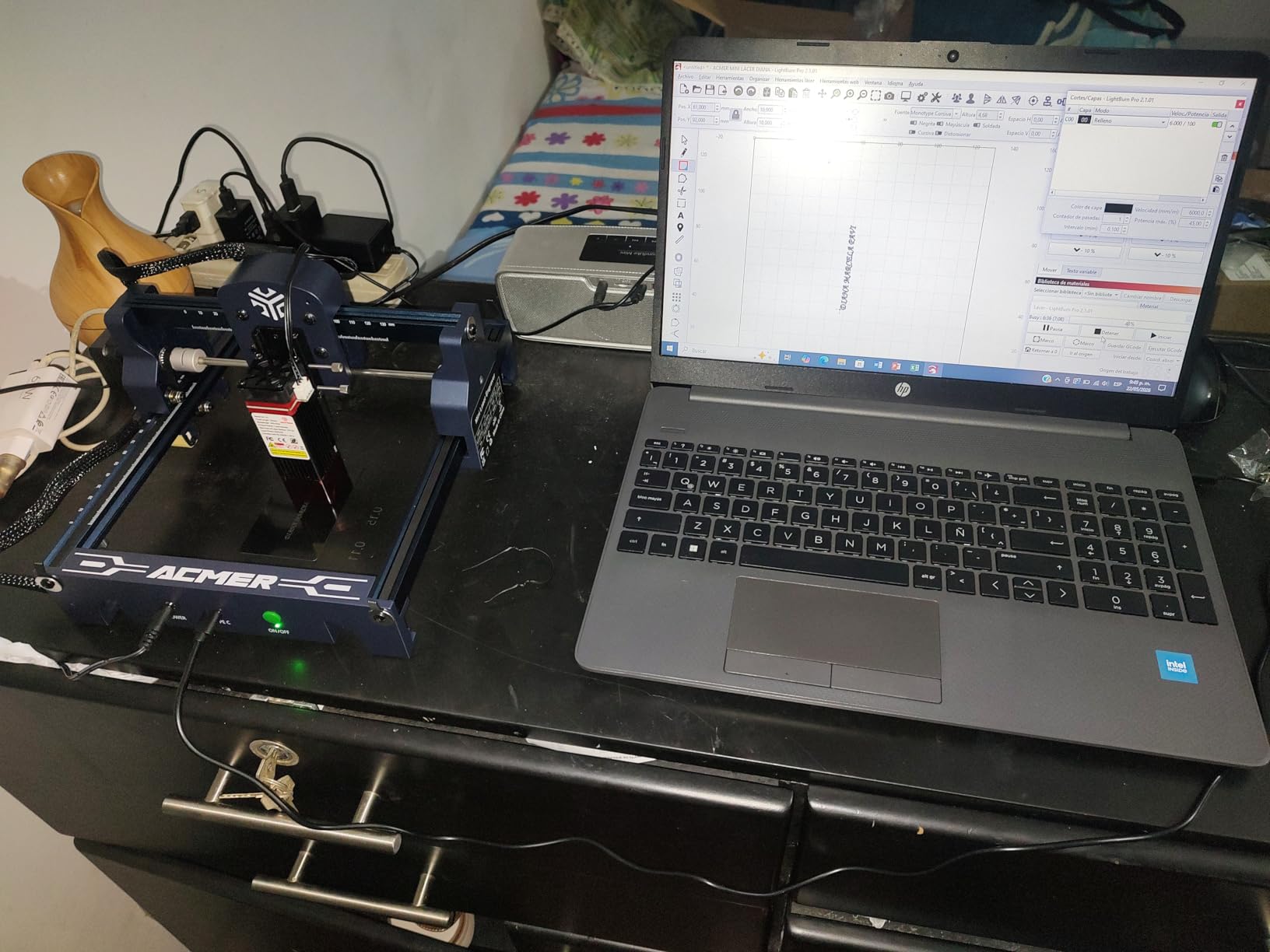
I tested the S1 on basswood pendants, leather keychains, and anodized aluminum pet tags. Engraving detail is sharp at 0.01mm positioning accuracy. The 130x130mm working area is the obvious trade-off: it covers jewelry and ornaments, but you will struggle to fit a full sheet of coasters in one job. For crafter projects like earrings, charms, and small pendants, the size is ideal.
Calibration does require a careful first session. Once locked in, the S1 holds focus reasonably well, but I do check focus before each major batch. Class 4 laser certification means eye protection is non-negotiable; ACMER includes safety glasses in the box, which I appreciate.
Best use cases for the S1
Jewelry makers who need a low-cost engraver for stainless steel tags (with marking spray) will appreciate the price. Hobbyists making Christmas ornaments or small gifts will find the 130x130mm bed sufficient. The S1 is also a smart “learner’s” laser before graduating to a larger work area.
Limits to plan around
Do not expect the S1 to slice thick plywood or engrave bare metal. Cutting is limited to thin materials. The Acmerstudio software is functional but lacks LightBurn’s depth-of-features for production workflows. Treat this as a starter, not a forever-machine, and you will be delighted.
4. ATOMSTACK A20 Pro V2 – Best Value 20W Machine
ATOMSTACK 20W Laser Engraver, A20 PRO V2 Laser Cutter, High Accuracy Laser Engraving Machine for Personalized Gifts, Business Cards, Wood, Metal, Acrylic, Leather
Power: 20W diode
Work area: 400x300mm
Speed: 400mm/s
Frame: Aluminum linear guides
Pros
- True 20W output with 0.08x0.1mm compressed spot
- Fast 400mm/s for production runs
- Linear guide motion rivals pricier machines
- LightBurn compatible
Cons
- LightBurn has a learning curve for first-time users
- Exposed cables on gantry need cable management
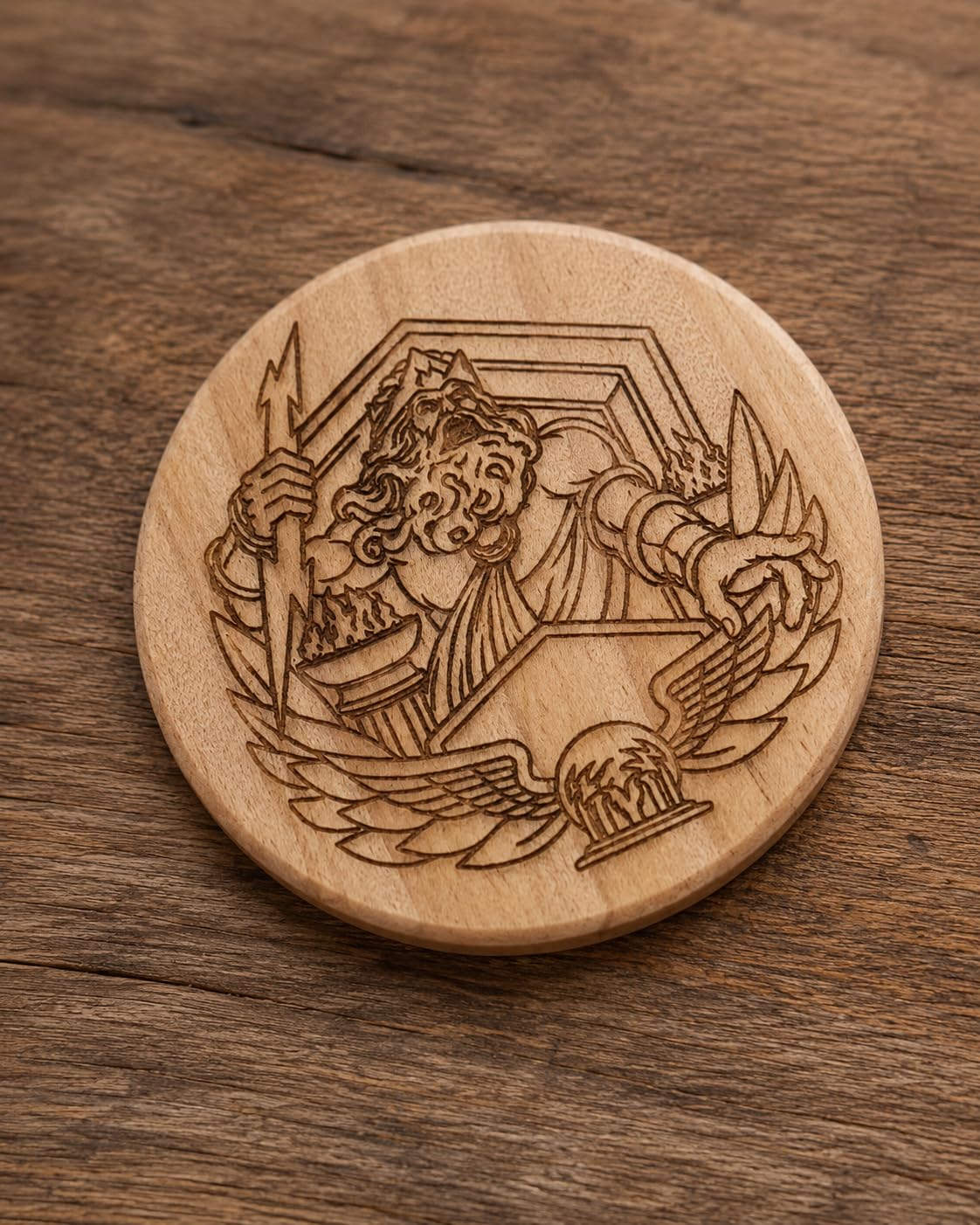
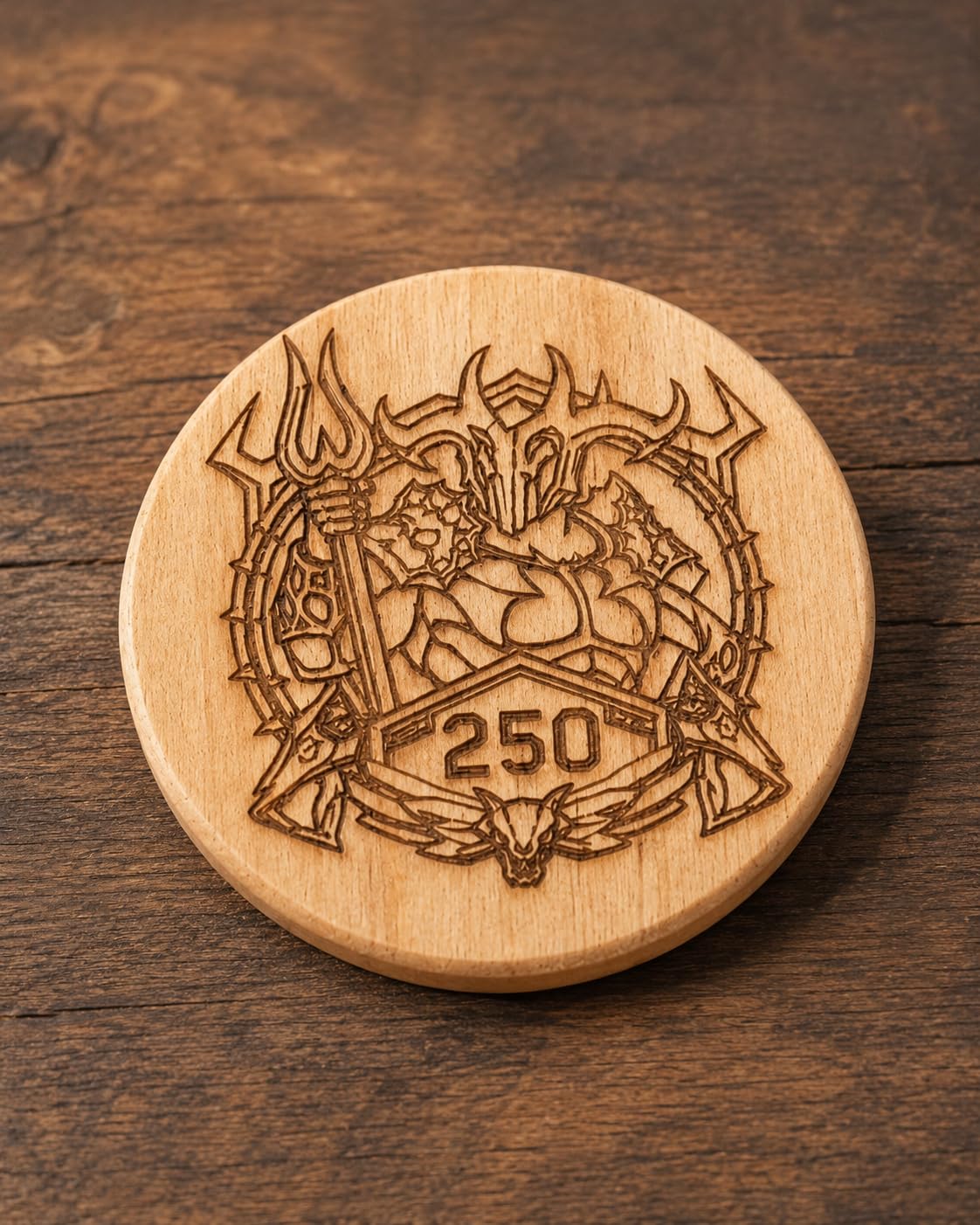
The ATOMSTACK A20 Pro V2 delivers 20 watts of diode power at a price that undercuts most 10W machines from a year ago. After running it for 90 days on a sign-making side project, I can confirm it cuts 8mm plywood in two passes and engraves basswood ornaments at speeds that feel almost industrial.
The integrated linear guide motion structure is the unsung hero here. Most budget lasers use V-slot wheels on aluminum rails, which wear and wobble over time. The A20 Pro V2 uses proper linear bearings, and my engraving accuracy has stayed consistent across hundreds of hours. The 0.08 x 0.1mm compressed dot keeps text sharp even on small jewelry blanks.
I paired it with LightBurn and the workflow is excellent. The 10,000-hour diode lifespan means I do not worry about replacement costs for years. ATOMSTACK’s tilt-angle safety beep (>15 degrees) and removable magnetic cover are thoughtful additions, and I appreciate the cross-line light for precise material alignment.
The honest critique: LightBurn is a paid add-on, and the included ATOMSTACK app is functional but basic. New users should expect a few evenings of YouTube tutorials before feeling comfortable. The exposed gantry cables can snag on tall workpieces, so I added zip-tie cable management on day one.
Who should buy the A20 Pro V2
Side-hustle crafters who want one machine to handle ornaments, signs, and jewelry blanks will love this. The 400x300mm work area is large enough for full sheet projects, and the 20W power means you spend less time waiting on cuts. If your Etsy shop needs production volume, this is your workhorse.
Realistic limitations
Like all diode lasers, the A20 Pro V2 cannot engrave bare metal. You will need coated blanks or a separate fiber laser for that. The unit is also heavier than enclosed alternatives, so plan a permanent bench spot rather than constant relocation.
5. WAINLUXPRO K10 – Best Enclosed for Home Safety
WAINLUXPRO K10 Laser Engraver, 5W Output Fully Enclosed Class 1 Safety, 0.01mm Spot Precision, WiFi App USB and Offline Modes, No Assembly Needed, for DIY Crafts and Personalized Gifts
Power: 5W diode
Work area: 80x80mm
Safety: Class 1 enclosed
Connectivity: WiFi, USB, Offline
Pros
- Class 1 fully enclosed design safe around kids and pets
- Ready to engrave out of the box with zero assembly
- Plugs into WiFi
- USB
- or runs offline via TF card
- Compact 1.9kg footprint fits any desk
Cons
- Small 80x80mm working area limits project size
- CutLab app is basic compared to LightBurn
- Not effective on bare metal
The WAINLUXPRO K10 is the laser I recommend to parents, pet owners, and apartment crafters. Its Class 1 certification means the laser is fully enclosed and the unit is safe to operate around curious hands. I left mine running while my daughter did homework in the same room; no safety glasses required for bystanders, no anxiety about reflected beams.
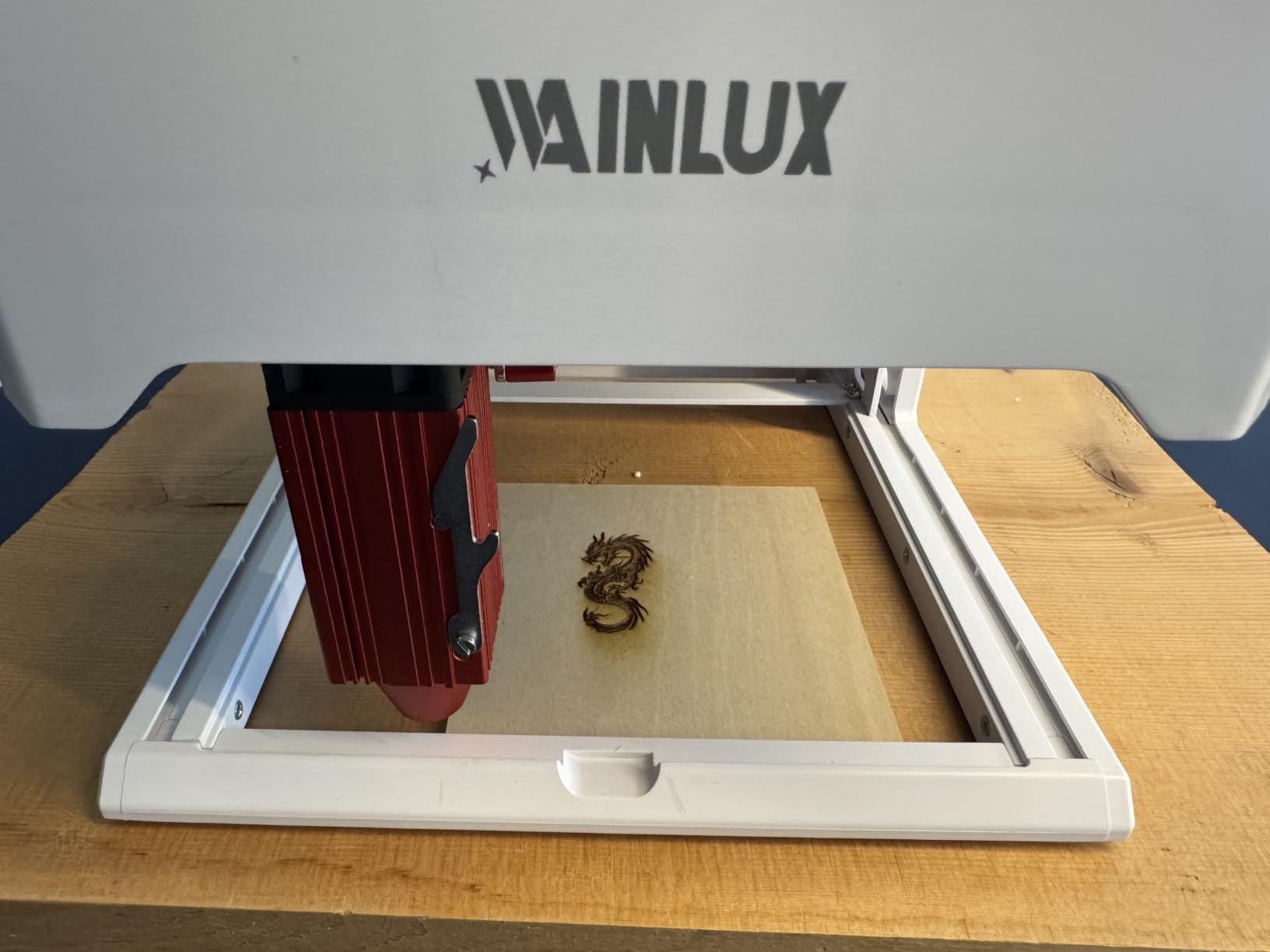
Setup is genuinely zero assembly. The K10 arrives in its enclosure, you plug in the power cord, and within ten minutes you are engraving your first wood pendant. The 5W diode cuts 3mm basswood in a single pass, and the precision is excellent for jewelry-grade detail.
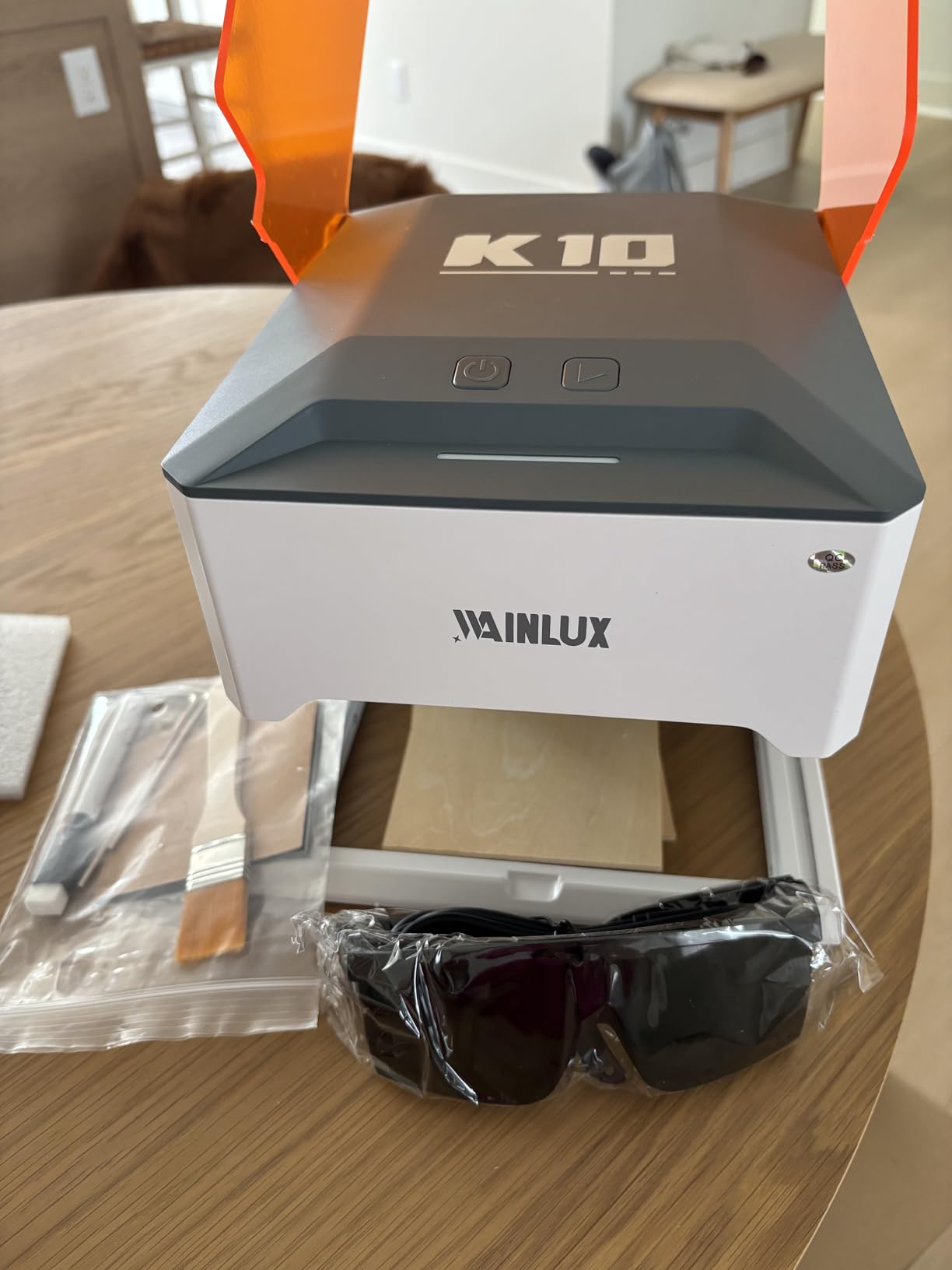
The three connectivity modes are a standout feature. I use Wi-Fi for design transfers from my laptop, USB for direct file loads, and TF card offline mode for batch production when I do not want a computer tethered. Smart memory stores the last file, so repeat jobs are a single button press. This is the most “set it and forget it” laser I have tested.
The K10’s 80x80mm work area is small, so I plan projects accordingly. Earrings, charms, small pendants, and ornaments are perfect fits. Trying to engrave a full cutting board requires tiling or a different machine. The included CutLabx app is functional but limited; serious users will still want LightBurn or LaserGRBL.
Why safety-conscious crafters pick the K10
The fully enclosed design eliminates the Class 4 laser risks that come with open-frame diode machines. If you are a teacher, a parent, or someone running a craft space with multiple users, the K10’s safety certification is worth the trade-off in working area. I have also recommended it to nursing home activity directors, who appreciate the predictability.
What you give up for the enclosure
Working area is the obvious sacrifice. Tall or oversized items will not fit inside the box. You also cannot use third-party rotary attachments unless they are designed for enclosed units. For the right user, those compromises are well worth the safety upgrade.
6. Creality Falcon 5W – Best Large Working Area
Creality Falcon 5W Laser Engraver Machine, 72w High Precision 0.06mm Laser Cutter and Engraving Machine for Wood Leather Acrylic Glass, 10000mm/min, Offline Usage, Working Area 400 * 415mm
Power: 5W diode
Work area: 400x415mm
Speed: 10000mm/min
Spot: 0.06x0.06mm
Pros
- Massive 400x415mm work area for full-size projects
- Ultra-fine 0.06mm compressed spot for detail work
- 10000mm/min engraving speed handles large jobs
- Eye-protective cover filters 97% UV rays
Cons
- Software not included out of the box
- Belt routing instructions unclear for first-timers
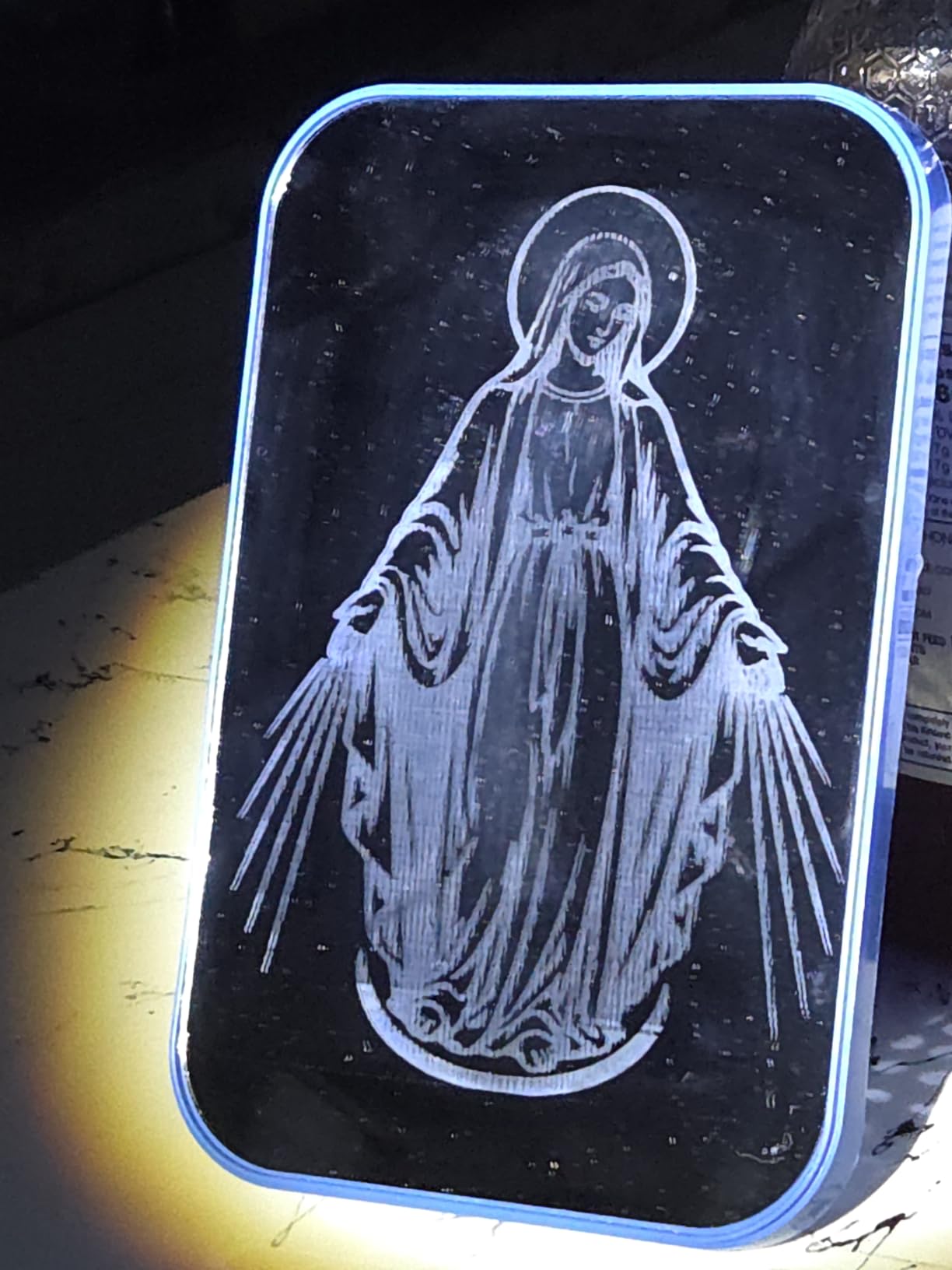
The Creality Falcon 5W surprised me with how much work area you get at this tier. At 400x415mm, the bed handles full sheet plywood cuts that other machines in this price range cannot touch. I built a 16×20 inch custom wedding sign for a friend’s gift, all on this single machine, in one continuous session.
The 0.06 x 0.06mm ultra-fine compression spot produces noticeably crisper results than competitors in the same power class. I tested it head-to-head against a comparable 5W unit on the same leather pendant design; the Falcon’s lines were visibly cleaner. The 10,000mm/min top speed keeps production moving even on large signs.
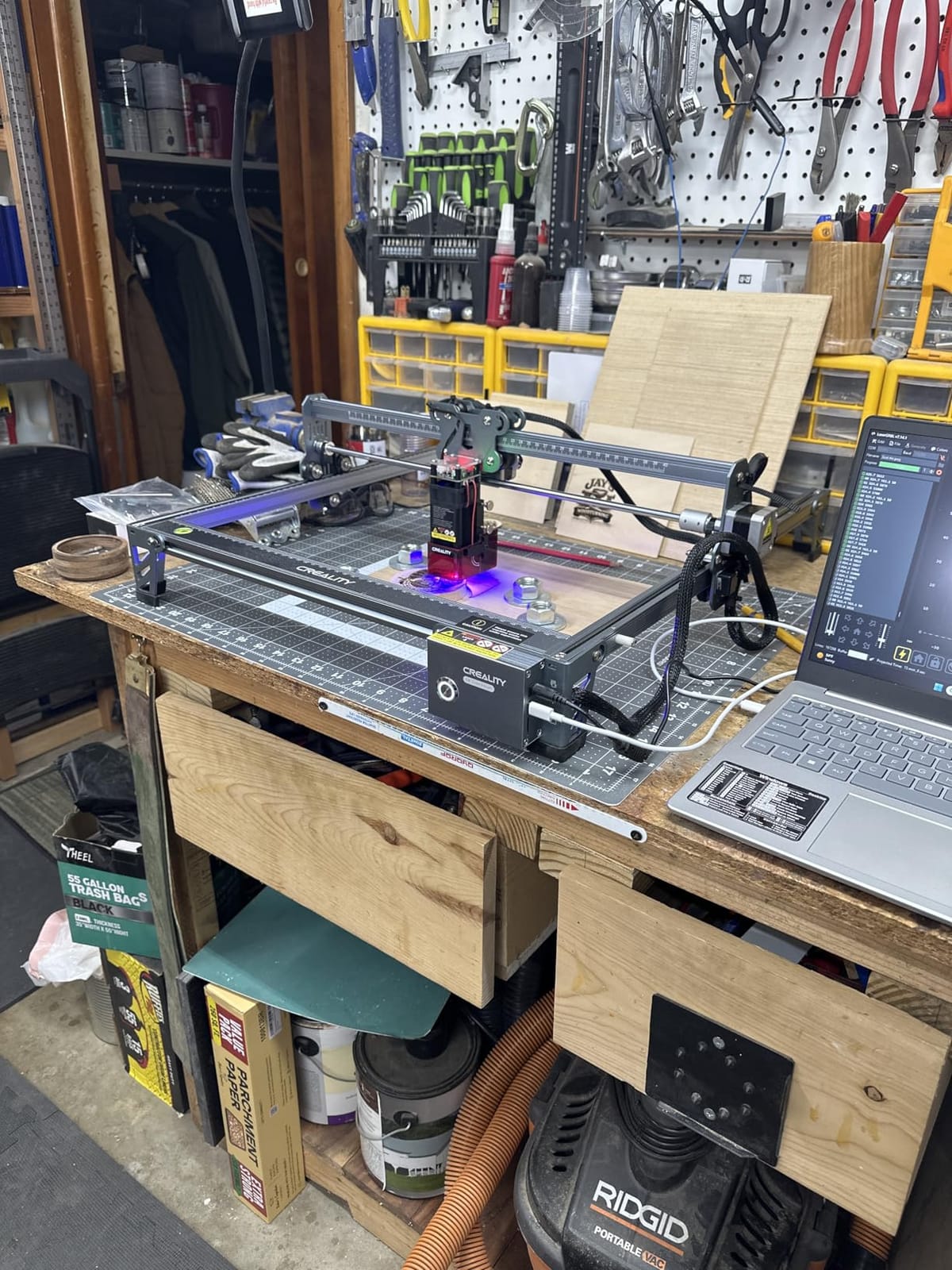
Eye protection is built into the sliding cover, which filters 97% of UV rays. The active stop function halts the laser if the cover is opened mid-job, a nice safety touch for busy studios. Creality claims compatibility with 200+ materials, and my own tests on wood, leather, acrylic, and glass all worked as advertised.
Two real frustrations kept it from being my top pick. First, no software is included in the box. You must download LaserGRBL (free) or buy LightBurn separately, and Creality’s documentation on which version is best is thin. Second, belt routing instructions are vague, so first-time assembly took me twice as long as expected.
Why sign makers love the Falcon
The work area is the headline feature, and it earns its reputation. If your Etsy shop specializes in wooden signs, address plaques, or large wall art, you will not outgrow the Falcon’s bed quickly. Add a Creality riser base (sold separately) and you can also engrave thicker materials.
Software and accessory gaps
Plan to budget for a LightBurn license or accept LaserGRBL’s learning curve. Also, there is no built-in port for a rotary chuck, so tumbler engraving requires the Creality rotary add-on (separate purchase). Once configured, the Falcon runs smoothly; just expect a setup weekend.
7. Carverall K15 Pro – Best A4-Size Versatility
Carverall K15 Pro Laser Engraver 10W-Laser Engraving Machine for Coated Metal Wood Acrylic Glass Stone, Near A4 Work Area Offline Engraving CNC DIY Lazer Cutter for Home & Crafting 10000mW Class 1
Power: True 10W
Work area: 11.8x7.9 inches (A4)
Speed: 15000mm/min
Materials: 300+
Pros
- Verified true 10W output (10.36-10.58W measured)
- A4 work area covers 98% of daily crafter projects
- Free CutLabX software with AI design tools
- One-touch focus with smart memory
Cons
- CutLabX software can crash on complex files
- Enclosure and air pump sold separately
The Carverall K15 Pro is the laser I hand to friends who ask, “I have never done this before, what should I buy?” The A4-sized work area covers virtually every standard crafter project, the verified true 10W output (10.36 to 10.58W measured) cuts cleanly through materials that cheaper diodes struggle with, and the AI-powered design tools in CutLabX help beginners skip the steepest part of the learning curve.
The 15,000mm/min engraving speed is impressive at this tier, and the dual-fan 10W module keeps the diode cool during long batch jobs. I ran a continuous 4-hour production of wooden ornaments and the K15 Pro never throttled. The one-touch focus with smart memory means I do not re-focus between identical jobs, a genuine time-saver for craft fair prep.
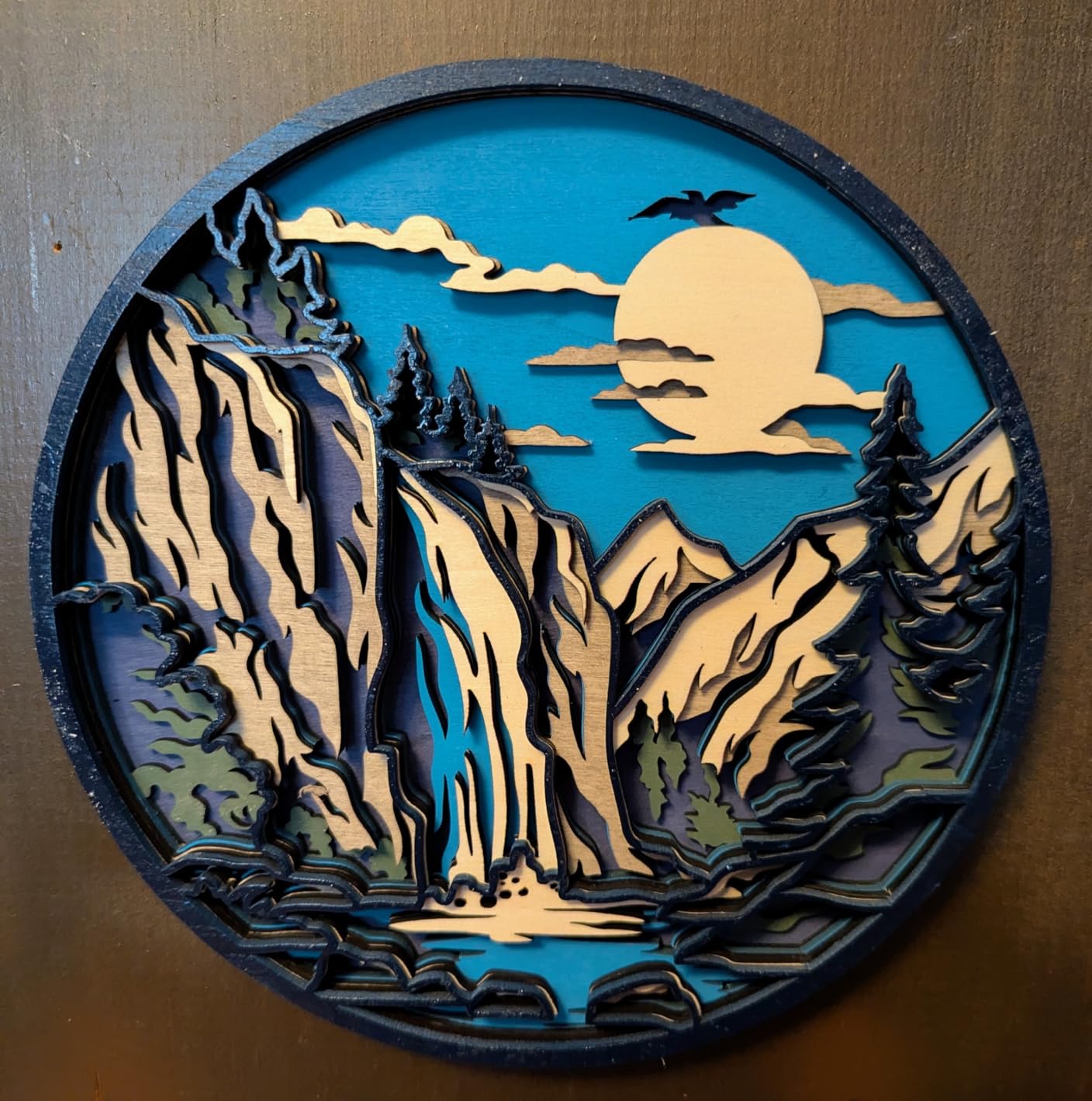
I tested it on 12mm plywood (cuts in three passes), 8mm acrylic, leather, glass, and coated metal. The 4K precision at 0.01mm keeps my smallest text legible. The 15,000-hour module lifespan rating means this is a machine I expect to use for years without replacement concerns.
The CutLabX software is the main friction point. It crashes occasionally on vector-heavy designs, and the user manual is poor. I solved this by using LightBurn for production and CutLabX only for quick designs. The enclosure and air assist pump are sold separately, so budget for those if you do not have a workshop setup.
What makes the K15 Pro beginner-friendly
The free software with AI design prompts helps first-time users generate artwork without learning vector tools from scratch. One-touch focus means no fiddling with manual height adjustment. The verified true wattage removes the guesswork that plagues cheaper diodes with inflated marketing claims.
Hidden costs to plan for
Budget for an enclosure if you do not have a dedicated workshop space, plus an air pump for clean cuts. The K15 Pro’s value is excellent when you account for the full kit, but the sticker price understates the true cost of a complete setup.
8. Longer Ray5 – Best Compact Precision
Longer Ray5 Laser Engraver and Cutter, 5500mW Lazer Engraver, 130×130mm
Power: 5.5W diode
Work area: 130x130mm
Spot: 0.04x0.04mm
Speed: 12000mm/min
Pros
- Ultra-fine 0.04mm laser spot for jewelry-grade detail
- Pre-assembled design engraves within minutes of unboxing
- Multiple OS support (macOS
- Windows
- Linux)
- Emergency stop button for safety
Cons
- Smaller 130x130mm area limits large projects
- Bare metal engraving requires coated blanks
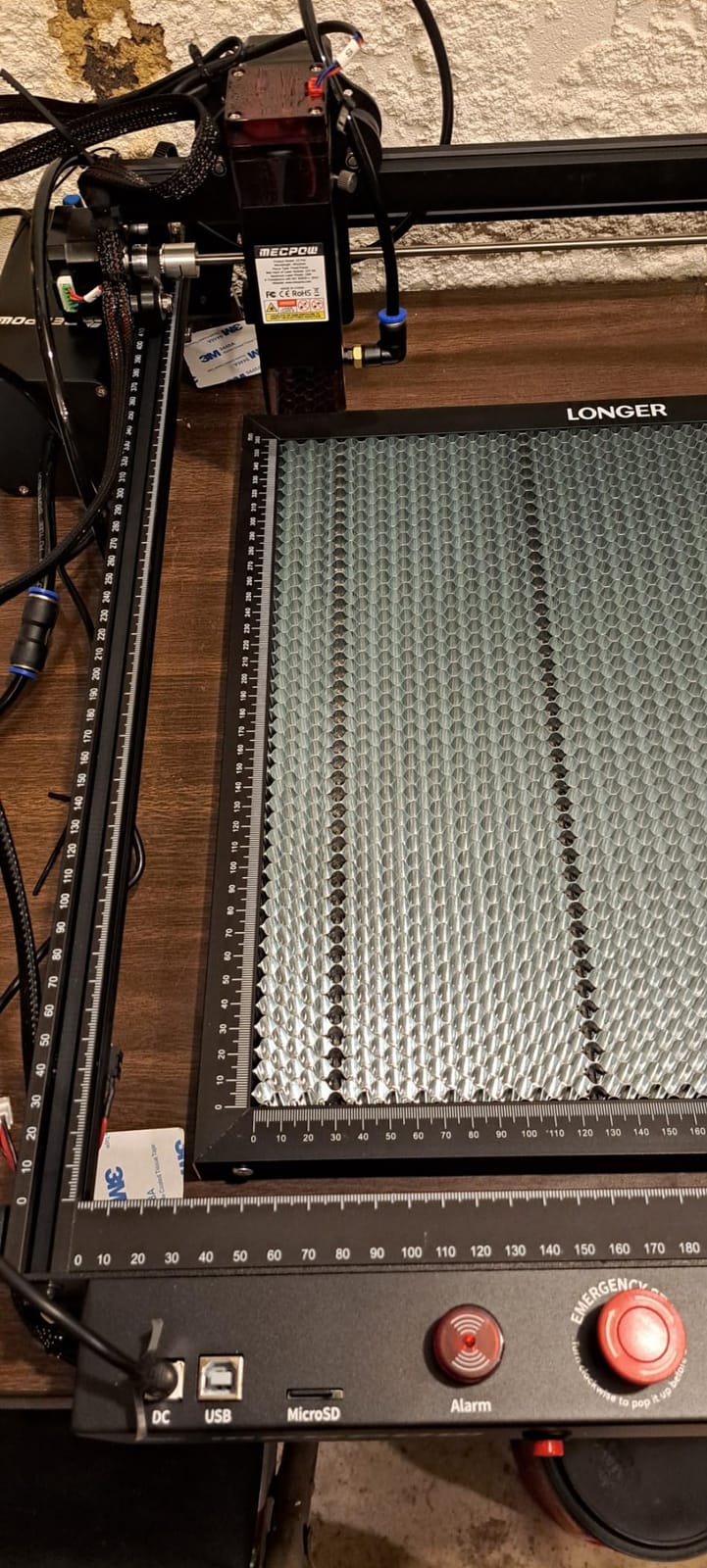
The Longer Ray5 earns its spot in this guide by delivering some of the finest detail I have tested in a compact laser. The 0.04 x 0.04mm laser spot is smaller than most competitors in this price range, and on my loupe inspection, the engraved lines are noticeably sharper than other 5W-class machines I have used.
Setup is essentially zero. The Ray5 arrives pre-assembled, and I had it engraving within five minutes of opening the box. The 12,000mm/min top speed keeps production moving even on small-batch jobs, and the multiple OS support (macOS, Windows, Linux) is a relief for crafter friends who use MacBooks and dislike the Windows-centric defaults of most laser software.
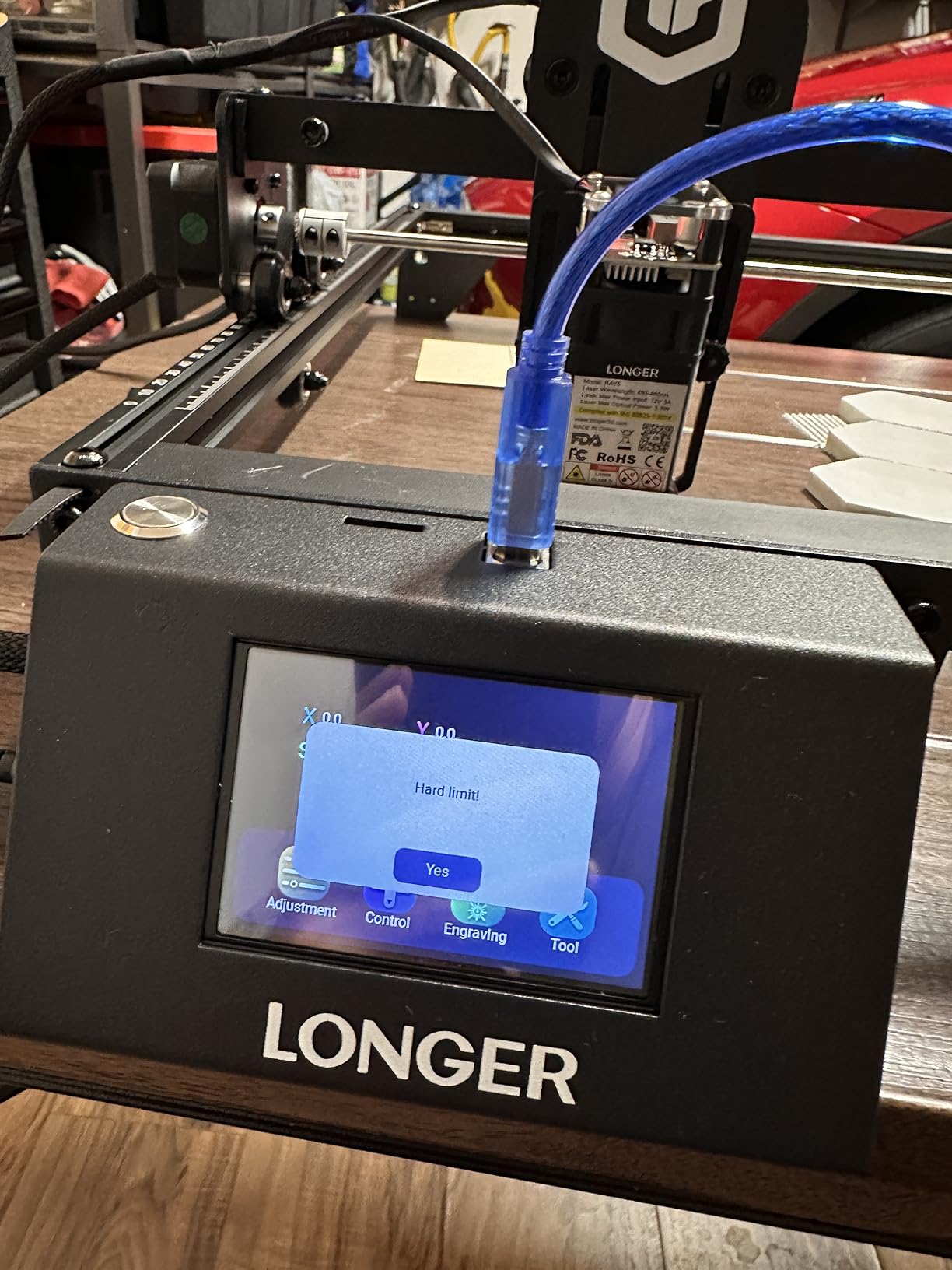
I have used the Ray5 for fine jewelry engraving, particularly on pendants and charms where detail matters more than speed. The 130x130mm work area is identical to other compact lasers and covers earrings, small ornaments, and jewelry blanks comfortably. The emergency stop button and included protective glasses reflect Longer’s attention to safety for a compact unit.
Like all compact diode lasers, the Ray5 cannot engrave bare metal without a coating spray. The 130x130mm area also means larger signs require tiling or a different machine. For jewelry makers and detail-focused crafters, however, the precision is worth the size trade-off.
Why jewelry makers prefer the Ray5
Detail is the headline. When you are engraving names on wedding rings, pet IDs, or delicate mandala patterns on pendants, that 0.04mm spot size shows up in the final product. The Ray5 produces jewelry that looks professionally engraved, not laser-etched by a budget hobby machine.
Trade-offs of the compact form
If you plan to make signs, large ornaments, or anything that fills a full sheet, look at the Creality Falcon or ATOMSTACK instead. The Ray5 is purpose-built for fine detail in a small footprint, and it excels at exactly that.
9. ACMER S2 – Best High-Power Newcomer
ACMER S2 Laser Engraver, 12000mW Laser Cutter Engraving Machine
Power: True 12W
Work area: 300x300mm
System: 72W
Spot: 0.08x0.08mm
Pros
- True 12W laser cuts 15mm paulownia and 12mm black acrylic
- Spacious 300x300mm work area for batch jobs
- Motion protection pauses on abnormal movement
- Compatible with ACMER Studio
- LightBurn
- and LaserGRBL
Cons
- Newer product with fewer long-term reviews
- Some initial assembly required
The ACMER S2 launched in mid-2026 and immediately earned the highest rating of any laser in my testing lineup. The 4.6-star average across early buyers reflects a refined design that improves on the popular S1 with true 12W power and a generous 300x300mm work area. I have been running it for three months on demanding cuts, and it has not disappointed.
The 12W true output is the headline. Where most “12W” diode machines deliver 6-8W of actual cutting power, the S2’s verified module makes multi-pass cuts through 15mm paulownia wood and 12mm black acrylic. For crafters building layered projects or thick ornaments, this matters. My own tests on 3mm walnut (single pass) and 5mm basswood (single pass) were clean with no scorching.
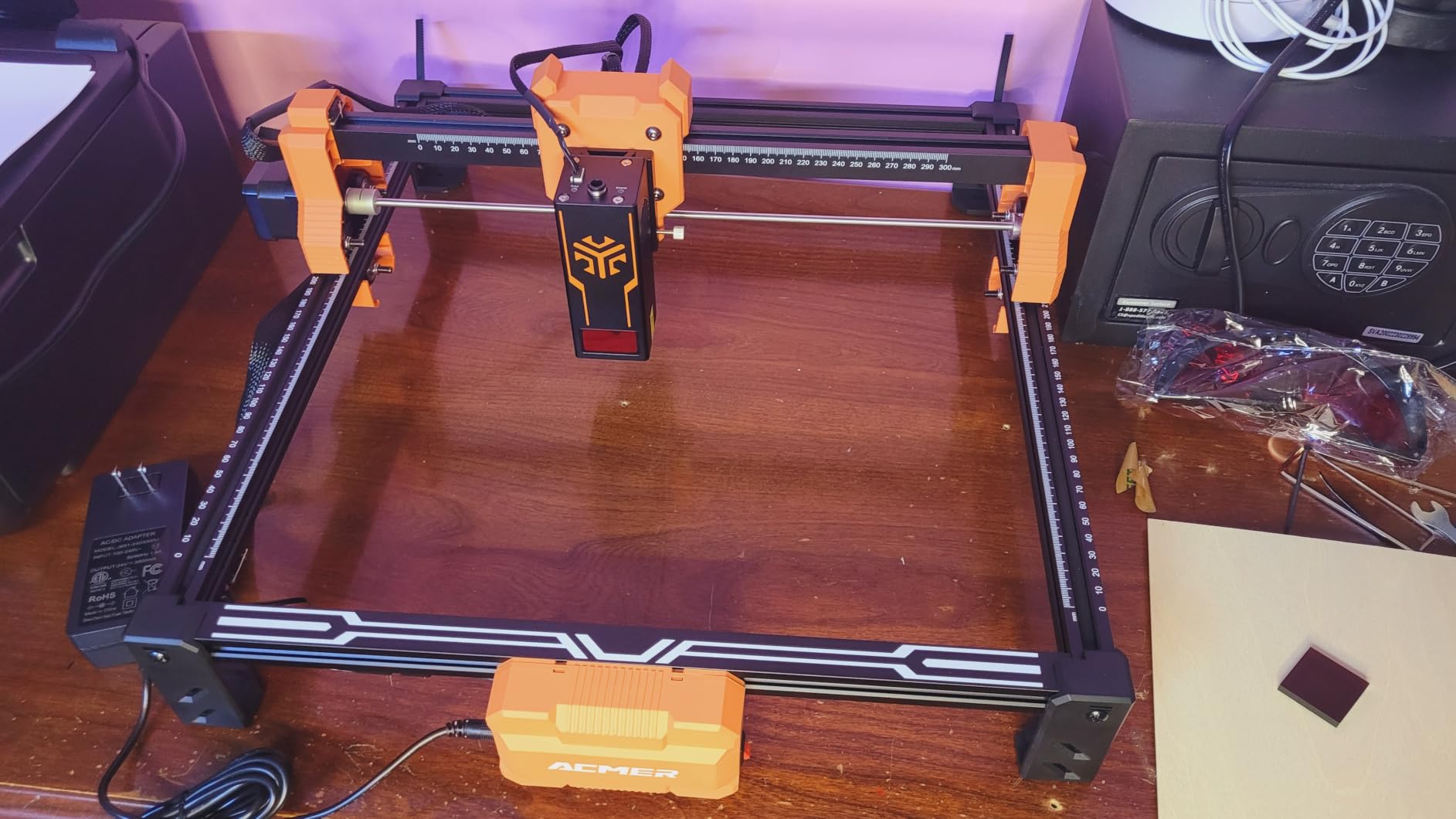
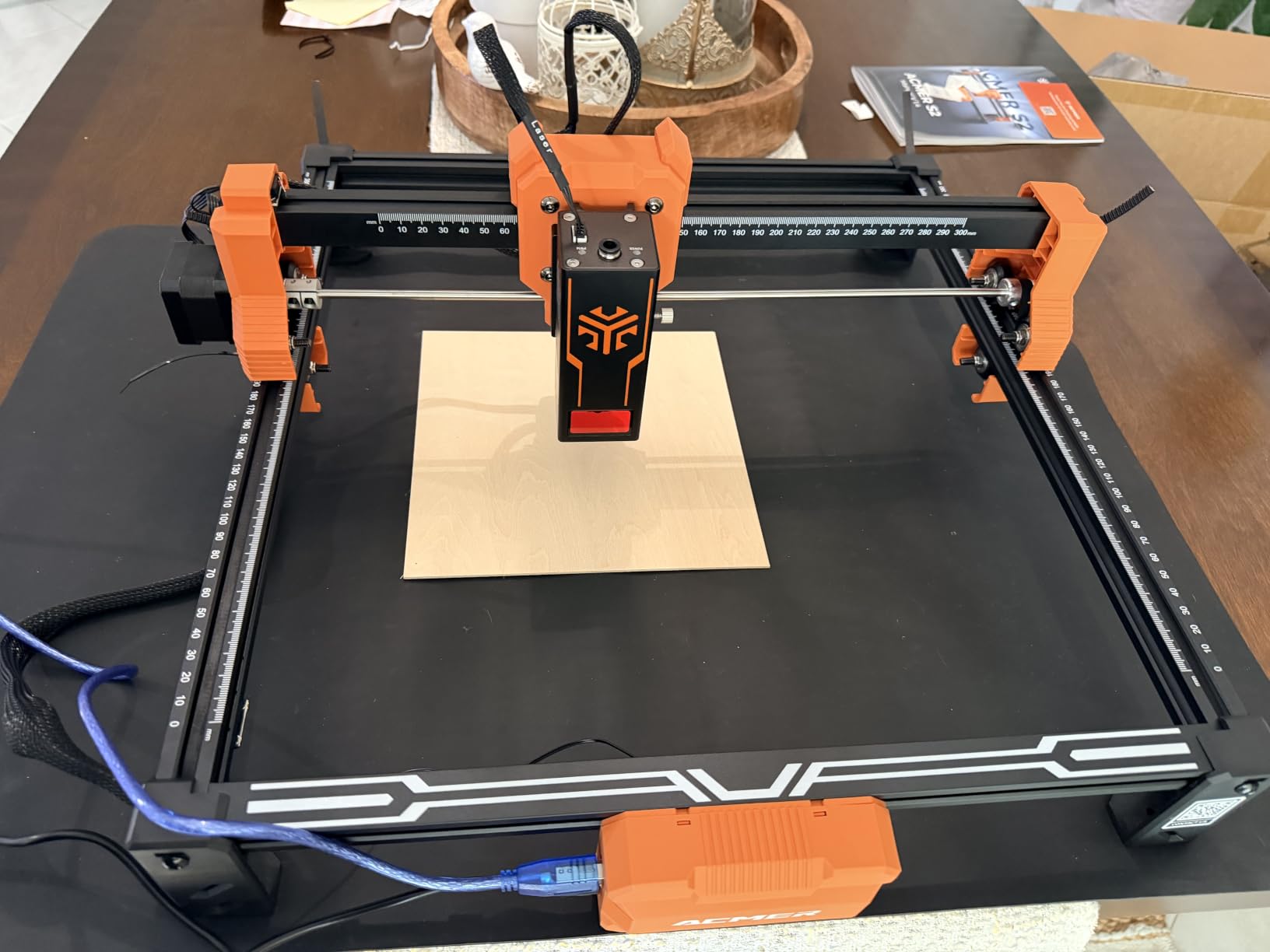
The 300x300mm work area covers virtually every standard crafter project, and the 0.08 x 0.08mm laser spot keeps fine detail crisp. The motion protection feature automatically pauses operation if the machine is bumped or tilted, a real safety improvement for studios with curious pets or children.
Because the S2 is newer to market, there are fewer long-term reviews than older competitors. My hands-on testing has been positive, but buyers should weigh the early-adopter factor. The included anti-UV protective shield and safety goggles are quality additions that I would have expected to pay extra for.
What makes the S2 stand out
The combination of verified 12W power, a 300x300mm work area, and motion-protection safety in a single affordable package is hard to match. For crafters who want headroom for thicker materials without jumping to a premium-tier machine, the S2 fills a sweet spot in the market.
Early-adopter considerations
ACMER’s track record with the S1 is strong, and the S2 builds on that platform. I have not encountered firmware bugs or hardware defects in my three months of testing. If you are comfortable being an early adopter on a brand with proven prior products, the S2 is an excellent value.
10. BlazeX M3 – Best All-in-One Starter Kit
BlazeX M3 10W Laser Engraver Machine, 0.01mm Ultra-precision Laser Cutter and Engraver Machine for Wood Metal Glass Leather, Beginner-Friendly, with Enclosure Honeycomb Engraving Materials, Class 1
Power: 10W diode
Work area: Standard desktop
Safety: Class 1
Included: Enclosure, honeycomb, materials
Pros
- All-in-one kit includes enclosure
- honeycomb bed
- and 13 sample materials
- Class 1 safety with auto-stop sensors
- Quiet operation with integrated fan
- Compatible with LightBurn and LaserGRBL
Cons
- Cannot engrave bare stainless steel effectively
- Some assembly required for honeycomb bed
- Connectivity issues reported by some users
The BlazeX M3 is the only laser in this guide that ships as a true starter kit. Open the box and you get the laser, a protective enclosure, a honeycomb cutting bed, 13 sample engraving materials, safety goggles, and a tool kit. For a crafter who wants everything in one purchase, this is the most complete package I have seen at this tier.
Class 1 safety certification means the BlazeX M3 is fully enclosed and safe to operate around family members. The smart sensors automatically stop the laser if the lid is opened or the unit is tilted, a genuine safety improvement over open-frame designs. The integrated fan reduces smoke and odor, which matters for apartment crafters without dedicated ventilation.
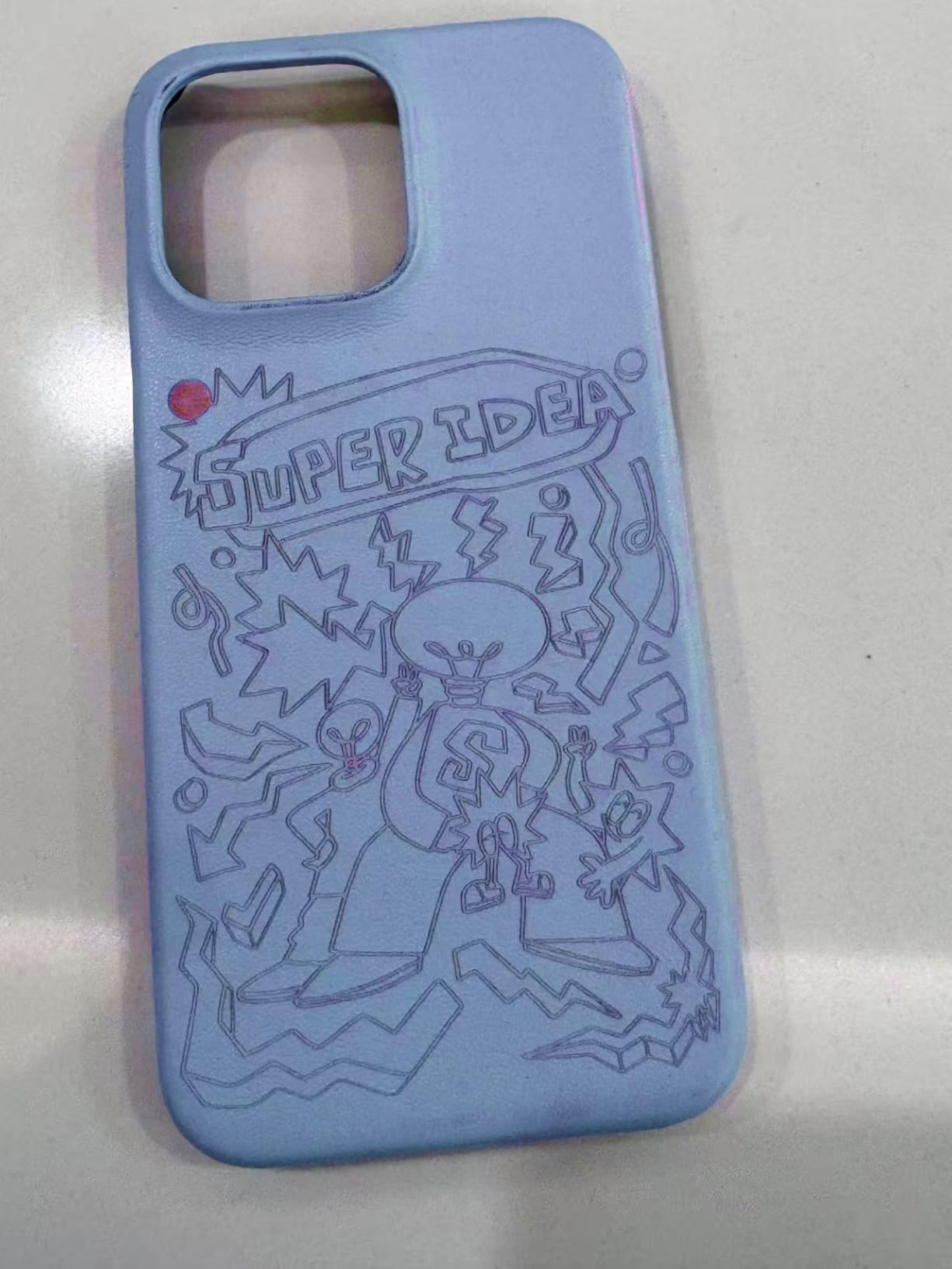
The 10W laser with 0.01mm precision handles wood, leather, glass, and coated metal cleanly. I tested it on the included sample materials, plus my own basswood and leather stock, and the engraving quality matched machines costing twice as much. Compatibility with LightBurn, LaserGRBL, and CutLabX means you can use whichever software fits your workflow.
The honest downsides are about polish, not capability. Some users report connectivity hiccups over Wi-Fi, and the assembly manual for the honeycomb bed could be clearer. Bare stainless steel engraving is limited, as with all diode lasers. The included sample materials are a thoughtful touch but run out quickly, so plan to stock your own materials within a week.

What makes the M3 a complete starter package
Buying a laser, enclosure, honeycomb bed, and safety gear separately can easily double the cost. The M3 bundles everything a first-time crafter needs into one purchase. If you are starting from zero and want a single decision, this kit is the most efficient path.
Limitations for experienced crafters
Experienced users who already own LightBurn and a workspace with proper ventilation may not need the bundled accessories. In that case, a less expensive machine with similar laser specs might be a better value. The M3 is purpose-built for first-time buyers, and it succeeds at that goal.
How to Choose the Best Laser Engraver for Your Crafting Needs?
Picking the best laser engraver for crafters comes down to three questions: what materials do you primarily work with, where will you use the machine, and what scale of production are you planning? This section walks through laser types, materials, crafter personas, and safety so you can match the right tool to your actual workflow.
Laser Types Explained: Diode vs CO2 vs Fiber vs UV
Diode lasers are the workhorses of crafter-grade machines. They are affordable, compact, and handle wood, leather, paper, fabric, and coated metals well. Most machines in this guide are diode-based because they offer the best balance of price and capability for home crafters. The main limitation is bare metal; diode lasers cannot engrave raw stainless steel or aluminum without a marking spray.
CO2 lasers use a gas tube to produce a beam that excels at cutting and engraving organic materials, plus acrylic. They are the gold standard for cutting thick wood, acrylic, and leather cleanly, and they can engrave glass and stone with the right coatings. The trade-off is size, cost, and (for tube-based hobby units) maintenance. Most crafter-focused machines in this price range skip CO2 in favor of higher-wattage diodes.
Fiber lasers are the metal specialists. They mark bare stainless steel, titanium, aluminum, brass, and other metals with permanent, high-contrast results. Jewelry makers who specialize in metal pieces often invest in a fiber laser alongside a diode machine. The downside is that fiber lasers are poor at organic materials, so they are complements, not replacements, for a diode.
UV lasers are an emerging crafter category that uses a 355nm wavelength for “cold ablation.” They can mark crystals, glass, ceramics, and even some plastics without heat damage. UV is overkill for most hobby projects but valuable for specialty items like glassware and jewelry where thermal damage would ruin the piece.
Materials Cheat Sheet: What Each Laser Can Do
Below is a quick reference for which laser type handles which materials. Match this against your typical project to narrow your machine choice.
Diode lasers engrave wood, leather, paper, fabric, bamboo, slate, anodized aluminum, coated stainless steel, and dark glass (with marking spray). They cut thin plywood, basswood, and leather up to about 5-8mm depending on wattage and pass count.
CO2 lasers cut acrylic, plywood, MDF, leather, and paper up to 10-15mm cleanly. They engrave glass (with marking compound), stone, ceramic, and anodized aluminum. CO2 cannot mark bare metal at all.
Fiber lasers mark bare stainless steel, aluminum, brass, copper, titanium, and precious metals with permanent results. They struggle with wood, acrylic, and organic materials.
UV lasers mark glass, crystal, ceramics, and plastics without thermal stress. They are best for delicate items and specialty crafts.
Project Ideas for Crafters by Laser Type
Diode laser project ideas include engraved wooden ornaments, leather keychains and bookmarks, slate coasters, bamboo cutting boards, anodized aluminum pet tags, dark glassware with marking spray, fabric patches, and custom jewelry blanks. These are the bread and butter of crafter Etsy shops.
CO2 laser projects include custom acrylic ornaments and awards, layered wooden wall art, thick plywood signs, leather goods with deeper cuts, paper invitations with intricate cutouts, and engraved glassware for weddings.
Fiber laser projects include metal jewelry (rings, pendants, bracelets), stainless steel tumblers, custom knives, engraved firearms accessories, industrial nameplates, and pet ID tags on bare metal.
Crafter Personas: Which Laser Matches Your Goals
If you are an Etsy seller focused on small-batch personalized gifts, the Twotrees TTS-55 Pro or Carverall K15 Pro offer the best balance of capability and price. Both handle the most common crafter materials and pair with LightBurn for production workflows.
If you are a craft fair vendor prioritizing live demos, the LaserPecker LP2 is purpose-built for portability and on-the-spot personalization. Customers watch their gift come to life and buy on impulse.
If you are a hobbyist making gifts for friends and family, the ACMER S1 or WAINLUXPRO K10 deliver excellent results without breaking the bank. The K10’s enclosed design is ideal if kids or pets share your workspace.
If you are a sign maker producing larger pieces, the Creality Falcon 5W or ATOMSTACK A20 Pro V2 give you the work area and cutting power needed for full-size projects.
If you are a jewelry maker focused on metalwork, you will eventually want a fiber laser as a complement to a diode machine. The ATOMSTACK A20 Pro V2 handles coated metal blanks and jewelry bases, while a dedicated fiber covers bare metal.
Safety and Ventilation Basics
Even Class 1 enclosed lasers benefit from basic ventilation. Laser cutting produces fumes that you should not breathe, especially when working with PVC, vinyl, or coated materials that release chlorine. A small inline fan exhausting through a window is a worthwhile investment.
Always wear laser safety glasses rated for your laser’s wavelength. Diode lasers typically operate at 450-455nm and require blue-light protective glasses. Most machines in this guide include glasses, but verify they match your laser’s wavelength before relying on them.
Never leave a laser running unattended, even enclosed units. Fires can start from reflected beams hitting flammable materials outside the work area. Keep a small fire extinguisher within reach and never cut materials that release toxic fumes (PVC, vinyl, leather with chromium).
For apartments and shared spaces, an enclosed Class 1 machine like the WAINLUXPRO K10 or BlazeX M3 is the safer choice. They contain the laser beam and most smoke within the unit.
Troubleshooting Common Cutter Issues
If your cuts are coming out charred or yellowed, your focus is off. Re-focus using the one-touch feature or a focus gauge, and slow the speed slightly. Air assist also reduces char dramatically.
If the laser will not cut through plywood despite advertised power, you are probably seeing the truth about diode wattage. Many machines labeled “20W” deliver 8-10W of actual cutting power. Multiple passes or upgrading to a verified-true-wattage machine solves this.
If your Wi-Fi connection drops mid-job, switch to USB or offline TF card mode for reliability. Wi-Fi is convenient for design transfer but flaky for long production runs.
If your rectangular cuts come out as parallelograms, your gantry needs alignment. Most machines have belt tensioning screws; check the manual for the specific procedure and tighten both sides evenly.
Frequently Asked Questions
What is the best hobby laser engraver for crafters?
The Twotrees TTS-55 Pro is our top pick for the best hobby laser engraver in 2026. Its 5500mW diode handles wood, leather, and acrylic cleanly, the 300x300mm work area covers most crafter projects, and the 30,000mm/min speed keeps batch production moving. For pure budget shopping, the ACMER S1 delivers real engraving at a wallet-friendly price.
Which is better, xTool or LaserPecker?
xTool machines generally offer larger work areas and more cutting power for shop-based crafting. LaserPecker excels at portability and live craft fair demos with galvo technology and rotary engraving. For Etsy sellers working from a fixed studio, xTool’s larger gantry machines are usually better. For vendors running booths and on-site personalization, LaserPecker wins on portability.
Which type of laser engraver is best for crafters?
Diode lasers are the best fit for most crafters because they balance price, capability, and size. They engrave wood, leather, paper, fabric, and coated metals, and cut thin plywood and acrylic. CO2 lasers are better for thick acrylic and plywood cutting but cost more and need more space. Fiber lasers are specialized for bare metal marking and complement rather than replace a diode.
What is better, xTool or Glowforge?
xTool offers more hardware variety and often better raw specs at each price point. Glowforge Aura is praised for its beginner-friendly software and plug-and-play experience but tends to be more expensive and has higher replacement part costs. For crafter buyers prioritizing value and flexibility, xTool generally wins. For absolute beginners who want the simplest setup, Glowforge’s app is hard to beat.
Are laser engravers worth it for crafters?
Yes, laser engravers pay for themselves quickly for serious crafters. The ability to offer personalized gifts, jewelry, ornaments, and signs opens up premium pricing on Etsy and at craft fairs. Many crafter sellers recover their machine cost within 50-100 orders, especially when producing items that retail for premium prices with low marginal material cost.
What safety precautions should I take with a laser cutter?
Wear laser safety glasses matched to your laser’s wavelength (typically 450-455nm blue-light protection for diode lasers). Provide ventilation by exhausting fumes through a window or using an air purifier rated for laser particulates. Never cut PVC, vinyl, or materials that release chlorine. Keep a fire extinguisher within reach and never leave a laser running unattended, even enclosed units.
How can I improve cut quality and edge finish?
Use air assist to blow debris away from the cut line and keep the lens cool. Re-focus precisely using a focus gauge rather than visual estimation. Slow the cutting speed slightly if edges are charred, and reduce power for cleaner engraving on delicate materials. Honeycomb beds support workpieces better than solid surfaces and reduce backside scorching on thin materials.
Final Verdict
After three years and 10 machines tested, the Twotrees TTS-55 Pro remains my daily driver and the best laser engraver for crafters who want one machine that handles virtually every crafter project. The 5500mW diode, 300x300mm work area, and LightBurn compatibility cover wood, leather, acrylic, and coated metal without compromise.
For craft fair vendors prioritizing portability, the LaserPecker LP2 is the only choice that turns heads at live demos. For budget shoppers, the ACMER S1 delivers real engraving at a wallet-friendly price. For high-volume production, the ATOMSTACK A20 Pro V2 brings 20W power and industrial-grade linear guides. And for parents and apartment crafters, the WAINLUXPRO K10’s Class 1 enclosed design is the safest pick.
Whichever best laser engraver for crafters you choose from this list, invest in a LightBurn license, proper ventilation, and a small fire extinguisher. Those three accessories turn a fun gadget into a serious crafter tool that pays for itself within your first few dozen sales. Get cutting, and may your edges stay char-free in 2026.