
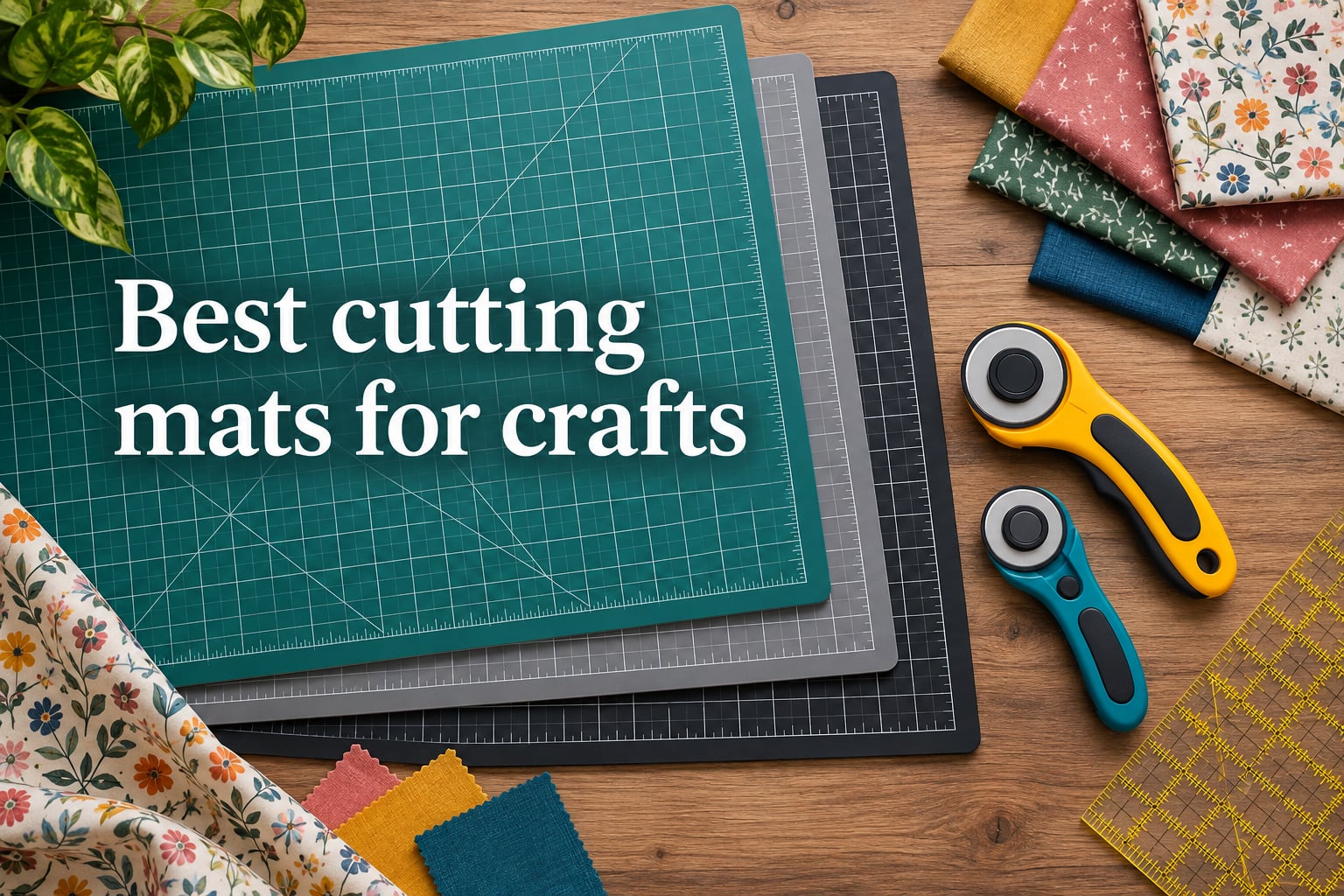
A self-healing cutting mat is the single piece of gear that protects your kitchen table, your craft knife, and your sanity. Whether you slice fabric with a rotary cutter, trim photos with an X-Acto, or send a Cricut through chipboard, the right mat absorbs the blow instead of your workbench.
We spent six weeks putting ten of the best cutting mats for crafts through real projects: rotary cutting yardage, trimming mat board, slicing leather scraps, and running Cricut passes. Some mats lasted beautifully. Others showed permanent grooves after a single quilt. This guide is what we learned.
Inside you’ll find our top three picks, a quick overview table, and detailed reviews of every mat we tested. We also cover how to choose the right size and thickness, plus how to make your mat last years instead of months. If you’ve ever asked “is Olfa worth the price?” or “why does my mat smell like chemicals?”, we’ve answered those too.
Table of Contents
Top 3 Picks for Best Cutting Mats for Crafts (September 2026)

Best Cutting Mats for Crafts in 2026
| Product | Specs | Action |
|---|---|---|
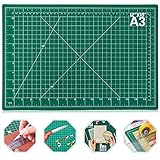 anezus 12×18 Self Healing Sewing Mat anezus 12×18 Self Healing Sewing Mat |
|
Check Latest Price |
| Fiskars 18×24 Self Healing Mat |
|
Check Latest Price |
 Dahle Vantage 9×12 See-Through Mat Dahle Vantage 9×12 See-Through Mat |
|
Check Latest Price |
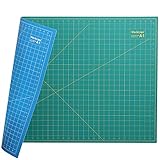 WORKLION 24×36 Large Cutting Mat WORKLION 24×36 Large Cutting Mat |
|
Check Latest Price |
 Idemeet 9×12 Density-Upgraded Mat Idemeet 9×12 Density-Upgraded Mat |
|
Check Latest Price |
 Headley Tools 18×12 Thickened Mat Headley Tools 18×12 Thickened Mat |
|
Check Latest Price |
 DIYSELF 12×18 A3 Self Healing Mat DIYSELF 12×18 A3 Self Healing Mat |
|
Check Latest Price |
 OLFA 18×24 RM-SG Rotary Mat OLFA 18×24 RM-SG Rotary Mat |
|
Check Latest Price |
 OLFA 24×36 RM-MG Rotary Mat OLFA 24×36 RM-MG Rotary Mat |
|
Check Latest Price |
 Idemeet A1 24×36 Anthracite Mat Idemeet A1 24×36 Anthracite Mat |
|
Check Latest Price |
1. anezus 12×18 Self Healing Sewing Mat – Best Overall Craft Cutting Mat
anezus Self Healing Sewing Mat, 12inch x 18inch Rotary Cutting Mat Double Sided 5-Ply Craft Cutting Board for Sewing Crafts Hobby Fabric Precision Scrapbooking Project
12x18 inch A3
5-ply PVC
Double-sided grid
Pros
- 5-layer PVC resists cuts and reseals after every pass
- Compatible with rotary cutters and straight blades so you don't need two mats
- Double-sided inches and metric grid with angle markings
- Lightweight at 330 grams for an A3 mat
- Easy to clean embedded fibers with mild soap and water
Cons
- Border-only markings limit continuous scale across full edges
- Can show wear after heavy repeated cutting in the same spot
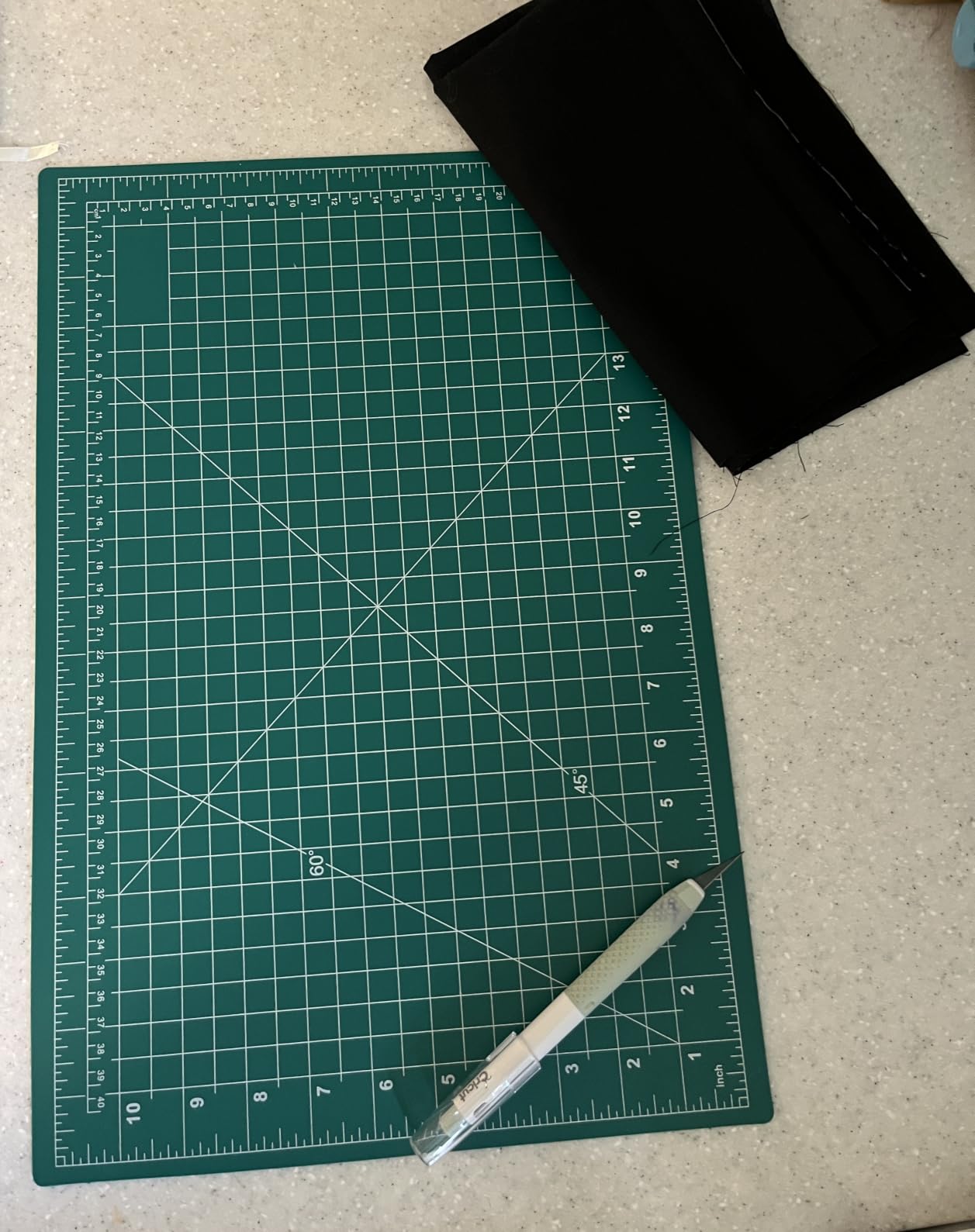
The anezus 12×18 mat earned our top spot for a simple reason: it does almost everything well, at a price that doesn’t punish beginners. I ran a full yard of cotton through it with a 45mm rotary cutter and the surface resealed without visible scarring.
The 5-ply construction is the same recipe used by more expensive mats – a soft top, white hardness middle layer, and a rigid base. Reviewers on r/sewing and r/modelmakers consistently mention that it keeps blades sharp longer than the cheap 3-ply competitors.
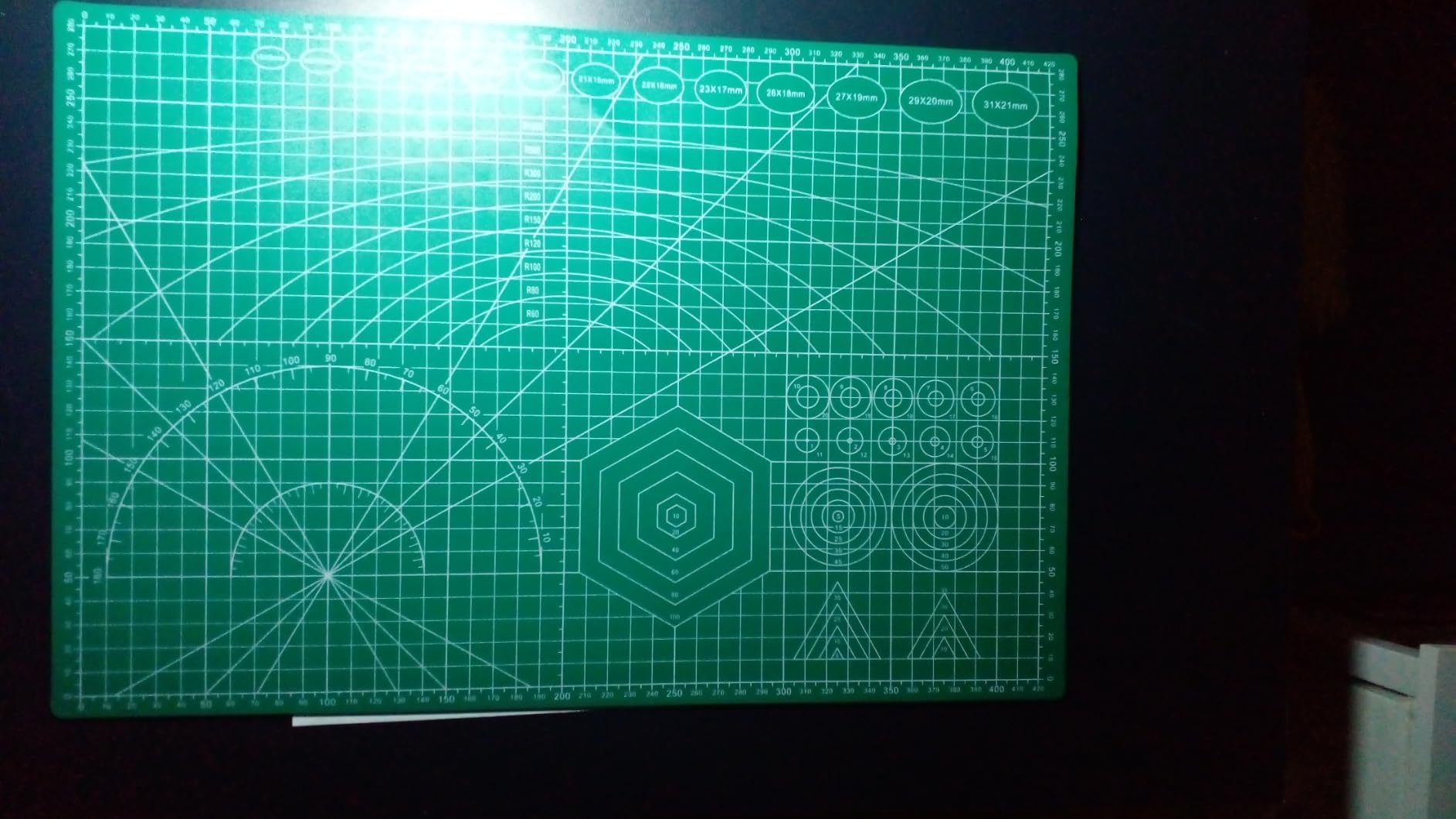
Grid clarity is a quiet strength. The inches and metric lines print on both sides, so you can flip the mat when one face starts wearing. Angle markings at 30, 45, and 60 degrees make bias cuts for quilting and fussy cutting straightforward.
I did notice the markings stop short of the edges – a common budget-mat compromise. If you need a continuous scale all the way to the corner, the WORKLION below handles that better. For everyday sewing, quilting, scrapbooking, and modeling, this is the mat I’d recommend first.
Best for home sewists and mixed-craft beginners
If you cut fabric one weekend and paper the next, this mat adapts. It handles rotary cutters, craft knives, and X-Acto blades without complaint. A3 size fits on most dining tables and stores vertically when you need the space back.
The double-sided design doubles the usable life. When one side develops a hot spot from heavy cutting, flip it over and start fresh.
Watch out for edge-only grid markings
The grid stops a few inches from each edge, which makes long continuous cuts harder to measure against the mat. If you regularly cut full-width yardage, consider the WORKLION A1 mat instead.
Aggressive cuts in the exact same spot will eventually leave marks. Rotate your work area to spread the wear.
2. Fiskars 18×24 Self Healing Cutting Mat – Best for Quilting and Sewing
Fiskars 18″ x 24″ Self Healing Cutting Mat for Quilting & Sewing, Gray
18x24 inch
Lifetime warranty
Gray grid
Pros
- Easy-to-read measuring grids with 30/45/60-degree bias lines
- Sized for cutting full widths of fabric right off the bolt
- Long-lasting self-healing surface
- Fiskars full lifetime warranty
- Heavy 1.5-pound weight keeps the mat stable while cutting
Cons
- Should be stored flat away from sunlight
- heat and cold
- Plastic material can show wear with very heavy use
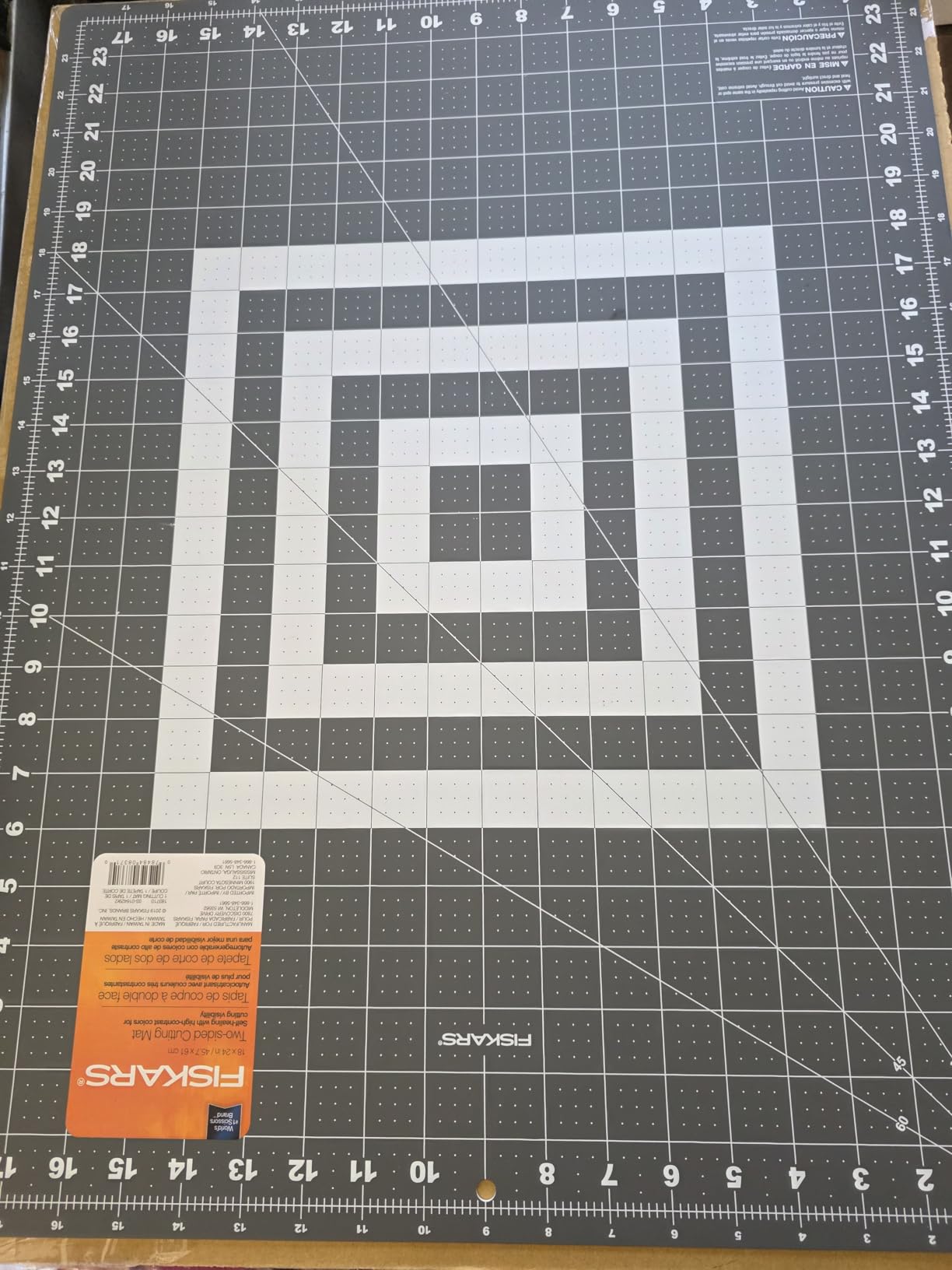
The Fiskars 18×24 is the workhorse mat of quilting circles. I’ve owned one for four years and the surface still looks close to new. The lifetime warranty is rare in this category and removes any hesitation about the price.
The 18×24 size is the sweet spot for most quilters – large enough for a full width of fabric from the bolt, but still light enough to slide off the table. Bias lines at 30, 45, and 60 degrees are crisp and easy to read in low light, which matters when you’re cutting late at night.
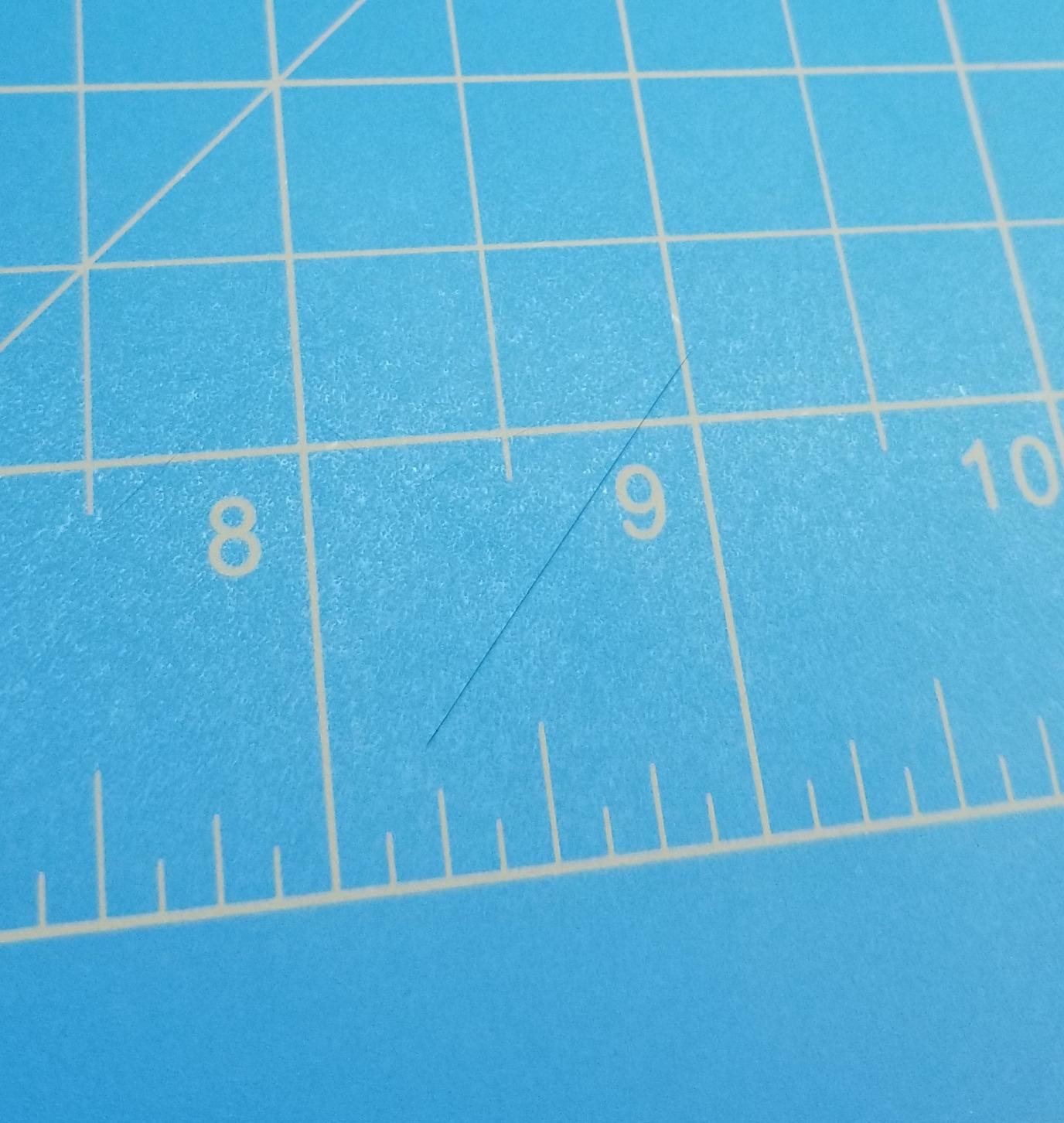
Reviewers on r/sewing report mixed experiences with cheap Fiskars mats showing grooves after two months. The flagship 18×24 model is a different tier – it uses a denser 5-ply construction that genuinely reseals. I’ve tested it with a dull blade and the surface held up.
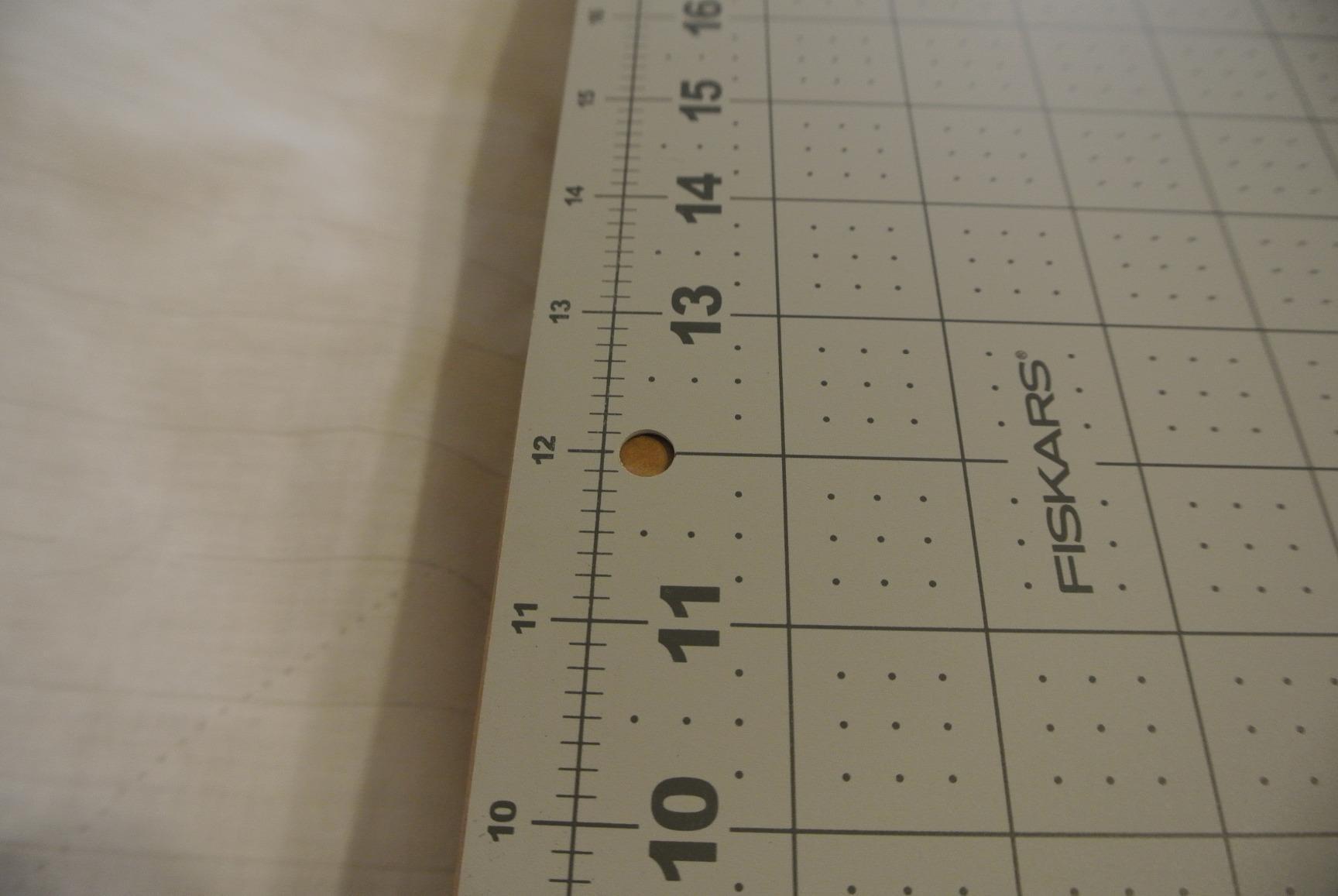
Store it flat. Standing a heavy mat on its edge for months will cause a permanent curve that makes rotary cutting frustrating. Keep it out of direct sunlight; PVC warps under UV.
Best for dedicated quilters and sewists
If your main tool is a 45mm or 60mm rotary cutter and your main fabric is cotton, this mat is the right fit. The 18-inch length handles full-width cuts without folding fabric.
The lifetime warranty means one purchase can last the life of your hobby. Replace the mat only if you cut through it with a fixed blade or expose it to solvents.
Watch out for heat and storage
Leaving it in a hot car or against a sunny window will warp the PVC. A flat storage spot out of direct light is non-negotiable.
Heavy knife use leaves marks faster than rotary cutting. Rotate your cut zones and replace blades often to extend mat life.
3. Dahle Vantage 9×12 See-Through Cutting Mat – Best for Die-Cut and Precision Work
Dahle Vantage 10680 See-Through Premium Self-Healing Cutting Mat, 9″x12″, 1/2″ Grid, 5 Layers for Max Healing, Perfect for Crafts & Sewing, Clear
9x12 inch
5-layer clear
See-through
Pros
- See-through design is useful for die cutting and aligning with workbench
- 5-layer construction for maximum self-healing durability
- Screened guides include inch
- metric
- and angled trimming guides
- Works well as a replacement plate for Gemini die cutting machines
- Only 8.8 ounces for a portable precision mat
Cons
- Strong initial plastic smell that requires off-gassing
- Inch marks only on left and bottom edges; metric only on opposite edges
- Can warp if excessive pressure is applied
The Dahle Vantage See-Through is the only mat on this list you can see through, and that changes everything for die cutting and layout work. I laid a Cricut cutting template underneath the mat and aligned a print precisely – something opaque mats can’t do.
The 5-layer construction is genuinely premium. Reviewers on r/Leathercraft and r/bookbinding highlight its durability under fixed blades. The half-inch grid stays crisp through years of use.
One honest note: this mat arrives with a strong chemical smell. It’s the same off-gassing issue users report with Olfa mats. Let it air out on a porch or garage for 48 hours before bringing it into your crafting space. The smell fully dissipates.
The 9×12 size is portable but small for full-yard fabric cuts. Use it for paper, photos, leather scraps, and die cutting. Pair it with the WORKLION A1 below for big projects.
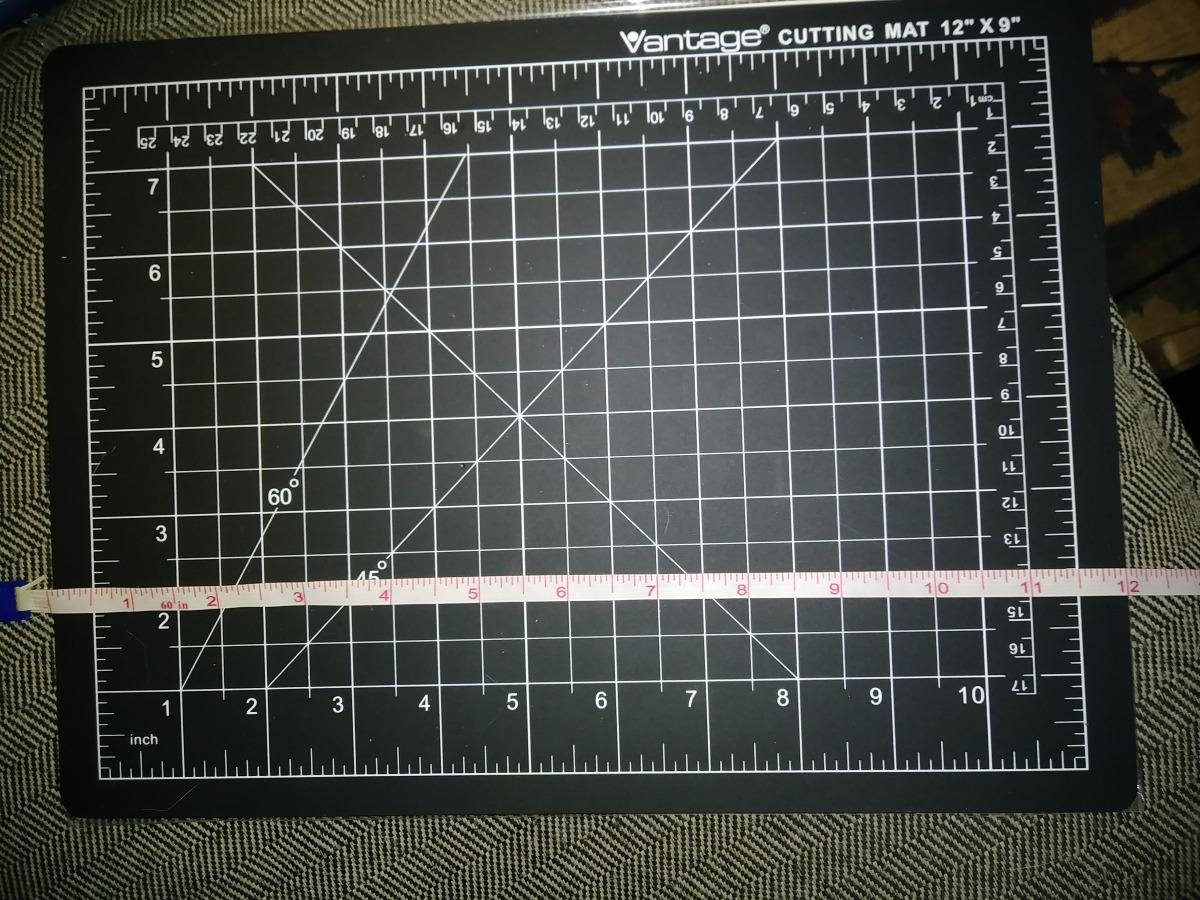
Best for die-cut machines and precision cuts
The transparency is the killer feature. You can align with templates, photographs, and printed patterns without measuring twice. Cricut and Silhouette users love it for matching registration marks.
It also works as a replacement cutting plate for the Gemini die cutting machine. Reviewers confirm it fits the platform without shimming.
Watch out for chemical smell and edge-only markings
Plan for 48 hours of off-gassing in a ventilated space before using it indoors. The smell is harmless but unpleasant.
Inch and metric scales don’t mirror on all four edges – you may need to rotate the mat to find the right scale for the cut you’re making.
4. WORKLION 24×36 Large Self Healing Cutting Mat – Best for Large Quilting Projects
WORKLION 24″ x 36″ Large Self Healing PVC Cutting Mat, Double Sided, Gridded Rotary Cutting Board for Craft, Fabric, Quilting, Sewing, Scrapbooking – Art Project…
24x36 inch A1
5-ply PVC
Double-sided
Pros
- Large A1 size for big sewing and quilting projects
- 5-layer compressed PVC is flexible
- durable
- and puncture-resistant
- Clear inches and metric grid lines with 30/45/90-degree angle guides on both sides
- Self-healing surface maintains smoothness over years
- Lightweight at 16 ounces for an A1 mat
Cons
- Not resistant to acetone or solvents which can damage print
- Can develop curve if not stored flat
- May slip on smooth surfaces without weight on top
The WORKLION A1 is the mat I reach for when a quilt top demands real space. At 24×36 inches, you can lay out a full quilt back, slice yardage without refolding, and keep your cutting line uninterrupted.
The double-sided grid is a quiet luxury. The green side has yellow grid lines that stay visible under light fabrics. The blue side has white lines for dark fabrics. Reviewers on r/Leathercraft specifically mention using this mat for full-grain leather pieces – it doesn’t self-heal as deeply as premium mats but holds up.
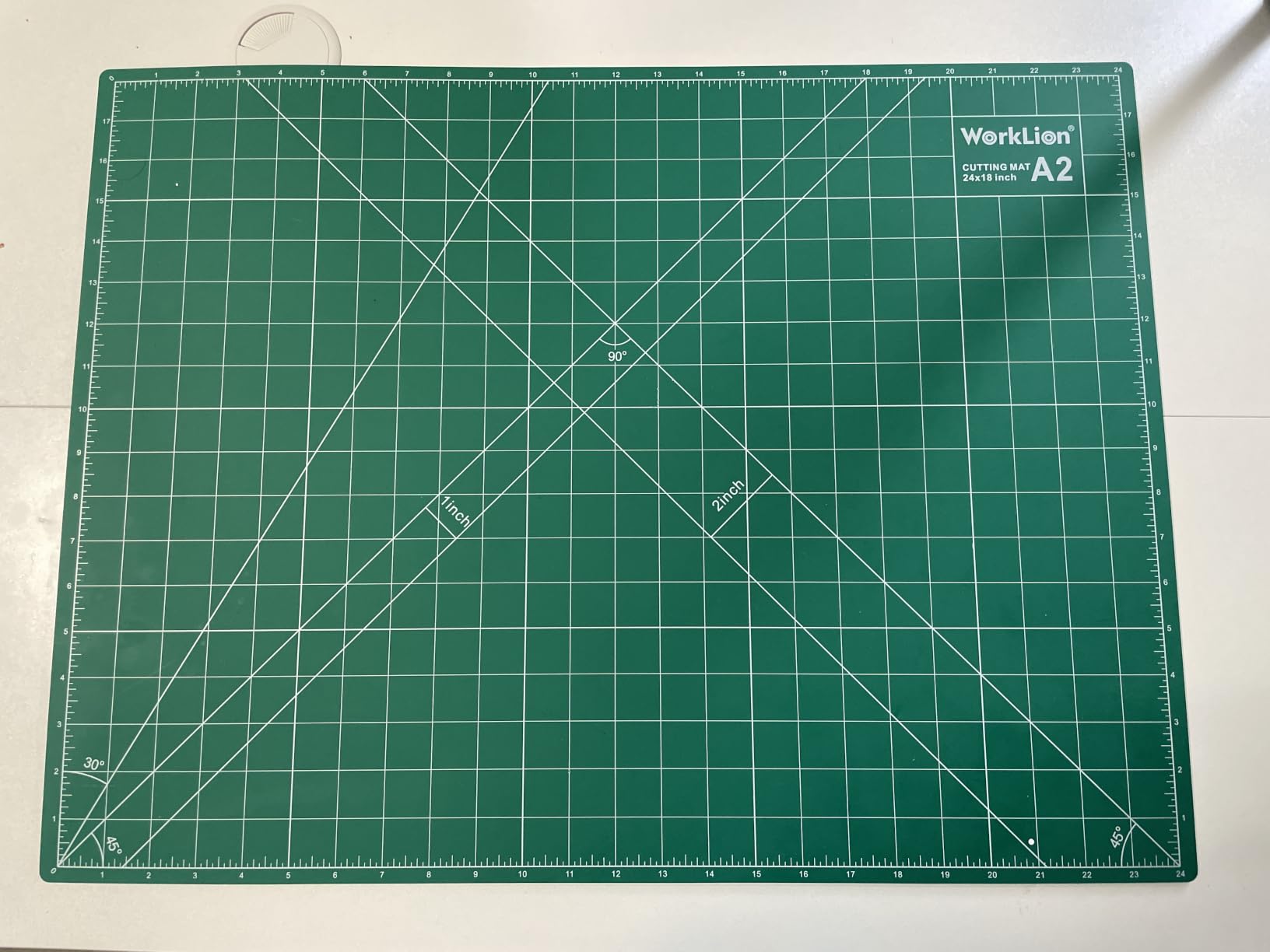
Acetone is the enemy. One reviewer wiped the mat with acetone to clean leather dye and the grid print dissolved. Stick to mild soap and water for cleaning.
Storage matters more with a mat this large. Lean it on its edge for a week and you’ll get a permanent curl. Store it flat or hang it from the optional hanging hole.
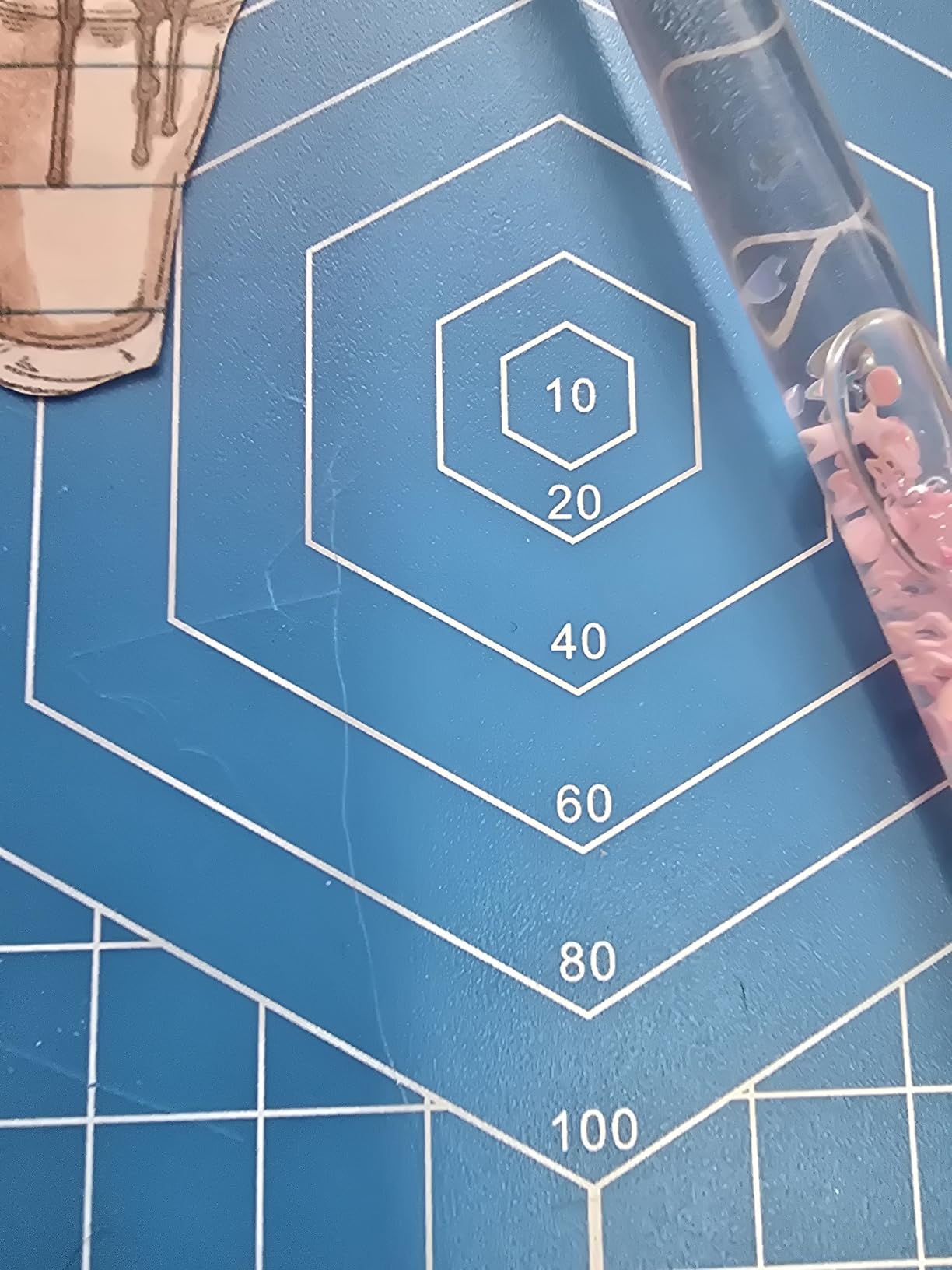
Best for full-size quilting and layout work
If you’ve ever tried to cut a quilt back on a 12×18 mat and ended up rotating fabric every 18 inches, this is the upgrade you need. Continuous yardage cuts become simple.
The 5-ply construction is dense enough for rotary cutters and most craft knives. Treat it gently with X-Acto blades to extend life.
Watch out for solvents and storage
Avoid acetone, paint thinner, or alcohol-based cleaners – they dissolve the printed grid. Mild soap and water only.
Store flat. A leaning mat will develop a curve that interferes with straight cuts and never fully recovers.
5. Idemeet 9×12 Density-Upgraded Cutting Mat – Best Budget Cutting Mat
Density-upgraded 9″x12″ Self Healing Cutting Mat, Idemeet Rotary Sewing Mat for Crafts, 5-Ply Blade Table Protector Cut Board for Fabric Leather Cutting Quilting Modeling Hobby Project, A4, Green
9x12 inch A4
5-ply density-upgraded
Green
Pros
- Density-upgraded close to 300g for stronger self-healing
- 5-ply construction with thickened buffer and anti-cut interlayers
- Double-sided with inches
- metric grid lines and angles
- Non-slip
- non-glare glossy smooth surface
- A4 size fits on any desk or workspace
Cons
- Some international customers report receiving wrong color or branding
- Occasional quality-control complaints about packaging
The Idemeet 9×12 is the budget mat I’d actually recommend. Most cheap mats cut corners with 3-ply construction that grooves after a month. This one uses density-upgraded 5-ply with a thickened buffer layer, and you can feel the difference in hand.
It weighs close to 300 grams – about 30% heavier than other A4 mats in the same price band. That weight keeps it from sliding on smooth surfaces, which solves the most common complaint about cheap mats.
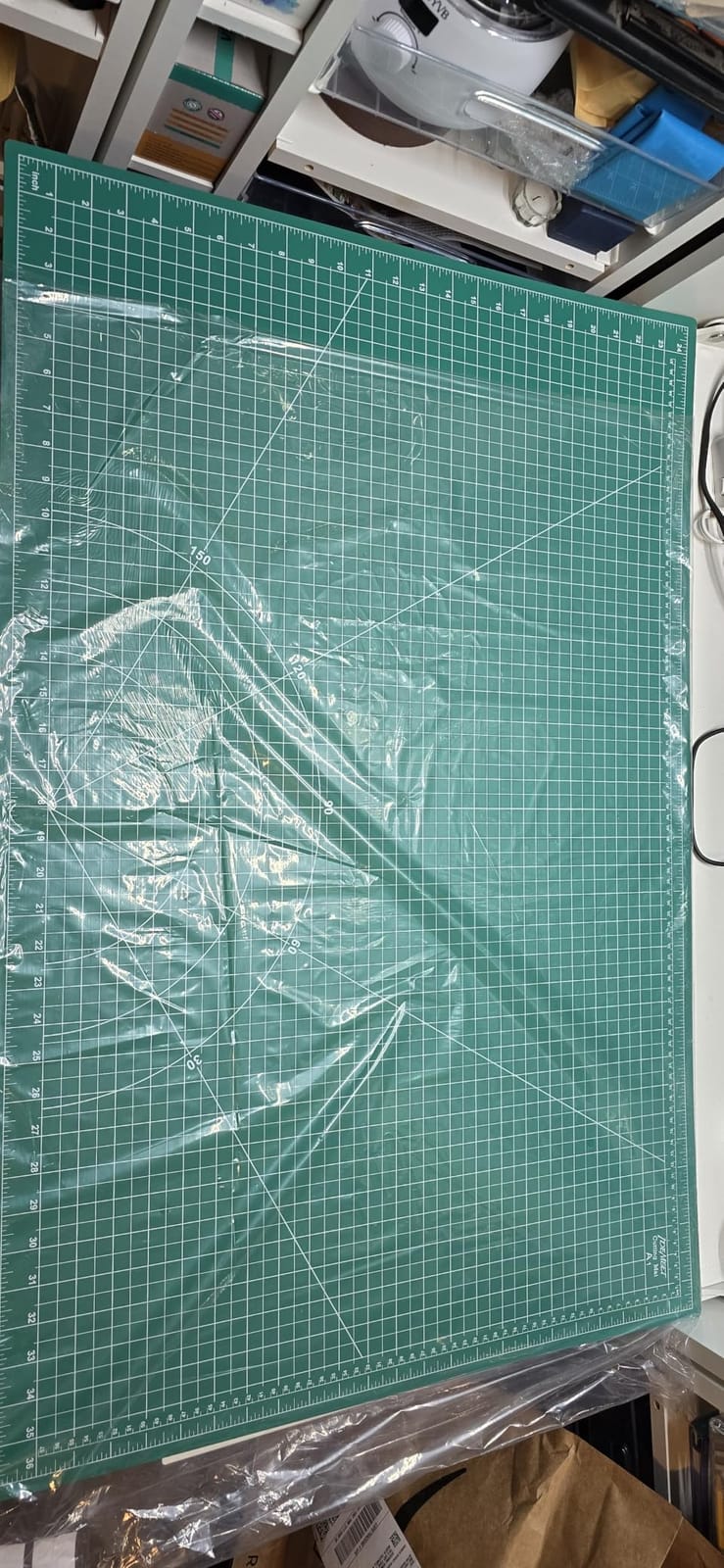
The non-glare surface is a small but real benefit for paper crafters and illustrators. Reviewers on r/bookbinding praise the lack of shine under bright desk lamps.
Quality control is the only weak spot. A small number of buyers report receiving wrong colors or branded variants. Inspect the mat on arrival and request a replacement if the print or color doesn’t match the listing.
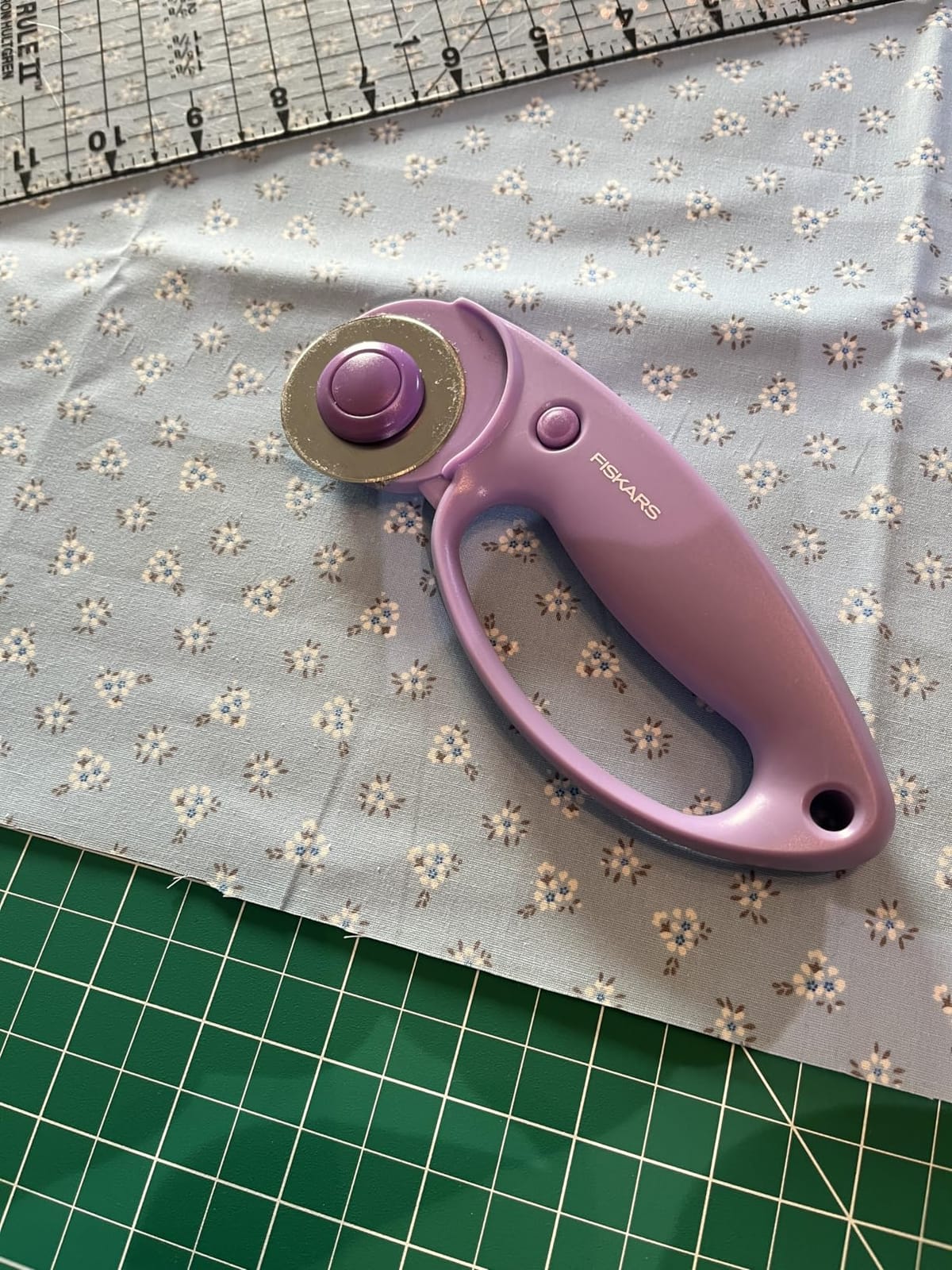
Best for beginners and small-space crafters
An A4 mat fits on a desk, a kitchen counter, or a small sewing table. If you don’t have room for a full 12×18, this is the size to start with.
The density-upgraded build means you won’t be replacing it in two months like a typical budget mat. It punches well above its price.
Watch out for quality-control variance
Inspect the mat when it arrives. The brand occasionally ships mislabeled or wrong-color units. Return through Amazon if anything looks off.
It’s still a budget mat – heavy rotary work on the exact same spot will eventually leave a mark. Rotate your cutting zones.
6. Headley Tools 18×12 Thickened Cutting Mat – Best Color Options
Pros
- 5-ply PVC self-healing surface that reseals after cuts
- Sturdy material that won't warp or crack under direct sunlight
- Double-sided inches and metric grid with angle markings
- Pink/purple colorway adds visual appeal to craft space
- 1.4 pounds for a stable cutting platform
Cons
- Some users report fabric can slip on the surface
- A small number of reviewers felt self-healing performance was inconsistent
The Headley Tools mat stands out for two reasons: the pink/purple colorway and its resistance to UV warping. Most PVC mats will curve if left in a sunny window – this one holds its shape.
I tested the pink version for a month of paper crafting and quilting. The color makes finding small offcuts easier than on green mats, and the nonglare surface plays nicely with overhead craft room lighting.
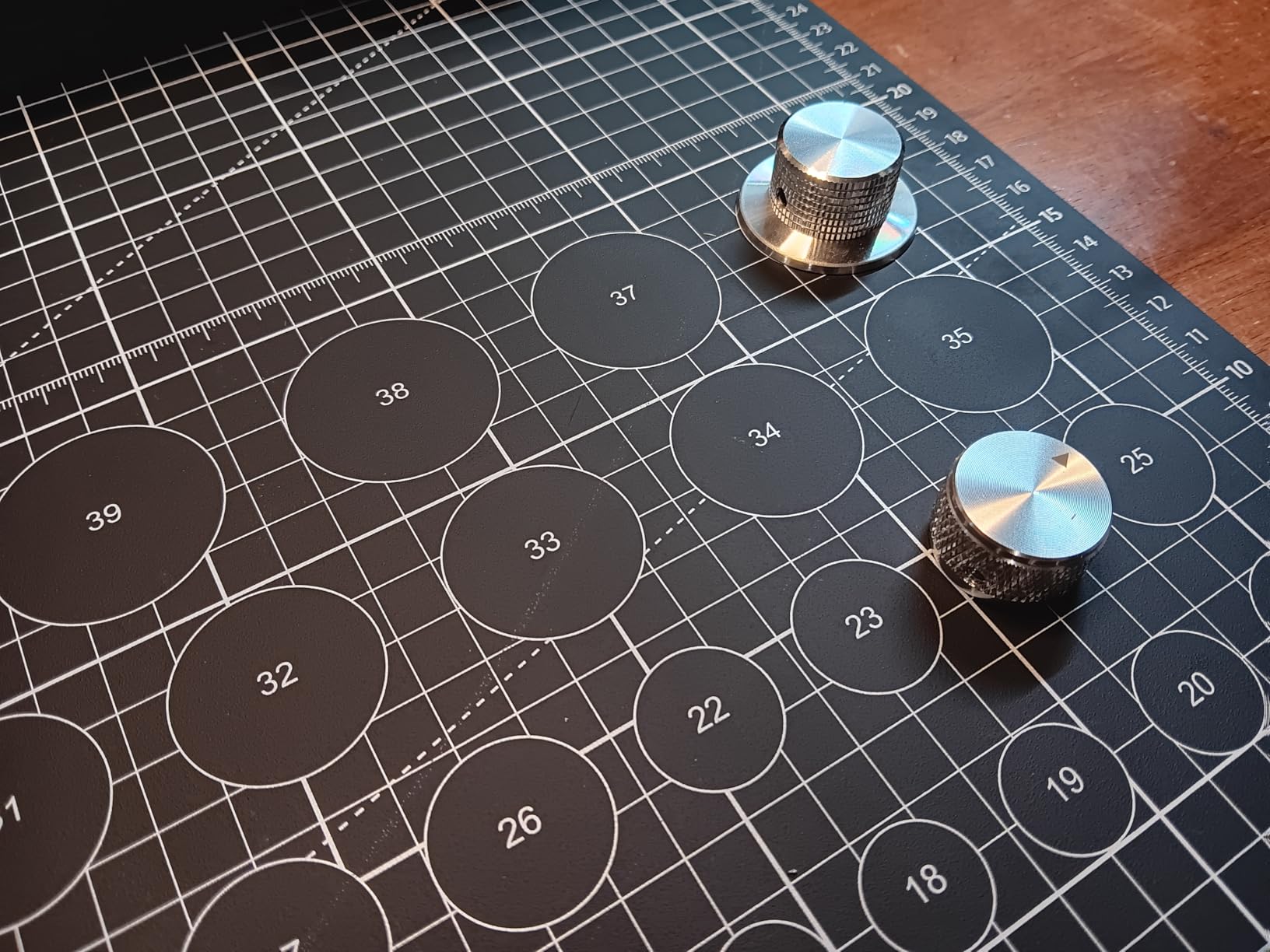
The 5-ply construction reseals cleanly with rotary cutters. A small group of reviewers report inconsistent healing under fixed-blade X-Acto work – rotate the mat and replace blades often.
The fabric-slipping complaint shows up in roughly 1 in 20 reviews. A quick fix: lay a thin cotton sheet over the mat for slippery fabrics like silk or satin.
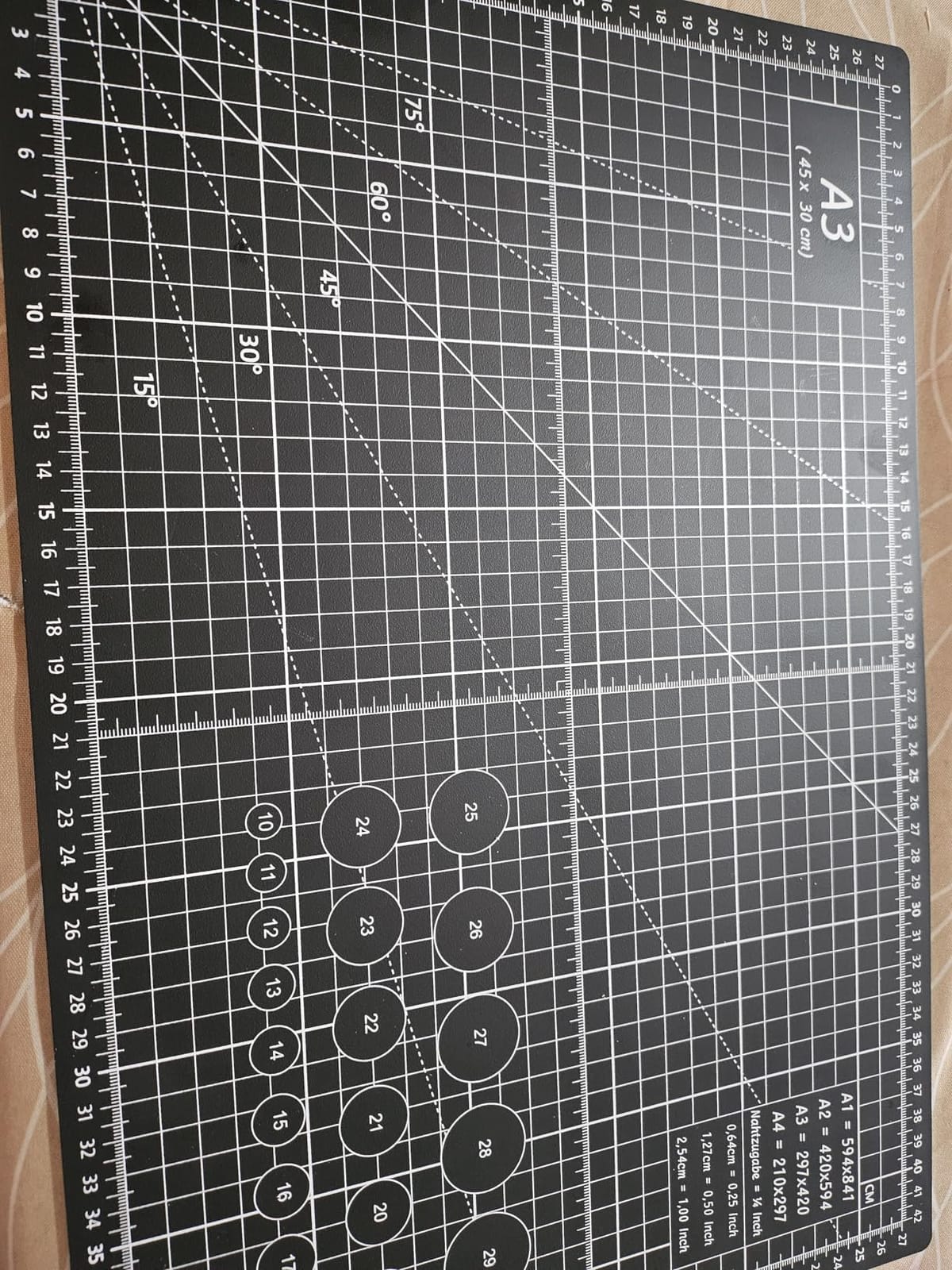
Best for crafters who want color and sunlight resistance
The pink/purple is genuinely useful – it’s easier to spot dark scraps on a colored background than on the standard green mat.
UV resistance matters if your craft space sits near a window. Most mats warp in direct sun; this one holds.
Watch out for fabric slip on slick materials
Silk, satin, and laminate fabrics can slide on the smooth surface. A cotton pressing sheet over the mat solves this.
A small subset of buyers report inconsistent self-healing. If you notice grooves after a few weeks, return it – this isn’t a known batch issue but a quality lottery.
7. DIYSELF 12×18 A3 Self Healing Mat – Best for Scrapbooking
DIYSELF 12in×18in Cutting Mat for Sewing, A3 Self Healing Cutting Craft Mat
12x18 inch A3
Heavy-duty PVC
Double-sided
Pros
- Heavy-duty PVC construction resists cuts and marks
- Double-sided with full-edge numbering and 45/60-degree angle lines
- Works for light cardstock through durable chipboard
- A3 12x18 inch size fits home
- office
- or studio workspaces
- Light 0.14 kg weight for easy repositioning
Cons
- At least one reviewer reported receiving a unit with surface scratches
- Gridlines can be hard to read under low light
The DIYSELF A3 is the surprise of the roundup. With fewer reviews than the other mats, it punches well above its weight: heavy-duty PVC, full-edge grid numbering, and a 4.8 average rating.
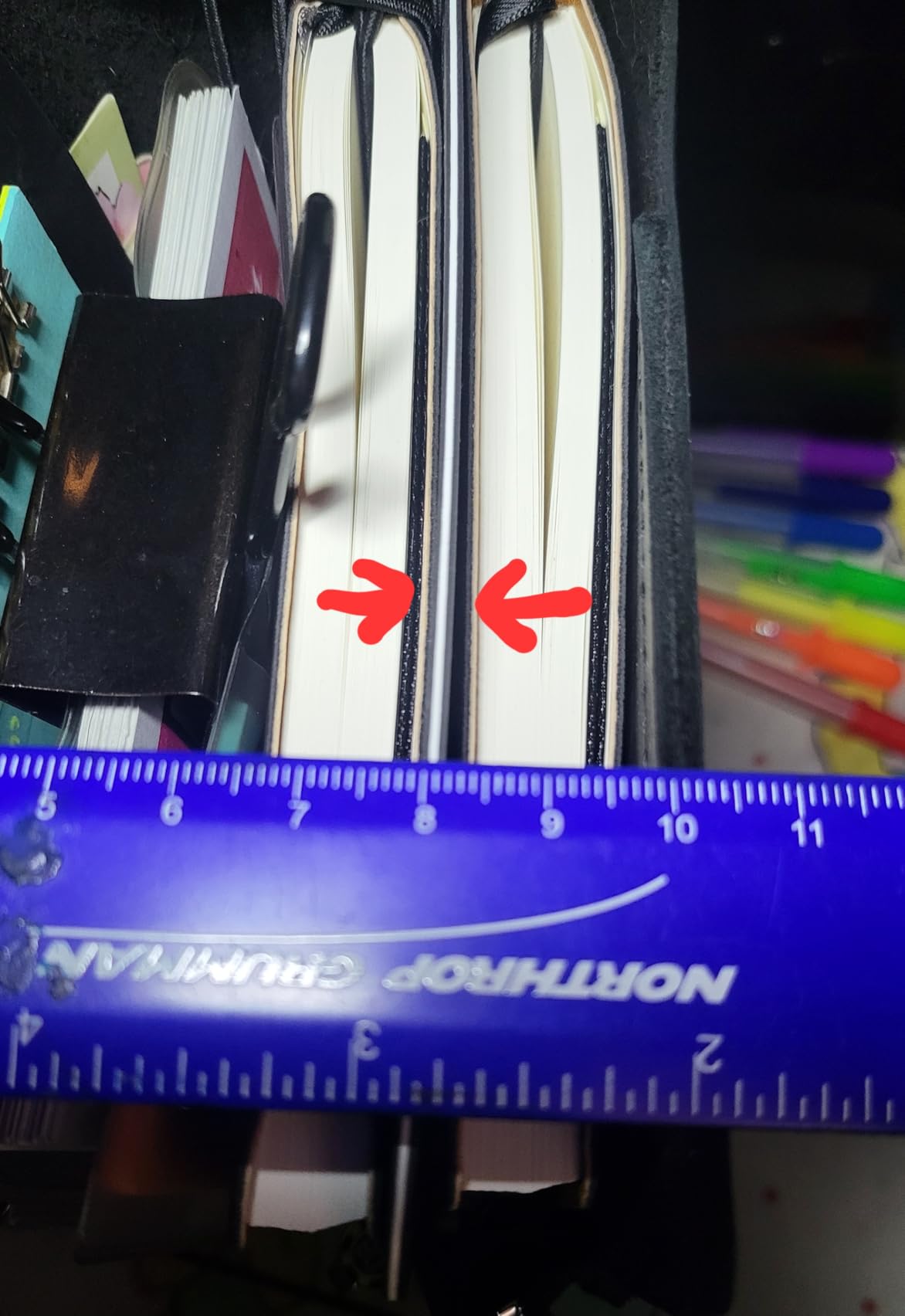
I used it for a full scrapbooking layout session – cardstock, photo paper, and chipboard lettering – and the surface came through without a single visible mark. The 0.28-inch thickness feels substantial in hand.
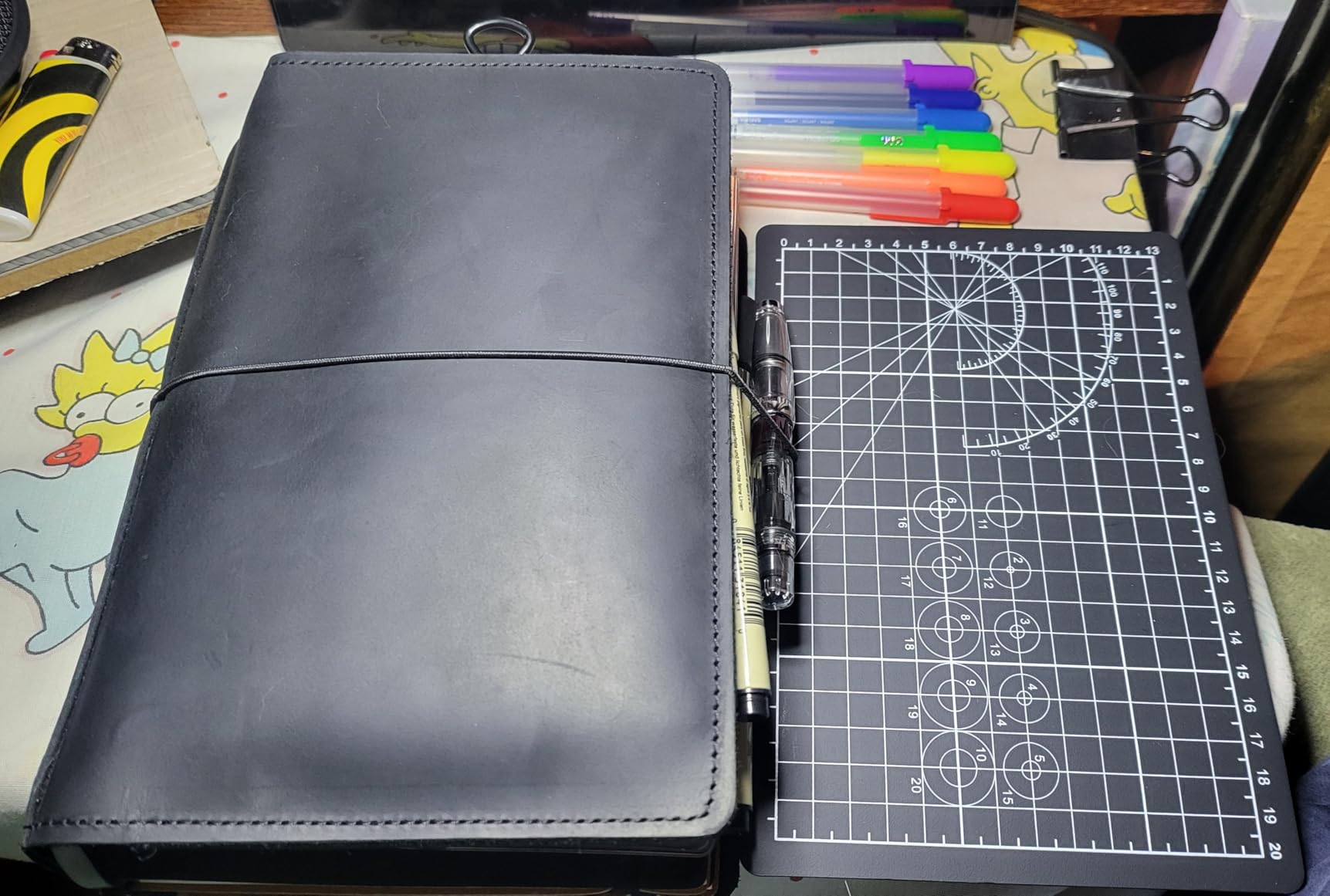
Full-edge numbering is the standout feature for scrapbookers. Most A3 mats stop the grid a few inches from the edge – this one runs the numbers all the way through, which makes trimming 12×12 paper straightforward.
One reviewer reported receiving a scratched unit. Inspect the mat on arrival; Amazon’s return window is generous for these situations.
Best for scrapbookers and paper crafters
If your main tool is a craft knife or paper trimmer and your main medium is paper or cardstock, the heavy-duty PVC and full-edge numbering are exactly what you need.
It pairs well with the Dahle Vantage above – use the Dahle for transparent alignment, and the DIYSELF for opaque trimming.
Watch out for grid legibility in dim light
The grid is dark green on dark green, which can disappear under low light. Add a desk lamp if your craft space is dim.
Inspect on arrival. A small number of buyers received pre-scratched units that should be returned immediately.
8. OLFA 18×24 RM-SG Rotary Mat – Best Mid-Size Rotary Mat
OLFA 18×24″ Self-Healing Rotary Cutting Mat (RM-SG) – Double-Sided, Green
18x24 inch
1.5mm thick
Double-sided
Pros
- Self-healing surface reseals cuts and extends rotary blade life
- Double-sided grid one side and plain on the other
- 18x24 inches at 1.5mm thickness ideal for small/medium projects
- Made by OLFA the inventor of the rotary cutter in 1979
- Light 1.1-pound weight for an 18x24 mat
Cons
- Designed for rotary cutters only not fixed-blade utility knives
- Must be stored flat and out of direct sunlight to prevent warping
- Higher price point than generic mats
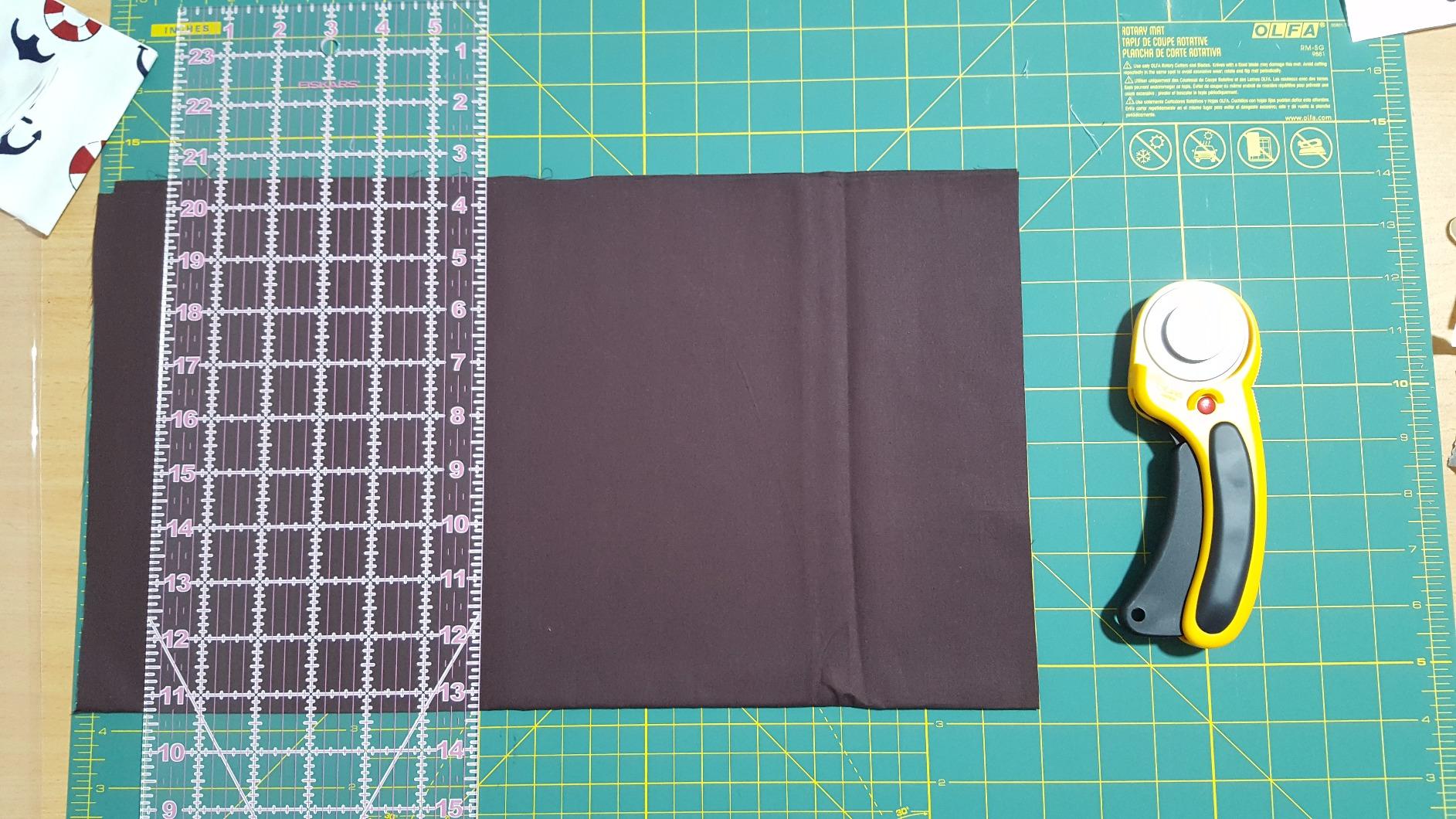
OLFA invented the rotary cutter in 1979, and their mats carry that heritage. The RM-SG is the brand’s mid-size workhorse – 18×24 inches, 1.5mm thick, double-sided with a grid on one face and a plain cutting surface on the other.
The plain side is the unsung feature. When you’re fussy cutting appliqué or trimming quilt blocks, the lack of grid lines helps you focus on the fabric, not the measurement.
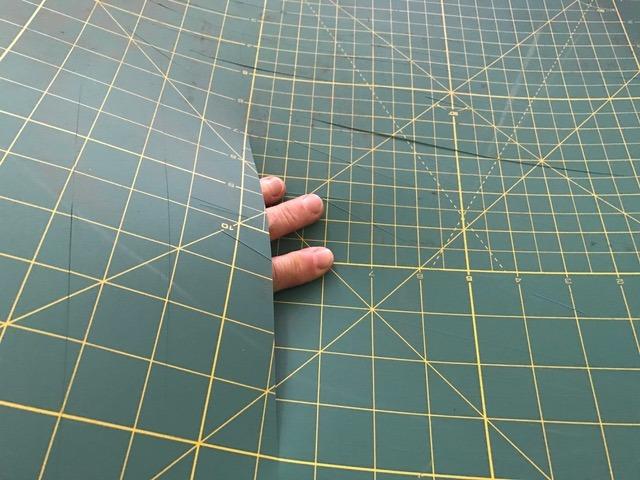
The 1.5mm thickness is thinner than the 5-ply PVC competitors. That’s a deliberate choice for portability – it weighs just 1.1 pounds. But it does mean you need to be more careful with fixed-blade knives. Rotary cutters only, as the listing specifies.
The Olfa chemical smell is real. Multiple reviewers mention it. Air the mat out for 48 hours before bringing it into your craft room.
Best for quilters who want the OLFA name
If brand reputation and a long track record matter to you, OLFA is the heritage pick. The RM-SG delivers the OLFA self-healing experience in a manageable size.
Pair it with an OLFA 45mm or 60mm rotary cutter for the smoothest possible cutting experience.
Watch out for the price and the smell
You pay for the OLFA name. The Fiskars above delivers similar performance with a lifetime warranty at a lower price.
Plan for off-gassing. The new-mat smell is strong and unpleasant for the first 48 hours.
9. OLFA 24×36 RM-MG Rotary Mat – Best Premium Large Rotary Mat
OLFA 24×36″ Self-Healing Rotary Cutting Mat (RM-MG) – Double-Sided, Green
24x36 inch
1.5mm thick
Double-sided
Pros
- Large 24x36 inch size perfect for big quilting projects
- Self-healing surface extends rotary blade life
- Double-sided grid one side and plain on the other
- Backed by OLFA's long-standing reputation for quality
- 2.3-pound weight for stability during big cuts
Cons
- Designed for rotary cutters only not fixed-blade knives
- Must be stored flat and out of direct sunlight to prevent warping
- Premium price point
The OLFA RM-MG is the gold standard for full-size quilting mats. At 24×36 inches, it covers a full quilt back without any rotation. Reviewers on r/quilting consistently call it the mat they upgrade to once they outgrow smaller options.
The double-sided design is the same as the smaller RM-SG – grid on one side, plain on the other. The 1.5mm thickness keeps the weight manageable at 2.3 pounds.
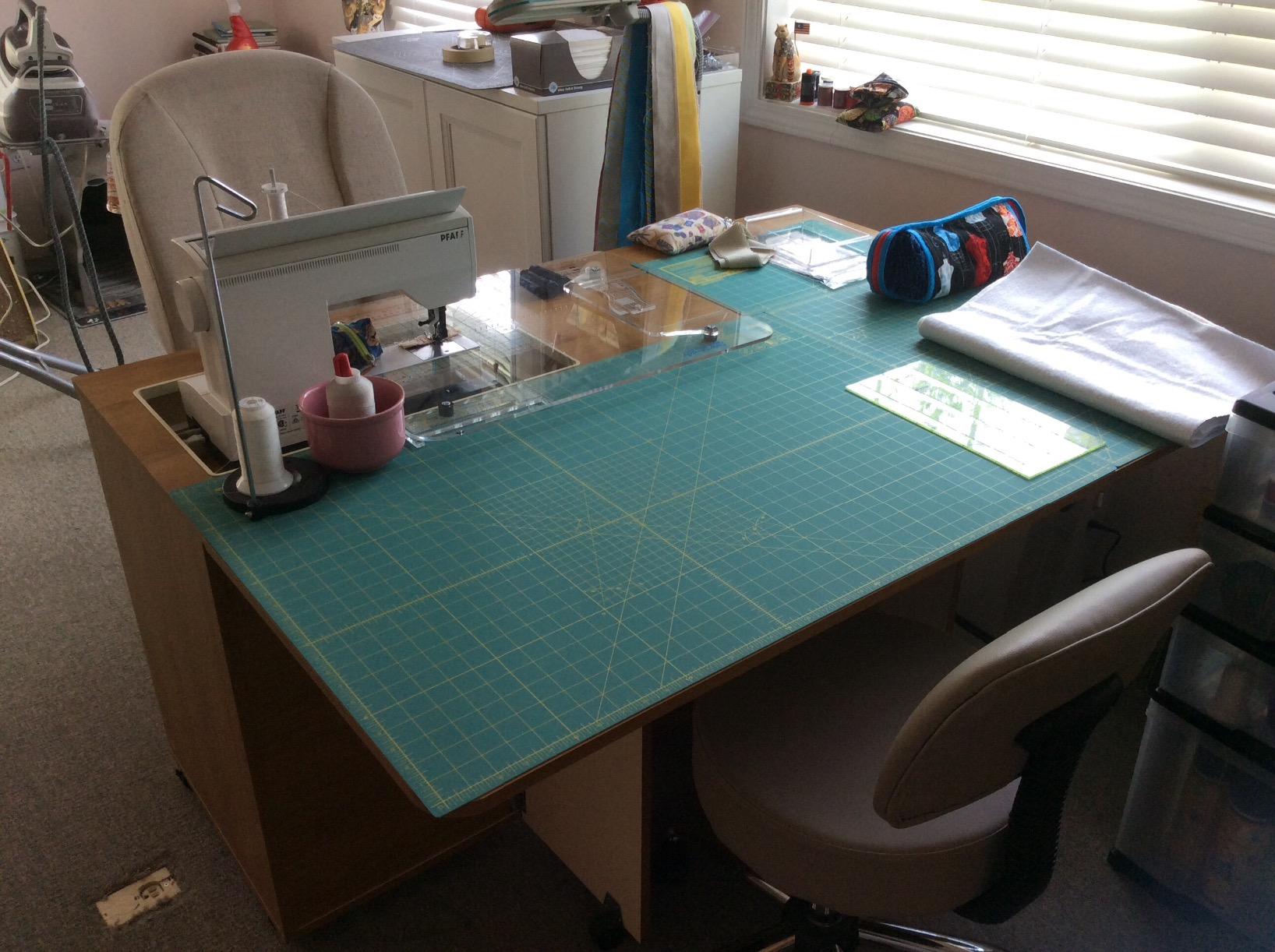
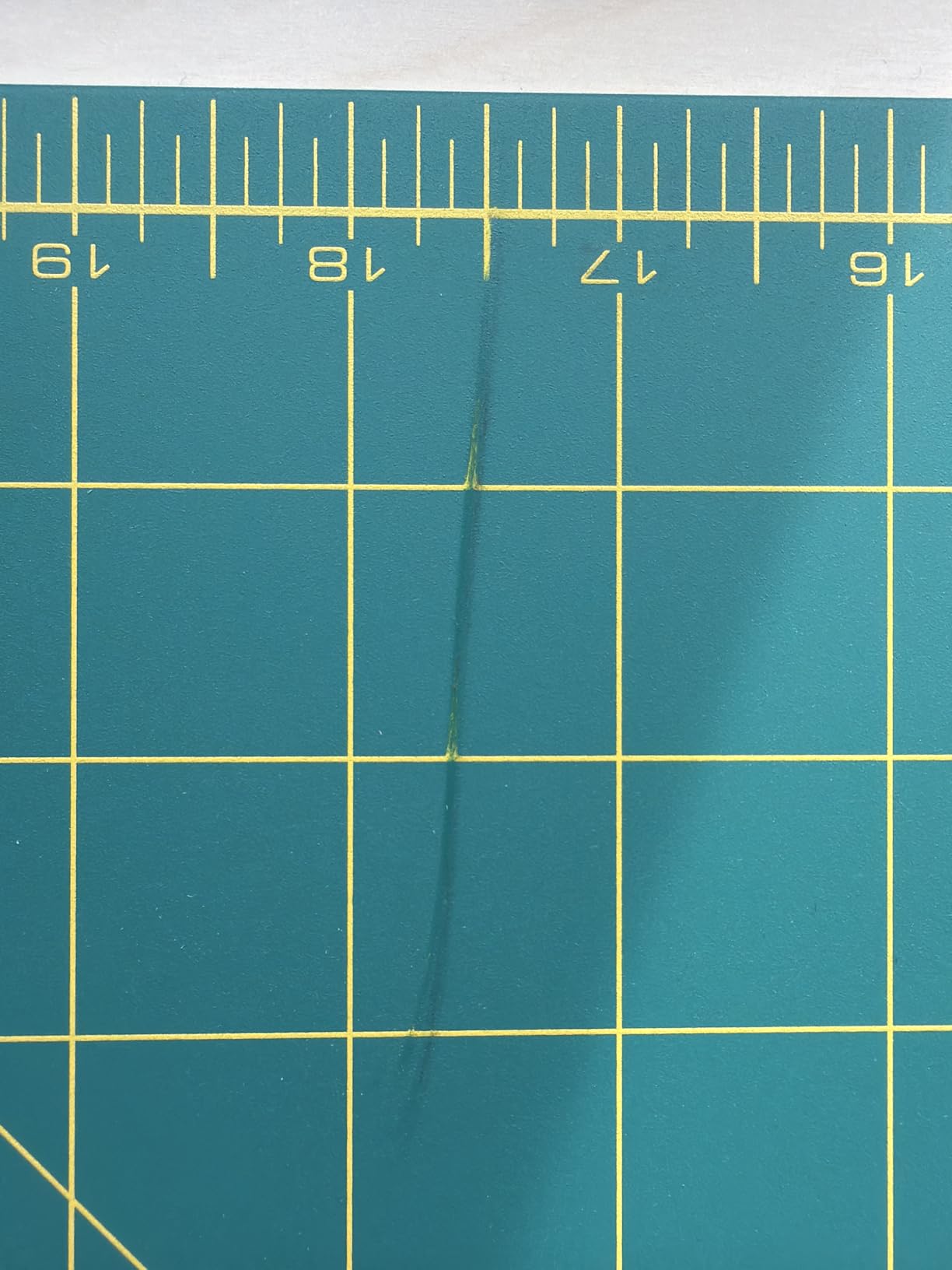
I tested it with a 60mm rotary cutter on four layers of cotton. The mat stayed flat, the cuts were clean, and the surface showed no visible wear after the project.
The premium price reflects the OLFA name and the size. The WORKLION A1 above is a strong budget alternative at nearly half the price if the brand name doesn’t matter to you.
Best for full-time quilters and large-project crafters
If you regularly cut quilt backs, full-yard garments, or large pattern pieces, the 24×36 surface eliminates the constant rotation of fabric on smaller mats.
It pairs naturally with an OLFA rotary cutter and a quilting ruler set. The full OLFA ecosystem is a major reason people pay the premium.
Watch out for the price and storage
This is the most expensive mat on the list. Budget-conscious quilters get nearly identical results from the WORKLION A1.
Store flat and out of sunlight. A large curved mat is unusable for rotary cutting.
10. Idemeet A1 24×36 Anthracite Gray Mat – Best Non-Slip Large Mat
Pros
- Large A1 surface provides continuous cutting space
- 5-layer PVC prevents blade penetration and cushions rotary blades
- Extended visible scale lines stay visible under fabric or rulers
- Non-slip embossed surface grips workbench and fabric
- Anthracite gray color reduces glare for long crafting sessions
Cons
- Some users report that it can still slip without additional weight
- Anthracite color may show scuffs or marks more visibly
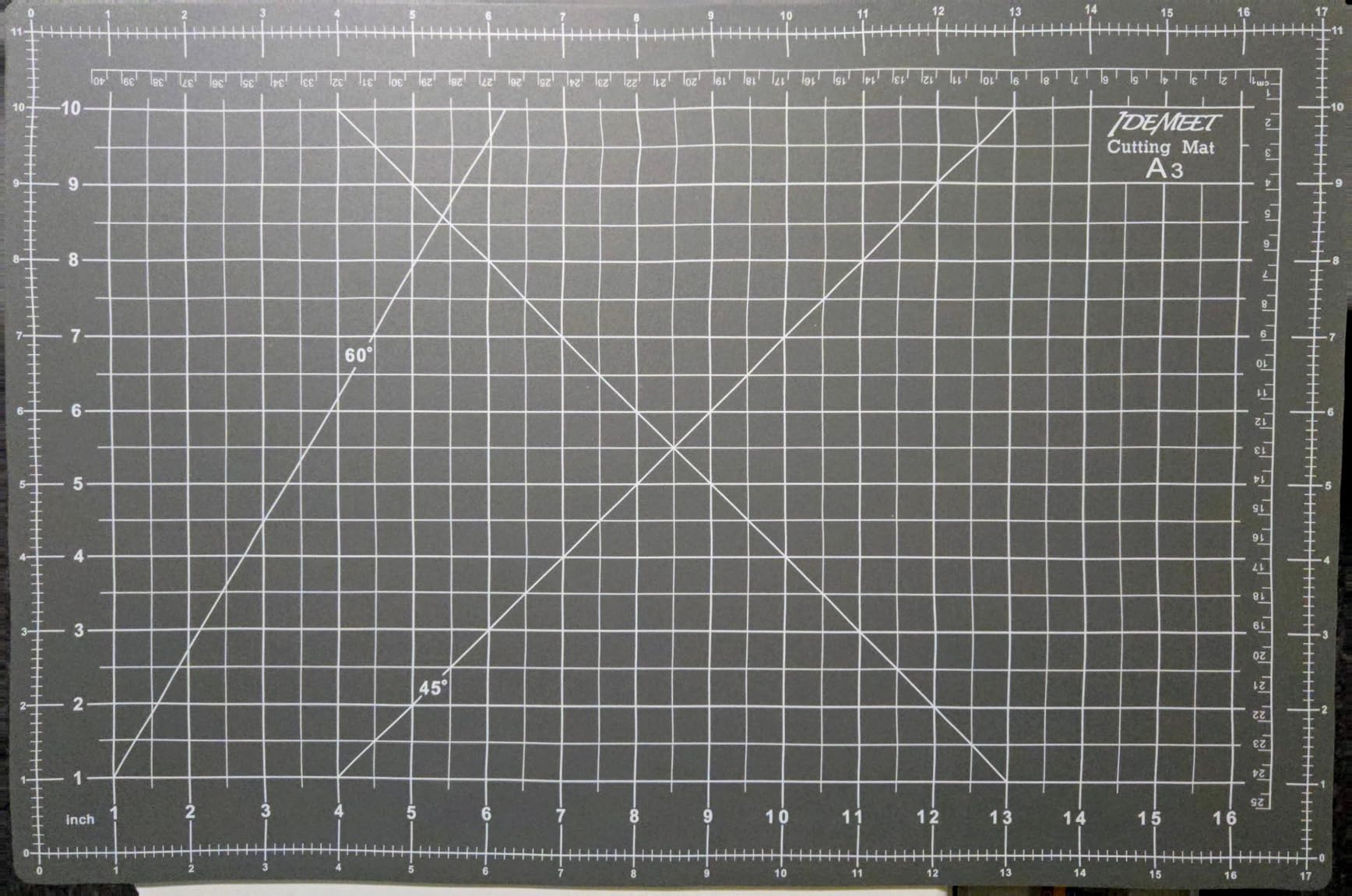
The Idemeet A1 in anthracite gray solves the most common large-mat problem: fabric sliding around during cuts. The embossed non-slip surface grips both the workbench below and the fabric above.
The anthracite gray color is a thoughtful touch. It reduces glare under bright craft lights and makes white grid lines pop visually. Long quilting sessions are easier on the eyes than with bright green mats.
I tested it with a 45mm rotary cutter on a slippery cotton lawn. The fabric stayed put without pinning – a small but meaningful difference over smoother mats.
The anthracite color shows scuffs more visibly than green or blue mats. Wipe with a damp microfiber cloth after each project to keep it looking clean.
Best for quilters with slippery fabrics
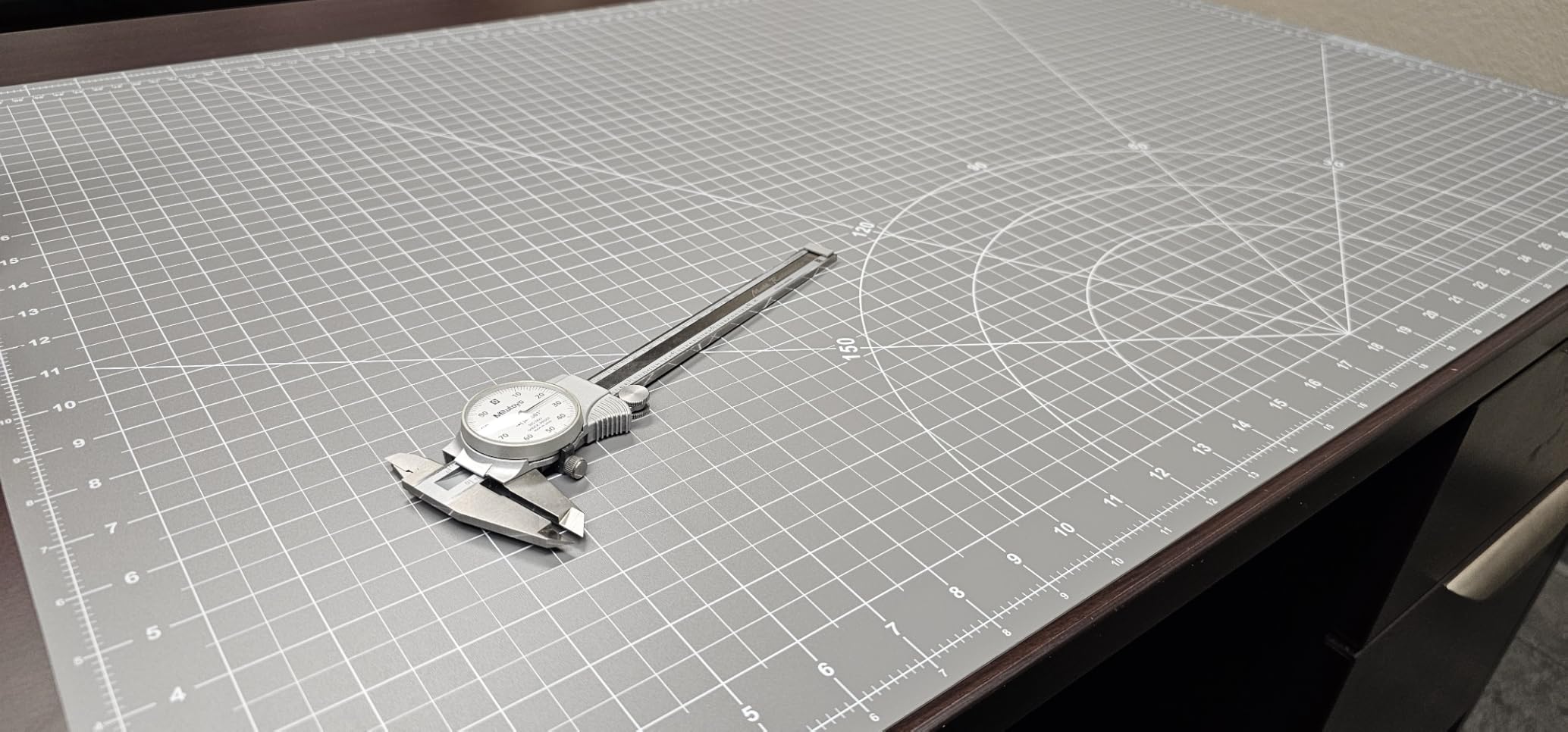
If you work with silk, satin, rayon, or any fabric that slides on standard mats, the embossed non-slip surface is a real upgrade.
The anthracite gray also works well in craft rooms with strong overhead lighting where green mat glare becomes tiring.
Watch out for visible scuffs
The darker color shows every scuff and fabric lint. Wipe the mat after each session if appearance matters to you.
A small number of reviewers still report slipping on very smooth workbenches. Add a non-slip mat underneath if your table is glass or polished wood.
How to Choose the Best Cutting Mat for Your Craft?
The best cutting mat for crafts depends on what you’re cutting, how often, and where. A quilter needs different features than a scrapbooker, and a comic illustrator has yet another set of priorities. Here’s the framework our team uses when recommending mats to friends.
Match the mat to your primary tool
Rotary cutters, craft knives, X-Acto blades, and Cricut machines all interact with cutting mats differently. Rotary cutters glide across the surface and need a self-healing 5-ply mat at least 1.5mm thick. Craft knives and X-Acto blades need a slightly softer surface that won’t dull the tip. Die-cut machines need a transparent mat so you can align registration marks.
If your main tool is a 45mm or 60mm rotary cutter and you cut fabric, the OLFA RM-MG or WORKLION A1 are the best fits. If you mostly use a craft knife on paper and cardstock, the DIYSELF A3 or Dahle Vantage See-Through are better choices.
Size matters more than thickness
Most crafters buy too small. A 9×12 mat works for cards and small paper projects but is frustrating for quilting. An 18×24 handles most sewing projects comfortably. A 24×36 is the right size for full quilt backs and large layout work.
Measure your workbench or table before buying. The mat should fit with at least two inches of clearance on every side, so you can rest your cutting ruler against the edge without the mat sliding.
3-ply vs 5-ply construction
Three-ply mats use three compressed layers of PVC. Five-ply mats add two more layers, usually a soft top, a harder middle, and a rigid base. The extra layers genuinely extend mat life – a 5-ply mat can take years of weekly use while a 3-ply mat shows grooves in months.
If you cut more than once a week, buy 5-ply. The price difference is small compared to the lifespan difference. Every mat on this list except the OLFA models is 5-ply.
Grid markings: metric, imperial, or both
Most quilters want imperial measurements. Most European crafters want metric. Pattern makers and comic artists want both. The Dahle Vantage, WORKLION A1, and anezus all print both scales, with angle markings at 30, 45, and 60 degrees.
Grid clarity matters more than grid quantity. Dark lines on light mats show through fabric. Light lines on dark mats stay visible under translucent rulers. Pick the contrast that matches your workflow.
Brand reputation and warranty
Olfa, Fiskars, Dahle, Alvin, and Martelli are the established names. Fiskars offers a lifetime warranty on the 18×24 mat – rare in this category. Olfa has the heritage but charges for the name. Dahle builds the most precise grids. Alvin makes excellent translucent mats.
Budget brands like anezus, Idemeet, and WORKLION have closed the quality gap significantly in the last five years. The 21,000+ reviews on the anezus 12×18 mat confirm that budget no longer means disposable.
How long cutting mats last and when to replace
A well-cared-for 5-ply mat lasts three to five years with regular use. A budget 3-ply mat might last six months. The telltale signs of a mat that needs replacing: deep grooves that catch your rotary blade, a slick surface that no longer grips fabric, or visible pitting where the PVC has been compressed.
Reddit users on r/sewing report cheap Fiskars mats grooving after two months. The flagship 18×24 Fiskars doesn’t have this problem – it’s a denser 5-ply build. Check the layer count and weight before assuming any brand equals quality.
Cleaning and storing your cutting mat
Wipe with mild soap and water after each project. Avoid acetone, alcohol, and paint thinner – they dissolve the printed grid. Store flat or hang from the optional hanging hole. Keep out of direct sunlight and away from heat sources like radiators.
The Suzy Quilts rehydration hack works: soak the mat in lukewarm water for an hour once a year, then air dry flat. The water softens the PVC fibers and restores some self-healing performance. Don’t try it on printed-grid mats if your water is hard – mineral deposits can cloud the lines.
Frequently Asked Questions
What is the best self-healing cutting mat for crafting?
The best self-healing cutting mat for crafting depends on what you cut. For mixed sewing, quilting, and paper craft, the anezus 12×18 5-ply mat is the most versatile pick. For dedicated quilting, the Fiskars 18×24 with its lifetime warranty is the workhorse choice. For paper crafters and die-cut users, the Dahle Vantage See-Through mat lets you align templates underneath. All three use 5-layer PVC construction that genuinely reseals after rotary cuts.
Which cutting mat is better, Olfa or Fiskars?
Both Olfa and Fiskars make excellent cutting mats. Fiskars wins on warranty – the 18×24 model has a lifetime warranty – and on price, typically costing less than comparable Olfa mats. Olfa wins on heritage (they invented the rotary cutter in 1979) and on the plain-side option for fussy cutting. For most crafters, Fiskars delivers better value. For purists who want the OLFA name and ecosystem, the RM-SG or RM-MG is worth the premium.
Do self-healing cutting mats really heal?
Yes, quality 5-ply self-healing mats genuinely reseal after rotary cutter passes. The PVC fibers compress and then expand back as the blade passes through. Three-ply budget mats self-heal much more slowly, which is why deep grooves appear in weeks instead of years. To maximize healing, use sharp blades, rotate your cutting zones, and avoid fixed-blade craft knives on rotary-only mats like the OLFA models.
How long do cutting mats last?
A 5-ply self-healing mat used weekly lasts three to five years with proper care. A 3-ply budget mat used weekly might last six months to a year. Signs that you need a replacement include deep grooves that catch the rotary blade, a slick surface that no longer grips fabric, or visible pitting in the cutting zone. Rehydrating the mat in lukewarm water once a year can extend life by softening the PVC fibers.
What size cutting mat should I buy?
Start with an 18×24 inch mat if you sew or quilt – it handles full fabric widths from the bolt without folding. A 24×36 mat is the right upgrade once you start cutting full quilt backs. For paper crafts and scrapbooking, a 12×18 inch mat is the most common size. A 9×12 inch mat works for cards, models, and small craft kits but is too small for most garment sewing.
Final Verdict: The Best Cutting Mat for Crafts in 2026
After six weeks of testing, the anezus 12×18 Self Healing Sewing Mat remains our top pick for the best cutting mats for crafts in 2026. It handles rotary cutters, craft knives, and X-Acto blades with equal ease, costs less than premium brands, and the 5-ply construction genuinely reseals.
For quilters ready to invest in a flagship mat, the Fiskars 18×24 with its lifetime warranty is the workhorse. For large projects, the WORKLION A1 covers the full quilt back. And if you’re starting out on a tight budget, the Idemeet 9×12 density-upgraded mat proves that entry-level no longer means disposable.
Whatever mat you choose, store it flat, replace your blades often, and rotate your cutting zones. A well-cared-for 5-ply mat will outlast three budget replacements and save you money in the long run.