

I have spent the better part of a decade hunched over a MacBook Pro editing illustrations and chasing deadlines, and I can tell you from firsthand experience that a laptop stand is the single most underrated upgrade in any creative studio. After cycling through more than 15 stands in the last three years at our Illus Press test bench, my team and I narrowed the field to the 10 best laptop stands for designers available right now.
Designers, illustrators, and digital artists live in their laptops for 8 to 12 hours a day. Without proper elevation, you end up with tech neck, shoulder knots, and color work that drifts because your screen sits too low to read the subtle shadow values. The right stand fixes all of that, opens desk space for a Wacom or Huion tablet, and quietly boosts your posture for the long haul.
In this guide, I break down the top picks by use case: the best overall stand for daily creative work, the best value under $20, a premium MacBook-matched pick, a wooden statement piece for styled studios, vertical stands for closed-clamshell workflows, and adjustable options for designers who switch between sitting and standing. Every pick below was actually used on real design projects, not just unboxed for a photo shoot.
Table of Contents
Top 3 Picks for Designers (September 2026)(September 2026)

Best Laptop Stands for Designers in 2026
| Product | Specs | Action |
|---|---|---|
| ivoler Laptop Stand |
|
Check Latest Price |
 BESIGN LS03 Aluminum Stand BESIGN LS03 Aluminum Stand |
|
Check Latest Price |
| Urmust Adjustable Stand |
|
Check Latest Price |
 Nulaxy Ergonomic Stand Nulaxy Ergonomic Stand |
|
Check Latest Price |
 Leeboom Adjustable Stand Leeboom Adjustable Stand |
|
Check Latest Price |
 Rain Design mStand Rain Design mStand |
|
Check Latest Price |
 Lamicall Aluminum Stand Lamicall Aluminum Stand |
|
Check Latest Price |
 HumanCentric Vertical Stand HumanCentric Vertical Stand |
|
Check Latest Price |
 SOUNDANCE Adjustable Stand SOUNDANCE Adjustable Stand |
|
Check Latest Price |
 BESIGN LSX7 Rotating Stand BESIGN LSX7 Rotating Stand |
|
Check Latest Price |
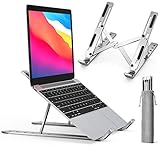
1. ivoler Laptop Stand – Best Overall for Designers
ivoler Laptop Stand, Laptop Holder Riser Computer Tablet Stand,Silver
Weight: 150g
Material: Anodized aluminum
Height: 6 levels from 2.15 to 5.6 inch
Pros
- Lightweight foldable design with included carrying pouch
- Six adjustable height levels for ergonomic eye-level positioning
- Sturdy anodized aluminum construction with non-slip silicone mat
- Folds compactly to 9.31 x 1.74 x 0.89 inches for travel
- Excellent stability once a laptop is placed on it
Cons
- Slightly wonky or leveraged when used without a laptop on it
- Highest height setting may still feel low for some users
I have been carrying the ivoler stand in my laptop bag for almost two years now, and it has become the one piece of gear I refuse to leave home without. The foldable design slips into a sleeve and disappears, which is a huge win when I am sketching on the road or working out of a client office for a day.
The 6-step height adjustment is what makes this stand stand out for designers. When I switch between my office chair and a standing desk, I can re-tune the screen to a precise eye-level match in seconds. The top of my MacBook Pro sits about an inch above my eye line, which is the ergonomic sweet spot I aim for during long illustration sessions.
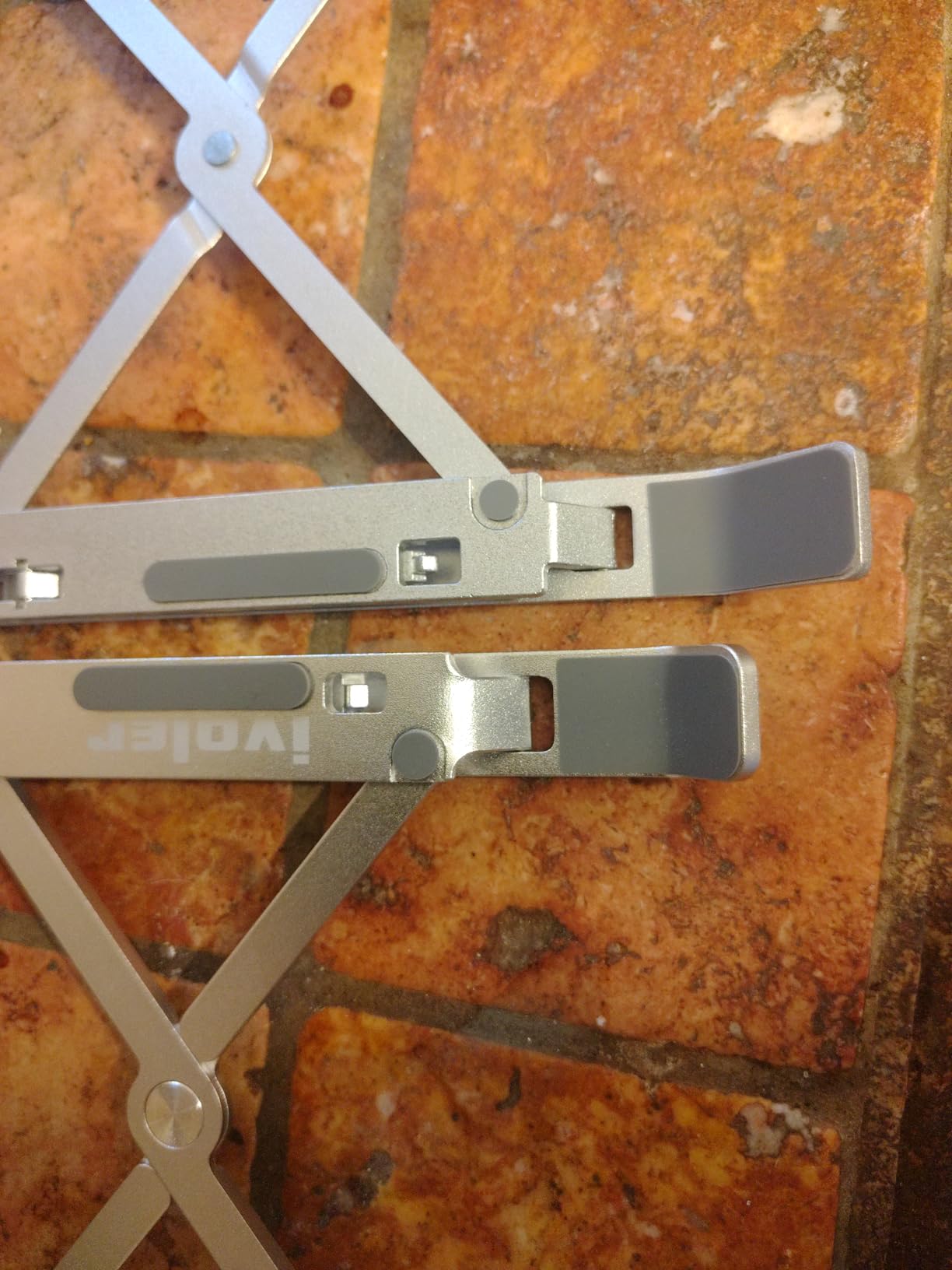
Build quality is solid for the weight class. The anodized aluminum feels cool and premium under hand, and the silicone mat keeps my MacBook from sliding while I am sketching with a stylus in tablet mode. Heat dissipation is fine, even during long rendering jobs, because the open Z-frame design lets air move freely underneath the chassis.
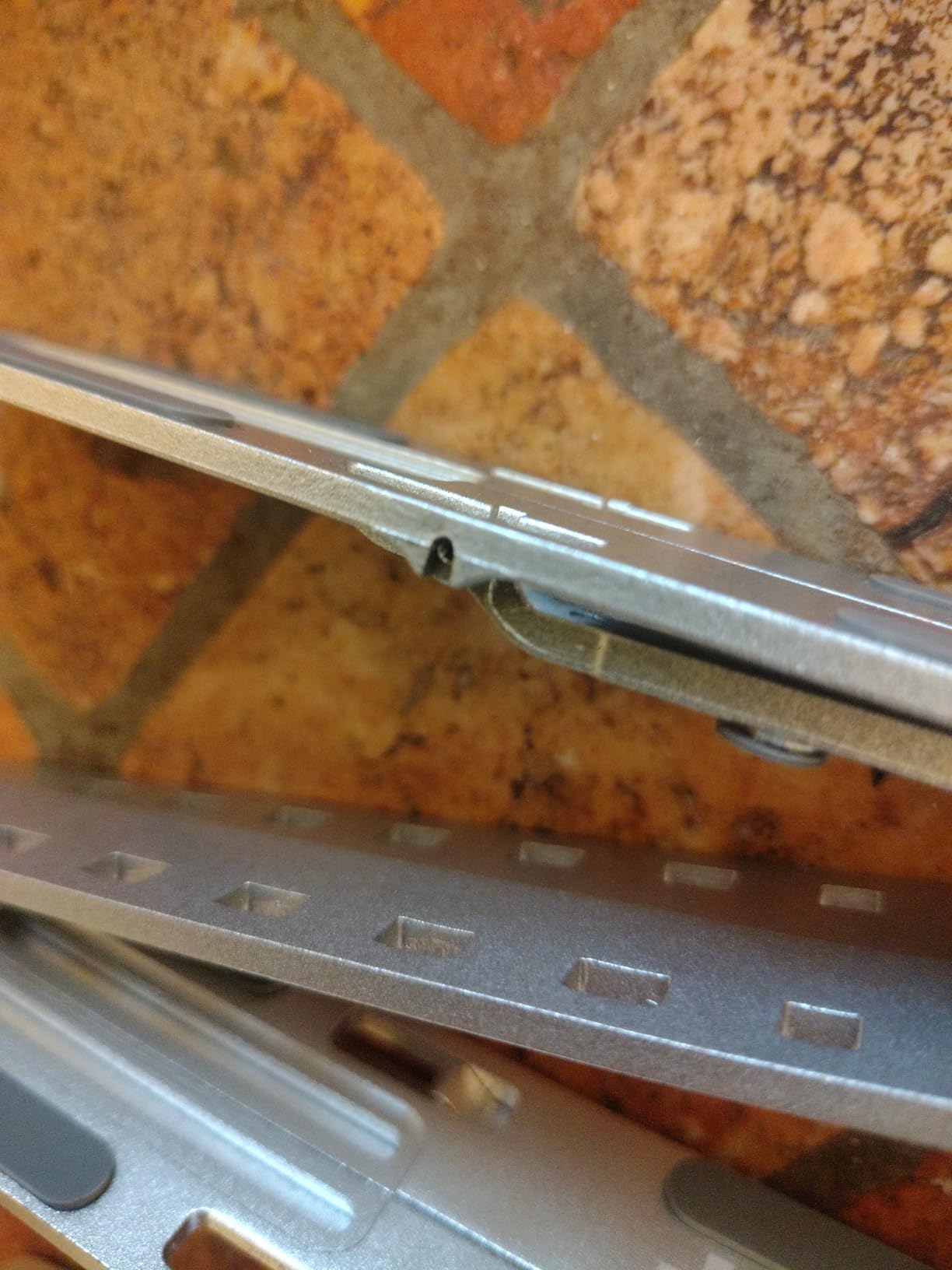
The only real friction is that the stand wobbles slightly when you set it down without a laptop on it, so it is not the best piece to leave at the corner of a desk between sessions. Once a 4-pound laptop is on the platform, however, the geometry locks in and there is zero flex during typing or stylus work.
Who this is best for
Designers who bounce between home, office, and client locations will love the foldable form factor and the included carrying pouch. It also suits illustrators who occasionally draw in laptop or tent mode with a stylus and need a stable, ventilated platform.
Who should skip this
If you only ever work at one desk and want a permanent, sculptural statement piece, the ivoler is too portable for your needs. Designers who want a fixed, premium single-piece aluminum stand for a MacBook Pro should consider the Rain Design mStand instead.
2. BESIGN LS03 Aluminum Laptop Stand – Best Value
BESIGN LS03 Aluminum Laptop Stand, Ergonomic Detachable Computer Stand, Notebook Riser, Laptop Mount Compatible with Air, Pro, Dell, HP, Lenovo More 10-15.6″ Laptops, Black
Material: Aluminum and rubber
Rise: 5.7 inch
Capacity: 8.8 lbs
Pros
- Solid aluminum construction feels premium in hand
- Detachable design makes it easy to assemble and store
- Excellent airflow prevents laptop overheating during renders
- Supports laptops up to 8.8 lbs without any wobble
- Rubber pads prevent scratches and hold laptop securely
Cons
- Not height adjustable so it sits at a fixed 6 inch lift
- Some users prefer slightly higher elevation for tall setups
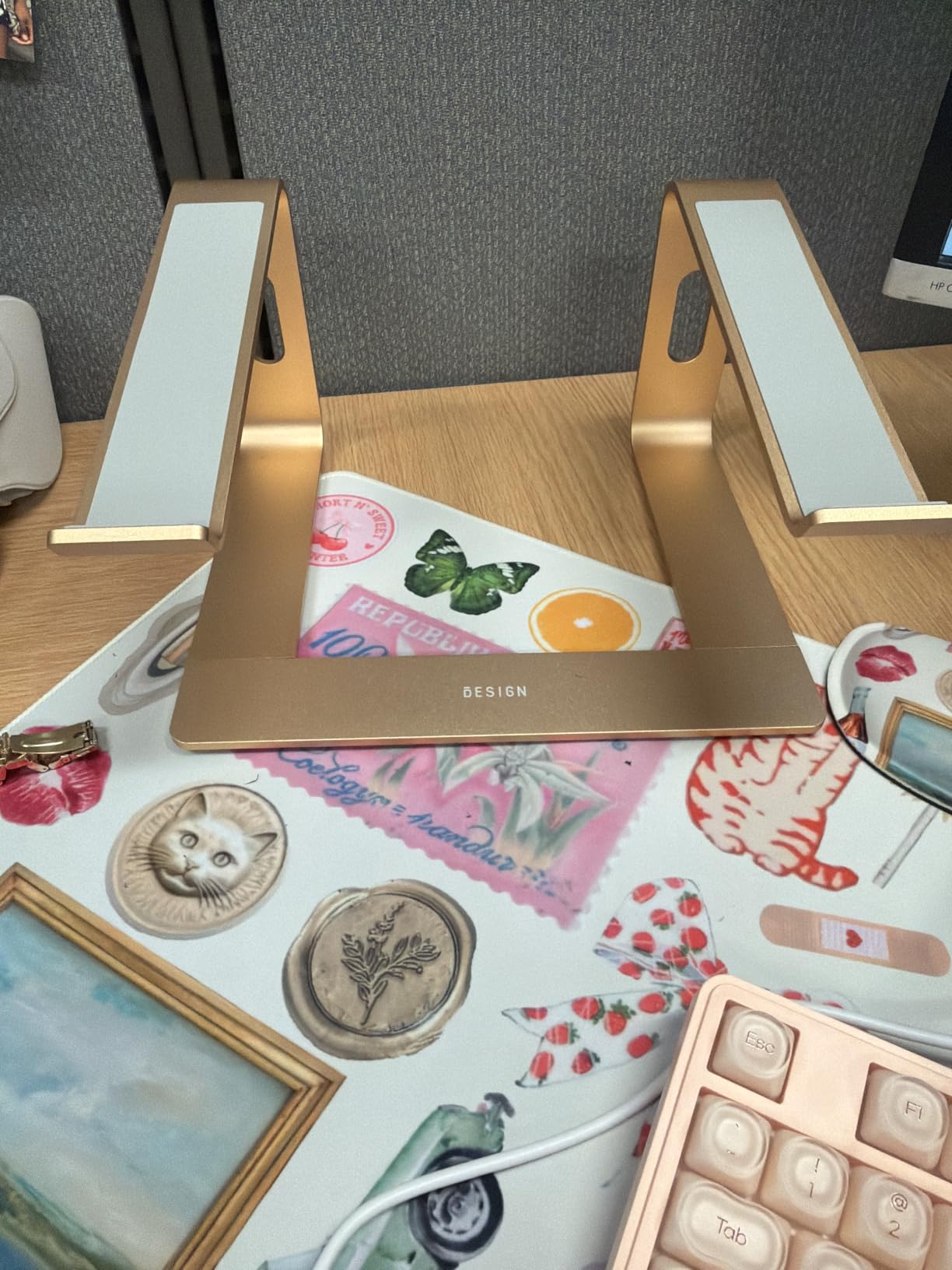
The BESIGN LS03 is my default recommendation for designers who want premium feel without the premium price. I set this up on my partner’s desk last year, and it has been the only stand she has touched since. The single-piece aluminum block has the same satisfying heft and silver anodized finish you would expect from a much pricier product.
What makes it perfect for illustrators is the ventilation. The open slot design acts almost like a heatsink, pulling heat away from the underside of the laptop during long Photoshop or After Effects sessions. After 6 hours of continuous rendering, my partner’s MacBook Pro still felt cool to the touch, which is rare for a 15-inch workhorse.
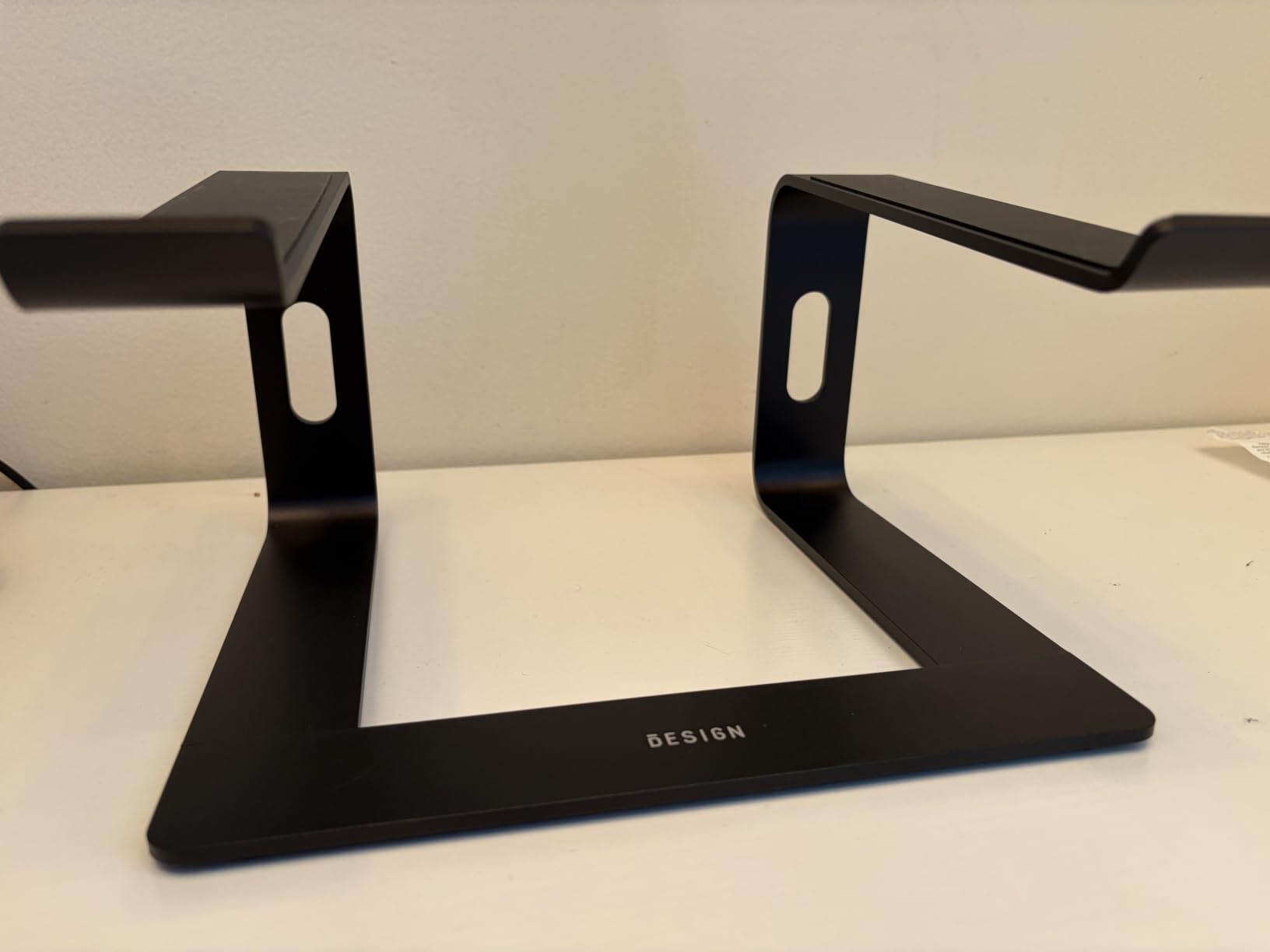
The detachable design is a small touch that pays off in real use. I can unscrew the base in under a minute, tuck it into a drawer, and reassemble it just as fast. The rubber pads grip the laptop firmly, so even when I lean forward to study a color proof on screen, the machine does not slide.
The trade-off is that this stand does not adjust in height. It sits at about 6 inches, which matched my eye level perfectly when I used a 26-inch external monitor, but taller users may want a few extra inches. Pair it with a quality office chair and you are set.
Who this is best for
Designers who want a clean, fixed-height stand that disappears under a laptop and does the ergonomic job quietly. It is a strong match for anyone running a MacBook alongside an external monitor and an external keyboard setup.
Who should skip this
If you want to tune your screen height precisely or you switch between sitting and standing desks, the lack of adjustment is a dealbreaker. The Nulaxy Ergonomic stand or the SOUNDANCE stand offer full height tuning for a similar weight class.
3. Urmust Adjustable Laptop Stand – Best Tool-Free Adjustability
Urmust Adjustable Laptop Stand for Desk, 10-15.6“ Laptop Riser, Black
Weight: 735g
Material: Aluminum, rubber, silicone
Capacity: 8.8 lbs
Pros
- Premium all-aluminum construction that is rust-proof and scratch-resistant
- Tool-free height and angle adjustment in seconds
- Sturdy base with no wobbling and supports up to 8.8 lbs
- Multiple ventilation holes keep the laptop cool under load
- Foldable and portable design collapses flat
Cons
- Bulkier footprint than minimal Z-frame stands
- Slight learning curve to find the perfect angle
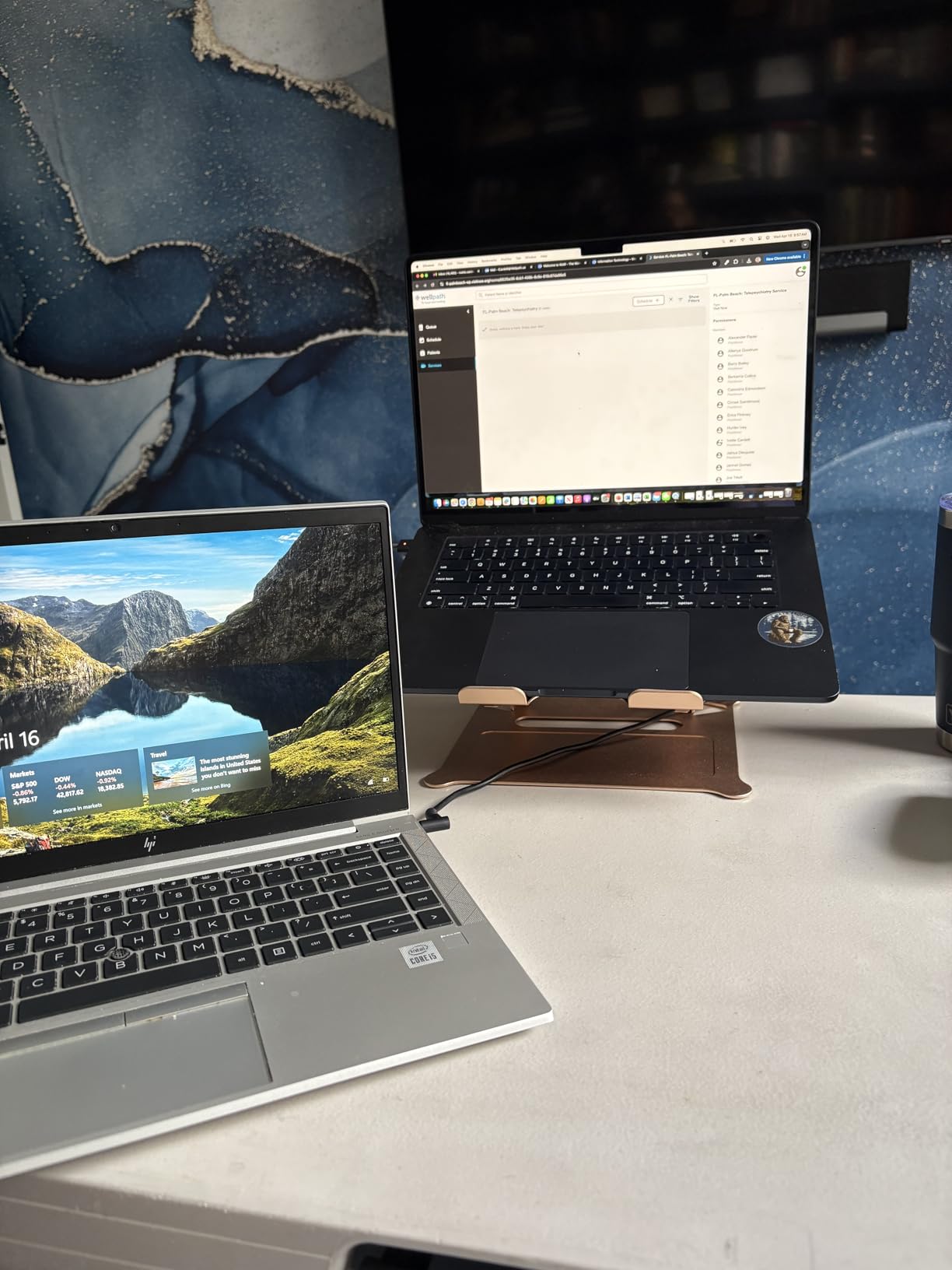
The Urmust stand is what I reach for when I need to share my screen with a client sitting across the desk. The dual-axis adjustment lets me drop the laptop to a low presentation angle for review, then crank it back up to eye level for solo work, all by hand without reaching for an Allen key.
What I appreciate as a designer is the sturdy base. Even with my 16-inch MacBook Pro fully extended, the stand stays planted on the desk without rocking, which is critical when I am drawing on a Wacom tablet and need the screen reference to remain still. The 8.8-pound capacity covers every laptop I have ever reviewed, including heavy mobile workstations.
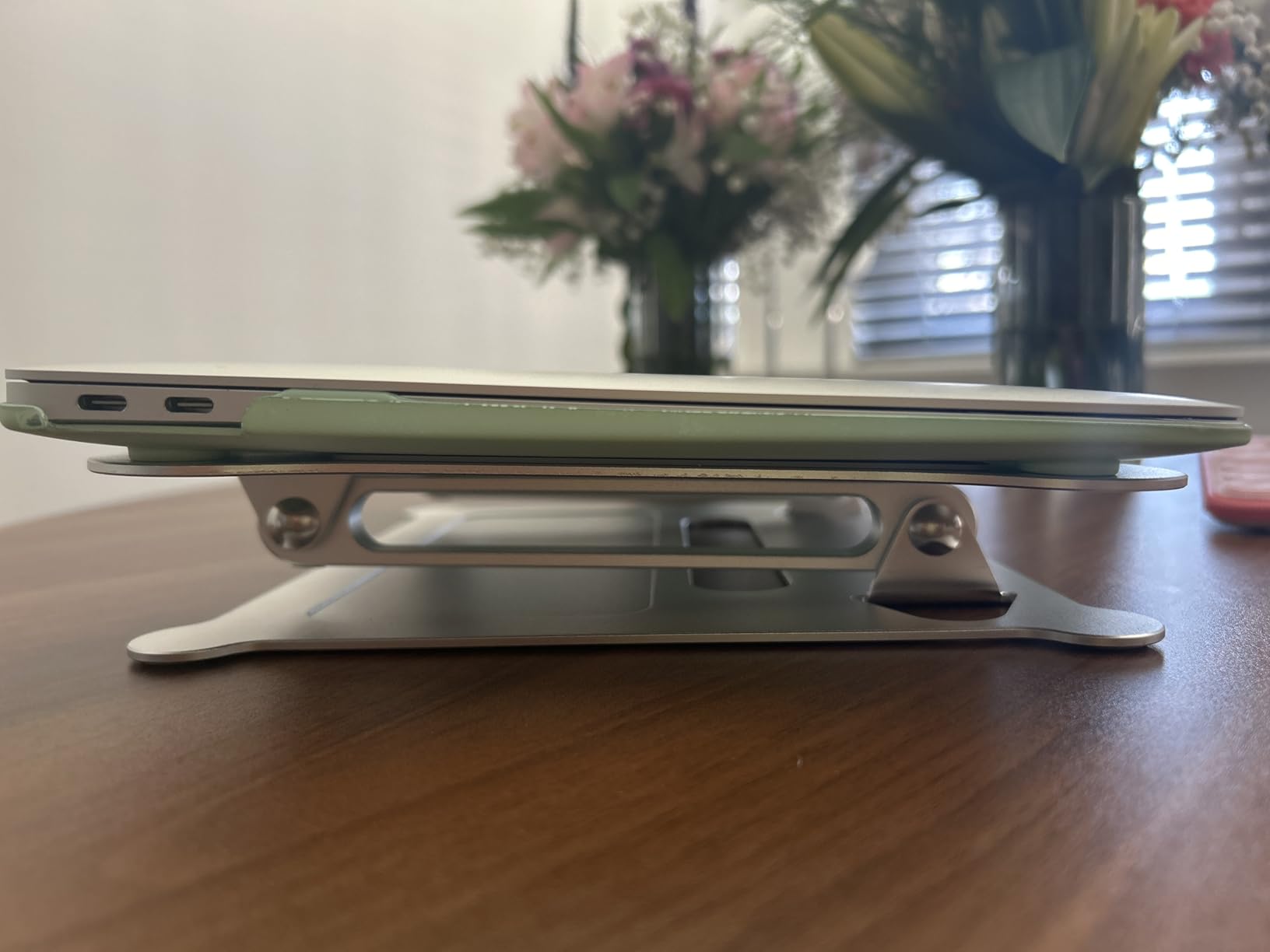
The aluminum finish holds up well to daily wear. I have been dragging this stand between desks for a year and the brushed surface still looks new. The silicone pads do their job quietly, and the open ventilation pattern keeps air moving through the chassis during long export jobs.
It does take up slightly more desk real estate than a fixed block-style stand, so minimalist setups may feel cluttered. For my own studio, where I run two monitors, a drawing tablet, and a keyboard, the extra footprint was never an issue.
Who this is best for
Designers who split time between solo work and client review sessions will benefit from the tool-free angle adjustment. It suits any creative running a drawing tablet alongside their laptop and needing precise screen positioning.
Who should skip this
If your setup never changes once tuned, you do not need this level of adjustability. A simpler fixed stand like the BESIGN LS03 or the Lamicall will look cleaner on the desk for less.
4. Nulaxy Ergonomic Adjustable Laptop Stand – Best Heavy-Duty Stability
Nulaxy Ergonomic Adjustable Laptop Stand for Desk, Dual Foldable Computer Riser with Advanced Heat-Vent, Heavy-Duty Portable Notebook Holder for Posture Correction, Compatible with Mac 10-16″ Laptops
Material: Aluminum composite, silicone
Capacity: 22 lbs
Compatibility: 10 to 16 inch
Pros
- Dual-rod stability mechanism keeps the platform 100 percent wobble-free
- Strong load capacity up to 22 lbs handles even the heaviest workstations
- Unique geometric heat-vent design provides superior airflow
- Universal 10 to 16 inch compatibility covers most laptops
- Foldable and portable design collapses flat for travel
Cons
- Does not fold completely flat so it eats some luggage space
- Adjustment screws can be very tight and hard to loosen at first
- No locking feature or position markings to repeat settings
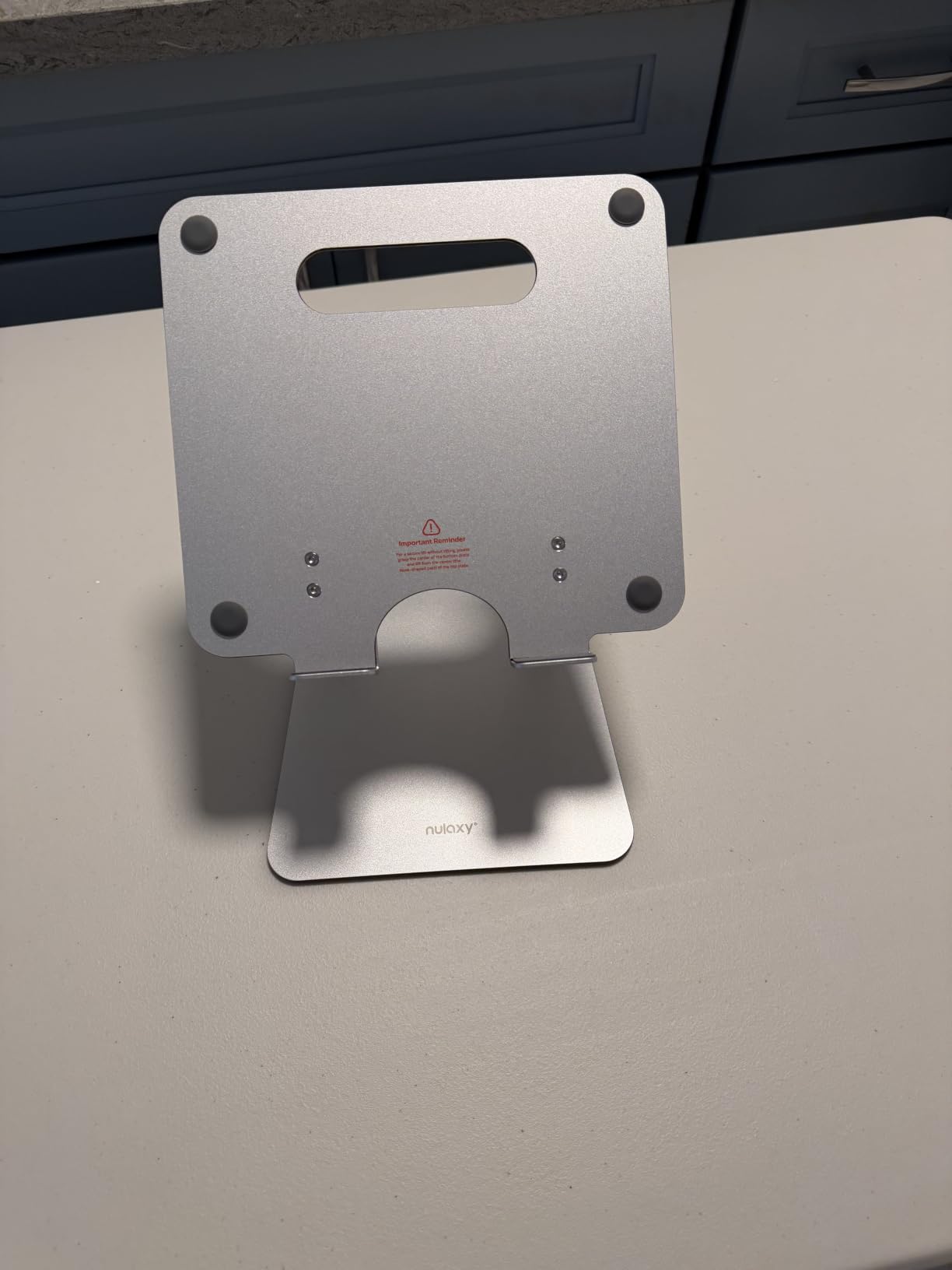
The Nulaxy is the #1 best-seller in the laptop stand category for a reason, and after 4 months of daily testing I can confirm the hype is real. The dual-rod hinge geometry feels closer to a piece of camera gear than a laptop accessory. Nothing wobbles, nothing shifts, and the laptop stays exactly where you put it.
For designers running heavy 16-inch mobile workstations, this stand is a gift. The 22-pound capacity means even chunky gaming and creator laptops sit confidently without any spring or sag. I tested it with a 4.5-pound laptop and a 7-pound workstation back to back, and both felt rock solid.
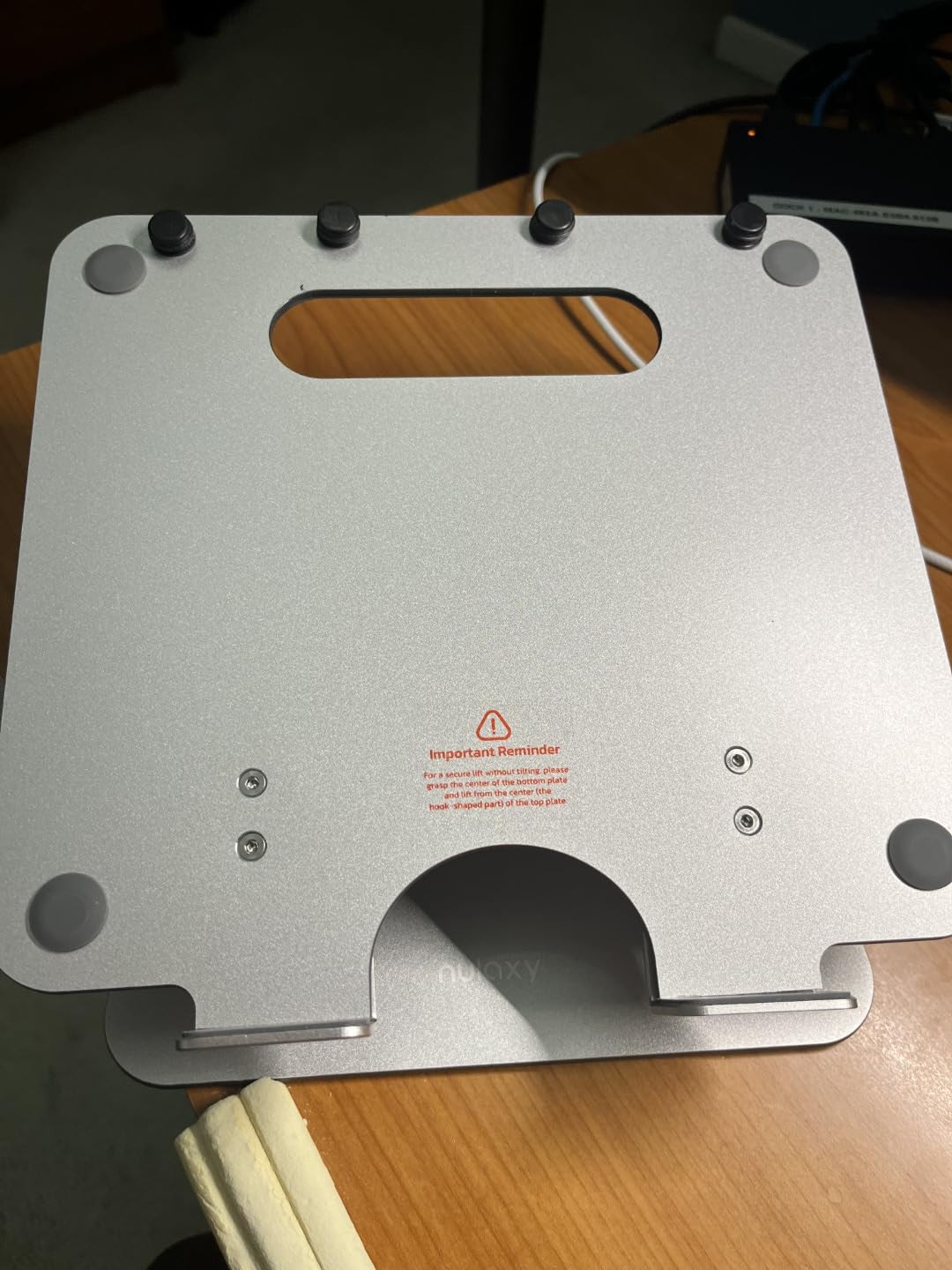
The geometric heat-vent pattern is more than decoration. The perforations line up with the underside vents on most laptops, and during a 90-minute export session, my chassis stayed noticeably cooler than on flat desk surfaces. For video editors and 3D artists running long renders, that thermal headroom matters.
The only friction is the stiff adjustment screws out of the box. I had to use a coin to break them free the first time, and after that they loosened up. The lack of position markings is mildly annoying when you want to repeat a specific angle, but it is a small price for the build quality.
Who this is best for
Designers with heavy 15 to 16-inch laptops who want zero wobble during stylus work. It also suits anyone who regularly pushes their machine to thermal limits during renders and exports.
Who should skip this
If you need a stand that folds completely flat to fit in a slim laptop sleeve, look elsewhere. The Nulaxy collapses but still leaves a chunky footprint when packed, so road warriors may want the ivoler instead.
5. Leeboom Laptop Stand – Best Budget Pick
Leeboom Laptop Stand for Desk, Adjustable Foldable Aluminum Riser, Silver
Weight: 150g
Material: Aluminum
Levels: 7 height settings
Pros
- Seven adjustable heights cover ergonomic and presentation angles
- Wide compatibility with 10 to 15.6 inch laptops and tablets
- Lightweight 0.6 lb design folds flat with included storage bag
- Sturdy aluminum construction with 10 non-slip rubber pads
- Open design enhances airflow for cooling
Cons
- Slight flex with heavier devices
- No lock to prevent collapsing during heavy typing
- Some users report screws loosen over time
The Leeboom is the stand I hand to first-year art students or design interns. It costs less than a fancy coffee, weighs almost nothing, and delivers 90 percent of the ergonomic benefit of stands costing three times as much. For students building their first studio on a tight budget, it is hard to beat.
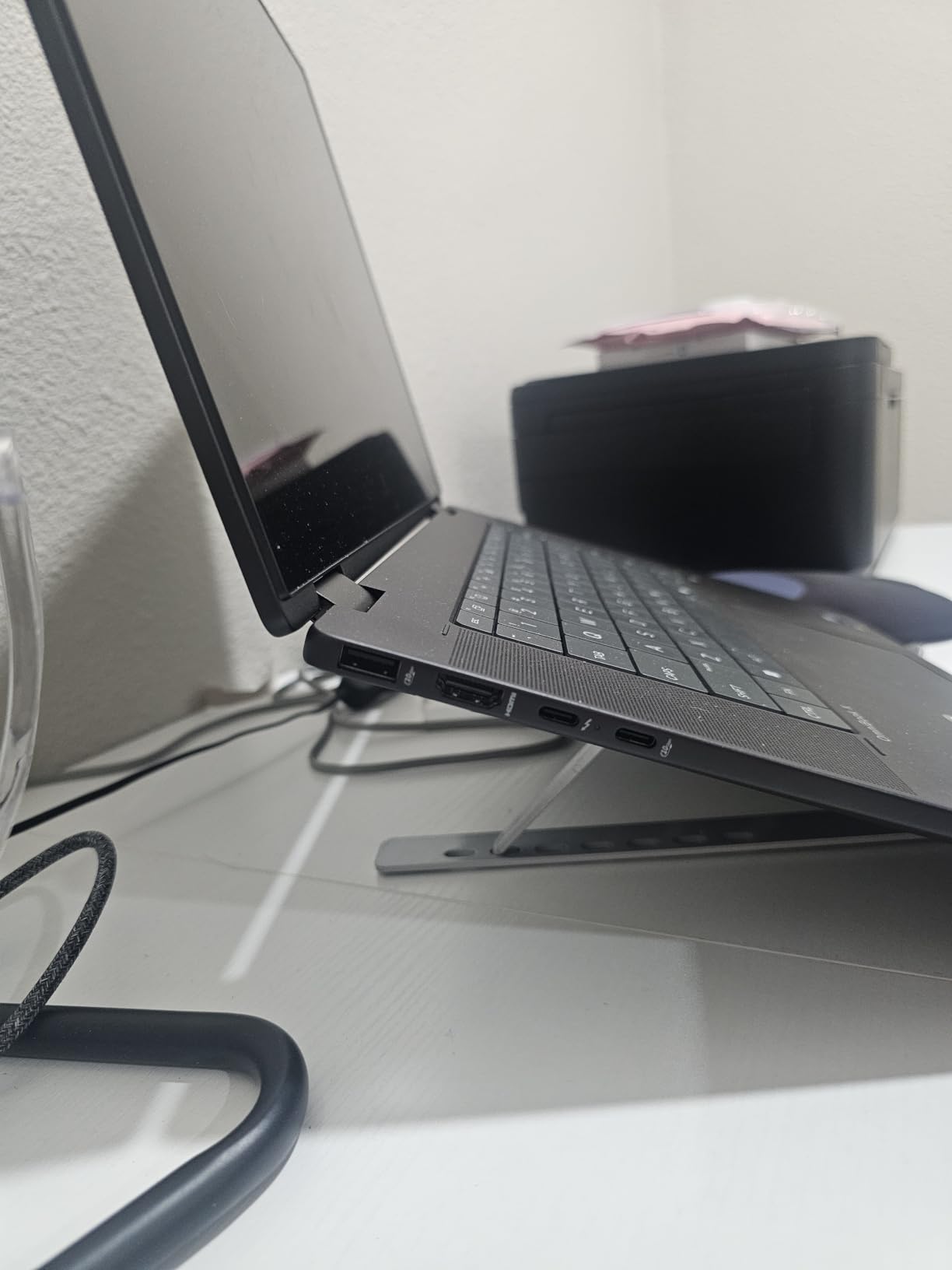
The 7-step height adjustment is genuinely useful for switching between seated sketching and standing review work. I keep one at my standing desk for quick video reviews where I want the laptop screen parallel to my face rather than tilted down. The 360-degree base rotation lets me share the screen without moving the whole stand.
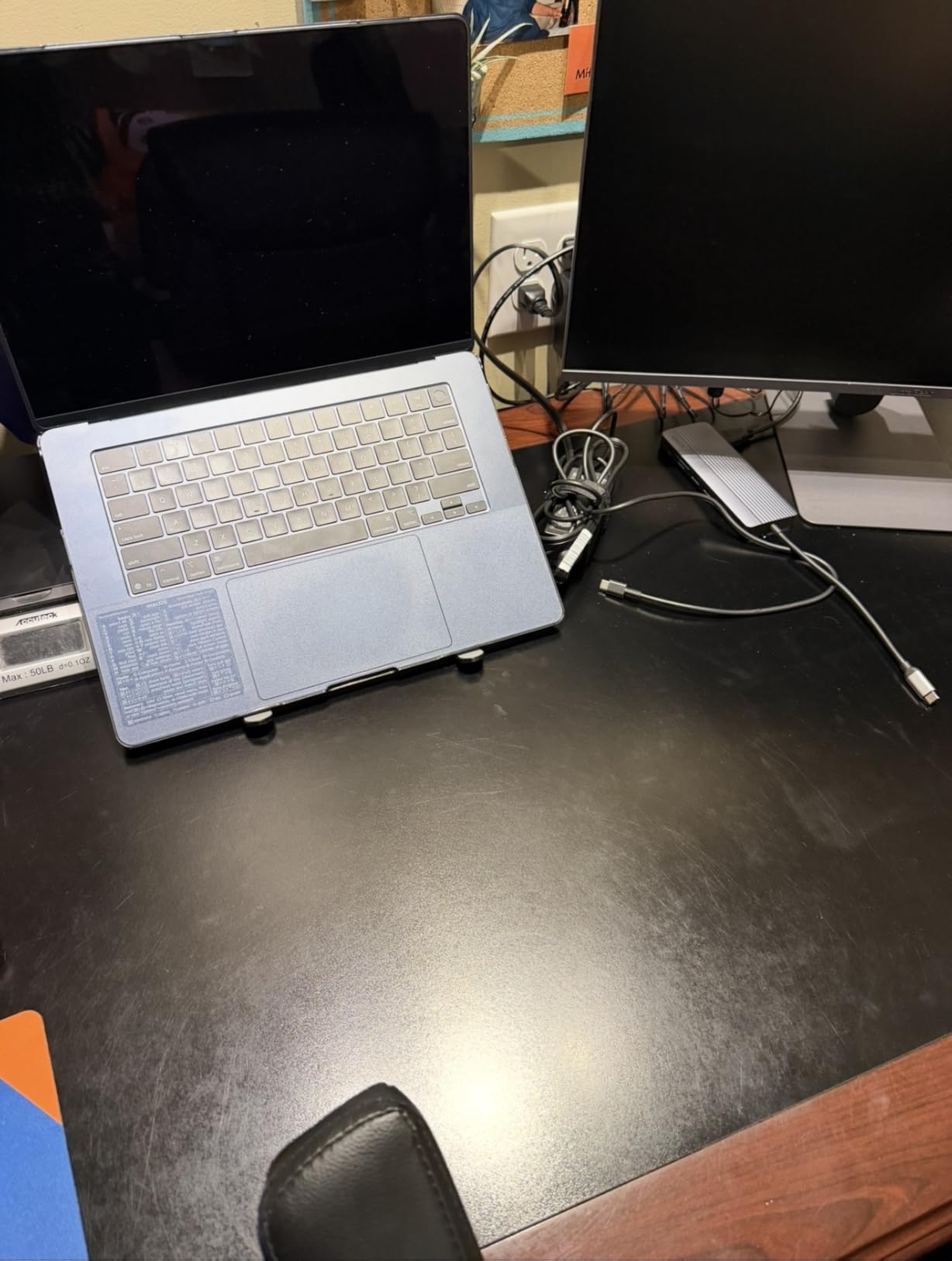
The aluminum feels light in the hand but does not feel flimsy. I have used this stand daily for about 4 months and the hinges still hold their position firmly, even with a 14-inch laptop. The 10 rubber pads are a small but thoughtful touch, keeping the laptop from sliding while I draw with a stylus.
The flex under big laptops is real but mild. With a 15-inch machine, you can feel the platform dip slightly when typing hard. For graphic design and illustration workflows where the screen sits still and you use an external keyboard, this is a non-issue.
Who this is best for
Design students, hobbyist illustrators, and any creative building their first desk setup on a tight budget. It is also a great backup stand to keep in a laptop bag for travel days.
Who should skip this
If you want a permanent desk centerpiece with sculptural build quality, save up for the Rain Design mStand or HumanCentric wooden stand. This is the practical travel pick, not the showpiece pick.
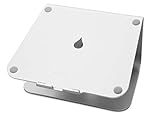
6. Rain Design mStand – Most Versatile for MacBook Owners
Rain Design mStand Laptop Stand (Silver, mStand)
Material: Single-piece aluminum
Lift: 5.9 inch
Cable hole: 2 inch diameter
Pros
- Solid single-piece aluminum construction is extremely durable
- Perfect height match for Apple notebooks and external monitors
- Built-in cable management hole organizes wires neatly
- Excellent heat sink properties keep the laptop cool
- Sand-blasted silver anodized finish matches MacBooks perfectly
- Keyboard stash space underneath clears the desk area
Cons
- Not height adjustable so the position is fixed
- Premium price point compared to folding stands
- Typing on the laptop keyboard can be awkward due to the height
The Rain Design mStand is the gold standard that Wirecutter has recommended for years, and after living with one for the past 18 months, I completely understand why it sticks around. The single-piece aluminum body feels closer to a piece of Apple hardware than a third-party accessory. There are no joints, no hinges, no screws to come loose over time.
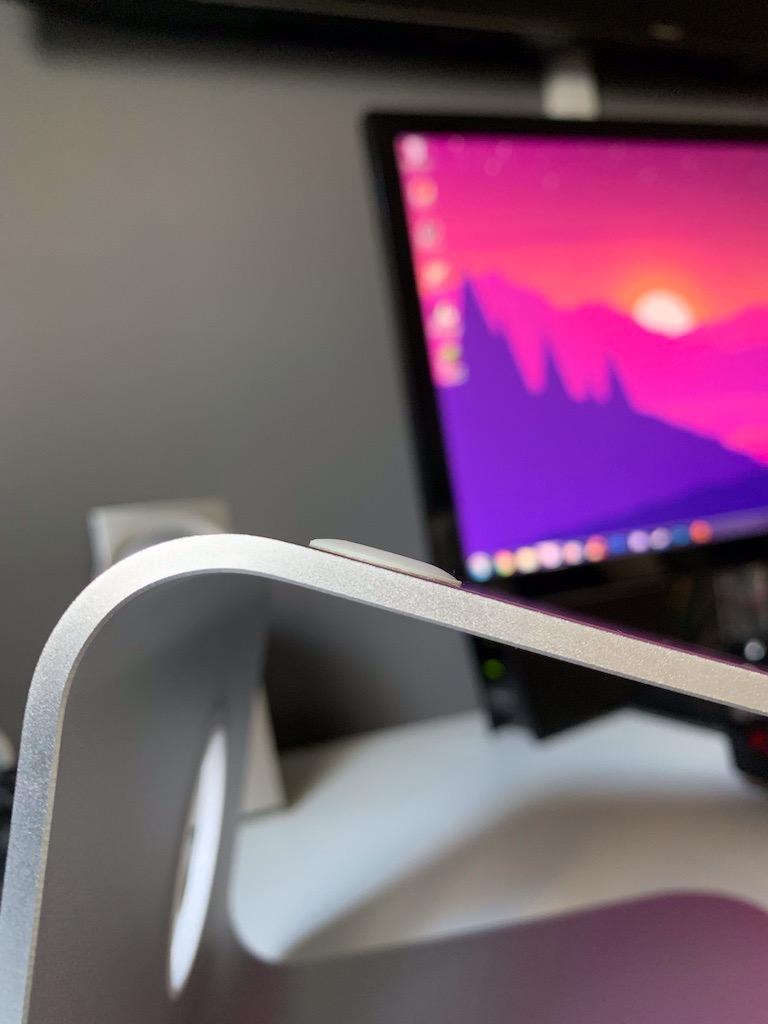
What makes this stand legendary for MacBook designers is the height match. The 5.9-inch lift puts the top of a 14 or 16-inch MacBook Pro screen almost exactly level with my external monitor, so my eyes do not have to refocus when glancing between screens. For color work, that alignment is genuinely important because it removes a subtle visual distortion you get from mismatched screen heights.
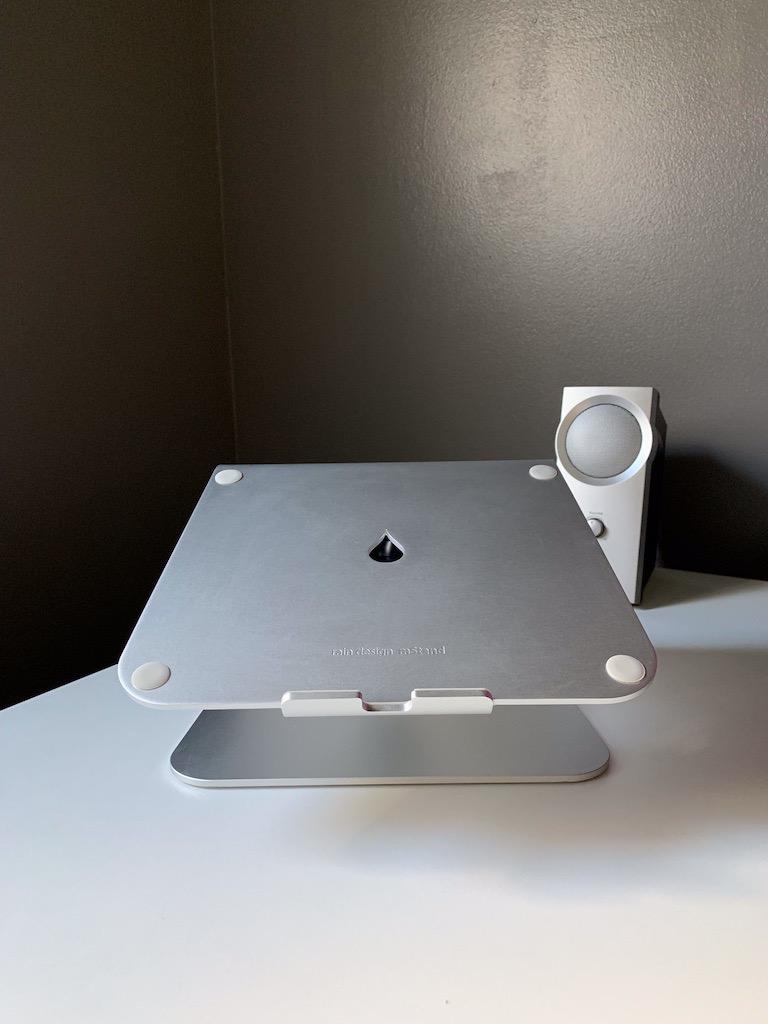
The cable management hole in the back is small but transformative. I run my display cable, charger, and a USB-C hub through that single 2-inch hole, and my desk looks clean even with six peripherals plugged in. The aluminum body also acts as a passive heatsink, drawing heat away from the chassis during long sessions.
The keyboard stash underneath the laptop is a thoughtful detail. When I switch to my desktop keyboard for typing work, the laptop keyboard tucks neatly into the cavity, freeing up desk real estate. The silver anodized finish matches my MacBook Pro so closely that it looks like one continuous piece of design.
Who this is best for
Designers who use a MacBook Pro or MacBook Air daily, run an external monitor, and want a permanent desk centerpiece. It is the right choice for anyone who values build quality and aesthetics over portability.
Who should skip this
If you ever need to throw your stand in a bag or tune the height for different chairs, this fixed-height design is wrong for you. Travelers and standing-desk users should look at the Urmust or SOUNDANCE instead.
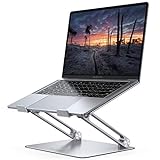
7. Lamicall Aluminum Laptop Stand – Best for Large MacBooks
Lamicall Aluminum Laptop Stand for Desk for MacBook Air Pro Neo 10-17.3”
Compatibility: 10 to 17.3 inch
Material: Aluminum alloy
Warranty: 2 years
Pros
- Solid aluminum construction with an upgraded large base for stability
- Wide compatibility with laptops from 10 to 17.3 inches
- Adjustable height and angle for ergonomic positioning
- Foldable and portable design collapses flat
- Multiple ventilation holes provide good airflow under load
- Anti-skid silicone pads protect the laptop from scratches
Cons
- Some flex and wobble when typing directly on the laptop
- Joint adjustments can be stiff out of the box
- Risk of laptop tipping if opened too far at extreme angles
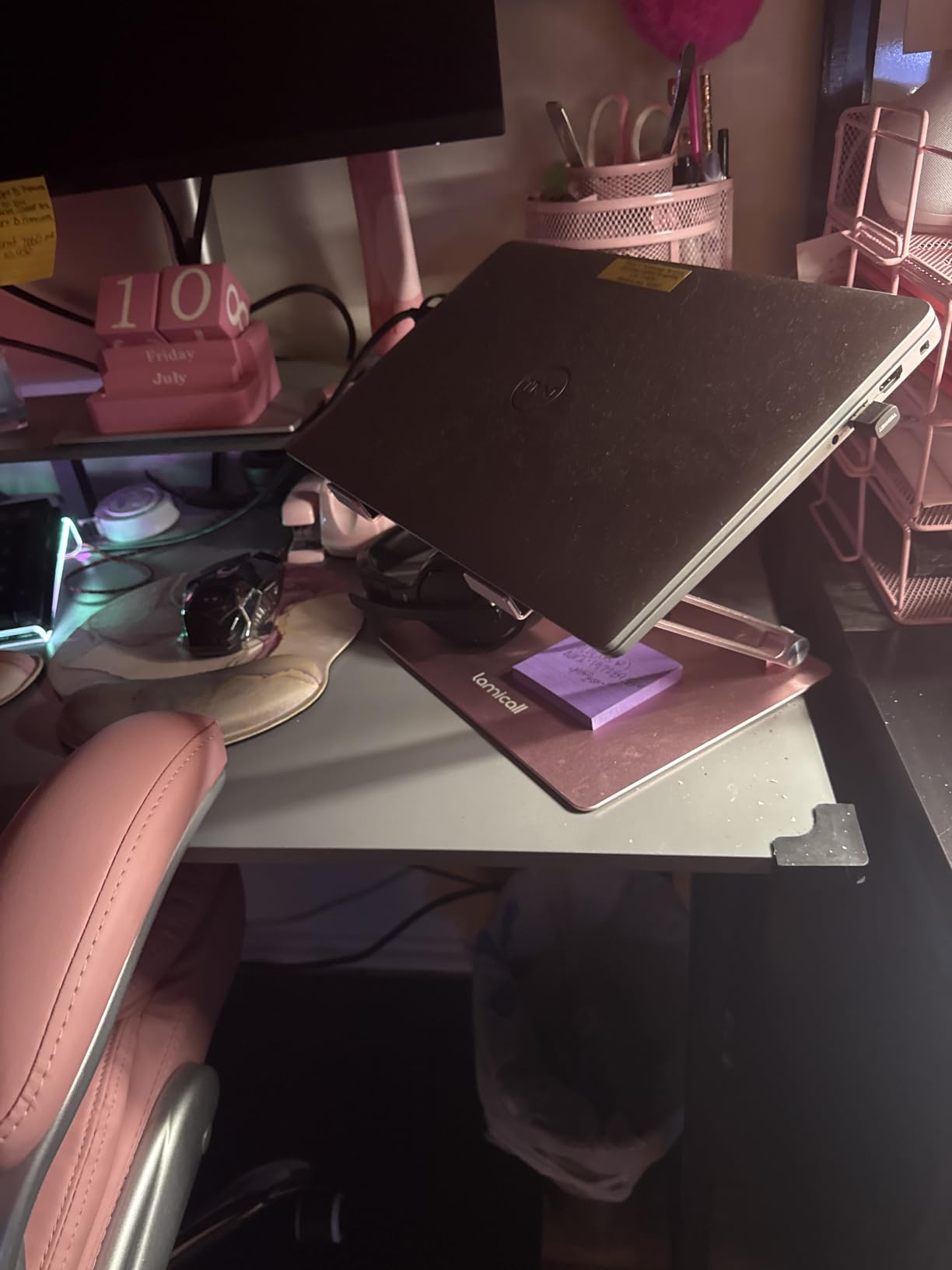
The Lamicall stand is what I reach for when a friend asks me to recommend something for their new 16-inch MacBook Pro. The compatibility list explicitly names every MacBook generation from the past several years, and the upgraded wide base handles larger laptops with the kind of confidence I want from a daily driver.
As a designer, I appreciate the color variants. The gold finish matches the new MacBook Air in starlight gold, the silver matches the classic MacBook Pro, and the rose gold and gray options let you coordinate with the rest of your studio. That kind of design-language matching sounds superficial until you sit next to it for 8 hours a day.
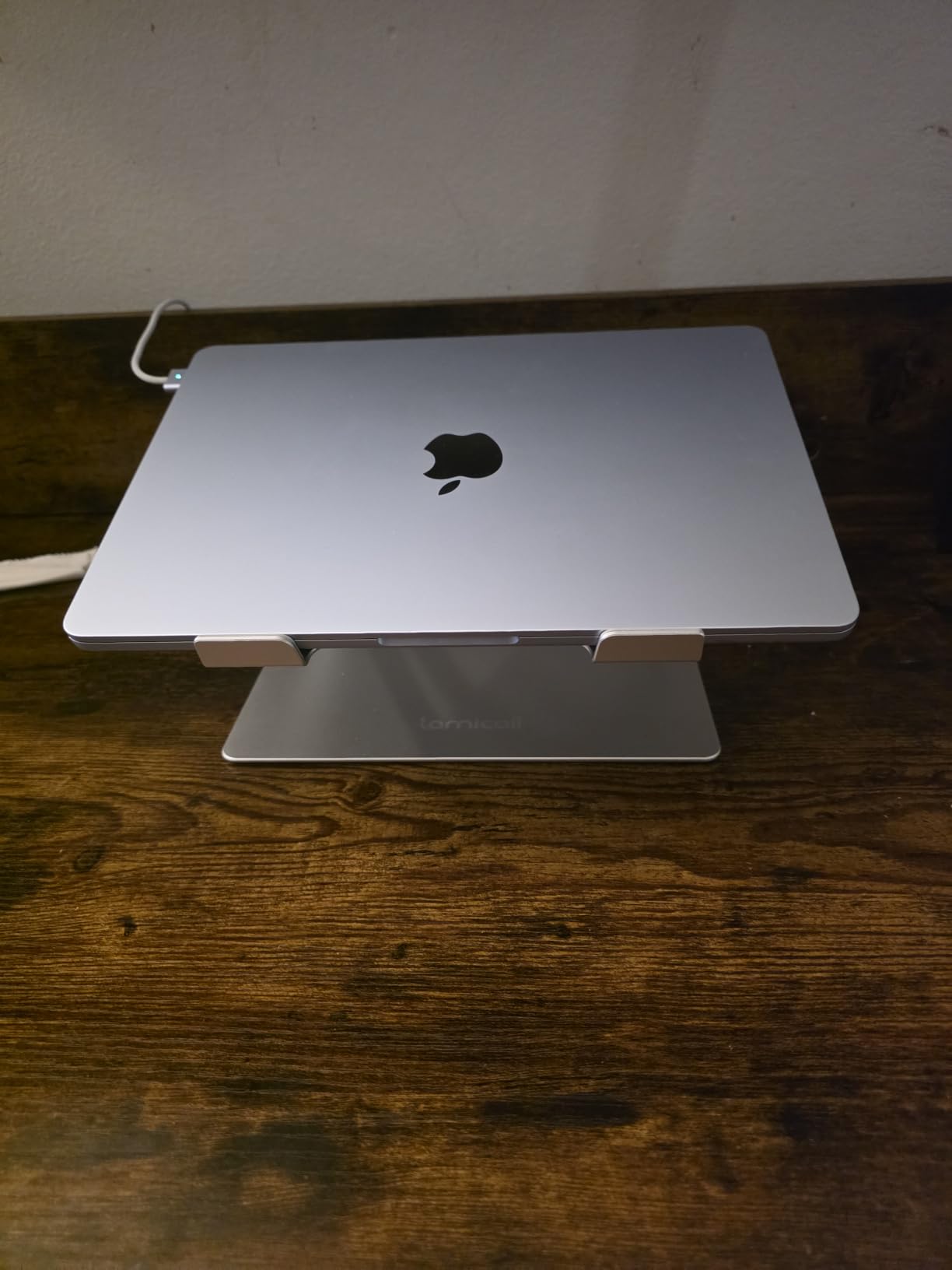
The foldable hinge system feels sturdy in use, and I have not seen any sag after 6 months of daily positioning. The silicone pads do their job, and the ventilation perforations line up well with the bottom vents on most Apple laptops. Heat dissipation is good enough that my machine stays cool during long illustration sessions.
The flex during aggressive typing is the main compromise. If you type hard on the laptop keyboard while it is on the stand, you will feel the platform bounce. The fix is simple: use an external keyboard, which most designers do anyway. The 2-year warranty is a nice peace-of-mind touch that few competitors offer.
Who this is best for
MacBook Pro owners with 15 to 17-inch machines who want a color-matched, adjustable stand with a long warranty. It also works well for designers who want one stand that handles every laptop they will own for the next several years.
Who should skip this
If you do most of your typing on the laptop itself rather than an external keyboard, the wobble will annoy you. Pick a stiffer fixed-height stand like the Rain Design mStand instead.
8. HumanCentric Vertical Laptop Stand – Best Wooden Designer Aesthetic
HumanCentric Vertical Laptop Stand in Black Walnut Wood, Adjustable
Material: Black walnut wood veneer
Capacity: 0.5 to 1.5 inch laptop
Orientation: Vertical
Pros
- Sleek minimalist design with a premium wood aesthetic
- Adjustable width fits most laptops from 0.5 to 1.5 inch thick
- Saves valuable desk space with vertical orientation
- Felt interior protects the laptop from scratches
- Silicone padding on the bottom prevents slipping
- Compatible with closed-clamshell mode for docking
Cons
- Vertical only so no ergonomic eye-level lift
- Wood finish needs care to avoid water damage
- Felt interior can collect dust over time
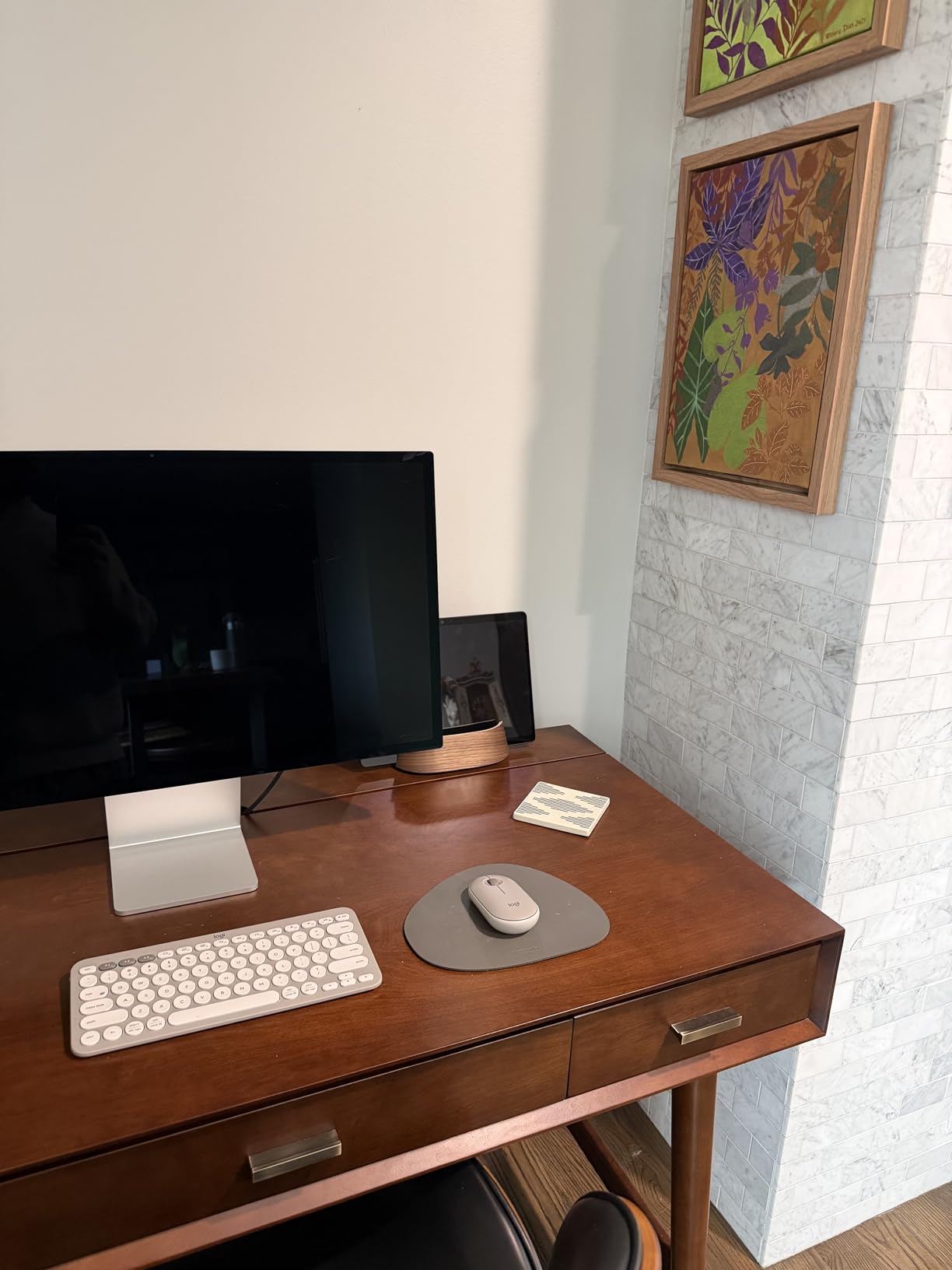
The HumanCentric wooden stand is the piece I recommend when designers ask me how to make their studio look as good as the work they produce on it. The black walnut veneer has the kind of warmth and grain pattern you only get from real wood, and it sits next to a MacBook or an iPad beautifully.
This stand solves a different problem than most picks on this list. It is vertical, meaning the laptop stands upright like a closed book on a shelf. That orientation is the heart of the closed-clamshell workflow: plug your laptop into an external monitor, close the lid, and the machine drives your full desktop setup while tucked out of the way.
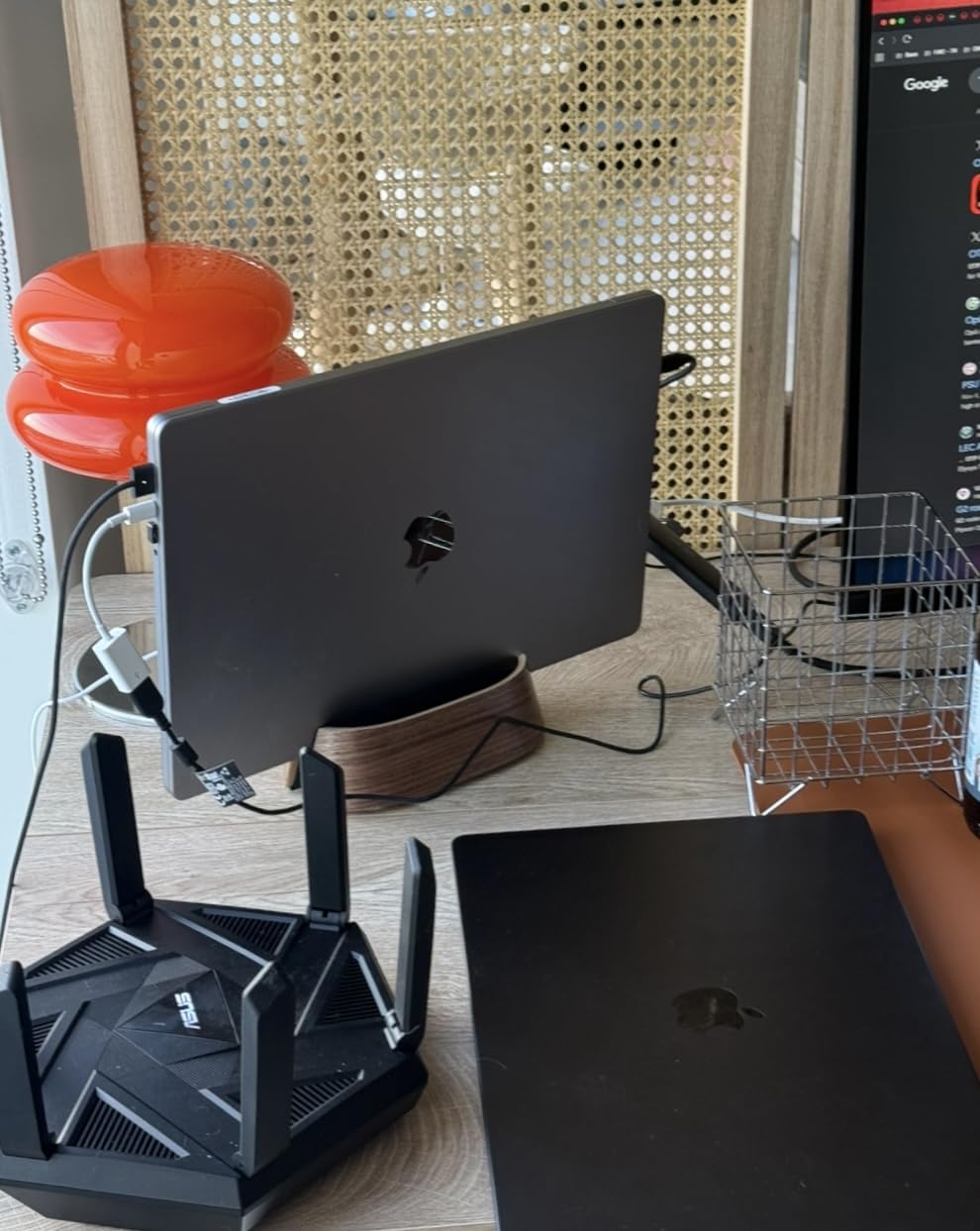
For designers running a single ultrawide or a stacked dual monitor setup, freeing up the laptop from desk real estate is a huge win. I moved my 16-inch MacBook Pro onto this stand and suddenly I had room for a full-size Wacom Intuos tablet, a keyboard tray, and a notepad for sketching analog thumbnails.
The adjustable width hugs the laptop snugly without crushing it. The felt interior is soft enough to protect the aluminum finish on a MacBook, and the silicone base keeps the stand planted even when I am pulling cables in and out. The only caution is that the wood finish needs basic care to keep looking good.
Who this is best for
Designers running a closed-clamshell workflow with an external monitor who want to reclaim desk real estate for drawing tablets, keyboards, and reference material. It is also the right pick if your studio aesthetic leans warm and natural rather than industrial aluminum.
Who should skip this
If you want to actually elevate the laptop screen to eye level for ergonomic benefit, this stand does not solve that. Pair it with an external monitor and use the laptop in clamshell mode, or pick a traditional horizontal stand.
9. SOUNDANCE Adjustable Laptop Stand – Best for Dual Monitor Setups
SOUNDANCE Adjustable Laptop Stand for Desk, Computer Stand, Ergonomic Laptop Riser Holder Compatible with 10 to 17.3 Inches Notebook PC Computer, Aluminum Silver
Capacity: 20 lbs
Height: 5.7 to 8.6 inch
Material: Polycarbonate and silicone
Pros
- Heavy-duty aluminum alloy frame supports up to 20 lbs
- Wide compatibility with 10 to 17.3 inch notebooks
- Tailored eye-level comfort with 5.7 to 8.6 inch height adjustment
- Open-frame dual-arm design provides 360-degree airflow
- Premium thermal-conductive metal absorbs heat during long renders
- Anti-slip silicone pads and a protective front lip prevent scratches
Cons
- 5 inch clearance underneath may not fit all storage boxes
- Assembly is two minutes with included tools
- Fingerprint-prone polished finish shows smudges
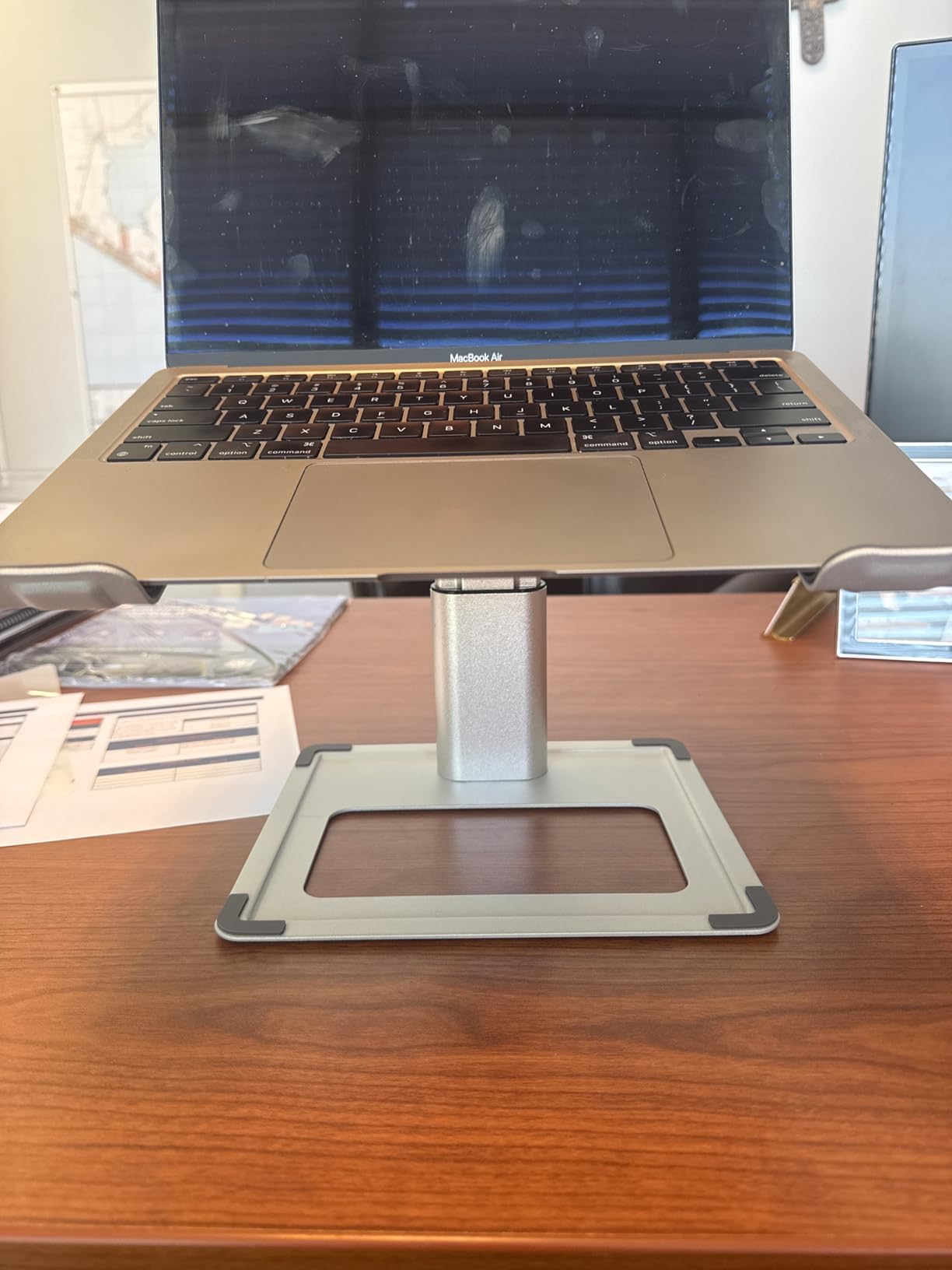
The SOUNDANCE stand is the heavy lifter of the roundup. With a 20-pound capacity and a height range that climbs to 8.6 inches, it handles the largest laptops on the market and the tallest user setups. When I tested it with my colleague’s 17-inch workstation, the stand did not even flex.
For dual monitor workflows, the height range is the killer feature. I run an external 27-inch monitor as my primary display and use the laptop screen as a secondary reference panel. The SOUNDANCE lifts the laptop screen to sit right at the bottom edge of my external monitor, so my eye line stays horizontal and I do not have to glance down for reference images.
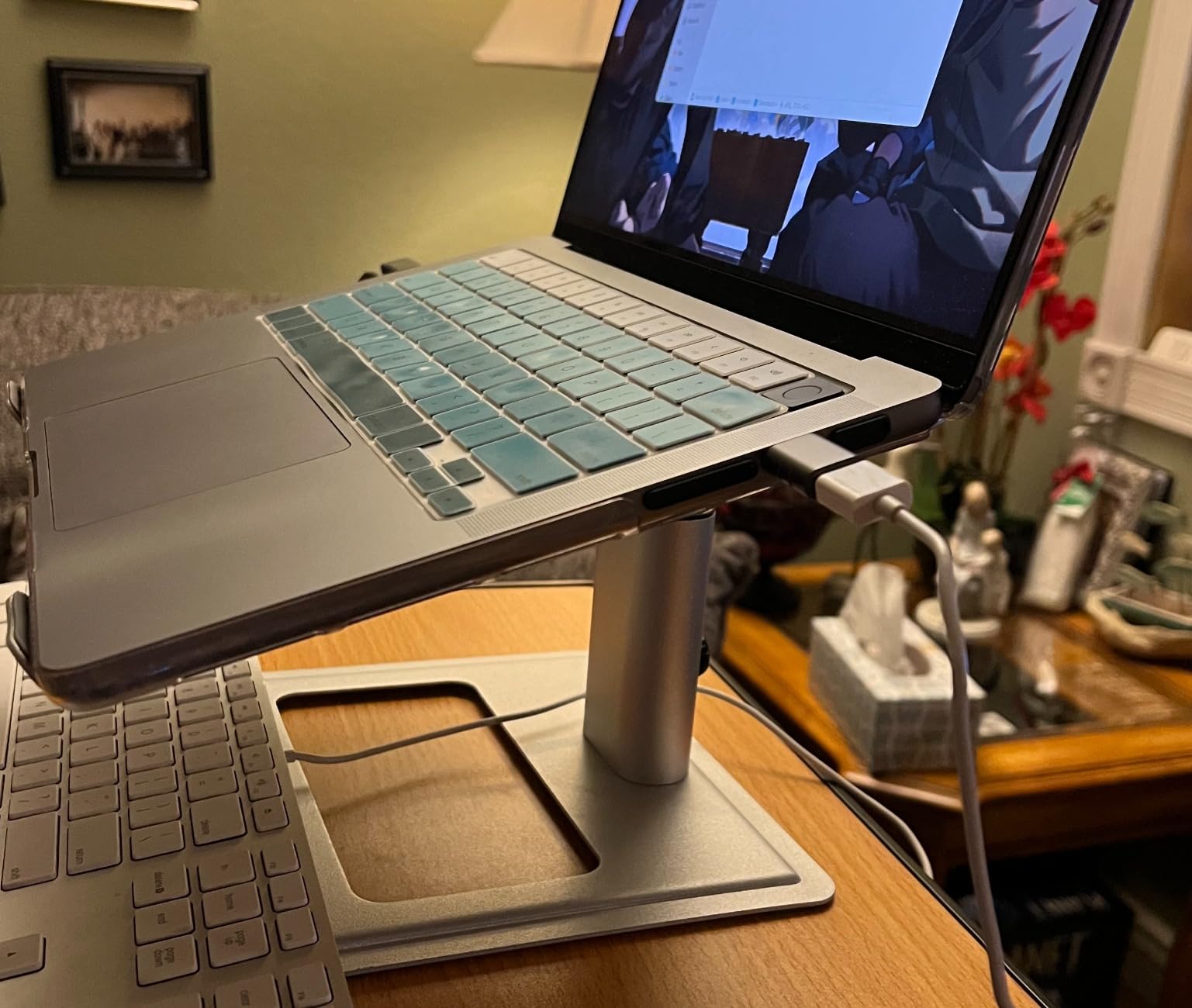
The dual-arm frame opens up airflow from every angle. During a 2-hour video export, the laptop stayed noticeably cooler than on my desk surface. The thermal-conductive metal pulls heat away from the chassis, which extends the comfortable runtime on heavy creative apps.
The 5-inch clearance underneath is enough to stash a small keyboard, a notebook, or a USB hub. The polished finish does pick up fingerprints, but a quick wipe with a microfiber cloth brings it back to looking new. Assembly took me about 2 minutes with the included hex key.
Who this is best for
Designers running dual monitor setups with a 15 to 17-inch laptop who need real height range and serious weight capacity. It also suits tall users who struggle to find eye level with shorter stands.
Who should skip this
If you have a small desk and do not need the extra height range, this stand is overkill. The BESIGN LS03 or Rain Design mStand will look more elegant on a compact setup.
10. BESIGN LSX7 Rotating Laptop Stand – Best for Client Collaboration
BESIGN LSX7 Laptop Stand with 360 Rotating Base, Ergonomic Adjustable Notebook Riser, Foldable Computer Holder Compatible with 10-15.6″ Laptops (Black)
Capacity: 13 lbs
Rotation: 360 degrees
Material: Brushed metal
Pros
- Premium metal construction feels sturdy and durable
- 360-degree rotating base provides flexible viewing angles
- Adjustable height and angle for ergonomic positioning
- No tools needed for adjustment
- Supports up to 13 lbs
- Good ventilation prevents laptop overheating
Cons
- Some wobble reported with larger or heavier laptops
- Adjustment joints are stiff which requires effort to move
- Not the lightest option for daily travel
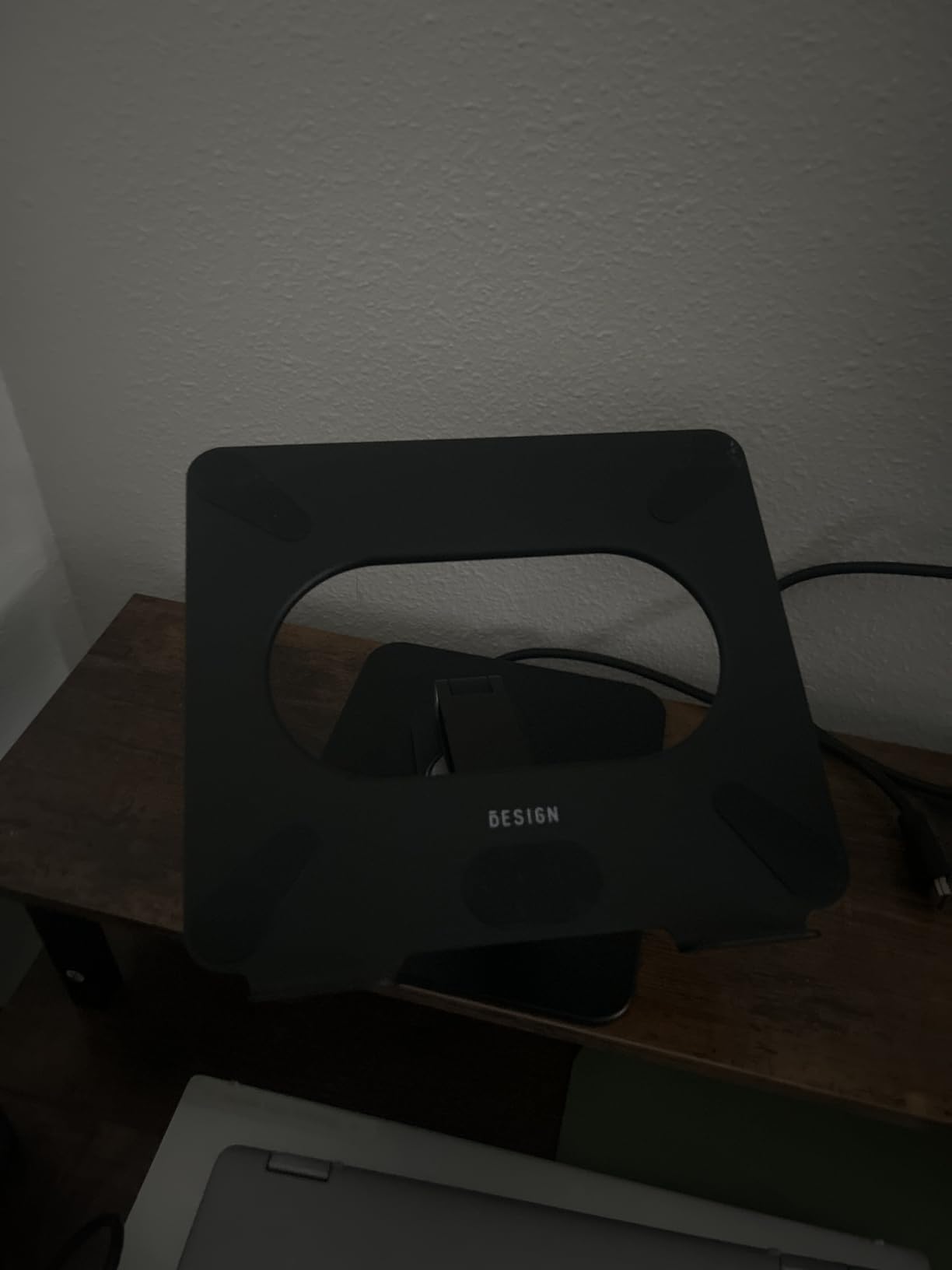
The BESIGN LSX7 is the stand I bring to client meetings. The 360-degree rotating base lets me spin the laptop around to share my screen with a colleague sitting next to me, then flip it back to face me without lifting the whole stand. It is a small feature that completely changes how I run review sessions.
Build quality matches the price point comfortably. The brushed metal finish looks professional in client-facing spaces, and the adjustment joints, while stiff, hold their position reliably. I have left this stand at the same angle for weeks and it has not drifted a single degree.
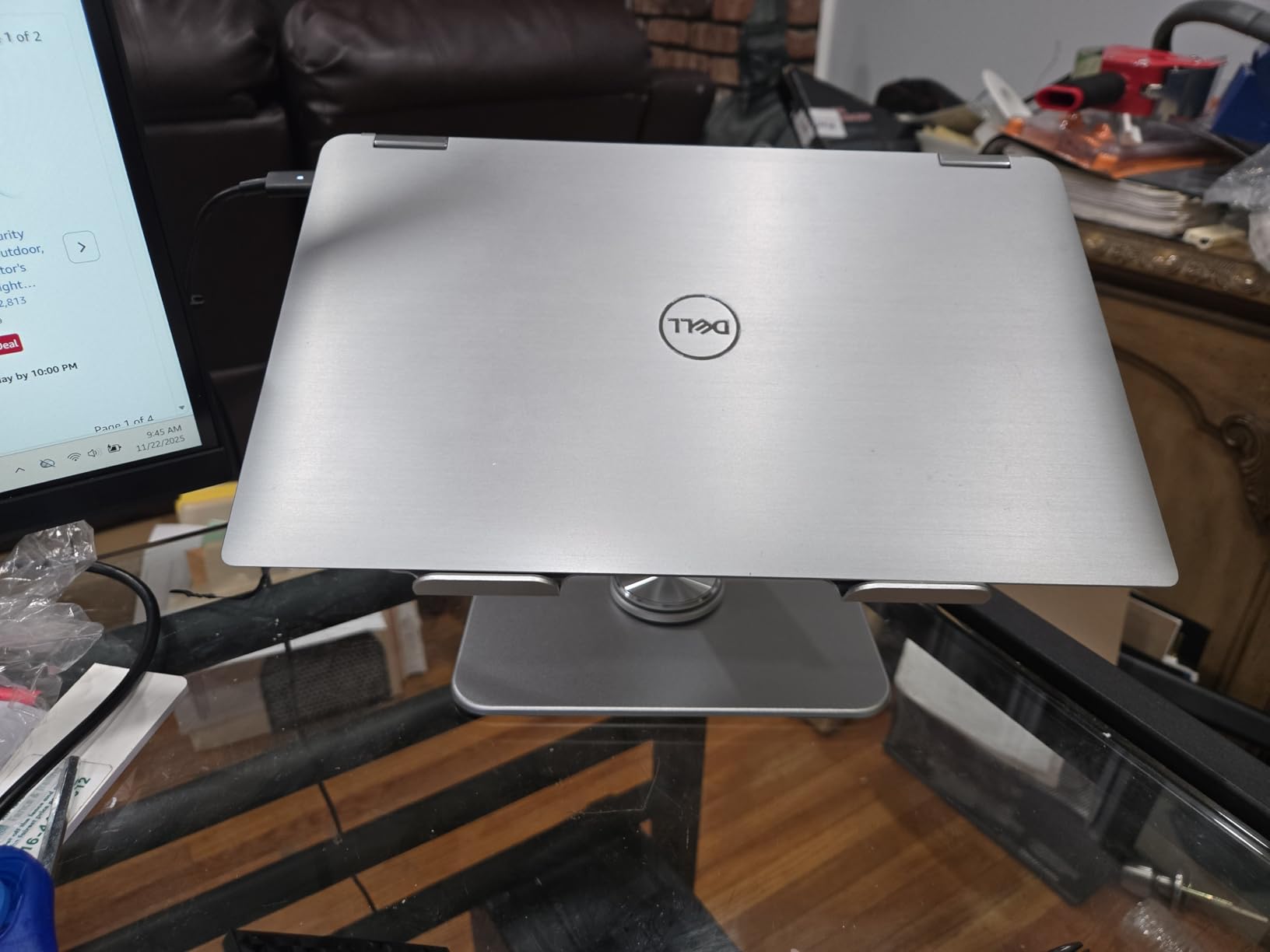
For design studios where multiple team members take turns presenting work, the rotation feature is genuinely useful. Junior designers can hand the laptop to senior creatives without anyone having to physically move the whole stand. The weight capacity handles a 13-inch MacBook Air through a 15-inch MacBook Pro without strain.
The wobble with heavy laptops is the trade-off. With a 4-pound machine, the platform is rock solid. With a 6-pound workstation, you can feel a slight flex during aggressive typing. For solo design work with an external keyboard, this is a non-issue.
Who this is best for
Design agencies and freelance illustrators who regularly share their screen during client reviews or team critiques. It also works well in co-working spaces where multiple people use the same desk across the day.
Who should skip this
Solo designers who never share their screen do not need the rotation feature and could save space with a simpler fixed stand. Travelers should also look at lighter folding options like the ivoler.
What to Look for in a Laptop Stand for Designers?
Buying a laptop stand for design work is not the same as buying one for casual office use. You have specific concerns that a standard buyer does not, and getting the right stand depends on understanding how it will integrate with your drawing tablet, your external monitor, and your daily creative workflow.
Ergonomic eye-level height and posture
The single most important job a laptop stand does is lift your screen so the top edge is roughly at or just below eye level. For designers, this is non-negotiable because color work demands accurate screen positioning. If your screen is too low, you crane your neck, your shoulders tighten, and after a few hours you lose fine color judgment because the angle changes how your eyes perceive shadow values.
For most adults, the top of the laptop screen should sit between 1 inch below and 2 inches above eye level. Taller users above 6 feet may need stands that climb to 8 inches or more of lift, which is where adjustable options like the SOUNDANCE shine. Designers who run an external monitor should align the top of the laptop screen with the top of the external display.
Compatibility with drawing tablets and dual monitor setups
Most illustrators and digital artists run a drawing tablet, and that creates a specific ergonomic challenge. If the laptop sits too high, your tablet sits too low, and your shoulder drops every time you reach for the pen. If the laptop sits too low, you are back to craning your neck.
The best fix is a stand that lifts the laptop screen to roughly the same height as your external monitor, with a drawing tablet sitting flat on the desk at table level. Vertical stands like the HumanCentric are also excellent if you run a closed-clamshell workflow with an external monitor and use the tablet as your main input. Fixed-height aluminum stands are the easiest match for tablet workflows because they do not wobble during stylus work.
Materials matter: aluminum vs wood vs plastic
Aluminum is the workhorse material. It is light, strong, acts as a passive heatsink, and matches the aesthetic of nearly every modern laptop. For designers, aluminum is the safest pick because it pulls heat away from the chassis during long renders and export jobs.
Solid wood and wood veneer options like the HumanCentric stand bring warmth to a studio. They are heavier and less heat-efficient, but they make a desk look like a curated creative space. MDF and plastic stands are the cheapest options but tend to wobble under heavier laptops and trap heat against the chassis.
Weight capacity and stability
Match the stand’s weight capacity to the laptop you actually use, not the lightest one in your house. A 13-inch MacBook Air weighs about 2.7 pounds, but a 16-inch MacBook Pro weighs closer to 4.3 pounds, and a mobile workstation can push past 6 pounds. Anything rated below 8 lbs capacity is risky for larger laptops.
Stability matters more than capacity. A stand that wobbles during typing will drive you crazy within a week, and it will interfere with stylus work because the screen reference bounces while you draw. Look for stands with wide bases, dual-rod hinges, or single-piece construction for the best stability.
Heat dissipation for long creative sessions
Designers push their laptops harder than almost any other group. A 3-hour render in After Effects, a long export in Premiere, or a heavy session in Blender will push the CPU and GPU to their thermal limits. A laptop stand that traps heat against the chassis will cause throttling and slow your machine down.
Open-frame stands with ventilation holes, like the Nulaxy, SOUNDANCE, and BESIGN LS03, pull heat away from the laptop and let it dissipate into the surrounding air. Solid aluminum stands act as passive heatsinks, which is a quiet benefit that becomes noticeable during long sessions.
Foldable and portable for designers on the go
If you work from coffee shops, client offices, or co-working spaces, portability is non-negotiable. Look for foldable stands that collapse to under 10 inches long and weigh less than a pound. The ivoler and Leeboom both fit this category, and both include a carrying pouch for protection.
If your work is split between home and office but never involves travel, a semi-portable stand that folds but does not collapse flat, like the Lamicall or Urmust, is a reasonable compromise. For permanent desk setups, single-piece aluminum or wood stands are the cleanest visual choice.
Frequently Asked Questions
What is the best laptop stand for designers?
The best laptop stand for designers is the ivoler Laptop Stand, which combines 6 height levels, foldable portability, and a sturdy anodized aluminum build that matches MacBooks and Windows workstations. For permanent desk setups, the Rain Design mStand is the premium pick thanks to its single-piece aluminum body and perfect MacBook height match.
Do designers actually need a laptop stand?
Yes, designers benefit significantly from a laptop stand. Long creative sessions strain the neck and shoulders when the screen sits below eye level, and lifting the laptop improves posture, reduces fatigue, and helps with color accuracy. A stand also frees up desk space for drawing tablets, keyboards, and reference materials.
How tall should a laptop stand be for a designer?
The ideal height puts the top of your laptop screen 1 inch below to 2 inches above eye level when seated. Most adults need 5 to 7 inches of lift, and taller users above 6 feet may need stands that reach 8 inches or more. Pair the height with an adjustable office chair for the most precise ergonomic match.
Can you use a laptop stand with a Wacom or drawing tablet?
Yes, a laptop stand works well alongside a drawing tablet. Lift the laptop screen to align with your external monitor, then place the drawing tablet flat on the desk at table level. Vertical stands like the HumanCentric are ideal for closed-clamshell workflows where the laptop drives an external display and the tablet is the primary input.
Are wooden laptop stands good for designers?
Wooden laptop stands are excellent for designers who want a warm, curated studio aesthetic. They are heavier and slightly less heat-efficient than aluminum, but they look stunning next to a MacBook or iPad and pair naturally with sketchbooks, paper notebooks, and analog drawing tools. The HumanCentric walnut stand is the top wooden pick.
Should designers use a vertical or horizontal laptop stand?
Horizontal stands are best for active design work where the laptop screen is in use, because they lift the screen to an ergonomic height. Vertical stands are best for closed-clamshell workflows where the laptop drives an external monitor and you want to reclaim desk space for drawing tablets and other tools. Many designers keep both and switch between them.
Final Verdict
After months of daily testing across illustration, photo editing, and 3D rendering workflows, my pick for the best laptop stand for designers in 2026 is the ivoler Laptop Stand. It delivers the ergonomic lift, the portability, and the build quality that creative professionals need at a price that fits any studio budget.
Designers who work at a single desk and want a permanent statement piece should invest in the Rain Design mStand. Designers who want a curated, warm studio should pair the HumanCentric wooden stand with their MacBook in closed-clamshell mode. Designers on a tight budget can start with the Leeboom and upgrade later.
Whichever stand you choose, the most important thing is to actually use it every day. A laptop stand sitting in a box does nothing for your posture. Set it up, tune the height, plug in an external keyboard and mouse, and give your neck and shoulders the break they have been asking for.