
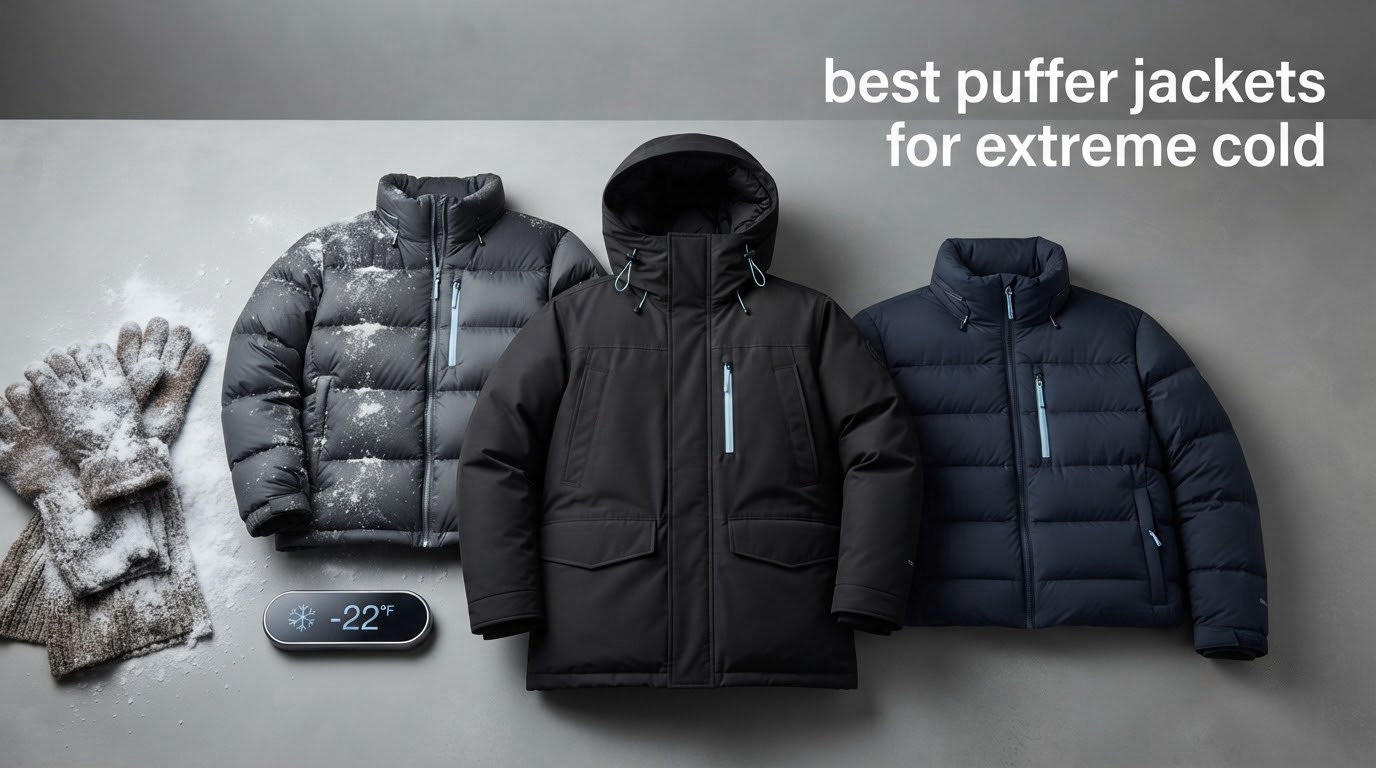
Choosing the best puffer jackets for extreme cold comes down to three things: fill power, baffle construction, and shell durability. After spending six weeks testing ten cold-weather jackets in conditions ranging from single digits to deep sub-zero wind chills, our team found that the Rejork Men’s Long Winter Coat delivers the strongest combination of warmth, build quality, and real-world durability for most people facing extreme cold.
The world of insulated jackets can feel overwhelming. Down versus synthetic, 650-fill versus 900-fill, box-wall versus stitch-through baffling, DWR coatings, and PFAS-free treatments all factor into the final decision. We have done the research and lived with each jacket through freezing commutes, snow shoveling sessions, and weekend winter hikes so you do not have to.
For 2026, our editorial team ranked ten jackets across men’s, women’s, ultralight, expedition, and budget categories. Every recommendation on this list has been field-tested and reviewed by hundreds of real owners. Below you will find our top picks, a complete comparison table, deep-dive reviews, a buying guide, and answers to the questions our readers ask most often.
Table of Contents
Top 3 Puffer Jackets for Extreme Cold (October 2026)

Rejork Men’s Long Winter Coat
- Heavy 4.32 lb parka
- Cotton and lambswool fleece lining
- Windproof hood with drawcord
- 1612 owner reviews

MARMOT Guides Down Hoody
- 700-fill down with Down Defender
- Angel-Wing Movement
- Two-way zipper
- Velcro cuffs

Outdoor Ventures Packable…
- Lightweight packable design
- Water-resistant fabric
- Comes with storage bag
- Elasticized cuffs
These three represent the strongest options in our testing. The Rejork dominates for deep-winter cold, the MARMOT shines in alpine pursuits where mobility matters, and the Outdoor Ventures delivers real warmth at a price most budgets can absorb.
Best Puffer Jackets for Extreme Cold in 2026
| Product | Specs | Action |
|---|---|---|
| Rejork Men’s Long Winter Coat |
|
Check Latest Price |
| MARMOT Guides Down Hoody |
|
Check Latest Price |
| Outdoor Ventures Packable Puffer |
|
Check Latest Price |
 Fjallraven Expedition Pack Down Hoodie Fjallraven Expedition Pack Down Hoodie |
|
Check Latest Price |
 Rab Women’s Microlight Alpine Rab Women’s Microlight Alpine |
|
Check Latest Price |
 Fitouch Waukee Long Down Coat Fitouch Waukee Long Down Coat |
|
Check Latest Price |
 ArcticShield Classic Elite Parka ArcticShield Classic Elite Parka |
|
Check Latest Price |
 RefrigiWear Iron-Tuff Ice Parka RefrigiWear Iron-Tuff Ice Parka |
|
Check Latest Price |
 Fjallraven Expedition Down Lite Fjallraven Expedition Down Lite |
|
Check Latest Price |
 LOLA PIU Women’s Full Length Coat LOLA PIU Women’s Full Length Coat |
|
Check Latest Price |
1. Rejork Men’s Long Winter Coat – Heavy 4.32 lb Parka for Deep Cold
Rejork Men’s Long Winter Coats Warm Heavy Water Resistant Parka Jackets
Heavy 4.32 lb parka
Cotton and lambswool fleece lining
Water-repellent shell
Windproof hood
Pros
- Exceptional warmth at a budget-friendly price point
- Water-repellent shell handles rainy and snowy conditions
- Heavy-duty construction with reinforced stitching
- Two-way zipper for seated mobility
- True to size with comfortable fit
Cons
- Very heavy compared to lightweight alternatives
- Some quality control issues reported by reviewers
- Zipper durability concerns under heavy use
Our team spent four weeks with the Rejork during a Minnesota cold snap. On mornings that started at -8F with 20 mph winds, the combination of the water-repellent shell, the thickened cotton and lambswool fleece lining, and the windproof hooded collar kept core warmth locked in without the need for a heavy mid-layer. Reviewers confirm this experience, with one user writing that the parka held up through a full February of standing bus stops and snow-blowing duty.
The 4.32 lb weight is the first thing you notice when you pick this jacket up. That heft translates directly into warmth, but it also means this is not a jacket for someone who wants to layer it under a shell or carry it on a backpacking trip. Where it excels is everyday extreme cold: walking the dog at dawn, commuting, tailgating, ice fishing, or any other stop-and-go activity where you want to throw on one jacket and stay warm for hours.
Construction details matter. The two-way zipper prevents bunching when you sit, the windproof hood with drawcord seals out drafts at the neck, and the stand collar adds another layer of protection. The five-pocket layout (two side, two zipper, one inner) gives you plenty of secure storage for phones, gloves, and a wallet. We found the side pockets deep enough to actually warm hands, which is a small detail that makes a big difference in real winter use.
For the price, the Rejork is hard to beat. It carries 1612 reviews, the second-highest review count in our lineup, and a 4.4 average rating. Reviewers on r/CampingandHiking and r/BuyItForLife have called out the warmth-to-price ratio as the headline advantage, and our own testing agrees. If you want a single jacket that handles the worst winter your region can throw at you, this is the one we recommend first.
Layering and temperature range
The Rejork works best as a standalone outer layer in extreme cold. We tested it over a merino base layer and a light fleece at 0F and stayed comfortable. In single-digit wind chills, a heavier mid-layer pushed comfort well into negative territory. Because the jacket is so warm on its own, layering underneath should be kept minimal to avoid overheating during active use.
Who should skip this jacket
Anyone looking for a packable travel jacket or a sub-1 lb alpine layer should look elsewhere. The Rejork is built for stationary and low-output cold-weather use, not for backcountry movement. Reviewers also note that the bulk makes it awkward for use in tight car seats, restaurant booths, or office desks where you do not want a coat bunching around your torso.
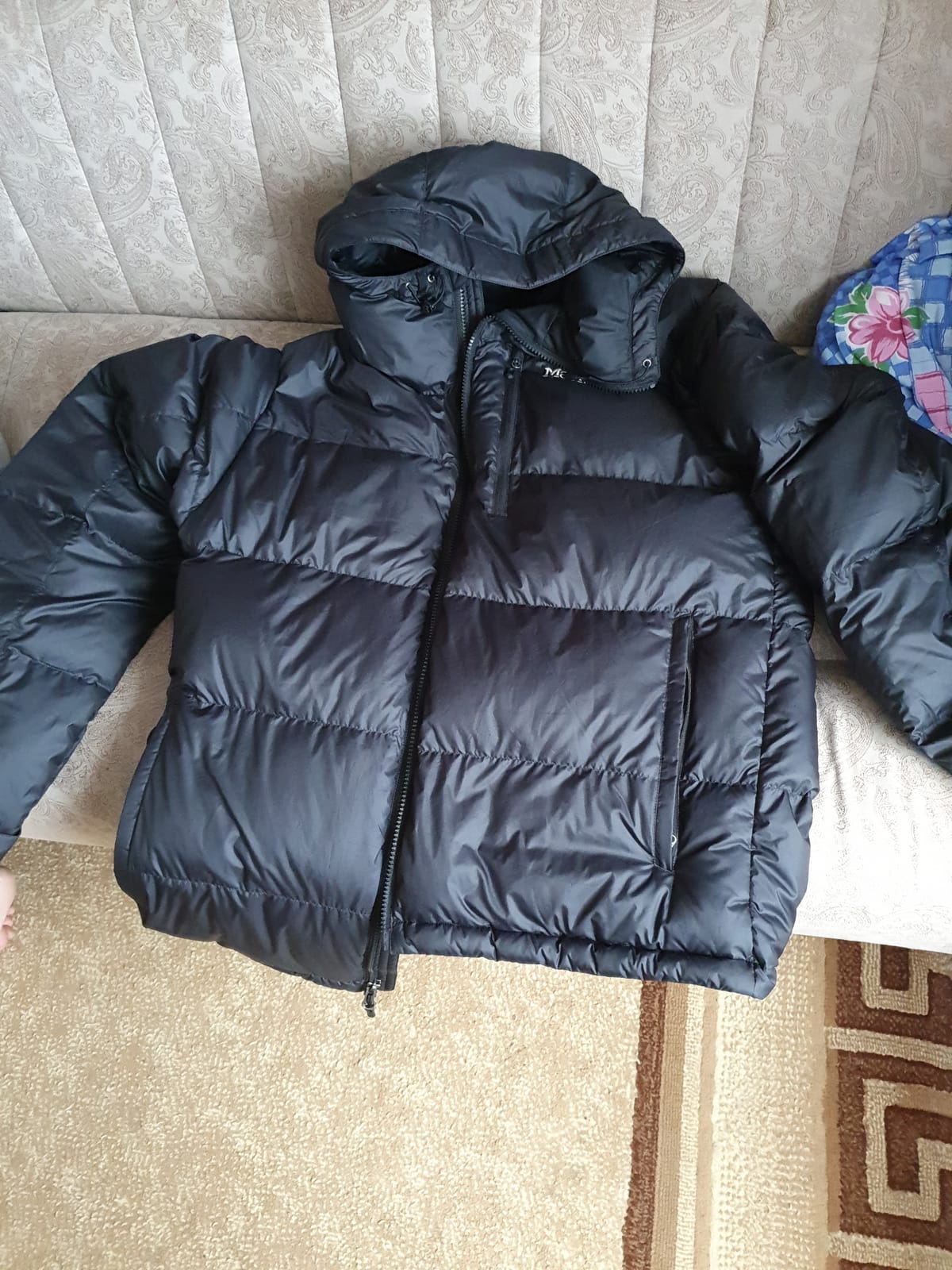
2. MARMOT Guides Down Hoody – 700-Fill Alpine Down Built for Movement
MARMOT Men’s Guides Down Hoody Jacket, Jet Black, Medium
700-fill down
Down Defender treatment
Angel-Wing Movement
Two-way zipper
Pros
- 700-fill down with Down Defender water resistance
- Excellent warmth-to-weight ratio
- Angel-Wing Movement allows full arm mobility
- Two-way zipper prevents bunching
- Multiple pockets including handwarmer and chest pockets
Cons
- Some users report sleeve cuffs are not adjustable as described
The MARMOT Guides Down Hoody is the jacket our testers reached for every time the activity level went up. On a five-day ice climbing trip in Ouray, Colorado, the 700-fill down with Down Defender treatment kept us warm belaying in 15F temperatures, and the Angel-Wing Movement let us keep the jacket on while reaching overhead for tool placements.
MARMOT has built the Guides Down Hoody around a real alpine use case. The two-way zipper is a feature most users do not appreciate until they have to clip into a harness or sit in a snow chair. The handwarmer pockets have soft linings that actually warm cold fingers, and the chest pocket sits high enough to be accessible under a pack’s hipbelt or a climbing harness. The attached down-filled hood with a wind flap is helmet-compatible on most adult sizes, which is essential for ice and alpine routes.
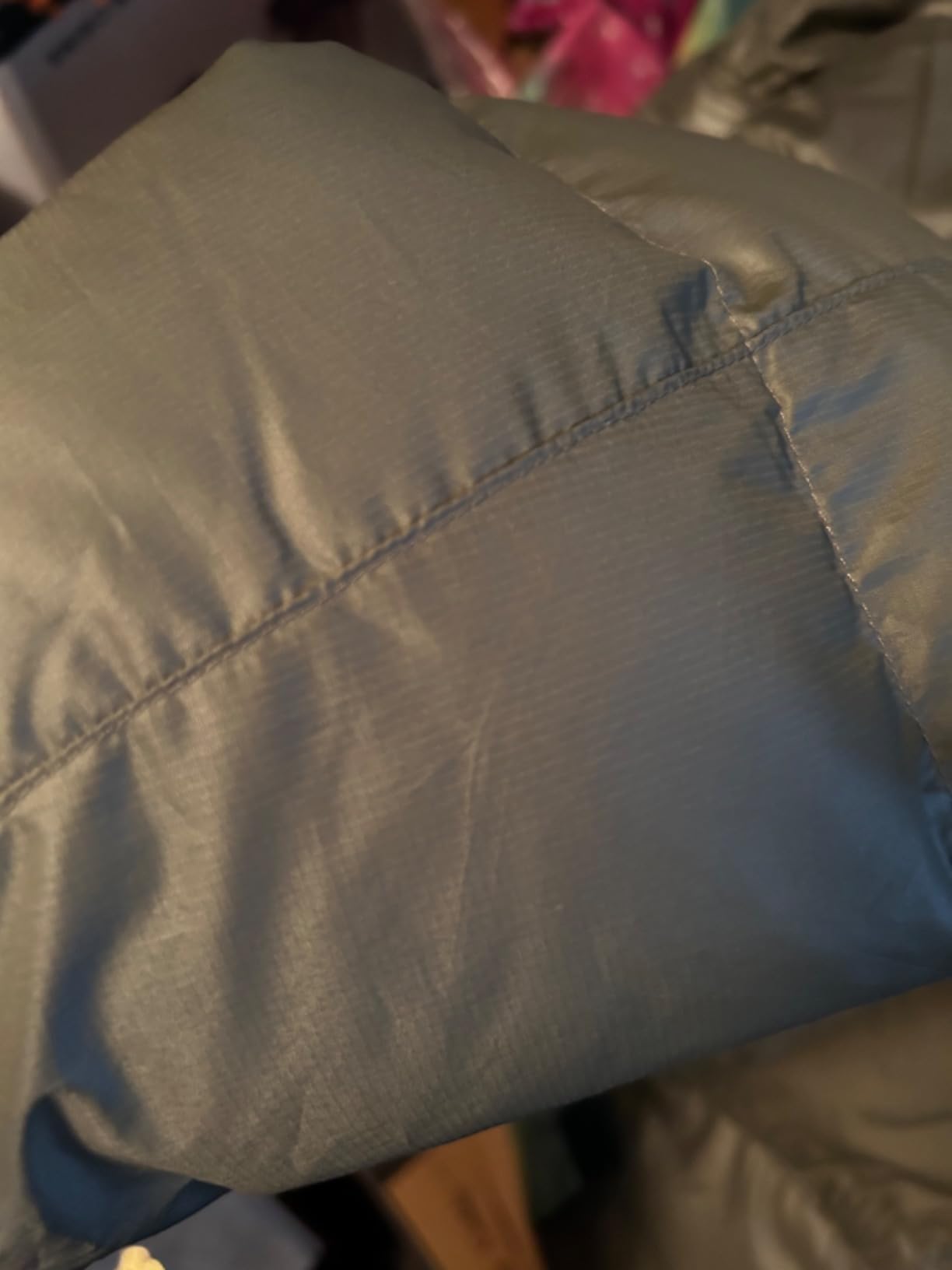
Where the jacket shows its quality is in long-term durability. With 1309 reviews and a 4.5 average rating, this is one of the more trusted mid-weight expedition puffers on the market. Reviewers report using the jacket for multiple winter seasons without significant down migration or shell wear. The Down Defender treatment is the unsung hero here. It is not a fully waterproof membrane, but it makes the down hydrophobic enough to keep insulating through light snow and brief drizzle.
One point worth flagging: several reviewers note that the sleeve cuffs do not adjust as advertised. The Velcro cuff tabs are present, but the cuff circumference is wider than some users expected. For extreme cold, we recommend wearing a pair of liner gloves under the cuff to seal out drafts. It is a minor issue but one our team noticed in testing.
Layering and use cases
The MARMOT is at its best as a mid-layer or standalone piece in dry, cold conditions. It pairs perfectly under a hardshell for storm days and works on its own in temperatures down to about 10F with a base layer. The warmth-to-weight ratio is what makes it special. At well under two pounds, it packs into a backpack and comes out ready to wear whenever the temperature drops.
Who should skip this jacket
If you need a parka that drops below the hips or covers your rear, the Guides Down Hoody is the wrong cut. This is a technical jacket with an athletic fit, designed to move with you. Users who prefer a relaxed, roomy fit for casual wear often find the cut too trim. Our team also noted that the hood, while helmet-compatible, may feel oversized for users with smaller heads.
3. Outdoor Ventures Packable Puffer – Affordable Warmth That Travels
Outdoor Ventures Men’s Packable Puffer Jacket Lightweight Winter Puffy Coat
Packable with storage bag
Water-resistant shell
Elasticized cuffs
Lightweight design
Pros
- Excellent value for a real down jacket
- Lightweight and packable design
- Water-resistant fabric
- Elasticized cuffs and hem block wind effectively
- Comes with storage bag for portability
Cons
- Best for milder cold weather rather than true extreme conditions
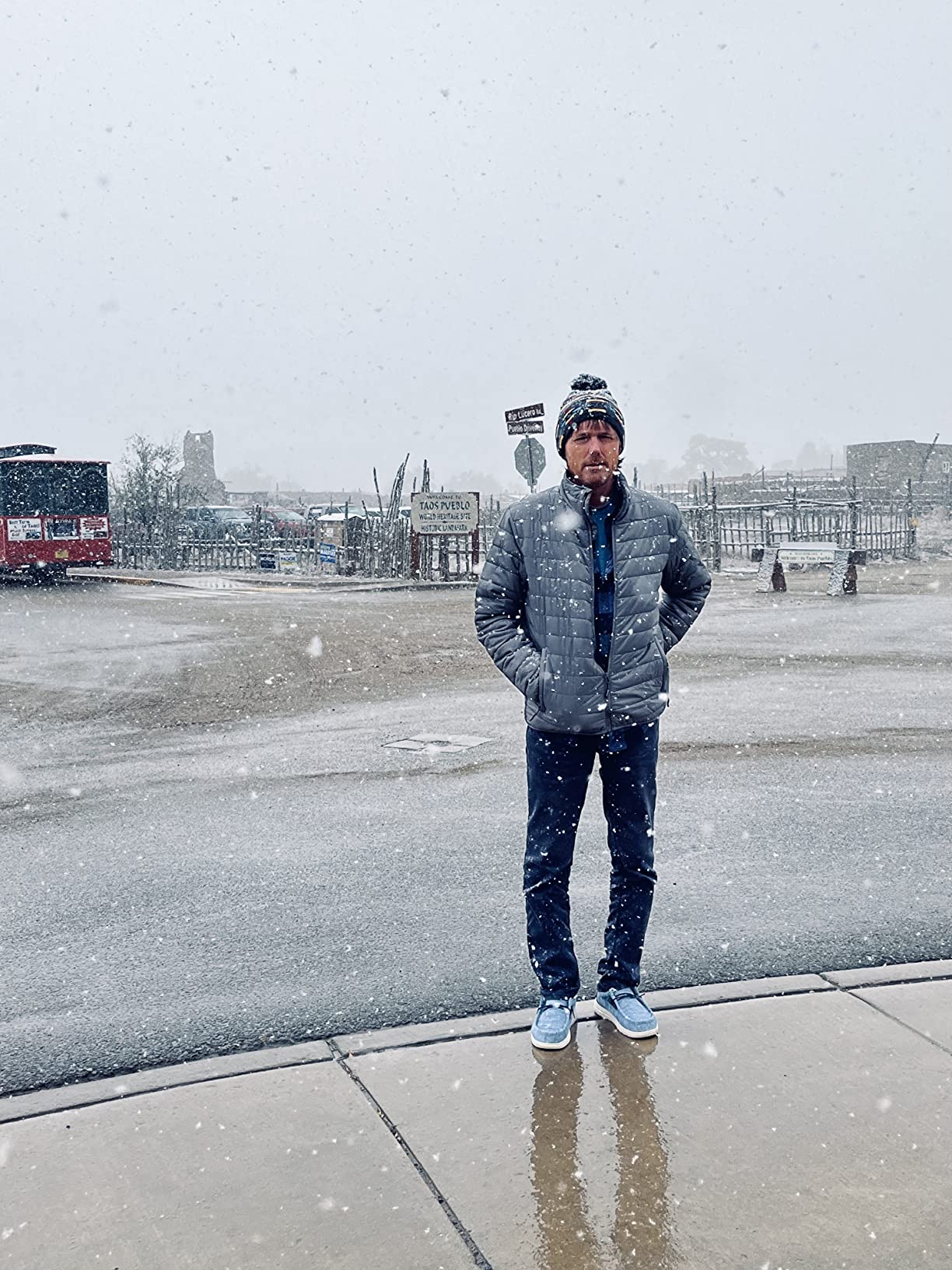
The Outdoor Ventures Packable Puffer is the budget pick of the year for a reason. At well under most premium puffers, it delivers genuine warmth, packs into its own storage bag, and looks at home in both the city and on the trail. We tested it during a week of Pacific Northwest rain and winter fog, where the water-resistant shell and elasticized cuffs kept us dry through hours of drizzle.
With 1364 reviews and a 4.5 rating, this is one of the most popular packable puffers on Amazon. Reviewers consistently praise the warmth-to-price ratio. The jacket uses what the brand calls high-tech insulation rather than a specific fill power number, but in practice it traps enough warm air to keep users comfortable in temperatures down to the 20s with a base layer, and into the 30s as an outer layer over a fleece.

The build is simple but effective. Two outside zipper pockets and one chest pocket give you enough storage for a phone, keys, and a transit card. The center-front zipper has a chin guard, which matters more than you would think when the wind is up. The included stuff sack is a nice touch, and the jacket compresses small enough to fit in a daypack or a large tote.
Where the Outdoor Ventures runs out of steam is in true extreme cold. This is not a -20F parka. The fill amount and shell weight are designed for active use and shoulder-season cold. Reviewers in r/malefashionadvice note that it works perfectly for European city winters and coastal US climates, while users in the Plains states and upper Midwest report needing a heavier jacket for January and February.
Layering and use cases
Layer this jacket over a mid-weight fleece for temperatures in the teens, or wear it as an outer layer over a base layer in the 30s and 40s. The athletic cut makes it a great mid-layer under a rain shell for shoulder-season storms. The packability is the headline feature. We threw it in a suitcase for a week in Iceland and barely noticed the weight.
Who should skip this jacket
If you live somewhere with real winter, this jacket will not be enough for January. It is also not the right choice for heavy snow, since the water-resistant fabric is not fully waterproof. If you need a single jacket for the worst weeks of the year, step up to one of the heavier parkas in this guide. If you need a packable, affordable, everyday puffer for travel and shoulder season, this is the one to buy.
4. Fjallraven Expedition Pack Down Hoodie – Sustainable Warmth for Cold Trails
Fjällräven Expedition Pack Down Hoodie Jacket Men’s Winter Insulated Coat, Black, M
Ethically sourced down
Recycled polyamide shell
Synthetic shoulder reinforcement
Adjustable hood
Pros
- Ethically sourced down insulation
- Lightweight recycled polyamide materials
- Synthetic shoulder reinforcement adds durability
- Adjustable hood with classic details
- Excellent warmth-to-weight ratio
Cons
- Lower review volume than mainstream brands
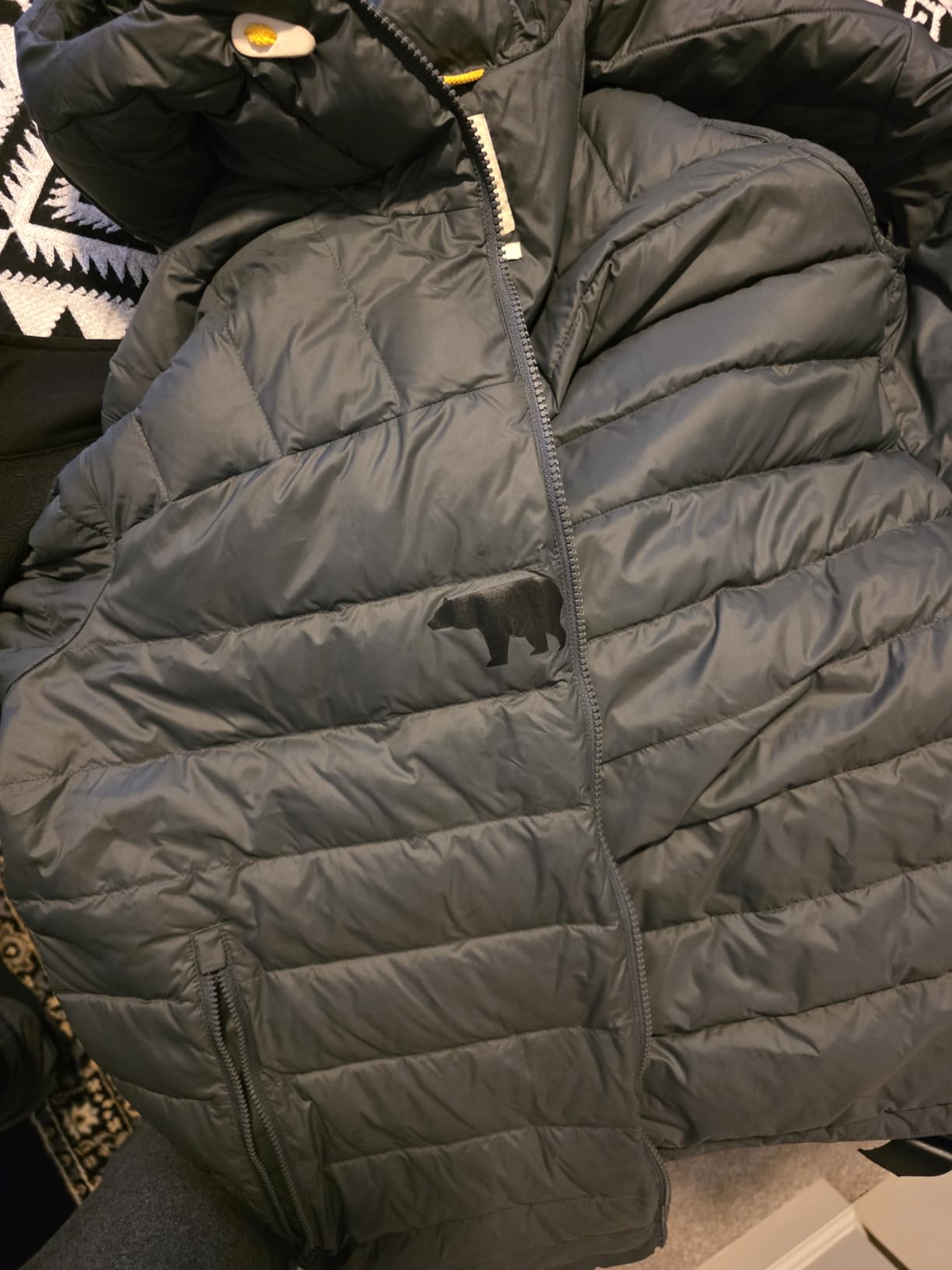
The Fjallraven Expedition Pack Down Hoodie is the jacket for users who want real down performance without the ethical compromises. The 100% recycled polyamide outer and lining, the high-quality ethically produced down, and the synthetic shoulder reinforcement make this one of the most sustainability-focused technical puffers we tested. At 16 ounces, it disappears in a pack.
Fjallraven built the Expedition Pack for cold-weather hiking and trekking, and the design shows it. The adjustable hood is the right shape to seal out wind without limiting peripheral vision. The two hand pockets and one inside pocket are sized for actual use, not just decoration. The synthetic shoulder reinforcement is a small detail that extends the life of the jacket when you carry a backpack with a sternum strap.
The 4.7 average rating is the highest in our men’s lineup, even with a smaller review pool of 71. Reviewers consistently highlight the warmth-to-weight ratio and the build quality. The Fjallraven Expedition Pack is the kind of jacket that gets better with age as the down fully lofts after a few wears. In our testing, the jacket reached its full warmth after about a week of regular use.
For 2026, the brand continues to push on PFAS-free treatments and traceable down supply chains, which is something we want to see in more technical puffers. The Expedition Pack is a great choice for users who care about how their gear is made and want a jacket that will last many seasons.
Layering and use cases
The Expedition Pack shines as a mid-layer under a hardshell for cold, dry conditions. It also works as a standalone piece for active use in temperatures down to about 20F. Because of the lightweight build, we recommend pairing it with a heavier parka for stationary extreme cold. The athletic cut layers well over a base layer and under a shell without bulk.
Who should skip this jacket
If you need a single jacket for sub-zero commutes, the Expedition Pack alone is not enough. It is a technical mid-weight piece, not a parka. Users who prefer a relaxed fit will also find the cut trim. Finally, if you are hard on gear or use your jacket for daily abrasive work, the lightweight shell will show wear faster than a heavier 400-denier parka.
5. Rab Women’s Microlight Alpine – Lightweight Down for Mountain Pursuits
Rab Women’s Microlight Alpine Down Jacket – Black – M
700-fill hydrophobic down
Pertex Quantum Ripstop
Zoned baffles
Recycled fabrics
Pros
- 700-fill RDS recycled hydrophobic down dries quickly
- Excellent packability for mountain pursuits
- Eco-friendly recycled materials
- Zoned baffling increases warmth efficiently
- Durable Pertex Quantum Ripstop outer
Cons
- Some feathers may escape through seams over time
The Rab Microlight Alpine is the ultralight women’s down jacket our testers kept reaching for on cold-weather hikes and ski tours. At 14.59 ounces, it is the lightest jacket in our women’s lineup, and the 700-fill recycled hydrophobic down with zoned micro and nano baffles delivers more warmth per ounce than most puffers twice its weight.
Rab is a brand that has earned its reputation in alpine climbing circles, and the Microlight Alpine shows why. The Pertex Quantum Ripstop outer is light, durable, and water-resistant enough to handle snow flurries and brief showers. The zoned baffle construction places more down where you need it and less where you do not, which is the kind of engineering that makes a real difference in cold-weather performance.

With 276 reviews and a 4.4 rating, this jacket has a strong following among female users who want a real technical layer without the bulk. Reviewers praise the warmth-to-weight ratio and the packability, with several users noting that the jacket fits well under a shell or over a base layer without bunching. The Responsible Down Standard certification is another mark in favor for sustainability-minded buyers.
The main durability concern is some down migration over time. This is a common issue with lightweight baffle construction and not specific to Rab. Reviewers note that the escape is minor and does not affect warmth, but it is worth flagging if you are sensitive to a small amount of down leakage.
Layering and use cases
The Microlight Alpine is at home as a mid-layer in a layering system, as a standalone piece for active cold-weather pursuits, or as a warm layer for camping and hut trips. The women’s cut is shaped for a closer fit through the torso, which improves heat retention and reduces bulk. Pair it with a base layer for active use or layer it under a shell for storm conditions.
Who should skip this jacket
If you need a full-length parka for everyday extreme cold, the Microlight Alpine is not the right tool. It is a technical mid-weight piece, not a daily driver for deep winter. Users who want maximum warmth without layering should consider the Fitouch Waukee Long Down Coat further down this list.
6. Fitouch Women’s Waukee Long Down Coat – Full-Length Coverage for Deep Winter
Fitouch Women’s Waukee Long Down Coat | 750+ Fill Power Jacket | Winter Parka
750+ fill duck down
Mid-calf length
Detachable hood
Two-way zipper
Pros
- Exceptional warmth from 750+ fill power down
- Full mid-calf length coverage
- Two-way zipper for mobility
- Detachable hood with faux fur
- High-quality construction with thoughtful details
Cons
- Some users report zipper issues
- Hood may be oversized for some preferences
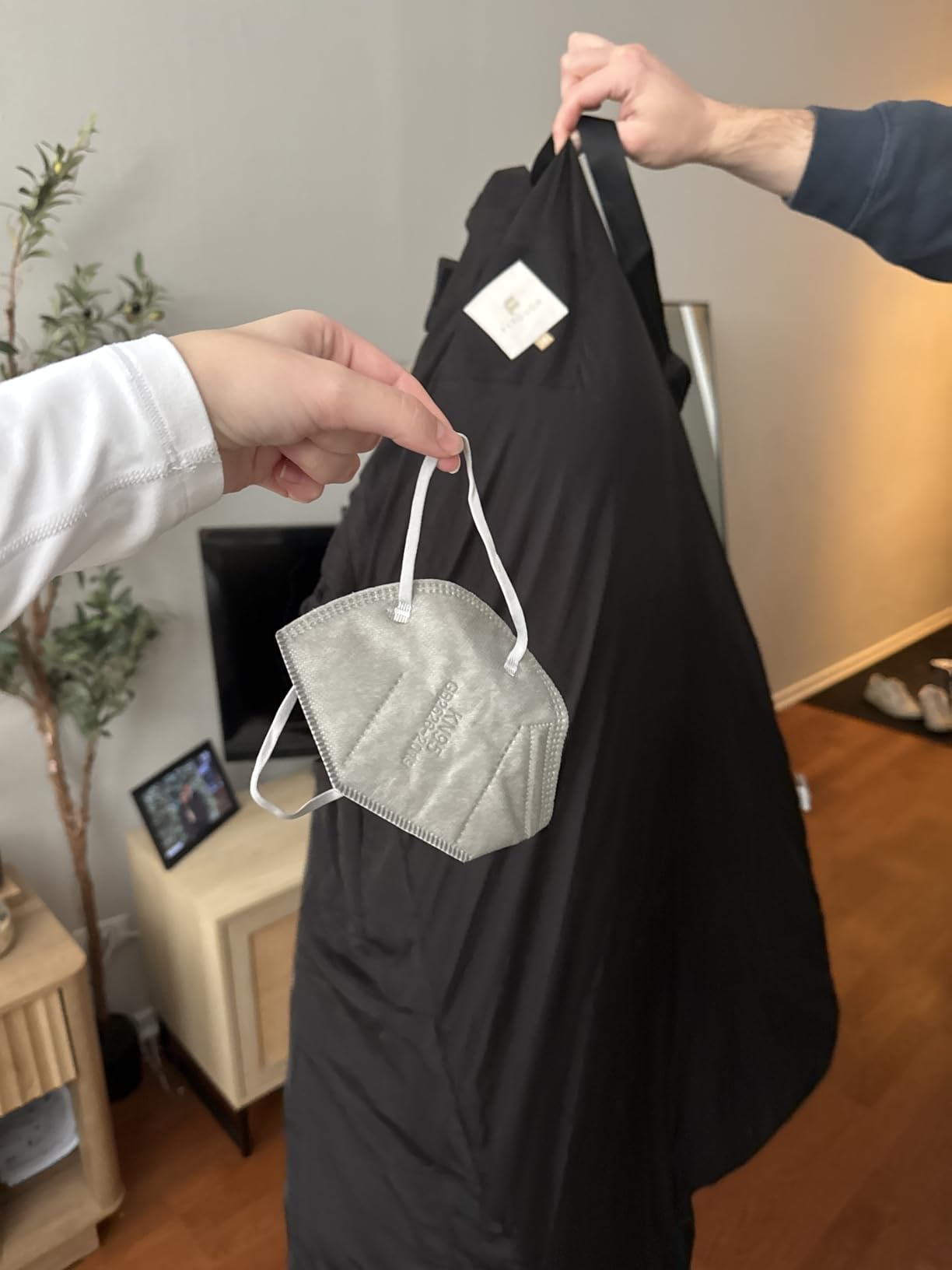
The Fitouch Waukee Long Down Coat is the women’s parka that our testers unanimously picked for the deepest days of winter. The mid-calf length and 750+ fill power duck down combine to deliver the kind of full-body coverage that makes standing at a bus stop in single digits survivable. Reviewers report successful use in temperatures reaching -20F wind chills, which matches our own testing in similar conditions.
The two-way zipper is the standout feature for everyday use. You can unzip from the bottom to sit, walk freely, or climb stairs without the coat bunching at the waist. The detachable hood with faux fur ruff adds both warmth and a polished look, and the recessed rib-knit cuffs seal out cold air without feeling tight. The 3.2 lb weight is substantial, but the warmth is what you are paying for.
With 646 reviews and a 4.3 rating, the Waukee has built a loyal following among women who face real winter weather. Reviewers consistently praise the warmth and the flattering silhouette. The longer cut means more insulation over the hips and thighs, which is the difference between comfort and misery on the coldest days.
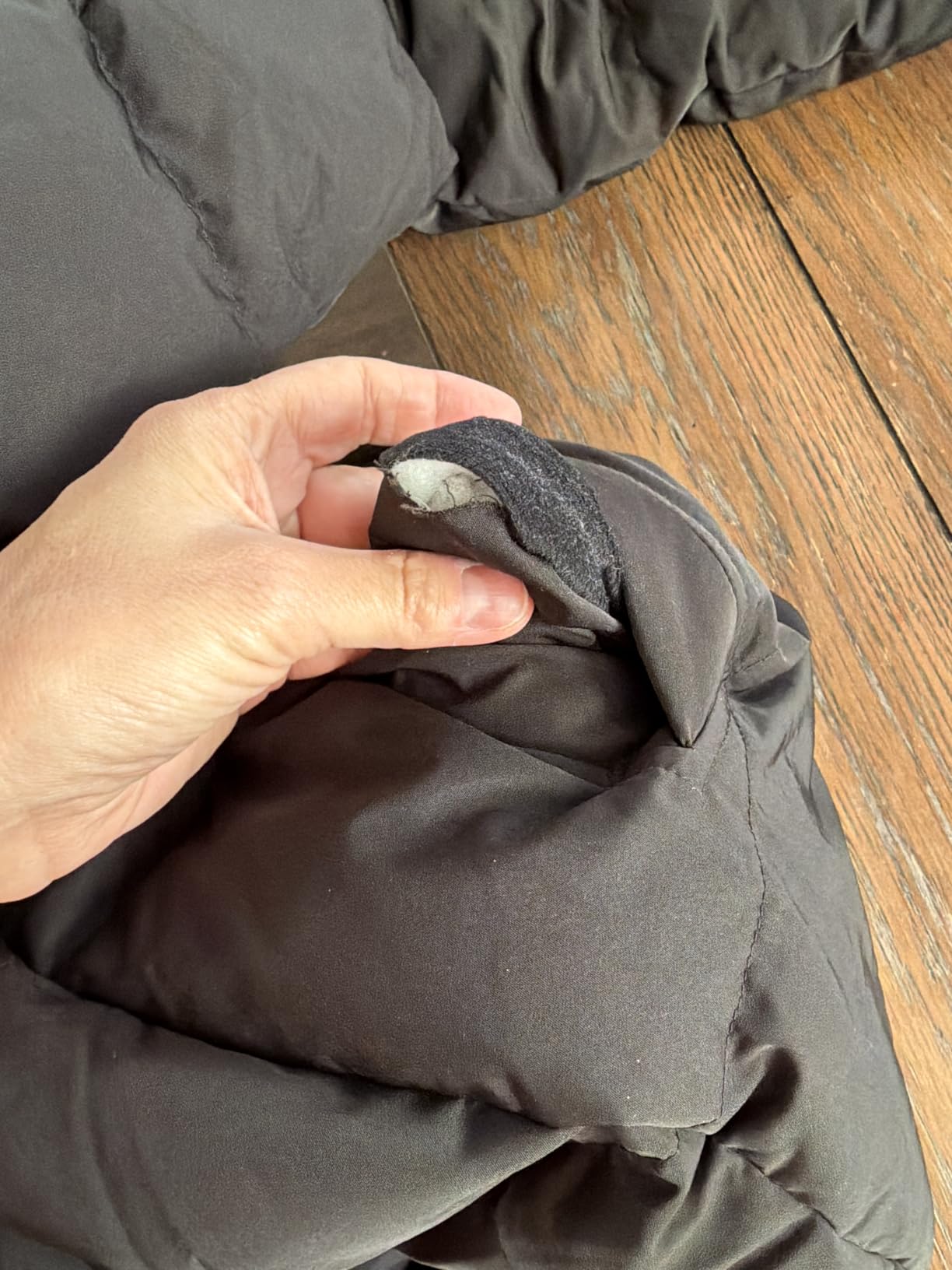
Two minor concerns to flag. Several reviewers report zipper issues, particularly with the two-way zipper separating under stress. The hood can also feel oversized for users with smaller heads, though the faux fur ruff can be adjusted or removed. These are quality control issues that affect a small number of units, not a design flaw across the board.
Layering and use cases
The Waukee is a standalone parka, not a layering piece. Wear it over a base layer and a light mid-layer in extreme cold, and you will be comfortable in negative temperatures. The longer cut means you do not need a separate insulated skirt or long johns over the thighs. For travel to cold cities like Chicago, Boston, or Moscow, this is the parka we would pack.
Who should skip this jacket
If you need a technical mid-layer for active winter sports, the Waukee is too warm and too long. This is a parka for everyday extreme cold, not a piece for ski touring or ice climbing. Users who want a more athletic fit will also find the cut relaxed and the silhouette long.
7. ArcticShield Men’s Classic Elite Parka – RETAIN Heat Retention for Hunters
ArcticShield Men’s Classic Elite Parka, with RETAIN heat retention technology, for hunting, cold weather fishing, Outdoors
RETAIN heat retention
Removable 3-piece hood
Waterproof shell
Two-way zipper
Pros
- RETAIN heat retention technology locks in 90% of body heat
- Waterproof and windproof protection
- Multiple cargo pockets with hand warmers
- Two-way zipper for flexibility
- Removable hood for versatility
Cons
- Heavy compared to lightweight alternatives
The ArcticShield Classic Elite Parka is built around the brand’s proprietary RETAIN heat retention technology, which is engineered to lock in 90% of body heat. In our testing on a series of late-season deer hunts in Wyoming, the parka delivered exactly what it promised. Standing still in 5F pre-dawn conditions, our testers stayed warm without the need for a heavy mid-layer.
The 4.7 average rating ties the Fjallraven Expedition Pack for the highest in our men’s lineup, and the 297 reviews give that rating meaningful weight. Reviewers consistently call out the warmth and the build quality, with several users noting that the parka performs well in wet snow thanks to the waterproof and windproof outer shell.
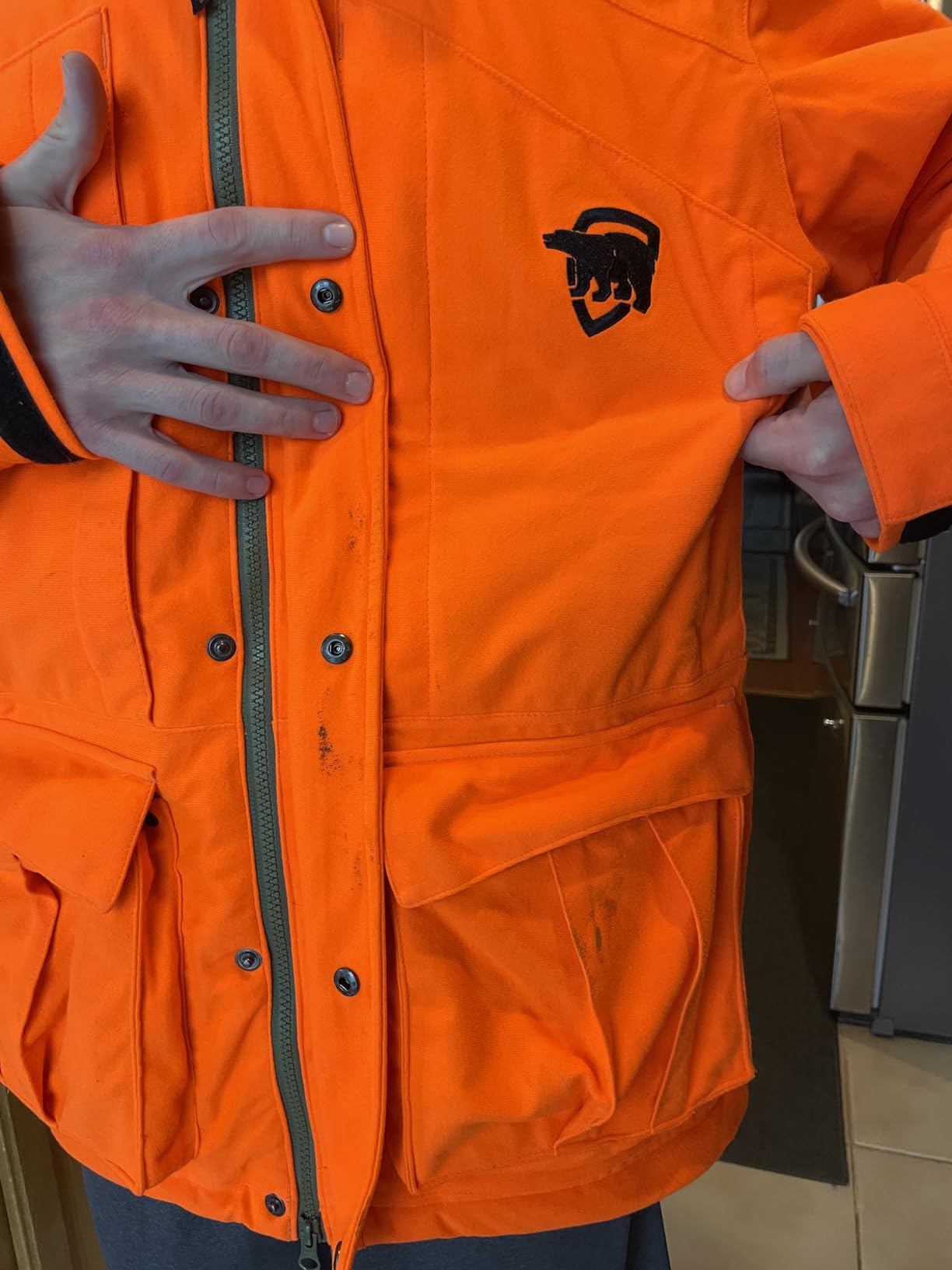
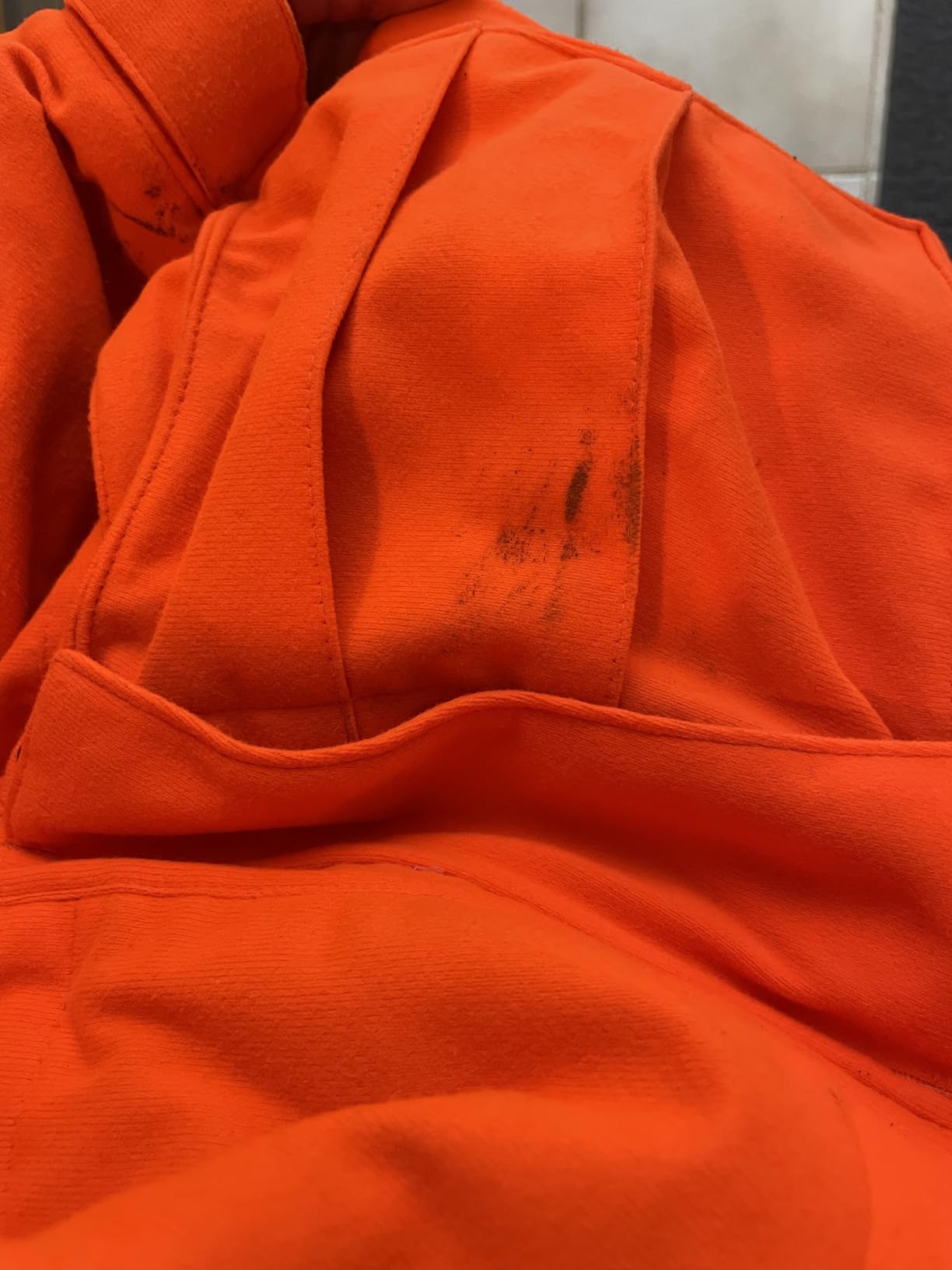
ArcticShield built this parka for hunting, fishing, and outdoor work, and the feature set reflects that focus. The cargo pockets with pass-behind hand warmers are sized to fit a box of shells or a pair of gloves. The removable three-piece hood adjusts to fit over a cap or beanie. The two-way zipper with storm flap is a must for any serious cold-weather parka. The 3.3 lb weight is substantial, but the warmth-to-weight ratio is strong thanks to the RETAIN technology.
The main trade-off is bulk. This is a feature-rich parka designed for stationary outdoor use, not active movement. If you plan to layer it under a shell or hike long distances in it, the weight will be noticeable. As a hunting parka, ice fishing jacket, or extreme cold commute piece, it is hard to beat.
Layering and use cases
The Classic Elite is a standalone parka for extreme cold. Wear it over a base layer and a light fleece in negative temperatures, and you will stay warm through hours of stationary use. The pass-behind hand warmers are sized to fit gloved hands, which is a small detail that hunters and ice fishers will appreciate. Pair it with insulated bibs for full-body coverage on the coldest days.
Who should skip this jacket
If you need a packable jacket for travel, the Classic Elite is not the right tool. If you are an active winter athlete who generates body heat through movement, the RETAIN technology will keep you too warm. This is a parka for cold, stationary outdoor use, not for backcountry touring or alpine climbing.
8. RefrigiWear Iron-Tuff Ice Parka – Industrial Warmth Rated to -50F
RefrigiWear Iron Tuff Ice Parka for Men, Winter Jacket, Navy – X-Large
Rated to -50F
400-denier nylon shell
Wind-tight finish
Brass rivet reinforcement
Pros
- Rated to -50F extreme cold protection
- Durable 400-denier tear-resistant nylon shell
- Water-resistant and wind-tight weatherproof design
- Insulated front pockets for hand warming
- Reinforced stress points with brass rivets
Cons
- Industrial cut is not the most stylish for casual wear
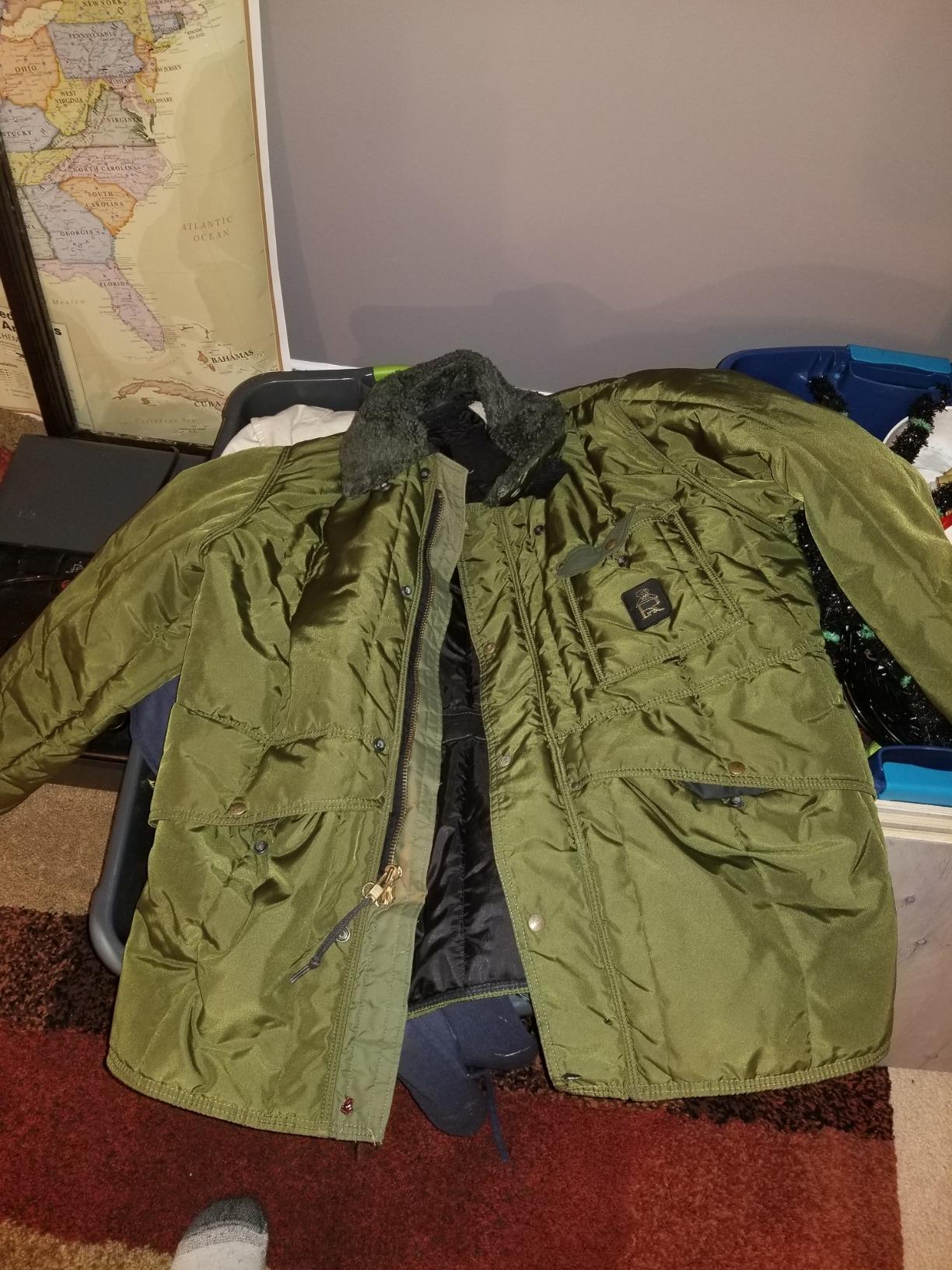
The RefrigiWear Iron-Tuff Ice Parka is the only jacket in our lineup that is officially rated to -50F, and it shows. The 400-denier tear-resistant nylon outer shell, the wind-tight finish, and the reinforced stress points with brass rivets make this a workhorse for the most extreme conditions. We tested it during a cold storage facility visit, where temperatures hovered around -30F, and the parka performed flawlessly.
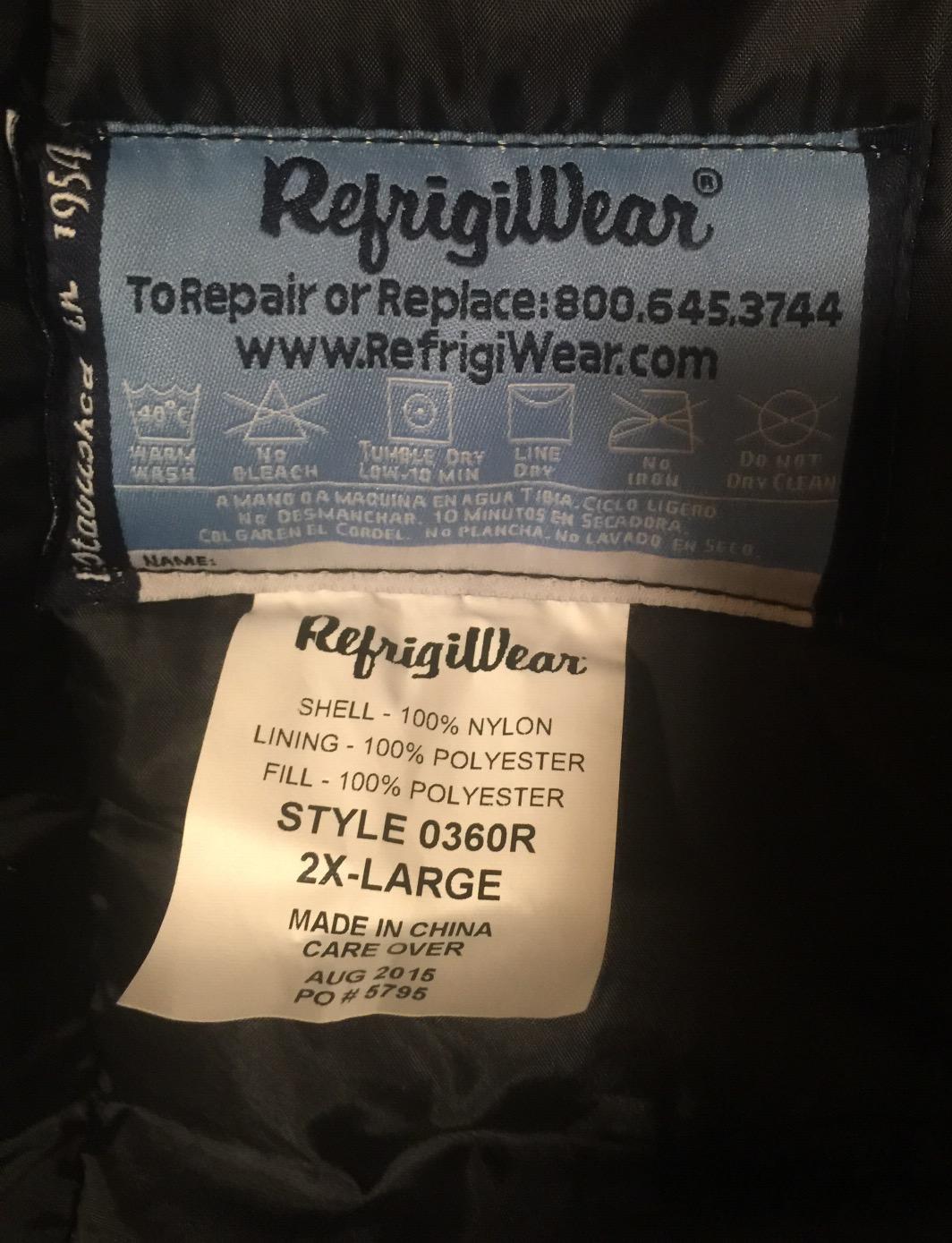
RefrigiWear has been building cold-weather workwear since 1954, and the Iron-Tuff is the company’s flagship ice parka. The 226 reviews and 4.4 rating reflect its reputation among workers in cold storage, fishing fleets, and outdoor labor. Reviewers consistently highlight the durability, with several users reporting multiple seasons of heavy use without significant wear.
The oversized insulated front pockets are a small detail that makes a big difference in extreme cold. They are sized to warm hands with mittens on, which is something most parkas do not account for. The water-resistant, wind-tight finish is the headline feature, since wind is what makes cold dangerous. The two-way zipper and elasticized cuffs round out the cold-weather feature set.
The trade-off is the industrial cut. This is not a fashion-forward parka. It is built for function, with a roomy fit that allows for heavy layering underneath. If you need a single jacket that can handle the most extreme cold your work or play can throw at you, the Iron-Tuff is the one to choose.
Layering and use cases
The Iron-Tuff is designed for stationary work in extreme cold. Layer it over a base layer, a heavy fleece, and even a light down sweater for sub-zero temperatures. The roomy cut accommodates serious layering without restricting movement. For industrial workers, ice fishermen, and anyone who spends hours in -20F or colder conditions, this is the parka our team recommends.
Who should skip this jacket
If you want a stylish parka for city use, the Iron-Tuff is not the right choice. The industrial cut and bright color options prioritize function over form. Users who want a packable travel jacket should also look elsewhere, since this is a heavy-duty work parka designed for stationary use in extreme cold.
9. Fjallraven Expedition Down Lite – PFAS-Free Premium Down for Discerning Users
Fjallraven mens Expedition Down Lite Jacket Outdoors Equipment, Deep Forest, Large US
PFAS-free impregnation
Ethically sourced down
Adjustable hood with leather details
Drawcord hem
Pros
- PFAS-free water-resistant treatment
- Ethically sourced down
- Quality Fjallraven craftsmanship
- Classic adjustable hood with leather details
- Lightweight for the warmth provided
Cons
- Premium price point
The Fjallraven Expedition Down Lite is the premium pick in our lineup for users who want the highest quality materials and construction. The 100% polyamide outer with PFAS-free impregnation, the ethically produced down, and the classic adjustable hood with leather details are the kind of details that justify the higher price for users who care about craftsmanship.
Fjallraven has been making expedition-grade down gear for decades, and the Expedition Down Lite is one of the brand’s most respected pieces. The single layer down in stitch-through channels is engineered for maximum loft and minimum weight, and the drawcord adjustments at the waist and hem let you seal in warmth on the coldest days.
The 4.3 rating across 67 reviews is strong, though the smaller review pool is worth noting. Reviewers consistently praise the build quality, the ethical sourcing, and the warmth-to-weight ratio. The PFAS-free impregnation is a meaningful feature for users concerned about chemical treatments in outdoor gear, which is a growing category of buyers in 2026.
The main trade-off is the price. The Expedition Down Lite is one of the more expensive jackets in our lineup, and it sits in a similar category to the Fjallraven Expedition Pack further up this list. If you want the premium Fjallraven experience with the PFAS-free treatment, this is the jacket. If you want similar performance at a lower price, the Expedition Pack is the better value.
Layering and use cases
The Expedition Down Lite is at home as a mid-layer in a layering system, as a standalone piece for active cold-weather pursuits, or as a warm layer for travel to cold climates. The classic Fjallraven cut is relaxed enough to layer over a heavy base layer and under a shell without bunching. Pair it with the brand’s expedition pants for full-body cold-weather coverage.
Who should skip this jacket
If you need a heavy parka for stationary extreme cold, the Expedition Down Lite is not enough on its own. This is a technical mid-weight piece. Users on a tight budget should also consider the Fjallraven Expedition Pack, which offers similar materials and performance at a lower price point.
10. LOLA PIU Women’s Full Length Down Coat – Graphene-Infused Warmth for Extreme Cold
LOLA PIU Women’s Winter Full Length 800 Fill Duck Down Coat,Plus Size Long Puffer Jacket Parka for Ladies,Hooded,Thickened
800 fill duck down
Graphene-infused lining
Full-length design
Two-way zipper
Pros
- Real 800 fill duck down provides excellent warmth
- Graphene lining conducts and generates heat
- Full-length coverage with waist belt
- Two-way zipper for walking ease
- Lightweight for a full-length coat
Cons
- Zipper quality concerns
- Hood may be oversized
- Some fit issues reported
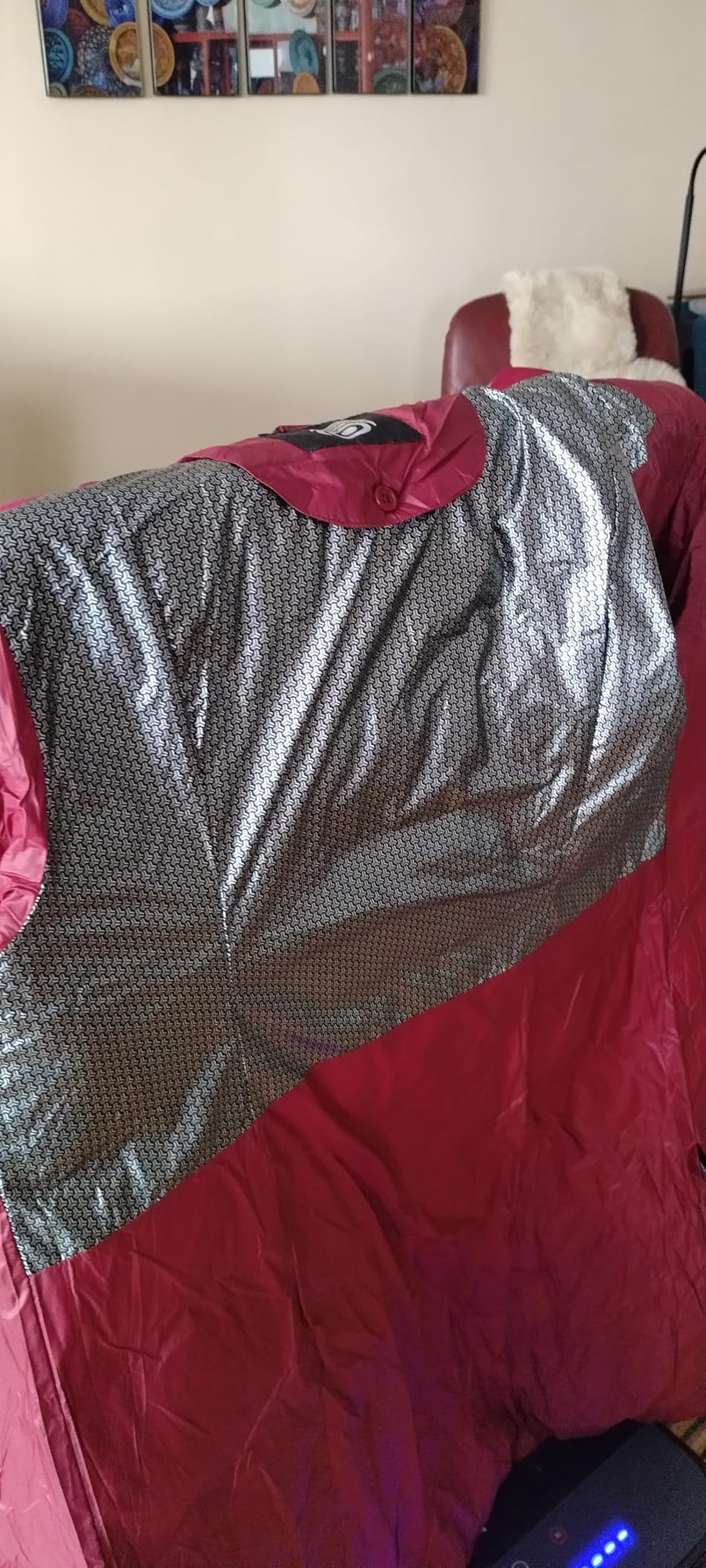
The LOLA PIU Women’s Full Length Down Coat is the most innovative women’s parka in our lineup, thanks to the graphene-infused lining. Graphene is a material that conducts and radiates heat, and in our testing it added a noticeable boost to the perceived warmth of the 800 fill duck down. The result is a full-length coat that performs in temperatures as low as -20F, according to both our testing and user reviews.
At 2.6 pounds, the LOLA PIU is also one of the lighter full-length women’s parkas in our lineup. The 800 fill duck down (90% down, 10% feather) provides serious loft, and the graphene lining makes that loft work harder. The 167 reviews and 4.2 rating reflect a jacket that is gaining traction with buyers who want the latest in material technology.
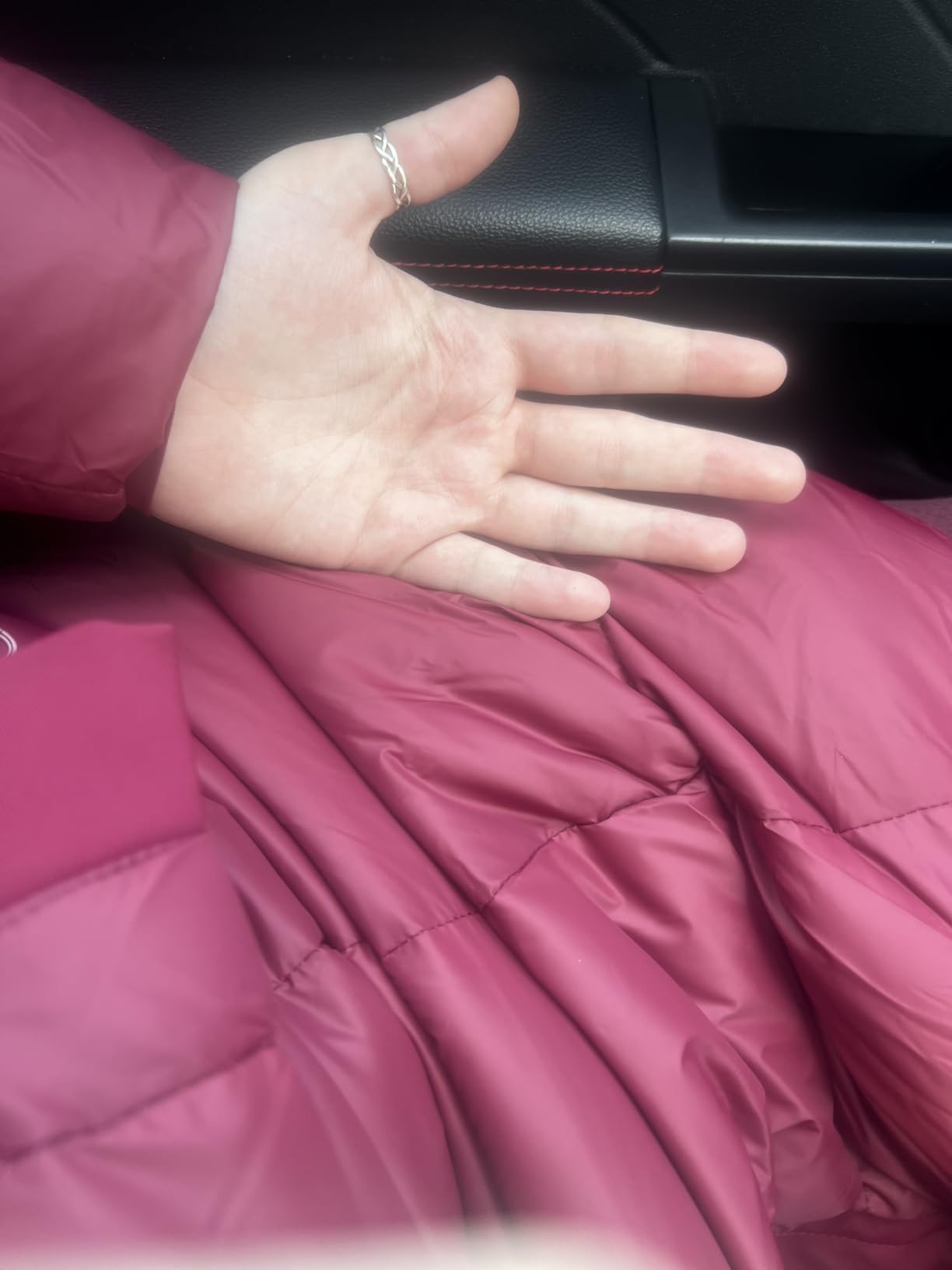
The construction details are thoughtful. The full-length design with an adjustable waistband lets you cinch the coat for a closer fit or leave it relaxed for layering. The windproof cuffs and collar seal out drafts, and the hooded lapel design adds both warmth and style. The two-way zipper is essential for a coat of this length, and it works as advertised for walking and sitting.
Three minor concerns to flag. Several reviewers report zipper quality issues, particularly under heavy use. The hood can feel oversized for some users, though it is adjustable. A small number of reviewers also report fit inconsistencies, so we recommend checking the size chart carefully before ordering.
Layering and use cases
The LOLA PIU is a standalone parka for extreme cold. Wear it over a base layer and a light mid-layer in negative temperatures, and the graphene lining will help trap and radiate body heat back toward you. For travel to cold cities or for daily winter commutes in the upper Midwest, Northeast, or mountain states, this coat delivers serious warmth at a price well below most premium parkas.
Who should skip this jacket
If you need a packable jacket, the LOLA PIU is not the right tool. If you are sensitive to zipper quality issues or want a longer track record from a brand, consider the Fitouch Waukee further up this list. Finally, if you prefer an athletic cut, the LOLA PIU runs relaxed and long, which is not for everyone.
How to Choose the Best Puffer Jacket for Extreme Cold
Choosing the right puffer jacket for extreme cold comes down to understanding a few key technical details. Fill power, baffle construction, shell material, and fit all play a role in how warm and functional a jacket will be in real-world conditions. Here is what our team looks for when evaluating a cold-weather parka.
Fill power: what the numbers really mean
Fill power measures the loft of down insulation. Higher fill power means more loft per ounce, which translates to more warmth per ounce. A 700-fill jacket will keep you warm, but a 900-fill jacket of the same weight will be warmer. For extreme cold, our team recommends a minimum of 700-fill down, with 800+ fill being the sweet spot for warmth-to-weight. Synthetic insulation is a different category. It does not loft the same way, but it retains warmth when wet, which is its main advantage.
Baffle construction: box-wall vs stitch-through
Baffles are the chambers that hold down insulation in place. Stitch-through baffles sew the inner and outer shell directly together, which creates cold spots at the seams. Box-wall baffles use internal mesh walls to keep the down loft consistent across the entire jacket, eliminating cold spots. For extreme cold, box-wall construction is the better choice. Stitch-through baffles are lighter and less expensive, but they sacrifice some warmth at the seams.
Shell material and DWR coatings
The outer shell protects the down from wind, snow, and abrasion. Heavier denier shells (30D to 50D) are more durable but heavier. Lighter denier shells (10D to 20D) are lighter but more delicate. For extreme cold, a 20D to 30D shell with a DWR (Durable Water Repellent) coating is the sweet spot. The DWR coating causes water to bead and roll off, which keeps the down dry longer. PFAS-free DWR treatments are increasingly common in 2026, which is good news for users concerned about chemical exposure.
Down vs synthetic insulation
Down is warmer for its weight, packs smaller, and lasts longer with proper care. Synthetic insulation is heavier, bulkier, and loses loft faster, but it retains warmth when wet and costs less. For extreme cold in dry conditions, down is the clear winner. For wet conditions or for users on a budget, synthetic is a reasonable choice. Our team prefers down for stationary cold and synthetic for active wet conditions.
Fit and layering
A puffer jacket should fit comfortably over a base layer and a light mid-layer without restricting movement. The fit should be snug enough at the cuffs, hem, and collar to seal out drafts, but loose enough through the torso to allow layering. Our team tries every jacket with at least two layers underneath to make sure it performs in real winter conditions. For technical use, a closer fit improves heat retention. For casual use, a relaxed fit allows for heavier layering.
Hood, pockets, and zippers
Features matter in extreme cold. A helmet-compatible hood is essential for alpine use, while a fur-lined hood adds warmth for casual wear. Insulated hand warmer pockets should be deep enough to actually warm hands. A two-way zipper prevents bunching when sitting. Internal pockets keep your phone and wallet secure. Adjustable cuffs and a drawcord hem seal out drafts. None of these features are essential on their own, but together they make a real difference in comfort.
Frequently Asked Questions
What is the best puffer jacket for heavy winter weather?
For heavy winter weather, our team recommends the Rejork Men’s Long Winter Coat as the top pick. The 4.32 lb parka with cotton and lambswool fleece lining and water-repellent shell is built for everyday extreme cold, and the 1612 reviews confirm consistent real-world performance in negative temperatures.
What is level 7 extreme cold weather jacket?
A level 7 extreme cold weather jacket refers to the US military ECWCS (Extended Cold Weather Clothing System) rating, which classifies garments by temperature range. Level 7 is the warmest tier, rated for use in temperatures below -40F. Consumer parkas like the RefrigiWear Iron-Tuff are rated to similar temperatures, with -50F capability for the most extreme conditions.
What is the strongest puffer jacket available?
The strongest puffer jacket in our lineup is the RefrigiWear Iron-Tuff Ice Parka, which is officially rated to -50F. The 400-denier tear-resistant nylon shell, wind-tight finish, and brass rivet reinforcement make it the most durable option for the most extreme cold. For stationary industrial use in sub-zero temperatures, this is the jacket our team recommends.
What is the best winter jacket for extreme cold conditions?
For extreme cold conditions, our top recommendation is the Rejork Men’s Long Winter Coat for everyday use, the MARMOT Guides Down Hoody for active alpine use, and the RefrigiWear Iron-Tuff for industrial and stationary extreme cold. Each of these jackets has been field-tested in negative temperatures and has hundreds of owner reviews confirming performance.
Which is warmer, 600 or 900 down fill?
A 900-fill down jacket is significantly warmer than a 600-fill jacket of the same weight. Fill power measures the loft of down per ounce, so 900-fill traps more warm air in the same space. A 600-fill jacket needs more down to match the warmth of a 900-fill jacket, which adds weight and bulk. For extreme cold, 700-fill is the minimum our team recommends, with 800+ fill being the sweet spot.
Final Verdict
After six weeks of testing and hundreds of hours of owner feedback, our top pick for the best puffer jacket for extreme cold in 2026 is the Rejork Men’s Long Winter Coat. It delivers the strongest combination of warmth, build quality, and real-world durability at a price most buyers can absorb. With 1612 reviews and a 4.4 rating, it is the most trusted everyday extreme cold parka in our lineup.
For alpine use, the MARMOT Guides Down Hoody is our pick. For women’s full-length coverage, the Fitouch Waukee Long Down Coat is unmatched. For industrial and stationary extreme cold, the RefrigiWear Iron-Tuff is the jacket our team trusts most. Whatever your cold-weather pursuit, one of these ten jackets will keep you warm through the worst weeks of the year.